EP2570981A1 - Content output device, content output method, content output program, and recording medium with content output program thereupon - Google Patents
Content output device, content output method, content output program, and recording medium with content output program thereupon Download PDFInfo
- Publication number
- EP2570981A1 EP2570981A1 EP11786583A EP11786583A EP2570981A1 EP 2570981 A1 EP2570981 A1 EP 2570981A1 EP 11786583 A EP11786583 A EP 11786583A EP 11786583 A EP11786583 A EP 11786583A EP 2570981 A1 EP2570981 A1 EP 2570981A1
- Authority
- EP
- European Patent Office
- Prior art keywords
- image
- content
- characteristic
- characteristic element
- specified
- Prior art date
- Legal status (The legal status is an assumption and is not a legal conclusion. Google has not performed a legal analysis and makes no representation as to the accuracy of the status listed.)
- Ceased
Links
Images

Classifications
-
- G—PHYSICS
- G06—COMPUTING OR CALCULATING; COUNTING
- G06Q—INFORMATION AND COMMUNICATION TECHNOLOGY [ICT] SPECIALLY ADAPTED FOR ADMINISTRATIVE, COMMERCIAL, FINANCIAL, MANAGERIAL OR SUPERVISORY PURPOSES; SYSTEMS OR METHODS SPECIALLY ADAPTED FOR ADMINISTRATIVE, COMMERCIAL, FINANCIAL, MANAGERIAL OR SUPERVISORY PURPOSES, NOT OTHERWISE PROVIDED FOR
- G06Q30/00—Commerce
- G06Q30/02—Marketing; Price estimation or determination; Fundraising
-
- G—PHYSICS
- G06—COMPUTING OR CALCULATING; COUNTING
- G06Q—INFORMATION AND COMMUNICATION TECHNOLOGY [ICT] SPECIALLY ADAPTED FOR ADMINISTRATIVE, COMMERCIAL, FINANCIAL, MANAGERIAL OR SUPERVISORY PURPOSES; SYSTEMS OR METHODS SPECIALLY ADAPTED FOR ADMINISTRATIVE, COMMERCIAL, FINANCIAL, MANAGERIAL OR SUPERVISORY PURPOSES, NOT OTHERWISE PROVIDED FOR
- G06Q30/00—Commerce
- G06Q30/02—Marketing; Price estimation or determination; Fundraising
- G06Q30/0241—Advertisements
-
- H—ELECTRICITY
- H04—ELECTRIC COMMUNICATION TECHNIQUE
- H04N—PICTORIAL COMMUNICATION, e.g. TELEVISION
- H04N21/00—Selective content distribution, e.g. interactive television or video on demand [VOD]
- H04N21/40—Client devices specifically adapted for the reception of or interaction with content, e.g. set-top-box [STB]; Operations thereof
- H04N21/45—Management operations performed by the client for facilitating the reception of or the interaction with the content or administrating data related to the end-user or to the client device itself, e.g. learning user preferences for recommending movies, resolving scheduling conflicts
- H04N21/454—Content or additional data filtering, e.g. blocking advertisements
-
- H—ELECTRICITY
- H04—ELECTRIC COMMUNICATION TECHNIQUE
- H04N—PICTORIAL COMMUNICATION, e.g. TELEVISION
- H04N21/00—Selective content distribution, e.g. interactive television or video on demand [VOD]
- H04N21/80—Generation or processing of content or additional data by content creator independently of the distribution process; Content per se
- H04N21/81—Monomedia components thereof
- H04N21/812—Monomedia components thereof involving advertisement data
Definitions
- the information providing device 3 is formed with, for example, one or a plurality of server computers including a function such as a web server, an application server and a database server.
Landscapes
- Business, Economics & Management (AREA)
- Engineering & Computer Science (AREA)
- Strategic Management (AREA)
- Accounting & Taxation (AREA)
- Development Economics (AREA)
- Finance (AREA)
- Marketing (AREA)
- Economics (AREA)
- Game Theory and Decision Science (AREA)
- Entrepreneurship & Innovation (AREA)
- Physics & Mathematics (AREA)
- General Business, Economics & Management (AREA)
- General Physics & Mathematics (AREA)
- Theoretical Computer Science (AREA)
- Multimedia (AREA)
- Signal Processing (AREA)
- Databases & Information Systems (AREA)
- Management, Administration, Business Operations System, And Electronic Commerce (AREA)
Abstract
Description
- The present invention relates to a technical field such as a system which displays content such as advertisement information matching information related to viewers.
- Conventionally, a system is known which arbitrarily switches advertisement information displayed on a monitor inside or outside a public building based on attribute information of a user (viewer) (for example, Patent Literature 1). This system can switch advertisement information to advertisement information matching the user by acquiring the attribute information of the user (for example, information such as a sex, an age, a preference and etc.) from a mobile terminal which the user has.
Patent Literature 2 also discloses a device which displays advertisement information matching attribute information of a user in this way. - Meanwhile,
Patent Literature 3 discloses a copy machine which captures an image of a user' s face using a camera, extracts a feature amount from image data of the captured image, refers to a correspondence table registered in advance and detects an attribute (sex) of the user matching the feature amount.
Further, this copy machine displays content matching the detected attribute of the user. -
- Patent Literature 1: Japanese Patent Application Laid-Open No.
2002-259270 - Patent Literature 2: Japanese Patent Application Laid-Open No.
2000-268235 - Patent Literature 3: Japanese Patent Application Laid-Open No.
2002-140603 - Similar to the above conventional technique, a method of displaying advertisement information matching attribute information of a user cannot prevent content which the user is not interested in from being displayed. However, this method displays for the same attribute information the same advertisement information at all the time, and has a problem that a viewer who views content gets bored and content loses appealing power. Further, there is also a method of simply selecting and displaying content at random from multiple items of contents selected based on, for example, attribute information of a user such that the same content is not presented to the same viewer. However, according to this method, the content is likely to be influenced by temporal and seasonal characteristic elements (such as a muffler, a pair of gloves and a coat in winter). Therefore, there is a problem that it is difficult to present content which attracts viewers' attention, and cannot increase appealing power of content.
- The present invention is made in light of the above problem, and an object of the present invention is to provide a content output device, a content output method, a content output program, and a recording medium having the content output program having recorded thereon which can increase appealing power of content.
- In order to solve the above problem, the invention according to
claim 1 is a content output device comprising: - an image acquiring means that acquires an image;
- a characteristic element specifying means that specifies a characteristic element from the image acquired from the image acquiring means based on characteristic elements stored in a content memory means that associates and stores characteristic elements which are candidates to be specified from the image, with content;
- a difference specifying means that specifies a difference between characteristic elements by comparing the characteristic element specified from the image acquired by the image acquiring means, with the characteristic element specified from an image acquired prior to the image and stored in a characteristic element memory means; and
- an output means that outputs content associated with the characteristic element related to the specified difference.
- The present invention is configured to specify a difference between characteristic elements by comparing a characteristic element specified from a currently acquired image and a characteristic element specified from an image acquired prior to the image, and output content associated with the characteristic elements related to the difference, so that it is possible to prevent a viewer who views the content from getting bored and increase appealing power of the content.
- The invention according to
claim 2 is the content output device according toclaim 1,
wherein the characteristic element specifying means specifies a group based on a distance between the specified characteristic elements, and specifies a characteristic element belonging to the specified group, as the characteristic element of the image; and
the difference specifying means specifies the difference between the characteristic elements by comparing the characteristic element specified from the image, with the characteristic element specified from an image acquired prior to the image. - The present invention can increase appealing power of content including the characteristic element belonging to the specified group.
- The invention according to
claim 3 is the content output device according toclaim
wherein the content memory means stores content which varies per time zone; and
the content acquiring means acquires content matching a time zone including a current time. - The present invention can output content matching each age group matching a time zone and, consequently, further increase appealing power of the content.
- The invention according to
claim 4 is the content output device according to any one ofclaims 1 to 3,
wherein the content memory means stores content matching a combination of a plurality of different characteristic elements; and
the content acquiring means acquires content matching a combination of the characteristic elements related to the difference. - The present invention can output content matching a combination of a plurality of characteristic elements and, consequently, further increase appealing power of the content.
- The invention according to
claim 5 is the content output device according to any one ofclaims 1 to 4,
wherein the image acquiring means acquires an image captured by an imaging device. - The invention according to claim 6 is the content output device according to any one of
claims 1 to 5,
wherein when the characteristic element cannot be specified from the image by the characteristic specifying means, the characteristic element memory means stores information indicating that the characteristic element cannot be specified; and
when information indicating a characteristic element which is a comparison target is not stored in the characteristic element memory means, the difference specifying means specifies the characteristic element specified from the image acquired by the image acquiring means as the difference between the characteristic elements. - The invention according to claim 7 is a method of outputting content, which is executed by a computer comprising:
- an image acquiring step of acquiring an image;
- a characteristic element specifying step of specifying a characteristic element from the acquired image based on characteristic elements stored in a content memory means that associates and stores characteristic elements which are candidates to be specified from the image, with content;
- a difference specifying step of specifying a difference between characteristic elements by comparing the characteristic element specified from the acquired image, with the characteristic element specified from an image acquired prior to the image and stored; and
- an output step of outputting content associated with the characteristic element related to the specified difference.
- The invention according to claim 8 is a content output program causing a computer to function as:
- an image acquiring means that acquires an image;
- a characteristic element specifying means that specifies a characteristic element from the image acquired from the image acquiring means based on characteristic elements stored in a content memory means that associates and stores characteristic elements which are candidates to be specified from the image, with content;
- a difference specifying means that specifies a difference between characteristic elements by comparing the characteristic element specified from the image acquired by the image acquiring means, with the characteristic element specified from an image acquired prior to the image and stored in a characteristic element memory means; and
- an output means that outputs content associated with the characteristic element related to the specified difference.
- The invention according to claim 9 is a recording medium having a computer-readable content output program recorded thereon which causes a computer to function as:
- an image acquiring means that acquires an image;
- a characteristic element specifying means that specifies a characteristic element from the image acquired from the image acquiring means based on characteristic elements stored in a content memory means that associates and stores characteristic elements which are candidates to be specified from the image, with content;
- a difference specifying means that specifies a difference between characteristic elements by comparing the characteristic element specified from the image acquired by the image acquiring means, with the characteristic element specified from an image acquired prior to the image and stored in a characteristic element memory means; and
- an output means that outputs content associated with the characteristic element related to the specified difference.
- The present invention is configured to specify a difference between characteristic elements by comparing a characteristic element specified from a currently acquired image and a characteristic element specified from an image acquired prior to the image, and output content associated with the characteristic elements related to the difference, so that it is possible to prevent a viewer who views the content from getting bored and increase appealing power of the content.
-
-
Fig. 1 is a view illustrating an example of a schematic configuration of a content providing system S according to the present embodiment. -
Fig. 2 is a block diagram illustrating an example of a schematic configuration of aninformation providing device 3. -
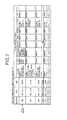
Fig. 3 is a view illustrating an example of information registered in acharacteristic element database 312. -
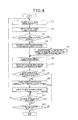
Fig. 4 is a flowchart illustrating information providing processing in asystem control unit 32 of theinformation providing device 3. - An embodiment of the present invention will be described in detail below with reference to the drawings. In addition, the embodiment where the present invention is applied to an information providing system will be described below.
- First, an outline of a configuration and a function of an information providing system S according to the present embodiment will be described using
Fig. 1 . -
Fig. 1 is a view illustrating an example of a schematic configuration of the information providing system S according to the present embodiment. - As illustrated in
Fig. 1 , the information providing system S is configured to include, for example, adisplay device 1, animaging device 2 and an information providing device 3 (an example of a content output device). Thedisplay device 1, theimaging device 2 and theinformation providing device 3 are each connected to a network NW, and can transmit and receive data to and from each other. - In addition, the network NW may be a small network configured with a LAN (Local Area Network), or a large network configured with a WAN (Wide Area Network) including Internet.
- The
display device 1 has, for example, a display, a display control unit and a communication unit. The display control unit includes, for example, a CPU (Central Processing Unit), a RAM (Random Access Memory) and a ROM (Read Only Memory), and receives content output from theinformation providing device 3 through the network NW and the communication unit and displays the content on a display. The display (monitor) is set at, for example, a position inside or outside a public building which can be visually checked by people. Further, the communication unit of thedisplay device 1 connects to the network NW and communicates with theinformation providing device 3. - In addition, the
display device 1 is applicable to advertisement media which display information by means of a digital signage, an electronic signboard, an electronic display board, a digital display board, a dynamic signage, an interactive signage, a digital POP (Point of purchase advertising), a digital sign, a digital display signage, a digital content distributing system, an electronic POP, an electronic poster, an electronic board, an electronic information board, an electronic advertisement board and a projector. - The
imaging device 2 has, for example, a camera and a communication unit. The camera is set, for example, near the display of thedisplay device 1 and at a position from which images of people looking at the display can be captured. Further, data of an image of a subject captured by the camera is transmitted to theinformation providing device 3 through the communication unit and the network NW. Furthermore, the communication unit of theimaging device 2 connects to the network NW and communicates with theinformation providing device 3. - The
information providing device 3 is formed with, for example, one or a plurality of server computers including a function such as a web server, an application server and a database server. -
Fig. 2 is a block diagram illustrating an example of a schematic configuration of theinformation providing device 3. - As illustrated in
Fig. 2 , theinformation providing device 3 roughly has amemory unit 31, asystem control unit 32 and acommunication unit 33. - The
memory unit 31 has, for example, a hard disk drive, and stores an operating system and an application program (including, for example, a content output program according to the present invention). In addition, for example, the content output program according to the present invention may be downloaded from another server through the network NW, or may be recorded in a recording medium such as a CD-ROM or read through the drive. - Further, in the
memory unit 31, for example, a content database (DB) 311 (an example a content memory means) and a characteristic element database (DB) 312 (an example of a characteristic element memory means) are constructed. - In the
content database 311, a plurality of characteristic elements which are candidates to be specified from an image, and content associated with each characteristic element are registered. - Meanwhile, the characteristic element refers to characteristic information which can be specified from, for example, a person (a person or an object accompanying the person) area included in an image. The characteristic element is, for example, a person, a hat, a pair of eyeglasses, a pair of pierces, a pair of earrings, a necklace, a mask, a muffler, a pair of gloves, a coat, a necktie, clothes and a pet. Further, when a characteristic element is a person, the number of people, the sex, the height, a hair style, a hair color, a hair length, a color of eyebrows, the shape of the eyebrows, the length of eyelashes, a color of eyes, a color of a lip, a skin color, whether or the person has a beard and whether or not the person has a wrinkle can also be included as characteristic elements. Furthermore, when a characteristic element is an object such as a hat, a pair of eyeglasses, a pair of pierces, a pair of earrings, a necklace, a mask, a necktie or clothes, the type (for example, a pair of eyeglasses with rims or a pair of eyeglasses without rims), the shape and the color of the object can also be included as characteristic elements. Still further, when a characteristic element is a pet, the type (for example, a cat or a dog), the size, and the color of the pet can also be included as characteristic elements.
- To specify such a characteristic element, for example, a known object recognition algorithm can be applied. The object recognition algorithm is directed to recognizing an object by extracting information such as gradient information and edge information from image data, and comparing the information with correct (candidate) data prepared in advance. In addition, the object recognition algorithm can adopt a technique such as known SIFT (Scale Invariant Feature Transform) or SURF (Speeded-Up Robust Features), and therefore will not be described in more details.
- Further, content to be associated with each characteristic element which is a candidate is advertisement information which is specialized in each characteristic element, and is data including at least one of a movie, a still image and text data. When, for example, a characteristic element is the number of people, advertisement information matching each number of people (advertisement information is different when, for example, the number of people is less than five and is six or more) is registered in the
content database 311 as content. Further, when a characteristic element is a hair style of a person, advertisement information matching each hair style (advertisement information is different when, for example, the hair style is long hair or short hair) is registered in thecontent database 311 as content. Furthermore, when a characteristic element is an object (for example, a pair of eyeglasses), advertisement information of this object is registered in thecontent database 311 as content matching the characteristic element. Still further, advertisement information matching the type, the shape and the color of the object may be registered as content. - Thus, a plurality of items of contents matching each characteristic element are registered in the
content database 311. Further, a configuration may be employed where, in thecontent database 311, content matching a combination of a plurality of different characteristic elements (for example, a combination of "a pair of eyeglasses, a mask and a hat" or a combination of "a hair style, a hair color, a color of eyebrows, the shape of the eyebrows and a color of eyes") is also registered. Furthermore, a configuration may be employed where content matching each characteristic element (or a combination of characteristic elements) is registered in thecontent database 311 per time zone (for example, a time zone from 6 o'clock to 10 o'clock, a time zone from 10 o'clock to 14 o'clock, a time zone from 14 o'clock to 17 o'clock and a time zone from 17 o'clock to 21 o'clock) (that is, even in case of the identical characteristic element, content to be associated varies per time zone). - Meanwhile, in the
characteristic element database 312, each characteristic element specified from an image captured at predetermined time intervals by the camera of theimaging device 2 and acquired by theinformation providing device 3 is registered as a record together with a corresponding date (for example, a date on which an image is acquired or a date on which a characteristic element is specified). -
Fig. 3 is a view illustrating an example of records registered in thecharacteristic element database 312. With an example illustrated inFig. 3 , characteristic elements included in a record registered in thecharacteristic element database 312 change as the time passes. - The
system control unit 32 has, for example, a CPU, a RAM and a ROM. Further, when the CPU reads and executes a server program stored in the ROM and thememory unit 31, the system control unit 23 functions as, for example, an image acquiring means, a characteristic element specifying means, a difference specifying means, a content acquiring means and an output means according to the present invention, and performs processing which is described below. - The
communication unit 33 connects to the network NW, and communicates with thedisplay device 1 and theimaging device 2. - Next, an operation of the information providing system S according to the present embodiment will be described using, for example,
Fig. 4 . -
Fig. 4 is a flowchart illustrating information providing processing in thesystem control unit 32 of theinformation providing device 3. - Processing illustrated in
Fig. 4 is started by activating an application program for outputting content according to, for example, an activation instruction from a system administrator. Thus, an image acquisition occasion deciding timer starts counting, and, in step S1, thesystem control unit 32 requests for an image from theimaging device 2 and acquires data of an image of a subject captured by the camera from theimaging device 2 through the network NW (stores the data in a predetermined area of the RAM). In addition, the image acquisition occasion deciding timer is set to, for example, ten seconds. - Next, the
system control unit 32 performs processing of specifying a characteristic element from the image acquired in step S1 based on characteristic elements (candidates) registered in the content database 311 (step S2). More specifically, thesystem control unit 32 specifies the characteristic element by recognizing an object such as a person area according to the object recognition algorithm, and deciding the coincidence between the object and the characteristic element (candidate) registered in thecontent database 311. According to this processing, one or a plurality of characteristic elements are specified in some cases, and a characteristic element cannot be specified in some cases. In addition, upon decision of the coincidence, whether or not, for example, both items of data related to characteristic elements match at a threshold or more (for example, 90%) set in advance. - Next, the
system control unit 32 decides whether or not characteristic elements can be specified from an image in the processing in step S2 (step S3). Further, thesystem control unit 32 proceeds to step S4 when deciding that one or more characteristic elements are specified (step S3: YES), and proceeds to step S5 when a characteristic element cannot be specified (step S3: NO). - In step S4, the
system control unit 32 registers a current record including one or more specified characteristic elements a corresponding date in thecharacteristic element database 312, and proceeds to step S6. In addition, the current record is temporarily stored in the RAM until the next record is registered. - Meanwhile, in step S5, the
system control unit 32 registers a current record including information indicating that a characteristic element cannot be specified (NULL; corresponding to a record of No. 847 with the example illustrated inFig. 3 ) and a corresponding date in thecharacteristic element database 312, and proceeds to step S6. - In step S6, the
system control unit 32 acquires a predetermined number of records registered prior to (in the past) the current record (latest record) registered in step S4 or S5. The past records to be acquired may be, for example, only one previous record or may be the previous and a predetermined number of records tracked back from the previous record, and are set. - Next, the
system control unit 32 performs processing of specifying a difference between characteristic elements by comparing characteristic elements included in the current record and characteristic elements included in the past records acquired in step S6 (step S7). - Although, for example, a pair of eyeglasses is not included in the characteristic elements of the past records, if, for example, one pair of eyeglasses is included in the characteristic elements of the current record, the difference between the characteristic elements is specified as "a pair of eyeglasses".
- Alternatively, when, for example, the number of people included in the characteristic elements of the past records and the number of people included in the characteristic elements of the current record are different, the difference between the characteristic elements is specified as "the number of people,".
- Alternatively, when, for example, a hair style (for example, short hair) of a person included in characteristic elements of the past records and a hair style (for example, long hair) of a person included in characteristic elements of the current record are different, the difference between characteristic elements is specified as "a hair style".
- Alternatively, although, for example, "a pair of eyeglasses, a mask and a hat" are included in characteristic elements of the past records, if "a pair of eyeglasses, a mask and a hat" are included in characteristic elements of the current record, the difference between the characteristic elements is specified as "a pair of eyeglasses, a mask and a has".
- In addition, when a characteristic element is not included in the past records (information indicating that a characteristic element cannot be specified is included), characteristic elements included in the current record are specified as a difference between the characteristic elements.
- Next, the
system control unit 32 decides whether or not the difference between the current and past characteristic elements according to the processing in step S7 (step S8). Further, thesystem control unit 32 proceeds to step S9 when deciding that the difference between the current and past characteristic elements can be specified (step S8: YES), and proceeds to step S11 when deciding that the difference between the current and past characteristic elements cannot be specified (step S8: NO). When the difference between the current and past characteristic elements cannot be specified, content displayed on the display of thedisplay device 1 is not switched. - In addition, the
system control unit 32 may be configured to count the number of differences between the current and past characteristic elements in step S8 and proceed to step S11 regarding that the difference cannot be specified when the counted number is a predetermined number or less (for example, three) and is small. When, for example, the predetermined number is three, it is regarded that the difference cannot be specified based on two differences of a hair style of a person and a hat alone, and therefore content is not switched. By this means, it is possible to prevent content from being switched more than necessary. - In step S9, the
system control unit 32 acquires content associated with the characteristic elements related to the difference specified in step S7, from thecontent database 311. - For example, content associated with a characteristic element (for example, a pair of eyeglasses) which is included in the current record and which is a difference is acquired.
- Alternatively, content associated with a combination of characteristic elements (for example, a pair of eyeglasses, a mask and a hat) which are included in the current record and which are differences is acquired.
- Alternatively content associated with the number of people which is a characteristic element which is included in the current record and which is the difference is acquired.
- Next, the
system control unit 32 outputs (transmits) the content acquired in step S9 to thedisplay device 1 through the network NW (step S10). By this means, thesystem control unit 32 outputs content associated with a characteristic element related to the difference specified in step S7, to thedisplay device 1. That is, the content output from thesystem control unit 32 is received by thedisplay device 1. The display control unit of thedisplay device 1 stores the received content in the memory unit (for example, rewrites previously received and stored content), and outputs and displays the content to and on the display. That is, the previously received and stored content is switched to the currently received content. In addition, a configuration may be employed where each content matching each of the above characteristic elements (content registered in the content database 311) is stored in the memory unit of thedisplay device 1 in association with identification information (ID) unique to each characteristic element. In this case, thesystem control unit 32 transmits information indicating the characteristic element related to the difference specified in step S7 (for example, identification information unique to the characteristic element) to thedisplay device 1 through the network NW to output content associated with the characteristic element to thedisplay device 1. That is, when receiving the information indicating the characteristic element, thedisplay device 1 acquires the content associated with the information, and displays the content on the display. According to this configuration, it is possible to reduce influences of a response speed upon reception of content (due to a load on the network NW) by the display device land a time lag upon content switching, and present the content to viewers in more real time. - In step S11, the
system control unit 32 decides whether or not an occasion to acquire the next image comes. Further, when deciding that the occasion to acquire the next image has not come (step S11: NO), thesystem control unit 32 proceeds to step S12. Meanwhile, when the image acquisition occasion deciding timer counts up, thesystem control unit 32 decides that the occasion to acquire the next image has comes (step S11: YES), returns to step S1 (in this case, the image acquisition occasion deciding timer is reset), and performs the same processing as the above. Thus, theinformation providing device 3 acquires an image every time an occasion to acquire the image comes (at predetermined time intervals), and, when there is a difference between the current and past characteristic elements, outputs content associated with the characteristic elements related to the difference, to thedisplay device 1. - In step S12, the
system control unit 32 decides whether or not a finish instruction is received, and returns to step S11 when the finish instruction is not received (step S12: NO) and finishes the processing illustrated inFig. 4 when the finish instruction is received (step S12: YES). - As described above, according to the above embodiment, the
information providing device 3 is configured to specify the difference between characteristic elements by comparing a characteristic element specified from a currently acquired image and a characteristic element specified from an image acquired prior to (in the past) the image, output content associated with the characteristic elements related to the difference and display the content on a display, so that it is possible to present content which attracts viewers' attention, prevent the viewers who view the content from getting bored and increase appealing power of the content. When, for example, many people put on mufflers on a cold winter day, these mufflers are not the difference between characteristic elements, so that it is possible to remove content related to these mufflers, that is, content which does not attract viewers' attention from a presentation target. - In addition, the
system control unit 32 may be configured to specify the difference between characteristic elements in step S7 by specifying a group based on a distance between specified characteristic elements (for example, people), specifying characteristic elements belonging to the specified group as characteristic elements of an image and comparing the characteristic elements specified from the image and the characteristic elements specified from an image acquired prior to (in the past) the image. For example, thesystem control unit 32 calculates a distance between the specified characteristic elements, and specifies a plurality of characteristic elements between which the distance is a predetermined distance (for example 1 to 2 m) or less as one group. Meanwhile, thesystem control unit 32 may be configured to specify a group only when the number of characteristic elements between which the calculated distance is within a predetermined distance is a predetermined number (for example, three people) or more. In addition, when the specified characteristic elements are people, the distance between people can be found by calculating the distance between the eyes of the specified people. According to this configuration, it is possible to display content matching the difference between the past and current characteristic elements in the specified group and, consequently, increase appealing power of content such as people belonging to this group. - Further, the
system control unit 32 may be configured to acquire content which is associated with characteristic elements related to the difference and which matches a time zone including the current time in step S9. According to this configuration, it is possible to display content matching each age group matching a time zone and, consequently, further increase appealing power of content. Further, thesystem control unit 32 may also be configured to store history information of content output to thedisplay device 1, and acquire content different from previously acquired content in step S9. According to this configuration, it is possible to prevent the same content from being selected and, consequently, prevent viewers who view the content from getting bored. - In addition, although the present embodiment has been described using the
information providing device 3 as an example of the content output device according to the present invention, the present invention can also be applied to a personal computer (having a build-in or externally-connected camera) installed at a location which is commonly used. Further, a display device having a display may be configured to have an image acquiring means, a characteristic element specifying means, a difference specifying means, a content acquiring means and an output means according to the present invention (the display device may further have an imaging means), and perform the above processing from acquisition to an output of content without the network NW. -
- 1
- DISPLAY DEVICE
- 2
- IMAGING DEVICE
- 3
- INFORMATION PROVIDING DEVICE
- 31
- MEMORY UNIT
- 32
- SYSTEM CONTROL UNIT
- 33
- COMMUNICATION UNIT
- NW
- NETWORK
- S
- INFORMATION PROVIDING SYSTEM
Claims (9)
- A content output device comprising:an image acquiring means that acquires an image;a characteristic element specifying means that specifies a characteristic element from the image acquired from the image acquiring means based on characteristic elements stored in a content memory means that associates and stores characteristic elements which are candidates to be specified from the image, with content;a difference specifying means that specifies a difference between characteristic elements by comparing the characteristic element specified from the image acquired by the image acquiring means, with the characteristic element specified from an image acquired prior to the image and stored in a characteristic element memory means; andan output means that outputs content associated with the characteristic element related to the specified difference.
- The content output device according to claim 1,
wherein the characteristic element specifying means specifies a group based on a distance between the specified characteristic elements, and specifies a characteristic element belonging to the specified group, as the characteristic element of the image; and
the difference specifying means specifies the difference between the characteristic elements by comparing the characteristic element specified from the image, with the characteristic element specified from an image acquired prior to the image. - The content output device according to claim 1 or 2,
wherein the content memory means stores content which varies per time zone; and
the content acquiring means acquires content matching a time zone including a current time. - The content output device according to any one of claims 1 to 3,
wherein the content memory means stores content matching a combination of a plurality of different characteristic elements; and
the content acquiring means acquires content matching a combination of the characteristic elements related to the difference. - The content output device according to any one of claims 1 to 4,
wherein the image acquiring means acquires an image captured by an imaging device. - The content output device according to any one of claims 1 to 5,
wherein when the characteristic element cannot be specified from the image by the characteristic specifying means, the characteristic element memory means stores information indicating that the characteristic element cannot be specified; and
when information indicating a characteristic element which is a comparison target is not stored in the characteristic element memory means, the difference specifying means specifies the characteristic element specified from the image acquired by the image acquiring means as the difference between the characteristic elements. - A method of outputting content, which is executed by a computer comprising:an image acquiring step of acquiring an image;a characteristic element specifying step of specifying a characteristic element from the acquired image based on characteristic elements stored in a content memory means that associates and stores characteristic elements which are candidates to be specified from the image, with content;a difference specifying step of specifying a difference between characteristic elements by comparing the characteristic element specified from the acquired image, with the characteristic element specified from an image acquired prior to the image and stored; andan output step of outputting content associated with the characteristic element related to the specified difference.
- A content output program causing a computer to function as:an image acquiring means that acquires an image;a characteristic element specifying means that specifies a characteristic element from the image acquired from the image acquiring means based on characteristic elements stored in a content memory means that associates and stores characteristic elements which are candidates to be specified from the image, with content;a difference specifying means that specifies a difference between characteristic elements by comparing the characteristic element specified from the image acquired by the image acquiring means, with the characteristic element specified from an image acquired prior to the image and stored in a characteristic element memory means; andan output means that outputs content associated with the characteristic element related to the specified difference.
- A recording medium having a computer-readable content output program recorded thereon which causes a computer to function as:an image acquiring means that acquires an image;a characteristic element specifying means that specifies a characteristic element from the image acquired from the image acquiring means based on characteristic elements stored in a content memory means that associates and stores characteristic elements which are candidates to be specified from the image, with content;a difference specifying means that specifies a difference between characteristic elements by comparing the characteristic element specified from the image acquired by the image acquiring means, with the characteristic element specified from an image acquired prior to the image and stored in a characteristic element memory means; andan output means that outputs content associated with the characteristic element related to the specified difference.
Applications Claiming Priority (2)
| Application Number | Priority Date | Filing Date | Title |
|---|---|---|---|
| JP2010122495 | 2010-05-28 | ||
| PCT/JP2011/061727 WO2011148884A1 (en) | 2010-05-28 | 2011-05-23 | Content output device, content output method, content output program, and recording medium with content output program thereupon |
Publications (2)
| Publication Number | Publication Date |
|---|---|
| EP2570981A1 true EP2570981A1 (en) | 2013-03-20 |
| EP2570981A4 EP2570981A4 (en) | 2014-04-09 |
Family
ID=45003874
Family Applications (1)
| Application Number | Title | Priority Date | Filing Date |
|---|---|---|---|
| EP11786583.2A Ceased EP2570981A4 (en) | 2010-05-28 | 2011-05-23 | CONTENT OUTPUT DEVICE, CONTENT OUTPUT METHOD, CONTENT OUTPUT PROGRAM, AND RECORDING MEDIUM WITH CONTENT OUTPUT PROGRAM |
Country Status (5)
| Country | Link |
|---|---|
| US (1) | US9530144B2 (en) |
| EP (1) | EP2570981A4 (en) |
| JP (1) | JP5190560B2 (en) |
| CN (1) | CN102947850B (en) |
| WO (1) | WO2011148884A1 (en) |
Families Citing this family (46)
| Publication number | Priority date | Publication date | Assignee | Title |
|---|---|---|---|---|
| US9417754B2 (en) | 2011-08-05 | 2016-08-16 | P4tents1, LLC | User interface system, method, and computer program product |
| JP6273263B2 (en) | 2012-05-09 | 2018-01-31 | アップル インコーポレイテッド | Device, method, and graphical user interface for displaying additional information in response to user contact |
| WO2013169849A2 (en) | 2012-05-09 | 2013-11-14 | Industries Llc Yknots | Device, method, and graphical user interface for displaying user interface objects corresponding to an application |
| CN109298789B (en) | 2012-05-09 | 2021-12-31 | 苹果公司 | Device, method and graphical user interface for providing feedback on activation status |
| WO2013169865A2 (en) | 2012-05-09 | 2013-11-14 | Yknots Industries Llc | Device, method, and graphical user interface for moving a user interface object based on an intensity of a press input |
| EP2847660B1 (en) | 2012-05-09 | 2018-11-14 | Apple Inc. | Device, method, and graphical user interface for selecting user interface objects |
| WO2013169843A1 (en) | 2012-05-09 | 2013-11-14 | Yknots Industries Llc | Device, method, and graphical user interface for manipulating framed graphical objects |
| CN107977084B (en) | 2012-05-09 | 2021-11-05 | 苹果公司 | Method and apparatus for providing haptic feedback for operations performed in a user interface |
| WO2013169851A2 (en) | 2012-05-09 | 2013-11-14 | Yknots Industries Llc | Device, method, and graphical user interface for facilitating user interaction with controls in a user interface |
| JP6002836B2 (en) | 2012-05-09 | 2016-10-05 | アップル インコーポレイテッド | Device, method, and graphical user interface for transitioning between display states in response to a gesture |
| WO2013169875A2 (en) | 2012-05-09 | 2013-11-14 | Yknots Industries Llc | Device, method, and graphical user interface for displaying content associated with a corresponding affordance |
| WO2013169842A2 (en) | 2012-05-09 | 2013-11-14 | Yknots Industries Llc | Device, method, and graphical user interface for selecting object within a group of objects |
| WO2013169882A2 (en) | 2012-05-09 | 2013-11-14 | Yknots Industries Llc | Device, method, and graphical user interface for moving and dropping a user interface object |
| WO2013169845A1 (en) | 2012-05-09 | 2013-11-14 | Yknots Industries Llc | Device, method, and graphical user interface for scrolling nested regions |
| WO2014105275A1 (en) | 2012-12-29 | 2014-07-03 | Yknots Industries Llc | Device, method, and graphical user interface for forgoing generation of tactile output for a multi-contact gesture |
| WO2014105279A1 (en) | 2012-12-29 | 2014-07-03 | Yknots Industries Llc | Device, method, and graphical user interface for switching between user interfaces |
| EP2939096B1 (en) | 2012-12-29 | 2019-08-28 | Apple Inc. | Device, method, and graphical user interface for determining whether to scroll or select contents |
| CN105144057B (en) | 2012-12-29 | 2019-05-17 | 苹果公司 | Apparatus, method, and graphical user interface for moving a cursor based on changes in appearance of a control icon having simulated three-dimensional features |
| KR101742808B1 (en) | 2012-12-29 | 2017-06-01 | 애플 인크. | Device, method, and graphical user interface for navigating user interface hierachies |
| JP6158947B2 (en) | 2012-12-29 | 2017-07-05 | アップル インコーポレイテッド | Device, method and graphical user interface for transitioning between relationships from touch input to display output |
| JP2016513918A (en) * | 2013-03-06 | 2016-05-16 | ジトー, アーサー ジェイ.ジュニアZITO, Arthur J.Jr. | Multimedia presentation system |
| US9645732B2 (en) | 2015-03-08 | 2017-05-09 | Apple Inc. | Devices, methods, and graphical user interfaces for displaying and using menus |
| US9990107B2 (en) | 2015-03-08 | 2018-06-05 | Apple Inc. | Devices, methods, and graphical user interfaces for displaying and using menus |
| US10048757B2 (en) | 2015-03-08 | 2018-08-14 | Apple Inc. | Devices and methods for controlling media presentation |
| US10095396B2 (en) | 2015-03-08 | 2018-10-09 | Apple Inc. | Devices, methods, and graphical user interfaces for interacting with a control object while dragging another object |
| US9632664B2 (en) | 2015-03-08 | 2017-04-25 | Apple Inc. | Devices, methods, and graphical user interfaces for manipulating user interface objects with visual and/or haptic feedback |
| US9639184B2 (en) | 2015-03-19 | 2017-05-02 | Apple Inc. | Touch input cursor manipulation |
| US9785305B2 (en) | 2015-03-19 | 2017-10-10 | Apple Inc. | Touch input cursor manipulation |
| US20170045981A1 (en) | 2015-08-10 | 2017-02-16 | Apple Inc. | Devices and Methods for Processing Touch Inputs Based on Their Intensities |
| US10067653B2 (en) | 2015-04-01 | 2018-09-04 | Apple Inc. | Devices and methods for processing touch inputs based on their intensities |
| US9891811B2 (en) | 2015-06-07 | 2018-02-13 | Apple Inc. | Devices and methods for navigating between user interfaces |
| US10346030B2 (en) | 2015-06-07 | 2019-07-09 | Apple Inc. | Devices and methods for navigating between user interfaces |
| US10200598B2 (en) | 2015-06-07 | 2019-02-05 | Apple Inc. | Devices and methods for capturing and interacting with enhanced digital images |
| US9830048B2 (en) | 2015-06-07 | 2017-11-28 | Apple Inc. | Devices and methods for processing touch inputs with instructions in a web page |
| US9674426B2 (en) | 2015-06-07 | 2017-06-06 | Apple Inc. | Devices and methods for capturing and interacting with enhanced digital images |
| US9860451B2 (en) | 2015-06-07 | 2018-01-02 | Apple Inc. | Devices and methods for capturing and interacting with enhanced digital images |
| US10416800B2 (en) | 2015-08-10 | 2019-09-17 | Apple Inc. | Devices, methods, and graphical user interfaces for adjusting user interface objects |
| US9880735B2 (en) | 2015-08-10 | 2018-01-30 | Apple Inc. | Devices, methods, and graphical user interfaces for manipulating user interface objects with visual and/or haptic feedback |
| US10235035B2 (en) | 2015-08-10 | 2019-03-19 | Apple Inc. | Devices, methods, and graphical user interfaces for content navigation and manipulation |
| US10248308B2 (en) | 2015-08-10 | 2019-04-02 | Apple Inc. | Devices, methods, and graphical user interfaces for manipulating user interfaces with physical gestures |
| US10021461B2 (en) | 2016-02-29 | 2018-07-10 | Rovi Guides, Inc. | Systems and methods for performing an action based on context of a feature in a media asset |
| US9807465B2 (en) * | 2016-02-29 | 2017-10-31 | Rovi Guides, Inc. | Systems and methods for transmitting a portion of a media asset containing an object to a first user |
| US10904615B2 (en) * | 2017-09-07 | 2021-01-26 | International Business Machines Corporation | Accessing and analyzing data to select an optimal line-of-sight and determine how media content is distributed and displayed |
| US10204160B1 (en) * | 2018-04-10 | 2019-02-12 | Rovi Guides, Inc. | Methods and systems for disambiguating user input based on detection of ensembles of items |
| CN108737872A (en) * | 2018-06-08 | 2018-11-02 | 百度在线网络技术(北京)有限公司 | Method and apparatus for output information |
| US20200288204A1 (en) * | 2019-03-05 | 2020-09-10 | Adobe Inc. | Generating and providing personalized digital content in real time based on live user context |
Family Cites Families (37)
| Publication number | Priority date | Publication date | Assignee | Title |
|---|---|---|---|---|
| US7966078B2 (en) * | 1999-02-01 | 2011-06-21 | Steven Hoffberg | Network media appliance system and method |
| JP3527128B2 (en) | 1999-03-15 | 2004-05-17 | 株式会社エヌ・ティ・ティ・データ | Prepaid card information processing system with service function |
| US20020046100A1 (en) * | 2000-04-18 | 2002-04-18 | Naoto Kinjo | Image display method |
| JP2002140603A (en) | 2000-10-31 | 2002-05-17 | Omron Corp | Image forming apparatus and information providing apparatus |
| US20020072952A1 (en) | 2000-12-07 | 2002-06-13 | International Business Machines Corporation | Visual and audible consumer reaction collection |
| JP2002259270A (en) | 2001-02-27 | 2002-09-13 | Kazutaka Minotani | System and device for displaying image, recording medium and program |
| US6720880B2 (en) * | 2001-11-13 | 2004-04-13 | Koninklijke Philips Electronics N.V. | Vision-based method and apparatus for automatically activating a child safety feature |
| JP4165095B2 (en) * | 2002-03-15 | 2008-10-15 | オムロン株式会社 | Information providing apparatus and information providing method |
| JP2004201191A (en) * | 2002-12-20 | 2004-07-15 | Nec Corp | Image processing transmission system, mobile phone, image processing transmission method, and image processing transmission program |
| JP2004227158A (en) * | 2003-01-21 | 2004-08-12 | Omron Corp | Information providing apparatus and information providing method |
| US20050177847A1 (en) * | 2003-03-07 | 2005-08-11 | Richard Konig | Determining channel associated with video stream |
| CN1622076A (en) * | 2003-11-26 | 2005-06-01 | 梁栋 | Device and method for automatically selecting and broadcasting advertisement content |
| EP1566788A3 (en) * | 2004-01-23 | 2017-11-22 | Sony United Kingdom Limited | Display |
| US20050289582A1 (en) * | 2004-06-24 | 2005-12-29 | Hitachi, Ltd. | System and method for capturing and using biometrics to review a product, service, creative work or thing |
| US7734067B2 (en) * | 2004-12-07 | 2010-06-08 | Electronics And Telecommunications Research Institute | User recognition system and method thereof |
| US7690011B2 (en) * | 2005-05-02 | 2010-03-30 | Technology, Patents & Licensing, Inc. | Video stream modification to defeat detection |
| US8078578B2 (en) * | 2005-10-14 | 2011-12-13 | Cisco Technology, Inc. | Sharing of presence-based time-zone information |
| US20070140532A1 (en) * | 2005-12-20 | 2007-06-21 | Goffin Glen P | Method and apparatus for providing user profiling based on facial recognition |
| US7504942B2 (en) * | 2006-02-06 | 2009-03-17 | Videoiq, Inc. | Local verification systems and methods for security monitoring |
| JP2007265125A (en) * | 2006-03-29 | 2007-10-11 | Matsushita Electric Ind Co Ltd | Content display device |
| JP4872431B2 (en) * | 2006-04-17 | 2012-02-08 | 船井電機株式会社 | Electronic equipment control system |
| US9020966B2 (en) * | 2006-07-31 | 2015-04-28 | Ricoh Co., Ltd. | Client device for interacting with a mixed media reality recognition system |
| CN101237563B (en) * | 2007-01-31 | 2011-06-01 | 华为技术有限公司 | Method and device for getting program watcher information |
| JP4329843B2 (en) * | 2007-05-28 | 2009-09-09 | 船井電機株式会社 | Receiver |
| JP2009109887A (en) | 2007-10-31 | 2009-05-21 | Akiji Nagasawa | Synthetic program, recording medium and synthesizer |
| WO2009067670A1 (en) * | 2007-11-21 | 2009-05-28 | Gesturetek, Inc. | Media preferences |
| US9986293B2 (en) * | 2007-11-21 | 2018-05-29 | Qualcomm Incorporated | Device access control |
| JP4538756B2 (en) * | 2007-12-03 | 2010-09-08 | ソニー株式会社 | Information processing apparatus, information processing terminal, information processing method, and program |
| JP2009211284A (en) * | 2008-03-03 | 2009-09-17 | Mitsubishi Electric Corp | Advertisement information providing system |
| WO2010032297A1 (en) * | 2008-09-17 | 2010-03-25 | 富士通株式会社 | Image processing device, image processing method, and image processing program |
| JP4623199B2 (en) * | 2008-10-27 | 2011-02-02 | ソニー株式会社 | Image processing apparatus, image processing method, and program |
| JP5224360B2 (en) * | 2008-11-10 | 2013-07-03 | 日本電気株式会社 | Electronic advertising device, electronic advertising method and program |
| CN201383313Y (en) * | 2009-02-19 | 2010-01-13 | 李赛 | Interactive billboard and network type interactive advertising system |
| US8332255B2 (en) * | 2009-11-09 | 2012-12-11 | Palo Alto Research Center Incorporated | Sensor-integrated mirror for determining consumer shopping behavior |
| US8791787B2 (en) * | 2009-12-11 | 2014-07-29 | Sony Corporation | User personalization with bezel-displayed identification |
| US20110295693A1 (en) * | 2010-06-01 | 2011-12-01 | Microsoft Corporation | Generating Tailored Content Based On Scene Image Detection |
| US9213405B2 (en) * | 2010-12-16 | 2015-12-15 | Microsoft Technology Licensing, Llc | Comprehension and intent-based content for augmented reality displays |
-
2011
- 2011-05-23 JP JP2012517246A patent/JP5190560B2/en active Active
- 2011-05-23 US US13/699,163 patent/US9530144B2/en active Active
- 2011-05-23 CN CN201180025815.XA patent/CN102947850B/en active Active
- 2011-05-23 EP EP11786583.2A patent/EP2570981A4/en not_active Ceased
- 2011-05-23 WO PCT/JP2011/061727 patent/WO2011148884A1/en not_active Ceased
Also Published As
| Publication number | Publication date |
|---|---|
| EP2570981A4 (en) | 2014-04-09 |
| JP5190560B2 (en) | 2013-04-24 |
| CN102947850B (en) | 2016-07-06 |
| CN102947850A (en) | 2013-02-27 |
| JPWO2011148884A1 (en) | 2013-07-25 |
| US20130067513A1 (en) | 2013-03-14 |
| WO2011148884A1 (en) | 2011-12-01 |
| US9530144B2 (en) | 2016-12-27 |
Similar Documents
| Publication | Publication Date | Title |
|---|---|---|
| US9530144B2 (en) | Content output device, content output method, content output program, and recording medium having content output program recorded thereon | |
| JP5224360B2 (en) | Electronic advertising device, electronic advertising method and program | |
| CN110033298B (en) | Information processing equipment and control method, system and storage medium thereof | |
| KR101616652B1 (en) | Digital advertising system | |
| JP4165095B2 (en) | Information providing apparatus and information providing method | |
| JP5217922B2 (en) | Electronic advertisement system, electronic advertisement distribution apparatus, and program | |
| JP6562077B2 (en) | Exhibition device, display control device, and exhibition system | |
| US20150088637A1 (en) | Information processing system, information processing method, and non-transitory computer readable storage medium | |
| KR101643915B1 (en) | Construction system for big data reflect regional characteristics tailored ads | |
| CN110689367A (en) | Data acquisition method and device, computer device and storage medium | |
| JP2004227158A (en) | Information providing apparatus and information providing method | |
| JP2022191288A (en) | Information processing equipment | |
| CN114066534A (en) | Elevator advertisement delivery method, device, equipment and medium based on artificial intelligence | |
| JP2012252613A (en) | Customer behavior tracking type video distribution system | |
| JP2013003817A (en) | Environment understanding type control system by face recognition | |
| CN113850627A (en) | Elevator advertisement display method and device and electronic equipment | |
| CN110969480A (en) | Multimedia backpack advertising information playing control method and device | |
| JP2021176061A (en) | Signage control system and signage control program | |
| CN114746882A (en) | Systems and methods for interaction awareness and content presentation | |
| JP2019212039A (en) | Information processing device, information processing method, program, and information processing system | |
| CN109074498A (en) | Visitor Tracking Method and System for POS Areas | |
| US20140365310A1 (en) | Presentation of materials based on low level feature analysis | |
| JP7424939B2 (en) | Person detection device, person tracking device, person tracking system, person detection method, person tracking method, person detection program, and person tracking program | |
| US20200234338A1 (en) | Content selection apparatus, content selection method, content selection system, and program | |
| CN108573056B (en) | Content data processing method and device, electronic equipment and storage medium |
Legal Events
| Date | Code | Title | Description |
|---|---|---|---|
| PUAI | Public reference made under article 153(3) epc to a published international application that has entered the european phase |
Free format text: ORIGINAL CODE: 0009012 |
|
| 17P | Request for examination filed |
Effective date: 20121210 |
|
| AK | Designated contracting states |
Kind code of ref document: A1 Designated state(s): AL AT BE BG CH CY CZ DE DK EE ES FI FR GB GR HR HU IE IS IT LI LT LU LV MC MK MT NL NO PL PT RO RS SE SI SK SM TR |
|
| DAX | Request for extension of the european patent (deleted) | ||
| A4 | Supplementary search report drawn up and despatched |
Effective date: 20140311 |
|
| RIC1 | Information provided on ipc code assigned before grant |
Ipc: G06Q 30/02 20120101ALI20140305BHEP Ipc: G06Q 30/00 20120101AFI20140305BHEP |
|
| 17Q | First examination report despatched |
Effective date: 20150209 |
|
| RAP1 | Party data changed (applicant data changed or rights of an application transferred) |
Owner name: RAKUTEN, INC. |
|
| REG | Reference to a national code |
Ref country code: DE Ref legal event code: R003 |
|
| STAA | Information on the status of an ep patent application or granted ep patent |
Free format text: STATUS: THE APPLICATION HAS BEEN REFUSED |
|
| 18R | Application refused |
Effective date: 20160621 |