EP2568160A1 - Vehicle control device - Google Patents
Vehicle control device Download PDFInfo
- Publication number
- EP2568160A1 EP2568160A1 EP12182593A EP12182593A EP2568160A1 EP 2568160 A1 EP2568160 A1 EP 2568160A1 EP 12182593 A EP12182593 A EP 12182593A EP 12182593 A EP12182593 A EP 12182593A EP 2568160 A1 EP2568160 A1 EP 2568160A1
- Authority
- EP
- European Patent Office
- Prior art keywords
- stopping
- engine
- automatic
- automatic stopping
- vehicle
- Prior art date
- Legal status (The legal status is an assumption and is not a legal conclusion. Google has not performed a legal analysis and makes no representation as to the accuracy of the status listed.)
- Granted
Links
Images



Classifications
-
- F—MECHANICAL ENGINEERING; LIGHTING; HEATING; WEAPONS; BLASTING
- F02—COMBUSTION ENGINES; HOT-GAS OR COMBUSTION-PRODUCT ENGINE PLANTS
- F02N—STARTING OF COMBUSTION ENGINES; STARTING AIDS FOR SUCH ENGINES, NOT OTHERWISE PROVIDED FOR
- F02N11/00—Starting of engines by means of electric motors
- F02N11/08—Circuits specially adapted for starting of engines
- F02N11/0814—Circuits specially adapted for starting of engines comprising means for controlling automatic idle-start-stop
- F02N11/0818—Conditions for starting or stopping the engine or for deactivating the idle-start-stop mode
-
- B—PERFORMING OPERATIONS; TRANSPORTING
- B60—VEHICLES IN GENERAL
- B60W—CONJOINT CONTROL OF VEHICLE SUB-UNITS OF DIFFERENT TYPE OR DIFFERENT FUNCTION; CONTROL SYSTEMS SPECIALLY ADAPTED FOR HYBRID VEHICLES; ROAD VEHICLE DRIVE CONTROL SYSTEMS FOR PURPOSES NOT RELATED TO THE CONTROL OF A PARTICULAR SUB-UNIT
- B60W30/00—Purposes of road vehicle drive control systems not related to the control of a particular sub-unit, e.g. of systems using conjoint control of vehicle sub-units
- B60W30/18—Propelling the vehicle
- B60W30/18009—Propelling the vehicle related to particular drive situations
- B60W30/18018—Start-stop drive, e.g. in a traffic jam
-
- F—MECHANICAL ENGINEERING; LIGHTING; HEATING; WEAPONS; BLASTING
- F02—COMBUSTION ENGINES; HOT-GAS OR COMBUSTION-PRODUCT ENGINE PLANTS
- F02N—STARTING OF COMBUSTION ENGINES; STARTING AIDS FOR SUCH ENGINES, NOT OTHERWISE PROVIDED FOR
- F02N11/00—Starting of engines by means of electric motors
- F02N11/08—Circuits specially adapted for starting of engines
- F02N11/0814—Circuits specially adapted for starting of engines comprising means for controlling automatic idle-start-stop
- F02N11/0818—Conditions for starting or stopping the engine or for deactivating the idle-start-stop mode
- F02N11/0833—Vehicle conditions
-
- B—PERFORMING OPERATIONS; TRANSPORTING
- B60—VEHICLES IN GENERAL
- B60W—CONJOINT CONTROL OF VEHICLE SUB-UNITS OF DIFFERENT TYPE OR DIFFERENT FUNCTION; CONTROL SYSTEMS SPECIALLY ADAPTED FOR HYBRID VEHICLES; ROAD VEHICLE DRIVE CONTROL SYSTEMS FOR PURPOSES NOT RELATED TO THE CONTROL OF A PARTICULAR SUB-UNIT
- B60W2520/00—Input parameters relating to overall vehicle dynamics
- B60W2520/10—Longitudinal speed
-
- B—PERFORMING OPERATIONS; TRANSPORTING
- B60—VEHICLES IN GENERAL
- B60W—CONJOINT CONTROL OF VEHICLE SUB-UNITS OF DIFFERENT TYPE OR DIFFERENT FUNCTION; CONTROL SYSTEMS SPECIALLY ADAPTED FOR HYBRID VEHICLES; ROAD VEHICLE DRIVE CONTROL SYSTEMS FOR PURPOSES NOT RELATED TO THE CONTROL OF A PARTICULAR SUB-UNIT
- B60W2520/00—Input parameters relating to overall vehicle dynamics
- B60W2520/10—Longitudinal speed
- B60W2520/105—Longitudinal acceleration
-
- F—MECHANICAL ENGINEERING; LIGHTING; HEATING; WEAPONS; BLASTING
- F02—COMBUSTION ENGINES; HOT-GAS OR COMBUSTION-PRODUCT ENGINE PLANTS
- F02D—CONTROLLING COMBUSTION ENGINES
- F02D41/00—Electrical control of supply of combustible mixture or its constituents
- F02D41/02—Circuit arrangements for generating control signals
- F02D41/04—Introducing corrections for particular operating conditions
- F02D41/045—Detection of accelerating or decelerating state
-
- F—MECHANICAL ENGINEERING; LIGHTING; HEATING; WEAPONS; BLASTING
- F02—COMBUSTION ENGINES; HOT-GAS OR COMBUSTION-PRODUCT ENGINE PLANTS
- F02N—STARTING OF COMBUSTION ENGINES; STARTING AIDS FOR SUCH ENGINES, NOT OTHERWISE PROVIDED FOR
- F02N2200/00—Parameters used for control of starting apparatus
- F02N2200/08—Parameters used for control of starting apparatus said parameters being related to the vehicle or its components
- F02N2200/0801—Vehicle speed
-
- Y—GENERAL TAGGING OF NEW TECHNOLOGICAL DEVELOPMENTS; GENERAL TAGGING OF CROSS-SECTIONAL TECHNOLOGIES SPANNING OVER SEVERAL SECTIONS OF THE IPC; TECHNICAL SUBJECTS COVERED BY FORMER USPC CROSS-REFERENCE ART COLLECTIONS [XRACs] AND DIGESTS
- Y02—TECHNOLOGIES OR APPLICATIONS FOR MITIGATION OR ADAPTATION AGAINST CLIMATE CHANGE
- Y02T—CLIMATE CHANGE MITIGATION TECHNOLOGIES RELATED TO TRANSPORTATION
- Y02T10/00—Road transport of goods or passengers
- Y02T10/10—Internal combustion engine [ICE] based vehicles
- Y02T10/40—Engine management systems
Definitions
- the present invention is related to a vehicle control device that performs automatic stopping and automatic restart of an internal combustion engine (an engine) while driving.
- a vehicle control device has been provided in which mileage and exhaust gas emissions are improved by automatically stopping of an engine if automatic stopping conditions are established when a vehicle stops during driving of an engine. Further, a vehicle control device has been suggested in which mileage and exhaust gas emissions are further improved by performing automatic stopping of an engine when it is determined that the degree of application of the brake is greater than a predetermined value during deceleration of a vehicle (see, JP-A-2002-221059 ).
- the automatic restart conditions for example, may include a decrease in the degree of application of the brake pedal by the driver or operation of the accelerator pedal.
- a vehicle control device comprising:
- the vehicle control device may be configured such that: the prohibiting means prohibits the means for controlling automatic stopping during deceleration from performing the automatic stopping process of the engine based on a state when the means for controlling automatic restart performs the automatic restart process of the engine after the means for controlling automatic stopping during stopping performs the automatic stopping process of the engine.
- the vehicle control device may be configured such that: the vehicle control device further comprises means for detecting vehicle speed, which detects a moving speed of the vehicle, and the prohibiting means prohibits the means for controlling automatic stopping during deceleration from performing the automatic stopping process of the engine in a state where the moving speed detected by the means for detecting vehicle speed is lower than a first reference value.
- the vehicle control device may be configured such that: the prohibiting means prohibits the means for controlling automatic stopping during deceleration from performing the automatic stopping process of the engine in a state where the moving speed detected by the means for detecting speed is higher than a second reference value which is greater than the first reference value.
- the vehicle control device may be configured such that: the prohibiting means prohibits the means for controlling automatic stopping during deceleration from performing the automatic stopping process of the engine in a state where the means for controlling automatic restart performs the automatic restart process of the engine and a condition is established.
- the vehicle control device may be configured such that: the means for controlling automatic restart performs the automatic restart process of the engine in a state where the moving speed detected by the means for detecting vehicle speed is higher than the second reference value and less than or equal to a third reference value after the means for controlling automatic stopping during deceleration performs the automatic stopping process of the engine during deceleration of the vehicle.
- the vehicle control device may be configured such that: the vehicle control device further comprises means for measuring time since restart, which measures time since the means for controlling automatic restart performed the automatic restart process of the engine, and the condition is that the time measured by the means for measuring time since restart is less than or equal to a reference time.
- an automatic stopping process is initially performed during stopping after the vehicle starts moving so that it can be certified whether the automatic stopping process is performed normally during stopping.
- the automatic stopping process is performed normally during stopping, it is considered that the automatic stopping process is also performed normally during subsequent deceleration thereafter. Accordingly, there is an advantage of avoiding an unexpected malfunction in which the automatic stopping process of the vehicle during deceleration does not operate normally.
- the automatic restart process during deceleration is prohibited based on a state at the time of the automatic restart process after the automatic stopping process during stopping.
- the automatic restart process is performed normally after the automatic stopping process during stopping, it is considered that there are few occurrences of the malfunction in which subsequent automatic restart processes are not possible. Accordingly, there is an advantage of avoiding a circumstance where the automatic restart of the engine during deceleration of the vehicle is not possible.
- the automatic stopping process during deceleration is not performed at a vehicle speed lower than a first reference value V1 so that the time necessary for the automatic stopping process can be secured. Additionally, even though the restart of the engine is necessary just after stopping, the delay of response of the restart is small and the driver feels little discomfort.
- a fourth aspect of the invention when the moving speed is higher than a second reference value V2 which is higher than a first reference value V1, the automatic stopping process during deceleration is prohibited.
- an upper limit is provided in a speed region where the automatic stopping process during deceleration can be performed so that there is an advantage of avoiding an unexpected malfunction due to a failure of the means for controlling automatic stopping or the means for controlling automatic restart.
- the engine automatically restarts and the automatic stopping process during deceleration is prohibited so that the frequency of the automatic stopping process and the automatic restart process of the engine can be suppressed during a traffic jam or the like and there are advantages of improving mileage and extending the life of the starting device of the engine.
- the automatic stopping process during deceleration is limited further so that the frequency of the automatic stopping process and the automatic restart process can be more reliably suppressed during a traffic jam or the like and there are advantages of improving mileage and extending the life of the starting device of the engine.
- the automatic stopping process during deceleration is limited further so that the frequency of the automatic stopping process and the automatic restart process can be more reliably suppressed during a traffic jam or the like and there are advantages of improving mileage and extending the life of the starting device of the engine.
- Fig. 1 is a block diagram illustrating a configuration of a vehicle control device 2 according to an embodiment of the invention.
- a vehicle includes an engine 10 as an internal combustion engine, means for controlling fuel injection 12, means for controlling ignition 14, a start device 16, a battery 18, a battery ECU 20, various sensors, and an ECU 22 which receives detection signal supplied from various sensors and then controls sections including the engine 10.
- the vehicle control device 2 is configured including the ECU 22.
- the engine 10 drives driving wheels and is configured of a gasoline engine 10 in the embodiment.
- diesel engine may be used.
- the means for controlling fuel injection 12 performs supply control of the fuel into the engine 10 and is controlled by the ECU 22.
- the means for controlling ignition 14 performs ignition control of the engine 10 and is controlled by the ECU 22.
- the fuel supply is stopped by the means for controlling fuel injection 12 or the ignition is stopped by the means for controlling ignition 14 and thereby the automatic stopping of the engine 10 during driving is performed.
- the start device 16 performs the start of the engine 10, and includes a DC/DC converter which boosts a voltage supplied from the battery 18 and a starter motor which performs cranking of the engine 10 by the voltage supplied from the DC/DC converter.
- the battery 18 supplies an electric power to the starter motor, auxiliary device or the like, and is charged by the electric power from an alternator driven by the engine 10.
- the battery ECU 20 detects a state of the battery 18 and informs the detection result to the ECU 22 via a communication circuit such as a CAN (Controller Area Network).
- a communication circuit such as a CAN (Controller Area Network).
- an ignition switch 24, a vehicle speed sensor 26, a number of rotations sensor 28, an accelerator sensor 30, a water temperature sensor 34, an air conditioner switch 36 and the like are provided.
- the ignition switch 24 is operated to start the engine 10 and when the ignition switch 24 is ON, the start device 16 is operated by the ECU 22 and then the engine 10 has been started.
- the vehicle speed sensor 26 detects the moving speed of the vehicle and supplies the detection result to the ECU 22. In the embodiment, the vehicle speed sensor 26 configures the means for detecting vehicle speed.
- the number of rotations sensor 28 detects the number of rotations of the engine 10 and supplies the detection result to the ECU 22, and the accelerator sensor 30 detects an amount of operation of the accelerator pedal (an opening degree of the accelerator) and supplies the detection result to the ECU 22.
- the water temperature sensor 34 detects the water temperature of the engine 10 and supplies the detection result to the ECU 22.
- the air conditioner switch 36 operates ON and OFF of the air conditioner which performs air conditioning in the interior of the vehicle and supplies the detection result to the ECU 22.
- the ECU 22 includes a CPU, a ROM which receives and stores control program or the like, a RAM as an operation region of the control program, an interface portion which performs interface with a circumference circuit or the like.
- the ECU 22 executes the control program and thereby to realize means for detecting stopping 22A, means for controlling automatic stopping during stopping 22B, means for detecting deceleration 22C, means for controlling automatic stopping during deceleration 22D, means for controlling automatic restart 22E and prohibiting means 22F.
- the means for detecting stopping 22A detects a stopping state of the vehicle and in the embodiment when the detection result of the vehicle speed sensor 26 is 0, it is detected that the vehicle is a stopping state.
- stopping conditions during stopping includes a state of the battery 18, whether the operation or not of the air conditioner, a water temperature of the engine 10, an opening degree of the accelerator or the like.
- the means for detecting deceleration 22C detects a deceleration state of the vehicle and in the embodiment, it is detected whether the vehicle is in a deceleration state or not based on the detection result of the vehicle speed sensor 26.
- the automatic stopping process of the engine 10 is performed.
- the means for controlling automatic restart 22E performs the automatic restart process of the engine 10.
- the restart conditions includes the state of the battery 18, whether the operation or not of the air conditioner, the water temperature of the engine 10, the opening degree of the accelerator, or the like.
- the prohibiting means 22F prohibits the automatic stopping process of the engine 10 by the means for controlling automatic stopping during deceleration 22D.
- the prohibiting means 22F prohibits the automatic stopping process of the engine 10 by the means for controlling automatic stopping during deceleration 22D until the automatic stopping process of the engine 10 by the means for controlling automatic stopping during stopping 22B and the automatic restart process of the engine 10 by the means for controlling automatic restart 22E are experienced after the vehicle has been started.
- the prohibiting means 22F may prohibit the means for controlling automatic stopping during deceleration 22D from performing the automatic stopping process of the engine 10 until the vehicle experiences at least the automatic stopping process of the engine 10 by the means for controlling automatic stopping during stopping 22B since the vehicle starts moving.
- the prohibiting means 22F may prohibit the means for controlling automatic stopping during deceleration 22D from performing the automatic stopping process of the engine 10 until at least the automatic stopping process of the engine 10 by the means for controlling automatic stopping during stopping 22B is performed once since the vehicle starts moving.
- the prohibiting means 22F prohibits the automatic stopping process of the engine 10 by the means for controlling automatic stopping during deceleration 22D of the next time, until the vehicle experiences the stop or the moving speed V detected by the vehicle speed sensor 26 exceeds a third reference value V3 after the automatic stopping of the engine 10 is performed by the means for controlling automatic stopping during deceleration 22D, and after the automatic restart process of the engine 10 by the means for controlling automatic restart 22E.
- the ECU 22 is provided with five flags as illustrated below.
- An automatic stopping experience flag FLG1 during stopping is set if the automatic stopping process of the engine 10 during stopping is performed by the means for controlling automatic stopping during stopping 22B, after the ignition switch 24 is ON and then moving of the vehicle has been started. Accordingly, the automatic stopping experience flag FLG1 during stopping is maintained in a cleared state if the automatic stopping process of the engine 10 is not performed by the means for controlling automatic stopping during stopping 22B, after moving of the vehicle has been started.
- An automatic stopping experience flag FLG2 during deceleration is set if the automatic stopping process of the engine 10 is performed by the means for controlling automatic stopping during deceleration 22D, after the ignition switch 24 is ON and then moving of the vehicle has been started. Accordingly, the automatic stopping experience flag FLG2 during deceleration is maintained in a cleared state if the automatic stopping process of the engine 10 is not performed by the means for controlling automatic stopping during deceleration 22D, after moving of the vehicle has been started.
- An automatic restart abnormal experience flag FLG3 is set if the automatic restart of the engine 10 cannot be normally performed by the means for controlling automatic restart 22E due to certain reasons after the ignition switch 24 is ON and then moving of the vehicle has been started. Accordingly, the automatic restart abnormal experience flag FLG3 is maintained in a cleared state as long as the automatic restart is performed normally or the automatic restart of the engine 10 is not performed by the means for controlling automatic restart after moving of the vehicle has been started.
- a failure detection experience flag FLG4 is set if failure is detected in various sensors and various actuators which affect the automatic stopping and the automatic restart of the engine 10 after the ignition switch 24 is ON and then moving of the vehicle has been started.
- the sensors where the failure should be detected, include the ignition switch 24, the vehicle speed sensor 26, the acceleration sensor 30, the water temperature sensor 34, the air conditioner switch 36, or the like as described above.
- the actuator where the failure should be detected, includes the start device 16. Accordingly, the failure detection experience flag FLG4 is maintained in the cleared state if the failure is not detected after moving of the vehicle has been started.
- An automatic restart experience flag FLG5 is set if the automatic restart process of the engine 10 is performed normally by the means for controlling automatic restart 22E, after the automatic stopping process of the engine 10 is performed by the means for controlling automatic stopping during stopping 22B or the means for controlling automatic stopping during deceleration. Accordingly, the automatic restart experience flag FLG5 is maintained in a cleared state if the automatic restart of the engine 10 cannot be performed normally or the automatic restart of the engine 10 is not performed by the means for controlling automatic restart 22E, after moving of the vehicle has been started.
- the ECU 22 determines whether the ignition switch 24 is during ON or not (Step S10). If the ignition switch 24 is not during ON, the entire the automatic stopping experience flag FLG1 during stopping, the automatic stopping experience flag FLG2 during deceleration, the automatic restart abnormal experience flag FLG3, the failure detection experience flag FLG4 and the automatic restart experience flag FLG5 are cleared (Step S12) and returns (Step S10). If the ignition switch 24 is during ON, the ECU 22 performs the failure detection process of each of sensors and actuators (Step S14). In this case, the ECU 22 maintains in the clear state of the failure detection experience flag FLG4 if the failure is detected, and the failure detection experience flag FLG4 is set if the failure is not detected.
- the ECU 22 detects the moving speed V of the vehicle based on the detection result from the vehicle speed sensor 26 (Step S16).
- the ECU 22 determines whether the automatic restart abnormal experience flag FLG3 is set or not (Step S18). If the automatic restart abnormal experience flag FLG3 is set, a certain abnormality occurs in the automatic restart process of the engine 10 after moving has been started so that the process below is skipped and returned to Step S10 and then the automatic restart process of the engine 10 is prohibited. If the automatic restart abnormal experience flag FLG3 is not set, the ECU 22 determines whether the failure detection experience flag FLG4 is set or not (Step S20).
- failure detection experience flag FLG4 If the failure detection experience flag FLG4 is set, failure, which affects the automatic restart process of the engine 10, occurs in the sensor or the actuator so that the process below is skipped and returned to Step S10 and then the automatic restart process of the engine 10 is prohibited. If the failure detection experience flag FLG4 is not set, the ECU 22 determines whether the moving speed V is higher than or equal to a third reference value V3 or, during stopping or not (Step S22).
- the third reference value V3 is for example, set to 40 km/h.
- the ECU 22 clears the automatic stopping experience flag FLG2 during deceleration (Step S24). If the moving speed V is not higher than or equal to the third reference value V3 or the vehicle is not stopped, the ECU 22 does not clear the automatic stopping experience flag FLG2 during deceleration. This is not for performing the automatic stopping process of the engine 10 during deceleration, if the moving speed is higher than or equal to the third reference value V3 or the vehicle does not experience during stopping once after the automatic stopping process of the engine 10 is performed during deceleration.
- Step S22 determines whether the vehicle is during stopping or not (Step S26: the means for detecting stopping 22A). If the determination result in Step S26 is positive, in other words, if the vehicle is during stopping, as shown in Fig. 3 , the ECU 22 determines whether the engine 10 is during automatic stopping or not by the automatic stopping process during stopping (Step S30).
- Step S40 determines whether automatic stopping is possible during stopping.
- the determination process for whether automatic stopping is possible during stopping determines whether stopping conditions during stopping described above are satisfied or not. In other words, the process is performed in order to determine whether the automatic restart process of the engine 10 is performed or not after the automatic stopping process of the engine 10 is performed.
- the determination process for whether automatic stopping is possible during stopping in Step S40 which is performed by the ECU 22 is illustrated by a subroutine shown in Fig. 9 .
- the ECU 22 performs a check of a degradation state of the battery 18 (Step S40A). Specifically, it is determined whether the battery 18 is degraded or not based on whether the detection result of an internal resistance of the battery 18 supplied from the ECU 20 is lower than the determined reference resistance value.
- the determined reference resistance value is for example set to 10 me.
- the ECU 22 performs the check of a charging state of the battery 18 (Step S40B). Specifically, it is determined that whether a SOC of the battery supplied from the battery ECU 20 is higher than or equal to the determination reference SOC.
- the determination reference SOC is for example, set to 80%.
- the ECU 22 checks whether an operation requirement of the air conditioner (A/C) is not present or not, in other words, whether the air conditioner switch 36 is OFF or not based on the ON and OFF state of the air conditioner switch 36 (Step S40C).
- the ECU 22 performs check of the water temperature of the engine 10 supplied from the water temperature sensor 34 (Step S40D). Specifically, it is determined that whether the water temperature is higher than or equal to the determination water temperature.
- the determination water temperature is for example, set to 60°C.
- the ECU 22 checks the opening degree of the accelerator (Step S40E). Specifically, it is determined that whether the opening degree of the accelerator is 0% or not based on the amount of operation of the accelerator pedal supplied from the accelerator sensor 30.
- the process returns to Step S40 in Fig. 4 for description to be continued.
- the ECU 22 determines whether the automatic stopping process of the engine 10 during stopping can be performed or not, based on the result in Step S40, in other words, whether stopping conditions during stopping are satisfied or not (Step S42). Specifically, if the entire check results in Steps S40A to S40E are positive, the determination result in Step S42 is positive and if at least one of the check results in Steps S40A to S40F is negative, the determination result in Step S42 is negative. If the determination result in Step S42 is negative, the ECU 22 skips the process below and returned to Step S10 and then the automatic stopping process of the engine 10 during stop is performed.
- Step S42 the ECU 22 performs the automatic stopping process of the engine 10 and stops the engine 10 (Step S44: the means for controlling automatic stopping during stopping 22B).
- Step S44 the means for controlling automatic stopping during stopping 22B.
- the ECU 22 sets the automatic stopping experience flag FLG1 during stopping and returns to Step S10.
- the ECU 22 controls the means for controlling fuel injection 12 or the means for controlling ignition 14 thereby stopping the engine 10.
- Step S39A the determination result in Step S39A is positive, in other words, if the automatic restart experience flag FLG5 is set, it is determined that whether the moving speed V experiences higher than or equal to 5 km/h or not since restart (Step S39B). If the determination result in Step S39B is positive, the ECU 22 skips the process below and returns to Step S10.
- Step S39B If the determination result in Step S39B is negative, the automatic restart experience flag FLG5 is cleared and the process moves to Step S40 (Step S39C). Accordingly, if the moving speed V is lower than 5 km/h without going up and becomes a stopping state, after the automatic restart process following the automatic stopping process during stopping, the automatic stopping process during stopping is prohibited. Accordingly, the frequency of the automatic stopping and the automatic restart is suppressed.
- Step S26 determines whether the automatic stopping of the engine 10 or not by the automatic stopping process during deceleration. If the determination result is negative in Step S46, as shown in Fig. 6 , it is determined whether the automatic stopping experience flag FLG1 during stopping is setting or not (Step S48). If the determination result in Step S48 is negative, since the automatic stopping process during stopping is not once performed the ECU 22 from the start of moving even once, the ECU 22 skips the process below and returns to Step S10 and the automatic stopping process during deceleration is prohibited (the prohibiting means 22F).
- Step S50 the ECU 22 determines whether the automatic stopping experience flag FLG2 during deceleration is setting or not. If the automatic stopping experience flag FLG2 during deceleration is setting, the ECU 22 skips the process below and returns to Step S10 and the automatic stopping process during deceleration is prohibited (the prohibiting means 22F). In other words, if the automatic stopping experience flag FLG2 during deceleration is not cleared in Step S24 in Fig. 2 , the automatic stopping process during deceleration is prohibited.
- the ECU 22 determines whether the moving speed V is higher than or equal to the first reference value V1 and less than or equal to the second reference value V2 or not (Step S51).
- the first reference value V1 is for example, set to 5 km/h and the second reference value V2 is for example, set to 10 km/h. If the determination result in Step S51 is negative, the ECU 22 skips the process below and returns to Step S10 and the automatic stopping process during deceleration is prohibited (the prohibiting means 22F). If the determination result in Step S51 is positive, the ECU 22 permits the automatic stopping process during deceleration and performs the determination process for whether automatic stopping is possible during deceleration (Step S52).
- Steps S46 and S48 are expressed in other words when the automatic stopping process of the engine 10 is performed by the means for controlling automatic stopping during stopping 22B, after moving of the vehicle has been started and successively when the automatic restart process of the engine 10 is performed by the means for controlling automatic restart 22E, the automatic stopping process of the engine 10 is permitted by the means for controlling automatic stopping during deceleration 22D. More specifically, the prohibiting means 22F prohibits the automatic stopping process of the engine 10 by the means for controlling automatic stopping during deceleration 22D, until at least the automatic stopping process of the engine 10 is experienced by the means for controlling automatic stopping during stopping 22B after moving of the vehicle has been started.
- the prohibiting means 22F prohibits the automatic stopping process of the engine 10 by the means for controlling automatic stopping during deceleration 22D based on a state at the time of the automatic restart process of the engine 10 by the means for controlling automatic restart 22E which is performed after the automatic stopping process of the engine 10 by the means for controlling automatic stopping during stopping 22B. In other words, if the automatic restart process is performed normally, after the automatic stopping process during stopping, the prohibiting means 22F prohibits the automatic restart process during deceleration.
- Step S50 is expressed in other words when the moving speed V, which is detected after the automatic stopping process of the engine 10 by the means for controlling automatic stopping during deceleration 22D that is performed in the last time, exceeds the third reference value V3 or a stopping state is detected, the automatic stopping process of the engine 10 is permitted by the means for controlling automatic stopping during deceleration 22D.
- the determination process for whether automatic stopping is possible during stopping, which is performed by the ECU 22 in Step S52 is illustrated by the subroutine shown in Fig. 7 . In other words, since Steps S52A to S52E in the subroutine are the same as Steps S40A to S40E in Fig. 9 , the description thereof is omitted.
- the ECU 22 determines whether automatic stopping process of the engine 10 during deceleration can be performed or not, in other words, whether stopping conditions during deceleration are satisfied or not (Step S54). Specifically, if the entire check result in Step S52A to S52F is positive, the determination result in Step S52 is positive, and if at least one of check result in Step S52A to S52E is negative, the determination result in Step S52 is negative. If the determination result in Step S54 is negative, the ECU 22 skips the process below and returns to Step S10 and the automatic stopping process during deceleration is not performed.
- Step S54 the determination result in Step S54 is positive, the ECU 22 performs the automatic stopping process of the engine 10 and then the engine 10 is stopped (Step S56: the means for controlling automatic stopping during deceleration 22D), the automatic stopping experience flag FLG2 during deceleration is set and returns to Step 510. Specifically, the ECU 22 controls the means for controlling fuel injection 12 or the means for controlling ignition 14 and thereby the engine 10 is stopped.
- Step S34 the determination process in which whether the automatic restart of the engine 10 during stopping is performed or not is determined, is performed.
- the automatic restart determination process which is performed by the ECU 22 in Step S34 is illustrated by the subroutine shown in Fig. 10 .
- the ECU 22 performs check of the charging state of the battery 18 (Step S34A). Specifically, it is determined that the SOC of the battery 18 supplied from the battery ECU 20 is lower than the determination reference SOC.
- the determination reference SOC is for example, set to 80%.
- the ECU 22 checks whether the operation requirement of the air conditioner (A/C) is present or not, based on ON and OFF state of the air conditioner switch 36, in other words, the air conditioner switch 36 is ON or not (Step S34B).
- ECU 22 performs check of the water temperature of the engine 10 supplied from the water temperature sensor 34 (Step S34C). Specifically, it is determined that the water temperature is lower than the determined water temperature or not. The determination water temperature is for example, set to 50°C.
- ECU 22 checks the accelerator opening degree (Step S34D). Specifically, it is determined that the accelerator opening degree exceeds 0% or not based on the amount of operation of the accelerator pedal supplied from the accelerator sensor 30.
- the process returns to step S34 in Fig. 3 for description to be continued.
- the ECU 22 determines whether the automatic restart process of the engine 10 during stopping can be performed or not based on the result in Step S34, in other words, whether the automatic restart conditions during stopping are satisfied or not (Step S36). Specifically, if at least one of check result in Steps S34A to S34D is positive, the determination result in Step S34 is positive, and if the entire check result in Steps S34A to S34D is negative, the determination result in Step S34 is negative. If the determination result in Step S36 is negative, the ECU 22 skips the process below and returns to Step S10 and the automatic restart process of the engine 10 during stopping is not performed.
- Step S38 the means for controlling automatic restart 22E.
- the automatic restart process of the engine 10, which is performed by the ECU 22 in Step S38, is illustrated by the subroutine shown in Fig. 11 .
- the ECU 22 determines whether the predetermined times have lapsed or not after carrying out the automatic restart (Step S38A).
- the predetermined time is for example, set to 1 sec.
- Step S38A determines whether the number N of rotations of engine 10 is higher than or equal to a predetermined number of rotations based on the determination result of the number of rotations sensor 28 (Step S38B).
- the predetermined number of rotations is for example, set to 500 rpm. If the determination result in Step S38B is positive, it is determined that the start of the engine 10 is performed normally and thereby the automatic restart experience flag FLG5 is set and the process in Step S38 is finished and returns to Step S10 (Step S38E). If the determination result in Step S38B is negative, it is determined that the automatic restart process is continued and thereby the same operation is performed (Step S38C).
- Step S38A If the determination result in Step S38A is positive, since the number N of rotations of the engine 10 does not reach the predetermined number of rotations even though the predetermined time has lapsed, it is determined that the start of the engine 10 is not normally performed and thereby the automatic restart abnormal detection period flag FLG3 is set, the process in Step S38 is finished and returns to Step S10 (Step S38D).
- Step S58 the determination process whether the automatic restart process of the engine 10 during deceleration can be performed or not is performed.
- the automatic restart determination process during deceleration in Step S58 which is performed by the ECU 22, is illustrated by the subroutine shown in Fig. 8 . Since Steps S58A to S58D in Fig. 8 are the same as Steps S34A to S34D in Fig. 10 , the description thereof is omitted. The description is continued again returned to Step S58 in Fig. 5 .
- the ECU 22 determines whether the automatic restart process of the engine 10 during deceleration can be performed based on the result in Step S58, or not in other words, it is determined that whether the automatic start conditions during stopping are satisfied or not (Step S60). Specifically, if at least one of check result in Steps S58A to S58D is positive, the determination result in Step S60 is positive, and if the entire check results in Steps S58A to S58D are negative, the determination result in Step S60 is negative. If the determination result in Step S60 is negative, the ECU 22 skips process below and returns to Step S10 and the automatic restart process of the engine 10 during deceleration is not performed.
- Step S60 the ECU 22 controls the means for controlling fuel injection 12 and the means for controlling ignition 14 and thereby the automatic restart process of the engine 1, 0 is performed (Step S62: the means for controlling automatic restart 22E). Since the automatic restart process of the engine 10 in Step S62, which is performed by the ECU 22, is the same as the subroutine (Step S38) shown in Fig. 11 described above, the description thereof is omitted.
- the initial automatic stopping process is performed during stopping from after moving of the vehicle has been started so that it can be certified that the automatic stopping process was normally operated during stopping.
- the automatic stopping process during stopping is performed normally, it is considered that the automatic stopping process during deceleration thereafter is also performed normally. Accordingly, there is an advantage of avoiding an unexpected malfunction due to an automatic stopping process which is not operated normally during deceleration of the vehicle.
- the automatic restart process during deceleration is prohibited based on the state at this time of the automatic restart process after the automatic stopping process during stopping.
- the automatic restart process after the automatic stopping process during stopping is not performed normally, the automatic restart process during deceleration is prohibited. That is, if the automatic restart process is performed normally, after the automatic stopping process during stopping, it is considered that there is little occurrence of the malfunction in which the automatic restart process are not possible thereafter. Accordingly, there is an advantage of avoiding the circumstance where the automatic restart of the engine during deceleration of the vehicle is not possible.
- the automatic stopping process during deceleration is not performed at a vehicle speed lower than a first reference value V1 so that the time necessary for the automatic stopping process can be secured. Additionally, even though the restart of the engine is necessary immediately after stopping, the delay of response of the restart is small and the driver feels little discomfort. In other words, usually, the automatic stopping process of the engine 10 takes some time. Thus, for example when the automatic stopping process during deceleration is performed just before stopping, it is possible that the automatic stopping of the engine 10 is practically performed after stopping. In the circumference, for example, if the restart is required by the driver immediately after stopping, it takes longer time than usual to the completion of the restart (delay of response occurs) and here is a problem in that the driver feels discomfort.
- the automatic stopping process during deceleration is not performed in the vehicle speed in which the moving speed V is lower than the first reference value V1 according to the invention so that the necessary time for the automatic stopping process can be secured and it can provide a vehicle in which the delay of response is small even though the restart is necessary just after stopping and the driver feels little discomfort.
- the automatic stopping process during deceleration is prohibited.
- an upper limit is provided in a speed region where the automatic stopping process during deceleration can be performed so that there is an advantage of avoiding an unexpected malfunction due to failure of means for controlling automatic stopping during deceleration 22D or means for controlling automatic restart 22E.
- the engine 10 automatically restarts and the automatic stopping process during deceleration is prohibited while a predetermined condition is established so that the frequency of the automatic stopping process and the automatic restart process of the engine 10 can be suppressed during a traffic jam or the like and there are advantages of improving mileage and extending the life of the starting device 16.
- the predetermined conditions are that the moving speed V is less than or equal to the third reference value V3 which is higher than the second reference value V2 when the automatic restart process of the engine 10 is performed by the means for controlling automatic restart 22E, after the automatic stopping process of the engine 10 is performed by the means for controlling automatic stopping during deceleration 22D of the vehicle.
- the automatic stopping process during deceleration is limited more so that the frequency of the automatic stopping process and the automatic restart process can be more reliably suppressed during a traffic jam or the like and there are advantages of improving mileage and extending the life of the starting device 16.
- Step S22 in Fig. 2 the ECU 22 determines whether the moving speed V is higher than or equal to the third reference value V3 or during stopping based on the moving speed V of the vehicle. If the determination result is positive, the process is performed in which the automatic stopping experience flag FLG2 during deceleration is cleared.
- the ECU 22 functions as means for measuring time since restart, which measures time since the automatic restart process of the engine 10 was performed by the means for controlling automatic restart 22E.
- the ECU 22 determines whether a lapse time T after restart of the engine 10 has lapsed the reference time T1, and if positive, the automatic stopping experience flag FLG2 during deceleration is cleared in Step S24.
- the reference time T1 is for example, set to 30 sec. That is, in the modification example, the predetermined conditions are that the time which is measured after restart by the means for measuring time less than or equal to the reference Time T1. Even in the modification example described above, the automatic stopping process during deceleration is limited more so that the frequency of the automatic stopping process and the automatic restart process can be more reliably suppressed during a traffic jam or the like and there are advantages of improving mileage and extending the life of the starting device of the engine.
Landscapes
- Engineering & Computer Science (AREA)
- Mechanical Engineering (AREA)
- Chemical & Material Sciences (AREA)
- Combustion & Propulsion (AREA)
- General Engineering & Computer Science (AREA)
- Automation & Control Theory (AREA)
- Transportation (AREA)
- Control Of Vehicle Engines Or Engines For Specific Uses (AREA)
- Output Control And Ontrol Of Special Type Engine (AREA)
Abstract
Description
- The present invention is related to a vehicle control device that performs automatic stopping and automatic restart of an internal combustion engine (an engine) while driving.
- In the related art, a vehicle control device has been provided in which mileage and exhaust gas emissions are improved by automatically stopping of an engine if automatic stopping conditions are established when a vehicle stops during driving of an engine. Further, a vehicle control device has been suggested in which mileage and exhaust gas emissions are further improved by performing automatic stopping of an engine when it is determined that the degree of application of the brake is greater than a predetermined value during deceleration of a vehicle (see,
JP-A-2002-221059 - In the related art described above, if a failure occurs in a section which performs the automatic stopping process of the engine during moving of the vehicle, a malfunction may occur in which the automatic stopping process of the vehicle during deceleration does not operate normally. It is therefore an object of the present invention to provide a vehicle control device having an advantage of avoiding an unexpected malfunction in which the automatic stopping process of the vehicle during deceleration does not operate normally.
- The object can be achieved by the features defined in the claims.
- To achieve the object above, particularly there is provided a vehicle control device comprising:
- means for detecting stopping, which detects a stopping state of a vehicle;
- means for controlling automatic stopping during stopping, which performs an automatic stopping process of an engine when the stopping state of the vehicle is detected by the means for detecting stopping and it is determined that a stopping condition during stopping is established;
- means for detecting deceleration, which detects a deceleration state of the vehicle;
- means for controlling automatic stopping during deceleration, which performs an automatic stopping process of the engine when the deceleration state of the vehicle is detected by the means for detecting deceleration and it is determined that a stopping condition during deceleration is established;
- means for controlling automatic restart, which performs an automatic restart process of the engine when a restart condition is established in a state where the engine is in the automatic stopping process; and
- prohibiting means, which prohibits the means for controlling automatic stopping during deceleration from performing the automatic stopping process of the engine,
- wherein the prohibiting means prohibits the means for controlling automatic stopping during deceleration from performing the automatic stopping process of the engine until at least the means for controlling automatic stopping during stopping performs the automatic stopping process of the engine after the vehicle has started moving.
- The vehicle control device may be configured such that: the prohibiting means prohibits the means for controlling automatic stopping during deceleration from performing the automatic stopping process of the engine based on a state when the means for controlling automatic restart performs the automatic restart process of the engine after the means for controlling automatic stopping during stopping performs the automatic stopping process of the engine.
- The vehicle control device may be configured such that: the vehicle control device further comprises means for detecting vehicle speed, which detects a moving speed of the vehicle, and the prohibiting means prohibits the means for controlling automatic stopping during deceleration from performing the automatic stopping process of the engine in a state where the moving speed detected by the means for detecting vehicle speed is lower than a first reference value.
- The vehicle control device may be configured such that: the prohibiting means prohibits the means for controlling automatic stopping during deceleration from performing the automatic stopping process of the engine in a state where the moving speed detected by the means for detecting speed is higher than a second reference value which is greater than the first reference value.
- The vehicle control device may be configured such that: the prohibiting means prohibits the means for controlling automatic stopping during deceleration from performing the automatic stopping process of the engine in a state where the means for controlling automatic restart performs the automatic restart process of the engine and a condition is established.
- The vehicle control device may be configured such that: the means for controlling automatic restart performs the automatic restart process of the engine in a state where the moving speed detected by the means for detecting vehicle speed is higher than the second reference value and less than or equal to a third reference value after the means for controlling automatic stopping during deceleration performs the automatic stopping process of the engine during deceleration of the vehicle.
- The vehicle control device may be configured such that: the vehicle control device further comprises means for measuring time since restart, which measures time since the means for controlling automatic restart performed the automatic restart process of the engine, and the condition is that the time measured by the means for measuring time since restart is less than or equal to a reference time.
- According to a first aspect of the invention, an automatic stopping process is initially performed during stopping after the vehicle starts moving so that it can be certified whether the automatic stopping process is performed normally during stopping. In other words, if the automatic stopping process is performed normally during stopping, it is considered that the automatic stopping process is also performed normally during subsequent deceleration thereafter. Accordingly, there is an advantage of avoiding an unexpected malfunction in which the automatic stopping process of the vehicle during deceleration does not operate normally.
- According to a second aspect of the invention, the automatic restart process during deceleration is prohibited based on a state at the time of the automatic restart process after the automatic stopping process during stopping. In other words, if the automatic restart process is performed normally after the automatic stopping process during stopping, it is considered that there are few occurrences of the malfunction in which subsequent automatic restart processes are not possible. Accordingly, there is an advantage of avoiding a circumstance where the automatic restart of the engine during deceleration of the vehicle is not possible.
- According to a third aspect of the invention, the automatic stopping process during deceleration is not performed at a vehicle speed lower than a first reference value V1 so that the time necessary for the automatic stopping process can be secured. Additionally, even though the restart of the engine is necessary just after stopping, the delay of response of the restart is small and the driver feels little discomfort.
- According to a fourth aspect of the invention, when the moving speed is higher than a second reference value V2 which is higher than a first reference value V1, the automatic stopping process during deceleration is prohibited. In other words, an upper limit is provided in a speed region where the automatic stopping process during deceleration can be performed so that there is an advantage of avoiding an unexpected malfunction due to a failure of the means for controlling automatic stopping or the means for controlling automatic restart.
- According to a fifth aspect of the invention, the engine automatically restarts and the automatic stopping process during deceleration is prohibited so that the frequency of the automatic stopping process and the automatic restart process of the engine can be suppressed during a traffic jam or the like and there are advantages of improving mileage and extending the life of the starting device of the engine.
- According to a sixth aspect of the invention, the automatic stopping process during deceleration is limited further so that the frequency of the automatic stopping process and the automatic restart process can be more reliably suppressed during a traffic jam or the like and there are advantages of improving mileage and extending the life of the starting device of the engine.
- According to a seventh aspect of the invention, the automatic stopping process during deceleration is limited further so that the frequency of the automatic stopping process and the automatic restart process can be more reliably suppressed during a traffic jam or the like and there are advantages of improving mileage and extending the life of the starting device of the engine.
- The invention is described in detail in conjunction with the drawings, in which:
-
Fig. 1 is a block diagram illustrating a configuration of a vehicle control device according to an embodiment of the invention, -
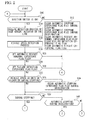
Fig. 2 is a first flowchart illustrating an operation of the vehicle control device according to the embodiment of the invention, -
Fig. 3 is a second flowchart illustrating an operation of the vehicle control device according to the embodiment of the invention, -
Fig. 4 is a third flowchart illustrating an operation of the vehicle control device according to the embodiment of the invention, -
Fig. 5 is a fourth flowchart illustrating an operation of the vehicle control device according to the embodiment of the invention, -
Fig. 6 is a fifth flowchart illustrating an operation of the vehicle control device according to the embodiment of the invention, -
Fig. 7 is a sixth flowchart illustrating an operation of the vehicle control device according to the embodiment of the invention, -
Fig. 8 is a seventh flowchart illustrating an operation of the vehicle control device according to the embodiment of the invention, -
Fig. 9 is an eighth flowchart illustrating an operation of the vehicle control device according to the embodiment of the invention, -
Fig. 10 is a ninth flowchart illustrating an operation of the vehicle control device according to the embodiment of the invention, and -
Fig. 11 is a tenth flowchart illustrating an operation of the vehicle control device according to the embodiment of the invention. -
Fig. 1 is a block diagram illustrating a configuration of avehicle control device 2 according to an embodiment of the invention. A vehicle includes anengine 10 as an internal combustion engine, means for controllingfuel injection 12, means for controllingignition 14, astart device 16, abattery 18, abattery ECU 20, various sensors, and anECU 22 which receives detection signal supplied from various sensors and then controls sections including theengine 10. In the embodiment, thevehicle control device 2 is configured including theECU 22. - The
engine 10 drives driving wheels and is configured of agasoline engine 10 in the embodiment. In addition, as theengine 10, diesel engine may be used. The means for controllingfuel injection 12 performs supply control of the fuel into theengine 10 and is controlled by theECU 22. The means for controllingignition 14 performs ignition control of theengine 10 and is controlled by theECU 22. Furthermore, in the embodiment, the fuel supply is stopped by the means for controllingfuel injection 12 or the ignition is stopped by the means for controllingignition 14 and thereby the automatic stopping of theengine 10 during driving is performed. - The
start device 16 performs the start of theengine 10, and includes a DC/DC converter which boosts a voltage supplied from thebattery 18 and a starter motor which performs cranking of theengine 10 by the voltage supplied from the DC/DC converter. - The
battery 18 supplies an electric power to the starter motor, auxiliary device or the like, and is charged by the electric power from an alternator driven by theengine 10. Thebattery ECU 20 detects a state of thebattery 18 and informs the detection result to theECU 22 via a communication circuit such as a CAN (Controller Area Network). As the state of thebattery 18, an internal resistance illustrating a degradation state of thebattery 18, a SOC (State Of Charge) illustrating a charging capacity of thebattery 18 and the like are included. - As various sensors, an
ignition switch 24, avehicle speed sensor 26, a number of rotations sensor 28, anaccelerator sensor 30, awater temperature sensor 34, anair conditioner switch 36 and the like are provided. Theignition switch 24 is operated to start theengine 10 and when theignition switch 24 is ON, thestart device 16 is operated by the ECU 22 and then theengine 10 has been started. Thevehicle speed sensor 26 detects the moving speed of the vehicle and supplies the detection result to theECU 22. In the embodiment, thevehicle speed sensor 26 configures the means for detecting vehicle speed. The number of rotations sensor 28 detects the number of rotations of theengine 10 and supplies the detection result to theECU 22, and theaccelerator sensor 30 detects an amount of operation of the accelerator pedal (an opening degree of the accelerator) and supplies the detection result to theECU 22. Thewater temperature sensor 34 detects the water temperature of theengine 10 and supplies the detection result to theECU 22. - The
air conditioner switch 36 operates ON and OFF of the air conditioner which performs air conditioning in the interior of the vehicle and supplies the detection result to theECU 22. - The
ECU 22 includes a CPU, a ROM which receives and stores control program or the like, a RAM as an operation region of the control program, an interface portion which performs interface with a circumference circuit or the like. TheECU 22 executes the control program and thereby to realize means for detecting stopping 22A, means for controlling automatic stopping during stopping 22B, means for detectingdeceleration 22C, means for controlling automatic stopping duringdeceleration 22D, means for controllingautomatic restart 22E and prohibiting means 22F. - The means for detecting stopping 22A detects a stopping state of the vehicle and in the embodiment when the detection result of the
vehicle speed sensor 26 is 0, it is detected that the vehicle is a stopping state. - In the means for controlling automatic stopping during stopping 22B, when a stopping state of the vehicle is detected by the means for detecting stopping 22A and it is determined that stopping conditions during stopping are established, the automatic stopping process of the
engine 10 is performed. As described below, stopping conditions during stopping includes a state of thebattery 18, whether the operation or not of the air conditioner, a water temperature of theengine 10, an opening degree of the accelerator or the like. - The means for detecting
deceleration 22C detects a deceleration state of the vehicle and in the embodiment, it is detected whether the vehicle is in a deceleration state or not based on the detection result of thevehicle speed sensor 26. - In the means for controlling automatic stopping during
deceleration 22D, when the deceleration state of the vehicle is detected by the means for detectingdeceleration 22C, and it is determined that stopping conditions during deceleration are established, the automatic stopping process of theengine 10 is performed. - When the restart conditions of the
engine 10 are established during automatic stopping by the means for controlling automatic stopping during stopping 22B or the means for controlling automatic stopping duringdeceleration 22D, the means for controllingautomatic restart 22E performs the automatic restart process of theengine 10. As described below, the restart conditions includes the state of thebattery 18, whether the operation or not of the air conditioner, the water temperature of theengine 10, the opening degree of the accelerator, or the like. - The prohibiting means 22F prohibits the automatic stopping process of the
engine 10 by the means for controlling automatic stopping duringdeceleration 22D. In the embodiment, the prohibiting means 22F prohibits the automatic stopping process of theengine 10 by the means for controlling automatic stopping duringdeceleration 22D until the automatic stopping process of theengine 10 by the means for controlling automatic stopping during stopping 22B and the automatic restart process of theengine 10 by the means for controllingautomatic restart 22E are experienced after the vehicle has been started. In addition, the prohibiting means 22F may prohibit the means for controlling automatic stopping duringdeceleration 22D from performing the automatic stopping process of theengine 10 until the vehicle experiences at least the automatic stopping process of theengine 10 by the means for controlling automatic stopping during stopping 22B since the vehicle starts moving. In other words, the prohibiting means 22F may prohibit the means for controlling automatic stopping duringdeceleration 22D from performing the automatic stopping process of theengine 10 until at least the automatic stopping process of theengine 10 by the means for controlling automatic stopping during stopping 22B is performed once since the vehicle starts moving. - Further, in the embodiment, the prohibiting means 22F prohibits the automatic stopping process of the
engine 10 by the means for controlling automatic stopping duringdeceleration 22D of the next time, until the vehicle experiences the stop or the moving speed V detected by thevehicle speed sensor 26 exceeds a third reference value V3 after the automatic stopping of theengine 10 is performed by the means for controlling automatic stopping duringdeceleration 22D, and after the automatic restart process of theengine 10 by the means for controllingautomatic restart 22E. - As shown in
Fig. 1 , theECU 22 is provided with five flags as illustrated below. - An automatic stopping experience flag FLG1 during stopping is set if the automatic stopping process of the
engine 10 during stopping is performed by the means for controlling automatic stopping during stopping 22B, after theignition switch 24 is ON and then moving of the vehicle has been started. Accordingly, the automatic stopping experience flag FLG1 during stopping is maintained in a cleared state if the automatic stopping process of theengine 10 is not performed by the means for controlling automatic stopping during stopping 22B, after moving of the vehicle has been started. - An automatic stopping experience flag FLG2 during deceleration is set if the automatic stopping process of the
engine 10 is performed by the means for controlling automatic stopping duringdeceleration 22D, after theignition switch 24 is ON and then moving of the vehicle has been started. Accordingly, the automatic stopping experience flag FLG2 during deceleration is maintained in a cleared state if the automatic stopping process of theengine 10 is not performed by the means for controlling automatic stopping duringdeceleration 22D, after moving of the vehicle has been started. - An automatic restart abnormal experience flag FLG3 is set if the automatic restart of the
engine 10 cannot be normally performed by the means for controllingautomatic restart 22E due to certain reasons after theignition switch 24 is ON and then moving of the vehicle has been started. Accordingly, the automatic restart abnormal experience flag FLG3 is maintained in a cleared state as long as the automatic restart is performed normally or the automatic restart of theengine 10 is not performed by the means for controlling automatic restart after moving of the vehicle has been started. - A failure detection experience flag FLG4 is set if failure is detected in various sensors and various actuators which affect the automatic stopping and the automatic restart of the
engine 10 after theignition switch 24 is ON and then moving of the vehicle has been started. Here, the sensors, where the failure should be detected, include theignition switch 24, thevehicle speed sensor 26, theacceleration sensor 30, thewater temperature sensor 34, theair conditioner switch 36, or the like as described above. The actuator, where the failure should be detected, includes thestart device 16. Accordingly, the failure detection experience flag FLG4 is maintained in the cleared state if the failure is not detected after moving of the vehicle has been started. - An automatic restart experience flag FLG5 is set if the automatic restart process of the
engine 10 is performed normally by the means for controllingautomatic restart 22E, after the automatic stopping process of theengine 10 is performed by the means for controlling automatic stopping during stopping 22B or the means for controlling automatic stopping during deceleration. Accordingly, the automatic restart experience flag FLG5 is maintained in a cleared state if the automatic restart of theengine 10 cannot be performed normally or the automatic restart of theengine 10 is not performed by the means for controllingautomatic restart 22E, after moving of the vehicle has been started. - Next, operation of the
vehicle control device 2 is described with reference to the flowcharts illustrated inFigs. 2 to 11 . First, theECU 22 determines whether theignition switch 24 is during ON or not (Step S10). If theignition switch 24 is not during ON, the entire the automatic stopping experience flag FLG1 during stopping, the automatic stopping experience flag FLG2 during deceleration, the automatic restart abnormal experience flag FLG3, the failure detection experience flag FLG4 and the automatic restart experience flag FLG5 are cleared (Step S12) and returns (Step S10). If theignition switch 24 is during ON, theECU 22 performs the failure detection process of each of sensors and actuators (Step S14). In this case, theECU 22 maintains in the clear state of the failure detection experience flag FLG4 if the failure is detected, and the failure detection experience flag FLG4 is set if the failure is not detected. - Next, the
ECU 22 detects the moving speed V of the vehicle based on the detection result from the vehicle speed sensor 26 (Step S16). Next, theECU 22 determines whether the automatic restart abnormal experience flag FLG3 is set or not (Step S18). If the automatic restart abnormal experience flag FLG3 is set, a certain abnormality occurs in the automatic restart process of theengine 10 after moving has been started so that the process below is skipped and returned to Step S10 and then the automatic restart process of theengine 10 is prohibited. If the automatic restart abnormal experience flag FLG3 is not set, theECU 22 determines whether the failure detection experience flag FLG4 is set or not (Step S20). If the failure detection experience flag FLG4 is set, failure, which affects the automatic restart process of theengine 10, occurs in the sensor or the actuator so that the process below is skipped and returned to Step S10 and then the automatic restart process of theengine 10 is prohibited. If the failure detection experience flag FLG4 is not set, theECU 22 determines whether the moving speed V is higher than or equal to a third reference value V3 or, during stopping or not (Step S22). The third reference value V3 is for example, set to 40 km/h. - If the moving speed V is higher than or equal to the third reference value V3 or during stopping, the
ECU 22 clears the automatic stopping experience flag FLG2 during deceleration (Step S24). If the moving speed V is not higher than or equal to the third reference value V3 or the vehicle is not stopped, theECU 22 does not clear the automatic stopping experience flag FLG2 during deceleration. This is not for performing the automatic stopping process of theengine 10 during deceleration, if the moving speed is higher than or equal to the third reference value V3 or the vehicle does not experience during stopping once after the automatic stopping process of theengine 10 is performed during deceleration. Accordingly, it is suppressed that the automatic stopping process during deceleration and the automatic restart process during deceleration are frequently repeated during a traffic jam or the like. In addition, as shown inFig. 6 described below, if the automatic stopping experience flag FLG2 during deceleration is set, the automatic stopping process of theengine 10 during deceleration is prohibited. If Step S22 is negative, and if Step S24 is performed, theECU 22 determines whether the vehicle is during stopping or not (Step S26: the means for detecting stopping 22A). If the determination result in Step S26 is positive, in other words, if the vehicle is during stopping, as shown inFig. 3 , theECU 22 determines whether theengine 10 is during automatic stopping or not by the automatic stopping process during stopping (Step S30). - If the determination result in Step S30 is negative, as shown in
Fig. 4 , theECU 22 determines whether the automatic restart flag FLG5 is set or not (Step S39A). If the automatic restart flag FLG5 is not set, theECU 22 performs determination process for whether automatic stopping is possible during stopping (Step S40). The determination process for whether automatic stopping is possible during stopping determines whether stopping conditions during stopping described above are satisfied or not. In other words, the process is performed in order to determine whether the automatic restart process of theengine 10 is performed or not after the automatic stopping process of theengine 10 is performed. The determination process for whether automatic stopping is possible during stopping in Step S40 which is performed by theECU 22 is illustrated by a subroutine shown inFig. 9 . In other words, theECU 22 performs a check of a degradation state of the battery 18 (Step S40A). Specifically, it is determined whether thebattery 18 is degraded or not based on whether the detection result of an internal resistance of thebattery 18 supplied from theECU 20 is lower than the determined reference resistance value. The determined reference resistance value is for example set to 10 me. Next, theECU 22 performs the check of a charging state of the battery 18 (Step S40B). Specifically, it is determined that whether a SOC of the battery supplied from thebattery ECU 20 is higher than or equal to the determination reference SOC. The determination reference SOC is for example, set to 80%. Next, theECU 22 checks whether an operation requirement of the air conditioner (A/C) is not present or not, in other words, whether theair conditioner switch 36 is OFF or not based on the ON and OFF state of the air conditioner switch 36 (Step S40C). Next, theECU 22 performs check of the water temperature of theengine 10 supplied from the water temperature sensor 34 (Step S40D). Specifically, it is determined that whether the water temperature is higher than or equal to the determination water temperature. The determination water temperature is for example, set to 60°C. Next, theECU 22 checks the opening degree of the accelerator (Step S40E). Specifically, it is determined that whether the opening degree of the accelerator is 0% or not based on the amount of operation of the accelerator pedal supplied from theaccelerator sensor 30. - The process returns to Step S40 in
Fig. 4 for description to be continued. TheECU 22 determines whether the automatic stopping process of theengine 10 during stopping can be performed or not, based on the result in Step S40, in other words, whether stopping conditions during stopping are satisfied or not (Step S42). Specifically, if the entire check results in Steps S40A to S40E are positive, the determination result in Step S42 is positive and if at least one of the check results in Steps S40A to S40F is negative, the determination result in Step S42 is negative. If the determination result in Step S42 is negative, theECU 22 skips the process below and returned to Step S10 and then the automatic stopping process of theengine 10 during stop is performed. If the determination result in Step S42 is positive, theECU 22 performs the automatic stopping process of theengine 10 and stops the engine 10 (Step S44: the means for controlling automatic stopping during stopping 22B). In addition, theECU 22 sets the automatic stopping experience flag FLG1 during stopping and returns to Step S10. Specifically, theECU 22 controls the means for controllingfuel injection 12 or the means for controllingignition 14 thereby stopping theengine 10. If the determination result in Step S39A is positive, in other words, if the automatic restart experience flag FLG5 is set, it is determined that whether the moving speed V experiences higher than or equal to 5 km/h or not since restart (Step S39B). If the determination result in Step S39B is positive, theECU 22 skips the process below and returns to Step S10. If the determination result in Step S39B is negative, the automatic restart experience flag FLG5 is cleared and the process moves to Step S40 (Step S39C). Accordingly, if the moving speed V is lower than 5 km/h without going up and becomes a stopping state, after the automatic restart process following the automatic stopping process during stopping, the automatic stopping process during stopping is prohibited. Accordingly, the frequency of the automatic stopping and the automatic restart is suppressed. - Next, the description is continued in a case where the determination result in Step S26 is negative. If it is negative in Step S26, in other words, if the vehicle is not stopped, the
ECU 22 determines whether the automatic stopping of theengine 10 or not by the automatic stopping process during deceleration (Step S46). If the determination result is negative in Step S46, as shown inFig. 6 , it is determined whether the automatic stopping experience flag FLG1 during stopping is setting or not (Step S48). If the determination result in Step S48 is negative, since the automatic stopping process during stopping is not once performed theECU 22 from the start of moving even once, theECU 22 skips the process below and returns to Step S10 and the automatic stopping process during deceleration is prohibited (the prohibiting means 22F). If the determination result in Step S48 is positive, theECU 22 determines whether the automatic stopping experience flag FLG2 during deceleration is setting or not (Step S50). If the automatic stopping experience flag FLG2 during deceleration is setting, theECU 22 skips the process below and returns to Step S10 and the automatic stopping process during deceleration is prohibited (the prohibiting means 22F). In other words, if the automatic stopping experience flag FLG2 during deceleration is not cleared in Step S24 inFig. 2 , the automatic stopping process during deceleration is prohibited. If the automatic stopping experience flag FLG2 during deceleration is not setting, theECU 22 determines whether the moving speed V is higher than or equal to the first reference value V1 and less than or equal to the second reference value V2 or not (Step S51). The first reference value V1 is for example, set to 5 km/h and the second reference value V2 is for example, set to 10 km/h. If the determination result in Step S51 is negative, theECU 22 skips the process below and returns to Step S10 and the automatic stopping process during deceleration is prohibited (the prohibiting means 22F). If the determination result in Step S51 is positive, theECU 22 permits the automatic stopping process during deceleration and performs the determination process for whether automatic stopping is possible during deceleration (Step S52). That is, if the process in Steps S46 and S48 is expressed in other words when the automatic stopping process of theengine 10 is performed by the means for controlling automatic stopping during stopping 22B, after moving of the vehicle has been started and successively when the automatic restart process of theengine 10 is performed by the means for controllingautomatic restart 22E, the automatic stopping process of theengine 10 is permitted by the means for controlling automatic stopping duringdeceleration 22D. More specifically, the prohibiting means 22F prohibits the automatic stopping process of theengine 10 by the means for controlling automatic stopping duringdeceleration 22D, until at least the automatic stopping process of theengine 10 is experienced by the means for controlling automatic stopping during stopping 22B after moving of the vehicle has been started. In addition, the prohibiting means 22F prohibits the automatic stopping process of theengine 10 by the means for controlling automatic stopping duringdeceleration 22D based on a state at the time of the automatic restart process of theengine 10 by the means for controllingautomatic restart 22E which is performed after the automatic stopping process of theengine 10 by the means for controlling automatic stopping during stopping 22B. In other words, if the automatic restart process is performed normally, after the automatic stopping process during stopping, the prohibiting means 22F prohibits the automatic restart process during deceleration. In addition, if the process in Step S50 is expressed in other words when the moving speed V, which is detected after the automatic stopping process of theengine 10 by the means for controlling automatic stopping duringdeceleration 22D that is performed in the last time, exceeds the third reference value V3 or a stopping state is detected, the automatic stopping process of theengine 10 is permitted by the means for controlling automatic stopping duringdeceleration 22D. The determination process for whether automatic stopping is possible during stopping, which is performed by theECU 22 in Step S52, is illustrated by the subroutine shown inFig. 7 . In other words, since Steps S52A to S52E in the subroutine are the same as Steps S40A to S40E inFig. 9 , the description thereof is omitted. - The
ECU 22 determines whether automatic stopping process of theengine 10 during deceleration can be performed or not, in other words, whether stopping conditions during deceleration are satisfied or not (Step S54). Specifically, if the entire check result in Step S52A to S52F is positive, the determination result in Step S52 is positive, and if at least one of check result in Step S52A to S52E is negative, the determination result in Step S52 is negative. If the determination result in Step S54 is negative, theECU 22 skips the process below and returns to Step S10 and the automatic stopping process during deceleration is not performed. If the determination result in Step S54 is positive, theECU 22 performs the automatic stopping process of theengine 10 and then theengine 10 is stopped (Step S56: the means for controlling automatic stopping duringdeceleration 22D), the automatic stopping experience flag FLG2 during deceleration is set and returns to Step 510. Specifically, theECU 22 controls the means for controllingfuel injection 12 or the means for controllingignition 14 and thereby theengine 10 is stopped. - Next, description in a case where the determination result in Step S30 is positive will be given with reference to
Fig. 3 . If the determination result in Step S30 is positive, the determination process in which whether the automatic restart of theengine 10 during stopping is performed or not is determined, is performed (Step S34). The automatic restart determination process which is performed by theECU 22 in Step S34 is illustrated by the subroutine shown inFig. 10 . In other words, theECU 22 performs check of the charging state of the battery 18 (Step S34A). Specifically, it is determined that the SOC of thebattery 18 supplied from thebattery ECU 20 is lower than the determination reference SOC. The determination reference SOC is for example, set to 80%. Next, theECU 22 checks whether the operation requirement of the air conditioner (A/C) is present or not, based on ON and OFF state of theair conditioner switch 36, in other words, theair conditioner switch 36 is ON or not (Step S34B). Next,ECU 22 performs check of the water temperature of theengine 10 supplied from the water temperature sensor 34 (Step S34C). Specifically, it is determined that the water temperature is lower than the determined water temperature or not. The determination water temperature is for example, set to 50°C. Next,ECU 22 checks the accelerator opening degree (Step S34D). Specifically, it is determined that the accelerator opening degree exceeds 0% or not based on the amount of operation of the accelerator pedal supplied from theaccelerator sensor 30. - The process returns to step S34 in
Fig. 3 for description to be continued. TheECU 22 determines whether the automatic restart process of theengine 10 during stopping can be performed or not based on the result in Step S34, in other words, whether the automatic restart conditions during stopping are satisfied or not (Step S36). Specifically, if at least one of check result in Steps S34A to S34D is positive, the determination result in Step S34 is positive, and if the entire check result in Steps S34A to S34D is negative, the determination result in Step S34 is negative. If the determination result in Step S36 is negative, theECU 22 skips the process below and returns to Step S10 and the automatic restart process of theengine 10 during stopping is not performed. If the determination result in Step S36 is positive, theECU 22 controls the means for controllingfuel injection 12 and the means for controllingignition 14 and thereby the automatic restart process of theengine 10 is performed (Step S38: the means for controllingautomatic restart 22E). The automatic restart process of theengine 10, which is performed by theECU 22 in Step S38, is illustrated by the subroutine shown inFig. 11 . As shown inFig. 11 , theECU 22 determines whether the predetermined times have lapsed or not after carrying out the automatic restart (Step S38A). The predetermined time is for example, set to 1 sec. If the determination result in Step S38A is negative, it is determined that whether the number N of rotations ofengine 10 is higher than or equal to a predetermined number of rotations based on the determination result of the number of rotations sensor 28 (Step S38B). The predetermined number of rotations is for example, set to 500 rpm. If the determination result in Step S38B is positive, it is determined that the start of theengine 10 is performed normally and thereby the automatic restart experience flag FLG5 is set and the process in Step S38 is finished and returns to Step S10 (Step S38E). If the determination result in Step S38B is negative, it is determined that the automatic restart process is continued and thereby the same operation is performed (Step S38C). If the determination result in Step S38A is positive, since the number N of rotations of theengine 10 does not reach the predetermined number of rotations even though the predetermined time has lapsed, it is determined that the start of theengine 10 is not normally performed and thereby the automatic restart abnormal detection period flag FLG3 is set, the process in Step S38 is finished and returns to Step S10 (Step S38D). - Next, description in a case where the determination result in Step S46 is positive will be given returned to
Fig. 2 . As shown inFig. 5 , if the determination result in Step S46 is positive, the determination process whether the automatic restart process of theengine 10 during deceleration can be performed or not is performed (Step S58). The automatic restart determination process during deceleration in Step S58, which is performed by theECU 22, is illustrated by the subroutine shown inFig. 8 . Since Steps S58A to S58D inFig. 8 are the same as Steps S34A to S34D inFig. 10 , the description thereof is omitted. The description is continued again returned to Step S58 inFig. 5 . TheECU 22 determines whether the automatic restart process of theengine 10 during deceleration can be performed based on the result in Step S58, or not in other words, it is determined that whether the automatic start conditions during stopping are satisfied or not (Step S60). Specifically, if at least one of check result in Steps S58A to S58D is positive, the determination result in Step S60 is positive, and if the entire check results in Steps S58A to S58D are negative, the determination result in Step S60 is negative. If the determination result in Step S60 is negative, theECU 22 skips process below and returns to Step S10 and the automatic restart process of theengine 10 during deceleration is not performed. If the determination result in Step S60 is positive, theECU 22 controls the means for controllingfuel injection 12 and the means for controllingignition 14 and thereby the automatic restart process of theengine automatic restart 22E). Since the automatic restart process of theengine 10 in Step S62, which is performed by theECU 22, is the same as the subroutine (Step S38) shown inFig. 11 described above, the description thereof is omitted. - As described above, according to the
vehicle control device 2 of the embodiment, the initial automatic stopping process is performed during stopping from after moving of the vehicle has been started so that it can be certified that the automatic stopping process was normally operated during stopping. In other words, if the automatic stopping process during stopping is performed normally, it is considered that the automatic stopping process during deceleration thereafter is also performed normally. Accordingly, there is an advantage of avoiding an unexpected malfunction due to an automatic stopping process which is not operated normally during deceleration of the vehicle. - Further, in the embodiment, the automatic restart process during deceleration is prohibited based on the state at this time of the automatic restart process after the automatic stopping process during stopping. In other words, if the automatic restart process after the automatic stopping process during stopping is not performed normally, the automatic restart process during deceleration is prohibited. That is, if the automatic restart process is performed normally, after the automatic stopping process during stopping, it is considered that there is little occurrence of the malfunction in which the automatic restart process are not possible thereafter. Accordingly, there is an advantage of avoiding the circumstance where the automatic restart of the engine during deceleration of the vehicle is not possible.
- Further, in the embodiment, the automatic stopping process during deceleration is not performed at a vehicle speed lower than a first reference value V1 so that the time necessary for the automatic stopping process can be secured. Additionally, even though the restart of the engine is necessary immediately after stopping, the delay of response of the restart is small and the driver feels little discomfort. In other words, usually, the automatic stopping process of the
engine 10 takes some time. Thus, for example when the automatic stopping process during deceleration is performed just before stopping, it is possible that the automatic stopping of theengine 10 is practically performed after stopping. In the circumference, for example, if the restart is required by the driver immediately after stopping, it takes longer time than usual to the completion of the restart (delay of response occurs) and here is a problem in that the driver feels discomfort. Thus, as the embodiment, the automatic stopping process during deceleration is not performed in the vehicle speed in which the moving speed V is lower than the first reference value V1 according to the invention so that the necessary time for the automatic stopping process can be secured and it can provide a vehicle in which the delay of response is small even though the restart is necessary just after stopping and the driver feels little discomfort. - Further, in the embodiment when the moving speed V is higher than the second reference value V2 which is higher than the first reference value V1, the automatic stopping process during deceleration is prohibited. In other words, an upper limit is provided in a speed region where the automatic stopping process during deceleration can be performed so that there is an advantage of avoiding an unexpected malfunction due to failure of means for controlling automatic stopping during
deceleration 22D or means for controllingautomatic restart 22E. - Further, in the embodiment, the
engine 10 automatically restarts and the automatic stopping process during deceleration is prohibited while a predetermined condition is established so that the frequency of the automatic stopping process and the automatic restart process of theengine 10 can be suppressed during a traffic jam or the like and there are advantages of improving mileage and extending the life of the startingdevice 16. - Further, in the embodiment, the predetermined conditions are that the moving speed V is less than or equal to the third reference value V3 which is higher than the second reference value V2 when the automatic restart process of the
engine 10 is performed by the means for controllingautomatic restart 22E, after the automatic stopping process of theengine 10 is performed by the means for controlling automatic stopping duringdeceleration 22D of the vehicle. Thus, the automatic stopping process during deceleration is limited more so that the frequency of the automatic stopping process and the automatic restart process can be more reliably suppressed during a traffic jam or the like and there are advantages of improving mileage and extending the life of the startingdevice 16. - Next, a modification example of the predetermined conditions as above is described. In the embodiment described above, in Step S22 in
Fig. 2 , theECU 22 determines whether the moving speed V is higher than or equal to the third reference value V3 or during stopping based on the moving speed V of the vehicle. If the determination result is positive, the process is performed in which the automatic stopping experience flag FLG2 during deceleration is cleared. In the modification example, theECU 22 functions as means for measuring time since restart, which measures time since the automatic restart process of theengine 10 was performed by the means for controllingautomatic restart 22E. Thus, in Step S22 inFig. 2 , theECU 22 determines whether a lapse time T after restart of theengine 10 has lapsed the reference time T1, and if positive, the automatic stopping experience flag FLG2 during deceleration is cleared in Step S24. The reference time T1 is for example, set to 30 sec. That is, in the modification example, the predetermined conditions are that the time which is measured after restart by the means for measuring time less than or equal to the reference Time T1. Even in the modification example described above, the automatic stopping process during deceleration is limited more so that the frequency of the automatic stopping process and the automatic restart process can be more reliably suppressed during a traffic jam or the like and there are advantages of improving mileage and extending the life of the starting device of the engine. -
- 2
- vehicle control device,
- 10
- engine,
- 12
- means for controlling fuel injection,
- 14
- means for controlling ignition,
- 16
- starting device,
- 18
- battery,
- 20
- battery ECU,
- 22
- ECU,
- 22A
- means for detecting stopping,
- 22B
- means for controlling automatic stopping during stopping,
- 22C
- means for detecting deceleration,
- 22D
- means for controlling automatic stopping during deceleration,
- 22E
- means for controlling automatic restart,
- 22F
- prohibiting means,
- 24
- ignition switch,
- 26
- vehicle speed sensor,
- 28
- number of rotations sensor,
- 30
- accelerator sensor
- 32
- brake sensor,
- 34
- water temperature sensor,
- 36
- air conditioner switch,
- V1
- first reference value,
- V2
- second reference value, and
- V3
- third reference value.
Claims (7)
- A vehicle control device comprising:means for detecting stopping, which detects a stopping state of a vehicle;means for controlling automatic stopping during stopping, which performs an automatic stopping process of an engine when the stopping state of the vehicle is detected by the means for detecting stopping and it is determined that a stopping condition during stopping is established;means for detecting deceleration, which detects a deceleration state of the vehicle;means for controlling automatic stopping during deceleration, which performs an automatic stopping process of the engine when the deceleration state of the vehicle is detected by the means for detecting deceleration and it is determined that a stopping condition during deceleration is established;means for controlling automatic restart, which performs an automatic restart process of the engine when a restart condition is established in a state where the engine is in the automatic stopping process; andprohibiting means, which prohibits the means for controlling automatic stopping during deceleration from performing the automatic stopping process of the engine,wherein the prohibiting means prohibits the means for controlling automatic stopping during deceleration from performing the automatic stopping process of the engine until at least the means for controlling automatic stopping during stopping performs the automatic stopping process of the engine after the vehicle has started moving.
- The vehicle control device according to claim 1,
wherein the prohibiting means prohibits the means for controlling automatic stopping during deceleration from performing the automatic stopping process of the engine based on a state when the means for controlling automatic restart performs the automatic restart process of the engine after the means for controlling automatic stopping during stopping performs the automatic stopping process of the engine. - The vehicle control device according to claim 1 or 2, further comprising:means for detecting vehicle speed, which detects a moving speed of the vehicle,wherein the prohibiting means prohibits the means for controlling automatic stopping during deceleration from performing the automatic stopping process of the engine in a state where the moving speed detected by the means for detecting vehicle speed is lower than a first reference value.
- The vehicle control device according to claim 3,
wherein the prohibiting means prohibits the means for controlling automatic stopping during deceleration from performing the automatic stopping process of the engine in a state where the moving speed detected by the means for detecting speed is higher than a second reference value which is greater than the first reference value. - The vehicle control device according to any one of claims 1 to 4,
wherein the prohibiting means prohibits the means for controlling automatic stopping during deceleration from performing the automatic stopping process of the engine in a state where the means for controlling automatic restart performs the automatic restart process of the engine and a condition is established. - The vehicle control device according to claim 5,
wherein the means for controlling automatic restart performs the automatic restart process of the engine in a state where the moving speed detected by the means for detecting vehicle speed is higher than the second reference value and less than or equal to a third reference value after the means for controlling automatic stopping during deceleration performs the automatic stopping process of the engine during deceleration of the vehicle. - The vehicle control device according to claim 5, further comprising:means for measuring time since restart, which measures time since the means for controlling automatic restart performed the automatic restart process of the engine,wherein the condition is that the time measured by the means for measuring time since restart is less than or equal to a reference time.
Applications Claiming Priority (1)
| Application Number | Priority Date | Filing Date | Title |
|---|---|---|---|
| JP2011193602A JP5609826B2 (en) | 2011-09-06 | 2011-09-06 | Vehicle control device |
Publications (2)
| Publication Number | Publication Date |
|---|---|
| EP2568160A1 true EP2568160A1 (en) | 2013-03-13 |
| EP2568160B1 EP2568160B1 (en) | 2019-03-13 |
Family
ID=47221093
Family Applications (1)
| Application Number | Title | Priority Date | Filing Date |
|---|---|---|---|
| EP12182593.9A Active EP2568160B1 (en) | 2011-09-06 | 2012-08-31 | Vehicle control device |
Country Status (2)
| Country | Link |
|---|---|
| EP (1) | EP2568160B1 (en) |
| JP (1) | JP5609826B2 (en) |
Cited By (4)
| Publication number | Priority date | Publication date | Assignee | Title |
|---|---|---|---|---|
| CN104074613A (en) * | 2013-03-29 | 2014-10-01 | 三菱自动车工业株式会社 | Engine control unit |
| EP3056717A4 (en) * | 2013-10-11 | 2018-01-24 | Hitachi Automotive Systems, Ltd. | Device and method for controlling starter |
| CN110043411A (en) * | 2018-01-17 | 2019-07-23 | 福特全球技术公司 | For operating the method and system of engine |
| US10371074B2 (en) * | 2013-12-25 | 2019-08-06 | Denso Corporation | Vehicle diagnosis system and method |
Families Citing this family (2)
| Publication number | Priority date | Publication date | Assignee | Title |
|---|---|---|---|---|
| JP2014009628A (en) * | 2012-06-29 | 2014-01-20 | Suzuki Motor Corp | Idling stop control device of vehicle |
| JP2017133388A (en) | 2016-01-26 | 2017-08-03 | 株式会社デンソー | Control device |
Citations (8)
| Publication number | Priority date | Publication date | Assignee | Title |
|---|---|---|---|---|
| US4192279A (en) * | 1978-01-25 | 1980-03-11 | Robert Bosch Gmbh | Method and apparatus for automatic engine shut-off and restart |
| EP1077149A2 (en) * | 1999-08-16 | 2001-02-21 | Honda Giken Kogyo Kabushiki Kaisha | Engine automatic start stop control apparatus |
| US6334834B1 (en) * | 1999-03-25 | 2002-01-01 | Toyota Jidosha Kabushiki Kaisha | Automatic engine stop control system for vehicles |
| EP1209354A1 (en) * | 1999-07-05 | 2002-05-29 | Honda Giken Kogyo Kabushiki Kaisha | Engine start/stop device of vehicle |
| US20020074173A1 (en) * | 2000-12-18 | 2002-06-20 | Kazuhiko Morimoto | Automatic stop/ start-up controlling device of an engine |
| JP2002221059A (en) | 2001-01-26 | 2002-08-09 | Denso Corp | Engine control device |
| US20030087724A1 (en) * | 2001-10-13 | 2003-05-08 | Ford Global Technologies, Inc. | Method for controlling the internal combustion engine of a motor vehicle with a stop/start function |
| US20070245997A1 (en) * | 2004-08-27 | 2007-10-25 | Peugeot Citroen Automobiles Sa | Method of Inhibiting the Automatic Stop Control System of the Heat Engine of a Vehicle in Congested Traffic |
Family Cites Families (6)
| Publication number | Priority date | Publication date | Assignee | Title |
|---|---|---|---|---|
| JPS597749A (en) * | 1982-07-05 | 1984-01-14 | Nissan Motor Co Ltd | Automatic stop and restart apparatus for engine |
| JP2003148314A (en) * | 2001-11-13 | 2003-05-21 | Denso Corp | Engine automatic stop / start controller |
| JP4073908B2 (en) * | 2004-11-26 | 2008-04-09 | 本田技研工業株式会社 | Automatic engine stop and restart device for vehicle |
| JP4678442B2 (en) * | 2009-03-12 | 2011-04-27 | 株式会社デンソー | Vehicle control device |
| JP5149869B2 (en) * | 2009-06-03 | 2013-02-20 | トヨタ自動車株式会社 | Control device for vehicle with idle stop device |
| JP2011202638A (en) * | 2010-03-26 | 2011-10-13 | Daihatsu Motor Co Ltd | Idling stop control device |
-
2011
- 2011-09-06 JP JP2011193602A patent/JP5609826B2/en active Active
-
2012
- 2012-08-31 EP EP12182593.9A patent/EP2568160B1/en active Active
Patent Citations (8)
| Publication number | Priority date | Publication date | Assignee | Title |
|---|---|---|---|---|
| US4192279A (en) * | 1978-01-25 | 1980-03-11 | Robert Bosch Gmbh | Method and apparatus for automatic engine shut-off and restart |
| US6334834B1 (en) * | 1999-03-25 | 2002-01-01 | Toyota Jidosha Kabushiki Kaisha | Automatic engine stop control system for vehicles |
| EP1209354A1 (en) * | 1999-07-05 | 2002-05-29 | Honda Giken Kogyo Kabushiki Kaisha | Engine start/stop device of vehicle |
| EP1077149A2 (en) * | 1999-08-16 | 2001-02-21 | Honda Giken Kogyo Kabushiki Kaisha | Engine automatic start stop control apparatus |
| US20020074173A1 (en) * | 2000-12-18 | 2002-06-20 | Kazuhiko Morimoto | Automatic stop/ start-up controlling device of an engine |
| JP2002221059A (en) | 2001-01-26 | 2002-08-09 | Denso Corp | Engine control device |
| US20030087724A1 (en) * | 2001-10-13 | 2003-05-08 | Ford Global Technologies, Inc. | Method for controlling the internal combustion engine of a motor vehicle with a stop/start function |
| US20070245997A1 (en) * | 2004-08-27 | 2007-10-25 | Peugeot Citroen Automobiles Sa | Method of Inhibiting the Automatic Stop Control System of the Heat Engine of a Vehicle in Congested Traffic |
Cited By (4)
| Publication number | Priority date | Publication date | Assignee | Title |
|---|---|---|---|---|
| CN104074613A (en) * | 2013-03-29 | 2014-10-01 | 三菱自动车工业株式会社 | Engine control unit |
| EP3056717A4 (en) * | 2013-10-11 | 2018-01-24 | Hitachi Automotive Systems, Ltd. | Device and method for controlling starter |
| US10371074B2 (en) * | 2013-12-25 | 2019-08-06 | Denso Corporation | Vehicle diagnosis system and method |
| CN110043411A (en) * | 2018-01-17 | 2019-07-23 | 福特全球技术公司 | For operating the method and system of engine |
Also Published As
| Publication number | Publication date |
|---|---|
| JP2013053597A (en) | 2013-03-21 |
| EP2568160B1 (en) | 2019-03-13 |
| JP5609826B2 (en) | 2014-10-22 |
Similar Documents
| Publication | Publication Date | Title |
|---|---|---|
| EP2568160B1 (en) | Vehicle control device | |
| JP4144348B2 (en) | Engine start system | |
| CN106050445B (en) | Threshold adjustment of automatic stop parameters | |
| US9266520B2 (en) | Dynamic tuning of engine auto stop criteria | |
| JP5587689B2 (en) | Vehicle fault diagnosis device | |
| EP2570651B1 (en) | Vehicle control device | |
| US20140365099A1 (en) | Vehicle control apparatus, vehicle, and vehicle control method | |
| JP2002371877A (en) | Automatic stop control device for in-vehicle internal combustion engine | |
| CN105765213B (en) | The control system and control method of vehicle | |
| US20110196570A1 (en) | Starter controller | |
| EP3123023B1 (en) | Vehicle control apparatus for diagnosing the current state of the battery and for controlling the start-stop function accordingly | |
| CN104724107A (en) | Vehicle control apparatus | |
| US10703358B2 (en) | Method for the quality assurance of exhaust gas behavior in a motor vehicle | |
| JP5187467B2 (en) | ENGINE CONTROL DEVICE AND CONTROL METHOD, ENGINE START DEVICE, AND VEHICLE | |
| JP5857571B2 (en) | Vehicle control device | |
| JP5808298B2 (en) | Battery state determination device for internal combustion engine | |
| KR101765538B1 (en) | Apparatus and method for controlling engin of hybrid vehicle | |
| JP6682383B2 (en) | Vehicle control device | |
| JP7330610B2 (en) | vehicle controller | |
| JP2013164016A (en) | Vehicle control device | |
| JP7292789B2 (en) | vehicle controller | |
| JP2010091496A (en) | Electronic control unit for vehicle, economy running system, battery residual capacity calculating method | |
| JP5223519B2 (en) | Diesel engine automatic stop control method and automatic stop device | |
| JP6851743B2 (en) | Jumping start judgment device | |
| JP5929064B2 (en) | Vehicle control device |
Legal Events
| Date | Code | Title | Description |
|---|---|---|---|
| PUAI | Public reference made under article 153(3) epc to a published international application that has entered the european phase |
Free format text: ORIGINAL CODE: 0009012 |
|
| 17P | Request for examination filed |
Effective date: 20120926 |
|
| AK | Designated contracting states |
Kind code of ref document: A1 Designated state(s): AL AT BE BG CH CY CZ DE DK EE ES FI FR GB GR HR HU IE IS IT LI LT LU LV MC MK MT NL NO PL PT RO RS SE SI SK SM TR |
|
| AX | Request for extension of the european patent |
Extension state: BA ME |
|
| STAA | Information on the status of an ep patent application or granted ep patent |
Free format text: STATUS: EXAMINATION IS IN PROGRESS |
|
| 17Q | First examination report despatched |
Effective date: 20171222 |
|
| GRAP | Despatch of communication of intention to grant a patent |
Free format text: ORIGINAL CODE: EPIDOSNIGR1 |
|
| STAA | Information on the status of an ep patent application or granted ep patent |
Free format text: STATUS: GRANT OF PATENT IS INTENDED |
|
| RIC1 | Information provided on ipc code assigned before grant |
Ipc: B60W 30/18 20120101ALI20180827BHEP Ipc: F02N 11/08 20060101AFI20180827BHEP Ipc: F02D 41/04 20060101ALN20180827BHEP |
|
| INTG | Intention to grant announced |
Effective date: 20180921 |
|
| GRAS | Grant fee paid |
Free format text: ORIGINAL CODE: EPIDOSNIGR3 |
|
| GRAA | (expected) grant |
Free format text: ORIGINAL CODE: 0009210 |
|
| STAA | Information on the status of an ep patent application or granted ep patent |
Free format text: STATUS: THE PATENT HAS BEEN GRANTED |
|
| AK | Designated contracting states |
Kind code of ref document: B1 Designated state(s): AL AT BE BG CH CY CZ DE DK EE ES FI FR GB GR HR HU IE IS IT LI LT LU LV MC MK MT NL NO PL PT RO RS SE SI SK SM TR |
|
| REG | Reference to a national code |
Ref country code: GB Ref legal event code: FG4D |
|
| REG | Reference to a national code |
Ref country code: CH Ref legal event code: EP Ref country code: AT Ref legal event code: REF Ref document number: 1108034 Country of ref document: AT Kind code of ref document: T Effective date: 20190315 |
|
| REG | Reference to a national code |
Ref country code: IE Ref legal event code: FG4D |
|
| REG | Reference to a national code |
Ref country code: DE Ref legal event code: R096 Ref document number: 602012057679 Country of ref document: DE |
|
| RAP2 | Party data changed (patent owner data changed or rights of a patent transferred) |
Owner name: MITSUBISHI JIDOSHA KOGYO KABUSHIKI KAISHA |
|
| REG | Reference to a national code |
Ref country code: NL Ref legal event code: MP Effective date: 20190313 |
|
| REG | Reference to a national code |
Ref country code: LT Ref legal event code: MG4D |
|
| PG25 | Lapsed in a contracting state [announced via postgrant information from national office to epo] |
Ref country code: SE Free format text: LAPSE BECAUSE OF FAILURE TO SUBMIT A TRANSLATION OF THE DESCRIPTION OR TO PAY THE FEE WITHIN THE PRESCRIBED TIME-LIMIT Effective date: 20190313 Ref country code: LT Free format text: LAPSE BECAUSE OF FAILURE TO SUBMIT A TRANSLATION OF THE DESCRIPTION OR TO PAY THE FEE WITHIN THE PRESCRIBED TIME-LIMIT Effective date: 20190313 Ref country code: NO Free format text: LAPSE BECAUSE OF FAILURE TO SUBMIT A TRANSLATION OF THE DESCRIPTION OR TO PAY THE FEE WITHIN THE PRESCRIBED TIME-LIMIT Effective date: 20190613 Ref country code: FI Free format text: LAPSE BECAUSE OF FAILURE TO SUBMIT A TRANSLATION OF THE DESCRIPTION OR TO PAY THE FEE WITHIN THE PRESCRIBED TIME-LIMIT Effective date: 20190313 |
|
| PG25 | Lapsed in a contracting state [announced via postgrant information from national office to epo] |
Ref country code: GR Free format text: LAPSE BECAUSE OF FAILURE TO SUBMIT A TRANSLATION OF THE DESCRIPTION OR TO PAY THE FEE WITHIN THE PRESCRIBED TIME-LIMIT Effective date: 20190614 Ref country code: BG Free format text: LAPSE BECAUSE OF FAILURE TO SUBMIT A TRANSLATION OF THE DESCRIPTION OR TO PAY THE FEE WITHIN THE PRESCRIBED TIME-LIMIT Effective date: 20190613 Ref country code: NL Free format text: LAPSE BECAUSE OF FAILURE TO SUBMIT A TRANSLATION OF THE DESCRIPTION OR TO PAY THE FEE WITHIN THE PRESCRIBED TIME-LIMIT Effective date: 20190313 Ref country code: RS Free format text: LAPSE BECAUSE OF FAILURE TO SUBMIT A TRANSLATION OF THE DESCRIPTION OR TO PAY THE FEE WITHIN THE PRESCRIBED TIME-LIMIT Effective date: 20190313 Ref country code: LV Free format text: LAPSE BECAUSE OF FAILURE TO SUBMIT A TRANSLATION OF THE DESCRIPTION OR TO PAY THE FEE WITHIN THE PRESCRIBED TIME-LIMIT Effective date: 20190313 Ref country code: HR Free format text: LAPSE BECAUSE OF FAILURE TO SUBMIT A TRANSLATION OF THE DESCRIPTION OR TO PAY THE FEE WITHIN THE PRESCRIBED TIME-LIMIT Effective date: 20190313 |
|
| REG | Reference to a national code |
Ref country code: AT Ref legal event code: MK05 Ref document number: 1108034 Country of ref document: AT Kind code of ref document: T Effective date: 20190313 |
|
| PG25 | Lapsed in a contracting state [announced via postgrant information from national office to epo] |
Ref country code: SK Free format text: LAPSE BECAUSE OF FAILURE TO SUBMIT A TRANSLATION OF THE DESCRIPTION OR TO PAY THE FEE WITHIN THE PRESCRIBED TIME-LIMIT Effective date: 20190313 Ref country code: IT Free format text: LAPSE BECAUSE OF FAILURE TO SUBMIT A TRANSLATION OF THE DESCRIPTION OR TO PAY THE FEE WITHIN THE PRESCRIBED TIME-LIMIT Effective date: 20190313 Ref country code: AL Free format text: LAPSE BECAUSE OF FAILURE TO SUBMIT A TRANSLATION OF THE DESCRIPTION OR TO PAY THE FEE WITHIN THE PRESCRIBED TIME-LIMIT Effective date: 20190313 Ref country code: PT Free format text: LAPSE BECAUSE OF FAILURE TO SUBMIT A TRANSLATION OF THE DESCRIPTION OR TO PAY THE FEE WITHIN THE PRESCRIBED TIME-LIMIT Effective date: 20190713 Ref country code: ES Free format text: LAPSE BECAUSE OF FAILURE TO SUBMIT A TRANSLATION OF THE DESCRIPTION OR TO PAY THE FEE WITHIN THE PRESCRIBED TIME-LIMIT Effective date: 20190313 Ref country code: EE Free format text: LAPSE BECAUSE OF FAILURE TO SUBMIT A TRANSLATION OF THE DESCRIPTION OR TO PAY THE FEE WITHIN THE PRESCRIBED TIME-LIMIT Effective date: 20190313 Ref country code: CZ Free format text: LAPSE BECAUSE OF FAILURE TO SUBMIT A TRANSLATION OF THE DESCRIPTION OR TO PAY THE FEE WITHIN THE PRESCRIBED TIME-LIMIT Effective date: 20190313 Ref country code: RO Free format text: LAPSE BECAUSE OF FAILURE TO SUBMIT A TRANSLATION OF THE DESCRIPTION OR TO PAY THE FEE WITHIN THE PRESCRIBED TIME-LIMIT Effective date: 20190313 |
|
| PG25 | Lapsed in a contracting state [announced via postgrant information from national office to epo] |
Ref country code: SM Free format text: LAPSE BECAUSE OF FAILURE TO SUBMIT A TRANSLATION OF THE DESCRIPTION OR TO PAY THE FEE WITHIN THE PRESCRIBED TIME-LIMIT Effective date: 20190313 Ref country code: PL Free format text: LAPSE BECAUSE OF FAILURE TO SUBMIT A TRANSLATION OF THE DESCRIPTION OR TO PAY THE FEE WITHIN THE PRESCRIBED TIME-LIMIT Effective date: 20190313 |
|
| REG | Reference to a national code |
Ref country code: DE Ref legal event code: R097 Ref document number: 602012057679 Country of ref document: DE |
|
| PG25 | Lapsed in a contracting state [announced via postgrant information from national office to epo] |
Ref country code: AT Free format text: LAPSE BECAUSE OF FAILURE TO SUBMIT A TRANSLATION OF THE DESCRIPTION OR TO PAY THE FEE WITHIN THE PRESCRIBED TIME-LIMIT Effective date: 20190313 Ref country code: IS Free format text: LAPSE BECAUSE OF FAILURE TO SUBMIT A TRANSLATION OF THE DESCRIPTION OR TO PAY THE FEE WITHIN THE PRESCRIBED TIME-LIMIT Effective date: 20190713 |
|
| PLBE | No opposition filed within time limit |
Free format text: ORIGINAL CODE: 0009261 |
|
| STAA | Information on the status of an ep patent application or granted ep patent |
Free format text: STATUS: NO OPPOSITION FILED WITHIN TIME LIMIT |
|
| PG25 | Lapsed in a contracting state [announced via postgrant information from national office to epo] |
Ref country code: DK Free format text: LAPSE BECAUSE OF FAILURE TO SUBMIT A TRANSLATION OF THE DESCRIPTION OR TO PAY THE FEE WITHIN THE PRESCRIBED TIME-LIMIT Effective date: 20190313 |
|
| 26N | No opposition filed |
Effective date: 20191216 |
|
| PG25 | Lapsed in a contracting state [announced via postgrant information from national office to epo] |
Ref country code: SI Free format text: LAPSE BECAUSE OF FAILURE TO SUBMIT A TRANSLATION OF THE DESCRIPTION OR TO PAY THE FEE WITHIN THE PRESCRIBED TIME-LIMIT Effective date: 20190313 |
|
| PG25 | Lapsed in a contracting state [announced via postgrant information from national office to epo] |
Ref country code: TR Free format text: LAPSE BECAUSE OF FAILURE TO SUBMIT A TRANSLATION OF THE DESCRIPTION OR TO PAY THE FEE WITHIN THE PRESCRIBED TIME-LIMIT Effective date: 20190313 |
|
| GBPC | Gb: european patent ceased through non-payment of renewal fee |
Effective date: 20190831 |
|
| PG25 | Lapsed in a contracting state [announced via postgrant information from national office to epo] |
Ref country code: LU Free format text: LAPSE BECAUSE OF NON-PAYMENT OF DUE FEES Effective date: 20190831 Ref country code: LI Free format text: LAPSE BECAUSE OF NON-PAYMENT OF DUE FEES Effective date: 20190831 Ref country code: CH Free format text: LAPSE BECAUSE OF NON-PAYMENT OF DUE FEES Effective date: 20190831 Ref country code: MC Free format text: LAPSE BECAUSE OF FAILURE TO SUBMIT A TRANSLATION OF THE DESCRIPTION OR TO PAY THE FEE WITHIN THE PRESCRIBED TIME-LIMIT Effective date: 20190313 |
|
| REG | Reference to a national code |
Ref country code: BE Ref legal event code: MM Effective date: 20190831 |
|
| PG25 | Lapsed in a contracting state [announced via postgrant information from national office to epo] |
Ref country code: IE Free format text: LAPSE BECAUSE OF NON-PAYMENT OF DUE FEES Effective date: 20190831 |
|
| PG25 | Lapsed in a contracting state [announced via postgrant information from national office to epo] |
Ref country code: GB Free format text: LAPSE BECAUSE OF NON-PAYMENT OF DUE FEES Effective date: 20190831 Ref country code: BE Free format text: LAPSE BECAUSE OF NON-PAYMENT OF DUE FEES Effective date: 20190831 |
|
| PG25 | Lapsed in a contracting state [announced via postgrant information from national office to epo] |
Ref country code: CY Free format text: LAPSE BECAUSE OF FAILURE TO SUBMIT A TRANSLATION OF THE DESCRIPTION OR TO PAY THE FEE WITHIN THE PRESCRIBED TIME-LIMIT Effective date: 20190313 |
|
| PG25 | Lapsed in a contracting state [announced via postgrant information from national office to epo] |
Ref country code: HU Free format text: LAPSE BECAUSE OF FAILURE TO SUBMIT A TRANSLATION OF THE DESCRIPTION OR TO PAY THE FEE WITHIN THE PRESCRIBED TIME-LIMIT; INVALID AB INITIO Effective date: 20120831 Ref country code: MT Free format text: LAPSE BECAUSE OF FAILURE TO SUBMIT A TRANSLATION OF THE DESCRIPTION OR TO PAY THE FEE WITHIN THE PRESCRIBED TIME-LIMIT Effective date: 20190313 |
|
| PG25 | Lapsed in a contracting state [announced via postgrant information from national office to epo] |
Ref country code: MK Free format text: LAPSE BECAUSE OF FAILURE TO SUBMIT A TRANSLATION OF THE DESCRIPTION OR TO PAY THE FEE WITHIN THE PRESCRIBED TIME-LIMIT Effective date: 20190313 |
|
| PGFP | Annual fee paid to national office [announced via postgrant information from national office to epo] |
Ref country code: DE Payment date: 20250702 Year of fee payment: 14 |
|
| PGFP | Annual fee paid to national office [announced via postgrant information from national office to epo] |
Ref country code: FR Payment date: 20250703 Year of fee payment: 14 |