EP2550022B1 - Preparation of stabilised x-ray diagnostic composition - Google Patents
Preparation of stabilised x-ray diagnostic composition Download PDFInfo
- Publication number
- EP2550022B1 EP2550022B1 EP11709146.2A EP11709146A EP2550022B1 EP 2550022 B1 EP2550022 B1 EP 2550022B1 EP 11709146 A EP11709146 A EP 11709146A EP 2550022 B1 EP2550022 B1 EP 2550022B1
- Authority
- EP
- European Patent Office
- Prior art keywords
- composition
- compound
- contrast agent
- ray
- carrier
- Prior art date
- Legal status (The legal status is an assumption and is not a legal conclusion. Google has not performed a legal analysis and makes no representation as to the accuracy of the status listed.)
- Active
Links
Images
Classifications
-
- A—HUMAN NECESSITIES
- A61—MEDICAL OR VETERINARY SCIENCE; HYGIENE
- A61K—PREPARATIONS FOR MEDICAL, DENTAL OR TOILETRY PURPOSES
- A61K49/00—Preparations for testing in vivo
- A61K49/04—X-ray contrast preparations
- A61K49/0433—X-ray contrast preparations containing an organic halogenated X-ray contrast-enhancing agent
-
- A—HUMAN NECESSITIES
- A61—MEDICAL OR VETERINARY SCIENCE; HYGIENE
- A61K—PREPARATIONS FOR MEDICAL, DENTAL OR TOILETRY PURPOSES
- A61K49/00—Preparations for testing in vivo
- A61K49/04—X-ray contrast preparations
- A61K49/0433—X-ray contrast preparations containing an organic halogenated X-ray contrast-enhancing agent
- A61K49/0438—Organic X-ray contrast-enhancing agent comprising an iodinated group or an iodine atom, e.g. iopamidol
-
- A—HUMAN NECESSITIES
- A61—MEDICAL OR VETERINARY SCIENCE; HYGIENE
- A61K—PREPARATIONS FOR MEDICAL, DENTAL OR TOILETRY PURPOSES
- A61K49/00—Preparations for testing in vivo
- A61K49/04—X-ray contrast preparations
- A61K49/0433—X-ray contrast preparations containing an organic halogenated X-ray contrast-enhancing agent
- A61K49/0447—Physical forms of mixtures of two different X-ray contrast-enhancing agents, containing at least one X-ray contrast-enhancing agent which is a halogenated organic compound
- A61K49/0452—Solutions, e.g. for injection
Definitions
- the present invention relates to a process for the preparation of a diagnostic X-ray composition.
- the composition comprises a non-ionic X-ray contrast agent in a pharmaceutically acceptable carrier. More particularly, the invention relates to a process for secondary production of supersaturated X-ray compositions comprising X-ray contrast agents with a high dissolution temperature in water.
- degradation of the contrast agent during dissolution through heating is avoided. Consequently, degradation, and precipitation due to incomplete dissolution, is prevented.
- All diagnostic imaging is based on the achievement of different signal levels from different structures within the body.
- X-ray imaging for example, for a given body structure to be visible in the image, the X-ray attenuation by that structure must differ from that of the surrounding tissues.
- the difference in signal between the body structure and its surroundings is frequently termed contrast and much effort has been devoted to means of enhancing contrast in diagnostic imaging since the greater the contrast between a body structure and its surroundings the higher the quality of the images and the greater their value to the physician performing the diagnosis.
- the greater the contrast the smaller the body structures that may be visualized in the imaging procedures i.e. increased contrast can lead to increased spatial resolution.
- the diagnostic quality of images is strongly dependent on the inherent noise level in the imaging procedure, and the ratio of the contrast level to the noise level can thus be seen to represent an effective diagnostic quality factor for diagnostic images. Achieving improvement in such a diagnostic quality factor has long been and still remains an important goal.
- contrast enhancing materials formulated as contrast media into the body region being imaged.
- contrast agents were insoluble inorganic barium salts which enhanced X-ray attenuation in the body zones into which they distributed.
- the field of X-ray contrast agents has been dominated by soluble iodine containing compounds.
- Commercial available contrast media containing iodinated contrast agents are usually classified as ionic monomers such as diatrizoate (marketed e.g. under the trade mark GastrografenTM), ionic dimers such as ioxaglate (marketed e.g.
- nonionic monomers such as iohexol (marketed e.g. under the trade mark OmnipaqueTM), iopamidol (marketed e.g. under the trade mark IsovueTM), iomeprol (marketed e.g. under the trade mark IomeronTM) and the non-ionic dimer iodixanol (marketed under the trade mark VisipaqueTM).
- iodinated X-ray contrast media has continuously been improved over the recent decades through development of new agents; from ionic monomers (IsopaqueTM) to non-ionic monomers (e.g. OmnipaqueTM) and non-ionic dimers (e.g. VisipaqueTM).
- the utility of the contrast media is governed largely by its toxicity, by its diagnostic efficacy, by adverse effects it may have on the subject to which the contrast medium is administered, but also by the ease of production, storage and administration.
- the toxicity and adverse biological effects of a contrast medium are contributed to by the components of the formulation medium, i.e. of the diagnostic composition, e.g. the solvent or carrier as well as the contrast agent itself and its components such as ions for the ionic contrast agents and also by its metabolites.
- non -ionic X-ray contrast media involves the production of the chemical drug, the active pharmaceutical ingredient (API), i.e. the contrast agent (referred to as the primary production), followed by the formulation into the drug product (referred to as the secondary production), herein denoted the X-ray composition.
- the contrast agent is admixed with additives, such as salts, optionally after dispersion in a physiologically tolerable carrier.
- the contrast agent such as a non-ionic iodinated compound, e.g. a non-ionic monomer or non-ionic dimer, has to be completely solved in the carrier when additives are included and the composition is prepared.
- a well-known process for preparing X-ray compositions includes heating the contrast agent in the carrier, such as water for injection, to ensure complete dissolution.
- the carrier such as water for injection
- the secondary production process includes dissolution of the contrast agent iodixanol in water for injection and heating to about 98 °C. Heating at this temperature for an adequate period of time ensures that the contrast agent is completely dissolved.
- WO 2009/008734 of GE Healthcare AS discloses a new class of compounds and their use as X-ray contrast agents.
- the compounds are dimers containing two linked iodinated phenyl groups.
- the bridge linking the two iodinated phenyl groups is a straight C 3 to C 8 alkylene chain optionally substituted by one to six -OH or -OCH 3 groups.
- Compound I which is one specific dimeric X-ray contrast agent, falling within the formula I of WO2009/008734 , has been found by the applicant to have favourable properties:
- Compound I 5-[formyl-[3-[formyl-[3,5-bis(2,3-dihydroxypropylcarbamoyl)-2,4,6-triiodophenyl]amino]-2-hydroxypropyl]amino]-N,N'-bis(2,3-dihydroxypropyl)-2,4,6-triiodobenzene-1,3-dicarboxamide.
- the injection solution of Compound I is highly supersaturated.
- the nucleation (precipitation) in the injection solution at storage conditions is strongly undesirable.
- the physical stability of the solution i.e. prevention of the nucleation for a certain time at storage conditions, may be improved substantially by heat treatment of the solution well above its saturation temperature for a sufficiently long period of time.
- a solution in which the concentration of the solute (API) exceeds the equilibrium solute concentration at a given temperature is said to be supersaturated. This is possible because the solute does not precipitate immediately when the solution is cooled below the saturation temperature.
- Such solutions are denoted as supersaturated.
- Saturation temperature is the temperature where all solid API (amorphous and crystalline) apparently dissolves completely. As the solubility of Compound I decreases with decreasing temperature, the supersaturation increases.
- Supersaturated solutions are thermodynamically unstable, are prone to nucleate and therefore precipitate on storage.
- the onset of precipitation may be delayed by a proper treatment of the solution.
- the onset of the precipitation depends mainly on the degree of supersaturation, presence of the crystals of the solute and foreign particles such as dust or other impurities, i.e. purity, and storage temperature of the solution.
- Compound I has a lower solubility in water than iodixanol and a higher dissolution temperature in water.
- a solution of iodixanol is saturated at approximately 92 °C, whereas a similar solution of compound I is saturated at approximately 110°C.
- Establishing the parameters for the secondary production of compound I have therefore been challenging. Compared to iodixanol, a higher heat load would be necessary during the processing to ensure complete dissolution of crystalline material present in the largely amorphous bulk X-ray contrast medium.
- the invention provides a process for the preparation of an X-ray composition comprising an X-ray contrast agent in a carrier, the process comprising the steps of
- steps i) to iv) are preferably carried out in sequential order as provided, with optional additional steps as later described.
- the amount of free iodide in the prepared diagnostic X-ray composition is below 30 ⁇ gI/ml, or more preferably below 25 ⁇ gI/ml, or even more preferably below 20 ⁇ gI/ml.
- step i) the pH of the carrier comprising the X-ray contrast agent is adjusted to 2.0-4.5 and more preferably to 3.0-4.0. It has surprisingly been found that contrast agents not soluble by solely heating a carrier comprising such, can be completely dissolved by adjusting the pH as specified. Further, the contrast agents, such as compound I, have been found to be stable enough to undergo heating well above the dissolution temperature (e.g. 110-111 °C at 330 mg I/ml for compound I) for as long as it takes to achieve complete dissolution without causing the amount of free iodide to rise significantly.
- the pH in step i) is adjusted by adding an acid to the composition comprising a contrast agent and a carrier.
- the acid is preferably selected from the group of hydrochlorid acid (HCl) and phosphoric acid (H 3 PO 4 ), HCl being preferred.
- the concentration of the contrast agent in the carrier at this stage of the process is e.g. 270 - 400 mg I/ml, such as 320-380 mg I/ml or more preferably 330-360 mg I/ml. The concentration can become reduced, or can be adjusted, in the following steps of the process.
- step ii) the pH-adjusted composition from step i) is heated to ensure complete dissolution of the contrast agent.
- the solution should be heated to a temperature above the saturation temperature of the solution for an appropriate period of time.
- the temperature needed will vary for different contrast agents and will typically be 60-200 °C, more preferably 90-135 °C and most preferably 110-135 °C and even more preferably around 120 °C.
- the saturation temperature is about 110 °C, and appropriate heating temperature for this solution may be 120 °C .
- heating the pH adjusted composition such as in a continuously stirred mixing tank, through a heat exchanger, or in a continuous tube reactor, and a preferred option is a continuously stirred mixing tank.
- the pH adjusted composition is heated at a temperature, and for a period, needed to completely dissolve the contrast agent.
- An appropriate period of time is 10-240 minutes, more preferably 10-120 minutes, preferably 10-60 minutes, and most preferably 30-40 minutes.
- step iii) the composition from step ii) is cooled to 40-60 °C, more preferably 45-55 °C.
- the cooling is done e.g. by changing the jacked temperature or, turning heat off and allowing the solution to obtain the desired temperature.
- a rapid cooling particularly to below the saturation temperature, is performed, as this can have a positive effect on the physical stability of the solution.
- step iv) the pH of the composition from step iii) is adjusted to 7.0 to 8.0 and more preferably to 7.2-7.8 and most preferably to 7.4-7.7.
- the pH is adjusted by adding an appropriate buffer, such as the buffer couple TRIS/TRIS HCl (TRIS denoting tris(hydroxymethyl)aminomethane).
- TRIS has a pKa of 8.06, which implies that the buffer has an effective pH range between 7.0 and 9.2, and its pKa declines with rising temperature.
- Other buffers with similar properties may also be considered, e.g. a phosphate buffer (KH 2 PO 4 /Na 2 HPO 4 ) should be used if phosphoric acid is used in the pH adjustment of step i).
- buffers are ACES, PIPES, imidazoles,/HCl, BES, MOPS, HEPES, TES, HEPPS OR TRICIN. Accordingly, the pH is adjusted in step iv) by the addition of a buffer selected from the group of TRIS/TRIS HCl, KH 2 PO 4 /Na 2 HPO 4 , ACES (N-(2-Acetamido)-2-aminoethanesulfonic acid), PIPES (piperazine-N,N'-bis(2-ethanesulfonic acid)), imidazoles,/HCl, BES (N,N-Bis(2-hydroxyethyl)-2-aminoethanesulfonic Acid), MOPS (3-(N-morpholino)propanesulfonic acid), HEPES (4-2-hydroxyethyl-1-piperazineethanesulfonic acid), TES (N-Tris(hydroxymethyl)methyl-2-aminoethanesulfonic Acid), H
- the process of the invention is useful for secondary production of supersaturated X-ray compositions comprising X-ray contrast agents with a high dissolution temperature in water. Hence, the process may be used for contrast agents that have a low solubility or preparation of a concentrated composition.
- solubility concentration of the agent in the solution in equilibrium with the crystalline state
- concentration the activity of the agent is equal in both phases.
- a system out of the equilibrium stage tends to change the solution concentration towards the equilibrium (solubility), e.g. dissolve crystals when under-saturated, or crystallize out compound when supersaturated.
- solubility changes, usually increases, with temperature.
- temperature at which the crystal solubility is equal to the concentration in the particular solution as "dissolution temperature”.
- the dissolution temperature within the concentration range of e.g. 270-380 mg I/ml will differ only a few degrees from 110 °C.
- the X-ray contrast agents used in the aqueous composition prepared by the process of the invention are iodinated X-ray contrast agents (compound I or iodixanol) that require heat to be solved.
- the contrast agent used in the process of preparation is a non-ionic iodinated dimeric compound (compound I or iodixanol).
- One contrast agent used in the process of the invention is the compound of formula IIIa of application EP2010/050118 , i.e. Compound I.
- Compound I can be prepared as outlined in WO 2009/008734 .
- a general procedure is outlined on pages 16-20, and a specific method for preparation is provided in Example 1 of WO 2009/008734 .
- contrast agent used in the process of the invention is iodixanol.
- the process of the invention is particularly useful for the secondary preparation of compositions comprising the X-ray contrast agents (compound I or iodixanol) that require elevated temperature for dissolution and for X-ray compositions requiring low iodide levels.
- X-ray contrast agents compound I or iodixanol
- the diagnostic composition prepared by the process of the invention preferably includes excipients and additives, such as salts. Any such excipients/additives may be added and included in the composition in any of the steps i) to iv) of the process of the invention. Adverse effects of non-ionic contrast media can be reduced by the inclusion of metal ions such as sodium and calcium ions in the diagnostic composition.
- the diagnostic composition comprises a contrast agent as described above and a pharmaceutically acceptable carrier and dissolved therein a sodium compound and a calcium compound providing a sodium ion concentration of 10-100 mM, more preferably 30-80 mM and most preferably 35-60 mM, and a calcium ion concentration of 0.1-1.0 and preferably 0.1-0.7 mM.
- the sodium ion concentration is preferably 42-47 mM, even more preferably 44-46 mM, and most preferably 45 mM.
- the calcium ion concentration for such composition is preferably 0.1-1.0 mM, more preferably 0.3-0.6 mM, even more preferably 0.4-0.5 mM and most preferably 0.5 mM.
- the sodium compound and the calcium compound of the composition may be provided in the form of salts, i.e. the compounds include physiologically tolerable counter ions, e.g. selected from the group of chloride, sulphate, phosphate and hydrogen carbonate.
- the sodium compound is sodium chloride and the calcium compound is calcium chloride.
- the process of the invention hence preferably includes the addition of such salts to the diagnostic composition.
- the salts are added to the carrier and the contrast agent during any of the process steps. In a preferred embodiment these salts are added before or during step i) or before or during step iv).
- the contrast agent is hence formulated with conventional carriers and excipients to produce a diagnostic composition.
- plasma ions such as sodium and calcium ions
- dissolved oxygen may be included.
- chelating agents such as EDTA (ethylenediaminetetraacetic acid) or DTPA (diethylene triamine pentaacetic acid) may be included in the prepared composition to sequester metal ions from the solution. EDTA being preferred.
- Such additives may be added during any of the process steps, and are preferably added before or during step i) or iv).
- the process of the invention may further include the steps of:
- the pharmaceutically acceptable carrier is an aqueous solution, preferably pure water.
- compositions in a ready to use form will have iodine concentrations of at least 100 mg I/ml, such as at least 150 mg I/ml, or with concentrations of at least 300 mg I/ml, e.g. 320 mg I/ml, or even 350, 360 or 400 mg I/ml.
- the diagnostic composition prepared by the process of the invention is preferably for use in X-ray diagnosis.
- the composition may be administered as a bolus injection or by infusion. Further, the composition may be administered by intravascular, intravenous or intra-arterial administration. Alternatively, the composition may also be administered orally.
- DP (10ml) was filled in 10 ml vials. 3 vials from each series were autoclaved at 121 °C for 120 minutes and the remaining 3 vials were autoclaved at 134 °C for 60 minutes.
- This dilution and pH equilibration can be done either in the mixing tank or even as a rinsing step for a subsequent ultra filtration (B) if the filters tolerate low pH or alternatively in the ultrafiltrate after ultrafiltration.
- the process of the invention can be effective enough to ensure complete dissolution, ultrafiltration as a process step to remove undissolved crystals can possibly be omitted.
- Example 3 Production set up used for secondary production of 400 litres of Compound I in a concentration of 320 mg I/ml.
- This solution was cooled to approximately 50 °C and filtered through a 10 kDa ultrafilter. The remaining WFI to yield a solution of 320 mg I/ml of compound I was used to rinse the ultrafilter by dilution of the concentrated retentate. The filtered solution was dispensed and autoclaved for 20 minutes at 121°C. After autoclaving, the concentration of inorganic iodide was 10 ⁇ g/ml, which is approximately a fifth of the concentration resulting from a conventional production not using the process of the invention.
Landscapes
- Health & Medical Sciences (AREA)
- Epidemiology (AREA)
- Life Sciences & Earth Sciences (AREA)
- Animal Behavior & Ethology (AREA)
- General Health & Medical Sciences (AREA)
- Public Health (AREA)
- Veterinary Medicine (AREA)
- Medicines Containing Antibodies Or Antigens For Use As Internal Diagnostic Agents (AREA)
Description
- The present invention relates to a process for the preparation of a diagnostic X-ray composition. The composition comprises a non-ionic X-ray contrast agent in a pharmaceutically acceptable carrier. More particularly, the invention relates to a process for secondary production of supersaturated X-ray compositions comprising X-ray contrast agents with a high dissolution temperature in water. When using the process of the invention, degradation of the contrast agent during dissolution through heating is avoided. Consequently, degradation, and precipitation due to incomplete dissolution, is prevented.
- All diagnostic imaging is based on the achievement of different signal levels from different structures within the body. Thus, in X-ray imaging for example, for a given body structure to be visible in the image, the X-ray attenuation by that structure must differ from that of the surrounding tissues. The difference in signal between the body structure and its surroundings is frequently termed contrast and much effort has been devoted to means of enhancing contrast in diagnostic imaging since the greater the contrast between a body structure and its surroundings the higher the quality of the images and the greater their value to the physician performing the diagnosis. Moreover, the greater the contrast the smaller the body structures that may be visualized in the imaging procedures, i.e. increased contrast can lead to increased spatial resolution. The diagnostic quality of images is strongly dependent on the inherent noise level in the imaging procedure, and the ratio of the contrast level to the noise level can thus be seen to represent an effective diagnostic quality factor for diagnostic images. Achieving improvement in such a diagnostic quality factor has long been and still remains an important goal.
- In techniques such as X-ray, one approach to improve the diagnostic quality factor has been to introduce contrast enhancing materials formulated as contrast media into the body region being imaged. Thus for X-ray, early examples of contrast agents were insoluble inorganic barium salts which enhanced X-ray attenuation in the body zones into which they distributed. For the last 50 years the field of X-ray contrast agents has been dominated by soluble iodine containing compounds. Commercial available contrast media containing iodinated contrast agents are usually classified as ionic monomers such as diatrizoate (marketed e.g. under the trade mark Gastrografen™), ionic dimers such as ioxaglate (marketed e.g. under the trade mark Hexabrix™), nonionic monomers such as iohexol (marketed e.g. under the trade mark Omnipaque™), iopamidol (marketed e.g. under the trade mark Isovue™), iomeprol (marketed e.g. under the trade mark Iomeron™) and the non-ionic dimer iodixanol (marketed under the trade mark Visipaque™). The clinical safety of iodinated X-ray contrast media has continuously been improved over the recent decades through development of new agents; from ionic monomers (Isopaque™) to non-ionic monomers (e.g. Omnipaque™) and non-ionic dimers (e.g. Visipaque™).
- The utility of the contrast media is governed largely by its toxicity, by its diagnostic efficacy, by adverse effects it may have on the subject to which the contrast medium is administered, but also by the ease of production, storage and administration. The toxicity and adverse biological effects of a contrast medium are contributed to by the components of the formulation medium, i.e. of the diagnostic composition, e.g. the solvent or carrier as well as the contrast agent itself and its components such as ions for the ionic contrast agents and also by its metabolites.
- The manufacture of non -ionic X-ray contrast media involves the production of the chemical drug, the active pharmaceutical ingredient (API), i.e. the contrast agent (referred to as the primary production), followed by the formulation into the drug product (referred to as the secondary production), herein denoted the X-ray composition. In the preparation of an X-ray composition, i.e. the secondary production of a contrast media, the contrast agent is admixed with additives, such as salts, optionally after dispersion in a physiologically tolerable carrier. The contrast agent, such as a non-ionic iodinated compound, e.g. a non-ionic monomer or non-ionic dimer, has to be completely solved in the carrier when additives are included and the composition is prepared. A well-known process for preparing X-ray compositions includes heating the contrast agent in the carrier, such as water for injection, to ensure complete dissolution. For instance for the contrast media Visipaque™ the secondary production process includes dissolution of the contrast agent iodixanol in water for injection and heating to about 98 °C. Heating at this temperature for an adequate period of time ensures that the contrast agent is completely dissolved.
- However, different X-ray contrast agents have different solubility resulting in different challenges in the secondary production. For instance
WO 2009/008734 of GE Healthcare AS discloses a new class of compounds and their use as X-ray contrast agents. The compounds are dimers containing two linked iodinated phenyl groups. The bridge linking the two iodinated phenyl groups is a straight C3 to C8 alkylene chain optionally substituted by one to six -OH or -OCH3 groups. Compound I, which is one specific dimeric X-ray contrast agent, falling within the formula I ofWO2009/008734 , has been found by the applicant to have favourable properties: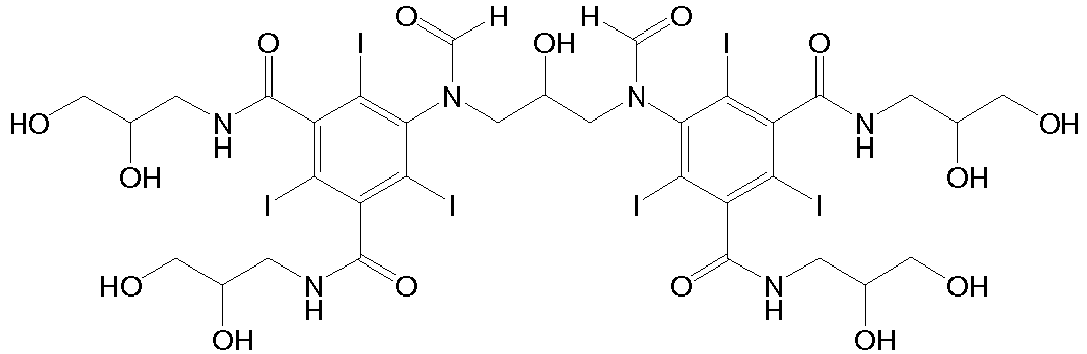
- Compound I: 5-[formyl-[3-[formyl-[3,5-bis(2,3-dihydroxypropylcarbamoyl)-2,4,6-triiodophenyl]amino]-2-hydroxypropyl]amino]-N,N'-bis(2,3-dihydroxypropyl)-2,4,6-triiodobenzene-1,3-dicarboxamide.
- The injection solution of Compound I is highly supersaturated. The nucleation (precipitation) in the injection solution at storage conditions is strongly undesirable. The physical stability of the solution, i.e. prevention of the nucleation for a certain time at storage conditions, may be improved substantially by heat treatment of the solution well above its saturation temperature for a sufficiently long period of time. A solution in which the concentration of the solute (API) exceeds the equilibrium solute concentration at a given temperature is said to be supersaturated. This is possible because the solute does not precipitate immediately when the solution is cooled below the saturation temperature. Such solutions are denoted as supersaturated. Saturation temperature is the temperature where all solid API (amorphous and crystalline) apparently dissolves completely. As the solubility of Compound I decreases with decreasing temperature, the supersaturation increases.
- Supersaturated solutions are thermodynamically unstable, are prone to nucleate and therefore precipitate on storage. However, the onset of precipitation (nucleation) may be delayed by a proper treatment of the solution. The onset of the precipitation depends mainly on the degree of supersaturation, presence of the crystals of the solute and foreign particles such as dust or other impurities, i.e. purity, and storage temperature of the solution.
- Compound I has a lower solubility in water than iodixanol and a higher dissolution temperature in water. Typically, for a solution of about 320 mg I/ml in water, a solution of iodixanol is saturated at approximately 92 °C, whereas a similar solution of compound I is saturated at approximately 110°C. Establishing the parameters for the secondary production of compound I have therefore been challenging. Compared to iodixanol, a higher heat load would be necessary during the processing to ensure complete dissolution of crystalline material present in the largely amorphous bulk X-ray contrast medium. When exposing the composition to this higher heat load while keeping other parameters the same, high levels of free iodide and a lower pH than wanted are however obtained in the final product. Hence, increasing the temperature to ensure dissolution causes greater degradation in the composition. To avoid such problem, one possible solution could be to restrict the heating regime as much as possible. However, a restricted heat regime would put the physical stability of the product at risk due to incomplete dissolution of the X-ray contrast agent, i.e. there is a risk of precipitation of crystalline material when the composition after heating is kept at temperatures below the dissolution temperature and hence becomes supersaturated. Therefore, a process for preparation of X-ray compositions has been sought which during the process implicates extensive heating of an aqueous solution of an X-ray contrast agent, resulting in complete dissolution and an acceptably low level of degradation.
- During the development of new iodinated X-ray contrast agents, several heating regimes have been tested to find the parameters to be used for the secondary productions. Among these are end heat steam sterilization at 134 °C or 121 °C for 45 minutes or more, pre-heating in the mixing tank above the dissolution temperature (e.g. 110-111 °C / 330 mg I/ml) using different regimes followed by end heat steam sterilization etc. Although some of these heating regimes might be capable of providing a physically stable solution, they may cause high levels of free iodide due to degeneration of the iodinated X-ray contrast agent (Scheme 1). For Compound I it was found that typical iodide levels after steam heat sterilisation at 134 °C for 45 minutes were 75-85 µg I/ml. This is above the acceptable level.

- In the process of Scheme 1 H+ is also generated, hence such degradation results in both free iodide generation and a reduced pH.
- To provide a process for the preparation of an X-ray contrast composition, completely dissolving the comprising X-ray contrast agent, and avoiding degradation, experiments were performed to investigate the level of inorganic iodide as a factor of pH and heating regime. It was surprisingly found that by applying the majority of the heat load at significantly reduced pH the contrast agent is completely dissolved in the carrier, it is maintained stable and the amount of free iodide in the composition is well below the acceptable level. This was confirmed by production of a 400 litre scale X-ray composition batch of compound I using the process of the invention.
- Thus the invention provides a process for the preparation of an X-ray composition comprising an X-ray contrast agent in a carrier, the process comprising the steps of
- i) adjusting the pH of the carrier comprising the X-ray contrast agent to 2.0-4.5 by adding an acid;
- ii) heating the pH-adjusted composition of step i) to 60-200 °C;
- iii) cooling the composition of step ii) to 40-60°C;
- iv) adjusting the pH of the heated composition of step iii) to 7.0-8.0 by adding an appropriate buffer.
- The steps i) to iv) are preferably carried out in sequential order as provided, with optional additional steps as later described.
- Hence, heat treatment of iodinated X-ray contrast agents at low pH has been found to be a key solution to the problems of secondary production directed to precipitation of the contrast agent and degeneration of this resulting in free iodide in the composition. It has been found that by using the process of the invention the amount of free iodide in the prepared diagnostic X-ray composition is below 30 µgI/ml, or more preferably below 25 µgI/ml, or even more preferably below 20 µgI/ml.
- In step i) the pH of the carrier comprising the X-ray contrast agent is adjusted to 2.0-4.5 and more preferably to 3.0-4.0. It has surprisingly been found that contrast agents not soluble by solely heating a carrier comprising such, can be completely dissolved by adjusting the pH as specified. Further, the contrast agents, such as compound I, have been found to be stable enough to undergo heating well above the dissolution temperature (e.g. 110-111 °C at 330 mg I/ml for compound I) for as long as it takes to achieve complete dissolution without causing the amount of free iodide to rise significantly. The pH in step i) is adjusted by adding an acid to the composition comprising a contrast agent and a carrier. The acid is preferably selected from the group of hydrochlorid acid (HCl) and phosphoric acid (H3PO4), HCl being preferred. The concentration of the contrast agent in the carrier at this stage of the process is e.g. 270 - 400 mg I/ml, such as 320-380 mg I/ml or more preferably 330-360 mg I/ml. The concentration can become reduced, or can be adjusted, in the following steps of the process.
- In step ii) the pH-adjusted composition from step i) is heated to ensure complete dissolution of the contrast agent. To increase the physical stability of the solution, i.e. prevent precipitation for a certain period of time, the solution should be heated to a temperature above the saturation temperature of the solution for an appropriate period of time. The temperature needed will vary for different contrast agents and will typically be 60-200 °C, more preferably 90-135 °C and most preferably 110-135 °C and even more preferably around 120 °C. For a composition of compound I with a concentration of 320 mg I/ml the saturation temperature is about 110 °C, and appropriate heating temperature for this solution may be 120 °C .There are different ways of heating the pH adjusted composition, such as in a continuously stirred mixing tank, through a heat exchanger, or in a continuous tube reactor, and a preferred option is a continuously stirred mixing tank. The pH adjusted composition is heated at a temperature, and for a period, needed to completely dissolve the contrast agent. An appropriate period of time is 10-240 minutes, more preferably 10-120 minutes, preferably 10-60 minutes, and most preferably 30-40 minutes.
- In step iii) the composition from step ii) is cooled to 40-60 °C, more preferably 45-55 °C. The cooling is done e.g. by changing the jacked temperature or, turning heat off and allowing the solution to obtain the desired temperature. In one embodiment a rapid cooling, particularly to below the saturation temperature, is performed, as this can have a positive effect on the physical stability of the solution.
- In step iv) the pH of the composition from step iii) is adjusted to 7.0 to 8.0 and more preferably to 7.2-7.8 and most preferably to 7.4-7.7. The pH is adjusted by adding an appropriate buffer, such as the buffer couple TRIS/TRIS HCl (TRIS denoting tris(hydroxymethyl)aminomethane). TRIS has a pKa of 8.06, which implies that the buffer has an effective pH range between 7.0 and 9.2, and its pKa declines with rising temperature. Other buffers with similar properties may also be considered, e.g. a phosphate buffer (KH2PO4/Na2HPO4) should be used if phosphoric acid is used in the pH adjustment of step i). Other relevant buffers are ACES, PIPES, imidazoles,/HCl, BES, MOPS, HEPES, TES, HEPPS OR TRICIN. Accordingly, the pH is adjusted in step iv) by the addition of a buffer selected from the group of TRIS/TRIS HCl, KH2PO4/Na2HPO4, ACES (N-(2-Acetamido)-2-aminoethanesulfonic acid), PIPES (piperazine-N,N'-bis(2-ethanesulfonic acid)), imidazoles,/HCl, BES (N,N-Bis(2-hydroxyethyl)-2-aminoethanesulfonic Acid), MOPS (3-(N-morpholino)propanesulfonic acid), HEPES (4-2-hydroxyethyl-1-piperazineethanesulfonic acid), TES (N-Tris(hydroxymethyl)methyl-2-aminoethanesulfonic Acid), HEPPS (3-[4-(2-hydroxyethyl)piperazin-1-yl]propane-1-sulfonic acid) and TRICIN (N-(2-Hydroxy-1,1-bis(hydroxymethyl)ethyl)glycine), and is most preferably TRIS/TRIS HCl.
- The process of the invention is useful for secondary production of supersaturated X-ray compositions comprising X-ray contrast agents with a high dissolution temperature in water. Hence, the process may be used for contrast agents that have a low solubility or preparation of a concentrated composition.
- For a compound or contrast agent with a defined crystalline state (single polymorph) at one side, and a solvent including dissolved admixtures on the other, the concentration of the agent in the solution in equilibrium with the crystalline state is called solubility. At this concentration the activity of the agent is equal in both phases. A system out of the equilibrium stage tends to change the solution concentration towards the equilibrium (solubility), e.g. dissolve crystals when under-saturated, or crystallize out compound when supersaturated. Normally, the solubility changes, usually increases, with temperature. For the purpose, we define the temperature at which the crystal solubility is equal to the concentration in the particular solution as "dissolution temperature". When a solution contains crystals, the crystals dissolve at temperatures above the "dissolution temperature ", remaining a crystal free solution. When the amount of the crystals is small, the concentration increase by dissolution may be neglected.
- In the case of secondary production of Compound I, using water for injection as the solvent, the dissolution temperature within the concentration range of e.g. 270-380 mg I/ml will differ only a few degrees from 110 °C.
- The X-ray contrast agents used in the aqueous composition prepared by the process of the invention are iodinated X-ray contrast agents (compound I or iodixanol) that require heat to be solved.
- The contrast agent used in the process of preparation is a non-ionic iodinated dimeric compound (compound I or iodixanol).
- One contrast agent used in the process of the invention is the compound of formula IIIa of application
EP2010/050118 
- Compound I can be prepared as outlined in
WO 2009/008734 . A general procedure is outlined on pages 16-20, and a specific method for preparation is provided in Example 1 ofWO 2009/008734 . - Another contrast agent used in the process of the invention is iodixanol.
- The process of the invention is particularly useful for the secondary preparation of compositions comprising the X-ray contrast agents (compound I or iodixanol) that require elevated temperature for dissolution and for X-ray compositions requiring low iodide levels.
- The diagnostic composition prepared by the process of the invention preferably includes excipients and additives, such as salts. Any such excipients/additives may be added and included in the composition in any of the steps i) to iv) of the process of the invention. Adverse effects of non-ionic contrast media can be reduced by the inclusion of metal ions such as sodium and calcium ions in the diagnostic composition. Preferably, the diagnostic composition comprises a contrast agent as described above and a pharmaceutically acceptable carrier and dissolved therein a sodium compound and a calcium compound providing a sodium ion concentration of 10-100 mM, more preferably 30-80 mM and most preferably 35-60 mM, and a calcium ion concentration of 0.1-1.0 and preferably 0.1-0.7 mM.
- For a preparation of a composition comprising a concentration of Compound I of 320 mg I/ml, the sodium ion concentration is preferably 42-47 mM, even more preferably 44-46 mM, and most preferably 45 mM. The calcium ion concentration for such composition is preferably 0.1-1.0 mM, more preferably 0.3-0.6 mM, even more preferably 0.4-0.5 mM and most preferably 0.5 mM.
- The sodium compound and the calcium compound of the composition may be provided in the form of salts, i.e. the compounds include physiologically tolerable counter ions, e.g. selected from the group of chloride, sulphate, phosphate and hydrogen carbonate. Preferably, the sodium compound is sodium chloride and the calcium compound is calcium chloride.
- The process of the invention hence preferably includes the addition of such salts to the diagnostic composition. The salts are added to the carrier and the contrast agent during any of the process steps. In a preferred embodiment these salts are added before or during step i) or before or during step iv).
- The contrast agent is hence formulated with conventional carriers and excipients to produce a diagnostic composition. In addition to plasma ions, such as sodium and calcium ions, dissolved oxygen may be included. Further, chelating agents such as EDTA (ethylenediaminetetraacetic acid) or DTPA (diethylene triamine pentaacetic acid) may be included in the prepared composition to sequester metal ions from the solution. EDTA being preferred. Such additives may be added during any of the process steps, and are preferably added before or during step i) or iv).
- In addition to the steps (i-iv) described, the process of the invention may further include the steps of:
- Mixing the components, i.e. the carrier, the contrast agent and optional additives to completely dissolve the contrast agent in the carrier. Mixing means may be used and the mixing may be carried out by several mechanical mixing methods well known in the art, such as stirring in a mixing tank, using a static mixer or a mixing reactor. Such mixing is preferably carried out during step i) and step ii).
- Filtration of the diagnostic composition, such as by micro- or ultrafiltration. Such filtration is optionally carried out after step ii). The filtration is performed to remove and reduce in quantity particles, particularly particles with a size above a certain limit, e.g. above 10 000 Daltons, and/or for removal of endotoxins, which have survived the heat treatment under reduced pH.
- Dilution, i.e. diluting the composition to a concentration as desired. Such step is optionally carried out after step ii), iii) or iv).
- Filling, capsling and labeling is optionally carried out after step iv).
- Heat treatment after filling: It is very difficult to achieve a particle free atmosphere during the filling of the bottles. The bottles may also contain tiny particles, in spite of washing of the bottles. A final heat treatment, e.g. steam sterilization, of the filled and sealed bottles at a suitable temperature, above the saturation temperature of the contrast agent, is critical with respect of dissolving foreign particles brought to the bottles by dust and to deactivate the insoluble foreign particles present in the solution.
- The pharmaceutically acceptable carrier is an aqueous solution, preferably pure water.
- The diagnostic composition prepared by the process of the invention is in a ready to use concentration. Generally compositions in a ready to use form will have iodine concentrations of at least 100 mg I/ml, such as at least 150 mg I/ml, or with concentrations of at least 300 mg I/ml, e.g. 320 mg I/ml, or even 350, 360 or 400 mg I/ml.
- The diagnostic composition prepared by the process of the invention is preferably for use in X-ray diagnosis. The composition may be administered as a bolus injection or by infusion. Further, the composition may be administered by intravascular, intravenous or intra-arterial administration. Alternatively, the composition may also be administered orally.
-
-
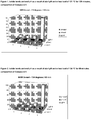
Figure 1 : Iodide levels and end pH as a result of start pH and a heat load of 121 °C for 120 minutes, Compound I, 320 mg I/ml. -
Figure 2 : Iodide levels and end pH as a result of start pH and a heat load of 134 °C for 60 minutes, Compound I, 320 mg I/ml. -
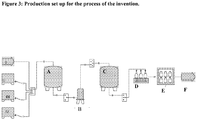
Figure 3 : A possible production set up for the process of the invention, wherein:- I denotes Water for injection (WFI)
- II denotes acid for pH adjustment
- II denotes the X-ray contrast agent
- IV denotes additives
- A denotes a mixing tank
- B denotes microfiltration/ultrafiltration
- C denotes a holding tank
- D denotes filling and capping
- E denotes autoclaving
- F denotes labelling and pack-off
- Experiments were performed to investigate the level of inorganic iodide generated as a result of degeneration of Compound I as a result of a pH and heating regime. Reference is made to
Figures 1 and 2 . The heat load was controlled by using a BIER-vessel for the steam heat sterilisation. Formulated Compound I (drug product, DP, 320 mg I/ml) was added 25% HCl to obtain 4 series of 6 vials with a pH of 2.0, 3.1, 4.0 and 7.7, respectively. - DP (10ml) was filled in 10 ml vials. 3 vials from each series were autoclaved at 121 °C for 120 minutes and the remaining 3 vials were autoclaved at 134 °C for 60 minutes. The samples, including 2 reference samples, were subjected to pH and iodide analyses. The results from these studies showed that only a minor increase in iodide levels and no significant change in pH could be observed for the samples having a start pH in the range 2-4, while high iodide levels and a corresponding drop in pH was observed for the samples having a start pH of 7.7, as shown in
Figures 1 and 2 . Hence, this is a proof of concept for the process of the invention, reducing degeneration of the contrast agent when applying heat at reduced pH. These results enable a heating regime with sufficient heat load to ensure complete dissolution of any crystalline material in the bulk material, as an acceptable low level of free iodide. - Reference is made to
Figure 3 . Compound I is dissolved in water for injection (WFI) in the mixing tank (A). HCl is used to set the unbuffered solution to pH 3-3.5. Under these conditions, Compound I is stable enough to undergo heating well above the dissolution temperature (110-111 °C / 330 mg I/ml) for as long as it takes to achieve complete dissolution without causing the amount of free iodide to rise significantly (e.g. at 120-180 °C for 20-240 minutes). Subsequently, the heated solution of Compound I of e.g. 330-360 mg I/ml is cooled to 40-60°C and diluted by a solution of TRIS/TRIS-HCl of a pH of approximately 8.0 to yield the final drug productformulation containing TRIS 10 mmol/l of pH 7.4-7.7 (measured at room temperature, 20-25 °C) and Compound I, 320 mg I/ml. - This dilution and pH equilibration can be done either in the mixing tank or even as a rinsing step for a subsequent ultra filtration (B) if the filters tolerate low pH or alternatively in the ultrafiltrate after ultrafiltration.
- If the process of the invention can be effective enough to ensure complete dissolution, ultrafiltration as a process step to remove undissolved crystals can possibly be omitted.
- Reference is made to
Figure 3 . - 261 kg of Compound I was dissolved in 250 litres of water for injection (WFI) and added 44 g Na2Ca-EDTA.2H2O in the mixing tank (A). HCl 5M was used to set the solution to
pH 3. Under these conditions, to the composition underwent heating for 40 minutes at 122°C. Subsequently, the heated solution of Compound I of approximately 340 mg I/ml was cooled to approximately 80°C and added the remaining excipients, being 29 g of CaCl2.2.H2O, 1052 g of NaCl, 484 g of TRIS base and 346 ml of HCl 5M to yield a pH of 7.3. This solution was cooled to approximately 50 °C and filtered through a 10 kDa ultrafilter. The remaining WFI to yield a solution of 320 mg I/ml of compound I was used to rinse the ultrafilter by dilution of the concentrated retentate. The filtered solution was dispensed and autoclaved for 20 minutes at 121°C. After autoclaving, the concentration of inorganic iodide was 10 µg/ml, which is approximately a fifth of the concentration resulting from a conventional production not using the process of the invention.
Claims (7)
- A process for the preparation of an X-ray composition comprising an X-ray contrast agent in a carrier, comprising the steps ofi) adjusting the pH of the carrier comprising the X-ray contrast agent to 2.0-4.5 by adding an acid;ii) heating the pH-adjusted composition of step i) to 60-200 °C;iii) cooling the composition of step ii) to 40-60°C;iv) adjusting the pH of the heated composition of step iii) to 7.0-8.0 by adding an appropriate buffer;wherein the X-ray contrast agent is Iodixanol or is Compound I

- A process as claimed in claim 1 wherein the amount of free iodide in the prepared composition is below 30 µg I/ml.
- A process as claimed in any of claims 1 or 2 wherein the pH adjustment in step i) is carried out by adding hydrochloric acid (HCl) to the carrier.
- A process as claimed in any of the claims 1 to 3 wherein the pH-adjusted composition of step i) is heated for a period of 10-240 minutes in step ii).
- A process as claimed in any of claims 1 to 4 wherein the pH is adjusted in step iv) by adding the buffer couple TRIS/TRIS HCl.
- A process as claimed in any of claims 1 to 4 wherein sodium and calcium ions are added in the form of salts during the process.
- A process as claimed in any of the claims 1 to 6 further comprising any of the optional steps of filtration, dilution, filling, capsling and labeling, and heat treatment after filling.
Priority Applications (1)
| Application Number | Priority Date | Filing Date | Title |
|---|---|---|---|
| EP11709146.2A EP2550022B1 (en) | 2010-03-23 | 2011-03-22 | Preparation of stabilised x-ray diagnostic composition |
Applications Claiming Priority (3)
| Application Number | Priority Date | Filing Date | Title |
|---|---|---|---|
| EP10157336 | 2010-03-23 | ||
| EP11709146.2A EP2550022B1 (en) | 2010-03-23 | 2011-03-22 | Preparation of stabilised x-ray diagnostic composition |
| PCT/EP2011/054341 WO2011117236A1 (en) | 2010-03-23 | 2011-03-22 | Preparation of stabilised x-ray diagnostic composition |
Publications (2)
| Publication Number | Publication Date |
|---|---|
| EP2550022A1 EP2550022A1 (en) | 2013-01-30 |
| EP2550022B1 true EP2550022B1 (en) | 2020-12-09 |
Family
ID=44157361
Family Applications (1)
| Application Number | Title | Priority Date | Filing Date |
|---|---|---|---|
| EP11709146.2A Active EP2550022B1 (en) | 2010-03-23 | 2011-03-22 | Preparation of stabilised x-ray diagnostic composition |
Country Status (11)
| Country | Link |
|---|---|
| US (1) | US11185598B2 (en) |
| EP (1) | EP2550022B1 (en) |
| JP (1) | JP5947784B2 (en) |
| KR (1) | KR101915821B1 (en) |
| CN (1) | CN102802671B (en) |
| AU (1) | AU2011231721B2 (en) |
| BR (1) | BR112012023063A2 (en) |
| CA (1) | CA2793277C (en) |
| MX (1) | MX2012010959A (en) |
| RU (1) | RU2012138280A (en) |
| WO (1) | WO2011117236A1 (en) |
Families Citing this family (5)
| Publication number | Priority date | Publication date | Assignee | Title |
|---|---|---|---|---|
| AU2012311584B2 (en) | 2011-09-21 | 2017-04-20 | Ge Healthcare As | Packaging of contrast media |
| NO333914B1 (en) * | 2011-12-21 | 2013-10-21 | Ge Healthcare As | Stabilization of diagnostic X-ray composition |
| MX2014008517A (en) * | 2012-01-11 | 2014-08-21 | Ge Healthcare As | X-ray imaging contrast media with low iodine concentration and x-ray imaging process. |
| KR20150134346A (en) * | 2013-03-27 | 2015-12-01 | 지이 헬스케어 에이에스 | Method and reagent for preparing a diagnostic composition |
| CN115308357A (en) * | 2022-08-09 | 2022-11-08 | 广东广纳安疗科技有限公司 | Detection method of inorganic iodide and application thereof |
Citations (1)
| Publication number | Priority date | Publication date | Assignee | Title |
|---|---|---|---|---|
| EP0278674A2 (en) * | 1987-02-05 | 1988-08-17 | Cook Imaging Corporation | Sterilization of compositions of limited stability |
Family Cites Families (12)
| Publication number | Priority date | Publication date | Assignee | Title |
|---|---|---|---|---|
| AT371998B (en) | 1978-07-04 | 1983-08-25 | Nyegaard & Co As | METHOD FOR PRODUCING A STERILE INJECTABLE PHYSIOLOGICALLY ACCEPTABLE SOLUTION OF AN X-RAY CONTRAST AGENT |
| US5204086A (en) | 1982-10-01 | 1993-04-20 | Nycomed Imaging As | X-ray contrast agent |
| GB8906130D0 (en) * | 1989-03-17 | 1989-05-04 | Nycomed As | Compositions |
| DE19648650C2 (en) | 1996-01-29 | 1998-07-02 | Schering Ag | Buffer systems and their use to stabilize pharmaceutical preparations |
| GB9624918D0 (en) | 1996-11-29 | 1997-01-15 | Nycomed Imaging As | Particulate components |
| US6072069A (en) | 1998-11-04 | 2000-06-06 | Biophysica, Inc. | Biodegradable nonionic contrast media |
| US7250153B2 (en) | 2002-12-12 | 2007-07-31 | Biophysica Research, Inc. | Contrast media formulations having improved biological tolerance |
| JP2005170923A (en) | 2003-10-21 | 2005-06-30 | Konica Minolta Medical & Graphic Inc | Liposome-containing X-ray contrast medium and method for producing the same |
| CN1938050A (en) | 2004-03-11 | 2007-03-28 | 马林克罗特公司 | X-ray contrast formulation comprising a mixture of iodinated monomer and dimer |
| GB0514087D0 (en) | 2005-07-11 | 2005-08-17 | Ge Healthcare Ltd | Stabilised radiopharmaceutical compositions |
| CN103951586B (en) | 2007-07-12 | 2015-05-27 | 通用电气医疗集团股份有限公司 | Contrast Agents |
| GB2465663A (en) * | 2008-11-26 | 2010-06-02 | Ge Healthcare As | X-ray contrast agent compositions comprising an iodinated X-ray contrast agent and ethylenediamine-N,N-disuccinic acid |
-
2011
- 2011-03-22 KR KR1020127024712A patent/KR101915821B1/en active Active
- 2011-03-22 MX MX2012010959A patent/MX2012010959A/en not_active Application Discontinuation
- 2011-03-22 WO PCT/EP2011/054341 patent/WO2011117236A1/en not_active Ceased
- 2011-03-22 CA CA2793277A patent/CA2793277C/en active Active
- 2011-03-22 BR BR112012023063A patent/BR112012023063A2/en not_active IP Right Cessation
- 2011-03-22 JP JP2013500468A patent/JP5947784B2/en active Active
- 2011-03-22 AU AU2011231721A patent/AU2011231721B2/en active Active
- 2011-03-22 RU RU2012138280/15A patent/RU2012138280A/en not_active Application Discontinuation
- 2011-03-22 CN CN201180015249.4A patent/CN102802671B/en active Active
- 2011-03-22 EP EP11709146.2A patent/EP2550022B1/en active Active
- 2011-03-22 US US13/582,790 patent/US11185598B2/en active Active
Patent Citations (1)
| Publication number | Priority date | Publication date | Assignee | Title |
|---|---|---|---|---|
| EP0278674A2 (en) * | 1987-02-05 | 1988-08-17 | Cook Imaging Corporation | Sterilization of compositions of limited stability |
Also Published As
| Publication number | Publication date |
|---|---|
| US11185598B2 (en) | 2021-11-30 |
| CN102802671A (en) | 2012-11-28 |
| JP2013522344A (en) | 2013-06-13 |
| WO2011117236A1 (en) | 2011-09-29 |
| BR112012023063A2 (en) | 2016-05-17 |
| KR20130006633A (en) | 2013-01-17 |
| CN102802671B (en) | 2015-07-22 |
| KR101915821B1 (en) | 2018-11-06 |
| MX2012010959A (en) | 2012-11-23 |
| RU2012138280A (en) | 2014-04-27 |
| AU2011231721B2 (en) | 2014-08-14 |
| CA2793277C (en) | 2018-09-04 |
| EP2550022A1 (en) | 2013-01-30 |
| CA2793277A1 (en) | 2011-09-29 |
| AU2011231721A1 (en) | 2012-09-27 |
| US20130004433A1 (en) | 2013-01-03 |
| JP5947784B2 (en) | 2016-07-06 |
Similar Documents
| Publication | Publication Date | Title |
|---|---|---|
| US11185598B2 (en) | Preparation of stabilised x-ray diagnostic composition | |
| JP6736765B2 (en) | Bendamustine solution formulation | |
| JP3249112B2 (en) | Nonionic compound and radiological contrast agent composition containing the compound | |
| EP2793951B1 (en) | Stabilization of x-ray diagnostic composition | |
| WO2007094677A1 (en) | Contrast agents | |
| TWI246925B (en) | Solution of N-[o-(p-pivaloyloxybenzenesulfonylamino)benzoyl]glycine monosodium salt tetrahydrate, and the medicament thereof | |
| JP5248330B2 (en) | Contrast agent | |
| JP2019510831A (en) | Phosphaplatin liquid preparation | |
| EP1792894B1 (en) | Contrast agents | |
| AU2013323982A1 (en) | Preparation of Ioforminol, an X-ray contrast agent | |
| ES2379910T3 (en) | Crystallization of iodixanol using ultrasound | |
| CN1178522A (en) | X-ray contrast agent for CT examination and urography | |
| CN104661995B (en) | The preparation of x-ray contrast agent IOFORMINOL | |
| JP2000072673A (en) | Nicardipine hydrochloride-containing liquid preparation | |
| US20080199404A1 (en) | Contrast Agents | |
| KR20150134346A (en) | Method and reagent for preparing a diagnostic composition | |
| JP2003104889A (en) | Nicardipine hydrochloride-containing aqueous preparation for injection |
Legal Events
| Date | Code | Title | Description |
|---|---|---|---|
| PUAI | Public reference made under article 153(3) epc to a published international application that has entered the european phase |
Free format text: ORIGINAL CODE: 0009012 |
|
| 17P | Request for examination filed |
Effective date: 20120910 |
|
| AK | Designated contracting states |
Kind code of ref document: A1 Designated state(s): AL AT BE BG CH CY CZ DE DK EE ES FI FR GB GR HR HU IE IS IT LI LT LU LV MC MK MT NL NO PL PT RO RS SE SI SK SM TR |
|
| DAX | Request for extension of the european patent (deleted) | ||
| STAA | Information on the status of an ep patent application or granted ep patent |
Free format text: STATUS: EXAMINATION IS IN PROGRESS |
|
| 17Q | First examination report despatched |
Effective date: 20170111 |
|
| GRAP | Despatch of communication of intention to grant a patent |
Free format text: ORIGINAL CODE: EPIDOSNIGR1 |
|
| STAA | Information on the status of an ep patent application or granted ep patent |
Free format text: STATUS: GRANT OF PATENT IS INTENDED |
|
| INTG | Intention to grant announced |
Effective date: 20200622 |
|
| GRAS | Grant fee paid |
Free format text: ORIGINAL CODE: EPIDOSNIGR3 |
|
| GRAA | (expected) grant |
Free format text: ORIGINAL CODE: 0009210 |
|
| STAA | Information on the status of an ep patent application or granted ep patent |
Free format text: STATUS: THE PATENT HAS BEEN GRANTED |
|
| AK | Designated contracting states |
Kind code of ref document: B1 Designated state(s): AL AT BE BG CH CY CZ DE DK EE ES FI FR GB GR HR HU IE IS IT LI LT LU LV MC MK MT NL NO PL PT RO RS SE SI SK SM TR |
|
| REG | Reference to a national code |
Ref country code: GB Ref legal event code: FG4D |
|
| REG | Reference to a national code |
Ref country code: AT Ref legal event code: REF Ref document number: 1342712 Country of ref document: AT Kind code of ref document: T Effective date: 20201215 Ref country code: CH Ref legal event code: EP |
|
| RAP2 | Party data changed (patent owner data changed or rights of a patent transferred) |
Owner name: GE HEALTHCARE AS |
|
| REG | Reference to a national code |
Ref country code: DE Ref legal event code: R096 Ref document number: 602011069574 Country of ref document: DE |
|
| REG | Reference to a national code |
Ref country code: IE Ref legal event code: FG4D |
|
| REG | Reference to a national code |
Ref country code: NO Ref legal event code: T2 Effective date: 20201209 |
|
| PG25 | Lapsed in a contracting state [announced via postgrant information from national office to epo] |
Ref country code: FI Free format text: LAPSE BECAUSE OF FAILURE TO SUBMIT A TRANSLATION OF THE DESCRIPTION OR TO PAY THE FEE WITHIN THE PRESCRIBED TIME-LIMIT Effective date: 20201209 Ref country code: RS Free format text: LAPSE BECAUSE OF FAILURE TO SUBMIT A TRANSLATION OF THE DESCRIPTION OR TO PAY THE FEE WITHIN THE PRESCRIBED TIME-LIMIT Effective date: 20201209 Ref country code: GR Free format text: LAPSE BECAUSE OF FAILURE TO SUBMIT A TRANSLATION OF THE DESCRIPTION OR TO PAY THE FEE WITHIN THE PRESCRIBED TIME-LIMIT Effective date: 20210310 |
|
| REG | Reference to a national code |
Ref country code: AT Ref legal event code: MK05 Ref document number: 1342712 Country of ref document: AT Kind code of ref document: T Effective date: 20201209 |
|
| PG25 | Lapsed in a contracting state [announced via postgrant information from national office to epo] |
Ref country code: LV Free format text: LAPSE BECAUSE OF FAILURE TO SUBMIT A TRANSLATION OF THE DESCRIPTION OR TO PAY THE FEE WITHIN THE PRESCRIBED TIME-LIMIT Effective date: 20201209 Ref country code: SE Free format text: LAPSE BECAUSE OF FAILURE TO SUBMIT A TRANSLATION OF THE DESCRIPTION OR TO PAY THE FEE WITHIN THE PRESCRIBED TIME-LIMIT Effective date: 20201209 Ref country code: BG Free format text: LAPSE BECAUSE OF FAILURE TO SUBMIT A TRANSLATION OF THE DESCRIPTION OR TO PAY THE FEE WITHIN THE PRESCRIBED TIME-LIMIT Effective date: 20210309 |
|
| REG | Reference to a national code |
Ref country code: NL Ref legal event code: MP Effective date: 20201209 |
|
| PG25 | Lapsed in a contracting state [announced via postgrant information from national office to epo] |
Ref country code: HR Free format text: LAPSE BECAUSE OF FAILURE TO SUBMIT A TRANSLATION OF THE DESCRIPTION OR TO PAY THE FEE WITHIN THE PRESCRIBED TIME-LIMIT Effective date: 20201209 Ref country code: NL Free format text: LAPSE BECAUSE OF FAILURE TO SUBMIT A TRANSLATION OF THE DESCRIPTION OR TO PAY THE FEE WITHIN THE PRESCRIBED TIME-LIMIT Effective date: 20201209 |
|
| REG | Reference to a national code |
Ref country code: LT Ref legal event code: MG9D |
|
| PG25 | Lapsed in a contracting state [announced via postgrant information from national office to epo] |
Ref country code: RO Free format text: LAPSE BECAUSE OF FAILURE TO SUBMIT A TRANSLATION OF THE DESCRIPTION OR TO PAY THE FEE WITHIN THE PRESCRIBED TIME-LIMIT Effective date: 20201209 Ref country code: PT Free format text: LAPSE BECAUSE OF FAILURE TO SUBMIT A TRANSLATION OF THE DESCRIPTION OR TO PAY THE FEE WITHIN THE PRESCRIBED TIME-LIMIT Effective date: 20210409 Ref country code: SK Free format text: LAPSE BECAUSE OF FAILURE TO SUBMIT A TRANSLATION OF THE DESCRIPTION OR TO PAY THE FEE WITHIN THE PRESCRIBED TIME-LIMIT Effective date: 20201209 Ref country code: LT Free format text: LAPSE BECAUSE OF FAILURE TO SUBMIT A TRANSLATION OF THE DESCRIPTION OR TO PAY THE FEE WITHIN THE PRESCRIBED TIME-LIMIT Effective date: 20201209 Ref country code: CZ Free format text: LAPSE BECAUSE OF FAILURE TO SUBMIT A TRANSLATION OF THE DESCRIPTION OR TO PAY THE FEE WITHIN THE PRESCRIBED TIME-LIMIT Effective date: 20201209 Ref country code: EE Free format text: LAPSE BECAUSE OF FAILURE TO SUBMIT A TRANSLATION OF THE DESCRIPTION OR TO PAY THE FEE WITHIN THE PRESCRIBED TIME-LIMIT Effective date: 20201209 Ref country code: SM Free format text: LAPSE BECAUSE OF FAILURE TO SUBMIT A TRANSLATION OF THE DESCRIPTION OR TO PAY THE FEE WITHIN THE PRESCRIBED TIME-LIMIT Effective date: 20201209 |
|
| PG25 | Lapsed in a contracting state [announced via postgrant information from national office to epo] |
Ref country code: PL Free format text: LAPSE BECAUSE OF FAILURE TO SUBMIT A TRANSLATION OF THE DESCRIPTION OR TO PAY THE FEE WITHIN THE PRESCRIBED TIME-LIMIT Effective date: 20201209 Ref country code: AT Free format text: LAPSE BECAUSE OF FAILURE TO SUBMIT A TRANSLATION OF THE DESCRIPTION OR TO PAY THE FEE WITHIN THE PRESCRIBED TIME-LIMIT Effective date: 20201209 |
|
| REG | Reference to a national code |
Ref country code: DE Ref legal event code: R097 Ref document number: 602011069574 Country of ref document: DE |
|
| PG25 | Lapsed in a contracting state [announced via postgrant information from national office to epo] |
Ref country code: IS Free format text: LAPSE BECAUSE OF FAILURE TO SUBMIT A TRANSLATION OF THE DESCRIPTION OR TO PAY THE FEE WITHIN THE PRESCRIBED TIME-LIMIT Effective date: 20210409 |
|
| PLBE | No opposition filed within time limit |
Free format text: ORIGINAL CODE: 0009261 |
|
| STAA | Information on the status of an ep patent application or granted ep patent |
Free format text: STATUS: NO OPPOSITION FILED WITHIN TIME LIMIT |
|
| PG25 | Lapsed in a contracting state [announced via postgrant information from national office to epo] |
Ref country code: MC Free format text: LAPSE BECAUSE OF FAILURE TO SUBMIT A TRANSLATION OF THE DESCRIPTION OR TO PAY THE FEE WITHIN THE PRESCRIBED TIME-LIMIT Effective date: 20201209 Ref country code: AL Free format text: LAPSE BECAUSE OF FAILURE TO SUBMIT A TRANSLATION OF THE DESCRIPTION OR TO PAY THE FEE WITHIN THE PRESCRIBED TIME-LIMIT Effective date: 20201209 Ref country code: IT Free format text: LAPSE BECAUSE OF FAILURE TO SUBMIT A TRANSLATION OF THE DESCRIPTION OR TO PAY THE FEE WITHIN THE PRESCRIBED TIME-LIMIT Effective date: 20201209 |
|
| REG | Reference to a national code |
Ref country code: CH Ref legal event code: PL |
|
| 26N | No opposition filed |
Effective date: 20210910 |
|
| PG25 | Lapsed in a contracting state [announced via postgrant information from national office to epo] |
Ref country code: DK Free format text: LAPSE BECAUSE OF FAILURE TO SUBMIT A TRANSLATION OF THE DESCRIPTION OR TO PAY THE FEE WITHIN THE PRESCRIBED TIME-LIMIT Effective date: 20201209 Ref country code: ES Free format text: LAPSE BECAUSE OF FAILURE TO SUBMIT A TRANSLATION OF THE DESCRIPTION OR TO PAY THE FEE WITHIN THE PRESCRIBED TIME-LIMIT Effective date: 20201209 Ref country code: SI Free format text: LAPSE BECAUSE OF FAILURE TO SUBMIT A TRANSLATION OF THE DESCRIPTION OR TO PAY THE FEE WITHIN THE PRESCRIBED TIME-LIMIT Effective date: 20201209 |
|
| REG | Reference to a national code |
Ref country code: BE Ref legal event code: MM Effective date: 20210331 |
|
| PG25 | Lapsed in a contracting state [announced via postgrant information from national office to epo] |
Ref country code: CH Free format text: LAPSE BECAUSE OF NON-PAYMENT OF DUE FEES Effective date: 20210331 Ref country code: LI Free format text: LAPSE BECAUSE OF NON-PAYMENT OF DUE FEES Effective date: 20210331 Ref country code: LU Free format text: LAPSE BECAUSE OF NON-PAYMENT OF DUE FEES Effective date: 20210322 |
|
| PG25 | Lapsed in a contracting state [announced via postgrant information from national office to epo] |
Ref country code: IS Free format text: LAPSE BECAUSE OF FAILURE TO SUBMIT A TRANSLATION OF THE DESCRIPTION OR TO PAY THE FEE WITHIN THE PRESCRIBED TIME-LIMIT Effective date: 20210409 |
|
| PG25 | Lapsed in a contracting state [announced via postgrant information from national office to epo] |
Ref country code: BE Free format text: LAPSE BECAUSE OF NON-PAYMENT OF DUE FEES Effective date: 20210331 |
|
| PG25 | Lapsed in a contracting state [announced via postgrant information from national office to epo] |
Ref country code: HU Free format text: LAPSE BECAUSE OF FAILURE TO SUBMIT A TRANSLATION OF THE DESCRIPTION OR TO PAY THE FEE WITHIN THE PRESCRIBED TIME-LIMIT; INVALID AB INITIO Effective date: 20110322 Ref country code: CY Free format text: LAPSE BECAUSE OF FAILURE TO SUBMIT A TRANSLATION OF THE DESCRIPTION OR TO PAY THE FEE WITHIN THE PRESCRIBED TIME-LIMIT Effective date: 20201209 |
|
| P01 | Opt-out of the competence of the unified patent court (upc) registered |
Effective date: 20230529 |
|
| PG25 | Lapsed in a contracting state [announced via postgrant information from national office to epo] |
Ref country code: MK Free format text: LAPSE BECAUSE OF FAILURE TO SUBMIT A TRANSLATION OF THE DESCRIPTION OR TO PAY THE FEE WITHIN THE PRESCRIBED TIME-LIMIT Effective date: 20201209 |
|
| PG25 | Lapsed in a contracting state [announced via postgrant information from national office to epo] |
Ref country code: MT Free format text: LAPSE BECAUSE OF FAILURE TO SUBMIT A TRANSLATION OF THE DESCRIPTION OR TO PAY THE FEE WITHIN THE PRESCRIBED TIME-LIMIT Effective date: 20201209 |
|
| PG25 | Lapsed in a contracting state [announced via postgrant information from national office to epo] |
Ref country code: TR Free format text: LAPSE BECAUSE OF FAILURE TO SUBMIT A TRANSLATION OF THE DESCRIPTION OR TO PAY THE FEE WITHIN THE PRESCRIBED TIME-LIMIT Effective date: 20201209 |
|
| PGFP | Annual fee paid to national office [announced via postgrant information from national office to epo] |
Ref country code: GB Payment date: 20260220 Year of fee payment: 16 |
|
| PGFP | Annual fee paid to national office [announced via postgrant information from national office to epo] |
Ref country code: DE Payment date: 20260219 Year of fee payment: 16 Ref country code: NO Payment date: 20260223 Year of fee payment: 16 Ref country code: IE Payment date: 20260223 Year of fee payment: 16 |
|
| PGFP | Annual fee paid to national office [announced via postgrant information from national office to epo] |
Ref country code: FR Payment date: 20260220 Year of fee payment: 16 |