EP2546350A1 - Process for producing koda using lemna paucicostata - Google Patents
Process for producing koda using lemna paucicostata Download PDFInfo
- Publication number
- EP2546350A1 EP2546350A1 EP11753499A EP11753499A EP2546350A1 EP 2546350 A1 EP2546350 A1 EP 2546350A1 EP 11753499 A EP11753499 A EP 11753499A EP 11753499 A EP11753499 A EP 11753499A EP 2546350 A1 EP2546350 A1 EP 2546350A1
- Authority
- EP
- European Patent Office
- Prior art keywords
- dna
- seq
- protein
- koda
- strain
- Prior art date
- Legal status (The legal status is an assumption and is not a legal conclusion. Google has not performed a legal analysis and makes no representation as to the accuracy of the status listed.)
- Withdrawn
Links
- 244000242291 Lemna paucicostata Species 0.000 title claims abstract description 56
- 238000000034 method Methods 0.000 title claims description 23
- 244000046038 Ehretia acuminata Species 0.000 title abstract description 54
- 235000009300 Ehretia acuminata Nutrition 0.000 title abstract description 54
- 108090000623 proteins and genes Proteins 0.000 claims abstract description 46
- 108090000128 Lipoxygenases Proteins 0.000 claims abstract description 30
- 102000003820 Lipoxygenases Human genes 0.000 claims abstract description 30
- 108060000307 allene oxide cyclase Proteins 0.000 claims abstract description 28
- 102000004169 proteins and genes Human genes 0.000 claims description 36
- 230000000694 effects Effects 0.000 claims description 28
- 125000003275 alpha amino acid group Chemical group 0.000 claims description 15
- FWMNVWWHGCHHJJ-SKKKGAJSSA-N 4-amino-1-[(2r)-6-amino-2-[[(2r)-2-[[(2r)-2-[[(2r)-2-amino-3-phenylpropanoyl]amino]-3-phenylpropanoyl]amino]-4-methylpentanoyl]amino]hexanoyl]piperidine-4-carboxylic acid Chemical compound C([C@H](C(=O)N[C@H](CC(C)C)C(=O)N[C@H](CCCCN)C(=O)N1CCC(N)(CC1)C(O)=O)NC(=O)[C@H](N)CC=1C=CC=CC=1)C1=CC=CC=C1 FWMNVWWHGCHHJJ-SKKKGAJSSA-N 0.000 claims description 10
- 230000035882 stress Effects 0.000 claims description 10
- HEDRZPFGACZZDS-UHFFFAOYSA-N Chloroform Chemical compound ClC(Cl)Cl HEDRZPFGACZZDS-UHFFFAOYSA-N 0.000 claims description 6
- XEKOWRVHYACXOJ-UHFFFAOYSA-N Ethyl acetate Chemical compound CCOC(C)=O XEKOWRVHYACXOJ-UHFFFAOYSA-N 0.000 claims description 6
- 239000002904 solvent Substances 0.000 claims description 5
- LRHPLDYGYMQRHN-UHFFFAOYSA-N N-Butanol Chemical compound CCCCO LRHPLDYGYMQRHN-UHFFFAOYSA-N 0.000 claims description 4
- 238000001035 drying Methods 0.000 claims description 4
- 230000008642 heat stress Effects 0.000 claims description 4
- 150000001413 amino acids Chemical class 0.000 claims description 3
- 230000000295 complement effect Effects 0.000 claims description 3
- 230000008723 osmotic stress Effects 0.000 claims description 3
- 150000001875 compounds Chemical class 0.000 claims 3
- RTZKZFJDLAIYFH-UHFFFAOYSA-N ether Substances CCOCC RTZKZFJDLAIYFH-UHFFFAOYSA-N 0.000 claims 2
- HIXDQWDOVZUNNA-UHFFFAOYSA-N 2-(3,4-dimethoxyphenyl)-5-hydroxy-7-methoxychromen-4-one Chemical compound C=1C(OC)=CC(O)=C(C(C=2)=O)C=1OC=2C1=CC=C(OC)C(OC)=C1 HIXDQWDOVZUNNA-UHFFFAOYSA-N 0.000 claims 1
- NJAYHLDXCVDTEV-ZJSQCTGTSA-N (12z,15z)-9-hydroxy-10-oxooctadeca-12,15-dienoic acid Chemical compound CC\C=C/C\C=C/CC(=O)C(O)CCCCCCCC(O)=O NJAYHLDXCVDTEV-ZJSQCTGTSA-N 0.000 abstract description 53
- 239000005648 plant growth regulator Substances 0.000 abstract 1
- 108020004414 DNA Proteins 0.000 description 22
- DTOSIQBPPRVQHS-PDBXOOCHSA-N alpha-linolenic acid Chemical compound CC\C=C/C\C=C/C\C=C/CCCCCCCC(O)=O DTOSIQBPPRVQHS-PDBXOOCHSA-N 0.000 description 14
- 239000000243 solution Substances 0.000 description 14
- 238000004519 manufacturing process Methods 0.000 description 13
- 239000000126 substance Substances 0.000 description 12
- 241000196324 Embryophyta Species 0.000 description 11
- WEVYAHXRMPXWCK-UHFFFAOYSA-N Acetonitrile Chemical compound CC#N WEVYAHXRMPXWCK-UHFFFAOYSA-N 0.000 description 9
- 102000004190 Enzymes Human genes 0.000 description 9
- 108090000790 Enzymes Proteins 0.000 description 9
- 239000000758 substrate Substances 0.000 description 9
- 101000983844 Oryza sativa subsp. japonica Linoleate 9S-lipoxygenase 1 Proteins 0.000 description 8
- 235000020661 alpha-linolenic acid Nutrition 0.000 description 8
- 229960004488 linolenic acid Drugs 0.000 description 8
- XLYOFNOQVPJJNP-UHFFFAOYSA-N water Substances O XLYOFNOQVPJJNP-UHFFFAOYSA-N 0.000 description 8
- 238000006243 chemical reaction Methods 0.000 description 7
- 239000002299 complementary DNA Substances 0.000 description 7
- 238000004128 high performance liquid chromatography Methods 0.000 description 7
- 239000011541 reaction mixture Substances 0.000 description 7
- LFQSCWFLJHTTHZ-UHFFFAOYSA-N Ethanol Chemical compound CCO LFQSCWFLJHTTHZ-UHFFFAOYSA-N 0.000 description 6
- 238000000605 extraction Methods 0.000 description 6
- 241000588724 Escherichia coli Species 0.000 description 5
- 239000000047 product Substances 0.000 description 5
- 238000000926 separation method Methods 0.000 description 5
- 240000007594 Oryza sativa Species 0.000 description 4
- DTQVDTLACAAQTR-UHFFFAOYSA-N Trifluoroacetic acid Chemical compound OC(=O)C(F)(F)F DTQVDTLACAAQTR-UHFFFAOYSA-N 0.000 description 4
- 239000007864 aqueous solution Substances 0.000 description 4
- 238000012360 testing method Methods 0.000 description 4
- 241000219195 Arabidopsis thaliana Species 0.000 description 3
- 235000007164 Oryza sativa Nutrition 0.000 description 3
- 238000006911 enzymatic reaction Methods 0.000 description 3
- KQQKGWQCNNTQJW-UHFFFAOYSA-N linolenic acid Natural products CC=CCCC=CCC=CCCCCCCCC(O)=O KQQKGWQCNNTQJW-UHFFFAOYSA-N 0.000 description 3
- 239000003375 plant hormone Substances 0.000 description 3
- 235000010482 polyoxyethylene sorbitan monooleate Nutrition 0.000 description 3
- 229920000053 polysorbate 80 Polymers 0.000 description 3
- 238000000638 solvent extraction Methods 0.000 description 3
- AAEZMHSWRQVQEK-UHFFFAOYSA-N 2-methylideneoxirane Chemical compound C=C1CO1 AAEZMHSWRQVQEK-UHFFFAOYSA-N 0.000 description 2
- FBPFZTCFMRRESA-KVTDHHQDSA-N D-Mannitol Chemical compound OC[C@@H](O)[C@@H](O)[C@H](O)[C@H](O)CO FBPFZTCFMRRESA-KVTDHHQDSA-N 0.000 description 2
- 229930195725 Mannitol Natural products 0.000 description 2
- FAPWRFPIFSIZLT-UHFFFAOYSA-M Sodium chloride Chemical compound [Na+].[Cl-] FAPWRFPIFSIZLT-UHFFFAOYSA-M 0.000 description 2
- 238000002835 absorbance Methods 0.000 description 2
- 230000003321 amplification Effects 0.000 description 2
- 101150104858 aos gene Proteins 0.000 description 2
- 239000007795 chemical reaction product Substances 0.000 description 2
- 238000010367 cloning Methods 0.000 description 2
- 230000007423 decrease Effects 0.000 description 2
- 238000001514 detection method Methods 0.000 description 2
- 235000014113 dietary fatty acids Nutrition 0.000 description 2
- 229930195729 fatty acid Natural products 0.000 description 2
- 239000000194 fatty acid Substances 0.000 description 2
- 150000004665 fatty acids Chemical class 0.000 description 2
- 239000012634 fragment Substances 0.000 description 2
- 238000009396 hybridization Methods 0.000 description 2
- 230000001939 inductive effect Effects 0.000 description 2
- 238000012933 kinetic analysis Methods 0.000 description 2
- 239000000594 mannitol Substances 0.000 description 2
- 235000010355 mannitol Nutrition 0.000 description 2
- 238000005259 measurement Methods 0.000 description 2
- 230000037353 metabolic pathway Effects 0.000 description 2
- 238000003199 nucleic acid amplification method Methods 0.000 description 2
- YTJSFYQNRXLOIC-UHFFFAOYSA-N octadecylsilane Chemical compound CCCCCCCCCCCCCCCCCC[SiH3] YTJSFYQNRXLOIC-UHFFFAOYSA-N 0.000 description 2
- 239000008363 phosphate buffer Substances 0.000 description 2
- 230000008635 plant growth Effects 0.000 description 2
- 230000001105 regulatory effect Effects 0.000 description 2
- 238000003757 reverse transcription PCR Methods 0.000 description 2
- 235000009566 rice Nutrition 0.000 description 2
- 238000012216 screening Methods 0.000 description 2
- 239000006228 supernatant Substances 0.000 description 2
- 238000010189 synthetic method Methods 0.000 description 2
- QVUYXFFTZMKSBG-VHRJKPHESA-N (9e,12z,15z)-9-hydroperoxyoctadeca-9,12,15-trienoic acid Chemical compound CC\C=C/C\C=C/C\C=C(OO)/CCCCCCCC(O)=O QVUYXFFTZMKSBG-VHRJKPHESA-N 0.000 description 1
- OEYKGJFTEBHJCL-PDBXOOCHSA-N (9z,12z,15z)-octadeca-9,12,15-trieneperoxoic acid Chemical compound CC\C=C/C\C=C/C\C=C/CCCCCCCC(=O)OO OEYKGJFTEBHJCL-PDBXOOCHSA-N 0.000 description 1
- 235000009434 Actinidia chinensis Nutrition 0.000 description 1
- 244000298697 Actinidia deliciosa Species 0.000 description 1
- 235000009436 Actinidia deliciosa Nutrition 0.000 description 1
- 241000209524 Araceae Species 0.000 description 1
- 206010010144 Completed suicide Diseases 0.000 description 1
- 240000007582 Corylus avellana Species 0.000 description 1
- 235000007466 Corylus avellana Nutrition 0.000 description 1
- 240000008067 Cucumis sativus Species 0.000 description 1
- 235000009849 Cucumis sativus Nutrition 0.000 description 1
- KCXVZYZYPLLWCC-UHFFFAOYSA-N EDTA Chemical compound OC(=O)CN(CC(O)=O)CCN(CC(O)=O)CC(O)=O KCXVZYZYPLLWCC-UHFFFAOYSA-N 0.000 description 1
- 229930010555 Inosine Natural products 0.000 description 1
- UGQMRVRMYYASKQ-KQYNXXCUSA-N Inosine Chemical compound O[C@@H]1[C@H](O)[C@@H](CO)O[C@H]1N1C2=NC=NC(O)=C2N=C1 UGQMRVRMYYASKQ-KQYNXXCUSA-N 0.000 description 1
- 241000218922 Magnoliophyta Species 0.000 description 1
- 229910021380 Manganese Chloride Inorganic materials 0.000 description 1
- GLFNIEUTAYBVOC-UHFFFAOYSA-L Manganese chloride Chemical compound Cl[Mn]Cl GLFNIEUTAYBVOC-UHFFFAOYSA-L 0.000 description 1
- 241001465754 Metazoa Species 0.000 description 1
- 229910004619 Na2MoO4 Inorganic materials 0.000 description 1
- 244000061176 Nicotiana tabacum Species 0.000 description 1
- 235000002637 Nicotiana tabacum Nutrition 0.000 description 1
- 108091028043 Nucleic acid sequence Proteins 0.000 description 1
- 240000004808 Saccharomyces cerevisiae Species 0.000 description 1
- 244000061456 Solanum tuberosum Species 0.000 description 1
- 235000002595 Solanum tuberosum Nutrition 0.000 description 1
- 229930006000 Sucrose Natural products 0.000 description 1
- CZMRCDWAGMRECN-UGDNZRGBSA-N Sucrose Chemical compound O[C@H]1[C@H](O)[C@@H](CO)O[C@@]1(CO)O[C@@H]1[C@H](O)[C@@H](O)[C@H](O)[C@@H](CO)O1 CZMRCDWAGMRECN-UGDNZRGBSA-N 0.000 description 1
- 238000010521 absorption reaction Methods 0.000 description 1
- 239000002253 acid Substances 0.000 description 1
- 230000003213 activating effect Effects 0.000 description 1
- 238000004458 analytical method Methods 0.000 description 1
- 238000000137 annealing Methods 0.000 description 1
- KGBXLFKZBHKPEV-UHFFFAOYSA-N boric acid Chemical compound OB(O)O KGBXLFKZBHKPEV-UHFFFAOYSA-N 0.000 description 1
- 210000000692 cap cell Anatomy 0.000 description 1
- 239000002775 capsule Substances 0.000 description 1
- 238000005119 centrifugation Methods 0.000 description 1
- 229910052927 chalcanthite Inorganic materials 0.000 description 1
- 238000012258 culturing Methods 0.000 description 1
- 238000004925 denaturation Methods 0.000 description 1
- 230000036425 denaturation Effects 0.000 description 1
- ZPWVASYFFYYZEW-UHFFFAOYSA-L dipotassium hydrogen phosphate Chemical compound [K+].[K+].OP([O-])([O-])=O ZPWVASYFFYYZEW-UHFFFAOYSA-L 0.000 description 1
- 229910000396 dipotassium phosphate Inorganic materials 0.000 description 1
- 239000012153 distilled water Substances 0.000 description 1
- 239000003814 drug Substances 0.000 description 1
- 239000003480 eluent Substances 0.000 description 1
- 229910052564 epsomite Inorganic materials 0.000 description 1
- 238000001641 gel filtration chromatography Methods 0.000 description 1
- 238000010438 heat treatment Methods 0.000 description 1
- XLYOFNOQVPJJNP-ZSJDYOACSA-N heavy water Substances [2H]O[2H] XLYOFNOQVPJJNP-ZSJDYOACSA-N 0.000 description 1
- 125000001867 hydroperoxy group Chemical group [*]OO[H] 0.000 description 1
- 238000005286 illumination Methods 0.000 description 1
- 230000001976 improved effect Effects 0.000 description 1
- 239000012535 impurity Substances 0.000 description 1
- 239000004615 ingredient Substances 0.000 description 1
- 229960003786 inosine Drugs 0.000 description 1
- 238000002955 isolation Methods 0.000 description 1
- 238000011031 large-scale manufacturing process Methods 0.000 description 1
- 101150070593 lox gene Proteins 0.000 description 1
- 239000011565 manganese chloride Substances 0.000 description 1
- 239000000463 material Substances 0.000 description 1
- 229910052603 melanterite Inorganic materials 0.000 description 1
- 238000010369 molecular cloning Methods 0.000 description 1
- 239000002773 nucleotide Substances 0.000 description 1
- 125000003729 nucleotide group Chemical group 0.000 description 1
- 230000003204 osmotic effect Effects 0.000 description 1
- 238000004810 partition chromatography Methods 0.000 description 1
- 230000003389 potentiating effect Effects 0.000 description 1
- 239000002244 precipitate Substances 0.000 description 1
- 238000002360 preparation method Methods 0.000 description 1
- 238000012545 processing Methods 0.000 description 1
- 230000001737 promoting effect Effects 0.000 description 1
- 238000000746 purification Methods 0.000 description 1
- 238000011160 research Methods 0.000 description 1
- 239000011780 sodium chloride Substances 0.000 description 1
- 239000011684 sodium molybdate Substances 0.000 description 1
- TVXXNOYZHKPKGW-UHFFFAOYSA-N sodium molybdate (anhydrous) Chemical compound [Na+].[Na+].[O-][Mo]([O-])(=O)=O TVXXNOYZHKPKGW-UHFFFAOYSA-N 0.000 description 1
- 239000012064 sodium phosphate buffer Substances 0.000 description 1
- 241000894007 species Species 0.000 description 1
- 239000005720 sucrose Substances 0.000 description 1
- 238000003786 synthesis reaction Methods 0.000 description 1
- 238000013518 transcription Methods 0.000 description 1
- 230000035897 transcription Effects 0.000 description 1
- 238000013519 translation Methods 0.000 description 1
- 230000007306 turnover Effects 0.000 description 1
- 238000000108 ultra-filtration Methods 0.000 description 1
- 235000021122 unsaturated fatty acids Nutrition 0.000 description 1
- 150000004670 unsaturated fatty acids Chemical class 0.000 description 1
- NWONKYPBYAMBJT-UHFFFAOYSA-L zinc sulfate Chemical compound [Zn+2].[O-]S([O-])(=O)=O NWONKYPBYAMBJT-UHFFFAOYSA-L 0.000 description 1
- 229910000368 zinc sulfate Inorganic materials 0.000 description 1
- 239000011686 zinc sulphate Substances 0.000 description 1
Images





Classifications
-
- C—CHEMISTRY; METALLURGY
- C07—ORGANIC CHEMISTRY
- C07C—ACYCLIC OR CARBOCYCLIC COMPOUNDS
- C07C59/00—Compounds having carboxyl groups bound to acyclic carbon atoms and containing any of the groups OH, O—metal, —CHO, keto, ether, groups, groups, or groups
- C07C59/40—Unsaturated compounds
- C07C59/76—Unsaturated compounds containing keto groups
-
- C—CHEMISTRY; METALLURGY
- C12—BIOCHEMISTRY; BEER; SPIRITS; WINE; VINEGAR; MICROBIOLOGY; ENZYMOLOGY; MUTATION OR GENETIC ENGINEERING
- C12N—MICROORGANISMS OR ENZYMES; COMPOSITIONS THEREOF; PROPAGATING, PRESERVING, OR MAINTAINING MICROORGANISMS; MUTATION OR GENETIC ENGINEERING; CULTURE MEDIA
- C12N15/00—Mutation or genetic engineering; DNA or RNA concerning genetic engineering, vectors, e.g. plasmids, or their isolation, preparation or purification; Use of hosts therefor
- C12N15/09—Recombinant DNA-technology
- C12N15/63—Introduction of foreign genetic material using vectors; Vectors; Use of hosts therefor; Regulation of expression
- C12N15/79—Vectors or expression systems specially adapted for eukaryotic hosts
- C12N15/82—Vectors or expression systems specially adapted for eukaryotic hosts for plant cells, e.g. plant artificial chromosomes (PACs)
- C12N15/8241—Phenotypically and genetically modified plants via recombinant DNA technology
- C12N15/8242—Phenotypically and genetically modified plants via recombinant DNA technology with non-agronomic quality (output) traits, e.g. for industrial processing; Value added, non-agronomic traits
- C12N15/8243—Phenotypically and genetically modified plants via recombinant DNA technology with non-agronomic quality (output) traits, e.g. for industrial processing; Value added, non-agronomic traits involving biosynthetic or metabolic pathways, i.e. metabolic engineering, e.g. nicotine, caffeine
- C12N15/8247—Phenotypically and genetically modified plants via recombinant DNA technology with non-agronomic quality (output) traits, e.g. for industrial processing; Value added, non-agronomic traits involving biosynthetic or metabolic pathways, i.e. metabolic engineering, e.g. nicotine, caffeine involving modified lipid metabolism, e.g. seed oil composition
-
- C—CHEMISTRY; METALLURGY
- C12—BIOCHEMISTRY; BEER; SPIRITS; WINE; VINEGAR; MICROBIOLOGY; ENZYMOLOGY; MUTATION OR GENETIC ENGINEERING
- C12N—MICROORGANISMS OR ENZYMES; COMPOSITIONS THEREOF; PROPAGATING, PRESERVING, OR MAINTAINING MICROORGANISMS; MUTATION OR GENETIC ENGINEERING; CULTURE MEDIA
- C12N9/00—Enzymes; Proenzymes; Compositions thereof; Processes for preparing, activating, inhibiting, separating or purifying enzymes
- C12N9/0004—Oxidoreductases (1.)
- C12N9/0069—Oxidoreductases (1.) acting on single donors with incorporation of molecular oxygen, i.e. oxygenases (1.13)
-
- C—CHEMISTRY; METALLURGY
- C12—BIOCHEMISTRY; BEER; SPIRITS; WINE; VINEGAR; MICROBIOLOGY; ENZYMOLOGY; MUTATION OR GENETIC ENGINEERING
- C12N—MICROORGANISMS OR ENZYMES; COMPOSITIONS THEREOF; PROPAGATING, PRESERVING, OR MAINTAINING MICROORGANISMS; MUTATION OR GENETIC ENGINEERING; CULTURE MEDIA
- C12N9/00—Enzymes; Proenzymes; Compositions thereof; Processes for preparing, activating, inhibiting, separating or purifying enzymes
- C12N9/88—Lyases (4.)
-
- C—CHEMISTRY; METALLURGY
- C12—BIOCHEMISTRY; BEER; SPIRITS; WINE; VINEGAR; MICROBIOLOGY; ENZYMOLOGY; MUTATION OR GENETIC ENGINEERING
- C12P—FERMENTATION OR ENZYME-USING PROCESSES TO SYNTHESISE A DESIRED CHEMICAL COMPOUND OR COMPOSITION OR TO SEPARATE OPTICAL ISOMERS FROM A RACEMIC MIXTURE
- C12P7/00—Preparation of oxygen-containing organic compounds
- C12P7/40—Preparation of oxygen-containing organic compounds containing a carboxyl group including Peroxycarboxylic acids
- C12P7/42—Hydroxy-carboxylic acids
Definitions
- the present invention relates to a method of preparing a plant hormone having a structure represented by the following Formula (I) (common name: 9-hydroxy-10-oxo-cis-12(Z),15(Z)-octadecadienoic acid, herein after referred to as KODA):
- KODA is known to be a plant hormone having a plant floral bud-formation promoting activity, a plant activating activity, and a plant growth regulating activity incorporating these activities
- Japanese Unexamined Patent Publication (Kokai) No. 9-295908 Japanese Unexamined Patent Publication (Kokai) No. 11-29410
- Japanese Unexamined Patent Publication (Kokai) No. 2001-131006 Japanese Unexamined Patent Publication (Kokai) No. 2009-17829 ).
- KODA is known to be present in various plant species, and Lemna paucicostata that was subjected to stress is known to release KODA at a very high level (a few hundred-fold higher) compared to other plants. Utilizing this property, KODA can be prepared using an extraction method in which KODA is obtained by extracting from Lemna paucicostata, a species of the family Lemnaceae.
- KODA can be prepared by using an enzymatic method in which ⁇ -linolenic acid (common name: cis-9,12,15-octadecatrienoic acid), which is an unsaturated fatty acid, is subjected to enzymes such as position 9-product specific lipoxygenase (LOX), allene oxide synthase (AOS) in accordance with the fatty acid metabolic pathway in a plant, or by using a chemical synthetic method in which generally known chemical synthetic methods are used.
- LOX position 9-product specific lipoxygenase
- AOS allene oxide synthase
- KODA is a plant hormone having a plant growth regulating activity
- its application in the agricultural filed is promising.
- KODA can be prepared by acting 9-specific lipoxygenase (LOX) on ⁇ -linolenic acid as the substrate, thereby introducing a hydroperoxy group (-OOH) at position 9, and then acting allene oxide synthase (AOS) thereon.
- LOX 9-specific lipoxygenase
- AOS allene oxide synthase
- position 9-specific lipoxygenase is not commercially available, and even the extraction from a plant requires a lot of time and effort on obtaining and processing materials.
- the activity of position 9-specific lipoxygenases obtained to date was low.
- cDNA of position 9-specific lipoxygenase known to date was expressed in Escherichia coli, most of them are turned out to be insoluble, and thus it was difficult to obtain active protein at large quantities.
- Allene oxide synthase is an enzyme having an activity of converting hydroperoxylated fatty acid to allene oxide, and since allene oxide is unstable, it is non-enzymatically converted to ⁇ -ketol form.
- AOS is an enzyme present in plants, animals, and yeast, and in plants, it is present in throughout the angiosperms.
- allene oxide synthase generally has a suicide substrate-like property, and thus when the substrate concentration is increased, the amount of product conversely decreases. Due to the drawbacks of the lipoxygenase and allene oxide synthase, the enzymatic method was not suitable for a large scale production. On the other hand, in chemical synthesis, it was difficult to attain the low cost that was desired at the agricultural filed.
- An object of the present invention is to provide a method of preparing KODA in which the yield of KODA has been improved.
- Lemna paucicostata SH strain produces an extremely high level of KODA.
- the present inventors provide a method of preparing KODA at a high yield by using Lemna paucicostata SH strain as the starting substance in a method of preparing KODA based on the extraction method.
- the present inventors have focused on the metabolic pathway of Lemna paucicostata SH strain which is a high KODA-producing strain, and have succeeded for the first time in identifying the gene sequence (SEQ ID NO: 1) of position 9-specific lipoxygenase and the gene sequence (SEQ ID NO: 2) of allene oxide synthase in the Lemna paucicostata.
- the base sequences of said SEQ ID NO: 1 and SEQ ID NO: 2 are sequences both derived from Lemna paucicostata SH strain.
- the present inventors provide a method of preparing KODA based on the extraction method wherein KODA can be produced at a high yield by using a Lemna paucicostata strain having a gene consisting of a DNA consisting of a sequence represented by SEQ ID NO: 1 and/or SEQ ID NO: 2, or a DNA substantially identical to the above DNA,
- the present invention also provides KODA produced by the production method using a high KODA-producing Lemna paucicostata strain described above.
- the method of preparing KODA of the present invention comprises applying stress to a specific high KODA-producing Lemna paucicostata strain, extracting KODA with a solvent from said stressed Lemna paucicostata strain, and purifying KODA.
- the specific high KODA-producing Lemna paucicostata strain to be used in the present invention is a strain that expresses a protein encoded by a DNA identical with or substantially identical with a DNA consisting of a base sequence represented by SEQ ID NO: 1 and/or a DNA that is identical with or substantially identical with a DNA comprising a base sequence represented by SEQ ID NO: 2.
- the specific high KODA-producing Lemna paucicostata strain of the present invention to be used in the present invention is a strain that expresses a protein identical with or substantially identical with a protein consisting of an amino acid sequence represented by SEQ ID NO: 3, and/or a protein identical with or substantially identical with a protein consisting of an amino acid sequence represented by SEQ ID NO: 4.
- SEQ ID NO: 3 is the amino acid sequence of position 9-product specific lipoxygenase derived from Lemna paucicostata SH strain
- SEQ ID NO: 4 is the amino acid sequence of allene oxide synthase derived from Lemna paucicostata SH strain.
- KODA is prepared from linolenic acid by the acting of LOX and AOS in the plant
- a strain that expresses LOX and/or AOS identical to or substantially identical to LOX and/or AOS of the high KODA-producing Lemna paucicostata SH strain is considered to have a high KODA productivity similarly to the Lemna paucicostata SH strain.
- substantially identical DNA refers to a DNA that has a 70% identity with the reference DNA, and that encodes a protein, when transcribed and translated, having the same enzyme activity as that of a protein produced by the transcription and translation of the reference DNA (the LOX activity in the case of a DNA consisting of a base sequence represented by SEQ ID NO: 1, and the AOS activity in the case of a DNA consisting of a base sequence represented by SEQ ID NO: 2).
- the identity may preferably be at least 80%, at least 90%, at least 95%, at least 97%, at least 98%, at least 99%, at least 99.5%, or at least 99.9%.
- substantially identical DNA refers to a DNA that can hybridize to a DNA consisting of a base sequence complementary to the reference DNA under a high stringent condition, and that encodes a protein having the same enzyme activity as that of a protein encoded by the reference DNA (the LOX activity in the case of a DNA comprising a base sequence represented by SEQ ID NO: 1, and the AOS activity in the case of a DNA comprising a base sequence represented by SEQ ID NO: 2).
- Hybridization can be carried out by a known method or a method based on said method, such as a method described in J.
- a high stringent hybridization condition refers to, for example, a NaCl concentration of about 10-40 mM, preferably about 20 mM, and a temperature of about 50-70°C, preferably about 60-65°C.
- the present invention also relates to a DNA fragment of said DNA sequence, said fragment encoding a protein having the enzyme activity of the protein encoded by the original DNA.
- a substantially identical protein refers to a protein that comprises an amino acid sequence in which one or a few amino acids have been deleted, substituted or added in the amino acid sequence of the reference protein, and that has the activity of the reference protein.
- a substantially identical protein refers to a protein that comprises a sequence having an identity of 98% with the reference amino acid sequence, and that has the activity of the reference protein. The identity may preferably be at least 99%, at least 99.5%, or at least 99.9%.
- the method of preparing KODA of the present invention utilizes an extraction method. Specifically, a homogenate of Lemna paucicostata is centrifuged (8000 ⁇ g, for about 10 minutes), and among the supernatant and the precipitate obtained, the supernatant is removed, and the rest is used in the next step as a KODA-containing fraction. Using such a fraction as the starting substance, KODA can be isolated and purified. In order to promote the production of KODA from Lemna paucicostata, it may be preferred to apply a specific stress described below to Lemna paucicostata before centrifugation.
- an aqueous solution obtained after Lemna paucicostata was allowed to float or immersed As a preferred starting substance in terms of preparation efficiency, there can be mentioned an aqueous solution obtained after Lemna paucicostata was allowed to float or immersed. This aqueous solution may not be specifically limited as long as Lemna paucicostata can grow therein. Specific examples of the aqueous solution will be described in the Examples described below.
- the immersing time may be about 2-3 hours at room temperature, but should not be limited.
- KODA When KODA is prepared by this method, it may be preferred in terms of production efficiency to apply to Lemna paucicostata a specific stress that can induce KODA.
- a drying stress there can be mentioned a drying stress, a heat stress, an osmotic stress and the like.
- the drying stress can be applied by, for example, allowing Lemna paucicostata to be left spreaded on a dry filter paper at a low humidity (preferably a relative humidity of 50% or less) and at room temperature, preferably about 24-25°C.
- the drying time in this case is roughly 20 seconds or more, preferably 5 minutes or more, and more preferably 15 minutes or more.
- the heat stress may be applied by, for example, immersing Lemna paucicostata in a warm water.
- the temperature of the warm water may be 40-65°C, preferably 45-60°C, and more preferably 50-55°C.
- As the time of immersing in the warm water roughly 5 minutes may be sufficient, and when the temperature is relatively low, for example when Lemna paucicostata is treated in a warm water of about 40°C, it is preferable to treated for 2 hours or more.
- Lemna paucicostata may preferably be quickly returned to cold water.
- the osmotic stress may be applied by, for example, contacting Lemna paucicostata with a high osmotic solution such as a high-concentration sugar solution.
- the sugar concentration at this time in the case of a mannitol solution, may preferably be 0.3 M or more, and preferably 0.5 M or more.
- the treating time may preferably be one minute or more, and preferably 3 minutes or more.
- the starting substance prepared as described above may be subjected to the separation and purification treatment as described below to prepare the desired KODA.
- the separation means shown in this specification is only for illustrative purposes, and a separation means for producing KODA from the above starting substance should not be limited to the separation means.
- the above starting substance is subjected to solvent extraction to extract a component containing KODA of the present invention.
- the solvent to be used in such solvent extraction should not be specifically limited, and for example chloroform, ethyl acetate, butanol etc., may be used. Among these solvents, chloroform is preferred since it can remove impurities relatively easily.
- the oil phase obtained by this solvent extraction may be washed and concentrated by a commonly known method, and subjected to high performance liquid chromatography (HPLC) using a reverse phase partition chromatography with an ODS (octadecylsilane) column for identification and isolation of a fraction having a floral bud-inducing activity to isolate KODA of the present invention.
- HPLC high performance liquid chromatography
- ODS octadecylsilane
- other generally known separation means such as ultrafiltration, gel filtration chromatography etc., may be used in combination. Examples
- Example 1 Screening of a high KODA-producing Lemna paucicostata strain
- the 1/2-diluted Hutner's medium comprises the following ingredients: Sucrose 10 g/l K 2 HPO 4 200 mg/l NH 4 NO 3 100 mg/l EDTA free acid 250 mg/l Ca(N03) ⁇ 4H 2 O 176 mg/l MgSO 4 ⁇ 7H 2 O 250 mg/l FeSO 4 ⁇ 7H 2 O 12.4 mg/l MnCl 2 ⁇ 4H 2 O 8.92 mg/l ZnSO 4 ⁇ 7H 2 O 32.8 mg/l Na 2 MoO 4 ⁇ 2H 2 O 12.6 mg/l H 3 BO 3 7.1 mg/l Co(NO 3 ) ⁇ 6H 2 O 0.1 mg/l CuSO 4 ⁇ 5H 2 O 1.97 mg/l and pH was adjusted to 6.2-6.5 with KOH (50%).
- the grown Lemna paucicostata was spreaded on a filter paper, and after incubating for 2 hours, it was immersed in water for 1 hour.
- the water was subjected to high performance liquid chromatography (HPLC; column: TYPE UG120 5 ⁇ m, SIZE: 4.6 mm I.D.x250 mm; guard filter: INERTSTL 4.6mmx50 mm; eluent: 50% acetonitrile+0.1% trifluoroacetic acid; condition: absorption wavelength 210 ⁇ (nm), flow rate: 1 ml/min, column temperature: 40°C) to analyze the concentration of KODA.
- HPLC high performance liquid chromatography
- Lemna paucicostata SH strain produced 60.2 ⁇ M of KODA, which is about 12-times higher than the mean amount of KODA produced, giving a very high production amount ( Fig. 1 ).
- Example 2 Cloning of lipoxygenase derived from Lemna paucicostata SH strain and measurement of the activity thereof
- RNA was extracted by using the RNeasy Plant Mini Kit (QIAGEN), and then cDNA was synthesized by using 1.8 ⁇ g of total RNA as the template in LongRange 2 Step RT-PCR Kit (QIAGEN). Then, degenerate PCR (PCR condition: initial denaturation at 94°C for 3 minutes; a cycle comprising 94°C for 0.5 minute, 47°C for 0.5 minute, and 72°C for 1.3 minute is carried out for 39 times) was carried out by using the cDNA as the template, and using the following degenerate primers (LpDPf, LpDPr) to obtain a partial sequence of 9-lipoxygenase of interest.
- degenerate PCR PCR condition: initial denaturation at 94°C for 3 minutes; a cycle comprising 94°C for 0.5 minute, 47°C for 0.5 minute, and 72°C for 1.3 minute is carried out for 39 times
- LpDPf 5'-GCITGGMGIAGIGAYGARGARTTY-3' (SEQ ID NO: 5)
- LpDPr 5'-GCRTAIGGRTAYTGICCRAARTT-3' (SEQ ID NO: 6) wherein, I represents inosine.
- the sequence obtained exhibited a high homology with LOX derived from a plurality of known plants (75% with Corylus avellana, 74% with Actinidia deliciosa, 75% with Solanum tuberosum, 76% with Oryza sativa, 74% with Nicotiana tabacum, 75% with Cucumis sativus, 73% with Arabidopsis thaliana, etc.).
- SHLpLOSX The sequence of SHLpLOSX obtained was introduced into a vector (pET23d, Novagen) for protein expression, and then transformed into Escherichia coli (BL21(DE3), Novagen), so as to allow the expression of SHLpLOX protein. Using this SHLpLOX protein, the activity test in KODA production was carried out.
- r9-LOX1 which is a position 9-specific lipoxygenase derived from rice germ. It was revealed that novel LOX obtained from Lemna paucicostata SH strain is a position 9-product specific lipoxygenase having a much higher activity than r9-LOX1 that had been considered to be the most potent among the known 9-product specific lipoxygenases ( Fig. 4 ).
- SHLpLOX that had the highest production amount of linolenic acid-9-hydroperoxide was subjected to kinetic analysis.
- a reaction mixture comprising 40 mM phosphate buffer (pH 6.0) and 0.1% Tween 80, the analysis was carried out at a temperature of 25°C.
- the substrate ⁇ -linolenic acid was tested at the substrate concentration of 10-100 ⁇ M.
- 100 ⁇ l of the reaction mixture was added into a cuvette, and absorbance at 234 nm was scanned over time for 10 minutes at an interval of 15 seconds using the SmartSpec Plus Spectrophotometer (Bio-Rad).
- Kinetic parameters were determined using the Hanes-Woolf plot ([S]/v versus [S] plot). As shown in Table 1, the result shows that the K m value which is an affinity parameter for substrate is lower in SHLpLOX than in r9-LOX1, thereby indicating that SHLpLOX had a high affinity for the substrate ⁇ -linolenic acid.
- the maximum reaction velocity V max is almost comparable between r9-LOX and SHLpLOX, while the k cat value which is the number of reactions per unit time was higher in SHLpLOX than in r9-LOX1.
- Example 3 Cloning of the AOS gene derived from Lemna paucicostata SH strain and the activity measurement thereof
- SHLpAOS a partial sequence information of allene oxide synthase derived from the SH strain
- SHLpAOS The sequence of SHLpAOS obtained was introduced into a vector (pET41a, Novagen) for protein expression, and then transformed into Escherichia coli (BL21(DE3), Novagen), thereby allowing the SHLpAOS protein to be expressed. Using this SHLpAOS protein, the activity test in KODA production was carried out.
- SHLpAOS obtained from Lemna paucicostata SH strain was subjected to kinetic analysis. Using a reaction mixture comprising 40 mM phosphate buffer (pH 7.5) and 1% EtOH, the reaction was carried out at a temperature of 25°C. The substrate 9-HPOT was tested at the substrate concentration of 5-53 ⁇ M. The substrate 9-HPOT was added as an EtOH solution, and the final concentration of EtOH was adjusted to 1%. 100 ⁇ l of the reaction mixture was added into a cuvette, and a decrease in absorbance at 234 nm was scanned over time for 1 minute at an interval of 2 seconds using the SmartSpec Plus Spectrophotometer (Bio-Rad).
- Kinetic parameters were determined using the Hanes-Woolf plot ([S]/v versus [S] plot). As shown in Table 2, the result indicates that the K m value is significantly lower in SHLpAOS than in AtAOS, and had an about 5-fold higher affinity for 9-HPOT in SHLpAOS than in AtAOS.
- the V max was about 2.8-fold higher in SHLpAOS than in AtAOS.
- the K cat value was also about 2.8-fold higher in SHLpAOS than in AtAOS, indicating that reaction turnover is occurring very efficiently.
- the k cat /K m value was about 14-fold higher in SHLpAOS than in AtAOS.
Landscapes
- Chemical & Material Sciences (AREA)
- Life Sciences & Earth Sciences (AREA)
- Health & Medical Sciences (AREA)
- Organic Chemistry (AREA)
- Genetics & Genomics (AREA)
- Engineering & Computer Science (AREA)
- Wood Science & Technology (AREA)
- Zoology (AREA)
- Bioinformatics & Cheminformatics (AREA)
- Biotechnology (AREA)
- General Engineering & Computer Science (AREA)
- General Health & Medical Sciences (AREA)
- Molecular Biology (AREA)
- Microbiology (AREA)
- Biomedical Technology (AREA)
- Biochemistry (AREA)
- Medicinal Chemistry (AREA)
- Oil, Petroleum & Natural Gas (AREA)
- Nutrition Science (AREA)
- Cell Biology (AREA)
- Physics & Mathematics (AREA)
- Chemical Kinetics & Catalysis (AREA)
- Biophysics (AREA)
- Plant Pathology (AREA)
- General Chemical & Material Sciences (AREA)
- Preparation Of Compounds By Using Micro-Organisms (AREA)
- Enzymes And Modification Thereof (AREA)
- Breeding Of Plants And Reproduction By Means Of Culturing (AREA)
Abstract
Description
- The present invention relates to a method of preparing a plant hormone having a structure represented by the following Formula (I) (common name: 9-hydroxy-10-oxo-cis-12(Z),15(Z)-octadecadienoic acid, herein after referred to as KODA):

- KODA is known to be a plant hormone having a plant floral bud-formation promoting activity, a plant activating activity, and a plant growth regulating activity incorporating these activities (Japanese Unexamined Patent Publication (Kokai) No.
9-295908 11-29410 2001-131006 2009-17829 11-29410 - Since KODA is a plant hormone having a plant growth regulating activity, its application in the agricultural filed is promising. When used in agriculture, unlike pharmaceuticals, it cannot be put into practical use unless produced at low cost and in large quantities.
- In an enzymatic method that employs α-linolenic acid as a starting substance, as described below, KODA can be prepared by acting 9-specific lipoxygenase (LOX) on α-linolenic acid as the substrate, thereby introducing a hydroperoxy group (-OOH) at
position 9, and then acting allene oxide synthase (AOS) thereon.
- Allene oxide synthase is an enzyme having an activity of converting hydroperoxylated fatty acid to allene oxide, and since allene oxide is unstable, it is non-enzymatically converted to α-ketol form. AOS is an enzyme present in plants, animals, and yeast, and in plants, it is present in throughout the angiosperms. However, allene oxide synthase generally has a suicide substrate-like property, and thus when the substrate concentration is increased, the amount of product conversely decreases. Due to the drawbacks of the lipoxygenase and allene oxide synthase, the enzymatic method was not suitable for a large scale production. On the other hand, in chemical synthesis, it was difficult to attain the low cost that was desired at the agricultural filed.
- On the other hand, while the conventional extraction method was carried out by culturing Lemna paucicostata 441 strain that are known to produce a floral bud-inducing substance at high efficiency, even the use of such strains could not produce a sufficient amount of KODA. Thus, there has been a need for a method of preparing KODA at low cost and in large quantities.
- An object of the present invention is to provide a method of preparing KODA in which the yield of KODA has been improved.
- In intensive research to solve the above problem, the present inventors conducted the screening of various strains of Lemna paucicostata. As a result, the present inventors have found that compared to other Lemna paucicostata strains, Lemna paucicostata SH strain produces an extremely high level of KODA.
- Based on the above finding, the present inventors provide a method of preparing KODA at a high yield by using Lemna paucicostata SH strain as the starting substance in a method of preparing KODA based on the extraction method.
- Furthermore, the present inventors have focused on the metabolic pathway of Lemna paucicostata SH strain which is a high KODA-producing strain, and have succeeded for the first time in identifying the gene sequence (SEQ ID NO: 1) of position 9-specific lipoxygenase and the gene sequence (SEQ ID NO: 2) of allene oxide synthase in the Lemna paucicostata. The base sequences of said SEQ ID NO: 1 and SEQ ID NO: 2 are sequences both derived from Lemna paucicostata SH strain.
- Thus, the present inventors provide a method of preparing KODA based on the extraction method wherein KODA can be produced at a high yield by using a Lemna paucicostata strain having a gene consisting of a DNA consisting of a sequence represented by SEQ ID NO: 1 and/or SEQ ID NO: 2, or a DNA substantially identical to the above DNA,
- The present invention also provides KODA produced by the production method using a high KODA-producing Lemna paucicostata strain described above.
-
- [
Fig. 1 ]
Fig. 1 is a graph showing the amount of KODA produced for 62 strains of Lemna paucicostata. - [
Fig. 2A ]
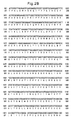
Fig. 2A shows the gene sequence of the LOX gene of Lemna paucicostata SH strain. - [
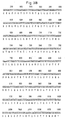
Fig. 2B ]
Fig. 2B shows the continuation of gene sequence ofFig. 2A . - [
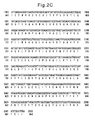
Fig. 2c ]
Fig. 2C shows the continuation of gene sequence ofFig. 2B . - [
Fig. 3A ]
Fig. 3A shows the gene sequence of the AOS gene of Lemna paucicostata SH strain. - [
Fig. 3B ]
Fig. 3B shows the continuation of gene sequence ofFig. 3A . - [
Fig. 3c ]
Fig. 3C shows the continuation of gene sequence ofFig. 3B . - [
Fig. 4 ]
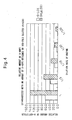
Fig 4 is a graph showing the comparison of the activity of a rice plant LOX (r9-LOX) and LOX of Lemna paucicostata SH strain expressed in Escherichia coli. - [
Fig. 5 ]
Fig. 5 is a a graph showing the comparison of the activity of AOS of Arabidopsis thaliana and AOS of Lemna paucicostata SH strain expressed in Escherichia coli. - The method of preparing KODA of the present invention comprises applying stress to a specific high KODA-producing Lemna paucicostata strain, extracting KODA with a solvent from said stressed Lemna paucicostata strain, and purifying KODA.
- In an embodiment of the present invention, the specific high KODA-producing Lemna paucicostata strain to be used in the present invention is a strain that expresses a protein encoded by a DNA identical with or substantially identical with a DNA consisting of a base sequence represented by SEQ ID NO: 1 and/or a DNA that is identical with or substantially identical with a DNA comprising a base sequence represented by SEQ ID NO: 2. Furthermore, the specific high KODA-producing Lemna paucicostata strain of the present invention to be used in the present invention is a strain that expresses a protein identical with or substantially identical with a protein consisting of an amino acid sequence represented by SEQ ID NO: 3, and/or a protein identical with or substantially identical with a protein consisting of an amino acid sequence represented by SEQ ID NO: 4. SEQ ID NO: 3 is the amino acid sequence of position 9-product specific lipoxygenase derived from Lemna paucicostata SH strain, and SEQ ID NO: 4 is the amino acid sequence of allene oxide synthase derived from Lemna paucicostata SH strain.
- Since KODA is prepared from linolenic acid by the acting of LOX and AOS in the plant, a strain that expresses LOX and/or AOS identical to or substantially identical to LOX and/or AOS of the high KODA-producing Lemna paucicostata SH strain is considered to have a high KODA productivity similarly to the Lemna paucicostata SH strain. As used herein the term "substantially identical DNA" refers to a DNA that has a 70% identity with the reference DNA, and that encodes a protein, when transcribed and translated, having the same enzyme activity as that of a protein produced by the transcription and translation of the reference DNA (the LOX activity in the case of a DNA consisting of a base sequence represented by SEQ ID NO: 1, and the AOS activity in the case of a DNA consisting of a base sequence represented by SEQ ID NO: 2). The identity may preferably be at least 80%, at least 90%, at least 95%, at least 97%, at least 98%, at least 99%, at least 99.5%, or at least 99.9%.
- Also, "substantially identical DNA" refers to a DNA that can hybridize to a DNA consisting of a base sequence complementary to the reference DNA under a high stringent condition, and that encodes a protein having the same enzyme activity as that of a protein encoded by the reference DNA (the LOX activity in the case of a DNA comprising a base sequence represented by SEQ ID NO: 1, and the AOS activity in the case of a DNA comprising a base sequence represented by SEQ ID NO: 2). Hybridization can be carried out by a known method or a method based on said method, such as a method described in J. Sambrook et al., Molecular Cloning, 2nd., Cold Spring Harbor Laboratory Press, 1989, and a high stringent hybridization condition refers to, for example, a NaCl concentration of about 10-40 mM, preferably about 20 mM, and a temperature of about 50-70°C, preferably about 60-65°C. Furthermore, the present invention also relates to a DNA fragment of said DNA sequence, said fragment encoding a protein having the enzyme activity of the protein encoded by the original DNA.
- As used herein "a substantially identical protein" refers to a protein that comprises an amino acid sequence in which one or a few amino acids have been deleted, substituted or added in the amino acid sequence of the reference protein, and that has the activity of the reference protein. Furthermore, "a substantially identical protein" refers to a protein that comprises a sequence having an identity of 98% with the reference amino acid sequence, and that has the activity of the reference protein. The identity may preferably be at least 99%, at least 99.5%, or at least 99.9%.
- The method of preparing KODA of the present invention utilizes an extraction method. Specifically, a homogenate of Lemna paucicostata is centrifuged (8000×g, for about 10 minutes), and among the supernatant and the precipitate obtained, the supernatant is removed, and the rest is used in the next step as a KODA-containing fraction. Using such a fraction as the starting substance, KODA can be isolated and purified. In order to promote the production of KODA from Lemna paucicostata, it may be preferred to apply a specific stress described below to Lemna paucicostata before centrifugation.
- As a preferred starting substance in terms of preparation efficiency, there can be mentioned an aqueous solution obtained after Lemna paucicostata was allowed to float or immersed. This aqueous solution may not be specifically limited as long as Lemna paucicostata can grow therein. Specific examples of the aqueous solution will be described in the Examples described below.
- The immersing time may be about 2-3 hours at room temperature, but should not be limited. When KODA is prepared by this method, it may be preferred in terms of production efficiency to apply to Lemna paucicostata a specific stress that can induce KODA.
- Specifically, as a specific stress, there can be mentioned a drying stress, a heat stress, an osmotic stress and the like. The drying stress can be applied by, for example, allowing Lemna paucicostata to be left spreaded on a dry filter paper at a low humidity (preferably a relative humidity of 50% or less) and at room temperature, preferably about 24-25°C. The drying time in this case is roughly 20 seconds or more, preferably 5 minutes or more, and more preferably 15 minutes or more.
- The heat stress may be applied by, for example, immersing Lemna paucicostata in a warm water. The temperature of the warm water may be 40-65°C, preferably 45-60°C, and more preferably 50-55°C. As the time of immersing in the warm water, roughly 5 minutes may be sufficient, and when the temperature is relatively low, for example when Lemna paucicostata is treated in a warm water of about 40°C, it is preferable to treated for 2 hours or more. After the above heat stress treatment, Lemna paucicostata may preferably be quickly returned to cold water.
- The osmotic stress may be applied by, for example, contacting Lemna paucicostata with a high osmotic solution such as a high-concentration sugar solution. The sugar concentration at this time, in the case of a mannitol solution, may preferably be 0.3 M or more, and preferably 0.5 M or more. When, for example, a 0.5 M mannitol solution is used, the treating time may preferably be one minute or more, and preferably 3 minutes or more. Thus, the desired starting substance containing KODA of the present invention can be prepared.
- Then, the starting substance prepared as described above may be subjected to the separation and purification treatment as described below to prepare the desired KODA. The separation means shown in this specification is only for illustrative purposes, and a separation means for producing KODA from the above starting substance should not be limited to the separation means.
- First, it may be preferred that the above starting substance is subjected to solvent extraction to extract a component containing KODA of the present invention. The solvent to be used in such solvent extraction should not be specifically limited, and for example chloroform, ethyl acetate, butanol etc., may be used. Among these solvents, chloroform is preferred since it can remove impurities relatively easily.
- The oil phase obtained by this solvent extraction may be washed and concentrated by a commonly known method, and subjected to high performance liquid chromatography (HPLC) using a reverse phase partition chromatography with an ODS (octadecylsilane) column for identification and isolation of a fraction having a floral bud-inducing activity to isolate KODA of the present invention. Depending on the properties of the starting substance, other generally known separation means such as ultrafiltration, gel filtration chromatography etc., may be used in combination. Examples
- 62 types of Lemna paucicostata harvested from different places were prepared and were subcultured in the 1/2-diluted Hutner's medium under continuous illumination of daylight fluorescent light at 24-25 °C. The 1/2-diluted Hutner's medium comprises the following ingredients:
Sucrose 10 g/l K2HPO4 200 mg/l NH4NO3 100 mg/l EDTA free acid 250 mg/l Ca(N03)·4H2O 176 mg/l MgSO4·7H2O 250 mg/l FeSO4·7H2O 12.4 mg/l MnCl2·4H2O 8.92 mg/l ZnSO4·7H2O 32.8 mg/l Na2MoO4·2H2O 12.6 mg/l H3BO3 7.1 mg/l Co(NO3)·6H2O 0.1 mg/l CuSO4·5H2O 1.97 mg/l and pH was adjusted to 6.2-6.5 with KOH (50%). - The grown Lemna paucicostata was spreaded on a filter paper, and after incubating for 2 hours, it was immersed in water for 1 hour. The water was subjected to high performance liquid chromatography (HPLC; column: TYPE UG120 5 µm, SIZE: 4.6 mm I.D.x250 mm; guard filter: INERTSTL 4.6mmx50 mm; eluent: 50% acetonitrile+0.1% trifluoroacetic acid; condition:
absorption wavelength 210 λ(nm), flow rate: 1 ml/min, column temperature: 40°C) to analyze the concentration of KODA. The mean of the production amount of KODA in all Lemna paucicostata strains was 4.97 µM. Among them, Lemna paucicostata SH strain produced 60.2 µM of KODA, which is about 12-times higher than the mean amount of KODA produced, giving a very high production amount (Fig. 1 ). - From Lemna paucicostata (SH strain), total RNA was extracted by using the RNeasy Plant Mini Kit (QIAGEN), and then cDNA was synthesized by using 1.8 µg of total RNA as the template in
LongRange 2 Step RT-PCR Kit (QIAGEN).
Then, degenerate PCR (PCR condition: initial denaturation at 94°C for 3 minutes; a cycle comprising 94°C for 0.5 minute, 47°C for 0.5 minute, and 72°C for 1.3 minute is carried out for 39 times) was carried out by using the cDNA as the template, and using the following degenerate primers (LpDPf, LpDPr) to obtain a partial sequence of 9-lipoxygenase of interest.
LpDPf: 5'-GCITGGMGIAGIGAYGARGARTTY-3' (SEQ ID NO: 5)
LpDPr: 5'-GCRTAIGGRTAYTGICCRAARTT-3' (SEQ ID NO: 6)
wherein, I represents inosine.
After the base sequence of said partial sequence was determined, BLAST search was carried out based on the sequence information obtained. As a result, the sequence obtained exhibited a high homology with LOX derived from a plurality of known plants (75% with Corylus avellana, 74% with Actinidia deliciosa, 75% with Solanum tuberosum, 76% with Oryza sativa, 74% with Nicotiana tabacum, 75% with Cucumis sativus, 73% with Arabidopsis thaliana, etc.). - Based on this sequence information, primers for the following 3' or 5' RACE method (Rapid Amplification of cDNA end) were constructed, and the full-length sequence was determined by the 3' or 5' RACE method (
Fig. 2 ).
SH-3'-TP: 5'-AGCTCTTCATCTTGGACC-3' (SEQ ID NO: 7)
SH-5'-TP: 5'-TTTCATCCTTCTTGTCGC-3' (SEQ ID NO: 8) - The sequence of SHLpLOSX obtained was introduced into a vector (pET23d, Novagen) for protein expression, and then transformed into Escherichia coli (BL21(DE3), Novagen), so as to allow the expression of SHLpLOX protein. Using this SHLpLOX protein, the activity test in KODA production was carried out.
- In the activity test in KODA production, to an aqueous solution comprising 5 mM linolenic acid solution (dissolved in 0.1
% Tween 80 solution; 25 µl), 0.2 M sodium phosphate buffer (pH 7, 10 µl), and distilled water (5 µl), an enzyme solution (10 µl) was added, and allowed to react at room temperature for 30 minutes. After the reaction was over, the reaction mixture was subjected to HPLC to determine the site specificity and the amount of linolenic acid hydroperoxide to be formed. HPLC analysis was carried out with a column: Capcell pak C-18 UG120 (4.6x250 mm, Shiseido), by using column temperature: 40°C, mobile phase: 50% acetonitrile solution (0.02% TFA), flow rate: 1 ml/min, detection wavelength: 210 nm. In this case, as a position 9-specific control enzyme, r9-LOX1 which is a position 9-specific lipoxygenase derived from rice germ. It was revealed that novel LOX obtained from Lemna paucicostata SH strain is a position 9-product specific lipoxygenase having a much higher activity than r9-LOX1 that had been considered to be the most potent among the known 9-product specific lipoxygenases (Fig. 4 ). - Among the novel LOXs derived from Lemna paucicostata, SHLpLOX that had the highest production amount of linolenic acid-9-hydroperoxide was subjected to kinetic analysis. Using a reaction mixture comprising 40 mM phosphate buffer (pH 6.0) and 0.1
% Tween 80, the analysis was carried out at a temperature of 25°C. The substrate α-linolenic acid was tested at the substrate concentration of 10-100 µM. 100 µl of the reaction mixture was added into a cuvette, and absorbance at 234 nm was scanned over time for 10 minutes at an interval of 15 seconds using the SmartSpec Plus Spectrophotometer (Bio-Rad). The amount of the reaction product was calculated from the A234 determined (e=25,000). Kinetic parameters were determined using the Hanes-Woolf plot ([S]/v versus [S] plot). As shown in Table 1, the result shows that the Km value which is an affinity parameter for substrate is lower in SHLpLOX than in r9-LOX1, thereby indicating that SHLpLOX had a high affinity for the substrate α-linolenic acid. The maximum reaction velocity Vmax is almost comparable between r9-LOX and SHLpLOX, while the kcat value which is the number of reactions per unit time was higher in SHLpLOX than in r9-LOX1. The kcat/Km value which is an index of enzyme activity was about 1.6-fold higher in SHLpLOX than in r9-LOX1. This revealed that the novel 9-LOX derived from Lemna paucicostata SH strain is a very highly active 9-LOX.[Table 1] Kinetic parameters of SHLpLOX and r9-LOX1 Km (µM) Vmax (µmol min-1) kcat (min-1) Kcat/Km (×105M-1min-1) LpLOX-SH 19.2±4.1 3.0±0.1 768.2±32.3 41.4±10.0 r9-LOX1 22.9±1.6 2.8±0.6 614.1±124.6 26.7±4.2 - Total RNA was extracted from Lemna paucicostata (SH strain), and cDNA was synthesized by the RT-PCR method. Then, using the synthesized cDNA as the template and using the primers derived from Arabidopsis thaliana as described below, a partial sequence information of allene oxide synthase derived from the SH strain (SHLpAOS) was obtained by setting the annealing temperature for PCR at a low temperature of 45°C.
AOS-Forward: 5'-GGAACTAACCGGAGGCTACCG-3' (SEQ ID NO: 9)
AOS-Reverse: 5'-CCGTCTCCGGTCCATTCGACCACAA-3' (SEQ ID NO: 10) - Based on this sequence information, the full-length sequence was determined by the 3' or 5' RACE (Rapid Amplification of cDNA end) method. As a result, a novel AOS homolog (nucleotide sequence: 1443 bp, amino acid sequence: 480 aa, deduced molecular weight: 53.3 KDa) of one sequence was obtained from the SH strain (
Fig. 3 ). - The sequence of SHLpAOS obtained was introduced into a vector (pET41a, Novagen) for protein expression, and then transformed into Escherichia coli (BL21(DE3), Novagen), thereby allowing the SHLpAOS protein to be expressed. Using this SHLpAOS protein, the activity test in KODA production was carried out.
- In the activity testing in KODA production, 5 mM linolenic acid solution (dissolved in 0.1
% Tween 80 solution) was prepared, and reacted with lipoxygenase extracted from rice germ at pH 7 at room temperature for 10 minutes to synthesize 9-hydroperoxylinolenic acid (9-HPOT) reaction mixture. To 20 µl of this 9-HPOT reaction mixture, 0.32 ng of the SHLpAOS protein or A. thaliana-derived AOS (AtAOS) protein was added and reacted at room temperature for 10 minutes. After the reaction was over, the reaction was terminated by a heat treatment at 50°C for 3 minutes. 10 µl of this solution was analyzed by HPLC. HPLC analysis was carried out with a column: Capsule pack C-18 UG120 (4.6x250 mm), and using mobile phase: 50% acetonitrile solution (0.02% TFA), flow rate: 1 ml/min, detection wavelength: 210 nm.
As a result, the SHLpAOS protein had an activity nearly 7-fold higher than the AtAOS protein (Fig. 5 ). - SHLpAOS obtained from Lemna paucicostata SH strain was subjected to kinetic analysis. Using a reaction mixture comprising 40 mM phosphate buffer (pH 7.5) and 1% EtOH, the reaction was carried out at a temperature of 25°C. The substrate 9-HPOT was tested at the substrate concentration of 5-53 µM. The substrate 9-HPOT was added as an EtOH solution, and the final concentration of EtOH was adjusted to 1%. 100 µl of the reaction mixture was added into a cuvette, and a decrease in absorbance at 234 nm was scanned over time for 1 minute at an interval of 2 seconds using the SmartSpec Plus Spectrophotometer (Bio-Rad). From the A234 determined, the amount of the reaction product was calculated (e=25,000). Kinetic parameters were determined using the Hanes-Woolf plot ([S]/v versus [S] plot). As shown in Table 2, the result indicates that the Km value is significantly lower in SHLpAOS than in AtAOS, and had an about 5-fold higher affinity for 9-HPOT in SHLpAOS than in AtAOS. The Vmax was about 2.8-fold higher in SHLpAOS than in AtAOS. The Kcat value was also about 2.8-fold higher in SHLpAOS than in AtAOS, indicating that reaction turnover is occurring very efficiently. The kcat/Km value was about 14-fold higher in SHLpAOS than in AtAOS. It is believed that compared to AtAOS, SHLpAOS is a very useful AOS in the practical production of KODA. The above revealed that SHLpAOS cloned from Lemna paucicostata SH strain is an AOS having a very high activity that has not been reported before.
[Table 2] Kinetic parameters of SHLpLOX and AtAOS Km (µM) Vmax (µmol sec-1) kcat (sec-1) kcat/Km (×106M-1sec-1) LpLOX-SH 7.1±1.9 4.7±0.3 709.2±44.3 99.0±23.7 AtAOS 36.3±1.3 1.7±0.03 255.5±4.8 7.0±3.8 


Claims (4)
- A method of preparing a compound represented by the following formula:
 (a) a DNA consisting of a base sequence of SEQ ID NO: 1;(b) a DNA that hybridizes to a DNA consisting of a base sequence complementary to a DNA consisting of a base sequence of SEQ ID NO: 1 under a high stringent condition, and that encodes a position 9-product specific lipoxygenase active form;(c) a DNA that encodes a protein comprising an amino acid sequence of SEQ ID NO: 3;(d) a DNA encoding a protein that comprises a sequence having a homology of at least 99% with an amino acid sequence of SEQ ID NO: 3, and that has a position 9-product specific lipoxygenase activity; and(e) a DNA encoding a protein that comprises an amino acid sequence in which one or a few amino acids have been deleted, substituted or added in an amino acid sequence of SEQ ID NO: 3, and that has a position 9-product specific lipoxygenase activity; and(i) a DNA comprising a base sequence of SEQ ID NO: 2;(ii) a DNA that has a homology of at least 90% with a DNA comprising a base sequence of SEQ ID NO: 2 and that encodes an allene oxide synthase active form;(iii) a DNA that hybridizes under a high stringent condition to a DNA comprising a base sequence complementary to a DNA comprising a base sequence of SEQ ID NO: 2 and that encodes an allene oxide synthase active form;(iv) a DNA encoding a protein that comprises an amino acid sequence of SEQ ID NO: 4; and(v) a DNA encoding a protein that comprises an amino acid sequence in which one or a few amino acids have been deleted, substituted or added in an amino acid sequence of SEQ ID NO: 4, and that has an allene oxide synthase activity,extracting the above compound with a solvent from said stressed Lemna paucicostata strain, andpurifying the compound.
 - The method according to claim 1, wherein the Lemna paucicostata strain expresses lipoxygenase encoded by a DNA comprising a base sequence of SEQ ID NO: 1 and allene oxide synthase encoded by a DNA comprising a base sequence of SEQ ID NO: 2.
- The method according to claim 1 or 2 wherein the stress is selected from the group consisting of a drying stress, a heat stress and an osmotic stress.
- The method according to any one of claims 1 to 3
wherein the solvent is selected from the group consisting of chloroform, ethyl acetate, ether and butanol.
Applications Claiming Priority (2)
| Application Number | Priority Date | Filing Date | Title |
|---|---|---|---|
| JP2010055166 | 2010-03-11 | ||
| PCT/JP2011/055842 WO2011111841A1 (en) | 2010-03-11 | 2011-03-11 | Process for producing koda using lemna paucicostata |
Publications (2)
| Publication Number | Publication Date |
|---|---|
| EP2546350A1 true EP2546350A1 (en) | 2013-01-16 |
| EP2546350A4 EP2546350A4 (en) | 2013-11-06 |
Family
ID=44563638
Family Applications (1)
| Application Number | Title | Priority Date | Filing Date |
|---|---|---|---|
| EP11753499.0A Withdrawn EP2546350A4 (en) | 2010-03-11 | 2011-03-11 | Process for producing koda using lemna paucicostata |
Country Status (5)
| Country | Link |
|---|---|
| US (1) | US20130029391A1 (en) |
| EP (1) | EP2546350A4 (en) |
| JP (1) | JP5726166B2 (en) |
| CN (1) | CN102834522A (en) |
| WO (1) | WO2011111841A1 (en) |
Families Citing this family (4)
| Publication number | Priority date | Publication date | Assignee | Title |
|---|---|---|---|---|
| US20130034894A1 (en) * | 2010-03-31 | 2013-02-07 | Mineyuki Yokoyama | Novel allene oxide synthase derived from lemna paucicostata |
| JP2022114271A (en) * | 2021-01-26 | 2022-08-05 | 国立大学法人東京工業大学 | Plant and method for producing 9,10-α-ketol linolenic acid |
| JP7713688B2 (en) * | 2022-02-03 | 2025-07-28 | Ntt株式会社 | Manufacturing method of fertilizer containing KODA and fertilizer containing KODA |
| JP2024176854A (en) * | 2023-06-09 | 2024-12-19 | 日本電信電話株式会社 | Method for increasing KODA accumulation in plants, KODA production system, and method for producing plants with increased stress tolerance |
Family Cites Families (6)
| Publication number | Priority date | Publication date | Assignee | Title |
|---|---|---|---|---|
| JP3569100B2 (en) * | 1996-03-04 | 2004-09-22 | 株式会社資生堂 | Flower bud formation inducer and flower bud formation induction kit |
| JP3689543B2 (en) | 1997-03-04 | 2005-08-31 | 株式会社資生堂 | Flower bud formation inducer and flower bud formation induction kit |
| JPH10324602A (en) * | 1997-03-24 | 1998-12-08 | Shiseido Co Ltd | Flower bud formation inducer and flower bud formation induction kit |
| JP3571626B2 (en) | 1999-08-23 | 2004-09-29 | 株式会社資生堂 | Plant activator |
| JP4980160B2 (en) | 2007-07-12 | 2012-07-18 | 株式会社 資生堂 | Mushroom cultivation method |
| JP5726165B2 (en) * | 2010-03-11 | 2015-05-27 | 株式会社 資生堂 | A novel lipoxygenase from duckweed |
-
2011
- 2011-03-11 JP JP2012504548A patent/JP5726166B2/en active Active
- 2011-03-11 WO PCT/JP2011/055842 patent/WO2011111841A1/en not_active Ceased
- 2011-03-11 CN CN2011800133633A patent/CN102834522A/en active Pending
- 2011-03-11 EP EP11753499.0A patent/EP2546350A4/en not_active Withdrawn
- 2011-03-11 US US13/583,975 patent/US20130029391A1/en not_active Abandoned
Non-Patent Citations (3)
| Title |
|---|
| K. MIZUNO ET AL: "A New 9-Lipoxygenase cDNA from Developing Rice Seeds", PLANT AND CELL PHYSIOLOGY, vol. 44, no. 11, 15 November 2003 (2003-11-15), pages 1168-1175, XP55069840, UK ISSN: 0032-0781, DOI: 10.1093/pcp/pcg142 * |
| LAUDERT DIETMAR ET AL: "Cloning, molecular and functional characterization of Arabidopsis thaliana allene oxide synthase (CYP 74), the first enzyme of the octadecanoid pathway to jasmonates", PLANT MOLECULAR BIOLOGY, SPRINGER, DORDRECHT, NL, vol. 31, no. 2, 1 January 1996 (1996-01-01), pages 323-335, XP002136822, ISSN: 0167-4412, DOI: 10.1007/BF00021793 * |
| See also references of WO2011111841A1 * |
Also Published As
| Publication number | Publication date |
|---|---|
| WO2011111841A1 (en) | 2011-09-15 |
| CN102834522A (en) | 2012-12-19 |
| JP5726166B2 (en) | 2015-05-27 |
| US20130029391A1 (en) | 2013-01-31 |
| JPWO2011111841A1 (en) | 2013-06-27 |
| EP2546350A4 (en) | 2013-11-06 |
Similar Documents
| Publication | Publication Date | Title |
|---|---|---|
| Tesnière et al. | Molecular cloning and expression of cDNAs encoding alcohol dehydrogenases from Vitis vinifera L. during berry development | |
| Park et al. | Differential expression of six novel peroxidase cDNAs from cell cultures of sweetpotato in response to stress | |
| US7087424B1 (en) | Method of controlling fungal pathogens, and agents useful for same | |
| US20130029391A1 (en) | Method of preparing koda using lemna paucicostata | |
| JP2004504850A (en) | Production of ascorbic acid from yeast | |
| AU779563B2 (en) | Rice peroxidases with various characteristics | |
| JP2008536497A (en) | Production of ascorbic acid from D-glucose in yeast. | |
| JP4504365B2 (en) | Boric acid resistant protein and its gene | |
| CN113215126A (en) | Beta subunit of pear fruit sucrose non-glycolysis type protein kinase1 and application thereof | |
| CN109295068B (en) | A kind of Panax notoginseng sweet protein gene PnTLP2 and its application | |
| JP2008245640A (en) | Insect resistance protein and insect resistance gene encoding the insect resistance protein | |
| EP2554671A1 (en) | Novel allene oxide synthase derived from lemna paucicostata | |
| JP4426348B2 (en) | Boron transporter and its gene | |
| WO2008148298A1 (en) | Improvement of cold tolerance in plants by protein kinase gene oscipk03 from rice | |
| JP2010022323A (en) | Prenyltransferase | |
| KR20100061465A (en) | Triterpene oxidase derived from plant belonging to genus glychyrrhiza, gene encoding the triterpene oxidase, and use of the protein or the gene | |
| EP1132400B1 (en) | Novel protein, gene encoding the same and method of utilization thereof | |
| CN117417921B (en) | Application of protease in hydrolysis preparation of phloretin and plant insect resistance | |
| WO2004003197A1 (en) | Yeast-origin promoter and vector and expression system using the same | |
| JP2011093909A (en) | Use of ketol-acid reductoisomerase inhibitor for treatment of fungal disease affecting crop | |
| JP5726165B2 (en) | A novel lipoxygenase from duckweed | |
| EA011257B1 (en) | Improved enzymes | |
| Jin et al. | Isolation and functional analysis of cDNAs similar to Hyp-1 involved in hypericin biosynthesis from Hypericum erectum | |
| JP2002512790A (en) | Recombinant secoisolariciresinol dehydrogenase and methods of use | |
| CN121249757A (en) | Application of BnaXPT gene in regulating and controlling oil and protein content of rape seeds |
Legal Events
| Date | Code | Title | Description |
|---|---|---|---|
| PUAI | Public reference made under article 153(3) epc to a published international application that has entered the european phase |
Free format text: ORIGINAL CODE: 0009012 |
|
| 17P | Request for examination filed |
Effective date: 20120919 |
|
| AK | Designated contracting states |
Kind code of ref document: A1 Designated state(s): AL AT BE BG CH CY CZ DE DK EE ES FI FR GB GR HR HU IE IS IT LI LT LU LV MC MK MT NL NO PL PT RO RS SE SI SK SM TR |
|
| DAX | Request for extension of the european patent (deleted) | ||
| A4 | Supplementary search report drawn up and despatched |
Effective date: 20131009 |
|
| RIC1 | Information provided on ipc code assigned before grant |
Ipc: C12P 7/42 20060101AFI20131003BHEP Ipc: C12N 9/88 20060101ALI20131003BHEP Ipc: C12N 15/82 20060101ALI20131003BHEP Ipc: C12N 15/29 20060101ALI20131003BHEP Ipc: C07C 59/76 20060101ALI20131003BHEP Ipc: C12N 9/02 20060101ALI20131003BHEP |
|
| STAA | Information on the status of an ep patent application or granted ep patent |
Free format text: STATUS: THE APPLICATION IS DEEMED TO BE WITHDRAWN |
|
| 18D | Application deemed to be withdrawn |
Effective date: 20140507 |