EP2546343A1 - Novel lipoxygenases derived from lemna paucicostata - Google Patents
Novel lipoxygenases derived from lemna paucicostata Download PDFInfo
- Publication number
- EP2546343A1 EP2546343A1 EP11753496A EP11753496A EP2546343A1 EP 2546343 A1 EP2546343 A1 EP 2546343A1 EP 11753496 A EP11753496 A EP 11753496A EP 11753496 A EP11753496 A EP 11753496A EP 2546343 A1 EP2546343 A1 EP 2546343A1
- Authority
- EP
- European Patent Office
- Prior art keywords
- seq
- protein
- dna
- amino acid
- acid sequence
- Prior art date
- Legal status (The legal status is an assumption and is not a legal conclusion. Google has not performed a legal analysis and makes no representation as to the accuracy of the status listed.)
- Withdrawn
Links
- 244000242291 Lemna paucicostata Species 0.000 title abstract description 40
- 108090000128 Lipoxygenases Proteins 0.000 title abstract description 32
- 102000003820 Lipoxygenases Human genes 0.000 title abstract description 25
- 108090000623 proteins and genes Proteins 0.000 claims abstract description 58
- 102000004169 proteins and genes Human genes 0.000 claims abstract description 40
- 230000000694 effects Effects 0.000 claims description 39
- 238000000034 method Methods 0.000 claims description 29
- 210000004027 cell Anatomy 0.000 claims description 28
- 125000003275 alpha amino acid group Chemical group 0.000 claims description 27
- FWMNVWWHGCHHJJ-SKKKGAJSSA-N 4-amino-1-[(2r)-6-amino-2-[[(2r)-2-[[(2r)-2-[[(2r)-2-amino-3-phenylpropanoyl]amino]-3-phenylpropanoyl]amino]-4-methylpentanoyl]amino]hexanoyl]piperidine-4-carboxylic acid Chemical compound C([C@H](C(=O)N[C@H](CC(C)C)C(=O)N[C@H](CCCCN)C(=O)N1CCC(N)(CC1)C(O)=O)NC(=O)[C@H](N)CC=1C=CC=CC=1)C1=CC=CC=C1 FWMNVWWHGCHHJJ-SKKKGAJSSA-N 0.000 claims description 8
- 239000013604 expression vector Substances 0.000 claims description 8
- 244000005700 microbiome Species 0.000 claims description 8
- 239000012634 fragment Substances 0.000 claims description 7
- 150000001413 amino acids Chemical class 0.000 claims description 6
- 210000004102 animal cell Anatomy 0.000 claims description 6
- 239000013598 vector Substances 0.000 claims description 6
- 230000000295 complement effect Effects 0.000 claims description 3
- 238000012258 culturing Methods 0.000 claims description 3
- 102000040430 polynucleotide Human genes 0.000 claims 1
- 108091033319 polynucleotide Proteins 0.000 claims 1
- 239000002157 polynucleotide Substances 0.000 claims 1
- 108020004635 Complementary DNA Proteins 0.000 abstract description 3
- 239000000047 product Substances 0.000 description 49
- 108020004414 DNA Proteins 0.000 description 25
- DTOSIQBPPRVQHS-PDBXOOCHSA-N alpha-linolenic acid Chemical compound CC\C=C/C\C=C/C\C=C/CCCCCCCC(O)=O DTOSIQBPPRVQHS-PDBXOOCHSA-N 0.000 description 18
- NJAYHLDXCVDTEV-ZJSQCTGTSA-N (12z,15z)-9-hydroxy-10-oxooctadeca-12,15-dienoic acid Chemical compound CC\C=C/C\C=C/CC(=O)C(O)CCCCCCCC(O)=O NJAYHLDXCVDTEV-ZJSQCTGTSA-N 0.000 description 16
- 244000046038 Ehretia acuminata Species 0.000 description 16
- 235000009300 Ehretia acuminata Nutrition 0.000 description 16
- 241000196324 Embryophyta Species 0.000 description 15
- 102000004190 Enzymes Human genes 0.000 description 14
- 108090000790 Enzymes Proteins 0.000 description 14
- 238000004128 high performance liquid chromatography Methods 0.000 description 11
- 101000983844 Oryza sativa subsp. japonica Linoleate 9S-lipoxygenase 1 Proteins 0.000 description 10
- 235000020661 alpha-linolenic acid Nutrition 0.000 description 10
- 229960004488 linolenic acid Drugs 0.000 description 10
- 241000588724 Escherichia coli Species 0.000 description 8
- 240000004808 Saccharomyces cerevisiae Species 0.000 description 8
- 239000000758 substrate Substances 0.000 description 7
- 235000021122 unsaturated fatty acids Nutrition 0.000 description 7
- 150000004670 unsaturated fatty acids Chemical class 0.000 description 7
- MYMOFIZGZYHOMD-UHFFFAOYSA-N Dioxygen Chemical compound O=O MYMOFIZGZYHOMD-UHFFFAOYSA-N 0.000 description 6
- 241000233866 Fungi Species 0.000 description 6
- -1 hydroperoxyl group Chemical group 0.000 description 6
- 241000894006 Bacteria Species 0.000 description 5
- OKTJSMMVPCPJKN-UHFFFAOYSA-N Carbon Chemical compound [C] OKTJSMMVPCPJKN-UHFFFAOYSA-N 0.000 description 5
- 241000238631 Hexapoda Species 0.000 description 5
- OYHQOLUKZRVURQ-HZJYTTRNSA-N Linoleic acid Chemical compound CCCCC\C=C/C\C=C/CCCCCCCC(O)=O OYHQOLUKZRVURQ-HZJYTTRNSA-N 0.000 description 5
- 229910052799 carbon Inorganic materials 0.000 description 5
- 239000001963 growth medium Substances 0.000 description 5
- 235000020778 linoleic acid Nutrition 0.000 description 5
- OYHQOLUKZRVURQ-IXWMQOLASA-N linoleic acid Natural products CCCCC\C=C/C\C=C\CCCCCCCC(O)=O OYHQOLUKZRVURQ-IXWMQOLASA-N 0.000 description 5
- 238000004519 manufacturing process Methods 0.000 description 5
- 239000002609 medium Substances 0.000 description 5
- 239000013612 plasmid Substances 0.000 description 5
- OYHQOLUKZRVURQ-NTGFUMLPSA-N (9Z,12Z)-9,10,12,13-tetratritiooctadeca-9,12-dienoic acid Chemical compound C(CCCCCCC\C(=C(/C\C(=C(/CCCCC)\[3H])\[3H])\[3H])\[3H])(=O)O OYHQOLUKZRVURQ-NTGFUMLPSA-N 0.000 description 4
- 108091032973 (ribonucleotides)n+m Proteins 0.000 description 4
- WEVYAHXRMPXWCK-UHFFFAOYSA-N Acetonitrile Chemical compound CC#N WEVYAHXRMPXWCK-UHFFFAOYSA-N 0.000 description 4
- 241001465754 Metazoa Species 0.000 description 4
- 240000007594 Oryza sativa Species 0.000 description 4
- 235000007164 Oryza sativa Nutrition 0.000 description 4
- YZXBAPSDXZZRGB-DOFZRALJSA-N arachidonic acid Chemical compound CCCCC\C=C/C\C=C/C\C=C/C\C=C/CCCC(O)=O YZXBAPSDXZZRGB-DOFZRALJSA-N 0.000 description 4
- 238000006243 chemical reaction Methods 0.000 description 4
- 238000010367 cloning Methods 0.000 description 4
- 238000012216 screening Methods 0.000 description 4
- 244000068988 Glycine max Species 0.000 description 3
- 235000010469 Glycine max Nutrition 0.000 description 3
- 244000061456 Solanum tuberosum Species 0.000 description 3
- 235000002595 Solanum tuberosum Nutrition 0.000 description 3
- DTQVDTLACAAQTR-UHFFFAOYSA-N Trifluoroacetic acid Chemical compound OC(=O)C(F)(F)F DTQVDTLACAAQTR-UHFFFAOYSA-N 0.000 description 3
- 239000002253 acid Substances 0.000 description 3
- 230000015572 biosynthetic process Effects 0.000 description 3
- 238000005119 centrifugation Methods 0.000 description 3
- 229910001882 dioxygen Inorganic materials 0.000 description 3
- 230000002255 enzymatic effect Effects 0.000 description 3
- KQQKGWQCNNTQJW-UHFFFAOYSA-N linolenic acid Natural products CC=CCCC=CCC=CCCCCCCCC(O)=O KQQKGWQCNNTQJW-UHFFFAOYSA-N 0.000 description 3
- 235000009566 rice Nutrition 0.000 description 3
- 238000003786 synthesis reaction Methods 0.000 description 3
- XLYOFNOQVPJJNP-UHFFFAOYSA-N water Substances O XLYOFNOQVPJJNP-UHFFFAOYSA-N 0.000 description 3
- 241000193830 Bacillus <bacterium> Species 0.000 description 2
- 244000063299 Bacillus subtilis Species 0.000 description 2
- 235000014469 Bacillus subtilis Nutrition 0.000 description 2
- 108020004705 Codon Proteins 0.000 description 2
- 240000008067 Cucumis sativus Species 0.000 description 2
- 241000588722 Escherichia Species 0.000 description 2
- 241001198387 Escherichia coli BL21(DE3) Species 0.000 description 2
- 235000007340 Hordeum vulgare Nutrition 0.000 description 2
- 240000005979 Hordeum vulgare Species 0.000 description 2
- 235000007688 Lycopersicon esculentum Nutrition 0.000 description 2
- RSPISYXLHRIGJD-UHFFFAOYSA-N OOOO Chemical group OOOO RSPISYXLHRIGJD-UHFFFAOYSA-N 0.000 description 2
- 108010076504 Protein Sorting Signals Proteins 0.000 description 2
- FAPWRFPIFSIZLT-UHFFFAOYSA-M Sodium chloride Chemical compound [Na+].[Cl-] FAPWRFPIFSIZLT-UHFFFAOYSA-M 0.000 description 2
- 240000003768 Solanum lycopersicum Species 0.000 description 2
- 241000209140 Triticum Species 0.000 description 2
- 235000021307 Triticum Nutrition 0.000 description 2
- 241000700605 Viruses Species 0.000 description 2
- 238000002835 absorbance Methods 0.000 description 2
- BFNBIHQBYMNNAN-UHFFFAOYSA-N ammonium sulfate Chemical compound N.N.OS(O)(=O)=O BFNBIHQBYMNNAN-UHFFFAOYSA-N 0.000 description 2
- 229910052921 ammonium sulfate Inorganic materials 0.000 description 2
- 235000011130 ammonium sulphate Nutrition 0.000 description 2
- 229940114079 arachidonic acid Drugs 0.000 description 2
- 235000021342 arachidonic acid Nutrition 0.000 description 2
- 239000003153 chemical reaction reagent Substances 0.000 description 2
- 238000009396 hybridization Methods 0.000 description 2
- ZNJFBWYDHIGLCU-HWKXXFMVSA-N jasmonic acid Chemical compound CC\C=C/C[C@@H]1[C@@H](CC(O)=O)CCC1=O ZNJFBWYDHIGLCU-HWKXXFMVSA-N 0.000 description 2
- 230000008635 plant growth Effects 0.000 description 2
- 235000010482 polyoxyethylene sorbitan monooleate Nutrition 0.000 description 2
- 229920000053 polysorbate 80 Polymers 0.000 description 2
- 239000011541 reaction mixture Substances 0.000 description 2
- 230000001105 regulatory effect Effects 0.000 description 2
- 238000011160 research Methods 0.000 description 2
- 238000003757 reverse transcription PCR Methods 0.000 description 2
- 239000006228 supernatant Substances 0.000 description 2
- BFSVOASYOCHEOV-UHFFFAOYSA-N 2-diethylaminoethanol Chemical compound CCN(CC)CCO BFSVOASYOCHEOV-UHFFFAOYSA-N 0.000 description 1
- 102100027715 4-hydroxy-2-oxoglutarate aldolase, mitochondrial Human genes 0.000 description 1
- 235000009434 Actinidia chinensis Nutrition 0.000 description 1
- 244000298697 Actinidia deliciosa Species 0.000 description 1
- 235000009436 Actinidia deliciosa Nutrition 0.000 description 1
- 102000007469 Actins Human genes 0.000 description 1
- 108010085238 Actins Proteins 0.000 description 1
- 241000219195 Arabidopsis thaliana Species 0.000 description 1
- 101100190806 Arabidopsis thaliana PLT3 gene Proteins 0.000 description 1
- 101100190807 Arabidopsis thaliana PLT4 gene Proteins 0.000 description 1
- 241000228212 Aspergillus Species 0.000 description 1
- 241000228245 Aspergillus niger Species 0.000 description 1
- 241000589513 Burkholderia cepacia Species 0.000 description 1
- UXVMQQNJUSDDNG-UHFFFAOYSA-L Calcium chloride Chemical compound [Cl-].[Cl-].[Ca+2] UXVMQQNJUSDDNG-UHFFFAOYSA-L 0.000 description 1
- 241000282693 Cercopithecidae Species 0.000 description 1
- 240000007582 Corylus avellana Species 0.000 description 1
- 235000007466 Corylus avellana Nutrition 0.000 description 1
- 241000699802 Cricetulus griseus Species 0.000 description 1
- 235000009849 Cucumis sativus Nutrition 0.000 description 1
- 235000010799 Cucumis sativus var sativus Nutrition 0.000 description 1
- 229920002307 Dextran Polymers 0.000 description 1
- KCXVZYZYPLLWCC-UHFFFAOYSA-N EDTA Chemical compound OC(=O)CN(CC(O)=O)CCN(CC(O)=O)CC(O)=O KCXVZYZYPLLWCC-UHFFFAOYSA-N 0.000 description 1
- 241000701959 Escherichia virus Lambda Species 0.000 description 1
- 241000192125 Firmicutes Species 0.000 description 1
- 101001081225 Homo sapiens 4-hydroxy-2-oxoglutarate aldolase, mitochondrial Proteins 0.000 description 1
- 101001109518 Homo sapiens N-acetylneuraminate lyase Proteins 0.000 description 1
- 101000974007 Homo sapiens Nucleosome assembly protein 1-like 3 Proteins 0.000 description 1
- 101001099181 Homo sapiens TATA-binding protein-associated factor 2N Proteins 0.000 description 1
- MHAJPDPJQMAIIY-UHFFFAOYSA-N Hydrogen peroxide Chemical compound OO MHAJPDPJQMAIIY-UHFFFAOYSA-N 0.000 description 1
- 108060003951 Immunoglobulin Proteins 0.000 description 1
- 229930010555 Inosine Natural products 0.000 description 1
- UGQMRVRMYYASKQ-KQYNXXCUSA-N Inosine Chemical compound O[C@@H]1[C@H](O)[C@@H](CO)O[C@H]1N1C2=NC=NC(O)=C2N=C1 UGQMRVRMYYASKQ-KQYNXXCUSA-N 0.000 description 1
- 101150106914 LOX1 gene Proteins 0.000 description 1
- 101150046318 LOX2 gene Proteins 0.000 description 1
- 241000124008 Mammalia Species 0.000 description 1
- 229910021380 Manganese Chloride Inorganic materials 0.000 description 1
- GLFNIEUTAYBVOC-UHFFFAOYSA-L Manganese chloride Chemical compound Cl[Mn]Cl GLFNIEUTAYBVOC-UHFFFAOYSA-L 0.000 description 1
- 101100494367 Mus musculus C1galt1 gene Proteins 0.000 description 1
- 102100022686 N-acetylneuraminate lyase Human genes 0.000 description 1
- 125000001429 N-terminal alpha-amino-acid group Chemical group 0.000 description 1
- 229910004619 Na2MoO4 Inorganic materials 0.000 description 1
- 244000061176 Nicotiana tabacum Species 0.000 description 1
- 235000002637 Nicotiana tabacum Nutrition 0.000 description 1
- 101150012394 PHO5 gene Proteins 0.000 description 1
- 101150035415 PLT1 gene Proteins 0.000 description 1
- 101150095879 PLT2 gene Proteins 0.000 description 1
- 229910019142 PO4 Inorganic materials 0.000 description 1
- 239000002033 PVDF binder Substances 0.000 description 1
- 240000004713 Pisum sativum Species 0.000 description 1
- 235000010582 Pisum sativum Nutrition 0.000 description 1
- 239000004698 Polyethylene Substances 0.000 description 1
- 241000589516 Pseudomonas Species 0.000 description 1
- 102000007056 Recombinant Fusion Proteins Human genes 0.000 description 1
- 108010008281 Recombinant Fusion Proteins Proteins 0.000 description 1
- 108020005091 Replication Origin Proteins 0.000 description 1
- 229910003797 SPO1 Inorganic materials 0.000 description 1
- 229910003798 SPO2 Inorganic materials 0.000 description 1
- 241000235070 Saccharomyces Species 0.000 description 1
- 101100150136 Saccharomyces cerevisiae (strain ATCC 204508 / S288c) SPO1 gene Proteins 0.000 description 1
- 101100478210 Schizosaccharomyces pombe (strain 972 / ATCC 24843) spo2 gene Proteins 0.000 description 1
- VYPSYNLAJGMNEJ-UHFFFAOYSA-N Silicium dioxide Chemical compound O=[Si]=O VYPSYNLAJGMNEJ-UHFFFAOYSA-N 0.000 description 1
- 241000187747 Streptomyces Species 0.000 description 1
- 241000187398 Streptomyces lividans Species 0.000 description 1
- 229930006000 Sucrose Natural products 0.000 description 1
- CZMRCDWAGMRECN-UGDNZRGBSA-N Sucrose Chemical compound O[C@H]1[C@H](O)[C@@H](CO)O[C@@]1(CO)O[C@@H]1[C@H](O)[C@@H](O)[C@H](O)[C@@H](CO)O1 CZMRCDWAGMRECN-UGDNZRGBSA-N 0.000 description 1
- 102100038917 TATA-binding protein-associated factor 2N Human genes 0.000 description 1
- 241000700618 Vaccinia virus Species 0.000 description 1
- IXKSXJFAGXLQOQ-XISFHERQSA-N WHWLQLKPGQPMY Chemical group C([C@@H](C(=O)N[C@@H](CC=1C2=CC=CC=C2NC=1)C(=O)N[C@@H](CC(C)C)C(=O)N[C@@H](CCC(N)=O)C(=O)N[C@@H](CC(C)C)C(=O)N1CCC[C@H]1C(=O)NCC(=O)N[C@@H](CCC(N)=O)C(=O)N[C@@H](CC(O)=O)C(=O)N1CCC[C@H]1C(=O)N[C@@H](CCSC)C(=O)N[C@@H](CC=1C=CC(O)=CC=1)C(O)=O)NC(=O)[C@@H](N)CC=1C2=CC=CC=C2NC=1)C1=CNC=N1 IXKSXJFAGXLQOQ-XISFHERQSA-N 0.000 description 1
- 240000008042 Zea mays Species 0.000 description 1
- 235000005824 Zea mays ssp. parviglumis Nutrition 0.000 description 1
- 235000002017 Zea mays subsp mays Nutrition 0.000 description 1
- HMNZFMSWFCAGGW-XPWSMXQVSA-N [3-[hydroxy(2-hydroxyethoxy)phosphoryl]oxy-2-[(e)-octadec-9-enoyl]oxypropyl] (e)-octadec-9-enoate Chemical compound CCCCCCCC\C=C\CCCCCCCC(=O)OCC(COP(O)(=O)OCCO)OC(=O)CCCCCCC\C=C\CCCCCCCC HMNZFMSWFCAGGW-XPWSMXQVSA-N 0.000 description 1
- 238000010521 absorption reaction Methods 0.000 description 1
- 230000004913 activation Effects 0.000 description 1
- 238000001042 affinity chromatography Methods 0.000 description 1
- 108060000307 allene oxide cyclase Proteins 0.000 description 1
- 230000003321 amplification Effects 0.000 description 1
- 238000004458 analytical method Methods 0.000 description 1
- KGBXLFKZBHKPEV-UHFFFAOYSA-N boric acid Chemical compound OB(O)O KGBXLFKZBHKPEV-UHFFFAOYSA-N 0.000 description 1
- 239000011575 calcium Substances 0.000 description 1
- 239000001110 calcium chloride Substances 0.000 description 1
- 229910001628 calcium chloride Inorganic materials 0.000 description 1
- 239000001506 calcium phosphate Substances 0.000 description 1
- 229910000389 calcium phosphate Inorganic materials 0.000 description 1
- 235000011010 calcium phosphates Nutrition 0.000 description 1
- 239000002775 capsule Substances 0.000 description 1
- 229910052927 chalcanthite Inorganic materials 0.000 description 1
- 239000007795 chemical reaction product Substances 0.000 description 1
- 239000003795 chemical substances by application Substances 0.000 description 1
- 238000004587 chromatography analysis Methods 0.000 description 1
- 238000003776 cleavage reaction Methods 0.000 description 1
- 238000000975 co-precipitation Methods 0.000 description 1
- NKLPQNGYXWVELD-UHFFFAOYSA-M coomassie brilliant blue Chemical compound [Na+].C1=CC(OCC)=CC=C1NC1=CC=C(C(=C2C=CC(C=C2)=[N+](CC)CC=2C=C(C=CC=2)S([O-])(=O)=O)C=2C=CC(=CC=2)N(CC)CC=2C=C(C=CC=2)S([O-])(=O)=O)C=C1 NKLPQNGYXWVELD-UHFFFAOYSA-M 0.000 description 1
- 235000005822 corn Nutrition 0.000 description 1
- 210000004748 cultured cell Anatomy 0.000 description 1
- 238000004925 denaturation Methods 0.000 description 1
- 230000036425 denaturation Effects 0.000 description 1
- 238000013461 design Methods 0.000 description 1
- 238000001514 detection method Methods 0.000 description 1
- ZPWVASYFFYYZEW-UHFFFAOYSA-L dipotassium hydrogen phosphate Chemical compound [K+].[K+].OP([O-])([O-])=O ZPWVASYFFYYZEW-UHFFFAOYSA-L 0.000 description 1
- 229910000396 dipotassium phosphate Inorganic materials 0.000 description 1
- 239000012153 distilled water Substances 0.000 description 1
- 238000004520 electroporation Methods 0.000 description 1
- 239000003480 eluent Substances 0.000 description 1
- 238000005516 engineering process Methods 0.000 description 1
- 239000003623 enhancer Substances 0.000 description 1
- 238000006911 enzymatic reaction Methods 0.000 description 1
- 229910052564 epsomite Inorganic materials 0.000 description 1
- 238000000605 extraction Methods 0.000 description 1
- 239000000706 filtrate Substances 0.000 description 1
- 238000001914 filtration Methods 0.000 description 1
- 238000005194 fractionation Methods 0.000 description 1
- 230000002538 fungal effect Effects 0.000 description 1
- 238000010353 genetic engineering Methods 0.000 description 1
- XLYOFNOQVPJJNP-ZSJDYOACSA-N heavy water Substances [2H]O[2H] XLYOFNOQVPJJNP-ZSJDYOACSA-N 0.000 description 1
- 210000004408 hybridoma Anatomy 0.000 description 1
- MHAJPDPJQMAIIY-UHFFFAOYSA-M hydroperoxide group Chemical group [O-]O MHAJPDPJQMAIIY-UHFFFAOYSA-M 0.000 description 1
- 238000005286 illumination Methods 0.000 description 1
- 230000014726 immortalization of host cell Effects 0.000 description 1
- 102000018358 immunoglobulin Human genes 0.000 description 1
- 239000004615 ingredient Substances 0.000 description 1
- 229960003786 inosine Drugs 0.000 description 1
- 238000004255 ion exchange chromatography Methods 0.000 description 1
- ZNJFBWYDHIGLCU-UHFFFAOYSA-N jasmonic acid Natural products CCC=CCC1C(CC(O)=O)CCC1=O ZNJFBWYDHIGLCU-UHFFFAOYSA-N 0.000 description 1
- 238000012933 kinetic analysis Methods 0.000 description 1
- 150000002632 lipids Chemical class 0.000 description 1
- 239000007788 liquid Substances 0.000 description 1
- 101150070593 lox gene Proteins 0.000 description 1
- 239000011565 manganese chloride Substances 0.000 description 1
- 239000003550 marker Substances 0.000 description 1
- 239000000463 material Substances 0.000 description 1
- 238000005259 measurement Methods 0.000 description 1
- 229910052603 melanterite Inorganic materials 0.000 description 1
- 239000012528 membrane Substances 0.000 description 1
- 230000037353 metabolic pathway Effects 0.000 description 1
- 230000004060 metabolic process Effects 0.000 description 1
- 238000010369 molecular cloning Methods 0.000 description 1
- 238000004305 normal phase HPLC Methods 0.000 description 1
- 238000003199 nucleic acid amplification method Methods 0.000 description 1
- 238000007500 overflow downdraw method Methods 0.000 description 1
- QYZLKGVUSQXAMU-UHFFFAOYSA-N penta-1,4-diene Chemical group C=CCC=C QYZLKGVUSQXAMU-UHFFFAOYSA-N 0.000 description 1
- NBIIXXVUZAFLBC-UHFFFAOYSA-K phosphate Chemical compound [O-]P([O-])([O-])=O NBIIXXVUZAFLBC-UHFFFAOYSA-K 0.000 description 1
- 239000010452 phosphate Substances 0.000 description 1
- 239000008363 phosphate buffer Substances 0.000 description 1
- 239000003375 plant hormone Substances 0.000 description 1
- 229920000573 polyethylene Polymers 0.000 description 1
- 229920002981 polyvinylidene fluoride Polymers 0.000 description 1
- 230000001376 precipitating effect Effects 0.000 description 1
- 230000008569 process Effects 0.000 description 1
- 238000012545 processing Methods 0.000 description 1
- 230000001737 promoting effect Effects 0.000 description 1
- 150000003180 prostaglandins Chemical class 0.000 description 1
- 210000001938 protoplast Anatomy 0.000 description 1
- 238000000746 purification Methods 0.000 description 1
- 239000000376 reactant Substances 0.000 description 1
- 101150079601 recA gene Proteins 0.000 description 1
- 230000009467 reduction Effects 0.000 description 1
- 150000003839 salts Chemical class 0.000 description 1
- 230000007017 scission Effects 0.000 description 1
- 230000028327 secretion Effects 0.000 description 1
- 239000000741 silica gel Substances 0.000 description 1
- 229910002027 silica gel Inorganic materials 0.000 description 1
- 239000011780 sodium chloride Substances 0.000 description 1
- 238000002415 sodium dodecyl sulfate polyacrylamide gel electrophoresis Methods 0.000 description 1
- 239000011684 sodium molybdate Substances 0.000 description 1
- TVXXNOYZHKPKGW-UHFFFAOYSA-N sodium molybdate (anhydrous) Chemical compound [Na+].[Na+].[O-][Mo]([O-])(=O)=O TVXXNOYZHKPKGW-UHFFFAOYSA-N 0.000 description 1
- 238000010561 standard procedure Methods 0.000 description 1
- 239000007858 starting material Substances 0.000 description 1
- 239000000126 substance Substances 0.000 description 1
- 239000005720 sucrose Substances 0.000 description 1
- 238000012360 testing method Methods 0.000 description 1
- 238000013519 translation Methods 0.000 description 1
- QORWJWZARLRLPR-UHFFFAOYSA-H tricalcium bis(phosphate) Chemical compound [Ca+2].[Ca+2].[Ca+2].[O-]P([O-])([O-])=O.[O-]P([O-])([O-])=O QORWJWZARLRLPR-UHFFFAOYSA-H 0.000 description 1
- 241000701447 unidentified baculovirus Species 0.000 description 1
- 241001515965 unidentified phage Species 0.000 description 1
- 241001430294 unidentified retrovirus Species 0.000 description 1
- 238000011144 upstream manufacturing Methods 0.000 description 1
- 210000003501 vero cell Anatomy 0.000 description 1
- NWONKYPBYAMBJT-UHFFFAOYSA-L zinc sulfate Chemical compound [Zn+2].[O-]S([O-])(=O)=O NWONKYPBYAMBJT-UHFFFAOYSA-L 0.000 description 1
- 229910000368 zinc sulfate Inorganic materials 0.000 description 1
- 239000011686 zinc sulphate Substances 0.000 description 1
Images






Classifications
-
- C—CHEMISTRY; METALLURGY
- C12—BIOCHEMISTRY; BEER; SPIRITS; WINE; VINEGAR; MICROBIOLOGY; ENZYMOLOGY; MUTATION OR GENETIC ENGINEERING
- C12N—MICROORGANISMS OR ENZYMES; COMPOSITIONS THEREOF; PROPAGATING, PRESERVING, OR MAINTAINING MICROORGANISMS; MUTATION OR GENETIC ENGINEERING; CULTURE MEDIA
- C12N9/00—Enzymes; Proenzymes; Compositions thereof; Processes for preparing, activating, inhibiting, separating or purifying enzymes
- C12N9/0004—Oxidoreductases (1.)
- C12N9/0069—Oxidoreductases (1.) acting on single donors with incorporation of molecular oxygen, i.e. oxygenases (1.13)
Definitions
- the present invention relates to a novel highly active form of position 9 product specific lipoxygenase gene derived from Lemna paucicostata, a method of producing highly active form of position 9 product specific lipoxygenase by using the lipoxygenase gene, and an expression product of said lipoxygenase gene.
- Lipoxygenase is an enzyme having an activity to directly introduce molecular oxygen into unsaturated fatty acid having 1,4-pentadiene structure, such as linoleic acid, linolenic acid (carbon number 18), or arachidonic acid (carbon number 20) to produce hydroperoxyl group (-OOH), and is known to be present in plants, animals, and eukaryotic microorganisms, such as fungis, yeast, and so on ( Uchiyama Mitsuru, et al., lipid peroxide and biological body, 23 - 26, 1985, Japan Scientific Societies Press ).
- Lipoxygenase in plants is known to be classified to an enzyme which shows specificity to two positions, position 9 and position 13, as using a unsaturated fatty acid with carbon number of 18, such as ⁇ -linolenic acid, linoleic acid, as a substrate (for example, Uchiyama Mitsuru, et al., lipid peroxide and biological body, 23 - 26, 1985, Japan Scientific Societies Press , and Grechkin et al., Eur. J. Biochem., 199, 451-457, 1991 ).
- Position 9 and position 13 specific lipoxygenase was known to be present in potato, soybean, tomato, pea, barley, wheat, corn, cucumber, and so on, and some cDNAs have been isolated.
- position 13 product specific lipoxygenase which relates to a metabolic pathway of jasmonic acid, which attracts attention as a plant hormone, is mainly investigated, and position 9 product specific lipoxygenase is relatively less investigated.
- Position 13 product specific lipoxygenase derived from soybean is commercially available from Sigma (Sigma, Product Number L7395) as a test reagent, while position 9 product specific lipoxygense is not commercially available.
- KODA ⁇ -ketol unsaturated fatty acid
- Formula having a floral bud-formation promoting activity, a plant activation activity and a plant growth regulating activity comprising them
- KODA is known to be derived from ⁇ -linolenic acid by acting position 9 product specific lipoxygenase and allene oxide synthase
- Japanese Unexamined Patent Publication (Kokai) No. 9-295908 Japanese Unexamined Patent Publication (Kokai) No. 11-29410
- Japanese Unexamined Patent Publication (Kokai) No. 2001-131006 Japanese Unexamined Patent Publication (Kokai) No. 2009-17829 ).
- KODA was known to be present in a variety of plant species, and Lemna paucicostata that was subjected to stress was known to release KODA at a very high level (a few hundred-fold higher) compared to other plants ( Japanese Unexamined Patent Publication (Kokai) No. 11-29410 ).
- Kanai Japanese Unexamined Patent Publication
- cDNA of position 9 product specific lipoxygenase has not been isolated, and the sequence thereof has been unknown.
- position 9 product specific lipoxygenase When KODA is to be produced by enzymatic synthesis with ⁇ -linolenic acid or linoleic acid as the starting substance, position 9 product specific lipoxygenase is required.
- position 9 product specific lipoxygenase is not commercially available, and when cDNA of currently known position 9 product specific lipoxygenase was expressed in Escherichia coli, most of them are turned out to be insoluble, and thus it was difficult to obtain active protein at large quantities.
- even the extraction from a plant requires a lot of time and effort on obtaining and processing materials, and the activity of position 9 product specific lipoxygenases obtained to date was low. Therefore, there has been a need for establishing a technology to prepare highly active form of position 9-product specific lipoxygenase at large amount.
- the problem to be solved by the present invention is to identify highly active form of position 9 product specific lipoxygenase gene useful for the expression, to isolate cDNA, and to provide an expression product of said lipoxygenase gene, thereby to provide a method of preparing KODA in high yield by using the lipoxygenase.
- the present inventors have isolated lipoxygenase cDNA from Lemna paucicostata SH strain and Lemna paucicostata 441 strain, which is used as a representative strain, expressed the cDNA in Escherichia coli as host cell, and examined the product specificity. As a result, it was revealed that these lipoxygenases were confirmed to have position 9-product specific lipoxigenase activity, and that the activity thereof was higher than that of rice position 9 product specific lipoxigenase, which has been conventionally used.
- the present inventors provide a novel position 9 product specific lipoxygenase gene derived from Lemna paucicostata and a protein encoded by said gene.
- the present invention provides a gene consisting of a DNA having a base sequence selected from the group consisting of SEQ ID NOs: 1, 3 and 5, a gene consisting of a DNA substantially identical to said DNA, and proteins encoded by these genes.
- the present inventors provide an expression vector having the above DNA and a vector fragment bound to each other therein.
- the present invention also relates to a transformant of a microorganism, an animal cell or an insect cell transformed with said expression vector.
- the position 9 product specific lipoxigenase of the present invention can be obtained by culturing said transformant, and extracting and purifying the position 9 product specific lipoxigenase.
- Position 9 product specific lipoxigenase of the present invention has a high activity compared to the conventionally used position 9 product specific lipoxigenase, and further maintains its high activity when expressed in Escherichia coli. Therefore, ⁇ -ketol unsaturated fatty acid such as KODA can be prepared efficiently through enzymatic synthesis which uses ⁇ -linolenic acid or linoleic acid, etc., as a starting material by using the position 9 product specific lipoxigenase.
- the present invention relates to a novel position 9 product specific lipoxygenase gene derived from Lemna paucicostata and a protein encoded by said gene.
- the present invention relates to a gene consisting of a DNA having a base sequence selected from the group consisting of SEQ ID NO: 1, SEQ ID NO: 3 and SEQ ID NO: 5, and a DNA substantially identical to said DNA, and to a protein encoded by the gene.
- the base sequence is the sequence represented by SEQ ID NO: 1 or SEQ ID NO: 3.
- the base sequence is the sequence represented by SEQ ID NO: 1.
- substantially identical DNA refers to a DNA that has at least 70% identity to the base sequence of the reference DNA.
- the identity may preferably be at least 80%, at least 90%, at least 95%, at least 97%, at least 98%, at least 99%, at least 99.5%, or at least 99.9%.
- substantially identical DNA also refers to a DNA that can hybridize under a high stringent condition to a DNA consisting of a base sequence complementary to the reference DNA.
- the "substantially identical DNA” when transcribed and translated, has the same enzyme activity as that of a protein encoded by the reference DNA, i.e., the position 9 product specific lipoxygenase activity.
- the present invention relates to a DNA that encodes a protein consisting of an amino acid sequence selected from the group consisting of SEQ ID NO: 2, SEQ ID No:4 and SEQ ID NO:6, and a DNA that encodes a protein consisting of an amino acid sequence substantially identical to said amino acid sequence.
- a protein consisting of substantially identical amino acid is explained in detail below.
- the present invention also relates to a DNA fragment encoding a protein which has lypoxygenase activity.
- Hybridization can be carried out by a known method or a method based on said method, such as a method described in J. Sambrook et al., Molecular Cloning, 2nd., Cold Spring Harbor Laboratory Press, 1989 .
- a high stringent hybridization condition refers to, for example, a NaCl concentration of about 10-40 mM, preferably about 20 mM, and a temperature of about 50-70°C, preferably about 60-65°C.
- the present invention also relates to a protein consisting of an amino acid sequence selected from the group consisting of SEQ ID NO: 2, SEQ ID NO:4, and SEQ ID NO: 6, and a protein consisting of an amino acid sequence substantially identical to said amino acid sequence. It is preferable that the amino acid sequence is the sequence of SEQ ID NO:2 or 4. It is most preferable that the amino acid sequence is the sequence of SEQ ID No:2.
- a protein consisting of a sequence substantially identical to amino acid refers to a protein that consists of an amino acid sequence in which one or a few amino acids have been deleted, substituted or added in the amino acid sequence of the reference protein, and that has the activity of the reference protein, i.e., position 9 product specific lypoxygenase activity.
- a protein comprising a substantially identical amino acid sequence refers to a protein that comprises a sequence having an identity of at least 70% with the reference amino acid sequence and that has an lypoxygenase activity. The identity may preferably be at least 80%, at least 90%, at least 95%, at least 97%, at least 98%, at least 99%, at least 99.5%, or at least 99.9%.
- the present invention relates to a protein which is encoded by a DNA of the base sequence selected from the group consisting of SEQ ID No:1, SEQ ID NO:3, and SEQ ID No:5, or a DNA substantially identical to said DNA, and which has position 9 product specific lypoxygenase activity.
- the present invention also relates to a protein fragment which has lypoxygenase activity.
- SEQ ID NO: 1 represents the base sequence of the position 9 product specific lypoxygenase derived from Lemna paucicostata SH strain
- SEQ ID NO: 2 represents the amino acid sequence of said lypoxygenase.
- SEQ ID No:3 represents the base sequence of the position 9 product specific lypoxygenase 1 derived from Lemna paucicostata 441 strain
- SEQ ID NO: 4 represents the amino acid sequence of said lypoxygenase
- SEQ ID No:5 represents the base sequence of the position 9 product specific lypoxygenase2 derived from the Lemna paucicostata 441 strain
- SEQ ID NO:6 represents the amino acid sequence of said lypoxygenase.
- Position 9 product specific lypoxygenase activity means an enzymatic activity which uses an unsaturated fatty acid having carbon number of 18, such as linoleic acid as a substrate, and which introduces molecular oxygen as a hydroperoxide group into carbon at position 9 of the unsaturated fatty acid.
- position 9 product specific lypoxygenase or a protein having position 9 product specific lypoxygenase activity refers to one that is recognized to have a significant position 9 product specific lypoxygenase activity when determined by the activity determination method described below.
- position 9 product specific lypoxygenase having an amino acid sequence of SEQ ID NO: 2 or SEQ ID No:4 those having an activity of at least 10%, at least 50%, at least 70%, at least 80%, at least 90%, more preferably at least 95%, and furthermore 100% or more are encompassed.
- the gene (cDNA) of the present invention can be obtained by, for example, the following procedure. From an amino acid sequence common to a plant-derived lypoxygenase, primers are designed, and RT-PCR is carried out to obtain a cDNA fragment. This fragment is labelled, as needed, with 32 P or digoxgenine, etc., and it is used in 5'-RACE or 3'-RACE, or screening is carried out in accordance with a common method by using cDNA library constructed in a standard method, thereby the full-length of lypoxygenase gene (cDNA) can be obtained. The determination of the base sequence can be conducted by a common method, such as the Sanger method and the Maxam Gilbert method.
- Lemna paucicostata-derived position 9 product specific lypoxygenase is purified using ammonium sulfate fractionation or various chromatographic methods, separated by SDS polyacrylamide gel electrophoresis, electrically transferred to a PVDF membrane etc., and excised a band detected with a dye such as Coomassie brilliant blue. Then, the N-terminal amino acid sequence is determined with a protein sequencer. Based on this sequence, primers are designed, and PCR is carried out according to the method mentioned above to obtain the full-length of the lypoxygenase gene gene (cDNA).
- cDNA lypoxygenase gene gene gene
- the isolated gene (cDNA) can be inserted into a plasmid, virus etc., by a commonly known method so as to prepare an expression vector, which is then introduced into the host cells such as a microorganism, or cultured cells of animal cells, plant cells, insect cells, etc. Then, the cells are allowed to express the gene, thereby the protein can be produced in large quantities.
- a cell-free protein expression system for example a system using a wheat germ extract, may be used as the protein-expression system.
- an Escherichia coli-derived plasmid such as pBR322, pBR325, pUC18 and pUC119, a Bacillus subtilis-derived plasmid such as pUB110, pTP5 and pC194, a yeast-derived plasmid such as pSH19 and pSH15, a bacteriophage such as ⁇ phage, an animal virus such as retrovirus, vaccinia virus and baculovirus, and pA1-11, pXT1, pRC/CMV, pRC/RSV, pcDNAI/Neo etc., can be used.
- pET23d Novagen
- pET23d which is a commercially available vector, can be used in the present invention.
- the expression vector comprising the gene of the present invention can be produced by ligating the gene of the present invention downstream to a promoter of a suitable vector via a suitable restriction site by a known method.
- the promoter to be used in the present invention may not be specifically limited as long as it is a suitable promoter corresponding to the host to be used for the expression of the gene.
- SR ⁇ promoter, SV40 promoter, LTR promoter, CMV promoter, HSV-TK promoter, ⁇ -actin promoter etc. can be mentioned.
- the host is a bacteria of the genus Escherichia such as Escherichia coli, trp promoter, lac promoter, recA promoter, ⁇ PL promoter, lpp promoter, T7 promoter etc.
- SPO1 promoter, SPO2 promoter, pen promoter may preferably be used
- the host is a yeast, PHO5 promoter, PGK promoter, GAP promoter, ADH promoter etc.
- the expression vector may further contain an enhancer, a splicing signal, a polyA addition signal, a selection marker, SV40 replication origin, etc.
- the host cell may be, but not limited to, a procaryotic cell or an eucaryotic cell that is conventionally used as the host for producing recombinant protein, and may include a mammal cell, an insect cell, a plant cell or a fungal cell, and preferably microorganisms such as bacteria or fungi.
- the term "fungus" is intended to encompass filamentous microorganisms and yeasts.
- suitable bacteria include Gram positive bacteria including genus Escherichia such as Escherichia coli, genus Bacillus such as Bacillus subtilis, and genus Streptomyces such as S. lividans, and Gram negative bacteria including genus Pseudomonas such as P. cepacia.
- the cells may be of fungi, i.e. yeast or filamentous cells.
- Yeast may be cells of genus Saccharomyces such as S. cereviceae.
- Filamentous host orgamisms may be, for example, Aspergillus strains such as A. niger.
- insect cells Sf cells, MG1 cells, BmN cells etc.
- animal cells for example, monkey cell COS-7 cells, Vero cells, Chinese hamster cells CHO etc. may be mentioned.
- Escherichia coli cells may specifically be preferred.
- a known method such as the calcium chloride method, the calcium phosphate coprecipitation method, the DEAE dextran method, the lipofectin method, the protoplast polyethylene fusion method, the electroporation method etc. can be used, and may be selected as appropriate depending on the host cell to be used.
- the protein of interest can be recovered by culturing the recombinant host cells obtained in a suitable culture medium, separating the cells from the culture liquid by a common procedure including, but not limited to, centrifugation or filtration, disrupting the cells as needed, precipitating the proteinaceous components of the supernatant or the filtrate by a salt such as ammonium sulfate, and then performing various chromatographic procedures such as ion exchange chromatography and an affinity chromatography.
- a suitable signal sequence for secretion in microorganisms or animals to upstream of a DNA encoding the protein of the present invention, said protein can be secreted and expressed in the culture medium.
- a DNA modified to a secretary type is useful since it facilitates the purification of the protein secreted into the culture medium.
- a signal sequence there can be mentioned the pel B signal ( S.P. Lei et al., J. Bacteriology, 169: 4379-4383, 1987 ) in the case of Escherichia coli, ⁇ factor signal ( A.J.
- the lypoxygenase activity can be determined by the method generally used. For example, position 9 lypoxygenase is acted with a substrate, such as ⁇ -linolenic acid or linoleic acid, and then a method for detecting an increase of absorbance at 234nm, which is resulted from the production of an enzymatic reaction production, hydroxyperoxide form, for detecting reduction of dissolved oxigen in reaction solution, which is resulted from the consumption of molecular oxygen, or directly detecting hydroxyperoxide form in HPLC can be used.
- the position 9-product specificity can be detected by using normal-phase HPLC, etc., with a silica gel column as described in a prior document ( Yamamoto et al., Lipids, 15, 1-5, 1980 ).
- the protein of the present invention may be useful as a reagent for use in the synthesis of various linoleic acid and linolenic acid derivatives.
- the protein of the present invention is useful as an enzyme to be used when an ⁇ -ketol unsaturated fatty acid, specifically KODA, useful as a plant growth regulating agent, is enzymatically synthesized from linoleic acid or linolenic acid.
- KODA ⁇ -ketol unsaturated fatty acid
- Example 1 Screening of a high KODA-producing Lemna paucicostata strain
- the 1/2-diluted Hutner's medium had the following ingredients: Sucrose 10 g/l K 2 HPO 4 200 mg/l NH 4 NO 3 100 mg/l EDTA free acid 250 mg/l Ca(NO 3 ) ⁇ 4H 2 O 176 mg/l MgSO 4 ⁇ 7H 2 O 250 mg/l FeSO 4 ⁇ 7H 2 O 12.4 mg/l MnCl 2 ⁇ 4H 2 O 8.92 mg/l ZnSO 4 ⁇ 7H 2 O 32.8 mg/l Na 2 MoO 4 ⁇ 2H 2 O 12.6 mg/l H 3 BO 3 7.1 mg/l Co(NO 3 ) ⁇ 6H 2 O 0.1 mg/l CuSO 4 ⁇ 5H 2 O 1.97 mg/l and pH was adjusted to 6.2-6.5 with KOH (50%).
- the grown Lemna paucicostata was unfolded on a filter paper, and after allowing to stand for 2 hours, it was immersed in water for 1 hour.
- the concentration of KODA was analyzed using high performance liquid chromatography (HPLC; column: TYPE UG120 5 ⁇ m, SIZE: 4.6 mm I.D. ⁇ 250 mm; guard filter: INERTSTL 4.6mm ⁇ 50 mm; eluent: 50% acetonitrile+0.1% trifluoroacetic acid; condition: absorption wavelength 210 ⁇ (nm), flow rate: 1 ml/min, column temperature: 40°C).
- Lemna paucicostata SH strain produced 60.2 ⁇ M of KODA, which is about 12-times as much as the mean amount of KODA produced, giving a very high production amount ( Fig. 1 ).
- Example 2 Cloning of lipoxygenase derived from Lemna paucicostata SH strain and measurement of the activity thereof
- degenerate PCR (PCR condition: initial denaturation at 94°C for 3 minutes; a cycle comprising 94°C for 0.5 minute, 47°C for 0.5 minute, and 72°C for 1.3 minute is carried out for 39 times) was carried out by using the cDNA as the template, and using the following degenerate primers (LpDPf, LpDPr) to obtain a partial sequence of 9-lipoxygenase of interest.
- LpDPf 5'-GCITGGMGIAGIGAYGARGARTTY-3' (SEQ ID NO: 7)
- LpDPr 5'-GCRTAIGGRTAYTGICCRAARTT-3' (SEQ ID NO: 8) wherein, I represents inosine.
- these degenerate primers were constructed from a region wherein high homology is present in amino acid sequences of lypoxygenase derived from plants which had been cloned already (soybean, potato, tomato, barley, rice).
- One sequence of product and two sequences of products having about 1.0kb, which are respectively corresponds to the sentral region of lypoxygenase cDNA from 441 strain are obtained, are obtained, and determined for the base sequences. Based on the obtained sequence information, BLAST search was carried. As a result, these three sequences exhibited a high homology with LOX derived from a plurality of known plants (75% with Corylus avellana, 74% with Actinidia deliciosa, 75% with Solanum tuberosum, 76% with Oryza sativa, 74% with Nicotiana tabacum, 75% with Cucumis sativus, 73% with Arabidopsis thaliana, etc.).
- RNA obtained from SH strain or 441 strain was used as a template so as to synthesize cDNA by using Cap FishingTM target full-length cDNA cloning Kit (Seegene).
- This cDNA is used as a template solution, and then PCR is each carried out by using adapter primer (3'-RACE primer) contained in a kit and SH-3'-TP, 441-1-3'-TP, or 441-2-3'-TP.
- RNA obtained from SH strain or 441 strain was used as a template so as to synthesize cDNA by using Cap FishingTM target full-length cDNA cloning Kit (Seegene).
- This cDNA is used as a template solution, and then PCR is each carried out by using adapter primer (5'-RACE primer) contained in a kit and SH-5'-TP, 441-1-5'-TP, or 441-5'-TP.
- Lypoxygenase obtained from Lemna paucicostata SH strain is named as SHLpLOX
- Lypoxygenase obtained from Lemna paucicostata 441 strain is named 441LpLOX1 and 441LpLOX2.
- LOXcDNAs derived from Lemna paucicostata 441 strain and SH strain a DNA fragment comprising full length of translation region consisting of starting codon to terminate codon was obtained by using PCR with primers having NcoI clevage domain at 5' end, and NotI cleavage domain at 3' end, and then inserted into NcoI/NotI sites of commercially available expression vector, pET23d(Novagen), thereby plasmide pET23d/SHLpLOX, pET23d/441LpLOX1 and pET23d/441LpLOX2 were obtained. These plasmide was transformed into Escherichia coli BL21 (DE3) strain (Novagen).
- the microorganism was inoculated into LB medium containing 10mg/L ampicilin, and then shake-cultured at 37 for overnight. 100 ⁇ l of the culture medium was added to 10 ml of LB medium containing 10mg/L ampicilin, and then shake-cultured at 37 °C for 5 hours. the fungus body was recovered by centrifuging from the culture medium, and then transferred to TB medium containing 0.1mM isopropyl- ⁇ -D-thiogalactopyranocid (Wako), 100mg/l of ampicilin and cultured for 40 hours at 15 °C so as to induce the expression of lypoxygenase.
- Wako isopropyl- ⁇ -D-thiogalactopyranocid
- the fungus body was collected by centrifugation (wet weight 0.4g), and was dissolved in 10ml of BugBusterTM (Novagen). Then centrifugation (9000rpm, 5 minutes, 4°C) was carried out so as to collect supernatant (10ml) as a enzyme solution.
- a control enzyme solution of position 9 specific lypoxygenase an enzyme solution obtained by expressing and extracting lypoxygenase as described above from Escherichia coli BL21 (DE3) transformed by a plasmid, wherein r9-LOX1, which is position 9 specific lypoxygenase derived from rice germ, was inserted into NcoI/NotI site of pET23d, was used.
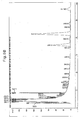
- the amount of lynolenic acid-9-hydroperoxide form was compared based on the results of HPLC. The result of the comparison was shown in Figure 6 .
- the Novel LOX derived from Lemna paucicostata SH strain (SHLpLOX) and the novel LOX derived from Lemna paucicostata 441 strain (441LpLOX1) exert far higher activity of position 9-product specific lypoxygenase than that of r9-LOX1, which has been known to have strongest activity among the known position 9 -product specific lyopxygenase.
- SHLpLOX that had the highest production amount of linolenic acid-9-hydroperoxide was subjected to kinetic analysis.
- a reaction mixture comprising 40 mM phosphate buffer (pH 6.0) and 0.1% Tween 80, the analysis was carried out at a temperature of 25°C.
- the substrate ⁇ -linolenic acid was tested at the substrate concentration of 10-100 ⁇ M.
- 100 ⁇ l of the reaction mixture was added into a cuvette, and absorbance at 234 nm was scanned over time for 10 minutes at an interval of 15 seconds using the SmartSpec Plus Spectrophotometer (Bio-Rad).
- Kinetic parameters were determined using the Hanes-Woolf plot ([S]/v versus [S] plot). As shown in Table 1, the result shows that the K m value which is an affinity parameter for substrate is lower in SHLpLOX than in r9-LOX1, thereby indicating that SHLpLOX had a high affinity for the substrate ⁇ -linolenic acid.
- the maximum reaction velocity V max is almost comparable between r9-LOX and SHLpLOX, while the k cat value which is the number of reactions per unit time was higher in SHLpLOX than in r9-LOX1.
Landscapes
- Life Sciences & Earth Sciences (AREA)
- Chemical & Material Sciences (AREA)
- Health & Medical Sciences (AREA)
- Genetics & Genomics (AREA)
- Organic Chemistry (AREA)
- Zoology (AREA)
- Engineering & Computer Science (AREA)
- Bioinformatics & Cheminformatics (AREA)
- Wood Science & Technology (AREA)
- Microbiology (AREA)
- Biotechnology (AREA)
- Biomedical Technology (AREA)
- Molecular Biology (AREA)
- Biochemistry (AREA)
- General Engineering & Computer Science (AREA)
- General Health & Medical Sciences (AREA)
- Medicinal Chemistry (AREA)
- Enzymes And Modification Thereof (AREA)
- Micro-Organisms Or Cultivation Processes Thereof (AREA)
- Preparation Of Compounds By Using Micro-Organisms (AREA)
Abstract
Description
- The present invention relates to a novel highly active form of
position 9 product specific lipoxygenase gene derived from Lemna paucicostata, a method of producing highly active form ofposition 9 product specific lipoxygenase by using the lipoxygenase gene, and an expression product of said lipoxygenase gene. - Lipoxygenase is an enzyme having an activity to directly introduce molecular oxygen into unsaturated fatty acid having 1,4-pentadiene structure, such as linoleic acid, linolenic acid (carbon number 18), or arachidonic acid (carbon number 20) to produce hydroperoxyl group (-OOH), and is known to be present in plants, animals, and eukaryotic microorganisms, such as fungis, yeast, and so on (Uchiyama Mitsuru, et al., lipid peroxide and biological body, 23 - 26, 1985, Japan Scientific Societies Press). In animals, since this enzyme relates to the process of producing prostaglandin from arachidonic acid, research is most ahead (Yamamoto Shouzo, Protein Nucleic acid Enzyme, 44, 1132-1138, 1999). Lipoxygenase in plants is known to be classified to an enzyme which shows specificity to two positions,
position 9 and position 13, as using a unsaturated fatty acid with carbon number of 18, such as α-linolenic acid, linoleic acid, as a substrate (for example, Uchiyama Mitsuru, et al., lipid peroxide and biological body, 23 - 26, 1985, Japan Scientific Societies Press, and Grechkin et al., Eur. J. Biochem., 199, 451-457, 1991).Position 9 and position 13 specific lipoxygenase was known to be present in potato, soybean, tomato, pea, barley, wheat, corn, cucumber, and so on, and some cDNAs have been isolated. However, position 13 product specific lipoxygenase, which relates to a metabolic pathway of jasmonic acid, which attracts attention as a plant hormone, is mainly investigated, andposition 9 product specific lipoxygenase is relatively less investigated. Position 13 product specific lipoxygenase derived from soybean is commercially available from Sigma (Sigma, Product Number L7395) as a test reagent, whileposition 9 product specific lipoxygense is not commercially available. - The present inventors have found a α-ketol unsaturated fatty acid (hereinafter referred to as KODA) having a structure represented by the following Formula:

position 9 product specific lipoxygenase and allene oxide synthase (Japanese Unexamined Patent Publication (Kokai) No.9-295908 11-29410 2001-131006 2009-17829 
- KODA was known to be present in a variety of plant species, and Lemna paucicostata that was subjected to stress was known to release KODA at a very high level (a few hundred-fold higher) compared to other plants ( Japanese Unexamined Patent Publication (Kokai) No.
11-29410 paucicostata position 9 product specific lipoxygenase which has higher activity than in other plants are present. However, cDNA ofposition 9 product specific lipoxygenase has not been isolated, and the sequence thereof has been unknown. - When KODA is to be produced by enzymatic synthesis with α-linolenic acid or linoleic acid as the starting substance,
position 9 product specific lipoxygenase is required. However,position 9 product specific lipoxygenase is not commercially available, and when cDNA of currently knownposition 9 product specific lipoxygenase was expressed in Escherichia coli, most of them are turned out to be insoluble, and thus it was difficult to obtain active protein at large quantities. In addition, even the extraction from a plant requires a lot of time and effort on obtaining and processing materials, and the activity ofposition 9 product specific lipoxygenases obtained to date was low. Therefore, there has been a need for establishing a technology to prepare highly active form of position 9-product specific lipoxygenase at large amount. -
- PLT1: Japanese Unexamined Patent Publication (Kokai) No.
9-295908 - PLT2: Japanese Unexamined Patent Publication (Kokai) No.
11-29410 - PLT3: Japanese Unexamined Patent Publication (Kokai) No.
2001-131006 - PLT4: Japanese Unexamined Patent Publication (Kokai) No.
2009-17829 -
- NPL1: Uchiyama Mitsuru, et al., lipid peroxide and biological body, 23 - 26, 1985, Japan Scientific Societies Press
- NPL2: Yamamoto Shouzo, Protein Nucleic acid Enzyme, 44, 1132-1138, 1999
- NPL3: Grechkin et al., Eur. J. Biochem., 199, 451-457, 1991
- The problem to be solved by the present invention is to identify highly active form of
position 9 product specific lipoxygenase gene useful for the expression, to isolate cDNA, and to provide an expression product of said lipoxygenase gene, thereby to provide a method of preparing KODA in high yield by using the lipoxygenase. - In intensive research to solve the above problem, and to isolate new lipoxygenase cDNA from Lemna paucicostata, the present inventors conducted a screening of various strains of Lemna paucicostata for the ability of producing KODA in order to obtain the cDNA of lipoxygenase having a higher activity. Specifically 62 strains of Lemna paucicostata were subjected to the screening, thereby it was surprisingly found that Lemna paucicostata SH strain has a KODA producing activity 10-fold or more higher than the mean of other Lemna paucicostata strains.
- The present inventors have isolated lipoxygenase cDNA from Lemna paucicostata SH strain and Lemna paucicostata 441 strain, which is used as a representative strain, expressed the cDNA in Escherichia coli as host cell, and examined the product specificity. As a result, it was revealed that these lipoxygenases were confirmed to have position 9-product specific lipoxigenase activity, and that the activity thereof was higher than that of
rice position 9 product specific lipoxigenase, which has been conventionally used. - Thus, the present inventors provide a
novel position 9 product specific lipoxygenase gene derived from Lemna paucicostata and a protein encoded by said gene. Specifically, the present invention provides a gene consisting of a DNA having a base sequence selected from the group consisting of SEQ ID NOs: 1, 3 and 5, a gene consisting of a DNA substantially identical to said DNA, and proteins encoded by these genes. Furthermore, the present inventors provide an expression vector having the above DNA and a vector fragment bound to each other therein. Furthermore, the present invention also relates to a transformant of a microorganism, an animal cell or an insect cell transformed with said expression vector. Theposition 9 product specific lipoxigenase of the present invention can be obtained by culturing said transformant, and extracting and purifying theposition 9 product specific lipoxigenase. -
Position 9 product specific lipoxigenase of the present invention has a high activity compared to the conventionally usedposition 9 product specific lipoxigenase, and further maintains its high activity when expressed in Escherichia coli. Therefore, α-ketol unsaturated fatty acid such as KODA can be prepared efficiently through enzymatic synthesis which uses α-linolenic acid or linoleic acid, etc., as a starting material by using theposition 9 product specific lipoxigenase. -
- [
Fig. 1 ]
Fig. 1 is a graph showing the amount of KODA produced in 62 strains of Lemna paucicostata. - [
Fig. 2A ]
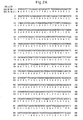
Fig. 2A shows the sequence of the LOX gene of Lemna paucicostata SH strain. - [
Fig. 2B ]
Fig. 2B shows the continuation of the sequence ofFig. 2A . - [
Fig. 2c ]
Fig. 2C shows the continuation of the sequence ofFig. 2B . - [
Fig. 3A ]
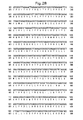
Fig. 3A shows the sequence of LOX1 gene of Lemna paucicostata 441 strain. - [
Fig. 3B ]
Fig. 3B shows the continuation of the sequence ofFig. 3A . - [
Fig. 3C ]
Fig. 3C shows the continuation of the sequence ofFig. 3B . - [
Fig. 4A ]
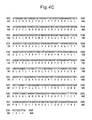
Fig. 4A shows the sequence of LOX2 gene ofLemna paucicostata 441 strain. - [
Fig. 4B ]
Fig. 4B shows the continuation of the sequence ofFig. 4A . - [
Fig. 4C ]
Fig. 4C shows the continuation of the sequence ofFig. 4B - [
Fig.5A ]
Fig. 5A is a graph showing the HPLC chromatogram of linolenic acid-9-hydroperoxide synthesized by using r9-LOX1. - [
Fig. 5B ]
Fig. 5B is a graph showing the HPLC chromatogram of linolenic acid-9-hydroperoxide synthesized by using SHLpLOX. - [
Fig. 5C ]
Fig. 5C is a graph showing the HPLC chromatogram of linolenic acid-9-hydroperoxide synthesized by using 441LpLOX1. - [
Fig. 5D ]
Fig. 5D is a graph showing the HPLC chromatogram of linolenic acid-9-hydroperoxide synthesized by using 441LpLOX2. - [
Fig. 6 ]
Fig. 6 is a graph comparing the lypoxygenase activity of SHLpLOX, 441 LpLOX1, 441LpLOX2 and r9-LOX1, which is used as a control lypoxygenase. - The embodiments of the present invention are explained below. The present invention relates to a
novel position 9 product specific lipoxygenase gene derived from Lemna paucicostata and a protein encoded by said gene. Specifically, the present invention relates to a gene consisting of a DNA having a base sequence selected from the group consisting of SEQ ID NO: 1, SEQ ID NO: 3 and SEQ ID NO: 5, and a DNA substantially identical to said DNA, and to a protein encoded by the gene. It is preferable that the base sequence is the sequence represented by SEQ ID NO: 1 or SEQ ID NO: 3. It is further preferable that the base sequence is the sequence represented by SEQ ID NO: 1. As used herein the term "substantially identical DNA" refers to a DNA that has at least 70% identity to the base sequence of the reference DNA. The identity may preferably be at least 80%, at least 90%, at least 95%, at least 97%, at least 98%, at least 99%, at least 99.5%, or at least 99.9%. Furthermore, "substantially identical DNA" also refers to a DNA that can hybridize under a high stringent condition to a DNA consisting of a base sequence complementary to the reference DNA. The "substantially identical DNA", when transcribed and translated, has the same enzyme activity as that of a protein encoded by the reference DNA, i.e., theposition 9 product specific lipoxygenase activity. Furthermore, the present invention relates to a DNA that encodes a protein consisting of an amino acid sequence selected from the group consisting of SEQ ID NO: 2, SEQ ID No:4 and SEQ ID NO:6, and a DNA that encodes a protein consisting of an amino acid sequence substantially identical to said amino acid sequence. As used herein, "a protein consisting of substantially identical amino acid" is explained in detail below. In addition, the present invention also relates to a DNA fragment encoding a protein which has lypoxygenase activity. - Hybridization can be carried out by a known method or a method based on said method, such as a method described in J. Sambrook et al., Molecular Cloning, 2nd., Cold Spring Harbor Laboratory Press, 1989. In this connection, a high stringent hybridization condition refers to, for example, a NaCl concentration of about 10-40 mM, preferably about 20 mM, and a temperature of about 50-70°C, preferably about 60-65°C.
- The present invention also relates to a protein consisting of an amino acid sequence selected from the group consisting of SEQ ID NO: 2, SEQ ID NO:4, and SEQ ID NO: 6, and a protein consisting of an amino acid sequence substantially identical to said amino acid sequence. It is preferable that the amino acid sequence is the sequence of SEQ ID NO:2 or 4. It is most preferable that the amino acid sequence is the sequence of SEQ ID No:2. As used herein, "a protein consisting of a sequence substantially identical to amino acid" refers to a protein that consists of an amino acid sequence in which one or a few amino acids have been deleted, substituted or added in the amino acid sequence of the reference protein, and that has the activity of the reference protein, i.e.,
position 9 product specific lypoxygenase activity. Furthermore, "a protein comprising a substantially identical amino acid sequence" refers to a protein that comprises a sequence having an identity of at least 70% with the reference amino acid sequence and that has an lypoxygenase activity. The identity may preferably be at least 80%, at least 90%, at least 95%, at least 97%, at least 98%, at least 99%, at least 99.5%, or at least 99.9%. In addition, the present invention relates to a protein which is encoded by a DNA of the base sequence selected from the group consisting of SEQ ID No:1, SEQ ID NO:3, and SEQ ID No:5, or a DNA substantially identical to said DNA, and which hasposition 9 product specific lypoxygenase activity. In addition, the present invention also relates to a protein fragment which has lypoxygenase activity. - As used herein SEQ ID NO: 1 represents the base sequence of the
position 9 product specific lypoxygenase derived from Lemna paucicostata SH strain, and SEQ ID NO: 2 represents the amino acid sequence of said lypoxygenase. On the other hand SEQ ID No:3 represents the base sequence of theposition 9 productspecific lypoxygenase 1 derived fromLemna paucicostata 441 strain, and SEQ ID NO: 4 represents the amino acid sequence of said lypoxygenase, SEQ ID No:5 represents the base sequence of theposition 9 product specific lypoxygenase2 derived from theLemna paucicostata 441 strain, and SEQ ID NO:6 represents the amino acid sequence of said lypoxygenase. These concrete sequences are shown inFig. 2A - 4C . -
Position 9 product specific lypoxygenase activity means an enzymatic activity which uses an unsaturated fatty acid having carbon number of 18, such as linoleic acid as a substrate, and which introduces molecular oxygen as a hydroperoxide group into carbon atposition 9 of the unsaturated fatty acid. - As used herein,
position 9 product specific lypoxygenase or aprotein having position 9 product specific lypoxygenase activity refers to one that is recognized to have asignificant position 9 product specific lypoxygenase activity when determined by the activity determination method described below. For example, compared to the activity ofposition 9 product specific lypoxygenase having an amino acid sequence of SEQ ID NO: 2 or SEQ ID No:4, those having an activity of at least 10%, at least 50%, at least 70%, at least 80%, at least 90%, more preferably at least 95%, and furthermore 100% or more are encompassed. - The gene (cDNA) of the present invention can be obtained by, for example, the following procedure. From an amino acid sequence common to a plant-derived lypoxygenase, primers are designed, and RT-PCR is carried out to obtain a cDNA fragment. This fragment is labelled, as needed, with 32P or digoxgenine, etc., and it is used in 5'-RACE or 3'-RACE, or screening is carried out in accordance with a common method by using cDNA library constructed in a standard method, thereby the full-length of lypoxygenase gene (cDNA) can be obtained. The determination of the base sequence can be conducted by a common method, such as the Sanger method and the Maxam Gilbert method.
- In an alternative method, Lemna paucicostata-derived
position 9 product specific lypoxygenase is purified using ammonium sulfate fractionation or various chromatographic methods, separated by SDS polyacrylamide gel electrophoresis, electrically transferred to a PVDF membrane etc., and excised a band detected with a dye such as Coomassie brilliant blue. Then, the N-terminal amino acid sequence is determined with a protein sequencer. Based on this sequence, primers are designed, and PCR is carried out according to the method mentioned above to obtain the full-length of the lypoxygenase gene gene (cDNA). - The isolated gene (cDNA) can be inserted into a plasmid, virus etc., by a commonly known method so as to prepare an expression vector, which is then introduced into the host cells such as a microorganism, or cultured cells of animal cells, plant cells, insect cells, etc. Then, the cells are allowed to express the gene, thereby the protein can be produced in large quantities. Furthermore, as the protein-expression system, a cell-free protein expression system, for example a system using a wheat germ extract, may be used.
- As a vector, an Escherichia coli-derived plasmid such as pBR322, pBR325, pUC18 and pUC119, a Bacillus subtilis-derived plasmid such as pUB110, pTP5 and pC194, a yeast-derived plasmid such as pSH19 and pSH15, a bacteriophage such as λ phage, an animal virus such as retrovirus, vaccinia virus and baculovirus, and pA1-11, pXT1, pRC/CMV, pRC/RSV, pcDNAI/Neo etc., can be used. pET23d (Novagen), which is a commercially available vector, can be used in the present invention.
- The expression vector comprising the gene of the present invention can be produced by ligating the gene of the present invention downstream to a promoter of a suitable vector via a suitable restriction site by a known method. The promoter to be used in the present invention may not be specifically limited as long as it is a suitable promoter corresponding to the host to be used for the expression of the gene. For example, when an animal cell is used as the host, SRα promoter, SV40 promoter, LTR promoter, CMV promoter, HSV-TK promoter, β-actin promoter etc. can be mentioned. When the host is a bacteria of the genus Escherichia such as Escherichia coli, trp promoter, lac promoter, recA promoter, λPL promoter, lpp promoter, T7 promoter etc. may preferably be used, when the host is a bacteria of the genus bacillus, SPO1 promoter, SPO2 promoter, pen promoter may preferably be used, and when the host is a yeast, PHO5 promoter, PGK promoter, GAP promoter, ADH promoter etc., may preferably be used. When the host is an insect, polyhedron promoter, P10 promoter etc., may be preferred. As desired, the expression vector may further contain an enhancer, a splicing signal, a polyA addition signal, a selection marker, SV40 replication origin, etc.
- The host cell may be, but not limited to, a procaryotic cell or an eucaryotic cell that is conventionally used as the host for producing recombinant protein, and may include a mammal cell, an insect cell, a plant cell or a fungal cell, and preferably microorganisms such as bacteria or fungi. The term "fungus" is intended to encompass filamentous microorganisms and yeasts. Examples of suitable bacteria include Gram positive bacteria including genus Escherichia such as Escherichia coli, genus Bacillus such as Bacillus subtilis, and genus Streptomyces such as S. lividans, and Gram negative bacteria including genus Pseudomonas such as P. cepacia. The cells may be of fungi, i.e. yeast or filamentous cells. Yeast may be cells of genus Saccharomyces such as S. cereviceae. Filamentous host orgamisms may be, for example, Aspergillus strains such as A. niger. As insect cells, Sf cells, MG1 cells, BmN cells etc. may be mentioned. As animal cells, for example, monkey cell COS-7 cells, Vero cells, Chinese hamster cells CHO etc. may be mentioned. As used herein, Escherichia coli cells may specifically be preferred.
- For the transformation of host cells, a known method such as the calcium chloride method, the calcium phosphate coprecipitation method, the DEAE dextran method, the lipofectin method, the protoplast polyethylene fusion method, the electroporation method etc. can be used, and may be selected as appropriate depending on the host cell to be used.
- The protein of interest can be recovered by culturing the recombinant host cells obtained in a suitable culture medium, separating the cells from the culture liquid by a common procedure including, but not limited to, centrifugation or filtration, disrupting the cells as needed, precipitating the proteinaceous components of the supernatant or the filtrate by a salt such as ammonium sulfate, and then performing various chromatographic procedures such as ion exchange chromatography and an affinity chromatography.
- If desirable, by ligating a suitable signal sequence for secretion in microorganisms or animals to upstream of a DNA encoding the protein of the present invention, said protein can be secreted and expressed in the culture medium. Such a DNA modified to a secretary type is useful since it facilitates the purification of the protein secreted into the culture medium. As examples of such a signal sequence, there can be mentioned the pel B signal (S.P. Lei et al., J. Bacteriology, 169: 4379-4383, 1987) in the case of Escherichia coli, α factor signal (A.J. Brake, Yeast Genetic Engineering, p269 Butterworth, 1989) in the case of yeast, the signal SG-1 of immunoglobulin (H. Maeda et al., Hum. Antibod. Hybridomas, 2: 124-134, 1991), C25 signal (
WO94/20632 - The lypoxygenase activity can be determined by the method generally used. For example,
position 9 lypoxygenase is acted with a substrate, such as α-linolenic acid or linoleic acid, and then a method for detecting an increase of absorbance at 234nm, which is resulted from the production of an enzymatic reaction production, hydroxyperoxide form, for detecting reduction of dissolved oxigen in reaction solution, which is resulted from the consumption of molecular oxygen, or directly detecting hydroxyperoxide form in HPLC can be used. In addition, the position 9-product specificity can be detected by using normal-phase HPLC, etc., with a silica gel column as described in a prior document (Yamamoto et al., Lipids, 15, 1-5, 1980). - The protein of the present invention may be useful as a reagent for use in the synthesis of various linoleic acid and linolenic acid derivatives. Specifically, the protein of the present invention is useful as an enzyme to be used when an α-ketol unsaturated fatty acid, specifically KODA, useful as a plant growth regulating agent, is enzymatically synthesized from linoleic acid or linolenic acid. Also, it may be estimated that by introducing the gene of the present invention into a plant, the metabolism of linoleic acid or linolenic acid present in plant by
position 9 product specific lypoxygenase can be controlled. - The present invention will now be explained more specifically with reference to examples below. However, these examples do not limit the technical scope of the present invention in any way.
- 62 types of Lemna paucicostata harvested from different places were prepared and were passaged in the 1/2-diluted Hutner's medium under continuous illumination from a 24-25°C daylight fluorescent light. The 1/2-diluted Hutner's medium had the following ingredients:
Sucrose 10 g/l K2HPO4 200 mg/l NH4NO3 100 mg/l EDTA free acid 250 mg/l Ca(NO3)·4H2O 176 mg/l MgSO4·7H2O 250 mg/l FeSO4·7H2O 12.4 mg/l MnCl2·4H2O 8.92 mg/l ZnSO4·7H2O 32.8 mg/l Na2MoO4·2H2O 12.6 mg/l H3BO3 7.1 mg/l Co(NO3)·6H2O 0.1 mg/l CuSO4·5H2O 1.97 mg/l - The grown Lemna paucicostata was unfolded on a filter paper, and after allowing to stand for 2 hours, it was immersed in water for 1 hour. For the water, the concentration of KODA was analyzed using high performance liquid chromatography (HPLC; column: TYPE UG120 5 µm, SIZE: 4.6 mm I.D.×250 mm; guard filter: INERTSTL 4.6mm×50 mm; eluent: 50% acetonitrile+0.1% trifluoroacetic acid; condition: absorption wavelength 210 λ(nm), flow rate: 1 ml/min, column temperature: 40°C). The mean of the amount produced of KODA in all Lemna paucicostata strains was 4.97 µM. Among them, Lemna paucicostata SH strain produced 60.2 µM of KODA, which is about 12-times as much as the mean amount of KODA produced, giving a very high production amount (
Fig. 1 ). - From Lemna paucicostata SH strain and
Lemna paucicostata 441 strain, total RNA was extracted by using the RNeasy Plant Mini Kit (QIAGEN), and then cDNA was synthesized by using 1.8 µg of total RNA of each strain of Lemna paucicostata as the template inLongRange 2 Step RT-PCR Kit (QIAGEN).
Then, degenerate PCR (PCR condition: initial denaturation at 94°C for 3 minutes; a cycle comprising 94°C for 0.5 minute, 47°C for 0.5 minute, and 72°C for 1.3 minute is carried out for 39 times) was carried out by using the cDNA as the template, and using the following degenerate primers (LpDPf, LpDPr) to obtain a partial sequence of 9-lipoxygenase of interest.
LpDPf: 5'-GCITGGMGIAGIGAYGARGARTTY-3' (SEQ ID NO: 7)
LpDPr: 5'-GCRTAIGGRTAYTGICCRAARTT-3' (SEQ ID NO: 8)
wherein, I represents inosine.
In order to design primers for cloning Lemna paucicostata lypoxygenase gene (cDNA), these degenerate primers were constructed from a region wherein high homology is present in amino acid sequences of lypoxygenase derived from plants which had been cloned already (soybean, potato, tomato, barley, rice). - One sequence of product and two sequences of products having about 1.0kb, which are respectively corresponds to the sentral region of lypoxygenase cDNA from 441 strain are obtained, are obtained, and determined for the base sequences. Based on the obtained sequence information, BLAST search was carried. As a result, these three sequences exhibited a high homology with LOX derived from a plurality of known plants (75% with Corylus avellana, 74% with Actinidia deliciosa, 75% with Solanum tuberosum, 76% with Oryza sativa, 74% with Nicotiana tabacum, 75% with Cucumis sativus, 73% with Arabidopsis thaliana, etc.).
- Based on this sequence information, primers for the following 3' or 5' RACE method (Rapid Amplification of cDNA end) were constructed:
- 3'-Race primer
SH-3'-TP: 5'-AGCTCTTCATCTTGGACC-3' (SEQ ID NO: 9)
441-1-3'-TP: 5'-AAGCTTCTTCATCCCCACTTCC-3' (SEQ ID NO:10)
441-2-3'-TP: 5'-AAGCTCCTTCATCCCCACTTCC-3' (SEQ ID No:11) - 5'-Race primer
SH-5'-TP: 5'-TTTCATCCTTCTTGTCGC-3' (SEQ ID NO: 12)
441-1-5'-TP: 5'-GCTTGTATATTGGGTGCAC-3' (SEQ ID NO: 13)
441-2-5'-TP: 5'-AAGCACTAACACGGTTCTGGAGG-3' (SEQ ID NO: 14) - 2 µg of total RNA obtained from SH strain or 441 strain was used as a template so as to synthesize cDNA by using Cap Fishing™ target full-length cDNA cloning Kit (Seegene). This cDNA is used as a template solution, and then PCR is each carried out by using adapter primer (3'-RACE primer) contained in a kit and SH-3'-TP, 441-1-3'-TP, or 441-2-3'-TP.
- 2 µg of total RNA obtained from SH strain or 441 strain was used as a template so as to synthesize cDNA by using Cap Fishing™ target full-length cDNA cloning Kit (Seegene). This cDNA is used as a template solution, and then PCR is each carried out by using adapter primer (5'-RACE primer) contained in a kit and SH-5'-TP, 441-1-5'-TP, or 441-5'-TP.
- The sequence of each product was determined, and then the products were connected into one sequence by using an appropriate restriction site so as to obtain whole length cDNA, which is then sub-cloned into pTAC-2 vector (BioDynamics).
Lypoxygenase obtained from Lemna paucicostata SH strain is named as SHLpLOX, and Lypoxygenase obtained fromLemna paucicostata 441 strain is named 441LpLOX1 and 441LpLOX2. - Regarding three kinds of novel LOXcDNAs derived from
Lemna paucicostata 441 strain and SH strain, a DNA fragment comprising full length of translation region consisting of starting codon to terminate codon was obtained by using PCR with primers having NcoI clevage domain at 5' end, and NotI cleavage domain at 3' end, and then inserted into NcoI/NotI sites of commercially available expression vector, pET23d(Novagen), thereby plasmide pET23d/SHLpLOX, pET23d/441LpLOX1 and pET23d/441LpLOX2 were obtained. These plasmide was transformed into Escherichia coli BL21 (DE3) strain (Novagen). Then, the microorganism was inoculated into LB medium containing 10mg/L ampicilin, and then shake-cultured at 37 for overnight. 100µl of the culture medium was added to 10 ml of LB medium containing 10mg/L ampicilin, and then shake-cultured at 37 °C for 5 hours. the fungus body was recovered by centrifuging from the culture medium, and then transferred to TB medium containing 0.1mM isopropyl-β-D-thiogalactopyranocid (Wako), 100mg/l of ampicilin and cultured for 40 hours at 15 °C so as to induce the expression of lypoxygenase. After the culture, the fungus body was collected by centrifugation (wet weight 0.4g), and was dissolved in 10ml of BugBuster™ (Novagen). Then centrifugation (9000rpm, 5 minutes, 4°C) was carried out so as to collect supernatant (10ml) as a enzyme solution. - As a control enzyme solution of
position 9 specific lypoxygenase, an enzyme solution obtained by expressing and extracting lypoxygenase as described above from Escherichia coli BL21 (DE3) transformed by a plasmid, wherein r9-LOX1, which isposition 9 specific lypoxygenase derived from rice germ, was inserted into NcoI/NotI site of pET23d, was used. - The activity of lypoxygenase in the enzyme solutions of SHLpLOX, 441LpLOX1, 441LpLOX2 and r9-LpLOX1 which was used as a control, was determined. 25µ1 of 5mM α-lynolenic acid solution (including 0.05% Tween80), 10µl of 0.2M phosphate Na Buffer (pH7.0), 5µl of distilled water were added to 1.5ml of tube, and then 10µl of the enzyme solution was added to the tube, and allowed to react for 30 minutes. After the reaction was over, reactant was subjected to HPLC (reverse phase; Column: Capsule pack C-18 UG120 (4.6x250mm, Shiseido), Column temperature: 40°C, Mobile phase: 50% acetnitril (0.02%TFA),
Flow rate 1 ml/min, Detection: 210nm) so as to detect the site specificity of produced lynolenic acid hydroperoxide and the production amount. The result of HPLC was shown inFigure 5A-D . As shown in a HPLC chart, a peak of linolenic acid-9-hydroxyperoxide (21.1 min) was confirmed in each chart of SHLp-LOX, 441LpLOX1, 441pLOX2, which revealed that the enzymes haveposition 9 product specific lypoxygenase activity. - The amount of lynolenic acid-9-hydroperoxide form was compared based on the results of HPLC. The result of the comparison was shown in
Figure 6 . The Novel LOX derived from Lemna paucicostata SH strain (SHLpLOX) and the novel LOX derived fromLemna paucicostata 441 strain (441LpLOX1) exert far higher activity of position 9-product specific lypoxygenase than that of r9-LOX1, which has been known to have strongest activity among the known position 9 -product specific lyopxygenase. - Among the novel LOXs derived from Lemna paucicostata, SHLpLOX that had the highest production amount of linolenic acid-9-hydroperoxide was subjected to kinetic analysis. Using a reaction mixture comprising 40 mM phosphate buffer (pH 6.0) and 0.1
% Tween 80, the analysis was carried out at a temperature of 25°C. The substrate α-linolenic acid was tested at the substrate concentration of 10-100 µM. 100 µl of the reaction mixture was added into a cuvette, and absorbance at 234 nm was scanned over time for 10 minutes at an interval of 15 seconds using the SmartSpec Plus Spectrophotometer (Bio-Rad). The amount of the reaction product was calculated from the A234 determined (e=25,000). Kinetic parameters were determined using the Hanes-Woolf plot ([S]/v versus [S] plot). As shown in Table 1, the result shows that the Km value which is an affinity parameter for substrate is lower in SHLpLOX than in r9-LOX1, thereby indicating that SHLpLOX had a high affinity for the substrate α-linolenic acid. The maximum reaction velocity Vmax is almost comparable between r9-LOX and SHLpLOX, while the kcat value which is the number of reactions per unit time was higher in SHLpLOX than in r9-LOX1. The kcat/Km value which is an index of enzyme activity was about 1.6-fold higher in SHLpLOX than in r9-LOX1. This revealed that the novel 9-LOX derived from Lemna paucicostata SH strain is a very highly active 9-LOX.[Table 1] Kinetic parameters of SHLpLOX and r9-LOX1 Km (µM) Vmax (µmol min-1) kcat (min-1) Kcat/Km (×105M-1min-1) LpLOX-SH 19.2±4.1 3.0±0.1 768.2±32.3 41.4±10.0 r9-LOX1 22.9±1.6 2.8±0.6 614.1±124.6 26.7±4.2 -


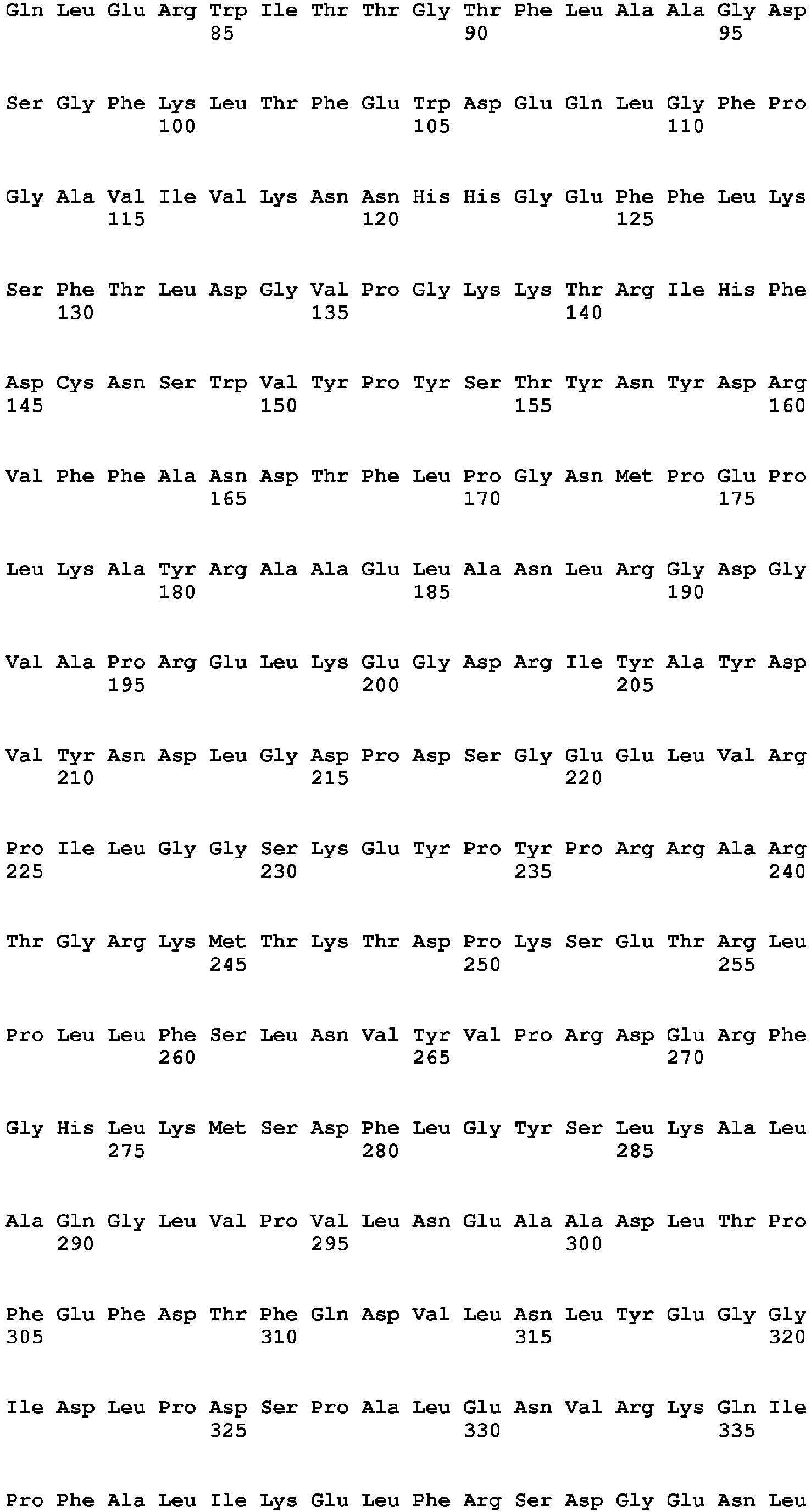


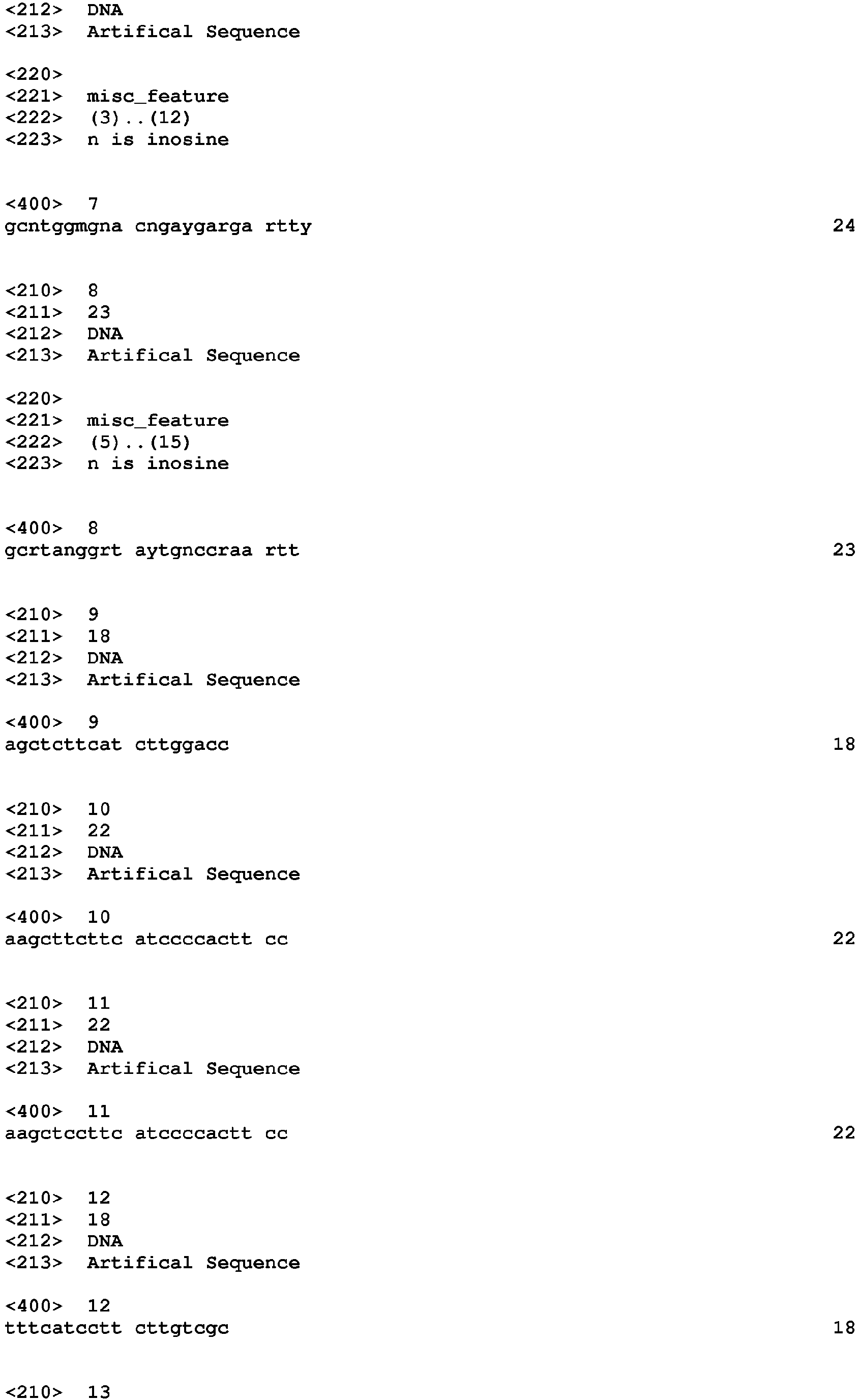

Claims (5)
- A gene consisting of a DNA selected from the group consisting of the following (a) to (e):(a) a DNA consisting of a base sequence of SEQ ID NO: 1;(b) a DNA that encodes a protein consisting of an amino acid sequence of SEQ ID NO: 2;(c) a DNA encoding a protein that consists of an amino acid sequence having at least 99% identity to the amino acid sequence of SEQ ID No:2, and that has position 9 product specific lypoxygenase activity;(d) a DNA encoding a protein that consists of an amino acid sequence in which one or a few amino acids have been deleted, substituted or added in the amino acid sequence of SEQ ID NO: 2, and that has position 9 product specific lypoxygenase activity;(e) a DNA that hybridizes under a high stringent condition to a DNA comprising a base sequence complementary to a DNA comprising a base sequence represented by SEQ ID NO: 1, and that encodes a protein having position 9 product specific lypoxygenase activity.
- An expression vector comprising the DNA according to claim 1 and a vector fragment bound to each other therein.
- A transformant wherein the expression vector according to claim 2 has been introduced into the host microorganism, animal cell or plant cell.
- A method of producing position 9 product specific lypoxygenase, characterized in that comprising culturing the transformant according to claim 3.
- A protein selected from the group consisting of the following (a) to (d):(a) a protein consisting of an amino acid sequence represented by SEQ ID NO: 2;(b) a protein that consists of an amino acid sequence in which one or a few amino acids have been deleted, substituted or added in an amino acid sequence represented by SEQ ID NO: 2, and that has position 9 product specific lypoxygenase activity;(c) a protein that consists of an amino acid sequence having an identity of at least 99% with amino acid sequence of SEQ ID NO:2, and has position 9 product specific lypoxygenase activity; and(d) a protein that is encoded by a polynucleotide capable of hybridizing under a high stringent condition to a DNA comprising a base sequence complementary to a base sequence represented by SEQ ID NO: 1 and that has an position 9 product specific lypoxygenase activity.
Applications Claiming Priority (2)
| Application Number | Priority Date | Filing Date | Title |
|---|---|---|---|
| JP2010055099 | 2010-03-11 | ||
| PCT/JP2011/055834 WO2011111838A1 (en) | 2010-03-11 | 2011-03-11 | Novel lipoxygenases derived from lemna paucicostata |
Publications (2)
| Publication Number | Publication Date |
|---|---|
| EP2546343A1 true EP2546343A1 (en) | 2013-01-16 |
| EP2546343A4 EP2546343A4 (en) | 2013-10-02 |
Family
ID=44563635
Family Applications (1)
| Application Number | Title | Priority Date | Filing Date |
|---|---|---|---|
| EP11753496.6A Withdrawn EP2546343A4 (en) | 2010-03-11 | 2011-03-11 | Novel lipoxygenases derived from lemna paucicostata |
Country Status (5)
| Country | Link |
|---|---|
| US (1) | US20130224829A1 (en) |
| EP (1) | EP2546343A4 (en) |
| JP (1) | JP5726165B2 (en) |
| CN (1) | CN102812125B (en) |
| WO (1) | WO2011111838A1 (en) |
Families Citing this family (1)
| Publication number | Priority date | Publication date | Assignee | Title |
|---|---|---|---|---|
| JP5726166B2 (en) * | 2010-03-11 | 2015-05-27 | 株式会社 資生堂 | Method for producing KODA using duckweed |
Family Cites Families (7)
| Publication number | Priority date | Publication date | Assignee | Title |
|---|---|---|---|---|
| DE69433422T2 (en) | 1993-03-11 | 2004-09-16 | Juridical Foundation The Chemo-Sero-Therapeutic Research Institute | MONOCLONAL ANTI-HIV ANTIBODY |
| JP3569100B2 (en) | 1996-03-04 | 2004-09-22 | 株式会社資生堂 | Flower bud formation inducer and flower bud formation induction kit |
| JP3689543B2 (en) * | 1997-03-04 | 2005-08-31 | 株式会社資生堂 | Flower bud formation inducer and flower bud formation induction kit |
| WO2001013728A1 (en) * | 1999-08-23 | 2001-03-01 | Shiseido Company, Ltd. | Plant potentiators |
| JP3571626B2 (en) | 1999-08-23 | 2004-09-29 | 株式会社資生堂 | Plant activator |
| US6787684B2 (en) * | 2000-10-16 | 2004-09-07 | E. & J. Gallo Winery | Lipoxygenase genes from Vitis vinifera |
| JP4980160B2 (en) | 2007-07-12 | 2012-07-18 | 株式会社 資生堂 | Mushroom cultivation method |
-
2011
- 2011-03-11 JP JP2012504547A patent/JP5726165B2/en active Active
- 2011-03-11 CN CN201180013366.7A patent/CN102812125B/en active Active
- 2011-03-11 WO PCT/JP2011/055834 patent/WO2011111838A1/en not_active Ceased
- 2011-03-11 EP EP11753496.6A patent/EP2546343A4/en not_active Withdrawn
- 2011-03-11 US US13/583,950 patent/US20130224829A1/en not_active Abandoned
Also Published As
| Publication number | Publication date |
|---|---|
| EP2546343A4 (en) | 2013-10-02 |
| JPWO2011111838A1 (en) | 2013-06-27 |
| US20130224829A1 (en) | 2013-08-29 |
| JP5726165B2 (en) | 2015-05-27 |
| CN102812125A (en) | 2012-12-05 |
| WO2011111838A1 (en) | 2011-09-15 |
| CN102812125B (en) | 2015-01-14 |
Similar Documents
| Publication | Publication Date | Title |
|---|---|---|
| US11555211B2 (en) | Recombinant production systems for prenylated polyketides of the cannabinoid family | |
| EP2601291B1 (en) | A novel glucose oxidase | |
| KR20130038914A (en) | Glucose dehydrogenase | |
| US10392673B2 (en) | Method of producing (-)-rotundone | |
| EP1240336A2 (en) | Enzymes and genes used for producing vanillin | |
| EP3963078A2 (en) | Biosynthesis of vanillin from isoeugenol | |
| US20220112525A1 (en) | Biosynthesis of vanillin from isoeugenol | |
| KR20010071288A (en) | Endo-β-N-acetylglucos aminidase gene | |
| US12415992B2 (en) | Dioxygenase mutants and use thereof in synthesizing (2S,3R)-3-hydroxypipecolic acid | |
| US20130224829A1 (en) | Novel lipoxygenase derived from lemna paucicostata | |
| EP2554671A1 (en) | Novel allene oxide synthase derived from lemna paucicostata | |
| EP2546350A1 (en) | Process for producing koda using lemna paucicostata | |
| JP6198997B1 (en) | Novel glucose dehydrogenase | |
| KR102120000B1 (en) | Production of 5,15-dihydroxy arachidonic acid by new bacterial lipoxygenase | |
| US20040029230A1 (en) | Novel methods for synthesis of holo-photoactive yellow protein | |
| WO2018062103A1 (en) | Glucose dehydrogenase | |
| HK40058263A (en) | Biosynthesis of vanillin from isoeugenol | |
| HK40061253A (en) | Biosynthesis of vanillin from isoeugenol | |
| WO2007134817A1 (en) | Biocatalysts and process for the preparation of organic compounds | |
| JP2002325577A (en) | Novel 9-position product-specific lipoxygenase gene derived from rice and method for producing 9-position product-specific lipoxygenase using the same | |
| JP2017112858A (en) | Novel glucose dehydrogenase | |
| KR20060008195A (en) | Cytochrome P450 Enzyme and Genes Encoding It | |
| WO2013004834A1 (en) | A nitrile-metabolising enzyme and a process for producing an acid using same |
Legal Events
| Date | Code | Title | Description |
|---|---|---|---|
| PUAI | Public reference made under article 153(3) epc to a published international application that has entered the european phase |
Free format text: ORIGINAL CODE: 0009012 |
|
| 17P | Request for examination filed |
Effective date: 20120919 |
|
| AK | Designated contracting states |
Kind code of ref document: A1 Designated state(s): AL AT BE BG CH CY CZ DE DK EE ES FI FR GB GR HR HU IE IS IT LI LT LU LV MC MK MT NL NO PL PT RO RS SE SI SK SM TR |
|
| DAX | Request for extension of the european patent (deleted) | ||
| RIC1 | Information provided on ipc code assigned before grant |
Ipc: C12N 9/02 20060101ALI20130813BHEP Ipc: C12N 1/19 20060101ALI20130813BHEP Ipc: C12N 1/15 20060101ALI20130813BHEP Ipc: C12N 15/09 20060101AFI20130813BHEP Ipc: C12N 5/10 20060101ALI20130813BHEP Ipc: C12N 1/21 20060101ALI20130813BHEP |
|
| RIC1 | Information provided on ipc code assigned before grant |
Ipc: C12N 1/21 20060101ALI20130822BHEP Ipc: C12N 15/09 20060101AFI20130822BHEP Ipc: C12N 9/02 20060101ALI20130822BHEP Ipc: C12N 5/10 20060101ALI20130822BHEP Ipc: C12N 1/19 20060101ALI20130822BHEP Ipc: C12N 1/15 20060101ALI20130822BHEP |
|
| A4 | Supplementary search report drawn up and despatched |
Effective date: 20130829 |
|
| 17Q | First examination report despatched |
Effective date: 20141031 |
|
| GRAP | Despatch of communication of intention to grant a patent |
Free format text: ORIGINAL CODE: EPIDOSNIGR1 |
|
| INTG | Intention to grant announced |
Effective date: 20150930 |
|
| STAA | Information on the status of an ep patent application or granted ep patent |
Free format text: STATUS: THE APPLICATION IS DEEMED TO BE WITHDRAWN |
|
| 18D | Application deemed to be withdrawn |
Effective date: 20160211 |