EP2544554B1 - Method for stabilizing water insoluble bioactive compound aqueous dispersions - Google Patents
Method for stabilizing water insoluble bioactive compound aqueous dispersions Download PDFInfo
- Publication number
- EP2544554B1 EP2544554B1 EP11708623.1A EP11708623A EP2544554B1 EP 2544554 B1 EP2544554 B1 EP 2544554B1 EP 11708623 A EP11708623 A EP 11708623A EP 2544554 B1 EP2544554 B1 EP 2544554B1
- Authority
- EP
- European Patent Office
- Prior art keywords
- beverage
- quercetin
- solution
- water insoluble
- oil
- Prior art date
- Legal status (The legal status is an assumption and is not a legal conclusion. Google has not performed a legal analysis and makes no representation as to the accuracy of the status listed.)
- Active
Links
Images


Classifications
-
- A—HUMAN NECESSITIES
- A23—FOODS OR FOODSTUFFS; TREATMENT THEREOF, NOT COVERED BY OTHER CLASSES
- A23L—FOODS, FOODSTUFFS OR NON-ALCOHOLIC BEVERAGES, NOT OTHERWISE PROVIDED FOR; PREPARATION OR TREATMENT THEREOF
- A23L2/00—Non-alcoholic beverages; Dry compositions or concentrates therefor; Preparation or treatment thereof
- A23L2/52—Adding ingredients
-
- A—HUMAN NECESSITIES
- A23—FOODS OR FOODSTUFFS; TREATMENT THEREOF, NOT COVERED BY OTHER CLASSES
- A23L—FOODS, FOODSTUFFS OR NON-ALCOHOLIC BEVERAGES, NOT OTHERWISE PROVIDED FOR; PREPARATION OR TREATMENT THEREOF
- A23L33/00—Modifying nutritive qualities of foods; Dietetic products; Preparation or treatment thereof
- A23L33/10—Modifying nutritive qualities of foods; Dietetic products; Preparation or treatment thereof using additives
- A23L33/105—Plant extracts, their artificial duplicates or their derivatives
-
- A—HUMAN NECESSITIES
- A61—MEDICAL OR VETERINARY SCIENCE; HYGIENE
- A61P—SPECIFIC THERAPEUTIC ACTIVITY OF CHEMICAL COMPOUNDS OR MEDICINAL PREPARATIONS
- A61P33/00—Antiparasitic agents
- A61P33/02—Antiprotozoals, e.g. for leishmaniasis, trichomoniasis, toxoplasmosis
- A61P33/06—Antimalarials
-
- A—HUMAN NECESSITIES
- A23—FOODS OR FOODSTUFFS; TREATMENT THEREOF, NOT COVERED BY OTHER CLASSES
- A23V—INDEXING SCHEME RELATING TO FOODS, FOODSTUFFS OR NON-ALCOHOLIC BEVERAGES AND LACTIC OR PROPIONIC ACID BACTERIA USED IN FOODSTUFFS OR FOOD PREPARATION
- A23V2002/00—Food compositions, function of food ingredients or processes for food or foodstuffs
Definitions
- the present invention relates generally to a method for dispersing and stabilizing water insoluble bioactive compounds in a liquid medium and a composition containing flavonoid and a suspension agent.
- Bioactive compounds such as flavonoids in general, are used as nutritional supplements to provide, for example, antioxidants. Most of bioactive compounds are highly rigid and crystalline and water insoluble. Quercetin, in particular, is considered a powerful antioxidant. A number of studies showed that quercetin is effective for the prevention of various diseases.
- Flavonoids may be extracted from plants.
- quercetin is a natural, plant-derived, flavonoid.
- quercetin is the aglycone form of a number of other flavonoid glycosides, such as rutin and quercitrin, found in citrus fruit, cranberries, blueberries, buckwheat, onions, and other vegetables, fruits, and green plants.
- the chemical structure of quercetin is illustrated below:
- flavonoids it is desired to use flavonoids as a nutritional supplement in food products such as beverages. Often such flavonoids are difficult to disperse and mix into beverage products at efficacious concentrations. Often such flavonoids will simply settle to the bottom of the container holding the beverage.
- quercetin is typically obtained as a powder and is insoluble in water. When added to liquid media, quercetin usually agglomerizes and settles to the bottom of the beverage, thereby resulting in a product that is not visually appealing to the consumer.
- Chebil et al (2007, “Solubility of flavonoids in organic solvents ”)relates to the solubility of flavonoids in organic solvents. Discloses is the solubility of quercetin, isoquercetin, rutin, chrysin, naringenin and hesperetin in acetonitrile, acetone and tert-amyl alcohol, in particular at 50°C.
- EP0543051 A1 relates to a beverage containing a flavonoid containing plant extract. Specifically disclosed is the preparation of a beverage comprising a flavonoid containing extract which is water soluble, water insoluble of sparingly water soluble. Suitable plant extracts are ginkgo leaf extract, persimmon leaf extract, crataegus leaf extract, Japanese pagoda leaf extract and lyceum fruit extract. These extracts are prepared by extracting such a plant or part thereof with water or aqueous ethanol. The beverage further comprises xanthan gum and water.
- WO 2010/022364 discloses a method of forming water soluble microparticles.
- Oil soluble supplements are dissolved in ethanol or another polar solvent often at elevated temperature, typically at 50°C, to increase their solubility.
- Antioxidant which may be used as stabilizers or helpers for water insoluble drugs such as proteins or peptide drug are dissolved in a water miscible polar solvent to form a premix which can subsequently be mixed with plain water.
- the present invention relates to a method for stabilizing suspended quercetin or other suspended water insoluble bioactive compounds in a beverage and a composition for a beverage containing stabilized suspended quercetin or other water insoluble bioactive compounds.
- the present invention relates to a method for stabilizing suspended microparticulated water insoluble bioactive compounds such as quercetin particles in a liquid medium, such as a beverage, and further to a composition containing solubilized or dispersed compound particles and at least one dispersion stabilizer.
- the water insoluble bioactive compounds may be polyphenols, flavanoids, alkaloids, aldehyde, aryl ketone, benzofuranoid, benzopyranoid, diterpenoid, phenylpropanoid, polyketide, sesquiterpenoid, monoterpenoid, and/or may be derived from plants, herbs, or botanicals. See for example, Naturally Occurring Bioactive Compounds Edited by Mahendra Rai, Maria Cecillia Carpinella, 2006 . Bioactive Compounds in Foods Edited by John Gilbert and Hamide Z. Senyuva. Bioactive Compounds From Plants, Volume 154, John Wiley and Sons, 1990 .
- Suitable polyphenols include quercetin, eriocitrin, neoeriocitrin, narirutin, naringin, hesperidin, hesperetin, neohesperidin, neoponcirin, poncirin, rutin, isorhoifolin, rhoifolin, diosmin, neodiosmin, sinensetin, nobiletin, tangeritin, catechin, catechin gallate, epigallocatechin, epigallocatechin gallate, anthocyanin, heptamethoxyflavone, curcumin, resveratrol, naringenin, tetramethoxyflavone, kaempferol, and rhoifolin,
- Suitable flavonoids and other bioactive compounds include quercetin, flavonones, flavones, dihydroflavonols, flavonols, flavandiols, leucoanthocyanidins, flavonol glycosodes, flavonone glycosides, isoflavonoids, and neoflavonoids.
- the favonoids may be, but not limited to, quercetin, eriocitrin, neoeriocitrin, narirutin, naringin, hesperidin, hesperetin, neohesperidin, neoponcirin, poncirin, rutin, isorhoifolin, rhoifolin, diosmin, neodiosmin, sinensetin, nobiletin, tangcritin, catechin, catechin gallate, epigallocatechin, epigallocatechin gallate, oolong tea polymerized polyphenol, anthocyanin, heptamethoxyflavone, daidzin, daidzein, biochaminn A, prunetin, genistin, glycitein, glycitin, genistein, 6,7,4' trihydroxy isoflavone, morin, apigenin,
- Suitable compounds derived from plants, herbs, or botanicals include pyrrolizldine, alkaloids, and artemisinin.
- quercetin is solubilized or dispersed prior to adding the quercetin to an aqueous solution containing a dispersion stabilizer.
- the chemical stability of quercetin during heating solubilizing process in polyols is determined by analytical characterization. Quercetin dispersion with or without gellan gum is isolated and purified from beverage. Figs. 2A and 2B show that the spectra of FT-IR and carbon-13 NMR, respectively, of quercetin dispersions through solubilization are identical with that of starting material quercetin. The results indicate that there is no structure change of quercetin during heating solubilization process.
- Quercetin is solubilized by dissolving quercetin in a) hot alcohol, such as hot ethanol or polyols, or b) an alkaline solution having a pH above 7 or c) a mixture of alcohol and alkaline solution, to form solubilized quercetin solution having 1 to 15 wt % quercetin.
- Suitable alcohols include, but not limited to, ethanol, isopropyl alcohol, isobutyl alcohol, and benzyl alcohol, and polyols such as glycerol and propylene glycol. Combinations of alcohols are also contemplated.
- ethanol is used in combination with an alkaline solution of quercetin.
- the quercetin solution either in hot alcohol or alkaline is added into an aqueous solution containing a stabilizer with high shear mixing or agitation.
- the resulting quercetin comes out of solution resulting in fine particle dispersion, suspension.
- the alcohol concentration is generally between 85-99 wt. %.
- quercetin can be dispersed into hot alcohol, such as hot ethanol or polyol, resulting in alcohol dispersion slurry in order to reduce quercetin particle size.
- suitable alcohols include, but not limited to, ethanol, isopropyl alcohol, isobutyl alcohol, and benzyl alcohol, and polyols such as glycerol and propylene glycol. Combinations of alcohols arc also contemplated.
- Stable quercetin dispersion is obtained when hot alcohol dispersion slurry is added into an aqueous solution containing stabilizer under either high shear mixing or agitation conditions.
- concentration of quercetin dispersion slurry in alcohol is in the range of 1-50 wt%.
- the temperature of the hot alcohol for dissolving or dispersing the quercetin is between 50-200 °C, generally 65-170 °C.
- the alkaline solution may be prepared from any suitable alkaline agent such as sodium hydroxide or potassium hydroxide.
- the pH of the alkaline solution is above 7, generally between 10 and 12.
- the quercetin is added to a solution containing at least one dispersion stabilizer.
- the solution is mixed or agitated to form stable quercetin dispersion, in particular, the solubilized or dispersed quercetin is added into a stabilizer-containing aqueous solution under mixing/agitation to form a dispersion containing from 0.1 to 10 weight % quercetin.
- the dispersion stabilizer is present in an amount sufficient to suspend the microparticulated quercetin in the beverage.
- the aqueous solution containing dispersion stabilizer is maintained at a temperature below 35 °C and at pH less than 7, typically 3 to 5, during the addition of the solubilized alkaline quercetin solution.
- quercetin is solubilized or dispersed in hot alcohol, the solution or dispersion slurry is cooled between 50-130 °C prior to addition to stabilizer-containing aqueous solution.
- the at least one dispersion stabilizer can be a biopolymer or a modified polysaccharide such as gellan gum, pectin, carrageenan, ghatti gum, acacia gum, guar gum, xanthan gum, locust gum, agar, starch, alginate, cellulose, protein, hydrolyzed protein, modified starch, carboxyl methyl cellulose (CMC) or the combination thereof.
- a biopolymer or a modified polysaccharide such as gellan gum, pectin, carrageenan, ghatti gum, acacia gum, guar gum, xanthan gum, locust gum, agar, starch, alginate, cellulose, protein, hydrolyzed protein, modified starch, carboxyl methyl cellulose (CMC) or the combination thereof.
- the biopolymers are charged polymers such as carboxyl-containing polymers and sulfate-containing polymers. It was discovered that anionic or cationic biopolymers such as pectin, gellan gum, carrageenan, gum arabic,trafi gum, CMC, whey protein isolate showed better dispersion stability than non-ionic polymers. It is believed that quercetin absorbed on a charged polymer exhibits stable aqueous dispersion due to electrostatic, steric repulsion between the particles. There is no settling/aggregation after stored at ambient conditions. The inventors discovered that the length of time that the quercetin stays dispersed in the liquid media varies depending on the type(s) of dispersion stabilizer(s) used. For example, the quercetin can stay dispersed in a beverage for 12 hours to six months or longer, depending on the dispersion stabilizer(s) used.
- anionic or cationic biopolymers such as pectin, gellan gum, carrageenan
- Controlling pH during the process is critical to make stable dispersions and to suppress undesired color development.
- pH of the dispersion should be maintained below 6, typically below 5, or 2.5 to 4. Otherwise, if the dispersion pH is alkaline, a dark brown color is developed and does not disappear even if the pH is lowered.
- the quercetin is microparticulated.
- "Microparticulated” or “microparticulate” as used in the instant application means a small particle ranging in size from 0.1 u m to 50 u m with an average particle size below 10 u m.
- the microparticulated quercetin has an average particle size less than 10 microns, in particular less than 3 microns or less than 1 micron. For example, at least 90% of the particles have a particle size less than 50 microns and 80% of the particles have a particle size less than 3 microns.
- the stability of quercetin aqueous dispersion is further improved by adding an organic compound with density less than 1.0 grams per cubic centimeter into an alcohol solution during solubilization of quercetin.
- Organic compound can be flavor ingredient such as limonene, terpene, citral, ethyl butyrate, ethyl acetate or oil such as coconut, cotton seed, olive, corn, palm, peanut, rapeseed, safflower, sesame, soja beans, sunflower, canola or combinations thereof.
- the concentration of organic compound in alcohol is from 0.001 to 50 wt. %.
- bioactive compounds included curcumin, rutin, resveratrol, naringenin, hesperedin, tetramethoxyflavone (PMF), and artemisinin (anti malaria drug).
- the beverage may be any suitable beverage including, but not limited to, juices, carbonated soft drinks, water, dairy and isotonic beverages.
- juices may be used in accordance with the present invention.
- the beverage appeared relatively viscous and/or thick upon adding the quercetin (or other water-insoluble bioactive compounds) to the beverage, by using the solubilized/dispersed quercetin in conjunction with the dispersion stabilizer, as disclosed herein, the beverage had a thin consistency upon consumption.
- the thin consistency notwithstanding the viscous visual appearance, is also advantageous, as it leads to consumer likability and acceptance of the beverage.
- Food-grade preservatives and acidulants may also be added to the solubilized water-insoluble bioactive compounds. Incorporating solubilized/dispersed water-insoluble bioactive compounds into the beverage results in improved suspension and dispersibility. It was further discovered that by incorporating the solubilized/dispersed water-insoluble bioactive compounds into the beverage, along with the dispersion stabilizer, that low concentration of the dispersion stabilizer may be added with a high concentration of water-insoluble bioactive compounds, and even though the water-insoluble bioactive compound is present in high concentrations and the beverage may look viscous, upon consumption it tastes thin and is easily ingested by the consumer.
- Non-limiting examples of NHPS's suitable for embodiments of this invention include rebaudioside A, rebaudioside B, rebaudioside C (dulcoside B), rebaudioside D, rebaudioside E, rebaudioside F, dulcoside A, rubusoside, stevia, stevioside, mogroside IV, mogroside V, Luo Han Guo sweetener, siamenoside, monatin and its salts (monatin SS, RR, RS, SR), curculin, glycyrrhizic acid and its salts, thaumatin, monellin, mabinlin, brazzein, hernandulcin, phyllodulcin, glycyphyllin, phloridzin, trilobtain, baiyunoside,
- NHPS also includes modified NHPS's.
- Modified NHPS's include NHPS's which have been altered naturally.
- a modified NHPS includes, but is not limited to, NHPS's which have been fermented, contacted with enzyme, or derivatized or substituted on the NHPS.
- at least one modified NHPS may be used in combination with at least one NHPS.
- at least one modified NHPS may be used without a NHPS.
- modified NHPS's may be substituted for a NHPS or may be used in combination with NHPS's for any of the embodiments described herein.
- a modified NHPS is not expressly described as an alternative to an unmodified NHPS, but it should be understood that modified NHPS's can be substituted for NHPS's in any embodiment disclosed herein.
- synthetic sweetener refers to any composition that is not found in nature and is a high potency sweetener.
- suitable for embodiments of this invention include sucralose, acesulfame potassium (acesulfame K or aceK) or other salts, aspartame, alitame, saccharin, neohesperidin dihydrochalcone, cyclamate, neotame, N-[3-(3-hydroxy-4-methoxyphenyl)propyl]-L- ⁇ -aspartyl]-L-phenylalanine 1-methyl ester, N-[3-(3-hydroxy-4-methoxyphenyl)-3-methylbutyl]-L- ⁇ -aspartyl]-L-phenylalanine 1-methyl ester, N-[3-(3-methoxy-4-hydroxyphenyl)propyl]-L- ⁇ -aspartyl]-L-L-L-
- the method described herein is advantageous as it successfully suspends water-insoluble bioactive compounds such as quercetin in the beverage and thereby deters settling of the water-insoluble bioactive compounds to the bottom of the beverage's packaging.
- the present application also relates to compositions comprising microparticulated flavonoid and at least one dispersion stabilize wherein 90% of the microparticulated flavonoid is below 50 microns and the at least one dispersion stabilizer is present in an amount sufficient to suspend the microparticulated flavonoid in a liquid medium, as defined in claim 15
- the stability of water-insoluble bioactive compound aqueous dispersion is further improved by adding an organic compound with density less than 1.0 grams per cubic centimeter into alcohol solution during solubilization of the water-insoluble bioactive compound.
- Suitable organic compounds can be flavor ingredient such as limonene, terpene, citral, ethyl butyrate, ethyl acetate or oil such as coconut, cotton seed, olive, corn, palm, peanut, rapeseed, safflower, sesame, soja beans, sunflower, canola or the combination.
- the concentration of organic compound in alcohol is between 0.1-30 wt. %.
- a quercetin solution was prepared by dissolving 1.0 g quercetin to 20 g glycerol at temperature 150 °C. Then the solubilized quercetin solution was slowly added to an aqueous solution containing gellan gum under high mixing at pH 5. A homogeneous dispersion containing 0.5% quercetin was obtained.
- the concentrated quercetin dispersion was added to the beverage and suspended in the beverage. Additional ingredients were added in the concentrations (w/w) listed below to make an isotonic beverage containing quercetin.
- the pH was 3.5.
- the pH range of the resultant isotonic beverage may be 2.5-4.5.
- Ingredient Amount (% by wt.) Water 92.16% Liquid Sucrose 2.963% Salt Blend 0.176% Quercetin 0.2% Gellan gum 0.03% Citric Acid 0.180% Glycerol 4% Mango Flavor 0.100% Yellow #6 Color 10% solution 0.060% Liq. Sucralose (25%) 0.021%
- Vitamin B3 Niacinamide
- Quercetin (1.0 g) was dissolved in 20 g propylene glycol at 150 °C. Then, quercetin solution was slowly added into gellan gum-containing aqueous solution under high shear mixing at pH 5. The quercetin dispersion was added to beverage. Additional ingredients were added in the concentrations (w/w) listed below to make an isotonic beverage containing quercetin. The pH range of the resultant isotonic beverage was 3.5.
- Ingredient Amount (% by wt.) Water 92.16% Liquid Sucrose 2.963% Salt Blend 0.176% Quercetin 0.2% Gellan gum 0.03% Citric Acid 0.180% Propvlene Glycol 4% Mango Flavor 0.100% Yellow #6 Color 10% solution 0.060% Liq. Sucralose (25%) 0.021%
- Quercetin (1.0 g) was dissolved in 10 g glycerol and 10 g propylene glycol at 150 °C. Then, quercetin polyol solution was slowly added into gellan gum-containing aqueous solution under high mixing at pH 5. The quercetin dispersion was added to beverage. Additional ingredients were added in the concentrations (w/w) listed below to make an isotonic beverage containing quercetin. The pH range of the resultant isotonic beverage was 3.5.
- the quercetin solution was prepared by dissolving 0.5 g quercetin into 10 g sodium hydroxide (0.5 N) at room temperature. Then, quercetin alkaline solution was slowly added to an aqueous solution containing carrageenan under homogenization at pH 5. The dispersion pH was controlled below 7 during addition of quercetin alkaline solution. A homogeneous dispersion containing 0.5% quercetin is obtained. The concentrated quercetin dispersion was added to the beverage and suspended in the beverage.
- the beverage may contain sea salt to produce a natural zero-caloric isotonic beverage.
- Quercetin (0.5 g) was dispersed and partially solubilized in 2.5 g ethanol at 70 °C. Then, the partially solubilized, dispersed quercetin slurry was slowly added into ghatti gum-containing aqueous solution under homogenization at pH 5. The quercetin dispersion was added to beverage. Additional ingredients were added in the concentrations (w/w) listed below to make an isotonic beverage containing quercetin. The pH was 3.5.
- the quercetin solution was prepared by dissolving 0.5 g quercetin to 10 g glycerol and 0.1 g limonene at temperature 124 °C. Then the solubilized quercetin solution was slowly added to an aqueous solution containing gum arabic under homogenization at pH 5. A homogeneous dispersion containing 0.5% quercetin, was obtained. The concentrated quercetin dispersion was added to the beverage and suspended in the beverage. Additional ingredients were added in the concentrations (w/w) listed below to make an isotonic beverage containing quercetin. The pH was 3.0.
- Ingredient Amount (% by wt .) Water 94.17% Liquid Sucrose 2.963% Salt Blend 0.176% Quercetin 0.1% Gum Arabic 0.1% Citric Acid 0.180% Glycerol 2% limonene 0.02% Mango Flavor 0.100% Yellow #6 Color 10% solution 0.060% Liq. Sucralose (25%) 0.021% Ace K 0.003% Vitamin C (Ascorbic Acid) 0.105% Vitamin B3 (Niacinamide) 0.004% Total 100.000%
- the quercetin solution was prepared by dissolving 0.5 g quercetin to 10 g glycerol and 1.0 g canola oil at temperature 120 °C. Then the solubilized quercetin solution was slowly added to an aqueous solution containing modified starch (purity gum 2000) under homogenization at pH 5. A homogeneous dispersion containing 0.5% quercetin was obtained. The concentrated quercetin dispersion was added to the beverage and suspended in the beverage. Additional ingredients were added in the concentrations (w/w) listed below to make an isotonic beverage containing quercetin. The pH was 3.5.
- Ingredient Amount (% by wt .) Water 93.59% Liquid Sucrose 2.963% Salt Blend 0.176% Quercetin 0.1% Purity Gum 2000 0.5% Citric Acid 0.180% Glycerol 2% Canola Oil 0.2% Mango Flavor 0.100% Yellow #6 Color 10% solution 0.060% Liq. Sucralose (25%) 0.021% Ace K 0.003% Vitamin C (Ascorbic Acid) 0.105% Vitamin B3 (Niacinamide) 0.004% Total 100.000%
- Curcumin (0.5 g) was dissolved in 24 g glycerol at 150 °C. Then, curcumin solution was slowly added into gellan gum-containing aqueous solution under high shear mixing at pH 5. The curcumin dispersion was added to beverage. Additional ingredients were added in the concentrations (w/w) listed below to make an isotonic beverage containing curcumin. The pH range of the resultant isotonic beverage was 3.5. Ingredient Amount (% by wt.
- Rutin hydrate (0.5 g) was dissolved in 24 g glycerol at 150 °C. Then, Rutin solution was slowly added into gellan gum-containing aqueous solution under high shear mixing at pH 5. The Rutin dispersion was added to beverage. Additional ingredients were added in the concentrations (w/w) listed below to make an isotonic beverage containing Rutin. The pH range of the resultant isotonic beverage was 3.5.
- Resveratrol 0.5 g was dissolved in 24 g glycerol at 150 °C. Then, resveratrol solution was slowly added into gellan gum-containing aqueous solution under high shear mixing at pH 5. The resveratrol dispersion was added to beverage. Additional ingredients were added in the concentrations (w/w) listed below to make an isotonic beverage containing resveratrol. The pH range of the resultant isotonic beverage was 3.5.
- Artemisinin (0.1 g) was dissolved in 24 g glycerol at 150 °C. Then, artemisinin solution was slowly added into gellan gum-containing aqueous solution under high shear mixing at pH 5. The artemisinin dispersion was added to beverage. Additional ingredients were added in the concentrations (w/w) listed below to make an isotonic beverage containing artemisinin. The pH range of the resultant isotonic beverage was 3.5.
- Naringenin (0.5 g) was dissolved in 24 g glycerol at 150 °C. Then, naringenin solution was slowly added into gellan gum-containing aqueous solution under high shear mixing at pH 5. The naringenin dispersion was added to beverage. Additional ingredients were added in the concentrations (w/w) listed below to make an isotonic beverage containing naringenin. The pH range of the resultant isotonic beverage was 3.5.
- Hesperedin (0.5 g) was dissolved in 24 g glycerol at 150 °C. Then, hesperedin solution was slowly added into gellan gum-containing aqueous solution under high shear mixing at pH 5. The hesperedin dispersion was added to beverage. Additional ingredients were added in the concentrations (w/w) listed below to make an isotonic beverage containing hesperedin. The pH range of the resultant isotonic beverage was 3.5.
- 3,6,3',4'-Tetramethoxyflavone (0.5 g) was dissolved in 24 g glycerol at 150 °C. Then, tetramethoxyflavone solution was slowly added into gellan gum-containing aqueous solution under high shear mixing at pH 5. The tetramethoxyflavone dispersion was added to beverage. Additional ingredients were added in the concentrations (w/w) listed below to make an isotonic beverage containing tetramethoxyflavone. The pH range of the resultant isotonic beverage was 3.5.
Landscapes
- Life Sciences & Earth Sciences (AREA)
- Health & Medical Sciences (AREA)
- Chemical & Material Sciences (AREA)
- Polymers & Plastics (AREA)
- Food Science & Technology (AREA)
- Engineering & Computer Science (AREA)
- Nutrition Science (AREA)
- Mycology (AREA)
- Botany (AREA)
- Tropical Medicine & Parasitology (AREA)
- Veterinary Medicine (AREA)
- Animal Behavior & Ethology (AREA)
- General Health & Medical Sciences (AREA)
- Public Health (AREA)
- Organic Chemistry (AREA)
- Medicinal Chemistry (AREA)
- General Chemical & Material Sciences (AREA)
- Chemical Kinetics & Catalysis (AREA)
- Nuclear Medicine, Radiotherapy & Molecular Imaging (AREA)
- Pharmacology & Pharmacy (AREA)
- Non-Alcoholic Beverages (AREA)
- Coloring Foods And Improving Nutritive Qualities (AREA)
- General Preparation And Processing Of Foods (AREA)
Description
- The present invention relates generally to a method for dispersing and stabilizing water insoluble bioactive compounds in a liquid medium and a composition containing flavonoid and a suspension agent.
- Biologically active (bioactive) compounds such as flavonoids in general, are used as nutritional supplements to provide, for example, antioxidants. Most of bioactive compounds are highly rigid and crystalline and water insoluble. Quercetin, in particular, is considered a powerful antioxidant. A number of studies showed that quercetin is effective for the prevention of various diseases.
- Flavonoids may be extracted from plants. For example, quercetin is a natural, plant-derived, flavonoid. In particular, quercetin is the aglycone form of a number of other flavonoid glycosides, such as rutin and quercitrin, found in citrus fruit, cranberries, blueberries, buckwheat, onions, and other vegetables, fruits, and green plants. The chemical structure of quercetin is illustrated below:

- It is desired to use flavonoids as a nutritional supplement in food products such as beverages. Often such flavonoids are difficult to disperse and mix into beverage products at efficacious concentrations. Often such flavonoids will simply settle to the bottom of the container holding the beverage. For example, quercetin is typically obtained as a powder and is insoluble in water. When added to liquid media, quercetin usually agglomerizes and settles to the bottom of the beverage, thereby resulting in a product that is not visually appealing to the consumer.
- Chebil et al (2007, "Solubility of flavonoids in organic solvents")relates to the solubility of flavonoids in organic solvents. Discloses is the solubility of quercetin, isoquercetin, rutin, chrysin, naringenin and hesperetin in acetonitrile, acetone and tert-amyl alcohol, in particular at 50°C.
-
EP0543051 A1 relates to a beverage containing a flavonoid containing plant extract. Specifically disclosed is the preparation of a beverage comprising a flavonoid containing extract which is water soluble, water insoluble of sparingly water soluble. Suitable plant extracts are ginkgo leaf extract, persimmon leaf extract, crataegus leaf extract, Japanese pagoda leaf extract and lyceum fruit extract. These extracts are prepared by extracting such a plant or part thereof with water or aqueous ethanol. The beverage further comprises xanthan gum and water. -
WO 2010/022364 - Therefore, a need exists in the food and beverage industry to provide the consumer with a food product containing bioactive compounds such as quercetin wherein the bioactive compound is stabilized in an aqueous suspension.
- The present invention relates to a method for stabilizing suspended quercetin or other suspended water insoluble bioactive compounds in a beverage and a composition for a beverage containing stabilized suspended quercetin or other water insoluble bioactive compounds.
-
-
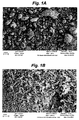
Figs. 1A and 1B compare amorphous quercetin and crystalline quercetin, respectively. -
Figs. 2A and2B show the results of a quercetin stability study by FTIR and Carbon-13 NMR, respectively. -
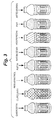
Fig. 3 shows samples of stable aqueous dispersions prepared in accordance with the present invention. - The present invention relates to a method for stabilizing suspended microparticulated water insoluble bioactive compounds such as quercetin particles in a liquid medium, such as a beverage, and further to a composition containing solubilized or dispersed compound particles and at least one dispersion stabilizer. Beverages, prepared with solubilized or dispersed a bioactive compound and a dispersion stabilizer, contain fine, stable dispersions.
- The water insoluble bioactive compounds may be polyphenols, flavanoids, alkaloids, aldehyde, aryl ketone, benzofuranoid, benzopyranoid, diterpenoid, phenylpropanoid, polyketide, sesquiterpenoid, monoterpenoid, and/or may be derived from plants, herbs, or botanicals. See for example, Naturally Occurring Bioactive Compounds Edited by Mahendra Rai, Maria Cecillia Carpinella, 2006. Bioactive Compounds in Foods Edited by John Gilbert and Hamide Z. Senyuva. Bioactive Compounds From Plants, Volume 154, John Wiley and Sons, 1990.
- Suitable polyphenols include quercetin, eriocitrin, neoeriocitrin, narirutin, naringin, hesperidin, hesperetin, neohesperidin, neoponcirin, poncirin, rutin, isorhoifolin, rhoifolin, diosmin, neodiosmin, sinensetin, nobiletin, tangeritin, catechin, catechin gallate, epigallocatechin, epigallocatechin gallate, anthocyanin, heptamethoxyflavone, curcumin, resveratrol, naringenin, tetramethoxyflavone, kaempferol, and rhoifolin,
- Suitable flavonoids and other bioactive compounds include quercetin, flavonones, flavones, dihydroflavonols, flavonols, flavandiols, leucoanthocyanidins, flavonol glycosodes, flavonone glycosides, isoflavonoids, and neoflavonoids. In particular, the favonoids may be, but not limited to, quercetin, eriocitrin, neoeriocitrin, narirutin, naringin, hesperidin, hesperetin, neohesperidin, neoponcirin, poncirin, rutin, isorhoifolin, rhoifolin, diosmin, neodiosmin, sinensetin, nobiletin, tangcritin, catechin, catechin gallate, epigallocatechin, epigallocatechin gallate, oolong tea polymerized polyphenol, anthocyanin, heptamethoxyflavone, daidzin, daidzein, biochaminn A, prunetin, genistin, glycitein, glycitin, genistein, 6,7,4' trihydroxy isoflavone, morin, apigenin, vitexin, balcalein, apiin, cupressuflavone, datiscetin, diosmetin, fisetin, galangin, gossypetin, geraldol, hinokiflavone, primuletin, pratol, luteolin, myricetin, orientin, robinetin, quercetagetin, and hydroxy-4-flavone.
- Suitable compounds derived from plants, herbs, or botanicals include pyrrolizldine, alkaloids, and artemisinin.
- For ease of discussion, the application will be discussed in terms of quercetin. However, it is intended that the process steps and compositions apply to all suitable bioactive compounds described above and below.
- In one aspect of the invention, quercetin is solubilized or dispersed prior to adding the quercetin to an aqueous solution containing a dispersion stabilizer.
- An aqueous dispersion of quercetin through solubilization reduces particle size, density, rigidity, and crystalline structure resulting in increasing dispersion stability. SEM results show dispersed quercetin in gellan gum has amorphous structure (
Fig. 1A ) compared to crystalline quercetin (Fig. 1B ), - The chemical stability of quercetin during heating solubilizing process in polyols is determined by analytical characterization. Quercetin dispersion with or without gellan gum is isolated and purified from beverage.
Figs. 2A and2B show that the spectra of FT-IR and carbon-13 NMR, respectively, of quercetin dispersions through solubilization are identical with that of starting material quercetin. The results indicate that there is no structure change of quercetin during heating solubilization process. - Quercetin is solubilized by dissolving quercetin in a) hot alcohol, such as hot ethanol or polyols, or b) an alkaline solution having a pH above 7 or c) a mixture of alcohol and alkaline solution, to form solubilized quercetin solution having 1 to 15 wt % quercetin. Suitable alcohols include, but not limited to, ethanol, isopropyl alcohol, isobutyl alcohol, and benzyl alcohol, and polyols such as glycerol and propylene glycol. Combinations of alcohols are also contemplated. Preferably ethanol is used in combination with an alkaline solution of quercetin.
- When completely dissolved, the quercetin solution either in hot alcohol or alkaline is added into an aqueous solution containing a stabilizer with high shear mixing or agitation. The resulting quercetin comes out of solution resulting in fine particle dispersion, suspension. The alcohol concentration is generally between 85-99 wt. %.
- In addition to solubilization, quercetin can be dispersed into hot alcohol, such as hot ethanol or polyol, resulting in alcohol dispersion slurry in order to reduce quercetin particle size. Suitable alcohols include, but not limited to, ethanol, isopropyl alcohol, isobutyl alcohol, and benzyl alcohol, and polyols such as glycerol and propylene glycol. Combinations of alcohols arc also contemplated.
- Stable quercetin dispersion is obtained when hot alcohol dispersion slurry is added into an aqueous solution containing stabilizer under either high shear mixing or agitation conditions. The concentration of quercetin dispersion slurry in alcohol is in the range of 1-50 wt%.
- The temperature of the hot alcohol for dissolving or dispersing the quercetin is between 50-200 °C, generally 65-170 °C.
- The alkaline solution may be prepared from any suitable alkaline agent such as sodium hydroxide or potassium hydroxide. The pH of the alkaline solution is above 7, generally between 10 and 12.
- After the quercetin is solubilized or dispersed, the quercetin is added to a solution containing at least one dispersion stabilizer. The solution is mixed or agitated to form stable quercetin dispersion, in particular, the solubilized or dispersed quercetin is added into a stabilizer-containing aqueous solution under mixing/agitation to form a dispersion containing from 0.1 to 10 weight % quercetin. The dispersion stabilizer is present in an amount sufficient to suspend the microparticulated quercetin in the beverage.
- The aqueous solution containing dispersion stabilizer is maintained at a temperature below 35 °C and at pH less than 7, typically 3 to 5, during the addition of the solubilized alkaline quercetin solution. When quercetin is solubilized or dispersed in hot alcohol, the solution or dispersion slurry is cooled between 50-130 °C prior to addition to stabilizer-containing aqueous solution.
- Subsequently, water is added to dilute the concentrated dispersion to yield a stable quercetin dispersion having a concentration between 0.001 - 5.0 wt. %. The pH of the diluted dispersion is adjusted to less than 7.0, typically 2.5 to 6.
- The at least one dispersion stabilizer can be a biopolymer or a modified polysaccharide such as gellan gum, pectin, carrageenan, ghatti gum, acacia gum, guar gum, xanthan gum, locust gum, agar, starch, alginate, cellulose, protein, hydrolyzed protein, modified starch, carboxyl methyl cellulose (CMC) or the combination thereof.
- Preferably the biopolymers are charged polymers such as carboxyl-containing polymers and sulfate-containing polymers. It was discovered that anionic or cationic biopolymers such as pectin, gellan gum, carrageenan, gum arabic, glatti gum, CMC, whey protein isolate showed better dispersion stability than non-ionic polymers. It is believed that quercetin absorbed on a charged polymer exhibits stable aqueous dispersion due to electrostatic, steric repulsion between the particles. There is no settling/aggregation after stored at ambient conditions. The inventors discovered that the length of time that the quercetin stays dispersed in the liquid media varies depending on the type(s) of dispersion stabilizer(s) used. For example, the quercetin can stay dispersed in a beverage for 12 hours to six months or longer, depending on the dispersion stabilizer(s) used.
- Controlling pH during the process is critical to make stable dispersions and to suppress undesired color development. When an alkaline solution of quercetin is added into the stabilizer-containing aqueous solution under high shear mixing, pH of the dispersion should be maintained below 6, typically below 5, or 2.5 to 4. Otherwise, if the dispersion pH is alkaline, a dark brown color is developed and does not disappear even if the pH is lowered.
- The quercetin is microparticulated. "Microparticulated" or "microparticulate" as used in the instant application means a small particle ranging in size from 0.1 um to 50 um with an average particle size below 10 um.
- The microparticulated quercetin has an average particle size less than 10 microns, in particular less than 3 microns or less than 1 micron. For example, at least 90% of the particles have a particle size less than 50 microns and 80% of the particles have a particle size less than 3 microns.
- The stability of quercetin aqueous dispersion is further improved by adding an organic compound with density less than 1.0 grams per cubic centimeter into an alcohol solution during solubilization of quercetin. Organic compound can be flavor ingredient such as limonene, terpene, citral, ethyl butyrate, ethyl acetate or oil such as coconut, cotton seed, olive, corn, palm, peanut, rapeseed, safflower, sesame, soja beans, sunflower, canola or combinations thereof. The concentration of organic compound in alcohol is from 0.001 to 50 wt. %.
- As noted, the description focused on quercetin for ease of discussion; however, other water insoluble bioactive compounds were also investigated using the present invention dispersion method. Such bioactive compounds included curcumin, rutin, resveratrol, naringenin, hesperedin, tetramethoxyflavone (PMF), and artemisinin (anti malaria drug).


- As set forth in the examples below, stable aqueous dispersions containing bioactive compounds were prepared by using the solubilization and stabilization process. The resulting dispersions were fine, homogeneous, and stable. There were no settling, phase separation, and precipitates on the side of the bottle (See
Fig. 3 and Table 1). The results indicate that the presented dispersion method could be widely used to make stable water insoluble compound aqueous dispersion in different application areas.Table I Water-Insoluble Bioactive Compounds Aqueous Dispersion in 20 oz Beverage Compound Amount (mg) Shelf Life (22-25 °C) Quercetin 1000 Stable after at least 6 months Curcumin 500 Stable after at least 3 months Rutin 500 Stable after at least 3 months Resveratrol 500 Stable after at least 3 months Naringenin 500 Stable after at least 3 months Hesperedin 500 Stable after at least 3 months Tetramethoxyflavone 500 Stable after at least 3 months Artemisinin 100 Stable after at least 3 months - The beverage may be any suitable beverage including, but not limited to, juices, carbonated soft drinks, water, dairy and isotonic beverages. One of ordinary skill in the art of the chemical and food sciences would recognize that any flavonoid may be used in accordance with the present invention.
- Applicants also discovered that although the beverage appeared relatively viscous and/or thick upon adding the quercetin (or other water-insoluble bioactive compounds) to the beverage, by using the solubilized/dispersed quercetin in conjunction with the dispersion stabilizer, as disclosed herein, the beverage had a thin consistency upon consumption. This unexpected result, the thin consistency notwithstanding the viscous visual appearance, is also advantageous, as it leads to consumer likability and acceptance of the beverage.
- Food-grade preservatives and acidulants may also be added to the solubilized water-insoluble bioactive compounds. Incorporating solubilized/dispersed water-insoluble bioactive compounds into the beverage results in improved suspension and dispersibility. It was further discovered that by incorporating the solubilized/dispersed water-insoluble bioactive compounds into the beverage, along with the dispersion stabilizer, that low concentration of the dispersion stabilizer may be added with a high concentration of water-insoluble bioactive compounds, and even though the water-insoluble bioactive compound is present in high concentrations and the beverage may look viscous, upon consumption it tastes thin and is easily ingested by the consumer. any other form, singularly or in combination thereof and characteristically has a sweetness potency greater than sucrose, fructose, or glucose, yet has fewer calories. Non-limiting examples of NHPS's suitable for embodiments of this invention include rebaudioside A, rebaudioside B, rebaudioside C (dulcoside B), rebaudioside D, rebaudioside E, rebaudioside F, dulcoside A, rubusoside, stevia, stevioside, mogroside IV, mogroside V, Luo Han Guo sweetener, siamenoside, monatin and its salts (monatin SS, RR, RS, SR), curculin, glycyrrhizic acid and its salts, thaumatin, monellin, mabinlin, brazzein, hernandulcin, phyllodulcin, glycyphyllin, phloridzin, trilobtain, baiyunoside, osladin, polypodoside A, pterocaryoside A, pterocaryoside B, mukurozioside, phlomisoside I, periandrin I, abrusoside A, and cyclocarioside I.
- NHPS also includes modified NHPS's. Modified NHPS's include NHPS's which have been altered naturally. For example, a modified NHPS includes, but is not limited to, NHPS's which have been fermented, contacted with enzyme, or derivatized or substituted on the NHPS. In one embodiment, at least one modified NHPS may be used in combination with at least one NHPS. In another embodiment, at least one modified NHPS may be used without a NHPS. Thus, modified NHPS's may be substituted for a NHPS or may be used in combination with NHPS's for any of the embodiments described herein. For the sake of brevity, however, in the description of embodiments of this invention, a modified NHPS is not expressly described as an alternative to an unmodified NHPS, but it should be understood that modified NHPS's can be substituted for NHPS's in any embodiment disclosed herein.
- As used herein, the phrase "synthetic sweetener" refers to any composition that is not found in nature and is a high potency sweetener. Non-limiting examples of synthetic sweeteners suitable for embodiments of this invention include sucralose, acesulfame potassium (acesulfame K or aceK) or other salts, aspartame, alitame, saccharin, neohesperidin dihydrochalcone, cyclamate, neotame, N-[3-(3-hydroxy-4-methoxyphenyl)propyl]-L-α-aspartyl]-L-phenylalanine 1-methyl ester, N-[3-(3-hydroxy-4-methoxyphenyl)-3-methylbutyl]-L-α-aspartyl]-L-phenylalanine 1-methyl ester, N-[3-(3-methoxy-4-hydroxyphenyl)propyl]-L-α-aspartyl]-L-phenylalanine 1-methyl ester, and salts thereof.
- The method described herein is advantageous as it successfully suspends water-insoluble bioactive compounds such as quercetin in the beverage and thereby deters settling of the water-insoluble bioactive compounds to the bottom of the beverage's packaging.
- The present application also relates to compositions comprising microparticulated flavonoid and at least one dispersion stabilize wherein 90% of the microparticulated flavonoid is below 50 microns and the at least one dispersion stabilizer is present in an amount sufficient to suspend the microparticulated flavonoid in a liquid medium, as defined in
claim 15 - The stability of water-insoluble bioactive compound aqueous dispersion is further improved by adding an organic compound with density less than 1.0 grams per cubic centimeter into alcohol solution during solubilization of the water-insoluble bioactive compound. Suitable organic compounds can be flavor ingredient such as limonene, terpene, citral, ethyl butyrate, ethyl acetate or oil such as coconut, cotton seed, olive, corn, palm, peanut, rapeseed, safflower, sesame, soja beans, sunflower, canola or the combination. The concentration of organic compound in alcohol is between 0.1-30 wt. %.
- The following examples are specific embodiments of the present invention, but arc not intended to limit the invention.
- A quercetin solution was prepared by dissolving 1.0 g quercetin to 20 g glycerol at
temperature 150 °C. Then the solubilized quercetin solution was slowly added to an aqueous solution containing gellan gum under high mixing at pH 5. A homogeneous dispersion containing 0.5% quercetin was obtained. - The concentrated quercetin dispersion was added to the beverage and suspended in the beverage. Additional ingredients were added in the concentrations (w/w) listed below to make an isotonic beverage containing quercetin. The pH was 3.5. The pH range of the resultant isotonic beverage may be 2.5-4.5.
Ingredient Amount (% by wt.) Water 92.16% Liquid Sucrose 2.963% Salt Blend 0.176% Quercetin 0.2% Gellan gum 0.03% Citric Acid 0.180% Glycerol 4% Mango Flavor 0.100% Yellow #6 Color 10% solution 0.060% Liq. Sucralose (25%) 0.021% Ace K 0.003% Vitamin C (Ascorbic Acid) 0.105% Vitamin B3 (Niacinamide) 0.004% Total 100.000% - Quercetin (1.0 g) was dissolved in 20 g propylene glycol at 150 °C. Then, quercetin solution was slowly added into gellan gum-containing aqueous solution under high shear mixing at pH 5. The quercetin dispersion was added to beverage. Additional ingredients were added in the concentrations (w/w) listed below to make an isotonic beverage containing quercetin. The pH range of the resultant isotonic beverage was 3.5.
Ingredient Amount (% by wt.) Water 92.16% Liquid Sucrose 2.963% Salt Blend 0.176% Quercetin 0.2% Gellan gum 0.03% Citric Acid 0.180% Propvlene Glycol 4% Mango Flavor 0.100% Yellow #6 Color 10% solution 0.060% Liq. Sucralose (25%) 0.021% Ace K 0.003% Vitamin C (Ascorbic Acid) 0.105% Vitamin B3 (Niacinamide) 0.004% Total 100.000% - Quercetin (1.0 g) was dissolved in 10 g glycerol and 10 g propylene glycol at 150 °C. Then, quercetin polyol solution was slowly added into gellan gum-containing aqueous solution under high mixing at pH 5. The quercetin dispersion was added to beverage. Additional ingredients were added in the concentrations (w/w) listed below to make an isotonic beverage containing quercetin. The pH range of the resultant isotonic beverage was 3.5.
Ingredient Amount (% by wt.) Water 92.16% Liquid Sucrose 2.963% Salt Blend 0.176% Quercetin 0.2% Gellan gum 0.03% Citric Acid 0.180 % Glycerol 2 % Propylene Glycol 2% Mango Flavor 0.100% Yellow #6 Color 10% solution 0.060% Liq. Sucralose (25%) 0.021% Ace K 0.003% Vitamin C (Ascorbic Acid) 0.105% Vitamin B3 (Niacinamide) 0.004% Total 100.000% - The quercetin solution was prepared by dissolving 0.5 g quercetin into 10 g sodium hydroxide (0.5 N) at room temperature. Then, quercetin alkaline solution was slowly added to an aqueous solution containing carrageenan under homogenization at pH 5. The dispersion pH was controlled below 7 during addition of quercetin alkaline solution. A homogeneous dispersion containing 0.5% quercetin is obtained. The concentrated quercetin dispersion was added to the beverage and suspended in the beverage.
- Additional ingredients, including a high intensity natural sweetener were added to create a zero calorie orange-flavored isotonic beverage. The pH of the resultant beverage was 3.5.
Ingredient Amount (% by wt.) Water 99.37% Citric Acid 0.050% Phosphoric Acid 0.016% Vitamin B3 0.005% Ascorbic Acid 0.109% Carrageenan 0.1% Quercetin 0.1% Salt Blend 0.176% Reb A 0.025% Orange Flavor 0.050% Total 100.000% - Quercetin (0.5 g) was dispersed and partially solubilized in 2.5 g ethanol at 70 °C. Then, the partially solubilized, dispersed quercetin slurry was slowly added into ghatti gum-containing aqueous solution under homogenization at pH 5. The quercetin dispersion was added to beverage. Additional ingredients were added in the concentrations (w/w) listed below to make an isotonic beverage containing quercetin. The pH was 3.5.
Ingredient Amount (% by wt.) Water 95.59% Liquid Sucrose 2.963% Ethanol 0.5 Salt Blend 0.176% Ouercetin 0.1% Ghatti Gum 0.2% Citric Acid 0.180% Mango Flavor 0.100% Yellow #6 Color 10% solution 0.060% Liq. Sucralose (25%) 0.021% Acc K 0.003% Vitamin C (Ascorbic Acid) 0.105% Vitamin B3 (Niacinamide) 0.004% Total 100.000% - Quercetin (0.5 g) was dissolved in 4 g propylene glycol at 140 °C. Then, the quercetin solution was slowly added into gum arabic-containing aqueous solution under homogenization at pH 5. The quercetin dispersion was added to beverage. Additional ingredients were added in the concentrations (w/w) listed below to make an isotonic beverage containing quercetin. The pH range of the resultant isotonic beverage was 3.5.
Ingredient Amount (% by wt.) Water 95.29% Liquid Sucrose 2.963% Salt Blend 0.176% Quercetin 0.1% Gum Arabic 0.2% Propylene Glycol 0.8% Citric Acid 0.180% Mango Flavor 0.100% Yellow #6 Color 10% solution 0.060% Liq. Sucralose (25%) 0.021% Ace K 0.003% Vitamin C (Ascorbic Acid) 0.105% Vitamin B3 (Niacinamide) 0.004% Total 100.000% - The quercetin solution was prepared by dissolving 0.5 g quercetin to 10 g glycerol and 0.1 g limonene at temperature 124 °C. Then the solubilized quercetin solution was slowly added to an aqueous solution containing gum arabic under homogenization at pH 5. A homogeneous dispersion containing 0.5% quercetin, was obtained. The concentrated quercetin dispersion was added to the beverage and suspended in the beverage. Additional ingredients were added in the concentrations (w/w) listed below to make an isotonic beverage containing quercetin. The pH was 3.0.
Ingredient Amount (% by wt.) Water 94.17% Liquid Sucrose 2.963% Salt Blend 0.176% Quercetin 0.1% Gum Arabic 0.1% Citric Acid 0.180 % Glycerol 2% limonene 0.02% Mango Flavor 0.100% Yellow #6 Color 10% solution 0.060% Liq. Sucralose (25%) 0.021% Ace K 0.003% Vitamin C (Ascorbic Acid) 0.105% Vitamin B3 (Niacinamide) 0.004% Total 100.000% - The quercetin solution was prepared by dissolving 0.5 g quercetin to 10 g glycerol and 1.0 g canola oil at
temperature 120 °C. Then the solubilized quercetin solution was slowly added to an aqueous solution containing modified starch (purity gum 2000) under homogenization at pH 5. A homogeneous dispersion containing 0.5% quercetin was obtained. The concentrated quercetin dispersion was added to the beverage and suspended in the beverage. Additional ingredients were added in the concentrations (w/w) listed below to make an isotonic beverage containing quercetin. The pH was 3.5.Ingredient Amount (% by wt.) Water 93.59% Liquid Sucrose 2.963% Salt Blend 0.176% Quercetin 0.1% Purity Gum 2000 0.5% Citric Acid 0.180 % Glycerol 2% Canola Oil 0.2% Mango Flavor 0.100% Yellow #6 Color 10% solution 0.060% Liq. Sucralose (25%) 0.021% Ace K 0.003% Vitamin C (Ascorbic Acid) 0.105% Vitamin B3 (Niacinamide) 0.004% Total 100.000% - Quercetin (0.5 g) was dissolved in 10 g glycerol at 150 °C. Then, the quercetin solution was slowly added into pectin-containing aqueous solution under high shear mixing at pH 5. The quercetin dispersion was added to beverage. Additional ingredients were added in the concentrations (w/w) listed below to make an isotonic beverage containing quercetin. The pH range of the resultant isotonic beverage was 3.5.
Ingredient Amount (% by wt.) Water 94.09% Liquid Sucrose 2.963% Salt Blend 0.176% Quercetin 0.1% Pectin 0.2% Citric Acid 0.180 % Glycerol 2% Mango Flavor 0.100% Yellow #6 Color 10% solution 0.060% Liq. Sucralose (25%) 0.021% Ace K 0.003% Vitamin C (Ascorbic Acid) 0.105% Vitamin B3 (Niacinamide) 0.004% Total 100.000% - Curcumin (0.5 g) was dissolved in 24 g glycerol at 150 °C. Then, curcumin solution was slowly added into gellan gum-containing aqueous solution under high shear mixing at pH 5. The curcumin dispersion was added to beverage. Additional ingredients were added in the concentrations (w/w) listed below to make an isotonic beverage containing curcumin. The pH range of the resultant isotonic beverage was 3.5.
Ingredient Amount (% by wt.) Water 92.5% Sucrose 1.93% Sodium Citrate 0.13% Monopotassium Phosphate 0.04% Citric Acid 0.187% Reb A 0.015% Erythritol 0.885% Ascorbic Acid 0.103% Gellan Gum 0.03% Glycerol 4% Curcumin 0.0833% Sodium Benzoate 0.1% Total 100.000% - Rutin hydrate (0.5 g) was dissolved in 24 g glycerol at 150 °C. Then, Rutin solution was slowly added into gellan gum-containing aqueous solution under high shear mixing at pH 5. The Rutin dispersion was added to beverage. Additional ingredients were added in the concentrations (w/w) listed below to make an isotonic beverage containing Rutin. The pH range of the resultant isotonic beverage was 3.5.
Ingredient Amount (% by wt.) Water 92.5% Sucrose 1.93% Sodium Citrate 0.13% Monopotassium Phosphate 0.04% Citric Acid 0.187% RebA 0.015% Erythritol 0.885% Ascorbic Acid 0.103% Gellan Gum 0.03% Glycerol 4% Rutin 0.0833% Sodium Benzoate 0.1% Total 100.000% - Resveratrol (0.5 g) was dissolved in 24 g glycerol at 150 °C. Then, resveratrol solution was slowly added into gellan gum-containing aqueous solution under high shear mixing at pH 5. The resveratrol dispersion was added to beverage. Additional ingredients were added in the concentrations (w/w) listed below to make an isotonic beverage containing resveratrol. The pH range of the resultant isotonic beverage was 3.5.
Ingredient Amount (% by wt.) Water 92.5% Sucrose 1.93% Sodium Citrate 0.13% Monopotassium Phosphate 0.04% Citric Acid 0.187% Reb A 0.015% Erythritol 0.885% Ascorbic Acid 0.103% Gellan Gum 0.03% Glycerol 4% Resveratrol 0.0833% Sodium Benzoate 0.1% Total 100.000% - Artemisinin (0.1 g) was dissolved in 24 g glycerol at 150 °C. Then, artemisinin solution was slowly added into gellan gum-containing aqueous solution under high shear mixing at pH 5. The artemisinin dispersion was added to beverage. Additional ingredients were added in the concentrations (w/w) listed below to make an isotonic beverage containing artemisinin. The pH range of the resultant isotonic beverage was 3.5.
Ingredient Amount (% by wt.) Water 92.57% Sucrose 1.93% Sodium Citrate 0.13% Monopotassium Phosphate 0.04% Citric Acid 0.187% Rcb A 0.015% Erythritol 0.885% Ascorbic Acid 0.103% Gellan Gum 0.03% Glycerol 4% Artemisinin 0.017% Sodium Benzoate 0.1% Total 100.000% - Naringenin (0.5 g) was dissolved in 24 g glycerol at 150 °C. Then, naringenin solution was slowly added into gellan gum-containing aqueous solution under high shear mixing at pH 5. The naringenin dispersion was added to beverage. Additional ingredients were added in the concentrations (w/w) listed below to make an isotonic beverage containing naringenin. The pH range of the resultant isotonic beverage was 3.5.
Ingredient Amount (% by wt.) Water 92.5% Sucrose 1.93% Sodium Citrate 0.13% Monopotassium Phosphate 0.04% Citric Acid 0.187% Reb A 0.015% Erythritol 0.885% Ascorbic Acid 0.103% Gellan gum 0.03% Glycerol 4% Naringenin 0.0833% Sodium Benzoate 0.1% Total 100.000% - Hesperedin (0.5 g) was dissolved in 24 g glycerol at 150 °C. Then, hesperedin solution was slowly added into gellan gum-containing aqueous solution under high shear mixing at pH 5. The hesperedin dispersion was added to beverage. Additional ingredients were added in the concentrations (w/w) listed below to make an isotonic beverage containing hesperedin. The pH range of the resultant isotonic beverage was 3.5.
Ingredient Amount (% by wt.) Water 92.5% Sucrose 1.93% Sodium Citrate 0.13% Monopotassium Phosphate 0.04% Citric Acid 0.187% Reb A 0.015% Erythritol 0.885% Ascorbic Acid 0.103% Gellan Gum 0.03% Glycerol 4% Hesperedin 0.0833% Sodium Benzoate 0.1% Total 100.000% - 3,6,3',4'-Tetramethoxyflavone (0.5 g) was dissolved in 24 g glycerol at 150 °C. Then, tetramethoxyflavone solution was slowly added into gellan gum-containing aqueous solution under high shear mixing at pH 5. The tetramethoxyflavone dispersion was added to beverage. Additional ingredients were added in the concentrations (w/w) listed below to make an isotonic beverage containing tetramethoxyflavone. The pH range of the resultant isotonic beverage was 3.5.
Ingredient Amount (% by wt.) Water 92.5% Sucrose 1.93% Sodium Citrate 0.13% Monopotassium Phosphate 0.04% Citric Acid 0.187% RebA 0.015% Erythritol 0.885% Ascorbic Acid 0.103% Gellan Gum 0.03% Glycerol 4% Tetramethoxyflavone 0.0833% Sodium Benzoate 0.1% Total 100.000%
Claims (13)
- A method for dispersing and suspending microparticulated water insoluble bioactive compound particles in a beverage, said method comprising the steps ofa) solubilizing water insoluble bioactive compound in a hot alcohol solution, an alkaline solution, or combination thereof, or dispersing the water insoluble bioactive compound in a hot alcohol solution; andb) introducing the solubilized or dispersed bioactive compound into an aqueous solution containing at least one dispersion stabilizer; wherein the dispersion stabilizer is present in an amount sufficient to suspend the water insoluble bioactive compound in the beverage, and wherein the suspended water insoluble bioactive compound comprises microparticulated particles.
- The method of claim 1 wherein the water insoluble bioactive compound is a polyphenol, a flavonoid such as flavonones, flavones, dihydroflavonols, flavonols, flavandiols, leucoanthocyanidins, flavonol glycosodes, flavanone glycosides, isoflavonoids, or neoflavonoids, or is extracted from plants, herbs, or botanicals.
- The method of claims 1 or 2 wherein the water insoluble bioactive compound is selected from group consisting quercetin, eriocitrin, neoeriocitrin, narirutin, naringin, hesperidin, hesperetin, neohesperidin, neoponcirin, poncirin, rutin, isorhoifolin, rhoifolin, diosmin, neodiosmin, sinensetin, nobiletin, tangeritin, catechin, catechin gallate, epigallocatechin, epigallocatechin gallate, oolong tea polymerized polyphenol, anthocyanin, heptamethoxyflavone, daidzin, daidzein, biochaminn A, prunetin, genistin, glycitein, glycitin, genistein, 6,7,4' trihydroxy isoflavone, morin, apigenin, vitexin, balcalein, apiin, cupressuflavone, datiscetin, diosmetin, fisetin, galangin, gossypetin, geraldol, hinokiflavone, primuletin, pratol, luteolin, myricetin, orientin, robinetin, quercetagetin, and hydroxy-4-flavone, preferablywherein the water insoluble bioactive compound is selected from the group consisting of quercetin, curcumin, rutin, resveratrol, naringenin, hesperidin , tetramethoxyflavone (PMF), and artemisinin.
- The method of any of claims 1-3 wherein the at least one dispersion stabilizer is an anionic or cationic biopolymer or a modified polysaccharide selected from the group consisting of gellan gum, pectin, guar gum, xanthan gum, acacia gum, locust gum, agar, starch, ghatti gum, carrageenan, alginate, cellulose, protein, hydrolyzed protein, modified starch, carboxyl methyl cellulose, (CMC) whey protein isolate, and combinations thereof.
- The method of any of claims 1-4 wherein the at least one dispersion stabilizer is present in the beverage a concentration of 0.001-5. 0 wt. % based on total weight of the beverage.
- The method of any claims 1-5 wherein the beverage has a pH of less than 6, or 2.5 to 4.5.
- The method of any claims 1-6 wherein the alcohol is a polyol or is selected from the group consisting of ethanol, benzyl alcohol, isopropyl alcohol, isobutyl alcohol, glycerol, and propylene glycol.
- The method of any of claims 1-7 wherein the water insoluble bioactive compound is solubilized a hot glycerol solution, hot propylene glycol solution, or hot ethanol solution, or is solubilized in an alkaline solution at a pH of from 10 to 12.
- The method of any of the claims 1-8 wherein the alkaline solution comprises sodium hydroxide or potassium hydroxide.
- The method of any of claims 1-9 wherein the hot alcohol solution further comprises an organic compound selected from the group consisting of limonene, terpene, citral, ethyl butyrate, ethyl acetate, coconut oil, cotton seed oil, olive oil, corn oil, palm oil, peanut oil, rapeseed oil, safflower oil, sesame oil, soja beans oil, sunflower oil, canola oil, and combinations thereof, wherein the concentration of the organic compound in the alcohol solution is from 0.1 to 30 wt. %.
- The method of any of claims 1-10 wherein the beverage further comprises at least one additional ingredient selected from the group consisting of carbohydrates, salts, salt blends, food-grade acids, flavors, colors, Vitamin B3, Vitamin C, sweeteners and combinations thereof, or further comprises salt in a concentration of 0.1-0.3 wt% based on the total weight of the beverage and carbohydrate in a concentration of 1-3 wt% based on the total weight of the beverage, or further comprises at least one sweetener selected from the group consisting of stevia, monatin and combinations thereof.
- The method of any of claims 1-11 wherein the hot alcohol solution is at a temperature of 50 to 200 °C.
- A method for suspending flavonoid particles in a beverage, said method comprising combining an aqueous solution containing at least one dispersion stabilizer and solubilized or dispersed microparticulated flavonoid, wherein the at least one dispersion stabilizer is present in an amount sufficient to suspend the microparticulated flavonoid in the beverage, and wherein the microparticulated flavonoid is solubilized or dispersed in hot glycerol, hot propylene glycol, hot ethanol, an alkaline solution, or combination thereof and wherein the flavonoid is quercetin or wherein the at least one dispersion stabilizer is an anionic or cationic biopolymer or is a gellan gum, gum arabic, pectin, carrageenan, ghatti gum, alginate, carboxyl methyl cellulose (CMC), whey protein isolate, or combinations thereof, and wherein the hot alcohol solution is at a temperature of 50 to 200 °C.
Priority Applications (1)
| Application Number | Priority Date | Filing Date | Title |
|---|---|---|---|
| PL11708623T PL2544554T3 (en) | 2010-03-11 | 2011-03-01 | Method for stabilizing water insoluble bioactive compound aqueous dispersions |
Applications Claiming Priority (2)
| Application Number | Priority Date | Filing Date | Title |
|---|---|---|---|
| US31269410P | 2010-03-11 | 2010-03-11 | |
| PCT/US2011/026584 WO2011112386A1 (en) | 2010-03-11 | 2011-03-01 | Method for stabilizing water insoluble bioactive compound aqueous dispersions |
Publications (2)
| Publication Number | Publication Date |
|---|---|
| EP2544554A1 EP2544554A1 (en) | 2013-01-16 |
| EP2544554B1 true EP2544554B1 (en) | 2016-11-30 |
Family
ID=44010595
Family Applications (1)
| Application Number | Title | Priority Date | Filing Date |
|---|---|---|---|
| EP11708623.1A Active EP2544554B1 (en) | 2010-03-11 | 2011-03-01 | Method for stabilizing water insoluble bioactive compound aqueous dispersions |
Country Status (12)
| Country | Link |
|---|---|
| US (1) | US20110223256A1 (en) |
| EP (1) | EP2544554B1 (en) |
| CN (1) | CN102939017A (en) |
| AR (1) | AR080483A1 (en) |
| AU (1) | AU2011224747B2 (en) |
| BR (1) | BR112012022352A2 (en) |
| CA (1) | CA2789894C (en) |
| ES (1) | ES2617198T3 (en) |
| MX (1) | MX2012009396A (en) |
| PL (1) | PL2544554T3 (en) |
| RU (1) | RU2503380C1 (en) |
| WO (1) | WO2011112386A1 (en) |
Families Citing this family (24)
| Publication number | Priority date | Publication date | Assignee | Title |
|---|---|---|---|---|
| US8637569B2 (en) | 2009-10-22 | 2014-01-28 | Api Genesis, Llc | Methods of increasing solubility of poorly soluble compounds and methods of making and using formulations of such compounds |
| CA3023725C (en) | 2009-10-22 | 2021-09-14 | Vizuri Health Sciences Llc | Methods of producing hydrated flavonoids and use thereof in the preparation of topical compositions |
| US20120070475A1 (en) * | 2010-03-11 | 2012-03-22 | Pepsico, Inc | Zero Calorie Polyphenol Aqueous Dispersions |
| JP2013102751A (en) * | 2011-11-16 | 2013-05-30 | Nihon Cornstarch Corp | Liquid sweetener composition |
| JP5276199B1 (en) * | 2012-03-23 | 2013-08-28 | 池田食研株式会社 | Method for producing porous granules |
| HK1214736A1 (en) * | 2012-11-14 | 2016-08-05 | Pepsico, Inc. | Method to improve dispersibility of a material having low solubility in water |
| FR2999934B1 (en) * | 2012-12-21 | 2015-02-20 | Servier Lab | PHARMACEUTICAL COMPOSITION IN THE FORM OF AN ORAL SUSPENSION COMPRISING A FLAVONOIC FRACTION AND XANTHAN GUM |
| US10537124B2 (en) | 2013-01-31 | 2020-01-21 | Pepsico, Inc. | Stabilizing sorbic acid in syrup and finished beverage |
| WO2014206690A1 (en) * | 2013-06-27 | 2014-12-31 | Firmenich Sa | Taste-modifying ingredient |
| WO2016044297A2 (en) * | 2014-09-15 | 2016-03-24 | Vizuri Health Sciences Llc | Polyphenol/flavonoid compositions and methods of formulating oral hygienic products |
| US20160089343A1 (en) * | 2014-09-29 | 2016-03-31 | LSU Health Sciences Center Shreveport | Microsized curcumin compositions |
| CN104366505A (en) * | 2014-12-10 | 2015-02-25 | 韦星平 | Antioxidant natural food additive |
| CN104585730A (en) * | 2014-12-29 | 2015-05-06 | 上海染料研究所有限公司 | Preparation method of high-stability water soluble curcumin |
| WO2018027079A1 (en) * | 2016-08-04 | 2018-02-08 | Seattle Gummy Company | Compositions for post-exercise recovery and methods of making and using thereof |
| CN106539088B (en) * | 2016-10-31 | 2021-01-01 | 华南理工大学 | A kind of preparation method of functional sucrose with hypoglycemic function |
| US20180360100A1 (en) * | 2017-06-13 | 2018-12-20 | Scientific Holdings, Llc | Unexpectedly Enhanced Pigments Compositions and Processes |
| CN107897915A (en) * | 2017-11-21 | 2018-04-13 | 南京师范大学 | A kind of lotus seed protein pectin complex emulsions for loading curcumin and its preparation method and application |
| CN109043540A (en) * | 2018-10-16 | 2018-12-21 | 中国计量大学 | Improve method, flavone composition and the product containing chromocor extract of chromocor extract biology accessibility |
| WO2020212098A1 (en) * | 2019-04-15 | 2020-10-22 | Unilever Plc | A personal care composition comprising tetramethylcurcumin and process for producing the composition |
| CN115297832A (en) * | 2019-12-31 | 2022-11-04 | 莱雅公司 | Compositions comprising phenolic compounds and hydrotropes |
| CN113907228B (en) * | 2021-11-08 | 2023-12-01 | 浙江大学中原研究院 | A kind of phenolic stabilized fruit juice and its preparation method |
| CN115501186B (en) * | 2022-09-16 | 2023-08-04 | 上海捌加壹医药科技有限公司 | Flavonol glycoside-citric acid solid dispersion and preparation method thereof |
| CN116076720A (en) * | 2022-12-21 | 2023-05-09 | 河南中大恒源生物科技股份有限公司 | Preparation method and application of water-soluble rutin powder |
| CN116458643A (en) * | 2023-05-25 | 2023-07-21 | 陕西科技大学 | A kind of composition solution containing curcumin and preparation method thereof |
Family Cites Families (20)
| Publication number | Priority date | Publication date | Assignee | Title |
|---|---|---|---|---|
| JPH0724560B2 (en) * | 1990-06-01 | 1995-03-22 | 株式会社ヤクルト本社 | Beverage containing plant extract |
| JPH06248194A (en) * | 1993-02-25 | 1994-09-06 | Ensuiko Sugar Refining Co Ltd | Coloring matter containing quercetin |
| WO2000033673A1 (en) * | 1998-12-08 | 2000-06-15 | Csir | Microparticles and process for making microparticles |
| US6528042B1 (en) * | 1999-10-08 | 2003-03-04 | Galileo Laboratories, Inc. | Compositions of flavonoids for use as cytoprotectants and methods of making and using them |
| EP1289383B1 (en) * | 2000-05-30 | 2006-05-03 | Societe Des Produits Nestle S.A. | Primary composition containing a lipophilic bioactive compound |
| US7964234B2 (en) * | 2004-10-28 | 2011-06-21 | Neways, Inc. | High mineral content dietary supplement |
| JP2009542206A (en) * | 2005-06-29 | 2009-12-03 | マース インコーポレーテッド | Polyphenol-containing products |
| US7745486B2 (en) * | 2006-07-17 | 2010-06-29 | Quercegen Pharma Llc | Quercetin-containing compositions |
| DE602007011627D1 (en) * | 2006-08-09 | 2011-02-10 | Dsm Ip Assets Bv | CASEIN-COMPLEX |
| WO2008095182A2 (en) * | 2007-02-01 | 2008-08-07 | National Research Council Of Canada | Formulations of lipophilic bioactive molecules |
| WO2008140065A2 (en) * | 2007-05-08 | 2008-11-20 | Fujifilm Corporation | Emulsion-containing composition, food and topical product, and method of preventing coagulation of polyphenol compound |
| GB0724716D0 (en) * | 2007-12-19 | 2008-01-30 | Barry Callebaut Ag | Process |
| JP5094466B2 (en) * | 2008-02-26 | 2012-12-12 | 横浜油脂工業株式会社 | Curcumin composition with improved water dispersibility and stability to light |
| EP2349237A4 (en) * | 2008-07-31 | 2012-07-25 | Santosh Kumar Kar | Curcumin nanoparticles and methods of producing the same |
| US20100062040A1 (en) * | 2008-08-22 | 2010-03-11 | Ackley Donald E | Water soluble drugs and supplements |
| WO2010135589A2 (en) * | 2009-05-20 | 2010-11-25 | Sakura Properties, Llc | Dietary supplement drink for delivery of resveratrol and other polyphenols |
| CN102469816A (en) * | 2009-08-10 | 2012-05-23 | 斯托克里-丰康普公司 | Method for suspending flavonoids in beverages |
| US20110064720A1 (en) * | 2009-09-16 | 2011-03-17 | Daniel Moses Amato | Dietary Supplement Compositions and Methods of Making and Using the Same |
| CA3023725C (en) * | 2009-10-22 | 2021-09-14 | Vizuri Health Sciences Llc | Methods of producing hydrated flavonoids and use thereof in the preparation of topical compositions |
| US20110303376A1 (en) * | 2010-06-15 | 2011-12-15 | Plasmine Technology, Inc. | Imidized and amidized rosin compositions for paper sizes and other applications |
-
2011
- 2011-02-28 US US13/036,161 patent/US20110223256A1/en not_active Abandoned
- 2011-03-01 BR BR112012022352-6A patent/BR112012022352A2/en not_active Application Discontinuation
- 2011-03-01 EP EP11708623.1A patent/EP2544554B1/en active Active
- 2011-03-01 WO PCT/US2011/026584 patent/WO2011112386A1/en not_active Ceased
- 2011-03-01 AU AU2011224747A patent/AU2011224747B2/en active Active
- 2011-03-01 ES ES11708623.1T patent/ES2617198T3/en active Active
- 2011-03-01 RU RU2012143406/13A patent/RU2503380C1/en active
- 2011-03-01 PL PL11708623T patent/PL2544554T3/en unknown
- 2011-03-01 MX MX2012009396A patent/MX2012009396A/en active IP Right Grant
- 2011-03-01 CN CN2011800136010A patent/CN102939017A/en active Pending
- 2011-03-01 CA CA2789894A patent/CA2789894C/en active Active
- 2011-03-10 AR ARP110100743A patent/AR080483A1/en active IP Right Grant
Also Published As
| Publication number | Publication date |
|---|---|
| WO2011112386A1 (en) | 2011-09-15 |
| BR112012022352A2 (en) | 2020-10-06 |
| CA2789894C (en) | 2014-12-02 |
| ES2617198T3 (en) | 2017-06-15 |
| AU2011224747B2 (en) | 2013-09-26 |
| CA2789894A1 (en) | 2011-09-15 |
| AU2011224747A1 (en) | 2012-08-30 |
| PL2544554T3 (en) | 2017-06-30 |
| AR080483A1 (en) | 2012-04-11 |
| EP2544554A1 (en) | 2013-01-16 |
| US20110223256A1 (en) | 2011-09-15 |
| RU2503380C1 (en) | 2014-01-10 |
| CN102939017A (en) | 2013-02-20 |
| MX2012009396A (en) | 2012-09-07 |
Similar Documents
| Publication | Publication Date | Title |
|---|---|---|
| AU2011224747B2 (en) | Method for stabilizing water insoluble bioactive compound aqueous dispersions | |
| AU2012346096B2 (en) | Zero calorie polyphenol aqueous dispersions | |
| TW200738174A (en) | High-potency sweetener composition with antioxidant and compositions sweetened therewith | |
| CN102300474A (en) | Microencapsulated citrus phytochemicals containing citrus limonoids and their application in beverages | |
| US11985995B2 (en) | Methods of freeze drying compositions containing rebaudioside M and rebaudioside D | |
| US20260022121A1 (en) | Compositions providing slow release of caffeine | |
| US20220401449A1 (en) | Compositions providing slow release of caffeine and beverages comprising the same | |
| JP2005168458A (en) | Water-soluble food and drink and method for producing the same | |
| RU2496331C1 (en) | Method for suspension of flavonoid in beverage | |
| US20240292875A1 (en) | Oxalic acid or oxalate free inonotus obliquus extract and uses thereof |
Legal Events
| Date | Code | Title | Description |
|---|---|---|---|
| PUAI | Public reference made under article 153(3) epc to a published international application that has entered the european phase |
Free format text: ORIGINAL CODE: 0009012 |
|
| 17P | Request for examination filed |
Effective date: 20120822 |
|
| AK | Designated contracting states |
Kind code of ref document: A1 Designated state(s): AL AT BE BG CH CY CZ DE DK EE ES FI FR GB GR HR HU IE IS IT LI LT LU LV MC MK MT NL NO PL PT RO RS SE SI SK SM TR |
|
| DAX | Request for extension of the european patent (deleted) | ||
| 17Q | First examination report despatched |
Effective date: 20130724 |
|
| REG | Reference to a national code |
Ref country code: DE Ref legal event code: R079 Ref document number: 602011032889 Country of ref document: DE Free format text: PREVIOUS MAIN CLASS: A23L0001052200 Ipc: A23L0029212000 |
|
| RIC1 | Information provided on ipc code assigned before grant |
Ipc: A23L 29/269 20160101ALI20160428BHEP Ipc: A23L 2/66 20060101ALI20160428BHEP Ipc: A23L 29/212 20160101AFI20160428BHEP Ipc: A23L 29/25 20160101ALI20160428BHEP Ipc: A23L 2/52 20060101ALI20160428BHEP Ipc: A23L 29/238 20160101ALI20160428BHEP Ipc: A23L 33/10 20160101ALI20160428BHEP Ipc: A23L 29/231 20160101ALI20160428BHEP |
|
| GRAP | Despatch of communication of intention to grant a patent |
Free format text: ORIGINAL CODE: EPIDOSNIGR1 |
|
| INTG | Intention to grant announced |
Effective date: 20160624 |
|
| GRAS | Grant fee paid |
Free format text: ORIGINAL CODE: EPIDOSNIGR3 |
|
| GRAA | (expected) grant |
Free format text: ORIGINAL CODE: 0009210 |
|
| AK | Designated contracting states |
Kind code of ref document: B1 Designated state(s): AL AT BE BG CH CY CZ DE DK EE ES FI FR GB GR HR HU IE IS IT LI LT LU LV MC MK MT NL NO PL PT RO RS SE SI SK SM TR |
|
| REG | Reference to a national code |
Ref country code: CH Ref legal event code: EP Ref country code: GB Ref legal event code: FG4D |
|
| REG | Reference to a national code |
Ref country code: AT Ref legal event code: REF Ref document number: 848944 Country of ref document: AT Kind code of ref document: T Effective date: 20161215 |
|
| REG | Reference to a national code |
Ref country code: IE Ref legal event code: FG4D |
|
| REG | Reference to a national code |
Ref country code: DE Ref legal event code: R096 Ref document number: 602011032889 Country of ref document: DE |
|
| REG | Reference to a national code |
Ref country code: NL Ref legal event code: FP |
|
| PG25 | Lapsed in a contracting state [announced via postgrant information from national office to epo] |
Ref country code: LV Free format text: LAPSE BECAUSE OF FAILURE TO SUBMIT A TRANSLATION OF THE DESCRIPTION OR TO PAY THE FEE WITHIN THE PRESCRIBED TIME-LIMIT Effective date: 20161130 |
|
| REG | Reference to a national code |
Ref country code: LT Ref legal event code: MG4D Ref country code: FR Ref legal event code: PLFP Year of fee payment: 7 |
|
| REG | Reference to a national code |
Ref country code: AT Ref legal event code: MK05 Ref document number: 848944 Country of ref document: AT Kind code of ref document: T Effective date: 20161130 |
|
| PG25 | Lapsed in a contracting state [announced via postgrant information from national office to epo] |
Ref country code: NO Free format text: LAPSE BECAUSE OF FAILURE TO SUBMIT A TRANSLATION OF THE DESCRIPTION OR TO PAY THE FEE WITHIN THE PRESCRIBED TIME-LIMIT Effective date: 20170228 Ref country code: GR Free format text: LAPSE BECAUSE OF FAILURE TO SUBMIT A TRANSLATION OF THE DESCRIPTION OR TO PAY THE FEE WITHIN THE PRESCRIBED TIME-LIMIT Effective date: 20170301 Ref country code: LT Free format text: LAPSE BECAUSE OF FAILURE TO SUBMIT A TRANSLATION OF THE DESCRIPTION OR TO PAY THE FEE WITHIN THE PRESCRIBED TIME-LIMIT Effective date: 20161130 Ref country code: SE Free format text: LAPSE BECAUSE OF FAILURE TO SUBMIT A TRANSLATION OF THE DESCRIPTION OR TO PAY THE FEE WITHIN THE PRESCRIBED TIME-LIMIT Effective date: 20161130 |
|
| PG25 | Lapsed in a contracting state [announced via postgrant information from national office to epo] |
Ref country code: FI Free format text: LAPSE BECAUSE OF FAILURE TO SUBMIT A TRANSLATION OF THE DESCRIPTION OR TO PAY THE FEE WITHIN THE PRESCRIBED TIME-LIMIT Effective date: 20161130 Ref country code: AT Free format text: LAPSE BECAUSE OF FAILURE TO SUBMIT A TRANSLATION OF THE DESCRIPTION OR TO PAY THE FEE WITHIN THE PRESCRIBED TIME-LIMIT Effective date: 20161130 Ref country code: RS Free format text: LAPSE BECAUSE OF FAILURE TO SUBMIT A TRANSLATION OF THE DESCRIPTION OR TO PAY THE FEE WITHIN THE PRESCRIBED TIME-LIMIT Effective date: 20161130 Ref country code: PT Free format text: LAPSE BECAUSE OF FAILURE TO SUBMIT A TRANSLATION OF THE DESCRIPTION OR TO PAY THE FEE WITHIN THE PRESCRIBED TIME-LIMIT Effective date: 20170330 Ref country code: HR Free format text: LAPSE BECAUSE OF FAILURE TO SUBMIT A TRANSLATION OF THE DESCRIPTION OR TO PAY THE FEE WITHIN THE PRESCRIBED TIME-LIMIT Effective date: 20161130 |
|
| REG | Reference to a national code |
Ref country code: ES Ref legal event code: FG2A Ref document number: 2617198 Country of ref document: ES Kind code of ref document: T3 Effective date: 20170615 |
|
| PG25 | Lapsed in a contracting state [announced via postgrant information from national office to epo] |
Ref country code: EE Free format text: LAPSE BECAUSE OF FAILURE TO SUBMIT A TRANSLATION OF THE DESCRIPTION OR TO PAY THE FEE WITHIN THE PRESCRIBED TIME-LIMIT Effective date: 20161130 Ref country code: RO Free format text: LAPSE BECAUSE OF FAILURE TO SUBMIT A TRANSLATION OF THE DESCRIPTION OR TO PAY THE FEE WITHIN THE PRESCRIBED TIME-LIMIT Effective date: 20161130 Ref country code: SK Free format text: LAPSE BECAUSE OF FAILURE TO SUBMIT A TRANSLATION OF THE DESCRIPTION OR TO PAY THE FEE WITHIN THE PRESCRIBED TIME-LIMIT Effective date: 20161130 Ref country code: DK Free format text: LAPSE BECAUSE OF FAILURE TO SUBMIT A TRANSLATION OF THE DESCRIPTION OR TO PAY THE FEE WITHIN THE PRESCRIBED TIME-LIMIT Effective date: 20161130 Ref country code: CZ Free format text: LAPSE BECAUSE OF FAILURE TO SUBMIT A TRANSLATION OF THE DESCRIPTION OR TO PAY THE FEE WITHIN THE PRESCRIBED TIME-LIMIT Effective date: 20161130 |
|
| PG25 | Lapsed in a contracting state [announced via postgrant information from national office to epo] |
Ref country code: BE Free format text: LAPSE BECAUSE OF FAILURE TO SUBMIT A TRANSLATION OF THE DESCRIPTION OR TO PAY THE FEE WITHIN THE PRESCRIBED TIME-LIMIT Effective date: 20161130 Ref country code: SM Free format text: LAPSE BECAUSE OF FAILURE TO SUBMIT A TRANSLATION OF THE DESCRIPTION OR TO PAY THE FEE WITHIN THE PRESCRIBED TIME-LIMIT Effective date: 20161130 Ref country code: BG Free format text: LAPSE BECAUSE OF FAILURE TO SUBMIT A TRANSLATION OF THE DESCRIPTION OR TO PAY THE FEE WITHIN THE PRESCRIBED TIME-LIMIT Effective date: 20170228 |
|
| REG | Reference to a national code |
Ref country code: DE Ref legal event code: R097 Ref document number: 602011032889 Country of ref document: DE |
|
| PLBE | No opposition filed within time limit |
Free format text: ORIGINAL CODE: 0009261 |
|
| STAA | Information on the status of an ep patent application or granted ep patent |
Free format text: STATUS: NO OPPOSITION FILED WITHIN TIME LIMIT |
|
| REG | Reference to a national code |
Ref country code: CH Ref legal event code: PL |
|
| 26N | No opposition filed |
Effective date: 20170831 |
|
| PG25 | Lapsed in a contracting state [announced via postgrant information from national office to epo] |
Ref country code: SI Free format text: LAPSE BECAUSE OF FAILURE TO SUBMIT A TRANSLATION OF THE DESCRIPTION OR TO PAY THE FEE WITHIN THE PRESCRIBED TIME-LIMIT Effective date: 20161130 Ref country code: MC Free format text: LAPSE BECAUSE OF FAILURE TO SUBMIT A TRANSLATION OF THE DESCRIPTION OR TO PAY THE FEE WITHIN THE PRESCRIBED TIME-LIMIT Effective date: 20161130 |
|
| PG25 | Lapsed in a contracting state [announced via postgrant information from national office to epo] |
Ref country code: LU Free format text: LAPSE BECAUSE OF NON-PAYMENT OF DUE FEES Effective date: 20170301 |
|
| PG25 | Lapsed in a contracting state [announced via postgrant information from national office to epo] |
Ref country code: CH Free format text: LAPSE BECAUSE OF NON-PAYMENT OF DUE FEES Effective date: 20170331 Ref country code: LI Free format text: LAPSE BECAUSE OF NON-PAYMENT OF DUE FEES Effective date: 20170331 |
|
| REG | Reference to a national code |
Ref country code: FR Ref legal event code: PLFP Year of fee payment: 8 |
|
| PG25 | Lapsed in a contracting state [announced via postgrant information from national office to epo] |
Ref country code: MT Free format text: LAPSE BECAUSE OF NON-PAYMENT OF DUE FEES Effective date: 20170301 |
|
| PG25 | Lapsed in a contracting state [announced via postgrant information from national office to epo] |
Ref country code: HU Free format text: LAPSE BECAUSE OF FAILURE TO SUBMIT A TRANSLATION OF THE DESCRIPTION OR TO PAY THE FEE WITHIN THE PRESCRIBED TIME-LIMIT; INVALID AB INITIO Effective date: 20110301 |
|
| PG25 | Lapsed in a contracting state [announced via postgrant information from national office to epo] |
Ref country code: CY Free format text: LAPSE BECAUSE OF NON-PAYMENT OF DUE FEES Effective date: 20161130 |
|
| PG25 | Lapsed in a contracting state [announced via postgrant information from national office to epo] |
Ref country code: MK Free format text: LAPSE BECAUSE OF FAILURE TO SUBMIT A TRANSLATION OF THE DESCRIPTION OR TO PAY THE FEE WITHIN THE PRESCRIBED TIME-LIMIT Effective date: 20161130 |
|
| PG25 | Lapsed in a contracting state [announced via postgrant information from national office to epo] |
Ref country code: AL Free format text: LAPSE BECAUSE OF FAILURE TO SUBMIT A TRANSLATION OF THE DESCRIPTION OR TO PAY THE FEE WITHIN THE PRESCRIBED TIME-LIMIT Effective date: 20161130 Ref country code: IS Free format text: LAPSE BECAUSE OF FAILURE TO SUBMIT A TRANSLATION OF THE DESCRIPTION OR TO PAY THE FEE WITHIN THE PRESCRIBED TIME-LIMIT Effective date: 20170330 |
|
| P01 | Opt-out of the competence of the unified patent court (upc) registered |
Effective date: 20230510 |
|
| PGFP | Annual fee paid to national office [announced via postgrant information from national office to epo] |
Ref country code: ES Payment date: 20250401 Year of fee payment: 15 |
|
| PGFP | Annual fee paid to national office [announced via postgrant information from national office to epo] |
Ref country code: GB Payment date: 20260327 Year of fee payment: 16 |
|
| PGFP | Annual fee paid to national office [announced via postgrant information from national office to epo] |
Ref country code: IE Payment date: 20260327 Year of fee payment: 16 Ref country code: DE Payment date: 20260327 Year of fee payment: 16 |
|
| PGFP | Annual fee paid to national office [announced via postgrant information from national office to epo] |
Ref country code: IT Payment date: 20260319 Year of fee payment: 16 |
|
| PGFP | Annual fee paid to national office [announced via postgrant information from national office to epo] |
Ref country code: NL Payment date: 20260326 Year of fee payment: 16 |
|
| PGFP | Annual fee paid to national office [announced via postgrant information from national office to epo] |
Ref country code: FR Payment date: 20260325 Year of fee payment: 16 |
|
| PGFP | Annual fee paid to national office [announced via postgrant information from national office to epo] |
Ref country code: TR Payment date: 20260220 Year of fee payment: 16 |
|
| PGFP | Annual fee paid to national office [announced via postgrant information from national office to epo] |
Ref country code: PL Payment date: 20260219 Year of fee payment: 16 |