EP2525812B1 - Anticoagulant antidotes - Google Patents
Anticoagulant antidotes Download PDFInfo
- Publication number
- EP2525812B1 EP2525812B1 EP11703410.8A EP11703410A EP2525812B1 EP 2525812 B1 EP2525812 B1 EP 2525812B1 EP 11703410 A EP11703410 A EP 11703410A EP 2525812 B1 EP2525812 B1 EP 2525812B1
- Authority
- EP
- European Patent Office
- Prior art keywords
- dabigatran
- antibody
- seq
- fab
- antibody molecule
- Prior art date
- Legal status (The legal status is an assumption and is not a legal conclusion. Google has not performed a legal analysis and makes no representation as to the accuracy of the status listed.)
- Active
Links
- BDWCOWSXPVABPT-UHFFFAOYSA-N CCC(C)(CC)OC(NCCNC(CCN(C(c1ccc2[n](C)c(CNc(cc3)ccc3N)nc2c1)=O)c1ncccc1)=O)=O Chemical compound CCC(C)(CC)OC(NCCNC(CCN(C(c1ccc2[n](C)c(CNc(cc3)ccc3N)nc2c1)=O)c1ncccc1)=O)=O BDWCOWSXPVABPT-UHFFFAOYSA-N 0.000 description 1
- NKZRESTZFYZMSK-UHFFFAOYSA-N C[n](c(CNc(cc1)ccc1C(N)=N)nc1c2)c1ccc2C(N(CCC(NCCN)=O)c1ncccc1)=O Chemical compound C[n](c(CNc(cc1)ccc1C(N)=N)nc1c2)c1ccc2C(N(CCC(NCCN)=O)c1ncccc1)=O NKZRESTZFYZMSK-UHFFFAOYSA-N 0.000 description 1
Images


Classifications
-
- C—CHEMISTRY; METALLURGY
- C07—ORGANIC CHEMISTRY
- C07K—PEPTIDES
- C07K16/00—Immunoglobulins [IG], e.g. monoclonal or polyclonal antibodies
- C07K16/44—Immunoglobulins [IG], e.g. monoclonal or polyclonal antibodies against material not provided for elsewhere, e.g. haptens, metals, DNA, RNA, amino acids
-
- A—HUMAN NECESSITIES
- A61—MEDICAL OR VETERINARY SCIENCE; HYGIENE
- A61K—PREPARATIONS FOR MEDICAL, DENTAL OR TOILETRY PURPOSES
- A61K39/00—Medicinal preparations containing antigens or antibodies
- A61K39/395—Antibodies; Immunoglobulins; Immune serum, e.g. antilymphocytic serum
- A61K39/39583—Antibodies; Immunoglobulins; Immune serum, e.g. antilymphocytic serum against materials not provided for elsewhere, e.g. haptens, coenzymes
-
- A—HUMAN NECESSITIES
- A61—MEDICAL OR VETERINARY SCIENCE; HYGIENE
- A61K—PREPARATIONS FOR MEDICAL, DENTAL OR TOILETRY PURPOSES
- A61K31/00—Medicinal preparations containing organic active ingredients
- A61K31/33—Heterocyclic compounds
- A61K31/395—Heterocyclic compounds having nitrogen as a ring hetero atom, e.g. guanethidine or rifamycins
- A61K31/435—Heterocyclic compounds having nitrogen as a ring hetero atom, e.g. guanethidine or rifamycins having six-membered rings with one nitrogen as the only ring hetero atom
- A61K31/44—Non condensed pyridines; Hydrogenated derivatives thereof
- A61K31/4427—Non condensed pyridines; Hydrogenated derivatives thereof containing further heterocyclic ring systems
- A61K31/4439—Non condensed pyridines; Hydrogenated derivatives thereof containing further heterocyclic ring systems containing a five-membered ring with nitrogen as a ring hetero atom, e.g. omeprazole
-
- A—HUMAN NECESSITIES
- A61—MEDICAL OR VETERINARY SCIENCE; HYGIENE
- A61P—SPECIFIC THERAPEUTIC ACTIVITY OF CHEMICAL COMPOUNDS OR MEDICINAL PREPARATIONS
- A61P1/00—Drugs for disorders of the alimentary tract or the digestive system
- A61P1/02—Stomatological preparations, e.g. drugs for caries, aphtae, periodontitis
-
- A—HUMAN NECESSITIES
- A61—MEDICAL OR VETERINARY SCIENCE; HYGIENE
- A61P—SPECIFIC THERAPEUTIC ACTIVITY OF CHEMICAL COMPOUNDS OR MEDICINAL PREPARATIONS
- A61P39/00—General protective or antinoxious agents
- A61P39/02—Antidotes
-
- A—HUMAN NECESSITIES
- A61—MEDICAL OR VETERINARY SCIENCE; HYGIENE
- A61P—SPECIFIC THERAPEUTIC ACTIVITY OF CHEMICAL COMPOUNDS OR MEDICINAL PREPARATIONS
- A61P7/00—Drugs for disorders of the blood or the extracellular fluid
-
- A—HUMAN NECESSITIES
- A61—MEDICAL OR VETERINARY SCIENCE; HYGIENE
- A61P—SPECIFIC THERAPEUTIC ACTIVITY OF CHEMICAL COMPOUNDS OR MEDICINAL PREPARATIONS
- A61P7/00—Drugs for disorders of the blood or the extracellular fluid
- A61P7/02—Antithrombotic agents; Anticoagulants; Platelet aggregation inhibitors
-
- A—HUMAN NECESSITIES
- A61—MEDICAL OR VETERINARY SCIENCE; HYGIENE
- A61P—SPECIFIC THERAPEUTIC ACTIVITY OF CHEMICAL COMPOUNDS OR MEDICINAL PREPARATIONS
- A61P7/00—Drugs for disorders of the blood or the extracellular fluid
- A61P7/04—Antihaemorrhagics; Procoagulants; Haemostatic agents; Antifibrinolytic agents
-
- G—PHYSICS
- G01—MEASURING; TESTING
- G01N—INVESTIGATING OR ANALYSING MATERIALS BY DETERMINING THEIR CHEMICAL OR PHYSICAL PROPERTIES
- G01N33/00—Investigating or analysing materials by specific methods not covered by groups G01N1/00 - G01N31/00
- G01N33/48—Biological material, e.g. blood, urine; Haemocytometers
- G01N33/50—Chemical analysis of biological material, e.g. blood, urine; Testing involving biospecific ligand binding methods; Immunological testing
- G01N33/86—Chemical analysis of biological material, e.g. blood, urine; Testing involving biospecific ligand binding methods; Immunological testing involving blood coagulating time or factors, or their receptors
-
- C—CHEMISTRY; METALLURGY
- C07—ORGANIC CHEMISTRY
- C07K—PEPTIDES
- C07K2317/00—Immunoglobulins specific features
- C07K2317/20—Immunoglobulins specific features characterized by taxonomic origin
- C07K2317/24—Immunoglobulins specific features characterized by taxonomic origin containing regions, domains or residues from different species, e.g. chimeric, humanized or veneered
-
- C—CHEMISTRY; METALLURGY
- C07—ORGANIC CHEMISTRY
- C07K—PEPTIDES
- C07K2317/00—Immunoglobulins specific features
- C07K2317/50—Immunoglobulins specific features characterized by immunoglobulin fragments
- C07K2317/54—F(ab')2
-
- C—CHEMISTRY; METALLURGY
- C07—ORGANIC CHEMISTRY
- C07K—PEPTIDES
- C07K2317/00—Immunoglobulins specific features
- C07K2317/50—Immunoglobulins specific features characterized by immunoglobulin fragments
- C07K2317/55—Fab or Fab'
-
- C—CHEMISTRY; METALLURGY
- C07—ORGANIC CHEMISTRY
- C07K—PEPTIDES
- C07K2317/00—Immunoglobulins specific features
- C07K2317/50—Immunoglobulins specific features characterized by immunoglobulin fragments
- C07K2317/56—Immunoglobulins specific features characterized by immunoglobulin fragments variable (Fv) region, i.e. VH and/or VL
- C07K2317/565—Complementarity determining region [CDR]
-
- C—CHEMISTRY; METALLURGY
- C07—ORGANIC CHEMISTRY
- C07K—PEPTIDES
- C07K2317/00—Immunoglobulins specific features
- C07K2317/50—Immunoglobulins specific features characterized by immunoglobulin fragments
- C07K2317/56—Immunoglobulins specific features characterized by immunoglobulin fragments variable (Fv) region, i.e. VH and/or VL
- C07K2317/569—Single domain, e.g. dAb, sdAb, VHH, VNAR or nanobody®
-
- C—CHEMISTRY; METALLURGY
- C07—ORGANIC CHEMISTRY
- C07K—PEPTIDES
- C07K2317/00—Immunoglobulins specific features
- C07K2317/60—Immunoglobulins specific features characterized by non-natural combinations of immunoglobulin fragments
- C07K2317/62—Immunoglobulins specific features characterized by non-natural combinations of immunoglobulin fragments comprising only variable region components
- C07K2317/622—Single chain antibody (scFv)
-
- C—CHEMISTRY; METALLURGY
- C07—ORGANIC CHEMISTRY
- C07K—PEPTIDES
- C07K2317/00—Immunoglobulins specific features
- C07K2317/60—Immunoglobulins specific features characterized by non-natural combinations of immunoglobulin fragments
- C07K2317/62—Immunoglobulins specific features characterized by non-natural combinations of immunoglobulin fragments comprising only variable region components
- C07K2317/626—Diabody or triabody
-
- C—CHEMISTRY; METALLURGY
- C07—ORGANIC CHEMISTRY
- C07K—PEPTIDES
- C07K2317/00—Immunoglobulins specific features
- C07K2317/70—Immunoglobulins specific features characterized by effect upon binding to a cell or to an antigen
- C07K2317/76—Antagonist effect on antigen, e.g. neutralization or inhibition of binding
-
- G—PHYSICS
- G01—MEASURING; TESTING
- G01N—INVESTIGATING OR ANALYSING MATERIALS BY DETERMINING THEIR CHEMICAL OR PHYSICAL PROPERTIES
- G01N2500/00—Screening for compounds of potential therapeutic value
- G01N2500/02—Screening involving studying the effect of compounds C on the interaction between interacting molecules A and B (e.g. A = enzyme and B = substrate for A, or A = receptor and B = ligand for the receptor)
-
- G—PHYSICS
- G01—MEASURING; TESTING
- G01N—INVESTIGATING OR ANALYSING MATERIALS BY DETERMINING THEIR CHEMICAL OR PHYSICAL PROPERTIES
- G01N2500/00—Screening for compounds of potential therapeutic value
- G01N2500/10—Screening for compounds of potential therapeutic value involving cells
Definitions
- the present invention pertains to the field of medicine, in particular to the field of anticoagulant therapy.
- Anticoagulants are substances that prevent coagulation; that is, they stop blood from clotting. Anticoagulants are widely used in human therapy as a medication for thrombotic disorders, fbr example primary and secondary prevention of deep vein thrombosis, pulmonary embolism, myocardial infarctions and strokes in those who are predisposed.
- An important class of oral anticoagulants acts by antagonizing the effects of vitamin K, for example the coumarins which include warfarin.
- a second class of compounds inhibit coagulation indirectly via a cofactor such as antithrombin III or heparin cofactor II.
- heparin products which catalyse the inhibition of predominantly factor Xa (and to a lesser degree thrombin) via antithrombin III (bemiparin, certoparin, dalteparin, enoxaparin, nadroparin, pamaparin, reviparin, tinzaparin), Smaller chain oligosaccharides (fondaparinux, idraparinux) inhibit only factor Xa via antithrombin III.
- Heparinoids (danaparoid, sulodexide, dermatan sulfate) act via both cofactors and inhibit both factor Xa and thrombin.
- a third class represents the direct inhibitors of coagulation.
- Direct factor Xa inhibitors include apixaban, edoxaban, otamixaban, rivaroxaban, and direct thrombin inhibitors include the bivalent hirudins (bivalirudin, lepirudin, desirudin), and the monovalent compounds argatroban and dabigatran.
- anticoagulant antidotes are protamine (for neutralization of heparin) and vitamin K for neutralization of vitamin K antagonists like warfarin.
- Fresh frozen plasma and recombinant factor VIIa have also been used as non-specific antidotes in patients under low molecular weight heparin treatment, suffering from major trauma or severe hemorrhage ( Lauritzen, B. et al, Blood, 2005, 607A-608A .).
- protamine fragments US Patent No. 6,624,141
- small synthetic peptides US Patent No. 6,200,955
- thrombin muteins US Patent No.
- recombinant factor Vila has been used to reverse the effect of indirect antithrombin III dependent factor Xa inhibitors such as fandaparinux and idraparinux ( Bijsterveld, NR et al, Circulation, 2002, 106: 2550-2554 ; Bijsterveld, NR et al, British J. of Haematology, 2004 (124): 653-658 ).
- indirect antithrombin III dependent factor Xa inhibitors such as fandaparinux and idraparinux
- the present invention relates to an antibody molecule having binding specificity for dabigatran, as described in the claims.
- the anticoagulant is a disubstituted bicyclic heterocycle of general formula R a - A - Het - B - Ar - E , (I) wherein
- the anticoagulant is a compound selected from
- the present invention relates to an antibody molecule against dabigatran, dabigatran exetilate, and/or an O-acylglucuronide of dabigatran.
- the antibody molecule is a monoclonal antibody, a human antibody, a humanized antibody, a chimeric antibody, a fragment of an antibody, in particular a Fab, Fab', or F(ab') 2 fragment, a single chain antibody, in particular a single chain variable fragment (scFv), or a diabody.
- a monoclonal antibody a human antibody, a humanized antibody, a chimeric antibody, a fragment of an antibody, in particular a Fab, Fab', or F(ab') 2 fragment, a single chain antibody, in particular a single chain variable fragment (scFv), or a diabody.
- the present invention relates to an antibody molecule as described above for use in medicine, namely as a medicament.
- the present specification relates to an antibody molecule as described above for use in the therapy or prevention of side effects of anticoagulant therapy.
- the side effect is a bleeding event.
- the present specification relates to a method of treatment or prevention of side effects of anticoagulant therapy, comprising administering an effective amount of an antibody molecule as described above to a patient in need thereof.
- the present invention relates to a kit comprising an antibody molecule as described, together with a container and a label.
- the present invention relates to an antibody molecule capable of neutralizing the activity of dabigatran.
- Antibodies also known as immunoglobulins, abbreviated Ig
- Ig immunoglobulins
- Ig immunoglobulins
- They are typically made of basic structural units - each with two large heavy chains and two small light chains - to form, for example, monomers with one unit, dimers with two units or pentamers with five units.
- Antibodies can bind, by non-covalent interaction, to other molecules or structures known as antigens. This binding is specific in the sense that an antibody will only bind to a specific structure with high affinity.
- the unique part of the antigen recognized by an antibody is called an epitope, or antigenic determinant.
- variable domain The part of the antibody binding to the epitope is sometimes called paratope and resides in the so-called variable domain, or variable region (Fv) of the antibody.
- the variable domain comprises three so-called complementary-determining region (CDR's) spaced apart by framework regions (FR's).
- CDR's are based on the definition of Chothia ( Chothia and Lesk, J. Mol. Biol. 1987, 196: 901-917 ), together with Kabat ( E.A. Kabat, T.T. Wu, H. Bilofsky, M. Reid-Miller and H. Perry, Sequence of Proteins of Immunological Interest, National Institutes of Health, Bethesda (1983 )).
- antibody molecule or “antibody” (used synonymously herein) do not only include antibodies as they may be found in nature, comprising e.g. two light chains and two heavy chains, or just two heavy chains as in camelid species, but furthermore encompasses all molecules comprising at least one paratope with binding specificity to an antigen and structural similarity to a variable domain of an immunoglobulin.
- an antibody molecule according to the invention may be, a monoclonal antibody, a human antibody, a humanized antibody, a chimeric antibody, a fragment of an antibody, in particular a Fv, Fab, Fab', or F(ab') 2 fragment, a single chain antibody, in particular a single chain variable fragment (scFv), a Small Modular Immunopharmaceutical (SMIP), a diabody.
- a monoclonal antibody a human antibody, a humanized antibody, a chimeric antibody, a fragment of an antibody, in particular a Fv, Fab, Fab', or F(ab') 2 fragment, a single chain antibody, in particular a single chain variable fragment (scFv), a Small Modular Immunopharmaceutical (SMIP), a diabody.
- scFv single chain variable fragment
- SMIP Small Modular Immunopharmaceutical
- Polyclonal antibodies represent a collection of antibody molecules with different amino acid sequences and may be obtained from the blood of vertebrates after immunization with the antigen by processes well-known in the art.
- Monoclonal antibodies are monospecific antibodies that are identical in amino acid sequence. They may be produced by hybridoma technology from a hybrid cell line (called hybridoma) representing a clone of a fusion of a specific antibody-producing B cell with a myeloma (B cell cancer) cell ( Kohler G, Milstein C. Continuous cultures of fused cells secreting antibody of predefined specificity. Nature 1975;256:495-7 .). Alternatively, monoclonal antibodies may be produced by recombinant expression in host cells ( Norderhaug L, Olafsen T, Michaelsen TE, Sandlie I. (May 1997). "Versatile vectors for transient and stable expression of recombinant antibody molecules in mammalian cells.”. J Immunol Methods 204 (1): 77-87 ; see also below).
- a “chimeric antibody” is understood to be an antibody comprising a sequence part (e.g. a variable domain) derived from one species (e.g. mouse) fused to a sequence part (e.g. the constant domains) derived from a different species (e.g. human).
- a "humanized antibody” is an antibody comprising a variable domain originally derived from a non-human species, wherein certain amino acids have been mutated to resemble the overall sequence of that variable domain more closely to a sequence of a human variable domain.
- Antibody molecules according to the present invention also include fragments of immunoglobulins which retain antigen binding properties, like Fab, Fab', or F(ab') 2 fragments.
- Such fragments may be obtained by fragmentation of immunoglobulins e.g. by proteolytic digestion, or by recombinant expression of such fragments.
- immunoglobulin digestion can be accomplished by means of routine techniques, e.g. using papain or pepsin ( WO 94/29348 ), or endoproteinase Lys-C ( Kleemann, et al, Anal. Chem. 80, 2001-2009, 2008 ).
- Papain or Lys-C digestion of antibodies typically produces two identical antigen binding fragments, so-called Fab fragments, each with a single antigen binding site, and a residual Fc fragment. Pepsin treatment yields an F(ab') 2 .
- Methods of producing Fab molecules by recombinant expression in host cells are outlined in more detail below.
- variable domains of immunoglobulins or molecules derived from such variable domains, in a different molecular context.
- Those should be also considered as "antibody molecules" in accordance with the present invention.
- these antibody molecules are smaller in size compared to immunoglobulins, and may comprise a single amino acid chain or be composed of several amino acid chains.
- a single-chain variable fragment is a fusion of the variable regions of the heavy and light chains of immunoglobulins, linked together with a short linker, usually serine (S) or glycine (G) ( WO 88/01649 ; WO 91/17271 ; Huston et al; International Reviews of Immunology, Volume 10, 1993, 195 - 217 ).
- S serine
- G glycine
- Single domain antibodies or “nanobodies” harbour an antigen-binding site in a single Ig-like domain ( WO 94/04678 ; WO 03/050531 , Ward et al., Nature.
- SMIP Small Modular Immunopharmaceutical
- an antibody molecule may even only have remote structural relatedness to an immunoglobulin variable domain, or no such relation at all, as long as it has a certain binding specificity and affinity comparable to an immunoglobulin variable domain.
- Such non-immunoglobulin "(antibody mimics”, sometimes called “scaffold proteins” may be based on the genes of protein A, the lipocalins, a fibronectin domain, an ankyrin consensus repeat domain, and thioredoxin ( Skerra, Current Opinion in Biotechnology 2007, 18(4): 295-304 ).
- a reference aspect are designed ankyrin repeat proteins (DARPin's; Steiner et al., J Mol Biol. 2008 Oct 24;382(5): 1211-27 ; Stumpp MT, Amstutz P. Curr Opin Drug Discov Devel. 2007 Mar;10(2):153-9 ).
- the antibody molecule may be fused (as a fusion protein) or otherwise linked (by covalent or non-covalent bonds) to other molecular entities having a desired impact on the properties of the antibody molecule.
- it may be desirable to improve pharmacokinetic properties of antibody molecules, stability e.g. in body fluids such as blood, in particular in the case of single chain antibodies or domain antibodies.
- a number of technologies have been developed in this regard, in particular to prolong half-life of such antibody molecules in the circulation, such as pegylation ( WO 98/25971 ; WO 98/48837 ; WO 2004081026 ), fusing or otherwise covalently attaching the antibody molecule to another antibody molecule having affinity to a serum protein like albumin ( WO 2004041865 ; WO 2004003019 ), or expression of the antibody molecule as fusion protein with all or part of a serum protein like albumin or transferrin ( WO 01/79258 ).
- the antibody molecule has binding specificity for the anticoagulant dabigatran. "Binding specificity" means that the antibody molecule has a significantly higher binding affinity to the anticoagulant than to structurally unrelated molecules.
- the antibody binds to the anticoagulant with an affinity, as determined e.g. by surface plasmon resonance analysis ( Malmqvist M., "Surface plasmon resonance for detection and measurement of antibody-antigen affinity and kinetics.”, Curr Opin Immunol. 1993 Apr;5(2):282-6 .), with a K D value ranging from 0.1 pM to 100 ⁇ M, preferably 1 pM to 100 ⁇ M, preferably 1 ⁇ M to 1 ⁇ M.
- Antibody affinity can also be measured using kinetic exclusion assay (KinExA) technology ( Darling, R.J., and Brault P-A., "Kinetic exclusion assay technology: Characterization of Molecular Interactions” ASSAY and Drug Development Technologies. 2004, Dec 2(6): 647-657 ).
- KinExA kinetic exclusion assay
- binding affinity of an antibody molecule may be enhanced by a process known as affinity maturation ( Marks et al., 1992, Biotechnology 10:779-783 ; Barbas, et al., 1994, Proc. Nat. Acad. Sci, USA 91:3809-3813 ; Shier et al., 1995, Gene 169:147-155 ). Affinity matured antibodies are therefore also embraced in the present invention.
- the antibody molecule is capable of neutralizing the activity of the anticoagulant dabigatran. That is, upon binding to the antibody molecule, the anticoagulant is no longer able to exert its anticoagulant activity, or exerts this activity at a significantly decreased magnitude.
- the anticoagulant activity is decreased at least 2fold, 5fold, 10fold, or 100ford upon antibody binding, as determined in an activity assay which is appropriate for the anticoagulant at issue, particularly a clotting assay that is sensitive to thrombin, such as the ecarin clotting time or the thrombin clotting time ( H. Bounameaux, Marbet GA, Lammle B, et al. "Monitoring of heparin treatment. Comparison of thrombin time, activated partial thromboplastin time, and plasma heparin concentration, and analysis of the behaviour of antithrombin III". American Journal of Clinical Pathology 1980 74(1): 68-72 ).
- the skilled artisan may choose from a variety of methods well known in the art ( Norderhaug et al., J Immunol Methods 1997, 204 (1): 77-87 ; Kipriyanow and Le Gall, Molecular Biotechnology 26: 39- 60, 2004 ; Shukla et al., 2007, J. Chromatography B, 848(1): 28-39 ).
- Anticoagulants are well-known in the art, as outlined above.
- the inventive anticoagulant is a direct thrombin inhibitor
- Reference anticoagulants are a Factor Xa inhibitor, or a vitamin K antagonist.
- vitamin K antagonists are the coumarins, which include warfarin.
- indirect predominantly factor Xa inhibitors are the heparin group of substances acting through activation of antithrombin III including several low molecular weight heparin products (bemiparin, certoparin, dalteparin, enoxaparin, nadroparin, parnaparin, reviparin, tinzaparin), certain oligosaccharides (fondaparinux, idraparinux), heparinoids (danaparoid, sulodexide, dermatan sulfate), and the direct factor Xa inhibitors (apixaban, otamixaban, rivaroxaban).
- thrombin inhibitors include the bivalent hirudins (bivalirudin, lepir
- the anticoagulant for which the antibody of the invention has specificity is dabigatran.
- the anticoagulant is a disubstituted bicyclic heterocycle of of general formula R a - A - Het - B - Ar - E , (I) wherein
- the anticoagulant is a compound selected from
- the anticoagulant in the context of the present invention is dabigatran (CAS 211914-51-1, N -[2-(4-Amidinophenylaminomethy)-1-methyl- 1H -benzimidazol-5-ylcarbonyl]- N -(2-pyridyl)-beta-alanine) having the chemical formula (II):
- Dabigatran is known from WO 98/37075 , which discloses compounds with a thrombin-inhibiting effect and the effect of prolonging the thrombin time, under the name 1-Methyl-2-[N-(4-amidinophenyl)-aminomethyl]-benzimidazol-5-yl-carboxylic acid-N-(2-pyridyl)-N-(2-hydroxycarbonylethyl)-amide. See also Hauel et al. J Med Chem 2002, 45 (9): 1757-66 .
- Dabigatran is applied as a prodrug of formula (III):
- dabigatran etexilate CAS 211915-06-9; ethyl 3-[(2- ⁇ [4-(hexyloxycarbonylamino-imino-methyl)-phenylamino]-methyl ⁇ -1-methyl-1 H- benzimidazole-5-carbonyl)-pyridin-2-yl-amino]-propionate
- dabigatran etexilate mesylate.
- the main indications for dabigatran are the post-operative prevention of deep-vein thrombosis, the treatment of established deep vein thrombosis and the prevention of strokes in patients with atrial fibrillation ( Eriksson et al., Lancet 2007, 370 (9591): 949-56 ; Schulman S et al, N Engl J Med 2009, 361 (24): 2342-52 ; Connolly S et al., N Engl J Med 2009, 361 (12): 1139-51 ; Wallentin et al., Lancet 2010, 376 (9745): 975-983 ).
- glucuronidation of the carboxylate moiety is the major human metabolic pathway of dabigatran ( Ebner et al., Drug Metab. Dispos. 2010, 38(9):1567-75 ). It results in the formation of the 1-O-acylglucuronide (beta anomer).
- the 1-O-acylglucuronide in addition to minor hydrolysis to the aglycon, may undergo nonenzymatic acyl migration in aqueous solution, resulting in the formation of the 2-O-, 3-O-, and 4-O-acylglucuranides.
- Experiments with the purified 1-O-acylglucuronide and its isomeric rearrangement products revealed equipotent prolongation of the activated partial thromboplastin time compared with dabigatran.
- the antibody molecule binds both to dabigatran and dabigatran etexilate.
- the antibody molecule binds both to dabigatran and O-acylglucuronides of dabigatran, in particular the 1-O-acylglucuronide of dabigatran.
- the antibody molecule binds furthermore to the 2-0-, 3-O-, and 4-O-acylglucuronides of dabigatran.
- the antibody molecule is capable of neutralizing the activity of dabigatran and Q-acylglucuranidos of dabigatran, in particular the 1-O-acylglucuronide of dabigatran.
- the antibody molecule has binding specificity for dabigatran and comprises CDR sequences as depicted in Figures 5 and 6 , and further specified in the claims.
- the antibody molecule comprises those heavy chain CDR sequences as depicted in Figure 5 , and those light chain CDR sequences as depicted in Figure 6 , which are recited in the claims.
- the antibody molecule comprises a heavy chain variable domain sequence as depicted in Figure 5 , and a light chain variable domain sequence as depicted in Figure 6 , as specified in the claims.
- the antibody molecule comprises a heavy chain variable domain sequence depicted with the designation Eng VH# 15 in Figure 5 , and a light chain variable domain sequence as depicted with the designation Eng VK# 18 in Figure 6 .
- the antibody molecule has binding specificity for dabigatran and comprises a heavy chain variable domain with a CDR1 of SEQ ID NO: 1, a CDR2 of SEQ ID NO: 7, and a CDR3 of SEQ ID NO: 10, and a light chain variable domain with a CDR1 of SEQ ID NO: 13, a CDR2 of SEQ ID NO: 14, and a CDR3 of SEQ ID NO: 15.
- the antibody molecule is a scFv molecule.
- the variable domains disclosed herein may be fused to each other with a suitable linker peptide, e.g. selected from the group consisting of SEQ ID Nos: 28, 29,30, or 31.
- the construct may comprise these elements in the order, from N terminus to C terminus, (heavy chain variable domain)-(linker peptide)-(light chain variable domain), or (light chain variable domain)-(linker peptide)-( heavy chain variable domain).
- the antibody molecule is a scFv molecule comprising SEQ ID NO: 32, or SEQ ID NO: 33. In another aspect of the invention, the antibody molecule is a scFv molecule consisting of SEQ ID NO: 32, or SEQ ID NO: 33.
- the scFv antibody molecules of the invention can be produced as follows.
- the constructs can be expressed in different E. coli strains like W3110, TG1, BL21, BL21(DE3), HMS174, HMS174(DE3), MM294 under control of an inducible promoter.
- This promoter can be chosen from lacUV5, tac, T7, trp, trc, T5, araB.
- the cultivation media are preferably fully defined according to Wilms et al., 2001 ( Wilms et al., Biotechnology and Bioengineering 2001, 73(2): 95-103 ), DeLisa et al., 1999 ( DeLisa et al., Biotechnology and Bioengineering 1999, 65(1): 54-64 ) or equivalent.
- supplementation of the batch medium and / or feed medium with amino acids such as isoleucine, leucine, lysine, methionine, phenylalanine, threonine, tryptophan and valin or complex media components such as soy peptone or yeast extract may be beneficial.
- the process for fermentation is performed in a fed-batch mode.
- the E. coli cell mass is resuspended in 4- to 8-fold amount of lysis buffer (phosphate or Tris buffer, pH 7-8.5).
- Cell lysis is preferably performed by high pressure homogenization followed by recovery of the pellet by centrifugation in bowl, tubular bowl or disc stack centrifuges.
- Pellet containing scFv inclusion bodies is washed 2-3 times with 20 mM Tris, 150 mM NaCl, 5 mM EDTA, 2 M Urea, 0.5% Triton X-100, pH 8.0 followed by two wash steps using 20 mM Tris, 150 mM NaCl, 5 mM EDTA, pH 8.0.
- scFv inclusion bodies are finally recovered by centrifugation in bowl, tubular bowl or disc stack centrifuges.
- Solubilisation of scFv inclusion bodies can be performed in 100 mM Glycine/NaOH, 5 mM EDTA, 20 mM dithiothreitol, pH 9.5-10.5 containing chaotropic agents such as 6 M Guanidine-HCl or 8-10 mM Urea.
- chaotropic agents such as 6 M Guanidine-HCl or 8-10 mM Urea.
- Refolding is preferably performed in fed batch mode by diluting the protein solution 1:10-1:50 in refolding buffer to a final protein concentration of 0.1-0.5 mg/ml.
- Refolding buffer can contain 50-100 mM Tris and/or 50-100 mM Glycine, 50-150 mM NaCl, 1-3 M urea, 0.5-1 M arginine, 2-6 mM of redox system such as e.g. cytein/ cystine or oxidized/reduced glutathione, pH 9.5-10.5.
- redox system such as e.g. cytein/ cystine or oxidized/reduced glutathione, pH 9.5-10.5.
- After incubation for 24-72 h at 4°C refolding solution is optionally filtrated using a 0.22 ⁇ m filter, diluted and pH adjusted to pH 7.0-8.0. Protein is separated via cation exchange chromatography in binding mode (e.g.
- Toyopearl GigaCap S-650M, SP Sepharose FF or S HyperCel TM at pH 7.0-8.5. Elution is performed by a linear increasing NaCl gradient. Fractions containing the target protein are pooled and subsequently separated on anion exchange column in non-binding mode (e.g. Toyopearl GigaCap Q-650M, Q-Sepharose FF, Q HyperCel TM ) followed by a cation exchange polishing step (eg. SP Sepharose HP). Fractions containing the target protein with a purity level of minimally 90% are pooled and formulated by diafiltration or size exclusion chromatography in PBS.
- non-binding mode e.g. Toyopearl GigaCap Q-650M, Q-Sepharose FF, Q HyperCel TM
- a cation exchange polishing step eg. SP Sepharose HP
- the antibody molecule is an immunoglobulin, preferably an immunoglobulin of type IgG1, or effector function knock-out thereof, or IgG4.
- the antibody molecule is an immunoglobulin having a heavy chain comprising SEQ ID NO: 40, and a light chain comprising SEQ ID NO: 35.
- the antibody molecule is an immunoglobulin having a heavy chain comprising SEQ ID NO: 40, and an light chain comprising SEQ ID NO: 35.
- the antibody molecule is an immunoglobulin having a heavy chain consisting of SEQ ID NO: 40, and an light chain consisting of SEQ ID NO: 35.
- the antibody molecule is a Fab molecule.
- the variable domains disclosed above may each be fused to an immunoglobulin constant domain, preferably of human origin.
- the heavy chain variable domain may be fused to a CH 1 domain (a so-called Fd fragment), and the light chain variable domain may be fused to a CL domain.
- the antibody molecule is a Fab molecule having a Fd fragment comprising SEO ID NO: 36, and a light chain comprising SEQ ID NO: 37.
- the antibody molecule is a Fab molecule having a Fd fragment comprising SEQ ID NO: 41, and a light chain comprising SEQ ID NO: 37.
- the antibody molecule is a Fab molecule having a Fd fragment consisting of SEQ ID NO: 36, and a light chain consisting of SEQ ID NO: 37.
- the antibody molecule is a Fab molecule having a Fd fragment consisting of SEQ ID NO: 41, and a light chain consisting of SEQ ID NO: 37.
- Nucleic acids encoding Fab constructs may be used to express such heavy and light chains in host cells, like E. coli, Pichia pastoris, or mammalian cell lines (e.g. CHO, or NS0). Processes are known in the art which allow proper folding, association, and disulfide bonding of these chains into functional Fab molecules comprising a Fd fragment and a light chain ( Burtet et al., J. Biochem. 2007, 142(6), 665-669 ; Ning et al., Biochem. Mol. Biol. 2005, 38: 204-299 ; Quintero-Hernandez et al., Mol. Immunol. 2007, 44: 1307-1315 ; Willems et al. J. Chromatogr. B. Analyt. Technol. Biomed. Life Sci. 2003;786:161-176 .).
- Fab molecules of the invention can be produced in CHO cells as follows.
- CHO-DG44 cells Urlaub,G., Kas,E., Carothers,A.M., and Chasin,L.A. (1983). Deletion of the diploid dihydrofolate reductase locus from cultured mammalian cells.
- Cell 33, 405-412 . growing in suspension in serum-free medium are transfected with expression constructs encoding heavy and light chain of the Fab molecule using LipofectamineTM and PlusTM reagent (Invitrogen) according to the manufacturer's instructions.
- the cells are subjected to selection in medium containing 200 ⁇ g/mL of the antibiotic G418 and without hypoxanthine and thymidine to generate stably transfected cell populations. These stable transfectants are subsequently subjected to gene amplification by adding methotrexate (MTX) in increasing concentrations (up to 100 or 400 nM) into the culture medium. Once the cells have adapted, they are subjected to fed-batch fermentations over 10 to 11 days to produce Fab protein material.
- methotrexate MTX
- Suspension cultures of CHO-DG44 cells and stable transfectants thereof are incubated in chemically defined, serum-free cultivation media. Seed stock cultures are sub-cultivated every 2-3 days with seeding densities of 3 ⁇ 10 5 -2 ⁇ 10 5 cells/mL respectively. Cells are grown in shake flasks in Multitron HT incubators (Infors) at 5% CO2, 37°C and 120rpm. For fed-batch experiments, cells are seeded at 3x10 5 cells/mL into shake flasks in Bl-proprietary production medium without antibiotics or MTX. The cultures are agitated at 120 rpm in 37°C and 5% CO2 which is later reduced to 2% as cell numbers increase.
- Culture parameters including cell count, viability, pH, glucose and lactate concentrations are determined daily and pH is adjusted to pH 7.0 using carbonate as needed. Bl-proprietary feed solution is added every 24 hrs. Samples from the supernatant are taken at different time points to dermine the Fab product concentration by ELISA. After 10 to 11 days, the cell culture fluid is harvested by centrifugation and transferred to the purification labs.
- the Fab molecule is purified from the supernatant of the fed-batch cultures by means of chromatography and filtration.
- affinity chromatography e.g. Protein G or Protein L
- CEX cation exchange chromatography
- Fab or full-length IgG molecules in the supernatant of the cell cultures is performed via sandwich enzyme linked immunosorbent assay (ELISA).
- the full-length IgG can be detected using antibodies raised against human-Fc fragment (Jackson Immuno Research Laboratories) and human kappa light chain (peroxidase-conjugated, Sigma).
- the Fab fragment is immobilized by goat polyclonal anti-Human IgG (H and L, Novus) and detected by sheep polyclonal antibodies raised against human IgG (peroxidase-conjugated, The Binding Site).
- Fab molecules can also be generated from full-length antibody molecules by enzymatic cleavage.
- the advantage of this approach is that platform processes for robust and efficient fermentation and purification are applicable which are amenable for up-scaling and high yields at the desired product quality.
- affinity chromatography using a recombinant Protein A resin can be used as primary capture step which usually results in high purities.
- the heavy chain encoding Fab sequences are fused to the Fc-region of a human IgG antibody molecule.
- the resulting expression constructs are then transfected into CHO-DG44 cells growing in suspension in serum-free medium using lipofection. After 48 hours, the cells are subjected to selection in medium containing 200 ⁇ g/mL of the antibiotic G418 and without hypoxanthine and thymidine to generate stably transfected cell populations. These stable transfectants are subsequently subjected to gene amplification by adding methotrexate (MTX) in increasing concentrations (up to 100 or 400 nM) into the culture medium. Once the cells have adapted, they are subjected to fed-batch fermentations over 10 to 11 days to produce IgG protein material.
- methotrexate MTX
- the IgG protein is purified from the culture supernatant by using recombinant Protein A-affinity chromatography. To obtain the desired neutralizing Fab fragment the full-length IgG is then incubated in the presence of papain which cleaves the IgG within the hinge region, thereby releasing two Fab fragments and the Fc-moiety.
- a Fab molecule comprising a Fd chain of SEQ ID NO: 41 is an example of a Fab molecule obtained by papain digestion of a full-length IgG protein.
- the Fab molecule is isolated by affinity chromatography, e.g. Protein G or Protein L.
- affinity chromatography e.g. Protein G or Protein L.
- CEX cation exchange chromatography
- the antibody molecule is an amino acid sequence variant of an antibody molecule as described herein.
- Amino acid sequence variants of antibodies can be prepared by introducing appropriate nucleotide changes into the antibody DNA, or by peptide synthesis.
- Such variants include, for example, deletions from, and/or insertions into and/or substitutions of, residues within the amino acid sequences of the antibodies of the examples herein. Any combination of deletions, insertions, and substitutions is made to arrive at the final construct, provided that the final construct possesses the desired characteristics.
- the amino acid changes also may alter post-translational processes of the humanized or variant antibody, such as changing the number or position of glycosylation sites.
- a useful method for identification of certain residues or regions of the antibody that are preferred locations for mutagenesis is called “alanine scanning mutagenesis," as described by Cunningham and Wells (Science, 244:1081-1085 (1989 )).
- a residue or group of target residues are identified (e.g., charged residues such as arg, asp, his, lys, and glu) and replaced by a neutral or negatively charged amino acid (typically alanine) to affect the interaction of the amino acids with antigen.
- Those amino acid locations demonstrating functional sensitivity to the substitutions then are refined by introducing further or other variants at, or for, the sites of substitution.
- the site for introducing an amino acid sequence variation is predetermined, the nature of the mutation per se need not be predetermined. For example, to analyze the performance of a mutation at a given site, alanine scanning or random mutagenesis is conducted at the target codon or region and the expressed antibody variants are screened for the desired activity.
- Amino acid sequence insertions include amino- and/or carboxyl-terminal fusions ranging in length from one residue to polypeptides containing a hundred or more residues, as well as intrasequence insertions of single or multiple amino acid residues.
- terminal insertions include an antibody fused to an epitope tag.
- Other insertional variants of the antibody molecule include a fusion to the N- or C-terminus of the antibody of an enzyme or a polypeptide which increases the serum half-life of the antibody.
- variants are an amino acid substitution variant. These variants have at least one amino acid residue in the antibody molecule removed and a different residue inserted in its place.
- the sites of greatest interest for substitutional mutagenesis include the hypervariable regions, but FR alterations are also contemplated. Conservative substitutions are shown in the Table below under the heading of "preferred substitutions". If such substitutions result in a change in biological activity, then more substantial changes, denominated "exemplary substitutions", or as further described below in reference to amino acid classes, may be introduced and the products screened.
- Substitutions Ala (A) val; leu; ile val Arg (R) lys; gin; asn lys Asn (N) gin; his; asp, lys; arg gln Asp (D) glu; asn glu Cys (C) ser; ala ser Gln (Q) asn; glu asn Glu (E) asp; gin asp Gly (G) ala ala His (H) arg; asn; gin; lys; arg Ile (I) leu; val; met; ala; phe; norleucine leu Leu (L) ile; norleucine; val; met; ala; phe ile Lys (K) arg; gln; asn arg Met (M) leu; phe; ile leu Phe (F) tyr; leu; val; ile; ala;
- the biological properties of the antibody can be accomplished by selecting substitutions that differ significantly in their effect on maintaining (a) the structure of the polypeptide backbone in the area of the substitution, for example, as a sheet or helical conformation, (b) the charge or hydrophobicity of the molecule at the target site, or (c) the bulk of the side chain.
- Naturally occurring residues are divided into groups based on common side-chain properties:
- Non-conservative substitutions will entail exchanging a member of one of these classes for another class.
- cysteine residue not involved in maintaining the proper conformation of the humanized or variant antibody also may be substituted, generally with serine, to improve the oxidative stability of the molecule, prevent aberrant crosslinking, or provide for established points of conjugation to a cytotoxic or cytostatic compound.
- cysteine bond(s) may be added to the antibody to improve its stability (particularly where the antibody is an antibody fragment such as an Fv fragment).
- a type of substitutional variant involves substituting one or more hypervariable region residues of a parent antibody (e.g., a humanized or human antibody).
- a parent antibody e.g., a humanized or human antibody
- the resulting variant(s) selected for further development will have improved biological properties relative to the parent antibody from which they are generated.
- a convenient way for generating such substitutional variants is affinity maturation using phage display. Briefly, several hypervariable region sites (e.g., 6-7 sites) are mutated to generate all possible amino substitutions at each site.
- the antibody variants thus generated are displayed in a monovalent fashion from filamentous phage particles as fusions to the gene III product of M13 packaged within each particle. The phage-displayed variants are then screened for their biological activity (e.g., binding affinity).
- alanine scanning mutagenesis can be performed to identify hypervariable region residues contributing significantly to antigen binding.
- Another type of amino acid variant of the antibody alters the original glycosylation pattern of the antibody.
- altering is meant deleting one or more carbohydrate moieties found in the antibody, and/or adding one or more glycosylation sites that are not present in the antibody.
- glycosylations sites it may be desirable to modify the antibodies of the invention to add glycosylations sites.
- Glycosylation of antibodies is typically either N-linked or O-linked.
- N-linked refers to the attachment of the carbohydrate moiety to the side chain of an asparagine residue.
- the tripeptide sequences asparagine-X-serine and asparagine-X-threonine, where X is any amino acid except proline, are the recognition sequences for enzymatic attachment of the carbohydrate moiety to the asparagine side chain.
- the presence of either of these tripeptide sequences in a polypeptide creates a potential glycosylation site.
- O-linked glycosylation refers to the attachment of one of the sugars N-aceylgalactosamine, galactose, or xylose to a hydroxyamino acid, most commonly serine or threonine, although 5-hydroxyproline or 5-hydroxylysine may also be used.
- a given protein e.g., an antibody
- the amino acid sequence of the protein is engineered to contain one or more of the above-described tripeptide sequences (for N-linked glycosylation sites).
- the alteration may also be made by the addition of, or substitution by, one or more serine or threonine residues to the sequence of the original antibody (for O-linked glycosylation sites).
- Nucleic acid molecules encoding amino acid sequence variants of the antibody are prepared by a variety of methods known in the art. These methods include, but are not limited to, isolation from a natural source (in the case of naturally occurring amino acid sequence variants) or preparation by oligonucleotide-mediated (or site-directed) mutagenesis, PCR mutagenesis, and cassette mutagenesis of an earlier prepared variant or a non-variant version of an antibody molecule as described herein.
- the antigen of the antibody molecule of the invention is an anticoagulant. The antigen is used to generate the antibody molecule, either by immunization of an animal, or by selecting antibody sequences from sequence libraries, as with phage display methods.
- Immunization protocols for animals are well-known in the art. To achieve a proper immune response, it may be necessary to combine the antigen with an adjuvant, like aluminium phosphate, aluminium hydroxide, squalene, or Freund's complete/incomplete adjuvant.
- an adjuvant like aluminium phosphate, aluminium hydroxide, squalene, or Freund's complete/incomplete adjuvant.
- the antigens in the context of the present invention like dabigatran, are mostly comparably small organic molecules, which sometimes do not stimulate antibody formation upon administration to an animal. It may therefore be necessary to attach the antigen to a macromolecule, as a hapten.
- the present invention relates to an antibody molecule as described above for use in medicine.
- the present invention relates to a pharmaceutical composition
- a pharmaceutical composition comprising an antibody molecule as described before, and a pharmaceutical carrier.
- the antibody molecule is included into pharmaceutical compositions appropriate to facilitate administration to animals or humans.
- Typical formulations of the antibody molecule can be prepared by mixing the antibody molecule with physiologically acceptable carriers, excipients or stabilizers, in the form of lyophilized or otherwise dried formulations or aqueous solutions or aqueous or non-aqueous suspensions. Carriers, excipients, modifiers or stabilizers are nontoxic at the dosages and concentrations employed.
- buffer systems such as phosphate, citrate, acetate and other anorganic or organic acids and their salts; antioxidants including ascorbic acid and methionine; preservatives such as octadecyldimethylbenzyl ammonium chloride; hexamethonium chloride; benzalkonium chloride, benzethonium chloride; phenol, butyl or benzyl alcohol; alkyl parabens such as methyl or propyl paraben; catechol; resorcinol; cyclohexanol; 3-pentanol; and m-cresol); proteins, such as serum albumin, gelatin, or immunoglobulins; hydrophilic polymers such as polyvinylpyrrolidone or polyethylene glycol (PEG); amino acids such as glycine, glutamine, asparagine, histidine, arginine, or lysine; monosaccharides, disaccharides, oligosaccharides,
- the pharmaceutical compositon comprises the antibody molecule in an aqueous, buffered solution at a concentration of 10-20 mg/ml, or a lyophilisate made from such a solution.
- the preferred mode of application is parenteral, by infusion or injection (intraveneous, intramuscular, subcutaneous, intraperitoneal, intradermal), but other modes of application such as by inhalation, transdermal, intranasal, buccal, oral, may also be applicable.
- the present invention relates to an antibody molecule as described above for use in the therapy or prevention of side effects of dabigatran therapy, in particular bleeding events.
- the present invention relates to an antibody molecule as described above for use in the reversal of an overdosing of dabigatran or dabigatran exetilate.
- the present invention relates to an antibody molecule as described above for use as an antidote of an anticoagulant, namely dabigatran or dabigatran exetilate.
- the present specification relates to a method of treatment or prevention of side effects of anticoagulant therapy, comprising administering an effective amount of an antibody molecule as described above to a patient in need thereof.
- the present disclosure relates to the use of the antibody in a method of treatment of an overdosing event in dabigatran therapy, comprising administering an effective amount of an antibody molecule as described above to a patient in need thereof.
- the "therapeutically effective amount" of the antibody to be administered is the minimum amount necessary to prevent, ameliorate, or treat the side effects of anticoagulant therapy, in particular the minimum amount which is effective to stop bleeding. This can be achieved with stoichiometric amounts of antibody molecule.
- Dabigatran may achieve a plasma concentration in the magnitude of 200 nM when given at the recommended dose.
- neutralization may be achieved for example at a dose of about 1 mg/kg, when given intravenously as a bolus.
- the dose of a Fab molecule applied to a human patient may be 50-1000 mg per application, for example 100, 200, 500, 750, or 1000 mg.
- it may be adequate to apply an even higher dose e.g. 1250, 1500, 1750 or 2000 mg per application.
- the appropriate dose may be different, depending on the type and dose of anticoagulant administered; the time elapsed since such administration, the nature of the antigen molecule, the condition of the patient, and other factors.
- the skilled expert knows methods to establish doses which are both therapeutically effective and safe.
- the present invention relates to an antibody molecule with binding affinity to dabigatran and/or dabigatran etexilate.
- the antibody molecule binds to the dabigatran and/or dabigatran etexilate with an affinity, as determined e.g. by surface plasmon resonance analysis ( Malmqvist M., "Surface plasmon resonance for detection and measurement of antibody-antigen affinity and kinetics. "Curr Opin Immunol.
- K D value ranging from 0.1 pM to 100 ⁇ M, preferably 1 pM to 100 ⁇ M, more preferably 1 pM to 1 ⁇ M.
- the antibody molecules of the invention can also be used for analytical and diagnostic procedures, for example to determine antigen concentration in samples such as plasma, serum, or other body fluids.
- the antigen molecules may be used in an enzyme-linked immunoadsorbent assay (ELISA), like those described in the examples.
- ELISA enzyme-linked immunoadsorbent assay
- the present invention relates to analytical and diagnostic kits comprising antibody molecules a described herein, and to respective analytical and diagnostic methods.
- the present invention relates to a method of manufacturing an antibody molecule of any one of the preceding claims, comprising
- the disclosure further provides an article of manufacture and kit containing materials useful for neutralization of oral anticoagulants, particularly direct thrombin inhibitors.
- the article of manufacture comprises a container with a label. Suitable containers include, for example, bottles, vials, and test tubes. The containers may be formed from a variety of materials such as glass, metal, plastic or combinations thereof.
- the container holds a pharmaceutical composition comprising the antibody described herein or dabigatran, dabigatran etexilate, a prodrug of dabigatran or a pharmaceutically acceptable salt thereof.
- the active agent in the pharmaceutical composition is the particular antibody or dabigatran, dabigatran etexilate, a prodrug of dabigatran or a pharmaceutically acceptable salt thereof.
- the label on the container of the antibody indicates that the pharmaceutical composition is used for neutralizing or partially neutralizing dabigatran, dabigatran etexilate, a prodrug of dabigatran or a pharmaceutically acceptable salt thereof in vivo.
- the kit comprises one or more of the containers described above. It may further include other materials desirable from a commercial and user standpoint, including other buffers, diluents, filters, needles, syringes, and package inserts with instructions for use.
- the kit comprises an antibody of any one the antibodies according to the claims or a pharmaceutical composition thereof.
- the kit may comprise (1) any one the antibodies according to the claims or a pharmaceutical composition thereof, (2) a container and (3) a label.
- the kit comprises an antibody of any one the antibodies according to the claims or a pharmaceutical composition thereof, and dabigatran, dabigatran etexilate, a prodrug of dabigatran or a pharmaceutically acceptable salt thereof.
- the form of dabigatran, dabigatran etexilate, a prodrug of dabigatran or a pharmaceutically acceptable salt thereof may be in the form of a solid, liquid or gel.
- the pharmaceutically acceptable salt of dabigatran etexilate is a mesylate salt.
- the strength per doage unit of the dabigatran, dabigatran etexilate, prodrug of dabigatran or pharmaceutically acceptable salt thereof is between about 50 mg and about 400 mg, about 75 mg and about 300 mg, about 75 mg and 150 mg, or about 110 mg and about 150 mg, given once-a-day (QD) or twice-a-day (BID).
- the kit may comprise (1) any one the antibodies according to the claims or a pharmaceutical composition thereof, (2) a pharmaceutical composition of dabigatran, dabigatran etexilate, a prodrug of dabigatran or a pharmaceutically acceptable salt thereof, (3) a container and (4) a label.
- the kit comprises (1) a first pharmaceutical composition comprising dabigatran, dabigatran etexilate, a prodrug of dabigatran or a pharmaceutically acceptable salt thereof, (2) a second pharmaceutical composition comprising any one the antibodies according to the claims or combination thereof, (3) instructions for separate admininstration of said first and second pharmaceutical compositions to a patient, wherein said first and second pharmaceutical compositions are contained in separate containers and said second pharmaceutical composition is administered to a patient requiring neutralization or partial neutralization of dabigatran or 1-O-acylglucuronide of dabigatran.
- the disclosure also provides a diagnostic method to neutralize or partially neutralize dabigatran or 1-O-acylglucuronide of dabigatran in a patient being treated with dabigatran, dabigatran etexilate, a prodrug of dabigatran or a pharmaceutically acceptable salt thereof, comprising administering any one of the antibodies described herein, a combination thereof or a pharmaceutical composition thereof.
- the invention provides a method for neutralizing or partially neutralizing dabigatran or 1-O-acylglucuronide of dabigatran in a patient comprising the steps of (a) confirming that a patient was being treated with dabigatran, dabigatran etexilate, a prodrug of dabigatran or a pharmaceutically acceptable salt thereof, and the amount that was taken by the patient; (b) neutralizing dabigatran or 1-O-acylglucuronide with any one of the antibodies according to the claims or combination thereof prior to performing a clotting or coagulation test or assay wherein dabigatran or the 1-O-acylglucuronide of dabigatran would interfere with the accurate read out of the test or assay results; (c) performing the clotting or coagulation test or assay on a sample taken from the patient to determine the level of clot formation without dabigatran or 1-O-acylglucuronide of dabigatran present; and (d) adjusting an amount of dabigatran,
- the molar ratio of antibody to dabigatran or 1-O-acylglucuronide of dabigatran is in the molar ratio of between 0.1 and 100, preferably between 0.1 and 10.
- the accurate read out of the test or assay result may be an accurate read out of fibrinogen levels, activated protein C resistance or related tests.
- HRP horseradish peroxidase
- ELISA enzyme-immunosorbent assay
- Hapten1 Structural formula of ligand C 30 H 36 N 8 O 2 * HCl molecular weight: 577.13 g/mol
- Hapten2 Structural formula of ligand C 27 H 31 N 9 O 2 * HCl molecular weight: 550.07 g/mol
- the haptens Hapten1 and Hapten2 were synthesized as follows:
- the product of 1f (4.81 mmol) was dissolved in a saturated solution of HCl in ethanol (250 mL), the mixture stirred at room temperature over night and then evaporated to dryness at 30°C.
- the remainig raw material was dissolved in 200 mL dry ethanol, then ammonium carbonate (48.1 mmol) was added and the mixture stirred at room temperature over night. After evaporation of the solvent the remaining raw material was triturated with ca. 5 mL ethanol, the undissolved material separated by filtration and the solvent evaporated at 30°C.
- the product was then dissolved in 30 mL water, the solution stirred with ca.2g charcoal, filtered and evaporated to dryness.
- 1,4-benzoquinone was used as a homobifunctional compound with two reactive sites. First it reacts at an acidic pH with amino groups at only one of the two sites and at an alkaline pH at the other site with minimal polymerization.
- GL258 and GL262 were synthesized using 1,1'-carbonyl-di-(1,2,4-triazol) as coupling reagent with different input ratios of the hapten to the carrier protein.
- the immunogen was stored frozen in aliquots at -20°C.
- the degree of substitution of BSA with hapten in the supernatant of the immunogen was about 1:18 as determined by UV absorption spectrometry at 302 nm.
- the content of immunogen in the final solution was 0.75 mg GL256 / mL
- a solution of 158 ⁇ Mol HAPTEN2 in 6.3 mL N,N-dimethylformamide (DMF) was prepared at room temperature.
- 158 ⁇ Mol 1,1'-carbonyl-di-(1,2,4-triazol) was added and incubated first for 4 hours at 10°C and afterwards for 30 min at room temperature. The chemical reaction was checked with thin-layer chromatography and was about 20-25%.
- the immunogen was dialysed 6 times against 1 litre of aqua. dest. Thin-layer chromatography showed that no spots of unbound hapten remained in the hapten-carrier conjugates.
- the immunogen was stored frozen in aliquots at -20°C.
- the degree of substitution of BSA with hapten in the supernatant of the immunogen was about 1:5 as determined by UV absorption spectrometry at 302 nm.
- the content of immunogen in the final solution was 0.28 mg GL258 / mL.
- the immunogen was dialysed 6 times against 1 litre of aqua. dest. Thin-layer chromatography showed that no spots of unbound hapten remained in the hapten-carrier conjugates.
- the immunogen was stored frozen in aliquots at -20°C.
- the degree of substitution of BSA with hapten in the supernatant of the immunogen was about 1:32 as determined by UV absorption spectrometry at 302 nm.
- the content of immunogen in the final solution was 0.71 mg GL262 / mL
- HRP horseradish peroxidase
- hapten-HRP conjugate (tracer, 5.64 mg/mL) was spiked with BSA yielding a concentration of about 10 mg/mL, an equal volume of glycerine to prevent freezing and a thymol crystal to prevent bacterial growth.
- the tracer solution was labelled as lot no. GL261 and stored in aliquots at -20°C.
- the degree of substitution of HRP with hapten was 1:0.2 as determined by UV spectroscopy at 302 nm.
- the specific activity of the tracer was measured in BSA-blocked microtiter plates using o-phenylene-diamine (OPD) as substrate and native HRP as reference material.
- OPD o-phenylene-diamine
- the mixture of diluted HRP standards or the hapten-HRP conjugate and substrate solution were incubated for 30 min in the dark, stopped with sulphuric acid and absorption measured at 490 nm. The remaining activity was 94 % of the native HRP and the specific activity of the conjugate formulation in glycerine was 611 U/mL.
- HAPTEN2 horseradish peroxidase (lot no. GL 261) protein content: 5.64 mg/mL specific activity: 108 U/mg 611 U/ml (substrate Guajacol and H 2 O 2 , 25°C) storage: at approximately -20°C working dilution: 1:40000
- Serum was prepared by centrifugation of the coagulated rabbit blood.
- a protein fraction was obtained by ammonium sulphate precipitation and desalting through a Sephadex G25 column.
- the individual protein fractions from the rabbit sera were screened for anti-dabigatran titer by a standard ELISA procedure.
- Screening-ELISA Step Procedure A protein fractions from each bleeding were adsorbed overnight at ambient temperature onto microtiter plates (100 ⁇ L/well; 1, 2 or 4 ⁇ g/mL) in buffer 1.
- B wash microplates 4 times, 450 ⁇ L each C add to each well of microtiter plate in triplicate: + 50 ⁇ L buffer 2 + 50 ⁇ L calibration standards in buffer 2 + 25 ⁇ L dabigatran-horseradish peroxidase (HRP) conjugate GL 261 (tracer) (1/40000)
- HRP dabigatran-horseradish peroxidase
- GL 261 traceer
- D seal microplates with adhesive foil complete sample distribution for all microplates incubate for 4 h on a shaker at ambient temperature
- E wash microplates 4 times, 450 ⁇ L each F add to each well of microtiter plate 100 ⁇ L o-phenylene diamine HCl, 2.7 mg/mL (one 30 mg tablet in 11 mL buffer 4) incubate for 30 min in the dark at ambient temperature
- G add to
- rabbit no. 5 (#54) had the highest titre of anti-dabigatran antibodies with the preferred hapten HAPTEN2. Furthermore, it was possible to displace the tracer from the antibody binding sites with only low concentrations of analyte (dabigatran).
- human plasma is obtained by taking whole blood into 3.13% sodium citrate. This is then centrifuged to obtain platelet free plasma and transferred to a separate tube and frozen until required on the day of the assay. Plasma is thawed at 37°C on the day of the assay.
- the thrombin clotting time is performed as follows. First thrombin is diluted to manufacturer's specification (3 IU/mL thrombin) in the buffer provided (Dade Behring Test kit) and prewarmed to 37°C. It is used within 2 hrs of being prepared. All assays were performed on a commercially available CL4 clotting machine (Behnk Electronics, Norderstadt, Germany). Fifty IJL of plasma is pipetted into provided cuvettes with a magnetic stirrer and allowed to stir for 2 min in the well preheated to 37°C in the CL4 machine. At this point 100 ⁇ L of the thrombin solution is added and the time required for the plasma sample to clot is recorded automatically by the CL4.
- Dabigatran is preincubated for 5 min in plasma in the provided cuvettes, before adding thrombin and starting the measurement. If antibody is also tested (up 50 ⁇ L of stock solution), there is a further 5 minute incubation at 37°C before beginning clotting (i.e. 10 min total incubation with dabigatran, 5 min total incubation with antibody and then clotting is initiated with thrombin).
- mice were immunized with Hapten1 (see Example 1.1) conjugated to carrier proteins such as hemocyanin and immunoglobulin and hybridomas were generated according to standard procedures. Monoclonal antibodies purified from the culture supernatants bound to dabigatran-protein conjugates and this binding could be competed with dabigatran in solution with half-maximal inhibition at concentrations in the range of 1 to 10 nM. Fabs were generated by papain cleavage of the monoclonal antibodies with subsequent elimination of the Fc domain via Protein A.
- variable regions from the heavy and light chains of the mouse antibodies were cloned and sequenced using standard methods. The sequences were confirmed by protein analysis by mass spectrometry and N-terminal sequencing of the antibodies. DNA constructs encoding chimeric antibodies comprising the specific mouse variable regions and human IgG constant regions were generated and protein was expressed in HEK 293T cells and purified.
- variable domains of three monoclonal antibody clones are depicted in Figures 5 and 6 .
- amino acid sequences of the variable domains of clone 13 are depicted in Figure 5 (DBG 13 VH, heavy chain, SEQ ID NO: 16) and Figure 6 (DBG 13 VK, light chain, SEQ ID NO: 17).
- variable domains of clone 14 are depicted in Figure 5 (DBG 14 VH, heavy chain, SEQ ID NO: 18) and Figure 6 (DBG 14 VK, light chain, SEQ ID NO: 19).
- the amino acid sequences of the variable domains of clone 22 are depicted in Figure 5 (DBG 22 VH, heavy chain, SEQ ID NO: 20) and Figure 6 (DBG 22 VK, light chain, SEQ ID NO: 21).
- the mouse monoclonal antibody clone 22 was tested for its ability to neutralize dabigatran anticoagulant activity in human plasma in the thrombin clotting time assay outlined in Example II.
- the antibody completely reversed the dabigatran-mediated prolongation of thrombin dependent clotting in human plasma in a dose dependent manner ( Figure 7 ).
- the antibody also effectively inhibited dabigatran function in human whole blood.
- a Fab generated from this antibody blocked dabigatran activity in human plasma demonstrating that monovalent antigen binding domains can neutralize compound anticoagulant activity. ( Figure 8 ).
- Dabigatran acylglucuronides have been shown to be pharmacologically active ( Ebner et al., Drug Metab. Dispos. 2010, 38(9):1567-75 ). To test whether the mouse monoclonal antibody clone 22 could neutralize these metabolites, dabigatran acylglucuronides were purified from the urine of rhesus monkeys treated with dabigatran and evalulated in the thrombin clotting time assay.
- the antibody dose dependently reversed the dabigatran acylglucuronide-mediated prolongation of thrombin dependent clotting in human plasma with similar potency to that seen with dabigatran ( Figure 9 ).
- the antibody is effective in blocking the anticoagulant activity of dabigatran metabolites found in humans.
- the affinities of the Fab and the mouse-human chimeric antibodies comprising the variable domains of clones 22, 13 and 14 and human immunoglobulin constant regions were determined using Kinexa technology.
- a constant concentration of Fab or chimeric antibody was incubated with various concentrations of dabigatran until equilibrium was reached. After this incubation the concentration of free antibody was determined by capturing the antibody on Neutravidin beads coupled with a Biotin-conjugated dabigatran analog. The captured Fab was detected with an anti-Mouse IgG (Fab specific) F(ab')2 fragment labeled with FITC.
- Both the Fab and the chimeric antibodies bind dabigatran with high affinity.
- variable domains of the humanized Fabs are depicted in Figure 5 (Eng VH 14, SEQ ID NO: 22; ENG VH 15, SEQ ID NO: 24; and ENG VH 31, SEQ ID NO: 26) and in Figure 6 (Eng VK 11, SEQ ID NO: 23; ENG VK 17, SEQ ID NO: 25; and ENG VK 18, SEQ ID NO: 27).
- a Fab comprising Eng VH 15 and Eng VK 18 was directly expressed in CHO cells and purified using Kappa select and Protein G resins.
- the Fab comprising Eng VH15 and Eng VK 18 was also converted to a full length IgG in the IgG1 KO format (light chain: SEQ ID NO: 35; heavy chain: SEQ ID NO: 40).
- IgG1 KO knock-out of effector functions
- the IgG format is described in the literature (see for example Hezareh et al. (2001) Journal of Virology 75: 12161-12168 ).
- the humanized anti-dabigatran antibodies optionally include specific amino acid substitutions in the consensus or germline framework regions.
- the 18/15 antibody was expressed in HEK 293T cells or CHO cells and purified. Fab fragments were generated by either Lys-C or papain cleavage of the intact antibody and purified with elimination of the Fc domain via Protein A.
- the affinity of 18/15 Fab generated by Lys-C cleavage of the intact antibody and the directly expressed Fab were determined on a BIAcore instrument utilizing SPR technology.
- the Fabs were preincubated with increasing concentrations of dabigatran for 30 minutes at room temperature.
- the mixture was flowed over a sensor chip coated with immobilized biotin-conjugated dabigatran analog and the binding of free Fab was monitored.
- the K D values of the Fabs for dabigatran were determined to be 0.16 pM for the Lys-C generated and 0.45 pM for the directly expressed Fabs.
- Rats Male Wistar, -300 g were anesthetized with pentobarbital as a bolus (60 mg/kg i.p.) and a continuous infusion for maintenance anesthesia (20 mg/kg/hr i.p.) and were placed on a 37°C heating pad to maintain internal body temperature.
- the carotid artery was isolated and cannulated for blood sampling and the right jugular vein for substance administration. Dabigatran was initiated as a bolus (0.3 ⁇ M/kg) and followed by an infusion (0.1 ⁇ M/kg/hr) over 20 min to achieve steady state plasma levels. After 20 min, the Fab was injected i.v.
- the anticoagulant effects of dabigatran were measured as whole blood clotting times, including the thrombin time (TT) and activated partial thromboplastin time (aPTT).
- TT thrombin time
- aPTT activated partial thromboplastin time
- the whole blood aPTT is performed by prewarming 50 ⁇ L whole blood to 37°C in a coagulometer and adding 50 ⁇ L aPTT reagent (Roche Diagnostics, Mannheim, Germany) for 3 min.
- Clotting time is initiated by the addition of 50 ⁇ L 0.025M prewarmed (37°C) calcium chloride. The time required to clot the whole blood sample is then recorded.
Landscapes
- Health & Medical Sciences (AREA)
- Chemical & Material Sciences (AREA)
- Life Sciences & Earth Sciences (AREA)
- Medicinal Chemistry (AREA)
- General Health & Medical Sciences (AREA)
- Engineering & Computer Science (AREA)
- Organic Chemistry (AREA)
- Public Health (AREA)
- Animal Behavior & Ethology (AREA)
- Pharmacology & Pharmacy (AREA)
- Veterinary Medicine (AREA)
- Immunology (AREA)
- Hematology (AREA)
- Molecular Biology (AREA)
- Bioinformatics & Cheminformatics (AREA)
- Biochemistry (AREA)
- Epidemiology (AREA)
- Nuclear Medicine, Radiotherapy & Molecular Imaging (AREA)
- General Chemical & Material Sciences (AREA)
- Chemical Kinetics & Catalysis (AREA)
- Biomedical Technology (AREA)
- Microbiology (AREA)
- Urology & Nephrology (AREA)
- Biophysics (AREA)
- Genetics & Genomics (AREA)
- Proteomics, Peptides & Aminoacids (AREA)
- Diabetes (AREA)
- Pathology (AREA)
- Physics & Mathematics (AREA)
- Biotechnology (AREA)
- Food Science & Technology (AREA)
- Cell Biology (AREA)
- Mycology (AREA)
- General Physics & Mathematics (AREA)
- Analytical Chemistry (AREA)
- Toxicology (AREA)
- Medicines Containing Antibodies Or Antigens For Use As Internal Diagnostic Agents (AREA)
- Pharmaceuticals Containing Other Organic And Inorganic Compounds (AREA)
- Peptides Or Proteins (AREA)
- Preparation Of Compounds By Using Micro-Organisms (AREA)
Description
- The present invention pertains to the field of medicine, in particular to the field of anticoagulant therapy.
- Anticoagulants are substances that prevent coagulation; that is, they stop blood from clotting. Anticoagulants are widely used in human therapy as a medication for thrombotic disorders, fbr example primary and secondary prevention of deep vein thrombosis, pulmonary embolism, myocardial infarctions and strokes in those who are predisposed.
- An important class of oral anticoagulants acts by antagonizing the effects of vitamin K, for example the coumarins which include warfarin. A second class of compounds inhibit coagulation indirectly via a cofactor such as antithrombin III or heparin cofactor II. This includes several low molecular weight heparin products which catalyse the inhibition of predominantly factor Xa (and to a lesser degree thrombin) via antithrombin III (bemiparin, certoparin, dalteparin, enoxaparin, nadroparin, pamaparin, reviparin, tinzaparin), Smaller chain oligosaccharides (fondaparinux, idraparinux) inhibit only factor Xa via antithrombin III. Heparinoids (danaparoid, sulodexide, dermatan sulfate) act via both cofactors and inhibit both factor Xa and thrombin. A third class represents the direct inhibitors of coagulation. Direct factor Xa inhibitors include apixaban, edoxaban, otamixaban, rivaroxaban, and direct thrombin inhibitors include the bivalent hirudins (bivalirudin, lepirudin, desirudin), and the monovalent compounds argatroban and dabigatran.
- As blood clotting is a biological mechanism to stop bleeding, a side effect of anticoagulant therapy may be unwanted bleeding events. It is therefore desirable to provide an antidote to be able to stop such anticoagulant-related bleeding events when they occur (Zikria and Ansell, Current Opinion in Hematology 2009, 6(5): 347-356). One way to achieve this is by neutralizing the activity of the anticoagulant compound present in the patient after administration.
- Currently available anticoagulant antidotes are protamine (for neutralization of heparin) and vitamin K for neutralization of vitamin K antagonists like warfarin. Fresh frozen plasma and recombinant factor VIIa have also been used as non-specific antidotes in patients under low molecular weight heparin treatment, suffering from major trauma or severe hemorrhage (Lauritzen, B. et al, Blood, 2005, 607A-608A.). Also reported are protamine fragments (
US Patent No. 6,624,141 ) and small synthetic peptides (US Patent No. 6,200,955 ) as heparin or low molecular weight heparin antidotes; and thrombin muteins (US Patent No. 6,060,300 ) as antidotes for thrombin inhibitor. Prothrombin intermediates and derivatives have been reported as antidotes to hirudin and synthetic thrombin inhibitors (US Patent Nos. 5,817,309 and6,086,871 ). For direct factor Xa inhibitors, inactive factor Xa analogs have been proposed as antidotes (WO2009042962 ). Furthermore, recombinant factor Vila has been used to reverse the effect of indirect antithrombin III dependent factor Xa inhibitors such as fandaparinux and idraparinux (Bijsterveld, NR et al, Circulation, 2002, 106: 2550-2554; Bijsterveld, NR et al, British J. of Haematology, 2004 (124): 653-658). A review of methods of anticoagulant reversal is provided in Schulman and Bijsterveld, Transfusion Medicine Reviews 2007, 21(1): 37-48. - Zikria et al., Curr. Opin. Hematol. (Sep 2009), Vol 16, No. 5, pages 347-356 disclose the advantages of the direct thrombin inhibitor dabigatran and note that antidotes to direct thrombin inhibitors are missing.
- There is a need to provide improved antidotes for anticoagulant therapy, and in particular to provide antidotes for direct thrombin inhibitors like dabigatran for which no specific antidotes have been disclosed so far.
- In one aspect, the present invention relates to an antibody molecule having binding specificity for dabigatran, as described in the claims.
- In reference aspects, which are not part of the present invention, the anticoagulant is a disubstituted bicyclic heterocycle of general formula
Ra - A - Het - B - Ar - E , (I)
wherein - A denotes a carbonyl or sulphonyl group linked to the benzo, pyrido or thieno moiety of the group Het,
- B denotes an ethylene group in which the methylene group linked to the group Ar may be replaced by an oxygen or sulphur atom or by an -NR1- group, wherein
- R1 denotes a hydrogen atom or a C1-4-alkyl group,
- E denotes an RbNH-C(=NH)- group wherein
- Rb denotes a hydrogen atom, a hydroxy, C1-9-alkoxycarbonyl, cyclohexyloxycarbonyl, phenyl-C1-3-alkoxycarbonyl, benzoyl, p-C1-3-alkyl-benzoyl or pyridinoyl group, whilst the ethoxy moiety in the 2-position of the abovementioned C1-9-alkaxycarbanyl group may additionally be substituted by a C1-3-alkylsulphonyl or 2-(C1-3-alkoxy)-ethyl group,
- Ar denotes a 1,4-phenylene group optionally substituted by a chlorine atom or by a methyl, ethyl or methoxy group or it denotes a 2,5-thienylene group,
- Het denotes a 1-(C1-3-alkyl)-2,5-benzimidazolylene, 1-cyclopropyl-2,5-benzimidazolylene, 2,5-benzothiazolylene, 1-(C1-3-alkyl)-2,5-indolylene, 1-(C1-3-alkyl)-2,5-imidazo[4,5-b]pyridinylene, 3-(C1-3-alkyl)-2,7-imidazo[1,2-a]pyridinylene or 1-(C1-3-alkyl)-2,5-thieno[2,3-d]imidazolylene group and
- Ra denotes an R2NR3- group wherein
- R2 is a C1-4-alkyl group which may be substituted by a carboxy, C1-6-alkyloxycarbonyl, benzyloxycarbonyl, C1-3-alkylsulphonylaminocarbonyl or 1H-tetrazol-5-yl group,
- a C2-4-alkyl group substituted by a hydroxy, benzyloxy, carboxy-C1-3-alkylamino, C1-3-alkoxycarbonyl-C1-3-alkylamino, N-(C1-3-alkyl)-carboxy-C1-3-alkylamino or N-(C1-3-alkyl)-C1-3-alkoxycarbonyl-C1-3-alkylamino group, whilst in the abovementioned groups the carbon atom in the α-position to the adjacent nitrogen atom may not be substituted,
- R3 denotes a C3-7-cycloalkyl group, a propargyl group, wherein the unsaturated part may not be linked directly to the nitrogen atom of the R2NR3 group, a phenyl group optionally substituted by a fluorine or chlorine atom, or by a methyl or methoxy group, a pyrazolyl, pyridazolyl or pyridinyl group optionally substituted by a methyl group or
- R2 and R3 together with the nitrogen atom between them denote a 5- to 7-membered cycloalkyleneimino group, optionally substituted by a carboxy or C1-4-alkoxycarbonyl group, to which a phenyl ring may additionally be fused,
- In a further reference aspect the anticoagulant is a compound selected from
- (a) 2-[N-(4-amidinophenyl)-aminomethyl]-benzthiazole-5-carboxylic acid-N-phenyl-N-(2-carboxyethyl)-amide,
- (b) 2-[N-(4-amidinophenyl)-N-methyl-aminomethyl]-benzthiazol-5-yl-carboxylic acid-N-phenyl-N-(2-hydroxycarbonylethyl)-amide,
- (c) 1-Methyl-2-[N-(4-amidinophenyl)-aminomethyl]-benzimidazol-5-yl-carboxylic acid-N-phenyl-N-(2-hydroxycarbonylethyl)-amide,
- (d) 1-Methyl-2-[N-(4-amidinophenyl)-aminomethyl]-benzimidazol-5-yl-carboxylic acid-N-phenyl-N-(3-hydroxycarbonylpropyl)-amide,
- (e) 1-Methyl-2-[N-(4-amidinophenyl)-aminomethyl]-benzimidazol-5-yl-carboxylic acid-N-(2-pyridyl)-N-(hydroxycarbonylmethyl)-amide,
- (f) 1-Methyl-2-[2-(2-amidinothiophen-5-yl)ethyl]-benzimidazol-5-yl-carboxylic acid-N-(2-pyridyl)-N-(2-hydroxycarbonylethyl)-amide,
- (g) 1-Methyl-2-[N-(4-amidinophenyl)-aminomethyl]-benzimidazol-5-yl-carboxylic acid-N-(2-pyridyl)-N-(2-hydroxycarbonylethyl)-amide,
- (h) 1-Methyl-2-[2-(4-amidinophenyl)ethyl]-benzimidazol-5-yl-carboxylic acid-N-(2-pyridyl)-N-(2-hydroxycarbonylethyl)-amide,
- (i) 1-Methyl-2-[2-(4-amidinophenyl)ethyl]-benzimidazol-5-yl-carboxylic acid-N-phenyl-N-(2-hydroxycarbonylethyl)-amide,
- (j) 1-Methyl-2-[2-(4-amidinophenyl)ethyl]-benzimidazol-5-yl-carboxylic acid-N-phenyl-N-[2-(1H-tetrazol-5-yl)ethyl]-amide,
- (k) 1-Methyl-2-[N-(4-amidinophenyl)-aminomethyl]-benzimidazol-5-yl-carboxylic acid-N-phenyl-N-[2-(1H-tetrazol-5-yl)ethyl]-amide,
- (l) 1-Methyl-2-[N-(4-amidinophenyl)-N-methyl-aminomethyl]-benzimidazol-5-yl-carboxylic acid-N-(2-pyridyl)-N-(2-hydroxycarbonylethyl)-amide,
- (m) 1-Methyl-2-[N-(4-amidinophenyl)-N-methyl-aminomethyl]-benzimidazol-5-yl-carboxylic acid-N-(3-pyridyl)-N-(2-hydroxycarbonylethyl)-amide,
- (n) 1-Methyl-2-[N-(4-amidinophenyl)-N-methyl-aminomethyl]-benzimidazol-5-yl-carboxylic acid-N-phenyl-N-(2-hydroxycarbonylethyl)-amide,
- (o) 1-Methyl-2-[N-(4-amidinophenyl)-aminomethyl]-benzimidazol-5-yl-carboxylic acid-N-phenyl-N-[(N-hydroxycarbonylethyl-N-methyl)-2-aminoethyl]-amide,
- (p) 1-Methyl-2-[N-(4-amidinophenyl)-aminomethyl]-benzimidazol-5-yl-carboxylic acid-N-(3-fluorophenyl)-N-(2-hydroxycarbonylethyl)-amide,
- (q) 1-Methyl-2-[N-(4-amidinophenyl)-aminomethyl]-benzimidazol-5-yl-carboxylic acid-N-(4-fluorophenyl)-N-(2-hydroxycarbonylethyl)-amide,
- (r) 1-Methyl-2-[N-(4-amidino-2-methoxy-phenyl)-aminomethyl]-benzimidazol-5-yl-carboxylic acid-N-phenyl-N-(2-hydroxycarbonylethyl)-amide,
- (s) 1-Methyl-2-[N-(4-amidino-2-methoxy-phenyl)-aminomethyl]-benzimidazol-5-yl-carboxylic acid-N-(2-pyridyl)-N-(2-hydroxycarbonylethyl)-amide,
- (t) 1-Methyl-2-[N-(4-amidinophenyl)aminomethyl]-indol-5-yl-carboxylic acid-N-phenyl-N-(2-methoxycarbonylethyl)-amide,
- (u) 1-Methyl-2-[N-(4-amidinophenyl)aminomethyl]-thieno[2.3-d]imidazol-5-yl-carboxylic acid-N-phenyl-N-(2-hydroxycarbonylethyl)-amide,
- (v) 1-Methyl-2-[N-(4-amidinophenyl)-aminomethyl]-benzimidazol-5-yl-carboxylic acid-N-phenyl-N-(2-hydroxycarbonylethyl)-amide,
- (w) 1-Methyl-2-[N-(4-amidinophenyl)-aminomethyl]-benzimidazol-5-yl-carboxylic acid-N-(2-pyridyl)-N-(2-hydroxycarbonylethyl)-amide,
- (x) 1-Methyl-2-[N-(4-amidino-2-methoxy-phenyl)-aminomethyl]-benzimidazol-5-yl-carboxylic acid-N-(2-pyridyl)-N-(2-hydroxycarbonylethyl)-amide,
- (y) 1-Methyl-2-[N-[4-(N-n-hexyloxycarbonylamidino)phenyl]- aminomethyl]-benzimidazol-5-yl-carboxylic acid-N-(2-pyridyl)-N-(2-ethoxycarbonylethyl)-amide, and
- In another aspect, the present invention relates to an antibody molecule against dabigatran, dabigatran exetilate, and/or an O-acylglucuronide of dabigatran.
- In a further aspect, the antibody molecule is a monoclonal antibody, a human antibody, a humanized antibody, a chimeric antibody, a fragment of an antibody, in particular a Fab, Fab', or F(ab')2 fragment, a single chain antibody, in particular a single chain variable fragment (scFv), or a diabody.
- In a further aspect, the present invention relates to an antibody molecule as described above for use in medicine, namely as a medicament.
- In a further aspect, the present specification relates to an antibody molecule as described above for use in the therapy or prevention of side effects of anticoagulant therapy.
- In a further aspect, the side effect is a bleeding event.
- In a further aspect, the present specification relates to a method of treatment or prevention of side effects of anticoagulant therapy, comprising administering an effective amount of an antibody molecule as described above to a patient in need thereof.
- In another aspect, the present invention relates to a kit comprising an antibody molecule as described, together with a container and a label.
-
-
Figure 1 : Increased time to clotting seen with increased concentrations of dabigatran using the thrombin clotting time assay. The 200 nM concentration resulted in an ~5-fold elevation in clotting time over baseline and was used in the first and second set of experiments. The 500 nM concentration (supratherapeutic) was used in the last set of experiments. -
Figure 2 : Four different antibodies to dabigatran (A-D) all neutralized the prolonged clotting time of dabigatran in human plasma. Baseline clotting in human plasma was 10.9 seconds, when 200 nM dabigatran was preincubated with plasma, clotting was prolonged to 51 seconds. Each antibody was added to plasma preincubated with 200 nM of dabigatran and further incubated for 5 min. The thrombin clotting time was then initiated by addition of thrombin. Each antibody could reverse the clotting time of dabigatran to different degrees. The most concentrated solution resulted in the largest reversal of anticoagulant activity. -
Figure 3 : The effect of increasing concentrations of polyclonal antibody (antibody D) added to human plasma that had been preincubated with 200 nM dabigatran was measured. Baseline clotting time was 11 seconds, addition of dabigatran prolonged clotting to 63.7 seconds. The effect of increasing dilutions of antibody on reversing the prolonged thrombin clotting time with dabigatran was then tested. The lowest concentration reduced the thrombin clotting time to 43.9 seconds. Higher concentrations completely reduced the thrombin clotting time to baseline levels and resulted in complete neutralization of the anticoagulant effect of dabigatran. Addition of a non specific rabbit polyclonal antibody (square) had no effect on reversing the anticoagulant effect of dabigatran. -
Figure 4 : The effect of increasing concentrations of polyclonal antibody (antibody D) added to human plasma that had been preincubated with 500 nM dabigatran was measured. Baseline clotting time was 10.9 seconds, addition of this higher concentration of dabigatran prolonged clotting to 111.7 seconds (~10-fold increase). The effect of a 1:2 dilution of antibody or stock solution reversed the prolonged thrombin clotting time with dabigatran in a concentration dependent manner. The highest concentration also completely reversed the thrombin clotting time to baseline levels and resulted in complete neutralization of the anticoagulant effect of even supratherapeutic concentrations of dabigatran. -
Figure 5 : Sequences of variable regions of anti-dabigatran antibody molecule heavy chains. -
Figure 6 : Sequences of variable regions of anti-dabigatran antibody molecule light chains. -
Figure 7 : A mouse monoclonal antibody (Clone 22) reverses the anticoagulant effect of dabigatran in human plasma and in human whole blood. Increasing concentrations of mouse antibody were added to human plasma or whole blood that had been preincubated with 30 nM dabigatran. The assay was initiated by the addition of 1.5 - 2 U/mL of thrombin and clotting time was measured. 100% dabigatran activity was defined as the difference in clotting time in the presence and absence of compound. The antibody dose dependently inhibited the dabigatran mediated prolongation of clotting time. -
Figure 8 : A mouse Fab generated from theClone 22 antibody reverses the anticoagulant effect of dabigatran in human plasma. Increasing concentrations of mouse Fab were added to human plasma that had been preincubated with 7 nM dabigatran. The intact antibody was also tested as a positive control. The assay was initiated by the additon of 0.4 U/mL of thrombin and clotting time was measured. 100% inhibition was defined as the complete block of the dabigatran mediated increase in clotting time. The Fab dose dependently inhibited the dabigatran induced prolongation in clotting time in human plasma. -
Figure 9 : A mouse monoclonal antibody (Clone 22) reverses the anticoagulant effect of dabigatran acylglucuronide in human plasma. Increasing concentrations of mouse antibody were added to human plasma that had been preincubated with 7 nM of dabigatran acylglucuronide or dabigatran. The assay was initiated by the additon of 0.4 U/mL of thrombin and clotting time was measured. 100% inhibition was defined as the complete block of the compound mediated increase in clotting time. The antibody dose dependently inhibited the dabigatran acylglucuronide induced prolongation in clotting time in human plasma. -
Figure 10 : A humanized Fab (Fab 18/15) reverses the anticoagulant effect of dabigatran in human plasma. Increasing concentrations ofFab 18/15 were added to human plasma that had been preincubated with 7 nM dabigatran. The assay was initiated by the additon of 0.4 U/mL of thrombin and clotting time was measured. 100% inhibition was defined as the complete block of the dabigatran mediated increase in clotting time. The Fab dose dependently inhibited the dabigatran induced prolongation in clotting time in human plasma. -
Figure 11 : The ex vivo whole blood thrombin clotting time (3.0 U/mL thrombin) in rats receiving dabigatran as a continuous infusion with a bolus administration of equimolar Fab at t=0. The line with solid circles represents vehicle treatment without drug. The line with solid squares represents dabigatran anticoagulant activity without Fab. The line with solid triangles represents anticoagulant activity after administration of Fab. Data are expressed as the mean ± SE, n=4 animals per treatment group. -
Figure 12 : The ex vivo whole blood aPTT in rats receiving dabigatran as a continuous infusion with a bolus administration of equimolar Fab at t=0. The solid circles represents vehicle treatment without drug. The line with solid squares represents dabigatran anticoagulant activity without Fab. The line with solid triangles represents anticoagulant activity after administration of Fab. Data are expressed as the mean ± SE, n=4 animals per treatment group. -
Figure 13 : The ex vivo whole blood thrombin clotting time (3.0 U/mL thrombin) in rats receiving dabigatran as a continuous infusion with a bolus administration of increasing doses of Fab at t=0. The line with solid circles represents vehicle treatment without drug. The line with solid squares represents dabigatran anticoagulant activity without Fab. The line with solid triangles represents anticoagulant activity after equimolar administration of Fab and the dashedline 50% of equimolar dose. Data are expressed as the mean ± SE, n=4 animals per treatment group. -
Figure 14 : The ex vivo whole blood aPTT in rats receiving dabigatran as a continuous infusion with a bolus administration of increasing doses of Fab at t=0. The solid circles represents vehicle treatment without drug. The line with solid squares represents dabigatran anticoagulant activity without Fab. The line with solid triangles represents anticoagulant activity after administration of equimolar Fab and the dashedline 50% of equimolar dose. Data are expressed as the mean ± SE, n=4 animals per treatment group. - In one aspect, the present invention relates to an antibody molecule capable of neutralizing the activity of dabigatran.
- Antibodies (also known as immunoglobulins, abbreviated Ig) are gamma globulin proteins that can be found in blood or other bodily fluids of vertebrates, and are used by the immune system to identify and neutralize foreign objects, such as bacteria and viruses. They are typically made of basic structural units - each with two large heavy chains and two small light chains - to form, for example, monomers with one unit, dimers with two units or pentamers with five units. Antibodies can bind, by non-covalent interaction, to other molecules or structures known as antigens. This binding is specific in the sense that an antibody will only bind to a specific structure with high affinity. The unique part of the antigen recognized by an antibody is called an epitope, or antigenic determinant. The part of the antibody binding to the epitope is sometimes called paratope and resides in the so-called variable domain, or variable region (Fv) of the antibody. The variable domain comprises three so-called complementary-determining region (CDR's) spaced apart by framework regions (FR's).
- Within the context of this invention, reference to CDR's is based on the definition of Chothia (Chothia and Lesk, J. Mol. Biol. 1987, 196: 901-917), together with Kabat (E.A. Kabat, T.T. Wu, H. Bilofsky, M. Reid-Miller and H. Perry, Sequence of Proteins of Immunological Interest, National Institutes of Health, Bethesda (1983)).
- The art has further developed antibodies and made them versatile tools in medicine and technology. Thus, in the context of the present invention the terms "antibody molecule" or "antibody" (used synonymously herein) do not only include antibodies as they may be found in nature, comprising e.g. two light chains and two heavy chains, or just two heavy chains as in camelid species, but furthermore encompasses all molecules comprising at least one paratope with binding specificity to an antigen and structural similarity to a variable domain of an immunoglobulin.
- Thus, an antibody molecule according to the invention may be, a monoclonal antibody, a human antibody, a humanized antibody, a chimeric antibody, a fragment of an antibody, in particular a Fv, Fab, Fab', or F(ab')2 fragment, a single chain antibody, in particular a single chain variable fragment (scFv), a Small Modular Immunopharmaceutical (SMIP), a diabody.
- Polyclonal antibodies represent a collection of antibody molecules with different amino acid sequences and may be obtained from the blood of vertebrates after immunization with the antigen by processes well-known in the art.
- Monoclonal antibodies (mAb or moAb) are monospecific antibodies that are identical in amino acid sequence. They may be produced by hybridoma technology from a hybrid cell line (called hybridoma) representing a clone of a fusion of a specific antibody-producing B cell with a myeloma (B cell cancer) cell (Kohler G, Milstein C. Continuous cultures of fused cells secreting antibody of predefined specificity. Nature 1975;256:495-7.). Alternatively, monoclonal antibodies may be produced by recombinant expression in host cells (Norderhaug L, Olafsen T, Michaelsen TE, Sandlie I. (May 1997). "Versatile vectors for transient and stable expression of recombinant antibody molecules in mammalian cells.". J Immunol Methods 204 (1): 77-87; see also below).
- For application in man, it is often desirable to reduce immunogenicity of antibodies originally derived from other species, like mouse. This can be done by construction of chimeric antibodies, or by a process called "humanization'". In this context, a "chimeric antibody" is understood to be an antibody comprising a sequence part (e.g. a variable domain) derived from one species (e.g. mouse) fused to a sequence part (e.g. the constant domains) derived from a different species (e.g. human). A "humanized antibody" is an antibody comprising a variable domain originally derived from a non-human species, wherein certain amino acids have been mutated to resemble the overall sequence of that variable domain more closely to a sequence of a human variable domain. Methods of chimerisation and -humanization of antibodies are well-known in the art (Billetta R, Lobuglio AF. "Chimeric antibodies". Int Rev Immunol. 1993;10(2-3):165-76; Riechmann L, Clark M, Waldmann H, Winter G (1988). "Reshaping human antibodies for therapy". Nature: 332:323.).
- Furthermore, technologies have been developed for creating antibodies based on sequences derived from the human genome, for example by phage display or using transgenic animals (
WO 90/05144 - Antibody molecules according to the present invention also include fragments of immunoglobulins which retain antigen binding properties, like Fab, Fab', or F(ab')2 fragments. Such fragments may be obtained by fragmentation of immunoglobulins e.g. by proteolytic digestion, or by recombinant expression of such fragments. For example, immunoglobulin digestion can be accomplished by means of routine techniques, e.g. using papain or pepsin (
WO 94/29348 - A number of technologies have been developed for placing variable domains of immunoglobulins, or molecules derived from such variable domains, in a different molecular context. Those should be also considered as "antibody molecules" in accordance with the present invention. In general, these antibody molecules are smaller in size compared to immunoglobulins, and may comprise a single amino acid chain or be composed of several amino acid chains. For example, a single-chain variable fragment (scFv) is a fusion of the variable regions of the heavy and light chains of immunoglobulins, linked together with a short linker, usually serine (S) or glycine (G) (
WO 88/01649 WO 91/17271 WO 94/04678 WO 03/050531 WO 94/13804 WO 02/056910 - In a further aspect, an antibody molecule may even only have remote structural relatedness to an immunoglobulin variable domain, or no such relation at all, as long as it has a certain binding specificity and affinity comparable to an immunoglobulin variable domain. Such non-immunoglobulin "(antibody mimics", sometimes called "scaffold proteins", may be based on the genes of protein A, the lipocalins, a fibronectin domain, an ankyrin consensus repeat domain, and thioredoxin (Skerra, Current Opinion in Biotechnology 2007, 18(4): 295-304). A reference aspect are designed ankyrin repeat proteins (DARPin's; Steiner et al., J Mol Biol. 2008 Oct 24;382(5): 1211-27; Stumpp MT, Amstutz P. Curr Opin Drug Discov Devel. 2007 Mar;10(2):153-9).
- The antibody molecule may be fused (as a fusion protein) or otherwise linked (by covalent or non-covalent bonds) to other molecular entities having a desired impact on the properties of the antibody molecule. For example, it may be desirable to improve pharmacokinetic properties of antibody molecules, stability e.g. in body fluids such as blood, in particular in the case of single chain antibodies or domain antibodies. A number of technologies have been developed in this regard, in particular to prolong half-life of such antibody molecules in the circulation, such as pegylation (
WO 98/25971 WO 98/48837 WO 2004081026 ), fusing or otherwise covalently attaching the antibody molecule to another antibody molecule having affinity to a serum protein like albumin (WO 2004041865 ;WO 2004003019 ), or expression of the antibody molecule as fusion protein with all or part of a serum protein like albumin or transferrin (WO 01/79258 - The antibody molecule has binding specificity for the anticoagulant dabigatran. "Binding specificity" means that the antibody molecule has a significantly higher binding affinity to the anticoagulant than to structurally unrelated molecules.
- Affinity is the interaction between a single antigen-binding site on an antibody molecule and a single epitope. It is expressed by the association constant KA = kass/kdiss, or the dissociation constant KD = kdiss/kass.
- In one aspect of the invention, the antibody binds to the anticoagulant with an affinity, as determined e.g. by surface plasmon resonance analysis (Malmqvist M., "Surface plasmon resonance for detection and measurement of antibody-antigen affinity and kinetics.", Curr Opin Immunol. 1993 Apr;5(2):282-6.), with a KD value ranging from 0.1 pM to 100 µM, preferably 1 pM to 100 µM, preferably 1 µM to 1 µM. Antibody affinity can also be measured using kinetic exclusion assay (KinExA) technology (Darling, R.J., and Brault P-A., "Kinetic exclusion assay technology: Characterization of Molecular Interactions" ASSAY and Drug Development Technologies. 2004, Dec 2(6): 647-657).
- The binding affinity of an antibody molecule may be enhanced by a process known as affinity maturation (Marks et al., 1992, Biotechnology 10:779-783; Barbas, et al., 1994, Proc. Nat. Acad. Sci, USA 91:3809-3813; Shier et al., 1995, Gene 169:147-155). Affinity matured antibodies are therefore also embraced in the present invention.
- In a further aspect of the invention, the antibody molecule is capable of neutralizing the activity of the anticoagulant dabigatran. That is, upon binding to the antibody molecule, the anticoagulant is no longer able to exert its anticoagulant activity, or exerts this activity at a significantly decreased magnitude. Preferably, the anticoagulant activity is decreased at least 2fold, 5fold, 10fold, or 100ford upon antibody binding, as determined in an activity assay which is appropriate for the anticoagulant at issue, particularly a clotting assay that is sensitive to thrombin, such as the ecarin clotting time or the thrombin clotting time (H. Bounameaux, Marbet GA, Lammle B, et al. "Monitoring of heparin treatment. Comparison of thrombin time, activated partial thromboplastin time, and plasma heparin concentration, and analysis of the behaviour of antithrombin III". American Journal of Clinical Pathology 1980 74(1): 68-72).
- For manufacturing the antibody molecules of the invention, the skilled artisan may choose from a variety of methods well known in the art (Norderhaug et al., J Immunol Methods 1997, 204 (1): 77-87; Kipriyanow and Le Gall, Molecular Biotechnology 26: 39- 60, 2004; Shukla et al., 2007, J. Chromatography B, 848(1): 28-39).
- Anticoagulants are well-known in the art, as outlined above.
- The inventive anticoagulant is a direct thrombin inhibitor, Reference anticoagulants are a Factor Xa inhibitor, or a vitamin K antagonist. Examples of vitamin K antagonists are the coumarins, which include warfarin. Examples of indirect predominantly factor Xa inhibitors are the heparin group of substances acting through activation of antithrombin III including several low molecular weight heparin products (bemiparin, certoparin, dalteparin, enoxaparin, nadroparin, parnaparin, reviparin, tinzaparin), certain oligosaccharides (fondaparinux, idraparinux), heparinoids (danaparoid, sulodexide, dermatan sulfate), and the direct factor Xa inhibitors (apixaban, otamixaban, rivaroxaban). Examples of thrombin inhibitors include the bivalent hirudins (bivalirudin, lepirudin, desirudin), and the monovalent compounds argatroban and dabigatran.
- The anticoagulant for which the antibody of the invention has specificity, is dabigatran.
- In a reference aspect, which is not part of the invention, the anticoagulant is a disubstituted bicyclic heterocycle of of general formula
Ra - A - Het - B - Ar - E , (I)
wherein - A denotes a carbonyl or sulphonyl group linked to the benzo, pyrido or thieno moiety of the group Het,
- B denotes an ethylene group in which the methylene group linked to the group Ar may be replaced by an oxygen or sulphur atom or by an -NR1- group, wherein
- R1 denotes a hydrogen atom or a C1-4-alkyl group,
- E denotes an RbNH-C(=NH)- group wherein
- Rb denotes a hydrogen atom, a hydroxy, C1-9-alkoxycarbonyl, cyclohexyloxycarbonyl, phenyl-C1-3-alkoxycarbonyl, benzoyl, p-C1-3-alkyl-benzoyl or pyridinoyl group, whilst the ethoxy moiety in the 2-position of the abovementioned C1-9-alkoxycarbonyl group may additionally be substituted by a C1-3-alkylsulphonyl or 2-(C1-3-alkoxy)-ethyl group,
- Ar denotes a 1,4-phenylene group optionally substituted by a chlorine atom or by a methyl, ethyl or methoxy group or it denotes a 2,5-thienylene group,
- Het denotes a 1-(C1-3-alkyl)-2,5-benzimidazolylene, 1-cyclopropyl-2,5-benzimidazolylene, 2,5-benzothiazolylene, 1-(C1-3-alkyl)-2,5-indolylene, 1-(C1-3-alkyl)-2,5-imidazo[4,5-b]pyridinylene, 3-(C1-3-alkyl)-2,7-imidazo[1,2-a]pyridinylene or 1-(C1-3-alkyl)-2,5-thieno[2,3-d]imidazolylene group and
- Ra denotes an R2NR3- group wherein
- R2 is a C1-4-alkyl group which may be substituted by a carboxy, C1-6-alkyloxycarbonyl, benzyloxycarbonyl, C1-3-alkylsulphonylaminocarbonyl or 1H-tetrazol-5-yl group,
- a C2-4-alkyl group substituted by a hydroxy, benzyloxy, carboxy-C1-3-alkylamino, C1-3-alkoxycarbonyl-C1-3-alkylamino, N-(C1-3-alkyl)-carboxy-C1-3-alkylamino or N-(C1-3-alkyl)-C1-3-alkoxycarbonyl-C1-3-alkylamino groups, whilst in the abovementioned groups the carbon atom in the α-position to the adjacent nitrogen atom may not be substituted,
- R3 denotes a C3-7-cycloalkyl group, a propargyl group, wherein the unsaturated part may not be linked directly to the nitrogen atom of the R2NR3 group, a phenyl group optionally substituted by a fluorine or chlorine atom, or by a methyl or methoxy group, a pyrazolyl, pyridazolyl or pyridinyl group optionally substituted by a methyl group or
- R2 and R3 together with the nitrogen atom between them denote a 5- to 7-membered cycloalkyleneimino group, optionally substituted by a carboxy or C1-4-alkoxycarbonyl group, to which a phenyl ring may additionally be fused,
- In a further reference aspect, the anticoagulant is a compound selected from
- (a) 2-[N-(4-amidinophenyl)-aminomethyl]-benzthiazole-5-carboxylic acid-N-phenyl-N-(2-carboxyethyl)-amide,
- (b) 2-[N-(4-amidinophenyl)-N-methyl-aminomethyl]-benzthiazol-5-yl-carboxylic acid-N-phenyl-N-(2-hydroxycarbonylethyl)-amide,
- (c) 1-Methyl-2-[N-(4-amidinophenyl)-aminomethyl]-benzimidazol-5-yl-carboxylic acid-N-phenyl-N-(2-hydroxycarbonylethyl)-amide,
- (d) 1-Methyl-2-[N-(4-amidinophenyl)-aminomethyl]-benzimidazol-5-yl-carboxylic acid-N-phenyl-N-(3-hydroxycarbonylpropyl)-amide,
- (e) 1-Methyl-2-[N-(4-amidinophenyl)-aminomethyl]-benzimidazol-5-yl-carboxylic acid-N-(2-pyridyl)-N-(hydroxycarbonylmethyl)-amide,
- (f) 1-Methyl-2-[2-(2-amidinothiophen-5-yl)ethyl]-benzimidazol-5-yl-carboxylic acid-N-(2-pyridyl)-N-(2-hydroxycarbonylethyl)-amide,
- (g) 1-Methyl-2-[N-(4-amidinophenyl)-aminomethyl]-benzimidazol-5-yl-carboxylic acid-N-(2-pyridyl)-N-(2-hydroxycarbonylethyl)-amide,
- (h) 1-Methyl-2-[2-(4-amidinophenyl)ethyl]-benzimidazol-5-yl-carboxylic acid-N-(2-pyridyl)-N-(2-hydroxycarbonylethyl)-amide,
- (i) 1-Methyl-2-[2-(4-amidinophenyl)ethyl]-benzimidazol-5-yl-carboxylic acid-N-phenyl-N-(2-hydroxycarbonylethyl)-amide,
- (j) 1-Methyl-2-[2-(4-amidinophenyl)ethyl]-benzimidazol-5-yl-carboxylic acid-N-phenyl-N-[2-(1H-tetrazol-5-yl)ethyl]-amide,
- (k) 1-Methyl-2-[N-(4-amidinophenyl)-aminomethyl]-benzimidazol-5-yl-carboxylic acid-N-phenyl-N-[2-(1H-tetrazol-5-yl)ethyl]-amide,
- (l) 1-Methyl-2-[N-(4-amidinophenyl)-N-methyl-aminomethyl]-benzimidazol-5-yl-carboxylic acid-N-(2-pyridyl)-N-(2-hydroxycarbonylethyl)-amide,
- (m) 1-Methyl-2-[N-(4-amidinophenyl)-N-methyl-aminomethyl]-benzimidazol-5-yl-carboxylic acid-N-(3-pyridyl)-N-(2-hydroxycarbonylethyl)-amide,
- (n) 1-Methyl-2-[N-(4-amidinophenyl)-N-methyl-aminomethyl]-benzimidazol-5-yl-carboxylic acid-N-phenyl-N-(2-hydroxycarbonylethyl)-amide,
- (o) 1-Methyl-2-[N-(4-amidinophenyl)-aminomethyl]-benzimidazol-5-yl-carboxylic acid-N-phenyl-N-[(N-hydroxycarbonylethyl-N-methyl)-2-aminoethyl]-amide,
- (p) 1-Methyl-2-[N-(4-amidinophenyl)-aminomethyl]-benzimidazol-5-yl-carboxylic acid-N-(3-fluorophenyl)-N-(2-hydroxycarbonylethyl)-amide,
- (q) 1-Methyl-2-[N-(4-amidinophenyl)-aminomethyl]-benzimidazol-5-yl-carboxylic acid-N-(4-fluorophenyl)-N-(2-hydroxycarbonylethyl)-amide,
- (r) 1-Methyl-2-[N-(4-amidino-2-methoxy-phenyl)-aminomethyl]-benzimidazol-5-yl-carboxylic acid-N-phenyl-N-(2-hydroxycarbonylethyl)-amide,
- (s) 1-Methyl-2-[N-(4-amidino-2-methoxy-phenyl)-aminomethyl]-benzimidazol-5-yl-carboxylic acid-N-(2-pyridyl)-N-(2-hydroxycarbonylethyl)-amide,
- (t) 1-Methyl-2-[N-(4-amidinophenyl)aminomethyl]-indol-5-yl-carboxylic acid-N-phenyl-N-(2-methoxycarbonylethyl)-amide,
- (u) 1-Methyl-2-[N-(4-amidinophenyl)aminomethyl]-thieno[2.3-d]imidazol-5-yl-carboxylic acid-N-phenyl-N-(2-hydroxycarbonylethyl)-amide,
- (v) 1-Methyl-2-[N-(4-amidinophenyl)-aminomethyl]-benzimidazol-5-yl-carboxylic acid-N-phenyl-N-(2-hydroxycarbonylethyl)-amide,
- (w) 1-Methyl-2-[N-(4-amidinophenyl)-aminomethyl]-benzimidazol-5-yl-carboxylic acid-N-(2-pyridyl)-N-(2-hydroxycarbonylethyl)-amide,
- (x) 1-Methyl-2-[N-(4-amidino-2-methoxy-phenyl)-aminomethyl]-benzimidazol-5-yl-carboxylic acid-N-(2-pyridyl)-N-(2-hydroxycarbonylethyl)-amide,
- (y) 1-Methyl-2-[N-[4-(N-n-hexyloxycarbonylamidino)phenyl]- aminomethyl]-benzimidazol-5-yl-carboxylic acid-N-(2-pyridyl)-N-(2-ethoxycarbonylethyl)-amide, and
- The anticoagulant in the context of the present invention is dabigatran (CAS 211914-51-1, N-[2-(4-Amidinophenylaminomethy)-1-methyl-1H-benzimidazol-5-ylcarbonyl]-N-(2-pyridyl)-beta-alanine) having the chemical formula (II):

- Dabigatran is known from
WO 98/37075 - Dabigatran is applied as a prodrug of formula (III):

- The compound of formula III (named dabigatran etexilate, CAS 211915-06-9; ethyl 3-[(2-{[4-(hexyloxycarbonylamino-imino-methyl)-phenylamino]-methyl}-1-methyl-1H-benzimidazole-5-carbonyl)-pyridin-2-yl-amino]-propionate) is converted into the active compound (II) after entering the body. A preferred polymorph of dabigatran etexilate is dabigatran etexilate mesylate.
- The main indications for dabigatran are the post-operative prevention of deep-vein thrombosis, the treatment of established deep vein thrombosis and the prevention of strokes in patients with atrial fibrillation (Eriksson et al., Lancet 2007, 370 (9591): 949-56; Schulman S et al, N Engl J Med 2009, 361 (24): 2342-52; Connolly S et al., N Engl J Med 2009, 361 (12): 1139-51; Wallentin et al., Lancet 2010, 376 (9745): 975-983).
- In the human body, glucuronidation of the carboxylate moiety is the major human metabolic pathway of dabigatran (Ebner et al., Drug Metab. Dispos. 2010, 38(9):1567-75). It results in the formation of the 1-O-acylglucuronide (beta anomer). The 1-O-acylglucuronide, in addition to minor hydrolysis to the aglycon, may undergo nonenzymatic acyl migration in aqueous solution, resulting in the formation of the 2-O-, 3-O-, and 4-O-acylglucuranides. Experiments with the purified 1-O-acylglucuronide and its isomeric rearrangement products revealed equipotent prolongation of the activated partial thromboplastin time compared with dabigatran.
- In another aspect of the invention, the antibody molecule binds both to dabigatran and dabigatran etexilate.
- In another aspect of the invention, the antibody molecule binds both to dabigatran and O-acylglucuronides of dabigatran, in particular the 1-O-acylglucuronide of dabigatran.
- In another aspect of the invention, the antibody molecule binds furthermore to the 2-0-, 3-O-, and 4-O-acylglucuronides of dabigatran.
- In another aspect of the invention, the antibody molecule is capable of neutralizing the activity of dabigatran and Q-acylglucuranidos of dabigatran, in particular the 1-O-acylglucuronide of dabigatran.
- In another aspect of the invention, the antibody molecule has binding specificity for dabigatran and comprises CDR sequences as depicted in
Figures 5 and6 , and further specified in the claims. - In another aspect of the invention, the antibody molecule comprises those heavy chain CDR sequences as depicted in
Figure 5 , and those light chain CDR sequences as depicted inFigure 6 , which are recited in the claims. - In another aspect of the invention, the antibody molecule comprises a heavy chain variable domain sequence as depicted in
Figure 5 , and a light chain variable domain sequence as depicted inFigure 6 , as specified in the claims. - In another aspect of the invention, the antibody molecule comprises a heavy chain variable domain sequence depicted with the designation
Eng VH# 15 inFigure 5 , and a light chain variable domain sequence as depicted with the designationEng VK# 18 inFigure 6 . - In another aspect of the invention, the antibody molecule has binding specificity for dabigatran and comprises a heavy chain variable domain with a CDR1 of SEQ ID NO: 1, a CDR2 of SEQ ID NO: 7, and a CDR3 of SEQ ID NO: 10, and a light chain variable domain with a CDR1 of SEQ ID NO: 13, a CDR2 of SEQ ID NO: 14, and a CDR3 of SEQ ID NO: 15.
- In another aspect of the invention, the antibody molecule is a scFv molecule. In this format, the variable domains disclosed herein may be fused to each other with a suitable linker peptide, e.g. selected from the group consisting of SEQ ID Nos: 28, 29,30, or 31. The construct may comprise these elements in the order, from N terminus to C terminus, (heavy chain variable domain)-(linker peptide)-(light chain variable domain), or (light chain variable domain)-(linker peptide)-( heavy chain variable domain).
- In another aspect of the invention, the antibody molecule is a scFv molecule comprising SEQ ID NO: 32, or SEQ ID NO: 33. In another aspect of the invention, the antibody molecule is a scFv molecule consisting of SEQ ID NO: 32, or SEQ ID NO: 33.
- Processes are known in the art which allow recombinant expression of nucleic acids encoding sFv constructs in host cells (like E. coli, Pichia pastoris, or mammalian cell lines, e.g. CHO or NS0), yielding functional scFv molecules (see e.g. Rippmann et al., Applied and Environmental Microbiology 1998, 64(12): 4862-4869; Yamawaki et al., J. Biosci. Bioeng. 2007, 104(5): 403-407; Sonoda et al., Protein Expr. Purif. 2010, 70(2): 248-253).
- In particular, the scFv antibody molecules of the invention can be produced as follows. The constructs can be expressed in different E. coli strains like W3110, TG1, BL21, BL21(DE3), HMS174, HMS174(DE3), MM294 under control of an inducible promoter. This promoter can be chosen from lacUV5, tac, T7, trp, trc, T5, araB. The cultivation media are preferably fully defined according to Wilms et al., 2001 (Wilms et al., Biotechnology and Bioengineering 2001, 73(2): 95-103), DeLisa et al., 1999 (DeLisa et al., Biotechnology and Bioengineering 1999, 65(1): 54-64) or equivalent. However, supplementation of the batch medium and / or feed medium with amino acids such as isoleucine, leucine, lysine, methionine, phenylalanine, threonine, tryptophan and valin or complex media components such as soy peptone or yeast extract may be beneficial. The process for fermentation is performed in a fed-batch mode. Conditions: Temperature 20 - 40 °C, pH 5.5 - 7.5, DO is kept above 20%. After consumption of the initial carbon source the culture is fed with the feed media stated above (or equivalent). When a dry cell weight of 40 to 100 g/L is reached in the fermenter the culture is induced with an appropriate inducer corresponding to the used promoter system (e.g. IPTG, lactose, arabinose). The induction can either be performed as a pulsed full induction or as a partial induction by feeding the respective inducer into the fermenter over a prolonged time or a combination thereof. The production phase should last 4 hours at least. The cells are recovered by centrifugation in bowl centrifuges, tubular bowl centrifuges or disc stack centrifuges, the culture supernatant is discarded.
- The E. coli cell mass is resuspended in 4- to 8-fold amount of lysis buffer (phosphate or Tris buffer, pH 7-8.5). Cell lysis is preferably performed by high pressure homogenization followed by recovery of the pellet by centrifugation in bowl, tubular bowl or disc stack centrifuges. Pellet containing scFv inclusion bodies is washed 2-3 times with 20 mM Tris, 150 mM NaCl, 5 mM EDTA, 2 M Urea, 0.5% Triton X-100, pH 8.0 followed by two wash steps using 20 mM Tris, 150 mM NaCl, 5 mM EDTA, pH 8.0. scFv inclusion bodies are finally recovered by centrifugation in bowl, tubular bowl or disc stack centrifuges. Solubilisation of scFv inclusion bodies can be performed in 100 mM Glycine/NaOH, 5 mM EDTA, 20 mM dithiothreitol, pH 9.5-10.5 containing chaotropic agents such as 6 M Guanidine-HCl or 8-10 mM Urea. After incubation for 30-60 minutes solution is centrifuged and supernatant containing the target protein recovered for subsequent refolding. Refolding is preferably performed in fed batch mode by diluting the protein solution 1:10-1:50 in refolding buffer to a final protein concentration of 0.1-0.5 mg/ml. Refolding buffer can contain 50-100 mM Tris and/or 50-100 mM Glycine, 50-150 mM NaCl, 1-3 M urea, 0.5-1 M arginine, 2-6 mM of redox system such as e.g. cytein/ cystine or oxidized/reduced glutathione, pH 9.5-10.5. After incubation for 24-72 h at 4°C refolding solution is optionally filtrated using a 0.22 µm filter, diluted and pH adjusted to pH 7.0-8.0. Protein is separated via cation exchange chromatography in binding mode (e.g. Toyopearl GigaCap S-650M, SP Sepharose FF or S HyperCel™) at pH 7.0-8.5. Elution is performed by a linear increasing NaCl gradient. Fractions containing the target protein are pooled and subsequently separated on anion exchange column in non-binding mode (e.g. Toyopearl GigaCap Q-650M, Q-Sepharose FF, Q HyperCel™) followed by a cation exchange polishing step (eg. SP Sepharose HP). Fractions containing the target protein with a purity level of minimally 90% are pooled and formulated by diafiltration or size exclusion chromatography in PBS. Identity and product quality of the produced scFv molecule are analysed by reducing SDS-PAGE where the scFv can be detected in one major band of approx. 26 kDa. Further assays for characterization of the scFv include mass spectrometry, RP-HPLC and SE-HPLC.
- In another aspect of the invention, the antibody molecule is an immunoglobulin, preferably an immunoglobulin of type IgG1, or effector function knock-out thereof, or IgG4. In another aspect of the invention, the antibody molecule is an immunoglobulin having a heavy chain comprising SEQ ID NO: 40, and a light chain comprising SEQ ID NO: 35.
- In another aspect of the invention, the antibody molecule is an immunoglobulin having a heavy chain comprising SEQ ID NO: 40, and an light chain comprising SEQ ID NO: 35.
- In another aspect of the invention, the antibody molecule is an immunoglobulin having a heavy chain consisting of SEQ ID NO: 40, and an light chain consisting of SEQ ID NO: 35.
- In another aspect of the invention, the antibody molecule is a Fab molecule. In that format, the variable domains disclosed above may each be fused to an immunoglobulin constant domain, preferably of human origin. Thus, the heavy chain variable domain may be fused to a CH1 domain (a so-called Fd fragment), and the light chain variable domain may be fused to a CL domain.
- In another aspect of the invention, the antibody molecule is a Fab molecule having a Fd fragment comprising SEO ID NO: 36, and a light chain comprising SEQ ID NO: 37. In another aspect of the invention, the antibody molecule is a Fab molecule having a Fd fragment comprising SEQ ID NO: 41, and a light chain comprising SEQ ID NO: 37. In another aspect of the invention, the antibody molecule is a Fab molecule having a Fd fragment consisting of SEQ ID NO: 36, and a light chain consisting of SEQ ID NO: 37. In another aspect of the invention, the antibody molecule is a Fab molecule having a Fd fragment consisting of SEQ ID NO: 41, and a light chain consisting of SEQ ID NO: 37.
- Nucleic acids encoding Fab constructs may be used to express such heavy and light chains in host cells, like E. coli, Pichia pastoris, or mammalian cell lines (e.g. CHO, or NS0). Processes are known in the art which allow proper folding, association, and disulfide bonding of these chains into functional Fab molecules comprising a Fd fragment and a light chain (Burtet et al., J. Biochem. 2007, 142(6), 665-669; Ning et al., Biochem. Mol. Biol. 2005, 38: 204-299; Quintero-Hernandez et al., Mol. Immunol. 2007, 44: 1307-1315; Willems et al. J. Chromatogr. B. Analyt. Technol. Biomed. Life Sci. 2003;786:161-176.).
- In particular, Fab molecules of the invention can be produced in CHO cells as follows. CHO-DG44 cells (Urlaub,G., Kas,E., Carothers,A.M., and Chasin,L.A. (1983). Deletion of the diploid dihydrofolate reductase locus from cultured mammalian cells. Cell 33, 405-412.) growing in suspension in serum-free medium are transfected with expression constructs encoding heavy and light chain of the Fab molecule using Lipofectamine™ and Plus™ reagent (Invitrogen) according to the manufacturer's instructions. After 48 hours, the cells are subjected to selection in medium containing 200µg/mL of the antibiotic G418 and without hypoxanthine and thymidine to generate stably transfected cell populations. These stable transfectants are subsequently subjected to gene amplification by adding methotrexate (MTX) in increasing concentrations (up to 100 or 400 nM) into the culture medium. Once the cells have adapted, they are subjected to fed-batch fermentations over 10 to 11 days to produce Fab protein material.
- Suspension cultures of CHO-DG44 cells and stable transfectants thereof are incubated in chemically defined, serum-free cultivation media. Seed stock cultures are sub-cultivated every 2-3 days with seeding densities of 3×10⁵-2 × 10⁵ cells/mL respectively. Cells are grown in shake flasks in Multitron HT incubators (Infors) at 5% CO2, 37°C and 120rpm. For fed-batch experiments, cells are seeded at 3x10⁵ cells/mL into shake flasks in Bl-proprietary production medium without antibiotics or MTX. The cultures are agitated at 120 rpm in 37°C and 5% CO2 which is later reduced to 2% as cell numbers increase. Culture parameters including cell count, viability, pH, glucose and lactate concentrations are determined daily and pH is adjusted to pH 7.0 using carbonate as needed. Bl-proprietary feed solution is added every 24 hrs. Samples from the supernatant are taken at different time points to dermine the Fab product concentration by ELISA. After 10 to 11 days, the cell culture fluid is harvested by centrifugation and transferred to the purification labs.
- The Fab molecule is purified from the supernatant of the fed-batch cultures by means of chromatography and filtration. As primary capture step affinity chromatography, e.g. Protein G or Protein L, are applied. Alternatively, in case of low binding affinities and capacities, the Fab is captured by cation exchange chromatography (CEX) exploiting the pi of the molecule. Host cell proteins and contaminants, e.g. DNA or viruses, are removed by additional orthogonal purification steps.
- Identity and product quality of the produced Fab molecule are analysed by electrophoretic methods, e.g. SDS-PAGE, by which Fab can be detected as one major band of approx. 50 kDa. Further assays for characterization of the Fab product include mass spectrometry, isoelectric focusing and size exclusion chromatography. Binding activity is followed by BlAcore analysis.
- Quantification of Fab or full-length IgG molecules in the supernatant of the cell cultures is performed via sandwich enzyme linked immunosorbent assay (ELISA). The full-length IgG can be detected using antibodies raised against human-Fc fragment (Jackson Immuno Research Laboratories) and human kappa light chain (peroxidase-conjugated, Sigma). The Fab fragment is immobilized by goat polyclonal anti-Human IgG (H and L, Novus) and detected by sheep polyclonal antibodies raised against human IgG (peroxidase-conjugated, The Binding Site).
- Fab molecules can also be generated from full-length antibody molecules by enzymatic cleavage. The advantage of this approach is that platform processes for robust and efficient fermentation and purification are applicable which are amenable for up-scaling and high yields at the desired product quality. For purification affinity chromatography using a recombinant Protein A resin can be used as primary capture step which usually results in high purities.
- For this purpose, the heavy chain encoding Fab sequences are fused to the Fc-region of a human IgG antibody molecule. The resulting expression constructs are then transfected into CHO-DG44 cells growing in suspension in serum-free medium using lipofection. After 48 hours, the cells are subjected to selection in medium containing 200µg/mL of the antibiotic G418 and without hypoxanthine and thymidine to generate stably transfected cell populations. These stable transfectants are subsequently subjected to gene amplification by adding methotrexate (MTX) in increasing concentrations (up to 100 or 400 nM) into the culture medium. Once the cells have adapted, they are subjected to fed-batch fermentations over 10 to 11 days to produce IgG protein material.
- The IgG protein is purified from the culture supernatant by using recombinant Protein A-affinity chromatography. To obtain the desired neutralizing Fab fragment the full-length IgG is then incubated in the presence of papain which cleaves the IgG within the hinge region, thereby releasing two Fab fragments and the Fc-moiety. A Fab molecule comprising a Fd chain of SEQ ID NO: 41 is an example of a Fab molecule obtained by papain digestion of a full-length IgG protein.
- The Fab molecule is isolated by affinity chromatography, e.g. Protein G or Protein L. Alternatively, in case of low binding affinities and capacities, the Fab is captured by cation exchange chromatography (CEX) exploiting the pl of the molecule. Host cell proteins and contaminants, e.g. Papain, DNA or viruses, are removed by additional orthogonal purification steps.
- In another aspect of the disclosure, the antibody molecule is an amino acid sequence variant of an antibody molecule as described herein.
- Amino acid sequence variants of antibodies can be prepared by introducing appropriate nucleotide changes into the antibody DNA, or by peptide synthesis. Such variants include, for example, deletions from, and/or insertions into and/or substitutions of, residues within the amino acid sequences of the antibodies of the examples herein. Any combination of deletions, insertions, and substitutions is made to arrive at the final construct, provided that the final construct possesses the desired characteristics. The amino acid changes also may alter post-translational processes of the humanized or variant antibody, such as changing the number or position of glycosylation sites.
- A useful method for identification of certain residues or regions of the antibody that are preferred locations for mutagenesis is called "alanine scanning mutagenesis," as described by Cunningham and Wells (Science, 244:1081-1085 (1989)). Here, a residue or group of target residues are identified (e.g., charged residues such as arg, asp, his, lys, and glu) and replaced by a neutral or negatively charged amino acid (typically alanine) to affect the interaction of the amino acids with antigen. Those amino acid locations demonstrating functional sensitivity to the substitutions then are refined by introducing further or other variants at, or for, the sites of substitution. Thus, while the site for introducing an amino acid sequence variation is predetermined, the nature of the mutation per se need not be predetermined. For example, to analyze the performance of a mutation at a given site, alanine scanning or random mutagenesis is conducted at the target codon or region and the expressed antibody variants are screened for the desired activity.
- Amino acid sequence insertions include amino- and/or carboxyl-terminal fusions ranging in length from one residue to polypeptides containing a hundred or more residues, as well as intrasequence insertions of single or multiple amino acid residues. Examples of terminal insertions include an antibody fused to an epitope tag. Other insertional variants of the antibody molecule include a fusion to the N- or C-terminus of the antibody of an enzyme or a polypeptide which increases the serum half-life of the antibody.
- Another type of variant is an amino acid substitution variant. These variants have at least one amino acid residue in the antibody molecule removed and a different residue inserted in its place. The sites of greatest interest for substitutional mutagenesis include the hypervariable regions, but FR alterations are also contemplated. Conservative substitutions are shown in the Table below under the heading of "preferred substitutions". If such substitutions result in a change in biological activity, then more substantial changes, denominated "exemplary substitutions", or as further described below in reference to amino acid classes, may be introduced and the products screened.
Original Residue Exemplary Substitutions Preferred Substitutions Ala (A) val; leu; ile val Arg (R) lys; gin; asn lys Asn (N) gin; his; asp, lys; arg gln Asp (D) glu; asn glu Cys (C) ser; ala ser Gln (Q) asn; glu asn Glu (E) asp; gin asp Gly (G) ala ala His (H) arg; asn; gin; lys; arg Ile (I) leu; val; met; ala; phe; norleucine leu Leu (L) ile; norleucine; val; met; ala; phe ile Lys (K) arg; gln; asn arg Met (M) leu; phe; ile leu Phe (F) tyr; leu; val; ile; ala; tyr Pro (P) ala ala Ser (S) thr thr Thr(T) ser ser Trp (W) tyr; phe tyr Tyr (Y) phe;trp; thr; ser phe Val (V) leu; ile; met; phe ala; norleucine; leu - In protein chemistry, it is generally accepted that the biological properties of the antibody can be accomplished by selecting substitutions that differ significantly in their effect on maintaining (a) the structure of the polypeptide backbone in the area of the substitution, for example, as a sheet or helical conformation, (b) the charge or hydrophobicity of the molecule at the target site, or (c) the bulk of the side chain. Naturally occurring residues are divided into groups based on common side-chain properties:
- (1) hydrophobic: norleucine, met, ala, val, leu, ile;
- (2) neutral hydrophilic: cys, ser, thr;
- (3) acidic: asp, glu;
- (4) basic: asn, gin, his, lys, arg;
- (5) residues that influence chain orientation: gly, pro; and
- (6) aromatic: trp, tyr, phe.
- Non-conservative substitutions will entail exchanging a member of one of these classes for another class.
- Any cysteine residue not involved in maintaining the proper conformation of the humanized or variant antibody also may be substituted, generally with serine, to improve the oxidative stability of the molecule, prevent aberrant crosslinking, or provide for established points of conjugation to a cytotoxic or cytostatic compound. Conversely, cysteine bond(s) may be added to the antibody to improve its stability (particularly where the antibody is an antibody fragment such as an Fv fragment).
- A type of substitutional variant involves substituting one or more hypervariable region residues of a parent antibody (e.g., a humanized or human antibody). Generally, the resulting variant(s) selected for further development will have improved biological properties relative to the parent antibody from which they are generated. A convenient way for generating such substitutional variants is affinity maturation using phage display. Briefly, several hypervariable region sites (e.g., 6-7 sites) are mutated to generate all possible amino substitutions at each site. The antibody variants thus generated are displayed in a monovalent fashion from filamentous phage particles as fusions to the gene III product of M13 packaged within each particle. The phage-displayed variants are then screened for their biological activity (e.g., binding affinity). In order to identify candidate hypervariable region sites for modification, alanine scanning mutagenesis can be performed to identify hypervariable region residues contributing significantly to antigen binding. Alternatively, or in addition, it may be beneficial to analyze a crystal structure of the antigen-antibody complex to identify contact points between the antibody and human Dabigatran. Such contact residues and neighboring residues are candidates for substitution according to the techniques elaborated herein. Once such variants are generated, the panel of variants is subjected to screening as described herein and antibodies with superior properties in one or more relevant assays may be selected for further development.
- Another type of amino acid variant of the antibody alters the original glycosylation pattern of the antibody. By "altering" is meant deleting one or more carbohydrate moieties found in the antibody, and/or adding one or more glycosylation sites that are not present in the antibody.
- In some embodiments, it may be desirable to modify the antibodies of the invention to add glycosylations sites. Glycosylation of antibodies is typically either N-linked or O-linked. N-linked refers to the attachment of the carbohydrate moiety to the side chain of an asparagine residue. The tripeptide sequences asparagine-X-serine and asparagine-X-threonine, where X is any amino acid except proline, are the recognition sequences for enzymatic attachment of the carbohydrate moiety to the asparagine side chain. Thus, the presence of either of these tripeptide sequences in a polypeptide creates a potential glycosylation site. O-linked glycosylation refers to the attachment of one of the sugars N-aceylgalactosamine, galactose, or xylose to a hydroxyamino acid, most commonly serine or threonine, although 5-hydroxyproline or 5-hydroxylysine may also be used. Thus, in order to glycosylate a given protein, e.g., an antibody, the amino acid sequence of the protein is engineered to contain one or more of the above-described tripeptide sequences (for N-linked glycosylation sites). The alteration may also be made by the addition of, or substitution by, one or more serine or threonine residues to the sequence of the original antibody (for O-linked glycosylation sites).
- Nucleic acid molecules encoding amino acid sequence variants of the antibody are prepared by a variety of methods known in the art. These methods include, but are not limited to, isolation from a natural source (in the case of naturally occurring amino acid sequence variants) or preparation by oligonucleotide-mediated (or site-directed) mutagenesis, PCR mutagenesis, and cassette mutagenesis of an earlier prepared variant or a non-variant version of an antibody molecule as described herein. As outlined above, the antigen of the antibody molecule of the invention is an anticoagulant. The antigen is used to generate the antibody molecule, either by immunization of an animal, or by selecting antibody sequences from sequence libraries, as with phage display methods.
- Immunization protocols for animals are well-known in the art. To achieve a proper immune response, it may be necessary to combine the antigen with an adjuvant, like aluminium phosphate, aluminium hydroxide, squalene, or Freund's complete/incomplete adjuvant. The antigens in the context of the present invention, like dabigatran, are mostly comparably small organic molecules, which sometimes do not stimulate antibody formation upon administration to an animal. It may therefore be necessary to attach the antigen to a macromolecule, as a hapten.
- In a further aspect, the present invention relates to an antibody molecule as described above for use in medicine.
- In a further aspect, the present invention relates to a pharmaceutical composition comprising an antibody molecule as described before, and a pharmaceutical carrier.
- To be used in therapy, the antibody molecule is included into pharmaceutical compositions appropriate to facilitate administration to animals or humans. Typical formulations of the antibody molecule can be prepared by mixing the antibody molecule with physiologically acceptable carriers, excipients or stabilizers, in the form of lyophilized or otherwise dried formulations or aqueous solutions or aqueous or non-aqueous suspensions. Carriers, excipients, modifiers or stabilizers are nontoxic at the dosages and concentrations employed. They include buffer systems such as phosphate, citrate, acetate and other anorganic or organic acids and their salts; antioxidants including ascorbic acid and methionine; preservatives such as octadecyldimethylbenzyl ammonium chloride; hexamethonium chloride; benzalkonium chloride, benzethonium chloride; phenol, butyl or benzyl alcohol; alkyl parabens such as methyl or propyl paraben; catechol; resorcinol; cyclohexanol; 3-pentanol; and m-cresol); proteins, such as serum albumin, gelatin, or immunoglobulins; hydrophilic polymers such as polyvinylpyrrolidone or polyethylene glycol (PEG); amino acids such as glycine, glutamine, asparagine, histidine, arginine, or lysine; monosaccharides, disaccharides, oligosaccharides or polysaccharides and other carbohydrates including glucose, mannose, sucrose, trehalose, dextrins or dextrans; chelating agents such as EDTA,; sugar alcohols such as, mannitol or sorbitol; salt-forming counter-ions such as sodium; metal complexes (e.g., Zn-protein complexes); and/or ionic or non-ionic surfactants such as TWEEN™ (polysorbates), PLURONICS™ or fatty acid esters, fatty acid ethers or sugar esters. Also organic solvents can be contained in the antibody formulation such as ethanol or isopropanol. The excipients may also have a release-modifying or absorption-modifying function.
- In one aspect, the pharmaceutical compositon comprises the antibody molecule in an aqueous, buffered solution at a concentration of 10-20 mg/ml, or a lyophilisate made from such a solution.
- The preferred mode of application is parenteral, by infusion or injection (intraveneous, intramuscular, subcutaneous, intraperitoneal, intradermal), but other modes of application such as by inhalation, transdermal, intranasal, buccal, oral, may also be applicable.
- In a further aspect, the present invention relates to an antibody molecule as described above for use in the therapy or prevention of side effects of dabigatran therapy, in particular bleeding events.
- In a further aspect, the present invention relates to an antibody molecule as described above for use in the reversal of an overdosing of dabigatran or dabigatran exetilate.
- In a further aspect, the present invention relates to an antibody molecule as described above for use as an antidote of an anticoagulant, namely dabigatran or dabigatran exetilate.
- In a further aspect, the present specification relates to a method of treatment or prevention of side effects of anticoagulant therapy, comprising administering an effective amount of an antibody molecule as described above to a patient in need thereof.
- In a further aspect, the present disclosure relates to the use of the antibody in a method of treatment of an overdosing event in dabigatran therapy, comprising administering an effective amount of an antibody molecule as described above to a patient in need thereof.
- The "therapeutically effective amount" of the antibody to be administered is the minimum amount necessary to prevent, ameliorate, or treat the side effects of anticoagulant therapy, in particular the minimum amount which is effective to stop bleeding. This can be achieved with stoichiometric amounts of antibody molecule.
- Dabigatran, for example, may achieve a plasma concentration in the magnitude of 200 nM when given at the recommended dose. When a monovalent antibody molecule with a molecular weight of ca. 50 kD is used, neutralization may be achieved for example at a dose of about 1 mg/kg, when given intravenously as a bolus. In another embodiment, the dose of a Fab molecule applied to a human patient may be 50-1000 mg per application, for example 100, 200, 500, 750, or 1000 mg. Depending on the situation, e.g. when dabigatran has been overdosed in a patient, it may be adequate to apply an even higher dose, e.g. 1250, 1500, 1750 or 2000 mg per application. The appropriate dose may be different, depending on the type and dose of anticoagulant administered; the time elapsed since such administration, the nature of the antigen molecule, the condition of the patient, and other factors. The skilled expert knows methods to establish doses which are both therapeutically effective and safe.
- In a further aspect, the present invention relates to an antibody molecule with binding affinity to dabigatran and/or dabigatran etexilate. Preferably, the antibody molecule binds to the dabigatran and/or dabigatran etexilate with an affinity, as determined e.g. by surface plasmon resonance analysis (Malmqvist M., "Surface plasmon resonance for detection and measurement of antibody-antigen affinity and kinetics. "Curr Opin Immunol. 1993 Apr;5(2):282-6.) or kinetic exclusion assay (KinExA) technology (Darling, R.J., and Brault P-A., "Kinetic exclusion assay technology: Characterization of Molecular Interactions." ASSAY and Drug Development Technologies. 2004, Dec 2(6): 647-657), with a KD value ranging from 0.1 pM to 100 µM, preferably 1 pM to 100 µM, more preferably 1 pM to 1 µM.
- The antibody molecules of the invention can also be used for analytical and diagnostic procedures, for example to determine antigen concentration in samples such as plasma, serum, or other body fluids. For example, the antigen molecules may be used in an enzyme-linked immunoadsorbent assay (ELISA), like those described in the examples. Thus, in a further aspect, the present invention relates to analytical and diagnostic kits comprising antibody molecules a described herein, and to respective analytical and diagnostic methods.
- In a further aspect, the present invention relates to a method of manufacturing an antibody molecule of any one of the preceding claims, comprising
- (a) providing a host cell comprising one or more nucleic acids encoding said antibody molecule in functional association with an expression control sequence,
- (b) cultivating said host cell, and
- (c) recovering the antibody molecule from the cell culture.
- The disclosure further provides an article of manufacture and kit containing materials useful for neutralization of oral anticoagulants, particularly direct thrombin inhibitors. The article of manufacture comprises a container with a label. Suitable containers include, for example, bottles, vials, and test tubes. The containers may be formed from a variety of materials such as glass, metal, plastic or combinations thereof. The container holds a pharmaceutical composition comprising the antibody described herein or dabigatran, dabigatran etexilate, a prodrug of dabigatran or a pharmaceutically acceptable salt thereof. The active agent in the pharmaceutical composition is the particular antibody or dabigatran, dabigatran etexilate, a prodrug of dabigatran or a pharmaceutically acceptable salt thereof. The label on the container of the antibody indicates that the pharmaceutical composition is used for neutralizing or partially neutralizing dabigatran, dabigatran etexilate, a prodrug of dabigatran or a pharmaceutically acceptable salt thereof in vivo.
- The kit comprises one or more of the containers described above. It may further include other materials desirable from a commercial and user standpoint, including other buffers, diluents, filters, needles, syringes, and package inserts with instructions for use.
- In one embodiment of the invention, the kit comprises an antibody of any one the antibodies according to the claims or a pharmaceutical composition thereof. For example, the kit may comprise (1) any one the antibodies according to the claims or a pharmaceutical composition thereof, (2) a container and (3) a label.
- In another embodiment, the kit comprises an antibody of any one the antibodies according to the claims or a pharmaceutical composition thereof, and dabigatran, dabigatran etexilate, a prodrug of dabigatran or a pharmaceutically acceptable salt thereof. The form of dabigatran, dabigatran etexilate, a prodrug of dabigatran or a pharmaceutically acceptable salt thereof may be in the form of a solid, liquid or gel. In a preferred embodiment, the pharmaceutically acceptable salt of dabigatran etexilate is a mesylate salt. In yet another preferred embodiment, the strength per doage unit of the dabigatran, dabigatran etexilate, prodrug of dabigatran or pharmaceutically acceptable salt thereof is between about 50 mg and about 400 mg, about 75 mg and about 300 mg, about 75 mg and 150 mg, or about 110 mg and about 150 mg, given once-a-day (QD) or twice-a-day (BID). For example, the kit may comprise (1) any one the antibodies according to the claims or a pharmaceutical composition thereof, (2) a pharmaceutical composition of dabigatran, dabigatran etexilate, a prodrug of dabigatran or a pharmaceutically acceptable salt thereof, (3) a container and (4) a label.
- In an alternate embodiment, the kit comprises (1) a first pharmaceutical composition comprising dabigatran, dabigatran etexilate, a prodrug of dabigatran or a pharmaceutically acceptable salt thereof, (2) a second pharmaceutical composition comprising any one the antibodies according to the claims or combination thereof, (3) instructions for separate admininstration of said first and second pharmaceutical compositions to a patient, wherein said first and second pharmaceutical compositions are contained in separate containers and said second pharmaceutical composition is administered to a patient requiring neutralization or partial neutralization of dabigatran or 1-O-acylglucuronide of dabigatran.
- The disclosure also provides a diagnostic method to neutralize or partially neutralize dabigatran or 1-O-acylglucuronide of dabigatran in a patient being treated with dabigatran, dabigatran etexilate, a prodrug of dabigatran or a pharmaceutically acceptable salt thereof, comprising administering any one of the antibodies described herein, a combination thereof or a pharmaceutical composition thereof. Specifically, the invention provides a method for neutralizing or partially neutralizing dabigatran or 1-O-acylglucuronide of dabigatran in a patient comprising the steps of (a) confirming that a patient was being treated with dabigatran, dabigatran etexilate, a prodrug of dabigatran or a pharmaceutically acceptable salt thereof, and the amount that was taken by the patient; (b) neutralizing dabigatran or 1-O-acylglucuronide with any one of the antibodies according to the claims or combination thereof prior to performing a clotting or coagulation test or assay wherein dabigatran or the 1-O-acylglucuronide of dabigatran would interfere with the accurate read out of the test or assay results; (c) performing the clotting or coagulation test or assay on a sample taken from the patient to determine the level of clot formation without dabigatran or 1-O-acylglucuronide of dabigatran present; and (d) adjusting an amount of dabigatran, dabigatran etexilate, a prodrug of dabigatran or a pharmaceutically acceptable salt thereof administered to the patient in order to achieve the appropriate balance between clot formation and degradation in a patient. The molar ratio of antibody to dabigatran or 1-O-acylglucuronide of dabigatran is in the molar ratio of between 0.1 and 100, preferably between 0.1 and 10. The accurate read out of the test or assay result may be an accurate read out of fibrinogen levels, activated protein C resistance or related tests.
- For the production of polyclonal anti-dabigatran antibodies, 3 different immunogens were produced with two different haptens and different molar input ratios of the hapten and the carrier protein (BSA).
- For the screening, an enzyme horseradish peroxidase (HRP)-conjugate was produced and an enzyme-immunosorbent assay (ELISA) developed.
- Further purification of the polyclonal antibodies was performed by affinity chromatography on protein A sepharose FF.
- Test compound (dabigatran)
Code: dabigatran, zwitter ion Structural formula: 
C25H25N7O3 molecular weight: 471.5 g/mol -
Code: Hapten1 Structural formula of ligand: 
C30H36N8O2 * HCl molecular weight: 577.13 g/mol Code: Hapten2 Structural formula of ligand: 
C27H31N9O2 * HCl molecular weight: 550.07 g/mol - The haptens Hapten1 and Hapten2 were synthesized as follows:
-

-

- To a solution of 4-methylamino-3-nitro-benzoic acid chloride (23.3 mmol) and 3-phenylamino-propionic acid methyl ester (23.3 mmol) in 80 mL dry tetrahydrofuran (THF) triethylamine (50.2 mmol) was added dropwise under stirring at room temperature. After three hours the rection mixture was evaporated to dryness, the remaining solid triturated with water and the solid product isolated through filtration.
Yield: 99%
C18H19N3O5 (357.36)
TLC (silica gel; Dichloromethane/ethanol 19:1): Rf = 0.48 -

- The nitro group of product 1a was reduced by hydrogenation at room temperature in ethanol with Pd (10% on charcoal) as catalyst.
Yield: 99%
C18H21N3O3 (327.38)
TLC (silica gel; Dichloromethane/ethanol 9:1): Rf = 0.23
Mass spectrum (ESI): [M+H]+ = 328 -

- The product of 1 b (23.2 mmol) and N-(4-cyano-phenyl)-glycine (23.2 mmol) were coupled with CDI (23.2 mmol) in dry THF at room temperature. After completion of the reaction the mixture was evaporated to dryness and the crude product was used without further purification.
Yield: 97%
C27H27N5O4 (485.54)
Mass spectrum (ESI): [M+H]+ = 486 -

- A solution of the product of 1 c (22.6 mmol) in 100 mL concentrated acetic acid was heated to reflux for one hour. The solution was then evaporated to dryness, the remaining solid triturated with water and under stirring the pH was adjusted to about 8-9. The crude product was isolated through extraction with ethyl acetate and purified by chromatography on silica gel (eluent: dichloromethane/ethanol 1:1).
Yield: 58%
C27H25N5O3 (467.52)
TLC (silica gel; Dichloromethane/ethanol 9:1): Rf = 0.71
Mass spectrum (ESI): [M+H]+ = 468 -

- To a solution of the product of 1d (13.0 mmol) in 100mL methanol sodium hydroxide (20.0 mmol) was added. The mixture was stirred for 2.5 hours at 40°C and then evaporated to dryness. The remaining solid was stirred with 100 mL water and the pH was adjusted to about 6 with concentrated acetic acid. The precipitated product was isolated by filtration, washed with water and dried at 60°C.
Yield: 88%
C26H23N5O3 (453.49)
TLC (silica gel; Dichloromethane/ethanol 9:1): Rf = 0.33
Mass spectrum (ESI): [M+H]+ = 454 -

- A solution of the product of 1 e (5.23 mmol), 2-(1H-benzotriazole-1-yl)-1,1,3,3-tetramethyluronium tetrafluoroborate (TBTU, 5.23 mmol) and N-methyl-morpholin (5.23 mmol) in 20 mL DMF was stirred at room temperature for 30 minutes. Then (4-amino-butyl)-carbamic acid tert-butyl ester (5.23 mmol) was added and the mixture stirred at room temperature for another 24 hours. The mixture was then diluted with water (100 mL) and the product was isolated through extraction with ethyl acetate.
Yield: 92%
C35H41N7O4 (623.75)
TLC (silica gel; Dichloromethane/ethanol 9:1): Rf = 0.51 -

- The product of 1f (4.81 mmol) was dissolved in a saturated solution of HCl in ethanol (250 mL), the mixture stirred at room temperature over night and then evaporated to dryness at 30°C. The remainig raw material was dissolved in 200 mL dry ethanol, then ammonium carbonate (48.1 mmol) was added and the mixture stirred at room temperature over night. After evaporation of the solvent the remaining raw material was triturated with ca. 5 mL ethanol, the undissolved material separated by filtration and the solvent evaporated at 30°C. The product was then dissolved in 30 mL water, the solution stirred with ca.2g charcoal, filtered and evaporated to dryness.
Yield: 90%
C30H36N8O2 (540.67)
TLC (reversed phase RP-8; methanol/5% aqueous NaCl solution 9:1): Rf = 0.79
Mass spectrum (ESI): [M+H]+ = 541
[M+Cl]- = 575/7 -

-

- To a solution of sodium hydroxide (50.0 mmol) in 500 mL ethanol and 50 mL water was added 3-({2-[(4-Cyano-phenylamino)-methyl]-1-methyl-1H-benzoimidazole-5-carbonyl}-pyridin-2-yl-amino)-propionic acid ethyl ester (41.4 mmol). The mixture was stirred at room temperature for three hours, then ca. 350 mL ethanol were distilled off, ca. 100 mL water was added and the pH was adjusted to 6. Then diethylether (50 mL) was added and the mixture stirred over night. The product was isolated by filtration and used without further purification.
Yield: 78%
C25H22N6O3 (454.48) -

- A solution of the product of 2a (2.20 mmol), 2-(1H-benzotriazole-1-yl)-1,1,3,3-tetramethyluronium tetrafluoroborate (TBTU, 2.20 mmol) and N-methyl-morpholin (2.20 mmol) in dry tetrahydrofuran (100 mL) was stirred at room temperature for 15 minutes. Then (2-amino-ethyl)-carbamic acid tert-butyl ester (2.20 mmol) was added and the mixture stirred at room temperature for another 24 hours. The mixture was then diluted with 40 mL water, the product was isolated through extraction with ethyl acetate and purified by chromatography (silica gel; dichloromethane/methanol 15:1).
Yield: 61%
C32H36N8O4 (596.68)
Mass spectrum (ESI): [M+H]+ = 597
[M+H]- = 595 -

- The product of 2b (1.34 mmol) was added to a saturated HCl solution in dry ethanol (30 mL). The solution was stirred at room temperature for 5 hours, then evaporated to dryness at 30°C. Ethanol (30 mL) and ammonium carbonate (13.0 mmol) were added and the mixture stirred at room temperature over night. The solvent was then evaporated, the residual material was triturated 5 times with ca. 4 mL of a mixture of dichloromethane/methanol (30:1), filtered and evaporated in order to separate the product from inorganic salts.
Yield: 27%
C27H31N9O2 (513.61)
Mass spectrum (ESI): [M+Cl]- = 548/50
[M+HCl+Cl]- = 584/6
[M+H]+ = 514 -
name specification supplier catalogue no. 1,4-Benzoquinone Fluka 12309 Bovines Serum Albumin (BSA) Serva 11920 1,1'-Carbonyl-di-(1,2,4-triazol) Fluka 21861 Citric acid analytical grade Riedel-De Haën 33114 822275 N,N- dimethylformamide (DMF) for synthesis Merck Ethanol analytical grade Baker 8006 Freund's adjuvant (CFA) Complete Sigma F-5881 Freund's adjuvant (IFA) Incomplete Sigma F-5506 Glycerine Pure Merck 104093 horseradish peroxidase HRP 25000 U / 100 mg Boehringer Mannheim 108090 H2SO4 analytical grade Riedel-De Haën 30743 KH2PO4 analytical grade Merck 4873 NaHCO3 analytical grade Merck 106329 Na2CO3 analytical grade Merck 106392 (NH4)2SO4 analytical grade Merck 101217 o- phenylene diamine 30 mg tablet Sigma P8412 Sodium perborate Pure Riedel-De Haën 11621 Thymol Pure Merck 8167 -
Name Specification supplier catalogue no. Citric acid analytical grade Riedel-De Haën 33114 H2SO4 analytical grade Riedel-De Haën 30743 KH2PO4 analytical grade Merck 4873 Na2HPO4 · 2 H2O analytical grade Merck 6580 NaCl analytical grade Merck 6404 NaOH analytical grade Merck 6498 o- phenylene diamine 30 mg tablet Sigma P8412 Sodium perborate Pure Riedel-De Haën 11621 Tween 20Pure Serva 37470 -
Name Ingredients use buffer 1 0.05 M Na2HPO4 / KH2PO4 coasting 0.15 M NaCl, pH = 7.4 stability: 4 weeks at approximately +4°C buffer 2 as buffer 1, with 5 g/l BSA assay buffer stability: 10 days at approximately +4°C buffer 3 as buffer 1, with 5 g/l BSA and 0.1 g/L thimerosal microplate blocking; storage stability: 4 weeks at approximately +4°C buffer 4 0.1 M citric acid, adjusted to pH 5.0 with NaOH, 6.5 mmol/L sodium perborate substrate buffer for o-phenylene diamine stability: citric acid: 6 months at approximately +4°C with perborate: 10 days at approximately +4°C wash solution water, 0.5 g/ L Tween 20microplate washing stability: 10 days at ambient temperature stop reagent 2.25 M H2SO4 arrests o-phenylene diamine colour stability: 5 years at ambient temperature development - Water from an Elgastat Maxima-HPLC ultra pure water processing system was used to prepare buffer solutions.
- In order to stimulate the immune system of rabbits to produce polyclonal antibodies against dabigatran, three immunogens (lot. nos. GL256, GL258, and GL262,) were synthesized by coupling the haptens HAPTEN1 and HAPTEN2 to the carrier protein bovine serum albumin (BSA) using 1,4-benzoquinone or 1,1'-carbonyl-di-(1,2,4-triazol) as coupling reagent.
- For the synthesis of GL256, 1,4-benzoquinone was used as a homobifunctional compound with two reactive sites. First it reacts at an acidic pH with amino groups at only one of the two sites and at an alkaline pH at the other site with minimal polymerization. GL258 and GL262 were synthesized using 1,1'-carbonyl-di-(1,2,4-triazol) as coupling reagent with different input ratios of the hapten to the carrier protein.
- To the solution of 0.75 µMol BSA in 8.5 mL 0.1 M KH2PO4-buffer (pH = 4.5), 0.416 mMol 1,4-benzoquinone (in 1.5 mL ethanol) was added and incubated for 1.5 h in the dark at room temperature. Afterwards the solution passed a sephadex G25 column equilibrated in 0.15 M NaCl to eliminate the excess of 1,4-benzoquinone (final volume 12.5 mL).
- 2.5 mL (0.15 µMol) of the purified BSA-solution were added slowly under stirring to a solution of the 525 µMol hapten HAPTEN1 dissolved in 2 mL 0.1 M NaHCO3//Na2CO3-buffer (pH=8.5). During addition of the BSA solution the pH was adjusted to approximately 8.0. The molar input ratio of the hapten and the carrier protein was 3500:1.
- After incubation at room temperature over night the immunogen was dialysed 6 times against 1 litre of aqua. dest. Thin-layer chromatography showed that no spots of unbound hapten remained in the hapten-carrier conjugates.
- The immunogen was stored frozen in aliquots at -20°C. The degree of substitution of BSA with hapten in the supernatant of the immunogen was about 1:18 as determined by UV absorption spectrometry at 302 nm. The content of immunogen in the final solution was 0.75 mg GL256 / mL
- A solution of 158 µMol HAPTEN2 in 6.3 mL N,N-dimethylformamide (DMF) was prepared at room temperature. 158 µMol 1,1'-carbonyl-di-(1,2,4-triazol) was added and incubated first for 4 hours at 10°C and afterwards for 30 min at room temperature. The chemical reaction was checked with thin-layer chromatography and was about 20-25%.
- Then 0.75 µMol BSA were dissolved in 2 mL 0.13 M NaHCO3 and 1 mL N,N-dimethylformamide (DMF) was added dropwise under stirring. The pH was adjusted to approximately 8.3. Afterwards the hapten solution (6.3 mL) and 4 mL 0.13 M NaHCO3 were added dropwise to the BSA solution under stirring and the pH was adjusted to 8.4. The molar input ratio of the hapten and the carrier protein was 210:1 for the immunogen GL258.
- After incubation at room temperature over night under stirring conditions, the immunogen was dialysed 6 times against 1 litre of aqua. dest. Thin-layer chromatography showed that no spots of unbound hapten remained in the hapten-carrier conjugates.
- The immunogen was stored frozen in aliquots at -20°C. The degree of substitution of BSA with hapten in the supernatant of the immunogen was about 1:5 as determined by UV absorption spectrometry at 302 nm. The content of immunogen in the final solution was 0.28 mg GL258 / mL.
- A solution of 225 µMol HAPTEN2 in 8.75 mL N,N-dimethylformamide (DMF) was prepared at room temperature. 225 µMol 1,1'-carbonyl-di-(1,2,4-triazol) was added and incubated for 4 hours at 10°C. The chemical reaction was checked with thin-layer chromatography and was about 20-25%.
- Then 0.49 µMol BSA were dissolved in 2 mL 0.13 M NaHCO3 and 1 mL N,N-dimethylformamide (DMF) was added dropwise under stirring. The pH was adjusted to approximately 8.2. Afterwards the hapten solution (8.75 mL) and 6 mL 0.13 M NaHCO3 were added dropwise to the BSA solution under stirring and the pH was adjusted to 8.3. The molar input ratio of the hapten and the carrier protein was 460:1 for the immunogen GL262.
- After incubation at room temperature over night under stirring conditions, the immunogen was dialysed 6 times against 1 litre of aqua. dest. Thin-layer chromatography showed that no spots of unbound hapten remained in the hapten-carrier conjugates.
- The immunogen was stored frozen in aliquots at -20°C. The degree of substitution of BSA with hapten in the supernatant of the immunogen was about 1:32 as determined by UV absorption spectrometry at 302 nm. The content of immunogen in the final solution was 0.71 mg GL262 / mL
- A solution of 37.4 µMol HAPTEN2 in 1.5 mL N,N-dimethylformamide (DMF) was prepared at room temperature. 37.5 µMol 1,1'-carbonyl-di-(1,2,4-triazol)was added and incubated first for 4 hours at 10°C and afterwards for 30 min at room temperature. The chemical reaction was checked with thin-layer chromatography and was about 20-25%.
- Then 1.125 µMol enzyme horseradish peroxidase (HRP) were dissolved in 0.4 mL 0.13 M NaHCO3 and 0.267 mL N,N- dimethylformamide (DMF) was added dropwise under stirring. The pH was adjusted to approximately 8.2. Afterwards 0.9 mL of the hapten solution (22.5 µMol) and 0.57 mL 0.13 M NaHCO3 were added dropwise to the HRP solution under stirring and the pH was adjusted to 8.4. The molar input ratio of the hapten and the HRP was 20:1 for the HRP conjugate GL261.
- After incubation at room temperature over night under stirring conditions, the HRP conjugate was separated from organic solvents and the excess of hapten by gel chromatography. The solution passed a sephadex G25 column equilibrated with 0.1 M phosphate buffer pH 7.0.
- The final concentration of hapten-HRP conjugate (tracer, 5.64 mg/mL) was spiked with BSA yielding a concentration of about 10 mg/mL, an equal volume of glycerine to prevent freezing and a thymol crystal to prevent bacterial growth. The tracer solution was labelled as lot no. GL261 and stored in aliquots at -20°C.
- The degree of substitution of HRP with hapten was 1:0.2 as determined by UV spectroscopy at 302 nm.
- The specific activity of the tracer was measured in BSA-blocked microtiter plates using o-phenylene-diamine (OPD) as substrate and native HRP as reference material. The mixture of diluted HRP standards or the hapten-HRP conjugate and substrate solution were incubated for 30 min in the dark, stopped with sulphuric acid and absorption measured at 490 nm. The remaining activity was 94 % of the native HRP and the specific activity of the conjugate formulation in glycerine was 611 U/mL.
-
type: HAPTEN2 - horseradish peroxidase (lot no. GL 261) protein content: 5.64 mg/mL specific activity: 108 U/mg 611 U/ml (substrate Guajacol and H2O2, 25°C) storage: at approximately -20°C working dilution: 1:40000 - Twelve female chinchilla rabbits, 3 months old, were immunized with an emulsion of 100 µg immunogen GL256, GL258 and GL262 in 0.5 mL 0.9 % NaCl solution and 0.5 mL of complete Freund's adjuvant (CFA). Several booster immunizations followed in the next month. For the third immunization 0.5 mL of incomplete Freund's adjuvant (IFA) was used. Each immunization was performed at four subcutaneous and four intramuscular sites.
Group A - immunogen GL256 Rabbit 1 #50 Rabbit 2 #51 Rabbit 3 #52 Rabbit 4 #53 Group B - immunogen GL258 Rabbit 5 #54 Rabbit 6 #55 Rabbit 7 #56 Rabbit 8 #57 Group C - immunogen GL262 Rabbit 9 #46 Rabbit 10#47 Rabbit 11 #48 Rabbit 12 #49 Immunization scheme Day 1 First immunization with 100 µg immunogen / mL per animal in CFA Day 29 Second immunization with 100 µg immunogen / mL per animal in CFA Day 57 Third immunization with 100 µg immunogen / mL per animal in IFA the rabbit's state of the healthy might change for the worse by the use of immunogens GL256 and GL258 rabbit 7 #56 was not treated Day 67First bleeding (2 mL per animal) Day 81Fourth immunization with 100 µg immunogen / mL per animal in CFA Day 91 Second bleeding (25 mL per animal) Day 112 Fifth immunization with 100 µg immunogen /mL per animal in CFA Day 122 Assignment of the animal numbers was mislaid Third final bleeding (Exsanguination)* *Rabbit no. 1-12 were exsanguinated completely 10 days after the fifth immunization. Exsanguination was performed via a carotid artery under anesthesia with xylazin (Rompun®, Bayer, Leverkusen, Germany) and ketamine hydrochloride (Ketavet®, Parke-Davis, Freiburg, Germany). - Serum was prepared by centrifugation of the coagulated rabbit blood. A protein fraction was obtained by ammonium sulphate precipitation and desalting through a Sephadex G25 column.
- The individual protein fractions from the rabbit sera were screened for anti-dabigatran titer by a standard ELISA procedure.
Screening-ELISA: Step Procedure A protein fractions from each bleeding were adsorbed overnight at ambient temperature onto microtiter plates (100 µL/well; 1, 2 or 4 µg/mL) in buffer 1. wash microplates 4 times, 450 µL each block with 250 µL buffer 3 for at least 1 hour B wash microplates 4 times, 450 µL each C add to each well of microtiter plate in triplicate: + 50 µL buffer 2 + 50 µL calibration standards in buffer 2 + 25 µL dabigatran-horseradish peroxidase (HRP) conjugate GL 261 (tracer) (1/40000) D seal microplates with adhesive foil, complete sample distribution for all microplates incubate for 4 h on a shaker at ambient temperature E wash microplates 4 times, 450 µL each F add to each well of microtiter plate 100 µL o-phenylene diamine HCl, 2.7 mg/mL (one 30 mg tablet in 11 mL buffer 4)incubate for 30 min in the dark at ambient temperature G add to each well of microtiter plate 100 µL H2SO4 (2.25 M)shake for 5 minutes H read absorbance; test-wavelength: 490 nm, reference-wavelength: 650 nm - Last three columns: values are for dabigatran
bleeding 2 rabbit immunogene coating conc [µg/ml] conc. [Mol] [Ext] [%] 1 #50 GL256 2 0 1.812 100% 2.E-12 1.574 87% 2.E-11 0,461 25% 2.E-10 0.059 3% 2 #51 GL256 1 0 2.193 100% 2.E-12 2.086 95% 2.E-11 1.515 69% 2.E-10 0.207 9% 3 #52 GL256 2 0 1,513 100% 2.E-1.2 1.419 94% 2.E-11 0.728 48% 2.E-10 0.107 7% 4 #53 GL256 2 0 1.474 100% 2.E-12 1.388 94% 2.E-11 0.848 58% 2.E-10 0.142 10% 5 #54 GL258 1 0 2.114 100% 2.E-12 1.892 39% 2.E-11 0.646 31% 2.E-10 0.159 8% 6 #55 GL258 1 0 1.295 100% 2.E-1.2 0.937 72% 2.E-11 0.265 20% 2.E-10 0.140 11% 7 #56 GL258 2 0 1.611 100% 2.E-12 1.372 85% 2.E-11 0.424 26% 2.E-10 0.145 9% 8 #46 GL258 1 0 1.640 100% 2.E-12 1.290 79% 2.E-11 0.425 26% 2.E-10 0.196 12% 9 #47 GL262 2 0 1.854 100% 2.E-12 1.534 83% 2.E-11 0.530 29% 2.E-10 0.254 -14% 10 #43 GL262 2 0 1.458 100% 2.E-12 1.142 78% 2.E-11 0.300 21% 2.E-10 0.131 9% 11 #49 GL262 4 0 1.646 100% 2.E-12 1.393 35% 2.E-11 0.460 28% 2.E-10 0.257 16% 12 #50 GL262 2 0 1.605 100% 2.E-12 1.400 87% 2.E-11 0.389 24% 2.E-10 0.109 7% Final bleeding rabbit immunogene coating cone [µg/ml] conc. [Mol] [Ext] [%] 1 ? 1 0 1.589 100% 2.E-12 1.442 91% 2.E-11 0.491 31% 2.E-10 0.130 8% 2 ? 1 0 1.375 100% 2.E-12 1.041 78% 2.E-11 0.293 21% 2.E-10 0.101 7% 3 ? 1 0 1.400 100% 2.E-12 1.081 77% 2.E-11 0.288 21% 2.E-10 0.097 7% 4 7 1 0 1.183 100% 2.E-12 0.882 75% 2.E-11 0.396 33% 2.E-10 0.183 15% 5 ? 1 0 1.335 100% 2.E-12 1.066 80% 2.E-11 0.183 14% 2.E-10 0.057 4% 6 ? 1 0 1.214 100% 2.E-12 0.976 80% 2.E-11 0,250 21% 2.E-10 0.123 10% 7 ? 2 0 1.822 100% 2.E-12 1.702 33% 2.E-11 0.661 36% 2.E-10 0.189 10% 8 ? 2 0 1.234 100% 2.E-12 1.085 88% 2.E-11 0.671 54% 2.E-10 0.147 12% 9 ? 1 0 1.911 100% 2.E-12 1.862 97% 2.E-11 0.980 51% 2.E-10 0.292 15% 10 ? 1 0 1.933 100% 2.E-12 1.891 98% 2.E-11 1.055 55% 2.E-10 0.076 4% 11 ? 1 0 1.874 100% 2.E-12 1.817 97% 2.E-11 1.539 82% 2.E-10 0.181 10% 12 ? 2 0 1.599 100% 2.E-12 1.425 39% 2.E-11 0.475 30% 2.E-10 0.050 3% - After screening of the protein fractions of all rabbits from bleeding 2, it was obvious that rabbit no. 5 (#54) had the highest titre of anti-dabigatran antibodies with the preferred hapten HAPTEN2. Furthermore, it was possible to displace the tracer from the antibody binding sites with only low concentrations of analyte (dabigatran).
- For the screening of the final bleeding 3, the displacement of the tracer from the antibody binding site with low concentrations of analyte (dabigatran) was used as main decision criteria, because of the missing information about the immunogen used. Therefore rabbits no. 2, 3 and 5 were used for the further purification.
- The anti-serum of rabbit no. 5 (#54) bleeding no. 2 and rabbits no. 2, 3 and 5 bleeding no. 3 (final bleeding) was precipitated with ammonium sulphate. The precipitate was centrifuged for 30 min at 10°C at 4500 U/min, separated from the solution and re-dissolved in Tris buffer. This procedure was repeated. Further purification was performed by affinity chromatography on protein A sepharose FF. The column buffer was 0.01 M Tris pH = 7.5 and 0.1 M glycine pH = 3.0 was used for elution. Fractions containing the rabbit IgG were combined. Protein concentration was determined by UV spectroscopy at 280 nm.
Summary of antibody specifications: immunogen: HAPTEN2-BSA (lot no. GL258) rabbit: no. 5 (#54) serum (bleeding no. 2) protein content: 1.85 mg/mL storage: at approximately -20°C immunogen: HAPTEN1-BSA (GL256) or HAPTEN2-BSA (lot no. GL258) or HAPTEN2-BSA (lot no. GL262) rabbit: no. 2 serum collected (final bleeding) protein content: 3.9 mg/mL storage: at approximately -20°C immunogen: HAPTEN1-BSA (GL256) or HAPTEN2-BSA (lot no. GL258) or HAPTEN2-BSA (lot no. GL262) rabbit: no. 3 serum (final bleeding) protein content: 9.96 mg/mL storage: at approximately -20°C immunogen: HAPTEN1-BSA (GL256) or HAPTEN2-BSA (lot no. GL258) or HAPTEN2-BSA (lot no. GL262) rabbit: no. 5 serum (final bleeding) protein content: 5.72 mg/mL storage: at approximately -20°C - Two series of experiments were performed to show the effect of the antibodies against dabigatran anticoagulant activity in vitro. The four polyclonal antibodies were received in the laboratory and further tested in human plasma. This was tested in the functional assay, the thrombin clotting time.
- Briefly human plasma is obtained by taking whole blood into 3.13% sodium citrate. This is then centrifuged to obtain platelet free plasma and transferred to a separate tube and frozen until required on the day of the assay. Plasma is thawed at 37°C on the day of the assay.
- The thrombin clotting time is performed as follows. First thrombin is diluted to manufacturer's specification (3 IU/mL thrombin) in the buffer provided (Dade Behring Test kit) and prewarmed to 37°C. It is used within 2 hrs of being prepared. All assays were performed on a commercially available CL4 clotting machine (Behnk Electronics, Norderstadt, Germany). Fifty IJL of plasma is pipetted into provided cuvettes with a magnetic stirrer and allowed to stir for 2 min in the well preheated to 37°C in the CL4 machine. At this
point 100 µL of the thrombin solution is added and the time required for the plasma sample to clot is recorded automatically by the CL4. Dabigatran is preincubated for 5 min in plasma in the provided cuvettes, before adding thrombin and starting the measurement. If antibody is also tested (up 50 µL of stock solution), there is a further 5 minute incubation at 37°C before beginning clotting (i.e. 10 min total incubation with dabigatran, 5 min total incubation with antibody and then clotting is initiated with thrombin). - Initially a dabigatran standard curve was performed by adding increasing concentrations of dabigatran to human plasma and measuring the time to clotting after addition of thrombin (
Figure 1 ). There was a concentration-dependent increase in the thrombin clotting time with increasing concentrations of dabigatran. - For the first set of neutralization experiments, a clinically relevant concentration of 200 nM of dabigatran was added to all plasma samples for neutralization. All 4 antibody preparations were able to shorten the time to clotting in plasma containing dabigatran (
Figure 2 ). The extent of neutralization was related to the concentration of protein in each antibody preparation. The antibody solution with the highest concentration (D) was then serially diluted and tested for the ability to neutralize 200 nM dabigatran anticoagulant activity in a separate set of experiments. It can be seen inFigure 3 , there was a concentration dependent inhibition of dabigatran-induced anticoagulant activity with increasing concentrations of antibody. In addition when a non-specific rabbit polyclonal antibody (blue square) was added to plasma containing dabigatran, it had no ability to neutralise the anticoagulant activity. The concentration dependency and the lack of neutralization of a non specific antibody indicate the reversal of anticoagulation by the antibody is specific for dabigatran. - However, these concentrations of dabigatran are clinically relevant, and bleeding or overdoses will probably occur with higher concentrations. Thus the ability of an antibody to inhibit the anticoagulant activity of the highest concentration of dabigatran (500 nM) in the standard curve in
Figure 1 was also tested.Figure 4 illustrates that antibody D could also inhibit high concentrations of dabigatran. - Mice were immunized with Hapten1 (see Example 1.1) conjugated to carrier proteins such as hemocyanin and immunoglobulin and hybridomas were generated according to standard procedures. Monoclonal antibodies purified from the culture supernatants bound to dabigatran-protein conjugates and this binding could be competed with dabigatran in solution with half-maximal inhibition at concentrations in the range of 1 to 10 nM. Fabs were generated by papain cleavage of the monoclonal antibodies with subsequent elimination of the Fc domain via Protein A.
- The variable regions from the heavy and light chains of the mouse antibodies were cloned and sequenced using standard methods. The sequences were confirmed by protein analysis by mass spectrometry and N-terminal sequencing of the antibodies. DNA constructs encoding chimeric antibodies comprising the specific mouse variable regions and human IgG constant regions were generated and protein was expressed in HEK 293T cells and purified.
- The sequences of the variable domains of three monoclonal antibody clones are depicted in
Figures 5 and6 . The amino acid sequences of the variable domains ofclone 13 are depicted inFigure 5 (DBG 13 VH, heavy chain, SEQ ID NO: 16) andFigure 6 (DBG 13 VK, light chain, SEQ ID NO: 17). The amino acid sequences of the variable domains ofclone 14 are depicted inFigure 5 (DBG 14 VH, heavy chain, SEQ ID NO: 18) andFigure 6 (DBG 14 VK, light chain, SEQ ID NO: 19).The amino acid sequences of the variable domains ofclone 22 are depicted inFigure 5 (DBG 22 VH, heavy chain, SEQ ID NO: 20) andFigure 6 (DBG 22 VK, light chain, SEQ ID NO: 21). - The mouse
monoclonal antibody clone 22 was tested for its ability to neutralize dabigatran anticoagulant activity in human plasma in the thrombin clotting time assay outlined in Example II. The antibody completely reversed the dabigatran-mediated prolongation of thrombin dependent clotting in human plasma in a dose dependent manner (Figure 7 ). The antibody also effectively inhibited dabigatran function in human whole blood. A Fab generated from this antibody blocked dabigatran activity in human plasma demonstrating that monovalent antigen binding domains can neutralize compound anticoagulant activity. (Figure 8 ). - The major metabolic pathway of dabigatran in humans is through the glucuronidation of the carboxylate moiety. Dabigatran acylglucuronides have been shown to be pharmacologically active (Ebner et al., Drug Metab. Dispos. 2010, 38(9):1567-75). To test whether the mouse
monoclonal antibody clone 22 could neutralize these metabolites, dabigatran acylglucuronides were purified from the urine of rhesus monkeys treated with dabigatran and evalulated in the thrombin clotting time assay. The antibody dose dependently reversed the dabigatran acylglucuronide-mediated prolongation of thrombin dependent clotting in human plasma with similar potency to that seen with dabigatran (Figure 9 ). Thus the antibody is effective in blocking the anticoagulant activity of dabigatran metabolites found in humans. - The affinities of the Fab and the mouse-human chimeric antibodies comprising the variable domains of
clones Affinity of anti-dabigatran antibodies Antibody Apparent Kd Clone 22 Fab 48 pM Clone 22 Chimeric Ab 34 pM Clone 13 Chimeric Ab 60 pM Clone 14 Chimeric Ab 46 pM - Both the Fab and the chimeric antibodies bind dabigatran with high affinity.
- In order to reduce potential immunogenicity following administration in man the mouse monoclonal antibodies were 'humanized.' Human framework sequences were selected for the mouse leads based on the framework homology, CDR structure, conserved canonical residues, conserved interface packing residues and other parameters. The specific substitution of amino acid residues in these framework positions can improve various aspects of antibody performance including binding affinity and/or stability, over that demonstrated in humanized antibodies formed by "direct swap" of CDRs or HVLs into the human germline framework regions. Fabs that showed better or equal binding and improved expression as compared to the chimeric parent Fab were selected for further characterization. The amino acid sequences of the variable domains of the humanized Fabs are depicted in
Figure 5 (Eng VH 14, SEQ ID NO: 22;ENG VH 15, SEQ ID NO: 24; andENG VH 31, SEQ ID NO: 26) and inFigure 6 (Eng VK 11, SEQ ID NO: 23;ENG VK 17, SEQ ID NO: 25; andENG VK 18, SEQ ID NO: 27). A Fab comprisingEng VH 15 and Eng VK 18 (light chain: SEQ ID NO: 37; heavy chain: SEQ ID NO: 36) was directly expressed in CHO cells and purified using Kappa select and Protein G resins. - The Fab comprising Eng VH15 and
Eng VK 18 was also converted to a full length IgG in the IgG1 KO format (light chain: SEQ ID NO: 35; heavy chain: SEQ ID NO: 40). IgG1 KO (knock-out of effector functions) has two mutations in the Fc region, Leu234Ala and Leu235Ala, which reduce effector function such as FcgR and complement binding. The IgG format is described in the literature (see for example Hezareh et al. (2001) Journal of Virology 75: 12161-12168). The humanized anti-dabigatran antibodies optionally include specific amino acid substitutions in the consensus or germline framework regions. The 18/15 antibody was expressed in HEK 293T cells or CHO cells and purified. Fab fragments were generated by either Lys-C or papain cleavage of the intact antibody and purified with elimination of the Fc domain via Protein A. - 18/15 Fab fragment generated by Lys-C cleavage of the intact antibody was tested for its ability to neutralize dabigatran anticoagulant activity in human plasma in the thrombin clotting time assay outlined in Example II. The Fab completely reversed the dabigatran-mediated prolongation of thrombin dependent clotting in human plasma is a dose dependent manner with an IC50 of 2.6 nM (
Figure 10 ). The directly expressed Fab fragment and the Fab fragment generated by papain cleavage of the intact antibody also neutralized dabigatran anticoagulant activity with IC50's of 2.6 and 2.7 nM, respectively. - The affinity of 18/15 Fab generated by Lys-C cleavage of the intact antibody and the directly expressed Fab were determined on a BIAcore instrument utilizing SPR technology. The Fabs were preincubated with increasing concentrations of dabigatran for 30 minutes at room temperature. The mixture was flowed over a sensor chip coated with immobilized biotin-conjugated dabigatran analog and the binding of free Fab was monitored. Using this solution competition assay design, the KD values of the Fabs for dabigatran were determined to be 0.16 pM for the Lys-C generated and 0.45 pM for the directly expressed Fabs.
- Rats (male Wistar, -300 g) were anesthetized with pentobarbital as a bolus (60 mg/kg i.p.) and a continuous infusion for maintenance anesthesia (20 mg/kg/hr i.p.) and were placed on a 37°C heating pad to maintain internal body temperature. The carotid artery was isolated and cannulated for blood sampling and the right jugular vein for substance administration. Dabigatran was initiated as a bolus (0.3 µM/kg) and followed by an infusion (0.1 µM/kg/hr) over 20 min to achieve steady state plasma levels. After 20 min, the Fab was injected i.v. as a single bolus at either equimolar or half equimolar concentrations via the left jugular vein. Blood samples (1/10 dilution in 3.13% sodium citrate) are taken at baseline (-20, -2 min) and at varying intervals for 30 min post Fab injection.
- The anticoagulant effects of dabigatran were measured as whole blood clotting times, including the thrombin time (TT) and activated partial thromboplastin time (aPTT). Briefly, the thrombin time is performed on a coagulometer by adding 50 µL whole blood into a well that is prewarmed to 37°C. Thrombin (Siemens Healthcare, Marburg, Germany) in concentrations of 3.0 U/mL is added (100 µL volume) and the time required to clot the sample is measured. The whole blood aPTT is performed by prewarming 50 µL whole blood to 37°C in a coagulometer and adding 50 µL aPTT reagent (Roche Diagnostics, Mannheim, Germany) for 3 min. Clotting time is initiated by the addition of 50 µL 0.025M prewarmed (37°C) calcium chloride. The time required to clot the whole blood sample is then recorded.
- The results of 18/15 Fab (light chain: SEQ ID NO: 37, heavy chain Fd fragment: SEQ ID NO: 41; produced by papain cleavage of full immuoglobulin expressed in CHO cells) given as a single i.v. injection at an equimolar dose to dabigatran are shown in
Figure 11 and12 . There was a rapid, almost immediate inhibition of dabigatran anticoagulant activity, measured both as TT (Figure 11 ) and aPTT (Figure 12 ) in this model. Within one minute of injection, dabigatran anticoagulant activity was completely neutralized back to baseline levels. This was maintained for over 20 min, despite the ongoing continuous infusion of i.v. dabigatran. - When the lower dose, half the molar dose of dabigatran was given, there was also an initial reduction of both TT (
Figure 13 ) and the aPTT (Figure 14 ). This was however, not maintained as long as the higher dose under the conditions of the ongoing continous infusion of dabigatran. - Thus, these results demonstrate a predictable, dose-dependent and very rapid neutralization of dabigatran anticoagulant activity after a single i.v. administration of anti-dabigatran Fab in this animal model.
-
- <110> Boehringer Ingelheim International GmbH
- <120> Anticoagulant Antidotes
- <130> P01-2585/WO/1
- <160> 45
- <170> PatentIn version 3.3
- <210> 1
<211> 10
<212> PRT
<213> Artificial Sequence - <220>
<223> VH CDR1 A - <400> 1

- <210> 2
<211> 10
<212> PRT
<213> Artificial Sequence - <220>
<223> VH CDR 1B - <400> 2

- <210> 3
<211> 16
<212> PRT
<213> Artificial Sequence - <220>
<223> VH CDR2 A - <400> 3

- <210> 4
<211> 16
<212> PRT
<213> Artificial Sequence - <220>
<223> VH CDR2 B - <400> 4


- <210> 5
<211> 16
<212> PRT
<213> Artificial Sequence - <220>
<223> VH CDR2 C - <400> 5

- <210> 6
<211> 16
<212> PRT
<213> Artificial Sequence - <220>
<223> VH CDR2 D - <400> 6

- <210> 7
<211> 16
<212> PRT
<213> Artificial Sequence - <220>
<223> VH CDR2 E - <400> 7

- <210> 8
<211> 16
<212> PRT
<213> Artificial Sequence - <220>
<223> VH CDR2 F - <400> 8

- <210> 9
<211> 14
<212> PRT
<213> Artificial Sequence - <220>
<223> VH CDR3 A - <400> 9

- <210> 10
<211> 14
<212> PRT
<213> Artificial Sequence - <220>
<223> VH CDR3 B - <400> 10

- <210> 11
<211> 16
<212> PRT
<213> Artificial Sequence - <220>
<223> VK CDR1 A - <400> 11

- <210> 12
<211> 16
<212> PRT
<213> Artificial Sequence - <220>
<223> VK CDR1 B - <400> 12

- <210> 13
<211> 16
<212> PRT
<213> Artificial Sequence - <220>
<223> VK CDR1 C - <400> 13

- <210> 14
<211> 7
<212> PRT
<213> Artificial Sequence - <220>
<223> VK CDR2 - <400> 14

- <210> 15
<211> 9
<212> PRT
<213> Artificial Sequence - <220>
<223> VK CDR3 - <400> 15

- <210> 16
<211> 122
<212> PRT
<213> Mus musculus - <400> 16

- <210> 17
<211> 112
<212> PRT
<213> Mus musculus - <400> 17

- <210> 18
<211> 122
<212> PRT
<213> Mus musculus - <400> 18


- <210> 19
<211> 112
<212> PRT
<213> Mus musculus - <400> 19

- <210> 20
<211> 122
<212> PRT
<213> Mus musculus - <400> 20


- <210> 21
<211> 112
<212> PRT
<213> Mus musculus - <400> 21

- <210> 22
<211> 122
<212> PRT
<213> Artificial Sequence - <220>
<223> Engineered Antibody Sequence, Heavy Chain VariableDomain ENG VH 14 - <400> 22
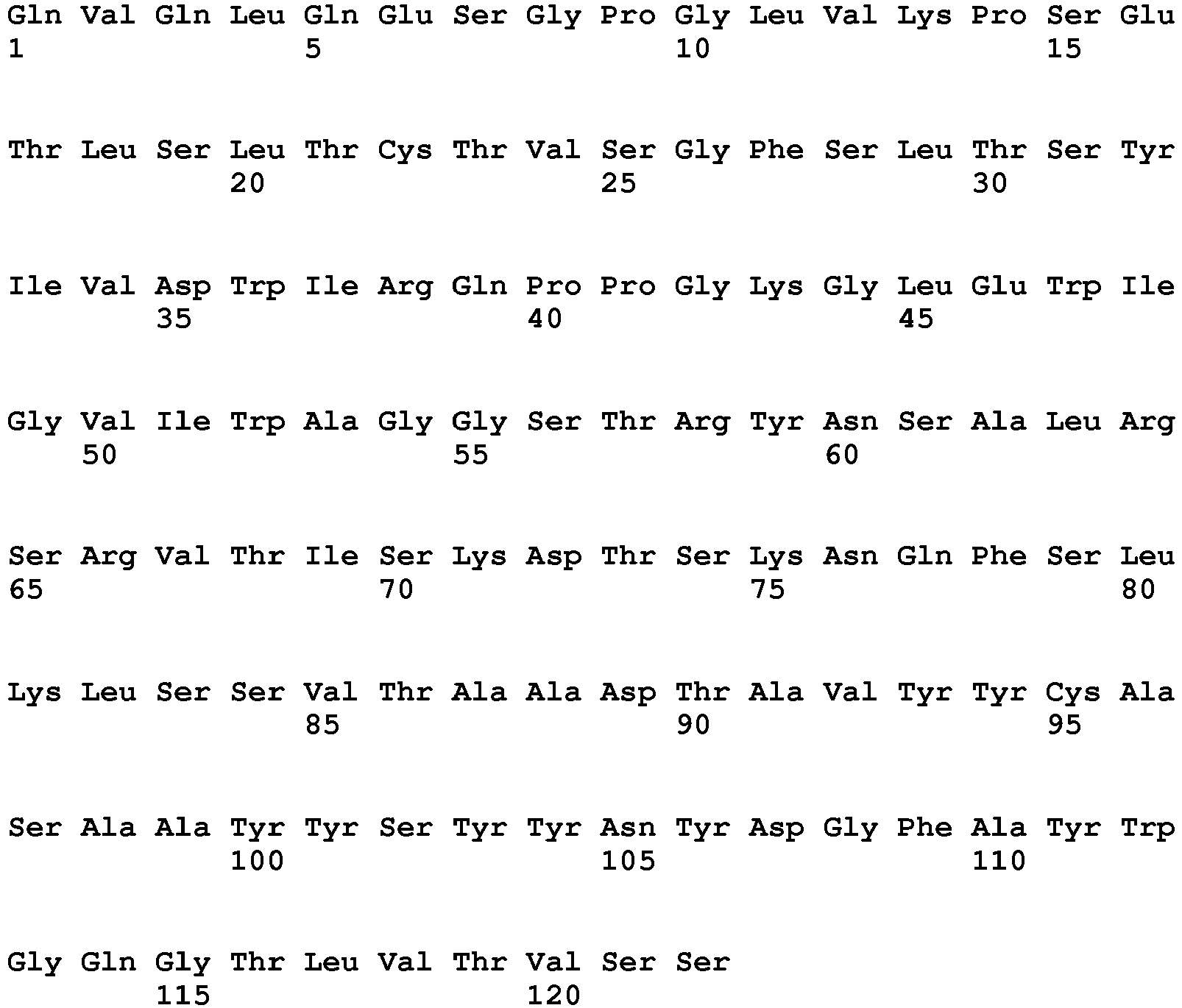
- <210> 23
<211> 112
<212> PRT
<213> Artificial Sequence - <220>
<223> Engineered Antibody Sequence, Light Chain Variable Domain ENG VK 11 - <400> 23


- <210> 24
<211> 122
<212> PRT
<213> Artificial Sequence - <220>
<223> Engineered Antibody Sequence, Heavy Chain VariableDomain ENG VH 15 - <400> 24

- <210> 25
<211> 112
<212> PRT
<213> Artificial Sequence - <220>
<223> Engineered Antibody Sequence, Light Chain Variable Domain,ENG VK 17 - <400> 25

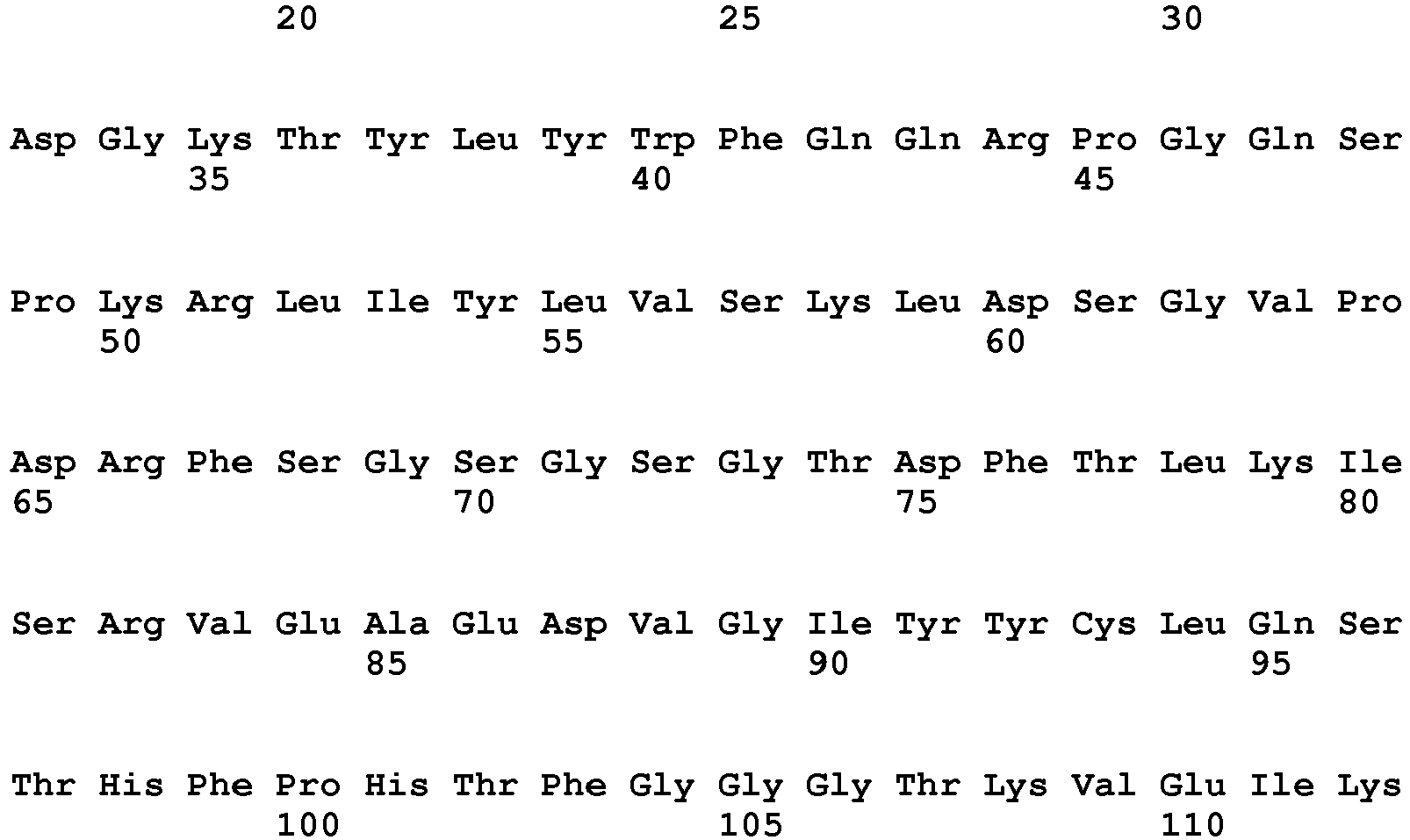
- <210> 26
<211> 122
<212> PRT
<213> Artificial Sequence - <220>
<223> Engineered Antibody Sequence, Heavy Chain VariableDomain ENG VH 31 - <400> 26

- <210> 27
<211> 112
<212> PRT
<213> Artificial Sequence - <220>
<223> Engineered Antibody Sequence, Light Chain Variable Domain,ENG VK 18 - <400> 27

- <210> 28
<211> 15
<212> PRT
<213> Artificial Sequence - <220>
<223> Linker - <400> 28

- <210> 29
<211> 25
<212> PRT
<213> Artificial Sequence - <220>
<223> Linker - <400> 29


- <210> 30
<211> 21
<212> PRT
<213> Artificial Sequence - <220>
<223> Linker - <400> 30

- <210> 31
<211> 18
<212> PRT
<213> Artificial Sequence - <220>
<223> Linker - <400> 31

- <210> 32
<211> 251
<212> PRT
<213> Artificial Sequence - <220>
<223> Engineered Antibody Sequence, scFv - <400> 32


- <210> 33
<211> 251
<212> PRT
<213> Artificial Sequence - <220>
<223> Engineered Antibody Sequence, scFv2 - <400> 33


- <210> 34
<211> 452
<212> PRT
<213> Artificial Sequence - <220>
<223> Engineered Antibody Sequence, IgG1 Heavy Chain - <400> 34


- <210> 35
<211> 219
<212> PRT
<213> Artificial Sequence - <220>
<223> Engineered Antibody Sequence, IgG1 Light Chain - <400> 35

- <210> 36
<211> 225
<212> PRT
<213> Artificial Sequence - <220>
<223> Engineered Antibody Sequence, Fab Fd - <400> 36

- <210> 37
<211> 219
<212> PRT
<213> Artificial Sequence - <220>
<223> Engineered Antibody Sequence, Fab Light Chain - <400> 37

- <210> 38
<211> 226
<212> PRT
<213> Artificial Sequence - <220>
<223> Engineered Antibody Sequence, Fab Fd - <400> 38


- <210> 39
<211> 220
<212> PRT
<213> Artificial Sequence - <220>
<223> Engineered Antibody Sequence, Fab Light Chain - <400> 39


- <210> 40
<211> 452
<212> PRT
<213> Artificial Sequence - <220>
<223> Engineered Antibody Sequence, IgG1 Heavy Chain - <400> 40


- <210> 41
<211> 229
<212> PRT
<213> Artificial - <220>
<223> Engineered Antibody Sequence, Fab Fd - <400> 41


- <210> 42
<211> 452
<212> PRT
<213> Artificial - <220>
<223> Mouse/Human Chimeric IgG Heavy Chain - <400> 42


- <210> 43
<211> 219
<212> PRT
<213> Artificial - <220>
<223> Mouse/Human Chimeric IgG Light Chain - <400> 43


- <210> 44
<211> 107
<212> PRT
<213> Homo Sapiens - <400> 44
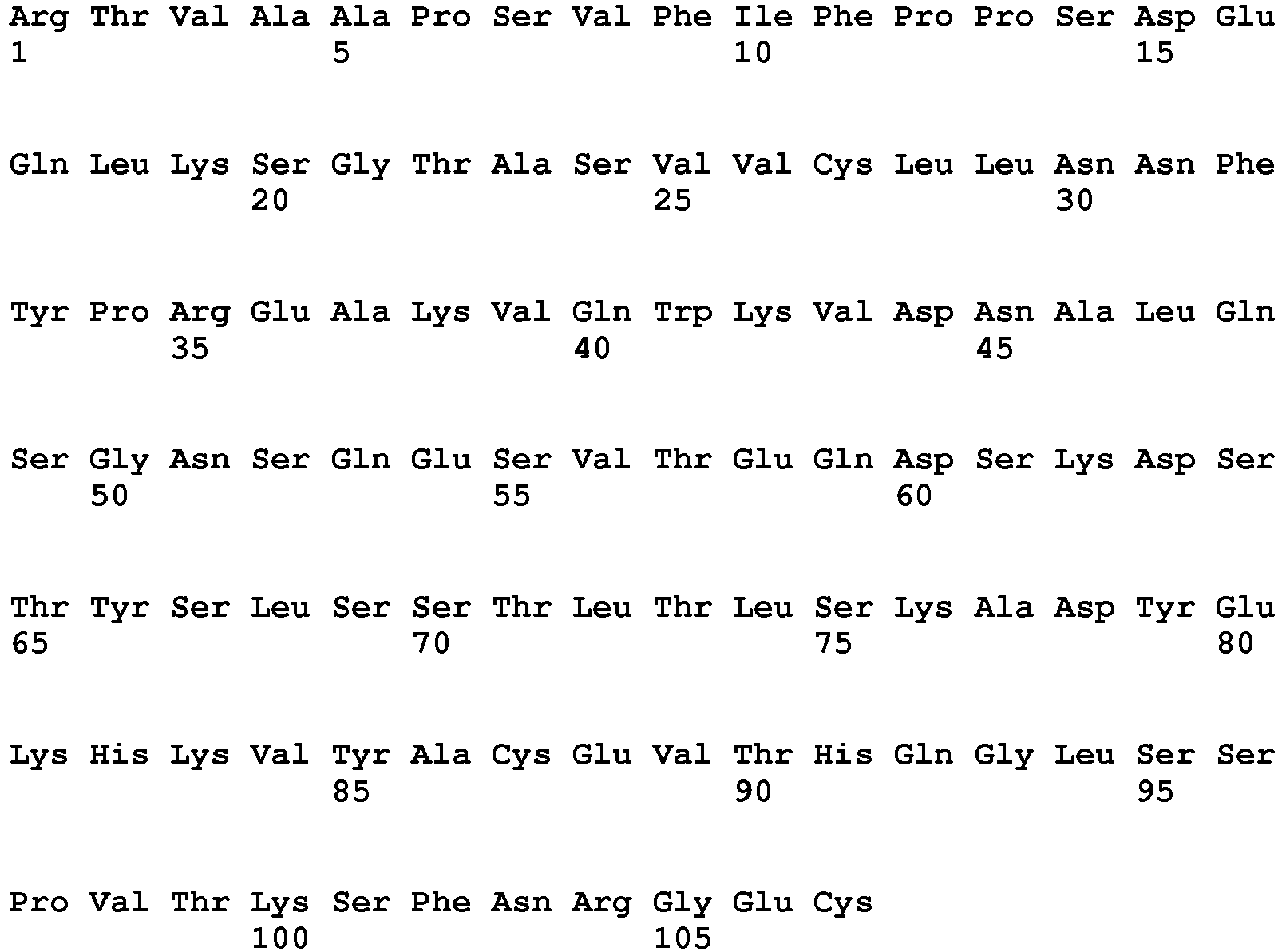
- <210> 45
<211> 330
<212> PRT
<213> Homo Sapiens - <400> 45


Claims (20)
- An antibody molecule having binding specificity for dabigatran which comprises a heavy chain variable domain with a CDR1 of SEQ ID NO: 1, a CDR2 of SEQ ID NO: 7, a CDR3 of SEQ ID NO: 10, and a light chain variable domain with a CDR1 of SEQ ID NO: 13, a CDR2 of SEQ ID NO: 14, and a CDR3 of SEQ ID NO: 15.
- The antibody molecule of claim 1 which comprises a heavy chain variable domain of SEQ ID NO: 24, and a light chain variable domain of SEQ ID No: 27.
- The antibody molecule of any one of the preceding claims which is a monoclonal antibody, a human antibody, a humanized antibody, a chimeric antibody, a fragment of an antibody, in particular a Fab, Fab', or F(ab')2 fragment, a single chain antibody, in particular a single chain variable fragment (scFv), a Small Modular Immunopharmaceutical (SMIP), or a diabody.
- The antibody molecule of claim 3 which is a scFv, wherein the heavy chain variable domain and the light chain variable domain are linked to each other through a linker peptide selected from the group consisting of SEQ ID NO: 28, SEQ ID NO: 29, SEQ ID NO: 30, and SEQ ID NO: 31.
- The antibody molecule of claim 3 having a heavy chain comprising SEQ ID NO: 40, and a light chain comprising SEQ ID NO: 35.
- The antibody of claim 3 which is a Fab molecule having an Fd fragment comprising SEQ ID NO: 36, or SEQ ID NO: 41, and a light chain comprising SEQ ID NO: 37.
- The antibody of claim 6 having an Fd fragment comprising SEQ ID NO: 36, and a light chain comprising SEQ ID NO: 37.
- The antibody molecule of any one of the preceding claims for use as a medicament.
- Antibody molecule of any one of the preceding claims for use as an antidote of dabigatran or dabigatran etexilate therapy, and/or for reversal of an overdosing of dabigatran or dabigatran etexilate.
- Method of manufacturing an antibody molecule of any one of the preceding claims, comprising(a) providing a host cell comprising one or more nucleic acids encoding said antibody molecule in functional association with an expression control sequence,(b) cultivating said host cell, and(c) recovering the antibody molecule from the cell culture.
- A kit comprising:(a) an antibody of any one of claims 1 to 7, or a pharmaceutical composition thereof;(b) a pharmaceutical composition of dabigatran, dabigatran etexilate, a prodrug of dabigatran or a pharmaceutically acceptable salt thereof;(c) a container; and(d) a label.
- The kit according to claim 11, wherein the pharmaceutically acceptable salt of dabigatran etexilate is a mesylate salt.
- The kit according to claim 11 or 12, wherein the strength per dosage unit of the dabigatran, dabigatran etexilate, a prodrug of dabigatran or a pharmaceutically acceptable salt thereof is between 75 mg and 300 mg, either once-a-day (QD) or twice-a-day (BID).
- A kit comprising:(a) a first pharmaceutical composition comprising dabigatran, dabigatran etexilate, a prodrug of dabigatran or a pharmaceutically acceptable salt thereof;(b) a second pharmaceutical composition comprising an antibody of any one of claims 1 to 7;(c) instructions for separate administration of said first and second pharmaceutical compositions to a patient,wherein said first and second pharmaceutical compositions are contained in separate containers and said second pharmaceutical composition is for use in administration to a patient requiring neutralization or partial neutralization of dabigatran or 1-0-acylglucuronide of dabigatran.
- An antibody of any one of claims 1 to 7 for use in a method for neutralizing or partially neutralizing dabigatran or 1-O-acylglucuronide of dabigatran in a patient being treated with dabigatran, dabigatran etexilate, a prodrug of dabigatran or a pharmaceutically acceptable salt thereof.
- An antibody of any one of claims 1 to 7 for use in a method for neutralizing or partially neutralizing dabigatran or 1-O-acylglucuronide of dabigatran in a patient comprising:(a) confirming that a patient was being treated with dabigatran, dabigatran etexilate, a prodrug of dabigatran or a pharmaceutically acceptable salt thereof, and the amount that was taken by the patient;(b) neutralizing dabigatran or 1-O-acylglucuronide with an antibody of any one of claims 1 to 9 prior to performing a clotting or coagulation test or assay wherein dabigatran or the 1-O-acylglucuronide of dabigatran would interfere with the accurate read out of the test or assay results;(c) performing the clotting or coagulation test or assay on a sample taken from the patient to determine the level of clot formation without dabigatran or 1-0-acylglucuronide of dabigatran present; and(d) adjusting an amount of dabigatran, dabigatran etexilate, a prodrug of dabigatran or a pharmaceutically acceptable salt thereof administered to the patient in order to achieve the appropriate balance between clot formation and degradation in a patient.
- The antibody for use according to claims 15 or 16, wherein the amount of antibody to dabigatran or 1-0-acylglucuronide of dabigatran is in the molar ratio of between 0.1 and 100.
- The antibody for use according to claim 17, wherein the amount of antibody to dabigatran or 1-O-acylglucuronide of dabigatran is in the molar ratio of between 0.1 and 10.
- The antibody for use according to claim 16, wherein the accurate read out of the test or assay result is an accurate read out of fibrinogen levels, activated protein C resistance, or related tests.
- A pharmaceutical composition comprising the antibody of any one or more of claims 1 to 7, and a pharmaceutically acceptable carrier.
Priority Applications (15)
| Application Number | Priority Date | Filing Date | Title |
|---|---|---|---|
| PL11703410T PL2525812T3 (en) | 2010-01-20 | 2011-01-20 | Anticoagulant antidotes |
| MEP-2017-29A ME02602B (en) | 2010-01-20 | 2011-01-20 | Contaminants that reduce COD |
| SI201131156A SI2525812T1 (en) | 2010-01-20 | 2011-01-20 | Anticoagulant antidotes |
| HRP20170613TT HRP20170613T1 (en) | 2010-01-20 | 2011-01-20 | Anticoagulant antidotes |
| RS20170195A RS55683B1 (en) | 2010-01-20 | 2011-01-20 | ANTICOAGULANT ANTIVATES |
| EP11703410.8A EP2525812B1 (en) | 2010-01-20 | 2011-01-20 | Anticoagulant antidotes |
| EP16205771.5A EP3195876A1 (en) | 2010-01-20 | 2011-01-20 | Anticoagulant antidotes |
| CY20171100361T CY1118875T1 (en) | 2010-01-20 | 2017-03-22 | Antibiotic Antibiotics |
| NL300882C NL300882I2 (en) | 2010-01-20 | 2017-07-06 | idarucizumab |
| CY2017025C CY2017025I1 (en) | 2010-01-20 | 2017-07-10 | ANTICOAGULANT ANTIDOTES |
| FR17C1026C FR17C1026I2 (en) | 2010-01-20 | 2017-07-10 | ANTICOAGULANT ANTIDOTES |
| LTPA2017021C LTC2525812I2 (en) | 2010-01-20 | 2017-07-10 | Anticoagulant antidotes |
| NO2017034C NO2017034I1 (en) | 2010-01-20 | 2017-07-11 | Idarucizumab |
| LU00028C LUC00028I2 (en) | 2010-01-20 | 2017-07-12 | |
| HUS1700030C HUS1700030I1 (en) | 2010-01-20 | 2017-07-13 | Anticoagulant, antidotes |
Applications Claiming Priority (4)
| Application Number | Priority Date | Filing Date | Title |
|---|---|---|---|
| EP10151239 | 2010-01-20 | ||
| US38391410P | 2010-09-17 | 2010-09-17 | |
| EP11703410.8A EP2525812B1 (en) | 2010-01-20 | 2011-01-20 | Anticoagulant antidotes |
| PCT/EP2011/050749 WO2011089183A2 (en) | 2010-01-20 | 2011-01-20 | Anticoagulant antidotes |
Related Child Applications (1)
| Application Number | Title | Priority Date | Filing Date |
|---|---|---|---|
| EP16205771.5A Division EP3195876A1 (en) | 2010-01-20 | 2011-01-20 | Anticoagulant antidotes |
Publications (2)
| Publication Number | Publication Date |
|---|---|
| EP2525812A2 EP2525812A2 (en) | 2012-11-28 |
| EP2525812B1 true EP2525812B1 (en) | 2017-01-18 |
Family
ID=42061991
Family Applications (2)
| Application Number | Title | Priority Date | Filing Date |
|---|---|---|---|
| EP16205771.5A Withdrawn EP3195876A1 (en) | 2010-01-20 | 2011-01-20 | Anticoagulant antidotes |
| EP11703410.8A Active EP2525812B1 (en) | 2010-01-20 | 2011-01-20 | Anticoagulant antidotes |
Family Applications Before (1)
| Application Number | Title | Priority Date | Filing Date |
|---|---|---|---|
| EP16205771.5A Withdrawn EP3195876A1 (en) | 2010-01-20 | 2011-01-20 | Anticoagulant antidotes |
Country Status (43)
Families Citing this family (25)
| Publication number | Priority date | Publication date | Assignee | Title |
|---|---|---|---|---|
| TWI513466B (en) * | 2010-01-20 | 2015-12-21 | Boehringer Ingelheim Int | Anticoagulant antidotes |
| CA2858350A1 (en) | 2011-01-14 | 2013-07-19 | The Regents Of The University Of California | Therapeutic antibodies against ror-1 protein and methods for use of same |
| CN103619883A (en) * | 2011-01-19 | 2014-03-05 | 拜耳知识产权有限责任公司 | Binding proteins to inhibitors of coagulation factors |
| PE20140964A1 (en) * | 2011-03-30 | 2014-08-17 | Boehringer Ingelheim Int | ANTICOAGULANT ANTIDOTES |
| WO2013082210A1 (en) | 2011-11-29 | 2013-06-06 | Perosphere Inc. | Anticoagulant reversal agents |
| US9593166B2 (en) | 2013-03-14 | 2017-03-14 | Bayer Healthcare Llc | Monoclonal antibodies against antithrombin β |
| WO2015059159A1 (en) * | 2013-10-25 | 2015-04-30 | Boehringer Ingelheim International Gmbh | Anticoagulant antidotes |
| TW201623331A (en) * | 2014-03-12 | 2016-07-01 | 普羅帝納生物科學公司 | Anti-MCAM antibodies and associated methods of use |
| CN105223348A (en) * | 2014-05-26 | 2016-01-06 | 北京九强生物技术股份有限公司 | The latex enhancing immune turbidimetry detection kit of people's Antithrombin III |
| EP2980218A1 (en) * | 2014-07-30 | 2016-02-03 | Rheinische Friedrich-Wilhelms-Universität Bonn | Aptamer thrombin complex for use as an antidote to direct acting thrombin inhibitors |
| EP3175245B1 (en) * | 2014-07-31 | 2019-05-29 | Haemonetics Corporation | Detection and classification of an anticoagulant using a clotting assay |
| WO2016044645A1 (en) * | 2014-09-17 | 2016-03-24 | Elmaleh David R | Anticoagulant derivatives for cardiovascular imaging |
| WO2016107605A1 (en) | 2014-12-31 | 2016-07-07 | 昆明积大制药股份有限公司 | Pharmaceutical composition and preparation method therefor |
| CN109078006B (en) | 2016-03-29 | 2021-04-20 | 深圳市药欣生物科技有限公司 | A kind of pharmaceutical preparation of Palbociclib and preparation method thereof |
| US11879014B2 (en) | 2017-03-17 | 2024-01-23 | Tusk Therapeutics Ltd. | Method of treating cancer or depleting regulatory T cells in a subject by administering a human IGG1 anti-CD25 antibody |
| FI3730612T3 (en) * | 2017-12-24 | 2026-04-30 | Noile Immune Biotech Inc | IMMUNOCOMPETENT CELL SPECIFICALLY EXPRESSES HUMAN MESOTHELIN, IL-7 AND CCL19 RECOGNIZING CELL MEMBRANE MOLECULE |
| AU2019233576A1 (en) | 2018-03-13 | 2020-09-17 | Cancer Research Technology Limited | Anti-CD25 for tumour specific cell depletion |
| WO2019217705A1 (en) * | 2018-05-11 | 2019-11-14 | Proplex Technologies, LLC | Binding proteins and chimeric antigen receptor t cells targeting gasp-1 granules and uses thereof |
| CN116813691B (en) | 2018-10-29 | 2024-04-12 | 丽珠医药集团股份有限公司 | New dipeptide compounds and their uses |
| US12251377B2 (en) | 2019-03-06 | 2025-03-18 | University Of Rochester | Anticoagulant compositions and uses thereof |
| CN114306245A (en) | 2020-09-29 | 2022-04-12 | 深圳市药欣生物科技有限公司 | Pharmaceutical composition of amorphous solid dispersion and preparation method thereof |
| TW202321311A (en) * | 2021-08-02 | 2023-06-01 | 日商諾伊爾免疫生物科技股份有限公司 | Antibody binding to linker of scFv or like |
| US11446286B1 (en) * | 2022-02-28 | 2022-09-20 | King Faisal University | Treatment of fungal infections using dabigatran etexilate |
| NL2036011B1 (en) | 2023-10-12 | 2025-04-30 | Synapse Res Institute | Molecules for reversing anti-coagulant activity of direct oral anticoagulants |
| WO2025149667A1 (en) | 2024-01-12 | 2025-07-17 | Pheon Therapeutics Ltd | Antibody drug conjugates and uses thereof |
Family Cites Families (31)
| Publication number | Priority date | Publication date | Assignee | Title |
|---|---|---|---|---|
| US6087380A (en) | 1949-11-24 | 2000-07-11 | Boehringer Ingelheim Pharma Kg | Disubstituted bicyclic heterocycles, the preparations and the use thereof as pharmaceutical compositions |
| WO1988001649A1 (en) | 1986-09-02 | 1988-03-10 | Genex Corporation | Single polypeptide chain binding molecules |
| ES2052027T5 (en) | 1988-11-11 | 2005-04-16 | Medical Research Council | IMMUNOGLOBULINE VARIABLE DOMAIN SEQUENCE CLONING. |
| US5530101A (en) * | 1988-12-28 | 1996-06-25 | Protein Design Labs, Inc. | Humanized immunoglobulins |
| US5427908A (en) | 1990-05-01 | 1995-06-27 | Affymax Technologies N.V. | Recombinant library screening methods |
| ES2102007T3 (en) * | 1992-01-23 | 1997-07-16 | Merck Patent Gmbh | MONOMER AND DIMER ANTIBODY FRAGMENT FUSION PROTEINS. |
| DE4203965A1 (en) | 1992-02-11 | 1993-08-12 | Max Planck Gesellschaft | ANTIDOT FOR HIRUDIN AND SYNTHETIC THROMBIN INHIBITORS |
| PT1621554E (en) | 1992-08-21 | 2009-07-13 | Univ Bruxelles | IMMUNOGLOBTAINES OF LIGHT CHAINS |
| JP3720353B2 (en) | 1992-12-04 | 2005-11-24 | メディカル リサーチ カウンシル | Multivalent and multispecific binding proteins, their production and use |
| DE69420137T2 (en) | 1993-06-03 | 1999-12-23 | Therapeutic Antibodies, Inc. | PRODUCTION OF ANTIBODY FRAGMENTS |
| AT404357B (en) | 1995-06-13 | 1998-11-25 | Immuno Ag | PROTHROMINE DERIVATIVES |
| DE19605126A1 (en) | 1996-02-12 | 1997-08-14 | Basf Ag | Thrombin muteins as an antidote for thrombin inhibitors |
| US6200955B1 (en) | 1996-06-11 | 2001-03-13 | Commonwealth Biotechnologies, Inc. | Heparin binding peptides |
| GB9625640D0 (en) | 1996-12-10 | 1997-01-29 | Celltech Therapeutics Ltd | Biological products |
| PE121699A1 (en) * | 1997-02-18 | 1999-12-08 | Boehringer Ingelheim Pharma | BICYCLE HETERO CYCLES DISSTITUTED AS INHIBITORS OF THROMBIN |
| AU7266698A (en) | 1997-04-30 | 1998-11-24 | Enzon, Inc. | Polyalkylene oxide-modified single chain polypeptides |
| DE19729544A1 (en) * | 1997-07-10 | 1999-01-14 | Basf Ag | Ancrod specific monoclonal antibodies, antibody fragments, their mixture or derivatives and their use |
| US6440417B1 (en) | 1998-11-06 | 2002-08-27 | Conjuchem, Inc. | Antibodies to argatroban derivatives and their use in therapeutic and diagnostic treatments |
| US6624141B1 (en) | 1999-03-17 | 2003-09-23 | The Regents Of The University Of Michigan | Protamine fragment compositions and methods of use |
| EP1274720A4 (en) | 2000-04-12 | 2004-08-18 | Human Genome Sciences Inc | ALBUMIN FUSED PROTEINS |
| CN101684158A (en) | 2001-01-17 | 2010-03-31 | 特鲁比昂药品公司 | Binding domain-immunoglobulin fusion proteins |
| US20040097547A1 (en) | 2001-04-16 | 2004-05-20 | Taveras Arthur G. | 3,4-Di-substituted cyclobutene-1,2-diones as CXC-chemokine receptor ligands |
| US20070031438A1 (en) * | 2001-12-10 | 2007-02-08 | Junghans Richard P | Antibodies as chimeric effector cell receptors against tumor antigens |
| US20050214857A1 (en) | 2001-12-11 | 2005-09-29 | Algonomics N.V. | Method for displaying loops from immunoglobulin domains in different contexts |
| EP1600459A3 (en) | 2002-06-28 | 2005-12-07 | Domantis Limited | Ligand |
| EP2284192A3 (en) | 2002-11-08 | 2011-07-20 | Ablynx N.V. | Camelidae antibodies for sublingual administration |
| SI1639011T1 (en) | 2003-06-30 | 2009-04-30 | Domantis Ltd | Pegylated single domain antibodies (dAb) |
| EP2193196B1 (en) * | 2007-09-28 | 2016-07-13 | Portola Pharmaceuticals, Inc. | Antidotes for factor xa inhibitors and methods of using the same |
| AR070141A1 (en) * | 2008-01-23 | 2010-03-17 | Glenmark Pharmaceuticals Sa | SPECIFIC HUMANIZED ANTIBODIES FOR VON WILLEBRAND FACTOR |
| BR112012004169A2 (en) | 2009-08-24 | 2016-03-29 | Boehringer Ingelheim Int | emergency interventions with activated charcoal in dabigatran etexilate overdose |
| TWI513466B (en) | 2010-01-20 | 2015-12-21 | Boehringer Ingelheim Int | Anticoagulant antidotes |
-
2011
- 2011-01-19 TW TW100102006A patent/TWI513466B/en active
- 2011-01-19 AR ARP110100179A patent/AR079944A1/en active IP Right Grant
- 2011-01-20 WO PCT/EP2011/050749 patent/WO2011089183A2/en not_active Ceased
- 2011-01-20 JP JP2012549355A patent/JP5575923B2/en active Active
- 2011-01-20 DK DK11703410.8T patent/DK2525812T3/en active
- 2011-01-20 HU HUE11703410A patent/HUE032263T2/en unknown
- 2011-01-20 PH PH1/2012/501493A patent/PH12012501493A1/en unknown
- 2011-01-20 SG SG2012052445A patent/SG182552A1/en unknown
- 2011-01-20 UA UAA201209779A patent/UA110470C2/en unknown
- 2011-01-20 LT LTEP11703410.8T patent/LT2525812T/en unknown
- 2011-01-20 CA CA2787566A patent/CA2787566A1/en not_active Abandoned
- 2011-01-20 MY MYPI2012002840A patent/MY162323A/en unknown
- 2011-01-20 MX MX2012008360A patent/MX2012008360A/en active IP Right Grant
- 2011-01-20 AP AP2012006242A patent/AP2012006242A0/en unknown
- 2011-01-20 CN CN201180006616.4A patent/CN102711813B/en active Active
- 2011-01-20 PE PE2012000997A patent/PE20121516A1/en active IP Right Grant
- 2011-01-20 ME MEP-2017-29A patent/ME02602B/en unknown
- 2011-01-20 BR BR112012018021-5A patent/BR112012018021B1/en active IP Right Grant
- 2011-01-20 KR KR1020127019086A patent/KR101781787B1/en active Active
- 2011-01-20 SI SI201131156A patent/SI2525812T1/en unknown
- 2011-01-20 UY UY0001033196A patent/UY33196A/en active IP Right Grant
- 2011-01-20 PL PL11703410T patent/PL2525812T3/en unknown
- 2011-01-20 EP EP16205771.5A patent/EP3195876A1/en not_active Withdrawn
- 2011-01-20 US US13/010,403 patent/US8486398B2/en active Active
- 2011-01-20 RS RS20170195A patent/RS55683B1/en unknown
- 2011-01-20 NZ NZ599508A patent/NZ599508A/en unknown
- 2011-01-20 HR HRP20170613TT patent/HRP20170613T1/en unknown
- 2011-01-20 ES ES11703410.8T patent/ES2614992T3/en active Active
- 2011-01-20 GE GEAP201112836A patent/GEP20156341B/en unknown
- 2011-01-20 AU AU2011208719A patent/AU2011208719C1/en active Active
- 2011-01-20 EA EA201201016A patent/EA028371B1/en active Protection Beyond IP Right Term
- 2011-01-20 EP EP11703410.8A patent/EP2525812B1/en active Active
- 2011-01-20 MA MA35080A patent/MA33936B1/en unknown
- 2011-01-20 PT PT117034108T patent/PT2525812T/en unknown
-
2012
- 2012-04-19 ZA ZA2012/02876A patent/ZA201202876B/en unknown
- 2012-04-25 IL IL219427A patent/IL219427B/en active IP Right Grant
- 2012-07-18 TN TNP2012000366A patent/TN2012000366A1/en unknown
- 2012-07-23 CO CO12123109A patent/CO6571889A2/en active IP Right Grant
- 2012-08-14 EC ECSP12012105 patent/ECSP12012105A/en unknown
-
2013
- 2013-06-13 US US13/916,994 patent/US9034822B2/en active Active
-
2014
- 2014-07-02 JP JP2014136811A patent/JP2014210794A/en active Pending
-
2015
- 2015-04-13 US US14/684,576 patent/US20150210778A1/en not_active Abandoned
-
2017
- 2017-03-22 CY CY20171100361T patent/CY1118875T1/en unknown
- 2017-07-06 NL NL300882C patent/NL300882I2/en unknown
- 2017-07-10 FR FR17C1026C patent/FR17C1026I2/en active Active
- 2017-07-10 CY CY2017025C patent/CY2017025I1/en unknown
- 2017-07-10 LT LTPA2017021C patent/LTC2525812I2/en unknown
- 2017-07-11 NO NO2017034C patent/NO2017034I1/en unknown
- 2017-07-12 LU LU00028C patent/LUC00028I2/fr unknown
- 2017-07-13 HU HUS1700030C patent/HUS1700030I1/en unknown
-
2022
- 2022-08-12 NO NO2022036C patent/NO2022036I1/en unknown
Non-Patent Citations (2)
| Title |
|---|
| H KASPAR BINZ ET AL: "Engineering novel binding proteins from nonimmunoglobulin domains", NATURE BIOTECHNOLOGY, vol. 23, no. 10, 1 October 2005 (2005-10-01), pages 1257 - 1268, XP055023079, ISSN: 1087-0156, DOI: 10.1038/nbt1127 * |
| RUDIKOFF S ET AL: "Single amino acid substitution altering antigen-binding specificity", PROCEEDINGS OF THE NATIONAL ACADEMY OF SCIENCES, NATIONAL ACADEMY OF SCIENCES, US, vol. 79, 1 March 1982 (1982-03-01), pages 1979 - 1983, XP007901436, ISSN: 0027-8424, DOI: 10.1073/PNAS.79.6.1979 * |
Also Published As
Similar Documents
| Publication | Publication Date | Title |
|---|---|---|
| US8486398B2 (en) | Anticoagulant antidotes comprising antibodies that bind dabigatran and/or related compounds | |
| AU2011208719B2 (en) | Anticoagulant antidotes | |
| US8821871B2 (en) | Anticoagulant antidotes comprising antibodies that bind dabigatran and/or related compounds and methods of use thereof | |
| US9499633B2 (en) | Dabigatran antidotes | |
| HK1173957B (en) | Anticoagulant antidotes | |
| NZ613543B2 (en) | Anticoagulant antidotes | |
| HK1189532A (en) | Anticoagulant antidotes | |
| OA16600A (en) | Anticoagulant antidotes. | |
| AU2012234338A1 (en) | Anticoagulant antidotes |
Legal Events
| Date | Code | Title | Description |
|---|---|---|---|
| PUAI | Public reference made under article 153(3) epc to a published international application that has entered the european phase |
Free format text: ORIGINAL CODE: 0009012 |
|
| 17P | Request for examination filed |
Effective date: 20120820 |
|
| AK | Designated contracting states |
Kind code of ref document: A2 Designated state(s): AL AT BE BG CH CY CZ DE DK EE ES FI FR GB GR HR HU IE IS IT LI LT LU LV MC MK MT NL NO PL PT RO RS SE SI SK SM TR |
|
| AX | Request for extension of the european patent |
Extension state: BA ME |
|
| 17Q | First examination report despatched |
Effective date: 20140610 |
|
| GRAP | Despatch of communication of intention to grant a patent |
Free format text: ORIGINAL CODE: EPIDOSNIGR1 |
|
| INTG | Intention to grant announced |
Effective date: 20160907 |
|
| GRAS | Grant fee paid |
Free format text: ORIGINAL CODE: EPIDOSNIGR3 |
|
| GRAA | (expected) grant |
Free format text: ORIGINAL CODE: 0009210 |
|
| GRAT | Correction requested after decision to grant or after decision to maintain patent in amended form |
Free format text: ORIGINAL CODE: EPIDOSNCDEC |
|
| AK | Designated contracting states |
Kind code of ref document: B1 Designated state(s): AL AT BE BG CH CY CZ DE DK EE ES FI FR GB GR HR HU IE IS IT LI LT LU LV MC MK MT NL NO PL PT RO RS SE SI SK SM TR |
|
| AX | Request for extension of the european patent |
Extension state: BA ME |
|
| REG | Reference to a national code |
Ref country code: GB Ref legal event code: FG4D |
|
| REG | Reference to a national code |
Ref country code: FR Ref legal event code: PLFP Year of fee payment: 7 |
|
| REG | Reference to a national code |
Ref country code: CH Ref legal event code: EP |
|
| REG | Reference to a national code |
Ref country code: AT Ref legal event code: REF Ref document number: 862499 Country of ref document: AT Kind code of ref document: T Effective date: 20170215 |
|
| REG | Reference to a national code |
Ref country code: IE Ref legal event code: FG4D |
|
| REG | Reference to a national code |
Ref country code: DK Ref legal event code: T3 Effective date: 20170220 |
|
| REG | Reference to a national code |
Ref country code: DE Ref legal event code: R096 Ref document number: 602011034444 Country of ref document: DE |
|
| REG | Reference to a national code |
Ref country code: RO Ref legal event code: EPE |
|
| REG | Reference to a national code |
Ref country code: NL Ref legal event code: FP |
|
| REG | Reference to a national code |
Ref country code: HR Ref legal event code: TUEP Ref document number: P20170613 Country of ref document: HR |
|
| REG | Reference to a national code |
Ref country code: SE Ref legal event code: TRGR |
|
| REG | Reference to a national code |
Ref country code: PT Ref legal event code: SC4A Ref document number: 2525812 Country of ref document: PT Date of ref document: 20170426 Kind code of ref document: T Free format text: AVAILABILITY OF NATIONAL TRANSLATION Effective date: 20170411 |
|
| REG | Reference to a national code |
Ref country code: NO Ref legal event code: T2 Effective date: 20170118 |
|
| REG | Reference to a national code |
Ref country code: ES Ref legal event code: FG2A Ref document number: 2614992 Country of ref document: ES Kind code of ref document: T3 Effective date: 20170602 |
|
| REG | Reference to a national code |
Ref country code: EE Ref legal event code: FG4A Ref document number: E013614 Country of ref document: EE Effective date: 20170412 |
|
| REG | Reference to a national code |
Ref country code: HR Ref legal event code: T1PR Ref document number: P20170613 Country of ref document: HR |
|
| REG | Reference to a national code |
Ref country code: FR Ref legal event code: CP Free format text: PRODUCT NAME: IDARUCIZUMAB; REGISTRATION NO/DATE: EU/1/15/1056 20151124 Spc suppl protection certif: 17C1026 Filing date: 20170710 Extension date: 20301124 Ref country code: FR Ref legal event code: CP Free format text: PRODUCT NAME: IDARUCIZUMAB; REGISTRATION NO/DATE: EU/1/15/1056 20151124 Spc suppl protection certif: 17C1026 Filing date: 20170710 |
|
| REG | Reference to a national code |
Ref country code: NL Ref legal event code: SPCF Free format text: PRODUCT NAME: IDARUCIZUMAB; REGISTRATION NO/DATE: EU/1/15/1056/001 20151124 Spc suppl protection certif: 300882 Filing date: 20170706 Expiry date: 20310119 Extension date: 20301123 Ref country code: FI Ref legal event code: SPCF Spc suppl protection certif: C20170034 |
|
| REG | Reference to a national code |
Ref country code: NO Ref legal event code: SPCF Free format text: PRODUCT NAME: IDARUCIZUMAB; NORWEGIAN MARKETING AUTHORISATION: 2015.11.24 , NO , EU/1/15/1056 , PRAXBIND IDARUCIZUMAB Spc suppl protection certif: 2017034 Filing date: 20170711 |
|
| REG | Reference to a national code |
Ref country code: LT Ref legal event code: SPCF Free format text: PRODUCT NAME: IDARUCIZUMABAS; REGISTRATION NO/DATE: EU/1/15/1056/001 20151120 Spc suppl protection certif: PA2017021 Filing date: 20170710 Expiry date: 20310120 |
|
| REG | Reference to a national code |
Ref country code: NL Ref legal event code: SPCG Free format text: PRODUCT NAME: IDARUCIZUMAB; REGISTRATION NO/DATE: EU/1/15/1056/001 20151124 Spc suppl protection certif: 300882 Filing date: 20170706 Expiry date: 20310119 Extension date: 20301123 Effective date: 20170720 |
|
| REG | Reference to a national code |
Ref country code: CH Ref legal event code: SPCF Free format text: PRODUCT NAME: IDARUCIZUMABUM; REGISTRATION NO/DATE: SWISSMEDIC 65804 20.07.2016 Filing date: 20170714 |
|
| REG | Reference to a national code |
Ref country code: SE Ref legal event code: SPCF Free format text: PRODUCT NAME: IDARUCIZUMAB; REG. NO/DATE: EU/1/15/1056 20151124 Spc suppl protection certif: 1790034-1 Ref country code: DE Ref legal event code: R065 Ref document number: 602011034444 Country of ref document: DE Free format text: PRODUCT NAME: LDARUCIZUMAB; REGISTRATION NO/DATE: EU/1/15/1056 20151120 Spc suppl protection certif: 122017000046 Filing date: 20170713 Expiry date: 20310121 |
|
| REG | Reference to a national code |
Ref country code: LU Ref legal event code: SPCF Free format text: PRODUCT NAME: PRAXBIND - IDARUCIZUMAB; AUTHORISATION NUMBER AND DATE: EU/1/15/1056 20151124 Spc suppl protection certif: LUC00028 Filing date: 20170712 Expiry date: 20310120 Extension date: 20301124 |
|
| REG | Reference to a national code |
Ref country code: GR Ref legal event code: EP Ref document number: 20170400859 Country of ref document: GR Effective date: 20170804 |
|
| REG | Reference to a national code |
Ref country code: GB Ref legal event code: CTFF Free format text: PRODUCT NAME: IDARUCIZUMAB; REGISTERED: UK EU/1/15/1056 20151124 Spc suppl protection certif: SPC/GB17/044 Filing date: 20170714 Ref country code: IE Ref legal event code: SPCF Free format text: PRODUCT NAME: IDARUCIZUMAB; REGISTRATION NO/DATE: EU/15/1056/001 20151120 Spc suppl protection certif: 2017/030 Filing date: 20170711 |
|
| REG | Reference to a national code |
Ref country code: EE Ref legal event code: AA1Y Ref document number: E013614 Country of ref document: EE Free format text: PRODUCT NAME: IDARUTSIZUMAB;REG NO/DATE: EU/1/15/1056 24.11.2015 Spc suppl protection certif: C20170024 Filing date: 20170711 |
|
| REG | Reference to a national code |
Ref country code: HU Ref legal event code: AA1S Ref document number: E032263 Country of ref document: HU Spc suppl protection certif: S1700030 Filing date: 20170713 |
|
| REG | Reference to a national code |
Ref country code: SI Ref legal event code: SPCF Ref document number: 2525812 Country of ref document: SI Kind code of ref document: T1 Free format text: PRODUCT NAME: IDARUCIZUMAB; NATIONAL AUTHORISATION NUMBER: EU/1/15/1056/001; DATE OF NATIONAL AUTHORISATION: 20151120; AUTHORITY FOR NATIONAL AUTHORISATION: EU Spc suppl protection certif: 201740024 Filing date: 20170713 |
|
| REG | Reference to a national code |
Ref country code: SK Ref legal event code: SPCF Free format text: PRODUCT NAME: IDARUCIZUMAB; REGISTRATION NO/DATE: EU/1/15/1056 20151124 Spc suppl protection certif: 14-2017 Filing date: 20170707 Ref country code: SK Ref legal event code: T3 Ref document number: E 23780 Country of ref document: SK |
|
| REG | Reference to a national code |
Ref country code: FR Ref legal event code: AV Effective date: 20170809 |
|
| REG | Reference to a national code |
Ref country code: DK Ref legal event code: CTFF Free format text: PRODUCT NAME: IDARUCIZUMAB; REG. NO/DATE: EU/1/15/1056 20151124 Spc suppl protection certif: CA 2017 00031 Filing date: 20170707 Expiry date: 20310120 Extension date: 20301124 |
|
| REG | Reference to a national code |
Ref country code: AT Ref legal event code: SPCF Ref document number: 862499 Country of ref document: AT Kind code of ref document: T Free format text: PRODUCT NAME: PULVER UND LOESUNGSMITTEL ZUR HERSTELLUNG EINER INJEKTIONS- ODER INFUSIONSLOESUNG; REGISTRATION NO/DATE: EU/1/15/1056 (MITTEILUNG) 20151124 Spc suppl protection certif: 32/2017 Filing date: 20170711 Effective date: 20170915 |
|
| REG | Reference to a national code |
Ref country code: HU Ref legal event code: AG4A Ref document number: E032263 Country of ref document: HU |
|
| REG | Reference to a national code |
Ref country code: LU Ref legal event code: SPCG Free format text: PRODUCT NAME: PRAXBIND - IDARUCIZUMAB; AUTHORISATION NUMBER AND DATE: EU/1/15/1056 20151124 Spc suppl protection certif: LUC00028 Filing date: 20170712 Expiry date: 20310120 Extension date: 20301124 Effective date: 20170925 |
|
| REG | Reference to a national code |
Ref country code: DE Ref legal event code: R097 Ref document number: 602011034444 Country of ref document: DE |
|
| REG | Reference to a national code |
Ref country code: BE Ref legal event code: SPCF Free format text: PRODUCT NAME: PRAXBIND - IDARUCIZUMAB; AUTHORISATION NUMBER AND DATE: EU/1/15/1056 20151124 Spc suppl protection certif: 2017C/026 Filing date: 20170707 Expiry date: 20310120 Extension date: 20301124 |
|
| REG | Reference to a national code |
Ref country code: AT Ref legal event code: SPCG Ref document number: 862499 Country of ref document: AT Kind code of ref document: T Free format text: PRODUCT NAME: IDARUCIZUMAB; REGISTRATION NO/DATE: EU/1/15/1056 (MITTEILUNG) 20151124 Spc suppl protection certif: 32/2017 Filing date: 20170711 Expiry date: 20310119 Extension date: 20301124 Effective date: 20171115 |
|
| PLBE | No opposition filed within time limit |
Free format text: ORIGINAL CODE: 0009261 |
|
| STAA | Information on the status of an ep patent application or granted ep patent |
Free format text: STATUS: NO OPPOSITION FILED WITHIN TIME LIMIT |
|
| PG25 | Lapsed in a contracting state [announced via postgrant information from national office to epo] |
Ref country code: SM Free format text: LAPSE BECAUSE OF FAILURE TO SUBMIT A TRANSLATION OF THE DESCRIPTION OR TO PAY THE FEE WITHIN THE PRESCRIBED TIME-LIMIT Effective date: 20170118 |
|
| REG | Reference to a national code |
Ref country code: SI Ref legal event code: SPCG Ref document number: 2525812 Country of ref document: SI Kind code of ref document: T1 Free format text: PRODUCT NAME: IDARUCIZUMAB; NATIONAL AUTHORISATION NUMBER: EU/1/15/1056/001; DATE OF NATIONAL AUTHORISATION: 20151120; AUTHORITY FOR NATIONAL AUTHORISATION: EU Spc suppl protection certif: 201740024 Filing date: 20170713 Expiry date: 20310120 Extension date: 20301124 |
|
| REG | Reference to a national code |
Ref country code: DK Ref legal event code: CTFG Free format text: PRODUCT NAME: IDARUCIZUMAB; REG. NO/DATE: EU/1/15/1056 20151124 Spc suppl protection certif: CR 2017 00031 Filing date: 20170707 Expiry date: 20310120 Extension date: 20301124 |
|
| 26N | No opposition filed |
Effective date: 20171019 |
|
| REG | Reference to a national code |
Ref country code: FR Ref legal event code: PLFP Year of fee payment: 8 |
|
| REG | Reference to a national code |
Ref country code: FR Ref legal event code: CT Free format text: PRODUCT NAME: IDARUCIZUMAB; REGISTRATION NO/DATE: EU/1/15/1056 20151124 Spc suppl protection certif: 17C1026 Filing date: 20170710 Extension date: 20310524 Ref country code: FR Ref legal event code: CT Free format text: PRODUCT NAME: IDARUCIZUMAB; REGISTRATION NO/DATE: EU/1/15/1056 20151124 Spc suppl protection certif: 17C1026 Filing date: 20170710 Extension date: 20301124 |
|
| REG | Reference to a national code |
Ref country code: ES Ref legal event code: SPCG Free format text: PRODUCT NAME: IDARUCIZUMAB; NATIONAL AUTHORISATION NUMBER: EU/1/15/1056/001; DATE OF AUTHORISATION: 20151120; NUMBER OF FIRST AUTHORISATION IN EUROPEAN ECONOMIC AREA (EEA): EU/1/15/1056; DATE OF FIRST AUTHORISATION IN EEA: 20151120 Spc suppl protection certif: C201730027 Extension date: 20301124 Effective date: 20180720 |
|
| REG | Reference to a national code |
Ref country code: FR Ref legal event code: AV Effective date: 20180725 |
|
| REG | Reference to a national code |
Ref country code: SE Ref legal event code: SPCG Free format text: PRODUCT NAME: IDARUCIZUMAB; REG. NO/DATE: EU/1/15/1056 20151124 Spc suppl protection certif: 1790034-1 Expiry date: 20310120 Extension date: 20301123 |
|
| REG | Reference to a national code |
Ref country code: SK Ref legal event code: SPCG Free format text: PRODUCT NAME: IDARUCIZUMAB; REGISTRATION NO/DATE: EU/1/15/1056 20151124 Spc suppl protection certif: 283 14-2017 Filing date: 20170707 Extension date: 20301124 |
|
| REG | Reference to a national code |
Ref country code: EE Ref legal event code: FG1Y Ref document number: E013614 Country of ref document: EE Free format text: PRODUCT NAME: IDARUTSIZUMAB;REG NO/DATE: EU/1/15/1056 24.11.2015 Spc suppl protection certif: C20170024 00247 Filing date: 20170711 Extension date: 20301124 |
|
| REG | Reference to a national code |
Ref country code: HR Ref legal event code: ODRP Ref document number: P20170613 Country of ref document: HR Payment date: 20190107 Year of fee payment: 9 |
|
| REG | Reference to a national code |
Ref country code: IE Ref legal event code: SPCG Free format text: PRODUCT NAME: IDARUCIZUMAB; REGISTRATION NO/DATE: EU/15/1056/001 20151120 Spc suppl protection certif: 2017/030 Extension date: 20301123 Effective date: 20190123 |
|
| REG | Reference to a national code |
Ref country code: LT Ref legal event code: SPCG Free format text: PRODUCT NAME: IDARUCIZUMABAS; REGISTRATION NO/DATE: EU/1/15/1056/001 20151120 Spc suppl protection certif: PA2017021,C2525812 Filing date: 20170710 Expiry date: 20310120 Extension date: 20301124 |
|
| REG | Reference to a national code |
Ref country code: NO Ref legal event code: SPCG Free format text: PRODUCT NAME: IDARUCIZUMAB; REG. NO/DATE: 20151124 Spc suppl protection certif: 2017034 Filing date: 20170711 Extension date: 20301124 |
|
| REG | Reference to a national code |
Ref country code: CH Ref legal event code: SPCG Free format text: PRODUCT NAME: IDARUCIZUMABUM; REGISTRATION NO/DATE: SWISSMEDIC-ZULASSUNG 65804 20.07.2016 Spc suppl protection certif: C02525812/01 Filing date: 20170714 Extension date: 20310719 |
|
| REG | Reference to a national code |
Ref country code: HR Ref legal event code: ODRP Ref document number: P20170613 Country of ref document: HR Payment date: 20200108 Year of fee payment: 10 |
|
| REG | Reference to a national code |
Ref country code: HU Ref legal event code: FG4S Ref document number: E032263 Country of ref document: HU Spc suppl protection certif: S1700030 Filing date: 20170713 |
|
| REG | Reference to a national code |
Ref country code: HR Ref legal event code: ODRP Ref document number: P20170613 Country of ref document: HR Payment date: 20210113 Year of fee payment: 11 |
|
| REG | Reference to a national code |
Ref country code: FI Ref legal event code: SPCG Spc suppl protection certif: 627 Extension date: 20301124 |
|
| REG | Reference to a national code |
Ref country code: HR Ref legal event code: ODRP Ref document number: P20170613 Country of ref document: HR Payment date: 20220112 Year of fee payment: 12 |
|
| REG | Reference to a national code |
Ref country code: AT Ref legal event code: UEP Ref document number: 862499 Country of ref document: AT Kind code of ref document: T Effective date: 20170118 |
|
| REG | Reference to a national code |
Ref country code: GB Ref legal event code: CTFG Free format text: PRODUCT NAME: IDARUCIZUMAB; REGISTERED: UK EU/1/15/1056(FOR NI) 20151124; UK PLGB 14598/0220 20151124 Spc suppl protection certif: SPC/GB17/044 Filing date: 20170714 Extension date: 20301123 Effective date: 20220519 |
|
| REG | Reference to a national code |
Ref country code: NO Ref legal event code: SPCF Free format text: PRODUCT NAME: IDARUCIZUMAB; REG. NO/DATE: 20151124 Spc suppl protection certif: 2022036 Filing date: 20220812 |
|
| REG | Reference to a national code |
Ref country code: NL Ref legal event code: SPCE Free format text: PRODUCT NAME: IDARUCIZUMAB; REGISTRATION NO/DATE: EU/1/15/1056/001 20151124 Spc suppl protection certif: 300882 Filing date: 20170706 Expiry date: 20310119 Effective date: 20220810 |
|
| REG | Reference to a national code |
Ref country code: LT Ref legal event code: SPCE Free format text: PRODUCT NAME: IDARUCIZUMABAS; REGISTRATION NO/DATE: EU/1/15/1056/001 20151120 Spc suppl protection certif: PA2017021,C2525812 Filing date: 20170710 Expiry date: 20310120 Extension date: 20301124 Effective date: 20220809 |
|
| REG | Reference to a national code |
Ref country code: LU Ref legal event code: SPCE Free format text: PRODUCT NAME: PRAXBIND - IDARUCIZUMAB; AUTHORISATION NUMBER AND DATE: EU/1/15/1056 20151124 Spc suppl protection certif: LUC00028 Filing date: 20220810 |
|
| REG | Reference to a national code |
Ref country code: FI Ref legal event code: SPCF Spc suppl protection certif: C20170034 |
|
| REG | Reference to a national code |
Ref country code: IE Ref legal event code: SPCE Free format text: PRODUCT NAME: IDARUCIZUMAB; REGISTRATION NO/DATE: EU/15/1056/001 20151120 Spc suppl protection certif: 2017/030 Effective date: 20220819 |
|
| REG | Reference to a national code |
Ref country code: EE Ref legal event code: SPCT Spc suppl protection certif: 00247 Ref country code: EE Ref legal event code: SPCE Ref document number: E013614 Country of ref document: EE Free format text: PRODUCT NAME: IDARUTSIZUMAB;REG NO/DATE: EU/1/15/1056 24.11.2015 Spc suppl protection certif: C20170024 |
|
| REG | Reference to a national code |
Ref country code: SE Ref legal event code: SPCZ Free format text: PRODUCT NAME: IDARUCIZUMAB GODKAENNANDE EU/1/15/1056 Spc suppl protection certif: 1790034-1 Extension date: 20310524 |
|
| REG | Reference to a national code |
Ref country code: FR Ref legal event code: SPCY Free format text: PRODUCT NAME: IDARUCIZUMAB; REGISTRATION NO/DATE: EU/1/15/1056 20151124 Spc suppl protection certif: 17C1026 Filing date: 20170710 Extension date: 20310524 Ref country code: FR Ref legal event code: SPCY Free format text: PRODUCT NAME: IDARUCIZUMAB; REGISTRATION NO/DATE: EU/1/15/1056 20151124 Spc suppl protection certif: 17C1026 Filing date: 20170710 Extension date: 20301124 |
|
| REG | Reference to a national code |
Ref country code: BE Ref legal event code: SPCE Free format text: PRODUCT NAME: PRAXBIND - IDARUCIZUMAB; AUTHORISATION NUMBER AND DATE: EU/1/15/1056 20151124 Spc suppl protection certif: 2017C/026 Effective date: 20220811 |
|
| REG | Reference to a national code |
Ref country code: SI Ref legal event code: SPCE Ref document number: 2525812 Country of ref document: SI Kind code of ref document: T1 Free format text: PRODUCT NAME: IDARUCIZUMAB; NATIONAL AUTHORISATION NUMBER: EU/1/15/1056/001; DATE OF NATIONAL AUTHORISATION: 20151120; AUTHORITY FOR NATIONAL AUTHORISATION: EU Spc suppl protection certif: 201740024 Filing date: 20170713 |
|
| REG | Reference to a national code |
Ref country code: AT Ref legal event code: SPCE Ref document number: 862499 Country of ref document: AT Kind code of ref document: T Free format text: PRODUCT NAME: IDARUCIZUMAB; REGISTRATION NO/DATE: EU/1/15/1056 (MITTEILUNG) 20151124 Spc suppl protection certif: 32/2017 Filing date: 20170711 Expiry date: 20310119 Extension date: 20301124 Effective date: 20221015 |
|
| REG | Reference to a national code |
Ref country code: ES Ref legal event code: SPCA Free format text: PRODUCT NAME: IDARUCIZUMAB; NATIONAL AUTHORISATION NUMBER: EU/1/15/1056; DATE OF AUTHORISATION: 20151120; NUMBER OF FIRST AUTHORISATION IN EUROPEAN ECONOMIC AREA (EEA): EU/1/15/1056; DATE OF FIRST AUTHORISATION IN EEA: 20151120 Spc suppl protection certif: C201730027 Extension date: 20301124 Effective date: 20220811 |
|
| REG | Reference to a national code |
Ref country code: NL Ref legal event code: SPCZ Free format text: PRODUCT NAME: IDARUCIZUMAB; REGISTRATION NO/DATE: EU/1/15/1056/001 20151124 Spc suppl protection certif: 300882 Filing date: 20170706 Expiry date: 20310119 Effective date: 20221103 |
|
| REG | Reference to a national code |
Ref country code: AT Ref legal event code: SPCZ Ref document number: 862499 Country of ref document: AT Kind code of ref document: T Free format text: PRODUCT NAME: IDARUCIZUMAB; REGISTRATION NO/DATE: EU/1/15/1056 (MITTEILUNG) 20151124 Spc suppl protection certif: 32/2017 Filing date: 20170711 Expiry date: 20310119 Extension date: 20310524 Effective date: 20221115 |
|
| REG | Reference to a national code |
Ref country code: FR Ref legal event code: SPCJ Free format text: PRODUCT NAME: IDARUCIZUMAB; REGISTRATION NO/DATE: EU/1/15/1056 20151124 Spc suppl protection certif: 17C1026 Filing date: 20170710 Extension date: 20310524 Ref country code: FR Ref legal event code: SPCJ Free format text: PRODUCT NAME: IDARUCIZUMAB; REGISTRATION NO/DATE: EU/1/15/1056 20151124 Spc suppl protection certif: 17C1026 Filing date: 20170710 Extension date: 20301124 |
|
| REG | Reference to a national code |
Ref country code: SI Ref legal event code: SPCZ Ref document number: 2525812 Country of ref document: SI Kind code of ref document: T1 Free format text: PRODUCT NAME: IDARUCIZUMAB; NATIONAL AUTHORISATION NUMBER: EU/1/15/1056/001; DATE OF NATIONAL AUTHORISATION: 20151120; AUTHORITY FOR NATIONAL AUTHORISATION: EU Spc suppl protection certif: 201740024 Filing date: 20170713 Expiry date: 20310120 Extension date: 20310524 |
|
| REG | Reference to a national code |
Ref country code: EE Ref legal event code: SPCZ Ref document number: E013614 Country of ref document: EE Free format text: PRODUCT NAME: IDARUTSIZUMAB; NATIONAL AUTHORISATION NUMBER: EMA/490612/2020 16.09.2020 Spc suppl protection certif: C20170024 Extension date: 20310524 |
|
| REG | Reference to a national code |
Ref country code: GB Ref legal event code: SPCY Free format text: PRODUCT NAME: IDARUCIZUMAB; REGISTERED: UK EU/1/15/1056(FOR NI) 20151124; UK PLGB 14598/0220 20151124 Spc suppl protection certif: SPC/GB17/044 Filing date: 20221124 |
|
| REG | Reference to a national code |
Ref country code: ES Ref legal event code: SPCZ Free format text: PRODUCT NAME: IDARUCIZUMAB; NATIONAL AUTHORISATION NUMBER: EU/1/15/1056; DATE OF AUTHORISATION: 20151120; NUMBER OF FIRST AUTHORISATION IN EUROPEAN ECONOMIC AREA (EEA): EU/1/15/1056; DATE OF FIRST AUTHORISATION IN EEA: 20151120 Spc suppl protection certif: C201730027 Extension date: 20301124 Effective date: 20230118 |
|
| REG | Reference to a national code |
Ref country code: HR Ref legal event code: ODRP Ref document number: P20170613 Country of ref document: HR Payment date: 20230116 Year of fee payment: 13 |
|
| P01 | Opt-out of the competence of the unified patent court (upc) registered |
Effective date: 20230511 |
|
| REG | Reference to a national code |
Ref country code: GB Ref legal event code: SPCZ Free format text: PRODUCT NAME: IDARUCIZUMAB; REGISTERED: UK EU/1/15/1056 (NI) 20151124; UK PLGB 14598/0220 20151124 Spc suppl protection certif: SPC/GB17/044 Filing date: 20221124 Extension date: 20310523 |
|
| REG | Reference to a national code |
Ref country code: FR Ref legal event code: SPCZ Free format text: PRODUCT NAME: IDARUCIZUMAB; REGISTRATION NO/DATE: EU/1/15/1056 20151124 Spc suppl protection certif: 17C1026 Filing date: 20170710 Extension date: 20310524 |
|
| REG | Reference to a national code |
Ref country code: HR Ref legal event code: ODRP Ref document number: P20170613 Country of ref document: HR Payment date: 20240111 Year of fee payment: 14 |
|
| REG | Reference to a national code |
Ref country code: HR Ref legal event code: ODRP Ref document number: P20170613 Country of ref document: HR Payment date: 20250109 Year of fee payment: 15 |
|
| REG | Reference to a national code |
Ref country code: LT Ref legal event code: SPCZ Free format text: PRODUCT NAME: IDARUCIZUMABAS; REGISTRATION NO/DATE: EU/1/15/1056/001 20151120 Spc suppl protection certif: PA2017021,C2525812 Filing date: 20170710 Expiry date: 20310120 Extension date: 20301124 |
|
| PGFP | Annual fee paid to national office [announced via postgrant information from national office to epo] |
Ref country code: AL Payment date: 20250127 Year of fee payment: 15 |
|
| REG | Reference to a national code |
Ref country code: SE Ref legal event code: SPCI Free format text: PRODUCT NAME: IDARUCIZUMAB; FIRST MARKETING AUTHORIZATION NUMBER SE: EG EU/1/15/1056, 24.11.2015; DEN 19 JUNI 2025 MEDDELADE PRV BESLUT OM RAETTAD SKYDDSTID FOER FOELJANDE TILLAEGGSSKYDD. 1790034-1 1490061-7 1790019-2 2090047-8 2390009-5 2390012-9 2090033-8 1790016-8 2190015-4 1990020-8 1090038-9 1190029-7 SKYDDSTIDEN FOER SAMTLIGA DESSA TILLAEGGSSKYDD AER FOERLAENGD MED EN DAG, I ENLIGHET MED PATENT- OCH MARKNADSDOMSTOLENS BESLUT I PMAE 7804-24. DEN BESLUTADE SKYDDSTIDEN FOER RESPEKTIVE TILLAEGGSSKYDD FRAMGAR AV SVENSK PATENTDATABAS. Spc suppl protection certif: 1790034-1 |
|
| PGFP | Annual fee paid to national office [announced via postgrant information from national office to epo] |
Ref country code: LT Payment date: 20251229 Year of fee payment: 16 |
|
| PGFP | Annual fee paid to national office [announced via postgrant information from national office to epo] |
Ref country code: MT Payment date: 20251229 Year of fee payment: 16 |
|
| REG | Reference to a national code |
Ref country code: CH Ref legal event code: U11 Free format text: ST27 STATUS EVENT CODE: U-0-0-U10-U11 (AS PROVIDED BY THE NATIONAL OFFICE) Effective date: 20260201 |
|
| REG | Reference to a national code |
Ref country code: HR Ref legal event code: ODRP Ref document number: P20170613 Country of ref document: HR Payment date: 20260108 Year of fee payment: 16 |
|
| PGFP | Annual fee paid to national office [announced via postgrant information from national office to epo] |
Ref country code: LU Payment date: 20260121 Year of fee payment: 16 Ref country code: NL Payment date: 20260121 Year of fee payment: 16 |
|
| PGFP | Annual fee paid to national office [announced via postgrant information from national office to epo] |
Ref country code: HU Payment date: 20260123 Year of fee payment: 16 |
|
| PGFP | Annual fee paid to national office [announced via postgrant information from national office to epo] |
Ref country code: SE Payment date: 20260121 Year of fee payment: 16 |
|
| PGFP | Annual fee paid to national office [announced via postgrant information from national office to epo] |
Ref country code: GB Payment date: 20260123 Year of fee payment: 16 |
|
| PGFP | Annual fee paid to national office [announced via postgrant information from national office to epo] |
Ref country code: ES Payment date: 20260227 Year of fee payment: 16 Ref country code: MC Payment date: 20260123 Year of fee payment: 16 |
|
| PGFP | Annual fee paid to national office [announced via postgrant information from national office to epo] |
Ref country code: NO Payment date: 20260123 Year of fee payment: 16 Ref country code: DK Payment date: 20260126 Year of fee payment: 16 Ref country code: IE Payment date: 20260122 Year of fee payment: 16 Ref country code: DE Payment date: 20260121 Year of fee payment: 16 |
|
| PGFP | Annual fee paid to national office [announced via postgrant information from national office to epo] |
Ref country code: HR Payment date: 20260108 Year of fee payment: 16 Ref country code: AT Payment date: 20260122 Year of fee payment: 16 |
|
| PGFP | Annual fee paid to national office [announced via postgrant information from national office to epo] |
Ref country code: BE Payment date: 20260121 Year of fee payment: 16 Ref country code: RO Payment date: 20260115 Year of fee payment: 16 Ref country code: IT Payment date: 20260126 Year of fee payment: 16 Ref country code: FI Payment date: 20260129 Year of fee payment: 16 |
|
| PGFP | Annual fee paid to national office [announced via postgrant information from national office to epo] |
Ref country code: RS Payment date: 20260108 Year of fee payment: 16 |
|
| PGFP | Annual fee paid to national office [announced via postgrant information from national office to epo] |
Ref country code: IS Payment date: 20260112 Year of fee payment: 16 Ref country code: FR Payment date: 20260123 Year of fee payment: 16 |
|
| PGFP | Annual fee paid to national office [announced via postgrant information from national office to epo] |
Ref country code: TR Payment date: 20260116 Year of fee payment: 16 |
|
| PGFP | Annual fee paid to national office [announced via postgrant information from national office to epo] |
Ref country code: PT Payment date: 20260108 Year of fee payment: 16 Ref country code: CH Payment date: 20260201 Year of fee payment: 16 Ref country code: CZ Payment date: 20260114 Year of fee payment: 16 |
|
| PGFP | Annual fee paid to national office [announced via postgrant information from national office to epo] |
Ref country code: GR Payment date: 20260122 Year of fee payment: 16 Ref country code: CY Payment date: 20251229 Year of fee payment: 16 Ref country code: PL Payment date: 20260102 Year of fee payment: 16 |
|
| PGFP | Annual fee paid to national office [announced via postgrant information from national office to epo] |
Ref country code: EE Payment date: 20260119 Year of fee payment: 16 Ref country code: SK Payment date: 20260112 Year of fee payment: 16 Ref country code: LV Payment date: 20260115 Year of fee payment: 16 |
|
| PGFP | Annual fee paid to national office [announced via postgrant information from national office to epo] |
Ref country code: SI Payment date: 20260108 Year of fee payment: 16 |
|
| PGFP | Annual fee paid to national office [announced via postgrant information from national office to epo] |
Ref country code: BG Payment date: 20260123 Year of fee payment: 16 |
|
| PGFP | Annual fee paid to national office [announced via postgrant information from national office to epo] |
Ref country code: MK Payment date: 20260108 Year of fee payment: 16 |