EP2524929A1 - Use of anti-CD19 maytansinoid immunoconjugate antibody for the treatment of CD19+ B-cell malignancies syptoms - Google Patents
Use of anti-CD19 maytansinoid immunoconjugate antibody for the treatment of CD19+ B-cell malignancies syptoms Download PDFInfo
- Publication number
- EP2524929A1 EP2524929A1 EP11290232A EP11290232A EP2524929A1 EP 2524929 A1 EP2524929 A1 EP 2524929A1 EP 11290232 A EP11290232 A EP 11290232A EP 11290232 A EP11290232 A EP 11290232A EP 2524929 A1 EP2524929 A1 EP 2524929A1
- Authority
- EP
- European Patent Office
- Prior art keywords
- patient
- maytansinoid immunoconjugate
- symptom
- lymphoma
- administering
- Prior art date
- Legal status (The legal status is an assumption and is not a legal conclusion. Google has not performed a legal analysis and makes no representation as to the accuracy of the status listed.)
- Ceased
Links
Images


Classifications
-
- A—HUMAN NECESSITIES
- A61—MEDICAL OR VETERINARY SCIENCE; HYGIENE
- A61K—PREPARATIONS FOR MEDICAL, DENTAL OR TOILETRY PURPOSES
- A61K31/00—Medicinal preparations containing organic active ingredients
- A61K31/33—Heterocyclic compounds
- A61K31/395—Heterocyclic compounds having nitrogen as a ring hetero atom, e.g. guanethidine or rifamycins
- A61K31/535—Heterocyclic compounds having nitrogen as a ring hetero atom, e.g. guanethidine or rifamycins having six-membered rings with at least one nitrogen and one oxygen as the ring hetero atoms, e.g. 1,2-oxazines
- A61K31/537—Heterocyclic compounds having nitrogen as a ring hetero atom, e.g. guanethidine or rifamycins having six-membered rings with at least one nitrogen and one oxygen as the ring hetero atoms, e.g. 1,2-oxazines spiro-condensed or forming part of bridged ring systems
-
- A—HUMAN NECESSITIES
- A61—MEDICAL OR VETERINARY SCIENCE; HYGIENE
- A61K—PREPARATIONS FOR MEDICAL, DENTAL OR TOILETRY PURPOSES
- A61K39/00—Medicinal preparations containing antigens or antibodies
- A61K39/395—Antibodies; Immunoglobulins; Immune serum, e.g. antilymphocytic serum
-
- A—HUMAN NECESSITIES
- A61—MEDICAL OR VETERINARY SCIENCE; HYGIENE
- A61K—PREPARATIONS FOR MEDICAL, DENTAL OR TOILETRY PURPOSES
- A61K31/00—Medicinal preparations containing organic active ingredients
- A61K31/33—Heterocyclic compounds
- A61K31/395—Heterocyclic compounds having nitrogen as a ring hetero atom, e.g. guanethidine or rifamycins
- A61K31/535—Heterocyclic compounds having nitrogen as a ring hetero atom, e.g. guanethidine or rifamycins having six-membered rings with at least one nitrogen and one oxygen as the ring hetero atoms, e.g. 1,2-oxazines
- A61K31/5365—Heterocyclic compounds having nitrogen as a ring hetero atom, e.g. guanethidine or rifamycins having six-membered rings with at least one nitrogen and one oxygen as the ring hetero atoms, e.g. 1,2-oxazines ortho- or peri-condensed with heterocyclic ring systems
-
- A—HUMAN NECESSITIES
- A61—MEDICAL OR VETERINARY SCIENCE; HYGIENE
- A61K—PREPARATIONS FOR MEDICAL, DENTAL OR TOILETRY PURPOSES
- A61K45/00—Medicinal preparations containing active ingredients not provided for in groups A61K31/00 - A61K41/00
- A61K45/06—Mixtures of active ingredients without chemical characterisation, e.g. antiphlogistics and cardiaca
-
- A—HUMAN NECESSITIES
- A61—MEDICAL OR VETERINARY SCIENCE; HYGIENE
- A61K—PREPARATIONS FOR MEDICAL, DENTAL OR TOILETRY PURPOSES
- A61K47/00—Medicinal preparations characterised by the non-active ingredients used, e.g. carriers or inert additives; Targeting or modifying agents chemically bound to the active ingredient
- A61K47/50—Medicinal preparations characterised by the non-active ingredients used, e.g. carriers or inert additives; Targeting or modifying agents chemically bound to the active ingredient the non-active ingredient being chemically bound to the active ingredient, e.g. polymer-drug conjugates
- A61K47/51—Medicinal preparations characterised by the non-active ingredients used, e.g. carriers or inert additives; Targeting or modifying agents chemically bound to the active ingredient the non-active ingredient being chemically bound to the active ingredient, e.g. polymer-drug conjugates the non-active ingredient being a modifying agent
- A61K47/68—Medicinal preparations characterised by the non-active ingredients used, e.g. carriers or inert additives; Targeting or modifying agents chemically bound to the active ingredient the non-active ingredient being chemically bound to the active ingredient, e.g. polymer-drug conjugates the non-active ingredient being a modifying agent the modifying agent being an antibody, an immunoglobulin or a fragment thereof, e.g. an Fc-fragment
- A61K47/6801—Drug-antibody or immunoglobulin conjugates defined by the pharmacologically or therapeutically active agent
- A61K47/6803—Drugs conjugated to an antibody or immunoglobulin, e.g. cisplatin-antibody conjugates
- A61K47/68033—Drugs conjugated to an antibody or immunoglobulin, e.g. cisplatin-antibody conjugates the drug being a maytansine
-
- A—HUMAN NECESSITIES
- A61—MEDICAL OR VETERINARY SCIENCE; HYGIENE
- A61K—PREPARATIONS FOR MEDICAL, DENTAL OR TOILETRY PURPOSES
- A61K47/00—Medicinal preparations characterised by the non-active ingredients used, e.g. carriers or inert additives; Targeting or modifying agents chemically bound to the active ingredient
- A61K47/50—Medicinal preparations characterised by the non-active ingredients used, e.g. carriers or inert additives; Targeting or modifying agents chemically bound to the active ingredient the non-active ingredient being chemically bound to the active ingredient, e.g. polymer-drug conjugates
- A61K47/51—Medicinal preparations characterised by the non-active ingredients used, e.g. carriers or inert additives; Targeting or modifying agents chemically bound to the active ingredient the non-active ingredient being chemically bound to the active ingredient, e.g. polymer-drug conjugates the non-active ingredient being a modifying agent
- A61K47/68—Medicinal preparations characterised by the non-active ingredients used, e.g. carriers or inert additives; Targeting or modifying agents chemically bound to the active ingredient the non-active ingredient being chemically bound to the active ingredient, e.g. polymer-drug conjugates the non-active ingredient being a modifying agent the modifying agent being an antibody, an immunoglobulin or a fragment thereof, e.g. an Fc-fragment
- A61K47/6835—Medicinal preparations characterised by the non-active ingredients used, e.g. carriers or inert additives; Targeting or modifying agents chemically bound to the active ingredient the non-active ingredient being chemically bound to the active ingredient, e.g. polymer-drug conjugates the non-active ingredient being a modifying agent the modifying agent being an antibody, an immunoglobulin or a fragment thereof, e.g. an Fc-fragment the modifying agent being an antibody or an immunoglobulin bearing at least one antigen-binding site
- A61K47/6849—Medicinal preparations characterised by the non-active ingredients used, e.g. carriers or inert additives; Targeting or modifying agents chemically bound to the active ingredient the non-active ingredient being chemically bound to the active ingredient, e.g. polymer-drug conjugates the non-active ingredient being a modifying agent the modifying agent being an antibody, an immunoglobulin or a fragment thereof, e.g. an Fc-fragment the modifying agent being an antibody or an immunoglobulin bearing at least one antigen-binding site the antibody targeting a receptor, a cell surface antigen or a cell surface determinant
-
- A—HUMAN NECESSITIES
- A61—MEDICAL OR VETERINARY SCIENCE; HYGIENE
- A61K—PREPARATIONS FOR MEDICAL, DENTAL OR TOILETRY PURPOSES
- A61K9/00—Medicinal preparations characterised by special physical form
- A61K9/0012—Galenical forms characterised by the site of application
- A61K9/0019—Injectable compositions; Intramuscular, intravenous, arterial, subcutaneous administration; Compositions to be administered through the skin in an invasive manner
-
- A—HUMAN NECESSITIES
- A61—MEDICAL OR VETERINARY SCIENCE; HYGIENE
- A61P—SPECIFIC THERAPEUTIC ACTIVITY OF CHEMICAL COMPOUNDS OR MEDICINAL PREPARATIONS
- A61P35/00—Antineoplastic agents
-
- A—HUMAN NECESSITIES
- A61—MEDICAL OR VETERINARY SCIENCE; HYGIENE
- A61P—SPECIFIC THERAPEUTIC ACTIVITY OF CHEMICAL COMPOUNDS OR MEDICINAL PREPARATIONS
- A61P35/00—Antineoplastic agents
- A61P35/02—Antineoplastic agents specific for leukemia
-
- A—HUMAN NECESSITIES
- A61—MEDICAL OR VETERINARY SCIENCE; HYGIENE
- A61P—SPECIFIC THERAPEUTIC ACTIVITY OF CHEMICAL COMPOUNDS OR MEDICINAL PREPARATIONS
- A61P43/00—Drugs for specific purposes, not provided for in groups A61P1/00-A61P41/00
-
- C—CHEMISTRY; METALLURGY
- C07—ORGANIC CHEMISTRY
- C07K—PEPTIDES
- C07K16/00—Immunoglobulins [IG], e.g. monoclonal or polyclonal antibodies
- C07K16/18—Immunoglobulins [IG], e.g. monoclonal or polyclonal antibodies against material from animals or humans
- C07K16/28—Immunoglobulins [IG], e.g. monoclonal or polyclonal antibodies against material from animals or humans against receptors, cell surface antigens or cell surface determinants
- C07K16/2803—Immunoglobulins [IG], e.g. monoclonal or polyclonal antibodies against material from animals or humans against receptors, cell surface antigens or cell surface determinants against the immunoglobulin superfamily
-
- C—CHEMISTRY; METALLURGY
- C07—ORGANIC CHEMISTRY
- C07K—PEPTIDES
- C07K16/00—Immunoglobulins [IG], e.g. monoclonal or polyclonal antibodies
- C07K16/18—Immunoglobulins [IG], e.g. monoclonal or polyclonal antibodies against material from animals or humans
- C07K16/28—Immunoglobulins [IG], e.g. monoclonal or polyclonal antibodies against material from animals or humans against receptors, cell surface antigens or cell surface determinants
- C07K16/30—Immunoglobulins [IG], e.g. monoclonal or polyclonal antibodies against material from animals or humans against receptors, cell surface antigens or cell surface determinants from tumour cells
- C07K16/3061—Blood cells
-
- A—HUMAN NECESSITIES
- A61—MEDICAL OR VETERINARY SCIENCE; HYGIENE
- A61K—PREPARATIONS FOR MEDICAL, DENTAL OR TOILETRY PURPOSES
- A61K39/00—Medicinal preparations containing antigens or antibodies
- A61K2039/505—Medicinal preparations containing antigens or antibodies comprising antibodies
-
- C—CHEMISTRY; METALLURGY
- C07—ORGANIC CHEMISTRY
- C07K—PEPTIDES
- C07K2317/00—Immunoglobulins specific features
- C07K2317/20—Immunoglobulins specific features characterized by taxonomic origin
- C07K2317/24—Immunoglobulins specific features characterized by taxonomic origin containing regions, domains or residues from different species, e.g. chimeric, humanized or veneered
-
- C—CHEMISTRY; METALLURGY
- C07—ORGANIC CHEMISTRY
- C07K—PEPTIDES
- C07K2317/00—Immunoglobulins specific features
- C07K2317/50—Immunoglobulins specific features characterized by immunoglobulin fragments
- C07K2317/51—Complete heavy chain or Fd fragment, i.e. VH + CH1
-
- C—CHEMISTRY; METALLURGY
- C07—ORGANIC CHEMISTRY
- C07K—PEPTIDES
- C07K2317/00—Immunoglobulins specific features
- C07K2317/50—Immunoglobulins specific features characterized by immunoglobulin fragments
- C07K2317/515—Complete light chain, i.e. VL + CL
-
- C—CHEMISTRY; METALLURGY
- C07—ORGANIC CHEMISTRY
- C07K—PEPTIDES
- C07K2317/00—Immunoglobulins specific features
- C07K2317/70—Immunoglobulins specific features characterized by effect upon binding to a cell or to an antigen
- C07K2317/77—Internalization into the cell
-
- C—CHEMISTRY; METALLURGY
- C07—ORGANIC CHEMISTRY
- C07K—PEPTIDES
- C07K2317/00—Immunoglobulins specific features
- C07K2317/90—Immunoglobulins specific features characterized by (pharmaco)kinetic aspects or by stability of the immunoglobulin
- C07K2317/94—Stability, e.g. half-life, pH, temperature or enzyme-resistance
Definitions
- the present invention relates to the use of anti-CD19 maytansinoid immunoconjugate for the treatment of CD19+ B-cell malignancies symptom.
- CD19 is the earliest differentiation antigen of the B lymphocyte lineage, expressed on most B cells, but not detected on plasma cells, stem cells, or on normal myeloid lineage.
- CD19 is expressed on tumor cells from all B cell derived neoplasms (Bcell non-Hodgkin's lymphoma, acute lymphoblastic leukemia, chronic lymphocytic leukemia) except myeloma.
- B-cell Non-Hodgkin's lymphoma (B-NHL) is the fifth most common malignancy in the United States and continues to increase in incidence, especially in elderly patients. While patients with hematological malignancies have benefited over the past decade from therapeutic optimization using conventional drug therapy, a majority of patients still succumb to their disease and drug therapies remain highly toxic. Hence, future efforts towards developing new therapies to improve survival and quality of life of lymphoma patients must include strategies that specifically targets cancer cells and show improved safety and efficacy.
- HuB4-DM4 is an antibody-drug conjugate composed of a humanized IgG1 monoclonal antibody, huB4, which specifically targets the CD19 antigen, conjugated through a disulfide link to the maytansinoid derivative DM4, a potent tubulin inhibitor.
- the structure of the HuB4-DM4 conjugate SAR3419 is disclosed on figure 1 .After binding to the CD19 antigen, the HuB4-DM4 conjugate undergoes internalization and intracellular release of DM4.
- the invention relates to methods, compositions and articles as disclosed herein.
- the invention provides for a method of treating CD19+ B-cell malignancies symptom in a patient in need thereof, said method comprising administrating to said patient therapeutically effective amounts of anti-CD19 maytansinoid immunoconjugate with a dose regimen reducing the ocular toxicity resulting form the treatment with the HuB4-DM4 conjugate.
- the occurrence of eye related adverse events is below 40 %.
- the occurrence of eye related adverse events grade 3/4 is below 13 %.
- This method is safe and effective.
- This method of treating can comprise the steps of administering to the patient an initial dose of almost 55 mg/m 2 of the anti-CD19 maytansinoid immunoconjugate and administering to the patient a plurality of subsequent doses of almost 55 mg/m 2 of the anti-CD19 maytansinoid immunoconjugate, wherein the subsequent doses are separated in time from each other by almost one week.
- the administration of the initial dose is followed by the administration of at least 6 doses separated in time from each other by one week.
- the initial dose is followed by the administration of at least 7 or 8 doses separated in time from each other by almost one week.
- the administration of the initial dose is followed by the administration of between 6 and 14 doses separated in time from each other by almost one week.
- the administration of the initial dose is followed by the administration of between 7 and 13 doses or 8 to 12 doses.
- This method of treating can comprise a further step of administration of subsequent doses of almost 55 mg/m 2 of anti-CD19 maytansinoid immunoconjugate wherein the doses are separated in time from each other by almost two weeks.
- the administration of the initial dose is followed by the administration of at least 3 doses separated in time from each other by almost one week and then by the administration of at least 3 doses separated in time from each other by almost two weeks.
- CD19+ B-cell malignancies are defined as any malignancies expressing the CD19 cell surface antigen.
- Said CD19+ B-cell malignancies symptom can be a leukemia symptom, such as Acute lymphoblastic leukemia (ALL) symptom or a lymphoma symptom, such as a Non-Hodgkin's lymphoma symptom (NHL) symptom.
- ALL Acute lymphoblastic leukemia
- NHL Non-Hodgkin's lymphoma symptom
- the Non-Hodgkin's lymphoma symptom can be a Diffuse Large B-cell lymphoma (DLBCL), a folicullar lymphoma (FL), a Mantle cell lymphoma (MCL), a Marginal zone lymphoma (MZL), or a Small lymphocytic lymphoma (SLL).
- DLBCL Diffuse Large B-cell lymphoma
- FL folicullar lymphoma
- MCL Mantle cell lymphoma
- MZL Marginal zone lymphoma
- SLL Small lymphocytic lymphoma
- said Non-Hodgkin's lymphoma symptom is a relapsed or refractory B-cell non-Hodgkin's lymphoma.
- the said Non-Hodgkin's lymphoma symptom is a B-cell non-Hodgkin's lymphoma expressing CD19.
- the said patient has already been treated for the Non-Hodgkin's lymphoma symptom.
- said patient may have failed therapy, and in particular a chemotherapy or a rituximab therapy.
- the said Non-Hodgkin's lymphoma symptom is a rituximab resistant disease.
- the said patient has received a autologous or allogeneic stem cell transplant.
- the anti-CD19 maytansinoid immunoconjugate comprises an antibody which binds specifically to the CD19 antigen conjugated to DM4.
- the antibody which binds specifically to the CD19 antigen can be conjugated to DM4 through a cleavable linker, in particular a SPDB linker.
- the anti-CD19 maytansinoid immunoconjugate comprises an antibody which binds specifically to the CD19 antigen conjugated to DM4 through SPDB wherein almost 3.5 molecules of DM4 are bound through the SPDB linker to each huB4 molecule.
- the anti-CD19 maytansinoid immunoconjugate has the following formula:
- the invention provides for anti-CD19 maytansinoid immunoconjugate for treating a human patient diagnosed with a CD19+ B-cell malignancies symptom with a method comprising the steps of administering to the patient an initial dose of almost 55 mg/m 2 of the anti-CD19 maytansinoid immunoconjugate; and administering to the patient a plurality of subsequent doses of almost 55 mg/m 2 , of the anti-CD19 maytansinoid immunoconjugate, wherein the subsequent doses are separated in time from each other by one week.
- the invention provides for anti-CD19 maytansinoid immunoconjugate for treating a human patient diagnosed with a CD19+ B-cell malignancies symptom with a method comprising the steps of administering to the patient an initial dose of almost 55 mg/m 2 of the anti-CD19 maytansinoid immunoconjugate; and then administering to the patient a plurality of subsequent doses of almost 55 mg/m 2 , of the anti-CD19 maytansinoid immunoconjugate separated in time from each other by one week, and in a further step administering a plurality of subsequent doses of almost 55 mg/m 2 of the anti-CD19 maytansinoid immunoconjugate separated in time from each other by two weeks.
- the invention provides for an article of manufacture comprising:
- the invention provides for an article of manufacture comprising:
- the invention provides for article of manufacturecomprising:
- the label or package insert contained within said packaging material indicates that the occurrence of eye related adverse events (all grades) is below 40 %, 30% or 25%.
- the label or package insert contained within said packaging material indicates that the occurrence of eye related adverse events grade 3/4 is below 13 %, 10% or 5%.
- the ocular toxicity is characterized by the eye disorders observed in the patients.
- AE adverse events
- the CTCAE displays Grades 1 through 5 with unique clinical descriptions of severity for each AE based on this general guideline:
- the anti-CD19 maytansinoid immunoconjugate can be administered within a pharmaceutical compositions comprising:
- pharmaceutically-acceptable carriers includes any and all solvents, dispersion media, coatings, antibacterial and antifungal agents, and the like that are physiologically compatible.
- suitable carriers, diluents and/or excipients include one or more of water, saline, phosphate buffered saline, dextrose, glycerol, ethanol, and the like, as well as combination thereof.
- isotonic agents such as sugars, polyalcohols, or sodium chloride in the composition.
- suitable carrier include: (1) Dulbecco's phosphate buffered saline, pH ⁇ 7.4, containing or not containing about 1 mg/ml to 25 mg/ml human serum albumin, (2) 0.9% saline (0.9% w/v sodium chloride (NaCl)), and (3) 5% (w/v) dextrose; and may also contain an antioxidant such as tryptamine and a stabilizing agent such as Tween 20.
- the anti-CD19 maytansinoid immunoconjugate is administered intravenously.
- parenteral administration e.g. intramuscular, intraperinoneal or subcutaneous.
- the anti-CD19 maytansinoid immunoconjugate When administered intravenously it can be administered as a bolus or by continuous infusion over a period of time.
- they are injected by intramuscular, subcutaneous, intra-articular, intrasynovial, intratumoral, peritumoral, intralesional, or perilesional routes, to exert local as well as systemic therapeutic effects. They can be also administered by nebulisation.
- the anti-CD19 maytansinoid immunoconjugate may be administered in a variety of forms. These include for example liquid, semi-solid, and solid dosage forms, but the preferred form depends on the intended mode of administration and therapeutic application. Typical preferred compositions are in the form of injectable or infusible solutions.
- Sterile compositions for parenteral administration can be prepared by incorporating the anti-CD19 maytansinoid immunoconjugate in the required amount in the appropriate solvent, followed by sterilization by microfiltration.
- solvent or vehicle there may be used water, saline, phosphate buffered saline, dextrose, glycerol, ethanol, and the like, as well as a combination thereof.
- isotonic agents such as sugars, polyalcohols, or sodium chloride in the composition.
- These compositions may also contain adjuvants, in particular wetting, isotonizing, emulsifying, dispersing and stabilizing agents.
- Sterile compositions for parenteral administration may also be prepared in the form of sterile solid compositions which may be dissolved at the time of use in sterile water or any other injectable sterile medium.
- the anti-CD19 maytansinoid immunoconjugate may be administered with a further therapeutic agent, such a chemotherapeutic agent, as necessary for the particular disorder being treated.
- a further therapeutic agent such as a chemotherapeutic agent
- the anti-CD19 maytansinoid immunoconjugate and the supplementary active agent will have complementary activities that do not adversely affect each other.
- Such a chemotherapeutic agent may be administered simultaneously or sequentially.
- TED6829 HuB4-DM4 conjugate Administered Weekly in Patients With Relapsed/Refractory CD19-positive B-cell Non-Hodgkin's Lymphoma
- Dose escalation Dose level (mg/m 2 /week) Patients enrolled (intented dose) Patients enrolled (actual dose)*** Patient with predefined DLT Predefined DLT period Treatment period ⁇ 10 1 0 0 10 3 3 0 0 14 3 3 0 0 20 4 4 0 0 28 3 3 0 0 40 3 5 0 0 55** 22 21 0 0 70 6 4 1* 1* * 1 patient had a DLT after 2 doses: grade 3 neutropenia leading to a 2 week-dose delay. 2 patients treated at 70mg/m2 had late (>5 doses) grade 2 significant toxicities: blurred vision associated with corneal deposits and left bundle branch block which were taken into account for dose escalation.
- Eye disorders grade 1-2* 1 1 6 1 Eye disorders grade 3** 1 * include blurred vision (5), dry eye (3), conjunctivitis (1), diplopia (2), eye irritation (1), corneal deposits (1), keratitis (1), keratoconjunctivitis (1), scotoma (1) ** Optic neuropathy (with associated grade 3-4 symptoms blurred vision and eye irritation) is the unique ocular toxicity of grade > 2 reported within the study. Table 5.
- the ocular toxicity (all grades) is 22% (2% grade 3/4) whereas in the 3 weeks administration regimen the ocular toxicity (all grades) was 43.5% with 15.4% of grade 3/4.
Landscapes
- Health & Medical Sciences (AREA)
- Chemical & Material Sciences (AREA)
- Life Sciences & Earth Sciences (AREA)
- Medicinal Chemistry (AREA)
- General Health & Medical Sciences (AREA)
- Engineering & Computer Science (AREA)
- Bioinformatics & Cheminformatics (AREA)
- Immunology (AREA)
- Pharmacology & Pharmacy (AREA)
- Animal Behavior & Ethology (AREA)
- Public Health (AREA)
- Veterinary Medicine (AREA)
- Organic Chemistry (AREA)
- Epidemiology (AREA)
- Proteomics, Peptides & Aminoacids (AREA)
- Biochemistry (AREA)
- Genetics & Genomics (AREA)
- Biophysics (AREA)
- Molecular Biology (AREA)
- Cell Biology (AREA)
- Nuclear Medicine, Radiotherapy & Molecular Imaging (AREA)
- General Chemical & Material Sciences (AREA)
- Chemical Kinetics & Catalysis (AREA)
- Hematology (AREA)
- Dermatology (AREA)
- Microbiology (AREA)
- Oncology (AREA)
- Mycology (AREA)
- Medicines Containing Antibodies Or Antigens For Use As Internal Diagnostic Agents (AREA)
- Pharmaceuticals Containing Other Organic And Inorganic Compounds (AREA)
- Peptides Or Proteins (AREA)
- Nitrogen And Oxygen Or Sulfur-Condensed Heterocyclic Ring Systems (AREA)
- Medicines That Contain Protein Lipid Enzymes And Other Medicines (AREA)
- Medicinal Preparation (AREA)
Abstract
An anti-CD19 maytansinoid immunoconjugate is used for treating CD19+ B-cell malignancies symptom, in particular Non-Hodgkin's lymphoma.
Description
- The present invention relates to the use of anti-CD19 maytansinoid immunoconjugate for the treatment of CD19+ B-cell malignancies symptom.
- Cell surface molecules expressed by B cells and their malignant counterparts represent important targets for immunotherapy.
- CD19 is the earliest differentiation antigen of the B lymphocyte lineage, expressed on most B cells, but not detected on plasma cells, stem cells, or on normal myeloid lineage.
- Therefore, CD19 is expressed on tumor cells from all B cell derived neoplasms (Bcell non-Hodgkin's lymphoma, acute lymphoblastic leukemia, chronic lymphocytic leukemia) except myeloma.
- B-cell Non-Hodgkin's lymphoma (B-NHL) is the fifth most common malignancy in the United States and continues to increase in incidence, especially in elderly patients. While patients with hematological malignancies have benefited over the past decade from therapeutic optimization using conventional drug therapy, a majority of patients still succumb to their disease and drug therapies remain highly toxic. Hence, future efforts towards developing new therapies to improve survival and quality of life of lymphoma patients must include strategies that specifically targets cancer cells and show improved safety and efficacy.
- HuB4-DM4 is an antibody-drug conjugate composed of a humanized IgG1 monoclonal antibody, huB4, which specifically targets the CD19 antigen, conjugated through a disulfide link to the maytansinoid derivative DM4, a potent tubulin inhibitor. The structure of the HuB4-DM4 conjugate SAR3419 is disclosed on
figure 1 .After binding to the CD19 antigen, the HuB4-DM4 conjugate undergoes internalization and intracellular release of DM4. - In the first-in-man study TED6828 the HuB4-DM4 conjugate SAR3419 administered IV once every 3 weeks for 6 cycles (N=39) in patients with refractory/relapsed CD19+ NHL, 7 dose levels (10 mg/m2 to 270 mg/m2) was tested. The Maximum Tolerated Dose (MTD) was 160 mg/m2 every 3 weeks. The dose limiting toxicity was reversible corneal toxicity. The most frequent drug related toxicity was ocular (all grades) observed in 43.5% of patients, 15.4% being of grade 3/4.
- The preliminary results of this trial have been published in the abstracts of the ASH 2009 (Younes et al, ASH ANNUAL Meeting Abstracts, 2009, 114(22):585).
- It has now been found that it is possible to reduce the toxicity, and in particular the ocular toxicity, resulting from the treatment with the HuB4-DM4 conjugate by administering the HuB4-DM4 conjugate with another dosage regimen.
- The invention relates to methods, compositions and articles as disclosed herein.
- In one aspect the invention provides for a method of treating CD19+ B-cell malignancies symptom in a patient in need thereof, said method comprising administrating to said patient therapeutically effective amounts of anti-CD19 maytansinoid immunoconjugate with a dose regimen reducing the ocular toxicity resulting form the treatment with the HuB4-DM4 conjugate. In a particular embodiment of this method the occurrence of eye related adverse events (all grades) is below 40 %.
- In another particular embodiment of this method the occurrence of eye related adverse events grade 3/4 is below 13 %.
- This method is safe and effective.
- This method of treating can comprise the steps of administering to the patient an initial dose of almost 55 mg/m2 of the anti-CD19 maytansinoid immunoconjugate and administering to the patient a plurality of subsequent doses of almost 55 mg/m2 of the anti-CD19 maytansinoid immunoconjugate, wherein the subsequent doses are separated in time from each other by almost one week.
- In a particular embodiment of this method the administration of the initial dose is followed by the administration of at least 6 doses separated in time from each other by one week. In another embodiment the initial dose is followed by the administration of at least 7 or 8 doses separated in time from each other by almost one week.
- In another particular embodiment of this method the administration of the initial dose is followed by the administration of between 6 and 14 doses separated in time from each other by almost one week. In another embodiment the administration of the initial dose is followed by the administration of between 7 and 13 doses or 8 to 12 doses.
- Thus in this particular embodiment said method comprises the steps of:
- administering to the patient an initial dose of almost 55 mg/m2, of the anti-CD19 maytansinoid immunoconjugate, and
- administering to the patient at least 6 subsequent doses of almost 55 mg/m2 separated in time from each other by almost one week of the anti-CD19 maytansinoid immunoconjugate.
- This method of treating can comprise a further step of administration of subsequent doses of almost 55 mg/m2 of anti-CD19 maytansinoid immunoconjugate wherein the doses are separated in time from each other by almost two weeks.
- In this particular embodiment of this method the administration of the initial dose is followed by the administration of at least 3 doses separated in time from each other by almost one week and then by the administration of at least 3 doses separated in time from each other by almost two weeks.
- Thus in this particular embodiment said method comprises the steps of:
- administering to the patient an initial dose of almost 55 mg/m2, of the anti-CD19 maytansinoid immunoconjugate,
- administering to the patient at least 3 subsequent doses of almost 55 mg/m2 separated in time from each other by almost one week of the anti-CD19 maytansinoid immunoconjugate , and
- administering to the patient at least 3 subsequent doses of almost 55 mg/m2 of the anti-CD19 maytansinoid immunoconjugate separated in time from each other by almost two weeks.
- CD19+ B-cell malignancies are defined as any malignancies expressing the CD19 cell surface antigen.
- Said CD19+ B-cell malignancies symptom can be a leukemia symptom, such as Acute lymphoblastic leukemia (ALL) symptom or a lymphoma symptom, such as a Non-Hodgkin's lymphoma symptom (NHL) symptom.
- The Non-Hodgkin's lymphoma symptom can be a Diffuse Large B-cell lymphoma (DLBCL), a folicullar lymphoma (FL), a Mantle cell lymphoma (MCL), a Marginal zone lymphoma (MZL), or a Small lymphocytic lymphoma (SLL).
- In a particular embodiment of this method said Non-Hodgkin's lymphoma symptom is a relapsed or refractory B-cell non-Hodgkin's lymphoma.
- In another particular embodiment of this method the said Non-Hodgkin's lymphoma symptom is a B-cell non-Hodgkin's lymphoma expressing CD19.
- In another particular embodiment of this method the said patient has already been treated for the Non-Hodgkin's lymphoma symptom. In particular said patient may have failed therapy, and in particular a chemotherapy or a rituximab therapy.
- In another particular embodiment of this method the said Non-Hodgkin's lymphoma symptom is a rituximab resistant disease.
- In another particular embodiment of this method the said patient has received a autologous or allogeneic stem cell transplant.
- In a particular embodiment of this method the anti-CD19 maytansinoid immunoconjugate comprises an antibody which binds specifically to the CD19 antigen conjugated to DM4.
- The antibody which binds specifically to the CD19 antigen can be conjugated to DM4 through a cleavable linker, in particular a SPDB linker.
- In a particular embodiment of this method the anti-CD19 maytansinoid immunoconjugate comprises an antibody which binds specifically to the CD19 antigen conjugated to DM4 through SPDB wherein almost 3.5 molecules of DM4 are bound through the SPDB linker to each huB4 molecule.
- In a particular embodiment the anti-CD19 maytansinoid immunoconjugate has the following formula:

- In one aspect the invention provides for anti-CD19 maytansinoid immunoconjugate for treating a human patient diagnosed with a CD19+ B-cell malignancies symptom with a method comprising the steps of administering to the patient an initial dose of almost 55 mg/m2 of the anti-CD19 maytansinoid immunoconjugate; and administering to the patient a plurality of subsequent doses of almost 55 mg/m2, of the anti-CD19 maytansinoid immunoconjugate, wherein the subsequent doses are separated in time from each other by one week.
- In one aspect the invention provides for anti-CD19 maytansinoid immunoconjugate for treating a human patient diagnosed with a CD19+ B-cell malignancies symptom with a method comprising the steps of administering to the patient an initial dose of almost 55 mg/m2 of the anti-CD19 maytansinoid immunoconjugate; and then administering to the patient a plurality of subsequent doses of almost 55 mg/m2, of the anti-CD19 maytansinoid immunoconjugate separated in time from each other by one week, and in a further step administering a plurality of subsequent doses of almost 55 mg/m2 of the anti-CD19 maytansinoid immunoconjugate separated in time from each other by two weeks.
- In another aspect the invention provides for an article of manufacture comprising:
- a packaging material
- an anti-CD19 maytansinoid immunoconjugate, and
- a label or package insert contained within said packaging material indicating that said anti-CD19 maytansinoid immunoconjugate is administered to the patient at an initial dose of almost 55 mg/m2, and in a plurality of subsequent doses separated in time from each other by one week in an amount that is almost 55 mg/m2.
- In another aspect the invention provides for an article of manufacture comprising:
- a packaging material
- an anti-CD19 maytansinoid immunoconjugate, and
- a label or package insert contained within said packaging material indicating that said anti-CD19 maytansinoid immunoconjugate is administered to the patient at an initial dose of almost 55 mg/m2, then in a plurality of subsequent doses separated in time from each other by one week in an amount that is almost 55 mg/m2 and then in a plurality of subsequent doses separated in time from each other by two weeks in an amount that is almost 55 mg/m2.
- In one aspect the invention provides for article of manufacturecomprising:
- a packaging material
- an anti-CD19 maytansinoid immunoconjugate, and
- a label or package insert contained within said packaging material indicating that said anti-CD19 maytansinoid immunoconjugate is administered to the patient at a dose of almost 55 mg/m2 to minimize the risks of toxicity, such as the late and cumulated toxicities and in particular the risks of ocular toxicity.
- In a particular embodiment the label or package insert contained within said packaging material indicates that the occurrence of eye related adverse events (all grades) is below 40 %, 30% or 25%.
- In a particular embodiment the label or package insert contained within said packaging material indicates that the occurrence of eye related adverse events grade 3/4 is below 13 %, 10% or 5%.
- The ocular toxicity is characterized by the eye disorders observed in the patients.
- The eye disorders are defined in the Version 4.0 of the document entitled "Common Terminology Criteria for Adverse Events (CTCAE)" Published in May 28, 2009 by the U.S.DEPARTMENT OF HEALTH AND HUMAN SERVICES to which the man skilled in the art may refer.
- According to this document the eye disorders are classified by adverse events (AE) that are graded depending on their severity.
- The CTCAE displays Grades 1 through 5 with unique clinical descriptions of severity for each AE based on this general guideline:
- Grade 1 Mild; asymptomatic or mild symptoms; clinical or diagnostic observations only; intervention not indicated.
- Grade 2 Moderate; minimal, local or non-invasive intervention indicated; limiting age-appropriate instrumental activities of daily living (ADL).
- Grade 3 Severe or medically significant but not immediately life-threatening; hospitalization or prolongation of hospitalization indicated; disabling; limiting self care ADL.
-
Grade 4 Life-threatening consequences; urgent intervention indicated. -
Grade 5 Death related to AE. - Along the treatment with anti-CD19 maytansinoid immunoconjugate the following eye related adverse events have been particularly observed:
- Eye disorders grade 1-2: blurred vision, dry eye, conjunctivitis, diplopia, eye irritation, corneal deposits, keratitis, keratoconjunctivitis, scotoma, photophobia, halo
- Eye disorders grade 3: Optic neuropathy (with associated grade 3-4 symptoms blurred vision and eye irritation), photophobia, halo, blurred vision, dryness, uveitis.
- The anti-CD19 maytansinoid immunoconjugate can be administered within a pharmaceutical compositions comprising:
- an effective amount of anti-CD19 maytansinoid immunoconjugate, and
- a pharmaceutically acceptable carrier, which may be inert or physiologically active.
- As used herein, "pharmaceutically-acceptable carriers" includes any and all solvents, dispersion media, coatings, antibacterial and antifungal agents, and the like that are physiologically compatible. Examples of suitable carriers, diluents and/or excipients include one or more of water, saline, phosphate buffered saline, dextrose, glycerol, ethanol, and the like, as well as combination thereof. In many cases, it will be preferable to include isotonic agents, such as sugars, polyalcohols, or sodium chloride in the composition. In particular, relevant examples of suitable carrier include: (1) Dulbecco's phosphate buffered saline, pH∼7.4, containing or not containing about 1 mg/ml to 25 mg/ml human serum albumin, (2) 0.9% saline (0.9% w/v sodium chloride (NaCl)), and (3) 5% (w/v) dextrose; and may also contain an antioxidant such as tryptamine and a stabilizing agent such as
Tween 20. - In a preferred embodiment, the anti-CD19 maytansinoid immunoconjugate is administered intravenously. However other mode of parenteral administration can be used: e.g. intramuscular, intraperinoneal or subcutaneous.
- When the anti-CD19 maytansinoid immunoconjugate is administered intravenously it can be administered as a bolus or by continuous infusion over a period of time.
- In another preferred embodiment, they are injected by intramuscular, subcutaneous, intra-articular, intrasynovial, intratumoral, peritumoral, intralesional, or perilesional routes, to exert local as well as systemic therapeutic effects. They can be also administered by nebulisation.
- The anti-CD19 maytansinoid immunoconjugate may be administered in a variety of forms. These include for example liquid, semi-solid, and solid dosage forms, but the preferred form depends on the intended mode of administration and therapeutic application. Typical preferred compositions are in the form of injectable or infusible solutions.
- Sterile compositions for parenteral administration can be prepared by incorporating the anti-CD19 maytansinoid immunoconjugate in the required amount in the appropriate solvent, followed by sterilization by microfiltration. As solvent or vehicle, there may be used water, saline, phosphate buffered saline, dextrose, glycerol, ethanol, and the like, as well as a combination thereof. In many cases, it will be preferable to include isotonic agents, such as sugars, polyalcohols, or sodium chloride in the composition. These compositions may also contain adjuvants, in particular wetting, isotonizing, emulsifying, dispersing and stabilizing agents. Sterile compositions for parenteral administration may also be prepared in the form of sterile solid compositions which may be dissolved at the time of use in sterile water or any other injectable sterile medium.
- The anti-CD19 maytansinoid immunoconjugate may be administered with a further therapeutic agent, such a chemotherapeutic agent, as necessary for the particular disorder being treated. Preferably, the anti-CD19 maytansinoid immunoconjugate and the supplementary active agent will have complementary activities that do not adversely affect each other.
- Such a chemotherapeutic agent may be administered simultaneously or sequentially.
- The man skilled in the art may refer in particular to
EP1651162 to carry out the present invention. -
-
Figure 1 : structure of the HuB4-DM4 conjugate SAR3419. -
Figure 2 : treatment response by dose level. -
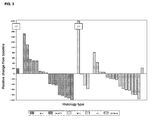
Figure 3 : treatment response by histology. -
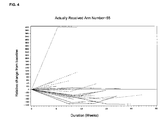
Figure 4 : tumor shrinkage over time at the MTD. - The following example illustrates a combination according to the invention.
-
- . To determine the maximal tolerated dose (MTD) of SAR3419 according to the Dose Limiting Toxicities (DLTs) observed when administered IV, as a single agent, once weekly in patients with relapsed or refractory B-cell NHL.
-
- . To characterize the global safety profile of SAR3419
- . To evaluate the pharmacokinetic (PK) profile of SAR3419
- . To perform pharmacodynamic (PD) assessments
- . To assess the potential immunogenicity of SAR3419
- . To assess preliminary evidence of anti-lymphoma activity
-
- . Adult patients with refractory or relapsed B-cell NHL expressing the CD19 antigen were enrolled.
- . Dose escalation was based on safety in a 3+3 design.
- . The dose-escalation was guided by the occurrence of pre-defined DLT during the initial 3 week period of treatment. Late or cumulative toxicities during the treatment period could also be considered for defining the recommended dose.
- . Twenty additional patients were planned to be enrolled at the MTD to better explore safety and preliminary activity of SAR3419.
SAR3419 Drug Product was available as a solution for infusion at 25 mg / 25 mL (1 mg/mL) with reference to the active entity supplied in a 30 mL clear glass vial. - . SAR3419 as single agent administered IV once weekly for 8 doses. Any further treatment that may be of clinical benefit for the patient could be discussed and agreed between the investigators and the sponsor.
- . Premedication with diphenhydramine 50mg IV and acetaminophen 650 mg per os was required prior to each infusion.
-
- . CT and / or PET scan performed at study entry, after 8 doses and 42-49 days after the last treatment (EOT). Responders were followed every 3 months for up to 1 year.
- . PK and immunogenicity assessments were performed using blood samples collected at baseline, at specific time-points during the treatment and at EOT.
- The results are summarized in the following tables 1-6.
Table1. Baseline Demographics and Disease Characteristic N Treated 44 Dose escalation / dose expansion 28 / 16 Evaluable for safety 44 Evaluable for response 43 Age, median (range) 67 (36-82) Male / Female 30/14 Histology Initial diagnosis Study entry* FL 19 (43%) 15 (34%) DLBCL 16 (36%) 177(39%) MCL, MZL, SLL, mixed 3, 4, 1, 1 4, 0, 1, 1 Stage III/IV at study entry 39 (89%) Median number of prior regimens 3 (1-8) Patients with prior rituximab therapy 43 (98%) Patients with rituximab resistant disease 21 (48%) Prior stem cell transplant autologous / allogeneic 18 (41%) / 1 (2%) * 6 missing histologies at study entry. Table 2. Dose escalation Dose level (mg/m2/week) Patients enrolled (intented dose) Patients enrolled (actual dose)*** Patient with predefined DLT Predefined DLT period Treatment period < 10 1 0 0 10 3 3 0 0 14 3 3 0 0 20 4 4 0 0 28 3 3 0 0 40 3 5 0 0 55** 22 21 0 0 70 6 4 1* 1* * 1 patient had a DLT after 2 doses: grade 3 neutropenia leading to a 2 week-dose delay.
2 patients treated at 70mg/m2 had late (>5 doses) grade 2 significant toxicities: blurred vision associated with corneal deposits and left bundle branch block which were taken into account for dose escalation.
** The study defined 55mg/m2 as the MTD.
*** One investigative site mistakenly did not flush the IV line at each study drug infusion. A 18ml-dead volume of the preparation corresponding to 18mg of study drug was not administered. Eight patients that were enrolled at this site were retrospectively reassigned to their actual dose level. Study results are provided based on the actual dose level.Table 3. Related TEAE grade 3-4 Dose Levels (mg/m2/week) < 10 10 14 20 28 40 55*** 70 Adverse Events* (n=1 ) (n=3) (n=3) (n=4) (n=3) (n=5) (n=21) (n=4) Neutropenia 1 1 1 3 1 Leukopenia 1 1 Thrombocytopenia 2 Anemia 3 Increased gamma-glutamyltransferase 1 Cholestasis 1 1 Optic neuropathy 1** Paresthesia 2 Lobar pneumonia 1** Alveolitis allergic 1** Progressive multifocal leukoencephalopathy 1** * Adverse events were graded according to the National Cancer Institute Common Terminology Criteria for Adverse Events version3.
** A total of 5 related SAE were reported, with 4 being of grade 3-4.
*** At the MTD, 2 patients of the expansion cohort had reversible grade 3 toxicities after 6-8 weekly doses: optic neuropathy and paresthesia. These late / cumulative toxicities were considered for amending the study protocol in July 2010 and modifying the administration schedule.Table 4. Related Ocular toxicity Dose Levels (mg/m2/week) < 10 10 14 20 28 40 55 70 (n=1) (n=3) (n=3) (n=4) (n=3) (n=5) (n=21) (n=4) Eye disorders grade 1-2* 1 1 6 1 Eye disorders grade 3** 1 * include blurred vision (5), dry eye (3), conjunctivitis (1), diplopia (2), eye irritation (1), corneal
deposits (1), keratitis (1), keratoconjunctivitis (1), scotoma (1)
** Optic neuropathy (with associated grade 3-4 symptoms blurred vision and eye irritation) is the unique ocular toxicity of grade > 2 reported within the study.Table 5. Anti-lymphoma activity ORR (CR/PR) at « active doses » (>10mg//m2) 12 / 40 (30%) Response rate at MTD 7/21(33%) NHL subtypes at study entry DLBCL 5 / 15 FL 6/15 Response duration (weeks) [5; 55+]* • 3 patients still responding at the study cut-off date Table 6-Median (CV% or Min-Max) SAR3419 plasma pharmacokinetic parameters observed after repeated administration of SAR3419 (8-12 doses) in the weekly schedule Treatment 10 mg/ m 214 mg/ m 220 mg/ m 228 mg/ m 240 mg/ m 255 mg/ m 270 mg/m2 N 1 3 3 3 3 16 1 Week of Treatment
(week)8 8 (8-8) 8 (8-8) 8 (8-8) 12 (8-12) 8 (8-12) 8 Dose
(mg/m2)4.6 14.0
(14.0-16.9)19.6
(19.6-20.0)28.2
(27.2-30.4)45.1
(40.0-45.1)55.2
(53.2-61.9)70.5 Cmax
(µg/mL)2.01 11.4 (30) 14.2(31) 22.8(31) 35.3 (30) 47.4 (33) 94.7 tmax
(day)0.03 0.03
(0.02-0.06)0.02
(0.02-0.19)0.04
(0.03-0.05)0.06
(0.04-3.89)0.07
(0.06-1.00)0.07 tlast (day) 15.01 23.0
(22.0-42.0)42.8
(14.80-48.11)21.0
(6.89-38.9)41.9
(6.89-43.95)20.0
(2.93-48.0)48.0 AUC0-7
(day.µg/m L)8.07 50.7(31) 67.3 (44) 84.6 (65) 155 (30) 219(44) 298 T1/2z
(day)5.46 8.72 (9) 13.5 (70) 5.28 (73) 9.8(1) 7.93(47) 13.0 CLss
(L/day)1.12 0.58 (34) 0.817
(0.435-1.20)0.79 (75) 0.60
(0.507-0.320.32 (49) 0.442 Vss
(L)0.14 5.94 (1) 6.12
(5.96-6.29)2.20 (95) 3.32
(0.04-6.55)1.91 (66) 5.03 -
- . Using weekly schedule of SAR3419 for 8 -12 doses, the maximum tolerated dose is 55 mg/m2/week.
- . SAR3419 demonstrates encouraging activity in both indolent and aggressive NHL with an ORR of 33% at the MTD.
- . Globally SAR3419 is well tolerated with a median number of doses per patient of 8 overall, and a median relative dose intensity of 0.96 at the MTD. Noteworthy is the lack of significant myelosuppression, making SAR3419 an appealing ADC to be combined with conventional chemotherapy..
- . Paired pre- and post-treatment biopsies allowed to show DM4 accumulation in tumors decrease in CD19 protein expression level and mitosis blockade confirming the mechanism of action of the drug.
- . Based on the clinical evidence of two late toxicities with late onset supported by PK data showing that steady state is reached after 3-4 weeks of treatment, the protocol was amended to evaluate an optimized schedule consisting of 4 weekly doses of 55 mg/m2 followed by 4 additional doses administered once every 2 weeks (ongoing).
- In the weekly schedule, the ocular toxicity (all grades) is 22% (2% grade 3/4) whereas in the 3 weeks administration regimen the ocular toxicity (all grades) was 43.5% with 15.4% of grade 3/4.
Claims (36)
- A method of treating CD19+ B-cell malignancies symptom in a patient in need thereof, said method comprising administrating to said patient therapeutically effective amounts of anti-CD19 maytansinoid immunoconjugate with a dose regimen reducing the toxicity resulting form the treatment with the HuB4-DM4 conjugate.
- A method according to claim 1 wherein the toxicity is an ocular toxicity resulting in eye related adverse events.
- A method according to claim 2 wherein the occurrence of eye related adverse events (all grades) is below 40 %.
- A method according to claim 2 wherein the occurrence of eye related adverse events grade 3/4 is below 13 %.
- A method of treating CD19+ B-cell malignancies symptom in a patient in need thereof, said method comprising the steps of administering to the patient an initial dose of almost 55 mg/m2 of the anti-CD19 maytansinoid immunoconjugate; and administering to the patient a plurality of subsequent doses of almost 55 mg/m2 of the anti-CD19 maytansinoid immunoconjugate, wherein the subsequent doses are separated in time from each other by almost one week.
- A method according to claim 5 wherein the administration of the initial dose is followed by the administration of at least 6 doses separated in time from each other by almost one week.
- A method according to any one of claims 5 and 6 wherein the administration of the initial dose is followed by the administration of between 6 and 14 doses separated in time from each other by almost one week.
- A method according to any one of claims 5 and 6 wherein said method comprises the steps of:• administering to the patient an initial dose of almost 55 mg/m2, of the anti-CD19 maytansinoid immunoconjugate, and• administering to the patient at least 6 subsequent doses of almost 55 mg/m2 separated in time from each other by almost one week of the anti-CD19.
- A method according to claim 5 wherein said method comprises a further step of administration of subsequent doses of almost 55 mg/m2 of anti-CD19 maytansinoid immunoconjugate wherein the doses are separated in time from each other by almost two weeks.
- A method according to any one of claims 5 and 9 wherein said method comprises the steps of:• administering to the patient an initial dose of almost 55 mg/m2, of the anti-CD19 maytansinoid immunoconjugate,• administering to the patient at least 3 subsequent doses of almost 55 mg/m2 separated in time from each other by almost one week of the anti-CD19 maytansinoid immunoconjugate , and• administering to the patient at least 3 subsequent doses of almost 55 mg/m2 of the anti-CD19 maytansinoid immunoconjugate separated in time from each other by almost two weeks.
- A method according to any one of claims 1 to 10 wherein said CD19+ B-cell malignancies symptom is a leukemia symptom or a lymphoma symptom.
- A method according to claim 11 wherein said leukemia symptom is Non-Hodgkin's lymphoma symptom (NHL) symptom.
- A method according to claim 11 wherein said lymphoma symptom is Acute lymphoblastic leukemia (ALL) symptom.
- A method according to claim 12 wherein said Non-Hodgkin's lymphoma symptom is a Diffuse Large B-cell lymphoma (DLBCL), a folicullar lymphoma (FL), a Mantle cell lymphoma (MCL), a Marginal zone lymphoma (MZL), or a Small lymphocytic lymphoma (SLL).
- A method according to claim 12 wherein said Non-Hodgkin's lymphoma symptom is a relapsed or refractory B-cell non-Hodgkin's lymphoma.
- A method according to claim 12 wherein said Non-Hodgkin's lymphoma symptom is a B-cell non-Hodgkin's lymphoma expressing CD19.
- A method according to claim 12 wherein said patient has already been treated for the Non-Hodgkin's lymphoma symptom.
- A method according to claim 12 wherein said patient has failed rituximab therapy.
- A method according to claim 12 wherein said Non-Hodgkin's lymphoma symptom is a rituximab resistant disease.
- A method according t to claim 12 wherein said patient has received an autologous or allogeneic stem cell transplant.
- A method according to any one of claims 1 to 20 wherein the anti-CD19 maytansinoid immunoconjugate is administered intravenously.
- A method according to any one of claims 1 to 21 which is safe and effective.
- A method according to any one of claims 1 to 22 which further comprises administering simultaneously or sequentially an effective amount of a chemotherapeutic agent.
- A method according to any one of claims 1 to 23 wherein the anti-CD19 maytansinoid immunoconjugate comprises an antibody which binds specifically to the CD19 antigen conjugated to a cytotoxic of the maytansinoid family.
- A method according to any one of claims 1 to 24 wherein the anti-CD19 maytansinoid immunoconjugate comprises an antibody which binds specifically to the CD19 antigen conjugated to DM4.
- A method according to any one of claims 1 to 25 wherein the anti-CD19 maytansinoid immunoconjugate comprises an antibody which binds specifically to the CD19 antigen conjugated to DM4 through a cleavable linker.
- A method according to any one of claims 1 to 26 wherein the anti-CD19 maytansinoid immunoconjugate comprises an antibody which binds specifically to the CD19 antigen conjugated to DM4 through SPDB.
- A method according to any one of claims 1 to 27 wherein the anti-CD19 maytansinoid immunoconjugate comprises an antibody which binds specifically to the CD19 antigen conjugated to DM4 through SPDB wherein almost 3.5 molecules of DM4 are bound through the SPDB linker to each huB4 molecule.
- A method according to any one of claims 1 to 28 wherein the anti-CD19 maytansinoid immunoconjugate has the following formula:

- Anti-CD19 maytansinoid immunoconjugate for treating a human patient diagnosed with a CD19+ cell malignancy symptom with a method comprising the steps of administering to the patient an initial dose of almost 55 mg/m2 of the anti-CD19 maytansinoid immunoconjugate; and administering to the patient a plurality of subsequent doses of almost 55 mg/m2, of the anti-CD19 maytansinoid immunoconjugate, wherein the subsequent doses are separated in time from each other by almost one week.
- Anti-CD19 maytansinoid immunoconjugate for treating a human patient diagnosed with a CD19+ cell malignancy symptom with a method comprising the steps of administering to the patient an initial dose of almost 55 mg/m2 of the anti-CD19 maytansinoid immunoconjugate; and then administering to the patient a plurality of subsequent doses of almost 55 mg/m2, of the anti-CD19 maytansinoid immunoconjugate separated in time from each other by almost one week, and in a further step administeriong plurality of subsequent doses of almost 55 mg/m2 of the anti-CD19 maytansinoid immunoconjugate separated in time from each other by almost two weeks.
- An article of manufacture comprising:a) a packaging materialb) an anti-CD19 maytansinoid immunoconjugate, andc) a label or package insert contained within said packaging material indicating that said anti-CD19 maytansinoid immunoconjugate is administered to the patient at an initial dose of almost 55 mg/m2, and in a plurality of subsequent doses separated in time from each other by almost one week in an amount that is almost 55 mg/m2 .
- An article of manufacture comprising:a) a packaging materialb) an anti-CD19 maytansinoid immunoconjugate, andc) a label or package insert contained within said packaging material indicating that said anti-CD19 maytansinoid immunoconjugate is administered to the patient at an initial dose of almost 55 mg/m2, then in a plurality of subsequent doses separated in time from each other by almost one week in an amount that is almost 55 mg/m2 and then in a plurality of subsequent doses separated in time from each other by almost two weeks in an amount that is almost 55 mg/m2.
- An article of manufacturecomprising:a) a packaging materialb) an anti-CD19 maytansinoid immunoconjugate, andc) a label or package insert contained within said packaging material indicating that said anti-CD19 maytansinoid immunoconjugate is administered to the patient at a dose of almost 55 mg/m2 to minimize the risks of toxicity
- An article of manufacture according to claim 34 wherein the occurrence of eye related adverse events (all grades) is below 40 %.
- An article of manufacture according to claim 34 wherein the occurrence of eye related adverse events grade 3/4 is below 13 %.
Priority Applications (45)
| Application Number | Priority Date | Filing Date | Title |
|---|---|---|---|
| EP11290232A EP2524929A1 (en) | 2011-05-17 | 2011-05-17 | Use of anti-CD19 maytansinoid immunoconjugate antibody for the treatment of CD19+ B-cell malignancies syptoms |
| PH1/2013/502305A PH12013502305A1 (en) | 2011-05-17 | 2012-05-16 | Use of anti-cd19 maytansinoid immunoconjugate antibody for the treatment of b-cell malignancies symptoms |
| EA201391714A EA028574B1 (en) | 2011-05-17 | 2012-05-16 | Method of treating b-cell malignancies expressing cd19 |
| SG2013083407A SG194894A1 (en) | 2011-05-17 | 2012-05-16 | Use of anti-cd19 maytansinoid immunoconjugate antibody for the treatment of b-cell malignancies symptoms |
| CN201280023918.7A CN103547596A (en) | 2011-05-17 | 2012-05-16 | Use of anti-CD19 maytansinoid immunoconjugate antibody in the treatment of symptoms of B-cell malignancies |
| NZ618012A NZ618012B2 (en) | 2011-05-17 | 2012-05-16 | Use of anti-cd19 maytansinoid immunoconjugate antibody for the treatment of b-cell malignancies symptoms |
| UAA201314732A UA114401C2 (en) | 2011-05-17 | 2012-05-16 | APPLICATION OF MAJTANSINID IMMUNOCONJUGATED ANTIBODY AGAINST CD19 FOR THE TREATMENT OF SYMPTOMS OF B-CELLENT MALIGNANT TREATMENTS |
| EP12721529.1A EP2710034A1 (en) | 2011-05-17 | 2012-05-16 | Use of anti-cd19 maytansinoid immunoconjugate antibody for the treatment of b-cell malignancies symptoms |
| MYPI2013004057A MY163736A (en) | 2011-05-17 | 2012-05-16 | Use of anti-cd19 maytansinoid immunoconjugate antibody for the treatment of b-cell malignancies symptoms |
| MX2013013455A MX347019B (en) | 2011-05-17 | 2012-05-16 | Use of anti-cd19 maytansinoid immunoconjugate antibody for the treatment of b-cell malignancies symptoms. |
| ARP120101724A AR086412A1 (en) | 2011-05-17 | 2012-05-16 | USE OF THE ANTI-CD19 ANTIBODY IMMUNOCATE WITH MAITANSINOID FOR THE TREATMENT OF SYMPTOM CELL TUMORS B |
| CN201611022631.9A CN107007840A (en) | 2011-05-17 | 2012-05-16 | Purposes of the anti-CD19 classes maytansine immunoconjugates antibody in treatment B cell malignancies symptoms |
| CA2835738A CA2835738A1 (en) | 2011-05-17 | 2012-05-16 | Use of anti-cd19 maytansinoid immunoconjugate antibody for the treatment of b-cell malignancies symptoms |
| SG10201609729VA SG10201609729VA (en) | 2011-05-17 | 2012-05-16 | Use of anti-cd19 maytansinoid immunoconjugate antibody for the treatment of b-cell malignancies symptoms |
| AU2012258254A AU2012258254B2 (en) | 2011-05-17 | 2012-05-16 | Use of anti-CD19 maytansinoid immunoconjugate antibody for the treatment of B-cell malignancies symptoms |
| US14/117,806 US9555126B2 (en) | 2011-05-17 | 2012-05-16 | Use of anti-CD19 maytansinoid immunoconjugate antibody for the treatment of B-cell malignancies symptoms |
| PE2013002503A PE20141018A1 (en) | 2011-05-17 | 2012-05-16 | USE OF THE ANTI-CD19 ANTIBODY IMMUNOCONJUGATED WITH MAITANSINOID FOR THE TREATMENT OF THE SYMPTOMS OF B-CELL TUMORS |
| JP2014510798A JP6050328B2 (en) | 2011-05-17 | 2012-05-16 | Use of anti-CD19 maytansinoid immunoconjugate antibodies for the treatment of symptoms of B cell malignancies |
| KR1020137033076A KR20140043388A (en) | 2011-05-17 | 2012-05-16 | Use of anti-cd19 maytansinoid immunoconjugate antibody for the treatment of b-cell malignancies symptoms |
| BR112013029330A BR112013029330A8 (en) | 2011-05-17 | 2012-05-16 | maytansinoid anti-cd19 immunoconjugate antibody for treatment of B-cell disease symptoms |
| PCT/EP2012/059141 WO2012156455A1 (en) | 2011-05-17 | 2012-05-16 | Use of anti-cd19 maytansinoid immunoconjugate antibody for the treatment of b-cell malignancies symptoms |
| TW101117628A TWI601537B (en) | 2011-05-17 | 2012-05-17 | Use of anti-CD19 mayonimide (MAYTANSINOID) immunoconjugate antibody for the treatment of B-cell malignant symptoms |
| UY0001034077A UY34077A (en) | 2011-05-17 | 2012-05-17 | USE OF THE ANTI-CD19 ANTIBODY IMMUNOCATED WITH MAITANSINOID FOR THE TREATMENT OF SYMPTOM TUMORS OF CELLS B |
| TW105134320A TW201726167A (en) | 2011-05-17 | 2012-05-17 | Use of anti-CD19 mayonimide (MAYTANSINOID) immunoconjugate antibody for the treatment of B-cell malignant symptoms |
| TW107102069A TW201834687A (en) | 2011-05-17 | 2012-05-17 | Use of anti-CD19 mayonimide (MAYTANSINOID) immunoconjugate antibody for the treatment of B-cell malignant symptoms |
| IL229380A IL229380B (en) | 2011-05-17 | 2013-11-11 | Use of anti-cd19 maytansinoid immunoconjugate antibody for the treatment of b-cell malignancies symptoms |
| TNP2013000468A TN2013000468A1 (en) | 2011-05-17 | 2013-11-12 | Use of anti-cd19 maytansinoid immunoconjugate antibody for the treatment of b-cell malignancies symptoms |
| NI201300119A NI201300119A (en) | 2011-05-17 | 2013-11-12 | USE OF THE ANTI-CD19 ANTIBODY IMMUNOCONJUGATED WITH MAITANSINOID FOR THE TREATMENT OF THE SYMPTOMS OF B CELL TUMORS. |
| GT201300276A GT201300276A (en) | 2011-05-17 | 2013-11-12 | USE OF ANTI-CD19 ANTIBODY IMMUNOCATED WITH MAITANSINOID FOR THE TREATMENT OF SYMPTOM TUMORS OF CELLS B |
| DO2013000260A DOP2013000260A (en) | 2011-05-17 | 2013-11-12 | USE OF ANTI-CD19 ANTIBODY IMMUNOCATED WITH MAITANSINOID FOR THE TREATMENT OF SYMPTOM TUMORS OF CELLS B |
| CR20130593A CR20130593A (en) | 2011-05-17 | 2013-11-13 | USE OF ANTI-CD19 ANTIBODY IMMUNOCATED WITH MAITANSINOID FOR THE TREATMENT OF SYMPTOM TUMORS OF CELLS B |
| CL2013003272A CL2013003272A1 (en) | 2011-05-17 | 2013-11-14 | Methods of therapeutic treatments against cd19 positive b cells through administration of the immunoconjugate hub4-dm4 (sar3419); administration regimes; manufactured items containing the immunoconjugate |
| ZA2013/09400A ZA201309400B (en) | 2011-05-17 | 2013-12-12 | Use of anti-cd19 maytansinoid immunoconjugate antibody for the treatment of b-cell malignancies symptoms |
| MA36558A MA35180B1 (en) | 2011-05-17 | 2013-12-12 | Use of an anti-cd19 maytansinoide immunoconjugate antibody for the treatment of symptoms of B-cell malignancies |
| CO13293559A CO6821893A2 (en) | 2011-05-17 | 2013-12-16 | Use of anti-cd19 antibody immunoconjugated with maitansinoid for the treatment of b-cell tumor symptom |
| ECSP13013084 ECSP13013084A (en) | 2011-05-17 | 2013-12-16 | USE OF ANTI-CD19 ANTIBODY IMMUNOCATED WITH MAITANSINOID FOR THE TREATMENT OF SYMPTOM TUMORS OF CELLS B |
| AU2016206317A AU2016206317A1 (en) | 2011-05-17 | 2016-07-21 | Use of anti-CD19 maytansinoid immunoconjugate antibody for the treatment of B-cell malignancies symptoms |
| JP2016226407A JP6181273B2 (en) | 2011-05-17 | 2016-11-22 | Use of anti-CD19 maytansinoid immunoconjugate antibodies for the treatment of symptoms of B cell malignancies |
| US15/381,266 US20170196988A1 (en) | 2011-05-17 | 2016-12-16 | Use of anti-cd19 maytansinoid immunoconjugate antibody for the treatment of b-cell malignancies symptoms |
| JP2017138852A JP2018021020A (en) | 2011-05-17 | 2017-07-18 | Use of anti-cd19 maytansinoid immunoconjugate antibody for treatment of b-cell malignancies symptoms |
| PH12017501368A PH12017501368A1 (en) | 2011-05-17 | 2017-07-28 | Use of anti-cd19 maytansinoid immunoconjugate antibody for the treatment of b-cell malignancies symptoms |
| IL257475A IL257475A (en) | 2011-05-17 | 2018-02-12 | Use of anti-cd19 maytansinoid immunoconjugate antibody for the treatment of b-cell malignancies symptoms |
| AU2018201504A AU2018201504A1 (en) | 2011-05-17 | 2018-03-01 | Use of anti-CD19 maytansinoid immunoconjugate antibody for the treatment of B-cell malignancies symptoms |
| IL263728A IL263728A (en) | 2011-05-17 | 2018-12-16 | Use of anti-cd19 maytansinoid immunoconjugate antibody for the treatment of b-cell malignancies symptoms |
| JP2019087962A JP2019142961A (en) | 2011-05-17 | 2019-05-08 | Use of anti-cd19 maytansinoid immunoconjugate antibody for treatment of b-cell malignancies symptoms |
Applications Claiming Priority (1)
| Application Number | Priority Date | Filing Date | Title |
|---|---|---|---|
| EP11290232A EP2524929A1 (en) | 2011-05-17 | 2011-05-17 | Use of anti-CD19 maytansinoid immunoconjugate antibody for the treatment of CD19+ B-cell malignancies syptoms |
Publications (1)
| Publication Number | Publication Date |
|---|---|
| EP2524929A1 true EP2524929A1 (en) | 2012-11-21 |
Family
ID=46085972
Family Applications (2)
| Application Number | Title | Priority Date | Filing Date |
|---|---|---|---|
| EP11290232A Ceased EP2524929A1 (en) | 2011-05-17 | 2011-05-17 | Use of anti-CD19 maytansinoid immunoconjugate antibody for the treatment of CD19+ B-cell malignancies syptoms |
| EP12721529.1A Withdrawn EP2710034A1 (en) | 2011-05-17 | 2012-05-16 | Use of anti-cd19 maytansinoid immunoconjugate antibody for the treatment of b-cell malignancies symptoms |
Family Applications After (1)
| Application Number | Title | Priority Date | Filing Date |
|---|---|---|---|
| EP12721529.1A Withdrawn EP2710034A1 (en) | 2011-05-17 | 2012-05-16 | Use of anti-cd19 maytansinoid immunoconjugate antibody for the treatment of b-cell malignancies symptoms |
Country Status (30)
| Country | Link |
|---|---|
| US (2) | US9555126B2 (en) |
| EP (2) | EP2524929A1 (en) |
| JP (4) | JP6050328B2 (en) |
| KR (1) | KR20140043388A (en) |
| CN (2) | CN103547596A (en) |
| AR (1) | AR086412A1 (en) |
| AU (3) | AU2012258254B2 (en) |
| BR (1) | BR112013029330A8 (en) |
| CA (1) | CA2835738A1 (en) |
| CL (1) | CL2013003272A1 (en) |
| CO (1) | CO6821893A2 (en) |
| CR (1) | CR20130593A (en) |
| DO (1) | DOP2013000260A (en) |
| EA (1) | EA028574B1 (en) |
| EC (1) | ECSP13013084A (en) |
| GT (1) | GT201300276A (en) |
| IL (3) | IL229380B (en) |
| MA (1) | MA35180B1 (en) |
| MX (1) | MX347019B (en) |
| MY (1) | MY163736A (en) |
| NI (1) | NI201300119A (en) |
| PE (1) | PE20141018A1 (en) |
| PH (2) | PH12013502305A1 (en) |
| SG (2) | SG10201609729VA (en) |
| TN (1) | TN2013000468A1 (en) |
| TW (3) | TW201726167A (en) |
| UA (1) | UA114401C2 (en) |
| UY (1) | UY34077A (en) |
| WO (1) | WO2012156455A1 (en) |
| ZA (1) | ZA201309400B (en) |
Cited By (2)
| Publication number | Priority date | Publication date | Assignee | Title |
|---|---|---|---|---|
| WO2018193105A1 (en) * | 2017-04-20 | 2018-10-25 | Adc Therapeutics Sa | Combination therapy |
| US11318211B2 (en) | 2017-06-14 | 2022-05-03 | Adc Therapeutics Sa | Dosage regimes for the administration of an anti-CD19 ADC |
Families Citing this family (30)
| Publication number | Priority date | Publication date | Assignee | Title |
|---|---|---|---|---|
| EP2524929A1 (en) * | 2011-05-17 | 2012-11-21 | Sanofi | Use of anti-CD19 maytansinoid immunoconjugate antibody for the treatment of CD19+ B-cell malignancies syptoms |
| EP2777714A1 (en) * | 2013-03-15 | 2014-09-17 | NBE-Therapeutics LLC | Method of producing an immunoligand/payload conjugate by means of a sequence-specific transpeptidase enzyme |
| NZ717140A (en) | 2013-08-30 | 2022-05-27 | Immunogen Inc | Antibodies and assays for detection of folate receptor 1 |
| CN105837689B (en) * | 2015-01-13 | 2020-06-19 | 博生吉安科细胞技术有限公司 | anti-CD19 monoclonal antibody and preparation method thereof |
| WO2016180941A1 (en) * | 2015-05-13 | 2016-11-17 | Sanofi | Liquid compositions for anti-cd19 antibody-drug conjugates |
| JP6916741B2 (en) | 2015-05-26 | 2021-08-11 | モルフォシス・アーゲー | Combination of anti-CD19 antibody and Bruton's tyrosine kinase inhibitor, and its use |
| AU2016311136B2 (en) | 2015-08-21 | 2022-02-17 | Incyte Corporation | Combinations and uses thereof |
| CN122075735A (en) | 2015-09-17 | 2026-05-26 | 伊缪诺金公司 | Treatment combinations containing anti-FOLR1 immunoconjugates |
| RS65120B1 (en) | 2015-11-25 | 2024-02-29 | Immunogen Inc | Pharmaceutical formulations and methods of use thereof |
| ES2981046T3 (en) | 2016-05-30 | 2024-10-07 | Incyte Corp | Methods to predict the therapeutic benefit of an anti-CD19 therapy in patients |
| SMT202100317T1 (en) | 2016-06-27 | 2021-07-12 | Morphosys Ag | Anti-cd19 antibody formulations |
| WO2018078123A1 (en) | 2016-10-28 | 2018-05-03 | Morphosys Ag | Combination of anti cd19 antibody with a bcl-2 inhibitor and uses thereof |
| WO2018183494A1 (en) * | 2017-03-31 | 2018-10-04 | Immunogen, Inc. | Cd19-targeting antibody-drug conjugates |
| CN109535253B (en) * | 2017-09-21 | 2022-11-04 | 上海药明生物技术有限公司 | Novel anti-CD19 antibody |
| CN109535257B (en) | 2017-09-22 | 2021-05-28 | 同润生物医药(上海)有限公司 | Novel bispecific CD3/CD19 polypeptide complex |
| AU2019206587A1 (en) | 2018-01-12 | 2020-08-06 | Immunogen, Inc. | Methods for antibody drug conjugation, purification, and formulation |
| RS64961B1 (en) | 2019-04-26 | 2024-01-31 | Immunogen Inc | Camptothecin derivatives |
| CN114072424A (en) | 2019-05-03 | 2022-02-18 | 莫佛塞斯公司 | anti-CD 19 therapy in patients with limited number of NK cells |
| WO2021084062A1 (en) | 2019-10-31 | 2021-05-06 | Morphosys Ag | Anti-cd19 therapy in combination with lenalidomide for the treatment of leukemia or lymphoma |
| LT4051710T (en) | 2019-10-31 | 2026-03-10 | Incyte Corporation | Anti-tumor combination therapy comprising anti-cd19 antibody and gamma delta t-cells |
| NZ786589A (en) * | 2019-10-31 | 2025-03-28 | Forty Seven Llc | Anti-cd47 and anti-cd20 based treatment of blood cancer |
| CN111303287B (en) * | 2019-12-05 | 2022-05-20 | 常州费洛斯药业科技有限公司 | anti-CD19 fully human antibody or antibody fragment, chimeric antigen receptor thereof and application thereof |
| EP4168449A1 (en) | 2020-06-22 | 2023-04-26 | MorphoSys AG | Anti-tumor combination therapy comprising anti-cd19 antibody and polypeptides blocking the sirpa-cd47 innate immune checkpoint |
| TWI914420B (en) | 2020-10-06 | 2026-02-11 | 美商山可爾股份有限公司 | Biomarkers, methods, and compositions for treating autoimmune disease including systemic lupus erythematous (sle) |
| JP7849358B2 (en) * | 2020-11-10 | 2026-04-21 | サノフイ | CEACAM5 antibody-drug conjugate formulation |
| AU2021391623A1 (en) | 2020-12-04 | 2023-06-29 | Incyte Corporation | Anti-cd19 combination therapy |
| WO2023073645A1 (en) | 2021-10-29 | 2023-05-04 | Takeda Pharmaceutical Company Limited | Therapy comprising anti-cd19 antibody and sumo-activating enzyme inhibitor |
| IL318787A (en) | 2022-08-17 | 2025-04-01 | Incyte Corp | Therapy comprising anti-cd19 antibody and ezh2 modulators |
| CN122138982A (en) * | 2023-10-26 | 2026-06-02 | 上海先博生物科技有限公司 | Therapeutic applications of chimeric antigen receptors targeting CD19 |
| TW202545992A (en) | 2024-01-23 | 2025-12-01 | 中國大陸商上海藥明生物技術有限公司 | Multispecific antibodies targeting cd3, cd19 and cd20 and uses thereof |
Citations (3)
| Publication number | Priority date | Publication date | Assignee | Title |
|---|---|---|---|---|
| WO2004103272A2 (en) * | 2003-05-20 | 2004-12-02 | Immunogen, Inc. | Improved cytotoxic agents comprising new maytansinoids |
| WO2010128087A2 (en) * | 2009-05-06 | 2010-11-11 | Biotest Ag | Uses of immunoconjugates targeting cd138 |
| WO2011050180A1 (en) * | 2009-10-21 | 2011-04-28 | Immunogen, Inc. | Novel dosing regimen and method of treatment |
Family Cites Families (5)
| Publication number | Priority date | Publication date | Assignee | Title |
|---|---|---|---|---|
| US7229960B2 (en) * | 2000-11-03 | 2007-06-12 | University Of Vermont And State Agricultural College | Methods and compositions for inhibiting GRB7 |
| US8323653B2 (en) * | 2006-09-08 | 2012-12-04 | Medimmune, Llc | Humanized anti-CD19 antibodies and their use in treatment of oncology, transplantation and autoimmune disease |
| CA3014224C (en) * | 2009-02-05 | 2022-05-24 | Immunogen, Inc. | Condensed benzodiazepine-indoline derivatives and processes to prepare said derivatives |
| EP2524929A1 (en) * | 2011-05-17 | 2012-11-21 | Sanofi | Use of anti-CD19 maytansinoid immunoconjugate antibody for the treatment of CD19+ B-cell malignancies syptoms |
| EP2550975A1 (en) * | 2011-07-29 | 2013-01-30 | Sanofi | Combination therapy for the treatment of CD19+ B-cell malignancies symptoms comprising an anti-CD19 maytansinoid immunoconjugate and rituximab |
-
2011
- 2011-05-17 EP EP11290232A patent/EP2524929A1/en not_active Ceased
-
2012
- 2012-05-16 CN CN201280023918.7A patent/CN103547596A/en active Pending
- 2012-05-16 JP JP2014510798A patent/JP6050328B2/en not_active Expired - Fee Related
- 2012-05-16 PE PE2013002503A patent/PE20141018A1/en not_active Application Discontinuation
- 2012-05-16 CA CA2835738A patent/CA2835738A1/en not_active Abandoned
- 2012-05-16 BR BR112013029330A patent/BR112013029330A8/en not_active IP Right Cessation
- 2012-05-16 PH PH1/2013/502305A patent/PH12013502305A1/en unknown
- 2012-05-16 EP EP12721529.1A patent/EP2710034A1/en not_active Withdrawn
- 2012-05-16 EA EA201391714A patent/EA028574B1/en not_active IP Right Cessation
- 2012-05-16 MY MYPI2013004057A patent/MY163736A/en unknown
- 2012-05-16 WO PCT/EP2012/059141 patent/WO2012156455A1/en not_active Ceased
- 2012-05-16 UA UAA201314732A patent/UA114401C2/en unknown
- 2012-05-16 SG SG10201609729VA patent/SG10201609729VA/en unknown
- 2012-05-16 AU AU2012258254A patent/AU2012258254B2/en not_active Ceased
- 2012-05-16 SG SG2013083407A patent/SG194894A1/en unknown
- 2012-05-16 CN CN201611022631.9A patent/CN107007840A/en active Pending
- 2012-05-16 KR KR1020137033076A patent/KR20140043388A/en not_active Abandoned
- 2012-05-16 MX MX2013013455A patent/MX347019B/en active IP Right Grant
- 2012-05-16 AR ARP120101724A patent/AR086412A1/en unknown
- 2012-05-16 US US14/117,806 patent/US9555126B2/en not_active Expired - Fee Related
- 2012-05-17 TW TW105134320A patent/TW201726167A/en unknown
- 2012-05-17 UY UY0001034077A patent/UY34077A/en not_active Application Discontinuation
- 2012-05-17 TW TW101117628A patent/TWI601537B/en not_active IP Right Cessation
- 2012-05-17 TW TW107102069A patent/TW201834687A/en unknown
-
2013
- 2013-11-11 IL IL229380A patent/IL229380B/en active IP Right Grant
- 2013-11-12 TN TNP2013000468A patent/TN2013000468A1/en unknown
- 2013-11-12 NI NI201300119A patent/NI201300119A/en unknown
- 2013-11-12 DO DO2013000260A patent/DOP2013000260A/en unknown
- 2013-11-12 GT GT201300276A patent/GT201300276A/en unknown
- 2013-11-13 CR CR20130593A patent/CR20130593A/en unknown
- 2013-11-14 CL CL2013003272A patent/CL2013003272A1/en unknown
- 2013-12-12 MA MA36558A patent/MA35180B1/en unknown
- 2013-12-12 ZA ZA2013/09400A patent/ZA201309400B/en unknown
- 2013-12-16 EC ECSP13013084 patent/ECSP13013084A/en unknown
- 2013-12-16 CO CO13293559A patent/CO6821893A2/en unknown
-
2016
- 2016-07-21 AU AU2016206317A patent/AU2016206317A1/en not_active Abandoned
- 2016-11-22 JP JP2016226407A patent/JP6181273B2/en not_active Expired - Fee Related
- 2016-12-16 US US15/381,266 patent/US20170196988A1/en not_active Abandoned
-
2017
- 2017-07-18 JP JP2017138852A patent/JP2018021020A/en active Pending
- 2017-07-28 PH PH12017501368A patent/PH12017501368A1/en unknown
-
2018
- 2018-02-12 IL IL257475A patent/IL257475A/en unknown
- 2018-03-01 AU AU2018201504A patent/AU2018201504A1/en not_active Abandoned
- 2018-12-16 IL IL263728A patent/IL263728A/en unknown
-
2019
- 2019-05-08 JP JP2019087962A patent/JP2019142961A/en active Pending
Patent Citations (4)
| Publication number | Priority date | Publication date | Assignee | Title |
|---|---|---|---|---|
| WO2004103272A2 (en) * | 2003-05-20 | 2004-12-02 | Immunogen, Inc. | Improved cytotoxic agents comprising new maytansinoids |
| EP1651162A2 (en) | 2003-05-20 | 2006-05-03 | Immunogen, Inc. | Improved cytotoxic agents comprising new maytansinoids |
| WO2010128087A2 (en) * | 2009-05-06 | 2010-11-11 | Biotest Ag | Uses of immunoconjugates targeting cd138 |
| WO2011050180A1 (en) * | 2009-10-21 | 2011-04-28 | Immunogen, Inc. | Novel dosing regimen and method of treatment |
Non-Patent Citations (5)
| Title |
|---|
| "Common Terminology Criteria for Adverse Events (CTCAE", 28 May 2009, U.S.DEPARTMENT OF HEALTH AND HUMAN SERVICES |
| DATABASE BIOSIS [online] BIOSCIENCES INFORMATION SERVICE, PHILADELPHIA, PA, US; November 2009 (2009-11-01), YOUNES ANAS ET AL: "Phase I Multi-Dose Escalation Study of the Anti-CD19 Maytansinoid Immunoconjugate SAR3419 Administered by Intravenous (IV) Infusion Every 3 Weeks to Patients with Relapsed Refractory B-Cell Non-Hodgkin's Lymphoma (NHL)", XP002659847, Database accession no. PREV201000351579 * |
| LOCK ET AL: "192 Poster: Pediatric Preclinical Testing Program (PPTP) evalutaion of the anti-CD19-DM4 conjugated antibody SAR3419", EUROPEAN JOURNAL OF CANCER. SUPPLEMENT, PERGAMON, OXFORD, GB, vol. 6, no. 12, 1 October 2008 (2008-10-01), pages 61, XP025534256, ISSN: 1359-6349, [retrieved on 20081001], DOI: 10.1016/S1359-6349(08)72126-8 * |
| P. R. HELFT: "A Phase I Study of Cantuzumab Mertansine Administered as a Single Intravenous Infusion Once Weekly in Patients with Advanced Solid Tumors", CLINICAL CANCER RESEARCH, vol. 10, no. 13, 1 July 2004 (2004-07-01), pages 4363 - 4368, XP055007731, ISSN: 1078-0432, DOI: 10.1158/1078-0432.CCR-04-0088 * |
| YOUNES ET AL., ASH ANNUAL MEETING ABSTRACTS, vol. 114, no. 22, 2009, pages 585 |
Cited By (4)
| Publication number | Priority date | Publication date | Assignee | Title |
|---|---|---|---|---|
| WO2018193105A1 (en) * | 2017-04-20 | 2018-10-25 | Adc Therapeutics Sa | Combination therapy |
| CN110869765A (en) * | 2017-04-20 | 2020-03-06 | Adc治疗有限公司 | combination therapy |
| US11318211B2 (en) | 2017-06-14 | 2022-05-03 | Adc Therapeutics Sa | Dosage regimes for the administration of an anti-CD19 ADC |
| US11938192B2 (en) | 2017-06-14 | 2024-03-26 | Medimmune Limited | Dosage regimes for the administration of an anti-CD19 ADC |
Also Published As
Similar Documents
| Publication | Publication Date | Title |
|---|---|---|
| US9555126B2 (en) | Use of anti-CD19 maytansinoid immunoconjugate antibody for the treatment of B-cell malignancies symptoms | |
| KR102923588B1 (en) | Combination therapy with anti-BCMA antibodies and gamma secretase inhibitors | |
| US12144818B2 (en) | Method for treating cancer in a human patient by administering an anti-CD37 immunoconjugate using various dosing regimens | |
| EP2550975A1 (en) | Combination therapy for the treatment of CD19+ B-cell malignancies symptoms comprising an anti-CD19 maytansinoid immunoconjugate and rituximab | |
| JP2015517511A (en) | Combined use of CD37 antibody and ICE (ifosfamide, carboplatin, etoposide) | |
| JP2015517512A (en) | Combined use of CD37 antibody with additional drugs | |
| US12097199B2 (en) | Administration of SUMO-activating enzyme inhibitor and anti-CD20 antibodies | |
| JP2015516980A (en) | Combination of CD37 antibody and bendamustine | |
| EP3873524B1 (en) | Methods of treatment using anti-cd123 immunoconjugates | |
| NZ618012B2 (en) | Use of anti-cd19 maytansinoid immunoconjugate antibody for the treatment of b-cell malignancies symptoms | |
| OA16782A (en) | Use of anti-CD19 maytansinoid immunoconjugate antibody for the treatment of Bcell malignancies symptoms. |
Legal Events
| Date | Code | Title | Description |
|---|---|---|---|
| PUAI | Public reference made under article 153(3) epc to a published international application that has entered the european phase |
Free format text: ORIGINAL CODE: 0009012 |
|
| AK | Designated contracting states |
Kind code of ref document: A1 Designated state(s): AL AT BE BG CH CY CZ DE DK EE ES FI FR GB GR HR HU IE IS IT LI LT LU LV MC MK MT NL NO PL PT RO RS SE SI SK SM TR |
|
| AX | Request for extension of the european patent |
Extension state: BA ME |
|
| STAA | Information on the status of an ep patent application or granted ep patent |
Free format text: STATUS: THE APPLICATION HAS BEEN REFUSED |
|
| 18R | Application refused |
Effective date: 20121215 |