EP2517709A1 - Medical and pharmaceutical use of 2', 2-bis-thiazole non-nucleoside compounds as hepatitis c virus inhibitor - Google Patents
Medical and pharmaceutical use of 2', 2-bis-thiazole non-nucleoside compounds as hepatitis c virus inhibitor Download PDFInfo
- Publication number
- EP2517709A1 EP2517709A1 EP10838611A EP10838611A EP2517709A1 EP 2517709 A1 EP2517709 A1 EP 2517709A1 EP 10838611 A EP10838611 A EP 10838611A EP 10838611 A EP10838611 A EP 10838611A EP 2517709 A1 EP2517709 A1 EP 2517709A1
- Authority
- EP
- European Patent Office
- Prior art keywords
- benzyl
- linear
- branched alkyl
- bis
- hydrogen atom
- Prior art date
- Legal status (The legal status is an assumption and is not a legal conclusion. Google has not performed a legal analysis and makes no representation as to the accuracy of the status listed.)
- Withdrawn
Links
- 0 Cc1c(*)nc(-c2nc(*)c(*)[s]2)[s]1 Chemical compound Cc1c(*)nc(-c2nc(*)c(*)[s]2)[s]1 0.000 description 4
- LQXGWECCXXRJQP-UHFFFAOYSA-N CCOC(c1c(CC(C)C)[s]c(-c2ncc(-c3ccccc3)[s]2)n1)=O Chemical compound CCOC(c1c(CC(C)C)[s]c(-c2ncc(-c3ccccc3)[s]2)n1)=O LQXGWECCXXRJQP-UHFFFAOYSA-N 0.000 description 1
- DHNHTCKHLJPORL-UHFFFAOYSA-N OC(c1c(Cc2ccccc2)[s]c(-c2ncc[s]2)n1)=O Chemical compound OC(c1c(Cc2ccccc2)[s]c(-c2ncc[s]2)n1)=O DHNHTCKHLJPORL-UHFFFAOYSA-N 0.000 description 1
Classifications
-
- A—HUMAN NECESSITIES
- A61—MEDICAL OR VETERINARY SCIENCE; HYGIENE
- A61K—PREPARATIONS FOR MEDICAL, DENTAL OR TOILETRY PURPOSES
- A61K31/00—Medicinal preparations containing organic active ingredients
- A61K31/33—Heterocyclic compounds
- A61K31/395—Heterocyclic compounds having nitrogen as a ring hetero atom, e.g. guanethidine or rifamycins
- A61K31/41—Heterocyclic compounds having nitrogen as a ring hetero atom, e.g. guanethidine or rifamycins having five-membered rings with two or more ring hetero atoms, at least one of which being nitrogen, e.g. tetrazole
- A61K31/425—Thiazoles
- A61K31/427—Thiazoles not condensed and containing further heterocyclic rings
-
- A—HUMAN NECESSITIES
- A61—MEDICAL OR VETERINARY SCIENCE; HYGIENE
- A61K—PREPARATIONS FOR MEDICAL, DENTAL OR TOILETRY PURPOSES
- A61K31/00—Medicinal preparations containing organic active ingredients
- A61K31/33—Heterocyclic compounds
- A61K31/395—Heterocyclic compounds having nitrogen as a ring hetero atom, e.g. guanethidine or rifamycins
- A61K31/41—Heterocyclic compounds having nitrogen as a ring hetero atom, e.g. guanethidine or rifamycins having five-membered rings with two or more ring hetero atoms, at least one of which being nitrogen, e.g. tetrazole
- A61K31/425—Thiazoles
- A61K31/426—1,3-Thiazoles
-
- A—HUMAN NECESSITIES
- A61—MEDICAL OR VETERINARY SCIENCE; HYGIENE
- A61P—SPECIFIC THERAPEUTIC ACTIVITY OF CHEMICAL COMPOUNDS OR MEDICINAL PREPARATIONS
- A61P1/00—Drugs for disorders of the alimentary tract or the digestive system
- A61P1/16—Drugs for disorders of the alimentary tract or the digestive system for liver or gallbladder disorders, e.g. hepatoprotective agents, cholagogues, litholytics
-
- A—HUMAN NECESSITIES
- A61—MEDICAL OR VETERINARY SCIENCE; HYGIENE
- A61P—SPECIFIC THERAPEUTIC ACTIVITY OF CHEMICAL COMPOUNDS OR MEDICINAL PREPARATIONS
- A61P31/00—Antiinfectives, i.e. antibiotics, antiseptics, chemotherapeutics
- A61P31/12—Antivirals
- A61P31/14—Antivirals for RNA viruses
Definitions
- the present invention belongs to the filed of pharmacy.
- the present invention relates to a class of 2',2-bis-thiazole non-nucleoside compounds having an anti-HCV (Hepatitis C Virus) activity, which can be used in preparing a drug for treating hepatitis C, and thus in treating hepatitis C.
- HCV Hepatitis C Virus
- Viral hepatitides are internationally recognized tough questions in therapeutics up to now. Also, they are a class of hepatitides that are the most common and harmful with serious infectivity. In general, viruses leading to hepatitis are mainly divided into five types, i.e., types A, B, C, D and E. Among them, hepatitis A and E viruses infect intestinally, and their contamination in water source or food may result in pandemic infection. But hepatitides A and E will neither develop into chronic hepatitis, nor induce hepatocirrhosis, and patients recovering from them will gain a lifelong immunity.
- Viral hepatitides B, C and D are transmitted through blood, and a few of patients are infected by close contact with patient's saliva, semen, milk or the like, such as the infection between couples or mother and infant.
- HBV hepatitis B virus
- HCV hepatitis C virus
- HDV hepatitis D virus
- hepatitis C has a tendency of global prevalence and is the leading cause for the end-stage liver diseases in Europe, America and Japan.
- WHO the global infection rate of HCV is about 3%, and thus it is estimated that about 170 million people have been infected with HCV, and about 35 thousands new cases of hepatitis C develop each year.
- a nationwide seroepidemiological investigation in China showed that the ratio of a person having anti-HCV antibodies in a general population was 3.2%.
- Chronic infection of HCV may result in chronic inflammatory necrosis and fibrosis of liver, and a part of the patients may develop into hepatocirrhosis or even hepatocellular carcinoma (HCC).
- HBV and HCV belong to different viral genera respectively, although they both belong to the hepatitis virus and have a similar route of infection.
- HBV belongs to the hepadnaviridae family and is made of a partially double-stranded circular DNA
- HCV belongs to the flaviviridae family and is a positive-sense single-strand RNA virus.
- clinical anti-HBV drugs are mainly nucleoside drugs, such as lamivudine, famciclovir, lobucavir, adefovir dipivoxiil, FTC (2',3'-dideoxy-5-fluoro-3'-thiacytidine) FMAU (1-(2-fluoro-5-methyl-beta,L-arabinofuranosyl)uracil), FDDC (5-fluoro-2',3'-dideoxycytidine), BMS 200475 (9-[4-hydroxy-3-(hydroxymethyl)-2-methylenecyclopentyl]guanine), enticavir and the like.
- nucleoside drugs such as lamivudine, famciclovir, lobucavir, adefovir dipivoxiil, FTC (2',3'-dideoxy-5-fluoro-3'-thiacytidine) FMAU (1-(2-fluoro-5-methyl-beta,L-arabinofura
- HBV and HCV belong to different viral genera, the existing anti-HBV drugs can not be used for treating Hepatitis C. So far, no effective small molecule drugs for HCV can be used in clinic.
- the most effective therapeutic regimen for HCV is the combined administration of interferon and broad-spectrum antiviral agent, such as interferon and ribavirin. But such combined administration only has a sustainable curative effect of less than 40% with serious adverse effect. Therefore, it is of important significance both for clinic and for society to develop novel anti-HCV small molecule drugs.
- one object of the present invention is to provide the use of a 2',2-bis-thiazole non-nucleoside compound of formula I in preparing drugs for treating viral hepatitis C.
- Another object of the present invention is to provide a method of treating viral hepatitis C.
- a 2',2-bis-thiazole non-nucleoside compound of formula I has an anti-HCV activity, therefore can be used in preparing drugs for treating viral hepatitis C: wherein,
- the said 2',2-bis-thiazole non-nucleoside compound is further preferably one selected from the group consisting of
- the most preferable compounds are C322-2, W28MF, C282-2, C503, C267, C280-4, C357, C281, C324-5, C343, C302 and W28F.
- the in vitro test on anti-HCV activity at cellular level reveals that the 2',2-bis-thiazole non-nucleoside compound of formula I can inhibit the replication of HCV, and thus has the anti-HCV activity, may be useful for treating hepatitis C and used in preparing drugs for treating hepatitis C.
- the 2',2-bis-thiazole non-nucleoside compound is mainly used for treating HCV, it also can be used for preventing the infection of HCV.
- the present invention thus provides a method of treating hepatitis C comprising administering a subject suffering from hepatitis C a therapeutically effective amount of the above 2',2-bis-thiazole non-nucleoside compound.
- the 2',2-bis-thiazole non-nucleoside compound may be mixed with pharmaceutically acceptable adjuvants, such as a dispersant, an excipient, a disintegrant, an antioxidant, a sweetening agent, a coating agent, etc., to prepare a pharmaceutical composition.
- pharmaceutically acceptable adjuvants such as a dispersant, an excipient, a disintegrant, an antioxidant, a sweetening agent, a coating agent, etc.
- the composition can be prepared by conventional methods in the field of pharmacy, and can be formulated into various routine dosage forms, such as tablet, coating tablet, capsule, powder, etc.
- oral administration of the 2',2-bis-thiazole non-nucleoside compound is a preferable route for human.
- the drug can be parenterally administered when a patient suffers from deglutition disorder or there is an absorption loss of drug after oral administration.
- the in vitro anti-HCV activity assay of the 2',2-bis-thiazole non-nucleoside compounds at cellular level was performed by using an anti-HCV activity assay protocol recognized by one skilled in the art.
- the anti-HCV activity assay was performed by using Huh7.5.1 cells (presented by WUHAN INSTITUTE of VIROLOGY, CHINESE ACADEMY OF SCIENCES) infected by HCV (J399E) inserted with enhanced green fluorescent protein (EGFP). The variation of the green fluorescence intensity was recorded on a microplate reader and cytotoxicity was measured at the same time, so as to evaluate the influence of the compound on the replication activity of HCV.
- Huh7.5.1 cells presented by WUHAN INSTITUTE of VIROLOGY, CHINESE ACADEMY OF SCIENCES
- HCV J399E
- EGFP enhanced green fluorescent protein
- DMEM Dulbecco's Modified Eagle Media
- FBS fetal bovine serum
- ribavirin purchased from Sigma/Aldrich. It was dissolved in DMSO to prepare a stock solution and stored at -20 °C before use, and diluted to a desired concentration upon using.
- IC 50 is the concentration of a specimen compound at which 50% of the replication of HCV was inhibited.
- SI is the bioactivity selective index of a specimen compound, and a SI value of greater than 2 means that the compound is effective, and the larger the SI value is, the more effective the compound will be.
- the 2',2-bis-thiazole non-nucleoside compounds are novel non-nucleoside small molecular compounds, and may have a new anti-HCV mechanism which is different from that of ribavirin and interferon. Meanwhile, the above results of the inhibitory activity assay against the replication of HCV at cellular level indicate that such compounds have a prospect of being applied in the treatment of hepatitis C.
Landscapes
- Health & Medical Sciences (AREA)
- Life Sciences & Earth Sciences (AREA)
- Veterinary Medicine (AREA)
- Public Health (AREA)
- General Health & Medical Sciences (AREA)
- Chemical & Material Sciences (AREA)
- Animal Behavior & Ethology (AREA)
- Pharmacology & Pharmacy (AREA)
- Medicinal Chemistry (AREA)
- Epidemiology (AREA)
- Nuclear Medicine, Radiotherapy & Molecular Imaging (AREA)
- Organic Chemistry (AREA)
- General Chemical & Material Sciences (AREA)
- Chemical Kinetics & Catalysis (AREA)
- Virology (AREA)
- Oncology (AREA)
- Communicable Diseases (AREA)
- Molecular Biology (AREA)
- Gastroenterology & Hepatology (AREA)
- Engineering & Computer Science (AREA)
- Bioinformatics & Cheminformatics (AREA)
- Pharmaceuticals Containing Other Organic And Inorganic Compounds (AREA)
Abstract
Description
- The present invention belongs to the filed of pharmacy. In particular, the present invention relates to a class of 2',2-bis-thiazole non-nucleoside compounds having an anti-HCV (Hepatitis C Virus) activity, which can be used in preparing a drug for treating hepatitis C, and thus in treating hepatitis C.
- Viral hepatitides are internationally recognized tough questions in therapeutics up to now. Also, they are a class of hepatitides that are the most common and harmful with serious infectivity. In general, viruses leading to hepatitis are mainly divided into five types, i.e., types A, B, C, D and E. Among them, hepatitis A and E viruses infect intestinally, and their contamination in water source or food may result in pandemic infection. But hepatitides A and E will neither develop into chronic hepatitis, nor induce hepatocirrhosis, and patients recovering from them will gain a lifelong immunity. Viral hepatitides B, C and D are transmitted through blood, and a few of patients are infected by close contact with patient's saliva, semen, milk or the like, such as the infection between couples or mother and infant. Among the viral hepatitides, more than 80% of the acute infection with hepatitis B virus (HBV), hepatitis C virus (HCV) and hepatitis D virus (HDV) will progress to be chronic, wherein about 20% of them may possibly develop into hepatocirrhosis if suffered from persistent infection, and about 1% to about 5% of them may turn into liver cancer. China has a high morbidity of viral hepatitides, and it is estimated that economic loss directly caused by viral hepatitides is about 30 to 50 billion RMB each year.
- Comparing with viral hepatitis B, hepatitis C has a tendency of global prevalence and is the leading cause for the end-stage liver diseases in Europe, America and Japan. According to the statistics of WHO, the global infection rate of HCV is about 3%, and thus it is estimated that about 170 million people have been infected with HCV, and about 35 thousands new cases of hepatitis C develop each year. A nationwide seroepidemiological investigation in China showed that the ratio of a person having anti-HCV antibodies in a general population was 3.2%. Chronic infection of HCV may result in chronic inflammatory necrosis and fibrosis of liver, and a part of the patients may develop into hepatocirrhosis or even hepatocellular carcinoma (HCC). However, there is still short of a desired drug and a therapeutic regimen for hepatitis C to date which seriously threatens the health and life of the patients, and has become a serious social and public health problem. Therefore, China promulgated a guideline for the treatment and prevention of hepatitis C early in 2004.
- HBV and HCV belong to different viral genera respectively, although they both belong to the hepatitis virus and have a similar route of infection. HBV belongs to the hepadnaviridae family and is made of a partially double-stranded circular DNA, while HCV belongs to the flaviviridae family and is a positive-sense single-strand RNA virus. At present, clinical anti-HBV drugs are mainly nucleoside drugs, such as lamivudine, famciclovir, lobucavir, adefovir dipivoxiil, FTC (2',3'-dideoxy-5-fluoro-3'-thiacytidine) FMAU (1-(2-fluoro-5-methyl-beta,L-arabinofuranosyl)uracil), FDDC (5-fluoro-2',3'-dideoxycytidine), BMS 200475 (9-[4-hydroxy-3-(hydroxymethyl)-2-methylenecyclopentyl]guanine), enticavir and the like. Since HBV and HCV belong to different viral genera, the existing anti-HBV drugs can not be used for treating Hepatitis C. So far, no effective small molecule drugs for HCV can be used in clinic. Presently, the most effective therapeutic regimen for HCV is the combined administration of interferon and broad-spectrum antiviral agent, such as interferon and ribavirin. But such combined administration only has a sustainable curative effect of less than 40% with serious adverse effect. Therefore, it is of important significance both for clinic and for society to develop novel anti-HCV small molecule drugs.
- International application No.
PCT/CN2007/001861 WO 2007/147336 ), which is a previous international patent application of the present applicant, discloses a class of heterocyclic non-nucleoside compounds, in particularly, discloses the anti-HBV activity of the compounds and their use for treating viral hepatitis B. During the subsequent research, the present inventors further find that among those heterocyclic non-nucleoside compounds, the 2',2-bis-thiazole non-nucleoside compounds also have an anti-HCV activity, and therefore are useful to be developed into anti-HCV drugs. The disclosure ofWO 2007/147336 is incorporated herein by its entirety by reference. - Therefore, one object of the present invention is to provide the use of a 2',2-bis-thiazole non-nucleoside compound of formula I in preparing drugs for treating viral hepatitis C.
- Another object of the present invention is to provide a method of treating viral hepatitis C.
- According to the present invention, a 2',2-bis-thiazole non-nucleoside compound of formula I has an anti-HCV activity, therefore can be used in preparing drugs for treating viral hepatitis C:

- R1 is C1-C6 linear or branched alkyl, C3-C8 cycloalkyl or benzyl; preferably, R1 is C1-C4 linear or branched alkyl, C3-C6 cycloalkyl, or benzyl, such as methyl, ethyl, propyl, butyl, pentyl, hexyl, cyclopropyl, cyclobutyl, cyclopentyl or cyclohexyl; and most preferably, R1 is isobutyl, n-butyl or benzyl.
- R2 is a group selected from the group consisting of C1-C6 hydroxylalkyl; C1-C4 alkoxylcarbonyl substituted C1-C4 alkyl; C1-C4 alkoxylcarbonyl substituted C2-C4 alkenyl; and


- preferably, R2 is one selected from the group consisting of C1-C4 hydroxylalkyl; ethoxylcarbonylethylene; ethoxylcarbonylvinyl;


- R3 and R4 are each independently hydrogen atom, halogen atom, C1-C4 linear or branched alkyl, or phenyl; and preferably, R3 is hydrogen atom, Br, methyl, ethyl or phenyl, and R4 is hydrogen atom.
- The said 2',2-bis-thiazole non-nucleoside compound is further preferably one selected from the group consisting of


- Among them, the most preferable compounds are C322-2, W28MF, C282-2, C503, C267, C280-4, C357, C281, C324-5, C343, C302 and W28F.
- The in vitro test on anti-HCV activity at cellular level reveals that the 2',2-bis-thiazole non-nucleoside compound of formula I can inhibit the replication of HCV, and thus has the anti-HCV activity, may be useful for treating hepatitis C and used in preparing drugs for treating hepatitis C.
- Although the 2',2-bis-thiazole non-nucleoside compound is mainly used for treating HCV, it also can be used for preventing the infection of HCV.
- The present invention thus provides a method of treating hepatitis C comprising administering a subject suffering from hepatitis C a therapeutically effective amount of the above 2',2-bis-thiazole non-nucleoside compound.
- The 2',2-bis-thiazole non-nucleoside compound may be mixed with pharmaceutically acceptable adjuvants, such as a dispersant, an excipient, a disintegrant, an antioxidant, a sweetening agent, a coating agent, etc., to prepare a pharmaceutical composition. The composition can be prepared by conventional methods in the field of pharmacy, and can be formulated into various routine dosage forms, such as tablet, coating tablet, capsule, powder, etc.
- In general, oral administration of the 2',2-bis-thiazole non-nucleoside compound is a preferable route for human. Of course, the drug can be parenterally administered when a patient suffers from deglutition disorder or there is an absorption loss of drug after oral administration.
- The in vitro anti-HCV activity assay of the 2',2-bis-thiazole non-nucleoside compounds at cellular level was performed by using an anti-HCV activity assay protocol recognized by one skilled in the art.
- The anti-HCV activity assay was performed by using Huh7.5.1 cells (presented by WUHAN INSTITUTE of VIROLOGY, CHINESE ACADEMY OF SCIENCES) infected by HCV (J399E) inserted with enhanced green fluorescent protein (EGFP). The variation of the green fluorescence intensity was recorded on a microplate reader and cytotoxicity was measured at the same time, so as to evaluate the influence of the compound on the replication activity of HCV.
- Compounds to be tested were dissolved in DMSO to prepare a stock solution before the test. Upon using, the stock solution was diluted to a desired concentration with DMEM (Dulbecco's Modified Eagle Media, purchased from GibcoBRL company (Life Technologies, Grand Island, NY, USA)) containing 10% FBS(fetal bovine serum, purchased from Hyclone company (Logan, Utah, USA)). The final concentration of DMSO for cell culture was less than 0.25 % (V/V, Volume to Volume), and such DMSO concentration would not affect the growth of cells.
- Positive control: ribavirin (purchased from Sigma/Aldrich). It was dissolved in DMSO to prepare a stock solution and stored at -20 °C before use, and diluted to a desired concentration upon using.
- Huh7.5.1 cells (10% FBS, DMEM) at 105 cells/ml were inoculated on a 96-well plate (Costar 3904) with 100µl per well. 24 h later, the supernatant of the culture media was sucked out, and 50µl of virus supernatant with MOI = 0.1 was added. 8 h later, 50µl of the testing compound solution was added and 100µl of culture media was supplemented. After incubation for 72 h, the supernatant was sucked out, and read on a fluorescent microplate reader (Ex=488nm, Em=516nm). Then each well was added with 20µl of MTT (5mg/ml) and additional 50µl of culture media. 4 h later, 100µl of MTT lysis solution was added. 6 h later, reading was performed at a wavelength of 570nm. Experimental results were shown in Table 1.
Table 1 Inhibitory activity of some compounds against the replication of HCV Compounds CC50 (µM) Replication of HCV IC50 (µM) SI C322-2 >100 9.8 >10.2 W28MF >100 0.8 >125 C282-2 >100 2.8 >35.7 C503 >100 1.4 >71 C267 >100 4.9 >20.4 C280-4 >100 8.9 >11.2 C357 >33.3 2.8 >11.9 C281 >100 13.6 >7.4 C324-5 > 100 36.6 >2.7 C343 >100 19.1 >5.2 C302 67.5 25.7 2.6 W28F 36.9 7.5 4.9 ribavirin 448.8 48.3 9.3 Note:
CC50 is the concentration of a specimen compound at which 50% of cells was killed, representing the influence of the compound on the growth of Huh7.5.1 cells.
IC50 is the concentration of a specimen compound at which 50% of the replication of HCV was inhibited.
SI is the bioactivity selective index of a specimen compound, and a SI value of greater than 2 means that the compound is effective, and the larger the SI value is, the more effective the compound will be. - The above results revealed that under the same experimental conditions, the in vitro administration of the above 2',2-bis-thiazole non-nucleoside compounds significantly inhibited the replication of HCV in the infected Huh7.5.1 cells, and the IC50 of the above 2',2-bis-thiazole non-nucleoside compounds ranges from 0.8µM to 36.6µM, which is superior to that of the positive control ribavirin (48.3µM), exhibiting an strong inhibitory activity on replication of HCV in vitro. Some of the compounds have excellent SI values, for example, compound W28MF has a SI value of larger than 125.
- The 2',2-bis-thiazole non-nucleoside compounds are novel non-nucleoside small molecular compounds, and may have a new anti-HCV mechanism which is different from that of ribavirin and interferon. Meanwhile, the above results of the inhibitory activity assay against the replication of HCV at cellular level indicate that such compounds have a prospect of being applied in the treatment of hepatitis C.
Claims (10)
- Use of a 2',2-bis-thiazole non-nucleoside compound of formula I in preparing a drug for treating viral hepatitis C:
 R1 is C1-C6 linear or branched alkyl, C3-C8 cycloalkyl or benzyl;R2 is a group selected from the group consisting of C1-C6 hydroxylalkyl, C1-C4 alkoxylcarbonyl substituted C1-C4 alkyl, C1-C4 alkoxylcarbonyl substituted C2-C4 alkenyl,
 R3 and R4 are each independently hydrogen atom, halogen atom, C1-C4 linear or branched alkyl or phenyl.
 - The use according to claim 1, wherein R1 is C1-C4 linear or branched alkyl, C3-C6 cycloalkyl or benzyl.
- The use according to claim 2, wherein R1 is isobutyl, n-butyl or benzyl.
- The use according to claim 1, wherein R2 is a group selected from the group consisting of C1-C4 hydroxylalkyl; ethoxylcarbonylethylene; ethoxylcarbonylvinyl;


- The use according to any one of claims 1 to 4, wherein R3 is hydrogen atom, Br, methyl, ethyl or phenyl; R4 is hydrogen atom.
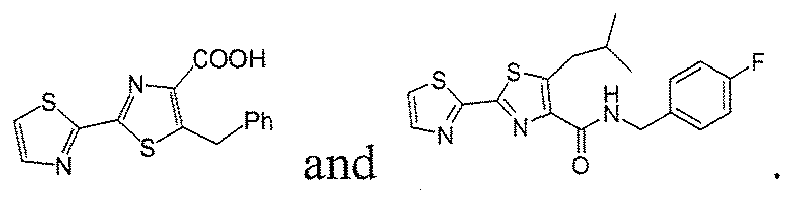
- The use according to claim 1, wherein the said 2',2-bis-thiazole non-nucleoside compound is selected from the group consisting of


- The use according to claim 1 or 6, wherein the said 2',2-bis-thiazole non-nucleoside compound is selected from the group consisting of


- A method of treating viral hepatitis C comprising administering to a subject suffering from hepatitis C an therapeutically effective amount of a 2',2-bis-thiazole non-nucleoside compound of formula I:
 R1 is C1-C6 linear or branched alkyl, C3-C8 cycloalkyl or benzyl;R2 is a group selected from the group consisting of C1-C6 hydroxylalkyl, C1-C4 alkoxylcarbonyl substituted C1-C4 alkyl, C1-C4 alkoxylcarbonyl substituted C2-C4 alkenyl,
 R3 and R4 are each independently hydrogen atom, halogen atom, C1-C4 linear or branched alkyl or phenyl.
 - The method according to claim 8, wherein R1 is C1-C4 linear or branched alkyl, C3-C6 cycloalkyl or benzyl;
R2 is a group selected from the group consisting of C1-C4 hydroxylalkyl; ethoxylcarbonylethylene; ethoxylcarbonylvinyl;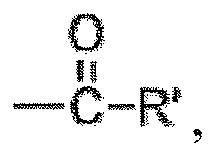
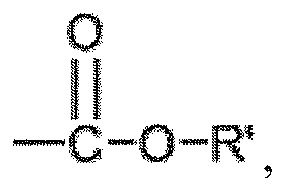

R3 is hydrogen atom, Br, methyl, ethyl or phenyl;
R4 is hydrogen atom. - The method according to claim 8, wherein the said 2',2-bis-thiazole non-nucleoside compound is selected from the group consisting of


Applications Claiming Priority (2)
| Application Number | Priority Date | Filing Date | Title |
|---|---|---|---|
| CN2009102005812A CN102106852B (en) | 2009-12-23 | 2009-12-23 | Medicinal use of 2'2-bithiazole non-nucleoside compounds serving as hepatitis C virus inhibitor |
| PCT/CN2010/079078 WO2011076048A1 (en) | 2009-12-23 | 2010-11-24 | Medical and pharmaceutical use of 2', 2-bis-thiazole non-nucleoside compounds as hepatitis c virus inhibitor |
Publications (2)
| Publication Number | Publication Date |
|---|---|
| EP2517709A1 true EP2517709A1 (en) | 2012-10-31 |
| EP2517709A4 EP2517709A4 (en) | 2013-05-29 |
Family
ID=44171208
Family Applications (1)
| Application Number | Title | Priority Date | Filing Date |
|---|---|---|---|
| EP10838611.1A Withdrawn EP2517709A4 (en) | 2009-12-23 | 2010-11-24 | MEDICAL AND PHARMACEUTICAL USE OF NON-NUCLEOSIDE COMPOUNDS OF 2 ', 2-BIS-THIAZOLE AS INHIBITORS OF HEPATITIS C VIRUS |
Country Status (6)
| Country | Link |
|---|---|
| US (1) | US20120264793A1 (en) |
| EP (1) | EP2517709A4 (en) |
| JP (1) | JP2013515682A (en) |
| KR (1) | KR101408947B1 (en) |
| CN (1) | CN102106852B (en) |
| WO (1) | WO2011076048A1 (en) |
Families Citing this family (1)
| Publication number | Priority date | Publication date | Assignee | Title |
|---|---|---|---|---|
| CN107793375A (en) * | 2016-08-31 | 2018-03-13 | 中国科学院上海药物研究所 | A kind of series connection of aryl 2,2 ' double thiazole class compound and its production and use |
Family Cites Families (4)
| Publication number | Priority date | Publication date | Assignee | Title |
|---|---|---|---|---|
| US6936629B2 (en) * | 2001-12-21 | 2005-08-30 | Virochem Pharma Inc. | Compounds and methods for the treatment or prevention of flavivirus infections |
| KR20080003334A (en) * | 2005-03-11 | 2008-01-07 | 더 리젠트스 오브 더 유니버시티 오브 콜로라도 | Histone deacetylase inhibitors that sensitize cancer cells to epidermal growth factor inhibitors |
| CN1834095B (en) * | 2005-03-18 | 2011-04-20 | 中国科学院上海药物研究所 | Nonnucleoside antivirus inhibitor, its preparation method and use |
| JP4999923B2 (en) * | 2006-06-13 | 2012-08-15 | 中国科学院上海薬物研究所 | Heterocyclic non-nucleoside compounds, antiviral pharmaceutical compositions, and drugs for treating viral diseases |
-
2009
- 2009-12-23 CN CN2009102005812A patent/CN102106852B/en not_active Expired - Fee Related
-
2010
- 2010-11-24 WO PCT/CN2010/079078 patent/WO2011076048A1/en not_active Ceased
- 2010-11-24 US US13/518,549 patent/US20120264793A1/en not_active Abandoned
- 2010-11-24 KR KR1020127019079A patent/KR101408947B1/en not_active Expired - Fee Related
- 2010-11-24 EP EP10838611.1A patent/EP2517709A4/en not_active Withdrawn
- 2010-11-24 JP JP2012545064A patent/JP2013515682A/en active Pending
Also Published As
| Publication number | Publication date |
|---|---|
| EP2517709A4 (en) | 2013-05-29 |
| KR101408947B1 (en) | 2014-06-20 |
| KR20120097541A (en) | 2012-09-04 |
| CN102106852A (en) | 2011-06-29 |
| WO2011076048A1 (en) | 2011-06-30 |
| JP2013515682A (en) | 2013-05-09 |
| US20120264793A1 (en) | 2012-10-18 |
| CN102106852B (en) | 2013-01-16 |
Similar Documents
| Publication | Publication Date | Title |
|---|---|---|
| US10596173B2 (en) | Combination therapy of an HBV capsid assembly inhibitor and an interferon | |
| WO2017114812A1 (en) | Combination therapy of an hbsag inhibitor and an interferon | |
| WO2018087345A1 (en) | COMBINATION THERAPY OF AN HBsAg INHIBITOR, A NUCLEOS(T)IDE ANALOGUE AND AN INTERFERON | |
| JP2012502999A (en) | Combination of HCV NS3 protease inhibitors with interferon and ribavirin | |
| AU2020229809B2 (en) | Method and composition for inhibiting virus infection | |
| JPWO2017155082A1 (en) | Anti-liver tumor virus agent | |
| JP5015769B2 (en) | Use of imatinib to treat liver disease and viral infection | |
| KR20220018552A (en) | Use of Amlexanox for the manufacture of anti-hepatitis virus drugs | |
| JP2009524585A (en) | Diarylureas for treating viral infections | |
| EP2922596B1 (en) | Heterocyclyl carboxamides for treating viral diseases | |
| Lin et al. | Inhibition of the replication of hepatitis B virus in vitro by oxymatrine | |
| US20120264793A1 (en) | Pharmaceutical Use of 2',2-Bis-Thiazole Non-Nucleoside Compounds as Hepatitis C Virus Inhibitor | |
| HK1177433A (en) | Medical and pharmaceutical use of 2', 2-bis-thiazole non-nucleoside compounds as hepatitis c virus inhibitor | |
| CN101190211B (en) | Application of aromatic nitro compound in preparing medicine for treating virus hepatitis | |
| KR102517456B1 (en) | Antiviral composition comprising fibroblast growth factor 11 as an active ingredient | |
| Yang et al. | Anti-hepatitis B virus activity of α-DDB-FNCG, a novel nucleoside-biphenyldicarboxylate compound in vitro and in vivo | |
| Trpkovic et al. | Chronic hepatitis C, insulin resistance and vascular disease | |
| CN106581052B (en) | Application of citrate ion and iron ion in inhibiting RNA virus | |
| CN115105519A (en) | Pharmaceutical composition for treating hepatitis B and preparation method thereof | |
| EP3960173B1 (en) | Enterovirus inhibitor | |
| US20240165096A1 (en) | Anti Viral Therapy | |
| KR102602043B1 (en) | Antiviral composition comprising Pralatrexate | |
| CN117731666A (en) | Application of lycorine oxygen ester and salt thereof in preparation of broad-spectrum anti-coronavirus drugs | |
| TW202207916A (en) | Method and composition for inhibiting virus infection | |
| KR20230140401A (en) | Pharmaceutical Composition for anti-virus, and use thereof |
Legal Events
| Date | Code | Title | Description |
|---|---|---|---|
| PUAI | Public reference made under article 153(3) epc to a published international application that has entered the european phase |
Free format text: ORIGINAL CODE: 0009012 |
|
| 17P | Request for examination filed |
Effective date: 20120620 |
|
| AK | Designated contracting states |
Kind code of ref document: A1 Designated state(s): AL AT BE BG CH CY CZ DE DK EE ES FI FR GB GR HR HU IE IS IT LI LT LU LV MC MK MT NL NO PL PT RO RS SE SI SK SM TR |
|
| RAP1 | Party data changed (applicant data changed or rights of an application transferred) |
Owner name: SHANGHAI INSTITUTE OF MATERIA MEDICA, CHINESE ACAD |
|
| DAX | Request for extension of the european patent (deleted) | ||
| A4 | Supplementary search report drawn up and despatched |
Effective date: 20130426 |
|
| RIC1 | Information provided on ipc code assigned before grant |
Ipc: A61K 31/427 20060101AFI20130422BHEP Ipc: A61P 31/14 20060101ALI20130422BHEP |
|
| REG | Reference to a national code |
Ref country code: HK Ref legal event code: DE Ref document number: 1177433 Country of ref document: HK |
|
| STAA | Information on the status of an ep patent application or granted ep patent |
Free format text: STATUS: THE APPLICATION HAS BEEN WITHDRAWN |
|
| 18W | Application withdrawn |
Effective date: 20140923 |