EP2515598A1 - Control device and mobile communication method - Google Patents
Control device and mobile communication method Download PDFInfo
- Publication number
- EP2515598A1 EP2515598A1 EP10837651A EP10837651A EP2515598A1 EP 2515598 A1 EP2515598 A1 EP 2515598A1 EP 10837651 A EP10837651 A EP 10837651A EP 10837651 A EP10837651 A EP 10837651A EP 2515598 A1 EP2515598 A1 EP 2515598A1
- Authority
- EP
- European Patent Office
- Prior art keywords
- cell
- communication
- mobile station
- target mobile
- disconnected
- Prior art date
- Legal status (The legal status is an assumption and is not a legal conclusion. Google has not performed a legal analysis and makes no representation as to the accuracy of the status listed.)
- Withdrawn
Links
Images
Classifications
-
- H—ELECTRICITY
- H04—ELECTRIC COMMUNICATION TECHNIQUE
- H04W—WIRELESS COMMUNICATION NETWORKS
- H04W76/00—Connection management
- H04W76/20—Manipulation of established connections
- H04W76/25—Maintenance of established connections
-
- H—ELECTRICITY
- H04—ELECTRIC COMMUNICATION TECHNIQUE
- H04W—WIRELESS COMMUNICATION NETWORKS
- H04W36/00—Hand-off or reselection arrangements
- H04W36/0005—Control or signalling for completing the hand-off
-
- H—ELECTRICITY
- H04—ELECTRIC COMMUNICATION TECHNIQUE
- H04W—WIRELESS COMMUNICATION NETWORKS
- H04W48/00—Access restriction; Network selection; Access point selection
- H04W48/20—Selecting an access point
Definitions
- the present invention relates to a control device and a mobile communication method.
- a mobile communication network normally uses multiple communication frequencies in a single sector.
- radio cells each having sectors and operating frequencies, multiple mobile stations share finite radio resources such as power, code, and time.
- frequency selection control is conceived which is for quickly and easily selecting a radio cell using an operating frequency having a low congestion degree.
- the mobile communication network includes not only a public base station not limiting mobile stations connecting thereto but also a base station called a home base station (Home NodeB/Home eNodeB) permitting only particular mobile stations to connect thereto, the home base station being installed in a small-scale area such as a home.
- a public base station not limiting mobile stations connecting thereto but also a base station called a home base station (Home NodeB/Home eNodeB) permitting only particular mobile stations to connect thereto, the home base station being installed in a small-scale area such as a home.
- a home base station Home NodeB/Home eNodeB
- each mobile station is made to measure downlink qualities of the other cells before frequency selection control is performed on a mobile communication network side.
- the frequency selection control is performed in the mobile communication network.
- An object thereof is to provide a control device and a mobile communication method which are capable of performing frequency selection control in consideration of a downlink signal quality in a location of a mobile station without occurrence of a control delay.
- a control device including: a holding unit configured to hold a communication-disconnected cell; a determination unit configured to determine whether or not a predetermined condition is satisfied; a selection unit configured to make priority of the communication-disconnected cell lower than priority of the other frequency cells and to select a frequency cell with which a target mobile station is to communicate, when it is determined that the predetermined condition is satisfied; and a notification unit configured to notify the target mobile station of the frequency cell selected by the selection unit, wherein the holding unit is configured to hold the frequency cell notified by the notification unit, as the communication-disconnected cell when a control signal from the target mobile station is not received through the frequency cell within a predetermined time period.
- a mobile communication method including: a step A of holding a communication-disconnected cell; a step B of determining whether or not a predetermined condition is satisfied; a step C of making priority of the communication-disconnected cell lower than priority of the other frequency cells and selecting a frequency cell with which a target mobile station is to communicate, when it is determined that the predetermined condition is satisfied; and a step D of notifying the target mobile station of the frequency cell selected in the step C, wherein in the step A, when a control signal from the target mobile station is not received within a predetermined time period through the frequency cell notified in the step D, the frequency cell is held as the communication-disconnected cell.
- control devices 100 and 200 cover base stations (public base stations 1 and 2 or home base stations 3 to 5) .
- control device 100 covers the public base station 1 and the home base stations 3 to 5, while the control device 200 covers the public base station 2.
- the public base station 1 covers multiple radio cells (hereinafter, public cells) 10 to 13; the public base station 2 covers multiple public cells 20 to 23; the home base station 3 covers a single radio cell (hereinafter, a home cell) 30; the home base station 4 covers a single home cell 40; and the home base station 5 covers a single home cell 50.
- public cells radio cells
- the public base station 2 covers multiple public cells 20 to 23
- the home base station 3 covers a single radio cell (hereinafter, a home cell) 30
- the home base station 4 covers a single home cell 40
- the home base station 5 covers a single home cell 50.
- the public cells 10 to 13 and 20 to 23 allow an unspecified number of mobile stations to camp thereon and to perform communication therewith, while the home cells 30 to 50 allow only particular mobile stations (hereinafter, home mobile stations) to camp thereon and to perform communication therewith.
- signals from the home cells 30 to 50 are sources of interference with public cells communicating with the non-home mobile stations, and lead to deterioration of communication qualities of the non-home mobile stations.
- the radio cells 10, 20, and 30 utilize the operating frequency #A; the radio cells 11, 21, and 40 utilize the operating frequency #B; the radio cells 12, 22, and 50 utilize the operating frequency #C; and the radio cells 13 and 23 utilize the operating frequency #D.
- omnicells are used for simplicity in the example in Fig. 1 .
- a mobile station 900 is a non-home mobile station and camps on the radio cell 10 in the example in Fig. 1 .
- the present invention is applicable to not only a mobile communication system having a radio access network using a W-CDMA scheme but also a mobile communication system having a radio access network or the like using an LTE (Long Term Evolution) scheme.
- LTE Long Term Evolution
- control devices 100 and 200 each include a notification unit 300, a monitoring unit 400, a holding unit 500, a determination unit 600, and a selection unit 700.
- control devices 100 and 200 may be provided in a radio network controller RNC or may be provided in another device.
- control devices 100 and 200 may be provided in the public base stations 1 and 2, or may be provided in other devices.
- the notification unit 300 is configured to notify a target mobile station of a communication frequency cell selected by the selection unit 700.
- the target mobile station is a mobile station on which the aforementioned frequency selection control is to be performed.
- the communication frequency cell is a frequency cell with which the target mobile station 900 should communicate.
- the notification unit 300 may be configured to notify the target mobile station 900 of, as information for identifying the communication frequency cell, an operating frequency used in a frequency cell selected as the communication frequency cell.
- the monitoring unit 400 is configured to monitor reception of a control signal from the target mobile station 900 through the communication frequency cell for a predetermined time period after the notification unit 300 notifies the target mobile station 900 of the communication frequency cell.
- control signal is a control signal transmitted after transition of the target mobile station 900 to the aforementioned communication frequency cell.
- the holding unit 500 is configured to hold a "mobile station location" and a "communication-disconnected cell” in association with each mobile station and each sector under the public base stations 1 and 2.
- the holding unit 500 is configured to hold the communication frequency cell notified to the target mobile station 900 by the notification unit 300, as a "communication-disconnected cell" in association with a combination of a sector to which the communication frequency cell belongs and the mobile station 900 when the reception of the aforementioned control signal is not made sure of within the predetermined time period by the monitoring unit 400.
- the holding unit 500 may be configured to further hold, in this case, the location of the target mobile station 900 as a "mobile station location" in association with the combination of a sector to which the communication frequency cell belongs and the mobile station 900.
- the holding unit 500 may hold only one combination of the "communication-disconnected cell” and the “mobile station location” or may hold multiple combinations of the "communication-disconnected cell” and the “mobile station location” for each combination of a mobile station and a sector.
- the holding unit 500 may be configured, in the case of holding the multiple combinations of the "communication-disconnected cell” and the “mobile station location,” to delete a combination of the "communication-disconnected cell” and the “mobile station location” after the elapse of a predetermined time period after the start of the holding of the combination, on the assumption that a home base station might be transferred or a frequency might be changed.
- the predetermined time period may be defined by a "timer clear" shown in Fig. 3 .
- the determination unit 600 is configured to determine whether or not a predetermined condition is satisfied.
- the determination unit 600 may be configured to determine that the predetermined condition is satisfied when a distance between the "mobile station location" held by the holding unit 500 and a location of the target mobile station 900 is within a predetermined threshold.
- the determination unit 600 may be configured to determine that the predetermined condition is satisfied when a sector to which a cell currently connected with the target mobile station 900 belongs is the same as a sector to which a "communication-disconnected cell" held by the holding unit 500 belongs.
- the selection unit 700 is configured, when the determination unit 600 determines that the predetermined condition is satisfied, to make priority of the "communication-disconnected cell" held by the holding unit 500 lower than priority of the other frequency cells and to select a communication frequency cell with which the target mobile station 900 should communicate.
- the selection unit 700 may be configured, when the target mobile station 900 is not the same as a mobile station associated with the "communication-disconnected cell,” to make the priority of the communication-disconnected cell lower than the priority of the other frequency cells and to select a communication frequency cell with which the target mobile station 900 should communicate, regardless of whether or not the predetermined condition is satisfied.
- the selection unit 700 may be configured to exclude a "communication-disconnected cell" held by the holding unit 500 from candidates of a communication frequency cell with which the target mobile station 900 should communicate.
- the control device 100 when starting originating call processing or terminating call processing related to the target mobile station 900 camping on the public cell 10 under the public base station 1 covered by the control device 100 in Step S1000, the control device 100 stores a location of the target mobile station 900 in Step S1001.
- Step S1002 the control device 100 sets the public cells 10 to 13 covering the location of the target mobile station 900 as communication frequency cell candidates, designates such a communication frequency cell that is not subjected to interference from a home cell from among the communication frequency cells, and notifies the target mobile station 900 of the communication frequency cell.
- control device 100 Second, an example of a detailed operation of the control device 100 according to this embodiment will be described with reference to Fig. 5 .
- the control device 100 determines a radio cell (the public cell 10, for example) originating the communication start request signal and a public cell (public cells 11 to 13, for example) an area of which overlaps with the radio cell, as communication frequency cell candidates #A in Step S2002.
- a radio cell the public cell 10, for example
- a public cell public cells 11 to 13, for example
- Step S2003 the control device 100 estimates a location #B of the target mobile station 900 from the communication start request signal received in Step S2001.
- control device 100 may estimate the location #B of the target mobile station 900 based on a radio section delay time measured by the target mobile station 900 and on the radio cell (for example, the public cell 10) originating the communication start request signal, or may estimate that a center position of the radio cell (for example, the public cell 10) originating the communication start request signal is the location #B of the target mobile station 900.
- Step S2004 the control device 100 determines whether or not the holding unit 500 holds a "mobile station location #C" in association with the target mobile station 900.
- Step S2005 If it is determined that the "mobile station location #C" is held, the operation proceeds to Step S2005. If it is determined that the "mobile station location #C" is not held, the operation proceeds to Step S2008.
- Step S2005 the control device 100 determines whether or not a distance between the estimated location #B of the target mobile station 900 and the "mobile station location #C" held by the holding unit 500 is within the predetermined distance, that is, whether or not the estimated location #B of the target mobile station 900 and the "mobile station location #C" held by the holding unit 500 have an adjacency relationship.
- Step S2006 If the determination of "Yes” is made, the operation proceeds to Step S2006. If the determination of "No” is made, the operation proceeds to Step S2008.
- the control device 100 refers to a "communication-disconnected cell #D" in association with the "mobile station location #C" in Step S2006, and offsets the congestion degree of the "communication-disconnected cell #D" in Step S2007.
- Step S2008 the control device 100 refers to the congestion degree of each radio cell included in the communication frequency cell candidates #A, and determines a radio cell having the lowest congestion degree as a communication frequency cell #E for the target mobile station 900.
- Step S2007 has been performed in a process leading to Step S2008
- an offset value has been added to the congestion degree of the "communication-disconnected cell #D" in the communication frequency cell candidates #A.
- the "communication-disconnected cell #D” has relatively lowered priority in comparison with the radio cells other than the "communication-disconnected cell #D" in the communication frequency cell candidates #A, and is less likely to be selected as the communication frequency cell #E.
- control device 100 may exclude the "communication-disconnected cell #D" from the communication frequency cell candidates #A.
- the control device 100 selects the communication frequency cell #E based on the congestion degree.
- the control device 100 may determine the communication frequency cell #E by using a criterion other than the congestion degree. Also in the case of determining the communication frequency cell #E by using the criterion other than the congestion degree, the "communication-disconnected cell #D" is required to be given lower priority or to be excluded from the communication frequency cell candidates #A.
- Step S2009 the control device 100 notifies the target mobile station 900 of the communication frequency cell #E determined in Step S2008.
- Step S2010 the control device 100 monitors the presence of reception of a control signal from the target mobile station 900 through the communication frequency cell #E, for the predetermined time period.
- Step S2012 the control device 100 thinks that a home area is installed in the communication frequency cell #E and updates the "mobile station location #C" of the target mobile station 900 with the location #B.
- Step S2013 the control device 100 updates the "communication-disconnected cell #D" with the communication frequency cell #E communication with which has just been disconnected.
- Step S2011 If the control device 100 receives the aforementioned control signal within the predetermined time period in Step S2011, the operation is terminated.
- a communication frequency cell can be selected to avoid interference with the target mobile station 900 from the home cells 30 to 50.
- the target mobile station 900 is not made to measure communication qualities of the other radio cells in selecting a communication frequency cell, interference avoidance can be achieved without sacrificing a connection delay (a delay between a camping-on state and a communication state).
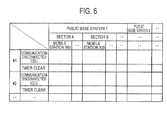
- the holding unit 500 is configured to hold a "communication-disconnected cell" for each mobile station and each sector under the public base stations 1 and 2, as shown in Fig. 6 .
- the holding unit 500 is configured to hold the communication frequency cell notified to the target mobile station 900 by the notification unit 300, as a "communication-disconnected cell" in association with a combination of a sector to which the communication frequency cell belongs and the mobile station 900 when the reception of the aforementioned control signal is not made sure within the predetermined time period by the monitoring unit 400.
- the holding unit 500 may hold only one "communication-disconnected cell” or may hold multiple "communication-disconnected cells” for each combination of a mobile station and a sector.
- the holding unit 500 may be configured, in the case of holding the multiple "communication-disconnected cells,” to delete a "communication-disconnected cell” after the elapse of a predetermined time period after the start of the holding the "communication-disconnected cells,” on the assumption that a home base station might be transferred or a frequency might be changed.
- the predetermined time period may be defined by a "timer clear” shown in Fig. 6 .
- the determination unit 600 may be configured to determine that a predetermined condition is satisfied if the predetermined time period has not passed since the holding unit 500 holds the "communication-disconnected cell.”
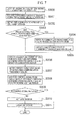
- control device 100 An example of a detailed operation of the control device 100 according to this embodiment will be described below with reference to Fig. 7 .
- Step S3000 in a case where an originating call event or a terminating call event related to the target mobile station 900 occurs in Step S3000 and where the control device 100 receives a communication start request signal from the target mobile station 900 in Step S3001, the control device 100 determines a radio cell (the public cell 10, for example) originating the communication start request signal and a public cell (public cells 11 to 13, for example) an area of which overlaps with the radio cell, as communication frequency cell candidates #A in Step S3002.
- a radio cell the public cell 10
- a public cell public cells 11 to 13, for example
- Step S3003 the control device 100 determines whether or not a predetermined time period has passed since a timer #B is activated.
- the control device 100 refers to a "communication-disconnected cell #C" in association with the timer #B in Step S3004, and offsets the congestion degree of the "communication-disconnected cell #C" in Step S3005.
- Step S3006 the control device 100 refers to the congestion degree of each radio cell included in the communication frequency cell candidates #A, and determines a radio cell having the lowest congestion degree as a communication frequency cell #D for the target mobile station 900.
- Step S3005 has been performed in a process leading to Step S3006, an offset value has been added to the congestion degree of the "communication-disconnected cell #C" in the communication frequency cell candidates #A.
- the "communication-disconnected cell #C” has relatively lowered priority in comparison with the radio cells other than the "communication-disconnected cell #C" in the communication frequency cell candidates #A, and is less likely to be selected as the communication frequency cell #D.
- control device 100 may exclude the "communication-disconnected cell #C" from the communication frequency cell candidates #A.
- the control device 100 selects the communication frequency cell #D based on the congestion degree.
- the control device 100 may determine the communication frequency cell #D by using a criterion other than the congestion degree. Also in the case of determining the communication frequency cell #D by using the criterion other than the congestion degree, the "communication-disconnected cell #C" is required to be given lower priority or to be excluded from the communication frequency cell candidates #A.
- Step S3007 the control device 100 notifies the target mobile station 900 of the communication frequency cell #C determined in Step S3006.
- the control device 100 monitors the presence of reception of a control signal from the target mobile station 900 through the communication frequency cell #D, for the predetermined time period.
- Step S3010 the control device 100 thinks that a home area is installed in the communication frequency cell #D and activates the timer #B.
- Step S3011 the control device 100 updates the "communication-disconnected cell #C" with the communication frequency cell #D communication with which has just been disconnected.
- Step S3009 If the control device 100 receives the aforementioned control signal within the predetermined time period in Step S3009, the operation is terminated.
- Control devices 100 and 200 include: a holding unit 500 configured to hold a "communication-disconnected cell;" a determination unit configured to determine whether or not a predetermined condition is satisfied; a selection unit 700 configured to make priority of the "communication-disconnected cell” lower than priority of the other frequency cells and to select a communication frequency cell with which a target mobile station 900 should communicate, when it is determined that the predetermined condition is satisfied; and a notification unit 300 configured to notify the target mobile station 900 of the communication frequency cell selected by the selection unit 700.
- the holding unit 500 is configured to hold the communication frequency cell notified by the notification unit 300, as the communication-disconnected cell when a control signal from the target mobile station 900 is not received through the communication frequency cell within a predetermined time period.
- the holding unit 500 may be configured to hold the communication frequency cell notified by the notification unit 300, as the communication-disconnected cell and to hold a location of the target mobile station 900 as a mobile station location when a control signal from the target mobile station 900 is not received through the communication frequency cell within the predetermined time period.
- the determination unit 600 may be configured to determine that the predetermined condition is satisfied when a distance between the mobile station location held by the holding unit 500 and the location of the target mobile station 900 is within a predetermined threshold.
- the determination unit 600 may be configured to determine that the predetermined condition is satisfied if the predetermined time period has not passed since the holding unit 500 holds the "communication-disconnected cell.”
- the holding unit 500 may be configured to hold the communication frequency cell notified by the notification unit 300, as the "communication-disconnected cell” and to hold a sector to which the "communication-disconnected cell” belongs, when a control signal from the target mobile station 900 is not received through the communication frequency cell within the predetermined time period.
- the determination unit 600 may be configured to determine that the predetermined condition is satisfied when a sector to which a cell currently connected with the target mobile station 900 belongs is the same as the sector to which the communication-disconnected cell held by the holding unit 500 belongs.
- the holding unit 500 may be configured to hold the communication frequency cell notified by the notification unit 300, as the "communication-disconnected cell” and to hold the target mobile station 900 as a mobile station associated with the "communication-disconnected cell” when the control signal from the target mobile station 900 is not received through the communication frequency cell within the predetermined time period.
- the selection unit 700 may be configured to make the priority of the "communication-disconnected cell” lower than priority of the other frequency cells and to select the communication frequency cell with which the target mobile station 900 should communicate, regardless of whether or not the predetermined condition is satisfied, when the target mobile station 900 is not the same as the mobile station associated with the "communication-disconnected cell.”
- the selection unit 700 may be configured to exclude the "communication-disconnected cell" from a candidate of the communication frequency cell with which the target mobile station 900 should communicate.
- a mobile communication method includes: a step A of holding a "communication-disconnected cell;" a step B of determining whether or not a predetermined condition is satisfied; a step C of making priority of the "communication-disconnected cell” lower than priority of the other frequency cells and selecting a communication frequency cell with which a target mobile station 900 should communicate, when it is determined that the predetermined condition is satisfied; and a step D of notifying the target mobile station 900 of the communication frequency cell selected in the step C.
- the step A when a control signal from the target mobile station 900 is not received within a predetermined time period through the communication frequency cell notified in the step D, the communication frequency cell is held as the "communication-disconnected cell.”
- control devices 100 and 200, the public radio base stations 1 and 2, the home base stations 3 to 5, and the mobile station 900 may be implemented by means of hardware, a software module executed by a processor, or a combination of both.
- the software module may be provided in any type of storage medium such as an RAM (Random Access Memory), a flash memory, a ROM (Read Only Memory), an EPROM (Erasable Programmable ROM), an EEPROM (Electronically Erasable and Programmable ROM), a register, a hard disk drive, a removable disk, or a CD-ROM.
- RAM Random Access Memory
- flash memory a ROM (Read Only Memory)
- EPROM Erasable Programmable ROM
- EEPROM Electrically Erasable and Programmable ROM
- register a hard disk drive, a removable disk, or a CD-ROM.
- the storage medium is connected to the processor so that the processor can read and write information from and to the storage medium.
- the storage medium may be integrated into the processor.
- the storage medium and the processor may be provided in an ASIC.
- the ASIC may be provided in the control devices 100 and 200, the public radio base stations 1 and 2, the home base stations 3 to 5, and the mobile station 900.
- the storage medium and the processor may be provided in the control devices 100 and 200, the public radio base stations 1 and 2, the home base stations 3 to 5, and the mobile station 900, as a discrete component.
- the present invention can provide a control device and a mobile communication method which are capable of performing frequency selection control in consideration of a downlink quality in a location of a mobile station without occurrence of a control delay, and thus is useful in radio communications and the like.
Landscapes
- Engineering & Computer Science (AREA)
- Computer Networks & Wireless Communication (AREA)
- Signal Processing (AREA)
- Mobile Radio Communication Systems (AREA)
Abstract
A control device 100 of the present invention includes: a holding unit 500 configured to hold a communication-disconnected cell; a selection unit 700 configured to make priority of the communication-disconnected cell lower than priority of the other frequency cells and to select a frequency cell with which a target mobile station 900 is to communicate, when it is determined that the predetermined condition is satisfied; and a notification unit 300 configured to notify the target mobile station 900 of the frequency cell selected by the selection unit 700 and the holding unit 500 is configured to hold the frequency cell notified by the notification unit 300, as the communication-disconnected cell when a control signal from the target mobile station 900 is not received through the frequency cell within a predetermined time period.
Description
- The present invention relates to a control device and a mobile communication method.
- A mobile communication network normally uses multiple communication frequencies in a single sector. In each of radio cells (frequency cells) each having sectors and operating frequencies, multiple mobile stations share finite radio resources such as power, code, and time.
- When each of the radio cells has a largely different number of mobile stations connected thereto, a communication quality of mobile stations connected to a congested radio cell deteriorates in comparison with a communication quality of mobile stations connected to the other radio cells.
- Hence, to prevent mobile stations from connecting to a particular radio cell in a concentrated manner, frequency selection control is conceived which is for quickly and easily selecting a radio cell using an operating frequency having a low congestion degree.
- Meanwhile, the mobile communication network includes not only a public base station not limiting mobile stations connecting thereto but also a base station called a home base station (Home NodeB/Home eNodeB) permitting only particular mobile stations to connect thereto, the home base station being installed in a small-scale area such as a home.
- There is a problem that introduction of such a home base station into the mobile communication network causes a downlink signal from the home base station to interfere with a downlink signal from an existing public base station regardless of the congestion degree of the radio cells, and thus a communication quality thereof is deteriorated.
- As a possible solution of the problem, the following method is conceived. Specifically, each mobile station is made to measure downlink qualities of the other cells before frequency selection control is performed on a mobile communication network side. According to the result of the downlink quality measurement, the frequency selection control is performed in the mobile communication network.
-
- PATENT DOCUMENT 1: Japanese Patent Application Publication No.
2004-235710 - PATENT DOCUMENT 2: Japanese Patent Application Publication No.
Hei 8-331637 - PATENT DOCUMENT 3: Japanese Patent Application Publication No.
2007-243425 -
- NON-PATENT DOCUMENT 1: 3GPP TS22.220
- However, when the mobile station is made to measure the downlink qualities of the other radio cells every time the frequency selection control is performed in the mobile communication network in the mobile communication system, the frequency selection control needs to be performed after the measurement is performed. Thus, there is a problem that a control delay occurs.
- Hence, the present invention has been made in view of the aforementioned problem. An object thereof is to provide a control device and a mobile communication method which are capable of performing frequency selection control in consideration of a downlink signal quality in a location of a mobile station without occurrence of a control delay.
- The first feature of the present invention is summarized in that a control device including: a holding unit configured to hold a communication-disconnected cell; a determination unit configured to determine whether or not a predetermined condition is satisfied; a selection unit configured to make priority of the communication-disconnected cell lower than priority of the other frequency cells and to select a frequency cell with which a target mobile station is to communicate, when it is determined that the predetermined condition is satisfied; and a notification unit configured to notify the target mobile station of the frequency cell selected by the selection unit, wherein the holding unit is configured to hold the frequency cell notified by the notification unit, as the communication-disconnected cell when a control signal from the target mobile station is not received through the frequency cell within a predetermined time period.
- The second feature of the present invention is summarized in that a mobile communication method including: a step A of holding a communication-disconnected cell; a step B of determining whether or not a predetermined condition is satisfied; a step C of making priority of the communication-disconnected cell lower than priority of the other frequency cells and selecting a frequency cell with which a target mobile station is to communicate, when it is determined that the predetermined condition is satisfied; and a step D of notifying the target mobile station of the frequency cell selected in the step C, wherein in the step A, when a control signal from the target mobile station is not received within a predetermined time period through the frequency cell notified in the step D, the frequency cell is held as the communication-disconnected cell.
-
- [
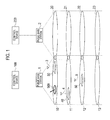
Fig. 1] Fig. 1 is an overall configuration diagram of a mobile communication system according to a first embodiment of the present invention. - [
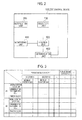
Fig. 2] Fig. 2 is a functional block diagram of a radio network controller according to the first embodiment of the present invention. - [
Fig. 3] Fig. 3 is a chart showing an example of communication disconnection information managed by the radio network controller according to the first embodiment of the present invention. - [
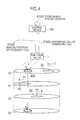
Fig. 4] Fig. 4 is a diagram showing an operation of the mobile communication system according to the first embodiment of the present invention. - [
Fig. 5] Fig. 5 is a flowchart showing an operation of the radio network controller according to the first embodiment of the present invention. - [
Fig. 6] Fig. 6 is a chart showing an example of communication disconnection information managed by a radio network controller according to a second embodiment of the present invention. - [
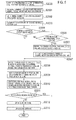
Fig. 7] Fig. 7 is a flowchart showing an operation of the radio network controller according to the second embodiment of the present invention. - A description is given of a mobile communication system according to a first embodiment of the present invention with reference to
Fig. 1 to Fig. 5 . - As shown in
Fig. 1 , in the mobile communication system according to this embodiment,control devices public base stations - In an example of
Fig. 1 , thecontrol device 100 covers thepublic base station 1 and the home base stations 3 to 5, while thecontrol device 200 covers thepublic base station 2. - The
public base station 1 covers multiple radio cells (hereinafter, public cells) 10 to 13; thepublic base station 2 covers multiplepublic cells 20 to 23; the home base station 3 covers a single radio cell (hereinafter, a home cell) 30; thehome base station 4 covers asingle home cell 40; and the home base station 5 covers asingle home cell 50. - Note that the
public cells 10 to 13 and 20 to 23 allow an unspecified number of mobile stations to camp thereon and to perform communication therewith, while thehome cells 30 to 50 allow only particular mobile stations (hereinafter, home mobile stations) to camp thereon and to perform communication therewith. - For mobile stations (hereinafter, non-home mobile stations) other than the home mobile stations, signals from the
home cells 30 to 50 are sources of interference with public cells communicating with the non-home mobile stations, and lead to deterioration of communication qualities of the non-home mobile stations. - In addition, four operating frequencies #A to #D are utilized in the example in
Fig. 1 . Theradio cells radio cells radio cells radio cells Fig. 1 . - Meanwhile, a
mobile station 900 is a non-home mobile station and camps on theradio cell 10 in the example inFig. 1 . - Note that the present invention is applicable to not only a mobile communication system having a radio access network using a W-CDMA scheme but also a mobile communication system having a radio access network or the like using an LTE (Long Term Evolution) scheme.
- As shown in
Fig. 2 , thecontrol devices notification unit 300, amonitoring unit 400, aholding unit 500, adetermination unit 600, and aselection unit 700. - Note that in the mobile communication system having the radio access network using the W-CDMA scheme, the
control devices - In addition, in the mobile communication system having the radio access network using the LTE scheme, the
control devices public base stations - The
notification unit 300 is configured to notify a target mobile station of a communication frequency cell selected by theselection unit 700. - Note that the target mobile station is a mobile station on which the aforementioned frequency selection control is to be performed. In addition, the communication frequency cell is a frequency cell with which the target
mobile station 900 should communicate. - Note that the
notification unit 300 may be configured to notify the targetmobile station 900 of, as information for identifying the communication frequency cell, an operating frequency used in a frequency cell selected as the communication frequency cell. - The
monitoring unit 400 is configured to monitor reception of a control signal from the targetmobile station 900 through the communication frequency cell for a predetermined time period after thenotification unit 300 notifies the targetmobile station 900 of the communication frequency cell. - Note that the control signal is a control signal transmitted after transition of the target
mobile station 900 to the aforementioned communication frequency cell. - As shown in
Fig. 3 , theholding unit 500 is configured to hold a "mobile station location" and a "communication-disconnected cell" in association with each mobile station and each sector under thepublic base stations - Note that the
holding unit 500 is configured to hold the communication frequency cell notified to the targetmobile station 900 by thenotification unit 300, as a "communication-disconnected cell" in association with a combination of a sector to which the communication frequency cell belongs and themobile station 900 when the reception of the aforementioned control signal is not made sure of within the predetermined time period by themonitoring unit 400. - The
holding unit 500 may be configured to further hold, in this case, the location of the targetmobile station 900 as a "mobile station location" in association with the combination of a sector to which the communication frequency cell belongs and themobile station 900. - Note that the
holding unit 500 may hold only one combination of the "communication-disconnected cell" and the "mobile station location" or may hold multiple combinations of the "communication-disconnected cell" and the "mobile station location" for each combination of a mobile station and a sector. - The
holding unit 500 may be configured, in the case of holding the multiple combinations of the "communication-disconnected cell" and the "mobile station location," to delete a combination of the "communication-disconnected cell" and the "mobile station location" after the elapse of a predetermined time period after the start of the holding of the combination, on the assumption that a home base station might be transferred or a frequency might be changed. The predetermined time period may be defined by a "timer clear" shown inFig. 3 . - The
determination unit 600 is configured to determine whether or not a predetermined condition is satisfied. - For example, the
determination unit 600 may be configured to determine that the predetermined condition is satisfied when a distance between the "mobile station location" held by theholding unit 500 and a location of the targetmobile station 900 is within a predetermined threshold. - The
determination unit 600 may be configured to determine that the predetermined condition is satisfied when a sector to which a cell currently connected with the targetmobile station 900 belongs is the same as a sector to which a "communication-disconnected cell" held by theholding unit 500 belongs. - The
selection unit 700 is configured, when thedetermination unit 600 determines that the predetermined condition is satisfied, to make priority of the "communication-disconnected cell" held by theholding unit 500 lower than priority of the other frequency cells and to select a communication frequency cell with which the targetmobile station 900 should communicate. - In this respect, the
selection unit 700 may be configured, when the targetmobile station 900 is not the same as a mobile station associated with the "communication-disconnected cell," to make the priority of the communication-disconnected cell lower than the priority of the other frequency cells and to select a communication frequency cell with which the targetmobile station 900 should communicate, regardless of whether or not the predetermined condition is satisfied. - In addition, the
selection unit 700 may be configured to exclude a "communication-disconnected cell" held by the holdingunit 500 from candidates of a communication frequency cell with which the targetmobile station 900 should communicate. - An operation of the mobile communication system according to the first embodiment of the present invention will be described with reference to
Figs. 4 and5 . - Firstly, an example of an outlined operation of the
control device 100 according to this embodiment will be described with reference toFig. 4 . - As shown in
Fig. 4 , when starting originating call processing or terminating call processing related to the targetmobile station 900 camping on thepublic cell 10 under thepublic base station 1 covered by thecontrol device 100 in Step S1000, thecontrol device 100 stores a location of the targetmobile station 900 in Step S1001. - In Step S1002, the
control device 100 sets thepublic cells 10 to 13 covering the location of the targetmobile station 900 as communication frequency cell candidates, designates such a communication frequency cell that is not subjected to interference from a home cell from among the communication frequency cells, and notifies the targetmobile station 900 of the communication frequency cell. - Secondly, an example of a detailed operation of the
control device 100 according to this embodiment will be described with reference toFig. 5 . - As shown in
Fig. 5 , in a case where an originating call event or a terminating call event related to the targetmobile station 900 occurs in Step S2000 and where thecontrol device 100 receives a communication start request signal from the targetmobile station 900 in Step S2001, thecontrol device 100 determines a radio cell (thepublic cell 10, for example) originating the communication start request signal and a public cell (public cells 11 to 13, for example) an area of which overlaps with the radio cell, as communication frequency cell candidates #A in Step S2002. - In Step S2003, the
control device 100 estimates a location #B of the targetmobile station 900 from the communication start request signal received in Step S2001. - For example, the
control device 100 may estimate the location #B of the targetmobile station 900 based on a radio section delay time measured by the targetmobile station 900 and on the radio cell (for example, the public cell 10) originating the communication start request signal, or may estimate that a center position of the radio cell (for example, the public cell 10) originating the communication start request signal is the location #B of the targetmobile station 900. - In Step S2004, the
control device 100 determines whether or not the holdingunit 500 holds a "mobile station location #C" in association with the targetmobile station 900. - If it is determined that the "mobile station location #C" is held, the operation proceeds to Step S2005. If it is determined that the "mobile station location #C" is not held, the operation proceeds to Step S2008.
- In Step S2005, the
control device 100 determines whether or not a distance between the estimated location #B of the targetmobile station 900 and the "mobile station location #C" held by the holdingunit 500 is within the predetermined distance, that is, whether or not the estimated location #B of the targetmobile station 900 and the "mobile station location #C" held by the holdingunit 500 have an adjacency relationship. - If the determination of "Yes" is made, the operation proceeds to Step S2006. If the determination of "No" is made, the operation proceeds to Step S2008.
- The
control device 100 refers to a "communication-disconnected cell #D" in association with the "mobile station location #C" in Step S2006, and offsets the congestion degree of the "communication-disconnected cell #D" in Step S2007. - In Step S2008, the
control device 100 refers to the congestion degree of each radio cell included in the communication frequency cell candidates #A, and determines a radio cell having the lowest congestion degree as a communication frequency cell #E for the targetmobile station 900. - Here, in a case where Step S2007 has been performed in a process leading to Step S2008, an offset value has been added to the congestion degree of the "communication-disconnected cell #D" in the communication frequency cell candidates #A. Thus, the "communication-disconnected cell #D" has relatively lowered priority in comparison with the radio cells other than the "communication-disconnected cell #D" in the communication frequency cell candidates #A, and is less likely to be selected as the communication frequency cell #E.
- Note that the
control device 100 may exclude the "communication-disconnected cell #D" from the communication frequency cell candidates #A. - Meanwhile, the description has been given in the example in
Fig. 5 by citing a case where thecontrol device 100 selects the communication frequency cell #E based on the congestion degree. Thecontrol device 100, however, may determine the communication frequency cell #E by using a criterion other than the congestion degree. Also in the case of determining the communication frequency cell #E by using the criterion other than the congestion degree, the "communication-disconnected cell #D" is required to be given lower priority or to be excluded from the communication frequency cell candidates #A. - In Step S2009, the
control device 100 notifies the targetmobile station 900 of the communication frequency cell #E determined in Step S2008. In Step S2010, thecontrol device 100 monitors the presence of reception of a control signal from the targetmobile station 900 through the communication frequency cell #E, for the predetermined time period. - If the aforementioned control signal is not received within the predetermined time period in Step S2011, in Step S2012 the
control device 100 thinks that a home area is installed in the communication frequency cell #E and updates the "mobile station location #C" of the targetmobile station 900 with the location #B. In Step S2013, thecontrol device 100 updates the "communication-disconnected cell #D" with the communication frequency cell #E communication with which has just been disconnected. - If the
control device 100 receives the aforementioned control signal within the predetermined time period in Step S2011, the operation is terminated. - With the mobile communication system according to the first embodiment of the present invention, even when the home base stations 3 to 5 are introduced into the mobile communication system, a communication frequency cell can be selected to avoid interference with the target
mobile station 900 from thehome cells 30 to 50. - In addition, with the mobile communication system according to the first embodiment of the present invention, even though the target
mobile station 900 is not made to measure communication qualities of the other radio cells in selecting a communication frequency cell, interference avoidance can be achieved without sacrificing a connection delay (a delay between a camping-on state and a communication state). - A description is given of a mobile communication system according to a second embodiment of the present invention. The description is given below of the mobile communication system according to the second embodiment of the present invention, focused on a difference from the aforementioned mobile communication system according to the first embodiment.
- The holding
unit 500 is configured to hold a "communication-disconnected cell" for each mobile station and each sector under thepublic base stations Fig. 6 . - Note that the holding
unit 500 is configured to hold the communication frequency cell notified to the targetmobile station 900 by thenotification unit 300, as a "communication-disconnected cell" in association with a combination of a sector to which the communication frequency cell belongs and themobile station 900 when the reception of the aforementioned control signal is not made sure within the predetermined time period by themonitoring unit 400. - Note that the holding
unit 500 may hold only one "communication-disconnected cell" or may hold multiple "communication-disconnected cells" for each combination of a mobile station and a sector. - The holding
unit 500 may be configured, in the case of holding the multiple "communication-disconnected cells," to delete a "communication-disconnected cell" after the elapse of a predetermined time period after the start of the holding the "communication-disconnected cells," on the assumption that a home base station might be transferred or a frequency might be changed. The predetermined time period may be defined by a "timer clear" shown inFig. 6 . - Meanwhile, the
determination unit 600 may be configured to determine that a predetermined condition is satisfied if the predetermined time period has not passed since the holdingunit 500 holds the "communication-disconnected cell." - An example of a detailed operation of the
control device 100 according to this embodiment will be described below with reference toFig. 7 . - As shown in
Fig. 7 , in a case where an originating call event or a terminating call event related to the targetmobile station 900 occurs in Step S3000 and where thecontrol device 100 receives a communication start request signal from the targetmobile station 900 in Step S3001, thecontrol device 100 determines a radio cell (thepublic cell 10, for example) originating the communication start request signal and a public cell (public cells 11 to 13, for example) an area of which overlaps with the radio cell, as communication frequency cell candidates #A in Step S3002. - In Step S3003, the
control device 100 determines whether or not a predetermined time period has passed since a timer #B is activated. - If the determination of "Yes" is made, the operation proceeds to Step S3004. If the determination of "No" is made, the operation proceeds to Step S3006.
- The
control device 100 refers to a "communication-disconnected cell #C" in association with the timer #B in Step S3004, and offsets the congestion degree of the "communication-disconnected cell #C" in Step S3005. - In Step S3006, the
control device 100 refers to the congestion degree of each radio cell included in the communication frequency cell candidates #A, and determines a radio cell having the lowest congestion degree as a communication frequency cell #D for the targetmobile station 900. - Here, in a case where Step S3005 has been performed in a process leading to Step S3006, an offset value has been added to the congestion degree of the "communication-disconnected cell #C" in the communication frequency cell candidates #A. Thus, the "communication-disconnected cell #C" has relatively lowered priority in comparison with the radio cells other than the "communication-disconnected cell #C" in the communication frequency cell candidates #A, and is less likely to be selected as the communication frequency cell #D.
- Note that the
control device 100 may exclude the "communication-disconnected cell #C" from the communication frequency cell candidates #A. - Meanwhile, the description has been given in the example in
Fig. 7 by citing a case where thecontrol device 100 selects the communication frequency cell #D based on the congestion degree. Thecontrol device 100, however, may determine the communication frequency cell #D by using a criterion other than the congestion degree. Also in the case of determining the communication frequency cell #D by using the criterion other than the congestion degree, the "communication-disconnected cell #C" is required to be given lower priority or to be excluded from the communication frequency cell candidates #A. - In Step S3007, the
control device 100 notifies the targetmobile station 900 of the communication frequency cell #C determined in Step S3006. In Step S3008, thecontrol device 100 monitors the presence of reception of a control signal from the targetmobile station 900 through the communication frequency cell #D, for the predetermined time period. - If the aforementioned control signal is not received within the predetermined time period in Step S3009, in Step S3010 the
control device 100 thinks that a home area is installed in the communication frequency cell #D and activates the timer #B. In Step S3011, thecontrol device 100 updates the "communication-disconnected cell #C" with the communication frequency cell #D communication with which has just been disconnected. - If the
control device 100 receives the aforementioned control signal within the predetermined time period in Step S3009, the operation is terminated. - Features of this embodiment described above may be expressed as follows.
- A first feature of this embodiment is summarized as follows.
Control devices unit 500 configured to hold a "communication-disconnected cell;" a determination unit configured to determine whether or not a predetermined condition is satisfied; aselection unit 700 configured to make priority of the "communication-disconnected cell" lower than priority of the other frequency cells and to select a communication frequency cell with which a targetmobile station 900 should communicate, when it is determined that the predetermined condition is satisfied; and anotification unit 300 configured to notify the targetmobile station 900 of the communication frequency cell selected by theselection unit 700. The holdingunit 500 is configured to hold the communication frequency cell notified by thenotification unit 300, as the communication-disconnected cell when a control signal from the targetmobile station 900 is not received through the communication frequency cell within a predetermined time period. - In the first feature of this embodiment, the holding
unit 500 may be configured to hold the communication frequency cell notified by thenotification unit 300, as the communication-disconnected cell and to hold a location of the targetmobile station 900 as a mobile station location when a control signal from the targetmobile station 900 is not received through the communication frequency cell within the predetermined time period. In addition, thedetermination unit 600 may be configured to determine that the predetermined condition is satisfied when a distance between the mobile station location held by the holdingunit 500 and the location of the targetmobile station 900 is within a predetermined threshold. - In the first feature of this embodiment, the
determination unit 600 may be configured to determine that the predetermined condition is satisfied if the predetermined time period has not passed since the holdingunit 500 holds the "communication-disconnected cell." - In the first feature of this embodiment, the holding
unit 500 may be configured to hold the communication frequency cell notified by thenotification unit 300, as the "communication-disconnected cell" and to hold a sector to which the "communication-disconnected cell" belongs, when a control signal from the targetmobile station 900 is not received through the communication frequency cell within the predetermined time period. In addition, thedetermination unit 600 may be configured to determine that the predetermined condition is satisfied when a sector to which a cell currently connected with the targetmobile station 900 belongs is the same as the sector to which the communication-disconnected cell held by the holdingunit 500 belongs. - In the first feature of this embodiment, the holding
unit 500 may be configured to hold the communication frequency cell notified by thenotification unit 300, as the "communication-disconnected cell" and to hold the targetmobile station 900 as a mobile station associated with the "communication-disconnected cell" when the control signal from the targetmobile station 900 is not received through the communication frequency cell within the predetermined time period. In addition, theselection unit 700 may be configured to make the priority of the "communication-disconnected cell" lower than priority of the other frequency cells and to select the communication frequency cell with which the targetmobile station 900 should communicate, regardless of whether or not the predetermined condition is satisfied, when the targetmobile station 900 is not the same as the mobile station associated with the "communication-disconnected cell." - In the first feature of this embodiment, the
selection unit 700 may be configured to exclude the "communication-disconnected cell" from a candidate of the communication frequency cell with which the targetmobile station 900 should communicate. - A second feature of this embodiment is summarized as follows. A mobile communication method includes: a step A of holding a "communication-disconnected cell;" a step B of determining whether or not a predetermined condition is satisfied; a step C of making priority of the "communication-disconnected cell" lower than priority of the other frequency cells and selecting a communication frequency cell with which a target
mobile station 900 should communicate, when it is determined that the predetermined condition is satisfied; and a step D of notifying the targetmobile station 900 of the communication frequency cell selected in the step C. In the step A, when a control signal from the targetmobile station 900 is not received within a predetermined time period through the communication frequency cell notified in the step D, the communication frequency cell is held as the "communication-disconnected cell." - Note that operations of the
aforementioned control devices radio base stations mobile station 900 may be implemented by means of hardware, a software module executed by a processor, or a combination of both. - The software module may be provided in any type of storage medium such as an RAM (Random Access Memory), a flash memory, a ROM (Read Only Memory), an EPROM (Erasable Programmable ROM), an EEPROM (Electronically Erasable and Programmable ROM), a register, a hard disk drive, a removable disk, or a CD-ROM.
- The storage medium is connected to the processor so that the processor can read and write information from and to the storage medium. Also, the storage medium may be integrated into the processor. Also, the storage medium and the processor may be provided in an ASIC. The ASIC may be provided in the
control devices radio base stations mobile station 900. Also, the storage medium and the processor may be provided in thecontrol devices radio base stations mobile station 900, as a discrete component. - Hereinabove, the present invention has been described in detail using the above embodiment; however, it is apparent to those skilled in the art that the present invention is not limited to the embodiment described herein. Modifications and variations of the present invention can be made without departing from the spirit and scope of the present invention defined by the description of the scope of claims. Thus, what is described herein is for illustrative purpose, and has no intention whatsoever to limit the present invention.
- Note that the entire content of Japanese Patent Application No.
2009-285531 (filed on December 16, 2009 - The present invention can provide a control device and a mobile communication method which are capable of performing frequency selection control in consideration of a downlink quality in a location of a mobile station without occurrence of a control delay, and thus is useful in radio communications and the like.
-
- 1, 2 ... public base station
- 3 to 5 ... home base station
- 10 to 13, 20 to 23 ... public cell
- 30, 40, 50 ... home cell
- 100, 200 ... control device
- 300 ... notification unit
- 400 ... monitoring unit
- 500 ... holding unit
- 600 ... determination unit
- 700 ... selection unit
- 900 ... mobile station
Claims (7)
- A control device comprising:a holding unit configured to hold a communication-disconnected cell;a determination unit configured to determine whether or not a predetermined condition is satisfied;a selection unit configured to make priority of the communication-disconnected cell lower than priority of the other frequency cells and to select a frequency cell with which a target mobile station is to communicate, when it is determined that the predetermined condition is satisfied; anda notification unit configured to notify the target mobile station of the frequency cell selected by the selection unit, whereinthe holding unit is configured to hold the frequency cell notified by the notification unit, as the communication-disconnected cell when a control signal from the target mobile station is not received through the frequency cell within a predetermined time period.
- The control device according to claim 1, wherein
the holding unit is configured to hold the frequency cell notified by the notification unit, as the communication-disconnected cell and to hold a location of the target mobile station as a mobile station location when a control signal from the target mobile station is not received through the frequency cell within the predetermined time period, and
the determination unit is configured to determine that the predetermined condition is satisfied when a distance between the mobile station location held by the holding unit and the location of the target mobile station is within a predetermined threshold. - The control device according to claim 1, wherein the determination unit is configured to determine that the predetermined condition is satisfied if the predetermined time period has not passed since the holding unit holds the communication-disconnected cell.
- The control device according to claim 1, wherein
the holding unit is configured to hold the frequency cell notified by the notification unit, as the communication-disconnected cell and to hold a sector to which the communication-disconnected cell belongs, when a control signal from the target mobile station is not received through the frequency cell within the predetermined time period, and
the determination unit is configured to determine that the predetermined condition is satisfied when a sector to which a cell currently connected with the target mobile station belongs is the same as the sector to which the communication-disconnected cell held by the holding unit belongs. - The control device according to claim 1, wherein
the holding unit is configured to hold the frequency cell notified by the notification unit, as the communication-disconnected cell and to hold the target mobile station as a mobile station associated with the communication-disconnected cell when the control signal from the target mobile station is not received through the frequency cell within the predetermined time period, and
the selection unit is configured to make the priority of the communication-disconnected cell lower than priority of the other frequency cells and to select the frequency cell with which the target mobile station is to communicate, regardless of whether or not the predetermined condition is satisfied, when the target mobile station is not the same as the mobile station associated with the communication-disconnected cell. - The control device according to claim 1, wherein
the selection unit is configured to exclude the communication-disconnected cell from a candidate of the frequency cell with which the target mobile station is to communicate. - A mobile communication method comprising:a step A of holding a communication-disconnected cell;a step B of determining whether or not a predetermined condition is satisfied;a step C of making priority of the communication-disconnected cell lower than priority of the other frequency cells and selecting a frequency cell with which a target mobile station is to communicate, when it is determined that the predetermined condition is satisfied; anda step D of notifying the target mobile station of the frequency cell selected in the step C, whereinin the step A, when a control signal from the target mobile station is not received within a predetermined time period through the frequency cell notified in the step D, the frequency cell is held as the communication-disconnected cell.
Applications Claiming Priority (2)
| Application Number | Priority Date | Filing Date | Title |
|---|---|---|---|
| JP2009285531A JP4901947B2 (en) | 2009-12-16 | 2009-12-16 | Control apparatus and mobile communication method |
| PCT/JP2010/072625 WO2011074626A1 (en) | 2009-12-16 | 2010-12-16 | Control device and mobile communication method |
Publications (1)
| Publication Number | Publication Date |
|---|---|
| EP2515598A1 true EP2515598A1 (en) | 2012-10-24 |
Family
ID=44167377
Family Applications (1)
| Application Number | Title | Priority Date | Filing Date |
|---|---|---|---|
| EP10837651A Withdrawn EP2515598A1 (en) | 2009-12-16 | 2010-12-16 | Control device and mobile communication method |
Country Status (5)
| Country | Link |
|---|---|
| US (1) | US20120294175A1 (en) |
| EP (1) | EP2515598A1 (en) |
| JP (1) | JP4901947B2 (en) |
| CN (1) | CN102656937A (en) |
| WO (1) | WO2011074626A1 (en) |
Family Cites Families (36)
| Publication number | Priority date | Publication date | Assignee | Title |
|---|---|---|---|---|
| CN1092454C (en) * | 1994-02-04 | 2002-10-09 | Ntt移动通信网株式会社 | A mobile communication system and radio channel allocation method therein |
| JP2908991B2 (en) * | 1994-05-20 | 1999-06-23 | エヌ・ティ・ティ移動通信網株式会社 | Wireless channel allocation method |
| JP3235407B2 (en) | 1995-06-05 | 2001-12-04 | 三菱電機株式会社 | Communication device, communication system, and channel suitability determination method |
| JPH09322226A (en) * | 1996-05-28 | 1997-12-12 | Nippon Denki Ido Tsushin Kk | Phs base station with simple learning function for idle channel retrieval |
| US6175737B1 (en) * | 1996-11-15 | 2001-01-16 | David E. Lovejoy | Method and apparatus for wireless communications for base station controllers |
| US6023459A (en) * | 1996-12-04 | 2000-02-08 | Northern Telecom Limited | Frequency assignment in wireless networks |
| JP4231593B2 (en) * | 1999-07-21 | 2009-03-04 | 株式会社日立コミュニケーションテクノロジー | Communication system and communication method thereof |
| JP3489536B2 (en) * | 2000-04-28 | 2004-01-19 | 日本電気株式会社 | Area design equipment for mobile communication systems |
| US6714789B1 (en) * | 2000-09-18 | 2004-03-30 | Sprint Spectrum, L.P. | Method and system for inter-frequency handoff and capacity enhancement in a wireless telecommunications network |
| US7092722B1 (en) * | 2001-07-26 | 2006-08-15 | Sprint Spectrum L.P. | Method and system for establishing mobile station active set based on mobile station location |
| US20030125039A1 (en) * | 2001-12-27 | 2003-07-03 | Nortel Networks Limited | Multi-carrier traffic allocation enhancements to reduce access failures and to work across bands |
| EP1536597B1 (en) * | 2002-09-06 | 2015-01-21 | Fujitsu Limited | Radio network control apparatus |
| US7302266B1 (en) * | 2002-10-17 | 2007-11-27 | Sprint Spectrum L.P. | Method and system for frequency usage |
| JP4013061B2 (en) | 2003-01-28 | 2007-11-28 | 日本電気株式会社 | Radio frequency selection method, radio communication system, radio terminal station apparatus, and radio base station apparatus |
| US7535932B2 (en) * | 2003-12-26 | 2009-05-19 | Ntt Docomo, Inc. | Radio communications system, radio network controller and base station |
| ES2392666T3 (en) * | 2004-03-30 | 2012-12-12 | Telefonaktiebolaget Lm Ericsson (Publ) | Methods and apparatus for differentiated transfer by cell type in a mobile communication system |
| JP4302578B2 (en) * | 2004-06-01 | 2009-07-29 | 富士通株式会社 | Mobile communication system |
| JP4429132B2 (en) * | 2004-09-30 | 2010-03-10 | 富士通株式会社 | Mobile radio communication system |
| US8509801B1 (en) * | 2004-10-08 | 2013-08-13 | Apple Inc. | Method to balance channel load using extended global service redirection message in a system environment that supports multiple band classes |
| US7643515B2 (en) * | 2004-11-10 | 2010-01-05 | Qualcomm Incorporated | Method and apparatus for deriving transmission timing of a downlink control channel in support of enhanced uplink operation |
| US20060229087A1 (en) * | 2005-04-12 | 2006-10-12 | Cingular Wireless, Llc | Location-based cell determination for mobile communication networks |
| KR100866225B1 (en) * | 2005-10-05 | 2008-10-30 | 삼성전자주식회사 | Cell selection method and apparatus for high speed forward packet access system |
| US7957745B2 (en) * | 2005-11-23 | 2011-06-07 | Motorola Mobility, Inc. | Adaptive bearer configuration for broadcast/multicast service |
| JP2007251935A (en) * | 2006-02-20 | 2007-09-27 | Ntt Docomo Inc | Mobile communication system, base station, mobile station, and mobile communication method |
| JP2007243425A (en) | 2006-03-07 | 2007-09-20 | Nec Corp | Communication system, radio base station apparatus, and scheduling method |
| JP4755935B2 (en) * | 2006-04-04 | 2011-08-24 | 株式会社エヌ・ティ・ティ・ドコモ | Wireless base station and wireless communication parameter duplication detection method |
| JP2007336347A (en) * | 2006-06-16 | 2007-12-27 | Shinko Electric Ind Co Ltd | Communication recovery method in wireless network |
| WO2008003815A1 (en) * | 2006-07-07 | 2008-01-10 | Nokia Corporation | Improved radio resource allocation mechanism |
| JP5140975B2 (en) * | 2006-09-14 | 2013-02-13 | 富士通株式会社 | Mobile communication system and communication method thereof |
| GB0621598D0 (en) * | 2006-10-31 | 2006-12-06 | Siemens Ag | Transmission method |
| US20080113670A1 (en) * | 2006-11-14 | 2008-05-15 | Telefonaktiebolaget Lm Ericsson (Publ) | Method for managing a list of neighboring cells in a cellular telecommunications network |
| JP2008205743A (en) * | 2007-02-19 | 2008-09-04 | Ntt Docomo Inc | Control device |
| JP4935896B2 (en) * | 2007-03-15 | 2012-05-23 | 富士通株式会社 | Base station and method used in mobile communication system |
| CN101272522B (en) * | 2007-03-20 | 2010-10-27 | 大唐移动通信设备有限公司 | Method, system and base station for single frequency network transmitting multimedia broadcast/multicast service |
| US8358678B2 (en) * | 2008-05-06 | 2013-01-22 | Telefonaktiebolaget Lm Ericsson (Publ) | Frequency hopping offsetting for multiple users reusing one slot (MUROS) |
| US8467786B2 (en) * | 2009-05-04 | 2013-06-18 | Motorola Mobility Llc | Communication devices and methods for providing services to communication devices in a communication system including a private cell |
-
2009
- 2009-12-16 JP JP2009285531A patent/JP4901947B2/en not_active Expired - Fee Related
-
2010
- 2010-12-16 EP EP10837651A patent/EP2515598A1/en not_active Withdrawn
- 2010-12-16 US US13/516,525 patent/US20120294175A1/en not_active Abandoned
- 2010-12-16 WO PCT/JP2010/072625 patent/WO2011074626A1/en not_active Ceased
- 2010-12-16 CN CN2010800574595A patent/CN102656937A/en active Pending
Non-Patent Citations (1)
| Title |
|---|
| See references of WO2011074626A1 * |
Also Published As
| Publication number | Publication date |
|---|---|
| JP4901947B2 (en) | 2012-03-21 |
| CN102656937A (en) | 2012-09-05 |
| JP2011130101A (en) | 2011-06-30 |
| US20120294175A1 (en) | 2012-11-22 |
| WO2011074626A1 (en) | 2011-06-23 |
Similar Documents
| Publication | Publication Date | Title |
|---|---|---|
| EP2604060B1 (en) | Methods and apparatus to limit reporting of neighbor cell measurements | |
| US8995925B2 (en) | Performing inter-frequency measurements in a mobile network | |
| US8553599B2 (en) | Mobile communication system and network device | |
| EP2282581B1 (en) | Mobile communication method, femtocell radio base station | |
| EP2262323A1 (en) | Mobile communication method and network device | |
| US20120076084A1 (en) | Mobile communication method and radio base station | |
| EP2501169A1 (en) | Mobile communication system, home radio base station, and operational frequency deciding method | |
| CA2779537C (en) | Mobile communication method and mobile station | |
| EP2704479A1 (en) | Mobile communication method, mobile management node, and subscriber management server | |
| JP5559686B2 (en) | Mobile station and standby method | |
| EP2515598A1 (en) | Control device and mobile communication method | |
| EP2704478A1 (en) | Mobile communication method, wireless base terminal, and mobile management node | |
| US20130045768A1 (en) | Mobile communication system, network apparatus, and mobile communication method | |
| EP2249596A1 (en) | Mobile communication system and network device | |
| JP6129628B2 (en) | Mobile communication method and mobile communication terminal | |
| EP2885943A1 (en) | Network elements, cellular communication system and methods therefor | |
| EP2579652A1 (en) | Mobile communication system, base stations and mobile communication method |
Legal Events
| Date | Code | Title | Description |
|---|---|---|---|
| PUAI | Public reference made under article 153(3) epc to a published international application that has entered the european phase |
Free format text: ORIGINAL CODE: 0009012 |
|
| 17P | Request for examination filed |
Effective date: 20120713 |
|
| AK | Designated contracting states |
Kind code of ref document: A1 Designated state(s): AL AT BE BG CH CY CZ DE DK EE ES FI FR GB GR HR HU IE IS IT LI LT LU LV MC MK MT NL NO PL PT RO RS SE SI SK SM TR |
|
| DAX | Request for extension of the european patent (deleted) | ||
| STAA | Information on the status of an ep patent application or granted ep patent |
Free format text: STATUS: THE APPLICATION HAS BEEN WITHDRAWN |
|
| 18W | Application withdrawn |
Effective date: 20140509 |