FIELD OF THE INVENTION
-
The present invention relates to methods, compositions and kits for amplifying and quantitating small RNA molecules.
BACKGROUND OF THE INVENTION
-
RNA interference (RNAi) is an evolutionarily conserved process that functions to inhibit gene expression (Bernstein et aL (2001), Nature 409:363-6; Dykxhoorn et aL (2003) Nat. Rev. Mol. Cell. Biol. 4:457-67). The phenomenon of RNAi was first described in Caenorhabditis elegans, where injection of double-stranded RNA (dsRNA) led to efficient sequence-specific gene silencing of the mRNA that was complementary to the dsRNA (Fire et al. (1998) Nature 391:806-11). RNAi has also been described in plants as a phenomenon called post-transcriptional gene silencing (PTGS), which is likely used as a viral defense mechanism (Jorgensen (1990) Trends Biotechnol. 8:340-4; Brigneti et al. (1998) EMBO J. 17:6739-46; Hamilton & Baulcombe (1999) Science 286:950-2).
-
An early indication that the molecules that regulate PTGS were short RNAs processed from longer dsRNA was the identification of short 21 to 22 nucleotide dsRNA derived from the longer dsRNA in plants (Hamilton & Baulcombe (1999) Science 286:950-2). This observation was repeated in Drosophila embryo extracts where long dsRNA was found processed into 21-25 nucleotide short RNA by the RNase III type enzyme, Dicer (Elbashir et al. (2001) Nature 411:494-8; Elbashir et al. (2001) EMBO J. 20:6877-88; Elbashir et al. (2001) Genes Dev. 15:188-200). These observations led Elbashir et al. to test if synthetic 21-25 nucleotide synthetic dsRNAs function to specifically inhibit gene expression in Drosophila embryo lysates and mammalian cell culture (Elbashir et al. (2001) Nature 411:494-8; Elbashir et al. (2001) EMBO J. 20:6877-88; Elbashir et al. (2001) Genes Dev. 15:188-200). They demonstrated that small interfering RNAs (siRNAs) had the ability to specifically inhibit gene expression in mammalian cell culture without induction of the interferon response.
-
These observations led to the development of techniques for the reduction, or elimination, of expression of specific genes in mammalian cell culture, such as plasmid-based systems that generate hairpin siRNAs (Brummelkamp et al. (2002) Science 296:550-3; Paddison et al. (2002) Genes Dev. 16:948-58; Paddison et al. (2002) Proc. Natl. Acad. Sci. U.S.A. 99:1443-8; Paul et al. 2002) Nat. Biotechnol. 20:404-8). siRNA molecules can also be introduced into cells, in vivo, to inhibit the expression of specific proteins (see, e.g., Soutschek, J., et al., Nature 432 (7014):173-178 (2004)).
-
siRNA molecules have promise both as therapeutic agents for inhibiting the expression of specific proteins, and as targets for drugs that affect the activity of siRNA molecules that function to regulate the expression of proteins involved in a disease state. A first step in developing such therapeutic agents is to measure the amounts of specific siRNA molecules in different cell types within an organism, and thereby construct an "atlas" of siRNA expression within the body. Additionally, it will be useful to measure changes in the amount of specific siRNA molecules in specific cell types in response to a defined stimulus, or in a disease state.
-
Short RNA molecules are difficult to quantitate. For example, with respect to the use of PCR to amplify and measure the small RNA molecules, most PCR primers are longer than the small RNA molecules, and so it is difficult to design a primer that has significant overlap with a small RNA molecule, and that selectively hybridizes to the small RNA molecule at the temperatures used for primer extension and PCR amplification reactions.
SUMMARY OF THE INVENTION
-
In one aspect, the present invention provides a kit for detecting at least one mammalian microRNA, the kit comprising at least one oligonucleotide primer selected from the group consisting of SEQ ID NO:500 to SEQ ID NO:965. In some embodiments, the kit comprises at least two oligonucleotide primers selected from the group consisting of SEQ ID NO:500 to SEQ ID NO:965. In some embodiments, the at least one oligonucleotide primer comprises a 2'-O,4'-C-methylene-β-D-ribofuranosyl moiety.
-
In another aspect, the present invention provides an oligonucleotide primer for detecting a mammalian microRNA selected from the group consisting of SEQ ID NO:500 to SEQ ID NO:965. The primer molecules of the invention can be used as primers for detecting mammalian microRNA target molecules, using the methods of the invention described herein.
-
In another aspect, the present invention provides a kit for detecting at least one mammalian target microRNA. The kit comprises at least one primer set specific for the detection of a target microRNA, the primer set comprising: (1) an extension primer for producing a cDNA molecule complementary to a target microRNA, the extension primer comprising a first portion that hybridizes to a target microRNA and a second portion having a hybridization sequence for a universal forward PCR primer; (2) a universal forward PCR primer for amplifying the cDNA molecule, comprising a sequence selected to hybridize to the hybridization sequence on the extension primer; and (3) a reverse PCR primer for amplifying the cDNA molecule, comprising a sequence selected to hybridize to a portion of the cDNA molecule, wherein the at least one target microRNA is selected from the group consisting of miR-1, miR-9, miR-18b, miR-20b, miR-92b, miR-146b, miR-181d, miR-193b, miR-194, miR-206, miR-291a-3p, miR-291b-3p, miR-301b, miR-329, miR-346, miR-351, miR-362, miR-362-3p, miR-369-5p, miR-384, miR-409-3p, miR-409-5p, miR-425-5p, miR-449b, miR-455, miR-483, miR-484, miR-485-3p, miR-485-5p, miR-486, miR-487b, miR-488, miR-489, miR-490, miR-491, miR-493-3p, miR-494, miR-495, miR-497, miR-499, miR-500, miR-501, miR-503, miR-505, miR-519a, miR-519b, miR-519c, miR-519d, miR-520a, miR-520b, miR-520d, miR-520e, miR-520f, miR-532, miR-539, miR-542-3p, miR-542-5p, miR-615, miR-652, miR-668, miR-671, miR-675-5p, miR-699, miR-721 and miR-758. In one embodiment, at least one of the universal forward and reverse PCR primers includes at least one nucleic acid molecule comprising a 2'-O,4'-C-methylene-β-D-ribofuranosyl moiety.
-
In another aspect, the present invention provides a method for discriminating between two or more mammalian target microRNA that have a similar sequence in a sample from a living organism. The method comprises the steps of: (a) producing a first DNA molecule that is complementary to the first microRNA molecule using a first extension primer specific to the first microRNA molecule; (b) amplifying the first DNA molecule to produce a first population of amplified DNA molecules using a universal forward primer and a first reverse primer; (c) producing a second DNA molecule that is complementary to the second microRNA molecule using a second extension primer specific to the second microRNA molecule; (d) amplifying the second DNA molecule to produce a second population of amplified DNA molecules using a universal forward primer and a second reverse primer; and (e) measuring the amount of the first and second population of amplified DNA molecules, wherein the first and second extension primers or the first and second reverse primers differ by one or more nucleotides in the portion that is complementary to the target microRNA.
-
In another aspect, the present invention provides methods for amplifying a microRNA molecule to produce cDNA molecules. The methods include the steps of: (a) producing a first DNA molecule that is complementary to a target microRNA molecule using primer extension; and (b) amplifying the first DNA molecule to produce amplified DNA molecules using a universal forward primer and a reverse primer. In some embodiments of the method, at least one of the forward primer and the reverse primer comprise at least one locked nucleic acid molecule. It will be understood that, in the practice of the present invention, typically numerous (e.g., millions) of individual microRNA molecules are amplified in a sample (e.g., a solution of RNA molecules isolated from living cells).
-
In another aspect, the present invention provides methods for measuring the amount of a target microRNA in a sample from a living organism. The methods of this aspect of the invention include the step of measuring the amount of a target microRNA molecule in a multiplicity of different cell types within a living organism, wherein the amount of the target microRNA molecule is measured by a method including the steps of: (1) producing a first DNA molecule complementary to the target microRNA molecule in the sample using primer extension; (2) amplifying the first DNA molecule to produce amplified DNA molecules using a universal forward primer and a reverse primer; and (3) measuring the amount of the amplified DNA molecules. In some embodiments of the method, at least one of the forward primer and the reverse primer comprise at least one locked nucleic acid molecule.
-
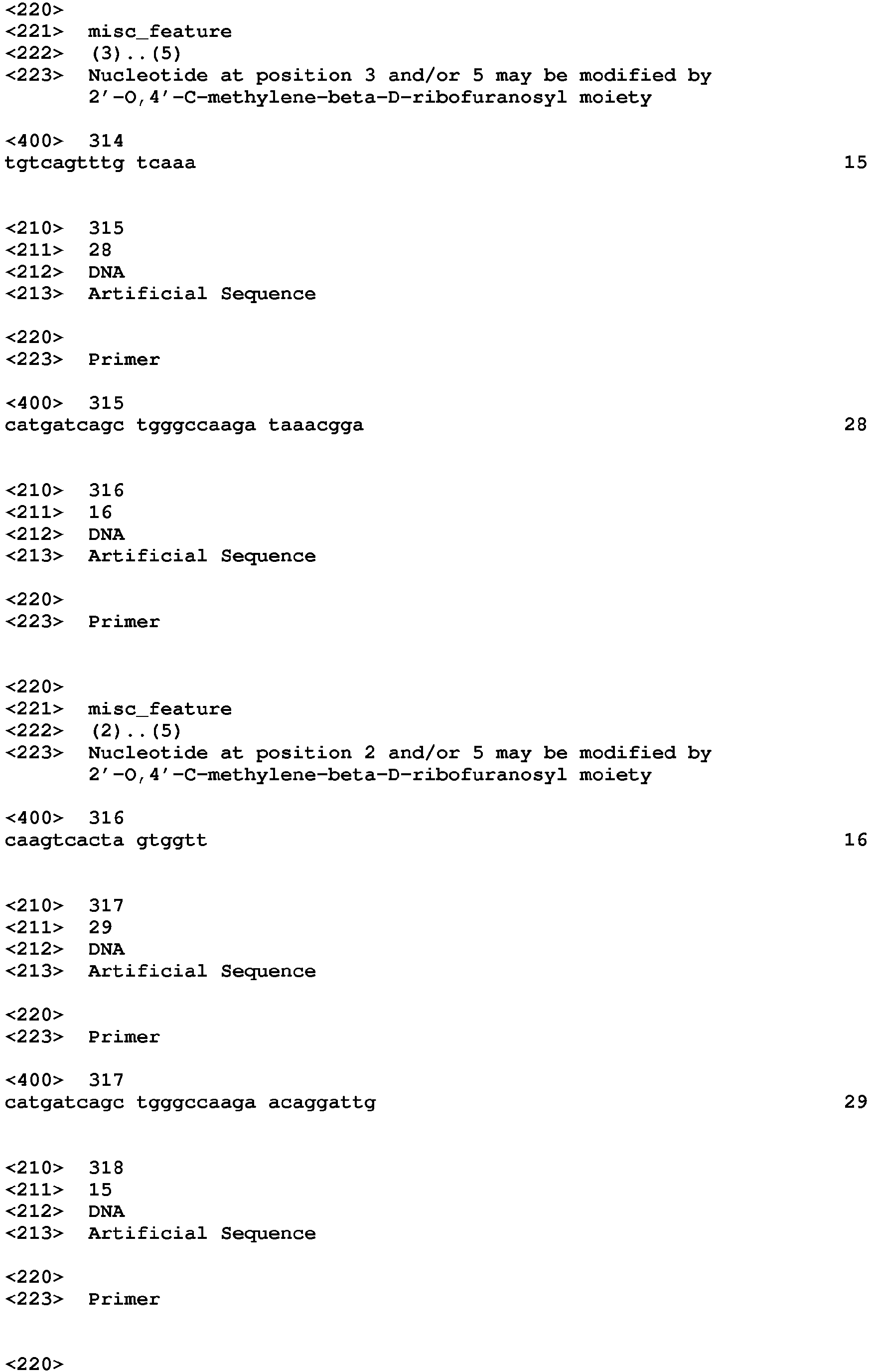
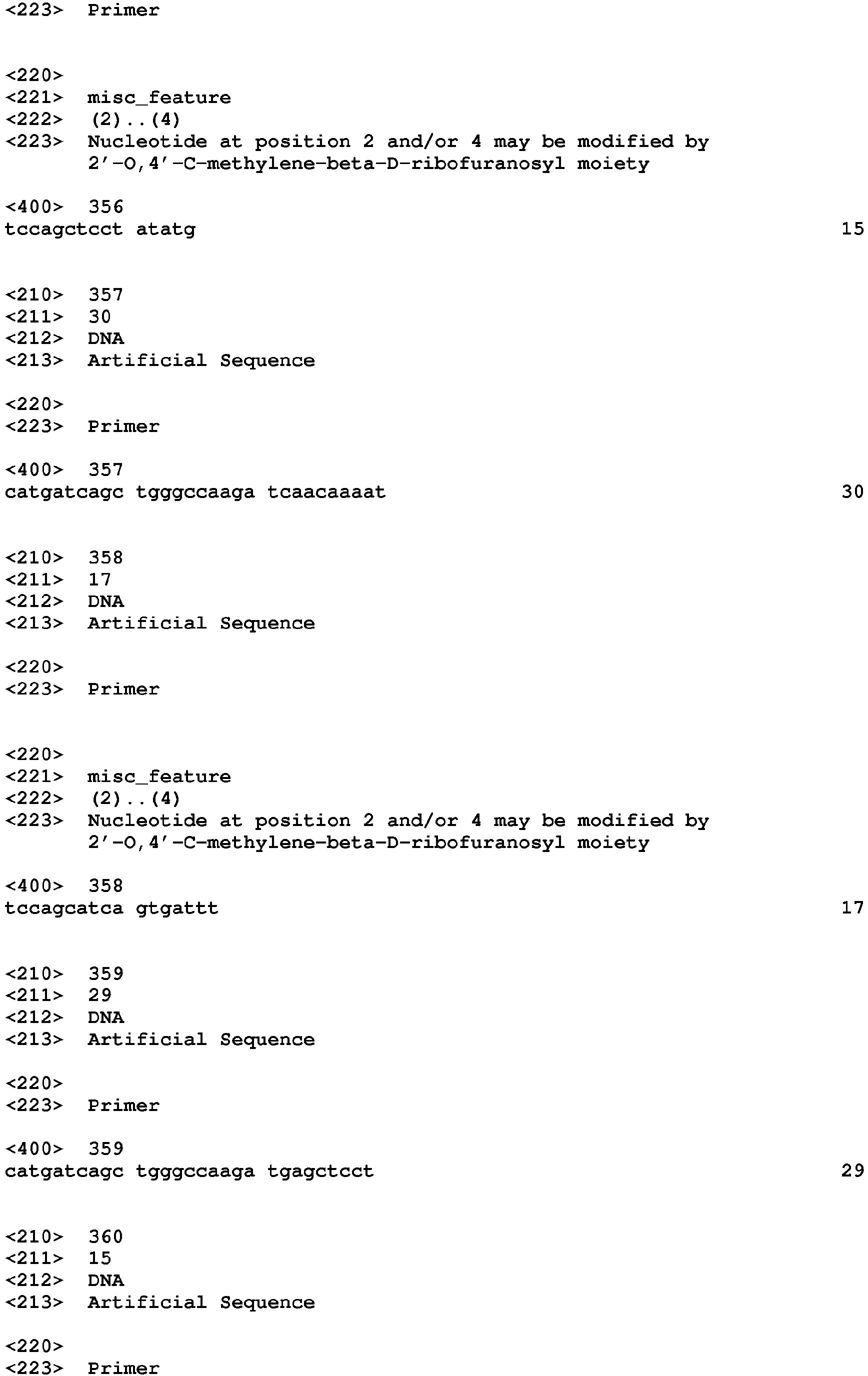
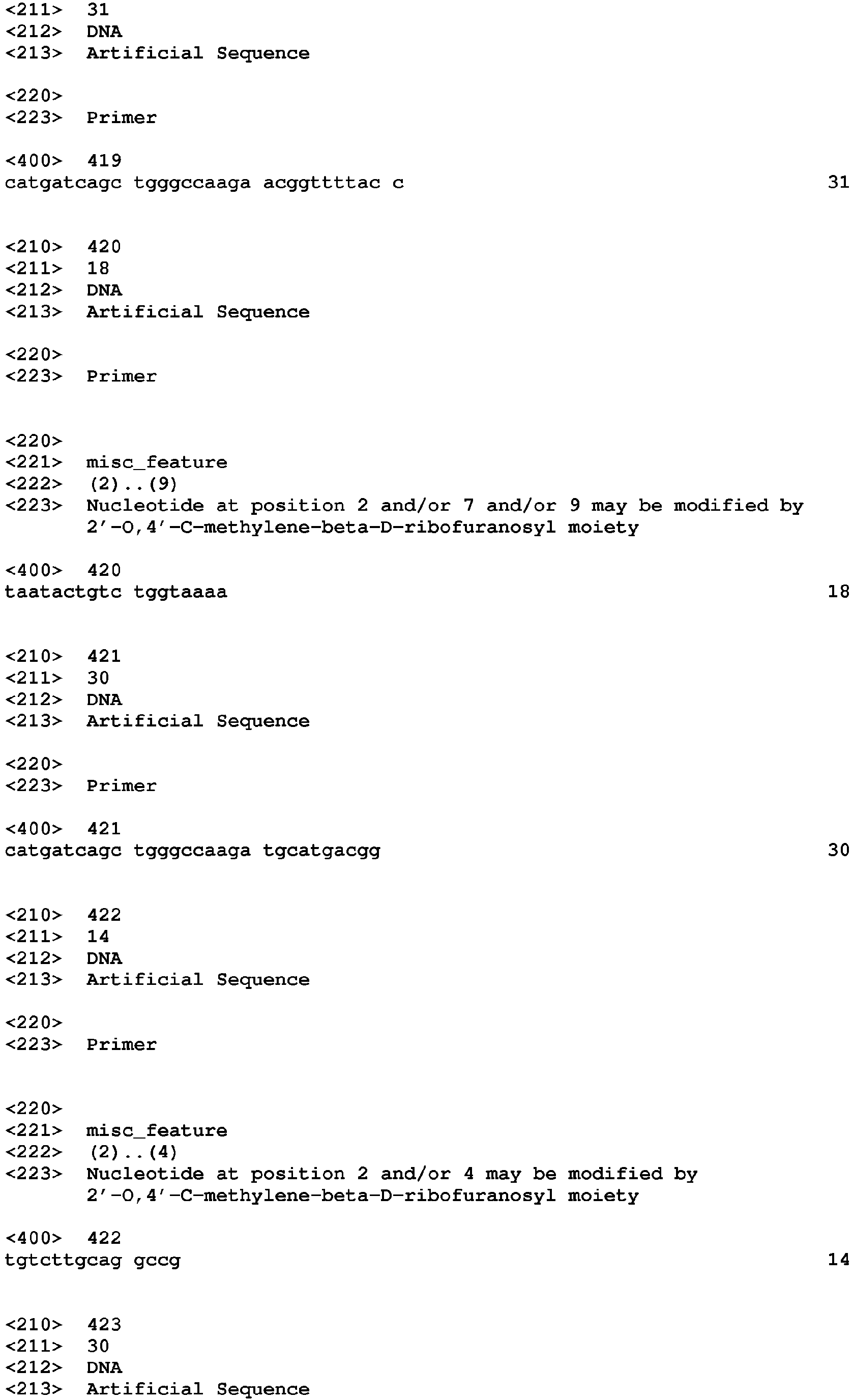
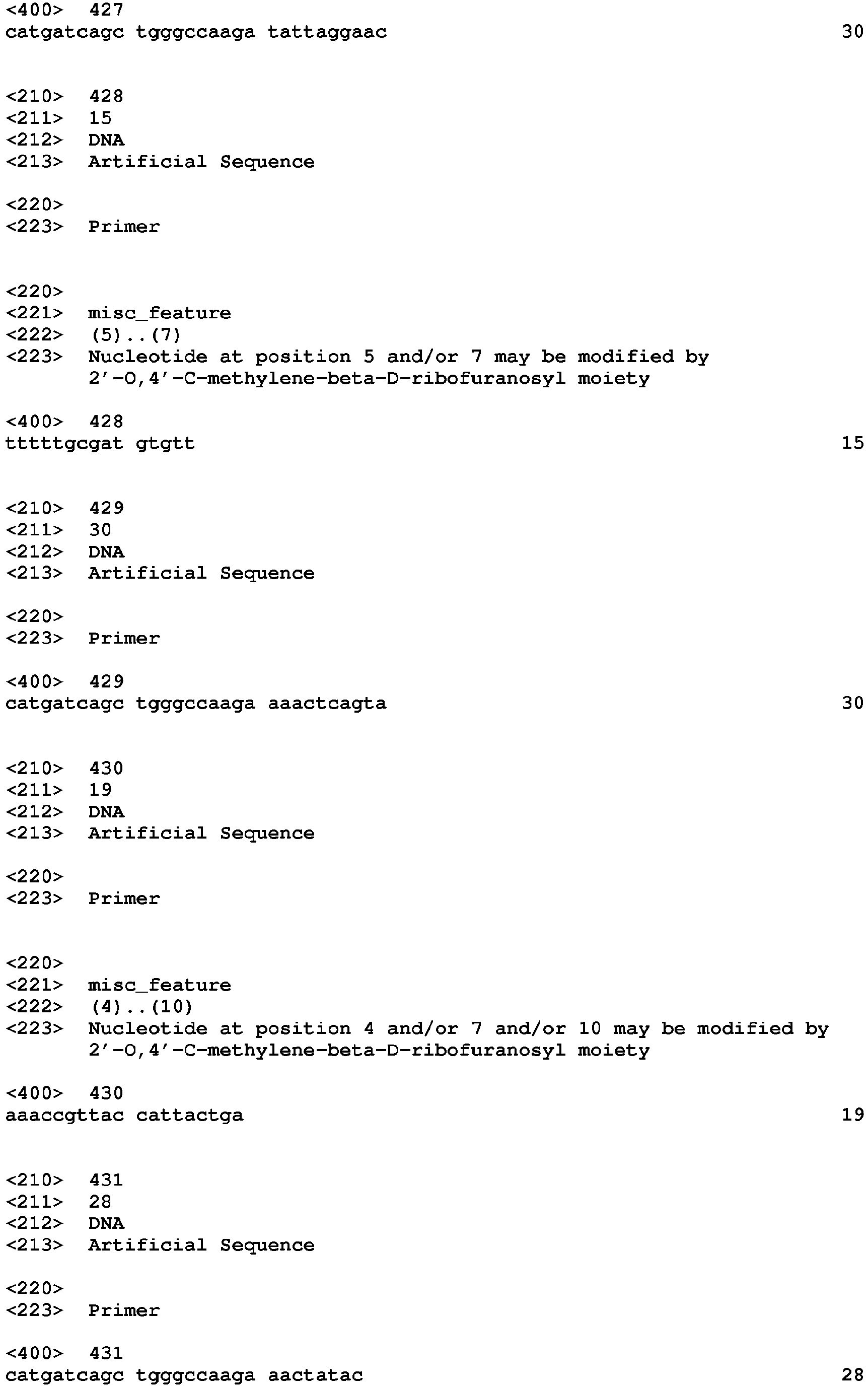
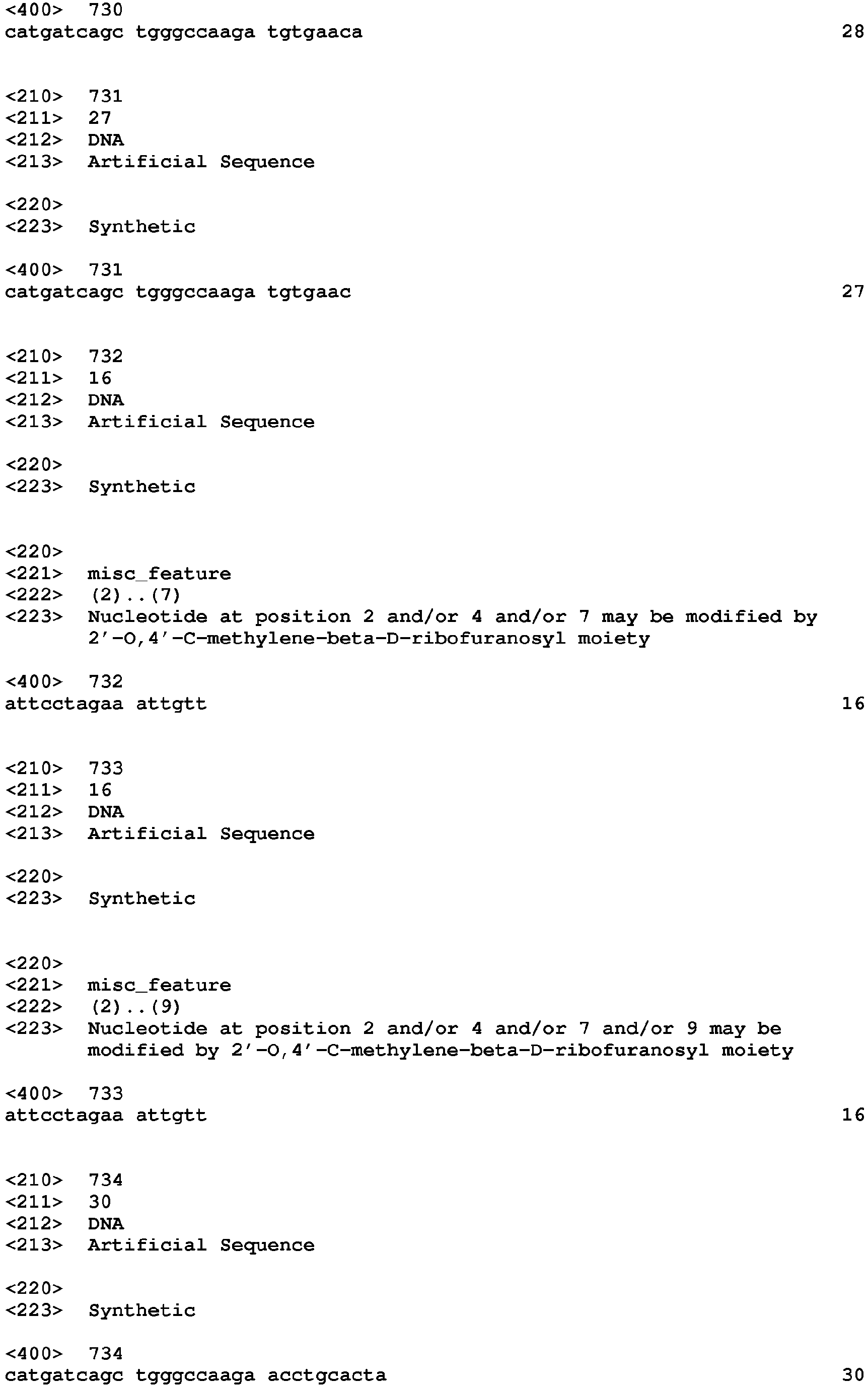
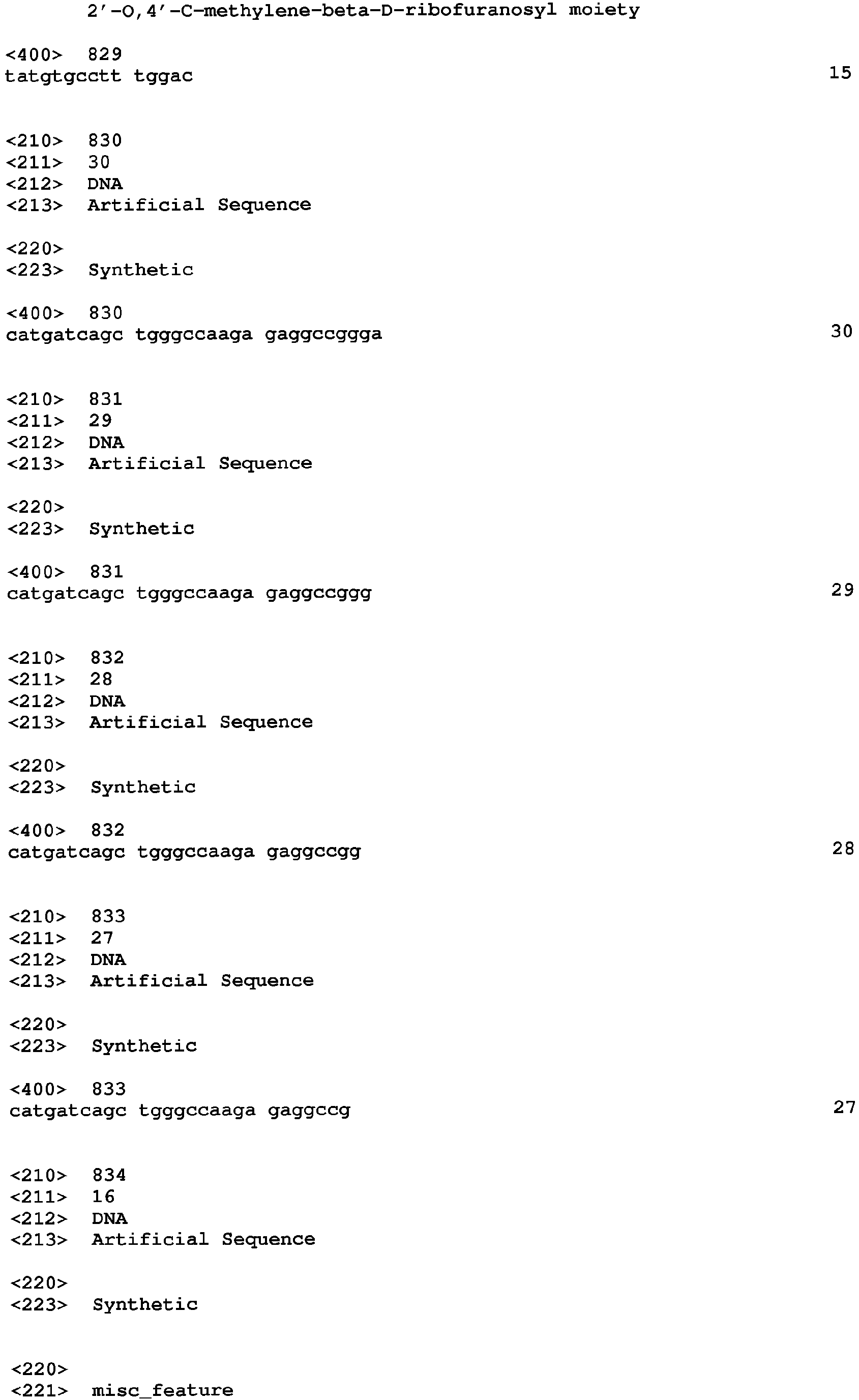
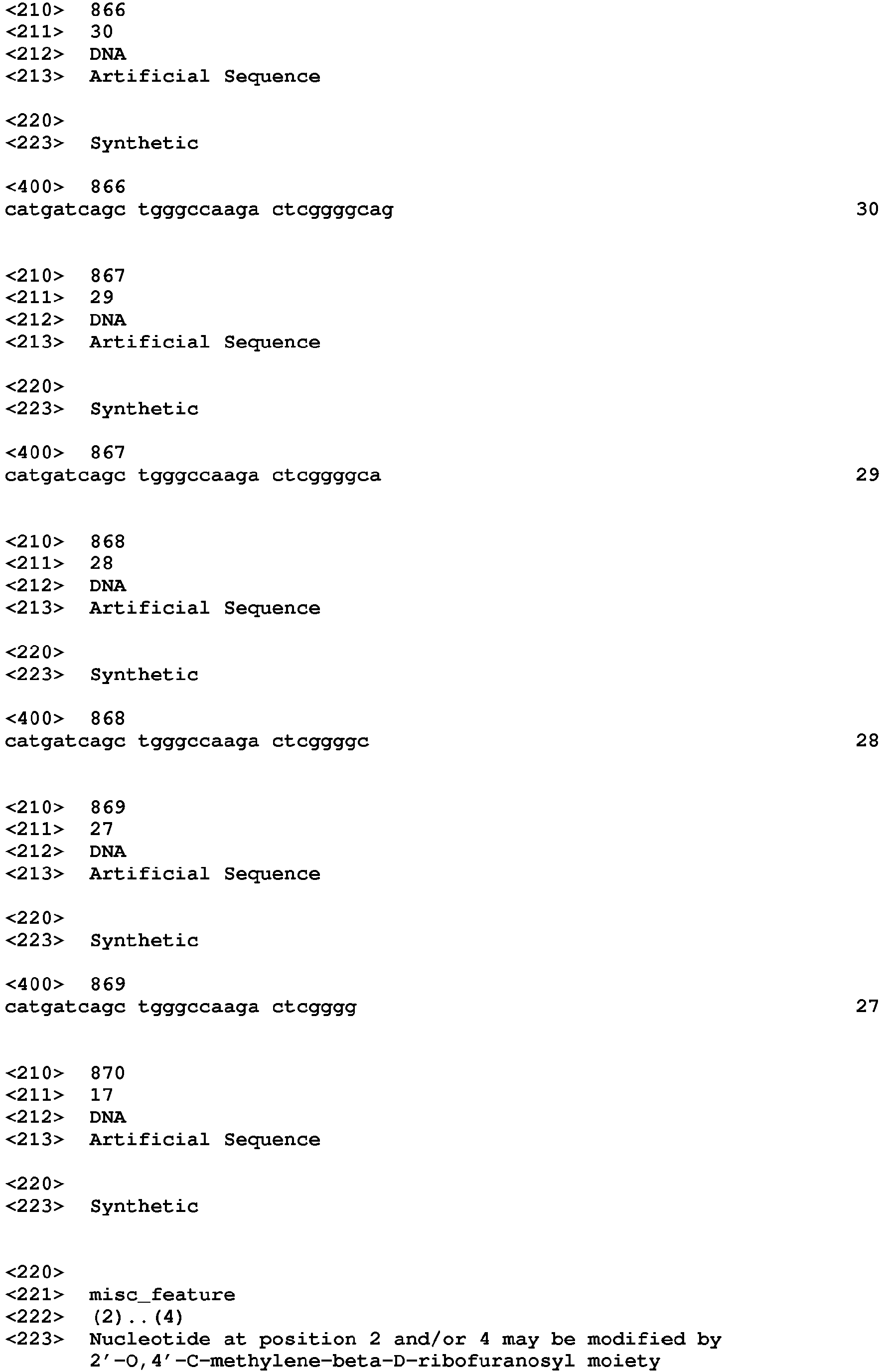
In another aspect, the invention provides nucleic acid primer molecules consisting of sequence SEQ ID NO:1 to SEQ ID NO: 499, as shown in TABLE 1, TABLE 2, TABLE 6, and TABLE 7. The primer molecules of the invention can be used as primers for detecting mammalian microRNA target molecules, using the methods of the invention described herein.
-
In another aspect, the present invention provides kits for detecting at least one mammalian target microRNA, the kits comprising one or more primer sets specific for the detection of a target microRNA, each primer set comprising (1) an extension primer for producing a cDNA molecule complementary to a target microRNA, (2) a universal forward PCR primer for amplifying the cDNA molecule and (3) a reverse PCR primer for amplifying the cDNA molecule. The extension primer comprises a first portion that hybridizes to the target microRNA molecule and a second portion that includes a hybridization sequence for a universal forward PCR primer. The reverse PCR primer comprises a sequence selected to hybridize to a portion of the cDNA molecule. In some embodiments of the kit, at least one of the universal forward and reverse primers include at least one locked nucleic acid molecule. The kits of the invention may be used to practice various embodiments of the methods of the invention.
-
The methods, compositions and kits of the present invention are useful, for example, for quantitating specific microRNA molecules within different types of cells in a living organism, or, for example, for measuring changes in the amount of specific microRNAs in living cells in response to a stimulus (e-g., in response to administration of a drug).
BRIEF DESCRIPTION OF THE DRAWINGS
-
The foregoing aspects and many of the attendant advantages of this invention will become more readily appreciated as the same become better understood by reference to the following detailed description, when taken in conjunction with the accompanying drawings, wherein:
- FIGURE 1 shows a flow chart of a representative method of the present invention;
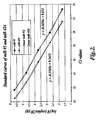
- FIGURE 2 graphically illustrates the standard curves for assays specific for the detection of microRNA targets miR-95 and miR-424 as described in EXAMPLE 3;
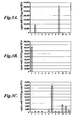
- FIGURE 3A is a histogram plot showing the expression profile of miR-1 across a panel of total RNA isolated from twelve tissues as described in EXAMPLE 5;
- FIGURE 3B is a histogram plot showing the expression profile of miR-124 across a panel of total RNA isolated from twelve tissues as described in EXAMPLE 5; and
- FIGURE 3C is a histogram plot showing the expression profile of miR-150 across a panel of total RNA isolated from twelve tissues as described in EXAMPLE 5.
DETAILED DESCRIPTION OF THE PREFERRED EMBODIMENT
-
In accordance with the foregoing, in one aspect, the present invention provides methods for amplifying a microRNA molecule to produce cDNA molecules. The methods include the steps of: (a) using primer extension to make a DNA molecule that is complementary to a target microRNA molecule; and (b) using a universal forward primer and a reverse primer to amplify the DNA molecule to produce amplified DNA molecules. In some embodiments of the method, at least one of the universal forward primer and the reverse primer comprises at least one locked nucleic acid molecule.
-
As used herein, the term "locked nucleic acid molecule" (abbreviated as LNA molecule) refers to a nucleic acid molecule that includes a 2'-O,4'-C-methylene-β-D-ribofuranosyl moiety. Exemplary 2'-0,4'-C-methylene-β-D-ribofuranosyl moieties, and exemplary LNAs including such moieties, are described, for example, in Petersen, M., and Wengel, J., Trends in Biotechnology 21(2):74-81 (2003) which publication is incorporated herein by reference in its entirety.
-
As used herein, the term "microRNA" refers to an RNA molecule that has a length in the range of from 21 nucleotides to 25 nucleotides. Some microRNA molecules (e.g., siRNA molecules) function in living cells to regulate gene expression.
-
Representative Method of the Invention. FIGURE 1 shows a flowchart of a representative method of the present invention. In the method represented in FIGURE 1, a microRNA is the template for synthesis of a complementary first DNA molecule. The synthesis of the first DNA molecule is primed by an extension primer, and so the first DNA molecule includes the extension primer and newly synthesized DNA (represented by a dotted line in FIGURE 1). The synthesis of DNA is catalyzed by reverse transcriptase.
-
The extension primer includes a first portion (abbreviated as FP in FIGURE 1) and a second portion (abbreviated as SP in FIGURE 1). The first portion hybridizes to the microRNA target template, and the second portion includes a nucleic acid sequence that hybridizes with a universal forward primer, as described infra.
-
A quantitative polymerase chain reaction is used to make a second DNA molecule that is complementary to the first DNA molecule. The synthesis of the second DNA molecule is primed by the reverse primer that has a sequence that is selected to specifically hybridize to a portion of the target first DNA molecule. Thus, the reverse primer does not hybridize to nucleic acid molecules other than the first DNA molecule, The reverse primer may optionally include at least one LNA molecule located within the portion of the reverse primer that does not overlap with the extension primer. In FIGURE 1, the LNA molecules are represented by shaded ovals.
-
A universal forward primer hybridizes to the 3' end of the second DNA molecule and primes synthesis of a third DNA molecule. It will be understood that, although a single microRNA molecule, single first DNA molecule, single second DNA molecule, single third DNA molecule and single extension, forward and reverse primers are shown in FIGURE 1, typically the practice of the present invention uses reaction mixtures that include numerous copies (e.g., millions of copies) of each of the foregoing nucleic acid molecules.
-
The steps of the methods of the present invention are now considered in more detail.
-
Reparation of microRNA Molecules Useful as Templates. microRNA molecules useful as templates in the methods of the invention can be isolated from any organism (e.g., eukaryote, such as a mammal) or part thereof, including organs, tissues, and/or individual cells (including cultured cells). Any suitable RNA preparation that includes microRNAs can be used, such as total cellular RNA.
-
RNA may be isolated from cells by procedures that involve lysis of the cells and denaturation of the proteins contained therein. Cells of interest include wild-type cells, drug-exposed wild-type cells, modified cells, and drug-exposed modified cells,
-
Additional steps may be employed to remove some or all of the DNA. Cell lysis may be accomplished with a nonionic detergent, followed by microcentrifugation to remove the nuclei and hence the bulk of the cellular DNA. In one embodiment, RNA is extracted from cells of the various types of interest using guanidinium thiocyanate lysis followed by CsCl centrifugation to separate the RNA from DNA (see, Chirgwin et al., 1979, Biochemistry 18:5294-5299). Separation of RNA from DNA can also be accomplished by organic extraction, for example, with hot phenol or phenol/chloroform/isoamyl alcohol.
-
If desired, RNase inhibitors may be added to the lysis buffer. Likewise, for certain cell types, it may be desirable to add a protein denaturation/digestion step to the protocol.
-
The sample of RNA can comprise a multiplicity of different microRNA molecules, each different microRNA molecule having a different nucleotide sequence. In a specific embodiment, the microRNA molecules in the RNA sample comprise at least 100 different nucleotide sequences. In other embodiments, the microRNA molecules of the RNA sample comprise at least 500, 1,000, 5,000, 10,000, 20,000, 30,000, 40,000, 50,000, 60,000, 70,000, 80,000 90,000, or 100,000 different nucleotide sequences.
-
The methods of the invention may be used to detect the presence of any microRNA. For example, the methods of the invention can be used to detect one or more of the microRNA targets described in a database such as "the miRBase sequence database" as described in Griffith-Jones et al. (2004), Nucleic Acids Research. 32:D109-D111, and Griffith-Jones et al. (2006), Nucleic Acids Research 34:D140-D144, which is publically accessible on the World Wide Web at the Wellcome Trust Sanger Institute website at http://microrna.sanger.ac.uk/sequences/. A list of exemplary microRNA targets is also described in the following references: Lagos-Quintana et al., Curr. Biol. 12(9):735-9 (2002).
-
Synthesis of DNA Molecules Using microRNA Molecules As Templates. In the practice of the methods of the invention, first DNA molecules are synthesized that are complementary to the microRNA target molecules, and that are composed of an extension primer and newly synthesized DNA (wherein the extension primer primes the synthesis of the newly synthesized DNA). Individual first DNA molecules can be complementary to a whole microRNA target molecule, or to a portion thereof; although typically an individual first DNA molecule is complementary to a whole microRNA target molecule. Thus, in the practice of the methods of the invention, a population of first DNA molecules is synthesized that includes individual DNA molecules that are each complementary to all, or to a portion, of a target microRNA molecule.
-
The synthesis of the first DNA molecules is catalyzed by reverse transcriptase. Any reverse transcriptase molecule can be used to synthesize the first DNA molecules, such as those derived from Moloney murine leukemia virus (MMLV-RT), avian myeloblastosis virus (AMV-RT), bovine leukemia virus (BLV-RT), Rous sarcoma virus (RSV) and human immunodeficiency virus (HIV-RT). A reverse transcriptase lacking RNaseH activity (e.g., SUPERSCRIPT III™ sold by Invitrogen, 1600 Faraday Avenue, P.O. Box 6482, Carlsbad, California 92008) is preferred in order to minimize the amount of double-stranded cDNA synthesized at this stage. The reverse transcriptase molecule should also preferably be thermostable so that the DNA synthesis reaction can be conducted at as high a temperature as possible, while still permitting hybridization of primer to the microRNA target molecules.
-
Priming the Synthesis of the First DNA Molecules. The synthesis of the first DNA molecules is primed using an extension primer. Typically, the length of the extension primer is in the range of from 10 nucleotides to 100 nucleotides, such as 20 to 35 nucleotides. The nucleic acid sequence of the extension primer is incorporated into the sequence of each, synthesized, DNA molecule. The extension primer includes a first portion that hybridizes to a portion of the microRNA molecule. Typically the first portion of the extension primer includes the 3'-end of the extension primer. The first portion of the extension primer typically has a length in the range of from 6 nucleotides to 20 nucleotides, such as from 10 nucleotides to 12 nucleotides. In some embodiments, the first portion of the extension primer has a length in the range of from 3 nucleotides to 25 nucleotides.
-
The extension primer also includes a second portion that typically has a length of from 18 to 25 nucleotides. For example, the second portion of the extension primer can be 20 nucleotides long. The second portion of the extension primer is located 5' to the first portion of the extension primer. The second portion of the extension primer includes at least a portion of the hybridization site for the universal forward primer. For example, the second portion of the extension primer can include all of the hybridization site for the universal forward primer, or, for example, can include as little as a single nucleotide of the hybridization site for the universal forward primer (the remaining portion of the hybridization site for the forward primer can, for example, be located in the first portion of the extension primer). An exemplary nucleic acid sequence of a second portion of an extension primer is 5' CATGATCAGCTGGGCCAAGA 3' (SEQ ID NO:1).
-
Amplification of the DNA Molecules. In the practice of the methods of the invention, the fist DNA molecules are enzymatically amplified using the polymerase chain reaction. A universal forward primer and a reverse primer are used to prime the polymerase chain reaction. The reverse primer includes a nucleic acid sequence that is selected to specifically hybridize to a portion of a first DNA molecule.
-
The reverse primer typically has a length in the range of from 10 nucleotides to 100 nucleotides. In some embodiments, the reverse primer has a length in the range of from 12 nucleotides to 20 nucleotides. The nucleotide sequence of the reverse primer is selected to hybridize to a specific target nucleotide sequence under defined hybridization conditions. The reverse primer and extension primer are both present in the PCR reaction mixture, and so the reverse primer should be sufficiently long so that the melting temperature (Tm) is at least 50°C, but should not be so long that there is extensive overlap with the extension primer which may cause the formation of "primer dimers." "Primer dimers" are formed when the reverse primer hybridizes to the extension primer, and uses the extension primer as a substrate for DNA synthesis, and the extension primer hybridizes to the reverse primer, and uses the reverse primer as a substrate for DNA synthesis. To avoid the formation of "primer dimers," typically the reverse primer and the extension primer are designed so that they do not overlap with each other by more than 6 nucleotides. If it is not possible to make a reverse primer having a Tm of at least 50°C, and wherein the reverse primer and the extension primer do not overlap by more than 6 nucleotides, then it is preferable to lengthen the reverse primer (since Tm usually increases with increasing oligonucleotide length) and decrease the length of the extension primer.
-
The reverse primer primes the synthesis of a second DNA molecule that is complementary to the first DNA molecule. The universal forward primer hybridizes to the portion of the second DNA molecule that is complementary to the second portion of the extension primer which is incorporated into all of the first DNA molecules. The universal forward primer primes the synthesis of third DNA molecules. The universal forward primer typically has a length in the range of from 16 nucleotides to 100 nucleotides. In some embodiments, the universal forward primer has a length in the range of from 16 nucleotides to 30 nucleotides. The universal forward primer may include at least one locked nucleic acid molecule. In some embodiments, the universal forward primer includes from 1 to 25 locked nucleic acid molecules. The nucleic acid sequence of an exemplary universal forward primer is set forth in SEQ ID NO:13.
-
In general, the greater the number of amplification cycles during the polymerase chain reaction, the greater the amount of amplified DNA that is obtained. On the other hand, too many amplification cycles (e.g., more than 35 amplification cycles) may result in spurious and unintended amplification of non-target double-stranded DNA. Thus, in some embodiments, a desirable number of amplification cycles is between one and 45 amplification cycles, such as from one to 25 amplification cycles, or such as from five to 15 amplification cycles, or such as ten amplification cycles.
-
Use of LNA Molecules and Selection of Primer Hybridization Conditions. Hybridization conditions are selected that promote the specific hybridization of a primer molecule to the complementary sequence on a substrate molecule. With respect to the hybridization of a 12 nucleotide first portion of an extension primer to a microRNA, it has been found that specific hybridization occurs at a temperature of 50°C. Similarly, it has been found that hybridization of a 20 nucleotide universal forward primer to a complementary DNA molecule, and hybridization of a reverse primer (having a length in the range of from 12-20 nucleotides, such as from 14-16 nucleotides) to a complementary DNA molecule occurs at a temperature of 50°C. By way of example, it is often desirable to design extension, reverse and universal forward primers that each have a hybridization temperature in the range of from 50°C to 60°C.
-
In some embodiments, LNA molecules can be incorporated into at least one of the extension primer, reverse primer, and universal forward primer to raise the Tm of one, or more, of the foregoing primers to at least 50°C. Incorporation of an LNA molecule into the portion of the reverse primer that hybridizes to the target first DNA molecule, but not to the extension primer, may be useful because this portion of the reverse primer is typically no more than 10 nucleotides in length. For example, the portion of the reverse primer that hybridizes to the target first DNA molecule, but not to the extension primer, may include at least one locked nucleic acid molecule (e.g., from 1 to 25 locked nucleic acid molecules). In some embodiments, two or three locked nucleic acid molecules are included within the first 8 nucleotides from the 5' end of the reverse primer.
-
The number of LNA residues that must be incorporated into a specific primer to raise the Tm to a desired temperature mainly depends on the length of the primer and the nucleotide composition of the primer. A tool for determining the effect on Tm of one or more LNAs in a primer is available on the Internet Web site of Exiqon, Bygstubben 9, DK-2950 Vedbaek, Denmark.
-
Although one or more LNAs can be included in any of the primers used in the practice of the present invention, it has been found that the efficiency of synthesis of cDNA is low if an LNA is incorporated into the extension primer. While not wishing to be bound by theory, LNAs may inhibit the activity of reverse transcriptase.
-
Detecting and Measuring the Amount of the Amplified DNA Molecules. The amplified DNA molecules can be detected and quantitated by the presence of detectable marker molecules, such as fluorescent molecules. For example, the amplified DNA molecules can be detected and quantitated by the presence of a dye (e.g., SYBR green) that preferentially or exclusively binds to double stranded DNA during the PCR amplification step of the methods of the present invention. For example, Molecular Probes, Inc. (29851 Willow Creek Road, Eugene, OR 97402) sells quantitative PCR reaction mixtures that include SYBR green dye. By way of further example, another dye (referred to as "BEBO") that can be used to label double stranded DNA produced during real-time PCR is described by Bengtsson, M., et al., Nucleic Acids Research 31(8):e45 (April 15, 2003), which publication is incorporated herein by reference. Again by way of example, a forward and/or reverse primer that includes a fluorophore and quencher can be used to prime the PCR amplification step of the methods of the present invention. The physical separation of the fluorophore and quencher that occurs after extension of the labeled primer during PCR permits the fluorophore to fluoresce, and the fluorescence can be used to measure the amount of the PCR amplification products. Examples of commercially available primers that include a fluorophore and quencher include Scorpion primers and Uniprimers, which are both sold by Molecular Probes, Inc.
-
Representative Uses of the Present Invention. The present invention is useful for producing cDNA molecules from microRNA target molecules. The amount of the DNA molecules can be measured which provides a measurement of the amount of target microRNA molecules in the starting material. For example, the methods of the present invention can be used to measure the amount of specific microRNA molecules (e.g., specific siRNA molecules) in living cells. Again by way of example, the present invention can be used to measure the amount of specific microRNA molecules (e.g., specific siRNA molecules) in different cell types in a living body, thereby producing an "atlas" of the distribution of specific microRNA molecules within the body. Again by way of example, the present invention can be used to measure changes in the amount of specific microRNA molecules (e.g., specific siRNA molecules) in response to a stimulus, such as in response to treatment of a population of living cells with a drug.
-
Thus, in another aspect, the present invention provides methods for measuring the amount of a target microRNA in a multiplicity of different cell types within a living organism (e.g., to make a microRNA "atlas" of the organism). The methods of this aspect of the invention each include the step of measuring the amount of a target microRNA molecule in a multiplicity of different cell types within a living organism, wherein the amount of the target microRNA molecule is measured by a method comprising the steps of: (1) using primer extension to make a DNA molecule complementary to the target microRNA molecule isolated from a cell type of a living organism; (2) using a universal forward primer and a reverse primer to amplify the DNA molecule to produce amplified DNA molecules, and (3) measuring the amount of the amplified DNA molecules. In some embodiments of the methods, at least one of the forward primer and the reverse primer comprises at least one locked nucleic acid molecule. The measured amounts of amplified DNA molecules can, for example, be stored in an interrogatable database in electronic form, such as on a computer-readable medium(e.g., a floppy disc).
-
In some embodiments, the methods may be used to discriminate between two or more mammalian target microRNA that have a similar sequence in a sample from a living g organism, the method comprising the steps of: (a) producing a first DNA molecule that is complementary to the first microRNA molecule using a first extension primer specific to the first microRNA molecule; (b) amplifying the first DNA molecule to produce a first population of amplified DNA molecules using a universal forward primer and a first reverse primer; (c) producing a second DNA molecule that is complementary to the second microRNA molecule using a second extension primer specific to the second microRNA molecule; (d) amplifying the second DNA molecule to produce a second population of amplified DNA molecules using a universal forward primer and a second reverse primer; (e) measuring the amount of the first and second population of amplified DNA molecules, wherein the first and second extension primers or the first and second reverse primers differ by one or more nucleotides in the portion that is complementary to the target microRNA. This method may be used to discriminate between microRNA targets that differ by one, two, three or more nucleotides, by designing the gene-specific region of the first and second extension primers to hybridize to the region of the microRNA targets that are not identical.
-
In another aspect, the invention provides nucleic acid primer molecules consisting of sequence SEQ ID NO:1 to SEQ ID NO: 499, as shown in TABLE 1, TABLE 2, TABLE 6, and TABLE 7. The primer molecules of the invention can be used as primers for detecting mammalian microRNA target molecules, using the methods of the invention described herein.
-
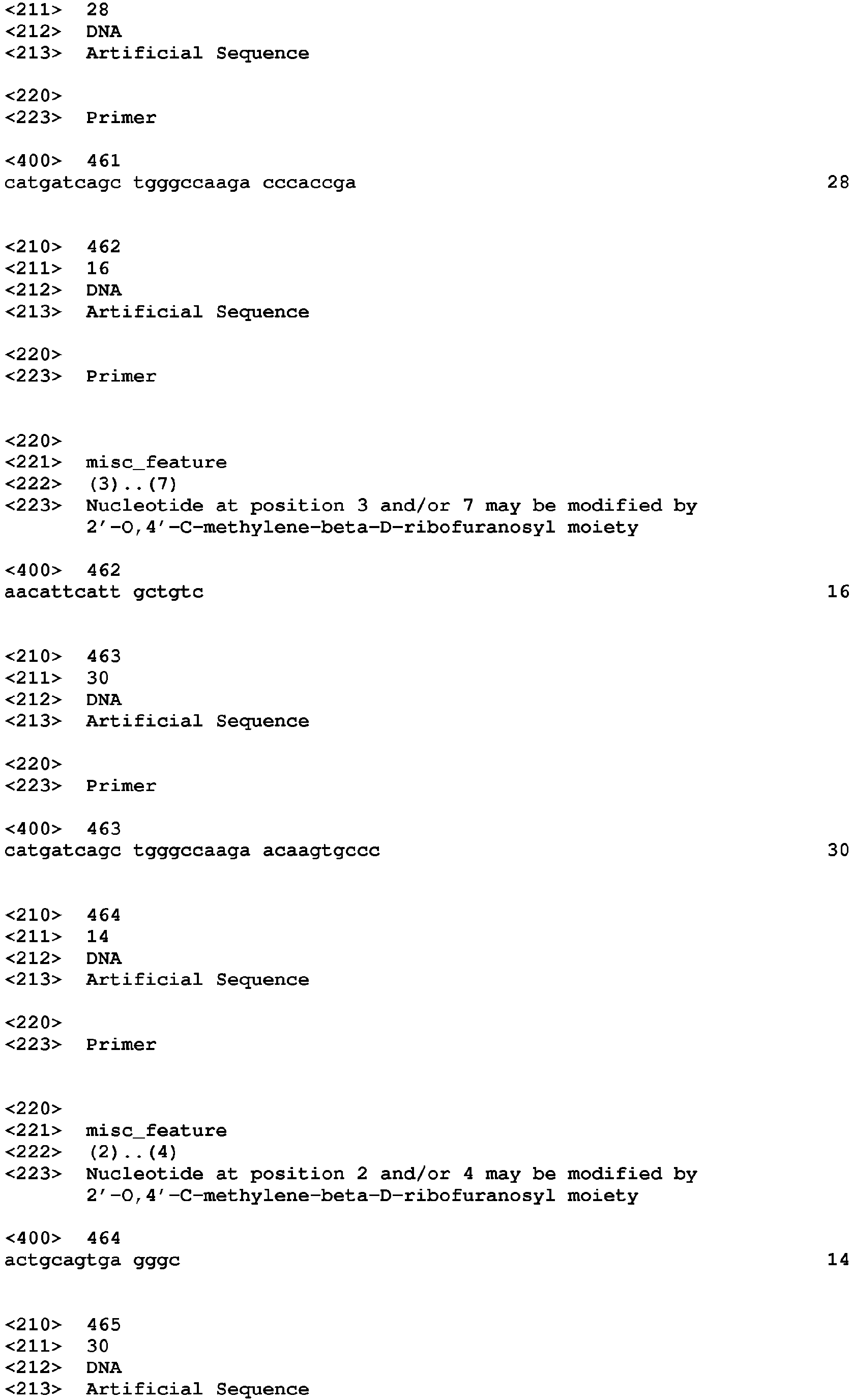
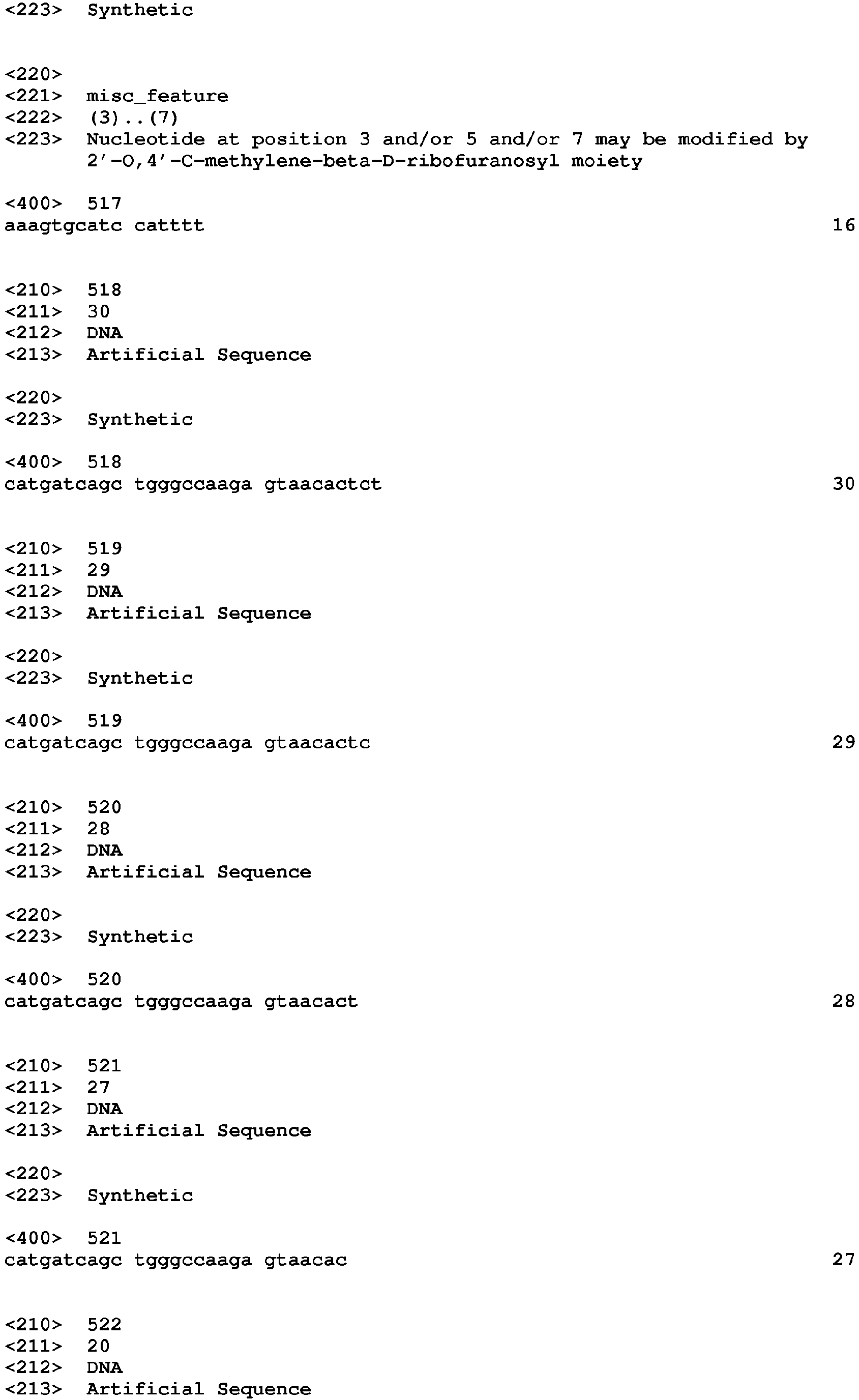
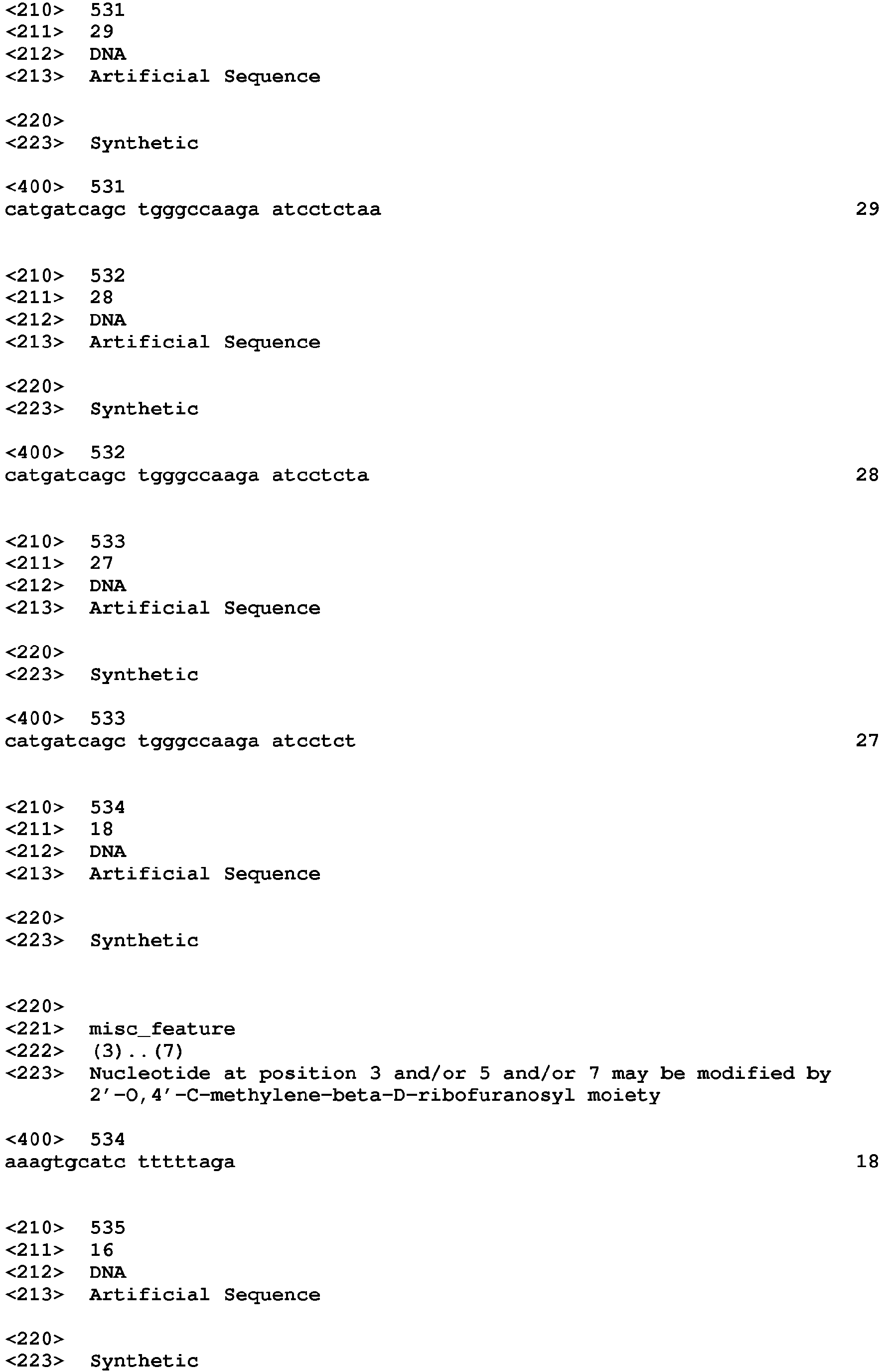
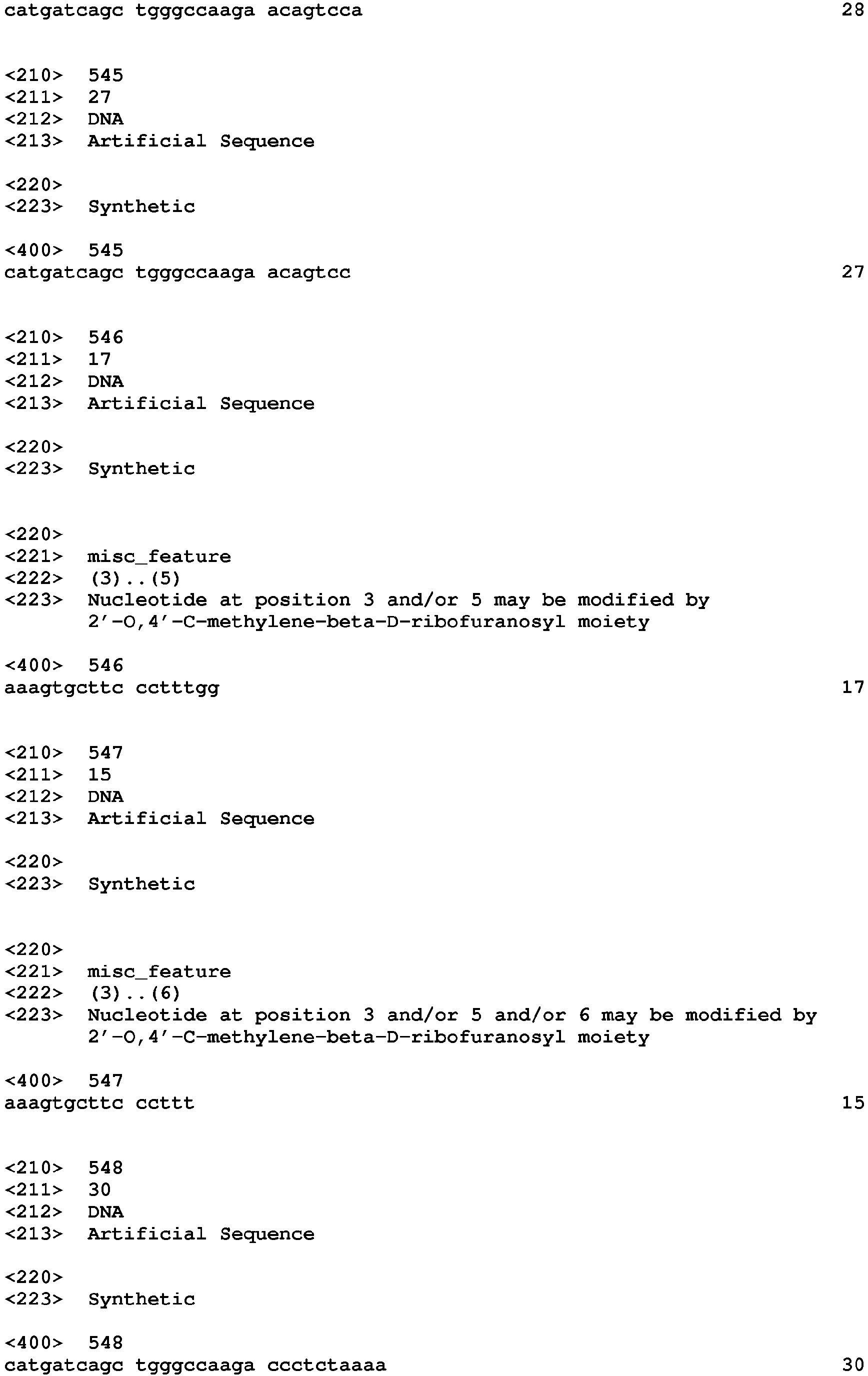
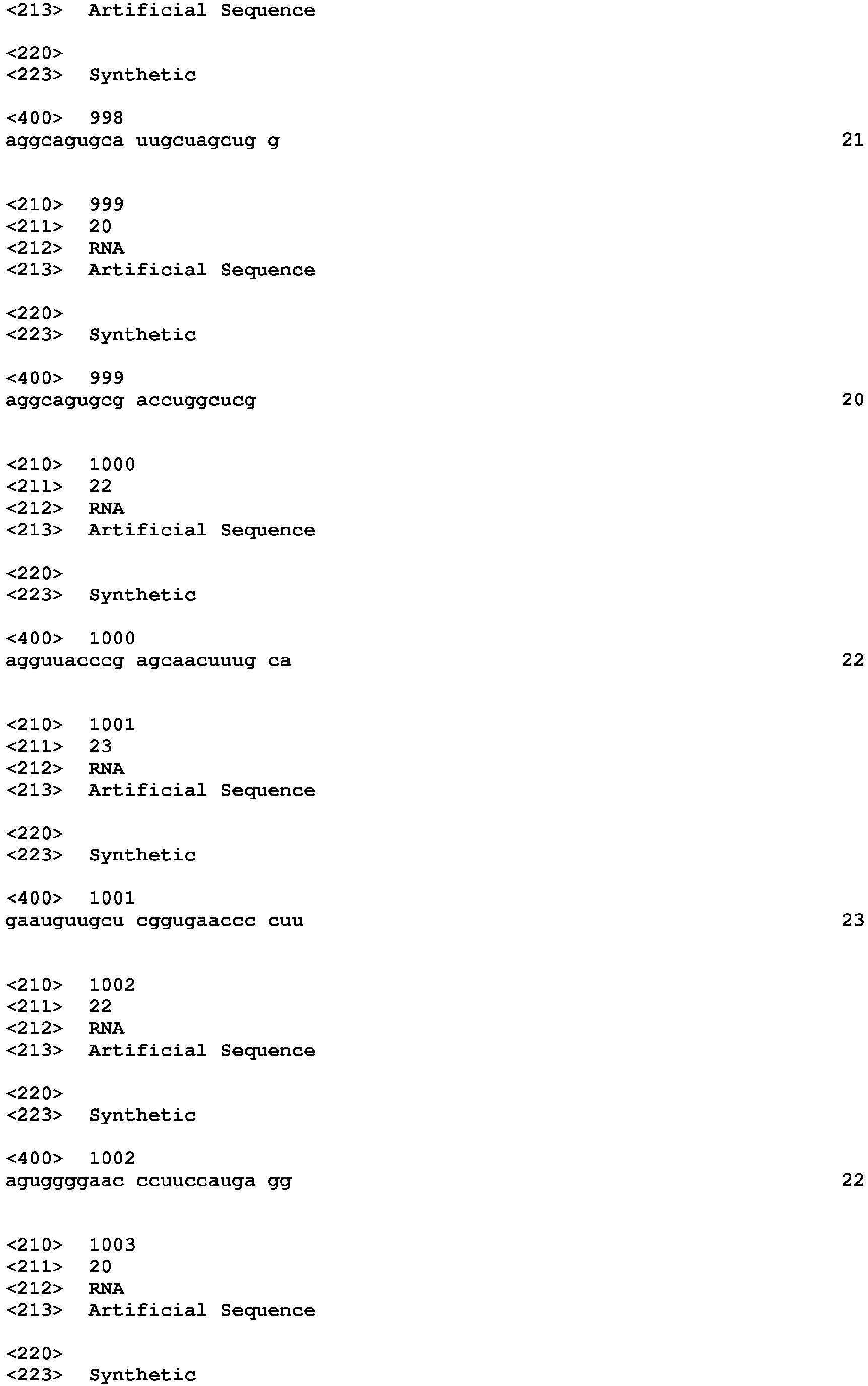
In another aspect, the invention provides sets of nucleic acid primers consisting of SEQ ID NO:500 to SEQ ID NO: 965, as shown in TABLE 8. The sets of primer molecules of the invention can be used for the detection of microRNA target molecules from human, mouse, and rat, using the methods of the invention described herein.
-
In another aspect, the present invention provides kits for detecting at least one mammalian target microRNA, the kits comprising one or more primer sets specific for the detection of a target microRNA, each primer set comprising (1) an extension primer for producing a cDNA molecule complementary to a target microRNA, (2) a universal forward PCR primer, and (3) a reverse PCR primer for amplifying the cDNA molecule. The extension primer comprises a first portion that hybridizes to the target microRNA molecule and a second portion that includes a hybridization sequence for a universal forward PCR primer. The reverse PCR primer comprises a sequence selected to hybridize to a portion of the cDNA molecule. In some embodiments of the kits, at least one of the universal forward and reverse primers includes at least one locked nucleic acid molecule.
-
The extension primer, universal forward and reverse primers for inclusion in the kit may be designed to detect any mammalian target microRNA in accordance with the methods described herein. Nonlimiting examples of human target microRNA target molecules and exemplary target-specific extension primers and reverse primers are listed below in TABLE 1, TABLE 2, and TABLE 6. Nonlimiting examples of murine target microRNA target molecules and exemplary target-specific extension primers and reverse primers are listed below in TABLE 7. A nonlimiting example of a universal forward primer is set forth as S EQ ID NO: 13.
-
In certain embodiments, the kit includes a set of primers comprising an extension primer, reverse and universal forward primers for a selected target micraRNA molecule that each have a hybridization temperature in the range of from 50°C to 60°C.
-
In certain embodiments, the kit includes a plurality of primer sets that may be used to detect a plurality of mammalian microRNA targets, such as two microRNA targets up to several hundred microRNA targets.
-
In certain embodiments, the kit comprises one or more primer sets capable of detecting at least one or more of the following human microRNA target templates: of miR-1, miR-7, miR-9*, miR-10a, miR-10b, miR-15a, miR-15b, miR-16, miR-17-3p, miR-17-5p. miR-18, miR-19a, miR-19b, miR-20, miR-21, miR-22, miR-23a, miR-23b, miR-24, miR-25, miR-26a, miR-26b, miR-27a, miR-28, miR-29a, miR-29b, miR-29c, miR-30a-5p, miR-30b, miR-30c, miR-30d, miR-30e-5p, miR-30e-3p, miR-31, miR-32, miR-33, miR-34a, miR-34b, miR-34c, miR-92, miR-93, miR-95, miR-96, miR-98, miR-99a, miR-99b, miR-100, miR-101, miR-103, miR-105, miR-106a, miR-107, miR-122, miR-122a, miR-124, miR-124, miR-124a, miR-125a, miR-125b, miR-126, miR-1.26*, miR-127, miR-128a, miR-128b, miR-129, miR-130a, miR-130b, miR-132, miR-133a, miR-133b, miR-134, miR-135a, miR-135b, miR-136, miR-137, miR-138, miR-139, miR-140, miR-141, miR-142-3p, miR-143, miR-144, miR-145, miR-146, miR-147, miR-148a, miR-148b, miR-149, miR-150, miR-151, miR-152, miR-153, miR-154*, miR-154, miR-155, miR-181a, miR-181b, miR-181c, miR-182*, miR-182, miR-183, miR-184, miR-185, miR-186, miR-187, miR-188, miR-189, miR-190, miR-191, miR-192, miR-193, miR-194, miR-195, miR-196a, miR-196b, miR-197, miR-198, miR-199a*, miR-199a, miR-199b, miR-200a, miR-200b, miR-200c, miR-202, miR-203, miR-204, miR-205, miR-206, miR-208, miR-210, miR-211, miR-212, miR-213, miR-213, miR-214, miR-215, miR-216, miR-217, miR-218, miR-220, miR-221, miR-222, miR-223, miR-224, miR-296, miR-299, miR-301, miR-302a*, miR-302a, miR-302b*, miR-302b, miR-302d, miR-302c*, miR-302c, miR-320, miR-323, miR-324-3p, miR-324-5p, miR-325, miR-326, miR-328, miR-330, miR-331, miR-337, miR-338, miR-339, miR-340, miR-342, miR-345, miR-346, miR-363, miR-367, miR-368, miR-370, miR-371, miR-372, miR-373*, miR-373, miR-374, miR-375, miR-376b, miR-378, miR-379, miR-380-5p, miR-380-3p, miR-381, miR-382, miR-383, miR-410, miR-412, miR-422a, miR-422b, miR-423, miR-424, miR-425, miR-429, miR-431, miR-448, miR-449, miR-450, miR-451, let7a, let7b, let7c, let7d, let7e, let7f, let7g, let7i, miR-376a, and miR-377. The sequences of the above-mentioned microRNA targets are provided in "the miRBase sequence database" as described in Griffith-Jones et al. (2004), Nucleic Acids Research 32:D109-D111, and Griffith-Jones et al. (2006), Nucleic Acids Research 34:D140-D144, which is publically accessible on the World Wide Web at the Wellcome Trust Sanger Institute website at http://microrna.sanger.ac.uk/sequences/.
-
Exemplary primers for use in accordance with this embodiment of the kit are provided in TABLE 1, TABLE 2, and TABLE 6 below.
-
In another embodiment, the kit comprises one or more primer sets capable of detecting at least one or more of the following human microRNA target templates: miR-1, miR-7, miR-10b, miR-26a, miR-26b, miR-29a, miR-30e-3p, miR-95, miR-107, miR-141, miR-143, miR-154*, miR-154, miR-155, miR-181a, miR-181b, miR-181c, miR-190, miR-193, miR-194, miR-195, miR-202, miR-206, miR-208, miR-212, miR-221, miR-222, miR-224, miR-296, miR-299, miR-302c*, miR-302c, miR-320, miR-339, miR363, miR-376b, miR379, miR410, miR412, miR424, miR429, miR431, miR449, miR451, let7a, let7b, let7c, let7d, let7e, let7f, let7g, and let7i. Exemplary primers for use in accordance with this embodiment of the kit are provided in TABLE 1, TABLE 2, and TABLE 6 below.
-
In another embodiment, the kit comprises one or more primer sets capable of detecting at least one or more of the following human, mouse or rat microRNA target templates: miR-1, miR-9, miR-18b, miR-20b, miR-92b, miR-146b, miR-181d, miR-193b, miR-194, miR-206, miR-291a-3p, miR-291b-3p, miR-301b, miR-329, miR-346, miR-351, miR-362, miR-362-3p, miR-369-5p, miR-384, miR-409-3p, miR-409-5p, miR-425-5p, miR-449b, miR-455, miR-483, miR-484, miR-485-3p, miR-485-5p, miR-486, miR-487b, miR-488, miR-489, miR-490, miR-491, miR-493-3p, miR-494, miR-495, miR-497, miR-499, miR-500, miR-501, miR-503, miR-.505, miR-519a, miR-519b, miR-519c, miR-519d, miR-520a, miR-520b, miR-520d, miR-520e, miR-520f, miR-532, miR-539, miR-542-3p, miR-542-5p, miR-615, miR-652, miR-668, miR-671, miR-675-5p, miR-699, miR-721, and miR-758.
-
Exemplary primers for use in accordance with this embodiment of the kit are provided in TABLE 8.
-
In another embodiment, the kit comprises at least one oligonucleotide primer selected from the group consisting of SEQ ID NO: 2 to SEQ ID NO: 493, as shown in TABLE 1, TABLE 2, TABLE 6, and TABLE 7.
-
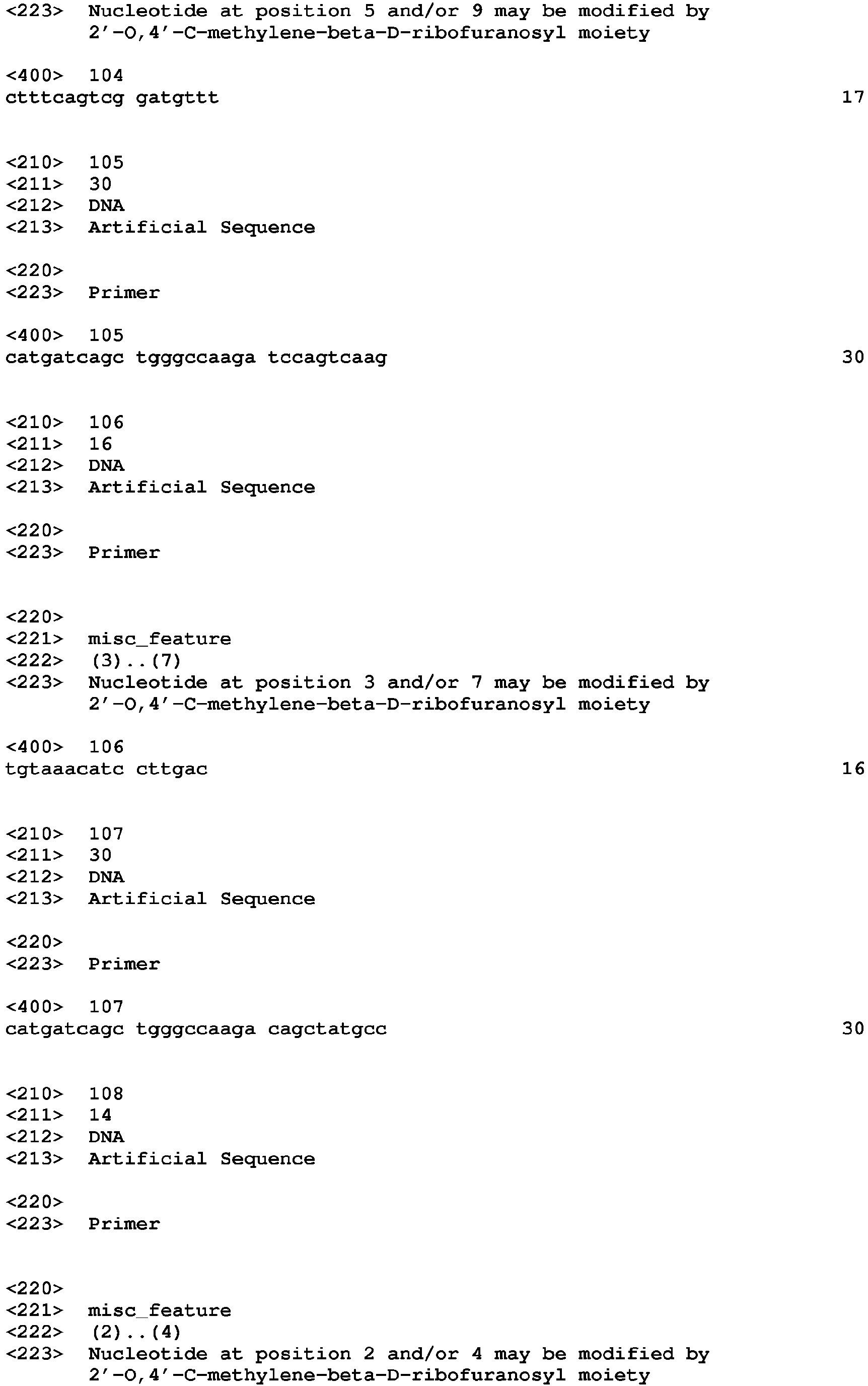
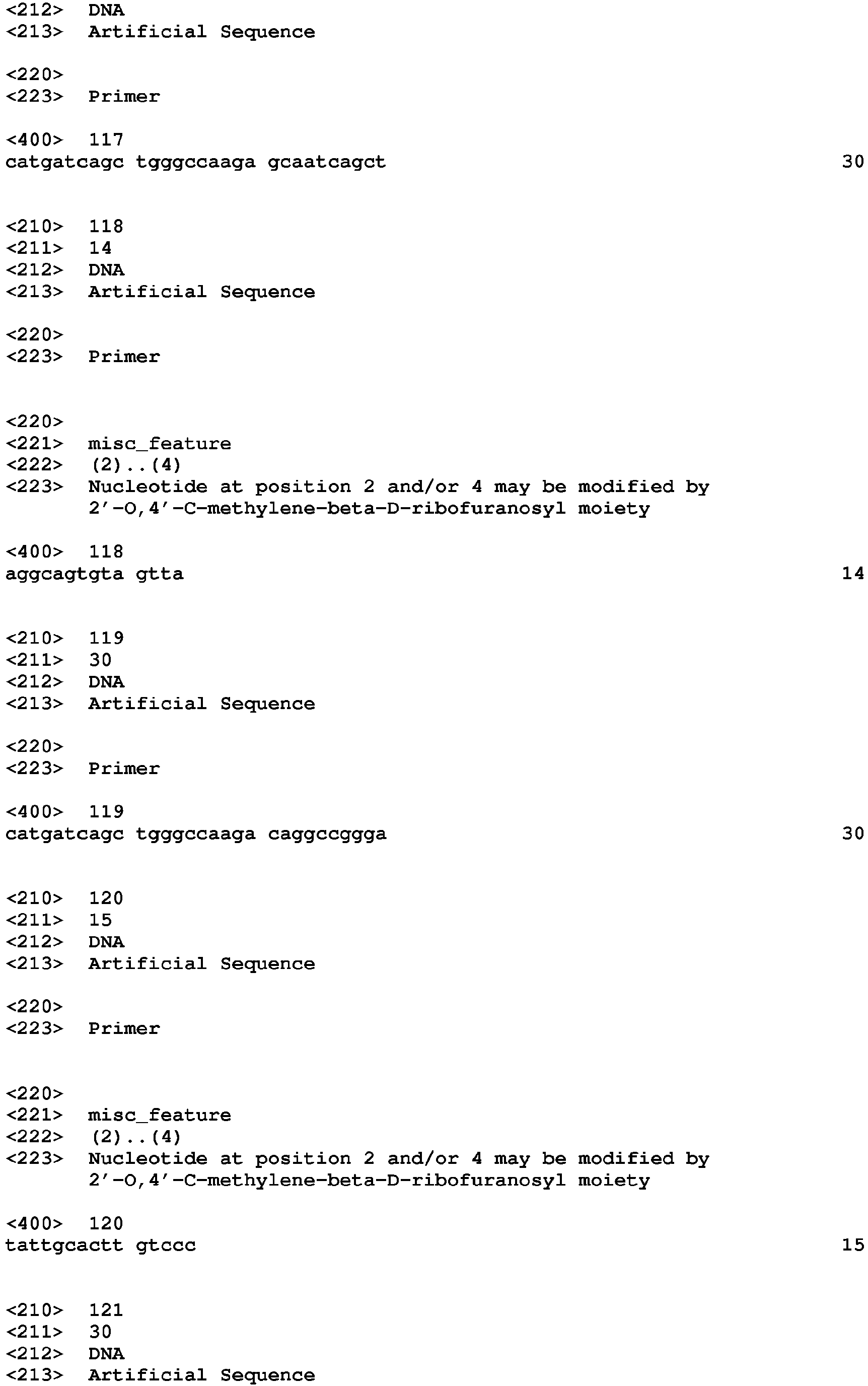
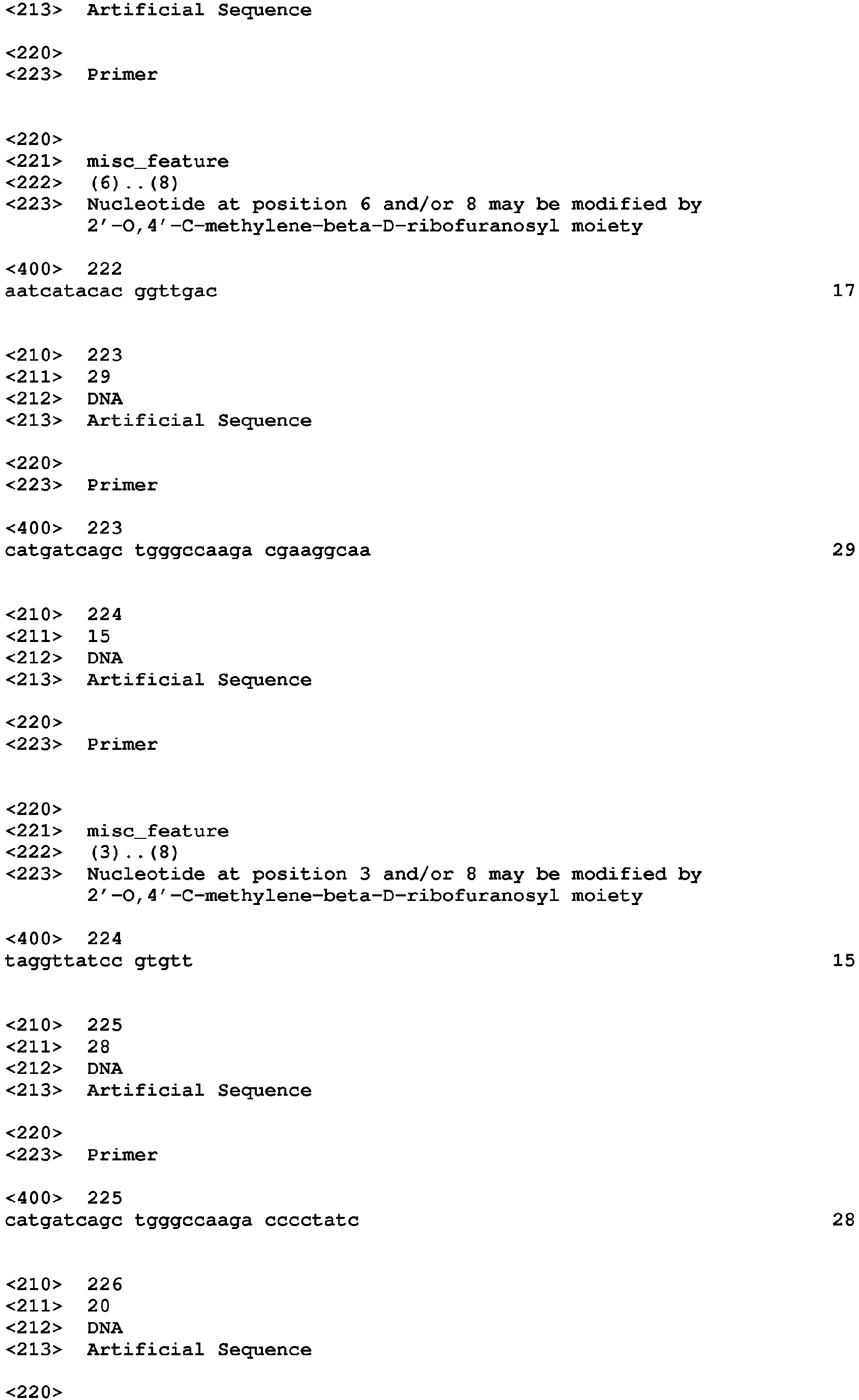
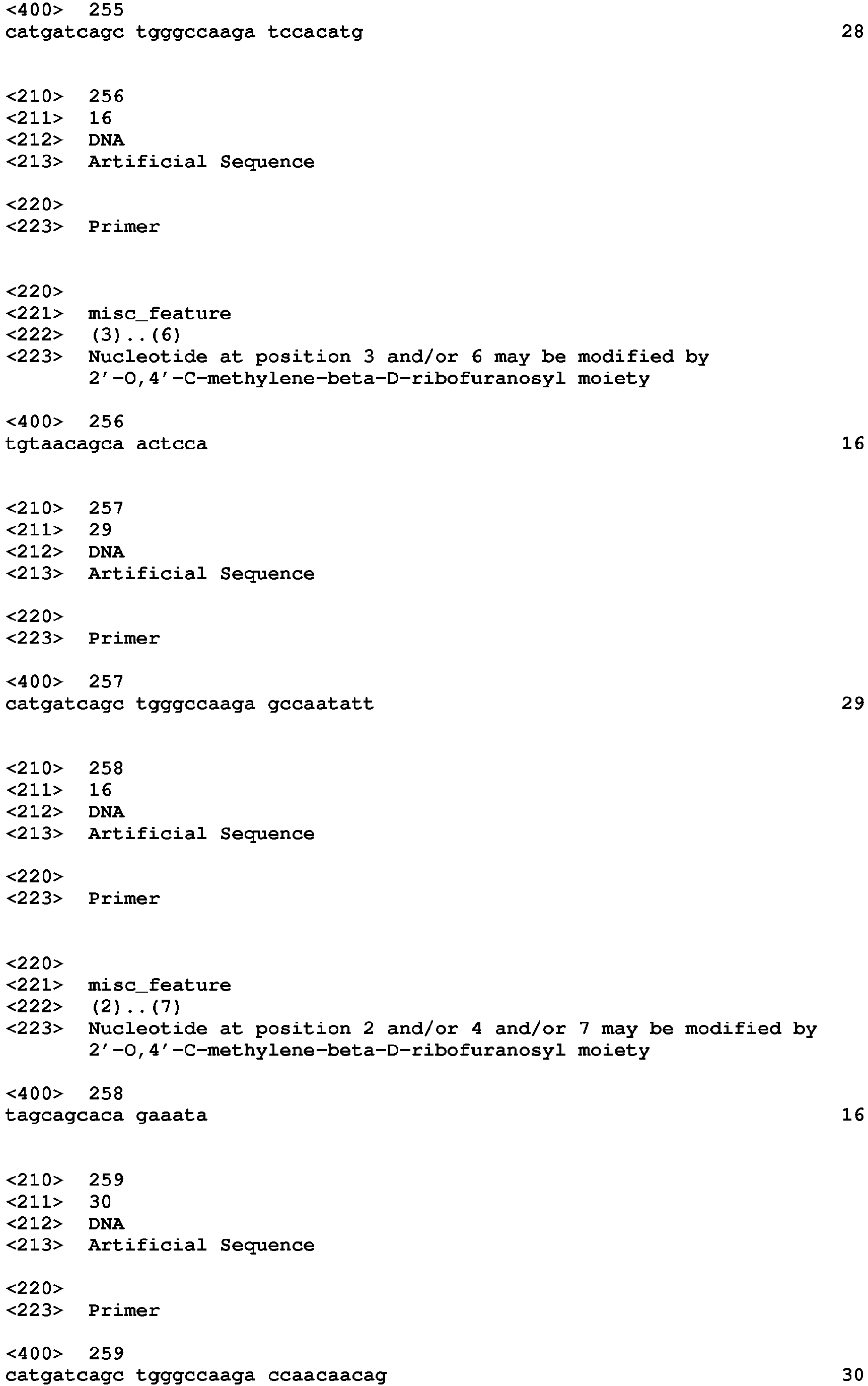
In another embodiment, the kit comprises at least one oligonucleotide primer selected from the group consisting of SEQ ID NO: 47, 48, 49, 50, 55, 56, 81, 82, 83, 84, 91, 92, 103, 104, 123, 124, 145, 146, 193, 194, 197, 198, 221, 222, 223, 224, 225, 226, 227, 228, 229, 230, 239, 240, 247, 248, 253, 254, 255, 256, 257, 258, 277, 278, 285, 286, 287, 288, 293, 294, 301, 302, 309, 310, 311, 312, 315, 316, 317, 318, 319, 320, 333, 334, 335, 336, 337, 338, 359, 360, 369, 370, 389, 390, 393, 394, 405, 406, 407, 408, 415, 416, 419, 420, 421, 422, 425, 426, 429, 430, 431, 432, 433, 434, 435, 436, 437, 438, 439, 440, 441, 442, 443, 444, 461 and 462, as shown in TABLE 6.
-
In another embodiment, the kit comprises at least one oligonucleotide primer selected from the group consisting of SEQ ID NO: 500 to SEQ ID NO: 965, as shown in TABLE 8.
-
A kit of the invention can also provide reagents for primer extension and amplification reactions. For example, in some embodiments, the kit may further include one or more of the following components: a reverse transcriptase enzyme, a DNA polymerase enzyme, a Tris buffer, a potassium salt (e.g., potassium chloride), a magnesium salt (e.g., magnesium chloride), a reducing agent (e.g., dithiothreitol), and deoxynucleoside triphosphates (dNTPs).
-
In various embodiments, the kit may include a detection reagent such as SYBR green dye or BEBO dye that preferentially or exclusively binds to double stranded DNA during a PCR amplification step. In other embodiments, the kit may include a forward and/or reverse primer that includes a fluorophore and quencher to measure the amount of the PCR amplification products.
-
The kit optionally includes instructions for using the kit in the detection and quantitation of one or more mammalian microRNA targets. The kit can also be optionally provided in a suitable housing that is preferably useful for robotic handling in a high throughput manner.
-
The following examples merely illustrate the best mode now contemplated for practicing the invention, but should not be construed to limit the invention.
Example 1
-
This Example describes a representative method of the invention for producing DNA molecules from microRNA target molecules.
-
Primer extension was conducted as follows (using InVitrogen Superscript III® reverse transcriptase and following the guidelines that were provided with the enzyme). The following reaction mixture was prepared on ice:
- 1 µl of 10 mM dNTPs
- 1 µl of 2 µM extension primer
- 1- 5 µl of target template
- 4 µl of "5X cDNA buffer"
- 1 µl of 0.1 M DTT
- 1 µl of RNAse OUT
- 1 µl of SuperScript III® enzyme
- water to 20 µl
-
The mixture was incubated at 50°C for 30 minutes, then 85°C for 5 minutes, then cooled to room temperature and diluted 10-fold with TE (10 mM Tris, pH 7.6, 0.1mM EDTA).
-
Real-time PCR was conducted using an ABI 7900 HTS detection system (Applied Biosystems, Foster City, California, U.S.A.) by monitoring SYBR® green fluorescence of double-stranded PCR amplicons as a function of PCR cycle number. A typical 10 µl PCR reaction mixture contained:
- 5 µl of 2X SYBR® green master mix (ABI)
- 0.8 µl of 10 µM universal forward primer
- 0.8 µl of 10 µM reverse primer
- 1.4 µl of water
- 2.0 µl of target template (10-fold diluted RT reaction)
-
The reaction was monitored through 40 cycles of standard "two cycle" PCR (95°C ― 15 sec, 60°C ― 60 sec) and the fluorescence of the PCR products was measured.
-
The foregoing method was successfully used in eleven primer extension PCR assays for quantitation of endogenous microRNAs present in a sample of total RNA. The DNA sequences of the extension primers, the universal forward primer sequence, and the LNA substituted reverse primers, used in these 11 assays are shown in TABLE 1.
TABLE 1 | Target microRNA | Primer number | Primer Name | DNA sequence (5' to 3') | SEQ ID NO |
| gene-specific extension primers1 |
| humanb let7a | 357 | let7aP4 | CATGATCAGCTGGGCCAAGAAACTATACAACCT | | 2 |
| human miR-1 | 337 | miR 1P5 | CATGATCAGCTGGGCCAAGATACATACTTCT | | 3 |
| human miR-15a | 344 | miR15aP3 | CATGATCAGCTGGGCCAAGACACAAACCATTATG | | 4 |
| human miR-16 | 351 | miR16P2 | CATGATCAGCTGGGCCAAGACGCCAATATTTACGT | | 5 |
| human miR-21 | 342 | miR21P6 | CATGATCAGCTGGGCCAAGATCAACATCAGT | | 6 |
| human miR-24 | 350 | miR24P5 | CATGATCAGCTGGGCCAAGACTGTCCTGCTG | | 7 |
| human miR-122 | 222 | 122-E5F | CATGATCAGCTGGGCCAAGAACAAACACCATTGTC A | | 8 |
| human miR-124 | 226 | 124-E5F | CATGATCAGCTGGGCCAAGATGGCATTCACCGCGTG | | 9 |
| human miR-143 | 362 | miR143P5 | CATGATCAGCTGGGCCAAGATGAGCTACAGTG | | 10 |
| human miR-145 | 305 | miR145P2 | CATGATCAGCTGGGCCAAGAAAGGGATTCCTGGGAA | | 11 |
| human miR-155 | 367 | miR155P3 | CATGATCAGCTGGGCCAAGACCCCTATCACGAT | 12 |
| 1 - Universal forward primer binding sites are shown in italics. The overlap with the RNA-specific reverse primers are underlined. | |
| universal forward primer | | |
| | 230 | E5F | CATGATCAGCTGGGCCAAGA | 13 |
| RNA species-specific reverse primers2 | |
| human let7a | 290 | miRlet7a-1,2,3R | TG+AGGT+AGTAGGTTG | 14 |
| human miR-1 | 285 | miR1-1,2R | TG+GAA+TG+TAA AGAAGTA | 15 |
| human miR-15a | 287 | miR15aR | TAG+CAG+CACATAATG | 16 |
| human miR-16 | 289 | miR16-1,2R | T+AGC+AGCACGTAAA | 17 |
| human miR-21 | 286 | miR21R | T+AG+CT+TATCAGACTGAT | 18 |
| human miR-24 | 288 | miR24-1,2R | TGG+CTCAGTTCAGC | 19 |
| human miR-122 | 234 | 122LNAR | T+G+GAG+TGTGACAA | 20 |
| human miR-124 | 235 | 124LNAR | T+TAA+GGCACGCG | 21 |
| human miR-143 | 291 | miR143R | TG+AGA+TGAAGCACTG | 22 |
| human miR-145 | 314 | miR145R2 | GT+CCAGTTTTCCCA | 23 |
| human miR-155 | 293 | miR155R | T+TAA+TG+CTAATCGTGA | 24 |
| 2 - LNA molecules are preceded by a "+". Region of overlap of the reverse primers with the corresponding extension primers are underlined. | |
-
The assay was capable of detecting microRNA in a concentration range of from 2 nM to 20 fM. The assays were linear at least up to a concentration of 2 nM of synthetic microRNA (>1,000,000 copies/cell).
Example 2
-
This Example describes the evaluation of the minimum sequence requirements for efficient primer-extension mediated cDNA synthesis using a series of extension primers for microRNA assays having gene specific regions that range in length from 12 to 3 base pairs.
-
Primer Extension Reactions. Primer extension was conducted using the target molecules miR-195 and miR-215 as follows. The target templates miR-195 and miR-215 were diluted to InM RNA (100,000 copies/cell) in TE zero plus 100ng/µl total yeast RNA. A no template control (NTC) was prepared with TE zero plus 100ng/µl total yeast RNA.
-
The reverse transcriptase reactions were carried out as follows (using InVitrogen SuperScript III® reverse transcriptase and following the guidelines that were provided with the enzyme) using a series of extension primers for miR-195 (SEQ ID NO: 25-34) and a series of extension primers for miR-215 (SEQ ID NO: 35-44) the sequences of which are shown below in TABLE 2.
-
The following reaction mixtures were prepared on ice:
- Set 1: No Template Control
37.5 µl water
12.5 µl of 10mM dNTPs
12.5 µl 0.1 mM DTT
50 µl of "5X cDNA buffer"
12.5 µl RNAse OUT
12.5 µl Superscript III® reverse transcriptase enzyme
12.5 µl 1µg/µl Hela cell total RNA (Ambion)
plus 50 µl of 2 µM extension primer
plus 50 µl TEzero + yeast RNA - Set 2: Spike-in Template
37.5 µl water
12.5 µl of 10mM dNTPs
12.5 µl 0.1 mM DTT
50 µl of "5X cDNA buffer"
12.5 µl RNAse OUT
12.5 µl Superscript III® reverse transcriptase enzyme (InVitrogen)
12.5 µl 1µg/µl Hela cell total RNA (Ambion)
plus 50 µl of 2 µM extension primer
plus 50 µl 1 nM RNA target template (miR-195 or miR-215) serially diluted in 10-fold increments
-
The reactions were incubated at 50°C for 30 minutes, then 85°C for 5 minutes, and cooled to 4°C and diluted 10-fold with TE (10mM Tris, pH 7.6, 0.1 mM EDTA).
-
Quantitative Real-Time PCR Reactions. Following reverse transcription, quadruplicate measurements of cDNA were made by quantitative real-time (qPCR) using an ABI 7900 HTS detection system (Applied Biosystems, Foster City, California, U.S.A.) by monitoring SYBR® green fluorescence of double-stranded PCR amplicons as a function of PCR cycle number. The following reaction mixture was prepared:
- 5 µl of 2X SYBR green master mix (ABI)
- 0.8 µl of 10 µM universal forward primer (SEQ ID NO: 13)
- 0.8 µl of 10 µM reverse primer (miR-195RP:SEQ ID NO: 45 or miR215RP: SEQ ID NO: 46)
- 1.4 µl of water
- 2.0µl of target template (10-fold diluted miR-195 or miR-215
- RT reaction)
-
Quantitative real-time PCR was performed for each sample in quadruplicate, using the manufacturer's recommended conditions. The reactions were monitored through 40 cycles of standard "two cycle" PCR (95°C- 15 sec, 60°C- 60 sec) and the fluorescence of the PCR products were measured and disassociation curves were generated. The DNA sequences of the extension primers, the universal forward primer sequence, and the LNA substituted reverse primers, used in the miR-195 and miR-215 assays are shown below in TABLE 2. The assay results for miR-195 are shown below in TABLE 3 and the assay results for miR-215 are shown below in TABLE 4.
TABLE 2 | Target microRNA | Primer number | Primer Name | DNA sequence (5' to 3') | SEQ ID NO: |
| gene-specific extension primers1 |
| miR-195 | 646 | mir195-GS1 | CATGATCAGCTGGGCCAAGAGCCAATATTTCT | 25 |
| miR-195 | 647 | mir195-GS2 | CATGATCAGCTGGGCCAAGAGCCAATATTTC | 26 |
| miR-195 | 648 | mir195-GS3 | CATGATCAGCTGGGCCAAGAGCCAATATTT | 27 |
| miR-195 | 649 | mir195-GS4 | CATGATCAGCTGGGCCAAGAGCCAATATT | 28 |
| núR-195 | 650 | mir195-GS5 | CATGATCAGCTGGGCCAAGAGCCAATAT | 29 |
| miR-195 | 651 | mir195-GS6 | CATGATCAGCTGGGCCAAGAGCCAATA | 30 |
| miR-195 | 652 | mir195-GS7 | CATGATCAGCTGGGCCAAGAGCCAAT | 31 |
| miR-195 | 653 | l1Ùf195-GS8 | CATGATCAGGI'GGGCCAAGAGCCAA | 32 |
| nuR-195 | 654 | mirx95-GS9 | CATGATCAGCTGGGCCAAGAGCCA | 33 |
| miR-195 | 655 | mir195-GS10 | CATGATCAGCTGGGCCAAGAGCC | 34 |
| miR-215 | 656 | mir215-GS1 | CATGATCAGCTGGGCC.4AGAGTCTGTCAATTC | | 35 |
| miR-215 | 657 | mir215-GS2 | CATGATCAGCTGGGCCAAGAGTCTGTCAATT | 36 |
| miR-215 | 658 | mir215-GS3 | CATGATCAGCTGGGCCAAGAGTCTGTCAAT | 37 |
| miR-215 | 659 | mir215-GS4 | CATGATCAGCTGGGCCAAGAGTCTGTCAA | 38 |
| miR-215 | 660 | mir215-GSS | CATGATCAGCTGGGCCAAGAGTCTGTCA | 39 |
| miR-215 | 661 | mir215-GS6 | CATGATCAGCTGGGCCAAGAGTCTGTC | 40 |
| miR-215 | 662 | mir215-GS7 | CATGATCAGCTGGGCCAAGAGTCTGT | 41 |
| miR-215 | 663 | mir215-GS8 | CATGATCAGCTGGGCCAAGAGTCTG | 42 |
| miR-215 | 664 | mir215-GS9 | CATGATCAGCTGGGCCAAGAGTCT | 43 |
| miR-215 | 665 | mir215-GS10 | CATGATCAGCTGGGCCAAGAGTC | 44 |
| 1 - Universal forward primer binding sites are shown in italics. |
| RNA species-specific reverse primers2 |
| miR-195 | 442 | mir195RP | T+AGC+AGCACAGAAAT | 45 |
| miR-215 | 446 | mir215RP | A+T+GA+CCTATGAATTG | 46 |
| 2 - The "+" symbol precedes the LNA molecules. |
Results:
-
The sensitivity of each assay was measured by the cycle threshold (Ct) value which is defined as the cycle count at which fluorescence was detected in an assay containing microRNA target template. The lower this Ct value (e.g. the fewer number of cycles), the more sensitive was the assay. For microRNA samples, it was generally observed that while samples that contain template and no template controls both eventually cross the detection threshold, the samples with template do so at a much lower cycle number. The ACt value is the difference between the number of cycles (Ct) between template containing samples and no template controls, and serves as a measure of the dynamic range of the assay. Assays with a high dynamic range allow measurements of very low microRNA copy numbers. Accordingly, desirable characteristics of a microRNA detection assay include high sensitivity (low Ct value) and broad dynamic range (ΔCt ≥ 12) between the signal of a sample containing target template and a no template background control sample.
-
The results of the miR195 and miR215 assays using extension primers having a gene specific portion ranging in size from 12 nucleotides to 3 nucleotides are shown below in TABLE 3 and TABLE 4, respectively. The results of these experiments unexpectedly demonstrate that gene-specific priming sequences as short as 3 nucleotides exhibit template specific priming. For both the miR-195 assay sets (shown in TABLE 3) and the miR-215 assay sets (shown in TABLE 4), the results demonstrate that the dynamic range (ΔCt) for both sets of assays are fairly consistent for extension primers having gene specific regions that are greater or equal to 8 nucleotides in length. The dynamic range of the assay (ΔCt) begins to decrease for extension primers having gene specific regions below 8 nucleotides, with a reduction in assay specificity below 7 nucleotides in the miR-195 assays, and below 6 nucleotides in the miR-215 assays. A melting point analysis of the miR-215 samples demonstrated that even at 3 nucleotides, there is specific PCR product present in the plus template samples (data not shown). Taken together, these data demonstrate that the gene specific region of extension primers is ideally ≥ 8 nucleotides, but can be as short as 3 nucleotides in length.
TABLE 3: MIR195 ASSAY RESULTS | GS Primer Length | Ct: No Template Control | Ct: Plus Template | Δ Ct | |
| 12 | 34.83 | 20.00 | 14.82 |
| 12 | 34.19 | 19.9 | 14.3 |
| 11 | 40.0 | 19.8 | 20.2 |
| 10 | 36.45 | 21.2 | 15.2 |
| 9 | 36.40 | 22.2 | 14.2 |
| 8 | 40.0 | 23.73 | 16.27 |
| 7 | 36.70 | 25.96 | 10.73 |
| 6 | 30.95 | 26.58 | 4.37 |
| 5 | 30.98 | 31.71 | -0.732 |
| 4 | 32.92 | 33.28 | -0.364 |
| 3 | 35.98 | 35.38 | -0.605 |
| Ct=the cycle count where the fluorescence exceeds the threshold of detection. ΔCt = the difference between the Ct value with template and no template. |
TABLE 4: MIR215 ASSAY RESULTS | GS Primer Length | Ct: No Template Control | Ct: Plus Template | Δ Ct | |
| 12 | 33.4 | 13.57 | 19.83 |
| 12 | 33.93 | 14.15 | 19.77 |
| 11 | 35.51 | 15.76 | 19.75 |
| 10 | 35.33 | 15.49 | 19.84 |
| 9 | 36.02 | 16.84 | 19.18 |
| 8 | 35.79 | 17.07 | 18.72 |
| 7 | 32.29 | 17.58 | 14.71 |
| 6 | 34.38 | 20.62 | 13.75 |
| 5 | 34.41 | 28.65 | 5.75 |
| 4 | 36.36 | 33.92 | 2.44 |
| 3 | 35.09 | 33.38 | 1.70 |
| Ct=the cycle count where the fluorescence exceeds the threshold of detection. ΔCt = the difference between the Ct value with template and no template. |
Example 3
-
This Example describes assays and primer sets designed for quantitative analysis of human microRNA expression patterns.
Primer Design:
-
microRNA target templates: the sequence of the target templates as described herein are publically available accessible on the World Wide Web at the Wellcome Trust Sanger Institute Web site in the "miRBase sequence database" as described in Griffith-Jones et al. (2004), Nucleic Acids Research 32:D109-D111, and Griffith-Jones et al. (2006), Nucleic Acids Research 34:D 140-D144.
-
Extension primers: gene specific primers for primer extension of a microRNA to form a cDNA followed by quantitative PCR (qPCR) amplification were designed to (1) convert the RNA template into cDNA; (2) to introduce a "universal" PCR binding site (SEQ ID NO:1) to one end of the cDNA molecule; and (3) to extend the length of the cDNA to facilitate subsequent monitoring by qPCR.
-
Reverse primers: unmodified reverse primers and locked nucleic acid (LNA) containing reverse primers (RP) were designed to quantify the primer-extended, full length cDNA in combination with a generic universal forward primer (SEQ ID NO:13). For the locked nucleic acid containing reverse primers, two or three LNA modified bases were substituted within the first 8 nucleotides from the 5' end of the reverse primer oligonucleotide, as shown below in the exemplary reverse primer sequences provided in TABLE 6. The LNA base substitutions were selected to raise the predicted Tm of the primer by the highest amount, and the final predicted Tm of the selected primers were specified to be preferably less than or equal to 55°C.
-
An example describing an assay utilizing an exemplary set of primers the detection of miR-95 and miR-424 is described below.
-
Primer Extension Reactions: primer extension was conducted using DNA templates corresponding to miR-95 and miR-424 as follows. The DNA templates were diluted to 0 nM, 1 nM, 100 pM, 10 pM, and 1 pM dilutions in TE zero (10 mM Tris pH 7.6, 0.1 mM EDTA) plus 100ng/µl yeast total RNA (Ambion, Austin, TX).
-
The reverse transcriptase reactions were carried out using the following primers:
- Extension primers: (diluted to 500 nM)
miR-95GSP CATGATCAGCTGGGCCAAGATGCTCAATAA (SEQ ID NO:123)
miR-424GSP CATGATCAGCTGGGCCAAGATTCAAAACAT (SEQ ID NO:415) - Reverse primers: (diluted to 10 mM)
miR-95_RP4 TT+CAAC+GGGTATTTATTGA (SEQ ID NO:124)
miR-424RP2 C+AG+CAGCAATTCATGTTTT (SEQ ID NO:416) - Reverse Transcription (per reaction):
2 µl water
2 µl of "5X cDNA buffer" (InVitrogen, Carlsbad, CA)
0.5 µl of 0.1 mM DTT (InVitrogen, Carlsbad, CA)
0.5 µl of 10 mM dNTPs (InVitrogen, Carlsbad, CA)
0.5 µl RNAse OUT (InVitrogen, Carlsbad, CA)
0.5 µl Superscript III® reverse transcriptase enzyme (InVitrogen, Carlsbad, CA)
2 µl of extension primer plus 2 µl of template dilution
The reactions were mixed and incubated at 50°C for 30 minutes, then 85°C for 5 minutes, and cooled to 4°C and diluted 10-fold with TE zero. - Quantitative Real-Time PCR Reactions (per reaction):
5 µl 2X SYBR mix (Applied Biosystems, Foster City, CA)
1.4 µl water
0.8 µl universal primer (CATGATCAGCTGGGCCAAGA (SEQ
ID NO: 13))
2.0 µl of diluted reverse transcription (RT) product from above.
-
Quantitative real-time PCR was performed for each sample in quadruplicate, using the manufacturer's recommended conditions. The reactions were monitored through 40 cycles of standard "two cycle" PCR (95°C - 15 sec, 60°C - 60 sec) and the fluorescence of the PCR products were measured and disassociation curves were generated. The DNA sequences of the extension primers, the universal forward primer sequence, and the LNA substituted reverse primers, used in the representative miR-95 and miR-424 assays as well as primer sets for 212 different human microRNA templates are shown below in TABLE 6, Primer sets for assays requiring extensive testing and design modification to achieve a sensitive assay with a high dynamic range are indicated in TABLE 6 with the symbol # following the primer name.
Results:
-
TABLE 5 shows the Ct values (averaged from four samples) from the miR-95 and miR-424 assays, which are plotted in the graph shown in FIGURE 2. The results of these assays are provided as representative examples in order to explain the significance of the assay parameters shown in TABLE 6 designated as slope (column 6), intercept (column 7) and background (column 8).
-
As shown in TABLE 5, the Ct value for each template at various concentrations is provided. The Ct values (x-axis) are plotted as a function of template concentration (y-axis) to generate a standard curve for each assay, as shown in FIGURE 2. The slope and intercept define the assay measurement characteristics that permit an estimation of number of copies/cell for each microRNA. For example, when the Ct values for 50 µg total RNA input for the miR-95 assay are plotted, a standard curve is generated with a slope and intercept of -.03569 and 9.655, respectively. When these standard curve parameters are applied to the Ct of an unknown sample (x), they yield log 10 (copies/20pg total RNA) (y). Because the average cell yields 20 pg of total RNA, these measurements equate to copies of microRNA/cell The background provides an estimate of the minimum copy number that can be measured in a sample and is computed by inserting the no template control (NTC) value into this equation. In this example, as shown in TABLE 6, miR-95 yields a background of 1.68 copies/20 pg at 50 µg of RNA input.
-
As further shown in TABLE 6, reverse primers that do not contain LNA may also be used in accordance with the methods of the invention. See, e.g., SEQ ID NO:494-499. The sensitivity and dynamic range of the assays using non-LNA containing reverse primers SEQ ID NO:494-499, yielded similar results to the corresponding assays using LNA-containing reverse primers.
TABLE 5 | Ct Values (averaged from four samples) |
| Template concentration | 10 nM | 1 nM | 0.1 nM | 0.01 nM | 0.001 nM | NTC |
| copies/20 pg RNA (50 µg input) | 500,000 | 50,000 | 5000 | 500 | 50 | |
| copies/20 pg RNA (5 µg input) | 5,000,000 | 500,000 | 50,000 | 5000 | 500 | |
| miR-95 | 11.71572163 | 14.17978 | 17.46353 | 19.97259 | 23.33171 | 27.44383 |
| miR-424 | 10.47708975 | 12.76806 | 15.69251 | 18.53729 | 21.56897 | 23.2813 |
| log10 (copies for 50 µg input) | 5.698970004 | 4.69897 | 3.69897 | 2.69897 | 1.69897 | |
TABLE 6: PRIMERS TO DETECT HUMAN MICRORNA TARGET TEMPLATES | Human Target micro RNA | Extension Primer Name | Extension Primer Sequence | Reverse Primer Name | Reverse Primer Sequence | Slope | lntercept | Background RNA input |
| 50ug | 5ug |
| # denotes primers for assays that required extensive testing and primer design modification to achieve optimal assay results including high sensitivity and high dynamic range. |
| miR-1 | miR1GSP10# | CATGATCAGCTGGGCCAAGATACATACTTC | miR-1RP# | T+G+GAA+TG+TAAAGAAGT | -0.2758 | 8,3225 | 2.44 | 24.36 |
| | | SEQ ID NO:47 | | SEQ ID NO:48 | | | | |
| miR-7 | miR-7GSP10# | CATGATCAGCTGGGCCAAGACAACAAAATC | miR-7_RP6# | T+GGAA+GACTAGTGATTTT | -0.2982 | 10.435 | 11.70 | 116.99 |
| | | SEQ ID NO:49 | | SEQ ID NO·50 | | | | |
| miR-9* | miR-9*GSP | CATGATCAGCTGGGCCAAGAACTTTCGGTT | miR-9*RP | TAAA+GCT+AGATAACCG | -0,2405 | 8.9145 | 3.71 | 37.15 |
| | | SEQ ID NO:51 | | SEQ ID NO.52 | | | | |
| miR-10a | miR-10aGSP | CATGATCAGCTGGGCCAAGACACAAATTCG | miR-10aRP | T+AC+CCTGTAGATCCG | -0,2755 | 8.6976 | 0.09 | 0.94 |
| | | SEQ ID NO:53 | | SEQ ID NO:54 | | | | |
| miR-10b | miR-10b_GSP11# | CATGATCAGCTGGGCCAAGAACAAATTCGGT | miR-10b_RP2# | TA+CCC+TGT+AGAACCGA | -0,3505 | 8.7109 | 0.55 | 5.52 |
| | SEQ ID NO:55 | SEQ ID NO:56 | | | | |
| miR-15a | miR-15aGSP | CATGATCAGCTGGGCCAAGACACAAACCAT | miR-15aRP | T+AG+CAGCACAT AATG | -0.2831 | 8.4519 | 4.40 | 44.01 |
| | | SEQ ID NO:57 | | SEQ ID NO:58 | | | | |
| miR-15b | miR-15bGSP2 | CATGATCAGCTGGGCCAAGATGTAAACCA | miR-15bRP | T+AG+CAGCACATCAT | -0.2903 | 8.4206 | 0.18 | 1.84 |
| | | SEQ ID NO:59 | | SEQ lD NO:60 | | | | |
| miR-16 | miR-16GSP2 | CATGATCAGCTGGGCCAAGACGCCAATAT | miR-16RP | T+AG+CAGCACGTAAA | -0.2542 | 9.3689 | 1.64 | 16.42 |
| | | SEQ ID NO.61 | | SEQ ID NO 62 | | | | |
| miR-17-3p | miR-17-3pGSP | CATGATCAGCTGGGCCGAACAACAAGTGCCT | miR-17-3pRP | A+CT+GCAGTGAAGGC | -0.2972 | 8.2625 | 1.08 | 10.78 |
| | SEQ ID NO:63 | | SEQ ID NO:64 | | | | |
| miR-17-5p | miR-17-5pGSP2 | CATGATCAGCTGGGCCAAGAACTACCTGC | miR-17-5pRP | C+AA+AGTGCTTACAGTG | -0.2956 | 7.9101 | 0.13 | 1.32 |
| SEQ ID NO:65 | | SEQ ID NO:66 | | | | |
| miR-19a | miR-19aGSP2 | CATGATCAGCTGGGCCAAGATCAGTTTTG | miR-19aRP | TG+TG+CAAATCTATGC | -0.2984 | 9.461 | 0,02 | 0.23 |
| | | SEQ ID NO:67 | | SEQ ID NO:68 | | | | |
| miR-19b | miR-19bGSP | CATGATCAGCTGGGCCAAGATCAGTTTTGC | miR-19bRP | TG+TG+CAAATCCATG | -0.294 | 8.1434 | 2.26 | 22.55 |
| | | SEQ ID NO:69 | | SEQ ID NO:70 | | | | |
| miR-20 | miR-20GSP3 | CATGATCAGCTGGGCCAAGACTACCTGC | miR-20RP | T+AA+AGTGCTTATAGTGCA | 0.2979 | 7.9929 | 0.16 | 1.60 |
| | | SEQ ID NO:71 | | SEQ ID NO:72 | | | | |
| miR-21 | miR-21GSP2 | CATGATCAGCTGGGCCAAGATCAACATCA | miR-21 RP | T+AG+CTTATCAGACTGATG | -0.2849 | 8.1624 | 1.80 | 17.99 |
| | | SEQ ID NO:73 | | SEQ ID NO:74 | | | | |
| miR-23a | miR-23aGSP | CATGATCAGCTGGGCCAAGAGGAAATCCCT | miR-23aRP | A+TC+ACATTGCCAGG | -0.3172 | 9.4253 | 2.41 | 2408 |
| | | SEQ ID NO:75 | | SEQ ID NO:76 | | | | |
| miR-23b | miR-23bGSP | CATGATCAGCTGGGCCAAGAGGTAATCCCT | miR-23bRP | A+TC+ACATTGCCAGG | -0.2944 | 9.0985 | 5.39 | 53.85 |
| | | SEQ ID NO:77 | | SEQ ID NO:78 | | | | |
| miR-25 | miR-25GSP | CATGATCAGCTGGGCCAAGATCAGACCGAG | miR-25RP | C+AT+TGCACTTGTCTC | -03009 | 9.2482 | 1.52 | 15.19 |
| | | SEQ ID NO:79 | | SEQ ID NO:80 | | | | |
| miR-26a | miR-26aGSP9# | CATGATCAGCTGGGCCAAGAGCCTATCCT | miR-26aRP2# | TT+CA+AGTAATCCAGGAT | -0.2807 | 8.558 | 0.26 | 2.56 |
| | | SEQ ID NO:81 | SEQ ID NO:82 | | | | |
| miR-26b | miR-26bGSP9# | CATGATCAGCTGGGCCAAGAAACCTATCC | miR-26bRP2# | TT+CA+AGT+AATTCAGGAT | -0.2831 | 8.7885 | 0.37 | 3.67 |
| | | SEQ ID NO:83 | SEQ ID NO:84 | | | | |
| miR 27a | miR-27aGSP | CATGATCAGCTGGGCCAAGAGCGGAACTTA | miR-27aRP | TT+CA+CAGTGGCTAA | -0.2765 | 9.5239 | 5.15 | 51.51 |
| | | SEQ ID NO:85 | | SEQ ID NO:86 | | | | |
| miR-27b | miR-27bGSP | CATGATCAGCTGGGCCAAGAGCAGAACTTA | miR-27bRP | TT+CA+CAGTGGCTAA | -0.28 | 9.5483 | 5.97 | 59.71 |
| | | SEQ ID NO:87 | | SEQ ID NO:88 | | | | |
| miR-28 | miR-28GSP | CATGATCAGCTGGGCCAAGACTCAATAGAC | miR-28RP | A+AG+GAGCTCACAGT | -0.3226 | 10.071 | 7.19 | 71.87 |
| | | SEQ ID NO:89 | | SEQ ID NO:90 | | | | |
| miR-29a | miR-29aGSP8# | CATGATCAGCTGGGCCAAGAAACCGATT | miR- 29aRP2# | T+AG+CACCATCTGAAAT | -0.29 | 8.8731 | 0.04 | 0.38 |
| | | SEQ ID NO:91 | SEQ m NO:92 | | | | |
| miR-29b | miR-29bGSP2 | CATGATCAGCTGGGCCAAGAAACACTGAT | miR-29bRP2 | T+AG+CACCATTTGAAATCAG | -0.3162 | 9.6276 | 3.56 | 3557 |
| | | SEQ ID NO:93 | | SEQ ID NO.94 | | | | |
| miR-30a- 5p | miR-30a- 5pGSP | CATGATCAGCTGGGCCAAGACTTCCAGTCG | miR-30a- 5pRP | T+GT+AAACATCCTCGAC | -0.2772 | 9.0694 | 1.92 | 19.16 |
| SEQ ID NO:95 | SEQ ID NO:96 | | | | |
| miR-30b | miR-30bGSP | CATGATCAGCTGGGCCAAGAAGCTGAGTGT | miR-30bRP | TGT+AAA+CATCCTACACT | -0.2621 | 8.5974 | 0.11 | 1.13 |
| | | SEQ ID NO:97 | | SEQ ID NO:98 | | | | |
| nuR-30c | miR-30cGSP | CATGATCAGCTGGGCCAAGAGCTGAGAGTG | miR-30cRP | TGT+AAA+CATCCTACACT | -0.2703 | 8.699 | 0.15 | 1.48 |
| | | SEQ ID NO:99 | | SEQ ID NO·100 | | | | |
| miR-30d | miR-30dGSP | CATGATCAGCTGGGCCAAGACTTCCAGTCG | miR-30dRP | T+GTAAA+CATCCCCG | -0.2506 | 9.3875 | 0.23 | 2.31 |
| | | SEQ ID NO:101 | | SEQ ID NO:102 | | | | |
| miR-30e- | miR-30e- 3pGSP9# | CATGATCAGCTGGGCCAAGAGCTGTAAAC | miR-30e- 3pRP5# | CTTT+CAGT+CGGATGTTT | -0.325 | 11.144 | 6.37 | 63.70 |
| 3p | SEQ ID NO:103 | SEQ ID NO:104 | | | | |
| miR-30e- 5p | miR-30e- 5pGSP | CATGATCAGCTGGGCCAAGATCCAGTCAAG | miR-30e- 5pRP | TG+TAAA+CATCCTTGAC | -0.2732 | 8.1604 | 8.50 | 85.03 |
| SEQ ID NO:105 | SEQ ID NO·106 | | | | |
| miR-31 | miR-31GSP | CATGATCAGCTGGGCCAAGACAGCTATGCC | miR-31RP | G+GC+AAGATGCTGGC | -0.3068 | 8.2605 | 3.74 | 37.43 |
| | | SEQ ID NO:107 | | SEQ ID NO:108 | | | | |
| miR-32 | miR 32GSP | CATGATCAGCTGGGCCAAGAGCAACTTAGT | miR-32RP | TATTG+CA+CATTACTAAG | -0.2785 | 8.9581 | 0.39 | 3.93 |
| | | SEQ ID NO:109 | | SEQ ID NO: 110 | | | | |
| miR-33 | miR-33GSP2 | CATGATCAGCTGGGCCAAGACAATGCAAC | miR-33RP | G+TG+CATTGTAGTTGC | -0.3031 | 8.42 | 2.81 | 28.14 |
| | | SEQ ID NO:111 | | SEQ ID NO:112 | | | | |
| miR-34a | miR-34aGSP | CATGATCAGCTGGGCCAAGAAACAACCAGC | miR-34aRP | T+GG+CAGTGTCTTAG | -0.3062 | 9.1522 | 2.40 | 23.99 |
| | | SEQ ID NO:113 | | SEQ ID NO:114 | | | | |
| miR-34b | miR-34bGSP | CATGATCAGCTGGGCCAAGACAATCAGCTA | miR-34bRP | TA+GG+CAGTGTCATT | -0.3208 | 9.054 | 0.04 | 0.37 |
| | | SEQ ID NO:115 | | SEQ ID NO:116 | | | | |
| miR-34c | miR-34cGSP | CATGATCAGCTGGGCCAAGAGCAATCAGCT | miR-34cRP | A+GG+CAGTGTAGTTA | -0.2995 | 1014 | 1.08 | 10 83 |
| | | SEQ ID NO:117 | | SEQ ID NO:118 | | | | |
| miR-92 | miR-92GSP | CATGATCAGCTGGGCCAAGACAGGCCGGGA | miR-92RP | T+AT+TGCACTTGTCCC | -0.3012 | 8.6908 | 8.92 | 89.17 |
| | | SEQ ID NO:119 | | SEQ ID NO:120 | | | | |
| miR-93 | miR-93GSP | CATGATCAGCTGGGCCAAGACTACCTGCAC | miR-93RP | AA+AG+TGCTGTTCGT | -0.3025 | 7.9933 | 4.63 | 46.30 |
| | | SEQ ID NO:121 | | SEQ ID NO:122 | | | | |
| miR-95 | miR-95GSP# | CATGATCAGCTGGGCCAAGATGCTCAATAA | miR-95_RP4# | TT+CAAC+GGGTATTTATTGA | -0.3436 | 9.655 | 1.68 | 16.80 |
| | SEQ ID NO:123 | SEQ ID NO:124 | | | | |
| miR-96 | miR-95GSP | CATGATCAGCTGGGCCAAGAGCAAAAATGT | miR-96RP | T+TT+GGCACTAGCAC | -0.2968 | 9.2611. | 0.00 | 0.05 |
| | | SEQ ID NO:125 | | SEQ ID NO:126 | | | | |
| miR-98 | miR-98GSP | CATGATCAGCTGGGCCAAGAAACAATACAA | miR-98RP | TGA+GGT+AGTAAGTTG | -0.2797 | 9.5654 | 1.05 | 10.48 |
| | | SEQ ID NO:127 | | SEQ ID NO:128 | | | | |
| miR-99a | miR-99aGSP | CATGATCAGCTGGGCCAAGACACAAGATCG | miR-99aRP | A+AC+CCGTAGATCCG | -0.2768 | 8.781 | 0.21 | 2.08 |
| | | SEQ ID NO:129 | | SEQ ID NO:130 | | | | |
| miR-99b | miR-99bGSP | CATGATCAGCTGGGCCAAGACGCAAGGTCG | miR-99bRP | C+AC+CCGT AGAACCG | -0.2747 | 7 9855 | 0.25 | 2.53 |
| | | SEQ ID NO:131 | | SEQ ID NO:132 | | | | |
| miR-100 | miR 100GSP | CATGATCAGCTGGGCCAAGACACAAGTTCG | miR 100RP | A+AC+CCGTAGATCCG | -0.2902 | 8.669 | 0.04 | 0.35 |
| | | SEQ ID NO:133 | | SEQ ID NO:134 | | | | |
| miR-101 | miR-101GSP | CATGATCAGCTGGGCCAAGACTTCAGTTAT | miR-101RP | TA+CAG+TACTGTGATAACT | -0.3023 | 8.2976 | 0.46 | 4.63 |
| | | SEQ ID NO:135 | | SEQ ID NO:136 | | | | |
| miR-103 | miR-103GSP | CATGATCAGCTGGGCCAAGATCATAGCCCT | miR-103RP | A+GC+AGCATTGTACA | -0.3107 | 8.5776 | 0.02 | 0.21 |
| | | SEQ ID NO:137 | | SEQ ID NO:138 | | | | |
| miR-105 | miR-105GSP | CATGATCAGCTGGGCCAAGAACAGGAGTCT | miR-105RP | T+CAAA+TGCTCAGACT | -0.2667 | 8.9832 | 0.93 | 9.28 |
| | | SEQ ID NO:139 | | SEQ ID NO:140 | | | | |
| miR-106a | miR-106aGSP | CATGATCAGCTGGGCCAAGAGCTACCTGCA | miR-106aRP | AAA+AG+TGCTTACAGTG | -0.3107 | 8.358 | 0.03 | 0.31 |
| | | SEQ ID NO:141 | | SEQ ID NO:142 | | | | |
| miR-106b | miR-106bGSP | CATGATCAGCTGGGCCAAGAATCTGCACTG | miR-106bRP | T+AAAG+TGCTGACAGT | -0.2978 | 8.7838 | 0.10 | 1.04 |
| | | SEQ ID NO:143 | | SEQ ID NO:144 | | | | |
| miR-107 | miR-107GSP8# | CATGATCAGCTGGGCCAAGATGATAGCC | miR-107RP2# | A+GC+AGCATTGTACAG | -0.304 | 9.1666 | 0.34 | 3.41 |
| | | SEQ ID NO:145 | SEQ ID NO:146 | | | | |
| miR-122a | miR-122aGSP | CATGATCAGCTGGGCCAAGAACAAACACCA | miR-122aRP | T+GG+AGTGTGACAAT | -0.3016 | 8.1479 | 0.06 | 0.58 |
| | | SEQ ID NO:147 | | SEQ ID NO:148 | | | | |
| miR-124a | miR-124aGSP | CATGATCAGCTGGGCCAAGATGGCATTCAC | miR-124aRP | T+TA+AGGCACGCGGT | -0.3013 | 8.6906 | 0.56 | 5.63 |
| | | SEQ ID NO:149 | | SEQ ID NO:150 | | | | |
| miR-125a | miR-125aGSP | CATGATCAGCTGGGCCAAGACACAGGTTAA | miR-125aRP | T+CC+CTGAGACCCTT | -0.2938 | 8.6754 | 0.09 | 0.91 |
| | | SEQ ID NO:151 | | SEQ ID NO.152 | | | | |
| miR-125b | miR-125bGSP | CATGATCAGCTGGGCCAAGATCACAAGTTA | miR-125bRP | T+CC+CTGAGACCCTA | -0.283 | 8.1251 | 0.20 | 1.99 |
| | | SEQ ID NO:153 | | SEQ ID NO 154 | | | | |
| miR-126 | miR-126GSP | CATGATCAGCTGGGCCAAGAGCATTATTAC | miR-126RP | T+CG+TACCGTGAGTA | -0.26 | 8.937 | 0.18 | 1.80 |
| | | SEQ ID NO:155 | | SEQ ID NO:156 | | | | |
| miR-126* | miR-126*GSP3 | CATGATCAGCTGGGCCAAGACGCGTACC | miR-126*RP | C+ATT+ATTA+CTTTTGGTACG | -0.2969 | 8.184 | 3.58 | 35.78 |
| | | SEQ ID NO:157 | | SEQ ID NO:158 | | | | |
| miR-127 | miR-127GSP | CATGATCAGCTGGGCCAAGAAGCCAAGCTC | miR-127RP | T+CG+GATCCGTCTGA | -0.2432 | 9.1013 | 1.11 | 11.13 |
| | | SEQ ID NO:159 | | SEQ ID NO:160 | | | | |
| miR-128a | miR-128aGSP | CATGATCAGCTGGGCCAAGAAAAAGAGACC | miR-128aRP | T+CA+CAGTGAACCGG | -0.2866 | 8.0867 | 0.16 | 1.60 |
| | | SEQ ID NO:161 | | SEQ ID NO:162 | | | | |
| miR-128b | miR-128bGSP | CATGATCAGCTGGGCCAAGAGAAAGAGACC | miR-128bRP | T+CA+CAGTGAACCGG | -0.2923 | 8.0608 | 0.07 | 0.74 |
| | | SEQ ID NO:163 | | SEQ ID NO:164 | | | | |
| miR-129 | miR-129GSP | CATGATCAGCTGGGCCAAGAGCAAGCCCAG | miR-129RP | CTTTT+TG+CGGTCTG | -0.2942 | 9.7 731 | 0.88 | 8.85 |
| | | SEQ ID NO:165 | | SEQ ID NO:166 | | | | |
| miR-130u | miR-130aGSP | CATGATCAGCTGGGCCAAGAATGCCCTTTT | miR-130aRP | C+AG+TGCAATGTTAAAAG | -0.2943 | 8.7465 | 1.28 | 12.78 |
| | | SEQ ID NO:167 | | SEQ ID NO.168 | | | | |
| miR-130b | miR-130bGSP | CATGATCAGCTGGGCCAAGAATGCCCTTTC | miR-130bRP | C+AG+TGCAATGATGA | -0.2377 | 9.1403 | 3.14 | 31.44 |
| | | SEQ ID NO:169 | | SEQ ID NO:170 | | | | |
| miR-132 | miR-132GSP | CATGATCAGCTGGGCCAAGACGACCATGGC | miR-132RP | T+AA+CAGTCTACAGCC | -0.2948 | 8.1167 | 0.11 | 1.13 |
| | | SEQ ID NO:171 | | SEQ ID NO:172 | | | | |
| miR-133a | miR-133aGSP | CATGATCAGCTGGGCCAAGAACAGCTGGTT | miR-133aRP | T+ TG+GTCCCCTTCAA | -0.295 | 9.3679 | 0.10 | 1.04 |
| | | SEQ ID NO:173 | | SEQ ID NO:174 | | | | |
| miR-133b | miR-133bGSP | CATGATCAGCTGGGCCAAGATAGCTGGTTG | miR-133bRP | T+TG+GTCCCCTTCAA | -0.3062 | 8.3649 | 0 02 | 0.18 |
| | | SEQ ID NO:175 | | SEQ ID NO:176 | | | | |
| miR-134 | miR-134GSP | CATGATCAGCTGGGCCAAGACCCTCTGGTC | miR-134RP | T+GT+GACTGGTTGAC | -0.2965 | 9.0483 | 0.14 | 1.39 |
| | | SEQ ID NO:177 | | SEQ ID NO·178 | | | | |
| miR-135a | miR-135aGSP | CATGATCAGCTGGGCCAAGATCACATAGGA | miR-135aRP | T+AT+GGCTTTTTATTCCT | -0.2914 | 8.092 | 1.75 | 17.50 |
| | | SEQ ID NO:179 | | SEQ ID NO:18D | | | | |
| miR-135b | miR-135bGSP | CATGATCAGCTGGGCCAAGACACATAGGAA | miR-135bRP | T+AT+GGCTTTTCATTCC | -0.2962 | 7.8986 | 0.05 | 0.49 |
| | | SEQ ID NO:181 | | SEQ ID NO:182 | | | | |
| miR-136 | miR-136GSP | CATGATCAGCTGGGCCAAGATCCATCATCA | miR-136RP | A+CT+CCATTTGTTTTGATG | -0.3616 | 10.229 | 0.68 | 6.77 |
| | | SEQ ID NO:183 | | SEQ ID NO:184 | | | | |
| miR-137 | miR-137GSP | CATGATCAGCTGGGCCAAGACTACGCGTAT | miR-137RP | T+AT+TGCTTAAGAATACGC | -0.2876 | 8.234 | 8.57 | 85.71 |
| | | SEQ ID NO:185 | | SEQ ID NO:186 | | | | |
| miR-138 | miR-138GSP2 | CATGATCAGCTGGGCCAAGACGGCCTGAT | miR-138RP | A+GC+TGGTGTTGTGA | -0.3023 | 9.0814 | 0.22 | 2.19 |
| | | SEQ ID NO:187 | | SEQ ID NO:188 | | | | |
| miR-139 | miR-139GSP | CATGATCAGCTGGGCCAAGAAGACACGTGC | miR-139RP | T+CT+ACAGTGCACGT | -0.2983 | 8.1141 | 6.92 | 69.21 |
| | | SEQ ID NO:189 | | SEQ ID NO:190 | | | | |
| miR-140 | miR-140GSP | CATGATCAGCTGGGCCAAGACTACCATAGG | miR 140RP | A+GT+GGTTTTACCCT | -0.2312 | 8.3231 | 0.13 | 1.34 |
| | | SEQ ID NO:191 | | SEQ ID NO:192 | | | | |
| miR-141 | miR 141GSP9# | CATGATCAGCTGGGCCAAGACCATCTTTA | miR- | TAA+CAC+TGTCTGGTAA | -0.2805 | 9.6671 | 0.13 | 1.26 |
| | | SEQ ID NO:193 | 141RP2# | SEQ ID NO:194 | | | | |
| miR-142-3p | miR-142- 3pGSP3 | CATGATCAGCTGGGCCAAGATCCATAAA | miR-142- 3pRP | TGT+AG+TGTTTCCTACT | -0.2976 | 8.4046 | 0.03 | 0.27 |
| SEQ ID NO:195 | SEQ ID NO:196 | | | | |
| miR-143 | miR-143GSP8# | CATGATCAGCTGGGCCAAGATGAGCTAC | miR- 143RP2# | T+GA+GATGAAGCACTG | -0.3008 | 9.2675 | 0.37 | 3.71 |
| | | SEQ ID NO:197 | SEQ ID NO:198 | | | | |
| miR-144 | miR.144GSP2 | CATGATCAGCTGGGCCAAGACTAGTACAT | miR-144RP | TA+CA+GTAT+AGATGATG | -0.2407 | 9.4441 | 0.95 | 9.52 |
| | | SEQ ID NO:199 | | SEQ ID NO:200 | | | | |
| miR-145 | miR-145GSP2 | CATGATCAGCTGGGCCAAGAAAGGGATTC | miR-145RP | G+TC+CAGTTTCCCA | -0.2937 | 8.0791 | 0.39 | 3.86 |
| | | SEQ ID NO:201 | | SEQ ID NO:202 | | | | |
| miR-146 | miR-146GSP3 | CATGATCAGCTGGGCCAAGAAACCCATG | miR-146RP | T+GA+GAACTGAATTCCA | -0.2861 | 8.8246 | 0.08 | 0.75 |
| | | SEQ ID NO:203 | | SEQ ID NO:204 | | | | |
| miR-147 | miR-147GSP | CATGATCAGCTGGGCCAAGAGCAGAAGCAT | miR-147RP | C+TG+TGTGGAAATGC | -0.2989 | 8.8866 | 1.65 | 16.47 |
| | | SEQ ID NO:205 | | SEQ ID NO:206 | | | | |
| miR-148a | miR-148aGSP2 | CATGATCAGCTGGGCCAAGAACAAAGTTC | miR-148aRP2 | T+CA+GTGCACT ACAGAACT | -0.2928 | 9.4654 | 1.27 | 12.65 |
| | | SEQ ID NO:207 | SEQ ID NO:208 | | | | |
| miR-148b | miR-148bGSP2 | CATGATCAGCTGGGCCAAGAACAAAGTTC | miR-148bRP | T+CA+GTGCATCACAG | -0.2982 | 10.417 | 0.24 | 2.44 |
| | | SEQ ID NO:209 | | SEQ ID NO:210 | | | | |
| miR-149 | miR-149GSP2 | CATGATCAGCTGGGCCAAGAGGAGTGAAG | miR-149RP | T+CT+GGCTCCGTGTC | -0.2996 | 8.3392 | 2.15 | 21.50 |
| | | SEQ ID NO:211 | | SEQ ID NO:212 | | | | |
| miR-150 | miR-150GSP3 | CATGATCAGCTGGGCCAAGACACTGGTA | miR-150RP | T+CT+CCCAACCCTTG | -0.2943 | 8.3945 | 0.06 | 0.56 |
| | | SEQ ID NO:213 | | SEQ ID NO:214 | | | | |
| miR-151 | miR-151GSP2 | CATGATCAGCTGGGCCAAGACCTCAAGGA | miR 151RP | A+CT+AGACTGAAGCTC | -0.2975 | 8.651 | 0.16 | 1.60 |
| | | SEQ ID NO:215 | | SEQ ID NO:216 | | | | |
| miR-152 | miR-152GSP2 | CATGATCAGCTGGGCCAAGACCCAAGTTC | miR-152RP | T+CA+GTGCATGACAG | -0.2741 | 8.7404 | 0.33 | 3.25 |
| | | SEQ ID NO:217 | | SEQ ID NO:218 | | | | |
| miR-153 | miR-153GSP2 | CATGATCAGCTGGGCCAAGATCACTTTTG | miR-153RP | TTG+CAT+AGTCACAAAA | -0.2723 | 9.5732 | 3.32 | 33.19 |
| | | SEQ ID NO:219 | | SEQ ID NO:220 | | | | |
| miR-154* | miR-154*GSP9# | CATGATCAGCTGGGCCAAGAAATAGGTCA | miR-154*RP2# | AATCA+TA+CACGGTTGAC | -0.3056 | 8.8502 | 0.07 | 0.74 |
| | SEQ ID NO:221 | SEQ ID NO:222 | | | | |
| miR-154 | miR-154GSP9# | CATGATCAGCTGGGCCAAGACGAAGGCAA | miR-154RP3# | TA+GGTTA+TCCGTGTT | -0.3062 | 9.3947 | 0.10 | 0.96 |
| | | SEQ ID NO:223 | SEQ ID NO:224 | | | | |
| miR-155 | miR-155GSP8# | CATGATCAGCTGGGCCAAGACCCCTATC | miR-155RP2# | TT+AA+TGCTAATCGTGATAGG | -0.3201 | 8.474 | 5.49 | 54.91 |
| | | SEQ ID NO:225 | SEQ ID NO:226 | | | | |
| miR-181a | miR-181aGSP9# | CATGATCAGCTGGGCCAAGAACTCACCGA | miR-181aRP2# | AA+CATT+CAACGCTGTC | -0.2919 | 7.968 | 1.70 | 17.05 |
| | SEQ ID NO:227 | SEQ ID NO:228 | | | | |
| miR-181c | miR 181cGSP9# | CATGATCAGCTGGGCCAAGAACTCACCGA | miR-181cRP2# | AA+CATT+CAACCTGTCG | -0.3102 | 7.9029 | 1.08 | 10.78 |
| | SEQ ID NO:229 | SEQ ID NO:230 | | | | |
| miR-182* | miR-182*GSP | CATGATCAGCTGGGCCAAGATAGTTGGCAA | miR-182*RP | T+GG+TTCTAGACTTGC | -0.2978 | 8.5876 | 4.25 | 42.47 |
| | | SEQ ID NO:231 | | SEQ ID NO:232 | | | | |
| miR-182 | miR-182GSP2 | CATGATCAGCTGGGCCAAGATGTGAGTTC | miR-182RP | TTT+GG+CAATGGTAG | -0.2863 | 9.0854 | 1.52 | 15.20 |
| | | SEQ ID NO:233 | | SEQ ID NO:234 | | | | |
| miR-183 | miR-183GSP2 | CATGATCAGCTGGGCCAAGACACTGAATT | miR-183RP | T+AT+GGCACTGGTAG | -0.2774 | 9.9254 | 1.95 | 19.51 |
| | | SEQ ID NO:235 | | SEQ ID NO:236 | | | | |
| miR-184 | miR-184GSP2 | CATGATCAGCTGGGCCAAGAACCCTTATC | miR-184RP | T+GG+ACGGAGAACTG | -0.2906 | 7.9585 | 0.05 | 0.49 |
| | | SEQ ID NO:237 | | SEQ ID NO:238 | | | | |
| miR-186 | miR-186GSP9# | CATGATCAGCTGGGCCAAGAAAGCCCAAA | miR-186RP3# | CA+AA+GAATT+CTCCTTTGG | -0.2861 | 8.6152 | 0.32 | 3.18 |
| | | SEQ ID NO:239 | SEQ ID NO:240 | | | | |
| miR-187 | miR-187GSP | CATGATCAGCTGGGCCAAGACGGCTGCAAC | miR-187RP | T+CG+TGTCTTGTGTT | -0.2953 | 7.9329 | 1.23 | 12.31 |
| | | SEQ ID NO:241 | | SEQ ID NO:242 | | | | |
| miR-188 | miR-188GSP | CATGATCAGCTGGGCCAAGAACCCTCCACC | miR-188RP | C+AT+CCCTTGCATGG | -0.2925 | 8.0782 | 8.49 | 84.92 |
| | | SEQ ID NO:243 | | SEQ ID NO:244 | | | | |
| miR-189 | miR-189GSP2 | CATGATCAGCTGGGCCAAGAACTGATATC | miR-189RP | G+TG+CCTACTGAGCT | -0.2981 | 8.8964 | 0.21 | 2.08 |
| | | SEQ ID NO:245 | | SEQ ID NO:246 | | | | |
| miR-190 | miR-190GSP9# | CATGATCAGCTGGGCCAAGAACCTAATAT | miR-190RP4# | T+GA+TA+TGTTTGATATATT AG | -0.3317 | 9.8766 | 0.43 | 4.34 |
| | SEQ ID NO:247 | | | | |
| | | SEQ ID NO:248 | | | | |
| miR-191 | miR-191GSP2 | CATGATCAGCTGGGCCAAGAAGCTGCTTT | miR-191RP2 | C+AA+CGGAATCCCAAAAG | -0.299 | 9.0317 | 0.41 | 4.07 |
| | | SEQ ID NO:249 | | SEQ ID NO:250 | | | | |
| miR-192 | miR-192GSP2 | CATGATCAGCTGGGCCAAGAGGCTGTCAA | miR-192RP | C+TGA+CCTATGAATTGAC | -0.2924 | 9.5012 | 1.10 | 10.98 |
| | | SEQ ID NO:251 | | SEQ ID NO:252 | | | | |
| miR-193 | miR-193GSP9# | CATGATCGACTGGGCCAAGACTGGGACTT | miR-193RP2# | AA+CT+GGCCTACAAAG | -0.3183 | 8.9942 | 0.17 | 1.72 |
| | | SEQ ID NO:253 | SEQ ID NO:254 | | | | |
| miR-194 | mir194GSP8# | CATGATCAGCTGGGCCAAGATCCACATG | mir194RP# | TG+TAA+CAGCAACTCCA | -0.3078 | 9.8045 | 0.37 | 3.69 |
| | SEQ ID NO:255 | | SEQ ID NO:256 | | | | |
| miR-195 | miR-195GSP9# | CATGATCAGCTGGGCCAAGAGCCAATATT | miR-195RP3# | T+AG+CAG+CACAGAAATA | -0.2955 | 10.213 | 0.76 | 7.58 |
| | | SEQ ID NO:257 | SEQ ID NO:258 | | | | |
| miR-196b | miR-196bGSP | CATGATCAGCTGGGCCAAGACCAACAACAC | miR-196bRP | TA+GGT+AGTTTCCTGT | -0.301 | 8.1641 | 1.47 | 14.66 |
| | | SEQ ID NO:259 | | SEQ ID NO:260 | | | | |
| miR-196a | miR-196aGSP | CATGATCAGCTGGGCCAAGACCAACAACAT | miR-196aRP | TA+GG+TAGTTTCATGTTG | -0 2932 | 8.0448 | 8.04 | 80.37 |
| | | SEQ ID NO:261 | | SEQ ID NO:262 | | | | |
| miR-197 | miR-197GSP2 | CATGATCAGCTGGGCCAAGAGCTGGGTGG | miR-197RP | TT+CA+CCACCTTCTC | -0.289 | 8.2822 | 0.71 | 7.10 |
| | | SEQ ID NO:263 | | SEQ ID NO:264 | | | | |
| miR-198 | miR-198GSP3 | CATGATCAGCTGGGCCAAGACCTACTC | miR-198RP | G+GT+CCAGAGGGGAG | -0.2986 | 8.1359 | 0.31 | 3.15 |
| | | SEQ ID NO:265 | | SEQ ID NO 266 | | | | |
| miR- | miR-199a*GSP2 | CATGATCAGCTGGGCCAAGAAACCAATGT | miR-199a*RP | T+AC+AGTAGTCTGCAC | -0.3029 | 9.0509 | 0.25 | 2.52 |
| 199a* | SEQ ID NO:267 | SEQ ID NO:268 | | | | |
| miR-199a | miR-199aGSP2 | CATGATCAGTGGGCCAAGAGAACAGGTA | miR-199aRP | C+CC+AGTGTTCAGAC | -0.3187 | 9.2268 | 0.12 | 1.16 |
| | | SEQ ID NO:269 | | SEQ ID NO:270 | | | | |
| miR-199b | miR-199bGSP | CATGATCAGCTGGGCCAAGAGAACAGATAG | miR-199bRP | C+CC+AGTGTTTAGAC | -0,3165 | 9.3935 | 2.00 | 20.04 |
| | | SEQ ID NO:271 | | SEQ ID NO:272 | | | | |
| miR-200a | miR.200aGSP2 | CATGATCAGCTGGGCCAAGAACATCGTTA | miR-200aRP | TAA+CAC+TGTCTGGT | -0.2754 | 9.1227 | 0.08 | 0.78 |
| | | SEQ ID NO:273 | | SEQ ID NO:274 | | | | |
| miR-200b | miR-200bGSP2 | CATGATCAGCTGGGCCAAGAGTCATCATT | miR-200bRP | TAATA+CTG+CCTGGTAAT | -0.2935 | 8.5461 | 0.08 | 0.85 |
| | | SEQ ID NO:275 | | SEQ ID NO:276 | | | | |
| miR-202 | miR-202 GSP10* | CATGATCAGCTGGGCCAAGATTTTCCCATG | miR-202RP# | A+GA+GGTATA+GGGCAT | -0.2684 | 9.056 | 0.25 | 2.48 |
| | SEQ ID NO:277 | SEQ ID NO:278 | | | | |
| miR-203 | miR-203GSP2 | CATGATCAGCTGGGCCAAGACTAGTGGTC | miR-203RP | G+TG+AAATGTTTAGGACC | -0.2852 | 8.1279 | 1.60 | 16.03 |
| | | SEQ ID NO:279 | | SEQ ID NO:280 | | | | |
| miR-204 | miR-204GSP2 | CATGATCAGCTGGGCCAAGAAGGCATAGG | miR-204RP | T+TC+CCTTTGTCATCC | -0.2925 | 8.7648 | 0.16 | 1.59 |
| | | SEQ ID NO:281 | | SEQ ID NO:282 | | | | |
| miR-205 | miR-205GSP | CATGATCAGCTGGGCCAAGACAGACTCCGG | miR-205RP | T+CCTT+CATTCCACC | -0.304 | 8.2407 | 9.21 | 92.15 |
| | | SEQ ID NO:283 | | SEQ ID NO:284 | | | | |
| miR-206 | mir206GSP7# | CATGATCAGCTGGGCCAAGACCACACA | miR-206RP# | T+G+GAA+TGTAAGGAAGTGT | -0.2815 | 8.2206 | 0.29 | 2.86 |
| | | SEQ ID NO:285 | | SEQ ID NO:286 | | | | |
| miR-208 | miR-208_GSP13# | CATGATCAGCTGGGCCAAGAACAAGCTTTTTGC | miR 208_RP4# | ATAA+GA+CG+AGCAAAAAG | -0.2072 | 7.9097 | 57.75 | 577.52 |
| | SEQ ID NO:287 | SEQ ID NO:288 | | | | |
| miR-210 | miR-210GSP | CATGATCAGCTGGGCCAAGATCAGCCGCTG | miR-2 10RP | C+TG+TGCGTGTGACA | -0.2717 | 8.249 | 0.18 | 1.77 |
| | | SEQ ID NO:289 | | SEQ ID NO:290 | | | | |
| miR-211 | miR-211GSP2 | CATGATCAGCTGGGCCAAGAAGGCGAAGG | miR-211RP | T+TC+CCTTTGTCATCC | -0.2926 | 8.3106 | 0.10 | 1.00 |
| | | SEQ ID NO:291 | | SEQ ID NO:292 | | | | |
| miR-212 | miR-212GSP9# | CATGATCAGCTGGGCCAAGAGCCGTGAC | miR-212RP2# | T+AA+CAGTCTCCAGTCA | -0.2916 | 8.0745 | 0.59 | 5.86 |
| | | SEQ ID NO:293 | SEQ ID NO:294 | | | | |
| miR-213 | miR-213GSP | CATGATCAGCTGGGCCAAGAGGTACAATCA | miR-213RP | A+CC+ATCGACCGTTG | -0.2934 | 8.1848 | 2.96 | 29.59 |
| | | SEQ ID NO:295 | | SEQ ID NO:296 | | | | |
| miR-214 | miR-214GSP | CATGATCAGCTGGGCCAAGACTGCCTCT | miR-214RP | A+CA+GCAGGCACAGA | -0.2947 | 7.82 | 0.84 | 8.44 |
| | | SEQ ID NO:297 | | SEQ ID NO:298 | | | | |
| miR-215 | miR-215GSP2 | CATGATCAGCTGGGCCAAGAGTCTGTCAA | miR-215RP | A+TGA+CCTATGAATTGAC | -0.2932 | 8.9273 | 1.51 | 15.05 |
| | | SEQ ID NO:299 | | SEQ ID NO:300 | | | | |
| miR-216 | miR-216GSP# | CATGATCAGCTGGGCCAAGACACAGTTGC | mir216RP# | TAA+TCT+CAGCTGGCA | -0.273 | 8.5829 | 0.95 | 9.50 |
| | | SEQ ID NO:301 | | SEQ ID NO:302 | | | | |
| miR-217 | miR-217GSP2 | CATGATCAGCTGGGCCAAGAATCCAATCA | miR-2 17RP2 | T+AC+TGCATCAGGAACTGA | -0.3089 | 9.6502 | 0.07 | 0.71 |
| | | SEQ ID NO:303 | | SEQ ID NO:304 | | | | |
| miR-218 | miR-218GSP2 | CATGATCAGCTGGGCCAAGAACATGGTTA | miR-218RP | TTG+TGCTT+GATCTAAC | -0.2778 | 8.4363 | 1.00 | 10.05 |
| | | SEQ ID NO:305 | | SEQ ID NO:306 | | | | |
| miR-220 | miR-220GSP | CATGATCAGCTCGGGCCAAGAAAAGTGTCAG | miR-220RP | C+CA+CACCGTATCTG | -0.2755 | 9.0728 | 8.88 | 88.75 |
| | | SEQ ID NO:307 | | SEQ ID NO:308 | | | | |
| miR-221 | miR-221GSP9# | CATGATCAGCTGGGCCAAGAGAAACCCAG | miR-221RP# | A+CC+TACATTGTCTGC | -0,2886 | 8.5743 | 0.12 | 1.17 |
| | | SEQ ID NO:309 | | SEQ ID NO:310 | | | | |
| miR-222 | miR-222GSP8# | CATGATCAGCTGGGCCAAGAGAGACCCA | miR-222RP# | A+GC+TACATCTGGCT | -0.283 | 8.91 | 1.64 | 16.41 |
| | | SEQ ID NO:311 | | SEQ ID NO:312 | | | | |
| miR-223 | miR-223GSP | CATGATCAGCTGGGCCAAGAGGGGTATTTG | miR-223RP | TG+TC+AGTTTGTCAAA | -0.2998 | 8.6669 | 0.94 | 9.44 |
| | | SEQ ID NO:313 | | SEQ ID NO:314 | | | | |
| miR-224 | miR-224GSP8# | CATGATCAGCTGGGCCAAGATAAACGGA | miR-224RP2# | C+AAG+TCACTAGTGGTT | -0.2802 | 7.5575 | 0.56 | 5.63 |
| | | SEQ ID NO:315 | (SEQ ID NO:316 | | | | |
| miR-296 | miR-296GSP9# | CATGATCAGCTGGGCCAAGAACAGGATTG | miR-296RP2# | A+GG+GCCCCCCCTCAA | -0.3178 | 8.3856 | 0.10 | 0.96 |
| | | SEQ ID NO:317 | SEQ ID NO:318 | | | | |
| miR-299 | miR-299GSP9# | CATGATCAGCTGGGCCAAGAATGTATGTG | miR-299RP# | T+GG+TTTACCGTCCC | -0.3155 | 7.9383 | 1.30 | 12.96 |
| | | SEQ ID NO:319 | | SEQ ID NO:320 | | | | |
| miR-301 | miR-301GSP | CATGATCAGCTGGGCCAAGAGCTTTGACAA | miR-301RP | C+AG+TGCAATAGTATTGT | -0.2839 | 8.314 | 2.55 | 25.52 |
| | | SEQ ID NO:321 | | SEQ ID NO:322 | | | | |
| miR-302a* | miR-302a*GSP | CATGATCAGCTGGGCCAAGAAAAGCAAGTA | miR-302a*RP | TAAA+CG+TGGATGTAC | -0 2608 | 8.3921 | 0.04 | 0.41 |
| | SEQ ID NO:323 | SEQ ID NO:324 | | | | |
| miR-302a | miR 302aGSP | CATGATCAGCTGGGCCAAGATCACCAAAAC | miR 302aRP | T+AAG+TGCTTCCATGT | -0.2577 | 9.6657 | 2.17 | 21.67 |
| | | SEQ ID NO:325 | | SEQ ID NO:326 | | | | |
| miR-302b* | miR-302b*GSP | CATGATCAGCTGGGCCAAGAAGAAAGCACT | miR-302b*RP | A+CTTTAA+CATGGAAGTG | -0.2702 | 8.5153 | 0.02 | 0.24 |
| | SEQ ID NO:327 | SEQ ID NO:328 | | | | |
| miR-302b | miR-302bGSP | CATGATCAGCTGGGCCAAGACTACTAAAAC | miR-302bRP | T+AAG+TGCTTCCATGT | -0.2398 | 9.1459 | 5.11 | 51.11 |
| | | SEQ ID NO:329 | | SEQ ID NO:330 | | | | |
| miR-302d | miR-302dGSP | CATGATCAGCTGGGCCAAGAACACTCAAAC | miR-302dRP | T+AAG+TGCTTCCATGT | -0.2368 | 8.5602 | 5.98 | 59.78 |
| | | SEQ ID NO:331 | | SEQ ID NO:332 | | | | |
| miR- | miR-302c*_GSP9# | CATGATCAGCTGGGCCAAGACAGCAGGTA | miR-302c*_RP2# | TT+TAA+CAT+GGGGGTACC | -0.312 | 8.2904 | 0.33 | 3.28 |
| 302c* | SEQ ID NO:333 | SEQ ID NO:334 | | | | |
| miR-302c | miR 302cGSP9# | CATGATCAGCTGGGCCAAGACCACTGAAA | miR-302cRP5# | T+AAG+TGCTTCCATGTTTCA | -0.2945 | 8.381 | 14.28 | 142.76 |
| | SEQ ID NO:335 | SEQ ID NO:336 | | | | |
| miR-320 | miR-320_GsP8# | CATGATCAGCTGGGCCAAGATTCGCCCT | miR-320-RP3# | AAAA+GCT+GGGTTGAGAGG | -0.2677 | 7.8956 | 6.73 | 67.29 |
| | SEQ ID NO:337 | SEQ ID NO:338 | | | | |
| miR-323 | miR-323GSP | CATGATCAGCTGGGCCAAGAAGAGGTCGAC | miR-323RP | G+CA+CATTACACGGT | -0.2878 | 8.2546 | 0.19 | 1.92 |
| | | SEQ ID NO:339 | | SEQ ID NO:340 | | | | |
| miR-324-3p | miR-324-3pGSP | CATGATCAGCTGGGCCAAGACCAGCAGCAC | miR-324-3pRP | C+CA+CTGCCCCAGGT | -0.2698 | 8.5223 | 2.54 | 25.41 |
| SEQ ID NO:341 | SEQ ID NO:342 | | | | |
| miR-324-5p | miR-324-5pGSP | CATGATCAGCTGGGCCAAGAACACCAATGC | miR-324-5pRP | C+GC+ATCCCCTAGGG | -0.2861 | 7.6865 | 0.06 | 0.62 |
| SEQ ID NO:343 | SEQ ID NO:344 | | | | |
| miR-325 | miR-325GSP | CATGATCAGCTGGGCCAAGAACACTTACTG | miR-325RP | C+CT+AGTAGGTGTCC | -0.2976 | 8.1925 | 0.01 | 0.14 |
| | | SEQ ID NO:345 | | SEQ ID NO:346 | | | | |
| miR-326 | miR-326GSP | CATGATCAGCTGGGCCAAGATGGAGGAAG | miR-326RP | C+CT+CTGGGCCCTTC | -0.2806 | 7.897 | 0.59 | 5.87 |
| | | SEQ ID NO:347 | | SEQ ID NO:348 | | | | |
| miR 328 | miR-328GSP | CATGATCAGCTGGGCCAAGAACGGAAGGGC | miR-328RP | C+TG+GCCCTCTCTGC | -0.293 | 7.929 | 3.17 | 31.69 |
| | | SEQ ID NO:349 | | SEQ ID NO:350 | | | | |
| miR-330 | miR-330GSP | CATGATCAGCTGGGCCAAGATCTCTGCAGG | miR-330RP | G+CA+AAGCACACGGC | -0.3009 | 7.7999 | 0.13 | 1.30 |
| | | SEQ ID NO:351 | | SEQ ID NO:352 | | | | |
| miR-331 | miR-331GSP | CATGATCAGCTGGGCCAAGATTCTAGGATA | miR-331RP | G+CC+CCTGGGCCTAT | -0.2816 | 8.1643 | 0.45 | 4.54 |
| | | SEQ ID NO:353 | | SEQ ID NO:354 | | | | |
| miR-337 | miR-337GSP | CATGATCAGCTGGGCCAAGAAAAGGCCATCA | miR-337RP | T+CC+AGCTCCTATATG | -0.2968 | 8.7313 | 0.10 | 1.02 |
| | | SEQ ID NO:355 | | SEQ ID NO:356 | | | | |
| miR-338 | miR-338GSP | CATGATCAGCTGGGCCAAGATCAACAAAAT | miR-338RP2 | T+CC+AGCATCAGTGATTT | -0.2768 | 8.5618 | 0.52 | 5.17 |
| | | SEQ ID NO:357 | | SEQ ID NO:358 | | | | |
| miR-339 | miR-339GSP9# | CATGATCAGCTGGGCCCAAGATGAGCTCCT | miR-339RP2# | T+CC+CTGTCCTCCAGG | -0.303 | 8.4873 | 0.27 | 2.72 |
| | | SEQ ID NO:359 | SEQ ID NO:360 | | | | |
| miR-340 | miR-340GSP | CATGATCAGCTGGGCCAAGAGGCTATAAAG | miR-340RP | TC+CG+TCTCAGTTAC | -0.2846 | 9.6673 | 0.15 | 1.45 |
| | | SEQ ID NO:361 | | SEQ ID NO:362 | | | | |
| miR-342 | miR-342GSP3 | CATGATCAGCTGGGCCAAGAGACGGGTG | miR-342RP | T+CT+CACACAGAAATCG | -0.293 | 8.1553 | 4.69 | 46.85 |
| | | SEQ ID NO.363 | | SEQ ID NO:364 | | | | |
| miR-345 | miR-345GSP | CATGATCAGCTGGGCCAAGAGCCCTGGACT | miR-345RP | T+GC+TGACTCCTAGT | -0.2909 | 8.468 | 0.04 | 0.40 |
| | | SEQ ID NO:365 | | SEQ ID NO:366 | | | | |
| miR-346 | miR-346GSP | CATGATCAGCTGGGCCAAGAAGAGGCAGGC | miR-346RP | T+GT+CTGCCCGCATG | -0.2959 | 8.1958 | 0.25 | 2.54 |
| | | SEQ ID NO:367 | | SEQ ID NO.368 | | | | |
| miR-363 | miR-363 GSP10# | CATGATCAGCTGGGCCAAGATACAGATGGA | miR-363RP# | AAT+TG+CAC+GGTATCC | -0.2362 | 8.9762 | 0.44 | 4.36 |
| | SEQ ID NO:369 | SEQ ID NO:370 | | | | |
| miR-367 | miR-367GSP | CATGATCAGCTGGGCCAAGATCACCATTGC | miR-367RP | AAT+TG+CACTTTAGCAAT | -0.2819 | 8.6711 | 0.00 | 0.03 |
| | | SEQ ID NO:371 | | SEQ ID NO:372 | | | | |
| miR-368 | miR 368GSP | CATGATCAGCTGGGCCAAGAAAACGTGGAA | miR-368RP2 | A+CATAGA+GGAAATTCCAC | -0.2953 | 8.0067 | 6.01 | 60.11 |
| | | SEQ ID NO:373 | | SEQ ID NO:374 | | | | |
| miR-370 | miR-370GSP | CATGATCAGCTGGGCCAAGACCAGGTTCCA | miR-370RP | G+CC+TGCTGGGGTGG | -0.2825 | 8.3162 | 1.45 | 14.55 |
| | | SEQ ID NO:375 | | SEQ ID NO:376 | | | | |
| miR-371 | miR-371GSP | CATGATCAGCTGGGCCAAGAACACTCAAAA | miR-371RP | G+TG+CCGCCATCTTT | -0.295 | 7.8812 | 2.51 | 25.12 |
| | | SEQ ID NO:377 | | SEQ ID NO:378 | | | | |
| miR-372 | miR-372GSP | CATGATCAGCTGGGCCAAGAACGCTCAAAT | miR-372RP | A+AA+GTGCTGCGACA | -0.2984 | 8.9183 | 0.05 | 0.53 |
| | | SEQ ID NO:379 | | SEQ ID NO:380 | | | | |
| miR-373* | miR-373*GSP | CATGATCAGCTGGGGCCAAGAGGAAAGCGCC | miR-373*RP | A+CT+CAAAATGGGGG | -0.2705 | 8.4513 | 0.20 | 1.99 |
| | | SEQ ID NO:381 | | SEQ ID NO:382 | | | | |
| miR-373 | miR-373GSP | CATGATCAGCTGGGCCAAGAACACCCCAAA | miR-373RP2 | GA+AG+TGCTTCGATTTGG | -0.307 | 7.9056 | 9.13 | 91.32 |
| | | SEQ ID NO:383 | | SEQ ID NO:384 | | | | |
| miR-374 | miR-374GSP2 | CATGATCAGCTGGGCCAAGACACTTATCA | miR-374RP | TT+AT+AATA+CAACCTGATA | -0.2655 | 9.3795 | 9.16 | 91.60 |
| | | SEQ ID NO:385 | AG | | | | |
| | | SEQ ID NO:386 | | | | |
| miR-375 | miR-375GSP | CATGATCAGCTGGGCCAAGATCACGCGAGC | miR-375RP | TT+TG+TTCGTTCGGC | -0.3041 | 8.1181 | 0.09 | 0.90 |
| | | SEQ ID NO:387 | | SEQ ID NO:388 | | | | |
| miR-376b | miR-376b GSP8# | CATGATCAGCTGGGCCAAGAAACATGGA | miR-376bRP# | AT+CAT+AGA+GGAAAATCCA | -0.2934 | 9.0188 | 1.07 | 10.74 |
| | SEQ ID NO:389 | SEQ ID NO:390 | | | | |
| miR-378 | miR-378GSP | CATGATCAGCTGGGCCAAGAACACAGGACC | miR-378RP | C+TC+CTGACTCCAGG | -0.2899 | 8.1467 | 0.07 | 0.73 |
| | | SEQ ID NO:391 | | SEQ ID NO:392 | | | | |
| miR-379 | miR-. 379_GSP7# | CATGATCAGCTGGGCCAAGATACGTTC | miR-379RP2# | T+GGT+AGACTATGGAACG | -0.2902 | 8.2149 | 10.89 | 108.86 |
| | SEQ ID NO:393 | SEQ ID NO:394 | | | | |
| miR-380-5p | miR-380-5pGSP | CATGATCAGCTGGGCCAAGAGCGCATGTTC | miR-380-5pRP | T+GGT+TGACCATAGA | -0.2462 | 9.4324 | 1.30 | 13.04 |
| SEQ ID NO:395 | SEQ ID NO:396 | | | | |
| miR-380-3p | miR-380-3pGSP | CATGATCAGCTGGGCCAAGAAAGATGTGGA | miR-380-3pRP | TA+TG+TAATATGGTCCACA | -0.3037 | 8.0356 | 3.69 | 36.89 |
| SEQ ID NO:397 | SEQ ID NO:398 | | | | |
| miR-381 | miR-381GSP2 | CATGATCAGCTGGGCCAAGAACAGAGAGC | miR-381RP2 | TATA+CAA+GGGCAAGCT | -0.3064 | 8.8704 | 1.72 | 17.16 |
| | | SEQ ID NO:399 | | SEQ ID NO:400 | | | | |
| miR-382 | miR-382GSP | CATGATCAGCTGGGCCAAGACGAATCCACC | miR-382RP | G+AA+GTTGTTCGTGGT | -0.2803 | 7.6738 | 0.66 | 6.57 |
| | | SEQ ID NO:401 | | SEQ ID NO:402 | | | | |
| miR-383 | miR-383GSP | CATGATCAGCTGGGCCAAGAAGCCACAATC | miR-383RP2 | A+GATC+AGAAGGTGATTGT | -0.2866 | 8.1463 | 0.54 | 5.45 |
| | | SEQ ID NO:403 | | SEQ ID NO:404 | | | | |
| miR-410 | miR-410 GSP9# | CATGATCAGCTGGGCCAAGAACAGGCCAT | miR-410RP# | AA+TA+TAA+CA+CAGATGGC | -0.2297 | 8.5166 | 4.27 | 42.71 |
| | SEQ ID NO:405 | | SEQ ID NO:406 | | | | |
| miR-412 | miR-412 GSP10# | CATGATCAGCTGGGCCAAGAACGGCTAGTG | miR-412RP# | A+CTT+CACCTGGTCCACTA | -0.3001 | 7.9099 | 4.24 | 42.37 |
| | SEQ ID NO:407 | | SEQ ID NO:408 | | | | |
| miR-422a | miR-422aGSP | CATGATCAGCTGGGCCAAGAGGCCTTCTGA | miR-422aRP | C+TG+GACTTAGGGTC | -0.3079 | 9.3108 | 5.95 | 59.54 |
| | | SEQ ID NO:409 | | SEQ ID NO:410 | | | | |
| miR-422b | miR-422bGSP | CATGATCAGCTGGGCCAAGAGGCCTTCTGA | miR-422bRP | C+TG+GACTTGGAGTC | -0.2993 | 8.9437 | 4.86 | 48 56 |
| | | SEQ ID NO:411 | | SEQ ID NO:412 | | | | |
| miR-423 | miR-423GSP | CATGATCAGCTGGGCCAAGACTGAGGGGCC | miR-423RP | A+GC+TCGGTCTGAGG | -0.3408 | 9.2274 | 6.06 | 60.62 |
| | | SEQ ID NO:413 | | SEQ ID NO:414 | | | | |
| miR-424 | miR-424GSP# | CATGATCAGCTGGGCCAAGATTCAAAACAT | miR-424RP2# | C+AG+CAGCAATTCATGTTTT | -0.3569 | 9.3419 | 10.78 | 107 85 |
| | | SEQ ID NO:415 | SEQ ID NO:416 | | | | |
| miR-425 | miR-425GSP | CATGATCAGCTGGGCCAAGAGGCGGACACG | miR-425RP | A+TC+GGGAATGTCGT | -0.2932 | 7.9786 | 0.39 | 3.93 |
| | | SEQ ID NO:417 | | SEQ ID NO.418 | | | | |
| miR-429 | miR-429_GSP11# | CATGATCAGCTGGGCCAAGAACGGTTTTACC | miR-429RP5# | T+AATAC+TG+TCTGGTAAAA | -0.2458 | 8.2805 | 16.21 | 162 12 |
| | SEQ ID NO:419 | SEQ ID NO:420 | | | | |
| miR-431 | miR-431 GSP10# | CATGATCAGCTGGGCCAAGATGCATGACGG | miR-431RP# | T+GT+CTTGCAGGCCG | -0.3107 | 7.7127 | 7.00 | 70.05 |
| | SEQ ID NO:421 | | SEQ ID NO:422 | | | | |
| miR-448 | miR-448GSP | CATGATCAGCTGGGCCAAGAATGGGACATC | miR-448RP | TTG+CATA+TGTAGGATG | -0.3001 | 8.4969 | 0.12 | 1.16 |
| | | SEQ ID NO:423 | | SEQ ID NO:424 | | | | |
| miR-449 | miR-449GSP10# | CATGATCAGCTGGGCCAAGAACCAGCTAAC | miR-449RP2# | T+GG+CAGTGTATTGTTAGC | -0.3225 | 8.4953 | 2.57 | 25.70 |
| | SEQ ID NO:425 | SEQ ID NO:426 | | | | |
| miR-450 | miR-450GSP | CATGATCAGCTGGGCCAAGATATTAGGAAC | miR-450RP | TTTT+TG+CGATGTGTT | -0.2906 | 8.1404 | 0.48 | 4.82 |
| | | SEQ ID NO:427 | | SEQ ID NO:428 | | | | |
| miR-451 | miR-451 GSP10# | CATGATCAGCTGGGCCAAGAAAACTCAGTA | miR-451R# | AAA+CCG+TTA+CCATTACTGA | -0.2544 | 8.0291 | 1.73 | 17 35 |
| | SEQ ID NO:429 | | SEQ ID NO:430 | | | | |
| let7a | let7a-GSP2# | CATGATCAGCTGGGCCAAGAAACTATAC | let7a-RP# | T+GA+CGTAGTAGGTTG | -0.3089 | 9.458 | 0.04 | 0.38 |
| | | SEQ ID NO:431 | | SEQ ID NO:432 | | | | |
| let7b | let7b-GSP2# | CATGATCAGCTGGGCCAAGAAACCACAC | let7b-RP# | T+GA+GGTAGTAGGTTG | -0.2978 | 7.9144 | 0.05 | 0.54 |
| | | SEQ ID NO:433 | | SEQ ID NO.432 | | | | |
| let7c | let7c-GSP2# | CATGATCAGCTGGGCCAAGAAACCATAC | let7c-RP# | T+GA+GGTAGTAGGTTG | -0.308 | 7.9854 | 0.01 | 0.14 |
| | | SEQ ID NO:434 | | SEQ ID NO:432 | | | | |
| let7d | let7d-GSP2# | CATGATCAGCTGGGCCAAGAACTATGCA | let7d-RP# | A+GA+GGTAGTAGGTTG | -0.3238 | 8.3359 | 0.06 | 0.57 |
| | | SEQ ID NO:435 | | SEQ ID NO:436 | | | | |
| let7e | let7e-GSP2# | CATGATCAGCTGGGCCAAGAACTATACA | let7e-RP# | T+GA+GGTAGGAGGTTG | -0.3284 | 9.7594 | 0.22 | 2.20 |
| | SEQ ID NO:437 | SEQ ID NO:438 | | | | |
| let7f | let7f-GSP2# | CATGATCAGCTGGGCCAAGAAACTATAC | let7f-RP# | T+GA+GGTAGTAGATTG | -0.2901 | 11.107 | 0.32 | 3.18 |
| | | SEQ ID NO:439 | | SEQ ID NO.440 | | | | |
| let7g | let7g-GSP2# | CATGATCAGCTGGGCCAAGAACTGTACA | let7g-RP# | T+GA+GGTAGTAGTTTG | -0.3469 | 9.8235 | 0.16 | 1.64 |
| | | SEQ ID NO:441 | | SEQ ID NO:442 | | | | |
| let7i | let7i-GSP2# | CATGATCAGCTGGGCCAAGAACAGCACA | let7i-RP# | T+GA+GGTAGTAGTTTG | -0.321 | 10.82 | 0.20 | 1.99 |
| | | SEQ ID NO:443 | | SEQ ID NO:444 | | | | |
| miR-377 | miR-377GSP | CATGATCAGCTGGGCCAAGAACAAAAGTTG | miR-377RP2 | AT+CA+CACAAAGGCAAC | -0.2979 | 10.612 | 13.45 | 134.48 |
| | | SEQ ID NO:445 | | SEQ ID NO:446 | | | | |
| miR-376a | miR-376a_GSP7 | CATGATCAGCTGGGCCAAGAACGTGGA | miR-376a_RP5 | AT+CAT+AGA+GGAAAATCC | -0.2938 | 10.045 | 63.00 | 630.00 |
| | SEQ ID NO:447 | SEQ ID NO:448 | | | | |
| miR-22 | miR 22GSP | CATGATCAGCTGGGCCAAGAACAGTTCTTC | miR 22RP | A+AG+CTGCCAGTTGA | -0.2862 | 8.883 | 20.46 | 204.58 |
| | | SEQ ID NO:449 | | SEQ ID NO:450 | | | | |
| miR-200c | miR-200cGSP2 | CATGATCAGCTGGGCCAAGACCATCATTA | miR-200cRP | T+AA+TACTGCCGGGT | -0.3094 | 11.5 | 15.99 | 159.91 |
| | | SEQ ID NO:451 | | SEQ ID NO:452 | | | | |
| mix-24 | miR-24GSP | CATGATCAGCTGGGCCAAGACTGTTCCTGC | miR-24RP | T+GG+CTCAGTTCAGC | -0.3123 | 8.6824 | 24.34 | 243.38 |
| | | SEQ ID NO:453 | | SEQ ID NO.454 | | | | |
| miR- | miR-29cGSP10 | CATGATCAGCTGGGCCAAGAACCGATTTCA | miR-29cRP | T+AG+CACCATTTGAAAT | -0.2975 | 8.8441 | 23.22 | 232.17 |
| 29cDNA | | SEQ ID NO:455 | | SEQ ID NO:456 | | | | |
| miR-18 | miR-18GSP | CATGATCAGCTGGGCCAAGATATCTGCACT | miR-18RP | T+AA+GGTGCATCTAGT | -0.3209 | 9.0999 | 14.90 | 149.01 |
| | | SEQ ID NO:457 | | SEQ ID NO.458 | | | | |
| miR-185 | miR-185GSP | CATGATCAGCTGGGCCAAGAGAACTGCCTT | miR-185RP | T+GG+AGAGAAAGGCA | -0.3081 | 8.9289 | 15.73 | 157.32 |
| | | SEQ ID NO:459 | | SEQ ID NO:460 | | | | |
| miR-181b | miR-181bGSP8# | CATGATCAGCTGGGCCAAGACCCACCGA | miR-181bRP2# | AA+CATT+CATTGCTGTC | -0.3115 | 10.846 | 15.87 | 159.67 |
| | SEQ ID NO:461 | SEQ ID NO:462 | | | | |
| miR-128a | miR-128aGSP | CATGATCAGCTGGGCCAAGAAAAAGAGACC | miR-128anLRP | TCACAGTGAACCGGT | approx. | approx. | approx. | approx. |
| | | SEQ ID NO:161 | SEQ ID NO:494 | -0.2866 | 8.0867 | 0.16 | 1.60 |
| miR-138 | miR-138GSP2 | CATGATCAGCTGGGCCAAGACGGCCTGAT | miR- 138nLRP | AGCTGGTGTTGTGAA | approx. | approx. | approx. | approx. |
| | | SEQ ID NO:187 | SEQ ID NO:495 | -0.3023 | 9.0814 | 0.22 | 2.19 |
| miR-143 | miR-143GSP8# | CATGATCAGCTGGGCCAAGATGAGCTAC | miR-143nLRP | TGAGATGAAGCACTGT | approx. | approx. | approx. | approx. |
| | | SEQ ID NO:197 | SEQ ID NO:496 | -0.3008 | 9.2675 | 0.37 | 3.71 |
| miR-150 | miR-150GSP3 | CATGATCAGCTGGGCCAAGACACTGGTA | miR-150nLRP | TCTCCCAACCCTTGTA | approx. | approx. | approx. | approx. |
| | | SEQ ID NO:213 | SEQ ID NO:497 | -0.2943 | 8.3945 | 0.06 | 0.56 |
| miR-181a | miR-181aGSP9# | CATGATCAGCTGGGCCAAGAACTCACCGA | miR-181anLRP | AACATTCAACGCTGT | approx. | approx. | approx. | approx. |
| | SEQ ID NO:227 | SEQ ID NO:498 | -0.2919 | 7.968 | 1.70 | 17.05 |
| miR-194 | mir194GSP8# | CATGATCAGCTGGGCCAAGATCCACATG | miR-194nLRP | TGTAACAGCAACTCCA | approx. | approx. | approx. | approx. |
| | SEQ ID NO:255 | SEQ ID NO:499 | -0.3078 | 8.8045 | 0.37 | 3.69 |
Example 4
-
This Example describes assays and primers designed for quantitative analysis of murine miRNA expression patterns.
-
Methods: The representative murine microRNA target templates described in TABLE 7 are publically available accessible on the World Wide Web at the Wellcome Trust Sanger Institute website in the "miRBase sequence database" as described in
Griffith-Jones et al. (2004), Nucleic Acids Research 32:D109-D111 and
Griffith-Jones et al. (2006), Nucleic Acids Research 34: D140-D144. As indicated below in TABLE 7, the murine microRNA templates are either totally identical to the corresponding human microRNA templates, identical in the overlapping sequence with differing ends, or contain one or more base pair changes as compared to the human microRNA sequence. The murine microRNA templates that are identical or that have identical overlapping sequence to the corresponding human templates can be assayed using the same primer sets designed for the human microRNA templates, as indicated in TABLE 7. For the murine microRNA templates with one or more base pair changes in comparison to the corresponding human templates, primer sets have been designed specifically for detection of the murine microRNA, and these primers are provided in TABLE 7. The extension primer reaction and quantitative PCR reactions for detection of the murine microRNA templates may be carried out as described in EXAMPLE 3.
TABLE 7: PRIMERS TO DETECT MURINE MICRORNA TARGET TEMPLATES | Mouse Target microRNA: | Extension Primer Name | Extension Primer Sequence | Reverse Primer Name | Reverse Primer Sequence | Mouse microRNA as compared to Human microRNA |
| miR-1 | miR1GSP10 | CATGATCAGCTGGGCCAAGATACATACTTC | miR-1RP | T+G+GAA+TG+TAAAGAAGT | Identical |
| | | SEQ ID NO:47 | | SEQ ID NO:48 | |
| miR-7 | miR-7GSP10 | CATGATCAGCTGGGCCAAGAAACAAAATC | miR-7_RP6 | T+GGAA+GACTTGTGATTTT | one or more base pairs differ |
| | | SEQ ID NO: 486 | | SEQ ID NO: 487 | |
| miR-9* | miR-9*GSP | CATGATCAGCTGGGCCAAGAACTTTCGGTT | miR-9*RP | TAAA+GCT+AGATAACCG | Identical overlapping sequence, |
| | | SEQ ID NO:51 | | SEQ ID NO:52 | ends differ |
| miR-10a | miR-10aGSP | CATGATCAGCTGGGCCAAGACACAAATTCG | miR-10aRP | T+AC+CCTGTAGATCCG | Identical |
| | | SEQ ID NO:53 | | SEQ ID NO:54 | |
| miR-10b | miR-10b_GSP11 | CATGATCAGCTGGGCCAAGAACACAAATTCG | miR-10b_RP2 | C+CC+TGT+AGAACCGAAT | one or more base pairs differ |
| | | SEQ ID NO: 492 | | SEQ ID NO: 493 | |
| miR-15a | miR-15aGSP | CATGATCAGCTGGGCCAAGACACAAACCAT | miR-15aRP | T+AG+CAGCACATAATG | Identical |
| | | SEQ ID NO:57 | | SEQ ID NO:58 | |
| miR-15b | miR-15bGSP2 | CATGATCAGCTGGGCCAAGATGTAAACCA | miR-15bRP | T+AG+CAGCACATCAT | Identical |
| | | SEQ ID NO:59 | | SEQ ID NO:60 | |
| miR-16 | miR-16GSP2 | CATGATCAGCTGGGCCAAGACGCCAATAT | miR-16RP | T+AG+CAGCACGTAAA | Identical |
| | | SEQ ID NO:61 | | SEQ ID NO:62 | |
| miR-17-3p | miR-17-3pGSP | CATGATCAGCTGGGCCAAGAACAAGTGCCC | miR-17-3pRP | A+CT+GCAGTGAGGGC | one or more base pairs differ |
| | | SEQ ID NO: 463 | | SEQ ID NO: 464 | |
| miR-17-5p | miR-17-5pGSP2 | CATGATCAGCTGGGCCAAGAACTACCTGC | miR-17-5pRP | C+AA+AGTGCTTACAGTG | Identical |
| | | SEQ ID NO:65 | | SEQ ID NO:66 | |
| miR-19a | miR-19aGSP2 | CATGATCAGCTGGGCCAAGATCAGTTTTG | miR-19aRP | TG+TG+CAAATCTATGC | Identical |
| | | SEQ ID NO:67 | | SEQ ID NO:68 | |
| miR-19b | miR-19bGSP | CATGATCAGCTGGGCCAAGATCAGTTTTGC | miR-19bRP | TG+TG+CAAATCCATG | Identical |
| | | SEQ ID NO:69 | | SEQ ID NO:70 | |
| miR-20 | miR-20GSP3 | CATGATCAGCTGGGCCAAGACTACCTGC | miR-20RP | T+AA+AGTGCTTATAGTGCA | Identical |
| | | SEQ ID NO:71 | | SEQ ID NO:72 | |
| miR-21 | miR-21GSP2 | CATGATCAGCTGGGCCAAGATCAACATCA | miR-21RP | T+AG+CTTATCAGACTGATG | Identical |
| | | SEQ ID NO: 73 | | SEQ ID NO:74 | |
| miR-23a | miR-23aGSP | CATGATCAGCTGGGCCAAGAGGAAATCCCT | miR-23aRP | A+TC+ACATTGCCAGG | Identical |
| | | SEQ ID NO:75 | | SEQ ID NO:76 | |
| miR-23b | miR-23bGSP | CATGATCAGCTGGGCCAAGAGGTAATCCCT | miR-23bRP | A+TC+ACATTGCCAGG | Identical |
| | | SEQ ID NO:77 | | SEQ ID NO:78 | |
| miR-24 | miR-24P5 | CATGATCAGCTGGGCCAAGACTGTTCCTGC TG | miR24-1,2R | TGG+CTCAGTTCAGC | Identical |
| | | SEQ ID NO: 7 | | SEQ ID NO: 19 | |
| miR-25 | miR-25GSP | CATGATCAGCTGGGCCAAGATCAGACCGAG | miR-25RP | C+AT+TGCACTTGTCTC | Identical |
| | | SEQ ID NO:79 | | SEQ ID NO:80 | |
| miR-26a | miR-26aGSP9 | CATGATCAGCTGGGCCAAGAGCCTATCCT | miR-26aRP2 | TT+CA+AGTAATCCAGGAT | Identical |
| | | SEQ ID NO:81 | | SEQ ID NO:82 | |
| miR-26b | miR-26bGSP9 | CATGATCAGCTGGGCCAAGAAACCTATCC | miR-26bRP2 | TT+CA+AGT+AATTCAGGAT | Identical |
| | | SEQ ID NO:83 | | SEQ ID NO:84 | |
| miR-27a | miR-27aGSP | CATGATCAGCTGGGCCAAGAGCGGAACTTA | miR-27aRP | TT+CA+CAGTGGCTAA | Identical |
| | | SEQ ID NO:85 | | SEQ ID NO:86 | |
| miR-27b | miR-27bGSP | CATGATCAGCTGGGCCAAGAGCAGAACTTA | miR-27bRP | TI+CA+CAGTGGCTAA | Identical |
| | | SEQ ID NO:87 | | SEQ ID NO:88 | |
| miR-28 | miR-28GSP | CATGATCAGCTGGGCCAAGACTCAATAGAC | miR-28RP | A+AG+GAGCTCACAGT | Identical |
| | | SEQ ID NO:89 | | SEQ ID NO:90 | |
| miR-29a | miR-29aGSP8 | CATGATCAGCTGGGCCAAGAAACCGATT | miR-29aRP2 | T+AG+CACCATCTGAAAT | Identical |
| | | SEQ ID NO:91 | | SEQ ID NO:92 | |
| miR-29b | miR-29bGSP2 | CATGATCAGCTGGGCCAAGAAACACTGAT | miR-29bRP2 | T+AG+CACCATTTGAAATCAG | Identical |
| | | SEQ ID NO:93 | | SEQ ID NO:94 | |
| miR-30a-5p | miR-30a-5pGSP | CATGATCAGCTGGGCCAAGACTTCCAGTCG | miR-30a-bpRP | T+GT+AAACATCCTCGAC | Identical |
| | | SEQ ID NO:95 | | SEQ ID NO:96 | |
| miR-30b | miR-30bGSP | CATGATCAGCTGGGCCAAGAAGCTGAGTGT | miR-30bRP | TGT+AAA+CATCCTACACT | Identical |
| | | SEQ ID NO:97 | | SEQ ID NO:98 | |
| miR-30c | miR-30cGSP | CATGATCAGCTGGGCCAAGAGCTGAGAGTG | miR-30cRP | TGT+AAA+CATCCTACACT | Identical |
| | | SEQ ID NO:99 | | SEQ ID NO:100 | |
| miR-30d | miR-30dGSP | CATGATCAGCTGGGCCAAGACTTCCAGTCG | miR-30dRP | T+GTAAA+CATCCCCG | Identical |
| | | SEQ ID NO:101 | | SEQ ID NO:102 | |
| miR-30e-3p | miR-30e-3pGSP9 | CATGATCAGCTGGGCCAAGAGCTGSAAAC | miR-30e-3pRP5 | CTTT+CAGT+CGGATGTTT | Identical |
| | | SEQ ID NO:103 | | SEQ ID NO:104 | |
| miR-31 | miR-31GSP | CATGATCAGCTGGGCCAAGACAGCTATGCC | miR-31RP | G+GC+AAGATGCTGGC | Identical overlapping sequence, ends differ |
| | | SEQ ID NO:107 | | SEQ ID NO:108 |
| miR-32 | miR-32GSP | CATGATCAGCTGGGCCAAGAGCAACTTAGT | miR-32RP | TATTG+CA+CATTACTAAG | Identical |
| | | SEQ ID NO:109 | | SEQ ID NO:110 | |
| miR-33 | miR-33GSP2 | CATGATCAGCTGGGCCAAGACAATGCAAC | miR 33RP | G+TG+CATTGTAGTTGC | Identical |
| | | SEQ ID NO:111 | | SEQ ID NO:112 | |
| miR-34a | miR-34aGSP | CATGATCAGCTGGGCCAAGAAACAACCAGC | miR-34aRP | T+GG+CAGTGTCRTAG | Identical |
| | | SEQ ID NO:113 | | SEQ ID NO:114 | |
| miR-34b | miR-34bGSP | CATGATCAGCTGGGCCAAGACAATCAGCTA | miR-34bRP | TA+GG+CAGTGTAATT | one or more base pairs differ |
| | | SEQ ID NO: 115 | | SEQ ID No: 482 | |
| miR-34c | miR-34cGSP | CATGATCAGCTGGGCCAAGAGCAATCAGCT | miR-34cRP | A+GG+CAGTGTAGTTA | Identical |
| | | SEQ ID NO:117 | | SEQ ID NO:118 | |
| miR-92 | miR-92GSP | CATGATCAGCTGGGCCAAGACAGGCCGGGA | miR-92RP | T+AT+TGCACTTGTCCC | Identical |
| | | SEQ ID NO:119 | | SEQ ID NO:120 | |
| miR-93 | miR-93GSP | CATGATCAGCTGGGCCAAGACTACCTGCAC | miR-93RP | AA+AG+TGCTGTTCGT | Identical overlapping sequence, ends differ |
| | | SEQ ID NO:121 | | SEQ ID NO:122 |
| miR-96 | miR-96GSP | CATGATCAGCTGGGCCAAGAGCAAAAATGT | miR-96RP | T+TT+GGCACTAGCAC | ldentical overlapping sequence, ends differ |
| | | SEQ ID NO:125 | | SEQ ID NO:126 |
| miR-98 | miR-98GSP | CATGATCAGCTGGGCCAAGAAACAATACAA | miR-98RP | TGA+GGT+AGTAAGTTG | Identical |
| | | SEQ ID NO:127 | | SEQ ID NO:128 | |
| miR-99a | miR-99aGSP | CATGATCAGCTGGGCCAAGACACAAGATCG | miR-99aRP | A+AC+CCGTAGATCCG | Identical overlapping sequence, ends differ |
| | | SEQ ID NO:129 | | SEQ ID NO:130 |
| miR-99b | miR-99bGSP | CATGATCFGCTGGGCCAAGACGCAAGGTCG | miR-99bRP | C+AC+CCGTAGAACCG | Identical |
| | | SEQ ID NO:131 | | SEQ ID NO:132 | |
| miR-100 | miR-100GSP | CATGATCAGCTGGGCCAAGACACAAGTTCG | miR-100RP | A+AC+CCGTACATCCG | Identical |
| | | SEQ ID NO:133 | | SEQ ID NO:134 | |
| miR-101 | miR-101GSP | CATGATCAGCTGGGCCAAGACTTCACTTAT | miR-101RP | TA+CAG+TACTGTGATAACT | Identical |
| | | SEQ ID NO:135 | | SEQ ID NO:136 | |
| miR-103 | miR-103GSP | CATGATCAGCTGGGCCAAGATCATAGCCCT | miR-103RP | A+GC+AGCATTGTACA | Identical |
| | | SEQ ID NO:137 | | SEQ ID NO:138 | |
| miR-106a | miR-106aGSP | CATGATCRGCTGGGCCAAGATACCTGCAC | miR-106aRP | CAATAGTTGCTAACAGTG | one or more base pairs differ |
| | | SEQ ID NO: 472 | | SEQ ID NO: 473 | |
| miR-106b | miR-106bGSP | CATGATCAGCTGGGCCAAGAATCTGCACTG | miR-106bRP | T+AAAG+TGCTGACAGT | Identical |
| | | SEQ ID NO:143 | | SEQ ID NO:144 | |
| miR-107 | miR-107GSP8 | CATGATCAGCTGGGCCAAGATGATAGCC | miR-107RP2 | A+GC+AGCATTGTACAG | Identical |
| | | SEQ ID NO:145 | | SEQ ID NO:146 | |
| miR-122a | miR-122aGSP | CATGATCAGCTGGGCCAAGAACAAACACCA | miR-122aRP | T+GG+AGTGTGACAAT | Identical |
| | | SEQ ID NO:147 | | SEQ ID NO:148 | |
| miR-124a | miR-124aGSP | CATGATCAGCTGGGCCAAGATGGCATTCAC | miR-124aRP | T+TA+AGGCACGCGGT | Identical overlapping sequence, ends differ |
| | | SEQ ID NO:149 | | SEQ ID NO:150 |
| miR-125a | miR-125aGSP | CATGATCAGCTGGGCCAAGACACAGGTTAA | miR-125aRP | T+CC+CTGAGACCCTT | Identical |
| | | SEQ ID NO:151 | | SEQ ID NO:152 | |
| miR-125b | miR-125bGSP | CATGATCAGCTGGGCCAAGATCACAAGTTA | miR-125bRP | T+CC+CTGAGACCTA | Identical |
| | | SEQ ID NO:153 | | SEQ ID NO:154 | |
| miR-126 | miR-126GSP | CATGATCAGCTGGGCCAAGAGCATTATTAC | miR-126RP | T+CG+TACCGTGAGTA | Identical |
| | | SEQ ID NO: 155 | | SEQ ID NO:156 | |
| miR-126* | miR-126*GSP3 | CATGATCAGCTGGGCCAAGACGCGTACC | miR-126*RP | C+ATT+ATTA+CTTTTGGTACG | Identical |
| | | SEQ ID NO:157 | | SEQ ID NO:158 | |
| miR-127 | miR-127GSP | CATGATCAGCTGGGCCAAGAAGCCAAGCTC | miR-127RP | T+CG+GATCCGTCTGA | Identical overlapping sequence, ends differ |
| | | SEQ ID NO:159 | | SEQ ID NO:160 |
| miR-128a | miR-128aGSP | CATGATCAGCTGGGCCAAGAAAAAGAGACC | miR-128aRP | T+CA+CAGTGAACCGG | Identical |
| | | SEQ ID NO:161 | | SEQ ID NO:162 | |
| miR-128b | miR-128bGSP | CATGATCAGCTGGGCCAAGAGAAAGAGACC | miR-128bRP | T+CA+CAGTGAACCGG | Identical |
| | | SEQ ID NO:163 | | SEQ ID NO:164 | |
| miR-130a | miR-130aGSP | CATGATCAGCTGGGCCAAGAATGCCCTTTT | miR-130aRP | C+AG+TGCAATGTTAAAAG | identical |
| | | SEQ ID NO:167 | | SEQ ID NO:168 | |
| miR-130b | miR-130bGSP | CATGATCAGCTGGGCCAAGAATGCCCTTTC | miR-130bRP | C+AG+TGCAATGATGA | Identical |
| | | SEQ ID NO:169 | | SEQ ID NO:170 | |
| miR-132 | miR-132GSP | CATGATCAGCTGGGCCAAGACGACCATGGC | miR-132RP | T+AA+CAGTCTACAGCC | Identical |
| | | SEQ ID NO:171 | | SEQ ID NO:172 | |
| miR-133a | miR-133aGSP | CATGATCAGCTGGGCCAAGAACAGCTGGTT | miR-133aRP | T+TG+TGTCCCCTTCAA | Identical |
| | | SEQ ID NO:173 | | SEQ ID NO:174 | |
| miR-133b | miR-133bGSP | CATGATCAGCTGGGCCAAGATAGCTGGTTG | miR-133bRP | T+TG+GTCCCCTTCAA | Identical |
| | | SEQ ID NO:175 | | SEQ ID NO:176 | |
| miR-134 | miR-134GSP | CATGATCAGCTGGGCCAAGACCCTCTGGTC | miR-134RP | T+GT+GACTGGTTGAC | Identical overlapping sequence, ends differ |
| | | SEQ ID NO:177 | | SEQ ID NO:178 |
| miR-135a | miR-135aGSP | CATGATCAGCTGGGCCAAGATCACATAGGA | miR-135aRP | T+AT+GGCTTTTTATTCCT | Identical |
| | | SEQ ID NO:179 | | SEQ ID NO:180 | |
| miR-135b | miR-135bGSP | CATGATCAGCTGGGCCAAGACACATAGGAA | miR-135bRP | T+AT+GGCTTTTCATTCC | Identical |
| | | SEQ ID NO:181 | | SEQ ID NO:162 | |
| miR-136 | miR-136GSP | CATGATCAGCTGGGCCAAGATCCATCATCA | miR-136RP | A+CT+CCATTTGTTTTGATG | Identical |
| | | SEQ ID NO:183 | | SEQ ID NO:184 | |
| miR-137 | miR-137GSP | CATGATCAGCTGGGCCAAGACTACGCGTAT | miR-137RP | T+AT+TGCTTAAGAATACGC | Identical overlapping sequence, ends differ |
| | | SEQ ID NO:185 | | SEQ ID NO:186 |
| miR-138 | miR-138GSP2 | CATGATCAGCTGGGCCAAGACGGCCTGAT | miR-138RP | A+GC+TGGTGTTGTGA | Identical |
| | | SEQ ID NO:187 | | SEQ ID NO:188 | |
| miR-139 | miR-139GSP | CATGATCAGCTGGGCCAAGAAGACACGTGC | miR-139RP | T+CT+ACAGTGCACGT | Identical |
| | | SEQ ID NO:189 | | SEQ ID NO:190 | |
| miR-140 | miR-140GSP | CATGATCAGCTGGCCCAAGACTACCATAGG | miR-140RP | A+GT+GGTTTTACCCT | Identical overlapping sequence. ends differ |
| | | SEQ ID NO:191 | | SEQ ID NO:192 |
| miR-141 | miR-141GSP9 | CATGATCAGCTGGGCCAAGACCATCTTTA | miR-141RP2 | TAA+CAC+TGTCTGGTAA | Identical |
| | | SEQ ID NO:193 | | SEQ ID NO:l94 | |
| miR-142-3p | miR-142-3pGSP3 | CATGATCAGCTGGGCCAAGATCCATAAA | miR-142-3pRP | TGT+AG+TGTTTCCTACT | Identical overlapping sequence, ends differ |
| | | SEQ ID NO:195 | | SEQ ID NO:196 |
| miR-143 | miR-143GSP8 | CATGATCAGCTGGGCCAAGATGAGCTAC | miR-143RP2 | T+GA+GATGAAGCACTG | Identical |
| | | SEQ ID NO:197 | | SEQ ID NO:198 | |
| miR-144 | miR-144GSP2 | CATGATCAGCTGGGCCAAGACTAGTACAT | miR-144RP | TA+CA+GTAT+AGATGATG | Identical |
| | | SEQ ID NO:199 | | SEQ ID NO:200 | |
| miR-145 | miR-145GSP2 | CATGATCACCTGGGCCAAGAAAGGGATTC | miR-145RP | G+TC+CAGTTTTCCCA | Identical |
| | | SEQ ID NO:201 | | SEQ ID NO:202 | |
| miR-146 | miR-146GSP3 | CATGATCAGCTGGGCCAAGAAACCCATG | miR-146RP | T+GA+GAACTGAATTCCA | Identical |
| | | SEQ ID NO:203 | | SEQ ID NO:204 | |
| miR-148a | miR-148aGSP2 | CATGATCAGCTGGGCCAAGAACAAAGTTC | miR-148aRP2 | T+CA+GTGCACTACAGAACT | Identical |
| | | SEQ ID NO:207 | | SEQ ID NO:208 | |
| miR-148b | miR-198bGSP2 | CATGATCAGCTGGGCCAAGAACAAAGTTC | miR-148bRP | T+CA+GTGCATCACAG | Identical |
| | | SEQ ID NO:209 | | SEQ ID NO:210 | |
| miR-149 | miR-149GSP2 | CATGATCAGCTGGGCCAAGAGGAGTGAAG | miR-149RP | T+CT+GGCTCCGTGTC | Identical |
| | | SEQ ID NO:211 | | SEQ ID NO:212 | |
| miR-150 | miR-150GSP3 | CATGATCAGCTGGGCCAAGACACTGGTA | miR-150RP | T+CT+CCCAACCCTTG | Identical |
| | | SEQ ID NO:213 | | SEQ ID NO:214 | |
| miR-151 | miR-151GSP2 | CATGATCAGCTGGGCCAAGACCTCAAGGA | miR-151RP | A+CT+AGACTGAGGCTC | one or more base pairs differ |
| | | SEQ ID NO: 215 | | SEQ ID No: 477 | |
| miR-152 | miR-152GSP2 | CATGATCAGCTGGGCCAGACCCAAGTTC | miR-152RP | T+CA+GTGCATGACAG | Identical |
| | | SEQ ID NO:217 | | SEQ ID NO:218 | |
| miR-153 | miR-153GSP2 | CATGATCAGCTGGGCCAAGATCACTTTTG | miR-153RP | TTG+CAT+AGTCACAAAA | Identical overlapping sequence, ends differ |
| | | SEQ ID NO:219 | | SEQ ID NO:220 |
| miR-154 | miR-154GSP9 | CATGATCAGCTGGGCCAAGACGAAGGCAA | miR-154RP3 | TA+GGTTA+TCCGTGTT | Identical |
| | | SEQ ID NO:223 | | SEQ ID NO:224 | |
| miR-155 | miR-155GSP8 | CATGATCAGCTGGGCCAAGACCCCTAFC | miR-155RP2 | TT+AA+TGCTAATTGTGATAGG | one or more base pairs differ |
| | - | SEQ ID NO: 225 | | SEQ ID NO: 489 | |
| miR-181a | miR-181aGSP9 | CATGATCAGCTGGGCCAAGAACTCACCGA | miR-181aRP2 | AA+CATT+CFACGCTGTC | Identical |
| | | SEQ ID NO:227 | | SEQ ID NO:228 | |
| miR-181c | miR-181cGSP9 | CATGATCAGCTGGGCCAAGAACTCACCGA | miR-181cRP2 | AA+CATT+CAACCTGTCG | Identical |
| | | SEQ ID NO:229 | | SEQ ID NO:230 | |
| miR-182 | miR-182*GSP | CATGATCAGTGGGCCAAGATAGTTGGCAA | miR-182*RP | T+GG+TTCTAGACTTGC | Identical |
| | | SEQ ID NO:231 | | SEQ ID NO:232 | |
| miR-183 | miR-183GSP2 | CATGATCAGCTGGGCCAAGACAGTGAATT | miR-183RP | T+AT+GGCACtGGTAG | Identical |
| | | SEQ ID NO:235 | | SEQ ID NO:236 | |
| miR-184 | miR-184GSP2 | CATGATCAGCTGGGCCAAGAACCCTTATC | miR-189RP | T+GG+ACGGAGAACTG | Identical |
| | | SEQ ID NO:237 | | SEQ ID NO:238 | |
| miR-186 | miR-186GSP9 | CATGATCAGCTGGGCCAAGAAAGCCCAAA | miR-186RP3 | CA+AA+GAATT+CTCCTTTTGG | Identical |
| | | SEQ ID NO:239 | | SEQ ID NO:240 | |
| miR-187 | miR-187GSP | CATGATCAGCTGGGCCAAGACGGCTGCAAC | miR-187RP | T+CG+TGTCTTGTGTT | Identical overlapping sequence, ends differ |
| | | SEQ ID NO:243 | | SEQ ID NO:242 |
| miR-188 | miR-108GSP | CATGATCAGCTGGGCCAAGAACCCTCCACC | miR-188RP | C+AT+CCCTTGCATGG | Identical |
| | | SEQ ID NO:243 | | SEQ ID NO:244 | |
| miR-189 | miR-189GSP2 | CATGATCAGCTGGGCCAAGAACTGATATC | miR-189RP | G+TG+CCTACTGAGCT | Identical |
| | | SEQ ID NO:245 | | SEQ ID NO:246 | |
| miR-190 | miR-290GSP9 | CATGATCAGCTGGGCCAAGAACCTAATAT | miR-190RP4 | T+GA+TA+TGTTTGATATATTAG | Identical |
| | | SEQ ID NQ:247 | | SEQ ID NO:248 | |
| miR-191 | miR-191GSP2 | CATGATCAGCTGGGCCAAGAAGCTGCTT | miR-191RP2 | C+AA+CGGAATCCCAAAAG | Identical |
| | | SEQ ID NO:249 | | SEQ ID NO:250 | |
| miR-192 | miR-192GSP2 | CATGATCAGCTGGGCCAAGAGGCTGTCAA | miR-192RP | C+TGA+CCTATGAATTGAC | Identical overlapping sequence, ends differ |
| | | SEQ ID NO:251 | | SEQ ID NO:252 |
| miR-193 | miR-193GSP9 | CATGATCAGCTGGGCCAAGACTGGGACTT | miR-193RP2 | AA+CT+GGCCTACAAAG | Identical |
| | | SEQ ID NO:253 | | SEQ ID NO:254 | |
| miR-194 | mir194GSP8 | CATGATCAGCTGGGCCAAGATCCACATG | mir194RP | TG+TAA+CAGCAACTCCA | Identical |
| | | SEQ ID NO:255 | | SEQ ID NO:256 | |
| miR-195 | miR-195GSP9 | CATGATCAGCTGGGCCAAGAGCCAATATT | miR-195RP3 | T+AG+CAG+CACAGAAATA | Identical |
| | | SEQ ID NO:257 | | SEQ ID NO:258 | |
| miR-196a | miR-196aGSP | CATGATCAGCTGGGCCAAGACCAACAACAT | miR-196aRP | TA+GG+TAGTTTCAFGTTG | Identical |
| | | SEQ ID NO:261 | | SEQ ID NO:262 | |
| miR-196b | miR-196bGSP | CATGATCAGCTGGGCCAAGACCAACAACAG | miR-196bRP | TA+GGT+AGTTTCCTGT | Identical |
| | | SEQ ID NO:259 | | SEQ ID NO:260 | |
| miR-199a* | miR-199a*GSP2 | CATGATCAGCTGGGCCAAGAAACCAATGT | miR-199a*RP | T+AC+AGTAGTCTGCAC | Identical |
| | | SEQ ID NO:267 | | SEQ ID NO:268 | |
| miR-199a | miR-199aGSP2 | CATGATCAGCTGGGCCAAGAGAACAGGTA | miR-199aRP | C+CC+AGTGTTCAGAC | Identical |
| | | SEQ ID NO:269 | | SEQ ID NO:270 | |
| miR-199b | miR-299bGSP | CATGATCAGCTGGGCCAAGAGAACAGGTAG | miR-199bRP | C+CC+AGTGTTTAGAC | one or more base pairs differ |
| | | SEQ ID NO: 475 | | SEQ ID NO: 272 | |
| miR-200a | miR-200aGSP2 | CATGATCAGCTGGGCCAAGAACATCGTTA | miR-200aRP | TAA+CAC+TGTCTGGT | Identical |
| | | SEQ ID NO:273 | | SEQ ID NO:274 | |
| miR-200b | miR-200bGSP2 | CATGATCAGCTGGGCCAAGAGTCATCATT | miR-200bRP | TAATA+CTG+CCTGGTAAT | Identical |
| | | SEQ ID NO:275 | | SEQ ID NO:276 | |
| miR-203 | miR-203GSP2 | CATGATCAGCTGGGCCAAGACTAGTGGTC | miR-203RP | G+TG+AAATGTTTAGGACC | Identical overlapping sequence, ends differ |
| | | SEQ ID NO:279 | | SEQ ID NO:280 |
| miR-204 | miR-204GSP2 | CATGATCAGCTGGGCCAAGAAGGCATAGG | miR-204RP | T+TC+CCTTTGTCATCC | Identical overlapping sequence, ends differ |
| | | SEQ ID NO:281 | | SEQ ID NO:282 |
| miR-205 | miR-205GSP | CATCGATCAGCTGGGCAA GACAGACTCCGG | miR-205RP | T+CCTT+CATTCCACC | Identical |
| | | SEQ ID NO:283 | | SEQ ID NO:284 | |
| miR-206 | miR-206GSP7 | CATGATCAGCTGGGCCAAGACCACACA | miR-206RP | T+G+GAA+TGTAAGGAAGIGI | Identical |
| | | SEQ ID NO:285 | | SEQ ID NO:286 | |
| miR-208 | miR-208_GSP13 | CATGATCAGCTGGGCCAAGAACAAGCTTTTTGC | miR-208_RP4 | ATAA+GA+CG+AGCAAAAAG | Identical |
| | | SEQ ID No:287 | | SEQ ID NO:288 | |
| miR-210 | miR-210GSP | CATGATCAGCTGGGCCAAGATCAGCCGCTG | miR-210RP | C+TG+TGCGTGTGACA | Identical |
| | | SEQ ID NO:289 | | SEQ ID NO:290 | |
| MiR-211 | miR-211GSP2 | CATGATCAGCTGGGCCAAGAAGGCAAAGG | miR-211RP | T+TC+CCTTTGTCATCC | one or more base pairs differ |
| | | SEQ ID NO: 491 | | SEQ ID NO: 292 | |
| miR-212 | miR-212GSP9 | CATGATCAGCTGGGCCAAGAGGCCGTGAC | miR-212RP2 | T+AA+CAGTCTCCAGTCA | Identical |
| | | SEQ ID NO:293 | | SEQ ID NO:294 | |
| miR-213 | miR-213GSP | CATGATCAGCTGGGCCAAGPGGTACTATCA | miR-213RP | A+CC+ATCGACCGTTG | Identical |
| | | SEQ ID NO:295 | | SEQ ID NO:296 | |
| miR-214 | miR-214GSP | CATGATCAGCTCTGGCCAAGACTGCCTGTCT | miR-214RP | A+CA+GCAGGCACAGA | Identical |
| | | SEQ ID NO:297 | | SEQ ID NO:298 | |
| miR-215 | miR-215GSP2 | CATGATCAGCTGGGCCAAGAGTCTGTCAA | miR-215RP | A+TGA+CCTATGATTTGAC | one or more base pairs differ |
| | | SEQ ID NO: 299 | | SEQ ID NO: 469 | |
| miR-216 | miR-216GSP9 | CATGATCAGCTGGGCCAAGACACAGTTGC | mir216RP | TAA+TCT+CAGCTGGCA | Identical |
| | | SEQ ID NO:301 | | SEQ ID NO:302 | |
| miR-217 | miR-217GSP2 | CATGATCAGCTGGGCCAAGAATCCAGTCA | miR-217RP2 | T+AC+TGCATCAGGAACTGA | one or more base pairs differ |
| | | SEQ ID NO:481 | | SEQ ID NO: 304 | |
| miR-218 | miR-218GSP2 | CATGATCAGCTGGGCCAAGAACATGGTTA | miR-218RP | TTG+TGCTT+GATCTAAC | Identical |
| | | SEQ ID NO:305 | | SEQ ID NO:306 | |
| miR-221 | miR-221GSP9 | CATGATCAGCTGGGCCAAGAGAAACCCAG | miR-221RP | A+GC+TACATTGTCTGC | Identical overlapping sequence, ends differ |
| | | SEQ ID NO:309 | | SEQ ID NO:310 |
| miR-222 | miR-222GSP8 | CATGATCAGCTGGGCCAAGAGAGACCCA | miR-222RP | A+GC+TACATCTGGCT | Identical |
| | | SEQ ID NO:311 | | SEQ ID NO:312 | |
| miR-223 | miR-223GSP | CATGATCAGCTGGGCCAAGAGGGGTATTTG | miR-223RP | TG+TC+AGTTTGTCAAA | Identical |
| | | SEQ ID NO:313 | | SEQ ID NO:314 | |
| miR-224 | miR-224GSP8 | CATGATCAGCTGGGCCAAGATAAACGGA | miR-224RP2 | C+AAG+TCACTAGTGGTT | Identical overlapping sequence, ends differ |
| | | SEQ ID NO:315 | | SEQ ID NO:316 |
| miR-296 | miR-296GSP9 | CATGATCAGCTGGGCCAAGAACAGGATTG | miR-296RP2 | A+GG+GCCCCCCCTCAA | Identical |
| | | SEQ ID NO:317 | | SEQ ID NO:318 | |
| miR-299 | miR-299GSP9 | CATGATCAGCTGGGCCAAGAATGTATGTG | miR-299RP | T+GG+TTTACCGTCCC | Identical |
| | | SEQ ID NO:319 | | SEQ ID NO:320 | |
| miR-301 | miR-301GSP | CATGATCAGCTGGGCCAAGAGCTTTGACAA | miR-301RP | C+AG+TGCAATAGTATTGT | Identical |
| | | SEQ TO NO:321 | | SEQ ID NO:322 | |
| miR-302a | miR-302aGSP | CATGATCAGCTGGGCCAAGATCACCAAAAC | miR-302aRP | T+AAG+TGCTTCCATGT | Identical |
| | | SEQ ID NO:325 | | SEQ ID NO:326 | |
| miR-320 | miR-320_GSP8 | CATGATCAGCTGGGCCAAGATTCGCCCT | miR-320_RP3 | AAAA+GCT+GGGTTGAGAGG | Identical |
| | | SEQ ID NO:337 | | SEQ ID NO:338 | |
| miR-323 | miR-323GSP | CATGATCAGCTGGGCCAAGAAGAGGTCGAC | miR-323RP | G+CA+CATTACACGGT | Identical |
| | | SEQ ID NO:339 | | SEQ ID NO:340 | |
| miR-324-3p | miR-324-3pGSP | CATGATCAGCTGGGCCAAGACCAGCAGCAC | miR-324-3pRP | C+CA+CTGCCCCAGGT | Identical |
| | | SEQ ID NO:341 | | SEQ ID NO:342 | |
| miR-324-5p | miR-3Z4-5pGSP | CATGATCAGCTGGGCCAAGAACACCAATGC | miR-329-5pRP | C+GC+ATCCCCTAGGG | Identical overlapping sequence, ends differ |
| | | SEQ ID NO:343 | | SEQ ID NO:344 |
| miR-325 | miR-325GSP | CATGATCAGCTGGGCCAAGAACACTTACTG | miR-325RP | C+CT+AGTAGGTGCTC | one or more base pairs differ |
| | | SEQ ID NO: 345 | | SEQ ID NO: 476 | |
| miR-326 | miR-326GSP | CATGATCAGCTGGGCCAAGACTGGAGGAAG | miR-326RP | C+CT+CTGGGCCCTTC | Identical overlapping sequence, ends differ |
| | | SEQ ID NO:347 | | SEQ ID NO:348 |
| miR-328 | miR-328GSP | CATGATCAGCTGGGCCAAGAACGGAAGGGC | miR-328RP | C+TG+GCCCTCTCTGC | Identical |
| | | SEQ ID NO:349 | | SEQ ID NO:350 | |
| miR-330 | miR-330GSP | CATGATCAGCTGGGCCAAGATCTCTGCAGG | miR-330RP | G+CA+AAGCACAGGGC | one or more base pairs differ |
| | | SEQ ID NO: 351 | | SEQ ID NO: 478 | |
| miR-331 | miR-331GSP | CATGATCAGCTGGGCCAAGATTCTAGGATA | miR-331RP | G+CC+CCTGGGCCTAT | Identical |
| | | SEQ ID NO:353 | | SEQ ID NO:354 | |
| miR-337 | miR-337GSP | CATGATCAGCTGGGCCAAGAAAAGGCATCA | miR-337RP | T+TC+AGCTCCTATATG | one or more base pairs differ |
| | | SEQ ID NO:355 | | SEQ ID NO: 490 | |
| miR-338 | miR-338GSP | CATGATCAGCTGGGCCAAGATCAACAAAAT | miR-338RP2 | T+CC+AGCATCAGTGATTT | Identical |
| | | SEQ ID NO:357 | | SEQ ID NO:358 | |
| miR-339 | miR-339GSP9 | CATGATCAGCTGGGCCAAGATGAGCTCCT | miR-339RP2 | T+CC+CTGTCCTCCAGG | Identical |
| | | SEQ ID NO:359 | | SEQ ID NO:360 | |
| miR-340 | miR-340GSP | CATGATCAGCTGGGCCAAGAGGCTATAAAG | miR-340RP | TC+CG+TCTCAGTTAC | Identical |
| | | SEQ ID NO:361 | | SEQ ID NO:362 | |
| miR-342 | miR-342GSP3 | CATGATCAGCTGGGCCAAGAGACGGGTG | miR-342RP | T+CT+CACACAGAAATCG | Identical |
| | | SEQ ID NO:363 | | SEQ ID NO:364 | |
| miR-345 | miR-345GSP | CATGATCAGCTGGGCCAAGAGCACTGGACT | miR-345RP | T+GC+TGACCCCTAGT | one or more base pairs differ |
| | | SEQ ID NO: 484 | | SEQ ID NO: 485 | |
| miR-346 | miR-346GSP | CATGATCAGCTCGGGCCAAGAAGAGGCAGGC | miR-346RP | T+GT+CTGCCCGAGTG | one or more base pairs differ |
| | | SEQ ID NO: 367 | | SEQ ID NO: 488 | |
| miR-363 | miR-363 GSP10 | CATGATCAGCTGGGCCAAGATACAGATGGA | miR-363RP | AAT+TG+CAC+GGTATCC | Identical |
| | | SEQ ID NO:369 | | SEQ ID NO:370 | |
| miR-370 | miR-370GSP | CATGATCAGCTGGGCCAAGACCAGGTTCCA | miR-370RP | G+CC+TGCTGGGGTGG | Identical overlapping sequence, ends differ |
| | | SEQ ID NO:375 | | SEQ ID NO:376 |
| miR-375 | miR-375GSP | CATGATCAGCTGGGCCAAGATCACGCGAGC | miR-375RP | TT+TG+TTCGTTCGGC | Identical |
| | | SEQ ID NO:387 | | SEQ ID NO:388 | |
| miR-376a | miR-376aGSP3 | CATGATCAGCTGGGCCAAGAACGTGGAT | miR-376aRP2 | A+TCGTAGA+GGAAAATCCAC | one or more base pairs differ |
| | | SEQ ID NO: 467 | | SEQ ID NO:468 | |
| miR-378 | miR-378GSP | CATGATCAGCTGGGCCAAGAACACAGGACC | miR-378RP | C+TC+CTGACTCCAGG | Identical |
| | | SEQ ID NO:391 | | SEQ ID NO:392 | |
| miR-379 | miR-379_GSP7 | CATGATCAGCTGGGCCAAGATACGCGTTC | miR-379RP2 | T+GGT+AGACTATGGAACG | Identical overlapping sequence, ends differ |
| | | SEQ ID NO:393 | | SEQ ID NO:394 |
| miR-380-5p | miR-380-5pGSP | CATGATCAGCTGGGCCAAGAGCGCATGTTC | miR-380-5pRP | T+GGT+TGACCATAGA | Identical |
| | | SEQ ID NO:395 | | SEQ ID NO:396 | |
| miR-380-3p | miR-380-3pGSP | CATGATCAGCTGGGCCAAGAAAGATGTGGA | miR-380-3pRP | TA+TG+TAGTATGGTCCACA | one or more base pairs differ |
| | | SEQ ID NO: 395 | | SEQ ID NO: 483 | |
| miR-381 | miR-381GSP2 | CATGATCAGCTGGGCCAAGAACAGAGAGC | miR-381RP2 | TATA+CAA+GGGCAAGCT | Identical |
| | | SEQ ID NO:399 | | SEQ ID NO:400 | |
| miR-382 | miR-382GSP | CATGATCAGCTGGGCCAAGACGAATCCACC | miR-382RP | G+AA+GTTGTTCGTGGT | Identical |
| | | SEQ ID NO:401 | | SEQ ID NO:402 | |
| miR-383 | miR-383GSP | CATGATCAGCTGGGCCAAGAAGCCACAGTC | miR-383RP2 | A+GATC+AGAAGGTGACTGT | one or more base pairs differ |
| | | SEQ ID NO:465 | | SEQ ID NO: 466 | |
| miR-384 | miR-384_GSP9 | CATGATCAGCTGGGCCAAGATGTGAACAA | miR-384_RP5 | ATT+CCT+AG+AAATTGTTC | one or more base pairs differ |
| | | SEQ ID NO:470 | | SEQ ID NO: 471 | |
| miR-410 | miR-410 GSP9 | CATGATCAGCTGGGCCAAGAACAGGCCAT | miR-410RP | AA+TA+TAA+CA+CAGATGGC | Identical |
| | | SEQ ID NO:405 | | SEQ ID NO:406 | |
| miR-412 | miR-412 GSP10 | CATGATCAGCTGGGCCAAGAACGGCTAGTG | miR-412RP | A+CTT+CACCTGGTCCACTA | Identical |
| | | SEQ ID NO:407 | | SEQ ID NO:408 | |
| miR-424 | miR-424GSP | CATGATCAGCTGGGCCAAGATCCAAAACAT | miR-424RP2 | C+AG+CAGCAATTCATGTTTT | one or more base pairs differ |
| | | SEQ ID NO:474 | | SEQ ID NO: 414 | |
| miR-425 | miR-425GSP | CATGATCAGCTGGGCCAAGAGGCGGACACG | miR-425RP | A+TC+GGGAATGTCGT | Identical |
| | | SEQ ID NO:417 | | SEQ ID NO:418 | |
| miR-429 | miR-429_GSP11 | CATGATCAGCTGGGCCAAGAACGGCATTACC | miR-429RP5 | T+AATAC+TG+TCTGGTAATG | one or more base pairs differ |
| | | SEQ ID NO:479 | | SEQ ID NO: 480 | |
| miR-431 | miR-431 GSP10 | CATGATCAGCTGGGCCAAGATGCATGACGG | miR-431RP | T+GT+CTTGCAGGCCG | Identical overlapping sequence, ends differ |
| | | SEQ ID NO:421 | | SEQ ID NO:422 |
| miR-448 | miR-448GSP | CATGATCAGCTGGGCCAAGAATGGGACATC | miR-448RP | TTG+CATA+TGTAGGATG | Identical |
| | | SEQ ID NO:423 | | SEQ ID NO:424 | |
| miR-449 | miR-449GSP10 | CATGATCAGCTGGGCCAAGAACCAGCTAAC | miR-449RP2 | T+GG+CAGTGTATTGTTAGC | Identical |
| | | SEQ ID NO:425 | | SEQ ID NO:426 | |
| miR-450 | miR-450GSP | CATGATCAGCTGGGCCAAGATATTAGGAAC | miR-450RP | TTTT+TG+CGATGTGTT | Identical |
| | | SEQ ID NO:427 | | SEQ ID NO:428 | |
| miR-451 | miR-451 GSP10 | CATGATCAGCTGGGCCAAGAAAACTCAGTA | miR-451RP | AAA+CCG+TTA+CCATTACTGA | Identical overlapping sequence, ends differ |
| | | SEQ ID NO:429 | | SEQ ID NO:430 |
| let 7a | let 7a-GSP2 | CATGATCAGCTGGGCCAAGAAACTATAC | let 7a-RP | T+GA+GGTAGTAGGTTG | Identical overlapping sequence, ends differ |
| | | SEQ ID NO:431 | | SEQ ID NO:432 |
| let 7b | let 7b-GSP2 | CATGATCAGCTGGGCCAAGAAACCACAC | let 7b-RP | T+GA+GGTAGTAGGTTG | Identical |
| | | SEQ ID NO:433 | | SEQ ID NO:432 | |
| let 7c | Let 7c-GSP2 | CATGATCAGCTGGGCCAAGAAACCATAC | let 7c-RP | T+GA+GGTAGTAGGTTG | Identical |
| | | SEQ ID NO:434 | | SEQ ID NO:432 | |
| let 7d | let 7d-GSP2 | CATGATCAGCTGGGCCAAGAACTATGCA | let 7d-RP | A+GA+GGTAGTAGGTTG | Identical |
| | | SEQ ID NO:435 | | SEQ ID NO:436 | |
| let 7e | let 7e-GSP2 | CATGATCAGCTGGGCCAAGAACTATACA | let 7e-RP | T+GA+GGTAGGAGGTTG | Identical |
| | | SEQ ID NO:437 | | SEQ ID NO:438 | |
| let 7f | let 7f-GSP2 | CATGATCAGCTGGGCCAAGAAACTATAC | let 7f-RP | T+GA+GGTAGTAGATTG | Identical overlapping sequence, ends differ |
| | | SEQ ID NO:439 | | SEQ ID NO:440 |
| let 7g | let 7g-GSP2 | CATGATCAGCTGGGCCAAGAACTGTACA | let 7g-RP | T+GA+GGTAGTAGTTTG | Identical |
| | | SEQ ID NO:441 | | SEQ ID NO:442 | |
| let 7i | let 7i-GSP2 | CATGATCAGCTGGGCCAAGAACAGCACA | let 7i-RP | T+GA+GGTAGTAGTTTG | Identical |
| | | SEQ ID NO:443 | | SEQ ID NO:444 | |
Example 5
-
This Example describes the detection and analysis of expression profiles for three microRNAs in total RNA isolated from twelve different tissues using methods in accordance with an embodiment of the present invention.
-
Methods: Quantitative analysis of miR-1, miR-124 and miR-150 microRNA templates was determined using 0.5 µg of First Choice total RNA (Ambion, Inc.) per 10 µl primer extension reaction isolated from the following tissues: brain, heart, intestine, kidney, liver, lung, lymph, ovary, skeletal muscle, spleen, thymus and uterus. The primer extension enzyme and quantitative PCR reactions were carried out as described above in EXAMPLE 3, using the following PCR primers:
- miR-1 Template:
extension primer: CATGATCAGCTGGGCCAAGATACATACTTC (SEQ ID NO:47)
reverse primer: T+G+GAA+TG+TAAAGAAGT (SEQ ID NO:48)
forward primer: CATGATCAGCTGGGCCAAGA (SEQ ID NO:13) - miR-124 Template:
extension primer: CATGATCAGCTGGGCCAAGATGGCATTCAC (SEQ ID NO:149)
reverse primer: T+TA+AGGCACGCGGT (SEQ ID NO:150)
forward primer: CATGATCAGCTGGGCCAAGA (SEQ ID NO:13) - miR-150 template:
extension primer: CATGATCAGCTGGGCCAAGACACTGGTA (SEQ ID NO:213)
reverse primer: T+CT+CCCAACCCTTG (SEQ ID NO:214)
forward primer: CATGATCAGCTGGGCCAAGA (SEQ ID NO:13)
-
Results. The expression profiles for miR-1, miR-124 and miR-150 are shown in FIGURE 3A, 3B, and 3C, respectively. The data in FIGURES 3A-3C are presented in units of microRNA copies per 10 pg of total RNA (y-axis). These units were chosen since human cell lines typically yield ≤ 10 pg of total RNA per cell. Hence the data shown are estimates of microRNA copies per cell. The numbers on the x-axis correspond to the following tissues: (1) brain, (2) heart, (3) intestine, (4) kidney, (5) liver, (6) lung, (7) lymph, (8) ovary, (9) skeletal muscle, (10) spleen, (11) thymus and (12) uterus.
-
Consistent with previous reports, very high levels of striated muscle-specific expression were found for miR-1 (as shown in FIGURE 3A), and high levels of brain expression were found for miR-124 (as shown in FIGURE 3B) (see Lagos-Quintana et al., RNA 9:175-179, 2003). Quantitative analysis reveals that these microRNAs are present at tens to hundreds of thousands of copies per cell. These data are in agreement with quantitative Northern blot estimates of miR-1 and miR-124 levels (see Lim et al., Nature 433:769-773, 2005). As shown in FIGURE 3C, miR-150 was found to be highly expressed in the immune-related lymph node, thymus and spleen samples which is also consistent with previous findings (see Baskerville et al., RNA 11:241-247, 2005).
Example 6
-
This Example describes the selection and validation of primers for detecting mammalian microRNAs of interest.
-
Rationale: In order to perform multiple assays to detect a plurality of microRNA targets in a single sample (i.e., multiplex PCR), it is important that the assays work under uniform reverse transcriptase and PCR cycling conditions in a common buffer system with a single universal primer. The following primer design principles and high throughput assays were utilized to identify useful primer sets for desired microRNA targets that work well under the designated reaction conditions.
Primer Design:
-
As described in Example 2, the sensitivity of an assay to detect mammalian microRNA targets using the methods of the invention may be measured by the cycle threshold (Ct) value. The lower the Ct value (e.g., the fewer number of cycles), the more sensitive is the assay. The Δ Ct value is the difference between the number of cycles (Ct) between template containing samples and no template controls, and serves as a measure of the dynamic range of the assay. Assays with a high dynamic range allow measurements of very low microRNA copy numbers. Accordingly, desirable characteristics of a microRNA detection assay include high sensitivity (low Ct value) (preferably in the range of from about 5 to about 25, such as from about 10 to about 20), and broad dynamic range (preferably in the range of from about 10 and 35, such as Δ Ct ≥ 12) between the signal of a sample containing target template and a no template background control sample.
-
microRNA Target Templates: Representative mammalian microRNA target templates (h= human, r= rat, m= mouse) are provided in Table 9 (SEQ ID NO:966 to SEQ ID NO:1043) which are publically available and accessible on the World Wide Web at the Wellcome Trust Sanger Institute website in the "miRBase sequence database" as described in Griffith-Jones et al. (2004), Nucleic Acids Research 32:D109-D111 and Griffith-Jones et al. (2006), Nucleic Acids Research 34:D140-D144.
Extension Primers:
-
Empirical data generated as described in Examples 1-5 suggests that gene specific (GS) extension primers are primarily responsible for the dynamic range of the assays for detecting mammalian microRNA targets using the methods described herein. As described in Example 2, it was determined that the dynamic range (Δ Ct) and specificity of the assays tested decreased for extension primers having gene specific regions below 6 to 7 nucleotides. Therefore, in order to optimize microRNA detection assays, extension primers were designed that have 7 to 10 nucleotide overlap with the microRNA target of interest. Exemplary extension primers for the microRNA targets listed in TABLE 9 are provided in TABLE 8 (SEQ ID NO:500 to SEQ ID NO:965). These exemplary extension primers have a gene specific (GS) region from 7 to 10 nucleotide overlap with the microRNA target of interest.
Reverse Primers:
-
Unmodified and locked nucleic acid (LNA)-containing reverse primers were designed to quantify the primer-extended, full length cDNA in combination with a generic universal forward primer (SEQ ID NO:13). Based on the data generated as described in Examples 1-5, it was determined that the design of the reverse primers contributes to the efficiency of the PCR reactions, with the observation that the longer the reverse primer, the better the PCR performance. However, it was also observed that the longer the overlap with the extension primer, the higher the background. Therefore, the reverse primers were designed to be as long as possible while minimizing the overlap with the gene specific portion of the extension primer, in order to reduce the non-specific background signal.
-
In addition, as described in Example 3, LNA base substitutions may be selected to raise the predicted Tm of the primer, with two or three LNA base substitutions typically substituted within the first 8 nucleotides from the 5' end of the reverse primer oligonucleotide. Exemplary reverse primers for the microRNA targets listed in TABLE 9 are provided in TABLE 8. While these exemplary reverse primers contain LNA base substitutions (the "+" symbol preceding a nucleotide designates an LNA substitution), this feature is optional and not required.
Selection and validation of primers for a desired target:
Assay oligonucleotide selection is made in two steps as follows:
-
1) Primer designs were determined using the principles described above. Typically, 4 extension primer candidates and 2 reverse primer candidates were designed for each microRNA target of interest. The extension primers in each set overlap the gene specific region by 7, 8, 9 and 10 nucleotides, respectively, at the 3' end. Exemplary primers designed according to these design principles are provided in TABLE 8 for the microRNA targets listed in TABLE 9.
Assay design to validate the candidate primer sets (Assay #1)
microRNA Target:
Exemplary target microRNA miR-495 has an RNA target sequence (SEQ ID NO:966) that is conserved across human (h), mouse (m) and rat (r), as indicated by the designation "hmr"-miR-495 in TABLE 9. Therefore, the primer designed for this target sequence would be expected to be useful to detect miR-495 in samples obtained from human, mouse, and rat.
microRNA miR-495 target RNA sequence: 5'
AAACAAACAUGGUGCACUUCUU 3' (SEQ ID NO:966)
Extension Primers (4 candidates)
hmr-miR-495GS10: 5' CATGATCAGCTGGGCCAAGA
AAGAAGTGCA 3' (SEQ ID NO:500)
hmr.miR-495GS9: 5' CATGATCAGCTGGGCC
AAGAAAGAAGTGC 3' (SEQ ID NO:501)
hmr-miR-495GS8: 5' CATGATCAGCTGGGCCAAGA
AAGAAGTG 3' (SEQ ID NO:502)
hmr-miR-495GS7: 5' CATGATCAGCTGGGCCAAGA
AAGAAGT (SEQ ID NO:503)
Reverse Primers (2 candidates)
hmr-miR-495RP1: 5'AAA+CAAA+CA+TGGTGCAC3' (SEQ ID NO:504)
hmr-miR-495RP2: 5' AAA+C+AAA+CATGGTGC 3' (SEQ ID NO:505)
2) The primers designed as described above were tested to find pairs that showed both high sensitivity and high dynamic range in quantitative PCR assays, using the assay methods described in Example 2. The optimal combination of extension primer and reverse primer was determined for the target microRNA by testing all combinations of primers in the presence or absence of DNA template. It is preferable to use DNA rather than RNA template to test the oligo pairs because it is less likely to degrade than RNA. Degraded templates result in misleading assay data. Therefore, HPLC purified DNA template molecules are preferred.
TABLE 8 shows exemplary primer sets for use in detection assays for 78 microRNA targets (shown in TABLE 9). The candidate primers for use in these assays were designed to specifically detect human (h), mouse (m) and rat (r) microRNAs, or microRNAs from one or more species. For example, assays with the "hmr" prefix are designed to detect a perfectly conserved microRNA in all three species, whereas a "mr" prefix means the assay is designed to detect a microRNA conserved between mouse and rat, but not human. Nucleotides preceded by a plus (+) sign may be optionally locked (LNA). TABLE 9 shows the microRNA target sequence for each assay.
TABLE 8: EXEMPLARY PRIMER SETS FOR DETECTING MAMMALIAN MICRORNA TARGETS | Assay Number | Target microRNA | Extension Primer Name | Extension Primer Sequence | Reverse Primer Name | Reverse Primer Sequence | Comments |
| 1 | hmr-miR-495 | Hmr-miR- 495GS10 | CATGATCAGCTGGGCCAAGAAAGAAGTGCA | Hmr-miR- 495RP1 | AAA+CAAA+CA+TGGTGCAC | Conserved across all three species |
| | | SEQ ID NO: 500 | SEQ ID NO: 504 |
| | | Hmr-miR- 495GS9 | CATGATCAGCTGGGCCAAGAAGAAGTGC | Hmr-miR- 495RP2 | AAA+C+AAA+CATGGTGC | |
| | | SEQ ID NO:501 | SEQ ID NO:505 | |
| | | Hmr-miR- 495GS8 | CATGATCAGCTGGGCCAAGAAAGAAGTG | | | |
| | | SEQ ID NO: 502 | | | |
| | | Hmr-miR- 495GS7 | CATGATCAGCTGGGCCAAGAAAGAAGT | | | |
| | | SEQ ID NO: 503 | | | |
| 2 | mr-miR-291a-3p | mr-mIR- 291a- 3pGS10 | CATGATCAGCTGGGCCAAGAGGCACACAAA | mr-mIR-291a- 3pRF1 | AA+AG+TGCTTCCACTTTGT | Mouse/rat specific; seed region ortholog to human miR-371/2 |
| | SEQ ID NO: 506 | SEQ ID NO:510 |
| | | mr-mIR- 291a-3pGS9 | CATGATCAGCTGGGCCAAGAGGCACACAA | mr-mIR-291a- 3pRP2 | AA+AG+TG+CTTCCACTTT | |
| | | SEQ ID NO:507 | SEQ ID NO:511 | |
| | | mr-mIR- 291a-3pGS8 | CATGATCAGCTGGGCCAAGAGGCACACA | | | |
| | | SEQ ID NO:508 | | | |
| | | mr-mIR- 291a-3pGS7 | CATGATCAGCTGGGCCAAGAGGCACAC | | | |
| | | SEQ ID NO: 509 | | | |
| 3 | m-miR-291b- 3p | m-mIR- 291b- 3pGS10 | CATGATCAGCTGGGCCAAGAGACAAACAAA | m mIR-291b- 3pRF1 | AA+AG+TG+CAT+CCATTTTGT | Mouse specific; seed region ortholog to human miR-371/2 |
| | SEC ID NO:512 | SEQ ID NO:516 |
| | | m-mIR- 291b-3pGS9 | CATGATCAGCTGGGCCAAGAGACAAACAA | m-mIR-291b- 3pRP2 | AA+AG+TG+CATCCATTTT | |
| | | SEQ ID NO:513 | SEQ ID NO:517 | |
| | | m-mIR- 291b-3pGS8 | CATGATCAGCTGGGCCAAGAGACAAACA | | | |
| | | SEQ ID NO:514 | | | |
| | | m-mIR-291b-3pGS7 | CATGATCAGCTGGGCCAAGAGACAAAC | | | |
| | | SEQ ID NO:515 | | | |
| 4 | h-miR-519a | h-miR-519aGS10 | CATGATCAGCTGGGCCAAGAGTAACACTCT | h-miR-519aRP1 | AA+AG+TG+CATCCTTTTAGAGT | Human specific; implicated in oncogenesis |
| | | SEQ ID NO:518 | SEQ ID NO:522 |
| | | h-miR-519aGS9 | CATGATCAGCTGGGCCAAGAGTAACACTC | h-miR-519aRP2 | AA+AG+TG+CATCCTTTTAGA | |
| | | SEQ ID NO:519 | SEQ ID NO:523 | |
| | | h-miR-519aGS8 | CATGATCAGCTGGGCCAAGAGTAACACT | | | |
| | | SEQ ID NO:520 | | | |
| | | h-miR-519aGS7 | CATGATCAGCTGGGCCAAGAGTAACAC | | | |
| | | SEQ ID NO:521 | | | |
| 5 | h-miR-519b | h-miR-519bGS 10 | CATGATCAGCTGGGCCAAGAAAACCTCTAA | h-miR-519bRP1 | AA+AG+TG+CATCCTTTTAG | Human specific; implicated in oncogenesis |
| | | SEQ ID NO:524 | SEQ ID NO:528 |
| | | h-miR-519bGS9 | CATGATCAGCTGGGCCAAGAAAACCTCTA | h-miR-519bRP2 | AA+AG+TG+CATCCTTTT | |
| | | SEQ ID NO:525 | SEQ ID NO:529 | |
| | | h-miR-519hGS8 | CATGATCAGCTGGGCCAAGAAAACCTCT | | | |
| | | SEQ ID NO:526 | | | |
| | | h-miR-519bGS7 | CATGATCAGCTGGGCCAAGAAAACCTC | | | |
| | | SEQ ID NO: 527 | | | |
| 6 | h-miR-519e | h-miR-519cGS10 | CATGATCAGCTGGGCCAAGAATCCTCTAAA | h miR-514eRP1 | AA+AG+TG+CATCTTTTAGA | Human specific; implicated in oncogenesis |
| | | SEQ ID NO: 530 | SEQ ID NO:534 |
| | | h-miR-519cGS9 | CATGATCAGCTGGGCCAAGAATCCTCTAA | h-miR-519cRP2 | AA+AG+TG+CATCTTTTTA | |
| | | SEQ ID NO: 531 | SEQ ID NO:535 | |
| | | h-miR-519cGS8 | CATGATCAGCTGGGCCAAGAATCCTCTA | | | |
| | | SEQ ID NO:532 | | | |
| | | h-mir-519cGS7 | CATGATCAGCTGGGCCAAGAATCCTCT | | | |
| | | SEQ ID NO:533 | | | |
| 7 | h-miR-519d | h-miR-519dGS 10 | CATGATCAGCTGGGCCAAGAACACTCTAAA | h-miR-519dRP1 | C+AAAG+TGCCTTTAG | Human specific; implicated in oncogenesis |
| | | SEQ ID NO:536 | SEQ ID NO:540 |
| | | h-miR-519dGS9 | CATGATCAGCTGGGCCAAGAACACTCTAA | h-miR-519dRP2 | C+AA+AG+TGCCTCCCTTT | |
| | | SEQ ID NO:537 | SEQ ID NO:541 | |
| | | h-miR-519dGS8 | CATGATCAGCTGGGCCAAGAACACTCTA | | | |
| | | SEQ ID NO:538 | | | |
| | | h-miR-519dGS7 | CATGATCAGCTGGGCCAAGAACACTCT | | | |
| | | SEQ ID NO:539 | | | |
| 8 | h-miR-520a | h-miR-520aGS 10 | CATGATCAGCTGGGCCAAGAACAGTCCAAA | h-miR-520aRP1 | AA+AG+TGCTTCCCTTTGG | Human specific; implicated in oncogenesis |
| | | SEQ ID NO:542 | SEQ ID NO:546 |
| | | h-miR-520aGS9 | CATGATCAGCTGGGCCAAGAACAGTCCAA | h-miR-520aRP2 | AA+AG+T+GCTTCCCTTT | |
| | | SEQ ID NO:543 | SEQ ID NO:547 | |
| | | h-miR-520aGS8 | CATGATCAGCTGGGCCAAGAACAGTCCA | | | |
| | | SEQ ID NO:544 | | | |
| | | h-miR-520aGS7 | CATGATCAGCTGGGCCAAGAACAGTCC | | | |
| | | SEQ ID NO:545 | | | |
| 9 | h-miR-520b | h-miR-520bGS10 | CATGATCAGCTGGGCCAAGACCCTAAAA | h-miR-520bRP1 | AA+AG+T+GCTTCCTTTTAG | Human specific; implicated in oncogenesis |
| | | SEQ ID NO: 548 | SEQ ID NO:552 |
| | | h-miR-520bGS9 | CATGATCAGCTGGGCCAAGACCCTCTAAA | h-miR-520bRP2 | AA+AG+TG+CTTCCTTTTA | |
| | | SEQ ID NO:549 | SEQ ID NO:553 | |
| | | h-miR-520bGS8 | CATGATCAGCTGGGCCAAGACCCTCTAA | | | |
| | | SEQ ID NO:550 | | | |
| | | h-miR-520bGS7 | CATGATCAGCTGGGCCAAGACCCTCTA | | | |
| | | SEQ ID NO:551 | | | |
| 10 | h-miR-520d | h-miR-520dGS10 | CATGATCAGCTGGGCCAAGAAACCCACCAA | h-miR-520dRP1 | AA+AG+TGCTTCTTTGGT | Human specific; implicated in oncogenesis |
| | | SEQ ID NO:554 | SEQ ID NO:558 |
| | | h-miR-520dGS9 | CATGATCAGCTGGGCCAAGAAACCCACCA | h-miR-520dRP2 | AA+AG+TG+CTTCTTTG | |
| | | SEQ ID NO:555 | SEQ ID NO:559 | |
| | | h-miR-520dGS8 | CATGATCAGCTGGGCCAAGAAACCCACC | | | |
| | | SEQ ID NO:556 | | | |
| | | h-miR 520dGS7 | CATGATCAGCTGGGCCAAGAAACCCAC | | | |
| | | SEQ ID NO:557 | | | |
| 11 | h-miR-520e | h-miR-520eGS10 | CATGATCAGCTGGGCCAAGACCCTCAAAAA | h-miR-520eRP1 | AA+AG+TGCTTCCTTTTTG | Human specific; implicated in oncogenesis |
| | | SEQ ID NO:560 | SEQ ID NO:564 |
| | | h-miR-520eGS9 | CATGATCAGCTGGGCCAAGACCCTCAAAA | h-miR-520eRP2 | AA+AG+T+GCTTCCTTTTT | |
| | | SEQ ID NO:561 | SEQ ID NO:565 | |
| | | h-miR-520eGS8 | CATOATCAGTOOOCCAAGACCCTCAAA | | | |
| | | SEQ ID NO:562 | | | |
| | | h-miR-520eGS7 | CATGATCAGCTGGGCCAAGACCCTCAA | | | |
| | | SEQ ID NO:563 | | | |
| 12 | h-miR-520f | h-miR-520fGS10 | CATGATCAGCTGGGCCAAGAAACCCTCTAA | h-miR-520fRP1 | A+AG+TGCTTCCTTTTAGA | Human specific; implicated in oncogenesis |
| | | SEQ ID NO:566 | SEQ ID NO:570 |
| | | h-miR-520fGS9 | CATGATCAGCTGGGCCAAGAAACCCTCTA | h-miR-520fRP2 | A+AG+T+GCTTCCTTTTA | |
| | | SEQ ID NO:567 | SEQ ID NO:571 | |
| | | h-miR-520fGS8 | CATGATCAGCTGGGCCAAGAAACCCTCT | | | |
| | | SEQ ID NO:568 | | | |
| | | h-miR-520fGS7 | CATGATCAGCTGGGCCAAGAAACCCTC | | | |
| | | SEQ ID NO:569 | | | |
| 13 | mr-miR-329 | mr-miR-329GS10 | CATGATCAGCTGGGCCAAGAAAAAAGGTTA | mr-miR-329RP1 | AA+CA+CACCCAGCTAACC | Specific for mouse/rat ortholog |
| | | SEQ ID NO:572 | SEQ ID NO:576 |
| | | mr-miR-329GS9 | CATGATCAGCTGGGCCAAGAAAAAAGGTT | mr-miR-329RP2 | AA+CA+CACCCAGCTAA | |
| | | SEQ ID NO:573 | SEQ ID NO:577 | |
| | | mr-miR-329GS8 | CATGATCAGCTGGGCCAAGAAAAAAGGT | | | |
| | | SEQ ID NO:574 | | | |
| | | mr-miR-329GS7 | CATGATCAGCTGGGCCAAGAAAAAAGG | | | |
| | | SEQ ID NO:575 | | | |
| 14 | hmr-miR-181d | hmr-miR -181dGS10 | CATGATCAGCTGGGCCAAGAAACCCACCGA | hmr-miR-181dRP1 | AA+CATT+CATTGTTGTCGGT | Conserved across all three species |
| | SEQ ID NO:578 | SEQ ID NO:582 |
| | | hmr miR 181dGS9 | CATGATCAGCTGGGCCAAGAAACCCACCG | hmr miR 181dRP2 | AA+CA+TT+CATTGTTGTCG | |
| | | SEQ ID NO:579 | SEQ ID NO:583 | |
| | | hmr-miR-181dGS8 | CATGATCAGCTGGGCCAAGAAACCCACC | | | |
| | | SEQ ID NO:580 | | | |
| | | hmr-miR- | CATGATCAGCTGGGCCAAGAAACCCAC | | | |
| | | 181dGS7 | SEQ ID NO:581 | | | |
| 15 | has-miR-193b | hmr-miR-193bGS10 | CATGATCAGCTGGGCCAAGAAAAGCGGGAC | hmr-miR-193bRP1 | AA+CT+GGCCCTCAAAGTCCC | Conserved across all three species |
| | | SEQ ID NO:584 | SEQ ID NO:588 |
| | | hmr-miR-193bGS9 | CATGATCAGCTGGGCCAAGAAAAGCGGGA | hmr-miR-193bRP2 | AA+CT+GGCCCTCAAAGTC | |
| | | SEQ ID NO:585 | SEQ ID NO:589 | |
| | | hmr-miR-193bGS8 | CATGATCAGCTGGGCCAAGAAAAGCGGG | | | |
| | | SEQ ID NO:586 | | | |
| | | hmr-miR-193bGS7 | CATGATCAGCTGGGCCAAGAAAAGCGG | | | |
| | | SEQ ID NO:587 | | | |
| 16 | h-miR-362 | h-miR-362GS 10 | CATGATCAGCTGGGCCAAGAACTCACACCT | h-miR-362RP1 | AAT+CCTT+GGAACCTAGGTG | Assay specific for human ortholog |
| | | SEQ ID NO:590 | | SEQ ID NO:594 |
| | | h-miR-362GS9 | CATGATCAGCTGGGCCAAGAACTCACACC | h-miR-362RP2 | AA+TC+CTT+GGAACCTAGG | |
| | | SEQ ID NO:591 | | SEQ ID NO:595 | |
| | | h-miR-362GS8 | CATGATCAGCTGGGCCAAGAACTCACAC | | | |
| | | SEQ ID NO:592 | | | |
| | | h-miR-362GS7 | CATGATCAGCTGGGCCAAGAACTCACA | | | |
| | | SEQ ID NO:593 | | | |
| 17 | mr-miR-362 | mr-mIR-362-3pGS10 | CATGATCAGCTGGGCCAAGATTCACACCTA | mr-mIR-362-3pRP1 | AA+TCCTT+GGAACCTAGGT | Assay specific for rodent ortholog |
| | | SEQ ID NO:596 | SEQ ID NO:600 |
| | | mr-mIR-362-3pGS9 | CATGATCAGCTGGGCCAAGATTCACACCT | mr-mIR-362-3pRP2 | AA+TC+CTT+GGAACCTAG | |
| | | SEQ ID NO:597 | SEQ ID NO:601 | |
| | | mr-mIR-362-3pGS8 | CATGATCAGCTGGGCCAAGATTCACACC | | | |
| | | SEQ ID NO:598 | | | |
| | | mr mIR-362-3pGS7 | CATGATCAGCTGGGCCAAGATTCACAC | | | |
| | | SEQ ID NO:599 | | | |
| 18 | h-miR-500 | h-miR-500GS10 | CATGATCAGCTGGGCCAAGACAGAATCCTT | h-miR-500RP1 | A+TG+CACCTGGGCAAGGA | Assay specific for human ortholog |
| | | SEQ ID NO:602 | | SEQ ID NO: 606 |
| | | h-miR-500GS9 | CATGATCAGCTGGGCCAAGACAGAATCCT | h-miR-500RP2 | A+TG+CACCT GGGCAAG | |
| | | SEQ ID NO:603 | | SEQ ID NO:607 | |
| | | h-miR-500GS8 | CATGATCAGCTGGGCCAAGACAGAATCC | | | |
| | | SEQ ID NO: 604 | | | |
| | | h-miR-500GS7 | CATGATCAGCTGGGCCAAGACAGAATC | | | |
| | 500GS7 | SEQ ID NO:605 | | | |
| 19 | mmu-miR-500 | mr-miR-5000GS10 | CATGATCAGCTGGGCCAAGACTGAACCCTT | mr-miR-500RP1 | A+TGCA+CCTGGGCAAGGG | Assay specific for rodent ortholog |
| | SEQ ID NO:608 | SEQ ID NO:612 |
| | | mr-miR-500GS9 | CATGATCAGCTGGGCCAAGACTGAACCCT | mr-miR-500RP2 | A+TGCA+CCTGGGCCAAG | |
| | | SEQ ID NO:609 | SEQ ID NO:613 | |
| | | mr-miR-50OGS8 | CATGATCAGCTGGGCCAAGACTGAACCC | | | |
| | | SEQ ID NO:610 | | | |
| | | mr-miR-500GS7 | CATGATCAGCTGGGCCAAGACTGAACC | | | |
| | | SEQ ID NO:611 | | | |
| 20 | h-miR 501 | h-miR-501GS10 | CATGATCAGCTGGGCCAAGATCTCACCCAG | h-miR-501RP1 | AA+T+CCTT+TGTCCCTGGG | Assay specific for human ortholog |
| | | SEQ ID NO:614 | | SEQ ID NO:618 |
| | | h-miR-501GS9 | CATGATCAGCTGGGCCAAGATCTCACCCA | h-miR-501RP2 | AAT+CCTT+TGTCCCTGG | |
| | | SEQ ID NO: 615 | | SEQ ID NO:619 | |
| | | h-miR-501GS8 | CATGATCAGCTGGGCCAAGATCTCACCC | | | |
| | | SEQ ID NO:616 | | | |
| | | h-miR-501GS7 | CATGATCAGCTGGGCCAAGATCTCACC | | | |
| | | SEQ ID NO:617 | | | |
| 21 | mr-miR-501 | mr-miR-501GS10 | CATGATCAGCTGGGCCAAGATTTCACCCAG | mr-miR-501RP1 | AA+T+CC+TTTGTCCCTGGG | Assay specific for rodent ortholog |
| | | SEQ ID NO:620 | SEQ ID NO:624 |
| | | mr-miR 501GS9 | CATGATCAGCTGGGCCAAGATTTCACCCA | mr-miR 501RP2 | AA+T+CC+TTTGTCCCTG | |
| | | SEQ ID NO:621 | SEQ ID NO:625 | |
| | | mr-miR-501GS8 | CATGATCAGCTGGGCCAAGATTTCACCC | | | |
| | | SEQ ID NO:622 | | | |
| | | mr-miR-501GS7 | CATGATCAGCTGGGCCAAGATTTCACC | | | |
| | | SEQ ID NO: 623 | | | |
| | hmr-miR-487b | hmr-miR-487bGS10 | CATGATCAGCTGGGCCAAGAAGTGGATGAC | hmr-miR-487bRP1 | AAT+CG+TACAGGGTCAT | Conserved across all three species |
| 22 | SEQ ID NO:626 | SEQ ID NO:630 |
| | | hmr-miR-487bGS9 | CATGATCAGCTGGGCCAAGAAGTGGATGA | hmr-miR-487bRP2 | A+AT+CG+TACAGGGTC | |
| | | SEQ ID NO:627 | SEQ ID NO:631 | |
| | | hmr-miR-487bGS8 | CATGATCAGCTGGGCCAAGAAGTGGATG | | | |
| | | SEQ ID NO:628 | | | |
| | | hmr-miR-487bGS7 | CATGATCAGCTGGGCCAAGAAGTGGAT | | | |
| | | SEQ ID NO:629 | | | |
| 23 | h-miR-489 | h-miR-489GS10 | CATGATCAGCTGGGCCAAGAGCTGTCCGTAT | h-miR-489RP1 | AG+TGA+CATCACATATACG | Assay specific for human ortholog |
| | | SEQ ID NO:632 | | SEQ ID NO:636 |
| | | h-miR-489GS9 | CATGATCAGCTGGGCCAAGAGCTGCCGTA | h-miR-489RP2 | A+G+TGA+CATCACATATAC | |
| | | SEQ ID NO: 633 | | SEQ ID NO:637 | |
| | | h-miR-489GS8 | CATGATCAGCTGGGCCAAGCTGCCGT | | | |
| | | SEQ ID NO:634 | | | |
| | | h-miR-489GS7 | CATGATCAGCTGGGCCAAGACTGCCG | | | |
| | | SEQ ID NO:635 | | | |
| 24 | m-miR-489 | m-miR-489GS10 | CATGATCAGCTGGGCCAAGAGCTGCCATAT | m-miR-489RP1 | AATGA+CA+CCACATATATG | Assay specific for mouse ortholog |
| | | SEQ ID NO:638 | | SEQ ID NO:642 |
| | | m-miR-489GS9 | CATGATCAGCTGGGCCAAGAGCTGCCATA | m-miR-489RP2 | AA+TGA+CA+CCACATAT | |
| | | SEQ ID NO: 639 | | SEQ ID NO: 643 | |
| | | 489GS8 | CATGATCAGCTGGGCCAAGAGCTGCCAT | | | |
| | | SEQ ID NO:640 | | | |
| | | m miR-489GS7 | CATGATCAGCTGGGCCAAGAGCTGCCA | | | |
| | | SEQ ID NO:641 | | | |
| 25 | r-miR-489 | r-miR-489GS10 | CATGATCAGCTGGGCCAAGAGCTGCCATAT | r-miR-489RP1 | AA+TGA+CA+TCACATATATG | Assay specific for rat ortholog |
| | | SEQ ID NO:644 | | SEQ ID NO: 648 |
| | | r-miR-489GS9 | CATGATCAGCTGGGCCCAAGAGCTGCCATA | r-miR-489RP2 | AAT+GA+CA+TCACATATAT | |
| | | SEQ ID NO:645 | | SEQ ID NO:649 | |
| | | r-miR-489GS8 | CATGATCAGCTGGGCCAAGAGCTGCCAT | | | |
| | | SEQ ID NO:646 | | | |
| | | r-miR-489GS7 | CATGATCAGCTGGGCCAAGAGCTGCCA | | | |
| | | SEQ ID NO:647 | | | |
| 26 | hmr-miR-425-5p | hmr-miR-425-5pGS10 | CATGATCAGCTGGGCCAAGATCAACGGGAG | hmr-miR-425-5pRP1 | AA+TGA+CACGATCACTCCC | Conserved across all three species |
| | SEQ ID NO:650 | SEQ ID NO:654 |
| | | hmr-miR-425-5pGS9 | CATGATCAGCTGGGCCAAGATCAACGGGA | hmr-miR-425-5pRP2 | AA+T+GA+CACGATCACTC | |
| | | SEQ ID NO:651 | SEQ ID NO: 655 | |
| | | hmr-miR-425-5pGS8 | CATGATCAGCTGGGCCAAGATCAACGGG | | | |
| | | SEQ ID NO:652 | | | |
| | | hnu-mir-425-5pGS7 | CATGATCAGCTGGGCCAAGATCAACGG | | | |
| | | SEQ ID NO:653 | | | |
| 27 | hmr-miR-652 | hmr miR-652GS10 | CATGATCAGCTGGGCCAAGATGCACAACCC | hmr-miR-652RP1 | AAT+GGCGCCACT AGGGTT | Conserved across all three species |
| | | SEQ ID NO:656 | SEQ ID NO:660 |
| | | hmr-miR-652GS9 | CATGATCAGCTGGGCCAAGATGCACAACC | hmr- miR-652RP2 | AAT+GG+CGCCACT AGGG | |
| | | SEQ ID NO:657 | SEQ ID NO:661 | |
| | | hmr-miR-652GS8 | CATGATCAGCTGGGCCAAGATGCACAAC | | | |
| | | SEQ ID NO: 658 | | | |
| | | hmr-miR-652GS7 | CATGATCAGCTGGGCCAAGATGCACAA | | | |
| | | SEQ ID NO: 659 | | | |
| 28 | hmr-miR-485-5p | hmr-miR-485-5pGS10 | CATGATCAGCTGGGCCAAGAGAATTCATCA | hmr-miR-485-5pRP1 | AGA+GGCTGGCCGTGATG | Conserved across all three species |
| | SEQ ID NO:662 | SEQ ID NO: 666 |
| | | hmr-miR-485-5pGS9 | CATGATCAGCTGGGCCAAGAGAATTCATC | hmr-miR-485-5pRP2 | AGA+GGCTGGCCGTGA | |
| | | SEQ ID NO: 663 | SEQ ID NO: 667 | |
| | | hmr-miR-485-5pGS8 | CATGATCAGCTGGGCCAAGAGAATTCAT | | | |
| | | SEQ ID NO: 664 | | | |
| | | hmr-miR-485-5pGS7 | CATGATCAGCTGGGCCAAGAGAATTCA | | | |
| | | SEQ ID NO: 665 | | | |
| 29 | has-miR-485-3p | hmr-miR-485-3pGS10 | CATGATCAGCTGGGCCAAGAAGAGAGGAGA | hmr-miR-485-3pRP1 | AG+TCATA+CACGGCTCTCC | Conserved across all three species |
| | SEQ ID NO: 668 | SEQ ID NO: 672 |
| | | hmr-miR-485-3pGS9 | CATGATCAGCTGGGCCAAGAAGAGAGGAG | hmr-miR-485-3pRP2 | AG+TC+ATACACGGCTCT | |
| | | SEQ ID NO: 669 | SEQ ID NO: 673 | |
| | | hmr-miR-485-3pGS8 | CATGATCAGCTGGGCCAAGAAGAGAGGA | | | |
| | | SEQ ID NO: 670 | | | |
| | | hmr-miR-485-3pGS7 | CATGATCAGCTGGGCCAAGAAGAGAGG | | | |
| | | SEQ ID NO: 671 | | | |
| 30 | hmr-miR-369-5p | hmr-miR-369-5pGS10 | CATGATCAGCTGGGCCAAGACGAATATAAC | hmr-miR-369-5pRP1 | A+GA+TC+GACCGTGTTAT | Conserved across all three species |
| | SEQ ID NO: 674 | SEQ ID NO: 678 |
| | | hmr-miR-369-5pGS9 | CATGATCAGCTGGGCCAAGACGAATATAA | hmr-miR-369-5pRP2 | A+GA+TCGACCGTGTT | |
| | | SEQ ID NO: 675 | SEQ ID NO: 679 | |
| | | hmr-miR 369-5pGS8 | CATGATCAGCTGGGCCAAGACGAATATA | | | |
| | | SEQ ID NO: 676 | | | |
| | | hmr-miR-369-5pGS7 | CATGATCAGCTGGGCCAAGACGAATAT | | | |
| | | SEQ ID NO: 677 | | | |
| 31 | hmr-miR-671 | hmr-miR-671GS10 | CATGATCAGCTGGGCCAAGACCTCCAGCCC | hmr-miR-671RP1 | A+GGAAGCCCTGGAGGGGCT | Conserved across all three species |
| | | SEQ ID NO: 680 | SEQ ID NO: 684 |
| | | hmr-miR-671GS9 | CATGATCAGCTGGGCCAAGACCTCCAGCC | hmr-miR-671RP2 | A+GGAAGCCCTGGAGGGG | |
| | | SEQ ID NO: 681 | SEQ ID NO: 685 | |
| | | hmr-miR-671GS8 | CATGATCAGCTGGGCCAAGACCTCCAGC | | | |
| | | SEQ ID NO: 682 | | | |
| | | hm-miR 671GS7 | CATGATCAGCTGGGCCAAGACCTCCAG | | | |
| | | SEQ ID NO: 683 | | | |
| 32 | h-miR-449b | h-miR-449bGS10 | CATGATCAGCTGGGCCAAGAGCCAGCTAAC | h-miR-449bRP1 | A+GGC+AGTGTATTGTTAG | Assay specific for human ortholog |
| | | SEQ ID NO: 686 | SEQ ID NO: 690 |
| | | h-miR-449bGS9 | CATGATCAGCTGGGCCAAGAGCCAGCTAA | h-miR-449bRP2 | AG+GC+AG+TGTATTGTT | |
| | | SEQ ID NO: 687 | SEQ ID NO: 691 | |
| | | h-miR-449bGS8 | CATGATCAGCTGGGCCAAGAGCCAGCTA | | | |
| | | SEQ ID NO: 688 | | | |
| | | h-miR-449bGS7 | CATGATCAGCTGGGCCAAGAGCCAGCT | | | |
| | | SEQ ID NO: 689 | | | |
| 33 | mr-miR-449b | mr-miR-449bGS10 | CATGATCAGCTGGGCCAAGACCAGCTAGCA | mr-miR-449bRP1 | A+GGC+AGTGCATTGCTA | Assay specific for rodent ortholog |
| | | SEQ ID NO: 692 | SEQ ID NO: 696 |
| | | mr-miR-449bGS9 | CATGATCAGCTGGGCCAAGACCAGCTAGC | mr-miR-449bRP2 | A+GG+CAGTGCATTGC | |
| | | SEQ ID NO: 693 | SEQ ID NO: 697 | |
| | | mr-miR-449bGS8 | CATGATCAGCTGGGCCAAGACCAGCTAG | | | |
| | | SEQ ID NO: 694 | | | |
| | | mr-miR-449bGS7 | CATGATCAGCTGGGCCAAGACCAGCTA | | | |
| | | SEQ ID NO: 695 | | | |
| 34 | m-miR-699 | m-miR-699GS10 | CATGATCAGCTGGGCCAAGACGAGCCAGGT | m-miR-699RP1 | A+GGCAGTGCGACCTG | Mouse specific; ortholog to miR-34c |
| | | SEQ ID NO: 698 | | SEQ ID NO: 702 |
| | | m-miR-699GS9 | CATGATCAGCTGGGCCAAGACGAGCCAGG | m-miR-699RP2 | A+GG+CAGTGCGACC | |
| | | SEQ ID NO: 699 | | SEQ ID NO: 703 | |
| | | m-miR-699GS8 | CATGATCAGCTGGGCCAAGACGAGCCAG | | | |
| | | SEQ ID NO: 700 | | | |
| | | m-miR-699GS7 | CATGATCAGCTGGGCCAAGACGAGCCA | | | |
| | | SEQ ID NO: 701 | | | |
| 35 | hmr-miR-409-5p | hmr-miR-409-5pGS10 | CATGATCAGCTGGGCCAAGACAAAGTTGCT | hmr-miR-409-5pRP1 | A+GGT+ TACCCGAGCAACT | Conserved across all three species |
| | SEQ ID NO: 704 | SEQ ID NO: 708 |
| | | hmr-miR-409-5pGS9 | CATGATCAGCTGGGCCAAGACAAAGTTGC | hmr miR-409-5pRP2 | A+GG+TTACCCGAGCAA | |
| | | SEQ ID NO: 705 | SEQ ID NO: 709 | |
| | | hmr-miR-409-5pGS8 | CATGATCAGCTGGGCCAAGACAAAGTTG | | | |
| | | SEQ 10 NO: 706 | | | |
| | | hmr-miR-409-5pGS7 | CATGATCAGCTGGGCCAAGACAAAGTT | | | |
| | | SEQ ID NO: 707 | | | |
| 36 | hmr-miR-409-3p | hmr-miR-409-3pGS10 | CATGATCAGCTGGGCCAAGAAAGGGGTTCA | hmr-miR-409-3pRP1 | G+AA+TGTTGCTCGGTGAAC | Conserved across all three species |
| | SEQ ID NO: 710 | SEQ ID NO: 714 |
| | | hmr-miR-409-3pGS9 | CATGATCAGCTGGGCCAAGAAAGGGGTTC | hmr-miR-409-3pRP2 | G+AA+TGTTGCTCGGTGA | |
| | | SEQ ID NO: 711 | SEQ ID NO: 715 | |
| | | hmr-miR-409-3pGS8 | CATGATCAGCTGGGCCAAGAAAGGGGTT | | | |
| | | SEQ ID NO: 712 | | | |
| | | hmr-miR-409-3pGS7 | CATGATCAGCTGGGCCAAGAAAGGGGT | | | |
| | | SEQ ID NO: 713 | | | |
| 37 | hmr-miR-491 | hmr-miR-491GS10 | CATGATCAGCTGGGCCAAGACCTCATGGAA | hmr-miR-491RP1 | AG+TGG+GGAACCCTTCCA | Conserved across all three species |
| | | SEQ ID NO: 716 | SEQ ID NO: 720 |
| | | hmr-miR-491GS9 | CATGATCAGCTGGGCCAAGACCTCATGGA | hmr-miR-491RP2 | AG+TG+GGGAACCCTTC | |
| | | SEQ ID NO: 717 | SEQ ID NO : 721 | |
| | | hmr-miR-491GS8 | CATGATCAGCTGGGCCAAGACCTCATGG | | | |
| | | SEQ ID NO: 718 | | | |
| | | hmr-miR-491GS7 | CATGATCAGCTGGGCCAAGACCTCATG | | | |
| | | SEQ ID NO: 719 | | | |
| 38 | h-miR-384 | h-miR-384GS10 | CATGATCAGCTGGGCCAAGATATGAACAAT | h-miR-384RP1 | A+TT+CCT+AGAAATTGTTC | Assay specific for human ortholog |
| | | SEQ ID NO: 722 | | SEQ ID NO: 726 |
| | | h-miR-384GS9 | CATGATCAGCTGGGCCAAGATATGAACAA | h-miR-384RP2 | A+TT+CCT+AG+AAATTGT | |
| | | SEQ ID NO: 723 | | SEQ ID NO: 727 | |
| | | h-miR-384GS8 | CATGATCAGCTGGGCCAAGAT ATGAACA | | | |
| | | SEQ ID NO: 724 | | | |
| | | h-miR- | CATGATCAGCTGGGCCAAGATATGAAC | | | |
| | | 384GS7 | SEQ ID NO: 725 | | | |
| 39 | mr-miR-384 | mr-miR-384GS10 | CATGATCAGCTGGGCCAAGATGTGAACAAT | mr-miR-384RP1 | A+TT+CCT+AGAAATTGTT | Assay specific for rodent ortholog |
| | | SEQ ID NO: 728 | SEQ ID NO: 732 |
| | | mr-miR-384GS9 | CATGATCAGCTGGGCCAAGATGTGAACAA | mr-miR-384RP2 | A+TT+CCT+AG+AAATTGTT | |
| | | SEQ ID NO: 729 | SEQ ID NO: 733 | |
| | | mr-miR-384GS8 | CATGATCAGCTGGGCCAAGATGTGAACA | | | |
| | | SEQ ID NO: 730 | | | |
| | | mr-miR-384GS7 | CATGATCAGCTGGGCCAAGATGTGAAC | | | |
| | | SEQ ID NO: 731 | | | |
| 40 | hmr-miR-20b | hmr-miR-20bGS10 | CATGATCAGCTGGGCCAACAACCTGCACTA | hmr-miR-20bRP1 | C+AA+AG+TGCTCATAGTGCA | Conserved across all three species |
| | | SEQ ID NO: 734 | SEQ ID NO: 738 |
| | | hmr-miR-20bGS9 | CATGATCAGCTGGGCCAAGAACCTGACT | hmr-miR-20bRP2 | CAA+AG+TG+CTCATAGTG | |
| | | SEQ ID NO: 735 | SEQ ID NO: 739 | |
| | | hmr-miR-20bGS8 | CATGATCAGCTGGGCCAAGAACCTGCAC | | | |
| | | SEQ ID NO: 736 | | | |
| | | hmr-miR-20bGS7 | CATGATCAGCTGGGCCAAGAACCTGCA | | | |
| | | SEQ ID NO: 737 | | | |
| 41 | hmr miR-490 | hmr-miR-490GS10 | CATGATCAGCTGGGCCAAGACAGCATGGAG | hmr miR-490RP1 | C+AA+CCTGGAGGACTCCA | Conserved across all three species |
| | | SEQ ID NO: 740 | SEQ ID NO: 744 |
| | | hmr-miR-490GS9 | CATGATCAGCTGGGCCAAGACAGCATGGA | hmr-miR-490RP2 | CAA+CCT+GGAGGACCTC | |
| | | SEQ ID NO: 741 | SEQ ID NO: 745 | |
| | | hmr-miR-490GS8 | CATGATCAGCTGGGCCAAGACAGCATGG | | | |
| | | SEQ ID NO: 742 | | | |
| | | hmr-miR-490GS7 | CATGATCAGCTGGGCCAAGACAGCATG | | | |
| | | SEQ ID NO: 743 | | | |
| 42 | hmr-miR-497 | hmr-miR-497GS 10 | CATGATCAGCTGGGCCAAGAACAAACCACA | hmr-miR-497RP1 | C+AG+CAGCACACTGTGG | Conserved across all three species |
| | | SEQ ID NO: 746 | SEQ ID NO: 750 |
| | | hmr miR 497GS9 | CATGATCAGCTGGGCCAAGAACAAACCAC | hmr-miR-497RP2 | C+AG+CAGCACACTGTG | |
| | | SEQ ID NO: 747 | SEQ ID NO: 751 | |
| | | hmr-miR-497GS8 | CATGATCAGCTGGGCCAAGAACAAACCA | | | |
| | | SEQ ID NO: 748 | | | |
| | | hmr-miR-497GS7 | CATGATCAGCTGGGCCAAGAACAAACC | | | |
| | | SEQ ID NO: 749 | | | |
| 43 | h-miR-301b | h-miR-301bGS10 | CATGATCAGCTGGGCCAAGATGCTTTGACA | h-miR-301bRP1 | C+AG+TG+CAATGATATTGTCA | Assay specific for human ortholog |
| | | SEQ ID NO: 752 | SEQ ID NO: 756 |
| | | h-miR-301bGS9 | CATGATCAGCTGGGCCAAGATGCTTTGAC | h-mir-301bRP2 | C+AG+TG+CAATGATATTGT | |
| | | SEQ ID NO: 753 | SEQ ID NO: 757 | |
| | | h-miR-301bGS8 | CATGATCAGCTGGGCCAAGATGCTTTGA | | | |
| | | SEQ ID NO: 754 | | | |
| | | h-miR-301bGS7 | CATGATCAGCTGGGCCAAGATGCTTTG | | | |
| | | SEQ ID NO: 755 | | | |
| 44 | mr-miR-301b | mr-miR-301bGS10 | CATGATCAGCTGGGCCAAGATGCTTTGACA | mr-miR-301bRP1 | C+AG+TG+CAATGGTATTGTCA | Assay specific for rodent ortholog |
| | | SEQ ID NO: 758 | SEQ ID NO: 762 |
| | | 301bGS9 | CATGATCAGCTGGGCCAAGATGCTTTGAC | mr-miR-301bRP2 | C+AG+TG+CAATGGTATTGT | |
| | | SEQ ID NO: 759 | SEQ ID NO: 763 | |
| | | mr miR-301bGS8 | CATGATCAGCTGGGCCAAGATGCTTTGA | | | |
| | | SEQ ID NO: 760 | | | |
| | | mr-miR-301bGS7 | CATGATCACTGGGCCAAGATGCTTTG | | | |
| | | SEQ ID NO: 761 | | | |
| 45 | hmr-miR-721 | hmr-miR-721GS10 | CATGATCAGCTGGGCCAAGATTCCCCCTTT | hmr-miR-721RP1 | C+AG+TG+CAATTAAAAGGG | Conserved across all three species |
| | | SEQ ID NO: 764 | SEQ ID NO: 768 |
| | | hmr-miR-721GS9 | CATGATCAGCTGGGCCAAGATTCCCCCTT | hmr-miR-721RP2 | C+AG+TG+CAATTAAAAG | |
| | | SEQ ID NO: 765 | SEQ ID NO: 769 | |
| | | hmr-miR-721GS8 | CATGATCAGCTGGGCCAAGATTCCCCCT | | | |
| | | SEQ ID NO: 766 | | | |
| | | hmr miR-721GS7 | CATGATCAGCTGGGCCAAGATTCCCCC | | | |
| | | SEQ ID NO:767 | | | |
| 46 | hmr-miR-532 | hmr-miR-532GS10 | CATGATCAGCTGGGCCAAGAACGGTCCTAC | hmr-miR-532RP1 | CA+TG+CCTTGAGTGTAGG | Conserved across all three species |
| | | SEQ ID NO: 770 | SEQ ID NO: 774 |
| | | hmr-miR-532GS9 | CATGATCAGCTGGGCCAAGAACGGTCCTA | hmr-miR-532RP2 | CA+TG+CCTTGAGTGTA | |
| | | SEQ ID NO: 771 | SEQ ID NO: 775 | |
| | | hmr-miR-532GS8 | CATGATCAGCTGGGCCAAGAACGGTCCT | | | |
| | | SEQ ID NO: 772 | | | |
| | | hmr-miR-532GS7 | CATGATCAGCTGGGCCAAGAACGGTCC | | | |
| | | SEQ ID NO: 773 | | | |
| 47 | h-miR-488 | h-miR-488GS10 | CATGATCAGCTGGGCCAAGATTGAGAGTGC | h-miR-488RP1 | C+CCA+GATAATGGCACT | Assay specific for human ortholog |
| | | SEQ ID NO: 776 | | SEQ ID NO: 780 |
| | | h-miR-488GS9 | CATGATCAGCTGGGCCAAGATTGAGAGTG | h-miR-488RP2 | G+CC+A+GATAATGGCA | |
| | | SEQ ID NO: 777 | | SEQ ID NO: 781 | |
| | | h-miR-488GS8 | CATGATCAGCTGGGCCAAGATTGAGAGT | | | |
| | | SEQ ID NO: 778 | | | |
| | | h-miR- | CATGATCAGCTGGGCCAAGATTGAGAG | | | |
| | | 488GS7 | SEQ ID NO: 779 | | | |
| 48 | mr-miR-488 | mr-miR-488GS10 | CATGATCAGCTGGCCAAGATTGAGAGTGC | mr-miR-488RP1 | C+CCA+GATAATAGCACT | Assay specific for :rodent ortholog |
| | | SEQ ID NO: 782 | SEQ ID NO: 785 |
| | | mr-miR-488GS9 | CATGATCAGCTGGGCCAAGATTGAGAGTG | mr-miR-488RP2 | C+CC+A+GATAATAGCA | |
| | | SEQ ID NO: 783 | SEQ ID NO: 787 | |
| | | mr-miR-488GS8 | CATGATCAGCTGGGCCAAGATTGAGAGT | | | |
| | | SEQ ID NO: 784 | | | |
| | | mr-miR-488GS7 | CATGATCAGCTGGGCCAAGATTGAGAG | | | |
| | | SEQ ID NO: 785 | | | |
| 49 | hmr-miR-539 | hmr-miR-539GS10 | CATGATCAGCTGGGCCAAGAACACACCAAG | hmr-miR-539RP1 | GG+AG+AAATTATCCTTGGT | Conserved across all three species |
| | | SEQ ID NO: 788 | SEQ ID NO: 792 |
| | | hmr-miR-539GS9 | CATGATCAGCTGGGCCAAGAACACACCAA | hmr-miR-539RP2 | G+GA+G+AAATT ATCCTTGG | |
| | | SEQ ID NO: 789 | SEQ ID NO. 793 | |
| | | hmr-miR-539GS8 | CATGATCAGCTGGGCCAAGAACACACCA | | | |
| | | SEQ ID NO: 790 | | | |
| | | hmr-miR-539GS7 | CATGATCAGCTGGGCCAAGAACACACC | | | |
| | | SEQ ID NO: 791 | | | |
| 50 | h-miR-505 | h-miR-505GS10 | CATGATCAGCTGGGCCAAGAGAGGAAACCA | h-miR-505RP1 | GT+CAA+CACTTGCTGGTT | Assay specific for human ortholog |
| | | SEQ ID NO: 794 | | SEQ ID NO: 798 |
| | | h-miR-505GS9 | CATGATCAGCTGGGCCAAGAGAGGAAACC | h-miR-505RP2 | G+T+CAA+CACTTGCTGG | |
| | | SEQ ID NO: 795 | | SEQ ID NO: 799 | |
| | | h-miR-505GS8 | CATGATCAGCTGGGGCAAGAGAGGAAAC | | | |
| | | SEQ ID NO: 796 | | | |
| | | h-miR-505GS7 | CATGATCAGCTGGGCCAAGAGAGGAAA | | | |
| | | SEQ ID NO: 797 | | | |
| 51 | mr-miR-505 | mr-miR-505GS10 | CATGATCAGCTGGGCCAAGAGGAAACCAGC | mr-miR-505RP1 | CG+T+CAA+CA+CTTGCTGGT | Assay speafic for rodent ortholog |
| | | SEQ ID NO: 800 | SEQ ID NO: 804 |
| | | mr-miR-505GS9 | CATGATCAGCTGGGCCAAGAGGAAACCAG | mr-miR-505RP2 | CG+T+CAA+CA+CTTGCTG | |
| | | SEQ ID NO: 801 | SEQ ID NO: 805 | |
| | | mr-miR-505GS 8 | CATGATCAGCTGGGCCAAGAGGAAACCA | | | |
| | | SEQ ID NO: 802 | | | |
| | | mr-miR-505GS7 | CATGATCAGCTGGGCCAAGAGGAAACC | | | |
| | | SEQ ID NO: 803 | | | |
| 52 | h-miR-18b | h-miR-18bGS10 | CATGATCAGCTGGGCCAAGATAACTGCACT | h-miR-18bRP1 | TAA+GG+TGCATCTAGTGC | Assay specific for human ortholog |
| | | SEQ ID NO: 806 | | SEQ ID NO: 810 |
| | | h-miR-18bGS9 | CATGATCAGCTGGGCCAAGATAACTGCAC | h-miR-18bRP2 | T+AA+GG+TGCATCTAGT | |
| | | SEQ ID NO: 807 | | SEQ ID NO: 811 | |
| | | h-miR-18bGS8 | CATGATCAGCTGGGCCAAGATAACTGCA | | | |
| | | SEQ ID NO: 808 | | | |
| | | h-miR-18bGS7 | CATGATCAGCTGGGCCAAGATAACTGC | | | |
| | | SEQ ID NO: 809 | | | |
| 53 | mr-miR-18b | mr-miR-l8bGS10 | CATGATCAGCTGGGCCAAGATAACAGCACT | mr-miR-18bRP1 | T+AA+GG+TGCATCTAGTGC | Assay specific for rodent ortholog |
| | SEQ ID NO: 812 | SEQ ID NO: 816 |
| | | mr-miR-18bGS9 | CATGATCAGCTGGGCCAAGATAACAGCAC | mr-miR-18bRP2 | TAA+GG+TG+CATCTAGT | |
| | | SEQ ID NO: 813 | SEQ ID NO: 817 | |
| | | mr-miR-18bGS8 | CATGATCAGCTGGGCCAAGATAACAGCA | | | |
| | | SEQ ID NO: 814 | | | |
| | | mr-miR-18bCS7 | CATGATCAGCTGGGCCAAGATAACAGC | | | |
| | | SEQ ID NO: 815 | | | |
| 54 | hmr-miR-503 | hmr-miR-503GS10 | CATCATCAGCTGGGCCAAGACAGTACTGTT | hmr-miR-503RP1 | T+AGC+AGCGGGAACAGT | Conserved across all three species |
| | | SEQ ID NO: 818 | SEQ ID NO: 822 |
| | | hmr-miR-503GS9 | CATGATCAGCTGGGCCAAGACAGTACTGT | hmr-miR-503RP2 | T+AGC+AGCGGGAACA | |
| | | SEQ ID NO: 819 | SEQ ID NO: 823 | |
| | | hmr-miR-503GS8 | CATGATCAGCTGGGCCAAGACAGTACTG | | | |
| | | SEQ ID NO: 820 | | | |
| | | hmr-miR-503GS7 | CATGATCAGCTGGGCCAAGACAGTACT | | | |
| | | SEQ ID NO: 821 | | | |
| 55 | hmr-miR-455 | hmr-miR 455GS10 | CATGATCAGCTGGGCCAAGACGATGTAGTC | hmr-miR-455RP1 | TA+TG+ TGCCTTTGGACTA | Conserved across all three species |
| | | SEQ ID NO: 824 | SEQ ID NO: 828 |
| | | hmr-miR-455GS9 | CATGATCAGCTGGGCCAAGACGATGTAGT | hmr-miR-455RP2 | TA+TG+TGCCTTTGGAC | |
| | | SEQ ID NO: 825 | SEQ ID NO: 829 | |
| | | hmr-miR-455GS8 | CATGATCAGCTGGGCCAAGACGATGTAG | | | |
| | | SEQ ID NO: 826 | | | |
| | | hmr-miR-455GS7 | CATGATCAGCTGGGCCAAGACGATGTA | | | |
| | | SEQ ID NO: 827 | | | |
| 56 | hmr-miR 92b | hmr-miR-92bGS 10 | CATGATCAGCTGGGCCAAGAGAGGCCGGGA | hmr-miR-92bRP1 | TAT+TG+CACTCGTCCCG | Conserved across all three species |
| | | SEQ ID NO: 830 | SEQ ID NO: 834 |
| | | hmr-miR-92bGS9 | CATGATCAGCTGGGCCAAGAGAGGCCGGG | hmr-miR-92bRP2 | TAT+TG+CACTCGTCCC | |
| | | SEQ ID NO: 831 | SEQ ID NO: 835 | |
| | | hmr-miR-92bGS 8 | CATGATCAGCTGGGCCAAGAGAGGCCGG | | | |
| | | SEQ ID NO: 832 | | | |
| | | hmr-miR-92bGS7 | CATGATCAGCTGGGCCAAGAGAGGCCG | | | |
| | | SEQ ID NO: 833 | | | |
| 57 | h-miR-483 | h-miR-483GS10 | CATGATCAGCTGGGCCAAGAAGAAGACGGG | h-miR-483RP1 | T+CAC+TCCTCTCCTCCCGT | Assay specific for human ortholog |
| | | SEQ ID NO: 836 | | SEQ ID NO: 840 |
| | | h-miR-493GS9 | CATGATCAGCTGGGCCAAGAAGAAGACGG | h-miR-483RP2 | T+CAC+TCCTCTCCTCCC | |
| | | SEQ ID NO: 837 | | SEQ ID NO: 841 | |
| | | h-miR-483GS8 | CATGATCAGCTGGGCCAAGAAGAAGACG | | | |
| | | SEQ ID NO: 838 | | | |
| | | h-miR-483GS7 | CATGATCAGCTGGGCCAAGAAGAAGAC | | | |
| | | SEQ ID NO: 839 | | | |
| 58 | mr-miR-483 | mr-miR-483GS10 | CATGATCAGCTGGGCCAAGAACAAGACGGG | mr-miR-483RP1 | TC+ACTCCTCCCCTCCCGT | Assay specific for rodent ortholog |
| | | SEQ ID NO: 842 | SEQ ID NO: 846 |
| | | mr-miR-483GS9 | CATGATCAGCTGGGCCAAGAACAAGACGG | mr-miR-483RP2 | TC+ACTCCTCCCCTCCC | |
| | | SEQ ID NO: 843 | SEQ ID NO: 847 | |
| | | mr-miR-483GS8 | CATGATCAGCTGGGCCAAGAACAAGACG | | | |
| | | SEQ ID NO: 844 | | | |
| | | mr-miR-483GS7 | CATGATCAGCTGGGCCAAGAACAAGAC | | | |
| | | SEQ ID NO: 845 | | | |
| 59 | hmr-miR-484 | hmr-miR-484GS10 | CATGATCAGCTGGGCCAAGAATCGGGAGGG | hmr-miR-484RP1 | TCA+GGCTCAGTCCCCTC | Conserved across all three species |
| | | SEQ ID NO: 848 | SEQ ID NO: 852 |
| | | hmr-miR-484GS9 | CATGATCAGCTGGGCCAAGAATCGGGAGG | hmr-miR-484RP2 | TC+AGGCTCAGTCCCC | |
| | | SEQ ID NO: 849 | SEQ ID NO: 853 | |
| | | hmr-miR-484GS8 | CATGATCAGCTGGGCCAAGAATCGGGAG | | | |
| | | SEQ ID NO: 850 | | | |
| | | hmr-miR-484GS7 | CATGATCAGCTGGGCCAAGAATCGGGA | | | |
| | | SEQ ID NO: 851 | | | |
| 60 | mmu-miR-351 | hmr-miR-351GS10 | CATGATCAGCTGGGCCAAGACAGGCTCAAA | hmr-miR-351RP1 | TC+CCTGAGGAGCCCTTTGA | Rodent specific; ortholog to human miR-125 |
| | SEQ ID NO: 854 | SEQ ID NO: 858 |
| | | hmr-miR-351GS9 | CATGATCAGCTGGGCCAAGACAGGCTCAA | hmr-miR-351RP2 | TC+CCTGAGGAGCCCTTT | |
| | | SEQ ID NO: 855 | SEQ ID NO: 859 | |
| | | hmr-miR- | CATGATCAGCTGGGCCAAGACAGGCTCA | | | |
| | | 351GS8 | SEQ ID NO: 856 | | | |
| | | hmr-miR-351GS7 | CATGATCAGCTGGGCCAAGACAGGCTC | | | |
| | | SEQ ID NO: 857 | | | |
| 61 | hmr-miR-615 | hmr-miR-615GS10 | CATGATCAGCTGCTGGGCCAAGAAGAAGAGGGAGAC | hmr-miR-615RP1 | TC+CGAGCCTGGGTCTC | Conserved across all three species |
| | | SEQ ID NO: 860 | SEQ ID NO: 864 |
| | | hmr-miR-615GS9 | CATGATCAGCTGGGCCAAGAAGAGGGAGA | hmr-miR-615RP2 | TC+CGAGCCTGGGTC | |
| | | SEQ ID NO: 861 | SEQ ID NO: 865 | |
| | | hmr-miR-615GS8 | CATGATCAGCTGGGCCAAGAAGAGGGAG | | | |
| | | SEQ ID NO: 862 | | | |
| | | hmr-miR-615GS7 | CATGATCAGCTGGGCCAAGAAGAGGGA | | | |
| | | SEQ ID NO: 863 | | | |
| 62 | hmr-miR-486 | hmr-miR-486GS10 | CATGATCAGCTGGGCCAAGACTCGGGGCAG | hmr-miR-486RP1 | T+CC+TGTACTGAGCTGCC | Conserved across all three species |
| | | SEQ ID NO: 866 | SEQ ID NO: 870 |
| | | hmr-miR-486GS9 | CATGATCAGCTGGGCCAAGACTCGGGGCA | hmr-miR-486RP2 | T+CC+TGTACTGAGCTG | |
| | | SEQ ID NO: 867 | SEQ ID NO: 871 | |
| | | hmr-miR-486GS8 | CATGATCAGCTGGGCCAAGACTCGGGGC | | | |
| | | SEQ ID NO: 868 | | | |
| | | hmr-miR -486GS7 | CATGATCAGCTGGGCCAAGACTCGGGG | | | |
| | | SEQ ID NO: 869 | | | |
| 63 | hmr-miR-494 | hmr-miR-494GS10 | CATGATCAGCTGGGCCAAGAAGGTTTCCCG | hmr-miR-494RP1 | T+GA+AA+CATACACGGGA | Conserved across all three species |
| | | SEQ ID NO: 872 | SEQ ID NO: 876 |
| | | hmr-miR-494GS9 | CATGATCAGCTGGGCCAAGAAGGTTTCCC | hmr miR 494RP2 | T+GA+AA+CATACACGG | |
| | | SEQ ID NO: 873 | SEQ ID NO: 877 | |
| | | hmr-miR-494GS8 | CATGATCAGCTGGGCCAAGAATTTCC | | | |
| | | SEQ ID NO: 874 | | | |
| | | hmr-miR-494GS7 | CATGATCAGCTGGGCCAAGAAGGTTTC | | | |
| | | SEQ ID NO: 875 | | | |
| 64 | hmr-miR-493-3p | hmr-miR-493-3pGS10 | CATGATCAGCTGGGCCAAGACTGGCACACA | hmr-miR-493-3pRP1 | T+GAA+GGTCTACTGTG | Conserved across all three species |
| | SEQ ID NO: 878 | SEQ ID NO: 882 |
| | | hmr-miR -493-3pGS9 | CATGATCAGCTGGGCCAAGACTGGCACAC | hmr-miR-493-3pRP2 | T+GAA+GGTCTACTGT | |
| | | SEQ ID NO: 879 | SEQ ID NO: 883 | |
| | | hmr-miR -493-3pGS8 | CATGATCAGCTGGGCCAACTGGCACA | | | |
| | | SEQ ID NO: 880 | | | |
| | | hmr-miR -493-3pGS7 | CATGATCAGCTGGGCCAAGACTGGCAC | | | |
| | | SEQ ID NO: 881 | | | |
| 65 | hmr-miR-146b | hmr-miR-146bGS10 | CATGATCAGCTGGGCCAAGAAGCCTATGGA | hmr-miR-146bRP1 | T+GA+GAAC+TGAATTCCATA | Conserved across all three species |
| | SEQ ID NO: 884 | SEQ ID NO: 888 |
| | | hmr-miR-146bGS9 | CATGATCAGCTGGGCCAAGAAGCCTATGG | hmr-miR-146bRP2 | T+GA+GAAC+TGAATTCCA | |
| | | SEQ ID NO: 885 | SEQ ID NO: 889 | |
| | | hmr-miR-146bGS8 | CATGATCAGCTGGGCCAAGAAGCCTATG | | | |
| | | SEQ ID NO: 886 | | | |
| | | hmr-miR-146bGS7 | CATGATCAGCTGGGCCAAGAAGCCTAT | | | |
| | | SEQ ID NO: 887 | | | |
| 66 | r-miR-1 | r-miR-1GS10 | CATGATCAGCTGGGCCAAGATACACACTTC | r-miR-1RP1 | T+G+GAA+TGTAAAGAAGTG | Assay specific for rat |
| | | SEQ ID NO: 890 | | SEQ ID NO: 894 | ortholog |
| | | r-miR-1 GS9 | CATGATCAGCTGGGCCAAGATACACACTT | r-miR-1RP2 | T+G+GAA+TGT AAAGAAG | |
| | | | SEQ ID NO: 891 | | SEQ ID NO: 895 | |
| | | r-miR-1GS8 | CATGATCAGCTGGGCCAAGATACACACT | | | |
| | | | SEQ ID NO: 892 | | | |
| | | r miR 1GS7 | CATGATCAGCTGGGCCAAGATACACAC | | | |
| | | | SEQ ID NO: 893 | | | |
| 67 | h-miR-675-5p | h-miR-675- 5pGS10 | CATGATCAGCTGGGCCAAGACACTGTGGGC | h-miR-675- 5pRP1 | T+GGTGCGGAGAGGGCCCA | Assay specific for human ortholog |
| | | SEQ ID NO: 896 | SEQ ID NO: 900 |
| | | h-miR-675- 5pGS9 | CATGATCAGCTGGGCCAAGACACTGTGGG | h-miR-675- 5pRP2 | T+GGTGCGGAGAGGGC | |
| | | SEQ ID NO: 897 | SEQ ID NO: 901 | |
| | | h-miR-675- 5pGS8 | CATGATCAGCTGGGCCAAGACACTGTGG | | | |
| | | SEQ ID NO: 898 | | | |
| | | h-miR-675- 5pGS7 | CATGATCAGCTGGGCCAAGACACTGTG | | | |
| | | SEQ ID NO: 899 | | | |
| 68 | mr-miR-675- 5p | mr-miR- 675-5pGS10 | CATGATCAGCTGGGCCAAGAACTGTGGGCC | mr-miR-675- 5pRP1 | T+GGTGCGGAAAGGGCC | Assay specific for rodent ortholog |
| | SEQ ID NO: 902 | SEQ ID NO: 906 |
| | | mr-miR- 675-5pGS9 | CATGATCAGCTGGGCCAAGAACTGTGGGC | mr-miR-675- 5pRP2 | T+GGTGCGGAAAGGG | |
| | | SEQ ID NO: 903 | SEQ ID NO: 907 | |
| | | mr-miR- 675-5pGS8 | CATGATCAGCTGGGCCAAGAACTGTGGG | | | |
| | | SEQ ID NO: 904 | | | |
| | | mr-miR- 675-5pGS7 | CATGATCAGCTGGGCCAAGAACTGTGG | | | |
| | | SEQ ID NO: 905 | | | |
| 69 | hmr-miR-668 | hmr-miR 668GS10 | CATGATCAGCTGGGCCAAGAGTAGTGGGCC | hmr miR 668RP1 | TG+TCACTCGGCTCGGCC | Conserved across all three species |
| | | SEQ ID NO: 908 | SEQ ID NO: 912 |
| | | hmr-miR- 668GS9 | CATGATCAGCTGGGCCAAGAGTAGTGGGC | hmr-miR- 668RP2 | TG+TCACTCGGCTCGG | |
| | | SEQ ID NO: 909 | SEQ ID NO: 913 | |
| | | hmr-miR- 668GS8 | CATGATCAGCTGGGCCAAGAGTAGTGGG | | | |
| | | SEQ ID NO: 910 | | | |
| | | hmr-miR- 669GS7 | CATGATCAGCTGGGCCAAGAGTAGTGG | | | |
| | | SEQ ID NO: 911 | | | |
| 70 | r-miR-346 | r-miR- 346GS10 | CATGATCAGCTGGGCCAAGAAGAGGCAGGC | r-miR-346RP1 | TGTC+TGCCTGAGTGCCTG | Assay specific for rat ortholog |
| | | SEQ ID NO: 914 | | SEQ ID NO: 918 |
| | | r-miR 346GS9 | CATGATCAGCTGGGCCAAGAAGAGGCAGG | r-miR-346RP2 | TGTC+TGCCTGAGTGCC | |
| | | SEQ ID NO: 915 | | SEQ ID NO: 919 | |
| | | r-miR-346GS8 | CATGATCAGCTGGGCCAAGAAGAGGCAG | | | |
| | | SEQ ID NO; 916 | | | |
| | | r-miR-346GS7 | CATGATCAGCTGGGCCAAGAAGAGGCA | | | |
| | | SEQ ID NO: 917 | | | |
| 71 | hmr-miR-542-3p | hmr-miR-542-3pGS10 | CATGATCAGCTGGGCCAAGATTCAGTTATC | hmr-miR-542-3pRP1 | TG+TGA+CAGATTGATAACT | Conserved across all three species |
| | SEQ ID NO: 920 | SEQ ID NO: 924 |
| | | hmr-miR-542-3pGS9 | CATGATCAGCTGGGCCAAGATTCAGTTAT | hmr-miR-542-3pRP2 | TG+T+GA+CAGATTGATAA | |
| | | SEQ ID NO: 921 | SEQ ID NO: 925 | |
| | | hmr-miR-542-3pGS8 | CATGATCAGCTGGGCCAAGATTCAGTTA | | | |
| | | SEQ ID NO: 922 | | | |
| | | hmr-miR-542-3pGS7 | CATGATCAGCTGGGCCAAGATTCAGTT | | | |
| | | SEQ ID NO: 923 | | | |
| 72 | hmr-miR-542-5p | hmr-miR-542-5pGS10 | CATGATCAGCTGGGCCAAGACGTGACATGATG | hmr-miR-542-5pRP1 | CTC+GG+GGATCATCATG | Conserved across all three species |
| | SEQ ID NO: 926 | SEQ ID NO: 930 |
| | | hmr-miR-542-5pGS9 | CATGATCAGCTGGGCCAAGACGTGACATG | hmr-miR-542-5pRP2 | C+TC+GGGGATCATCAT | |
| | | SEQ ID NO: 927 | SEQ ID NO: 931 | |
| | | hmr-miR-542-5pGS8 | CATGATCAGCTGGGCCAAGACGTGACAT | | | |
| | | SEQ ID NȮ: 928 | | | |
| | | hmr-miR-542-5pGS7 | CATGATCAGCTGGGCCAAGACGTGACA | | | |
| | | SEQ ID NO: 929 | | | |
| 73 | hmr-miR-499 | hmr-miR-499GS10 | CATGATCAGCTGGGCCAAGAAAACATCACT | hmr-miR-499RP1 | T+TAA+GA+CTTGCAGTGAT | Conserved across all three species |
| | | SEQ ID NO: 932 | SEQ ID NO: 936 |
| | | hmr-miR-499GS9 | CATGATCAGCTGGGCCAAGAAAACATCAC | hmr-miR-499RP2 | T+TAA+GA+CTTGCAGTG | |
| | | SEQ ID NO: 933 | SEQ ID NO: 937 | |
| | | hmr-miR-499GS8 | CATGATCAGCTGGGCCAAGAAAACATCA | | | |
| | | SEQ ID NO: 934 | | | |
| Assay Number | Target microRNA | Extesion Primer Name | Extension Primer Sequence | Reverse Primer Name | Reverse Primer Sequence | Comments |
| | | hmr-miR-499GS7 | CATGATCAGCTGGGCCAAGAAAACATC | | | |
| | | SEQ ID NO: 935 | | | |
| 74 | hmr-miR-758 | hmr-mir-758GS10 | CATGATCAGCTGGGCCAAGAGTTAGTGGAC | hmr-miR-758RP1 | TT+TG+TGACCTGGTCCAC | Conserved across all three species |
| | | SEQ ID NO: 938 | SEQ ID NO: 942 |
| | | hmr-miR-758GS9 | CATGATCAGCTGGGCCAAGAGTTAGTGGA | hmr-miR-758RP2 | TT+TG+T+GACCTGGTCC | |
| | | SEQ ID NO: 939 | SEQ ID NO: 943 | |
| | | hmr-miR-758GS8 | CATGATCAGCTGGGCCAAGAGTTAGTGG | | | |
| | | SEQ ID NO: 940 | | | |
| | | hmr-miR-758GS7 | CATGATCAGCTGGGCCAAGAGTTAGTG | | | |
| | | SEQ ID NO: 941 | | | |
| 75 | hmr-miR-194 | miR-194GSP10 | CATGATCAGCTGGGCCAAGATCCACATGGA | miR-194RP1 | TG+TAA+CAGCAACTCCA | Conserved across all three species |
| | | SEQ ID NO: 944 | | SEQ ID NO: 948 |
| | | miR-194GSP9 | CATGATCAGCTGGGCCAAGATCCACATGG | miR-RP2 | TG+TAA+CA+GCAACTCCAT | |
| | | SEQ ID NO: 945 | | SEQ ID NO: 949 | |
| | | miR-194GSP8 | CATGATCAGCTGGGCCAAGATCCACATG | | | |
| | | SEQ ID NO: 946 | | | |
| | | miR-194GSP7 | CATGATCAGCTGGGCCAAGATCCACAT | | | |
| | | SEQ ID NO: 947 | | | |
| 76 | hmr-miR-206 | mir-206GSP10 | CATGATCAGCTGGGCCAAGACCACACACTT | mir-206RP1 | T+GGAA+TGTAAGGAAGT | Conserved across all three species |
| | | SEQ ID NO: 950 | | SEQ ID NO: 954 |
| | | mir-206GSP9 | CATGATCAGCTGGGCCAAGACCACACACT | miR-206RP2 | T+G+GAA+TGTAAGGAAGTGT | |
| | | SEQ ID NO: 951 | | SEQ ID NO: 955 | |
| | | mir-206GSP8 | CATGATCAGCTGGGCCAAGACCACACAC | | | |
| | | SEQ ID NO: 952 | | | |
| | | mir-206GSP7 | CATGATCAGCTGGGCCAAGACCACACA | | | |
| | | SEQ ID NO: 953 | | | |
| 77 | hmr-miR-1 | miR-1GS10 | CATGATCAGCTGGGCCAAGATACATACTTC | miR-1RP1 | TG+GAA+TG+TAAAGAAGTA | Conserved across all three species |
| | | | (SEQ ID NO: 47) | | (SEQ ID NO:959) |
| | | miR-1GS9 | CATGATCAGCTGGGCCAAGATACATACTT (SEQ ID NO:956) | miR-1RP2 | T+G+GAA+TG+TAAAGAAGT (SEQ ID NO:48) | |
| | | miR-1GS8 | CATGATCAGCTGGGCCAAGATACATACT (SEQ ID NO:957) | | | |
| | | miR-1GS7 | CATGATCAGCTGGGCCAAGATACATAC (SEQ ID NO:958) | | | |
| 78 | hmr-miR-9 | miR-9GS10 | CATGATCAGCTGGGCCAAGATCATACAGCT (SEQ ID NO:960) | miR-9RP1 | T+CTTT+GGTTATCTAGCT (SEQ ID NO:964) | Conserved across all three species |
| | | miR-9GS9 | CATGATCAGCTGGGCCAAGATCATACAGC (SEQ ID NO:961) | miR-9RP2 | TC+TTT+GGTT+ATCTAGCTGTA (SEQ ID NO:965) | |
| | | miR-9GS8 | CATGATCAGCTGGGCCAAGATCATACAG (SEQ ID NO:962) | | | |
| | | miR-9GS7 | CATGATCAGCTGGGCCAAGATCATACA (SEQ ID NO:963) | | | |
TABLE 9 | Assay Number | Target MicroRNA Name | RNA target sequence | SEQ ID NO: |
| 1. | hmr-miR-495 | AAACAAACAUGGUGCACUUCUU | 966 |
| 2. | mr-miR-291a-3p | AAAGUGCUUCCACUUUGUGUGCC | 967 |
| 3. | m-mIR-291b-3p | AAAGUGCAUCCAUUUUGUUUGUC | 968 |
| 4. | h-miR-519a | AAAGUGCAUCCUUUUAGAGUGUUAC | 969 |
| 5. | h-miR-519b | AAAGUGCAUCCUUUUAGAGGUUU | 970 |
| 6. | h-miR-519c | AAAGUGCAUCUUUUUAGAGGAU | 971 |
| 7. | h-miR-519d | CAAAGUGCCUGCCUUUAGAGUGU | 972 |
| 8. | h-miR-520a | AAAGUGCUUCCCUUUGGACUGU | 973 |
| 9. | h-miR-520b | AAAGUGCUUCCUUUUAGAGGG | 974 |
| 10. | h-miR-520d | AAAGUGCUUCUCUUUGGUGGGUU | 975 |
| 11. | h-miR-520e | AAAGUGCUUCCUUUUUGAGGG | 976 |
| 12. | h-miR-520f | AAGUGCUUCCUUUUAGAGGGUU | 977 |
| 13. | mr-miR-329 | AACACACCCAGCUAACCUUUUU | 978 |
| 14. | hmr-miR-181d | AACAUUCAUUGUUGUCGGUGGGUU | 979 |
| 15. | hmr-miR-193b | AACUGGCCCUCAAAGUCCCGCUUU | 980 |
| 16. | h-miR-362 | AAUCCUUGGAACCUAGGUGUGAGU | 981 |
| 17. | mr-mIR-362-3p | AAUCCUUGGAACCUAGGUGUGAA | 982 |
| 18. | h-miR-500 | AUGCACCUGGGCAAGGAUUCUG | 983 |
| 19. | mr-miR-500 | AUGCACCUGGGCAAGGGUUCAG | 984 |
| 20. | h-miR-501 | AAUCCUUUGUCCCUGGGUGAGA | 985 |
| 21. | mr-miR-501 | AAUCCUUUGUCCCUGGGUGAAA | 986 |
| 22. | hmr-miR-487b | AAUCGUACAGGGUCAUCCACU | 987 |
| 23. | h-miR-489 | AGUGACAUCACAUAUACGGCAGC | 988 |
| 24. | m-miR-489 | AAUGACACCACAUAUAUGGCAGC | 989 |
| 25. | r-miR-489 | AAUGACAUCACAUAUAUGGCAGC | 990 |
| 26. | hmr-miR-425-5p | AAUGACACGAUCACUCCCGUUGA | 991 |
| 27. | hmr-miR-652 | AAUGGCGCCACUAGGGUUGUGCA | 992 |
| 28. | hmr-miR-485-5p | AGAGGCUGGCCGUGAUGAAUUC | 993 |
| 29. | hmr-miR-485-3p | AGUCAUACACGGCUCUCCUCUCU | 994 |
| 30. | hmr-miR-369-5p | AGAUCGACCGUGUUAUAUUCG | 995 |
| 31. | hmr-miR-671 | AGGAAGCCCUGGAGGGGCUGGAGG | 996 |
| 32. | h-miR-449b | AGGCAGUGUAUUGUUAGCUGGC | 997 |
| 33. | mr-miR-449b | AGGCAGUGCAUUGCUAGCUGG | 998 |
| 34. | m-miR-699 | AGGCAGUGCGACCUGGCUCG | 999 |
| 35. | hmr-miR-409-5p | AGGUUACCCGAGCAACUUUGCA | 1000 |
| 36. | hmr-miR-409-3p | GAAUGUUGCUCGGUGAACCCCUU | 1001 |
| 37. | hmr-miR-491 | AGUGGGGAACCCUUCCAUGAGG | 1002 |
| 38. | h-miR-384 | AUUCCUAGAAAUUGUUCAUA | 1003 |
| 39. | mr-miR-384 | AUUCCUAGAAAUUGUUCACA | 1004 |
| 40. | hmr-miR-20b | CAAAGUGCUCAUAGUGCAGGUAG | 1005 |
| 41. | hmr-miR-490 | CAACCUGGAGGACUCCAUGCUG | 1006 |
| 42. | hmr-miR-497 | CAGCAGCACACUGUGGUUUGU | 1007 |
| 43. | h-miR-301b | CAGUGCAAUGAUAUUGUCAAAGCA | 1008 |
| 44. | mr-miR-301b | CAGUGCAAUGGUAUUGUCAAAGCA | 1009 |
| 45. | hmr-miR-721 | CAGUGCAAUUAAAAGGGGGAA | 1010 |
| 46. | hmr-miR-532 | CAUGCCUUGAGUGUAGGACCGU | 1011 |
| 47. | h-miR-488 | CCCAGAUAAUGGCACUCUCAA | 1012 |
| 48. | mr-miR-488 | CCCAGAUAAUAGCACUCUCAA | 1013 |
| 49. | hmr-miR-539 | GGAGAAAUUAUCCUUGGUGUGU | 1014 |
| 50. | h-miR-505 | GUCAACACUUGCUGGUUUCCUC | 1015 |
| 51. | mr-miR-505 | CGUCAACACUUGCUGGUUUUCU | 1016 |
| 52. | h-miR-18b | UAAGGUGCAUCUAGUGCAGUUA | 1017 |
| 53. | mr-miR-18b | UAAGGUGCAUCUAGUGCUGUUA | 1018 |
| 54. | hmr-miR-503 | UAGCAGCGGGAACAGUACUGC | 1019 |
| 55. | hmr-miR-455 | UAUGUGCCUUUGGACUACAUCG | 1020 |
| 56. | hmr-miR-92b | UAUUGCACUCGUCCCGGCCUC | 1021 |
| 57. | h-miR-483 | UCACUCCUCUCCUCCCGUCUUCU | 1022 |
| 58. | mr-miR-483 | UCACUCCUCCCCUCCCGUCUUGU | 1023 |
| 59. | hmr-miR-484 | UCAGGCUCAGUCCCCUCCCGAU | 1024 |
| 60. | hmr-miR-351 | UCCCUGAGGAGCCCUUUGAGCCUG | 1025 |
| 61. | hmr-miR-615 | UCCGAGCCUGGGUCUCCCUCU | 1026 |
| 62. | hmr-miR-486 | UCCUGUACUGAGCUGCCCCGAG | 1027 |
| 63. | hmr-miR-494 | UGAAACAUACACGGGAAACCU | 1028 |
| 64. | hmr-miR-493-3p | UGAAGGUCUACUGUGUGCCAG | 1029 |
| 65. | hmr-miR-146b | UGAGAACUGAAUUCCAUAGGCU | 1030 |
| 66. | r-miR-1 | UGGAAUGUAAAGAAGUGUGUA | 1031 |
| 67. | h-miR-675-5p | UGGUGCGGAGAGGGCCCACAGUG | 1032 |
| 68. | mr-miR-675-5p | UGGUGCGGAAAGGGCCCACAGU | 1033 |
| 69. | hmr-miR-668 | UGUCACUCGGCUCGGCCCACUAC | 1034 |
| 70. | r-miR-346 | UGUCUGCCUGAGUGCCUGCCUCU | 1035 |
| 71. | hmr-miR-542-3p | UGUGACAGAUUGAUAACUGAAA | 1036 |
| 72. | hmr-miR-542-5p | CUCGGGGAUCAUCAUGUCACG | 1037 |
| 73. | hmr-miR-499 | UUAAGACUUGCAGUGAUGUUU | 1038 |
| 74. | hmr-miR-758 | UUUGUGACCUGGUCCACUAACC | 1039 |
| 75. | hmiR-194 | UGUAACAGCAACUCCAUGUGGA | 1040 |
| 76. | hmiR-206 | UGGAAUGUAAGGAAGUGUGUGG | 1041 |
| 77. | hmiR-1 | UGGAAUGUAAAGAAGUAUGUA | 1042 |
| 78. | hmiR-9 | UCUUUGGUUAUCUAGCUGUAUGA | 1043 |
Assay Format:
-
Several candidate primer sets shown above in TABLE 8 were tested in a high-throughput assay testing format as follows:
-
Each test assay (e.g., assay #75, #76, #77 and #78 listed in TABLE 8) was run in 4x4 wells of a 96 well plate, with 6 assays per 96 well plate, thereby allowing for rapid determination of the optimal primer pair for each target.
-
For each assay, each of the 4 candidate extension (GS) primers were tested in a separate row of the 96 well plate. Each of the 2 reverse primers were tested plus (1nM DNA) or minus template (10mM Tris pH 7.6, 0.1 mM EDTA, 100ng/ul yeast total RNA). Following reverse transcription, one set of duplicate non-template control and template samples was tested against reverse primer 1 (RP1) and the other against reverse primer 2 (RP2).
Reverse Transcriptase Assay Conditions:
-
6µl of RT master mix was added to all 96 wells
2µl of 0.5 µM GS primers was added to four successive wells
yeast RNA in TE (10mM Tris pH 7.6, 0.1 mM EDTA) was added to all odd-numbered wells and pre-diluted DNA templates was added to even-numbered wells
-
Samples were mixed well and the reverse transcriptase step was carried out, followed by dilution with 80 µl TE (10mM Tris pH 7.6, 0.1 mM EDTA).
-
2µl of the reverse transcription mixture was transferred into quadruplicate wells of a 384 well PCR plate preloaded with 8µl PCR mix per well containing universal primer plus the appropriate reverse primers.
-
The quantitative PCR reaction results were evaluated on a real-time PCR instrument compatible with 384 well plates.
-
Ct values for the PCR reactions were determined based on a baseline threshold of 0.01. The sensitivity (Ct value of 1 nM template) and dynamic range (Ct of no-template control minus the Ct of the 1 nM template) were determined for each primer pair in each assay. The results of exemplary assays #75, #76, #77 and #78, listed in TABLE 8, are shown in TABLE 10 below.
TABLE 10: ASSAY RESULTS USING CANDIDATE PRIMER SETS FOR DETECTING MIR-1. MIR-9; MIR-194 AND MIR-206 | microRNA target | Extension primer | Reverse primer | Sensitivity | Dynamic Range | Selected for use in profiling |
| miR-9 (SEQ ID NO: 1043) | miR-9GS10 (SEQ ID NO:960) | miR'9RPl(SEQID NO:964) | 13 | 9 | - |
| | miR-9GS9 (SEQ ID NO: 961) | miR-9 RP1 (SEQ ID NO:964) | 13 | 4 | - |
| | miR-9GS8 (SEQ ID NO:962) | miR-9 RP1 (SEQ ID N0:964) | 10 | 0 | - |
| | miR-9GS7 (SEQ ID NO:963) | miR-9 RP1 (SEQ ID NO:964) | 16 | 8 | - |
| | miR-9GS10 (SEQ ID NO:960) | miR-9 RP2 (SEQ ID NO: 965) | 13 | 5 | - |
| | miR-9GS9 (SEQ ID NO: 961) | miR-9 RP2 (SEQ ID NO: 965) | 14 | 4 | - |
| | miR-9GS8 (SEQ ID N0:962) | miR-9 RP2 (SEQ ID NO: 965) | 10 | 0 | - |
| | miR-9GS7 (SEQ ID NO:963) | miR-9 RP2 (SEQ ID NO: 965) | 17 | 8 | - |
| miR-194 (SEQ ID NO: 1040) | miR-194GS10 (SEQ ID NO: 944) | miR-194RP1 (SEQ ID NO:948) | 9 | 6 | - |
| | miR-194GS9 (SEQ TD NO:945) | miR-194RP1 (SEQ ID NO:948) | 11 | 5 | - |
| | miR-194GS8 (SEQ ID NO:946) | miR-194RP1 (SEQ ID NO:948) | 13 | 17 | + |
| | miR-194GS7 (SEQ ID NO:947) | miR-194RP1 (SEQ ID NO:948) | 15 | 17 | - |
| | miR-194GS10 (SEQ ID NO: 944) | miR-194RP2 (SEQ ID NO:949) | 10 | 6 | - |
| | miR-194GS9 (SEQ ID NO:945) | miR-194RP2 (SEQ ID NO:949) | 11 | 6 | - |
| | miR-194GS8 (SEQ ID NO:946) | miR-194RP2 (SEQ ID NO:949) | 13 | 16 | - |
| | miR-194GS7 (SEQ ID NO:947) | miR-194RP2 (SEQ ID NO:949) | 17 | 16 | - |
| miR-1 (SEQ ID NO:1042) | miR-1 GS10 (SEQ ID NO:47) | miR-1 RP1 (SEQ ID NO:959) | 15 | 15 | - |
| | miR-1 GS9 (SEQ ID NO:956) | miR-1 RP1 (SEQ ID NO:959) | 17 | 8 | - |
| | miR-1 GS8 (SEQ ID NO:957) | miR-1 RP1 (SEQ ID NO:959) | 19 | 11 | - |
| | miR-1 GS7 (SEQ ID NO:958) | miR-1 RP1 (SEQ ID NO:959) | 22 | 11 | - |
| | miR-1 GS10 (SEQ ID NO:47) | miR-1 RP2 (SEQ ID NO: 48) | 13 | 15 | + |
| | miR-1 GS9 (SEQ ID NO:956) | miR-1 RP2 (SEQ ID NO: 48) | 15 | 8 | - |
| | miR-1 GS8 (SEQ ID NO:957) | miR-1 RP2 (SEQ ID NO: 48) | 17 | 1 1 | - |
| | miR-1 GS7 (SEQ ID NO: 958) | miR-1 RP2 (SEQ ID NO: 48) | 19 | 10 | - |
| miR-206 (SEQ ID NO: 1041) | miR-206 GS10 (SEQ ID NO:950) | miR-206RP1 (SEQ ID NO: 954) | 15 | 10 | - |
| | miR-206 GS9 (SEQ ID NO:951) | miR-206RP1 (SEQ ID NO: 954) | 16 | 10 | - |
| | miR-206 GS8 (SEQ ID NO: 952) | miR-206RP1 (SEQ ID NO: 954) | 17 | 14 | - |
| | miR-206 GS7 (SEQ ID NO:953) | miR-206RP1 (SEQ ID NO: 954) | 20 | 20 | - |
| | miR-206 GS10 (SEQ ID NO:950) | miR-206RP2 (SEQ ID NO:955) | 10 | 8 | - |
| | miR-206 GS9 (SEQ ID NO:951) | miR-206RP2 (SEQ ID NO:955) | 11 | 9 | - |
| | miR-206 GS8 (SEQ ID NO: 952) | miR-206RP2 (SEQ ID NO:955) | 11 | 11 | - |
| | miR-206 GS7 (SEQ ID NO:953) | miR-206RP2 (SEQ ID NO:955) | 13 | 20 | + |
-
Optimal primer pairs were identified based on superior sensitivity (e.g., a preferred range between 5 and 25) and dynamic range (e.g., a preferred range between 10 and 35) characteristics. As shown above in TABLE 10, an optimal primer pair was identified for miR-194: GS8 (SEQ ID NO:946) and RP1 (SEQ ID NO:948) with a sensitivity of 13 and a dynamic range of 17. An optimal primer pair was identified for miR-1: GS10 (SEQ ID NO:47) and RP2 (SEQ ID NO:48) with a sensitivity of 13 and a dynamic range of 15. An optimal primer pair was identified for miR-206: GS7 (SEQ ID NO:953) and RP2 (SEQ ID NO:955) with a sensitivity of 13 and a dynamic range of 20. As also shown in TABLE 10, the GS primers control specificity, as shown by the significant increase in dynamic range (driven by a decrease in background) in going from GS9 to GS8 (see, e.g., miR-194).
-
Candidate primers designed based on the principles described above, such as the additional exemplary primers listed in TABLE 8, or other candidate primers designed using the design principles described herein, may be tested using the screening methods described above. The assays may be further optimized by using HPLC purified templates to avoid problems associated with degraded templates.
-
It has also been determined that microRNAs that differ from each other in sequence by only 1, 2 or 3 nucleotide changes can be readily distinguished from one another through the use of the primers designed according to the design principles and methods described herein.
-
While the preferred embodiment of the invention has been illustrated and described, it will be appreciated that various changes can be made therein without departing from the spirit and scope of the invention.