EP2514819B1 - Method for immobilizing living microorganisms and method for preparing living microorganisms - Google Patents
Method for immobilizing living microorganisms and method for preparing living microorganisms Download PDFInfo
- Publication number
- EP2514819B1 EP2514819B1 EP12002019.3A EP12002019A EP2514819B1 EP 2514819 B1 EP2514819 B1 EP 2514819B1 EP 12002019 A EP12002019 A EP 12002019A EP 2514819 B1 EP2514819 B1 EP 2514819B1
- Authority
- EP
- European Patent Office
- Prior art keywords
- electrode
- microorganisms
- electrolyte
- substrate
- potential
- Prior art date
- Legal status (The legal status is an assumption and is not a legal conclusion. Google has not performed a legal analysis and makes no representation as to the accuracy of the status listed.)
- Not-in-force
Links
- 244000005700 microbiome Species 0.000 title claims description 194
- 238000000034 method Methods 0.000 title claims description 51
- 230000003100 immobilizing effect Effects 0.000 title claims description 8
- 239000000758 substrate Substances 0.000 claims description 73
- 239000003792 electrolyte Substances 0.000 claims description 60
- 229910021607 Silver chloride Inorganic materials 0.000 claims description 54
- HKZLPVFGJNLROG-UHFFFAOYSA-M silver monochloride Chemical compound [Cl-].[Ag+] HKZLPVFGJNLROG-UHFFFAOYSA-M 0.000 claims description 54
- 235000016709 nutrition Nutrition 0.000 claims description 22
- 230000035764 nutrition Effects 0.000 claims description 22
- 150000003839 salts Chemical class 0.000 claims description 15
- 239000000243 solution Substances 0.000 claims description 14
- 239000013535 sea water Substances 0.000 claims description 13
- 239000008055 phosphate buffer solution Substances 0.000 claims description 7
- 238000002360 preparation method Methods 0.000 claims description 4
- 239000002689 soil Substances 0.000 description 45
- 210000004027 cell Anatomy 0.000 description 23
- 238000000386 microscopy Methods 0.000 description 18
- 239000000203 mixture Substances 0.000 description 16
- 241000894006 Bacteria Species 0.000 description 15
- 239000000523 sample Substances 0.000 description 14
- 235000014469 Bacillus subtilis Nutrition 0.000 description 10
- 241000588724 Escherichia coli Species 0.000 description 10
- 239000002609 medium Substances 0.000 description 9
- FBPFZTCFMRRESA-KVTDHHQDSA-N D-Mannitol Chemical compound OC[C@@H](O)[C@@H](O)[C@H](O)[C@H](O)CO FBPFZTCFMRRESA-KVTDHHQDSA-N 0.000 description 7
- 229930195725 Mannitol Natural products 0.000 description 7
- 239000003905 agrochemical Substances 0.000 description 7
- 230000001580 bacterial effect Effects 0.000 description 7
- 239000000594 mannitol Substances 0.000 description 7
- 235000010355 mannitol Nutrition 0.000 description 7
- 239000012488 sample solution Substances 0.000 description 7
- 230000004083 survival effect Effects 0.000 description 7
- 235000013311 vegetables Nutrition 0.000 description 7
- 230000035899 viability Effects 0.000 description 7
- SEQKRHFRPICQDD-UHFFFAOYSA-N N-tris(hydroxymethyl)methylglycine Chemical compound OCC(CO)(CO)[NH2+]CC([O-])=O SEQKRHFRPICQDD-UHFFFAOYSA-N 0.000 description 6
- 239000000872 buffer Substances 0.000 description 6
- 230000000694 effects Effects 0.000 description 6
- 239000003068 molecular probe Substances 0.000 description 6
- 101710088194 Dehydrogenase Proteins 0.000 description 5
- 239000007853 buffer solution Substances 0.000 description 5
- 230000000052 comparative effect Effects 0.000 description 5
- 210000004698 lymphocyte Anatomy 0.000 description 5
- 238000010186 staining Methods 0.000 description 5
- 239000006228 supernatant Substances 0.000 description 5
- JKMHFZQWWAIEOD-UHFFFAOYSA-N 2-[4-(2-hydroxyethyl)piperazin-1-yl]ethanesulfonic acid Chemical compound OCC[NH+]1CCN(CCS([O-])(=O)=O)CC1 JKMHFZQWWAIEOD-UHFFFAOYSA-N 0.000 description 4
- 238000004458 analytical method Methods 0.000 description 4
- 239000000427 antigen Substances 0.000 description 4
- 102000036639 antigens Human genes 0.000 description 4
- 108091007433 antigens Proteins 0.000 description 4
- 239000007864 aqueous solution Substances 0.000 description 4
- 108090000623 proteins and genes Proteins 0.000 description 4
- DVLFYONBTKHTER-UHFFFAOYSA-N 3-(N-morpholino)propanesulfonic acid Chemical compound OS(=O)(=O)CCCN1CCOCC1 DVLFYONBTKHTER-UHFFFAOYSA-N 0.000 description 3
- 239000007995 HEPES buffer Substances 0.000 description 3
- 241000865165 Shewanella violacea Species 0.000 description 3
- 239000007997 Tricine buffer Substances 0.000 description 3
- 239000011248 coating agent Substances 0.000 description 3
- 238000000576 coating method Methods 0.000 description 3
- 239000011521 glass Substances 0.000 description 3
- 239000011777 magnesium Substances 0.000 description 3
- 102000004169 proteins and genes Human genes 0.000 description 3
- 238000001179 sorption measurement Methods 0.000 description 3
- 241000006382 Bacillus halodurans Species 0.000 description 2
- OYPRJOBELJOOCE-UHFFFAOYSA-N Calcium Chemical compound [Ca] OYPRJOBELJOOCE-UHFFFAOYSA-N 0.000 description 2
- LFQSCWFLJHTTHZ-UHFFFAOYSA-N Ethanol Chemical compound CCO LFQSCWFLJHTTHZ-UHFFFAOYSA-N 0.000 description 2
- 241000191948 Kocuria rosea Species 0.000 description 2
- 239000006391 Luria-Bertani Medium Substances 0.000 description 2
- FYYHWMGAXLPEAU-UHFFFAOYSA-N Magnesium Chemical compound [Mg] FYYHWMGAXLPEAU-UHFFFAOYSA-N 0.000 description 2
- 241001223867 Shewanella oneidensis Species 0.000 description 2
- PXIPVTKHYLBLMZ-UHFFFAOYSA-N Sodium azide Chemical compound [Na+].[N-]=[N+]=[N-] PXIPVTKHYLBLMZ-UHFFFAOYSA-N 0.000 description 2
- FAPWRFPIFSIZLT-UHFFFAOYSA-M Sodium chloride Chemical compound [Na+].[Cl-] FAPWRFPIFSIZLT-UHFFFAOYSA-M 0.000 description 2
- UZMAPBJVXOGOFT-UHFFFAOYSA-N Syringetin Natural products COC1=C(O)C(OC)=CC(C2=C(C(=O)C3=C(O)C=C(O)C=C3O2)O)=C1 UZMAPBJVXOGOFT-UHFFFAOYSA-N 0.000 description 2
- 210000004102 animal cell Anatomy 0.000 description 2
- 239000011575 calcium Substances 0.000 description 2
- 229910052791 calcium Inorganic materials 0.000 description 2
- KCFYHBSOLOXZIF-UHFFFAOYSA-N dihydrochrysin Natural products COC1=C(O)C(OC)=CC(C2OC3=CC(O)=CC(O)=C3C(=O)C2)=C1 KCFYHBSOLOXZIF-UHFFFAOYSA-N 0.000 description 2
- 230000005684 electric field Effects 0.000 description 2
- 238000003487 electrochemical reaction Methods 0.000 description 2
- 238000005530 etching Methods 0.000 description 2
- AMGQUBHHOARCQH-UHFFFAOYSA-N indium;oxotin Chemical compound [In].[Sn]=O AMGQUBHHOARCQH-UHFFFAOYSA-N 0.000 description 2
- 229910010272 inorganic material Inorganic materials 0.000 description 2
- 239000011147 inorganic material Substances 0.000 description 2
- 239000007788 liquid Substances 0.000 description 2
- 229910052749 magnesium Inorganic materials 0.000 description 2
- 239000011368 organic material Substances 0.000 description 2
- 241000894007 species Species 0.000 description 2
- 239000013595 supernatant sample Substances 0.000 description 2
- XLYOFNOQVPJJNP-UHFFFAOYSA-N water Substances O XLYOFNOQVPJJNP-UHFFFAOYSA-N 0.000 description 2
- YLZOPXRUQYQQID-UHFFFAOYSA-N 3-(2,4,6,7-tetrahydrotriazolo[4,5-c]pyridin-5-yl)-1-[4-[2-[[3-(trifluoromethoxy)phenyl]methylamino]pyrimidin-5-yl]piperazin-1-yl]propan-1-one Chemical compound N1N=NC=2CN(CCC=21)CCC(=O)N1CCN(CC1)C=1C=NC(=NC=1)NCC1=CC(=CC=C1)OC(F)(F)F YLZOPXRUQYQQID-UHFFFAOYSA-N 0.000 description 1
- 244000063299 Bacillus subtilis Species 0.000 description 1
- OKTJSMMVPCPJKN-UHFFFAOYSA-N Carbon Chemical compound [C] OKTJSMMVPCPJKN-UHFFFAOYSA-N 0.000 description 1
- 102000010834 Extracellular Matrix Proteins Human genes 0.000 description 1
- 108010037362 Extracellular Matrix Proteins Proteins 0.000 description 1
- 241000192125 Firmicutes Species 0.000 description 1
- UFHFLCQGNIYNRP-UHFFFAOYSA-N Hydrogen Chemical compound [H][H] UFHFLCQGNIYNRP-UHFFFAOYSA-N 0.000 description 1
- 241000579722 Kocuria Species 0.000 description 1
- 239000006142 Luria-Bertani Agar Substances 0.000 description 1
- 239000007993 MOPS buffer Substances 0.000 description 1
- 241001465754 Metazoa Species 0.000 description 1
- 229910017621 MgSO4-7H2O Inorganic materials 0.000 description 1
- 241001236842 Shewanella abyssi Species 0.000 description 1
- 241001556601 Shewanella kaireitica Species 0.000 description 1
- 241001556612 Shewanella surugensis Species 0.000 description 1
- 239000000853 adhesive Substances 0.000 description 1
- 230000001070 adhesive effect Effects 0.000 description 1
- 235000001014 amino acid Nutrition 0.000 description 1
- 150000001413 amino acids Chemical class 0.000 description 1
- QVGXLLKOCUKJST-UHFFFAOYSA-N atomic oxygen Chemical compound [O] QVGXLLKOCUKJST-UHFFFAOYSA-N 0.000 description 1
- 239000012620 biological material Substances 0.000 description 1
- 230000015572 biosynthetic process Effects 0.000 description 1
- 239000010836 blood and blood product Substances 0.000 description 1
- 229940125691 blood product Drugs 0.000 description 1
- PASHVRUKOFIRIK-UHFFFAOYSA-L calcium sulfate dihydrate Chemical compound O.O.[Ca+2].[O-]S([O-])(=O)=O PASHVRUKOFIRIK-UHFFFAOYSA-L 0.000 description 1
- 229910052799 carbon Inorganic materials 0.000 description 1
- 238000004113 cell culture Methods 0.000 description 1
- 239000000919 ceramic Substances 0.000 description 1
- 238000010835 comparative analysis Methods 0.000 description 1
- 238000004624 confocal microscopy Methods 0.000 description 1
- 230000008021 deposition Effects 0.000 description 1
- 238000001514 detection method Methods 0.000 description 1
- 238000010586 diagram Methods 0.000 description 1
- 235000014113 dietary fatty acids Nutrition 0.000 description 1
- 238000010790 dilution Methods 0.000 description 1
- 239000012895 dilution Substances 0.000 description 1
- 239000003814 drug Substances 0.000 description 1
- 229940079593 drug Drugs 0.000 description 1
- 230000005518 electrochemistry Effects 0.000 description 1
- 239000007772 electrode material Substances 0.000 description 1
- 238000005868 electrolysis reaction Methods 0.000 description 1
- 239000008151 electrolyte solution Substances 0.000 description 1
- 239000003344 environmental pollutant Substances 0.000 description 1
- 210000002744 extracellular matrix Anatomy 0.000 description 1
- 239000000194 fatty acid Substances 0.000 description 1
- 229930195729 fatty acid Natural products 0.000 description 1
- 150000004665 fatty acids Chemical class 0.000 description 1
- 229910052739 hydrogen Inorganic materials 0.000 description 1
- 239000001257 hydrogen Substances 0.000 description 1
- 150000002632 lipids Chemical class 0.000 description 1
- 238000005259 measurement Methods 0.000 description 1
- 239000011859 microparticle Substances 0.000 description 1
- 238000002156 mixing Methods 0.000 description 1
- 102000039446 nucleic acids Human genes 0.000 description 1
- 108020004707 nucleic acids Proteins 0.000 description 1
- 150000007523 nucleic acids Chemical class 0.000 description 1
- 238000000399 optical microscopy Methods 0.000 description 1
- 229910052760 oxygen Inorganic materials 0.000 description 1
- 239000001301 oxygen Substances 0.000 description 1
- 239000008188 pellet Substances 0.000 description 1
- 239000004033 plastic Substances 0.000 description 1
- 229920003023 plastic Polymers 0.000 description 1
- 231100000719 pollutant Toxicity 0.000 description 1
- 235000018102 proteins Nutrition 0.000 description 1
- 238000000746 purification Methods 0.000 description 1
- 238000009877 rendering Methods 0.000 description 1
- 239000010802 sludge Substances 0.000 description 1
- 239000011780 sodium chloride Substances 0.000 description 1
- 239000007787 solid Substances 0.000 description 1
- 235000000346 sugar Nutrition 0.000 description 1
- 150000008163 sugars Chemical class 0.000 description 1
- 238000004065 wastewater treatment Methods 0.000 description 1
Images








Classifications
-
- C—CHEMISTRY; METALLURGY
- C12—BIOCHEMISTRY; BEER; SPIRITS; WINE; VINEGAR; MICROBIOLOGY; ENZYMOLOGY; MUTATION OR GENETIC ENGINEERING
- C12N—MICROORGANISMS OR ENZYMES; COMPOSITIONS THEREOF; PROPAGATING, PRESERVING, OR MAINTAINING MICROORGANISMS; MUTATION OR GENETIC ENGINEERING; CULTURE MEDIA
- C12N11/00—Carrier-bound or immobilised enzymes; Carrier-bound or immobilised microbial cells; Preparation thereof
- C12N11/14—Enzymes or microbial cells immobilised on or in an inorganic carrier
-
- C—CHEMISTRY; METALLURGY
- C12—BIOCHEMISTRY; BEER; SPIRITS; WINE; VINEGAR; MICROBIOLOGY; ENZYMOLOGY; MUTATION OR GENETIC ENGINEERING
- C12N—MICROORGANISMS OR ENZYMES; COMPOSITIONS THEREOF; PROPAGATING, PRESERVING, OR MAINTAINING MICROORGANISMS; MUTATION OR GENETIC ENGINEERING; CULTURE MEDIA
- C12N13/00—Treatment of microorganisms or enzymes with electrical or wave energy, e.g. magnetism, sonic waves
Definitions
- the present invention relates to a method for immobilizing living microorganisms utilizing constant potential electrolysis, and to a method for preparing living microorganisms utilizing this method as defined in the claims.
- Patent Reference 1 The capture and immobilization of microorganisms on a carrier is known (Patent Reference 1).
- the invention described in Patent Reference 1 is a method of rapidly preparing a film of microorganisms of any area and any shape on a carrier, in which the species of the microorganism forming the biofilm is controlled.
- the biofilm method employed in waste water treatment is a purification method employing the pollutant decomposing action of a group of micro-organisms attaching in the form of a film to a carrier.
- a purification method employing the pollutant decomposing action of a group of micro-organisms attaching in the form of a film to a carrier.
- the carrier is immersed in active sludge or a microorganism broth, and attachment of the organism requires waiting for the organism to naturally attach to the carrier. That makes it difficult to control the attachment area, attachment shape, or species of attaching microorganism.
- Patent Reference 1 Based on the description of Patent Reference 1, the invention described in Patent Reference 1 was provided with the object of eliminating this problem.
- the invention (claim 1) described in Patent Reference 1 is a method of preparing a microorganism film, characterized by: positioning in a liquid containing a microorganism a substrate on which is provided an electrode capable of generating a nonuniform electric field, applying an ac voltage to the electrode to generate a nonuniform electric field in the liquid, and rendering the permittivity of the cells of a specific microorganism greater than the permittivity of the medium to selectively cause the specific microorganism to attach to the substrate.
- Patent Reference 2 a microwell array chip is used to detect antigen-specific lymphocytes. Within the microwell array chip, the shape and dimensions of each microwell are configured so as to allow only a single lymphocyte to be contained in each microwell.
- Patent Reference 1 is a method of preparing a microorganism film, but not a method of immobilizing and specifying a microorganism at the single cell level or small cell group level.
- Patent Reference 1 describe detaching (de-immobilizing) in a viable condition the microorganisms that have been immobilized.
- Patent References 3 to 5 contain any description of the detachment of microorganisms.
- Nonpatent Reference 1 a technique for controlling the placement of the microorganisms at specific positions on the substrate.
- the present invention has for its object to provide a new means of immobilizing and positioning microorganisms in a viable condition on a substrate surface at the single-cell level or in small groups, and to provide a means of using this new means to detach (release) in a viable condition the microorganisms that have been immobilized.
- the present inventors discovered that it was possible to employ an electrolyte in the form of a buffer not containing a nutrition source and in which living microorganisms (prokaryotes) had been dispersed, and to apply a weak potential that did not produce an electrochemical reaction to cause living microorganisms to attach to the cathode substrate. They further discovered that microorganisms (prokaryotes) that had been attached to the electrode substrate by this method could be subjected to a high frequency wave potential to quantitatively release and retrieve them in a viable condition from the electrode surface with almost no damage. The present invention was devised based on this knowledge.
- the present invention makes it possible to cause a microorganism (prokaryote) to attach to the surface of an electrode in a viable condition.
- the present invention further makes it possible to retrieve in a viable condition the microorganism that has been caused to attach to the surface of the electrode.
- These methods can be employed on Gram-negative bacteria in the form of Escherichia coli ( E. coli ) and on Gram-positive bacteria in the form of Bacillus subtilis ( B. subtilis ) .
- the present invention also permits the comparative analysis in microorganisms of gene and protein expression between single cells by high-performance optical microscopy, such as a confocal laser microscopy, in the manner of single-cell analysis that is conducted on animal cells, by attracting and attaching various microorganisms in soil onto an electrode substrate. It also makes it possible to retrieve the microorganism following analysis.
- the method of the present invention makes it possible to electrically remove multi-drug resistant bacteria contaminating blood products and the like, and to remove microorganisms present in water, such as in bath water.
- the first aspect of the present invention relates to a method for immobilizing living microorganisms.
- This method comprises a step (1) of disposing a solution containing microorganisms as an electrolyte on the surface of a substrate at least one portion of which is an electrode, and applying a constant potential to the electrode to cause at least a portion of the microorganisms to attach to the surface of the substrate as defined in the claims. It is characterized in that: the constant potential in step (1) is greater than -0.5 V but not greater than -0.2 V (vs Ag/AgCl); and the electrolyte in step (1) does not contain a source of nutrition (medium) for the microorganisms.
- Step (1) is a step of applying a constant potential to the surface of a substrate at least one portion of which is an electrode.
- the substrate at least one portion of which is an electrode is not specifically limited.
- the entire surface of the substrate can constitute an electrode, or some portion thereof can constitute an electrode and some other portion can be a non-electrode (substrate).
- an electrode layer can be provided on a substrate that is not an electrode, or the entire member can be an electrode, such as a carbon electrode.
- the electrode can be present on part or all of the surface of an insulating substrate,
- a substrate on which such an electrode is present can be, for example, obtained by coating indium [tin] oxide (ITO) on a glass slide.
- ITO indium [tin] oxide
- the insulating substrate is not limited to a glass slide, and is not specifically limited other than that it be a non-electrically conductive solid. It can be comprised of a non-electrically conductive organic or inorganic material. Examples of non-electrically conductive organic and inorganic materials, in addition to glass, are plastics and ceramics.
- the electrode is not limited to indium [tin] oxide (ITO); an electrode of any known electrode material can be suitably employed.
- the electrode layer can be provided over the entire surface of the substrate, or the electrode layer can be provided over a portion of the surface of the electrode substrate.
- the electrode layer can be, for example, in the form of an array or stripes.
- the size (area or dimensions) of the electrode layer can be suitably determined. For example, the area of the electrode can fall within a range of 1 to 900 cm 2 .
- the term "in the form of an array” means, for example, that the electrode layer is arranged as multiple minute regions disposed in columns or rows.
- the number of minute regions in the columns or rows is not specifically limited.
- the type (size) of the microorganism and the like can be suitably determined based on the use objective of the substrate on which the microorganism is disposed in an array. For example, a range of 10 to 10 5 vertically by 10 to 10 5 horizontally is possible. However, this range is not a limitation.
- the shape of the surface of the electrode layer in the form of an array can be rectangular (triangular, square, rectangular, polyhedral, and the like), round, elliptical, or the like, and can be suitably determined.
- the dimensions of the various electrode surfaces in the form of an array can be such that a single microorganism can attach to a single electrode surface. Since microorganisms come in various dimensions, the dimensions of the electrode surface can be suitably determined based on the dimensions of the microorganisms being made to attach. Further, the dimensions of the various electrode surfaces in the form of an array can be such that two or more microorganisms can attach to one electrode surface. Further, the spacing of the individual electrodes can fall within a range of 25 to 100 ⁇ m, for example.
- a striped electrode layer multiple electrode layers in the form of stripes of equal width can be disposed at uniform or varying spacings, or multiple electrode layers in the form of stripes of various widths can be disposed at uniform or varying spacings.
- the width of the striped electrode layers and the spacing between the striped electrode layers are not specifically limited, and can each independently fall within a range of 25 to 100 ⁇ m.
- step (2) not just the cells on the surface of the electrode, but the cells on the non-electrode surface in the vicinity of the electrode, as well, can be detached.
- the distance from the electrode of the cells on the non-electrode surface that can be detached depends on the potential and on the frequency of the high-frequency wave potential, but is not greater than 100 ⁇ m, for example. Accordingly, in the cases of both the array form and stripe form, a spacing of the electrodes falling within a range of 25 to 100 ⁇ m permits the detachment of cells on the non-electrode surface.
- the electrode layer in the form of an array or stripes on the substrate surface can be formed by, for example, coating an electrode layer on the surface of a substrate, or by forming a mask for an electrode surface in the form of an array or stripes on the surface of the electrode layer, etching the surface of the electrode layer through the mask, and removing the mask.
- the electrode surface in the form of an array or stripes can be formed on the surface of the substrate by coating the electrode layer on the surface of the substrate through a mask for an electrode surface in the form of an array or stripes, and removing the mask.
- the formation of the electrode layer, etching of the surface of the electrode layer, and the like can be suitably implemented by the usual methods.
- step (1) a solution containing the microorganisms is positioned as an electrolyte, a constant potential is applied to the electrode, and the microorganisms are caused to attach to at least a portion of the surface of the substrate.
- the constant potential in step (1) is greater than -0.5 V but not greater than -0.2 V (vs Ag/AgCl) as defined in the claims or, as also described herein, greater than +0.2 V but not greater than +0.4 V (vs Ag/AgCl).
- the constant potential that is applied to the electrode to cause attachment of the microorganisms falls within the above range, the microorganisms in the electrolyte attach specifically to the electrode in a viable condition.
- the microorganisms either do not attach to the electrode, or they attach to the electrode, but not in a viable condition.
- the above constant potential has been denoted for an Ag/AgCl reference electrode, but can also be denoted using a reference electrode other than Ag/AgCl. It will be understood that even a constant potential denoted using a reference electrode other than Ag/AgCl that falls within the above range denoted for an Ag/AgCl reference electrode satisfies the conditions of the present invention.
- -1.06 V is the hydrogen generation potential
- +1.69 V is the oxygen generation potential.
- the application period of the constant potential to the electrodes can be suitably determined by taking into account the type of microorganism, the type of electrolyte, the concentration of the microorganism in the electrolyte, the potential being applied, and the like. For example, it can fall within a range of 1 to 48 hours.
- the electrolyte in step (1) does not contain a source of nutrition for the microorganisms. Attachment of the microorganisms to the surface of the substrate by the application of the constant potential only occurs when the electrolyte does not contain a source of nutrition for the microorganisms contained in the electrolyte. Although the reason is unclear, the microorganisms do not attach to the electrode when the electrolyte contains a source of nutrition for the microorganisms contained in the electrolyte.
- the term "source of nutrition for the microorganisms" means a source of nutrition that is essential for cultivation of the microorganism, in the form of some or all of the components of the medium that is normally used to cultivate the microorganism. More specifically, the source of nutrition that is not contained in the electrolyte means, for example, sugars, proteins, amino acids, fatty acids, lipids, nucleic acid, and the like.
- does not contain a source of nutrition does not exclude containing trace amounts of sources of nutrition that essentially do not contribute to the growth of the microorganism.
- mixing the original electrolyte solution with the sample without removing the trace quantities of sources of nutrition contained in the sample causes them to be passed on to the sample.
- Such an electrolyte containing trace quantities of sources of nutrition that are contained in the electrolyte that is subjected to the application of a potential is defined in the present invention as an electrolyte "that does not contain sources of nutrition.”
- the sample containing the microorganisms can be mixed with the original solution of the electrolyte to prepare the electrolyte, it is possible to filter or the like the sample containing the microorganisms to remove the trace quantities of sources of nutrition that are passed on with the sample, and then mix the sample with the original solution of the electrolyte to reduce the quantity of sources of nutrition passed on with the sample.
- the concentration of the microorganism in the electrolyte is not specifically limited.
- the concentration of the microorganism in the electrolyte is desirably relatively low.
- the concentration of the microorganism in the electrolyte is one of a number of variables. The concentration of the microorganism in the electrolyte can be suitably determined taking these factors into consideration.
- the salt concentration in the electrolyte in step (1) is 10 g/L or less from the perspective of causing the microorganism to attach to the electrode in a viable condition.
- the salt concentration desirably falls within a range of 0 to 10 g/L.
- the buffer solution is not specifically limited. For example, a phosphate buffer solution (without Ca 2+ , Mg 2+ ) is desirable from the perspective of causing the microorganism to attach to the electrode in a viable condition.
- a phosphate buffer solution In addition to a phosphate buffer solution, it is also possible to employ 3-morpholinopropanesulfonic acid (MOPS), N-[Tris(hydroxymethyl)methyl]glycine (tricine), N-(2-hydroxyethyl)piperazine-N'-(2-ethanesulfonic acid) (HEPES), and the like.
- MOPS 3-morpholinopropanesulfonic acid
- tricine N-[Tris(hydroxymethyl)methyl]glycine
- HEPES N-(2-hydroxyethyl)piperazine-N'-(2-ethanesulfonic acid)
- the pH of the buffer solution can be suitably selected based on the type of microorganism. For example, it will fall within a range of 5 to 9 for common microorganisms.
- the electrolyte in step (1) can be artificial seawater or natural seawater.
- the constant potential in step (1) is desirably greater than -0.4 V but not greater than -0.2 V (vs Ag/AgCl) or, as also described herein, greater than +0.2 V but not greater than +0.4 V (vs Ag/AgCl).
- the salt concentration in the case of artificial seawater or natural seawater is about 40 to 50 g/L. When the salt concentration is high, at a range of -0.5 V to -0.4 V, the survival rate of the microorganism attached to the electrode tends to drop.
- the microorganism that can be caused to attach to the surface of the electrode in a viable condition is not specifically limited.
- E. coli which is a Gram-positive bacterium
- B. subtilis which is a Gram-negative bacterium
- the microorganism that can be caused to attach to the electrode surface in a viable condition is not limited. Examples are E. coli, B.
- subtilis Bacillus halodurans, Shewanella violacea, Shewanella oneidensis, Shewanella surugensis, Kocuria rosea, Kocuria 4B, Shewanella abyssi, and Shewanella kaireitica.
- the present inventors examined the effects of attachment to the electrode substrate by the application of a constant voltage on B. subtilis, Bacillus halodurans, Shewanella violacea, Kocuria rosea, and Shewanella oneidensis. As a result, they confirmed that S. violacea was strongly drawn onto an electrode to which a constant potential of -0.3 V vs. Ag/AgCl was applied in artificial seawater, and the other microorganisms were strongly drawn onto electrodes to which a constant potential of -0.4 V vs. Ag/AgCl was applied in the same phosphate buffer solution (without Ca 2+ , Mg 2+ ) as for E. coli.
- the second aspect of the present invention relates to a method for preparing a live microorganism.
- This method comprises a step (1) of disposing a solution containing microorganisms as an electrolyte on the surface of a substrate at least one portion of which is an electrode, applying a constant potential to the electrode to cause at least a portion of the microorganisms to attach to the surface of the substrate and a step (2) of applying a high-frequency wave potential to the electrode to detach in a viable condition the microorganisms that have attached to the surface of the substrate.
- the constant potential in step (1) is greater than -0.5 V but not greater than -0.2 V (vs Ag/AgCl) or greater than +0.2 V but not greater than +0.4 V (vs Ag/AgCl);
- the high-frequency wave potential in step (2) has a frequency falling within a range of 1 KHz to 10 MHz and has a potential range of ⁇ 1.0 V (vs Ag/AgCl) or narrower, preferably ⁇ 0.1V (vs Ag/AgCl) or narrower;
- the electrolyte in step (1) does not contain a source of nutrition for the microorganisms; and the electrolyte of step (2) has a salt concentration of 10 g/L or lower.
- Step (1) in the second aspect is identical to step (1) in the first aspect.
- step (2) a high-frequency wave potential is applied to the electrode to which the microorganisms have been attached in a viable condition in step (1) to detach in a viable condition the microorganisms that have been attached to the surface of the substrate.
- the microorganisms that have been attached to the electrode and the microorganisms that have attached to a non-electrode surface in the vicinity of the electrode are detached by the application of a high-frequency wave potential.
- the high-frequency wave potential has a frequency falling within a range of 1 KHz to 20 MHz, or within a range of 1 KHz to 10 MHz, desirably within a range of 1 to 5 MHz.
- the potential has, for example, a range of ⁇ 1.0 V (vs Ag/AgCl) or narrower, such as ⁇ 0.9 V (vs Ag/AgCl) or narrower, or ⁇ 0.8 V (vs Ag/AgCl) or narrower, or ⁇ 0.1 V (vs Ag/AgCl) or narrower.
- the waveform of the high-frequency wave potential can be, for example, that of a rectangular wave, sine wave, or triangle wave.
- the electrolyte in step (2) has a salt concentration of 10 g/L or less. Even when the electrolyte in step (1) is artificial or natural seawater with a salt concentration exceeding 10 g/L, the potential can be adjusted to cause the microorganisms to attach to the surface of the electrode in a viable condition. However, when the salt concentration exceeds 10 g/L in step (2), it has been determined that microorganisms cannot be detached from the surface of the electrode in a viable condition.
- the electrolytes in steps (1) and (2) can be of identical or different compositions. However, the electrolyte in step (2) has a salt concentration of 10 g/L or less. Further, the electrolyte in step (2), in the same manner as the electrolyte in step (1), does not contain a source of nutrition.
- the electrolyte is suitably a buffer solution that does not contain calcium and magnesium. That is because the microorganisms were not able to detach electrically when a high-frequency wave potential was applied to an electrolyte containing calcium or magnesium.
- the electrolyte can be, for example, a Ca 2+ and Mg 2+ -free phosphate buffer solution [PBS(-)],a Ca 2+ and Mg 2+ -free Hank's buffered salt, or the like. Of these, PBS(-) is desirable.
- step (2) not just the microorganisms on the surface of the electrode, but the microorganisms on the non-electrode surface in the vicinity of the electrode, as well, can be detached.
- the distance from the electrode of the microorganisms that can be detached on the non-electrode surface depends on the potential and frequency of the high-frequency wave potential. However, it can be about 100 ⁇ m or less.
- the potential is directly applied to the microorganisms on the electrode and indirectly applied to the microorganisms on the non-electrode surface. Accordingly, there is relatively less stress due to the application of the potential on the microorganisms on the non-electrode surface.
- an electrode shape or disposition that preferentially detachs the microorganisms on the non-electrode surface and the non-electrode surface can be selected so that detachment of the microorganisms on the non-electrode surface is actively conducted.
- microorganisms are caused to attach to the electrode surface of the substrate or the electrode and non-electrode surfaces in step (1).
- the microorganisms that are caused to attach can be from soil samples, or can be from a culture solution containing microorganisms.
- the sample containing the microorganisms is suitably diluted with an electrolyte to adjust it to a prescribed concentration, after which a constant potential is applied.
- the attachment of the microorganisms to the electrode or non-electrode surface by the application of a constant potential can be observed by confocal microscopy or the like.
- step (2) a high-frequency wave potential is applied to the electrode surface, or to the electrode and non-electrode surfaces, of the substrate to which the microorganisms have attached. That causes the animal microorganisms that have attached to the electrode surface or electrode and non-electrode surfaces to detach in a viable condition.
- the survival rate of the microorganisms that have attached to the electrode surface or electrode and non-electrode surfaces of the substrate in step (1) depends on the attachment conditions. By way of example, it falls within a range of 50 to 100 percent. Further, the survival rate of the microorganisms that are detached and retrieved from the electrode surface or electrode and non-electrode surface in step (2) depends on the detachment conditions. By way of example, it falls within a range of 50 to 100 percent.
- the method of the present invention can comprise a further step of cultivating the detached microorganisms to cause them to proliferate.
- the method of cultivating the microorganisms can be suitably adopted based on the type of microorganism.
- microorganisms were attached to and detached from ITO electrodes in the 3-electrode chamber shown in Fig. 1-1 , and a live/dead determination was made (see Fig. 1-2 ).
- a high-frequency wave potential ( ⁇ 1.0 V vs. Ag/AgCl, 3 MHz rectangular wave, or a ⁇ 10 mV vs. Ag/AgCl, 9 MHz triangle wave) to the microorganisms (prokaryotes) that had attached to the electrode substrate resulted in the detachment and retrieval of 99 percent of the microorganisms from the electrode surface with almost no damage (middle portion of Figure 2 ).
- Example 2 In the following order and by the same method as in Example 1, the potential applied was varied and microorganisms in soil were caused to attach to the electrode surface.
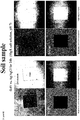
- Fig. 4 The attachment to the electrode substrate of the microorganisms in soil was confirmed under conditions of the 24 hour application of constant potentials of -0.2 V, -0.3 V, -0.4 V, vs. Ag/AgCl. Some of the soil microorganisms were confirmed to be of a type that attached even at a constant potential of ⁇ 0.4 V applied for 24 hours.
- microorganisms that had been caused to attach to the electrode surface by the same method as in Example 1 were detached from the electrode surface while varying the rectangular wave potential applied.
- Fig. 5 The results are given in Fig. 5 .
- the microorganism survival rates and the detachment rates from the electrode substrate when the various 3 MHz rectangular wave potentials had been applied for one hour are given. Detachment occurred at optimal conditions of a survival rate of 89 percent and a detachment rate of 99.8 percent at ⁇ 1.0 V (or ⁇ 10 mV).
- microorganisms in soil were caused to attach to the electrode surface by the same method as in Example 1 while varying the electrolyte employed.
- soil microorganisms for which the electrolyte employed was replaced with medium were caused to attach to the electrode surface by the same method as in Example 1. An examination of whether soil microorganisms would attach to the electrode substrate even in medium was conducted.
- the present invention is useful in the field of handling microorganisms.
Landscapes
- Chemical & Material Sciences (AREA)
- Zoology (AREA)
- Life Sciences & Earth Sciences (AREA)
- Engineering & Computer Science (AREA)
- Bioinformatics & Cheminformatics (AREA)
- Health & Medical Sciences (AREA)
- Organic Chemistry (AREA)
- Genetics & Genomics (AREA)
- Wood Science & Technology (AREA)
- Biomedical Technology (AREA)
- Microbiology (AREA)
- Biochemistry (AREA)
- General Engineering & Computer Science (AREA)
- General Health & Medical Sciences (AREA)
- Biotechnology (AREA)
- Inorganic Chemistry (AREA)
- Immobilizing And Processing Of Enzymes And Microorganisms (AREA)
- Micro-Organisms Or Cultivation Processes Thereof (AREA)
Description
- The present invention relates to a method for immobilizing living microorganisms utilizing constant potential electrolysis, and to a method for preparing living microorganisms utilizing this method as defined in the claims.
- The capture and immobilization of microorganisms on a carrier is known (Patent Reference 1). The invention described in
Patent Reference 1 is a method of rapidly preparing a film of microorganisms of any area and any shape on a carrier, in which the species of the microorganism forming the biofilm is controlled. - The biofilm method employed in waste water treatment is a purification method employing the pollutant decomposing action of a group of micro-organisms attaching in the form of a film to a carrier. At the start of operation of the biofilm method, it is necessary to cause the biofilm to attach to the carrier. Conventionally, however, the carrier is immersed in active sludge or a microorganism broth, and attachment of the organism requires waiting for the organism to naturally attach to the carrier. That makes it difficult to control the attachment area, attachment shape, or species of attaching microorganism. Based on the description of
Patent Reference 1, the invention described inPatent Reference 1 was provided with the object of eliminating this problem. - The invention (claim 1) described in
Patent Reference 1 is a method of preparing a microorganism film, characterized by: positioning in a liquid containing a microorganism a substrate on which is provided an electrode capable of generating a nonuniform electric field, applying an ac voltage to the electrode to generate a nonuniform electric field in the liquid, and rendering the permittivity of the cells of a specific microorganism greater than the permittivity of the medium to selectively cause the specific microorganism to attach to the substrate. - Attempts have been made to specify, select, and use selected cells at the single-cell level. For example, the individual detection of the antigen specificity of single lymphocytes, the retrieval of a single antigen-specific lymphocyte that has been detected, and the use of the single antigen-specific lymphocyte that has been retrieved to, for example, produce an antibody has been examined (Patent Reference 2). In
Patent Reference 2, a microwell array chip is used to detect antigen-specific lymphocytes. Within the microwell array chip, the shape and dimensions of each microwell are configured so as to allow only a single lymphocyte to be contained in each microwell. - When animal cells are cultured on a substrate surface, an adhesive protein known as extracellular matrix is known to form outside the cells, attaching the cells to the substrate surface. The detachment and use of cells thus attached to the substrate surface is known. The use of an electrical stimulus as the method of detachment is known (Patent References 3 to 5). Further, references Poortinga et al. (Biotechnology and Bioengineering, vol. 67, no. 1, January 5, 2000, 117-120, ISSN: 0006-3592) and
US 5126024 describe binding of bacteria onto electrodes using DC current. In addition, references Hong Seok Hoon et al. (Biotechnology and Bioengineering, vol. 100, no. 2, June 2008, 379-386, ISSN: 0006-3592), Van Der Borden et al. (Biomaterials, Elsevier Science Publishers BV., Barking, GB, vol. 26, no. 33, November 1 2005, 6731-6735, ISSN: 0142-9612), Neirinck et al. (Electrochemistry Communications, Elsevier, Amsterdam, NL, vol. 11, no. 9, September 1, 2009, 1842-1845, ISSN: 1388-2481), Longton et al. (Archives of oral Biology, Pergamon Press, Oxford, GB, vol. 20, no. 2, February 1, 1975, 103-106, ISSN: 0003-9969) andWO 2010/072257 contain various further background information relating to deposition and detachment of bacteria under the influence of electrical current. -
- Patent Reference 1: Japanese Unexamined Patent Publication (KOKAI) No.
2001-161359 - Patent Reference 2: Japanese Unexamined Patent Publication (KOKAI) No.
2004-173681 - Patent Reference 3: Japanese Unexamined Patent Publication (KOKAI) No.
2008-295382 - Patent Reference 4: Japanese Unexamined Patent Publication (KOKAI) No.
2005-312343 - Patent Reference 5: Japanese Unexamined Patent Publication (KOKAI) Heisei No.
10-42857 - Nonpatent Reference 1: Manome et al., FEMS Microbiol. Lett. 197, 29-33 (2001)
- Thus far, no attempt has been made to specify, select, and use the selected microorganism in a viable condition at the single cell or small cell group level. The method described in
Patent Reference 1 is a method of preparing a microorganism film, but not a method of immobilizing and specifying a microorganism at the single cell level or small cell group level. Nor doesPatent Reference 1 describe detaching (de-immobilizing) in a viable condition the microorganisms that have been immobilized. Nor do Patent References 3 to 5 contain any description of the detachment of microorganisms. - Conventionally, due to the lack of a technique for controlling the placement of the microorganisms at specific positions on the substrate, techniques based on cell sorters have been the mainstream in the small-scale analysis of microorganisms (Nonpatent Reference 1).
- However, in the analysis of microorganisms with a cell sorter, multiple microorganisms absorb firmly to soil microparticles, making it extremely difficult to directly analyze the microorganisms living in soil at the single-cell level.
- The present invention has for its object to provide a new means of immobilizing and positioning microorganisms in a viable condition on a substrate surface at the single-cell level or in small groups, and to provide a means of using this new means to detach (release) in a viable condition the microorganisms that have been immobilized.
- The present inventors discovered that it was possible to employ an electrolyte in the form of a buffer not containing a nutrition source and in which living microorganisms (prokaryotes) had been dispersed, and to apply a weak potential that did not produce an electrochemical reaction to cause living microorganisms to attach to the cathode substrate. They further discovered that microorganisms (prokaryotes) that had been attached to the electrode substrate by this method could be subjected to a high frequency wave potential to quantitatively release and retrieve them in a viable condition from the electrode surface with almost no damage. The present invention was devised based on this knowledge.
- The present invention is characterized by the embodiments as defined in the claims and as set forth below:
- [1] A method for immobilizing living microorganisms comprising a step (1) of disposing a solution, which contains microorganisms, as an electrolyte on the surface of a substrate at least one portion of which is an electrode, and applying a constant potential to the electrode to cause at least a portion of the microorganisms to attach to the surface of the portion of the substrate which is the electrode, characterized in that:
- the constant potential in step (1) is greater than -0.5 V but not greater than -0.2 V (vs Ag/AgCl); and
- the electrolyte in step (1) does not contain a source of nutrition for the microorganisms.
- [2] A method for preparing living microorganisms, comprising a step (1) of disposing a solution, which contains microorganisms, as an electrolyte on the surface of a substrate at least one portion of which is an electrode, applying a constant potential to the electrode to cause at least a portion of the microorganisms to attach to the surface of the substrate and a step (2) of applying a high-frequency wave potential to the electrode to detach in a viable condition the microorganisms that have been attached to the surface of the substrate; characterized in that:
- the constant potential in step (1) is greater than -0.5 V but not greater than -0.2 V (vs Ag/AgCl) or greater than +0.2 V but not greater than +0.4 V (vs Ag/AgCl);
- the high-frequency wave potential in step (2) has a frequency falling within a range of 1 KHz to 10 MHz and a potential range of ± 1.0 V (vs Ag/AgCl) or narrower, preferably 0.1 V (vs Ag/AgCl) or narrower;
- the electrolyte in step (1) does not contain a source of nutrition for the microorganisms; and
- the electrolyte of step (2) has a salt concentration of 10 g/L or lower.
- [3] The method according to [1] or [2], wherein the electrolyte in step (1) has a salt concentration of 10 g/L or lower.
- [4] The method according to [1] or [2], wherein the electrolyte in steps (1) and (2) is a Ca2+ and Mg2+-free phosphate buffer solution.
- [5] The method according to [1] or [2], wherein the electrolyte in step (1) is artificial seawater or natural seawater, and the constant potential in step (1) is greater than -0.4 V but not greater than -0.2 V (vs Ag/AgCl) or greater than +0.2 V but not greater than +0.4 V (vs Ag/AgCl).
- [6] The method according to any one of [2] to [5], wherein the high-frequency wave potential is a rectangular wave, sine wave, or triangle wave.
- [7] The method according to any one of [1] to [6], wherein the entire surface of the substrate is an electrode.
- [8] The preparation method according to any one of [2] to [7], wherein a portion of the surface of the substrate is an electrode, and the microorganisms on the electrode surface and on the non-electrode surface in the vicinity of the electrode in step (2) are detached in a viable condition.
- [9] The preparation method according to any one of [2] to [8], comprising the step of further cultivating the microorganisms that have been detached to cause the microorganism to proliferate.
- The present invention makes it possible to cause a microorganism (prokaryote) to attach to the surface of an electrode in a viable condition. The present invention further makes it possible to retrieve in a viable condition the microorganism that has been caused to attach to the surface of the electrode. These methods can be employed on Gram-negative bacteria in the form of Escherichia coli (E. coli) and on Gram-positive bacteria in the form of Bacillus subtilis (B. subtilis).
- The present invention also permits the comparative analysis in microorganisms of gene and protein expression between single cells by high-performance optical microscopy, such as a confocal laser microscopy, in the manner of single-cell analysis that is conducted on animal cells, by attracting and attaching various microorganisms in soil onto an electrode substrate. It also makes it possible to retrieve the microorganism following analysis.
- The method of the present invention makes it possible to electrically remove multi-drug resistant bacteria contaminating blood products and the like, and to remove microorganisms present in water, such as in bath water.
-
-
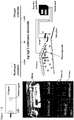
Figure 1-1 shows photograph and schematic diagram of electrode chamber. -
Figure 1-2 shows descriptive drawing of attraction and attachment of microorganisms onto electrode and detachment and retrieval therefrom. -
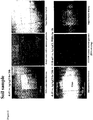
Figure 2 shows result of attracting soil microorganisms onto electrode in Example 1. -
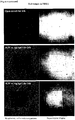
Figure 3 shows result of attraction and attachment of E. coli and B. subtilis onto electrode and detachment and retrieval therefrom in Example 2. -
Figure 4 shows the result of attraction and attachment of soil microorganisms onto electrode in Example 3. -
Figure 5 shows the results of electrical detachment of soil microorganisms in Example 4. -
Figure 6 shows the results of attraction and attachment of microorganisms in various buffers in Example 5. -
Figure 7 shows the results of attraction and attachment of microorganisms in artificial seawater in Example 5. -
Figure 8 shows the results of attracting microorganisms in medium onto an electrode in Comparative Example 1. -
Figure 9 shows the results of attracting microorganisms in 280 mM mannitol aqueous solution onto an electrode in Comparative Example 2. - The first aspect of the present invention relates to a method for immobilizing living microorganisms.
- This method comprises a step (1) of disposing a solution containing microorganisms as an electrolyte on the surface of a substrate at least one portion of which is an electrode, and applying a constant potential to the electrode to cause at least a portion of the microorganisms to attach to the surface of the substrate as defined in the claims. It is characterized in that: the constant potential in step (1) is greater than -0.5 V but not greater than -0.2 V (vs Ag/AgCl); and the electrolyte in step (1) does not contain a source of nutrition (medium) for the microorganisms.
- Step (1) is a step of applying a constant potential to the surface of a substrate at least one portion of which is an electrode. The substrate at least one portion of which is an electrode is not specifically limited. The entire surface of the substrate can constitute an electrode, or some portion thereof can constitute an electrode and some other portion can be a non-electrode (substrate). On the substrate at least one portion of which is an electrode, for example, an electrode layer can be provided on a substrate that is not an electrode, or the entire member can be an electrode, such as a carbon electrode. When an electrode layer is provided on a substrate that is not an electrode, the electrode can be present on part or all of the surface of an insulating substrate, A substrate on which such an electrode is present can be, for example, obtained by coating indium [tin] oxide (ITO) on a glass slide. However, the insulating substrate is not limited to a glass slide, and is not specifically limited other than that it be a non-electrically conductive solid. It can be comprised of a non-electrically conductive organic or inorganic material. Examples of non-electrically conductive organic and inorganic materials, in addition to glass, are plastics and ceramics. The electrode is not limited to indium [tin] oxide (ITO); an electrode of any known electrode material can be suitably employed.
- When an electrode layer is provided on a substrate, the electrode layer can be provided over the entire surface of the substrate, or the electrode layer can be provided over a portion of the surface of the electrode substrate. When an electrode layer is provided over a portion of the surface of an electrode substrate, the electrode layer can be, for example, in the form of an array or stripes. The size (area or dimensions) of the electrode layer can be suitably determined. For example, the area of the electrode can fall within a range of 1 to 900 cm2.
- The term "in the form of an array" means, for example, that the electrode layer is arranged as multiple minute regions disposed in columns or rows. The number of minute regions in the columns or rows is not specifically limited. The type (size) of the microorganism and the like can be suitably determined based on the use objective of the substrate on which the microorganism is disposed in an array. For example, a range of 10 to 105 vertically by 10 to 105 horizontally is possible. However, this range is not a limitation. The shape of the surface of the electrode layer in the form of an array can be rectangular (triangular, square, rectangular, polyhedral, and the like), round, elliptical, or the like, and can be suitably determined. The dimensions of the various electrode surfaces in the form of an array can be such that a single microorganism can attach to a single electrode surface. Since microorganisms come in various dimensions, the dimensions of the electrode surface can be suitably determined based on the dimensions of the microorganisms being made to attach. Further, the dimensions of the various electrode surfaces in the form of an array can be such that two or more microorganisms can attach to one electrode surface. Further, the spacing of the individual electrodes can fall within a range of 25 to 100 µm, for example.
- In a striped electrode layer, multiple electrode layers in the form of stripes of equal width can be disposed at uniform or varying spacings, or multiple electrode layers in the form of stripes of various widths can be disposed at uniform or varying spacings. The width of the striped electrode layers and the spacing between the striped electrode layers are not specifically limited, and can each independently fall within a range of 25 to 100 µm.
- As will be set forth further below, in step (2), not just the cells on the surface of the electrode, but the cells on the non-electrode surface in the vicinity of the electrode, as well, can be detached. The distance from the electrode of the cells on the non-electrode surface that can be detached depends on the potential and on the frequency of the high-frequency wave potential, but is not greater than 100 µm, for example. Accordingly, in the cases of both the array form and stripe form, a spacing of the electrodes falling within a range of 25 to 100 µm permits the detachment of cells on the non-electrode surface.
- The electrode layer in the form of an array or stripes on the substrate surface can be formed by, for example, coating an electrode layer on the surface of a substrate, or by forming a mask for an electrode surface in the form of an array or stripes on the surface of the electrode layer, etching the surface of the electrode layer through the mask, and removing the mask. Alternatively, the electrode surface in the form of an array or stripes can be formed on the surface of the substrate by coating the electrode layer on the surface of the substrate through a mask for an electrode surface in the form of an array or stripes, and removing the mask. The formation of the electrode layer, etching of the surface of the electrode layer, and the like can be suitably implemented by the usual methods.
- In step (1), a solution containing the microorganisms is positioned as an electrolyte, a constant potential is applied to the electrode, and the microorganisms are caused to attach to at least a portion of the surface of the substrate. The constant potential in step (1) is greater than -0.5 V but not greater than -0.2 V (vs Ag/AgCl) as defined in the claims or, as also described herein, greater than +0.2 V but not greater than +0.4 V (vs Ag/AgCl). As is specifically indicated in the Examples, when the constant potential that is applied to the electrode to cause attachment of the microorganisms falls within the above range, the microorganisms in the electrolyte attach specifically to the electrode in a viable condition. When the constant potential applied to the electrode falls outside the above range, the microorganisms either do not attach to the electrode, or they attach to the electrode, but not in a viable condition. The above constant potential has been denoted for an Ag/AgCl reference electrode, but can also be denoted using a reference electrode other than Ag/AgCl. It will be understood that even a constant potential denoted using a reference electrode other than Ag/AgCl that falls within the above range denoted for an Ag/AgCl reference electrode satisfies the conditions of the present invention. When denoted using Ag/AgCl as a reference electrode, -1.06 V is the hydrogen generation potential, and +1.69 V is the oxygen generation potential.
- The application period of the constant potential to the electrodes can be suitably determined by taking into account the type of microorganism, the type of electrolyte, the concentration of the microorganism in the electrolyte, the potential being applied, and the like. For example, it can fall within a range of 1 to 48 hours.
- The electrolyte in step (1) does not contain a source of nutrition for the microorganisms. Attachment of the microorganisms to the surface of the substrate by the application of the constant potential only occurs when the electrolyte does not contain a source of nutrition for the microorganisms contained in the electrolyte. Although the reason is unclear, the microorganisms do not attach to the electrode when the electrolyte contains a source of nutrition for the microorganisms contained in the electrolyte. The term "source of nutrition for the microorganisms" means a source of nutrition that is essential for cultivation of the microorganism, in the form of some or all of the components of the medium that is normally used to cultivate the microorganism. More specifically, the source of nutrition that is not contained in the electrolyte means, for example, sugars, proteins, amino acids, fatty acids, lipids, nucleic acid, and the like.
- The term "does not contain a source of nutrition" does not exclude containing trace amounts of sources of nutrition that essentially do not contribute to the growth of the microorganism. In the course of preparing the electrolyte containing the microorganism from a sample containing the microorganism, mixing the original electrolyte solution with the sample without removing the trace quantities of sources of nutrition contained in the sample causes them to be passed on to the sample. Such an electrolyte containing trace quantities of sources of nutrition that are contained in the electrolyte that is subjected to the application of a potential is defined in the present invention as an electrolyte "that does not contain sources of nutrition." Although the sample containing the microorganisms can be mixed with the original solution of the electrolyte to prepare the electrolyte, it is possible to filter or the like the sample containing the microorganisms to remove the trace quantities of sources of nutrition that are passed on with the sample, and then mix the sample with the original solution of the electrolyte to reduce the quantity of sources of nutrition passed on with the sample.
- The concentration of the microorganism in the electrolyte is not specifically limited. For example, when causing the microorganism to attach to the surface of the electrode cell by cell, the concentration of the microorganism in the electrolyte is desirably relatively low. However, since the quantity of microorganism attaching to the electrode varies with the constant potential applied and with the application period of the constant potential, the concentration of the microorganism in the electrolyte is one of a number of variables. The concentration of the microorganism in the electrolyte can be suitably determined taking these factors into consideration.
- It is desirable for the salt concentration in the electrolyte in step (1) to be 10 g/L or less from the perspective of causing the microorganism to attach to the electrode in a viable condition. The salt concentration desirably falls within a range of 0 to 10 g/L. Further, it is desirable for the electrolyte in step (1) to be a buffer solution from the perspective of causing the microorganisms to attach to the electrode in a viable condition. It is also desirable for the salt concentration in the buffer solution to be 10 g/L or less. The buffer solution is not specifically limited. For example, a phosphate buffer solution (without Ca2+, Mg2+) is desirable from the perspective of causing the microorganism to attach to the electrode in a viable condition. In addition to a phosphate buffer solution, it is also possible to employ 3-morpholinopropanesulfonic acid (MOPS), N-[Tris(hydroxymethyl)methyl]glycine (tricine), N-(2-hydroxyethyl)piperazine-N'-(2-ethanesulfonic acid) (HEPES), and the like. However, from the perspective of increasing the rate of attachment of the microorganism to the electrode, a phosphate buffer solution (without Ca2+ , Mg2+) is desirable. The pH of the buffer solution can be suitably selected based on the type of microorganism. For example, it will fall within a range of 5 to 9 for common microorganisms.
- The electrolyte in step (1) can be artificial seawater or natural seawater. In these cases, the constant potential in step (1) is desirably greater than -0.4 V but not greater than -0.2 V (vs Ag/AgCl) or, as also described herein, greater than +0.2 V but not greater than +0.4 V (vs Ag/AgCl). The salt concentration in the case of artificial seawater or natural seawater is about 40 to 50 g/L. When the salt concentration is high, at a range of -0.5 V to -0.4 V, the survival rate of the microorganism attached to the electrode tends to drop.
- In the method of the present invention, the microorganism that can be caused to attach to the surface of the electrode in a viable condition is not specifically limited. As disclosed in the Examples, E. coli, which is a Gram-positive bacterium, and B. subtilis, which is a Gram-negative bacterium, can be caused to attach to the surface of the electrode in a viable condition. The microorganism that can be caused to attach to the electrode surface in a viable condition is not limited. Examples are E. coli, B. subtilis, Bacillus halodurans, Shewanella violacea, Shewanella oneidensis, Shewanella surugensis, Kocuria rosea, Kocuria 4B, Shewanella abyssi, and Shewanella kaireitica.
- The present inventors examined the effects of attachment to the electrode substrate by the application of a constant voltage on B. subtilis, Bacillus halodurans, Shewanella violacea, Kocuria rosea, and Shewanella oneidensis. As a result, they confirmed that S. violacea was strongly drawn onto an electrode to which a constant potential of -0.3 V vs. Ag/AgCl was applied in artificial seawater, and the other microorganisms were strongly drawn onto electrodes to which a constant potential of -0.4 V vs. Ag/AgCl was applied in the same phosphate buffer solution (without Ca2+, Mg2+) as for E. coli.
- The second aspect of the present invention relates to a method for preparing a live microorganism.
- This method comprises a step (1) of disposing a solution containing microorganisms as an electrolyte on the surface of a substrate at least one portion of which is an electrode, applying a constant potential to the electrode to cause at least a portion of the microorganisms to attach to the surface of the substrate and a step (2) of applying a high-frequency wave potential to the electrode to detach in a viable condition the microorganisms that have attached to the surface of the substrate.
- Further, it is characterized in that the constant potential in step (1) is greater than -0.5 V but not greater than -0.2 V (vs Ag/AgCl) or greater than +0.2 V but not greater than +0.4 V (vs Ag/AgCl); the high-frequency wave potential in step (2) has a frequency falling within a range of 1 KHz to 10 MHz and has a potential range of ± 1.0 V (vs Ag/AgCl) or narrower, preferably ±0.1V (vs Ag/AgCl) or narrower; the electrolyte in step (1) does not contain a source of nutrition for the microorganisms; and the electrolyte of step (2) has a salt concentration of 10 g/L or lower.
- Step (1) in the second aspect is identical to step (1) in the first aspect.
- In step (2), a high-frequency wave potential is applied to the electrode to which the microorganisms have been attached in a viable condition in step (1) to detach in a viable condition the microorganisms that have been attached to the surface of the substrate. The microorganisms that have been attached to the electrode and the microorganisms that have attached to a non-electrode surface in the vicinity of the electrode are detached by the application of a high-frequency wave potential. Specifically, the high-frequency wave potential has a frequency falling within a range of 1 KHz to 20 MHz, or within a range of 1 KHz to 10 MHz, desirably within a range of 1 to 5 MHz. The potential has, for example, a range of ± 1.0 V (vs Ag/AgCl) or narrower, such as ± 0.9 V (vs Ag/AgCl) or narrower, or ± 0.8 V (vs Ag/AgCl) or narrower, or ± 0.1 V (vs Ag/AgCl) or narrower. The waveform of the high-frequency wave potential can be, for example, that of a rectangular wave, sine wave, or triangle wave.
- The electrolyte in step (2) has a salt concentration of 10 g/L or less. Even when the electrolyte in step (1) is artificial or natural seawater with a salt concentration exceeding 10 g/L, the potential can be adjusted to cause the microorganisms to attach to the surface of the electrode in a viable condition. However, when the salt concentration exceeds 10 g/L in step (2), it has been determined that microorganisms cannot be detached from the surface of the electrode in a viable condition. The electrolytes in steps (1) and (2) can be of identical or different compositions. However, the electrolyte in step (2) has a salt concentration of 10 g/L or less. Further, the electrolyte in step (2), in the same manner as the electrolyte in step (1), does not contain a source of nutrition.
- During detachment in the course of applying a high-frequency wave potential, the electrolyte is suitably a buffer solution that does not contain calcium and magnesium. That is because the microorganisms were not able to detach electrically when a high-frequency wave potential was applied to an electrolyte containing calcium or magnesium. During detachment in the course of applying a high-frequency wave potential, the electrolyte can be, for example, a Ca2+ and Mg2+ -free phosphate buffer solution [PBS(-)],a Ca2+ and Mg2+ -free Hank's buffered salt, or the like. Of these, PBS(-) is desirable.
- In step (2), not just the microorganisms on the surface of the electrode, but the microorganisms on the non-electrode surface in the vicinity of the electrode, as well, can be detached. The distance from the electrode of the microorganisms that can be detached on the non-electrode surface depends on the potential and frequency of the high-frequency wave potential. However, it can be about 100 µm or less. In the course of applying a high-frequency wave potential, the potential is directly applied to the microorganisms on the electrode and indirectly applied to the microorganisms on the non-electrode surface. Accordingly, there is relatively less stress due to the application of the potential on the microorganisms on the non-electrode surface. Even when damage is inflicted to the microorganisms by the application of the potential (due to the conditions of the high-frequency wave potential), there will tend to be less, or no, damage to the microorganisms on the non-electrode surface. A high-frequency wave potential that inflicts a high degree of damage on the microorganisms when applied will sometimes be used because the microorganisms will sometimes attach strongly and not readily detach. In such cases, an electrode shape or disposition that preferentially detachs the microorganisms on the non-electrode surface and the non-electrode surface can be selected so that detachment of the microorganisms on the non-electrode surface is actively conducted.
- In the method of the present invention, as shown in
Fig. 1-2 , microorganisms are caused to attach to the electrode surface of the substrate or the electrode and non-electrode surfaces in step (1). For example, the microorganisms that are caused to attach can be from soil samples, or can be from a culture solution containing microorganisms. The sample containing the microorganisms is suitably diluted with an electrolyte to adjust it to a prescribed concentration, after which a constant potential is applied. As needed, the attachment of the microorganisms to the electrode or non-electrode surface by the application of a constant potential can be observed by confocal microscopy or the like. - In step (2), a high-frequency wave potential is applied to the electrode surface, or to the electrode and non-electrode surfaces, of the substrate to which the microorganisms have attached. That causes the animal microorganisms that have attached to the electrode surface or electrode and non-electrode surfaces to detach in a viable condition.
- In the method of the present invention, the survival rate of the microorganisms that have attached to the electrode surface or electrode and non-electrode surfaces of the substrate in step (1) depends on the attachment conditions. By way of example, it falls within a range of 50 to 100 percent. Further, the survival rate of the microorganisms that are detached and retrieved from the electrode surface or electrode and non-electrode surface in step (2) depends on the detachment conditions. By way of example, it falls within a range of 50 to 100 percent.
- The method of the present invention can comprise a further step of cultivating the detached microorganisms to cause them to proliferate. The method of cultivating the microorganisms can be suitably adopted based on the type of microorganism.
- The present invention is described in greater detail below through Examples.
- In the order indicated below, microorganisms were attached to and detached from ITO electrodes in the 3-electrode chamber shown in
Fig. 1-1 , and a live/dead determination was made (seeFig. 1-2 ). - 1) A 0.5 g quantity of soil from a JAMSTEC vegetable garden in which no agricultural chemicals had been employed was added to Dulbecco's PBS(-) (Wako, Osaka, Japan), the overall quantity was adjusted to 5 mL, and the mixture was stirred for 5 minutes with a vortex.
- 2) The mixture was diluted 104-fold with Dulbecco's PBS(-) and 10 µg/mL soil samples were prepared.
- 3) To examine whether dead microorganisms would be drawn to the electrode, 104-fold dilution was conducted with 0.02% (w/v) sodium azide (Wako, Osaka, Japan) dissolved in Dulbecco's PBS(-) and 10 µg/mL soil samples were prepared. Alternatively, soil samples that had been processed for one hour with 70% EtOH at 60°C were employed.
- 4) The 5 mL soil sample solution was added to a 3-electrode chamber (see
Figure 1-1 ) and a -0.4 V vs. Ag/AgCl potential was applied at room temperature for 24 hours. - 5) After applying the potential for 24 hours, the soil sample supernatant was retrieved and the ITO pattern electrode substrate was washed lightly several times with fresh Dulbecco's PBS(-).
- 6) A 5 mL quantity of fresh Dulbecco's PBS(-) was added to the 3-electrode chamber and a ±1.0 V vs. Ag/AgCl, 3 MHz rectangular wave potential (or a ±10 mV vs. Ag/AgCl, 9 MHz triangle wave potential) was applied for another one hour at room temperature.
- 7) Following application of the potential for one hour, the supernatant of the PBS(-) sample was retrieved and the ITO pattern electrode substrate was washed lightly several times with fresh Dulbecco's PBS(-).
- 8) The living microorganisms having dehydrogenase activity that had attached to the ITO electrodes in 5) were fluorescence stained with Bacstain CTC rapid staining kit for microscopy (Dojindo, Kumamoto, Japan) and then observed by confocal laser microscopy (FV500, Olympus, Tokyo, Japan).
- 9) The microorganisms that had attached to the ITO electrodes in 5) and 7) were fluorescence stained with Live/dead Baclight bacterial viability kits (Molecular probes, Eugene, OR, USA) and a determination was made as to whether they were alive or dead by confocal laser microscopy (FV500).
- 10) The microorganisms that had been retrieved in the supernatant samples retrieved in 5) and 7) were fluorescence stained with Live/dead Baclight bacterial viability kits and a determination was made as to whether they were alive or dead by confocal laser microscopy (FV500) using a hemacytometer.
- The results are given in
Figure 2 . - The living microorganisms (prokaryotes) in the soil attached to the electrode substrate to which a weak negative potential had been applied without producing an electrochemical reaction (see the upper portion of
Figure 2 ). Dead microorganisms did not attach on the surface of the electrode to which a slightly negative potential was applied (see the lower portion ofFigure 2 ). - The application of a high-frequency wave potential (±1.0 V vs. Ag/AgCl, 3 MHz rectangular wave, or a ±10 mV vs. Ag/AgCl, 9 MHz triangle wave) to the microorganisms (prokaryotes) that had attached to the electrode substrate resulted in the detachment and retrieval of 99 percent of the microorganisms from the electrode surface with almost no damage (middle portion of
Figure 2 ). The survival rate of the microorganisms remaining on the electrode surface one hour after application of the high-frequency wave potential was 91 percent (= 517/566 cells). The retrieval rate of live bacteria from the soil was 84 percent (= 154/183). Measurement by hemacytometer revealed that 3 x 10⁶ microorganisms had been successfully retrieved from 50 micrograms of soil. -
- (1) In the order indicated below, microorganisms were attached to and detached from ITO electrodes in the 3-electrode chamber shown in
Fig. 1-1 , and a live/dead determination was made (seeFig. 1-2 ). - 1) E. coli or B. subtilis was cultured overnight in 5 mL of Luria-Bertani medium (LB medium, Difco Laboratories, Inc., Detroit, MI, USA) at 37°C and 120 rpm.
- 2) The medium was processed in a centrifuge, the supernatant was discarded, and the pellet was resuspended in 5 mL of Dulbecco's PBS(-).
- 3) A cell count was taken with a hemacytometer and the microorganisms were poured into a 3-electrode chamber at 1 x 10⁶ cells/well.
- 4) A -0.4 V vs. Ag/AgCl potential was applied for 24 hours at room temperature.
- 5) After applying the potential for 24 hours, the supernatant was retrieved and the ITO pattern electrode substrate was washed lightly several times with fresh Dulbecco's PBS(-).
- 6) A 5 mL quantity of fresh Dulbecco's PBS(-) was added to the 3-electrode chamber and a ±1.0 V vs. Ag/AgCl, 3 MHz rectangular wave potential (or a ±10 mV vs. Ag/AgCl, 9 MHz triangle wave potential) was applied for another one hour at room temperature.
- 7) Following application of the potential for one hour, the supernatant of the PBS(-) sample was retrieved and the ITO pattern electrode substrate was washed lightly several times with fresh Dulbecco's PBS(-).
- 8) The living microorganisms having dehydrogenase activity that had attached to the ITO electrodes in 5) were fluorescence stained with Bacstain CTC rapid staining kit for microscopy (Dojindo, Kumamoto, Japan) and then observed by confocal laser microscopy (FV500, Olympus, Tokyo, Japan).
- 9) The microorganisms that attached to the ITO electrodes in 5) and 7) were fluorescence stained with Live/dead Baclight bacterial viability kits (Molecular probes, Eugene, OR, USA) and a determination was made as to whether they were alive or dead by confocal laser microscopy (FV500).
- 10) A 100 µL quantity of the supernatant sample retrieved in 5) and 7) was poured onto an LB agar plate and the colonies were counted.
- The results are given in
Fig. 3 . The above electrical attachment was successful for both E. coli, a Gram-negative bacterium, and B. subtilis, a Gram-positive bacterium. The microorganisms that had been electrically attached were also successfully detached. - The survival rate of the microorganisms remaining on the electrode surface one hour after application of the high-frequency wave potential was 93 percent (= 152/164 cells) for E. coli and 40 percent (=140/348 cells) for B. subtilis. The retrieval rate of live bacteria from the soil was 80 percent (= 86/108 colonies) for E. coli and 54 percent (= 128/237 colonies) for B. subtilis.
- In the following order and by the same method as in Example 1, the potential applied was varied and microorganisms in soil were caused to attach to the electrode surface.
- 1) A 0.5 g quantity of soil from a JAMSTEC vegetable garden in which no agricultural chemicals had been employed was added to Dulbecco's PBS(-) (Wako, Osaka, Japan), the overall quantity was adjusted to 5 mL, and the mixture was stirred for 5 minutes with a vortex.
- 2) The mixture was diluted 104-fold with Dulbecco's PBS(-) and 10 µg/mL soil samples were prepared.
- 3) The 5 mL soil sample solution was added to a 3-electrode chamber and various constant potentials were applied at room temperature for 24 hours.
- 4) After applying the potential for 24 hours, the ITO pattern electrode substrate was washed lightly several times with fresh Dulbecco's PBS(-).
- 5) The living microorganisms having dehydrogenase activity that had attached to the ITO electrodes were fluorescence stained with a Bacstain CTC rapid staining kit for microscopy (Dojindo, Kumamoto, Japan) and then observed by confocal laser microscopy (FV500, Olympus, Tokyo, Japan).
- The results are given in
Fig. 4 . The attachment to the electrode substrate of the microorganisms in soil was confirmed under conditions of the 24 hour application of constant potentials of -0.2 V, -0.3 V, -0.4 V, vs. Ag/AgCl. Some of the soil microorganisms were confirmed to be of a type that attached even at a constant potential of ±0.4 V applied for 24 hours. - In the following order, microorganisms that had been caused to attach to the electrode surface by the same method as in Example 1 were detached from the electrode surface while varying the rectangular wave potential applied.
- 1) A 0.5 g quantity of soil from a JAMSTEC vegetable garden in which no agricultural chemicals had been employed was added to Dulbecco's PBS(-) (Wako, Osaka, Japan), the overall quantity was adjusted to 5 mL, and the mixture was stirred for 5 minutes with a vortex.
- 2) The mixture was diluted 104-fold with Dulbecco's PBS(-) and 10 µg/mL soil samples were prepared.
- 3) The 5 mL soil sample solution was added to a 3-electrode chamber (see
Figure 1-1 ) and a -0.4 V vs. Ag/AgCl potential was applied at room temperature for 24 hours. - 4) After applying the potential for 24 hours, the ITO pattern electrode substrate was washed lightly several times with fresh Dulbecco's PBS(-).
- 5) A 5 mL quantity of fresh Dulbecco's PBS(-) was added to the 3-electrode chamber and ±0.4 V, ± 0.8 V, ± 1.0 V vs. Ag/AgCl, 3 MHz rectangular wave potentials (or ± 4 mV, ± 6 mV, ± 10 mV vs. Ag/AgCl, 9 MHz triangle wave potentials)were applied for another one hour at room temperature.
- 6) Following application of the potential for one hour, the ITO pattern electrode substrate was washed lightly several times with fresh Dulbecco's PBS(-).
- 7) The living microorganisms having dehydrogenase activity that had attached to the ITO electrodes in 4) were fluorescence stained with a Bacstain CTC rapid staining kit for microscopy (Dojindo, Kumamoto, Japan) and then observed by confocal laser microscopy (FV500, Olympus, Tokyo, Japan).
- 8) The microorganisms that had attached to the ITO electrodes in 6) were fluorescence stained with Live/dead Baclight bacterial viability kits (Molecular probes, Eugene, OR, USA) and a determination was made as to whether they were alive or dead by confocal laser microscopy (FV500).
- 9) The detachment rate was calculated from the quantity of microorganisms per 50 x 50 µm2 that had attached to the ITO electrodes in 4) and 6).
- The results are given in
Fig. 5 . The microorganism survival rates and the detachment rates from the electrode substrate when the various 3 MHz rectangular wave potentials had been applied for one hour are given. Detachment occurred at optimal conditions of a survival rate of 89 percent and a detachment rate of 99.8 percent at ± 1.0 V (or ±10 mV). - In the following order, microorganisms in soil were caused to attach to the electrode surface by the same method as in Example 1 while varying the electrolyte employed.
- 1) 10 g/L of MOPS (Dojindo), Tricine (Dojindo), HEPES (cell culture tested, Sigma, St. Louis, MO, USA) were adjusted to pH 7)
- 2) Artificial seawater (30 g/L NaCl, 0.7 g/L KCl, 5.3 g MgSO4-7H2O, 10.8 g MgCl2-6H2O, and 1.0 g/L CaSO4-2H2O were prepared.
- 3) 0.5 g quantities of soil from a JAMSTEC vegetable garden in which no agricultural chemicals had been employed were added to the various buffers and artificial seawaters, the overall quantities were adjusted to 5 mL, and the mixtures were stirred for 5 minutes with a vortex.
- 4) The mixtures were diluted with the various buffers and seawaters to 104-fold and 10 µg/mL soil samples were prepared.
- 5) 5 mL soil sample solutions were added to a 3-electrode chamber and various constant potentials were applied at room temperature for 24 hours.
- 6) After applying the potential for 24 hours, the ITO pattern electrode substrates were washed lightly several times with fresh Dulbecco's PBS(-).
- 7) The living microorganisms having dehydrogenase activity that had been attached to the ITO electrodes were fluorescence stained with Bacstain CTC rapid staining kit for microscopy (Dojindo, Kumamoto, Japan) and then observed by confocal laser microscopy (FV500, Olympus, Tokyo, Japan).
- The results are given in
Fig. 6 . An attempt was made to electrically adsorb the microorganisms in soil in 10 g/L of various buffers by 24 hours at -0.4 V vs. Ag/AgCl. As a result, PBS(-) exhibited the best electric adsorption, followed by MOPS buffer and Tricine buffer. HEPES somewhat blocked the adsorption of the microorganisms on the electrodes. - The results are given in
Fig. 7 . Between -0.3 V and + 0.6 V vs. Ag/AgCl, no current flowed in the artificial seawaters, so no pattern could be confirmed for the adsorbed microorganisms. The optimal conditions for electric adsorption of microorganisms in artificial seawater was -0.3 V vs. Ag/AgCl. - In the order given below, soil microorganisms for which the electrolyte employed was replaced with medium (containing sources of nutrition) were caused to attach to the electrode surface by the same method as in Example 1. An examination of whether soil microorganisms would attach to the electrode substrate even in medium was conducted.
- 1) A 0.5 g quantity of soil from a JAMSTEC vegetable garden in which no agricultural chemicals had been employed was added to Dulbecco's PBS(-) (Wako, Osaka, Japan), the overall quantity was adjusted to 5 mL, and the mixture was stirred for 5 minutes with a vortex.
- 2) The mixture was diluted 104-fold with Luria-Bertani medium (LB medium, Difco Laboratories, Inc., Detroit, MI, USA) and 10 µg/mL soil samples were prepared.
- 3) The 5 mL soil sample solutions were added to a 3-electrode chamber and a -0.4 V vs. Ag/AgCl potential was applied at room temperature for 24 hours.
- 4) After applying the potential for 24 hours, the ITO pattern electrode substrate was washed lightly several times with fresh Dulbecco's PBS(-).
- 5) The microorganisms that had attached to the ITO electrodes were fluorescence stained with Live/dead Baclight bacterial viability kits (Molecular probes, Eugene, OR, USA) and observed by confocal laser microscopy (FV500).
- The results are given in
Fig. 8 . The soil microorganisms were not attracted and did not attach to the electrode substrate. - In the order given below, soil microorganisms for which the electrolyte employed was replaced with a mannitol solution were caused to attach to the electrode surface by the same method as in Example 1.
- 1) A 0.5 g quantity of soil from a JAMSTEC vegetable garden in which no agricultural chemicals had been employed was added to Dulbecco's PBS(-) (Wako, Osaka, Japan), the overall quantity was adjusted to 5 mL, and the mixture was stirred for 5 minutes with a vortex.
- 2) The mixture was diluted 104-fold with a 280 mM mannitol aqueous solution and a 10 µg/mL soil sample was prepared.
- 3) The 5 mL soil sample solution was added to a 3-electrode chamber and a -0.4 V vs. Ag/AgCl potential was applied at room temperature for 24 hours.
- 4) After applying the potential for 24 hours, the ITO pattern electrode substrate was washed lightly several times with fresh Dulbecco's PBS(-).
- 5) The microorganisms that had attached to the ITO electrode were fluorescence stained with Live/dead Baclight bacterial viability kits (Molecular probes, Eugene, OR, USA) and observed by confocal laser microscopy (FV500).
- The results are given in the top portion of
Fig. 9 . In the 280 mM mannitol aqueous solution, under the conditions of the present invention, the microorganisms did not attach to the same degree as when no voltage was applied (open circuit). - In the order given below, soil microorganisms for which the electrolyte employed was replaced with a mannitol solution were caused to attach to the electrode surface by the same method as in Example 1, and then detached in a mannitol solution.
- 1) A 0.5 g quantity of soil from a JAMSTEC vegetable garden in which no agricultural chemicals had been employed was added to Dulbecco's PBS(-) (Wako, Osaka, Japan), the overall quantity was adjusted to 5 mL, and the mixture was stirred for 5 minutes with a vortex.
- 2) The mixture was diluted 104-fold with Dulbecco's PBS(-) and 10 µg/mL soil samples were prepared.
- 3) The 5 mL soil sample solution was added to a 3-electrode chamber and a -0.4 V vs. Ag/AgCl potential was applied at room temperature for 24 hours.
- 4) After applying the potential for 24 hours, the ITO pattern electrode substrate was washed lightly several times with fresh Dulbecco's PBS(-).
- 5) A 5 mL quantity of a 280 mM mannitol aqueous solution was added to a 3-electrode chamber and a ±1.0 V vs. Ag/AgCl, 3 MHz rectangular wave potential (or a ±10 mV vs. Ag/AgCl, 9 MHz triangle wave potential) as applied for another one hour at room temperature.
- 6) Following application of the potential for one hour, the ITO pattern electrode substrate was washed lightly several times with fresh Dulbecco's PBS(-).
- 7) The microorganisms that had attached to the ITO electrodes were fluorescence stained with Live/dead Baclight bacterial viability kits (Molecular probes, Eugene, OR, USA) and a determination was made as to whether they were alive or dead by confocal laser microscopy (FV500).
- The results are given in the lower portion of
Fig. 9 . Almost none of the attached microorganisms detached under the conditions of the high-frequency potential applied in the present invention, and almost all ended up dying. - The present invention is useful in the field of handling microorganisms.
Claims (9)
- A method for immobilizing living microorganisms comprising a step (1) of disposing a solution, which contains microorganisms, as an electrolyte on the surface of a substrate at least one portion of which is an electrode, and applying a constant potential to the electrode to cause at least a portion of the microorganisms to attach to the surface of the portion of the substrate which is the electrode, characterized in that:the constant potential in step (1) is greater than -0.5 V but not greater than -0.2 V (vs Ag/AgCl); andthe electrolyte in step (1) does not contain a source of nutrition for the microorganisms.
- A method for preparing living microorganisms, comprising a step (1) of disposing a solution, which contains microorganisms, as an electrolyte on the surface of a substrate at least one portion of which is an electrode, applying a constant potential to the electrode to cause at least a portion of the microorganisms to attach to the surface of the substrate and a step (2) of applying a high-frequency wave potential to the electrode to detach in a viable condition the microorganisms that have been attached to the surface of the substrate; characterized in that:the constant potential in step (1) is greater than -0.5 V but not greater than -0.2 V (vs Ag/AgCl) or greater than +0.2 V but not greater than +0.4 V (vs Ag/AgCl);the high-frequency wave potential in step (2) has a frequency falling within a range of 1 KHz to 10 MHz and a potential range of ± 1.0 V (vs Ag/AgCl) or narrower, preferably 0.1 V (vs Ag/AgCl) or narrower;the electrolyte in step (1) does not contain a source of nutrition for the microorganisms; andthe electrolyte of step (2) has a salt concentration of 10 g/L or lower.
- The method according to claim 1 or 2, wherein the electrolyte in step (1) has a salt concentration of 10 g/L or lower.
- The method according to claim 1 or 2, wherein the electrolyte in steps (1) and (2) is a Ca2+ and Mg2+ -free phosphate buffer solution .
- The method according to claim 1 or 2, wherein the electrolyte in step (1) is artificial seawater or natural seawater, and the constant potential in step (1) is greater than -0.4 V but not greater than -0.2 V (vs Ag/AgCl) or greater than +0.2 V but not greater than +0.4 V (vs Ag/AgCl).
- The method according to any one of claims 2 to 5, wherein the high-frequency wave potential is a rectangular wave, sine wave, or triangle wave.
- The method according to any one of claims 1 to 6, wherein the entire surface of the substrate is an electrode.
- The preparation method according to any one of claims 2 to 7, wherein a portion of the surface of the substrate is an electrode, and the microorganisms on the electrode surface and on the non-electrode surface in the vicinity of the electrode in step (2) are detached in a viable condition.
- The preparation method according to any one of claims 2 to 8, comprising the step of further cultivating the microorganisms that have been detached to cause the microorganism to proliferate.
Applications Claiming Priority (1)
| Application Number | Priority Date | Filing Date | Title |
|---|---|---|---|
| JP2011010693A JP5737674B2 (en) | 2011-01-21 | 2011-01-21 | Method for immobilizing and preparing live microorganisms |
Publications (2)
| Publication Number | Publication Date |
|---|---|
| EP2514819A1 EP2514819A1 (en) | 2012-10-24 |
| EP2514819B1 true EP2514819B1 (en) | 2016-12-07 |
Family
ID=45894086
Family Applications (1)
| Application Number | Title | Priority Date | Filing Date |
|---|---|---|---|
| EP12002019.3A Not-in-force EP2514819B1 (en) | 2011-01-21 | 2012-03-21 | Method for immobilizing living microorganisms and method for preparing living microorganisms |
Country Status (2)
| Country | Link |
|---|---|
| EP (1) | EP2514819B1 (en) |
| JP (1) | JP5737674B2 (en) |
Families Citing this family (1)
| Publication number | Priority date | Publication date | Assignee | Title |
|---|---|---|---|---|
| JP5888734B2 (en) * | 2012-03-13 | 2016-03-22 | 国立研究開発法人海洋研究開発機構 | Method for preparing soil microorganisms and use thereof |
Family Cites Families (10)
| Publication number | Priority date | Publication date | Assignee | Title |
|---|---|---|---|---|
| US5126024A (en) * | 1989-12-19 | 1992-06-30 | Colorado School Of Mines | Apparatus and method for concentrating microorganisms from a liquid medium on an electrode by electrodeposition |
| JP3105024B2 (en) * | 1991-05-17 | 2000-10-30 | 是 松永 | How to control microbes in water |
| JP3494535B2 (en) * | 1996-07-29 | 2004-02-09 | エイブル株式会社 | Cell detaching device and detaching method |
| JP2001161359A (en) * | 1999-12-08 | 2001-06-19 | Mitsubishi Heavy Ind Ltd | Method for producing microbial film and carrier for immobilization of microorganism |
| JP3869686B2 (en) * | 2001-06-26 | 2007-01-17 | 独立行政法人科学技術振興機構 | Microorganism measuring apparatus, microbe measuring electrode chip used therefor, and microorganism measuring method |
| JP3723882B2 (en) | 2002-11-14 | 2005-12-07 | 篤 村口 | Microwell array chip for detection of antigen-specific lymphocytes, detection method and production method of antigen-specific lymphocytes |
| JP2005254118A (en) * | 2004-03-11 | 2005-09-22 | Sanyo Electric Co Ltd | Device and method for collecting microorganism |
| JP4507686B2 (en) | 2004-04-28 | 2010-07-21 | 株式会社日立製作所 | Observation container, culture container, cultured cell |
| JP4911516B2 (en) * | 2007-05-31 | 2012-04-04 | 国立大学法人 筑波大学 | Culture method and culture apparatus |
| WO2010072257A1 (en) * | 2008-12-23 | 2010-07-01 | Oboe Ipr Ab | Method, device and system to control adhesion, growth and/or biofilm formation of prokaryotic cells |
-
2011
- 2011-01-21 JP JP2011010693A patent/JP5737674B2/en not_active Expired - Fee Related
-
2012
- 2012-03-21 EP EP12002019.3A patent/EP2514819B1/en not_active Not-in-force
Also Published As
| Publication number | Publication date |
|---|---|
| JP2012147754A (en) | 2012-08-09 |
| JP5737674B2 (en) | 2015-06-17 |
| EP2514819A1 (en) | 2012-10-24 |
Similar Documents
| Publication | Publication Date | Title |
|---|---|---|
| Haas et al. | Nutritional mode of several non-pigmented microflagellates from the York River estuary, Virginia | |
| Stiefel et al. | Isolation of optically targeted single bacteria by application of fluidic force microscopy to aerobic anoxygenic phototrophs from the phyllosphere | |
| JP2012514991A (en) | Method for isolating bacteria | |
| Zhang et al. | Agarose-based microwell array chip for high-throughput screening of functional microorganisms | |
| EP2495309A1 (en) | Method for preparation of proliferatable animal cells | |
| Kumar et al. | Protease production by Bacillus subtilis immobilized on different matrices | |
| JP4160842B2 (en) | Cell culture method | |
| US8790907B2 (en) | Method for detachment and preparation of living microorganisms | |
| Leinweber et al. | Capsules of the diatom Achnanthidium minutissimum arise from fibrillar precursors and foster attachment of bacteria | |
| Yaoita et al. | Electrical effects on the proliferation of living HeLa cells cultured on optically transparent electrode surface | |
| US11691436B2 (en) | Isolation of microniches from solid-phase and solid suspension in liquid phase microbiomes using laser induced forward transfer | |
| EP2514819A1 (en) | Method for immobilizing living microorganisms and method for preparing living microorganisms | |
| Domozych | Exopolymer production by the green alga Penium margaritaceum: implications for biofilm residency | |
| CN119592426A (en) | Genetically engineered algae for inhibiting protozoa and construction method and application thereof | |
| Zakharova et al. | Taxonomic characterization of the microorganisms associated with the cultivable diatom Synedra acus from Lake Baikal | |
| JPH1042857A (en) | Cell releasing device and releasing of cell | |
| JP3105024B2 (en) | How to control microbes in water | |
| CN119391584A (en) | A strain of Arthrobacter GD-20 and its application in carbon fixation and phosphorus solubilization | |
| JP4217046B2 (en) | Immobilization of bacterial cells on hydrophobic carrier | |
| Ringeisen et al. | Single cell isolation of bacteria from microbial fuel cells and Potomac River sediment | |
| JP4890816B2 (en) | Immobilization of bacterial cells on hydrophobic carrier | |
| Tian et al. | Direct growth of biofilms on an electrode surface and its application in electrochemical biosensoring | |
| RU2106879C1 (en) | Method for culturing slowly growing mycobacteria | |
| CN117467569A (en) | A Bacillus treatment method for preventing predatory mite disease | |
| JP5888734B2 (en) | Method for preparing soil microorganisms and use thereof |
Legal Events
| Date | Code | Title | Description |
|---|---|---|---|
| PUAI | Public reference made under article 153(3) epc to a published international application that has entered the european phase |
Free format text: ORIGINAL CODE: 0009012 |
|
| AK | Designated contracting states |
Kind code of ref document: A1 Designated state(s): AL AT BE BG CH CY CZ DE DK EE ES FI FR GB GR HR HU IE IS IT LI LT LU LV MC MK MT NL NO PL PT RO RS SE SI SK SM TR |
|
| AX | Request for extension of the european patent |
Extension state: BA ME |
|
| 17P | Request for examination filed |
Effective date: 20130423 |
|
| 17Q | First examination report despatched |
Effective date: 20150519 |
|
| GRAP | Despatch of communication of intention to grant a patent |
Free format text: ORIGINAL CODE: EPIDOSNIGR1 |
|
| INTG | Intention to grant announced |
Effective date: 20160614 |
|
| GRAS | Grant fee paid |
Free format text: ORIGINAL CODE: EPIDOSNIGR3 |
|
| GRAA | (expected) grant |
Free format text: ORIGINAL CODE: 0009210 |
|
| AK | Designated contracting states |
Kind code of ref document: B1 Designated state(s): AL AT BE BG CH CY CZ DE DK EE ES FI FR GB GR HR HU IE IS IT LI LT LU LV MC MK MT NL NO PL PT RO RS SE SI SK SM TR |
|
| REG | Reference to a national code |
Ref country code: GB Ref legal event code: FG4D |
|
| REG | Reference to a national code |
Ref country code: CH Ref legal event code: EP Ref country code: AT Ref legal event code: REF Ref document number: 851753 Country of ref document: AT Kind code of ref document: T Effective date: 20161215 |
|
| REG | Reference to a national code |
Ref country code: IE Ref legal event code: FG4D |
|
| REG | Reference to a national code |
Ref country code: DE Ref legal event code: R096 Ref document number: 602012026214 Country of ref document: DE |
|
| PG25 | Lapsed in a contracting state [announced via postgrant information from national office to epo] |
Ref country code: LV Free format text: LAPSE BECAUSE OF FAILURE TO SUBMIT A TRANSLATION OF THE DESCRIPTION OR TO PAY THE FEE WITHIN THE PRESCRIBED TIME-LIMIT Effective date: 20161207 |
|
| REG | Reference to a national code |
Ref country code: LT Ref legal event code: MG4D |
|
| REG | Reference to a national code |
Ref country code: NL Ref legal event code: MP Effective date: 20161207 |
|
| PG25 | Lapsed in a contracting state [announced via postgrant information from national office to epo] |
Ref country code: SE Free format text: LAPSE BECAUSE OF FAILURE TO SUBMIT A TRANSLATION OF THE DESCRIPTION OR TO PAY THE FEE WITHIN THE PRESCRIBED TIME-LIMIT Effective date: 20161207 Ref country code: GR Free format text: LAPSE BECAUSE OF FAILURE TO SUBMIT A TRANSLATION OF THE DESCRIPTION OR TO PAY THE FEE WITHIN THE PRESCRIBED TIME-LIMIT Effective date: 20170308 Ref country code: LT Free format text: LAPSE BECAUSE OF FAILURE TO SUBMIT A TRANSLATION OF THE DESCRIPTION OR TO PAY THE FEE WITHIN THE PRESCRIBED TIME-LIMIT Effective date: 20161207 Ref country code: NO Free format text: LAPSE BECAUSE OF FAILURE TO SUBMIT A TRANSLATION OF THE DESCRIPTION OR TO PAY THE FEE WITHIN THE PRESCRIBED TIME-LIMIT Effective date: 20170307 |
|
| REG | Reference to a national code |
Ref country code: AT Ref legal event code: MK05 Ref document number: 851753 Country of ref document: AT Kind code of ref document: T Effective date: 20161207 |
|
| PG25 | Lapsed in a contracting state [announced via postgrant information from national office to epo] |
Ref country code: FI Free format text: LAPSE BECAUSE OF FAILURE TO SUBMIT A TRANSLATION OF THE DESCRIPTION OR TO PAY THE FEE WITHIN THE PRESCRIBED TIME-LIMIT Effective date: 20161207 Ref country code: ES Free format text: LAPSE BECAUSE OF FAILURE TO SUBMIT A TRANSLATION OF THE DESCRIPTION OR TO PAY THE FEE WITHIN THE PRESCRIBED TIME-LIMIT Effective date: 20161207 Ref country code: HR Free format text: LAPSE BECAUSE OF FAILURE TO SUBMIT A TRANSLATION OF THE DESCRIPTION OR TO PAY THE FEE WITHIN THE PRESCRIBED TIME-LIMIT Effective date: 20161207 Ref country code: RS Free format text: LAPSE BECAUSE OF FAILURE TO SUBMIT A TRANSLATION OF THE DESCRIPTION OR TO PAY THE FEE WITHIN THE PRESCRIBED TIME-LIMIT Effective date: 20161207 |
|
| PGFP | Annual fee paid to national office [announced via postgrant information from national office to epo] |
Ref country code: GB Payment date: 20170315 Year of fee payment: 6 |
|
| PG25 | Lapsed in a contracting state [announced via postgrant information from national office to epo] |
Ref country code: NL Free format text: LAPSE BECAUSE OF FAILURE TO SUBMIT A TRANSLATION OF THE DESCRIPTION OR TO PAY THE FEE WITHIN THE PRESCRIBED TIME-LIMIT Effective date: 20161207 |
|
| PG25 | Lapsed in a contracting state [announced via postgrant information from national office to epo] |
Ref country code: RO Free format text: LAPSE BECAUSE OF FAILURE TO SUBMIT A TRANSLATION OF THE DESCRIPTION OR TO PAY THE FEE WITHIN THE PRESCRIBED TIME-LIMIT Effective date: 20161207 Ref country code: SK Free format text: LAPSE BECAUSE OF FAILURE TO SUBMIT A TRANSLATION OF THE DESCRIPTION OR TO PAY THE FEE WITHIN THE PRESCRIBED TIME-LIMIT Effective date: 20161207 Ref country code: CZ Free format text: LAPSE BECAUSE OF FAILURE TO SUBMIT A TRANSLATION OF THE DESCRIPTION OR TO PAY THE FEE WITHIN THE PRESCRIBED TIME-LIMIT Effective date: 20161207 Ref country code: EE Free format text: LAPSE BECAUSE OF FAILURE TO SUBMIT A TRANSLATION OF THE DESCRIPTION OR TO PAY THE FEE WITHIN THE PRESCRIBED TIME-LIMIT Effective date: 20161207 Ref country code: IS Free format text: LAPSE BECAUSE OF FAILURE TO SUBMIT A TRANSLATION OF THE DESCRIPTION OR TO PAY THE FEE WITHIN THE PRESCRIBED TIME-LIMIT Effective date: 20170407 |
|
| PG25 | Lapsed in a contracting state [announced via postgrant information from national office to epo] |
Ref country code: AT Free format text: LAPSE BECAUSE OF FAILURE TO SUBMIT A TRANSLATION OF THE DESCRIPTION OR TO PAY THE FEE WITHIN THE PRESCRIBED TIME-LIMIT Effective date: 20161207 Ref country code: BG Free format text: LAPSE BECAUSE OF FAILURE TO SUBMIT A TRANSLATION OF THE DESCRIPTION OR TO PAY THE FEE WITHIN THE PRESCRIBED TIME-LIMIT Effective date: 20170307 Ref country code: PL Free format text: LAPSE BECAUSE OF FAILURE TO SUBMIT A TRANSLATION OF THE DESCRIPTION OR TO PAY THE FEE WITHIN THE PRESCRIBED TIME-LIMIT Effective date: 20161207 Ref country code: IT Free format text: LAPSE BECAUSE OF FAILURE TO SUBMIT A TRANSLATION OF THE DESCRIPTION OR TO PAY THE FEE WITHIN THE PRESCRIBED TIME-LIMIT Effective date: 20161207 Ref country code: SM Free format text: LAPSE BECAUSE OF FAILURE TO SUBMIT A TRANSLATION OF THE DESCRIPTION OR TO PAY THE FEE WITHIN THE PRESCRIBED TIME-LIMIT Effective date: 20161207 Ref country code: PT Free format text: LAPSE BECAUSE OF FAILURE TO SUBMIT A TRANSLATION OF THE DESCRIPTION OR TO PAY THE FEE WITHIN THE PRESCRIBED TIME-LIMIT Effective date: 20170407 Ref country code: BE Free format text: LAPSE BECAUSE OF FAILURE TO SUBMIT A TRANSLATION OF THE DESCRIPTION OR TO PAY THE FEE WITHIN THE PRESCRIBED TIME-LIMIT Effective date: 20161207 |
|
| REG | Reference to a national code |
Ref country code: DE Ref legal event code: R097 Ref document number: 602012026214 Country of ref document: DE |
|
| REG | Reference to a national code |
Ref country code: DE Ref legal event code: R119 Ref document number: 602012026214 Country of ref document: DE |
|
| PLBE | No opposition filed within time limit |
Free format text: ORIGINAL CODE: 0009261 |
|
| STAA | Information on the status of an ep patent application or granted ep patent |
Free format text: STATUS: NO OPPOSITION FILED WITHIN TIME LIMIT |
|
| REG | Reference to a national code |
Ref country code: CH Ref legal event code: PL |
|
| 26N | No opposition filed |
Effective date: 20170908 |
|
| PG25 | Lapsed in a contracting state [announced via postgrant information from national office to epo] |
Ref country code: MC Free format text: LAPSE BECAUSE OF FAILURE TO SUBMIT A TRANSLATION OF THE DESCRIPTION OR TO PAY THE FEE WITHIN THE PRESCRIBED TIME-LIMIT Effective date: 20161207 Ref country code: DK Free format text: LAPSE BECAUSE OF FAILURE TO SUBMIT A TRANSLATION OF THE DESCRIPTION OR TO PAY THE FEE WITHIN THE PRESCRIBED TIME-LIMIT Effective date: 20161207 Ref country code: SI Free format text: LAPSE BECAUSE OF FAILURE TO SUBMIT A TRANSLATION OF THE DESCRIPTION OR TO PAY THE FEE WITHIN THE PRESCRIBED TIME-LIMIT Effective date: 20161207 |
|
| REG | Reference to a national code |
Ref country code: IE Ref legal event code: MM4A |
|
| REG | Reference to a national code |
Ref country code: FR Ref legal event code: ST Effective date: 20171130 |
|
| PG25 | Lapsed in a contracting state [announced via postgrant information from national office to epo] |
Ref country code: LU Free format text: LAPSE BECAUSE OF NON-PAYMENT OF DUE FEES Effective date: 20170321 Ref country code: FR Free format text: LAPSE BECAUSE OF NON-PAYMENT OF DUE FEES Effective date: 20170331 Ref country code: DE Free format text: LAPSE BECAUSE OF NON-PAYMENT OF DUE FEES Effective date: 20171003 |
|
| PG25 | Lapsed in a contracting state [announced via postgrant information from national office to epo] |
Ref country code: LI Free format text: LAPSE BECAUSE OF NON-PAYMENT OF DUE FEES Effective date: 20170331 Ref country code: IE Free format text: LAPSE BECAUSE OF NON-PAYMENT OF DUE FEES Effective date: 20170321 Ref country code: CH Free format text: LAPSE BECAUSE OF NON-PAYMENT OF DUE FEES Effective date: 20170331 |
|
| PG25 | Lapsed in a contracting state [announced via postgrant information from national office to epo] |
Ref country code: MT Free format text: LAPSE BECAUSE OF NON-PAYMENT OF DUE FEES Effective date: 20170321 |
|
| GBPC | Gb: european patent ceased through non-payment of renewal fee |
Effective date: 20180321 |
|
| PG25 | Lapsed in a contracting state [announced via postgrant information from national office to epo] |
Ref country code: GB Free format text: LAPSE BECAUSE OF NON-PAYMENT OF DUE FEES Effective date: 20180321 |
|
| PG25 | Lapsed in a contracting state [announced via postgrant information from national office to epo] |
Ref country code: HU Free format text: LAPSE BECAUSE OF FAILURE TO SUBMIT A TRANSLATION OF THE DESCRIPTION OR TO PAY THE FEE WITHIN THE PRESCRIBED TIME-LIMIT; INVALID AB INITIO Effective date: 20120321 |
|
| PG25 | Lapsed in a contracting state [announced via postgrant information from national office to epo] |
Ref country code: CY Free format text: LAPSE BECAUSE OF NON-PAYMENT OF DUE FEES Effective date: 20161207 |
|
| PG25 | Lapsed in a contracting state [announced via postgrant information from national office to epo] |
Ref country code: MK Free format text: LAPSE BECAUSE OF FAILURE TO SUBMIT A TRANSLATION OF THE DESCRIPTION OR TO PAY THE FEE WITHIN THE PRESCRIBED TIME-LIMIT Effective date: 20161207 |
|
| PG25 | Lapsed in a contracting state [announced via postgrant information from national office to epo] |
Ref country code: TR Free format text: LAPSE BECAUSE OF FAILURE TO SUBMIT A TRANSLATION OF THE DESCRIPTION OR TO PAY THE FEE WITHIN THE PRESCRIBED TIME-LIMIT Effective date: 20161207 |
|
| PG25 | Lapsed in a contracting state [announced via postgrant information from national office to epo] |
Ref country code: AL Free format text: LAPSE BECAUSE OF FAILURE TO SUBMIT A TRANSLATION OF THE DESCRIPTION OR TO PAY THE FEE WITHIN THE PRESCRIBED TIME-LIMIT Effective date: 20161207 |