EP2509450B1 - Prebiotic - Google Patents
Prebiotic Download PDFInfo
- Publication number
- EP2509450B1 EP2509450B1 EP10787459.6A EP10787459A EP2509450B1 EP 2509450 B1 EP2509450 B1 EP 2509450B1 EP 10787459 A EP10787459 A EP 10787459A EP 2509450 B1 EP2509450 B1 EP 2509450B1
- Authority
- EP
- European Patent Office
- Prior art keywords
- glucopyranoside
- glyceryl
- probiotic
- lactobacillus
- prebiotic
- Prior art date
- Legal status (The legal status is an assumption and is not a legal conclusion. Google has not performed a legal analysis and makes no representation as to the accuracy of the status listed.)
- Active
Links
Images

Classifications
-
- A—HUMAN NECESSITIES
- A23—FOODS OR FOODSTUFFS; TREATMENT THEREOF, NOT COVERED BY OTHER CLASSES
- A23L—FOODS, FOODSTUFFS OR NON-ALCOHOLIC BEVERAGES, NOT OTHERWISE PROVIDED FOR; PREPARATION OR TREATMENT THEREOF
- A23L33/00—Modifying nutritive qualities of foods; Dietetic products; Preparation or treatment thereof
- A23L33/20—Reducing nutritive value; Dietetic products with reduced nutritive value
- A23L33/21—Addition of substantially indigestible substances, e.g. dietary fibres
-
- A—HUMAN NECESSITIES
- A23—FOODS OR FOODSTUFFS; TREATMENT THEREOF, NOT COVERED BY OTHER CLASSES
- A23L—FOODS, FOODSTUFFS OR NON-ALCOHOLIC BEVERAGES, NOT OTHERWISE PROVIDED FOR; PREPARATION OR TREATMENT THEREOF
- A23L33/00—Modifying nutritive qualities of foods; Dietetic products; Preparation or treatment thereof
- A23L33/10—Modifying nutritive qualities of foods; Dietetic products; Preparation or treatment thereof using additives
-
- A—HUMAN NECESSITIES
- A23—FOODS OR FOODSTUFFS; TREATMENT THEREOF, NOT COVERED BY OTHER CLASSES
- A23L—FOODS, FOODSTUFFS OR NON-ALCOHOLIC BEVERAGES, NOT OTHERWISE PROVIDED FOR; PREPARATION OR TREATMENT THEREOF
- A23L33/00—Modifying nutritive qualities of foods; Dietetic products; Preparation or treatment thereof
- A23L33/10—Modifying nutritive qualities of foods; Dietetic products; Preparation or treatment thereof using additives
- A23L33/135—Bacteria or derivatives thereof, e.g. probiotics
-
- A—HUMAN NECESSITIES
- A23—FOODS OR FOODSTUFFS; TREATMENT THEREOF, NOT COVERED BY OTHER CLASSES
- A23V—INDEXING SCHEME RELATING TO FOODS, FOODSTUFFS OR NON-ALCOHOLIC BEVERAGES AND LACTIC OR PROPIONIC ACID BACTERIA USED IN FOODSTUFFS OR FOOD PREPARATION
- A23V2002/00—Food compositions, function of food ingredients or processes for food or foodstuffs
Definitions
- the present invention relates to the use of 2-O-glyceryl- ⁇ -D-glucopyranoside as prebiotic.
- Prebiotics are non digestible food ingredients which stimulate the growth and activity of beneficial microorganisms in the intestinal tract, mainly bifidobacteria and lactobacilli.
- the function of prebiotic substances is - in contrast to probiotic bacteria - not affected by the cooking process.
- Prebiotics mainly consist of oligosaccharides, sugar molecules of three to six chains and soluble fiber.
- Probiotic bacteria are normally not found in the human intestinal tract, because these bacteria do not colonize well and are eliminated rather quickly.
- Prebiotic food ingredients encourage probiotic organisms to survive and thrive in the human gut.
- Prebiotics and probiotics together show anticarcinogenic and antimicrobial activity, may lower triglyceride levels, stabilize blood glucose levels, boost the immune system, help to improve mineral absorption and balance, rid the gut of harmful microorganisms and help to prevent constipation and diarrhea.
- Prebiotic carbohydrates are regularly found in fruit and vegetables such as bananas, berries, asparagus, garlic, wheat, oatmeal, barley (and other whole grains), flaxseed, tomatoes, Jerusalem artichoke, onions and chicory, spinach, chard, kale, and legumes like lentils, kidney beans, chickpeas, navy beans, white beans and black beans.
- Oligosaccharides which exhibit prebiotics characteristics are, for instance, fiber gums, fructo-oligosaccharides (FOS), inulins, isomalto-oligosaccharides, lactilol, lactosucrose, lac-tulose, oligofructose, pyrodextrins, soy oligosaccharides, transgalacto-oligosaccharides (TOS), and xylo-oligosaccharides.
- FOS fructo-oligosaccharides
- inulins isomalto-oligosaccharides
- lactilol lactosucrose
- lac-tulose lac-tulose
- oligofructose lac-tulose
- oligofructose pyrodextrins
- soy oligosaccharides transgalacto-oligosaccharides (TOS)
- TOS transgalacto-oligosacc
- WO 2004/112505 discloses the use of a mixture of 6-O-alpha-glucopyranosyl-D-sorbitol and 1-O-alpha-D-glucopyranosyl-D-mannitol as probiotic.
- prebiotics have several disadvantages. Some of the prebiotics known have no selective effect on specific intestinal bacteria. This means that theses prebiotics support the growth of all organisms in the intestinal tract, indifferently from their benefit to the human health. Other prebiotics cause flatulences, abdominal pain, eructation, bloating stomach, diarrhoea (due to osmogenic retention of fluid in the intestine) or even allergic reactions. Lactulose has been found to be unpalatable and may cause nausea, vomiting, abdominal cramps and diarrhoea.
- the present invention relates to the use of 2-O-glyceryl- ⁇ -D-glucopyranoside as prebiotic.
- 2-O-glyceryl- ⁇ -D-glucopyranoside is a naturally occurring molecule (a glycoside; a carbohydrate derivative) which serves the function of an osmoprotective substance and stabilizer in various microorganisms.
- a glycoside a carbohydrate derivative
- 2-O-glyceryl- ⁇ -D-glucopyranoside has a range of outstanding properties which are of substantial interest for technological application.
- Uses of 2-O-glyceryl- ⁇ -D-glucopyranoside and derivatives thereof include but are not limited to the fields of medicine (cancer therapy), cosmetics (moisturizing and stabilizing additive to a range of products), and antidiabetics.
- 2-O-glyceryl- ⁇ -D-glucopyranoside is a very efficient stabilizer of biomolecules (proteins, lipids).
- 2-O-glyceryl- ⁇ -D-glucopyranoside specifically stimulates the growth of probiotic microorganisms like Lactobacillus acidophilus and bifidobacteria.
- probiotic microorganisms like Lactobacillus acidophilus and bifidobacteria.
- other intestinal microorganisms e.g. E. coli, enterococci
- 2-O-glyceryl- ⁇ -D-glucopyranoside is not or not substantially influenced when 2-O-glyceryl- ⁇ -D-glucopyranoside is administered to an individual or when said microorganisms are cultivated in a medium comprising 2-O-glyceryl- ⁇ -D-glucopyranoside.
- 2-O-glyceryl- ⁇ -D-glucopyranoside can be produced by chemical as well as by enzymatic methods. Chemical methods may involve various start compounds like maltitol, isomaltose, trehalulose etc. (see e.g. Takenaka F. et al. Biosci. Biotechnol. Biochem. (2000) 64:378-385 ). Enzymes which catalyze the synthesis of 2-O-glyceryl- ⁇ -D-glucopyranoside may involve ⁇ -glucosidase ( Takenaka F. and Uchiyama H. Biosci. Biotechnol. Biochem.
- 2-O-glyceryl- ⁇ -D-glucopyranoside is comprised in a prebiotic composition comprising at least one probiotic microroganism, in particular probiotic bacteria, and/or at least one compound selected from the group consisting of enzymes, vitamins, amino acids, mineral salts, preservatives, stabilizers, sweeteners, flavourings, carriers, lubricants, dispersers, thickeners, humectants and gelling agents.
- composition may also comprise one or more probiotic microorganisms unable to directly ferment 2-O-glyceryl- ⁇ -D-glucopyranoside as such, having complementary features, namely different intrinsic properties.
- 2-O-glyceryl- ⁇ -D-glucopyranoside In order to increase the prebiotic properties of 2-O-glyceryl- ⁇ -D-glucopyranoside it is advantageous to combine 2-O-glyceryl- ⁇ -D-glucopyranoside in a composition with other prebiotics. Furthermore 2-O-glyceryl- ⁇ -D-glucopyranoside may also be combined with probiotic microorganisms.
- the at least one probiotic microorganism is preferably selected from the group of Lactobacilli, Bifidobacteria, Streptococci, Lactococci and Saccharomyces.
- probiotic microorganisms are especially suited to be combined with 2-O-glyceryl- ⁇ -D-glucopyranoside.
- these probiotics are able to grow significantly better in the presence of 2-O-glyceryl- ⁇ -D-glucopyranoside compared to other non-probiotic microorganisms present in the intestinal tract.
- Particularly preferred probiotic microorganisms are lactic acid bacteria, bifidobacteria and bacilli. These microorganisms are preferably selected from the group consisting of Bacillus coagulans, Bifidobacterium animalis subsp. lactis (BB-12), Bifidobacterium breve (Yakult), Bifidobacterium infantis (35624), Bifidobacterium animalis subsp.
- lactis HN019 (DR10)
- Bifidobacterium longum BB536
- Lactobacillus acidophilus DDS-1 Lactobacillus acidophilus LA-5
- Lactobacillus acidophilus NCFM Lactobacillus casei DN114-001
- Lactobacillus casei CRL431 Lactobacillus casei F19
- Lactobacillus casei Shirota Lactobacillus paracasei (St11 (or NCC2461)
- Lactococcus lactis Lactis (L1A)
- Lactobacillus plantarum 299V
- Lactobacillus reuteri ATCC 55730
- Lactobacillus rhamnosus ATCC 53013 Lactobacillus rhamnosus ATCC 53013
- Preferred combinations comprise Lactobacillus rhamnosus GR-1 and Lactobacillus reuteri RC-14; Lactobacillus acidophilus NCFM and Bifidobacterium bifidum BB-12; Lactobacillus acidophilus CL1285 and Lactobacillus casei; Lactobacillus helveticus R0052 and Lactobacillus rhamnosus R0011; Bifidobacterium bifidum, Bifidobacterium breve, Bifidobacterium infantis, Bifidobacterium lactis, Bifidobacterium longum, Lactobacillus acidophilus, Lactobacillus brevis, Lactobacillus bulgaricus, Lactobacillus casei, Lactobacillus gasseri, Lactobacillus paracasei, Lactobacillus plantarum, Lactobacillus rhamnosus, Lactobacillus salivarius, Lactococcus lac-
- 2-O-glyceryl- ⁇ -D-glucopyranoside is provided in said composition in an amount of 0,01 to 20% (w/w), preferably 0,05 to 10% (w/w), more preferably 0,1 to 5% (w/w).
- the prebiotic composition of the present invention may also comprise up to 30%, 40%, 50%, 60%, 70%, 75%, 80%, 85%, 90%, 95% 2-O-glyceryl- ⁇ -D-glucopyranoside.
- the probiotic microorganism which may be present in the prebiotic composition of the present invention may be comprised in said composition in an amount of 10 2 -10 10 cfu (colony forming unit) /g of the composition, preferably 10 2 -10 8 cfu/g, more preferably 10 2 -10 6 cfu/g.
- a symbiotic composition may comprise 2-O-glyceryl- ⁇ -D-glucopyranoside as prebiotic and at least one probiotic microorganism.
- prebiotic 2-O-glyceryl- ⁇ -D-glucopyranoside together with at least one probiotic microorganism in one single composition.
- Said symbiotic composition may have different forms depending on the route of administration.
- the composition may be introduced into a delivery tube, such as an enteral feeding tube, preferably by first wetting the particulate beneficial substance and then placing it in the tube's conduit, where it is directly conveyed to the gastrointestinal tract, preferably downstream of the stomach and most preferably to the jejunum. This may be done by placing the composition of the present invention into a syringe and adding water. The dispersion obtained can then be placed directly into the conduit.
- a delivery tube such as an enteral feeding tube
- symbiotic composition refers to a composition or product comprising probiotic microorganisms as well as prebiotics.
- the prebiotic 2-O-glyceryl- ⁇ -D-glucopyranoside or the composition comprising said prebiotic may be provided in the form of a tablet or capsule. Any capsule or tablet suitable for at least partially protecting the probiotic as it passes through the stomach, thus allowing a greater amount of probiotic to enter the large intestine than would enter without use of the capsule or tablet, may be used. Such a tablet may have a generally homogenous composition or include individual layers containing the various constituents of the tablet (such as the probiotic and prebiotic).
- Tablets can be produced in any suitable manner, and two particular methods are described herein.
- the powder mixtures of carriers and auxiliaries e.g., release agents
- active ingredients probiotics, vitamins, prebiotics, etc.
- the probiotic should not be exposed to any constituent that would destabilizing or destroy it.
- Each ingredient should be well dried and preferably have a water content of 0.1% or less.
- the powdered constituents are then tabletted to form a tablet.
- individual layers of, for example, probiotic and prebiotic can be formed separately.
- the layers formed in this way are then pressed to create the finished multilayer tablet.
- This pressing method has the advantage that the layers which have a different compressibility on account of their different composition can be exposed to individual pressures, which can be advantageous both with respect to the shelf life of the multilayer tablet as a whole and with respect to the stability of active ingredients in the individual layers.
- the boundary layer between two layers in juxtaposition has a smaller active surface due to the preforming, whereby the possibility of the reaction or destabilization of sensitive active ingredients, including the probiotic, is reduced.
- 2-O-glyceryl- ⁇ -D-glucopyranoside or a composition comprising 2-O-glyceryl- ⁇ -D-glucopyranoside can also be provided in capsules.
- the capsules according to the present invention are preferably gastric juice-resistant.
- 2-O-glyceryl- ⁇ -D-glucopyranoside and the probiotic microorganisms, for example, provided in said capsules are preferably freeze-dried.
- a kit may comprise a first unit comprising 2-O-glyceryl- ⁇ -D-glucopyranoside and at least one further unit comprising at least one probiotic microorganism.
- Unit refers to a container comprising the said compounds and microorganisms.
- kit can be ingested together in order to allow that the prebiotic according to the present invention exhibits its beneficial effects on the probiotic organisms ingested before, after or at the same time as the prebiotic.
- a method for producing a probiotic or symbiotic composition may comprise the step of cultivating at least one probiotic microorganism in a nutrient medium comprising 2-O-glyceryl- ⁇ -D-glucopyranoside.
- a nutrient medium comprising 2-O-glyceryl- ⁇ -D-glucopyranoside can be used to cultivate probiotic microorganisms.
- 2-O-glyceryl- ⁇ -D-glucopyranoside can be added to any nutrient medium which is suited to cultivate probiotic microorganisms.
- the amount of 2-O-glyceryl- ⁇ -D-glucopyranoside in said nutrient medium varies from 0,01% to 5%, preferably from 0,01% to 4%, more preferably from 0,01% to 3%, even more preferably from 0,01% to 2% (w/w).
- 2-O-glyceryl- ⁇ -D-glucopyranoside is preferably added to the sterilized nutrient medium after being solved in water and sterile filtered.
- a symbiotic composition comprising at least one probiotic microorganism and 2-O-glyceryl- ⁇ -D-glucopyranoside may be obtainable from a method as described above.
- Fig. 1 shows the growth response patterns (in relation to the optical density values after 48h incubation) of different strains in media containing no carbohydrate (lined bar), 2% (w/v) glucose (black bar) and 2% (w/v) GG (white bar), respectively.
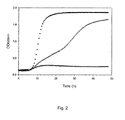
- Fig. 2 shows the growth kinetics of Lactobacillus acidophilus in MRS medium in the absence ( ⁇ ) and presence of 2% (w/v) glucose ( ⁇ ) and 2% (w/v) GG ( ⁇ ), respectively.
- Test strains were obtained from different European culture suppliers and strain collections (Table 1). Table 1: Test strains used in this example Species Strain (Deposit Number) Escherichia coli DSM 30083 Escherichia coli LMG 8223 Klebsiella oxytoca DSM 6673 Citrobacter freundii DSM 30039 Enterococcus faecalis DSM 20478 Enterococcus faecium DSM 20477 Candida albicans IHEM 9863 Candida albicans IHEM 3243 Candida glabrata IHEM 4210 Candida glabrata IHEM 19237 Bacteroides vulgatus LMG 17767 Bifidobacterium aimalis ssp. lactis DSM 10140 Bifidobacterium adolescentis LMG 10502 Bifidobacterium infantis DSM 20088 Lactobacillus acidophilus probiotic starter culture
- TRY medium was prepared with the following ingredients (g/L): tryptone (10.0), peptone from soy (5.0), yeast extract (2.5), cysteine hydrochloride (0.5), K 2 HPO 4 (2.0), magnesium chloride (0.5), zinc sulphate (0.25), calcium chloride (0.15), FeCl 3 (0.01) and Tween 80 (1 mL/L), pH 6.5.
- Enterococci and Lactobacilli were cultured in MRS broth which was composed as follows (g/L): tryptone (10.0), meat extract (10.0), yeast extract (5.0), K 2 HPO 4 (2.0), sodium acetate (5.0), ammonium citrate (2.0), magnesium sulphate (0.2), manganese sulphate (0.05) and Tween 80 (1 mL/L), pH 6.5.
- Bacteroides were cultured in reinforced clostridial medium (Oxoid CM151), pH 6.8, containing the following ingredients (g/L): yeast extract (3.0), Lab-Lemco beef extract (10.0), peptone from meat (10.0), cysteine hydrochloride (0.5), sodium chloride (5.0) and sodium acetate (3.0).
- Bifidobacteria and Bacteroides 0.2 mL oxyrase (Oxyrase Inc., USA) were added to 5 ml cell suspensions to ensure anaerobic conditions throughout the screening. Furthermore, the wells were covered by two drops of sterile paraffin oil after inoculation.
- Carbohydrate utilization was monitored using the turbidiometer Bioscreen C system equipped with BioLink software package (Labsystems, Finnland) which facilitates continuous optical density measurements (600 nm) at the microtiter plate level. All runs were performed at 37°C for 2 days and the turbidity of the growth medium was measured at 30 min intervals.
- Prebiotic effects are usually determined by in vitro studies using mono- or mixed cultures followed by in vivo studies in animals and/or humans.
- microorganisms are able to metabolize prebiotics such as FOS, GOS, Lactulose with varying efficiencies.
- probiotic strains and specific intestinal bacteria and yeast have been examined upon their in vitro growth in media which comprise 2-O-glyceryl- ⁇ -D-glucopyranoside or glucose as carbon source. It could be shown that Lactobacillus acidophilus, for instance, shows an increased lag-phase when grown in a medium comprising 2-O-glyceryl- ⁇ -D-glucopyranoside in contrast to a medium comprising glucose as carbon source. Comparable lag-phases could be observed with Inulin and GS as prebioticum ( Kneifel, Microbial Ecology in Health and Diseases 12 (2000): 27-34 ; Alander et al., Int Dairy J 11 (2001): 817-825 ).
Landscapes
- Life Sciences & Earth Sciences (AREA)
- Mycology (AREA)
- Health & Medical Sciences (AREA)
- Nutrition Science (AREA)
- Chemical & Material Sciences (AREA)
- Engineering & Computer Science (AREA)
- Food Science & Technology (AREA)
- Polymers & Plastics (AREA)
- Medicines Containing Material From Animals Or Micro-Organisms (AREA)
Description
- The present invention relates to the use of 2-O-glyceryl-α-D-glucopyranoside as prebiotic.
- Prebiotics are non digestible food ingredients which stimulate the growth and activity of beneficial microorganisms in the intestinal tract, mainly bifidobacteria and lactobacilli. The function of prebiotic substances is - in contrast to probiotic bacteria - not affected by the cooking process. Prebiotics mainly consist of oligosaccharides, sugar molecules of three to six chains and soluble fiber.
- Probiotic bacteria are normally not found in the human intestinal tract, because these bacteria do not colonize well and are eliminated rather quickly. Prebiotic food ingredients encourage probiotic organisms to survive and thrive in the human gut.
- It has been proven that the symbiotic relationship between prebiotics and probiotics significantly contributes to humans' health. Prebiotics and probiotics together show anticarcinogenic and antimicrobial activity, may lower triglyceride levels, stabilize blood glucose levels, boost the immune system, help to improve mineral absorption and balance, rid the gut of harmful microorganisms and help to prevent constipation and diarrhea.
- Prebiotic carbohydrates are regularly found in fruit and vegetables such as bananas, berries, asparagus, garlic, wheat, oatmeal, barley (and other whole grains), flaxseed, tomatoes, Jerusalem artichoke, onions and chicory, spinach, chard, kale, and legumes like lentils, kidney beans, chickpeas, navy beans, white beans and black beans.
- Oligosaccharides which exhibit prebiotics characteristics are, for instance, fiber gums, fructo-oligosaccharides (FOS), inulins, isomalto-oligosaccharides, lactilol, lactosucrose, lac-tulose, oligofructose, pyrodextrins, soy oligosaccharides, transgalacto-oligosaccharides (TOS), and xylo-oligosaccharides.
-
WO 2004/112505 discloses the use of a mixture of 6-O-alpha-glucopyranosyl-D-sorbitol and 1-O-alpha-D-glucopyranosyl-D-mannitol as probiotic. - Commonly known and used prebiotics have several disadvantages. Some of the prebiotics known have no selective effect on specific intestinal bacteria. This means that theses prebiotics support the growth of all organisms in the intestinal tract, indifferently from their benefit to the human health. Other prebiotics cause flatulences, abdominal pain, eructation, bloating stomach, diarrhoea (due to osmogenic retention of fluid in the intestine) or even allergic reactions. Lactulose has been found to be unpalatable and may cause nausea, vomiting, abdominal cramps and diarrhoea.
- It is an object of the present invention to provide new prebiotics which overcome the disadvantages of the prebiotics known in the art.
- The present invention relates to the use of 2-O-glyceryl-α-D-glucopyranoside as prebiotic.
- 2-O-glyceryl-α-D-glucopyranoside (GG) is a naturally occurring molecule (a glycoside; a carbohydrate derivative) which serves the function of an osmoprotective substance and stabilizer in various microorganisms. Several publications have shown that isolated 2-O-glyceryl-α-D-glucopyranoside has a range of outstanding properties which are of substantial interest for technological application. Uses of 2-O-glyceryl-α-D-glucopyranoside and derivatives thereof include but are not limited to the fields of medicine (cancer therapy), cosmetics (moisturizing and stabilizing additive to a range of products), and antidiabetics. Furthermore, 2-O-glyceryl-α-D-glucopyranoside is a very efficient stabilizer of biomolecules (proteins, lipids).
- It surprisingly turned out that 2-O-glyceryl-α-D-glucopyranoside specifically stimulates the growth of probiotic microorganisms like Lactobacillus acidophilus and bifidobacteria. However, the growth of other intestinal microorganisms (e.g. E. coli, enterococci) is not or not substantially influenced when 2-O-glyceryl-α-D-glucopyranoside is administered to an individual or when said microorganisms are cultivated in a medium comprising 2-O-glyceryl-α-D-glucopyranoside.
- 2-O-glyceryl-α-D-glucopyranoside can be produced by chemical as well as by enzymatic methods. Chemical methods may involve various start compounds like maltitol, isomaltose, trehalulose etc. (see e.g. Takenaka F. et al. Biosci. Biotechnol. Biochem. (2000) 64:378-385). Enzymes which catalyze the synthesis of 2-O-glyceryl-α-D-glucopyranoside may involve α-glucosidase (Takenaka F. and Uchiyama H. Biosci. Biotechnol. Biochem. (2000) 64:1821-1826), cyclodextrin glucanotransferase (Nakano H. et al. J. Biosci. Bioeng. (2003) 95:583-588), glucosyl-glycerolphosphate synthase (Marin K. et al. J. Bacteriol. (1998) 180:4843-4849) and plant glucosidase II (Kaushal GP et al. Arch. Biochem. Biophys. (1989) 272:481-487). In the
WO 2008/034158 the biosynthesis of 2-O-glyceryl-α-D-glucopyranoside involving sucrose phosphorylase (EC 2.4.1.7) as catalyzing enzyme, sucrose or glucose-1-phosphate as glucosyl donor and glycerol as glucosyl acceptor is disclosed. - According to a preferred embodiment of the present invention 2-O-glyceryl-α-D-glucopyranoside is comprised in a prebiotic composition comprising at least one probiotic microroganism, in particular probiotic bacteria, and/or at least one compound selected from the group consisting of enzymes, vitamins, amino acids, mineral salts, preservatives, stabilizers, sweeteners, flavourings, carriers, lubricants, dispersers, thickeners, humectants and gelling agents.
- The composition may also comprise one or more probiotic microorganisms unable to directly ferment 2-O-glyceryl-α-D-glucopyranoside as such, having complementary features, namely different intrinsic properties.
- In order to increase the prebiotic properties of 2-O-glyceryl-α-D-glucopyranoside it is advantageous to combine 2-O-glyceryl-α-D-glucopyranoside in a composition with other prebiotics. Furthermore 2-O-glyceryl-α-D-glucopyranoside may also be combined with probiotic microorganisms.
- The at least one probiotic microorganism is preferably selected from the group of Lactobacilli, Bifidobacteria, Streptococci, Lactococci and Saccharomyces.
- It turned out that these probiotic microorganisms are especially suited to be combined with 2-O-glyceryl-α-D-glucopyranoside. In particular these probiotics are able to grow significantly better in the presence of 2-O-glyceryl-α-D-glucopyranoside compared to other non-probiotic microorganisms present in the intestinal tract.
- Particularly preferred probiotic microorganisms are lactic acid bacteria, bifidobacteria and bacilli. These microorganisms are preferably selected from the group consisting of Bacillus coagulans, Bifidobacterium animalis subsp. lactis (BB-12), Bifidobacterium breve (Yakult), Bifidobacterium infantis (35624), Bifidobacterium animalis subsp. lactis (HN019 (DR10)), Bifidobacterium longum (BB536), Lactobacillus acidophilus DDS-1, Lactobacillus acidophilus LA-5, Lactobacillus acidophilus NCFM, Lactobacillus casei DN114-001, Lactobacillus casei CRL431, Lactobacillus casei F19, Lactobacillus casei Shirota, Lactobacillus paracasei (St11 (or NCC2461)), Lactobacillus fortis, Lactobacillus johnsonii La1 (= Lactobacillus LC1, Lactobacillus johnsonii NCC533), Lactococcus lactis (L1A), Lactobacillus plantarum (299V), Lactobacillus reuteri (ATTC 55730), Lactobacillus rhamnosus ATCC 53013, Lactobacillus rhamnosus LB21, Lactobacillus pentosus, Lactobacillus grasseri, Saccharomyces cerevisiae (boulardii) and combinations thereof. Preferred combinations comprise Lactobacillus rhamnosus GR-1 and Lactobacillus reuteri RC-14; Lactobacillus acidophilus NCFM and Bifidobacterium bifidum BB-12; Lactobacillus acidophilus CL1285 and Lactobacillus casei; Lactobacillus helveticus R0052 and Lactobacillus rhamnosus R0011; Bifidobacterium bifidum, Bifidobacterium breve, Bifidobacterium infantis, Bifidobacterium lactis, Bifidobacterium longum, Lactobacillus acidophilus, Lactobacillus brevis, Lactobacillus bulgaricus, Lactobacillus casei, Lactobacillus gasseri, Lactobacillus paracasei, Lactobacillus plantarum, Lactobacillus rhamnosus, Lactobacillus salivarius, Lactococcus lac-tis and Streptococcus thermophilus; Lactobacillus acidophilus and Bifidobacterium longum; Lactobacillus acidophilus, Bifidobacterium bifidum and Bifidobacterium longum; Bifidobacterium bifidum, Lactobacillus acidophilus, Lactobacillus rhamnosus, Bifidobacterium breve, Bifidobacterium longum, Lactobacillus casei, Lactobacillus plantarum, Lactococcus lactis, Lactobacillus bulgaricus and Lactobacillus salivarius.
- According to a preferred embodiment of the present invention 2-O-glyceryl-α-D-glucopyranoside is provided in said composition in an amount of 0,01 to 20% (w/w), preferably 0,05 to 10% (w/w), more preferably 0,1 to 5% (w/w). Of course, the prebiotic composition of the present invention may also comprise up to 30%, 40%, 50%, 60%, 70%, 75%, 80%, 85%, 90%, 95% 2-O-glyceryl-α-D-glucopyranoside.
- The probiotic microorganism which may be present in the prebiotic composition of the present invention may be comprised in said composition in an amount of 102-1010 cfu (colony forming unit) /g of the composition, preferably 102-108 cfu/g, more preferably 102-106 cfu/g.
- A symbiotic composition may comprise 2-O-glyceryl-α-D-glucopyranoside as prebiotic and at least one probiotic microorganism.
- It is advantageous to provide the prebiotic 2-O-glyceryl-α-D-glucopyranoside together with at least one probiotic microorganism in one single composition. Said symbiotic composition may have different forms depending on the route of administration.
- The composition may be introduced into a delivery tube, such as an enteral feeding tube, preferably by first wetting the particulate beneficial substance and then placing it in the tube's conduit, where it is directly conveyed to the gastrointestinal tract, preferably downstream of the stomach and most preferably to the jejunum. This may be done by placing the composition of the present invention into a syringe and adding water. The dispersion obtained can then be placed directly into the conduit.
- As used herein the term "symbiotic composition" refers to a composition or product comprising probiotic microorganisms as well as prebiotics.
- The prebiotic 2-O-glyceryl-α-D-glucopyranoside or the composition comprising said prebiotic may be provided in the form of a tablet or capsule. Any capsule or tablet suitable for at least partially protecting the probiotic as it passes through the stomach, thus allowing a greater amount of probiotic to enter the large intestine than would enter without use of the capsule or tablet, may be used. Such a tablet may have a generally homogenous composition or include individual layers containing the various constituents of the tablet (such as the probiotic and prebiotic).
- Tablets can be produced in any suitable manner, and two particular methods are described herein. First, the powder mixtures of carriers and auxiliaries (e.g., release agents) and active ingredients (probiotics, vitamins, prebiotics, etc.) may be placed in a commercially available tabletting machine in one or more layers. The probiotic should not be exposed to any constituent that would destabilizing or destroy it. Each ingredient should be well dried and preferably have a water content of 0.1% or less. The powdered constituents are then tabletted to form a tablet.
- Alternatively, individual layers of, for example, probiotic and prebiotic, can be formed separately. The layers formed in this way are then pressed to create the finished multilayer tablet. This pressing method has the advantage that the layers which have a different compressibility on account of their different composition can be exposed to individual pressures, which can be advantageous both with respect to the shelf life of the multilayer tablet as a whole and with respect to the stability of active ingredients in the individual layers. In addition, the boundary layer between two layers in juxtaposition has a smaller active surface due to the preforming, whereby the possibility of the reaction or destabilization of sensitive active ingredients, including the probiotic, is reduced.
- 2-O-glyceryl-α-D-glucopyranoside or a composition comprising 2-O-glyceryl-α-D-glucopyranoside can also be provided in capsules. The capsules according to the present invention are preferably gastric juice-resistant. 2-O-glyceryl-α-D-glucopyranoside and the probiotic microorganisms, for example, provided in said capsules are preferably freeze-dried.
- A kit may comprise a first unit comprising 2-O-glyceryl-α-D-glucopyranoside and at least one further unit comprising at least one probiotic microorganism.
- "Unit", as used herein, refers to a container comprising the said compounds and microorganisms.
- The components of said kit can be ingested together in order to allow that the prebiotic according to the present invention exhibits its beneficial effects on the probiotic organisms ingested before, after or at the same time as the prebiotic.
- A method for producing a probiotic or symbiotic composition may comprise the step of cultivating at least one probiotic microorganism in a nutrient medium comprising 2-O-glyceryl-α-D-glucopyranoside.
- A nutrient medium comprising 2-O-glyceryl-α-D-glucopyranoside can be used to cultivate probiotic microorganisms. 2-O-glyceryl-α-D-glucopyranoside can be added to any nutrient medium which is suited to cultivate probiotic microorganisms. The amount of 2-O-glyceryl-α-D-glucopyranoside in said nutrient medium varies from 0,01% to 5%, preferably from 0,01% to 4%, more preferably from 0,01% to 3%, even more preferably from 0,01% to 2% (w/w). When preparing the nutrient medium 2-O-glyceryl-α-D-glucopyranoside is preferably added to the sterilized nutrient medium after being solved in water and sterile filtered.
- A symbiotic composition comprising at least one probiotic microorganism and 2-O-glyceryl-α-D-glucopyranoside may be obtainable from a method as described above.
- The present invention is further illustrated by the following figures and examples without being restricted thereto.
-
Fig. 1 shows the growth response patterns (in relation to the optical density values after 48h incubation) of different strains in media containing no carbohydrate (lined bar), 2% (w/v) glucose (black bar) and 2% (w/v) GG (white bar), respectively.Fig. 2 shows the growth kinetics of Lactobacillus acidophilus in MRS medium in the absence (▼) and presence of 2% (w/v) glucose (●) and 2% (w/v) GG (○), respectively. - Test strains were obtained from different European culture suppliers and strain collections (Table 1).
Table 1: Test strains used in this example Species Strain (Deposit Number) Escherichia coli DSM 30083 Escherichia coli LMG 8223 Klebsiella oxytoca DSM 6673 Citrobacter freundii DSM 30039 Enterococcus faecalis DSM 20478 Enterococcus faecium DSM 20477 Candida albicans IHEM 9863 Candida albicans IHEM 3243 Candida glabrata IHEM 4210 Candida glabrata IHEM 19237 Bacteroides vulgatus LMG 17767 Bifidobacterium aimalis ssp. lactis DSM 10140 Bifidobacterium adolescentis LMG 10502 Bifidobacterium infantis DSM 20088 Lactobacillus acidophilus probiotic starter culture - Cultures were maintained in appropriate basal media. For culturing the Bifidobacteria, TRY medium was prepared with the following ingredients (g/L): tryptone (10.0), peptone from soy (5.0), yeast extract (2.5), cysteine hydrochloride (0.5), K2HPO4 (2.0), magnesium chloride (0.5), zinc sulphate (0.25), calcium chloride (0.15), FeCl3 (0.01) and Tween 80 (1 mL/L), pH 6.5. Enterococci and Lactobacilli were cultured in MRS broth which was composed as follows (g/L): tryptone (10.0), meat extract (10.0), yeast extract (5.0), K2HPO4 (2.0), sodium acetate (5.0), ammonium citrate (2.0), magnesium sulphate (0.2), manganese sulphate (0.05) and Tween 80 (1 mL/L), pH 6.5. A Methyl-Voges-Proskauer-bouillon (7 g/L peptone from meat, 5 g/L K2HPO4, pH 6.9) was used for E. coli, Citrobacter and Klebsiella, and a Sabouroud-bouillon (5 g/L peptone from meat, 5 g/L tryptone, pH 5.4) for the Candida. Bacteroides were cultured in reinforced clostridial medium (Oxoid CM151), pH 6.8, containing the following ingredients (g/L): yeast extract (3.0), Lab-Lemco beef extract (10.0), peptone from meat (10.0), cysteine hydrochloride (0.5), sodium chloride (5.0) and sodium acetate (3.0).
- Stock solutions (4% w/v) of glucose and GG were prepared in distilled water and filter-sterilised. For inoculum preparation, individual colonies were suspended in sterile saline until a density corresponding to McFarland standard 1 was obtained. The inoculated saline suspension was then diluted 1:500 in the corresponding double concentrated carbohydrate-free test medium. Subsequently, a series of four wells containing 160 ul of the diluted inoculum and 160 µl glucose or GG stock solution, respectively, was prepared for each stain. Two wells were used as a blank containing inoculum and carbohydrate-free test medium. For the Lactobacillus, Bifidobacteria and Bacteroides 0.2 mL oxyrase (Oxyrase Inc., USA) were added to 5 ml cell suspensions to ensure anaerobic conditions throughout the screening. Furthermore, the wells were covered by two drops of sterile paraffin oil after inoculation.
- Carbohydrate utilization was monitored using the turbidiometer Bioscreen C system equipped with BioLink software package (Labsystems, Finnland) which facilitates continuous optical density measurements (600 nm) at the microtiter plate level. All runs were performed at 37°C for 2 days and the turbidity of the growth medium was measured at 30 min intervals.
- Prebiotic effects are usually determined by in vitro studies using mono- or mixed cultures followed by in vivo studies in animals and/or humans.
- It could be shown that some microorganisms are able to metabolize prebiotics such as FOS, GOS, Lactulose with varying efficiencies.
- In the course of the present examples, probiotic strains and specific intestinal bacteria and yeast have been examined upon their in vitro growth in media which comprise 2-O-glyceryl-α-D-glucopyranoside or glucose as carbon source. It could be shown that Lactobacillus acidophilus, for instance, shows an increased lag-phase when grown in a medium comprising 2-O-glyceryl-α-D-glucopyranoside in contrast to a medium comprising glucose as carbon source. Comparable lag-phases could be observed with Inulin and GS as prebioticum (Kneifel, Microbial Ecology in Health and Diseases 12 (2000): 27-34; Alander et al., Int Dairy J 11 (2001): 817-825).
- The selective hydrolisation of 2-O-glyceryl-α-D-glucopyranoside of probiotic strains, in particular the significant growth stimulating effect on Lactobacillus acidophilus as well as the decreased growth of non-probiotic strains, such as E. coli, Klebsiella, Citrobacter, Enterococci, show that 2-O-glyceryl-α-D-glucopyranoside has prebiotic properties. Furthermore, the hydrolysation of 2-O-glyceryl-α-D-glucopyranoside by different microorganisms allows the selection of synbiotic compositions comprising next to 2-O-glyceryl-α-D-glucopyranoside also respective probiotic strains.
Claims (4)
- Use of 2-O-glyceryl-α-D-glucopyranoside as prebiotic.
- Use according to claim 1, characterised in that 2-O-glyceryl-α-D-glucopyranoside is comprised in a prebiotic composition comprising at least one probiotic microroganism, in particular probiotic bacteria, and/or at least one compound selected from the group consisting of enzymes, vitamins, amino acids, mineral salts, preservatives, stabilizers, sweeteners, flavourings, carriers, lubricants, dispersers, thickeners, humectants and gelling agents.
- Use according to claim 2, characterised in that the at least one probiotic microorganism is selected from the group of Lactobacilli, Bifidobacteria, Streptococci, Lactococci and Saccharomyces.
- Use according to claim 2 or 3, characterised in that 2-O-glyceryl-α-D-glucopyranoside is provided in said composition in an amount of 0,01 to 20% (w/w), preferably 0,05 to 10% (w/w), more preferably 0,1 to 5% (w/w).
Priority Applications (1)
| Application Number | Priority Date | Filing Date | Title |
|---|---|---|---|
| EP10787459.6A EP2509450B1 (en) | 2009-12-11 | 2010-12-07 | Prebiotic |
Applications Claiming Priority (3)
| Application Number | Priority Date | Filing Date | Title |
|---|---|---|---|
| EP09178817A EP2332426A1 (en) | 2009-12-11 | 2009-12-11 | Prebiotic |
| PCT/EP2010/069066 WO2011070010A1 (en) | 2009-12-11 | 2010-12-07 | Prebiotic |
| EP10787459.6A EP2509450B1 (en) | 2009-12-11 | 2010-12-07 | Prebiotic |
Publications (2)
| Publication Number | Publication Date |
|---|---|
| EP2509450A1 EP2509450A1 (en) | 2012-10-17 |
| EP2509450B1 true EP2509450B1 (en) | 2014-06-11 |
Family
ID=42061045
Family Applications (2)
| Application Number | Title | Priority Date | Filing Date |
|---|---|---|---|
| EP09178817A Withdrawn EP2332426A1 (en) | 2009-12-11 | 2009-12-11 | Prebiotic |
| EP10787459.6A Active EP2509450B1 (en) | 2009-12-11 | 2010-12-07 | Prebiotic |
Family Applications Before (1)
| Application Number | Title | Priority Date | Filing Date |
|---|---|---|---|
| EP09178817A Withdrawn EP2332426A1 (en) | 2009-12-11 | 2009-12-11 | Prebiotic |
Country Status (2)
| Country | Link |
|---|---|
| EP (2) | EP2332426A1 (en) |
| WO (1) | WO2011070010A1 (en) |
Families Citing this family (1)
| Publication number | Priority date | Publication date | Assignee | Title |
|---|---|---|---|---|
| CN108641991A (en) * | 2018-07-11 | 2018-10-12 | 江苏恒丰强生物技术有限公司 | A kind of composite viable bacteria preparation and preparation method and its application |
Family Cites Families (7)
| Publication number | Priority date | Publication date | Assignee | Title |
|---|---|---|---|---|
| WO2004037191A2 (en) * | 2002-10-22 | 2004-05-06 | University Of Vermont And State Agriculture College | Symbiotic food products comprising oats and methods for manufacturing the same |
| DE10328180A1 (en) * | 2003-06-16 | 2005-01-13 | Südzucker AG Mannheim/Ochsenfurt | Use of isomalt as prebiotic |
| GB0406654D0 (en) * | 2004-03-24 | 2004-04-28 | Mars Inc | Foodstuff |
| EP1712139A1 (en) * | 2005-04-15 | 2006-10-18 | Cargill Incorporated | Sustained energy release compositions |
| DK1978821T3 (en) * | 2005-12-29 | 2012-05-14 | Hills Pet Nutrition Inc | Method of Modifying Intestinal Flora in Animals |
| AT504347B8 (en) * | 2006-09-21 | 2008-09-15 | Univ Graz Tech | PROCESS FOR THE PREPARATION OF GLUCOSE DERIVATIVES |
| RU2009133376A (en) * | 2007-03-27 | 2011-05-10 | Дзе Проктер Энд Гэмбл Компани (US) | METHODS AND KITS FOR INTRODUCING PROBIOTICS |
-
2009
- 2009-12-11 EP EP09178817A patent/EP2332426A1/en not_active Withdrawn
-
2010
- 2010-12-07 WO PCT/EP2010/069066 patent/WO2011070010A1/en not_active Ceased
- 2010-12-07 EP EP10787459.6A patent/EP2509450B1/en active Active
Also Published As
| Publication number | Publication date |
|---|---|
| EP2509450A1 (en) | 2012-10-17 |
| EP2332426A1 (en) | 2011-06-15 |
| WO2011070010A1 (en) | 2011-06-16 |
Similar Documents
| Publication | Publication Date | Title |
|---|---|---|
| Dinkçi et al. | Survival of probiotics in functional foods during shelf life | |
| CN100400645C (en) | A combination of probiotics | |
| KR101493302B1 (en) | Processing of natural polysaccharides by selected non-pathogenic microorganisms and methods of making and using the same | |
| US11026983B2 (en) | Bifidobacterium breve CBT BR3 strain for promotion of growth and nutraceutical composition for promotion of growth containing the same | |
| US12023360B2 (en) | Composition and methods of screening | |
| Goderska et al. | Comparision of growth of Lactobacillus acidophilus and Bifidobacterium bifidum species in media suplemented with selected saccharides including prebiotics | |
| CN101559082A (en) | Method for preparing probiotic preparation for reducing blood lipid and adjusting intestinal flora | |
| Ahire et al. | Developing formulations of prebiotics and probiotics | |
| KR100516377B1 (en) | New strains capable of producing conjugated linoleic acid, capsulated composition comprising them, and the functional food using them | |
| KR102642548B1 (en) | Composition for improving relieving hangover and liver function comprising the Pediococcus acidilactici WiKim0170 | |
| KR100868777B1 (en) | Food composition with Bifidobacterium adolescentis to utilize RS-3 type resistant starch | |
| Chaia et al. | Dairy propionibacteria from milk or cheese diets remain viable and enhance propionic acid production in the mouse cecum | |
| EP2332426A1 (en) | Prebiotic | |
| KR20240119902A (en) | Composition for improving relieving hangover and liver function comprising the Lacticaseibacillus paracasei WiKim0171 | |
| Paliy et al. | Influence of various prebiotic components on the main growth indicators of probiotic bacteria | |
| KR102642547B1 (en) | Composition for improving relieving hangover and liver function comprising the Levilactobacillus brevis WiKim0168 | |
| KR102938118B1 (en) | Composition for improving relieving hangover and liver function comprising the Leuconostoc mesenteroides WiKim0172 | |
| George-Okafor et al. | The potentials of lime (Citrus aurantifolia) for improving traditional corn fermentation for probiotic lactic acid bacterial proliferation | |
| WO2026053964A1 (en) | Novel bifidobacterium and utilization of same | |
| US20120177607A1 (en) | Oxidative stress resistant bifidobacteria | |
| Ibrahim | The Nature and Manufacturing of Probiotics/Prebiotics for Gastrointestinal Health and Other Health Benefits | |
| KR20250087742A (en) | Limosilactobacillus fermentum WiKim0149 with anti-inflammatory effect and uses thereof | |
| KR20240115996A (en) | Bifidobacterium longum subsp. infantis DS2770 and Use Thereof | |
| KR20230139410A (en) | Probiotics manufacturing method for fermentation and ingestion | |
| Reimann | Novel Technologies for detection, production and screening of stress tolerant bifidobacteria |
Legal Events
| Date | Code | Title | Description |
|---|---|---|---|
| PUAI | Public reference made under article 153(3) epc to a published international application that has entered the european phase |
Free format text: ORIGINAL CODE: 0009012 |
|
| 17P | Request for examination filed |
Effective date: 20120711 |
|
| AK | Designated contracting states |
Kind code of ref document: A1 Designated state(s): AL AT BE BG CH CY CZ DE DK EE ES FI FR GB GR HR HU IE IS IT LI LT LU LV MC MK MT NL NO PL PT RO RS SE SI SK SM TR |
|
| DAX | Request for extension of the european patent (deleted) | ||
| GRAP | Despatch of communication of intention to grant a patent |
Free format text: ORIGINAL CODE: EPIDOSNIGR1 |
|
| INTG | Intention to grant announced |
Effective date: 20140109 |
|
| GRAS | Grant fee paid |
Free format text: ORIGINAL CODE: EPIDOSNIGR3 |
|
| GRAA | (expected) grant |
Free format text: ORIGINAL CODE: 0009210 |
|
| AK | Designated contracting states |
Kind code of ref document: B1 Designated state(s): AL AT BE BG CH CY CZ DE DK EE ES FI FR GB GR HR HU IE IS IT LI LT LU LV MC MK MT NL NO PL PT RO RS SE SI SK SM TR |
|
| REG | Reference to a national code |
Ref country code: GB Ref legal event code: FG4D |
|
| REG | Reference to a national code |
Ref country code: CH Ref legal event code: EP |
|
| REG | Reference to a national code |
Ref country code: IE Ref legal event code: FG4D |
|
| REG | Reference to a national code |
Ref country code: AT Ref legal event code: REF Ref document number: 671753 Country of ref document: AT Kind code of ref document: T Effective date: 20140715 |
|
| REG | Reference to a national code |
Ref country code: DE Ref legal event code: R096 Ref document number: 602010016689 Country of ref document: DE Effective date: 20140724 |
|
| PG25 | Lapsed in a contracting state [announced via postgrant information from national office to epo] |
Ref country code: LT Free format text: LAPSE BECAUSE OF FAILURE TO SUBMIT A TRANSLATION OF THE DESCRIPTION OR TO PAY THE FEE WITHIN THE PRESCRIBED TIME-LIMIT Effective date: 20140611 Ref country code: NO Free format text: LAPSE BECAUSE OF FAILURE TO SUBMIT A TRANSLATION OF THE DESCRIPTION OR TO PAY THE FEE WITHIN THE PRESCRIBED TIME-LIMIT Effective date: 20140911 Ref country code: FI Free format text: LAPSE BECAUSE OF FAILURE TO SUBMIT A TRANSLATION OF THE DESCRIPTION OR TO PAY THE FEE WITHIN THE PRESCRIBED TIME-LIMIT Effective date: 20140611 Ref country code: GR Free format text: LAPSE BECAUSE OF FAILURE TO SUBMIT A TRANSLATION OF THE DESCRIPTION OR TO PAY THE FEE WITHIN THE PRESCRIBED TIME-LIMIT Effective date: 20140912 |
|
| REG | Reference to a national code |
Ref country code: NL Ref legal event code: VDEP Effective date: 20140611 |
|
| REG | Reference to a national code |
Ref country code: AT Ref legal event code: MK05 Ref document number: 671753 Country of ref document: AT Kind code of ref document: T Effective date: 20140611 |
|
| REG | Reference to a national code |
Ref country code: LT Ref legal event code: MG4D |
|
| PG25 | Lapsed in a contracting state [announced via postgrant information from national office to epo] |
Ref country code: LV Free format text: LAPSE BECAUSE OF FAILURE TO SUBMIT A TRANSLATION OF THE DESCRIPTION OR TO PAY THE FEE WITHIN THE PRESCRIBED TIME-LIMIT Effective date: 20140611 Ref country code: HR Free format text: LAPSE BECAUSE OF FAILURE TO SUBMIT A TRANSLATION OF THE DESCRIPTION OR TO PAY THE FEE WITHIN THE PRESCRIBED TIME-LIMIT Effective date: 20140611 Ref country code: SE Free format text: LAPSE BECAUSE OF FAILURE TO SUBMIT A TRANSLATION OF THE DESCRIPTION OR TO PAY THE FEE WITHIN THE PRESCRIBED TIME-LIMIT Effective date: 20140611 Ref country code: RS Free format text: LAPSE BECAUSE OF FAILURE TO SUBMIT A TRANSLATION OF THE DESCRIPTION OR TO PAY THE FEE WITHIN THE PRESCRIBED TIME-LIMIT Effective date: 20140611 |
|
| PG25 | Lapsed in a contracting state [announced via postgrant information from national office to epo] |
Ref country code: SK Free format text: LAPSE BECAUSE OF FAILURE TO SUBMIT A TRANSLATION OF THE DESCRIPTION OR TO PAY THE FEE WITHIN THE PRESCRIBED TIME-LIMIT Effective date: 20140611 Ref country code: ES Free format text: LAPSE BECAUSE OF FAILURE TO SUBMIT A TRANSLATION OF THE DESCRIPTION OR TO PAY THE FEE WITHIN THE PRESCRIBED TIME-LIMIT Effective date: 20140611 Ref country code: CZ Free format text: LAPSE BECAUSE OF FAILURE TO SUBMIT A TRANSLATION OF THE DESCRIPTION OR TO PAY THE FEE WITHIN THE PRESCRIBED TIME-LIMIT Effective date: 20140611 Ref country code: EE Free format text: LAPSE BECAUSE OF FAILURE TO SUBMIT A TRANSLATION OF THE DESCRIPTION OR TO PAY THE FEE WITHIN THE PRESCRIBED TIME-LIMIT Effective date: 20140611 Ref country code: PT Free format text: LAPSE BECAUSE OF FAILURE TO SUBMIT A TRANSLATION OF THE DESCRIPTION OR TO PAY THE FEE WITHIN THE PRESCRIBED TIME-LIMIT Effective date: 20141013 Ref country code: RO Free format text: LAPSE BECAUSE OF FAILURE TO SUBMIT A TRANSLATION OF THE DESCRIPTION OR TO PAY THE FEE WITHIN THE PRESCRIBED TIME-LIMIT Effective date: 20140611 |
|
| PG25 | Lapsed in a contracting state [announced via postgrant information from national office to epo] |
Ref country code: AT Free format text: LAPSE BECAUSE OF FAILURE TO SUBMIT A TRANSLATION OF THE DESCRIPTION OR TO PAY THE FEE WITHIN THE PRESCRIBED TIME-LIMIT Effective date: 20140611 Ref country code: IS Free format text: LAPSE BECAUSE OF FAILURE TO SUBMIT A TRANSLATION OF THE DESCRIPTION OR TO PAY THE FEE WITHIN THE PRESCRIBED TIME-LIMIT Effective date: 20141011 Ref country code: PL Free format text: LAPSE BECAUSE OF FAILURE TO SUBMIT A TRANSLATION OF THE DESCRIPTION OR TO PAY THE FEE WITHIN THE PRESCRIBED TIME-LIMIT Effective date: 20140611 Ref country code: NL Free format text: LAPSE BECAUSE OF FAILURE TO SUBMIT A TRANSLATION OF THE DESCRIPTION OR TO PAY THE FEE WITHIN THE PRESCRIBED TIME-LIMIT Effective date: 20140611 |
|
| REG | Reference to a national code |
Ref country code: DE Ref legal event code: R097 Ref document number: 602010016689 Country of ref document: DE |
|
| PLBE | No opposition filed within time limit |
Free format text: ORIGINAL CODE: 0009261 |
|
| STAA | Information on the status of an ep patent application or granted ep patent |
Free format text: STATUS: NO OPPOSITION FILED WITHIN TIME LIMIT |
|
| PG25 | Lapsed in a contracting state [announced via postgrant information from national office to epo] |
Ref country code: IT Free format text: LAPSE BECAUSE OF FAILURE TO SUBMIT A TRANSLATION OF THE DESCRIPTION OR TO PAY THE FEE WITHIN THE PRESCRIBED TIME-LIMIT Effective date: 20140611 Ref country code: DK Free format text: LAPSE BECAUSE OF FAILURE TO SUBMIT A TRANSLATION OF THE DESCRIPTION OR TO PAY THE FEE WITHIN THE PRESCRIBED TIME-LIMIT Effective date: 20140611 |
|
| 26N | No opposition filed |
Effective date: 20150312 |
|
| REG | Reference to a national code |
Ref country code: DE Ref legal event code: R097 Ref document number: 602010016689 Country of ref document: DE Effective date: 20150312 |
|
| PG25 | Lapsed in a contracting state [announced via postgrant information from national office to epo] |
Ref country code: BE Free format text: LAPSE BECAUSE OF FAILURE TO SUBMIT A TRANSLATION OF THE DESCRIPTION OR TO PAY THE FEE WITHIN THE PRESCRIBED TIME-LIMIT Effective date: 20140611 |
|
| PG25 | Lapsed in a contracting state [announced via postgrant information from national office to epo] |
Ref country code: SI Free format text: LAPSE BECAUSE OF FAILURE TO SUBMIT A TRANSLATION OF THE DESCRIPTION OR TO PAY THE FEE WITHIN THE PRESCRIBED TIME-LIMIT Effective date: 20140611 Ref country code: LU Free format text: LAPSE BECAUSE OF FAILURE TO SUBMIT A TRANSLATION OF THE DESCRIPTION OR TO PAY THE FEE WITHIN THE PRESCRIBED TIME-LIMIT Effective date: 20141207 |
|
| REG | Reference to a national code |
Ref country code: CH Ref legal event code: PL |
|
| REG | Reference to a national code |
Ref country code: IE Ref legal event code: MM4A |
|
| REG | Reference to a national code |
Ref country code: FR Ref legal event code: ST Effective date: 20150831 |
|
| PG25 | Lapsed in a contracting state [announced via postgrant information from national office to epo] |
Ref country code: CH Free format text: LAPSE BECAUSE OF NON-PAYMENT OF DUE FEES Effective date: 20141231 Ref country code: LI Free format text: LAPSE BECAUSE OF NON-PAYMENT OF DUE FEES Effective date: 20141231 Ref country code: IE Free format text: LAPSE BECAUSE OF NON-PAYMENT OF DUE FEES Effective date: 20141207 |
|
| PG25 | Lapsed in a contracting state [announced via postgrant information from national office to epo] |
Ref country code: FR Free format text: LAPSE BECAUSE OF NON-PAYMENT OF DUE FEES Effective date: 20141231 |
|
| PG25 | Lapsed in a contracting state [announced via postgrant information from national office to epo] |
Ref country code: SM Free format text: LAPSE BECAUSE OF FAILURE TO SUBMIT A TRANSLATION OF THE DESCRIPTION OR TO PAY THE FEE WITHIN THE PRESCRIBED TIME-LIMIT Effective date: 20140611 |
|
| PG25 | Lapsed in a contracting state [announced via postgrant information from national office to epo] |
Ref country code: MC Free format text: LAPSE BECAUSE OF FAILURE TO SUBMIT A TRANSLATION OF THE DESCRIPTION OR TO PAY THE FEE WITHIN THE PRESCRIBED TIME-LIMIT Effective date: 20140611 |
|
| PG25 | Lapsed in a contracting state [announced via postgrant information from national office to epo] |
Ref country code: CY Free format text: LAPSE BECAUSE OF FAILURE TO SUBMIT A TRANSLATION OF THE DESCRIPTION OR TO PAY THE FEE WITHIN THE PRESCRIBED TIME-LIMIT Effective date: 20140611 Ref country code: BG Free format text: LAPSE BECAUSE OF FAILURE TO SUBMIT A TRANSLATION OF THE DESCRIPTION OR TO PAY THE FEE WITHIN THE PRESCRIBED TIME-LIMIT Effective date: 20140611 |
|
| PG25 | Lapsed in a contracting state [announced via postgrant information from national office to epo] |
Ref country code: HU Free format text: LAPSE BECAUSE OF FAILURE TO SUBMIT A TRANSLATION OF THE DESCRIPTION OR TO PAY THE FEE WITHIN THE PRESCRIBED TIME-LIMIT; INVALID AB INITIO Effective date: 20101207 Ref country code: TR Free format text: LAPSE BECAUSE OF FAILURE TO SUBMIT A TRANSLATION OF THE DESCRIPTION OR TO PAY THE FEE WITHIN THE PRESCRIBED TIME-LIMIT Effective date: 20140611 Ref country code: MT Free format text: LAPSE BECAUSE OF FAILURE TO SUBMIT A TRANSLATION OF THE DESCRIPTION OR TO PAY THE FEE WITHIN THE PRESCRIBED TIME-LIMIT Effective date: 20140611 |
|
| PG25 | Lapsed in a contracting state [announced via postgrant information from national office to epo] |
Ref country code: MK Free format text: LAPSE BECAUSE OF FAILURE TO SUBMIT A TRANSLATION OF THE DESCRIPTION OR TO PAY THE FEE WITHIN THE PRESCRIBED TIME-LIMIT Effective date: 20140611 |
|
| PG25 | Lapsed in a contracting state [announced via postgrant information from national office to epo] |
Ref country code: AL Free format text: LAPSE BECAUSE OF FAILURE TO SUBMIT A TRANSLATION OF THE DESCRIPTION OR TO PAY THE FEE WITHIN THE PRESCRIBED TIME-LIMIT Effective date: 20140611 |
|
| P01 | Opt-out of the competence of the unified patent court (upc) registered |
Effective date: 20230522 |
|
| PGFP | Annual fee paid to national office [announced via postgrant information from national office to epo] |
Ref country code: GB Payment date: 20231220 Year of fee payment: 14 |
|
| GBPC | Gb: european patent ceased through non-payment of renewal fee |
Effective date: 20241207 |
|
| PG25 | Lapsed in a contracting state [announced via postgrant information from national office to epo] |
Ref country code: GB Free format text: LAPSE BECAUSE OF NON-PAYMENT OF DUE FEES Effective date: 20241207 |
|
| PGFP | Annual fee paid to national office [announced via postgrant information from national office to epo] |
Ref country code: DE Payment date: 20251230 Year of fee payment: 16 |