EP2492803A2 - Web services printer driver - Google Patents
Web services printer driver Download PDFInfo
- Publication number
- EP2492803A2 EP2492803A2 EP12155468A EP12155468A EP2492803A2 EP 2492803 A2 EP2492803 A2 EP 2492803A2 EP 12155468 A EP12155468 A EP 12155468A EP 12155468 A EP12155468 A EP 12155468A EP 2492803 A2 EP2492803 A2 EP 2492803A2
- Authority
- EP
- European Patent Office
- Prior art keywords
- printing device
- data
- printer driver
- specified
- Prior art date
- Legal status (The legal status is an assumption and is not a legal conclusion. Google has not performed a legal analysis and makes no representation as to the accuracy of the status listed.)
- Granted
Links
Images





Classifications
-
- G—PHYSICS
- G06—COMPUTING OR CALCULATING; COUNTING
- G06F—ELECTRIC DIGITAL DATA PROCESSING
- G06F3/00—Input arrangements for transferring data to be processed into a form capable of being handled by the computer; Output arrangements for transferring data from processing unit to output unit, e.g. interface arrangements
- G06F3/12—Digital output to print unit, e.g. line printer, chain printer
- G06F3/1201—Dedicated interfaces to print systems
- G06F3/1202—Dedicated interfaces to print systems specifically adapted to achieve a particular effect
- G06F3/1203—Improving or facilitating administration, e.g. print management
- G06F3/1204—Improving or facilitating administration, e.g. print management resulting in reduced user or operator actions, e.g. presetting, automatic actions, using hardware token storing data
-
- G—PHYSICS
- G06—COMPUTING OR CALCULATING; COUNTING
- G06F—ELECTRIC DIGITAL DATA PROCESSING
- G06F3/00—Input arrangements for transferring data to be processed into a form capable of being handled by the computer; Output arrangements for transferring data from processing unit to output unit, e.g. interface arrangements
- G06F3/12—Digital output to print unit, e.g. line printer, chain printer
- G06F3/1201—Dedicated interfaces to print systems
- G06F3/1202—Dedicated interfaces to print systems specifically adapted to achieve a particular effect
- G06F3/1203—Improving or facilitating administration, e.g. print management
- G06F3/1205—Improving or facilitating administration, e.g. print management resulting in increased flexibility in print job configuration, e.g. job settings, print requirements, job tickets
-
- G—PHYSICS
- G06—COMPUTING OR CALCULATING; COUNTING
- G06F—ELECTRIC DIGITAL DATA PROCESSING
- G06F3/00—Input arrangements for transferring data to be processed into a form capable of being handled by the computer; Output arrangements for transferring data from processing unit to output unit, e.g. interface arrangements
- G06F3/12—Digital output to print unit, e.g. line printer, chain printer
- G06F3/1201—Dedicated interfaces to print systems
- G06F3/1202—Dedicated interfaces to print systems specifically adapted to achieve a particular effect
- G06F3/1218—Reducing or saving of used resources, e.g. avoiding waste of consumables or improving usage of hardware resources
- G06F3/122—Reducing or saving of used resources, e.g. avoiding waste of consumables or improving usage of hardware resources with regard to computing resources, e.g. memory, CPU
-
- G—PHYSICS
- G06—COMPUTING OR CALCULATING; COUNTING
- G06F—ELECTRIC DIGITAL DATA PROCESSING
- G06F3/00—Input arrangements for transferring data to be processed into a form capable of being handled by the computer; Output arrangements for transferring data from processing unit to output unit, e.g. interface arrangements
- G06F3/12—Digital output to print unit, e.g. line printer, chain printer
- G06F3/1201—Dedicated interfaces to print systems
- G06F3/1223—Dedicated interfaces to print systems specifically adapted to use a particular technique
- G06F3/1224—Client or server resources management
- G06F3/1228—Printing driverless or using generic drivers
-
- G—PHYSICS
- G06—COMPUTING OR CALCULATING; COUNTING
- G06F—ELECTRIC DIGITAL DATA PROCESSING
- G06F3/00—Input arrangements for transferring data to be processed into a form capable of being handled by the computer; Output arrangements for transferring data from processing unit to output unit, e.g. interface arrangements
- G06F3/12—Digital output to print unit, e.g. line printer, chain printer
- G06F3/1201—Dedicated interfaces to print systems
- G06F3/1223—Dedicated interfaces to print systems specifically adapted to use a particular technique
- G06F3/1237—Print job management
- G06F3/1244—Job translation or job parsing, e.g. page banding
- G06F3/1247—Job translation or job parsing, e.g. page banding by conversion to printer ready format
-
- G—PHYSICS
- G06—COMPUTING OR CALCULATING; COUNTING
- G06F—ELECTRIC DIGITAL DATA PROCESSING
- G06F3/00—Input arrangements for transferring data to be processed into a form capable of being handled by the computer; Output arrangements for transferring data from processing unit to output unit, e.g. interface arrangements
- G06F3/12—Digital output to print unit, e.g. line printer, chain printer
- G06F3/1201—Dedicated interfaces to print systems
- G06F3/1278—Dedicated interfaces to print systems specifically adapted to adopt a particular infrastructure
- G06F3/1285—Remote printer device, e.g. being remote from client or server
- G06F3/1289—Remote printer device, e.g. being remote from client or server in server-client-printer device configuration, e.g. the server does not see the printer
-
- G—PHYSICS
- G06—COMPUTING OR CALCULATING; COUNTING
- G06F—ELECTRIC DIGITAL DATA PROCESSING
- G06F3/00—Input arrangements for transferring data to be processed into a form capable of being handled by the computer; Output arrangements for transferring data from processing unit to output unit, e.g. interface arrangements
- G06F3/12—Digital output to print unit, e.g. line printer, chain printer
- G06F3/1201—Dedicated interfaces to print systems
- G06F3/1223—Dedicated interfaces to print systems specifically adapted to use a particular technique
- G06F3/1224—Client or server resources management
- G06F3/1226—Discovery of devices having required properties
-
- G—PHYSICS
- G06—COMPUTING OR CALCULATING; COUNTING
- G06F—ELECTRIC DIGITAL DATA PROCESSING
- G06F3/00—Input arrangements for transferring data to be processed into a form capable of being handled by the computer; Output arrangements for transferring data from processing unit to output unit, e.g. interface arrangements
- G06F3/12—Digital output to print unit, e.g. line printer, chain printer
- G06F3/1201—Dedicated interfaces to print systems
- G06F3/1223—Dedicated interfaces to print systems specifically adapted to use a particular technique
- G06F3/1224—Client or server resources management
- G06F3/1227—Printer definition files
-
- G—PHYSICS
- G06—COMPUTING OR CALCULATING; COUNTING
- G06F—ELECTRIC DIGITAL DATA PROCESSING
- G06F3/00—Input arrangements for transferring data to be processed into a form capable of being handled by the computer; Output arrangements for transferring data from processing unit to output unit, e.g. interface arrangements
- G06F3/12—Digital output to print unit, e.g. line printer, chain printer
- G06F3/1201—Dedicated interfaces to print systems
- G06F3/1223—Dedicated interfaces to print systems specifically adapted to use a particular technique
- G06F3/1229—Printer resources management or printer maintenance, e.g. device status, power levels
- G06F3/1232—Transmitting printer device capabilities, e.g. upon request or periodically
-
- G—PHYSICS
- G06—COMPUTING OR CALCULATING; COUNTING
- G06F—ELECTRIC DIGITAL DATA PROCESSING
- G06F3/00—Input arrangements for transferring data to be processed into a form capable of being handled by the computer; Output arrangements for transferring data from processing unit to output unit, e.g. interface arrangements
- G06F3/12—Digital output to print unit, e.g. line printer, chain printer
- G06F3/1201—Dedicated interfaces to print systems
- G06F3/1223—Dedicated interfaces to print systems specifically adapted to use a particular technique
- G06F3/1275—Print workflow management, e.g. defining or changing a workflow, cross publishing
- G06F3/1277—Print workflow management, e.g. defining or changing a workflow, cross publishing using filter pipeline, e.g. outside the driver, adding traps
Definitions
- the present invention relates to using Web services to print electronic documents, and more specifically, to a printer driver configured to use Web print services to render application data.
- a print subsystem on the user's client device processes the electronic document to generate print data.
- the print data generated by the subsystem which is a rasterized version of the electronic document, is then sent to a printing device for printing.
- This rasterized print data includes all of the information required by the printing device to generate a printed version of the electronic document reflected in the print data.
- a user creates an electronic document using a word processing application on a PC.
- the user selects a print option in the word processing application to request that the electronic document be printed at a particular printer.
- the print subsystem on the PC processes the electronic document to generate rasterized print data in a format supported by the particular printer, and sends the rasterized print data to the particular printer.
- Generating print data conventionally involves the use of a model-specific printer driver that is specific to the target printing device.
- the model-specific printer driver converts data into a format supported by the target printing device. Therefore, in order for a client device to correctly print to a particular printing device using this conventional printer driver system, the client device must have installed on it a current printer driver that is specific to the particular printing device. A model-specific printer driver for each printing device must be installed on the client device.
- model-specific printer drivers can be difficult and time-consuming. Furthermore, if the capabilities of a printing device changes, then it may be necessary to generate and distribute a new model-specific printer driver to a large number of users that have an outdated version of the model-specific printer driver. Also, model-specific printer drivers are not always available for all operating systems.
- One approach for addressing the issues related to model-specific printer drivers is to use a generic printer driver that supports a reduced set of printer features, but which is designed to work with a set of printer models that support the reduced set of printer features. This allows a user to install a generic printer driver that will work with several printer models.
- Some of the disadvantages of generic printer drivers are that they support a reduced set of printer features, are typically vendor specific and only work with a specific type of Page Description Language (PDL), such as PostScript or low-level Printer Command Language (PCL).
- PDL Page Description Language
- PCL low-level Printer Command Language
- universal printer driver that supports multiple printer models, but for a particular PDL.
- universal printer drivers typically support only a particular PDL, they usually support a superset of features, so that users can use all of the features of the printing devices.
- One of the disadvantages of universal printer drivers is that they often do not support new features added to existing printing devices or included with new printing devices.
- a universal printer driver has to be updated to support features that were not implemented at the time the universal printer driver was installed.
- some universal printer drivers are vendor specific and so not support other vendors' printers, even though they may use the same PDL.
- a printer driver is configured to interact with Web print services that provide model-specific device capabilities and render PDL on behalf of the printer driver.
- a printer driver receives application data from an application program. The printer driver causes the application data to be transmitted to one or more Web print services that render the application data and generate print data in a format supported by a specified printing device. The printer driver receives the print data from the one or more Web print services and causes the print data to be transmitted to the specified printing device, wherein processing of the print data at the specified printing device causes a printed version of the electronic document to be generated.
- the Web services printer driver described herein allows users to use all of the features and options supported by multiple printing devices without having to install and maintain a model-specific printer driver for each printing device. In addition, the printer driver does not have to be reinstalled or updated if the capabilities of a printing device change.
- a printer driver is configured to interact with Web print services that provide model-specific device capabilities and render PDL on behalf of the printer driver.
- a printer driver receives application data from an application program. The printer driver causes the application data to be transmitted to one or more Web print services that render the application data and generate print data in a format supported by a specified printing device. The printer driver receives the print data from the one or more Web print services and causes the print data to be transmitted to the specified printing device, wherein processing of the print data at the specified printing device causes a printed version of the electronic document to be generated.
- the Web services printer driver described herein allows users to use all of the features and options supported by multiple printing devices without having to install and maintain a model-specific printer driver for each printing device. In addition, the printer driver does not have to be reinstalled or updated if the capabilities of a printing device change.
- FIG. 1 is a block diagram that depicts an example network arrangement 100 for processing print data using a Web services printer driver, according to an embodiment of the invention.
- Example network arrangement 100 includes a client device 102, a Web print server 104 and printing devices 106, 108, communicatively coupled via a network 110.
- Client device 102 may be implemented by any type of client device.
- Example implementations of client device 102 include, without limitation, workstations, personal computers, laptop computers, personal digital assistants (PDAs), cellular telephony devices, and any type of mobile devices.
- client device 102 is configured with an application 112 and a Web services printer driver (WSPD) 114.
- Application 112 may be any type of application process. Examples of application 112 include, without limitation, a word processor, a spreadsheet program, an email client, etc.
- Client device 102 may be configured with other mechanism, processes, and functionality, depending upon a particular implementation.
- WSPD 114 is a printer driver that is configured to use Web print services 116 to render application data into PDL for a target printing device.
- WSPD 114 may include a variety of elements and functionality, depending upon a particular implementation.
- WSPD 114 may include a discovery module 118, a user interface (UI) module 120 and a job ticket generation module 122.
- Discovery module 118 discovers available printing devices, such as printing devices 106, 108, and may also obtain specified information from discovered printing devices, for example identification data and basic capability data.
- UI module 120 generates a graphical user interface based upon printing device capability data.
- Job ticket generation module 122 generates job tickets based upon printing device capability data and user selections of features and options.
- WSPD 114 may also include the capability to render PDL, depending upon and particular implementation, and client device 102 may include one or more other printer drivers that are configured to render PDL for particular printing devices.
- Web print services 116 reside on Web print server 104.
- Web print server 104 may be implemented as any type of network device that is communicatively coupled to network 110.
- Web print services 116 may be implemented by one or more services that render application data into PDL data on behalf of WSPD 114.
- Web print services 116 may include a capability service 124 and a rendering service 126.
- Capability service 124 provides to WSPD 114 printing device capability data that indicates installed options and features of printing devices.
- Rendering service 126 renders PDL data on behalf of WSPD 114.
- WSPD 114 is configured to communicate with Web print services 116 and in particular, capability service 124 and rendering service 126. This may include specifying a server name, along with authentication information, such as a user name and password.
- Printing devices 106, 108 may be implemented by any type of device that is capable of processing print data received from client device 102 and generating printed versions of electronic documents reflected in the print data.
- printing devices 106, 108 may be a multi-function peripheral (MFP) that includes any combination of printing, copying, facsimile and scanning capability, etc. Any number of devices, including printing devices, client devices, and other devices, may be included in the network.
- MFP multi-function peripheral
- Network 110 may be implemented with any type of medium and/or mechanism that facilitates the exchange of information between client device 102, Web print server 104 and printing devices 106, 108. Furthermore, network 110 may use any type of communications protocol and may be secured or unsecured, depending upon the requirements of a particular application.
- a use initiates printing of an electronic document via application 112, for example, by selecting a print option from a menu of application 112.
- WSPD 114 discovers printing devices available on network 110.
- the discovery module 118 may use Web services to discover printing devices 106, 108.
- WSPD 114 may communicate the available printing devices to a user, for example, by displaying a list of the available printing devices.
- the user selects a particular printing device to which the electronic document will be printed. In this example, it is presumed that the user selected printing device 106 for printing.
- WSPD 114 retrieves the configuration of printing device 106.
- the configuration may be indicated by configuration data that specifies basic information about printing device 106, for example, one or more of a model identification, a device identification and the particular PDL supported by printing device 106.
- WSPD 114 may obtain the configuration of printing device 106 via, for example, by querying printing device 106.
- printing device capability data for printing device 106 is retrieved from Web print services 116.
- the printing device capability data indicates currently installed features and options on printing device 106. Examples of installed features include, without limitation, paper type and duplex, as well as finishing options such as stapling. Options are values for the features. Example options for paper type are 81/2 by 11, A4, etc.
- the print capability data also includes constraints and dependencies for the features and options. One example of a constraint is a set of valid options for a specified feature. One example of a dependency is that duplex printing may only be available for specified paper types, e.g., not available when printing on transparencies.
- the print capability data may also specify the PDL supported by the printing device.
- the printing device capability data may be provided to WSPD 114 in a variety of formats that may vary depending upon a particular implementation.
- Example file types include, without limitation, a Postscript Printer Description (PPD) file and a Web services device (WSD) file.
- An example format is XML.
- WSPD 114 may specify a particular file type and/or format in the request sent to Web print services 116.
- the UI module 120 generates a graphical user interface for the printing device 106 based upon the printing device capability data. The graphical user interface displays the features and options supported by printing device 106 and allows a user to specify particular features and options to be used to print the electronic document.
- Step 6 the job ticket generation module 122 generates a job ticket based upon the printing device capability data and the user's selections of features and options.
- the job ticket indicates how the electronic document is to be printed by the printing device 106 for this user.
- the job ticket may be in a wide variety of formats, depending upon a particular implementation.
- One example format is XML.
- WSPD 114 requests that Web print services 116 render the print job.
- WSPD 114 sends the application data and the job ticket to the rendering service 126 with a request to render the application data.
- the application data may be provided to the rendering service 126 in a wide variety of formats, depending upon a particular implementation.
- the application data may be provided in a native format of the application that generated the application data, or other portable formats, such as PDF or XPS.
- WSPD 114 may also send device configuration data that indicates the current device configuration of printing device 106.
- the job ticket and the device configuration data provide rendering service 126 provide the information necessary for the rendering service 126 to generate print data, in a format supported by printing device 106, which when processed by printing device 106, will cause the electronic document to be printed on printing device 106 using the features and options specified by the user.
- Rendering service 126 may invoke one or more printer drivers to generate the rendered print data.
- Web print services 116 supplies the rendered print data to WSPD 114.
- Web print services 116 may supply location information that WSPD 114 can use to retrieve the rendered print data.
- Web print services 116 may supply a link, such as a URL, to WSPD 114 and W SPD 114 then uses the link to retrieve the rendered print data.
- WSPD 114 transmits the rendered print data to printing device 106.
- Printing device 106 processes the rendered print data and causes the electronic document to be printed using the features and options selected by the user.
- WSPD 114 uses Web print services 116 to generate the rendered print data.
- WSPD 114 may also be configured to render print data for one or more printing devices and this capability may be selectable by a user, for example, via a graphical user interface generated by WSPD 114.
- the approach is also applicable to situations where client device 102 is directly connected to printing device 106. In these situations, WSPD 114 provides the rendered print data directly to printing device 106.
- WSPD 114 may vary depending upon a variety of factors, such as the architecture and platform of client device 102.
- WSPD 114 is implemented as a WSPD driver package developed as a plug-in for Microsoft XPS Driver (XPSDRV) that provides XPS job rendering capability by working with XPSDrv, Windows Spooler, and the web prints services (If Selected by User) under MS Windows environment.
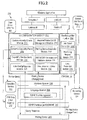
- FIG. 2 is a block diagram that depicts example components of the WSPD driver package and their relationship to other components within a MS Windows environment.
- the components of the WSPD driver package include a UI configuration module 202, a rendering filter pipeline 204, a language monitor 206, a core driver GPD file 208 and a filter pipeline configuration file 210. Each of these components is described in more detail hereinafter.
- UI configuration module 202 is a user interface dynamic linked library (DLL) that supports dynamically displaying a UI for a printing device based on printing capabilities downloaded from Web print services 116, e.g., capability service 124, and also provides customized property sheets to display device features and options.
- DLL user interface dynamic linked library
- UI configuration module 202 is part of the WSPD core driver package that includes core driver GPD file 208 that defines common features for all printing devices. These common features include basic media type, color mode and resolution. During normal printing operations, UI configuration module 202 works together with core driver GPD file 208 to provide a normal user interface for a printer driver. UI configuration module 202 display more features from the Web print services 116 server device and may overwrite the common features contained in core driver GPD file 208. For example, the resolution feature in core driver GPD file 208 defines three resolution options: 1200, 600 and 300 DPI and the UI configuration module 202 filters these options if a printing device supports only a subset of these resolution options.
- UI configuration module 202 displays printing device features by reading feature information from a registry entry named "Printer Description Data (PDD)".
- PDD data 212 is generated by a capability service query module 214 when the printing device is installed to preferred printing device list.
- Capability service query module 214 retrieves printing device capability data from capability service 215.
- a semantic capability parser 216 parses the printing device capability data and generates PDD data 212. If capability service query module 214 is unable to obtain printing device capability data for a particular printing device, then UI configuration module 202 displays minimum set of common features defined in the core driver GPD file 208.
- the core driver GPD file 208 specifies a set of basic common paper sizes that are used if the printing device capability data for a particular printing device is not available. If the printing device capability data is available for a particular printing device, then during installation, UI configuration module 202 registers the paper sizes as a Windows form associated with the particular printing device. The form information such as "PrintableArea”, "Size” and "DisplayName” are obtained from the printing device capability data. When printing device capability data is available for a particular printing device, UI configuration module 202 may ignore the paper sizes from the core driver GPD file 208 and use the paper sizes specified in the printing device capability data. When a particular printing device is uninstalled, WSPD 114 may remove all forms registered during installation time.
- UI configuration module 202 includes the capability to constrain the selection of certain printer options associated with printer features.
- Three categories of constraints may be associated with a feature when generating PDD data 212. These include constraints, invalid combinations and conflict resolution.
- a "constraint” is specified in the option level of a feature and indicates that if the current option is selected, the option defined by the "constraint” directive is not selectable. Multiple “constraint” directives defined under one option are mutually independent.
- An “InvalidCombinationFeature” is embedded in “InvalidCombinations” and defines features that cannot be selected at the same time. The following example code implements an invalid combination constraint for a particular combination of features and options:
- This example code indicates that "SlipSheet” feature with the option of "ON”, the "InputBins” feature with the options of "Bypass” and the “SlipSheetInputBin” feature with the option of "Bypass” cannot be selected at the same time.
- a "DisabledFeatures” tag indicates that if a current option is selected, a list of whole feature will be disabled.
- UI configuration module 202 When enforcing the conflicting features, UI configuration module 202 maintains an internal hierarchy list that specifies a priority order for each feature. A feature with a higher priority is validated against any associated constraints before features with lower priorities. UI configuration module 202 assigns a conflict priority to a feature in the following order:
- UI configuration module 202 An overview of the components of UI configuration module 202 is provided below, followed by a more detailed explanation of each component.
- the printing device installation module 218 allows user to manage a Preferred Printer List (PP List).
- the user can add a printing device either by supplying an IP address of a printing device or by selecting a printing device from a list of printing devices that have been discovered.
- FIG. 3 is a block diagram that depicts example components of printing device installation module 218.
- a common preferred printer list UI module 302 generates a user interface that allows a user to manage a PP list. A user may add, discover, delete and update device connection status through this user interface. Once a printing device has been added to the PP list, the WSPD 114 saves the corresponding information for the printing device so that it can be retrieved and used at a later time.
- a network printer discovery module 304 discovers printing devices on a network, using, for example, Bonjour, WS-Discovery, SNMP Multicast or other printing device discovery protocols.
- a network printer verification module 306 verifies that a printing device with a specified IP Address is currently connected and with the specified model name.
- the custom property sheets module 220 is responsible for creating and displaying a user interface with all the features and options defined in the PDD Data 212. This module is also responsible for applying constrains between features and options. This module reads the PDD data from printing device's registry, parses the information, and helps the UI configuration module 202 build a user interface dialog box that displays all of the features and options for a particular printing device. This may include, for example, differentiating between data in the PDD data that is used for processing documents and data in the PDD data that is related to control features of a printing device.
- the capability service query module 214 queries Web print services 116, and in particular capability service 215, for the printing device capability data for a printing device. Any type of query methodology may be used, for example, SNMP.
- the semantic capability parser module 216 parses the printing device capability data for a printing device into PDD data 212 and then saves the parsed results to the registry.
- PDD data 212 may be stored and maintained in a variety of formats, depending upon a particular implementation. According to one embodiment of the invention, PDD data 212 is maintained in an XML data structure that describes all feature information supported by current printing device. PDD data 212 also specifies constraints for features and options. PDD data 212 may be updated by Auto-Config/Upgrade module 228 after detection of a printing device feature configuration change event and receipt of updated printing device capability data.
- the following is an example PDD Data XML Data Structure that includes a device feature section and a global constraints section:
- the DEVMODE generation and validation module 224 creates a default DEVMODE structure for a specific printing device model and validates and converts different versions of DEVMODE into WSPD DEVMODE.
- the default DEVMODE structure is used when DEVMODE generation and validation module 224 detects an invalid setting from incoming DEVMODE. In this situation, DEVMODE generation and validation module 224 replaces the invalid setting with the corresponding value from the default DEVMODE structure.
- FIG. 4 is a block diagram that depicts an example WSPD DEVMODE structure 400 that includes public DEVMODE 402, WSPD driver public DEVMODE 404 and WSPD driver private DEVMODE 406.
- Public DEVMODE is a fixed data structure defined by Microsoft.
- WSPD driver public DEVMODE 404 contains settings for printing device features defined in core driver GPD file 208 that are common to all printing devices.
- Microsoft UNIDRVUI.dll driver manages WSPD driver public DEVMODE 404.
- WSPD 114 calls helper functions provided by Microsoft. Under Windows XP, helper functions are very limited for UI configuration module 202 and a separate module is helpful to parse and access core driver GPD file 208 features.
- WSPD driver private DEVMODE 406 contains settings for features that are supported by a particular printing device and it is managed by UI configuration module 202. WSPD driver private DEVMODE 406 is generated based on PDD data 212 that is saved in the WSPD 114 registry. WSPD driver private DEVMODE 406 may be in XML format and it may be extendable, depending on the feature set supported by the printing device.
- Example WSPD DEVMODE data is:
- the preferred printer list (PP List) UI management module 226 provides a list of printing devices that have been previously used by the current user.
- the PP List may be organized by location or printing device model name. This module is responsible for displaying, organizing and managing the PP list.
- the auto-configure/upgrade module 228 module is responsible for querying printing devices and updating the feature settings in user interface. If requested by user, this module can update the entire driver with a newer version downloaded from a Web site.
- the capabilities of a printing device may be provided by a printing device in a device capability data structure in XML format that conforms, for example, to the schema specification defined by "Web Services on Devices.”
- the user settings for a print job must be embedded as a Print ticket (Microsoft PrintSchema format) into the print job. Later in the rendering plug-in (XPSDrv), the print ticket is used by the rendering plug-in to manipulate the job for printing the data with appropriate print settings.
- Rendering Filter Pipeline 204 is part of WSPD 114 and is installed with other modules to work with Microsoft XpsDrv printer driver (XpsDrv) and Windows Spooler system.
- the rendering filter pipeline 204 provides customized rendering services to the device feature and provides the following functionalities for printing under Windows OS:
- rendering filter pipeline 204 includes three components: a job ticket generator 232, a rendering request module 234 and a local rasterizer module 236.
- Job ticket generator 232 generates a job ticket that is used for either local rendering, using the local rasterizer module 236 described hereinafter, or rendering via Web print services 116.
- FIG. 5 is a table 500 that depicts an example format for a job ticket. The particular format of a job ticket may vary, depending upon the requirements of rendering service 224.
- Rendering request module 234 communicates with Web print services 116, sends rendering requests to Web print services 116 and receives rendered print data from Web print services 116.
- Local rasterizer module 236 provides support for local PDL rendering to allow users to select either local rendering or rendering via Web print services 116, as previously described herein. When using local rendering, all of the features and options supported by a particular printing device may not be available to the user.
- the standard PDD may be generated from the core driver GPD file and the UI built from the standard PDD.
- Rendering filter pipeline 204 may also include a DEVMODE generation and validation module that validates and converts different versions of DEVMODE into WSPD DEVMODE.
- Rendering filter Pipeline 204 also includes a rendering filter pipeline configuration file that is an XML file that defines the properties of filter(s) used inside the WSPD driver package. Examples of the properties include, without limitation, order of the filters in the pipeline, filter interfaces and input and output formats for each filter.
- Language monitor 206 is part of WSPD 114 and installed with other modules to work with the Microsoft XPS printer driver (XpsDrv) and the Windows Spooler 238.
- Language monitor 206 provides device specific options, such as TCP/IP port management and may be implemented as a user mode DLL.
- Language monitor 206 communicates with printing device 240 through a Windows TCP/IP port monitor 242.
- TCP/IP port monitor 242 creates a TCP/IP port (if one does not exist) and redirect a printing device to a newly-created port.
- the core driver GPD file 208 includes all necessary directives that can function as aXpsDrvGPD file. These directives include:
- UI configuration module 202 provides customized property sheets via the custom property sheets module 220.
- UI configuration module displays printing device features defined in both the core driver GPD file 208 and in PDD data 212. If a particular feature is defined in both files, UI configuration module 202 provides a superset of options from both sources (Except "Resolution"). For example, suppose that the core driver GPD file 208 defines that the "MediaType” feature only has one option - "AUTO", but the PDD data 212 for a particular printing device specifies that the "MediaType” feature has two other options, namely, "Standard” and “Recycled”. In this situation, the UI configuration module 202 displays all three options for the "MediaType” feature. If no PDD data 212 is found in the registry for a particular printing device, then the UI configuration module 202 displays the common features and options from the core driver GPD file 208.
- UI configuration module 202 displays paper sizes defined in the core driver GPD file 208 in addition to the paper sizes supported by a printing device, as defined in the corresponding PDD data 212.
- the installation module detects any new paper sizes that are defined by a printing device but not defined in the core driver GPD file 208 and registers those new paper sizes as forms that are saved in the registry.
- the "Resolution" feature in the core driver GPD file 208 includes every possible option that all printers can support, e.g., "1200, 600, 300" dpi. If a future printing supports 200 dpi, the core driver GPD file 208 may be updated to add "200" dpi as an option for the "Resolution” feature.
- UI configuration module 202 may display only the resolutions supported by a particular printing device.
- the "ColorMode" attribute may be defined in the core driver GPD file 208 only when a particular printing device is a color printing device.
- FIG. 6 is a message ladder diagram 600 that depicts the flow of printing device capability data within the system 200.
- a user selects to print an electronic document via an application and the application sends application data to the UI configuration module.
- the UI configuration module generates and transmits discovery requests to one or more printing devices.
- the printing devices respond to the discovery requests with discovery responses.
- the discovery responses may include basic information about the printing devices, for example data that identifies the printing devices.
- the UI configuration module generates and displays GUI objects that indicate the available printing devices and the user selects a printing device. For example, the available printing devices may be displayed in a list and the user may select a printing device from the list.
- the user may also enter data that identifies a particular printing device. For example, a user may enter the IP address of a particular printing device of interest.
- the UI configuration module queries the selected printing device for configuration data and in step 612, the selected printing device provides the configuration data to the UI configuration module.
- the configuration data may indicate, for example, the model of the selected printing device.
- the UI configuration module generates and transmits to the capability service a request for printing device capability data for the selected printing device.
- the capability service provides printing device capability data for the selected printing device to the UI configuration module.
- the UI configuration module processes the printing device configuration data and generates PDD data.
- the UI configuration module stores the PDD data into the registry. PPD data may be retrieved and reused when printing devices are subsequently selected by a user, for example, via the PP List.
- the device capability data does not need to be saved. Once the PDD data is generated, it is saved in the registry and is used to build the UI whenever that particular printer is selected.
- the UI configuration module requests that the language monitor create a TCP/IP port for the selected printing device.
- the UI configuration module generates and transmits to the application, user interface data based upon the PDD data. When processed by the application, the user interface data displays the options and features of the selected printing device.
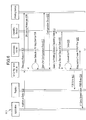
- FIG. 7 is a message ladder diagram 700 that depicts the flow of messages during the rendering of print data using Web print services.
- the application invokes the spooler to render the print data, which in turn invokes and provides application data to the rendering filter pipeline.
- the rendering filter pipeline generates and transmits to the language monitor a request to verify the TCP/IP port and the printing device.
- the language monitor verifies the printing device, which may include, for example, using SNMP to verify that the printing device is the same type/model as the printing device specified in the application data.
- step 708 the language monitor generates and transmits a verification response to the rendering filter pipeline to indicate whether the verification of the TCP/IP port and printing device was successful. Assuming that the verification was successful, then in step 710, the rendering filter pipeline creates a job ticket as previously described herein. In step 712, the rendering filter pipeline transmits the job ticket and the application data to the rendering service with a request to render the print data in the PDL supported by the selected printing device. In step 714, the rendering service renders the print data and returns the rendered print data to the rendering filter pipeline. In step 716, the rendering filter pipeline transmits the rendered print data to the selected printing device.
- UI configuration module 202 may store and provide the IP address of the selected printing device to the rendering filter pipeline 204.
- FIG. 8 depicts example APIs used by WSPD 114 to access Web print services 116.
- the APIs define a set of HTTP request messages along with a definition of the structure of response messages, expressed in JSON or XML.
- the techniques described herein are implemented by one or more special-purpose computing devices.
- the special-purpose computing devices may be hard-wired to perform the techniques, or may include digital electronic devices such as one or more application-specific integrated circuits (ASICs) or field programmable gate arrays (FPGAs) that are persistently programmed to perform the techniques, or may include one or more general purpose hardware processors programmed to perform the techniques pursuant to program instructions in firmware, memory, other storage, or a combination.
- ASICs application-specific integrated circuits
- FPGAs field programmable gate arrays
- Such special-purpose computing devices may also combine custom hard-wired logic, ASICs, or FPGAs with custom programming to accomplish the techniques.
- the special-purpose computing devices may be desktop computer systems, portable computer systems, handheld devices, networking devices or any other device that incorporates hard-wired and/or program logic to implement the techniques.
- FIG. 9 is a block diagram that depicts an example computer system 900 upon which embodiments of the invention may be implemented.
- Computer system 900 includes a bus 902 or other communication mechanism for communicating information, and a processor 904 coupled with bus 902 for processing information.
- Computer system 900 also includes a main memory 906, such as a random access memory (RAM) or other dynamic storage device, coupled to bus 902 for storing information and instructions to be executed by processor 904.
- Main memory 906 also may be used for storing temporary variables or other intermediate information during execution of instructions to be executed by processor 904.
- Computer system 900 further includes a read only memory (ROM) 908 or other static storage device coupled to bus 902 for storing static information and instructions for processor 904.
- ROM read only memory
- a storage device 910 such as a magnetic disk or optical disk, is provided and coupled to bus 902 for storing information and instructions.
- Computer system 900 may be coupled via bus 902 to a display 912, such as a cathode ray tube (CRT), for displaying information to a computer user.
- a display 912 such as a cathode ray tube (CRT)
- An input device 914 is coupled to bus 902 for communicating information and command selections to processor 904.
- cursor control 916 is Another type of user input device
- cursor control 916 such as a mouse, a trackball, or cursor direction keys for communicating direction information and command selections to processor 904 and for controlling cursor movement on display 912.
- This input device typically has two degrees of freedom in two axes, a first axis (e.g., x) and a second axis (e.g., y), that allows the device to specify positions in a plane.
- Computer system 900 may implement the techniques described herein using customized hard-wired logic, one or more ASICs or FPGAs, firmware and/or program logic or computer software which, in combination with the computer system, causes or programs computer system 900 to be a special-purpose machine. According to one embodiment of the invention, those techniques are performed by computer system 900 in response to processor 904 executing one or more sequences of one or more instructions contained in main memory 906. Such instructions may be read into main memory 906 from another computer-readable medium, such as storage device 910. Execution of the sequences of instructions contained in main memory 906 causes processor 904 to perform the process steps described herein. In alternative embodiments, hard-wired circuitry may be used in place of or in combination with software instructions to implement the invention. Thus, embodiments of the invention are not limited to any specific combination of hardware circuitry and software.
- Non-volatile media includes, for example, optical or magnetic disks, such as storage device 910.
- Volatile media includes dynamic memory, such as main memory 906.
- Computer-readable media include, for example, a floppy disk, a flexible disk, hard disk, magnetic tape, or any other magnetic medium, a CD-ROM, any other optical medium, a RAM, a PROM, and EPROM, a FLASH-EPROM, any other memory chip or memory cartridge, or any other medium from which a computer can read.
- Various forms of computer-readable media may be involved in carrying one or more sequences of one or more instructions to processor 904 for execution.
- the instructions may initially be carried on a magnetic disk of a remote computer.
- the remote computer can load the instructions into its dynamic memory and send the instructions over a telephone line using a modem.
- a modem local to computer system 900 can receive the data on the telephone line and use an infra-red transmitter to convert the data to an infra-red signal.
- An infra-red detector can receive the data carried in the infra-red signal and appropriate circuitry can place the data on bus 902.
- Bus 902 carries the data to main memory 906, from which processor 904 retrieves and executes the instructions.
- the instructions received by main memory 906 may optionally be stored on storage device 910 either before or after execution by processor 904.
- Computer system 900 also includes a communication interface 918 coupled to bus 902.
- Communication interface 918 provides a two-way data communication coupling to a network link 920 that is connected to a local network 922.
- communication interface 918 may be an integrated services digital network (ISDN) card or a modem to provide a data communication connection to a corresponding type of telephone line.
- ISDN integrated services digital network
- communication interface 918 may be a local area network (LAN) card to provide a data communication connection to a compatible LAN.
- LAN local area network
- Wireless links may also be implemented.
- communication interface 918 sends and receives electrical, electromagnetic or optical signals that carry digital data streams representing various types of information.
- Network link 920 typically provides data communication through one or more networks to other data devices.
- network link 920 may provide a connection through local network 922 to a host computer 924 or to data equipment operated by an Internet Service Provider (ISP) 926.
- ISP 926 in turn provides data communication services through the world wide packet data communication network now commonly referred to as the "Internet" 928.
- Internet 928 uses electrical, electromagnetic or optical signals that carry digital data streams.
- Computer system 900 can send messages and receive data, including program code, through the network(s), network link 920 and communication interface 918.
- a server 930 might transmit a requested code for an application program through Internet 928, ISP 926, local network 922 and communication interface 918.
- the received code may be executed by processor 904 as it is received, and/or stored in storage device 910, or other non-volatile storage for later execution.
Landscapes
- Engineering & Computer Science (AREA)
- Theoretical Computer Science (AREA)
- Physics & Mathematics (AREA)
- Human Computer Interaction (AREA)
- General Engineering & Computer Science (AREA)
- General Physics & Mathematics (AREA)
- Mathematical Physics (AREA)
- Accessory Devices And Overall Control Thereof (AREA)
Abstract
Description
- The present invention relates to using Web services to print electronic documents, and more specifically, to a printer driver configured to use Web print services to render application data.
- The approaches described in this section are approaches that could be pursued, but not necessarily approaches that have been previously conceived or pursued. Therefore, unless otherwise indicated, it should not be assumed that any of the approaches described in this section qualify as prior art merely by virtue of their inclusion in this section.
- When a user requests the printing of an electronic document a print subsystem on the user's client device processes the electronic document to generate print data. The print data generated by the subsystem, which is a rasterized version of the electronic document, is then sent to a printing device for printing. This rasterized print data includes all of the information required by the printing device to generate a printed version of the electronic document reflected in the print data.
- For example, a user creates an electronic document using a word processing application on a PC. The user then selects a print option in the word processing application to request that the electronic document be printed at a particular printer. The print subsystem on the PC processes the electronic document to generate rasterized print data in a format supported by the particular printer, and sends the rasterized print data to the particular printer.
- Generating print data conventionally involves the use of a model-specific printer driver that is specific to the target printing device. The model-specific printer driver converts data into a format supported by the target printing device. Therefore, in order for a client device to correctly print to a particular printing device using this conventional printer driver system, the client device must have installed on it a current printer driver that is specific to the particular printing device. A model-specific printer driver for each printing device must be installed on the client device.
- Locating and installing model-specific printer drivers can be difficult and time-consuming. Furthermore, if the capabilities of a printing device changes, then it may be necessary to generate and distribute a new model-specific printer driver to a large number of users that have an outdated version of the model-specific printer driver. Also, model-specific printer drivers are not always available for all operating systems.
- One approach for addressing the issues related to model-specific printer drivers is to use a generic printer driver that supports a reduced set of printer features, but which is designed to work with a set of printer models that support the reduced set of printer features. This allows a user to install a generic printer driver that will work with several printer models. Some of the disadvantages of generic printer drivers are that they support a reduced set of printer features, are typically vendor specific and only work with a specific type of Page Description Language (PDL), such as PostScript or low-level Printer Command Language (PCL).
- Another approach for addressing the issues related to model-specific printer drivers is to use a universal printer driver that supports multiple printer models, but for a particular PDL. Although universal printer drivers typically support only a particular PDL, they usually support a superset of features, so that users can use all of the features of the printing devices. One of the disadvantages of universal printer drivers is that they often do not support new features added to existing printing devices or included with new printing devices. A universal printer driver has to be updated to support features that were not implemented at the time the universal printer driver was installed. Also, some universal printer drivers are vendor specific and so not support other vendors' printers, even though they may use the same PDL.
- An approach is provided for printing electronic documents that provides support for all types of printer models and PDL. A printer driver is configured to interact with Web print services that provide model-specific device capabilities and render PDL on behalf of the printer driver. A printer driver receives application data from an application program. The printer driver causes the application data to be transmitted to one or more Web print services that render the application data and generate print data in a format supported by a specified printing device. The printer driver receives the print data from the one or more Web print services and causes the print data to be transmitted to the specified printing device, wherein processing of the print data at the specified printing device causes a printed version of the electronic document to be generated. The Web services printer driver described herein allows users to use all of the features and options supported by multiple printing devices without having to install and maintain a model-specific printer driver for each printing device. In addition, the printer driver does not have to be reinstalled or updated if the capabilities of a printing device change.
- The present invention is illustrated by way of example, and not by way of limitation, in the figures of the accompanying drawings and in which like reference numerals refer to similar elements and in which:
-
FIG. 1 is a block diagram that depicts anexample network arrangement 100 for processing print data using a Web services printer driver. -
FIG. 2 is a block diagram that depicts example components of the WSPD driver package and their relationship to other components within a MS Windows environment. -
FIG. 3 is a block diagram that depicts example components of printing device installation module. -
FIG. 4 is a block diagram that depicts an example WSPD DEVMODE structure. -
FIG. 5 is a table that depicts an example format for a job ticket. -
FIG. 6 is a message ladder diagram that depicts the flow of printing device capability data within a system. -
FIG. 7 is a message ladder diagram that depicts the flow of messages during the rendering of print data using Web print services. -
FIG. 8 depicts example APIs used by WSPD to access Web print services. -
FIG. 9 is a block diagram of a computer system on which embodiments of the invention may be implemented. - In the following description, for the purposes of explanation, numerous specific details are set forth in order to provide a thorough understanding of the present invention. It will be apparent, however, that the present invention may be practiced without these specific details. In other instances, well-known structures and devices are shown in block diagram form in order to avoid unnecessarily obscuring the present invention. Various aspects of the invention are described hereinafter in the following sections:
- I. OVERVIEW
- II. WEB SERVICES PRINTER DRIVER ARCHITECTURE
- III. PRINTING USING WEB PRINT SERVICES
- IV. EXAMPLE IMPLEMENTATION OF WEB SERVICES PRINTER DRIVER
- V. UI CONFIGURATION MODULE
- A. Printing Device-Specific Page Size Rendering
- B. UI Constraints
- VI. COMPONENTS OF UI CONFIGURATION MODULE
- A. Printing device installation module
- B. Custom Property Sheets Module
- C. Capability Service Query Module
- D. Semantic Capability Parser
- E. DEVMODE Generation and Validation Module
- F. Preferred Printer List (PP List) UI Management Module
- G. Auto-Configure / Upgrade Module
- H. Print Schema Provider
- VII. COMPONENTS OF RENDERING FILTER PIPELINE
- VIII. OTHER COMPONENTS
- A. Language Monitor
- B. Core Driver GPD File
- IX. OPERATIONAL EXAMPLES
- A. Printing Device Capability Data
- B. Rendering Print Data Using Web Print Services
- X. EXAMPLE INTERFACES
- XI. IMPLEMENTATION MECHANISMS
- An approach is provided for printing electronic documents that provides support for all types of printer models and PDL. A printer driver is configured to interact with Web print services that provide model-specific device capabilities and render PDL on behalf of the printer driver. A printer driver receives application data from an application program. The printer driver causes the application data to be transmitted to one or more Web print services that render the application data and generate print data in a format supported by a specified printing device. The printer driver receives the print data from the one or more Web print services and causes the print data to be transmitted to the specified printing device, wherein processing of the print data at the specified printing device causes a printed version of the electronic document to be generated. The Web services printer driver described herein allows users to use all of the features and options supported by multiple printing devices without having to install and maintain a model-specific printer driver for each printing device. In addition, the printer driver does not have to be reinstalled or updated if the capabilities of a printing device change.
-
FIG. 1 is a block diagram that depicts anexample network arrangement 100 for processing print data using a Web services printer driver, according to an embodiment of the invention.Example network arrangement 100 includes aclient device 102, aWeb print server 104 andprinting devices network 110. -
Client device 102 may be implemented by any type of client device. Example implementations ofclient device 102 include, without limitation, workstations, personal computers, laptop computers, personal digital assistants (PDAs), cellular telephony devices, and any type of mobile devices. Innetwork arrangement 100,client device 102 is configured with anapplication 112 and a Web services printer driver (WSPD) 114.Application 112 may be any type of application process. Examples ofapplication 112 include, without limitation, a word processor, a spreadsheet program, an email client, etc.Client device 102 may be configured with other mechanism, processes, and functionality, depending upon a particular implementation. - WSPD 114 is a printer driver that is configured to use Web print services 116 to render application data into PDL for a target printing device. WSPD 114 may include a variety of elements and functionality, depending upon a particular implementation. For example, as depicted in
FIG. 1 , WSPD 114 may include a discovery module 118, a user interface (UI)module 120 and a job ticket generation module 122. Discovery module 118 discovers available printing devices, such asprinting devices UI module 120 generates a graphical user interface based upon printing device capability data. Job ticket generation module 122 generates job tickets based upon printing device capability data and user selections of features and options. WSPD 114 may also include the capability to render PDL, depending upon and particular implementation, andclient device 102 may include one or more other printer drivers that are configured to render PDL for particular printing devices. - Web print services 116 reside on
Web print server 104.Web print server 104 may be implemented as any type of network device that is communicatively coupled tonetwork 110. Web print services 116 may be implemented by one or more services that render application data into PDL data on behalf of WSPD 114. For example, as depicted inFIG. 1 , Web print services 116 may include acapability service 124 and arendering service 126.Capability service 124 provides to WSPD 114 printing device capability data that indicates installed options and features of printing devices.Rendering service 126 renders PDL data on behalf of WSPD 114. Upon installation, WSPD 114 is configured to communicate with Web print services 116 and in particular,capability service 124 andrendering service 126. This may include specifying a server name, along with authentication information, such as a user name and password. -
Printing devices client device 102 and generating printed versions of electronic documents reflected in the print data. For example,printing devices -
Network 110 may be implemented with any type of medium and/or mechanism that facilitates the exchange of information betweenclient device 102,Web print server 104 andprinting devices network 110 may use any type of communications protocol and may be secured or unsecured, depending upon the requirements of a particular application. - The use of Web print services to process print data is now described with reference to
FIG. 1 . AtStep 1, a use initiates printing of an electronic document viaapplication 112, for example, by selecting a print option from a menu ofapplication 112. InStep 2, WSPD 114 discovers printing devices available onnetwork 110. For example, the discovery module 118 may use Web services to discoverprinting devices Step 3, the user selects a particular printing device to which the electronic document will be printed. In this example, it is presumed that the user selectedprinting device 106 for printing. - In
Step 4, WSPD 114 retrieves the configuration ofprinting device 106. The configuration may be indicated by configuration data that specifies basic information aboutprinting device 106, for example, one or more of a model identification, a device identification and the particular PDL supported byprinting device 106. WSPD 114 may obtain the configuration ofprinting device 106 via, for example, by queryingprinting device 106. - In
Step 5, printing device capability data forprinting device 106 is retrieved from Web print services 116. The printing device capability data indicates currently installed features and options onprinting device 106. Examples of installed features include, without limitation, paper type and duplex, as well as finishing options such as stapling. Options are values for the features. Example options for paper type are 81/2 by 11, A4, etc. The print capability data also includes constraints and dependencies for the features and options. One example of a constraint is a set of valid options for a specified feature. One example of a dependency is that duplex printing may only be available for specified paper types, e.g., not available when printing on transparencies. The print capability data may also specify the PDL supported by the printing device. The printing device capability data may be provided to WSPD 114 in a variety of formats that may vary depending upon a particular implementation. Example file types include, without limitation, a Postscript Printer Description (PPD) file and a Web services device (WSD) file. An example format is XML. WSPD 114 may specify a particular file type and/or format in the request sent to Web print services 116. TheUI module 120 generates a graphical user interface for theprinting device 106 based upon the printing device capability data. The graphical user interface displays the features and options supported byprinting device 106 and allows a user to specify particular features and options to be used to print the electronic document. - In
Step 6, the job ticket generation module 122 generates a job ticket based upon the printing device capability data and the user's selections of features and options. The job ticket indicates how the electronic document is to be printed by theprinting device 106 for this user. The job ticket may be in a wide variety of formats, depending upon a particular implementation. One example format is XML. - In Step 7, WSPD 114 requests that Web print services 116 render the print job. For example, WSPD 114 sends the application data and the job ticket to the
rendering service 126 with a request to render the application data. The application data may be provided to therendering service 126 in a wide variety of formats, depending upon a particular implementation. For example, the application data may be provided in a native format of the application that generated the application data, or other portable formats, such as PDF or XPS. WSPD 114 may also send device configuration data that indicates the current device configuration ofprinting device 106. The job ticket and the device configuration data providerendering service 126 provide the information necessary for therendering service 126 to generate print data, in a format supported byprinting device 106, which when processed byprinting device 106, will cause the electronic document to be printed onprinting device 106 using the features and options specified by the user.Rendering service 126 may invoke one or more printer drivers to generate the rendered print data. - In
Step 8, Web print services 116 supplies the rendered print data to WSPD 114. Alternatively, Web print services 116 may supply location information that WSPD 114 can use to retrieve the rendered print data. For example, Web print services 116 may supply a link, such as a URL, to WSPD 114 and W SPD 114 then uses the link to retrieve the rendered print data. InStep 9, WSPD 114 transmits the rendered print data toprinting device 106.Printing device 106 processes the rendered print data and causes the electronic document to be printed using the features and options selected by the user. In this example, WSPD 114 uses Web print services 116 to generate the rendered print data. WSPD 114 may also be configured to render print data for one or more printing devices and this capability may be selectable by a user, for example, via a graphical user interface generated by WSPD 114. The approach is also applicable to situations whereclient device 102 is directly connected toprinting device 106. In these situations, WSPD 114 provides the rendered print data directly toprinting device 106. - The implementation of WSPD 114 may vary depending upon a variety of factors, such as the architecture and platform of
client device 102. In one example implementation, WSPD 114 is implemented as a WSPD driver package developed as a plug-in for Microsoft XPS Driver (XPSDRV) that provides XPS job rendering capability by working with XPSDrv, Windows Spooler, and the web prints services (If Selected by User) under MS Windows environment.FIG. 2 is a block diagram that depicts example components of the WSPD driver package and their relationship to other components within a MS Windows environment. The components of the WSPD driver package include a UI configuration module 202, arendering filter pipeline 204, alanguage monitor 206, a coredriver GPD file 208 and a filterpipeline configuration file 210. Each of these components is described in more detail hereinafter. - UI configuration module 202 is a user interface dynamic linked library (DLL) that supports dynamically displaying a UI for a printing device based on printing capabilities downloaded from Web print services 116, e.g.,
capability service 124, and also provides customized property sheets to display device features and options. UI configuration module 202 provides the following functionalities for printing under Windows OS: - Query, parse, and save the printing device capability data from Web print services 116
- Provide customized property sheets that display printing device features and options
- Generate default DEVMODE
- Validate DEVMODE passed in from outside
- Save a default job ticket to default
job ticket registry 210 - Detect, add and register new media sizes as new forms
- Generate and validate print schema documents according to DEVMODE
- Allow one printing preference UI from multiple printing devices
- Allow users to select a default printing device from a user-defined preferred printing driver list
- Display and manage the preferred printing driver list
- UI configuration module 202 is part of the WSPD core driver package that includes core driver GPD file 208 that defines common features for all printing devices. These common features include basic media type, color mode and resolution. During normal printing operations, UI configuration module 202 works together with core driver GPD file 208 to provide a normal user interface for a printer driver. UI configuration module 202 display more features from the Web print services 116 server device and may overwrite the common features contained in core
driver GPD file 208. For example, the resolution feature in coredriver GPD file 208 defines three resolution options: 1200, 600 and 300 DPI and the UI configuration module 202 filters these options if a printing device supports only a subset of these resolution options. UI configuration module 202 displays printing device features by reading feature information from a registry entry named "Printer Description Data (PDD)".PDD data 212 is generated by a capabilityservice query module 214 when the printing device is installed to preferred printing device list. Capabilityservice query module 214 retrieves printing device capability data fromcapability service 215. Asemantic capability parser 216 parses the printing device capability data and generatesPDD data 212. If capabilityservice query module 214 is unable to obtain printing device capability data for a particular printing device, then UI configuration module 202 displays minimum set of common features defined in the coredriver GPD file 208. - The core
driver GPD file 208 specifies a set of basic common paper sizes that are used if the printing device capability data for a particular printing device is not available. If the printing device capability data is available for a particular printing device, then during installation, UI configuration module 202 registers the paper sizes as a Windows form associated with the particular printing device. The form information such as "PrintableArea", "Size" and "DisplayName" are obtained from the printing device capability data. When printing device capability data is available for a particular printing device, UI configuration module 202 may ignore the paper sizes from the coredriver GPD file 208 and use the paper sizes specified in the printing device capability data. When a particular printing device is uninstalled, WSPD 114 may remove all forms registered during installation time. - UI configuration module 202 includes the capability to constrain the selection of certain printer options associated with printer features. Three categories of constraints may be associated with a feature when generating
PDD data 212. These include constraints, invalid combinations and conflict resolution. A "constraint" is specified in the option level of a feature and indicates that if the current option is selected, the option defined by the "constraint" directive is not selectable. Multiple "constraint" directives defined under one option are mutually independent. An "InvalidCombinationFeature" is embedded in "InvalidCombinations" and defines features that cannot be selected at the same time. The following example code implements an invalid combination constraint for a particular combination of features and options:
- This example code indicates that "SlipSheet" feature with the option of "ON", the "InputBins" feature with the options of "Bypass" and the "SlipSheetInputBin" feature with the option of "Bypass" cannot be selected at the same time. A "DisabledFeatures" tag indicates that if a current option is selected, a list of whole feature will be disabled.
- When enforcing the conflicting features, UI configuration module 202 maintains an internal hierarchy list that specifies a priority order for each feature. A feature with a higher priority is validated against any associated constraints before features with lower priorities. UI configuration module 202 assigns a conflict priority to a feature in the following order:
- 1. Device features (such as DuplexUnit, Finisher Trays, etc.)
- 2. Printer document or job related features, such as Collate, staple, etc.
- 3. Within each category of features, the priority is defined according to the "DisplayOrder" section.
- 4. Within each category of features, a feature with a specified "ConflictPriority" number has a higher priority than a feature that does not have a specified "ConflictPriority" number.
- 5. Within each category of features, if two features define a "ConflictPriority" value, the feature with a smaller or lower value has higher priority.
- An overview of the components of UI configuration module 202 is provided below, followed by a more detailed explanation of each component.
- The printing
device installation module 218 allows user to manage a Preferred Printer List (PP List). The user can add a printing device either by supplying an IP address of a printing device or by selecting a printing device from a list of printing devices that have been discovered.FIG. 3 is a block diagram that depicts example components of printingdevice installation module 218. A common preferred printer list UI module 302 generates a user interface that allows a user to manage a PP list. A user may add, discover, delete and update device connection status through this user interface. Once a printing device has been added to the PP list, the WSPD 114 saves the corresponding information for the printing device so that it can be retrieved and used at a later time. A networkprinter discovery module 304 discovers printing devices on a network, using, for example, Bonjour, WS-Discovery, SNMP Multicast or other printing device discovery protocols. A networkprinter verification module 306 verifies that a printing device with a specified IP Address is currently connected and with the specified model name. - The custom property sheets module 220 is responsible for creating and displaying a user interface with all the features and options defined in the
PDD Data 212. This module is also responsible for applying constrains between features and options. This module reads the PDD data from printing device's registry, parses the information, and helps the UI configuration module 202 build a user interface dialog box that displays all of the features and options for a particular printing device. This may include, for example, differentiating between data in the PDD data that is used for processing documents and data in the PDD data that is related to control features of a printing device. - The capability
service query module 214 queries Web print services 116, and inparticular capability service 215, for the printing device capability data for a printing device. Any type of query methodology may be used, for example, SNMP. - The semantic
capability parser module 216 parses the printing device capability data for a printing device intoPDD data 212 and then saves the parsed results to the registry.PDD data 212 may be stored and maintained in a variety of formats, depending upon a particular implementation. According to one embodiment of the invention,PDD data 212 is maintained in an XML data structure that describes all feature information supported by current printing device.PDD data 212 also specifies constraints for features and options.PDD data 212 may be updated by Auto-Config/Upgrade module 228 after detection of a printing device feature configuration change event and receipt of updated printing device capability data. The following is an example PDD Data XML Data Structure that includes a device feature section and a global constraints section:
      <PrinterDescriptionDataDevice="Future Printer">
            <DeviceFeatures>...
            </DeviceFeatures>
            .
            .
            <GlobalConstraints>...
            </GlobalConstraints>
      </PrinterDescriptionData>
      Each "<DeviceFeatures>" records a device feature information in following format:
      <DeviceFeatureValue="Finisher"PrinterProperty="true">
      <DisplayNamexml:lang="en-US">Finisher</DisplayName>
      <DefaultOption>NotInstalled</DefaultOption>
      <FeatureOptionValue="Notlnstalled">
              <DisplayNamexml:lang="en-US">Not Installed</DisplayName>
              <Constraints>
              <ConstraintFeature="OutputBins"Option="FinisherUpperTray"/>
              </Constraints>
              <DisabledFeaturesValueType="LIST">
              <DisabledFeatureValue="Staple"/>
              </DisabledFeatures>
      </FeatureOption>
      <FeatureOptionValue="FinisherSR790">
              <DisplayNamexml:lang="en-US">Finisher SR790</DisplayName>
      </FeatureOption>
      <FeatureOptionValue="FinisberSR3030">
              <Displaynamexml:lang="en-US">Finisher SR3030</DisplayName>
      </FeatureOption>
      </DeviceFeature>
      In PDD, Section "<GlobalConstraints>" contains feature or option constraint.
      <GlobalConstraints>
      <InvalidCombinations>
      <InvalidCombinationFeature="InputBins"Option="Tray1"/>
      <InvalidCombinationFeature="MediaType"Option="TRANSPARENCY"/>
      </InvalidCombinations>
      </GlobalConstraints>
      <SODSPDevMode>
      <WSPDDevmodeVersion>
        {767BADA7-2956-4C0E-A5D3-F3021203C7DB}
      </WSPDDevmodeVcrsion>
      <InputTray3>NotInstalled</InputTray3>
      <InputTray4>Notlnstalled<IInputTray4>
      <LCTDetail>Notlnstalled</LCTDetail>
      <Tray3LCT>Notlnstailed</Tray3LCT>
      <Finisher>Notlnstalled</Finisher>
      <HolePunchUnit>Notlnstalled</HolePunchUnit>
      <MediaSizeName>na_letter_8.5xllin</MediaSizeName>
      <MediaType>Auto</MediaType>
      <InputBins>AUTO</InputBins>
      <SlipSheet>OF<ISlipSheet>
      <SlipSheetlnputBin>Bypass</SlipSheetlnputBin>
      <OutputBins>PrinterDefault</OutputBins>
      <Staple>OFF</Staple>
      <HolePunch>OFF</HolePunch>
      <Orientation>Portrait </Orientation>
      <Sides>OneSided</Sides>
      <EdgeToEdgePrint>OFF</EdgeToEdgePrint>
      <Resolution>600</Resolution>
      <PrintDensity>EconornodeOff<IPrintDensity>
      <PrintQuality>SmoothingOff</PrintQuality>
      <RAM>65536KB</RAM>
      <Memory_HardDisk>256MB_NotInstalled</Memory_HardDisk>
      <PagesPerSheet>1</PagesPerSheet>
      <Direction>RightDown</Direction>
      <Collate>false</Collate>
      <Support8CharPassword>ON</Support8CharPassword>
      <SupportDocUiReplace>ON</SupportDocUiReplace>
      <AutoConfig>ON</AutoConfig>
      <SupportSamplePrint>ON</SupportSarnplePrint>
      <SupportSecurePrint>ON</SupportSecurePrint>
      <SupportHoldPrint>ON</SupportHoldPrint>
      <SupportStoredPrint>ON</SupportStoredPrint>
      <SupportStoreandPrint>ON</SupportStoreandPrint>
      <SupportSupplyView>ON</SupportSupplyView>
      <SupportAccessRole>ON</SupportAccessRole>
      </SODSPDevMode>
- Generates, based upon DEVMODE, a job-ticket that is in a format recognized by Web print services 116, and sends the job ticket to Web print services 116, i.e.,
rendering service 126 - Communicates with
rendering service 126 to render application data - Downloads rendered print data from Web print services 116 and sends the rendered print data to a printing device
- Calls Language monitor functions to verify a printing device defined in print data
- GPD file information, such as "GPDSpecVersion", "GPDFileName", "GPDFileVersion", etc..
- GPD specific directives, such as " Personality", "Include", etc
- Printing device basic attribute, such as "ModelName", "PrintRateUnit", etc.
- Basic printing device feature, such as:
- PaperSize (Include common paper sizes for all printing devices for this category)
- MediaType (Only one "Auto" option defined)
- InputBin (Only one "Auto" option defined)
- OutputBin (Only one "Auto" option defined)
- Orientation
- Collate
- Resolution (include all printing resolutions for this category)
- ColorMode (define only if printing device is a color printing device)
Claims (13)
- A computer-implemented method for printing an electronic document, the computer-implemented method comprising:a printer driver receiving application data from an application program;the printer driver causing the application data to be transmitted to one or more Web print services that render the application data and generate print data in a format supported by a specified printing device;the printer driver receiving the print data from the one or more Web print services; andthe printer driver causing the print data to be transmitted to the specified printing
device, wherein processing of the print data at the specified printing device causes a printed version of the electronic document to be generated. - The computer-implemented method of Claim 1, further comprising:the printer driver retrieving, from the one or more Web print services, printing device
capability data that indicates one or more features and options currently supported by the specified printing device;the printer driver generating, based upon printing device capability data and user
selection data that indicates user selections of one or more features and option of the specified printing device, a job ticket that specifies how the electronic document is to be printed at the specified printing device; andthe printer driver transmitting the job ticket to the one or more Web print services,
wherein the one or more Web print services use the job ticket to render the application data and generate the print data. - The computer-implemented method of Claim 1, further comprising:the printer driver retrieving, from the specified printing device, printing device
capability data that indicates one or more features and options currently supported by the specified printing device;the printer driver generating, based upon the printing device capability data, one or
more graphical user interface objects that visually depict the one or more features and options currently supported by the specified printing device; and the printer driver causing the one or more graphical user interface objects to be
displayed on a user interface. - The computer-implemented method of Claim 1, further comprising:the printer driver printer driver receiving second application data from the application
program, the second application data being different than the application data;the printer driver rendering the second application data and generating second print
data in a format supported by the specified printing device; andthe printer driver causing the second print data to be transmitted to the specified
printing device, wherein processing of the second print data at the specified printing device causes a printed version of a second electronic document to be generated. - The computer-implemented method of Claim 1, further comprising:the printer driver printer driver generating and transmitting one or more discovery
requests over a network;the printer driver receiving a discovery response from the specified printing device;the printer driver retrieving, from the specified printing device, configuration data that
specifies one or more attributes of the specified printing device;the printer driver transmitting to the one or more Web print services a request for
device capability data that indicates one or more features and options currently supported by the specified printing device, wherein the request includes one or more of the one or more attributes of the specified printing device specified by the configuration data; andthe printer driver receiving the device capability data from the one or more Web print
services. - The computer-implemented method of Claim 1, wherein the one or more Web print services include at least:a capability service configured to supply to the printer driver device capability data that
indicates one or more features and options currently supported by the specified printing device; anda rendering service configured to render the application data and generate the print data
in the format supported by a specified printing device. - The computer-implemented method of Claim 1, further comprising:a printer driver receiving second application data from the application program, the
second application data being different than the first application data;the printer driver causing the second application data to be transmitted to the one or
more Web print services that render the second application data and generate second print data in a second format supported by a second specified printing device, the second format being different than the format;the printer driver receiving the second print data from the one or more Web print
services; andthe printer driver causing the second print data to be transmitted to the second specified
printing device, wherein processing of the second print data at the second specified printing device causes a printed version of the second electronic document to be generated. - A computer-readable medium for printing an electronic document, the computer-readable medium comprising instructions for causing one or more processors to execute the computer-implemented method according to any one of claims 1 through 7.
- A printer driver for printing an electronic document, the printer driver comprising:a discovery module configured to:wherein the printer driver is configured to retrieve, over a network from one or morediscover a printing device on a network, andretrieve, from the printing device, configuration data that specifies one or more
attributes of the printing device;
Web print services, based upon at least a portion of the configuration data, printing device capability data that indicates one or more features and options currently supported by the specified printing device;
a job ticket generation module configured to generate, based upon the printing device
capability data and user selection data that indicates one or more features and options selected by a user, a job ticket that specifies how the electronic document is to be printed at the printing device; and
wherein the printer driver is further configured to transmit the application data and the
job ticket to one or more Web print services that render the application data and generate print data in a format supported by a specified printing device and to receive the print data from the one or more Web print services and transmit the print data to the printing device. - The printer driver of Claim 9, further comprising:a user interface module configured to generate, based upon the printing device
capability data, one or more graphical user interface objects that visually depict the one or more features and options currently supported by the specified printing device; andcause the one or more graphical user interface objects to be displayed on a user
interface. - The printer driver of Claim 9, further comprising a local rendering module configured to render second application data and generate second print data in a format supported by the printing device; and
wherein the printer driver is further configured to cause the second print data to be
transmitted to the printing device, wherein processing of the second print data at the specified printing device causes a printed version of a second electronic document to be generated. - The printer driver of Claim 9, wherein the one or more Web print services include at least:a capability service configured to supply to the printer driver device capability data that
indicates one or more features and options currently supported by the specified printing device; anda rendering service configured to render the application data and generate the print data
in the format supported by a specified printing device. - The printer driver of Claim 9, wherein:the discovery module is further configured to:discover a second printing device on the network, andretrieve, from the second printing device, second configuration data that
specifies one or more attributes of the second printing device;the printer driver is configured to retrieve, over the network from the one or more Web
print services, based upon at least a portion of the second configuration data, second printing device capability data that indicates one or more features and options currently supported by the second printing device;the job ticket generation module is further configured to generate, based upon the
second printing device capability data and second user selection data that indicates one or more other features and options selected by a user, a second job ticket that specifies how a second electronic document is to be printed at the second printing device; andthe printer driver is further configured to transmit second application data that reflects
the second electronic document and the second job ticket to the one or more Web print services that render the second application data and generate second print data in a format supported by a second printing device and to receive the second print data from the one or more Web print services and transmit the second print data to the second printing device.
Applications Claiming Priority (1)
| Application Number | Priority Date | Filing Date | Title |
|---|---|---|---|
| US13/034,572 US8928899B2 (en) | 2011-02-24 | 2011-02-24 | Web services printer driver |
Publications (3)
| Publication Number | Publication Date |
|---|---|
| EP2492803A2 true EP2492803A2 (en) | 2012-08-29 |
| EP2492803A3 EP2492803A3 (en) | 2013-12-18 |
| EP2492803B1 EP2492803B1 (en) | 2019-05-22 |
Family
ID=45571470
Family Applications (1)
| Application Number | Title | Priority Date | Filing Date |
|---|---|---|---|
| EP12155468.7A Active EP2492803B1 (en) | 2011-02-24 | 2012-02-14 | Web services printer driver |
Country Status (2)
| Country | Link |
|---|---|
| US (1) | US8928899B2 (en) |
| EP (1) | EP2492803B1 (en) |
Cited By (1)
| Publication number | Priority date | Publication date | Assignee | Title |
|---|---|---|---|---|
| CN116048487A (en) * | 2022-12-30 | 2023-05-02 | 兴业银行股份有限公司 | Fixed structure UI page generation method and system based on data configuration |
Families Citing this family (25)
| Publication number | Priority date | Publication date | Assignee | Title |
|---|---|---|---|---|
| US9104359B2 (en) | 2007-07-30 | 2015-08-11 | Ricoh Company, Ltd. | Providing an integrated, feature oriented ad-hoc printing device selection system for mobile client devices |
| US9036200B2 (en) | 2010-09-14 | 2015-05-19 | Hewlett-Packard Development Company, L.P. | Job processing by dividing a job into sub-jobs for rendering and streaming |
| US9165289B2 (en) | 2011-02-28 | 2015-10-20 | Ricoh Company, Ltd. | Electronic meeting management for mobile wireless devices with post meeting processing |
| JP5787606B2 (en) | 2011-05-02 | 2015-09-30 | キヤノン株式会社 | Information processing apparatus, information processing method, and program |
| US20130347054A1 (en) | 2012-06-20 | 2013-12-26 | Tetsuro Motoyama | Approach For Managing Access To Data On Client Devices |
| US9760326B2 (en) * | 2012-03-30 | 2017-09-12 | Hewlett-Packard Development Company, L.P. | Print facilitation |
| US20130293924A1 (en) * | 2012-05-04 | 2013-11-07 | Canon Kabushiki Kaisha | Systems and methods for embedding constraint logic of print settings in print capabilities |
| US9213805B2 (en) | 2012-06-20 | 2015-12-15 | Ricoh Company, Ltd. | Approach for managing access to data on client devices |
| JP5803834B2 (en) * | 2012-07-30 | 2015-11-04 | コニカミノルタ株式会社 | Print setting apparatus, program, and image forming system |
| US9311027B2 (en) * | 2013-03-28 | 2016-04-12 | Hewlett-Packard Development Company, L.P. | Document generation based on target device availability |
| US20140376034A1 (en) * | 2013-06-21 | 2014-12-25 | Hewlett-Packard Development Company, L.P. | Identification of printers |
| US9323487B2 (en) * | 2014-01-14 | 2016-04-26 | Ricoh Company, Ltd. | Providing an integrated, feature oriented ad-hoc printing device selection system for mobile client devices |
| WO2016093812A1 (en) * | 2014-12-10 | 2016-06-16 | Hewlett-Packard Development Company, L.P. | Discovery of a printing device via a remote platform access client |
| JP6486153B2 (en) * | 2015-03-09 | 2019-03-20 | キヤノン株式会社 | Information processing apparatus, information processing method, and program |
| US9723168B2 (en) * | 2015-03-19 | 2017-08-01 | Ricoh Company, Ltd. | Information processing apparatus, information processing system, and computer program product |
| US11169955B2 (en) * | 2017-04-05 | 2021-11-09 | Hewlett-Packard Development Company, L.P. | Remote device configurations |
| CN107426059B (en) * | 2017-08-28 | 2021-02-05 | 上海国云信息科技有限公司 | DPI equipment feature library automatic updating method and system, DPI equipment and cloud server |
| JP6949629B2 (en) * | 2017-09-04 | 2021-10-13 | キヤノン株式会社 | Image forming device, control method and program |
| JP2019191677A (en) * | 2018-04-19 | 2019-10-31 | 富士ゼロックス株式会社 | Print data control apparatus, printing apparatus, and printing system |
| US10761795B2 (en) * | 2018-06-29 | 2020-09-01 | PrinterLogic, Inc. | Printer driver profiles |
| JP7187226B2 (en) * | 2018-09-14 | 2022-12-12 | キヤノン株式会社 | Program, storage medium, information processing device, and control method for information processing device |
| JP7247686B2 (en) * | 2019-03-19 | 2023-03-29 | 富士フイルムビジネスイノベーション株式会社 | Information processing system |
| KR20210009515A (en) * | 2019-07-17 | 2021-01-27 | 휴렛-팩커드 디벨롭먼트 컴퍼니, 엘.피. | Managing user-defined service |
| WO2021118591A1 (en) * | 2019-12-13 | 2021-06-17 | Hewlett-Packard Development Company, L.P. | Method and apparatus of bidirectional (bidi) communication of printer driver |
| US11048455B1 (en) * | 2020-03-04 | 2021-06-29 | Canon Kabushiki. Kaisha | Devices, systems, and methods for resolving conflicting print settings |
Family Cites Families (7)
| Publication number | Priority date | Publication date | Assignee | Title |
|---|---|---|---|---|
| US6438576B1 (en) * | 1999-03-29 | 2002-08-20 | International Business Machines Corporation | Method and apparatus of a collaborative proxy system for distributed deployment of object rendering |
| US20020191206A1 (en) * | 2001-06-18 | 2002-12-19 | Anderson Jeff M. | Rendering broker service and method |
| US20030184782A1 (en) * | 2002-03-27 | 2003-10-02 | Perkins Gregory E. | Printer driver configured to dynamically receive printer self-description |
| US20040001217A1 (en) * | 2002-06-26 | 2004-01-01 | Microsoft Corporation | System and method for users of mobile computing devices to print documents |
| US7312887B2 (en) * | 2003-01-03 | 2007-12-25 | Toshiba Corporation | Internet print protocol print dispatch server |
| US8589866B2 (en) * | 2007-08-29 | 2013-11-19 | Ricoh Company, Ltd. | Automatically generating capability-based computer peripheral device drivers |
| US8605311B2 (en) * | 2009-08-12 | 2013-12-10 | Ricoh Company, Ltd. | Methods and systems for providing device specific print options to remote printing services |
-
2011
- 2011-02-24 US US13/034,572 patent/US8928899B2/en active Active
-
2012
- 2012-02-14 EP EP12155468.7A patent/EP2492803B1/en active Active
Non-Patent Citations (1)
| Title |
|---|
| None |
Cited By (1)
| Publication number | Priority date | Publication date | Assignee | Title |
|---|---|---|---|---|
| CN116048487A (en) * | 2022-12-30 | 2023-05-02 | 兴业银行股份有限公司 | Fixed structure UI page generation method and system based on data configuration |
Also Published As
| Publication number | Publication date |
|---|---|
| EP2492803B1 (en) | 2019-05-22 |
| EP2492803A3 (en) | 2013-12-18 |
| US20120218576A1 (en) | 2012-08-30 |
| US8928899B2 (en) | 2015-01-06 |
Similar Documents
| Publication | Publication Date | Title |
|---|---|---|
| EP2492803B1 (en) | Web services printer driver | |
| US8589866B2 (en) | Automatically generating capability-based computer peripheral device drivers | |
| US8773687B2 (en) | Driverless architecture for printing systems | |
| US7768661B2 (en) | Information processing apparatus, control method therefor, computer program, and computer-readable storage medium | |
| US8214548B2 (en) | Capability-based control device driver of a computer peripheral device | |
| EP2083351A1 (en) | On-demand print driver | |
| US6621589B1 (en) | Print job processing in a printer network using selected printer attributes | |
| US7136941B2 (en) | Print management architecture for computing devices having a set of filters functions wherein the functions are prevented from conflicting with one another | |
| JP5581738B2 (en) | Method, apparatus and recording medium for printing | |
| US8271703B2 (en) | Providing device defined user interface modifiers to a computer system | |
| US8773675B2 (en) | Providing an integrated, feature oriented printer selection system | |
| US20100225959A1 (en) | Print driver localization support from printing device to support multiple user profiles | |
| US8405853B2 (en) | Dynamic DEVMODE support | |
| US20110023054A1 (en) | Information processing apparatus, information processing method and storage medium | |
| US9104359B2 (en) | Providing an integrated, feature oriented ad-hoc printing device selection system for mobile client devices | |
| US20040001215A1 (en) | Print control apparatus, print control method, program product, and print system | |
| US20090094539A1 (en) | Controlling a computer peripheral device using a universal driver and device-generated user interface information | |
| EP2284684A2 (en) | Dynamic and real-time print schema documents | |
| US8526020B2 (en) | Paper size support for a print system | |
| JP4991820B2 (en) | Client device with expandable image processing device driver and method for implementing the same | |
| US8922823B2 (en) | Information processing apparatus and storage medium with the function of adding a cover letter to a print job | |
| US10248366B2 (en) | Information processing device, information processing system, and information processing method | |
| US20240385726A1 (en) | Apparatus, method, and computer readable storage medium | |
| US20260133724A1 (en) | Information processing apparatus, control method for information processing apparatus, and storage medium |
Legal Events
| Date | Code | Title | Description |
|---|---|---|---|
| PUAI | Public reference made under article 153(3) epc to a published international application that has entered the european phase |
Free format text: ORIGINAL CODE: 0009012 |
|
| 17P | Request for examination filed |
Effective date: 20120214 |
|
| AK | Designated contracting states |
Kind code of ref document: A2 Designated state(s): AL AT BE BG CH CY CZ DE DK EE ES FI FR GB GR HR HU IE IS IT LI LT LU LV MC MK MT NL NO PL PT RO RS SE SI SK SM TR |
|
| AX | Request for extension of the european patent |
Extension state: BA ME |
|
| PUAL | Search report despatched |
Free format text: ORIGINAL CODE: 0009013 |
|
| AK | Designated contracting states |
Kind code of ref document: A3 Designated state(s): AL AT BE BG CH CY CZ DE DK EE ES FI FR GB GR HR HU IE IS IT LI LT LU LV MC MK MT NL NO PL PT RO RS SE SI SK SM TR |
|
| AX | Request for extension of the european patent |
Extension state: BA ME |
|
| RIC1 | Information provided on ipc code assigned before grant |
Ipc: G06F 3/12 20060101AFI20131114BHEP |
|
| STAA | Information on the status of an ep patent application or granted ep patent |
Free format text: STATUS: EXAMINATION IS IN PROGRESS |
|
| 17Q | First examination report despatched |
Effective date: 20161027 |
|
| GRAP | Despatch of communication of intention to grant a patent |
Free format text: ORIGINAL CODE: EPIDOSNIGR1 |
|
| STAA | Information on the status of an ep patent application or granted ep patent |
Free format text: STATUS: GRANT OF PATENT IS INTENDED |
|
| INTG | Intention to grant announced |
Effective date: 20190123 |
|
| GRAS | Grant fee paid |
Free format text: ORIGINAL CODE: EPIDOSNIGR3 |
|
| GRAA | (expected) grant |
Free format text: ORIGINAL CODE: 0009210 |
|
| STAA | Information on the status of an ep patent application or granted ep patent |
Free format text: STATUS: THE PATENT HAS BEEN GRANTED |
|
| AK | Designated contracting states |
Kind code of ref document: B1 Designated state(s): AL AT BE BG CH CY CZ DE DK EE ES FI FR GB GR HR HU IE IS IT LI LT LU LV MC MK MT NL NO PL PT RO RS SE SI SK SM TR |
|
| REG | Reference to a national code |
Ref country code: GB Ref legal event code: FG4D |
|
| REG | Reference to a national code |
Ref country code: CH Ref legal event code: EP |
|
| REG | Reference to a national code |
Ref country code: IE Ref legal event code: FG4D |
|
| REG | Reference to a national code |
Ref country code: DE Ref legal event code: R096 Ref document number: 602012060291 Country of ref document: DE |
|
| REG | Reference to a national code |
Ref country code: AT Ref legal event code: REF Ref document number: 1136917 Country of ref document: AT Kind code of ref document: T Effective date: 20190615 |
|
| REG | Reference to a national code |
Ref country code: NL Ref legal event code: MP Effective date: 20190522 |
|
| REG | Reference to a national code |
Ref country code: LT Ref legal event code: MG4D |
|
| PG25 | Lapsed in a contracting state [announced via postgrant information from national office to epo] |
Ref country code: LT Free format text: LAPSE BECAUSE OF FAILURE TO SUBMIT A TRANSLATION OF THE DESCRIPTION OR TO PAY THE FEE WITHIN THE PRESCRIBED TIME-LIMIT Effective date: 20190522 Ref country code: HR Free format text: LAPSE BECAUSE OF FAILURE TO SUBMIT A TRANSLATION OF THE DESCRIPTION OR TO PAY THE FEE WITHIN THE PRESCRIBED TIME-LIMIT Effective date: 20190522 Ref country code: NL Free format text: LAPSE BECAUSE OF FAILURE TO SUBMIT A TRANSLATION OF THE DESCRIPTION OR TO PAY THE FEE WITHIN THE PRESCRIBED TIME-LIMIT Effective date: 20190522 Ref country code: NO Free format text: LAPSE BECAUSE OF FAILURE TO SUBMIT A TRANSLATION OF THE DESCRIPTION OR TO PAY THE FEE WITHIN THE PRESCRIBED TIME-LIMIT Effective date: 20190822 Ref country code: SE Free format text: LAPSE BECAUSE OF FAILURE TO SUBMIT A TRANSLATION OF THE DESCRIPTION OR TO PAY THE FEE WITHIN THE PRESCRIBED TIME-LIMIT Effective date: 20190522 Ref country code: ES Free format text: LAPSE BECAUSE OF FAILURE TO SUBMIT A TRANSLATION OF THE DESCRIPTION OR TO PAY THE FEE WITHIN THE PRESCRIBED TIME-LIMIT Effective date: 20190522 Ref country code: AL Free format text: LAPSE BECAUSE OF FAILURE TO SUBMIT A TRANSLATION OF THE DESCRIPTION OR TO PAY THE FEE WITHIN THE PRESCRIBED TIME-LIMIT Effective date: 20190522 Ref country code: PT Free format text: LAPSE BECAUSE OF FAILURE TO SUBMIT A TRANSLATION OF THE DESCRIPTION OR TO PAY THE FEE WITHIN THE PRESCRIBED TIME-LIMIT Effective date: 20190922 Ref country code: FI Free format text: LAPSE BECAUSE OF FAILURE TO SUBMIT A TRANSLATION OF THE DESCRIPTION OR TO PAY THE FEE WITHIN THE PRESCRIBED TIME-LIMIT Effective date: 20190522 |
|
| PG25 | Lapsed in a contracting state [announced via postgrant information from national office to epo] |
Ref country code: BG Free format text: LAPSE BECAUSE OF FAILURE TO SUBMIT A TRANSLATION OF THE DESCRIPTION OR TO PAY THE FEE WITHIN THE PRESCRIBED TIME-LIMIT Effective date: 20190822 Ref country code: GR Free format text: LAPSE BECAUSE OF FAILURE TO SUBMIT A TRANSLATION OF THE DESCRIPTION OR TO PAY THE FEE WITHIN THE PRESCRIBED TIME-LIMIT Effective date: 20190823 Ref country code: LV Free format text: LAPSE BECAUSE OF FAILURE TO SUBMIT A TRANSLATION OF THE DESCRIPTION OR TO PAY THE FEE WITHIN THE PRESCRIBED TIME-LIMIT Effective date: 20190522 Ref country code: RS Free format text: LAPSE BECAUSE OF FAILURE TO SUBMIT A TRANSLATION OF THE DESCRIPTION OR TO PAY THE FEE WITHIN THE PRESCRIBED TIME-LIMIT Effective date: 20190522 |
|
| REG | Reference to a national code |
Ref country code: AT Ref legal event code: MK05 Ref document number: 1136917 Country of ref document: AT Kind code of ref document: T Effective date: 20190522 |
|
| PG25 | Lapsed in a contracting state [announced via postgrant information from national office to epo] |
Ref country code: EE Free format text: LAPSE BECAUSE OF FAILURE TO SUBMIT A TRANSLATION OF THE DESCRIPTION OR TO PAY THE FEE WITHIN THE PRESCRIBED TIME-LIMIT Effective date: 20190522 Ref country code: DK Free format text: LAPSE BECAUSE OF FAILURE TO SUBMIT A TRANSLATION OF THE DESCRIPTION OR TO PAY THE FEE WITHIN THE PRESCRIBED TIME-LIMIT Effective date: 20190522 Ref country code: SK Free format text: LAPSE BECAUSE OF FAILURE TO SUBMIT A TRANSLATION OF THE DESCRIPTION OR TO PAY THE FEE WITHIN THE PRESCRIBED TIME-LIMIT Effective date: 20190522 Ref country code: RO Free format text: LAPSE BECAUSE OF FAILURE TO SUBMIT A TRANSLATION OF THE DESCRIPTION OR TO PAY THE FEE WITHIN THE PRESCRIBED TIME-LIMIT Effective date: 20190522 Ref country code: AT Free format text: LAPSE BECAUSE OF FAILURE TO SUBMIT A TRANSLATION OF THE DESCRIPTION OR TO PAY THE FEE WITHIN THE PRESCRIBED TIME-LIMIT Effective date: 20190522 Ref country code: CZ Free format text: LAPSE BECAUSE OF FAILURE TO SUBMIT A TRANSLATION OF THE DESCRIPTION OR TO PAY THE FEE WITHIN THE PRESCRIBED TIME-LIMIT Effective date: 20190522 |
|
| REG | Reference to a national code |
Ref country code: DE Ref legal event code: R097 Ref document number: 602012060291 Country of ref document: DE |
|
| PG25 | Lapsed in a contracting state [announced via postgrant information from national office to epo] |
Ref country code: SM Free format text: LAPSE BECAUSE OF FAILURE TO SUBMIT A TRANSLATION OF THE DESCRIPTION OR TO PAY THE FEE WITHIN THE PRESCRIBED TIME-LIMIT Effective date: 20190522 Ref country code: IT Free format text: LAPSE BECAUSE OF FAILURE TO SUBMIT A TRANSLATION OF THE DESCRIPTION OR TO PAY THE FEE WITHIN THE PRESCRIBED TIME-LIMIT Effective date: 20190522 |
|
| PLBE | No opposition filed within time limit |
Free format text: ORIGINAL CODE: 0009261 |
|
| STAA | Information on the status of an ep patent application or granted ep patent |
Free format text: STATUS: NO OPPOSITION FILED WITHIN TIME LIMIT |
|
| PG25 | Lapsed in a contracting state [announced via postgrant information from national office to epo] |
Ref country code: TR Free format text: LAPSE BECAUSE OF FAILURE TO SUBMIT A TRANSLATION OF THE DESCRIPTION OR TO PAY THE FEE WITHIN THE PRESCRIBED TIME-LIMIT Effective date: 20190522 |
|
| 26N | No opposition filed |
Effective date: 20200225 |
|
| PG25 | Lapsed in a contracting state [announced via postgrant information from national office to epo] |
Ref country code: PL Free format text: LAPSE BECAUSE OF FAILURE TO SUBMIT A TRANSLATION OF THE DESCRIPTION OR TO PAY THE FEE WITHIN THE PRESCRIBED TIME-LIMIT Effective date: 20190522 |
|
| PG25 | Lapsed in a contracting state [announced via postgrant information from national office to epo] |
Ref country code: SI Free format text: LAPSE BECAUSE OF FAILURE TO SUBMIT A TRANSLATION OF THE DESCRIPTION OR TO PAY THE FEE WITHIN THE PRESCRIBED TIME-LIMIT Effective date: 20190522 |
|
| REG | Reference to a national code |
Ref country code: CH Ref legal event code: PL |
|
| REG | Reference to a national code |
Ref country code: BE Ref legal event code: MM Effective date: 20200229 |
|
| PG25 | Lapsed in a contracting state [announced via postgrant information from national office to epo] |
Ref country code: MC Free format text: LAPSE BECAUSE OF FAILURE TO SUBMIT A TRANSLATION OF THE DESCRIPTION OR TO PAY THE FEE WITHIN THE PRESCRIBED TIME-LIMIT Effective date: 20190522 Ref country code: LU Free format text: LAPSE BECAUSE OF NON-PAYMENT OF DUE FEES Effective date: 20200214 |
|
| PG25 | Lapsed in a contracting state [announced via postgrant information from national office to epo] |
Ref country code: CH Free format text: LAPSE BECAUSE OF NON-PAYMENT OF DUE FEES Effective date: 20200229 Ref country code: LI Free format text: LAPSE BECAUSE OF NON-PAYMENT OF DUE FEES Effective date: 20200229 |
|
| PG25 | Lapsed in a contracting state [announced via postgrant information from national office to epo] |
Ref country code: IE Free format text: LAPSE BECAUSE OF NON-PAYMENT OF DUE FEES Effective date: 20200214 |
|
| PG25 | Lapsed in a contracting state [announced via postgrant information from national office to epo] |
Ref country code: BE Free format text: LAPSE BECAUSE OF NON-PAYMENT OF DUE FEES Effective date: 20200229 |
|
| PG25 | Lapsed in a contracting state [announced via postgrant information from national office to epo] |
Ref country code: MT Free format text: LAPSE BECAUSE OF FAILURE TO SUBMIT A TRANSLATION OF THE DESCRIPTION OR TO PAY THE FEE WITHIN THE PRESCRIBED TIME-LIMIT Effective date: 20190522 Ref country code: CY Free format text: LAPSE BECAUSE OF FAILURE TO SUBMIT A TRANSLATION OF THE DESCRIPTION OR TO PAY THE FEE WITHIN THE PRESCRIBED TIME-LIMIT Effective date: 20190522 |
|
| PG25 | Lapsed in a contracting state [announced via postgrant information from national office to epo] |
Ref country code: MK Free format text: LAPSE BECAUSE OF FAILURE TO SUBMIT A TRANSLATION OF THE DESCRIPTION OR TO PAY THE FEE WITHIN THE PRESCRIBED TIME-LIMIT Effective date: 20190522 Ref country code: IS Free format text: LAPSE BECAUSE OF FAILURE TO SUBMIT A TRANSLATION OF THE DESCRIPTION OR TO PAY THE FEE WITHIN THE PRESCRIBED TIME-LIMIT Effective date: 20190922 |
|
| P01 | Opt-out of the competence of the unified patent court (upc) registered |
Effective date: 20230522 |
|
| PGFP | Annual fee paid to national office [announced via postgrant information from national office to epo] |
Ref country code: DE Payment date: 20240219 Year of fee payment: 13 Ref country code: GB Payment date: 20240219 Year of fee payment: 13 |
|
| PGFP | Annual fee paid to national office [announced via postgrant information from national office to epo] |
Ref country code: FR Payment date: 20240221 Year of fee payment: 13 |
|
| REG | Reference to a national code |
Ref country code: DE Ref legal event code: R119 Ref document number: 602012060291 Country of ref document: DE |
|
| GBPC | Gb: european patent ceased through non-payment of renewal fee |
Effective date: 20250214 |
|
| PG25 | Lapsed in a contracting state [announced via postgrant information from national office to epo] |
Ref country code: DE Free format text: LAPSE BECAUSE OF NON-PAYMENT OF DUE FEES Effective date: 20250902 |
|
| PG25 | Lapsed in a contracting state [announced via postgrant information from national office to epo] |
Ref country code: GB Free format text: LAPSE BECAUSE OF NON-PAYMENT OF DUE FEES Effective date: 20250214 |
|
| PG25 | Lapsed in a contracting state [announced via postgrant information from national office to epo] |
Ref country code: FR Free format text: LAPSE BECAUSE OF NON-PAYMENT OF DUE FEES Effective date: 20250228 |