EP2481800B1 - Nucleic acid aptamer specifically binding to pancreatic cancer cells or tissues and use thereof - Google Patents
Nucleic acid aptamer specifically binding to pancreatic cancer cells or tissues and use thereof Download PDFInfo
- Publication number
- EP2481800B1 EP2481800B1 EP10783583.7A EP10783583A EP2481800B1 EP 2481800 B1 EP2481800 B1 EP 2481800B1 EP 10783583 A EP10783583 A EP 10783583A EP 2481800 B1 EP2481800 B1 EP 2481800B1
- Authority
- EP
- European Patent Office
- Prior art keywords
- nucleic acid
- pancreatic cancer
- aptamer
- seq
- acid aptamer
- Prior art date
- Legal status (The legal status is an assumption and is not a legal conclusion. Google has not performed a legal analysis and makes no representation as to the accuracy of the status listed.)
- Active
Links
Images









Classifications
-
- C—CHEMISTRY; METALLURGY
- C12—BIOCHEMISTRY; BEER; SPIRITS; WINE; VINEGAR; MICROBIOLOGY; ENZYMOLOGY; MUTATION OR GENETIC ENGINEERING
- C12N—MICROORGANISMS OR ENZYMES; COMPOSITIONS THEREOF; PROPAGATING, PRESERVING, OR MAINTAINING MICROORGANISMS; MUTATION OR GENETIC ENGINEERING; CULTURE MEDIA
- C12N15/00—Mutation or genetic engineering; DNA or RNA concerning genetic engineering, vectors, e.g. plasmids, or their isolation, preparation or purification; Use of hosts therefor
- C12N15/09—Recombinant DNA-technology
- C12N15/11—DNA or RNA fragments; Modified forms thereof; Non-coding nucleic acids having a biological activity
- C12N15/115—Aptamers, i.e. nucleic acids binding a target molecule specifically and with high affinity without hybridising therewith ; Nucleic acids binding to non-nucleic acids, e.g. aptamers
-
- A—HUMAN NECESSITIES
- A61—MEDICAL OR VETERINARY SCIENCE; HYGIENE
- A61K—PREPARATIONS FOR MEDICAL, DENTAL OR TOILETRY PURPOSES
- A61K48/00—Medicinal preparations containing genetic material which is inserted into cells of the living body to treat genetic diseases; Gene therapy
-
- A—HUMAN NECESSITIES
- A61—MEDICAL OR VETERINARY SCIENCE; HYGIENE
- A61P—SPECIFIC THERAPEUTIC ACTIVITY OF CHEMICAL COMPOUNDS OR MEDICINAL PREPARATIONS
- A61P1/00—Drugs for disorders of the alimentary tract or the digestive system
- A61P1/18—Drugs for disorders of the alimentary tract or the digestive system for pancreatic disorders, e.g. pancreatic enzymes
-
- A—HUMAN NECESSITIES
- A61—MEDICAL OR VETERINARY SCIENCE; HYGIENE
- A61P—SPECIFIC THERAPEUTIC ACTIVITY OF CHEMICAL COMPOUNDS OR MEDICINAL PREPARATIONS
- A61P35/00—Antineoplastic agents
-
- C—CHEMISTRY; METALLURGY
- C12—BIOCHEMISTRY; BEER; SPIRITS; WINE; VINEGAR; MICROBIOLOGY; ENZYMOLOGY; MUTATION OR GENETIC ENGINEERING
- C12Q—MEASURING OR TESTING PROCESSES INVOLVING ENZYMES, NUCLEIC ACIDS OR MICROORGANISMS; COMPOSITIONS OR TEST PAPERS THEREFOR; PROCESSES OF PREPARING SUCH COMPOSITIONS; CONDITION-RESPONSIVE CONTROL IN MICROBIOLOGICAL OR ENZYMOLOGICAL PROCESSES
- C12Q1/00—Measuring or testing processes involving enzymes, nucleic acids or microorganisms; Compositions therefor; Processes of preparing such compositions
- C12Q1/68—Measuring or testing processes involving enzymes, nucleic acids or microorganisms; Compositions therefor; Processes of preparing such compositions involving nucleic acids
- C12Q1/6876—Nucleic acid products used in the analysis of nucleic acids, e.g. primers or probes
- C12Q1/6883—Nucleic acid products used in the analysis of nucleic acids, e.g. primers or probes for diseases caused by alterations of genetic material
- C12Q1/6886—Nucleic acid products used in the analysis of nucleic acids, e.g. primers or probes for diseases caused by alterations of genetic material for cancer
-
- G—PHYSICS
- G01—MEASURING; TESTING
- G01N—INVESTIGATING OR ANALYSING MATERIALS BY DETERMINING THEIR CHEMICAL OR PHYSICAL PROPERTIES
- G01N33/00—Investigating or analysing materials by specific methods not covered by groups G01N1/00 - G01N31/00
- G01N33/48—Biological material, e.g. blood, urine; Haemocytometers
- G01N33/50—Chemical analysis of biological material, e.g. blood, urine; Testing involving biospecific ligand binding methods; Immunological testing
- G01N33/53—Immunoassay; Biospecific binding assay; Materials therefor
- G01N33/575—Immunoassay; Biospecific binding assay; Materials therefor for cancer
- G01N33/57525—Immunoassay; Biospecific binding assay; Materials therefor for cancer of the liver or pancreas
-
- C—CHEMISTRY; METALLURGY
- C12—BIOCHEMISTRY; BEER; SPIRITS; WINE; VINEGAR; MICROBIOLOGY; ENZYMOLOGY; MUTATION OR GENETIC ENGINEERING
- C12N—MICROORGANISMS OR ENZYMES; COMPOSITIONS THEREOF; PROPAGATING, PRESERVING, OR MAINTAINING MICROORGANISMS; MUTATION OR GENETIC ENGINEERING; CULTURE MEDIA
- C12N2310/00—Structure or type of the nucleic acid
- C12N2310/10—Type of nucleic acid
- C12N2310/16—Aptamers
-
- C—CHEMISTRY; METALLURGY
- C12—BIOCHEMISTRY; BEER; SPIRITS; WINE; VINEGAR; MICROBIOLOGY; ENZYMOLOGY; MUTATION OR GENETIC ENGINEERING
- C12Q—MEASURING OR TESTING PROCESSES INVOLVING ENZYMES, NUCLEIC ACIDS OR MICROORGANISMS; COMPOSITIONS OR TEST PAPERS THEREFOR; PROCESSES OF PREPARING SUCH COMPOSITIONS; CONDITION-RESPONSIVE CONTROL IN MICROBIOLOGICAL OR ENZYMOLOGICAL PROCESSES
- C12Q2525/00—Reactions involving modified oligonucleotides, nucleic acids, or nucleotides
- C12Q2525/10—Modifications characterised by
- C12Q2525/205—Aptamer
Definitions
- the present invention relates to a nucleic acid aptamer which can specifically recognize and bind to pancreatic cancer cells or tissues and can thus be used to diagnose and treat pancreatic cancer, and to the use thereof.
- cancer cell-specific membrane proteins are considered as the most appropriate biomarkers as they are often shed in the body fluids in detectable amounts and clinical presentation in body fluids is always preferred over invasive methods of biopsy sampling.
- membrane proteins are also attractive because of their potential use in cancer imaging and targeted therapeutic strategies.
- aptamers which are isolated using the technique SELEX (Systemic Enrichment of Ligands using Exponential Enrichment) have been developed for a number of disease-associated proteins, and many of them are currently in clinical trials as therapeutic moieties teemselves or as tools for imaging or drug delivery ( Lee, J.F. et al., Curr Opin Chem Biol., 10(3): 282, 2006 ; Gilbert, J.C. et al., Circulation., 116(23): 2678, 2007 ).
- Aptamers can be selected against complex targets, that is, live cells and tissues, using the cell-SELEX technique in addition to the prior SELEX technique ( Guo et al. Int. J. Mol. Sci., 9(4): 668, 2008 ).
- the cell-SELEX technique has an advantage in that it allows the development of aptamers for diseased cells even when surface marker targets are unknown.
- the cell-SELEX technique is more advantageous than the prior SELEX process, because target proteins cannot show their original properties in their isolated state, and thus target proteins which are in a physiological state allow a more functional approach during a selection process.
- an ssDNA aptamer for tenascin-C was first developed using the cell-SELEX approach ( Daniels et al., Proc. Natl. Acad. Sci. U.S.A., 100(26):15416, 2003 ), and then a PTK7 (protein tyrosine kinase) aptamer for acute myeloid cells ( Shangguan, D. et al., J. Proteome. Res., 7(5): 2133, 2008 ) and a DNA aptamer for small cell lung cancer cells ( Chen H.W. et al., Chem. Med. Chem., 3(6): 991, 2008 ) were also developed.
- pancreatic adenocarcinoma is the 14 th common cancer worldwide and the 4 th leading cause of cancer related deaths in US alone.
- PDAC ductal adenocarcinomas
- It is a highly aggressive malignancy with a very low median survival rate.
- the high rate of mortality associated with is attributable to poor prognosis and profound resistance to conventional chemotherapeutic measures ( Koliopanos, A. et al., Hepatobiliary Pancreat. Dis. Int., 7(4):345, 2008 ).
- WO 2005/053512 discloses an animal models of cancer, e.g. pancreatic adenocarcinoma, wherein an activating mutation of Kras has been introduced, and any one or more known or unknown tumor suppressor genes or loci, e.g. Ink4a / Arf, Ink4a, Arf, p53, Smad4 / Dpc, Lkb1, Brca2 or Mlh1, have been misexpressed, e.g. have been misexpressed leading to decreased expression or non-expression.
- any one or more known or unknown tumor suppressor genes or loci e.g. Ink4a / Arf, Ink4a, Arf, p53, Smad4 / Dpc, Lkb1, Brca2 or Mlh1
- WO 01/79538 discloses nucleic acid molecules which selectively bind to endothelial cells or which label the same, to methods for detecting a tumor disease, and to nucleic acid molecules used in said methods.
- US 2009/117549 discloses a method for developing a personalized biomarker for a target disease cell comprising: (a) obtaining a probe having high affinity and selectivity for a biomarker on the membrane of a target cell; (b) labeling the probe with a biotin tag; (c) lysing the target cell and extracting membrane content of the target cell; (d) solubilizing the membrane content; (e) binding biotin-tagged probe with solubilized membrane content to form a biotin-probe-biomarker complex; (f) extracting and collecting the biotin-probe-biomarker complex using streptavidin coated magnetic beads and a magnetic stand; and (g) separating the biotin-magnetic beads and probes from the biomarker.
- RNA aptamer:gelonin conjugates to target and specifically destroy cells overexpressing the known cancer biomarker prostate-specific membrane antigen (PSMA).
- PSMA prostate-specific membrane antigen
- the present inventors have made extensive efforts to isolate a pancreatic cancer-specific cancer which can be used for the early diagnosis and treatment of pancreatic cancer.
- the present inventors have selected an aptamer, which specifically binds only to a pancreatic cancer cell line, by the cell-SELEX (Systematic Evolution of Ligands by EXponential enrichment) process, and have found that the selected aptamer binds specifically only to a pancreatic cancer cell line without binding to normal pancreatic tissue, thereby completing the present invention.
- Another object of the present invention is to provide a method of detecting pancreatic cancer using said nucleic acid aptamer.
- Still another object of the present invention is to provide a composition for diagnosing or treating pancreatic cancer, which contains said nucleic acid aptamer.
- the present invention provides a nucleic acid aptamer of 25-100 nts, which comprises any one nucleic acid sequence selected from the group consisting of nucleic acid sequences set forth in SEQ ID NOs: 1-13, SEQ ID NO: 14, and SEQ ID NO: 15, or a nucleic acid sequence has at least 90% homology to SEQ ID NO: 14 or SEQ ID NO: 15 and is capable of binding specifically to pancreatic cancer cells or tissues, wherein U in the nucleic acid sequence is T if the nucleic acid aptamer is DNA.
- the present invention also provides an in vitro method of detecting pancreatic cancer using said nucleic acid aptamer or a nucleic acid aptamer comprising a chemical modification thereof.
- the present invention also describes a composition for diagnosing or treating pancreatic cancer, which contains said nucleic acid aptamer or a nucleic acid aptamer comprising a chemical modification thereof.
- the present invention also describes a method of diagnosing or treating pancreatic cancer, which comprises administering said nucleic acid aptamer or a nucleic acid aptamer comprising a chemical modification thereof.
- the present invention also describes said nucleic acid aptamer or a nucleic acid aptamer comprising a chemical modification thereof, for use in the diagnosis or treatment of pancreatic cancer.
- the present invention provides a sensor for diagnosing pancreatic cancer, having said nucleic acid aptamer or a nucleic acid aptamer comprising a chemical modification thereof.
- the present invention also describes a kit for diagnosing pancreatic cancer, which contains said nucleic acid aptamer or a nucleic acid aptamer comprising a chemical modification thereof.
- the present invention also describes a method of detecting pancreatic cancer using said sensor or kit for diagnosing pancreatic cancer.
- the present invention also provides a pancreatic cancer-specific drug delivery composition containing said nucleic acid aptamer or a nucleic acid aptamer comprising a chemical modification thereof.
- the present invention also provides a method of detecting a pancreatic cancer cell-specific surface biomarker using said nucleic acid aptamer or a nucleic acid aptamer comprising a chemical modification thereof.
- nucleic acid aptamer refers to a small single-stranded oligonucleotide that can recognize specifically to its target with high affinity.
- sample refers to a composition that might contain a marker for a pancreatic cancer to be analyzed.
- examples of the sample include pancreatic tissues, pancreatic cells, blood, serum, plasma, saliva, phlegm, and urine.
- nucleic acid sequence having a homology of at least 90%, but less than 100% refers to a nucleic acid sequence which comprises an addition, deletion or substitution of one to several nucleotides relative to a reference sequence to have a sequence homology of at least 90%, but less than 100%, with the reference sequence, and to show a pancreatic cancer cell-binding affinity similar to the reference sequence.
- the present invention is directed to a nucleic acid aptamer of 25-100 nts, which comprises any one nucleic acid sequence selected from the group consisting of nucleic acid sequences set forth in SEQ ID NOs: 1-13, SEQ ID NO: 14, and SEQ ID NO: 15, or a nucleic acid sequence has at least 90% homology to SEQ ID NO: 14 or SEQ ID NO: 15 and is capable of binding specifically to pancreatic cancer cells or tissues, wherein U in the nucleic acid sequence is T if the nucleic acid aptamer is DNA.
- nucleic acid sequence set forth above can bind specifically to pancreatic cancer cells or tissues, and may comprise any one nucleic acid sequence selected from nucleic acid sequences set forth in the following SEQ ID NO: 1 through SEQ ID NO: 13.
- the underlined portions of the 5'-terminus and 3'-terminus of each of the above aptamers are portions introduced for PCR amplification and cDNA synthesis as can be seen in following SEQ ID NO: 16.
- the total number of nucleotides in the aptamer is 25 to 100 nts.
- the total number of nucleotides in the aptamer may be 25 nts or more or 85 nts or less. If the total number of nucleotides in the aptamer is small, the chemical synthesis and large-amount production of the aptamer will be easier and advantages in terms of costs will be obtained. Also, the aptamer will be easily chemically modified, will be highly stable in vivo and will have low toxicity.
- each nucleotide contained in the aptamer may comprise one or more chemical modification which is the same or different, and for example, may be a nucleotide substituted by any atom or group at the 2' position of ribose.
- a nucleotide substituted by a hydrogen atom, a fluorine atom or an -O-alkyl group (e.g., -O-Me group), an -O-acyl group (e.g., -O-CHO group), or an amino group (e.g., -NH 2 group) can be mentioned.
- the nucleic acid aptamer is provided in the form of a single-stranded DNA or RNA molecule. In the present invention, if the nucleic acid is DNA, "U" in the nucleic acid sequence is to be read as "T”, and it will be obvious to a person of ordinary skill in the art that this sequence falls within the scope of the present invention.
- the aptamers having the nucleic acid sequences set forth in SEQ ID NOS: 1 to 15 were selected through the SELEX process, and then the affinities of the selected aptamers were measured using a real-time PCR assay, a fluorescence detection method and an equilibrium filtration method. As a result, it was found that the nucleic acid sequences set forth in SEQ ID NOS: 1 to 15 did bind specifically to a pancreatic cancer cell line.
- the nucleic acid aptamers according to the present invention are shown to have commonly conserved regions, such as CCUGA, GCCUGAAA, or AGCUUAUUCAAUURCCUGARDMBBB (SEQ ID NO: 35).
- the presence of such commonly conserved regions means that a nucleic acid sequence having a homology of at least 90%, but less than 100%, with any one selected from among the nucleic acid sequences set forth in SEQ ID NO: 1 to SEQ ID NO: 15, is a nucleic acid aptamer that can bind specifically to a pancreatic cancer cell line.
- nucleic acid aptamers if any nucleic acid comprises an addition, deletion or substitution of one to several nucleotides relative to any one nucleic acid sequence selected among the nucleic acid sequences of SEQ ID NOS: 1 to 15 to have a sequence homology of at least 90%, but less than 100%, it will show a pancreatic cancer cell line-binding affinity similar to the nucleic acid aptamers according to the present invention.
- nucleic acid sequence comprises an addition, deletion or substitution of one to several nucleotides relative to any one nucleic acid sequence selected among the nucleic acid sequences of the present invention to have a sequence homology of at least 90%, but less than 100%, it will show a pancreatic cancer cell line-binding affinity similar to the nucleic acid aptamers according to the present invention.
- a 14 th aptamer pool including the nucleic acid sequences of SEQ ID NOS: 1 to 15 did not substantially bind human cancer cell lines other than a pancreatic cancer cell line, suggesting that the aptamer pool specifically detect the pancreatic cancer cell line.
- the affinities of the isolated aptamers SQ1, SQ2 and SQ6 for pancreatic cancer cell lines were observed using a fluorescence detection method in comparison with a normal human pancreatic ductal cell line (HPEDE).
- the aptamers specifically detected both the pancreatic cancer cell lines Capan-1 and Panc-1 indicating that the terminal stage and initial state of pancreatic cancer, respectively, suggesting that the aptamers according to the present invention can detect pancreatic cancer markers and thus can be advantageously used for diagnosis of pancreatic cancer.
- ability of detecting Pacn-1 of the aptamers according to the present invention suggests that the aptamers allows the early diagnosis of pancreatic cancer.
- nucleic acid aptamers according to the present invention did bind specifically not only the pancreatic cancer cell line used in the positive selection process, but also other pancreatic cancer cell lines, suggesting that the aptamers can be advantageously used for substantial diagnosis of pancreatic cancer.
- nucleic acid aptamers according to the present invention did not recognize cancer cell lines other than pancreatic cancer.
- composition for diagnosing pancreatic cancer which contains the above-described nucleic acid aptamer of the present invention.
- the present invention is directed to an in vitro method of detecting pancreatic cancer using the aptamer of the present invention.
- the detection method of the present invention comprises bringing the nucleic acid aptamer into contact with a sample selected from among pancreatic tissues, pancreatic cells, blood, serum, plasma, saliva, phlegm and urine.
- the sample is not specifically limited and may be any sample containing a pancreatic cancer marker, such as a sample isolated from mammals, preferably humans, and obtainable by minimal invasion, a secreted body fluid, an in vitro culture component, etc.
- pancreatic cancer can be detected by labeling the nucleic acid aptamer with a fluorescent dye or the like, bringing the labeled nucleic acid aptamer into contact with a sample, and determining the presence or absence of the signal of the pancreatic cancer marker.
- a pancreatic cancer biomarker can be detected by analyzing a substance of a sample, bound to the nucleic acid aptamer.
- the present invention is directed to an in vitro method of detecting a pancreatic cancer cell-specific surface biomarker using the nucleic acid aptamer.
- a surface biomarker binding specifically to the aptamer can be detected by conjugating biotin to the terminus of the nucleic acid aptamer, allowing the nucleic acid aptamer to bind to a membrane-extracted protein sample from a pancreatic cancer cell line, precipitating the aptamer using streptavidin-conjugated magnetic particles, and then analyzing the aptamer using mass spectrometry.
- the nucleic acid aptamer binding specifically to pancreatic cancer cells or tissues may be immobilized on conventional supports such as beads, particles, dipsticks, fibers, filters, membranes and silane or silicate supports such as glass slides, thereby providing detection sensors which can be used for diagnosis of pancreatic cancer.
- the present invention is directed to a sensor for diagnosing pancreatic cancer, having the nucleic acid aptamer binding specifically to pancreatic cells or tissues immobilized thereon.
- the above solid support comprises at least one substantially hard surface on which the nucleic acid aptamer can be immobilized by any conventional chemical coupling method.
- the nucleic acid aptamer can be immobilized on the support surface by conjugating biotin to the terminus of the nucleic acid aptamer to form a conjugate, and immobilizing streptavidin on the support surface to induce the interaction between the biotin and the streptavidin immobilized on the support surface.
- kits for diagnosing pancreatic cancer which contains the nucleic acid aptamer binding specifically to pancreatic cancer cells or tissues.
- the kit for diagnosing pancreatic cancer may comprise buffer solution and containers for performing detection and analysis, if necessary.
- the kit for diagnosing pancreatic cancer may take the form of bottles, tubs, sachets, envelops, tubes, ampoules, and the like, which may be formed in part or in whole from plastic, glass, paper, foil, wax, and the like.
- the sensor container may be equipped with a fully or partially detachable lid that may initially be part of the container or may be affixed to the container by mechanical, adhesive, or other means.
- the container may also be equipped with a stopper, allowing access to the contents by a syringe needle.
- the detection kit may comprise an exterior package which may include instructions regarding the use of the components.
- aptamers binding specifically to cancer cell lines can inhibit the mechanism of cancer to treat the cancer.
- the aptamer according to the present invention will bind specifically to pancreatic cancer cells or tissues to inhibit the mechanism of pancreatic cancer.
- a composition containing the nucleic acid aptamer can provide a composition for treating pancreatic cancer.
- the aptamer can be attached to the surface of liposomes or nanoparticles, whereby an anticancer agent, toxin, a cancer growth inhibitor gene or siRNA (small interfering RNA) contained in the liposomes or nanoparticles can be delivered selectively to pancreatic cancer cells.
- an anticancer agent, toxin, a cancer growth inhibitor gene or siRNA (small interfering RNA) contained in the liposomes or nanoparticles can be delivered selectively to pancreatic cancer cells.
- pancreatic cancer-specific drugs cancer cell death-inducing toxin, anticancer agents
- known suicide genes such as Herpes simplex virus-thymidine kinase (HSV-TK) or cytosine deaminase (CD), or an siRNA (small interfering RNA) inhibiting the expression of genes playing an important role in the growth and metastasis of pancreatic cells
- HSV-TK Herpes simplex virus-thymidine kinase
- CD cytosine deaminase
- siRNA small interfering RNA
- the nucleic acid aptamer according to the present invention can be provided in the form of a pancreatic cancer-specific drug delivery composition.
- aptamer-siRNA conjugate Silence. 2010 Feb 1;1(1):4.
- the aptamer in the pharmaceutical composition of the present invention may be used as a pharmaceutically acceptable salt thereof. Also, it may be used alone or in combination with other pharmaceutically active compounds,
- the pharmaceutical composition according to the present invention can be formulated according to a conventional method.
- it may be formulated in the form of powders, granules, tablets, capsules, suspensions, emulsions, syrups, agents for external applications, suppositories, and sterile injection solutions.
- Carriers, excipients and diluents that can be contained in the composition include lactose, glucose, sucrose, sorbitol, mannitol, starch, gum acacia, alginate, gelatin, calcium phosphate, calcium silicate, cellulose, methyl cellulose, microcrystalline cellulose, polyvinylpyrrolidone, water, methylhydroxybenzoate, propylhydroxybenzoate, talc, magnesium stearate and mineral oil.
- Formulations for parenteral administration include sterilized aqueous solutions, non-aqueous solvents, suspensions, emulsions, lyophilized agents, suppositories, etc.
- Non-aqueous solvents and suspensions may be prepared using propylene glycol, polyethylene glycol, vegetable oils such as olive oil, or injectable esters such as ethyloleate.
- Witepsol, Macrogol, Tween 61, cacao fat, laurin fat, glycerogelatin, etc. may be used as a base for suppositories.
- composition of the present invention can be suitably selected depending on the patient's condition and weight, the severity of disease, the type of drug, and the route and period of administration.
- the composition of the present invention may be administered by various routes to mammals, including rats, mice, livestock and humans. All routes of administration can be contemplated and include, for example, rectal, intravenous, intramuscular, intrauterine, ntrathecal or intracerebrovascular injections.
- Example 1 Isolation of aptamer binding specifically to pancreatic cancer cell line
- a random ssDNA library having the following sequences was chemically synthesized and isolated by PAGE (Genotech Inc., Korea).
- the initial pool contained 7 ⁇ 10 13 molecules.
- An N40 upstream primer of SEQ ID NO: 17 and an N40 downstream primer of SEQ ID NO: 18 were used for PCR amplification and cDNA synthesis.
- the amplified library was converted into RNA using Durascribe T7 RNA polymerase (Eqicentre).
- 2'-F UTP and 2'-F CTP were used in place of UTP and CTP, respectively, whereby U and C in the resulting RNA had 2'-F in place of 2'-OH so as to increase resistance to RNase, thus making it possible to apply the RNA in vivo.
- pancreatic cancer cell lines Panc-1 American Tissue Culture Collection
- Capan-1 American Tissue Culture Collection
- the N40 RNA library of Example 1-2 was denatured in a binding buffer (4.5 g/L glucose, 5 mM MgCl 2 , 0.1 mg/ml yeast tRNA, 1 mg/ml BSA in Dulbecco's PBS) at 95 °C for 5 minutes, and then quenched on ice. Then, 5 ⁇ 10 6 cells (Panc-1 and Capan-1 were alternately used) grown into a monolayer were treated with 500 nM of the library at 4 °C for 30 minutes, after the cells were washed twice with a washing buffer (4.5 g/L glucose, 5 mM MgCl 2 in Dulbecco's PBS) for 5 minutes each time to remove non-bound sequences.
- a binding buffer 4.5 g/L glucose, 5 mM MgCl 2 , 0.1 mg/ml yeast tRNA, 1 mg/ml BSA in Dulbecco's PBS
- RNAs were subjected to reverse transcription using ImProm-IITM Reverse Transcription System (Promega, USA) and amplified by PCR.
- the isolated PCR products were subjected to in vitro transcription using T7 polymerase (Ambion, USA).
- the number of cells used in each selection round was decreased gradually to 1 ⁇ 10 6 cells, the washing time was gradually increased gradually to 15 minutes, and the concentration of yeast tRNA in the binding buffer was increased twice.
- RNA aptamer sequences of the present invention obtained therefrom, are as follows.
- the underlined portions of the 5' end and 3' end of each of the aptamers correspond to the portions introduced for PCR amplification and cDNA synthesis as can be seen in SEQ ID NO: 16, and the nucleic acid sequences of SEQ ID NOS: 1 to 15 commony contain the underlined portions.
- nucleic acid sequences of SEQ ID NOS: 1 to 14 contain a sequence of CCUGA, and the nucleic acid aptamers SQ2 (SEQ ID NO: 2), SQ3 (SEQ ID NO: 3), SQ5 (SEQ ID NO: 5), SQ8 (SEQ ID NO: 8), S49 (SEQ ID NO: 9) and S20 (SEQ ID NO: 10) particularly contain a commonly conserved sequence of GCCUGAAAA.
- the sequence of the 5' terminus is conserved in the aptamers of the present invention.
- Example 2 Measurement of detection activity of aptamer pool, selected by cell-SELEX, for pancreatic cancer cell line
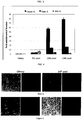
- binding affinities of an initial ssRNA pool and the pools selected in the 5 th , 10 th and 14 th rounds of cell-SELEX were measured by a quantitative RT-PCR assay.
- Both the in-put aptamer pool and the out-put aptamer pool were used as a template for cDNA synthesis. Diluted cDNA of each round was analyzed by quantitative real-time PCR using a Step-One real-time PCR machine (Applied Biosystems) according to the manufacturer's protocol, and the ratio of the output signal to the input signal was calculated.
- the PCR amplification was performed using the primers of SEQ ID NOS: 17 and 18.
- the enriched aptamer pool could be selected which did bind specifically only to the pancreatic cancer cell lines without recognizing the normal pancreatic cell line.
- TMARA-labeled downstream primer was used.
- 5'-TAMRA-AGATTGCACTTACTATCT-3' was used as a TMARA-labeled 3' primer.
- the TMARA-labeled primer in an annealing buffer (30 mM HEPES-KOH pH 7.4, 100 mM KC1, 2 mM MgCl2, 50 mM NH4Ac) was mixed with each of the initial RNA library and the aptamer pool of the 14 th round at the same concentration, after which each mixture was heat-denatured, cooled, incubated at 37 °C for 20 minutes, whereby it was annealed.
- Cells grown on the bottom of a Petri dish were cultured in 1 ⁇ M of the labeled aptamer pool and a binding buffer (4.5 g/L glucose, 5 mM MgCl 2 , 0.1 mg/ml yeast tRNA, 1 mg/ml BSA in Dulbecco's PBS) at 37 °C for 20 minutes. Then, the cells were washed rapidly twice with a washing buffer (4.5 g/L glucose, 5 mM MgCl 2 in Dulbecco's PBS), and then the fluorescence thereof was detected with a fluorescence microscope (Olympus) at 400x magnification.
- a binding buffer 4.5 g/L glucose, 5 mM MgCl 2 , 0.1 mg/ml yeast tRNA, 1 mg/ml BSA in Dulbecco's PBS
- the enriched aptamer pool could be selected which did bind specifically only to the pancreatic cancer cell lines without recognizing the normal pancreatic cell line, similar to the results of Example 2-1.
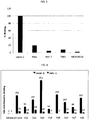
- the aptamer pool was subjected to quantitative RT-PCR in Example 2-1 using the pancreatic cancer cell line Capan-1 together with Hela (cervical cancer, American Tissue Culture Collection), T98G (glioblastoma, American Tissue Culture Collection), MDAMB-231 (breast cancer, American Tissue Culture Collection) and Huh7 (liver cancer, American Tissue Culture Collection).
- Hela cervical cancer, American Tissue Culture Collection
- T98G glioblastoma, American Tissue Culture Collection
- MDAMB-231 breast cancer, American Tissue Culture Collection
- Huh7 liver cancer, American Tissue Culture Collection
- the aptamer pool selected in the 14 th round could specifically detect the pancreatic cancer cell line without substantially binding to other cancer cell lines.
- Example 3 Measurement of detection activity of each isolated aptamer for pancreatic cancer cell line
- Example 2 In order to measure the binding affinity of the aptamers, obtained in Example 1, for pancreatic cancer cell lines, the aptamers were subjected to quantitative RT-PCR in the same manner as Example 2-1 using the Capan-1 cell line and the Panc-1 cell line.
- the aptamers had binding affinity for the pancreatic cancer cell lines capan-1 and panc-1.
- SQ2 (SEQ ID NO: 2) and SQ6 (SEQ ID NO: 6) among the aptamers showed very high binding affinities for the two cell lines.
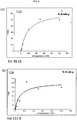
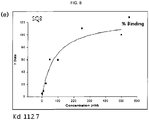
- a binding assay was performed an equilibrium filtration method. Specifically, 0.5 ⁇ 10 6 cells of each of the Pan1 and Capan-1 cell lines were incubated with 1 nM to 1 ⁇ M of each aptamer, and then subjected to a binding reaction in the same manner as Example 1. The bound aptamers were quantified by quantitative RT-PCR in the same manner as Example 2-1.
- the aptamers showed strong binding affinity for the pancreatic cancer cell lines.
- SQ2 of the SEQ ID NO: 2 had the highest affinity for the cancer cell lines.
- Example 4 Measurement (1) of detection activity of each isolated aptamer for various pancreatic cancer cell lines
- SQ2 and SQ8 aptamers can specifically detect pancreatic cancer cell lines other than Panc-1 and Capan-1
- the detection of fluorescence in pancreatic cancer cell lines of Bxpc-3, Aspc-1, Miacapa-1 and Hapaf-2 was performed using the 5' TMARA-labeled downstream primer as in Example 2-2.
- the signals of the aptamers could be observed not only in the pancreatic cancer cell lines Capan-1 ( FIG. 12 ) and Pan-1 ( FIG. 13 ) used in the positive selection rounds, but also in the other pancreatic cancer cell lines Aspc-1 ( FIG. 14 ), Bxpc-3 ( FIG. 15 ), Hapaf-II ( FIG. 16 ) and Miacapa-2 ( FIG. 17 ).
- the aptamers according to the present invention can be used to detect not only the pancreatic cancer cell lines used in the positive selection process, but also other pancreatic cancer cell lines, suggesting that the aptamers can be effectively used for diagnosis of pancreatic cancer cell.
- Example 5 Measurement (2) of detection activity of each isolated aptamer for pancreatic cancer cell lines
- the TMARA-labeled primer in an annealing buffer (30 mM HEPES-KOH pH 7.4, 100 mM KCl, 2 mM MgCl 2 , 50 mM NH4Ac) was mixed with each of the SQ1 to SQ8 aptamers at the same concentration, after which each mixture was heat-denatured, cooled, incubated at 37 °C for 20 minutes, whereby it was annealed.
- Cells grown on the bottom of a Petri dish were cultured in 100 nM of the 3'-TAMRA-labeled labeled aptamer and a binding buffer (4.5 g/L glucose, 5 mM MgCl 2 , 0.1 mg/ml yeast tRNA, 1 mg/ml BSA in Dulbecco's PBS) at 37 °C for 20 minutes. Then, the cells were washed rapidly twice with a washing buffer (4.5 g/L glucose, 5 mM MgCl 2 in Dulbecco's PBS), and then the fluorescence thereof was detected with a fluorescence microscope (Olympus) at 400x magnification.
- a fluorescence microscope Olympus
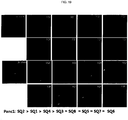
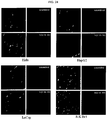
- the aptamers SQ1 to SQ8 all had binding affinities for the pancreatic cancer cell lines Capan-1 and Panc 1, and particularly, the SQ2 aptamer had the highest binding affinity.
- the aptamers SQ1 to SQ8 all showed binding affinities for the pancreatic cancer cell lines, and particularly, SQ1, SQ2, SQ4, SQ6 and SQ8 showed high affinities for both the pancreatic cancer cell lines Pan-1 and Capan-1.
- the SQ2 aptamer shown to have the highest affinity in the detection of fluorescence was truncated as follows, and then the binding affinities of the truncated aptamers for the pancreatic cancer cell line Capan-1 were measured:
- the SQ2 aptamer has a site binding to the T7 promoter.
- the aptamers were annealed with T7 promoter and subjected to in vitro transcription using DuraScribe® T7 transcription kit (EPICENTRE® Biotechnologies). Then, the binding affinities of the aptamers for Capan-1 were measured in the same manner as Example 3-2 and compared with the binding affinity of the SQ2 aptamer.
- the aptamers obtained by truncating the SQ2 aptamer sequence still had affinity for the pancreatic cancer cell line, and particularly, SO2 down truncated (SEQ ID NO: 36) obtained by truncating the 3' terminus of the SQ2 aptamer showed a binding affinity higher than the SQ2 aptamer. Also, the aptamers, with or without a deletion of 5 nts in the 5' terminus of the SQ2 aptamer, showed a binding affinity similar to or higher than the SQ2 aptamer.
- SQ2 up truncated (SEQ ID NO: 37) comprising a deletion of 18 nts in the 5' terminus of the SQ2 aptamer showed relatively low binding affinity for the pancreatic cancer line Capan-1.
- the above test results suggest that even the sequence having a short length of 25 nts, that is, AGCUUAUUCAAUUGCCUGAAAAGCU (SEQ ID NO: 41), shows high binding affinity for the pancreatic cancer cell line.
- FIG. 21 the secondary structure of full-length SQ2 (SEQ ID NO: 2) ( FIG. 21A ) was compared with the secondary structure of SQ2 6-30 (SEQ ID NO: 41) ( FIG. 21B ).
- SEQ ID NO: 2 the secondary structure of SQ2 6-30
- FIG. 21B the secondary structure of SQ2 6-30
- stems 1 and 2 and loop 3 in the secondary structure of the SQ2 aptamer plays an important role.
- the structure was predicted using RNA draw 1.1 software, and the 2D radical structure and the free energy were calculated at 4 °C and 37 °C, and the 5' terminus of the sequence was indicated by a concentric circle.
- an aptamer comprising any one nucleic acid sequence selected from nucleic acids comprising the nucleic acid sequence of SEQ ID NO: 35 can bind specifically to pancreatic cancer cells or tissues.
- Example 7 Measurement of detection activities of truncated aptamers for pancreatic cancer cell lines and other cancer cell lines
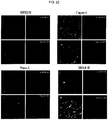
- SQ2 6-30 (SEQ ID NO: 41) showed high binding affinity for the pancreatic cancer cell line, even though it had a length of only 25 nts.
- the detection of fluorescence in the cancer cell lines was performed using the 5' TMARA-labeled downstream primer in the same manner as Example 2-2.
- the signal of the SQ2 6-30 (SEQ ID NO: 41) aptamer was not observed in the normal cell line HPEDE, but was observed in the pancreatic cancer cell lines Capan-1 and Panc-1.
- the truncated aptamers can specifically detect pancreatic cancer cell lines, and thus can be effectively used as compositions for diagnosing pancreatic cancer.
- the truncated aptamers can also detect the pancreatic cancer cell line Panc-1 that indicates an early stage of pancreatic cancer, suggesting that they can be used for early diagnosis of pancreatic cancer.
- the detection of fluorescence in other cancer cell lines SK-BR-3 Human Breast cancer, ATCC), LnCap (Human Prostrate cancer, ATCC), Hep G2 (Human Liver carcinoma, ATCC), Hela (ATCC), A549 (Human Lung Adenocarcinoma, ATCC), SK-N-SH (Human Neuroblastoma, ATCC), T98G (ATCC) and Bend-3 (Mouse Endothelial cells, ATCC) was performed using the 5' TMARA-labeled downstream primer in the same manner as Example 2-2.
- SQ2 6-30 SEQ ID NO: 41
- SEQ ID NO: 41 did not recognize cancer cell lines other than pancreatic cancer cell lines. This suggests that the aptamer according to the present invention can be used for the specific diagnosis and treatment of pancreatic cancer.
- the nucleic acid aptamer according to the present invention can bind specifically only to pancreatic cancer cells or tissues without binding to normal pancreatic cancer tissue, and thus can be effectively used as a composition for diagnosing and treating pancreatic cancer.
- the nucleic acid aptamer can detect not only the terminal pancreatic cancer cell line Capan-1, but also the early pancreatic cancer cell line Panc-1, and thus can be used for early diagnosis of pancreatic cancer, thereby contributing to increasing the survival rate of pancreatic cancer patients.
Landscapes
- Health & Medical Sciences (AREA)
- Life Sciences & Earth Sciences (AREA)
- Engineering & Computer Science (AREA)
- Chemical & Material Sciences (AREA)
- Genetics & Genomics (AREA)
- Biomedical Technology (AREA)
- Molecular Biology (AREA)
- Immunology (AREA)
- Biotechnology (AREA)
- Organic Chemistry (AREA)
- General Health & Medical Sciences (AREA)
- Bioinformatics & Cheminformatics (AREA)
- Zoology (AREA)
- Wood Science & Technology (AREA)
- Physics & Mathematics (AREA)
- General Engineering & Computer Science (AREA)
- Biochemistry (AREA)
- Microbiology (AREA)
- Urology & Nephrology (AREA)
- Hematology (AREA)
- Medicinal Chemistry (AREA)
- Analytical Chemistry (AREA)
- Pathology (AREA)
- Biophysics (AREA)
- Veterinary Medicine (AREA)
- Animal Behavior & Ethology (AREA)
- Plant Pathology (AREA)
- Pharmacology & Pharmacy (AREA)
- General Physics & Mathematics (AREA)
- Public Health (AREA)
- Proteomics, Peptides & Aminoacids (AREA)
- Food Science & Technology (AREA)
- Cell Biology (AREA)
- Chemical Kinetics & Catalysis (AREA)
- General Chemical & Material Sciences (AREA)
- Nuclear Medicine, Radiotherapy & Molecular Imaging (AREA)
- Hospice & Palliative Care (AREA)
- Epidemiology (AREA)
- Oncology (AREA)
- Measuring Or Testing Involving Enzymes Or Micro-Organisms (AREA)
Description
- The present invention relates to a nucleic acid aptamer which can specifically recognize and bind to pancreatic cancer cells or tissues and can thus be used to diagnose and treat pancreatic cancer, and to the use thereof.
- In recent years, studies on a number of biomarkers for cancer diagnosis and treatment have been conducted. Among them, cancer cell-specific membrane proteins are considered as the most appropriate biomarkers as they are often shed in the body fluids in detectable amounts and clinical presentation in body fluids is always preferred over invasive methods of biopsy sampling. Besides, membrane proteins are also attractive because of their potential use in cancer imaging and targeted therapeutic strategies.
- Meanwhile, the field of biomarker identification primarily relies on 2D gel electrophoresis (2D-GE) mass spectroscopy. However elucidation of membrane proteins using this technique has a significant limitation. Only 30% of the total cellular proteins are from membrane and of this only 5% can be detected using 2D-GE. Therefore as an alternative, specific probes has been developed for membrane proteins that can be used as tools to identify the bound target.
- In the last decade, there has been a renaissance in the field of nucleic acid probes-aptamers; that can bind to the target protein with high affinity and specificity. Particularly, aptamers which are isolated using the technique SELEX (Systemic Enrichment of Ligands using Exponential Enrichment) have been developed for a number of disease-associated proteins, and many of them are currently in clinical trials as therapeutic moieties teemselves or as tools for imaging or drug delivery (Lee, J.F. et al., Curr Opin Chem Biol., 10(3): 282, 2006; Gilbert, J.C. et al., Circulation., 116(23): 2678, 2007).
- Aptamers can be selected against complex targets, that is, live cells and tissues, using the cell-SELEX technique in addition to the prior SELEX technique (Guo et al. Int. J. Mol. Sci., 9(4): 668, 2008). The cell-SELEX technique has an advantage in that it allows the development of aptamers for diseased cells even when surface marker targets are unknown. In addition, the cell-SELEX technique is more advantageous than the prior SELEX process, because target proteins cannot show their original properties in their isolated state, and thus target proteins which are in a physiological state allow a more functional approach during a selection process. Thus, an ssDNA aptamer for tenascin-C was first developed using the cell-SELEX approach (Daniels et al., Proc. Natl. Acad. Sci. U.S.A., 100(26):15416, 2003), and then a PTK7 (protein tyrosine kinase) aptamer for acute myeloid cells (Shangguan, D. et al., J. Proteome. Res., 7(5): 2133, 2008) and a DNA aptamer for small cell lung cancer cells (Chen H.W. et al., Chem. Med. Chem., 3(6): 991, 2008) were also developed. Using substractive SELEX DNA aptamers have been synthesized that can bind to differentiated PC12 cells but not parental cells thus are useful in clinical diagnosis (Brand, R. & Mahr, C., Curr. Gastroenterol. Rep., 7(2):122, 2005; Lee, M.X. & Saif, M.W., Jop., 10(2): 104, 2009). However, the Cell-SELEX technique requires limited control by an optimized and specific selection process because of the complexity of cell surface proteasomes. Thus, a proper negative selection process is essential for the success of the Cell-SELEX process.
- Meanwhile, pancreatic adenocarcinoma is the 14th common cancer worldwide and the 4th leading cause of cancer related deaths in US alone. Around 90% of these pancreatic tumors are ductal adenocarcinomas (PDAC)s (Bardeesy, N. & DePinho, R.A., Nat. Rev. Cancer, 2(12):897, 2002). It is a highly aggressive malignancy with a very low median survival rate. The high rate of mortality associated with is attributable to poor prognosis and profound resistance to conventional chemotherapeutic measures (Koliopanos, A. et al., Hepatobiliary Pancreat. Dis. Int., 7(4):345, 2008). Only 15-20% of such tumors are resectable and limitation of early diagnostic markers pose a major problem in its timely detection (Brand, R. & Mahr, C., Curr. Gastroenterol. Rep., 7(2) :122, 2005; Lee, M.X. & Saif, M.W., Jop., 10(2):104, 2009). Thus, there has been a need for the development of a novel pancreatic biomarker which can promote early diagnosis and assist in the development of effective therapeutic agents.
-
WO 2005/053512 discloses an animal models of cancer, e.g. pancreatic adenocarcinoma, wherein an activating mutation of Kras has been introduced, and any one or more known or unknown tumor suppressor genes or loci, e.g. Ink4a/Arf, Ink4a, Arf, p53, Smad4/Dpc, Lkb1, Brca2 or Mlh1, have been misexpressed, e.g. have been misexpressed leading to decreased expression or non-expression. -
WO 01/79538 -
US 2009/117549 discloses a method for developing a personalized biomarker for a target disease cell comprising: (a) obtaining a probe having high affinity and selectivity for a biomarker on the membrane of a target cell; (b) labeling the probe with a biotin tag; (c) lysing the target cell and extracting membrane content of the target cell; (d) solubilizing the membrane content; (e) binding biotin-tagged probe with solubilized membrane content to form a biotin-probe-biomarker complex; (f) extracting and collecting the biotin-probe-biomarker complex using streptavidin coated magnetic beads and a magnetic stand; and (g) separating the biotin-magnetic beads and probes from the biomarker. - International Journal of Molecular Sciences, vol. 9, (April 2008), pages 668-678 describes newly developed cell SELEX (systematic evolution of ligands by exponential enrichment) as a method to generate DNA or RNA ligands from a combinatorial library. This oligonucleotide library consists of single-stranded modified or unmodified RNA or DNA. The ligands that emerge from SELEX have been called aptamers.
- Cancer Research, vol. 66, (15 June 2006), pages 5989-5992 discloses RNA aptamer:gelonin conjugates to target and specifically destroy cells overexpressing the known cancer biomarker prostate-specific membrane antigen (PSMA).
- Accordingly, the present inventors have made extensive efforts to isolate a pancreatic cancer-specific cancer which can be used for the early diagnosis and treatment of pancreatic cancer. As a result, the present inventors have selected an aptamer, which specifically binds only to a pancreatic cancer cell line, by the cell-SELEX (Systematic Evolution of Ligands by EXponential enrichment) process, and have found that the selected aptamer binds specifically only to a pancreatic cancer cell line without binding to normal pancreatic tissue, thereby completing the present invention.
- It is an object of the present invention to provide a nucleic acid aptamer binding specifically to pancreatic cancer cells or tissues.
- Another object of the present invention is to provide a method of detecting pancreatic cancer using said nucleic acid aptamer.
- Still another object of the present invention is to provide a composition for diagnosing or treating pancreatic cancer, which contains said nucleic acid aptamer.
- To achieve the above objects, the present invention provides a nucleic acid aptamer of 25-100 nts, which comprises any one nucleic acid sequence selected from the group consisting of nucleic acid sequences set forth in SEQ ID NOs: 1-13, SEQ ID NO: 14, and SEQ ID NO: 15, or a nucleic acid sequence has at least 90% homology to SEQ ID NO: 14 or SEQ ID NO: 15 and is capable of binding specifically to pancreatic cancer cells or tissues, wherein U in the nucleic acid sequence is T if the nucleic acid aptamer is DNA.
- The present invention also provides an in vitro method of detecting pancreatic cancer using said nucleic acid aptamer or a nucleic acid aptamer comprising a chemical modification thereof.
- The present invention also describes a composition for diagnosing or treating pancreatic cancer, which contains said nucleic acid aptamer or a nucleic acid aptamer comprising a chemical modification thereof.
- The present invention also describes a method of diagnosing or treating pancreatic cancer, which comprises administering said nucleic acid aptamer or a nucleic acid aptamer comprising a chemical modification thereof.
- The present invention also describes said nucleic acid aptamer or a nucleic acid aptamer comprising a chemical modification thereof, for use in the diagnosis or treatment of pancreatic cancer.
- The present invention provides a sensor for diagnosing pancreatic cancer, having said nucleic acid aptamer or a nucleic acid aptamer comprising a chemical modification thereof.
- The present invention also describes a kit for diagnosing pancreatic cancer, which contains said nucleic acid aptamer or a nucleic acid aptamer comprising a chemical modification thereof.
- The present invention also describes a method of detecting pancreatic cancer using said sensor or kit for diagnosing pancreatic cancer.
- The present invention also provides a pancreatic cancer-specific drug delivery composition containing said nucleic acid aptamer or a nucleic acid aptamer comprising a chemical modification thereof.
- The present invention also provides a method of detecting a pancreatic cancer cell-specific surface biomarker using said nucleic acid aptamer or a nucleic acid aptamer comprising a chemical modification thereof.
- Other features and embodiments of the present invention will be more apparent from the following detailed descriptions and the appended claims
-
-
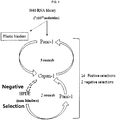
FIG. 1 is a schematic view showing a process of selecting aptamers binding specifically to pancreatic cancer cells or tissues according to the present invention. -
FIG. 2 shows the results of sequencing of an aptamer pool selected in the 14th round of the cell-SELEX process according to the schematic view shown inFIG. 1 . -
FIG. 3 is a graph showing the results of real-time PCR measurement for the binding affinity of an aptamer pool, selected in each round of cell-SELEX, for a pancreatic cancer cell line. -
FIG. 4 is a set of photographs showing the results of observing the binding affinity of an aptamer pool, selected in the 14th round of cell-SELEX, by fluorescence detection. -
FIG. 5 is a graph showing the results of quantitative real-time RT-PCR measurement for the binding affinity of an aptamer pool, selected in the 14th round of cell-SELEX, for a pancreatic cancer cell line and other cancer cell lines. -
FIG. 6 is a graph showing the results of real-time RT-PCR measurement for the binding affinities of aptamers of the present invention for a pancreatic cancer cell line. -
FIG. 7 is a set of graphs showing the binding affinities of aptamers of the present invention for Capan-1 cell line. -
FIG. 8 is a set of graphs showing the binding affinities of aptamers of the present invention for Panc-1 cell line. -
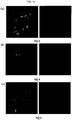
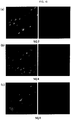
FIG. 9 is a set of photographs showing the results of observing the binding affinities of aptamer SQ1 of the present invention for a pancreatic cancer cell line and a normal cell line by fluorescence detection. -
FIG. 10 is a set of photographs showing the results of observing the binding affinities of aptamer SQ2 of the present invention for a pancreatic cancer cell line and a normal cell line by fluorescence detection. -
FIG. 11 is a set of photographs showing the results of observing the binding affinities of aptamer SQ6 of the present invention for a pancreatic cancer cell line and a normal cell line by fluorescence detection. -
FIG. 12 is a set of photographs showing the results of observing the binding affinities of aptamers SQ2, SQ4 and SQ8 of the present invention for the pancreatic cancer cell line Capan-1 by fluorescence detection. -
FIG. 13 is a set of photographs showing the results of observing the binding affinities of aptamers SQ2, SQ4 and SQ8 of the present invention for the pancreatic cancer cell line Pan-1 by fluorescence detection. -
FIG. 14 is a set of photographs showing the results of observing the binding affinities of aptamers SQ2, SQ4 and SQ8 of the present invention for pancreatic cancer cell line Aspc-1 by fluorescence detection. -
FIG. 15 is a set of photographs showing the results of observing the binding affinities of aptamers SQ2, SQ4 and SQ8 of the present invention for pancreatic cancer cell line Bxpc-3 by fluorescence detection. -
FIG. 16 is a set of photographs showing the results of observing the binding affinities of aptamers SQ2, SQ4 and SQ8 of the present invention for pancreatic cancer cell line Hapaf-II by fluorescence detection. -
FIG. 17 is a set of photographs showing the results of observing the binding affinities of aptamers SQ2, SQ4 and SQ8 of the present invention for pancreatic cancer cell line Miacapa-2 by fluorescence detection. -
FIG. 18 is a set of photographs showing the results of observing the binding affinities of aptamers SQ1 to SQ8 of the present invention for the pancreatic cancer cell line Capan-1 by fluorescence detection. -
FIG. 19 is a set of photographs showing the results of observing the binding affinities of aptamers SQ1 to SQ8 of the present invention for pancreatic cancer cell line Panc-1 by fluorescence detection. -
FIG. 20 shows the relative ratio of the binding affinities of aptamers, obtained by truncating the SQ2 aptamer, for a pancreatic cancer cell line. -
FIG. 21 shows the secondary structure of the SQ2 aptamer (FIG. 21A ) and the secondary structure of SQ2 6-30 (FIG. 21B ). -
FIG. 22 is a set of photographs showing the results of observing the binding affinities of SQ2 6-30 for a pancreatic cancer cell line and a normal cell line by fluorescence detection. -
FIG. 23 is a set of photographs showing the results of observing the binding affinities of SQ2 6-30 for the non-pancreatic cancer cell lines SK-N-SH, T98G, A549 and Bend-3, by fluorescence detection. -
FIG. 24 is a set of photographs showing the results of observing the binding affinities of SQ2 6-30 for the non-pancreatic cancer cell lines Hela, Hep G2, LnCap, SK-Br3, T98G, A549 and Bend-3, by fluorescence detection. - Unless defined otherwise, all technical and scientific terms used herein have the same meaning as commonly understood by one of ordinary skill in the art to which the invention pertains. Generally, the nomenclature used herein and the experiment methods are those well known and commonly employed in the art.
- The definition of main terms used in the detailed description of the invention is as follows.
- As used herein, the term "nucleic acid aptamer" refers to a small single-stranded oligonucleotide that can recognize specifically to its target with high affinity.
- As used herein, the term "sample" refers to a composition that might contain a marker for a pancreatic cancer to be analyzed. Examples of the sample include pancreatic tissues, pancreatic cells, blood, serum, plasma, saliva, phlegm, and urine.
- As used herein, the phrase "nucleic acid sequence having a homology of at least 90%, but less than 100%" refers to a nucleic acid sequence which comprises an addition, deletion or substitution of one to several nucleotides relative to a reference sequence to have a sequence homology of at least 90%, but less than 100%, with the reference sequence, and to show a pancreatic cancer cell-binding affinity similar to the reference sequence.
- In one aspect, the present invention is directed to a nucleic acid aptamer of 25-100 nts, which comprises any one nucleic acid sequence selected from the group consisting of nucleic acid sequences set forth in SEQ ID NOs: 1-13, SEQ ID NO: 14, and SEQ ID NO: 15, or a nucleic acid sequence has at least 90% homology to SEQ ID NO: 14 or SEQ ID NO: 15 and is capable of binding specifically to pancreatic cancer cells or tissues, wherein U in the nucleic acid sequence is T if the nucleic acid aptamer is DNA.
- In the present invention, the nucleic acid sequence set forth above can bind specifically to pancreatic cancer cells or tissues, and may comprise any one nucleic acid sequence selected from nucleic acid sequences set forth in the following SEQ ID NO: 1 through SEQ ID NO: 13.
- SQ1: 5'-AUACCAGCUUAUUCAAUU GCCUGAUUAG CGGUAUCACG AUUACUUACC UUCGUUGCUG AGAUAGUAAGUGCAAUCU-3' (SEQ ID NO: 1)
- SQ2: 5'-AUACCAGCUUAUUCAAUU GCCUGAAAAG CUAUCGCCCA AUUCGCAGUG AUAUCCUUUA AGAUAGUAAGUGCAAUCU-3' (SEQ ID NO: 2)
- SQ3: 5'-AUACCAGCUUAUUCAAUU GCCUGAAAAC CUGGUCUCUC UGUCAGCAAA AGAUAGUAAGUGCAAUCU-3' (SEQ ID NO: 3)
- SQ4: 5'-AUACCAGCUUAUUCAAUU GCCUGAGUAG CUGGGUCCGU CCCCACACAU UACCAUUUGU AGAUAGUAAGUGCAAUCU-3' (SEQ ID NO: 4)
- SQ5: 5'-AUACCAGCUUAUUCAAUU GCCUGAAAAC UGGUGUACCU CUUUGCCCUA UCUUAUCUGG AGAUAGUAAGUGCAAUCU-3' (SEQ ID NO: 5)
- SQ6: 5'-AUACCAGCUUAUUCAAUU GCCUGAAGAC UGGAUAUACU CUUAAGCAUU UCUAUAAUCG AGAUAGUAAGUGCAAUCU-3' (SEQ ID NO: 6)
- SQ7: 5'-AUACCAGCUUAUUCAAUU GCCUGAAACU GCUGCAUCGU CUCCCACGUA UUACACAUGA AGAUAGUAAGUGCAAUCU-3' (SEQ ID NO: 7)
- SQ8: 5'-AUACCAGCUUAUUCAAUU GCCUGAAAAG UUGAACUCCA AAUACGCGCU G AGAUAGUAAGUGCAAUCU-3' (SEQ ID NO: 8)
- S49: 5'-AUACCAGCUUAUUCAAUU GCCUGAAAAG UGGCCUCCCU ACAAAGAACU UAUAUCAUCC AGAUAGUAAGUGCAAUCU-3' (SEQ ID NO: 9)
- S20: 5'-AUACCAGCUUAUUCAAUU GCCUGAAAAG UUUAUCCCCC UUUUAGCGUU UACCAUAAUG AGAUAGUAAGUGCAAUCU-3' (SEQ ID NO: 10)
- S59: 5'-AUACCAGCUUAUUCAAUU ACCUGAAAAC UGGUUUCCGG CAUCCCGUAU UGCGGCUUUA C AGAUAGUAAGUGCAAUCU-3' (SEQ ID NO: 11)
- S11: 5'-AUACCAGCUUAUUCAAUU GCCUGAAGAG CGAAGUAAAU CUCUCACUGC GUCACUACA AGAUAGUAAGUGCAAUCU-3' (SEQ ID NO: 12)
- S52: 5'-AUACCAGCUUAUUCAAUU ACCUGAGUAG CGUUUCCCGG CAUUAUACUA UAAACUU AGAUAGUAAGUGCAAUCU-3' (SEQ ID NO: 13)
- S68: 5'-AUACCAGCUUAUUCAAUU CCUGAAAGUU UGGAUAUCUU GGCGCUUGAC UAGAAAACUU GAAAUUUGU AGAUAGUAAGUGCAAUCU-3' (SEQ ID NO: 14)
- S3: 5'-AUACCAGCUUAUUCAAUU CUUAUGUUCA UGCCAGCGCA AUUGCC AGAUAGUAAGUGCAAUCU-3' (SEQ ID NO: 15)
- The underlined portions of the 5'-terminus and 3'-terminus of each of the above aptamers are portions introduced for PCR amplification and cDNA synthesis as can be seen in following SEQ ID NO: 16.
- Herein, the total number of nucleotides in the aptamer is 25 to 100 nts. Preferably, the total number of nucleotides in the aptamer may be 25 nts or more or 85 nts or less. If the total number of nucleotides in the aptamer is small, the chemical synthesis and large-amount production of the aptamer will be easier and advantages in terms of costs will be obtained. Also, the aptamer will be easily chemically modified, will be highly stable in vivo and will have low toxicity. In addition, each nucleotide contained in the aptamer may comprise one or more chemical modification which is the same or different, and for example, may be a nucleotide substituted by any atom or group at the 2' position of ribose. As examples of any such atom or group, a nucleotide substituted by a hydrogen atom, a fluorine atom or an -O-alkyl group (e.g., -O-Me group), an -O-acyl group (e.g., -O-CHO group), or an amino group (e.g., -NH2 group) can be mentioned. Furthermore, the nucleic acid aptamer is provided in the form of a single-stranded DNA or RNA molecule. In the present invention, if the nucleic acid is DNA, "U" in the nucleic acid sequence is to be read as "T", and it will be obvious to a person of ordinary skill in the art that this sequence falls within the scope of the present invention.
- In one Example of the present invention, as shown in
FIG. 1 , the aptamers having the nucleic acid sequences set forth in SEQ ID NOS: 1 to 15 were selected through the SELEX process, and then the affinities of the selected aptamers were measured using a real-time PCR assay, a fluorescence detection method and an equilibrium filtration method. As a result, it was found that the nucleic acid sequences set forth in SEQ ID NOS: 1 to 15 did bind specifically to a pancreatic cancer cell line. - The nucleic acid aptamers according to the present invention are shown to have commonly conserved regions, such as CCUGA, GCCUGAAA, or AGCUUAUUCAAUURCCUGARDMBBB (SEQ ID NO: 35). The presence of such commonly conserved regions means that a nucleic acid sequence having a homology of at least 90%, but less than 100%, with any one selected from among the nucleic acid sequences set forth in SEQ ID NO: 1 to SEQ ID NO: 15, is a nucleic acid aptamer that can bind specifically to a pancreatic cancer cell line. Regarding the similarity of sequence between the nucleic acid aptamers according to the present invention, if any nucleic acid comprises an addition, deletion or substitution of one to several nucleotides relative to any one nucleic acid sequence selected among the nucleic acid sequences of SEQ ID NOS: 1 to 15 to have a sequence homology of at least 90%, but less than 100%, it will show a pancreatic cancer cell line-binding affinity similar to the nucleic acid aptamers according to the present invention. Particularly, in one Example of the present invention, it was found that, even when portions of the 5' terminal and 3' terminal regions of the aptamer according to the present invention were deleted, the aptamer showed affinity for a pancreatic cancer cell line. Such test results demonstrate that, if any nucleic acid sequence comprises an addition, deletion or substitution of one to several nucleotides relative to any one nucleic acid sequence selected among the nucleic acid sequences of the present invention to have a sequence homology of at least 90%, but less than 100%, it will show a pancreatic cancer cell line-binding affinity similar to the nucleic acid aptamers according to the present invention.
- Meanwhile, in another Example of the present invention, it was found that a 14th aptamer pool including the nucleic acid sequences of SEQ ID NOS: 1 to 15 did not substantially bind human cancer cell lines other than a pancreatic cancer cell line, suggesting that the aptamer pool specifically detect the pancreatic cancer cell line. Particularly, the affinities of the isolated aptamers SQ1, SQ2 and SQ6 for pancreatic cancer cell lines were observed using a fluorescence detection method in comparison with a normal human pancreatic ductal cell line (HPEDE). As a result, it was found that the aptamers specifically detected both the pancreatic cancer cell lines Capan-1 and Panc-1 indicating that the terminal stage and initial state of pancreatic cancer, respectively, suggesting that the aptamers according to the present invention can detect pancreatic cancer markers and thus can be advantageously used for diagnosis of pancreatic cancer. Particularly, ability of detecting Pacn-1 of the aptamers according to the present invention suggests that the aptamers allows the early diagnosis of pancreatic cancer. In another Example of the present invention, it was shown that the nucleic acid aptamers according to the present invention did bind specifically not only the pancreatic cancer cell line used in the positive selection process, but also other pancreatic cancer cell lines, suggesting that the aptamers can be advantageously used for substantial diagnosis of pancreatic cancer. In addition, in another Example of the present invention, it was found that the nucleic acid aptamers according to the present invention did not recognize cancer cell lines other than pancreatic cancer.
- Accordingly, described is a composition for diagnosing pancreatic cancer, which contains the above-described nucleic acid aptamer of the present invention.
- In still another aspect, the present invention is directed to an in vitro method of detecting pancreatic cancer using the aptamer of the present invention. The detection method of the present invention comprises bringing the nucleic acid aptamer into contact with a sample selected from among pancreatic tissues, pancreatic cells, blood, serum, plasma, saliva, phlegm and urine. In addition, the sample is not specifically limited and may be any sample containing a pancreatic cancer marker, such as a sample isolated from mammals, preferably humans, and obtainable by minimal invasion, a secreted body fluid, an in vitro culture component, etc.
- When the nucleic acid aptamer is brought into contact with a sample, it will bind specifically to a pancreatic cancer marker present in the sample. Thus, pancreatic cancer can be detected by labeling the nucleic acid aptamer with a fluorescent dye or the like, bringing the labeled nucleic acid aptamer into contact with a sample, and determining the presence or absence of the signal of the pancreatic cancer marker.
- A pancreatic cancer biomarker can be detected by analyzing a substance of a sample, bound to the nucleic acid aptamer. Thus, in still another aspect, the present invention is directed to an in vitro method of detecting a pancreatic cancer cell-specific surface biomarker using the nucleic acid aptamer. For example, a surface biomarker binding specifically to the aptamer can be detected by conjugating biotin to the terminus of the nucleic acid aptamer, allowing the nucleic acid aptamer to bind to a membrane-extracted protein sample from a pancreatic cancer cell line, precipitating the aptamer using streptavidin-conjugated magnetic particles, and then analyzing the aptamer using mass spectrometry.
- Meanwhile, the nucleic acid aptamer binding specifically to pancreatic cancer cells or tissues may be immobilized on conventional supports such as beads, particles, dipsticks, fibers, filters, membranes and silane or silicate supports such as glass slides, thereby providing detection sensors which can be used for diagnosis of pancreatic cancer. Thus, in another aspect, the present invention is directed to a sensor for diagnosing pancreatic cancer, having the nucleic acid aptamer binding specifically to pancreatic cells or tissues immobilized thereon.
- The above solid support comprises at least one substantially hard surface on which the nucleic acid aptamer can be immobilized by any conventional chemical coupling method. For example, the nucleic acid aptamer can be immobilized on the support surface by conjugating biotin to the terminus of the nucleic acid aptamer to form a conjugate, and immobilizing streptavidin on the support surface to induce the interaction between the biotin and the streptavidin immobilized on the support surface.
- Meanwhile the method according to the present invention may be provided in the form of a kit to increase portability. Specifically, described is a kit for diagnosing pancreatic cancer, which contains the nucleic acid aptamer binding specifically to pancreatic cancer cells or tissues. The kit for diagnosing pancreatic cancer may comprise buffer solution and containers for performing detection and analysis, if necessary. The kit for diagnosing pancreatic cancer may take the form of bottles, tubs, sachets, envelops, tubes, ampoules, and the like, which may be formed in part or in whole from plastic, glass, paper, foil, wax, and the like. The sensor container may be equipped with a fully or partially detachable lid that may initially be part of the container or may be affixed to the container by mechanical, adhesive, or other means. The container may also be equipped with a stopper, allowing access to the contents by a syringe needle. The detection kit may comprise an exterior package which may include instructions regarding the use of the components.
- In addition, it is known in the art that aptamers binding specifically to cancer cell lines can inhibit the mechanism of cancer to treat the cancer. Thus, the aptamer according to the present invention will bind specifically to pancreatic cancer cells or tissues to inhibit the mechanism of pancreatic cancer. Thus, a person skilled in the art will appreciate that a composition containing the nucleic acid aptamer can provide a composition for treating pancreatic cancer.
- The aptamer can be attached to the surface of liposomes or nanoparticles, whereby an anticancer agent, toxin, a cancer growth inhibitor gene or siRNA (small interfering RNA) contained in the liposomes or nanoparticles can be delivered selectively to pancreatic cancer cells. Known pancreatic cancer-specific drugs, cancer cell death-inducing toxin, anticancer agents, known suicide genes such as Herpes simplex virus-thymidine kinase (HSV-TK) or cytosine deaminase (CD), or an siRNA (small interfering RNA) inhibiting the expression of genes playing an important role in the growth and metastasis of pancreatic cells can be attached to the aptamer of the present invention which is then delivered to pancreatic cancer cells. Thus, the nucleic acid aptamer according to the present invention can be provided in the form of a pancreatic cancer-specific drug delivery composition. (aptamer-siRNA conjugate: Silence. 2010 ; aptamer-toxin conjugate: Cancer Res. 2006 ; aptamer-liposome: Chem Commun (Camb). 2010 .).
- The aptamer in the pharmaceutical composition of the present invention may be used as a pharmaceutically acceptable salt thereof. Also, it may be used alone or in combination with other pharmaceutically active compounds,
- The pharmaceutical composition according to the present invention can be formulated according to a conventional method. For example, it may be formulated in the form of powders, granules, tablets, capsules, suspensions, emulsions, syrups, agents for external applications, suppositories, and sterile injection solutions. Carriers, excipients and diluents that can be contained in the composition include lactose, glucose, sucrose, sorbitol, mannitol, starch, gum acacia, alginate, gelatin, calcium phosphate, calcium silicate, cellulose, methyl cellulose, microcrystalline cellulose, polyvinylpyrrolidone, water, methylhydroxybenzoate, propylhydroxybenzoate, talc, magnesium stearate and mineral oil.
- For formulations, commonly used diluents or excipients such as fillers, expanders, binders, wetting agents, disintegrants and surfactants, etc., are used. Formulations for parenteral administration include sterilized aqueous solutions, non-aqueous solvents, suspensions, emulsions,
lyophilized agents, suppositories, etc. Non-aqueous solvents and suspensions may be prepared using propylene glycol, polyethylene glycol, vegetable oils such as olive oil, or injectable esters such as ethyloleate. As a base for suppositories, Witepsol, Macrogol, Tween 61, cacao fat, laurin fat, glycerogelatin, etc. may be used. - The preferred dose of the composition of the present invention can be suitably selected depending on the patient's condition and weight, the severity of disease, the type of drug, and the route and period of administration. The composition of the present invention may be administered by various routes to mammals, including rats, mice, livestock and humans. All routes of administration can be contemplated and include, for example, rectal, intravenous, intramuscular, intrauterine, ntrathecal or intracerebrovascular injections.
- Hereinafter, the present invention will be described in further detail with reference to examples.
- A random ssDNA library having the following sequences was chemically synthesized and isolated by PAGE (Genotech Inc., Korea).
- 5'-ATA CCA GCT TAT TCA ATT NNN NNN NNN NNN NNN NNN NNN NNN NNN NNN NNN NNN NNN NAG ATA GTA AGT GCA ATC T-3' (SEQ ID NO: 16)
- The initial pool contained 7×10¹³ molecules. An N40 upstream primer of SEQ ID NO: 17 and an N40 downstream primer of SEQ ID NO: 18 were used for PCR amplification and cDNA synthesis.
- Upstream primer: 5'-GGTAATACGACTCACTATAGGGAGATACCAGCTTATTCAATT-3' (SEQ ID NO: 17)
- Downstream primer: 5'-AGATTGCACTTACTATCT-3' (SEQ ID NO: 18)
- The amplified library was converted into RNA using Durascribe T7 RNA polymerase (Eqicentre). Herein, 2'-F UTP and 2'-F CTP were used in place of UTP and CTP, respectively, whereby U and C in the resulting RNA had 2'-F in place of 2'-OH so as to increase resistance to RNase, thus making it possible to apply the RNA in vivo.
- As shown in
FIG. 1 , positive selections were performed for the human pancreatic cancer cell lines Panc-1 (American Tissue Culture Collection) and Capan-1(American Tissue Culture Collection), in which the cell lines were changed for each selection round. - Specifically, the N40 RNA library of Example 1-2 was denatured in a binding buffer (4.5 g/L glucose, 5 mM MgCl2, 0.1 mg/ml yeast tRNA, 1 mg/ml BSA in Dulbecco's PBS) at 95 °C for 5 minutes, and then quenched on ice. Then, 5×10⁶ cells (Panc-1 and Capan-1 were alternately used) grown into a monolayer were treated with 500 nM of the library at 4 °C for 30 minutes, after the cells were washed twice with a washing buffer (4.5 g/L glucose, 5 mM MgCl2 in Dulbecco's PBS) for 5 minutes each time to remove non-bound sequences. Then, the cells were collected using a washing buffer and heated at 95 °C for 5 minutes, thereby eluting sequences from the cell surface. The eluted sequences were isolated by extraction with PCI (phenol: chloroform: isoamyl alcohol extraction; Bioneer, Korea). The obtained RNAs were subjected to reverse transcription using ImProm-II™ Reverse Transcription System (Promega, USA) and amplified by PCR. The isolated PCR products were subjected to in vitro transcription using T7 polymerase (Ambion, USA).
- After the positive selection round has been performed 10 times, two negative selection rounds were performed against the normal pancreatic cell line HPEDE (Ontario Cancer Institute, University of Toronto) while a positive selection round was performed alternately with the negative selection round, as shown in
FIG. 1 . As a result, a total of 14 positive selection rounds and a total of 2 negative selection rounds were performed. - For selection of aptamers having high affinity and specificity, the number of cells used in each selection round was decreased gradually to 1×10⁶ cells, the washing time was gradually increased gradually to 15 minutes, and the concentration of yeast tRNA in the binding buffer was increased twice.
- The enrichment of bound aptamers was quantified using real-time quantitative PCR (real-time qPCR) and reached a saturated state in the 14th round. For this reason, the products selected in the 14th round were cloned into TA vectors (RBC, Korea). The prepared 50 clones were sequenced using Multialighn software (http://bioinfo.genotoul.fr/multalin/multalin.html), and common sequences between the clones were analyzed. As a result, 15 sequences were obtained from the 50 clones, and RNA aptamer sequences of the present invention, obtained therefrom, are as follows.
- SQ1: 5'-AUACCAGCUUAUUCAAUU GCCUGAUUAG CGGUAUCACG AUUACUUACC UUCGUUGCUG AGAUAGUAAGUGCAAUCU-3' (SEQ ID NO: 1)
- SQ2: 5'-AUACCAGCUUAUUCAAUU GCCUGAAAAG CUAUCGCCCA AUUCGCAGUG AUAUCCUUUA AGAUAGUAAGUGCAAUCU-3' (SEQ ID NO: 2)
- SQ3: 5'-AUACCAGCUUAUUCAAUU GCCUGAAAAC CUGGUCUCUC UGUCAGCAAA AGAUAGUAAGUGCAAUCU-3' (SEQ ID NO: 3)
- SQ4: 5'-AUACCAGCUUAUUCAAUU GCCUGAGUAG CUGGGUCCGU CCCCACACAU UACCAUUUGU AGAUAGUAAGUGCAAUCU-3' (SEQ ID NO: 4)
- SQ5: 5'-AUACCAGCUUAUUCAAUU GCCUGAAAAC UGGUGUACCU CUUUGCCCUA UCUUAUCUGG AGAUAGUAAGUGCAAUCU-3' (SEQ ID NO: 5)
- SQ6: 5'-AUACCAGCUUAUUCAAUU GCCUGAAGAC UGGAUAUACU CUUAAGCAUU UCUAUAAUCG AGAUAGUAAGUGCAAUCU-3' (SEQ ID NO: 6)
- SQ7: 5'-AUACCAGCUUAUUCAAUU GCCUGAAACU GCUGCAUCGU CUCCCACGUA UUACACAUGA AGAUAGUAAGUGCAAUCU-3' (SEQ ID NO: 7)
- SQ8: 5'-AUACCAGCUUAUUCAAUU GCCUGAAAAG UUGAACUCCA AAUACGCGCU G AGAUAGUAAGUGCAAUCU-3' (SEQ ID NO: 8)
- S49: 5'-AUACCAGCUUAUUCAAUU GCCUGAAAAG UGGCCUCCCU ACAAAGAACU UAUAUCAUCC AGAUAGUAAGUGCAAUCU-3' (SEQ ID NO: 9)
- S20: 5'-AUACCAGCUUAUUCAAUU GCCUGAAAAG UUUAUCCCCC UUUUAGCGUU UACCAUAAUG AGAUAGUAAGUGCAAUCU-3' (SEQ ID NO: 10)
- S59: 5'-AUACCAGCUUAUUCAAUU ACCUGAAAAC UGGUUUCCGG CAUCCCGUAU UGCGGCUUUA C AGAUAGUAAGUGCAAUCU-3' (SEQ ID NO: 11)
- S11: 5'-AUACCAGCUUAUUCAAUU GCCUGAAGAG CGAAGUAAAU CUCUCACUGC GUCACUACA AGAUAGUAAGUGCAAUCU-3' (SEQ ID NO: 12)
- S52: 5'-AUACCAGCUUAUUCAAUU ACCUGAGUAG CGUUUCCCGG CAUUAUACUA UAAACUU AGAUAGUAAGUGCAAUCU-3' (SEQ ID NO: 13)
- S68: 5'-AUACCAGCUUAUUCAAUU CCUGAAAGUU UGGAUAUCUU GGCGCUUGAC UAGAAAACUU GAAAUUUGU AGAUAGUAAGUGCAAUCU-3' (SEQ ID NO: 14)
- S3: 5'-AUACCAGCUUAUUCAAUU CUUAUGUUCA UGCCAGCGCA AUUGCC AGAUAGUAAGUGCAAUCU-3' (SEQ ID NO: 15)
- The underlined portions of the 5' end and 3' end of each of the aptamers correspond to the portions introduced for PCR amplification and cDNA synthesis as can be seen in SEQ ID NO: 16, and the nucleic acid sequences of SEQ ID NOS: 1 to 15 commony contain the underlined portions. It was shown that the nucleic acid sequences of SEQ ID NOS: 1 to 14 contain a sequence of CCUGA, and the nucleic acid aptamers SQ2 (SEQ ID NO: 2), SQ3 (SEQ ID NO: 3), SQ5 (SEQ ID NO: 5), SQ8 (SEQ ID NO: 8), S49 (SEQ ID NO: 9) and S20 (SEQ ID NO: 10) particularly contain a commonly conserved sequence of GCCUGAAAA.
- Specifically, it can be seen that the sequence of the 5' terminus is conserved in the aptamers of the present invention. Particularly, the aptamers of SEQ ID NOS: 1 to 13 had a conversed sequence such as AGCUUAUUCAAUURCCUGARDMBBB (R=G or A, D=A, U or G, M=A or C, and B = G, C or U; SEQ ID NO: 35).
- The binding affinities of an initial ssRNA pool and the pools selected in the 5th, 10th and 14th rounds of cell-SELEX were measured by a quantitative RT-PCR assay.
- Specifically, 1×10⁶ cells of each of the Capan-1 and Panc-1 cell lines were treated with 100 nM of each of the initial library and the RNA pools. As a control group, a HPEDE cell line that is a normal human pancreatic cell line was used.
- Both the in-put aptamer pool and the out-put aptamer pool were used as a template for cDNA synthesis. Diluted cDNA of each round was analyzed by quantitative real-time PCR using a Step-One real-time PCR machine (Applied Biosystems) according to the manufacturer's protocol, and the ratio of the output signal to the input signal was calculated. Herein, the PCR amplification was performed using the primers of SEQ ID NOS: 17 and 18.
- As a result, as shown in
FIG. 3 , as the starting material N40 library was subjected to the SELEX selection rounds, the ratio (%) of bound RNA in the aptamer pool obtained in each round gradually increased. However, in the normal pancreatic cell line (HPEDE), the ratio of bound DNA decreased after the negative selection round. - Specifically, according to the cell-SELEX process of the present invention, the enriched aptamer pool could be selected which did bind specifically only to the pancreatic cancer cell lines without recognizing the normal pancreatic cell line.
- In order to measure binding affinities by fluorescence detection, a 5' TMARA-labeled downstream primer was used. As a TMARA-labeled 3' primer, 5'-TAMRA-AGATTGCACTTACTATCT-3' (SEQ ID NO: 19) was used.
- First, the TMARA-labeled primer in an annealing buffer (30 mM HEPES-KOH pH 7.4, 100 mM KC1, 2 mM MgCl2, 50 mM NH4Ac) was mixed with each of the initial RNA library and the aptamer pool of the 14th round at the same concentration, after which each mixture was heat-denatured, cooled, incubated at 37 °C for 20 minutes, whereby it was annealed. Cells grown on the bottom of a Petri dish were cultured in 1 µM of the labeled aptamer pool and a binding buffer (4.5 g/L glucose, 5 mM MgCl2, 0.1 mg/ml yeast tRNA, 1 mg/ml BSA in Dulbecco's PBS) at 37 °C for 20 minutes. Then, the cells were washed rapidly twice with a washing buffer (4.5 g/L glucose, 5 mM MgCl2 in Dulbecco's PBS), and then the fluorescence thereof was detected with a fluorescence microscope (Olympus) at 400x magnification.
- As a result, as shown in
FIG. 4 , according to the cell-SELEX process of the present invention, the enriched aptamer pool could be selected which did bind specifically only to the pancreatic cancer cell lines without recognizing the normal pancreatic cell line, similar to the results of Example 2-1. - In order to determine the binding affinities of the aptamer pool, finally selected in the 14th round, for other human cancer cell lines, the aptamer pool was subjected to quantitative RT-PCR in Example 2-1 using the pancreatic cancer cell line Capan-1 together with Hela (cervical cancer, American Tissue Culture Collection), T98G (glioblastoma, American Tissue Culture Collection), MDAMB-231 (breast cancer, American Tissue Culture Collection) and Huh7 (liver cancer, American Tissue Culture Collection).
- As a result, as shown in
FIG. 5 , it could be seen that the aptamer pool selected in the 14th round could specifically detect the pancreatic cancer cell line without substantially binding to other cancer cell lines. - In order to measure the binding affinity of the aptamers, obtained in Example 1, for pancreatic cancer cell lines, the aptamers were subjected to quantitative RT-PCR in the same manner as Example 2-1 using the Capan-1 cell line and the Panc-1 cell line.
- As a result, as shown in
FIG. 6 , the aptamers had binding affinity for the pancreatic cancer cell lines capan-1 and panc-1. Particularly, SQ2 (SEQ ID NO: 2) and SQ6 (SEQ ID NO: 6) among the aptamers showed very high binding affinities for the two cell lines. - For the SQ2, SQ4, SQ6 and SQ8 aptamers and the SQ1 aptamer showing a high copy number, a binding assay was performed an equilibrium filtration method. Specifically, 0.5×10⁶ cells of each of the Pan1 and Capan-1 cell lines were incubated with 1 nM to 1 µM of each aptamer, and then subjected to a binding reaction in the same manner as Example 1. The bound aptamers were quantified by quantitative RT-PCR in the same manner as Example 2-1.
- In order to calculate dissociation constant, using Sigmaplot 10.0 software and the following equation, the percent of bound pancreatic cancer cells versus ssRNA concentration was plotted, and the data points were fitted into nonlinear regression analysis:

- As a result, as shown in
FIG. 7 (Capan-1) andFIG. 8 (Panc-1), the aptamers showed strong binding affinity for the pancreatic cancer cell lines. Particularly, SQ2 of the SEQ ID NO: 2 had the highest affinity for the cancer cell lines. - In order to measure the binding affinities of the SQ2 and SQ6 aptamers and the SQ1 aptamer showing a high copy number for the pancreatic cancer cell lines, the detection of fluorescence was performed using the 5' TMARA-labeled downstream primer in the same manner as Example 2-2.
- As a result, as shown in
FIGS. 9 to 11 , all the signal of SQ1 (FIG. 9 ), SQ2 (FIG. 10 ) and SQ 6 (FIG. 11 ) were not observed in the normal cell line HPEDE, but were observed in the pancreatic cell lines Capan-1 and Panc-1. This suggests that the aptamers according to the present invention can specifically detect the pancreatic cancer cell lines, and thus can be advantageously used as compositions for diagnosing pancreatic cancer. Particularly, it was shown that the aptamers could also detect the pancreatic cancer cell line Panc-1 that indicates an early stage of pancreatic cancer, suggesting that the aptamers can be used for early diagnosis of pancreatic cancer. - In order to examine whether the SQ2, SQ4 and SQ8 aptamers can specifically detect pancreatic cancer cell lines other than Panc-1 and Capan-1, the detection of fluorescence in pancreatic cancer cell lines of Bxpc-3, Aspc-1, Miacapa-1 and Hapaf-2 was performed using the 5' TMARA-labeled downstream primer as in Example 2-2.
- As a result, as shown in
FIGS. 12 to 17 , the signals of the aptamers could be observed not only in the pancreatic cancer cell lines Capan-1 (FIG. 12 ) and Pan-1 (FIG. 13 ) used in the positive selection rounds, but also in the other pancreatic cancer cell lines Aspc-1 (FIG. 14 ), Bxpc-3 (FIG. 15 ), Hapaf-II (FIG. 16 ) and Miacapa-2 (FIG. 17 ). Specifically, it was found that the aptamers according to the present invention can be used to detect not only the pancreatic cancer cell lines used in the positive selection process, but also other pancreatic cancer cell lines, suggesting that the aptamers can be effectively used for diagnosis of pancreatic cancer cell. - In order to measure binding affinity by fluorescence detection, the detection of fluorescence was performed using the 5' TMARA-labeled downstream primer of SEQ ID NO: 19.
- First, the TMARA-labeled primer in an annealing buffer (30 mM HEPES-KOH pH 7.4, 100 mM KCl, 2 mM MgCl2, 50 mM NH4Ac) was mixed with each of the SQ1 to SQ8 aptamers at the same concentration, after which each mixture was heat-denatured, cooled, incubated at 37 °C for 20 minutes, whereby it was annealed. Cells grown on the bottom of a Petri dish were cultured in 100 nM of the 3'-TAMRA-labeled labeled aptamer and a binding buffer (4.5 g/L glucose, 5 mM MgCl2, 0.1 mg/ml yeast tRNA, 1 mg/ml BSA in Dulbecco's PBS) at 37 °C for 20 minutes. Then, the cells were washed rapidly twice with a washing buffer (4.5 g/L glucose, 5 mM MgCl2 in Dulbecco's PBS), and then the fluorescence thereof was detected with a fluorescence microscope (Olympus) at 400x magnification.
- As a result, as can be seen in
FIGS. 18 and19 , the aptamers SQ1 to SQ8 all had binding affinities for the pancreatic cancer cell lines Capan-1 andPanc 1, and particularly, the SQ2 aptamer had the highest binding affinity. - In addition, in order to measure the binding affinities of the SQ1 to SQ8 aptamers for pancreatic cancer cell lines, a binding assay was performed by an equilibrium filtration method in the same manner as Example 3-2, and dissociation constant was determined.
[Table 1] Binding affinities (Kd) of aptamers detected by qRT-PCR Aptamer Pan-1 (Kd: nM) Capan-1 (Kd: nM) SQ1 82 78 SQ2 26.15 24.7 SQ3 57 5.2 SQ4 100 69 SQ5 26 16 SQ6 150 56 SQ7 23 5. 6 SQ8 89 46 - As a result, as shown in table 1, in the same manner as Example 5-1, the aptamers SQ1 to SQ8 all showed binding affinities for the pancreatic cancer cell lines, and particularly, SQ1, SQ2, SQ4, SQ6 and SQ8 showed high affinities for both the pancreatic cancer cell lines Pan-1 and Capan-1.
- The SQ2 aptamer shown to have the highest affinity in the detection of fluorescence was truncated as follows, and then the binding affinities of the truncated aptamers for the pancreatic cancer cell line Capan-1 were measured:
- SQ2 down truncated (SEQ ID NO: 36): comprising a deletion of 18 nts in the 3' terminus of the SQ2 aptamer; SQ2 up truncated (SEQ ID NO: 37): comprising a deletion of 18 nts in the 5' terminus of the SQ2 aptamer; SQ2 6-58 (SEQ ID NO: 38): comprising a deletion of 18 nts in the 3' terminus and a deletion of 5 nts in the 5' terminus of the SQ2 aptamer; SQ2 6-50 (SEQI ID NO: 39): comprising a deletion of 26 nts in the 3' terminus and a deletion of 5 nts in the 5' terminus of the SQ2 aptamer; SQ2 1-50 (SEQ ID NO: 40) : comprising a deletion of 26 nts in the 3' terminus of the SQ2 aptamer; and SQ2 6-30 (SEQ ID NO: 41) : comprising a deletion of 51 nets in the 3' terminus and a deletion of 5 nts in the 5' terminus of the SQ2 aptamer.
- SQ2 full length (SEQ ID NO: 2):

- SQ2 down truncated (SEQ ID NO: 36):

- SQ2 up truncated (SEQ ID NO: 37):

- SQ2 6-58 (SEQ ID NO: 38):

- SQ2 6-50 (SEQ ID NO: 39):
- 5'-AGCUUAUUCAAUUGCCUGAAAAGCUAUCGCCCAAUUCGCAGUGAU-3' (45nts)
- SQ2 1-50 (SEQ ID NO: 40):
- 5'-AUACCAGCUUAUUCAAUUGCCUGAAAAGCUAUCGCCCAAUUCGCAGUGAU-3' (50nts)
- SQ2 6-30 (SEQ ID NO: 41):
- 5'-AGCUUAUUCAAUUGCCUGAAAAGCU-3' (25nts)
- The SQ2 aptamer has a site binding to the T7 promoter. In order to aptamers modified by 2-F and truncated as described above, the aptamers were annealed with T7 promoter and subjected to in vitro transcription using DuraScribe® T7 transcription kit (EPICENTRE® Biotechnologies). Then, the binding affinities of the aptamers for Capan-1 were measured in the same manner as Example 3-2 and compared with the binding affinity of the SQ2 aptamer.
- As a result, as shown in
FIG. 20 , the aptamers obtained by truncating the SQ2 aptamer sequence still had affinity for the pancreatic cancer cell line, and particularly, SO2 down truncated (SEQ ID NO: 36) obtained by truncating the 3' terminus of the SQ2 aptamer showed a binding affinity higher than the SQ2 aptamer. Also, the aptamers, with or without a deletion of 5 nts in the 5' terminus of the SQ2 aptamer, showed a binding affinity similar to or higher than the SQ2 aptamer. However, SQ2 up truncated (SEQ ID NO: 37) comprising a deletion of 18 nts in the 5' terminus of the SQ2 aptamer showed relatively low binding affinity for the pancreatic cancer line Capan-1. Meanwhile, the above test results suggest that even the sequence having a short length of 25 nts, that is, AGCUUAUUCAAUUGCCUGAAAAGCU (SEQ ID NO: 41), shows high binding affinity for the pancreatic cancer cell line. - Additionally, as shown in
FIG. 21 , the secondary structure of full-length SQ2 (SEQ ID NO: 2) (FIG. 21A ) was compared with the secondary structure of SQ2 6-30 (SEQ ID NO: 41) (FIG. 21B ). As a result, it can be seen that stems 1 and 2 andloop 3 in the secondary structure of the SQ2 aptamer plays an important role. InFIG. 21 , the structure was predicted using RNA draw 1.1 software, and the 2D radical structure and the free energy were calculated at 4 °C and 37 °C, and the 5' terminus of the sequence was indicated by a concentric circle. - Such results indicate that the conserved sequence in the 5' terminus of the aptamer according to the present invention is important. The aptamers of SEQ ID NOS: 1 to 15, isolated according to the present invention, have a conserved sequence in the 5' terminus, and particularly, the aptamers of SEQ ID NOS: 1 to 13 have a conserved sequence such as AGCUUAUUCAAUURCCUGARDMBBB (R = G or A, D= A, U or G, M = A or C, and B= G, C or U; SEQ ID NO: 35).
- Accordingly, it can be seen that an aptamer comprising any one nucleic acid sequence selected from nucleic acids comprising the nucleic acid sequence of SEQ ID NO: 35 can bind specifically to pancreatic cancer cells or tissues.
- As described above, SQ2 6-30 (SEQ ID NO: 41) showed high binding affinity for the pancreatic cancer cell line, even though it had a length of only 25 nts. In order to measure the binding affinities of SQ2 6-30 for the pancreatic cancer cell lines Capan-1, Panc-1 and HPAF-II (ATCC), the detection of fluorescence in the cancer cell lines was performed using the 5' TMARA-labeled downstream primer in the same manner as Example 2-2.
- As a result, as can be seen in
FIG. 22 , the signal of the SQ2 6-30 (SEQ ID NO: 41) aptamer was not observed in the normal cell line HPEDE, but was observed in the pancreatic cancer cell lines Capan-1 and Panc-1. - Thus, it can be seen that the truncated aptamers can specifically detect pancreatic cancer cell lines, and thus can be effectively used as compositions for diagnosing pancreatic cancer. Particularly, the truncated aptamers can also detect the pancreatic cancer cell line Panc-1 that indicates an early stage of pancreatic cancer, suggesting that they can be used for early diagnosis of pancreatic cancer.
- In order to examine whether the aptamer according to the present invention can specifically detect only pancreatic cancer, the detection of fluorescence in other cancer cell lines SK-BR-3 (Human Breast cancer, ATCC), LnCap (Human Prostrate cancer, ATCC), Hep G2 (Human Liver carcinoma, ATCC), Hela (ATCC), A549 (Human Lung Adenocarcinoma, ATCC), SK-N-SH (Human Neuroblastoma, ATCC), T98G (ATCC) and Bend-3 (Mouse Endothelial cells, ATCC)) was performed using the 5' TMARA-labeled downstream primer in the same manner as Example 2-2.
[Table 2] Cell line Origin SQ2 6-30 Binding SK-BR-3 Human Breast cancer - LnCap Human Prostrate cancer - Hep G2 Human Liver carcinoma - Hela Human Cervical cancer ± A549 Human Lung Adenocarcinoma - SK-N-SH Human Neuroblastoma - T98G Human Glioblastoma - Bend-3 Mouse Endothelial cells - - As a result, as can be seen in
FIGS. 23 and24 and Table 2, SQ2 6-30 (SEQ ID NO: 41) did not recognize cancer cell lines other than pancreatic cancer cell lines. This suggests that the aptamer according to the present invention can be used for the specific diagnosis and treatment of pancreatic cancer. - As described above, the nucleic acid aptamer according to the present invention can bind specifically only to pancreatic cancer cells or tissues without binding to normal pancreatic cancer tissue, and thus can be effectively used as a composition for diagnosing and treating pancreatic cancer. In addition, the nucleic acid aptamer can detect not only the terminal pancreatic cancer cell line Capan-1, but also the early pancreatic cancer cell line Panc-1, and thus can be used for early diagnosis of pancreatic cancer, thereby contributing to increasing the survival rate of pancreatic cancer patients.
- <110> SUNGKYUNKWAN UNIVERSITY Foundation for Corporate Collaboration
- <120> Nucleic Acid Aptamer Capable of Specifically Binding to
Pancreatic Cancer Cell or Tissue and Use Thereof - <130> PP-B0918
- <150>
KR1020090047940
<151> 2009-06-01 - <160> 41
- <170> KopatentIn 1.71
- <210> 1
<211> 76
<212> RNA
<213> Artificial Sequence - <220>
<223> Pancreatic cancer RNA aptamer SQ1 - <400> 1

- <210> 2
<211> 76
<212> RNA
<213> Artificial Sequence - <220>
<223> Pancreatic cancer RNA aptamer SQ2 - <400> 2

- <210> 3
<211> 66
<212> RNA
<213> Artificial Sequence - <220>
<223> Pancreatic cancer RNA aptamer SQ3 - <400> 3

- <210> 4
<211> 76
<212> RNA
<213> Artificial Sequence - <220>
<223> Pancreatic cancer RNA aptamer SQ4 - <400> 4

- <210> 5
<211> 76
<212> RNA
<213> Artificial Sequence - <220>
<223> Pancreatic cancer RNA aptamer SQ5 - <400> 5

- <210> 6
<211> 76
<212> RNA
<213> Artificial Sequence - <220>
<223> Pancreatic cancer RNA aptamer SQ6 - <400> 6

- <210> 7
<211> 76
<212> RNA
<213> Artificial Sequence - <220>
<223> Pancreatic cancer RNA aptamer SQ7 - <400> 7

- <210> 8
<211> 67
<212> RNA
<213> Artificial Sequence - <220>
<223> Pancreatic cancer RNA aptamer SQ8 - <400> 8


- <210> 9
<211> 76
<212> RNA
<213> Artificial Sequence - <220>
<223> Pancreatic cancer RNA aptamer S49 - <400> 9

- <210> 10
<211> 76
<212> RNA
<213> Artificial Sequence - <220>
<223> Pancreatic cancer RNA aptamer S20 - <400> 10

- <210> 11
<211> 77
<212> RNA
<213> Artificial Sequence - <220>
<223> Pancreatic cancer RNA aptamer S59 - <400> 11

- <210> 12
<211> 75
<212> RNA
<213> Artificial Sequence - <220>
<223> Pancreatic cancer RNA aptamer S11 - <400> 12

- <210> 13
<211> 73
<212> RNA
<213> Artificial Sequence - <220>
<223> Pancreatic cancer RNA aptamer S52 - <400> 13

- <210> 14
<211> 85
<212> RNA
<213> Artificial Sequence - <220>
<223> Pancreatic cancer RNA aptamer S68 - <400> 14

- <210> 15
<211> 62
<212> RNA
<213> Artificial Sequence - <220>
<223> Pancreatic cancer RNA aptamer S3 - <400> 15

- <210> 16
<211> 76
<212> DNA
<213> Artificial Sequence - <220>
<223> ssDNA library for Cell-SELEX - <400> 16

- <210> 17
<211> 42
<212> DNA
<213> Artificial Sequence - <220>
<223> N40 upstream primer - <400> 17
ggtaatacga ctcactatag ggagatacca gcttattcaa tt 42 - <210> 18
<211> 18
<212> DNA
<213> Artificial Sequence - <220>
<223> N40 downstream primer - <400> 18
agattgcact tactatct 18 - <210> 19
<211> 18
<212> DNA
<213> Artificial Sequence - <220>
<223> TMARA-labeled downstream primer - <400> 19
agattgcact tactatct 18 - <210> 20
<211> 76
<212> DNA
<213> Artificial Sequence - <220>
<223> cDNA coding Pancreatic Cancer RNA aptamer SQ1 - <400> 20

- <210> 21
<211> 76
<212> DNA
<213> Artificial Sequence - <220>
<223> cDNA coding Pancreatic Cancer RNA aptamer SQ2 - <400> 21

- <210> 22
<211> 66
<212> DNA
<213> Artificial Sequence - <220>
<223> cDNA coding Pancreatic Cancer RNA aptamer SQ3 - <400> 22

- <210> 23
<211> 76
<212> DNA
<213> Artificial Sequence - <220>
<223> cDNA coding Pancreatic Cancer RNA aptamer SQ4 - <400> 23

- <210> 24
<211> 76
<212> DNA
<213> Artificial Sequence - <220>
<223> cDNA coding Pancreatic Cancer RNA aptamer SQ5 - <400> 24

- <210> 25
<211> 76
<212> DNA
<213> Artificial Sequence - <220>
<223> cDNA coding Pancreatic Cancer RNA aptamer SQ6 - <400> 25

- <210> 26
<211> 76
<212> DNA
<213> Artificial Sequence - <220>
<223> cDNA coding Pancreatic Cancer RNA aptamer SQ7 - <400> 26

- <210> 27
<211> 67
<212> DNA
<213> Artificial Sequence - <220>
<223> cDNA coding Pancreatic Cancer RNA aptamer SQ8 - <400> 27

- <210> 28
<211> 76
<212> DNA
<213> Artificial Sequence - <220>
<223> cDNA coding Pancreatic Cancer RNA aptamer S49 - <400> 28

- <210> 29
<211> 76
<212> DNA
<213> Artificial Sequence - <220>
<223> cDNA coding Pancreatic Cancer RNA aptamer S20 - <400> 29

- <210> 30
<211> 77
<212> DNA
<213> Artificial Sequence - <220>
<223> cDNA coding Pancreatic Cancer RNA aptamer S59 - <400> 30


- <210> 31
<211> 75
<212> DNA
<213> Artificial Sequence - <220>
<223> cDNA coding Pancreatic Cancer RNA aptamer S11 - <400> 31

- <210> 32
<211> 73
<212> DNA
<213> Artificial Sequence - <220>
<223> cDNA coding Pancreatic Cancer RNA aptamer S52 - <400> 32

- <210> 33
<211> 85
<212> DNA
<213> Artificial Sequence - <220>
<223> cDNA coding Pancreatic Cancer RNA aptamer S68 - <400> 33

- <210> 34
<211> 62
<212> DNA
<213> Artificial Sequence - <220>
<223> cDNA coding Pancreatic Cancer RNA aptamer S3 - <400> 34

- <210> 35
<211> 25
<212> RNA
<213> Artificial Sequence - <220>
<223> Consensus sequence of Pancreatic cancer RNA aptamers - <400> 35
agcuuauuca auurccugar dmbbb 25 - <210> 36
<211> 58
<212> RNA
<213> Artificial Sequence - <220>
<223> SQ2 down truncated - <400> 36
auaccagcuu auucaauugc cugaaaagcu aucgcccaau ucgcagugau auccuuua 58 - <210> 37
<211> 58
<212> RNA
<213> Artificial Sequence - <220>
<223> SQ2 up truncated - <400> 37
gccugaaaag cuaucgccca auucgcagug auauccuuua agauaguaag ugcaaucu 58 - <210> 38
<211> 53
<212> RNA
<213> Artificial Sequence - <220>
<223> SQ2 6-58 - <400> 38
agcuuauuca auugccugaa aagcuaucgc ccaauucgca gugauauccu uua 53 - <210> 39
<211> 45
<212> RNA
<213> Artificial Sequence - <220>
<223> SQ2 6-50 - <400> 39
agcuuauuca auugccugaa aagcuaucgc ccaauucgca gugau 45 - <210> 40
<211> 50
<212> RNA
<213> Artificial Sequence - <220>
<223> SQ2 1-50 - <400> 40
auaccagcuu auucaauugc cugaaaagcu aucgcccaau ucgcagugau 50 - <210> 41
<211> 25
<212> RNA
<213> Artificial Sequence - <220>
<223> SQ2 6-30 - <400> 41
agcuuauuca auugccugaa aagcu 25
Claims (13)
- A nucleic acid aptamer of 25-100 nts, which comprises any one nucleic acid sequence selected from the group consisting of nucleic acid sequences set forth in SEQ ID NOs: 1-13, SEQ ID NO: 14, and SEQ ID NO: 15, or a nucleic acid sequence has at least 90% homology to SEQ ID NO: 14 or SEQ ID NO: 15 and is capable of binding specifically to pancreatic cancer cells or tissues, wherein U in the nucleic acid sequence is T if the nucleic acid aptamer is DNA.
- The nucleic acid aptamer of claim 1, wherein a length of the nucleic acid aptamer is 25-85 nts.
- The nucleic acid aptamer of claim 1, wherein the nucleic acid aptamer is a nucleic acid sequence set forth in SEQ ID NO: 1 (SQ1).
- The nucleic acid aptamer of claim 1, wherein the nucleic acid aptamer is a nucleic acid sequence set forth in SEQ ID NO: 2 (SQ2).
- The nucleic acid aptamer of claim 1, wherein the nucleic acid aptamer is a nucleic acid sequence set forth in SEQ ID NO: 4 (SQ4).
- The nucleic acid aptamer of anyone among claims 1 to 5, wherein the nucleic acid aptamer comprises a chemical modification.
- The nucleic acid aptamer of claim 6, wherein the chemical modification is one in which the hydroxyl group at the 2' position of the ribose of at least one nucleotide included in the nucleic acid aptamer was replaced by anyone of a hydrogen atom, a fluorine atom, an -a-alkyl group, an -a-acyl group and an amino group.
- An in vitro method of detecting pancreatic cancer using the nucleic acid aptamer of anyone claim among claims 1 to 5 or a nucleic acid aptamer comprising a chemical modification thereof.
- The nucleic acid aptamer of anyone claim among claims 1 to 5 or a nucleic acid aptamer comprising a chemical modification thereof for use in the diagnosis of pancreatic cancer.
- A sensor for diagnosing pancreatic cancer, having the nucleic acid aptamer of anyone claim among claims 1 to 5 or a nucleic acid aptamer comprising a chemical modification thereof.
- The nucleic acid aptamer of anyone claim among claims 1 to 5 or a nucleic acid aptamer comprising a chemical modification thereof for use in the treatment of pancreatic cancer.
- A pancreatic cancer-specific drug delivery composition containing the nucleic acid aptamer of anyone claim among claims 1 to 5 or a nucleic acid aptamer comprising a chemical modification thereof.
- An in vitro method of detecting a pancreatic cancer cell specific surface biomarker using the nucleic acid aptamer of anyone claim among claims 1 to 5 or a nucleic acid aptamer comprising a chemical modification thereof.
Applications Claiming Priority (2)
| Application Number | Priority Date | Filing Date | Title |
|---|---|---|---|
| KR20090047940 | 2009-06-01 | ||
| PCT/KR2010/003536 WO2010140834A2 (en) | 2009-06-01 | 2010-06-01 | Nucleic acid aptamer specifically binding to pancreatic cancer cells or tissues and use thereof |
Publications (3)
| Publication Number | Publication Date |
|---|---|
| EP2481800A2 EP2481800A2 (en) | 2012-08-01 |
| EP2481800A4 EP2481800A4 (en) | 2013-03-20 |
| EP2481800B1 true EP2481800B1 (en) | 2018-02-21 |
Family
ID=43298316
Family Applications (1)
| Application Number | Title | Priority Date | Filing Date |
|---|---|---|---|
| EP10783583.7A Active EP2481800B1 (en) | 2009-06-01 | 2010-06-01 | Nucleic acid aptamer specifically binding to pancreatic cancer cells or tissues and use thereof |
Country Status (6)
| Country | Link |
|---|---|
| US (1) | US8563711B2 (en) |
| EP (1) | EP2481800B1 (en) |
| JP (1) | JP5603933B2 (en) |
| KR (1) | KR101189790B1 (en) |
| CN (1) | CN102498211B (en) |
| WO (1) | WO2010140834A2 (en) |
Families Citing this family (14)
| Publication number | Priority date | Publication date | Assignee | Title |
|---|---|---|---|---|
| KR101250557B1 (en) * | 2011-05-18 | 2013-04-03 | 국립암센터 | PAUF-specific aptamer and therapeutic composition for treatment of pancreatic cancer comprising thereof |
| KR101699105B1 (en) * | 2012-04-02 | 2017-01-23 | 성균관대학교산학협력단 | A method for the diagnosis of pancreatic cancer using ALPPL2 protein |
| CA2870288A1 (en) * | 2012-04-10 | 2013-10-17 | John J. Rossi | Rna aptamers for therapeutic and diagnostic delivery to pancreatic cancer cells |
| WO2014025234A2 (en) * | 2012-08-09 | 2014-02-13 | 연세대학교 산학협력단 | Nucleic acid aptamers that specifically bind to cancer stem cells, and use thereof |
| KR101432897B1 (en) * | 2012-11-01 | 2014-08-21 | 충북대학교 산학협력단 | DNA aptamer specifically binding to herbicide-resistance PAT protein and uses thereof |
| KR101541221B1 (en) * | 2013-09-26 | 2015-08-03 | 충북대학교 산학협력단 | DNA aptamer specifically binding to PrfA protein of Listeria monocytogenes and uses thereof |
| WO2016053015A1 (en) * | 2014-09-29 | 2016-04-07 | 동국대학교 산학협력단 | Method for preparing aptamers targeting new cells |
| KR102023839B1 (en) | 2018-03-28 | 2019-09-20 | 포항공과대학교 산학협력단 | Highly Efficient Aptamer Complex Containing Branched DNA and Aptamer, and Uses Thereof |
| KR102536314B1 (en) * | 2018-05-23 | 2023-05-25 | 주식회사 휴벳바이오 | Composition for diagnosing disease |
| WO2020130225A1 (en) * | 2018-12-21 | 2020-06-25 | 국립암센터 | Dna aptamer specifically binding to pancreatic cancer and use thereof |
| KR102294694B1 (en) | 2019-07-18 | 2021-08-30 | 국립암센터 | Novel dna aptamer and its uses |
| CN110408620B (en) * | 2019-08-16 | 2023-03-21 | 中山大学附属第三医院 | Nucleic acid aptamer, obtaining method thereof, derivative thereof and application thereof |
| CN111004805B (en) * | 2019-12-30 | 2023-08-01 | 广西医科大学 | Aptamer screening, identification method and anti-tumor application of T cell immune checkpoint PD-L1 |
| JP2023526914A (en) * | 2020-05-07 | 2023-06-26 | インターオリゴ・コーポレイション | NOVEL NUCLEIC ACID LIGAND AND METHOD FOR IDENTIFICATION THEREOF |
Family Cites Families (6)
| Publication number | Priority date | Publication date | Assignee | Title |
|---|---|---|---|---|
| DE10019154A1 (en) * | 2000-04-18 | 2001-10-31 | Univ Eberhard Karls | Cell-binding nucleic acid molecules (aptamers) |
| WO2003027138A1 (en) | 2001-09-25 | 2003-04-03 | Japan As Represented By President Of National Cancer Center | Search for cancer marker by novel screening method |
| GB0305422D0 (en) | 2003-03-10 | 2003-04-16 | Univ Open | Detection, monitoring and treatment of cancer |
| WO2005053512A2 (en) * | 2003-11-26 | 2005-06-16 | Dana-Farber Cancer Institute, Inc. | Animal models of pancreatic adenocarcinoma and uses therefor |
| GB2437727B (en) * | 2006-05-04 | 2011-04-20 | Univ Open | Aptamers directed to MUC1 |
| US20090117549A1 (en) * | 2006-07-18 | 2009-05-07 | Weihong Tan | Aptamer-based methods for identifying cellular biomarkers |
-
2010
- 2010-06-01 KR KR1020100051761A patent/KR101189790B1/en active Active
- 2010-06-01 CN CN201080034215.5A patent/CN102498211B/en active Active
- 2010-06-01 EP EP10783583.7A patent/EP2481800B1/en active Active
- 2010-06-01 US US13/375,347 patent/US8563711B2/en not_active Expired - Fee Related
- 2010-06-01 WO PCT/KR2010/003536 patent/WO2010140834A2/en not_active Ceased
- 2010-06-01 JP JP2012513867A patent/JP5603933B2/en active Active
Non-Patent Citations (1)
| Title |
|---|
| None * |
Also Published As
| Publication number | Publication date |
|---|---|
| JP2012528587A (en) | 2012-11-15 |
| EP2481800A2 (en) | 2012-08-01 |
| KR20100129709A (en) | 2010-12-09 |
| WO2010140834A9 (en) | 2011-04-14 |
| JP5603933B2 (en) | 2014-10-08 |
| US8563711B2 (en) | 2013-10-22 |
| EP2481800A4 (en) | 2013-03-20 |
| KR101189790B1 (en) | 2012-10-11 |
| WO2010140834A3 (en) | 2011-06-03 |
| CN102498211A (en) | 2012-06-13 |
| CN102498211B (en) | 2014-12-10 |
| WO2010140834A2 (en) | 2010-12-09 |
| US20120142013A1 (en) | 2012-06-07 |
Similar Documents
| Publication | Publication Date | Title |
|---|---|---|
| US8563711B2 (en) | Nucleic acid aptamer capable of binding specifically to pancreatic cancer cells or tissues and use thereof | |
| Wu et al. | DNA aptamer selected against pancreatic ductal adenocarcinoma for in vivo imaging and clinical tissue recognition | |
| Liu et al. | An aptamer-based probe for molecular subtyping of breast cancer | |
| Li et al. | DNA damage binding protein component DDB1 participates in nucleotide excision repair through DDB2 DNA-binding and cullin 4A ubiquitin ligase activity | |
| Wang et al. | In vitro selection of DNA aptamers against renal cell carcinoma using living cell-SELEX | |
| US20090117549A1 (en) | Aptamer-based methods for identifying cellular biomarkers | |
| KR101759209B1 (en) | Nucleic Acid Aptamer Capable of Specifically Binding to HER-2-Overexpressing Breast Cancer Cell or Tissue and Use Thereof | |
| JP7391074B2 (en) | DNA aptamer that binds to cancer cells | |
| CN104411825B (en) | Periostein aptamer and anticancer composition comprising same | |
| Wang et al. | In vitro selection of a DNA aptamer by cell-SELEX as a molecular probe for cervical cancer recognition and imaging | |
| CN109266654B (en) | Aptamer for detecting bladder cancer and application thereof | |
| Qiao et al. | Selection and identification of a prohibitin 2-binding DNA aptamer for tumor tissue imaging and targeted chemotherapy | |
| CN103333895B (en) | Nucleic acid aptamer specifically binding to human epidermal growth factor acceptor III type mutant and applications thereof | |
| KR102238258B1 (en) | A novel biomarker for diagnosing liver cancer and a treating method using thereof | |
| CN107446012B (en) | Tumor fluorescent imaging agent, preparation and application thereof | |
| US20220135979A1 (en) | Diagnosis and treatment of medulloblastoma | |
| CN116790760B (en) | Colon cancer specific annular RNA marker, detection primer and application thereof | |
| CN113186281B (en) | INAVA as a marker for hepatocellular carcinoma | |
| KR102947365B1 (en) | DNA Aptamer for colorectal cancer diagnostics and therapeutics | |
| KR101699105B1 (en) | A method for the diagnosis of pancreatic cancer using ALPPL2 protein | |
| CN112725449B (en) | Application of siRNA inhibitor of circ0058792 in the preparation of drugs for the treatment of renal clear cell carcinoma | |
| CN108114283A (en) | Applications of the biomarker MUC21 in osteosarcoma diagnose and treat | |
| KR101421792B1 (en) | RNA aptamer that selectively binds to extracellular domain of PAP | |
| WO2025051668A1 (en) | Rna-protein complex as novel biomarker for lung cancer | |
| CN114058623A (en) | Aptamer recognition and integrin alpha 3 subunit combination and related functions thereof |
Legal Events
| Date | Code | Title | Description |
|---|---|---|---|
| PUAI | Public reference made under article 153(3) epc to a published international application that has entered the european phase |
Free format text: ORIGINAL CODE: 0009012 |
|
| 17P | Request for examination filed |
Effective date: 20111201 |
|
| AK | Designated contracting states |
Kind code of ref document: A2 Designated state(s): AL AT BE BG CH CY CZ DE DK EE ES FI FR GB GR HR HU IE IS IT LI LT LU LV MC MK MT NL NO PL PT RO SE SI SK SM TR |
|
| DAX | Request for extension of the european patent (deleted) | ||
| A4 | Supplementary search report drawn up and despatched |
Effective date: 20130219 |
|
| RIC1 | Information provided on ipc code assigned before grant |
Ipc: A61K 48/00 20060101ALI20130213BHEP Ipc: C12N 15/11 20060101AFI20130213BHEP Ipc: A61P 35/00 20060101ALI20130213BHEP Ipc: C07H 21/00 20060101ALI20130213BHEP |
|
| 17Q | First examination report despatched |
Effective date: 20140228 |
|
| GRAP | Despatch of communication of intention to grant a patent |
Free format text: ORIGINAL CODE: EPIDOSNIGR1 |
|
| RIC1 | Information provided on ipc code assigned before grant |
Ipc: C07H 21/00 20060101ALN20170614BHEP Ipc: C12N 15/115 20100101AFI20170614BHEP Ipc: A61P 35/00 20060101ALN20170614BHEP Ipc: A61K 48/00 20060101ALN20170614BHEP Ipc: G01N 33/574 20060101ALI20170614BHEP |
|
| INTG | Intention to grant announced |
Effective date: 20170711 |
|
| GRAJ | Information related to disapproval of communication of intention to grant by the applicant or resumption of examination proceedings by the epo deleted |
Free format text: ORIGINAL CODE: EPIDOSDIGR1 |
|
| GRAJ | Information related to disapproval of communication of intention to grant by the applicant or resumption of examination proceedings by the epo deleted |
Free format text: ORIGINAL CODE: EPIDOSDIGR1 |
|
| REG | Reference to a national code |
Ref country code: DE Ref legal event code: R079 Ref document number: 602010048667 Country of ref document: DE Free format text: PREVIOUS MAIN CLASS: C12N0015110000 Ipc: C12N0015115000 |
|
| GRAP | Despatch of communication of intention to grant a patent |
Free format text: ORIGINAL CODE: EPIDOSNIGR1 |
|
| INTC | Intention to grant announced (deleted) | ||
| RIC1 | Information provided on ipc code assigned before grant |
Ipc: C12N 15/115 20100101AFI20171003BHEP Ipc: A61P 35/00 20060101ALN20171003BHEP Ipc: C07H 21/00 20060101ALN20171003BHEP Ipc: G01N 33/574 20060101ALI20171003BHEP Ipc: A61K 48/00 20060101ALN20171003BHEP |
|
| INTG | Intention to grant announced |
Effective date: 20171018 |
|
| RIC1 | Information provided on ipc code assigned before grant |
Ipc: A61P 35/00 20060101ALN20171010BHEP Ipc: A61K 48/00 20060101ALN20171010BHEP Ipc: G01N 33/574 20060101ALI20171010BHEP Ipc: C07H 21/00 20060101ALN20171010BHEP Ipc: C12N 15/115 20100101AFI20171010BHEP |
|
| GRAS | Grant fee paid |
Free format text: ORIGINAL CODE: EPIDOSNIGR3 |
|
| GRAA | (expected) grant |
Free format text: ORIGINAL CODE: 0009210 |
|
| AK | Designated contracting states |
Kind code of ref document: B1 Designated state(s): AL AT BE BG CH CY CZ DE DK EE ES FI FR GB GR HR HU IE IS IT LI LT LU LV MC MK MT NL NO PL PT RO SE SI SK SM TR |
|
| REG | Reference to a national code |
Ref country code: GB Ref legal event code: FG4D |
|
| REG | Reference to a national code |
Ref country code: CH Ref legal event code: EP |
|
| REG | Reference to a national code |
Ref country code: AT Ref legal event code: REF Ref document number: 971769 Country of ref document: AT Kind code of ref document: T Effective date: 20180315 |
|
| REG | Reference to a national code |
Ref country code: IE Ref legal event code: FG4D |
|
| REG | Reference to a national code |
Ref country code: DE Ref legal event code: R096 Ref document number: 602010048667 Country of ref document: DE |
|
| REG | Reference to a national code |
Ref country code: NL Ref legal event code: MP Effective date: 20180221 |
|
| REG | Reference to a national code |
Ref country code: FR Ref legal event code: PLFP Year of fee payment: 9 |
|
| REG | Reference to a national code |
Ref country code: LT Ref legal event code: MG4D |
|
| REG | Reference to a national code |
Ref country code: AT Ref legal event code: MK05 Ref document number: 971769 Country of ref document: AT Kind code of ref document: T Effective date: 20180221 |
|
| PG25 | Lapsed in a contracting state [announced via postgrant information from national office to epo] |
Ref country code: FI Free format text: LAPSE BECAUSE OF FAILURE TO SUBMIT A TRANSLATION OF THE DESCRIPTION OR TO PAY THE FEE WITHIN THE PRESCRIBED TIME-LIMIT Effective date: 20180221 Ref country code: NO Free format text: LAPSE BECAUSE OF FAILURE TO SUBMIT A TRANSLATION OF THE DESCRIPTION OR TO PAY THE FEE WITHIN THE PRESCRIBED TIME-LIMIT Effective date: 20180521 Ref country code: CY Free format text: LAPSE BECAUSE OF FAILURE TO SUBMIT A TRANSLATION OF THE DESCRIPTION OR TO PAY THE FEE WITHIN THE PRESCRIBED TIME-LIMIT Effective date: 20180221 Ref country code: ES Free format text: LAPSE BECAUSE OF FAILURE TO SUBMIT A TRANSLATION OF THE DESCRIPTION OR TO PAY THE FEE WITHIN THE PRESCRIBED TIME-LIMIT Effective date: 20180221 Ref country code: NL Free format text: LAPSE BECAUSE OF FAILURE TO SUBMIT A TRANSLATION OF THE DESCRIPTION OR TO PAY THE FEE WITHIN THE PRESCRIBED TIME-LIMIT Effective date: 20180221 Ref country code: HR Free format text: LAPSE BECAUSE OF FAILURE TO SUBMIT A TRANSLATION OF THE DESCRIPTION OR TO PAY THE FEE WITHIN THE PRESCRIBED TIME-LIMIT Effective date: 20180221 Ref country code: LT Free format text: LAPSE BECAUSE OF FAILURE TO SUBMIT A TRANSLATION OF THE DESCRIPTION OR TO PAY THE FEE WITHIN THE PRESCRIBED TIME-LIMIT Effective date: 20180221 |
|
| PG25 | Lapsed in a contracting state [announced via postgrant information from national office to epo] |
Ref country code: GR Free format text: LAPSE BECAUSE OF FAILURE TO SUBMIT A TRANSLATION OF THE DESCRIPTION OR TO PAY THE FEE WITHIN THE PRESCRIBED TIME-LIMIT Effective date: 20180522 Ref country code: AT Free format text: LAPSE BECAUSE OF FAILURE TO SUBMIT A TRANSLATION OF THE DESCRIPTION OR TO PAY THE FEE WITHIN THE PRESCRIBED TIME-LIMIT Effective date: 20180221 Ref country code: BG Free format text: LAPSE BECAUSE OF FAILURE TO SUBMIT A TRANSLATION OF THE DESCRIPTION OR TO PAY THE FEE WITHIN THE PRESCRIBED TIME-LIMIT Effective date: 20180521 Ref country code: LV Free format text: LAPSE BECAUSE OF FAILURE TO SUBMIT A TRANSLATION OF THE DESCRIPTION OR TO PAY THE FEE WITHIN THE PRESCRIBED TIME-LIMIT Effective date: 20180221 Ref country code: SE Free format text: LAPSE BECAUSE OF FAILURE TO SUBMIT A TRANSLATION OF THE DESCRIPTION OR TO PAY THE FEE WITHIN THE PRESCRIBED TIME-LIMIT Effective date: 20180221 |
|
| PG25 | Lapsed in a contracting state [announced via postgrant information from national office to epo] |
Ref country code: PL Free format text: LAPSE BECAUSE OF FAILURE TO SUBMIT A TRANSLATION OF THE DESCRIPTION OR TO PAY THE FEE WITHIN THE PRESCRIBED TIME-LIMIT Effective date: 20180221 Ref country code: EE Free format text: LAPSE BECAUSE OF FAILURE TO SUBMIT A TRANSLATION OF THE DESCRIPTION OR TO PAY THE FEE WITHIN THE PRESCRIBED TIME-LIMIT Effective date: 20180221 Ref country code: RO Free format text: LAPSE BECAUSE OF FAILURE TO SUBMIT A TRANSLATION OF THE DESCRIPTION OR TO PAY THE FEE WITHIN THE PRESCRIBED TIME-LIMIT Effective date: 20180221 Ref country code: IT Free format text: LAPSE BECAUSE OF FAILURE TO SUBMIT A TRANSLATION OF THE DESCRIPTION OR TO PAY THE FEE WITHIN THE PRESCRIBED TIME-LIMIT Effective date: 20180221 Ref country code: AL Free format text: LAPSE BECAUSE OF FAILURE TO SUBMIT A TRANSLATION OF THE DESCRIPTION OR TO PAY THE FEE WITHIN THE PRESCRIBED TIME-LIMIT Effective date: 20180221 |
|
| REG | Reference to a national code |
Ref country code: DE Ref legal event code: R097 Ref document number: 602010048667 Country of ref document: DE |
|
| PG25 | Lapsed in a contracting state [announced via postgrant information from national office to epo] |
Ref country code: CZ Free format text: LAPSE BECAUSE OF FAILURE TO SUBMIT A TRANSLATION OF THE DESCRIPTION OR TO PAY THE FEE WITHIN THE PRESCRIBED TIME-LIMIT Effective date: 20180221 Ref country code: SK Free format text: LAPSE BECAUSE OF FAILURE TO SUBMIT A TRANSLATION OF THE DESCRIPTION OR TO PAY THE FEE WITHIN THE PRESCRIBED TIME-LIMIT Effective date: 20180221 Ref country code: DK Free format text: LAPSE BECAUSE OF FAILURE TO SUBMIT A TRANSLATION OF THE DESCRIPTION OR TO PAY THE FEE WITHIN THE PRESCRIBED TIME-LIMIT Effective date: 20180221 Ref country code: SM Free format text: LAPSE BECAUSE OF FAILURE TO SUBMIT A TRANSLATION OF THE DESCRIPTION OR TO PAY THE FEE WITHIN THE PRESCRIBED TIME-LIMIT Effective date: 20180221 |
|
| PLBE | No opposition filed within time limit |
Free format text: ORIGINAL CODE: 0009261 |
|
| STAA | Information on the status of an ep patent application or granted ep patent |
Free format text: STATUS: NO OPPOSITION FILED WITHIN TIME LIMIT |
|
| 26N | No opposition filed |
Effective date: 20181122 |
|
| REG | Reference to a national code |
Ref country code: CH Ref legal event code: PL |
|
| PG25 | Lapsed in a contracting state [announced via postgrant information from national office to epo] |
Ref country code: SI Free format text: LAPSE BECAUSE OF FAILURE TO SUBMIT A TRANSLATION OF THE DESCRIPTION OR TO PAY THE FEE WITHIN THE PRESCRIBED TIME-LIMIT Effective date: 20180221 |
|
| REG | Reference to a national code |
Ref country code: BE Ref legal event code: MM Effective date: 20180630 |
|
| REG | Reference to a national code |
Ref country code: IE Ref legal event code: MM4A |
|
| PG25 | Lapsed in a contracting state [announced via postgrant information from national office to epo] |
Ref country code: LU Free format text: LAPSE BECAUSE OF NON-PAYMENT OF DUE FEES Effective date: 20180601 Ref country code: MC Free format text: LAPSE BECAUSE OF FAILURE TO SUBMIT A TRANSLATION OF THE DESCRIPTION OR TO PAY THE FEE WITHIN THE PRESCRIBED TIME-LIMIT Effective date: 20180221 |
|
| PG25 | Lapsed in a contracting state [announced via postgrant information from national office to epo] |
Ref country code: CH Free format text: LAPSE BECAUSE OF NON-PAYMENT OF DUE FEES Effective date: 20180630 Ref country code: LI Free format text: LAPSE BECAUSE OF NON-PAYMENT OF DUE FEES Effective date: 20180630 Ref country code: IE Free format text: LAPSE BECAUSE OF NON-PAYMENT OF DUE FEES Effective date: 20180601 |
|
| PG25 | Lapsed in a contracting state [announced via postgrant information from national office to epo] |
Ref country code: BE Free format text: LAPSE BECAUSE OF NON-PAYMENT OF DUE FEES Effective date: 20180630 |
|
| PG25 | Lapsed in a contracting state [announced via postgrant information from national office to epo] |
Ref country code: MT Free format text: LAPSE BECAUSE OF NON-PAYMENT OF DUE FEES Effective date: 20180601 |
|
| PG25 | Lapsed in a contracting state [announced via postgrant information from national office to epo] |
Ref country code: TR Free format text: LAPSE BECAUSE OF FAILURE TO SUBMIT A TRANSLATION OF THE DESCRIPTION OR TO PAY THE FEE WITHIN THE PRESCRIBED TIME-LIMIT Effective date: 20180221 |
|
| PG25 | Lapsed in a contracting state [announced via postgrant information from national office to epo] |
Ref country code: HU Free format text: LAPSE BECAUSE OF FAILURE TO SUBMIT A TRANSLATION OF THE DESCRIPTION OR TO PAY THE FEE WITHIN THE PRESCRIBED TIME-LIMIT; INVALID AB INITIO Effective date: 20100601 Ref country code: PT Free format text: LAPSE BECAUSE OF FAILURE TO SUBMIT A TRANSLATION OF THE DESCRIPTION OR TO PAY THE FEE WITHIN THE PRESCRIBED TIME-LIMIT Effective date: 20180221 |
|
| PG25 | Lapsed in a contracting state [announced via postgrant information from national office to epo] |
Ref country code: MK Free format text: LAPSE BECAUSE OF NON-PAYMENT OF DUE FEES Effective date: 20180221 |
|
| PG25 | Lapsed in a contracting state [announced via postgrant information from national office to epo] |
Ref country code: IS Free format text: LAPSE BECAUSE OF FAILURE TO SUBMIT A TRANSLATION OF THE DESCRIPTION OR TO PAY THE FEE WITHIN THE PRESCRIBED TIME-LIMIT Effective date: 20180621 |
|
| PGFP | Annual fee paid to national office [announced via postgrant information from national office to epo] |
Ref country code: DE Payment date: 20250618 Year of fee payment: 16 |
|
| PGFP | Annual fee paid to national office [announced via postgrant information from national office to epo] |
Ref country code: GB Payment date: 20250618 Year of fee payment: 16 |
|
| PGFP | Annual fee paid to national office [announced via postgrant information from national office to epo] |
Ref country code: FR Payment date: 20250624 Year of fee payment: 16 |