EP2476428A1 - Recombinant interferon alpha 2 (IFN alpha 2) mutants - Google Patents
Recombinant interferon alpha 2 (IFN alpha 2) mutants Download PDFInfo
- Publication number
- EP2476428A1 EP2476428A1 EP12154308A EP12154308A EP2476428A1 EP 2476428 A1 EP2476428 A1 EP 2476428A1 EP 12154308 A EP12154308 A EP 12154308A EP 12154308 A EP12154308 A EP 12154308A EP 2476428 A1 EP2476428 A1 EP 2476428A1
- Authority
- EP
- European Patent Office
- Prior art keywords
- ifnα2
- polypeptide
- seq
- mutant
- activity
- Prior art date
- Legal status (The legal status is an assumption and is not a legal conclusion. Google has not performed a legal analysis and makes no representation as to the accuracy of the status listed.)
- Granted
Links
- 108010078049 Interferon alpha-2 Proteins 0.000 title claims description 15
- 102100039350 Interferon alpha-7 Human genes 0.000 title claims description 15
- 230000000694 effects Effects 0.000 claims abstract description 108
- 230000001976 improved effect Effects 0.000 claims abstract description 90
- 206010028980 Neoplasm Diseases 0.000 claims abstract description 37
- 239000012634 fragment Substances 0.000 claims abstract description 33
- 239000005557 antagonist Substances 0.000 claims abstract description 30
- 239000008194 pharmaceutical composition Substances 0.000 claims abstract description 27
- 201000011510 cancer Diseases 0.000 claims abstract description 26
- 239000000556 agonist Substances 0.000 claims abstract description 17
- 208000015181 infectious disease Diseases 0.000 claims abstract description 17
- 208000023275 Autoimmune disease Diseases 0.000 claims abstract description 12
- 208000035473 Communicable disease Diseases 0.000 claims abstract description 11
- FWMNVWWHGCHHJJ-SKKKGAJSSA-N 4-amino-1-[(2r)-6-amino-2-[[(2r)-2-[[(2r)-2-[[(2r)-2-amino-3-phenylpropanoyl]amino]-3-phenylpropanoyl]amino]-4-methylpentanoyl]amino]hexanoyl]piperidine-4-carboxylic acid Chemical compound C([C@H](C(=O)N[C@H](CC(C)C)C(=O)N[C@H](CCCCN)C(=O)N1CCC(N)(CC1)C(O)=O)NC(=O)[C@H](N)CC=1C=CC=CC=1)C1=CC=CC=C1 FWMNVWWHGCHHJJ-SKKKGAJSSA-N 0.000 claims description 265
- 108090000765 processed proteins & peptides Proteins 0.000 claims description 177
- 102000004196 processed proteins & peptides Human genes 0.000 claims description 176
- 229920001184 polypeptide Polymers 0.000 claims description 175
- 102000014150 Interferons Human genes 0.000 claims description 82
- 108010050904 Interferons Proteins 0.000 claims description 82
- 210000004027 cell Anatomy 0.000 claims description 79
- 229940079322 interferon Drugs 0.000 claims description 53
- 208000037265 diseases, disorders, signs and symptoms Diseases 0.000 claims description 50
- 230000035772 mutation Effects 0.000 claims description 38
- 238000006467 substitution reaction Methods 0.000 claims description 37
- 201000010099 disease Diseases 0.000 claims description 32
- 201000006417 multiple sclerosis Diseases 0.000 claims description 32
- 108020004414 DNA Proteins 0.000 claims description 30
- 125000003275 alpha amino acid group Chemical group 0.000 claims description 25
- 210000004899 c-terminal region Anatomy 0.000 claims description 19
- 125000000539 amino acid group Chemical group 0.000 claims description 18
- 208000035475 disorder Diseases 0.000 claims description 18
- 102000053602 DNA Human genes 0.000 claims description 13
- 102220548502 Macrophage-capping protein_Q61S_mutation Human genes 0.000 claims description 12
- 102220522737 Mitogen-activated protein kinase kinase kinase 6_H57Y_mutation Human genes 0.000 claims description 12
- 239000013598 vector Substances 0.000 claims description 12
- 241000700605 Viruses Species 0.000 claims description 11
- 208000006454 hepatitis Diseases 0.000 claims description 10
- 231100000283 hepatitis Toxicity 0.000 claims description 9
- 102200006520 rs121913240 Human genes 0.000 claims description 9
- 102200097256 rs199473492 Human genes 0.000 claims description 9
- 239000003937 drug carrier Substances 0.000 claims description 7
- 230000009385 viral infection Effects 0.000 claims description 7
- 208000005176 Hepatitis C Diseases 0.000 claims description 5
- 208000007400 Relapsing-Remitting Multiple Sclerosis Diseases 0.000 claims description 5
- 208000005252 hepatitis A Diseases 0.000 claims description 5
- 208000015914 Non-Hodgkin lymphomas Diseases 0.000 claims description 4
- 206010067063 Progressive relapsing multiple sclerosis Diseases 0.000 claims description 4
- 208000002672 hepatitis B Diseases 0.000 claims description 4
- 201000001441 melanoma Diseases 0.000 claims description 4
- 206010063401 primary progressive multiple sclerosis Diseases 0.000 claims description 4
- 201000008628 secondary progressive multiple sclerosis Diseases 0.000 claims description 4
- 208000032791 BCR-ABL1 positive chronic myelogenous leukemia Diseases 0.000 claims description 3
- 208000010833 Chronic myeloid leukaemia Diseases 0.000 claims description 3
- 208000007766 Kaposi sarcoma Diseases 0.000 claims description 3
- 208000034578 Multiple myelomas Diseases 0.000 claims description 3
- 208000033761 Myelogenous Chronic BCR-ABL Positive Leukemia Diseases 0.000 claims description 3
- 206010035226 Plasma cell myeloma Diseases 0.000 claims description 3
- 239000004480 active ingredient Substances 0.000 claims description 3
- 201000009277 hairy cell leukemia Diseases 0.000 claims description 3
- 230000022532 regulation of transcription, DNA-dependent Effects 0.000 claims description 2
- 230000014509 gene expression Effects 0.000 abstract description 48
- 108090000623 proteins and genes Proteins 0.000 description 110
- 230000027455 binding Effects 0.000 description 73
- 238000011282 treatment Methods 0.000 description 56
- 238000000034 method Methods 0.000 description 52
- 102000004169 proteins and genes Human genes 0.000 description 46
- 230000001028 anti-proliverative effect Effects 0.000 description 45
- 101000852870 Homo sapiens Interferon alpha/beta receptor 1 Proteins 0.000 description 42
- 230000000840 anti-viral effect Effects 0.000 description 39
- 235000018102 proteins Nutrition 0.000 description 39
- 102100036714 Interferon alpha/beta receptor 1 Human genes 0.000 description 38
- 239000000203 mixture Substances 0.000 description 34
- 235000001014 amino acid Nutrition 0.000 description 28
- 206010067584 Type 1 diabetes mellitus Diseases 0.000 description 27
- 229940047124 interferons Drugs 0.000 description 27
- 230000004071 biological effect Effects 0.000 description 26
- 102000005962 receptors Human genes 0.000 description 25
- 108020003175 receptors Proteins 0.000 description 25
- 208000035408 type 1 diabetes mellitus 1 Diseases 0.000 description 25
- 101000852865 Homo sapiens Interferon alpha/beta receptor 2 Proteins 0.000 description 23
- 102100036718 Interferon alpha/beta receptor 2 Human genes 0.000 description 23
- 108010047761 Interferon-alpha Proteins 0.000 description 18
- 102000006992 Interferon-alpha Human genes 0.000 description 18
- 241000699670 Mus sp. Species 0.000 description 18
- 102200097270 rs199472847 Human genes 0.000 description 18
- 238000002493 microarray Methods 0.000 description 17
- 150000007523 nucleic acids Chemical class 0.000 description 17
- 201000000596 systemic lupus erythematosus Diseases 0.000 description 17
- 230000008859 change Effects 0.000 description 16
- 102220496875 DNA dC->dU-editing enzyme APOBEC-3C_L80A_mutation Human genes 0.000 description 15
- 102220472556 Melanoregulin_Q61A_mutation Human genes 0.000 description 15
- 102220465296 Purine nucleoside phosphorylase LACC1_Y89A_mutation Human genes 0.000 description 15
- 102220535515 tRNA wybutosine-synthesizing protein 5_Y85A_mutation Human genes 0.000 description 15
- 102220483429 Transmembrane O-methyltransferase_H57A_mutation Human genes 0.000 description 14
- 150000001413 amino acids Chemical class 0.000 description 14
- 238000010494 dissociation reaction Methods 0.000 description 14
- 238000002474 experimental method Methods 0.000 description 14
- 238000009396 hybridization Methods 0.000 description 14
- 230000006698 induction Effects 0.000 description 14
- 206010025135 lupus erythematosus Diseases 0.000 description 14
- 208000024891 symptom Diseases 0.000 description 14
- 102220639870 Lysine-specific demethylase RSBN1L_N65A_mutation Human genes 0.000 description 13
- 229940024606 amino acid Drugs 0.000 description 13
- 230000005593 dissociations Effects 0.000 description 13
- 125000003729 nucleotide group Chemical group 0.000 description 13
- 239000013604 expression vector Substances 0.000 description 12
- 102000039446 nucleic acids Human genes 0.000 description 12
- 108020004707 nucleic acids Proteins 0.000 description 12
- 239000002773 nucleotide Substances 0.000 description 12
- 230000004044 response Effects 0.000 description 12
- 239000000243 solution Substances 0.000 description 12
- 230000003993 interaction Effects 0.000 description 11
- 230000001225 therapeutic effect Effects 0.000 description 11
- 241001465754 Metazoa Species 0.000 description 10
- 241000588724 Escherichia coli Species 0.000 description 9
- 108091034117 Oligonucleotide Proteins 0.000 description 9
- 239000003446 ligand Substances 0.000 description 9
- 238000005259 measurement Methods 0.000 description 9
- FAPWRFPIFSIZLT-UHFFFAOYSA-M Sodium chloride Chemical compound [Na+].[Cl-] FAPWRFPIFSIZLT-UHFFFAOYSA-M 0.000 description 8
- 238000003556 assay Methods 0.000 description 8
- 239000003814 drug Substances 0.000 description 8
- 230000006870 function Effects 0.000 description 8
- OHDXDNUPVVYWOV-UHFFFAOYSA-N n-methyl-1-(2-naphthalen-1-ylsulfanylphenyl)methanamine Chemical compound CNCC1=CC=CC=C1SC1=CC=CC2=CC=CC=C12 OHDXDNUPVVYWOV-UHFFFAOYSA-N 0.000 description 8
- 239000013612 plasmid Substances 0.000 description 8
- 230000001105 regulatory effect Effects 0.000 description 8
- 108091032973 (ribonucleotides)n+m Proteins 0.000 description 7
- 125000001433 C-terminal amino-acid group Chemical group 0.000 description 7
- 102000002227 Interferon Type I Human genes 0.000 description 7
- 108010014726 Interferon Type I Proteins 0.000 description 7
- 108010021466 Mutant Proteins Proteins 0.000 description 7
- 102000008300 Mutant Proteins Human genes 0.000 description 7
- 230000004913 activation Effects 0.000 description 7
- 238000004458 analytical method Methods 0.000 description 7
- 210000003000 inclusion body Anatomy 0.000 description 7
- 229920001223 polyethylene glycol Polymers 0.000 description 7
- 102000040430 polynucleotide Human genes 0.000 description 7
- 108091033319 polynucleotide Proteins 0.000 description 7
- 239000002157 polynucleotide Substances 0.000 description 7
- 230000002829 reductive effect Effects 0.000 description 7
- 239000000523 sample Substances 0.000 description 7
- 238000007920 subcutaneous administration Methods 0.000 description 7
- 241000711549 Hepacivirus C Species 0.000 description 6
- 230000007423 decrease Effects 0.000 description 6
- 201000002491 encephalomyelitis Diseases 0.000 description 6
- 230000005714 functional activity Effects 0.000 description 6
- 238000001990 intravenous administration Methods 0.000 description 6
- 230000004048 modification Effects 0.000 description 6
- 238000012986 modification Methods 0.000 description 6
- 238000002703 mutagenesis Methods 0.000 description 6
- 231100000350 mutagenesis Toxicity 0.000 description 6
- 230000008569 process Effects 0.000 description 6
- 239000000047 product Substances 0.000 description 6
- 210000001519 tissue Anatomy 0.000 description 6
- FJXJIUHGLVUXQP-UHFFFAOYSA-N 2',7'-difluoro-3',6'-dihydroxyspiro[2-benzofuran-3,9'-xanthene]-1-one Chemical compound O1C(=O)C2=CC=CC=C2C21C1=CC(F)=C(O)C=C1OC1=C2C=C(F)C(O)=C1 FJXJIUHGLVUXQP-UHFFFAOYSA-N 0.000 description 5
- 108091029865 Exogenous DNA Proteins 0.000 description 5
- OUYCCCASQSFEME-QMMMGPOBSA-N L-tyrosine Chemical compound OC(=O)[C@@H](N)CC1=CC=C(O)C=C1 OUYCCCASQSFEME-QMMMGPOBSA-N 0.000 description 5
- 230000009471 action Effects 0.000 description 5
- 230000008827 biological function Effects 0.000 description 5
- 230000015572 biosynthetic process Effects 0.000 description 5
- 230000001684 chronic effect Effects 0.000 description 5
- 150000001875 compounds Chemical class 0.000 description 5
- 230000034994 death Effects 0.000 description 5
- 231100000517 death Toxicity 0.000 description 5
- 238000001514 detection method Methods 0.000 description 5
- 230000003828 downregulation Effects 0.000 description 5
- 230000012010 growth Effects 0.000 description 5
- 210000003734 kidney Anatomy 0.000 description 5
- 230000002265 prevention Effects 0.000 description 5
- 238000012216 screening Methods 0.000 description 5
- 238000003786 synthesis reaction Methods 0.000 description 5
- 238000002560 therapeutic procedure Methods 0.000 description 5
- 238000013518 transcription Methods 0.000 description 5
- XLYOFNOQVPJJNP-UHFFFAOYSA-N water Substances O XLYOFNOQVPJJNP-UHFFFAOYSA-N 0.000 description 5
- 241000894006 Bacteria Species 0.000 description 4
- 101100018860 Bos taurus IFNAR1 gene Proteins 0.000 description 4
- 108020004705 Codon Proteins 0.000 description 4
- 108090000695 Cytokines Proteins 0.000 description 4
- XUJNEKJLAYXESH-REOHCLBHSA-N L-Cysteine Chemical compound SC[C@H](N)C(O)=O XUJNEKJLAYXESH-REOHCLBHSA-N 0.000 description 4
- AYFVYJQAPQTCCC-GBXIJSLDSA-N L-threonine Chemical compound C[C@@H](O)[C@H](N)C(O)=O AYFVYJQAPQTCCC-GBXIJSLDSA-N 0.000 description 4
- QIVBCDIJIAJPQS-VIFPVBQESA-N L-tryptophane Chemical compound C1=CC=C2C(C[C@H](N)C(O)=O)=CNC2=C1 QIVBCDIJIAJPQS-VIFPVBQESA-N 0.000 description 4
- PEEHTFAAVSWFBL-UHFFFAOYSA-N Maleimide Chemical compound O=C1NC(=O)C=C1 PEEHTFAAVSWFBL-UHFFFAOYSA-N 0.000 description 4
- 206010033799 Paralysis Diseases 0.000 description 4
- 210000001744 T-lymphocyte Anatomy 0.000 description 4
- QIVBCDIJIAJPQS-UHFFFAOYSA-N Tryptophan Natural products C1=CC=C2C(CC(N)C(O)=O)=CNC2=C1 QIVBCDIJIAJPQS-UHFFFAOYSA-N 0.000 description 4
- 241000711975 Vesicular stomatitis virus Species 0.000 description 4
- 238000010171 animal model Methods 0.000 description 4
- 210000003719 b-lymphocyte Anatomy 0.000 description 4
- 230000037396 body weight Effects 0.000 description 4
- 239000003795 chemical substances by application Substances 0.000 description 4
- 238000007621 cluster analysis Methods 0.000 description 4
- 239000002299 complementary DNA Substances 0.000 description 4
- 238000011161 development Methods 0.000 description 4
- 230000018109 developmental process Effects 0.000 description 4
- 229940079593 drug Drugs 0.000 description 4
- -1 e.g. Proteins 0.000 description 4
- 238000005516 engineering process Methods 0.000 description 4
- 238000009472 formulation Methods 0.000 description 4
- 102000054261 human IFNAR1 Human genes 0.000 description 4
- 238000000338 in vitro Methods 0.000 description 4
- 238000001727 in vivo Methods 0.000 description 4
- 238000002347 injection Methods 0.000 description 4
- 239000007924 injection Substances 0.000 description 4
- 230000003472 neutralizing effect Effects 0.000 description 4
- 229920000642 polymer Polymers 0.000 description 4
- 230000001737 promoting effect Effects 0.000 description 4
- 102200115907 rs121918081 Human genes 0.000 description 4
- 238000002741 site-directed mutagenesis Methods 0.000 description 4
- 239000011780 sodium chloride Substances 0.000 description 4
- 230000035897 transcription Effects 0.000 description 4
- 230000003612 virological effect Effects 0.000 description 4
- KISWVXRQTGLFGD-UHFFFAOYSA-N 2-[[2-[[6-amino-2-[[2-[[2-[[5-amino-2-[[2-[[1-[2-[[6-amino-2-[(2,5-diamino-5-oxopentanoyl)amino]hexanoyl]amino]-5-(diaminomethylideneamino)pentanoyl]pyrrolidine-2-carbonyl]amino]-3-hydroxypropanoyl]amino]-5-oxopentanoyl]amino]-5-(diaminomethylideneamino)p Chemical compound C1CCN(C(=O)C(CCCN=C(N)N)NC(=O)C(CCCCN)NC(=O)C(N)CCC(N)=O)C1C(=O)NC(CO)C(=O)NC(CCC(N)=O)C(=O)NC(CCCN=C(N)N)C(=O)NC(CO)C(=O)NC(CCCCN)C(=O)NC(C(=O)NC(CC(C)C)C(O)=O)CC1=CC=C(O)C=C1 KISWVXRQTGLFGD-UHFFFAOYSA-N 0.000 description 3
- 208000032116 Autoimmune Experimental Encephalomyelitis Diseases 0.000 description 3
- 201000004569 Blindness Diseases 0.000 description 3
- 102000004127 Cytokines Human genes 0.000 description 3
- 208000016192 Demyelinating disease Diseases 0.000 description 3
- 229920002307 Dextran Polymers 0.000 description 3
- DHMQDGOQFOQNFH-UHFFFAOYSA-N Glycine Chemical compound NCC(O)=O DHMQDGOQFOQNFH-UHFFFAOYSA-N 0.000 description 3
- 208000004044 Hypesthesia Diseases 0.000 description 3
- 108090000467 Interferon-beta Proteins 0.000 description 3
- 108010074328 Interferon-gamma Proteins 0.000 description 3
- COLNVLDHVKWLRT-QMMMGPOBSA-N L-phenylalanine Chemical compound OC(=O)[C@@H](N)CC1=CC=CC=C1 COLNVLDHVKWLRT-QMMMGPOBSA-N 0.000 description 3
- 102220514786 Methyl-CpG-binding domain protein 1_F64A_mutation Human genes 0.000 description 3
- 102220482828 Mitochondrial coenzyme A diphosphatase NUDT8_E96A_mutation Human genes 0.000 description 3
- 208000005927 Myosarcoma Diseases 0.000 description 3
- 239000002202 Polyethylene glycol Substances 0.000 description 3
- 108020004511 Recombinant DNA Proteins 0.000 description 3
- 206010044565 Tremor Diseases 0.000 description 3
- 230000001154 acute effect Effects 0.000 description 3
- 230000002411 adverse Effects 0.000 description 3
- 230000006907 apoptotic process Effects 0.000 description 3
- 230000001580 bacterial effect Effects 0.000 description 3
- 230000008901 benefit Effects 0.000 description 3
- 239000002775 capsule Substances 0.000 description 3
- 230000001413 cellular effect Effects 0.000 description 3
- 238000010168 coupling process Methods 0.000 description 3
- 238000005859 coupling reaction Methods 0.000 description 3
- 238000004132 cross linking Methods 0.000 description 3
- XUJNEKJLAYXESH-UHFFFAOYSA-N cysteine Natural products SCC(N)C(O)=O XUJNEKJLAYXESH-UHFFFAOYSA-N 0.000 description 3
- 235000018417 cysteine Nutrition 0.000 description 3
- 230000001904 diabetogenic effect Effects 0.000 description 3
- 230000007120 differential activation Effects 0.000 description 3
- 230000007613 environmental effect Effects 0.000 description 3
- 239000013613 expression plasmid Substances 0.000 description 3
- 230000002068 genetic effect Effects 0.000 description 3
- 230000013595 glycosylation Effects 0.000 description 3
- 238000006206 glycosylation reaction Methods 0.000 description 3
- 208000034783 hypoesthesia Diseases 0.000 description 3
- 230000002519 immonomodulatory effect Effects 0.000 description 3
- 230000006872 improvement Effects 0.000 description 3
- 230000005764 inhibitory process Effects 0.000 description 3
- 238000007918 intramuscular administration Methods 0.000 description 3
- 210000000265 leukocyte Anatomy 0.000 description 3
- 208000019423 liver disease Diseases 0.000 description 3
- 238000010369 molecular cloning Methods 0.000 description 3
- 201000002077 muscle cancer Diseases 0.000 description 3
- 231100000862 numbness Toxicity 0.000 description 3
- 239000000546 pharmaceutical excipient Substances 0.000 description 3
- 230000026731 phosphorylation Effects 0.000 description 3
- 238000006366 phosphorylation reaction Methods 0.000 description 3
- 239000000843 powder Substances 0.000 description 3
- 238000002360 preparation method Methods 0.000 description 3
- 201000001474 proteinuria Diseases 0.000 description 3
- 238000000746 purification Methods 0.000 description 3
- 230000009467 reduction Effects 0.000 description 3
- 230000010076 replication Effects 0.000 description 3
- GPRLSGONYQIRFK-MNYXATJNSA-N triton Chemical compound [3H+] GPRLSGONYQIRFK-MNYXATJNSA-N 0.000 description 3
- OUYCCCASQSFEME-UHFFFAOYSA-N tyrosine Natural products OC(=O)C(N)CC1=CC=C(O)C=C1 OUYCCCASQSFEME-UHFFFAOYSA-N 0.000 description 3
- 239000003981 vehicle Substances 0.000 description 3
- MTCFGRXMJLQNBG-REOHCLBHSA-N (2S)-2-Amino-3-hydroxypropansäure Chemical compound OC[C@H](N)C(O)=O MTCFGRXMJLQNBG-REOHCLBHSA-N 0.000 description 2
- RZVAJINKPMORJF-UHFFFAOYSA-N Acetaminophen Chemical compound CC(=O)NC1=CC=C(O)C=C1 RZVAJINKPMORJF-UHFFFAOYSA-N 0.000 description 2
- 206010001233 Adenoma benign Diseases 0.000 description 2
- 201000003076 Angiosarcoma Diseases 0.000 description 2
- BPYKTIZUTYGOLE-IFADSCNNSA-N Bilirubin Chemical compound N1C(=O)C(C)=C(C=C)\C1=C\C1=C(C)C(CCC(O)=O)=C(CC2=C(C(C)=C(\C=C/3C(=C(C=C)C(=O)N\3)C)N2)CCC(O)=O)N1 BPYKTIZUTYGOLE-IFADSCNNSA-N 0.000 description 2
- 208000014644 Brain disease Diseases 0.000 description 2
- 206010006187 Breast cancer Diseases 0.000 description 2
- 208000026310 Breast neoplasm Diseases 0.000 description 2
- CURLTUGMZLYLDI-UHFFFAOYSA-N Carbon dioxide Chemical compound O=C=O CURLTUGMZLYLDI-UHFFFAOYSA-N 0.000 description 2
- 201000000274 Carcinosarcoma Diseases 0.000 description 2
- 102000000844 Cell Surface Receptors Human genes 0.000 description 2
- 108010001857 Cell Surface Receptors Proteins 0.000 description 2
- 208000005243 Chondrosarcoma Diseases 0.000 description 2
- 102220538020 Clavesin-1_I47A_mutation Human genes 0.000 description 2
- 206010012305 Demyelination Diseases 0.000 description 2
- 208000032274 Encephalopathy Diseases 0.000 description 2
- 102220519462 Enoyl-CoA hydratase, mitochondrial_Q90A_mutation Human genes 0.000 description 2
- 102000004190 Enzymes Human genes 0.000 description 2
- 108090000790 Enzymes Proteins 0.000 description 2
- 208000010201 Exanthema Diseases 0.000 description 2
- 201000008808 Fibrosarcoma Diseases 0.000 description 2
- 206010016654 Fibrosis Diseases 0.000 description 2
- ZHNUHDYFZUAESO-UHFFFAOYSA-N Formamide Chemical compound NC=O ZHNUHDYFZUAESO-UHFFFAOYSA-N 0.000 description 2
- WHUUTDBJXJRKMK-UHFFFAOYSA-N Glutamic acid Natural products OC(=O)C(N)CCC(O)=O WHUUTDBJXJRKMK-UHFFFAOYSA-N 0.000 description 2
- ZDXPYRJPNDTMRX-UHFFFAOYSA-N Glutamine Chemical compound OC(=O)C(N)CCC(N)=O ZDXPYRJPNDTMRX-UHFFFAOYSA-N 0.000 description 2
- ZRALSGWEFCBTJO-UHFFFAOYSA-N Guanidine Chemical compound NC(N)=N ZRALSGWEFCBTJO-UHFFFAOYSA-N 0.000 description 2
- 208000001258 Hemangiosarcoma Diseases 0.000 description 2
- 241000282412 Homo Species 0.000 description 2
- 101000959794 Homo sapiens Interferon alpha-2 Proteins 0.000 description 2
- 102000016844 Immunoglobulin-like domains Human genes 0.000 description 2
- 108050006430 Immunoglobulin-like domains Proteins 0.000 description 2
- 108010054267 Interferon Receptors Proteins 0.000 description 2
- 102000001617 Interferon Receptors Human genes 0.000 description 2
- 102100026720 Interferon beta Human genes 0.000 description 2
- 102100037850 Interferon gamma Human genes 0.000 description 2
- 102220498736 Interleukin-6 receptor subunit alpha_N93A_mutation Human genes 0.000 description 2
- DCXYFEDJOCDNAF-REOHCLBHSA-N L-asparagine Chemical compound OC(=O)[C@@H](N)CC(N)=O DCXYFEDJOCDNAF-REOHCLBHSA-N 0.000 description 2
- WHUUTDBJXJRKMK-VKHMYHEASA-N L-glutamic acid Chemical compound OC(=O)[C@@H](N)CCC(O)=O WHUUTDBJXJRKMK-VKHMYHEASA-N 0.000 description 2
- HNDVDQJCIGZPNO-YFKPBYRVSA-N L-histidine Chemical compound OC(=O)[C@@H](N)CC1=CN=CN1 HNDVDQJCIGZPNO-YFKPBYRVSA-N 0.000 description 2
- AGPKZVBTJJNPAG-WHFBIAKZSA-N L-isoleucine Chemical compound CC[C@H](C)[C@H](N)C(O)=O AGPKZVBTJJNPAG-WHFBIAKZSA-N 0.000 description 2
- KZSNJWFQEVHDMF-BYPYZUCNSA-N L-valine Chemical compound CC(C)[C@H](N)C(O)=O KZSNJWFQEVHDMF-BYPYZUCNSA-N 0.000 description 2
- GUBGYTABKSRVRQ-QKKXKWKRSA-N Lactose Natural products OC[C@H]1O[C@@H](O[C@H]2[C@H](O)[C@@H](O)C(O)O[C@@H]2CO)[C@H](O)[C@@H](O)[C@H]1O GUBGYTABKSRVRQ-QKKXKWKRSA-N 0.000 description 2
- KDXKERNSBIXSRK-UHFFFAOYSA-N Lysine Natural products NCCCCC(N)C(O)=O KDXKERNSBIXSRK-UHFFFAOYSA-N 0.000 description 2
- 102220481647 Methylmalonyl-CoA epimerase, mitochondrial_K70T_mutation Human genes 0.000 description 2
- 241001529936 Murinae Species 0.000 description 2
- 102000047918 Myelin Basic Human genes 0.000 description 2
- 101710107068 Myelin basic protein Proteins 0.000 description 2
- 108091028043 Nucleic acid sequence Proteins 0.000 description 2
- 108020005187 Oligonucleotide Probes Proteins 0.000 description 2
- 238000012408 PCR amplification Methods 0.000 description 2
- 208000002193 Pain Diseases 0.000 description 2
- 206010061332 Paraganglion neoplasm Diseases 0.000 description 2
- 239000004264 Petrolatum Substances 0.000 description 2
- 108091000080 Phosphotransferase Proteins 0.000 description 2
- 102220472214 Protein Wnt-2_D71A_mutation Human genes 0.000 description 2
- 206010037660 Pyrexia Diseases 0.000 description 2
- 102220521665 Ribosome biogenesis protein NSA2 homolog_K83A_mutation Human genes 0.000 description 2
- 102100035914 S-adenosylmethionine decarboxylase proenzyme Human genes 0.000 description 2
- 102220585718 S-adenosylmethionine decarboxylase proenzyme_S68A_mutation Human genes 0.000 description 2
- 240000004808 Saccharomyces cerevisiae Species 0.000 description 2
- VYPSYNLAJGMNEJ-UHFFFAOYSA-N Silicium dioxide Chemical compound O=[Si]=O VYPSYNLAJGMNEJ-UHFFFAOYSA-N 0.000 description 2
- 229920002472 Starch Polymers 0.000 description 2
- BPEGJWRSRHCHSN-UHFFFAOYSA-N Temozolomide Chemical compound O=C1N(C)N=NC2=C(C(N)=O)N=CN21 BPEGJWRSRHCHSN-UHFFFAOYSA-N 0.000 description 2
- 239000004098 Tetracycline Substances 0.000 description 2
- AYFVYJQAPQTCCC-UHFFFAOYSA-N Threonine Natural products CC(O)C(N)C(O)=O AYFVYJQAPQTCCC-UHFFFAOYSA-N 0.000 description 2
- 239000004473 Threonine Substances 0.000 description 2
- 239000007983 Tris buffer Substances 0.000 description 2
- XSQUKJJJFZCRTK-UHFFFAOYSA-N Urea Chemical compound NC(N)=O XSQUKJJJFZCRTK-UHFFFAOYSA-N 0.000 description 2
- KZSNJWFQEVHDMF-UHFFFAOYSA-N Valine Natural products CC(C)C(N)C(O)=O KZSNJWFQEVHDMF-UHFFFAOYSA-N 0.000 description 2
- JLCPHMBAVCMARE-UHFFFAOYSA-N [3-[[3-[[3-[[3-[[3-[[3-[[3-[[3-[[3-[[3-[[3-[[5-(2-amino-6-oxo-1H-purin-9-yl)-3-[[3-[[3-[[3-[[3-[[3-[[5-(2-amino-6-oxo-1H-purin-9-yl)-3-[[5-(2-amino-6-oxo-1H-purin-9-yl)-3-hydroxyoxolan-2-yl]methoxy-hydroxyphosphoryl]oxyoxolan-2-yl]methoxy-hydroxyphosphoryl]oxy-5-(5-methyl-2,4-dioxopyrimidin-1-yl)oxolan-2-yl]methoxy-hydroxyphosphoryl]oxy-5-(6-aminopurin-9-yl)oxolan-2-yl]methoxy-hydroxyphosphoryl]oxy-5-(6-aminopurin-9-yl)oxolan-2-yl]methoxy-hydroxyphosphoryl]oxy-5-(6-aminopurin-9-yl)oxolan-2-yl]methoxy-hydroxyphosphoryl]oxy-5-(6-aminopurin-9-yl)oxolan-2-yl]methoxy-hydroxyphosphoryl]oxyoxolan-2-yl]methoxy-hydroxyphosphoryl]oxy-5-(5-methyl-2,4-dioxopyrimidin-1-yl)oxolan-2-yl]methoxy-hydroxyphosphoryl]oxy-5-(4-amino-2-oxopyrimidin-1-yl)oxolan-2-yl]methoxy-hydroxyphosphoryl]oxy-5-(5-methyl-2,4-dioxopyrimidin-1-yl)oxolan-2-yl]methoxy-hydroxyphosphoryl]oxy-5-(5-methyl-2,4-dioxopyrimidin-1-yl)oxolan-2-yl]methoxy-hydroxyphosphoryl]oxy-5-(6-aminopurin-9-yl)oxolan-2-yl]methoxy-hydroxyphosphoryl]oxy-5-(6-aminopurin-9-yl)oxolan-2-yl]methoxy-hydroxyphosphoryl]oxy-5-(4-amino-2-oxopyrimidin-1-yl)oxolan-2-yl]methoxy-hydroxyphosphoryl]oxy-5-(4-amino-2-oxopyrimidin-1-yl)oxolan-2-yl]methoxy-hydroxyphosphoryl]oxy-5-(4-amino-2-oxopyrimidin-1-yl)oxolan-2-yl]methoxy-hydroxyphosphoryl]oxy-5-(6-aminopurin-9-yl)oxolan-2-yl]methoxy-hydroxyphosphoryl]oxy-5-(4-amino-2-oxopyrimidin-1-yl)oxolan-2-yl]methyl [5-(6-aminopurin-9-yl)-2-(hydroxymethyl)oxolan-3-yl] hydrogen phosphate Polymers Cc1cn(C2CC(OP(O)(=O)OCC3OC(CC3OP(O)(=O)OCC3OC(CC3O)n3cnc4c3nc(N)[nH]c4=O)n3cnc4c3nc(N)[nH]c4=O)C(COP(O)(=O)OC3CC(OC3COP(O)(=O)OC3CC(OC3COP(O)(=O)OC3CC(OC3COP(O)(=O)OC3CC(OC3COP(O)(=O)OC3CC(OC3COP(O)(=O)OC3CC(OC3COP(O)(=O)OC3CC(OC3COP(O)(=O)OC3CC(OC3COP(O)(=O)OC3CC(OC3COP(O)(=O)OC3CC(OC3COP(O)(=O)OC3CC(OC3COP(O)(=O)OC3CC(OC3COP(O)(=O)OC3CC(OC3COP(O)(=O)OC3CC(OC3COP(O)(=O)OC3CC(OC3COP(O)(=O)OC3CC(OC3COP(O)(=O)OC3CC(OC3CO)n3cnc4c(N)ncnc34)n3ccc(N)nc3=O)n3cnc4c(N)ncnc34)n3ccc(N)nc3=O)n3ccc(N)nc3=O)n3ccc(N)nc3=O)n3cnc4c(N)ncnc34)n3cnc4c(N)ncnc34)n3cc(C)c(=O)[nH]c3=O)n3cc(C)c(=O)[nH]c3=O)n3ccc(N)nc3=O)n3cc(C)c(=O)[nH]c3=O)n3cnc4c3nc(N)[nH]c4=O)n3cnc4c(N)ncnc34)n3cnc4c(N)ncnc34)n3cnc4c(N)ncnc34)n3cnc4c(N)ncnc34)O2)c(=O)[nH]c1=O JLCPHMBAVCMARE-UHFFFAOYSA-N 0.000 description 2
- 239000000443 aerosol Substances 0.000 description 2
- 125000003277 amino group Chemical group 0.000 description 2
- AVKUERGKIZMTKX-NJBDSQKTSA-N ampicillin Chemical compound C1([C@@H](N)C(=O)N[C@H]2[C@H]3SC([C@@H](N3C2=O)C(O)=O)(C)C)=CC=CC=C1 AVKUERGKIZMTKX-NJBDSQKTSA-N 0.000 description 2
- 229960000723 ampicillin Drugs 0.000 description 2
- 230000003321 amplification Effects 0.000 description 2
- 238000000540 analysis of variance Methods 0.000 description 2
- 230000003042 antagnostic effect Effects 0.000 description 2
- 230000001093 anti-cancer Effects 0.000 description 2
- 239000000427 antigen Substances 0.000 description 2
- 108091007433 antigens Proteins 0.000 description 2
- 102000036639 antigens Human genes 0.000 description 2
- 239000008365 aqueous carrier Substances 0.000 description 2
- ODKSFYDXXFIFQN-UHFFFAOYSA-N arginine Natural products OC(=O)C(N)CCCNC(N)=N ODKSFYDXXFIFQN-UHFFFAOYSA-N 0.000 description 2
- 206010003246 arthritis Diseases 0.000 description 2
- 239000000823 artificial membrane Substances 0.000 description 2
- 230000001174 ascending effect Effects 0.000 description 2
- 230000031018 biological processes and functions Effects 0.000 description 2
- 210000004556 brain Anatomy 0.000 description 2
- 230000022131 cell cycle Effects 0.000 description 2
- 210000003169 central nervous system Anatomy 0.000 description 2
- 238000005119 centrifugation Methods 0.000 description 2
- 239000003153 chemical reaction reagent Substances 0.000 description 2
- 239000013611 chromosomal DNA Substances 0.000 description 2
- 210000000349 chromosome Anatomy 0.000 description 2
- 208000019425 cirrhosis of liver Diseases 0.000 description 2
- 238000003776 cleavage reaction Methods 0.000 description 2
- 238000010367 cloning Methods 0.000 description 2
- 239000003086 colorant Substances 0.000 description 2
- 238000002742 combinatorial mutagenesis Methods 0.000 description 2
- 230000000295 complement effect Effects 0.000 description 2
- 125000000151 cysteine group Chemical group N[C@@H](CS)C(=O)* 0.000 description 2
- 230000000120 cytopathologic effect Effects 0.000 description 2
- 230000006378 damage Effects 0.000 description 2
- 230000003247 decreasing effect Effects 0.000 description 2
- 230000005860 defense response to virus Effects 0.000 description 2
- 238000000326 densiometry Methods 0.000 description 2
- 206010012601 diabetes mellitus Diseases 0.000 description 2
- 238000010790 dilution Methods 0.000 description 2
- 239000012895 dilution Substances 0.000 description 2
- 231100000673 dose–response relationship Toxicity 0.000 description 2
- 210000003527 eukaryotic cell Anatomy 0.000 description 2
- 201000005884 exanthem Diseases 0.000 description 2
- 230000001747 exhibiting effect Effects 0.000 description 2
- 208000012997 experimental autoimmune encephalomyelitis Diseases 0.000 description 2
- 208000028327 extreme fatigue Diseases 0.000 description 2
- 206010016256 fatigue Diseases 0.000 description 2
- 210000002950 fibroblast Anatomy 0.000 description 2
- 238000001914 filtration Methods 0.000 description 2
- 239000007850 fluorescent dye Substances 0.000 description 2
- 238000002523 gelfiltration Methods 0.000 description 2
- 230000036541 health Effects 0.000 description 2
- 206010073071 hepatocellular carcinoma Diseases 0.000 description 2
- 210000003630 histaminocyte Anatomy 0.000 description 2
- HNDVDQJCIGZPNO-UHFFFAOYSA-N histidine Natural products OC(=O)C(N)CC1=CN=CN1 HNDVDQJCIGZPNO-UHFFFAOYSA-N 0.000 description 2
- 230000005847 immunogenicity Effects 0.000 description 2
- 238000011534 incubation Methods 0.000 description 2
- 230000001939 inductive effect Effects 0.000 description 2
- 238000001802 infusion Methods 0.000 description 2
- 230000002401 inhibitory effect Effects 0.000 description 2
- 238000004255 ion exchange chromatography Methods 0.000 description 2
- 210000004153 islets of langerhan Anatomy 0.000 description 2
- AGPKZVBTJJNPAG-UHFFFAOYSA-N isoleucine Natural products CCC(C)C(N)C(O)=O AGPKZVBTJJNPAG-UHFFFAOYSA-N 0.000 description 2
- 229960000310 isoleucine Drugs 0.000 description 2
- 239000008101 lactose Substances 0.000 description 2
- 208000032839 leukemia Diseases 0.000 description 2
- 230000000670 limiting effect Effects 0.000 description 2
- 206010024627 liposarcoma Diseases 0.000 description 2
- 210000004185 liver Anatomy 0.000 description 2
- 208000018883 loss of balance Diseases 0.000 description 2
- 210000004072 lung Anatomy 0.000 description 2
- 208000012804 lymphangiosarcoma Diseases 0.000 description 2
- 230000000527 lymphocytic effect Effects 0.000 description 2
- 231100000682 maximum tolerated dose Toxicity 0.000 description 2
- 238000002483 medication Methods 0.000 description 2
- 230000002503 metabolic effect Effects 0.000 description 2
- 230000000813 microbial effect Effects 0.000 description 2
- 238000012544 monitoring process Methods 0.000 description 2
- 208000001611 myxosarcoma Diseases 0.000 description 2
- 229940021182 non-steroidal anti-inflammatory drug Drugs 0.000 description 2
- 238000003199 nucleic acid amplification method Methods 0.000 description 2
- 239000003921 oil Substances 0.000 description 2
- 239000002751 oligonucleotide probe Substances 0.000 description 2
- 230000003287 optical effect Effects 0.000 description 2
- 208000007312 paraganglioma Diseases 0.000 description 2
- 208000035824 paresthesia Diseases 0.000 description 2
- 230000008506 pathogenesis Effects 0.000 description 2
- 230000007170 pathology Effects 0.000 description 2
- 230000006320 pegylation Effects 0.000 description 2
- 239000008188 pellet Substances 0.000 description 2
- 235000019271 petrolatum Nutrition 0.000 description 2
- 229940066842 petrolatum Drugs 0.000 description 2
- 229940124531 pharmaceutical excipient Drugs 0.000 description 2
- COLNVLDHVKWLRT-UHFFFAOYSA-N phenylalanine Natural products OC(=O)C(N)CC1=CC=CC=C1 COLNVLDHVKWLRT-UHFFFAOYSA-N 0.000 description 2
- 102000020233 phosphotransferase Human genes 0.000 description 2
- 229920000233 poly(alkylene oxides) Polymers 0.000 description 2
- 238000003752 polymerase chain reaction Methods 0.000 description 2
- 230000004481 post-translational protein modification Effects 0.000 description 2
- 230000000750 progressive effect Effects 0.000 description 2
- 206010037844 rash Diseases 0.000 description 2
- 238000003259 recombinant expression Methods 0.000 description 2
- 238000011160 research Methods 0.000 description 2
- 102220250750 rs1554550645 Human genes 0.000 description 2
- 102200082949 rs33916412 Human genes 0.000 description 2
- 102220004870 rs33985510 Human genes 0.000 description 2
- 102220239296 rs372673436 Human genes 0.000 description 2
- 231100000241 scar Toxicity 0.000 description 2
- 230000007017 scission Effects 0.000 description 2
- 238000013207 serial dilution Methods 0.000 description 2
- 210000002966 serum Anatomy 0.000 description 2
- 230000019491 signal transduction Effects 0.000 description 2
- 231100000046 skin rash Toxicity 0.000 description 2
- 238000002415 sodium dodecyl sulfate polyacrylamide gel electrophoresis Methods 0.000 description 2
- 241000894007 species Species 0.000 description 2
- 230000002269 spontaneous effect Effects 0.000 description 2
- 238000010186 staining Methods 0.000 description 2
- 235000019698 starch Nutrition 0.000 description 2
- 108020001568 subdomains Proteins 0.000 description 2
- 239000000126 substance Substances 0.000 description 2
- 239000006228 supernatant Substances 0.000 description 2
- 238000002198 surface plasmon resonance spectroscopy Methods 0.000 description 2
- 206010042772 syncope Diseases 0.000 description 2
- 102220533584 tRNA wybutosine-synthesizing protein 5_Q62A_mutation Human genes 0.000 description 2
- 239000003826 tablet Substances 0.000 description 2
- 229960004964 temozolomide Drugs 0.000 description 2
- 229960002180 tetracycline Drugs 0.000 description 2
- 229930101283 tetracycline Natural products 0.000 description 2
- 235000019364 tetracycline Nutrition 0.000 description 2
- 150000003522 tetracyclines Chemical class 0.000 description 2
- 238000011200 topical administration Methods 0.000 description 2
- 230000001988 toxicity Effects 0.000 description 2
- 231100000419 toxicity Toxicity 0.000 description 2
- 238000011269 treatment regimen Methods 0.000 description 2
- LENZDBCJOHFCAS-UHFFFAOYSA-N tris Chemical compound OCC(N)(CO)CO LENZDBCJOHFCAS-UHFFFAOYSA-N 0.000 description 2
- 230000003827 upregulation Effects 0.000 description 2
- 238000011144 upstream manufacturing Methods 0.000 description 2
- 239000004474 valine Substances 0.000 description 2
- 230000004393 visual impairment Effects 0.000 description 2
- 230000003442 weekly effect Effects 0.000 description 2
- DDMOUSALMHHKOS-UHFFFAOYSA-N 1,2-dichloro-1,1,2,2-tetrafluoroethane Chemical compound FC(F)(Cl)C(F)(F)Cl DDMOUSALMHHKOS-UHFFFAOYSA-N 0.000 description 1
- JKMHFZQWWAIEOD-UHFFFAOYSA-N 2-[4-(2-hydroxyethyl)piperazin-1-yl]ethanesulfonic acid Chemical compound OCC[NH+]1CCN(CCS([O-])(=O)=O)CC1 JKMHFZQWWAIEOD-UHFFFAOYSA-N 0.000 description 1
- IJJWOSAXNHWBPR-HUBLWGQQSA-N 5-[(3as,4s,6ar)-2-oxo-1,3,3a,4,6,6a-hexahydrothieno[3,4-d]imidazol-4-yl]-n-(6-hydrazinyl-6-oxohexyl)pentanamide Chemical compound N1C(=O)N[C@@H]2[C@H](CCCCC(=O)NCCCCCC(=O)NN)SC[C@@H]21 IJJWOSAXNHWBPR-HUBLWGQQSA-N 0.000 description 1
- VHRSUDSXCMQTMA-PJHHCJLFSA-N 6alpha-methylprednisolone Chemical compound C([C@@]12C)=CC(=O)C=C1[C@@H](C)C[C@@H]1[C@@H]2[C@@H](O)C[C@]2(C)[C@@](O)(C(=O)CO)CC[C@H]21 VHRSUDSXCMQTMA-PJHHCJLFSA-N 0.000 description 1
- 208000010400 APUDoma Diseases 0.000 description 1
- 208000004998 Abdominal Pain Diseases 0.000 description 1
- 208000007876 Acrospiroma Diseases 0.000 description 1
- 208000009304 Acute Kidney Injury Diseases 0.000 description 1
- 206010001052 Acute respiratory distress syndrome Diseases 0.000 description 1
- 208000000583 Adenolymphoma Diseases 0.000 description 1
- 208000003200 Adenoma Diseases 0.000 description 1
- 206010001497 Agitation Diseases 0.000 description 1
- 206010001580 Albuminuria Diseases 0.000 description 1
- 108700028369 Alleles Proteins 0.000 description 1
- 201000004384 Alopecia Diseases 0.000 description 1
- 208000005034 Angiolymphoid Hyperplasia with Eosinophilia Diseases 0.000 description 1
- 206010059313 Anogenital warts Diseases 0.000 description 1
- 208000019901 Anxiety disease Diseases 0.000 description 1
- 239000004475 Arginine Substances 0.000 description 1
- 208000006820 Arthralgia Diseases 0.000 description 1
- 206010003445 Ascites Diseases 0.000 description 1
- DCXYFEDJOCDNAF-UHFFFAOYSA-N Asparagine Natural products OC(=O)C(N)CC(N)=O DCXYFEDJOCDNAF-UHFFFAOYSA-N 0.000 description 1
- 241000972773 Aulopiformes Species 0.000 description 1
- 208000037157 Azotemia Diseases 0.000 description 1
- 208000035143 Bacterial infection Diseases 0.000 description 1
- 208000035821 Benign schwannoma Diseases 0.000 description 1
- 206010069632 Bladder dysfunction Diseases 0.000 description 1
- 206010005186 Blindness unilateral Diseases 0.000 description 1
- 208000035049 Blood-Borne Infections Diseases 0.000 description 1
- 208000000529 Branchioma Diseases 0.000 description 1
- 208000009079 Bronchial Spasm Diseases 0.000 description 1
- 208000014181 Bronchial disease Diseases 0.000 description 1
- 206010006482 Bronchospasm Diseases 0.000 description 1
- 208000011691 Burkitt lymphomas Diseases 0.000 description 1
- 206010007270 Carcinoid syndrome Diseases 0.000 description 1
- 201000009030 Carcinoma Diseases 0.000 description 1
- 206010048610 Cardiotoxicity Diseases 0.000 description 1
- 102000014914 Carrier Proteins Human genes 0.000 description 1
- 241000700199 Cavia porcellus Species 0.000 description 1
- 208000007389 Cementoma Diseases 0.000 description 1
- 206010008263 Cervical dysplasia Diseases 0.000 description 1
- 206010008642 Cholesteatoma Diseases 0.000 description 1
- 201000005262 Chondroma Diseases 0.000 description 1
- 201000009047 Chordoma Diseases 0.000 description 1
- 208000016216 Choristoma Diseases 0.000 description 1
- 206010008909 Chronic Hepatitis Diseases 0.000 description 1
- 206010057573 Chronic hepatic failure Diseases 0.000 description 1
- 208000006154 Chronic hepatitis C Diseases 0.000 description 1
- 208000032544 Cicatrix Diseases 0.000 description 1
- KRKNYBCHXYNGOX-UHFFFAOYSA-K Citrate Chemical compound [O-]C(=O)CC(O)(CC([O-])=O)C([O-])=O KRKNYBCHXYNGOX-UHFFFAOYSA-K 0.000 description 1
- 108091026890 Coding region Proteins 0.000 description 1
- 206010010071 Coma Diseases 0.000 description 1
- 108020004635 Complementary DNA Proteins 0.000 description 1
- 208000000907 Condylomata Acuminata Diseases 0.000 description 1
- 206010010904 Convulsion Diseases 0.000 description 1
- 206010011224 Cough Diseases 0.000 description 1
- 241000709687 Coxsackievirus Species 0.000 description 1
- 241000709673 Coxsackievirus B4 Species 0.000 description 1
- 208000009798 Craniopharyngioma Diseases 0.000 description 1
- 206010011703 Cyanosis Diseases 0.000 description 1
- 201000005171 Cystadenoma Diseases 0.000 description 1
- 238000000018 DNA microarray Methods 0.000 description 1
- 238000001712 DNA sequencing Methods 0.000 description 1
- 102000016928 DNA-directed DNA polymerase Human genes 0.000 description 1
- 108010014303 DNA-directed DNA polymerase Proteins 0.000 description 1
- 208000019505 Deglutition disease Diseases 0.000 description 1
- AHCYMLUZIRLXAA-SHYZEUOFSA-N Deoxyuridine 5'-triphosphate Chemical class O1[C@H](COP(O)(=O)OP(O)(=O)OP(O)(O)=O)[C@@H](O)C[C@@H]1N1C(=O)NC(=O)C=C1 AHCYMLUZIRLXAA-SHYZEUOFSA-N 0.000 description 1
- 206010012735 Diarrhoea Diseases 0.000 description 1
- 239000004338 Dichlorodifluoromethane Substances 0.000 description 1
- BWGNESOTFCXPMA-UHFFFAOYSA-N Dihydrogen disulfide Chemical compound SS BWGNESOTFCXPMA-UHFFFAOYSA-N 0.000 description 1
- 108090000204 Dipeptidase 1 Proteins 0.000 description 1
- 206010061818 Disease progression Diseases 0.000 description 1
- 206010013887 Dysarthria Diseases 0.000 description 1
- 208000007033 Dysgerminoma Diseases 0.000 description 1
- 208000000059 Dyspnea Diseases 0.000 description 1
- 206010013975 Dyspnoeas Diseases 0.000 description 1
- 208000003468 Ehrlich Tumor Carcinoma Diseases 0.000 description 1
- 208000010334 End Stage Liver Disease Diseases 0.000 description 1
- 206010014967 Ependymoma Diseases 0.000 description 1
- 206010059284 Epidermal necrosis Diseases 0.000 description 1
- 241000701959 Escherichia virus Lambda Species 0.000 description 1
- 208000006168 Ewing Sarcoma Diseases 0.000 description 1
- 206010015958 Eye pain Diseases 0.000 description 1
- 206010053717 Fibrous histiocytoma Diseases 0.000 description 1
- 208000014540 Functional gastrointestinal disease Diseases 0.000 description 1
- 206010059024 Gastrointestinal toxicity Diseases 0.000 description 1
- 108010010803 Gelatin Proteins 0.000 description 1
- 208000034826 Genetic Predisposition to Disease Diseases 0.000 description 1
- 208000007569 Giant Cell Tumors Diseases 0.000 description 1
- 208000032612 Glial tumor Diseases 0.000 description 1
- 206010018338 Glioma Diseases 0.000 description 1
- 201000005618 Glomus Tumor Diseases 0.000 description 1
- WQZGKKKJIJFFOK-GASJEMHNSA-N Glucose Natural products OC[C@H]1OC(O)[C@H](O)[C@@H](O)[C@@H]1O WQZGKKKJIJFFOK-GASJEMHNSA-N 0.000 description 1
- 239000004471 Glycine Substances 0.000 description 1
- 206010018473 Glycosuria Diseases 0.000 description 1
- 208000005234 Granulosa Cell Tumor Diseases 0.000 description 1
- 208000035773 Gynandroblastoma Diseases 0.000 description 1
- 239000007995 HEPES buffer Substances 0.000 description 1
- 208000004547 Hallucinations Diseases 0.000 description 1
- 208000002927 Hamartoma Diseases 0.000 description 1
- 206010019233 Headaches Diseases 0.000 description 1
- 208000002125 Hemangioendothelioma Diseases 0.000 description 1
- 208000006050 Hemangiopericytoma Diseases 0.000 description 1
- 208000032843 Hemorrhage Diseases 0.000 description 1
- 206010019663 Hepatic failure Diseases 0.000 description 1
- 206010019668 Hepatic fibrosis Diseases 0.000 description 1
- 208000005331 Hepatitis D Diseases 0.000 description 1
- 208000037319 Hepatitis infectious Diseases 0.000 description 1
- 206010057212 Hepatitis viral infections Diseases 0.000 description 1
- 241000238631 Hexapoda Species 0.000 description 1
- 208000017604 Hodgkin disease Diseases 0.000 description 1
- 208000021519 Hodgkin lymphoma Diseases 0.000 description 1
- 208000010747 Hodgkins lymphoma Diseases 0.000 description 1
- 101001054334 Homo sapiens Interferon beta Proteins 0.000 description 1
- 101000651236 Homo sapiens NCK-interacting protein with SH3 domain Proteins 0.000 description 1
- 101001005139 Homo sapiens Protein limb expression 1 homolog Proteins 0.000 description 1
- 102000008100 Human Serum Albumin Human genes 0.000 description 1
- 108091006905 Human Serum Albumin Proteins 0.000 description 1
- 241000714259 Human T-lymphotropic virus 2 Species 0.000 description 1
- 208000008454 Hyperhidrosis Diseases 0.000 description 1
- 206010020772 Hypertension Diseases 0.000 description 1
- 206010061218 Inflammation Diseases 0.000 description 1
- 102100036532 Interferon alpha-8 Human genes 0.000 description 1
- 108010086140 Interferon alpha-beta Receptor Proteins 0.000 description 1
- 102000007438 Interferon alpha-beta Receptor Human genes 0.000 description 1
- 108010005716 Interferon beta-1a Proteins 0.000 description 1
- 108010005714 Interferon beta-1b Proteins 0.000 description 1
- 102000003996 Interferon-beta Human genes 0.000 description 1
- 102000008070 Interferon-gamma Human genes 0.000 description 1
- 208000009164 Islet Cell Adenoma Diseases 0.000 description 1
- 206010023126 Jaundice Diseases 0.000 description 1
- 206010023232 Joint swelling Diseases 0.000 description 1
- 206010023379 Ketoacidosis Diseases 0.000 description 1
- 208000007976 Ketosis Diseases 0.000 description 1
- ONIBWKKTOPOVIA-BYPYZUCNSA-N L-Proline Chemical compound OC(=O)[C@@H]1CCCN1 ONIBWKKTOPOVIA-BYPYZUCNSA-N 0.000 description 1
- QNAYBMKLOCPYGJ-REOHCLBHSA-N L-alanine Chemical compound C[C@H](N)C(O)=O QNAYBMKLOCPYGJ-REOHCLBHSA-N 0.000 description 1
- ODKSFYDXXFIFQN-BYPYZUCNSA-P L-argininium(2+) Chemical compound NC(=[NH2+])NCCC[C@H]([NH3+])C(O)=O ODKSFYDXXFIFQN-BYPYZUCNSA-P 0.000 description 1
- CKLJMWTZIZZHCS-REOHCLBHSA-N L-aspartic acid Chemical compound OC(=O)[C@@H](N)CC(O)=O CKLJMWTZIZZHCS-REOHCLBHSA-N 0.000 description 1
- ZDXPYRJPNDTMRX-VKHMYHEASA-N L-glutamine Chemical compound OC(=O)[C@@H](N)CCC(N)=O ZDXPYRJPNDTMRX-VKHMYHEASA-N 0.000 description 1
- ROHFNLRQFUQHCH-YFKPBYRVSA-N L-leucine Chemical compound CC(C)C[C@H](N)C(O)=O ROHFNLRQFUQHCH-YFKPBYRVSA-N 0.000 description 1
- KDXKERNSBIXSRK-YFKPBYRVSA-N L-lysine Chemical compound NCCCC[C@H](N)C(O)=O KDXKERNSBIXSRK-YFKPBYRVSA-N 0.000 description 1
- FFEARJCKVFRZRR-BYPYZUCNSA-N L-methionine Chemical compound CSCC[C@H](N)C(O)=O FFEARJCKVFRZRR-BYPYZUCNSA-N 0.000 description 1
- 125000000510 L-tryptophano group Chemical group [H]C1=C([H])C([H])=C2N([H])C([H])=C(C([H])([H])[C@@]([H])(C(O[H])=O)N([H])[*])C2=C1[H] 0.000 description 1
- 239000004166 Lanolin Substances 0.000 description 1
- 208000018142 Leiomyosarcoma Diseases 0.000 description 1
- ROHFNLRQFUQHCH-UHFFFAOYSA-N Leucine Natural products CC(C)CC(N)C(O)=O ROHFNLRQFUQHCH-UHFFFAOYSA-N 0.000 description 1
- 201000004462 Leydig Cell Tumor Diseases 0.000 description 1
- 239000000232 Lipid Bilayer Substances 0.000 description 1
- 206010024612 Lipoma Diseases 0.000 description 1
- 206010025219 Lymphangioma Diseases 0.000 description 1
- 208000004138 Lymphangiomyoma Diseases 0.000 description 1
- 239000004472 Lysine Substances 0.000 description 1
- 108700018351 Major Histocompatibility Complex Proteins 0.000 description 1
- 208000008095 Malignant Carcinoid Syndrome Diseases 0.000 description 1
- 201000005505 Measles Diseases 0.000 description 1
- 208000000172 Medulloblastoma Diseases 0.000 description 1
- 208000010153 Mesonephroma Diseases 0.000 description 1
- 206010027406 Mesothelioma Diseases 0.000 description 1
- 208000005647 Mumps Diseases 0.000 description 1
- 208000007727 Muscle Tissue Neoplasms Diseases 0.000 description 1
- 208000010428 Muscle Weakness Diseases 0.000 description 1
- 206010028372 Muscular weakness Diseases 0.000 description 1
- 208000000112 Myalgia Diseases 0.000 description 1
- 102000006386 Myelin Proteins Human genes 0.000 description 1
- 108010083674 Myelin Proteins Proteins 0.000 description 1
- CHJJGSNFBQVOTG-UHFFFAOYSA-N N-methyl-guanidine Natural products CNC(N)=N CHJJGSNFBQVOTG-UHFFFAOYSA-N 0.000 description 1
- 206010029164 Nephrotic syndrome Diseases 0.000 description 1
- 206010029260 Neuroblastoma Diseases 0.000 description 1
- 201000004404 Neurofibroma Diseases 0.000 description 1
- 208000009905 Neurofibromatoses Diseases 0.000 description 1
- 208000005890 Neuroma Diseases 0.000 description 1
- 101100498071 Neurospora crassa (strain ATCC 24698 / 74-OR23-1A / CBS 708.71 / DSM 1257 / FGSC 987) cys-17 gene Proteins 0.000 description 1
- 108700020796 Oncogene Proteins 0.000 description 1
- 208000003435 Optic Neuritis Diseases 0.000 description 1
- 206010031123 Orthopnoea Diseases 0.000 description 1
- 206010033128 Ovarian cancer Diseases 0.000 description 1
- 208000030852 Parasitic disease Diseases 0.000 description 1
- 108010087702 Penicillinase Proteins 0.000 description 1
- QGMRQYFBGABWDR-UHFFFAOYSA-M Pentobarbital sodium Chemical compound [Na+].CCCC(C)C1(CC)C(=O)NC(=O)[N-]C1=O QGMRQYFBGABWDR-UHFFFAOYSA-M 0.000 description 1
- 102000035195 Peptidases Human genes 0.000 description 1
- 108091005804 Peptidases Proteins 0.000 description 1
- 208000037581 Persistent Infection Diseases 0.000 description 1
- 241001440127 Phyllodes Species 0.000 description 1
- 208000007641 Pinealoma Diseases 0.000 description 1
- 208000007452 Plasmacytoma Diseases 0.000 description 1
- 208000004210 Pressure Ulcer Diseases 0.000 description 1
- 108091000054 Prion Proteins 0.000 description 1
- ONIBWKKTOPOVIA-UHFFFAOYSA-N Proline Natural products OC(=O)C1CCCN1 ONIBWKKTOPOVIA-UHFFFAOYSA-N 0.000 description 1
- 239000004365 Protease Substances 0.000 description 1
- 108010076504 Protein Sorting Signals Proteins 0.000 description 1
- 108091008109 Pseudogenes Proteins 0.000 description 1
- 102000057361 Pseudogenes Human genes 0.000 description 1
- 206010037213 Psychomotor retardation Diseases 0.000 description 1
- 206010037423 Pulmonary oedema Diseases 0.000 description 1
- 208000008718 Pyuria Diseases 0.000 description 1
- 238000011529 RT qPCR Methods 0.000 description 1
- 208000034541 Rare lymphatic malformation Diseases 0.000 description 1
- 206010037868 Rash maculo-papular Diseases 0.000 description 1
- 241000700159 Rattus Species 0.000 description 1
- 102000007056 Recombinant Fusion Proteins Human genes 0.000 description 1
- 108010008281 Recombinant Fusion Proteins Proteins 0.000 description 1
- 208000001647 Renal Insufficiency Diseases 0.000 description 1
- 208000033626 Renal failure acute Diseases 0.000 description 1
- 206010038802 Reticuloendothelial system stimulated Diseases 0.000 description 1
- 206010051742 Retinal infarction Diseases 0.000 description 1
- 208000005678 Rhabdomyoma Diseases 0.000 description 1
- 241000219061 Rheum Species 0.000 description 1
- IWUCXVSUMQZMFG-AFCXAGJDSA-N Ribavirin Chemical compound N1=C(C(=O)N)N=CN1[C@H]1[C@H](O)[C@H](O)[C@@H](CO)O1 IWUCXVSUMQZMFG-AFCXAGJDSA-N 0.000 description 1
- 241000283984 Rodentia Species 0.000 description 1
- 102000007078 STAT Transcription Factors Human genes 0.000 description 1
- 108010072819 STAT Transcription Factors Proteins 0.000 description 1
- 206010039491 Sarcoma Diseases 0.000 description 1
- 208000003274 Sertoli cell tumor Diseases 0.000 description 1
- 208000002669 Sex Cord-Gonadal Stromal Tumors Diseases 0.000 description 1
- 208000013738 Sleep Initiation and Maintenance disease Diseases 0.000 description 1
- 208000032140 Sleepiness Diseases 0.000 description 1
- 206010041349 Somnolence Diseases 0.000 description 1
- 238000000692 Student's t-test Methods 0.000 description 1
- 208000037065 Subacute sclerosing leukoencephalitis Diseases 0.000 description 1
- 206010042297 Subacute sclerosing panencephalitis Diseases 0.000 description 1
- 208000003734 Supraventricular Tachycardia Diseases 0.000 description 1
- 101001018322 Sus scrofa Myelin basic protein Proteins 0.000 description 1
- 206010042658 Sweat gland tumour Diseases 0.000 description 1
- 108700005078 Synthetic Genes Proteins 0.000 description 1
- 208000001871 Tachycardia Diseases 0.000 description 1
- 206010043276 Teratoma Diseases 0.000 description 1
- 229920004890 Triton X-100 Polymers 0.000 description 1
- 238000010162 Tukey test Methods 0.000 description 1
- 208000024780 Urticaria Diseases 0.000 description 1
- 241000251539 Vertebrata <Metazoa> Species 0.000 description 1
- 208000036142 Viral infection Diseases 0.000 description 1
- 206010047513 Vision blurred Diseases 0.000 description 1
- 208000021146 Warthin tumor Diseases 0.000 description 1
- 230000002159 abnormal effect Effects 0.000 description 1
- 238000002835 absorbance Methods 0.000 description 1
- 230000021736 acetylation Effects 0.000 description 1
- 238000006640 acetylation reaction Methods 0.000 description 1
- 230000002378 acidificating effect Effects 0.000 description 1
- 239000012190 activator Substances 0.000 description 1
- 201000011040 acute kidney failure Diseases 0.000 description 1
- 208000012998 acute renal failure Diseases 0.000 description 1
- 230000010933 acylation Effects 0.000 description 1
- 238000005917 acylation reaction Methods 0.000 description 1
- 230000006978 adaptation Effects 0.000 description 1
- 230000000996 additive effect Effects 0.000 description 1
- 208000009956 adenocarcinoma Diseases 0.000 description 1
- 201000004471 adenofibroma Diseases 0.000 description 1
- 239000002671 adjuvant Substances 0.000 description 1
- 208000018234 adnexal spiradenoma/cylindroma of a sweat gland Diseases 0.000 description 1
- 201000000028 adult respiratory distress syndrome Diseases 0.000 description 1
- 230000032683 aging Effects 0.000 description 1
- 238000013019 agitation Methods 0.000 description 1
- 235000004279 alanine Nutrition 0.000 description 1
- 238000012867 alanine scanning Methods 0.000 description 1
- 150000001298 alcohols Chemical class 0.000 description 1
- 231100000360 alopecia Toxicity 0.000 description 1
- 208000010029 ameloblastoma Diseases 0.000 description 1
- 208000007502 anemia Diseases 0.000 description 1
- 230000033115 angiogenesis Effects 0.000 description 1
- 201000009431 angiokeratoma Diseases 0.000 description 1
- 208000000252 angiomatosis Diseases 0.000 description 1
- 208000025009 anogenital human papillomavirus infection Diseases 0.000 description 1
- 201000004201 anogenital venereal wart Diseases 0.000 description 1
- 208000022531 anorexia Diseases 0.000 description 1
- 230000003466 anti-cipated effect Effects 0.000 description 1
- 230000000842 anti-protozoal effect Effects 0.000 description 1
- 230000000692 anti-sense effect Effects 0.000 description 1
- 230000000890 antigenic effect Effects 0.000 description 1
- 239000003430 antimalarial agent Substances 0.000 description 1
- 229940033495 antimalarials Drugs 0.000 description 1
- 239000003904 antiprotozoal agent Substances 0.000 description 1
- 230000036506 anxiety Effects 0.000 description 1
- 201000007201 aphasia Diseases 0.000 description 1
- 238000013459 approach Methods 0.000 description 1
- 125000003118 aryl group Chemical group 0.000 description 1
- 235000009582 asparagine Nutrition 0.000 description 1
- 229960001230 asparagine Drugs 0.000 description 1
- 235000003704 aspartic acid Nutrition 0.000 description 1
- 230000001363 autoimmune Effects 0.000 description 1
- 208000022362 bacterial infectious disease Diseases 0.000 description 1
- 210000000270 basal cell Anatomy 0.000 description 1
- 208000021592 benign granular cell tumor Diseases 0.000 description 1
- WQZGKKKJIJFFOK-VFUOTHLCSA-N beta-D-glucose Chemical compound OC[C@H]1O[C@@H](O)[C@H](O)[C@@H](O)[C@@H]1O WQZGKKKJIJFFOK-VFUOTHLCSA-N 0.000 description 1
- 108010047754 beta-Glucosidase Proteins 0.000 description 1
- OQFSQFPPLPISGP-UHFFFAOYSA-N beta-carboxyaspartic acid Natural products OC(=O)C(N)C(C(O)=O)C(O)=O OQFSQFPPLPISGP-UHFFFAOYSA-N 0.000 description 1
- 102000006635 beta-lactamase Human genes 0.000 description 1
- 239000011230 binding agent Substances 0.000 description 1
- 108091008324 binding proteins Proteins 0.000 description 1
- 230000003115 biocidal effect Effects 0.000 description 1
- 230000033228 biological regulation Effects 0.000 description 1
- 230000006696 biosynthetic metabolic pathway Effects 0.000 description 1
- 208000034158 bleeding Diseases 0.000 description 1
- 230000000740 bleeding effect Effects 0.000 description 1
- 229920001400 block copolymer Polymers 0.000 description 1
- 230000000903 blocking effect Effects 0.000 description 1
- 210000004204 blood vessel Anatomy 0.000 description 1
- 238000006664 bond formation reaction Methods 0.000 description 1
- 230000037182 bone density Effects 0.000 description 1
- 201000007637 bowel dysfunction Diseases 0.000 description 1
- 230000036471 bradycardia Effects 0.000 description 1
- 208000006218 bradycardia Diseases 0.000 description 1
- 239000007853 buffer solution Substances 0.000 description 1
- 239000007975 buffered saline Substances 0.000 description 1
- BPKIGYQJPYCAOW-FFJTTWKXSA-I calcium;potassium;disodium;(2s)-2-hydroxypropanoate;dichloride;dihydroxide;hydrate Chemical compound O.[OH-].[OH-].[Na+].[Na+].[Cl-].[Cl-].[K+].[Ca+2].C[C@H](O)C([O-])=O BPKIGYQJPYCAOW-FFJTTWKXSA-I 0.000 description 1
- 230000005907 cancer growth Effects 0.000 description 1
- 239000004202 carbamide Substances 0.000 description 1
- 150000001720 carbohydrates Chemical class 0.000 description 1
- 235000014633 carbohydrates Nutrition 0.000 description 1
- 229960004424 carbon dioxide Drugs 0.000 description 1
- 229910002092 carbon dioxide Inorganic materials 0.000 description 1
- 239000001569 carbon dioxide Substances 0.000 description 1
- 230000021523 carboxylation Effects 0.000 description 1
- 238000006473 carboxylation reaction Methods 0.000 description 1
- 208000005761 carcinoid heart disease Diseases 0.000 description 1
- 231100000259 cardiotoxicity Toxicity 0.000 description 1
- 230000007681 cardiovascular toxicity Effects 0.000 description 1
- 239000000969 carrier Substances 0.000 description 1
- 150000001768 cations Chemical class 0.000 description 1
- 238000004113 cell culture Methods 0.000 description 1
- 230000024245 cell differentiation Effects 0.000 description 1
- 230000032823 cell division Effects 0.000 description 1
- 230000010261 cell growth Effects 0.000 description 1
- 230000007248 cellular mechanism Effects 0.000 description 1
- 238000012512 characterization method Methods 0.000 description 1
- 229960005091 chloramphenicol Drugs 0.000 description 1
- WIIZWVCIJKGZOK-RKDXNWHRSA-N chloramphenicol Chemical compound ClC(Cl)C(=O)N[C@H](CO)[C@H](O)C1=CC=C([N+]([O-])=O)C=C1 WIIZWVCIJKGZOK-RKDXNWHRSA-N 0.000 description 1
- 201000005217 chondroblastoma Diseases 0.000 description 1
- 208000011444 chronic liver failure Diseases 0.000 description 1
- 230000007882 cirrhosis Effects 0.000 description 1
- 208000009060 clear cell adenocarcinoma Diseases 0.000 description 1
- 230000004186 co-expression Effects 0.000 description 1
- 230000015271 coagulation Effects 0.000 description 1
- 238000005345 coagulation Methods 0.000 description 1
- 230000001149 cognitive effect Effects 0.000 description 1
- 238000002648 combination therapy Methods 0.000 description 1
- 238000011443 conventional therapy Methods 0.000 description 1
- 230000009146 cooperative binding Effects 0.000 description 1
- 229920001577 copolymer Polymers 0.000 description 1
- 239000003246 corticosteroid Substances 0.000 description 1
- 229960001334 corticosteroids Drugs 0.000 description 1
- 230000008878 coupling Effects 0.000 description 1
- 239000006071 cream Substances 0.000 description 1
- 238000003235 crystal violet staining Methods 0.000 description 1
- 238000011461 current therapy Methods 0.000 description 1
- 208000002445 cystadenocarcinoma Diseases 0.000 description 1
- 210000000805 cytoplasm Anatomy 0.000 description 1
- NHVNXKFIZYSCEB-XLPZGREQSA-N dTTP Chemical compound O=C1NC(=O)C(C)=CN1[C@@H]1O[C@H](COP(O)(=O)OP(O)(=O)OP(O)(O)=O)[C@@H](O)C1 NHVNXKFIZYSCEB-XLPZGREQSA-N 0.000 description 1
- 238000007405 data analysis Methods 0.000 description 1
- 206010061428 decreased appetite Diseases 0.000 description 1
- 230000003210 demyelinating effect Effects 0.000 description 1
- 230000001419 dependent effect Effects 0.000 description 1
- 238000001212 derivatisation Methods 0.000 description 1
- 230000007682 dermal toxicity Effects 0.000 description 1
- 230000000368 destabilizing effect Effects 0.000 description 1
- 230000006866 deterioration Effects 0.000 description 1
- 239000008121 dextrose Substances 0.000 description 1
- PXBRQCKWGAHEHS-UHFFFAOYSA-N dichlorodifluoromethane Chemical compound FC(F)(Cl)Cl PXBRQCKWGAHEHS-UHFFFAOYSA-N 0.000 description 1
- 229940042935 dichlorodifluoromethane Drugs 0.000 description 1
- 235000019404 dichlorodifluoromethane Nutrition 0.000 description 1
- 229940087091 dichlorotetrafluoroethane Drugs 0.000 description 1
- 235000005911 diet Nutrition 0.000 description 1
- 230000037213 diet Effects 0.000 description 1
- 230000009274 differential gene expression Effects 0.000 description 1
- 230000004069 differentiation Effects 0.000 description 1
- 230000029087 digestion Effects 0.000 description 1
- 239000003085 diluting agent Substances 0.000 description 1
- 238000006471 dimerization reaction Methods 0.000 description 1
- SWSQBOPZIKWTGO-UHFFFAOYSA-N dimethylaminoamidine Natural products CN(C)C(N)=N SWSQBOPZIKWTGO-UHFFFAOYSA-N 0.000 description 1
- 230000005750 disease progression Effects 0.000 description 1
- 208000018459 dissociative disease Diseases 0.000 description 1
- 208000002173 dizziness Diseases 0.000 description 1
- 239000000890 drug combination Substances 0.000 description 1
- 206010013781 dry mouth Diseases 0.000 description 1
- 239000000975 dye Substances 0.000 description 1
- 201000006549 dyspepsia Diseases 0.000 description 1
- 239000000839 emulsion Substances 0.000 description 1
- 239000003623 enhancer Substances 0.000 description 1
- 230000001973 epigenetic effect Effects 0.000 description 1
- 210000002919 epithelial cell Anatomy 0.000 description 1
- 230000029142 excretion Effects 0.000 description 1
- 206010016629 fibroma Diseases 0.000 description 1
- 230000004761 fibrosis Effects 0.000 description 1
- 239000012847 fine chemical Substances 0.000 description 1
- 239000000796 flavoring agent Substances 0.000 description 1
- 238000001506 fluorescence spectroscopy Methods 0.000 description 1
- 235000013305 food Nutrition 0.000 description 1
- 235000013355 food flavoring agent Nutrition 0.000 description 1
- 230000004927 fusion Effects 0.000 description 1
- 108020001507 fusion proteins Proteins 0.000 description 1
- 102000037865 fusion proteins Human genes 0.000 description 1
- 201000008361 ganglioneuroma Diseases 0.000 description 1
- 210000004211 gastric acid Anatomy 0.000 description 1
- 231100000414 gastrointestinal toxicity Toxicity 0.000 description 1
- 238000003304 gavage Methods 0.000 description 1
- 239000008273 gelatin Substances 0.000 description 1
- 229920000159 gelatin Polymers 0.000 description 1
- 235000019322 gelatine Nutrition 0.000 description 1
- 235000011852 gelatine desserts Nutrition 0.000 description 1
- 238000011223 gene expression profiling Methods 0.000 description 1
- 239000011521 glass Substances 0.000 description 1
- 201000005626 glomangioma Diseases 0.000 description 1
- 235000013922 glutamic acid Nutrition 0.000 description 1
- 239000004220 glutamic acid Substances 0.000 description 1
- 150000004676 glycans Chemical class 0.000 description 1
- 150000002334 glycols Chemical class 0.000 description 1
- 239000003979 granulating agent Substances 0.000 description 1
- 239000001963 growth medium Substances 0.000 description 1
- 231100000226 haematotoxicity Toxicity 0.000 description 1
- 231100000869 headache Toxicity 0.000 description 1
- 210000002216 heart Anatomy 0.000 description 1
- 201000011066 hemangioma Diseases 0.000 description 1
- 208000006750 hematuria Diseases 0.000 description 1
- 208000010710 hepatitis C virus infection Diseases 0.000 description 1
- 201000010284 hepatitis E Diseases 0.000 description 1
- 231100000844 hepatocellular carcinoma Toxicity 0.000 description 1
- 231100000304 hepatotoxicity Toxicity 0.000 description 1
- 201000005133 hidradenoma Diseases 0.000 description 1
- 201000009379 histiocytoid hemangioma Diseases 0.000 description 1
- 201000000284 histiocytoma Diseases 0.000 description 1
- 201000008298 histiocytosis Diseases 0.000 description 1
- 230000003118 histopathologic effect Effects 0.000 description 1
- 229920001519 homopolymer Polymers 0.000 description 1
- 230000003054 hormonal effect Effects 0.000 description 1
- 102000051179 human NCKIPSD Human genes 0.000 description 1
- 201000001421 hyperglycemia Diseases 0.000 description 1
- 238000010191 image analysis Methods 0.000 description 1
- 230000006303 immediate early viral mRNA transcription Effects 0.000 description 1
- 210000002865 immune cell Anatomy 0.000 description 1
- 230000028993 immune response Effects 0.000 description 1
- 210000000987 immune system Anatomy 0.000 description 1
- 229940124622 immune-modulator drug Drugs 0.000 description 1
- 230000009851 immunogenic response Effects 0.000 description 1
- 238000000099 in vitro assay Methods 0.000 description 1
- 208000022119 inability to concentrate Diseases 0.000 description 1
- 238000010348 incorporation Methods 0.000 description 1
- 230000002757 inflammatory effect Effects 0.000 description 1
- 230000004054 inflammatory process Effects 0.000 description 1
- 230000000977 initiatory effect Effects 0.000 description 1
- 206010022437 insomnia Diseases 0.000 description 1
- 230000003933 intellectual function Effects 0.000 description 1
- 230000002452 interceptive effect Effects 0.000 description 1
- 229960004461 interferon beta-1a Drugs 0.000 description 1
- 229960003161 interferon beta-1b Drugs 0.000 description 1
- 108010047126 interferon-alpha 8 Proteins 0.000 description 1
- 229960001388 interferon-beta Drugs 0.000 description 1
- 230000000968 intestinal effect Effects 0.000 description 1
- 230000003834 intracellular effect Effects 0.000 description 1
- 238000007912 intraperitoneal administration Methods 0.000 description 1
- 239000007928 intraperitoneal injection Substances 0.000 description 1
- 238000007913 intrathecal administration Methods 0.000 description 1
- 238000010253 intravenous injection Methods 0.000 description 1
- 238000011835 investigation Methods 0.000 description 1
- 201000002529 islet cell tumor Diseases 0.000 description 1
- 238000002955 isolation Methods 0.000 description 1
- 210000001503 joint Anatomy 0.000 description 1
- SBUJHOSQTJFQJX-NOAMYHISSA-N kanamycin Chemical compound O[C@@H]1[C@@H](O)[C@H](O)[C@@H](CN)O[C@@H]1O[C@H]1[C@H](O)[C@@H](O[C@@H]2[C@@H]([C@@H](N)[C@H](O)[C@@H](CO)O2)O)[C@H](N)C[C@@H]1N SBUJHOSQTJFQJX-NOAMYHISSA-N 0.000 description 1
- 229960000318 kanamycin Drugs 0.000 description 1
- 229930027917 kanamycin Natural products 0.000 description 1
- 229930182823 kanamycin A Natural products 0.000 description 1
- 201000006370 kidney failure Diseases 0.000 description 1
- 229940039717 lanolin Drugs 0.000 description 1
- 235000019388 lanolin Nutrition 0.000 description 1
- 201000010260 leiomyoma Diseases 0.000 description 1
- 230000003902 lesion Effects 0.000 description 1
- 201000002364 leukopenia Diseases 0.000 description 1
- 231100001022 leukopenia Toxicity 0.000 description 1
- 238000011694 lewis rat Methods 0.000 description 1
- 230000029226 lipidation Effects 0.000 description 1
- 239000008297 liquid dosage form Substances 0.000 description 1
- 238000012317 liver biopsy Methods 0.000 description 1
- 208000007903 liver failure Diseases 0.000 description 1
- 231100000835 liver failure Toxicity 0.000 description 1
- 238000007449 liver function test Methods 0.000 description 1
- 230000007056 liver toxicity Effects 0.000 description 1
- 231100000864 loss of vision Toxicity 0.000 description 1
- 208000018769 loss of vision Diseases 0.000 description 1
- 210000003141 lower extremity Anatomy 0.000 description 1
- 239000000314 lubricant Substances 0.000 description 1
- 210000004698 lymphocyte Anatomy 0.000 description 1
- 239000012139 lysis buffer Substances 0.000 description 1
- 208000012965 maculopapular rash Diseases 0.000 description 1
- 238000012423 maintenance Methods 0.000 description 1
- 206010025482 malaise Diseases 0.000 description 1
- 230000007257 malfunction Effects 0.000 description 1
- 230000003211 malignant effect Effects 0.000 description 1
- 210000004962 mammalian cell Anatomy 0.000 description 1
- 238000013507 mapping Methods 0.000 description 1
- 239000000463 material Substances 0.000 description 1
- 239000002609 medium Substances 0.000 description 1
- 230000007074 memory dysfunction Effects 0.000 description 1
- 206010027191 meningioma Diseases 0.000 description 1
- 208000004197 mesenchymoma Diseases 0.000 description 1
- 208000011831 mesonephric neoplasm Diseases 0.000 description 1
- 108020004999 messenger RNA Proteins 0.000 description 1
- 230000004060 metabolic process Effects 0.000 description 1
- 230000001394 metastastic effect Effects 0.000 description 1
- 206010061289 metastatic neoplasm Diseases 0.000 description 1
- 229930182817 methionine Natural products 0.000 description 1
- 229960004584 methylprednisolone Drugs 0.000 description 1
- 230000003020 moisturizing effect Effects 0.000 description 1
- 239000003068 molecular probe Substances 0.000 description 1
- 208000010805 mumps infectious disease Diseases 0.000 description 1
- 210000003205 muscle Anatomy 0.000 description 1
- 210000005012 myelin Anatomy 0.000 description 1
- 210000003007 myelin sheath Anatomy 0.000 description 1
- 201000004130 myoblastoma Diseases 0.000 description 1
- 208000009091 myxoma Diseases 0.000 description 1
- VMGAPWLDMVPYIA-HIDZBRGKSA-N n'-amino-n-iminomethanimidamide Chemical compound N\N=C\N=N VMGAPWLDMVPYIA-HIDZBRGKSA-N 0.000 description 1
- 239000006199 nebulizer Substances 0.000 description 1
- 230000017095 negative regulation of cell growth Effects 0.000 description 1
- 208000007538 neurilemmoma Diseases 0.000 description 1
- 208000029986 neuroepithelioma Diseases 0.000 description 1
- 201000004931 neurofibromatosis Diseases 0.000 description 1
- 230000007971 neurological deficit Effects 0.000 description 1
- 230000000926 neurological effect Effects 0.000 description 1
- 201000001119 neuropathy Diseases 0.000 description 1
- 230000007823 neuropathy Effects 0.000 description 1
- 231100000228 neurotoxicity Toxicity 0.000 description 1
- 230000007135 neurotoxicity Effects 0.000 description 1
- 238000010606 normalization Methods 0.000 description 1
- 210000004940 nucleus Anatomy 0.000 description 1
- 238000011580 nude mouse model Methods 0.000 description 1
- 210000004287 null lymphocyte Anatomy 0.000 description 1
- 235000015097 nutrients Nutrition 0.000 description 1
- 208000004128 odontoma Diseases 0.000 description 1
- 239000002674 ointment Substances 0.000 description 1
- 239000003883 ointment base Substances 0.000 description 1
- 231100000590 oncogenic Toxicity 0.000 description 1
- 230000002246 oncogenic effect Effects 0.000 description 1
- 210000001328 optic nerve Anatomy 0.000 description 1
- 239000006186 oral dosage form Substances 0.000 description 1
- 239000008184 oral solid dosage form Substances 0.000 description 1
- 210000000056 organ Anatomy 0.000 description 1
- 230000010503 organ complication Effects 0.000 description 1
- 230000008816 organ damage Effects 0.000 description 1
- 208000012144 orthopnea Diseases 0.000 description 1
- 208000008798 osteoma Diseases 0.000 description 1
- 201000008968 osteosarcoma Diseases 0.000 description 1
- 210000000496 pancreas Anatomy 0.000 description 1
- 208000022102 pancreatic neuroendocrine neoplasm Diseases 0.000 description 1
- 208000003154 papilloma Diseases 0.000 description 1
- 229960005489 paracetamol Drugs 0.000 description 1
- 230000001575 pathological effect Effects 0.000 description 1
- 229950009506 penicillinase Drugs 0.000 description 1
- 101150085922 per gene Proteins 0.000 description 1
- 208000033808 peripheral neuropathy Diseases 0.000 description 1
- 210000001322 periplasm Anatomy 0.000 description 1
- 208000022821 personality disease Diseases 0.000 description 1
- 238000002823 phage display Methods 0.000 description 1
- 239000012071 phase Substances 0.000 description 1
- 230000004962 physiological condition Effects 0.000 description 1
- 208000024724 pineal body neoplasm Diseases 0.000 description 1
- 201000004123 pineal gland cancer Diseases 0.000 description 1
- 229920000729 poly(L-lysine) polymer Polymers 0.000 description 1
- 229920002401 polyacrylamide Polymers 0.000 description 1
- 230000008488 polyadenylation Effects 0.000 description 1
- 229920005862 polyol Polymers 0.000 description 1
- 150000003077 polyols Chemical class 0.000 description 1
- 229920001451 polypropylene glycol Polymers 0.000 description 1
- 229920001296 polysiloxane Polymers 0.000 description 1
- 229920002451 polyvinyl alcohol Polymers 0.000 description 1
- 235000019422 polyvinyl alcohol Nutrition 0.000 description 1
- 229920000036 polyvinylpyrrolidone Polymers 0.000 description 1
- 235000013855 polyvinylpyrrolidone Nutrition 0.000 description 1
- 239000013641 positive control Substances 0.000 description 1
- 230000001144 postural effect Effects 0.000 description 1
- 239000003755 preservative agent Substances 0.000 description 1
- 210000001236 prokaryotic cell Anatomy 0.000 description 1
- 230000009465 prokaryotic expression Effects 0.000 description 1
- 230000035755 proliferation Effects 0.000 description 1
- 230000002035 prolonged effect Effects 0.000 description 1
- 239000003380 propellant Substances 0.000 description 1
- 238000011321 prophylaxis Methods 0.000 description 1
- 108020001580 protein domains Proteins 0.000 description 1
- 238000001742 protein purification Methods 0.000 description 1
- 208000005333 pulmonary edema Diseases 0.000 description 1
- 230000002685 pulmonary effect Effects 0.000 description 1
- 238000011002 quantification Methods 0.000 description 1
- 238000004445 quantitative analysis Methods 0.000 description 1
- 238000010188 recombinant method Methods 0.000 description 1
- 238000011084 recovery Methods 0.000 description 1
- 230000007115 recruitment Effects 0.000 description 1
- BOLDJAUMGUJJKM-LSDHHAIUSA-N renifolin D Natural products CC(=C)[C@@H]1Cc2c(O)c(O)ccc2[C@H]1CC(=O)c3ccc(O)cc3O BOLDJAUMGUJJKM-LSDHHAIUSA-N 0.000 description 1
- 230000029058 respiratory gaseous exchange Effects 0.000 description 1
- 230000003938 response to stress Effects 0.000 description 1
- 238000010839 reverse transcription Methods 0.000 description 1
- 230000002441 reversible effect Effects 0.000 description 1
- 201000009410 rhabdomyosarcoma Diseases 0.000 description 1
- 229960000329 ribavirin Drugs 0.000 description 1
- HZCAHMRRMINHDJ-DBRKOABJSA-N ribavirin Natural products O[C@@H]1[C@H](O)[C@@H](CO)O[C@H]1N1N=CN=C1 HZCAHMRRMINHDJ-DBRKOABJSA-N 0.000 description 1
- 239000007320 rich medium Substances 0.000 description 1
- 201000005404 rubella Diseases 0.000 description 1
- 239000012146 running buffer Substances 0.000 description 1
- 201000007416 salivary gland adenoid cystic carcinoma Diseases 0.000 description 1
- 235000019515 salmon Nutrition 0.000 description 1
- 230000037387 scars Effects 0.000 description 1
- 206010039667 schwannoma Diseases 0.000 description 1
- 230000002784 sclerotic effect Effects 0.000 description 1
- 238000007423 screening assay Methods 0.000 description 1
- 230000003248 secreting effect Effects 0.000 description 1
- 230000028327 secretion Effects 0.000 description 1
- 230000035945 sensitivity Effects 0.000 description 1
- 239000000377 silicon dioxide Substances 0.000 description 1
- 238000001542 size-exclusion chromatography Methods 0.000 description 1
- 210000003491 skin Anatomy 0.000 description 1
- 231100000438 skin toxicity Toxicity 0.000 description 1
- 208000026473 slurred speech Diseases 0.000 description 1
- 239000007790 solid phase Substances 0.000 description 1
- 238000005063 solubilization Methods 0.000 description 1
- 230000007928 solubilization Effects 0.000 description 1
- 238000004611 spectroscopical analysis Methods 0.000 description 1
- 238000001228 spectrum Methods 0.000 description 1
- 210000000278 spinal cord Anatomy 0.000 description 1
- 238000009987 spinning Methods 0.000 description 1
- 239000007921 spray Substances 0.000 description 1
- 239000008107 starch Substances 0.000 description 1
- 230000003068 static effect Effects 0.000 description 1
- 239000008223 sterile water Substances 0.000 description 1
- 230000001954 sterilising effect Effects 0.000 description 1
- 238000004659 sterilization and disinfection Methods 0.000 description 1
- 150000003431 steroids Chemical class 0.000 description 1
- 238000003756 stirring Methods 0.000 description 1
- 235000000346 sugar Nutrition 0.000 description 1
- 150000008163 sugars Chemical class 0.000 description 1
- 230000020382 suppression by virus of host antigen processing and presentation of peptide antigen via MHC class I Effects 0.000 description 1
- 239000000725 suspension Substances 0.000 description 1
- 230000002459 sustained effect Effects 0.000 description 1
- 230000035900 sweating Effects 0.000 description 1
- 206010042863 synovial sarcoma Diseases 0.000 description 1
- 230000002194 synthesizing effect Effects 0.000 description 1
- 238000012353 t test Methods 0.000 description 1
- 230000006794 tachycardia Effects 0.000 description 1
- 238000012360 testing method Methods 0.000 description 1
- 125000003831 tetrazolyl group Chemical group 0.000 description 1
- 208000001644 thecoma Diseases 0.000 description 1
- ANRHNWWPFJCPAZ-UHFFFAOYSA-M thionine Chemical compound [Cl-].C1=CC(N)=CC2=[S+]C3=CC(N)=CC=C3N=C21 ANRHNWWPFJCPAZ-UHFFFAOYSA-M 0.000 description 1
- 206010043554 thrombocytopenia Diseases 0.000 description 1
- 208000008732 thymoma Diseases 0.000 description 1
- 238000000954 titration curve Methods 0.000 description 1
- 230000000699 topical effect Effects 0.000 description 1
- 231100000167 toxic agent Toxicity 0.000 description 1
- 230000008791 toxic response Effects 0.000 description 1
- 230000005030 transcription termination Effects 0.000 description 1
- 230000002463 transducing effect Effects 0.000 description 1
- 238000001890 transfection Methods 0.000 description 1
- 230000001131 transforming effect Effects 0.000 description 1
- 230000007704 transition Effects 0.000 description 1
- 102000035160 transmembrane proteins Human genes 0.000 description 1
- 108091005703 transmembrane proteins Proteins 0.000 description 1
- 238000002834 transmittance Methods 0.000 description 1
- 238000002054 transplantation Methods 0.000 description 1
- 230000032258 transport Effects 0.000 description 1
- CYRMSUTZVYGINF-UHFFFAOYSA-N trichlorofluoromethane Chemical compound FC(Cl)(Cl)Cl CYRMSUTZVYGINF-UHFFFAOYSA-N 0.000 description 1
- 229940029284 trichlorofluoromethane Drugs 0.000 description 1
- 208000029387 trophoblastic neoplasm Diseases 0.000 description 1
- 210000004881 tumor cell Anatomy 0.000 description 1
- 230000004614 tumor growth Effects 0.000 description 1
- 241001515965 unidentified phage Species 0.000 description 1
- 210000001364 upper extremity Anatomy 0.000 description 1
- 208000019206 urinary tract infection Diseases 0.000 description 1
- 238000012795 verification Methods 0.000 description 1
- 230000005727 virus proliferation Effects 0.000 description 1
- 238000005406 washing Methods 0.000 description 1
- 229920003169 water-soluble polymer Polymers 0.000 description 1
- 230000004580 weight loss Effects 0.000 description 1
- 208000016261 weight loss Diseases 0.000 description 1
Images


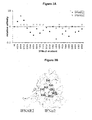
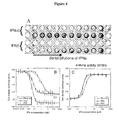
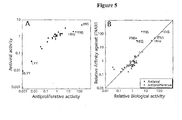
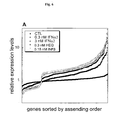

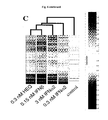
Classifications
-
- C—CHEMISTRY; METALLURGY
- C07—ORGANIC CHEMISTRY
- C07K—PEPTIDES
- C07K14/00—Peptides having more than 20 amino acids; Gastrins; Somatostatins; Melanotropins; Derivatives thereof
- C07K14/435—Peptides having more than 20 amino acids; Gastrins; Somatostatins; Melanotropins; Derivatives thereof from animals; from humans
- C07K14/52—Cytokines; Lymphokines; Interferons
- C07K14/555—Interferons [IFN]
- C07K14/56—IFN-alpha
-
- A—HUMAN NECESSITIES
- A61—MEDICAL OR VETERINARY SCIENCE; HYGIENE
- A61P—SPECIFIC THERAPEUTIC ACTIVITY OF CHEMICAL COMPOUNDS OR MEDICINAL PREPARATIONS
- A61P1/00—Drugs for disorders of the alimentary tract or the digestive system
- A61P1/16—Drugs for disorders of the alimentary tract or the digestive system for liver or gallbladder disorders, e.g. hepatoprotective agents, cholagogues, litholytics
-
- A—HUMAN NECESSITIES
- A61—MEDICAL OR VETERINARY SCIENCE; HYGIENE
- A61P—SPECIFIC THERAPEUTIC ACTIVITY OF CHEMICAL COMPOUNDS OR MEDICINAL PREPARATIONS
- A61P25/00—Drugs for disorders of the nervous system
-
- A—HUMAN NECESSITIES
- A61—MEDICAL OR VETERINARY SCIENCE; HYGIENE
- A61P—SPECIFIC THERAPEUTIC ACTIVITY OF CHEMICAL COMPOUNDS OR MEDICINAL PREPARATIONS
- A61P3/00—Drugs for disorders of the metabolism
-
- A—HUMAN NECESSITIES
- A61—MEDICAL OR VETERINARY SCIENCE; HYGIENE
- A61P—SPECIFIC THERAPEUTIC ACTIVITY OF CHEMICAL COMPOUNDS OR MEDICINAL PREPARATIONS
- A61P3/00—Drugs for disorders of the metabolism
- A61P3/08—Drugs for disorders of the metabolism for glucose homeostasis
- A61P3/10—Drugs for disorders of the metabolism for glucose homeostasis for hyperglycaemia, e.g. antidiabetics
-
- A—HUMAN NECESSITIES
- A61—MEDICAL OR VETERINARY SCIENCE; HYGIENE
- A61P—SPECIFIC THERAPEUTIC ACTIVITY OF CHEMICAL COMPOUNDS OR MEDICINAL PREPARATIONS
- A61P31/00—Antiinfectives, i.e. antibiotics, antiseptics, chemotherapeutics
-
- A—HUMAN NECESSITIES
- A61—MEDICAL OR VETERINARY SCIENCE; HYGIENE
- A61P—SPECIFIC THERAPEUTIC ACTIVITY OF CHEMICAL COMPOUNDS OR MEDICINAL PREPARATIONS
- A61P31/00—Antiinfectives, i.e. antibiotics, antiseptics, chemotherapeutics
- A61P31/04—Antibacterial agents
-
- A—HUMAN NECESSITIES
- A61—MEDICAL OR VETERINARY SCIENCE; HYGIENE
- A61P—SPECIFIC THERAPEUTIC ACTIVITY OF CHEMICAL COMPOUNDS OR MEDICINAL PREPARATIONS
- A61P31/00—Antiinfectives, i.e. antibiotics, antiseptics, chemotherapeutics
- A61P31/12—Antivirals
-
- A—HUMAN NECESSITIES
- A61—MEDICAL OR VETERINARY SCIENCE; HYGIENE
- A61P—SPECIFIC THERAPEUTIC ACTIVITY OF CHEMICAL COMPOUNDS OR MEDICINAL PREPARATIONS
- A61P31/00—Antiinfectives, i.e. antibiotics, antiseptics, chemotherapeutics
- A61P31/12—Antivirals
- A61P31/14—Antivirals for RNA viruses
-
- A—HUMAN NECESSITIES
- A61—MEDICAL OR VETERINARY SCIENCE; HYGIENE
- A61P—SPECIFIC THERAPEUTIC ACTIVITY OF CHEMICAL COMPOUNDS OR MEDICINAL PREPARATIONS
- A61P31/00—Antiinfectives, i.e. antibiotics, antiseptics, chemotherapeutics
- A61P31/12—Antivirals
- A61P31/20—Antivirals for DNA viruses
-
- A—HUMAN NECESSITIES
- A61—MEDICAL OR VETERINARY SCIENCE; HYGIENE
- A61P—SPECIFIC THERAPEUTIC ACTIVITY OF CHEMICAL COMPOUNDS OR MEDICINAL PREPARATIONS
- A61P35/00—Antineoplastic agents
-
- A—HUMAN NECESSITIES
- A61—MEDICAL OR VETERINARY SCIENCE; HYGIENE
- A61P—SPECIFIC THERAPEUTIC ACTIVITY OF CHEMICAL COMPOUNDS OR MEDICINAL PREPARATIONS
- A61P35/00—Antineoplastic agents
- A61P35/02—Antineoplastic agents specific for leukemia
-
- A—HUMAN NECESSITIES
- A61—MEDICAL OR VETERINARY SCIENCE; HYGIENE
- A61P—SPECIFIC THERAPEUTIC ACTIVITY OF CHEMICAL COMPOUNDS OR MEDICINAL PREPARATIONS
- A61P37/00—Drugs for immunological or allergic disorders
-
- A—HUMAN NECESSITIES
- A61—MEDICAL OR VETERINARY SCIENCE; HYGIENE
- A61P—SPECIFIC THERAPEUTIC ACTIVITY OF CHEMICAL COMPOUNDS OR MEDICINAL PREPARATIONS
- A61P37/00—Drugs for immunological or allergic disorders
- A61P37/02—Immunomodulators
-
- A—HUMAN NECESSITIES
- A61—MEDICAL OR VETERINARY SCIENCE; HYGIENE
- A61P—SPECIFIC THERAPEUTIC ACTIVITY OF CHEMICAL COMPOUNDS OR MEDICINAL PREPARATIONS
- A61P37/00—Drugs for immunological or allergic disorders
- A61P37/02—Immunomodulators
- A61P37/06—Immunosuppressants, e.g. drugs for graft rejection
-
- A—HUMAN NECESSITIES
- A61—MEDICAL OR VETERINARY SCIENCE; HYGIENE
- A61K—PREPARATIONS FOR MEDICAL, DENTAL OR TOILETRY PURPOSES
- A61K38/00—Medicinal preparations containing peptides
-
- Y—GENERAL TAGGING OF NEW TECHNOLOGICAL DEVELOPMENTS; GENERAL TAGGING OF CROSS-SECTIONAL TECHNOLOGIES SPANNING OVER SEVERAL SECTIONS OF THE IPC; TECHNICAL SUBJECTS COVERED BY FORMER USPC CROSS-REFERENCE ART COLLECTIONS [XRACs] AND DIGESTS
- Y02—TECHNOLOGIES OR APPLICATIONS FOR MITIGATION OR ADAPTATION AGAINST CLIMATE CHANGE
- Y02A—TECHNOLOGIES FOR ADAPTATION TO CLIMATE CHANGE
- Y02A50/00—TECHNOLOGIES FOR ADAPTATION TO CLIMATE CHANGE in human health protection, e.g. against extreme weather
- Y02A50/30—Against vector-borne diseases, e.g. mosquito-borne, fly-borne, tick-borne or waterborne diseases whose impact is exacerbated by climate change
Definitions
- the present invention relates to recombinant interferon ⁇ 2 (IFN ⁇ 2) mutants, fragments, analogs, derivatives, and variants thereof, having improved specific agonist or antagonist activity compared to wild-type IFN ⁇ 2, and to pharmaceutical compositions thereof, useful for treating or preventing cancer, autoimmune diseases, infectious diseases and disorders associated with increased expression of IFN ⁇ 2.
- IFN ⁇ 2 interferon ⁇ 2
- Interferons were discovered in 1957 by Isaacs and Lindenmann, and were named for their ability to interfere with viral proliferation. Interferons can also combat bacterial and parasitic infections, inhibit cell division, inhibit spontaneous apoptosis, and promote or impede the differentiation of cells. Based on their receptor specificity, two types of interferons are recognized: Type I and Type II.
- the Type I interferons are a family of monomeric proteins including IFN ⁇ and IFN ⁇ that are products of leukocytes, IFN ⁇ that is produced by fibroblasts, and IFN ⁇ that has been described only in ungulate species.
- the only known type II interferon is the dimeric IFN ⁇ , which is produced exclusively by lymphocytes.
- the interferon alpha family is composed of 13 intronless fully translated genes (excluding pseudogenes). Each member includes mature proteins of 165 or 166 amino acid residues, with two conserved disulfide bonds: Cys1-Cys98 and Cys29-Cys138.
- a high level of sequence homology (80%) is displayed among the various interferon alpha sub-types, and about 35% homology exists between these sub-types and the IFN ⁇ .
- their biological activities, among them antiproliferative, antiviral, and immunomodulation differ notably.
- interferons are members of the ⁇ -helical cytokine family. All the type I interferons signal through a common receptor complex composed of IFNAR1 and IFNAR2.
- the major ligand-binding component of the type I interferon receptor is IFNAR2, with a binding affinity of ⁇ 10 nM for IFN ⁇ 2.
- the structure of the extracellular part of IFNAR2 consists of two immunoglobulin-like domains, with the binding site of IFN ⁇ 2 being located at the N-terminal domain and the connecting loop.
- Mature IFNAR1 is a 530 amino acid protein, with a transmembrane segment composed of 21 residues, and a cytoplasmatic domain of 100 residues. The structure of the extracellular part of IFNAR1 is unknown, but from the sequence one can deduce that it is composed of four immunoglobulin-like domains. Binding of IFN ⁇ 2 to IFNAR1 is weak, with the affinity measured on an artificial membrane being 1.5-5 ⁇ M. Bovine IFNAR1 (BoIFNAR1) and the human IFNAR1 (HuIFNAR1), are 68% identical. The sub-domains 2 and 3 of HuIFNAR1 have been shown to play a critical role in binding to IFN ⁇ 2.
- the soluble BoIFNAR1 can bind human interferons with a 10 nM affinity, which is 500-fold greater than that of HuIFNAR1.
- Murine cells expressing IFNAR2 bind IFN ⁇ 2 with an affinity of 8 nM, whereas cells expressing only IFNAR1 exhibit no ligand binding.
- IFNAR1 and IFNAR2 Upon co-expression of IFNAR1 and IFNAR2, a ten-fold increase in the affinity for IFN ⁇ 2 was observed.
- IFNAR1-induced increase in binding affinity of the ternary complex relates to the relative surface concentration of this receptor.
- the location of the IFNAR1 binding site on interferon was mapped on IFN ⁇ to be located on the B, C, and D helices and the DE loop while Ala scan mutagenesis of IFN ⁇ 2 have suggested that the IFNAR1 binding site is restricted to helices B and C.
- the IFNAR1-IFN ⁇ -IFNAR2 complex has been shown to have a 1:1:1 stoichiometry.
- the IFNAR1 receptor is an essential component of the interferon receptor complex, with an IFNAR1 null mutation, or the addition of neutralizing Ab against this receptor resulting in a complete lack of the antiviral and antiproliferative responses to IFN ⁇ and IFN ⁇ .
- IFNAR1 and IFNAR2 stimulates the activation of the constitutively-associated intracellular kinases Jak1 and Tyk2, leading to a tyrosine phosphorylation cascade that results in the dimerization of the phosphorylated signal transducers and activators of transcription (STATs), and transport into the nucleus, where they bind to specific DNA sequences and stimulate transcription of hundreds of responsive genes.
- STATs phosphorylated signal transducers and activators of transcription
- the vertebrate type I interferons are recognized by a single shared receptor, composed of two transmembrane proteins (IFNAR1 and IFNAR2), present their activity through their associated Jak kinases with the Stat transcription factors as their main targets ( Brierley, M. M. & Fish, E. N. 2002. J Interferon Cytokine Res. 22, 835-845 ).
- IFNAR1 and IFNAR2 are regarded respectively as binding proteins and accessory transducing factors - i.e., the alpha and beta chains of heteromeric receptors. A difference in ligand dissociation constants of the two chains is implicit in the definition.
- the human IFNs number 12 distinct non-allelic alpha proteins, one beta and one omega. As expected from a family with marked sequence homology, a shared 3D core structure and a shared receptor, the activities of the Type I IFNs overlap. Nevertheless they can be recognized and even classified by their amino acid differences and numerous instances of relative differences in activity have been noted. The emerging picture is that functional differences appear only in specific physiological contexts. In addition of their local action in conferring antiviral protection on almost any cell, they are linked to the development of second line antiviral defenses. It was noted that a possible difference between the IFNs might be their potential to bind tightly to IFNAR1 ( Roisman et al., 2005. J Mol Biol. 353,271-281 ).
- Type I IFNs The differential activities of Type I IFNs have been a subject of intense investigations over many years. Particularly it was noted that IFN ⁇ has an additional repertoire of activities over IFN ⁇ . Detailed analysis of the differences between these two IFNs has shown that IFN ⁇ has a general higher activity in transcription activation of IFN responsive genes, and is active at reduced IFN levels. Binding studies suggested that affinity towards the accessory subunit IFNAR1 is the key differences between IFN ⁇ 2 and IFN ⁇ ( Jaitin, 2006. Mol Cell Biol. 26, 1888-1897 ).
- IFN ⁇ 2 is known to have anti-cancer effects. However, this treatment is not always effective and sometimes results in intolerable side effects related to the dosage and duration of therapy.
- WO 97/12630 discloses treating cancer patients with temozolomide in combination with IFN ⁇ 2.
- WO 01/54678 discloses treating cancer patients with temozolomide and pegylated interferon.
- HCV infection is the most common chronic blood borne infection in the United States. Although the numbers of new infections have declined, the burden of chronic infection is substantial; the Center for Disease Control estimates 3.9 million (1.8%) infected persons in the United States.
- Chronic liver disease is the tenth leading cause of death among adults in the United States, and accounts for approximately 25,000 deaths annually, or approximately 1% of all deaths. Studies indicate that 40% of chronic liver disease is HCV-related, resulting in an estimated 8,000-10,000 deaths each year. HCV-associated end-stage liver disease is the most frequent indication for liver transplantation among adults.
- Antiviral therapy of chronic hepatitis C has evolved rapidly over the last decade, with significant improvements seen in the efficacy of treatment. Nevertheless, even with combination therapy using pegylated IFN- ⁇ plus ribavirin, 40% to 50% of patients fail therapy, i.e., are non-responders or relapsers. These patients currently have no effective therapeutic alternative. In particular, patients who have advanced fibrosis or cirrhosis on liver biopsy are at significant risk of developing complications of advanced liver disease, including ascites, jaundice, variceal bleeding, encephalopathy, and progressive liver failure, as well as a markedly increased risk of hepatocellular carcinoma.
- MS Multiple sclerosis
- MS can cause blurred vision, unilateral vision loss (optic neuritis), loss of balance, poor coordination, slurred speech, tremors, numbness, extreme fatigue, changes in intellectual function (such as memory and concentration), muscular weakness, paresthesias, and blindness.
- Neurological deficits may be permanent or evanescent.
- the pathology of MS is characterized by an abnormal immune response directed against the central nervous system. In particular, T-lymphocytes are activated against the myelin sheath of the central nervous system causing demyelination.
- interferon-beta 1a interferon-beta 1b.
- Type I diabetes also known as autoimmune diabetes or insulin-dependent diabetes mellitus (IDDM)
- IDDM insulin-dependent diabetes mellitus
- the pathology of IDDM is very complex involving an interaction between an epigenetic event (possibly a viral infection), the pancreatic islet cells and the immune system in a genetically susceptible host.
- a number of cytokines, including IFN- ⁇ , and IFN- ⁇ , have been implicated in the pathogenesis of IDDM in humans and in animal models of the disease ( Campbell et al., 1991, J. Clin. Invest. 87:739-742 ). It appears that local expression of IFN- ⁇ , by pancreatic islet cells in response to potential diabetogenic stimuli such as viruses may trigger the insulitic process.
- WO9304699 discloses a method for treatment of insulin dependent diabetes mellitus comprising administering an IFN- ⁇ antagonist.
- IFN- ⁇ has also been implicated in the pathogenesis of SLE ( Ytterberg and Schnitzer, 1982, Arthritis Rheum. 25: 401-406 ).
- WO02066649 discloses anti-IFN- ⁇ specific antibodies for the treatment of insulin-dependent diabetes mellitus (IDDM) and systemic lupus erythematosus (SLE).
- IDDM insulin-dependent diabetes mellitus
- SLE systemic lupus erythematosus
- US Patent Application Publication No. 20040230040 discloses cysteine variants of ⁇ interferon-2.
- US Patent Application Publication No. 20040002474 discloses ⁇ interferon homologues having antiproliferative activity in a human Daudi cell line-based assay.
- US Patent No. 4,588,585 discloses mutated IFN- ⁇ -1b in which Cys17 is changed to Ser17 via a T to A transition in the first base of codon 17, which prevents incorrect disulfide bond formation.
- WO2005016371 discloses a pharmaceutical composition comprising an improved recombinant human IFN- ⁇ -1b variant with a greater specific activity.
- the present invention provides novel IFN ⁇ 2 mutants having important therapeutic utility.
- the variants of the invention have improved specificity as agonists or antagonists compared to wild-type IFN ⁇ 2.
- the present invention for the first time discloses the finding that a recombinant IFN ⁇ 2 mutant mimics the binding properties of IFN ⁇ (SEQ ID NO: 3) and shows key characteristics of differential IFN ⁇ activity. This includes increased antiproliferative activity in vitro and in vivo, and specific down-regulation of the IFNAR2 receptor.
- the present invention provides a recombinant interferon ⁇ 2 (IFN ⁇ 2) polypeptide, active fragment, analog, derivative and variant thereof, wherein said polypeptide comprises a mutation selected from at least one amino acid substitution within amino acid residues 57-89, and at least one amino acid substitution of the C terminal amino acid residues 159-165, as well as combinations thereof, wherein said polypeptide has improved specific agonist or antagonist activity, as compared to wild-type IFN ⁇ 2 (SEQ ID NO: 2).
- IFN ⁇ 2 interferon ⁇ 2
- the polypeptide comprises at least one mutation selected from the group consisting of H57A (SEQ ID NO: 24), E58A (SEQ ID NO: 25), Q61A (SEQ ID NO: 26), H57Y (SEQ ID NO: 27), E58N (SEQ ID NO: 28), Q61S (SEQ ID NO: 29), and combinations thereof, wherein said polypeptide has improved specific agonist or antagonist activity, as compared to wild-type IFN ⁇ 2 (SEQ ID NO: 2).
- the present invention provides a triple mutant H57A, E58A, Q61A (SEQ ID NO: 5) having improved specific activity as compared to wild-type IFN ⁇ 2 (SEQ ID NO: 2).
- the present invention provides a quadruple mutant N65A, L80A, Y85A, Y89A (SEQ ID NO: 6) having antagonist activity as compared to wild-type IFN ⁇ 2.
- the present invention provides an IFN ⁇ 2 protein comprising a substitution of the C terminal ESLRSKE to KRLKSKE (SEQ ID NO: 7) having improved specific activity as compared to wild-type IFN ⁇ 2.
- the specific mutations of the IFN ⁇ 2 mutants of the invention are each located at a different position on the protein, and therefore can be combined to yield additional, or increased effects.
- the present invention provides an IFN ⁇ 2 variant comprising a combination of the triple mutant H57A, E58A, Q61A and the substitution of the C terminal of ESLRSKE to KRLKSKE (SEQ ID NO: 8), with very high specific activity.
- the present invention provides an IFN ⁇ 2 variant comprising a combination of the quadruple mutant N65A, L80A, Y85A, Y89A and the substitution of the C terminal of ESLRSKE to KRLKSKE (SEQ ID NO: 9), with an increased binding affinity to IFNAR2, but with very low biological activity.
- This IFN ⁇ 2 variant is now disclosed to act as an IFN antagonist, which blocks the natural activity of IFNs through their receptors.
- the present invention provides a triple mutant H57M, E58D, Q61L (SEQ ID NO: 10) having improved specific activity as compared to wild-type IFN ⁇ 2 (SEQ ID NO: 2).
- the present invention provides a triple mutant H57Y, E58N, Q61S (SEQ ID NO: 11) having improved specific activity as compared to wild-type IFN ⁇ 2 (SEQ ID NO: 2).
- the present invention provides an IFN ⁇ 2 variant comprising a combination of the triple mutant H57M, E58D, Q61L and the substitution of the C terminal of ESLRSKE to KRLKSKE (SEQ ID NO: 12) having improved specific activity as compared to wild-type IFN ⁇ 2 (SEQ ID NO: 2).
- the present invention provides an IFN ⁇ 2 variant comprising a combination of the triple mutant H57Y, E58N, Q61S and the substitution of the C terminal of ESLRSKE to KRLKSKE (SEQ ID NO: 13) having improved specific activity as compared to wild-type IFN ⁇ 2 (SEQ ID NO: 2).
- the present invention provides PEGylated IFN ⁇ 2 mutants with increased specific activity.
- the present invention provides DNA molecules encoding the polypeptides of the invention.
- the DNA molecules comprise a sequence selected from SEQ ID NOS: 15-23 SEQ ID NOS: 30-35.
- the present invention provides a vector comprising a DNA molecule of the invention, wherein the vector is capable of expressing a mutant IFN ⁇ 2 polypeptide in a prokaryotic host cell or eukaryotic host cell.
- the present invention provides a host cell comprising a vector of the invention.
- the present invention provides a pharmaceutical composition
- a pharmaceutical composition comprising as an active ingredient a recombinant interferon ⁇ 2 (IFN ⁇ 2) polypeptide, active fragment, analog, derivative and variant thereof, wherein said polypeptide comprises a mutation selected from at least one amino acid substitution within amino acid residues 57-89, at least one amino acid substitution of the C terminal amino acid residues 159-165, as well as combinations thereof, wherein said polypeptide has improved specific agonist or antagonist activity, as compared to wild-type IFN ⁇ 2 (SEQ ID NO: 2), further comprising a pharmaceutically acceptable carrier.
- IFN ⁇ 2 interferon ⁇ 2
- the pharmaceutical composition comprising recombinant interferon ⁇ 2 (IFN ⁇ 2) polypeptide, having any one of SEQ ID NOS: 5-13 and SEQ ID NOS: 24-29, fragments, analogs, derivatives and variants thereof.
- IFN ⁇ 2 interferon ⁇ 2
- said pharmaceutical composition comprising recombinant interferon ⁇ 2 (IFN ⁇ 2) polypeptide having any one of SEQ ID NOS: 5, 7, 8, 10, 11, 12 and 13, fragments, analogs, derivatives and variants thereof, wherein said polypeptide has improved specific agonist activity.
- IFN ⁇ 2 interferon ⁇ 2
- the pharmaceutical composition comprising recombinant interferon ⁇ 2 (IFN ⁇ 2) polypeptide having any one of SEQ ID NOS: 6 and 9, fragments, analogs, derivatives and variants thereof, wherein said polypeptide has improved specific antagonist activity.
- IFN ⁇ 2 interferon ⁇ 2
- the present invention provides a method of treating or preventing a disorder or disease associated with modulation of IFN comprising administering to a subject in need thereof a therapeutically effective amount of the pharmaceutical composition of the invention, wherein said disorder or disease is selected from the group consisting of cancer, autoimmune disease and infectious disease.
- said autoimmune disease is multiple sclerosis (MS).
- said MS is selected from the group consisting of relapsing remitting MS, secondary progressive MS, primary progressive MS, and progressive relapsing MS.
- the IFN ⁇ 2 mutants having any one of SEQ ID NOS: 5, 7, 8, 10, 11, 12 and 13 are useful for treating or preventing MS.
- said cancer is selected from the group consisting of hairy cell leukemia, Kaposi's sarcoma, multiple myeloma, chronic myelogenous leukemia, non-Hodgkins's lymphoma and melanoma.
- the present invention provides a method of inhibiting the growth of cancer cells, comprising exposing cancerous cells to a therapeutically effective amount of an IFN ⁇ 2 mutant having any one of SEQ ID NOS: 5, 7, 8, 10, 11, 12 and 13, fragments, analogs, and derivatives thereof.
- infectious disease is hepatitis virus infection.
- said hepatitis is selected from the group consisting of hepatitis A, hepatitis B and hepatitis C.
- the IFN ⁇ 2 mutants having any one of SEQ ID NOS: 5, 7, 8, 10, 11, 12 and 13 are useful for treating or preventing infectious hepatitis virus infection.
- the present invention discloses methods of treatment or prophylaxis of disorders associated with increased expression of IFN ⁇ 2 including but not limited to insulin dependent diabetes mellitus (IDDM) and systemic lupus erythematosus (SLE) comprising administering to a subject in need thereof an IFN- ⁇ 2 mutant having SEQ ID NOS: 6, and 9, fragments, analogs, and derivatives thereof.
- IDDM insulin dependent diabetes mellitus
- SLE systemic lupus erythematosus
- the present invention provides the use of the IFN ⁇ 2 mutants of the invention for the preparation of a medicament for the treatment or prevention of disorders or diseases associated with modulation of IFN.
- the present invention provides IFN ⁇ 2 mutants and active fragments, analogs, derivatives, and variants thereof that have improved agonist or antagonist activity as compared to wild-type IFN ⁇ 2 (SEQ ID NO: 2).
- the mutants of the invention provide improved therapeutic utility that may include at least one advantage selected from improved specificity or selectivity, improved duration of action, improved stability and fewer adverse effects.
- the present invention further provides pharmaceutical compositions comprising IFN ⁇ 2 mutants useful for treating or preventing cancer, multiple sclerosis, infectious diseases and disorders associated with increased expression of IFN ⁇ 2 such as insulin dependent diabetes mellitus (IDDM) and systemic lupus erythematosus (SLE).
- IFN ⁇ 2 mutants useful for treating or preventing cancer, multiple sclerosis, infectious diseases and disorders associated with increased expression of IFN ⁇ 2 such as insulin dependent diabetes mellitus (IDDM) and systemic lupus erythematosus (SLE).
- IDDM insulin dependent diabetes mellitus
- SLE systemic lupus erythematosus
- interferon or interferons (IFNs) refers to the family of secreted proteins, which are cytokines with antiviral, anti-protozoal, immunomodulatory, and cell growth regulatory activities. IFNs were originally classified by their sources: leukocytes IFN- ⁇ -1 (SEQ ID NO: 1), and IFN- ⁇ -2 (SEQ ID NO: 2), fibroblasts IFN- ⁇ (SEQ ID NO: 3), and immune cells IFN- ⁇ (SEQ ID NO: 4). Particular note is made of IFNs alpha, beta, and gamma. Interferon alpha is the main type of interferon produced by the white blood cells.
- analog when referring to the improved IFN ⁇ 2 polypeptides of this invention means analogs, fragments, derivatives, and variants of such improved IFN ⁇ 2 polypeptides that retain substantially similar functional activity or substantially the same biological function or activity as the improved IFN ⁇ 2 polypeptides, as described herein.
- an “analog” includes an improved IFN ⁇ 2 polypeptide wherein at least one amino acid is substituted by another amino acid to produce an active analog of a polypeptide of the invention having increased activity, stability or longer half-life as compared to the polypeptides listed herein.
- a “fragment” is a portion of an improved IFN ⁇ 2 polypeptide of the present invention that retains substantially similar functional activity or substantially the same biological function or activity as an improved IFN ⁇ 2 polypeptide, as shown in the in vitro assays disclosed herein, as described further below.
- a “derivative” includes all modifications to an improved IFN ⁇ 2 polypeptide of this invention that substantially preserve the functions disclosed herein and include additional structure and attendant function, e. g., PEGylated polypeptides, which have greater half-life.
- a "variant" includes polypeptides having an amino acid sequence comprises a combination of the mutant IFN ⁇ 2 polypeptides of this invention that retains substantially similar functional activity or an increased functional activity as compared to the original mutant IFN ⁇ 2 polypeptides.
- substantially similar functional activity and “substantially the same biological function or activity” each means that the degree of biological activity is within about 50% to 100% or more, preferably within 80% to 100% or more, and more preferably within about 90% to 100% or more, of that biological activity demonstrated by the polypeptide to which it is being compared when the biological activity of each polypeptide is determined by the same procedure or assay.
- Similarity between two polypeptides is determined by comparing the amino acid sequence of one polypeptide to the sequence of a second polypeptide.
- An amino acid of one polypeptide is similar to the corresponding amino acid of a second polypeptide if it is identical or a conservative amino acid substitution.
- Conservative substitutions include those described in Dayhoff, M. O., ed., The Atlas of Protein Sequence and Structure 5, National Biomedical Research Foundation, Washington, D. C. (1978 ), and in Argos, P. (1989) EMBO J. 8: 779-785 .
- amino acids belonging to one of the following groups represent conservative changes or substitutions: Ala: - Pro, Gly, Gln, Asn, Ser, Thr: -Cys, Ser, Tyr, Thr; - Val, Ile, Leu, Met, Ala, Phe; - Lys, Arg, His; -Phe, Tyr, Trp, His; and-Asp, Glu.
- Specific activity as used herein with reference to an IFN ⁇ 2 mutant of the present invention means a biological activity or function of an IFN ⁇ 2.
- the biological activities or functions of IFN ⁇ 2 are well known in the art and include, but are not limited to antiproliferative activity. Such specific activity can be detected and measured using the methods described herein or using any method known in the art.
- Improved specific activity as used herein means that the specific activity or the antagonistic activity of the IFN ⁇ 2 composition of the present invention is greater than that of a reference IFN ⁇ 2 wild-type composition.
- the specific activity of an IFN ⁇ 2 composition of the present invention can be assayed as compared to the specific activity of the reference IFN ⁇ 2 wild-type composition, using a method for detecting and/or measuring an IFN ⁇ 2 specific activity, e. g., as described herein or as known in the art.
- IFN ⁇ 2 composition refers to an IFN ⁇ 2 polypeptide, fragment, analog, derivative, or variant thereof, or composition (e. g., a pharmaceutical composition) comprising an IFN ⁇ 2 polypeptide, fragment, analog, derivative, or variant thereof.
- recombinant proteins or polypeptides refer to proteins or polypeptides produced by recombinant DNA techniques, i. e., produced from cells, prokaryotic or eukaryotic, including e.g., microbial or mammalian, transformed by an exogenous recombinant DNA expression construct encoding the desired protein or polypeptide. Proteins or polypeptides expressed in most bacterial cultures will typically be free of glycan. Proteins or polypeptides expressed in yeast may have a glycosylation pattern different from that expressed in mammalian cells.
- an "expression vector” as used herein refers to a nucleic acid molecule capable of replication and expressing a gene of interest when transformed, transfected or transduced into a host cell.
- the expression vectors comprise one or more phenotypic selectable markers and an origin of replication to ensure maintenance of the vector and to, if desired, provide amplification within the host.
- Selectable markers include, for example, sequences conferring antibiotic resistance markers, which may be used to obtain successful transformants by selection, such as ampicillin, tetracycline and kanamycin resistance sequences, or supply critical nutrients not available from complex media.
- Suitable expression vectors may be plasmids derived, for example, from pBR322 or various pUC plasmids, which are commercially available.
- expression vectors may be derived from bacteriophage, phagemid, or cosmid expression vectors, all of which are described in sections 1.12-1.20 of Sambrook et al., (Molecular Cloning: A Laboratory Manual. 3rd edn., 2001, Cold Spring Harbor Laboratory Press ). Isolated plasmids and DNA fragments are cleaved, tailored, and ligated together in a specific order to generate the desired vectors, as is well known in the art (see, for example, Sambrook et al., ibid ) .
- mutant proteins or polypeptides refer to proteins or polypeptides recovered from a source occurring in nature.
- native IFN or wild type IFN would include native or wild type IFN and would include post-translational modifications of IFN, including, but not limited to, acetylation, carboxylation, glycosylation, phosphorylation, lipidation, acylation, and cleavage.
- recombinant expression vector or plasmid is a replicable DNA vector or plasmid construct used either to amplify or to express DNA encoding the proteins or polypeptides of the present invention.
- An expression vector or plasmid contains DNA control sequences and a coding sequence.
- DNA control sequences include promoter sequences, ribosome binding sites, polyadenylation signals, transcription termination sequences, upstream regulatory domains, and enhancers.
- Recombinant expression systems as defined herein will express the proteins or polypeptides of the invention upon induction of the regulatory elements.
- transformed host cells refers to cells that have been transformed and transfected with exogenous DNA.
- Exogenous DNA may or may not be integrated (i. e., covalently linked) to chromosomal DNA making up the genome of the host cell.
- the exogenous DNA may be maintained on an episomal element, such as a plasmid, or stably integrated into chromosomal DNA.
- a stably transformed cell is one which is the exogenous DNA has become integrated into the chromosome. This stability is demonstrated by the ability of the eukaryotic cell lines or clones to produce via replication a population of daughter cells containing the exogenous DNA.
- primer refers to an oligonucleotide, whether occurring naturally as in a purified restriction digest or produced synthetically, which is capable of acting as a point of initiation of synthesis when placed under conditions in which synthesis of a primer extension product, which is complementary to a nucleic acid strand, is induced, i.e., in the presence of nucleotides and an inducing agent such as a DNA polymerase and at a suitable temperature and pH.
- the primer may be either single-stranded or double-stranded and must be sufficiently long to prime the synthesis of the desired extension product in the presence of the inducing agent.
- Therapeutical effective amount refers to that amount of an improved IFN ⁇ 2 polypeptide of the invention which, when administered to a subject in need thereof, is sufficient to effect treatment of the condition or disorder.
- MS multiple sclerosis
- infectious diseases or disorders associated with increased expression of IFN ⁇ 2 such as insulin dependent diabetes mellitus (IDDM) and systemic lupus erythematosus (SLE).
- IDDM insulin dependent diabetes mellitus
- SLE systemic lupus erythematosus
- subject refers to human subjects and non-human subjects.
- cancer is meant to include all types of cancerous growths or oncogenic processes, metastatic tissues or malignantly transformed cells, tissues, or organs, irrespective of histopathologic type or stage of invasiveness.
- cancers include but are nor limited to solid tumors and leukemias, including: apudoma, choristoma, branchioma, malignant carcinoid syndrome, carcinoid heart disease, carcinoma (e.g., Walker, basal cell, basosquamous, Brown-Pearce, ductal, Ehrlich tumor, non-small cell lung, oat cell, papillary, bronchiolar, bronchogenic, squamous cell, and transitional cell), histiocytic disorders, leukemia (e.g., B cell, mixed cell, null cell, T cell, T-cell chronic, HTLV-II-associated, lymphocytic acute, lymphocytic chronic, mast cell, and myeloid), histiocytosis malignant,
- Treating MS covers the treatment of disease-state in a subject, which disease-state is characterized by symptoms associated with MS, such as weakness, numbness, tremor, loss of vision, pain, paralysis, loss of balance, bladder and bowel dysfunction, and cognitive changes (primary symptoms); repeated urinary tract infections, disuse weakness, poor postural alignment and trunk control, muscle imbalance, decreased bone density, shallow, inefficient breathing, and bedsores (secondary symptoms); and depression (tertiary symptoms), and includes: (i) inhibiting the condition, i. e., arresting its development; or (ii) relieving the condition, i.e., causing regression of the condition.
- symptoms associated with MS such as weakness, numbness, tremor, loss of vision, pain, paralysis, loss of balance, bladder and bowel dysfunction, and cognitive changes (primary symptoms); repeated urinary tract infections, disuse weakness, poor postural alignment and trunk control, muscle imbalance, decreased bone density, shallow, inefficient breathing, and bedsores (secondary symptoms); and depression (tertiary
- hepatitis virus infection refers to infection with one or more of hepatitis A, B, C, D, or E virus, with blood-borne hepatitis viral infection being of particular interest.
- hepatic fibrosis refers to the growth of scar tissue in the liver that can occur in the context of a chronic hepatitis infection.
- pegylated IFN ⁇ 2 mutants means polyethylene glycol modified conjugates of IFN ⁇ 2 mutants.
- the preferred polyethylene-glycol- IFN ⁇ 2 mutant conjugates are reversible conjugate that are slowly converted to the drugs in physiological conditions, such as are prepared according to the methods described in WO2004089280 .
- Other IFN ⁇ 2 mutant conjugates can be prepared by coupling an IFN ⁇ 2 mutant to a water-soluble polymer.
- a non-limiting list of such polymers includes other polyalkylene oxide homopolymers such as polypropylene glycols, polyoxyethylenated polyols, copolymers thereof and block copolymers thereof.
- polyalkylene oxide-based polymers As an alternative to polyalkylene oxide-based polymers, effectively non-antigenic materials such as dextran, polyvinylpyrrolidones, polyacrylamides, polyvinyl alcohols, carbohydrate-based polymers and the like can be used.
- Such interferon alpha-polymer conjugates are described in U.S. Pat. No. 4,766,106 and U.S. Pat. No. 4,917,888 .
- a "microarray” refers to a plurality of isolated nucleic acid molecules or oligonucleotide probes attached to a support where each of the nucleic acid molecules or oligonucleotide probes is attached to a support in unique pre-selected region.
- nucleic acid is interchangeable with the term “polynucleotide”.
- polynucleotide refers to a chain of nucleotides. Preferably, the chain has from about 20 to 10,000 nucleotides, more preferably from about 150 to 3,500 nucleotides.
- probe refers to a polynucleotide sequence capable of hybridizing with a gene transcript or complement thereof to form a polynucleotide probe/gene transcript complex.
- gene includes a region that can be transcribed into RNA, as the invention contemplates detection of RNA or equivalents thereof, for example, cDNA and cRNA.
- a gene of the invention includes, but is not limited to, genes specific for or involved in a particular biological process and/or indicative of a biological process, such as apoptosis, differentiation, stress response, aging, proliferation, etc.; cellular mechanism genes, e.g., cell-cycle, signal transduction, metabolism of toxic compounds, and the like; disease associated genes, e.g., genes involved in cancer, multiple-sclerosis, infection and the like.
- the gene can be an oncogene, whose expression within a cell induces that cell to become converted from a normal cell into a tumor cell.
- genes include, but are not limited to, cytokine genes, prion genes, genes encoding molecules that induce angiogenesis, genes encoding adhesion molecules, genes encoding cell surface receptors, genes encoding proteins that are involved in metastasizing and/or invasive processes, genes of proteases as well as of molecules that regulate apoptosis and the cell cycle.
- the level of a gene transcript can be determined by measuring the level of the gene transcript, e.g., RNA, using semiquantitative methods such as microarray hybridization or more quantitative methods such as quantitative qPCR.
- regulating expression and/or activity generally refers to any process that function to control or modulate the quantity or activity (functionality) of a cellular component. Static regulation maintains expression and/or activity at some given level. Upregulation refers to a relative increase in expression and/or activity. Accordingly, downregulation refers to a relative decrease in expression and/or activity. Downregulation is synonymous with inhibition of a given cellular component's activity.
- HEQ Three single mutations (H57A, E58A, Q61A) (SEQ ID NO: 5) were introduced into IFN ⁇ 2 which specifically increase its binding affmity towards the IFNAR1 receptor by about 30-fold compared to the wild-type protein (SEQ ID: NO 2).
- the affinity of the mutant IFN ⁇ 2 protein, as used herein designated HEQ is similar to that measured for IFN ⁇ (Table 3), which is much above that for any other interferon subtype. Evaluating the biological activity of HEQ clearly demonstrates that it gained very similar characteristics of IFN ⁇ (SEQ ID NO: 3).
- HEQ promotes only a-2 fold increase in its antiviral potency, but a 25-fold increase in its antiproliferative potency relative to IFN ⁇ 2-wt (SEQ ID NO: 2) (Table 4).
- MDL MDL
- YNS H57Y, E58N, Q61S
- the antiviral activity of both is within 3-fold of wild-type (Table 4). However, their antiproliferative activity is higher than that of HEQ of IFN ⁇ .
- MDL the activity is 40-fold higher compared to wt
- YNS it is 160-fold higher in WISH cells and 70-fold higher in MDA231 1 cells, which is 3-7 fold that than measured for IFN ⁇ (SEQ ID NO: 3).
- HEQ gene activation is much higher than that of IFN ⁇ 2 at the same protein concentration, similar to gene activation recorded for IFN ⁇ (SEQ ID NO: 3).
- YNS or HEQ could potentially be more effective drugs in the treatment of disease in comparison with either IFN ⁇ 2-wt or IFN ⁇ .
- the advantage of YNS and HEQ over IFN ⁇ 2-wt is in its greater antiproliferative specificity, which could help in reducing side-effects and in the treatment of cancer or multiple-sclerosis.
- the advantage of YNS is its higher antiproliferative effect compared to IFN ⁇ , particularly as measured in human breast cancer cells, MDA231.
- the present invention further provides a quadruple mutant N65A, L80A, Y85A, Y89A (SEQ ID NO: 6), as used herein designated NLYY, which has a 1000-fold reduced antiproliferative activity and a 100-fold reduced antiviral activity compared to the wild-type protein but still binds to IFNAR2 at wild-type affinity (Table 2).
- the present invention provides an IFN ⁇ 2 protein comprises a substitution of the C terminal ESLRSKE to KRLKSKE (SEQ ID NO: 7), as used herein designated ⁇ 8-tail.
- the ⁇ 8-tail mutant was engineered to have the tail of interferon ⁇ 8 in order to optimize the electrostatic binding energy between IFN ⁇ 2 and its receptor IFNAR2. Binding measurements have shown that the ⁇ 8-tail mutant has a 18 fold higher binding affinity to IFNAR2 compared with wild-type Table 2).
- the antiviral activity of the ⁇ 8-tail mutant is 3-fold higher and the antiproliferative activity is 10 - fold higher compared to wild-type (Table 2).
- the specific mutations of the three IFN ⁇ 2 mutants of the invention are each located at a different position on the protein, and therefore can be combined to yield additional, or increased effects.
- the present invention provides variants comprise a combination of the triple mutant HEQ (SEQ ID NO: 5); MDL (SEQ ID NO: 10) or YNS (SEQ ID NO: 11), and the substitution of the C terminal of ESLRSKE to KRLKSKE (SEQ ID NO: 7).
- These variants (SEQ ID NOS: 8,12 and 13), may prove to be more efficient in treating cancer, specifically as their antiproliferative activity is increased. Moreover, their higher binding potency, may overcome the problem of receptor down-regulation in cancer cell. Since HEQ is composed of three single point mutations to Ala, and the ⁇ 8-tail mutant comprises a replacement of the C-terminal of IFN ⁇ 2 with the C-terminal of the native IFN ⁇ 8, the possibility of specific immunogenic response is small.
- the present invention further provides a variant comprises a combination of the quadruple mutant N65A, L80A, Y85A, Y89A and the substitution of the C terminal of ESLRSKE to KRLKSKE (SEQ ID NO: 9), with an increased binding affinity to IFNAR2, but with very low biological activity.
- This IFN ⁇ 2 variant is an IFN antagonist, which blocks the natural activity of IFNs through there receptors.
- the improved IFN ⁇ 2 compositions of the present invention comprise IFN ⁇ 2 mutant polypeptides, or fragments, analogs, derivatives, and variants thereof, that have at least 2- fold, preferably at least 10-fold, and more preferably at least 100-fold, even more preferably 1000-fold, greater specific activity than that of a reference IFN ⁇ 2 wild-type composition.
- the IFN ⁇ 2 compositions of the present invention have antagonistic activity to wild-type IFN ⁇ 2.
- IFN ⁇ antagonist is defined to be any substance that is capable of interfering with a biological activity of IFN ⁇ in vivo. It is not necessary that the antagonist completely neutralizes the IFN ⁇ activity, but only that it do so to a degree sufficient to exert an IDDM or SLE therapeutic activity in vivo.
- IFN ⁇ is known to possess a plurality of biological activities. The antagonists for use herein will reduce, inhibit or neutralize any one or more of these activities. Ordinarily the antagonist will interfere with at least one (and preferably all) of the antiviral, antiproliferative or the immunomodulatory activity of IFN ⁇ .
- the antagonists generally are selected from several categories: a soluble form of the alpha interferon receptor, anti-alpha interferon receptor antibodies which block alpha interferon from binding or properly interacting with its receptor, antibodies capable of binding and neutralizing alpha interferon itself, and non-interferon polypeptides which compete with alpha interferon for receptor binding sites but which do not themselves demonstrate substantial alpha interferon activity.
- the antagonists of the present invention are mutants of IFN ⁇ that antagonize IFN ⁇ and IFN ⁇ activity.
- the effects of altering amino acids at specific positions may be tested experimentally by introducing amino acid substitutions and testing the altered IFN ⁇ 2 polypeptides for biological activity using assays described herein.
- Any technique for mutagenesis known in the art can be used, including but not limited to, chemical mutagenesis, in vitro site-directed mutagenesis, using, for example, the QuikChange Site-Directed Mutagenesis Kit (Stratagene), etc. Techniques such as alanine scanning mutagenesis are particularly suited for this approach.
- the present invention further provides nucleic acid molecules encoding the improved IFN ⁇ 2 polypeptides of the invention.
- a nucleic acid molecule can be produced using recombinant DNA technology (e.g., polymerase chain reaction (PCR) amplification, cloning) or chemical synthesis.
- Nucleic acid sequences include natural nucleic acid sequences and homologs thereof, comprising, but not limited to, natural allelic variants and modified nucleic acid sequences in which nucleotides have been inserted, deleted, substituted, and/or inverted in such a manner that such modifications do not substantially interfere with the nucleic acid molecule's ability to encode the recombinant IFN ⁇ 2 polypeptides the present invention.
- a polynucleotide or oligonucleotide sequence can be deduced from the genetic code of a protein, however, the degeneracy of the code must be taken into account, and nucleic acid sequences of the invention also include sequences, which are degenerate as a result of the genetic code, which sequences may be readily determined by those of ordinary skill in the art.
- nucleic acid and “polynucleotide” as used herein refer to an oligonucleotide, polynucleotide or nucleotide and fragments or portions thereof, and to DNA or RNA of genomic or synthetic origin, which may be single- or double-stranded, and represent the sense or antisense strand.
- the term should also be understood to include, as equivalents, analogs of either RNA or DNA made from nucleotide analogs, and, as applicable to the embodiment being described.
- oligonucleotide refers to a nucleic acid sequence of at least about 6 nucleotides to about 60 nucleotides, preferably about 15 to 30 nucleotides, and more preferably about 20 to 25 nucleotides, which can be used in PCR amplification or a hybridization assay, or a microarray. As used herein, oligonucleotide is substantially equivalent to the terms “amplimers”, “primers”, “oligomers”, and “probes”, as commonly defined in the art.
- highly stringent conditions are those, which are tolerant of up to about 5% to about 25% sequence divergence, preferably up to about 5% to about 15%.
- highly stringent (-10°C below the calculated Tm of the hybrid) conditions use a wash solution of 0.1 X SSC (standard saline citrate) and 0.5% SDS at the appropriate Ti (incubation temperature) below the calculated Tm of the hybrid.
- the ultimate stringency of the conditions is primarily due to the washing conditions, particularly if the hybridization conditions used are those, which allow less stable hybrids to form along with stable hybrids. The wash conditions at higher stringency then remove the less stable hybrids.
- a common hybridization condition that can be used with the highly stringent to moderately stringent wash conditions described above is hybridization in a solution of 6 X SSC (or 6 X SSPE), 5 X Denhardt's reagent, 0.5% SDS, 100 ⁇ g/ml denatured, fragmented salmon sperm DNA at an appropriate Ti. (See generally Sambrook et al., Molecular Cloning: A Laboratory Manual, 2d edition, Cold Spring Harbor Press (1989 ) for suitable high stringency conditions).
- Stringency conditions are a function of the temperature used in the hybridization experiment and washes, the molarity of the monovalent cations in the hybridization solution and in the wash solution(s) and the percentage of formamide in the hybridization solution.
- sensitivity by hybridization with a probe is affected by the amount and specific activity of the probe, the amount of the target nucleic acid, the detectability of the label, the rate of hybridization, and the duration of the hybridization.
- the hybridization rate is maximized at a Ti of about 20°C -25°C below Tm for DNA:DNA hybrids and about 10°C -15°C below Tm for DNA:RNA hybrids. It is also maximized by an ionic strength of about 1.5M Na + .
- the rate is directly proportional to duplex length and inversely proportional to the degree of mismatching.
- Hybrid stability is a function of duplex length, base composition, ionic strength, mismatching, and destabilizing agents (if any).
- the Tm of a perfect hybrid may be estimated for DNA:DNA hybrids using the equation of Meinkoth et al., (Anal Biochem. 1984;138(2):267-84 ).
- regulatory regions suitable for this purpose are the promoter and operator region of the E. coli beta-glucosidase gene, the E. coli tryptophan biosynthetic pathway, or the leftward promoter from phage A.
- the inclusion of selection markers in DNA plasmids transformed in E. coli is also useful. Examples of such markers include the genes specifying resistance to ampicillin, tetracycline, or chloramphenicol. Post-translational modifications, such as glycosylation, do not occur in the prokaryotic cell expression system E. coli. In addition, proteins with complex disulfide patterns are can be misfolded when expressed in E. coli.
- the expressed protein is either present in the cell cytoplasm in an insoluble form, in so-called inclusion bodies, found in the soluble fraction after the cell has lysed, or is directed into the periplasm by the addition of appropriate secretion signal sequences. If the expressed protein is in insoluble inclusion bodies, solubilization and subsequent refolding of the inclusion bodies are usually required.
- prokaryotic expression vectors are known to those of skill in the art and are commercially available, such as pKK223-3 (Pharmacia Fine Chemicals, Uppsala, Sweden), pKK233-2 (Clontech, Palo Alto, CA, USA), and pGEM1 (Promega Biotech, Madison, WI, USA).
- Promoters commonly used in recombinant microbial expression systems include the beta-lactamase (penicillinase) and lactose promoter system ( Chang, A. C. et al. 1978, Nature 275: 617-624 ).
- the tryptophan (trp) promoter system, and the Tac promoter Sambrook, J. F. et al..
- the gene coding for IFN ⁇ 2 was cloned into a two-cistron expression vector based on the pT7T3-18U plasmid, to which we added a second cistron just upstream from the starting codon.
- the second cistron is of the first 9 amino acids of the lpp 5' gene including its SD site flanked by XbaI and NdeI restriction sites. The reason for inserting a second cistron was to improve the yield of heterologous protein expression.
- the codons for the first 23 amino-acids were changed into: TGT GAT CTG CCG CAG ACT CAC TCT CTG GGT TCT CGT CGT ACT CTG ATG CTG CTG GCT CAG ATG CGT CGT (SEQ ID NO: 14).
- Proteins are expressed in BL21 cells, overnight in rich medium. IFN ⁇ 2 is found in the inclusion bodies, which are dissolved in 8 M urea containing 5 mM DTT. IFN ⁇ 2 was refolded by a 20-fold dilution over night. Protein purification is carried using standard methodologies. Typical yields of protein were 10 mg/L cell culture. IFN ⁇ 2 runs as a single band of 18 kDa on SDS-PAGE.
- An analog, fragment, derivative, or variant of the improved IFN ⁇ 2 polypeptides of the present invention may be: (i) one in which one or more of the amino acid residues are substituted with a conserved or non-conserved amino acid residue; or (ii) one in which one or more of the amino acid residues includes a substitute group; or (iii) one in which the improved IFN ⁇ 2 polypeptide is fused with another compound, such as a compound to increase the half-life of the improved IFN ⁇ 2 polypeptide (for example, polyethylene glycol) ; or (iv) one in which additional amino acids are fused to the mature, improved IFN ⁇ 2 polypeptide, such as a leader or secretory sequence or a sequence which is employed for purification of the mature, improved IFN ⁇ 2 polypeptide ; or (v) one in which the improved IFN ⁇ 2 polypeptide sequence is fused with a larger polypeptide, i.e., human albumin, an antibody or Fc, for increased duration of effect.
- a “conservative amino acid substitution” is one in which the amino acid residue is replaced with an amino acid residue having a similar side chain. Families of amino acid residues having similar side chains have been defined in the art. These families include amino acids with basic side chains (e. g., lysine, arginine, histidine), acidic side chains (e.
- aspartic acid glutamic acid
- uncharged polar side chains e.g., glycine, asparagine, glutamin, scrine, threonine, tyrosine, cysteine
- nonpolar side chains e.g., alanine, valine, leucine, isoleucine, proline, phenylalanine, methionine, tryptophan
- beta-branched side chains e.g., threonine, valine, isoleucine
- aromatic side chains e.g., tyrosine, phenylalanine, tryptophan, histidine
- Fragments or biologically active portions include polypeptide fragments suitable for use as a medicament, as a research reagent, and the like. Fragments include peptides comprising amino acid sequences sufficiently similar to or derived from the amino acid sequences of an improved IFN ⁇ 2 polypeptide of this invention and exhibiting at least one activity of that polypeptide, but which include fewer amino acids than the full-length polypeptides disclosed herein.
- biologically active portions comprise a domain or motif with at least one activity of the polypeptide. Such biologically active portions can be prepared synthetically or by recombinant techniques and can be evaluated for one or more of the functional activities of a polypeptide of this invention by means disclosed herein and/or well known in the art.
- Preferred derivatives of the present invention include improved IFN ⁇ 2 polypeptides that have been fused with another compound, such as a compound to increase the half-life of the polypeptide and/or to reduce potential immunogenicity of the polypeptide (for example, polyethylene glycol, "PEG").
- PEG polyethylene glycol
- the PEG can be used to impart water solubility, size, slow rate of kidney clearance, and reduced immunogenicity to the fusion protein. See, e.g., U. S. Patent No. 6,214, 966 .
- the fusion of the improved IFN ⁇ 2 polypeptide to PEG can be accomplished by any means known to one skilled in the art.
- PEGylation can be accomplished by first introducing a cysteine mutation into the improved IFN ⁇ 2 polypeptide, followed by site-specific derivatization with PEG-maleimide.
- the cysteine residue can be added to the C-terminus of the improved IFN ⁇ 2 polypeptide. See, e.g., Tsutsuni, Y. et al., (2000) Proc. Natl. Acad. Sci. USA 97: 8548- 8553 .
- Variants of the improved IFN ⁇ 2 polypeptides of this invention include polypeptides having an amino acid sequence sufficiently similar to the amino acid sequence of the original improved IFN ⁇ 2 polypeptides or combinations thereof. Variants include improved IFN ⁇ 2 polypeptides that differ in amino acid sequence due to mutagenesis. Variants with improved activity can be identified by screening combinatorial libraries of mutants, for example truncation or point mutants, of improved IFN ⁇ 2 polypeptides of this invention.
- a variegated library of variants is generated by combinatorial mutagenesis at the nucleic acid level and is encoded by a variegated gene library.
- a variegated library of variants can be produced by, for example, enzymatically ligating a mixture of synthetic oligonucleotides into gene sequences such that a degenerate set of potential variant amino acid sequences is expressible as individual polypeptides, or, alternately, as a set of larger improved IFN ⁇ 2 polypeptides (for example, for phage display) containing the set of sequences therein.
- Chemical synthesis of a degenerate gene sequence can be performed in an automatic DNA synthesizer, and the synthetic gene then ligated into an appropriate expression vector.
- Use of a degenerate set of genes allows for the provision, in one mixture, of all of the sequences encoding the desired set of potential variant sequences.
- Methods for synthesizing degenerate oligonucleotides are known in the art (see, e.g. Itakura, K. et al. 1984, Annu. Rev. Biochem. 53: 323-356 ).
- compositions of this invention can be prepared for administration by combining an improved IFN ⁇ 2 polypeptide, having the desired degree of purity in a pharmaceutically effective amount, with pharmaceutically acceptable carriers.
- the improved IFN ⁇ 2 polypeptides and pharmaceutical compositions of the present invention are useful for parenteral (e.g., intravenous, intramuscular and subcutaneous), topical, oral, inhalable, or local administration.
- parenteral e.g., intravenous, intramuscular and subcutaneous
- topical e.g., oral, inhalable, or local administration.
- the improved polypeptides of the invention can be used in pharmaceutical compositions, for any suitable method of administration, including but not limited to intravenous, subcutaneous, intramuscular, or intrathecal administration.
- an acceptable sterile pharmaceutical carrier such as five percent dextrose, lactated Ringer's solution, normal saline, sterile water, or any other commercially prepared physiological buffer solution designed for intravenous infusion. It will be understood that the selection of the carrier solution, and the dosage and administration of the composition, will vary with the subject and the particular clinical setting, and will be governed by standard medical procedures.
- these pharmaceutical compositions may be administered in amounts effective to inhibit or ameliorate the pathological consequences or symptoms associated with MS, cancer, IDDM or SLE.
- Administration of the improved IFN ⁇ 2 polypeptides of the present invention may be by bolus intravenous injection, by constant intravenous infusion, or by a combination of both routes.
- the improved IFN ⁇ 2 polypeptides mixed with appropriate excipients may be taken into the circulation via an intramuscular site.
- polypeptides are less suitable for oral administration due to susceptibility to digestion by gastric acids or intestinal enzymes, however in certain embodiments specific formulations may be used for oral administration.
- compositions in oral liquid dosage forms e.g., suspensions, elixirs and solutions
- typical pharmaceutical media such as water, glycols, oils, alcohols, flavoring agents, preservatives, coloring agents and the like
- carriers such as starches, sugars, diluents, granulating agents, lubricants, binders, disintegrating agents and the like will be employed. Due to their ease of administration, tablets and capsules represent a desirable oral dosage form for the pharmaceutical compositions of the present invention.
- Polypeptides are less suitable for topical administration, however for local treatment specific formulations may be used.
- the improved IFN ⁇ 2 polypeptides of the present invention may be formulated using bland, moisturizing bases, such as ointments or creams.
- suitable ointment bases are petrolatum, petrolatum plus volatile silicones, lanolin and water in oil emulsions.
- the IFN ⁇ 2 polypeptides for use according to the present invention are conveniently delivered in the form of an aerosol spray presentation from a pressurized pack or a nebulizer with the use of a suitable propellant, e.g., dichlorodifluoromethane, trichlorofluoromethane, dichloro-tetrafluoroethane or carbon dioxide.
- a suitable propellant e.g., dichlorodifluoromethane, trichlorofluoromethane, dichloro-tetrafluoroethane or carbon dioxide.
- the dosage unit may be determined by providing a valve to deliver a metered amount.
- Capsules and cartridges of, e.g., gelatin for use in an inhaler or insufflator may be formulated containing a powder mix of the peptide and a suitable powder base such as lactose or starch.
- the improved IFN ⁇ 2 polypeptides and pharmaceutical compositions of the present invention are particularly useful for intravenous administration.
- the compositions for administration will commonly comprise a solution of the improved IFN ⁇ 2 polypeptide dissolved in a pharmaceutical acceptable carrier, preferably in an aqueous carrier.
- a pharmaceutical acceptable carrier preferably in an aqueous carrier.
- aqueous carriers can be used, e.g., buffered saline and the like. These solutions are sterile and generally free of undesirable matter.
- the compositions may be sterilized by conventional, well-known sterilization techniques.
- a typical pharmaceutical composition for intravenous administration can be readily determined by one of ordinary skill in the art.
- the amounts administered are clearly protein specific and depend on its potency and pharmacokinetic profile. Actual methods for preparing parenterally administrable compositions will be known or apparent to those skilled in the art and are described in more detail in such publications as Remington's Pharmaceutical Science, 18t ed., Mack Publishing Company, Easton, PA, 1990 .
- compositions containing the improved IFN ⁇ 2 polypeptides of the invention or a cocktail thereof (i.e., with other proteins) can be administered in therapeutic treatments.
- compositions are administered to a patient suffering from MS, cancer, and disorders associated with increased IFN ⁇ 2 expression of IFN ⁇ 2 in an amount sufficient to cure or at least partially arrest the disorder.
- An amount adequate to accomplish this is defined as a "therapeutically effective dose”. Amounts effective for this use will depend upon the severity of the disease and the general state of the patient's health.
- compositions may be administered depending on the dosage and frequency as required and tolerated by the patient.
- the composition should provide a sufficient quantity of the improved IFN ⁇ 2 polypeptides of this invention to effectively treat the patient.
- the pharmaceutical acceptable compositions will contain about 1 % to about 99% by weight of an improved IFN ⁇ 2 polypeptide of the invention, and 99% to 1 % by weight of a suitable pharmaceutical excipient or carrier.
- the composition will be about 5% to 75% by weight of an improved IFN ⁇ 2 polypeptide (s) of the invention, with the rest being suitable pharmaceutical excipients or carriers.
- the improved IFN ⁇ 2 polypeptides of the present invention are administered in a therapeutically effective amount, which will vary depending upon a variety of factors including the specific activity of the particular improved IFN ⁇ 2 polypeptide employed; the metabolic stability and length of action of the improved IFN ⁇ 2 polypeptide; the age, body weight, general health, sex, and diet of the patient; the mode and time of administration; the rate of excretion; the drug combination; the severity of the particular disease-states; and the host undergoing therapy.
- a therapeutically effective daily dose is from about 0.1 ⁇ g to about 1000 ⁇ g/kg of body weight per administration of an improved IFN ⁇ 2 polypeptide of the invention, preferably, from about 0.5 ⁇ g to about 100 ⁇ g/kg of body weight per administration.
- the dosage range would be from about 10 ⁇ g to about 100 ⁇ g per administration of an improved IFN ⁇ 2 polypeptide of the invention depending on the treatment regimen.
- the improved IFN ⁇ 2 polypeptide of the invention or formulation containing the polypeptide is administered from one to several times a day, then a lower dose would be needed than if a formulation was administered weekly, or monthly or less frequently.
- IFN ⁇ 2 polypeptides of the present invention are administered in proper doses. Doses are generally adjusted to at or below the maximum tolerated dose (MTD). Signs indicative of interferon toxicity are noted to be as to hematologic toxicity, anemia, thrombocytopenia, leukopenia: as to gastrointestinal toxicity, diarrhea, dyspepsia, dysphagia, N/V, abdominal pain; as to liver toxicity increases in bilirubin, alk phos and LFTs; as to kidney and bladder, microscopic hematuria, pyuria, azotemia, proteinuria, acute renal failure, nephrotic syndrome, glycosuria, albuminuria; as to pulmonary, orthopnea, dyspnea, bronchospasm, coughing, pulmonary edema, ARDS; as to cardiac toxicity syncope, MI, SVT, bradycardia, tachycardia, dizziness, hyptoension
- Neurological toxicity are confusion, tremors, numbness, paresthesia, inability to concentrate, somnolence, hallucinations, encephalopathy, seizure, coma, psychomotor retardation, memory dysfunction, dry mouth, sweating, personality disorder, agitation, neuropathy, depression, anxiety, aphasia, retinal infarction with vision loss, eye pain, hemianopsis, taste change, headache, syncope, insomnia.
- Dermal toxicity of skin rash, urticaria, epidermal necrosis, maculopapular rash is noted. Metabolic toxicity manifests as hyperglycemia. In addition coagulation is monitored for increase in PT/PTT. Also the presence of phyarngitis, alopecia, fatigue, malaise, anorexia, weight loss, fever, chills, myalgia, arthralgia, cyanosis are potential toxic responses to interferon.
- MS Multiple sclerosis
- IFN ⁇ 1a and IFN ⁇ 1b are approved for the treatment of relapsing remitting MS.
- IFN- ⁇ is also used to treat genital warts.
- the improved IFN ⁇ 2 polypeptides of this invention are useful in the above diseases, disorders, or conditions, and are also useful for the treatment of other forms of MS, including secondary progressive MS, primary progressive MS, and progressive relapsing MS.
- the improved IFN ⁇ 2 polypeptides are useful for treatment of disease, e.g., either to prevent disease, or to prevent disease progression to a more severe state, or to ameliorate or reduce a symptom or consequence of disease, such as MS.
- IFN ⁇ 2 is known to have anti-cancer effects.
- a person suffering from advanced cancer may exhibit one or more of the following signs or symptoms: presence of cancerous tumor, fatigue, pain, decreased performance status from tumor burden, and the well-known symptoms associated with each specific cancer.
- IFN ⁇ 2 mutants are administered to the patient exhibiting one of more of the above signs or symptoms in amounts sufficient to eliminate or at least alleviate one or more of the signs or symptoms.
- HCV Hepatitis virus
- Dosing regimens involving daily (QD), every other day (QOD), or thrice weeldy (TIW) injections of IFN- ⁇ over extended treatment periods suffer from one or more of the following drawbacks: (1) the dosing regimens are uncomfortable to the patient and, in some cases, result in reduced patient compliance; (2) the dosing regimens are often associated with adverse effects, causing additional discomfort to the patient, and, in some cases, resulting in reduced patient compliance; (3) the dosing regimens result in "peaks" (Cmax) and "troughs” (Cmin) in serum IFN- ⁇ concentration, and, during the "trough” periods, virus can replicate, and/or infect additional cells, and/or mutate; (4) in many cases, the log reduction in viral titer during the early viral response is insufficient to effect a sustained viral response that ultimately results in clearance of the virus.
- the present invention could have significant impact in the improvement of the therapeutic potential of treating a hepatitis virus infection.
- IDM Insulin dependent diabetes mellitus
- IDDM IDDM-derived neurotrophic factor
- HLA histocompatibility complex region located on the short arm of chromosome 6.
- the major high-risk alleles are DR3 and DR4.
- the environmental influences thought to be important include viruses, and several lines of evidence support this view.
- Certain diabetogenic or associated viruses mumps, measles, rubella, encephalomyocarditis M, coxsackievirus B, and rheovirus
- mumps, measles, rubella, encephalomyocarditis M, coxsackievirus B, and rheovirus have been associated epidemiologicaliy with the development of IDDM or can cause diabetes when inoculated into rodents.
- Diabetogenic viruses can directly infect B cells in culture.
- coxsackievirus B4 has been isolated from the pancreas of a boy with new-onset IDDM who died of severe ketoacidosis, and this virus produced diabetes in experimental animals together with viral antigens in the B cells of the infected animals.
- LE is an autoimmune disease that causes inflammation and damage to various body tissues and parts, including joints, kidneys, heart, lungs, brain, blood vessels, and skin.
- the most common symptoms of LE include achy or swollen joints (arthritis), fever, prolonged or extreme fatigue, skin rashes and kidney problems.
- LE is believed to be caused by a combination of genetic, environmental and possibly hormonal factors.
- LE can be characterized by periods of illness or flares, and periods of wellness or remission. Accordingly, the goals of effective treatment of LE are to prevent flares, minimize organ damage and complications, and maintain normal bodily functions.
- Commonly prescribed medications for LE include nonsteroidal anti-inflammatory drugs (NSAIDs), acetaminophen, corticosteroids, antimalarials and immunomodulating drugs. Because of the limited success of currently available medications and their potentially serious side effects, it is important to provide an alternative effective treatment for LE.
- NSAIDs nonsteroidal anti-inflammatory drugs
- acetaminophen acetaminophen
- corticosteroids corticosteroids
- antimalarials antimalarials
- immunomodulating drugs Because of the limited success of currently available medications and their potentially serious side effects, it is important to provide an alternative effective treatment for LE.
- composition of the invention may be effective in minimizing and/or eliminating various symptoms in LE patients.
- the list of these genes was exported into an Excel worksheet, and contained the mean treatment to control ratio value, the replicate values, t-test p-values, which is an estimate of the microarray technical error based on the distance between replicates, and the flag codes. Genes were then eye-screened for significance, by comparing the distance between each pair of replicates and between conditions, looking also at p-values and the occurrence of 'A' flag. This tedious analysis was necessary because statistical selection left clearly up-/dowm-regulated out, because of the relatively large noise produced for the low number of replicates per condition.
- IFNAR1-EC The interaction of IFNAR1-EC to IFN ⁇ 2 was investigated by label-free solid phase detection using RIfS. This technology requires the immobilization on the chip surface of one of the interacting compounds.
- the method successfully employed previously for IFNAR2-EC was used, where the receptor is immobilized using mAbs which are themselves immobilized to the surface via amino-coupling ( Piehler, J. and Schreiber, G. 2001, Anal. Biochem. 289, 173-186 ).
- the non-neutralizing anti-IFNAR1-EC mAb DB2 was coupled to the amino-functionalized dextran AMD 500 surface via its exposed amino groups.
- the IFNAR1-EC was affinity-captured to the mAb surface followed by cross-linking with a second mAb AA3.
- the process as followed in real time RIfS is shown in Fig. 1A .
- the binding activity of IFNAR1-EC bound to the RIfS surface was determined by injecting IFN ⁇ 2 protein at concentrations ranging from 0.12 to 4 ⁇ M. Due to the low binding affinity of IFN ⁇ 2 to IFNAR1-EC kinetic data of association and dissociation could not be determined. Therefore, the binding affinity was determined from plotting the steady-state response versus the protein-concentration according to the law of mass action. This results in an affinity constant of 1.5 ⁇ M for wild type IFN ⁇ 2 ( Lamken, P. et al., 2004, J Mol Biol 341, 303-318 ).
- Fig. 4A shows the outcome of applying a serial dilution of concentrations of IFN ⁇ 2 and IFN ⁇ for 72 hr on the intensity exhibited by WISH cells after staining, from which the concentration of interferon promoting an antiproliferative effect can be deduced.
- the average IFN ⁇ 2 and IFN ⁇ concentrations promoting 50% antiviral protection are 0.85 and 0.43 pM respectively (averaged over 6 experiments).
- the average IFN ⁇ 2 and IFN ⁇ concentrations promoting 50% antiproliferative activity are 1360 and 29 pM (averaged over 17 and 7 experiments respectively).
- the IFN ⁇ 2 concentration promoting 50% antiproliferative activity in Daudi cells is only 0.5 pM (Table 2), which is over a 1000-fold lower than that measured for WISH cells highlighting the importance of using the same cell line for all experiments.
- the antiviral and antiproliferative activity of all the interferon mutant proteins was determined relative to that of wild-type IFN ⁇ 2 (wt/nut) with the results being summarized in Table 2 and 4. As found with the binding affinity for IFNAR1-EC, the antiviral and antiproliferative activities did not change dramatically upon mutation. The only mutant that causes a significant increase in antiviral activity (> 2-fold) is E58A. L80A, Y85A and Y89A cause a significant decrease in antiviral activity (but none over 6-fold). However, the combined LYY and NLYY mutants reduced the antiviral potency by 30 and 100-fold, respectively.
- the antiviral and antiproliferative results for all mutants analyzed are plotted in Fig. 5A .
- HEQ SEQ ID NO: 5
- IFNAR1-EC type I Interferon receptor- extracellular domain
- IFNAR2-EC and IFNAR1-EC were tethered through their C-terminal histidine-tags onto solid-supported lipid bilayers.
- IFN induces biological activity by the formation of the ternary complex (IFNAR1-IFN-IFNAR2) in a 1:1:1 stoichiometry. Because of cooperative binding to the two surface-bound receptor subunits, the apparent ligand binding affinity is higher than binding to IFNAR2 alone, and depends on the relative and absolute receptor surface concentrations ( Lamken, P. et al., 2004, J Mol Biol 341, 303-318 ). Increased stability of the ternary complex by increased affinity towards IFNAR1 can be probed by the ligand dissociation kinetics.
- IFN ⁇ 2 SEQ ID NO: 2
- HEQ SEQ ID NO: 5
- YNS SEQ ID NO: 11
- ⁇ 8-tail SEQ ID NO: 7
- IFN ⁇ SEQ ID NO: 3
- IFN ⁇ measurements were done using the I47A mutant on IFNAR2, which binds IFN ⁇ at a 5 nM affinity, similar to that of IFN ⁇ 2 towards wt-IFNAR2 (Table 3). This comes to compare only the effect of IFNAR1 surface concentration on ligand dissociation.
- Figs. 4B-4C shows the antiviral and antiproliferative activities of IFN ⁇ 2-wt, HEQ (SEQ ID NO: 5) and IFN ⁇ , as measured on WISH cells.
- HEQ activity profile is comparable with that of IFN ⁇ .
- HEQ antiviral potency
- HEQ antiproliferative activity
- Its antiproliferative activity is increased by ⁇ 25 fold compared to a 42-fold increase in the antiproliferative activity of IFN ⁇ (Table 4).
- MDL SEQ ID NO: 10
- YNS SEQ ID NO: 11
- MDL presents the same activity level as IFN ⁇
- YNS presents an even higher level of antiproliferative activity.
- the increased antiproliferative activities are in line with the increased affinities of these two IFNs towards IFNAR1.
- IFN seems to arrest growth faster compared to IFN ⁇ 2.
- the cell-count after applying high IFN concentrations is smaller for IFN ⁇ . This phenomenon cannot be compensated by using higher concentration of IFN ⁇ 2, but is a qualitative difference ( Fig. 4B ).
- HEQ and YNS behave like IFN ⁇ 2-wt, and not as IFN ⁇ .
- the slope of the titration curve of HEQ (which relates to the concentration dependent onset) is in-between that of wt- IFN ⁇ 2 and IFN ⁇ .
- Table 4 Relative biological activities of IFN ⁇ 2 wild-type, mutants and IFN ⁇ Anti-proliferative activity Anti-viral activity WISH MDA231 WISH EC50 (nM) Ratio vs. IFN ⁇ EC50 (nM) Ratio vs. IFN ⁇ EC50 (pM) Ratio vs.
- the concentrations were chosen to produce >90% of an antiproleferative response (IFN ⁇ 2-wt-3 nM, HEQ and IFN ⁇ ) or under 10% of antiproliferative response (IFN ⁇ 2-wt-0.3 nM) in WISH cells.
- IFN ⁇ 2-wt-3 nM, HEQ and IFN ⁇ an antiproleferative response
- IFN ⁇ 2-wt-0.3 nM an antiproliferative response
- Fig. 6 comes to give an overview of the trends recorded for the change in expression levels of 395 IFN-regulated genes, 16 hr after treatment with IFN ⁇ (0.15 nM), HEQ and IFN ⁇ 2-wt (0.3 nM and 3 nM, respectively).
- Fig. 6A the relative (to no treatment) expression levels of the 395 genes were plotted in ascending order according to fold-change.
- the black-dots are of the control chip, which contained a mixture of only untreated samples on both color-channels. This provides an estimate of the expected random fluctuation.
- the minimum and maximum changes in expression level recorded for the control chip were 0.65-1.6-fold, with the ratio between the two channels being only 0.75-1.4-fold for the top 95% of the genes.
- the low level of random fluctuation in gene-expression provides a high level of confidence in the quality of the data.
- the gene expression levels are is similar for IFN ⁇ (0.15 nM) and HEQ (0.3 nM) ( Fig. 6A ), while a much lower level of induction was recorded for IFN ⁇ 2-wt (0.3 nM).
- Gene induction upon addition of 3 nM IFN ⁇ 2-wt is in between the levels recorded for IFN ⁇ 2-wt (0.3 nM) and IFN ⁇ (0.15 nM) or HEQ (0.3 nM).
- Fig. 6C shows that the gene expression profiles of IFN ⁇ and HEQ cluster together, with a very short distance between them.
- Gene expression profiling is in excellent agreement with the differential biological activity observed between INF ⁇ and IFN ⁇ 2, and again demonstrates that HEQ is an IFN ⁇ 2 with all the characteristics of IFN ⁇ .
- Gene-chips provide detailed knowledge of the expression levels of the individual genes comprising the genome.
- One of the most interesting aspects of analyzing the gene expression profile of IFN ⁇ versus IFN ⁇ 2-wt is to investigate differential activation, and the relation between differential activation and IFN concentration ( Der, S. D., et al., 1998, Proc Natl Acad Sci USA 95, 15623-15628 ).
- Out of the 395 induced genes 59 upregulated and 9 downregulated genes were selected according to their differential level of activation between the different treatments ( Jaitin et al., 2006, Mol Cell Biol 26(5):1888-1897 , Table 3).
- MDA231 cells were grown in vitro to 70% confluence, trypsinized and suspended in PBS at a concentration of 10 8 cells/ml, and 10 7 cells were injected s.c. into the flank of a nude mouse. The mice were then randomized and separated into 3 treatment groups of 6 animals per group. The treatment regimen began on Day 1 and continued to Day 34. Mice were injected s.c. with either PBS or a specific treatment twice a week for 34 days. After 34 days of treatments the animals were sacrificed, the tumors were excised and tumor size was determined. The results are summarized in Table 5.
- mice Six mice were treated for each experimental condition. Growth of tumor was estimated by eye for all but day 34. On the last day (34) mice were sacrificed, and tumor was extracted and measured. L, M, S and N stand for tumor size (in parenthesis is the measured diameter at day 34), L - large (>5 mm), M - medium (2.5-5 mm), S - small ( ⁇ 2.5 mm), N - none.
- EXAMPLE 8 Experimental Autoimmune Encephalomyelitis (EAE)
- EAE Experimental Autoimmune Encephalomyelitis
- MS multiple sclerosis
- EAE models are known in the art, depending on the method of induction, the strain of the animal and the antigen employed to induce the disease.
- EAE is an acute or chronic-relapsing, acquired, inflammatory and demyelinating Autoimmune disease. Different forms of EAE resemble very closely various forms and stages of MS.
- EAE is induced by injection of Myelin Basic Protein (MBP), a method known to model the acute phase of MS.
- MBP Myelin Basic Protein
- mice Female Lewis rats (average body weight 130-180 g, Harlan, Israel) are injected s.c. into the bind paws with 25 ⁇ g of purified guinea pig myelin basic protein (MBP, Sigma) emulsified in 0.1 ml of Complete Freund's Adjuvant (Difco). Animals are maintained on a 12-hour light/12-hour dark regimen, at a constant temperature of 22°C, with food and water ad libitum. Starting from day 8 following induction, animals are followed up on a daily basis.
- MBP purified guinea pig myelin basic protein
- results are recorded as clinical score; score of 0 indicates a normal animal with no clinical signs, 0.5 indicates a loss of tonicity in the distal part of the tail, 1 indicates whole tail paralysis, 1.5 indicates weakness in one hind leg, 2 indicates weakness, in both hind legs, 2.5 indicates in one fore leg, 3 indicates paralysis of all four legs, 4 indicates complete body paralysis and moribund state and 5 indicates death.
- the clinical score of the animals is recorded for ⁇ 15 days following onset of disease until the end of the study 25 days following induction and the area under the curve (AUC) is calculated over this period of time.
- Animals that exhibit symptom of the disease, which could be clinically scored between 0.5 and 1, are treated with compositions of HEQ (SEQ ID NO: 5), YNS (SEQ ID NO: 11) or vehicle control for three consecutive days starting from the onset of the disease ( ⁇ at day 9-11 following disease induction).
- routes of administration are assessed, for example, intravenously (in vehicle) or orally by gavage (in vehicle) at volume dose of 5 ml/kg.
- animals are euthanized with sodium pentobarbitone 100 mg/kg i.p.
- Results are expressed as mean ⁇ SEM and the differences between the treatment groups were analyzed by analysis of variance (ANOVA) followed by Tukey's post hoc test. A value of p ⁇ 0.05 is considered to be statistically significant and is indicated on the figure by an asterisk over the relevant treatment group.
- Validity of the model is established using methylprednisolone as positive control.
- methylprednisolone is administered daily for 5 consecutive days i.v. at 30 mg/kg starting from day of disease induction by MBP injection, a 34% reduction in AUC was reported.
- EXAMPLE 9 An animal model of systemic lupus erythematosus (SLE)
- NZB X NZW F1 hybrid mice spontaneously develop a lupus-like disease characterized by the presence of serum autoantibodies to double-stranded DNA (dsDNA). These mice, which eventually experience total kidney failure, are often used as a model for experimentation directed at better understanding and treating lupus in humans. Over time, this condition in NZB/W mice progresses to kidney malfunction as manifested by the appearance of proteinuria.
- mice 32 weeks of age are used in an experiment to determine whether NLYY (SEQ ID NO: 6) could delay the development of lupus-like disease.
- the mice are divided into two groups, and each group is treated every other day with either NLYY (group of 10 mice) or rat IgG as a control (group of 10 mice), administered by intraperitoneal injection. Treatments are continued for five weeks, and the mice are assessed weekly for the presence of proteinuria.
- the present invention relates to the following items:
Landscapes
- Health & Medical Sciences (AREA)
- Life Sciences & Earth Sciences (AREA)
- Chemical & Material Sciences (AREA)
- Organic Chemistry (AREA)
- Medicinal Chemistry (AREA)
- General Health & Medical Sciences (AREA)
- Pharmacology & Pharmacy (AREA)
- Nuclear Medicine, Radiotherapy & Molecular Imaging (AREA)
- Chemical Kinetics & Catalysis (AREA)
- General Chemical & Material Sciences (AREA)
- Animal Behavior & Ethology (AREA)
- Public Health (AREA)
- Veterinary Medicine (AREA)
- Engineering & Computer Science (AREA)
- Bioinformatics & Cheminformatics (AREA)
- Oncology (AREA)
- Immunology (AREA)
- Communicable Diseases (AREA)
- Virology (AREA)
- Molecular Biology (AREA)
- Diabetes (AREA)
- Hematology (AREA)
- Gastroenterology & Hepatology (AREA)
- Biophysics (AREA)
- Toxicology (AREA)
- Obesity (AREA)
- Proteomics, Peptides & Aminoacids (AREA)
- Genetics & Genomics (AREA)
- Biochemistry (AREA)
- Zoology (AREA)
- Emergency Medicine (AREA)
- Neurosurgery (AREA)
- Neurology (AREA)
- Transplantation (AREA)
- Biomedical Technology (AREA)
- Biotechnology (AREA)
- Endocrinology (AREA)
- Medicines That Contain Protein Lipid Enzymes And Other Medicines (AREA)
- Peptides Or Proteins (AREA)
- Micro-Organisms Or Cultivation Processes Thereof (AREA)
Abstract
Description
- The present invention relates to recombinant interferon α2 (IFNα2) mutants, fragments, analogs, derivatives, and variants thereof, having improved specific agonist or antagonist activity compared to wild-type IFNα2, and to pharmaceutical compositions thereof, useful for treating or preventing cancer, autoimmune diseases, infectious diseases and disorders associated with increased expression of IFNα2.
- Interferons (IFNs) were discovered in 1957 by Isaacs and Lindenmann, and were named for their ability to interfere with viral proliferation. Interferons can also combat bacterial and parasitic infections, inhibit cell division, inhibit spontaneous apoptosis, and promote or impede the differentiation of cells. Based on their receptor specificity, two types of interferons are recognized: Type I and Type II. The Type I interferons are a family of monomeric proteins including IFNα and IFNω that are products of leukocytes, IFNβ that is produced by fibroblasts, and IFNτ that has been described only in ungulate species.
- The only known type II interferon is the dimeric IFNγ, which is produced exclusively by lymphocytes. The interferon alpha family is composed of 13 intronless fully translated genes (excluding pseudogenes). Each member includes mature proteins of 165 or 166 amino acid residues, with two conserved disulfide bonds: Cys1-Cys98 and Cys29-Cys138. A high level of sequence homology (80%) is displayed among the various interferon alpha sub-types, and about 35% homology exists between these sub-types and the IFNβ. In spite of the high homology of the different sub-types, their biological activities, among them antiproliferative, antiviral, and immunomodulation, differ notably.
- The structure of several type I interferons have been solved including murine IFNβ (1IFA, 1RMI), human IFNβ (1AU1), human IFNα2 (1RH2, 1ITF), and ovine IFNτ (1B5L). Structurally, interferons are members of the α-helical cytokine family. All the type I interferons signal through a common receptor complex composed of IFNAR1 and IFNAR2. The major ligand-binding component of the type I interferon receptor is IFNAR2, with a binding affinity of~10 nM for IFNα2. The structure of the extracellular part of IFNAR2 consists of two immunoglobulin-like domains, with the binding site of IFNα2 being located at the N-terminal domain and the connecting loop.
- Mature IFNAR1 is a 530 amino acid protein, with a transmembrane segment composed of 21 residues, and a cytoplasmatic domain of 100 residues. The structure of the extracellular part of IFNAR1 is unknown, but from the sequence one can deduce that it is composed of four immunoglobulin-like domains. Binding of IFNα2 to IFNAR1 is weak, with the affinity measured on an artificial membrane being 1.5-5 µM. Bovine IFNAR1 (BoIFNAR1) and the human IFNAR1 (HuIFNAR1), are 68% identical. The
sub-domains - A number of studies have suggested that the formation of the ternary complex occurs in a sequential mode, beginning with interferon binding IFNAR2 to form an intermediate complex, and followed by the recruitment of IFNAR1. The IFNAR1-IFNβ-IFNAR2 complex has been shown to have a 1:1:1 stoichiometry. The IFNAR1 receptor is an essential component of the interferon receptor complex, with an IFNAR1 null mutation, or the addition of neutralizing Ab against this receptor resulting in a complete lack of the antiviral and antiproliferative responses to IFNα and IFNβ. Association of IFNAR1 and IFNAR2, stimulates the activation of the constitutively-associated intracellular kinases Jak1 and Tyk2, leading to a tyrosine phosphorylation cascade that results in the dimerization of the phosphorylated signal transducers and activators of transcription (STATs), and transport into the nucleus, where they bind to specific DNA sequences and stimulate transcription of hundreds of responsive genes.
- The question remains open on how very similar IFNs induce differential activities on the same cell type. It has been suggested that the biological activities of different IFNα sub-types correlate with their respective binding affinities and the cell type used.
- The vertebrate type I interferons are recognized by a single shared receptor, composed of two transmembrane proteins (IFNAR1 and IFNAR2), present their activity through their associated Jak kinases with the Stat transcription factors as their main targets (Brierley, M. M. & Fish, E. N. 2002. J Interferon Cytokine Res. 22, 835-845). Typically recognized by the IgG-like folds of their extracellular domains (hCR domains), IFNAR2 and IFNAR1 are regarded respectively as binding proteins and accessory transducing factors - i.e., the alpha and beta chains of heteromeric receptors. A difference in ligand dissociation constants of the two chains is implicit in the definition. Nevertheless, both contribute to the creation of high affinity binding sites. The combination of a "common" beta chain with different recognition chains is a feature of heteromeric receptors that respond differentially to different ligands. The ability to interact with different alpha-chains establishes potential network connections for differential receptor expression (Kotenko, S. V. & Langer, J. A. 2004. Int Immunopharmacol 4, 593-608). When, like IFNAR1, they possess the capacity of interacting with elements of different signaling pathways, they may establish connections for differential gene expression (Platanias, L. C. & Fish, E. N. 1999. Experimental Hematology 27, 1583-1592).
- The human IFNs number 12 distinct non-allelic alpha proteins, one beta and one omega. As expected from a family with marked sequence homology, a shared 3D core structure and a shared receptor, the activities of the Type I IFNs overlap. Nevertheless they can be recognized and even classified by their amino acid differences and numerous instances of relative differences in activity have been noted. The emerging picture is that functional differences appear only in specific physiological contexts. In addition of their local action in conferring antiviral protection on almost any cell, they are linked to the development of second line antiviral defenses. It was noted that a possible difference between the IFNs might be their potential to bind tightly to IFNAR1 (Roisman et al., 2005. J Mol Biol. 353,271-281).
- The differential activities of Type I IFNs have been a subject of intense investigations over many years. Particularly it was noted that IFNβ has an additional repertoire of activities over IFNα. Detailed analysis of the differences between these two IFNs has shown that IFNβ has a general higher activity in transcription activation of IFN responsive genes, and is active at reduced IFN levels. Binding studies suggested that affinity towards the accessory subunit IFNAR1 is the key differences between IFNα2 and IFNβ (Jaitin, 2006. Mol Cell Biol. 26, 1888-1897).
- IFNα2 is known to have anti-cancer effects. However, this treatment is not always effective and sometimes results in intolerable side effects related to the dosage and duration of therapy.
WO 97/12630 WO 01/54678 - Hepatitis C virus (HCV) infection is the most common chronic blood borne infection in the United States. Although the numbers of new infections have declined, the burden of chronic infection is substantial; the Center for Disease Control estimates 3.9 million (1.8%) infected persons in the United States. Chronic liver disease is the tenth leading cause of death among adults in the United States, and accounts for approximately 25,000 deaths annually, or approximately 1% of all deaths. Studies indicate that 40% of chronic liver disease is HCV-related, resulting in an estimated 8,000-10,000 deaths each year. HCV-associated end-stage liver disease is the most frequent indication for liver transplantation among adults.
- Antiviral therapy of chronic hepatitis C has evolved rapidly over the last decade, with significant improvements seen in the efficacy of treatment. Nevertheless, even with combination therapy using pegylated IFN-α plus ribavirin, 40% to 50% of patients fail therapy, i.e., are non-responders or relapsers. These patients currently have no effective therapeutic alternative. In particular, patients who have advanced fibrosis or cirrhosis on liver biopsy are at significant risk of developing complications of advanced liver disease, including ascites, jaundice, variceal bleeding, encephalopathy, and progressive liver failure, as well as a markedly increased risk of hepatocellular carcinoma.
- Multiple sclerosis (MS) is a chronic, neurological, autoimmune, demyelinating disease. MS can cause blurred vision, unilateral vision loss (optic neuritis), loss of balance, poor coordination, slurred speech, tremors, numbness, extreme fatigue, changes in intellectual function (such as memory and concentration), muscular weakness, paresthesias, and blindness. Many subjects develop chronic progressive disabilities, but long periods of clinical stability may interrupt periods of deterioration. Neurological deficits may be permanent or evanescent. The pathology of MS is characterized by an abnormal immune response directed against the central nervous system. In particular, T-lymphocytes are activated against the myelin sheath of the central nervous system causing demyelination. In the demyelination process, myelin is destroyed and replaced by scars of hardened "sclerotic" tissue which is known as plaque. These lesions appear in scattered locations throughout the brain, optic nerve, and spinal cord. The two types of interferon-beta that are approved in the United States for use in treating MS are interferon-beta 1a and interferon-beta 1b.
- Type I diabetes, also known as autoimmune diabetes or insulin-dependent diabetes mellitus (IDDM), is an autoimmune disease characterized by the selective destruction of pancreaticss cells by autoreactive T lymphocytes (Bach, 1994, Endocr. Rev. 15:516-542). The pathology of IDDM is very complex involving an interaction between an epigenetic event (possibly a viral infection), the pancreatic islet cells and the immune system in a genetically susceptible host. A number of cytokines, including IFN-α, and IFN-γ, have been implicated in the pathogenesis of IDDM in humans and in animal models of the disease (Campbell et al., 1991, J. Clin. Invest. 87:739-742). It appears that local expression of IFN-α, by pancreatic islet cells in response to potential diabetogenic stimuli such as viruses may trigger the insulitic process.
-
WO9304699 - Based on the increased level of IFN-α expression in patients with systemic lupus erythematosus (SLE), IFN-α has also been implicated in the pathogenesis of SLE (Ytterberg and Schnitzer, 1982, Arthritis Rheum. 25: 401-406).
WO02066649 -
US Patent Application Publication No. 20040230040 discloses cysteine variants of α interferon-2.US Patent Application Publication No. 20040002474 discloses α interferon homologues having antiproliferative activity in a human Daudi cell line-based assay. -
US Patent No. 4,588,585 discloses mutated IFN-β-1b in which Cys17 is changed to Ser17 via a T to A transition in the first base of codon 17, which prevents incorrect disulfide bond formation.WO2005016371 discloses a pharmaceutical composition comprising an improved recombinant human IFN-β-1b variant with a greater specific activity. - The available treatments for cancer, infectious diseases, multiple sclerosis, and autoimmune disorders associated with increased expression of IFNα2 are expensive, effective only in a certain percentage of patients and adverse side effects are not uncommon. There remains an unmet medical need for suitable therapeutic methods that are safe, reliable, efficacious, and cost effective.
- The present invention provides novel IFNα2 mutants having important therapeutic utility. The variants of the invention have improved specificity as agonists or antagonists compared to wild-type IFNα2.
- The present invention for the first time discloses the finding that a recombinant IFNα2 mutant mimics the binding properties of IFNβ (SEQ ID NO: 3) and shows key characteristics of differential IFNβ activity. This includes increased antiproliferative activity in vitro and in vivo, and specific down-regulation of the IFNAR2 receptor.
- According to a first aspect, the present invention provides a recombinant interferon α2 (IFNα2) polypeptide, active fragment, analog, derivative and variant thereof, wherein said polypeptide comprises a mutation selected from at least one amino acid substitution within amino acid residues 57-89, and at least one amino acid substitution of the C terminal amino acid residues 159-165, as well as combinations thereof, wherein said polypeptide has improved specific agonist or antagonist activity, as compared to wild-type IFNα2 (SEQ ID NO: 2).
- According to some embodiments the polypeptide comprises at least one mutation selected from the group consisting of H57A (SEQ ID NO: 24), E58A (SEQ ID NO: 25), Q61A (SEQ ID NO: 26), H57Y (SEQ ID NO: 27), E58N (SEQ ID NO: 28), Q61S (SEQ ID NO: 29), and combinations thereof, wherein said polypeptide has improved specific agonist or antagonist activity, as compared to wild-type IFNα2 (SEQ ID NO: 2).
- According to one embodiment, the present invention provides a triple mutant H57A, E58A, Q61A (SEQ ID NO: 5) having improved specific activity as compared to wild-type IFNα2 (SEQ ID NO: 2).
- According to another embodiment, the present invention provides a quadruple mutant N65A, L80A, Y85A, Y89A (SEQ ID NO: 6) having antagonist activity as compared to wild-type IFNα2.
- According to a further embodiment, the present invention provides an IFNα2 protein comprising a substitution of the C terminal ESLRSKE to KRLKSKE (SEQ ID NO: 7) having improved specific activity as compared to wild-type IFNα2.
- The specific mutations of the IFNα2 mutants of the invention are each located at a different position on the protein, and therefore can be combined to yield additional, or increased effects.
- According to one embodiment, the present invention provides an IFNα2 variant comprising a combination of the triple mutant H57A, E58A, Q61A and the substitution of the C terminal of ESLRSKE to KRLKSKE (SEQ ID NO: 8), with very high specific activity.
- According to another embodiment, the present invention provides an IFNα2 variant comprising a combination of the quadruple mutant N65A, L80A, Y85A, Y89A and the substitution of the C terminal of ESLRSKE to KRLKSKE (SEQ ID NO: 9), with an increased binding affinity to IFNAR2, but with very low biological activity. This IFNα2 variant is now disclosed to act as an IFN antagonist, which blocks the natural activity of IFNs through their receptors.
- According to a further embodiment, the present invention provides a triple mutant H57M, E58D, Q61L (SEQ ID NO: 10) having improved specific activity as compared to wild-type IFNα2 (SEQ ID NO: 2).
- According to yet another embodiment, the present invention provides a triple mutant H57Y, E58N, Q61S (SEQ ID NO: 11) having improved specific activity as compared to wild-type IFNα2 (SEQ ID NO: 2).
- According to still another embodiment, the present invention provides an IFNα2 variant comprising a combination of the triple mutant H57M, E58D, Q61L and the substitution of the C terminal of ESLRSKE to KRLKSKE (SEQ ID NO: 12) having improved specific activity as compared to wild-type IFNα2 (SEQ ID NO: 2).
- According to still a further embodiment, the present invention provides an IFNα2 variant comprising a combination of the triple mutant H57Y, E58N, Q61S and the substitution of the C terminal of ESLRSKE to KRLKSKE (SEQ ID NO: 13) having improved specific activity as compared to wild-type IFNα2 (SEQ ID NO: 2).
- According to some embodiments, the present invention provides PEGylated IFNα2 mutants with increased specific activity.
- According to another aspect, the present invention provides DNA molecules encoding the polypeptides of the invention. According to one embodiment, the DNA molecules comprise a sequence selected from SEQ ID NOS: 15-23 SEQ ID NOS: 30-35.
- According to an additional aspect, the present invention provides a vector comprising a DNA molecule of the invention, wherein the vector is capable of expressing a mutant IFNα2 polypeptide in a prokaryotic host cell or eukaryotic host cell.
- According to yet another aspect, the present invention provides a host cell comprising a vector of the invention.
- According to another aspect, the present invention provides a pharmaceutical composition comprising as an active ingredient a recombinant interferon α2 (IFNα2) polypeptide, active fragment, analog, derivative and variant thereof, wherein said polypeptide comprises a mutation selected from at least one amino acid substitution within amino acid residues 57-89, at least one amino acid substitution of the C terminal amino acid residues 159-165, as well as combinations thereof, wherein said polypeptide has improved specific agonist or antagonist activity, as compared to wild-type IFNα2 (SEQ ID NO: 2), further comprising a pharmaceutically acceptable carrier.
- According to some embodiments, the pharmaceutical composition comprising recombinant interferon α2 (IFNα2) polypeptide, having any one of SEQ ID NOS: 5-13 and SEQ ID NOS: 24-29, fragments, analogs, derivatives and variants thereof.
- According to one embodiment, said pharmaceutical composition comprising recombinant interferon α2 (IFNα2) polypeptide having any one of SEQ ID NOS: 5, 7, 8, 10, 11, 12 and 13, fragments, analogs, derivatives and variants thereof, wherein said polypeptide has improved specific agonist activity.
- According to another embodiment, the pharmaceutical composition comprising recombinant interferon α2 (IFNα2) polypeptide having any one of SEQ ID NOS: 6 and 9, fragments, analogs, derivatives and variants thereof, wherein said polypeptide has improved specific antagonist activity.
- According to a further aspect, the present invention provides a method of treating or preventing a disorder or disease associated with modulation of IFN comprising administering to a subject in need thereof a therapeutically effective amount of the pharmaceutical composition of the invention, wherein said disorder or disease is selected from the group consisting of cancer, autoimmune disease and infectious disease.
- According to one embodiment, said autoimmune disease is multiple sclerosis (MS). According to a preferred embodiment, said MS is selected from the group consisting of relapsing remitting MS, secondary progressive MS, primary progressive MS, and progressive relapsing MS.
- According to some embodiments, the IFNα2 mutants having any one of SEQ ID NOS: 5, 7, 8, 10, 11, 12 and 13 are useful for treating or preventing MS.
- According to one embodiment said cancer is selected from the group consisting of hairy cell leukemia, Kaposi's sarcoma, multiple myeloma, chronic myelogenous leukemia, non-Hodgkins's lymphoma and melanoma.
- According to another embodiment, the present invention provides a method of inhibiting the growth of cancer cells, comprising exposing cancerous cells to a therapeutically effective amount of an IFNα2 mutant having any one of SEQ ID NOS: 5, 7, 8, 10, 11, 12 and 13, fragments, analogs, and derivatives thereof.
- According to one embodiment said infectious disease is hepatitis virus infection.
- According to some embodiments said hepatitis is selected from the group consisting of hepatitis A, hepatitis B and hepatitis C.
- According to another embodiment, the IFNα2 mutants having any one of SEQ ID NOS: 5, 7, 8, 10, 11, 12 and 13 are useful for treating or preventing infectious hepatitis virus infection.
- According to a further embodiment, the present invention discloses methods of treatment or prophylaxis of disorders associated with increased expression of IFNα2 including but not limited to insulin dependent diabetes mellitus (IDDM) and systemic lupus erythematosus (SLE) comprising administering to a subject in need thereof an IFN-α2 mutant having SEQ ID NOS: 6, and 9, fragments, analogs, and derivatives thereof.
- According to still another aspect, the present invention provides the use of the IFNα2 mutants of the invention for the preparation of a medicament for the treatment or prevention of disorders or diseases associated with modulation of IFN.
- These and other embodiments of the present invention will become apparent in conjunction with the figures, description and claims that follow.
-
-
FIGURES 1A-1C show immobilization of type I Interferon receptor- extracellular domain (IFNARI-EC) by affinity capturing and binding of IFNα2.FIG. 1A shows binding curve for capturing IFNAR1 with immobilized mAb DB2, followed by cross-linking with mAb AA3.FIG. 1B shows steady state affinity analysis. Binding of IFNα2 E58A (thick gray) and E96A (thin black) at different concentrations between 0.25 and 4 µM (see numbers in figure), to IFNAR1 immobilized on the surface.FIG. 1C shows the dissociation reaction of IFNα2, IFNβ and the triple mutant H57A, E58A, Q61A (SEQ ID NO: 5) from surface-immobilized IFNAR1-EC followed in real-time. The rate of dissociation is directly related to the binding affinity, with the data summarized in Tables 1 and 3. -
FIGURE 2 shows mutant analysis of IFNAR1 and IFNAR2 binding to IFNα2. Type I interferons are aligned relative to IFNα2. Residues that are underlined are those which mutant to Ala did not change binding to either receptor. The "+" and "-" signs above symbolize whether the mutation caused an increase or decrease in binding affinity of IFNα2 upon mutation (see Table 1). The number above symbolize whether the change is due to binding to IFNAR1 (1) or IFNAR2 (2). The C-terminal residues on IFNα8 are in bold to mark the changes made inSEQ ID 7. The boxed residues are those relating to SEQ ID 5-13. -
FIGURES 3A-3B show the functional epitope for binding IFNAR1 on IFNα2.FIG. 3A shows plot of the change in binding affinity of all the mutant proteins analyzed in by us to both IFNAR1 and IFNAR2.FIG. 3B shows a surface representation of a model of the complex of IFNα2 with IFNAR2 as determined previously. Residues that upon mutation change binding to IFNAR1 are given numbers. Residues that upon mutation increase the binding affinity by > 2-fold are underlined (57, 58, 61). This picture was composed with PyMol. -
FIGURES 4A-4C show concentration dependence of the antiviral and antiproliferative response of interferons on WISH cells.FIG. 4A shows one set of raw data of the antiproliferative response upon administration of a serial dilution of interferon at a range of 250 nM - 0.48 pM of IFNα2 and 125 nM - 0.24 pM and IFNβ.FIGURES 4B and 4C show the densitometry readings for three independent antiproleferative (4B) and antiviral (4C) experiments including also the triple mutant H57A, E58A, Q61A (SEQ ID NO: 5). The data are of 6 repeats shouting, including the standard error. The curve was fitted a dose response equation, and represents the best fit for the combined data. -
FIGURES 5A-5B show biological activities of interferon mutants.FIG. 5A shows relative (to wt) antiviral activity plotted versus the relative antiproliferative activity of 21 IFNα2 single mutants, triple mutant H57A, E58A, Q61A (SEQ ID NO: 5), quadruple mutant N65A, L80A, Y85A, Y89A (SEQ ID NO: 6), (SEQ ID NO:7), the triple mutant H57Y, E58N, Q61S (SEQ ID NO: 11) and of IFNβ.FIG. 5B shows relative antiviral and antiproliferative activities of the same proteins plotted versus their relative binding affinity for IFNAR1-EC. All data are from Tables 1-4. The linear line represents a theoretical relationship between biological activity and affinity. Points above the line are for mutants were the change in biological activity (antiviral or antiproliferative) is weaker than their change in affinity, and points below the line are the opposite. -
FIGURES 6A-6C sho w the effect of interferon on gene expression monitored by spotted oligonucletide microarray experiments. Four different 16 hours-long interferon treatments were tested: 0.3 nM (1,000 units) IFNα2-wt; 3 nM (10,000 units) IFNα2-wt; 0.3 nM HEQ (SEQ ID NO: 5) and 0.15 nM IFNβ (1,000 units). Each condition is represented by IFN-treatment versus no-treatment in dye-swap microarray duplicates. In addition, four replicates of microarray experiments consisting of no-treatment versus no-treatment from another sample represent no IFN treatment as control.Fig. 6A shows relative (to no treatment) expression levels of the 395 genes plotted in ascending order according to fold-change.Fig. 6B shows the expression levels plotted relative to the expression levels upon addition of 0.15 nM IFNβ. The only exception is for expression level of the untreated control (black dots), which is plotted against a second set of control to evaluate the random level of fluctuation.Fig. 6C shows cluster analysis of the interferon-induced genes for the four treatments. The gene expression profiles of IFNβ and HEQ (SEQ ID NO: 5) cluster together, with a very short distance between them. The expression profile of cells treated with 3 nM IFNα2-wt clusters next, while the gene-expression profile of 0.3 nM IFNα2-wt is further away. - The present invention provides IFNα2 mutants and active fragments, analogs, derivatives, and variants thereof that have improved agonist or antagonist activity as compared to wild-type IFNα2 (SEQ ID NO: 2). The mutants of the invention provide improved therapeutic utility that may include at least one advantage selected from improved specificity or selectivity, improved duration of action, improved stability and fewer adverse effects.
- The present invention further provides pharmaceutical compositions comprising IFNα2 mutants useful for treating or preventing cancer, multiple sclerosis, infectious diseases and disorders associated with increased expression of IFNα2 such as insulin dependent diabetes mellitus (IDDM) and systemic lupus erythematosus (SLE).
- The term interferon (IFN) or interferons (IFNs) refers to the family of secreted proteins, which are cytokines with antiviral, anti-protozoal, immunomodulatory, and cell growth regulatory activities. IFNs were originally classified by their sources: leukocytes IFN-α-1 (SEQ ID NO: 1), and IFN-α-2 (SEQ ID NO: 2), fibroblasts IFN-β (SEQ ID NO: 3), and immune cells IFN-γ (SEQ ID NO: 4). Particular note is made of IFNs alpha, beta, and gamma. Interferon alpha is the main type of interferon produced by the white blood cells.
- The terms "analog", "fragment", "derivative", and "variant", when referring to the improved IFNα2 polypeptides of this invention means analogs, fragments, derivatives, and variants of such improved IFNα2 polypeptides that retain substantially similar functional activity or substantially the same biological function or activity as the improved IFNα2 polypeptides, as described herein.
- An "analog" includes an improved IFNα2 polypeptide wherein at least one amino acid is substituted by another amino acid to produce an active analog of a polypeptide of the invention having increased activity, stability or longer half-life as compared to the polypeptides listed herein.
- A "fragment" is a portion of an improved IFNα2 polypeptide of the present invention that retains substantially similar functional activity or substantially the same biological function or activity as an improved IFNα2 polypeptide, as shown in the in vitro assays disclosed herein, as described further below.
- A "derivative" includes all modifications to an improved IFNα2 polypeptide of this invention that substantially preserve the functions disclosed herein and include additional structure and attendant function, e. g., PEGylated polypeptides, which have greater half-life.
- A "variant" includes polypeptides having an amino acid sequence comprises a combination of the mutant IFNα2 polypeptides of this invention that retains substantially similar functional activity or an increased functional activity as compared to the original mutant IFNα2 polypeptides.
- "Substantially similar functional activity" and "substantially the same biological function or activity" each means that the degree of biological activity is within about 50% to 100% or more, preferably within 80% to 100% or more, and more preferably within about 90% to 100% or more, of that biological activity demonstrated by the polypeptide to which it is being compared when the biological activity of each polypeptide is determined by the same procedure or assay.
- "Similarity" between two polypeptides is determined by comparing the amino acid sequence of one polypeptide to the sequence of a second polypeptide. An amino acid of one polypeptide is similar to the corresponding amino acid of a second polypeptide if it is identical or a conservative amino acid substitution. Conservative substitutions include those described in Dayhoff, M. O., ed., The Atlas of Protein Sequence and ), and in Argos, P. (1989) EMBO J. 8: 779-785. For example, amino acids belonging to one of the following groups represent conservative changes or substitutions: Ala: - Pro, Gly, Gln, Asn, Ser, Thr: -Cys, Ser, Tyr, Thr; - Val, Ile, Leu, Met, Ala, Phe; - Lys, Arg, His; -Phe, Tyr, Trp, His; and-Asp, Glu.
- "Specific activity" as used herein with reference to an IFNα2 mutant of the present invention means a biological activity or function of an IFNα2. The biological activities or functions of IFNα2 are well known in the art and include, but are not limited to antiproliferative activity. Such specific activity can be detected and measured using the methods described herein or using any method known in the art. "Improved specific activity" as used herein means that the specific activity or the antagonistic activity of the IFNα2 composition of the present invention is greater than that of a reference IFNα2 wild-type composition. The specific activity of an IFNα2 composition of the present invention can be assayed as compared to the specific activity of the reference IFNα2 wild-type composition, using a method for detecting and/or measuring an IFNα2 specific activity, e. g., as described herein or as known in the art.
- "IFNα2 composition" refers to an IFNα2 polypeptide, fragment, analog, derivative, or variant thereof, or composition (e. g., a pharmaceutical composition) comprising an IFNα2 polypeptide, fragment, analog, derivative, or variant thereof.
- The term "recombinant proteins or polypeptides" refer to proteins or polypeptides produced by recombinant DNA techniques, i. e., produced from cells, prokaryotic or eukaryotic, including e.g., microbial or mammalian, transformed by an exogenous recombinant DNA expression construct encoding the desired protein or polypeptide. Proteins or polypeptides expressed in most bacterial cultures will typically be free of glycan. Proteins or polypeptides expressed in yeast may have a glycosylation pattern different from that expressed in mammalian cells.
- An "expression vector" as used herein refers to a nucleic acid molecule capable of replication and expressing a gene of interest when transformed, transfected or transduced into a host cell. The expression vectors comprise one or more phenotypic selectable markers and an origin of replication to ensure maintenance of the vector and to, if desired, provide amplification within the host. Selectable markers include, for example, sequences conferring antibiotic resistance markers, which may be used to obtain successful transformants by selection, such as ampicillin, tetracycline and kanamycin resistance sequences, or supply critical nutrients not available from complex media. Suitable expression vectors may be plasmids derived, for example, from pBR322 or various pUC plasmids, which are commercially available. Other expression vectors may be derived from bacteriophage, phagemid, or cosmid expression vectors, all of which are described in sections 1.12-1.20 of Sambrook et al., (Molecular Cloning: A Laboratory Manual. 3rd edn., 2001, Cold Spring Harbor Laboratory Press). Isolated plasmids and DNA fragments are cleaved, tailored, and ligated together in a specific order to generate the desired vectors, as is well known in the art (see, for example, Sambrook et al., ibid).
- The term "native", "naturally occurring" or "wild type" (wt) proteins or polypeptides refer to proteins or polypeptides recovered from a source occurring in nature. The term "native IFN" or "wild type IFN" would include native or wild type IFN and would include post-translational modifications of IFN, including, but not limited to, acetylation, carboxylation, glycosylation, phosphorylation, lipidation, acylation, and cleavage.
- The term "recombinant expression vector or plasmid" is a replicable DNA vector or plasmid construct used either to amplify or to express DNA encoding the proteins or polypeptides of the present invention. An expression vector or plasmid contains DNA control sequences and a coding sequence. DNA control sequences include promoter sequences, ribosome binding sites, polyadenylation signals, transcription termination sequences, upstream regulatory domains, and enhancers. Recombinant expression systems as defined herein will express the proteins or polypeptides of the invention upon induction of the regulatory elements.
- The term "transformed host cells" refers to cells that have been transformed and transfected with exogenous DNA. Exogenous DNA may or may not be integrated (i. e., covalently linked) to chromosomal DNA making up the genome of the host cell. In prokaryotes and yeast, for examples, the exogenous DNA may be maintained on an episomal element, such as a plasmid, or stably integrated into chromosomal DNA. With respect to eukaryotic cells, a stably transformed cell is one which is the exogenous DNA has become integrated into the chromosome. This stability is demonstrated by the ability of the eukaryotic cell lines or clones to produce via replication a population of daughter cells containing the exogenous DNA.
- The term "primer" as used herein refers to an oligonucleotide, whether occurring naturally as in a purified restriction digest or produced synthetically, which is capable of acting as a point of initiation of synthesis when placed under conditions in which synthesis of a primer extension product, which is complementary to a nucleic acid strand, is induced, i.e., in the presence of nucleotides and an inducing agent such as a DNA polymerase and at a suitable temperature and pH. The primer may be either single-stranded or double-stranded and must be sufficiently long to prime the synthesis of the desired extension product in the presence of the inducing agent.
- "Therapeutical effective amount" refers to that amount of an improved IFNα2 polypeptide of the invention which, when administered to a subject in need thereof, is sufficient to effect treatment of the condition or disorder. For example for relapsing remitting multiple sclerosis (MS), cancer, infectious diseases or disorders associated with increased expression of IFNα2 such as insulin dependent diabetes mellitus (IDDM) and systemic lupus erythematosus (SLE).
- The term "subject" refers to human subjects and non-human subjects.
- The term "cancer" is meant to include all types of cancerous growths or oncogenic processes, metastatic tissues or malignantly transformed cells, tissues, or organs, irrespective of histopathologic type or stage of invasiveness. Examples of cancers include but are nor limited to solid tumors and leukemias, including: apudoma, choristoma, branchioma, malignant carcinoid syndrome, carcinoid heart disease, carcinoma (e.g., Walker, basal cell, basosquamous, Brown-Pearce, ductal, Ehrlich tumor, non-small cell lung, oat cell, papillary, bronchiolar, bronchogenic, squamous cell, and transitional cell), histiocytic disorders, leukemia (e.g., B cell, mixed cell, null cell, T cell, T-cell chronic, HTLV-II-associated, lymphocytic acute, lymphocytic chronic, mast cell, and myeloid), histiocytosis malignant, Hodgkin disease, immunoproliferative small, non-Hodgkin lymphoma, plasmacytoma, reticuloendotheliosis, melanoma, chondroblastoma, chondroma, chondrosarcoma, fibroma, fibrosarcoma, giant cell tumors, histiocytoma, lipoma, liposarcoma, mesothelioma, myxoma, myxosarcoma, osteoma, osteosarcoma, Ewing sarcoma, synovioma, adenofibroma, adenolymphoma, carcinosarcoma, chordoma, craniopharyngioma, dysgerminoma, hamartoma, mesenchymoma, mesonephroma, myosarcoma, ameloblastoma, cementoma, odontoma, teratoma, thymoma, trophoblastic tumor, adeno-carcinozna, adenoma, cholangiama, cholesteatoma, cylindroma, cystadenocarcinoma, cystadenoma, granulosa cell tumor, gynandroblastoma, hepatoma, hidradenoma, islet cell tumor, Leydig cell tumor, papilloma, Sertoli cell tumor, theca cell tumor, leiomyoma, leiomyosarcoma, myoblastoma, myosarcoma, rhabdomyoma, rhabdomyosarcoma, ependymoma, ganglioneuroma, glioma, medulloblastoma, meningioma, neurilemmoma, neuroblastoma, neuroepithelioma, neurofibroma, neuroma, paraganglioma, paraganglioma nonchromaffin, angiokeratoma, angiolymphoid hyperplasia with eosinophilia, angioma sclerosing, angiomatosis, glomangioma, hemangioendothelioma, hemangioma, hemangiopericytoma, hemangiosarcoma, lymphangioma, lymphangiomyoma, lymphangiosarcoma, pinealoma, carcinosarcoma, chondrosarcoma, cystasarcoma, phyllodes, fibrosarcoma, hemangiosarcoma, leimyosarcoma, leukosarcoma, liposarcoma, lymphangiosarcoma, myosarcoma, myxosarcoma, ovarian carcinoma, rhabdamyosarcoma, sarcoma (e.g., Ewing, experimental, Kaposi, and mast cell), neurofibromatosis, and cervical dysplasia, and other conditions in which cells have become immortalized or transformed.
- "Treating MS" as used herein covers the treatment of disease-state in a subject, which disease-state is characterized by symptoms associated with MS, such as weakness, numbness, tremor, loss of vision, pain, paralysis, loss of balance, bladder and bowel dysfunction, and cognitive changes (primary symptoms); repeated urinary tract infections, disuse weakness, poor postural alignment and trunk control, muscle imbalance, decreased bone density, shallow, inefficient breathing, and bedsores (secondary symptoms); and depression (tertiary symptoms), and includes: (i) inhibiting the condition, i. e., arresting its development; or (ii) relieving the condition, i.e., causing regression of the condition.
- The term "hepatitis virus infection" refers to infection with one or more of hepatitis A, B, C, D, or E virus, with blood-borne hepatitis viral infection being of particular interest.
- As used herein, the term "hepatic fibrosis," used interchangeably herein with "liver fibrosis," refers to the growth of scar tissue in the liver that can occur in the context of a chronic hepatitis infection.
- The term "pegylated IFNα2 mutants" as used herein means polyethylene glycol modified conjugates of IFNα2 mutants. The preferred polyethylene-glycol- IFNα2 mutant conjugates are reversible conjugate that are slowly converted to the drugs in physiological conditions, such as are prepared according to the methods described in
WO2004089280 . Other IFNα2 mutant conjugates can be prepared by coupling an IFNα2 mutant to a water-soluble polymer. A non-limiting list of such polymers includes other polyalkylene oxide homopolymers such as polypropylene glycols, polyoxyethylenated polyols, copolymers thereof and block copolymers thereof. As an alternative to polyalkylene oxide-based polymers, effectively non-antigenic materials such as dextran, polyvinylpyrrolidones, polyacrylamides, polyvinyl alcohols, carbohydrate-based polymers and the like can be used. Such interferon alpha-polymer conjugates are described inU.S. Pat. No. 4,766,106 andU.S. Pat. No. 4,917,888 . - As defined herein, a "microarray" refers to a plurality of isolated nucleic acid molecules or oligonucleotide probes attached to a support where each of the nucleic acid molecules or oligonucleotide probes is attached to a support in unique pre-selected region. The term "nucleic acid" is interchangeable with the term "polynucleotide". The term "polynucleotide" refers to a chain of nucleotides. Preferably, the chain has from about 20 to 10,000 nucleotides, more preferably from about 150 to 3,500 nucleotides. The term "probe" refers to a polynucleotide sequence capable of hybridizing with a gene transcript or complement thereof to form a polynucleotide probe/gene transcript complex.
- The term "gene" includes a region that can be transcribed into RNA, as the invention contemplates detection of RNA or equivalents thereof, for example, cDNA and cRNA. A gene of the invention includes, but is not limited to, genes specific for or involved in a particular biological process and/or indicative of a biological process, such as apoptosis, differentiation, stress response, aging, proliferation, etc.; cellular mechanism genes, e.g., cell-cycle, signal transduction, metabolism of toxic compounds, and the like; disease associated genes, e.g., genes involved in cancer, multiple-sclerosis, infection and the like. For example, the gene can be an oncogene, whose expression within a cell induces that cell to become converted from a normal cell into a tumor cell. Further examples of genes include, but are not limited to, cytokine genes, prion genes, genes encoding molecules that induce angiogenesis, genes encoding adhesion molecules, genes encoding cell surface receptors, genes encoding proteins that are involved in metastasizing and/or invasive processes, genes of proteases as well as of molecules that regulate apoptosis and the cell cycle.
- According to the present invention, the level of a gene transcript can be determined by measuring the level of the gene transcript, e.g., RNA, using semiquantitative methods such as microarray hybridization or more quantitative methods such as quantitative qPCR.
- As used herein, the term "regulating expression and/or activity" generally refers to any process that function to control or modulate the quantity or activity (functionality) of a cellular component. Static regulation maintains expression and/or activity at some given level. Upregulation refers to a relative increase in expression and/or activity. Accordingly, downregulation refers to a relative decrease in expression and/or activity. Downregulation is synonymous with inhibition of a given cellular component's activity.
- Three single mutations (H57A, E58A, Q61A) (SEQ ID NO: 5) were introduced into IFNα2 which specifically increase its binding affmity towards the IFNAR1 receptor by about 30-fold compared to the wild-type protein (SEQ ID: NO 2). The affinity of the mutant IFNα2 protein, as used herein designated HEQ, is similar to that measured for IFNβ (Table 3), which is much above that for any other interferon subtype. Evaluating the biological activity of HEQ clearly demonstrates that it gained very similar characteristics of IFNβ (SEQ ID NO: 3). Thus, HEQ promotes only a-2 fold increase in its antiviral potency, but a 25-fold increase in its antiproliferative potency relative to IFNα2-wt (SEQ ID NO: 2) (Table 4).
- Two additional sets of mutations were introduced into the same positions in IFNα2 as HEQ: H57M, E58D, Q61L, herein designated MDL (SEQ ID NO: 10), and H57Y, E58N, Q61S, herein designated YNS (SEQ ID NO: 11). The antiviral activity of both is within 3-fold of wild-type (Table 4). However, their antiproliferative activity is higher than that of HEQ of IFNβ. For MDL, the activity is 40-fold higher compared to wt, and for YNS it is 160-fold higher in WISH cells and 70-fold higher in
MDA231 1 cells, which is 3-7 fold that than measured for IFNβ (SEQ ID NO: 3). - The gene-transcription profile of HEQ (SEQ ID NO: 5) was monitored by oligonucletide micro array experiments. HEQ gene activation is much higher than that of IFNα2 at the same protein concentration, similar to gene activation recorded for IFNβ (SEQ ID NO: 3). YNS or HEQ could potentially be more effective drugs in the treatment of disease in comparison with either IFNα2-wt or IFNβ. The advantage of YNS and HEQ over IFNα2-wt is in its greater antiproliferative specificity, which could help in reducing side-effects and in the treatment of cancer or multiple-sclerosis. The advantage of YNS is its higher antiproliferative effect compared to IFNβ, particularly as measured in human breast cancer cells, MDA231.
- The present invention further provides a quadruple mutant N65A, L80A, Y85A, Y89A (SEQ ID NO: 6), as used herein designated NLYY, which has a 1000-fold reduced antiproliferative activity and a 100-fold reduced antiviral activity compared to the wild-type protein but still binds to IFNAR2 at wild-type affinity (Table 2).
- The present invention provides an IFNα2 protein comprises a substitution of the C terminal ESLRSKE to KRLKSKE (SEQ ID NO: 7), as used herein designated α8-tail. The α8-tail mutant was engineered to have the tail of interferon α8 in order to optimize the electrostatic binding energy between IFNα2 and its receptor IFNAR2. Binding measurements have shown that the α8-tail mutant has a 18 fold higher binding affinity to IFNAR2 compared with wild-type Table 2). The antiviral activity of the α8-tail mutant is 3-fold higher and the antiproliferative activity is 10 - fold higher compared to wild-type (Table 2).
- The specific mutations of the three IFNα2 mutants of the invention are each located at a different position on the protein, and therefore can be combined to yield additional, or increased effects. The present invention provides variants comprise a combination of the triple mutant HEQ (SEQ ID NO: 5); MDL (SEQ ID NO: 10) or YNS (SEQ ID NO: 11), and the substitution of the C terminal of ESLRSKE to KRLKSKE (SEQ ID NO: 7). These variants (SEQ ID NOS: 8,12 and 13), may prove to be more efficient in treating cancer, specifically as their antiproliferative activity is increased. Moreover, their higher binding potency, may overcome the problem of receptor down-regulation in cancer cell. Since HEQ is composed of three single point mutations to Ala, and the α8-tail mutant comprises a replacement of the C-terminal of IFNα2 with the C-terminal of the native IFNα8, the possibility of specific immunogenic response is small.
- The present invention further provides a variant comprises a combination of the quadruple mutant N65A, L80A, Y85A, Y89A and the substitution of the C terminal of ESLRSKE to KRLKSKE (SEQ ID NO: 9), with an increased binding affinity to IFNAR2, but with very low biological activity. This IFNα2 variant is an IFN antagonist, which blocks the natural activity of IFNs through there receptors.
- The improved IFNα2 compositions of the present invention comprise IFNα2 mutant polypeptides, or fragments, analogs, derivatives, and variants thereof, that have at least 2- fold, preferably at least 10-fold, and more preferably at least 100-fold, even more preferably 1000-fold, greater specific activity than that of a reference IFNα2 wild-type composition. In certain embodiments, the IFNα2 compositions of the present invention have antagonistic activity to wild-type IFNα2.
- An IFNα antagonist is defined to be any substance that is capable of interfering with a biological activity of IFNα in vivo. It is not necessary that the antagonist completely neutralizes the IFNα activity, but only that it do so to a degree sufficient to exert an IDDM or SLE therapeutic activity in vivo. IFNα is known to possess a plurality of biological activities. The antagonists for use herein will reduce, inhibit or neutralize any one or more of these activities. Ordinarily the antagonist will interfere with at least one (and preferably all) of the antiviral, antiproliferative or the immunomodulatory activity of IFNα.
- The antagonists generally are selected from several categories: a soluble form of the alpha interferon receptor, anti-alpha interferon receptor antibodies which block alpha interferon from binding or properly interacting with its receptor, antibodies capable of binding and neutralizing alpha interferon itself, and non-interferon polypeptides which compete with alpha interferon for receptor binding sites but which do not themselves demonstrate substantial alpha interferon activity. The antagonists of the present invention are mutants of IFNα that antagonize IFNα and IFNβ activity.
- The effects of altering amino acids at specific positions may be tested experimentally by introducing amino acid substitutions and testing the altered IFNα2 polypeptides for biological activity using assays described herein. Any technique for mutagenesis known in the art can be used, including but not limited to, chemical mutagenesis, in vitro site-directed mutagenesis, using, for example, the QuikChange Site-Directed Mutagenesis Kit (Stratagene), etc. Techniques such as alanine scanning mutagenesis are particularly suited for this approach.
- The present invention further provides nucleic acid molecules encoding the improved IFNα2 polypeptides of the invention.
- A nucleic acid molecule can be produced using recombinant DNA technology (e.g., polymerase chain reaction (PCR) amplification, cloning) or chemical synthesis. Nucleic acid sequences include natural nucleic acid sequences and homologs thereof, comprising, but not limited to, natural allelic variants and modified nucleic acid sequences in which nucleotides have been inserted, deleted, substituted, and/or inverted in such a manner that such modifications do not substantially interfere with the nucleic acid molecule's ability to encode the recombinant IFNα2 polypeptides the present invention.
- A polynucleotide or oligonucleotide sequence can be deduced from the genetic code of a protein, however, the degeneracy of the code must be taken into account, and nucleic acid sequences of the invention also include sequences, which are degenerate as a result of the genetic code, which sequences may be readily determined by those of ordinary skill in the art.
- The terms "nucleic acid" and "polynucleotide" as used herein refer to an oligonucleotide, polynucleotide or nucleotide and fragments or portions thereof, and to DNA or RNA of genomic or synthetic origin, which may be single- or double-stranded, and represent the sense or antisense strand. The term should also be understood to include, as equivalents, analogs of either RNA or DNA made from nucleotide analogs, and, as applicable to the embodiment being described.
- The term "oligonucleotide" refers to a nucleic acid sequence of at least about 6 nucleotides to about 60 nucleotides, preferably about 15 to 30 nucleotides, and more preferably about 20 to 25 nucleotides, which can be used in PCR amplification or a hybridization assay, or a microarray. As used herein, oligonucleotide is substantially equivalent to the terms "amplimers", "primers", "oligomers", and "probes", as commonly defined in the art.
- As used herein, highly stringent conditions are those, which are tolerant of up to about 5% to about 25% sequence divergence, preferably up to about 5% to about 15%. Without limitation, examples of highly stringent (-10°C below the calculated Tm of the hybrid) conditions use a wash solution of 0.1 X SSC (standard saline citrate) and 0.5% SDS at the appropriate Ti (incubation temperature) below the calculated Tm of the hybrid. The ultimate stringency of the conditions is primarily due to the washing conditions, particularly if the hybridization conditions used are those, which allow less stable hybrids to form along with stable hybrids. The wash conditions at higher stringency then remove the less stable hybrids. A common hybridization condition that can be used with the highly stringent to moderately stringent wash conditions described above is hybridization in a solution of 6 X SSC (or 6 X SSPE), 5 X Denhardt's reagent, 0.5% SDS, 100 µg/ml denatured, fragmented salmon sperm DNA at an appropriate Ti. (See generally Sambrook et al., Molecular Cloning: A Laboratory Manual, 2d edition, Cold Spring Harbor Press (1989) for suitable high stringency conditions).
- Stringency conditions are a function of the temperature used in the hybridization experiment and washes, the molarity of the monovalent cations in the hybridization solution and in the wash solution(s) and the percentage of formamide in the hybridization solution. In general, sensitivity by hybridization with a probe is affected by the amount and specific activity of the probe, the amount of the target nucleic acid, the detectability of the label, the rate of hybridization, and the duration of the hybridization. The hybridization rate is maximized at a Ti of about 20°C -25°C below Tm for DNA:DNA hybrids and about 10°C -15°C below Tm for DNA:RNA hybrids. It is also maximized by an ionic strength of about 1.5M Na+. The rate is directly proportional to duplex length and inversely proportional to the degree of mismatching.
- Specificity in hybridization, however, is a function of the difference in stability between the desired hybrid and "background" hybrids. Hybrid stability is a function of duplex length, base composition, ionic strength, mismatching, and destabilizing agents (if any). The Tm of a perfect hybrid may be estimated for DNA:DNA hybrids using the equation of Meinkoth et al., (Anal Biochem. 1984;138(2):267-84).
- There are several ways to express and purify recombinant human IFNα2 in bacteria, in particular in E. coli, to obtain IFNα2 polypeptides having improved agonist or antagonist activity. Known methods can be used to express the cloned genes in bacteria. To obtain high-level expression of a cloned eukaryotic gene in a prokaryotic system, it is preferable to construct expression vectors that contain, a strong promoter to direct mRNA transcription.
- Examples of regulatory regions suitable for this purpose are the promoter and operator region of the E. coli beta-glucosidase gene, the E. coli tryptophan biosynthetic pathway, or the leftward promoter from phage A. The inclusion of selection markers in DNA plasmids transformed in E. coli is also useful. Examples of such markers include the genes specifying resistance to ampicillin, tetracycline, or chloramphenicol. Post-translational modifications, such as glycosylation, do not occur in the prokaryotic cell expression system E. coli. In addition, proteins with complex disulfide patterns are can be misfolded when expressed in E. coli. With the prokaryotic system, the expressed protein is either present in the cell cytoplasm in an insoluble form, in so-called inclusion bodies, found in the soluble fraction after the cell has lysed, or is directed into the periplasm by the addition of appropriate secretion signal sequences. If the expressed protein is in insoluble inclusion bodies, solubilization and subsequent refolding of the inclusion bodies are usually required.
- Many prokaryotic expression vectors are known to those of skill in the art and are commercially available, such as pKK223-3 (Pharmacia Fine Chemicals, Uppsala, Sweden), pKK233-2 (Clontech, Palo Alto, CA, USA), and pGEM1 (Promega Biotech, Madison, WI, USA). Promoters commonly used in recombinant microbial expression systems include the beta-lactamase (penicillinase) and lactose promoter system (Chang, A. C. et al. 1978, Nature 275: 617-624). The tryptophan (trp) promoter system, and the Tac promoter (Sambrook, J. F. et al.. Molecular Cloning: A Laboratory Manual, Cold Spring Harbor Laboratory, Cold Spring Harbor, N. Y. 1989). Another useful bacterial expression system employs the lambda phage pL promoter and clts857 thermoinducible repressor (Bernard et al., 1979, Gene 5: 59-76).
- Currently the following protocol was used: The gene coding for IFNα2 was cloned into a two-cistron expression vector based on the pT7T3-18U plasmid, to which we added a second cistron just upstream from the starting codon. The second cistron is of the first 9 amino acids of the lpp 5' gene including its SD site flanked by XbaI and NdeI restriction sites. The reason for inserting a second cistron was to improve the yield of heterologous protein expression. In addition, to improve the level of expression, the codons for the first 23 amino-acids were changed into: TGT GAT CTG CCG CAG ACT CAC TCT CTG GGT TCT CGT CGT ACT CTG ATG CTG CTG GCT CAG ATG CGT CGT (SEQ ID NO: 14). Proteins are expressed in BL21 cells, overnight in rich medium. IFNα2 is found in the inclusion bodies, which are dissolved in 8 M urea containing 5 mM DTT. IFNα2 was refolded by a 20-fold dilution over night. Protein purification is carried using standard methodologies. Typical yields of protein were 10 mg/L cell culture. IFNα2 runs as a single band of 18 kDa on SDS-PAGE.
- An analog, fragment, derivative, or variant of the improved IFNα2 polypeptides of the present invention may be: (i) one in which one or more of the amino acid residues are substituted with a conserved or non-conserved amino acid residue; or (ii) one in which one or more of the amino acid residues includes a substitute group; or (iii) one in which the improved IFNα2 polypeptide is fused with another compound, such as a compound to increase the half-life of the improved IFNα2 polypeptide (for example, polyethylene glycol) ; or (iv) one in which additional amino acids are fused to the mature, improved IFNα2 polypeptide, such as a leader or secretory sequence or a sequence which is employed for purification of the mature, improved IFNα2 polypeptide ; or (v) one in which the improved IFNα2 polypeptide sequence is fused with a larger polypeptide, i.e., human albumin, an antibody or Fc, for increased duration of effect. Such analogs, fragments, derivatives, and variants are deemed to be within the scope of those skilled in the art from the teachings herein. A "conservative amino acid substitution" is one in which the amino acid residue is replaced with an amino acid residue having a similar side chain. Families of amino acid residues having similar side chains have been defined in the art. These families include amino acids with basic side chains (e. g., lysine, arginine, histidine), acidic side chains (e. g., aspartic acid, glutamic acid), uncharged polar side chains (e.g., glycine, asparagine, glutamin, scrine, threonine, tyrosine, cysteine), nonpolar side chains (e.g., alanine, valine, leucine, isoleucine, proline, phenylalanine, methionine, tryptophan), beta-branched side chains (e.g., threonine, valine, isoleucine) and aromatic side chains (e.g., tyrosine, phenylalanine, tryptophan, histidine). Non-conservative substitutions would not be made for conserved amino acid residues or for amino acid residues residing within a conserved protein domain. Fragments or biologically active portions include polypeptide fragments suitable for use as a medicament, as a research reagent, and the like. Fragments include peptides comprising amino acid sequences sufficiently similar to or derived from the amino acid sequences of an improved IFNα2 polypeptide of this invention and exhibiting at least one activity of that polypeptide, but which include fewer amino acids than the full-length polypeptides disclosed herein. Typically, biologically active portions comprise a domain or motif with at least one activity of the polypeptide. Such biologically active portions can be prepared synthetically or by recombinant techniques and can be evaluated for one or more of the functional activities of a polypeptide of this invention by means disclosed herein and/or well known in the art.
- Preferred derivatives of the present invention include improved IFNα2 polypeptides that have been fused with another compound, such as a compound to increase the half-life of the polypeptide and/or to reduce potential immunogenicity of the polypeptide (for example, polyethylene glycol, "PEG"). The PEG can be used to impart water solubility, size, slow rate of kidney clearance, and reduced immunogenicity to the fusion protein. See, e.g.,
U. S. Patent No. 6,214, 966 . In the case of PEGylations, the fusion of the improved IFNα2 polypeptide to PEG can be accomplished by any means known to one skilled in the art. For example, PEGylation can be accomplished by first introducing a cysteine mutation into the improved IFNα2 polypeptide, followed by site-specific derivatization with PEG-maleimide. The cysteine residue can be added to the C-terminus of the improved IFNα2 polypeptide. See, e.g., Tsutsuni, Y. et al., (2000) Proc. Natl. Acad. Sci. USA 97: 8548- 8553. - Variants of the improved IFNα2 polypeptides of this invention include polypeptides having an amino acid sequence sufficiently similar to the amino acid sequence of the original improved IFNα2 polypeptides or combinations thereof. Variants include improved IFNα2 polypeptides that differ in amino acid sequence due to mutagenesis. Variants with improved activity can be identified by screening combinatorial libraries of mutants, for example truncation or point mutants, of improved IFNα2 polypeptides of this invention.
- In one embodiment, a variegated library of variants is generated by combinatorial mutagenesis at the nucleic acid level and is encoded by a variegated gene library. A variegated library of variants can be produced by, for example, enzymatically ligating a mixture of synthetic oligonucleotides into gene sequences such that a degenerate set of potential variant amino acid sequences is expressible as individual polypeptides, or, alternately, as a set of larger improved IFNα2 polypeptides (for example, for phage display) containing the set of sequences therein. There are a variety of methods that can be used to produce libraries of potential variants from a degenerate oligonucleotide sequence. Chemical synthesis of a degenerate gene sequence can be performed in an automatic DNA synthesizer, and the synthetic gene then ligated into an appropriate expression vector. Use of a degenerate set of genes allows for the provision, in one mixture, of all of the sequences encoding the desired set of potential variant sequences. Methods for synthesizing degenerate oligonucleotides are known in the art (see, e.g. Itakura, K. et al. 1984, Annu. Rev. Biochem. 53: 323-356).
- Several techniques are known in the art for screening gene products of combinatorial libraries made by point mutations or truncation, and for screening cDNA libraries for gene products having a selected property. Such techniques are adaptable for rapid screening of the gene libraries generated by the combinatorial mutagenesis of improved IFNα2 polypeptides for specific activity. The most widely used techniques, which are amenable to high throughput analysis for screening large gene libraries typically include cloning the gene library into replicable expression vectors, transforming appropriate cells with the resulting library of vectors and expressing the combinatorial genes under conditions in which detection of a desired activity facilitates isolation of the vector encoding the gene whose product was detected. Recursive ensemble mutagenesis (REM), a technique that enhances the frequency of functional mutants in the libraries, can be used in combination with the screening assays to identify the desired variants.
- The invention also provides pharmaceutical compositions that can be administered to a patient to achieve a therapeutic effect. Pharmaceutical compositions of this invention can be prepared for administration by combining an improved IFNα2 polypeptide, having the desired degree of purity in a pharmaceutically effective amount, with pharmaceutically acceptable carriers.
- The improved IFNα2 polypeptides and pharmaceutical compositions of the present invention are useful for parenteral (e.g., intravenous, intramuscular and subcutaneous), topical, oral, inhalable, or local administration.
- The improved polypeptides of the invention can be used in pharmaceutical compositions, for any suitable method of administration, including but not limited to intravenous, subcutaneous, intramuscular, or intrathecal administration. Thus, the above described polypeptides preferably will be combined with an acceptable sterile pharmaceutical carrier, such as five percent dextrose, lactated Ringer's solution, normal saline, sterile water, or any other commercially prepared physiological buffer solution designed for intravenous infusion. It will be understood that the selection of the carrier solution, and the dosage and administration of the composition, will vary with the subject and the particular clinical setting, and will be governed by standard medical procedures.
- In accordance with the methods of the present invention, these pharmaceutical compositions may be administered in amounts effective to inhibit or ameliorate the pathological consequences or symptoms associated with MS, cancer, IDDM or SLE.
- Administration of the improved IFNα2 polypeptides of the present invention may be by bolus intravenous injection, by constant intravenous infusion, or by a combination of both routes. Alternatively, or in addition, the improved IFNα2 polypeptides mixed with appropriate excipients may be taken into the circulation via an intramuscular site.
- Clearly, polypeptides are less suitable for oral administration due to susceptibility to digestion by gastric acids or intestinal enzymes, however in certain embodiments specific formulations may be used for oral administration.
- In preparing the compositions in oral liquid dosage forms (e.g., suspensions, elixirs and solutions), typical pharmaceutical media, such as water, glycols, oils, alcohols, flavoring agents, preservatives, coloring agents and the like can be employed. Similarly, when preparing oral solid dosage forms (e.g., powders, tablets and capsules), carriers such as starches, sugars, diluents, granulating agents, lubricants, binders, disintegrating agents and the like will be employed. Due to their ease of administration, tablets and capsules represent a desirable oral dosage form for the pharmaceutical compositions of the present invention.
- Polypeptides are less suitable for topical administration, however for local treatment specific formulations may be used.
- For topical administration, the improved IFNα2 polypeptides of the present invention may be formulated using bland, moisturizing bases, such as ointments or creams. Examples of suitable ointment bases are petrolatum, petrolatum plus volatile silicones, lanolin and water in oil emulsions.
- For administration by inhalation, the IFNα2 polypeptides for use according to the present invention are conveniently delivered in the form of an aerosol spray presentation from a pressurized pack or a nebulizer with the use of a suitable propellant, e.g., dichlorodifluoromethane, trichlorofluoromethane, dichloro-tetrafluoroethane or carbon dioxide. In the case of a pressurized aerosol, the dosage unit may be determined by providing a valve to deliver a metered amount. Capsules and cartridges of, e.g., gelatin for use in an inhaler or insufflator may be formulated containing a powder mix of the peptide and a suitable powder base such as lactose or starch.
- The improved IFNα2 polypeptides and pharmaceutical compositions of the present invention are particularly useful for intravenous administration. The compositions for administration will commonly comprise a solution of the improved IFNα2 polypeptide dissolved in a pharmaceutical acceptable carrier, preferably in an aqueous carrier. A variety of aqueous carriers can be used, e.g., buffered saline and the like. These solutions are sterile and generally free of undesirable matter. The compositions may be sterilized by conventional, well-known sterilization techniques. A typical pharmaceutical composition for intravenous administration can be readily determined by one of ordinary skill in the art. The amounts administered are clearly protein specific and depend on its potency and pharmacokinetic profile. Actual methods for preparing parenterally administrable compositions will be known or apparent to those skilled in the art and are described in more detail in such publications as Remington's Pharmaceutical Science, 18t ed., Mack Publishing Company, Easton, PA, 1990.
- The compositions containing the improved IFNα2 polypeptides of the invention or a cocktail thereof (i.e., with other proteins) can be administered in therapeutic treatments. In therapeutic applications, compositions are administered to a patient suffering from MS, cancer, and disorders associated with increased IFNα2 expression of IFNα2 in an amount sufficient to cure or at least partially arrest the disorder. An amount adequate to accomplish this is defined as a "therapeutically effective dose". Amounts effective for this use will depend upon the severity of the disease and the general state of the patient's health.
- Single or multiple administrations of the compositions may be administered depending on the dosage and frequency as required and tolerated by the patient. In any event, the composition should provide a sufficient quantity of the improved IFNα2 polypeptides of this invention to effectively treat the patient. Generally, depending on the intended mode of administration, the pharmaceutical acceptable compositions will contain about 1 % to about 99% by weight of an improved IFNα2 polypeptide of the invention, and 99% to 1 % by weight of a suitable pharmaceutical excipient or carrier. Preferably, the composition will be about 5% to 75% by weight of an improved IFNα2 polypeptide (s) of the invention, with the rest being suitable pharmaceutical excipients or carriers.
- The improved IFNα2 polypeptides of the present invention, or their pharmaceutical acceptable compositions, are administered in a therapeutically effective amount, which will vary depending upon a variety of factors including the specific activity of the particular improved IFNα2 polypeptide employed; the metabolic stability and length of action of the improved IFNα2 polypeptide; the age, body weight, general health, sex, and diet of the patient; the mode and time of administration; the rate of excretion; the drug combination; the severity of the particular disease-states; and the host undergoing therapy. Generally, a therapeutically effective daily dose is from about 0.1 µg to about 1000 µg/kg of body weight per administration of an improved IFNα2 polypeptide of the invention, preferably, from about 0.5 µg to about 100 µg/kg of body weight per administration. For example, for administration to a 70 kg person, the dosage range would be from about 10 µg to about 100 µg per administration of an improved IFNα2 polypeptide of the invention depending on the treatment regimen. For example, if the improved IFNα2 polypeptide of the invention or formulation containing the polypeptide is administered from one to several times a day, then a lower dose would be needed than if a formulation was administered weekly, or monthly or less frequently.
- It is anticipated that IFNα2 polypeptides of the present invention are administered in proper doses. Doses are generally adjusted to at or below the maximum tolerated dose (MTD). Signs indicative of interferon toxicity are noted to be as to hematologic toxicity, anemia, thrombocytopenia, leukopenia: as to gastrointestinal toxicity, diarrhea, dyspepsia, dysphagia, N/V, abdominal pain; as to liver toxicity increases in bilirubin, alk phos and LFTs; as to kidney and bladder, microscopic hematuria, pyuria, azotemia, proteinuria, acute renal failure, nephrotic syndrome, glycosuria, albuminuria; as to pulmonary, orthopnea, dyspnea, bronchospasm, coughing, pulmonary edema, ARDS; as to cardiac toxicity syncope, MI, SVT, bradycardia, tachycardia, dizziness, hyptoension, hypertension. Neurological toxicity are confusion, tremors, numbness, paresthesia, inability to concentrate, somnolence, hallucinations, encephalopathy, seizure, coma, psychomotor retardation, memory dysfunction, dry mouth, sweating, personality disorder, agitation, neuropathy, depression, anxiety, aphasia, retinal infarction with vision loss, eye pain, hemianopsis, taste change, headache, syncope, insomnia. Dermal toxicity of skin rash, urticaria, epidermal necrosis, maculopapular rash is noted. Metabolic toxicity manifests as hyperglycemia. In addition coagulation is monitored for increase in PT/PTT. Also the presence of phyarngitis, alopecia, fatigue, malaise, anorexia, weight loss, fever, chills, myalgia, arthralgia, cyanosis are potential toxic responses to interferon.
- The two forms of IFN, IFNβ1a and IFNβ1b, are approved for the treatment of relapsing remitting MS. IFN-β is also used to treat genital warts. The improved IFNα2 polypeptides of this invention are useful in the above diseases, disorders, or conditions, and are also useful for the treatment of other forms of MS, including secondary progressive MS, primary progressive MS, and progressive relapsing MS. By useful it is meant that the improved IFNα2 polypeptides are useful for treatment of disease, e.g., either to prevent disease, or to prevent disease progression to a more severe state, or to ameliorate or reduce a symptom or consequence of disease, such as MS.
- Despite the numerous advances in cancer treatment, the well-known life style changes that can greatly reduce the risk of cancer, and the early warning signs that some cancers provide, many patients still develop cancer for which no conventional therapies are available that offer any reasonable hope of cure or significant palliation. IFNα2 is known to have anti-cancer effects.
A person suffering from advanced cancer may exhibit one or more of the following signs or symptoms: presence of cancerous tumor, fatigue, pain, decreased performance status from tumor burden, and the well-known symptoms associated with each specific cancer.
To practice the invention, IFNα2 mutants are administered to the patient exhibiting one of more of the above signs or symptoms in amounts sufficient to eliminate or at least alleviate one or more of the signs or symptoms. - Current therapies to treat HCV infection suffer from certain drawbacks. Dosing regimens involving daily (QD), every other day (QOD), or thrice weeldy (TIW) injections of IFN-α over extended treatment periods suffer from one or more of the following drawbacks: (1) the dosing regimens are uncomfortable to the patient and, in some cases, result in reduced patient compliance; (2) the dosing regimens are often associated with adverse effects, causing additional discomfort to the patient, and, in some cases, resulting in reduced patient compliance; (3) the dosing regimens result in "peaks" (Cmax) and "troughs" (Cmin) in serum IFN-α concentration, and, during the "trough" periods, virus can replicate, and/or infect additional cells, and/or mutate; (4) in many cases, the log reduction in viral titer during the early viral response is insufficient to effect a sustained viral response that ultimately results in clearance of the virus. The present invention could have significant impact in the improvement of the therapeutic potential of treating a hepatitis virus infection.
- The etiology of IDDM is a matter of great debate. It appears to be multifactorial, including genetic predisposition and environmental influences. Strong associations have been identified between IDDM and specific HLAs coded by the major histocompatibility complex region located on the short arm of chromosome 6. The major high-risk alleles are DR3 and DR4. The environmental influences thought to be important include viruses, and several lines of evidence support this view. Certain diabetogenic or associated viruses (mumps, measles, rubella, encephalomyocarditis M, coxsackievirus B, and rheovirus) have been associated epidemiologicaliy with the development of IDDM or can cause diabetes when inoculated into rodents. Diabetogenic viruses can directly infect B cells in culture. In addition, coxsackievirus B4 has been isolated from the pancreas of a boy with new-onset IDDM who died of severe ketoacidosis, and this virus produced diabetes in experimental animals together with viral antigens in the B cells of the infected animals. B cells of IDDM patients' secreted alpha interferon, thus antagonist IFNα2 polypeptides of this invention could have significant impact in the improvement of the therapeutic potential of IDDM.
- LE is an autoimmune disease that causes inflammation and damage to various body tissues and parts, including joints, kidneys, heart, lungs, brain, blood vessels, and skin. The most common symptoms of LE include achy or swollen joints (arthritis), fever, prolonged or extreme fatigue, skin rashes and kidney problems. Even though the cause of LE is still unknown, LE is believed to be caused by a combination of genetic, environmental and possibly hormonal factors. LE can be characterized by periods of illness or flares, and periods of wellness or remission. Accordingly, the goals of effective treatment of LE are to prevent flares, minimize organ damage and complications, and maintain normal bodily functions. Commonly prescribed medications for LE include nonsteroidal anti-inflammatory drugs (NSAIDs), acetaminophen, corticosteroids, antimalarials and immunomodulating drugs. Because of the limited success of currently available medications and their potentially serious side effects, it is important to provide an alternative effective treatment for LE.
- The composition of the invention may be effective in minimizing and/or eliminating various symptoms in LE patients.
- Having now generally described the invention, the same will be more readily understood through reference to the following examples, which are provided by way of illustration and are not intended to be limiting of the present invention.
-
- (i) Site-directed mutagenesis. Site-directed mutagenesis was carried out by PCR amplification of the expression plasmid pT72Cα2 with 18-21 nucleotide primers containing the mutated codon using high fidelity polymerases pwo (Boehringer Mannheim) and pfu (Stratagene) as described previously (Piehler, J. & Schreiber, G. 1999, J. Mol. Biol 294, 223-237). After phosphorylation and ligation, the mutated plasmids were transformed into E. coli TG1 cells. The sequence of the whole expressed gene containing the mutation was verified by DNA sequencing.
- (ii) Protein expression and purification. IFNα2 and IFNAR2-EC were expressed in E. coli and purified by ion exchange and size-exclusion chromatography as described previously (Piehler, J. & Schreiber, G. 1999, J. Mol. Biol. 289, 57-67).
Protein concentrations were determined from the absorbance at 280 nm with ε280 = 18070 cm-1M-1 for IFNα2 and ε280 = 26500 cm-1M-1 for IFNAR2-EC. IFNAR1-EC was expressed in Sf9 insect cells and purified as described (Arduini, R. M. et al., 1999, Protein Science 8, 1867-1877).
Protein purity was analyzed by SDS-PAGE under non-reducing conditions. The concentration of active IFNα2 protein was determined for all mutants by analytical gel filtration with IFNAR2-EC as described previously (Piehler, J. & Schreiber, G. 1999, J. Mol. Biol. 289, 57-67). For ligand binding studies, IFNα2 and IFNβ were site-specifically labelled using maleimide chemistry. IFNβ was labelled directly at its free cysteine residue C17 by incubation of a 2-fold molar excess of Oregon Green 488 (OG488) maleimide (Molecular Probes) for 2 h in HBS. IFNα2 was labelled with OG488 after incorporating an additional cysteine residue (mutation S136C), which has been shown not to affect the interaction with IFNAR1-EC or IFNAR2-EC (Gavutis et al., 2005, Biophysical Journal 88(6): 4289-4302). - (iii) Growth and refolding of IFNα2-YNS mutant. E. coli were grown in 750ml flask. The bacteria were centrifuged, resuspended in 30ml lysis buffer and sonicated in bacteriology for 30" for five times. Following centrifugation at 16,000rpm for 30', the pellet (inclusion bodies) was resuspend in ~30ml triton wash solution (0.5% triton, 50mM Tris8 and 100mM NaCl). The inclusion bodies were centrifuged at 25,000g (14,500rpm in ss34 sorval) and were washed for 4-5 times. A final wash was performed to get rid of triton, using 50mM Tris (8.4) with 100mM NaCl. The purified inclusion bodies were dissolved in 5ml of 6M Guanidine for about 12hr at 4°C with gentle stirring. Following cenrifugation at 25000g for 20', the supernatant was kept and the pellet was discarded.
For refolding, the supernatant was diluted 1:20 in 0.8M Arginin pH 9.3, stirred slowly while gently on a vortex, and shaked at 20°C for 2hrs. Following centrifugation at 16,000rpm for 20' and dialyzis against Tris 7.4, the protein was purified by ionexchange chromatography to yield: ~5 mg/L of pure protein. - (iv) Measurements of binding affinity. The interaction between recombinant IFNAR1-EC and IFNα2 was monitored by Reflectometric Interference Spectroscopy (RIfS) under flow-through conditions (Schmitt, H. M., et al., 1997, Biosens. & Bioelectron. 12, 809-816). This method detects biomolecular interaction at interfaces as a change in the apparent optical thickness of a thin silica layer. Binding to the surface is monitored as a shift in the interference spectrum. A shift of 1 pm corresponds to approximately 1 pg/mm2 protein on the surface. A second method applied for real time binding measurements was by SPR (surface plasmon resonance) using the ProteON (Biorad). All measurements were carried out using HBS (20 mM HEPES pH 7.5, 150 mM NaCl and 0.01% Triton X100) as a running buffer. Binding of the IFNAR1 receptor subunit to the chip surface was done by two methods. In one, the non-neutralizing anti-IFNAR1-EC mAb DB2 was coupled to the (amino-functionalized dextran AMD 500) surface via its exposed amino groups by amine-coupling chemistry. The IFNAR1-EC was affinity captured to the surface followed by cross-linking with a second mAb AA3. In a second method, the His-tagged tail of IFNAR1 was directly linked to the NTA surface of the chip. A detailed description of the method used for measuring the interferon - IFNAR2-EC interaction is given in (Piehler, J. and Schreiber, G. 2001, Anal. Biochem. 289, 173-186). For weak binding, the determination of the dissociation constant KD was obtained from the equilibrium response plotted against the protein concentration and fitted according to the law of mass action. For tighter binding interactions, the kinetic rate constants were determined and the affinity was calculated from the ratio k off/k on =K D as well as directly from the equilibrium response.
- (v) Antiviralprotection activity assay. Antiviral activity of wild-type and mutant IFNα2 was assayed as the inhibition of the cytopathic effect of vesicular stomatitis virus (VSV) on human WISH cells (Evinger, M. et al., 1981, Arch. Biochem. Biophys. 210, 319-329). The relative activity of IFNα2-mutants was determined as the concentration needed for 50% protection of the cells relative to the concentration of wild-type IFNα2 needed for 50% protection.
- (vi) Antiproliferative assay. The antiproliferative activity of IFNα2 on Daudi Burkitt's lymphoma cells was assayed as described (Piehler, J. et al., 2000, J Biol. Chem. 275, 40425-40433). The cells were treated for 60 h with IFN. The number of living cells was then determined using a cell staining kit (Biological Industries Co, Israel) based on the colorimetric detection of the cleavage of the tetrazolium salt XTT into formazan. The antiproliferative assay on WISH cells was conducted by adding interferon at different dilutions to the growth media, and monitoring the cells density after 72 hr by crystal violet staining.
- (vii) Errors. The error (σ) on KD for TFNα2-IFNAR2 binding as measured on RIfS is 20%, and for relative affinity (wt/mut) 30%. For IFNα2-IFNAR1, the error (σ) on KD is 35% and for relative affinity (wt/mut) 50%. Using 2σ (95% confidence) as the basic confidence level, this would suggest that a minimum of a two-fold change could be seen as significant. The magnitude of the error (σ) for individual biological activity measurements (whether antiviral or antiproliferative) is 35%. Therefore, a 2σ confidence level between two measurements would suggest that differences smaller than two-fold are within the experimental error.
- (viii) Spotted oligoitucletide microarray experiments. Poly-L-lysine-coated glass microarrays containing almost 19,000 different probes (Compugen's human oligonucleotide set) were purchased from CAG (Center for Applied Genomics, New Jersey). The microarrays were probed with a mixture consisting of cyanine (Cy) 3 or Cy5-labeled cDNA representing IFN treatment versus no-treatment (control). WISH cells were treated with different IFNs for 16 hours and their RNA extracted (RNeasy Midi kit, Qiagen), 100 µg of which was subjected to reverse transcription (M-MLV H-point mutant RT enzyme, Promega) with aminoallyl-modified dUTP nucleotide (Ambion) mixed in the nucleotide mixture at a 4:1 aa-dUTP to dTTP ratio. The cDNA produced was labeled with the NHS-activated Cy3 or Cy5 fluorescent probe (Amersham), which binds to the aa-dUTP. Incorporation was assessed (NanoDrop spectrophotometer) and labeled cDNAs were mixed (treatment with one color and control with the other) at equivalent amounts of fluorescent dye (100 pmoles each), in final 2X SSC, 0.08% SDS and 6 µl of Blocking solution (Amersham), in 100 µl target volume, denatured at 95 °C for 3 minutes, chilled and applied between a raised cover slip (LifterSlip, Erie Scientific Company) and the array. Hybridization was done at 55 °C for 12 hours in the dark. Afterwards, the slide was washed five minutes in 2X SSC, 0.5% SDS at 55 °C; five minutes in 0.5X SSC at room temperature and a lastly five minutes in 0.05X SSC at room temperature. Then it was dried by spinning 3 minutes at 1000 rpm, and stored in the dark until scanned.
- (ix) Microarray image and data analysis. Scanning of the hybridized microarrays was performed with DNA microarray scanner (Agilent). Automatic spot detection, background subtraction and intensity quantification was done with the SpotReader (Niles Scientific) software. Data normalization, filtering and cluster analysis was done with the GeneSpring (SiliconGenetics) software. The analysis is based on the treatment to control ratio of each spot, and includes such manipulations as data filtration by SpotReader output flags, an indication of the quality of the signal, relatively to the background (noise). Each treatment (condition) is represented by two dye swap microarray replicates. A starting list of interferon-modulated genes was integrated by genes beyond a 1.7 threshold in at least two conditions, tolerating only one 'absent' ('A') flag, which is indicative of a 'noisy' spot, in all conditions per gene. This criterion was chosen after realizing that genuine up- or down-regulation is observed in more than just one IFN treatment, so choosing two conditions as a minimum, a low stringency threshold is necessary to include ISGs modified at relatively low levels.
- The list of these genes was exported into an Excel worksheet, and contained the mean treatment to control ratio value, the replicate values, t-test p-values, which is an estimate of the microarray technical error based on the distance between replicates, and the flag codes. Genes were then eye-screened for significance, by comparing the distance between each pair of replicates and between conditions, looking also at p-values and the occurrence of 'A' flag. This tedious analysis was necessary because statistical selection left clearly up-/dowm-regulated out, because of the relatively large noise produced for the low number of replicates per condition. A mean value beyond the 1.7-threshold having one of its replicates below this threshold, or with a large inter-replicate distance relative to the mean, and with no other conditions with similar and significant levels, was considered not a bona-fide modulation, but technical noise, and the gene was consequently excluded from the list. The final list consisted of 395 genes, upregulated or downregulated by interferons at 16 hours of treatment. Cluster analysis was done on this list after importing it back to GeneSpring.
- The interaction of IFNAR1-EC to IFNα2 was investigated by label-free solid phase detection using RIfS. This technology requires the immobilization on the chip surface of one of the interacting compounds. The method successfully employed previously for IFNAR2-EC was used, where the receptor is immobilized using mAbs which are themselves immobilized to the surface via amino-coupling (Piehler, J. and Schreiber, G. 2001, Anal. Biochem. 289, 173-186). The non-neutralizing anti-IFNAR1-EC mAb DB2 was coupled to the amino-functionalized dextran AMD 500 surface via its exposed amino groups. The IFNAR1-EC was affinity-captured to the mAb surface followed by cross-linking with a second mAb AA3. The process as followed in real time RIfS is shown in
Fig. 1A . The binding activity of IFNAR1-EC bound to the RIfS surface was determined by injecting IFNα2 protein at concentrations ranging from 0.12 to 4 µM. Due to the low binding affinity of IFNα2 to IFNAR1-EC kinetic data of association and dissociation could not be determined. Therefore, the binding affinity was determined from plotting the steady-state response versus the protein-concentration according to the law of mass action. This results in an affinity constant of 1.5 µM for wild type IFNα2 (Lamken, P. et al., 2004, J Mol Biol 341, 303-318). - To locate the binding site of IFNAR1 on IFNα2, an Ala scan of most residues located on the B and C helices was performed (
Fig. 2 and3 ). All together, 21 single point mutations were produced, and their binding affinity towards IFNAR2 and IFNAR1 were measured by RIfS or ProteON. As the mutations are located on the opposite surface of the IFNAR2 binding site on IFNα2, the binding affinities of the different mutant proteins towards TFNAR2 were very similar to that of wild-type IFNα2 (Table 1). This is assuring, as it validates the proper folding of all the mutant proteins, and their active concentrations. While binding of IFNα2 with IFNAR2-EC provides a clear kinetic signal, binding towards IFNAR1-EC is much weaker and has to be analyzed according to the refractive unit (RU) signal of the steady state affinity, by varying the concentration of the ligand. In this case, the knowledge of the correct and precise concentrations of all the IFNα2 proteins is essential. Therefore, all mutant protein concentrations were validated on an analytical gel-filtration column by their capacity to bind IFNAR2-EC. The results of all the binding measurements are summarized in Table 1 and 3 andFig. 3A . Three single mutations cause an increase in binding (H57A, E58A, Q61A) while 6 mutations cause a decrease in binding (F64A, N65A, T69A, L80A, Y85A, Y89A). However, no hotspots for binding were identified, thus, none of the mutations lead to a change of over 5-fold in affinity. To corroborate the single-mutation effects, a triple-mutant containing the single-mutations L80A, Y85A, Y89A (herein designated as LYY) and a quadruple mutant N65A, L80A, Y85A, Y89A (SEQ ID NO: 6) (herein designated as NLYY) were prepared. Binding for these two mutant-proteins was below the threshold of the measurement.Table 1: Thermodynamic and kinetic constants for the interactions of mutant IFNα2 (B and C helix and the C-D loop) with IFNAR2-EC and IFNAR1-EC IFN mutant IFNAR2-EC IFNAR1-EC kd KD KD . a ΔG0 . b ΔΔG0 CKD KD . b ΔG0 . c ΔΔG0 [s-1] [nM] wt/mut (kcal/mol) (kcal/mol) [µM] wt/mut (kcal/mol) (kcal/mol) wt 0.011 3 -11.6 0.0 1.6 -7.9 H57A 0.015 4 1.0 -11.4 -0.2 0.69 2.1 -8.4 0.5 E58A 0.011 3 1.3 -11.6 0.0 0.31 4.7 -8.8 0.9 Q61A 0.012 3 1.3 -11.6 0.0 0.59 2.5 -8.5 0.6 Q62A 0.009 3 1.3 -11.6 0.0 1.82 0.8 -7.8 -0.1 F64A 0.013 4 1.0 -11.4 -0.2 3.33 0.4 -7.4 -0.5 N65A 0.012 3 1.3 -11.6 0.0 5.00 0.3 -7.2 -0.7 S68A 0.010 3 1.3 -11.6 0.0 2.00 0.7 -7.8 -0.2 T69A 0.012 3 1.3 -11.6 0.0 3.70 0.4 -7.4 -0.6 K70A 0.010 3 1.3 -11.6 0.0 2.56 0.6 -7.6 -0.3 D71A 1.67 0.9 -7.8 -0.1 S73A 0.014 4 1.0 -11.4 -0.2 2.94 0.5 -7.5 -0.4 T79A 0.013 4 1.0 -11.4 -0.2 1.45 1.0 -7.9 0.0 L80A 0.019 5 0.8 -11.3 -0.3 8.70 0.2 -6.9 -1.1 K83A 0.011 3 1.3 -11.6 0.0 1.47 1.0 -7.9 0.0 Y85A 0.019 5 0.8 -11.3 -0.3 4.17 0.4 -7.3 -0.6 T86A 0.016 4 1.0 -11.4 -0.2 2.78 0.5 -7.6 -0.4 Y89A 0.017 5 0.8 -11.3 -0.3 5.88 0.3 -7.1 -0.8 Q90A 0.013 4 1.0 -11.4 -0.2 1.43 1.0 -7.9 0.0 N93A 0.016 4 1.0 -11.4 -0.2 3.23 0.5 -7.5 -0.5 E96A 0.013 4 1.0 -11.4 -0.2 2.86 0.5 -7.5 -0.4 V99A 0.010 3 1.3 -11.6 0.0 2.00 0.7 -7.8 -0.2 HEQ 0.01 3 1.0 -11.6 0.0 0.083 20 -9.6 1.7 NLYY α8-tail 0.002 0.15 18 -13.3 1.8 d IFNβ 0.0012 0.1 -13.6 0.066 -9.75 1.85 a ΔG 0 calculated from ΔG 0 = RTlnKD; bΔΔG 0 = ΔG 0 mut - ΔG 0 wt; cKD is determined from equilibrium binding at the surface; Data are from Lamken et al., 2004, J. Mol. Biol. 341, 303-318. - The antiviral activity was assayed as the inhibition of the cytopathic effect of vesicular stomatitis virus (VSV) on WISH cells (human epithelial cell line of amniotic origin). The antiproliferative activity was determined both on WISH cells and on Daudi cells, as the 50% inhibition of cell growth (as described in Methods).
Fig. 4A shows the outcome of applying a serial dilution of concentrations of IFNα2 and IFNβ for 72 hr on the intensity exhibited by WISH cells after staining, from which the concentration of interferon promoting an antiproliferative effect can be deduced. The wells were scanned for densitometry analysis, and the results were plotted versus the protein-concentration applied (Fig. 4B ). The same was done to determine the antiviral potency of interferons on WISH cells (Fig. 4C ). The 50% activity point as well as the rate of change in activity (slope) were deduced from an IFN dose response curve, Eq. 1.
wherein y is the transmittance which relates to the number of cells, A0 is the offset, A is the amplitude, c is the concentration, c50 is the concentration giving 50% activity, and s is the slope. The average IFNα2 and IFNβ concentrations promoting 50% antiviral protection are 0.85 and 0.43 pM respectively (averaged over 6 experiments). The average IFNα2 and IFNβ concentrations promoting 50% antiproliferative activity are 1360 and 29 pM (averaged over 17 and 7 experiments respectively). Interestingly, the IFNα2 concentration promoting 50% antiproliferative activity in Daudi cells is only 0.5 pM (Table 2), which is over a 1000-fold lower than that measured for WISH cells highlighting the importance of using the same cell line for all experiments. - The antiviral and antiproliferative activity of all the interferon mutant proteins was determined relative to that of wild-type IFNα2 (wt/nut) with the results being summarized in Table 2 and 4. As found with the binding affinity for IFNAR1-EC, the antiviral and antiproliferative activities did not change dramatically upon mutation. The only mutant that causes a significant increase in antiviral activity (> 2-fold) is E58A. L80A, Y85A and Y89A cause a significant decrease in antiviral activity (but none over 6-fold). However, the combined LYY and NLYY mutants reduced the antiviral potency by 30 and 100-fold, respectively. This reduction roughly fits the additive effects of the single mutations (for LYY, 0.5x0.26x0.20 = 0.029, similar to the result obtained for the triple-mutant). The effect on the antiproliferative activity of the same set of mutants is more significant, with both E58A and Q61A causing a significant increase in activity, while N65A, T69A, L80A, Y85A and Y89A causing a significant decrease in activity. Moreover, the magnitude of the decrease in activity as measured in the antiproliferative assay-using WISH cells are significantly larger than that measured for antiviral protection. The multiple LYY and NLYY mutants reduce activity by 190 and 1100-fold, respectively. In this case, the single mutations overestimate the effect measured for the multiple mutants by about 30-fold (for LYY, 0.14x0.035x0.044 = 0.00022 versus the experimentally measured value of 0.0057, and for NLYY 0.16x0.14x0.035x0.044 = 0.000035 versus the experimentally measured value of 0.00092). The antiviral and antiproliferative results for all mutants analyzed are plotted in
Fig. 5A . For interest, we also added the measured value for IFNβ. It seems from this graph that the antiproliferative response is much more sensitive to the specific IFNα2 mutant compared to the antiviral response. Moreover, this trend also fits the data for IFNβ, for which the antiviral activity is about 2-fold higher than that of IFNα2 (similar to the antiviral activity of the E58A mutant) while its antiproliferative activity is ~50-fold higher. Comparing the biological activity with the measured binding affinity for IFNAR1 shows that both activities generally scale with the binding affinity, but not over the whole scale (Fig. 5B ).Table 2: Biological Activity of IFNα2 mutants IFN Mutant Antiviral activity (WISH) Antiproliferative activity (WISH) Antiproliferative (DAUDI) 50% (pM) wt/mut Slopea wt/mut 50% (nM) (nm) wt/mut slopea wt/mut 50% (pM) wt/mut wt 0.85 1.36 0.5 H57A 0.57 1.5 1.08 0.76 1.8 1.0 1.12 0.56 E58A 0.26 3.3 0.95 0.25 5.4 1.15 0.20 2.45 Q61A 0.45 1.9 1.04 0.49 2.8 1.65 0.54 0.92 Q62A 0.45 1.9 1.05 1.3 0.45 1.12 F64A 0.77 1.1 2.72 0.5 0.68 0.73 N65A 1.06 0.8 0.99 8.00 0.17 1.48 0.58 0.86 S68A 0.57 1.5 0.68 2.0 0.52 0.96 T69A 0.94 0.9 3.40 0.4 0.31 1.61 K70A 0.71 1.2 1.70 0.8 0.33 1.51 D71A 0.61 1.4 1.94 0.7 0.30 1.67 S73A 0.61 1.4 2.27 0.6 0.57 0.88 T79A 0.61 1.4 1.94 0.7 0.42 1.20 L80A 1.70 0.5 9.71 0.14 0.47 1.07 K83A 0.65 1.3 1.36 1.0 0.56 0.89 Y85A 3.27 0.26 1.0 39.0 0.035 1.84 1.52 0.33 T86A 0.77 1.1 1.36 1.0 2.2 0.35 1.41 Y89A 4.25 0.20 1.0 30.0 0.045 3.13 0.16 Q90A 0.71 1.2 0.72 1.9 0.45 1.11 N93A 0.85 1.0 1.94 0.7 0.60 0.84 E96A 1.06 0.8 3.40 0.4 1.25 0.4 V99A 1.13 0.75 1.84 0.74 0.51 0.98 LYY 24.29 0.035 1.32 238 0.0057 4.1 NLYY 92.39 0.0092 1478 0.00092 3.2 HEQ 0.41 2.07 0.05 24.18 α8-tail 0.3 3 0.13 10 IFNβ 0.43 2 0.72 0.03 42.86 0.63 LYY is the triple mutant L80A, Y85A, Y89A. NLYY(SEQ ID NO: 6) is the quadruple mutant including LYY and N65A. The 50% activity point was obtained by fitting the data to Eq. 1. a The slope is from Eq. 1. - Since three mutations to Ala were found to increase binding by 2 to 4 fold, these three IFNα2 mutations (H57A, E58A, Q61A) were combined into a single IFNα2 mutant protein, as used herein, designated HEQ (SEQ ID NO: 5).
Binding of IFNs to type I Interferon receptor- extracellular domain (IFNAR1-EC), and to the ternary complex including IFNAR1-EC and IFNAR2-EC was studied by total internal reflection fluorescence spectroscopy (TIRFS). IFNAR2-EC and IFNAR1-EC were tethered through their C-terminal histidine-tags onto solid-supported lipid bilayers. The dissociation kinetics of IFNα2-wt, HEQ, and IFNβ from IFNAR1-EC as monitored by TIRFS are compared inFig. 1C . A 20-fold increase in complex lifetime was observed for HEQ compared to IFNα2, and similar dissociation kinetics as for IFNβ (Table 3). In contrast, very similar association rate constants were obtained for all three species. From these data, an equilibrium dissociation constant K D= 83 nM was determined for the HEQ /IFNARI-EC complex, K D= 33 nM was determined for the YNS /IFNAR1I-EC complex, K D = 1.6 µM for IFNα2-wt/IFNAR1-EC complex and K D = 66 nM for IFNβ/IFNAR1-EC complex. The binding affinity of HEQ to IFNAR2-EC is similar to that measured for IFNα2-wt (5 nM), which is about 10 fold weaker than that of IFNβ (Table 3). Thus, only the affinity of HEQ towards IFNAR1 is similar to IFNβ, but not towards IFNAR1. - IFN induces biological activity by the formation of the ternary complex (IFNAR1-IFN-IFNAR2) in a 1:1:1 stoichiometry. Because of cooperative binding to the two surface-bound receptor subunits, the apparent ligand binding affinity is higher than binding to IFNAR2 alone, and depends on the relative and absolute receptor surface concentrations (Lamken, P. et al., 2004, J Mol Biol 341, 303-318). Increased stability of the ternary complex by increased affinity towards IFNAR1 can be probed by the ligand dissociation kinetics. Therefore, the dissociation of IFNα2 (SEQ ID NO: 2), HEQ (SEQ ID NO: 5), YNS (SEQ ID NO: 11), α8-tail (SEQ ID NO: 7) and IFNβ (SEQ ID NO: 3) were compared at different concentrations of IFNAR1-EC and IFNAR2-EC at stoichiometric ratio. For IFNβ, measurements were done using the I47A mutant on IFNAR2, which binds IFNβ at a 5 nM affinity, similar to that of IFNα2 towards wt-IFNAR2 (Table 3). This comes to compare only the effect of IFNAR1 surface concentration on ligand dissociation. While for IFNα2, the dissociation kinetics strongly depends on the receptor surface concentration, overlaying dissociation curves were observed for IFNβ and HEQ. This clearly demonstrates the higher stability of the ternary complex formed with IFNβ and HEQ. Even at the highest receptor concentration (which is much above the cellular receptor concentration at 1000 receptors per cell), faster dissociation of IFNα2-wild-type was observed than for IFNβ and HEQ at the lowest receptor concentrations. However, if receptor-surface concentrations are increased further, eventually IFNα2-wt dissociates at comparable rates to IFNβ or HEQ. The stability of the ternary complex is a combined function of surface-receptor concentrations and of the binding affinities towards the individual receptors. Assuming that the stability of the ternary complex is related to biological activity, it is not surprising that differential activation of tighter binding IFNs can be sequestered in cells with high-receptor numbers, either natural (like in Daudi cells) or due to transfection. This also highlights the danger oftransfecting cells with cell-surface receptors at non-native levels, all issue usually ignored.
Table 3: Rate constants and affinities of the interaction of IFNα2 wild-type, IFNβ and IFNα2 mutants with IFNAR1-EC and IFNAR2-EC IFNAR1-EC IFNAR2-EC ka [M-1s-1] a kd [s-1] KD [nM] ka [M-1s-1] kd [s-1] KD [nM] c IFNα2 a ~2·105 1500 1·107 0.006 0.6 IFNβ b3·105 0.020 66 5·107 0.0012 0.024 HEQ a3·105 0.025 83 1·107 0.006 0.6 YNS 3·105 0.01 33 1·107 0.006 0.6 α8- tail 7·107 0.002 0.024 a mutant S136C site-specifically labeled with Oregon Green 488 maleimide
b site-specifically labeled with Oregon Green 488 maleimide at the free C17 residue
c interaction with IFNAR2-EC I47A - It has been noted that the antiviral potency of IFNβ on WISH cells is only 2-fold higher compared to IFNα2, while its antiproliferative activity is about 50-fold higher.
Figs. 4B-4C shows the antiviral and antiproliferative activities of IFNα2-wt, HEQ (SEQ ID NO: 5) and IFNβ, as measured on WISH cells. In this assays, HEQ activity profile is comparable with that of IFNβ. Despite the large increase in binding affinity of HEQ towards IFNAR1, its antiviral potency is only 2-fold higher than that of wild-type IFNα2. Its antiproliferative activity is increased by ~25 fold compared to a 42-fold increase in the antiproliferative activity of IFNβ (Table 4). The same trend is true also for MDL (SEQ ID NO: 10) and YNS (SEQ ID NO: 11). While their antiviral activity is roughly that of IFNα2, their antiviral activity is much higher. MDL presents the same activity level as IFNβ, while YNS presents an even higher level of antiproliferative activity. The increased antiproliferative activities are in line with the increased affinities of these two IFNs towards IFNAR1. As noted previously, IFN seems to arrest growth faster compared to IFNα2. As a result, the cell-count after applying high IFN concentrations is smaller for IFNβ. This phenomenon cannot be compensated by using higher concentration of IFNα2, but is a qualitative difference (Fig. 4B ). In this aspect, HEQ and YNS behave like IFNα2-wt, and not as IFNβ. The slope of the titration curve of HEQ (which relates to the concentration dependent onset) is in-between that of wt- IFNα2 and IFNβ.Table 4: Relative biological activities of IFNα2 wild-type, mutants and IFNβ Anti-proliferative activity Anti-viral activity WISH MDA231 WISH EC50 (nM) Ratio vs. IFNα EC50 (nM) Ratio vs. IFNα EC50 (pM) Ratio vs. IFNα IFNα 2.0 1 0.7 1 0.6 1 IFNβ 0.03 71 0.07 10 0.3 2.0 YNS 0.013 164 0.01 70 0.12 5.0 MDL 0.085 24 0.6 1.0 HEQ 0.06 35 0.3 2.0 α8-tail 0.2 10 0.2 3.0 - Gene-chips have become a standard technology to obtain complete information about differential gene-activation. Indeed, a number of studies have been conducted to investigate the gene-expression profile upon IFN induction (de Veer, M. J. et al., 2001, J Leukoc Biol. 69, 912-920). The effect of IFNs on gene expression was monitored by spotted oligonucletide microarray experiments. WISH cells were treated for 16 hours with 0.3 nM IFNα2; 3 nM (10,000 units) IFNα2; 0.3 nM HEQ and 0.15 nM IFNβ (1,000 units). The concentrations were chosen to produce >90% of an antiproleferative response (IFNα2-wt-3 nM, HEQ and IFNβ) or under 10% of antiproliferative response (IFNα2-wt-0.3 nM) in WISH cells. In each condition the experiment of IFN-treatment versus no-treatment was performed in dye-swap microarray duplicates. In addition, four replicates of micro array experiments consisting of no-treatment versus no-treatment was used as additional control. The normalized ratio between the two colors is taken as the level of induction. The criteria chosen for defining the list of IFN-regulated genes is described in the Methods section.
- Gene-chip results can be analyzed on a per-gene basis, or looking at general trends of gene-induction.
Fig. 6 comes to give an overview of the trends recorded for the change in expression levels of 395 IFN-regulated genes, 16 hr after treatment with IFNβ (0.15 nM), HEQ and IFNα2-wt (0.3 nM and 3 nM, respectively). InFig. 6A the relative (to no treatment) expression levels of the 395 genes were plotted in ascending order according to fold-change. The black-dots are of the control chip, which contained a mixture of only untreated samples on both color-channels. This provides an estimate of the expected random fluctuation. The minimum and maximum changes in expression level recorded for the control chip were 0.65-1.6-fold, with the ratio between the two channels being only 0.75-1.4-fold for the top 95% of the genes. The low level of random fluctuation in gene-expression provides a high level of confidence in the quality of the data. In general, the gene expression levels are is similar for IFNβ (0.15 nM) and HEQ (0.3 nM) (Fig. 6A ), while a much lower level of induction was recorded for IFNα2-wt (0.3 nM). Gene induction upon addition of 3 nM IFNα2-wt is in between the levels recorded for IFNα2-wt (0.3 nM) and IFNβ (0.15 nM) or HEQ (0.3 nM). An alternative way of analyzing the differential expression levels is to plot the ratio of change in gene activation between the different treatments (Fig 6B ). As IFNβ induced the largest change, all other values were calculated relative to IFNβ induction. The control is the same as inFig. 6A . Again, IFNβ and HEQ seem to induce the same level of change for all genes (the green line follows the black line which is the control). This means that not a single-gene behaves significantly different upon induction with IFNβ versus HEQ. This remarkable result shows how similar both of these IFNs are. The largest differential expression is found between IFNβ and IFNα2-wt (0.3 nM). Again, the results for IFNα2-wt (3 nM) are in between those recorded for IFNα2-wt (0.3 nM) and HEQ. - Cluster analysis of the IFN induced genes for the four treatments was done to give independent verification of the results presented graphically in
Figs. 6A and6B .Fig. 6C shows that the gene expression profiles of IFNβ and HEQ cluster together, with a very short distance between them. The expression profile of cells treated with 3 nM IFNα2-wt clusters next, while the gene-expression profile of 0.3 nM IFNα2-wt is farther away. Gene expression profiling is in excellent agreement with the differential biological activity observed between INFβ and IFNα2, and again demonstrates that HEQ is an IFNα2 with all the characteristics of IFNβ. - Gene-chips provide detailed knowledge of the expression levels of the individual genes comprising the genome. One of the most interesting aspects of analyzing the gene expression profile of IFNβ versus IFNα2-wt is to investigate differential activation, and the relation between differential activation and IFN concentration (Der, S. D., et al., 1998, Proc Natl Acad Sci USA 95, 15623-15628). Out of the 395 induced genes, 59 upregulated and 9 downregulated genes were selected according to their differential level of activation between the different treatments (Jaitin et al., 2006, Mol Cell Biol 26(5):1888-1897, Table 3).
- The effect on expression of IFNβ and HEQ (SEQ ID NO: 5) on most of the genes was much stronger than the effect induced by IFNα2 at equivalent anti-viral activity concentrations, i.e. 0.15 and 0.3 nM, respectively, including many genes not influenced by IFNα2 at the 0.3 nM concentration.
- To establish sub-cutaneous (s.c.) tumors, MDA231 cells were grown in vitro to 70% confluence, trypsinized and suspended in PBS at a concentration of 108 cells/ml, and 107 cells were injected s.c. into the flank of a nude mouse. The mice were then randomized and separated into 3 treatment groups of 6 animals per group. The treatment regimen began on
Day 1 and continued to Day 34. Mice were injected s.c. with either PBS or a specific treatment twice a week for 34 days. After 34 days of treatments the animals were sacrificed, the tumors were excised and tumor size was determined. The results are summarized in Table 5. The results clearly demonstrate that in line with the tissue culture experiments, YNS is very effective in suppressing the growth of MDA231 breast cancer cells in vivo. Following 34 days of treatment with YNS all mice treated with YNS were clean of lumps, while five out of six of the TFNα2 treated mice and all the six of the PBS treated mice had lumps of varying size.Table 5: The results of MDA231 tumor prevention model Treatment PBS IFNα2 YNS Days L M S N L M S N L M S N 1 1 0 0 5 4 2 0 0 6 0 5 1 0 4 0 1 0 5 0 3 0 3 0 8 1 2 2 0 1 0 5 0 3 2 1 0 12 1 2 3 0 0 0 5 1 3 1 2 0 15 3 2 3 0 0 0 5 1 1 2 0 2 18 3 0 3 0 0 0 4 2 1 3 0 2 22 3 1 2 0 0 0 4 2 1 0 0 3 26 3 2 1 0 0 1 4 1 0 0 0 6 29 3 2 1 0 0 1 3 2 0 0 0 6 33 3 2 1 0 0 2 3 1 0 0 0 6 34 3 2 1 0 1 2 2 1 0 0 0 6 Mice were injected with MDA231 cells on day zero, followed by injections of 20 µg/mice of the different treatments at the indicated times. Six mice were treated for each experimental condition. Growth of tumor was estimated by eye for all but day 34. On the last day (34) mice were sacrificed, and tumor was extracted and measured. L, M, S and N stand for tumor size (in parenthesis is the measured diameter at day 34), L - large (>5 mm), M - medium (2.5-5 mm), S - small (<2.5 mm), N - none. - Experimental Autoimmune Encephalomyelitis (EAE), also known as Experimental Allergic Encephalomyelitis, is an animal model of multiple sclerosis (MS). Various EAE models are known in the art, depending on the method of induction, the strain of the animal and the antigen employed to induce the disease. EAE is an acute or chronic-relapsing, acquired, inflammatory and demyelinating Autoimmune disease. Different forms of EAE resemble very closely various forms and stages of MS.
- In the present study, EAE is induced by injection of Myelin Basic Protein (MBP), a method known to model the acute phase of MS. In this model the onset of the disease is observed by the appearance of clinical symptoms about 10 days after induction. The disease progresses and the clinical score increases and peaks around day 15 and spontaneous recovery is observed around day 23 after induction of the disease.
- Female Lewis rats (average body weight 130-180 g, Harlan, Israel) are injected s.c. into the bind paws with 25 µg of purified guinea pig myelin basic protein (MBP, Sigma) emulsified in 0.1 ml of Complete Freund's Adjuvant (Difco). Animals are maintained on a 12-hour light/12-hour dark regimen, at a constant temperature of 22°C, with food and water ad libitum. Starting from day 8 following induction, animals are followed up on a daily basis. The results are recorded as clinical score; score of 0 indicates a normal animal with no clinical signs, 0.5 indicates a loss of tonicity in the distal part of the tail, 1 indicates whole tail paralysis, 1.5 indicates weakness in one hind leg, 2 indicates weakness, in both hind legs, 2.5 indicates in one fore leg, 3 indicates paralysis of all four legs, 4 indicates complete body paralysis and moribund state and 5 indicates death. The clinical score of the animals is recorded for ~15 days following onset of disease until the end of the study 25 days following induction and the area under the curve (AUC) is calculated over this period of time.
- Animals that exhibit symptom of the disease, which could be clinically scored between 0.5 and 1, are treated with compositions of HEQ (SEQ ID NO: 5), YNS (SEQ ID NO: 11) or vehicle control for three consecutive days starting from the onset of the disease (~ at day 9-11 following disease induction). Several routes of administration are assessed, for example, intravenously (in vehicle) or orally by gavage (in vehicle) at volume dose of 5 ml/kg. On the last day of study (about day 25) animals are euthanized with
sodium pentobarbitone 100 mg/kg i.p. - Results are expressed as mean ± SEM and the differences between the treatment groups were analyzed by analysis of variance (ANOVA) followed by Tukey's post hoc test. A value of p<0.05 is considered to be statistically significant and is indicated on the figure by an asterisk over the relevant treatment group.
- Validity of the model is established using methylprednisolone as positive control. When the steroid is administered daily for 5 consecutive days i.v. at 30 mg/kg starting from day of disease induction by MBP injection, a 34% reduction in AUC was reported.
- Female (NZB X NZW)F1 hybrid mice (referred to hereafter as "NZB/W mice") spontaneously develop a lupus-like disease characterized by the presence of serum autoantibodies to double-stranded DNA (dsDNA). These mice, which eventually experience total kidney failure, are often used as a model for experimentation directed at better understanding and treating lupus in humans. Over time, this condition in NZB/W mice progresses to kidney malfunction as manifested by the appearance of proteinuria.
- Female NZB/W mice 32 weeks of age are used in an experiment to determine whether NLYY (SEQ ID NO: 6) could delay the development of lupus-like disease. The mice are divided into two groups, and each group is treated every other day with either NLYY (group of 10 mice) or rat IgG as a control (group of 10 mice), administered by intraperitoneal injection. Treatments are continued for five weeks, and the mice are assessed weekly for the presence of proteinuria.
- The foregoing description of the specific embodiments will so fully reveal the general nature of the invention that others can, by applying current knowledge, readily modify and/or adapt for various applications such specific embodiments without undue experimentation and without departing from the generic concept, and, therefore, such adaptations and modifications should and are intended to be comprehended within the meaning and range of equivalents of the disclosed embodiments. Although the invention has been described in conjunction with specific embodiments thereof, it is evident that many alternatives, modifications and variations will be apparent to those skilled in the art. Accordingly, it is intended to embrace all such alternatives, modifications and variations that fall within the spirit and broad scope of the appended claims.
- It should be understood that the detailed description and specific examples, while indicating preferred embodiments of the invention, are given by way of illustration only, since various changes and modifications within the spirit and scope of the invention will become apparent to those skilled in the art from this detailed description.
- Furthermore, the present invention relates to the following items:
- 1. A recombinant interferon α2 (IFNα2) polypeptide, active fragment, analog, derivative and variant thereof, said polypeptide comprises a mutation selected from at least one amino acid substitution within amino acid residues 57-89, at least one amino acid substitution of the C terminal amino acid residues 159-165, and combinations thereof, wherein said polypeptide has improved specific agonist or antagonist activity, as compared to wild-type IFNα2 (SEQ ID NO: 2).
- 2. The polypeptide according to
item 1, wherein said polypeptide comprises at least one mutation selected from the group consisting of H57A (SEQ ID NO: 24), E58A (SEQ ID NO: 25), Q61A (SEQ ID NO: 26), H57Y (SEQ ID NO: 27), E58N (SEQ ID NO: 28), Q61S (SEQ ID NO: 29), and combinations thereof, wherein said polypeptide has improved specific agonist or antagonist activity, as compared to wild-type IFNα2 (SEQ ID NO: 2). - 3. The polypeptide according to
item 1, wherein said polypeptide comprises a triple mutant H57A, E58A, Q61A (SEQ ID NO: 5) having improved specific activity, as compared to wild-type IFNα2 (SEQ ID NO: 2). - 4. The polypeptide according to
item 1, wherein said polypeptide comprises a quadruple mutant N65A, L80A, Y85A, Y89A (SEQ ID NO: 6) having antagonist activity, as compared to wild-type IFNα2 (SEQ ID NO: 2). - 5. The polypeptide according to
item 1, wherein said polypeptide comprises a substitution of the C terminal ESLRSKE to KRLKSKE (SEQ ID NO: 7) having improved specific activity, as compared to wild-type IFNα2 (SEQ ID NO: 2). - 6. The polypeptide according to
item 1, wherein said polypeptide comprises a combination of the triple mutant H57A, E58A, Q61A and the substitution of the C terminal of ESLRSKE to KRLKSKE (SEQ ID NO: 8) having improved specific activity, as compared to wild-type IFNα2 (SEQ ID NO: 2). - 7. The polypeptide according to
item 1, wherein said polypeptide comprises a combination of the quadruple mutant N65A, L80A, Y85A, Y89A and the substitution of the C terminal of ESLRSKE to KRLKSKE (SEQ ID NO: 9) having antagonist activity, as compared to wild-type IFNα2 (SEQ ID NO: 2). - 8. The polypeptide according to
item 1, wherein said polypeptide comprises a triple mutant H57M, E58D, Q61L (SEQ ID NO: 10) having improved specific activity, as compared to wild-type IFNα2 (SEQ ID NO: 2). - 9. The polypeptide according to
item 1, wherein said polypeptide comprises a triple mutant H57Y, E58N, Q61S (SEQ ID NO: 11) having improved specific activity, as compared to wild-type IFNα2 (SEQ ID NO: 2). - 10. The polypeptide according to
item 1, wherein said polypeptide comprises a combination of the triple mutant H57M, E58D, Q61L and the substitution of the C terminal of ESLRSKE to KRLKSKE (SEQ ID NO: 12) having improved specific activity, as compared to wild-type IFNα2 (SEQ ID NO: 2). - 11. The polypeptide according to
item 1, wherein said polypeptide comprises a combination of the triple mutant H57Y, E58N, Q61S and the substitution of the C terminal of ESLRSKE to KRLKSKE (SEQ ID NO: 13) having improved specific activity, as compared to wild-type IFNα2 (SEQ ID NO: 2). - 12. The polypeptide according to
item 1, wherein said polypeptide is further conjugated to PEG. - 13. A DNA molecule encoding a polypeptide comprises a mutation selected from at least one amino acid substitution within amino acid residues 57-89, at least one amino acid substitution of the C terminal amino acid residues 159-165, and combinations thereof, wherein the polypeptide has improved specific agonist or antagonist activity, as compared to wild-type IFNα2 (SEQ ID NO: 2).
- 14. The DNA molecule according to item 13, wherein the DNA molecule comprise a sequence selected from the group consisting of SEQ ID NOS: 15-23 and SEQ ID NOS: 30-35.
- 15. A vector comprising the DNA molecule according to any one of items 13-14, operably linked to one or more transcription control elements.
- 16. A host cell comprising the vector of item 15.
- 17. A pharmaceutical composition comprising as an active ingredient a recombinant interferon α2 (IFNα2) polypeptide, active fragment, analog, derivative and variant thereof, said polypeptide comprises a mutation selected from at least one amino acid substitution within amino acid residues 57-89, and at least one amino acid substitution of the C terminal amino acid residues 159-165, and combinations thereof, wherein said polypeptide has improved specific agonist or antagonist activity, as compared to wild-type IFNα2 (SEQ ID NO: 2), further comprising a pharmaceutically acceptable carrier.
- 18. The pharmaceutical composition according to item 17 comprising recombinant interferon α2 (IFNα2) polypeptide, having any one of SEQ ID NOS: 5-13 and SEQ ID NOS: 24-29, fragments, analogs, derivatives and variants thereof.
- 19. The pharmaceutical composition according to item 18 comprising recombinant interferon α2 (IFNα2) polypeptide, having any one of SEQ ID NOS: 5, 7, 8, 10, 11, 12 and 13, fragments, analogs, derivatives and variants thereof, wherein said polypeptide has improved specific agonist activity.
- 20. The pharmaceutical composition according to item 18 comprising recombinant interferon α2 (IFNα2) polypeptide having any one of SEQ ID NOS: 6 and 9, fragments, analogs, derivatives and variants thereof, wherein said polypeptide has improved specific antagonist activity.
- 21. A method of treating or preventing a disorder or disease associated with modulation of interferon (IFN) comprising administering to a subject in need thereof a therapeutically effective amount of the pharmaceutical composition of item 19, wherein said disorder or disease is selected from the group consisting of cancer, autoimmune disease and infectious disease.
- 22. The method according to item 21 wherein said cancer is selected from the group consisting of hairy cell leukemia, Kaposi's sarcoma, multiple myeloma, chronic myelogenous leukemia, non-Hodgkins's lymphoma and melanoma.
- 23. The method according to item 21 wherein said autoimmune disease is multiple sclerosis (MS).
- 24. The method according to item 23 wherein said MS is selected from the group consisting of relapsing remitting MS, secondary progressive MS, primary progressive MS, and progressive relapsing MS.
- 25. The method according to item 21 wherein said infectious disease is hepatitis virus infection.
- 26. The method according to item 25 wherein said hepatitis virus is selected from the group consisting of hepatitis A, hepatitis B and hepatitis C.
- 27. A method for treating or preventing disorders associated with increased expression of IFNα2 comprising administering to a subject in need thereof an effective amount of the pharmaceutical composition according to
item 20. - 28. The method of item 27 wherein said disorder is insulin dependent diabetes mellitus (IDDM).
- 29. The method of item 27 wherein said disorder is systemic lupus erythematosus (SLE).
- 30. Use of a recombinant interferon α2 (IFNα2) polypeptide, active fragment, analog, derivative and variant thereof, said polypeptide comprises a mutation selected from at least one amino acid substitution within amino acid residues 57-89, at least one amino acid substitution of the C terminal amino acid residues 159-165, and combinations thereof, wherein said polypeptide has improved specific agonist or antagonist activity, as compared to wild-type IFNα2 (SEQ ID NO: 2) for the preparation of a medicament for the treatment or prevention of disorders or diseases associated with modulation of IFN.
- 31. Use of an interferon α2 (IFNα2) mutant according to any one of items 2-12 for the preparation of a medicament for the treatment or prevention of disorders or diseases associated with modulation of IFN.

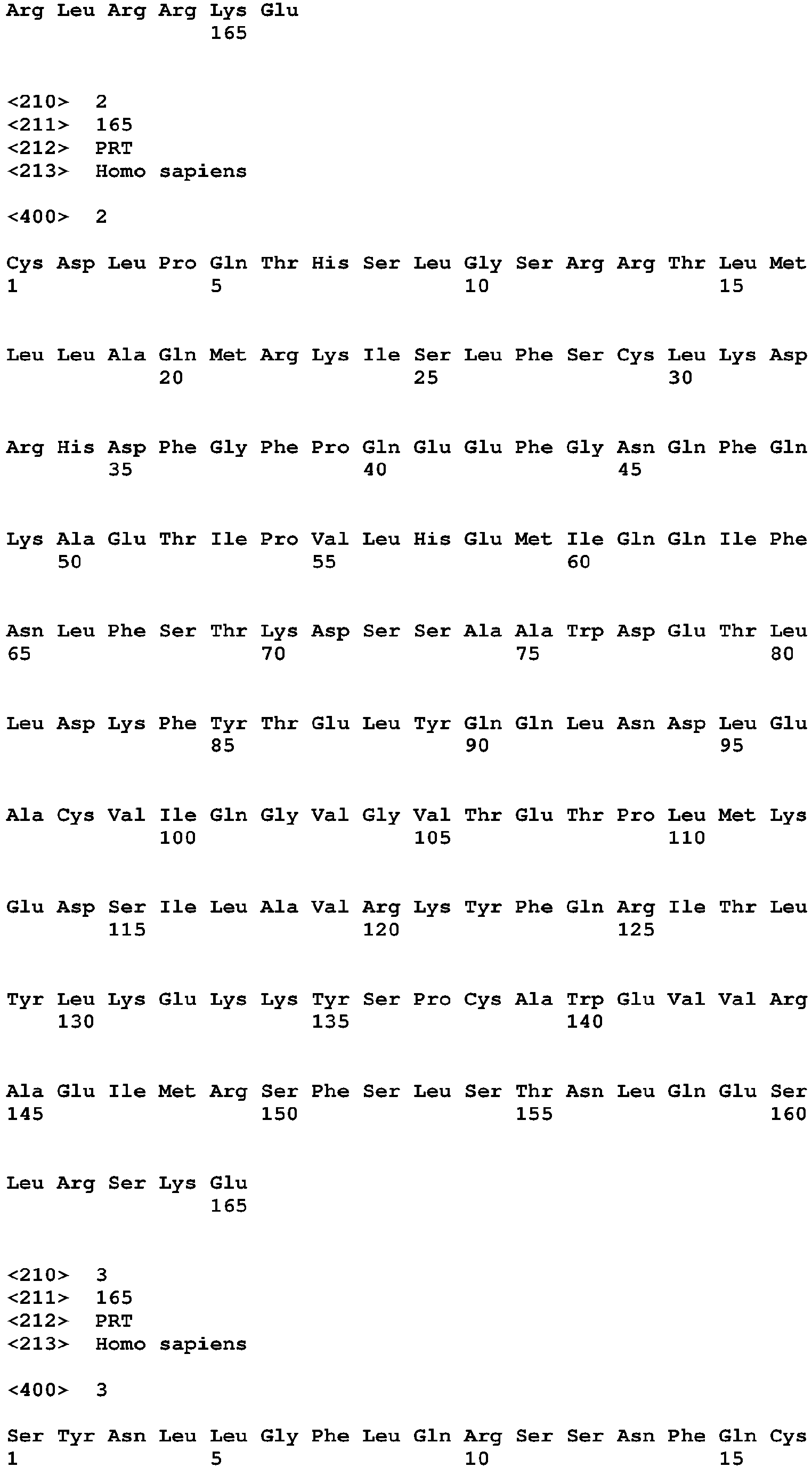


Claims (15)
- A recombinant interferon α2 (IFNα2) mutant polypeptide, active fragment, analog, derivative and variant thereof, said mutant polypeptide comprises at least one amino acid substitution within amino acid residues 57-89, wherein said polypeptide has improved specific agonist activity as compared to wild-type IFNα2 (SEQ ID NO: 2), and wherein said mutant polypeptide is selected from a polypeptide comprising the triple mutations H57Y, E58N, Q61S and a polypeptide comprising the triple mutations H57M, E58D, Q61L.
- The mutant polypeptide according to claim 1, wherein said mutant polypeptide further comprises a substitution of the C terminal ESLRSKE to KRLKSKE .
- The mutant polypeptide according to claim 2, wherein said polypeptide comprises a combination of the triple mutant H57M, E58D, Q61L and the substitution of the C terminal of ESLRSKE to KRLKSKE; or wherein said polypeptide comprises a combination of the triple mutant H57Y, E58N, Q61S and the substitution of the C terminal of ESLRSKE to KRLKSKE.
- A DNA molecule encoding a recombinant IFNα2 mutant polypeptide, active fragment, analog, derivative and variant thereof, comprising at least one amino acid substitution within amino acid residues 57-89, wherein the polypeptide has improved specific antagonist activity, as compared to wild-type IFNα2 (SEQ ID NO: 2), and wherein said mutant polypeptide is selected from a polypeptide comprising the triple mutations H57Y, E58N, Q61S and a polypeptide comprising the triple mutations H57M, E58D, Q61L.
- The polypeptide according to any one of claims 1-3, wherein the polypeptide is encoded by a DNA molecule, or the DNA molecule according to claim 4, wherein said DNA molecule encoding the polypeptide or said DNA molecule comprises a sequence selected from the group consisting of SEQ ID NOS: 20-23.
- The polypeptide according to any one of claims 1-3 and 5, wherein said polypeptide is further conjugated to PEG.
- A vector comprising the DNA molecule according to any one of claims 4-5, operably linked to one or more transcription control elements.
- A host cell comprising the vector of claim 7.
- A pharmaceutical composition comprising as an active ingredient a recombinant IFNα2 mutant polypeptide, active fragment, analog, derivative and variant thereof, said mutant polypeptide comprises at least one amino acid substitution within amino acid residues 57-89, wherein said mutant polypeptide has improved specific agonist activity, as compared to wild-type IFNα2 (SEQ ID NO: 2), and wherein the said polypeptide is selected from a polypeptide comprising the triple mutations H57Y, E58N, Q61S and a polypeptide comprising the triple mutations H57M, E58D, Q61L, further comprising a pharmaceutically acceptable carrier.
- Use of a therapeutically effective amount of the pharmaceutical composition of claim 9 for treating or preventing a disorder or disease associated with modulation of interferon (IFN), wherein said disorder or disease is selected from the group consisting of cancer, autoimmune disease and infectious disease.
- The use according to claim 10 wherein said cancer is selected from the group consisting of hairy cell leukemia, Kaposi's sarcoma, multiple myeloma, chronic myelogenous leukemia, non-Hodgkins's lymphoma and melanoma.
- The use according to claim 10 wherein said autoimmune disease is multiple sclerosis (MS).
- The use according to claim 12 wherein said MS is selected from the group consisting of relapsing remitting MS, secondary progressive MS, primary progressive MS, and progressive relapsing MS.
- The use according to claim 10 wherein said infectious disease is hepatitis virus infection.
- The use according to claim 14 wherein said hepatitis virus is selected from the group consisting of hepatitis A, hepatitis B and hepatitis C.
Applications Claiming Priority (2)
| Application Number | Priority Date | Filing Date | Title |
|---|---|---|---|
| US69481005P | 2005-06-29 | 2005-06-29 | |
| EP06756232.2A EP1909822B1 (en) | 2005-06-29 | 2006-06-28 | Recombinant interferon alpha 2 (ifn alpha 2) mutants |
Related Parent Applications (1)
| Application Number | Title | Priority Date | Filing Date |
|---|---|---|---|
| EP06756232.2 Division | 2006-06-28 |
Publications (2)
| Publication Number | Publication Date |
|---|---|
| EP2476428A1 true EP2476428A1 (en) | 2012-07-18 |
| EP2476428B1 EP2476428B1 (en) | 2013-08-21 |
Family
ID=37595529
Family Applications (2)
| Application Number | Title | Priority Date | Filing Date |
|---|---|---|---|
| EP12154308.6A Expired - Lifetime EP2476428B1 (en) | 2005-06-29 | 2006-06-28 | Recombinant interferon alpha 2 (IFN alpha 2) mutants |
| EP06756232.2A Expired - Lifetime EP1909822B1 (en) | 2005-06-29 | 2006-06-28 | Recombinant interferon alpha 2 (ifn alpha 2) mutants |
Family Applications After (1)
| Application Number | Title | Priority Date | Filing Date |
|---|---|---|---|
| EP06756232.2A Expired - Lifetime EP1909822B1 (en) | 2005-06-29 | 2006-06-28 | Recombinant interferon alpha 2 (ifn alpha 2) mutants |
Country Status (11)
| Country | Link |
|---|---|
| US (2) | US7767799B2 (en) |
| EP (2) | EP2476428B1 (en) |
| JP (1) | JP5208733B2 (en) |
| CN (1) | CN101304758B (en) |
| AU (1) | AU2006263331B2 (en) |
| BR (1) | BRPI0613098A2 (en) |
| CA (1) | CA2613737C (en) |
| EA (1) | EA014157B1 (en) |
| ES (2) | ES2435846T3 (en) |
| NO (1) | NO20080487L (en) |
| WO (1) | WO2007000769A2 (en) |
Families Citing this family (32)
| Publication number | Priority date | Publication date | Assignee | Title |
|---|---|---|---|---|
| WO2008124086A2 (en) * | 2007-04-05 | 2008-10-16 | President And Fellows Of Harvard College | Chimeric activators: quantitatively designed protein therapeutics and uses thereof |
| ES2536772T3 (en) * | 2007-09-21 | 2015-05-28 | The Regents Of The University Of California | Targeted interferon demonstrates potent apoptotic and antitumor activities |
| WO2010030671A1 (en) * | 2008-09-09 | 2010-03-18 | University Of Medicine And Dentistry Of New Jersey | Type i interferon antagonists |
| WO2010080992A1 (en) * | 2009-01-09 | 2010-07-15 | The Trustees Of The University Of Pennsylvania | Regulators of the interferon-alpha receptor 1 (ifnar1) chain of the interferon receptor |
| CN104203982B (en) * | 2011-10-28 | 2018-08-31 | 特瓦制药澳大利亚私人有限公司 | Polypeptide constructs and uses thereof |
| CN102584956B (en) * | 2012-02-13 | 2014-09-17 | 中山大学 | Novel mutain and coding gene of related gene IFNA 2 of chronic viral hepatitis type b and application thereof |
| CN102532299B (en) * | 2012-02-23 | 2013-07-17 | 北京三元基因工程有限公司 | Interferon alpha mutant and polyethylene glycol derivative thereof |
| CN102532300B (en) * | 2012-02-23 | 2013-07-17 | 北京三元基因工程有限公司 | Interferon alpha mutant and polyethylene glycol derivative thereof |
| PL2822575T3 (en) * | 2012-03-03 | 2020-08-10 | Immungene, Inc. | Engineered antibody-interferon mutant fusion molecules |
| US9803021B2 (en) | 2012-12-07 | 2017-10-31 | The Regents Of The University Of California | CD138-targeted interferon demonstrates potent apoptotic and anti-tumor activities |
| EP2958584A1 (en) | 2013-02-20 | 2015-12-30 | Yeda Research and Development Co., Ltd. | Interferon treatment targeting mutant p53 expressing cells |
| US9963515B2 (en) | 2013-04-29 | 2018-05-08 | Teva Pharmaceuticals Australia Pty Ltd. | Anti-CD38 antibodies and fusions to attenuated interferon alpha-2B |
| US10093745B2 (en) | 2013-05-29 | 2018-10-09 | The Regents Of The University Of California | Anti-CSPG4 fusions with interferon for the treatment of malignancy |
| US9732135B2 (en) * | 2013-07-19 | 2017-08-15 | Vib Vzw | Targeting of human interferon antagonists |
| WO2015168474A1 (en) | 2014-04-30 | 2015-11-05 | President And Fellows Of Harvard College | Fusion proteins for treating cancer and related methods |
| UA119352C2 (en) | 2014-05-01 | 2019-06-10 | Тева Фармасьютикалз Острейліа Пті Лтд | COMBINATION OF LENALIDOMIDE OR POMALIDOMIDE AND STRUCTURES OF ANTI-CD38 ANTIBODY-ATHENED INTERPHERONE ALPHA-2B AND METHOD OF TREATMENT38 |
| PE20170908A1 (en) | 2014-10-29 | 2017-07-12 | Teva Pharmaceuticals Australia Pty Ltd | VARIANTS OF INTERFERON a2b |
| CN107556376B (en) * | 2017-09-08 | 2018-09-28 | 上海华新生物高技术有限公司 | A kind of Interferon Alpha-2b mutant and its preparation method and application |
| CN108117595B (en) * | 2018-02-28 | 2020-06-26 | 中国科学院微生物研究所 | Preparation and application of a kind of canine alpha interferon |
| CN108752457B (en) * | 2018-05-23 | 2019-06-21 | 华中农业大学 | A kind of derivative polypeptide derived from grass carp interferon and its application |
| CN108997489B (en) * | 2018-09-04 | 2021-08-27 | 中国药科大学 | Interferon mutant and interferon mutant fusion antibody, and preparation method and application thereof |
| US12357704B2 (en) | 2019-05-06 | 2025-07-15 | Thomas Malcolm | Tailored hypoimmune nanovesicular delivery systems for cancer tumors |
| CN110437328B (en) * | 2019-08-22 | 2021-06-04 | 安阳工学院 | A kind of porcine interferon alpha mutant YNS and its preparation method and application |
| AR117715A1 (en) | 2019-12-17 | 2021-08-25 | Univ Nacional Del Litoral Unl | HYPERGLYCOSILATED INTERFERON WITH REDUCED IMMUNOGENICITY |
| RU2741570C1 (en) * | 2019-12-26 | 2021-01-27 | Генетик Диагностикс Энд Терапи 21 Лтд | Gene-therapeutic dna-vector based on gene-therapeutic dna-vector gdtt1_8nas12, carrying target gene selected from group of ifnb1, ifna14, ifna2, il12a, il12b genes to increase level of expression of these target genes, method for production and use thereof, strain escherichia coli jm110-nas/gdtt1_8nas12-ifnb1, or escherichia coli jm110-nas/gdtt1_8nas12-ifna14, or escherichia coli jm110-nas/gdtt1_8nas12-ifna2, or escherichia coli jm110-nas/gdtt1_8nas12-il12a, or escherichia coli jm110-nas/gdtt1_8nas12-il12b, carrying gene-therapeutic dna vector, method for production thereof, method for industrial production of gene-therapeutic dna vector |
| CN113440603B (en) * | 2020-03-26 | 2022-07-08 | 复旦大学 | Use of human alpha interferon subtypes and receptor binding-related site mutants in the preparation of drugs for the prevention and treatment of novel coronavirus infection |
| CN119486765A (en) * | 2022-05-25 | 2025-02-18 | T·马尔科姆 | Controlled expression of therapeutically relevant biomolecules for lumen-localized payload in biomimetic nanovesicles and exosomes |
| US20240067691A1 (en) | 2022-08-18 | 2024-02-29 | Regeneron Pharmaceuticals, Inc. | Interferon receptor agonists and uses thereof |
| KR20250048583A (en) | 2022-08-18 | 2025-04-09 | 리제너론 파아마슈티컬스, 인크. | Interferon precursor protein and uses thereof |
| WO2024192373A1 (en) * | 2023-03-16 | 2024-09-19 | A-Alpha Bio | Interferon alpha-2 variants |
| KR20260026098A (en) | 2023-05-12 | 2026-02-25 | 리제너론 파아마슈티컬스, 인크. | Interferon receptor antagonists and uses thereof |
| WO2025038726A2 (en) | 2023-08-14 | 2025-02-20 | A-Alpha Bio | Interleukin 21 variants |
Citations (13)
| Publication number | Priority date | Publication date | Assignee | Title |
|---|---|---|---|---|
| US4588585A (en) | 1982-10-19 | 1986-05-13 | Cetus Corporation | Human recombinant cysteine depleted interferon-β muteins |
| US4766106A (en) | 1985-06-26 | 1988-08-23 | Cetus Corporation | Solubilization of proteins for pharmaceutical compositions using polymer conjugation |
| US4917888A (en) | 1985-06-26 | 1990-04-17 | Cetus Corporation | Solubilization of immunotoxins for pharmaceutical compositions using polymer conjugation |
| WO1993004699A1 (en) | 1991-08-30 | 1993-03-18 | Genentech, Inc. | Therapeutic method for iddm |
| WO1997012630A1 (en) | 1995-10-04 | 1997-04-10 | Schering Corporation | Combination of temozolomide and alpha-ifn for the treatment of advanced cancer |
| US6214966B1 (en) | 1996-09-26 | 2001-04-10 | Shearwater Corporation | Soluble, degradable poly(ethylene glycol) derivatives for controllable release of bound molecules into solution |
| WO2001054678A2 (en) | 2000-01-26 | 2001-08-02 | Schering Corporation | Combination therapy for cancer |
| WO2002066649A2 (en) | 2001-02-22 | 2002-08-29 | Genentech, Inc. | ANTI-INTERFERON-α ANTIBODIES |
| US20040002474A1 (en) | 1999-10-07 | 2004-01-01 | Maxygen Inc. | IFN-alpha homologues |
| WO2004022747A1 (en) * | 2002-09-09 | 2004-03-18 | Nautilus Biotech | Rational directed protein evolution using two-dimensional rational mutagenesis scanning |
| WO2004089280A2 (en) | 2003-04-08 | 2004-10-21 | Yeda Research And Development Co. Ltd. | Reversible pegylated drugs |
| US20040230040A1 (en) | 1997-07-14 | 2004-11-18 | Bolder Biotechnology, Inc. | Cysteine variants of alpha interferon-2 |
| WO2005016371A1 (en) | 2003-07-11 | 2005-02-24 | Schering Aktiengesellschaft | IMPROVED RECOMBINANT HUMAN INTERFERON-BETA-1b POLYPEPTIDES |
Family Cites Families (7)
| Publication number | Priority date | Publication date | Assignee | Title |
|---|---|---|---|---|
| US5382657A (en) * | 1992-08-26 | 1995-01-17 | Hoffmann-La Roche Inc. | Peg-interferon conjugates |
| TW249202B (en) * | 1993-08-13 | 1995-06-11 | Ciba Gerigy Corp | |
| CA2841097A1 (en) * | 2001-12-21 | 2003-07-24 | Human Genome Sciences, Inc. | Albumin and g-csf fusion proteins |
| WO2004022593A2 (en) * | 2002-09-09 | 2004-03-18 | Nautilus Biotech | Rational evolution of cytokines for higher stability, the cytokines and encoding nucleic acid molecules |
| AU2003277088A1 (en) * | 2002-10-01 | 2004-04-23 | Xencor, Inc | Interferon variants with improved properties |
| AU2004213565A1 (en) * | 2003-02-18 | 2004-09-02 | Merck Patent Gmbh | Fusion proteins of interferon alpha muteins with improved properties |
| MX2007001589A (en) * | 2004-08-09 | 2007-08-02 | Alios Biopharma Inc | Synthetic hyperglycosylated, protease-resistant polypeptide variants, oral formulations and methods of using the same. |
-
2006
- 2006-06-28 JP JP2008519136A patent/JP5208733B2/en not_active Expired - Fee Related
- 2006-06-28 EA EA200800159A patent/EA014157B1/en not_active IP Right Cessation
- 2006-06-28 CA CA2613737A patent/CA2613737C/en not_active Expired - Fee Related
- 2006-06-28 ES ES12154308T patent/ES2435846T3/en not_active Expired - Lifetime
- 2006-06-28 AU AU2006263331A patent/AU2006263331B2/en not_active Ceased
- 2006-06-28 EP EP12154308.6A patent/EP2476428B1/en not_active Expired - Lifetime
- 2006-06-28 ES ES06756232.2T patent/ES2436761T3/en not_active Expired - Lifetime
- 2006-06-28 BR BRPI0613098-4A patent/BRPI0613098A2/en not_active IP Right Cessation
- 2006-06-28 WO PCT/IL2006/000754 patent/WO2007000769A2/en not_active Ceased
- 2006-06-28 CN CN2006800306398A patent/CN101304758B/en not_active Expired - Fee Related
- 2006-06-28 US US11/994,159 patent/US7767799B2/en not_active Expired - Fee Related
- 2006-06-28 EP EP06756232.2A patent/EP1909822B1/en not_active Expired - Lifetime
-
2008
- 2008-01-04 US US11/969,319 patent/US7919078B2/en not_active Expired - Fee Related
- 2008-01-25 NO NO20080487A patent/NO20080487L/en not_active Application Discontinuation
Patent Citations (13)
| Publication number | Priority date | Publication date | Assignee | Title |
|---|---|---|---|---|
| US4588585A (en) | 1982-10-19 | 1986-05-13 | Cetus Corporation | Human recombinant cysteine depleted interferon-β muteins |
| US4766106A (en) | 1985-06-26 | 1988-08-23 | Cetus Corporation | Solubilization of proteins for pharmaceutical compositions using polymer conjugation |
| US4917888A (en) | 1985-06-26 | 1990-04-17 | Cetus Corporation | Solubilization of immunotoxins for pharmaceutical compositions using polymer conjugation |
| WO1993004699A1 (en) | 1991-08-30 | 1993-03-18 | Genentech, Inc. | Therapeutic method for iddm |
| WO1997012630A1 (en) | 1995-10-04 | 1997-04-10 | Schering Corporation | Combination of temozolomide and alpha-ifn for the treatment of advanced cancer |
| US6214966B1 (en) | 1996-09-26 | 2001-04-10 | Shearwater Corporation | Soluble, degradable poly(ethylene glycol) derivatives for controllable release of bound molecules into solution |
| US20040230040A1 (en) | 1997-07-14 | 2004-11-18 | Bolder Biotechnology, Inc. | Cysteine variants of alpha interferon-2 |
| US20040002474A1 (en) | 1999-10-07 | 2004-01-01 | Maxygen Inc. | IFN-alpha homologues |
| WO2001054678A2 (en) | 2000-01-26 | 2001-08-02 | Schering Corporation | Combination therapy for cancer |
| WO2002066649A2 (en) | 2001-02-22 | 2002-08-29 | Genentech, Inc. | ANTI-INTERFERON-α ANTIBODIES |
| WO2004022747A1 (en) * | 2002-09-09 | 2004-03-18 | Nautilus Biotech | Rational directed protein evolution using two-dimensional rational mutagenesis scanning |
| WO2004089280A2 (en) | 2003-04-08 | 2004-10-21 | Yeda Research And Development Co. Ltd. | Reversible pegylated drugs |
| WO2005016371A1 (en) | 2003-07-11 | 2005-02-24 | Schering Aktiengesellschaft | IMPROVED RECOMBINANT HUMAN INTERFERON-BETA-1b POLYPEPTIDES |
Non-Patent Citations (32)
| Title |
|---|
| "Remington's Pharmaceutical Science", 1990, MACK PUBLISHING COMPANY |
| "The Atlas of Protein Sequence and Structure", vol. 5, 1978, NATIONAL BIOMEDICAL RESEARCH FOUNDATION |
| ARDUINI, R. M. ET AL., PROTEIN SCIENCE, vol. 8, 1999, pages 1867 - 1877 |
| ARGOS, P., EMBO J., vol. 8, 1989, pages 779 - 785 |
| BACH, ENDOCR. REV., vol. 15, 1994, pages 516 - 542 |
| BERNARD ET AL., GENE, vol. 5, 1979, pages 59 - 76 |
| BRIERLEY, M. M.; FISH, E. N., J INTERFERON CYTOKINE RES., vol. 22, 2002, pages 835 - 845 |
| CAMPBELL ET AL., J. CLIN. INVEST., vol. 87, 1991, pages 739 - 742 |
| CHANG, A. C. ET AL., NATURE, vol. 275, 1978, pages 617 - 624 |
| DE VEER, M. J. ET AL., J LEUKOC BIOL., vol. 69, 2001, pages 912 - 920 |
| DER, S. D. ET AL., PROC NATL ACAD SCI USA, vol. 95, 1998, pages 15623 - 15628 |
| EVINGER, M. ET AL., ARCH. BIOCHEM. BIOPHYS., vol. 210, 1981, pages 319 - 329 |
| GAVUTIS ET AL., BIOPHYSICAL JOURNAL, vol. 88, no. 6, 2005, pages 4289 - 4302 |
| ITAKURA, K. ET AL., ANNU. REV. BIOCHEM., vol. 53, 1984, pages 323 - 356 |
| JAITIN ET AL., MOL CELL BIOL, vol. 26, no. 5, 2006, pages 1888 - 1897 |
| JAITIN, MOL CELL BIOL., vol. 26, 2006, pages 1888 - 1897 |
| KOTENKO, S. V.; LANGER, J. A., INT IMMUNOPHARMACOL, vol. 4, 2004, pages 593 - 608 |
| LAMKEN, P. ET AL., J MOL BIOL, vol. 341, 2004, pages 303 - 318 |
| LAMKEN, P. ET AL., JMOL BIOL, vol. 341, 2004, pages 303 - 318 |
| MEINKOTH ET AL., ANAL BIOCHEM., vol. 138, no. 2, 1984, pages 267 - 84 |
| PIEHLER, J. ET AL., J BIOL. CHEM., vol. 275, 2000, pages 40425 - 40433 |
| PIEHLER, J.; SCHREIBER, G., ANAL. BIOCHEM., vol. 289, 2001, pages 173 - 186 |
| PIEHLER, J.; SCHREIBER, G., J MOL. BIOL, vol. 294, 1999, pages 223 - 237 |
| PIEHLER, J.; SCHREIBER, G., J. MOL. BIOL., vol. 289, 1999, pages 57 - 67 |
| PLATANIAS, L. C.; FISH, E. N., EXPERIMENTAL HEMATOLOGY, vol. 27, 1999, pages 1583 - 1592 |
| ROISMAN ET AL., J MOL BIOL., vol. 353, 2005, pages 271 - 281 |
| SAMBROOK ET AL.: "Molecular Cloning: A Laboratory Manual", 1989, COLD SPRING HARBOR PRESS |
| SAMBROOK ET AL.: "Molecular Cloning: A Laboratory Manual.", 2001, COLD SPRING HARBOR LABORATORY PRESS |
| SAMBROOK, J. F.: "Molecular Cloning: A Laboratory Manual", 1989, COLD SPRING HARBOR LABORATORY |
| SCHMITT, H. M. ET AL., BIOSENS. & BIOELECTRON., vol. 12, 1997, pages 809 - 816 |
| TSUTSUMI, Y. ET AL., PROC. NATL. ACAD. SCI. USA, vol. 97, 2000, pages 8548 - 8553 |
| YTTERBERG; SCHNITZER, ARTHRITIS RHEUM., vol. 25, 1982, pages 401 - 406 |
Also Published As
| Publication number | Publication date |
|---|---|
| JP2009501514A (en) | 2009-01-22 |
| EA200800159A1 (en) | 2008-10-30 |
| JP5208733B2 (en) | 2013-06-12 |
| WO2007000769A3 (en) | 2009-05-22 |
| EP2476428B1 (en) | 2013-08-21 |
| AU2006263331B2 (en) | 2012-02-16 |
| EP1909822B1 (en) | 2013-09-25 |
| US20080279823A1 (en) | 2008-11-13 |
| BRPI0613098A2 (en) | 2010-12-21 |
| US20080166319A1 (en) | 2008-07-10 |
| US7767799B2 (en) | 2010-08-03 |
| ES2435846T3 (en) | 2013-12-23 |
| ES2436761T3 (en) | 2014-01-07 |
| EA014157B1 (en) | 2010-10-29 |
| CA2613737C (en) | 2017-05-23 |
| AU2006263331A1 (en) | 2007-01-04 |
| WO2007000769A2 (en) | 2007-01-04 |
| CA2613737A1 (en) | 2007-01-04 |
| NO20080487L (en) | 2008-03-28 |
| CN101304758B (en) | 2013-08-21 |
| CN101304758A (en) | 2008-11-12 |
| EP1909822A2 (en) | 2008-04-16 |
| US7919078B2 (en) | 2011-04-05 |
| EP1909822A4 (en) | 2009-12-02 |
| HK1125317A1 (en) | 2009-08-07 |
Similar Documents
| Publication | Publication Date | Title |
|---|---|---|
| EP1909822B1 (en) | Recombinant interferon alpha 2 (ifn alpha 2) mutants | |
| Harari et al. | Enhanced in vivo efficacy of a type I interferon superagonist with extended plasma half-life in a mouse model of multiple sclerosis | |
| US20060159655A1 (en) | Treating immunological disorders using agonists of interleukin-21 / interleukin-21 receptor | |
| CA2343094A1 (en) | Interferon-beta fusion proteins and uses | |
| EP1717246B1 (en) | Tnf antagonists and tnf inhibitors comprising the same as the active ingredient | |
| US20240132562A1 (en) | Heterodimeric fc cytokines and uses thereof | |
| BG108337A (en) | Use of osteopontin for the treatment and/or prevention of neurologic diseases | |
| US20250042966A1 (en) | Il10 variants and uses thereof | |
| KR20190062490A (en) | Type III mutant interferon and &lt; RTI ID = 0.0 &gt; | |
| JP2007524351A (en) | Interferon alpha mutein fusion protein with improved properties | |
| WO2002044197A2 (en) | Cytokine receptor binding peptides | |
| MXPA04008798A (en) | Interferon beta-like molecules for treatment of stroke. | |
| IL188375A (en) | Recombinant interferon α2 (ifnα2) mutants | |
| MX2008000351A (en) | Recombinant interferonî±2 (ifnî±2) mutants | |
| HK1125317B (en) | RECOMBINANT INTERFERON α2 (IFNα2) MUTANTS | |
| Crowe et al. | Interferon (IFN)-α2 genotype analysis of Chinese chronic hepatitis B patients undergoing recombinant IFN-α2a therapy | |
| EP1842857B1 (en) | Mutant interferon proteins and use thereof | |
| KR100541850B1 (en) | Human Interferon-beta Variants and Methods for Making the Same | |
| WO2025194144A2 (en) | Glycosylated engineered interferon beta proteins | |
| EP2048158B1 (en) | Glycosylated human alpha interferon muteins, method for obtaining them and use | |
| JPH1142089A (en) | Interferon τ3 variant | |
| ZA200209580B (en) | Novel interferon for the treatment of multiple sclerosis. | |
| MXPA96004073A (en) | Novel muteins of ifn-'beta' | |
| JPWO2000049148A1 (en) | Novel cytokine receptor-like proteins |
Legal Events
| Date | Code | Title | Description |
|---|---|---|---|
| PUAI | Public reference made under article 153(3) epc to a published international application that has entered the european phase |
Free format text: ORIGINAL CODE: 0009012 |
|
| AC | Divisional application: reference to earlier application |
Ref document number: 1909822 Country of ref document: EP Kind code of ref document: P |
|
| AK | Designated contracting states |
Kind code of ref document: A1 Designated state(s): AT BE BG CH CY CZ DE DK EE ES FI FR GB GR HU IE IS IT LI LT LU LV MC NL PL PT RO SE SI SK TR |
|
| AX | Request for extension of the european patent |
Extension state: AL BA HR MK RS |
|
| 17P | Request for examination filed |
Effective date: 20121016 |
|
| 17Q | First examination report despatched |
Effective date: 20121121 |
|
| GRAP | Despatch of communication of intention to grant a patent |
Free format text: ORIGINAL CODE: EPIDOSNIGR1 |
|
| RIN1 | Information on inventor provided before grant (corrected) |
Inventor name: JAITIN, DIEGO Inventor name: KALIE, EYAL Inventor name: ROISMAN, LAILA C. Inventor name: SCHREIBER, GIDEON |
|
| GRAS | Grant fee paid |
Free format text: ORIGINAL CODE: EPIDOSNIGR3 |
|
| GRAA | (expected) grant |
Free format text: ORIGINAL CODE: 0009210 |
|
| AC | Divisional application: reference to earlier application |
Ref document number: 1909822 Country of ref document: EP Kind code of ref document: P |
|
| AK | Designated contracting states |
Kind code of ref document: B1 Designated state(s): AT BE BG CH CY CZ DE DK EE ES FI FR GB GR HU IE IS IT LI LT LU LV MC NL PL PT RO SE SI SK TR |
|
| AX | Request for extension of the european patent |
Extension state: AL BA HR MK RS |
|
| REG | Reference to a national code |
Ref country code: GB Ref legal event code: FG4D |
|
| REG | Reference to a national code |
Ref country code: CH Ref legal event code: EP |
|
| REG | Reference to a national code |
Ref country code: AT Ref legal event code: REF Ref document number: 627662 Country of ref document: AT Kind code of ref document: T Effective date: 20130915 |
|
| REG | Reference to a national code |
Ref country code: IE Ref legal event code: FG4D |
|
| REG | Reference to a national code |
Ref country code: DE Ref legal event code: R096 Ref document number: 602006038065 Country of ref document: DE Effective date: 20131017 |
|
| REG | Reference to a national code |
Ref country code: CH Ref legal event code: NV Representative=s name: ROMAN VUILLE, CH |
|
| REG | Reference to a national code |
Ref country code: ES Ref legal event code: FG2A Ref document number: 2435846 Country of ref document: ES Kind code of ref document: T3 Effective date: 20131223 |
|
| REG | Reference to a national code |
Ref country code: AT Ref legal event code: MK05 Ref document number: 627662 Country of ref document: AT Kind code of ref document: T Effective date: 20130821 Ref country code: NL Ref legal event code: VDEP Effective date: 20130821 |
|
| REG | Reference to a national code |
Ref country code: LT Ref legal event code: MG4D |
|
| PG25 | Lapsed in a contracting state [announced via postgrant information from national office to epo] |
Ref country code: SE Free format text: LAPSE BECAUSE OF FAILURE TO SUBMIT A TRANSLATION OF THE DESCRIPTION OR TO PAY THE FEE WITHIN THE PRESCRIBED TIME-LIMIT Effective date: 20130821 Ref country code: LT Free format text: LAPSE BECAUSE OF FAILURE TO SUBMIT A TRANSLATION OF THE DESCRIPTION OR TO PAY THE FEE WITHIN THE PRESCRIBED TIME-LIMIT Effective date: 20130821 Ref country code: IS Free format text: LAPSE BECAUSE OF FAILURE TO SUBMIT A TRANSLATION OF THE DESCRIPTION OR TO PAY THE FEE WITHIN THE PRESCRIBED TIME-LIMIT Effective date: 20131221 Ref country code: AT Free format text: LAPSE BECAUSE OF FAILURE TO SUBMIT A TRANSLATION OF THE DESCRIPTION OR TO PAY THE FEE WITHIN THE PRESCRIBED TIME-LIMIT Effective date: 20130821 Ref country code: PT Free format text: LAPSE BECAUSE OF FAILURE TO SUBMIT A TRANSLATION OF THE DESCRIPTION OR TO PAY THE FEE WITHIN THE PRESCRIBED TIME-LIMIT Effective date: 20131223 Ref country code: CY Free format text: LAPSE BECAUSE OF FAILURE TO SUBMIT A TRANSLATION OF THE DESCRIPTION OR TO PAY THE FEE WITHIN THE PRESCRIBED TIME-LIMIT Effective date: 20130904 |
|
| PG25 | Lapsed in a contracting state [announced via postgrant information from national office to epo] |
Ref country code: PL Free format text: LAPSE BECAUSE OF FAILURE TO SUBMIT A TRANSLATION OF THE DESCRIPTION OR TO PAY THE FEE WITHIN THE PRESCRIBED TIME-LIMIT Effective date: 20130821 Ref country code: BE Free format text: LAPSE BECAUSE OF FAILURE TO SUBMIT A TRANSLATION OF THE DESCRIPTION OR TO PAY THE FEE WITHIN THE PRESCRIBED TIME-LIMIT Effective date: 20130821 Ref country code: LV Free format text: LAPSE BECAUSE OF FAILURE TO SUBMIT A TRANSLATION OF THE DESCRIPTION OR TO PAY THE FEE WITHIN THE PRESCRIBED TIME-LIMIT Effective date: 20130821 Ref country code: GR Free format text: LAPSE BECAUSE OF FAILURE TO SUBMIT A TRANSLATION OF THE DESCRIPTION OR TO PAY THE FEE WITHIN THE PRESCRIBED TIME-LIMIT Effective date: 20131122 Ref country code: FI Free format text: LAPSE BECAUSE OF FAILURE TO SUBMIT A TRANSLATION OF THE DESCRIPTION OR TO PAY THE FEE WITHIN THE PRESCRIBED TIME-LIMIT Effective date: 20130821 Ref country code: SI Free format text: LAPSE BECAUSE OF FAILURE TO SUBMIT A TRANSLATION OF THE DESCRIPTION OR TO PAY THE FEE WITHIN THE PRESCRIBED TIME-LIMIT Effective date: 20130821 |
|
| PG25 | Lapsed in a contracting state [announced via postgrant information from national office to epo] |
Ref country code: CY Free format text: LAPSE BECAUSE OF FAILURE TO SUBMIT A TRANSLATION OF THE DESCRIPTION OR TO PAY THE FEE WITHIN THE PRESCRIBED TIME-LIMIT Effective date: 20130821 |
|
| PG25 | Lapsed in a contracting state [announced via postgrant information from national office to epo] |
Ref country code: SK Free format text: LAPSE BECAUSE OF FAILURE TO SUBMIT A TRANSLATION OF THE DESCRIPTION OR TO PAY THE FEE WITHIN THE PRESCRIBED TIME-LIMIT Effective date: 20130821 Ref country code: RO Free format text: LAPSE BECAUSE OF FAILURE TO SUBMIT A TRANSLATION OF THE DESCRIPTION OR TO PAY THE FEE WITHIN THE PRESCRIBED TIME-LIMIT Effective date: 20130821 Ref country code: NL Free format text: LAPSE BECAUSE OF FAILURE TO SUBMIT A TRANSLATION OF THE DESCRIPTION OR TO PAY THE FEE WITHIN THE PRESCRIBED TIME-LIMIT Effective date: 20130821 Ref country code: CZ Free format text: LAPSE BECAUSE OF FAILURE TO SUBMIT A TRANSLATION OF THE DESCRIPTION OR TO PAY THE FEE WITHIN THE PRESCRIBED TIME-LIMIT Effective date: 20130821 Ref country code: DK Free format text: LAPSE BECAUSE OF FAILURE TO SUBMIT A TRANSLATION OF THE DESCRIPTION OR TO PAY THE FEE WITHIN THE PRESCRIBED TIME-LIMIT Effective date: 20130821 Ref country code: EE Free format text: LAPSE BECAUSE OF FAILURE TO SUBMIT A TRANSLATION OF THE DESCRIPTION OR TO PAY THE FEE WITHIN THE PRESCRIBED TIME-LIMIT Effective date: 20130821 |
|
| PLBE | No opposition filed within time limit |
Free format text: ORIGINAL CODE: 0009261 |
|
| STAA | Information on the status of an ep patent application or granted ep patent |
Free format text: STATUS: NO OPPOSITION FILED WITHIN TIME LIMIT |
|
| 26N | No opposition filed |
Effective date: 20140522 |
|
| REG | Reference to a national code |
Ref country code: DE Ref legal event code: R097 Ref document number: 602006038065 Country of ref document: DE Effective date: 20140522 |
|
| PG25 | Lapsed in a contracting state [announced via postgrant information from national office to epo] |
Ref country code: MC Free format text: LAPSE BECAUSE OF FAILURE TO SUBMIT A TRANSLATION OF THE DESCRIPTION OR TO PAY THE FEE WITHIN THE PRESCRIBED TIME-LIMIT Effective date: 20130821 Ref country code: LU Free format text: LAPSE BECAUSE OF FAILURE TO SUBMIT A TRANSLATION OF THE DESCRIPTION OR TO PAY THE FEE WITHIN THE PRESCRIBED TIME-LIMIT Effective date: 20140628 |
|
| REG | Reference to a national code |
Ref country code: IE Ref legal event code: MM4A |
|
| PG25 | Lapsed in a contracting state [announced via postgrant information from national office to epo] |
Ref country code: IE Free format text: LAPSE BECAUSE OF NON-PAYMENT OF DUE FEES Effective date: 20140628 |
|
| PG25 | Lapsed in a contracting state [announced via postgrant information from national office to epo] |
Ref country code: BG Free format text: LAPSE BECAUSE OF FAILURE TO SUBMIT A TRANSLATION OF THE DESCRIPTION OR TO PAY THE FEE WITHIN THE PRESCRIBED TIME-LIMIT Effective date: 20130821 |
|
| REG | Reference to a national code |
Ref country code: FR Ref legal event code: PLFP Year of fee payment: 11 |
|
| PG25 | Lapsed in a contracting state [announced via postgrant information from national office to epo] |
Ref country code: TR Free format text: LAPSE BECAUSE OF FAILURE TO SUBMIT A TRANSLATION OF THE DESCRIPTION OR TO PAY THE FEE WITHIN THE PRESCRIBED TIME-LIMIT Effective date: 20130821 Ref country code: HU Free format text: LAPSE BECAUSE OF FAILURE TO SUBMIT A TRANSLATION OF THE DESCRIPTION OR TO PAY THE FEE WITHIN THE PRESCRIBED TIME-LIMIT; INVALID AB INITIO Effective date: 20060628 |
|
| REG | Reference to a national code |
Ref country code: FR Ref legal event code: PLFP Year of fee payment: 12 |
|
| PGFP | Annual fee paid to national office [announced via postgrant information from national office to epo] |
Ref country code: CH Payment date: 20170620 Year of fee payment: 12 Ref country code: DE Payment date: 20170621 Year of fee payment: 12 Ref country code: GB Payment date: 20170620 Year of fee payment: 12 Ref country code: FR Payment date: 20170621 Year of fee payment: 12 |
|
| PGFP | Annual fee paid to national office [announced via postgrant information from national office to epo] |
Ref country code: IT Payment date: 20170622 Year of fee payment: 12 |
|
| PGFP | Annual fee paid to national office [announced via postgrant information from national office to epo] |
Ref country code: ES Payment date: 20170725 Year of fee payment: 12 |
|
| REG | Reference to a national code |
Ref country code: DE Ref legal event code: R119 Ref document number: 602006038065 Country of ref document: DE |
|
| REG | Reference to a national code |
Ref country code: CH Ref legal event code: PL |
|
| GBPC | Gb: european patent ceased through non-payment of renewal fee |
Effective date: 20180628 |
|
| PG25 | Lapsed in a contracting state [announced via postgrant information from national office to epo] |
Ref country code: CH Free format text: LAPSE BECAUSE OF NON-PAYMENT OF DUE FEES Effective date: 20180630 Ref country code: IT Free format text: LAPSE BECAUSE OF NON-PAYMENT OF DUE FEES Effective date: 20180628 Ref country code: DE Free format text: LAPSE BECAUSE OF NON-PAYMENT OF DUE FEES Effective date: 20190101 Ref country code: GB Free format text: LAPSE BECAUSE OF NON-PAYMENT OF DUE FEES Effective date: 20180628 Ref country code: FR Free format text: LAPSE BECAUSE OF NON-PAYMENT OF DUE FEES Effective date: 20180630 Ref country code: LI Free format text: LAPSE BECAUSE OF NON-PAYMENT OF DUE FEES Effective date: 20180630 |
|
| REG | Reference to a national code |
Ref country code: ES Ref legal event code: FD2A Effective date: 20190916 |
|
| PG25 | Lapsed in a contracting state [announced via postgrant information from national office to epo] |
Ref country code: ES Free format text: LAPSE BECAUSE OF NON-PAYMENT OF DUE FEES Effective date: 20180629 |