EP2476426A1 - Treatment and prevention of symptoms of metabolic syndrome - Google Patents
Treatment and prevention of symptoms of metabolic syndrome Download PDFInfo
- Publication number
- EP2476426A1 EP2476426A1 EP11000260A EP11000260A EP2476426A1 EP 2476426 A1 EP2476426 A1 EP 2476426A1 EP 11000260 A EP11000260 A EP 11000260A EP 11000260 A EP11000260 A EP 11000260A EP 2476426 A1 EP2476426 A1 EP 2476426A1
- Authority
- EP
- European Patent Office
- Prior art keywords
- treatment
- mice
- insulin
- symptoms
- metabolic syndrome
- Prior art date
- Legal status (The legal status is an assumption and is not a legal conclusion. Google has not performed a legal analysis and makes no representation as to the accuracy of the status listed.)
- Withdrawn
Links
- 208000001145 Metabolic Syndrome Diseases 0.000 title claims abstract description 13
- 201000000690 abdominal obesity-metabolic syndrome Diseases 0.000 title claims abstract description 13
- 208000024891 symptom Diseases 0.000 title claims abstract description 12
- 230000002265 prevention Effects 0.000 title claims abstract description 9
- 108010085149 S100 Calcium-Binding Protein A4 Proteins 0.000 claims abstract description 107
- 206010022489 Insulin Resistance Diseases 0.000 claims abstract description 35
- 208000001072 type 2 diabetes mellitus Diseases 0.000 claims abstract description 26
- 102000007460 S100 Calcium-Binding Protein A4 Human genes 0.000 claims abstract description 11
- 208000001647 Renal Insufficiency Diseases 0.000 claims abstract description 8
- 201000006370 kidney failure Diseases 0.000 claims abstract description 7
- 208000019622 heart disease Diseases 0.000 claims abstract description 5
- 208000000857 Hepatic Insufficiency Diseases 0.000 claims abstract description 3
- 239000008194 pharmaceutical composition Substances 0.000 claims description 7
- 238000000034 method Methods 0.000 claims description 5
- 208000004104 gestational diabetes Diseases 0.000 claims description 3
- 102100023087 Protein S100-A4 Human genes 0.000 description 97
- NOESYZHRGYRDHS-UHFFFAOYSA-N insulin Chemical compound N1C(=O)C(NC(=O)C(CCC(N)=O)NC(=O)C(CCC(O)=O)NC(=O)C(C(C)C)NC(=O)C(NC(=O)CN)C(C)CC)CSSCC(C(NC(CO)C(=O)NC(CC(C)C)C(=O)NC(CC=2C=CC(O)=CC=2)C(=O)NC(CCC(N)=O)C(=O)NC(CC(C)C)C(=O)NC(CCC(O)=O)C(=O)NC(CC(N)=O)C(=O)NC(CC=2C=CC(O)=CC=2)C(=O)NC(CSSCC(NC(=O)C(C(C)C)NC(=O)C(CC(C)C)NC(=O)C(CC=2C=CC(O)=CC=2)NC(=O)C(CC(C)C)NC(=O)C(C)NC(=O)C(CCC(O)=O)NC(=O)C(C(C)C)NC(=O)C(CC(C)C)NC(=O)C(CC=2NC=NC=2)NC(=O)C(CO)NC(=O)CNC2=O)C(=O)NCC(=O)NC(CCC(O)=O)C(=O)NC(CCCNC(N)=N)C(=O)NCC(=O)NC(CC=3C=CC=CC=3)C(=O)NC(CC=3C=CC=CC=3)C(=O)NC(CC=3C=CC(O)=CC=3)C(=O)NC(C(C)O)C(=O)N3C(CCC3)C(=O)NC(CCCCN)C(=O)NC(C)C(O)=O)C(=O)NC(CC(N)=O)C(O)=O)=O)NC(=O)C(C(C)CC)NC(=O)C(CO)NC(=O)C(C(C)O)NC(=O)C1CSSCC2NC(=O)C(CC(C)C)NC(=O)C(NC(=O)C(CCC(N)=O)NC(=O)C(CC(N)=O)NC(=O)C(NC(=O)C(N)CC=1C=CC=CC=1)C(C)C)CC1=CN=CN1 NOESYZHRGYRDHS-UHFFFAOYSA-N 0.000 description 30
- 241000699670 Mus sp. Species 0.000 description 29
- 210000001789 adipocyte Anatomy 0.000 description 17
- WQZGKKKJIJFFOK-GASJEMHNSA-N Glucose Natural products OC[C@H]1OC(O)[C@H](O)[C@@H](O)[C@@H]1O WQZGKKKJIJFFOK-GASJEMHNSA-N 0.000 description 16
- 102000004877 Insulin Human genes 0.000 description 15
- 108090001061 Insulin Proteins 0.000 description 15
- 210000004027 cell Anatomy 0.000 description 15
- 239000008103 glucose Substances 0.000 description 15
- 229940125396 insulin Drugs 0.000 description 15
- XZWYZXLIPXDOLR-UHFFFAOYSA-N metformin Chemical compound CN(C)C(=N)NC(N)=N XZWYZXLIPXDOLR-UHFFFAOYSA-N 0.000 description 15
- 229960003105 metformin Drugs 0.000 description 15
- 235000009200 high fat diet Nutrition 0.000 description 12
- 210000000577 adipose tissue Anatomy 0.000 description 11
- 210000001596 intra-abdominal fat Anatomy 0.000 description 10
- 238000011813 knockout mouse model Methods 0.000 description 10
- 230000002018 overexpression Effects 0.000 description 10
- 235000019786 weight gain Nutrition 0.000 description 10
- 230000000694 effects Effects 0.000 description 9
- 230000035935 pregnancy Effects 0.000 description 9
- 230000004190 glucose uptake Effects 0.000 description 8
- 230000001965 increasing effect Effects 0.000 description 8
- 230000004584 weight gain Effects 0.000 description 8
- 210000004369 blood Anatomy 0.000 description 7
- 239000008280 blood Substances 0.000 description 7
- 238000003197 gene knockdown Methods 0.000 description 7
- 230000001404 mediated effect Effects 0.000 description 7
- PEDCQBHIVMGVHV-UHFFFAOYSA-N Glycerine Chemical compound OCC(O)CO PEDCQBHIVMGVHV-UHFFFAOYSA-N 0.000 description 6
- 230000003247 decreasing effect Effects 0.000 description 6
- 108090000623 proteins and genes Proteins 0.000 description 6
- 102000004169 proteins and genes Human genes 0.000 description 6
- 238000002560 therapeutic procedure Methods 0.000 description 6
- 238000002054 transplantation Methods 0.000 description 6
- 241001465754 Metazoa Species 0.000 description 5
- 241000699666 Mus <mouse, genus> Species 0.000 description 5
- 230000011759 adipose tissue development Effects 0.000 description 5
- 230000037396 body weight Effects 0.000 description 5
- 230000002950 deficient Effects 0.000 description 5
- 230000014509 gene expression Effects 0.000 description 5
- 239000005090 green fluorescent protein Substances 0.000 description 5
- 201000001421 hyperglycemia Diseases 0.000 description 5
- 238000002347 injection Methods 0.000 description 5
- 239000007924 injection Substances 0.000 description 5
- 238000010172 mouse model Methods 0.000 description 5
- 206010019280 Heart failures Diseases 0.000 description 4
- WHUUTDBJXJRKMK-VKHMYHEASA-N L-glutamic acid Chemical compound OC(=O)[C@@H](N)CCC(O)=O WHUUTDBJXJRKMK-VKHMYHEASA-N 0.000 description 4
- ISWSIDIOOBJBQZ-UHFFFAOYSA-N Phenol Chemical compound OC1=CC=CC=C1 ISWSIDIOOBJBQZ-UHFFFAOYSA-N 0.000 description 4
- 239000003795 chemical substances by application Substances 0.000 description 4
- 229920001577 copolymer Polymers 0.000 description 4
- 230000004069 differentiation Effects 0.000 description 4
- 201000010099 disease Diseases 0.000 description 4
- 208000037265 diseases, disorders, signs and symptoms Diseases 0.000 description 4
- 239000003651 drinking water Substances 0.000 description 4
- 235000020188 drinking water Nutrition 0.000 description 4
- 229940079593 drug Drugs 0.000 description 4
- 239000003814 drug Substances 0.000 description 4
- 201000010063 epididymitis Diseases 0.000 description 4
- 238000002474 experimental method Methods 0.000 description 4
- 230000006872 improvement Effects 0.000 description 4
- 230000004130 lipolysis Effects 0.000 description 4
- UCSJYZPVAKXKNQ-HZYVHMACSA-N streptomycin Chemical compound CN[C@H]1[C@H](O)[C@@H](O)[C@H](CO)O[C@H]1O[C@@H]1[C@](C=O)(O)[C@H](C)O[C@H]1O[C@@H]1[C@@H](NC(N)=N)[C@H](O)[C@@H](NC(N)=N)[C@H](O)[C@H]1O UCSJYZPVAKXKNQ-HZYVHMACSA-N 0.000 description 4
- 230000001629 suppression Effects 0.000 description 4
- 238000001356 surgical procedure Methods 0.000 description 4
- WSFSSNUMVMOOMR-UHFFFAOYSA-N Formaldehyde Chemical compound O=C WSFSSNUMVMOOMR-UHFFFAOYSA-N 0.000 description 3
- 208000013016 Hypoglycemia Diseases 0.000 description 3
- 229940024606 amino acid Drugs 0.000 description 3
- 230000002058 anti-hyperglycaemic effect Effects 0.000 description 3
- 239000003472 antidiabetic agent Substances 0.000 description 3
- 238000013459 approach Methods 0.000 description 3
- 230000003416 augmentation Effects 0.000 description 3
- 230000007423 decrease Effects 0.000 description 3
- 230000006735 deficit Effects 0.000 description 3
- 206010012601 diabetes mellitus Diseases 0.000 description 3
- 210000004185 liver Anatomy 0.000 description 3
- 208000019423 liver disease Diseases 0.000 description 3
- 230000002503 metabolic effect Effects 0.000 description 3
- 239000003538 oral antidiabetic agent Substances 0.000 description 3
- 239000000546 pharmaceutical excipient Substances 0.000 description 3
- 210000000229 preadipocyte Anatomy 0.000 description 3
- 210000001519 tissue Anatomy 0.000 description 3
- 241000701161 unidentified adenovirus Species 0.000 description 3
- SPFYMRJSYKOXGV-UHFFFAOYSA-N Baytril Chemical compound C1CN(CC)CCN1C(C(=C1)F)=CC2=C1C(=O)C(C(O)=O)=CN2C1CC1 SPFYMRJSYKOXGV-UHFFFAOYSA-N 0.000 description 2
- 108091003079 Bovine Serum Albumin Proteins 0.000 description 2
- 102100030431 Fatty acid-binding protein, adipocyte Human genes 0.000 description 2
- WHUUTDBJXJRKMK-UHFFFAOYSA-N Glutamic acid Natural products OC(=O)C(N)CCC(O)=O WHUUTDBJXJRKMK-UHFFFAOYSA-N 0.000 description 2
- 102000017011 Glycated Hemoglobin A Human genes 0.000 description 2
- 108010014663 Glycated Hemoglobin A Proteins 0.000 description 2
- 108010043121 Green Fluorescent Proteins Proteins 0.000 description 2
- 102000004144 Green Fluorescent Proteins Human genes 0.000 description 2
- 208000008589 Obesity Diseases 0.000 description 2
- 229930182555 Penicillin Natural products 0.000 description 2
- JGSARLDLIJGVTE-MBNYWOFBSA-N Penicillin G Chemical compound N([C@H]1[C@H]2SC([C@@H](N2C1=O)C(O)=O)(C)C)C(=O)CC1=CC=CC=C1 JGSARLDLIJGVTE-MBNYWOFBSA-N 0.000 description 2
- 108091027967 Small hairpin RNA Proteins 0.000 description 2
- FAPWRFPIFSIZLT-UHFFFAOYSA-M Sodium chloride Chemical compound [Na+].[Cl-] FAPWRFPIFSIZLT-UHFFFAOYSA-M 0.000 description 2
- 241000700605 Viruses Species 0.000 description 2
- 230000003919 adipocyte function Effects 0.000 description 2
- 150000001413 amino acids Chemical class 0.000 description 2
- 230000036592 analgesia Effects 0.000 description 2
- 230000003115 biocidal effect Effects 0.000 description 2
- 239000000872 buffer Substances 0.000 description 2
- RMRJXGBAOAMLHD-IHFGGWKQSA-N buprenorphine Chemical compound C([C@]12[C@H]3OC=4C(O)=CC=C(C2=4)C[C@@H]2[C@]11CC[C@]3([C@H](C1)[C@](C)(O)C(C)(C)C)OC)CN2CC1CC1 RMRJXGBAOAMLHD-IHFGGWKQSA-N 0.000 description 2
- 229960001736 buprenorphine Drugs 0.000 description 2
- 239000000969 carrier Substances 0.000 description 2
- 238000004113 cell culture Methods 0.000 description 2
- OROGSEYTTFOCAN-DNJOTXNNSA-N codeine Chemical compound C([C@H]1[C@H](N(CC[C@@]112)C)C3)=C[C@H](O)[C@@H]1OC1=C2C3=CC=C1OC OROGSEYTTFOCAN-DNJOTXNNSA-N 0.000 description 2
- 208000029078 coronary artery disease Diseases 0.000 description 2
- 239000003405 delayed action preparation Substances 0.000 description 2
- 229960000740 enrofloxacin Drugs 0.000 description 2
- 239000012091 fetal bovine serum Substances 0.000 description 2
- 210000003754 fetus Anatomy 0.000 description 2
- 238000009472 formulation Methods 0.000 description 2
- 230000014101 glucose homeostasis Effects 0.000 description 2
- 125000002791 glucosyl group Chemical group C1([C@H](O)[C@@H](O)[C@H](O)[C@H](O1)CO)* 0.000 description 2
- OROGSEYTTFOCAN-UHFFFAOYSA-N hydrocodone Natural products C1C(N(CCC234)C)C2C=CC(O)C3OC2=C4C1=CC=C2OC OROGSEYTTFOCAN-UHFFFAOYSA-N 0.000 description 2
- JYGXADMDTFJGBT-VWUMJDOOSA-N hydrocortisone Chemical compound O=C1CC[C@]2(C)[C@H]3[C@@H](O)C[C@](C)([C@@](CC4)(O)C(=O)CO)[C@@H]4[C@@H]3CCC2=C1 JYGXADMDTFJGBT-VWUMJDOOSA-N 0.000 description 2
- 238000001727 in vivo Methods 0.000 description 2
- 230000006698 induction Effects 0.000 description 2
- 208000006443 lactic acidosis Diseases 0.000 description 2
- 108010082117 matrigel Proteins 0.000 description 2
- 239000002609 medium Substances 0.000 description 2
- 208000030159 metabolic disease Diseases 0.000 description 2
- 239000000203 mixture Substances 0.000 description 2
- 230000035772 mutation Effects 0.000 description 2
- 230000003472 neutralizing effect Effects 0.000 description 2
- 235000020824 obesity Nutrition 0.000 description 2
- 229940127017 oral antidiabetic Drugs 0.000 description 2
- 229940049954 penicillin Drugs 0.000 description 2
- HYAFETHFCAUJAY-UHFFFAOYSA-N pioglitazone Chemical compound N1=CC(CC)=CC=C1CCOC(C=C1)=CC=C1CC1C(=O)NC(=O)S1 HYAFETHFCAUJAY-UHFFFAOYSA-N 0.000 description 2
- -1 poly(2-hydroxyethyl-methacrylate) Polymers 0.000 description 2
- 229920000747 poly(lactic acid) Polymers 0.000 description 2
- 230000035806 respiratory chain Effects 0.000 description 2
- 239000004055 small Interfering RNA Substances 0.000 description 2
- 239000011780 sodium chloride Substances 0.000 description 2
- 239000000243 solution Substances 0.000 description 2
- 239000003381 stabilizer Substances 0.000 description 2
- 238000010186 staining Methods 0.000 description 2
- 238000007619 statistical method Methods 0.000 description 2
- 229960005322 streptomycin Drugs 0.000 description 2
- 239000000126 substance Substances 0.000 description 2
- 239000006228 supernatant Substances 0.000 description 2
- 230000009885 systemic effect Effects 0.000 description 2
- 238000012360 testing method Methods 0.000 description 2
- 230000001225 therapeutic effect Effects 0.000 description 2
- 239000013598 vector Substances 0.000 description 2
- 230000004580 weight loss Effects 0.000 description 2
- XMQUEQJCYRFIQS-YFKPBYRVSA-N (2s)-2-amino-5-ethoxy-5-oxopentanoic acid Chemical compound CCOC(=O)CC[C@H](N)C(O)=O XMQUEQJCYRFIQS-YFKPBYRVSA-N 0.000 description 1
- APIXJSLKIYYUKG-UHFFFAOYSA-N 3 Isobutyl 1 methylxanthine Chemical compound O=C1N(C)C(=O)N(CC(C)C)C2=C1N=CN2 APIXJSLKIYYUKG-UHFFFAOYSA-N 0.000 description 1
- 208000007848 Alcoholism Diseases 0.000 description 1
- 102000005701 Calcium-Binding Proteins Human genes 0.000 description 1
- 108010045403 Calcium-Binding Proteins Proteins 0.000 description 1
- 206010007559 Cardiac failure congestive Diseases 0.000 description 1
- 208000006545 Chronic Obstructive Pulmonary Disease Diseases 0.000 description 1
- 108010035532 Collagen Proteins 0.000 description 1
- 102000008186 Collagen Human genes 0.000 description 1
- 239000006144 Dulbecco’s modified Eagle's medium Substances 0.000 description 1
- LVGKNOAMLMIIKO-UHFFFAOYSA-N Elaidinsaeure-aethylester Natural products CCCCCCCCC=CCCCCCCCC(=O)OCC LVGKNOAMLMIIKO-UHFFFAOYSA-N 0.000 description 1
- 241000588724 Escherichia coli Species 0.000 description 1
- 101710118908 Fatty acid-binding protein, adipocyte Proteins 0.000 description 1
- 239000012981 Hank's balanced salt solution Substances 0.000 description 1
- 229920000209 Hexadimethrine bromide Polymers 0.000 description 1
- 101001062864 Homo sapiens Fatty acid-binding protein, adipocyte Proteins 0.000 description 1
- 101000687438 Homo sapiens Prolactin Proteins 0.000 description 1
- 208000031226 Hyperlipidaemia Diseases 0.000 description 1
- 206010021143 Hypoxia Diseases 0.000 description 1
- 108010000817 Leuprolide Proteins 0.000 description 1
- 102000004576 Placental Lactogen Human genes 0.000 description 1
- 108010003044 Placental Lactogen Proteins 0.000 description 1
- 239000000381 Placental Lactogen Substances 0.000 description 1
- 229920000954 Polyglycolide Polymers 0.000 description 1
- 208000003291 Pregnancy in Diabetics Diseases 0.000 description 1
- 102100024819 Prolactin Human genes 0.000 description 1
- 101710156965 Protein S100-A4 Proteins 0.000 description 1
- 102000007056 Recombinant Fusion Proteins Human genes 0.000 description 1
- 108010008281 Recombinant Fusion Proteins Proteins 0.000 description 1
- 208000004756 Respiratory Insufficiency Diseases 0.000 description 1
- 102000013674 S-100 Human genes 0.000 description 1
- 108700021018 S100 Proteins 0.000 description 1
- 101150056859 S100a4 gene Proteins 0.000 description 1
- 238000000692 Student's t-test Methods 0.000 description 1
- 229940100389 Sulfonylurea Drugs 0.000 description 1
- 239000013543 active substance Substances 0.000 description 1
- 201000007930 alcohol dependence Diseases 0.000 description 1
- 238000004458 analytical method Methods 0.000 description 1
- 229940127003 anti-diabetic drug Drugs 0.000 description 1
- 230000003178 anti-diabetic effect Effects 0.000 description 1
- 229940125708 antidiabetic agent Drugs 0.000 description 1
- 239000008346 aqueous phase Substances 0.000 description 1
- 238000003556 assay Methods 0.000 description 1
- QVGXLLKOCUKJST-UHFFFAOYSA-N atomic oxygen Chemical compound [O] QVGXLLKOCUKJST-UHFFFAOYSA-N 0.000 description 1
- 230000004888 barrier function Effects 0.000 description 1
- 230000033228 biological regulation Effects 0.000 description 1
- 230000036765 blood level Effects 0.000 description 1
- 230000037058 blood plasma level Effects 0.000 description 1
- DQXBYHZEEUGOBF-UHFFFAOYSA-N but-3-enoic acid;ethene Chemical compound C=C.OC(=O)CC=C DQXBYHZEEUGOBF-UHFFFAOYSA-N 0.000 description 1
- 230000006369 cell cycle progression Effects 0.000 description 1
- 230000024245 cell differentiation Effects 0.000 description 1
- 230000033077 cellular process Effects 0.000 description 1
- 230000005754 cellular signaling Effects 0.000 description 1
- YRQNKMKHABXEJZ-UVQQGXFZSA-N chembl176323 Chemical compound C1C[C@]2(C)[C@@]3(C)CC(N=C4C[C@]5(C)CCC6[C@]7(C)CC[C@@H]([C@]7(CC[C@]6(C)[C@@]5(C)CC4=N4)C)CCCCCCCC)=C4C[C@]3(C)CCC2[C@]2(C)CC[C@H](CCCCCCCC)[C@]21C YRQNKMKHABXEJZ-UVQQGXFZSA-N 0.000 description 1
- 239000003153 chemical reaction reagent Substances 0.000 description 1
- 229920001436 collagen Polymers 0.000 description 1
- 150000001875 compounds Chemical class 0.000 description 1
- 229940039231 contrast media Drugs 0.000 description 1
- 239000002872 contrast media Substances 0.000 description 1
- 239000013078 crystal Substances 0.000 description 1
- 210000000805 cytoplasm Anatomy 0.000 description 1
- 230000001086 cytosolic effect Effects 0.000 description 1
- 238000011161 development Methods 0.000 description 1
- 230000018109 developmental process Effects 0.000 description 1
- 229960003957 dexamethasone Drugs 0.000 description 1
- UREBDLICKHMUKA-CXSFZGCWSA-N dexamethasone Chemical compound C1CC2=CC(=O)C=C[C@]2(C)[C@]2(F)[C@@H]1[C@@H]1C[C@@H](C)[C@@](C(=O)CO)(O)[C@@]1(C)C[C@@H]2O UREBDLICKHMUKA-CXSFZGCWSA-N 0.000 description 1
- 239000008121 dextrose Substances 0.000 description 1
- 238000000502 dialysis Methods 0.000 description 1
- 235000005911 diet Nutrition 0.000 description 1
- 230000037213 diet Effects 0.000 description 1
- DROMNWUQASBTFM-UHFFFAOYSA-N dinonyl benzene-1,2-dicarboxylate Chemical compound CCCCCCCCCOC(=O)C1=CC=CC=C1C(=O)OCCCCCCCCC DROMNWUQASBTFM-UHFFFAOYSA-N 0.000 description 1
- 239000003937 drug carrier Substances 0.000 description 1
- 239000000839 emulsion Substances 0.000 description 1
- 230000002708 enhancing effect Effects 0.000 description 1
- 210000003743 erythrocyte Anatomy 0.000 description 1
- 229940011871 estrogen Drugs 0.000 description 1
- 239000000262 estrogen Substances 0.000 description 1
- LVGKNOAMLMIIKO-QXMHVHEDSA-N ethyl oleate Chemical compound CCCCCCCC\C=C/CCCCCCCC(=O)OCC LVGKNOAMLMIIKO-QXMHVHEDSA-N 0.000 description 1
- 229940093471 ethyl oleate Drugs 0.000 description 1
- 239000005038 ethylene vinyl acetate Substances 0.000 description 1
- 230000007717 exclusion Effects 0.000 description 1
- 230000008317 extracellular mechanism Effects 0.000 description 1
- 238000001914 filtration Methods 0.000 description 1
- 235000013305 food Nutrition 0.000 description 1
- 238000002825 functional assay Methods 0.000 description 1
- 230000002496 gastric effect Effects 0.000 description 1
- 239000000499 gel Substances 0.000 description 1
- 230000004110 gluconeogenesis Effects 0.000 description 1
- 230000010030 glucose lowering effect Effects 0.000 description 1
- 229960002989 glutamic acid Drugs 0.000 description 1
- 150000004676 glycans Chemical class 0.000 description 1
- 230000002641 glycemic effect Effects 0.000 description 1
- 230000036541 health Effects 0.000 description 1
- 230000002440 hepatic effect Effects 0.000 description 1
- 229960000890 hydrocortisone Drugs 0.000 description 1
- 239000000017 hydrogel Substances 0.000 description 1
- 229920001600 hydrophobic polymer Polymers 0.000 description 1
- 230000007954 hypoxia Effects 0.000 description 1
- 238000003384 imaging method Methods 0.000 description 1
- 239000007943 implant Substances 0.000 description 1
- 238000010348 incorporation Methods 0.000 description 1
- 208000015181 infectious disease Diseases 0.000 description 1
- 238000001802 infusion Methods 0.000 description 1
- 230000005764 inhibitory process Effects 0.000 description 1
- 238000012528 insulin ELISA Methods 0.000 description 1
- 239000000492 insulin antagonist Substances 0.000 description 1
- 230000031891 intestinal absorption Effects 0.000 description 1
- 230000008316 intracellular mechanism Effects 0.000 description 1
- GFIJNRVAKGFPGQ-LIJARHBVSA-N leuprolide Chemical compound CCNC(=O)[C@@H]1CCCN1C(=O)[C@H](CCCNC(N)=N)NC(=O)[C@H](CC(C)C)NC(=O)[C@@H](CC(C)C)NC(=O)[C@@H](NC(=O)[C@H](CO)NC(=O)[C@H](CC=1C2=CC=CC=C2NC=1)NC(=O)[C@H](CC=1N=CNC=1)NC(=O)[C@H]1NC(=O)CC1)CC1=CC=C(O)C=C1 GFIJNRVAKGFPGQ-LIJARHBVSA-N 0.000 description 1
- 229960004338 leuprorelin Drugs 0.000 description 1
- 239000003446 ligand Substances 0.000 description 1
- 150000002632 lipids Chemical class 0.000 description 1
- 230000007774 longterm Effects 0.000 description 1
- 230000036244 malformation Effects 0.000 description 1
- 238000005259 measurement Methods 0.000 description 1
- 210000004379 membrane Anatomy 0.000 description 1
- 239000012528 membrane Substances 0.000 description 1
- 239000003094 microcapsule Substances 0.000 description 1
- 239000004005 microsphere Substances 0.000 description 1
- 210000003470 mitochondria Anatomy 0.000 description 1
- 208000010125 myocardial infarction Diseases 0.000 description 1
- 230000005876 negative regulation of fatty acid oxidation Effects 0.000 description 1
- 239000000346 nonvolatile oil Substances 0.000 description 1
- 238000010606 normalization Methods 0.000 description 1
- 239000003921 oil Substances 0.000 description 1
- 229910000489 osmium tetroxide Inorganic materials 0.000 description 1
- 239000012285 osmium tetroxide Substances 0.000 description 1
- 230000003204 osmotic effect Effects 0.000 description 1
- 229910052760 oxygen Inorganic materials 0.000 description 1
- 239000001301 oxygen Substances 0.000 description 1
- 238000004806 packaging method and process Methods 0.000 description 1
- 210000004303 peritoneum Anatomy 0.000 description 1
- 229960005095 pioglitazone Drugs 0.000 description 1
- 210000002826 placenta Anatomy 0.000 description 1
- 230000003169 placental effect Effects 0.000 description 1
- 210000002381 plasma Anatomy 0.000 description 1
- 229920001200 poly(ethylene-vinyl acetate) Polymers 0.000 description 1
- 229920002401 polyacrylamide Polymers 0.000 description 1
- 229920000728 polyester Polymers 0.000 description 1
- 229920002338 polyhydroxyethylmethacrylate Polymers 0.000 description 1
- 229920001282 polysaccharide Polymers 0.000 description 1
- 239000005017 polysaccharide Substances 0.000 description 1
- 229920002451 polyvinyl alcohol Polymers 0.000 description 1
- 239000003755 preservative agent Substances 0.000 description 1
- 229940097325 prolactin Drugs 0.000 description 1
- 230000001681 protective effect Effects 0.000 description 1
- 230000001718 repressive effect Effects 0.000 description 1
- 201000004193 respiratory failure Diseases 0.000 description 1
- 208000023504 respiratory system disease Diseases 0.000 description 1
- 230000003248 secreting effect Effects 0.000 description 1
- 230000028327 secretion Effects 0.000 description 1
- 230000001235 sensitizing effect Effects 0.000 description 1
- 210000002966 serum Anatomy 0.000 description 1
- 230000011664 signaling Effects 0.000 description 1
- 238000009097 single-agent therapy Methods 0.000 description 1
- 239000007787 solid Substances 0.000 description 1
- 238000011146 sterile filtration Methods 0.000 description 1
- 238000007920 subcutaneous administration Methods 0.000 description 1
- YROXIXLRRCOBKF-UHFFFAOYSA-N sulfonylurea Chemical class OC(=N)N=S(=O)=O YROXIXLRRCOBKF-UHFFFAOYSA-N 0.000 description 1
- 239000000725 suspension Substances 0.000 description 1
- 238000013268 sustained release Methods 0.000 description 1
- 239000012730 sustained-release form Substances 0.000 description 1
- 230000003390 teratogenic effect Effects 0.000 description 1
- 230000007306 turnover Effects 0.000 description 1
- 230000002792 vascular Effects 0.000 description 1
- 230000003612 virological effect Effects 0.000 description 1
- 230000009278 visceral effect Effects 0.000 description 1
- XLYOFNOQVPJJNP-UHFFFAOYSA-N water Substances O XLYOFNOQVPJJNP-UHFFFAOYSA-N 0.000 description 1
- 238000001262 western blot Methods 0.000 description 1
Images


Classifications
-
- A—HUMAN NECESSITIES
- A61—MEDICAL OR VETERINARY SCIENCE; HYGIENE
- A61K—PREPARATIONS FOR MEDICAL, DENTAL OR TOILETRY PURPOSES
- A61K38/00—Medicinal preparations containing peptides
- A61K38/16—Peptides having more than 20 amino acids; Gastrins; Somatostatins; Melanotropins; Derivatives thereof
-
- A—HUMAN NECESSITIES
- A61—MEDICAL OR VETERINARY SCIENCE; HYGIENE
- A61P—SPECIFIC THERAPEUTIC ACTIVITY OF CHEMICAL COMPOUNDS OR MEDICINAL PREPARATIONS
- A61P3/00—Drugs for disorders of the metabolism
- A61P3/08—Drugs for disorders of the metabolism for glucose homeostasis
- A61P3/10—Drugs for disorders of the metabolism for glucose homeostasis for hyperglycaemia, e.g. antidiabetics
Definitions
- the invention relates to the treatment and prevention of symptoms of metabolic syndrome using S100A4.
- Decreased insulin sensitivity is usually the first sign of an emerging type 2 diabetes, one of the leading symptoms of metabolic syndrome.
- Metformin is the global market leader for oral antidiabetic drugs and the only available antihyperglycaemic agent, which improves both insulin sensitivity and weight loss.
- Metformin is the first choice drug for the treatment of type 2 diabetes and the global market leader of oral antidiabetic agents. In Germany alone, it had a turnover of € 51 million. Metformin is believed to act through inhibition of hepatic gluconeogenesis, decreasing intestinal absorption of glucose, increasing the insulin-mediated glucose disposal and inhibition of fatty acid oxidation. Typically metformin monotherapy lowers glucose levels by 20%, and lowers glycosylated hemoglobin levels (HbA1 C) by approximately 1.5 percentage points. Under all available oral antidiabetic agents metformin is the only one, which improves both insulin sensitivity and weight loss.
- Metformin is very popular because of its low side effects, the prevention of hyperglycaemia, its positive influences on weight and hyperlipidemia, as well as its protective effects against vascular complications. However, besides its gastrointestinal side effects, which remain in 5% of the cases and mostly leads to a discontinuation of the medication, it has a wide range of contraindications. As metformin inhibits the respiratory chain in mitochondria, the main concern is lactic acidosis, which is fatal in 50% of the cases. The risk of lactic acidosis can be minimized by avoiding the well established contraindications for metformin. These contraindications mainly include renal insufficiency, tissue hypoxia as in the case of severe heart and respiratory diseases (e.g.
- S100A4 (UniProtKB P26447; 101 amino acids) is a naturally secreted protein and its effect is most likely focused on fat tissue. It is unlikely that it negatively affects the respiratory chain, and it is not contraindicated in liver impairment, heart diseases and kidney insufficiency.
- the protein encoded by the S100A4 gene in humans is a member of the S100 family of proteins containing 2 EF-hand calcium-binding motifs. S100 proteins are localized in the cytoplasm and nucleus of a wide range of cells, and involved in the regulation of a number of cellular processes such as cell cycle progression and differentiation.
- the invention relates to the use of S100A4 in the treatment and prevention of symptoms of metabolic syndrome, in particular in the treatment of insulin resistance and type 2 diabetes.
- This use is preferably indicated in pregnant or breastfeeding women, and in patients with severe heart disease (e.g. heart insufficiency, coronary artery disease), renal insufficiency and/or liver insufficiency.
- the invention furthermore relates to pharmaceutical compositions comprising S100A4, and to a method of treatment and prevention of symptoms of metabolic syndrome, in particular a method of treatment of insulin resistance and type 2 diabetes comprising administering to a patient in need thereof an efficient amount of S100A4.
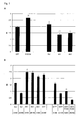
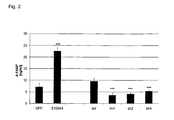
- S100A4 enhances insulin sensitivity in adipose tissue. This is shown by systemic modulation of S100A4 through viral mediated overexpression or knock down. Over-expression of S100A4 leads to an increase of insulin sensitivity in adipocytes, whereas a shRNA mediated suppression of S100A4 decreases insulin sensitivity ( Fig.1 ). These effects are shown in cell culture models, in which insulin mediated suppression of lipolysis and insulin induced glucose uptake are enhanced by modulation of S100A4 expression. S100A4 also induces adipogenesis by enhancing insulin sensitivity ( Fig.2 ).
- S100A4 is a secreted protein that can be detected in blood plasma.
- the adipocyte function is analyzed at different extracellular concentrations of S100A4.
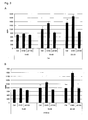
- the addition of recombinant S100A4 protein improves insulin sensitivity as shown by an enhanced insulin stimulated glucose uptake in both, adipocytes with an unmodified S100A4 expression as well as in adipocytes, with a reduced endogenous S100A4 expression ( Fig. 3 ). This shows that the effect of S100A4 is mediated via an extracellular mechanism rather than by an intracellular mechanism.
- S100A4 knockout mice and wild type mice are put on a high fat diet, and the impact on energy homoeostasis as well as on emerging metabolic disorders examined.
- the loss of S100A4 results in a strongly increased weight gain and decreased insulin sensitivity ( Fig. 4 ).
- An emerging insulin resistance is mainly the first sign for emerging type 2 diabetes.
- S100A4 acts as a secreted factor
- WT wild type mice
- S S100A4
- Fig. 5 the visceral fat pads are transplanted within the respective mouse model
- adenovirus causing an overexpression of S100A4
- mice are on a high fat diet and show the symptoms of metabolic syndrome.
- the injections are placed directly into the visceral fat pads, to induce an exclusive expression in the fat pad, which should lead to increased circulating S100A4 levels ( Fig. 6 ).
- S100A4 can be used to improve insulin signalling and glucose homeostasis WT mice are injected with PBS or S100A4 (i.p.) and blood glucose levels measured. As seen in Fig. 7 a single i.p. injection of S100A4 into a fasted mouse leads to a significant drop in blood glucose levels, demonstrating that circulating protein from an exogenous source can mediate the insulin sensitizing effect.
- S100A4 significantly improves the insulin sensitivity of the organism. This decelerates or suppresses the development of metabolic disorders such as obesity and type 2 diabetes. For this reason S100A4 is a new therapeutic approach for the treatment of the symptoms of metabolic syndrome, such as type 2 diabetes and obesity.
- Administration of S100A4 in a mouse model also leads to an improvement of insulin sensitivity.
- S100A4 knock out mice show a strongly increased weight gain on high fat diet in comparison to wild type mice. The transplantation of a visceral wild type fat pad into a S100A4 knock out mice decreased weight gain and led to an improvement of insulin sensitivity. Additionally, the selective over-expression of S100A4 in the visceral fat pads of mice, which are on a high fat diet and show the symptoms of metabolic syndrome, significantly increases the insulin sensitivity of those mice.
- S100A4 is a new therapy approach for the treatment of type 2 diabetes and metabolic syndrome. S100A4 also increases insulin sensitivity and is a new therapeutic approach especially for the increasing number of patients, for which metformin and other current antidiabetic agents are contraindicated.
- S100A4 is particularly suitable for application in case of side effects and contraindications of metformin.
- Metformin is contraindicated in severe liver disease and renal insufficiency, which occurs frequently in older patients. It is also contraindicated in slimming diets, alcoholism and diseases associated with poor oxygen supply to the body (heart failure or severe respiratory insufficiency), after a fresh heart attack and in elderly patients (>80 years). Additionally, pregnancy or breastfeeding are also exclusion criteria for metformin.
- sulfonylurea is another well-validated medication and frequently used in diabetes therapy.
- the disadvantages of this drug are hypoglycaemia and weight gain. Similar to the profile of metformin it is also contraindicated in severe liver disease, pregnancy and breastfeeding and very problematic in use for patients with renal insufficiency.
- the frequently occurring diseases of heart insufficiency (NYHAI-IV) and liver impairment are also contraindications for the PPARy ligands and pioglitazone, another popular group of antidiabetic drugs.
- frequently occurring diseases as renal insufficiency and liver impairment, as well as breastfeeding are contraindications for the main oral antihyperglycaemic agents.
- S100A4 is an interesting alternative. Furthermore S100A4 is particularly suitable in pregnancy, a general contraindication of oral antidiabetics.
- Diabetes occurs in 0.3-0.5% of all pregnancies in Europe and the USA.
- the fetus cannot produce insulin up to the 12 th week of pregnancy.
- a hyperglycaemia of the mother thus also leads to a hyperglycaemia of the fetus.
- Poor blood sugar control triples the risk of malformation up to 6-10%.
- Gestational diabetes is an emerging type 2 diabetes during pregnancy, which occurs in 1-3% of all pregnancies in Europe and the USA.
- the cause is decreased insulin sensitivity, as well as an increased secretion of insulin antagonists such as cortisol, estrogen, human placental lactogen and prolactin.
- S 1 00A4 does not pass the placental barrier. Due to its insulin sensitivity-enhancing effect and the avoidance of hypoglycaemia, S1 00A4 is the preferred treatment of diabetes in pregnant woman.
- a pharmaceutical composition according to the invention comprises S100A4 and a pharmaceutically acceptable carrier, excipient or stabilizer.
- Suitable carriers, excipients or stabilizers known to the skilled person in the art are saline, Ringer's solution, dextrose solution, Hank's solution, fixed oils, ethyl oleate, 5% dextrose in saline, substances that enhance isotonicity and chemical stability, buffers and preservatives.
- Other suitable carriers include further proteins, polysaccharides, polylactic acids, polyglycolic acids, polymeric amino acids and amino acid copolymers.
- a pharmaceutical composition may also be a combination formulation, comprising an additional active agent, such as one of the anti-diabetic compounds of the state of the art.
- the formulations to be used for in vivo administration must be aseptic or sterile. This is readily accomplished by filtration through sterile filtration membranes.
- Sustained-release preparations may be prepared.
- an implant can be used for providing S100A4 according to the invention.
- Suitable examples of sustained-release preparations include semipermeable matrices of solid hydrophobic polymers containing S100A4, which matrices are in the form of shaped articles, e.g. films, or microcapsules.
- sustained-release matrices include polyesters, hydrogels (for example, poly(2-hydroxyethyl-methacrylate), or poly(vinylalcohol)), polylactides, copolymers of L-glutamic acid and gamma-ethyl-L-glutamate, non-degradable ethylenevinyl acetate, degradable lactic acid-glycolic acid copolymers such as injectable microspheres composed of lactic acid-glycolic acid copolymer and leuprolide acetate, and poly-D-(-)-3-hydroxybutyric acid.
- polyesters for example, poly(2-hydroxyethyl-methacrylate), or poly(vinylalcohol)
- polylactides copolymers of L-glutamic acid and gamma-ethyl-L-glutamate
- non-degradable ethylenevinyl acetate non-degradable ethylenevinyl acetate
- the pharmaceutical composition may be administered by any suitable method within the knowledge of the skilled person.
- the preferred route of administration is parenterally.
- S100A4 will be formulated in a unit dosage injectable form such as a solution, suspension or emulsion, in association with the pharmaceutically acceptable excipients as defined above.
- the dosage and mode of administration will depend on the individual to be treated and the particular disease.
- the pharmaceutical composition is administered so that S100A4 is given at a dose between 0.1 and 100 ⁇ g/kg, more preferably between 0.2 and 10 ⁇ g/kg, most preferably between 0.5 and 1 ⁇ g/kg.
- it is given as a bolus dose.
- Continuous infusion may also be used and includes continuous subcutaneous delivery via an osmotic minipump. If so, the pharmaceutical composition may be infused at a dose between 0.01 and 1 ⁇ g/kg/minute, more preferably between 0.05 and 0.1 ⁇ g/kg/minute.
- mice All mouse models were maintained in the C57BI/6J background and kept on a 12 h/12 h light/dark cycle in a pathogen-free animal facility. Groups of mice were fed a high-fat diet (Provimi Kliba AG) containing 60% fat for 8 weeks. O 2 , CO 2 , food and water intake were simultaneously determined for four mice per experiment in an Oxymax metabolic cage system (Columbus Instruments).
- 3T3-L1 preadipocytes were cultured on collagen-coated plates in high-glucose Dulbecco's modified Eagle's medium (Invitrogen) supplemented with 10% fetal bovine serum and penicillin/streptomycin. Adipogenesis was induced by treating postconfluent 3T3-L1 preadipocytes or 80% confluent stromal-vascular cells with insulin, dexamethasone, and isobutylmethylxanthine.
- Lentiviral stocks were prepared the following way. HEK293T cells were transfected using lipofectamine with lentiviral overexpression or control vector and the packaging vectors pMD2.G and psPAX2. Virus containing medium was collected 24 h after changing transfected cells to high BSA (1.1 g / 100 ml) D-MEM supplemented with 10% fetal bovine serum and penicillin/streptomycin. For functional assays of 3T3-L1 adipocytes, 3T3-L1 cells were infected for 24 h with virus containing medium supplemented with polybrene (8 ⁇ g/ml) two days after induction of differentiation. Differentiation was continued until day 8.
- Adipocytes were preincubated with 20 nM (primary adipocytes) or 50 nM (3T3-L1 adipocytes) insulin for 10 min. Cells were incubated for 1 h with 1 mM glucose spiked with D-[1- 14 C]glucose in Krebs-Ringer buffer adding 1% BSA for primary adipocytes. Supernatant of 3T3-L1 adipocytes was collected, cells were washed, lysed and 14 C incorporation as well as total protein content by BCA Assay (Sigma) was measured. Primary adipocytes were spun through dinonyl phthalate oil, washed and the aqueous phase was collected.
- Osmium tetroxide fixed primary adipocytes were counted for normalization using a Coulter Cell Counter. Glycerol release in the supernatant was measured to assess lipolysis using glycerol reagent (Sigma) according to the manufacturer's protocol.
- Fat tissue was dissected, minced and incubated in collagenase type II for 1 h at 37°C. Pelleted stomal-vascular fraction was strained through a 40 ⁇ m net, erythrocytes were lysed and 10 6 cells were resuspended in 100 ⁇ l of Matrigel [BD]. Cells were injected subcutaneously into a skin fold underneath the neck. After 4-6 weeks Matrigel pads were excised and treated as described below for the determination of adipocyte size. From each pad pictures of 3 full sections were taken and adipocyte numbers as well as the number of nuclei were determined automatically with Cell Profiler Software.
- S100A4 was purified twice from E.coli via the His-tag using a Ni-NTA column (GE Healthcare) connected to an automated FPLC system. S100A4 was dialyzed with Slide-A-Lyzer® Dialysis Cassettes (Thermo Scientific) against PBS and analyzed by Western Blot using anti-His tag antibody (Cell Signalling) or Coomassie-stained 12% SDS-polyacrylamide gel.
- Analgesia was performed pre-operatively with buprenorphine (0.05 mg/kg i.p.) and post-operatively by adding codein (0.024 mg/ml) and para-(acetylamino)phenol (0.24 mg/ml) in the drinking water for three days.
- codein 0.024 mg/ml
- para-(acetylamino)phenol 0.24 mg/ml
- antibiosis enrofloxacin 10% (1.44 ⁇ g/ml) was added post-operatively to the drinking water for three days. After the surgery the animals were maintained on a high fat diet and a standard 12 h light/dark cycle.
- mice Nine-week-old wild type mice were on a high fat diet for three weeks when S1 00A4 adenovirus (1.1 x 10 12 pts), causing an overexpression of S100A4, was injected in the visceral fat pads. To place the injections exclusively into the epididymal fat pad, the intra-abdominal cavity was opened and the epididymal fat pads were exposed. As a control GFP adenovirus (1.1 x 10 12 pts) was injected in another cohort.
- S1 00A4 adenovirus 1.1 x 10 12 pts
- Analgesia was performed pre-operatively with buprenorphine (0.05 mg/kg i.p.) and post-operatively by adding codein (0.024 mg/ml) and para-(acetylamino)phenol (0.24 mg/ml) in the drinking water for three days.
- codein 0.024 mg/ml
- para-(acetylamino)phenol 0.24 mg/ml
- antibiosis enrofloxacin 10% (1.44 ⁇ g/ml) was added to the drinking water for three days. After the surgery the animals were maintained on a high fat diet and a standard 12 h light/dark cycle.
- S100A4 was injected at 500 ng/kg body weight i.p. into mice that were fed a high fat diet for 3 weeks prior to the start of the experiment. After 2 h animals were killed and blood parameters measured.
- Differentiated cells were fixed with 5% formaldehyde prior to staining with BODIPY for lipid droplets, Hoechst for nuclei and Syto60 for cytosolic staining (all Invitrogen). 25 pictures per well were taken with an automated microscope imaging system (CellWorx). Pictures were analyzed using Cell Profiler Software.
Landscapes
- Health & Medical Sciences (AREA)
- Diabetes (AREA)
- Life Sciences & Earth Sciences (AREA)
- General Health & Medical Sciences (AREA)
- Chemical & Material Sciences (AREA)
- Engineering & Computer Science (AREA)
- Bioinformatics & Cheminformatics (AREA)
- Medicinal Chemistry (AREA)
- Pharmacology & Pharmacy (AREA)
- Veterinary Medicine (AREA)
- Public Health (AREA)
- Animal Behavior & Ethology (AREA)
- Immunology (AREA)
- Epidemiology (AREA)
- Proteomics, Peptides & Aminoacids (AREA)
- Gastroenterology & Hepatology (AREA)
- Emergency Medicine (AREA)
- Endocrinology (AREA)
- Hematology (AREA)
- Obesity (AREA)
- Chemical Kinetics & Catalysis (AREA)
- General Chemical & Material Sciences (AREA)
- Nuclear Medicine, Radiotherapy & Molecular Imaging (AREA)
- Organic Chemistry (AREA)
- Medicines That Contain Protein Lipid Enzymes And Other Medicines (AREA)
Abstract
The invention relates to the use of S100A4 (UniProtKB P26447) in the treatment and prevention of symptoms of metabolic syndrome, in particular in the treatment of insulin resistance and type 2 diabetes. This use is preferably indicated in pregnant or breastfeeding women, and in patients with severe heart disease, renal insufficiency and/or liver insufficiency.
Description
- The invention relates to the treatment and prevention of symptoms of metabolic syndrome using S100A4.
- Decreased insulin sensitivity is usually the first sign of an emerging
type 2 diabetes, one of the leading symptoms of metabolic syndrome. - Metformin is the global market leader for oral antidiabetic drugs and the only available antihyperglycaemic agent, which improves both insulin sensitivity and weight loss.
- According to the WHO the number of diabetics in 2000 in the WHO Member States was 177 million patients and is estimated at 370 million in 2030. The resulting direct costs will increase from 2.5% to 15% of annual health care expenditures. The recognition that achieving specific glycaemic goals can substantially reduce morbidity, have made the effective treatment of hyperglycemia a top priority. The choice of specific antihyperglycaemic agents is mainly predicated on their blood glucose-lowering effectiveness, extraglycaemic effects that may reduce long-term complications, tolerability, safety profiles, ease of use and expense.
- Metformin is the first choice drug for the treatment of
type 2 diabetes and the global market leader of oral antidiabetic agents. In Germany alone, it had a turnover of € 51 million. Metformin is believed to act through inhibition of hepatic gluconeogenesis, decreasing intestinal absorption of glucose, increasing the insulin-mediated glucose disposal and inhibition of fatty acid oxidation. Typically metformin monotherapy lowers glucose levels by 20%, and lowers glycosylated hemoglobin levels (HbA1 C) by approximately 1.5 percentage points. Under all available oral antidiabetic agents metformin is the only one, which improves both insulin sensitivity and weight loss. Metformin is very popular because of its low side effects, the prevention of hyperglycaemia, its positive influences on weight and hyperlipidemia, as well as its protective effects against vascular complications. However, besides its gastrointestinal side effects, which remain in 5% of the cases and mostly leads to a discontinuation of the medication, it has a wide range of contraindications. As metformin inhibits the respiratory chain in mitochondria, the main concern is lactic acidosis, which is fatal in 50% of the cases. The risk of lactic acidosis can be minimized by avoiding the well established contraindications for metformin. These contraindications mainly include renal insufficiency, tissue hypoxia as in the case of severe heart and respiratory diseases (e.g. congestive heart failure, coronary artery disease, chronic obstructive pulmonary diseases), hepatic impairment, elderly patients (>80 years), surgical procedures and use of contrast media. 50-60% of the patients treated with metformin have at least one contraindication. As at the moment no comparable alternative is available the contraindications are deemed to be out-weighed by the benefits of the therapy. - S100A4(UniProtKB P26447; 101 amino acids) is a naturally secreted protein and its effect is most likely focused on fat tissue. It is unlikely that it negatively affects the respiratory chain, and it is not contraindicated in liver impairment, heart diseases and kidney insufficiency.
- The protein encoded by the S100A4 gene in humans is a member of the S100 family of proteins containing 2 EF-hand calcium-binding motifs. S100 proteins are localized in the cytoplasm and nucleus of a wide range of cells, and involved in the regulation of a number of cellular processes such as cell cycle progression and differentiation.
- The invention relates to the use of S100A4 in the treatment and prevention of symptoms of metabolic syndrome, in particular in the treatment of insulin resistance and
type 2 diabetes. This use is preferably indicated in pregnant or breastfeeding women, and in patients with severe heart disease (e.g. heart insufficiency, coronary artery disease), renal insufficiency and/or liver insufficiency. - The invention furthermore relates to pharmaceutical compositions comprising S100A4, and to a method of treatment and prevention of symptoms of metabolic syndrome, in particular a method of treatment of insulin resistance and
type 2 diabetes comprising administering to a patient in need thereof an efficient amount of S100A4. -
-
Figure 1 : S100A4 improves insulin sensitivity in adipocytes.
Over-expression of S100A4 leads to an increase of insulin sensitivity in adipocytes, whereas a sh-RNA mediated suppression of S100A4 decreases insulin sensitivity. A) Glucose uptake B) Lipolysis
RI = relative induction; sh = knock-down; S100A4 (or CMV S100) = CMV S100A4 over-expression; GFP = green fluorescent protein; Scr = control for knock down;
** = p<0.01; *** = p<0.001 -
Figure 2 : S100A4 increases adipogenesis.
Over-expression of S100A4 leads to an increase of adipogenesis in 3T3L1 preadipocytes, whereas a shRNA mediated suppression of S100A4 decreases adipogenesis. A-FABP = adipocyte fatty acid binding protein; sh = knock-down; S100A4 = CMV S100A4 over-expression; GFP = green fluorescent protein; scr = control for knock down;
*** = p<0.001 -
Figure 3 : Recombinant S100A4 increases adipocyte function
Addition of recombinant S100A4 enhances glucose uptake in adipocytes while addition of a S100A4 neutralizing antibody represses glucose uptake. Addition of S100A4 to a cell in which endogenous S100A4 is repressed by knock-down rescues the repressive effect. A) Glucose uptake in normal cells B) Glucose uptake in which S100A4 is reduced by knock out
Ctrl = Control experiment; S100kd = S100A4 knock down experiment; S100 = addition of S100A4 recombinant protein; aS100 = addition of S100A4 neutralizing antibody; cpm = counts per minute; * = p<0.05; ** = p<0.01; *** = p<0.001 -
Figure 4 : Increased weight gain and decreased insulin sensitivity in S100A4 knock-out mice.
Mice with a null mutation for S100A4 gain more weight than their littermates and show reduced insulin sensitivity in an insulin tolerance test
A) Body weight B) Insulin tolerance
BW = Body weight; squares = wild type mice; triangles = S100A4 knock out mice; Rel. Gluc. = relative glucose levels -
Figure 5 : Transplantation of a fat pad from a wild type mouse into an S100A4 deficient mouse reduces weight gain.
Fat pads from mice were transplanted from wild type to wild type, S100A4 knockout to S100A4 knockout, from wild type to S100A4 knockout and from S100A4 knockout to wild type. At 6 weeks after surgery mice were subjected to a high fat diet.
A) Transplantation scheme B) Body weight gain
BWG = Body weight gain; triangle = S100A4 knock out to S100A4 knock out mice; rhombus = wildtype to S100A4 knock out mice; circle = wildtype to witdtype mice; square = S100A4 knock out mice to S100A4 knock out mice; arrow = start of high fat diet,
* = p<0.05, ** = p<0.01, *** = p<0.001 -
Figure 6 : Elevation of S100A4 improves metabolic parameters in mice, which are on a high fat diet.
Mice with a null mutation for S100A4 gain more weight than their littermates and show reduced insulin sensitivity in an insulin tolerance test.
A) Experimental scheme B) Glucose levels C) Insulin tolerance
Squares = wild type mice; triangles = S100A4 knock out mice; wks = weeks; glu = glucose; fas = fasted; re = refed; rel. gluc. = relative glucose levels;
* = p<0.05; ** = p<0.01 -
Figure 7 : Elevation of circulating S100A4 improves glucose homeostasis in mice.
Mice are injected with 500 ng/kg S100A4, i.p. and blood glucose levels are monitored. PBS = PBS injected mice; S100A4 = S100A4 injected mice; glu = glucose;
* = p<0.05; ** = p<0.01 - The scientific rationale for the use of S100A4 in the treatment and prevention of symptoms of metabolic syndrome, in particular in the treatment of insulin resistance and
type 2 diabetes, is as follows: - It is demonstrated that S100A4 enhances insulin sensitivity in adipose tissue. This is shown by systemic modulation of S100A4 through viral mediated overexpression or knock down. Over-expression of S100A4 leads to an increase of insulin sensitivity in adipocytes, whereas a shRNA mediated suppression of S100A4 decreases insulin sensitivity (
Fig.1 ). These effects are shown in cell culture models, in which insulin mediated suppression of lipolysis and insulin induced glucose uptake are enhanced by modulation of S100A4 expression. S100A4 also induces adipogenesis by enhancing insulin sensitivity (Fig.2 ). - It is known that S100A4 is a secreted protein that can be detected in blood plasma. The adipocyte function is analyzed at different extracellular concentrations of S100A4. The addition of recombinant S100A4 protein improves insulin sensitivity as shown by an enhanced insulin stimulated glucose uptake in both, adipocytes with an unmodified S100A4 expression as well as in adipocytes, with a reduced endogenous S100A4 expression (
Fig. 3 ). This shows that the effect of S100A4 is mediated via an extracellular mechanism rather than by an intracellular mechanism. - To investigate the role of S100A4 in mouse model, S100A4 knockout mice and wild type mice are put on a high fat diet, and the impact on energy homoeostasis as well as on emerging metabolic disorders examined. The loss of S100A4 results in a strongly increased weight gain and decreased insulin sensitivity (
Fig. 4 ). An emerging insulin resistance is mainly the first sign for emergingtype 2 diabetes. - Since S100A4 acts as a secreted factor, it was examined whether an augmentation of S100A4 blood plasma levels improve the metabolic balance. For this purpose the visceral fat pads of wild type mice (WT) in S100A4 (S) deficient mice are transplanted, and vice versa. To control these cross transplants, the visceral fat pads are transplanted within the respective mouse model (
Fig. 5 ). The transplantation of S100A4 secreting visceral fat pads into an S100A4 deficient mouse leads to significant improvement of both, a reduced weight gain as well as increased insulin sensitivity. - To modulate S100A4 expression in a different way adenovirus, causing an overexpression of S100A4, is injected into the visceral fat pads of mice. These mice are on a high fat diet and show the symptoms of metabolic syndrome. The injections are placed directly into the visceral fat pads, to induce an exclusive expression in the fat pad, which should lead to increased circulating S100A4 levels (
Fig. 6 ). - An augmentation of S100A4 improves insulin sensitivity in this model. The effects can already be detected three weeks after the treatment.
- To directly assess whether S100A4 can be used to improve insulin signalling and glucose homeostasis WT mice are injected with PBS or S100A4 (i.p.) and blood glucose levels measured. As seen in
Fig. 7 a single i.p. injection of S100A4 into a fasted mouse leads to a significant drop in blood glucose levels, demonstrating that circulating protein from an exogenous source can mediate the insulin sensitizing effect. - Taken together it is shown, that the secreted protein S100A4 significantly improves the insulin sensitivity of the organism. This decelerates or suppresses the development of metabolic disorders such as obesity and
type 2 diabetes. For this reason S100A4 is a new therapeutic approach for the treatment of the symptoms of metabolic syndrome, such astype 2 diabetes and obesity. Administration of S100A4 in a mouse model also leads to an improvement of insulin sensitivity. Furthermore, S100A4 knock out mice show a strongly increased weight gain on high fat diet in comparison to wild type mice. The transplantation of a visceral wild type fat pad into a S100A4 knock out mice decreased weight gain and led to an improvement of insulin sensitivity. Additionally, the selective over-expression of S100A4 in the visceral fat pads of mice, which are on a high fat diet and show the symptoms of metabolic syndrome, significantly increases the insulin sensitivity of those mice. - Augmentation of S100A4 blood levels leads to a systemic improvement of insulin sensitivity and to an improved control of weight gain. Therefore, S100A4 is a new therapy approach for the treatment of
type 2 diabetes and metabolic syndrome. S100A4 also increases insulin sensitivity and is a new therapeutic approach especially for the increasing number of patients, for which metformin and other current antidiabetic agents are contraindicated. - S100A4 is particularly suitable for application in case of side effects and contraindications of metformin. Metformin is contraindicated in severe liver disease and renal insufficiency, which occurs frequently in older patients. It is also contraindicated in slimming diets, alcoholism and diseases associated with poor oxygen supply to the body (heart failure or severe respiratory insufficiency), after a fresh heart attack and in elderly patients (>80 years). Additionally, pregnancy or breastfeeding are also exclusion criteria for metformin.
- Besides Metformin, sulfonylurea is another well-validated medication and frequently used in diabetes therapy. The disadvantages of this drug are hypoglycaemia and weight gain. Similar to the profile of metformin it is also contraindicated in severe liver disease, pregnancy and breastfeeding and very problematic in use for patients with renal insufficiency. The frequently occurring diseases of heart insufficiency (NYHAI-IV) and liver impairment are also contraindications for the PPARy ligands and pioglitazone, another popular group of antidiabetic drugs. Taken together, frequently occurring diseases as renal insufficiency and liver impairment, as well as breastfeeding are contraindications for the main oral antihyperglycaemic agents. In those cases S100A4 is an interesting alternative. Furthermore S100A4 is particularly suitable in pregnancy, a general contraindication of oral antidiabetics.
- Diabetes occurs in 0.3-0.5% of all pregnancies in Europe and the USA. The fetus cannot produce insulin up to the 12 th week of pregnancy. A hyperglycaemia of the mother thus also leads to a hyperglycaemia of the fetus. Poor blood sugar control triples the risk of malformation up to 6-10%.
- Gestational diabetes is an emerging
type 2 diabetes during pregnancy, which occurs in 1-3% of all pregnancies in Europe and the USA. The cause is decreased insulin sensitivity, as well as an increased secretion of insulin antagonists such as cortisol, estrogen, human placental lactogen and prolactin. - The available oral antidiabetic agents cross the placenta, and teratogenic effects cannot be excluded. For this reason, the use of insulin is presently the therapy of choice during pregnancy. Under this therapy frequently occurring hypoglycaemia or sporadically occurring hyperglycaemia of the mother and the child must be accepted.
-
S 1 00A4 does not pass the placental barrier. Due to its insulin sensitivity-enhancing effect and the avoidance of hypoglycaemia, S1 00A4 is the preferred treatment of diabetes in pregnant woman. - A pharmaceutical composition according to the invention comprises S100A4 and a pharmaceutically acceptable carrier, excipient or stabilizer. Suitable carriers, excipients or stabilizers known to the skilled person in the art are saline, Ringer's solution, dextrose solution, Hank's solution, fixed oils, ethyl oleate, 5% dextrose in saline, substances that enhance isotonicity and chemical stability, buffers and preservatives. Other suitable carriers include further proteins, polysaccharides, polylactic acids, polyglycolic acids, polymeric amino acids and amino acid copolymers. A pharmaceutical composition may also be a combination formulation, comprising an additional active agent, such as one of the anti-diabetic compounds of the state of the art.
- The formulations to be used for in vivo administration must be aseptic or sterile. This is readily accomplished by filtration through sterile filtration membranes.
- Sustained-release preparations may be prepared. In one embodiment of the invention, an implant can be used for providing S100A4 according to the invention. Suitable examples of sustained-release preparations include semipermeable matrices of solid hydrophobic polymers containing S100A4, which matrices are in the form of shaped articles, e.g. films, or microcapsules. Examples of sustained-release matrices include polyesters, hydrogels (for example, poly(2-hydroxyethyl-methacrylate), or poly(vinylalcohol)), polylactides, copolymers of L-glutamic acid and gamma-ethyl-L-glutamate, non-degradable ethylenevinyl acetate, degradable lactic acid-glycolic acid copolymers such as injectable microspheres composed of lactic acid-glycolic acid copolymer and leuprolide acetate, and poly-D-(-)-3-hydroxybutyric acid.
- The pharmaceutical composition may be administered by any suitable method within the knowledge of the skilled person. The preferred route of administration is parenterally. In parental administration, S100A4 will be formulated in a unit dosage injectable form such as a solution, suspension or emulsion, in association with the pharmaceutically acceptable excipients as defined above. The dosage and mode of administration will depend on the individual to be treated and the particular disease. Generally, the pharmaceutical composition is administered so that S100A4 is given at a dose between 0.1 and 100 µg/kg, more preferably between 0.2 and 10 µg/kg, most preferably between 0.5 and 1 µg/kg. Preferably, it is given as a bolus dose. Continuous infusion may also be used and includes continuous subcutaneous delivery via an osmotic minipump. If so, the pharmaceutical composition may be infused at a dose between 0.01 and 1 µg/kg/minute, more preferably between 0.05 and 0.1 µg/kg/minute.
- All mouse models were maintained in the C57BI/6J background and kept on a 12 h/12 h light/dark cycle in a pathogen-free animal facility. Groups of mice were fed a high-fat diet (Provimi Kliba AG) containing 60% fat for 8 weeks. O2, CO2, food and water intake were simultaneously determined for four mice per experiment in an Oxymax metabolic cage system (Columbus Instruments).
- 3T3-L1 preadipocytes were cultured on collagen-coated plates in high-glucose Dulbecco's modified Eagle's medium (Invitrogen) supplemented with 10% fetal bovine serum and penicillin/streptomycin. Adipogenesis was induced by treating postconfluent 3T3-L1 preadipocytes or 80% confluent stromal-vascular cells with insulin, dexamethasone, and isobutylmethylxanthine.
- Lentiviral stocks were prepared the following way. HEK293T cells were transfected using lipofectamine with lentiviral overexpression or control vector and the packaging vectors pMD2.G and psPAX2. Virus containing medium was collected 24 h after changing transfected cells to high BSA (1.1 g / 100 ml) D-MEM supplemented with 10% fetal bovine serum and penicillin/streptomycin. For functional assays of 3T3-L1 adipocytes, 3T3-L1 cells were infected for 24 h with virus containing medium supplemented with polybrene (8 µg/ml) two days after induction of differentiation. Differentiation was continued until
day 8. - Adipocytes were preincubated with 20 nM (primary adipocytes) or 50 nM (3T3-L1 adipocytes) insulin for 10 min. Cells were incubated for 1 h with 1 mM glucose spiked with D-[1-14C]glucose in Krebs-Ringer buffer adding 1% BSA for primary adipocytes. Supernatant of 3T3-L1 adipocytes was collected, cells were washed, lysed and 14C incorporation as well as total protein content by BCA Assay (Sigma) was measured. Primary adipocytes were spun through dinonyl phthalate oil, washed and the aqueous phase was collected. Osmium tetroxide fixed primary adipocytes were counted for normalization using a Coulter Cell Counter. Glycerol release in the supernatant was measured to assess lipolysis using glycerol reagent (Sigma) according to the manufacturer's protocol.
- Fat tissue was dissected, minced and incubated in collagenase type II for 1 h at 37°C. Pelleted stomal-vascular fraction was strained through a 40 µm net, erythrocytes were lysed and 106 cells were resuspended in 100 µl of Matrigel [BD]. Cells were injected subcutaneously into a skin fold underneath the neck. After 4-6 weeks Matrigel pads were excised and treated as described below for the determination of adipocyte size. From each pad pictures of 3 full sections were taken and adipocyte numbers as well as the number of nuclei were determined automatically with Cell Profiler Software.
- S100A4 was purified twice from E.coli via the His-tag using a Ni-NTA column (GE Healthcare) connected to an automated FPLC system. S100A4 was dialyzed with Slide-A-Lyzer® Dialysis Cassettes (Thermo Scientific) against PBS and analyzed by Western Blot using anti-His tag antibody (Cell Signalling) or Coomassie-stained 12% SDS-polyacrylamide gel.
- Six-week-old male wild type mice (WT) and S100A4 deficient mice (S) were used as recipients and donors of visceral fat pads. The visceral fat pads of wild type mice were transplanted in S100A4 deficient mice, and vice versa. To control these cross transplants, the visceral fat pads were transplanted within the respective mouse model. Fat transplantation was performed using fat pads removed from the intra-abdominal perigonadal (epididymal) area. The epididymal fat pads were transplanted in the intra-abdominal cavity and fixed with 2 stitches at the peritoneum close to their physiological position. Analgesia was performed pre-operatively with buprenorphine (0.05 mg/kg i.p.) and post-operatively by adding codein (0.024 mg/ml) and para-(acetylamino)phenol (0.24 mg/ml) in the drinking water for three days. For antibiosis enrofloxacin 10% (1.44 µg/ml) was added post-operatively to the drinking water for three days. After the surgery the animals were maintained on a high fat diet and a standard 12 h light/dark cycle.
- Nine-week-old wild type mice were on a high fat diet for three weeks when S1 00A4 adenovirus (1.1 x 10¹² pts), causing an overexpression of S100A4, was injected in the visceral fat pads. To place the injections exclusively into the epididymal fat pad, the intra-abdominal cavity was opened and the epididymal fat pads were exposed. As a control GFP adenovirus (1.1 x 10¹² pts) was injected in another cohort. Analgesia was performed pre-operatively with buprenorphine (0.05 mg/kg i.p.) and post-operatively by adding codein (0.024 mg/ml) and para-(acetylamino)phenol (0.24 mg/ml) in the drinking water for three days. For antibiosis enrofloxacin 10% (1.44 µg/ml) was added to the drinking water for three days. After the surgery the animals were maintained on a high fat diet and a standard 12 h light/dark cycle.
- S100A4 was injected at 500 ng/kg body weight i.p. into mice that were fed a high fat diet for 3 weeks prior to the start of the experiment. After 2 h animals were killed and blood parameters measured.
- Differentiated cells were fixed with 5% formaldehyde prior to staining with BODIPY for lipid droplets, Hoechst for nuclei and Syto60 for cytosolic staining (all Invitrogen). 25 pictures per well were taken with an automated microscope imaging system (CellWorx). Pictures were analyzed using Cell Profiler Software.
- Blood glucose was measured with a glycometer (Contour). Insulin was determined with the Rat/Mouse Insulin ELISA kit (Crystal Chem).
- Statistical analyses were performed using a two-tailed Student's t test.
Claims (9)
- S100A4 for use in the treatment and prevention of symptoms of metabolic syndrome.
- S100A4 for use in the treatment of insulin resistance and type 2 diabetes according to claim 1.
- S100A4 for use in the treatment of insulin resistance and type 2 diabetes according to claim 1 of pregnant or breastfeeding women.
- S100A4 for use in the treatment of gestational diabetes according to claim 3.
- S100A4 for use in the treatment of insulin resistance and type 2 diabetes according to claim 1 of patients with severe heart disease, renal insufficiency and/or liver insufficiency.
- S100A4 for use in the treatment of insulin resistance and type 2 diabetes according to claim 1 of elderly patients above 80 years of age.
- A pharmaceutical composition comprising S100A4.
- A method of treatment and prevention of symptoms of metabolic syndrome comprising administering to a patient in need thereof an efficient amount of S100A4.
- The method of treatment of insulin resistance and type 2 diabetes according to claim 6 comprising administering to a patient in need thereof an efficient amount of S100A4.
Priority Applications (2)
| Application Number | Priority Date | Filing Date | Title |
|---|---|---|---|
| EP11000260A EP2476426A1 (en) | 2011-01-13 | 2011-01-13 | Treatment and prevention of symptoms of metabolic syndrome |
| PCT/EP2012/000118 WO2012095313A1 (en) | 2011-01-13 | 2012-01-12 | Treatment and prevention of symptoms of metabolic syndrome |
Applications Claiming Priority (1)
| Application Number | Priority Date | Filing Date | Title |
|---|---|---|---|
| EP11000260A EP2476426A1 (en) | 2011-01-13 | 2011-01-13 | Treatment and prevention of symptoms of metabolic syndrome |
Publications (1)
| Publication Number | Publication Date |
|---|---|
| EP2476426A1 true EP2476426A1 (en) | 2012-07-18 |
Family
ID=43855989
Family Applications (1)
| Application Number | Title | Priority Date | Filing Date |
|---|---|---|---|
| EP11000260A Withdrawn EP2476426A1 (en) | 2011-01-13 | 2011-01-13 | Treatment and prevention of symptoms of metabolic syndrome |
Country Status (2)
| Country | Link |
|---|---|
| EP (1) | EP2476426A1 (en) |
| WO (1) | WO2012095313A1 (en) |
Families Citing this family (2)
| Publication number | Priority date | Publication date | Assignee | Title |
|---|---|---|---|---|
| KR102101807B1 (en) * | 2017-03-21 | 2020-04-20 | 동국대학교 산학협력단 | Composition for diagnosing insulin resistance and its uses |
| WO2018174575A1 (en) * | 2017-03-21 | 2018-09-27 | 동국대학교산학협력단 | Composition for diagnosing insulin resistance and use thereof |
Citations (1)
| Publication number | Priority date | Publication date | Assignee | Title |
|---|---|---|---|---|
| WO2007038933A2 (en) * | 2005-10-05 | 2007-04-12 | Rigshospitalet | A method for producing cells with efficient engraftment within the heart |
-
2011
- 2011-01-13 EP EP11000260A patent/EP2476426A1/en not_active Withdrawn
-
2012
- 2012-01-12 WO PCT/EP2012/000118 patent/WO2012095313A1/en not_active Ceased
Patent Citations (1)
| Publication number | Priority date | Publication date | Assignee | Title |
|---|---|---|---|---|
| WO2007038933A2 (en) * | 2005-10-05 | 2007-04-12 | Rigshospitalet | A method for producing cells with efficient engraftment within the heart |
Non-Patent Citations (4)
| Title |
|---|
| CHUONG CHRISTOPHER ET AL: "RAGE expression and NF-kappaB activation attenuated by extracellular domain of RAGE in human salivary gland cell line.", JOURNAL OF CELLULAR PHYSIOLOGY NOV 2009 LNKD- PUBMED:19591173, vol. 221, no. 2, November 2009 (2009-11-01), pages 430 - 434, XP002633105, ISSN: 1097-4652 * |
| FUJIMOTO SAKI ET AL: "Gene expression of inflammatory cytokines in peripheral leukocytes in db/db mice rose with progression of diabetes.", BIOSCIENCE, BIOTECHNOLOGY, AND BIOCHEMISTRY 2010 LNKD- PUBMED:20622430, vol. 74, no. 7, 2010, pages 1488 - 1490, XP002633107, ISSN: 1347-6947 * |
| WRIGHT N T ET AL: "S100A1: Structure, function, and therapeutic potential", CURRENT CHEMICAL BIOLOGY, 16, 1 May 2009 (2009-05-01), pages 1, XP002633104, ISSN: 1872-3136, Retrieved from the Internet <URL:http://www.ncbi.nlm.nih.gov/pmc/articles/PMC2771873/pdf/nihms121910.pdf?tool=pmcentrez> [retrieved on 20110415] * |
| YOSHIDA TOMOHIKO ET AL: "Direct inhibitory and indirect stimulatory effects of RAGE ligand S100 on sRANKL-induced osteoclastogenesis.", JOURNAL OF CELLULAR BIOCHEMISTRY 1 AUG 2009 LNKD- PUBMED:19415676, vol. 107, no. 5, 1 August 2009 (2009-08-01), pages 917 - 925, XP002633106, ISSN: 1097-4644 * |
Also Published As
| Publication number | Publication date |
|---|---|
| WO2012095313A1 (en) | 2012-07-19 |
Similar Documents
| Publication | Publication Date | Title |
|---|---|---|
| JP6638092B2 (en) | Use of pyrroloquinoline quinone, its derivatives and / or salts in dry syndrome and pharmaceutical compositions | |
| WO2021143912A1 (en) | Therapeutic action of cell-free fat extract on fatty liver and complications thereof | |
| CN104434926A (en) | Application of CMKLR1 micromolecule antagonist to control obesity and obesity metabolic syndrome | |
| KR20140135219A (en) | The use of antithrombin in the treatment of pre-eclampsia | |
| CA2764577C (en) | Method of preventing renal disease and treating symptoms thereof | |
| KR20010093825A (en) | Novel ligands of nuclear receptor | |
| CN104884080A (en) | Use of Antithrombin in Extracorporeal Membrane Oxygenation | |
| WO2012095313A1 (en) | Treatment and prevention of symptoms of metabolic syndrome | |
| CN111514209A (en) | Application of traditional Chinese medicine composition in preparation of medicine for preventing and/or treating myocardial ischemia-reperfusion injury | |
| WO2021249402A1 (en) | Effects of cell-free fat liquid extract on macrophage polarization modulation and disease treatment | |
| WO2024251278A1 (en) | Drug for treating ovarian insufficiency | |
| CN105233256A (en) | Application of erythropoietin and erythropoietin derivatives to preparation of medicine for promoting apoptotic cell clearance during disease treatment | |
| US20120010123A1 (en) | Methods of treating metabolic disorders and cardiovascular diseases | |
| CN117653650A (en) | Triacetyl-3-hydroxyphenyladenosine in the treatment of obesity | |
| CN117257803A (en) | Application of lurasidone in preparation of drugs for treating or preventing ischemia/reperfusion injury and cytoprotective drugs | |
| AU749673B2 (en) | Use of glycosaminoglycans for producing pharmaceutical preparations for treating diabetes-associated diseases of the eye | |
| US10765720B2 (en) | Composition for preventing or treating hyperoxia-induced lung injury comprising WKYMVm peptide as an active ingredient | |
| WO2006079243A1 (en) | The use of flavonol and flavonol glycosides for stimulating growth of renal tubular epithelial cells to secrete the kidney secreting bone growth factor | |
| TWI600429B (en) | Uses of ergosterol | |
| CN113855812B (en) | Novel medicinal use of polyethylene glycol loxenatide or its pharmaceutical composition | |
| CN119157885B (en) | Use of 18 beta-glycyrrhetinic acid for improving hematopoiesis capacity of renal anemia | |
| CN110604735B (en) | Compound for treating hepatic fibrosis and scleroderma and application thereof | |
| CN119185509A (en) | Application of multi-target melanocortin receptor agonist in preparation of pemphigus prevention and treatment drugs | |
| CN102380089A (en) | Novel application of intermedin 1-53 in preparing medicament for treating glucose metabolism disturbance | |
| TW202327566A (en) | Use of composition containing fucoxanthin and oligo-fucoidan for preparing pharmaceutical product treating or improving chronic kidney disease, composition containing fucoxanthin, oligo- fucoidan and L-carnitine, and pharmaceutical product containing the same effectively treating or slowing down the chronic kidney disease |
Legal Events
| Date | Code | Title | Description |
|---|---|---|---|
| PUAI | Public reference made under article 153(3) epc to a published international application that has entered the european phase |
Free format text: ORIGINAL CODE: 0009012 |
|
| AK | Designated contracting states |
Kind code of ref document: A1 Designated state(s): AL AT BE BG CH CY CZ DE DK EE ES FI FR GB GR HR HU IE IS IT LI LT LU LV MC MK MT NL NO PL PT RO RS SE SI SK SM TR |
|
| AX | Request for extension of the european patent |
Extension state: BA ME |
|
| STAA | Information on the status of an ep patent application or granted ep patent |
Free format text: STATUS: THE APPLICATION IS DEEMED TO BE WITHDRAWN |
|
| 18D | Application deemed to be withdrawn |
Effective date: 20130119 |