EP2474582A1 - Coating agent comprising hydroxyalkyl cellulose - Google Patents
Coating agent comprising hydroxyalkyl cellulose Download PDFInfo
- Publication number
- EP2474582A1 EP2474582A1 EP10813677A EP10813677A EP2474582A1 EP 2474582 A1 EP2474582 A1 EP 2474582A1 EP 10813677 A EP10813677 A EP 10813677A EP 10813677 A EP10813677 A EP 10813677A EP 2474582 A1 EP2474582 A1 EP 2474582A1
- Authority
- EP
- European Patent Office
- Prior art keywords
- coating agent
- adhesion
- cellulose
- hydroxyalkyl cellulose
- hydroxyalkyl
- Prior art date
- Legal status (The legal status is an assumption and is not a legal conclusion. Google has not performed a legal analysis and makes no representation as to the accuracy of the status listed.)
- Granted
Links
Images
Classifications
-
- C—CHEMISTRY; METALLURGY
- C09—DYES; PAINTS; POLISHES; NATURAL RESINS; ADHESIVES; COMPOSITIONS NOT OTHERWISE PROVIDED FOR; APPLICATIONS OF MATERIALS NOT OTHERWISE PROVIDED FOR
- C09D—COATING COMPOSITIONS, e.g. PAINTS, VARNISHES OR LACQUERS; FILLING PASTES; CHEMICAL PAINT OR INK REMOVERS; INKS; CORRECTING FLUIDS; WOODSTAINS; PASTES OR SOLIDS FOR COLOURING OR PRINTING; USE OF MATERIALS THEREFOR
- C09D101/00—Coating compositions based on cellulose, modified cellulose, or cellulose derivatives
- C09D101/08—Cellulose derivatives
- C09D101/26—Cellulose ethers
-
- A—HUMAN NECESSITIES
- A61—MEDICAL OR VETERINARY SCIENCE; HYGIENE
- A61K—PREPARATIONS FOR MEDICAL, DENTAL OR TOILETRY PURPOSES
- A61K47/00—Medicinal preparations characterised by the non-active ingredients used, e.g. carriers or inert additives; Targeting or modifying agents chemically bound to the active ingredient
- A61K47/30—Macromolecular organic or inorganic compounds, e.g. inorganic polyphosphates
- A61K47/36—Polysaccharides; Derivatives thereof, e.g. gums, starch, alginate, dextrin, hyaluronic acid, chitosan, inulin, agar or pectin
- A61K47/38—Cellulose; Derivatives thereof
-
- A—HUMAN NECESSITIES
- A61—MEDICAL OR VETERINARY SCIENCE; HYGIENE
- A61K—PREPARATIONS FOR MEDICAL, DENTAL OR TOILETRY PURPOSES
- A61K9/00—Medicinal preparations characterised by special physical form
- A61K9/20—Pills, tablets, discs, rods
- A61K9/28—Dragees; Coated pills or tablets, e.g. with film or compression coating
-
- C—CHEMISTRY; METALLURGY
- C08—ORGANIC MACROMOLECULAR COMPOUNDS; THEIR PREPARATION OR CHEMICAL WORKING-UP; COMPOSITIONS BASED THEREON
- C08B—POLYSACCHARIDES; DERIVATIVES THEREOF
- C08B11/00—Preparation of cellulose ethers
- C08B11/02—Alkyl or cycloalkyl ethers
- C08B11/04—Alkyl or cycloalkyl ethers with substituted hydrocarbon radicals
- C08B11/08—Alkyl or cycloalkyl ethers with substituted hydrocarbon radicals with hydroxylated hydrocarbon radicals; Esters, ethers, or acetals thereof
-
- C—CHEMISTRY; METALLURGY
- C09—DYES; PAINTS; POLISHES; NATURAL RESINS; ADHESIVES; COMPOSITIONS NOT OTHERWISE PROVIDED FOR; APPLICATIONS OF MATERIALS NOT OTHERWISE PROVIDED FOR
- C09D—COATING COMPOSITIONS, e.g. PAINTS, VARNISHES OR LACQUERS; FILLING PASTES; CHEMICAL PAINT OR INK REMOVERS; INKS; CORRECTING FLUIDS; WOODSTAINS; PASTES OR SOLIDS FOR COLOURING OR PRINTING; USE OF MATERIALS THEREFOR
- C09D101/00—Coating compositions based on cellulose, modified cellulose, or cellulose derivatives
- C09D101/08—Cellulose derivatives
- C09D101/26—Cellulose ethers
- C09D101/28—Alkyl ethers
- C09D101/284—Alkyl ethers with hydroxylated hydrocarbon radicals
-
- A—HUMAN NECESSITIES
- A61—MEDICAL OR VETERINARY SCIENCE; HYGIENE
- A61K—PREPARATIONS FOR MEDICAL, DENTAL OR TOILETRY PURPOSES
- A61K9/00—Medicinal preparations characterised by special physical form
- A61K9/20—Pills, tablets, discs, rods
- A61K9/28—Dragees; Coated pills or tablets, e.g. with film or compression coating
- A61K9/2806—Coating materials
- A61K9/2833—Organic macromolecular compounds
- A61K9/286—Polysaccharides, e.g. gums; Cyclodextrin
- A61K9/2866—Cellulose; Cellulose derivatives, e.g. hydroxypropyl methylcellulose
Definitions
- the present invention relates to a coating agent containing a hydroxyalkyl cellulose. More specifically, the present invention relates to a coating agent suitable for obtaining a coating film of solid preparations for medicine, agricultural chemicals or food.
- a coating agent suitable for obtaining a coating film of solid preparations for medicine, agricultural chemicals or food.
- Hydroxypropyl celluloses are non-ionic polymers in which a hydroxyl group in the glucose (C 6 H 10 O 5 ) unit serving as a structural unit of cellulose is etherified with a hydroxypropyl group.
- a hydroxyl group in the glucose (C 6 H 10 O 5 ) unit serving as a structural unit of cellulose is etherified with a hydroxypropyl group.
- the hydroxypropyl celluloses those in which the content of hydroxypropoxyl groups is from 53.4 to 77.5% by mass and those in which the content of hydroxypropoxyl groups is from 5 to 16% by mass are known. In general, the latter is called low-substituted hydroxypropyl celluloses (refer to Patent Document 1 or the like).
- Patent Document 2 has proposed a hydroxypropyl cellulose having an average substitution mole number of 2 to 3, in which the ratio of unsubstituted products and highly substituted products with a substitution mole number of hydroxypropyl groups of 4 or more is low, whereby anti-blocking can be achieved under the environment of 25°C and 75% RH.
- Patent Document 3 a coating composition containing a low-substituted hydroxypropyl cellulose, talc, propylene glycol and polyethylene glycol has been proposed, whereby it has been shown that a tablet with no adhesion property can be provided.
- the present invention has an object of providing a coating agent suitable for obtaining a coating film which is less likely to cause blocking even under high temperature and high humidity environments.
- the inventors of the present invention have conducted intensive and extensive studies in order to achieve the above object. As a result, they discovered that blocking can be prevented even under high temperature and high humidity environments by using a coating agent containing a hydroxyalkyl cellulose in which the content of hydroxyalkyl groups is within a range of 40 to 50% by mass.
- the present invention has been accomplished by further studies based on these findings.
- the present invention includes the following aspects.
- a coating film obtained by using a coating agent according to the present invention hardly causes stickiness and is less likely to cause blocking even when being left to stand under the high temperature and high humidity environment of 50°C and 90% RH.
- Solid preparations coated with a coating agent according to the present invention exhibit almost no adhesion between the preparations even when being left to stand under the high temperature and high humidity environment of 50°C and 90% RH.
- the level of adhesion between the preparation and the vessel is lowered so that the rupture of the coating film when peeling off the preparation from the vessel can be suppressed.
- a coating agent of the present invention contains a hydroxyalkyl cellulose.
- the hydroxyalkyl cellulose can be obtained, for example, by reacting sodium hydroxide with cellulose serving as a raw material to produce an alkali cellulose, and then allowing a substitution reaction between the alkali cellulose and an alkylene oxide to proceed.
- examples of the alkylene oxide to be used in the substitution reaction include ethylene oxide, propylene oxide, and the like, propylene oxide is preferable in the present invention.
- Hydroxypropyl cellulose can be obtained through the substitution reaction by using propylene oxide.
- R represents a divalent alkyl group.
- R is preferably CH 2 -CH(CH 3 ) or CH 2 -CH 2 , and more preferably CH 2 -CH(CH 3 ).
- m is a natural number of 1 or more.
- the hydroxyalkyl cellulose included in the coating agent of the present invention is in such a manner that the content of hydroxyalkyl group therein is within a range of 40 to 50% by mass, and preferably within a range of 42 to 48% by mass. When the content of hydroxyalkyl group is within the range, stickiness of the coating film is reduced, which makes the blocking less likely. It should be noted that the content of hydroxyalkyl group can be determined in accordance with the method based on USP24 (US Pharmacopeia) or the method described in Patent Document 4.
- the hydroxyalkyl cellulose used in the present invention has a viscosity at 20°C in a 2% aqueous solution, which is preferably within a range of 2.0 to 10.0 mPa•s, and more preferably within a range of 3.0 to 5.9 mPa•s. Viscosity is an index indicating the degree of polymerization of hydroxyalkyl cellulose. If the viscosity is within the above range, the workability when obtaining granular agents or tablets is improved.
- the coating agent of the present invention is obtainable by dissolving or dispersing the aforementioned hydroxyalkyl cellulose in a solvent.
- Water is usually used as the solvent.
- An organic solvent such as acetone, ethanol or isopropyl alcohol, may also be used.
- the content of the aforementioned hydroxyalkyl cellulose in the coating agent of the present invention is not particularly limited, it is usually at least 0.5% by mass, and preferably at least 1.0% by mass, relative to the dry mass of the coating agent.
- a known compounding agent that can be blended into coating agents for tablets may be incorporated, in addition to the aforementioned hydroxyalkyl cellulose.
- examples thereof include powders such as talc, titanium oxide, ferric oxide yellow, iron sesquioxide, legal pigments, light anhydrous silicic acid and hydrous silicon dioxide; lubricants such as polyethylene glycol, polypropylene glycol, triethyl citrate, glycerol mono-, di- or tri-acetate and 1,2-propylene glycol; adhesion promoters such as sucrose, polyvinylpyrrolidone, dextrose, sorbitol, mannitol, sucrose, polyvinylpyrrolidone, lactose, starch, sodium starch glycolate, ethyl cellulose and maltodextrins; and film forming agents such as cellulose acetate phthalate, microcrystalline cellulose, methyl cellulose, hydroxypropyl methylcellulose, algina
- Plain tablets or granulated materials that are coated with the coating agent of the present invention are prepared by the usual production method.
- a plain tablet of suitable size can be obtained by mixing and kneading drugs and excipients, binders, disintegrants, lubricants or the like with a small amount of water, organic solvents or the like, followed by the steps of granulation, drying, particle size control and, if necessary, tableting.
- the coating can usually be carried out using a sugar coating pan or a porous coating machine, usually at room temperature, or while heating to 20 to 200°C in some cases.
- a sugar coating pan or a porous coating machine usually at room temperature, or while heating to 20 to 200°C in some cases.
- examples of the form of the solid preparation to be obtained include coated tablets, coated granules and coated grains.
- the solid preparation obtained in the present invention can be prepared as a sugar-coated tablet or the like. Furthermore, if the gloss is required, wax coating can be conducted with carnauba wax or the like in accordance with the conventional methods.
- propylene oxide was added thereto, and the temperature inside the reactor was increased to about 80°C.
- An etherification reaction was carried out by maintaining the temperature at 80°C for about 1 hour with stirring. Then, the temperature inside the reactor was lowered to 45°C or less. After 1 hour from the start of the cooling, the temperature was raised to 85°C and was maintained at 85°C for 1.5 hours. Then, the temperature inside the reactor was lowered to 40°C or less.
- a 20% aqueous NaOH solution was then added thereto every few tens of minutes with stirring at about 85°C until the pH of 7.5 was achieved. The resulting solution was then allowed to stand. A gel was precipitated. The supernatant was decanted. Boiling water was poured onto the gel. The resultant was stirred for 10 minutes and was then allowed to stand again. A gel was precipitated. The supernatant was decanted. The gel was collected from the flask and cast on a flat plate made of fluorine resin. The resultant was vacuum dried at 70°C. In this manner, hydroxypropyl cellulose was obtained.
- the added amount of propylene oxide in the above etherification reaction was set to 5.99 and 4.28 in terms of the molar ratio relative to the pulp.
- the content of hydroxypropyl groups within the obtained hydroxypropyl cellulose was 56.6% by mass and 45.7% by mass, respectively.
- the viscosity in the 2% aqueous solution at 20°C was 5.8 mPa•s and 4.8 mPa•s, respectively. Note that the viscosity of 2% aqueous solution was measured at 20°C and 60 rpm using a digital viscometer/B-type viscometer (DV-II + Pro, manufactured by Brookfield Engineering Laboratories).
- HPC-L product manufactured by Nippon Soda Co., Ltd.
- sugar esters were mixed, and then subjected to tableting and molding to obtain plain tablets, with each tablet weighing about 180 mg.
- the plain tablets exhibited a tablet hardness of 6.8 Kg and a disintegration time of 10.3 minutes.
- 150 g of the plain tablets were coated with the 8% aqueous solution of hydroxypropyl cellulose (HPC having a solid content of 3%) obtained as described above, using the fully automated sugar coating/film coating machine (New Hi-Coater HCT-MINI; manufactured by Freund Corporation).
- the above hardness was obtained as an average value of 20 tablets using the ERWEKA Hardness Tester (TBH28 model, manufactured by ERWEKA GmbH), and the above disintegration time was obtained by measuring an average disintegration time of 6 tablets under the conditions of distilled water and 37°C using a disintegration tester (NT-2 type, manufactured by Toyama Sangyo Co., Ltd.).
- the obtained coated tablets were placed in a Petri dish either in a stacked arrangement of two tablets (A) or in an arrangement of single tablet (B), as shown in FIG. 1 , and each of the 5 sets was left to stand in an environment of 50°C and 90% RH.
- the adhesion status of the coated tablets was observed and the moisture absorption rate of the coated tablets was also measured after the coated tablets were left to stand for 1 hour, 2.5 hours, 4.5 hours and 24 hours.
- the tablets that were left to stand in an environment of 50°C and 90% RH were taken out at each time point, and the weight increase was measured to calculate the weight percentage of the increase as the moisture absorption rate.
- Table 1 The results are shown in Table 1.
- Example according to the present invention There was no difference between the Example according to the present invention and Comparative Example in terms of tablet hardness, disintegration time and moisture absorption rate. 5 sets of coated tablets of Comparative Example that were arranged in a stack of two tablets were all adhered to each other after 4.5 hours had elapsed. On the other hand, the coating agent in the Example according to the present invention which was arranged in a stack of two tablets was only slightly adherent even when 24 hours had elapsed. The coated tablet of Comparative Example in a single tablet arrangement was adhered to the Petri dish enough to leave an adhesion mark when 2.5 hours had elapsed, and was adhered so that the surface thereof was ruptured considerably in a crater-like manner when 4.5 hours had elapsed ( FIG. 2A ).
- the coating agent in the Example according to the present invention in a single tablet arrangement was adherent to leave an adhesion mark only when 4.5 hours had elapsed, and was adherent so that only a portion of the surface thereof was ruptured even when 24 hours had elapsed ( FIG. 2B ).
- a coating film obtained by using a coating agent of the present invention hardly causes stickiness and is less likely to cause blocking even when left to stand under the high temperature and high humidity environment of 50°C and 90% RH. Further, solid preparations coated with a coating agent of the present invention exhibit almost no adhesion between the preparations even when being left to stand under the high temperature and high humidity environment of 50°C and 90% RH. In addition, the level of adhesion between the preparation and the vessel is lowered so that the rupture of the coating film when peeling off the preparation from the vessel can be reduced.
Landscapes
- Chemical & Material Sciences (AREA)
- Health & Medical Sciences (AREA)
- Life Sciences & Earth Sciences (AREA)
- Engineering & Computer Science (AREA)
- Medicinal Chemistry (AREA)
- Materials Engineering (AREA)
- Organic Chemistry (AREA)
- General Health & Medical Sciences (AREA)
- Veterinary Medicine (AREA)
- Public Health (AREA)
- Animal Behavior & Ethology (AREA)
- Epidemiology (AREA)
- Pharmacology & Pharmacy (AREA)
- Inorganic Chemistry (AREA)
- Wood Science & Technology (AREA)
- Polymers & Plastics (AREA)
- Biochemistry (AREA)
- Chemical Kinetics & Catalysis (AREA)
- Bioinformatics & Cheminformatics (AREA)
- Medicinal Preparation (AREA)
- Polysaccharides And Polysaccharide Derivatives (AREA)
- Paints Or Removers (AREA)
Abstract
Description
- The present invention relates to a coating agent containing a hydroxyalkyl cellulose. More specifically, the present invention relates to a coating agent suitable for obtaining a coating film of solid preparations for medicine, agricultural chemicals or food.
Priority is claimed on Japanese Patent Application No.2009-202247, filed September 2, 2009 - Hydroxypropyl celluloses are non-ionic polymers in which a hydroxyl group in the glucose (C6H10O5) unit serving as a structural unit of cellulose is etherified with a hydroxypropyl group. With respect to the hydroxypropyl celluloses, those in which the content of hydroxypropoxyl groups is from 53.4 to 77.5% by mass and those in which the content of hydroxypropoxyl groups is from 5 to 16% by mass are known. In general, the latter is called low-substituted hydroxypropyl celluloses (refer to
Patent Document 1 or the like). - It has been known to dissolve a hydroxyalkyl cellulose in water to be used as a coating film of solid preparations. However, this coating film of hydroxyalkyl cellulose may cause aggregation called blocking.
Thus,Patent Document 2 has proposed a hydroxypropyl cellulose having an average substitution mole number of 2 to 3, in which the ratio of unsubstituted products and highly substituted products with a substitution mole number of hydroxypropyl groups of 4 or more is low, whereby anti-blocking can be achieved under the environment of 25°C and 75% RH.
In addition, in Patent Document 3, a coating composition containing a low-substituted hydroxypropyl cellulose, talc, propylene glycol and polyethylene glycol has been proposed, whereby it has been shown that a tablet with no adhesion property can be provided. -
- [Patent Document 1] Japanese Unexamined Patent Application, First Publication No.
2001-31701 - [Patent Document 2] Japanese Unexamined Patent Application, First Publication No.
Hei 9-202801 - [Patent Document 3] Japanese Unexamined Patent Application, First Publication No.
2007-1873 - [Patent Document 4] Japanese Unexamined Patent Application, First Publication No.
2002-207030 - However, the conventional coating agents had problems in that the coating film becomes sticky due to moisture absorption which causes blocking under a high temperature and high humidity environment of around 50°C and 90% RH.
The present invention has an object of providing a coating agent suitable for obtaining a coating film which is less likely to cause blocking even under high temperature and high humidity environments. - The inventors of the present invention have conducted intensive and extensive studies in order to achieve the above object. As a result, they discovered that blocking can be prevented even under high temperature and high humidity environments by using a coating agent containing a hydroxyalkyl cellulose in which the content of hydroxyalkyl groups is within a range of 40 to 50% by mass. The present invention has been accomplished by further studies based on these findings.
- That is, the present invention includes the following aspects.
- <1> A coating agent containing a hydroxyalkyl cellulose in which the content of hydroxyalkyl groups within the hydroxyalkyl cellulose is within a range of 40 to 50% by mass.
- <2> The coating agent according to the above aspect <1> which is used to coat a tablet.
- <3> The coating agent according to the above aspect <1> or <2>, wherein a viscosity of 2% aqueous solution of hydroxyalkyl cellulose at 20°C is within a range of 3.0 to 5.9 mPa•s.
- <4> The coating agent according to any one of the above aspects <1> to <3>, wherein an alkyl group in the hydroxyalkyl cellulose is a propyl group.
- <5> A solid preparation coated with the coating agent described in any one of the above aspects <1> to <4>.
- A coating film obtained by using a coating agent according to the present invention hardly causes stickiness and is less likely to cause blocking even when being left to stand under the high temperature and high humidity environment of 50°C and 90% RH.
Solid preparations coated with a coating agent according to the present invention exhibit almost no adhesion between the preparations even when being left to stand under the high temperature and high humidity environment of 50°C and 90% RH. In addition, the level of adhesion between the preparation and the vessel is lowered so that the rupture of the coating film when peeling off the preparation from the vessel can be suppressed. -
-
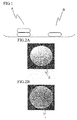
FIG. 1 is a diagram illustrating a method for evaluating the stickiness of coated tablets. -
FIG. 2A is a diagram showing the surface of a coated tablet of Comparative Example after a single tablet was being arranged in a Petri dish and left to stand for 24 hours under an environment of 50°C and 90% RH. -
FIG. 2B is a diagram showing the surface of a coated tablet according to the present invention after a single tablet was being arranged in a Petri dish and left to stand for 24 hours under an environment of 50°C and 90% RH. - A coating agent of the present invention contains a hydroxyalkyl cellulose.
The hydroxyalkyl cellulose can be obtained, for example, by reacting sodium hydroxide with cellulose serving as a raw material to produce an alkali cellulose, and then allowing a substitution reaction between the alkali cellulose and an alkylene oxide to proceed.
Although examples of the alkylene oxide to be used in the substitution reaction include ethylene oxide, propylene oxide, and the like, propylene oxide is preferable in the present invention. Hydroxypropyl cellulose can be obtained through the substitution reaction by using propylene oxide.
Some or all of the -OH groups in the glucose ring unit of cellulose are substituted with -O-(RO)m-H groups by the substitution reaction. In the formula, R represents a divalent alkyl group. R is preferably CH2-CH(CH3) or CH2-CH2, and more preferably CH2-CH(CH3). m is a natural number of 1 or more. After the substitution reaction, sodium hydroxide can be neutralized by adding acid such as acetic acid or hydrochloric acid to the reaction solution, followed by purification. - The hydroxyalkyl cellulose included in the coating agent of the present invention is in such a manner that the content of hydroxyalkyl group therein is within a range of 40 to 50% by mass, and preferably within a range of 42 to 48% by mass. When the content of hydroxyalkyl group is within the range, stickiness of the coating film is reduced, which makes the blocking less likely. It should be noted that the content of hydroxyalkyl group can be determined in accordance with the method based on USP24 (US Pharmacopeia) or the method described in Patent Document 4.
- The hydroxyalkyl cellulose used in the present invention has a viscosity at 20°C in a 2% aqueous solution, which is preferably within a range of 2.0 to 10.0 mPa•s, and more preferably within a range of 3.0 to 5.9 mPa•s. Viscosity is an index indicating the degree of polymerization of hydroxyalkyl cellulose. If the viscosity is within the above range, the workability when obtaining granular agents or tablets is improved.
- The coating agent of the present invention is obtainable by dissolving or dispersing the aforementioned hydroxyalkyl cellulose in a solvent.
Water is usually used as the solvent. An organic solvent, such as acetone, ethanol or isopropyl alcohol, may also be used.
Although the content of the aforementioned hydroxyalkyl cellulose in the coating agent of the present invention is not particularly limited, it is usually at least 0.5% by mass, and preferably at least 1.0% by mass, relative to the dry mass of the coating agent. - In the coating agent of the present invention, a known compounding agent that can be blended into coating agents for tablets may be incorporated, in addition to the aforementioned hydroxyalkyl cellulose. Examples thereof include powders such as talc, titanium oxide, ferric oxide yellow, iron sesquioxide, legal pigments, light anhydrous silicic acid and hydrous silicon dioxide; lubricants such as polyethylene glycol, polypropylene glycol, triethyl citrate, glycerol mono-, di- or tri-acetate and 1,2-propylene glycol; adhesion promoters such as sucrose, polyvinylpyrrolidone, dextrose, sorbitol, mannitol, sucrose, polyvinylpyrrolidone, lactose, starch, sodium starch glycolate, ethyl cellulose and maltodextrins; and film forming agents such as cellulose acetate phthalate, microcrystalline cellulose, methyl cellulose, hydroxypropyl methylcellulose, alginates, gum arabic, carboxymethyl cellulose, hydroxyethyl cellulose and methyl cellulose.
- Plain tablets or granulated materials that are coated with the coating agent of the present invention are prepared by the usual production method. For example, a plain tablet of suitable size can be obtained by mixing and kneading drugs and excipients, binders, disintegrants, lubricants or the like with a small amount of water, organic solvents or the like, followed by the steps of granulation, drying, particle size control and, if necessary, tableting.
- It should be noted that the coating can usually be carried out using a sugar coating pan or a porous coating machine, usually at room temperature, or while heating to 20 to 200°C in some cases.
Examples of the form of the solid preparation to be obtained include coated tablets, coated granules and coated grains. - Moreover, the solid preparation obtained in the present invention can be prepared as a sugar-coated tablet or the like. Furthermore, if the gloss is required, wax coating can be conducted with carnauba wax or the like in accordance with the conventional methods.
- Next, the present invention is described in more detail, based on a series of examples. However, the present invention is in no way limited by these examples.
- 176 g of ground pulp was placed into a reactor equipped with a stirrer, and then 68.2 g of a 20% aqueous NaOH solution was added thereto, followed by the addition of 602 g of toluene. The resulting mixture was stirred for 30 minutes and the temperature inside the reactor was adjusted to 30°C. A mercerization reaction was conducted for 1 hour by applying pressure with nitrogen while stirring inside the reactor.
- After releasing the pressure, propylene oxide was added thereto, and the temperature inside the reactor was increased to about 80°C. An etherification reaction was carried out by maintaining the temperature at 80°C for about 1 hour with stirring. Then, the temperature inside the reactor was lowered to 45°C or less. After 1 hour from the start of the cooling, the temperature was raised to 85°C and was maintained at 85°C for 1.5 hours. Then, the temperature inside the reactor was lowered to 40°C or less.
- The product was washed out from the reactor with boiling water. The product obtained by washing was placed in a flask, and toluene was removed by distillation. After distillation, the resulting solution was allowed to stand. A gel was precipitated. The supernatant was decanted.
Boiling water was poured onto the gel, and the resultant was stirred for 10 minutes and was then allowed to stand again. A gel was precipitated. The supernatant was decanted. Boiling water was poured onto the gel. 60% acetic acid was then added thereto every few tens of minutes with stirring at about 85°C until the pH of 4.9 or less was achieved. The temperature of the resultant was then adjusted to 90°C, and a predetermined amount of viscosity modifier was added thereto with stirring. The resulting mixture was stirred for 14 hours at 90°C. - A 20% aqueous NaOH solution was then added thereto every few tens of minutes with stirring at about 85°C until the pH of 7.5 was achieved. The resulting solution was then allowed to stand. A gel was precipitated. The supernatant was decanted. Boiling water was poured onto the gel. The resultant was stirred for 10 minutes and was then allowed to stand again. A gel was precipitated. The supernatant was decanted.
The gel was collected from the flask and cast on a flat plate made of fluorine resin. The resultant was vacuum dried at 70°C.
In this manner, hydroxypropyl cellulose was obtained. - It should be noted that the added amount of propylene oxide in the above etherification reaction was set to 5.99 and 4.28 in terms of the molar ratio relative to the pulp. The content of hydroxypropyl groups within the obtained hydroxypropyl cellulose was 56.6% by mass and 45.7% by mass, respectively. The viscosity in the 2% aqueous solution at 20°C was 5.8 mPa•s and 4.8 mPa•s, respectively. Note that the viscosity of 2% aqueous solution was measured at 20°C and 60 rpm using a digital viscometer/B-type viscometer (DV-II + Pro, manufactured by Brookfield Engineering Laboratories).
- 70 parts by weight of lactose, 30 parts by weight of cornstarch, 3 parts by weight of hydroxypropyl cellulose (HPC-L product, manufactured by Nippon Soda Co., Ltd.) and 2 parts by weight of sugar esters were mixed, and then subjected to tableting and molding to obtain plain tablets, with each tablet weighing about 180 mg. The plain tablets exhibited a tablet hardness of 6.8 Kg and a disintegration time of 10.3 minutes.
150 g of the plain tablets were coated with the 8% aqueous solution of hydroxypropyl cellulose (HPC having a solid content of 3%) obtained as described above, using the fully automated sugar coating/film coating machine (New Hi-Coater HCT-MINI; manufactured by Freund Corporation).
The above hardness was obtained as an average value of 20 tablets using the ERWEKA Hardness Tester (TBH28 model, manufactured by ERWEKA GmbH), and the above disintegration time was obtained by measuring an average disintegration time of 6 tablets under the conditions of distilled water and 37°C using a disintegration tester (NT-2 type, manufactured by Toyama Sangyo Co., Ltd.). - The obtained coated tablets were placed in a Petri dish either in a stacked arrangement of two tablets (A) or in an arrangement of single tablet (B), as shown in
FIG. 1 , and each of the 5 sets was left to stand in an environment of 50°C and 90% RH.
The adhesion status of the coated tablets was observed and the moisture absorption rate of the coated tablets was also measured after the coated tablets were left to stand for 1 hour, 2.5 hours, 4.5 hours and 24 hours. With respect to the moisture absorption rate, the tablets that were left to stand in an environment of 50°C and 90% RH were taken out at each time point, and the weight increase was measured to calculate the weight percentage of the increase as the moisture absorption rate.
The results are shown in Table 1. -
[Table 1] Coating agent Comparative Example Example according to the present invention Content of hydroxypropyl group [% by mass] 56.6 45.7 Viscosity [mPa·s] 5.8 4.8 Coated tablet Tablet hardness [Kg] 7.8 8.2 Disintegration time [min] 10.1 10.6 Stickiness evaluation Stacked arrangement of two tablets 1 hour No adhesion No adhesion 2.5 hours Slight adhesion
Adhesion in 2 sets out of 5 setsSlight adhesion
Adhesion in 1 set out of 5 sets4.5 hours Adhesion
Adhesion in all 5 setsSlight adhesion
Adhesion in 3 sets out of 5 sets24 hours Adhesion
Adhesion in all 5 setsSlight adhesion
No adhesion in some casesArrangement of single tablet 1 hour No adhesion No adhesion 2.5 hours Slight adhesion
Adhesion mark at the centerLittle adhesion
No adhesion mark4.5 hours Adhesion
Surface ruptureSlight adhesion
Adhesion mark at the center24 hours Adhesion
Surface ruptureAdhesion
Partial ruptureMoisture absorption rate 1 hour 3.7% 3.5% 2.5 hours 4.4% 4.4% 4.5 hours 4.5% 4.6% 24 hours 4.6% 4.8% - There was no difference between the Example according to the present invention and Comparative Example in terms of tablet hardness, disintegration time and moisture absorption rate.
5 sets of coated tablets of Comparative Example that were arranged in a stack of two tablets were all adhered to each other after 4.5 hours had elapsed. On the other hand, the coating agent in the Example according to the present invention which was arranged in a stack of two tablets was only slightly adherent even when 24 hours had elapsed.
The coated tablet of Comparative Example in a single tablet arrangement was adhered to the Petri dish enough to leave an adhesion mark when 2.5 hours had elapsed, and was adhered so that the surface thereof was ruptured considerably in a crater-like manner when 4.5 hours had elapsed (FIG. 2A ). On the other hand, the coating agent in the Example according to the present invention in a single tablet arrangement was adherent to leave an adhesion mark only when 4.5 hours had elapsed, and was adherent so that only a portion of the surface thereof was ruptured even when 24 hours had elapsed (FIG. 2B ). - A coating film obtained by using a coating agent of the present invention hardly causes stickiness and is less likely to cause blocking even when left to stand under the high temperature and high humidity environment of 50°C and 90% RH. Further, solid preparations coated with a coating agent of the present invention exhibit almost no adhesion between the preparations even when being left to stand under the high temperature and high humidity environment of 50°C and 90% RH. In addition, the level of adhesion between the preparation and the vessel is lowered so that the rupture of the coating film when peeling off the preparation from the vessel can be reduced.
-
- A
- Stacked arrangement of two tablets
- B
- Arrangement of single tablet
- 1
- Adhesion mark
- 2
- Rupture
Claims (5)
- A coating agent comprising a hydroxyalkyl cellulose in which a content of hydroxyalkyl groups within the hydroxyalkyl cellulose is within a range of 40 to 50% by mass.
- The coating agent according to Claim 1, which is used for coating a tablet.
- The coating agent according to Claim 1 or 2, wherein a viscosity of 2% aqueous solution of the hydroxyalkyl cellulose at 20°C is within a range of 3.0 to 5.9 mPa•S.
- The coating agent according to Claim 1 or 2, wherein an alkyl group in the hydroxyalkyl cellulose is a propyl group.
- A solid preparation coated with the coating agent of Claim 1 or 2.
Priority Applications (2)
| Application Number | Priority Date | Filing Date | Title |
|---|---|---|---|
| SI201031609T SI2474582T1 (en) | 2009-09-02 | 2010-08-30 | Coating agent comprising hydroxyalkyl cellulose |
| HRP20171928TT HRP20171928T1 (en) | 2009-09-02 | 2010-08-30 | OBTAINING AGENT CONTAINING HYDROXIALCYCELLULOSE |
Applications Claiming Priority (2)
| Application Number | Priority Date | Filing Date | Title |
|---|---|---|---|
| JP2009202247 | 2009-09-02 | ||
| PCT/JP2010/064686 WO2011027728A1 (en) | 2009-09-02 | 2010-08-30 | Coating agent comprising hydroxyalkyl cellulose |
Publications (3)
| Publication Number | Publication Date |
|---|---|
| EP2474582A1 true EP2474582A1 (en) | 2012-07-11 |
| EP2474582A4 EP2474582A4 (en) | 2013-10-30 |
| EP2474582B1 EP2474582B1 (en) | 2017-11-22 |
Family
ID=43649265
Family Applications (1)
| Application Number | Title | Priority Date | Filing Date |
|---|---|---|---|
| EP10813677.1A Active EP2474582B1 (en) | 2009-09-02 | 2010-08-30 | Coating agent comprising hydroxyalkyl cellulose |
Country Status (12)
| Country | Link |
|---|---|
| US (1) | US9040686B2 (en) |
| EP (1) | EP2474582B1 (en) |
| JP (1) | JPWO2011027728A1 (en) |
| KR (2) | KR20120049309A (en) |
| CN (1) | CN102482526A (en) |
| ES (1) | ES2656853T3 (en) |
| HR (1) | HRP20171928T1 (en) |
| HU (1) | HUE035536T2 (en) |
| PT (1) | PT2474582T (en) |
| SI (1) | SI2474582T1 (en) |
| TW (1) | TWI531584B (en) |
| WO (1) | WO2011027728A1 (en) |
Families Citing this family (2)
| Publication number | Priority date | Publication date | Assignee | Title |
|---|---|---|---|---|
| CA2912043C (en) | 2013-06-17 | 2017-08-15 | Nippon Soda Co., Ltd. | Coating agent comprising hydroxyalkyl cellulose |
| JP7541322B2 (en) | 2020-02-28 | 2024-08-28 | 共和薬品工業株式会社 | Levetiracetam-containing pharmaceutical composition |
Family Cites Families (13)
| Publication number | Priority date | Publication date | Assignee | Title |
|---|---|---|---|---|
| US3131176A (en) * | 1960-04-13 | 1964-04-28 | Hercules Powder Co Ltd | Manufacture of water-soluble hydroxyalkyl cellulose ethers |
| US3899439A (en) * | 1973-03-12 | 1975-08-12 | Hercules Inc | Method of preparing aqueous dispersions of hydroxypropyl cellulose |
| US4154636A (en) * | 1975-08-27 | 1979-05-15 | Freund Industrial Co., Ltd. | Method of film-coating medicines |
| JPS61100519A (en) * | 1984-10-23 | 1986-05-19 | Shin Etsu Chem Co Ltd | Pharmaceutical hard capsule |
| JP3996653B2 (en) | 1996-01-26 | 2007-10-24 | 信越化学工業株式会社 | Hydroxypropylcellulose with controlled substitution degree distribution |
| JP2001031701A (en) | 1999-05-18 | 2001-02-06 | Shin Etsu Chem Co Ltd | Low substituted hydroxypropyl cellulose |
| JP2002207030A (en) | 2001-01-09 | 2002-07-26 | Nippon Soda Co Ltd | Method and apparatus for measuring content of hydroxypropyl group |
| JP5883206B2 (en) * | 2005-02-17 | 2016-03-09 | ハーキュリーズ・インコーポレーテッドHercules Incorporated | Uneven hydroxyethyl cellulose, their derivatives, their preparation and use |
| PE20070077A1 (en) * | 2005-06-10 | 2007-02-07 | Takeda Pharmaceutical | COMPRESSED WITH SUGAR COATED |
| JP2007001873A (en) | 2005-06-21 | 2007-01-11 | Kowa Co | Coating composition and coated solid preparation |
| JP2007077242A (en) * | 2005-09-13 | 2007-03-29 | Sanei Gen Ffi Inc | Coating composition |
| JP5162141B2 (en) * | 2007-02-20 | 2013-03-13 | エスエス製薬株式会社 | Film coating composition |
| JP5094465B2 (en) | 2008-02-26 | 2012-12-12 | 株式会社森精機製作所 | Machine tool and method of machining inner surface of workpiece using the machine tool |
-
2010
- 2010-08-30 JP JP2011529894A patent/JPWO2011027728A1/en active Pending
- 2010-08-30 WO PCT/JP2010/064686 patent/WO2011027728A1/en not_active Ceased
- 2010-08-30 SI SI201031609T patent/SI2474582T1/en unknown
- 2010-08-30 TW TW099129058A patent/TWI531584B/en active
- 2010-08-30 KR KR1020127005258A patent/KR20120049309A/en not_active Ceased
- 2010-08-30 ES ES10813677.1T patent/ES2656853T3/en active Active
- 2010-08-30 US US13/392,298 patent/US9040686B2/en active Active
- 2010-08-30 KR KR1020147004662A patent/KR20140034939A/en not_active Ceased
- 2010-08-30 PT PT108136771T patent/PT2474582T/en unknown
- 2010-08-30 EP EP10813677.1A patent/EP2474582B1/en active Active
- 2010-08-30 HR HRP20171928TT patent/HRP20171928T1/en unknown
- 2010-08-30 HU HUE10813677A patent/HUE035536T2/en unknown
- 2010-08-30 CN CN2010800380693A patent/CN102482526A/en active Pending
Also Published As
| Publication number | Publication date |
|---|---|
| EP2474582B1 (en) | 2017-11-22 |
| SI2474582T1 (en) | 2018-01-31 |
| CN102482526A (en) | 2012-05-30 |
| US9040686B2 (en) | 2015-05-26 |
| WO2011027728A1 (en) | 2011-03-10 |
| EP2474582A4 (en) | 2013-10-30 |
| US20120157674A1 (en) | 2012-06-21 |
| KR20140034939A (en) | 2014-03-20 |
| KR20120049309A (en) | 2012-05-16 |
| PT2474582T (en) | 2018-01-29 |
| HUE035536T2 (en) | 2018-05-28 |
| TW201113294A (en) | 2011-04-16 |
| JPWO2011027728A1 (en) | 2013-02-04 |
| ES2656853T3 (en) | 2018-02-28 |
| HRP20171928T1 (en) | 2018-01-26 |
| TWI531584B (en) | 2016-05-01 |
Similar Documents
| Publication | Publication Date | Title |
|---|---|---|
| AU2015295845B2 (en) | Directly compressible polyvinyl alcohols | |
| JPS6281402A (en) | Method for producing cellulose ether acidic dicarboxylic acid ester | |
| BR112013005642B1 (en) | CELLULOSE ETHER, AQUEOUS COMPOSITION FOR THE MANUFACTURING OF CAPSULES OR COATINGS, PROCESS FOR THE MANUFACTURING OF CAPSULES, PROCESS FOR COATING A DOSAGE FORM, CAPSULE CASE, CAPSULE AND DOSAGE FORM | |
| CN108017718B (en) | Hydroxypropyl methylcellulose acetate succinate and preparation method thereof | |
| EP3270970A1 (en) | Gelling esterified cellulose ethers | |
| EP2474582B1 (en) | Coating agent comprising hydroxyalkyl cellulose | |
| CN102164576B (en) | Smooth, high solids tablet coating composition | |
| WO2021143513A1 (en) | Enteric coating material, preparation method therefor, and enteric product | |
| JP6403626B2 (en) | Film coating composition, oral solid preparation and method for producing the same | |
| JP6403615B2 (en) | Film coating composition, oral solid preparation and method for producing the same | |
| CA2912043C (en) | Coating agent comprising hydroxyalkyl cellulose | |
| WO2002092708A1 (en) | Method for preparing an aqueous coating dispersion of starch and an aqueous coating dispersion of starch prepared by that method | |
| KR101156365B1 (en) | Process for Preparing Cellulose Derivatives Having Improved Solubility | |
| JP2020055794A (en) | Film coating composition, solid preparation and method for producing solid preparation | |
| CN107406521A (en) | Method for preparing esterified cellulose ether in the presence of aliphatic carboxylic acid | |
| JPS5822447B2 (en) | Manufacturing method of sugar-coated tablets | |
| KR20230173034A (en) | Liquid composition |
Legal Events
| Date | Code | Title | Description |
|---|---|---|---|
| PUAI | Public reference made under article 153(3) epc to a published international application that has entered the european phase |
Free format text: ORIGINAL CODE: 0009012 |
|
| 17P | Request for examination filed |
Effective date: 20120223 |
|
| AK | Designated contracting states |
Kind code of ref document: A1 Designated state(s): AL AT BE BG CH CY CZ DE DK EE ES FI FR GB GR HR HU IE IS IT LI LT LU LV MC MK MT NL NO PL PT RO SE SI SK SM TR |
|
| DAX | Request for extension of the european patent (deleted) | ||
| A4 | Supplementary search report drawn up and despatched |
Effective date: 20130930 |
|
| RIC1 | Information provided on ipc code assigned before grant |
Ipc: A61K 9/36 20060101ALI20130924BHEP Ipc: A61K 47/38 20060101ALI20130924BHEP Ipc: C09D 101/26 20060101AFI20130924BHEP |
|
| 17Q | First examination report despatched |
Effective date: 20160118 |
|
| GRAP | Despatch of communication of intention to grant a patent |
Free format text: ORIGINAL CODE: EPIDOSNIGR1 |
|
| INTG | Intention to grant announced |
Effective date: 20170822 |
|
| GRAS | Grant fee paid |
Free format text: ORIGINAL CODE: EPIDOSNIGR3 |
|
| GRAA | (expected) grant |
Free format text: ORIGINAL CODE: 0009210 |
|
| AK | Designated contracting states |
Kind code of ref document: B1 Designated state(s): AL AT BE BG CH CY CZ DE DK EE ES FI FR GB GR HR HU IE IS IT LI LT LU LV MC MK MT NL NO PL PT RO SE SI SK SM TR |
|
| REG | Reference to a national code |
Ref country code: GB Ref legal event code: FG4D |
|
| RIN1 | Information on inventor provided before grant (corrected) |
Inventor name: MASUE YUSUKE |
|
| REG | Reference to a national code |
Ref country code: CH Ref legal event code: EP |
|
| REG | Reference to a national code |
Ref country code: HR Ref legal event code: TUEP Ref document number: P20171928 Country of ref document: HR Ref country code: IE Ref legal event code: FG4D |
|
| REG | Reference to a national code |
Ref country code: AT Ref legal event code: REF Ref document number: 948348 Country of ref document: AT Kind code of ref document: T Effective date: 20171215 |
|
| REG | Reference to a national code |
Ref country code: DE Ref legal event code: R096 Ref document number: 602010046936 Country of ref document: DE |
|
| REG | Reference to a national code |
Ref country code: HR Ref legal event code: T1PR Ref document number: P20171928 Country of ref document: HR |
|
| REG | Reference to a national code |
Ref country code: PT Ref legal event code: SC4A Ref document number: 2474582 Country of ref document: PT Date of ref document: 20180129 Kind code of ref document: T Free format text: AVAILABILITY OF NATIONAL TRANSLATION Effective date: 20180119 |
|
| REG | Reference to a national code |
Ref country code: SE Ref legal event code: TRGR |
|
| REG | Reference to a national code |
Ref country code: ES Ref legal event code: FG2A Ref document number: 2656853 Country of ref document: ES Kind code of ref document: T3 Effective date: 20180228 |
|
| REG | Reference to a national code |
Ref country code: NL Ref legal event code: MP Effective date: 20171122 |
|
| REG | Reference to a national code |
Ref country code: LT Ref legal event code: MG4D |
|
| PG25 | Lapsed in a contracting state [announced via postgrant information from national office to epo] |
Ref country code: NO Free format text: LAPSE BECAUSE OF FAILURE TO SUBMIT A TRANSLATION OF THE DESCRIPTION OR TO PAY THE FEE WITHIN THE PRESCRIBED TIME-LIMIT Effective date: 20180222 Ref country code: LT Free format text: LAPSE BECAUSE OF FAILURE TO SUBMIT A TRANSLATION OF THE DESCRIPTION OR TO PAY THE FEE WITHIN THE PRESCRIBED TIME-LIMIT Effective date: 20171122 Ref country code: FI Free format text: LAPSE BECAUSE OF FAILURE TO SUBMIT A TRANSLATION OF THE DESCRIPTION OR TO PAY THE FEE WITHIN THE PRESCRIBED TIME-LIMIT Effective date: 20171122 Ref country code: NL Free format text: LAPSE BECAUSE OF FAILURE TO SUBMIT A TRANSLATION OF THE DESCRIPTION OR TO PAY THE FEE WITHIN THE PRESCRIBED TIME-LIMIT Effective date: 20171122 |
|
| REG | Reference to a national code |
Ref country code: HU Ref legal event code: AG4A Ref document number: E035536 Country of ref document: HU |
|
| PG25 | Lapsed in a contracting state [announced via postgrant information from national office to epo] |
Ref country code: LV Free format text: LAPSE BECAUSE OF FAILURE TO SUBMIT A TRANSLATION OF THE DESCRIPTION OR TO PAY THE FEE WITHIN THE PRESCRIBED TIME-LIMIT Effective date: 20171122 Ref country code: GR Free format text: LAPSE BECAUSE OF FAILURE TO SUBMIT A TRANSLATION OF THE DESCRIPTION OR TO PAY THE FEE WITHIN THE PRESCRIBED TIME-LIMIT Effective date: 20180223 |
|
| PG25 | Lapsed in a contracting state [announced via postgrant information from national office to epo] |
Ref country code: DK Free format text: LAPSE BECAUSE OF FAILURE TO SUBMIT A TRANSLATION OF THE DESCRIPTION OR TO PAY THE FEE WITHIN THE PRESCRIBED TIME-LIMIT Effective date: 20171122 Ref country code: EE Free format text: LAPSE BECAUSE OF FAILURE TO SUBMIT A TRANSLATION OF THE DESCRIPTION OR TO PAY THE FEE WITHIN THE PRESCRIBED TIME-LIMIT Effective date: 20171122 Ref country code: SK Free format text: LAPSE BECAUSE OF FAILURE TO SUBMIT A TRANSLATION OF THE DESCRIPTION OR TO PAY THE FEE WITHIN THE PRESCRIBED TIME-LIMIT Effective date: 20171122 Ref country code: CY Free format text: LAPSE BECAUSE OF FAILURE TO SUBMIT A TRANSLATION OF THE DESCRIPTION OR TO PAY THE FEE WITHIN THE PRESCRIBED TIME-LIMIT Effective date: 20171122 |
|
| REG | Reference to a national code |
Ref country code: DE Ref legal event code: R097 Ref document number: 602010046936 Country of ref document: DE |
|
| REG | Reference to a national code |
Ref country code: FR Ref legal event code: PLFP Year of fee payment: 9 |
|
| PG25 | Lapsed in a contracting state [announced via postgrant information from national office to epo] |
Ref country code: PL Free format text: LAPSE BECAUSE OF FAILURE TO SUBMIT A TRANSLATION OF THE DESCRIPTION OR TO PAY THE FEE WITHIN THE PRESCRIBED TIME-LIMIT Effective date: 20171122 Ref country code: RO Free format text: LAPSE BECAUSE OF FAILURE TO SUBMIT A TRANSLATION OF THE DESCRIPTION OR TO PAY THE FEE WITHIN THE PRESCRIBED TIME-LIMIT Effective date: 20171122 Ref country code: SM Free format text: LAPSE BECAUSE OF FAILURE TO SUBMIT A TRANSLATION OF THE DESCRIPTION OR TO PAY THE FEE WITHIN THE PRESCRIBED TIME-LIMIT Effective date: 20171122 |
|
| PLBE | No opposition filed within time limit |
Free format text: ORIGINAL CODE: 0009261 |
|
| STAA | Information on the status of an ep patent application or granted ep patent |
Free format text: STATUS: NO OPPOSITION FILED WITHIN TIME LIMIT |
|
| 26N | No opposition filed |
Effective date: 20180823 |
|
| PG25 | Lapsed in a contracting state [announced via postgrant information from national office to epo] |
Ref country code: MC Free format text: LAPSE BECAUSE OF FAILURE TO SUBMIT A TRANSLATION OF THE DESCRIPTION OR TO PAY THE FEE WITHIN THE PRESCRIBED TIME-LIMIT Effective date: 20171122 |
|
| PG25 | Lapsed in a contracting state [announced via postgrant information from national office to epo] |
Ref country code: LU Free format text: LAPSE BECAUSE OF NON-PAYMENT OF DUE FEES Effective date: 20180830 |
|
| REG | Reference to a national code |
Ref country code: HR Ref legal event code: ODRP Ref document number: P20171928 Country of ref document: HR Payment date: 20190807 Year of fee payment: 10 |
|
| PG25 | Lapsed in a contracting state [announced via postgrant information from national office to epo] |
Ref country code: MT Free format text: LAPSE BECAUSE OF NON-PAYMENT OF DUE FEES Effective date: 20180830 |
|
| PG25 | Lapsed in a contracting state [announced via postgrant information from national office to epo] |
Ref country code: MK Free format text: LAPSE BECAUSE OF NON-PAYMENT OF DUE FEES Effective date: 20171122 |
|
| PG25 | Lapsed in a contracting state [announced via postgrant information from national office to epo] |
Ref country code: IS Free format text: LAPSE BECAUSE OF FAILURE TO SUBMIT A TRANSLATION OF THE DESCRIPTION OR TO PAY THE FEE WITHIN THE PRESCRIBED TIME-LIMIT Effective date: 20180322 Ref country code: AL Free format text: LAPSE BECAUSE OF FAILURE TO SUBMIT A TRANSLATION OF THE DESCRIPTION OR TO PAY THE FEE WITHIN THE PRESCRIBED TIME-LIMIT Effective date: 20171122 |
|
| REG | Reference to a national code |
Ref country code: HR Ref legal event code: ODRP Ref document number: P20171928 Country of ref document: HR Payment date: 20200820 Year of fee payment: 11 |
|
| REG | Reference to a national code |
Ref country code: HR Ref legal event code: ODRP Ref document number: P20171928 Country of ref document: HR Payment date: 20210824 Year of fee payment: 12 |
|
| REG | Reference to a national code |
Ref country code: AT Ref legal event code: UEP Ref document number: 948348 Country of ref document: AT Kind code of ref document: T Effective date: 20171122 |
|
| REG | Reference to a national code |
Ref country code: HR Ref legal event code: ODRP Ref document number: P20171928 Country of ref document: HR Payment date: 20220824 Year of fee payment: 13 |
|
| P01 | Opt-out of the competence of the unified patent court (upc) registered |
Effective date: 20230503 |
|
| REG | Reference to a national code |
Ref country code: HR Ref legal event code: ODRP Ref document number: P20171928 Country of ref document: HR Payment date: 20230818 Year of fee payment: 14 |
|
| REG | Reference to a national code |
Ref country code: HR Ref legal event code: ODRP Ref document number: P20171928 Country of ref document: HR Payment date: 20240822 Year of fee payment: 15 |
|
| PGFP | Annual fee paid to national office [announced via postgrant information from national office to epo] |
Ref country code: HU Payment date: 20250825 Year of fee payment: 16 |
|
| REG | Reference to a national code |
Ref country code: HR Ref legal event code: ODRP Ref document number: P20171928 Country of ref document: HR Payment date: 20250821 Year of fee payment: 16 |
|
| PGFP | Annual fee paid to national office [announced via postgrant information from national office to epo] |
Ref country code: ES Payment date: 20250925 Year of fee payment: 16 Ref country code: PT Payment date: 20250821 Year of fee payment: 16 |
|
| PGFP | Annual fee paid to national office [announced via postgrant information from national office to epo] |
Ref country code: DE Payment date: 20250820 Year of fee payment: 16 |
|
| PGFP | Annual fee paid to national office [announced via postgrant information from national office to epo] |
Ref country code: IT Payment date: 20250825 Year of fee payment: 16 Ref country code: TR Payment date: 20250825 Year of fee payment: 16 |
|
| PGFP | Annual fee paid to national office [announced via postgrant information from national office to epo] |
Ref country code: BE Payment date: 20250820 Year of fee payment: 16 Ref country code: BG Payment date: 20250822 Year of fee payment: 16 Ref country code: GB Payment date: 20250821 Year of fee payment: 16 |
|
| PGFP | Annual fee paid to national office [announced via postgrant information from national office to epo] |
Ref country code: HR Payment date: 20250821 Year of fee payment: 16 |
|
| PGFP | Annual fee paid to national office [announced via postgrant information from national office to epo] |
Ref country code: FR Payment date: 20250829 Year of fee payment: 16 Ref country code: AT Payment date: 20250821 Year of fee payment: 16 |
|
| PGFP | Annual fee paid to national office [announced via postgrant information from national office to epo] |
Ref country code: CH Payment date: 20250901 Year of fee payment: 16 Ref country code: SE Payment date: 20250820 Year of fee payment: 16 |
|
| PGFP | Annual fee paid to national office [announced via postgrant information from national office to epo] |
Ref country code: CZ Payment date: 20250827 Year of fee payment: 16 Ref country code: IE Payment date: 20250820 Year of fee payment: 16 |
|
| PGFP | Annual fee paid to national office [announced via postgrant information from national office to epo] |
Ref country code: SI Payment date: 20250821 Year of fee payment: 16 |