EP2473626B1 - Array-based method for detection of copy number variations in the hla locus for the genetic determination of susceptibility of development of venous malformations in the extracranial segments of the cerebrospinal veins and array thereof - Google Patents
Array-based method for detection of copy number variations in the hla locus for the genetic determination of susceptibility of development of venous malformations in the extracranial segments of the cerebrospinal veins and array thereof Download PDFInfo
- Publication number
- EP2473626B1 EP2473626B1 EP10760024.9A EP10760024A EP2473626B1 EP 2473626 B1 EP2473626 B1 EP 2473626B1 EP 10760024 A EP10760024 A EP 10760024A EP 2473626 B1 EP2473626 B1 EP 2473626B1
- Authority
- EP
- European Patent Office
- Prior art keywords
- cnv
- chr6
- hla
- array
- cnvs
- Prior art date
- Legal status (The legal status is an assumption and is not a legal conclusion. Google has not performed a legal analysis and makes no representation as to the accuracy of the status listed.)
- Not-in-force
Links
- 201000009371 venous hemangioma Diseases 0.000 title claims abstract description 29
- 238000000034 method Methods 0.000 title claims abstract description 20
- 238000001514 detection method Methods 0.000 title claims abstract description 10
- 238000011161 development Methods 0.000 title abstract description 10
- 210000003462 vein Anatomy 0.000 title abstract description 6
- 230000002068 genetic effect Effects 0.000 title description 6
- 210000000349 chromosome Anatomy 0.000 claims abstract description 11
- 238000003745 diagnosis Methods 0.000 claims abstract description 3
- 238000000338 in vitro Methods 0.000 claims abstract description 3
- 239000000523 sample Substances 0.000 claims description 12
- 102100040505 HLA class II histocompatibility antigen, DR alpha chain Human genes 0.000 claims description 10
- 108010067802 HLA-DR alpha-Chains Proteins 0.000 claims description 10
- 239000002773 nucleotide Substances 0.000 claims description 7
- 125000003729 nucleotide group Chemical group 0.000 claims description 6
- 102000054765 polymorphisms of proteins Human genes 0.000 claims description 4
- 108091034117 Oligonucleotide Proteins 0.000 claims description 3
- 108020005187 Oligonucleotide Probes Proteins 0.000 claims 4
- 239000002751 oligonucleotide probe Substances 0.000 claims 4
- 239000007787 solid Substances 0.000 claims 2
- JLCPHMBAVCMARE-UHFFFAOYSA-N [3-[[3-[[3-[[3-[[3-[[3-[[3-[[3-[[3-[[3-[[3-[[5-(2-amino-6-oxo-1H-purin-9-yl)-3-[[3-[[3-[[3-[[3-[[3-[[5-(2-amino-6-oxo-1H-purin-9-yl)-3-[[5-(2-amino-6-oxo-1H-purin-9-yl)-3-hydroxyoxolan-2-yl]methoxy-hydroxyphosphoryl]oxyoxolan-2-yl]methoxy-hydroxyphosphoryl]oxy-5-(5-methyl-2,4-dioxopyrimidin-1-yl)oxolan-2-yl]methoxy-hydroxyphosphoryl]oxy-5-(6-aminopurin-9-yl)oxolan-2-yl]methoxy-hydroxyphosphoryl]oxy-5-(6-aminopurin-9-yl)oxolan-2-yl]methoxy-hydroxyphosphoryl]oxy-5-(6-aminopurin-9-yl)oxolan-2-yl]methoxy-hydroxyphosphoryl]oxy-5-(6-aminopurin-9-yl)oxolan-2-yl]methoxy-hydroxyphosphoryl]oxyoxolan-2-yl]methoxy-hydroxyphosphoryl]oxy-5-(5-methyl-2,4-dioxopyrimidin-1-yl)oxolan-2-yl]methoxy-hydroxyphosphoryl]oxy-5-(4-amino-2-oxopyrimidin-1-yl)oxolan-2-yl]methoxy-hydroxyphosphoryl]oxy-5-(5-methyl-2,4-dioxopyrimidin-1-yl)oxolan-2-yl]methoxy-hydroxyphosphoryl]oxy-5-(5-methyl-2,4-dioxopyrimidin-1-yl)oxolan-2-yl]methoxy-hydroxyphosphoryl]oxy-5-(6-aminopurin-9-yl)oxolan-2-yl]methoxy-hydroxyphosphoryl]oxy-5-(6-aminopurin-9-yl)oxolan-2-yl]methoxy-hydroxyphosphoryl]oxy-5-(4-amino-2-oxopyrimidin-1-yl)oxolan-2-yl]methoxy-hydroxyphosphoryl]oxy-5-(4-amino-2-oxopyrimidin-1-yl)oxolan-2-yl]methoxy-hydroxyphosphoryl]oxy-5-(4-amino-2-oxopyrimidin-1-yl)oxolan-2-yl]methoxy-hydroxyphosphoryl]oxy-5-(6-aminopurin-9-yl)oxolan-2-yl]methoxy-hydroxyphosphoryl]oxy-5-(4-amino-2-oxopyrimidin-1-yl)oxolan-2-yl]methyl [5-(6-aminopurin-9-yl)-2-(hydroxymethyl)oxolan-3-yl] hydrogen phosphate Polymers Cc1cn(C2CC(OP(O)(=O)OCC3OC(CC3OP(O)(=O)OCC3OC(CC3O)n3cnc4c3nc(N)[nH]c4=O)n3cnc4c3nc(N)[nH]c4=O)C(COP(O)(=O)OC3CC(OC3COP(O)(=O)OC3CC(OC3COP(O)(=O)OC3CC(OC3COP(O)(=O)OC3CC(OC3COP(O)(=O)OC3CC(OC3COP(O)(=O)OC3CC(OC3COP(O)(=O)OC3CC(OC3COP(O)(=O)OC3CC(OC3COP(O)(=O)OC3CC(OC3COP(O)(=O)OC3CC(OC3COP(O)(=O)OC3CC(OC3COP(O)(=O)OC3CC(OC3COP(O)(=O)OC3CC(OC3COP(O)(=O)OC3CC(OC3COP(O)(=O)OC3CC(OC3COP(O)(=O)OC3CC(OC3COP(O)(=O)OC3CC(OC3CO)n3cnc4c(N)ncnc34)n3ccc(N)nc3=O)n3cnc4c(N)ncnc34)n3ccc(N)nc3=O)n3ccc(N)nc3=O)n3ccc(N)nc3=O)n3cnc4c(N)ncnc34)n3cnc4c(N)ncnc34)n3cc(C)c(=O)[nH]c3=O)n3cc(C)c(=O)[nH]c3=O)n3ccc(N)nc3=O)n3cc(C)c(=O)[nH]c3=O)n3cnc4c3nc(N)[nH]c4=O)n3cnc4c(N)ncnc34)n3cnc4c(N)ncnc34)n3cnc4c(N)ncnc34)n3cnc4c(N)ncnc34)O2)c(=O)[nH]c1=O JLCPHMBAVCMARE-UHFFFAOYSA-N 0.000 claims 1
- 201000006417 multiple sclerosis Diseases 0.000 abstract description 33
- 102100028640 HLA class II histocompatibility antigen, DR beta 5 chain Human genes 0.000 description 36
- 108010016996 HLA-DRB5 Chains Proteins 0.000 description 36
- 108090000623 proteins and genes Proteins 0.000 description 24
- 102100036242 HLA class II histocompatibility antigen, DQ alpha 2 chain Human genes 0.000 description 21
- 108010086786 HLA-DQA1 antigen Proteins 0.000 description 19
- 230000033115 angiogenesis Effects 0.000 description 14
- 102100036241 HLA class II histocompatibility antigen, DQ beta 1 chain Human genes 0.000 description 12
- 108010065026 HLA-DQB1 antigen Proteins 0.000 description 12
- 108020004414 DNA Proteins 0.000 description 11
- 230000037361 pathway Effects 0.000 description 11
- 101000878253 Homo sapiens Peptidyl-prolyl cis-trans isomerase FKBP5 Proteins 0.000 description 10
- 102100037026 Peptidyl-prolyl cis-trans isomerase FKBP5 Human genes 0.000 description 10
- 208000037265 diseases, disorders, signs and symptoms Diseases 0.000 description 10
- 238000004458 analytical method Methods 0.000 description 9
- 230000018109 developmental process Effects 0.000 description 8
- 201000010099 disease Diseases 0.000 description 7
- 230000008569 process Effects 0.000 description 6
- 230000002596 correlated effect Effects 0.000 description 5
- 230000036039 immunity Effects 0.000 description 5
- 230000001105 regulatory effect Effects 0.000 description 5
- 102100040408 Heat shock 70 kDa protein 1-like Human genes 0.000 description 4
- 101001037977 Homo sapiens Heat shock 70 kDa protein 1-like Proteins 0.000 description 4
- 238000003491 array Methods 0.000 description 4
- 238000012217 deletion Methods 0.000 description 4
- 230000037430 deletion Effects 0.000 description 4
- 230000006870 function Effects 0.000 description 4
- 238000009396 hybridization Methods 0.000 description 4
- 230000003993 interaction Effects 0.000 description 4
- 238000012417 linear regression Methods 0.000 description 4
- 238000002493 microarray Methods 0.000 description 4
- 230000002966 stenotic effect Effects 0.000 description 4
- 101000574205 Homo sapiens Phostensin Proteins 0.000 description 3
- 102000005327 Palmitoyl protein thioesterase Human genes 0.000 description 3
- 108020002591 Palmitoyl protein thioesterase Proteins 0.000 description 3
- 102100025827 Phostensin Human genes 0.000 description 3
- 230000001684 chronic effect Effects 0.000 description 3
- 238000005516 engineering process Methods 0.000 description 3
- 230000014509 gene expression Effects 0.000 description 3
- 230000004770 neurodegeneration Effects 0.000 description 3
- 208000015122 neurodegenerative disease Diseases 0.000 description 3
- 230000009711 regulatory function Effects 0.000 description 3
- 238000007619 statistical method Methods 0.000 description 3
- 238000012360 testing method Methods 0.000 description 3
- 108700028369 Alleles Proteins 0.000 description 2
- 102100029266 Colipase-like protein 1 Human genes 0.000 description 2
- 108010081606 HLA-DQA2 antigen Proteins 0.000 description 2
- 102100040352 Heat shock 70 kDa protein 1A Human genes 0.000 description 2
- 108010004889 Heat-Shock Proteins Proteins 0.000 description 2
- 102000002812 Heat-Shock Proteins Human genes 0.000 description 2
- 101000770426 Homo sapiens Colipase-like protein 1 Proteins 0.000 description 2
- 101001037759 Homo sapiens Heat shock 70 kDa protein 1A Proteins 0.000 description 2
- 101000772173 Homo sapiens Tubby-related protein 1 Proteins 0.000 description 2
- 102100029293 Tubby-related protein 1 Human genes 0.000 description 2
- 230000001363 autoimmune Effects 0.000 description 2
- 238000003766 bioinformatics method Methods 0.000 description 2
- 230000005540 biological transmission Effects 0.000 description 2
- 230000002490 cerebral effect Effects 0.000 description 2
- 230000000052 comparative effect Effects 0.000 description 2
- 238000013461 design Methods 0.000 description 2
- 238000002405 diagnostic procedure Methods 0.000 description 2
- 208000035475 disorder Diseases 0.000 description 2
- 230000007235 immunity generation Effects 0.000 description 2
- 210000004731 jugular vein Anatomy 0.000 description 2
- 239000000463 material Substances 0.000 description 2
- 230000004112 neuroprotection Effects 0.000 description 2
- 102000004169 proteins and genes Human genes 0.000 description 2
- ANRHNWWPFJCPAZ-UHFFFAOYSA-M thionine Chemical compound [Cl-].C1=CC(N)=CC2=[S+]C3=CC(N)=CC=C3N=C21 ANRHNWWPFJCPAZ-UHFFFAOYSA-M 0.000 description 2
- 210000002620 vena cava superior Anatomy 0.000 description 2
- 201000002282 venous insufficiency Diseases 0.000 description 2
- MLYCFWZIAJAIGW-UHFFFAOYSA-N 1-(2,5-dimethoxy-4-methylphenyl)butan-2-amine Chemical compound CCC(N)CC1=CC(OC)=C(C)C=C1OC MLYCFWZIAJAIGW-UHFFFAOYSA-N 0.000 description 1
- -1 Alzheimer's Diseases 0.000 description 1
- 241001064577 Ariadne <plant> Species 0.000 description 1
- 208000023275 Autoimmune disease Diseases 0.000 description 1
- 102100025429 Butyrophilin-like protein 2 Human genes 0.000 description 1
- 108010077544 Chromatin Proteins 0.000 description 1
- 102100036045 Colipase Human genes 0.000 description 1
- 102100029579 Diphosphoinositol polyphosphate phosphohydrolase 1 Human genes 0.000 description 1
- 108010063774 E2F1 Transcription Factor Proteins 0.000 description 1
- 102000015699 E2F1 Transcription Factor Human genes 0.000 description 1
- 101000737983 Enterobacter agglomerans Monofunctional chorismate mutase Proteins 0.000 description 1
- 208000034826 Genetic Predisposition to Disease Diseases 0.000 description 1
- 102100033067 Growth factor receptor-bound protein 2 Human genes 0.000 description 1
- 101000934738 Homo sapiens Butyrophilin-like protein 2 Proteins 0.000 description 1
- 101000876022 Homo sapiens Colipase Proteins 0.000 description 1
- 101000632920 Homo sapiens Diphosphoinositol polyphosphate phosphohydrolase 1 Proteins 0.000 description 1
- 101000871017 Homo sapiens Growth factor receptor-bound protein 2 Proteins 0.000 description 1
- 101001055144 Homo sapiens Interleukin-2 receptor subunit alpha Proteins 0.000 description 1
- 101001043809 Homo sapiens Interleukin-7 receptor subunit alpha Proteins 0.000 description 1
- 101000610110 Homo sapiens Pre-B-cell leukemia transcription factor 2 Proteins 0.000 description 1
- 101000577771 Homo sapiens Proline-rich transmembrane protein 1 Proteins 0.000 description 1
- 101000876829 Homo sapiens Protein C-ets-1 Proteins 0.000 description 1
- 101001069684 Homo sapiens Psoriasis susceptibility 1 candidate gene 1 protein Proteins 0.000 description 1
- 101000715062 Homo sapiens Transcription initiation factor TFIID subunit 11 Proteins 0.000 description 1
- 101001002197 Homoeomma sp. Mu-theraphotoxin-Hsp1a Proteins 0.000 description 1
- 102100026878 Interleukin-2 receptor subunit alpha Human genes 0.000 description 1
- 102100021593 Interleukin-7 receptor subunit alpha Human genes 0.000 description 1
- 102000043131 MHC class II family Human genes 0.000 description 1
- 108091054438 MHC class II family Proteins 0.000 description 1
- 206010028980 Neoplasm Diseases 0.000 description 1
- 208000012902 Nervous system disease Diseases 0.000 description 1
- 208000025966 Neurological disease Diseases 0.000 description 1
- 208000031481 Pathologic Constriction Diseases 0.000 description 1
- 102100040168 Pre-B-cell leukemia transcription factor 2 Human genes 0.000 description 1
- 102100028846 Proline-rich transmembrane protein 1 Human genes 0.000 description 1
- 102100035251 Protein C-ets-1 Human genes 0.000 description 1
- 108010014651 Proto-Oncogene Protein c-ets-1 Proteins 0.000 description 1
- 102000017012 Proto-Oncogene Protein c-ets-1 Human genes 0.000 description 1
- 102100033833 Psoriasis susceptibility 1 candidate gene 1 protein Human genes 0.000 description 1
- 108700005075 Regulator Genes Proteins 0.000 description 1
- 210000001744 T-lymphocyte Anatomy 0.000 description 1
- 102100036676 Transcription initiation factor TFIID subunit 11 Human genes 0.000 description 1
- 206010067584 Type 1 diabetes mellitus Diseases 0.000 description 1
- 239000011543 agarose gel Substances 0.000 description 1
- 230000032683 aging Effects 0.000 description 1
- 206010002026 amyotrophic lateral sclerosis Diseases 0.000 description 1
- 230000002491 angiogenic effect Effects 0.000 description 1
- 230000001772 anti-angiogenic effect Effects 0.000 description 1
- 230000002095 anti-migrative effect Effects 0.000 description 1
- 239000000427 antigen Substances 0.000 description 1
- 108091007433 antigens Proteins 0.000 description 1
- 102000036639 antigens Human genes 0.000 description 1
- 238000013459 approach Methods 0.000 description 1
- 210000001367 artery Anatomy 0.000 description 1
- 230000008901 benefit Effects 0.000 description 1
- 230000033228 biological regulation Effects 0.000 description 1
- 230000015572 biosynthetic process Effects 0.000 description 1
- 239000008280 blood Substances 0.000 description 1
- 210000004369 blood Anatomy 0.000 description 1
- 201000011510 cancer Diseases 0.000 description 1
- 210000004027 cell Anatomy 0.000 description 1
- 210000003483 chromatin Anatomy 0.000 description 1
- 239000013068 control sample Substances 0.000 description 1
- 230000000875 corresponding effect Effects 0.000 description 1
- 238000007405 data analysis Methods 0.000 description 1
- 206010012601 diabetes mellitus Diseases 0.000 description 1
- 208000022602 disease susceptibility Diseases 0.000 description 1
- 230000008995 epigenetic change Effects 0.000 description 1
- 238000011156 evaluation Methods 0.000 description 1
- 239000012634 fragment Substances 0.000 description 1
- 108091006104 gene-regulatory proteins Proteins 0.000 description 1
- 102000034356 gene-regulatory proteins Human genes 0.000 description 1
- 102000054766 genetic haplotypes Human genes 0.000 description 1
- 230000007614 genetic variation Effects 0.000 description 1
- 230000001435 haemodynamic effect Effects 0.000 description 1
- 208000006454 hepatitis Diseases 0.000 description 1
- 231100000283 hepatitis Toxicity 0.000 description 1
- 210000003917 human chromosome Anatomy 0.000 description 1
- 238000010348 incorporation Methods 0.000 description 1
- 239000000411 inducer Substances 0.000 description 1
- 230000001524 infective effect Effects 0.000 description 1
- 230000002757 inflammatory effect Effects 0.000 description 1
- 239000003112 inhibitor Substances 0.000 description 1
- 238000002372 labelling Methods 0.000 description 1
- 201000010901 lateral sclerosis Diseases 0.000 description 1
- 238000013507 mapping Methods 0.000 description 1
- 230000001404 mediated effect Effects 0.000 description 1
- 108010038422 metabotropic glutamate receptor 4 Proteins 0.000 description 1
- 238000005065 mining Methods 0.000 description 1
- 230000009456 molecular mechanism Effects 0.000 description 1
- 208000005264 motor neuron disease Diseases 0.000 description 1
- 238000003058 natural language processing Methods 0.000 description 1
- 230000006855 networking Effects 0.000 description 1
- 230000000626 neurodegenerative effect Effects 0.000 description 1
- 210000002569 neuron Anatomy 0.000 description 1
- 230000001717 pathogenic effect Effects 0.000 description 1
- 238000003068 pathway analysis Methods 0.000 description 1
- 239000013610 patient sample Substances 0.000 description 1
- 230000000770 proinflammatory effect Effects 0.000 description 1
- 230000012846 protein folding Effects 0.000 description 1
- 238000000746 purification Methods 0.000 description 1
- 238000011160 research Methods 0.000 description 1
- 108091008146 restriction endonucleases Proteins 0.000 description 1
- 230000009758 senescence Effects 0.000 description 1
- 230000036262 stenosis Effects 0.000 description 1
- 208000037804 stenosis Diseases 0.000 description 1
- 230000004083 survival effect Effects 0.000 description 1
- 230000005062 synaptic transmission Effects 0.000 description 1
- 230000033863 telomere maintenance Effects 0.000 description 1
- 210000001519 tissue Anatomy 0.000 description 1
- 231100000419 toxicity Toxicity 0.000 description 1
- 230000001988 toxicity Effects 0.000 description 1
- 230000005747 tumor angiogenesis Effects 0.000 description 1
- 230000007998 vessel formation Effects 0.000 description 1
Images



Classifications
-
- C—CHEMISTRY; METALLURGY
- C12—BIOCHEMISTRY; BEER; SPIRITS; WINE; VINEGAR; MICROBIOLOGY; ENZYMOLOGY; MUTATION OR GENETIC ENGINEERING
- C12Q—MEASURING OR TESTING PROCESSES INVOLVING ENZYMES, NUCLEIC ACIDS OR MICROORGANISMS; COMPOSITIONS OR TEST PAPERS THEREFOR; PROCESSES OF PREPARING SUCH COMPOSITIONS; CONDITION-RESPONSIVE CONTROL IN MICROBIOLOGICAL OR ENZYMOLOGICAL PROCESSES
- C12Q1/00—Measuring or testing processes involving enzymes, nucleic acids or microorganisms; Compositions therefor; Processes of preparing such compositions
- C12Q1/68—Measuring or testing processes involving enzymes, nucleic acids or microorganisms; Compositions therefor; Processes of preparing such compositions involving nucleic acids
- C12Q1/6876—Nucleic acid products used in the analysis of nucleic acids, e.g. primers or probes
- C12Q1/6883—Nucleic acid products used in the analysis of nucleic acids, e.g. primers or probes for diseases caused by alterations of genetic material
-
- C—CHEMISTRY; METALLURGY
- C12—BIOCHEMISTRY; BEER; SPIRITS; WINE; VINEGAR; MICROBIOLOGY; ENZYMOLOGY; MUTATION OR GENETIC ENGINEERING
- C12Q—MEASURING OR TESTING PROCESSES INVOLVING ENZYMES, NUCLEIC ACIDS OR MICROORGANISMS; COMPOSITIONS OR TEST PAPERS THEREFOR; PROCESSES OF PREPARING SUCH COMPOSITIONS; CONDITION-RESPONSIVE CONTROL IN MICROBIOLOGICAL OR ENZYMOLOGICAL PROCESSES
- C12Q2600/00—Oligonucleotides characterized by their use
- C12Q2600/156—Polymorphic or mutational markers
Definitions
- This disclosure concerns a Array-based method for detection of Copy number variations in the HLA locus for the genetic determination of susceptibility of development of venous malformations in the extracranial segments of the cerebrospinal veins associated with multiple sclerosis. More specifically, the present disclosure concerns a genetic diagnostic method for the determination of the genotype-phenotype correlation risk of development of venous malformations associated with multiple sclerosis.
- Multiple sclerosis is the most common neurological disease in young adult population catalogued into neurodegenerative disorders of unknown etiology. Inflammatory, infective, and autoimmune causes have been proposed to have a pathogenic role in this disease, although the link between these factors and the disease etiology remains to be elucidated.
- a genomewide association study was carried out in order to identify alleles associated with the risk of multiple sclerosis [7].
- a transmission disequilibrium test of 334,923 single-nucleotide polymorphisms (SNPs) in 931 family trios revealed 49 SNPs having an association with multiple sclerosis.
- Alleles of IL2RA and IL7RA and those in the HLA locus are identified as heritable risk factors for multiple sclerosis.
- the detection of susceptibility loci is an important starting point, but does not clarify what are exactly the genes involved in the transmission of the disease and through what molecular mechanisms.
- a correlation between genotype variation and phenotype phenomena has not been demonstrated. For such a reason, susceptibility loci need to be finely mapped and also correlated with the function of the component genes.
- CNVs copy number variations
- SNPs single nucleotide polymorphisms
- controls are accurately randomised, undetectable errors may occur especially linked to the population geographical origins, to the known differences in SNPs density, depending on the various human chromosomes or even genomic regions involved. These errors may inflate the apparently significant differences between patients and controls (genomic inflation) generating false positive or false negative, and finally hampering a true recognition of the associated loci [8].
- the object of this disclosure is providing such improved solutions.
- An embodiment of the present disclosure provides a method for in vitro diagnosis of risk of development of at least one extra cranial cerebrospinal venous malformation in a patient, comprising the step of detecting the global number of extragenic copy number variations (CNVs) in the HLA-DRA locus of chromosome 6p21, wherein the number of extragenic CNVs correlates with said risk.
- CNVs extragenic copy number variations
- kits for performing such a diagnostic method More specifically, the kit comprises CGH probes covering the HLA-DRA locus region for the detection of CNVs in chromosome 6p21 in genomic DNA of patients.
- a further embodiment of the present disclosure concerns a CGH array entirely covering the HLA-DRA locus region for the detection of CNVs in chromosome 6p21 in genomic DNA of patients.
- the data herein disclosed demonstrate a significant correlation between the number of CNVs found in the HLA-DRA region and the number of venous malformations, more specifically of chronic cerebrospinal venous malformations, identified in patients.
- This disclosure demonstrates that the number of multiple polymorphic CNVs in the HLA locus identified are determinants possibly involved in the phenotypic manifestation to this novel venous malformations/multiple sclerosis association.
- CNVs copy number variations
- MS multiple sclerosis
- CNVs copy number variations
- CNVs typically ranging from 1 kb to several Mb do contribute to genetic variations and disease susceptibility.
- CNVs account for more nucleotide variations between individuals; in addition, the functional meaning of CNVs might be more immediate, especially for those located within genes, regulatory regions or known imprinted regions, since the possible consequence of the genome unbalance(s) may be interpretable in a more straight forward way.
- CGH CGH
- CGH comparative genomic hybridisation
- the present inventors designed a locus-specific CGH array in order to explore the occurrence of CNVs in the HLA-DRA locus region (6,899,999 bp; chromosome 6p21: 29,900,001-36,800,000 bp) in 15 patients with the peculiar association of chronic cerebrospinal venous insufficiency (CCSVI) and MS phenotype.
- CCSVI chronic cerebrospinal venous insufficiency
- CCSVI chronic cerebrospinal venous insufficiency
- VM stenosing venous malformations
- the hampered cerebral venous return in consequence of the extracranial venous malformations is peculiar to MS, and was not found in a miscellaneous of patients affected by other neurodegenerative disorders, such as Parkinson's, Alzheimer's, amyotrophic lateral sclerosis.
- the overall number of CNVs showed a correlation with the number of stenosing VM as demonstrated by venography in the extracranial segments of the cerebrospinal veins, with a trend toward significance.
- HSPA1L HSP1A and HSP1B and the HLADQ2 genes network on both pathways.
- Heat-shock proteins (HSPs) represent a group of regulatory proteins involved in a variety of processes, including immunity and angiogenesis.
- HSPA1L expression is modulated by ETS1 transcription factor and by SP100 a nuclear autoimmune antigen.
- MS has a very well known major heritable component since its susceptibility is associated with the MHC class II region, especially HLA-DRB5*0101-HLA-DRB1*1501-HLA-DQA1*0102-HLADQB1*0602 haplotypes, which dominate genetic contribution to MS risk [20].
- HLADQA2 is known to be involved with pro-inflammatory CD4(+) T-cell-mediated autoimmune diseases, such as MS and type 1 diabetes [21].
- CD4 is also a very well known inhibitor of tumor angiogenesis [22], so supporting a link between the two pathways. The interpretation of the pathway interaction is obviously complex, but it suggests biological and functional links among these genes as well as, interestingly, between angiogenesis and immunity.
- EDSS expanded disability disease score
- MS-SS multiple sclerosis severity score
- the Kurtzke Expanded Disability Status Scale is a method of quantifying disability in multiple sclerosis.
- the EDSS categorizes a person's level of disability.
- EDSS scores range from 0-10, with higher scores indicating more severe disability.
- the MS-SS is a relationship between the EDSS and the disease duration, being the MS clinical course more aggressive in accordance with the time in which a certain score has been reached.
- Genotype-phenotype correlations were analyzed by the means of linear regression analysis, including evaluation of slope, X and Y Intercept, followed by Run Test. P values ⁇ 0.05 were considered to be significant.
- MS-CGH microarray design was carried out using the web based Agilent eArray database version 5.4 (Agilent Technologies, Santa Clara, CA) [16].
- the high density aCGH search function within eArray was used to turn the genomic region chr6: 29,900,001-36,800,000 (March 2006 human reference sequence, NCBI Build 36.1, hg18;) into a probe set by selecting the maximum number of exonic, intronic and intragenic 60mer oligonucleotide CGH probes available in the database.
- This probe set included 43102 probes that were used to reach the array format of 4 x 44 K, creating four identical 44 K arrays on a single slide for simultaneous analysis of four different samples.
- MS-CGH is a High-Density microarray with a resolution of one probe every 160 bp which allow the rapid determination of the molecular profile identifying the presence of copy number variations (CNVs) in heterozygosity or in homozygosity in the genomic region studied.
- CNVs copy number variations
- the array was analysed with the Agilent scanner and the Feature Extraction software (v9.1). A graphical overview and analysis of the data were obtained using the DNA analytics software (v4.0.36). For identifying duplications and deletions the present inventors used the standard set-up of the ADM-2 statistical analysis provided by DNA analytics software (Agilent genomic Workbench 5.0) freely available at Agilent Technologies website.
- heterozygous deletions are visualised with values of minus 1 and homozygous deletions as minus infinite (-4 in CGH analytics).
- the corresponding values for heterozygous and homozygous duplications are plus 0.5 and plus 1 respectively. At least 4 consecutive nonoverlapping probes reaching these values were needed for a positive call, together with absence of known SNPs in the region covered by the significant probes. All the 15 patients were done in duplicate on the array in order to provide robustness and validity to the results.
- Pathway analysis and literature mining was performed using Pathway Studio software from Ariadne Genomics Inc.
- Pathway Studio database contains millions of regulatory and interaction events from all Pubmed abstracts and more than 350,000 full-text articles extracted by MedScan natural language processing technology.
- the present inventors have used graph navigation tool in Pathway Studio called "Build pathway" to find literature evidence supporting functional association of measured genes with angiogenesis and other processes linked to blood vessel formation as well as immunity and neurodegeneration.
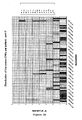
- the present inventors identified 234 known polymorphic CNVs in the 15 patients by comparing with the CNVs database [18]. This finding confirmed that the HLA locus is highly polymorphic in terms of genomic unbalances as expected considering the known high density of SNPs. The distribution of the CNVs among patients both in terms of number and density of them is showed in Figure 1A and 1B .
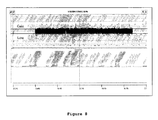
- Table 3 reports all the CNVs identified in patients. CNVs in the last column of the table are indentified with same catalog number of the Database of Genomic Variants and can be searched either in UCSC Genome Browser and in the Database of Genomic Variants itself. Figure 8 reports on the CGH profile identified in patient PF, as example. Table 3. Patient Code Chr.
- RM chr6 32563017 32763367 HLA-DRB5 CNV_3603, CNV_4493, CNV_7567, CNV_31280, CNV_4767, CNV_23237, CNV_32790, CNV_32791, CNV_23801, CNV_1709, CNV_32792, CNV - 23802, CNV_6759, CNV_6761, CNV_32793, CNV_32794, CNV_7568, CNV_23283, CNV_32795, CNV_6764 RM chr6 32563017 32592942 CNV_3603, CNV_4493, CNV_7567, CNV_31280, CNV_4767, CNV_23237, CNV_32790 RM chr6 32564010 32564512 CNV_3603, CNV_4493, CNV_7567, CNV_31280, CNV_4767, CNV_23237, CNV_32790 RM ch
- Genotype-phenotype correlation statistical analysis
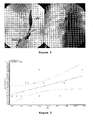
- the present inventors correlated the number of the CNVs, with the clinical parameters of the patients ( Figure 2 , top panel, Table 1). For the oversized number of CNVs significantly affecting X and Y Intercept, Slope and Run Test the present inventors excluded from linear regression analysis the patient coded as MC (52 CNVs vs median (IR) 23 (13) of our patients population, Table 1).
- HSPA1L and HSPA1A are linked to MS and diabetes and other immunity disorders, and regulatory functions as chromatin remodelling, neuroprotection, protein folding, and regenerative-degenerative tools as neurodegeneration, neuron toxicity, cell survival, neuroprotection, synaptic transmission or even aging factors (senescence and telomere maintenance).
- GRM4 seems to interact with many proteins linked to MS ( Figure 7A ) Focusing on specific functional pathways, as angiogenesis, obviously considering the plus phenotype of the present patients (venous malformation) the present inventors obtained a more selective puzzle of interactions ( Figure 7B ).
- GRB2 and HSPA1A and B genes directly act on angiogenesis, TAF11 is known to be involved in artery passage and E2F1 transcription factor is known to be an angiogenesis positive inducer in hepatitis and cancer.
- interesting HLA-DQA2 may also be implicated in angiogenesis by interacting with CD4.
- CNVs genotype
- VM/CCSVI phenotype
Landscapes
- Chemical & Material Sciences (AREA)
- Life Sciences & Earth Sciences (AREA)
- Proteomics, Peptides & Aminoacids (AREA)
- Health & Medical Sciences (AREA)
- Organic Chemistry (AREA)
- Wood Science & Technology (AREA)
- Analytical Chemistry (AREA)
- Zoology (AREA)
- Genetics & Genomics (AREA)
- Engineering & Computer Science (AREA)
- Pathology (AREA)
- Immunology (AREA)
- Microbiology (AREA)
- Molecular Biology (AREA)
- Biotechnology (AREA)
- Biophysics (AREA)
- Physics & Mathematics (AREA)
- Biochemistry (AREA)
- Bioinformatics & Cheminformatics (AREA)
- General Engineering & Computer Science (AREA)
- General Health & Medical Sciences (AREA)
- Measuring Or Testing Involving Enzymes Or Micro-Organisms (AREA)
Abstract
Description
- This disclosure concerns a Array-based method for detection of Copy number variations in the HLA locus for the genetic determination of susceptibility of development of venous malformations in the extracranial segments of the cerebrospinal veins associated with multiple sclerosis. More specifically, the present disclosure concerns a genetic diagnostic method for the determination of the genotype-phenotype correlation risk of development of venous malformations associated with multiple sclerosis.
- Multiple sclerosis is the most common neurological disease in young adult population catalogued into neurodegenerative disorders of unknown etiology. Inflammatory, infective, and autoimmune causes have been proposed to have a pathogenic role in this disease, although the link between these factors and the disease etiology remains to be elucidated.
- From the genetic point of view, studies on twins and siblings suggest that susceptibility genes may play a role in this disease. Multiple sclerosis has, in fact, a clinically significant heritable component.
- A genomewide association study was carried out in order to identify alleles associated with the risk of multiple sclerosis [7]. A transmission disequilibrium test of 334,923 single-nucleotide polymorphisms (SNPs) in 931 family trios revealed 49 SNPs having an association with multiple sclerosis. Alleles of IL2RA and IL7RA and those in the HLA locus are identified as heritable risk factors for multiple sclerosis. However, the detection of susceptibility loci is an important starting point, but does not clarify what are exactly the genes involved in the transmission of the disease and through what molecular mechanisms. Moreover, a correlation between genotype variation and phenotype phenomena has not been demonstrated. For such a reason, susceptibility loci need to be finely mapped and also correlated with the function of the component genes.
- Candidate-gene studies and whole genome association studies as well as copy number variations (CNVs) detection on single nucleotide polymorphisms (SNPs) based arrays involving more than hundred thousand markers have been performed and identified several susceptibility loci in the human genome, being the HLA locus on 6p21.32 the more confidently associated locus [1-6]. A few other possible susceptibility loci have been described although of uncertain statistical significance [7,8].
- When using single nucleotide polymorphisms (SNPs) based arrays and even when controls are accurately randomised, undetectable errors may occur especially linked to the population geographical origins, to the known differences in SNPs density, depending on the various human chromosomes or even genomic regions involved. These errors may inflate the apparently significant differences between patients and controls (genomic inflation) generating false positive or false negative, and finally hampering a true recognition of the associated loci [8].
- In order to overcome this "potential" trouble, an enormous number of individuals have to be analysed as recommend by the Wellcome Trust Case Control Consortium and as recently reported [8], to get unbiased data and to replicate the associations in the identified loci. However, the Authors themselves conclude that functional studies are required.
- Taking into account these premises, the need is therefore felt for improved solutions enabling reliable detection of genetic predisposition factors of patients to development of venous malformations associated with multiple sclerosis.
- The object of this disclosure is providing such improved solutions.
- According to the invention, the above object is achieved thanks to the subject matter recalled specifically in the ensuing claims, which are understood as forming an integral part of this disclosure.
- An embodiment of the present disclosure provides a method for in vitro diagnosis of risk of development of at least one extra cranial cerebrospinal venous malformation in a patient, comprising the step of detecting the global number of extragenic copy number variations (CNVs) in the HLA-DRA locus of chromosome 6p21, wherein the number of extragenic CNVs correlates with said risk.
- The present disclosure discloses a kit for performing such a diagnostic method. More specifically, the kit comprises CGH probes covering the HLA-DRA locus region for the detection of CNVs in chromosome 6p21 in genomic DNA of patients.
- A further embodiment of the present disclosure concerns a CGH array entirely covering the HLA-DRA locus region for the detection of CNVs in chromosome 6p21 in genomic DNA of patients.
- The data herein disclosed demonstrate a significant correlation between the number of CNVs found in the HLA-DRA region and the number of venous malformations, more specifically of chronic cerebrospinal venous malformations, identified in patients. This disclosure demonstrates that the number of multiple polymorphic CNVs in the HLA locus identified are determinants possibly involved in the phenotypic manifestation to this novel venous malformations/multiple sclerosis association.
- The invention will now be described, by way of example only, with reference to the enclosed figures of drawing, wherein:
-
Figure 1A and1B : Genomic distribution of the Known CNVs among the patients studied along the HLA-DRA locus. In the graph are reported the starting nucleotide for each CNV. In white are highlighted the regions of the HLA genes. -
Figure 2 : Exemplification of stenosing venous malformation associated to MS. A) Significant stenosis (arrow) of the left internal jugular vein (L IJV). B) Membranous obstruction of the outlet of the Azygous vein (o AZY) into the superior vena cava (SVC). -
Figure 3 to 5 : Linear regression analysis. A significant correlation between the number CNVs (figure 3 ), intragenic CNVs (figure. 4 ) and extragenic CNVs (figure 5 ) and the number of venous malformations detected by the means of selective venography was found (r=0.53, r2=0.28, p<0.05). -
Figure 6 : Number of total (A), intragenic (B) and extragenic (C) known CNVs reported in the Database of Genomic Variants per patient. -
Figure 7 : Functional links of the known genes within the HLA locus networking on neurodegenration, multiple sclerosis and immunity disorders (A) and angiogenesis and venous formation pathways (B).-Figure 8 : The CGH profile identified in patient PF as example. The multiple perturbation of the genomic area is well apparent. - In the following description, numerous specific details are given to provide a thorough understanding of embodiments. The embodiments can be practiced-without one or more of the specific details, or with other methods, components, materials, etc. In other instances, well-known structures, materials, or operations are not shown or described in detail to avoid obscuring aspects of the embodiments.
- Reference throughout this specification to "one embodiment" or "an embodiment" means that a particular feature, structure, or characteristic described in connection with the embodiment is included in at least one embodiment. Thus, the appearances of the phrases "in one embodiment" or "in an embodiment" in various places throughout this specification are not necessarily all referring to the same embodiment. Furthermore, the particular features, structures, or characteristics may be combined in any suitable manner in one or more embodiments.
- The headings provided herein are for convenience only and do not interpret the scope or meaning of the embodiments.
- The present inventors to investigate the occurrence of copy number variations (CNVs) underlining genome unbalances in the major locus (HLA, chromosome 6p21) associated with multiple sclerosis (MS) recur to a comparative genomic hybridisation (CGH) array in order to overcome the inevitable errors associated with the SNPs-based arrays.
- It is now well recognised that copy number variations (CNVs) typically ranging from 1 kb to several Mb do contribute to genetic variations and disease susceptibility. CNVs account for more nucleotide variations between individuals; in addition, the functional meaning of CNVs might be more immediate, especially for those located within genes, regulatory regions or known imprinted regions, since the possible consequence of the genome unbalance(s) may be interpretable in a more straight forward way.
- The advantage to search for CNVs by the CGH technique is the possibility to directly correlate the known, validated CNVs with a possible function, both related to the specific gene unbalanced and to other genomic regions with copy variations. In fact, CGH approach allows to finely mapping the identified CNVs in non-genic regions, possibly correlated to genes regulatory function, epigenetic changes or other noncoding functions.
- The development of robust high throughput platforms based on comparative genomic hybridisation (CGH) capable of identifying thousand genomic variations has greatly improved the research in this direction, as recently demonstrated in a major neurodegenerative disorder, the amiotrophic lateral sclerosis, in which non-polymorphic sub-microscopic duplications and deletions seem to be frequent in sporadic cases.
- The present inventors designed a locus-specific CGH array in order to explore the occurrence of CNVs in the HLA-DRA locus region (6,899,999 bp; chromosome 6p21: 29,900,001-36,800,000 bp) in 15 patients with the peculiar association of chronic cerebrospinal venous insufficiency (CCSVI) and MS phenotype.
- The present inventors already described the peculiar association of chronic cerebrospinal venous insufficiency (CCSVI) in patients with Ms in
WO 2009 107 152 . In the application the inventors demonstrated that CCSVI is due to stenosing venous malformations (VM) affecting the azygous and the jugular veins, leading to significant anomalies in cerebral venous outflow haemodynamics. The hampered cerebral venous return in consequence of the extracranial venous malformations is peculiar to MS, and was not found in a miscellaneous of patients affected by other neurodegenerative disorders, such as Parkinson's, Alzheimer's, amyotrophic lateral sclerosis. - In total patients showed 322 CNVs of which 225 extragenic and 97 intragenic. The present inventors identified 234 known polymorphic CNVs in the 15 patients having such a "plus" phenotype (i.e. VM-CCSVI and MS phenotype). Looking at the distribution of the polymorphic CNVs identified in these patients, the present inventors observed a peak of CNVs number within the HLA region. Outside this specific region however, the number of CNVs per patients remains high, though with variable distribution.
- Interesting, the overall number of CNVs showed a correlation with the number of stenosing VM as demonstrated by venography in the extracranial segments of the cerebrospinal veins, with a trend toward significance.
- The contribution to the correlation is certainly due to the extragenic CNVs, being significantly correlated to the number of stenosing VM (r=0.53, r2=0.28, p<0.05).
- This result suggests that the contribution of extragenic CNVs in the development of the associated VM is related to their regulatory action in the process of angiogenesis.
- The region studied contains 211 known genes. Using the functional bioinformatics tool the present inventors identify many genes interacting in both neurodegenerative and angiogenesis circuits. Notably, HSPA1L, HSP1A and HSP1B and the HLADQ2 genes network on both pathways. Heat-shock proteins (HSPs) represent a group of regulatory proteins involved in a variety of processes, including immunity and angiogenesis. In particular, HSPA1L expression is modulated by ETS1 transcription factor and by SP100 a nuclear autoimmune antigen. Interestingly, genes negatively regulated by ETS1 and up-regulated by SP100, as HSPA1L, have anti-migratory or anti-angiogenic properties.
- MS has a very well known major heritable component since its susceptibility is associated with the MHC class II region, especially HLA-DRB5*0101-HLA-DRB1*1501-HLA-DQA1*0102-HLADQB1*0602 haplotypes, which dominate genetic contribution to MS risk [20]. Interestingly HLADQA2 is known to be involved with pro-inflammatory CD4(+) T-cell-mediated autoimmune diseases, such as MS and
type 1 diabetes [21]. CD4 is also a very well known inhibitor of tumor angiogenesis [22], so supporting a link between the two pathways. The interpretation of the pathway interaction is obviously complex, but it suggests biological and functional links among these genes as well as, intriguingly, between angiogenesis and immunity. - Consistently with the general meaning of extragenic CNVs, putatively involved in gene expression regulation, this finding is interesting, since it supports the possibility that the number of structural variations laying within regulatory regions may represent a genomic "perturbation" increasing susceptibility for VM phenotype associated with MS the present inventors described.
- Regarding specific candidate genes which expression could be potentially disturbed by genomic unbalances or "perturbation", the pathways analysis suggests that genes involved in angiogenesis and immunity are the more interesting proteins.
- Fifteen patients affected by the relapsing-remitting clinical course of MS diagnosed according to the revised Mc Donald criteria as disclosed in [11] entered the study. The present inventors determined the expanded disability disease score (EDSS) as disclosed in [12], as well as the multiple sclerosis severity score (MS-SS) as disclosed in [13,14].
- The Kurtzke Expanded Disability Status Scale (EDSS) is a method of quantifying disability in multiple sclerosis. The EDSS categorizes a person's level of disability. EDSS scores range from 0-10, with higher scores indicating more severe disability. The MS-SS is a relationship between the EDSS and the disease duration, being the MS clinical course more aggressive in accordance with the time in which a certain score has been reached.
- In the present population MS was associated with CCSVI venous malformation documented by a sequential Colour-Doppler/selective venography protocol as disclosed in the international patent application No.
PCT/IT2008/000129 Table 1. Parameters Multiple sclerosis relapsing remitting n° 15 Median (IR) Age, years 36 (12) Sex M/ F 7/8 Disease duration, years 6 (9) EDSS 1.5 (1) MS-SS 2.6 (3.8) Number of VM 2 (1) Total CNVs 23 (13) Table 2. PATIENT CODE SEX AGE N° OF VM MS DISEASE DURATION YEARS EDSS MS-SS Number of CNVs PB F 36 2 15 7 8,17 8 RM M 31 3 3 1,5 3,34 31 DD M 46 4 3 2 4,82 39 GE M 46 2 6 1 1,13 20 BL M 40 3 14 1,5 1,03 18 CC M 32 3 4 1 1,45 14 FR M 46 3 12 1 0,64 22 PF F 27 2 4 1 1,45 12 CM F 46 2 15 4 5,09 23 MU M 40 2 9 1 0,88 10 CF F 30 2 5 1,5 2,6 29 HH F 36 3 3 1,5 3,34 15 LS F 25 4 3 2 4,82 20 VF F 36 2 6 0,5 0,25 12 MC F 37 2 3 1,5 3,34 52 - DNA from the 15 patients was extracted by protocol recommended by Agilent using the Qiagen DNeasy Blood & Tissue Kit. DNA from the 15 patients was extracted by protocol recommended by Agilent. Highly concentrated DNA was checked with a Nanodrop for quality (260/280 ratio =1.8 and 260/230 ratio =2.0). DNA integrity was evaluated on agarose gel at 1% in TBE 1X.
- Clinical data.are given as median and interquartile range. Genotype-phenotype correlations were analyzed by the means of linear regression analysis, including evaluation of slope, X and Y Intercept, followed by Run Test. P values < 0.05 were considered to be significant.
- MS-CGH microarray design was carried out using the web based Agilent eArray database version 5.4 (Agilent Technologies, Santa Clara, CA) [16]. The high density aCGH search function within eArray was used to turn the genomic region chr6: 29,900,001-36,800,000 (March 2006 human reference sequence, NCBI Build 36.1, hg18;) into a probe set by selecting the maximum number of exonic, intronic and intragenic 60mer oligonucleotide CGH probes available in the database. This probe set included 43102 probes that were used to reach the array format of 4 x 44 K, creating four identical 44 K arrays on a single slide for simultaneous analysis of four different samples.
- This platform called MS-CGH is a High-Density microarray with a resolution of one probe every 160 bp which allow the rapid determination of the molecular profile identifying the presence of copy number variations (CNVs) in heterozygosity or in homozygosity in the genomic region studied.
- Labelling and hybridisation were performed following the protocols provided by Agilent (Agilent Oligonucleotide Array-Based CGH for Genomic DNA Analysis protocol v5.0) as described in [17]. Briefly, genomic DNA from a control and a patient in the same quantity were digested by restriction enzymes AluI and RsaI in separate tubes. The obtained fragments of DNA from each samples were amplified in presence of Cyanine 3-dUTP (control sample) and Cyanine 5-dUTP (patient sample). After a step of purification and quantitation of the incorporation of the Cyanines samples were combined and hybridized onto the microarray for 17 hours at 65°C.
- The array was analysed with the Agilent scanner and the Feature Extraction software (v9.1). A graphical overview and analysis of the data were obtained using the DNA analytics software (v4.0.36). For identifying duplications and deletions the present inventors used the standard set-up of the ADM-2 statistical analysis provided by DNA analytics software (Agilent genomic Workbench 5.0) freely available at Agilent Technologies website.
- According to this set-up and in the case of autosomal genes, heterozygous deletions are visualised with values of
minus 1 and homozygous deletions as minus infinite (-4 in CGH analytics). The corresponding values for heterozygous and homozygous duplications are plus 0.5 andplus 1 respectively. At least 4 consecutive nonoverlapping probes reaching these values were needed for a positive call, together with absence of known SNPs in the region covered by the significant probes. All the 15 patients were done in duplicate on the array in order to provide robustness and validity to the results. - Pathway analysis and literature mining was performed using Pathway Studio software from Ariadne Genomics Inc. Pathway Studio database contains millions of regulatory and interaction events from all Pubmed abstracts and more than 350,000 full-text articles extracted by MedScan natural language processing technology. The present inventors have used graph navigation tool in Pathway Studio called "Build pathway" to find literature evidence supporting functional association of measured genes with angiogenesis and other processes linked to blood vessel formation as well as immunity and neurodegeneration.
- The present inventors identified 234 known polymorphic CNVs in the 15 patients by comparing with the CNVs database [18]. This finding confirmed that the HLA locus is highly polymorphic in terms of genomic unbalances as expected considering the known high density of SNPs. The distribution of the CNVs among patients both in terms of number and density of them is showed in
Figure 1A and1B . - Table 3 reports all the CNVs identified in patients. CNVs in the last column of the table are indentified with same catalog number of the Database of Genomic Variants and can be searched either in UCSC Genome Browser and in the Database of Genomic Variants itself.
Figure 8 reports on the CGH profile identified in patient PF, as example.Table 3. Patient Code Chr. Start Stop genes gs_hg18_CNV_20080404 BL chr6 32536756 32766992 CNV_3603, CNV_4493, CNV_7567, CNV_32789, CNV_31279, CNV_31280, CNV_4767, CNV_23237, CNV_32790, CNV_32791, CNV_23801, CNV_1709, CNV_32792, CNV_23802, CNV_6759, CNV_6761, CNV_32793, CNV_32794, CNV_7568, CNV_23283, CNV_32795, CNV_6764, CNV_32796, CNV_7569 BL chr6 32564230 32565022 CNV_3603, CNV_4493, CNV_7567, CNV_31200, CNV_4767, CNV_23237, CNV_32790 BL chr6 32595206 32595421 HLA-DRB5 CNV_3603, CNV_4493, CNV_7567, CNV_31280, CNV_4767, CNV_23237 BL chr6 32596430 32597048 HLA-DRB5 CNV_3603, CNV_4493, CNV_7567, CNV_31280, CNV_4767, CNV_23237, CNV_32791 BL chr6 32600343 32605108 HLA-DRB5 CNV_3603, CNV_4493, CNV_7567, CNV_31280, CNV_4767, CNV_23237, CNV_32791 BL chr6 32630548 32633760 HLA-DRB5 CNV_3603, CNV_4493, CNV_7567, CNV_31280, CNV_4767, CNV_23237, CNV_32791 BL chr6 32644521 32654562 HLA-DRB5 CNV_3603, CNV_4493, CNV_7567, CNV_31280, CNV_4767, CNV_32792 BL chr6 32654143 32654521 HLA-DRB5 CNV_3603, CNV_4493, CNV_7567, CNV_31280, CNV_4767 BL chr6 32668385 32668850 CNV_3603, CNV_4493, CNV_7567, CNV_31280, CNV_4767 BL chr6 32680250 32680644 CNV_3603, CNV_4493, CNV_7567, CNV_31280, CNV_4767 BL chr6 32712472 32712943 CNV_3603, CNV_7567, CNV_31280, CNV_4767, CNV_7568 BL chr6 32720046 32720535 HLA-DQA1 CNV_3603, CNV_7567, CNV_31280, CNV_4767, CNV_7568, CNV_23283 BL chr6 32720570 32721540 HLA-DQA1 CNV_3603, CNV_7567, CNV_31280, CNV_4767, CNV_7568, CNV_23283 BL chr6 32728265 32728541 CNV_3603, CNV_7567, CNV_31280, CNV_4767, CNV_7568, CNV_23283 BL chr6 32728938 32731038 CNV_3603, CNV_7567, CNV_31280, CNV_4767, CNV_7568, CNV_23283 BL chr6 32734749 32739935 HLA-DQB1 CNV_3603, CNV_7567, CNV_31280, CNV_4767, CNV_7568 BL chr6 32786798 32787270 CNV_3603, CNV_4767, CNV_7569, CNV_31281 BL chr6 34425436 34426875 NUDT3 CNV_7572 CF chr6 31387332 31418253 CNV_3601, CNV_8131, CNV_5387, CNV_8508, CNV_5222, CNV_2624, CNV_31274, CNV_7563, CNV_7564, CNV_32780, CNV_1708, CNV_10145, CNV_10146, CNV_6758, CNV_23799 CF chr6 32680250 32680644 CNV_3603, CNV_4493, CNV_7567, CNV_31280, CNV_4767 CM chr6 29929774 29935498 CNV_8209, CNV_3599 CM chr6 30761724 30763025 KIAA1949 CNV_3600, CNV_31270 CM chr6 31311983 31314021 CNV_3601, CNV_8131, CNV_7561 CM chr6 31384822 31392869 CNV_3601, CNV_8131, CNV_5387, CNV_8508, CNV_5222, CNV_2624, CNV_31274, CNV_7563, CNV_7564, CNV_32780, CNV_1708, CNV_10145, CNV_10146, CNV_6758 CM chr6 31390259 31390381 CNV_3601, CNV_8131, CNV_5387, CNV_8508, CNV_5222, CNV_2624, CNV_31274, CNV_7564, CNV_32780, CNV_1708, CNV_10146 CM chr6 31392907 31418253 CNV_3601, CNV_8131, CNV_5387, CNV_8508, CNV_5222, CNV_2624, CNV_31274, CNV_7564, CNV_32780, CNV_10146, CNV_23799 CM chr6 31456523 31457088 CNV_3601, CNV_8131, CNV_7564 CM chr6 31457088 31457425 CNV_3601, CNV_8131, CNV_7564 CM chr6 31646140 31646463 CNV_2625 CM chr6 32229423 32230350 PPT2 CNV_3602 CM chr6 32506490 32506778 CNV_3603, CNV_4493 CM chr6 32536756 32531232 CNV_3603, CNV_4493, CNV_7567 CM chr6 32563017 32683706 HLA-DRB5 CNV_3603, CNV_4493, CNV_7567, CNV_31280, CNV_4767, CNV_23237, CNV_32790, CNV_32791, CNV_23801, CNV_1709, CNV_32792, CNV_23802, CNV_6759, CNV_6761 CM chr6 32564230 32564724 CNV_3603, CNV_4493, CNV_7567, CNV_31280, CNV_4767, CNV_23237, CNV_32790 CM chr6 32596430 32597048 HLA-DRB5 CNV_3603, CNV_4493, CNV_7567, CNV_31280, CNV_4767, CNV_23237, CNV_32791 CM chr6 32600343 32605108 HLA-DRB5 CNV_3603, CNV_4493, CNV_7567, CNV_31280, CNV_4767, CNV_23237, CNV_32791 CM chr6 32672694 32673267 CNV_3603, CNV_4493, CNV_7567, CNV_31280, CNV_4767 CM chr6 32680250 32680644 CNV_3603, CNV_4493, CNV_7567, CNV_31280, CNV_4767 CM chr6 32737867 32739304 HLA-DQB1 CNV_3603, CNV_7567, CNV_31280, CNV_4767, CNV_7568 CM chr6 32742604 32743626 CNV_3603, CNV_7567, CNV_31280, CNV_4767, CNV_7568 CM chr6 32767739 32772277 CNV_3603, CNV_4767, CNV_7569, CNV_32797 CM chr6 32784811 32785414 CNV_3603, CNV_4767, CNV_7569, CNV_31281 CM chr6 32786798 32786971 CNV_3603, CNV_4767, CNV_7569, CNV_31281 CM chr6 32799007 32799166 CNV_3603, CNV_32799 CM chr6 35586239 35586376 TULP1 CNV_3607 CM chr6 35702110 35704258 FKBP5 CNV_3607 CM chr6 35761904 35762281 FKBP5 CNV_3607, CNV_0286 CM chr6 35785199 35785703 FKBP5 CNV_3607, CNV_0286 CM chr6 35870799 35870982 CLPS CNV_3607, CNV_0286, CNV_31285, CNV_7575 CC chr6 31191344 31191466 PSORS1C1 CNV_3601, CNV_8131 CC chr6 32605201 32627687 HLA-DRB5 CNV_3603, CNV_4493, CNV_7567, CNV_31280, CNV_4767, CNV_23237, CNV_32791, CNV_23801 CC chr6 32680250 32680644 CNV_3603, CNV_4493, CNV_7567, CNV_31280, CNV_4767 CC chr6 32715940 32716099 HLA-DQA1 CNV_3603, CNV_7567, CNV_31280, CNV_4767, CNV_7568 CC chr6 32723584 32723758 CNV_3603, CNV_7567, CNV_31280, CNV_4767, CNV_7568, CNV_23283 CC chr6 32739728 32740502 HLA-DQB1 CNV_3603, CNV_7567, CNV_31280, CNV_4767, CNV_7568 CC chr6 32763291 32763593 CNV_3603, CNV 4767, CNV_7568 CC chr6 32796711 32797255 CNV_3603, CNV_32799 CC chr6 32799007 32799166 CNV_3603, CNV_32799 CC chr6 32800626 32800785 CNV_3603, CNV_32799, CNV_31282 CC chr6 32800937 32801062 CNV_3603, CNV_32799, CNV_31282 CC chr6 32801490 32801789 CNV_3603, CNV_32799, CNV_31282 CC chr6 32977765 32979689 CNV_0076, CNV_3604 CC chr6 35761943 35762129 FKBP5 CNV_3607, CNV_0286 DD chr6 29962127 30021448 CNV_8209, CNV_3599, CNV_7558, CNV_2622, CNV_9032, CNV_31269, CNV_32776, CNV_4669, CNV_6756, CNV_6763. CNV_6760, CNV_6757, CNV_6765, CNV_9031, CNV_7956, CNV_1124, CNV_1126, CNV_23797, CNV_6486, CNV_32777 DD chr6 30053593 30053867 HLA-29.1 CNV_3599, CNV_2622, CNV_31269, CNV_4669 DD chr6 30063205 30063591 HLA-29.1 CNV_3599, CNV_2622, CNV_31269, CNV_4669 DD chr6 30761724 30763025 KIAA1949 CNV_3600, CNV_31270 DD chr6 30844693 30845056 CNV_3600 DD chr6 31157798 31159289 CNV_3601, CNV_31271 DD chr6 31345211 31345844 CNV_3601, CNV_8131, CNV_7561, CNV_31272, CNV_5387, CNV_8508, CNV_32779 DD chr6 31360138 31361802 CNV_3601, CMV_8131, CNV_5367, CNV_8508, CNV_5222, CNV_7562, CNV_2624, CNV_31279 DD chr6 31387332 31392906 CNV_3601, CNV_8131, CNV_5387, CNV_8508, CNV_5222, CNV_2624, CNV_31274, CNV_7563, CNV_7564, CNV_32780, CNV_1708, CNV_10145, CNV_10146, CNV_6758 DD chr6 31393365 31418253 CNV_3601, CNV_8131, CNV_5387, CNV_8508, CNV_5222, CNV_2624, CNV_31274, CNV_7564, CNV_32780, CNV_10146, CNV_23799 DD chr6 31457088 31457425 CNV_3601, CNV_8131, CNV_7564 DD chr6 32229423 32230350 PPT2 CNV_3602 DD chr6 32507789 32508030 CNV_3603, CNV_4493 DD chr6 32563017 32733981 HLA-DRB5 CNV_3603, CNV_4493, CNV_7567, CNV_31280, CNV_4767, CNV_23237, CNV_32790, CNV_32791, CNV_23801, CNV_1709, CNV_32792, CNV_23802, CNV_6759, CNV_6761, CNV_32793, CNV_32794, CNV_7568, CNV_23283 DD chr6 32564372 32564724 CNV_3603, CNV_4493, CNV_7567, CNV_31280, CNV_4767, CNV_23237, CNV_32790 DD chr6 32587915 32592942 CNV_3603, CNV_4493, CNV_7567, CNV_31280, CNV_4767, CNV_23237, CNV_32790 DD chr6 32591668 32592671 CNV_3603, CNV_4493, CNV_7567, CNV_31280, CNV_4767, CNV_23237, CNV_32790 DD chr6 32596475 32597048 HLA-DRB5 CNV_3603, CNV_4493, CNV_7567, CNV_31280, CNV_4767, CNV_23237, CNV_32791 DD chr6 32600343 32605108 HLA-DRB5 CNV_3603, CNV_4493, CNV_7567, CNV_31280, CNV_4767, CNV_23237, CNV_32791 DD chr6 32658647 32659246 HLA-DRB5 CNV_3603, CNV_4493, CNV_7567, CNV_31280, CNV_4767 DD chr6 32689971 32716235 HLA-DQA1 CNV_3603, CNV_4493, CNV_7567, CNV_31290, CNV_4767, CNV_32793, CNV_32794, CNV_7568 DD chr6 32699139 32699290 CNV_3603, CNV_7567, CNV_31280, CNV_4767, CNV_32793 DD chr6 32712472 32712943 CNV_3603, CNV_7567, CNV_31280, CNV_4767, CNV_7568 DD chr6 32718420 32731038 HLA-DQA1 CNV_3603, CNV_7567, CNV_31280, CNV_4767, CNV_7568, CNV 23283 DD chr6 32718654 32718952 HLA-DQA1 CNV_3603, CNV_7567, CNV_31280, CNV_4767, CNV_7568, CNV_23283 DD chr6 32719432 32720046 HLA-DQA1 CNV_3603, CNV_7567, CNV_31280, CNV_4767, CNV 7568, CNV 23283 DD chr6 32720611 32721540 HLA-DQA1 CNV_3603, CNV_7567, CNV_31280, CNV_4767, CNV_7568, CNV 23283 DD chr6 32723425 32728264 CNV_3603, CNV_7567, CNV_31280, CNV_4767, CNV_7568, CNV_23283 DD chr6 32739094 32739774 HLA-DQB1 CNV_3603, CNV_7567, CNV_31280, CNV_4767, CNV_7568 DD chr6 32761602 32762261 CNV_3603, CNV_31280, CNV_4767, CNV_7568 DD chr6 32763120 32763367 CNV_3603, CNV_4767, CNV_7568 DD chr6 32786798 32790418 CNV_3603, CNV_4767, CNV_7569, CNV_31281 DD chr6 32798813 32800626 CNV_3603, CNV_32799, CNV_31282 DD chr6 32810657 32810878 CNV_3603 DD chr6 32817895 32818011 HLA-DQA2 CNV_7570 DD chr6 33069396 33075621 CNV_0076, CNV_3604 DD chr6 34773702 34779441 CNV_3605 DD chr6 35761943 35762075 FKBP5 CNV_3607, CNV_0286 DD chr6 35862999 35868527 C6orf127 CNV_3607, CNV_0286, CNV_31285, CNV 7515 FR chr6 29962649 30017382 CNV_8209, CNV_3599, CNV_7558; CNV_2622, CNV_9032, CNV_31269, CNV_32776, CNV_4669, CNV_6756, CNV_6763, CNV_6760, CNV_6757, CNV_6765, CNV_9031, CNV_7956, CNV_1124, CNV_1126, CNV_23797, CNV_6486 FR chr6 31387332 31418253 CNV_3601, CNV_8131, CNV_5387, CNV_8508, CNV_5222, CNV_2624, CNV_31274, CNV_7563, CNV_7564, CNV_32780, CNV_1708, CNV_10145, CNV_10146, CNV_6758, CNV_23799 FR chr6 31457088 31457425 CNV_3601, CNV_8131, CNV_7564 FR chr6 32563235 32740502 HLA-DRBS CNV_3603, CNV_4493, CNV_7567, CNV_31280, CNV_4767, CNV_23237, CNV_32790, CNV_32791, CNV_23801, CNV_1709, CNV_32792, CNV_23802, CNV_6759, CNV_6761, CNV_32793, CNV_32794, CNV_7568, CNV_23283 FR chr6 32569230 32565022 CNV_36C3, CNV_4493, CNV_7567, CNV_31200, CNV_4767, CNV_23237, CNV_32790 FR chr6 32590368 32592554 CNV_3603, CNV_4493, CNV_7567, CNV_31280, CNV_4767, CNV_23237, CNV_32790 FR chr6 32596475 32597048 HLA-DRB5 CNV_3603, CNV_4493, CNV_7567, CNV_31280, CNV_4767, CNV_23237, CNV_32791 FR chr6 32599429 32600342 HLA-DRB5 CNV_3603, CNV_4493, CNV_7567, CNV_31280, CNV_4767, CNV_23237, CNV_32791 FR chr6 32600917 32605108 HLA-DRB5 CNV_3603, CNV_4493, CNV_7567, CNV_31280, CNV_4767, CNV_23237, CNV_32791 FR chr6 32630548 32631353 HLA-DRB5 CNV_3603, CNV_4493, CNV_7567, CNV_31280, CNV_4767, CNV_23237, CNV 32791 FR chr6 32644521 32650183 HLA-DRB5 CNV_3603, CNV_4493, CNV_7567, CNV_31280, CNV_4767, CNV 32792 FR chr6 32680250 32680699 CNV_3603, CNV_4493, CNV_7567, CNV_31280, CNV_4767 FR chr6 32712300 32712943 CNV_3603, CNV_7567, CNV_31280, CNV_4767, CNV_7568 FR chr6 32719305 32719932 HLA-DQA1 CNV_3603, CNV_7567, CNV_31280, CNV_4767, CNV_7568, CNV_23283 FR chr6 32720046 32720535 HLA-DQA1 CNV_3603, CNV_7567, CNV_31280, CNV_4767, CNV_7568; CNV_23283 FR chr6 32720570 32721540 HLA-DQA1 CNV_3603, CNV_7567, CNV_31280, CMV_4767, CNV_7568, CNV_23283 FR chr6 32728265 32728737 CNV_3603, CNV_7567, CNV_31280, CNV_4767, CNV_7568, CNV_23283 FR chr6 32734749 32734935 CNV_3603, CNV_7567, CNV_31280, CNV_4767, CNV_7568 FR chr6 32743627 32744515 CNV_3603, CNV_7567, CNV_31280, CNV_4767, CNV_7568 FR chr6 32760501 32761273 CNV_3603, CNV_7567, CNV_31280, CNV_4767, CNV_7568 FR chr6 32786937 32787270 CNV_3603, CNV_4767, CNV_7569, CNV_31281 FR chr6 35761943 35762281 FKBP5 CNV_3607, CNV_0286 GE chr6 29940096 30017382 CNV_8209, CNV_3599, CNV_7558, CNV_2622, CNV_9032, CNV_31269, CNV_23095, CNV_22632, CNV_23796, CNV_32776, CNV_4669, CNV_6756, CNV_6763, CNV_6760, CNV_6757, CNV_6765, CNV_9031, CNV_7956, CNV_1124, CNV_1126, CNV_23797. CNV_6486 GE chr6 29981807 29982868 CNV_8209, CNV_3599, CNV_7558, CNV_2622, CNV_9032, CNV_31269, CNV 32776, CNV 4669, CNV 9031, CNV_7956 GE chr6 31367445 31367910 CNV_3601, CNV_8131, CNV_5387, CNV_8508, CNV_5222, CNV_2624, CNV_31274 GE chr6 31384717 31418029 CNV_3601, CNV_8131, CNV_5387, CNV_8508, CNV_5222, CNV_2624, CNV_31274, CNV_7563, CNV_7564, CNV_32780, CNV_1708, CNV_10145, CNV_10146, CNV_6758, CNV_23799 GE chr6 31390259 31390381 CNV_3601, CNV_8131, CNV_5387, CNV_8508, CNV_5222, CNV_2624, CNV_31274, CNV_7564, CNV_32780, CNV_1708, CNV_10146 GE chr6 31457088 31457425 CNV 3601, CNV_8131, CNV_7564 GE chr6 32477682 32506490 32477991 32506778 BTNL2 CNV_7566 CNV_3603, CNV_4493 GE chr6 32507919 32508030 CNV_3603, CNV_4493 GE chr6 32563017 32744157 HLA-DRB5 CNV_3603, CNV_4493, CNV_7567, CNV_31280, CNV_4767, CNV_23237, CNV_32790, CNV_32791, CNV_23801, CNV_1709, CNV_32792, CNV_23802, CNV_6759, CNV_6761, CNV_32793, CNV_32794, CNV_7568, CNV_23283 GE chr6 32587915 32592942 CNV_3603, CNV_4493, CNV_7567, CNV_31280, CNV_4767, CNV_23237, CNV_32790 GE chr6 32600917 32605108 HLA-DRB5 CNV_3603, CNV_4493, CNV_7567, CNV_31280, CNV_4767, CNV_23237, CNV_32791 GE chr6 32658039 32659542 HLA-DRB5 CNV 3603, CNV 4493, CNV 7567, CNV 31280, CNV 4767 GE chr6 32699503 32701186 CNV 3603, CNV_7567, CNV_31280, CNV 4767, CNV 32793 GE chr6 32718420 32723425 HLA-DQA1 CNV_3603, CNV_7567, CNV_31280, CNV_4767, CNV_7568, CNV_23283 GE chr6 32719432 32720268 HLA-DQA1 CNV_3603, CNV_7567, CNV_31280, CNV_4767, CHV_7568, CNV_23283 GE chr6 32720611 32721540 HLA-DQA1 CNV_3603, CNV_7567, CNV_31280, CNV_4767, CNV_7568, CNV_23283 GE chr6 32738284 32738429 HLA-DQB1 CNV_3603, CNV_7567, CNV_31280, CNV_4767, CNV_7568 GE chr6 32739094 32739452 HLA-DQB1 CNV_3603, CNV_7567, CNV_31280, CNV_4767, CNV_7568 GE chr6 35761943 35762281 FKBP5 CNV_3607, CNV_0286 HH chr6 31387332 31418253 CNV_3601, CNV_8131, CNV_5387, CNV_8508, CNV_5222, CNV_2624, CNV_31274, CNV_7563, CNV_7564, CNV_32780, CNV_1708, CNV_10145, CNV_10146, CNV_6758, CNV_23799 LS chr6 31387332 31392974 CNV_3601, CNV_8131, CNV_5387, CNV_8508, CNV_5222, CNV_2624, CNV_31274, CNV_7563, CNV_7564, CNV_32780, CNV_1708, CNV_10145, CNV_10146, CNV_6758 LS chr6 32563017 32563369 CNV_3603, CNV_4493, CNV_7567, CNV_31280, CNV_4767, CNV_23237 MU chr6 29995047 29998209 CNV_8209, CNV_3599, CNV_7558, CNV_2622, CNV_9032, CNV_31269, CNV_32776, CNV_4669, CNV_9031, CNV_7956, CNV_1124, CNV_1126 MU chr6 32600917 32604580 HLA-DRB5 CHV_3603, CNV_9493, CNV_7567, CNV_31280, CNV_4767, CNV_23237, CNV_32791 MU chr6 32605201 32628505 HLA-DRB5 CNV_3603, CNV_4493, CNV_7567, CNV_31280, CNV_4767, CNV_23237, CNV_32791, CNV_23801 MU chr6 32664486 32667076 HLA-DRB5 CNV 3603, CNV 4493, CNV_7567, CNV_31280, CNV_4767 MU chr6 32700842 32700989 CNV 3603, CNV 7567, CNV_31280, CNV 4767, CNV 32793 MU chr6 32711745 32712127 CNV_3603, CNV_7567, CNV_31280, CNV_4767, CNV_32794, CNV_7568 MU chr6 32760784 32761389 CNV_3603, CNV_7567, CNV_31280, CNV_4767, CNV_7568 MU chr6 32763120 32763593 CNV 3603, CNV_4767, CNV_7568 MU chr6 32798352 32802221 CNV 3603, CNV_32799, CNV_31282 MU chr6 35761943 35762281 FKBP5 CNV_3607, CNV_0286 MC chr6 29950578 30017155 CNV_8209, CNV_3599; CNV_7558, CNV_2622, CNV_9032, CNV_31269, CNV_23095, CNV_22632, CNV_23796, CNV_32776, CNV_4669, CNV_6756, CNV_6763, CNV_6760, CNV_6757, CNV_6765, CNV_9031, CNV_7956, CNV_1124, CNV_1126, CNV_23797, CNV_6486 MC chr6 29982195 29982333 CNV_8209, CNV_3599, CNV_7558, CNV_2622, CNV_9032, CNV_31269, CNV_32776, CNV_4669, CNV_9031, CNV_7956 MC chr6 29985562 30001164 CNV_8209, CNV_3599, CNV_7558, CNV_2622, CNV_9032, CNV_31269, CNV_32776, CNV_4669, CNV_9031, CNV_7956, CNV_1124, CNV_1126 MC chr6 29985909 29986570 CNV_8209, CNV_3599, CNV_7558, CNV_2622, CNV_9032, CNV_31269, CNV_32776, CNV_4669, CNV_9031, CNV_7956 MC chr6 29988968 29994086 CNV_8209, CNV_3599, CNV_7558, CNV_2622, CNV-9032, CNV_31269, CNV_32776, CNV_4669, CNV_9031, CNV_7956, CNV_1124, CNV_1126 MC chr6 30006771 30010434 CNV_8209, CNV_3599, CNV_7558, CNV_2622, CNV_9032, CNV_31269, CNV_32776, CNV_4669, CNV_9031, CNV_7956, CNV_23797, CNV_6486 MC chr6 31387332 31418029 CNV_3601, CNV_8131, CNV_5387, CNV_8508, CNV_5222, CNV_2624, CNV_31274, CNV_7563, CNV_7564, CNV_32780, CNV_1708, CNV_10145, CNV_10146, CNV_6758, CNV_23799 MC chr6 32563017 32567703 CNV_3603, CNV_4493, CNV_7567, CNV_31280, CNV_4767, CNV_23237, CNV_32790 MC chr6 32564548 32565176 CNV_3603, CNV_4493, CNV_7567, CNV_31280, CNV_4767, CNV_23237, CNV_32790 MC chr6 32587803 32588104 CNV_3603, CNV_4493, CNV_7567, CNV_31280, CNV_4767, CNV_23237, CNV_32790 MC chr6 32605201 32605946 HLA-DRB5 CNV_3603, CNV_4493, CNV_7567, CNV_31280, CNV_4767, CNV_23237, CNV_32791 MC chr6 32667923 32668136 CNV_3603, CNV_4493, CNV_7567, CNV_31280, CNV_4767 MC chr6 32668136 32668384 CNV_3603, CNV_4493, CNV_7567, CNV_31280, CNV_4767 MC chr6 32703944 32707105 CNV_3603, CNV_7567, CNV_31280, CNV_4767, CNV_32793 MC chr6 32711745 32712681 CNV_3603, CNV_7567, CNV_31280, CNV_4767, CNV_32794, CNV_7568 MC chr6 32720611 32721540 HLA-DQA1 CNV_3603, CNV_7567, CNV_31280, CNV_4767, CNV_7568, CNV_23283 MC chr6 32728386 32728737 CNV_3603, CNV_7567, CNV_31280, CNV_4767, CNV_7568, CNV_23283 MC chr6 32739606 32740000 HLA-DQB1 CNV 3603, CNV 7567, CNV 31280, CNV 4767, CNV 7568 PF chr6 30006771 30010434 CNV_8209, CNV_3599, CNV_7558, CNV_2622, CNV_9032, CNV_31269, CNV_32776, CNV_4669, CNV_9031, CNV_7956, CNV_23797, CNV_6486 PF chr6 31384822 31386601 CNV_3601, CNV_8131, CNV_5387, CNV_8508, CNV_5222, CNV_2624, CNV_31274, CNV_7563, CNV_7564, CNV_32780, CNV_1708, CNV_10145 PF chr6 31457088 32506490 31457425 32506778 CNV_3601, CNV_8131, CNV_7564 CNV_3603, CNV_4493 PF chr6 32600343 32605108 HLA-DRB5 CNV_3603, CNV_4493, CNV_7567, CNV_31280, CNV_4767, CNV_23237, CNV_32791 PF chr6 32680250 32680644 CNV_3603, CNV_4493, CNV_7567, CNV_31280, CNV_4767 PF chr6 32717273 32717335 HLA-DQA1 CNV_3603, CNV_7567, CNV_31280, CNV_4767, CNV_7568 PF chr6 32799007 32799166 CNV_3603, CNV_32799 PF chr6 32800937 32801062 CNV_3603, CNV_32799, CNV_31282 PF chr6 32801490 32801789 CNV_3603, CNV_32799, CNV_31282 PF chr6 35586239 35586376 TULP1 CNV_3607 PF chr6 35761943 35762281 FKBP5 CNV_3607, CNV_0286 PB chr6 31456117 31456849 CNV_3601, CNV_8131, CNV 7564 PB chr6 32563017 32605362 HLA-DRB5 CNV_3603, CNV_4493, CNV_7567, CNV_31280, CNV_4767, CNV_23237, CNV_32790, CNV_32791 PB chr6 32593105 32598770 HLA-DRB5 CNV_3603, CNV_4493, CNV_7567, CNV_31280, CNV_4767, CNV_23237, CNV_32791 PB chr6 32596367 32597048 HLA-DRB5 CNV_3603. CNV_4493, CNV_7567, CNV_31280, CNV_4767, CNV_23237, CNV_32791 PB chr6 32667923 32668384 CNV_3603, CNV_4493, CNV_7567, CNV_31280, CNV_4767 PB chr6 32694846 32696612 CNV_3603, CNV_7567, CNV_31280, CNV_4767 PB chr6 32737298 32739452 HLA-DQB1 CNV_3603, CNV_7567, CNV_31280, CNV_4767, CNV_7568 PB chr6 32741720 32741876 HLA-DQB1 CNV_3603, CNV_7567, CNV_31280, CNV_4767, CNV_7568 RM chr6 29962127 30017382 CNV_8209, CNV_3599, CNV_7558, CNV_2622, CNV_9032, CNV_31269, CNV_32776, CNV_4669, CNV_6756, CNV_6763, CNV_6760, CNV_6757, CNV_6765, CNV_9031, CNV_7956, CNV_1124, CNV_1126, CNV_23797, CNV_6486 RM chr6 30761842 30763025 KIAA1949 CNV_3600, CNV_31270 RM chr6 31361260 31361802 CNV_3601, CNV_8131, CNV_5387, CNV_8508, CNV_5222, CNV_7562, CNV_2624, CNV_31274 RM chr6 32226417 32226779 PRRT1 CNV_3602 RM chr6 32229121 32230350 PPT2 CNV_3602 RM chr6 32260717 32261345 PBX2 CNV_3602 RM chr6 32507870 32508030 CNV 3603, CNV 4493 RM chr6 32536756 32537232 CNV_3603, CNV 4493, CNV 7567 . RM chr6 32563017 32763367 HLA-DRB5 CNV_3603, CNV_4493, CNV_7567, CNV_31280, CNV_4767, CNV_23237, CNV_32790, CNV_32791, CNV_23801, CNV_1709, CNV_32792, CNV-23802, CNV_6759, CNV_6761, CNV_32793, CNV_32794, CNV_7568, CNV_23283, CNV_32795, CNV_6764 RM chr6 32563017 32592942 CNV_3603, CNV_4493, CNV_7567, CNV_31280, CNV_4767, CNV_23237, CNV_32790 RM chr6 32564010 32564512 CNV_3603, CNV_4493, CNV_7567, CNV_31280, CNV_4767, CNV_23237, CNV_32790 RM chr6 32587915 32588033 CNV_3603, CNV_4493, CNV_7567, CNV_31280, CNV_4767, CNV_23237, CNV_32790 RM chr6 32596475 32597048 HLA-DRB5 CNV_3603, CNV_4493, CNV_7567, CNV_31280, CNV_4767, CNV_23237, CNV_32791 RM chr6 32600343 32605946 HLA-DRB5 CNV_3603, CNV_4493, CNV_7567, CNV_31280, CNV_4767, CNV_23237, CNV_32791 RM chr6 32613338 32627232 HLA-DRB5 CNV_3603, CNV_4493, CNV_7567, CNV_31280, CNV_4767, CNV_23237, CNV_32791 RM chr6 32667923 32668136 CNV_3603, CNV_4493, CNV_7567, CNV_31280, CNV_4767 RM chr6 32679817 32680250 CNV_3603, CNV_4493, CNV_7567, CNV_31280, CNV_4767 RM chr6 32682524 32683273 CNV_3603, CNV_4493, CNV_7567, CNV_31280, CNV_4767, CNV_6759, CNV_6761 RM chr6 32693553 32703913 32703913 CNV_3603, CNV_4493, CNV_7567, CNV_31280, CNV_4767, CNV_32793 RM chr6 32702660 32702818 CNV_3603, CNV_7567, CNV_31280, CNV_4767, CNV_32793 RM chr6 32703944 32707105 CNV_3603, CNV_7567, CNV_31280, CNV_4767, CNV_32793 RM chr6 32719403 32719774 HLA-DQA1 CNV_3603, CNV_7567, CNV_31280, CNV_4767, CNV_7568, CNV_23283 RM chr6 32720611 32721540 HLA-DQA1 CNV_3603, CNV_7567, CNV_31280, CNV_4767, CNV_7568, CNV_23283 RM chr6 32728265 32731038 CNV_3603, CNV_7567, CNV_31280, CNV_4767, CNV_7568, CNV_23283 RM chr6 32733982 32759283 HLA-DQB1 CNV_3603, CNV_7567, CNV_31280, CNV_4767, CNV_7568, CNV_32795, CNV_6764 RM chr6 32735643 32735978 HLA-DQB1 CNV_3603, CNV_7567, CNV_31280, CNV_4767, CNV_7568 RM chr6 32739094 32739452 HLA-DQB1 CNV_3603, CNV_7567, CNV_31280, CNV_4767, CNV_7568 RM chr6 32786937 32790418 CNV_3603, CNV_4767, CNV_7569, CNV_31281 RM chr6 32798570 32801825 CNV_3603, CNV_32799, CNV_31282 RM chr6 35761943 35762281 FKBP5 CNV_3607, CNV_0286 RM chr6 35862999 35868527 C6orf127 CNV_3607, CNV_0286, CNV_31285, CNV_7575 VF chr6 32563017 32588104 CNV_3603, CNV_4493, CNV_7567, CNV_31280, CNV_4767, CNV_23237, CNV_32790 VF chr6 32564548 32565176 CNV_3603, CNV_4493, CNV_7567, CNV_31280, CNV_4767, CNV_23237, CNV_32790 VF chr6 32605201 32605362 HLA-DRB5 CNV_3603, CNV_4493, CNV_7567, CNV_31280, CNV_4767, CNV_23237, CNV_32791 VF chr6 32667923 32668136 CNV_3603, CNV_4493, CNV_7567, CNV_31280, CNV_4767 VF chr6 32703944 32707105 CNV_3603, CNV_7567, CNV_31280, CNV_4767, CNV_32793 VF chr6 32711745 32712943 CNV_3603, CNV_7567, CNV_31280, CNV_4767, CNV_32794, CNV_7568 VF chr6 32720611 32721540 HLA-DQA1 CNV_3603, CNV_7567, CNV_31280, CNV_4767, CNV_7568, CNV_23283 VF chr6 32728265 32728737 CNV_3603, CNV_7567, CNV_31280, CNV_4767, CNV_7568, CNV_23283 - The present inventors correlated the number of the CNVs, with the clinical parameters of the patients (
Figure 2 , top panel, Table 1). For the oversized number of CNVs significantly affecting X and Y Intercept, Slope and Run Test the present inventors excluded from linear regression analysis the patient coded as MC (52 CNVs vs median (IR) 23 (13) of our patients population, Table 1). - Linear regression analysis demonstrated that the overall number of CNVs is correlated with the number of extracranial VM demonstrated by venography in the extracranial segments of the cerebrospinal veins, with a trend toward significance (r=0.52, r2=0.27, p=0.0545) (
Figure 3 andFigure 6 panel A). By splitting the analysis correlating either the extragenic CNVs (Figure 5 andFigure 6 panel C) or the intragenic CNVs (Figure 4 andFigure 6 panel B) with the extracranial VM the present inventors found a robust and significant correlation with the former (r=0.53, r2=0.28, p<0.05). - 211 genes are contained within the region the present inventors covered by the present CGH array.
- Since the phenotype in focus is characterised by multiple sclerosis and venous malformation, the present inventors applied a bioinformatics tool to select genes known to be involved in angiogenesis and venous development as well as linked to multiple sclerosis, immunity and neurodegeneration. Interestingly some genes are linked to these processes. HSPA1L and HSPA1A are linked to MS and diabetes and other immunity disorders, and regulatory functions as chromatin remodelling, neuroprotection, protein folding, and regenerative-degenerative tools as neurodegeneration, neuron toxicity, cell survival, neuroprotection, synaptic transmission or even aging factors (senescence and telomere maintenance). Also the gene GRM4 seems to interact with many proteins linked to MS (
Figure 7A )
Focusing on specific functional pathways, as angiogenesis, obviously considering the plus phenotype of the present patients (venous malformation) the present inventors obtained a more selective puzzle of interactions (Figure 7B ). GRB2 and HSPA1A and B genes directly act on angiogenesis, TAF11 is known to be involved in artery passage and E2F1 transcription factor is known to be an angiogenesis positive inducer in hepatitis and cancer. Interesting HLA-DQA2 may also be implicated in angiogenesis by interacting with CD4. - The correlation found between genotype (CNVs) and phenotype (VM/CCSVI) are further supported by the above reported regulatory functions in the angiogenic process. Both extragenic and intragenic CNVs with known interaction in human angiogenesis support the hypothesis that the identified genetic variants may determine disregulation in the embryological process of venous angiogenesis, possibly leading to the development of VM. VM in turn create overtime a status known as CCSVI which is strongly associated to MS.
-
- 1. Comabella M, et al. PLoS One 2008; 3:e3490.
- 2. Ramagopalan SV, et al. BMC Med Genet 2009; 10:10.
- 3. Chao MJ, et al. Proc Natl Acad Sci USA 2008; 105:13069-74.
- 4. Aulchenko YS, et al. Nat Genet. 2008; 40:1402-3.
- 5. Cronin S, et al. Hum Mol Genet. 2008; 17:3392-8.
- 6. Blauw HM, et al. Lancet Neurol. 2008; 7:319-26.
- 7. International Multiple Sclerosis Genetics Consortium, Hafler DA, et al. N Engl J Med. 2007; 357:851-62.
- 8. International Multiple Sclerosis Genetics Consortium (IMSGC). Lancet Neurol. 2008;7:567-9.
- 9. Zamboni P, et al. J Neurol Neurosurg Psychiatry 2009; 80:392-9.
- 10. Zamboni P, et al. J Neurol Sci. 2009; 282:21-7.
- 11. Polman CH, et al. Ann Neurol. 2005; 58:840-6.
- 12. Kurtzke JF. Neurology. 1983; 33:1444-52.
- 13. Roxburgh RH, et al. Neurology. 2005; 64:1144-51.
- 14. Pachner AR, Steiner I. J Neurol Sci. 2009; 278:66-70.
- 15. Menegatti E, Zamboni P. Curr. Neurovasc. Res. 2008; 5:260-5.
- 16. Agilent Technologies eArray [https://earray.chem.agilent.com/earray]
- 17. Bovolenta M, et al. BMC genomics. 2008, 9:572.
- 18. Database of Genomic Variants [http://projects.tcag.ca/variation]
- 19. Singh AV, Zamboni P. J Cer Blood Flow Met 2009
- 20. Lincoln MR, et al. Proc Natl Acad Sci USA. 2009; 106(18):7542-7.
- 21. Podojil JR, Miller SD. Immunol Rev. 2009; 229(1):337-55.
- 22. Wieder T, et al. Cell Cycle. 2008; 7(19):2974-7.
Claims (6)
- A method for the in vitro diagnosis of a risk of developing at least one extra cranial cerebrospinal venous malformation in a patient, said method comprising detecting the global number of extragenic copy number variations (CNV) in the HLA-DRA locus of chromosome 6p21.
- Method according to claim 1, wherein said detection is performed on a sample of genomic DNA of said patient.
- Method according to claim 1 or claim 2, wherein said detection of said copy number variations in chromosome 6p21 is performed using a CGH method, an array CGH method, or a single nucleotide polymorphisms based array.
- CGH array of the HLA-DRA locus of chromosome 6p21, wherein said array comprises a solid support, and a plurality of oligonucleotide probes covering the HLA-DRA locus of chromosome 6p21, wherein said probes are linked to said solid support, and wherein said plurality of oligonucleotide probes has a resolution of one probe every 160 bp of the nucleotide sequence of the HLA-DRA locus chromosome 6p21 and said oligonucleotide probes are 60mer oligonucleotides.
- CGH array according to claim 4, wherein said plurality of oligonucleotide probes comprises 43102 probes.
- CGH array according to claim 4 or claim 5, wherein said array has a format of 4x44K.
Applications Claiming Priority (2)
| Application Number | Priority Date | Filing Date | Title |
|---|---|---|---|
| ITTO2009A000672A IT1398780B1 (en) | 2009-09-01 | 2009-09-01 | ¿ARRAY BASED PROCEDURE FOR THE REVELATION OF VARIATIONS OF THE NUMBER OF COPIES IN THE HLA LOCUS FOR THE DETERMINATION OF SUSCEPTIBILITY TO THE DEVELOPMENT OF VENOUS MALFORMATIONS IN EXTRA-CRANIAL SEGMENTS OF CEREBROSPINAL VEINS AND RELATIVE KIT¿. |
| PCT/IB2010/053901 WO2011027292A1 (en) | 2009-09-01 | 2010-08-31 | Array-based method for detection of copy number variations in the hla locus for the genetic determination of susceptibility of development of venous malformations in the extracranial segments of the cerebrospinal veins and kit thereof |
Publications (2)
| Publication Number | Publication Date |
|---|---|
| EP2473626A1 EP2473626A1 (en) | 2012-07-11 |
| EP2473626B1 true EP2473626B1 (en) | 2014-01-29 |
Family
ID=41572611
Family Applications (1)
| Application Number | Title | Priority Date | Filing Date |
|---|---|---|---|
| EP10760024.9A Not-in-force EP2473626B1 (en) | 2009-09-01 | 2010-08-31 | Array-based method for detection of copy number variations in the hla locus for the genetic determination of susceptibility of development of venous malformations in the extracranial segments of the cerebrospinal veins and array thereof |
Country Status (6)
| Country | Link |
|---|---|
| US (1) | US20120225791A1 (en) |
| EP (1) | EP2473626B1 (en) |
| AR (1) | AR078252A1 (en) |
| ES (1) | ES2459946T3 (en) |
| IT (1) | IT1398780B1 (en) |
| WO (1) | WO2011027292A1 (en) |
Families Citing this family (2)
| Publication number | Priority date | Publication date | Assignee | Title |
|---|---|---|---|---|
| EP3204882B1 (en) | 2014-10-10 | 2025-01-01 | Life Technologies Corporation | Methods, systems, and computer-readable media for calculating corrected amplicon coverages |
| CN118240872B (en) * | 2024-05-28 | 2024-08-23 | 河南大学三亚研究院 | Application of HLR gene in improving plant highlight tolerance |
Family Cites Families (3)
| Publication number | Priority date | Publication date | Assignee | Title |
|---|---|---|---|---|
| US20060115826A1 (en) * | 1999-06-28 | 2006-06-01 | Michael Bevilacqua | Gene expression profiling for identification monitoring and treatment of multiple sclerosis |
| EP2069533B1 (en) * | 2006-07-13 | 2012-11-07 | Life Technologies Corporation | Gene expression profiling for identification, monitoring and treatment of multiple sclerosis |
| EP2129795A4 (en) * | 2006-12-19 | 2010-10-20 | Synergenz Bioscience Ltd | Methods and compositions for the assessment of cardiovascular function and disorders |
-
2009
- 2009-09-01 IT ITTO2009A000672A patent/IT1398780B1/en active
-
2010
- 2010-08-31 EP EP10760024.9A patent/EP2473626B1/en not_active Not-in-force
- 2010-08-31 ES ES10760024.9T patent/ES2459946T3/en active Active
- 2010-08-31 US US13/391,572 patent/US20120225791A1/en not_active Abandoned
- 2010-08-31 WO PCT/IB2010/053901 patent/WO2011027292A1/en not_active Ceased
- 2010-09-01 AR ARP100103204A patent/AR078252A1/en unknown
Also Published As
| Publication number | Publication date |
|---|---|
| US20120225791A1 (en) | 2012-09-06 |
| AR078252A1 (en) | 2011-10-26 |
| IT1398780B1 (en) | 2013-03-18 |
| WO2011027292A1 (en) | 2011-03-10 |
| ITTO20090672A1 (en) | 2011-03-02 |
| ES2459946T3 (en) | 2014-05-13 |
| EP2473626A1 (en) | 2012-07-11 |
Similar Documents
| Publication | Publication Date | Title |
|---|---|---|
| De Roeck et al. | NanoSatellite: accurate characterization of expanded tandem repeat length and sequence through whole genome long-read sequencing on PromethION | |
| Conlin et al. | Long‐read sequencing for molecular diagnostics in constitutional genetic disorders | |
| Gass et al. | Mutations in progranulin are a major cause of ubiquitin-positive frontotemporal lobar degeneration | |
| Lalli et al. | Whole-genome sequencing suggests a chemokine gene cluster that modifies age at onset in familial Alzheimer's disease | |
| EP2851432B1 (en) | RCA locus analysis to assess susceptibility to AMD | |
| JP5917395B2 (en) | Diagnosis and treatment of Alzheimer's disease | |
| Binder et al. | Common and low frequency variants in MERTK are independently associated with multiple sclerosis susceptibility with discordant association dependent upon HLA-DRB1* 15: 01 status | |
| Alfano et al. | Characterization of full-length CNBP expanded alleles in myotonic dystrophy type 2 patients by Cas9-mediated enrichment and nanopore sequencing | |
| Saarela et al. | PRKCA and multiple sclerosis: association in two independent populations | |
| Ciobanu et al. | Detection, validation, and downstream analysis of allelic variation in gene expression | |
| Putscher et al. | Genetic risk variants for multiple sclerosis are linked to differences in alternative pre-mRNA splicing | |
| US20100009368A1 (en) | Methods and compositions for the assessment of cardiovascular function and disorders | |
| Ferlini et al. | Custom CGH array profiling of copy number variations (CNVs) on chromosome 6p21. 32 (HLA locus) in patients with venous malformations associated with multiple sclerosis | |
| Harold et al. | Sequence variation in the CHAT locus shows no association with late-onset Alzheimer's disease | |
| Ye et al. | Genetic analysis using long-read sequencing to overcome the difficulties in VWF gene | |
| US20120225791A1 (en) | Array-based method for detection of copy number variations in the hla locus for the genetic determination of susceptibility of development of venous malformations in the extracranial segments of the cerebrospinal veins and kit thereof | |
| Romphruk et al. | Corneodesmosin gene: no evidence for PSORS 1 gene in North‐eastern Thai psoriasis patients | |
| US20100267025A1 (en) | Methods and compositions for the assessment of cardiovascular function and disorders | |
| US20060166219A1 (en) | NTRK1 genetic markers associated with progression of Alzheimer's disease | |
| JP2007510404A (en) | NTRK1 gene marker associated with age of onset of Alzheimer's disease | |
| Lee et al. | Genetic testing for adult-onset neurodegenerative diseases: A clinical perspective | |
| Peterson et al. | ROCK2 allelic variants are not associated with pre-eclampsia susceptibility in the Finnish population | |
| KR102409336B1 (en) | SNP markers for Immunoglobulin A (IgA) nephropathy and IgA vasculitis diagnosis and diagnosis method using the same | |
| AlHamidi | Investigating the functional properties of the multi-allelic copy number variable DEFA1A3 locus and their effects on gene expression and disease | |
| Ferlini et al. | Research article Custom CGH array profiling of copy number variations (CNVs) on chromosome 6p21. 32 (HLA locus) in patients with venous malformations associated with multiple sclerosis |
Legal Events
| Date | Code | Title | Description |
|---|---|---|---|
| PUAI | Public reference made under article 153(3) epc to a published international application that has entered the european phase |
Free format text: ORIGINAL CODE: 0009012 |
|
| 17P | Request for examination filed |
Effective date: 20120322 |
|
| AK | Designated contracting states |
Kind code of ref document: A1 Designated state(s): AL AT BE BG CH CY CZ DE DK EE ES FI FR GB GR HR HU IE IS IT LI LT LU LV MC MK MT NL NO PL PT RO SE SI SK SM TR |
|
| DAX | Request for extension of the european patent (deleted) | ||
| 17Q | First examination report despatched |
Effective date: 20121212 |
|
| GRAP | Despatch of communication of intention to grant a patent |
Free format text: ORIGINAL CODE: EPIDOSNIGR1 |
|
| INTG | Intention to grant announced |
Effective date: 20130902 |
|
| GRAS | Grant fee paid |
Free format text: ORIGINAL CODE: EPIDOSNIGR3 |
|
| GRAA | (expected) grant |
Free format text: ORIGINAL CODE: 0009210 |
|
| AK | Designated contracting states |
Kind code of ref document: B1 Designated state(s): AL AT BE BG CH CY CZ DE DK EE ES FI FR GB GR HR HU IE IS IT LI LT LU LV MC MK MT NL NO PL PT RO SE SI SK SM TR |
|
| REG | Reference to a national code |
Ref country code: GB Ref legal event code: FG4D |
|
| REG | Reference to a national code |
Ref country code: CH Ref legal event code: EP |
|
| REG | Reference to a national code |
Ref country code: AT Ref legal event code: REF Ref document number: 651543 Country of ref document: AT Kind code of ref document: T Effective date: 20140215 |
|
| REG | Reference to a national code |
Ref country code: IE Ref legal event code: FG4D |
|
| REG | Reference to a national code |
Ref country code: DE Ref legal event code: R096 Ref document number: 602010013428 Country of ref document: DE Effective date: 20140313 |
|
| REG | Reference to a national code |
Ref country code: ES Ref legal event code: FG2A Ref document number: 2459946 Country of ref document: ES Kind code of ref document: T3 Effective date: 20140513 |
|
| REG | Reference to a national code |
Ref country code: AT Ref legal event code: MK05 Ref document number: 651543 Country of ref document: AT Kind code of ref document: T Effective date: 20140129 |
|
| REG | Reference to a national code |
Ref country code: NL Ref legal event code: VDEP Effective date: 20140129 |
|
| REG | Reference to a national code |
Ref country code: LT Ref legal event code: MG4D |
|
| PG25 | Lapsed in a contracting state [announced via postgrant information from national office to epo] |
Ref country code: IS Free format text: LAPSE BECAUSE OF FAILURE TO SUBMIT A TRANSLATION OF THE DESCRIPTION OR TO PAY THE FEE WITHIN THE PRESCRIBED TIME-LIMIT Effective date: 20140529 Ref country code: NO Free format text: LAPSE BECAUSE OF FAILURE TO SUBMIT A TRANSLATION OF THE DESCRIPTION OR TO PAY THE FEE WITHIN THE PRESCRIBED TIME-LIMIT Effective date: 20140429 Ref country code: LT Free format text: LAPSE BECAUSE OF FAILURE TO SUBMIT A TRANSLATION OF THE DESCRIPTION OR TO PAY THE FEE WITHIN THE PRESCRIBED TIME-LIMIT Effective date: 20140129 |
|
| PG25 | Lapsed in a contracting state [announced via postgrant information from national office to epo] |
Ref country code: FI Free format text: LAPSE BECAUSE OF FAILURE TO SUBMIT A TRANSLATION OF THE DESCRIPTION OR TO PAY THE FEE WITHIN THE PRESCRIBED TIME-LIMIT Effective date: 20140129 Ref country code: PT Free format text: LAPSE BECAUSE OF FAILURE TO SUBMIT A TRANSLATION OF THE DESCRIPTION OR TO PAY THE FEE WITHIN THE PRESCRIBED TIME-LIMIT Effective date: 20140529 Ref country code: CY Free format text: LAPSE BECAUSE OF FAILURE TO SUBMIT A TRANSLATION OF THE DESCRIPTION OR TO PAY THE FEE WITHIN THE PRESCRIBED TIME-LIMIT Effective date: 20140129 Ref country code: SE Free format text: LAPSE BECAUSE OF FAILURE TO SUBMIT A TRANSLATION OF THE DESCRIPTION OR TO PAY THE FEE WITHIN THE PRESCRIBED TIME-LIMIT Effective date: 20140129 Ref country code: NL Free format text: LAPSE BECAUSE OF FAILURE TO SUBMIT A TRANSLATION OF THE DESCRIPTION OR TO PAY THE FEE WITHIN THE PRESCRIBED TIME-LIMIT Effective date: 20140129 Ref country code: AT Free format text: LAPSE BECAUSE OF FAILURE TO SUBMIT A TRANSLATION OF THE DESCRIPTION OR TO PAY THE FEE WITHIN THE PRESCRIBED TIME-LIMIT Effective date: 20140129 |
|
| PG25 | Lapsed in a contracting state [announced via postgrant information from national office to epo] |
Ref country code: HR Free format text: LAPSE BECAUSE OF FAILURE TO SUBMIT A TRANSLATION OF THE DESCRIPTION OR TO PAY THE FEE WITHIN THE PRESCRIBED TIME-LIMIT Effective date: 20140129 Ref country code: BE Free format text: LAPSE BECAUSE OF FAILURE TO SUBMIT A TRANSLATION OF THE DESCRIPTION OR TO PAY THE FEE WITHIN THE PRESCRIBED TIME-LIMIT Effective date: 20140129 Ref country code: LV Free format text: LAPSE BECAUSE OF FAILURE TO SUBMIT A TRANSLATION OF THE DESCRIPTION OR TO PAY THE FEE WITHIN THE PRESCRIBED TIME-LIMIT Effective date: 20140129 |
|
| REG | Reference to a national code |
Ref country code: DE Ref legal event code: R097 Ref document number: 602010013428 Country of ref document: DE |
|
| PG25 | Lapsed in a contracting state [announced via postgrant information from national office to epo] |
Ref country code: EE Free format text: LAPSE BECAUSE OF FAILURE TO SUBMIT A TRANSLATION OF THE DESCRIPTION OR TO PAY THE FEE WITHIN THE PRESCRIBED TIME-LIMIT Effective date: 20140129 Ref country code: CZ Free format text: LAPSE BECAUSE OF FAILURE TO SUBMIT A TRANSLATION OF THE DESCRIPTION OR TO PAY THE FEE WITHIN THE PRESCRIBED TIME-LIMIT Effective date: 20140129 Ref country code: DK Free format text: LAPSE BECAUSE OF FAILURE TO SUBMIT A TRANSLATION OF THE DESCRIPTION OR TO PAY THE FEE WITHIN THE PRESCRIBED TIME-LIMIT Effective date: 20140129 Ref country code: RO Free format text: LAPSE BECAUSE OF FAILURE TO SUBMIT A TRANSLATION OF THE DESCRIPTION OR TO PAY THE FEE WITHIN THE PRESCRIBED TIME-LIMIT Effective date: 20140129 |
|
| PG25 | Lapsed in a contracting state [announced via postgrant information from national office to epo] |
Ref country code: SK Free format text: LAPSE BECAUSE OF FAILURE TO SUBMIT A TRANSLATION OF THE DESCRIPTION OR TO PAY THE FEE WITHIN THE PRESCRIBED TIME-LIMIT Effective date: 20140129 Ref country code: PL Free format text: LAPSE BECAUSE OF FAILURE TO SUBMIT A TRANSLATION OF THE DESCRIPTION OR TO PAY THE FEE WITHIN THE PRESCRIBED TIME-LIMIT Effective date: 20140129 |
|
| PLBE | No opposition filed within time limit |
Free format text: ORIGINAL CODE: 0009261 |
|
| STAA | Information on the status of an ep patent application or granted ep patent |
Free format text: STATUS: NO OPPOSITION FILED WITHIN TIME LIMIT |
|
| 26N | No opposition filed |
Effective date: 20141030 |
|
| REG | Reference to a national code |
Ref country code: DE Ref legal event code: R097 Ref document number: 602010013428 Country of ref document: DE Effective date: 20141030 |
|
| REG | Reference to a national code |
Ref country code: FR Ref legal event code: PLFP Year of fee payment: 5 |
|
| PG25 | Lapsed in a contracting state [announced via postgrant information from national office to epo] |
Ref country code: LU Free format text: LAPSE BECAUSE OF FAILURE TO SUBMIT A TRANSLATION OF THE DESCRIPTION OR TO PAY THE FEE WITHIN THE PRESCRIBED TIME-LIMIT Effective date: 20140831 Ref country code: MC Free format text: LAPSE BECAUSE OF FAILURE TO SUBMIT A TRANSLATION OF THE DESCRIPTION OR TO PAY THE FEE WITHIN THE PRESCRIBED TIME-LIMIT Effective date: 20140129 |
|
| PGFP | Annual fee paid to national office [announced via postgrant information from national office to epo] |
Ref country code: DE Payment date: 20150227 Year of fee payment: 5 Ref country code: IT Payment date: 20150227 Year of fee payment: 5 Ref country code: CH Payment date: 20150226 Year of fee payment: 5 Ref country code: ES Payment date: 20150310 Year of fee payment: 5 |
|
| PG25 | Lapsed in a contracting state [announced via postgrant information from national office to epo] |
Ref country code: SI Free format text: LAPSE BECAUSE OF FAILURE TO SUBMIT A TRANSLATION OF THE DESCRIPTION OR TO PAY THE FEE WITHIN THE PRESCRIBED TIME-LIMIT Effective date: 20140129 |
|
| PGFP | Annual fee paid to national office [announced via postgrant information from national office to epo] |
Ref country code: GB Payment date: 20150226 Year of fee payment: 5 Ref country code: FR Payment date: 20150227 Year of fee payment: 5 |
|
| REG | Reference to a national code |
Ref country code: IE Ref legal event code: MM4A |
|
| PG25 | Lapsed in a contracting state [announced via postgrant information from national office to epo] |
Ref country code: IE Free format text: LAPSE BECAUSE OF NON-PAYMENT OF DUE FEES Effective date: 20140831 |
|
| REG | Reference to a national code |
Ref country code: DE Ref legal event code: R119 Ref document number: 602010013428 Country of ref document: DE |
|
| REG | Reference to a national code |
Ref country code: CH Ref legal event code: PL |
|
| GBPC | Gb: european patent ceased through non-payment of renewal fee |
Effective date: 20150831 |
|
| PG25 | Lapsed in a contracting state [announced via postgrant information from national office to epo] |
Ref country code: SM Free format text: LAPSE BECAUSE OF FAILURE TO SUBMIT A TRANSLATION OF THE DESCRIPTION OR TO PAY THE FEE WITHIN THE PRESCRIBED TIME-LIMIT Effective date: 20140129 Ref country code: CH Free format text: LAPSE BECAUSE OF NON-PAYMENT OF DUE FEES Effective date: 20150831 Ref country code: LI Free format text: LAPSE BECAUSE OF NON-PAYMENT OF DUE FEES Effective date: 20150831 Ref country code: IT Free format text: LAPSE BECAUSE OF NON-PAYMENT OF DUE FEES Effective date: 20150831 |
|
| REG | Reference to a national code |
Ref country code: FR Ref legal event code: ST Effective date: 20160429 |
|
| PG25 | Lapsed in a contracting state [announced via postgrant information from national office to epo] |
Ref country code: GR Free format text: LAPSE BECAUSE OF FAILURE TO SUBMIT A TRANSLATION OF THE DESCRIPTION OR TO PAY THE FEE WITHIN THE PRESCRIBED TIME-LIMIT Effective date: 20140430 Ref country code: MT Free format text: LAPSE BECAUSE OF FAILURE TO SUBMIT A TRANSLATION OF THE DESCRIPTION OR TO PAY THE FEE WITHIN THE PRESCRIBED TIME-LIMIT Effective date: 20140129 Ref country code: BG Free format text: LAPSE BECAUSE OF FAILURE TO SUBMIT A TRANSLATION OF THE DESCRIPTION OR TO PAY THE FEE WITHIN THE PRESCRIBED TIME-LIMIT Effective date: 20140129 |
|
| PG25 | Lapsed in a contracting state [announced via postgrant information from national office to epo] |
Ref country code: HU Free format text: LAPSE BECAUSE OF FAILURE TO SUBMIT A TRANSLATION OF THE DESCRIPTION OR TO PAY THE FEE WITHIN THE PRESCRIBED TIME-LIMIT; INVALID AB INITIO Effective date: 20100831 Ref country code: GB Free format text: LAPSE BECAUSE OF NON-PAYMENT OF DUE FEES Effective date: 20150831 Ref country code: DE Free format text: LAPSE BECAUSE OF NON-PAYMENT OF DUE FEES Effective date: 20160301 Ref country code: TR Free format text: LAPSE BECAUSE OF FAILURE TO SUBMIT A TRANSLATION OF THE DESCRIPTION OR TO PAY THE FEE WITHIN THE PRESCRIBED TIME-LIMIT Effective date: 20140129 |
|
| PG25 | Lapsed in a contracting state [announced via postgrant information from national office to epo] |
Ref country code: FR Free format text: LAPSE BECAUSE OF NON-PAYMENT OF DUE FEES Effective date: 20150831 |
|
| REG | Reference to a national code |
Ref country code: ES Ref legal event code: FD2A Effective date: 20160926 |
|
| PG25 | Lapsed in a contracting state [announced via postgrant information from national office to epo] |
Ref country code: ES Free format text: LAPSE BECAUSE OF NON-PAYMENT OF DUE FEES Effective date: 20150901 |
|
| PG25 | Lapsed in a contracting state [announced via postgrant information from national office to epo] |
Ref country code: MK Free format text: LAPSE BECAUSE OF FAILURE TO SUBMIT A TRANSLATION OF THE DESCRIPTION OR TO PAY THE FEE WITHIN THE PRESCRIBED TIME-LIMIT Effective date: 20140129 |
|
| PG25 | Lapsed in a contracting state [announced via postgrant information from national office to epo] |
Ref country code: AL Free format text: LAPSE BECAUSE OF FAILURE TO SUBMIT A TRANSLATION OF THE DESCRIPTION OR TO PAY THE FEE WITHIN THE PRESCRIBED TIME-LIMIT Effective date: 20140129 |