EP2465246B1 - Geschichteter schutz und validierung der identitätsdaten, die online über mehrere zwischen-clients geliefert werden - Google Patents
Geschichteter schutz und validierung der identitätsdaten, die online über mehrere zwischen-clients geliefert werden Download PDFInfo
- Publication number
- EP2465246B1 EP2465246B1 EP10808753.7A EP10808753A EP2465246B1 EP 2465246 B1 EP2465246 B1 EP 2465246B1 EP 10808753 A EP10808753 A EP 10808753A EP 2465246 B1 EP2465246 B1 EP 2465246B1
- Authority
- EP
- European Patent Office
- Prior art keywords
- package
- customer
- identity data
- key
- private key
- Prior art date
- Legal status (The legal status is an assumption and is not a legal conclusion. Google has not performed a legal analysis and makes no representation as to the accuracy of the status listed.)
- Active
Links
Images



Classifications
-
- H—ELECTRICITY
- H04—ELECTRIC COMMUNICATION TECHNIQUE
- H04L—TRANSMISSION OF DIGITAL INFORMATION, e.g. TELEGRAPHIC COMMUNICATION
- H04L63/00—Network architectures or network communication protocols for network security
- H04L63/04—Network architectures or network communication protocols for network security for providing a confidential data exchange among entities communicating through data packet networks
- H04L63/0428—Network architectures or network communication protocols for network security for providing a confidential data exchange among entities communicating through data packet networks wherein the data content is protected, e.g. by encrypting or encapsulating the payload
- H04L63/045—Network architectures or network communication protocols for network security for providing a confidential data exchange among entities communicating through data packet networks wherein the data content is protected, e.g. by encrypting or encapsulating the payload wherein the sending and receiving network entities apply hybrid encryption, i.e. combination of symmetric and asymmetric encryption
-
- G—PHYSICS
- G06—COMPUTING OR CALCULATING; COUNTING
- G06F—ELECTRIC DIGITAL DATA PROCESSING
- G06F21/00—Security arrangements for protecting computers, components thereof, programs or data against unauthorised activity
- G06F21/60—Protecting data
- G06F21/62—Protecting access to data via a platform, e.g. using keys or access control rules
- G06F21/6218—Protecting access to data via a platform, e.g. using keys or access control rules to a system of files or objects, e.g. local or distributed file system or database
-
- G—PHYSICS
- G06—COMPUTING OR CALCULATING; COUNTING
- G06F—ELECTRIC DIGITAL DATA PROCESSING
- G06F21/00—Security arrangements for protecting computers, components thereof, programs or data against unauthorised activity
- G06F21/60—Protecting data
- G06F21/64—Protecting data integrity, e.g. using checksums, certificates or signatures
-
- H—ELECTRICITY
- H04—ELECTRIC COMMUNICATION TECHNIQUE
- H04L—TRANSMISSION OF DIGITAL INFORMATION, e.g. TELEGRAPHIC COMMUNICATION
- H04L63/00—Network architectures or network communication protocols for network security
- H04L63/06—Network architectures or network communication protocols for network security for supporting key management in a packet data network
- H04L63/062—Network architectures or network communication protocols for network security for supporting key management in a packet data network for key distribution, e.g. centrally by trusted party
-
- H—ELECTRICITY
- H04—ELECTRIC COMMUNICATION TECHNIQUE
- H04L—TRANSMISSION OF DIGITAL INFORMATION, e.g. TELEGRAPHIC COMMUNICATION
- H04L63/00—Network architectures or network communication protocols for network security
- H04L63/08—Network architectures or network communication protocols for network security for authentication of entities
- H04L63/0823—Network architectures or network communication protocols for network security for authentication of entities using certificates
-
- H—ELECTRICITY
- H04—ELECTRIC COMMUNICATION TECHNIQUE
- H04L—TRANSMISSION OF DIGITAL INFORMATION, e.g. TELEGRAPHIC COMMUNICATION
- H04L63/00—Network architectures or network communication protocols for network security
- H04L63/12—Applying verification of the received information
- H04L63/123—Applying verification of the received information received data contents, e.g. message integrity
-
- H—ELECTRICITY
- H04—ELECTRIC COMMUNICATION TECHNIQUE
- H04L—TRANSMISSION OF DIGITAL INFORMATION, e.g. TELEGRAPHIC COMMUNICATION
- H04L9/00—Cryptographic mechanisms or cryptographic arrangements for secret or secure communications; Network security protocols
- H04L9/006—Cryptographic mechanisms or cryptographic arrangements for secret or secure communications; Network security protocols involving public key infrastructure [PKI] trust models
-
- H—ELECTRICITY
- H04—ELECTRIC COMMUNICATION TECHNIQUE
- H04L—TRANSMISSION OF DIGITAL INFORMATION, e.g. TELEGRAPHIC COMMUNICATION
- H04L9/00—Cryptographic mechanisms or cryptographic arrangements for secret or secure communications; Network security protocols
- H04L9/08—Key distribution or management, e.g. generation, sharing or updating, of cryptographic keys or passwords
- H04L9/0816—Key establishment, i.e. cryptographic processes or cryptographic protocols whereby a shared secret becomes available to two or more parties, for subsequent use
- H04L9/0819—Key transport or distribution, i.e. key establishment techniques where one party creates or otherwise obtains a secret value, and securely transfers it to the other(s)
- H04L9/0825—Key transport or distribution, i.e. key establishment techniques where one party creates or otherwise obtains a secret value, and securely transfers it to the other(s) using asymmetric-key encryption or public key infrastructure [PKI], e.g. key signature or public key certificates
-
- H—ELECTRICITY
- H04—ELECTRIC COMMUNICATION TECHNIQUE
- H04L—TRANSMISSION OF DIGITAL INFORMATION, e.g. TELEGRAPHIC COMMUNICATION
- H04L9/00—Cryptographic mechanisms or cryptographic arrangements for secret or secure communications; Network security protocols
- H04L9/32—Cryptographic mechanisms or cryptographic arrangements for secret or secure communications; Network security protocols including means for verifying the identity or authority of a user of the system or for message authentication, e.g. authorization, entity authentication, data integrity or data verification, non-repudiation, key authentication or verification of credentials
- H04L9/3234—Cryptographic mechanisms or cryptographic arrangements for secret or secure communications; Network security protocols including means for verifying the identity or authority of a user of the system or for message authentication, e.g. authorization, entity authentication, data integrity or data verification, non-repudiation, key authentication or verification of credentials involving additional secure or trusted devices, e.g. TPM, smartcard, USB or software token
-
- H—ELECTRICITY
- H04—ELECTRIC COMMUNICATION TECHNIQUE
- H04L—TRANSMISSION OF DIGITAL INFORMATION, e.g. TELEGRAPHIC COMMUNICATION
- H04L9/00—Cryptographic mechanisms or cryptographic arrangements for secret or secure communications; Network security protocols
- H04L9/32—Cryptographic mechanisms or cryptographic arrangements for secret or secure communications; Network security protocols including means for verifying the identity or authority of a user of the system or for message authentication, e.g. authorization, entity authentication, data integrity or data verification, non-repudiation, key authentication or verification of credentials
- H04L9/3263—Cryptographic mechanisms or cryptographic arrangements for secret or secure communications; Network security protocols including means for verifying the identity or authority of a user of the system or for message authentication, e.g. authorization, entity authentication, data integrity or data verification, non-repudiation, key authentication or verification of credentials involving certificates, e.g. public key certificate [PKC] or attribute certificate [AC]; Public key infrastructure [PKI] arrangements
- H04L9/3265—Cryptographic mechanisms or cryptographic arrangements for secret or secure communications; Network security protocols including means for verifying the identity or authority of a user of the system or for message authentication, e.g. authorization, entity authentication, data integrity or data verification, non-repudiation, key authentication or verification of credentials involving certificates, e.g. public key certificate [PKC] or attribute certificate [AC]; Public key infrastructure [PKI] arrangements using certificate chains, trees or paths; Hierarchical trust model
-
- H—ELECTRICITY
- H04—ELECTRIC COMMUNICATION TECHNIQUE
- H04L—TRANSMISSION OF DIGITAL INFORMATION, e.g. TELEGRAPHIC COMMUNICATION
- H04L2463/00—Additional details relating to network architectures or network communication protocols for network security covered by H04L63/00
- H04L2463/062—Additional details relating to network architectures or network communication protocols for network security covered by H04L63/00 applying encryption of the keys
Definitions
- CA certificate authority
- the holder can then provide the certificate to a third party as an attestation by the CA that the holder who is named in the certificate is in fact the person, entity, machine, email address user, etc., that is set forth in the certificate. And that a public key in the certificate is, in fact, the holder's public key. People, devices, processes or other entities dealing with the certificate holder can rely upon the certificate in accordance with the CA's certification practice statement.
- a certificate is typically created by the CA digitally signing, with its own private key, identifying information submitted to the CA along with the public key of the holder who seeks the certificate.
- a certificate usually has a limited period of validity, and can be revoked earlier in the event of compromise of the corresponding private key of the certificate holder, or other revocable event.
- PKI Public Key Infrastructure
- a PKI certificate includes a collection of information to which a digital signature is attached.
- a CA that a community of certificate users trusts attaches its digital signature and issues the certificates to various users and/or devices within a system.
- PKI identity data In the current market, companies and individuals who simply need PKI identity data may rely on a third party PKI service provider to provide PKI identity data and related services. In most cases, the PKI service provider needs to transfer PKI identity data over the network to its customers. Since identity data is being transferred over the network, the PKI service provider must present its customers means to ensure non-repudiation and correctness of the identity data. Accordingly, it would be desirable to ensure the privacy, authenticity and integrity of the identity data not only in the final environment but also at every intermediate stage of the delivery process.
- US 2005/086196 A1 discloses a method of integrating existing strong encryption methods into the processing of a .ZIP file to provide a highly secure data container which provides flexibility in the use of symmetric and asymmetric encryption technology.
- the method adapts the well established .ZIP file format to support higher levels of security and multiple methods of data encryption and key management.
- a method for securely delivering identity data units over a communications network to a client device.
- the method includes the following steps:
- a method for securely delivering identity data units over a communications network to a client device.
- the method includes receiving a selection from a customer identifying a final zipped package to be unpacked.
- the final zipped package is unpacked to obtain a common package and a digital signature file signed by an entity generating identity data requested by the customer.
- the digital signature in the digital signature file is verified and the common package is unpacked to obtain a plurality of outer packages and an encrypted symmetric key.
- the symmetric key is decrypted with a private key associated with the customer and each of the outer packages is decrypted with the symmetric key to obtain a plurality of identity data units.
- a single identity data unit as used herein refers to a private and public digital identity key pair.
- a digital certificate is generally associated with each identity data unit.
- the service provider a PKI service provider in the case of identity data
- delivering the data will be able to securely and conveniently deliver the data to authorized intermediate customers or clients as well as end user customers or clients.
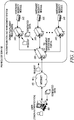
- FIG. 1 shows a simplified schematic diagram of an illustrative PKI management system from which customers may obtain identity data units.
- the system includes a customer 101 who communicates with the system over the Internet 110 or any other packet-based wide area network.
- the customers access and interact with the system through one or more web portal servers 120, which provides a single front-end interface that is accessed by a client-based application such as a conventional web browser.
- the PKI management system typically includes one or more physical server computers with one or more physical storage devices and databases as well as various processing engines.
- the system includes order fulfillment processors 140 which generate digital certificates or other identity data requested for products.
- the order fulfillment processors may include, or have access to, hardware security modules (HSMs) 145 in which the CA's certificate signing private keys and secure data may be stored for use by the system.
- HSMs hardware security modules
- the PKI management system may include a number of other devices and databases not shown in FIG. 1 .
- the PKI management system may contain a database of records. These records may pertain to issued digital certificates, original requests for new digital certificates or secure data, audit data, organization information, product configurations, user information, and other record types as necessary.
- the PKI service provider is the organization or company that implements and the Public Key Infrastructure and delivers PKI services to other entities such as organizations and companies.
- the customer or user 101 uses a desktop client application to perform extraction and verification upon receiving requested results from the PKI Service Provider.
- This application referring to herein as a package verification client, contains the PKI service provider's root signing key certificate.
- the customer Before a customer initiates a PKI data request, the customer is first authenticated to ensure his or her identity. Next, the customer submits a request over the Internet 110 to the web portal server 120, which in turn forwards it on to the order fulfillment processors 140.
- the order fulfillment processors generate the requested data (Denoted by Z final ) which can be subsequently downloaded by the customer 101 via the web portal server 120 and the Internet 110
- a customer prior to making identity data requests from the PKI service provider, a customer needs to be authenticated to ensure that the customer is who he or she claims to be. Authentication may be performed in a number of different ways. While a simple static password may be employed, it will generally be advantageous to employ a mechanism having a higher level of security. Examples of such mechanisms include hardware-based strong authentication tokens, smart cards, USB tokens, and authentication software. The methods and techniques described herein will be illustrated using USB tokens for authentication.
- An authentication token such as a USB token is personalized by the PKI service provider and given to its customer.
- the token contains a set of unique RSA private key and certificate pair. Accordingly, if a USB token is employed, the customer first obtains the token from the PKI service provider through the following procedure. First, the customer contacts the PKI service provider regarding the service.
- the PKI service provider personalizes an authentication token with the customer's information and retains a copy of the authentication token's public key.
- the token key pair will be denoted by T priv for the private key and T pub for the public key.
- the PKI service provider physically delivers the physical authentication token and package verification client software to the customer.
- the customer's authentication token may provide access to multiple identity data units that belong to distinct PKI infrastructures or projects. This authorizes the customer to access multiple infrastructures through a single physical token and authentication session for different types of identity data requests for the customer's products.
- the process of authentication and authorization can be distinct and separate from one another or they may be combined. If they remain separate, the customer's authentication certificate is only used to identify the customer.
- the authority of the customer can be stored as part of the customer's record within the system. The customer's certificate does not provide any information about the customer's authority and does not need to be replaced or updated in the event that the customer's authority changes.
- an authentication certificate is generated specifying the customer's authority with respect to different infrastructures, with the customer's roles specified in data contained in the certificate.
- This latter approach may provide a stricter model of authorization and require a new certificate to be generated if a customer's account associations or authorized role changes.
- the customer's authority with respect to each infrastructure may be separated by using multiple certificates and private keys.
- the customer installs the package verification client on a personal computer or other processing machine which will be used for processing the identity data received from the PKI management system.
- the customer inserts the authentication token into the machine and is prompted to modify the token's default password.
- the customer also installs the package verification client on the machine.
- customers may or may not be allowed to access the identity data (e.g., private keys) that they are downloading from the PKI system.
- a policy may be in place that requires clear identity data to be exposed only in the final target product. That is, the identity data is to remain protected (e.g., encrypted) until it is provisioned in the final target product, which has a suitable mechanism to access the identity data. In this way the identity data is only available inside the final target product in which the data is to be loaded.
- the package verification client software may give the customer the option to only allow clear identity data to be exposed in the final target product. If the customer selects this option, the customer needs to define for the PKI service provider a product specific key protection mechanism (K product ) to be used by the final target product. The customer has completed the registration process after the above procedure has been performed.
- K product product specific key protection mechanism
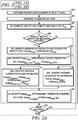
- FIG. 2 is a flowchart illustrating one example of a method by which a customer requests identity data, which is generated and packaged by a PKI system, and downloaded by the customer in a secure manner. The method assumes that the client software has already been delivered and that the customer has been properly authenticated.
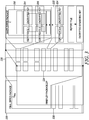
- FIG. 2 The flowchart of FIG. 2 is accompanied by a visual depiction of the encryption and packaging process, which is presented in FIG. 3 .
- Each item such as a key or package that is illustrated in FIG. 3 is denoted by the corresponding method step in FIG. 2 in which that item is formed.
- the method begins in step 202 when a customer requests a number n of identity data units from the PKI service provider.
- the requests are made through the PKI service provider's website where the customer logs in using the authentication token.
- the PKI service provider fulfills the request by performing the following steps.
- the value of having a randomly generated symmetric key is to ensure that every customer request is encrypted by a different key so that not all requests are compromised if a symmetric key is compromised.
- the first identity data unit is generated in step 206.
- the identity data units each include a private key and a certificate that contains the public key.
- the private keys are denoted herein by ID 1 to ID n and the public keys are included in the certificates and are therefore not separately indicated.
- Each private key for each identity data unit is encrypted in sequence and may be encrypted by multiple layers.
- An inner encryption layer is encryption performed directly on a unit of data. Additional encryption layers are encryptions applied to an already encrypted unit of data using a different key each time. The number of encryption layers that is employed depends on whether or not the clear identity data units are to be exposed only in the final target product. There is always at least one encryption layer intended to be removed by the customer who downloads the data (Z final ).
- the clear identity data is to be exposed only in the final target product
- two encryption layers are employed.
- the inner layer encryption in this case can only be removed in the final target product. If the identity data units can be exposed before they are provisioned in the target product, then only one encryption layer is used for the private keys.
- the system determines at decision step 208 if the customer has chosen to allow clear identity data to be exposed only in the final target product. If so, then steps 210-214 are performed to encrypt the private key with a product-specific key, otherwise the method proceeds to step 216. Assuming that the clear identity data is only to be exposed in the final target product, a message authenticator is generated in step 210 based on the identity data.
- a cryptographic hash of the private key ID i (subscript i denotes an index in ID 1...n ) in the set of identity data units is generated, which is denoted HASH(ID i ).
- a fixed message padding Pad inner may also be generated if a fixed message size is required. The message padding may also be used to perform an early determination of the data's integrity.
- step 212 the inner-package Package inner is encrypted with the product specific encryption key K product provided by the customer:
- Package inner ⁇ enc ⁇ i K product Package inner ⁇ i enc .
- step 214 a message authenticator is generated for the encrypted inner-package, HASH (Package Inner-enc-i ).
- a fixed message padding, Pad outer is also generated for the encrypted inner-package.
- an encrypted outer package Package outer-i is formed:
- Package outer ⁇ i HASH Package Inner ⁇ enc ⁇ i + Package Inner ⁇ enc ⁇ i + Pad outer
- the process proceeds to step 216. Since in this case no encrypted inner-package has been formed, the outer package is formed directly from the private key ID i by first generating a hash on the private key ID i , forming HASH(ID i ).
- step 218 the outer-package, whether generated in step 214 or 216, is encrypted with the symmetric key that the system generated in step 204.
- Package protected ⁇ i SYM Package outer ⁇ i enc The contents of this package can be seen in the right-most portion of FIG. 3 .
- step 220 the system determines if more identity data units or records are included in the customer's request in step 202. If so, then the process returns to step 206 to form as many additional encrypted private keys as required, which in this example is n encrypted private keys.
- step 222 the symmetric key with which the outer package is protected is itself encrypted for delivery to the customer, who will subsequently use it to decrypt the outer packages for each private key.
- the corresponding private key (T priv ) is stored inside the authentication token, which, as noted above, was created when the customer first registered. In this way only the customer with the correct authentication token will be able to decrypt the symmetric key and, in turn, will be the only one able to decrypt the encrypted portions of the identity data. While in principle the outer-package could be encrypted by the customer's public key directly, thereby avoiding the need for the symmetric key, such an approach would be computationally inefficient because public key encryption algorithms are slow in comparison to symmetric key encryption algorithms. When the customer requests a large number of identity data units, the number of private keys that would need to be encrypted make the use of public key encryption impractical, thereby encouraging the use of a symmetric key and not the customer's public key.
- a report file is generated.
- the report file contains information such as how many key pairs were generated, how many failed to generate, the date that the key pairs were generated and so on.
- identity data units that have been generated, next need to be packaged in a convenient form so that they can be sent to the customer in a single file.
- One way to package them in this manner is with the use of a compression/archiving utility such as a zipping utility, for example.
- This package referred to as an inner zipped package is formed in step 226 and is shown in the center-most portion of FIG. 3 .
- the inner zipped package Z includes the following items:
- the inner zipped package is placed in a final zipped package, shown in the left-most portion of FIG. 3 .
- the final zipped package is formed by first applying a digital signature over the inner zipped package in step 228 using the PKI Service Provider's signing key (PROVIDER priv ).
- a digital signature is applied to ensure authenticity of the data.
- the digital signature verification will fail if the data has been altered (discussed below in the verification process).
- the final zipped package is created in step 230 by combining the following components using a compression/archiving utility such as a zipping utility, for example:
- the final zipped package is now complete and in step 232 is made available for downloading by the customer through the PKI service provider's website.
- the final zipped package could be archived by the PKI service provider depending on the customer's policies, which are determined at decision step 234. If the customer does want the package archived, then the service provider does so at step 236, otherwise the service provider simply notifies the customer that the final zipped package Z final is available by sending a notification email to the customer in step 238.
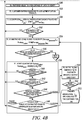
- FIG. 4 is a flowchart showing one example of a process that may be performed by the customer in order to obtain and verify the identity data units in the final zipped package.
- step 302 the customer receives the notification email from the PKI service provider regarding a completed request.
- the customer logs onto the PKI Service Provider's website using the authentication token in step 304, after which the customer downloads the final zipped package Z final from the website in step 306.
- step 308 the customer opens the previously-installed package verification client using the authentication token.
- GUI graphical user interface
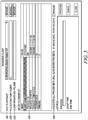
- FIG. 5 One example of a graphical user interface (GUI) that may be presented to the customer by the package verification client is shown in FIG. 5 .
- GUI graphical user interface
- the GUI presents a number of different fields that that the customer needs to populate, in some cases by making the appropriate selection from a pull-down menu.
- field 410 allows the customer to select the final zipped package that is to be downloaded.
- Field 420 allows the customer to select the local folder to which to which the package is to be downloaded.
- the GUI also includes a batch file manifest 430 that displays the information included in the report that accompanies the final zipped package, thereby providing the customer with a summary of the identity data generation process.
- the GUI also includes a field 440 that allows the customer to optionally validate the private keys that have been generated. This option will be discussed in more detail below.
- the customer uses the GUI in step 310 to populate its various fields in order to select the appropriate file that is to be processed, which in this case is the final zipped package Z final .
- the package verification client will unpack (e.g., unzip) the final zipped package in step 312 to provide the final zipped package.
- Z final Z + SIG + PROVIDER certificate + PROVIDER sub ⁇ ca certificate chain
- the package verification client then verifies the PKI service provider's signing key certificate chain in decision step 314.
- the root certificate is generally not included in the package that is downloaded, but instead may have been previously embedded in the package verification client. In this way potential attackers are prevented from resigning the package with another key pair and replacing the signing key certificate. If the signing key certificate is replaced, the package will fail the certificate chain validation.
- the package verification client continues to verify in step 318 the digital signature file (denoted by SIG) produced in step 226 of the identity data generation process by using the signing key certificate(PROVIDER pub ). If the digital signature file verification fails in step 318, the package verification client will notify the customer in step 316 that the package is tampered and should be disposed. If on the other hand the digital signature file is successfully verified in step 318, the package verification client in step 320 displays the report file that is included in the inner zipped package Z. The report is shown in field 430 of the GUI of FIG. 5 . While this last step is not required, it provides a convenient "at-a-glance" view of the inner package before the package is actually unzipped and verified (which may take a long time).
- the identity data has still not yet been revealed.
- the customer can be assured that the data is from the intended PKI service provider and that the data has not been tampered with.
- the customer may choose not to continue the process if the identity data is not needed immediately. In this case the identity data will remain encrypted and zipped and the process terminates at step 324. At this point, the data's authenticity has been confirmed. If, on the other hand, the customer chooses to continue to unpack the data at decision step 322, the GUI in FIG. 5 (see field 440) presents the customer with the opportunity to choose a percentage of the overall number of identity data units to check for key pair correctness.
- the validation process is performed sequentially on each decrypted private key and its corresponding certificate as shown in step 334. The verification process also depends on whether the customer has chosen to use a product specific protection mechanism during the initial registration and authentication process.
- the customer selects the desired percentage of data to be verified in step 326 (GUI example shown in 440).
- the customer then inserts the authentication token into the client device and enters the corresponding password to unlock the token in step 328.
- the package verification client uses the authentication token, which contains the private key(T priv ), to decrypt the encrypted symmetric key (SYM enc , produced in step 222 of the identity data generation process) in step 330.
- SYM T priv SYM enc dec
- step 332 the private identity data cannot be decrypted or used and the process terminates at step 316. This is to prevent the identity data to be used by unauthorized parties.
- step 334 decrypts the first outer package (i.e., the package protected-i , produced in 218 of the identity data generation process).
- This step will need to be sequentially is repeated for each identity data unit generated in step 218 of the identity generation process to obtain:
- Package outer ⁇ i SYM Package protected ⁇ i dec
- step 336 the process proceeds to step 338.
- the data validation process in step 338 verifies the contents of the outer package.
- step 340 the authentication code and padding in the outer package is verified. If this is successful, the method proceeds to step 342 in which the certification chain for the private key is verified.
- step 344 the package verification client will randomly select an appropriate subset of all the identity data units to verify based on the percentage that has been provided by the customer in steps 326 and 440. If the identity data unit is not selected for verification, the process proceeds to step 348.
- the selection percentage of identity data units to be verified can alternatively be applied in the steps beginning at 340 to further improve efficiency.
- step 346 is performed to verify the correctness of the public/private key pair. This verification process is performed by extracting the public key from the certificate accompanying the first outer package, which is then used to encrypt a dummy message. The encrypted dummy message is then decrypted using the private key. If the process is successful, the key pair is intact and the method proceeds to step 348. If any of the verification steps 340, 342, and 346 fails, the process terminates at step 316.
- the first inner package (including the fist private key and its associated certificate) is output at step 348. If at decision step 350 the system determines that there are more identity data items present, the process returns to step 336 to decrypt the next outer package. This verification loop from step 336 through step 350 continues until all the outer packages have been decrypted to obtain the inner package. At this point the private keys and their corresponding certificates are in the clear and located on the client device so that they are available for customer use in step 352.
- step 336 if the customer has chosen to use a product specific protection mechanism, the process proceeds to step 354 (see FIG. 6 ) where the contents of the outer package is verified.
- step 358 in which the authentication code and padding in the first outer package is verified. If this is successful, the method proceeds to step 360 in which the certification chain for the first private key is verified. If any of the verification steps 358 and 360 fails, the process terminates at step 316. On the other hand, if they are successful, the first encrypted inner package is output at step 362. If at decision step 364 the system determines that there are more identity data items present, the process returns to step 336 to decrypt the next outer package. This verification loop from step 336 through step 362 continues until all the outer packages have been decrypted.
- the encrypted inner packages are available and located on the client device so that they are available for customer use in step 366.
- the customer can load the encrypted inner packages into their respective target devices.
- the target devices can then decrypt the inner package to obtain the private key and its accompanying certificate using the target device's specific protection mechanism. Since this protection mechanism is specific to this particular product, the identity data can be used only in the target product.
- the target devices can also verify the decryption process by checking the message authenticator and checking the padding included in the inner-package.
- a component may be, but is not limited to being, a process running on a processor, a processor, an object, an executable, a thread of execution, a program, and/or a computer.
- an application running on a controller and the controller can be a component.
- One or more components may reside within a process and/or thread of execution and a component may be localized on one computer and/or distributed between two or more computers.
- the claimed subject matter may be implemented as a method, apparatus, or article of manufacture using standard programming and/or engineering techniques to produce software, firmware, hardware, or any combination thereof to control a computer to implement the disclosed subject matter.
- article of manufacture as used herein is intended to encompass a computer program accessible from any computer-readable device, carrier, or media.
- computer readable storage media can include but are not limited to magnetic storage devices (e.g., hard disk, floppy disk, magnetic strips%), optical disks (e.g., compact disk (CD), digital versatile disk (DVD)...), smart cards, and flash memory devices (e.g., card, stick, key drive).
- magnetic storage devices e.g., hard disk, floppy disk, magnetic strips
- optical disks e.g., compact disk (CD), digital versatile disk (DVD)
- smart cards e.g., card, stick, key drive
Landscapes
- Engineering & Computer Science (AREA)
- Computer Security & Cryptography (AREA)
- Computer Networks & Wireless Communication (AREA)
- Signal Processing (AREA)
- Computer Hardware Design (AREA)
- General Engineering & Computer Science (AREA)
- Computing Systems (AREA)
- Theoretical Computer Science (AREA)
- Bioethics (AREA)
- General Health & Medical Sciences (AREA)
- Software Systems (AREA)
- Physics & Mathematics (AREA)
- General Physics & Mathematics (AREA)
- Health & Medical Sciences (AREA)
- Databases & Information Systems (AREA)
- Storage Device Security (AREA)
- Management, Administration, Business Operations System, And Electronic Commerce (AREA)
Claims (22)
- Verfahren für die sichere Lieferung von Identitätsdateneinheiten über ein Kommunikationsnetz zu einem Clientgerät, umfassend:a. das Erzeugen eines öffentlichen Schlüssels, der mit einem Kunden verbunden ist, und eines entsprechenden privaten Schlüssels, der in einem Authentifizierungstoken enthalten ist, das dem Kunden bereitgestellt wird;b. das Empfangen (202) einer Anforderung für eine Vielzahl von Identitätsdatenelementen vom Kunden, die jeweils mindestens einen privaten Schlüssel beinhalten;c. das Erzeugen (204) eines eindeutigen symmetrischen Schlüssels, der mit der Anforderung verbunden werden soll;d. das Erzeugen (206) einer ersten der Identitätsdateneinheiten, wobei die erste Identitätsdateneinheit einen ersten privaten Schlüssel und ein entsprechendes Zertifikat beinhaltet;e. das Verpacken (214, 216) mindestens des ersten privaten Schlüssels und eines Authentifizierers des ersten privaten Schlüssels in einem ersten äußeren Paket;f. das Verschlüsseln (218) des ersten äußeren Pakets mithilfe des symmetrischen Schlüssels;g. das Wiederholen (220) der Schritte (d) - (f) für jede restliche Identitätsdateneinheit, die in der Anforderung enthalten ist, um eine Vielzahl äußerer Pakete zu bilden, die das erste äußere Paket beinhalten;h. das Verschlüsseln (222) des symmetrischen Schlüssels mit einem öffentlichen Schlüssel, der mit dem Kunden verbunden ist;i. das Verpacken (226) jedes der äußeren Pakete und des verschlüsselten symmetrischen Schlüssels in einem gemeinsamen Paket;j. das Verpacken (230) des gemeinsamen Pakets und einer digitalen Signaturdatei, die auf das gemeinsame Paket angewendet wurde, in einem endgültigen Paket, wobei die digitale Signaturdatei von einer Entität signiert wird, die die Anforderung vom Kunden erfüllt; undk. das Bereitstellen (238) des endgültigen Pakets an das Clientgerät über das Kommunikationsnetz als Reaktion auf die Kundenanforderung.
- Verfahren nach Anspruch 1 des Weiteren umfassend das Verschlüsseln des ersten privaten Schlüssels und des Authentifizierers des ersten privaten Schlüssels mithilfe eines Produktschlüssels, der vom Kunden angegeben wurde, um ein erstes inneres Paket zu bilden, und wobei Schritt (e) das Bilden des ersten äußeren Pakets durch das Verpacken des ersten inneren Pakets mit einem zweiten Authentifizierer des ersten inneren Pakets beinhaltet.
- Verfahren nach Anspruch 2, wobei das Bilden des ersten inneren Pakets nur durchgeführt wird, wenn es vom Kunden angefordert wird.
- Verfahren nach Anspruch 1, wobei das Authentifizierungstoken es dem Benutzer ermöglicht, auf Identitätsdatenelemente zuzugreifen, die in verschiedenen Produkten bereitgestellt werden sollen, die zu verschiedenen Projekten gehören.
- Verfahren nach Anspruch 1, des Weiteren umfassend das Erzeugen einer Berichtsdatei, die Informationen in Verbindung mit der Bildung der Identitätsdateneinheiten beinhaltet, wobei die Verpackung des gemeinsamen Pakets und der digitalen Signaturdatei im endgültigen Paket die Verpackung des gemeinsamen Pakets, der digitalen Signaturdatei und der Berichtsdatei im endgültigen Paket beinhaltet.
- Verfahren nach Anspruch 1, wobei das Verpacken jedes der äußeren Pakete und des verschlüsselten symmetrischen Schlüssels im gemeinsamen Paket des Weiteren das Verpacken einer ersten Sub-CA Zertifikatkette beinhaltet, die mit den Identitätsdateneinheiten im gemeinsamen Paket verbunden ist.
- Verfahren nach Anspruch 1, wobei das Verpacken des gemeinsamen Pakets und einer digitalen Signaturdatei, die auf das gemeinsame Paket angewandt wurde, im endgültigen Paket das Verpacken einer zweiten Zertifikatkette, die mit der Entität verbunden ist, die die Anforderung vom Kunden erfüllt, im endgültigen Paket beinhaltet.
- Computerlesbares Medium, codiert mit Anweisungen, die, wenn sie durch einen Prozessor ausgeführt werden, ein Verfahren durchführen, beinhaltend:das Empfangen (310) einer Auswahl vom Kunden, die ein endgültiges gezipptes Paket identifiziert, das entpackt werden muss;das Entpacken (312) des endgültigen gezippten Pakets, um ein gemeinsames Paket und eine digitale Signaturdatei zu erhalten, die auf das gemeinsame Paket angewendet und durch eine Entität signiert wurde, die Identitätsdaten erzeugt, die vom Kunden angefordert wurden;das Verifizieren (314, 318) einer digitalen Signatur in der digitalen Signaturdatei;das Entpacken (320) des gemeinsamen Pakets, um eine Vielzahl äußerer Pakete und einen verschlüsselten symmetrischen Schlüssel zu erhalten, falls die digitale Signatur erfolgreich verifiziert wird;das Entschlüsseln (330) des symmetrischen Schlüssels mit einem öffentlichen Schlüssel, der mit dem Kunden verbunden ist; unddas Entschlüsseln (334) jedes der äußeren Pakete mit dem symmetrischen Schlüssel, um eine Vielzahl von Identitätsdateneinheiten zu erhalten.
- Computerlesbares Medium nach Anspruch 8, wobei das Entpacken des gemeinsamen Pakets das Entpacken einer Berichtsdatei beinhaltet, die Informationen in Verbindung mit der Bildung von Identitätsdateneinheiten beinhaltet.
- Computerlesbares Medium nach Anspruch 9, des Weiteren umfassend das Anzeigen eines Batchdateimanifests für den Benutzer, das Informationen präsentiert, die in der Berichtsdatei enthalten sind, bevor die äußeren Pakete entschlüsselt werden.
- Computerlesbares Medium nach Anspruch 8, des Weiteren umfassend das Entpacken des endgültigen gezippten Pakets, um eine zweite Zertifikatkette zu erhalten, die mit der Entität verbunden ist, die Identitätsdaten erzeugt, die vom Kunden angefordert werden, und des Weiteren umfassend die Verifizierung der zweiten Zertifikatkette und der digitalen Signatur und Entpacken des gemeinsamen Pakets erst, falls die zweite Zertifikatkette verifiziert wird.
- Computerlesbares Medium nach Anspruch 8, des Weiteren umfassend das Öffnen einer Clientanwendung, die die Identitätsdateneinheiten aus dem endgültigen Paket nach Kundenanforderung erst extrahiert, nachdem der Kunde authentifiziert wurde.
- Computerlesbares Medium nach Anspruch 12, wobei der Kunde mithilfe eines Authentifizierungstokens identifiziert wird, das von der Entität bereitgestellt wird, die Identitätsdaten erzeugt.
- Computerlesbares Medium nach Anspruch 8, des Weiteren umfassend das Empfangen einer Anforderung vom Kunden, Daten zu verifizieren, die in einem vorgeschriebenen Prozentsatz der äußeren Pakete enthalten sind, und als Reaktion auf die Anforderung Verifizierung der Daten im vorgeschriebenen Prozentsatz der äußeren Pakete.
- Computerlesbares Medium nach Anspruch 14, wobei das Entschlüsseln jedes der äußeren Pakete des Weiteren das Entschlüsseln jedes der äußeren Pakete beinhaltet, um die Vielzahl der Identitätsdateneinheiten, einen Authentifizierer, der mit jeder der Identitätsdateneinheiten verbunden ist, und das Auffüllen, zugewiesen jeder er der Identitätsdateneinheiten, zu erhalten.
- Computerlesbares Medium nach Anspruch 15, wobei das Verifizieren der Daten, die in einem vorgeschriebenen Prozentsatz der äußeren Pakete enthalten sind, das Verifizieren des Inhalts im äußeren Paket und das Verifizieren des Authentifizierers und der Auffüllung beinhaltet, die im äußeren Paket enthalten sind, sowie die Zertifizierungskette, die mit den Identitätsdateneinheiten verbunden ist, die im äußeren Paket enthalten sind.
- Computerlesbares Medium nach Anspruch 8, des Weiteren umfassend das Empfangen einer Anforderung vom Kunden, der einen privaten Schlüssel anfordert, der mit jeder der Identitätsdateneinheiten verbunden ist, die an einem sicheren Ort gespeichert sind, und eines Zertifikats, das mit jeder der Identitätsdateneinheiten verbunden ist, die an einem anderen Ort gespeichert werden sollen.
- Computerlesbares Medium nach Anspruch 8, des Weiteren umfassend:das Validieren eines privaten Schlüssels, der mit jeder der Identitätsdateneinheiten verbunden ist, gegenüber dem entsprechenden Zertifikat durch Verwendung des privaten Schlüssels, um Testdaten zu verschlüsseln;das Entschlüsseln der verschlüsselten Testdaten mit einem öffentlichen Schlüssel, der vom entsprechenden Zertifikat erhalten wurde, um entschlüsselte Testdaten zu erhalten; unddas Sicherstellen, dass das entschlüsselte Testdatenergebnis mit den Testdaten übereinstimmt.
- Computerlesbares Medium nach Anspruch 18, wobei das Validieren des privaten Schlüssels gegenüber dem entsprechenden Zertifikat für einen vorgeschriebenen Prozentsatz der äußeren Pakete und als Reaktion auf eine Benutzeranforderung durchgeführt wird, Daten im vorgeschriebenen Prozentsatz der äußeren Pakete zu verifizieren.
- Verfahren nach Anspruch 1, wobei der private Schlüssel, der im Authentifizierungstoken enthalten ist, zum Authentifizieren der Kundenidentität verwendet wird.
- Verfahren nach Anspruch 1, wobei der private Schlüssel, der im Authentifizierungstoken enthalten ist, zum Entschlüsseln des symmetrischen Schlüssels verwendet wird.
- Computerlesbares Medium nach Anspruch 8, des Weiteren umfassend:das Entschlüsseln jedes der äußeren Pakete mit dem symmetrischen Schlüssel, um eine Vielzahl verschlüsselter innerer Pakete zu erhalten, von denen jedes in die Produktgeräte für das nachfolgende Entschlüsseln mithilfe eines produktspezifischen Schlüssels geladen werden muss.
Applications Claiming Priority (2)
| Application Number | Priority Date | Filing Date | Title |
|---|---|---|---|
| US23333809P | 2009-08-12 | 2009-08-12 | |
| PCT/US2010/045310 WO2011019906A1 (en) | 2009-08-12 | 2010-08-12 | Layered protection and validation of identity data delivered online via multiple intermediate clients |
Publications (3)
| Publication Number | Publication Date |
|---|---|
| EP2465246A1 EP2465246A1 (de) | 2012-06-20 |
| EP2465246A4 EP2465246A4 (de) | 2014-10-29 |
| EP2465246B1 true EP2465246B1 (de) | 2017-04-19 |
Family
ID=43586484
Family Applications (1)
| Application Number | Title | Priority Date | Filing Date |
|---|---|---|---|
| EP10808753.7A Active EP2465246B1 (de) | 2009-08-12 | 2010-08-12 | Geschichteter schutz und validierung der identitätsdaten, die online über mehrere zwischen-clients geliefert werden |
Country Status (4)
| Country | Link |
|---|---|
| US (1) | US9246889B2 (de) |
| EP (1) | EP2465246B1 (de) |
| CN (1) | CN102484638B (de) |
| WO (1) | WO2011019906A1 (de) |
Families Citing this family (18)
| Publication number | Priority date | Publication date | Assignee | Title |
|---|---|---|---|---|
| US9537650B2 (en) * | 2009-12-15 | 2017-01-03 | Microsoft Technology Licensing, Llc | Verifiable trust for data through wrapper composition |
| US10348693B2 (en) | 2009-12-15 | 2019-07-09 | Microsoft Technology Licensing, Llc | Trustworthy extensible markup language for trustworthy computing and data services |
| US9203613B2 (en) | 2011-09-29 | 2015-12-01 | Amazon Technologies, Inc. | Techniques for client constructed sessions |
| CN103607284B (zh) * | 2013-12-05 | 2017-04-19 | 李笑来 | 身份认证方法及设备、服务器 |
| US9652604B1 (en) | 2014-03-25 | 2017-05-16 | Amazon Technologies, Inc. | Authentication objects with delegation |
| US10049202B1 (en) | 2014-03-25 | 2018-08-14 | Amazon Technologies, Inc. | Strong authentication using authentication objects |
| US10050787B1 (en) * | 2014-03-25 | 2018-08-14 | Amazon Technologies, Inc. | Authentication objects with attestation |
| US9264419B1 (en) | 2014-06-26 | 2016-02-16 | Amazon Technologies, Inc. | Two factor authentication with authentication objects |
| US10326597B1 (en) | 2014-06-27 | 2019-06-18 | Amazon Technologies, Inc. | Dynamic response signing capability in a distributed system |
| CN107636662A (zh) * | 2015-02-13 | 2018-01-26 | 优替控股有限公司 | 网络内容认证 |
| EP3185465A1 (de) * | 2015-12-23 | 2017-06-28 | Osmerus Investments Ltd | Verfahren zum verschlüsseln von daten und verfahren zur entschlüsselung von daten |
| US10116440B1 (en) * | 2016-08-09 | 2018-10-30 | Amazon Technologies, Inc. | Cryptographic key management for imported cryptographic keys |
| US10931463B2 (en) | 2017-11-14 | 2021-02-23 | Microsoft Technology Licensing, Llc. | Cryptographic verification of a compressed archive |
| US11019042B1 (en) * | 2018-03-23 | 2021-05-25 | Northrop Grumman Systems Corporation | Data assisted key switching in hybrid cryptography |
| WO2021087494A1 (en) | 2019-11-03 | 2021-05-06 | Valimail Inc. | Centralized secure distribution of messages and device updates |
| WO2021150789A1 (en) * | 2020-01-22 | 2021-07-29 | Valimail Inc. | Centrally managed pki provisioning and rotation |
| CN111426888A (zh) * | 2020-03-13 | 2020-07-17 | 国网山东省电力公司潍坊供电公司 | 一种移动式变电站工频电磁场检测设备 |
| CN115412365B (zh) | 2022-10-28 | 2023-02-03 | 杭州海康威视数字技术股份有限公司 | 基于多层加密的数据隐私保护方法 |
Family Cites Families (16)
| Publication number | Priority date | Publication date | Assignee | Title |
|---|---|---|---|---|
| US6564320B1 (en) | 1998-06-30 | 2003-05-13 | Verisign, Inc. | Local hosting of digital certificate services |
| US6324645B1 (en) | 1998-08-11 | 2001-11-27 | Verisign, Inc. | Risk management for public key management infrastructure using digital certificates |
| US6427149B1 (en) * | 1999-09-09 | 2002-07-30 | Herman Rodriguez | Remote access of archived compressed data files |
| US20050015608A1 (en) * | 2003-07-16 | 2005-01-20 | Pkware, Inc. | Method for strongly encrypting .ZIP files |
| US7200230B2 (en) | 2000-04-06 | 2007-04-03 | Macrovision Corporation | System and method for controlling and enforcing access rights to encrypted media |
| US7624132B2 (en) | 2002-01-22 | 2009-11-24 | Sun Microsystems, Inc. | Method and apparatus for processing a streamed zip file |
| JP2004133497A (ja) * | 2002-10-08 | 2004-04-30 | Hitachi Ltd | 電子商取引方法 |
| US7003117B2 (en) * | 2003-02-05 | 2006-02-21 | Voltage Security, Inc. | Identity-based encryption system for secure data distribution |
| US20060294366A1 (en) * | 2005-06-23 | 2006-12-28 | International Business Machines Corp. | Method and system for establishing a secure connection based on an attribute certificate having user credentials |
| US7630999B2 (en) | 2005-07-15 | 2009-12-08 | Microsoft Corporation | Intelligent container index and search |
| WO2007058907A2 (en) | 2005-11-10 | 2007-05-24 | Pkware, Inc. | Systems and methods for trusted information exchange |
| US20090037729A1 (en) | 2007-08-03 | 2009-02-05 | Lawrence Smith | Authentication factors with public-key infrastructure |
| US8214888B2 (en) | 2008-01-30 | 2012-07-03 | Vasco Data Security, Inc. | Two-factor USB authentication token |
| US8751791B2 (en) | 2008-09-17 | 2014-06-10 | Motorola Solutions, Inc. | Method and device for confirming authenticity of a public key infrastructure (PKI) transaction event |
| US8484461B2 (en) | 2008-09-30 | 2013-07-09 | Motorola Solutions, Inc. | Method and apparatus for external organization path length validation within a public key infrastructure (PKI) |
| US8423761B2 (en) | 2008-10-31 | 2013-04-16 | Motorola Solutions, Inc. | Method and device for enabling a trust relationship using an expired public key infrastructure (PKI) certificate |
-
2010
- 2010-08-12 EP EP10808753.7A patent/EP2465246B1/de active Active
- 2010-08-12 CN CN201080035342.7A patent/CN102484638B/zh active Active
- 2010-08-12 US US12/854,925 patent/US9246889B2/en active Active
- 2010-08-12 WO PCT/US2010/045310 patent/WO2011019906A1/en not_active Ceased
Non-Patent Citations (1)
| Title |
|---|
| None * |
Also Published As
| Publication number | Publication date |
|---|---|
| US9246889B2 (en) | 2016-01-26 |
| EP2465246A1 (de) | 2012-06-20 |
| CN102484638B (zh) | 2015-06-10 |
| EP2465246A4 (de) | 2014-10-29 |
| CN102484638A (zh) | 2012-05-30 |
| US20110213957A1 (en) | 2011-09-01 |
| WO2011019906A1 (en) | 2011-02-17 |
Similar Documents
| Publication | Publication Date | Title |
|---|---|---|
| EP2465246B1 (de) | Geschichteter schutz und validierung der identitätsdaten, die online über mehrere zwischen-clients geliefert werden | |
| US11777726B2 (en) | Methods and systems for recovering data using dynamic passwords | |
| US12395472B1 (en) | Key rotation techniques | |
| JP7602539B2 (ja) | 量子安全ネットワーキング | |
| US20220407720A1 (en) | Electronic identification verification methods and systems with storage of certification records to a side chain | |
| CN113472521B (zh) | 基于区块链的实名数字身份管理方法、签名设备和验证设备 | |
| US10673632B2 (en) | Method for managing a trusted identity | |
| US8924302B2 (en) | System and method for electronic transmission, storage, retrieval and remote signing of authenticated electronic original documents | |
| US10904014B2 (en) | Encryption synchronization method | |
| US7568114B1 (en) | Secure transaction processor | |
| WO2018145127A1 (en) | Electronic identification verification methods and systems with storage of certification records to a side chain | |
| WO2001082036A9 (en) | Method and system for signing and authenticating electronic documents | |
| USRE49968E1 (en) | Electronic identification verification methods and systems with storage of certification records to a side chain | |
| CN114785511A (zh) | 证明生成方法及装置、电子设备、存储介质 | |
| US11671475B2 (en) | Verification of data recipient | |
| JP7808001B2 (ja) | メッセージ提示システム、提示用装置、及びメッセージ提示方法 | |
| US20250148061A1 (en) | Systems and methods for providing a trackable digital asset and its use thereof | |
| TWM508733U (zh) | 電子保單之驗證系統 | |
| Smith | Object signing in bamboo |
Legal Events
| Date | Code | Title | Description |
|---|---|---|---|
| PUAI | Public reference made under article 153(3) epc to a published international application that has entered the european phase |
Free format text: ORIGINAL CODE: 0009012 |
|
| 17P | Request for examination filed |
Effective date: 20120312 |
|
| AK | Designated contracting states |
Kind code of ref document: A1 Designated state(s): AL AT BE BG CH CY CZ DE DK EE ES FI FR GB GR HR HU IE IS IT LI LT LU LV MC MK MT NL NO PL PT RO SE SI SK SM TR |
|
| RIN1 | Information on inventor provided before grant (corrected) |
Inventor name: MEDVINSKY, SASHA Inventor name: QIU, XIN Inventor name: WANG, FAN Inventor name: STEWART, KYLE Inventor name: TSAI, ANNIE |
|
| DAX | Request for extension of the european patent (deleted) | ||
| RAP1 | Party data changed (applicant data changed or rights of an application transferred) |
Owner name: MOTOROLA MOBILITY LLC |
|
| A4 | Supplementary search report drawn up and despatched |
Effective date: 20140929 |
|
| RIC1 | Information provided on ipc code assigned before grant |
Ipc: H04L 9/08 20060101ALI20140923BHEP Ipc: H04L 29/06 20060101AFI20140923BHEP Ipc: H04L 9/00 20060101ALI20140923BHEP Ipc: G06F 21/62 20130101ALI20140923BHEP Ipc: H04L 9/32 20060101ALI20140923BHEP |
|
| RAP1 | Party data changed (applicant data changed or rights of an application transferred) |
Owner name: GOOGLE TECHNOLOGY HOLDINGS LLC |
|
| GRAP | Despatch of communication of intention to grant a patent |
Free format text: ORIGINAL CODE: EPIDOSNIGR1 |
|
| RIC1 | Information provided on ipc code assigned before grant |
Ipc: G06F 21/62 20130101ALI20161027BHEP Ipc: G06F 21/64 20130101ALI20161027BHEP Ipc: H04L 9/32 20060101ALI20161027BHEP Ipc: H04L 9/08 20060101ALI20161027BHEP Ipc: H04L 9/00 20060101ALI20161027BHEP Ipc: H04L 29/06 20060101AFI20161027BHEP |
|
| INTG | Intention to grant announced |
Effective date: 20161130 |
|
| GRAS | Grant fee paid |
Free format text: ORIGINAL CODE: EPIDOSNIGR3 |
|
| GRAA | (expected) grant |
Free format text: ORIGINAL CODE: 0009210 |
|
| AK | Designated contracting states |
Kind code of ref document: B1 Designated state(s): AL AT BE BG CH CY CZ DE DK EE ES FI FR GB GR HR HU IE IS IT LI LT LU LV MC MK MT NL NO PL PT RO SE SI SK SM TR |
|
| REG | Reference to a national code |
Ref country code: GB Ref legal event code: FG4D |
|
| REG | Reference to a national code |
Ref country code: CH Ref legal event code: EP |
|
| REG | Reference to a national code |
Ref country code: AT Ref legal event code: REF Ref document number: 886903 Country of ref document: AT Kind code of ref document: T Effective date: 20170515 |
|
| REG | Reference to a national code |
Ref country code: IE Ref legal event code: FG4D |
|
| REG | Reference to a national code |
Ref country code: DE Ref legal event code: R096 Ref document number: 602010041729 Country of ref document: DE |
|
| REG | Reference to a national code |
Ref country code: NL Ref legal event code: MP Effective date: 20170419 |
|
| REG | Reference to a national code |
Ref country code: FR Ref legal event code: PLFP Year of fee payment: 8 |
|
| REG | Reference to a national code |
Ref country code: LT Ref legal event code: MG4D |
|
| REG | Reference to a national code |
Ref country code: AT Ref legal event code: MK05 Ref document number: 886903 Country of ref document: AT Kind code of ref document: T Effective date: 20170419 |
|
| PG25 | Lapsed in a contracting state [announced via postgrant information from national office to epo] |
Ref country code: NL Free format text: LAPSE BECAUSE OF FAILURE TO SUBMIT A TRANSLATION OF THE DESCRIPTION OR TO PAY THE FEE WITHIN THE PRESCRIBED TIME-LIMIT Effective date: 20170419 |
|
| PG25 | Lapsed in a contracting state [announced via postgrant information from national office to epo] |
Ref country code: HR Free format text: LAPSE BECAUSE OF FAILURE TO SUBMIT A TRANSLATION OF THE DESCRIPTION OR TO PAY THE FEE WITHIN THE PRESCRIBED TIME-LIMIT Effective date: 20170419 Ref country code: GR Free format text: LAPSE BECAUSE OF FAILURE TO SUBMIT A TRANSLATION OF THE DESCRIPTION OR TO PAY THE FEE WITHIN THE PRESCRIBED TIME-LIMIT Effective date: 20170720 Ref country code: ES Free format text: LAPSE BECAUSE OF FAILURE TO SUBMIT A TRANSLATION OF THE DESCRIPTION OR TO PAY THE FEE WITHIN THE PRESCRIBED TIME-LIMIT Effective date: 20170419 Ref country code: LT Free format text: LAPSE BECAUSE OF FAILURE TO SUBMIT A TRANSLATION OF THE DESCRIPTION OR TO PAY THE FEE WITHIN THE PRESCRIBED TIME-LIMIT Effective date: 20170419 Ref country code: AT Free format text: LAPSE BECAUSE OF FAILURE TO SUBMIT A TRANSLATION OF THE DESCRIPTION OR TO PAY THE FEE WITHIN THE PRESCRIBED TIME-LIMIT Effective date: 20170419 Ref country code: FI Free format text: LAPSE BECAUSE OF FAILURE TO SUBMIT A TRANSLATION OF THE DESCRIPTION OR TO PAY THE FEE WITHIN THE PRESCRIBED TIME-LIMIT Effective date: 20170419 Ref country code: NO Free format text: LAPSE BECAUSE OF FAILURE TO SUBMIT A TRANSLATION OF THE DESCRIPTION OR TO PAY THE FEE WITHIN THE PRESCRIBED TIME-LIMIT Effective date: 20170719 |
|
| PG25 | Lapsed in a contracting state [announced via postgrant information from national office to epo] |
Ref country code: PL Free format text: LAPSE BECAUSE OF FAILURE TO SUBMIT A TRANSLATION OF THE DESCRIPTION OR TO PAY THE FEE WITHIN THE PRESCRIBED TIME-LIMIT Effective date: 20170419 Ref country code: IS Free format text: LAPSE BECAUSE OF FAILURE TO SUBMIT A TRANSLATION OF THE DESCRIPTION OR TO PAY THE FEE WITHIN THE PRESCRIBED TIME-LIMIT Effective date: 20170819 Ref country code: LV Free format text: LAPSE BECAUSE OF FAILURE TO SUBMIT A TRANSLATION OF THE DESCRIPTION OR TO PAY THE FEE WITHIN THE PRESCRIBED TIME-LIMIT Effective date: 20170419 Ref country code: BG Free format text: LAPSE BECAUSE OF FAILURE TO SUBMIT A TRANSLATION OF THE DESCRIPTION OR TO PAY THE FEE WITHIN THE PRESCRIBED TIME-LIMIT Effective date: 20170719 Ref country code: SE Free format text: LAPSE BECAUSE OF FAILURE TO SUBMIT A TRANSLATION OF THE DESCRIPTION OR TO PAY THE FEE WITHIN THE PRESCRIBED TIME-LIMIT Effective date: 20170419 |
|
| REG | Reference to a national code |
Ref country code: DE Ref legal event code: R097 Ref document number: 602010041729 Country of ref document: DE |
|
| PG25 | Lapsed in a contracting state [announced via postgrant information from national office to epo] |
Ref country code: CZ Free format text: LAPSE BECAUSE OF FAILURE TO SUBMIT A TRANSLATION OF THE DESCRIPTION OR TO PAY THE FEE WITHIN THE PRESCRIBED TIME-LIMIT Effective date: 20170419 Ref country code: SK Free format text: LAPSE BECAUSE OF FAILURE TO SUBMIT A TRANSLATION OF THE DESCRIPTION OR TO PAY THE FEE WITHIN THE PRESCRIBED TIME-LIMIT Effective date: 20170419 Ref country code: RO Free format text: LAPSE BECAUSE OF FAILURE TO SUBMIT A TRANSLATION OF THE DESCRIPTION OR TO PAY THE FEE WITHIN THE PRESCRIBED TIME-LIMIT Effective date: 20170419 Ref country code: DK Free format text: LAPSE BECAUSE OF FAILURE TO SUBMIT A TRANSLATION OF THE DESCRIPTION OR TO PAY THE FEE WITHIN THE PRESCRIBED TIME-LIMIT Effective date: 20170419 Ref country code: EE Free format text: LAPSE BECAUSE OF FAILURE TO SUBMIT A TRANSLATION OF THE DESCRIPTION OR TO PAY THE FEE WITHIN THE PRESCRIBED TIME-LIMIT Effective date: 20170419 |
|
| PLBE | No opposition filed within time limit |
Free format text: ORIGINAL CODE: 0009261 |
|
| STAA | Information on the status of an ep patent application or granted ep patent |
Free format text: STATUS: NO OPPOSITION FILED WITHIN TIME LIMIT |
|
| PG25 | Lapsed in a contracting state [announced via postgrant information from national office to epo] |
Ref country code: IT Free format text: LAPSE BECAUSE OF FAILURE TO SUBMIT A TRANSLATION OF THE DESCRIPTION OR TO PAY THE FEE WITHIN THE PRESCRIBED TIME-LIMIT Effective date: 20170419 Ref country code: SM Free format text: LAPSE BECAUSE OF FAILURE TO SUBMIT A TRANSLATION OF THE DESCRIPTION OR TO PAY THE FEE WITHIN THE PRESCRIBED TIME-LIMIT Effective date: 20170419 |
|
| 26N | No opposition filed |
Effective date: 20180122 |
|
| REG | Reference to a national code |
Ref country code: CH Ref legal event code: PL |
|
| PG25 | Lapsed in a contracting state [announced via postgrant information from national office to epo] |
Ref country code: MC Free format text: LAPSE BECAUSE OF FAILURE TO SUBMIT A TRANSLATION OF THE DESCRIPTION OR TO PAY THE FEE WITHIN THE PRESCRIBED TIME-LIMIT Effective date: 20170419 |
|
| PG25 | Lapsed in a contracting state [announced via postgrant information from national office to epo] |
Ref country code: LI Free format text: LAPSE BECAUSE OF NON-PAYMENT OF DUE FEES Effective date: 20170831 Ref country code: CH Free format text: LAPSE BECAUSE OF NON-PAYMENT OF DUE FEES Effective date: 20170831 |
|
| REG | Reference to a national code |
Ref country code: IE Ref legal event code: MM4A |
|
| PG25 | Lapsed in a contracting state [announced via postgrant information from national office to epo] |
Ref country code: SI Free format text: LAPSE BECAUSE OF FAILURE TO SUBMIT A TRANSLATION OF THE DESCRIPTION OR TO PAY THE FEE WITHIN THE PRESCRIBED TIME-LIMIT Effective date: 20170419 |
|
| REG | Reference to a national code |
Ref country code: BE Ref legal event code: MM Effective date: 20170831 |
|
| PG25 | Lapsed in a contracting state [announced via postgrant information from national office to epo] |
Ref country code: LU Free format text: LAPSE BECAUSE OF NON-PAYMENT OF DUE FEES Effective date: 20170812 |
|
| PG25 | Lapsed in a contracting state [announced via postgrant information from national office to epo] |
Ref country code: IE Free format text: LAPSE BECAUSE OF NON-PAYMENT OF DUE FEES Effective date: 20170812 |
|
| REG | Reference to a national code |
Ref country code: FR Ref legal event code: PLFP Year of fee payment: 9 |
|
| PG25 | Lapsed in a contracting state [announced via postgrant information from national office to epo] |
Ref country code: BE Free format text: LAPSE BECAUSE OF NON-PAYMENT OF DUE FEES Effective date: 20170831 |
|
| PG25 | Lapsed in a contracting state [announced via postgrant information from national office to epo] |
Ref country code: MT Free format text: LAPSE BECAUSE OF NON-PAYMENT OF DUE FEES Effective date: 20170812 |
|
| PG25 | Lapsed in a contracting state [announced via postgrant information from national office to epo] |
Ref country code: HU Free format text: LAPSE BECAUSE OF FAILURE TO SUBMIT A TRANSLATION OF THE DESCRIPTION OR TO PAY THE FEE WITHIN THE PRESCRIBED TIME-LIMIT; INVALID AB INITIO Effective date: 20100812 |
|
| PG25 | Lapsed in a contracting state [announced via postgrant information from national office to epo] |
Ref country code: CY Free format text: LAPSE BECAUSE OF NON-PAYMENT OF DUE FEES Effective date: 20170419 |
|
| PG25 | Lapsed in a contracting state [announced via postgrant information from national office to epo] |
Ref country code: MK Free format text: LAPSE BECAUSE OF FAILURE TO SUBMIT A TRANSLATION OF THE DESCRIPTION OR TO PAY THE FEE WITHIN THE PRESCRIBED TIME-LIMIT Effective date: 20170419 |
|
| PG25 | Lapsed in a contracting state [announced via postgrant information from national office to epo] |
Ref country code: TR Free format text: LAPSE BECAUSE OF FAILURE TO SUBMIT A TRANSLATION OF THE DESCRIPTION OR TO PAY THE FEE WITHIN THE PRESCRIBED TIME-LIMIT Effective date: 20170419 |
|
| PG25 | Lapsed in a contracting state [announced via postgrant information from national office to epo] |
Ref country code: PT Free format text: LAPSE BECAUSE OF FAILURE TO SUBMIT A TRANSLATION OF THE DESCRIPTION OR TO PAY THE FEE WITHIN THE PRESCRIBED TIME-LIMIT Effective date: 20170419 |
|
| PG25 | Lapsed in a contracting state [announced via postgrant information from national office to epo] |
Ref country code: AL Free format text: LAPSE BECAUSE OF FAILURE TO SUBMIT A TRANSLATION OF THE DESCRIPTION OR TO PAY THE FEE WITHIN THE PRESCRIBED TIME-LIMIT Effective date: 20170419 |
|
| REG | Reference to a national code |
Ref country code: DE Ref legal event code: R079 Ref document number: 602010041729 Country of ref document: DE Free format text: PREVIOUS MAIN CLASS: H04L0029060000 Ipc: H04L0065000000 |
|
| P01 | Opt-out of the competence of the unified patent court (upc) registered |
Effective date: 20230526 |
|
| PGFP | Annual fee paid to national office [announced via postgrant information from national office to epo] |
Ref country code: DE Payment date: 20240828 Year of fee payment: 15 |
|
| PGFP | Annual fee paid to national office [announced via postgrant information from national office to epo] |
Ref country code: GB Payment date: 20240827 Year of fee payment: 15 |
|
| PGFP | Annual fee paid to national office [announced via postgrant information from national office to epo] |
Ref country code: FR Payment date: 20240826 Year of fee payment: 15 |
|
| REG | Reference to a national code |
Ref country code: DE Ref legal event code: R119 Ref document number: 602010041729 Country of ref document: DE |