EP2456472B1 - Methods for generating radioimmunoconjugates - Google Patents
Methods for generating radioimmunoconjugates Download PDFInfo
- Publication number
- EP2456472B1 EP2456472B1 EP10802893.7A EP10802893A EP2456472B1 EP 2456472 B1 EP2456472 B1 EP 2456472B1 EP 10802893 A EP10802893 A EP 10802893A EP 2456472 B1 EP2456472 B1 EP 2456472B1
- Authority
- EP
- European Patent Office
- Prior art keywords
- reaction mixture
- dota
- hum195
- radioimmunoconjugate
- antibody
- Prior art date
- Legal status (The legal status is an assumption and is not a legal conclusion. Google has not performed a legal analysis and makes no representation as to the accuracy of the status listed.)
- Active
Links
Images





Classifications
-
- A—HUMAN NECESSITIES
- A61—MEDICAL OR VETERINARY SCIENCE; HYGIENE
- A61K—PREPARATIONS FOR MEDICAL, DENTAL OR TOILETRY PURPOSES
- A61K51/00—Preparations containing radioactive substances for use in therapy or testing in vivo
- A61K51/02—Preparations containing radioactive substances for use in therapy or testing in vivo characterised by the carrier, i.e. characterised by the agent or material covalently linked or complexing the radioactive nucleus
- A61K51/04—Organic compounds
- A61K51/08—Peptides, e.g. proteins, carriers being peptides, polyamino acids, proteins
- A61K51/10—Antibodies or immunoglobulins; Fragments thereof, the carrier being an antibody, an immunoglobulin or a fragment thereof, e.g. a camelised human single domain antibody or the Fc fragment of an antibody
- A61K51/1027—Antibodies or immunoglobulins; Fragments thereof, the carrier being an antibody, an immunoglobulin or a fragment thereof, e.g. a camelised human single domain antibody or the Fc fragment of an antibody against receptors, cell-surface antigens or cell-surface determinants
-
- A—HUMAN NECESSITIES
- A61—MEDICAL OR VETERINARY SCIENCE; HYGIENE
- A61P—SPECIFIC THERAPEUTIC ACTIVITY OF CHEMICAL COMPOUNDS OR MEDICINAL PREPARATIONS
- A61P35/00—Antineoplastic agents
Definitions
- Radioimmunoconjugates can be used in diagnostic and therapeutic medical procedures. Radiopharmaceuticals can carry at least one radionuclide bound to a carrier, for example a targeting moiety. The radionuclide can produce a signal detectable by radiological diagnostic equipment. Because the radiation emitted by the radionuclide can have a toxic effect on tissues, the radioimmunoconjugates can be utilized to achieve one or more therapeutic effects. When used as a therapeutic agent, localization of the radioimmunoconjugates at a specific structure or site in the body can be used to concentrate the effects of the radioimmunoconjugate in a structures or sites to be treated and can reduce harmful effects at other structures and sites in the body. For example, a radioimmunoconjugate may be used as a chemotherapy drug to kill cancerous tissues. There is a need for improved methods for the production of radioimmunoconjugates. This invention addresses this need.
- Actinium-225 complexes and conjugates for radioimmunotherapy are disclosed in US 2003/086868 A1 , wherein a biological molecule such as an antibody, for instance a HuM195 antibody, is conjugated with Actinium-225 complexes.
- the 225 Ac conjugates are prepared by firstly preparing an 225 Ac complex by mixing a solution of a functionalized chelant compound with a solution of 225 Ac at pH of about 5-6 in a suitable buffer and then conjugating the obtained 225 Ac complex to a biological molecule at a pH of about 8.5 in the presence of a suitable buffer.
- the methods described herein relate to a method for producing an actinium-225 (Ac-225) radioimmunoconjugate, the method comprising the steps of: (a) conjugating p-SCN-Bn-DOTA as a chelating agent to an antibody in a conjugation reaction mixture to generate a conjugated antibody, (b) purifying the reaction mixture so as to remove unconjugated chelating agents, and (c) chelating one or more Ac-225 radionuclides with the conjugated antibody in a chelation reaction mixture at 37 ⁇ 2 °C, to generate a Ac-225 radioimmunoconjugate, wherein the antibody is HUM195, and wherein the ratio of Ac-225 to conjugated antibody is one mCi to one mg.
- the conjugating in step (a) comprises incubating the conjugation reaction mixture for about 1.5 hours at about 37°C. In another embodiment, the conjugating in step (a) comprises incubating the conjugation reaction mixture for about 24 hours at about 16°C to about 20°C.
- the purifying comprises filtering the conjugation reaction mixture through a filter so as to purify the conjugated antibody.
- the conjugation reaction mixture comprises a bicarbonate buffer. In another embodiment, the conjugation reaction mixture comprises a phosphate buffer. In still a further embodiment, the conjugation reaction mixture has a pH of about 8.0 to about 9.2.
- the filtering is performed in a HEPES buffer. In another embodiment, the filtering is performed in a NaAc buffer. In still a further embodiment, the filtering comprises a molecular weight cut off at least about 10,000 Da, at least about 20,000 Da, or at least about 40,000 Da.
- the chelation reaction mixture comprises gentisic acid or ascorbic acid.
- the chelation reaction mixture has a pH of about 5.5 to about 7.0.
- the chelating in step (c) comprises incubating the one or more Ac-225 radionuclides with the conjugated antibody for about 1.5 hours at about 37°C.
- the method further comprises a step of adding a termination chelator to the chelation reaction mixture.
- the termination chelator is diethylenetriamine-pentaacetic acid (DTPA).
- the method further comprises a step of incubating the chelation reaction mixture for about 30 minutes at about 37°C following the step of adding the termination chelator.
- the antibody used is HuM195.
- the chelating agent is the bifunctional chelating agent S-2-(4-Isothiocyanatobenzyl)-1,4,7,10 tetraazacyclododecanetetraacetic acid (p-SCN-Bn-DOTA).
- the methods described herein relate to a method for producing an [Ac-225]-p-SCN-Bn-DOTA/HuM195 radioimmunoconjugate, the method comprising the steps of: (a) conjugating p-SCN-Bn-DOTA to a HuM195 antibody in a conjugation reaction mixture comprising a bicarbonate buffer and having a pH of about 8.0 to about 9.2, for about 1.5 hours at about 37°C to generate a p-SCN-Bn-DOTA/HuM195 immunoconjugate, (b) filtering the conjugation reaction mixture through a filter having a molecular weight cut off at least about 10,000 Da, at least about 20,000 Da, or at least about 40,000 Da so as to purify the p-SCN-Bn-DOTA/HuM195 immunoconjugate, wherein the filtering is performed with a HEPES buffer or NaAc buffer, (c) chelating one or more actinium-225 radionuclides with the p-SCN-
- the methods described herein further comprise a step of size-exclusion chromatography through a size exclusion resin before the filtering of step (b).
- the size exclusion resin has a size exclusion limit of about 5000 Da.
- the methods described herein further comprise purifying radionconjugate or the [Ac-225]-p-SCN-Bn-DOTA/HuM195 radioimmunoconjugate by size exclusion chromatography through a size exclusion resin.
- the size exclusion resin has a size exclusion limit of about 6000 Da. In another embodiment, the size exclusion resin has a size exclusion limit of about 5000 Da.
- the invention relates to an Ac-225 radioimmunoconjugate produced by the methods described herein.
- the invention provides methods for generating a radioimmunconjugate as defined in the claims.
- the invention relates to an improved method for labeling a monoclonal antibody (mAb) (IgG).
- mAb monoclonal antibody
- the methods is a "post labeling or one step approach”.
- the methods described herein relate to a one step chelation post conjugation process for the manufacture of a radioimmunoconjugate, wherein the radioimmunoconjugate is a [Ac-225]-p-SCN-Bn-DOTA / IgG (HuM195) construct.
- the radioimmunoconjugates described herein can be prepared by first forming a conjugated targeting moiety and then chelating a radionuclide with the conjugated targeting moiety to form a radioimmunoconjugate.
- the conjugated targeting moiety may be radiolabeled at any time following conjugation to the targeting moiety.
- the mAb is first conjugated with a DOTA bifunctional chelating agent and then, the purified conjugate is labeled with Ac-225.
- a DOTA bifunctional chelating agent for labeling the antibody.
- the purified conjugate is labeled with Ac-225.
- Advantages of the methods described herein over two step or relabeling processes include consistent higher labeling yields, simplicity, and shorter labeling times.
- scale up of the methods described herein can be more readily performed as compared to two step or relabeling processes.
- the methods described herein are useful for the preparation of a kit formulation where the final radiolabeling can occur at the clinical site.
- HuM-195/ p-SCN-Bn-DOTA conjugates are prepared by reacting a concentrated solution of HuM-195 with p-SCN-Bn-DOTA in bicarbonate or in phosphate buffers at pH between about 8 and about 9 and by incubation at either about 37°C or at room temperature.
- bioconjugates can be purified from excess of the bifunctional chelator by repeated filtration or centrifugation and by gravity Size Exclusion Chromatography (SEC). During the purification process, the bicarbonate or phosphate buffer is changed to N-2-Hydroxyethylpiperazine-N-2-ethanesulfonic acid (HEPES; Free Acid) or acetate medium.
- Conjugates can be characterized by size exclusion high performance liquid chromatography (SE-HPLC).
- a mixture of HuM-195 and 225 Ac solution in acetate buffer having pH of about 5.5 to about 7.0 is incubated for about 80 to about 90 minutes in the presence of small quantities of a free radical scavenger.
- the labelling yield can be determined by instant thin layer chromatography (ITLC).
- the sample mixture can then purified by gravity size exclusion chromatography (SEC).
- SEC gravity size exclusion chromatography
- the amount of 225 Ac and protein can be measured by non-destructive high resolution gamma spectrometry and UV spectrophotometry, respectively. Radiochemical purity in the purified fraction is measured by ITLC and/or SE - HPLC.
- the invention comprises radioimmunoconjugates having a CD33 targeting moiety.
- the targeting moiety include antibody moieties.
- the radioimmunoconjugates produced using the methods described herein may be used in diagnostic or therapeutic medical procedures.
- the radiopharmaceutical may be used as an imaging contrast agent to produce PET or other radiographic images.
- the radiopharmaceutical may be used as a therapeutic agent that delivers doses of radiation to specific structures or sites of physiological activity in the body.
- One skilled in the art will appreciate other pharmacological uses of the radiopharmaceutical.
- the actinium-225 (Ac-225) radioimmunoconjugate according to the present invention may be used in a method for treating a cancer in a subject, the method comprising administering to the subject a pharmaceutically effective amount of a radioimmunoconjugate.
- the actinium-225 (Ac-225) radioimmunoconjugate according to the present invention may be further used in a method for treating a cancer in a subject, the method comprising administering to the subject a pharmaceutically effective amount of a pharmaceutical composition, wherein the composition comprises a radioimmunoconjugate that specifically binds to a CD33 molecule on the surface of a cell.
- purity refers to the presence of substantially a single chemical entity or the absence of substantial contaminants in a mixture.
- the purity of the conjugated molecule produced by the disclosed methods may be measured using standard analytical methods, for example, high performance liquid chromatography (HPLC) or filter purification.
- HPLC high performance liquid chromatography
- the purity can be greater than about 70%, greater than about 80%, greater than about 90%, greater than about 95%, greater than about 96%, greater than about 97%, greater than about 98%, or greater than about 99%.
- contaminants such as unconjugated chelating agents may be less than about 20%, less than about 10%, or less than about 1%.
- targeting moiety refers to an antibody which functions to recognize a specific biological target site.
- Antibody and antibody fragment refers to any polyclonal, monoclonal, chimeric, human, mammalian, single chains, dimeric and tetrameric antibody or antibody fragment.
- Such biological carrier when attached to a functionalized complex, serves to carry the attached radionuclide to specific targeted tissues.
- antibody refers to any polyclonal, monoclonal, chimeric antibody or heteroantibody.
- the antibodies used in the radionuclide conjugates of the present invention are monoclonal antibodies having high specificity for the desired cancer cells.
- Antibodies used in the present invention may be directed against, for example, cancer, tumors, leukemias, autoimmune disorders involving cells of the immune system, normal cells that need to be ablated such as bone marrow and prostate tissue, virus infected cells including HIV, mycoplasma, differentiation and other cell membrane antigens, pathogen surface antigens and any biologically active molecules.
- the antibody used with the methods described herein is HuM195 (anti-CD33).
- the antibodies which may be used in the radionuclide conjugates of the present invention can be prepared by techniques well known in the art. Highly specific monoclonal antibodies can be produced by hybridization techniques well known in the art, see, for example, Kohler and Milstein, Nature, 256, 495-497 (1975 ); and Eur. J. Immunol., 511-519 (1976 ).
- radioimmunoconjugate refers to a targeting moiety conjugate labeled with a radionuclide (e.g. one in which the chelating agent moiety of the protein conjugate has formed a complex with a radionuclide).
- the degree of chelation and conjugation is advantageously high.
- the terms “degree of conjugation” and “conjugation yield” are used interchangeably and are defined to mean the percentage of the chelant that is successfully conjugated with a targeting moiety divided by the total chelant used in the conjugation reaction.
- the percent conjugation when making the conjugated targeting moiety of the present reaction is greater than 50%, more greater than 70%, greater than 90%, greater than 95%, greater than about 96%, greater than about 97%, greater than about 98%, or greater than about 99%.
- the terms “degree of chelation” and “chelation yield” are used interchangeably and are defined to mean the percentage of the a radionuclide that is successfully chelated with a conjugated targeting moiety divided by the total radionuclide used in the chelation reaction.
- the percent chelation when making the radioimmunoconjugate of the present reaction is greater than 50%, more greater than 70%, greater than 90%, greater than 95%, greater than about 96%, greater than about 97%, greater than about 98%, or greater than about 99%.
- production a degree of conjugation and the degree of chelation can depend on one or more parameters of the radioimmunoconjugate preparation process.
- a targeting moiety may be dissolved in a buffered solution comprising a chelant.
- the pH may be selected to optimize conditions for conjugation of the chelant with the targeting moiety in a conjugation reaction mixture.
- the conjugation reaction mixture can comprise a bicarbonate buffer.
- the conjugation reaction mixture can comprise a phosphate buffer.
- the conjugation reaction mixture can have a pH of about 8.0 to about 9.2.
- the conjugation reaction mixture can have a pH of about 8.0, about 8.1, about 8.3, about 8.4, about 8.5, about 8.6, about 8.7, about 8.8, about 8.9, about 9.0, about 9.1, or about 9.2.
- the temperature of the conjugation reaction mixture also may be adjusted to promote conjugation of the chelant with the targeting moiety.
- the conjugation reaction mixture can be incubated at a temperature of about 37°C. In still a further embodiment, the conjugation reaction mixture can be incubated for about 1.5 hours.
- a conjugated targeting moiety may be dissolved in a buffered solution comprising a radionuclide.
- the pH may be selected to optimize conditions for chelation of the radionuclide with the conjugated targeting moiety in a chelation reaction mixture.
- the chelation reaction mixture can comprise gentisic acid.
- the chelation reaction mixture can have a pH of about 5.5 to about 7.0.
- the chelation reaction mixture can have a pH of about 5.5, about 5.6, about 5.7, about 5.8, about 5.9, about 6.0, about 6.1, about 6.2, about 6.3, about 6.4, about 6.5, about 6.6, about 6.7, about 6.8, about 6.9 or about 7.0.
- the temperature of the chelation reaction mixture also may be adjusted to promote chelation of the radionuclide with the conjugated targeting moiety.
- the chelation reaction mixture can be incubated at a temperature of about 37°C. In still a further embodiment, the chelation reaction mixture can be incubated for about 1.5 hours. After a period of time, the solution can be quenched by the addition of a quenching chelate (e.g. diethylenetriaminepentaacetic acid (DTPA)) and the reaction mixture can be purified.
- a quenching chelate e.g. diethylenetriaminepentaacetic acid (DTPA)
- the reaction mixture can be purified.
- the chelation reaction mixture can be further incubated after addition of the quenching chelate. In one embodiment, the chelation reaction mixture can be further incubated for about 30 minutes after addition of the quenching chelate. In another embodiment, the chelation reaction mixture can be further incubated at about 37°C after addition of the
- Bifunctional chelators are compounds which have the dual functionality of sequestering metal ions plus the ability to covalently bind a biological carrier having specificity for tumor cell epitopes or antigens. Such compounds are of utility for therapeutic and diagnostic applications when they are, for example, complexed with radioactive metal ions and covalently attached to a specific antibody. These types of complexes have been used to carry radioactive metals to tumor cells which are targeted by the specificity of the attached antibody [see, for example, Mears et al., Anal. Biochem. 142, 68-74 (1984 ); Krejcarek et al., Biochem. And Biophys. Res. Comm. 77, 581-585 (1977 )].
- the chelator used for the preparation of the radioimmunoconjugates described herein is S-2-(4-Isothiocyanatobenzyl)-1,4,7,10 tetraazacyclododecanetetraacetic acid (p-SCN-Bn-DOTA).
- the radionuclide complexed with the conjugated targeting moiety is actinium-225.
- 225Ac can be prepared in a cyclotron.
- 225Ac can be obtained in pure form from Department of Energy (DOE), U.S.A., and Institute for Transuranium Elements (ITU), Düsseldorf, Germany.
- DOE Department of Energy
- U.S.A. and Institute for Transuranium Elements
- ITU Institute for Transuranium Elements
- the methods described herein comprise one or more steps of separating a conjugated targeting moiety or a radioimmunoconjugate from other constituents of a reaction mixture.
- a mixture can be transferred to a to a filtering device (e.g. a Millipore centrifugal device) having a particular molecular weight cut off such that filtration of the reaction mixture through the filtration device can separate separating a conjugated targeting moiety or a radioimmunoconjugate from other constituents of a reaction mixture.
- a filtering device e.g. a Millipore centrifugal device
- filtration of reaction mixture can be used to obtain a conjugated targeting moiety or a radioimmunoconjugate having at least about 60%, at least about 65%, at least about 70%, at least about 75%, at least about 80%, at least about 85%, at least about 90%, %, at least about 95%, at least about 97%, at least about 98%, at least about 99%, or at least about 99.5% purity.
- the yield of the conjugated targeting moiety or the radioimmunoconjugate is at least about 70%, at least about 75%, at least about 80%, at least about 85%, or at least about 90%, at least 95%, at least 96%, at least 97%, at least 98%, or at least 99% of the final product.
- the targeting moieties described herein can comprise one or more polypeptides substantially or partially encoded by immunoglobulin genes or fragments of immunoglobulin genes.
- the recognized immunoglobulin genes include the kappa, lambda, alpha, gamma, delta, epsilon and mu constant region genes, as well as myriad immunoglobulin variable region genes.
- Light chains are classified as either kappa or lambda.
- Heavy chains are classified as gamma, mu, alpha, delta, or epsilon, which in turn define the immunoglobulin classes, IgG, IgM, IgA, IgD and IgE, respectively.
- the basic immunoglobulin (antibody) structural unit is known to comprise a tetramer.
- Each tetramer is composed of two identical pairs of polypeptide chains, each pair having one "light” (about 25 kD) and one "heavy” chain (about 50-70 kD).
- the N-terminus of each chain defines a variable region of about 100 to 110 or more amino acids primarily responsible for antigen recognition.
- the terms variable light chain (V1) and variable heavy chain (VH) refer to these light and heavy chains respectively.
- Antibodies can exist as intact immunoglobulins or as a number of well characterized fragments produced by digestion with various peptidases.
- pepsin digests an antibody below the disulfide linkages in the hinge region to produce F(ab)'2, a dimer of Fab which itself is a light chain joined to VH-CH1 by a disulfide bond.
- the F(ab)'2 may be reduced under mild conditions to break the disulfide linkage in the hinge region thereby converting the F(ab)'2 dimer into an Fab' monomer.
- the Fab' monomer is essentially an Fab with part of the hinge region (see, Fundamental Immunology, W. E. Paul, ed., Raven Press, N.Y. (1993 ) for more antibody fragment terminology). While the Fab' domain is defined in terms of the digestion of an intact antibody, one of skill will appreciate that such Fab' fragments may be synthesized de novo either chemically or by utilizing recombinant DNA methodology.
- the Fab' regions can be derived from antibodies of animal (especially mouse or rat) or human origin or may be chimeric ( Morrison et al., Proc Natl. Acad. Sci. USA 81, 6851-6855 (1984 )) or humanized ( Jones et al., Nature 321, 522-525 (1986 ), and published UK patent application No. 8707252 ).
- an antibody can include or be derived from any mammal, such as but not limited to, a human, a mouse, a rabbit, a rat, a rodent, a primate, or any combination thereof and includes isolated human, primate, rodent, mammalian, chimeric, humanized and/or complementarity determining region (CDR)-grafted or CDR-adapted antibodies, immunoglobulins, cleavage products and other portions and variants thereof.
- CDR complementarity determining region
- Antibodies useful in the embodiments of the invention can be derived in several ways well known in the art.
- the antibodies can be obtained using any of the hybridoma techniques well known in the art, see, e.g., Ausubel, et al., ed., Current Protocols in Molecular Biology, John Wiley & Sons, Inc., NY, N.Y. (1987-2001 ); Sambrook, et al., Molecular Cloning: A Laboratory Manual, 2nd Edition, Cold Spring Harbor, N.Y. (1989 ); Harlow and Lane, Antibodies, A Laboratory Manual, Cold Spring Harbor, N.Y.
- the antibodies may also be obtained from selecting from libraries of such domains or components, e.g. a phage library.
- a phage library can be created by inserting a library of random oligonucleotides or a library of polynucleotides containing sequences of interest, such as from the B-cells of an immunized animal or human ( Smith, G. P. 1985. Science 228: 1315-1317 ).
- Antibody phage libraries contain heavy (H) and light (L) chain variable region pairs in one phage allowing the expression of single-chain Fv fragments or Fab fragments ( Hoogenboom, et al. 2000, Immunol Today 21(8) 371-8 ).
- the diversity of a phagemid library can be manipulated to increase and/or alter the immunospecificities of the monoclonal antibodies of the library to produce and subsequently identify additional, desirable, human monoclonal antibodies.
- the heavy (H) chain and light (L) chain immunoglobulin molecule encoding genes can be randomly mixed (shuffled) to create new HL pairs in an assembled immunoglobulin molecule.
- either or both the H and L chain encoding genes can be mutagenized in a CDR of the variable region of the immunoglobulin polypeptide, and subsequently screened for desirable affinity and neutralization capabilities.
- Antibody libraries also can be created synthetically by selecting one or more human framework sequences and introducing collections of CDR cassettes derived from human antibody repertoires or through designed variation ( Kretzschmar and von Ruden 2000, Current Opinion in Biotechnology, 13:598-602 ).
- the positions of diversity are not limited to CDRs but can also include the framework segments of the variable regions or may include other than antibody variable regions, such as peptides.
- Ribosome display is a method of translating mRNAs into their cognate proteins while keeping the protein attached to the RNA.
- the nucleic acid coding sequence is recovered by RT-PCR ( Mattheakis, L. C. et al. 1994. Proc Natl Acad Sci USA 91, 9022 ).
- Yeast display is based on the construction of fusion proteins of the membrane-associated alpha-agglutinin yeast adhesion receptor, aga1 and aga2, a part of the mating type system ( Broder, et al. 1997. Nature Biotechnology, 15:553-7 ).
- Bacterial display is based fusion of the target to exported bacterial proteins that associate with the cell membrane or cell wall ( Chen and Georgiou 2002. Biotechnol Bioeng, 79:496-503 ).
- phage and other antibody display methods afford the opportunity to manipulate selection against the antigen target in vitro and without the limitation of the possibility of host effects on the antigen or vice versa.
- antibody subsequences include, for example, Fab, Fab', (Fab')2, Fv, or single chain antibody (SCA) fragment (e.g., scFv).
- Subsequences include portions which retain at least part of the function or activity of full length sequence. For example, an antibody subsequence will retain the ability to selectively bind to an antigen even though the binding affinity of the subsequence may be greater or less than the binding affinity of the full length antibody.
- An Fv fragment is a fragment containing the variable region of a light chain VL and the variable region of a heavy chain VH expressed as two chains.
- the association may be non-covalent or may be covalent, such as a chemical cross-linking agent or an intermolecular disulfide bond ( Inbar et al., (1972) Proc. Natl. Acad Sci. USA 69:2659 ; Sandhu (1992) Crit. Rev. Biotech. 12:437 ).
- a single chain antibody is a genetically engineered or enzymatically digested antibody containing the variable region of a light chain VL and the variable region of a heavy chain, optionally linked by a flexible linker, such as a polypeptide sequence, in either VL-linker-VH orientation or in VH-linker-VL orientation.
- a single chain Fv fragment can be produced by linking two variable domains via a disulfide linkage between two cysteine residues.
- antibody subsequences such as separation of heavy chains to form monovalent light-heavy chain fragments, further cleavage of fragments, or other enzymatic, chemical, or genetic techniques may also be used, provided that the subsequences bind to the antigen to which the intact antibody binds.
- Antibodies used in the invention include full length antibodies, subsequences (e.g., single chain forms), dimers, trimers, tetramers, pentamers, hexamers or any other higher order oligomer that retains at least a part of antigen binding activity of monomer.
- Multimers can comprise heteromeric or homomeric combinations of full length antibody, subsequences, unmodified or modified as set forth herein and known in the art. Antibody multimers are useful for increasing antigen avidity in comparison to monomer due to the multimer having multiple antigen binding sites.
- Antibody multimers are also useful for producing oligomeric (e.g., dimer, trimer, tertamer, etc.) combinations of different antibodies thereby producing compositions of antibodies that are multifunctional (e.g., bifunctional, trifunctional, tetrafunctional, etc.).
- Antibodies can be produced through chemical crosslinking of the selected molecules (which have been produced by synthetic means or by expression of nucleic acid that encode the polypeptides) or through recombinant DNA technology combined with in vitro, or cellular expression of the polypeptide, and subsequent oligomerization. Antibodies can be similarly produced through recombinant technology and expression, fusion of hybridomas that produce antibodies with different epitopic specificities, or expression of multiple nucleic acid encoding antibody variable chains with different epitopic specificities in a single cell.
- Antibodies may be either joined directly or indirectly through covalent or non-covalent binding, e.g. via a multimerization domain, to produce multimers.
- a "multimerization domain” mediates non-covalent protein-protein interactions. Specific examples include coiled-coil (e.g., leucine zipper structures) and alpha-helical protein sequences. Sequences that mediate protein-protein binding via Van der Waals' forces, hydrogen bonding or charge-charge bonds are also contemplated as multimerization domains. Additional examples include basic-helix-loop-helix domains and other protein sequences that mediate heteromeric or homomeric protein-protein interactions among nucleic acid binding proteins (e.g., DNA binding transcription factors, such as TAFs).
- nucleic acid binding proteins e.g., DNA binding transcription factors, such as TAFs
- multimerization domain p53 residues 319 to 360 which mediate tetramer formation.
- human platelet factor 4 which self-assembles into tetramers.
- extracellular protein TSP4 a member of the thrombospondin family, which can form pentamers.
- Additional specific examples are the leucine zippers of jun, fos, and yeast protein GCN4.
- Antibodies may be directly linked to each other via a chemical cross linking agent or can be connected via a linker sequence (e.g., a peptide sequence) to form multimers.
- a linker sequence e.g., a peptide sequence
- the methods described herein relate to a targeting moiety that specifically binds CD33 and includes at least a portion of the humanized V regions.
- the antibody can include a VL region as defined and a VH region having at least one humanized fragment.
- the conjugate When using the actinium-225 (Ac-225) radioimmunoconjugate in a pharmaceutical composition the conjugate may be administered per se or as a component of a pharmaceutically acceptable formulation.
- salt means any salt of a compound of formula I which is sufficiently non-toxic to be useful in therapy of mammals.
- Representative of those salts, which are formed by standard reactions, from both organic and inorganic sources include, for example, sulfuric, hydrochloric, phosphoric, acetic, succinic, citric, lactic, maleic, fumaric, palmitic, cholic, palmoic, mucic, glutamic, d-camphoric, glutaric, glycolic, phthalic, tartaric, formic, lauric, steric, salicylic, methanesulfonic, bensenesulfonic, sorbic, picric, benzoic, cinnamic and other suitable acids.
- salts formed by standard reactions from both organic and inorganic sources such as ammonium, alkali metal ions, alkaline earth metal ions, and other similar ions.
- the term "therapeutically effective amount” means an amount of a radioimmunoconjugate that produces a therapeutic effect on the disease treated.
- the therapeutically effective amount will vary depending on the mammal, the radioimmunoconjugate and the method of its administration (for example, oral or parenteral). A person of ordinary skill in the art can determine the therapeutically effective amount of the radioimmunoconjugate.
- compositions include “pharmaceutically acceptable” and “physiologically acceptable” carriers, diluents or excipients.
- pharmaceutically acceptable and “physiologically acceptable” include solvents (aqueous or non-aqueous), solutions, emulsions, dispersion media, coatings, isotonic and absorption promoting or delaying agents, compatible with pharmaceutical administration.
- Such formulations can be contained in a liquid; emulsion, suspension, syrup or elixir, or solid form; tablet (coated or uncoated), capsule (hard or soft), powder, granule, crystal, or microbead.
- Supplementary active compounds e.g., preservatives, antibacterial, antiviral and antifungal agents
- compositions can be formulated to be compatible with a particular local or systemic route of administration.
- pharmaceutical compositions include carriers, diluents, or excipients suitable for administration by particular routes.
- routes of administration for compositions are inhalation or intranasal delivery. Additional routes include oral, nasal, parenteral, e.g., intravenous, intradermal, subcutaneous, oral, transdermal (topical), and transmucosal administration.
- compositions comprising the radioimmunoconjugates described herein can be prepared according to standard techniques and further comprise a pharmaceutically acceptable carrier.
- a pharmaceutically acceptable carrier e.g., normal saline can be employed as the pharmaceutically acceptable carrier.
- suitable carriers include, e.g., water, buffered water, 0.4% saline, 0.3% glycine, and the like, including glycoproteins for enhanced stability, such as albumin, lipoprotein, globulin, etc.
- These compositions may be sterilized by conventional, well known sterilization techniques.
- the resulting aqueous solutions may be packaged for use or filtered under aseptic conditions and lyophilized, the lyophilized preparation being combined with a sterile aqueous solution prior to administration.
- compositions may contain pharmaceutically acceptable auxiliary substances as required to approximate physiological conditions, such as pH adjusting and buffering agents, tonicity adjusting agents and the like, for example, sodium acetate, sodium lactate, sodium chloride, potassium chloride, calcium chloride, etc.
- auxiliary substances such as pH adjusting and buffering agents, tonicity adjusting agents and the like, for example, sodium acetate, sodium lactate, sodium chloride, potassium chloride, calcium chloride, etc.
- the concentration of the radioimmunoconjugates described herein, in the pharmaceutical formulations can vary widely, i.e., from about 0.05% to about 1% by weight, about 1% to about 2% by weight, about 2% to about 5% by weight, about 5% to about 10% by weight, about 10% to about 30% by weight, about 30% to about 50% by weight, about 50% to about 75% by weight, about 75% to about 99% by weight.
- Pharmaceutical compositions can be selected according to their physical characteristic, including, but not limited to fluid volumes, viscosities and other parameters in accordance with the particular mode of administration selected. For example, the concentration may be increased to lower the fluid load associated with treatment.
- radioimmunoconjugates administered will depend upon the particular targeting moiety used, the disease state being treated, the therapeutic agent being delivered, and the judgment of the clinician. Generally the amount of radioimmunoconjugate administered will be sufficient to deliver a therapeutically effective dose of the particular pharmacological agent.
- Therapeutically effective dosages for various pharmacological agents are well known to those of skill in the art and representative ranges are given for a number of pharmaceuticals above. Typical radioimmunoconjugate dosages can be between about 0.001 and about 50 mg per kilogram of body weight, or between about 0.1 and about 10 mg/kg of body weight. Therapeutically effective dosages can also be determined at the discretion of a physician.
- the radioimmunoconjugate pharmaceutical compositions can be administered parenterally, i.e., intraarticularly, intravenously, intraperitoneally, subcutaneously, intramuscularly, orally or nasally. Particular formulations which are suitable for this use are found in Remington's Pharmaceutical Sciences, Mack Publishing Company, Philadelphia, Pa., 17th ed. (1985 ).
- the formulations can comprise a solution of the radioimmunoconjugate suspended in an acceptable carrier, or an aqueous carrier.
- aqueous carriers may be used, e.g., water, buffered water, 0.9% isotonic saline, and the like.
- These compositions may be sterilized by conventional, well known sterilization techniques, or may be sterile filtered.
- compositions may be packaged for use as is, or lyophilized, the lyophilized preparation being combined with a sterile aqueous solution prior to administration.
- the compositions may contain pharmaceutically acceptable auxiliary substances as required to approximate physiological conditions, such as pH adjusting and buffering agents, tonicity adjusting agents, wetting agents and the like, for example, sodium acetate, sodium lactate, sodium chloride, potassium chloride, calcium chloride, sorbitan monolaurate, triethanolamine oleate, etc.
- Solutions or suspensions used for parenteral, intradermal, or subcutaneous application can include: a sterile diluent such as water for injection, saline solution, fixed oils, polyethylene glycols, glycerine, propylene glycol or other synthetic solvents; antibacterial agents such as benzyl alcohol or methyl parabens; antioxidants such as ascorbic acid or sodium bisulfite; chelating agents such as ethylenediaminetetraacetic acid; buffers such as acetates, citrates or phosphates and agents for the adjustment of tonicity such as sodium chloride or dextrose. pH can be adjusted with acids or bases, such as hydrochloric acid or sodium hydroxide.
- a sterile diluent such as water for injection, saline solution, fixed oils, polyethylene glycols, glycerine, propylene glycol or other synthetic solvents
- antibacterial agents such as benzyl alcohol or methyl parabens
- antioxidants such as as
- penetrants appropriate to the barrier to be permeated can be used in the formulation.
- penetrants are generally known in the art, and include, for example, for transmucosal administration, detergents, bile salts, and fusidic acid derivatives.
- Transmucosal administration can be accomplished through the use of nasal sprays, inhalation devices (e.g., aspirators) or suppositories.
- the active compounds can be formulated into ointments, salves, gels, or creams as generally known in the art.
- compositions for administration are known in the art (see, e.g., Remington's Pharmaceutical Sciences (1990) 18th ed., Mack Publishing Co., Easton, Pa .; The Merck Index (1996) 12th ed., Merck Publishing Group, Whitehouse, N.J .; and Pharmaceutical Principles of Solid Dosage Forms, Technonic Publishing Co., Inc., Lancaster, Pa., (1993 )).
- Dosage unit form refers to physically discrete units suited as unitary dosages for the subject to be treated; each unit containing a predetermined quantity of active compound calculated to produce the desired therapeutic effect in association with the pharmaceutical carrier or excipient.
- the actinium-225 (Ac-225) radioimmunoconjugate of the current invention may also be used to provide kits comprising a radioimmunoconjugate generated according to the methods described herein.
- the targeting moieties of radioimmunoconjugates in the kit may be monoclonal or polyclonal in nature.
- One or both arms of the targeting moiety of the kit may be chimeric, human, humanized, or deimmunized.
- the kit may also include a clearing composition that will clear the unbound radioimmunoconjugates from the tissue.
- a clearing agent is a glycosylated anti-idiotypic Fab' fragment targeted against the disease targeting arm(s) of the targeting moiety of the radioimmunoconjugate.
- a radioimmunoconjugate is given and allowed to accrete in targets to its maximum extent.
- an anti-idiotypic Ab to the target Ab is given as a glycosylated Fab' fragment.
- the clearing agent binds to the radioimmunoconjugate in a monovalent manner, while its appended glycosyl residues direct the entire complex to the liver, where rapid metabolism takes place. Clearing agents are discussed in greater detail in U.S. Ser. Nos. 09/314,135 and 09/337,756 .
- Table 2 List of chemicals and materials for the conjugation chemical/material Order name Specifications/ Composition Supplier HCl, 1.00318.1000 Suprapure VWR 30% NaOH, 1.05589.0250 Suprapure VWR 30% Na acetate 1.062640050 > 99.99% VWR NH 4 acetate 372331-10 > 99.999% Sigma 04030KH Aldrich Acetic acid 100264 Suprapure VW Glacial, 100% 1000660250 DOTA -NHS - ester B-280 Macro cyclics, Dallas, TX DOTA - p -SCN - Bn B-205 Macro cyclics, Dallas, TX NaCl 1.064060050 > 99.99% VWR Hum195 5 mg/ml Isotex DTPA 1083900250 > 99% VWR Metal free water 1.01262.1000 ultrapure VWR Na 2 HPO4 106566.0050 Suprapur 99.99 VWR NaH 2 PO4 106370.0100 Suprapur 99.99 VWR Disposable PD-10 Des
- This step is relevant when large quantities of conjugates are to be prepared.
- the procedure below is applied to handling approximately 10 mg HuM-195 per single experiment/vial.
- 2.3.6.5 Repeats steps 2.3.6.3 and 2.3.6.4 until target pH is reached. Approximately, 0.03 mL 2 M NaOH solution are needed to reach the target pH.
- 3.3.2.2 Calibrate the heating block using the same type of reaction tube as for the labelling.
- the temperature in the liquid (water) inside the tube should be 37 ⁇ 2 oC.
- 0.5 M NH4Ac (or NaAc) Take 4.2 mL of the 3 M NaAc and mix with free metal water bring the volume to 25 mL. Mix the solution and after homogenization filter it through a 0.45 ⁇ m cellulose acetate membrane filter. Keep the solution in a 25 mL - HDPE container
- Solution of gentisic acid in 3 M NaAc Weigh 0.033 g of gentisic acid in dissolve in 1 mL 3 M NaAc. Before use, filter the solution through a 0.45 ⁇ m cellulose acetate membrane filter. Keep the solution in a 2 mL - capacity Eppendorf vial in cool and darkness.
- 150 g/L l-AA solution Weigh 1.5 g of AA and dissolve in 10 mL free metal water. Filter the solution through a 0.45 ⁇ m cellulose acetate membrane filter. Keep the solution in a 25 mL - HDPE container in cool and darkness.
- the target pH should be between 5.5-7.0.
- 3.3.5.4 Tare a new 50 mL sterile Corning tube for collection of the drug product and apply the entire construct reaction mixture (refer to 3.3.4) to the column and collect the eluent in a waste tube.
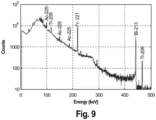
- 3.4.2.1 Collect the gamma spectrum on a calibrated gamma spectrometer. Refer to Fig. 9 as example.
- Immunoreactivity of the 225Ac-HuM 195 is determined by incubating approximately 2 ng of radiolabeled antibody in 0.030 mL total volume with a 500-to 1000-fold excess of antigen (approximately 10 x 106 CD33-positive AL67 cells).
Landscapes
- Health & Medical Sciences (AREA)
- Life Sciences & Earth Sciences (AREA)
- Proteomics, Peptides & Aminoacids (AREA)
- General Health & Medical Sciences (AREA)
- Chemical & Material Sciences (AREA)
- Medicinal Chemistry (AREA)
- Veterinary Medicine (AREA)
- Public Health (AREA)
- Pharmacology & Pharmacy (AREA)
- Animal Behavior & Ethology (AREA)
- Physics & Mathematics (AREA)
- Immunology (AREA)
- Optics & Photonics (AREA)
- Epidemiology (AREA)
- Organic Chemistry (AREA)
- Nuclear Medicine, Radiotherapy & Molecular Imaging (AREA)
- General Chemical & Material Sciences (AREA)
- Chemical Kinetics & Catalysis (AREA)
- Peptides Or Proteins (AREA)
- Medicines Containing Antibodies Or Antigens For Use As Internal Diagnostic Agents (AREA)
- Medicines That Contain Protein Lipid Enzymes And Other Medicines (AREA)
- Pharmaceuticals Containing Other Organic And Inorganic Compounds (AREA)
- Preparation Of Compounds By Using Micro-Organisms (AREA)
Description
- This patent disclosure contains material that is subject to copyright protection. The copyright owner has no objection to the facsimile reproduction by anyone of the patent document or the patent disclosure as it appears in the U.S. Patent and Trademark Office patent file or records, but otherwise reserves any and all copyright rights.
- The patent and scientific literature referred to herein establishes knowledge that is available to those skilled in the art.
- Radioimmunoconjugates can be used in diagnostic and therapeutic medical procedures. Radiopharmaceuticals can carry at least one radionuclide bound to a carrier, for example a targeting moiety. The radionuclide can produce a signal detectable by radiological diagnostic equipment. Because the radiation emitted by the radionuclide can have a toxic effect on tissues, the radioimmunoconjugates can be utilized to achieve one or more therapeutic effects. When used as a therapeutic agent, localization of the radioimmunoconjugates at a specific structure or site in the body can be used to concentrate the effects of the radioimmunoconjugate in a structures or sites to be treated and can reduce harmful effects at other structures and sites in the body. For example, a radioimmunoconjugate may be used as a chemotherapy drug to kill cancerous tissues. There is a need for improved methods for the production of radioimmunoconjugates. This invention addresses this need.
- Actinium-225 complexes and conjugates for radioimmunotherapy are disclosed in
US 2003/086868 A1 , wherein a biological molecule such as an antibody, for instance a HuM195 antibody, is conjugated with Actinium-225 complexes. The 225Ac conjugates are prepared by firstly preparing an 225Ac complex by mixing a solution of a functionalized chelant compound with a solution of 225Ac at pH of about 5-6 in a suitable buffer and then conjugating the obtained 225Ac complex to a biological molecule at a pH of about 8.5 in the presence of a suitable buffer. - In one aspect, the methods described herein relate to a method for producing an actinium-225 (Ac-225) radioimmunoconjugate, the method comprising the steps of: (a) conjugating p-SCN-Bn-DOTA as a chelating agent to an antibody in a conjugation reaction mixture to generate a conjugated antibody, (b) purifying the reaction mixture so as to remove unconjugated chelating agents, and (c) chelating one or more Ac-225 radionuclides with the conjugated antibody in a chelation reaction mixture at 37 ± 2 °C, to generate a Ac-225 radioimmunoconjugate, wherein the antibody is HUM195, and wherein the ratio of Ac-225 to conjugated antibody is one mCi to one mg.
- In one embodiment, the conjugating in step (a) comprises incubating the conjugation reaction mixture for about 1.5 hours at about 37°C. In another embodiment, the conjugating in step (a) comprises incubating the conjugation reaction mixture for about 24 hours at about 16°C to about 20°C.
- In still a further embodiment, the purifying comprises filtering the conjugation reaction mixture through a filter so as to purify the conjugated antibody.
- In one embodiment, the conjugation reaction mixture comprises a bicarbonate buffer. In another embodiment, the conjugation reaction mixture comprises a phosphate buffer. In still a further embodiment, the conjugation reaction mixture has a pH of about 8.0 to about 9.2.
- In one embodiment, the filtering is performed in a HEPES buffer. In another embodiment, the filtering is performed in a NaAc buffer. In still a further embodiment, the filtering comprises a molecular weight cut off at least about 10,000 Da, at least about 20,000 Da, or at least about 40,000 Da.
- In one embodiment, the chelation reaction mixture comprises gentisic acid or ascorbic acid.
- In another embodiment, the chelation reaction mixture has a pH of about 5.5 to about 7.0.
- In yet another embodiment, the chelating in step (c) comprises incubating the one or more Ac-225 radionuclides with the conjugated antibody for about 1.5 hours at about 37°C.
- In another embodiment, the method further comprises a step of adding a termination chelator to the chelation reaction mixture. In one embodiment, the termination chelator is diethylenetriamine-pentaacetic acid (DTPA). In yet another embodiment, the method further comprises a step of incubating the chelation reaction mixture for about 30 minutes at about 37°C following the step of adding the termination chelator.
- In the method of the present invention , the antibody used is HuM195.
- In the method of the present invention the chelating agent is the bifunctional chelating agent S-2-(4-Isothiocyanatobenzyl)-1,4,7,10 tetraazacyclododecanetetraacetic acid (p-SCN-Bn-DOTA).
- In another aspect, the methods described herein relate to a method for producing an [Ac-225]-p-SCN-Bn-DOTA/HuM195 radioimmunoconjugate, the method comprising the steps of: (a) conjugating p-SCN-Bn-DOTA to a HuM195 antibody in a conjugation reaction mixture comprising a bicarbonate buffer and having a pH of about 8.0 to about 9.2, for about 1.5 hours at about 37°C to generate a p-SCN-Bn-DOTA/HuM195 immunoconjugate, (b) filtering the conjugation reaction mixture through a filter having a molecular weight cut off at least about 10,000 Da, at least about 20,000 Da, or at least about 40,000 Da so as to purify the p-SCN-Bn-DOTA/HuM195 immunoconjugate, wherein the filtering is performed with a HEPES buffer or NaAc buffer, (c) chelating one or more actinium-225 radionuclides with the p-SCN-Bn-DOTA/HuM195 immunoconjugate in a chelation reaction mixture comprising gentisic acid and having a pH of about 5.5 to about 7.0, for about 1.5 hours at about 37°C to generate an [Ac-225]-p-SCN-Bn-DOTA/HuM195 radioimmunoconjugate, wherein the ratio of
Ac 225 to the p-SCN-Bn-DOTA/HuM195 immunoconjugate is one mCi to one mg, (d) adding DTPA to the chelation reaction mixture, and (e) incubating the chelation reaction mixture for about 30 minutes at about 37°C. - In certain embodiments, the methods described herein further comprise a step of size-exclusion chromatography through a size exclusion resin before the filtering of step (b). In one embodiment, the size exclusion resin has a size exclusion limit of about 5000 Da.
- In certain embodiments, the methods described herein further comprise purifying radionconjugate or the [Ac-225]-p-SCN-Bn-DOTA/HuM195 radioimmunoconjugate by size exclusion chromatography through a size exclusion resin. In one embodiment, the size exclusion resin has a size exclusion limit of about 6000 Da. In another embodiment, the size exclusion resin has a size exclusion limit of about 5000 Da.
- In another aspect, the invention relates to an Ac-225 radioimmunoconjugate produced by the methods described herein.
-
-
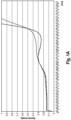
Figure 1A UV - spectrum of native Hum -195 in pink and of Hum-195/DOTA conjugate in blue. Both solutions had a concentration of app. 100 µg/mL; absorbance was measured using cuvette of 1 cm optical path -
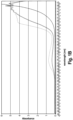
Figure 1B UV - spectrum of HSA (0.1 % in green), of native Hum - 195 (100 µg/mL in pink) and of DTPA/NaAc (100 µg/mL) -
Figure 2 SE - HPLC/UV chromatogram of thenative Hum 195 -
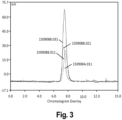
Figure 3 Calibration of the HPLC with the UV detector for quantification of HuM-195 -
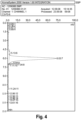
Figure 4 SE - HPLC/UV chromatogram of the conjugate -
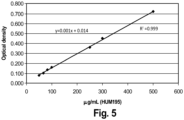
Figure 5 Typical calibration curve, wavelength = 280 nm for calibration of the UV spectrophotometer in the quantification of HuM-195: -
Figure 6 SE - HPLC/rad. chromatogram of the conjugate (main protein fraction after purification) labelled with Ac-225. -
Figure 7 SE - HPLC/rad. chromatogram of a fraction containing free or DTPA -associated Ac - 225. -
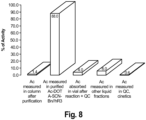
Figure 8 Typical activity distribution of Ac - 225 in liquid fractions after purification, in the P-10 column and in reactor vial + QC (total activity of 1.2 mCi Ac - 225) -
Figure 9 Typical gamma-spectrum of Ac-225 and daughters on a high resolution Ge detector. -
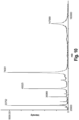
Figure 10 Typical MALDI spectrum of native Hum 195 with CHCA as matrix solution. -
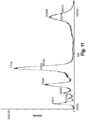
Figure 11 Typical MALDI spectrum of conjugate with CHCA as matrix solution. -
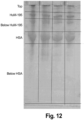
Figure 12 PAGE Gel Electrophoresis of one step and two step preparations showing section of the gel that were cut for analysis of counts. -
Figure 13 Activity in each cut section of gel. Result are consistent with a significant percentage of the Ac-225 associated with HuM-195. Results were identical for one step and two step formulations -
Figure 14 PAGE Gel Electrophoresis was used to analyze a preparation using the one step process and a control. Control was prepared the same way as the one step procedure but the antibody was not conjugated with a DOTA bifunctional chelating agent prior to chelation with Ac-225. Control preparation shows very small amounts of Ac-225 associated with HuM-195 in contrast to the one step preparation. - The invention provides methods for generating a radioimmunconjugate as defined in the claims. In one aspect, the invention relates to an improved method for labeling a monoclonal antibody (mAb) (IgG). In one embodiment, the methods is a "post labeling or one step approach".
- In one aspect, the methods described herein relate to a one step chelation post conjugation process for the manufacture of a radioimmunoconjugate, wherein the radioimmunoconjugate is a [Ac-225]-p-SCN-Bn-DOTA / IgG (HuM195) construct.
- The radioimmunoconjugates described herein can be prepared by first forming a conjugated targeting moiety and then chelating a radionuclide with the conjugated targeting moiety to form a radioimmunoconjugate. The conjugated targeting moiety may be radiolabeled at any time following conjugation to the targeting moiety.
- In one embodiment, the mAb is first conjugated with a DOTA bifunctional chelating agent and then, the purified conjugate is labeled with Ac-225. According to some embodiments described herein, only one single step involving 225Ac is needed to label the antibody. Advantages of the methods described herein over two step or relabeling processes include consistent higher labeling yields, simplicity, and shorter labeling times. In addition, scale up of the methods described herein can be more readily performed as compared to two step or relabeling processes. Also, the methods described herein are useful for the preparation of a kit formulation where the final radiolabeling can occur at the clinical site.
- In one embodiment, HuM-195/ p-SCN-Bn-DOTA conjugates are prepared by reacting a concentrated solution of HuM-195 with p-SCN-Bn-DOTA in bicarbonate or in phosphate buffers at pH between about 8 and about 9 and by incubation at either about 37°C or at room temperature. In another embodiment, bioconjugates can be purified from excess of the bifunctional chelator by repeated filtration or centrifugation and by gravity Size Exclusion Chromatography (SEC). During the purification process, the bicarbonate or phosphate buffer is changed to N-2-Hydroxyethylpiperazine-N-2-ethanesulfonic acid (HEPES; Free Acid) or acetate medium. Conjugates can be characterized by size exclusion high performance liquid chromatography (SE-HPLC).
- For labeling, a mixture of HuM-195 and 225Ac solution in acetate buffer having pH of about 5.5 to about 7.0 is incubated for about 80 to about 90 minutes in the presence of small quantities of a free radical scavenger. After the reaction and challenge with DTPA, the labelling yield can be determined by instant thin layer chromatography (ITLC). The sample mixture can then purified by gravity size exclusion chromatography (SEC). In the purified protein fraction, the amount of 225Ac and protein can be measured by non-destructive high resolution gamma spectrometry and UV spectrophotometry, respectively. Radiochemical purity in the purified fraction is measured by ITLC and/or SE - HPLC.
- In one aspect, the invention comprises radioimmunoconjugates having a CD33 targeting moiety. According to the invention, the targeting moiety include antibody moieties.
- The radioimmunoconjugates produced using the methods described herein may be used in diagnostic or therapeutic medical procedures. For example, the radiopharmaceutical may be used as an imaging contrast agent to produce PET or other radiographic images. Alternatively, the radiopharmaceutical may be used as a therapeutic agent that delivers doses of radiation to specific structures or sites of physiological activity in the body. One skilled in the art will appreciate other pharmacological uses of the radiopharmaceutical.
- The actinium-225 (Ac-225) radioimmunoconjugate according to the present invention may be used in a method for treating a cancer in a subject, the method comprising administering to the subject a pharmaceutically effective amount of a radioimmunoconjugate.
- The actinium-225 (Ac-225) radioimmunoconjugate according to the present invention may be further used in a method for treating a cancer in a subject, the method comprising administering to the subject a pharmaceutically effective amount of a pharmaceutical composition, wherein the composition comprises a radioimmunoconjugate that specifically binds to a CD33 molecule on the surface of a cell.
- As used herein and in the appended claims, the singular forms "a," "an," and "the" include plural references unless the content clearly dictates otherwise.
- The term "about" is used herein to mean approximately, in the region of, roughly, or around. When the term "about" is used in conjunction with a numerical range, it modifies that range by extending the boundaries above and below the numerical values set forth. The term "about" is used herein to modify a numerical value above and below the stated value by a variance of 20%.
- As used herein the term "purity" refers to the presence of substantially a single chemical entity or the absence of substantial contaminants in a mixture.
- The purity of the conjugated molecule produced by the disclosed methods may be measured using standard analytical methods, for example, high performance liquid chromatography (HPLC) or filter purification. When purity is measured by determining the amount of conjugated targeting moiety or radioimmunoconjugate, the purity can be greater than about 70%, greater than about 80%, greater than about 90%, greater than about 95%, greater than about 96%, greater than about 97%, greater than about 98%, or greater than about 99%. When the purity is measured by determining the amount of contamination, contaminants such as unconjugated chelating agents may be less than about 20%, less than about 10%, or less than about 1%.
- As used herein, the term "targeting moiety" refers to an antibody which functions to recognize a specific biological target site. Antibody and antibody fragment refers to any polyclonal, monoclonal, chimeric, human, mammalian, single chains, dimeric and tetrameric antibody or antibody fragment. Such biological carrier, when attached to a functionalized complex, serves to carry the attached radionuclide to specific targeted tissues.
- The term "antibody" refers to any polyclonal, monoclonal, chimeric antibody or heteroantibody. The antibodies used in the radionuclide conjugates of the present invention are monoclonal antibodies having high specificity for the desired cancer cells. Antibodies used in the present invention may be directed against, for example, cancer, tumors, leukemias, autoimmune disorders involving cells of the immune system, normal cells that need to be ablated such as bone marrow and prostate tissue, virus infected cells including HIV, mycoplasma, differentiation and other cell membrane antigens, pathogen surface antigens and any biologically active molecules.
- The antibody used with the methods described herein is HuM195 (anti-CD33). The antibodies which may be used in the radionuclide conjugates of the present invention can be prepared by techniques well known in the art. Highly specific monoclonal antibodies can be produced by hybridization techniques well known in the art, see, for example, Kohler and Milstein, Nature, 256, 495-497 (1975); and Eur. J. Immunol., 511-519 (1976).
- As used herein, the term "radioimmunoconjugate" refers to a targeting moiety conjugate labeled with a radionuclide (e.g. one in which the chelating agent moiety of the protein conjugate has formed a complex with a radionuclide).
- When forming the radioimmunoconjugate described herein, the degree of chelation and conjugation is advantageously high.
- As used herein, the terms "degree of conjugation" and "conjugation yield" are used interchangeably and are defined to mean the percentage of the chelant that is successfully conjugated with a targeting moiety divided by the total chelant used in the conjugation reaction. The percent conjugation when making the conjugated targeting moiety of the present reaction is greater than 50%, more greater than 70%, greater than 90%, greater than 95%, greater than about 96%, greater than about 97%, greater than about 98%, or greater than about 99%.
- As used herein, the terms "degree of chelation" and "chelation yield" are used interchangeably and are defined to mean the percentage of the a radionuclide that is successfully chelated with a conjugated targeting moiety divided by the total radionuclide used in the chelation reaction. The percent chelation when making the radioimmunoconjugate of the present reaction is greater than 50%, more greater than 70%, greater than 90%, greater than 95%, greater than about 96%, greater than about 97%, greater than about 98%, or greater than about 99%.
- As descried herein, production a degree of conjugation and the degree of chelation can depend on one or more parameters of the radioimmunoconjugate preparation process.
- According to the methods described herein, a targeting moiety may be dissolved in a buffered solution comprising a chelant. The pH may be selected to optimize conditions for conjugation of the chelant with the targeting moiety in a conjugation reaction mixture. In one embodiment, the conjugation reaction mixture can comprise a bicarbonate buffer. In another embodiment, the conjugation reaction mixture can comprise a phosphate buffer. In still another embodiment, the conjugation reaction mixture can have a pH of about 8.0 to about 9.2. For example, the conjugation reaction mixture can have a pH of about 8.0, about 8.1, about 8.3, about 8.4, about 8.5, about 8.6, about 8.7, about 8.8, about 8.9, about 9.0, about 9.1, or about 9.2. The temperature of the conjugation reaction mixture also may be adjusted to promote conjugation of the chelant with the targeting moiety. In one embodiment, the conjugation reaction mixture can be incubated at a temperature of about 37°C. In still a further embodiment, the conjugation reaction mixture can be incubated for about 1.5 hours.
- In another embodiment, a conjugated targeting moiety may be dissolved in a buffered solution comprising a radionuclide. The pH may be selected to optimize conditions for chelation of the radionuclide with the conjugated targeting moiety in a chelation reaction mixture. In one embodiment, the chelation reaction mixture can comprise gentisic acid. In another embodiment, the chelation reaction mixture can have a pH of about 5.5 to about 7.0. For example, the chelation reaction mixture can have a pH of about 5.5, about 5.6, about 5.7, about 5.8, about 5.9, about 6.0, about 6.1, about 6.2, about 6.3, about 6.4, about 6.5, about 6.6, about 6.7, about 6.8, about 6.9 or about 7.0.
- The temperature of the chelation reaction mixture also may be adjusted to promote chelation of the radionuclide with the conjugated targeting moiety. In one embodiment, the chelation reaction mixture can be incubated at a temperature of about 37°C. In still a further embodiment, the chelation reaction mixture can be incubated for about 1.5 hours. After a period of time, the solution can be quenched by the addition of a quenching chelate (e.g. diethylenetriaminepentaacetic acid (DTPA)) and the reaction mixture can be purified. In one embodiment, the chelation reaction mixture can be further incubated after addition of the quenching chelate. In one embodiment, the chelation reaction mixture can be further incubated for about 30 minutes after addition of the quenching chelate. In another embodiment, the chelation reaction mixture can be further incubated at about 37°C after addition of the quenching chelate.
- Bifunctional chelators are compounds which have the dual functionality of sequestering metal ions plus the ability to covalently bind a biological carrier having specificity for tumor cell epitopes or antigens. Such compounds are of utility for therapeutic and diagnostic applications when they are, for example, complexed with radioactive metal ions and covalently attached to a specific antibody. These types of complexes have been used to carry radioactive metals to tumor cells which are targeted by the specificity of the attached antibody [see, for example, Mears et al., Anal. Biochem. 142, 68-74 (1984); Krejcarek et al., Biochem. And Biophys. Res. Comm. 77, 581-585 (1977)].
- Numerous chelators are known in the art. See, for example, Pitt et al., "The Design of chelating agents for the Treatment of Iron Overload," In, INORGANIC CHEMISTRY IN BIOLOGY AND MEDICINE; Martell, Ed.; American Chemical Society, Washington, D.C., 1980, pp. 279-312; Lindoy, THE CHEMISTRY OF MACROCYCLIC LIGAND COMPLEXES; Cambridge University Press, Cambridge, 1989; Dugas, BIOORGANIC CHEMISTRY; Springer-Verlag, New York, 1989, and references contained therein.
- The chelator used for the preparation of the radioimmunoconjugates described herein is S-2-(4-Isothiocyanatobenzyl)-1,4,7,10 tetraazacyclododecanetetraacetic acid (p-SCN-Bn-DOTA).
- The radionuclide complexed with the conjugated targeting moiety is actinium-225.
- The method of obtaining 225Ac radionuclide is not critical to the present invention. For example, 225Ac can be prepared in a cyclotron. 225Ac can be obtained in pure form from Department of Energy (DOE), U.S.A., and Institute for Transuranium Elements (ITU), Karlsruhe, Germany.
- In certain embodiments, the methods described herein comprise one or more steps of separating a conjugated targeting moiety or a radioimmunoconjugate from other constituents of a reaction mixture. In one embodiment, a mixture can be transferred to a to a filtering device (e.g. a Millipore centrifugal device) having a particular molecular weight cut off such that filtration of the reaction mixture through the filtration device can separate separating a conjugated targeting moiety or a radioimmunoconjugate from other constituents of a reaction mixture. In one embodiment, filtration of reaction mixture can be used to obtain a conjugated targeting moiety or a radioimmunoconjugate having at least about 60%, at least about 65%, at least about 70%, at least about 75%, at least about 80%, at least about 85%, at least about 90%, %, at least about 95%, at least about 97%, at least about 98%, at least about 99%, or at least about 99.5% purity.
- In various embodiments, the yield of the conjugated targeting moiety or the radioimmunoconjugate is at least about 70%, at least about 75%, at least about 80%, at least about 85%, or at least about 90%, at least 95%, at least 96%, at least 97%, at least 98%, or at least 99% of the final product.
- The targeting moieties described herein can comprise one or more polypeptides substantially or partially encoded by immunoglobulin genes or fragments of immunoglobulin genes. The recognized immunoglobulin genes include the kappa, lambda, alpha, gamma, delta, epsilon and mu constant region genes, as well as myriad immunoglobulin variable region genes. Light chains are classified as either kappa or lambda. Heavy chains are classified as gamma, mu, alpha, delta, or epsilon, which in turn define the immunoglobulin classes, IgG, IgM, IgA, IgD and IgE, respectively.
- The basic immunoglobulin (antibody) structural unit is known to comprise a tetramer. Each tetramer is composed of two identical pairs of polypeptide chains, each pair having one "light" (about 25 kD) and one "heavy" chain (about 50-70 kD). The N-terminus of each chain defines a variable region of about 100 to 110 or more amino acids primarily responsible for antigen recognition. The terms variable light chain (V1) and variable heavy chain (VH) refer to these light and heavy chains respectively.
- Antibodies can exist as intact immunoglobulins or as a number of well characterized fragments produced by digestion with various peptidases. In particular, pepsin digests an antibody below the disulfide linkages in the hinge region to produce F(ab)'2, a dimer of Fab which itself is a light chain joined to VH-CH1 by a disulfide bond. The F(ab)'2 may be reduced under mild conditions to break the disulfide linkage in the hinge region thereby converting the F(ab)'2 dimer into an Fab' monomer. The Fab' monomer is essentially an Fab with part of the hinge region (see, Fundamental Immunology, W. E. Paul, ed., Raven Press, N.Y. (1993) for more antibody fragment terminology). While the Fab' domain is defined in terms of the digestion of an intact antibody, one of skill will appreciate that such Fab' fragments may be synthesized de novo either chemically or by utilizing recombinant DNA methodology.
- The Fab' regions can be derived from antibodies of animal (especially mouse or rat) or human origin or may be chimeric (Morrison et al., Proc Natl. Acad. Sci. USA 81, 6851-6855 (1984)) or humanized (Jones et al., Nature 321, 522-525 (1986), and published
UK patent application No. 8707252 - As described herein, an antibody can include or be derived from any mammal, such as but not limited to, a human, a mouse, a rabbit, a rat, a rodent, a primate, or any combination thereof and includes isolated human, primate, rodent, mammalian, chimeric, humanized and/or complementarity determining region (CDR)-grafted or CDR-adapted antibodies, immunoglobulins, cleavage products and other portions and variants thereof.
- Antibodies useful in the embodiments of the invention can be derived in several ways well known in the art. In one aspect, the antibodies can be obtained using any of the hybridoma techniques well known in the art, see, e.g., Ausubel, et al., ed., Current Protocols in Molecular Biology, John Wiley & Sons, Inc., NY, N.Y. (1987-2001); Sambrook, et al., Molecular Cloning: A Laboratory Manual, 2nd Edition, Cold Spring Harbor, N.Y. (1989); Harlow and Lane, Antibodies, A Laboratory Manual, Cold Spring Harbor, N.Y. (1989); Colligan, et al., eds., Current Protocols in Immunology, John Wiley & Sons, Inc., NY (1994-2001); Colligan et al., Current Protocols in Protein Science, John Wiley & Sons, NY, N.Y., (1997-2001).
- The antibodies may also be obtained from selecting from libraries of such domains or components, e.g. a phage library. A phage library can be created by inserting a library of random oligonucleotides or a library of polynucleotides containing sequences of interest, such as from the B-cells of an immunized animal or human (Smith, G. P. 1985. Science 228: 1315-1317). Antibody phage libraries contain heavy (H) and light (L) chain variable region pairs in one phage allowing the expression of single-chain Fv fragments or Fab fragments (Hoogenboom, et al. 2000, Immunol Today 21(8) 371-8). The diversity of a phagemid library can be manipulated to increase and/or alter the immunospecificities of the monoclonal antibodies of the library to produce and subsequently identify additional, desirable, human monoclonal antibodies. For example, the heavy (H) chain and light (L) chain immunoglobulin molecule encoding genes can be randomly mixed (shuffled) to create new HL pairs in an assembled immunoglobulin molecule. Additionally, either or both the H and L chain encoding genes can be mutagenized in a CDR of the variable region of the immunoglobulin polypeptide, and subsequently screened for desirable affinity and neutralization capabilities. Antibody libraries also can be created synthetically by selecting one or more human framework sequences and introducing collections of CDR cassettes derived from human antibody repertoires or through designed variation (Kretzschmar and ). The positions of diversity are not limited to CDRs but can also include the framework segments of the variable regions or may include other than antibody variable regions, such as peptides.
- Other target binding components which may include other than antibody variable regions are ribosome display, yeast display, and bacterial displays. Ribosome display is a method of translating mRNAs into their cognate proteins while keeping the protein attached to the RNA. The nucleic acid coding sequence is recovered by RT-PCR (Mattheakis, L. C. et al. 1994. Proc Natl Acad Sci USA 91, 9022). Yeast display is based on the construction of fusion proteins of the membrane-associated alpha-agglutinin yeast adhesion receptor, aga1 and aga2, a part of the mating type system (Broder, et al. 1997. Nature Biotechnology, 15:553-7). Bacterial display is based fusion of the target to exported bacterial proteins that associate with the cell membrane or cell wall (Chen and Georgiou 2002. Biotechnol Bioeng, 79:496-503).
- In comparison to hybridoma technology, phage and other antibody display methods afford the opportunity to manipulate selection against the antigen target in vitro and without the limitation of the possibility of host effects on the antigen or vice versa.
- Specific examples of antibody subsequences include, for example, Fab, Fab', (Fab')2, Fv, or single chain antibody (SCA) fragment (e.g., scFv). Subsequences include portions which retain at least part of the function or activity of full length sequence. For example, an antibody subsequence will retain the ability to selectively bind to an antigen even though the binding affinity of the subsequence may be greater or less than the binding affinity of the full length antibody.
- An Fv fragment is a fragment containing the variable region of a light chain VL and the variable region of a heavy chain VH expressed as two chains. The association may be non-covalent or may be covalent, such as a chemical cross-linking agent or an intermolecular disulfide bond (Inbar et al., (1972) Proc. Natl. Acad Sci. USA 69:2659; Sandhu (1992) Crit. Rev. Biotech. 12:437).
- A single chain antibody ("SCA") is a genetically engineered or enzymatically digested antibody containing the variable region of a light chain VL and the variable region of a heavy chain, optionally linked by a flexible linker, such as a polypeptide sequence, in either VL-linker-VH orientation or in VH-linker-VL orientation. Alternatively, a single chain Fv fragment can be produced by linking two variable domains via a disulfide linkage between two cysteine residues. Methods for producing scFv antibodies are described, for example, by Whitlow et al., (1991) In: Methods: A Companion to Methods in Enzymology 2:97;
U.S. Pat. No. 4,946,778 ; and Pack et al., (1993) Bio/Technology 11:1271. - Other methods of producing antibody subsequences, such as separation of heavy chains to form monovalent light-heavy chain fragments, further cleavage of fragments, or other enzymatic, chemical, or genetic techniques may also be used, provided that the subsequences bind to the antigen to which the intact antibody binds.
- Antibodies used in the invention, include full length antibodies, subsequences (e.g., single chain forms), dimers, trimers, tetramers, pentamers, hexamers or any other higher order oligomer that retains at least a part of antigen binding activity of monomer. Multimers can comprise heteromeric or homomeric combinations of full length antibody, subsequences, unmodified or modified as set forth herein and known in the art. Antibody multimers are useful for increasing antigen avidity in comparison to monomer due to the multimer having multiple antigen binding sites. Antibody multimers are also useful for producing oligomeric (e.g., dimer, trimer, tertamer, etc.) combinations of different antibodies thereby producing compositions of antibodies that are multifunctional (e.g., bifunctional, trifunctional, tetrafunctional, etc.).
- Antibodies can be produced through chemical crosslinking of the selected molecules (which have been produced by synthetic means or by expression of nucleic acid that encode the polypeptides) or through recombinant DNA technology combined with in vitro, or cellular expression of the polypeptide, and subsequent oligomerization. Antibodies can be similarly produced through recombinant technology and expression, fusion of hybridomas that produce antibodies with different epitopic specificities, or expression of multiple nucleic acid encoding antibody variable chains with different epitopic specificities in a single cell.
- Antibodies may be either joined directly or indirectly through covalent or non-covalent binding, e.g. via a multimerization domain, to produce multimers. A "multimerization domain" mediates non-covalent protein-protein interactions. Specific examples include coiled-coil (e.g., leucine zipper structures) and alpha-helical protein sequences. Sequences that mediate protein-protein binding via Van der Waals' forces, hydrogen bonding or charge-charge bonds are also contemplated as multimerization domains. Additional examples include basic-helix-loop-helix domains and other protein sequences that mediate heteromeric or homomeric protein-protein interactions among nucleic acid binding proteins (e.g., DNA binding transcription factors, such as TAFs). One specific example of a multimerization domain is p53 residues 319 to 360 which mediate tetramer formation. Another example is
human platelet factor 4, which self-assembles into tetramers. Yet another example is extracellular protein TSP4, a member of the thrombospondin family, which can form pentamers. Additional specific examples are the leucine zippers of jun, fos, and yeast protein GCN4. - Antibodies may be directly linked to each other via a chemical cross linking agent or can be connected via a linker sequence (e.g., a peptide sequence) to form multimers.
- In one embodiment, the methods described herein relate to a targeting moiety that specifically binds CD33 and includes at least a portion of the humanized V regions. For example, the antibody can include a VL region as defined and a VH region having at least one humanized fragment.
- When using the actinium-225 (Ac-225) radioimmunoconjugate in a pharmaceutical composition the conjugate may be administered per se or as a component of a pharmaceutically acceptable formulation.
- As used herein, "pharmaceutically acceptable salt" means any salt of a compound of formula I which is sufficiently non-toxic to be useful in therapy of mammals. Representative of those salts, which are formed by standard reactions, from both organic and inorganic sources include, for example, sulfuric, hydrochloric, phosphoric, acetic, succinic, citric, lactic, maleic, fumaric, palmitic, cholic, palmoic, mucic, glutamic, d-camphoric, glutaric, glycolic, phthalic, tartaric, formic, lauric, steric, salicylic, methanesulfonic, bensenesulfonic, sorbic, picric, benzoic, cinnamic and other suitable acids. Also included are salts formed by standard reactions from both organic and inorganic sources such as ammonium, alkali metal ions, alkaline earth metal ions, and other similar ions. Preferred are the salts of the compounds of formula I where the salt is potassium, sodium, ammonium, or mixtures thereof.
- As used herein, the term "therapeutically effective amount" means an amount of a radioimmunoconjugate that produces a therapeutic effect on the disease treated. The therapeutically effective amount will vary depending on the mammal, the radioimmunoconjugate and the method of its administration (for example, oral or parenteral). A person of ordinary skill in the art can determine the therapeutically effective amount of the radioimmunoconjugate.
- Pharmaceutical compositions include "pharmaceutically acceptable" and "physiologically acceptable" carriers, diluents or excipients. As used herein the terms "pharmaceutically acceptable" and "physiologically acceptable" include solvents (aqueous or non-aqueous), solutions, emulsions, dispersion media, coatings, isotonic and absorption promoting or delaying agents, compatible with pharmaceutical administration. Such formulations can be contained in a liquid; emulsion, suspension, syrup or elixir, or solid form; tablet (coated or uncoated), capsule (hard or soft), powder, granule, crystal, or microbead. Supplementary active compounds (e.g., preservatives, antibacterial, antiviral and antifungal agents) can also be incorporated into the compositions.
- Pharmaceutical compositions can be formulated to be compatible with a particular local or systemic route of administration. Thus, pharmaceutical compositions include carriers, diluents, or excipients suitable for administration by particular routes.
- Specific non-limiting examples of routes of administration for compositions are inhalation or intranasal delivery. Additional routes include oral, nasal, parenteral, e.g., intravenous, intradermal, subcutaneous, oral, transdermal (topical), and transmucosal administration.
- Pharmaceutical compositions comprising the radioimmunoconjugates described herein can be prepared according to standard techniques and further comprise a pharmaceutically acceptable carrier. Generally, normal saline can be employed as the pharmaceutically acceptable carrier. Other suitable carriers include, e.g., water, buffered water, 0.4% saline, 0.3% glycine, and the like, including glycoproteins for enhanced stability, such as albumin, lipoprotein, globulin, etc. These compositions may be sterilized by conventional, well known sterilization techniques. The resulting aqueous solutions may be packaged for use or filtered under aseptic conditions and lyophilized, the lyophilized preparation being combined with a sterile aqueous solution prior to administration. The compositions may contain pharmaceutically acceptable auxiliary substances as required to approximate physiological conditions, such as pH adjusting and buffering agents, tonicity adjusting agents and the like, for example, sodium acetate, sodium lactate, sodium chloride, potassium chloride, calcium chloride, etc.
- The concentration of the radioimmunoconjugates described herein, in the pharmaceutical formulations can vary widely, i.e., from about 0.05% to about 1% by weight, about 1% to about 2% by weight, about 2% to about 5% by weight, about 5% to about 10% by weight, about 10% to about 30% by weight, about 30% to about 50% by weight, about 50% to about 75% by weight, about 75% to about 99% by weight. Pharmaceutical compositions can be selected according to their physical characteristic, including, but not limited to fluid volumes, viscosities and other parameters in accordance with the particular mode of administration selected. For example, the concentration may be increased to lower the fluid load associated with treatment. The amount of radioimmunoconjugates administered will depend upon the particular targeting moiety used, the disease state being treated, the therapeutic agent being delivered, and the judgment of the clinician. Generally the amount of radioimmunoconjugate administered will be sufficient to deliver a therapeutically effective dose of the particular pharmacological agent. Therapeutically effective dosages for various pharmacological agents are well known to those of skill in the art and representative ranges are given for a number of pharmaceuticals above. Typical radioimmunoconjugate dosages can be between about 0.001 and about 50 mg per kilogram of body weight, or between about 0.1 and about 10 mg/kg of body weight. Therapeutically effective dosages can also be determined at the discretion of a physician.
- The radioimmunoconjugate pharmaceutical compositions can be administered parenterally, i.e., intraarticularly, intravenously, intraperitoneally, subcutaneously, intramuscularly, orally or nasally. Particular formulations which are suitable for this use are found in Remington's Pharmaceutical Sciences, Mack Publishing Company, Philadelphia, Pa., 17th ed. (1985). The formulations can comprise a solution of the radioimmunoconjugate suspended in an acceptable carrier, or an aqueous carrier. A variety of aqueous carriers may be used, e.g., water, buffered water, 0.9% isotonic saline, and the like. These compositions may be sterilized by conventional, well known sterilization techniques, or may be sterile filtered. The resulting aqueous solutions may be packaged for use as is, or lyophilized, the lyophilized preparation being combined with a sterile aqueous solution prior to administration. The compositions may contain pharmaceutically acceptable auxiliary substances as required to approximate physiological conditions, such as pH adjusting and buffering agents, tonicity adjusting agents, wetting agents and the like, for example, sodium acetate, sodium lactate, sodium chloride, potassium chloride, calcium chloride, sorbitan monolaurate, triethanolamine oleate, etc.
- Solutions or suspensions used for parenteral, intradermal, or subcutaneous application can include: a sterile diluent such as water for injection, saline solution, fixed oils, polyethylene glycols, glycerine, propylene glycol or other synthetic solvents; antibacterial agents such as benzyl alcohol or methyl parabens; antioxidants such as ascorbic acid or sodium bisulfite; chelating agents such as ethylenediaminetetraacetic acid; buffers such as acetates, citrates or phosphates and agents for the adjustment of tonicity such as sodium chloride or dextrose. pH can be adjusted with acids or bases, such as hydrochloric acid or sodium hydroxide.
- For transmucosal or transdermal administration, penetrants appropriate to the barrier to be permeated can be used in the formulation. Such penetrants are generally known in the art, and include, for example, for transmucosal administration, detergents, bile salts, and fusidic acid derivatives. Transmucosal administration can be accomplished through the use of nasal sprays, inhalation devices (e.g., aspirators) or suppositories. For transdernal administration, the active compounds can be formulated into ointments, salves, gels, or creams as generally known in the art.
- Additional pharmaceutical formulations appropriate for the compositions for administration are known in the art (see, e.g., Remington's Pharmaceutical Sciences (1990) 18th ed., Mack Publishing Co., Easton, Pa.; The Merck Index (1996) 12th ed., Merck Publishing Group, Whitehouse, N.J.; and Pharmaceutical Principles of Solid Dosage Forms, Technonic Publishing Co., Inc., Lancaster, Pa., (1993)).
- The pharmaceutical formulations can be packaged in dosage unit form for ease of administration and uniformity of dosage. "Dosage unit form" as used herein refers to physically discrete units suited as unitary dosages for the subject to be treated; each unit containing a predetermined quantity of active compound calculated to produce the desired therapeutic effect in association with the pharmaceutical carrier or excipient.
- The actinium-225 (Ac-225) radioimmunoconjugate of the current invention may also be used to provide kits comprising a radioimmunoconjugate generated according to the methods described herein. The targeting moieties of radioimmunoconjugates in the kit may be monoclonal or polyclonal in nature. One or both arms of the targeting moiety of the kit may be chimeric, human, humanized, or deimmunized.
- The kit may also include a clearing composition that will clear the unbound radioimmunoconjugates from the tissue. One suitable clearing agent is a glycosylated anti-idiotypic Fab' fragment targeted against the disease targeting arm(s) of the targeting moiety of the radioimmunoconjugate. In this embodiment, a radioimmunoconjugate is given and allowed to accrete in targets to its maximum extent. To clear the residual radioimmunoconjugate, an anti-idiotypic Ab to the target Ab is given as a glycosylated Fab' fragment. The clearing agent binds to the radioimmunoconjugate in a monovalent manner, while its appended glycosyl residues direct the entire complex to the liver, where rapid metabolism takes place. Clearing agents are discussed in greater detail in
U.S. Ser. Nos. 09/314,135 and09/337,756 - The following examples illustrate the present invention, and are set forth to aid in the understanding of the invention.
-
- P-SCN-Bn-DOTA: S - 2 - (4 - Isothiocyanatobenzyl) 1,4,7,10 tetraazacyclododecanetetraacetic acid (Macrocyclics, Dallas, TX)
- BFC: Bifunctional chelating agents
- DOTA-BFC: DOTA bifunctional chelating agents: e.g. NHS-DOTA; p-SCN-Bn-DOTA
- Na (NH4) Ac: Sodium (ammonium) acetate
- mAb: Monoclonal antibody: HuM-195
- HuM-195: Anti-CD33 antibody construct for therapy of myeloid leukemia. HuM-195 is a recombinant IgG1 mAb combining CDR regions of murine M-195 with human framework! constant regions.
- SEC: Size exclusion chromatography
- HPLC: High performance liquid chromatography
- SE-HPLC/UV: SE-HPLC coupled with an UV detector
- SE-HPLC/rad.: SE-HPLC coupled with a radioactive detector
- ITLC: Instant thin layer chromatography
- NH4CH3CO2: Ammonium acetate, NH4Ac
- NaCH3CO2: Sodium acetate, NaAc
- Df: Dilution factor
- CHCA: Alpha-cyano-4-hydroxycinnamic acid
- MALDI: Matrix-assisted laser desorption/ionization mass spectrometry
- HDPE: High density polyethylene
- HEPES: N-2-Hydroxyethylpiperazine-N-2-ethanesulfonic acid
-
- 2.3.1 Materials and chemicals. See Table 2 for specifications
- 2.3.2 Preparation of chemicals and conditions for the conjugation reaction
-
2.3.2.1 Prepare in advance the following solutions:
- Native HuM195, 5 mg/mL, stored at 4-8°C
- p-SCN-Bn-DOTA, stored at -20°C
- NaCl, 0.9%: Weigh 0.45 g NaCl and dissolve it in free metal water, then bring the volume to 50 mL. Mix the solution and after homogenization filter it through a 0.45 µm cellulose acetate membrane filter. Keep the solution in a 50 mL-HDPE container
- 0.2 M sodium phosphate monobasic (solution A): Weigh 0.48 g NaH2PO4 and add to 20 mL of distilled H2O. Mix the solution until total dissolution
- 0.2 M sodium phosphate dibasic (solution B): Weigh 2.83 g NaHPO4 and add 100mL of distilled H2O
- 0.1 M Phosphate buffer, pH = 8: Combine and mix 5.3 mL of solution A with 94.7 mL of solution B. To test the pH, use pH paper. Dilute buffer by adding an equal volume of distilled H2O ~ 100 mL. Filter the solution through a 0.45 µm cellulose acetate membrane filter. Keep the solution in a 50 mL- HDPE container
- 2 M NaOH: Take about 5 mL of the 30 % NaOH and mix it with free metal water, let cool the solution and then bring the volume to 25 mL. Keep the solution in a 50 mL- FEP container
- 4M NaOH: In a 50ml HDPE container add 50 ml of metal free water and 8.0 g of NaOH and agitate to dissolve completely.
- 3 M NH4Ac (or NaAc): Weigh 6.15 g NaAc and dissolve in free metal water. After dissolution of the salt, bring the volume to 25 mL. Mix the solution and after homogenization filter it through a 0.45 µm cellulose acetate membrane filter. Keep the solution in a 25 mL- HDPE container
- 0.25 M NH4Ac (or NaAc): Take 2.1 mL of the 3 M NaAc and mix with free metal water, bring the volume to 25 mL. Mix the solution and after homogenization filter it through a 0.45 µm cellulose acetate membrane filter. Keep the solution in a 25 mL- HDPE container
- 0.1 M NH4Ac (NaCH3CO2),
pH 7. Take 3.3 mL of the 3 M NaAc and mix with free metal water, bring the volume to 100 mL. Keep the solution in a 100 mL-HDPE container - 0.1 M HCl: Take 2.5 mL of 10 M HCl and mix with metal free water in a 25 mL PE volumetric flask. Wait until the solution is cooled and bring the volume to 25 mL. Mix the solution and after homogenization filter it through a 0.45 µm cellulose acetate membrane filter. Keep the solution in a 25 mL- HDPE container
- 0.05 M HCl: Take 1.25 mL of 10 M HCl and mix with metal free water in a 25 mL PE volumetric flask. Wait until the solution is cooled and bring the volume to 25 mL. Mix the solution and after homogenization filter it through a 0.45 µm cellulose acetate membrane filter. Keep the solution in a 25 mL- HDPE container
- NaN3 0.05 %. Weigh 0.5 g NaN3 and dissolve it in Millipore water. Bring the volume to 1 L.
- 1.0 M NaHCO3. In a 50 mL HDPE container add 50.0 mL of metal free water and 8.4 g of NaHCO3 and agitate to dissolve completely. (This yields a 2 M NaHCO3 solution). Mix 17.8 mL of 4M NaOH solution and 50 mL of 2M NaHCO3 solution in a
Coning Costar 250 mL storage bottle (or equivalent). Mix well.
- 1.0 M NaHCO3. In a 100 mL HDPE container add 50.0 mL of metal free water and 8.4 g of NaHCO3 and mix with 17.8 mL of 4M NaOH solution. Agitate until total dissolution and bring the volume to 100 mL. Keep the solution in a
Coning Costar 250 mL storage bottle (or equivalent). Mix well. - 0.1M HEPES solution. Place 3.0 mL of 1M HEPES buffer (Fisher BioReagents, product number BP299-500) in a 50 ml HDPE bottle and add 27 ml of water for injection.
-
Table 2: List of chemicals and materials for the conjugation chemical/material Order name Specifications/ Composition Supplier HCl, 1.00318.1000 Suprapure VWR 30% NaOH, 1.05589.0250 Suprapure VWR 30% Na acetate 1.062640050 > 99.99% VWR NH4 acetate 372331-10 > 99.999% Sigma 04030KH Aldrich Acetic acid 100264 Suprapure VW Glacial, 100% 1000660250 DOTA -NHS - ester B-280 Macro cyclics, Dallas, TX DOTA - p -SCN - Bn B-205 Macro cyclics, Dallas, TX NaCl 1.064060050 > 99.99% VWR Hum195 5 mg/ml Isotex DTPA 1083900250 > 99% VWR Metal free water 1.01262.1000 ultrapure VWR Na2HPO4 106566.0050 Suprapur 99.99 VWR NaH2PO4 106370.0100 Suprapur 99.99 VWR Disposable PD-10 Desalting column 17-0851-01 GE Health Care Europe GmbH pH paper 1.09533.0001 pH= 5.0 -10 VWR 1.09542.0001 pH= 4.0 - 7 PP Eppen dorf vials 211-2130 PP VWR Heating block 460-3249 203x315X89 VWR PE vials 6008117 PE Perkin Elmer GmbH Protein Pack 300SW WRT080013 Protein Pack 300SW Waters Protein Pack 125 centriguard column WRT1866000 926 Protein Pack 125 centriguard column Waters Na azide Na3N 8.22335.0111 Pure ≥ 99 % VWR HEPES BP299-100 Fisher BioReagents NaHCO3 106329.0500 VWR Pipettes Eppendorf 613-3646 0.5 -10 µL (grey tip) VWR 613-3649 613-3650 10 -100 µL (yellow tip) 100-1000 (blue tip) Pipette tips Eppendorf 612-1158 0.5 -10 µL (grey tip) VWR 612-1160 612-1163 10 -100 µL (yellow tip) 100-1000 (blue tip) Millipore centrifugal devices YM - 10 4411 (for 8 units) With a filter cut off for molecular weight of 10 000 MW Milli pore 4421 (for 24 units) Nalgene Containers 2002-0001 30, 60 and 125 mL for storage of solutions VWR 2002-0002 2002-0004 Amicon Ultra Centrifugal Filter Device for less than 4 mL Amicon Ultra Centrifugal Filter Device for less than 4 mL Catalogue Number UFC801096 Millipore Ultra -10 K, regenerated cellulose 10 000 MW cut off -
- Ultracentrifuge with refrigeration (4oC) "Biofuge primo R, Heraeus'" or equivalent from Themo Scientific or similar (spinning at 6500 rpm)
- Vortex or similar system
- UV-Visible Spectrophotometer Varian Cary- Win 5000 equipped with computer for spectrum storage and evaluation or a similar system (or equivalent)
- HPLC with UV detector and a Waters Protein Pack 300SW as stationary phase equipped with computer for spectrum storage and evaluation (or Equivalent)
- Refrigerator (4-8oC) store the mAb and conjugated mAb
- Freezer (-20 oC ) to store the BFC-DOTA,
- Analytical balance
- Heating block or Nutator inside an oven
- 2.3.3.1 From the 5 mg/mL solution of HuM195, prepare at least three diluted solutions containing known concentrations which are defined by the sensitivity of the radioactive detector coupled to the SE-HPLC and settings in use. Usually a range of concentrations of 125 - 625 µg/mL is adequate as sensitivity and linearity are concerned.
- 2.3.3.2 Set up the HPLC for the measurements using the UV detector at 280 nm.
- 2.3.3.3 Condition the SE-HPLC column in 0.9% NaCl using a speed of 0.5 mL/min.
- 2.3.3.4 Take aliquots from the diluted HuM-195 solutions (or from the conjugate) and pass them through a SE-HPLC/UV. For example, for an HPLC set up with an injection system of 100 µL - loop, the amount of protein through the Protein Pack 300SW column will range from 12.5 µg to 62.5 µg. As a mobile phase use 0.9 % NaCl. See
Fig. 2 as illustration of a typical chromatogram. - 2.3.3.5 Establish the relationship between the signal Ic (area under the peak) and concentration. Generate the calibration curve (see
Fig. 3 with shows typical chromatograms) to allow the analyst to calculate the concentration of Hum195 in a conjugate sample*. Another approximate approach is based on finding the ratio concentration/signal obtained from the SE-HPLC/UV chromatogram of a standard HuM-195 sample. If the condition of linearity is fulfilled, then the ratio of concentration / signal will be a constant, K280nm. Thus the concentration of Hum-195 in a conjugate sample is calculated according to the formula below:
- K280nm
- Ratio of concentration of HuM195 (mg/mL) in the calibration sample to the Area (Ic) under the peak on the UV (set at 270 nm) chromatogram of the calibration sample
- Ic
- Area under the peak on the SE-HPLC/UV (280 nm) chromatogram of the calibration sample (
Fig. 2 ) - Is
- Area under the peak on the SE-HPLC/UV (280 nm) chromatogram of the sample (
Fig. 4 ) - Df
- Dilution factor
- C
- (HuM195, mg/mL) Concentration of HuM195 in the undiluted sample in mg/mL
- This step is relevant when large quantities of conjugates are to be prepared. The procedure below is applied to handling approximately 10 mg HuM-195 per single experiment/vial.
- 2.3.4.1 Take a new Millipore centrifugal device YM - 10 with cut off for
molecular weights 10 000 MW (YM devices of higher cut- off may be used with the corresponding increase in the spin time) and washed it with a few mLs of 0.05 M HCl and pure H2O. - 2.3.4.2 Adjust in advance the temperature of the centrifuge tube to 4 oC.
- 2.3.4.3
Weigh 2 mL of the native 5 mg/mL HuM195 solution or purified Hum195 and transfer it to the centrifugation tube. - 2.3.4.4 Centrifuge the solution at 6500 rpm and 4°C until the volume of the solution is 1 mL or less.
- 2.3.4.5 After centrifugation, turn the centrifugal tube and centrifuge again at 500 rpm to collect the concentrated mAb solution in the retentate vial.
- 2.3.4.6 Transfer the concentrated mAb (approximately10 mg/mL) into an Eppendorf vial. Collect also the filtrate and analyse the content of HuM195 by SE-HPLC in both solutions. Keep the solutions at 4 - 8 oC.
- 2.3.5.1 Thaw an Epperdonf vial containing 2.5 mg of DOTA/p - SCN - Bn in 0.25 mL metal free water.
- 2.3.5.2
Add 1 mL of a 5 mg/mL solution of HuM-195 (or 0.5 mL of 10 mg/ml) and mix the solution. - 2.3.5.3 Add 0.05 mL of 1.0 M NaHCO3 and mix the solution
- 2.3.5.4 After mixing, check the pH by removing a 0.001 mL aliquot and spotting it on a pH paper with the proper pH range. The pH should be between 8 and 9, and target pH is 9. Continue to add 0.01 mL of 0.1M NaHCO3 and measure pH until the pH is between 8.0 and 9.2.
- 2.3.5.5 Incubate the reaction mixture in the nutator at 37°C for 1 hour and 30 minutes
- 2.3.6.1
Weigh 5 mg of /p-SCN-Bn-DOTA in a previously cleaned Eppendorf vial and dissolve it in 0.4 mL 0.1M phosphate buffer pH = 8. - 2.3.6.2 Mix gently the concentrated mAb solution of approximately 10 mg/mL with the 400 µL of phosphate buffer solution.
- 2.3.6.3 After mixing, check the pH by removing a 0.001 mL aliquot and spotting it on a pH paper with the proper pH range. The pH should be between 8.0 and 9.2.
- 2.3.6.4 If the pH is too low add 0.010 mL aliquots of 2 M NaOH to the solution and mix gently the solution.
- 2.3.6.5 Repeats steps 2.3.6.3 and 2.3.6.4 until target pH is reached. Approximately, 0.03 mL 2 M NaOH solution are needed to reach the target pH.
- 2.3.6.6 Close the Eppendorf vial and use a Vortex system for mixing, let it for 24 hours at room temperature or proceed as described in the following step 2.3.6.7.
- 2.3.6.7 Alternately incubate the reaction mixture in the heating block or in the incubation shaker cabinet at 37°C for 1 hour and 30 minutes.
- 2.3.7.1 Transfer the entire construct reaction mixture (sections 2.3.5.5 or 2.3.6.7) into a new Millipore centrifugal device YM - 10 or equivalent (10 000 MW cut off) Filters of 20,000 or 40,000 molecular weight cut off are also acceptable.
- 2.3.7.2
Add 1 mL of 0.1M HEPES or 0.1 M NaAc and centrifuge the sample at 6500* rpm and 4°C until the volume of the solution is about 1 mL. * Lower spin can be used with consequent increase in the separation time. Use manufacturer instructions when using other filters. - 2.3.7.3 Repeat step 2.3.7.2 three more times.
- 2.3.7.4 Take a small aliquot from the final purified conjugated fraction and pass it through a SE-HPLC consisting of a Protein Pack 300SW column (refer to 2.3.3). As a mobile phase use 0.9 % NaCl. Compare with non-conjugated MAb, the conjugated MAb shows a peak shifted to the left on the chromatogram (see
Fig. 4 ). - 2.3.7.5 Analyse the SE-HPLC/UV chromatogram (see ex.
Fig. 4 ) and check that no signal region corresponding to free BFC is observed. - 2.3.7.6 If free BFC is observed on the SE-HPLC/UV chromatogram, then repeat step 2.3.7.2 otherwise continue with the following step.
- 2.3.7.7 Quantify the content of conjugated mAb in the sample as described in 2.3.3.4 - 2.3.3.5 for the calibration experiment or as indicated in section 2.3.9.
- 2.3.7.8 Store the purified conjugated fraction at 4 - 8°C: the sample is ready for radiolabeling.
- 2.3.8 Optional: Purification of the reaction mixture by gravity SE-chromatography and filtration-centrifugation.
- The procedure below is an alternative to the method described in 2.3.7.
- 2.3.8.1 See step 2.3.7.1.
- 2.3.8.2 Condition a new PD - 10 resin in 0.1 M NaAc solution by passing through the
column 5 mL 0.1 M NaAc. Discard the washings. - 2.3.8.3 Apply the entire construct reaction mixture (after sections 2.3.6.7 or 2.3.5.5) to the reservoir of the column and collect the eluate in Eppendorf tubes or PE vials (fraction 1).
- 2.3.8.4 Wash the reaction vial with 0.5 mL 0.1 M NaAc solution and pour the washings into the reservoir of the PD-10 column.
- 2.3.8.5 Collect the eluate in an Eppendorf tube separately (fraction 2).
- 2.3.8.6 Repeat steps 2.3.8.4 - 2.3.8.5 two times (
fractions 3, 4). - 2.3.8.7 Continue applying 0.5 mL 0.1 M NaAc into the reservoir of the PD - 10 column and repeat this operation until a total elution volume of 6 mL is reached (
fractions - 2.3.8.8 Wash the column two more times each with 2 mL 0.1 M NaAc (fractions 13 and 14). Collect the eluents.
- 2.3.8.9
Combine fractions 5 to 12 (4 mL) as these contain most of the conjugated mAb. Fractions 13 to 14 contain most of the unbound or free BFC. - 2.3.8.10 Proceed as indicated in steps 2.3.7.2 - 2.3.7.8.
- 2.3.9.1 Set the UV spectrophotometer at 280 nm (to see a typical UV spectrum of native and conjugated Hum-195 refer to
Fig. 1 ). - 2.3.9.2 Prepare one dilute standard sample or optionally, to generate a calibration curve, at least three diluted standard solutions with known HuM195 concentrations in 0.9 % NaCl and find the region of linearity between the optical density (typically 0.1 - 0.8) and concentration (typically 60 - 600 600 µg/mL). Refer to
Fig. 5 for an example of a calibration curve. For HuM195 solutions at 0.1 % (1 mg/mL in 0.9 % NaCl) in 1 cm - optical path cuvette the absorbance is approximately 1.4. - 2.3.9.3 Calculate the protein concentration in the sample either by using the calibration curve from the graph "optical density vs. concentration" (e.g. in
Fig. 5 ) or less accurately based on the following equation:
- A280nm
- Absorbance at 280 nm
- ε280nm
- Extinction coefficient at 280 nm for 0,1 % = 1.4
- L
- cuvette's optical path, 1 cm
- Df
- Dilution factor
- fc
- Factor which corrects for the difference in the extinction coefficients of the native and conjugated IgG. This factor is approximately 1 at 280 nm (refer to
Fig. 1 ) - C
- (HuM195 conj, mg/mL) Concentration of HuM-195 in the undiluted sample in mg/mL
- To label 225Ac with HuM-195 previously conjugated with DOTA bifunctional chelating agents.
- See also example 1.
- DTPA: Diethylentriaminpentaacetic acid
- Gentisic acid: 2,5 Dihydroxibenzoic acid
- AA: Ascorbic acid
- 3.3 Radiolabeling Protocol
- 3.3.1 Materials and chemicals
- See Table 3
Table 3: List of chemicals and materials for the labelling chemical/material Order name Specifications Composition Supplier 30% HCl 1.00318.1000 Suprapure VW NaOH, 30% 1.05589.0250 Suprapure VW Na acetate 1.062640050 > 99.99% VW NH4 acetate 372331-109 > 99.999% Aldrich 04030KH Acetic acid 100264 Suprapure VW Gentesic acid 841745 > 99% VW Ascorbic acid for biological applications 101566.0100 > 99% VW DOTA-NHS-ester B-280 Macro cyclics, Dallas, TX DOTA-p-SCN-Bn B-205 Macro cyclics, Dallas, TX NaCl 1.064060050 > 99.99% VW HuM195 5 mg/ml PDL/Pac ificGMP DTPA 1083900250 > 99% VW Metal free water 1.01262.1000 ultrapure VW Disposable PD-10 Desalting column 17-0851-01 GE Health Care Europe GmbH pH paper 1.09543.0001 pH= 6.5-10 VW 1.09542.0001 pH= 4.0-7 PP Eppen dorf vials 211-2130 PP VW 211-2160 Heating block 460-3249 203x315X89 VW PE vials 6008117 PE Perkin Elmer GmbH Protein Pack 300SW WRT080013 Protein Pack 300SW Waters Protein Pack 125 centriguard column WRT1866000 926 Protein Pack 125 centriguard column Waters filters 514-7014 0.45 µm pore size 25 mm diameter VW Pipettes Eppendorf 613-3646 0.5 -10 µL (grey tip) VW 613-3649 10 -100 µL (yellow tip) 613-3650 100 -1000 (blue tip) Pipette tips Eppendorf 612-1158 0.5 -10 µL (grey tip) VW 612-1160 10 -100 µL (yellow tip) 612-1163 100 -1000 (blue tip) ITLC SG 5X20 cm 516-7805 VW Human serum albumina (HSA) ------- 1 % Swiss Red Cross, Bern, Switz. Behring PZN-0504775 20 % Sterile tubes, pipette tips, plasticware 50 mL Corning tubes Sigma-Aldrich Nunc tubes Sigma-Aldrich 10DG size exclusion desalting columns 732-2010 MW cut off 6000 Biorad Inc. - Reaction vial and heating block
- 3.3.2.1 Take a new reaction tube (e.g. 2 mL capacity Eppendorf tube) and wash it with a few mLs of 0.1 M HCl, water for injection H2O and finally with the 0.5 M NaAc (0.5 M NH4Ac) buffer.
- 3.3.2.2 Calibrate the heating block using the same type of reaction tube as for the labelling. The temperature in the liquid (water) inside the tube should be 37 ± 2 oC.
- 3.3.2.3 Quantify the activity of 225Ac in the vial obtained from the manufacturer.
- 3.3.2.4 Dissolve the residue in the vial (if the sample is dried) in 0.05 mL of a 0.2M HCl solution. For radiolabeling, the aliquot taken should be less than 0.3 mL.
- 3.3.2.5 Inspect for the presence of insoluble material. The residue should be completely dissolved and the resultant solution should be homogeneous, transparent and free of particles and foreign material.
- 3.3.2.6 For the labelling, prepare in advance the following solutions:
p-SCN-Bn-DOTA-mAb conjugate solution of protein concentration in the 5 - 10 mg/mL in 0.9 % NaCl as described insection 2 - 0.5 M NH4Ac (or NaAc): Take 4.2 mL of the 3 M NaAc and mix with free metal water bring the volume to 25 mL. Mix the solution and after homogenization filter it through a 0.45 µm cellulose acetate membrane filter. Keep the solution in a 25 mL - HDPE container
- Solution of gentisic acid in 3 M NaAc: Weigh 0.033 g of gentisic acid in dissolve in 1 mL 3 M NaAc. Before use, filter the solution through a 0.45 µm cellulose acetate membrane filter. Keep the solution in a 2 mL - capacity Eppendorf vial in cool and darkness.
- 150 g/L l-AA solution: Weigh 1.5 g of AA and dissolve in 10 mL free metal water. Filter the solution through a 0.45 µm cellulose acetate membrane filter. Keep the solution in a 25 mL - HDPE container in cool and darkness.
- 50 mM DTPA solution: Weigh 0.49 g of DTPA and dissolve in 25 mL free metal water. Filter the solution through a 0.45 µm cellulose acetate membrane filter. Keep the solution in a 25 mL - HDPE container
- 20 mM DTPA solution: Weigh 0.20 g of DTPA and dissolve in 25 mL free metal water. Filter the solution through a 0.45 µm cellulose acetate membrane filter. Keep the solution in a 25 mL - HDPE container
-
- PD - 10 column
- pH papers: thin strips of pH paper in the range 4 - 10
- Eppendorf vials
- PE vials
- 0.45
µm 25 mm -diameter Cellulose acetate filters and sterile syringes for filtration - ITLC SG 5X20 cm
- 3.3.2.7 Filter through 0.45 µm 25 mm Cellulose acetate filters the nonradioactive solutions before labelling
- 3.3.2.8 Instrumentation:
- Vortex or similar system
- HPLC with UV detector and a Protein Pack 300SW SEC column as stationary phase
- Refrigerator (4-8oC) to store the mAb and conjugated mAb samples
- Freezer (-20oC) to store the BFCs
- Gamma-spectrometry system with a high purity Germanium detector. Optionally and particularly for activity balance assessments, the detector should be also ISOCS characterized by Canberra Industries and with the ISOCS/LABSOCS software package which runs under the
standard GENIE 2000 software configuration to enable absolute measurements for each specific counting geometry e.g. vial, columns, etc. - Squibb CRC-17 Radioisotope Dose Calibrator (or equivalent model)
- 3.3.3.1 Take an aliquot of not more than 0.3 mL 0.05 M HCl which contains the required activity of 225Ac (e.g. app. 1 mCi on the labelling day) and pipette it into the reaction tube (update table in section 3.3.7.3).
- 3.3.3.2 Optionally, measure the activity of 225Ac in the reaction tube by high resolution gamma-spectrometry.
- 3.3.3.3 Add 0.1 mL 3M NaAc (or NH4Ac) and mix gently and shortly using a Vortex system.
- 3.3.3.4 Check the pH by removing a 0.001 mL aliquot and spotting it on a pH paper with the proper pH range. The pH should be between 5 and 8.5. Do not discard the tip and pH paper: collect them in small PE bag for radioactivity balance assessment.
- 3.3.3.5 Depending on the concentration of HuM195 in the conjugate solution, add 0.1 mL (when 10 mg/mL) or the calculated volume of the p-SCN - Bn-DOTA-mAb conjugate solution which contains app. 1 mg of mAb. The volume should not exceed 0.2 mL.
- Remark: In the control experiment, this step is omitted.
- 3.3.3.6 Add 0.020 mL of a fresh prepared saturated gentisic acid solution and mix shortly and gently using a Vortex system.
- 3.3.3.7 Repeat 3.3.3.4. The target pH should be between 5.5-7.0.
- 3.3.3.8 If the pH is above 7.0, add 0.010 mL of 0.1 M HCl. If the pH is below 5.5, add 0.025 mL of 3 M NaAc.
- 3.3.3.9 Repeat step 3.3.3.8, if necessary.
- 3.3.3.10 Close the 2 mL reaction vial reaction tube containing the reaction mixture and place it into the heating block (3.3.2.2) at 37°C for 80 - 90 minutes
- 3.3.4.1 After 90 minutes, stop the reaction and add 0.010 mL of a 10 mM DTPA solution and mix shortly and gently using a Vortex system.
- 3.3.4.2 Place the reaction tube back in the heating block and incubate for 30 minutes.
- 3.3.4.3 After 20 minutes, switch off the heating block, remove from the reaction mixture a 0.002 mL aliquot and spot it on the centre of the reference line of the ITLC stripe (a line marked at approximately 15 mm from one side). Collect the empty tip in the bag for wastes (see 3.3.3.4). Keep safe the tube containing the reaction mixture.
- 3.3.4.4 Place the ITLC in a glass tube containing the mobile phase: a few mL of a 20 mM DTPA solution (depending on the size of the container used for ITLC.
- 3.3.4.5 Wait 7 - 8 minutes until the mobile phase front reaches the second reference line marked at approximately 15 mm from the other end of the stripe.
- 3.3.4.6 Remove the strip from the ITLC tube and let it dry. Then cut the stripe in small sections, each one at the distance of 15 mm.
- 3.3.4.7 Place each section in previously numerated polyethylene vials (e.g. 20 mL PE vials normally used for liquid scintillation counting).
- 3.3.4.8 Wait 1hour and count the activity of 225Ac by measuring the 221Fr on a high resolution gamma spectrometer in each chromatogram section for first evaluation (Optional).
- 3.3.4.9 Wait more than 6 hours for radioactive equilibrium between 225Ac and all daughters and measure the activity of 225Ac through both 221Fr and 213Bi for final evaluation.
- 3.3.4.10 Calculate the radiolabelling yield by using the following formula:

- Y = radiolabeling yield in %
- A1 = activity of 225Ac measured in
section 1 of the chromatogram (numerated from the bottom), Bq (µCi) - A2 = activity of 225Ac measured in
section 2 of the chromatogram, Bq (µCi) - At = summa of 225Ac activity measured in all sections of the chromatogram, Bq (µCi)
- If the samples are measured using the same geometry (source to detector distance, same vials, detector, etc) then the yield can be calculated using the following formula:

- Y = radiochemical yield in %
- I1 = count rate of 225Ac measured in
section 1 of the chromatogram (numerated from the bottom), cps - I2 = count rate of 225Ac measured in
section 2 of the chromatogram, cps - It = count rate of 225Ac measured in all sections of the chromatogram, cps
- 3.3.5.1 Obtain the following components: 10 mL of 10 DG SE resin; column components, and 3-way stopcock for the purification steps described below.
- 3.3.5.2 Pour the 10 mL volume of 10 DG resin into plastic disposable column, allow to settle and apply the top frit. All these materials are obtained from Biorad Inc., Hercules CA. Wash the packed resin with two 10 mL volumes of 0.9 % NaCl. Discard the washes.
- 3.3.5.3 Equilibrate the resin with two 10 mL volumes of 1 % HSA. Discard the washes.
- 3.3.5.4 Tare a new 50 mL sterile Corning tube for collection of the drug product and apply the entire construct reaction mixture (refer to 3.3.4) to the column and collect the eluent in a waste tube.
- 3.3.5.5 Wash the construct reaction vial with 0.20
mL 1 % HSA and add this wash to column and again collect the eluate in a waste tube. Add 2.0 mL of 1 % HSA as a mobile phase and again collect the eluate in a waste tube. Add 2 mL of 1 % HSA to the size exclusion column and collect the final product. - 3.3.5.5 Weigh the drug product collected and record the mass of solution containing the product.
- 3.3.5.6 Assume that 80 % of the 1.0 mg of antibody has been recovered using the purification scheme. Calculate the specific activity of the product by dividing the activity by the total amount of HuM195 recovered (0.8mg). The activity level of the product can be determined after a 6 hour period following the purification. This time is required for Ac-225 secular equilibrium to be established and measured in a dose calibrator or equivalent to determine the product yield and activity level
- This is an alternative to the procedure described in section 3.3.5
- 3.3.6.1 Condition the PD - 10 resin in 0.9 % NaCl solution by passing through the
column 5 mL NaCl 0.9%. Discard the washings. - 3.3.6.2 Apply the entire construct reaction mixture (section 3.3.4.3) to the reservoir of the column and collect the eluate (f1) in Eppendorf tubes or PE vials.
- 3.3.6.3 Wash the reaction vial with 0.5 mL 0.9 % NaCl solution and pour the washings into the reservoir of the PD - 10 column. Place the empty reaction vial in a small PE bag for wastes for activity balance assessment (see 3.3.3.4)
- 3.3.6.4 Collect the eluate in Eppendorf tubes or PE vials separately.
- 3.3.6.5 Repeat steps 3.3.6.3 - 3.3.6.4 two times and collect these eluates together (fw).
- 3.3.6.6 Continue applying 0.5 mL 0.9 % NaCl into the reservoir of the PD-10 column until a total elution volume of 6 mL is reached. Collect the eluates of 4 mL together. These fractions should contain most of the labelled conjugate (fp).
- 3.3.6.7 Wash the column with additional 8 mL 0.9 % NaCl. Collect the eluate separately in a new container. This is the fraction which contains the free or associated with DTPA Ac-225 (ff).
- 3.3.6.8 Wait one (1) hour and count the activity of 225Ac by measuring the 221Fr on a high resolution gamma spectrometer in each vial for first evaluation (Optional).
- 3.3.6.9 Wait more than 6 hours for radioactive equilibrium between 225Ac and all daughters and measure the activity of 225Ac through both 221Fr and 213Bi for final evaluation.
- 3.3.6.10 If concentration is required, transfer the fraction fp (4 mL) into a new Millipore centrifugal device YM - 10 with cut off for
molecular weights 10 000 MW (YM tubes with membranes of higher cut- off may be used with the corresponding increase in the spin time). Otherwise go directly to 3.3.5.5. - 3.3.6.11 Centrifuge the conjugate combined solution at 6500 rpm and 4°C until the volume of the solution is approximately 1 mL.
- 3.3.6.12
Add 1 mol of 0.9% NaCl and repeat step 3.3.6.11. - 3.3.6.13 Tare a new 50 mol sterile Corning tube for collection of the product.
- 3.3.6.14 Transfer the product to the new 50 mL sterile Corning tube.
- 3.3.6.15 Wash the empty YM - 10 tube with up to 1
mL 1% HSA and transfer the washes to the tube containing the product. - 3.3.6.16 Proceed as indicated in 3.3.5.5
- 3.3.7.1 Measure the PD-10 column on a high resolution gamma spectrometer to quantify the activity of 225Ac left on the column.
- 3.3.7.2 Measure the bag containing the empty reaction vial, tips, and pH paper used for QC during the labelling experiment.
- 3.3.7.3 Summarize the results in the table below (Table 4):
Compartment Activity of 225Ac, mCi % of activity Initial activity of Ac-225 In purified/concentrated fraction associated with mAb Recovery In other liquid fractions not associated with mAb Left on the PD-10 column Left in reaction vial, tips, pH paper for QC, tissues, etc - 3.4.1.1 Visually inspect the product using a white and black background for clarity, color and absence of foreign matter.
- 3.4.2.1 Collect the gamma spectrum on a calibrated gamma spectrometer. Refer to
Fig. 9 as example. - 3.4.2.2 Using a standard nuclide library (see Table 1) look for the presence of main peaks at 218 keV from Fr-221 and 441 KeV from Bi-213. Look also for confirming peaks of Ac-225 and Tl-209.


- 3.4.3.1 Described in 3.3.4 above
- 3.4.4.1 Take an aliquot from the construct so that the count rates in the peaks are significant above the background of the radioactivity detector
- 3.4.4.2 Run the sample through the SE-HPLC using the same conditions as in the calibration experiments: 0.9 % NaCl, 1 mL/min speed, etc.
- 3.4.4.3 Compare and calculate the activity associated with the conjugate against the total activity detected by the detector. As illustration, refer to
Fig. 6 . - 3.4.4.4 Calculate the radiochemical purity of the conjugate "Rc" by using the following formula:

- Rc
- = radiochemical purity of the labelled conjugate in %
- Ic
- = area measured under the conjugate peak on the SE - HPLC/rad. chromatogram (
Fig. 6 ) - It
- = total area measured on the SE - HPLC/rad. chromatogram (
Fig. 6 ) - AH
- = percentage of Ac - 225 associated with high MW aggregates, %
- Ih
- = area measured on the left side of the conjugate peak on the SE - HPLC/radioactive chromatogram
- AL
- = percentage of Ac - 225 associated with low MW aggregates, %
- It
- = area measured on the right side of the conjugate peak until the beginning of peak corresponding to free Ac - 225,
Fig. 6 - 3.4.5.1 Immunoreactivity of the 225Ac-
HuM 195 is determined by incubating approximately 2 ng of radiolabeled antibody in 0.030 mL total volume with a 500-to 1000-fold excess of antigen (approximately 10 x 106 CD33-positive AL67 cells). - These cells express approximately 400,000 CD33-positive binding sites per cell and are in antigen excess to added HuM-195. After 30 minutes incubation at 0°C, the cells are collected by centrifugation and the supernatant removed, the cells are washed once with phosphate buffered saline (PBS) and this wash removed. The cell pellet, supernatant and wash are measured for radioactivity by scintillation counting. The percent immunoreactivity is calculated as equal to {(225Ac-HuM195 bound to cells)/ (total bound plus unbound activity (supernatant and wash)} times 100.
- 3.4.6.1 Wait more than 6 hours for radioactive equilibrium between 225Ac and all daughters and measure the activity of 225Ac through both 221Fr and 213Bi for final evaluation.
- 3.4.7.1 The total volume of the product is measured gravimetrically
- 3.4.8.1 Calculate the activity concentration (mCi/mL) by dividing the activity obtained in 3.4.6.1 by the volume obtained in 3.4.7.1
- 3.4.9.1 Follow as indicated in section 3.3.5.5
- This method should be used only if HSA is not presence in the purified protein fraction (See Fig. 1.2)
- 3.4.10.1 From the combined protein fraction "fp" (section 3.3.6.6) take a 0.02 mL aliquot and bring the volume to 0.5 mL (Df = 25) with 0.9 % NaCl. A dilution factor Df of 25 is recommended when 1 mg of conjugate is used for labelling.
- 3.4.10.2 Measure the protein concentration (cpi) in the combined and concentrated sample as described in section 2.3.7 or 2.3.9.
- Table 5: Comparison of manufacturing procedures for the production of Lintuzumab - Ac225 "one step" process vs. existing process
Test Specification "One step" process Existing process Yield N/A 84±17.9% 7.7±2.05% ITLC ≥95% Lintuzumab-Ac225 Pass [00340] Pass HPLC ≥90% HuM195 Pass [00341] Pass ≤5% high MW aggregates Pass Pass [00342] Pass ≤10% low MW aggregates [00343] Pass Immunoreactivity ≥60% active Pass [00344] Pass -
- Meares C. F., McCall M. J., Rearan D. T., Goodwin D. A., Diamanti C. I., McTigue M. (1984) Conjugation of antibodies with bifunctional chelating agents: isothiocyanate and bromoacetamide reagents, methods of analysis and subsequent addition of metal ions. Anal Biochem; 142:68-78.
- Shrikant V. D., Sally J. D., David L. K., Min K. M., Michael J. Mc., Gerald L.D. y Meares C. F. (1990) Yttrium-90-Labeled monoclonal antibody for therapy: Labeling by new macrocyclic bifunctional chelating agent. J Nucl Med. 31, 473-479.
- Michael R. Lewis, Andrew Raubitschek and John E. Shively. (1994) A Facile, Water-Soluble Method for Modification of Proteins with DOTA. Use of Elevated Temperature and Optimized pH To Achieve High Specific Activity and High Chelate Stability in Radiolabeled Immunoconjugates. Bioconjugafe Chem. 5, 565-576.
- D. R. Beckford, A. Xiques, R. Leyva, M. Perez-Malo; E. Casanova, M. Barrabi (2007) Nuevo radioimmunoconjugado 90Y-DOTA-HR3 Sintesis y radiomarcaje. .
- Michael R. L., Jim Y. K., Anne-Line J. A., John E. S., and Andrew R. (2001) An improved method for conjugating monoclonal antibodies with N-hidroxysulfosuccinimimidyl DOTA. Bioconjugate Chem . 12, 320-324.
- Yasushi Ogawa, Joseph Traina, Eike Zimmermann, Tao Yu, Douglas W. Schneider, Erno Pungor Jr. (2007) Quantification of bifunctional diethyenetriaminepentaccetic acid derivative conjugation to monoclonal antibodies by matrix-assisted laser desorption/ionization time of flight mass spectrometry. Analytical Biochemistry 368 214-221.
- Sharon X. Lu, Edward J. Takach, Marjorie Solomon, Qing Zhu, Say-Jong Law, Frank Y. Hsieh (2005) Mass Spectral Analyses of Labile DOTA-HNS and Heterogeneity Determination of DOTA or DM1 Conjugated Anti-PSMA Antibody for Prostate Cancer Therapy. Journal of Pharmaceutical Sciences, Vol. 94, .
- Instructions 52-1308-00 BB: PD-10 Desalting Column, GE Healthcare. Amicon Centricon Centrifugal Filter Devices. Data sheet Millipore [Ac-225]-DOTA-Hum195 Manufacturing Protocol (Two step labelling procedure), MSKCC
- Labelling of Hum-195/DOTA conjugates with Ac - 225 using the one step method, TUM report, February 2009.


Claims (17)
- A method for producing an actinium-225 (Ac-225) radioimmunoconjugate, the method comprising the steps of:(a) conjugating p-SCN-Bn-DOTA as a chelating agent to an antibody in a conjugation reaction mixture to generate a conjugated antibody,(b) purifying the reaction mixture so as to remove unconjugated chelating agents, and(c) chelating one or more Ac-225 radionuclides with the conjugated antibody in a chelation reaction mixture at 37 ± 2 °C, to generate a Ac-225 radioimmunoconjugate, wherein the antibody is HUM195, and wherein the ratio of Ac-225 to conjugated antibody is one mCi to one mg.
- The method of claim 1, wherein the conjugating in step (a) comprises incubating the conjugation reaction mixture for about 1.5 hours at about 37°C, or for about 24 hours at about 16°C to about 20°C, where the purifying comprises filtering the conjugation reaction mixture through a filter so as to purify the conjugated antibody.
- The method of claim 1, wherein the conjugation reaction mixture comprises a bicarbonate buffer or a phosphate buffer.
- The method of claim 1, wherein the conjugation reaction mixture has a pH of about 8.0 to 9.2.
- The method of claim 2, wherein the filtering is performed in a HEPES buffer or in a NaAc buffer.
- The method of claim 2, wherein the filtering comprises a molecular weight cut off at least about 10,000 Da, at least about 20,000 Da, or at least about 40,000 Da.
- The method of claim 1, wherein the chelation reaction mixture comprises gentisic acid or ascorbic acid.
- The method of claim 1, wherein the chelation reaction mixture has a pH of about 5.5 to 7.0.
- The method of claim 1, wherein the chelating in step (c) comprises incubating the one or more Ac-225 radionuclides with the conjugated antibody for about 1.5 hours.
- The method of claim 1, further comprising a step of adding a termination chelator, in particular diethylenetriaminepentaacetic acid (DTPA), to the chelation reaction mixture.
- The method of claim 10, further comprising a step of incubating the chelation reaction mixture for about 30 minutes at about 37°C following the step of adding the termination chelator.
- A method for producing an [Ac-225]-p-SCN-Bn-DOTA/HuM195 radioimmunoconjugate, the method comprising the steps of:(a) conjugating p-SCN-Bn-DOTA to a HuM 195 antibody in a conjugation reaction mixture comprising a bicarbonate buffer and having a pH of about 8.0 to 9.2, for about 1.5 hours at about 37°C to generate a p-S CN-Bn-DOTA/HuM195 immunoconjugate,(b) filtering the conjugation reaction mixture through a filter having a molecular weight cut off at least about 10,000 Da, at least about 20,000 Da, or at least about 40,000 Da so as to purify the p-SCN-Bn-DOTA/HuM195 immunoconjugate, wherein the filtering is performed with a HEPES buffer or NaAc buffer,(c) chelating one or more actinium-225 radionuclides with the p-SCN-Bn-DOTA/HuM195 immunoconjugate in a chelation reaction mixture comprising gentisic acid and having a pH of about 5.5 to 7.0, for about 1.5 hours at about 37°C to generate an [Ac-225]-p-SCN-Bn-DOTA/HuM195 radioimmunoconjugate, wherein the ratio of Ac-225 to the p-SCN-Bn-DOTA/HuM195 immunoconjugate is one mCi to one mg,(d) adding DTPA to the chelation reaction mixture, and(e) incubating the chelation reaction mixture for about 30 minutes at about 37°C.
- The method of claim 1 or claim 12, further comprising a step of size-exclusion chromatography through a size exclusion resin before the filtering of step (b), in particular, wherein the size exclusion resin has a size exclusion limit of about 5000 Da.
- The method of claim 1, further comprising purifying the radioimmunoconjugate by size exclusion chromatography through a size exclusion resin.
- The method of claim 12, further comprising purifying the [Ac-225]-p-SCN-Bn-DOTA/HuM195 radioimmunoconjugate by size exclusion chromatography through a size exclusion resin.
- The method of claim 14 or 15, wherein the size exclusion resin has a size exclusion limit of about 6000 Da or a size exclusion limit of about 5000 Da.
- An Ac-225 radioimmunoconjugate produced by the method of claim 1 or claim 12.
Applications Claiming Priority (2)
| Application Number | Priority Date | Filing Date | Title |
|---|---|---|---|
| US22771009P | 2009-07-22 | 2009-07-22 | |
| PCT/US2010/042885 WO2011011592A1 (en) | 2009-07-22 | 2010-07-22 | Methods for generating radioimmunoconjugates |
Publications (4)
| Publication Number | Publication Date |
|---|---|
| EP2456472A1 EP2456472A1 (en) | 2012-05-30 |
| EP2456472A4 EP2456472A4 (en) | 2014-08-27 |
| EP2456472B1 true EP2456472B1 (en) | 2024-03-27 |
| EP2456472C0 EP2456472C0 (en) | 2024-03-27 |
Family
ID=43499411
Family Applications (1)
| Application Number | Title | Priority Date | Filing Date |
|---|---|---|---|
| EP10802893.7A Active EP2456472B1 (en) | 2009-07-22 | 2010-07-22 | Methods for generating radioimmunoconjugates |
Country Status (8)
| Country | Link |
|---|---|
| US (1) | US9603954B2 (en) |
| EP (1) | EP2456472B1 (en) |
| JP (2) | JP5985392B2 (en) |
| CN (2) | CN102596258B (en) |
| CA (1) | CA2768658C (en) |
| IN (1) | IN2012DN00551A (en) |
| RU (2) | RU2565402C2 (en) |
| WO (1) | WO2011011592A1 (en) |
Families Citing this family (18)
| Publication number | Priority date | Publication date | Assignee | Title |
|---|---|---|---|---|
| GB201208309D0 (en) * | 2012-05-11 | 2012-06-27 | Algeta As | Complexes |
| US20150157742A1 (en) * | 2013-12-11 | 2015-06-11 | The European Atomic Energy Community (Euratom), Represented By The European Commission | SYNTHESIS OF BIOLOGICAL COMPOUNDS LABELED WITH THE ALPHA EMITTER Ac-225 |
| EP3142710A4 (en) * | 2014-05-16 | 2018-04-25 | Memorial Sloan Kettering Cancer Center | One-step labeling of antibodies to high specific activity with actinium-225 |
| CN108348604B (en) * | 2015-09-08 | 2022-04-29 | 沃特世科技公司 | Multidimensional chromatographic method for the analysis of antibody-drug conjugates |
| JP7128528B2 (en) * | 2016-12-16 | 2022-08-31 | ジ・オーストラリアン・ナショナル・ユニバーシティー | Radiolabeled substances for targeted administration |
| SI3568205T1 (en) | 2017-01-12 | 2023-12-29 | Radiomedix Inc. | Treatment of cancer cells overexpressing somatostatin receptors using ocreotide derivatives chelated to radioisotopes |
| JP7370958B2 (en) * | 2017-07-31 | 2023-10-30 | アクティニウム ファーマシューティカルズ インコーポレイテッド | Treatment of hematological malignancies |
| CN109550061A (en) * | 2017-09-26 | 2019-04-02 | 南京江原安迪科正电子研究发展有限公司 | A kind of kit and application for radioisotope labeling antibody |
| WO2022056354A1 (en) * | 2020-09-11 | 2022-03-17 | Actinium Pharmaceuticals, Inc. | Trophoblast glycoprotein radioimmunotherapy for the treatment of solid cancers |
| US12551584B1 (en) | 2020-12-07 | 2026-02-17 | Actinium Pharmaceuticals, Inc. | Lewis Y radioimmunotherapy for the treatment of cancer |
| US12447218B1 (en) * | 2021-02-09 | 2025-10-21 | Actinium Pharmaceuticals, Inc. | Radioconjugates directed to MHC-complexed antigens in cancer |
| US20250339571A1 (en) * | 2021-08-27 | 2025-11-06 | Actinium Pharmaceuticals, Inc. | Radioimmunoconjugates targeting phosphatidylserine for use in the treatment of cancer |
| JP2025510189A (en) * | 2022-03-24 | 2025-04-14 | アクティニウム ファーマシューティカルズ インコーポレイテッド | Humanized anti-CD45 antibodies |
| CA3252793A1 (en) | 2022-03-30 | 2025-07-07 | Nihon Medi-Physics Co., Ltd. | Method for producing complex |
| WO2023240135A2 (en) | 2022-06-07 | 2023-12-14 | Actinium Pharmaceuticals, Inc. | Bifunctional chelators and conjugates |
| CN121293357A (en) | 2022-08-22 | 2026-01-09 | 雅博得乐医疗公司 | DLL3-binding molecules and their applications |
| US20250388688A1 (en) | 2024-04-04 | 2025-12-25 | Ethyreal Bio, Inc. | Anti-tshr antibodies and uses thereof |
| US12600794B2 (en) | 2024-07-23 | 2026-04-14 | Abdera Therapeutics Inc. | 5T4 binding polypeptides and uses thereof |
Family Cites Families (40)
| Publication number | Priority date | Publication date | Assignee | Title |
|---|---|---|---|---|
| US4001387A (en) | 1973-07-30 | 1977-01-04 | Medi-Physics, Inc. | Process for preparing radiopharmaceuticals |
| US4305922A (en) | 1978-10-04 | 1981-12-15 | University Patents, Inc. | Labeling proteins with 99m-Tc by ligand exchange |
| US4296785A (en) | 1979-07-09 | 1981-10-27 | Mallinckrodt, Inc. | System for generating and containerizing radioisotopes |
| US4454106A (en) | 1982-06-07 | 1984-06-12 | Gansow Otto A | Use of metal chelate conjugated monoclonal antibodies |
| US4472509A (en) | 1982-06-07 | 1984-09-18 | Gansow Otto A | Metal chelate conjugated monoclonal antibodies |
| GB8308235D0 (en) | 1983-03-25 | 1983-05-05 | Celltech Ltd | Polypeptides |
| US4732864A (en) | 1983-10-06 | 1988-03-22 | E. I. Du Pont De Nemours And Company | Trace-labeled conjugates of metallothionein and target-seeking biologically active molecules |
| US4894364A (en) | 1983-10-26 | 1990-01-16 | Greer Sheldon B | Method and materials for sensitizing neoplastic tissue to radiation |
| US4828991A (en) | 1984-01-31 | 1989-05-09 | Akzo N.V. | Tumor specific monoclonal antibodies |
| US4663129A (en) | 1985-01-30 | 1987-05-05 | The United States Of America As Represented By The United States Department Of Energy | Isotopic generator for bismuth-212 and lead-212 from radium |
| GB8607679D0 (en) | 1986-03-27 | 1986-04-30 | Winter G P | Recombinant dna product |
| US4946778A (en) | 1987-09-21 | 1990-08-07 | Genex Corporation | Single polypeptide chain binding molecules |
| US5306509A (en) | 1987-03-17 | 1994-04-26 | Turner Robert E | Prevention and treatment of oral lesions |
| AU2068588A (en) | 1987-08-12 | 1989-02-16 | Immunomedics Inc. | Preparation of radiolabeled conjugates |
| US4833329A (en) | 1987-11-20 | 1989-05-23 | Mallinckrodt, Inc. | System for generating and containerizing radioisotopes |
| US5612016A (en) * | 1988-04-01 | 1997-03-18 | Immunomedics, Inc. | Conjugates of antibodies and bifunctional ligands |
| WO1989011475A1 (en) | 1988-05-25 | 1989-11-30 | The United States Of America, As Represented By Th | Macrocyclic chelates and methods of use thereof |
| US4923985A (en) | 1988-05-25 | 1990-05-08 | The United States Of America As Represented By The Department Of Health & Human Services | Process for synthesizing macrocyclic chelates |
| US5292868A (en) | 1989-05-26 | 1994-03-08 | Akzo N.V. | Chelating agents for attaching metal ions to proteins |
| WO1990015625A1 (en) | 1989-06-19 | 1990-12-27 | Akzo N.V. | RADIOIMMUNOTHERAPY USING α-PARTICLES EMISSION |
| AU645267B2 (en) | 1989-07-12 | 1994-01-13 | Mallinckrodt Medical, Inc. | Preparation radiodiagnostic gaseous radionuclide |
| US5443816A (en) | 1990-08-08 | 1995-08-22 | Rhomed Incorporated | Peptide-metal ion pharmaceutical preparation and method |
| LU87684A1 (en) | 1990-02-23 | 1991-10-08 | Euratom | METHOD FOR PRODUCING ACTINIUM-225 AND WISMUT-213 |
| US5038046A (en) | 1990-07-10 | 1991-08-06 | Biotechnetics | Method and generator for producing radioactive lead-212 |
| US6403771B1 (en) | 1991-02-19 | 2002-06-11 | Actinium Pharmaceuticals, Limited | Method and means for site directed therapy |
| CA2100709C (en) | 1992-07-27 | 2004-03-16 | Maurits W. Geerlings | Method and means for site directed therapy |
| IL113610A0 (en) * | 1994-06-03 | 1995-08-31 | Immunomedics Inc | A method of radiolabeling a protein, radiolabeled proteins prepared thereby and diagnostic kits containing the same |
| EP1079862B1 (en) | 1998-05-20 | 2010-07-07 | Immunomedics, Inc. | Therapeutics using a bispecific anti-hla class ii invariant chain x anti-pathogen antibody |
| ATE381345T1 (en) | 1998-05-26 | 2008-01-15 | Sloan Kettering Inst Cancer | ALPHA-EMITTING CONSTRUCTS AND THEIR USE |
| US7074405B1 (en) | 1998-06-22 | 2006-07-11 | Immunomedics, Inc. | Use of bi-specific antibodies for pre-targeting diagnosis and therapy |
| AU2002211232B2 (en) * | 2000-09-15 | 2006-10-19 | Sloan Kettering Institute For Cancer Research | Targeted alpha particle therapy using actinium-225 conjugates |
| US6670456B2 (en) * | 2001-02-28 | 2003-12-30 | Dow Global Technologies Inc. | Actinium-225 complexes and conjugates for targeted radiotherapy |
| US20040136908A1 (en) | 2001-04-09 | 2004-07-15 | Olson William C. | Anti-cd19 immunotoxins |
| US7666414B2 (en) | 2001-06-01 | 2010-02-23 | Cornell Research Foundation, Inc. | Methods for treating prostate cancer using modified antibodies to prostate-specific membrane antigen |
| EP2239274A1 (en) | 2002-01-03 | 2010-10-13 | Bayer Schering Pharma AG | New methods for diagnosis and treatment of tumours |
| US20040022726A1 (en) | 2002-06-03 | 2004-02-05 | Goldenberg David M. | Methods and compositions for intravesical therapy of bladder cancer |
| US20030086868A1 (en) * | 2002-08-12 | 2003-05-08 | Dangshe Ma | Actinium-225 complexes and conjugates for radioimmunotherapy |
| US20060058218A1 (en) | 2004-09-10 | 2006-03-16 | General Electric Company | Solid phase conjugation of complexing agents and targeting moieties |
| US7736647B2 (en) | 2005-06-15 | 2010-06-15 | Monoclonal Antibodies Therapeutics | Anti-CD71 monoclonal antibodies and uses thereof for treating malignant tumor cells |
| EP2015775B1 (en) | 2006-05-03 | 2011-06-01 | Bayer Schering Pharma Aktiengesellschaft | Combination of an anti edb fibronectin domain antibody l19-sip and an anti-egfr antibody |
-
2010
- 2010-07-22 US US13/386,316 patent/US9603954B2/en active Active
- 2010-07-22 EP EP10802893.7A patent/EP2456472B1/en active Active
- 2010-07-22 RU RU2012106301/15A patent/RU2565402C2/en active
- 2010-07-22 CA CA2768658A patent/CA2768658C/en active Active
- 2010-07-22 RU RU2015137512A patent/RU2704802C2/en active
- 2010-07-22 IN IN551DEN2012 patent/IN2012DN00551A/en unknown
- 2010-07-22 WO PCT/US2010/042885 patent/WO2011011592A1/en not_active Ceased
- 2010-07-22 CN CN201080036704.4A patent/CN102596258B/en active Active
- 2010-07-22 JP JP2012521780A patent/JP5985392B2/en active Active
- 2010-07-22 CN CN201510083376.8A patent/CN104710504B/en active Active
-
2016
- 2016-08-03 JP JP2016152696A patent/JP2016199583A/en active Pending
Non-Patent Citations (3)
| Title |
|---|
| MAGUIRE W F ET AL: "Efficient 1-step radiolabeling of monoclonal antibodies to high specific activity with <225>Ac for a-particle radioimmunotherapy of cancer", JOURNAL OF NUCLEAR MEDICINE 20140901 SOCIETY OF NUCLEAR MEDICINE INC. USA, vol. 55, no. 9, 1 September 2014 (2014-09-01), pages 1492 - 1498, XP055568060, ISSN: 0161-5505, DOI: 10.2967/jnumed.114.138347 * |
| MCDEVITT MICHAEL R ET AL: "Design and synthesis of 225Ac radioimmunopharmaceuticals.", APPLIED RADIATION AND ISOTOPES : INCLUDING DATA, INSTRUMENTATION AND METHODS FOR USE IN AGRICULTURE, INDUSTRY AND MEDICINE DEC 2002, vol. 57, no. 6, December 2002 (2002-12-01), pages 841 - 847, ISSN: 0969-8043 * |
| SUTHERLAND MAY KUNG ET AL: "Anti-leukemic activity of lintuzumab (SGN-33) in preclinical models of acute myeloid leukemia", MABS, LANDES BIOSCIENCE, US, vol. 1, no. 5, 1 September 2009 (2009-09-01), pages 481 - 490, XP009142398, ISSN: 1942-0862 * |
Also Published As
| Publication number | Publication date |
|---|---|
| RU2015137512A3 (en) | 2019-04-02 |
| RU2012106301A (en) | 2013-08-27 |
| JP2016199583A (en) | 2016-12-01 |
| CA2768658C (en) | 2018-04-03 |
| RU2704802C2 (en) | 2019-10-31 |
| JP2013500258A (en) | 2013-01-07 |
| RU2015137512A (en) | 2018-12-25 |
| US9603954B2 (en) | 2017-03-28 |
| EP2456472A1 (en) | 2012-05-30 |
| CN102596258B (en) | 2015-01-28 |
| EP2456472A4 (en) | 2014-08-27 |
| CA2768658A1 (en) | 2011-01-27 |
| RU2565402C2 (en) | 2015-10-20 |
| HK1211304A1 (en) | 2016-05-20 |
| CN104710504B (en) | 2019-09-13 |
| JP5985392B2 (en) | 2016-09-06 |
| EP2456472C0 (en) | 2024-03-27 |
| CN102596258A (en) | 2012-07-18 |
| US20120220754A1 (en) | 2012-08-30 |
| CN104710504A (en) | 2015-06-17 |
| IN2012DN00551A (en) | 2015-06-12 |
| WO2011011592A1 (en) | 2011-01-27 |
Similar Documents
| Publication | Publication Date | Title |
|---|---|---|
| US9603954B2 (en) | Methods for generating radioimmunoconjugates | |
| US20250171379A1 (en) | Radiolabeling of polypeptides | |
| Sarrett et al. | Inverse electron demand Diels–Alder click chemistry for pretargeted PET imaging and radioimmunotherapy | |
| Cohen et al. | Development of novel ADCs: conjugation of tubulysin analogues to trastuzumab monitored by dual radiolabeling | |
| Di Bartolo et al. | New 64 Cu PET imaging agents for personalised medicine and drug development using the hexa-aza cage, SarAr | |
| JP4704570B2 (en) | Radiolabeling kit and binding assay | |
| RU2560587C9 (en) | Novel radioimmunoconjugates and their applications | |
| AU687204B2 (en) | Thiolation of proteins for radionuclide-based radioimmunodetection and radioimmunotherapy | |
| CA2290987A1 (en) | Radioprotectant for peptides labeled with radioisotope | |
| RU2741794C2 (en) | Radiopharmaceutical solutions with preferred properties | |
| KR20240014479A (en) | Compositions and methods for treating prostate cancer | |
| KR20240035757A (en) | Urokinase plasminogen activator receptor-targeted radiopharmaceuticals | |
| Griffiths et al. | Technetium‐99m, rhenium‐186, and rhenium‐188 direct‐labeled antibodies | |
| Coliva et al. | 90Y Labeling of monoclonal antibody MOv18 and preclinical validation for radioimmunotherapy of human ovarian carcinomas | |
| Sharma et al. | Synthesis and pre-clinical evaluation of an 18F-labeled single-chain antibody fragment for PET imaging of epithelial ovarian cancer | |
| CA3074715A1 (en) | Melanin antibodies and uses thereof | |
| Bejot et al. | Aminooxy‐functionalized DOTA for radiolabeling of oxidized antibodies: evaluation of site‐specific 111In‐labeled trastuzumab | |
| Tesic et al. | Labelling small quantities of monoclonal antibodies and their F (ab′) 2 fragments with technetium-99m | |
| US20260131035A1 (en) | Mouse Anti-Human Monoclonal Antibody Against Glypican-3 | |
| HK1211304B (en) | Methods for generating radioimmunoconjugates | |
| EP4230637A1 (en) | Radioactive complexes of anti-her2 antibody, and radiopharmaceutical | |
| TW202607033A (en) | Anti-ror2 antibody-radionuclide conjugates | |
| HK1131208B (en) | Radiolabeling kit and binding assay |
Legal Events
| Date | Code | Title | Description |
|---|---|---|---|
| PUAI | Public reference made under article 153(3) epc to a published international application that has entered the european phase |
Free format text: ORIGINAL CODE: 0009012 |
|
| 17P | Request for examination filed |
Effective date: 20120208 |
|
| AK | Designated contracting states |
Kind code of ref document: A1 Designated state(s): AL AT BE BG CH CY CZ DE DK EE ES FI FR GB GR HR HU IE IS IT LI LT LU LV MC MK MT NL NO PL PT RO SE SI SK SM TR |
|
| DAX | Request for extension of the european patent (deleted) | ||
| A4 | Supplementary search report drawn up and despatched |
Effective date: 20140729 |
|
| RIC1 | Information provided on ipc code assigned before grant |
Ipc: A61K 51/10 20060101ALI20140723BHEP Ipc: A61K 51/00 20060101AFI20140723BHEP |
|
| 17Q | First examination report despatched |
Effective date: 20161004 |
|
| STAA | Information on the status of an ep patent application or granted ep patent |
Free format text: STATUS: EXAMINATION IS IN PROGRESS |
|
| RIC1 | Information provided on ipc code assigned before grant |
Ipc: A61P 35/00 20060101ALI20230912BHEP Ipc: A61K 51/10 20060101ALI20230912BHEP Ipc: A61K 51/00 20060101AFI20230912BHEP |
|
| GRAP | Despatch of communication of intention to grant a patent |
Free format text: ORIGINAL CODE: EPIDOSNIGR1 |
|
| STAA | Information on the status of an ep patent application or granted ep patent |
Free format text: STATUS: GRANT OF PATENT IS INTENDED |
|
| RIC1 | Information provided on ipc code assigned before grant |
Ipc: A61K 103/40 20060101ALI20231003BHEP Ipc: A61P 35/00 20060101ALI20231003BHEP Ipc: A61K 51/10 20060101ALI20231003BHEP Ipc: A61K 51/00 20060101AFI20231003BHEP |
|
| INTG | Intention to grant announced |
Effective date: 20231026 |
|
| RIN1 | Information on inventor provided before grant (corrected) |
Inventor name: MORENO BERMUDEZ, JOSUE, MANUEL Inventor name: KING, A., GAYLORD Inventor name: SIMON, JAIME |
|
| GRAS | Grant fee paid |
Free format text: ORIGINAL CODE: EPIDOSNIGR3 |
|
| GRAA | (expected) grant |
Free format text: ORIGINAL CODE: 0009210 |
|
| STAA | Information on the status of an ep patent application or granted ep patent |
Free format text: STATUS: THE PATENT HAS BEEN GRANTED |
|
| AK | Designated contracting states |
Kind code of ref document: B1 Designated state(s): AL AT BE BG CH CY CZ DE DK EE ES FI FR GB GR HR HU IE IS IT LI LT LU LV MC MK MT NL NO PL PT RO SE SI SK SM TR |
|
| RAP3 | Party data changed (applicant data changed or rights of an application transferred) |
Owner name: ACTINIUM PHARMACEUTICALS, INC. |
|
| REG | Reference to a national code |
Ref country code: GB Ref legal event code: FG4D |
|
| REG | Reference to a national code |
Ref country code: CH Ref legal event code: EP |
|
| REG | Reference to a national code |
Ref country code: DE Ref legal event code: R096 Ref document number: 602010069313 Country of ref document: DE |
|
| REG | Reference to a national code |
Ref country code: IE Ref legal event code: FG4D |
|
| U01 | Request for unitary effect filed |
Effective date: 20240328 |
|
| U07 | Unitary effect registered |
Designated state(s): AT BE BG DE DK EE FI FR IT LT LU LV MT NL PT SE SI Effective date: 20240410 |
|
| U20 | Renewal fee for the european patent with unitary effect paid |
Year of fee payment: 15 Effective date: 20240531 |
|
| PG25 | Lapsed in a contracting state [announced via postgrant information from national office to epo] |
Ref country code: GR Free format text: LAPSE BECAUSE OF FAILURE TO SUBMIT A TRANSLATION OF THE DESCRIPTION OR TO PAY THE FEE WITHIN THE PRESCRIBED TIME-LIMIT Effective date: 20240628 |
|
| PG25 | Lapsed in a contracting state [announced via postgrant information from national office to epo] |
Ref country code: HR Free format text: LAPSE BECAUSE OF FAILURE TO SUBMIT A TRANSLATION OF THE DESCRIPTION OR TO PAY THE FEE WITHIN THE PRESCRIBED TIME-LIMIT Effective date: 20240327 |
|
| PG25 | Lapsed in a contracting state [announced via postgrant information from national office to epo] |
Ref country code: NO Free format text: LAPSE BECAUSE OF FAILURE TO SUBMIT A TRANSLATION OF THE DESCRIPTION OR TO PAY THE FEE WITHIN THE PRESCRIBED TIME-LIMIT Effective date: 20240627 Ref country code: HR Free format text: LAPSE BECAUSE OF FAILURE TO SUBMIT A TRANSLATION OF THE DESCRIPTION OR TO PAY THE FEE WITHIN THE PRESCRIBED TIME-LIMIT Effective date: 20240327 Ref country code: GR Free format text: LAPSE BECAUSE OF FAILURE TO SUBMIT A TRANSLATION OF THE DESCRIPTION OR TO PAY THE FEE WITHIN THE PRESCRIBED TIME-LIMIT Effective date: 20240628 |
|
| PG25 | Lapsed in a contracting state [announced via postgrant information from national office to epo] |
Ref country code: IS Free format text: LAPSE BECAUSE OF FAILURE TO SUBMIT A TRANSLATION OF THE DESCRIPTION OR TO PAY THE FEE WITHIN THE PRESCRIBED TIME-LIMIT Effective date: 20240727 |
|
| PG25 | Lapsed in a contracting state [announced via postgrant information from national office to epo] |
Ref country code: SM Free format text: LAPSE BECAUSE OF FAILURE TO SUBMIT A TRANSLATION OF THE DESCRIPTION OR TO PAY THE FEE WITHIN THE PRESCRIBED TIME-LIMIT Effective date: 20240327 |
|
| PG25 | Lapsed in a contracting state [announced via postgrant information from national office to epo] |
Ref country code: ES Free format text: LAPSE BECAUSE OF FAILURE TO SUBMIT A TRANSLATION OF THE DESCRIPTION OR TO PAY THE FEE WITHIN THE PRESCRIBED TIME-LIMIT Effective date: 20240327 |
|
| PG25 | Lapsed in a contracting state [announced via postgrant information from national office to epo] |
Ref country code: CZ Free format text: LAPSE BECAUSE OF FAILURE TO SUBMIT A TRANSLATION OF THE DESCRIPTION OR TO PAY THE FEE WITHIN THE PRESCRIBED TIME-LIMIT Effective date: 20240327 |
|
| PG25 | Lapsed in a contracting state [announced via postgrant information from national office to epo] |
Ref country code: PL Free format text: LAPSE BECAUSE OF FAILURE TO SUBMIT A TRANSLATION OF THE DESCRIPTION OR TO PAY THE FEE WITHIN THE PRESCRIBED TIME-LIMIT Effective date: 20240327 |
|
| PG25 | Lapsed in a contracting state [announced via postgrant information from national office to epo] |
Ref country code: SK Free format text: LAPSE BECAUSE OF FAILURE TO SUBMIT A TRANSLATION OF THE DESCRIPTION OR TO PAY THE FEE WITHIN THE PRESCRIBED TIME-LIMIT Effective date: 20240327 |
|
| PG25 | Lapsed in a contracting state [announced via postgrant information from national office to epo] |
Ref country code: SM Free format text: LAPSE BECAUSE OF FAILURE TO SUBMIT A TRANSLATION OF THE DESCRIPTION OR TO PAY THE FEE WITHIN THE PRESCRIBED TIME-LIMIT Effective date: 20240327 Ref country code: SK Free format text: LAPSE BECAUSE OF FAILURE TO SUBMIT A TRANSLATION OF THE DESCRIPTION OR TO PAY THE FEE WITHIN THE PRESCRIBED TIME-LIMIT Effective date: 20240327 Ref country code: RO Free format text: LAPSE BECAUSE OF FAILURE TO SUBMIT A TRANSLATION OF THE DESCRIPTION OR TO PAY THE FEE WITHIN THE PRESCRIBED TIME-LIMIT Effective date: 20240327 Ref country code: PL Free format text: LAPSE BECAUSE OF FAILURE TO SUBMIT A TRANSLATION OF THE DESCRIPTION OR TO PAY THE FEE WITHIN THE PRESCRIBED TIME-LIMIT Effective date: 20240327 Ref country code: IS Free format text: LAPSE BECAUSE OF FAILURE TO SUBMIT A TRANSLATION OF THE DESCRIPTION OR TO PAY THE FEE WITHIN THE PRESCRIBED TIME-LIMIT Effective date: 20240727 Ref country code: ES Free format text: LAPSE BECAUSE OF FAILURE TO SUBMIT A TRANSLATION OF THE DESCRIPTION OR TO PAY THE FEE WITHIN THE PRESCRIBED TIME-LIMIT Effective date: 20240327 Ref country code: CZ Free format text: LAPSE BECAUSE OF FAILURE TO SUBMIT A TRANSLATION OF THE DESCRIPTION OR TO PAY THE FEE WITHIN THE PRESCRIBED TIME-LIMIT Effective date: 20240327 |
|
| REG | Reference to a national code |
Ref country code: DE Ref legal event code: R097 Ref document number: 602010069313 Country of ref document: DE |
|
| PG25 | Lapsed in a contracting state [announced via postgrant information from national office to epo] |
Ref country code: MC Free format text: LAPSE BECAUSE OF FAILURE TO SUBMIT A TRANSLATION OF THE DESCRIPTION OR TO PAY THE FEE WITHIN THE PRESCRIBED TIME-LIMIT Effective date: 20240327 |
|
| PLBE | No opposition filed within time limit |
Free format text: ORIGINAL CODE: 0009261 |
|
| STAA | Information on the status of an ep patent application or granted ep patent |
Free format text: STATUS: NO OPPOSITION FILED WITHIN TIME LIMIT |
|
| 26N | No opposition filed |
Effective date: 20250103 |
|
| PG25 | Lapsed in a contracting state [announced via postgrant information from national office to epo] |
Ref country code: IE Free format text: LAPSE BECAUSE OF NON-PAYMENT OF DUE FEES Effective date: 20240722 |
|
| U20 | Renewal fee for the european patent with unitary effect paid |
Year of fee payment: 16 Effective date: 20250708 |
|
| PGFP | Annual fee paid to national office [announced via postgrant information from national office to epo] |
Ref country code: GB Payment date: 20250724 Year of fee payment: 16 |
|
| PGFP | Annual fee paid to national office [announced via postgrant information from national office to epo] |
Ref country code: CH Payment date: 20250801 Year of fee payment: 16 |
|
| PG25 | Lapsed in a contracting state [announced via postgrant information from national office to epo] |
Ref country code: CY Free format text: LAPSE BECAUSE OF FAILURE TO SUBMIT A TRANSLATION OF THE DESCRIPTION OR TO PAY THE FEE WITHIN THE PRESCRIBED TIME-LIMIT; INVALID AB INITIO Effective date: 20100722 |
|
| PG25 | Lapsed in a contracting state [announced via postgrant information from national office to epo] |
Ref country code: HU Free format text: LAPSE BECAUSE OF FAILURE TO SUBMIT A TRANSLATION OF THE DESCRIPTION OR TO PAY THE FEE WITHIN THE PRESCRIBED TIME-LIMIT; INVALID AB INITIO Effective date: 20100722 |