EP2453011A1 - Glioma stem cells and methods for obtaining them - Google Patents
Glioma stem cells and methods for obtaining them Download PDFInfo
- Publication number
- EP2453011A1 EP2453011A1 EP10290606A EP10290606A EP2453011A1 EP 2453011 A1 EP2453011 A1 EP 2453011A1 EP 10290606 A EP10290606 A EP 10290606A EP 10290606 A EP10290606 A EP 10290606A EP 2453011 A1 EP2453011 A1 EP 2453011A1
- Authority
- EP
- European Patent Office
- Prior art keywords
- cells
- stem cell
- glioma stem
- glioma
- population
- Prior art date
- Legal status (The legal status is an assumption and is not a legal conclusion. Google has not performed a legal analysis and makes no representation as to the accuracy of the status listed.)
- Withdrawn
Links
- 210000000130 stem cell Anatomy 0.000 title claims abstract description 100
- 206010018338 Glioma Diseases 0.000 title claims abstract description 99
- 208000032612 Glial tumor Diseases 0.000 title claims abstract description 93
- 238000000034 method Methods 0.000 title claims abstract description 27
- 210000004027 cell Anatomy 0.000 claims abstract description 123
- 108010017842 Telomerase Proteins 0.000 claims abstract description 46
- 230000000694 effects Effects 0.000 claims abstract description 27
- 206010028980 Neoplasm Diseases 0.000 claims description 57
- 208000005017 glioblastoma Diseases 0.000 claims description 47
- 108091035539 telomere Proteins 0.000 claims description 42
- 102000055501 telomere Human genes 0.000 claims description 42
- 210000003411 telomere Anatomy 0.000 claims description 40
- 208000036762 Acute promyelocytic leukaemia Diseases 0.000 claims description 26
- 241001465754 Metazoa Species 0.000 claims description 26
- 238000011282 treatment Methods 0.000 claims description 22
- 201000010915 Glioblastoma multiforme Diseases 0.000 claims description 19
- 210000001178 neural stem cell Anatomy 0.000 claims description 17
- 108020004414 DNA Proteins 0.000 claims description 15
- 102000003974 Fibroblast growth factor 2 Human genes 0.000 claims description 15
- 108090000379 Fibroblast growth factor 2 Proteins 0.000 claims description 15
- 230000008045 co-localization Effects 0.000 claims description 13
- VBEQCZHXXJYVRD-GACYYNSASA-N uroanthelone Chemical compound C([C@@H](C(=O)N[C@H](C(=O)N[C@@H](CS)C(=O)N[C@@H](CC(N)=O)C(=O)N[C@@H](CS)C(=O)N[C@H](C(=O)N[C@@H]([C@@H](C)CC)C(=O)NCC(=O)N[C@@H](CC=1C=CC(O)=CC=1)C(=O)N[C@@H](CO)C(=O)NCC(=O)N[C@@H](CC(O)=O)C(=O)N[C@@H](CCCNC(N)=N)C(=O)N[C@@H](CS)C(=O)N[C@@H](CCC(N)=O)C(=O)N[C@@H]([C@@H](C)O)C(=O)N[C@@H](CCCNC(N)=N)C(=O)N[C@@H](CC(O)=O)C(=O)N[C@@H](CC(C)C)C(=O)N[C@@H](CCCNC(N)=N)C(=O)N[C@@H](CC=1C2=CC=CC=C2NC=1)C(=O)N[C@@H](CC=1C2=CC=CC=C2NC=1)C(=O)N[C@@H](CCC(O)=O)C(=O)N[C@@H](CC(C)C)C(=O)N[C@@H](CCCNC(N)=N)C(O)=O)C(C)C)[C@@H](C)O)NC(=O)[C@H](CO)NC(=O)[C@H](CC(O)=O)NC(=O)[C@H](CC(C)C)NC(=O)[C@H](CO)NC(=O)[C@H](CCC(O)=O)NC(=O)[C@@H](NC(=O)[C@H](CC=1NC=NC=1)NC(=O)[C@H](CCSC)NC(=O)[C@H](CS)NC(=O)[C@@H](NC(=O)CNC(=O)CNC(=O)[C@H](CC(N)=O)NC(=O)[C@H](CC(C)C)NC(=O)[C@H](CS)NC(=O)[C@H](CC=1C=CC(O)=CC=1)NC(=O)CNC(=O)[C@H](CC(O)=O)NC(=O)[C@H](CC=1C=CC(O)=CC=1)NC(=O)[C@H](CO)NC(=O)[C@H](CO)NC(=O)[C@H]1N(CCC1)C(=O)[C@H](CS)NC(=O)CNC(=O)[C@H]1N(CCC1)C(=O)[C@H](CC=1C=CC(O)=CC=1)NC(=O)[C@H](CO)NC(=O)[C@@H](N)CC(N)=O)C(C)C)[C@@H](C)CC)C1=CC=C(O)C=C1 VBEQCZHXXJYVRD-GACYYNSASA-N 0.000 claims description 9
- 101100247004 Rattus norvegicus Qsox1 gene Proteins 0.000 claims description 7
- 239000006143 cell culture medium Substances 0.000 claims description 7
- 230000003834 intracellular effect Effects 0.000 claims description 7
- 101000610551 Homo sapiens Prominin-1 Proteins 0.000 claims description 6
- 238000012216 screening Methods 0.000 claims description 5
- 238000012258 culturing Methods 0.000 claims description 4
- 244000005700 microbiome Species 0.000 claims description 3
- 201000011510 cancer Diseases 0.000 description 15
- 239000000523 sample Substances 0.000 description 12
- 230000007246 mechanism Effects 0.000 description 11
- 230000005855 radiation Effects 0.000 description 11
- 108091003079 Bovine Serum Albumin Proteins 0.000 description 10
- 238000004113 cell culture Methods 0.000 description 10
- 239000012091 fetal bovine serum Substances 0.000 description 10
- 210000004556 brain Anatomy 0.000 description 8
- 238000000338 in vitro Methods 0.000 description 8
- 201000010878 atypical lipomatous tumor Diseases 0.000 description 7
- 208000022752 well-differentiated liposarcoma Diseases 0.000 description 7
- 102100035248 Alpha-(1,3)-fucosyltransferase 4 Human genes 0.000 description 6
- 101001022185 Homo sapiens Alpha-(1,3)-fucosyltransferase 4 Proteins 0.000 description 6
- 241000699670 Mus sp. Species 0.000 description 6
- 238000003556 assay Methods 0.000 description 6
- 239000002609 medium Substances 0.000 description 6
- 230000035755 proliferation Effects 0.000 description 6
- 102000053171 Glial Fibrillary Acidic Human genes 0.000 description 5
- 101710193519 Glial fibrillary acidic protein Proteins 0.000 description 5
- 101001111320 Homo sapiens Nestin Proteins 0.000 description 5
- 102000009664 Microtubule-Associated Proteins Human genes 0.000 description 5
- 108010020004 Microtubule-Associated Proteins Proteins 0.000 description 5
- 241000699666 Mus <mouse, genus> Species 0.000 description 5
- 238000002105 Southern blotting Methods 0.000 description 5
- 230000004069 differentiation Effects 0.000 description 5
- 239000012634 fragment Substances 0.000 description 5
- 210000005046 glial fibrillary acidic protein Anatomy 0.000 description 5
- 102000043377 human NES Human genes 0.000 description 5
- 239000000203 mixture Substances 0.000 description 5
- 230000037361 pathway Effects 0.000 description 5
- 230000001225 therapeutic effect Effects 0.000 description 5
- 229960005486 vaccine Drugs 0.000 description 5
- 238000002965 ELISA Methods 0.000 description 4
- 210000000349 chromosome Anatomy 0.000 description 4
- 150000001875 compounds Chemical class 0.000 description 4
- 238000004624 confocal microscopy Methods 0.000 description 4
- 210000004748 cultured cell Anatomy 0.000 description 4
- 238000001514 detection method Methods 0.000 description 4
- 238000002509 fluorescent in situ hybridization Methods 0.000 description 4
- 238000002347 injection Methods 0.000 description 4
- 239000007924 injection Substances 0.000 description 4
- 238000007917 intracranial administration Methods 0.000 description 4
- 230000007774 longterm Effects 0.000 description 4
- 239000003550 marker Substances 0.000 description 4
- 230000006798 recombination Effects 0.000 description 4
- 238000005215 recombination Methods 0.000 description 4
- 230000028617 response to DNA damage stimulus Effects 0.000 description 4
- 238000010186 staining Methods 0.000 description 4
- 210000004881 tumor cell Anatomy 0.000 description 4
- 208000003174 Brain Neoplasms Diseases 0.000 description 3
- 239000006144 Dulbecco’s modified Eagle's medium Substances 0.000 description 3
- 102000009024 Epidermal Growth Factor Human genes 0.000 description 3
- 101800003838 Epidermal growth factor Proteins 0.000 description 3
- 229920004890 Triton X-100 Polymers 0.000 description 3
- 239000013504 Triton X-100 Substances 0.000 description 3
- 238000004458 analytical method Methods 0.000 description 3
- 230000001348 anti-glioma Effects 0.000 description 3
- 238000011161 development Methods 0.000 description 3
- 230000018109 developmental process Effects 0.000 description 3
- 230000005782 double-strand break Effects 0.000 description 3
- 229940079593 drug Drugs 0.000 description 3
- 239000003814 drug Substances 0.000 description 3
- 229940116977 epidermal growth factor Drugs 0.000 description 3
- 238000002474 experimental method Methods 0.000 description 3
- 238000000684 flow cytometry Methods 0.000 description 3
- MHMNJMPURVTYEJ-UHFFFAOYSA-N fluorescein-5-isothiocyanate Chemical compound O1C(=O)C2=CC(N=C=S)=CC=C2C21C1=CC=C(O)C=C1OC1=CC(O)=CC=C21 MHMNJMPURVTYEJ-UHFFFAOYSA-N 0.000 description 3
- 210000001577 neostriatum Anatomy 0.000 description 3
- 238000010899 nucleation Methods 0.000 description 3
- 238000004393 prognosis Methods 0.000 description 3
- 108090000623 proteins and genes Proteins 0.000 description 3
- 102000004169 proteins and genes Human genes 0.000 description 3
- 238000001959 radiotherapy Methods 0.000 description 3
- 238000002271 resection Methods 0.000 description 3
- 238000001356 surgical procedure Methods 0.000 description 3
- 230000004083 survival effect Effects 0.000 description 3
- 230000004614 tumor growth Effects 0.000 description 3
- FWBHETKCLVMNFS-UHFFFAOYSA-N 4',6-Diamino-2-phenylindol Chemical compound C1=CC(C(=N)N)=CC=C1C1=CC2=CC=C(C(N)=N)C=C2N1 FWBHETKCLVMNFS-UHFFFAOYSA-N 0.000 description 2
- HTTJABKRGRZYRN-UHFFFAOYSA-N Heparin Chemical compound OC1C(NC(=O)C)C(O)OC(COS(O)(=O)=O)C1OC1C(OS(O)(=O)=O)C(O)C(OC2C(C(OS(O)(=O)=O)C(OC3C(C(O)C(O)C(O3)C(O)=O)OS(O)(=O)=O)C(CO)O2)NS(O)(=O)=O)C(C(O)=O)O1 HTTJABKRGRZYRN-UHFFFAOYSA-N 0.000 description 2
- 206010061598 Immunodeficiency Diseases 0.000 description 2
- 102000008730 Nestin Human genes 0.000 description 2
- 108010088225 Nestin Proteins 0.000 description 2
- 108091093037 Peptide nucleic acid Proteins 0.000 description 2
- 108010004729 Phycoerythrin Proteins 0.000 description 2
- 238000000692 Student's t-test Methods 0.000 description 2
- 230000001464 adherent effect Effects 0.000 description 2
- 238000010171 animal model Methods 0.000 description 2
- 210000000628 antibody-producing cell Anatomy 0.000 description 2
- 238000013459 approach Methods 0.000 description 2
- 210000001130 astrocyte Anatomy 0.000 description 2
- 238000001574 biopsy Methods 0.000 description 2
- 230000003833 cell viability Effects 0.000 description 2
- 230000001413 cellular effect Effects 0.000 description 2
- 238000012512 characterization method Methods 0.000 description 2
- 238000003745 diagnosis Methods 0.000 description 2
- 230000004927 fusion Effects 0.000 description 2
- 230000012010 growth Effects 0.000 description 2
- 229960002897 heparin Drugs 0.000 description 2
- 229920000669 heparin Polymers 0.000 description 2
- 208000029824 high grade glioma Diseases 0.000 description 2
- 238000009396 hybridization Methods 0.000 description 2
- 201000011614 malignant glioma Diseases 0.000 description 2
- 239000000463 material Substances 0.000 description 2
- 230000031864 metaphase Effects 0.000 description 2
- 210000005055 nestin Anatomy 0.000 description 2
- 210000002569 neuron Anatomy 0.000 description 2
- 206010073131 oligoastrocytoma Diseases 0.000 description 2
- 201000008968 osteosarcoma Diseases 0.000 description 2
- 238000002360 preparation method Methods 0.000 description 2
- 230000002265 prevention Effects 0.000 description 2
- 230000008569 process Effects 0.000 description 2
- 230000007420 reactivation Effects 0.000 description 2
- 230000010076 replication Effects 0.000 description 2
- 230000004044 response Effects 0.000 description 2
- 238000012552 review Methods 0.000 description 2
- JUJBNYBVVQSIOU-UHFFFAOYSA-M sodium;4-[2-(4-iodophenyl)-3-(4-nitrophenyl)tetrazol-2-ium-5-yl]benzene-1,3-disulfonate Chemical compound [Na+].C1=CC([N+](=O)[O-])=CC=C1N1[N+](C=2C=CC(I)=CC=2)=NC(C=2C(=CC(=CC=2)S([O-])(=O)=O)S([O-])(=O)=O)=N1 JUJBNYBVVQSIOU-UHFFFAOYSA-M 0.000 description 2
- 238000012360 testing method Methods 0.000 description 2
- 208000037068 Abnormal Karyotype Diseases 0.000 description 1
- 108091023037 Aptamer Proteins 0.000 description 1
- 239000012583 B-27 Supplement Substances 0.000 description 1
- 238000009010 Bradford assay Methods 0.000 description 1
- 101100220616 Caenorhabditis elegans chk-2 gene Proteins 0.000 description 1
- 108091060290 Chromatid Proteins 0.000 description 1
- 208000031404 Chromosome Aberrations Diseases 0.000 description 1
- 238000007399 DNA isolation Methods 0.000 description 1
- SHIBSTMRCDJXLN-UHFFFAOYSA-N Digoxigenin Natural products C1CC(C2C(C3(C)CCC(O)CC3CC2)CC2O)(O)C2(C)C1C1=CC(=O)OC1 SHIBSTMRCDJXLN-UHFFFAOYSA-N 0.000 description 1
- 238000012413 Fluorescence activated cell sorting analysis Methods 0.000 description 1
- 206010068601 Glioneuronal tumour Diseases 0.000 description 1
- 241000282412 Homo Species 0.000 description 1
- 102100034343 Integrase Human genes 0.000 description 1
- 108091092919 Minisatellite Proteins 0.000 description 1
- 241000283973 Oryctolagus cuniculus Species 0.000 description 1
- 229930040373 Paraformaldehyde Natural products 0.000 description 1
- 108010039918 Polylysine Proteins 0.000 description 1
- 108010092799 RNA-directed DNA polymerase Proteins 0.000 description 1
- 206010039491 Sarcoma Diseases 0.000 description 1
- 108091023040 Transcription factor Proteins 0.000 description 1
- 102000040945 Transcription factor Human genes 0.000 description 1
- GLNADSQYFUSGOU-GPTZEZBUSA-J Trypan blue Chemical compound [Na+].[Na+].[Na+].[Na+].C1=C(S([O-])(=O)=O)C=C2C=C(S([O-])(=O)=O)C(/N=N/C3=CC=C(C=C3C)C=3C=C(C(=CC=3)\N=N\C=3C(=CC4=CC(=CC(N)=C4C=3O)S([O-])(=O)=O)S([O-])(=O)=O)C)=C(O)C2=C1N GLNADSQYFUSGOU-GPTZEZBUSA-J 0.000 description 1
- 230000003213 activating effect Effects 0.000 description 1
- 230000004913 activation Effects 0.000 description 1
- 239000004480 active ingredient Substances 0.000 description 1
- 238000004115 adherent culture Methods 0.000 description 1
- 239000011543 agarose gel Substances 0.000 description 1
- 230000006907 apoptotic process Effects 0.000 description 1
- 238000003491 array Methods 0.000 description 1
- 238000003149 assay kit Methods 0.000 description 1
- 230000002238 attenuated effect Effects 0.000 description 1
- 102000023732 binding proteins Human genes 0.000 description 1
- 108091008324 binding proteins Proteins 0.000 description 1
- 239000012472 biological sample Substances 0.000 description 1
- 230000015572 biosynthetic process Effects 0.000 description 1
- 230000000903 blocking effect Effects 0.000 description 1
- 210000004369 blood Anatomy 0.000 description 1
- 239000008280 blood Substances 0.000 description 1
- 230000015556 catabolic process Effects 0.000 description 1
- 230000022131 cell cycle Effects 0.000 description 1
- 230000024245 cell differentiation Effects 0.000 description 1
- 230000032823 cell division Effects 0.000 description 1
- 230000004663 cell proliferation Effects 0.000 description 1
- 239000002458 cell surface marker Substances 0.000 description 1
- 239000006285 cell suspension Substances 0.000 description 1
- 101150113535 chek1 gene Proteins 0.000 description 1
- 238000002512 chemotherapy Methods 0.000 description 1
- 210000004756 chromatid Anatomy 0.000 description 1
- 231100000005 chromosome aberration Toxicity 0.000 description 1
- 230000003021 clonogenic effect Effects 0.000 description 1
- 230000000295 complement effect Effects 0.000 description 1
- 239000006059 cover glass Substances 0.000 description 1
- 230000002559 cytogenic effect Effects 0.000 description 1
- 238000006731 degradation reaction Methods 0.000 description 1
- 230000001419 dependent effect Effects 0.000 description 1
- 206010012601 diabetes mellitus Diseases 0.000 description 1
- QONQRTHLHBTMGP-UHFFFAOYSA-N digitoxigenin Natural products CC12CCC(C3(CCC(O)CC3CC3)C)C3C11OC1CC2C1=CC(=O)OC1 QONQRTHLHBTMGP-UHFFFAOYSA-N 0.000 description 1
- SHIBSTMRCDJXLN-KCZCNTNESA-N digoxigenin Chemical compound C1([C@@H]2[C@@]3([C@@](CC2)(O)[C@H]2[C@@H]([C@@]4(C)CC[C@H](O)C[C@H]4CC2)C[C@H]3O)C)=CC(=O)OC1 SHIBSTMRCDJXLN-KCZCNTNESA-N 0.000 description 1
- 238000010790 dilution Methods 0.000 description 1
- 239000012895 dilution Substances 0.000 description 1
- 238000010494 dissociation reaction Methods 0.000 description 1
- 230000005593 dissociations Effects 0.000 description 1
- 239000003937 drug carrier Substances 0.000 description 1
- 230000002255 enzymatic effect Effects 0.000 description 1
- 208000037828 epithelial carcinoma Diseases 0.000 description 1
- 230000008029 eradication Effects 0.000 description 1
- 210000003527 eukaryotic cell Anatomy 0.000 description 1
- 230000007717 exclusion Effects 0.000 description 1
- 230000001605 fetal effect Effects 0.000 description 1
- GNBHRKFJIUUOQI-UHFFFAOYSA-N fluorescein Chemical compound O1C(=O)C2=CC=CC=C2C21C1=CC=C(O)C=C1OC1=CC(O)=CC=C21 GNBHRKFJIUUOQI-UHFFFAOYSA-N 0.000 description 1
- 239000012737 fresh medium Substances 0.000 description 1
- 238000002695 general anesthesia Methods 0.000 description 1
- 210000004602 germ cell Anatomy 0.000 description 1
- 239000011521 glass Substances 0.000 description 1
- 230000036433 growing body Effects 0.000 description 1
- 239000003102 growth factor Substances 0.000 description 1
- 239000001963 growth medium Substances 0.000 description 1
- 230000036541 health Effects 0.000 description 1
- 238000010438 heat treatment Methods 0.000 description 1
- 230000006801 homologous recombination Effects 0.000 description 1
- 238000002744 homologous recombination Methods 0.000 description 1
- 210000005260 human cell Anatomy 0.000 description 1
- 210000000987 immune system Anatomy 0.000 description 1
- 238000010166 immunofluorescence Methods 0.000 description 1
- 238000010185 immunofluorescence analysis Methods 0.000 description 1
- 238000003125 immunofluorescent labeling Methods 0.000 description 1
- 230000001771 impaired effect Effects 0.000 description 1
- 230000006872 improvement Effects 0.000 description 1
- 238000001727 in vivo Methods 0.000 description 1
- 238000010249 in-situ analysis Methods 0.000 description 1
- 230000000415 inactivating effect Effects 0.000 description 1
- 230000008595 infiltration Effects 0.000 description 1
- 238000001764 infiltration Methods 0.000 description 1
- 238000011221 initial treatment Methods 0.000 description 1
- 230000000977 initiatory effect Effects 0.000 description 1
- 238000002955 isolation Methods 0.000 description 1
- 231100000518 lethal Toxicity 0.000 description 1
- 230000001665 lethal effect Effects 0.000 description 1
- 230000000670 limiting effect Effects 0.000 description 1
- 238000012423 maintenance Methods 0.000 description 1
- 230000036210 malignancy Effects 0.000 description 1
- 230000003211 malignant effect Effects 0.000 description 1
- 238000002493 microarray Methods 0.000 description 1
- 238000012986 modification Methods 0.000 description 1
- 230000004048 modification Effects 0.000 description 1
- 239000003068 molecular probe Substances 0.000 description 1
- 238000012544 monitoring process Methods 0.000 description 1
- 210000000653 nervous system Anatomy 0.000 description 1
- 210000004248 oligodendroglia Anatomy 0.000 description 1
- 230000000803 paradoxical effect Effects 0.000 description 1
- 229920002866 paraformaldehyde Polymers 0.000 description 1
- 230000008506 pathogenesis Effects 0.000 description 1
- 239000008194 pharmaceutical composition Substances 0.000 description 1
- 238000007747 plating Methods 0.000 description 1
- 229920000656 polylysine Polymers 0.000 description 1
- 108010055896 polyornithine Proteins 0.000 description 1
- 238000010837 poor prognosis Methods 0.000 description 1
- 230000032029 positive regulation of DNA repair Effects 0.000 description 1
- 230000002250 progressing effect Effects 0.000 description 1
- 230000002062 proliferating effect Effects 0.000 description 1
- 238000011002 quantification Methods 0.000 description 1
- 230000008943 replicative senescence Effects 0.000 description 1
- 230000002629 repopulating effect Effects 0.000 description 1
- 230000000754 repressing effect Effects 0.000 description 1
- 238000003757 reverse transcription PCR Methods 0.000 description 1
- PYWVYCXTNDRMGF-UHFFFAOYSA-N rhodamine B Chemical compound [Cl-].C=12C=CC(=[N+](CC)CC)C=C2OC2=CC(N(CC)CC)=CC=C2C=1C1=CC=CC=C1C(O)=O PYWVYCXTNDRMGF-UHFFFAOYSA-N 0.000 description 1
- 102200082402 rs751610198 Human genes 0.000 description 1
- 238000000926 separation method Methods 0.000 description 1
- 231100000188 sister chromatid exchange Toxicity 0.000 description 1
- 239000007787 solid Substances 0.000 description 1
- 210000001082 somatic cell Anatomy 0.000 description 1
- 210000001988 somatic stem cell Anatomy 0.000 description 1
- 230000009870 specific binding Effects 0.000 description 1
- 230000002269 spontaneous effect Effects 0.000 description 1
- 230000008685 targeting Effects 0.000 description 1
- 108010057210 telomerase RNA Proteins 0.000 description 1
- 230000033863 telomere maintenance Effects 0.000 description 1
- 210000001519 tissue Anatomy 0.000 description 1
- 238000002054 transplantation Methods 0.000 description 1
- 230000005740 tumor formation Effects 0.000 description 1
- 210000005102 tumor initiating cell Anatomy 0.000 description 1
- 230000001173 tumoral effect Effects 0.000 description 1
- 231100000588 tumorigenic Toxicity 0.000 description 1
- 230000000381 tumorigenic effect Effects 0.000 description 1
- 238000012800 visualization Methods 0.000 description 1
- 238000002689 xenotransplantation Methods 0.000 description 1
Images



Classifications
-
- C—CHEMISTRY; METALLURGY
- C12—BIOCHEMISTRY; BEER; SPIRITS; WINE; VINEGAR; MICROBIOLOGY; ENZYMOLOGY; MUTATION OR GENETIC ENGINEERING
- C12N—MICROORGANISMS OR ENZYMES; COMPOSITIONS THEREOF; PROPAGATING, PRESERVING, OR MAINTAINING MICROORGANISMS; MUTATION OR GENETIC ENGINEERING; CULTURE MEDIA
- C12N5/00—Undifferentiated human, animal or plant cells, e.g. cell lines; Tissues; Cultivation or maintenance thereof; Culture media therefor
- C12N5/06—Animal cells or tissues; Human cells or tissues
- C12N5/0602—Vertebrate cells
- C12N5/0693—Tumour cells; Cancer cells
- C12N5/0695—Stem cells; Progenitor cells; Precursor cells
-
- C—CHEMISTRY; METALLURGY
- C12—BIOCHEMISTRY; BEER; SPIRITS; WINE; VINEGAR; MICROBIOLOGY; ENZYMOLOGY; MUTATION OR GENETIC ENGINEERING
- C12N—MICROORGANISMS OR ENZYMES; COMPOSITIONS THEREOF; PROPAGATING, PRESERVING, OR MAINTAINING MICROORGANISMS; MUTATION OR GENETIC ENGINEERING; CULTURE MEDIA
- C12N5/00—Undifferentiated human, animal or plant cells, e.g. cell lines; Tissues; Cultivation or maintenance thereof; Culture media therefor
- C12N5/06—Animal cells or tissues; Human cells or tissues
- C12N5/0602—Vertebrate cells
- C12N5/0618—Cells of the nervous system
- C12N5/0622—Glial cells, e.g. astrocytes, oligodendrocytes; Schwann cells
-
- C—CHEMISTRY; METALLURGY
- C12—BIOCHEMISTRY; BEER; SPIRITS; WINE; VINEGAR; MICROBIOLOGY; ENZYMOLOGY; MUTATION OR GENETIC ENGINEERING
- C12N—MICROORGANISMS OR ENZYMES; COMPOSITIONS THEREOF; PROPAGATING, PRESERVING, OR MAINTAINING MICROORGANISMS; MUTATION OR GENETIC ENGINEERING; CULTURE MEDIA
- C12N2500/00—Specific components of cell culture medium
- C12N2500/90—Serum-free medium, which may still contain naturally-sourced components
-
- C—CHEMISTRY; METALLURGY
- C12—BIOCHEMISTRY; BEER; SPIRITS; WINE; VINEGAR; MICROBIOLOGY; ENZYMOLOGY; MUTATION OR GENETIC ENGINEERING
- C12N—MICROORGANISMS OR ENZYMES; COMPOSITIONS THEREOF; PROPAGATING, PRESERVING, OR MAINTAINING MICROORGANISMS; MUTATION OR GENETIC ENGINEERING; CULTURE MEDIA
- C12N2501/00—Active agents used in cell culture processes, e.g. differentation
- C12N2501/10—Growth factors
- C12N2501/11—Epidermal growth factor [EGF]
-
- C—CHEMISTRY; METALLURGY
- C12—BIOCHEMISTRY; BEER; SPIRITS; WINE; VINEGAR; MICROBIOLOGY; ENZYMOLOGY; MUTATION OR GENETIC ENGINEERING
- C12N—MICROORGANISMS OR ENZYMES; COMPOSITIONS THEREOF; PROPAGATING, PRESERVING, OR MAINTAINING MICROORGANISMS; MUTATION OR GENETIC ENGINEERING; CULTURE MEDIA
- C12N2501/00—Active agents used in cell culture processes, e.g. differentation
- C12N2501/10—Growth factors
- C12N2501/115—Basic fibroblast growth factor (bFGF, FGF-2)
-
- C—CHEMISTRY; METALLURGY
- C12—BIOCHEMISTRY; BEER; SPIRITS; WINE; VINEGAR; MICROBIOLOGY; ENZYMOLOGY; MUTATION OR GENETIC ENGINEERING
- C12N—MICROORGANISMS OR ENZYMES; COMPOSITIONS THEREOF; PROPAGATING, PRESERVING, OR MAINTAINING MICROORGANISMS; MUTATION OR GENETIC ENGINEERING; CULTURE MEDIA
- C12N2501/00—Active agents used in cell culture processes, e.g. differentation
- C12N2501/90—Polysaccharides
- C12N2501/91—Heparin
Definitions
- the present invention relates to a glioma stem cell population, methods for obtaining a glioma stem cell population and to the use of said glioma stem cell population.
- GBM Glioblastoma multiforme
- GSCs gliomas
- gliomas gliomas
- GSCs gliomas
- These cells share characteristics with normal neural stem cells, such as the capacity for self-renewal and long-term proliferation, the formation of neurospheres and the ability to differentiate into multiple nervous system lineages.
- GSCs are different from normal neural stem cells in that the former express aberrantly differentiation markers, have abnormal karyotypes and are capable to form tumours when injected into immunodeficient mouse brain (5-6).
- GSCs are proposed to be highly radioresistant (7) and to survive to radiotherapy, repopulating the tumour afterwards (8).
- Telomeres are specialized DNA-protein complexes found at the end of chromosomes and in humans they consist of linear tandem arrays of TTAGGG repeats ending in a single stranded G-rich 3' overhang that contributes to a higher-order terminal loop structure, the t loop. Together with their associated proteins, they play a critical role protecting chromosomes from end degradation and end-to-end fusions, and are essential for genomic integrity (9). A loss of telomeric DNA is found with each cell division in most somatic cells, mainly due to the end replication problem. Since short telomeres drive eukaryotic cells into replicative senescence, the maintenance of functional telomeres is crucial for continued proliferation.
- telomere activity is a cellular reverse transcriptase that adds new telomere repeats onto the telomeres.
- Telomerase activity is found in germ cells, and in somatic stem and progenitor cells, but is lost during differentiation (11-12). Reactivation of telomere elongation activity is thought to be the most conspicuous feature of cancer cells, representing an obligate requirement for uncontrolled tumour growth. Nevertheless, it has been found that some cancer cells proliferate despite showing no discernible telomerase activity.
- telomere maintenance mechanism termed alternative lengthening of telomeres (ALT) (13), which is a recombination mediated-telomerase independent-DNA replication process.
- ALT telomere maintenance mechanism
- the present invention arises from the unexpected isolation and characterization, by the inventors, of adult human glioma stem cells (GSCs) maintaining their telomeres by an ALT pathway. Unexpectedly also, the inventors have found that the GSCs of the invention were more resistant to ionizing irradiation than GSCs presenting a telomerase activity.
- the GSCs of the invention are thus particularly advantageous in that they provide a model for radiation-resistant GSCs likely to be responsible for glioblastoma multiforme relapse.
- the present invention relates to a glioma stem cell (GSC) population, wherein the glioma stem cells of the population do not present a telomerase activity.
- GSC glioma stem cell
- the present invention also relates to a method for obtaining a glioma stem cell population, comprising:
- the present invention also relates to a glioma stem cell population according to the invention which is obtainable by the method for obtaining a glioma stem cell population of the invention.
- the present invention further relates to a glioma stem cell population according to the invention for use in the generation of glioblastoma tumors in an animal.
- the present invention also relates to a method for generating gliobastoma tumors in an animal, comprising administering an effective quantity of a glioma stem cell population according to the invention to the animal.
- the present invention also relates to an animal harboring glioblastoma tumors generated from the administration of a glioma stem cell population according to the invention.
- the invention further relates to the use, in particular the in vitro or ex vivo use, of a glioma stem cell population according to the invention, for screening anti-glioblastoma or anti-ALT treatments.
- the present invention also relates to a method for screening anti-glioblastoma or anti-ALT treatments, comprising administering a glioblastoma or an ALT candidate treatment to an animal harboring glioblastoma tumors according to the invention and determining if the candidate treatment improves the condition of the animal.
- the invention further relates to the use, in particular the in vitro or ex vivo use, of a glioma stem cell population according of the invention for studying ALT mechanism and pathogenesis, in particular for identifying potential biochemical targets of anti-ALT treatment or drugs, and for screening anti-ALT treatments.
- the present invention also relates to a pharmaceutical composition, in particular a vaccine composition, comprising a glioma stem cell population according to the invention as active ingredient, optionally in association with at least one pharmaceutically acceptable carrier.
- the present invention further relates to a glioma stem cell population according to the invention, or a pharmaceutical or vaccine composition as defined above, for use in the prevention or treatment of cancer, in particular of glioblastoma, or for generating anti-glioblastoma antibodies.
- the present invention also relates to a method for preventing or treating cancer, in particular glioblastoma, in an individual, comprising administering the individual with an effective quantity of a glioma stem cell population according to the invention, or a pharmaceutical or vaccine composition as defined above.
- the present invention also relates to a method for obtaining anti-glioblastoma or anti-glioma stem cells antibodies or antibody-producing cells, comprising extracting the antibodies or the antibody-producing cells from a biological sample, in particular a blood sample, obtained from an animal which has been administered with a glioma stem cell population according to the invention, or a pharmaceutical or vaccine composition as defined above.
- the present invention also relates to the use of a glioma stem cell population according to the invention for obtaining anti-glioblastoma or anti-glioma stem cells compounds, in particular aptamers.
- glioma stem cells or “GSCs” relates to cells presenting at least one, and preferably all, of: (i) the ability to self-renew in defined stem cell culture conditions, in particular neural stem cell culture conditions, (ii) the expression of normal neural stem cell markers, (iii) the ability to generate a differentiated progeny, and (iv) the capacity to generate brain tumors, in particular gliobastoma tumors, in animals.
- Glioma stem cells are notably described in references (4)-(5) and (26)-(28).
- a "glioma stem cell population” comprises glioma stem cells.
- the glioma stem cells of the population according to the invention are human cells.
- the glioma stem cells of the population according to the invention are adult or non-fetal cells.
- Glioma stem cell populations according to the invention do not present a telomerase activity.
- telomerase enzymatic activity for instance by RT-PCR
- telomerase protein quantity for instance by ELISA
- the glioma stem cells of the population according to the invention display heterogeneous telomere lengths and/or an intracellular colocalization of telomeric DNA and promyelocytic leukemia (PML) nuclear bodies.
- PML promyelocytic leukemia
- glioma stem cells of the population according to the invention display heterogeneous telomere lengths and/or an intracellular colocalization of telomeric DNA and promyelocytic leukemia (PML) nuclear bodies.
- PML promyelocytic leukemia
- heterogenous telomere lengths can be evidenced by performing a Southern blotting of telomere restriction fragments using a probe targeting telomeric sequences.
- the length of telomeres as visualized by Southern blotting of telomere restriction fragments is said to be heterogenous if it is similar to that of SAOS-2 cells, a well-known ALT-osteosarcoma cell line notably described in reference (22).
- PML nuclear bodies in particular ALT-associated PML nuclear bodies are well known to one of skill in the art and are notably described in reference (25). Colocalization of telomeric DNA and promyelocytic leukemia (PML) nuclear bodies may for instance be determined by confocal microscopy.
- the population of glioma stem cells of the invention preferably presents an alternative lengthening of telomeres (ALT).
- ALT is well known to one of skill in the art and is notably defined in reference (13).
- the glioma stem cell population according to the invention is liable to generate glioblastoma tumors upon administration to an animal.
- an animal according to the invention is preferably a non-human animal, more preferably a non-human mammal, such as a mouse, a rat, or a rabbit.
- the animal according to the invention is an immunocompromised or immunodeficient animal, i.e. an animal having an impaired or non-functional immune system, such as a non-obsese diabetic severe combined immunodeficient (NOD-SCID) mouse, in particular a NOD-SCID-IL2R ⁇ (NOG) mouse, such as defined in reference (50).
- Administration, according to the invention, of a population of glioma stem cells according to the invention to an animal according to the invention may notably be performed by an intracranial injection, in particular in the striatum region of the brain of the animal.
- glioblastoma tumors may notably be evidenced by Nestin marking of brain slices of the animal.
- the glioma stem cell population according to the invention is such that:
- CD133, CD15, Sox2, GFAP, and MAP2 expression by glioma stem cells of the invention may be measured by numerous methods well-known to one of skill in the art, such as fluorescence-assisted cell sorting using fluorescently labeled antibodies.
- the glioma stem cell population according to the invention is the cell line deposited at the Collection Nationale de Culture de Micro-organismes (CNCM), Institut Pasteur, Paris, France, under the Budapest Treaty, on July 30, 2010, under accession number CNCM I-4348.
- CNCM Collection Nationale de Culture de Micro-organismes
- a neural stem cell culture media comprising epidermal growth factor (EGF) and fibroblast growth factor 2 (FGF-2).
- EGF epidermal growth factor
- FGF-2 fibroblast growth factor 2
- Neurospheres are well-known to one of skill in the art and are notably described in reference (19). Neurospheres are usually defined as free-floating structures generated by neural stem cells or by cells presenting neural stem cells characteristics in vitro.
- a "neurosphere” according to the invention notably present as a non-adherent cluster of cells, preferably spherical in shape.
- Neurosphere populations according to the invention relates to the neurospheres which are obtained after culturing the cells dissociated from the glioma tumor sample.
- the neurosphere populations cultured according to the invention are passaged at least once, more preferably from at least once to at least 30 times, or at least 2, 3, 4, 5, 6, 7, 8, 9, 10, 15, 20, 25, 30, 35, 40, 50, 60, or 70 times.
- Passaging cells is a technique well known to one of skill in the art and may notably be defined as taking one or more cells from a cell culture and transferring the one or more cells into fresh cell culture medium, i.e. a cell culture medium which has not been used for cultivating cells.
- the culture duration between two passages can be easily defined by one of skill in the art depending on the type of cells to be cultured; the duration should preferably of a length sufficient to allow the cultured cells to divide, while not being so long as the cell culture medium to become unable to sustain optimal growth or mutliplication of the cultured cells, or the cultured cells to become senescent, for example.
- the culture duration between two consecutive passages is of at least 5 days more preferably at least 6, 7, 8, 9, 10, 11, 12, 13, 14, or 15 days and most preferably of about 11 days.
- the method for obtaining a glioma stem cell population according to the invention comprises:
- the individual presents a relapse of a glioblastoma multiforme, in particular at least a third relapse of a glioblastoma multiforme.
- the anti-glioblastoma treatments to be screened according to the invention may be of any type. It is however preferred that they consist in candidate anti-glioblastoma drugs and/or radiations.
- the efficacy of anti-glioblastoma or anti-ALT treatments can be tested by treating the glioma stem cell population according of the invention in vitro and then assaying for changes in properties of the glioma stem cell population, such as tumor formation, tumor growth, tumor cell proliferation, tumor cell survival, or tumor cell cycle status. Assaying the changes may be performed in vitro or by transplanting the treated glioma stem cell population in a non-human animal, which is then monitored for tumor growth, cancer cell apoptosis, animal survival etc.
- a similar monitoring of the efficacy of the treatment can be performed when the candidate treatment is administered to an animal harboring glioblastoma tumors according to the invention.
- the anti-glioblastoma or anti-ALT treatments consists of a compound
- the compound can be attached to a solid surface as a microarray.
- the glioma stem cell population of the invention is comprised in a pharmaceutical or vaccine composition according to the invention, or is intended to be used according to the invention, for the prevention or treatment of cancer, or for generating antibodies or obtaining anti-glioblastoma or anti-glioma stem cells compounds
- the glioma stem cells of the invention may be inactivated or attenuated, for instance by heating or UV-treatment, and optionally fractionated. Methods for inactivating, attenuating and fractionating cells are well known to one of skill in the art.
- Tumour samples were obtained from surgical resections of patients at the Sainte Anne hospital (Paris, France). Patients' informed consent was collected after approval of the Institutional Review Board. All tumors used in this study were diagnosed high-grade glioma (glioblastoma or oligoastrocytoma III), according to the WHO classification or Malignant Glio-Neuronal Tumor (MGNT) (19) according to the Sainte-Anne Hospital classification (Table I).
- tumour samples were dissociated to form a single cell suspension, and plated in serum-free DMEM/F12 supplemented with B27 (Invitrogen), heparin (Stem Cell ) and human recombinant epidermal growth factor (EGF) and fibroblast growth factor 2 (FGF-2) (Sigma), both at the final concentration of 20 ng/ml.
- B27 Invitrogen
- heparin Ste Cell
- EGF-2 human recombinant epidermal growth factor
- FGF-2 fibroblast growth factor 2
- FBS Fetal Bovine Serum
- Irradiations were performed using a 137 Cs source (IBL637, CIS BIO International) at a dose rate of 0.94 Gy/min in laminin-coated plates, 24 hrs after plating.
- telomerase activity of neurosphere cultures in exponential growth (7 days after being passaged) was determined using the TRAPeze ELISA Telomerase Detection Kit (Chemicon), following the manufacturer's instructions. Protein concentrations were determined by the Bradford Method (BioRad).
- TRF Telomere restriction fragments
- DNA was purified using DNA Isolation Kit for Cells and Tissues (Roche). Telomere restriction fragments were generated from 2 ⁇ g of total DNA by restriction with Hinf I and Rsa I (Roche). Separation on 0.8% agarose gels and visualization after hybridization with a telomere-specific, digoxigenin-labeled, probe was performed with the TeloTAGGG Telomere Length Assay Kit (Roche), following the manufacturer's instructions.
- Dissociated neurospheres were collected by cytospin onto polylysine-treated glass slides. After 10 minutes of fixation in paraformaldehyde 4%, cells were permeabilized with PBS containing 0.1% Triton X-100 and 0.15% BSA for 5 minutes. Blocking was performed for 1 hour in PBS/7.5% BSA/7.5% FBS/ 0.1 Triton X-100. Cells were incubated overnight at 4°C with anti PML antibody (1/100, Santa Cruz), then incubated with FITC conjugated secondary antibody at room temperature for 1 hour.
- Hybridization with a telomeric Cyanine-3-conjugated (C3AT2)3 peptide nucleic acid (PNA) probe (Applied Biosystems) complementary to the G-rich telomeric strand was done using standard PNA-FISH procedures (46). Preparations were counterstained with DAPI and image acquisition done by confocal microscopy (DM 2500, Leica). Telomere-fluorescent in situ hybridization (Telo-FISH) was perfomed on metaphase spreads as previously described (47). Tumour biopsies were cryosectioned at 10 ⁇ m thickness and telomere/PML colocalization analysis performed as previously described (16), with minor modifications.
- C3AT2 Cyanine-3-conjugated
- PNA peptide nucleic acid
- Neurosphere cultures were mechanically disaggregated and stained with anti-CD133-PE (Miltenyi) and anti CD15-FITC (BD Biosciences) antibodies in a ratio of 5 ⁇ L of each antibody per 106 cells in a total volume of 100 ⁇ L for 30 minutes at 4°C. Isotype controls coupled to the same fluorophores as control antibodies were used in the same way. Data acquisition was performed on FACScalibur (BD Biosciences) and analysed using FlowJo software (Tree Star Inc.). For clonogenic analysis, cells were sorted into 96-well plates (1 cell/well) and analyzed one month later.
- Glioma Stem cells were injected stereotaxically into 3-4 month-old NOD-SCID-IL2R ⁇ (NOG) mouse striatum, following administration of general anesthesia. 3 months later, animals were sacrificed and immunofluoresence analysis performed on brain slices using an anti-human Nestin antibody (1:400, R&D Systems) as previously described (28). All animal-related procedures were performed in accordance with the National Institute of Health Guide for the care and use of laboratory animals.
- TG20 cells derived from a high grade glioma have an ALT phenotype
- GBM Glioblastoma multiforme
- ALT telomeres
- the inventors have thus measured telomerase activity using the TRAPeze ELISA Telomerase Detection Kit in glioma cell cultures grown under neural stem cell culture conditions that were isolated from 6 adult human glioma biopsies of unknown telomerase status (Table 1 and (19)).
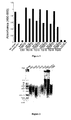
- telomerase+ GSCs Five of these glioma stem-like cultures (referred to as telomerase+ GSCs) displayed significant levels of telomerase activity, whereas this activity was undetectable in one, TG20 cells, isolated from a GBM at second relapse in a 38 year-old patient ( Fig. 1 ).
- ALT The molecular basis of ALT is not yet known in detail, but involves telomere-telomere recombination (20-21), which leads to a unique pattern of telomere length heterogeneity.
- TG20 telomere length distribution resembles that of SAOS-2 cells, a well-known ALT osteosarcoma cell line (22), with long and heterogeneous telomere lengths (2 to 50 Kbs), whereas the telomerase+ GSCs showed the typical short and homogeneous telomeres of tumoral cells expressing telomerase, as the glioma cell line T98G used as control.
- telomere lengths of TG20 cells was further confirmed by Telo-FISH on metaphase chromosomes, showing strong heterogeneity in telomeric signals at chromatid ends, compared to telomerase+ GSCs. Moreover, TG20 cells showed abundant extrachromosomic telomeric DNA, another characteristic of ALT cells (23-24).
- ALT cells are known to exhibit ALT-associated promyelocytic leukemia (PML) nuclear bodies (APBs), containing (TTAGGG)n DNA and telomere-specific binding proteins.
- APBs are a subset of PML bodies, present only in ALT cells and not found in telomerase positive cells (25).
- Colocalization of telomeric DNA and PML bodies confirmed the ALT phenotype of TG20 cells, whereas no colocalization was found in any of the telomerase+ glioma cultures.
- the inventors further performed an in situ analysis of the tumour sample from which TG20 were isolated to determine whether the original tumour presented also the ALT phenotype. Results showed the colocalization between telomeric DNA and PML bodies in tumour cells, indicating the ALT status of this GBM, and therefore that the ALT phenotype of TG20 cells is not a culture artefact but mirrors the ALT status of the original tumor.
- TG20 cells have the properties of cancer stem cells
- the inventors also examined the cancer stem cell potential of TG20 cells.
- GSCs The generally accepted criteria for GSCs are the ability to self-renew in defined stem cell culture conditions, the expression of normal neural stem cell markers, ability to generate differentiated progeny, and finally the capacity to initiate brain tumours in immunodeficient mice (4-5, 26-28).
- TG20 cells have been grown for more than 70 passages as neurospheres, ie. in medium containing EGF and FGF2 as source of growth factors, which allows the proliferation of stem and progenitor cells (29). They showed a constant rate of proliferation with a population doubling time of 9.07 ⁇ 0.83 days (calculated from 16 passages), being on the range of the other telomerase+ GSC cultures involved in this study (ranging from 3.78 to 11.96 days).
- TG20 neurospheres contained 10% long-term colony-initiating cells.
- TG20 cells have self-renewing capacity and thus that the ALT mechanism is able to confer, like telomerase activity, long-term proliferation capacity to glioma cells cultured in stem cell conditions.
- TG20 cells showed strong nuclear expression of Sox2, a transcription factor present in neural stem and progenitor cells during development and throughout adulthood and whose expression has been reported in GSCs (30).
- CD133 has been proposed as a marker of GSCs (5, 8), but several examples of GSCs lacking CD133 expression have been already reported (31-32).
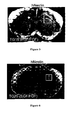
- mice were sacrificed, revealing large numbers of engrafted human Nestin immunoreactive cells that had infiltrated the host brain in the case of TG18 cells ( Fig. 5 ), whereas animals injected with TG20 cells presented infiltrations of a much lesser extension and cells remained mainly near the injection site ( Fig. 6 ).
- TG20 cells lost the expression of stem cell markers and acquired the protein expression profile found on differentiated cells ( Fig. 3 ).
- GSCs differentiated by culturing in the presence of FBS lose their capacity to form intracranial tumors (26). Accordingly, the inventors tested if that was the case of TG20 cells. As can be clearly seen in Fig. 7 , no human Nestin positive cells were found 2 months after injecting 100,000 TG20 cells grown for 7 days in the presence of FBS, which clearly confirms that in this situation they lose their tumorigenic potential.
- ALT glioma GSCs TG20 cells are more radiation resistant than their telomerase + counterparts
- GSCs have been proposed to be responsible of repopulation of gliomas after chemo or radiotherapy (8, 39-40).
- the inventors therefore compared the effect of gamma radiation on TG20 cells and on the 5 telomerase+ GSC cultures used in this work in order to determine whether the ALT mechanism could interfere with radiation response.
- Cells cultured in adherent conditions as previously described (28) were irradiated with increasing doses of gamma rays from 2 to 10 Gy, 24 hrs after seeding (4,000 cells/well) on laminin-coated wells, and cell viability was measured 5 and 10 days after irradiation using the WST1 assay.
- the inventors report the identification and characterization of the first cancer stem cell culture maintaining their telomeres by an alternative mechanism to telomerase.
- TG20 cells fulfill the widely accepted criteria for glioma stem cells: 1) capacity to proliferate in vitro in stem cell culture conditions, 2) expression of normal neural stem cell markers, 3) differentiation capacity and 4) initiation of intracranial tumours when injected in immunodeficient mice.
- TG20 cells induced slowly progressing tumours in animals respect to telomerase+ counterparts.
- ALT gliomas may also contain a subpopulation of GSC as already shown for telomerase+ gliomas (18, 41), which is important for understanding the development of this type of tumours.
- TG20 cells are the first cultured cell model for ALT glioma, since no ALT glioma-derived cell line had been described before. Their capacity to initiate tumours in mice, establishing the first animal model of ALT glioma could be useful to develop specific therapeutic approaches.
- GSCs have been reported to be resistant to radiation because of preferential activation of DNA repair pathways compared to differentiated cancer cells, a process involving ATM, Rad17, Chk1 and Chk2 (8).
- the possible changes in cellular radiation response due to the activation of ALT pathway have been poorly investigated.
- ALT GSC could be distinguished from telomerase+ GSCs by increased resistance to radiation, indicating that ALT mechanisms may directly affect therapeutic efficiency.
- ALT phenotype of glioma tends to be associated both with a better prognosis as discussed above (16) and that ALT GSCs exhibit a greater resistance to treatment than telomerase + GSCs.
- aggressiveness and resistance to treatment are not necessarily linked. ALT mechanisms are presumably less efficient than telomerase to maintain telomeres, which thus could reduce the aggressiveness of tumours, whereas ALT could confer GSC a better resistance, consistently with TG20 cells being isolated from a third resection.
- telomeres Relative radiation resistance of TG20 suggests that radiation-induced double-strand breaks (DSB) are processed differently in ALT cells compared to telomerase+ cells, which has been poorly investigated to date.
- ALT mechanism is dependent on homologous recombination at telomeres (for review see (21)). It is still unclear whether increased recombination activity occurs only at telomeres, since some minisatellite instability was found in ALT cells (42). However, against this hypothesis, no increase in sister chromatid exchange was observed elsewhere in the genome of ALT cells (43-44) and no increased activity has been reported using a recombination reporter assay (43).
- ALT cells present a spontaneous occurrence of telomeric DNA damage response (DDR) in the absence of chromosome fusions, differing in that from non-ALT cells (45).
- Cesare and Reddel (21) have proposed that ALT cells repress covalent ligation of telomeres eliciting DDR.
- TG20 as a new model of ALT cancer stem cells, will be useful for the improvement of the knowledge on the ALT mechanism and may thus help in the development of new therapeutic approaches in the treatment of ALT gliomas.
- Table I Characteristics of patient tumors that generated neurosphere cultures used Patient Information GSC culture Sex Age (yr) Diagnosis according to Saint-Anne Hospital classification (49) Diagnosis according to WHO classification (48) Treatment prior surgery OB1 F 76 MGNT Oligoastrocytoma grade III None TG1N M 68 MGNT GBM None TG10 M 25 MGNT Giant cell GBM None TG16 M 67 MGNT Giant cell GBM None TG18 F 55 MGNT GBM None TG20 M 38 MGNT relapse GBM relapse STUPP. 3 years prior relapse
Landscapes
- Health & Medical Sciences (AREA)
- Engineering & Computer Science (AREA)
- Life Sciences & Earth Sciences (AREA)
- Biomedical Technology (AREA)
- Zoology (AREA)
- Chemical & Material Sciences (AREA)
- Biotechnology (AREA)
- Organic Chemistry (AREA)
- Bioinformatics & Cheminformatics (AREA)
- Genetics & Genomics (AREA)
- Wood Science & Technology (AREA)
- Cell Biology (AREA)
- Biochemistry (AREA)
- General Engineering & Computer Science (AREA)
- General Health & Medical Sciences (AREA)
- Microbiology (AREA)
- Developmental Biology & Embryology (AREA)
- Oncology (AREA)
- Neurology (AREA)
- Neurosurgery (AREA)
- Measuring Or Testing Involving Enzymes Or Micro-Organisms (AREA)
- Medicines Containing Material From Animals Or Micro-Organisms (AREA)
- Medicines That Contain Protein Lipid Enzymes And Other Medicines (AREA)
- Micro-Organisms Or Cultivation Processes Thereof (AREA)
Abstract
Description
- The present invention relates to a glioma stem cell population, methods for obtaining a glioma stem cell population and to the use of said glioma stem cell population.
- Glioblastoma multiforme (GBM) is the most aggressive form of brain tumours with extremely poor prognosis (1). At present, radiotherapy remains a primary treatment for this malignancy. Nevertheless, even combined with surgery, the median survival of patients with GBM is less than 1 year (2), and this prognosis has not been significantly improved in the last 20 years (3).
- Recently, stem-like cells have been evidenced in gliomas (Glioma Stem-like cells, GSCs) (4-5). These cells share characteristics with normal neural stem cells, such as the capacity for self-renewal and long-term proliferation, the formation of neurospheres and the ability to differentiate into multiple nervous system lineages. However, GSCs are different from normal neural stem cells in that the former express aberrantly differentiation markers, have abnormal karyotypes and are capable to form tumours when injected into immunodeficient mouse brain (5-6).
- According to the current paradigm, GSCs are proposed to be highly radioresistant (7) and to survive to radiotherapy, repopulating the tumour afterwards (8).
- It would therefore be highly advantageous to target these GSCs in order to prevent relapse of GBM in individuals.
- Telomeres are specialized DNA-protein complexes found at the end of chromosomes and in humans they consist of linear tandem arrays of TTAGGG repeats ending in a single stranded G-rich 3' overhang that contributes to a higher-order terminal loop structure, the t loop. Together with their associated proteins, they play a critical role protecting chromosomes from end degradation and end-to-end fusions, and are essential for genomic integrity (9). A loss of telomeric DNA is found with each cell division in most somatic cells, mainly due to the end replication problem. Since short telomeres drive eukaryotic cells into replicative senescence, the maintenance of functional telomeres is crucial for continued proliferation. To circumvent this problem, cells maintain their telomeres usually by telomerase activity (10), which is a cellular reverse transcriptase that adds new telomere repeats onto the telomeres. Telomerase activity is found in germ cells, and in somatic stem and progenitor cells, but is lost during differentiation (11-12). Reactivation of telomere elongation activity is thought to be the most conspicuous feature of cancer cells, representing an obligate requirement for uncontrolled tumour growth. Nevertheless, it has been found that some cancer cells proliferate despite showing no discernible telomerase activity. Some of these cells employ a different telomere maintenance mechanism, termed alternative lengthening of telomeres (ALT) (13), which is a recombination mediated-telomerase independent-DNA replication process. About 10% of human cancers show the ALT phenotype, being abundant in sarcomas of mesenchymal origin and very rare in epithelial carcinomas (14).
- It has been recently postulated that the stem cell potential of GSC would necessarily be associated with reactivation of telomerase as in normal neural stem cells, which has lead to the use of primary human glioblastoma tumor-initiating cells presenting a telomerase activity for testing the therapeutic efficiency of putative anti-glioblastoma drugs (18). However, complete eradication of glioblastoma multiforme using treatments deriving from such a screening.has not been demonstrated yet. Indeed, it has not been shown that such GSCs were representative of the glioblastoma cells responsible for the frequent post-treatment glioblastoma multiforme relapse. Accordingly, alternative models are still needed.
- The present invention arises from the unexpected isolation and characterization, by the inventors, of adult human glioma stem cells (GSCs) maintaining their telomeres by an ALT pathway. Unexpectedly also, the inventors have found that the GSCs of the invention were more resistant to ionizing irradiation than GSCs presenting a telomerase activity. The GSCs of the invention are thus particularly advantageous in that they provide a model for radiation-resistant GSCs likely to be responsible for glioblastoma multiforme relapse.
- Accordingly, the present invention relates to a glioma stem cell (GSC) population, wherein the glioma stem cells of the population do not present a telomerase activity.
- The present invention also relates to a method for obtaining a glioma stem cell population, comprising:
- culturing cells dissociated from a glioma tumor sample obtained from an individual, in a neural stem cell culture medium comprising epidermal growth factor (EGF) and fibroblast growth factor 2 (FGF-2) to obtain neurosphere populations;
- determining that the tumor sample or the cells dissociated from the tumor sample do not present a telomerase activity and/or selecting a neurosphere population which do not present a telomerase activity;
- The present invention also relates to a glioma stem cell population according to the invention which is obtainable by the method for obtaining a glioma stem cell population of the invention.
- The present invention further relates to a glioma stem cell population according to the invention for use in the generation of glioblastoma tumors in an animal. The present invention also relates to a method for generating gliobastoma tumors in an animal, comprising administering an effective quantity of a glioma stem cell population according to the invention to the animal.
- The present invention also relates to an animal harboring glioblastoma tumors generated from the administration of a glioma stem cell population according to the invention.
- The invention further relates to the use, in particular the in vitro or ex vivo use, of a glioma stem cell population according to the invention, for screening anti-glioblastoma or anti-ALT treatments. The present invention also relates to a method for screening anti-glioblastoma or anti-ALT treatments, comprising administering a glioblastoma or an ALT candidate treatment to an animal harboring glioblastoma tumors according to the invention and determining if the candidate treatment improves the condition of the animal.
- The invention further relates to the use, in particular the in vitro or ex vivo use, of a glioma stem cell population according of the invention for studying ALT mechanism and pathogenesis, in particular for identifying potential biochemical targets of anti-ALT treatment or drugs, and for screening anti-ALT treatments.
- The present invention also relates to a pharmaceutical composition, in particular a vaccine composition, comprising a glioma stem cell population according to the invention as active ingredient, optionally in association with at least one pharmaceutically acceptable carrier.
- The present invention further relates to a glioma stem cell population according to the invention, or a pharmaceutical or vaccine composition as defined above, for use in the prevention or treatment of cancer, in particular of glioblastoma, or for generating anti-glioblastoma antibodies. The present invention also relates to a method for preventing or treating cancer, in particular glioblastoma, in an individual, comprising administering the individual with an effective quantity of a glioma stem cell population according to the invention, or a pharmaceutical or vaccine composition as defined above.
- The present invention also relates to a method for obtaining anti-glioblastoma or anti-glioma stem cells antibodies or antibody-producing cells, comprising extracting the antibodies or the antibody-producing cells from a biological sample, in particular a blood sample, obtained from an animal which has been administered with a glioma stem cell population according to the invention, or a pharmaceutical or vaccine composition as defined above.
- The present invention also relates to the use of a glioma stem cell population according to the invention for obtaining anti-glioblastoma or anti-glioma stem cells compounds, in particular aptamers.
- As intended herein the expression "glioma stem cells" or "GSCs" relates to cells presenting at least one, and preferably all, of: (i) the ability to self-renew in defined stem cell culture conditions, in particular neural stem cell culture conditions, (ii) the expression of normal neural stem cell markers, (iii) the ability to generate a differentiated progeny, and (iv) the capacity to generate brain tumors, in particular gliobastoma tumors, in animals. Glioma stem cells are notably described in references (4)-(5) and (26)-(28).
- A "glioma stem cell population" according to the invention comprises glioma stem cells. Preferably, at least 50%, 60%, 70%, 80%, 90%, or 95%, and more preferably essentially all, of the cells of the glioma stem cell population of the invention are glioma stem cells.
- Preferably, the glioma stem cells of the population according to the invention are human cells. Preferably also, the glioma stem cells of the population according to the invention are adult or non-fetal cells.
- Glioma stem cell populations according to the invention do not present a telomerase activity.
- One of skill in the art is aware of numerous easily implementable methods for determining if a cell population presents a telomerase activity. By way of example, one of skill in the art may monitor telomerase enzymatic activity, telomerase RNA expression quantity, for instance by RT-PCR, or telomerase protein quantity, for instance by ELISA, as is notably described in the following Example.
- Preferably, the glioma stem cells of the population according to the invention display heterogeneous telomere lengths and/or an intracellular colocalization of telomeric DNA and promyelocytic leukemia (PML) nuclear bodies.
- Here again, one of skill in the art can easily determine whether the glioma stem cells of the population according to the invention display heterogeneous telomere lengths and/or an intracellular colocalization of telomeric DNA and promyelocytic leukemia (PML) nuclear bodies.
- By way of example, heterogenous telomere lengths can be evidenced by performing a Southern blotting of telomere restriction fragments using a probe targeting telomeric sequences. Preferably, according to the invention, the length of telomeres as visualized by Southern blotting of telomere restriction fragments is said to be heterogenous if it is similar to that of SAOS-2 cells, a well-known ALT-osteosarcoma cell line notably described in reference (22).
- PML nuclear bodies, in particular ALT-associated PML nuclear bodies are well known to one of skill in the art and are notably described in reference (25). Colocalization of telomeric DNA and promyelocytic leukemia (PML) nuclear bodies may for instance be determined by confocal microscopy.
- Accordingly, the population of glioma stem cells of the invention preferably presents an alternative lengthening of telomeres (ALT). ALT is well known to one of skill in the art and is notably defined in reference (13).
- Preferably, the glioma stem cell population according to the invention is liable to generate glioblastoma tumors upon administration to an animal.
- An animal according to the invention is preferably a non-human animal, more preferably a non-human mammal, such as a mouse, a rat, or a rabbit. Preferably also, the animal according to the invention is an immunocompromised or immunodeficient animal, i.e. an animal having an impaired or non-functional immune system, such as a non-obsese diabetic severe combined immunodeficient (NOD-SCID) mouse, in particular a NOD-SCID-IL2Rγ (NOG) mouse, such as defined in reference (50). Administration, according to the invention, of a population of glioma stem cells according to the invention to an animal according to the invention may notably be performed by an intracranial injection, in particular in the striatum region of the brain of the animal.
- The generation of glioblastoma tumors according to the invention may notably be evidenced by Nestin marking of brain slices of the animal.
- Preferably, the glioma stem cell population according to the invention is such that:
- less than 1% of the glioma stem cells of the population express CD133, and/or
- from 30% to 70% of the glioma stem cells of the population express CD 15, and/or
- more than 90% of the glioma stem cells of the population express Sox2, and/or
- less than 20% of the glioma stem cells of the population express glial fibrillary acidic protein (GFAP), and/or
- less than 20% of the glioma stem cells of the population express microtubule-associated protein 2 (MAP2).
- CD133, CD15, Sox2, GFAP, and MAP2 expression by glioma stem cells of the invention may be measured by numerous methods well-known to one of skill in the art, such as fluorescence-assisted cell sorting using fluorescently labeled antibodies.
- Preferably, the glioma stem cell population according to the invention is the cell line deposited at the Collection Nationale de Culture de Micro-organismes (CNCM), Institut Pasteur, Paris, France, under the Budapest Treaty, on July 30, 2010, under accession number CNCM I-4348.
- One of skill in the art knows many neural stem cell culture media comprising epidermal growth factor (EGF) and fibroblast growth factor 2 (FGF-2). Such a medium is notably described in reference (19). In particular, a neural stem cell culture media comprising epidermal growth factor (EGF) and fibroblast growth factor 2 (FGF-2) according to the invention comprises serum-free DMEM/F12 base medium supplemented with B27 supplement, heparin, and human recombinant epidermal growth factor (EGF) and fibroblast growth factor 2 (FGF-2), both at the final concentration of 20 ng/ml.
- Neurospheres are well-known to one of skill in the art and are notably described in reference (19). Neurospheres are usually defined as free-floating structures generated by neural stem cells or by cells presenting neural stem cells characteristics in vitro. A "neurosphere" according to the invention notably present as a non-adherent cluster of cells, preferably spherical in shape. "Neurosphere populations" according to the invention relates to the neurospheres which are obtained after culturing the cells dissociated from the glioma tumor sample.
- In a preferred embodiment of the method for obtaining a glioma stem cell population according to the invention, the neurosphere populations cultured according to the invention are passaged at least once, more preferably from at least once to at least 30 times, or at least 2, 3, 4, 5, 6, 7, 8, 9, 10, 15, 20, 25, 30, 35, 40, 50, 60, or 70 times. Passaging cells is a technique well known to one of skill in the art and may notably be defined as taking one or more cells from a cell culture and transferring the one or more cells into fresh cell culture medium, i.e. a cell culture medium which has not been used for cultivating cells. The culture duration between two passages can be easily defined by one of skill in the art depending on the type of cells to be cultured; the duration should preferably of a length sufficient to allow the cultured cells to divide, while not being so long as the cell culture medium to become unable to sustain optimal growth or mutliplication of the cultured cells, or the cultured cells to become senescent, for example. Preferably, the culture duration between two consecutive passages is of at least 5 days more preferably at least 6, 7, 8, 9, 10, 11, 12, 13, 14, or 15 days and most preferably of about 11 days.
- In another preferred embodiment, the method for obtaining a glioma stem cell population according to the invention, comprises:
- further determining that the tumor sample or the cells dissociated from the tumor sample display heterogeneous telomere lengths and/or an intracellular colocalization of telomeric DNA and promyelocytic leukemia (PML) nuclear bodies; and/or
- further selecting a neurosphere population displaying heterogeneous telomere lengths and/or an intracellular colocalization of telomeric DNA and promyelocytic leukemia (PML) nuclear bodies.
- In another preferred embodiment of the method for obtaining a glioma stem cell population according to the invention, the individual presents a relapse of a glioblastoma multiforme, in particular at least a third relapse of a glioblastoma multiforme.
- The anti-glioblastoma treatments to be screened according to the invention may be of any type. It is however preferred that they consist in candidate anti-glioblastoma drugs and/or radiations. The efficacy of anti-glioblastoma or anti-ALT treatments can be tested by treating the glioma stem cell population according of the invention in vitro and then assaying for changes in properties of the glioma stem cell population, such as tumor formation, tumor growth, tumor cell proliferation, tumor cell survival, or tumor cell cycle status. Assaying the changes may be performed in vitro or by transplanting the treated glioma stem cell population in a non-human animal, which is then monitored for tumor growth, cancer cell apoptosis, animal survival etc. A similar monitoring of the efficacy of the treatment can be performed when the candidate treatment is administered to an animal harboring glioblastoma tumors according to the invention. Besides, where the anti-glioblastoma or anti-ALT treatments consists of a compound, the compound can be attached to a solid surface as a microarray.
- Besides, as will be clear to one of skill in the art, where the glioma stem cell population of the invention is comprised in a pharmaceutical or vaccine composition according to the invention, or is intended to be used according to the invention, for the prevention or treatment of cancer, or for generating antibodies or obtaining anti-glioblastoma or anti-glioma stem cells compounds, the glioma stem cells of the invention may be inactivated or attenuated, for instance by heating or UV-treatment, and optionally fractionated. Methods for inactivating, attenuating and fractionating cells are well known to one of skill in the art.
- The invention will be further illustrated by the following non-limiting figures and Example.
-
-
Figures 1 and 2 : Determination of TG20 as a cell culture of the ALT type -
Figure 1 represents telomerase activity as determined by PCR/ELISA (see Materials and Methods) in neurosphere cultures 7 days after seeding. -
Figure 2 represents chemoluminescent detection of telomere restriction fragments (TRFs) of the designated cell lines by Southern blot using a dioxigenin labelled telomeric probe. MWM: Molecular Weight Marker. -
Figures 3 and 4 : In vitro expression of stem/differentiated cell markers in human glioma-derived ALT cultures -
Figure 3 represents the quantification of cells expressing different stem cell-differentiation markers for GSCs cultured with EGF/FGF-2 (left column) or 10% fetal bovine serum (FBS). Error bars represent SEM (performed in triplicate, **p<0.005, as determined using Student's t test). -
Figure 4 represents the flow cytometry analysis of neural stem cell surface marker expression on TG20 neurosphere cultures in proliferating conditions, using anti-CD15 antibodies marked with fluoresceine (FITC) and anti-CD133 antibodies marked with Phycoerythrin (PE). -
Figures 5, 6 , and7 : In vivo cancer stem cell properties of human glioma-derived ALT cultures 100,000 cells from the specified adherent cultures were injected stereotaxically in the striatum of NOD-SCID-ILR2γ (NOG) mice. Ten weeks later, animals were sacrificed and the presence of grafted cells visualized by staining with the specified antibodies. -
Figure 5 represents a photograph of a brain slice showing the administration site (white box) of TG18 cells cultured in stem cell conditions, human Nestin staining (n=3). -
Figure 6 represents a photograph of a brain slice showing the administration site (white box) of TG20 cells cultured in stem cell conditions, human Nestin staining (n=4). -
Figure 7 represents a photograph of a brain slice showing the administration site (white box) of TG20 cells cultured in medium containing 10% FBS for seven days before injection, human Nestin staining (n=3). -
Figures 8 and9 : ALT GSC cells are less sensible to irradiation than telomerase+ counterparts Cells of the indicated cultures (4,000 cells/well) were seeded in laminin-coated 96-well. Five (Figure 9 ) and ten (Figure 10) days after irradiation, cell viability was determined by WST-1 assay. Each experimental condition was determined in tetraplicate. Percentages are the average ± SEM of 2 independent experiments. (*p<0.05, **p<0.005, as determined using Student's t test). - Tumour samples were obtained from surgical resections of patients at the Sainte Anne hospital (Paris, France). Patients' informed consent was collected after approval of the Institutional Review Board. All tumors used in this study were diagnosed high-grade glioma (glioblastoma or oligoastrocytoma III), according to the WHO classification or Malignant Glio-Neuronal Tumor (MGNT) (19) according to the Sainte-Anne Hospital classification (Table I).
- Glioma stem-like cells were obtained as previously described (19). Briefly, tumour samples were dissociated to form a single cell suspension, and plated in serum-free DMEM/F12 supplemented with B27 (Invitrogen), heparin (Stem Cell ) and human recombinant epidermal growth factor (EGF) and fibroblast growth factor 2 (FGF-2) (Sigma), both at the final concentration of 20 ng/ml. Neurosphere cultures were then passaged every 11 days by mechanical dissociation to a concentration of 50,000 cells/mL in fresh medium in non-coated T25 or T75 flasks, for 70 consecutive passages. Cell counting was performed by Trypan Blue exclusion.
- In some experiments, as specified in the figure legends, cells were grown in adherence in laminin (Sigma)-coated flasks using the same medium used for neurosphere cultures, as previously described (28).
- For differentiation experiments, cells were cultured in Poly-L-Ornithine (Sigma) coated flasks in DMEM/F12 supplemented with 10% Fetal Bovine Serum (FBS) (Gibco).
- Irradiations were performed using a 137Cs source (IBL637, CIS BIO International) at a dose rate of 0.94 Gy/min in laminin-coated plates, 24 hrs after plating.
- Telomerase activity of neurosphere cultures in exponential growth (7 days after being passaged) was determined using the TRAPeze ELISA Telomerase Detection Kit (Chemicon), following the manufacturer's instructions. Protein concentrations were determined by the Bradford Method (BioRad).
- DNA was purified using DNA Isolation Kit for Cells and Tissues (Roche). Telomere restriction fragments were generated from 2 µg of total DNA by restriction with HinfI and RsaI (Roche). Separation on 0.8% agarose gels and visualization after hybridization with a telomere-specific, digoxigenin-labeled, probe was performed with the TeloTAGGG Telomere Length Assay Kit (Roche), following the manufacturer's instructions.
- Dissociated neurospheres were collected by cytospin onto polylysine-treated glass slides. After 10 minutes of fixation in paraformaldehyde 4%, cells were permeabilized with PBS containing 0.1% Triton X-100 and 0.15% BSA for 5 minutes. Blocking was performed for 1 hour in PBS/7.5% BSA/7.5% FBS/ 0.1 Triton X-100. Cells were incubated overnight at 4°C with anti PML antibody (1/100, Santa Cruz), then incubated with FITC conjugated secondary antibody at room temperature for 1 hour. Hybridization with a telomeric Cyanine-3-conjugated (C3AT2)3 peptide nucleic acid (PNA) probe (Applied Biosystems) complementary to the G-rich telomeric strand was done using standard PNA-FISH procedures (46). Preparations were counterstained with DAPI and image acquisition done by confocal microscopy (DM 2500, Leica). Telomere-fluorescent in situ hybridization (Telo-FISH) was perfomed on metaphase spreads as previously described (47). Tumour biopsies were cryosectioned at 10 µm thickness and telomere/PML colocalization analysis performed as previously described (16), with minor modifications.
- Neurosphere cultures were mechanically disaggregated and stained with anti-CD133-PE (Miltenyi) and anti CD15-FITC (BD Biosciences) antibodies in a ratio of 5 µL of each antibody per 106 cells in a total volume of 100 µL for 30 minutes at 4°C. Isotype controls coupled to the same fluorophores as control antibodies were used in the same way. Data acquisition was performed on FACScalibur (BD Biosciences) and analysed using FlowJo software (Tree Star Inc.). For clonogenic analysis, cells were sorted into 96-well plates (1 cell/well) and analyzed one month later.
- Cells were grown in Lab-Tek II Chambered Coverglass (Nunc), fixed with PFA 4% for 10 minutes at room temperature and permeabilized in Triton X-100 (Sigma) 0.1%. Primary antibodies were applied overnight at 4°C at the following dilutions: Sox2 (1:500, Chemicon), GFAP (1:400, Millipore) 04 (1:200, Millipore), MAP2 (1:100, Chemicon) and CD15 (1:50, BD Pharmingene). Secondary antibodies conjugated to FITC or Rhodamine were applied for 1 hour at room temperature (1:400, Molecular Probes). Preparations were counterstained with DAPI and image acquisition done by confocal microscopy (DM 2500, Leica).
- Glioma Stem cells (GSCs) were injected stereotaxically into 3-4 month-old NOD-SCID-IL2Rγ (NOG) mouse striatum, following administration of general anesthesia. 3 months later, animals were sacrificed and immunofluoresence analysis performed on brain slices using an anti-human Nestin antibody (1:400, R&D Systems) as previously described (28). All animal-related procedures were performed in accordance with the National Institute of Health Guide for the care and use of laboratory animals.
- Although nearly 30% of Glioblastoma multiforme (GBM) have been reported to have an alternative lengthening of telomeres (ALT) phenotype, no glioma cell line activating the ALT pathway has been reported to date.
- The inventors have thus measured telomerase activity using the TRAPeze ELISA Telomerase Detection Kit in glioma cell cultures grown under neural stem cell culture conditions that were isolated from 6 adult human glioma biopsies of unknown telomerase status (Table 1 and (19)).
- Five of these glioma stem-like cultures (referred to as telomerase+ GSCs) displayed significant levels of telomerase activity, whereas this activity was undetectable in one, TG20 cells, isolated from a GBM at second relapse in a 38 year-old patient (
Fig. 1 ). - The molecular basis of ALT is not yet known in detail, but involves telomere-telomere recombination (20-21), which leads to a unique pattern of telomere length heterogeneity.
- Telomeric profile of TG20 cells was thus visualized by TRF Southern blot analysis. As shown in
Fig. 2 , TG20 telomere length distribution resembles that of SAOS-2 cells, a well-known ALT osteosarcoma cell line (22), with long and heterogeneous telomere lengths (2 to 50 Kbs), whereas the telomerase+ GSCs showed the typical short and homogeneous telomeres of tumoral cells expressing telomerase, as the glioma cell line T98G used as control. - Heterogeneous telomere lengths of TG20 cells was further confirmed by Telo-FISH on metaphase chromosomes, showing strong heterogeneity in telomeric signals at chromatid ends, compared to telomerase+ GSCs. Moreover, TG20 cells showed abundant extrachromosomic telomeric DNA, another characteristic of ALT cells (23-24).
- ALT cells are known to exhibit ALT-associated promyelocytic leukemia (PML) nuclear bodies (APBs), containing (TTAGGG)n DNA and telomere-specific binding proteins. APBs are a subset of PML bodies, present only in ALT cells and not found in telomerase positive cells (25). Colocalization of telomeric DNA and PML bodies, determined by confocal microscopy, confirmed the ALT phenotype of TG20 cells, whereas no colocalization was found in any of the telomerase+ glioma cultures.
- Samples of the TG20 cells have been deposited at the Collection Nationale de Culture de Micro-organismes (CNCM), Institut Pasteur, Paris, France, under the Budapest Treaty, on July 30, 2010, under accession number CNCM I-4348.
- The inventors further performed an in situ analysis of the tumour sample from which TG20 were isolated to determine whether the original tumour presented also the ALT phenotype. Results showed the colocalization between telomeric DNA and PML bodies in tumour cells, indicating the ALT status of this GBM, and therefore that the ALT phenotype of TG20 cells is not a culture artefact but mirrors the ALT status of the original tumor.
- Taken together, these results demonstrate that the TG20 cell population is the first culture model described to date of human ALT glioma.
- The inventors also examined the cancer stem cell potential of TG20 cells.
- The generally accepted criteria for GSCs are the ability to self-renew in defined stem cell culture conditions, the expression of normal neural stem cell markers, ability to generate differentiated progeny, and finally the capacity to initiate brain tumours in immunodeficient mice (4-5, 26-28).
- TG20 cells have been grown for more than 70 passages as neurospheres, ie. in medium containing EGF and FGF2 as source of growth factors, which allows the proliferation of stem and progenitor cells (29). They showed a constant rate of proliferation with a population doubling time of 9.07±0.83 days (calculated from 16 passages), being on the range of the other telomerase+ GSC cultures involved in this study (ranging from 3.78 to 11.96 days).
- Finally, clonogenicity assays - performed by seeding one cell per well in 96-well plates - evidenced that TG20 neurospheres contained 10% long-term colony-initiating cells.
- Accordingly, these data demonstrate that TG20 cells have self-renewing capacity and thus that the ALT mechanism is able to confer, like telomerase activity, long-term proliferation capacity to glioma cells cultured in stem cell conditions.
- Immunofluorescence staining of TG20 cells showed strong nuclear expression of Sox2, a transcription factor present in neural stem and progenitor cells during development and throughout adulthood and whose expression has been reported in GSCs (30).
- By contrast, flow cytometry analysis did not allow the detection of CD133 expression by TG20 cells (
Fig. 4 ). CD133 has been proposed as a marker of GSCs (5, 8), but several examples of GSCs lacking CD133 expression have been already reported (31-32). - Recently, Son et al. (33) have proposed CD15 as a more reliable GSC marker. The inventors found that approximately 40-60 % of TG20 cells expressed CD15 by flow cytometry and immunofluorescence assay (
Fig. 3 and 4 ). - Altogether the data obtained by the inventors show that TG20 cells expressed neural stem cells markers such as Sox2 and CD15.
- Withdrawal of FGF2 and EGF and/or addition of 10% fetal bovine serum in culture medium induce the differentiation of GSCs (26, 34-37). As shown in
Fig. 3 , in these conditions, TG20 cells lost Sox2 and CD15 expression. Conversely, most cells acquired the expression of both GFAP (87.58±4.1%) and MAP2 (92.45±1.19%), astrocyte and neuron markers, respectively, that were not detected in TG20 cells cultured in stem cell medium. No 04 expression, a marker of oligodendrocytes, was found in both conditions. TG20 cells are thus able to differentiate in cells expressing both astrocyte and neuron markers, loosing at the same time stem cell markers, an important feature of GSCs (28, 35, 38). - Finally, to test the capacity of TG20 cells to form tumors, intracranial transplantation was carried out into immuno-compromised NOD-SCID-IL2Rg (NOG) mice (Jackson Laboratories). The inventors injected 100,000 cells from TG18 (Telomerase+) and TG20 (ALT) cultures expanded in stem cell conditions.
- In vitro, both cultures presented similar population doubling times (11.75±0.54 days for TG18 versus 9.07±0.83 days for TG20). Ten weeks after injection, mice were sacrificed, revealing large numbers of engrafted human Nestin immunoreactive cells that had infiltrated the host brain in the case of TG18 cells (
Fig. 5 ), whereas animals injected with TG20 cells presented infiltrations of a much lesser extension and cells remained mainly near the injection site (Fig. 6 ). - As shown above, when cultured in the presence of FBS, TG20 cells lost the expression of stem cell markers and acquired the protein expression profile found on differentiated cells (
Fig. 3 ). - It has been shown that GSCs differentiated by culturing in the presence of FBS lose their capacity to form intracranial tumors (26). Accordingly, the inventors tested if that was the case of TG20 cells. As can be clearly seen in
Fig. 7 , no human Nestin positive cells were found 2 months after injecting 100,000 TG20 cells grown for 7 days in the presence of FBS, which clearly confirms that in this situation they lose their tumorigenic potential. - Taken together, the above results demonstrate that TG20 cells displayed the potential of GSCs according to the current paradigm.
- GSCs have been proposed to be responsible of repopulation of gliomas after chemo or radiotherapy (8, 39-40).
- The inventors therefore compared the effect of gamma radiation on TG20 cells and on the 5 telomerase+ GSC cultures used in this work in order to determine whether the ALT mechanism could interfere with radiation response.
- Cells cultured in adherent conditions as previously described (28) were irradiated with increasing doses of gamma rays from 2 to 10 Gy, 24 hrs after seeding (4,000 cells/well) on laminin-coated wells, and cell viability was measured 5 and 10 days after irradiation using the WST1 assay.
- Results showed that TG20 cells were significantly more radio-resistant in comparison with the 5 telomerase+ GSCs. The effect could be seen starting from 5 Gy at 5 days post-irradiation and at all doses considered (from 2 to 10 Gy) 10 days post-irradiation (
Fig. 8 and9 ). - In the present work, the inventors report the identification and characterization of the first cancer stem cell culture maintaining their telomeres by an alternative mechanism to telomerase.
- Moreover, TG20 cells fulfill the widely accepted criteria for glioma stem cells: 1) capacity to proliferate in vitro in stem cell culture conditions, 2) expression of normal neural stem cell markers, 3) differentiation capacity and 4) initiation of intracranial tumours when injected in immunodeficient mice.
- Therefore, these data show that the capacity to sustain long-term proliferation of cancer stem cells does not necessarily require telomerase activity, contrary to normal stem cells, but may also involve the ALT pathway.
- The original tumour from which TG20 cells were obtained had an ALT phenotype, as nearly 30% of glioblastomas (15-16). Interestingly, this was a third resection of an original tumour that had been diagnosed 2 years before surgery (Table 1).
- Furthermore, the inventors have shown that TG20 cells induced slowly progressing tumours in animals respect to telomerase+ counterparts. These data are thus consistent with the proposal of the ALT mechanism being an indicator of better prognosis of gliomas (16).
- The obtained results thus demonstrates that ALT gliomas may also contain a subpopulation of GSC as already shown for telomerase+ gliomas (18, 41), which is important for understanding the development of this type of tumours.
- Furthermore, TG20 cells are the first cultured cell model for ALT glioma, since no ALT glioma-derived cell line had been described before. Their capacity to initiate tumours in mice, establishing the first animal model of ALT glioma could be useful to develop specific therapeutic approaches.
- A growing body of evidence suggests that cancer stem cells are major therapeutic targets (39). GSCs have been reported to be resistant to radiation because of preferential activation of DNA repair pathways compared to differentiated cancer cells, a process involving ATM, Rad17, Chk1 and Chk2 (8). The possible changes in cellular radiation response due to the activation of ALT pathway have been poorly investigated.
- It is shown here that ALT GSC could be distinguished from telomerase+ GSCs by increased resistance to radiation, indicating that ALT mechanisms may directly affect therapeutic efficiency.
- It may appear somewhat paradoxical that ALT phenotype of glioma tends to be associated both with a better prognosis as discussed above (16) and that ALT GSCs exhibit a greater resistance to treatment than telomerase + GSCs. However, aggressiveness and resistance to treatment are not necessarily linked. ALT mechanisms are presumably less efficient than telomerase to maintain telomeres, which thus could reduce the aggressiveness of tumours, whereas ALT could confer GSC a better resistance, consistently with TG20 cells being isolated from a third resection.
- Relative radiation resistance of TG20 suggests that radiation-induced double-strand breaks (DSB) are processed differently in ALT cells compared to telomerase+ cells, which has been poorly investigated to date. ALT mechanism is dependent on homologous recombination at telomeres (for review see (21)). It is still unclear whether increased recombination activity occurs only at telomeres, since some minisatellite instability was found in ALT cells (42). However, against this hypothesis, no increase in sister chromatid exchange was observed elsewhere in the genome of ALT cells (43-44) and no increased activity has been reported using a recombination reporter assay (43). It has been recently shown that ALT cells present a spontaneous occurrence of telomeric DNA damage response (DDR) in the absence of chromosome fusions, differing in that from non-ALT cells (45). Cesare and Reddel (21) have proposed that ALT cells repress covalent ligation of telomeres eliciting DDR.
- Further cytogenetic studies should investigate whether such mechanisms could interfere with DDR elicited by radiation-induced DSB in TG20 cells, repressing the generation of lethal chromosome aberrations.
- TG20, as a new model of ALT cancer stem cells, will be useful for the improvement of the knowledge on the ALT mechanism and may thus help in the development of new therapeutic approaches in the treatment of ALT gliomas.
Table I. Characteristics of patient tumors that generated neurosphere cultures used Patient Information GSC culture Sex Age (yr) Diagnosis according to Saint-Anne Hospital classification (49) Diagnosis according to WHO classification (48) Treatment prior surgery OB1 F 76 MGNT Oligoastrocytoma grade III None TG1N M 68 MGNT GBM None TG10 M 25 MGNT Giant cell GBM None TG16 M 67 MGNT Giant cell GBM None TG18 F 55 MGNT GBM None TG20 M 38 MGNT relapse GBM relapse STUPP. 3 years prior relapse -
- 1. Furnari FB, et al. (2007) Malignant astrocytic glioma: genetics, biology, and paths to treatment. Genes Dev 21(21):2683-2710.
- 2. Laperriere N, Zuraw L, & Cairncross G (2002) Radiotherapy for newly diagnosed malignant glioma in adults: a systematic review. Radiother Oncol 64(3):259-273.
- 3. Zhu Y & Parada LF (2002) The molecular and genetic basis of neurological tumours. Nat Rev Cancer 2(8):616-626.
- 4. Galli R, et al. (2004) Isolation and characterization of tumorigenic, stem-like neural precursors from human glioblastoma. Cancer Res 64(19):7011-7021.
- 5. Singh SK, et al. (2004) Identification of human brain tumour initiating cells. Nature 432(7015):396-401.
- 6. Singh SK, et al. (2003) Identification of a cancer stem cell in human brain tumors. Cancer Res 63(18):5821-5828.
- 7. Rich JN (2007) Cancer stem cells in radiation resistance. Cancer Res 67(19):8980-8984.
- 8. Bao S, et al. (2006) Glioma stem cells promote radioresistance by preferential activation of the DNA damage response. Nature 444(7120):756-760.
- 9. de Lange T (2002) Protection of mammalian telomeres. Oncogene 21(4):532-540.
- 10. Greider CW & Blackburn EH (1985) Identification of a specific telomere terminal transferase activity in Tetrahymena extracts. Cell 43(2 Pt 1):405-413.
- 11. Klapper W, Shin T, & Mattson MP (2001) Differential regulation of telomerase activity and TERT expression during brain development in mice. J Neurosci Res 64(3):252-260.
- 12. Kruk PA, Balajee AS, Rao KS, & Bohr VA (1996) Telomere reduction and telomerase inactivation during neuronal cell differentiation. Biochem Biophys Res Commun 224(2):487-492.
- 13. Bryan TM, Englezou A, Gupta J, Bacchetti S, & Reddel RR (1995) Telomere elongation in immortal human cells without detectable telomerase activity. EMBO J 14(17):4240-4248.
- 14. Henson JD, Neumann AA, Yeager TR, & Reddel RR (2002) Alternative lengthening of telomeres in mammalian cells. Oncogene 21(4):598-610.
- 15. Hakin-Smith V, et al. (2003) Alternative lengthening of telomeres and survival in patients with glioblastoma multiforme. Lancet 361(9360):836-838.
- 16. Henson JD, et al. (2005) A robust assay for alternative lengthening of telomeres in tumors shows the significance of alternative lengthening of telomeres in sarcomas and astrocytomas. Clin Cancer Res 11(1):217-225.
- 17. Chen YJ, et al. (2006) Association of mutant TP53 with alternative lengthening of telomeres and favorable prognosis in glioma. Cancer Res 66(13):6473-6476.
- 18. Marian CO, et al. (2010) The telomerase antagonist, imetelstat, efficiently targets glioblastoma tumor-initiating cells leading to decreased proliferation and tumor growth. Clin Cancer Res 16(1):154-163.
- 19. Patru C, et al. (2010) CD133, CD15/SSEA-1, CD34 or side populations do not resume tumor-initiating properties of long-term cultured cancer stem cells from human malignant glio-neuronal tumors. BMC Cancer 10:66.
- 20. Dunham MA, Neumann AA, Fasching CL, & Reddel RR (2000) Telomere maintenance by recombination in human cells. Nat Genet 26(4):447-450.
- 21. Cesare AJ & Reddel RR (2010) Alternative lengthening of telomeres: models, mechanisms and implications. Nat Rev Genet 11 (5):319-330.
- 22. Bryan TM, Englezou A, Dalla-Pozza L, Dunham MA, & Reddel RR (1997) Evidence for an alternative mechanism for maintaining telomere length in human tumors and tumor-derived cell lines. Nat Med 3(11):1271-1274.
- 23. Cesare AJ & Griffith JD (2004) Telomeric DNA in ALT cells is characterized by free telomeric circles and heterogeneous t-loops. Mol Cell Biol 24(22):9948-9957.
- 24. Wang RC, Smogorzewska A, & de Lange T (2004) Homologous recombination generates T-loop-sized deletions at human telomeres. Cell 119(3):355-368.
- 25. Yeager TR, et al. (1999) Telomerase-negative immortalized human cells contain a novel type of promyelocytic leukemia (PML) body. Cancer Res 59(17):4175-4179.
- 26. Lee J, et al. (2006) Tumor stem cells derived from glioblastomas cultured in bFGF and EGF more closely mirror the phenotype and genotype of primary tumors than do serum-cultured cell lines. Cancer Cell 9(5):391-403.
- 27. Piccirillo SG, et al. (2006) Bone morphogenetic proteins inhibit the tumorigenic potential of human brain tumour-initiating cells. Nature 444(7120):761-765.
- 28. Pollard SM, et al. (2009) Glioma stem cell lines expanded in adherent culture have tumor-specific phenotypes and are suitable for chemical and genetic screens. Cell Stem Cell 4(6):568-580.
- 29. Reynolds BA & Weiss S (1992) Generation of neurons and astrocytes from isolated cells of the adult mammalian central nervous system. Science 255(5052):1707-1710.
- 30. Hemmati HD, et al. (2003) Cancerous stem cells can arise from pediatric brain tumors. Proc Natl Acad Sci U S A 100(25):15178-15183.
- 31. Beier D, et al. (2007) CD133(+) and CD133(-) glioblastoma-derived cancer stem cells show differential growth characteristics and molecular profiles. Cancer Res 67(9):4010-4015.
- 32. Chen R et al. (2010) A hierarchy of self-renewing tumor-initiating cell types in glioblastoma. Cancer Cell 17(4):362-375.
- 33. Son MJ, Woolard K, Nam DH, Lee J, & Fine HA (2009) SSEA-1 is an enrichment marker for tumor-initiating cells in human glioblastoma. Cell Stem Cell 4(5):440-452.
- 34. Gage FH, Ray J, & Fisher LJ (1995) Isolation, characterization, and use of stem cells from the CNS. Annu Rev Neurosci 18:159-192.
- 35. Lee J, et al. (2008) Epigenetic-mediated dysfunction of the bone morphogenetic protein pathway inhibits differentiation of glioblastoma-initiating cells. Cancer Cell 13(1):69-80.
- 36. McKay R (1997) Stem cells in the central nervous system. Science 276(5309):66-71.
- 37. Nakano I & Kornblum HI (2006) Brain tumor stem cells. Pediatr Res 59(4 Pt 2):54R-58R.
- 38. Wurdak H, et al. (2010) An RNAi screen identifies TRRAP as a regulator of brain tumor-initiating cell differentiation. Cell Stem Cell 6(1):37-47.
- 39. Frank NY, Schatton T, & Frank MH (2010) The therapeutic promise of the cancer stem cell concept. J Clin Invest 120(1):41-50.
- 40. Zhou BB, et al. (2009) Tumour-initiating cells: challenges and opportunities for anticancer drug discovery. Nat Rev Drug Discov 8(10):806-823.
- 41. Shervington A, Lu C, Patel R, & Shervington L (2009) Telomerase downregulation in cancer brain stem cell. Mol Cell Biochem 331(1-2):153-159.
- 42. Jeyapalan JN, et al. (2005) Activation of the ALT pathway for telomere maintenance can affect other sequences in the human genome. Hum Mol Genet 14(13):1785-1794.
- 43. Bechter OE, Shay JW, & Wright WE (2004) The frequency of homologous recombination in human ALT cells. Cell Cycle 3(5):547-549.
- 44. Londono-Vallejo JA, Der-Sarkissian H, Cazes L, Bacchetti S, & Reddel RR (2004) Alternative lengthening of telomeres is characterized by high rates of telomeric exchange. Cancer Res 64(7):2324-2327.
- 45. Cesare AJ, et al. (2009) Spontaneous occurrence of telomeric DNA damage response in the absence of chromosome fusions. Nat Struct Mol Biol 16(12):1244-1251.
- 46. Pennarun G, et al. (2008) Role of ATM in the telomere response to the G-quadruplex ligand 360A. Nucleic Acids Res 36(5):1741-1754.
- 47. Pennarun G, et al. (2010) ATR contributes to telomere maintenance in human cells. Nucleic Acids Res 38(9):2955-2963.
- 48. Varlet P, et al. (2004) New variants of malignant glioneuronal tumors: a clinicopathological study of 40 cases. Neurosurgery 55(6):1377-1391: discussion 1391-1372.
- 49. Louis DN, et al. (2007) The 2007 WHO classification of tumours of the central nervous system. Acta Neuropathol 114(2):97-109.
- 50. Pearson et al. (2008) Curr Top Microbiol Immunol. 324:25-51
Claims (15)
- A glioma stem cell (GSC) population, wherein the glioma stem cells of the population do not present a telomerase activity.
- The glioma stem cell population according to claim 1, wherein the glioma stem cells of the population display heterogeneous telomere lengths and/or an intracellular colocalization of telomeric DNA and promyelocytic leukemia (PML) nuclear bodies.
- The glioma stem cell population according to claim 1 or 2, wherein the population is liable to generate glioblastoma tumors upon administration to an animal.
- The glioma stem cell population according to any of claims 1 to 3, wherein less than 1% of the glioma stem cells of the population express CD133.
- The glioma stem cell population according to any of claims 1 to 4, wherein from 30% to 70% of the glioma stem cells of the population express CD 15.
- The glioma stem cell population according to any of claims 1 to 5, wherein more than 90% of the glioma stem cells of the population express Sox2.
- The glioma stem cell population according to any of claims 1 to 6, deposited at the Collection Nationale de Culture de Micro-organismes (CNCM), Institut Pasteur, Paris, France, under the Budapest Treaty, on July 30, 2010, under accession number CNCM I-4348.
- A method for obtaining a glioma stem cell population, comprising:- culturing cells dissociated from a glioma tumor sample obtained from an individual, in a neural stem cell culture medium comprising epidermal growth factor (EGF) and fibroblast growth factor 2 (FGF-2) to obtain neurosphere populations;- determining that the tumor sample or the cells dissociated from the tumor sample do not present a telomerase activity and/or selecting a neurosphere population which do not present a telomerase activity;thereby obtaining a glioma stem cell population.
- The method of claim 8, wherein the neurosphere populations are passaged at least once.
- The method according to claim 8 or 9, comprising:- further determining that the tumor sample or the cells dissociated from the tumor sample display heterogeneous telomere lengths and/or an intracellular colocalization of telomeric DNA and promyelocytic leukemia (PML) nuclear bodies; and/or- further selecting a neurosphere population displaying heterogeneous telomere lengths and/or an intracellular colocalization of telomeric DNA and promyelocytic leukemia (PML) nuclear bodies.
- The method according to any of claims 8 to 10, wherein the individual presents a relapse of a glioblastoma multiforme.
- The glioma stem cell population according to any of claims 1 to 7, which is obtainable by the method according to any of claims 8 to 11.
- The glioma stem cell population according to any of claims 1 to 7 and 12, for use in the generation of glioblastoma tumors in an animal.
- A non-human animal harboring glioblastoma tumors generated from the administration of a glioma stem cell population according to any of claims 1 to 7 and 12.
- The use of a glioma stem cell population as defined in any of claims 1 to 7 and 12, for screening anti-glioblastoma treatments.
Priority Applications (4)
| Application Number | Priority Date | Filing Date | Title |
|---|---|---|---|
| EP10290606A EP2453011A1 (en) | 2010-11-12 | 2010-11-12 | Glioma stem cells and methods for obtaining them |
| US13/884,488 US20130263295A1 (en) | 2010-11-12 | 2011-08-11 | Glioma Stem Cells and Methods for Obtaining Them |
| PCT/IB2011/053585 WO2012063139A1 (en) | 2010-11-12 | 2011-08-11 | Glioma stem cells and methods for obtaining them |
| EP11754744.8A EP2638148B1 (en) | 2010-11-12 | 2011-08-11 | Glioma stem cells and methods for obtaining them |
Applications Claiming Priority (1)
| Application Number | Priority Date | Filing Date | Title |
|---|---|---|---|
| EP10290606A EP2453011A1 (en) | 2010-11-12 | 2010-11-12 | Glioma stem cells and methods for obtaining them |
Publications (1)
| Publication Number | Publication Date |
|---|---|
| EP2453011A1 true EP2453011A1 (en) | 2012-05-16 |
Family
ID=43640066
Family Applications (2)
| Application Number | Title | Priority Date | Filing Date |
|---|---|---|---|
| EP10290606A Withdrawn EP2453011A1 (en) | 2010-11-12 | 2010-11-12 | Glioma stem cells and methods for obtaining them |
| EP11754744.8A Not-in-force EP2638148B1 (en) | 2010-11-12 | 2011-08-11 | Glioma stem cells and methods for obtaining them |
Family Applications After (1)
| Application Number | Title | Priority Date | Filing Date |
|---|---|---|---|
| EP11754744.8A Not-in-force EP2638148B1 (en) | 2010-11-12 | 2011-08-11 | Glioma stem cells and methods for obtaining them |
Country Status (3)
| Country | Link |
|---|---|
| US (1) | US20130263295A1 (en) |
| EP (2) | EP2453011A1 (en) |
| WO (1) | WO2012063139A1 (en) |
Cited By (2)
| Publication number | Priority date | Publication date | Assignee | Title |
|---|---|---|---|---|
| CN103966168A (en) * | 2014-05-19 | 2014-08-06 | 广州恒迪生物科技有限公司 | Tumor living tissue in-vitro culture system and culture method |
| CN104630140A (en) * | 2013-11-06 | 2015-05-20 | 吉林济惠生物科技有限公司 | Isolation and culture method of placenta mesenchyma precursor stem cells |
Families Citing this family (2)
| Publication number | Priority date | Publication date | Assignee | Title |
|---|---|---|---|---|
| CN107174657A (en) * | 2016-03-10 | 2017-09-19 | 吉林大学 | Prepare the method for the antigen composition of targeting glioma and glioma stem cells and the vaccine containing the antigen composition |
| CN115521916A (en) * | 2022-10-11 | 2022-12-27 | 中国人民解放军中部战区总医院 | Culture and identification method of primary tumor stem cells of human glioblastoma |
-
2010
- 2010-11-12 EP EP10290606A patent/EP2453011A1/en not_active Withdrawn
-
2011
- 2011-08-11 EP EP11754744.8A patent/EP2638148B1/en not_active Not-in-force
- 2011-08-11 US US13/884,488 patent/US20130263295A1/en not_active Abandoned
- 2011-08-11 WO PCT/IB2011/053585 patent/WO2012063139A1/en not_active Ceased
Non-Patent Citations (57)
| Title |
|---|
| BAO S ET AL.: "Glioma stem cells promote radioresistance by preferential activation of the DNA damage response", NATURE, vol. 444, no. 7120, 2006, pages 756 - 760 |
| BECHTER OE; SHAY JW; WRIGHT WE: "The frequency of homologous recombination in human ALT cells", CELL CYCLE, vol. 3, no. 5, 2004, pages 547 - 549 |
| BEIER D ET AL.: "CD133(+) and CD133(-) glioblastoma-derived cancer stem cells show differential growth characteristics and molecular profiles", CANCER RES, vol. 67, no. 9, 2007, pages 4010 - 4015 |
| BEIER ET AL: "Identification of CD133-/telomerase low progenitor cells...", CELL MOL NEUROBIOL, 17 November 2010 (2010-11-17), XP002627980, Retrieved from the Internet <URL:http://www.springerlink.com/content/81h523478421m2w2/> [retrieved on 20110314] * |
| BRYAN TM; ENGLEZOU A; DALLA-POZZA L; DUNHAM MA; REDDEL RR: "Evidence for an alternative mechanism for maintaining telomere length in human tumors and tumor- derived cell lines", NAT MED, vol. 3, no. 11, 1997, pages 1271 - 1274 |
| BRYAN TM; ENGLEZOU A; GUPTA J; BACCHETTI S; REDDEL RR: "Telomere elongation in immortal human cells without detectable telomerase activity", EMBO J, vol. 14, no. 17, 1995, pages 4240 - 4248 |
| CESARE AJ ET AL.: "Spontaneous occurrence of telomeric DNA damage response in the absence of chromosome fusions", NAT STRUCT MOL BIOL, vol. 16, no. 12, 2009, pages 1244 - 1251 |
| CESARE AJ; GRIFFITH JD: "Telomeric DNA in ALT cells is characterized by free telomeric circles and heterogeneous t-loops", MOL CELL BIOL, vol. 24, no. 22, 2004, pages 9948 - 9957 |
| CESARE AJ; REDDEL RR: "Alternative lengthening of telomeres: models, mechanisms and implications", NAT REV GENET, vol. 11, no. 5, 2010, pages 319 - 330 |
| CHEN R ET AL.: "A hierarchy of self-renewing tumor-initiating cell types in glioblastoma", CANCER CELL, vol. 17, no. 4, 2010, pages 362 - 375 |
| CHEN YJ ET AL.: "Association of mutant TP53 with alternative lengthening of telomeres and favorable prognosis in glioma", CANCER RES, vol. 66, no. 13, 2006, pages 6473 - 6476 |
| DE LANGE T: "Protection of mammalian telomeres", ONCOGENE, vol. 21, no. 4, 2002, pages 532 - 540 |
| DUNHAM MA; NEUMANN AA; FASCHING CL; REDDEL RR: "Telomere maintenance by recombination in human cells", NAT GENET, vol. 26, no. 4, 2000, pages 447 - 450 |
| FRANK NY; SCHATTON T; FRANK MH: "The therapeutic promise of the cancer stem cell concept", J CLIN INVEST, vol. 120, no. 1, 2010, pages 41 - S0 |
| FURNARI FB ET AL.: "Malignant astrocytic glioma: genetics, biology, and paths to treatment", GENES DEV, vol. 21, no. 21, 2007, pages 2683 - 2710 |
| GAGE FH; RAY J; FISHER LJ: "Isolation, characterization, and use of stem cells from the CNS", ANNU REV NEUROSCI, vol. 18, 1995, pages 159 - 192 |
| GALLI R ET AL.: "Isolation and characterization of tumorigenic, stem-like neural precursors from human glioblastoma", CANCER RES, vol. 64, no. 19, 2004, pages 7011 - 7021 |
| GREIDER CW; BLACKBURN EH: "Identification of a specific telomere terminal transferase activity in Tetrahymena extracts", CELL, vol. 43, 1985, pages 405 - 413 |
| GROBELNY JENNIFER V ET AL: "Effects of reconstitution of telomerase activity on telomere maintenance by the alternative lengthening of telomeres (ALT) pathway", HUMAN MOLECULAR GENETICS, vol. 10, no. 18, 1 September 2001 (2001-09-01), pages 1953 - 1961, XP002627978, ISSN: 0964-6906 * |
| HAKIN-SMITH V ET AL.: "Alternative lengthening of telomeres and survival in patients with glioblastoma multiforme", LANCET, vol. 361, no. 9360, 2003, pages 836 - 838 |
| HAKIN-SMITH V ET AL: "Alternative lengthening of telomeres and survival in patients with glioblastoma multiforme", THE LANCET, vol. 361, no. 9360, 8 March 2003 (2003-03-08), LANCET LIMITED. LONDON, GB, pages 836 - 838, XP004414613, ISSN: 0140-6736, DOI: 10.1016/S0140-6736(03)12681-5 * |
| HEMMATI HD ET AL.: "Cancerous stem cells can arise from pediatric brain tumors", PROC NATL ACAD SCI U S A, vol. 100, no. 25, 2003, pages 15178 - 15183 |
| HENSON JD ET AL.: "A robust assay for alternative lengthening of telomeres in tumors shows the significance of alternative lengthening of telomeres in sarcomas and astrocytomas", CLIN CANCER RES, vol. 11, no. 1, 2005, pages 217 - 225 |
| HENSON JD; NEUMANN AA; YEAGER TR; REDDEL RR: "Alternative lengthening of telomeres in mammalian cells", ONCOGENE, vol. 21, no. 4, 2002, pages 598 - 610 |
| JEYAPALAN JN ET AL.: "Activation of the ALT pathway for telomere maintenance can affect other sequences in the human genome", HUM MOL GENET, vol. 14, no. 13, 2005, pages 1785 - 1794 |
| KLAPPER W; SHIN T; MATTSON MP: "Differential regulation of telomerase activity and TERT expression during brain development in mice", JNEUROSCI RES, vol. 64, no. 3, 2001, pages 252 - 260 |
| KRUK PA; BALAJEE AS; RAO KS; BOHR VA: "Telomere reduction and telomerase inactivation during neuronal cell differentiation", BIOCHEM BIOPHYS RES COMMUN, vol. 224, no. 2, 1996, pages 487 - 492 |
| LANGFORD L A ET AL: "Telomerase activity in human brain tumours", THE LANCET, vol. 346, no. 8985, 11 November 1995 (1995-11-11), pages 1267 - 1268, XP002587745, ISSN: 0140-6736 * |
| LAPERRIERE N; ZURAW L; CAIRNCROSS G: "Radiotherapy for newly diagnosed malignant glioma in adults: a systematic review", RADIOTHER ONCOL, vol. 64, no. 3, 2002, pages 259 - 273 |
| LEE J ET AL.: "Epigenetic-mediated dysfunction of the bone morphogenetic protein pathway inhibits differentiation of glioblastoma-initiating cells", CANCER CELL, vol. 13, no. 1, 2008, pages 69 - 80 |
| LEE J ET AL.: "Tumor stem cells derived from glioblastomas cultured in bFGF and EGF more closely mirror the phenotype and genotype of primary tumors than do serum- cultured cell lines", CANCER CELL, vol. 9, no. 5, 2006, pages 391 - 403 |
| LEE J ET AL: "Tumor stem cells derived from glioblastomas cultured in bFGF and EGF more closely mirror the phenotype and genotype of primary tumors than do serum-cultured cell lines", CANCER CELL, vol. 9, no. 5, 1 May 2006 (2006-05-01), CELL PRESS, US, pages 391 - 403, XP002550739, ISSN: 1535-6108, DOI: 10.1016/J.CCR.2006.03.030 * |
| LONDONO-VALLEJO JA; DER-SARKISSIAN H; CAZES L; BACCHETTI S; REDDEL RR: "Alternative lengthening of telomeres is characterized by high rates of telomeric exchange", CANCER RES, vol. 64, no. 7, 2004, pages 2324 - 2327 |
| LOUIS DN ET AL.: "The 2007 WHO classification of tumours of the central nervous system", ACTA NEUROPATHOL, vol. 114, no. 2, 2007, pages 97 - 109 |
| MAO XING-GANG ET AL: "Brain Tumor Stem-Like Cells Identified by Neural Stem Cell Marker CD15", TRANSLATIONAL ONCOLOGY, vol. 2, no. 4, December 2009 (2009-12-01), pages 247 - 257, XP002627979, ISSN: 1936-5233 * |
| MARIAN CO ET AL.: "The telomerase antagonist, imetelstat, efficiently targets glioblastoma tumor-initiating cells leading to decreased proliferation and tumor growth", CLIN CANCER RES, vol. 16, no. 1, 2010, pages 154 - L63 |
| MCKAY R: "Stem cells in the central nervous system", SCIENCE, vol. 276, no. 5309, 1997, pages 66 - 71 |
| NAKANO I; KORNBLUM HI: "Brain tumor stem cells", PEDIATR RES, vol. 59, 2006, pages 54R - 58R |
| PATRU C ET AL.: "CD133, CD15/SSEA-1, CD34 or side populations do not resume tumor-initiating properties of long-term cultured cancer stem cells from human malignant glio-neuronal tumors", BMC CANCER, vol. 10, 2010, pages 66 |
| PEARSON ET AL., CURR TOP MICROBIOL IMMUNOL, vol. 324, 2008, pages 25 - 51 |
| PENNARUN G ET AL.: "ATR contributes to telomere maintenance in human cells", NUCLEIC ACIDS RES, vol. 38, no. 9, 2010, pages 2955 - 2963 |
| PENNARUN G ET AL.: "Role of ATM in the telomere response to the G-quadruplex ligand 360A", NUCLEIC ACIDS RES, vol. 36, no. 5, 2008, pages 1741 - 1754 |
| PICCIRILLO SG ET AL.: "Bone morphogenetic proteins inhibit the tumorigenic potential of human brain tumour-initiating cells", NATURE, vol. 444, no. 7120, 2006, pages 761 - 765 |
| POLLARD SM ET AL.: "Glioma stem cell lines expanded in adherent culture have tumor- specific phenotypes and are suitable for chemical and genetic screens", CELL STEM CELL, vol. 4, no. 6, 2009, pages 568 - 580 |
| REYNOLDS BA; WEISS S: "Generation of neurons and astrocytes from isolated cells of the adult mammalian central nervous system", SCIENCE, vol. 255, no. 5052, 1992, pages 1707 - 1710 |
| RICH JN: "Cancer stem cells in radiation resistance", CANCER RES, vol. 67, no. 19, 2007, pages 8980 - 8984 |
| SHERVINGTON A; LU C; PATEL R; SHERVINGTON L: "Telomerase downregulation in cancer brain stem cell", MOL CELL BIOCHEM, vol. 331, no. 1-2, 2009, pages 153 - 159 |
| SHERVINGTON ET AL: "Telomerase subunits expression variation between biopsy samples and cell lines derived from malignant glioma", BRAIN RESEARCH, vol. 1134, 23 February 2007 (2007-02-23), ELSEVIER, AMSTERDAM, NL, pages 45 - 52, XP022040125, ISSN: 0006-8993, DOI: 10.1016/J.BRAINRES.2006.11.093 * |
| SINGH SK ET AL.: "Identification of a cancer stem cell in human brain tumors", CANCER RES, vol. 63, no. 18, 2003, pages 5821 - 5828 |
| SINGH SK ET AL.: "Identification of human brain tumour initiating cells", NATURE, vol. 432, no. 7015, 2004, pages 396 - 401 |
| SON MJ; WOOLARD K; NAM DH; LEE J; FINE HA: "SSEA-1 is an enrichment marker for tumor-initiating cells in human glioblastoma", CELL STEM CELL, vol. 4, no. 5, 2009, pages 440 - 452 |
| VARLET P ET AL.: "New variants of malignant glioneuronal tumors: a clinicopathological study of 40 cases", NEUROSURGERY, vol. 55, no. 6, 2004, pages 1377 - 1391 |
| WANG RC; SMOGORZEWSKA A; DE LANGE T: "Homologous recombination generates T-loop-sized deletions at human telomeres", CELL, vol. 119, no. 3, 2004, pages 355 - 368 |
| WURDAK H ET AL.: "An RNAi screen identifies TRRAP as a regulator of brain tumor-initiating cell differentiation", CELL STEM CELL, vol. 6, no. 1, 2010, pages 37 - 47 |
| YEAGER TR ET AL.: "Telomerase-negative immortalized human cells contain a novel type of promyelocytic leukemia (PML) body", CANCER RES, vol. 59, no. 17, 1999, pages 4175 - 4179 |
| ZHOU BB ET AL.: "Tumour-initiating cells: challenges and opportunities for anticancer drug discovery", NAT REV DRUG DISCOV, vol. 8, no. 10, 2009, pages 806 - 823 |
| ZHU Y; PARADA LF: "The molecular and genetic basis of neurological tumours", NAT REV CANCER, vol. 2, no. 8, 2002, pages 616 - 626 |
Cited By (3)
| Publication number | Priority date | Publication date | Assignee | Title |
|---|---|---|---|---|
| CN104630140A (en) * | 2013-11-06 | 2015-05-20 | 吉林济惠生物科技有限公司 | Isolation and culture method of placenta mesenchyma precursor stem cells |
| CN103966168A (en) * | 2014-05-19 | 2014-08-06 | 广州恒迪生物科技有限公司 | Tumor living tissue in-vitro culture system and culture method |
| CN103966168B (en) * | 2014-05-19 | 2017-05-03 | 广州恒迪生物科技有限公司 | Tumor living tissue in-vitro culture system and culture method |
Also Published As
| Publication number | Publication date |
|---|---|
| EP2638148A1 (en) | 2013-09-18 |
| EP2638148B1 (en) | 2016-12-21 |
| WO2012063139A1 (en) | 2012-05-18 |
| US20130263295A1 (en) | 2013-10-03 |
Similar Documents
| Publication | Publication Date | Title |
|---|---|---|
| Pitman et al. | LIF receptor signaling modulates neural stem cell renewal | |
| Belicchi et al. | Human skin‐derived stem cells migrate throughout forebrain and differentiate into astrocytes after injection into adult mouse brain | |
| US7651853B2 (en) | Cultures of GFAP+ nestin+ cells that differentiate to neurons | |
| Nishiyama et al. | NG2+ glial cells: a novel glial cell population in the adult brain | |
| Temple et al. | Stem cells in the adult mammalian central nervous system | |
| Shimazaki et al. | The ciliary neurotrophic factor/leukemia inhibitory factor/gp130 receptor complex operates in the maintenance of mammalian forebrain neural stem cells | |
| Xu et al. | Chemokines mediate mesenchymal stem cell migration toward gliomas in vitro | |
| CN104471059B (en) | Mesenchymal-like stem cells derived from human embryonic stem cells, methods and applications thereof | |
| EP1423504A2 (en) | Compositions and methods for isolation, propagation, and differentiation of human stem cells and uses thereof | |
| US20070264712A1 (en) | Expansion and differentiation of neural stem cells under low oxygen conditions | |
| US10961509B2 (en) | Engineered endothelial cells expressing an ETS transcription factor | |
| Vik-Mo et al. | Brain tumor stem cells maintain overall phenotype and tumorigenicity after in vitro culturing in serum-free conditions | |
| EP2638148B1 (en) | Glioma stem cells and methods for obtaining them | |
| CN1325637C (en) | Ependymal neural stem cells and method for their isolation | |
| Qiu et al. | Human brain glioma stem cells are more invasive than their differentiated progeny cells in vitro | |
| US8257696B2 (en) | Indefinite culture of human adult glia without immortalization and therapeutic uses thereof | |
| Varghese et al. | Isolation of human multipotent neural progenitors from adult filum terminale | |
| US20050214941A1 (en) | Expansion of neural stem cells with LIF | |
| US12227762B2 (en) | Spheroid culture method for neural stem cell | |
| Lee et al. | Role of FOXC1 in regulating APSCs self-renewal via STI-1/PrPC signaling | |
| US8043853B2 (en) | Postnatal gut neural crest stem cells | |
| Panagiotakos et al. | Brain tumor stem cells | |
| Sciaccaluga et al. | Constitutive phosphorylation of Janus kinase 2 in the GL15 glioblastoma derived human cell line | |
| Gillette | Deciphering the Contribution of Microglia to Neurodegeneration in Friedreich's Ataxia | |
| KR20130039467A (en) | Method of inducing differentiation of mesenchymal stem cell derived from amnion isolated from human term placenta into neuron and hair cell |
Legal Events
| Date | Code | Title | Description |
|---|---|---|---|
| PUAI | Public reference made under article 153(3) epc to a published international application that has entered the european phase |
Free format text: ORIGINAL CODE: 0009012 |
|
| AK | Designated contracting states |
Kind code of ref document: A1 Designated state(s): AL AT BE BG CH CY CZ DE DK EE ES FI FR GB GR HR HU IE IS IT LI LT LU LV MC MK MT NL NO PL PT RO RS SE SI SK SM TR |
|
| AX | Request for extension of the european patent |
Extension state: BA ME |
|
| RIN1 | Information on inventor provided before grant (corrected) |
Inventor name: BOUSSIN, FRANCOIS Inventor name: SILVESTRE, DAVID Inventor name: JUNIER, MARIE-PIERRE Inventor name: CHNEIWEISS, HERVE |
|
| STAA | Information on the status of an ep patent application or granted ep patent |
Free format text: STATUS: THE APPLICATION IS DEEMED TO BE WITHDRAWN |
|
| 18D | Application deemed to be withdrawn |
Effective date: 20121117 |