EP2446059B1 - Polynucleotides for diagnostic and prognostic of a cardiac disease - Google Patents
Polynucleotides for diagnostic and prognostic of a cardiac disease Download PDFInfo
- Publication number
- EP2446059B1 EP2446059B1 EP10736605.6A EP10736605A EP2446059B1 EP 2446059 B1 EP2446059 B1 EP 2446059B1 EP 10736605 A EP10736605 A EP 10736605A EP 2446059 B1 EP2446059 B1 EP 2446059B1
- Authority
- EP
- European Patent Office
- Prior art keywords
- rbm20
- mutation
- titin
- cardiomyopathy
- protein
- Prior art date
- Legal status (The legal status is an assumption and is not a legal conclusion. Google has not performed a legal analysis and makes no representation as to the accuracy of the status listed.)
- Not-in-force
Links
Images









Classifications
-
- C—CHEMISTRY; METALLURGY
- C12—BIOCHEMISTRY; BEER; SPIRITS; WINE; VINEGAR; MICROBIOLOGY; ENZYMOLOGY; MUTATION OR GENETIC ENGINEERING
- C12Q—MEASURING OR TESTING PROCESSES INVOLVING ENZYMES, NUCLEIC ACIDS OR MICROORGANISMS; COMPOSITIONS OR TEST PAPERS THEREFOR; PROCESSES OF PREPARING SUCH COMPOSITIONS; CONDITION-RESPONSIVE CONTROL IN MICROBIOLOGICAL OR ENZYMOLOGICAL PROCESSES
- C12Q1/00—Measuring or testing processes involving enzymes, nucleic acids or microorganisms; Compositions therefor; Processes of preparing such compositions
- C12Q1/68—Measuring or testing processes involving enzymes, nucleic acids or microorganisms; Compositions therefor; Processes of preparing such compositions involving nucleic acids
- C12Q1/6844—Nucleic acid amplification reactions
- C12Q1/6853—Nucleic acid amplification reactions using modified primers or templates
-
- A—HUMAN NECESSITIES
- A61—MEDICAL OR VETERINARY SCIENCE; HYGIENE
- A61P—SPECIFIC THERAPEUTIC ACTIVITY OF CHEMICAL COMPOUNDS OR MEDICINAL PREPARATIONS
- A61P9/00—Drugs for disorders of the cardiovascular system
-
- C—CHEMISTRY; METALLURGY
- C12—BIOCHEMISTRY; BEER; SPIRITS; WINE; VINEGAR; MICROBIOLOGY; ENZYMOLOGY; MUTATION OR GENETIC ENGINEERING
- C12Q—MEASURING OR TESTING PROCESSES INVOLVING ENZYMES, NUCLEIC ACIDS OR MICROORGANISMS; COMPOSITIONS OR TEST PAPERS THEREFOR; PROCESSES OF PREPARING SUCH COMPOSITIONS; CONDITION-RESPONSIVE CONTROL IN MICROBIOLOGICAL OR ENZYMOLOGICAL PROCESSES
- C12Q1/00—Measuring or testing processes involving enzymes, nucleic acids or microorganisms; Compositions therefor; Processes of preparing such compositions
- C12Q1/68—Measuring or testing processes involving enzymes, nucleic acids or microorganisms; Compositions therefor; Processes of preparing such compositions involving nucleic acids
- C12Q1/6876—Nucleic acid products used in the analysis of nucleic acids, e.g. primers or probes
- C12Q1/6883—Nucleic acid products used in the analysis of nucleic acids, e.g. primers or probes for diseases caused by alterations of genetic material
-
- C—CHEMISTRY; METALLURGY
- C12—BIOCHEMISTRY; BEER; SPIRITS; WINE; VINEGAR; MICROBIOLOGY; ENZYMOLOGY; MUTATION OR GENETIC ENGINEERING
- C12Q—MEASURING OR TESTING PROCESSES INVOLVING ENZYMES, NUCLEIC ACIDS OR MICROORGANISMS; COMPOSITIONS OR TEST PAPERS THEREFOR; PROCESSES OF PREPARING SUCH COMPOSITIONS; CONDITION-RESPONSIVE CONTROL IN MICROBIOLOGICAL OR ENZYMOLOGICAL PROCESSES
- C12Q2535/00—Reactions characterised by the assay type for determining the identity of a nucleotide base or a sequence of oligonucleotides
- C12Q2535/125—Allele specific primer extension
-
- C—CHEMISTRY; METALLURGY
- C12—BIOCHEMISTRY; BEER; SPIRITS; WINE; VINEGAR; MICROBIOLOGY; ENZYMOLOGY; MUTATION OR GENETIC ENGINEERING
- C12Q—MEASURING OR TESTING PROCESSES INVOLVING ENZYMES, NUCLEIC ACIDS OR MICROORGANISMS; COMPOSITIONS OR TEST PAPERS THEREFOR; PROCESSES OF PREPARING SUCH COMPOSITIONS; CONDITION-RESPONSIVE CONTROL IN MICROBIOLOGICAL OR ENZYMOLOGICAL PROCESSES
- C12Q2535/00—Reactions characterised by the assay type for determining the identity of a nucleotide base or a sequence of oligonucleotides
- C12Q2535/131—Allele specific probes
Definitions
- the invention pertains to polynuclotides, preferably for use in medicine.
- these polynucleotides can be used to diagnose cardiac diseases, like cardiomyopathies or sudden cardiac death. Further, in invention pertains to methods for diagnosing a subject suffering from a cardiac disease and to treating such a subject.
- the myocardial fetal gene program is downregulated at birth, but reactivates in most forms of human heart failure.
- Alternative splicing is one major mechanism of this perinatal transition and adjusts cardiac protein isoform expression to the differential requirements of embryonic and postnatal physiology.
- a paradigmatic example is the titin isoform switch as an adaptive mechanism that determines the biomechanical properties of the heart and thus ventricular filling 1,2 .
- co-segregation analyses using a naturally occurring mutant rat strain deficient in titin splicing were performed 3 .
- RNA binding motif protein 20 (RBM20) as a putative splice factor that stoichiometrically affects titin isoform expression as part of a coordinated transformation of select cardiac proteins including the ion channel KCNQ1 was identified.
- RBM20 RNA binding motif protein 20
- a missense mutation in RBM20 at an evolutionarily conserved proline residue (P638L) was identified in a large family with dilated cardiomyopathy that maps to the syntenic human locus (10q25). In both the rodent model and the human family there is evidence of extensive fibrosis, ventricular enlargement and an increased rate of sudden death.
- the findings establish RBM20 as novel trans-acting factor in the pathogenesis of human heart failure.
- the co-regulation of sarcomeric proteins and ion-channels in the heart has implications for the adaptation of cardiac function in development and disease.
- the invention relates to polynucleotides, the wild type sequences of which are shown below.
- the invention refers to RNA binding motif protein 20 (RBM20) polynucleotides that encode for at least one mutation, namely a P638L mutation in human RBM20 or a P641L mutation in rat RBM20.
- RBM20 RNA binding motif protein 20
- RNA binding motif protein 20 (RBM20), polynucleotide, mRNA (NM_001134363.1), translation start codon in bold, SEQ ID NO. 1:
- Rattus norvegicus RNA binding motif protein 20 (predicted) (Rbm20_predicted), polynucleotide, mRNA (XM_220079.4), SEQ ID NO. 2:
- the invention also relates to polynucleotide sequences that are reverse complementary to a sequence of RBM20 (Homo sapiens and Rattus norvegicus) comprising the P638L mutation (Homo sapiens) or comprising the P641L mutation (Rattus norvegicus).
- RBM20 Homo sapiens and Rattus norvegicus
- P638L mutation Homo sapiens
- P641L mutation Ras norvegicus
- polynucleotide sequences that have at least 50 %, at least 60 %, at least 70 %, at least 80 %, at least 90 %, at least 95 %, at least 98 %, at least 99 % identity to the polynucleotide sequences mentioned above (i.e. the wildtype coding sequence of RBM20 comprising a P638L mutation (Homo sapiens) or comprising the P641L mutation (Rattus norvegicus), possibly together with other mutations.
- the wildtype coding sequence of RBM20 comprising a P638L mutation (Homo sapiens) or comprising the P641L mutation (Rattus norvegicus
- the mutated polynucleotide is an isolated and/or purified molecule. In a preferred embodiment, it can be used in medicine. Preferably, it can be used for diagnosing, prognosing, and/or monitoring the state, i.e. the progress or improvement of a cardiac disease in a subject, which is preferably a human.
- the polynucleotide can be selected from the group consisting of DNA and RNA.
- the invention also relates to polypeptides (proteins) as shown below with a P638L mutation in human RBM20 or with a P641L mutation in rat RBM20 (shown are the wild type sequences):
- polypeptide sequences that have at least 50 %, at least 60 %, at least 70 %, at least 80 %, at least 90 %, at least 95 %, at least 98 %, at least 99 % identity and/or homology to the polypeptide sequences mentioned above (i.e. the wildtype sequence of RBM20 polypeptide comprising a P638L or P641L mutation).
- the polypetide may comprise further mutations than the P638L or P641L mutation.
- Further mutations may be chosen from the group consisting of: R634Q, R636S, R636H, and S637G which are also indicative for a cardiac disease in a subject. Additional mutations than the ones mentioned may also be present in the polypeptide.
- the mutated polypeptide is an isolated and/or purified molecule. In a preferred embodiment, it is used in medicine, such as for diagnosing, prognosing, and/or monitoring a cardiac disease in a subject, which is preferably a human.
- the invention also relates to a method for diagnosing, prognosing, and/or monitoring a cardiac disease in a biological sample obtained from a human subject, comprising
- the subject is a rat, the presence or absence of a P641L mutation is determined.
- the invention further relates to a method for preparing an RNA expression profile, a DNA expression profile or a protein expression profile that is indicative of the presence or absence of a cardiac disease in a human subject, comprising isolating RNA, DNA or protein from a biological sample obtained from a subject, and
- the subject is a rat, the presence or absence of a P641L mutation is determined.
- the cardiac disease can be selected from the group consisting of cardiomyopathy and Sudden Cardiac Death (SCD).
- the cardiomyopathy can be selected from the group consisting of restrictive cardiomyopathy (RCM), dilated cardiomyopathy (DCM), hypertrophic cardiomyopathy (HCM), arrhythmogenic right ventricular cardiomyopathy (ARVC), and fibrotic heart diseases.
- the Sudden Cardiac Death (SCD) can be selected from the group consisting of arrhythmia related death and ventricular conduction related death.
- the invention further relates to a kit for diagnosing, prognosing, and/or monitoring a cardiac disease in a subject, comprising a means for determining a P638L mutation (human subject) or a P641L mutation (rat) in a RBM20 transcript or in a RBM20 protein in a biological sample.
- the means for determining a P638L mutation or a P641L mutation is selected from the group consisting of a probe for detecting at least one of the mutations, and a primer for detecting at least one of the mutations in an amplification reaction (PCR, LCR, RTPCR, etc.) and/or in a sequencing reaction.
- PCR amplification reaction
- LCR LCR
- RTPCR RTPCR
- the invention further relates to a microarray for diagnosing, prognosing, and/or monitoring a cardiac disease in a subject, comprising a probe for determining a P638L mutation (human) or a P641L mutation (rat) in a RBM20 transcript in a biological sample.
- the concentration of wildtype RBM20 (i.e. of the mRNA or the protein) in a cardiac cell is increased such that the concentration of the wildtype RBM20 (i.e. of the mRNA or the protein) in the cardiac cell is increased as measured by any suitable method, e.g. PRC or Western blot before and after the treatment.
- any suitable method e.g. PRC or Western blot before and after the treatment.
- an mRNA molecule with a mutation described herein can be selectively removed in a cell using antisense RNA or siRNA molecules, as known in the art.
- Such concentration reduction can be performed with siRNA (s159852, sense 5'-GCCUUUGGAUCUCGACUUAtt-3' SEQ ID NO. 7, antisense 5'-UAAGUCGAGUACCAAAGGCag-3' SEQ ID NO. 8; or s159853, Sense 5'-CGUUCUCGAAGUCCAAUGAtt-3' SEQ ID NO. 9, antisense 5'-UCAUUGGACUUCGAGAACGtg-3' SEQ ID NO. 10) (Ambion) designed for inhibition of RBM20 (human, rat, and mouse).
- siRNA s159852, sense 5'-GCCUUUGGAUCUCUCGACUUAtt-3' SEQ ID NO. 7, antisense 5'-UAAGUCGAGUACCAAAGGCag-3' SEQ ID NO. 8; or s159853, Sense 5'-CGUUCUCGAAGUCCAAUGAtt-3' SEQ ID NO. 9, antisense 5'-UCAUUGGACUUCGAGAACGtg-3'
- a small molecule, peptide, chemical, protein, or polynucleotide that interferes with RBM20 expression or binds RBM20-RNA or RBM20-protein or interferes with its function is applied to exert a therapeutic effect.
- the small molecule might be rationally designed from the RBM20/RNA structure, or screened from a small-molecule library, the protein might be a synthetic or naturally occurring RNA binding protein (or motive), a transcription factor, and the polynucleotide might be a single stranded DNA, RNA, or a variation or combination thereof.
- a pharmaceutical composition for treating cardiac diseases comprises RBM20 in the form of an RNA encoding for wildtype RBM20, e.g. an mRNA, or a wildtype protein for delivery into a cell of a subject in need thereof.
- An alternative pharmaceutical composition comprises an antisense RNA or siRNA molecules to decrease the concentration of wildtype RBM20 (i.e. of the mRNA or the protein) in a cardiac cell in need thereof.
- the invention can also be applied to other organisms that humans and rats.
- a person of skill in the art is able to determine mutations for other organisms that are homologous to the mutations of the invention as described herein.
- Loss of RBM20 causes a shift in titin isoform expression.
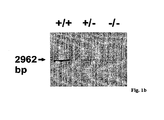
- the deletion was confirmed by southern-blot of genomic DNA with the loss of a 3 kb internal HindIII fragment in the homozygotes (-/-) and a reduced signal in the heterozygotes (+/-) as compared to the wildtype (+/+).
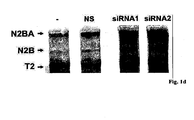
- Transfection of HL-1 cells that express a long titin variant (N2BA) and a shorter titin isoform (N2B) were mock-transfected (-), transfected with a non-sense siRNA (NS), and two different siRNAs directed against RBM20. The siRNA- treated cells did no longer splice titin to express the N2B isoform as compared to the controls (- and NS).
- RBM20 affects splicing of a subset of genes associated with cardiomyopathy, fibrosis, and sudden death.
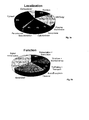
- (a, b) Among the 67 genes identified as differentially spliced 59 known genes were categorized by localization and function. The majority encoded cytosolic proteins (35 %) with 58% of the total involved in signal transduction or metabolism. The sarcomere category (7 %) included the known cardiomyopathy genes titin (Ttn), obscurin (Obscn), and myozenin 2 (Myoz2).
- RBM20 dependent splicing is restricted to select exons within target genes.
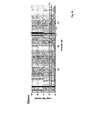
- (a-c) Exon analysis by ANOVA (black curve) and splicing indexes (heatmap) of each probe sets representing exons of titin, obscurin, KenQ1, and the RBM20 independent control Car.
- the wildtype vs. homozygote SI (-/-) is provided at the top, the wild type vs.
- Affected animals on a mixed Sprague Dawley/Fisher F344 background (SD/F) were backcrossed with Brown Norway rats (BN).
- SD/F mixed Sprague Dawley/Fisher F344 background
- BN Brown Norway rats
- FDR Fealse Discovery Rate
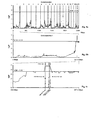
- linkage is restricted to a 2.1 Mbps interval on chromosome 1 (b - black dot), that includes 3 SNPs with shared heterozygosity in all 16 animals indicated by the dashed gray lines (c).
- the locus containing the candidate gene was assigned to Chr.l: 258,250,123 to 260,371,087 bps.
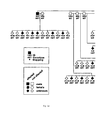
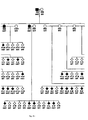
- RBM20 in human DCM (a) Cosegregation of the RBM20 mutation P638L in a family with DCM and sudden death that maps to 10q25. (b) RBM20 domain structure with regions of low complexity shown as gray rings, the Zink-Finger domain (ZnF) in dark (blue), and the RNA recognition motive (RRM) in light (yellow). The P638L mutation detected in the DCM50 family is outside the main functional domains. (c) The phylogenetic tree shows the conservation of the mutant region of RBM20 from human (homo) to zebrafish (danio). Amino acids mutated in the DCM patients analyzed are indicated at position 638.
- the GeneChip ST Exon array signal intensities for wildtype (light grey), heterozogote (50 % grey) and homozygote (dark grey) were plotted along the UCSC exon-structure (UCSC known genes - http://genomes.ucsc.edu) with genomic position indicated on the vertical axis in Mbps.
- the expression data reflect the underlying deletion that eliminates all exons but E1 of RBM20.
- Signal intensities for homozygotes approach background levels, while heterozygotes display intermediate signal levels.
- N 3 per genotype; asterisks indicate significance (F-Test, P ⁇ 0.5).
- the developmental switch in titin isoform expression is correlated with RBM20 expression in F344 rats.
- RBM20 transcript levels are increased >2-fold after birth (E18 - embryonic day 18; P1 - postnatal day 1).
- Titin splicing as indicated by the expression-ratio of the spliced to unspliced exon-pair (primers indicated in Figure 4 ) is reduced after birth and consistent with increased RBM20 expression. Similar isoform transition from embryonic to adult with increased splicing in the adult was found for Obscurin (c) and KcnQ1(d).
- the mammalian heart adapts to gradual alterations in cardiovascular physiology at birth and these events are associated with widespread changes in gene expression and in the potential for myocyte proliferation.
- the coordinated regulation of this critical transition in both normal development and in disease is poorly understood, but re-expression of the so-called fetal gene program is a central component of myocardial hypertrophy and is found in a broad range of disease states leading to heart failure.
- a naturally occurring rat strain deficient in titin splicing with persistent expression of the larger embryonic titin isoform 3 was used to elucidate the molecular basis of perinatal isoform switching and identified a factor that coordinates the splicing of multiple genes involved in the adaptation of cardiac function.
- Titin is a giant sarcomeric protein that determines the structure and biomechanical properties of striated muscle. Both posttranslational modification and alternative splicing tune titin based passive tension and enable efficient ventricular filling 4,5 . Titin phosphorylation in response to adrenergic stimulation has been attributed to a direct effect of protein kinase A (PKA) on the elastic N2B region 4 , while the factors that determine titin's alternative splicing has so far remained elusive.
- PKA protein kinase A
- Heterozygous and homozygous RBM20 null alleles resulted in left ventricular dilatation as determined by echocardiography in age matched male adult animals. While left ventricular diameter in diastole (LVDd) was significantly increased, there were no changes in systolic ventricular dimensions or crude indices of contractility including fractional shortening. Unexpectedly, sudden death was found from 11 months onwards in both heterozygote and homozygote RBM20 deficient animals, accompanied by increased interstitial and subendocardial fibrosis ( Figure 2c-f ).
- An independent cardiomyopathy family (DCM 100) that maps to 10q25 does not display arrhythmia or sudden death 10 and the inventors excluded mutations of RBM20 as the underlying defect by sequence analysis of the complete RMB20 coding region in two index patients and found normal RBM20 mRNA levels and titin isoform expression in the left ventricle of a third transplanted patient (data not shown) These results show that 10q22-26 is a DCM-hotspot with 5 independent loci associated with the disease 10 .
- DCM Dilated cardiomyopathy
- HL-1 cells murine atrial myocytes
- Lipofectamine 2000 and 50 nM siRNA using 2 primer pairs specific for RBM20 (SI1-3) and one scrambled primer pair (NS). Cells were harvested at 48 h after transfection for protein analysis.
- Cardiac phenotyping Cardiac phenotyping. Cardiac dimensions and function were evaluated by echocardiography of sedated rats (IP administration of 25-50 mg/kg ketamine) using a Sonos 5500 ultrasonograph with a 15-MHz transducer (Philips, Andover MA) following the guidelines of the American Society of Echocardiography guidelines. To detect fibrosis hearts from 9 to 18 month old rats were fixed in 4 % paraformaldehyde and paraffin-embedded, and sections midway between base and apex were stained with Massons trichrome.
- HL-1 cells murine atrial myocytes
- Lipofectamine 2000 4 ⁇ l
- 50nM siRNA using 3 primer pairs specific for RBM20 (SI1-3) and one scrambled primer pair (NS). Cells were harvested at 48 h after transfection for protein analysis.
- the inventors then tested for a shared SD/F allele between all 16 affected animals genotyped from the N1 (SD/F x BN) backcross across all informative SNPs.
- the probability of a given allele distribution was calculated using the one-sided binomial test under the null hypothesis of a random selection of the backcross individuals. Correction for genome wide multiple testing correction was performed using the Benjamini Hochberg procedure 23 . Mapping results were confirmed by resequencing SNPs within the candidate interval.
- HEK 293 cells were transfected with 9 ⁇ g of mammalian expression vector containing either WT Rbm20-myc-His or P641L Rbm20-myc-His using Turbofect transfection reagent (Fermentas). Cells were harvested 48 h after transfection and split for parallel analysis for qRT-PCR and Western Blot analysis. Cell pellets for protein analysis were lysed in mild RIPA buffer (w/o SDS) supplemented with Complete, EDTA-free Protease inhibitor Cocktaii (Roche) using TissueLyser II (QIAGEN) and 1 ⁇ 4" ceramic spheres (MP Biomedicals) for 2 min at 25 Hz.
- RNA levels were evaluated by probing against myc-tag using monoclonal Mouse ⁇ -c-myc (9E10) (Invitrogen) following standard Western Blot procedure.
- RNA was extracted by using RNeasy Mini Kit (QIAGEN).
- RT-PCR was carried out by using ThermoScriptTM RT-PCR System (Invitrogen) followed by SYBR-Green RT-PCR using the forward primer (5'- cag gct tgc caa gaa ac tc-3') and the reverse primer (5'- g ctc gga tcc act agt cca g - 3'), specific for exogenous Rbm20 and the 18S amplicon (forward: 5'- gtc cc caa ctt ctt aga g - 3' and reverse: 5'- cac cta cgg aaa cct tgt tac -3') for normalization.
- RNA levels were evaluated
- RNA from the left ventricle was used in the Affymetrix GeneChip Whole transcript (WT) Sense Target Assay to generate ampflified and biotinylated sense-strand DNA targets from the entire expressed genome. Hybridization was performed using the GeneChip ST Exon arrays (Affymetrix).
- Genomic DNA was isolated from venous blood samples and 14 RBM20 exons were PCR amplified according to standard protocols (Taq PCR Core Kit, QIAGEN, Hilden, Germany) using oligonucleotides designed for the amplification of coding sequences including 60-100 bp of flanking intronic sequences.
- Sense and antisense strands were directly sequenced sequenced using fluorescent dye terminator chemistry on ABI 3730 instruments. Both strands of the amplicons were sequenced to obtain unambiguous sequence reads. > 99 % of sequencing reads passed quality filters and had unambiguous sequence results.
- Amino acid changes due to mutations are annotated according to NCBI accession number ACF49364.1. 406 healthy individuals of Western European descent including 250 people from Scotland served as controls for the presence of the RBM20 mutation observed in the CM-50 family and the sporadic patient. The 250 Scottish controls were taken from the "Genetic mechanisms of cardiovascular disease cohort" at the University of Glasgow.
- HL-1 cells 29 were grown in 24 well plates (40,000 cells per well) on Claycomb media (JRH Biosciences) supplemented with 1 % penicillin/streptomycin, 1 % 10 mM norepinephrine, 1% 200 mM L-glutamine, and 10 % fetal bovine serum (Sigma-Aldrich). Transfection and siRNA concentration (Ambion) were optimized with GAPDH (50 nM Cy3-labeled). A combination of Lipofectamine 2000 (4 ⁇ l) and 50 nmol/l siRNA (s159851, sense 5'-CCAUCGAAAAGAGACUAAAtt-3' SEQ ID NO.
- a control included Lipofectamine without siRNA and one scrambled siRNA based on the nucleotide sequence of s159851 (sense 5'- CCUACGUUGGAAGCGAUUAtt-3' SEQ ID NO. 13, antisense 5'-UAAUCGCUUCCAACGUAGGta-3' SEQ ID NO. 14), which lacked homology to any other gene by BLAST search. Cells were harvested at 48 h after transfection for analysis of protein changes.
- RBM20 Full length rat Rbm20 (6682 bp) was cloned, sequenced, and annotated. It contains 102 bps of 5' UTR and 2956 bp of 3' UTR. The revised coding region is 3624 bp (up from 1791 bp in current GenBank NM_001107611.1).
- Rbm20 contains a single RNA-recognition motif (RRM) spanning amino acid positions 522-592 and also contains a single U1-like zinc finger motif (1136-1174).
- RRM RNA-recognition motif
- the revised sequence data has been deposited in the NCBI database (Accession number EU562301). The rat and human amino acid sequences are 76 % identical with greatest similarities in the RRM and zinc finger regions.
- Genotyping by PCR and Southern blot genomic DNA was prepared from rat liver as published previously 30 .
- genomic DNA was digested with Hind III overnight and probed with a PCR product generated with primers Exon 2 forward (5'-CCAGCTCACCCTCCATCG-3') and Exon 2 reverse (5'- GCCATAGTCATAGAACCCTG -3') following standard procedures 30 .
- the deletion was confirmed by PCR (primers P1, 5'-GTCTTCATGATCCTGGAGTG-3; and P2, 5'-GGTGTGGGGTTATGGAGTC-3') (compare Fig 1A ).
- Genotyping of pedigree animals was conducted by PCR multiplexing with two pairs of primers [WT forward (5'- GAAGTCCAATGAGCCGATC -3') and WT reverse (5'- CTCCTTCTTGGTCTCTGTC - 3') for wild type, product size 432 bp / M forward (5'- GTCTTCATGATCCTGGAGTG -3') and M reverse (5'- GGTGTGGGGTTATGGAGTC -3') for homozygous mutant, product size 868 bp] ( Fig. 6 ).
- Transthoracic echocardiography was performed using a Sonos 5500 ultrasonograph with a 15-MHz transducer (Philips, Andover MA).
- Sonos 5500 ultrasonograph with a 15-MHz transducer (Philips, Andover MA).
- rats were sedated by IP administration of 25-50 mg/kg ketaminc and maintained on a heated platform in a left lateral decubitus or supine position. The chest was shaved and prewarmed coupling gel applied. Mitral and aortic flows were measured using Doppler pulse wave imaging.
- End diastolic and systolic left ventricular (LV) diameters as well as anterior and posterior wall (AW and PW respectively) thicknesses were measured on line from M-mode images using the leading edge-to-leading edge convention. All parameters were measured over at least three consecutive cardiac cycles and averaged.
- Left ventricular fractional shortening was calculated as [(LV diastolic diameter - LV systolic diameter)/LV diastolic diameter] x 100 and LV mass was calculated by using the formula [1.05 x ((diastolic posterior wall + diastolic anterior wall+ LV diastolic diameter)3 - (LV diastolic diameter)3 )].
- Relative wall thickness was calculated as 2*diastolic posterior wall/LV diastolic diameter.
- Heart rate was determined from at least three consecutive intervals from the pulse wave Doppler tracings of the LV outflow tract.
- Isovolumetric relaxation time was measured as the time from the closing of the aortic value to the opening of the mitral value from pulse wave Doppler tracings of the LV outflow tract and mitral inflow region. The same person obtained all images and measures.
- a data set was included in the analysis if the sum of these three measures was in the range from 90-110 %.
- the percent fibrosis was estimated by comparing the blue-green area to the sum of the blue-green and red areas. Four to eight separate images from the interstitial regions were processed for each slide.
- RNA preparation from the left ventricle the inventors used a trizol base method. Briefly, the tissue was homogenized with a homogenizer in the presence of trizol (Invitrogen), extracted with chloroform, precipitated in ethanol, and dissolved in nuclease-free water. After quality control (2100 Bioanalyzer, Agilent) and DNAse digestion, RNA was purified using Rneasy columns (Qiagen) and stored at -80 °C. To reduce ribosomal RNA (rRNA) the inventors used the RiboMinus Kit from Invitrogen (Carlsbad, CA).
- Exon profiling was performed using the Affymetrix GeneChip Whole transcript (WT) Sense Target Assay to generate ampflified and biotinylated sense-strand DNA targets from the entire expressed genome.
- WT GeneChip Whole transcript
- cDNA was synthesized with random hexamers coupled to a T7 promoter sequence. This cDNA was transcribed into cRNA molecules that were subsequently converted into single-stranded DNA in the same orientation as original mRNAs by random primed reverse transcription with random hexamers.
- Hybridization was performed using the GeneChip ST Exon arrays (Affymetrix). 5 ⁇ g cDNA were fragmented and labeled for hybridization.
- DCM left ventricular enddiastolic dimension was > 117% of normal when corrected for body surface area and age and there was evidence of impaired contractility with a left ventricular ejection fraction ⁇ 50%.
Landscapes
- Chemical & Material Sciences (AREA)
- Organic Chemistry (AREA)
- Life Sciences & Earth Sciences (AREA)
- Health & Medical Sciences (AREA)
- Engineering & Computer Science (AREA)
- Proteomics, Peptides & Aminoacids (AREA)
- Wood Science & Technology (AREA)
- Zoology (AREA)
- Bioinformatics & Cheminformatics (AREA)
- Chemical Kinetics & Catalysis (AREA)
- General Health & Medical Sciences (AREA)
- Biotechnology (AREA)
- Biochemistry (AREA)
- Molecular Biology (AREA)
- General Engineering & Computer Science (AREA)
- Microbiology (AREA)
- Immunology (AREA)
- Physics & Mathematics (AREA)
- Analytical Chemistry (AREA)
- Biophysics (AREA)
- Genetics & Genomics (AREA)
- Medicinal Chemistry (AREA)
- Veterinary Medicine (AREA)
- Public Health (AREA)
- Animal Behavior & Ethology (AREA)
- Pharmacology & Pharmacy (AREA)
- Nuclear Medicine, Radiotherapy & Molecular Imaging (AREA)
- General Chemical & Material Sciences (AREA)
- Heart & Thoracic Surgery (AREA)
- Cardiology (AREA)
- Medicines That Contain Protein Lipid Enzymes And Other Medicines (AREA)
- Measuring Or Testing Involving Enzymes Or Micro-Organisms (AREA)
- Peptides Or Proteins (AREA)
- Medicines Containing Antibodies Or Antigens For Use As Internal Diagnostic Agents (AREA)
Description
- The invention pertains to polynuclotides, preferably for use in medicine. In particular, these polynucleotides can be used to diagnose cardiac diseases, like cardiomyopathies or sudden cardiac death. Further, in invention pertains to methods for diagnosing a subject suffering from a cardiac disease and to treating such a subject.
- The myocardial fetal gene program is downregulated at birth, but reactivates in most forms of human heart failure. Alternative splicing is one major mechanism of this perinatal transition and adjusts cardiac protein isoform expression to the differential requirements of embryonic and postnatal physiology. A paradigmatic example is the titin isoform switch as an adaptive mechanism that determines the biomechanical properties of the heart and thus ventricular filling1,2. To explore the molecular basis of this isoform transition and its relevance to cardiac disease, co-segregation analyses using a naturally occurring mutant rat strain deficient in titin splicing were performed3. RNA binding motif protein 20 (RBM20) as a putative splice factor that stoichiometrically affects titin isoform expression as part of a coordinated transformation of select cardiac proteins including the ion channel KCNQ1 was identified. A missense mutation in RBM20 at an evolutionarily conserved proline residue (P638L) was identified in a large family with dilated cardiomyopathy that maps to the syntenic human locus (10q25). In both the rodent model and the human family there is evidence of extensive fibrosis, ventricular enlargement and an increased rate of sudden death. The findings establish RBM20 as novel trans-acting factor in the pathogenesis of human heart failure. The co-regulation of sarcomeric proteins and ion-channels in the heart has implications for the adaptation of cardiac function in development and disease.
- The invention relates to polynucleotides, the wild type sequences of which are shown below. In particular, the invention refers to RNA binding motif protein 20 (RBM20) polynucleotides that encode for at least one mutation, namely a P638L mutation in human RBM20 or a P641L mutation in rat RBM20.
- Homo sapiens RNA binding motif protein 20 (RBM20), polynucleotide, mRNA (NM_001134363.1), translation start codon in bold, SEQ ID NO. 1:


- Rattus norvegicus RNA binding motif protein 20 (predicted) (Rbm20_predicted), polynucleotide, mRNA (XM_220079.4), SEQ ID NO. 2:

- The invention also relates to polynucleotide sequences that are reverse complementary to a sequence of RBM20 (Homo sapiens and Rattus norvegicus) comprising the P638L mutation (Homo sapiens) or comprising the P641L mutation (Rattus norvegicus).
- Further embodiments of the invention are polynucleotide sequences that have at least 50 %, at least 60 %, at least 70 %, at least 80 %, at least 90 %, at least 95 %, at least 98 %, at least 99 % identity to the polynucleotide sequences mentioned above (i.e. the wildtype coding sequence of RBM20 comprising a P638L mutation (Homo sapiens) or comprising the P641L mutation (Rattus norvegicus), possibly together with other mutations.
- Preferably, the mutated polynucleotide is an isolated and/or purified molecule. In a preferred embodiment, it can be used in medicine. Preferably, it can be used for diagnosing, prognosing, and/or monitoring the state, i.e. the progress or improvement of a cardiac disease in a subject, which is preferably a human.
- The polynucleotide can be selected from the group consisting of DNA and RNA.
- The invention also relates to polypeptides (proteins) as shown below with a P638L mutation in human RBM20 or with a P641L mutation in rat RBM20 (shown are the wild type sequences):
- Homo sapiens RNA binding
motif protein 20, polypeptide (ref|NP_001127835.1), P638 in bold, SEQ ID NO. 3:

- Rattus norvegicus RNA binding motif protein 20 (Rbm20), polypeptide (XM_220079.4), P641 in bold, SEQ ID NO. 4:

- Shown below is the sequence of a homo sapiens RNA binding
motif protein 20 polypeptide (protein) with a P638L mutation (bold), SEQ ID NO. 5:
- Shown below is the sequence of a rattus norvegicus RNA binding
motif protein 20 polypeptide (protein) with a P641L mutation (bold), SEQ ID NO. 6:
- Further embodiments of the invention are polypeptide sequences that have at least 50 %, at least 60 %, at least 70 %, at least 80 %, at least 90 %, at least 95 %, at least 98 %, at least 99 % identity and/or homology to the polypeptide sequences mentioned above (i.e. the wildtype sequence of RBM20 polypeptide comprising a P638L or P641L mutation).
- When referring to a wildtype sequence of RBM20 polypeptide comprising a P638L (or P641L) mutation, the polypetide may comprise further mutations than the P638L or P641L mutation. Further mutations may be chosen from the group consisting of: R634Q, R636S, R636H, and S637G which are also indicative for a cardiac disease in a subject. Additional mutations than the ones mentioned may also be present in the polypeptide.
- Preferably, the mutated polypeptide is an isolated and/or purified molecule. In a preferred embodiment, it is used in medicine, such as for diagnosing, prognosing, and/or monitoring a cardiac disease in a subject, which is preferably a human.
- The invention also relates to a method for diagnosing, prognosing, and/or monitoring a cardiac disease in a biological sample obtained from a human subject, comprising
- determining the presence or absence of a P638L mutation in a RBM20 transcript or in a RBM20 protein in a sample, and
- deducing from the presence of a P638L mutation that the subject suffers from a cardiac disease.
- If the subject is a rat, the presence or absence of a P641L mutation is determined.
- The invention further relates to a method for preparing an RNA expression profile, a DNA expression profile or a protein expression profile that is indicative of the presence or absence of a cardiac disease in a human subject, comprising isolating RNA, DNA or protein from a biological sample obtained from a subject, and
- determining the presence or absence of a P638L mutation in a RBM20 transcript, in a RBM20 gene or in a RBM20 protein in the sample, and
- deducing from the presence of a P638L mutation that the subject suffers from a cardiac disease.
- If the subject is a rat, the presence or absence of a P641L mutation is determined.
- The cardiac disease can be selected from the group consisting of cardiomyopathy and Sudden Cardiac Death (SCD). The cardiomyopathy can be selected from the group consisting of restrictive cardiomyopathy (RCM), dilated cardiomyopathy (DCM), hypertrophic cardiomyopathy (HCM), arrhythmogenic right ventricular cardiomyopathy (ARVC), and fibrotic heart diseases. The Sudden Cardiac Death (SCD) can be selected from the group consisting of arrhythmia related death and ventricular conduction related death.
- The invention further relates to a kit for diagnosing, prognosing, and/or monitoring a cardiac disease in a subject, comprising a means for determining a P638L mutation (human subject) or a P641L mutation (rat) in a RBM20 transcript or in a RBM20 protein in a biological sample.
- The means for determining a P638L mutation or a P641L mutation is selected from the group consisting of a probe for detecting at least one of the mutations, and a primer for detecting at least one of the mutations in an amplification reaction (PCR, LCR, RTPCR, etc.) and/or in a sequencing reaction. A person of skill in the art can make such means based on the description provided herein together with his general knowledge.
- The invention further relates to a microarray for diagnosing, prognosing, and/or monitoring a cardiac disease in a subject, comprising a probe for determining a P638L mutation (human) or a P641L mutation (rat) in a RBM20 transcript in a biological sample.
- In this treatment method, the concentration of wildtype RBM20 (i.e. of the mRNA or the protein) in a cardiac cell is increased such that the concentration of the wildtype RBM20 (i.e. of the mRNA or the protein) in the cardiac cell is increased as measured by any suitable method, e.g. PRC or Western blot before and after the treatment. Alternatively, an mRNA molecule with a mutation described herein can be selectively removed in a cell using antisense RNA or siRNA molecules, as known in the art.
- Such concentration reduction can be performed with siRNA (s159852, sense 5'-GCCUUUGGAUCUCGACUUAtt-3' SEQ ID NO. 7, antisense 5'-UAAGUCGAGUACCAAAGGCag-3' SEQ ID NO. 8; or s159853, Sense 5'-CGUUCUCGAAGUCCAAUGAtt-3' SEQ ID NO. 9, antisense 5'-UCAUUGGACUUCGAGAACGtg-3' SEQ ID NO. 10) (Ambion) designed for inhibition of RBM20 (human, rat, and mouse). Alternatively a small molecule, peptide, chemical, protein, or polynucleotide that interferes with RBM20 expression or binds RBM20-RNA or RBM20-protein or interferes with its function is applied to exert a therapeutic effect. The small molecule might be rationally designed from the RBM20/RNA structure, or screened from a small-molecule library, the protein might be a synthetic or naturally occurring RNA binding protein (or motive), a transcription factor, and the polynucleotide might be a single stranded DNA, RNA, or a variation or combination thereof.
- A pharmaceutical composition for treating cardiac diseases comprises RBM20 in the form of an RNA encoding for wildtype RBM20, e.g. an mRNA, or a wildtype protein for delivery into a cell of a subject in need thereof. An alternative pharmaceutical composition comprises an antisense RNA or siRNA molecules to decrease the concentration of wildtype RBM20 (i.e. of the mRNA or the protein) in a cardiac cell in need thereof. This includes siRNAs such as s159852, sense 5'-GCCUUUGGAUCUCGACUUAtt-3' SEQ ID NO. 7, antisense 5'-UAAGUCGAGUACCAAAGGCag-3' SEQ ID NO. 8; or s159853, Sense 5'-CGUUCUCGAAGUCCAAUGAtt-3' SEQ ID NO. 9, antisense 5'-UCAUUGGACUUCGAGAACGtg-3' SEQ ID NO. 10.
- The invention can also be applied to other organisms that humans and rats. A person of skill in the art is able to determine mutations for other organisms that are homologous to the mutations of the invention as described herein.
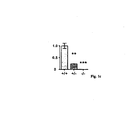
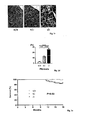
- Loss of RBM20 causes a shift in titin isoform expression. (a) In a splice deficient rat strain, the QTL from a backcross to Brown-Norway was mapped. Based on 16 affected animals, the locus was assigned to a 2.1 Mbps interval on the long arm of chromosome 1 (1q55). Sequencing of all known genes included in the interval revealed a 95 kb deletion that exclusively affects the RBM20 gene eliminating all exons but
exon 1. (b) The deletion was confirmed by southern-blot of genomic DNA with the loss of a 3 kb internal HindIII fragment in the homozygotes (-/-) and a reduced signal in the heterozygotes (+/-) as compared to the wildtype (+/+). (c) RBM20 RNA levels normalized to 18S and wildtype levels reflect the changes documented by Southern blot with 24% reduction in the heterozygote and no expression in the homozygote (<1%). N=9. (d) Transfection of HL-1 cells that express a long titin variant (N2BA) and a shorter titin isoform (N2B) were mock-transfected (-), transfected with a non-sense siRNA (NS), and two different siRNAs directed against RBM20. The siRNA- treated cells did no longer splice titin to express the N2B isoform as compared to the controls (- and NS). - Signs of cardiomyopathy and sudden death in RBM20 deficient rats. (a, b) Left ventricular diameter in diastole (LVDd) as determined by echocardiography was increased in both heterozygote and homozygote mutants as a sign of dilated cardiomyophathy (P<0.05; N=15). Changes in LV diameter in systole (LVDs) and fractional shortening (FS), a parameter of contractile function, did not reach statistical significance. (c) Subendocardial fibrosis was present in heterozygote mutants (+/-) as indicated by the trichrome staining (blue). The fibrotic area was increased and compacted in the homzygotes. Sizebar = 100 µm. (d) Interstitial fibrosis was significantly increased in LV from heterozgotes (13 % fibrotic area) and homozygotes (31 %) as compared to wildtype hearts (3 %). N=13. (e) Starting from 10 months of age there was an increase in sudden death in both heterozygote and homozygote animals with 14% and 17%, respectively vs. 2 % in wildtype controls by 18 months of age. Log-rank (Mantel-Cox) test P=0.03; N=130.
- RBM20 affects splicing of a subset of genes associated with cardiomyopathy, fibrosis, and sudden death. (a, b) Among the 67 genes identified as differentially spliced 59 known genes were categorized by localization and function. The majority encoded cytosolic proteins (35 %) with 58% of the total involved in signal transduction or metabolism. The sarcomere category (7 %) included the known cardiomyopathy genes titin (Ttn), obscurin (Obscn), and myozenin 2 (Myoz2).
- RBM20 dependent splicing is restricted to select exons within target genes. (a-c) Exon analysis by ANOVA (black curve) and splicing indexes (heatmap) of each probe sets representing exons of titin, obscurin, KenQ1, and the RBM20 independent control Car. The splice index (SI) is plotted as a heatmap using a scale from red (SI -5) = higher levels in wildtype (spliced out) over grey = similar levels as in wildtype (no alternative splicing) to blue (SI 5) = higher level in affected animals (spliced in). The wildtype vs. homozygote SI (-/-) is provided at the top, the wild type vs. heterozygote SI (+/-) at the bottom. The majority of splice events results from increased exon expression in the knockout (blue). Significance levels at P=0.05 (*) and P=0.01 (**) are indicated (N=3 per group). (a) Titin is predominantly spliced in the immunoglobulin-rich region located between N2B and N2A and the elastic PEVK region. The 5' and 3' regions are unaffected as indicated by the p-values <0.05 and the gray shading of the heatmap. (b) In obscurin a small region comprising 2 exons is spliced out by RBM20 (gray line, blue-staining in both +/- and -/- accentuated in the latter). (c) Splicing of the Kcnq1 3' region depends on RBM20 with 6 consecutive probesets representing three exons (gray line, blue). (d) Alternative splicing of titin, obscurin, and Kcnq1 was confirmed by RT-PCR with reduced splicing (as indicated by increased expression levels of the alternatively spliced exons) in heterozygotes and accentuated in homozygote RBM20 deficient rats. CAR was used as a control with known alternative splicing, but independent on RBM20.
- The splice defect maps to the long arm of
rat chromosome 1. Affected animals on a mixed Sprague Dawley/Fisher F344 background (SD/F) were backcrossed with Brown Norway rats (BN). (a) With FDR (False Discovery Rate) set to 0.05, linkage is restricted to a 2.1 Mbps interval on chromosome 1 (b - black dot), that includes 3 SNPs with shared heterozygosity in all 16 animals indicated by the dashed gray lines (c). Based on the location of the flanking SNPs the locus containing the candidate gene was assigned to Chr.l: 258,250,123 to 260,371,087 bps. - Cosegregation of the titin splice defect with the deletion in RBM20. Affected animals on a mixed Sprague Dawley/Fisher F344 background (SD/F) were backcrossed with Fisher F334 (a) or Brown Norway rats (b). Genotypes of 191 animals are indicated as WT for wildtype and HET for heterozygote. All 86 affected rats expressing the long titin isoform were heterozygous for the deletion. Animals that were used for genetic mapping are labeled with a black dot.
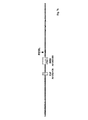
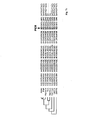
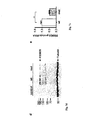
- RBM20 in human DCM. (a) Cosegregation of the RBM20 mutation P638L in a family with DCM and sudden death that maps to 10q25. (b) RBM20 domain structure with regions of low complexity shown as gray rings, the Zink-Finger domain (ZnF) in dark (blue), and the RNA recognition motive (RRM) in light (yellow). The P638L mutation detected in the DCM50 family is outside the main functional domains. (c) The phylogenetic tree shows the conservation of the mutant region of RBM20 from human (homo) to zebrafish (danio). Amino acids mutated in the DCM patients analyzed are indicated at position 638. (d) After transfection of tagged mutant (mut) and wildtype Rbm20 (wt) protein levels of the proline-to-leucine mutant were reduced. Control cells were not transfected. (e) Normalization of protein expression to Rbm20 mRNA indicates a posttranscriptional effect. Wildtype Rbm20 protein to RNA levels were set as 1 (n=3 per group).
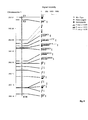
- Expression of individual RBM20 exons. The GeneChip ST Exon array signal intensities for wildtype (light grey), heterozogote (50 % grey) and homozygote (dark grey) were plotted along the UCSC exon-structure (UCSC known genes - http://genomes.ucsc.edu) with genomic position indicated on the vertical axis in Mbps. The expression data reflect the underlying deletion that eliminates all exons but E1 of RBM20. Signal intensities for homozygotes approach background levels, while heterozygotes display intermediate signal levels. N=3 per genotype; asterisks indicate significance (F-Test, P < 0.5).
- Alternative splicing of titin depends on RBM20. Comparison of titin exon expression in wildtype, heterozygote, and homozygote RBM20 deficient rats. Probesets with increased RBM20 dependent splicing were localized to the region containing tandem Ig-like domains and the PEVK region (brackets). Most affected probesets were downregulated in both heterozygous and homozygous animals. N=3 per genotype; asterisks indicate significance (F-Test, P < 0.5).
- Alternative splicing of Kcnqi depends on RBM20. Comparison of titin exon expression in wildtype, heterozygote, and homozygote rats. The dominant effect of RBM20 on the 3' region of Kcnq1 is reflected in the significant expression changes between genotypes that affect all 5 probesets located in the last 3 exons. Differences in
probeset 8 are not consistent with neighboring probesets within the same exon and are therefore not considered alternative splicing. N=3 per genotype; asterisks indicate significance (F-Test, P < 0.5). - The developmental switch in titin isoform expression is correlated with RBM20 expression in F344 rats. (a) RBM20 transcript levels are increased >2-fold after birth (E18 -
embryonic day 18; P1 - postnatal day 1). (b) Titin splicing as indicated by the expression-ratio of the spliced to unspliced exon-pair (primers indicated inFigure 4 ) is reduced after birth and consistent with increased RBM20 expression. Similar isoform transition from embryonic to adult with increased splicing in the adult was found for Obscurin (c) and KcnQ1(d). (e) The Coxsackievirus and Adenovirus Receptor (CAR) was used as a control with known splicing of the 3'-region that is independent of RBM20. N=4 per group; dCT data are tested for significance by 2 way ANOVA with Bonferroni pot hoc test. P<0.05 =*; p<0.01=**; p<0.001=***. - The mammalian heart adapts to gradual alterations in cardiovascular physiology at birth and these events are associated with widespread changes in gene expression and in the potential for myocyte proliferation. The coordinated regulation of this critical transition in both normal development and in disease is poorly understood, but re-expression of the so-called fetal gene program is a central component of myocardial hypertrophy and is found in a broad range of disease states leading to heart failure. Here, a naturally occurring rat strain deficient in titin splicing with persistent expression of the larger embryonic titin isoform3 was used to elucidate the molecular basis of perinatal isoform switching and identified a factor that coordinates the splicing of multiple genes involved in the adaptation of cardiac function.
- Titin is a giant sarcomeric protein that determines the structure and biomechanical properties of striated muscle. Both posttranslational modification and alternative splicing tune titin based passive tension and enable efficient ventricular filling 4,5. Titin phosphorylation in response to adrenergic stimulation has been attributed to a direct effect of protein kinase A (PKA) on the elastic N2B region4, while the factors that determine titin's alternative splicing has so far remained elusive.
- Genetic mapping of a backcross between rats deficient in titin splicing (titin mut ) and the Brown Norway (BN) reference identified a ~2 Mbp interval on Chromosome 1q55 (
Figure 1a andFigure 5 ). Sequence analysis of the coding region of all 8 genes located in this region showed that only RBM20 differed between unaffected and affected rats with a 95 kbp deletion that removes exon 2-14 encoding the RNA binding motive- and the Zn2+ finger domains. The deletion was confirmed by Southern blot and quantitative RT-PCR in hetero- and homozygous Rbm20 deficient rats (Figure 1b ,c ). In addition, all 191 animals from two independent backcrosses that showed complete co-segregation between the titin splice defect and the RBM20 mutation were genotyped (Figure 6 ). Finally, an antisense approach was used in cultured HL-1 murine cardiomyocytes to reproduce the effect of reduced RBM20 expression on titin splicing (Figure 1d ). - Heterozygous and homozygous RBM20 null alleles resulted in left ventricular dilatation as determined by echocardiography in age matched male adult animals. While left ventricular diameter in diastole (LVDd) was significantly increased, there were no changes in systolic ventricular dimensions or crude indices of contractility including fractional shortening. Unexpectedly, sudden death was found from 11 months onwards in both heterozygote and homozygote RBM20 deficient animals, accompanied by increased interstitial and subendocardial fibrosis (
Figure 2c-f ). It is remarkable that although Rmb20 deficiency has a profound effect on the mature titin protein, none of the previously described titin deficient animal models or titin mutations in human cardiomyopathy reported to date exhibit a similar pathology 6-9. This suggests that additional substrates for RBM20 may result in this phenotypic progression. - A screen for RBM20 mutations in human families with autosomal dominant dilated cardiomyopathy (DCM) and sudden cardiac death that map to a syntenic locus on human chromosome 10q25 10 was performed. These analyses identified a heterozygous missense mutation in
exon 9 of RBM20 (P638L) that completely co-segregated in this family (Figure 7a ). The variant was not reported in dbSNP or present in 812 control chromosomes. An independent cardiomyopathy family (DCM 100) that maps to 10q25 does not display arrhythmia or sudden death10 and the inventors excluded mutations of RBM20 as the underlying defect by sequence analysis of the complete RMB20 coding region in two index patients and found normal RBM20 mRNA levels and titin isoform expression in the left ventricle of a third transplanted patient (data not shown) These results show that 10q22-26 is a DCM-hotspot with 5 independent loci associated with the disease 10. - The human RBM20 mutation that was identified was outside the RNA-binding and Zinc-Finger domains, but it is evolutionary well conserved (
Figure 7 ). Not only have proline to leucine mutations in Prion Protein (P120L) and Seqestosome (P392L) been linked to inherited disease 11,12, but the Pro-to-Leu exchanges in thymidilate synthase and Guanylate cyclase activating protein-1 have been shown to increase susceptibility to protein degradation 13,14. It is tempting to speculate that the mutation in the DCM50 family causes a similar effect resulting in reduced RBM20 protein levels. - At present, there exists growing evidence that mutations in ribonucleic acid binding protein genes, and specifically RBM20, can be related to the occurrence of familial dilated cardiomyopathy37,38.
- To elucidate the pathophysiology and determine if the additional genes related to cardiac function are perturbed, genome-wide exon based expression profiling was used to investigate RBM20 dependent alternative splicing (
Figure 2 ). Titin was confirmed as the most extensively misspliced gene with 54 exons affected (Figure 3 andFigure 9 ). Loss of RBM20 perturbed the splicing of a total of 67 transcripts (genome wide corrected FDR <5 %), representing genes with diverse functions ranging from signal transduction and metabolism to biomechanics and ion-transport (Figure 3a,b ). For the majority of 37 genes RBM20 affected the splicing of only a single exon; in the remaining 30 genes multiple exons were affected. In addition to titin, which has previously been linked to DCM7 other known disease genes where splicing was disrupted included the ion-channel KCNQ1 involved in cardiac arrhythmia and sudden dearth15 (Figure 10 ), as well as multiple genes that encode cardiomyocyte structural proteins. - Using a simple heat-map, the splicing effects of RBM20 for genes with a previously published association to cardiomyopathy and sudden death, the inventors visualized in which at least two exons were involved. This enabled us to define the gene dosage effect of RBM20 on alternative splicing of its target genes at the level of the individual exon (
Figure 4 ). Reduced RBM20 expression in heterozygotes caused an intermediate phenotype while the loss of RBM20 prevented alternative splicing (light blue vs. dark blue for exons that were no longer spliced out / light red vs. dark red for newly included exons). For titin, 42 exons were found that were upregulated and 12 that were downregulated in response to the loss of RBM20 - consistent with the expression of larger titin isoforms (Figure 4a ). These alternatively spliced exons were restricted to the elastic PEVK- and the immunoglobulin-rich region within the I-band and helped explain the increased passive elasticity of RBM20 deficient sarcomeres 3. Obscurin isoform expression showed the inclusion of two exons (blue) that encode a putative kinase domain. Aberrant splicing of KCNQ1 resulted in a truncated isoform lacking the 3'exons E5-E7 that encode the tetramerization domain required for normal channel assembly 16 (Figure 4 ,figure 10 ). Potential roles for this truncated protein in cardiac physiology are currently unknown. The exon array data were verified independently by qRT-PCR with the expected upregulation of the alternatively spliced exons in titin, obscurin, and Kcnq1 in response to graded loss of RBM20 (Figure 4d ). Future analysis will have to address how the alternative splicing of diverse functional domains related to biomechanics (titin), signal transduction (obscurin), and ion transport coordinately adapt cardiac function in developmental change and disease. - The role of
RBM 20 in the physiologic perinatal isoform transition and in human dilated cardiomyopathy was revisited. Using RTPCR-based analysis of RBM20 dependent alternative splicing in embryonic and adult hearts from wildtype rats, the inventors confirmed the predicted effects on splicing not only of titin, but also of obscurin and Kcnq1, associated with increased postnatal expression of RBM20 (Figure S7). These data confirm that regulation of titin's mechanical properties both by posttranslational modification (phosphorylation of the N2B region by PKA in response to adrenergic regulation 4) and by alternative splicing (skipping of exons in the tandem Ig- and PEVK region by RBM20) is tightly integrated by a master regulator to provide a coordinated cellular response to environmental cues. In response to adrenergic stimulation this regulator is PKA that not only increases contractile force by phosphorylation of Troponin I and enhances Ca2+ reuptake via phospholamban 17 - but also reduces passive tension by phosphorylating titin. Our extended splice-analysis suggests that RBM20 plays a parallel role in postnatal development with the indication of a concerted action on biomechanics (titin), electrical activity (Kcnq1), and structure/signal transduction (obscurin). - Dilated cardiomyopathy (DCM) is a leading cause of heart failure and cardiac transplantation in Western countries and has been extensively studied18. While there is evidence of a substantial inherited contribution to DCM, there is also significant pleiotropy and reduced penetrance within familles19. Numerous loci have been identified, and though the causal genes are known at only a small subset of these, they include genes encoding sarcomeric contractile proteins, cytoskeletal proteins, nuclear membrane proteins, and the dystrophin associated glycoprotein complex20. The discovery of RBM20 as a novel trans regulator of these, and many other, genes not only defines a novel class of cardiomyopathies, but also suggests a potential unifying factor in the pathophysiology of human heart failure. Notably, while >20 % of human genetic diseases have been attributed to mutations in cis acting splice- elements, to date only four trans effects have been described 21,22. Understanding the role of RBM20 in the coordinated regulation of myocardial and vascular genes during development and disease will help elucidate the mechanisms of human heart failure, and potentially lead to novel diagnostic and therapeutic tools.
- Experimental crosses, genotyping, and genetic mapping. For mapping of the titin splice deficient mutation two independent backcrosses were established. Genetic mapping was carried out using a total of 4391 informative SNPs. The inventors then tested for a shared SD/F allele between all 16 affected animals genotyped from the N1 (SD/F x BN) backcross across all informative SNPs. The probability of a given allele distribution was calculated using the one-sided binomial test under the null hypothesis of a random selection of the backcross individuals. Correction for genome wide multiple testing correction was performed using the Benjamini Hochberg procedure 23.
- Tissue culture. HL-1 cells (murine atrial myocytes) were transfected with
Lipofectamine - Cardiac phenotyping. Cardiac dimensions and function were evaluated by echocardiography of sedated rats (IP administration of 25-50 mg/kg ketamine) using a Sonos 5500 ultrasonograph with a 15-MHz transducer (Philips, Andover MA) following the guidelines of the American Society of Echocardiography guidelines. To detect fibrosis hearts from 9 to 18 month old rats were fixed in 4 % paraformaldehyde and paraffin-embedded, and sections midway between base and apex were stained with Massons trichrome.
- Exon profiling. RNA from the left ventricle was used in the Affymetrix GeneChip Whole transcript (WT) Sense Target Assay to generate amplified and biotinylated sense-strand DNA targets from the entire expressed genome. Hybridization was performed using the GeneChip ST Exon arrays (Affymetrix). 204868 probes of the nine Arrays were RMA normalized using the Partek Genomic Suite version 6.3 beta and after removal of probes with a maximum expression level <64 (n = 84126) two way ANOVA calculation were performed.
- Animal procedures. The rat strain with altered splicing has been previously described 3,24. Splice deficient and control animals were sacrificed to harvest tissues for RNA-expression analysis (E18, P1, P20, P49, >P100) and the documentation of altered titin isoform expression (F2: P1-5, adults: 6m - 12m). Liver samples were used to obtain DNA for genotyping by PCR and southern blot. RNA was extracted from left ventricles for expression analysis. Cardiac dimensions and function were evaluated by echocardiography of sedated rats (IP administration of 25-50 mg/kg ketamine) using a Sonos 5500 ultrasonograph with a 15-MHz transducer (Philips, Andover MA). For functional calculations the inventors followed American Society of Echocardiography guidelines. In the LV parasternal long axis 4-chamber view the inventors derived fractional shortening (%FS) and ventricular dimensions. All experiments involving animals were carried out following institutional and NIH guidelines, "Using Animals in Intramural Research".
- Histopathology. Hearts were removed from 9 to 18 month old rats, fixed in 4 % paraformaldehyde, and paraffin- embedded. Sections midway between base and apex were stained with Massons trichrome. Relative areas of connective tissue and cardiomyocytes were determined independently as outlined herein.
- Tissue culture. HL-1 cells (murine atrial myocytes) were transfected with Lipofectamine 2000 (4 µl) and 50nM siRNA using 3 primer pairs specific for RBM20 (SI1-3) and one scrambled primer pair (NS). Cells were harvested at 48 h after transfection for protein analysis.
- Experimental crosses, genotyping, and genetic mapping. Affected animals with the titin splice defect were kept in the colonies of the University of Madison on a mixed SD/F344 (SD/F) background. For mapping these animals were crossed with either F344 or BN rats to establish two independent F1 populations. Each F1 cross was then backcrossed to establish 2 independent N1 crosses. SNP genotyping was performed on genomic DNA using a 10K SNP assay as previously reported25 using 23 DNA samples including three F1 (SD/F x BN), four BN, and 16 affected splice deficient rats from the SD/F x BN backcross 26,27. The final dataset included a total of 4391 informative SNPs that covered the autosomal genome with an average distance of 568 kb. The inventors then tested for a shared SD/F allele between all 16 affected animals genotyped from the N1 (SD/F x BN) backcross across all informative SNPs. The probability of a given allele distribution was calculated using the one-sided binomial test under the null hypothesis of a random selection of the backcross individuals. Correction for genome wide multiple testing correction was performed using the Benjamini Hochberg procedure 23. Mapping results were confirmed by resequencing SNPs within the candidate interval.
- Expression analysis of the mutant Rbm20. HEK 293 cells were transfected with 9 µg of mammalian expression vector containing either WT Rbm20-myc-His or P641L Rbm20-myc-His using Turbofect transfection reagent (Fermentas). Cells were harvested 48 h after transfection and split for parallel analysis for qRT-PCR and Western Blot analysis. Cell pellets for protein analysis were lysed in mild RIPA buffer (w/o SDS) supplemented with Complete, EDTA-free Protease inhibitor Cocktaii (Roche) using TissueLyser II (QIAGEN) and ¼" ceramic spheres (MP Biomedicals) for 2 min at 25 Hz. Protein levels were evaluated by probing against myc-tag using monoclonal Mouse α-c-myc (9E10) (Invitrogen) following standard Western Blot procedure. RNA was extracted by using RNeasy Mini Kit (QIAGEN). RT-PCR was carried out by using ThermoScript™ RT-PCR System (Invitrogen) followed by SYBR-Green RT-PCR using the forward primer (5'- cag gct tgc caa gaa aac tc-3') and the reverse primer (5'- g ctc gga tcc act agt cca g - 3'), specific for exogenous Rbm20 and the 18S amplicon (forward: 5'- gtc ccc caa ctt ctt aga g - 3' and reverse: 5'- cac cta cgg aaa cct tgt tac -3') for normalization. RNA levels were evaluated using iQ SYBR Green Supermix (BioRad) on a StepOnePlus RT-PCR system (Applied Biosystems).
- Exon profiling. RNA from the left ventricle was used in the Affymetrix GeneChip Whole transcript (WT) Sense Target Assay to generate ampflified and biotinylated sense-strand DNA targets from the entire expressed genome. Hybridization was performed using the GeneChip ST Exon arrays (Affymetrix).
- 204868 probes of the nine Arrays were RMA normalized using the Partek Genomic Suite version 6.3 beta and after removal of probes with a maximum expression level <64 (n = 84126) two way ANOVA calculation were performed. Additional detail is provided elsewhere herein.
- Agarose gel-electrophoresis. Protein samples from left ventricles or cultured cells were homogenized in sample buffer (8 M urea/2 M thiurea/0.05 M Tris pH 6.8/ 75 mM DTT/, 3 % SDS/ 0.05 % bromophenol blue) and titin isoforms were separated using an SDS/agarose gel electrophoresis system as described previously 28.
- Mutation screening in the human population. Genomic DNA was isolated from venous blood samples and 14 RBM20 exons were PCR amplified according to standard protocols (Taq PCR Core Kit, QIAGEN, Hilden, Germany) using oligonucleotides designed for the amplification of coding sequences including 60-100 bp of flanking intronic sequences. Sense and antisense strands were directly sequenced sequenced using fluorescent dye terminator chemistry on ABI 3730 instruments. Both strands of the amplicons were sequenced to obtain unambiguous sequence reads. > 99 % of sequencing reads passed quality filters and had unambiguous sequence results. Sequence reads were processed and assembled using Phred and Phrap, and analysed using Polyphred and Consed (http://www.phrap.org/; http://droog.mbt.washington.edu/PolyPhred.html). Mutation screening of all exons of RBM20 was carried out with genomic DNA samples from 2 affected and 2 unaffected family members of CM-50, CM-100, and in 70 unrelated index cases with idiopathic DCM. Primers were designed in intronic sequences flanking all 14 exons based on reference mRNA sequence (NCBI accession number EU822950.1). Segregation of the P638G mutation with the disease phenotype in the CM-50 pedigree was tested in all available family members. Amino acid changes due to mutations are annotated according to NCBI accession number ACF49364.1. 406 healthy individuals of Western European descent including 250 people from Scotland served as controls for the presence of the RBM20 mutation observed in the CM-50 family and the sporadic patient. The 250 Scottish controls were taken from the "Genetic mechanisms of cardiovascular disease cohort" at the University of Glasgow.
- Tissue culture procedures. HL-1 cells 29 were grown in 24 well plates (40,000 cells per well) on Claycomb media (JRH Biosciences) supplemented with 1 % penicillin/streptomycin, 1 % 10 mM norepinephrine, 1% 200 mM L-glutamine, and 10 % fetal bovine serum (Sigma-Aldrich). Transfection and siRNA concentration (Ambion) were optimized with GAPDH (50 nM Cy3-labeled). A combination of Lipofectamine 2000 (4 µl) and 50 nmol/l siRNA (s159851, sense 5'-CCAUCGAAAAGAGACUAAAtt-3' SEQ ID NO. 11, antisense 5'-UUUAGUCUCUUUCGAUGGta-3' SEQ ID NO. 12; s159852, sense 5'-GCCUUUGGAUCUCGACUUAtt-3' SEQ ID NO. 7, antisense 5'-UAAGUCGAGUACCAAAGGCag-3' SEQ ID NO. 8; s159853, Sense 5'-CGUUCUCGAAGUCCAAUGAtt-3' SEQ ID NO. 9, antisense 5'-UCAUUGGACUUCGAGAACGtg-3' SEQ ID NO. 10) (Ambion) designed for inhibition of Rbm20 (human, rat, and mouse) was found to give best results. A control included Lipofectamine without siRNA and one scrambled siRNA based on the nucleotide sequence of s159851 (sense 5'- CCUACGUUGGAAGCGAUUAtt-3' SEQ ID NO. 13, antisense 5'-UAAUCGCUUCCAACGUAGGta-3' SEQ ID NO. 14), which lacked homology to any other gene by BLAST search. Cells were harvested at 48 h after transfection for analysis of protein changes.
- Annotation of RBM20. Full length rat Rbm20 (6682 bp) was cloned, sequenced, and annotated. It contains 102 bps of 5' UTR and 2956 bp of 3' UTR. The revised coding region is 3624 bp (up from 1791 bp in current GenBank NM_001107611.1). Rbm20 contains a single RNA-recognition motif (RRM) spanning amino acid positions 522-592 and also contains a single U1-like zinc finger motif (1136-1174). The revised sequence data has been deposited in the NCBI database (Accession number EU562301). The rat and human amino acid sequences are 76 % identical with greatest similarities in the RRM and zinc finger regions.
- Genotyping by PCR and Southern blot. For genotyping, template DNA was prepared from rat liver as published previously30. For Southern blot analysis, genomic DNA was digested with Hind III overnight and probed with a PCR product generated with
primers Exon 2 forward (5'-CCAGCTCACCCTCCATCG-3') andExon 2 reverse (5'- GCCATAGTCATAGAACCCTG -3') following standard procedures30. The deletion was confirmed by PCR (primers P1, 5'-GTCTTCATGATCCTGGAGTG-3; and P2, 5'-GGTGTGGGGTTATGGAGTC-3') (compareFig 1A ). Genotyping of pedigree animals was conducted by PCR multiplexing with two pairs of primers [WT forward (5'- GAAGTCCAATGAGCCGATC -3') and WT reverse (5'- CTCCTTCTTGGTCTCTGTC - 3') for wild type, product size 432 bp / M forward (5'- GTCTTCATGATCCTGGAGTG -3') and M reverse (5'- GGTGTGGGGTTATGGAGTC -3') for homozygous mutant, product size 868 bp] (Fig. 6 ). - Echocardiography (rat). Transthoracic echocardiography was performed using a Sonos 5500 ultrasonograph with a 15-MHz transducer (Philips, Andover MA). For acquisition of two-dimensional guided M-mode images at the tips of papillary muscles and Doppler studies, rats were sedated by IP administration of 25-50 mg/kg ketaminc and maintained on a heated platform in a left lateral decubitus or supine position. The chest was shaved and prewarmed coupling gel applied. Mitral and aortic flows were measured using Doppler pulse wave imaging. End diastolic and systolic left ventricular (LV) diameters as well as anterior and posterior wall (AW and PW respectively) thicknesses were measured on line from M-mode images using the leading edge-to-leading edge convention. All parameters were measured over at least three consecutive cardiac cycles and averaged. Left ventricular fractional shortening was calculated as [(LV diastolic diameter - LV systolic diameter)/LV diastolic diameter] x 100 and LV mass was calculated by using the formula [1.05 x ((diastolic posterior wall + diastolic anterior wall+ LV diastolic diameter)3 - (LV diastolic diameter)3 )]. Relative wall thickness was calculated as 2*diastolic posterior wall/LV diastolic diameter. Heart rate was determined from at least three consecutive intervals from the pulse wave Doppler tracings of the LV outflow tract. Isovolumetric relaxation time was measured as the time from the closing of the aortic value to the opening of the mitral value from pulse wave Doppler tracings of the LV outflow tract and mitral inflow region. The same person obtained all images and measures.
- Histopathology. Hearts were removed from 9 to 18 month old rats and fixed in 4 % formaldehyde buffered with PBS. Following dehydration and paraffin embedding, cross sections midway between the base and the apex were cut, deparaffinized, and stained with Massons trichrome. Images were collected using a
Zeiss Axiovert 200 microscope with an AxioCAM HR digital camera and 5X or 20X objectives. Relative area fractions were estimated using the segmentation tool of IPLabs 3.6 (Signal Analytics). With the trichrome stain, the percent areas of blue (connective tissue), red (cardiomyocytes), and white (tissue holes) were determined independently. A data set was included in the analysis if the sum of these three measures was in the range from 90-110 %. The percent fibrosis was estimated by comparing the blue-green area to the sum of the blue-green and red areas. Four to eight separate images from the interstitial regions were processed for each slide. - Exon profiling. For RNA preparation from the left ventricle, the inventors used a trizol base method. Briefly, the tissue was homogenized with a homogenizer in the presence of trizol (Invitrogen), extracted with chloroform, precipitated in ethanol, and dissolved in nuclease-free water. After quality control (2100 Bioanalyzer, Agilent) and DNAse digestion, RNA was purified using Rneasy columns (Qiagen) and stored at -80 °C. To reduce ribosomal RNA (rRNA) the inventors used the RiboMinus Kit from Invitrogen (Carlsbad, CA).
- Exon profiling was performed using the Affymetrix GeneChip Whole transcript (WT) Sense Target Assay to generate ampflified and biotinylated sense-strand DNA targets from the entire expressed genome. Starting with 1 µg RNA, double-stranded cDNA was synthesized with random hexamers coupled to a T7 promoter sequence. This cDNA was transcribed into cRNA molecules that were subsequently converted into single-stranded DNA in the same orientation as original mRNAs by random primed reverse transcription with random hexamers. Hybridization was performed using the GeneChip ST Exon arrays (Affymetrix). 5 µg cDNA were fragmented and labeled for hybridization.
- Preprocessing and analysis of exon data. Arrays were quantile-normalized with respect to the probe GC content as described by Kwan et al. 31 Probes containing known SNPs in different rat populations (n = 105,037) were removed to prevent high false positive rates caused by hybridization artifacts 32 using the STAR recourse of 2,976,313 SNPs. 33 Transcripts with low expression levels were removed by the Affymetrix DABG method (p ≥ 0.05) and by a maximum expression cutoff < 50. The probe and probe set based data filtering resulted in 365,787 probe sets and 55,878 meta-probe sets defined in the full dataset. Signal values from both sets were base two logarithmized after addition of a stabilization constant 32 (8). The analysis of alternative splicing events was performed using the two way ANOVA approach of the Partek Genomic Suite version 6.4. Only Meta-Probe Sets with three or more probe-sets were included in the analysis. The resulting interaction p-values indicate the probability of splicing events. For multiple testing correction the Bejamini Hochberg procedure was used 34. Probe sets of genes differentially spliced at FDR < 5 % were analyzed for differences between the three conditions (wildtype/heterozygote/knockout) using the f-test followed by the LSD post hoc test if a positive f-test results (p < 0.05) was present. Differential expression of summarized gene level expression was calculated using the f-test statistic followed by a FDR multiple testing correction. Exons were considered alternatively spliced when the majority of the included probesets were differentially spliced (f-test; p<0.05). Log2 splicing indices were calculated and used for the visualization of splice events as heatmaps. The splicing index was defined as the inter-condition ratio of median probe set signals which has been normalized to the meta-probe set intensity (http://www.affymetrix.com/support/ technical/whitepapers/exon_alt_transcript_analysis_whitepaper.pdf). The probe-sets corresponding to RBM20 were used for quality control and produced the expected results with background expression of Exons 2-13 and intermediate expression levels in the heterozygotes (
Figure 8 ). - Transcript analysis. RNA was prepared from snap frozen tissue using the RNeasy Mini Kit (QIAGEN) followed by cDNA synthesis using Thermoscript First-Strand Synthesis System (Invitrogen). Quantitative real-time RT-PCR (qRT-PCR) was performed in triplicates on an ABI 7900 Real Time PCR Instrument (Applied Biosystems) using the SYBR GREEN PCR Master Mix (Applied Biosystems). Data were analyzed with SDS 2.0 software (Applied Biosystems) and Microsoft Excel, using the ΔΔCt method and the expression level of 18S as an internal reference 35. To confirm alternative splicing by qRT-PCR, the inventors normalized to representative exons within the same gene that were determined as not differentially spliced by exon profiling.
- Clinical Evaluation. Patients were recruited at two tertiary referral centers, Massachusetts General Hospital, Boston and the Charité, Humboldt University, Berlin after institutional review board approval. Clinical characteristics of affected family members in pedigrees CM-50 have been reported 36. In addition, unrelated adult patients fulfilling criteria for dilated cardiomyopathy (DCM) were collected. Cases were considered sporadic when no evidence of familial disease was observed or when no relatives could be clinically evaluated. Patients were classified as familial cases when at least two first-degree relatives were affected.
- Probands and available family members were evaluated by history taking, review of medical records, physical examination, 12-lead electrocardiography, 24 h Holter monitoring, and transthoracic echocardiography. Neuromuscular abnormalities were excluded by physical examination. The diagnosis of DCM was made by echocardiography as described previously 36. In brief, DCM was diagnosed if left ventricular enddiastolic dimension was > 117% of normal when corrected for body surface area and age and there was evidence of impaired contractility with a left ventricular ejection fraction <50%.
- Statistics. For statistical analysis, GraphPad Prism 5.0 software was used. Results are expressed as means ± SEM. Statistical significance between groups was determined by T-test or ANOVA followed by
- Bonferroni's multiple comparison test for hemodynamic data and expression analysis. For survival analysis the inventors used a Log-rank (Mantel-Cox) test and a Log-rank test for trend. The significance level was chosen as P=0.05.
-
- SEQ ID NO. 1 Homo sapiens RNA binding motif protein 20 (RBM20), polynucleotide, mRNA, wildtype
- SEQ ID NO. 2 Rattus norvegicus RNA binding motif protein 20 (predicted) (Rbm20_predicted), polynucleotide, mRNA, wildtype
- SEQ ID NO. 3 Homo sapiens RNA binding
motif protein 20, polypeptide, wildtype - SEQ ID NO. 4 Rattus norvegicus RNA binding motif protein 20 (Rbm20), polypeptide, wildtype
- SEQ ID NO. 5 Homo sapiens RNA binding
motif protein 20, polypeptide, with P638L mutation - SEQ ID NO. 6 Rattus norvegicus RNA binding
motif protein 20, polypeptide, with P641L mutation - SEQ ID NO. 7: s159852, sense 5'-GCCUUUGGAUCUCGACUUAtt-3'
- SEQ ID NO. 8: antisense 5'-UAAGUCGAGUACCAAAGGCag-3'
- SEQ ID NO. 9: s159853, Sense 5'-CGUUCUCGAAGUCCAAUGAtt-3'
- SEQ ID NO. 10: antisense 5'-UCAUUGGACUUCGAGAACGtg-3'
- SEQ ID NO. 11: s159851, sense 5'-CCAUCGAAAAGAGACUAAAtt-3'
- SEQ ID NO. 12: antisense 5'-UUUAGUCUCUUUCGAUGGta-3'
- SEQ ID NO. 13: sense 5'- CCUACGUUGGAAGCGAUUAtt-3'
- SEQ ID NO. 14: antisense 5'-UAAUCGCUUCCAACGUAGGta-3'
-
- 1. Lahmers, S., Wu, Y., Call, D. R., Labeit, S. & Granzier, H. Developmental Control of Titin Isoform Expression and Passive Stiffness in Fetal and Neonatal Myocardium. Circ Res (2004).
- 2. Makarenko, I. et al. Passive stiffness changes caused by upregulation of compliant titin isoforms in human dilated cardiomyopathy hearts. Circ Res 95, 708-716 (2004).
- 3. Greaser, M. L. et al. Mutation that dramatically alters rat titin isoform expression and cardiomyocyte passive tension. J Mol Cell Cardiol 44, 983-991 (2008).
- 4. Yamasaki, R. et al. Protein kinase A phosphorylates titin's cardiac-specific N2B domain and reduces passive tension in rat cardiac myocytes. Circ Res 90, 1181-1188 (2002).
- 5. Cazorla, O. et al. Differential expression of cardiac titin isoforms and modulation of cellular stiffness. Circ Res 86, 59-67 (2000).
- 6. Xu, X. et al. Cardiomyopathy in zebrafish due to mutation in an alternatively spliced exon of titin. ).
- 7. Gerull, B. et al. Mutations of TTN, encoding the giant muscle filament titin, cause familial dilated cardiomyopathy. ).
- 8. Peng, J. et al. Cardiac hypertrophy and reduced contractility in hearts deficient in the titin kinase region. Circulation 115, 743-751 (2007).
- 9. Radke, M. H. et al. Targeted deletion of titin N2B region leads to diastolic dysfunction and cardiac atrophy. Proc Natl Acad Sci U SA 104, 3444-3449 (2007).
- 10. Ellinor, P. T. et al. A novel locus for dilated cardiomyopathy, diffuse myocardial fibrosis, and sudden death on chromosome 10q25-26. J Am Coll Cardiol 48, 106-111 (2006).
- 11. Hsiao, K. et al. Linkage of a prion protein missense variant to Gerstmann-Straussler syndrome. Nature 338, 342-345 (1989).
- 12. Lucas, G. J. et al. Ubiquitin-associated domain mutations of SQSTM1 in Paget's disease of bone: evidence for a founder effect in patients of British descent. J Bone Miner. ).
- 13. Newbold, R. J. et al. The destabilization of human GCAP1 by a proline to leucine mutation might cause cone-rod dystrophy. Hum. ).
- 14. Kitchens, M. E., Forsthoefel, A. M., Barbour, K. W., Spencer, H. T. & Berger, F. G. Mechanisms of acquired resistance to thymidylate synthase inhibitors: the role of enzyme stability. Mol Pharmacol 56, 1063-1070 (1999).
- 15. Murray, A. et al. Splicing mutations in KCNQ 1: a mutation hot spot at codon 344 that produces in frame transcripts. ).
- 16. Wiener, R. et al. The KCNQ1 (Kv7.1) COOH terminus, a multitiered scaffold for subunit assembly and protein interaction. J Biol Chem 283, 5815-5830 (2008).
- 17. Bers, D. M. Cardiac excitation-contraction coupling. Nature 415, 198-205 (2002).
- 18. Roger, V. L. et al. Trends in heart failure incidence and survival in a community-based population. JAMA 292, 344-350 (2004).
- 19. Mahon, N. G. et al. Echocardiographic evaluation in asymptomatic relatives of patients with dilated cardiomyopathy reveals preclinical disease. Ann. Intern. Med. 143, 108-115 (2005).
- 20. Liew, C. C. & Dzau, V. J. Molecular genetics and genomics of heart failure. ).
- 21. Wang, G. S. & Cooper, T. A. Splicing in disease: disruption of the splicing code and the decoding machinery. ).
- 22. Matlin, A. J., Clark, F. & Smith, C. W. Understanding alternative splicing: towards a cellular code. Nat. Rev ).
- 23. Benjamini, Y. & Hochberg, Y. Controlling the false discovery rate: a practical and powerful approach to multiple testing. J Roy Statist Soc Ser B 57, 289-300 (1995).
- 24. Greaser, M. L. et al. Developmental changes in rat cardiac titin/connectin: transitions in normal animals and in mutants with a delayed pattern of isoform transition. J Muscle Res Cell Motil 26, 325-332 (2005).
- 25. Saar, K. et al. SNP and haplotype mapping for genetic analysis in the rat. ).
- 26. Hardenbol, P. et al. Multiplexed genotyping with sequence-tagged molecular inversion probes. ).
- 27. Hardenbol, P. et al. Highly multiplexed molecular inversion probe genotyping: over 10,000 targeted SNPs genotyped in a single tube assay. ).
- 28. Warren, C. M., Krzesinski, P. R. & Greaser, M. L. Vertical agarose gel electrophoresis and electroblotting of high-molecular-weight proteins. Electrophoresis 24, 1695-1702 (2003).
- 29. Claycomb,W.C. et al. HL-1 cells: a cardiac muscle cell line that contracts and retains phenotypic characteristics of the adult cardiomyocyte. Proc Natl Acad Sci U SA 95, 2979-2984 (1998).
- 30. Gotthardt,M. et al. Conditional Expression of Mutant M-line Titins Results in Cardiomyopathy with Altered Sarcomere Structure. J Biol Chem 278, 6059-6065 (2003).
- 31. Kwan,T. et al. Genome-wide analysis of transcript isoform variation in humans. ).
- 32. Naef,F. & Magnasco,M.O. Solving the riddle of the bright mismatches: labeling and effective binding in oligonucleotide arrays. Phys. Rev E. Stat. Nonlin. Soft. Matter Phys. 68, 011906 (2003).
- 33. Saar, K. et al. SNP and haplotype mapping for genetic analysis in the rat. ).
- 34. Benjamini,Y. & Hochberg,Y. Controlling the false discovery rate: a practical and powerful approach to multiple testing. J Roy Statist Soc Ser B 57, 289-300 (1995).
- 35. Weinert,S., Bergmann,N., Luo,X., Erdmann,B., & Gotthardt,M. M line-deficient titin causes cardiac lethality through impaired maturation of the sarcomere. J Cell Biol 173, 559-570 (2006).
- 36. Ellinor, P.T. et al. A novel locus for dilated cardiomyopathy, diffuse myocardial fibrosis, and sudden death on chromosome 10q25-26. J Am Coll Cardiol 48, 106-111 (2006).
- 37. Brauch, K.M. et al. Mutations in ribonucleic acid binding protein gene cause familial dilated cardiomyopathy. J Am Coll Cardiol 54, 930-941 (2009).
- 38. Li, D. et al. Identification of novel mutations in RBM20 in patients with dilated cardiomyopathy. ).
Claims (6)
- A polynucleotide selected from the group consisting of:a) polynucleotides encoding for the polypeptide RBM20 comprising a P638L or a P641L mutation (Homo sapiens) or a P641L mutation (Rattus norvegicus),b) polynucleotides with a reverse complementary sequence of the polynucleotide of a) above, andc) polynucleotides encoding for the polypeptide RBM20 comprising the P638L or the P641L mutation with an identity of at least 50 % to a polynucleotide of a) or b) above.
- The polynucleotide of claim 1, which is selected from the group consisting of DNA and RNA.
- A polypeptide encoded by a polynucleotide of claims 1 or 2.
- A method for diagnosing a cardiac disease in a biological sample obtained from a subject, comprising- determining the presence of a P638L mutation or a P641L mutation in a RBM20 transcript or in a RBM20 protein in a sample from a human or a rat, respectively, and- deducing from the presence of a P638L mutation or P641L mutation that the subject suffers from a cardiac disease.
- The method of claim 4, wherein the cardiac disease is selected from the group consisting of cardiomyopathy and Sudden Cardiac Death (SCD).
- The method of claim 5, wherein the cardiomyopathy is selected from the group consisting of restrictive cardiomyopathy (RCM), dilated cardiomyopathy (DCM), hypertrophic cardiomyopathy (HCM), arrhythmogenic right ventricular cardiomyopathy (ARVC), and fibrotic heart diseases, and wherein the Sudden Cardiac Death (SCD) is selected from the group consisting of arrhythmia related death and ventricular conduction related death.
Applications Claiming Priority (2)
| Application Number | Priority Date | Filing Date | Title |
|---|---|---|---|
| US21912509P | 2009-06-22 | 2009-06-22 | |
| PCT/EP2010/003743 WO2010149332A2 (en) | 2009-06-22 | 2010-06-22 | Polynucleotides for diagnostic and prognostic of a cardiac disease |
Publications (2)
| Publication Number | Publication Date |
|---|---|
| EP2446059A2 EP2446059A2 (en) | 2012-05-02 |
| EP2446059B1 true EP2446059B1 (en) | 2015-01-07 |
Family
ID=43386943
Family Applications (1)
| Application Number | Title | Priority Date | Filing Date |
|---|---|---|---|
| EP10736605.6A Not-in-force EP2446059B1 (en) | 2009-06-22 | 2010-06-22 | Polynucleotides for diagnostic and prognostic of a cardiac disease |
Country Status (3)
| Country | Link |
|---|---|
| US (1) | US9040238B2 (en) |
| EP (1) | EP2446059B1 (en) |
| WO (1) | WO2010149332A2 (en) |
Families Citing this family (11)
| Publication number | Priority date | Publication date | Assignee | Title |
|---|---|---|---|---|
| US8563705B2 (en) * | 2010-05-12 | 2013-10-22 | Mayo Foundation For Medical Education And Research | Ribonucleic acid binding motif protein 20 sequence variants |
| US10307167B2 (en) | 2012-12-14 | 2019-06-04 | Corquest Medical, Inc. | Assembly and method for left atrial appendage occlusion |
| US10314594B2 (en) | 2012-12-14 | 2019-06-11 | Corquest Medical, Inc. | Assembly and method for left atrial appendage occlusion |
| US10813630B2 (en) | 2011-08-09 | 2020-10-27 | Corquest Medical, Inc. | Closure system for atrial wall |
| US20140142689A1 (en) | 2012-11-21 | 2014-05-22 | Didier De Canniere | Device and method of treating heart valve malfunction |
| US9566443B2 (en) | 2013-11-26 | 2017-02-14 | Corquest Medical, Inc. | System for treating heart valve malfunction including mitral regurgitation |
| US10842626B2 (en) | 2014-12-09 | 2020-11-24 | Didier De Canniere | Intracardiac device to correct mitral regurgitation |
| WO2023096896A2 (en) * | 2021-11-23 | 2023-06-01 | nference, inc. | Detection of covid-19 associated cardiac injury and vaccine-associated myocarditis |
| IL315695A (en) * | 2022-03-18 | 2024-11-01 | Univ Florida | Methods and compositions for treating rbm20 related cardiomyopathy with a viral vector |
| WO2024189038A1 (en) | 2023-03-15 | 2024-09-19 | European Molecular Biology Laboratory | Methods of preventing or treating cardiomyopathy by redirecting mislocalized pathogenic rbm20 protein variants |
| CN120026108B (en) * | 2025-01-26 | 2026-07-14 | 湖南中医药大学 | Marker for nasopharyngeal carcinoma diagnosis and prognosis evaluation and application thereof |
-
2010
- 2010-06-22 US US13/380,147 patent/US9040238B2/en not_active Expired - Fee Related
- 2010-06-22 WO PCT/EP2010/003743 patent/WO2010149332A2/en not_active Ceased
- 2010-06-22 EP EP10736605.6A patent/EP2446059B1/en not_active Not-in-force
Also Published As
| Publication number | Publication date |
|---|---|
| US20120277282A1 (en) | 2012-11-01 |
| WO2010149332A8 (en) | 2012-02-09 |
| WO2010149332A3 (en) | 2011-05-05 |
| WO2010149332A9 (en) | 2011-03-10 |
| EP2446059A2 (en) | 2012-05-02 |
| WO2010149332A2 (en) | 2010-12-29 |
| US9040238B2 (en) | 2015-05-26 |
Similar Documents
| Publication | Publication Date | Title |
|---|---|---|
| US9040238B2 (en) | Polynucleotides for use in medicine | |
| DK2414543T3 (en) | Genetic markers for risk management of atrial fibrillation and stroke | |
| Benaglio et al. | Next generation sequencing of pooled samples reveals new SNRNP200 mutations associated with retinitis pigmentosa | |
| US20140272951A1 (en) | Methods of identifying mutations in nucleic acid | |
| US20150065355A1 (en) | Epigenetic Signatures as Marker for Cardiomyopathies and Myocardial Insufficiencies | |
| CN102016031B (en) | Identification of Hypertension Susceptibility Genomes | |
| US20030224418A1 (en) | Genes and polymorphisms associated with cardiovascular disease and their use | |
| US8206911B2 (en) | Identification of the gene and mutation responsible for progressive rod-cone degeneration in dog and a method for testing same | |
| US9045554B2 (en) | Ribonucleic acid binding motif protein 20 sequence variants | |
| US20100143928A1 (en) | Chd7 gene polymorphisms are associated with susceptibility to idiopathic scoliosis | |
| US8460871B2 (en) | Cystic fibrosis gene mutations | |
| KR101256928B1 (en) | Monobasic polymorphisms associated with obesity or diabetes and uses thereof | |
| GB2458788A (en) | Genetic marker for carcass weight in cattle | |
| US7572586B2 (en) | Identifying susceptibility to cardiac hypertrophy | |
| WO2008050870A1 (en) | Organ-specific gene, method for identifying the same and use thereof | |
| Agrawal et al. | Genetic contribution and associated pathophysiology in end-stage renal disease | |
| JP4444576B2 (en) | Type 2 diabetes related gene | |
| JP5644009B2 (en) | Determination method of inflammatory disease using single nucleotide polymorphism | |
| US20070161033A1 (en) | Method for identifying progressive rod-cone degeneration in dogs | |
| JP2007014244A (en) | Method for testing genetic predisposition to ventricular conduction disorder or ventricular fibrillation, and reagent therefor | |
| JP4998874B2 (en) | Determination method of inflammatory diseases | |
| RU2662972C1 (en) | Method for carrying out pcr with allele-specific probes for genotyping cattle by the alleles a and k of the dgat1 gene | |
| US20110307965A1 (en) | Methods and compositions for detecting canine dilated cardiomyopathy (dcm) | |
| Tripathi | Variable expression of wild type and mutant [beta]-myosin mRNA for different myosin mutations in familial hypertrophic cardiomyopathy | |
| WO2013035861A1 (en) | Method for determining susceptibility to age-related macular degeneration, primer pair, probe, age-related macular degeneration diagnostic kit, therapeutic agent for age-related macular degeneration, and screening method for therapeutic agent for age-related macular degeneration |
Legal Events
| Date | Code | Title | Description |
|---|---|---|---|
| PUAI | Public reference made under article 153(3) epc to a published international application that has entered the european phase |
Free format text: ORIGINAL CODE: 0009012 |
|
| 17P | Request for examination filed |
Effective date: 20120112 |
|
| AK | Designated contracting states |
Kind code of ref document: A2 Designated state(s): AL AT BE BG CH CY CZ DE DK EE ES FI FR GB GR HR HU IE IS IT LI LT LU LV MC MK MT NL NO PL PT RO SE SI SK SM TR |
|
| RIN1 | Information on inventor provided before grant (corrected) |
Inventor name: GOTTHARDT, MICHAEL Inventor name: GREASER, LEWIS Inventor name: GUO, WEI |
|
| DAX | Request for extension of the european patent (deleted) | ||
| RIN1 | Information on inventor provided before grant (corrected) |
Inventor name: GOTTHARDT, MICHAEL Inventor name: GREASER, MARION LEWIS Inventor name: GUO, WEI Inventor name: HUEBNER, NORBERT |
|
| 17Q | First examination report despatched |
Effective date: 20130930 |
|
| GRAP | Despatch of communication of intention to grant a patent |
Free format text: ORIGINAL CODE: EPIDOSNIGR1 |
|
| INTG | Intention to grant announced |
Effective date: 20140730 |
|
| GRAS | Grant fee paid |
Free format text: ORIGINAL CODE: EPIDOSNIGR3 |
|
| GRAA | (expected) grant |
Free format text: ORIGINAL CODE: 0009210 |
|
| AK | Designated contracting states |
Kind code of ref document: B1 Designated state(s): AL AT BE BG CH CY CZ DE DK EE ES FI FR GB GR HR HU IE IS IT LI LT LU LV MC MK MT NL NO PL PT RO SE SI SK SM TR |
|
| REG | Reference to a national code |
Ref country code: GB Ref legal event code: FG4D |
|
| REG | Reference to a national code |
Ref country code: CH Ref legal event code: EP |
|
| REG | Reference to a national code |
Ref country code: IE Ref legal event code: FG4D |
|
| REG | Reference to a national code |
Ref country code: AT Ref legal event code: REF Ref document number: 705789 Country of ref document: AT Kind code of ref document: T Effective date: 20150215 |
|
| REG | Reference to a national code |
Ref country code: DE Ref legal event code: R096 Ref document number: 602010021613 Country of ref document: DE Effective date: 20150219 |
|
| REG | Reference to a national code |
Ref country code: NL Ref legal event code: VDEP Effective date: 20150107 |
|
| REG | Reference to a national code |
Ref country code: AT Ref legal event code: MK05 Ref document number: 705789 Country of ref document: AT Kind code of ref document: T Effective date: 20150107 |
|
| REG | Reference to a national code |
Ref country code: FR Ref legal event code: PLFP Year of fee payment: 6 |
|
| REG | Reference to a national code |
Ref country code: LT Ref legal event code: MG4D |
|
| PG25 | Lapsed in a contracting state [announced via postgrant information from national office to epo] |
Ref country code: SE Free format text: LAPSE BECAUSE OF FAILURE TO SUBMIT A TRANSLATION OF THE DESCRIPTION OR TO PAY THE FEE WITHIN THE PRESCRIBED TIME-LIMIT Effective date: 20150107 Ref country code: LT Free format text: LAPSE BECAUSE OF FAILURE TO SUBMIT A TRANSLATION OF THE DESCRIPTION OR TO PAY THE FEE WITHIN THE PRESCRIBED TIME-LIMIT Effective date: 20150107 Ref country code: FI Free format text: LAPSE BECAUSE OF FAILURE TO SUBMIT A TRANSLATION OF THE DESCRIPTION OR TO PAY THE FEE WITHIN THE PRESCRIBED TIME-LIMIT Effective date: 20150107 Ref country code: NO Free format text: LAPSE BECAUSE OF FAILURE TO SUBMIT A TRANSLATION OF THE DESCRIPTION OR TO PAY THE FEE WITHIN THE PRESCRIBED TIME-LIMIT Effective date: 20150407 Ref country code: BG Free format text: LAPSE BECAUSE OF FAILURE TO SUBMIT A TRANSLATION OF THE DESCRIPTION OR TO PAY THE FEE WITHIN THE PRESCRIBED TIME-LIMIT Effective date: 20150407 Ref country code: HR Free format text: LAPSE BECAUSE OF FAILURE TO SUBMIT A TRANSLATION OF THE DESCRIPTION OR TO PAY THE FEE WITHIN THE PRESCRIBED TIME-LIMIT Effective date: 20150107 Ref country code: ES Free format text: LAPSE BECAUSE OF FAILURE TO SUBMIT A TRANSLATION OF THE DESCRIPTION OR TO PAY THE FEE WITHIN THE PRESCRIBED TIME-LIMIT Effective date: 20150107 |
|
| PG25 | Lapsed in a contracting state [announced via postgrant information from national office to epo] |
Ref country code: IS Free format text: LAPSE BECAUSE OF FAILURE TO SUBMIT A TRANSLATION OF THE DESCRIPTION OR TO PAY THE FEE WITHIN THE PRESCRIBED TIME-LIMIT Effective date: 20150507 Ref country code: GR Free format text: LAPSE BECAUSE OF FAILURE TO SUBMIT A TRANSLATION OF THE DESCRIPTION OR TO PAY THE FEE WITHIN THE PRESCRIBED TIME-LIMIT Effective date: 20150408 Ref country code: NL Free format text: LAPSE BECAUSE OF FAILURE TO SUBMIT A TRANSLATION OF THE DESCRIPTION OR TO PAY THE FEE WITHIN THE PRESCRIBED TIME-LIMIT Effective date: 20150107 Ref country code: AT Free format text: LAPSE BECAUSE OF FAILURE TO SUBMIT A TRANSLATION OF THE DESCRIPTION OR TO PAY THE FEE WITHIN THE PRESCRIBED TIME-LIMIT Effective date: 20150107 Ref country code: PL Free format text: LAPSE BECAUSE OF FAILURE TO SUBMIT A TRANSLATION OF THE DESCRIPTION OR TO PAY THE FEE WITHIN THE PRESCRIBED TIME-LIMIT Effective date: 20150107 Ref country code: LV Free format text: LAPSE BECAUSE OF FAILURE TO SUBMIT A TRANSLATION OF THE DESCRIPTION OR TO PAY THE FEE WITHIN THE PRESCRIBED TIME-LIMIT Effective date: 20150107 |
|
| REG | Reference to a national code |
Ref country code: DE Ref legal event code: R097 Ref document number: 602010021613 Country of ref document: DE |
|
| PG25 | Lapsed in a contracting state [announced via postgrant information from national office to epo] |
Ref country code: EE Free format text: LAPSE BECAUSE OF FAILURE TO SUBMIT A TRANSLATION OF THE DESCRIPTION OR TO PAY THE FEE WITHIN THE PRESCRIBED TIME-LIMIT Effective date: 20150107 Ref country code: DK Free format text: LAPSE BECAUSE OF FAILURE TO SUBMIT A TRANSLATION OF THE DESCRIPTION OR TO PAY THE FEE WITHIN THE PRESCRIBED TIME-LIMIT Effective date: 20150107 Ref country code: SK Free format text: LAPSE BECAUSE OF FAILURE TO SUBMIT A TRANSLATION OF THE DESCRIPTION OR TO PAY THE FEE WITHIN THE PRESCRIBED TIME-LIMIT Effective date: 20150107 Ref country code: CZ Free format text: LAPSE BECAUSE OF FAILURE TO SUBMIT A TRANSLATION OF THE DESCRIPTION OR TO PAY THE FEE WITHIN THE PRESCRIBED TIME-LIMIT Effective date: 20150107 Ref country code: RO Free format text: LAPSE BECAUSE OF FAILURE TO SUBMIT A TRANSLATION OF THE DESCRIPTION OR TO PAY THE FEE WITHIN THE PRESCRIBED TIME-LIMIT Effective date: 20150107 |
|
| PLBE | No opposition filed within time limit |
Free format text: ORIGINAL CODE: 0009261 |
|
| STAA | Information on the status of an ep patent application or granted ep patent |
Free format text: STATUS: NO OPPOSITION FILED WITHIN TIME LIMIT |
|
| 26N | No opposition filed |
Effective date: 20151008 |
|
| PG25 | Lapsed in a contracting state [announced via postgrant information from national office to epo] |
Ref country code: IT Free format text: LAPSE BECAUSE OF FAILURE TO SUBMIT A TRANSLATION OF THE DESCRIPTION OR TO PAY THE FEE WITHIN THE PRESCRIBED TIME-LIMIT Effective date: 20150107 |
|
| PG25 | Lapsed in a contracting state [announced via postgrant information from national office to epo] |
Ref country code: MC Free format text: LAPSE BECAUSE OF FAILURE TO SUBMIT A TRANSLATION OF THE DESCRIPTION OR TO PAY THE FEE WITHIN THE PRESCRIBED TIME-LIMIT Effective date: 20150107 |
|
| PG25 | Lapsed in a contracting state [announced via postgrant information from national office to epo] |
Ref country code: SI Free format text: LAPSE BECAUSE OF FAILURE TO SUBMIT A TRANSLATION OF THE DESCRIPTION OR TO PAY THE FEE WITHIN THE PRESCRIBED TIME-LIMIT Effective date: 20150107 Ref country code: LU Free format text: LAPSE BECAUSE OF FAILURE TO SUBMIT A TRANSLATION OF THE DESCRIPTION OR TO PAY THE FEE WITHIN THE PRESCRIBED TIME-LIMIT Effective date: 20150622 |
|
| REG | Reference to a national code |
Ref country code: IE Ref legal event code: MM4A |
|
| PG25 | Lapsed in a contracting state [announced via postgrant information from national office to epo] |
Ref country code: IE Free format text: LAPSE BECAUSE OF NON-PAYMENT OF DUE FEES Effective date: 20150622 |
|
| PG25 | Lapsed in a contracting state [announced via postgrant information from national office to epo] |
Ref country code: BE Free format text: LAPSE BECAUSE OF FAILURE TO SUBMIT A TRANSLATION OF THE DESCRIPTION OR TO PAY THE FEE WITHIN THE PRESCRIBED TIME-LIMIT Effective date: 20150107 |
|
| REG | Reference to a national code |
Ref country code: FR Ref legal event code: PLFP Year of fee payment: 7 |
|
| PG25 | Lapsed in a contracting state [announced via postgrant information from national office to epo] |
Ref country code: MT Free format text: LAPSE BECAUSE OF FAILURE TO SUBMIT A TRANSLATION OF THE DESCRIPTION OR TO PAY THE FEE WITHIN THE PRESCRIBED TIME-LIMIT Effective date: 20150107 |
|
| PG25 | Lapsed in a contracting state [announced via postgrant information from national office to epo] |
Ref country code: SM Free format text: LAPSE BECAUSE OF FAILURE TO SUBMIT A TRANSLATION OF THE DESCRIPTION OR TO PAY THE FEE WITHIN THE PRESCRIBED TIME-LIMIT Effective date: 20150107 Ref country code: HU Free format text: LAPSE BECAUSE OF FAILURE TO SUBMIT A TRANSLATION OF THE DESCRIPTION OR TO PAY THE FEE WITHIN THE PRESCRIBED TIME-LIMIT; INVALID AB INITIO Effective date: 20100622 |
|
| REG | Reference to a national code |
Ref country code: FR Ref legal event code: PLFP Year of fee payment: 8 |
|
| PG25 | Lapsed in a contracting state [announced via postgrant information from national office to epo] |
Ref country code: CY Free format text: LAPSE BECAUSE OF FAILURE TO SUBMIT A TRANSLATION OF THE DESCRIPTION OR TO PAY THE FEE WITHIN THE PRESCRIBED TIME-LIMIT Effective date: 20150107 |
|
| PG25 | Lapsed in a contracting state [announced via postgrant information from national office to epo] |
Ref country code: TR Free format text: LAPSE BECAUSE OF FAILURE TO SUBMIT A TRANSLATION OF THE DESCRIPTION OR TO PAY THE FEE WITHIN THE PRESCRIBED TIME-LIMIT Effective date: 20150107 |
|
| REG | Reference to a national code |
Ref country code: FR Ref legal event code: PLFP Year of fee payment: 9 |
|
| PG25 | Lapsed in a contracting state [announced via postgrant information from national office to epo] |
Ref country code: MK Free format text: LAPSE BECAUSE OF FAILURE TO SUBMIT A TRANSLATION OF THE DESCRIPTION OR TO PAY THE FEE WITHIN THE PRESCRIBED TIME-LIMIT Effective date: 20150107 Ref country code: PT Free format text: LAPSE BECAUSE OF FAILURE TO SUBMIT A TRANSLATION OF THE DESCRIPTION OR TO PAY THE FEE WITHIN THE PRESCRIBED TIME-LIMIT Effective date: 20150107 |
|
| PGFP | Annual fee paid to national office [announced via postgrant information from national office to epo] |
Ref country code: CH Payment date: 20180626 Year of fee payment: 9 Ref country code: DE Payment date: 20180612 Year of fee payment: 9 |
|
| PGFP | Annual fee paid to national office [announced via postgrant information from national office to epo] |
Ref country code: FR Payment date: 20180625 Year of fee payment: 9 |
|
| PG25 | Lapsed in a contracting state [announced via postgrant information from national office to epo] |
Ref country code: AL Free format text: LAPSE BECAUSE OF FAILURE TO SUBMIT A TRANSLATION OF THE DESCRIPTION OR TO PAY THE FEE WITHIN THE PRESCRIBED TIME-LIMIT Effective date: 20150107 |
|
| PGFP | Annual fee paid to national office [announced via postgrant information from national office to epo] |
Ref country code: GB Payment date: 20180626 Year of fee payment: 9 |
|
| REG | Reference to a national code |
Ref country code: DE Ref legal event code: R119 Ref document number: 602010021613 Country of ref document: DE |
|
| REG | Reference to a national code |
Ref country code: CH Ref legal event code: PL |
|
| GBPC | Gb: european patent ceased through non-payment of renewal fee |
Effective date: 20190622 |
|
| PG25 | Lapsed in a contracting state [announced via postgrant information from national office to epo] |
Ref country code: GB Free format text: LAPSE BECAUSE OF NON-PAYMENT OF DUE FEES Effective date: 20190622 Ref country code: DE Free format text: LAPSE BECAUSE OF NON-PAYMENT OF DUE FEES Effective date: 20200101 |
|
| PG25 | Lapsed in a contracting state [announced via postgrant information from national office to epo] |
Ref country code: LI Free format text: LAPSE BECAUSE OF NON-PAYMENT OF DUE FEES Effective date: 20190630 Ref country code: CH Free format text: LAPSE BECAUSE OF NON-PAYMENT OF DUE FEES Effective date: 20190630 |
|
| PG25 | Lapsed in a contracting state [announced via postgrant information from national office to epo] |
Ref country code: FR Free format text: LAPSE BECAUSE OF NON-PAYMENT OF DUE FEES Effective date: 20190630 |