EP2437199B1 - Verfahren, Vorrichtung, Computersystem, Sicherheitskomponenten und computerlesbares Medium zur Definition von Zugriffsrechten in einer Dateianordnung auf Metadatenbasis - Google Patents
Verfahren, Vorrichtung, Computersystem, Sicherheitskomponenten und computerlesbares Medium zur Definition von Zugriffsrechten in einer Dateianordnung auf Metadatenbasis Download PDFInfo
- Publication number
- EP2437199B1 EP2437199B1 EP11397524.7A EP11397524A EP2437199B1 EP 2437199 B1 EP2437199 B1 EP 2437199B1 EP 11397524 A EP11397524 A EP 11397524A EP 2437199 B1 EP2437199 B1 EP 2437199B1
- Authority
- EP
- European Patent Office
- Prior art keywords
- metadata
- electronic object
- electronic
- access rights
- objects
- Prior art date
- Legal status (The legal status is an assumption and is not a legal conclusion. Google has not performed a legal analysis and makes no representation as to the accuracy of the status listed.)
- Active
Links
Images





Classifications
-
- G—PHYSICS
- G06—COMPUTING OR CALCULATING; COUNTING
- G06F—ELECTRIC DIGITAL DATA PROCESSING
- G06F21/00—Security arrangements for protecting computers, components thereof, programs or data against unauthorised activity
- G06F21/60—Protecting data
- G06F21/62—Protecting access to data via a platform, e.g. using keys or access control rules
- G06F21/6218—Protecting access to data via a platform, e.g. using keys or access control rules to a system of files or objects, e.g. local or distributed file system or database
-
- G—PHYSICS
- G06—COMPUTING OR CALCULATING; COUNTING
- G06F—ELECTRIC DIGITAL DATA PROCESSING
- G06F16/00—Information retrieval; Database structures therefor; File system structures therefor
- G06F16/10—File systems; File servers
- G06F16/13—File access structures, e.g. distributed indices
-
- G—PHYSICS
- G06—COMPUTING OR CALCULATING; COUNTING
- G06F—ELECTRIC DIGITAL DATA PROCESSING
- G06F16/00—Information retrieval; Database structures therefor; File system structures therefor
- G06F16/10—File systems; File servers
- G06F16/17—Details of further file system functions
- G06F16/176—Support for shared access to files; File sharing support
-
- G—PHYSICS
- G06—COMPUTING OR CALCULATING; COUNTING
- G06F—ELECTRIC DIGITAL DATA PROCESSING
- G06F16/00—Information retrieval; Database structures therefor; File system structures therefor
- G06F16/50—Information retrieval; Database structures therefor; File system structures therefor of still image data
- G06F16/51—Indexing; Data structures therefor; Storage structures
-
- G—PHYSICS
- G06—COMPUTING OR CALCULATING; COUNTING
- G06F—ELECTRIC DIGITAL DATA PROCESSING
- G06F2221/00—Indexing scheme relating to security arrangements for protecting computers, components thereof, programs or data against unauthorised activity
- G06F2221/21—Indexing scheme relating to G06F21/00 and subgroups addressing additional information or applications relating to security arrangements for protecting computers, components thereof, programs or data against unauthorised activity
- G06F2221/2145—Inheriting rights or properties, e.g., propagation of permissions or restrictions within a hierarchy
Definitions
- Aforementioned solutions are derived from so called traditional folder structure, where folders are located in a static folder hierarchy. Therefore also ACL's are limited to a single hierarchy of access rights. Similarly, access roles are often statically assigned from a predefined set of users of user groups.
- An access control list rule indicates one of a plurality of access control list rules, wherein the access control list rules provide different ways to form file plan documents control lists using at least one of an access control list defined for a container and a pre-file plan document access control list indicating users enabled to access the document before the document is added to the file plan.
- a publication US 2007/0174031 discloses a method for taking a policy decision.
- a policy decision device has access to objects being relatable to each other by relation of one or more relations types.
- a policy is applied to a a first object, if a relation type between said object and a second object is verified.
- a publication US 2002/0088000 discloses a method for controlling access to image metadata.
- a publication US 2006/0010483 discloses a method where role types are defined by association with certain permissible actions. By this, a role type can be bound to "nodes" of hierarchical tree that represent computer-based resources such as dynamic object spaces.
- a publication "Access Control: Policies, Models and Mechanisms" by Samaration et al. discloses different access control policies corresponding to different criteria for defining what should and what should not be allowed.
- ACL solution for metadata-based file arrangement.
- the solution approaches the problem from two points of view. At first, access control lists are dynamically formed by means of security components being referred via metadata items of the object. Secondly the solution introduces a model for defining ACL's by means of pseudo-users. This model can be utilized by the security component of the first solution as well.
- a method for a computer system storing electronic objects being defined by metadata items comprises deriving access rights from one or more security components originating from respective metadata items of at least one object, and determining the effective access rights for the object by means of the security components.
- an apparatus comprises a processor, a memory including computer program code, the memory and the computer program code configured to, with the processor, cause the apparatus to perform at least the following: to store electronic objects being defined by metadata items, to derive access rights from one or more security components originating from respective metadata items of at least one object, and to determine the effective access rights for the object by means of the security components.
- a computer readable medium comprises computer program instructions stored thereon, wherein said instructions, when executed, are for storing electronic objects being defined by metadata items, for deriving access rights from one or more security components originating from respective metadata items of at least one object, and for determining the effective access rights for the object by means of the security components.
- a method for a computer system storing electronic objects being defined by metadata items comprises determining access rights for an object by means of one or more pseudo-users.
- a computer readable medium comprising computer program instructions stored thereon, wherein said instructions, when executed, are for determining access rights for an object by means of one or more pseudo-users.
- an object refers to the object's own access control list, wherein the effective access rights for said object are determined by means of security components as part of the object's own access control list.
- a security component originates directly from the object's metadata item.
- a security component originates indirectly from the object's metadata item.
- the security component originates from a metadata item of more than one cascaded object.
- more than one security components are combined, wherein the effective access rights are determined according to one of the following rules: one overrides the others, each supplements the effective access right, one restricts the others, one defines the maximum, one defines the minimum rights, or any combination of those.
- the persons being allowed to access the document are identified by resolving pseudo-users from the metadata items of the object.
- the persons being allowed to access the document are identified by resolving pseudo-users from the metadata items of more than one cascaded object.
- the computer system comprises a client and a server.
- document management system refers to a file arrangement that stores objects that are defined by metadata (i.e. properties).
- CMS content management system
- data management system data management system
- the term "document management system” is a general term referring also to content and data management systems.
- Such systems comprise various features for managing electronic documents, e.g. storing, versioning, indexing, searching for and retrieval of documents.
- dynamic and static document management systems The difference between dynamic and static systems is the way they store files.
- files are stored e.g. in a constant treelike hierarchy that defines relationships for folders and documents stored in the tree.
- the files may be given identifications that define their existence in the system. The observed location of the files is not constant, but may vary in a virtual space depending on the situation.
- the term "document” relates to a medium (a file) that has been created by a certain application and that has been associated with metadata.
- a piece of text created by using the Microsoft Word application is a file.
- “Metadata” refers to information on a document's properties.
- a creator of the file or a creation date may represent the metadata.
- object refers to a document, and is composed of the content of the object as well as of the metadata of the object. Documents and other metadata defined objects are located statically or virtually in the file arrangement.
- Virtual location is defined by giving a document location(s) based on its metadata, which then addresses the document into a certain virtual folder depending on the route the document is approached. Therefore the content of each folder depends on the current property values of objects and may vary according to a use case and is thus dynamic.
- FIG. 1 An example of a file arrangement is illustrated in Figure 1 .
- This file arrangement is a document management system that comprises a document management server 100 and client devices 101, 102, 103, which are all interconnected. The interconnection can be wired or wireless and it may be substantially always on or it may be disconnected occasionally.
- the server 100 is configured to store objects (e.g. documents) that can be retrieved by the client devices 101, 102, 103.
- the server and client devices each typically includes at least one processor and at least one memory (computer readable medium) for storage of at least computer program code for execution by the at least one processor.
- the client device can be any electronic device capable of computing, such as e.g. a personal computer, a laptop, a mobile device.
- document D1 is retrieved by client device 101, whereas document D2 is stored by the client device 103 to the document management server 100.
- the document management server 100 is configured mainly to store documents, but in use the document management server may have other functions as well, e.g. it controls access rights, registers modifications made to documents and allows connections to other systems.
- the computer system may comprise more than one server where the document management system is divided.
- An electronic document stored in the document management system is an example of an object.
- Such an object is given metadata items (i.e. property values) e.g. a name of creator, a type of a document, a project which the document belongs to, a security class, a client etc.
- the document management system can be dynamic so that the folders are virtual, and the documents are virtually located in the folders depending on the user's viewpoint that builds on top of metadata.
- the present solution can however be utilized in a file management system statically storing folders that comprises files.
- Documents can have more than one location in the dynamic document management system but the document as such is the same document throughout the locations. In other words, the document is stored into the document management system only once, but is given multiple locations based on its metadata items. Therefore, term "location" should be interpreted both physical and virtual location depending on the file arrangement to cover both dynamic document management system and file management system.
- the objects e.g. documents, folders
- each e.g. document has a property structure defining at least one piece of metadata (i.e. metadata item) for the document.
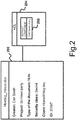
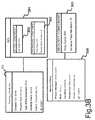
- Fig. 3a where "Meeting_minute.doc" shown in Fig. 2 is used as an example.
- the "Summer Party” project comprises a metadata item for a project manager the value of which is Holly Quinn. Other metadata items define that the party is held on July, 14 in Andorra every odd year.
- the client of the project is HorseWhisp Inc. It is realized that the project refers to a security component 303 that defines access rights so that read-write-access (“RW”) is allocated to Holly Quinn and read-access (“R”) is allocated to Summer Party Members.
- the security component can be associated with the object (e.g. project) by other means also, e.g. by inclusion, by linking, by direct reference, by indirect reference, etc.
- this security component 303 of "Summer party" project defines rights to access any object referring to the "Summer Party" project (i.e. any object having a metadata item defining "Summer Party"), including "Meeting_minute.doc". Therefore, Holly Quinn can read and write "Meeting_minute.doc” and participants of the project "Summer party” can read “Meeting_minute.doc”.
- the access rights originating from a security component of the object's metadata item can be called “propagatable permissions/access rights” because they propagate to the object's own ACL, as shown in Figure 3b .
- the object "Meeting_minute.doc” has a property "Project", the value of which is "Summer party”.
- the "Summer party" project refers to a security component 303 that defines access to objects referring to the said project. Therefore, the ACL 204 of object 200 is fulfilled with the content of the security component 303. As a result of this, the ACL 204 of the object 200 comprises its own default component 202 allocating full access right to Carl Smith and the propagated component 302 allocating read-write access right to Holly Quinn and read access right to Summer Party Members. It is appreciated that this security component is kind of a viral component that can be spread among the objects of the document management system as long as those objects refer to metadata items that further refers to (or is associated by other way to) a security component. It is also appreciated that propagation can be physical or virtual.
- the security component in physical propagation the security component is physically copied or transmitted to the ACL of the object before actually evaluating the access rights.
- the security component in virtual propagation, the security component is dynamically incorporated from the metadata item while the object ACL is being evaluated.
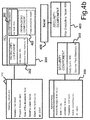
- Figure 4a illustrates the same example as shown in Figs 2 and 3 , but provides more information for "Meeting_minute.doc".
- an object “Secret” 400 refers to a security component 403 that gives RW rights to an executive team at the most. Because "Meeting_minute.doc” has a property value "Secret", this security class object 400 further defines access rights to the document "Meeting_minute.doc". It is realized (see Fig.
- any object having a reference to the "Summer party” metadata item can have the access rights according to the security component of that particular project.
- any object having a reference to the "Secret” metadata item can have the access rights according to the security component of that particular security class.
- security components can be propagated to the object's ACL.
- a project metadata item might be referred by several properties, such as "Customer Project” and “Project for Tracking Purposes", but only the "Customer Project” property would be configured to enable propagation.
- the access right determination propagates easily throughout the document management system when the originating security component is modified.
- the resulted ACL for the object can be also modified by the user if the propagated components allow the user to do so.
- the security component of the "Secret" metadata item might be configured to reject any modification because of its dominantly confidential nature.
- the effective access rights can be determined according to predetermined rules. For example, in Figs. 4a , 4b , the effective access rights for the document in question can be determined as a partial intersection of the three components within the ACL 204. This means that RW access rights are appointed to Carl Smith or Holly Quinn only if they are also members of the executive team. In such a case, the full control being allocated to Carl Smith is reduced to RW, because the security component of "Secret" defines the maximum rights. Similarly, such Summer Party Members who are also members of Executive Team are given permissions for the object. However, in such a case, the R permission of such Summer Party Members is not broadened to RW.
- Max:Executive Team may choose not to indicate any particular access rights. In such a situation, the access rights of persons are preserved from other security components, but the maximum set of effective persons are determined according to their membership in the Executive Team.
- the effective access rights can be formed by combining each propagated component being referred whereby each propagated component supplements the complete access rights of the object as in example of Figs. 3a , 3b .
- any security component can restrict, supplement, override or define the maximum or the minimum restriction for the other security components or determined according to any combination of those. The nature of the security component depends on the use case and can be specified separately.
- each security component has its own determining factor. For example, it is possible to set the security component of the security class "Secret" as the dominant security component, which always restricts the other components. On the other hand, it is possible to refer to a metadata item called "note” that has a security component "min:Everyone:R”. This may override other security components and give everyone a read access.
- the system may comprise an ACL conflict management policy that can be configured to set priorities to the security components.
- any security component originating via indirect metadata item references across several objects does not include any security component by itself but comprises a metadata item that either refers to a security component or comprises yet another metadata item including a security component.
- a chain of security components can be as long as security components can be found along the path across cascaded objects.
- This first solution of the invention is to retrieve security components based on the metadata of the object, and to combine them to automatically define the access rights for the object.
- the user may desire to set or modify the resulted access rights of the object manually. In such a simple case, the manually set access rights affect only the object in question and do not propagate any further.
- the user wishes to change the content of the security component of e.g. the project, then the ACL of any object referring to that project can be automatically updated accordingly. This automatic update can occur immediately after the security component has been changed, or after a certain time period. In some cases, the automatic update may also be ignored.
- the access right settings do not depend on the physical location of the object in the document management system, as in the solutions of related art, but on the ACL composed from security components derived by the means of the metadata of the object.
- This ACL can then be included in the object's metadata on object level and/or version-specifically.
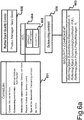
- Figure 6a illustrates how the solution of Fig. 5 can be utilized by the first solution (shown in Figs 2-4 ).
- a security component 603 is created. This security component allocates access rights to the pseudo-users e.g. according to notation "ReferringObject.Role:AccessRight".
- Fig. 1 illustrates how the solution of Fig. 5 can be utilized by the first solution (shown in Figs 2-4 ).
- a security component 603 is created. This security component allocates access rights to the pseudo-users e.g. according to notation "ReferringObject.Role:AccessRight".
- the security component 603 defines "ReferringObject.SubcontractorRepresentative:R” refers to a metadata item “subcontractror representative” of the referring (target) document; “ReferringObject.OutsourcingCoordinator:FULL” refers to a metadata item “outsourcing coordinator” of the referring (target) document; and “ReferringObject.Project.ProjectManager:R” refers to a metadata item "project” of the referring (target) document.
- This security component 603 is related to the outsourcing contract object 600 that defines type for documents.
- Michael McBoss creates a new document "contract.doc" 601 comprising metadata items.
- One of the metadata items defines that the type of the document is an "Outsourcing Contract”.
- the document "contract.doc” refers to a project "Rubber Duck Quality Control” 606 having Gary Gantt as its project manager.
- Michael McBoss sets further metadata items to the document, e.g. Subcontractor Representative is Sammy van Slave and Outsourcing coordinators are Michael McBoss and Kyle Kapitan.
- the object 601 also comprises an ACL 604 having a default component, where - according to the second solution - a pseudo-user "Creator" receives full rights.
- the security component 603 may have been created before the object "Contract.doc”. Therefore it does not have to pay any attention to identities of persons but it can exist independently. At the time the security component 603 is propagated to any object, it will affect to the access rights of any object whose metadata items can be used in resolving the pseudo-user references.
- Figure 6b now shows the resolved access rights 605 for object 601.
- Sammy van Slave gets read permission
- Michael McBoss gets full rights
- Kyle Kapitan also gets full rights
- Gary Gantt gets read permission.
- the resolving can be performed physically, as shown in Fig. 6b , or dynamically (virtually), or by mixing these two extremes.
- Figs. 6a and 6b The flexibility of the second solution can be realized from Figs. 6a and 6b .
- the project manager changes because Gary Gantt is leaving the company, and Flo C. Hart takes over as Project Manager of Rubber Duck Quality Control, the change is automatically propagated to the "contract.doc", and therefore read access is automatically given to Flo C. Hart instead of Gary Gantt.
- the access rights for an object are derived from referred metadata items that further refers to a security component comprising information on access rights.
- the access rights are derived from pseudo-users.
- the second solution can also be utilized in the first solution, so that the security component comprises notation for pseudo-users and their access rights.
- the various embodiments of the invention can be implemented with the help of computer program code that resides in a memory and causes the relevant apparatuses, such as the server and the client device, to carry out the invention.
- These solutions can be performed in one device only or it can be divided depending on how much data is stored in the client device.
- the devices and the system can comprise other devices and operations that enhance their performance.
- human-machine-interaction can be configured to any stage of the solution, when appropriate. It is obvious that the present invention is not limited solely to the above-presented embodiments, but it can be modified within the scope of the appended claims.
Landscapes
- Engineering & Computer Science (AREA)
- Theoretical Computer Science (AREA)
- Physics & Mathematics (AREA)
- Databases & Information Systems (AREA)
- General Engineering & Computer Science (AREA)
- General Physics & Mathematics (AREA)
- Data Mining & Analysis (AREA)
- Software Systems (AREA)
- Health & Medical Sciences (AREA)
- Bioethics (AREA)
- General Health & Medical Sciences (AREA)
- Computer Hardware Design (AREA)
- Computer Security & Cryptography (AREA)
- Storage Device Security (AREA)
Claims (15)
- Verfahren für ein dynamisches Content-Management-System, aufweisend eine auf Metadaten basierende Ordnerhierarchie, wobei das dynamische Content-Management-System elektronische Objekte speichert, die durch Metadaten (200) mit mindestens einer Eigenschaft mit einem Wert definiert sind, wobei ein elektronisches Objekt auf eine Zugriffssteuerungsliste verweist, die ein Zugriffsrecht für das elektronische Objekt definiert, wobei die auf Metadaten basierende Ordnerhierarchie virtuelle Ordner umfasst, und wobei sich die Objekte abhängig von ihren Metadaten-Eigenschaften in mehreren virtuellen Ordnern befinden, wobei das Verfahren ferner umfasst:- das Bestimmen wirksamer Zugriffsrechte für ein erstes elektronisches Objekt, durch• Bestimmen eines oder mehrerer weiterer elektronischer Objekte, auf die durch einen Eigenschaftswert eines Metadatums (200) des ersten elektronischen Objekts verwiesen wird;• Abrufen von Sicherheitskomponenten (303) der bestimmten ein oder mehreren weiteren elektronischen Objekte, wobei die Sicherheitskomponenten (303) Zugriffsrechte definieren; und• Verbreiten der Sicherheitskomponenten auf die Zugriffssteuerungsliste des ersten elektronischen Objekts, um die wirksamen Zugriffsrechte (204) für das erste elektronische Objekt zu definieren.
- Verfahren gemäß Anspruch 1, wobei die wirksamen Zugriffsrechte für das erste elektronische Objekt durch Kombinieren der Sicherheitskomponenten (303) mit der eigenen Zugriffssteuerungsliste (202) des ersten elektronischen Objekts gemäß den vordefinierten Regelsätzen bestimmt werden.
- Verfahren gemäß Anspruch 1 oder 2, wobei das weitere elektronische Objekt direkt von dem Eigenschaftswert von Metadaten (200) des ersten elektronischen Objekts stammt.
- Verfahren gemäß Anspruch 1 oder 2, wobei das weitere elektronische Objekt indirekt von dem Eigenschaftswert von Metadaten (200) des ersten elektronischen Objekts stammt.
- Verfahren gemäß einem der vorstehenden Ansprüche 1 bis 4, wobei die wirksamen Zugriffsrechte mittels Pseudo-Nutzern (502) definiert werden.
- Verfahren gemäß Anspruch 5, ferner umfassend:- das Identifizieren einer Person mit Zugriffsrechten für das erste elektronische Objekt durch Auflösen einer Personenidentität aus einem Eigenschaftswert der Metadaten (501) des ersten elektronischen Objekts.
- Verfahren gemäß Anspruch 5, ferner umfassend:- das Identifizieren einer Person mit Zugriffsrechten für das erste elektronische Objekt durch Auflösen einer Personenidentität aus einem Eigenschaftswert der Metadaten (501) von einem weiteren Objekt, auf das von dem ersten elektronischen Objekt verwiesen wird.
- Einrichtung für ein dynamisches Content-Management-System, aufweisend eine auf Metadaten basierende Ordnerhierarchie, wobei das dynamische Content-Management-System elektronische Objekte speichert, die durch Metadaten (200) mit mindestens einer Eigenschaft mit einem Wert definiert sind, wobei ein elektronisches Objekt auf eine Zugriffssteuerungsliste verweist, die ein Zugriffsrecht für das elektronische Objekt definiert, wobei die auf Metadaten basierende Ordnerhierarchie virtuelle Ordner aufweist, und wobei sich die Objekte abhängig von ihren Metadaten-Eigenschaften in mehreren virtuellen Ordnern befinden, wobei die Einrichtung einen Prozessor und einen Speicher mit einem Computerprogrammcode aufweist, wobei der Speicher und der Computerprogrammcode dafür ausgelegt sind, mit dem Prozessor die Einrichtung zu veranlassen, mindestens folgendes auszuführen:- das Bestimmen wirksamer Zugriffsrechte für ein erstes elektronisches Objekt, durch• Bestimmen eines oder mehrerer weiterer elektronischer Objekte, auf die durch einen Eigenschaftswert eines Metadatums des ersten elektronischen Objekts verwiesen wird;• Abrufen von Sicherheitskomponenten (303) der bestimmten ein oder mehreren weiteren elektronischen Objekte, wobei die Sicherheitskomponenten (303) Zugriffsrechte definieren; und• Verbreiten der Sicherheitskomponenten auf die Zugriffssteuerungsliste des ersten elektronischen Objekts, um die wirksamen Zugriffsrechte (204) für das erste elektronische Objekt zu definieren.
- Einrichtung gemäß Anspruch 8, wobei die wirksamen Zugriffsrechte für das erste elektronische Objekt durch Kombinieren der Sicherheitskomponenten (303) mit der eigenen Zugriffssteuerungsliste (202) des ersten elektronischen Objekts gemäß den vordefinierten Regelsätzen bestimmt werden.
- Einrichtung gemäß Anspruch 8 oder 9, wobei das weitere elektronische Objekt direkt von dem Eigenschaftswert von Metadaten (200) des ersten elektronischen Objekts stammt.
- Einrichtung gemäß Anspruch 8 oder 9, wobei das weitere elektronische Objekt indirekt von dem Eigenschaftswert von Metadaten (200) des ersten elektronischen Objekts stammt.
- Einrichtung gemäß einem der vorhergehenden Ansprüche 8 bis 11, wobei die wirksamen Zugriffsrechte mittels Pseudo-Nutzern (502) definiert sind.
- Einrichtung gemäß Anspruch 12, ferner aufweisend einen Computerprogrammcode, der dafür ausgelegt ist, mit dem Prozessor die Einrichtung zu veranlassen, mindestens folgendes auszuführen:- das Identifizieren einer Person mit Zugriffsrechten für das erste elektronische Objekt durch Auflösen einer Personenidentität aus einem Eigenschaftswert der Metadaten (501) des ersten elektronischen Objekts.
- Einrichtung gemäß Anspruch 12, ferner aufweisend einen Computerprogrammcode, der dafür ausgelegt ist, mit dem Prozessor die Einrichtung zu veranlassen, mindestens folgendes auszuführen:- das Identifizieren einer Person mit Zugriffsrechten für das Objekt durch Auflösen einer Personenidentität aus einem Eigenschaftswert der Metadaten (501) von einem weiteren Objekt, auf das von dem ersten elektronischen Objekt verwiesen wird.
- Computerlesbares Medium für ein dynamisches Content-Management-System, aufweisend eine auf Metadaten basierende Ordnerhierarchie, wobei das dynamische Content-Management-System elektronische Objekte speichert, die durch Metadaten (200) mit mindestens einer Eigenschaft mit einem Wert definiert sind, wobei ein elektronisches Objekt auf eine Zugriffssteuerungsliste verweist, die ein Zugriffsrecht für das elektronische Objekt definiert, wobei die auf Metadaten basierende Ordnerhierarchie virtuelle Ordner umfasst, und wobei sich die Objekte abhängig von ihren Metadaten-Eigenschaften in mehreren virtuellen Ordnern befinden, wobei das computerlesbare Medium darin gespeicherte Befehle umfasst, wobei die Befehle dafür ausgelegt sind,- wirksame Zugriffsrechte für ein erstes elektronisches Objekt zu bestimmen durch• Bestimmen eines oder mehrerer weiterer elektronischer Objekte, auf die durch einen Eigenschaftswert eines Metadatums (200) des ersten elektronischen Objekts verwiesen wird;• Abrufen von Sicherheitskomponenten (303) der bestimmten ein oder mehreren weiteren elektronischen Objekte, wobei die Sicherheitskomponenten (303) Zugriffsrechte definieren; und• Verbreiten der Sicherheitskomponenten auf die Zugriffssteuerungsliste des ersten elektronischen Objekts, um die wirksamen Zugriffsrechte (204) für das erste elektronische Objekt zu definieren.
Priority Applications (1)
| Application Number | Priority Date | Filing Date | Title |
|---|---|---|---|
| EP14197287.7A EP2863333B1 (de) | 2010-09-29 | 2011-09-28 | Verfahren, Vorrichtung, Computersystem, Sicherheitskomponenten und computerlesbares Medium zur Definition von Zugriffsrechten in einer Dateianordnung auf Metadatenbasis |
Applications Claiming Priority (1)
| Application Number | Priority Date | Filing Date | Title |
|---|---|---|---|
| US12/924,625 US8996575B2 (en) | 2010-09-29 | 2010-09-29 | Method, an apparatus, a computer system, a security component and a computer readable medium for defining access rights in metadata-based file arrangement |
Related Child Applications (2)
| Application Number | Title | Priority Date | Filing Date |
|---|---|---|---|
| EP14197287.7A Division EP2863333B1 (de) | 2010-09-29 | 2011-09-28 | Verfahren, Vorrichtung, Computersystem, Sicherheitskomponenten und computerlesbares Medium zur Definition von Zugriffsrechten in einer Dateianordnung auf Metadatenbasis |
| EP14197287.7A Division-Into EP2863333B1 (de) | 2010-09-29 | 2011-09-28 | Verfahren, Vorrichtung, Computersystem, Sicherheitskomponenten und computerlesbares Medium zur Definition von Zugriffsrechten in einer Dateianordnung auf Metadatenbasis |
Publications (3)
| Publication Number | Publication Date |
|---|---|
| EP2437199A2 EP2437199A2 (de) | 2012-04-04 |
| EP2437199A3 EP2437199A3 (de) | 2014-06-25 |
| EP2437199B1 true EP2437199B1 (de) | 2017-10-25 |
Family
ID=44905779
Family Applications (2)
| Application Number | Title | Priority Date | Filing Date |
|---|---|---|---|
| EP11397524.7A Active EP2437199B1 (de) | 2010-09-29 | 2011-09-28 | Verfahren, Vorrichtung, Computersystem, Sicherheitskomponenten und computerlesbares Medium zur Definition von Zugriffsrechten in einer Dateianordnung auf Metadatenbasis |
| EP14197287.7A Active EP2863333B1 (de) | 2010-09-29 | 2011-09-28 | Verfahren, Vorrichtung, Computersystem, Sicherheitskomponenten und computerlesbares Medium zur Definition von Zugriffsrechten in einer Dateianordnung auf Metadatenbasis |
Family Applications After (1)
| Application Number | Title | Priority Date | Filing Date |
|---|---|---|---|
| EP14197287.7A Active EP2863333B1 (de) | 2010-09-29 | 2011-09-28 | Verfahren, Vorrichtung, Computersystem, Sicherheitskomponenten und computerlesbares Medium zur Definition von Zugriffsrechten in einer Dateianordnung auf Metadatenbasis |
Country Status (3)
| Country | Link |
|---|---|
| US (2) | US8996575B2 (de) |
| EP (2) | EP2437199B1 (de) |
| ES (2) | ES2655369T3 (de) |
Families Citing this family (11)
| Publication number | Priority date | Publication date | Assignee | Title |
|---|---|---|---|---|
| CN103348316B (zh) | 2011-01-27 | 2016-08-24 | 瓦欧尼斯系统有限公司 | 访问权限管理系统和方法 |
| US9680839B2 (en) | 2011-01-27 | 2017-06-13 | Varonis Systems, Inc. | Access permissions management system and method |
| US8909673B2 (en) * | 2011-01-27 | 2014-12-09 | Varonis Systems, Inc. | Access permissions management system and method |
| SG11201403482TA (en) | 2011-12-21 | 2014-07-30 | Ssh Comm Security Oyj | Automated access, key, certificate, and credential management |
| US9135588B2 (en) * | 2012-06-27 | 2015-09-15 | M-Files Oy | Method for controlling workflow |
| US9053334B2 (en) | 2012-09-28 | 2015-06-09 | M-Files Oy | Method and a technical equipment for controlling metadata access |
| FR3040813B1 (fr) * | 2015-09-07 | 2022-02-11 | Docapost Dps | Architecture de gestion d'acces d'utilisateurs a des objets informatiques selon une ou plusieurs fonctionnalites d'utilisation de ces objets |
| CN105827635A (zh) * | 2016-05-09 | 2016-08-03 | 乐视控股(北京)有限公司 | 一种基于对象存储的对象访问权限变更方法和系统 |
| KR102667438B1 (ko) | 2017-01-25 | 2024-05-20 | 삼성전자주식회사 | 전자 장치 및 전자 장치의 데이터 관리 방법 |
| EP3614323A1 (de) * | 2018-08-20 | 2020-02-26 | Nallian NV | Vorrichtung und verfahren zur gemeinsamen nutzung von daten in einem wertketten-kollaborationsprozess |
| US11089029B2 (en) | 2019-07-24 | 2021-08-10 | Palantir Technologies Inc. | Enforcing granular access control policy |
Family Cites Families (27)
| Publication number | Priority date | Publication date | Assignee | Title |
|---|---|---|---|---|
| US5892900A (en) * | 1996-08-30 | 1999-04-06 | Intertrust Technologies Corp. | Systems and methods for secure transaction management and electronic rights protection |
| US5706510A (en) * | 1996-03-15 | 1998-01-06 | Hewlett-Packard Company | Zymbolic history management system |
| US6721713B1 (en) * | 1999-05-27 | 2004-04-13 | Andersen Consulting Llp | Business alliance identification in a web architecture framework |
| US7130807B1 (en) * | 1999-11-22 | 2006-10-31 | Accenture Llp | Technology sharing during demand and supply planning in a network-based supply chain environment |
| US20020156756A1 (en) * | 2000-12-06 | 2002-10-24 | Biosentients, Inc. | Intelligent molecular object data structure and method for application in heterogeneous data environments with high data density and dynamic application needs |
| US6871231B2 (en) | 2001-01-03 | 2005-03-22 | Ipac Acquisition Subsidiary I, Llc | Role-based access to image metadata |
| US20030177248A1 (en) * | 2001-09-05 | 2003-09-18 | International Business Machines Corporation | Apparatus and method for providing access rights information on computer accessible content |
| US6892201B2 (en) * | 2001-09-05 | 2005-05-10 | International Business Machines Corporation | Apparatus and method for providing access rights information in a portion of a file |
| US7693917B2 (en) * | 2001-11-30 | 2010-04-06 | Intelligent Medical Objects, Inc. | Method for adaptive data management |
| US7921299B1 (en) * | 2003-12-05 | 2011-04-05 | Microsoft Corporation | Partner sandboxing in a shared multi-tenant billing system |
| US20070174031A1 (en) * | 2003-12-23 | 2007-07-26 | Roman Levenshteyn | Method and device for taking an access control policy decision |
| JP2005242586A (ja) * | 2004-02-25 | 2005-09-08 | Fuji Xerox Co Ltd | 文書ビュー提供のためのプログラム、装置、システム及び方法 |
| US7882544B2 (en) * | 2004-07-12 | 2011-02-01 | International Business Machines Corporation | Inherited role-based access control system, method and program product |
| US20060129745A1 (en) * | 2004-12-11 | 2006-06-15 | Gunther Thiel | Process and appliance for data processing and computer program product |
| US20080263640A1 (en) * | 2004-12-23 | 2008-10-23 | Redphone Security, Inc. | Translation Engine for Computer Authorizations Between Active Directory and Mainframe System |
| US8347088B2 (en) * | 2005-02-01 | 2013-01-01 | Newsilike Media Group, Inc | Security systems and methods for use with structured and unstructured data |
| US20070136603A1 (en) * | 2005-10-21 | 2007-06-14 | Sensis Corporation | Method and apparatus for providing secure access control for protected information |
| US7860589B2 (en) * | 2006-03-02 | 2010-12-28 | Rockwell Automation Technologies, Inc. | Programmatic access to controller construct and variable names |
| US20080016547A1 (en) * | 2006-07-11 | 2008-01-17 | International Business Machines Corporation | System and method for security planning with hard security constraints |
| US7836080B2 (en) * | 2006-12-22 | 2010-11-16 | International Business Machines Corporation | Using an access control list rule to generate an access control list for a document included in a file plan |
| US8468244B2 (en) * | 2007-01-05 | 2013-06-18 | Digital Doors, Inc. | Digital information infrastructure and method for security designated data and with granular data stores |
| US20080215964A1 (en) * | 2007-02-23 | 2008-09-04 | Tabblo, Inc. | Method and system for online creation and publication of user-generated stories |
| US20080215588A1 (en) * | 2007-03-02 | 2008-09-04 | Toshiba Europe Gmbh | Electronic object sharing system |
| US8396838B2 (en) * | 2007-10-17 | 2013-03-12 | Commvault Systems, Inc. | Legal compliance, electronic discovery and electronic document handling of online and offline copies of data |
| TWI476610B (zh) * | 2008-04-29 | 2015-03-11 | Maxiscale Inc | 同級間冗餘檔案伺服器系統及方法 |
| US9068849B2 (en) * | 2009-05-04 | 2015-06-30 | Tomtom North America, Inc. | Method and system for reducing shape points in a geographic data information system |
| US20130124546A1 (en) * | 2010-02-26 | 2013-05-16 | Adobe Systems, Inc. | Group access control for a distributed system |
-
2010
- 2010-09-29 US US12/924,625 patent/US8996575B2/en active Active
-
2011
- 2011-09-28 EP EP11397524.7A patent/EP2437199B1/de active Active
- 2011-09-28 ES ES11397524.7T patent/ES2655369T3/es active Active
- 2011-09-28 EP EP14197287.7A patent/EP2863333B1/de active Active
- 2011-09-28 ES ES14197287.7T patent/ES2656115T3/es active Active
-
2015
- 2015-01-29 US US14/608,738 patent/US9576148B2/en active Active
Also Published As
| Publication number | Publication date |
|---|---|
| EP2437199A3 (de) | 2014-06-25 |
| ES2655369T3 (es) | 2018-02-19 |
| US8996575B2 (en) | 2015-03-31 |
| EP2437199A2 (de) | 2012-04-04 |
| EP2863333B1 (de) | 2017-10-18 |
| US20120078965A1 (en) | 2012-03-29 |
| ES2656115T3 (es) | 2018-02-23 |
| US9576148B2 (en) | 2017-02-21 |
| EP2863333A1 (de) | 2015-04-22 |
| US20150143549A1 (en) | 2015-05-21 |
Similar Documents
| Publication | Publication Date | Title |
|---|---|---|
| EP2863333B1 (de) | Verfahren, Vorrichtung, Computersystem, Sicherheitskomponenten und computerlesbares Medium zur Definition von Zugriffsrechten in einer Dateianordnung auf Metadatenbasis | |
| US11604791B2 (en) | Automatic resource ownership assignment systems and methods | |
| KR101608103B1 (ko) | 구조화된 공동 저작 | |
| US20100306775A1 (en) | Role based delegated administration model | |
| US20070255699A1 (en) | Bypass of the namespace hierarchy to open files | |
| US20090222879A1 (en) | Super policy in information protection systems | |
| US20230061347A1 (en) | Multiple access points for data containers | |
| US20070039045A1 (en) | Dual layered access control list | |
| US20160140142A1 (en) | Automatic resource ownership assignment system and method | |
| US11328254B2 (en) | Automatic group creation based on organization hierarchy | |
| US10303420B2 (en) | Proactive staged distribution of document activity indicators | |
| US7676831B2 (en) | Role-based access control management for multiple heterogeneous application components | |
| KR20100061693A (ko) | 스프레드시트 워크북 파트 라이브러리 | |
| WO2022260808A1 (en) | Property-level visibilities for knowledge-graph objects | |
| US7613726B1 (en) | Framework for defining and implementing behaviors across and within content object types | |
| Munier et al. | Blockchain and the general data protection regulation: Reconciling protection and innovation | |
| Steffen et al. | Asking why | |
| WO2009067332A2 (en) | Secure authoring and execution of user-entered database programming | |
| JP2012146130A (ja) | ファイル格納制御システムと方法およびプログラム | |
| US9053334B2 (en) | Method and a technical equipment for controlling metadata access | |
| US20230297721A1 (en) | Systems and methods for creating rules based on security policies | |
| CN119128843A (zh) | 基于rbac模型的业务权限确定方法、装置、设备及介质 | |
| AU2007101017A4 (en) | An access control mechanism for web applications | |
| US20090319285A1 (en) | Techniques for managing disruptive business events | |
| Drescher | Reinventing Blockchain: The emergence of four different kinds of blockchain |
Legal Events
| Date | Code | Title | Description |
|---|---|---|---|
| PUAI | Public reference made under article 153(3) epc to a published international application that has entered the european phase |
Free format text: ORIGINAL CODE: 0009012 |
|
| AK | Designated contracting states |
Kind code of ref document: A2 Designated state(s): AL AT BE BG CH CY CZ DE DK EE ES FI FR GB GR HR HU IE IS IT LI LT LU LV MC MK MT NL NO PL PT RO RS SE SI SK SM TR |
|
| AX | Request for extension of the european patent |
Extension state: BA ME |
|
| PUAL | Search report despatched |
Free format text: ORIGINAL CODE: 0009013 |
|
| AK | Designated contracting states |
Kind code of ref document: A3 Designated state(s): AL AT BE BG CH CY CZ DE DK EE ES FI FR GB GR HR HU IE IS IT LI LT LU LV MC MK MT NL NO PL PT RO RS SE SI SK SM TR |
|
| AX | Request for extension of the european patent |
Extension state: BA ME |
|
| RIC1 | Information provided on ipc code assigned before grant |
Ipc: G06F 21/60 20130101AFI20140627BHEP |
|
| RBV | Designated contracting states (corrected) |
Designated state(s): AL AT BE BG CH CY CZ DE DK EE ES FI FR GB GR HR HU IE IS IT LI LT LU LV MC MK MT NL NO PL PT RO RS SE SI SK SM TR |
|
| 17P | Request for examination filed |
Effective date: 20141211 |
|
| 17Q | First examination report despatched |
Effective date: 20150319 |
|
| R17C | First examination report despatched (corrected) |
Effective date: 20150319 |
|
| STAA | Information on the status of an ep patent application or granted ep patent |
Free format text: STATUS: EXAMINATION IS IN PROGRESS |
|
| REG | Reference to a national code |
Ref country code: DE Ref legal event code: R079 Ref document number: 602011042654 Country of ref document: DE Free format text: PREVIOUS MAIN CLASS: G06F0021240000 Ipc: G06F0021620000 |
|
| GRAP | Despatch of communication of intention to grant a patent |
Free format text: ORIGINAL CODE: EPIDOSNIGR1 |
|
| STAA | Information on the status of an ep patent application or granted ep patent |
Free format text: STATUS: GRANT OF PATENT IS INTENDED |
|
| RIC1 | Information provided on ipc code assigned before grant |
Ipc: G06F 21/62 20130101AFI20170428BHEP Ipc: G06F 17/30 20060101ALI20170428BHEP |
|
| INTG | Intention to grant announced |
Effective date: 20170519 |
|
| GRAS | Grant fee paid |
Free format text: ORIGINAL CODE: EPIDOSNIGR3 |
|
| GRAA | (expected) grant |
Free format text: ORIGINAL CODE: 0009210 |
|
| STAA | Information on the status of an ep patent application or granted ep patent |
Free format text: STATUS: THE PATENT HAS BEEN GRANTED |
|
| AK | Designated contracting states |
Kind code of ref document: B1 Designated state(s): AL AT BE BG CH CY CZ DE DK EE ES FI FR GB GR HR HU IE IS IT LI LT LU LV MC MK MT NL NO PL PT RO RS SE SI SK SM TR |
|
| RAP1 | Party data changed (applicant data changed or rights of an application transferred) |
Owner name: M-FILES OY |
|
| REG | Reference to a national code |
Ref country code: GB Ref legal event code: FG4D |
|
| REG | Reference to a national code |
Ref country code: CH Ref legal event code: EP |
|
| REG | Reference to a national code |
Ref country code: AT Ref legal event code: REF Ref document number: 940548 Country of ref document: AT Kind code of ref document: T Effective date: 20171115 |
|
| REG | Reference to a national code |
Ref country code: IE Ref legal event code: FG4D |
|
| REG | Reference to a national code |
Ref country code: DE Ref legal event code: R096 Ref document number: 602011042654 Country of ref document: DE |
|
| REG | Reference to a national code |
Ref country code: ES Ref legal event code: FG2A Ref document number: 2655369 Country of ref document: ES Kind code of ref document: T3 Effective date: 20180219 |
|
| REG | Reference to a national code |
Ref country code: NL Ref legal event code: MP Effective date: 20171025 |
|
| REG | Reference to a national code |
Ref country code: LT Ref legal event code: MG4D |
|
| REG | Reference to a national code |
Ref country code: AT Ref legal event code: MK05 Ref document number: 940548 Country of ref document: AT Kind code of ref document: T Effective date: 20171025 |
|
| PG25 | Lapsed in a contracting state [announced via postgrant information from national office to epo] |
Ref country code: NL Free format text: LAPSE BECAUSE OF FAILURE TO SUBMIT A TRANSLATION OF THE DESCRIPTION OR TO PAY THE FEE WITHIN THE PRESCRIBED TIME-LIMIT Effective date: 20171025 |
|
| PG25 | Lapsed in a contracting state [announced via postgrant information from national office to epo] |
Ref country code: FI Free format text: LAPSE BECAUSE OF FAILURE TO SUBMIT A TRANSLATION OF THE DESCRIPTION OR TO PAY THE FEE WITHIN THE PRESCRIBED TIME-LIMIT Effective date: 20171025 Ref country code: SE Free format text: LAPSE BECAUSE OF FAILURE TO SUBMIT A TRANSLATION OF THE DESCRIPTION OR TO PAY THE FEE WITHIN THE PRESCRIBED TIME-LIMIT Effective date: 20171025 Ref country code: NO Free format text: LAPSE BECAUSE OF FAILURE TO SUBMIT A TRANSLATION OF THE DESCRIPTION OR TO PAY THE FEE WITHIN THE PRESCRIBED TIME-LIMIT Effective date: 20180125 Ref country code: LT Free format text: LAPSE BECAUSE OF FAILURE TO SUBMIT A TRANSLATION OF THE DESCRIPTION OR TO PAY THE FEE WITHIN THE PRESCRIBED TIME-LIMIT Effective date: 20171025 |
|
| PG25 | Lapsed in a contracting state [announced via postgrant information from national office to epo] |
Ref country code: IS Free format text: LAPSE BECAUSE OF FAILURE TO SUBMIT A TRANSLATION OF THE DESCRIPTION OR TO PAY THE FEE WITHIN THE PRESCRIBED TIME-LIMIT Effective date: 20180225 Ref country code: LV Free format text: LAPSE BECAUSE OF FAILURE TO SUBMIT A TRANSLATION OF THE DESCRIPTION OR TO PAY THE FEE WITHIN THE PRESCRIBED TIME-LIMIT Effective date: 20171025 Ref country code: BG Free format text: LAPSE BECAUSE OF FAILURE TO SUBMIT A TRANSLATION OF THE DESCRIPTION OR TO PAY THE FEE WITHIN THE PRESCRIBED TIME-LIMIT Effective date: 20180125 Ref country code: GR Free format text: LAPSE BECAUSE OF FAILURE TO SUBMIT A TRANSLATION OF THE DESCRIPTION OR TO PAY THE FEE WITHIN THE PRESCRIBED TIME-LIMIT Effective date: 20180126 Ref country code: HR Free format text: LAPSE BECAUSE OF FAILURE TO SUBMIT A TRANSLATION OF THE DESCRIPTION OR TO PAY THE FEE WITHIN THE PRESCRIBED TIME-LIMIT Effective date: 20171025 Ref country code: AT Free format text: LAPSE BECAUSE OF FAILURE TO SUBMIT A TRANSLATION OF THE DESCRIPTION OR TO PAY THE FEE WITHIN THE PRESCRIBED TIME-LIMIT Effective date: 20171025 Ref country code: RS Free format text: LAPSE BECAUSE OF FAILURE TO SUBMIT A TRANSLATION OF THE DESCRIPTION OR TO PAY THE FEE WITHIN THE PRESCRIBED TIME-LIMIT Effective date: 20171025 |
|
| REG | Reference to a national code |
Ref country code: DE Ref legal event code: R097 Ref document number: 602011042654 Country of ref document: DE |
|
| PG25 | Lapsed in a contracting state [announced via postgrant information from national office to epo] |
Ref country code: SK Free format text: LAPSE BECAUSE OF FAILURE TO SUBMIT A TRANSLATION OF THE DESCRIPTION OR TO PAY THE FEE WITHIN THE PRESCRIBED TIME-LIMIT Effective date: 20171025 Ref country code: EE Free format text: LAPSE BECAUSE OF FAILURE TO SUBMIT A TRANSLATION OF THE DESCRIPTION OR TO PAY THE FEE WITHIN THE PRESCRIBED TIME-LIMIT Effective date: 20171025 Ref country code: DK Free format text: LAPSE BECAUSE OF FAILURE TO SUBMIT A TRANSLATION OF THE DESCRIPTION OR TO PAY THE FEE WITHIN THE PRESCRIBED TIME-LIMIT Effective date: 20171025 Ref country code: CY Free format text: LAPSE BECAUSE OF FAILURE TO SUBMIT A TRANSLATION OF THE DESCRIPTION OR TO PAY THE FEE WITHIN THE PRESCRIBED TIME-LIMIT Effective date: 20171025 Ref country code: CZ Free format text: LAPSE BECAUSE OF FAILURE TO SUBMIT A TRANSLATION OF THE DESCRIPTION OR TO PAY THE FEE WITHIN THE PRESCRIBED TIME-LIMIT Effective date: 20171025 |
|
| PG25 | Lapsed in a contracting state [announced via postgrant information from national office to epo] |
Ref country code: PL Free format text: LAPSE BECAUSE OF FAILURE TO SUBMIT A TRANSLATION OF THE DESCRIPTION OR TO PAY THE FEE WITHIN THE PRESCRIBED TIME-LIMIT Effective date: 20171025 Ref country code: SM Free format text: LAPSE BECAUSE OF FAILURE TO SUBMIT A TRANSLATION OF THE DESCRIPTION OR TO PAY THE FEE WITHIN THE PRESCRIBED TIME-LIMIT Effective date: 20171025 Ref country code: RO Free format text: LAPSE BECAUSE OF FAILURE TO SUBMIT A TRANSLATION OF THE DESCRIPTION OR TO PAY THE FEE WITHIN THE PRESCRIBED TIME-LIMIT Effective date: 20171025 |
|
| PLBE | No opposition filed within time limit |
Free format text: ORIGINAL CODE: 0009261 |
|
| STAA | Information on the status of an ep patent application or granted ep patent |
Free format text: STATUS: NO OPPOSITION FILED WITHIN TIME LIMIT |
|
| REG | Reference to a national code |
Ref country code: FR Ref legal event code: PLFP Year of fee payment: 8 |
|
| 26N | No opposition filed |
Effective date: 20180726 |
|
| PG25 | Lapsed in a contracting state [announced via postgrant information from national office to epo] |
Ref country code: SI Free format text: LAPSE BECAUSE OF FAILURE TO SUBMIT A TRANSLATION OF THE DESCRIPTION OR TO PAY THE FEE WITHIN THE PRESCRIBED TIME-LIMIT Effective date: 20171025 |
|
| PG25 | Lapsed in a contracting state [announced via postgrant information from national office to epo] |
Ref country code: MC Free format text: LAPSE BECAUSE OF FAILURE TO SUBMIT A TRANSLATION OF THE DESCRIPTION OR TO PAY THE FEE WITHIN THE PRESCRIBED TIME-LIMIT Effective date: 20171025 |
|
| REG | Reference to a national code |
Ref country code: CH Ref legal event code: PL |
|
| REG | Reference to a national code |
Ref country code: BE Ref legal event code: MM Effective date: 20180930 |
|
| REG | Reference to a national code |
Ref country code: IE Ref legal event code: MM4A |
|
| PG25 | Lapsed in a contracting state [announced via postgrant information from national office to epo] |
Ref country code: LU Free format text: LAPSE BECAUSE OF NON-PAYMENT OF DUE FEES Effective date: 20180928 |
|
| PG25 | Lapsed in a contracting state [announced via postgrant information from national office to epo] |
Ref country code: IE Free format text: LAPSE BECAUSE OF NON-PAYMENT OF DUE FEES Effective date: 20180928 |
|
| PG25 | Lapsed in a contracting state [announced via postgrant information from national office to epo] |
Ref country code: BE Free format text: LAPSE BECAUSE OF NON-PAYMENT OF DUE FEES Effective date: 20180930 Ref country code: CH Free format text: LAPSE BECAUSE OF NON-PAYMENT OF DUE FEES Effective date: 20180930 Ref country code: LI Free format text: LAPSE BECAUSE OF NON-PAYMENT OF DUE FEES Effective date: 20180930 |
|
| PG25 | Lapsed in a contracting state [announced via postgrant information from national office to epo] |
Ref country code: MT Free format text: LAPSE BECAUSE OF NON-PAYMENT OF DUE FEES Effective date: 20180928 |
|
| PG25 | Lapsed in a contracting state [announced via postgrant information from national office to epo] |
Ref country code: TR Free format text: LAPSE BECAUSE OF FAILURE TO SUBMIT A TRANSLATION OF THE DESCRIPTION OR TO PAY THE FEE WITHIN THE PRESCRIBED TIME-LIMIT Effective date: 20171025 |
|
| PG25 | Lapsed in a contracting state [announced via postgrant information from national office to epo] |
Ref country code: HU Free format text: LAPSE BECAUSE OF FAILURE TO SUBMIT A TRANSLATION OF THE DESCRIPTION OR TO PAY THE FEE WITHIN THE PRESCRIBED TIME-LIMIT; INVALID AB INITIO Effective date: 20110928 Ref country code: PT Free format text: LAPSE BECAUSE OF FAILURE TO SUBMIT A TRANSLATION OF THE DESCRIPTION OR TO PAY THE FEE WITHIN THE PRESCRIBED TIME-LIMIT Effective date: 20171025 |
|
| PG25 | Lapsed in a contracting state [announced via postgrant information from national office to epo] |
Ref country code: MK Free format text: LAPSE BECAUSE OF NON-PAYMENT OF DUE FEES Effective date: 20171025 |
|
| PG25 | Lapsed in a contracting state [announced via postgrant information from national office to epo] |
Ref country code: AL Free format text: LAPSE BECAUSE OF FAILURE TO SUBMIT A TRANSLATION OF THE DESCRIPTION OR TO PAY THE FEE WITHIN THE PRESCRIBED TIME-LIMIT Effective date: 20171025 |
|
| PGFP | Annual fee paid to national office [announced via postgrant information from national office to epo] |
Ref country code: DE Payment date: 20250917 Year of fee payment: 15 |
|
| PGFP | Annual fee paid to national office [announced via postgrant information from national office to epo] |
Ref country code: IT Payment date: 20250918 Year of fee payment: 15 |
|
| PGFP | Annual fee paid to national office [announced via postgrant information from national office to epo] |
Ref country code: GB Payment date: 20250916 Year of fee payment: 15 |
|
| PGFP | Annual fee paid to national office [announced via postgrant information from national office to epo] |
Ref country code: FR Payment date: 20250917 Year of fee payment: 15 |
|
| PGFP | Annual fee paid to national office [announced via postgrant information from national office to epo] |
Ref country code: ES Payment date: 20251006 Year of fee payment: 15 |