EP2431046A1 - Use of olive leaf extracts in a pharmaceutical composition for inducing angiogenesis and vasculogenesis - Google Patents
Use of olive leaf extracts in a pharmaceutical composition for inducing angiogenesis and vasculogenesis Download PDFInfo
- Publication number
- EP2431046A1 EP2431046A1 EP10774593A EP10774593A EP2431046A1 EP 2431046 A1 EP2431046 A1 EP 2431046A1 EP 10774593 A EP10774593 A EP 10774593A EP 10774593 A EP10774593 A EP 10774593A EP 2431046 A1 EP2431046 A1 EP 2431046A1
- Authority
- EP
- European Patent Office
- Prior art keywords
- pharmaceutical composition
- olive leaf
- angiogenesis
- cells
- leaf extracts
- Prior art date
- Legal status (The legal status is an assumption and is not a legal conclusion. Google has not performed a legal analysis and makes no representation as to the accuracy of the status listed.)
- Granted
Links
Images


Classifications
-
- A—HUMAN NECESSITIES
- A61—MEDICAL OR VETERINARY SCIENCE; HYGIENE
- A61K—PREPARATIONS FOR MEDICAL, DENTAL OR TOILETRY PURPOSES
- A61K36/00—Medicinal preparations of undetermined constitution containing material from algae, lichens, fungi or plants, or derivatives thereof, e.g. traditional herbal medicines
- A61K36/18—Magnoliophyta (angiosperms)
- A61K36/185—Magnoliopsida (dicotyledons)
- A61K36/63—Oleaceae (Olive family), e.g. jasmine, lilac or ash tree
-
- A—HUMAN NECESSITIES
- A61—MEDICAL OR VETERINARY SCIENCE; HYGIENE
- A61K—PREPARATIONS FOR MEDICAL, DENTAL OR TOILETRY PURPOSES
- A61K35/00—Medicinal preparations containing materials or reaction products thereof with undetermined constitution
- A61K35/12—Materials from mammals; Compositions comprising non-specified tissues or cells; Compositions comprising non-embryonic stem cells; Genetically modified cells
- A61K35/28—Bone marrow; Haematopoietic stem cells; Mesenchymal stem cells of any origin, e.g. adipose-derived stem cells
-
- A—HUMAN NECESSITIES
- A61—MEDICAL OR VETERINARY SCIENCE; HYGIENE
- A61K—PREPARATIONS FOR MEDICAL, DENTAL OR TOILETRY PURPOSES
- A61K45/00—Medicinal preparations containing active ingredients not provided for in groups A61K31/00 - A61K41/00
- A61K45/06—Mixtures of active ingredients without chemical characterisation, e.g. antiphlogistics and cardiaca
-
- A—HUMAN NECESSITIES
- A61—MEDICAL OR VETERINARY SCIENCE; HYGIENE
- A61P—SPECIFIC THERAPEUTIC ACTIVITY OF CHEMICAL COMPOUNDS OR MEDICINAL PREPARATIONS
- A61P1/00—Drugs for disorders of the alimentary tract or the digestive system
- A61P1/04—Drugs for disorders of the alimentary tract or the digestive system for ulcers, gastritis or reflux esophagitis, e.g. antacids, inhibitors of acid secretion, mucosal protectants
-
- A—HUMAN NECESSITIES
- A61—MEDICAL OR VETERINARY SCIENCE; HYGIENE
- A61P—SPECIFIC THERAPEUTIC ACTIVITY OF CHEMICAL COMPOUNDS OR MEDICINAL PREPARATIONS
- A61P17/00—Drugs for dermatological disorders
- A61P17/02—Drugs for dermatological disorders for treating wounds, ulcers, burns, scars, keloids, or the like
-
- A—HUMAN NECESSITIES
- A61—MEDICAL OR VETERINARY SCIENCE; HYGIENE
- A61P—SPECIFIC THERAPEUTIC ACTIVITY OF CHEMICAL COMPOUNDS OR MEDICINAL PREPARATIONS
- A61P9/00—Drugs for disorders of the cardiovascular system
-
- A—HUMAN NECESSITIES
- A61—MEDICAL OR VETERINARY SCIENCE; HYGIENE
- A61P—SPECIFIC THERAPEUTIC ACTIVITY OF CHEMICAL COMPOUNDS OR MEDICINAL PREPARATIONS
- A61P9/00—Drugs for disorders of the cardiovascular system
- A61P9/10—Drugs for disorders of the cardiovascular system for treating ischaemic or atherosclerotic diseases, e.g. antianginal drugs, coronary vasodilators, drugs for myocardial infarction, retinopathy, cerebrovascula insufficiency, renal arteriosclerosis
Definitions
- the present invention is comprised in the medical-pharmaceutical sector and specifically in the technical field of promoting angiogenesis and vascularization, endothelial repair and the treatment of wounds and ulcers.
- the object of the present invention is the use of olive leaf extracts for producing a pharmaceutical composition capable of inducing angiogenesis and vascularization.
- this composition can be used for therapeutic applications in order to promote the differentiation of stem cells into endothelial progenitor cells (EPCs) and/or mature endothelial cells, as well as to induce vessel formation from said endothelial cells.
- EPCs endothelial progenitor cells
- the vascularization-inducing angiogenic composition of the invention is intended for, inter alia, cardiovascular disease, ischemic processes in general, ulcers, and wound healing in both human and veterinary medicine.
- Vasculogenesis consists of new blood vessel formation from endothelial precursor cells (EPCs) migrating and differentiating into endothelial cells in those sites where vascularization begins.
- EPCs endothelial precursor cells
- Angiogenesis consists of new capillary branch formation from existing blood vessels.
- arteriogenesis relates to the remodeling of an existing artery as a consequence of its adaptation to the blood flow.
- Arteriogenesis differs from angiogenesis in its mechanism.
- the former primarily occurs as a consequence of physical stress (e.g. the rupture or obstruction of a vessel) and the latter primarily occurs due to hypoxia.
- the organism regulates angiogenesis through a series of mechanisms acting like on and off switches.
- the on switches are known as angiogenic growth factors, whereas the "off' switches are known as endogenous angiogenic inhibitors.
- pathologies such as cancer, atherosclerosis and diabetic retinopathy, inter alia, can develop. Meanwhile, a reduction of angiogenesis favors the development of cardiovascular diseases, ischemic processes in general, ulcers and difficulty in the wound healing, etc.
- the treatment of pathologies associated with minor angiogenesis comprises the use of growth factors which promote the vessel formation, such as the endothelial growth factor (EGF), vascular endothelial growth factor (VEGF), fibroblast growth factor (FGF), hypoxia-inducible factor-1 alpha (HIF-1 ⁇ ), FGF-4, hepatocyte growth factor (HGF), tissue kallikrein-related peptidase (TK), proteinase-activated receptor activators (PAR-activators), thrombin, frizzled-A protein and nitric acid [ Madeddu, P. (2005). "Therapeutic angiogenesis and vasculogenesis for tissue regeneration.” Exp Physiol 90(3): 315-26 ], inter alia.
- EGF endothelial growth factor
- VEGF vascular endothelial growth factor
- FGF fibroblast growth factor
- HGF hepatocyte growth factor
- TK tissue kallikrein-related peptidase
- PAR-activators proteina
- stem cells can differentiate into vascular and non-vascular elements, so they can regenerate the part damaged by ischemia.
- said cells can further differentiate into myocytes, recovering the damaged tissue.
- the strategy of using cell therapy has the drawback of the loss of EPC functionality a few hours after the transplant.
- the following has been proposed: 1) a local rather than systemic release of cells, 2) administration of chemokines which promote EPC mobilization, 3) enrichment and expansion of the EPC cultures and 4) increase of EPC functionality due to genetic modification [ Madeddu, P. (2005). "Therapeutic angiogenesis and vasculogenesis for tissue regeneration.” Exp Physiol 90(3): 315-26 ].
- the new vessel formation is also involved in wound healing, where different stages are distinguished: angiogenesis, collagen deposit, granulation tissue formation, wound epithelization and contraction.
- EPCs are involved in angiogenic processes occurring during healing [ Eming, S.A., Smola, H. Krieg, T. Treatment of chronic wounds: state of the art and future concepts. Cells Tissues Organs 2002; 172, 105-17 ].
- angiogenesis is induced by the increase of VEGF in the damaged tissue, with a maximum being several days after the damage [ Karayiannakis AJ, Zbar A, Polychronidis A, Simopoulos C. Serum and drainage fluid vascular endothelial growth factor levels in early surgical wounds. Eur Surg Res 2003; 35, 492-6 ], therefore angiogenesis and related factors are fundamental in the wound healing and repair process.
- VEGF mesenchymal stem cells
- the present invention describes the use of olive leaf extracts for being used alone, in combination with other compounds or with stem cells for the treatment of pathologies in which the induction of angiogenesis and vasculogenesis is necessary.
- An object of the present invention is a pharmaceutical composition containing olive leaf extracts which comply with the definition of olive leaf extract published in Pharmeuropa Olive [(2007) Leaf dry extract Pharmeuropa 19(3): 510-511 ] for use in the induction of angiogenesis and vasculogenesis.
- the present invention relates to the use of olive leaf extracts for preparing a pharmaceutical composition.
- the present invention relates to the use of olive leaf extracts for preparing a pharmaceutical composition for inducing angiogenesis and vasculogenesis and related biological processes such as healing, endothelial repair, ischemic processes, etc.
- the pharmaceutical composition used is presented in the form of a cream, ointment, balsam, solution, emulsion or salve for topical administration.
- the pharmaceutical composition comprises a concentration of less than 30% of olive leaf extract.
- the pharmaceutical composition comprises between 10 -1 and 10 -10 M of oleuropein contained in the olive leaf extract.
- the pharmaceutical composition is applied between 1 and 8 times a day.
- the pharmaceutical composition is applied together with another product.
- the pharmaceutical composition is applied for the first time up to 14 days after the onset of the damage.
- the pharmaceutical composition is applied by means of a transdermal patch.
- the present invention relates to a pharmaceutical composition
- a pharmaceutical composition comprising polyphenol and/or angiogenesis- and vasculogenesis-stimulating factor enriched olive leaf extracts.
- the pharmaceutical composition further comprises mesenchymal stem cells.
- the pharmaceutical composition is presented in the form of a cream, ointment, balsam, solution, emulsion or salve for topical administration.
- the pharmaceutical composition comprises a concentration of less than 30% of olive leaf extract.
- the pharmaceutical composition is applied between 1 and 8 times a day.
- the pharmaceutical composition is applied together with another product.
- the pharmaceutical composition is applied by means of a transdermal patch.
- the pharmaceutical composition is applied for the first time up to 14 days after the onset of the damage.
- the present invention relates to a method for the treatment and/or prevention of wounds or ulcers comprising the application of a pharmaceutical composition as described above.
- composition containing olive leaf extracts can be used, alone or associated with other substances, in the formation of mesenchymal stem cell-derived endothelial cells and also in vessel formation from endothelial cells.
- Another object of the present invention is the use of olive leaf extracts in the preparation of a pharmaceutical composition for inducing angiogenesis and vasculogenesis.
- VEGF Vascular endothelial growth factor
- vasculogenesis de novo formation of the circulatory system
- angiogenesis growth of blood vessels from preexisting vessels.
- Actions of VEGF have been studied in vascular endothelial cells, although it also has effects on other cell types (for example, it stimulates the monocyte/macrophage, neuron, renal epithelial cell and tumor cell migration). It has been demonstrated in vitro that VEGF stimulates endothelial cell division and migration.
- VEGF is also a vasodilator and increases vascular permeability; it was originally called vascular permeability factor.
- the olive leaf extract used in the present invention is capable of stimulating VEGF synthesis and therefore vasculogenesis and angiogenesis. These processes are the first step for tissue recovery, so olive leaf extract is capable of promoting healing in wounds and ulcers, particularly those occurring in diabetic and/or elderly patients.
- composition is prepared for oral, rectal, parenteral, intraperitoneal, interdermal, transdermal, topical, intratracheal, intramuscular, intravenous administration or for inhalation.
- the formulation of the present invention in addition to the active ingredient oleuropein and/or olive leaf extract, all those ingredients which are conventional for a person skilled in galenic practice which allow the best dosage, storage, penetration and bioavailability properties of said active ingredients, so that they can act with the highest possible efficacy will be incorporated at different concentrations.
- stabilizers, preservatives and antioxidants are usually incorporated.
- the invention uses a water-in-oil cream and gelled water at the concentrations used in the animals with extraordinarily favorable results in all the treated cases as can be seen in the following photographs.
- Mesenchymal stem cells obtained from human bone marrow were expanded and grown in alpha-modified minimum essential medium ( ⁇ -MEM) supplemented with 10% fetal bovine serum, 2 mM ultraglutamine and with antibiotics. When the cells were near confluence they were treated with olive leaf extracts. As controls, part of the cultures were not treated.
- ⁇ -MEM alpha-modified minimum essential medium
- the cells were incubated at 37°C with 5% CO 2 and the media were changed every 3 days throughout the experiment.
- the established line of human umbilical vein endothelial cells was supplied by Lonza Group, Ltd. Switzerland. These cells were expanded in a flask with endothelial basal medium (EBM, Lonza) supplemented with antibiotics and fetal bovine serum. The cells were subcultured when they reached confluence. The medium was changed every 3 days. Second and third pass cells were used to carry out these experiments. The treatments these cells received were:
- Flow cytometry assays were conducted for the study and analysis of membrane cell markers.
- the cells were washed with PBS + 3% fetal bovine serum, conjugated antihuman monoclonal antibodies CD144-FITC and VEGFR2-PE were incubated for 30 minutes at room temperature.
- the labeled cells were washed three times, resuspended in 0.5 ml of PBS and the labeling analyzed with a FACScan Caliber flow cytometer (Benton-Dickinson).
- RT-PCR Real-time polymerase chain reaction
- RNA of the cells was obtained using the reagent Tri Reagent (Sigma Aldrich) and following the manufacturer's instructions.
- the cDNA was synthesized from a microgram of total RNA which had previously been treated with DNAsal (Sigma Aldrich) using the iSCript TMcDNA Biorad Synthesis Kit.
- the real-time PCR used for quantifying the analyzed mRNA was carried out in a Light-Cycler system (Roche) using SYBR®Green. These reactions were performed in a final volume of 10 ⁇ L with 1 ⁇ L of cDNA, 10 pmol of each primer and Quantitec® SYBR®Green master mix (Qiagen).
- the conditions for the Light-Cycler were 95°C for 15 minutes, 40 cycles of 95°C for 30 seconds, 60°C for 15 seconds and 72°C for 30 seconds.
- the threshold cycle (Ct) of the target gene was standardized with the corresponding threshold cycle of the constitutive gene pGAPDH.
- the Endothelial Tube Formation Assay kit Cell Biolab Inc., was used to carry out the in vitro angiogenesis assays.
- the assay conditions are those which were indicated in the supplier's instructions.
- the media used were supplemented endothelial basal medium untreated (negative control) and treated with VEGF (positive control) or with olive leaf extract.
- the structures formed were labeled by means of an antibody conjugated with calcein AM supplied in the kit specific for tubules.
- Cytometric analysis of the surface markers typical of endothelial cells, such as CD144 and VEGFR2 shows that they are found in MSCs treated with olive leaf extract and in all the analyzed cases the percentage of these endothelial markers in cells treated with the extracts show significant differences with respect to the control culture.
- VEGF endothelial differentiation
- PCAM vascular endothelial growth factor
- PDGFR vascular endothelial growth factor receptor 1
- VEGFR1 gene expression of different genes involved in endothelial differentiation
- the capacity of olive leaf extracts to promote angiogenesis in endothelial cells was tested and evaluated by means of cell experiments in a Matrigel substrate.
- the endothelial cells treated with olive leaf extract had a capacity comparable to VEGF in promoting the formation of tubular structures typical of blood vessel formation ( Figure 2 ).
- angiogenesis begins with tissue damage, which activates endothelial cell proliferation and the assembly thereof into tubular structures around which the new vessel walls are formed [ Karamysheva AF. Mechanisms of angiogenesis 2008 Biochemistry ].
- the results herein presented with olive leaf extracts allow proposing the application of such extracts as an angiogenic factor due to their capacity of differentiating stem cells into endothelial cells capable of forming tubular structures.
- Vascular endothelial growth factor-165 gene therapy promotes cardiomyogenesis in reperfused myocardial infarction. J Interv Cardiol 21 (3): 242-51 ]; [ Michaels, J. T., M. Dobryansky, et al. (2005). "Topical vascular endothelial growth factor reverses delayed wound healing secondary to angiogenesis inhibitor administration.” Wound Repair Regen 13(5): 506-12 ]; [ Galiano, R. D., O. M. Tepper, et al. (2004). "Topical vascular endothelial growth factor accelerates diabetic wound healing through increased angiogenesis and by mobilizing and recruiting bone marrow-derived cells.” Am J Pathol 164(6): 1935-47 ].
- mice Female db/db mice (BKS.Cg-m +/+ Lepr db ) aged 10 to 12 weeks were used. They were obtained through Charles River Laboratories (Spain), the average weight of the animals upon reception was 35.64 g. Throughout the entire study, the animals were kept in animal houses particularly designed for allowing control of the animals' environment, such as relative humidity (30-70%), temperature (22 ⁇ 2°C), air pressure, number of renewals and light period (12/12 hours of light/darkness). Access to water was "ad libitum" and the diet was a standard dry pellet diet for rats supplied by PanLab (Barcelona, Spain). After the acclimatization period, the mice were randomly distributed into the different study groups.
- Table 1 Compositions administered to the different study groups and their respective concentrations Group Assay substance Concentration A Placebo (PBS) B Leaf extracts 10e-2m oleuropein C Leaf extracts 10e-5m oleuropein D Leaf extracts 10e-7m oleuropein E Oleuropein 10e-2m oleuropein F Oleuropein 10e-5m oleuropein G Oleuropein 10e-7m oleuropein H VEGF (reference) 5 ⁇ g.ml -1
- the formulation of the invention for applying to humans can be prepared in its simplest or most elementary form by dissolving the corresponding olive leaf extract containing a known concentration of oleuropein, in concentrations ranging from 10 -2 M to 10 -7 M, in a mixture with water gel or common commercial moisturizing creams, to give them consistency and facilitate the local application on the affected area of the skin.
- the mentioned formulations were evaluated with elderly patients and/or diabetic patients with ulcers of different etiological types. No patient showed hypersensitivity to the extracts and they showed a positive response that started to be seen on the first days of treatment, results being optimal before the month of treatment was reached in all cases.
Landscapes
- Health & Medical Sciences (AREA)
- Life Sciences & Earth Sciences (AREA)
- Natural Medicines & Medicinal Plants (AREA)
- Veterinary Medicine (AREA)
- Chemical & Material Sciences (AREA)
- Medicinal Chemistry (AREA)
- General Health & Medical Sciences (AREA)
- Public Health (AREA)
- Pharmacology & Pharmacy (AREA)
- Animal Behavior & Ethology (AREA)
- Engineering & Computer Science (AREA)
- Epidemiology (AREA)
- Biotechnology (AREA)
- Bioinformatics & Cheminformatics (AREA)
- Cell Biology (AREA)
- Developmental Biology & Embryology (AREA)
- Nuclear Medicine, Radiotherapy & Molecular Imaging (AREA)
- Organic Chemistry (AREA)
- Chemical Kinetics & Catalysis (AREA)
- Immunology (AREA)
- General Chemical & Material Sciences (AREA)
- Microbiology (AREA)
- Mycology (AREA)
- Medical Informatics (AREA)
- Botany (AREA)
- Alternative & Traditional Medicine (AREA)
- Virology (AREA)
- Zoology (AREA)
- Heart & Thoracic Surgery (AREA)
- Cardiology (AREA)
- Hematology (AREA)
- Biomedical Technology (AREA)
- Dermatology (AREA)
- Urology & Nephrology (AREA)
- Vascular Medicine (AREA)
- Medicinal Preparation (AREA)
- Pharmaceuticals Containing Other Organic And Inorganic Compounds (AREA)
- Medicines Containing Plant Substances (AREA)
- Medicines Containing Material From Animals Or Micro-Organisms (AREA)
- Acyclic And Carbocyclic Compounds In Medicinal Compositions (AREA)
Abstract
Description
- The present invention is comprised in the medical-pharmaceutical sector and specifically in the technical field of promoting angiogenesis and vascularization, endothelial repair and the treatment of wounds and ulcers.
- The object of the present invention is the use of olive leaf extracts for producing a pharmaceutical composition capable of inducing angiogenesis and vascularization. In general, this composition can be used for therapeutic applications in order to promote the differentiation of stem cells into endothelial progenitor cells (EPCs) and/or mature endothelial cells, as well as to induce vessel formation from said endothelial cells. The vascularization-inducing angiogenic composition of the invention is intended for, inter alia, cardiovascular disease, ischemic processes in general, ulcers, and wound healing in both human and veterinary medicine.
- Blood vessel formation and remodeling occurs in processes referred to as vasculogenesis, angiogenesis and arteriogenesis, Carmeliet, P. (2004). "Manipulating angiogenesis in medicine." J Intern Med 255(5): 538-61. Vasculogenesis consists of new blood vessel formation from endothelial precursor cells (EPCs) migrating and differentiating into endothelial cells in those sites where vascularization begins. Angiogenesis consists of new capillary branch formation from existing blood vessels. In turn, arteriogenesis relates to the remodeling of an existing artery as a consequence of its adaptation to the blood flow.
- Arteriogenesis differs from angiogenesis in its mechanism. The former primarily occurs as a consequence of physical stress (e.g. the rupture or obstruction of a vessel) and the latter primarily occurs due to hypoxia.
- Physiologically speaking, the organism regulates angiogenesis through a series of mechanisms acting like on and off switches. The on switches are known as angiogenic growth factors, whereas the "off' switches are known as endogenous angiogenic inhibitors. When there is an uncontrolled and/or excessive increase of angiogenesis, pathologies such as cancer, atherosclerosis and diabetic retinopathy, inter alia, can develop. Meanwhile, a reduction of angiogenesis favors the development of cardiovascular diseases, ischemic processes in general, ulcers and difficulty in the wound healing, etc. The treatment of pathologies associated with minor angiogenesis comprises the use of growth factors which promote the vessel formation, such as the endothelial growth factor (EGF), vascular endothelial growth factor (VEGF), fibroblast growth factor (FGF), hypoxia-inducible factor-1 alpha (HIF-1α), FGF-4, hepatocyte growth factor (HGF), tissue kallikrein-related peptidase (TK), proteinase-activated receptor activators (PAR-activators), thrombin, frizzled-A protein and nitric acid [Madeddu, P. (2005). "Therapeutic angiogenesis and vasculogenesis for tissue regeneration." Exp Physiol 90(3): 315-26], inter alia.
- The use of growth factors such as VEGF for the treatment of ischemic processes is still not well-established because it is difficult to apply the right dosage and because it can cause significant side effects such as hypotension and tissue edemas. [Simons M. and Ware J.A. (2003) "Therapeutic angiogenesis in cardiovascular disease." Nat Rev Drug Discov 2(11):863-71].
- Cell therapies applying stem cells or EPCs for promoting angiogenesis for therapeutic purposes are currently being tested as well [Tarzami, S. T. and J. P. Singh (2004) "Pharmacological revascularisation in coronary and peripheral vascular disease." Expert Opin Investig Drugs 13(10): 1319-26)]. Due to their plasticity, stem cells can differentiate into vascular and non-vascular elements, so they can regenerate the part damaged by ischemia. Thus, for example, in the case of myocardial infarction, said cells can further differentiate into myocytes, recovering the damaged tissue.
- The strategy of using cell therapy has the drawback of the loss of EPC functionality a few hours after the transplant. To reduce this phenomenon, the following has been proposed: 1) a local rather than systemic release of cells, 2) administration of chemokines which promote EPC mobilization, 3) enrichment and expansion of the EPC cultures and 4) increase of EPC functionality due to genetic modification [Madeddu, P. (2005). "Therapeutic angiogenesis and vasculogenesis for tissue regeneration." Exp Physiol 90(3): 315-26].
- The new vessel formation is also involved in wound healing, where different stages are distinguished: angiogenesis, collagen deposit, granulation tissue formation, wound epithelization and contraction. EPCs are involved in angiogenic processes occurring during healing [Eming, S.A., Smola, H. Krieg, T. Treatment of chronic wounds: state of the art and future concepts. Cells Tissues Organs 2002; 172, 105-17].
- In later phases of the wound healing, additional angiogenesis is induced by the increase of VEGF in the damaged tissue, with a maximum being several days after the damage [Karayiannakis AJ, Zbar A, Polychronidis A, Simopoulos C. Serum and drainage fluid vascular endothelial growth factor levels in early surgical wounds. Eur Surg Res 2003; 35, 492-6], therefore angiogenesis and related factors are fundamental in the wound healing and repair process. Likewise, the presence of VEGF at specific concentrations of mesenchymal stem cells (MSCs) in the culture medium is the cause of the differentiation of these cells into endothelial cells [Liu, JW, Dunoyer-Geindre S, Serre-Beinier V, Mai G, Lambert JF, Fish RJ, Pernod G, Buehler L, Bounameaux H, Kruithof EK. Characterization of endothelial-like cells derived from human mesenchymal stem cells. J Thromb Haemost 2007; 5: 826-34].
- The vascular system in tumors develops in a disorderly and irregular manner. As a consequence, the blood supply in the tumor is inadequate and causes a reduction of chemo- and radiotherapy efficacy [Jain, R. K. (2005). "Normalization of tumor vasculature: an emerging concept in antiangiogenic therapy." Science 307(5706): 58-62]. Therefore, the most innovative therapies today against cancer are using the combined action of anti- and proangiogenic agents for reverting the abnormality of the vascular system in the tumor [Ellis, L. M. and D. J. Hicklin (2008). "VEGF-targeted therapy: mechanisms of anti-tumour activity." Nat Rev Cancer 8(8): 579-91]. Today, a considerable number of plant extracts rich in antioxidant compounds are being studied not only for their antioxidant activity but also for their effect on different physiological processes such as inflammation, cell differentiation, tumorigenesis or angiogenesis, for example patent
WO 2005/105127 describes the use of a citrus fruit skin extract capable of accelerating wound healing in rats and promoting angiogenesis. - The present invention describes the use of olive leaf extracts for being used alone, in combination with other compounds or with stem cells for the treatment of pathologies in which the induction of angiogenesis and vasculogenesis is necessary.
- An object of the present invention is a pharmaceutical composition containing olive leaf extracts which comply with the definition of olive leaf extract published in Pharmeuropa Olive [(2007) Leaf dry extract Pharmeuropa 19(3): 510-511] for use in the induction of angiogenesis and vasculogenesis.
- In a first aspect, the present invention relates to the use of olive leaf extracts for preparing a pharmaceutical composition.
- In another aspect, the present invention relates to the use of olive leaf extracts for preparing a pharmaceutical composition for inducing angiogenesis and vasculogenesis and related biological processes such as healing, endothelial repair, ischemic processes, etc.
- In a preferred embodiment, the pharmaceutical composition used is presented in the form of a cream, ointment, balsam, solution, emulsion or salve for topical administration.
- In another preferred embodiment, the pharmaceutical composition comprises a concentration of less than 30% of olive leaf extract.
- In another preferred embodiment, the pharmaceutical composition comprises between 10-1 and 10-10 M of oleuropein contained in the olive leaf extract.
- In another preferred embodiment, the pharmaceutical composition is applied between 1 and 8 times a day.
- In another preferred embodiment, the pharmaceutical composition is applied together with another product.
- In another preferred embodiment, the pharmaceutical composition is applied for the first time up to 14 days after the onset of the damage.
- In another preferred embodiment, the pharmaceutical composition is applied by means of a transdermal patch.
- In another aspect, the present invention relates to a pharmaceutical composition comprising polyphenol and/or angiogenesis- and vasculogenesis-stimulating factor enriched olive leaf extracts.
- In a preferred embodiment, the pharmaceutical composition further comprises mesenchymal stem cells.
- In another preferred embodiment, the pharmaceutical composition is presented in the form of a cream, ointment, balsam, solution, emulsion or salve for topical administration.
- In another preferred embodiment, the pharmaceutical composition comprises a concentration of less than 30% of olive leaf extract.
- In another preferred embodiment, the pharmaceutical composition is applied between 1 and 8 times a day.
- In another preferred embodiment, the pharmaceutical composition is applied together with another product.
- In another preferred embodiment, the pharmaceutical composition is applied by means of a transdermal patch.
- In another preferred embodiment, the pharmaceutical composition is applied for the first time up to 14 days after the onset of the damage.
- In a final aspect, the present invention relates to a method for the treatment and/or prevention of wounds or ulcers comprising the application of a pharmaceutical composition as described above.
- Specifically, the composition containing olive leaf extracts can be used, alone or associated with other substances, in the formation of mesenchymal stem cell-derived endothelial cells and also in vessel formation from endothelial cells.
- Another object of the present invention is the use of olive leaf extracts in the preparation of a pharmaceutical composition for inducing angiogenesis and vasculogenesis.
- Vascular endothelial growth factor (VEGF) is a signaling protein involved in vasculogenesis (de novo formation of the circulatory system) and in angiogenesis (growth of blood vessels from preexisting vessels). Actions of VEGF have been studied in vascular endothelial cells, although it also has effects on other cell types (for example, it stimulates the monocyte/macrophage, neuron, renal epithelial cell and tumor cell migration). It has been demonstrated in vitro that VEGF stimulates endothelial cell division and migration. VEGF is also a vasodilator and increases vascular permeability; it was originally called vascular permeability factor.
- The olive leaf extract used in the present invention is capable of stimulating VEGF synthesis and therefore vasculogenesis and angiogenesis. These processes are the first step for tissue recovery, so olive leaf extract is capable of promoting healing in wounds and ulcers, particularly those occurring in diabetic and/or elderly patients.
- The composition is prepared for oral, rectal, parenteral, intraperitoneal, interdermal, transdermal, topical, intratracheal, intramuscular, intravenous administration or for inhalation.
- As usually occurs in the preparation of pharmaceutical formulations, in the formulation of the present invention, in addition to the active ingredient oleuropein and/or olive leaf extract, all those ingredients which are conventional for a person skilled in galenic practice which allow the best dosage, storage, penetration and bioavailability properties of said active ingredients, so that they can act with the highest possible efficacy will be incorporated at different concentrations. By way of example, stabilizers, preservatives and antioxidants are usually incorporated.
- For example, for use on the skin commercially prepared bases such as oil-in-water and water-in-oil emulsions having excellent skin tolerance can be used as a support of the formulations, different types of gels can also be used due to the product characteristics. To evaluate the effect of the olive leaf extract on skin wounds in humans, the invention uses a water-in-oil cream and gelled water at the concentrations used in the animals with extraordinarily favorable results in all the treated cases as can be seen in the following photographs.
-
-
Figure 1A and B compare two optical microscopy images of mesenchymal stem cells. The cells treated with olive leaf extract, image B, form tubular structures typical of the angiogenic process. Those same cells without treatment with olive leaf extract are unable to form said structures, image A. -
Figure 2 shows images obtained with an optical microscope, comparing the formation of tubular structures in HUVECs cells in endothelial medium without treatment (Figure 2A ), treated with VEGF (Figure 2B ) and treated with olive leaf extract (Figure 2C ) on Matrigel. -
Figure 3A shows the results of the treatments with the leaf extract and 3B shows the results of the treatments with pure oleuropein. The progress of the wounds that have directly received treatment is shown in the graphs on the right, while the progress of those which have not received treatment is shown in the graphs on the left. -
Figure 4 shows the response in the wounds of an animal to which 10-7 M oleuropein was administered. -
Figure 5 shows the response in the wounds of an animal to which the olive leaf extract containing 10-5 M oleuropein was administered. -
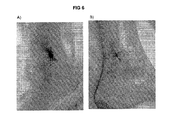
Figure 6 shows the progress of the ulcer of a patient to whom the composition of the invention was applied from day 0 (6A) to day 11 (6B). - The angiogenic activity of olive leaf extracts which at least comply with the olive leaf extract requirements published in Pharmeuropa Olive [(2007) Leaf dry extract Pharmeuropa 19(3): 510-511] is demonstrated by:
- 1) Phenotypic evidence: after 15-28 days of culture of mesenchymal stem cells with olive leaf extracts typical endothelial cell structures such as microvessels are formed.
- 2) Evidence of expression of membrane markers: Treatment with olive leaf extracts increases cells with surface markers CD144 and VEGFR2
- 3) Evidence of expression of genes involved in endothelial differentiation: VEGF, PCAM, PDGFR and VEGFR1
- This evidence is demonstrated by means of the following examples.
- Mesenchymal stem cells obtained from human bone marrow were expanded and grown in alpha-modified minimum essential medium (α-MEM) supplemented with 10% fetal bovine serum, 2 mM ultraglutamine and with antibiotics. When the cells were near confluence they were treated with olive leaf extracts. As controls, part of the cultures were not treated.
- The cells were incubated at 37°C with 5% CO2 and the media were changed every 3 days throughout the experiment.
- The established line of human umbilical vein endothelial cells (HUVE) was supplied by Lonza Group, Ltd. Switzerland. These cells were expanded in a flask with endothelial basal medium (EBM, Lonza) supplemented with antibiotics and fetal bovine serum. The cells were subcultured when they reached confluence. The medium was changed every 3 days. Second and third pass cells were used to carry out these experiments. The treatments these cells received were:
- 1.- Leaf extract at different concentrations
- 2.- 10 µg/mL VEGF
- 3.- Control, without treatment
- Flow cytometry assays were conducted for the study and analysis of membrane cell markers. The cells were washed with PBS + 3% fetal bovine serum, conjugated antihuman monoclonal antibodies CD144-FITC and VEGFR2-PE were incubated for 30 minutes at room temperature. The labeled cells were washed three times, resuspended in 0.5 ml of PBS and the labeling analyzed with a FACScan Caliber flow cytometer (Benton-Dickinson).
- Real-time PCR was used to analyze the expression of angiogenic gene markers. The total RNA of the cells was obtained using the reagent Tri Reagent (Sigma Aldrich) and following the manufacturer's instructions. The cDNA was synthesized from a microgram of total RNA which had previously been treated with DNAsal (Sigma Aldrich) using the iSCript TMcDNA Biorad Synthesis Kit. The real-time PCR used for quantifying the analyzed mRNA was carried out in a Light-Cycler system (Roche) using SYBR®Green. These reactions were performed in a final volume of 10 µL with 1 µL of cDNA, 10 pmol of each primer and Quantitec® SYBR®Green master mix (Qiagen). The conditions for the Light-Cycler were 95°C for 15 minutes, 40 cycles of 95°C for 30 seconds, 60°C for 15 seconds and 72°C for 30 seconds. The threshold cycle (Ct) of the target gene was standardized with the corresponding threshold cycle of the constitutive gene pGAPDH.
- The Endothelial Tube Formation Assay kit, Cell Biolab Inc., was used to carry out the in vitro angiogenesis assays. The assay conditions are those which were indicated in the supplier's instructions. The media used were supplemented endothelial basal medium untreated (negative control) and treated with VEGF (positive control) or with olive leaf extract. The structures formed were labeled by means of an antibody conjugated with calcein AM supplied in the kit specific for tubules.
- The capacity of olive leaf extracts to promote angiogenesis in stem cells is shown in
Figure 1 , where the tubular structures characteristic of endothelial cells obtained by differentiation of mesenchymal stem cells treated with the olive leaf extracts can be observed. - Cytometric analysis of the surface markers typical of endothelial cells, such as CD144 and VEGFR2, shows that they are found in MSCs treated with olive leaf extract and in all the analyzed cases the percentage of these endothelial markers in cells treated with the extracts show significant differences with respect to the control culture.
- The gene expression of different genes involved in endothelial differentiation such as VEGF, PCAM, PDGFR and VEGFR1, shows an increase with treatment with olive leaf extract.
- The capacity of olive leaf extracts to promote angiogenesis in endothelial cells was tested and evaluated by means of cell experiments in a Matrigel substrate. The endothelial cells treated with olive leaf extract had a capacity comparable to VEGF in promoting the formation of tubular structures typical of blood vessel formation (
Figure 2 ). - As previously stated in preceding sections herein, angiogenesis begins with tissue damage, which activates endothelial cell proliferation and the assembly thereof into tubular structures around which the new vessel walls are formed [Karamysheva AF. Mechanisms of angiogenesis 2008 Biochemistry]. The results herein presented with olive leaf extracts allow proposing the application of such extracts as an angiogenic factor due to their capacity of differentiating stem cells into endothelial cells capable of forming tubular structures.
- The results obtained with olive leaf extracts as an angiogenesis promoter are comparable to or better than those of VEGF. This factor is one of the most important angiogenic agents and is involved in current studies having the objective of finding therapies for pathologies relating to angiogenesis, such as ischemias or wound healing, inter alia. In the presented results the effects shown by olive leaf extracts are similar to or better than those shown by VEGF, which supports the use of these extracts as angiogenic inducers [Jabbarzadeh, E. Induction of angiogenesis in tissue-engineered scaffolds designed for bone repair: a combined gene therapy-cell transplantation approach. PNAS 2008]; [Guerrero, M., K. Athota, et al. (2008). "Vascular endothelial growth factor-165 gene therapy promotes cardiomyogenesis in reperfused myocardial infarction." J Interv Cardiol 21 (3): 242-51]; [Michaels, J. T., M. Dobryansky, et al. (2005). "Topical vascular endothelial growth factor reverses delayed wound healing secondary to angiogenesis inhibitor administration." Wound Repair Regen 13(5): 506-12]; [Galiano, R. D., O. M. Tepper, et al. (2004). "Topical vascular endothelial growth factor accelerates diabetic wound healing through increased angiogenesis and by mobilizing and recruiting bone marrow-derived cells." Am J Pathol 164(6): 1935-47].
- The treatment of human mesenchymal stem cells with olive leaf extracts has favored differentiation of these cells into endothelial cells, and more over into cells that have been capable of forming the tubular structures required in any angiogenic and vasculogenic process. This is consistent with that described by Alviano et al., inter alia, who have shown the differentiation potential of mesenchymal stem cells into endothelial cells under the influence of angiogenic factors such as VEGF [Alviano, F., V. Fossati, et al. (2007). "Term Amniotic membrane is a high throughput source for multipotent Mesenchymal Stem Cells with the ability to differentiate into endothelial cells in vitro." BMC Dev Biol 7: 11].
- The results obtained both in the gene expression of endothelial markers and in the analysis of surface markers of mesenchymal stem cells differentiated into endothelial cells with leaf extracts and VEGF shows that the inductive effect of these extracts thereon is comparable to that of VEGF, a recognized inducer for differentiating these cells into endothelial cells.
- Female db/db mice (BKS.Cg-m +/+ Leprdb) aged 10 to 12 weeks were used. They were obtained through Charles River Laboratories (Spain), the average weight of the animals upon reception was 35.64 g. Throughout the entire study, the animals were kept in animal houses particularly designed for allowing control of the animals' environment, such as relative humidity (30-70%), temperature (22±2°C), air pressure, number of renewals and light period (12/12 hours of light/darkness). Access to water was "ad libitum" and the diet was a standard dry pellet diet for rats supplied by PanLab (Barcelona, Spain). After the acclimatization period, the mice were randomly distributed into the different study groups. In this study three different doses of an olive leaf extract were used, the oleuropein content of which was 41.5%; furthermore, pure oleuropein was used in other animal groups in the three concentrations used in the extract. rhVegf (Sigma Aldrich) was used as the reference substance and a placebo group was used as control of the experiment; all the compounds used in this study were dissolved in PBS. The concentrations used in this assay are detailed in Table 1.
Table 1: Compositions administered to the different study groups and their respective concentrations Group Assay substance Concentration A Placebo (PBS) B Leaf extracts 10e-2m oleuropein C Leaf extracts 10e-5m oleuropein D Leaf extracts 10e-7m oleuropein E Oleuropein 10e-2m oleuropein F Oleuropein 10e-5m oleuropein G Oleuropein 10e-7m oleuropein H VEGF (reference) 5 µg.ml-1 - On day 0 of the experiment, two 6 mm excisional wounds were made on the back of every mouse under aseptic conditions and using surgical instruments. Every mouse received in one of the wounds (right side) the treatment corresponding to its group and received no treatment in the other (left side). The treatments were administered topically on the wounds on
days 0, 2, 4, 6 and 8 of the experiment. The wound healing process was tracked and evaluated throughout the experiment (seeFigure 3 ). - On the treatment administration days photographs were taken of both wounds in every mouse for subsequent evaluation (see
Figures 4 and5 ). - In order to track the wound healing, a digital planimetry method was used whereby the area of every wound was quantified. The inter-group differences have been determined by means of a two-way ANOVA statistical analysis followed by a Bonferroni post-hoc analysis. Differences have been considered when p<0.05
- The results of these experiments show a very positive effect of olive leaf extracts in wound healing, similar to those observed when oleuropein is used. Both the wound that received treatment (right side) and the wound that did not (left side) show increased healing (
Figure 3 ) which is statistically significant with respect to the control (group A-treatment with PBS in both wounds). - In all the evaluated times and with the three doses of leaf extracts analyzed a healing effect comparable to that produced by VEGF is observed in both wounds. Even in the case of directly treated wounds, it is observed that the difference with the control group starts sooner in time, after two days, with the three doses of leaf extracts used than with the VEGF.
- The formulation of the invention for applying to humans can be prepared in its simplest or most elementary form by dissolving the corresponding olive leaf extract containing a known concentration of oleuropein, in concentrations ranging from 10-2 M to 10-7 M, in a mixture with water gel or common commercial moisturizing creams, to give them consistency and facilitate the local application on the affected area of the skin. The mentioned formulations were evaluated with elderly patients and/or diabetic patients with ulcers of different etiological types. No patient showed hypersensitivity to the extracts and they showed a positive response that started to be seen on the first days of treatment, results being optimal before the month of treatment was reached in all cases.
- Concerning adverse effects, reddening was observed in only one case but the administration of the product did not have to be stopped in any case.
Figure 6 shows the results obtained in one patient.
Claims (20)
- Use of olive leaf extracts for preparing a pharmaceutical composition.
- Use of olive leaf extracts for preparing a pharmaceutical composition for inducing angiogenesis and vasculogenesis.
- Use according to claim 2 for oral, rectal, parenteral, intraperitoneal, interdermal, transdermal, topical, intratracheal, intramuscular, intravenous administration or for inhalation.
- Use according to any of claims 2 or 3, wherein the pharmaceutical composition is presented in the form of a cream, ointment, balsam, solution, emulsion or salve for topical administration.
- Use according to any of claims 2 to 4, wherein the pharmaceutical composition has a concentration of less than 30% of olive leaf extract.
- Use according to any of claims 2 to 5, wherein the pharmaceutical composition comprises between 10-1 and 10-10 M of oleuropein contained in the olive leaf extract.
- Use according to any of claims 2 to 6, wherein the pharmaceutical composition is applied between 1 and 8 times a day.
- Use according to any of claims 2 to 7, wherein the pharmaceutical composition is applied together with another product.
- Use according to any of claims 2 to 8, wherein the pharmaceutical composition is applied for the first time up to 14 days after the onset of the damage.
- Use according to any of claims 2 to 9, wherein the pharmaceutical composition is applied by means of a transdermal patch.
- A pharmaceutical composition comprising polyphenol and/or angiogenesis- and vasculogenesis-stimulating factor enriched olive leaf extracts.
- The pharmaceutical composition according to claim 11, further comprising mesenchymal stem cells.
- The pharmaceutical composition according to any of claim 11 or 12, characterized in that said composition is for oral, rectal, parenteral, intraperitoneal, interdermal, transdermal, topical, intratracheal, intramuscular, intravenous administration or for inhalation.
- The pharmaceutical composition according to any of claims 11 to 13, characterized in that it is presented in the form of a cream, ointment, balsam, solution, emulsion or salve for topical administration.
- The pharmaceutical composition according to any of claims 11 to 14, characterized in that it comprises between 1 and 10% of olive leaf extract.
- The pharmaceutical composition according to any of claims 11 to 15, characterized in that it is applied between 1 and 8 times a day.
- The pharmaceutical composition according to any of claims 11 to 16, characterized in that it is applied together with another product.
- The pharmaceutical composition according to any of claims 11 to 17, characterized in that it is applied by means of a transdermal patch.
- The pharmaceutical composition according to any of claims 11 to 18, characterized in that it is applied for the first time up to 14 days after the onset of the damage.
- Method for the treatment and/or prevention of wounds or ulcers comprising the application of a pharmaceutical composition according to claim 11 .
Priority Applications (4)
| Application Number | Priority Date | Filing Date | Title |
|---|---|---|---|
| SI201030920T SI2431046T1 (en) | 2009-05-14 | 2010-05-14 | Use of olive leaf extracts in a pharmaceutical composition for inducing angiogenesis and vasculogenesis |
| PL10774593T PL2431046T3 (en) | 2009-05-14 | 2010-05-14 | Use of olive leaf extracts in a pharmaceutical composition for inducing angiogenesis and vasculogenesis |
| HRP20150455TT HRP20150455T1 (en) | 2009-05-14 | 2010-05-14 | USE OF OLIVE LIST EXTRACTS IN PHARMACEUTICAL PREPARATION FOR INDUCTING ANGIOGENESIS AND VASCULOGENESIS |
| CY20151100394T CY1116447T1 (en) | 2009-05-14 | 2015-04-30 | USE OF OLIVE LEAF EXTRACTS IN A PHARMACEUTICAL COMPOSITION FOR THE PRODUCTION OF VASCULATION AND VASCULATION |
Applications Claiming Priority (2)
| Application Number | Priority Date | Filing Date | Title |
|---|---|---|---|
| ES200901296A ES2349976B1 (en) | 2009-05-14 | 2009-05-14 | USE OF OLIVE LEAF EXTRACTS IN A PHARMACEUTICAL COMPOSITION TO INDUCE ANGIOGENESIS AND VASCULOGENESIS. |
| PCT/ES2010/070327 WO2010130869A1 (en) | 2009-05-14 | 2010-05-14 | Use of olive leaf extracts in a pharmaceutical composition for inducing angiogenesis and vasculogenesis |
Publications (3)
| Publication Number | Publication Date |
|---|---|
| EP2431046A1 true EP2431046A1 (en) | 2012-03-21 |
| EP2431046A4 EP2431046A4 (en) | 2013-07-31 |
| EP2431046B1 EP2431046B1 (en) | 2015-02-18 |
Family
ID=43084660
Family Applications (1)
| Application Number | Title | Priority Date | Filing Date |
|---|---|---|---|
| EP10774593.7A Active EP2431046B1 (en) | 2009-05-14 | 2010-05-14 | Use of olive leaf extracts in a pharmaceutical composition for inducing angiogenesis and vasculogenesis |
Country Status (14)
| Country | Link |
|---|---|
| US (1) | US20120141435A1 (en) |
| EP (1) | EP2431046B1 (en) |
| BR (1) | BRPI1007728B1 (en) |
| CY (1) | CY1116447T1 (en) |
| DK (1) | DK2431046T3 (en) |
| ES (3) | ES2349976B1 (en) |
| HR (1) | HRP20150455T1 (en) |
| LT (1) | LT2570124T (en) |
| MX (1) | MX2011011970A (en) |
| PL (1) | PL2431046T3 (en) |
| PT (1) | PT2431046E (en) |
| RS (1) | RS55672B1 (en) |
| SI (1) | SI2431046T1 (en) |
| WO (1) | WO2010130869A1 (en) |
Families Citing this family (4)
| Publication number | Priority date | Publication date | Assignee | Title |
|---|---|---|---|---|
| EP2570124B1 (en) * | 2010-05-14 | 2016-11-02 | Sanidad Y Residencias 21, S.A. | Oleuropein compositions for healing wounds and ulcers in elderly people and/or diabetics |
| ES2395539B1 (en) * | 2011-06-16 | 2014-01-20 | Agencia Pública Empresarial Sanitaria Hospital Alto Guadalquivir | Use of olive oil in the prevention and treatment of diseases that occur with an ischemic process |
| US12551523B2 (en) * | 2021-10-05 | 2026-02-17 | Nutrition Act Co., Ltd. | HIF-1 activator |
| CN116920069B (en) * | 2023-07-06 | 2024-05-17 | 廊坊康宝汇泰生物技术有限公司 | Traditional Chinese medicine extract and application thereof in promoting umbilical cord stem cells to secrete VEGF |
Family Cites Families (18)
| Publication number | Priority date | Publication date | Assignee | Title |
|---|---|---|---|---|
| WO1996014064A1 (en) * | 1994-11-07 | 1996-05-17 | Strecker, Robert, B. | Method and composition for antiviral therapy |
| US20050003023A1 (en) * | 2002-06-28 | 2005-01-06 | Meisner Lorraine Faxon | Topical composition for the treatment of psoriasis and related skin disorders |
| US6440465B1 (en) * | 2000-05-01 | 2002-08-27 | Bioderm, Inc. | Topical composition for the treatment of psoriasis and related skin disorders |
| US6455070B1 (en) * | 2001-02-15 | 2002-09-24 | East Park Research, Inc. | Composition for treating symptoms of influenza |
| CA2447231A1 (en) * | 2001-05-23 | 2002-11-28 | Hamdi K. Hamdi | Methods for inhibiting angiogenesis |
| WO2004076680A2 (en) * | 2003-02-25 | 2004-09-10 | D Amelio Frank | Process and composition for inhibiting growth of microorganisms |
| WO2004093569A1 (en) * | 2003-04-21 | 2004-11-04 | Osman Fathi Osman | Topical composition on the basis of honey |
| EP1481669A1 (en) * | 2003-05-30 | 2004-12-01 | Yamanouchi Pharmaceutical Co. Ltd. | Use of polyhydroxy phenols and polyphenols for modulating p-selectin activity |
| JP2005245346A (en) * | 2004-03-05 | 2005-09-15 | Kazuo Kagami | Compounded health supplemental food |
| NZ532666A (en) | 2004-04-30 | 2008-03-28 | Ind Res Ltd | A method of promoting angiogenesis, or treating a disease or disorder where it is desirable to promote angiogenesis, comprising administering a therapeutically effective amount of an angiogenesis promoting extract of the skin of a citrus fruit to a non-human animal |
| DE202005007222U1 (en) * | 2005-05-06 | 2005-07-14 | Oliveda Network S.L. | Preparation based on olive leaf extract (OLE) obtained from solid and/or liquid olive leaf extract and glycerol useful in the treatment of fungal and bacterial infections |
| US8758838B2 (en) * | 2005-08-31 | 2014-06-24 | Johnson & Johnson Consumer Companies, Inc. | Anti-inflammatory compositions and methods of use |
| ES2274721B1 (en) * | 2005-11-03 | 2008-06-01 | Laboratorios Belmac, S.A. | NEW THERAPEUTIC AGENT FOR THE TREATMENT OF A CONDITION ASSOCIATED WITH PERIPHERAL VASCULAR DISEASE. |
| US20070292463A1 (en) * | 2005-12-22 | 2007-12-20 | Donald Spector | Compositions and methods comprising energizable particles for health use |
| JP2008081425A (en) * | 2006-09-27 | 2008-04-10 | Shiseido Co Ltd | Visceral fat accumulation inhibitor |
| JP2008273938A (en) * | 2007-03-30 | 2008-11-13 | Shiseido Co Ltd | Adiponectin production promoter |
| CA2629652A1 (en) * | 2007-04-24 | 2008-10-24 | Yaojiong Wu | Compositions for preventing or treating skin defects and methods of use thereof |
| WO2010070183A1 (en) * | 2008-12-18 | 2010-06-24 | Sanidad Y Residencias 21, S.A.U. | Pharmaceutical composition comprising oleuropein for utilisation in angiogenesis and vasculogenesis induction |
-
2009
- 2009-05-14 ES ES200901296A patent/ES2349976B1/en active Active
-
2010
- 2010-05-14 PL PL10774593T patent/PL2431046T3/en unknown
- 2010-05-14 HR HRP20150455TT patent/HRP20150455T1/en unknown
- 2010-05-14 DK DK10774593.7T patent/DK2431046T3/en active
- 2010-05-14 US US13/320,180 patent/US20120141435A1/en not_active Abandoned
- 2010-05-14 WO PCT/ES2010/070327 patent/WO2010130869A1/en not_active Ceased
- 2010-05-14 SI SI201030920T patent/SI2431046T1/en unknown
- 2010-05-14 BR BRPI1007728-6A patent/BRPI1007728B1/en active IP Right Grant
- 2010-05-14 PT PT107745937T patent/PT2431046E/en unknown
- 2010-05-14 ES ES10774593.7T patent/ES2535758T3/en active Active
- 2010-05-14 EP EP10774593.7A patent/EP2431046B1/en active Active
- 2010-05-14 MX MX2011011970A patent/MX2011011970A/en active IP Right Grant
-
2011
- 2011-05-13 ES ES11743251.8T patent/ES2613950T3/en active Active
- 2011-05-13 LT LTEP11743251.8T patent/LT2570124T/en unknown
- 2011-05-13 RS RS20170111A patent/RS55672B1/en unknown
-
2015
- 2015-04-30 CY CY20151100394T patent/CY1116447T1/en unknown
Non-Patent Citations (5)
| Title |
|---|
| FEHRI B ET AL: "Olea europaea L.: Stimulant, anti-ulcer and anti-inflammatory effects", BOLLETTINO CHIMICO FARMACEUTICO, SOCIETA EDITORIALE FARMACEUTICA, MILANO, IT, vol. 135, no. 1, 1 January 1996 (1996-01-01), pages 42-49, XP009131576, ISSN: 0006-6648 * |
| KOCA UFUK ET AL: "Wound repair potential of Olea europaea L. leaf extracts revealed by in vivo experimental models and comparative evaluation of the extracts' antioxidant activity.", January 2011 (2011-01), JOURNAL OF MEDICINAL FOOD 2011 JAN-FEB, VOL. 14, NR. 1-2, PAGE(S) 140 - 146, XP002698918, ISSN: 1557-7600 * the whole document * * |
| LEPORATTI MARIA LUCIA ET AL: "Comparative analysis of medicinal plants used in traditional medicine in Italy and Tunisia", JOURNAL OF ETHNOBIOLOGY AND ETHNOMEDICINE, BIOMED CENTRAL, LONDON, GB, vol. 5, no. 1, 26 October 2009 (2009-10-26), page 31, XP021064470, ISSN: 1746-4269, DOI: 10.1186/1746-4269-5-31 * |
| Natural remedies: "Oleuropein", , 12 May 2010 (2010-05-12), XP002698917, Retrieved from the Internet: URL:http://www.naturalremedies.org/oleuropein/ [retrieved on 2013-06-17] * |
| See also references of WO2010130869A1 * |
Also Published As
| Publication number | Publication date |
|---|---|
| EP2431046A4 (en) | 2013-07-31 |
| CY1116447T1 (en) | 2017-02-08 |
| HRP20150455T1 (en) | 2015-08-14 |
| PT2431046E (en) | 2015-05-28 |
| ES2349976B1 (en) | 2011-11-10 |
| ES2613950T3 (en) | 2017-05-29 |
| RS55672B1 (en) | 2017-06-30 |
| BRPI1007728B1 (en) | 2021-06-08 |
| WO2010130869A1 (en) | 2010-11-18 |
| LT2570124T (en) | 2017-02-27 |
| US20120141435A1 (en) | 2012-06-07 |
| EP2431046B1 (en) | 2015-02-18 |
| SI2431046T1 (en) | 2015-07-31 |
| PL2431046T3 (en) | 2015-07-31 |
| BRPI1007728A2 (en) | 2016-12-27 |
| BRPI1007728A8 (en) | 2018-06-12 |
| ES2535758T3 (en) | 2015-05-14 |
| MX2011011970A (en) | 2012-07-17 |
| DK2431046T3 (en) | 2015-05-11 |
| ES2349976A1 (en) | 2011-01-13 |
Similar Documents
| Publication | Publication Date | Title |
|---|---|---|
| US9757422B2 (en) | Methods and compositions for regenerating and repairing damaged or aged tissue or organs using nonviable irradiated or lyophilized pluripotent stem cells | |
| KR101860266B1 (en) | Compositions for Treating Skin Wound Comprising Exosome Derived from Stem Cell Treated with Thrombin | |
| EP1779862A1 (en) | Erythropoietin for stimulating endothelial progenitor cells | |
| JP2002506008A5 (en) | ||
| CN110903348A (en) | Small peptide for promoting wound healing and application thereof | |
| JP2023105066A (en) | tissue healing agent | |
| EP2431046B1 (en) | Use of olive leaf extracts in a pharmaceutical composition for inducing angiogenesis and vasculogenesis | |
| Wang et al. | Diverse-origin exosomes therapeutic strategies for diabetic wound healing | |
| KR20200099201A (en) | Compositions and methods for treating nerve damage | |
| Yue et al. | The promotion of liver regeneration in mice after a partial hepatectomy as a result of the modulation of macrophage activation by dexmedetomidine | |
| US20130177543A1 (en) | Natural Means of Augmenting Endogenous Stem Cell Numbers | |
| Raziyeva et al. | Targeted delivery of factors and cells for improving cardiac tissue regeneration and heart function following myocardial infarction | |
| JP6159183B2 (en) | Stem cell-derived growth factor production promoter | |
| CN101229366B (en) | Applications of fibroblast growth factor on preparing vasculogenesis-promoting medicine | |
| Illescas‐Montes et al. | Modulation of Gene Expression in Human Fibroblasts by Punicalagin and Ellagic Acid: An In Vitro Study | |
| WO2010070183A1 (en) | Pharmaceutical composition comprising oleuropein for utilisation in angiogenesis and vasculogenesis induction | |
| Hodgkinson et al. | Role of paracrine mechanisms | |
| António | Combining mesenchymal stem cell therapy and exercise training in myocardial infarction: The perfect symbiosis? | |
| JP2019218271A (en) | Tissue healing agent | |
| Petersén et al. | Impact of a preceding striatal excitotoxic lesion and treatment with ciliary neurotrophic factor on striatal graft survival | |
| Li et al. | New technologies and tissue repair and regeneration (2): Other biotherapeutic technologies | |
| Xiao et al. | Hyaluronic Acid Hydrogel‐Mediated Delivery of MSC‐Derived Exo‐FGF21 Promotes Spinal Cord Injury Repair via STAT3/SOCS3 Signaling | |
| CN108685896B (en) | Use of Melaleuca A in the preparation of medicine for treating and/or preventing chronic peripheral vascular occlusive disease | |
| Rashed et al. | Therapeutic potential of mesenchymal stem cells in the treatment of gastric ulcer | |
| US20200316131A1 (en) | Pharmaceutical composition for treating drug-resistant cancer comprising exosomes derived from differentiating stem cells as an active ingredient |
Legal Events
| Date | Code | Title | Description |
|---|---|---|---|
| PUAI | Public reference made under article 153(3) epc to a published international application that has entered the european phase |
Free format text: ORIGINAL CODE: 0009012 |
|
| 17P | Request for examination filed |
Effective date: 20111114 |
|
| AK | Designated contracting states |
Kind code of ref document: A1 Designated state(s): AL AT BE BG CH CY CZ DE DK EE ES FI FR GB GR HR HU IE IS IT LI LT LU LV MC MK MT NL NO PL PT RO SE SI SK SM TR |
|
| RAP1 | Party data changed (applicant data changed or rights of an application transferred) |
Owner name: SERVICIO ANDALUZ DE SALUD Owner name: QUESPER R&D, S.L. Owner name: SANIDAD Y RESIDENCIAS 21, S.A. |
|
| DAX | Request for extension of the european patent (deleted) | ||
| TPAC | Observations filed by third parties |
Free format text: ORIGINAL CODE: EPIDOSNTIPA |
|
| RIC1 | Information provided on ipc code assigned before grant |
Ipc: A61K 36/63 20060101AFI20130619BHEP Ipc: A61P 17/02 20060101ALI20130619BHEP Ipc: A61P 9/10 20060101ALI20130619BHEP |
|
| A4 | Supplementary search report drawn up and despatched |
Effective date: 20130628 |
|
| 17Q | First examination report despatched |
Effective date: 20140214 |
|
| REG | Reference to a national code |
Ref country code: DE Ref legal event code: R079 Ref document number: 602010022343 Country of ref document: DE Free format text: PREVIOUS MAIN CLASS: A61K0036630000 Ipc: A61K0045060000 |
|
| GRAP | Despatch of communication of intention to grant a patent |
Free format text: ORIGINAL CODE: EPIDOSNIGR1 |
|
| RIC1 | Information provided on ipc code assigned before grant |
Ipc: A61K 35/28 20060101ALI20140916BHEP Ipc: A61K 45/06 20060101AFI20140916BHEP |
|
| INTG | Intention to grant announced |
Effective date: 20141010 |
|
| GRAP | Despatch of communication of intention to grant a patent |
Free format text: ORIGINAL CODE: EPIDOSNIGR1 |
|
| INTG | Intention to grant announced |
Effective date: 20141120 |
|
| GRAS | Grant fee paid |
Free format text: ORIGINAL CODE: EPIDOSNIGR3 |
|
| GRAA | (expected) grant |
Free format text: ORIGINAL CODE: 0009210 |
|
| AK | Designated contracting states |
Kind code of ref document: B1 Designated state(s): AL AT BE BG CH CY CZ DE DK EE ES FI FR GB GR HR HU IE IS IT LI LT LU LV MC MK MT NL NO PL PT RO SE SI SK SM TR |
|
| REG | Reference to a national code |
Ref country code: GB Ref legal event code: FG4D |
|
| REG | Reference to a national code |
Ref country code: CH Ref legal event code: EP |
|
| REG | Reference to a national code |
Ref country code: AT Ref legal event code: REF Ref document number: 710378 Country of ref document: AT Kind code of ref document: T Effective date: 20150315 |
|
| REG | Reference to a national code |
Ref country code: IE Ref legal event code: FG4D |
|
| REG | Reference to a national code |
Ref country code: DE Ref legal event code: R096 Ref document number: 602010022343 Country of ref document: DE Effective date: 20150402 |
|
| REG | Reference to a national code |
Ref country code: HR Ref legal event code: TUEP Ref document number: P20150455 Country of ref document: HR |
|
| REG | Reference to a national code |
Ref country code: RO Ref legal event code: EPE |
|
| REG | Reference to a national code |
Ref country code: DK Ref legal event code: T3 Effective date: 20150508 |
|
| REG | Reference to a national code |
Ref country code: SE Ref legal event code: TRGR |
|
| REG | Reference to a national code |
Ref country code: NL Ref legal event code: T3 |
|
| REG | Reference to a national code |
Ref country code: ES Ref legal event code: FG2A Ref document number: 2535758 Country of ref document: ES Kind code of ref document: T3 Effective date: 20150514 |
|
| REG | Reference to a national code |
Ref country code: CH Ref legal event code: NV Representative=s name: MICHELI AND CIE SA, CH |
|
| REG | Reference to a national code |
Ref country code: PT Ref legal event code: SC4A Free format text: AVAILABILITY OF NATIONAL TRANSLATION Effective date: 20150428 |
|
| REG | Reference to a national code |
Ref country code: NO Ref legal event code: T2 Effective date: 20150218 |
|
| REG | Reference to a national code |
Ref country code: LT Ref legal event code: MG4D |
|
| REG | Reference to a national code |
Ref country code: GR Ref legal event code: EP Ref document number: 20150400950 Country of ref document: GR Effective date: 20150618 |
|
| PG25 | Lapsed in a contracting state [announced via postgrant information from national office to epo] |
Ref country code: LT Free format text: LAPSE BECAUSE OF FAILURE TO SUBMIT A TRANSLATION OF THE DESCRIPTION OR TO PAY THE FEE WITHIN THE PRESCRIBED TIME-LIMIT Effective date: 20150218 |
|
| REG | Reference to a national code |
Ref country code: PL Ref legal event code: T3 |
|
| REG | Reference to a national code |
Ref country code: SK Ref legal event code: T3 Ref document number: E 18573 Country of ref document: SK |
|
| REG | Reference to a national code |
Ref country code: HR Ref legal event code: T1PR Ref document number: P20150455 Country of ref document: HR |
|
| PG25 | Lapsed in a contracting state [announced via postgrant information from national office to epo] |
Ref country code: LV Free format text: LAPSE BECAUSE OF FAILURE TO SUBMIT A TRANSLATION OF THE DESCRIPTION OR TO PAY THE FEE WITHIN THE PRESCRIBED TIME-LIMIT Effective date: 20150218 Ref country code: IS Free format text: LAPSE BECAUSE OF FAILURE TO SUBMIT A TRANSLATION OF THE DESCRIPTION OR TO PAY THE FEE WITHIN THE PRESCRIBED TIME-LIMIT Effective date: 20150618 |
|
| REG | Reference to a national code |
Ref country code: HU Ref legal event code: AG4A Ref document number: E024480 Country of ref document: HU |
|
| PG25 | Lapsed in a contracting state [announced via postgrant information from national office to epo] |
Ref country code: EE Free format text: LAPSE BECAUSE OF FAILURE TO SUBMIT A TRANSLATION OF THE DESCRIPTION OR TO PAY THE FEE WITHIN THE PRESCRIBED TIME-LIMIT Effective date: 20150218 |
|
| REG | Reference to a national code |
Ref country code: DE Ref legal event code: R097 Ref document number: 602010022343 Country of ref document: DE |
|
| PLBE | No opposition filed within time limit |
Free format text: ORIGINAL CODE: 0009261 |
|
| STAA | Information on the status of an ep patent application or granted ep patent |
Free format text: STATUS: NO OPPOSITION FILED WITHIN TIME LIMIT |
|
| 26N | No opposition filed |
Effective date: 20151119 |
|
| PG25 | Lapsed in a contracting state [announced via postgrant information from national office to epo] |
Ref country code: MC Free format text: LAPSE BECAUSE OF FAILURE TO SUBMIT A TRANSLATION OF THE DESCRIPTION OR TO PAY THE FEE WITHIN THE PRESCRIBED TIME-LIMIT Effective date: 20150218 Ref country code: LU Free format text: LAPSE BECAUSE OF FAILURE TO SUBMIT A TRANSLATION OF THE DESCRIPTION OR TO PAY THE FEE WITHIN THE PRESCRIBED TIME-LIMIT Effective date: 20150514 |
|
| REG | Reference to a national code |
Ref country code: FR Ref legal event code: PLFP Year of fee payment: 7 |
|
| REG | Reference to a national code |
Ref country code: DE Ref legal event code: R082 Ref document number: 602010022343 Country of ref document: DE Representative=s name: HERNANDEZ, YORCK, DIPL.-ING., DE |
|
| REG | Reference to a national code |
Ref country code: AT Ref legal event code: UEP Ref document number: 710378 Country of ref document: AT Kind code of ref document: T Effective date: 20150218 |
|
| REG | Reference to a national code |
Ref country code: FR Ref legal event code: PLFP Year of fee payment: 8 |
|
| PG25 | Lapsed in a contracting state [announced via postgrant information from national office to epo] |
Ref country code: SM Free format text: LAPSE BECAUSE OF FAILURE TO SUBMIT A TRANSLATION OF THE DESCRIPTION OR TO PAY THE FEE WITHIN THE PRESCRIBED TIME-LIMIT Effective date: 20150218 |
|
| REG | Reference to a national code |
Ref country code: FR Ref legal event code: PLFP Year of fee payment: 9 |
|
| PG25 | Lapsed in a contracting state [announced via postgrant information from national office to epo] |
Ref country code: MK Free format text: LAPSE BECAUSE OF FAILURE TO SUBMIT A TRANSLATION OF THE DESCRIPTION OR TO PAY THE FEE WITHIN THE PRESCRIBED TIME-LIMIT Effective date: 20150218 |
|
| PG25 | Lapsed in a contracting state [announced via postgrant information from national office to epo] |
Ref country code: AL Free format text: LAPSE BECAUSE OF FAILURE TO SUBMIT A TRANSLATION OF THE DESCRIPTION OR TO PAY THE FEE WITHIN THE PRESCRIBED TIME-LIMIT Effective date: 20150218 |
|
| REG | Reference to a national code |
Ref country code: HR Ref legal event code: ODRP Ref document number: P20150455 Country of ref document: HR Payment date: 20190509 Year of fee payment: 10 |
|
| REG | Reference to a national code |
Ref country code: HR Ref legal event code: ODRP Ref document number: P20150455 Country of ref document: HR Payment date: 20200512 Year of fee payment: 11 |
|
| REG | Reference to a national code |
Ref country code: HR Ref legal event code: ODRP Ref document number: P20150455 Country of ref document: HR Payment date: 20210421 Year of fee payment: 12 |
|
| REG | Reference to a national code |
Ref country code: HR Ref legal event code: ODRP Ref document number: P20150455 Country of ref document: HR Payment date: 20220422 Year of fee payment: 13 |
|
| REG | Reference to a national code |
Ref country code: HR Ref legal event code: ODRP Ref document number: P20150455 Country of ref document: HR Payment date: 20230419 Year of fee payment: 14 |
|
| P01 | Opt-out of the competence of the unified patent court (upc) registered |
Effective date: 20230526 |
|
| REG | Reference to a national code |
Ref country code: NL Ref legal event code: PD Owner name: NOVENTURE, S.L.; ES Free format text: DETAILS ASSIGNMENT: CHANGE OF OWNER(S), ASSIGNMENT; FORMER OWNER NAME: SERVICIO ANDALUZ DE SALUD Effective date: 20230630 |
|
| REG | Reference to a national code |
Ref country code: NO Ref legal event code: CREP Representative=s name: PLOUGMANN VINGTOFT, C. J. HAMBROS PLASS 2, 0164 Ref country code: NO Ref legal event code: CHAD Owner name: NOVENTURE, ES |
|
| REG | Reference to a national code |
Ref country code: HR Ref legal event code: PPPP Ref document number: P20150455 Country of ref document: HR Owner name: NOVENTURE, S.L., ES Ref country code: HR Ref legal event code: PNAN Ref document number: P20150455 Country of ref document: HR Owner name: SANYRES SUR, S.L., ES Ref country code: SK Ref legal event code: PC4A Ref document number: E 18573 Country of ref document: SK Owner name: NOVENTURE, S.L., BARCELONA, ES Free format text: FORMER OWNER: SANYRES SUR, S.L., MADRID, ES; SERVICIO ANDALUZ DE SALUD, SEVILLA, ES; QUESPER R&D, S.L., CORDOBA, ES Effective date: 20230727 Ref country code: SK Ref legal event code: PC4A Ref document number: E 18573 Country of ref document: SK Owner name: QUESPER R&D, S.L., CORDOBA, ES Free format text: FORMER OWNER: SANIDAD Y RESIDENCIAS 21, S.A., CORDOBA, ES; SERVICIO ANDALUZ DE SALUD, SEVILLA, ES; QUESPER R&D, S.L., CORDOBA, ES Effective date: 20230727 Ref country code: SK Ref legal event code: PC4A Ref document number: E 18573 Country of ref document: SK Owner name: SERVICIO ANDALUZ DE SALUD, SEVILLA, ES Free format text: FORMER OWNER: SANIDAD Y RESIDENCIAS 21, S.A., CORDOBA, ES; SERVICIO ANDALUZ DE SALUD, SEVILLA, ES; QUESPER R&D, S.L., CORDOBA, ES Effective date: 20230727 Ref country code: SK Ref legal event code: PC4A Ref document number: E 18573 Country of ref document: SK Owner name: SANYRES SUR, S.L., MADRID, ES Free format text: FORMER OWNER: SANIDAD Y RESIDENCIAS 21, S.A., CORDOBA, ES; SERVICIO ANDALUZ DE SALUD, SEVILLA, ES; QUESPER R&D, S.L., CORDOBA, ES Effective date: 20230727 |
|
| REG | Reference to a national code |
Ref country code: HU Ref legal event code: GB9C Owner name: NOVENTURE, S.L., ES Free format text: FORMER OWNER(S): SANIDAD Y RESIDENCIAS 21, S.A., ES; SERVICIO ANDALUZ DE SALUD, ES; QUESPER R&D, S.L., ES Ref country code: HU Ref legal event code: FH1C Free format text: FORMER REPRESENTATIVE(S): IVANKA GABOR, ARINOVA SZABADALMI ES VEDJEGY IRODA, HU Representative=s name: SBGK SZABADALMI UEGYVIVOEI IRODA, HU |
|
| REG | Reference to a national code |
Ref country code: BE Ref legal event code: PD Owner name: NOVENTURE S.L.; ES Free format text: DETAILS ASSIGNMENT: CHANGE OF OWNER(S), ASSIGNMENT; FORMER OWNER NAME: SERVICIO ANDALUZ DE SALUD Effective date: 20230804 Ref country code: SI Ref legal event code: SP73 Owner name: NOVENTURE, S.L.; ES Effective date: 20230823 |
|
| REG | Reference to a national code |
Ref country code: AT Ref legal event code: PC Ref document number: 710378 Country of ref document: AT Kind code of ref document: T Owner name: NOVENTURE, S.L., ES Effective date: 20230822 |
|
| REG | Reference to a national code |
Ref country code: DE Ref legal event code: R081 Ref document number: 602010022343 Country of ref document: DE Owner name: NOVENTURE, S.L., ES Free format text: FORMER OWNERS: QUESPER R&D, S.L., CORDOBA, ES; SANIDAD Y RESIDENCIAS 21, S.A., CORDOBA, ES; SERVICIO ANDALUZ DE SALUD, SEVILLA, ES Ref country code: DE Ref legal event code: R082 Ref document number: 602010022343 Country of ref document: DE Representative=s name: DEHNS PATENT AND TRADEMARK ATTORNEYS, DE |
|
| REG | Reference to a national code |
Ref country code: GB Ref legal event code: 732E Free format text: REGISTERED BETWEEN 20240411 AND 20240417 |
|
| REG | Reference to a national code |
Ref country code: GB Ref legal event code: 732E Free format text: REGISTERED BETWEEN 20240418 AND 20240424 |
|
| REG | Reference to a national code |
Ref country code: HR Ref legal event code: ODRP Ref document number: P20150455 Country of ref document: HR Payment date: 20240419 Year of fee payment: 15 |
|
| REG | Reference to a national code |
Ref country code: ES Ref legal event code: PC2A Owner name: NOVENTURE, S.L Effective date: 20240610 |
|
| REG | Reference to a national code |
Ref country code: FI Ref legal event code: PCE Owner name: NOVENTURE, S.L. |
|
| REG | Reference to a national code |
Ref country code: HR Ref legal event code: ODRP Ref document number: P20150455 Country of ref document: HR Payment date: 20250425 Year of fee payment: 16 |
|
| PGFP | Annual fee paid to national office [announced via postgrant information from national office to epo] |
Ref country code: NL Payment date: 20250526 Year of fee payment: 16 |
|
| PGFP | Annual fee paid to national office [announced via postgrant information from national office to epo] |
Ref country code: FI Payment date: 20250526 Year of fee payment: 16 |
|
| PGFP | Annual fee paid to national office [announced via postgrant information from national office to epo] |
Ref country code: PL Payment date: 20250424 Year of fee payment: 16 Ref country code: DE Payment date: 20250529 Year of fee payment: 16 |
|
| PGFP | Annual fee paid to national office [announced via postgrant information from national office to epo] |
Ref country code: GB Payment date: 20250527 Year of fee payment: 16 Ref country code: ES Payment date: 20250602 Year of fee payment: 16 Ref country code: DK Payment date: 20250526 Year of fee payment: 16 |
|
| PGFP | Annual fee paid to national office [announced via postgrant information from national office to epo] |
Ref country code: HU Payment date: 20250425 Year of fee payment: 16 Ref country code: NO Payment date: 20250530 Year of fee payment: 16 |
|
| PGFP | Annual fee paid to national office [announced via postgrant information from national office to epo] |
Ref country code: BE Payment date: 20250527 Year of fee payment: 16 Ref country code: IT Payment date: 20250521 Year of fee payment: 16 |
|
| PGFP | Annual fee paid to national office [announced via postgrant information from national office to epo] |
Ref country code: HR Payment date: 20250425 Year of fee payment: 16 |
|
| PGFP | Annual fee paid to national office [announced via postgrant information from national office to epo] |
Ref country code: PT Payment date: 20250421 Year of fee payment: 16 |
|
| PGFP | Annual fee paid to national office [announced via postgrant information from national office to epo] |
Ref country code: FR Payment date: 20250526 Year of fee payment: 16 |
|
| PGFP | Annual fee paid to national office [announced via postgrant information from national office to epo] |
Ref country code: MT Payment date: 20250429 Year of fee payment: 16 Ref country code: GR Payment date: 20250528 Year of fee payment: 16 Ref country code: BG Payment date: 20250514 Year of fee payment: 16 |
|
| PGFP | Annual fee paid to national office [announced via postgrant information from national office to epo] |
Ref country code: CH Payment date: 20250601 Year of fee payment: 16 |
|
| PGFP | Annual fee paid to national office [announced via postgrant information from national office to epo] |
Ref country code: AT Payment date: 20250423 Year of fee payment: 16 Ref country code: RO Payment date: 20250429 Year of fee payment: 16 |
|
| PGFP | Annual fee paid to national office [announced via postgrant information from national office to epo] |
Ref country code: TR Payment date: 20250428 Year of fee payment: 16 Ref country code: SK Payment date: 20250422 Year of fee payment: 16 |
|
| PGFP | Annual fee paid to national office [announced via postgrant information from national office to epo] |
Ref country code: CZ Payment date: 20250425 Year of fee payment: 16 |
|
| PGFP | Annual fee paid to national office [announced via postgrant information from national office to epo] |
Ref country code: IE Payment date: 20250527 Year of fee payment: 16 |
|
| PGFP | Annual fee paid to national office [announced via postgrant information from national office to epo] |
Ref country code: SI Payment date: 20250421 Year of fee payment: 16 Ref country code: SE Payment date: 20250527 Year of fee payment: 16 |
|
| PGFP | Annual fee paid to national office [announced via postgrant information from national office to epo] |
Ref country code: CY Payment date: 20250430 Year of fee payment: 16 |
|
| REG | Reference to a national code |
Ref country code: CH Ref legal event code: R18 Free format text: ST27 STATUS EVENT CODE: U-0-0-R10-R18 (AS PROVIDED BY THE NATIONAL OFFICE) Effective date: 20260320 |