EP2426215A1 - Molecular method for the identification of mating type genes of truffles species - Google Patents

Molecular method for the identification of mating type genes of truffles species Download PDF

Info

Publication number
EP2426215A1
EP2426215A1 EP10175517A EP10175517A EP2426215A1 EP 2426215 A1 EP2426215 A1 EP 2426215A1 EP 10175517 A EP10175517 A EP 10175517A EP 10175517 A EP10175517 A EP 10175517A EP 2426215 A1 EP2426215 A1 EP 2426215A1
Authority
EP
European Patent Office
Prior art keywords
nucleotide sequence
mat1
mating type
truffle
seq
Prior art date
Legal status (The legal status is an assumption and is not a legal conclusion. Google has not performed a legal analysis and makes no representation as to the accuracy of the status listed.)
Withdrawn
Application number
EP10175517A
Other languages
German (de)
French (fr)
Inventor
Francis Martin
Claude Murat-Furminieux
Francesco Paolocci
Andrea Rubini
Claudia Riccioni
Béatrice Belfiori
Sergio Arcioni
Current Assignee (The listed assignees may be inaccurate. Google has not performed a legal analysis and makes no representation or warranty as to the accuracy of the list.)
Institut National de la Recherche Agronomique INRA
Consiglio Nazionale delle Richerche CNR
Original Assignee
Institut National de la Recherche Agronomique INRA
Consiglio Nazionale delle Richerche CNR
Priority date (The priority date is an assumption and is not a legal conclusion. Google has not performed a legal analysis and makes no representation as to the accuracy of the date listed.)
Filing date
Publication date
Application filed by Institut National de la Recherche Agronomique INRA, Consiglio Nazionale delle Richerche CNR filed Critical Institut National de la Recherche Agronomique INRA
Priority to EP10175517A priority Critical patent/EP2426215A1/en
Priority to US13/820,718 priority patent/US20130224741A1/en
Priority to AU2011298740A priority patent/AU2011298740B2/en
Priority to PCT/EP2011/065501 priority patent/WO2012032098A1/en
Priority to EP11752246.6A priority patent/EP2614153B1/en
Publication of EP2426215A1 publication Critical patent/EP2426215A1/en
Withdrawn legal-status Critical Current

Links

Images

Classifications

    • CCHEMISTRY; METALLURGY
    • C12BIOCHEMISTRY; BEER; SPIRITS; WINE; VINEGAR; MICROBIOLOGY; ENZYMOLOGY; MUTATION OR GENETIC ENGINEERING
    • C12QMEASURING OR TESTING PROCESSES INVOLVING ENZYMES, NUCLEIC ACIDS OR MICROORGANISMS; COMPOSITIONS OR TEST PAPERS THEREFOR; PROCESSES OF PREPARING SUCH COMPOSITIONS; CONDITION-RESPONSIVE CONTROL IN MICROBIOLOGICAL OR ENZYMOLOGICAL PROCESSES
    • C12Q1/00Measuring or testing processes involving enzymes, nucleic acids or microorganisms; Compositions therefor; Processes of preparing such compositions
    • C12Q1/68Measuring or testing processes involving enzymes, nucleic acids or microorganisms; Compositions therefor; Processes of preparing such compositions involving nucleic acids
    • C12Q1/6876Nucleic acid products used in the analysis of nucleic acids, e.g. primers or probes
    • C12Q1/6879Nucleic acid products used in the analysis of nucleic acids, e.g. primers or probes for sex determination
    • CCHEMISTRY; METALLURGY
    • C12BIOCHEMISTRY; BEER; SPIRITS; WINE; VINEGAR; MICROBIOLOGY; ENZYMOLOGY; MUTATION OR GENETIC ENGINEERING
    • C12QMEASURING OR TESTING PROCESSES INVOLVING ENZYMES, NUCLEIC ACIDS OR MICROORGANISMS; COMPOSITIONS OR TEST PAPERS THEREFOR; PROCESSES OF PREPARING SUCH COMPOSITIONS; CONDITION-RESPONSIVE CONTROL IN MICROBIOLOGICAL OR ENZYMOLOGICAL PROCESSES
    • C12Q1/00Measuring or testing processes involving enzymes, nucleic acids or microorganisms; Compositions therefor; Processes of preparing such compositions
    • C12Q1/68Measuring or testing processes involving enzymes, nucleic acids or microorganisms; Compositions therefor; Processes of preparing such compositions involving nucleic acids
    • C12Q1/6876Nucleic acid products used in the analysis of nucleic acids, e.g. primers or probes
    • C12Q1/6888Nucleic acid products used in the analysis of nucleic acids, e.g. primers or probes for detection or identification of organisms
    • C12Q1/6895Nucleic acid products used in the analysis of nucleic acids, e.g. primers or probes for detection or identification of organisms for plants, fungi or algae
    • CCHEMISTRY; METALLURGY
    • C12BIOCHEMISTRY; BEER; SPIRITS; WINE; VINEGAR; MICROBIOLOGY; ENZYMOLOGY; MUTATION OR GENETIC ENGINEERING
    • C12QMEASURING OR TESTING PROCESSES INVOLVING ENZYMES, NUCLEIC ACIDS OR MICROORGANISMS; COMPOSITIONS OR TEST PAPERS THEREFOR; PROCESSES OF PREPARING SUCH COMPOSITIONS; CONDITION-RESPONSIVE CONTROL IN MICROBIOLOGICAL OR ENZYMOLOGICAL PROCESSES
    • C12Q2600/00Oligonucleotides characterized by their use
    • C12Q2600/16Primer sets for multiplex assays

Definitions

  • the invention concerns the setting up of a method for the identification of truffles species and their mating type.
  • the invention is based on the use of mating-specific nucleotide sequences.
  • An aim of the invention is to control the sexual reproduction of the truffles.
  • An additional aim of the invention is to distinguish between the truffles species.
  • the invention concerns the production and the control of truffle inoculated seedlings, with direct impact on the activity and interest of truffles nurseries and agro-food industry.
  • Truffles are Ascomycete mushrooms belonging to the Tuber genus which live in ectomycorrhizal symbiosis with various trees. These mushrooms form fructifications generally named « truffles » which are very appreciated for their organoleptic qualities.
  • the Périgord black truffle Tuber melanosporum Vittad.
  • the Piémont white truffle Tuber magnatum Pico
  • the Burgundy Truffle Tuber aestivum Vittad.
  • This protocol consists to inoculate first young oak, hazel, pin or other host plantlets by mean of spores from several truffles. Each truffle used as spore donor is morphologically controlled to avoid contamination with undesired species. Alternatively, host plants can be inoculated with in vitro grown mycelia.
  • mycorrhizas on the inoculated plants is controlled 1) to exclude plants that either do not develop mycorrhizas or harbour mycorrhizas from contaminating fungal species according to morphological criteria and 2) to assess whether the percentage of mycorrhization is sufficient. If the level of mycorrhization is sufficient and few contamination are detected the mycorrhized plantlets can be sold.
  • Mycorrhized plantlets means that plantlet roots have been colonized by truffle mycelium and that truffle mycelium and plantlet live in a symbiotic relationship the one with the other.
  • T. indicum is a truffle that presents organoleptic qualities lesser pronounced than the ones presented by T. melanosporum.
  • truffles and in particular T. melanosporum and T. magnatum are obligate outcrossing fungi, also known as heterothallic fungi. These mushrooms are self-incompatible and therefore need the presence of a partner of opposite mating type to reproduce themselves.
  • the inventors have discovered that to ensure sexual reproduction of truffle species, the mating between two sexually compatible mycelia is needed. These two mycelia differ for the mating type genes in their genome.
  • Mating type genes or MAT genes are the master loci controlling sexual reproduction and development in fungi.
  • MAT1-1-1 a protein with an alpha box domain
  • HMG high mobility group
  • the inventors have tried to identify the nucleotide sequences of the MAT locus in each of the most famous truffles species taking advantage from the fact that the genome of the Périgord black truffle has been recently deciphered.
  • the inventors have first tried to identify, in T. melanosporum, the nucleotide sequences corresponding to the two mating type genes. Indeed, due to the high nucleotide sequence divergences between mating type genes within Ascomycetes, the inventors have not immediately found the nucleotide sequences corresponding to the two mating type genes.
  • the inventors have first screened the sequenced T. melanosporum genome for the presence of candidate genes encoding for the protein containing the HMG and the alpha-box domain using as queries mating type genes from other Ascomycetes. Following this approach, the inventors have discovered in the T. melanosporum genome three nucleotides sequences (three genes: GSTUMT00001090001, GSTUMT00000587001 and GSTUMT00008644001) that have homologies with the HMG containing mating type gene of other Ascomycetes. On the contrary, no T. melanosporum genes corresponding to the alpha-box mating type genes of other Ascomycetes has been detected, suggesting that T. melanosporum is indeed a heterothallic species.
  • the inventors have designed a specific primer pair to verify their presence in the other T. melanosporum strains. Embracing the hypothesis of heterothallism, the putative HMG- mating type gene cannot be present in all T. melanosporum strain, since some strains should be of the opposite mating type. Indeed, this prediction was confirmed, as one of the three HMG containing genes (GSTUMT00001090001) was not found in all strains tested. Thus, this gene has been identified as the first mating type gene of T. melanosporum, namely TmelMAT1-2-1.
  • the HMG box of this first mating type of T. melanosporum has as nucleotide sequence the nucleotide sequence SEQ ID N°1.
  • the inventors Having mapped the position of TmelMAT1-2-1 on the T. melanosporum sequenced genome, the inventors have then designed new primers on its flanking regions to amplify the entire idiomorphic sequence both from strains with and without the TmelMAT1-2-1 gene. In the light of heterothallism in fact, the 5' and 3' regions flanking the two putative idiomorphic structures are expected to be conserved between strains of opposite mating type. Following this approach, the second MAT locus (MAT1-1) has been cloned and then sequenced from a strain that lacked the TmelMAT1-2-1 gene.
  • Sequence analysis confirmed the identification of the MAT idiomorph (MAT1-1) containing a second mating type gene, namely TmelMAT1-1-1, said second mating type gene encodes for a putative alpha-box containing transcription factor showing appreciable sequence similarity with the alpha box mating type genes from other Ascomycetes.
  • This alpha box specific to the second mating type gene of T.melanosporum has as nucleotide sequence the nucleotide sequence SEQ ID N°2.
  • the first mating type idiomorph MAT1-2 corresponds to the nucleotide sequence SEQ ID N°3.
  • the second mating type idiomorph MAT1-1 corresponds to the nucleotide sequence SEQ ID N°4.
  • the inventors have determined a first genomic region comprising the first mating type gene MAT1-2-1 (or “the first mating type idiomorph MAT1-2") and a second genomic region comprising the second mating type gene MAT1-1-1 (or “the second mating type idiomorph MAT1-1 "). Each of these genomic regions comprises also flanking regions that are highly conserved.
  • the first genomic region has as nucleotide sequence the nucleotide sequence SEQ ID N°5 and the second genomic region has as nucleotide sequence the nucleotide sequence SEQ ID N°6.
  • nucleotide sequences SEQ ID N°1, SEQ ID N°2, SEQ ID N°3, SEQ ID N°4, SEQ ID N°5 and SEQ ID N°6 the inventors were able to implement an identification method of T.melanosporum. But others nucleotide sequences specifics to the two mating type gene of T.melanosporum can be used.
  • the invention permits to differentiate truffles species between them.
  • the invention permits to differentiate Chinese truffle ( Tuber indicum Cook & Massee) with regard to the Périgord Black truffle ( T. melanosporum ).
  • the invention permits therefore to avoid contamination of plantlets with T. indicum.
  • the invention permits to ban the presence of T. indicum in the plantlets that will be planted in Europe.
  • the invention permits also to differentiate other truffles species between them, such as T. melanosporum, T. magnatum, T. aestivum.
  • the inventors were also able to screen mycorrhizal plants and determine whether they sustain T. melanosporum mycorrhizas of one or both mating types on their roots. More precisely, the method is based on the amplification with mating-type T. melanosporum specific primers of DNA isolated from randomly selected pools of T. melanosporum mycorrhizas. If the plants harbouring both mating types, the proportion of each mating type can be measured by performing a quantitative PCR analysis or by analyzing randomly selected single ectomycorrhizas and counting the proportion of mycorrhizas harbouring the first or the second mating type.
  • Each mating type gene of a given truffle species can be found with the same method as the one disclosed for obtaining the nucleotide sequence of the TmeIMATI-2-1 and TmelMAT1-1-1 as above indicated.
  • strains that comprise a first nucleotide sequence that hybridizes with the HMG containing mating type gene of other Ascomycetes. Then, from the flanking regions of this first nucleotide sequence, it is wanted primers in view to amplify a nucleotide sequence corresponding to the second mating type gene of this same given Tuber species for the other strains that not contain the first mating type gene.
  • each mating type gene of a given truffle species can be identified with the help of parts of nucleotide sequences taken from the first genomic region of T.melanosporum and from the second genomic region of T.melanosporum.
  • Each mating type gene of a given truffle species can also be identified with the help of parts of nucleotide sequences taken from the first mating type gene of T.melanosporum and of the second mating type gene of T.melanosporum.
  • These nucleotide sequences can be used as pairs of primers to amplify respectively a first mating type gene and a second mating type gene of a given truffle species.
  • nucleotide sequences of the HMG specific box of T.melanosporum and of the alpha specific box of T.melanosporum as probes to identify the nucleotide sequences of a first mating type gene and a second mating type gene of a given truffle species.
  • the invention is used to certify the truffle species, to control fructifications of these species, the identity (and mating type) of their in vitro cultured and/or soil living mycelia and mycorrhizas.
  • the invention permits also to verify the mating type in plantlets inoculated with T. melanosporum, T. magnatum and T. aestivum which will be sold in the future, and to ensure the presence of mycelia of the two mating types in view to optimize truffles production.
  • the invention permits to certify the presence of compatible mycelia at the root system level.
  • the invention also permits to increase fruiting and hence truffle production by controlling a priori the presence of mating types on mycorrhized plants used to set a truffle orchard. Also, as reported above, the invention would allow the rescue of man-made and natural plantations by enriching these sites for the presence of strains harbouring the less abundant (or absent) mating type through the introduction of mycorrhized plants specifically selected for the mating type of their fungal partner.
  • the invention has as object a method for determining the Tuber species of a truffle sample, said method comprising identifying whether said truffle sample comprises at least one nucleotide sequence chosen among a first nucleotide sequence associated with a first mating type idiomorph (MAT1-2) and a second nucleotide sequence associated with a second mating type idiomorph (MAT1-1); both nucleotide sequence being specific to a given Tuber species.
  • MAT1-2 first mating type idiomorph
  • MAT1-1 second nucleotide sequence associated with a second mating type idiomorph
  • truffle sample it is intended that it comprises truffle fructification sample and/or truffle mycelium sample and/or mychorrized plant sample and/or a truffle producing soil sample.
  • the first nucleotide sequence can be at least one part of the nucleotide sequence SEQ ID N°5.
  • the first nucleotide sequence can be the nucleotide sequence SEQ ID N°5, or a part of the nucleotide sequence SEQ ID N°5.
  • it can be the nucleotide sequence SEQ ID N°3 or the nucleotide sequence SEQ ID N°1.
  • the second nucleotide sequence can be at least one part of the nucleotide sequence SEQ ID N°6.
  • the second nucleotide sequence can be the nucleotide sequence SEQ ID N°6 or a part of the nucleotide sequence SEQ ID N°6.
  • it can be the nucleotide sequence SEQ ID N°4 or the nucleotide sequence SEQ ID N°2.
  • the nucleotide sequence SEQ ID N°5 is a first genomic region of T. melanosporum that comprises the first T. melanosporum mating type gene Tme /MAT1-2-1 or SEQ ID N°3 and the nucleotide sequence SEQ ID N°6 is a second genomic region of T.melanosporum that comprises the second T. melanosporum mating type gene Tme /MAT1-1-1 or SEQ ID N°4.
  • the invention provides also that the method further comprises determining the fertility of said truffle sample, using the identification in said truffle sample of both the first nucleotide sequence associated with the first mating type idiomorph (MAT1-2) and the second nucleotide sequence associated with a second mating type idiomorph (MAT1-1), the fertility of said truffle sample requiring the presence of both the first and the second nucleotide sequences.
  • determining the fertility of said truffle sample using the identification in said truffle sample of both the first nucleotide sequence associated with the first mating type idiomorph (MAT1-2) and the second nucleotide sequence associated with a second mating type idiomorph (MAT1-1), the fertility of said truffle sample requiring the presence of both the first and the second nucleotide sequences.
  • the first nucleotide sequence may comprises at least one part of the nucleotide sequence SEQ ID N°5.
  • the first sequence may also comprises the nucleotide sequence SEQ ID N°5, or the nucleotide sequence SEQ ID N°3 or the nucleotide sequence SEQ ID N°1.
  • the second nucleotide sequence may comprises at least one part of the second nucleotide sequence SEQ ID N°6.
  • the second nucleotide sequence may comprises the nucleotide sequence SEQ IDN °6 or the nucleotide sequence SEQ ID N°4 or the nucleotide sequence SEQ ID N°2.
  • the method may comprises the use of a first pair of oligonucleotide primers to determine the presence of the first mating type idiomorph (MAT1-2) in said truffle sample, each primer of the first pair of oligonucleotide primers comprising from 5 to 50, and preferentially from 10 to 30 successive nucleotides of the first nucleotide sequence.
  • the first nucleotide sequence can be the nucleotide sequence SEQ ID N°5.
  • the first nucleotide sequence may comprises the nucleotide sequence SEQ ID N°3 or the nucleotide sequence SEQ ID N°1.
  • a forward primer of this first pair of oligonucleotide primers may comprises the nucleotide sequence SEQ ID N°7.
  • the nucleotide sequence SEQ ID N°7 is taken from the nucleotide sequence SEQ ID N°1.
  • Other specific nucleotide sequences can be used, as the nucleotide sequence SEQ ID N°11 or the nucleotide sequence SEQ ID N°13 that are parts of the nucleotide sequence SEQ ID N°5.
  • a reverse primer of this first pair of oligonucleotide primers may comprises the nucleotide sequence SEQ ID N°8.
  • the nucleotide sequence SEQ ID N°8 is taken from the flanking region of the nucleotide sequence SEQ ID N°1.
  • Other specific nucleotide sequences can be used, as the nucleotide sequence SEQ ID N°12 or the nucleotide sequence SEQ ID N°14 that are parts of the nucleotide sequence SEQ ID N°5.
  • nucleotide sequence SEQ ID N°7 and the nucleotide sequence SEQ ID N°8 serve to amplify a part of the nucleotide sequence SEQ ID N°1.
  • nucleotide sequence SEQ ID N°11 and the nucleotide sequence SEQ ID N°12 serve to amplify the nucleotide sequence SEQ ID N°3.
  • nucleotide sequence SEQ ID N°13 and the nucleotide sequence SEQ ID N°14 serve to amplify the nucleotide sequence SEQ ID N°5.
  • the method may comprises the use of a second pair of oligonucleotide primers to determine the presence of the second mating type idiomorph (MAT1-1) in said truffle sample, each primer of the second pair of oligonucleotide primers comprising from 5 to 50, and preferentially from 10 to 30 successive nucleotides of the second nucleotide sequence.
  • the second nucleotide sequence can be the following nucleotide sequences SEQ ID N°2, SEQ ID N°4 or SEQ ID N°6.
  • a forward primer of this second pair of oligonucleotide primers may comprises the nucleotide sequence SEQ ID N°9.
  • the nucleotide sequence SEQ ID N°9 is taken from the nucleotide sequence SEQ ID N°2.
  • Other specific nucleotide sequences can be used, as the nucleotide sequence SEQ ID N°11 or the nucleotide sequence SEQ ID N°13.
  • a reverse primer of the second pair of oligonucleotide primers may comprises the nucleotide sequence SEQ ID N°10.
  • the nucleotide sequence SEQ ID N°10 is taken from the nucleotide sequence SEQ ID N°2.
  • Other specific nucleotide sequences can be used, as the nucleotide sequence SEQ ID N°12 or the nucleotide sequence SEQ ID N°14.
  • nucleotide sequence SEQ ID N°9 and the nucleotide sequence SEQ ID N°10 serve to amplify a part of the nucleotide sequence SEQ ID N°2.
  • nucleotide sequence SEQ ID N°11 and the nucleotide sequence SEQ ID N°12 serve to amplify the nucleotide sequence SEQ ID N°4.
  • nucleotide sequence SEQ ID N°13 and the nucleotide sequence SEQ ID N°14 serve to amplify the nucleotide sequence SEQ ID N°6.
  • the detection of the presence of at least one part of the first nucleotide sequence associated with a first mating type idiomorph of a Tuber species and of at least one part of a second nucleotide sequence associated with the second mating type idiomorph of the same Tuber species could be done with the help of usual molecular biology tools wheel known from one of ordinary skill in the art.
  • the detection of this presence can be done in labelling a genomic marker or a specific primer and in hybridizing the genomic marker or the specific primer to an amplified DNA sequence.
  • the marker or the primer can be at least one part of one of the two nucleotide sequences associated with a mating type idiomorph of T.melanosporum or an other given Tuber species.
  • the detection of this presence could be done also in labelling cDNA which are able to be detected by at least one part of a first nucleotide sequence associated with a first mating type idiomorph of a Tuber species and by at least one part of a second nucleotide sequence associated with a second mating type idiomorph of the same Tuber species.
  • the invention has also as object a nucleotide sequence associated with a first mating type idiomorph (MAT1-2) of a Tuber species comprising the nucleotide sequence SEQ ID N°5.
  • the nucleotide sequence SEQ ID N°5 is the first genomic region of T. melanosporum that comprises the first mating type gene of T.melanosporum and the HMG specific box of T. melanosporum.
  • the invention has also as object a nucleotide sequence associated with a second mating type idiomorph (MAT1-1) of a Tuber species comprising the nucleotide sequence SEQ ID N°6.
  • the nucleotide sequence SEQ ID N°6 is the second genomic region of T. melanosporum that comprises the second mating type gene of T.melanosporum and the alpha specific box of T. melanosporum.
  • the invention has also as object a first pair of oligonucleotide primers associated with a first mating type idiomorph (MAT1-2-1) of a Tuber species, wherein each primer comprises from 5 to 50, for preference from 10 to 30 successive nucleotides of the nucleotide sequence SEQ ID N°5.
  • a first mating type idiomorph MAT1-2-1
  • each primer comprises from 5 to 50, for preference from 10 to 30 successive nucleotides of the nucleotide sequence SEQ ID N°5.
  • this first pair of oligonucleotides primers comprises a forward primer with as nucleotide sequence the nucleotide sequence SEQ ID N°7 and a reverse primer with as nucleotide sequence the nucleotide sequence SEQ ID N°8.
  • reverse primers can be used with as nucleotide sequences the nucleotide sequence SEQ ID N°12 or the nucleotide sequence SEQ ID N°14.
  • the invention has also as object a second pair of oligonucleotide primers associated with a second mating type idiomorph (MAT1-1-1) of a Tuber species, wherein each primer comprises from 5 to 50, for preference from 10 to 30 successive nucleotides of the nucleotide sequence SEQ ID N°6.
  • a second pair of oligonucleotide primers associated with a second mating type idiomorph (MAT1-1-1) of a Tuber species, wherein each primer comprises from 5 to 50, for preference from 10 to 30 successive nucleotides of the nucleotide sequence SEQ ID N°6.
  • this second pair of oligonucleotides primers comprises a forward primer with as nucleotide sequence the nucleotide sequence SEQ ID N°9, and a reverse primer with as nucleotide sequence the nucleotide sequence SEQ ID N°10.
  • reverse primers can be used with as nucleotide sequences the nucleotide sequence SEQ ID N°12 or the nucleotide sequence SEQ ID N°14.
  • the invention can provides also the development of fast and easy to use a kit to determinate the fertility of a truffle sample, like truffle fructification sample, truffle mycelium sample, mycorrhized plant sample or truffle-producing soil sample; a kit being able to be used even by unspecialized persons. Indeed, it is possible to create a "two in one" kit allowing the identification of the two mating type in a single reaction. The idea is to merge the findings realized by the inventors with the expertise of nanotechnologists to realize such a kit.
  • the invention has also as object a kit for determining the fertility of a truffle sample, like truffle fructification sample, truffle mycelium sample, mycorrhized plant sample or truffle-producing soil sample, the kit comprising:
  • Means for amplifying a nucleotide sequence are also included in this kit. This kit can be use also to identify the truffle species between them.
  • nucleotides sequences SEQ ID N°1, SEQ ID N°2, SEQ ID N°3, SEQ ID N°4, SEQ ID N°5, SEQ ID N°6, SEQ ID N°7, SEQ ID N°8, SEQ ID N°9, SEQ ID N°10, SEQ ID N°11, SEQ ID N°12, SEQ ID N°13 and SEQ ID N°14 are nucleotides sequences that are specifics to the species T. melanosporum. But others nucleotides sequences specifics to others Tuber specie could be used.
  • PCR amplifications were performed in a 50- ⁇ l mixture containing 16 mM (NH 4 ) 2 SO 4 , 67 mM Tris-HCl (pH 8.8), 0.01 % Tween-20, 2.5 mM MgCl 2 , 0.2 mM of each dNTP, 10 nM of each primer, 1 U of EuroTaq polymerase (Euroclone, Milano, Italy) and 20 ng of DNA.
  • DNA comes from ascocarps and pools of spores that were isolated according to Paolocci et. al (2006) (complete the references).
  • PCR reactions were performed in a 9700 PCR system (Applied Biosystems, Foster City, CA, USA) with the following thermal profile: 2 min at 94°C followed by 35 cycles of denaturation at 94°C for 30 s, annealing at 55-60°C for 30 s, extension at 72°C for 30 s to 3 min according to the length of the expected amplicon, and a final extension at 72°C for 7 min.
  • PCR amplicons were purified using the EuroGold Cycle-Pure PCR purification kit (Euroclone, Milano, Italy) or cloned into the pGEM T-easy vector (Promega, Madison Wl, USA) according to the manufacturer's instructions. Sequences were obtained using the BigDye sequencing kit (Applied Biosystems) according to the manufacturer's protocol. Sequence assembly was performed using Bioedit software v. 7.0.9 ( Hall, 1999 Nucleic Acids Symposium. 41: 95-98 ). Primers were designed with the help of PerlPrimer software v. 1.1.16 ( Marshall, 2004 Bioinformatics 20:2471-2472 ).
  • Rapid amplification of cDNA ends was carried out using the SMART-RACE cDNA Amplification Kit (Clontech, Palo Alto, CA, USA) according to the manufacturer's protocol.
  • the 5' and 3' RACE gene-specific primers were p21 and p23, and the nested primers were p22 and p24, respectively (Table 1, Fig. 1 ).
  • RNA isolated from two ascocarps that had gleba with the idiomorph MAT1-1 were reverse-transcribed using the SuperScript® III RT enzyme (Invitrogen, Carlsbad, CA) and 200 ng of random primers (Invitrogen, Carlsbad, CA) according to the instructions of the enzyme's supplier.
  • First-strand cDNAs were then amplified according to the PCR protocol reported above, using the primers p27 and p28 (Table 1 Figure 1 ).
  • T . melanosporum genome sequence database "TuberDB” http://mycor.nancy.inra.fr/IMGC/TuberGenome/ was investigated for the presence of orthologs of Ascomycetes MAT genes in the sequenced strain Mel28 using BLASTN and TBLASTX similarity searches. Orthologs, are homologous genes in different species that are similar to each other because they originated from a common ancestor. Using Ascomycetes HMG-containing sequences as queries, 3 candidate gene models were identified in the Mel28 genome: GSTUMT00001090001 (scaffold 247), GSTUMT00000587001 (scaffold 207) and GSTUMT00008644001 (scaffold 49).
  • the primers pairs p1/p2, p7/p8, and p9/p10, specific to the gene models GSTUMT00001090001, GSTUMT00000587001 and GSTUMT00008644001, respectively, where used to perform a PCR screening on 12 T . melanosporum ascocarps of different geographical origin.
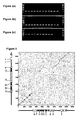
  • the GSTUMT00000587001 and GSTUMT00008644001 gene-specific amplicons were obtained from all the ascocarps tested, figures 2a and 2b . Conversely, only ten of the twelve samples screened using the primer pair p1/p2 produced the expected amplicon of 550 bp, figure 2c .
  • the GSTUMT00001090001 was selected as the sex- candidate MAT1-2-1 gene and the two samples (me206 and me151) that did not produce the GSTUMT00001090001-specific amplicon regarded to as strains putatively harbouring the opposite mating type idiomorph ( MAT1-1 ) .
  • the couple of primers p1/p2 can be used to amplify a nucleotide sequence specific to the first mating type gene of T. melanosporum (MAT1-2-1).
  • the primer p1 has, as nucleotide sequence, the nucleotide sequence SEQ ID N°7 and the primer p2 has, as nucleotide sequence, the nucleotide sequence SEQ ID N°8.
  • a set of primers were designed upstream and downstream the MAT1-2-1 gene to search for genomic regions conserved between strains of different mating type (Table 1, figures 2a,2b,2c ).
  • the primer pairs p3/p12, p13/p14, p15/p14 and p3/p14 were tested for their capacity to yield amplicons of expected length of about 550, 400, 1700 and 2800 bp, respectively, on all samples screened.
  • These primers pairs produced amplicons only when strains containing the MAT1-2 idiomorph were amplified.
  • the primer pair p3/p4 yielded an amplicon of about 370 bp from both MAT1-2 and MAT1-1 strains.
  • the primer pairs p16/p6 and p17/p18 yielded amplicons of about 400 and 1000 bp, respectively.
  • the primer pair p5/p6 produced an amplification product of about 1200 bp in MAT1-2 strains and a fragment of about 1700 bp in MAT1-1 strains.
  • the primer p11 specific for MAT1-1 strains, was designed and used in combination with the primer p3 to amplify the genomic region containing the MAT1-1 idiomorph from strain me206.
  • BLASTX search against GenBank revealed the presence of about 200 bp region with similarity to the ⁇ -box domain that typifies the MAT 1-1-1 gene of filamentous Ascomycetes.
  • BLASTX matches were observed with ⁇ -box domains of MAT1-1 proteins of Alternaria brassicae (AAK85543.1), Talaromyces stipitatus (XP_002486084), Aspergillus nidulans (XP_660359), Pyrenophora sp. (CAP08782), and Penicillium marneffei (ABC68484).
  • the genomic fragment containing the MAT1-1 idiomorph was further extended by PCR at the 5' and 3' ends using the primers p24 and p26 coupled with the MAT1-2 primers p25 and p18, respectively.
  • the sequenced fragments Fa, Fb, Fc, and Fd were assembled in a 15,144 bp contig ( figure 1 ).
  • the couple of p19/p20 was then designated and can be used to amplify a nucleotide sequence specific to the second mating type gene of T . melanosporum (MAT1-1-1).
  • the primer p19 has, as nucleotide sequence, the nucleotide sequence SEQ ID N°9.
  • the primer p20 has, as nucleotide sequence, the nucleotide sequence SEQ ID N°10.
  • Mating type specific amplification can be also obtained using any others couples of primers that are specific to the first and/or to the second mating type idiomorph of T.melanosporum.
  • T. melanosporum genome database "TuberDB” (http://mycor.nancy.inra.fr/IMGC/TuberGenome/).
  • MAT1-2 and MAT1-1 idiomorphs were about 5550 bp and 7430 bp long, respectively (A in figure 1a , B in figure 1b and figure 3 ).
  • the MAT1-2 idiomorph has as nucleotide sequence the nucleotide sequence SEQ ID N°3 and the MAT1-1 idiomorph has as nucleotide sequence the nucleotide sequence SEQ ID N°4.
  • sequences flanking these idiomorphs were highly conserved: pairwise sequence alignment showed that the 5' flanking regions (3603 bp) share 99,1% sequence identity and the 3' flanking regions (3586 bp), excluding the 493-bp long insertion of MAT1-1, share 91,3% of identity.
  • Each idiomorph contains only a single MAT gene (HMG or ⁇ -box containing gene).
  • TmelMAT1-2-1 T. melanosporum MAT1-2-1 gene
  • TmelMAT1-2-1 TmelMAT1-2-1 gene
  • the deduced amino acid sequence was 297 residues long and contained a conserved HMG-box motif typical of the MAT1-2-1 genes of Ascomycetes ( figure 4a ).
  • MAT genes are expressed both during the vegetative and reproductive phases.
  • RT-PCR analyses along with the availability of ESTs (http://mycor.nancy.inra.fr/) from fruit body (FB) free living mycelia (FLM) and ectomycorrhizae (ECM) ( Martin et al. 2010, Nature 464:1033-1038 ) allowed the inventors to evaluate transcription of MAT genes at different phases of the T. melanosporum life cycle.
  • MAT idiomorphs are equally distributed among truffles within single populations.
  • T. melanosporum truffles were derived from outcrossing and that T. melanosporum is a "truly" heterothallic spp.
  • the multiplex PCR approach described above was carried out on asci and gleba isolated from single, selected ascocarps.
  • Table 2 List of truffles whose gleba was genotyped using mating-specific primers Sample Population Mating type 442 2 ⁇ -box 443 2 hmg 444 2 ⁇ -box 445 2 ⁇ -box 446 2 ⁇ -box 448 2 hmg 458 2 hmg 471 2 ⁇ -box 478 2 ⁇ -box 459 2 hmg 476 2 ⁇ -box 482 2 hmg 280 2 ⁇ -box 284/287 2 hmg 281 2 ⁇ -box 206 2 ⁇ -box 151 2 ⁇ -box 66 6 hmg 69 6 ⁇ -box 67 6 hmg 68 6 hmg 71 6 ⁇ -box 70 6 hmg 296 7 h

Landscapes

  • Chemical & Material Sciences (AREA)
  • Life Sciences & Earth Sciences (AREA)
  • Proteomics, Peptides & Aminoacids (AREA)
  • Organic Chemistry (AREA)
  • Analytical Chemistry (AREA)
  • Engineering & Computer Science (AREA)
  • Zoology (AREA)
  • Wood Science & Technology (AREA)
  • Health & Medical Sciences (AREA)
  • Biotechnology (AREA)
  • Microbiology (AREA)
  • Molecular Biology (AREA)
  • Immunology (AREA)
  • Biophysics (AREA)
  • Physics & Mathematics (AREA)
  • Biochemistry (AREA)
  • Bioinformatics & Cheminformatics (AREA)
  • General Engineering & Computer Science (AREA)
  • General Health & Medical Sciences (AREA)
  • Genetics & Genomics (AREA)
  • Botany (AREA)
  • Mycology (AREA)
  • Measuring Or Testing Involving Enzymes Or Micro-Organisms (AREA)

Abstract

The invention concerns a method for determining the Tuber species and fertility of a truffle sample, said method comprising:
- identifying whether said truffle sample comprises a first nucleotide sequence associated with a first mating type idiomorph (MAT1-2) ; and
- identifying whether said truffle sample comprises a second nucleotide sequence associated with a second mating type idiomorph (MAT1-1); the fertility of said truffle sample requiring the presence of both the first and the second nucleotide sequences.

Description

    INVENTION DOMAIN
  • The invention concerns the setting up of a method for the identification of truffles species and their mating type. The invention is based on the use of mating-specific nucleotide sequences.
  • An aim of the invention is to control the sexual reproduction of the truffles.
  • An additional aim of the invention is to distinguish between the truffles species.
  • The invention concerns the production and the control of truffle inoculated seedlings, with direct impact on the activity and interest of truffles nurseries and agro-food industry.
  • STATE OF THE ART AND ENCOUNTED PROBLEM
  • Truffles are Ascomycete mushrooms belonging to the Tuber genus which live in ectomycorrhizal symbiosis with various trees. These mushrooms form fructifications generally named « truffles » which are very appreciated for their organoleptic qualities. Among these truffles species, the Périgord black truffle (Tuber melanosporum Vittad.), the Piémont white truffle (Tuber magnatum Pico) and the Burgundy Truffle (Tuber aestivum Vittad.) are the most appreciated species by the gastronomes and have a large cultural and economic impact. Indeed, their price can vary between 200-400 euro/kg for the Burgundy truffle, 400-1,000 euro/kg for the Périgord truffle and 2,000-6,000 euro/kg for the Piémont white truffle. This very high price is, among other things, the consequence of a high decrease of their production over the last decades. In view to preserve these species and to increase their production, a protocol permitting to inoculate host plantlets, with each of the previously mentioned truffle species has been made to be exploited by truffles nurseries.
  • This protocol consists to inoculate first young oak, hazel, pin or other host plantlets by mean of spores from several truffles. Each truffle used as spore donor is morphologically controlled to avoid contamination with undesired species. Alternatively, host plants can be inoculated with in vitro grown mycelia.
  • Then, the development of mycorrhizas on the inoculated plants is controlled 1) to exclude plants that either do not develop mycorrhizas or harbour mycorrhizas from contaminating fungal species according to morphological criteria and 2) to assess whether the percentage of mycorrhization is sufficient. If the level of mycorrhization is sufficient and few contamination are detected the mycorrhized plantlets can be sold. Mycorrhized plantlets means that plantlet roots have been colonized by truffle mycelium and that truffle mycelium and plantlet live in a symbiotic relationship the one with the other.
  • When these verifications have been met, these mycorrhized plantlets are planted in an orchard. After 5 to 8 years of culturing, it might be obtained truffles of the Tuber species that has been inoculated.
  • The discrimination of Tuber vs non Tuber mycorrhizas by morphological criteria is often an easy task. However, the discrimination among mycorrhizas of the different Tuber species is sometime impossible, such as the typing of mycorrhizas formed by the Périgord Black truffles from those formed by the Chinese black truffles. Mistakes are possible mainly with the Chinese black truffle Tuber indicum. Indeed this species is morphologically very similar to the Périgord Black truffle and sometimes their morphological discrimination is impossible. T. indicum is a truffle that presents organoleptic qualities lesser pronounced than the ones presented by T. melanosporum.
  • Moreover, despite advances in the inoculation methodology and cultural improvements, some trees and plantations are still sterile without producing truffles. So the quantity of truffles that can be produced by a truffle plant is unpredictable.
  • SUMMARY OF THE INVENTION
  • The inventors have discovered that truffles, and in particular T. melanosporum and T. magnatum are obligate outcrossing fungi, also known as heterothallic fungi. These mushrooms are self-incompatible and therefore need the presence of a partner of opposite mating type to reproduce themselves.
  • The inventors have discovered that to ensure sexual reproduction of truffle species, the mating between two sexually compatible mycelia is needed. These two mycelia differ for the mating type genes in their genome.
  • Mating type genes or MAT genes are the master loci controlling sexual reproduction and development in fungi.
  • Sexual reproduction in Ascomycetes filamentous fungi is controlled by two different MAT genes that established sexual compatibility: one MAT gene codes for a protein with an alpha box domain (MAT1-1-1), whereas the other encodes a high mobility group (HMG) protein (MAT1-2-1). In heterothallic Ascomycetes, there are strains that have only one of these genes in their genome, the other mating type gene is present in different strains at the same site on the chromosome, namely MAT locus. Because this locus contains different genes and other highly divergent sequence, the two versions of a MAT locus (MAT1-1 and MAT1-2) are not called allelic and are called idiomorphs (Metzemberg & Glass, 1990, Bioessays 12: 53-59).
  • To gain insight into the truffle reproduction system, the inventors have tried to identify the nucleotide sequences of the MAT locus in each of the most famous truffles species taking advantage from the fact that the genome of the Périgord black truffle has been recently deciphered. Thus, the inventors have first tried to identify, in T. melanosporum, the nucleotide sequences corresponding to the two mating type genes. Indeed, due to the high nucleotide sequence divergences between mating type genes within Ascomycetes, the inventors have not immediately found the nucleotide sequences corresponding to the two mating type genes.
  • The inventors have first screened the sequenced T. melanosporum genome for the presence of candidate genes encoding for the protein containing the HMG and the alpha-box domain using as queries mating type genes from other Ascomycetes. Following this approach, the inventors have discovered in the T. melanosporum genome three nucleotides sequences (three genes: GSTUMT00001090001, GSTUMT00000587001 and GSTUMT00008644001) that have homologies with the HMG containing mating type gene of other Ascomycetes. On the contrary, no T. melanosporum genes corresponding to the alpha-box mating type genes of other Ascomycetes has been detected, suggesting that T. melanosporum is indeed a heterothallic species. For each of the three HMG genes identified in T.melanosporum genome, the inventors have designed a specific primer pair to verify their presence in the other T. melanosporum strains. Embracing the hypothesis of heterothallism, the putative HMG- mating type gene cannot be present in all T. melanosporum strain, since some strains should be of the opposite mating type. Indeed, this prediction was confirmed, as one of the three HMG containing genes (GSTUMT00001090001) was not found in all strains tested. Thus, this gene has been identified as the first mating type gene of T. melanosporum, namely TmelMAT1-2-1. The HMG box of this first mating type of T. melanosporum has as nucleotide sequence the nucleotide sequence SEQ ID N°1.
  • Having mapped the position of TmelMAT1-2-1 on the T. melanosporum sequenced genome, the inventors have then designed new primers on its flanking regions to amplify the entire idiomorphic sequence both from strains with and without the TmelMAT1-2-1 gene. In the light of heterothallism in fact, the 5' and 3' regions flanking the two putative idiomorphic structures are expected to be conserved between strains of opposite mating type. Following this approach, the second MAT locus (MAT1-1) has been cloned and then sequenced from a strain that lacked the TmelMAT1-2-1 gene.
  • Sequence analysis confirmed the identification of the MAT idiomorph (MAT1-1) containing a second mating type gene, namely TmelMAT1-1-1, said second mating type gene encodes for a putative alpha-box containing transcription factor showing appreciable sequence similarity with the alpha box mating type genes from other Ascomycetes. This alpha box specific to the second mating type gene of T.melanosporum has as nucleotide sequence the nucleotide sequence SEQ ID N°2.
  • Overall, following the above mentioned approaches both MAT idiomorphic regions of T.melanosporum have been identified. The first mating type idiomorph MAT1-2 (TmeIMAT1-2) corresponds to the nucleotide sequence SEQ ID N°3. The second mating type idiomorph MAT1-1 (TmeIMAT1-1) corresponds to the nucleotide sequence SEQ ID N°4.
  • The inventors have determined a first genomic region comprising the first mating type gene MAT1-2-1 (or "the first mating type idiomorph MAT1-2") and a second genomic region comprising the second mating type gene MAT1-1-1 (or "the second mating type idiomorph MAT1-1 "). Each of these genomic regions comprises also flanking regions that are highly conserved.
  • The first genomic region has as nucleotide sequence the nucleotide sequence SEQ ID N°5 and the second genomic region has as nucleotide sequence the nucleotide sequence SEQ ID N°6.
  • By the way of the above identified nucleotide sequences SEQ ID N°1, SEQ ID N°2, SEQ ID N°3, SEQ ID N°4, SEQ ID N°5 and SEQ ID N°6 , the inventors were able to implement an identification method of T.melanosporum. But others nucleotide sequences specifics to the two mating type gene of T.melanosporum can be used.
  • The invention permits to differentiate truffles species between them. In particularly, the invention permits to differentiate Chinese truffle (Tuber indicum Cook & Massee) with regard to the Périgord Black truffle (T. melanosporum).
  • The invention permits therefore to avoid contamination of plantlets with T. indicum. The invention permits to ban the presence of T. indicum in the plantlets that will be planted in Europe.
  • The invention permits also to differentiate other truffles species between them, such as T. melanosporum, T. magnatum, T. aestivum.
  • By the way of the above identified nucleotide sequences, the inventors were also able to screen mycorrhizal plants and determine whether they sustain T. melanosporum mycorrhizas of one or both mating types on their roots. More precisely, the method is based on the amplification with mating-type T. melanosporum specific primers of DNA isolated from randomly selected pools of T. melanosporum mycorrhizas. If the plants harbouring both mating types, the proportion of each mating type can be measured by performing a quantitative PCR analysis or by analyzing randomly selected single ectomycorrhizas and counting the proportion of mycorrhizas harbouring the first or the second mating type.
  • Likewise, by the way of the above identified nucleotide sequences, the inventors were able to screen in vitro cultivated T.melanosporum mycelia.
  • It is also possible to guaranty to the truffle cultivators:
    • the mating type(s) of strains present on mycorrhizal plantlets. The methods, in fact, permits to check whether a host plant harbours strains of only one or both mating types of a given Tuber species.
    • host plant selection according to the mating type of the fungus;
    • the setting up of truffle plantations in which the presence of strains of both mating types of a given Tuber species is spatially and numerically balanced in the ground. This can be achieved by using plants harbouring strains of both mating type in their roots or by outplanting close each other host plants that harbour in their roots strains of opposite mating type to promote, in open field conditions, the contact and mating between sexually compatible mycelia ;
    • to control the presence and the distribution of strains of different mating type in previously realized truffle plantations as well as in natural truffle sites to induce ex novo or rescue the truffle production. These analyses permit, in fact, to test whether in a given truffle field the presence of strains of both mating type is spatially and numerically balanced. If not, in order to favour mating between sexually compatible strains, mycorrhized plants harbouring strains with the mating type resulted to be absent or less abundant can be selected and outplanted;
    • to control the mating type of mycelia and/or other inocula used for host plant inoculation.
  • Each mating type gene of a given truffle species can be found with the same method as the one disclosed for obtaining the nucleotide sequence of the TmeIMATI-2-1 and TmelMAT1-1-1 as above indicated.
  • For a given Tuber species, it is wanted strains that comprise a first nucleotide sequence that hybridizes with the HMG containing mating type gene of other Ascomycetes. Then, from the flanking regions of this first nucleotide sequence, it is wanted primers in view to amplify a nucleotide sequence corresponding to the second mating type gene of this same given Tuber species for the other strains that not contain the first mating type gene.
  • In an embodiment, each mating type gene of a given truffle species can be identified with the help of parts of nucleotide sequences taken from the first genomic region of T.melanosporum and from the second genomic region of T.melanosporum. Each mating type gene of a given truffle species can also be identified with the help of parts of nucleotide sequences taken from the first mating type gene of T.melanosporum and of the second mating type gene of T.melanosporum. These nucleotide sequences can be used as pairs of primers to amplify respectively a first mating type gene and a second mating type gene of a given truffle species.
  • It is also possible to use the nucleotide sequences of the HMG specific box of T.melanosporum and of the alpha specific box of T.melanosporum as probes to identify the nucleotide sequences of a first mating type gene and a second mating type gene of a given truffle species.
  • The invention is used to certify the truffle species, to control fructifications of these species, the identity (and mating type) of their in vitro cultured and/or soil living mycelia and mycorrhizas.
  • The invention permits also to verify the mating type in plantlets inoculated with T. melanosporum, T. magnatum and T. aestivum which will be sold in the future, and to ensure the presence of mycelia of the two mating types in view to optimize truffles production.
  • The invention permits to certify the presence of compatible mycelia at the root system level.
  • The invention also permits to increase fruiting and hence truffle production by controlling a priori the presence of mating types on mycorrhized plants used to set a truffle orchard. Also, as reported above, the invention would allow the rescue of man-made and natural plantations by enriching these sites for the presence of strains harbouring the less abundant (or absent) mating type through the introduction of mycorrhized plants specifically selected for the mating type of their fungal partner.
  • Thus, it is possible to certify to a truffle cultivator the mating type(s) of the truffle strains on the roots of the host plants.
  • The invention has as object a method for determining the Tuber species of a truffle sample, said method comprising identifying whether said truffle sample comprises at least one nucleotide sequence chosen among a first nucleotide sequence associated with a first mating type idiomorph (MAT1-2) and a second nucleotide sequence associated with a second mating type idiomorph (MAT1-1); both nucleotide sequence being specific to a given Tuber species.
  • By truffle sample it is intended that it comprises truffle fructification sample and/or truffle mycelium sample and/or mychorrized plant sample and/or a truffle producing soil sample.
  • The first nucleotide sequence can be at least one part of the nucleotide sequence SEQ ID N°5. In an example, the first nucleotide sequence can be the nucleotide sequence SEQ ID N°5, or a part of the nucleotide sequence SEQ ID N°5. For example, it can be the nucleotide sequence SEQ ID N°3 or the nucleotide sequence SEQ ID N°1.
  • The second nucleotide sequence can be at least one part of the nucleotide sequence SEQ ID N°6. In an example, the second nucleotide sequence can be the nucleotide sequence SEQ ID N°6 or a part of the nucleotide sequence SEQ ID N°6. For example, it can be the nucleotide sequence SEQ ID N°4 or the nucleotide sequence SEQ ID N°2.
  • The nucleotide sequence SEQ ID N°5 is a first genomic region of T. melanosporum that comprises the first T. melanosporum mating type gene Tme/MAT1-2-1 or SEQ ID N°3 and the nucleotide sequence SEQ ID N°6 is a second genomic region of T.melanosporum that comprises the second T. melanosporum mating type gene Tme/MAT1-1-1 or SEQ ID N°4.
  • The invention provides also that the method further comprises determining the fertility of said truffle sample, using the identification in said truffle sample of both the first nucleotide sequence associated with the first mating type idiomorph (MAT1-2) and the second nucleotide sequence associated with a second mating type idiomorph (MAT1-1), the fertility of said truffle sample requiring the presence of both the first and the second nucleotide sequences.
  • The first nucleotide sequence may comprises at least one part of the nucleotide sequence SEQ ID N°5. In an embodiment, the first sequence may also comprises the nucleotide sequence SEQ ID N°5, or the nucleotide sequence SEQ ID N°3 or the nucleotide sequence SEQ ID N°1. The second nucleotide sequence may comprises at least one part of the second nucleotide sequence SEQ ID N°6. In an embodiment, the second nucleotide sequence may comprises the nucleotide sequence SEQ IDN °6 or the nucleotide sequence SEQ ID N°4 or the nucleotide sequence SEQ ID N°2.
  • The method may comprises the use of a first pair of oligonucleotide primers to determine the presence of the first mating type idiomorph (MAT1-2) in said truffle sample, each primer of the first pair of oligonucleotide primers comprising from 5 to 50, and preferentially from 10 to 30 successive nucleotides of the first nucleotide sequence. The first nucleotide sequence can be the nucleotide sequence SEQ ID N°5. In an embodiment, the first nucleotide sequence may comprises the nucleotide sequence SEQ ID N°3 or the nucleotide sequence SEQ ID N°1.
  • A forward primer of this first pair of oligonucleotide primers may comprises the nucleotide sequence SEQ ID N°7. The nucleotide sequence SEQ ID N°7 is taken from the nucleotide sequence SEQ ID N°1. Other specific nucleotide sequences can be used, as the nucleotide sequence SEQ ID N°11 or the nucleotide sequence SEQ ID N°13 that are parts of the nucleotide sequence SEQ ID N°5.
  • A reverse primer of this first pair of oligonucleotide primers may comprises the nucleotide sequence SEQ ID N°8. The nucleotide sequence SEQ ID N°8 is taken from the flanking region of the nucleotide sequence SEQ ID N°1. Other specific nucleotide sequences can be used, as the nucleotide sequence SEQ ID N°12 or the nucleotide sequence SEQ ID N°14 that are parts of the nucleotide sequence SEQ ID N°5.
  • The nucleotide sequence SEQ ID N°7 and the nucleotide sequence SEQ ID N°8 serve to amplify a part of the nucleotide sequence SEQ ID N°1.
  • The nucleotide sequence SEQ ID N°11 and the nucleotide sequence SEQ ID N°12 serve to amplify the nucleotide sequence SEQ ID N°3.
  • The nucleotide sequence SEQ ID N°13 and the nucleotide sequence SEQ ID N°14 serve to amplify the nucleotide sequence SEQ ID N°5.
  • The method may comprises the use of a second pair of oligonucleotide primers to determine the presence of the second mating type idiomorph (MAT1-1) in said truffle sample, each primer of the second pair of oligonucleotide primers comprising from 5 to 50, and preferentially from 10 to 30 successive nucleotides of the second nucleotide sequence. As indicated above, the second nucleotide sequence can be the following nucleotide sequences SEQ ID N°2, SEQ ID N°4 or SEQ ID N°6.
  • A forward primer of this second pair of oligonucleotide primers may comprises the nucleotide sequence SEQ ID N°9. The nucleotide sequence SEQ ID N°9 is taken from the nucleotide sequence SEQ ID N°2. Other specific nucleotide sequences can be used, as the nucleotide sequence SEQ ID N°11 or the nucleotide sequence SEQ ID N°13.
  • A reverse primer of the second pair of oligonucleotide primers may comprises the nucleotide sequence SEQ ID N°10. The nucleotide sequence SEQ ID N°10 is taken from the nucleotide sequence SEQ ID N°2. Other specific nucleotide sequences can be used, as the nucleotide sequence SEQ ID N°12 or the nucleotide sequence SEQ ID N°14.
  • The nucleotide sequence SEQ ID N°9 and the nucleotide sequence SEQ ID N°10 serve to amplify a part of the nucleotide sequence SEQ ID N°2.
  • The nucleotide sequence SEQ ID N°11 and the nucleotide sequence SEQ ID N°12 serve to amplify the nucleotide sequence SEQ ID N°4.
  • The nucleotide sequence SEQ ID N°13 and the nucleotide sequence SEQ ID N°14 serve to amplify the nucleotide sequence SEQ ID N°6.
  • The detection of the presence of at least one part of the first nucleotide sequence associated with a first mating type idiomorph of a Tuber species and of at least one part of a second nucleotide sequence associated with the second mating type idiomorph of the same Tuber species could be done with the help of usual molecular biology tools wheel known from one of ordinary skill in the art.
  • For example, the detection of this presence can be done in labelling a genomic marker or a specific primer and in hybridizing the genomic marker or the specific primer to an amplified DNA sequence. The marker or the primer can be at least one part of one of the two nucleotide sequences associated with a mating type idiomorph of T.melanosporum or an other given Tuber species.
  • The detection of this presence could be done also in labelling cDNA which are able to be detected by at least one part of a first nucleotide sequence associated with a first mating type idiomorph of a Tuber species and by at least one part of a second nucleotide sequence associated with a second mating type idiomorph of the same Tuber species.
  • The invention has also as object a nucleotide sequence associated with a first mating type idiomorph (MAT1-2) of a Tuber species comprising the nucleotide sequence SEQ ID N°5. The nucleotide sequence SEQ ID N°5 is the first genomic region of T. melanosporum that comprises the first mating type gene of T.melanosporum and the HMG specific box of T. melanosporum.
  • The invention has also as object a nucleotide sequence associated with a second mating type idiomorph (MAT1-1) of a Tuber species comprising the nucleotide sequence SEQ ID N°6. The nucleotide sequence SEQ ID N°6 is the second genomic region of T. melanosporum that comprises the second mating type gene of T.melanosporum and the alpha specific box of T. melanosporum.
  • The invention has also as object a first pair of oligonucleotide primers associated with a first mating type idiomorph (MAT1-2-1) of a Tuber species, wherein each primer comprises from 5 to 50, for preference from 10 to 30 successive nucleotides of the nucleotide sequence SEQ ID N°5.
  • In an embodiment, this first pair of oligonucleotides primers comprises a forward primer with as nucleotide sequence the nucleotide sequence SEQ ID N°7 and a reverse primer with as nucleotide sequence the nucleotide sequence SEQ ID N°8.
  • Other forward primers can be used with as nucleotide sequences the nucleotide sequence SEQ ID N° 11 or the nucleotide sequence SEQ ID N°13.
  • Other reverse primers can be used with as nucleotide sequences the nucleotide sequence SEQ ID N°12 or the nucleotide sequence SEQ ID N°14.
  • The invention has also as object a second pair of oligonucleotide primers associated with a second mating type idiomorph (MAT1-1-1) of a Tuber species, wherein each primer comprises from 5 to 50, for preference from 10 to 30 successive nucleotides of the nucleotide sequence SEQ ID N°6.
  • In an embodiment, this second pair of oligonucleotides primers comprises a forward primer with as nucleotide sequence the nucleotide sequence SEQ ID N°9, and a reverse primer with as nucleotide sequence the nucleotide sequence SEQ ID N°10.
  • Other forward primers can be used with as nucleotide sequences the nucleotide sequence SEQ ID N°11 or the nucleotide sequence SEQ ID N°13.
  • Other reverse primers can be used with as nucleotide sequences the nucleotide sequence SEQ ID N°12 or the nucleotide sequence SEQ ID N°14.
  • The invention can provides also the development of fast and easy to use a kit to determinate the fertility of a truffle sample, like truffle fructification sample, truffle mycelium sample, mycorrhized plant sample or truffle-producing soil sample; a kit being able to be used even by unspecialized persons. Indeed, it is possible to create a "two in one" kit allowing the identification of the two mating type in a single reaction. The idea is to merge the findings realized by the inventors with the expertise of nanotechnologists to realize such a kit.
  • The invention has also as object a kit for determining the fertility of a truffle sample, like truffle fructification sample, truffle mycelium sample, mycorrhized plant sample or truffle-producing soil sample, the kit comprising:
    • the pair of oligonucleotide primers associated with a first mating type idiomorph (MAT1-2-1) of a Tuber species, as indicated above, and
    • the pair of oligonucleotide primers associated with a second mating type idiomorph (MAT1-1-1) of a Tuber species, as indicated above.
  • Means for amplifying a nucleotide sequence are also included in this kit. This kit can be use also to identify the truffle species between them.
  • The nucleotides sequences SEQ ID N°1, SEQ ID N°2, SEQ ID N°3, SEQ ID N°4, SEQ ID N°5, SEQ ID N°6, SEQ ID N°7, SEQ ID N°8, SEQ ID N°9, SEQ ID N°10, SEQ ID N°11, SEQ ID N°12, SEQ ID N°13 and SEQ ID N°14 are nucleotides sequences that are specifics to the species T. melanosporum. But others nucleotides sequences specifics to others Tuber specie could be used.
  • BRIEF DESCRIPTION OF THE FIGURES
    • Figures 1 a and 1 b represent schematics representations of Tuber melanosporum mating type locus MAT1-2-1 and Tuber melanosporum mating type locus MAT1-1-1, respectively.
      A (SEQ ID N°3) and B (SEQ ID N°4) represent respectively the nucleotide sequence for the first mating type idiomorph of T.melanosporum, Tme/MAT 1-2, and for the second mating type idiomorph of T.melanosporum, Tme/MAT 1-1. The black lines indicate the common flanking regions. C (SEQ ID N°1) and D (SEQ ID N°2) arrows represent respectively the nucleotide sequence for the HMG box (mating type gene Tme/MAT 1-2-1) and for the alpha box (mating type gene Tme/MAT 1-1-1). An additional putative ORF was detected in the MAT1-2 idiomorph (E arrowed box; gene model: GSTUMT00001089001). The F, G and H boxes represent regions sharing sequence similarities between idiomorphs. The 45° grid pattern indicates the opposite orientation of similar sequences within and between idiomorphs. The flanking region downstream the MAT1-1 idiomorph contains a 493 bp long insertion used to design a backward primer to specifically amplify the MAT1-1 idiomorph (I Box). The arrowed boxes J and K indicate the gene models: GSTUMT00001088001 and GSTUMT00001092001, conserved in the regions flanking the idiomorphs.
      The small black, white and grey arrows indicate the position of common primers or MAT1-1 and MAT1-2 idiomorph-specific primers, respectively. Primers numbers are as in table 1. The black lines at the bottom of the figure 1 indicate the PCR amplicons (Fa, Fb, Fc and Fd) assembled to give the entire MAT1-1-1 contig (15.144 bp).
    • Figures 2a, 2b and 2c represent PCR amplification of three HMG-domain encoding genes in T. melanosporum.
      PCR amplifications were performed with the primer pair's p7/p8, p9/p10 and p1/p2 designed on the gene models GSTUMT00008644001 (a), GSTUMT00000587001 (b) and GSTUMT00001 090001 (c), respectively.
      Each PCR was performed with genomic DNA from the following ascocarps: lanes 2-13: me443, me448, me458, me459, me66, me67, me68, me300, me303, me225, me206, me151; lane 14: negative control (no DNA template); lanes 1 and 15: DNA ladder mix (Fermentas).
    • Figure 3 represents a dot-plot comparison of MAT1-1 and MAT1-2 DNA sequences highlighting the extent of the idiomorphic region in each mating type and the repeated sequences. The idiomorphic regions are represented as in figures 1 a and 1 b.
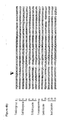
    • Figures 4a and 4b represent amino acid alignment of conserved regions of T. melanosporum MAT proteins with those from others Ascomycetes.
    • Figure 4a) represents an amino acid alignment of conserved HMG domain of the following species: 1) Tuber melanosporum; 2) Leptosphaeria maculans (AA037761); 3) Mycosphaerella graminicola (AAL30836); 4) Pyrenophora teres (AAY35017); 5) Cochliobolus sativus (AAF87724); 6) Dendryphiella sp. (AAR83920); 7) Alternaria alternata (BAA75908); 8) Magnaporthe grisea (BAC65094); 9) Gibberella fujikuroi (AAC71056); 10) Ceratocystis eucalypti (AAF00498); 11) Isaria tenuipes (BAC67543); 12) Colletotrichum musae (CAD59615); 13) Sordaria brevicollis (CAB63222); 14) Neurospora crassa (AAA33598); 15) Podospora anserina (CAA45520); 16) Cryphonectria parasitica (AAK83343); 17) Xanthoria flammea (CAl59780); 18) Xanthoria elegans (CAl59778); 19) Xanthoria polycarpa (CAl59768); 20) Cladonia galindezii (AAT48651); 21) Pyrenopeziza brassicae (CAA06843); 22) Penicillium chrysogenum (CAP 17333).
    • Figure 4b) represents an amino acid alignment of conserved α-box region of the following species: 1) Tuber melanosporum; 2) Phaeosphaeria nodorum (XP_001791062); 3) Stemphylium callistephi (AAR04468); 4) Alternaria brassicicola (AAK85542); 5) Gibberella avenacea (CAD59608); 6) Fusarium poae (CAD59610); 7) Colletotrichum musae (CAD59611); 8) Xanthoria polycarpa (CA159771); 9) Pyrenopeziza brassicae (CAA06844); 10) Botryotinia fuckeliana (XP_001546438); 11) Ajellomyces capsulatus (AB026868); 12) Penicillium marneffei (ABC68484); 13) Neosartorya fischeri (XP_001263836).
      Ascomycete families are indicated with vertical bars. The position of T. melanosporum specific introns and those conserved in most of the Ascomycetes are indicated by black and white triangles respectively. In the α-box region alignment, the grey triangles indicate the position of an intron conserved in some Ascomycetes but absent in T. melanosporum
    • Figures 5a and 5b represent MAT1-1 gene structure as inferred from RT-PCR and RACE analyses. Figure 5a) represents PCR amplification with primers p27 and p28; Lane 1 is a 1 Kb DNA ladder (Fermentas). Lanes 2 and 3 are respectively cDNA from MAT1-1 ascocarps me206 and me151. Lane 4 is a genomic DNA from me206. Figure 5b) represents a schematic representation of MAT1-1 gene structure (dark boxes) and the two different cDNA detected (I and II). The putative antisense transcript (III) is also reported.
    • Figures 6a and 6b represent respectively a multiplex PCR amplification of DNA from ascocarps and a purified asci with mating type specific primers SEQ ID N°7 (p1); SEQ ID N°8 (p2); SEQ ID N°9 (p19); SEQ ID N°10 (p20).
      Lanes 1 and 18: DNA ladder mix (Fermentas); lanes 2-16: ascocarps me442, me443, me444, me445, me448, me458, me459, me69, me66, me71, me222, me182, me226, me334, me335; lane 17: negative control (no DNA template).
    EXPERIMENTATIONS 1. Materials and Methods 1.1. PCR amplification and sequencing
  • The primers' sequences and annealing sites on or near the MAT locus are reported in Table 1 and Fig. 1. PCR amplifications were performed in a 50-µl mixture containing 16 mM (NH4)2SO4, 67 mM Tris-HCl (pH 8.8), 0.01 % Tween-20, 2.5 mM MgCl2, 0.2 mM of each dNTP, 10 nM of each primer, 1 U of EuroTaq polymerase (Euroclone, Milano, Italy) and 20 ng of DNA. DNA comes from ascocarps and pools of spores that were isolated according to Paolocci et. al (2006) (complete the references). PCR reactions were performed in a 9700 PCR system (Applied Biosystems, Foster City, CA, USA) with the following thermal profile: 2 min at 94°C followed by 35 cycles of denaturation at 94°C for 30 s, annealing at 55-60°C for 30 s, extension at 72°C for 30 s to 3 min according to the length of the expected amplicon, and a final extension at 72°C for 7 min. Long-range PCR amplification of the MAT1-1 region (about 10 Kb) was performed using LA Taq DNA polymerase (TaKaRa Bio Inc., Otsu, Japan) and a 2-step thermal profile: 30 s at 94°C, 30-40 cycles of denaturation at 94°C for 30 s, annealing/extension at 68°C for 15 min, and a final extension for 7 min at 72°C. The analysis of simple sequence repeat (SSR) loci was performed according to Riccioni et al. (2008) New Phytologist 180: 466-478.
  • The PCR amplicons were purified using the EuroGold Cycle-Pure PCR purification kit (Euroclone, Milano, Italy) or cloned into the pGEM T-easy vector (Promega, Madison Wl, USA) according to the manufacturer's instructions. Sequences were obtained using the BigDye sequencing kit (Applied Biosystems) according to the manufacturer's protocol. Sequence assembly was performed using Bioedit software v. 7.0.9 (Hall, 1999 Nucleic Acids Symposium. 41: 95-98). Primers were designed with the help of PerlPrimer software v. 1.1.16 (Marshall, 2004 Bioinformatics 20:2471-2472). Sequence comparison and dotplot analysis were carried out using NCBI BLAST and Dotmatcher (EMBOSS Package v. 6.0.1). Gene structure prediction of MAT1-1-1 was performed with FGENESH software (http://linux1.softberry.com) using N. crassa as a reference genome.
  • 1.2. RNA isolation, RT-PCR and RACE analyses
  • Total RNA was isolated from ascocarps stored at -80 °C according to the protocol described by Chang et al. (1999) Plant Molecular Biology Reports 11: 113-116. Rapid amplification of cDNA ends (RACE) was carried out using the SMART-RACE cDNA Amplification Kit (Clontech, Palo Alto, CA, USA) according to the manufacturer's protocol. The 5' and 3' RACE gene-specific primers were p21 and p23, and the nested primers were p22 and p24, respectively (Table 1, Fig. 1). To confirm the structure of MAT1-1-1 gene, about 5 µg of total RNA isolated from two ascocarps that had gleba with the idiomorph MAT1-1 were reverse-transcribed using the SuperScript® III RT enzyme (Invitrogen, Carlsbad, CA) and 200 ng of random primers (Invitrogen, Carlsbad, CA) according to the instructions of the enzyme's supplier. First-strand cDNAs were then amplified according to the PCR protocol reported above, using the primers p27 and p28 (Table 1 Figure 1). Table 1 list of primers used
    Primer name Primer sequence 5'-3' Primer name Primer sequence 5'-3'
    p1 CAGGTCCGTCATCTCCTTCCAGCAG (SEQ ID N°7) p15 TATCGTACACCACTTTCCTTCTATCTG
    p2 CCACATGCGACCGAGAATCTTGGCTA (SEQ ID N°8) p16 GATCTTCAGCCACTGGCGAATATCC
    p3 CAATCTCTTCCATCGCCCGTCCAG p17 GTTCCTCCGATCTTCCAAGAATTCCAG
    p4 TGGTATATGTGGATGTATTGATAACTATAAT (SEQ ID N°11) P18 TAATTACATTCCCAGAGCTAGGTGCCC (SEQ ID N°14)
    p5 AGAGATAGAGAAATAGCATGGCTCGG (SEQ ID N°12) P19 CAATCTCACTCGTGATGTCTGGGTC (SEQ ID N°9)
    p6 AAGTAACCTTTGTGCCATTGCTCCA p20 TCTCGGGCTGGAGGTGCGGGTCGAGT (SEQ ID N°10)
    p7 CAGCATGGTCTGGTTGGACGTTTTGAT p21 GCCGGAATAGTGGCATCCTGGGCCGTC
    p8 CTATGCACCCAAGTGTGATTGAGGAC p22 GACGGACGGTTGATTGAATTGCACCGAG
    p9 CCATTCGTTGAGATGCGCCGTTGCTA p23 GATCGTGGTGACCCCGGCCTCGTGCT
    p10 AGGCGGTATCAGAGCTTTTCCATGCAG p24 CTTGCGTGAAGCTGGCTTTGTCCCCAAG
    p11 GCCAACCTCTAGTTGGGATATTTGTTCAGGAC p25 GTGTGCGTGCTTGAAGTGAATTGGAGTAA (SEQ ID N°13)
    p12 GTGAATAGACAGACTAGCTTGCCCG p26 ATCCTAACTTACAGCATCTCGCCT
    p13 AATCTCTTAATGTCCAGACCCTTACC p27 TATCGGCTCACAATCCAGTGGAGGATTC
    p14 TGAATCAAGGTAGTTTGCTGATTGAGG P28 ACGGCCCAGGATGCCACTATTC
  • 2. Results 2.1. Searching for mating type genes in T. melanosporum genome.
  • The T. melanosporum genome sequence database "TuberDB" (http://mycor.nancy.inra.fr/IMGC/TuberGenome/) was investigated for the presence of orthologs of Ascomycetes MAT genes in the sequenced strain Mel28 using BLASTN and TBLASTX similarity searches. Orthologs, are homologous genes in different species that are similar to each other because they originated from a common ancestor. Using Ascomycetes HMG-containing sequences as queries, 3 candidate gene models were identified in the Mel28 genome: GSTUMT00001090001 (scaffold 247), GSTUMT00000587001 (scaffold 207) and GSTUMT00008644001 (scaffold 49). BLASTP searches against GenBank revealed that the GSTUMT00001090001 predicted protein was the best match for the MAT1-2-1 gene from Diaporthe sp. (BAE93753, BAE93759), Cryphonectria parasitica (AAK83343), Fusarium sacchari (BAE94382), and other Ascomycetes. The GSTUMT00000587001 predicted protein showed the best BLASTP match with HMG-box containing proteins, especially with a Ste11 transcription factor of S. pombe (CAA77507), whereas the GSTUMT00008644001 predicted protein showed similarity with the HMG-box transcriptional regulator of A. fumigatus (XP_751745.1). Conversely, BLAST searches using α-box- and homeodomain-containing MAT genes from different Ascomycetes as queries did not allow the identification of any significant matches with putative sex genes in the Mel28 genome.
  • 2.2. Selection of gene model harbouring the MAT1-2-1 gene and identification of strains harbouring the opposite mating type (figures 1, 2a, 2b and 2c).
  • To assess for the presence and distribution of the three HMG-box-containing genes in different T. melanosporum strains, the primers pairs: p1/p2, p7/p8, and p9/p10, specific to the gene models GSTUMT00001090001, GSTUMT00000587001 and GSTUMT00008644001, respectively, where used to perform a PCR screening on 12 T. melanosporum ascocarps of different geographical origin.
  • The GSTUMT00000587001 and GSTUMT00008644001 gene-specific amplicons were obtained from all the ascocarps tested, figures 2a and 2b. Conversely, only ten of the twelve samples screened using the primer pair p1/p2 produced the expected amplicon of 550 bp, figure 2c.
  • On the basis of these results the GSTUMT00001090001 was selected as the sex- candidate MAT1-2-1 gene and the two samples (me206 and me151) that did not produce the GSTUMT00001090001-specific amplicon regarded to as strains putatively harbouring the opposite mating type idiomorph (MAT1-1).
  • The couple of primers p1/p2 can be used to amplify a nucleotide sequence specific to the first mating type gene of T. melanosporum (MAT1-2-1). The primer p1 has, as nucleotide sequence, the nucleotide sequence SEQ ID N°7 and the primer p2 has, as nucleotide sequence, the nucleotide sequence SEQ ID N°8.
  • 2.3. Isolation of MAT1-1 idiomorph (figure 1, table 1).
  • Embracing the hypothesis of heterothallism, the 5' and 3' regions flanking the two putative idiomorphic structures are expected to be conserved between the sequenced strain (Mel28) and strains that lack the MAT1-2-1 genes such as those that form the gleba of truffles me206 and me151.
  • Thus, on Mel28 strain, a set of primers were designed upstream and downstream the MAT1-2-1 gene to search for genomic regions conserved between strains of different mating type (Table 1, figures 2a,2b,2c). To this purpose, on the 5' MAT1-2-1 flanking region, the primer pairs p3/p12, p13/p14, p15/p14 and p3/p14 (Table 1, Fig. 1) were tested for their capacity to yield amplicons of expected length of about 550, 400, 1700 and 2800 bp, respectively, on all samples screened. These primers pairs produced amplicons only when strains containing the MAT1-2 idiomorph were amplified. Conversely, the primer pair p3/p4 yielded an amplicon of about 370 bp from both MAT1-2 and MAT1-1 strains. On the 3' MAT1-2-1 flanking region of both the MAT1-2 and MAT1-1 strains, the primer pairs p16/p6 and p17/p18 yielded amplicons of about 400 and 1000 bp, respectively. The primer pair p5/p6 produced an amplification product of about 1200 bp in MAT1-2 strains and a fragment of about 1700 bp in MAT1-1 strains. Overall, these preliminary screenings show that the binding capacity of p3, p4 and of p5, p6 primers was conserved in the upstream and downstream MAT1-2-1 gene regions, respectively, in strains both with and without the MAT1-2 idiomorph.
  • The PCR fragments obtained from sample me206 with primer pairs p3/p4 and p5/p6 were cloned and sequenced. The alignments showed that that these two fragments were highly similar (about 96% of sequence identity) to the corresponding regions in the Me128 genome, although the fragment generated by the primer pair p5/p6 (figure 1, fragment Fc) showed an insertion of 493 bp in the 3' region downstream the MAT1-1 idiomorph (figure 1 b).
  • On this insertion, the primer p11, specific for MAT1-1 strains, was designed and used in combination with the primer p3 to amplify the genomic region containing the MAT1-1 idiomorph from strain me206.
  • The amplification with the primer p11 and the primer p3 yielded a fragment of about 9 Kbp (figure 1, fragment Fa) whose sequencing confirmed the identification of the MAT1-1 idiomorph. Indeed, BLASTX search against GenBank revealed the presence of about 200 bp region with similarity to the α-box domain that typifies the MAT1-1-1 gene of filamentous Ascomycetes. In particular, BLASTX matches were observed with α-box domains of MAT1-1 proteins of Alternaria brassicae (AAK85543.1), Talaromyces stipitatus (XP_002486084), Aspergillus nidulans (XP_660359), Pyrenophora sp. (CAP08782), and Penicillium marneffei (ABC68484).
  • The genomic fragment containing the MAT1-1 idiomorph was further extended by PCR at the 5' and 3' ends using the primers p24 and p26 coupled with the MAT1-2 primers p25 and p18, respectively. The sequenced fragments Fa, Fb, Fc, and Fd were assembled in a 15,144 bp contig (figure 1).
  • The couple of p19/p20 was then designated and can be used to amplify a nucleotide sequence specific to the second mating type gene of T. melanosporum (MAT1-1-1). The primer p19 has, as nucleotide sequence, the nucleotide sequence SEQ ID N°9. The primer p20 has, as nucleotide sequence, the nucleotide sequence SEQ ID N°10.
  • Mating type specific amplification can be also obtained using any others couples of primers that are specific to the first and/or to the second mating type idiomorph of T.melanosporum.
  • The entire MAT1-2 idiomorph sequence or SEQ ID N°3 nucleotide sequence is available in T. melanosporum genome database "TuberDB" (http://mycor.nancy.inra.fr/IMGC/TuberGenome/).
  • The entire MAT1-1 idiomorph sequence or SEQ ID N°4 was deposited in GenBank under the accession number HM370280.
  • 2.4. Structure of MAT idiomorphs.
  • Sequence alignment and dotplot analyses of the two genomic regions showed that the MAT1-2 and MAT1-1 idiomorphs were about 5550 bp and 7430 bp long, respectively (A in figure 1a, B in figure 1b and figure 3). The MAT1-2 idiomorph has as nucleotide sequence the nucleotide sequence SEQ ID N°3 and the MAT1-1 idiomorph has as nucleotide sequence the nucleotide sequence SEQ ID N°4. The sequences flanking these idiomorphs were highly conserved: pairwise sequence alignment showed that the 5' flanking regions (3603 bp) share 99,1% sequence identity and the 3' flanking regions (3586 bp), excluding the 493-bp long insertion of MAT1-1, share 91,3% of identity.
  • Each idiomorph contains only a single MAT gene (HMG or α-box containing gene).
  • However, blast and dotplot analyses (figures 4 and 3) revealed that the idiomorphic regions were not completely different. In fact, the presence of shared sequences arranged in inverse orientations was observed (figure 1). Pairwise alignments showed 960 bp- (figure 1: G box) and 950 bp- (figure 1: H box) long sequences sharing 76.5% and 71.1% sequence identity, respectively. Additionally, BLASTX analysis revealed a region within the 960-bp sequence (G box) with similarity to conserved ankyrin repeat domains. An EST sequence (SY0AAA61YO16FM1) from Mel28 mycelium relative to GSTUMT00001089001 proved that the transcript of this gene extends its 3' end into the ankyrin-containing region, but that this last region is not included in the predicted CDS because it is only 57 amino acids long. Furthermore, no ORF could be identified in the corresponding region of the MAT1-1 idiomorph.
  • Finally, a short repeated sequence of about 460 bp was present in inverse orientation in the MAT1-2 idiomorph (figure. 1: F boxes). A similar sequence (84% sequence identity) was also present at the extreme 3' end of the MAT1-1 idiomorph.
  • 2.5. Structure of MAT genes.
  • The analysis of EST produced by the Tuber Genome Consortium showed that the T. melanosporum MAT1-2-1 gene (TmelMAT1-2-1) consisted of 4 exons since it showed 2 additional introns to the one conserved in most of the Ascomycetes (figures 1a and 4a). The deduced amino acid sequence was 297 residues long and contained a conserved HMG-box motif typical of the MAT1-2-1 genes of Ascomycetes (figure 4a).
  • Gene prediction analysis (performed with FGENESH in the MAT1-1 idiomorph) suggested the presence of 3 exons within the T. melanosporum MAT 1-1-1 gene (TmelMAT1-1-1), figure 1b. RACE and RT-PCR analyses were performed on RNA isolated from fruiting bodies harbouring the MAT1-1 idiomorph to confirm the predicted gene structure. Interestingly, these analyses showed that the second intron could be differentially spliced to give putative proteins of either 319 or 399 aminoacids, (figures 5a and 5b). When RACE analysis was performed using the polyA-anchored primer in combination with the primers for 5' RACE (p21, p22) on the 5' extended cDNA pools as control, it revealed the presence of an antisense transcript partially overlapping the MAT1-1-1 CDS (figures 5a and 5b).
  • 2.6. MAT genes are expressed both during the vegetative and reproductive phases.
  • RT-PCR analyses along with the availability of ESTs (http://mycor.nancy.inra.fr/) from fruit body (FB) free living mycelia (FLM) and ectomycorrhizae (ECM) (Martin et al. 2010, Nature 464:1033-1038) allowed the inventors to evaluate transcription of MAT genes at different phases of the T. melanosporum life cycle.
  • The analysis of EST datasets confirmed that in FLM of the Mel28 strain used for genome sequencing, only the MAT1-2-1 gene was transcribed. On the contrary, both MAT1-1-1 and MAT1-2-1 transcripts were detected in the EST libraries obtained from FB and ECMs.
  • 2.7. MAT idiomorphs are equally distributed among truffles within single populations.
  • The presence and distribution of mating type genes in the ascomata collected from natural populations were assessed using a multiplex-PCR approach. To this end, the α-box-specific primer pair p19 (SEQ ID N°9) / p20 (SEQ ID N°10) was designed to produce an amplicon of 421 bp and combined with the HMG box-specific primer pair p1 (SEQ ID N°7) / p2 (SEQ ID N°8) that produced an amplicon of 550 bp. As shown in Table 2, truffles harbouring either the MAT1-2 or the MAT1-1 idiomorphs were identified within each local population.
  • 2.8. All T. melanosporum truffles results from outcrossing.
  • To test the hypothesis that all T. melanosporum truffles were derived from outcrossing and that T. melanosporum is a "truly" heterothallic spp., the multiplex PCR approach described above was carried out on asci and gleba isolated from single, selected ascocarps.
  • When screened with SSR and single nucleotide polymorphism (SNP) markers, the asci of most ascocarps did not display any additional alleles with respect to their corresponding gleba (Riccioni et al., 2008, New Phytologist 180: 466-478). Whether these truffles resulted from the crossing of two parents or just from selfing of homothallic strains remained elusive. Multiplex PCR-based mating type screening showed that the gleba of these ascomata had either the MAT1-2- or MAT1-1-specific allele (figure 6a). In stark contrast, the pool of spores always presented, with an approximately equal intensity, of both MAT1-2- and MAT1-1-specific amplicons, irrespective of the truffle samples processed, the mating type of the corresponding gleba, and the number of PCR cycles performed (figure 6b).
  • Altogether, these results suggest that the additional mating idiomorph detected in the asci with respect to the surrounding gleba must be contributed by a partner with a different sexual polarity, and that this condition is common to all truffles screened. Table 2 : List of truffles whose gleba was genotyped using mating-specific primers
    Sample Population Mating type
    442 2 α-box
    443 2 hmg
    444 2 α-box
    445 2 α-box
    446 2 α-box
    448 2 hmg
    458 2 hmg
    471 2 α-box
    478 2 α-box
    459 2 hmg
    476 2 α-box
    482 2 hmg
    280 2 α-box
    284/287 2 hmg
    281 2 α-box
    206 2 α-box
    151 2 α-box
    66 6 hmg
    69 6 α-box
    67 6 hmg
    68 6 hmg
    71 6 α-box
    70 6 hmg
    296 7 hmg
    300/303 7 hmg
    298 7 α-box
    180 10 α-box
    224 10 hmg
    222/182/226/334/335/227 10 α-box
    225 10 hmg
    336 10 α-box
    337 10 hmg
    183 10 α-box
    294 12 hmg
    367 12 α-box
    81 12 hmg
    83 12 hmg
    Figure imgb0001
    Figure imgb0002
    Figure imgb0003
    Figure imgb0004
    Figure imgb0005
    Figure imgb0006
    Figure imgb0007
    Figure imgb0008
    Figure imgb0009
    Figure imgb0010
    Figure imgb0011
    Figure imgb0012
    Figure imgb0013
    Figure imgb0014
    Figure imgb0015
    Figure imgb0016
    Figure imgb0017
    Figure imgb0018
    Figure imgb0019
    Figure imgb0020
    Figure imgb0021
    Figure imgb0022
    Figure imgb0023
    Figure imgb0024

Claims (15)

  1. A method for determining the Tuber species of a truffle sample, said method comprising identifying whether said truffle sample comprises at least one nucleotide sequence chosen among a first nucleotide sequence associated with a first mating type idiomorph (MAT1-2) and a second nucleotide sequence associated with a second mating type idiomorph (MAT1-1); both nucleotide sequence being specific to a given Tuber species.
  2. The method of claim 1, further comprising determining the fertility of said truffle sample, using the identification in said truffle sample of both the first nucleotide sequence associated with the first mating type idiomorph (MAT1-2) and the second nucleotide sequence associated with a second mating type idiomorph (MAT1-1), the fertility of said truffle sample requiring the presence of both the first and the second nucleotide sequences.
  3. The method of one of the claims 1 to 2, wherein the first nucleotide sequence comprises the nucleotide sequence SEQ ID N°5 and the second nucleotide sequence comprises the nucleotide sequence SEQ ID N°6.
  4. The method of one of the claims 1 to 3, using a first pair of oligonucleotide primers to determine the presence of the first mating type idiomorph (MAT1-2) in said truffle sample, each primer of the first pair of oligonucleotide primers comprising from 5 to 50, and preferentially from 10 to 30 successive nucleotides of the first nucleotide sequence.
  5. The method of claim 4, wherein a forward primer of the first pair of oligonucleotide primers comprises the nucleotide sequence SEQ ID N°7.
  6. The method of one of the claims 4 to 5, wherein a reverse primer of the first pair of oligonucleotide primers comprises the nucleotide sequence SEQ ID N°8.
  7. The method of one of the claims 1 to 6, using a second pair of oligonucleotide primers to determine the presence of the second mating type idiomorph (MAT1-1) in said truffle sample, each primer of the second pair of oligonucleotide primers comprising from 5 to 50, and preferentially from 10 to 30 successive nucleotides of the second nucleotide sequence.
  8. The method of claim 7, wherein a forward primer of the second pair of oligonucleotide primers comprises the nucleotide sequence SEQ ID N°9.
  9. The method of one of the claims 7 to 8, wherein a reverse primer of the second pair of oligonucleotide primers comprises the nucleotide sequence SEQ ID N°10.
  10. The method of one of the claims 3 to 9, wherein each of the nucleotide sequences SEQ ID N°5 and SEQ ID N°6 are specific to Tuber melanosporum.
  11. Nucleotide sequence associated with a first mating type idiomorph (MAT1-2) of a Tuber species comprising the nucleotide sequence SEQ ID N°5.
  12. Nucleotide sequence associated with a second mating type idiomorph (MAT1-1) of a Tuber species comprising the nucleotide sequence SEQ ID N°6.
  13. Pair of oligonucleotide primers associated with a first mating type idiomorph (MAT1-2-1) of a Tuber species, wherein each primer comprises from 5 to 50, for preference from 10 to 30 successive nucleotides of the nucleotide sequence SEQ ID N°5.
  14. Pair of oligonucleotide primers associated with a second mating type idiomorph (MAT1-1-1) of a Tuber species, wherein each primer comprises from 5 to 50, for preference from 10 to 30 successive nucleotides of the nucleotide sequence SEQ ID N°6.
  15. Kit for determining the fertility of a truffle sample, like truffle fructification sample, truffle mycelium sample, mycorrhized plant sample or truffle-producing soil sample, the kit comprising:
    - the pair of oligonucleotide primers, according to claim 13, and
    - the pair of oligonucleotide primers, according to claim 14.
EP10175517A 2010-09-07 2010-09-07 Molecular method for the identification of mating type genes of truffles species Withdrawn EP2426215A1 (en)

Priority Applications (5)

Application Number Priority Date Filing Date Title
EP10175517A EP2426215A1 (en) 2010-09-07 2010-09-07 Molecular method for the identification of mating type genes of truffles species
US13/820,718 US20130224741A1 (en) 2010-09-07 2011-09-07 Molecular Method for the Identification of Mating Type Genes of Truffles Species
AU2011298740A AU2011298740B2 (en) 2010-09-07 2011-09-07 Molecular method for the identification of mating type genes of truffles species
PCT/EP2011/065501 WO2012032098A1 (en) 2010-09-07 2011-09-07 Molecular method for the identification of mating type genes of truffles species
EP11752246.6A EP2614153B1 (en) 2010-09-07 2011-09-07 Molecular method for the identification of mating type genes of truffles species

Applications Claiming Priority (1)

Application Number Priority Date Filing Date Title
EP10175517A EP2426215A1 (en) 2010-09-07 2010-09-07 Molecular method for the identification of mating type genes of truffles species

Publications (1)

Publication Number Publication Date
EP2426215A1 true EP2426215A1 (en) 2012-03-07

Family

ID=43927863

Family Applications (2)

Application Number Title Priority Date Filing Date
EP10175517A Withdrawn EP2426215A1 (en) 2010-09-07 2010-09-07 Molecular method for the identification of mating type genes of truffles species
EP11752246.6A Active EP2614153B1 (en) 2010-09-07 2011-09-07 Molecular method for the identification of mating type genes of truffles species

Family Applications After (1)

Application Number Title Priority Date Filing Date
EP11752246.6A Active EP2614153B1 (en) 2010-09-07 2011-09-07 Molecular method for the identification of mating type genes of truffles species

Country Status (4)

Country Link
US (1) US20130224741A1 (en)
EP (2) EP2426215A1 (en)
AU (1) AU2011298740B2 (en)
WO (1) WO2012032098A1 (en)

Families Citing this family (4)

* Cited by examiner, † Cited by third party
Publication number Priority date Publication date Assignee Title
CN103849689B (en) * 2014-03-27 2015-11-04 中国科学院昆明植物研究所 Indian truffle SSR primers and its cross-species screening method and application
EP4009778A4 (en) * 2019-08-09 2023-09-27 Carolina Truffiéres LLC METHODS AND COMPOSITIONS FOR THE PRODUCTION OF ECTOMYCORHIZAL MYCELIUMS AND METHODS OF USE THEREOF
CN114774577B (en) * 2022-05-19 2025-10-28 袁隆平农业高科技股份有限公司 A SNP molecular marker for detecting the mating type gene MAT1 of rice blast fungus and its application
CN120006016A (en) * 2025-01-24 2025-05-16 河南科技大学 Primer set, multiplex PCR method and application for determining mating type of Venturia spp.

Family Cites Families (1)

* Cited by examiner, † Cited by third party
Publication number Priority date Publication date Assignee Title
US6582908B2 (en) * 1990-12-06 2003-06-24 Affymetrix, Inc. Oligonucleotides

Non-Patent Citations (15)

* Cited by examiner, † Cited by third party
Title
CHANG ET AL., PLANT MOLECULAR BIOLOGY REPORTS, vol. 11, 1999, pages 113 - 116
DATABASE EMBL [Online] 30 June 2010 (2010-06-30), "Tuber melanosporum mRNA 3-prime sequence from clone SY0AAA25YN17 (SY0AAA25YN17RM1).", XP002636683, retrieved from EBI accession no. EM_EST:FP383886 Database accession no. FP383886 *
DATABASE EMBL [Online] 30 June 2010 (2010-06-30), "Tuber melanosporum mRNA 5-prime sequence from clone SY0AAC59YF03 (SY0AAC59YF03FM1).", XP002636682, retrieved from EBI accession no. EM_EST:FP441239 Database accession no. FP441239 *
HALL, NUCLEIC ACIDS SYMPOSIUM, vol. 41, 1999, pages 95 - 98
MARSHALL, BIOINFORMATICS, vol. 20, 2004, pages 2471 - 2472
MARTIN ET AL., NATURE, vol. 464, 2010, pages 1033 - 1038
MARTIN F ET AL: "Périgord black truffle genome uncovers evolutionary origins and mechanisms of symbiosis", NATURE, NATURE PUBLISHING GROUP, vol. 464, no. 7291, 15 April 2010 (2010-04-15), pages 1033 - 1038, XP002615247, ISSN: 1476-4687, [retrieved on 20100328], DOI: 10.1038/NATURE08867 *
METZEMBERG; GLASS, BIOESSAYS, vol. 12, 1990, pages 53 - 59
MURAT CLAUDE ET AL: "Sex and truffles: first evidence of Perigord black truffle outcrosses", NEW PHYTOLOGIST, vol. 180, no. 2, 2008, pages 260 - 263, XP002636678, ISSN: 0028-646X *
RICCIONI CLAUDIA ET AL: "Tuber melanosporum outcrosses: analysis of the genetic diversity within and among its natural populations under this new scenario", NEW PHYTOLOGIST, vol. 180, no. 2, 2008, pages 466 - 478, XP002636677, ISSN: 0028-646X *
RICCIONI ET AL., NEW PHYTOLOGIST, vol. 180, 2008, pages 466 - 478
RUBINI ANDREA ET AL: "Isolation and characterization of MAT genes in the symbiotic ascomycete Tuber melanosporum", NEW PHYTOLOGIST, vol. 189, no. 3, 2011, pages 710 - 722, XP002636681, ISSN: 0028-646X *
RUBINI ANDREA ET AL: "Tuber melanosporum: mating type distribution in a natural plantation and dynamics of strains of different mating types on the roots of nursery-inoculated host plants", NEW PHYTOLOGIST, vol. 189, no. 3, 2011, pages 723 - 735, XP002636680, ISSN: 0028-646X *
SINGH GURJEET ET AL: "Intra-specific and inter-specific conservation of mating-type genes from the discomycete plant-pathogenic fungi Pyrenopeziza brassicae and Tapesia yallundae", CURRENT GENETICS, vol. 36, no. 5, November 1999 (1999-11-01), pages 290 - 300, XP002636679, ISSN: 0172-8083 *
STRANDBERG REBECKA ET AL: "Conflict between reproductive gene trees and species phylogeny among heterothallic and pseudohomothallic members of the filamentous ascomycete genus Neurospora", FUNGAL GENETICS AND BIOLOGY, vol. 47, no. 10, 1 July 2010 (2010-07-01), pages 869 - 878, XP002636676, ISSN: 1087-1845 *

Also Published As

Publication number Publication date
US20130224741A1 (en) 2013-08-29
EP2614153B1 (en) 2017-04-12
EP2614153A1 (en) 2013-07-17
WO2012032098A1 (en) 2012-03-15
AU2011298740A1 (en) 2013-03-14
AU2011298740B2 (en) 2014-06-19

Similar Documents

Publication Publication Date Title
Rubini et al. Isolation and characterization of MAT genes in the symbiotic ascomycete Tuber melanosporum
Halász et al. S-genotyping supports the genetic relationships between Turkish and Hungarian apricot germplasm
Jia et al. Development of a SNLP marker from the Pi-ta blast resistance gene by tri-primer PCR
Dreesen et al. Analysis of Malus S-RNase gene diversity based on a comparative study of old and modern apple cultivars and European wild apple
EP2426215A1 (en) Molecular method for the identification of mating type genes of truffles species
Shymanovich et al. Disease progress and detection of a California resistance-breaking strain of tomato spotted wilt virus in tomato with LAMP and CRISPR-Cas12a assays
KR101382409B1 (en) Scar markers for discrimination of grape cultivars and use thereof
Genger et al. A novel barley scald resistance gene: genetic mapping of the Rrs15 scald resistance gene derived from wild barley, Hordeum vulgare ssp. spontaneum
CA2726699C (en) Nucleic acids and methods for detecting turfgrass pathogenic fungi
Halász et al. Preliminary characterization of the self-incompatibility genotypes of European plum (Prunus domestica L.) cultivars
Mougou-Hamdane et al. Spatial distribution of lineages of oak powdery mildew fungi in France, using quick molecular detection methods
Sasazaki et al. Mitochondrial DNA variation and genetic relationships in Japanese and Korean cattle
KR101955074B1 (en) Snp markers for discrimination of raphanus sativus
Pettenkofer et al. Development of novel Quercus rubra chloroplast genome CAPS markers for haplotype identification
KR20230034491A (en) Genetic marker for selection of watermelon without lateral branch, tendril and ligule trait and use thereof
US11384395B2 (en) Marker associated with powdery mildew resistance in plant of genus Fragaria and use thereof
KR101736670B1 (en) Primer sets for identification of Phalaenopsis and composition of marker comprising the same
KR20200054750A (en) Primer set for simultaneously diagnosing viruses of Ligusticum chuanxiong and Cnidium officinale, method for diagnosing viruses of Ligusticum chuanxiong and Cnidium officinale by using the same and kit using the same
JP2002112773A (en) Sex identification method of papaya using DNA marker
JP5956389B2 (en) Method for detecting thermostable Penicillium fungi
Pereira et al. MpSaci is a widespread gypsy-Ty3 retrotransposon highly represented by non-autonomous copies in the Moniliophthora perniciosa genome
EP3690064B1 (en) Determination method for onion
Park et al. Host reaction of tomato varieties and applicability of Sm-linked DNA markers to Stemphylium lycopersici
KR101137799B1 (en) Specific primers for discriminating Suhan strains in Pleurotus ostreatus, and uses thereof
Mustafa et al. Comparative sequence analysis of citrate synthase and 18S ribosomal DNA from a wild and mutant strains of Aspergillus niger with various fungi

Legal Events

Date Code Title Description
AK Designated contracting states

Kind code of ref document: A1

Designated state(s): AL AT BE BG CH CY CZ DE DK EE ES FI FR GB GR HR HU IE IS IT LI LT LU LV MC MK MT NL NO PL PT RO SE SI SK SM TR

AX Request for extension of the european patent

Extension state: BA ME RS

PUAI Public reference made under article 153(3) epc to a published international application that has entered the european phase

Free format text: ORIGINAL CODE: 0009012

STAA Information on the status of an ep patent application or granted ep patent

Free format text: STATUS: THE APPLICATION IS DEEMED TO BE WITHDRAWN

18D Application deemed to be withdrawn

Effective date: 20120908