EP2420249A1 - Vaccine immunotherapy for immune suppressed patients - Google Patents
Vaccine immunotherapy for immune suppressed patients Download PDFInfo
- Publication number
- EP2420249A1 EP2420249A1 EP11183836A EP11183836A EP2420249A1 EP 2420249 A1 EP2420249 A1 EP 2420249A1 EP 11183836 A EP11183836 A EP 11183836A EP 11183836 A EP11183836 A EP 11183836A EP 2420249 A1 EP2420249 A1 EP 2420249A1
- Authority
- EP
- European Patent Office
- Prior art keywords
- patients
- ncm
- tumour
- survival
- response
- Prior art date
- Legal status (The legal status is an assumption and is not a legal conclusion. Google has not performed a legal analysis and makes no representation as to the accuracy of the status listed.)
- Withdrawn
Links
Images


Classifications
-
- A—HUMAN NECESSITIES
- A61—MEDICAL OR VETERINARY SCIENCE; HYGIENE
- A61K—PREPARATIONS FOR MEDICAL, DENTAL OR TOILETRY PURPOSES
- A61K39/00—Medicinal preparations containing antigens or antibodies
- A61K39/39—Medicinal preparations containing antigens or antibodies characterised by the immunostimulating additives, e.g. chemical adjuvants
-
- A—HUMAN NECESSITIES
- A61—MEDICAL OR VETERINARY SCIENCE; HYGIENE
- A61K—PREPARATIONS FOR MEDICAL, DENTAL OR TOILETRY PURPOSES
- A61K31/00—Medicinal preparations containing organic active ingredients
- A61K31/185—Acids; Anhydrides, halides or salts thereof, e.g. sulfur acids, imidic, hydrazonic or hydroximic acids
- A61K31/19—Carboxylic acids, e.g. valproic acid
- A61K31/192—Carboxylic acids, e.g. valproic acid having aromatic groups, e.g. sulindac, 2-aryl-propionic acids, ethacrynic acid
-
- A—HUMAN NECESSITIES
- A61—MEDICAL OR VETERINARY SCIENCE; HYGIENE
- A61K—PREPARATIONS FOR MEDICAL, DENTAL OR TOILETRY PURPOSES
- A61K31/00—Medicinal preparations containing organic active ingredients
- A61K31/33—Heterocyclic compounds
- A61K31/335—Heterocyclic compounds having oxygen as the only ring hetero atom, e.g. fungichromin
- A61K31/365—Lactones
-
- A—HUMAN NECESSITIES
- A61—MEDICAL OR VETERINARY SCIENCE; HYGIENE
- A61K—PREPARATIONS FOR MEDICAL, DENTAL OR TOILETRY PURPOSES
- A61K31/00—Medicinal preparations containing organic active ingredients
- A61K31/33—Heterocyclic compounds
- A61K31/395—Heterocyclic compounds having nitrogen as a ring hetero atom, e.g. guanethidine or rifamycins
- A61K31/40—Heterocyclic compounds having nitrogen as a ring hetero atom, e.g. guanethidine or rifamycins having five-membered rings with one nitrogen as the only ring hetero atom, e.g. sulpiride, succinimide, tolmetin, buflomedil
- A61K31/403—Heterocyclic compounds having nitrogen as a ring hetero atom, e.g. guanethidine or rifamycins having five-membered rings with one nitrogen as the only ring hetero atom, e.g. sulpiride, succinimide, tolmetin, buflomedil condensed with carbocyclic rings, e.g. carbazole
- A61K31/404—Indoles, e.g. pindolol
- A61K31/405—Indole-alkanecarboxylic acids; Derivatives thereof, e.g. tryptophan, indomethacin
-
- A—HUMAN NECESSITIES
- A61—MEDICAL OR VETERINARY SCIENCE; HYGIENE
- A61K—PREPARATIONS FOR MEDICAL, DENTAL OR TOILETRY PURPOSES
- A61K31/00—Medicinal preparations containing organic active ingredients
- A61K31/33—Heterocyclic compounds
- A61K31/395—Heterocyclic compounds having nitrogen as a ring hetero atom, e.g. guanethidine or rifamycins
- A61K31/41—Heterocyclic compounds having nitrogen as a ring hetero atom, e.g. guanethidine or rifamycins having five-membered rings with two or more ring hetero atoms, at least one of which being nitrogen, e.g. tetrazole
- A61K31/415—1,2-Diazoles
-
- A—HUMAN NECESSITIES
- A61—MEDICAL OR VETERINARY SCIENCE; HYGIENE
- A61K—PREPARATIONS FOR MEDICAL, DENTAL OR TOILETRY PURPOSES
- A61K31/00—Medicinal preparations containing organic active ingredients
- A61K31/66—Phosphorus compounds
-
- A—HUMAN NECESSITIES
- A61—MEDICAL OR VETERINARY SCIENCE; HYGIENE
- A61K—PREPARATIONS FOR MEDICAL, DENTAL OR TOILETRY PURPOSES
- A61K38/00—Medicinal preparations containing peptides
- A61K38/16—Peptides having more than 20 amino acids; Gastrins; Somatostatins; Melanotropins; Derivatives thereof
- A61K38/17—Peptides having more than 20 amino acids; Gastrins; Somatostatins; Melanotropins; Derivatives thereof from animals; from humans
- A61K38/19—Cytokines; Lymphokines; Interferons
- A61K38/191—Tumor necrosis factors [TNF], e.g. lymphotoxin [LT], i.e. TNF-beta
-
- A—HUMAN NECESSITIES
- A61—MEDICAL OR VETERINARY SCIENCE; HYGIENE
- A61K—PREPARATIONS FOR MEDICAL, DENTAL OR TOILETRY PURPOSES
- A61K38/00—Medicinal preparations containing peptides
- A61K38/16—Peptides having more than 20 amino acids; Gastrins; Somatostatins; Melanotropins; Derivatives thereof
- A61K38/17—Peptides having more than 20 amino acids; Gastrins; Somatostatins; Melanotropins; Derivatives thereof from animals; from humans
- A61K38/19—Cytokines; Lymphokines; Interferons
- A61K38/193—Colony stimulating factors [CSF]
-
- A—HUMAN NECESSITIES
- A61—MEDICAL OR VETERINARY SCIENCE; HYGIENE
- A61K—PREPARATIONS FOR MEDICAL, DENTAL OR TOILETRY PURPOSES
- A61K38/00—Medicinal preparations containing peptides
- A61K38/16—Peptides having more than 20 amino acids; Gastrins; Somatostatins; Melanotropins; Derivatives thereof
- A61K38/17—Peptides having more than 20 amino acids; Gastrins; Somatostatins; Melanotropins; Derivatives thereof from animals; from humans
- A61K38/19—Cytokines; Lymphokines; Interferons
- A61K38/20—Interleukins [IL]
- A61K38/2013—IL-2
-
- A—HUMAN NECESSITIES
- A61—MEDICAL OR VETERINARY SCIENCE; HYGIENE
- A61K—PREPARATIONS FOR MEDICAL, DENTAL OR TOILETRY PURPOSES
- A61K38/00—Medicinal preparations containing peptides
- A61K38/16—Peptides having more than 20 amino acids; Gastrins; Somatostatins; Melanotropins; Derivatives thereof
- A61K38/17—Peptides having more than 20 amino acids; Gastrins; Somatostatins; Melanotropins; Derivatives thereof from animals; from humans
- A61K38/19—Cytokines; Lymphokines; Interferons
- A61K38/20—Interleukins [IL]
- A61K38/202—IL-3
-
- A—HUMAN NECESSITIES
- A61—MEDICAL OR VETERINARY SCIENCE; HYGIENE
- A61K—PREPARATIONS FOR MEDICAL, DENTAL OR TOILETRY PURPOSES
- A61K38/00—Medicinal preparations containing peptides
- A61K38/16—Peptides having more than 20 amino acids; Gastrins; Somatostatins; Melanotropins; Derivatives thereof
- A61K38/17—Peptides having more than 20 amino acids; Gastrins; Somatostatins; Melanotropins; Derivatives thereof from animals; from humans
- A61K38/19—Cytokines; Lymphokines; Interferons
- A61K38/21—Interferons [IFN]
-
- A—HUMAN NECESSITIES
- A61—MEDICAL OR VETERINARY SCIENCE; HYGIENE
- A61K—PREPARATIONS FOR MEDICAL, DENTAL OR TOILETRY PURPOSES
- A61K39/00—Medicinal preparations containing antigens or antibodies
- A61K39/0005—Vertebrate antigens
- A61K39/0011—Cancer antigens
- A61K39/001136—Cytokines
-
- A—HUMAN NECESSITIES
- A61—MEDICAL OR VETERINARY SCIENCE; HYGIENE
- A61K—PREPARATIONS FOR MEDICAL, DENTAL OR TOILETRY PURPOSES
- A61K39/00—Medicinal preparations containing antigens or antibodies
- A61K39/0005—Vertebrate antigens
- A61K39/0011—Cancer antigens
- A61K39/001136—Cytokines
- A61K39/001138—Tumor necrosis factors [TNF] or CD70
-
- A—HUMAN NECESSITIES
- A61—MEDICAL OR VETERINARY SCIENCE; HYGIENE
- A61K—PREPARATIONS FOR MEDICAL, DENTAL OR TOILETRY PURPOSES
- A61K39/00—Medicinal preparations containing antigens or antibodies
- A61K39/0005—Vertebrate antigens
- A61K39/0011—Cancer antigens
- A61K39/001136—Cytokines
- A61K39/001139—Colony stimulating factors [CSF]
-
- A—HUMAN NECESSITIES
- A61—MEDICAL OR VETERINARY SCIENCE; HYGIENE
- A61K—PREPARATIONS FOR MEDICAL, DENTAL OR TOILETRY PURPOSES
- A61K39/00—Medicinal preparations containing antigens or antibodies
- A61K39/0005—Vertebrate antigens
- A61K39/0011—Cancer antigens
- A61K39/001136—Cytokines
- A61K39/00114—Interleukins [IL]
-
- A—HUMAN NECESSITIES
- A61—MEDICAL OR VETERINARY SCIENCE; HYGIENE
- A61K—PREPARATIONS FOR MEDICAL, DENTAL OR TOILETRY PURPOSES
- A61K39/00—Medicinal preparations containing antigens or antibodies
- A61K39/0005—Vertebrate antigens
- A61K39/0011—Cancer antigens
- A61K39/001136—Cytokines
- A61K39/001141—Interferons [IFN]
-
- A—HUMAN NECESSITIES
- A61—MEDICAL OR VETERINARY SCIENCE; HYGIENE
- A61P—SPECIFIC THERAPEUTIC ACTIVITY OF CHEMICAL COMPOUNDS OR MEDICINAL PREPARATIONS
- A61P35/00—Antineoplastic agents
-
- A—HUMAN NECESSITIES
- A61—MEDICAL OR VETERINARY SCIENCE; HYGIENE
- A61P—SPECIFIC THERAPEUTIC ACTIVITY OF CHEMICAL COMPOUNDS OR MEDICINAL PREPARATIONS
- A61P35/00—Antineoplastic agents
- A61P35/02—Antineoplastic agents specific for leukemia
-
- A—HUMAN NECESSITIES
- A61—MEDICAL OR VETERINARY SCIENCE; HYGIENE
- A61P—SPECIFIC THERAPEUTIC ACTIVITY OF CHEMICAL COMPOUNDS OR MEDICINAL PREPARATIONS
- A61P35/00—Antineoplastic agents
- A61P35/04—Antineoplastic agents specific for metastasis
-
- A—HUMAN NECESSITIES
- A61—MEDICAL OR VETERINARY SCIENCE; HYGIENE
- A61P—SPECIFIC THERAPEUTIC ACTIVITY OF CHEMICAL COMPOUNDS OR MEDICINAL PREPARATIONS
- A61P37/00—Drugs for immunological or allergic disorders
-
- A—HUMAN NECESSITIES
- A61—MEDICAL OR VETERINARY SCIENCE; HYGIENE
- A61P—SPECIFIC THERAPEUTIC ACTIVITY OF CHEMICAL COMPOUNDS OR MEDICINAL PREPARATIONS
- A61P37/00—Drugs for immunological or allergic disorders
- A61P37/02—Immunomodulators
- A61P37/04—Immunostimulants
-
- A—HUMAN NECESSITIES
- A61—MEDICAL OR VETERINARY SCIENCE; HYGIENE
- A61P—SPECIFIC THERAPEUTIC ACTIVITY OF CHEMICAL COMPOUNDS OR MEDICINAL PREPARATIONS
- A61P41/00—Drugs used in surgical methods, e.g. surgery adjuvants for preventing adhesion or for vitreum substitution
-
- A—HUMAN NECESSITIES
- A61—MEDICAL OR VETERINARY SCIENCE; HYGIENE
- A61P—SPECIFIC THERAPEUTIC ACTIVITY OF CHEMICAL COMPOUNDS OR MEDICINAL PREPARATIONS
- A61P43/00—Drugs for specific purposes, not provided for in groups A61P1/00-A61P41/00
-
- A—HUMAN NECESSITIES
- A61—MEDICAL OR VETERINARY SCIENCE; HYGIENE
- A61K—PREPARATIONS FOR MEDICAL, DENTAL OR TOILETRY PURPOSES
- A61K39/00—Medicinal preparations containing antigens or antibodies
- A61K2039/51—Medicinal preparations containing antigens or antibodies comprising whole cells, viruses or DNA/RNA
- A61K2039/515—Animal cells
- A61K2039/5154—Antigen presenting cells [APCs], e.g. dendritic cells or macrophages
-
- A—HUMAN NECESSITIES
- A61—MEDICAL OR VETERINARY SCIENCE; HYGIENE
- A61K—PREPARATIONS FOR MEDICAL, DENTAL OR TOILETRY PURPOSES
- A61K39/00—Medicinal preparations containing antigens or antibodies
- A61K2039/51—Medicinal preparations containing antigens or antibodies comprising whole cells, viruses or DNA/RNA
- A61K2039/515—Animal cells
- A61K2039/5158—Antigen-pulsed cells, e.g. T-cells
-
- A—HUMAN NECESSITIES
- A61—MEDICAL OR VETERINARY SCIENCE; HYGIENE
- A61K—PREPARATIONS FOR MEDICAL, DENTAL OR TOILETRY PURPOSES
- A61K39/00—Medicinal preparations containing antigens or antibodies
- A61K2039/555—Medicinal preparations containing antigens or antibodies characterised by a specific combination antigen/adjuvant
- A61K2039/55511—Organic adjuvants
- A61K2039/55522—Cytokines; Lymphokines; Interferons
-
- A—HUMAN NECESSITIES
- A61—MEDICAL OR VETERINARY SCIENCE; HYGIENE
- A61K—PREPARATIONS FOR MEDICAL, DENTAL OR TOILETRY PURPOSES
- A61K39/00—Medicinal preparations containing antigens or antibodies
- A61K2039/555—Medicinal preparations containing antigens or antibodies characterised by a specific combination antigen/adjuvant
- A61K2039/55511—Organic adjuvants
- A61K2039/55522—Cytokines; Lymphokines; Interferons
- A61K2039/55527—Interleukins
-
- A—HUMAN NECESSITIES
- A61—MEDICAL OR VETERINARY SCIENCE; HYGIENE
- A61K—PREPARATIONS FOR MEDICAL, DENTAL OR TOILETRY PURPOSES
- A61K39/00—Medicinal preparations containing antigens or antibodies
- A61K2039/555—Medicinal preparations containing antigens or antibodies characterised by a specific combination antigen/adjuvant
- A61K2039/55511—Organic adjuvants
- A61K2039/55522—Cytokines; Lymphokines; Interferons
- A61K2039/55527—Interleukins
- A61K2039/55533—IL-2
Definitions
- the present invention which is divided from EP04780361.4 (granted as No 1653912 ) relates to vaccine therapy for cancer patients
- tumour-bearing state is associated with immunosuppressive mechanisms derived from both the tumour and from the host's disturbed immune system ( Kavanaugh D Y, et al, Hematol-Oncol Clinics of North Amer 10(4):927-951, 1996 ), thereby making immunisation difficult and until now impossible on a consistent basis.
- Immune suppression or depletion involves a reduced capacity of the immune system to respond. Such suppression can be drug or disease induced.
- the condition can be drug induced by treatment, virus induced as in AIDS, or induced by a disease state such as cancer. The immune system in this condition is effectively turned off.
- tumour immunisation strategies have been developed. However, all such strategies are complex and deviate significantly from the conventional immunisation strategies used for infectious diseases ( Weber J. Tumor, Medscape Anthology 3:2, 2000 ).
- One such tumour immunization strategy involves a material sold under the trade mark Theratope, a Sialyl TN polysaccharide mucin antigen conjugated with keyhole limpet hemocyanine and administered with Detox mycobacterium adjuvant (Detox is a trade mark) and low dose cyclophosphamide ( Maclean G D, et al, J Immunother Emphasis Tumor Immunol 19(4):309-316, 1996 ).
- use of this vaccine in patients with metastatic breast and ovarian cancer has yielded major clinical responses in a low percentage of patients. A major response means greater than 50% tumour reduction.
- Gene therapy has also been attempted using an adenovirus construct as an expression vector for genes expressing Papilloma virus peptide 16 has been used for immunization or patients with cervical cancer and has yielded major clinical responses in a low percentage of patients ( Borysiewickz L K, et al, Lancet 347:1524-1527, 1996 ).
- PSA prostate specific antigens
- US Patents 5503841 ; 5800810 ; 6060068 ; 5643565 and 5100664 disclose methods of enhancing the immune response in patients using Interleukin 2-(IL-2). This method is disclosed for use in response to infectious diseases and primarily functions using antigens known to be immunogenic
- NCM a non-recombinant cytokine mixture
- NCM is now known to be active in unblocking immunisation at a regional lymph node.
- NCM as defined in US Patents 5632983 and 5698194 , is (in brief) prepared in the continuous presence of a 4-aminoquinolone antibiotic and with the continuous or pulsed presence of a mitogen, which in the preferred embodiment is PHA.
- WO02/34119 and WO03/035004 both disclose the use of such a natural cytokine mixture (NCM), which includes the cytokines IL-1, IL-2, IL-6, IL-8, IL-12, IFN-gamma, TNF alpha, G-CSF and GM-CSF, for the treatment of cancer patients, generally by injection, resulting in maturation of immature dendritic cells in regional lymph nodes.
- NCM natural cytokine mixture
- CY cyclophosphamide
- NSAID non-steroidal antiinflammatory drug
- Figure 1 which is a graph illustrating the survival percentage of treated patients at 48 months, shows that treatment of patients with NCM (referred to as IRX-2) is associated with increased survival at 48 months (p ⁇ 0.01).
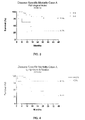
- Figure 2 is a graph illustrating the survival of complete and partial responders compared to minor and non-responders, as will be explained herein.
- the figure shows that clinical responses determine survival, in that patients with complete response (CR) and partial response (PR) (>50% tumour reduction) have better survival rate than those with minor responses (MR) ( ⁇ 50%, but >24% tumour reduction) or no response (NR) ( ⁇ 25%)(p ⁇ 0.01).
- Figure 3 which is a graph illustrating the relationship of pathology index to survival, shows that patients with stronger pathological responses (index of 6 to 9) have better survival rate than those with weaker pathological responses ( ⁇ 6) (p ⁇ 0.02).
- Figure 4 which is a graph showing the relationship of lymphocyte infiltration to survival shows that lymphoid infiltration into the tumour as a single variable predicts survival.
- Figure 5 is a graph illustrating the survival percentage (dose response) of treated patients at 24 months, wherein "x" is equal to about 100 IU/mL of IL-2.
- the present invention therefore comprises use of a natural cytokine mixture for use in immunotherapy of a cancer patient in a dosage regime as set in claim 1.
- Preferred features of the present invention are set out in the subsidiary claims.
- EP No 04780361.4 (granted as EP patent number 1653912 ), which is derived from PCT application US2004/025518 , which was published as No WO2005/025494 , the full contents of which documents are incorporated herein by way of reference.
- Figure 5 illustrates a series of doses of NCM on overall survival for 24 months.
- An optimal impact on survival is over the range 100 to 233 equivalents, as this amount has optimal impact on survival. No effect was observed at about 16 units and less effect at about 1320 units.
- the NCM for use according to the invention is preferably for injection around lymphatics that drain into lymph nodes regional to a tumour.
- the NCM is preferably co-delivered with CY and an NSAID.
- the NSAID of choice is indomethacin (INDO).
- INDO indomethacin
- ibuprofen, celecoxib, rofecoxib and other Coxll inhibitors can also be used as the NSAID.
- Side effects of NSAIDs should be aggressively treated with proton inhibitors and a prostaglandin E analog.
- Zinc and multi-vitamins are useful agents to help restore T cell immunity, possibly including the addition of selenium.
- Preferable dosing of zinc is 50 to 75 mg.
- a standard multivitamin can be administered.
- the zinc can be an available gluconate.
- a ten day injection protocol was compared to twenty day injection protocol.
- Bilateral injections were compared to unilateral injections and a series of doses were compared.
- Significant activity on survival was observed from 74- 1310 units of IL-2 equivalence (as measured by ELISA, R & D Systems) with a peak at 100-233 units ( Figure 1 ).
- Bilateral injections were effective and in one recurrent patient who had undergone an ipsilateral lymph node dissection, contralateral injection was used and a good response was obtained. This observation signifies that tumour antigen may also reside in contralateral nodes and thus bilateral injections are favoured.
- the twenty-day injection protocol was effective in terms of clinical response and survival yet the surgical specimen showed less lymphoid infiltration (17% area) than the ten-day unilateral protocol (34% area) or ten day bilateral protocol (33% area) (p ⁇ . 05). Less lymphoid infiltration with equivalent tumour reduction responses signifies that antibody- mediated immune responses are involved, since these responses are considered less effective than lymphocyte-mediated responses (i.e., cytotoxic T-cells) and the twenty-day injection protocol involves more labuor and expense, a ten-day bilateral injection protocol with 100 units of IL-2 equivalence or site is deemed optimal.
- Figure 2 illustrates a series of doses of the NCM of the present invention on overall survival at twenty-four months. An optimal impact on survival at about 100-233 international units of IL-2 equivalence and no effect at about 16 units and less effect at about 1310 units.
- NSAIDs Nonsteroidal anti Inflammatory Drug
- INDO is the most potent of NSAIDs acting on both cyclooxygenase I & II, but has greater gastrointestinal toxicity. Use of the two agents in place of INDO in a small series of patients gave lesser responses as measured by clinical and pathological criteria and by survival. In the case of Vioxx, all seven patients had clinical signs of gastritis following a week of therapy. In the cervical cancer patients, Ibuprofen was used as the NSAID and good responses were obtained.
- cytokines corresponding to those present in the NCM singly or in combination are also potentially active.
- cytokines such as IL-1, IFN-gamma, TNF alpha, IL-6, GM-CSF, G-CSF, IL-12, and combinations thereof can be used in natural or recombinant form.
Landscapes
- Health & Medical Sciences (AREA)
- Life Sciences & Earth Sciences (AREA)
- Chemical & Material Sciences (AREA)
- Veterinary Medicine (AREA)
- Public Health (AREA)
- General Health & Medical Sciences (AREA)
- Animal Behavior & Ethology (AREA)
- Medicinal Chemistry (AREA)
- Pharmacology & Pharmacy (AREA)
- Epidemiology (AREA)
- Immunology (AREA)
- Bioinformatics & Cheminformatics (AREA)
- Engineering & Computer Science (AREA)
- Mycology (AREA)
- Oncology (AREA)
- Microbiology (AREA)
- Gastroenterology & Hepatology (AREA)
- Zoology (AREA)
- Proteomics, Peptides & Aminoacids (AREA)
- Chemical Kinetics & Catalysis (AREA)
- General Chemical & Material Sciences (AREA)
- Nuclear Medicine, Radiotherapy & Molecular Imaging (AREA)
- Organic Chemistry (AREA)
- Hematology (AREA)
- Surgery (AREA)
- Medicines That Contain Protein Lipid Enzymes And Other Medicines (AREA)
- Pharmaceuticals Containing Other Organic And Inorganic Compounds (AREA)
- Medicines Containing Antibodies Or Antigens For Use As Internal Diagnostic Agents (AREA)
- Medicinal Preparation (AREA)
- Acyclic And Carbocyclic Compounds In Medicinal Compositions (AREA)
- Medicines Containing Material From Animals Or Micro-Organisms (AREA)
Abstract
(i) administration of the NCM in an inactive amount, and
(ii) administration of Indomethacin and cyclophosphamide.
Description
- The present invention, which is divided from
EP04780361.4 1653912 ) relates to vaccine therapy for cancer patients - It has become increasingly apparent that human cancers have antigens, which if reacted upon by the host's immune systems, lead to tumour regression. These antigens have been defined by both serological and cellular immune approaches. This has lead to the definition of both B and T cell epitopes (Sahin U, et al, Curr Opin Immunol 9:709-715, 1997; Van der Eynde, B, et al. Curr Opin Immunol 9:684-693, 1997; Wang RF, et al., Immunologic Reviews 170:85-100, 1999). Based upon these results, it has become a goal of cancer immunotherapists to induce regressions of tumours. However, historically, successful efforts have been sporadic and generally minor in frequency and magnitude.
- A fundamental problem in the effort to immunise cancer patients is that the tumour-bearing state is associated with immunosuppressive mechanisms derived from both the tumour and from the host's disturbed immune system (Kavanaugh D Y, et al, Hematol-Oncol Clinics of North Amer 10(4):927-951, 1996), thereby making immunisation difficult and until now impossible on a consistent basis. Immune suppression or depletion involves a reduced capacity of the immune system to respond. Such suppression can be drug or disease induced. The condition can be drug induced by treatment, virus induced as in AIDS, or induced by a disease state such as cancer. The immune system in this condition is effectively turned off.
- A variety of tumour immunisation strategies have been developed. However, all such strategies are complex and deviate significantly from the conventional immunisation strategies used for infectious diseases (Weber J. Tumor, Medscape Anthology 3:2, 2000). One such tumour immunization strategy involves a material sold under the trade mark Theratope, a Sialyl TN polysaccharide mucin antigen conjugated with keyhole limpet hemocyanine and administered with Detox mycobacterium adjuvant (Detox is a trade mark) and low dose cyclophosphamide (Maclean G D, et al, J Immunother Emphasis Tumor Immunol 19(4):309-316, 1996). However, use of this vaccine in patients with metastatic breast and ovarian cancer has yielded major clinical responses in a low percentage of patients. A major response means greater than 50% tumour reduction.
- Gene therapy has also been attempted using an adenovirus construct as an expression vector for genes expressing Papilloma virus peptide 16 has been used for immunization or patients with cervical cancer and has yielded major clinical responses in a low percentage of patients (Borysiewickz L K, et al, Lancet 347:1524-1527, 1996).
- Dendritic cell mediated therapy has also been attempted, in which dendritic cells were pulsed with oligopeptide fragments of prostate specific antigens (PSA). Prostate specific membrane antigen (PSMA) has been used in patients with metastatic prostate cancer with major clinical responses in a low percentage of patients (Sanda M G, et al, Urology 52:2, 1999; Murphy GP, et al, The Prostate. 38:43-78, 1999).
- Additionally, autologous tumours have been used with low dose cyclophosphamide and BCG to immunize cancer patients with malignant melanoma. However, few clinical responses were reported (Mastrangelo M J, et al, Seminars in Oncology 23(6):773-781, 1996). Another strategy attempted included using MAGE antigens with a variety of vaccine adjuvants. Again, this has yielded few, if any, responses in patients with malignant melanoma.
-
US Patents 5503841 ;5800810 ;6060068 ;5643565 and5100664 (all in the name of Doyle) disclose methods of enhancing the immune response in patients using Interleukin 2-(IL-2). This method is disclosed for use in response to infectious diseases and primarily functions using antigens known to be immunogenic - As disclosed above, the treatment of cancer is known to require different approaches. To date, treatment with IL-2 has shown minor effects in two cancers, renal cell and malignant melanoma (response rates less than 20%). It is generally considered ineffective in head and neck squamous cell cancer (H&NSCC); in cervical cancer and in prostate cancer. Hence, it is not approved for these uses. It would therefore not be obvious based on the method of the above patents to use of small peptides in the treatment of cancer.
- It is important to contrast prevention with known "classic" antigens of complex structure and high molecular weights in healthy patients vs. treatment (generally unsuccessful) with tumour antigens or peptides (general unsuccessful) in immunosupressed patients (generally unsuccessful). The first is easy and our current viral vaccines attest to their efficacy. The latter is nearly impossible on a routine basis despite 30 years of intense effort.
- Immunisation has now been proposed with endogenous peptide processed and presented by dendritic cells or endogenously administered to an environment (lymph node) where dendritic cells have been prepared and can present them to T-cells effectively. This was once considered to be an insurmountable challenge. Peptides are much too small to be effective immunogens; their half life is short they are often non-mutated self antigens to which the patient is immunologically tolerant and gaining a response is tantamount to inducing auto immunity.
- In several of the above strategies, cellular and/or tumoral immunity to tumour-associated antigens has been induced (Weber J. Tumor, Medscape Anthology 3:2, 2000; Maclean G D, et al, J Immunother Emphasis Tumor Immunol 19(4):309-316,1996; Borysiewickz L K, et al, Lancet 347:1524-1527, 1996; Sanda M G, et al, Urology 52:2,1999). This is especially so in association with tumour regression. Nevertheless, the success rate of such treatments is negligible and inconsistent (<30%).
- NCM, a non-recombinant cytokine mixture, is now known to be active in unblocking immunisation at a regional lymph node. NCM, as defined in
US Patents 5632983 and5698194 , is (in brief) prepared in the continuous presence of a 4-aminoquinolone antibiotic and with the continuous or pulsed presence of a mitogen, which in the preferred embodiment is PHA. -
WO02/34119 WO03/035004 - Detailed instructions and examples are given in both documents of modes of administration and modes of action to immunosuppressed patients, for example, together with an "adjuvant" which can enhance the immune response to a particular antigen, and together with a n exogenous or endogenous tumour associated antigen.
- In the accompanying drawings,
Figure 1 , which is a graph illustrating the survival percentage of treated patients at 48 months, shows that treatment of patients with NCM (referred to as IRX-2) is associated with increased survival at 48 months (p < 0.01). -
Figure 2 is a graph illustrating the survival of complete and partial responders compared to minor and non-responders, as will be explained herein. The figure shows that clinical responses determine survival, in that patients with complete response (CR) and partial response (PR) (>50% tumour reduction) have better survival rate than those with minor responses (MR) (<50%, but >24% tumour reduction) or no response (NR) (<25%)(p<0.01). -
Figure 3 , which is a graph illustrating the relationship of pathology index to survival, shows that patients with stronger pathological responses (index of 6 to 9) have better survival rate than those with weaker pathological responses (<6) (p<0.02). -
Figure 4 , which is a graph showing the relationship of lymphocyte infiltration to survival shows that lymphoid infiltration into the tumour as a single variable predicts survival. -
Figure 5 is a graph illustrating the survival percentage (dose response) of treated patients at 24 months, wherein "x" is equal to about 100 IU/mL of IL-2. - Chi Square analysis of the relationship of clinical response to the pathological response in the above figures shows a highly significant relationship (p<0.01) indicating that the two are coordinately related to each other as well as to survival and thus provide a statistical triangulation of the data interrelating clinical responses, immune regression parameters, and survival. Such relationships have never been shown for immunotherapy of a human cancer.
- This has led to the surprising finding that it can be advantageous to administer the NCM in an inactive amount, provided it is administered together with Indomethacin (INDO) and cyclophosphamide (CY), in a vaccine immunotherapy regime. The present invention therefore comprises use of a natural cytokine mixture for use in immunotherapy of a cancer patient in a dosage regime as set in claim 1. Preferred features of the present invention are set out in the subsidiary claims.
- Further background is given in the parent application,
EP No 04780361.4 EP patent number 1653912 ), which is derived fromPCT application US2004/025518 , which was published as NoWO2005/025494 , the full contents of which documents are incorporated herein by way of reference. - The abovementioned
Figure 5 illustrates a series of doses of NCM on overall survival for 24 months. An optimal impact on survival is over therange 100 to 233 equivalents, as this amount has optimal impact on survival. No effect was observed at about 16 units and less effect at about 1320 units. - As previously described in the abovementioned
WO02/34119 WO03/035004 - The NCM is preferably co-delivered with CY and an NSAID. The NSAID of choice is indomethacin (INDO). However, ibuprofen, celecoxib, rofecoxib and other Coxll inhibitors can also be used as the NSAID. Side effects of NSAIDs should be aggressively treated with proton inhibitors and a prostaglandin E analog.
- Zinc and multi-vitamins are useful agents to help restore T cell immunity, possibly including the addition of selenium. Preferable dosing of zinc is 50 to 75 mg. A standard multivitamin can be administered. The zinc can be an available gluconate.
- The present invention will now be further illustrated with reference to the following worked example.
- A ten day injection protocol was compared to twenty day injection protocol. Bilateral injections were compared to unilateral injections and a series of doses were compared. Significant activity on survival was observed from 74- 1310 units of IL-2 equivalence (as measured by ELISA, R & D Systems) with a peak at 100-233 units (
Figure 1 ). Bilateral injections were effective and in one recurrent patient who had undergone an ipsilateral lymph node dissection, contralateral injection was used and a good response was obtained. This observation signifies that tumour antigen may also reside in contralateral nodes and thus bilateral injections are favoured. The twenty-day injection protocol was effective in terms of clinical response and survival yet the surgical specimen showed less lymphoid infiltration (17% area) than the ten-day unilateral protocol (34% area) or ten day bilateral protocol (33% area) (p < . 05). Less lymphoid infiltration with equivalent tumour reduction responses signifies that antibody- mediated immune responses are involved, since these responses are considered less effective than lymphocyte-mediated responses (i.e., cytotoxic T-cells) and the twenty-day injection protocol involves more labuor and expense, a ten-day bilateral injection protocol with 100 units of IL-2 equivalence or site is deemed optimal. -
Figure 2 illustrates a series of doses of the NCM of the present invention on overall survival at twenty-four months. An optimal impact on survival at about 100-233 international units of IL-2 equivalence and no effect at about 16 units and less effect at about 1310 units. - INDO is the most potent of NSAIDs acting on both cyclooxygenase I & II, but has greater gastrointestinal toxicity. Use of the two agents in place of INDO in a small series of patients gave lesser responses as measured by clinical and pathological criteria and by survival. In the case of Vioxx, all seven patients had clinical signs of gastritis following a week of therapy. In the cervical cancer patients, Ibuprofen was used as the NSAID and good responses were obtained.
- Based upon these observations INDO is preferred, but Celebrex or Ibuprofen can be substituted if INDO is not tolerated. Vioxx is not recommended. Prilosec or other proton pump inhibitors with or without an oral prostaglandin analog is recommended as prophylaxis for gastritis, while histamine H2 blockers are not considered indicative.
- In four patients a dose of the NCM was given that was considered inactive (See,
Figure 3 , 15 units column) in conjunction with INDO and CY. No survivals were observed, yet two patients had minor response (< 50%, but > 25% tumour shrinkage) and all four showed moderate pathological changes in the tumour specimen with tumour reduction and fragmentation as well as lymphoid infiltration (See Table I, below). INDO can increase lymphoid infiltration and tumour reduction in some patients (See, Panje, 1981, and Hirsch, et al., 1983), but it has not been accepted clinically as a useful therapy in H & N SCC. Similarly, CY at this dose is not considered clinically active in H & N SCC. The activity of INDO and CY alone can be considered surprising in the magnitude and type of tumour response. - INDO and CY are therefore considered as a synergistic combination for employment with other forms of immunotherapy.
- Recently low dose recombinant IL-2 was reported to delay recurrence of metastasis and increase mean survival time in patients with H & N SCC (See, DeStefani, et al., 2002, and Valente, et al, 1990). In the prior art research, no clinical responses were observed and lesser tumour changes (lymphoid infiltration without tumour regression) were observed. Nevertheless, rIL-2 can act with CY & INDO to further induce clinical responses and improve survival.
- Other natural or recombinant cytokines corresponding to those present in the NCM singly or in combination are also potentially active. For example, cytokines such as IL-1, IFN-gamma, TNF alpha, IL-6, GM-CSF, G-CSF, IL-12, and combinations thereof can be used in natural or recombinant form.
Table 1 CY & INDO (±NCM) Patient No Clinical response %Tumour %Solid %Fragment %Stoma %Lymph % Tumour Reduction 17 MR 20 0 20 0 80 79 18 MR 60 15 45 0 40 33 19 NR 45 0 45 15 40 35 20 NR 70 15 42 15 15 5 mean 49±11 11±7 36±6 8±4 44±13 38±16 Patient population % tumour % solid % fragment % stroma % lymph % tumour reduction On-protocol 49±11 22±4 26±4 19±5 32±5 57 Untreated controls 80 80 0 20 ± 0
Claims (3)
- Use of a natural cytokine mixture (NCM) including the cytokines IL-1, IL-2, IL-6, IL-8, IL-12, IFN-gamma, TNF-alpha, GM-CSF and G-CSF, for immunotherapy of a cancer patient in a dosage regime comprising(i) administration of said NCM in an amount such that said NCM is inactive, and(ii) administration of Indomethacin and cyclophosphamide.
- Use according to claim 1, wherein no more than 15 units of said IL-2 are employed in said administration.
- Use according to claim 1 or 2, wherein said administration precedes surgery, with or without radiotherapy.
Applications Claiming Priority (2)
| Application Number | Priority Date | Filing Date | Title |
|---|---|---|---|
| US10/637,869 US7182942B2 (en) | 2000-10-27 | 2003-08-08 | Vaccine immunotherapy for immune suppressed patients |
| EP04780361A EP1653912B1 (en) | 2003-08-08 | 2004-08-05 | Vaccine immunotherapy for immune suppressed patients |
Related Parent Applications (1)
| Application Number | Title | Priority Date | Filing Date |
|---|---|---|---|
| EP04780361.4 Division | 2004-08-05 |
Publications (1)
| Publication Number | Publication Date |
|---|---|
| EP2420249A1 true EP2420249A1 (en) | 2012-02-22 |
Family
ID=34312591
Family Applications (2)
| Application Number | Title | Priority Date | Filing Date |
|---|---|---|---|
| EP04780361A Expired - Lifetime EP1653912B1 (en) | 2003-08-08 | 2004-08-05 | Vaccine immunotherapy for immune suppressed patients |
| EP11183836A Withdrawn EP2420249A1 (en) | 2003-08-08 | 2004-08-05 | Vaccine immunotherapy for immune suppressed patients |
Family Applications Before (1)
| Application Number | Title | Priority Date | Filing Date |
|---|---|---|---|
| EP04780361A Expired - Lifetime EP1653912B1 (en) | 2003-08-08 | 2004-08-05 | Vaccine immunotherapy for immune suppressed patients |
Country Status (10)
| Country | Link |
|---|---|
| US (2) | US7182942B2 (en) |
| EP (2) | EP1653912B1 (en) |
| JP (2) | JP2007501798A (en) |
| AT (1) | ATE526986T1 (en) |
| AU (1) | AU2004271930A1 (en) |
| CA (1) | CA2578375A1 (en) |
| DK (1) | DK1653912T3 (en) |
| ES (1) | ES2374920T3 (en) |
| PT (1) | PT1653912E (en) |
| WO (1) | WO2005025494A2 (en) |
Families Citing this family (14)
| Publication number | Priority date | Publication date | Assignee | Title |
|---|---|---|---|---|
| US7030219B2 (en) | 2000-04-28 | 2006-04-18 | Johns Hopkins University | B7-DC, Dendritic cell co-stimulatory molecules |
| CA2464228C (en) | 2000-10-27 | 2017-01-17 | Immuno-Rx, Inc. | Vaccine immunotherapy for immune suppressed patients |
| US7182942B2 (en) | 2000-10-27 | 2007-02-27 | Irx Therapeutics, Inc. | Vaccine immunotherapy for immune suppressed patients |
| US20070154399A1 (en) * | 2000-10-27 | 2007-07-05 | Hadden John W | Immunotherapy for immune suppressed patients |
| US20060194242A1 (en) * | 2000-10-27 | 2006-08-31 | Hadden John W | Immunotherapy for immune suppressed patients |
| US20070025958A1 (en) * | 2000-10-27 | 2007-02-01 | Hadden John W | Vaccine immunotherapy |
| GB0525535D0 (en) * | 2005-12-15 | 2006-01-25 | Cgt Corp | Tumour treatment |
| US7838513B2 (en) * | 2006-07-07 | 2010-11-23 | Tiltan Pharma Ltd. | Anti-cancer therapy comprising an H2-blocker, at least one antiinflammatory agent and a cytotoxic agent |
| US9157760B2 (en) * | 2007-01-12 | 2015-10-13 | Aol Inc. | Community mapping and direction indicating |
| US7993660B2 (en) * | 2007-11-28 | 2011-08-09 | Irx Therapeutics, Inc. | Method of increasing immunological effect |
| ES2545609T3 (en) | 2008-08-25 | 2015-09-14 | Amplimmune, Inc. | PD-1 antagonist compositions and methods of use |
| JP2012500652A (en) * | 2008-08-25 | 2012-01-12 | アンプリミューン、インコーポレーテッド | Targeted costimulatory polypeptides and methods of use for treating cancer |
| JP5797190B2 (en) | 2009-05-15 | 2015-10-21 | アイ アール エックス セーラピューティクス, インコーポレイテッド | Vaccine immunotherapy |
| US9333238B2 (en) | 2009-12-08 | 2016-05-10 | Irx Therapeutics, Inc. | Method of immunotherapy for treament of human papillomavirus infection |
Citations (9)
| Publication number | Priority date | Publication date | Assignee | Title |
|---|---|---|---|---|
| US5100664A (en) | 1985-09-20 | 1992-03-31 | Cetus Corporation | Human IL-2 as a vaccine adjuvant |
| US5503841A (en) | 1985-09-20 | 1996-04-02 | Cetus Oncology Corporation | Human IL-2 as a vaccine adjuvant |
| US5632983A (en) | 1994-11-17 | 1997-05-27 | University Of South Florida | Method for treating secondary immunodeficiency |
| US5643565A (en) | 1985-09-20 | 1997-07-01 | Chiron Corporation | Human IL-2 as a vaccine adjuvant |
| US5698194A (en) | 1994-11-17 | 1997-12-16 | University Of South Florida | Method for making a medicament for treating secondary immunodeficiency |
| WO2002034119A2 (en) | 2000-10-27 | 2002-05-02 | Immuno-Rx, Inc. | Vaccine immunotherapy for immune suppressed patients |
| WO2003035004A2 (en) | 2001-10-26 | 2003-05-01 | Immuno-Rx, Inc. | Immunotherapy for reversing immune suppression |
| US20040025518A1 (en) | 2001-02-03 | 2004-02-12 | Ingo Ruehlich | Cold piece of a cryogenic cooler with improved heat transfer |
| WO2005025494A2 (en) | 2003-08-08 | 2005-03-24 | Irx Therapeutics, Inc. | Vaccine immunotherapy for immune suppressed patients |
Family Cites Families (21)
| Publication number | Priority date | Publication date | Assignee | Title |
|---|---|---|---|---|
| US4116951A (en) | 1977-04-22 | 1978-09-26 | Hoffmann-La Roche Inc. | [Asn2 ]-thymosin α1 and analogs thereof |
| DE2919592A1 (en) | 1979-05-15 | 1981-01-15 | Max Planck Gesellschaft | METHOD FOR PRODUCING THYMOSINE ALPHA 1 AND DERIVATIVES THEREOF |
| US4470926A (en) | 1980-01-18 | 1984-09-11 | Max-Planck-Gesellschaft zur F/o/ rderung der Wissenschaften e.V. | Medicaments containing thymosin alpha 1 fragments and having an immunostimulant action, and fragments of thymosin alpha 1 |
| DE3100974A1 (en) | 1980-01-18 | 1982-01-21 | Max-Planck-Gesellschaft zur Förderung der Wissenschaften e.V., 3400 Göttingen | Medicaments having immunoregulating action which contain thymosin alpha 1 fragments, and thymosin alpha 1 fragments |
| US4612365A (en) | 1980-03-25 | 1986-09-16 | Max-Planck-Gesellschaft Zur Foederung Der Wissenschaften | Medicaments containing alpha 1-thymosin and having an immuno regulatory action and alpha 1-thymosin fragments |
| US4390623A (en) | 1980-10-02 | 1983-06-28 | Hooper Trading Company | Serum-free and mitogen-free T-cell growth factor and process for making same |
| US4475196A (en) | 1981-03-06 | 1984-10-02 | Zor Clair G | Instrument for locating faults in aircraft passenger reading light and attendant call control system |
| US4464355A (en) | 1981-03-26 | 1984-08-07 | Hooper Trading Co. | Serum-free and mitogen-free T-cell growth factor and process for making same |
| US4447233A (en) | 1981-04-10 | 1984-05-08 | Parker-Hannifin Corporation | Medication infusion pump |
| US4439196A (en) | 1982-03-18 | 1984-03-27 | Merck & Co., Inc. | Osmotic drug delivery system |
| US4447224A (en) | 1982-09-20 | 1984-05-08 | Infusaid Corporation | Variable flow implantable infusion apparatus |
| US4487603A (en) | 1982-11-26 | 1984-12-11 | Cordis Corporation | Implantable microinfusion pump system |
| US4486194A (en) | 1983-06-08 | 1984-12-04 | James Ferrara | Therapeutic device for administering medicaments through the skin |
| US4959217A (en) | 1986-05-22 | 1990-09-25 | Syntex (U.S.A.) Inc. | Delayed/sustained release of macromolecules |
| US4925678A (en) | 1987-04-01 | 1990-05-15 | Ranney David F | Endothelial envelopment drug carriers |
| US5080646A (en) | 1988-10-03 | 1992-01-14 | Alza Corporation | Membrane for electrotransport transdermal drug delivery |
| US5167616A (en) | 1989-12-14 | 1992-12-01 | Alza Corporation | Iontophoretic delivery method |
| US5225182A (en) | 1991-10-31 | 1993-07-06 | Sharma Yash P | Vectored drug delivery system using a cephaloplastin linking agent and a methed of using the system |
| KR970030154A (en) * | 1995-11-24 | 1997-06-26 | 윤종용 | Electron gun for colored cathode ray tube |
| EP0974357A1 (en) | 1998-07-16 | 2000-01-26 | Schering-Plough | Chemokines as adjuvants of immune response |
| JP4502641B2 (en) * | 2002-01-24 | 2010-07-14 | ティルタン ファーマ リミテッド | Anti-cancer combinations and methods of use |
-
2003
- 2003-08-08 US US10/637,869 patent/US7182942B2/en not_active Expired - Fee Related
-
2004
- 2004-08-05 AT AT04780361T patent/ATE526986T1/en active
- 2004-08-05 CA CA002578375A patent/CA2578375A1/en not_active Abandoned
- 2004-08-05 ES ES04780361T patent/ES2374920T3/en not_active Expired - Lifetime
- 2004-08-05 DK DK04780361.4T patent/DK1653912T3/en active
- 2004-08-05 EP EP04780361A patent/EP1653912B1/en not_active Expired - Lifetime
- 2004-08-05 WO PCT/US2004/025518 patent/WO2005025494A2/en not_active Ceased
- 2004-08-05 AU AU2004271930A patent/AU2004271930A1/en not_active Abandoned
- 2004-08-05 EP EP11183836A patent/EP2420249A1/en not_active Withdrawn
- 2004-08-05 JP JP2006522764A patent/JP2007501798A/en active Pending
- 2004-08-05 PT PT04780361T patent/PT1653912E/en unknown
-
2006
- 2006-01-23 US US11/337,358 patent/US20060120996A1/en not_active Abandoned
-
2012
- 2012-05-07 JP JP2012105898A patent/JP2012144579A/en active Pending
Patent Citations (12)
| Publication number | Priority date | Publication date | Assignee | Title |
|---|---|---|---|---|
| US5100664A (en) | 1985-09-20 | 1992-03-31 | Cetus Corporation | Human IL-2 as a vaccine adjuvant |
| US5503841A (en) | 1985-09-20 | 1996-04-02 | Cetus Oncology Corporation | Human IL-2 as a vaccine adjuvant |
| US5643565A (en) | 1985-09-20 | 1997-07-01 | Chiron Corporation | Human IL-2 as a vaccine adjuvant |
| US5800810A (en) | 1985-09-20 | 1998-09-01 | Chiron Corporation | Human IL-2 as a vaccine adjuvant |
| US6060068A (en) | 1985-09-20 | 2000-05-09 | Chiron Corporation | Human IL-2 as a vaccine adjuvant |
| US5632983A (en) | 1994-11-17 | 1997-05-27 | University Of South Florida | Method for treating secondary immunodeficiency |
| US5698194A (en) | 1994-11-17 | 1997-12-16 | University Of South Florida | Method for making a medicament for treating secondary immunodeficiency |
| WO2002034119A2 (en) | 2000-10-27 | 2002-05-02 | Immuno-Rx, Inc. | Vaccine immunotherapy for immune suppressed patients |
| US20040025518A1 (en) | 2001-02-03 | 2004-02-12 | Ingo Ruehlich | Cold piece of a cryogenic cooler with improved heat transfer |
| WO2003035004A2 (en) | 2001-10-26 | 2003-05-01 | Immuno-Rx, Inc. | Immunotherapy for reversing immune suppression |
| WO2005025494A2 (en) | 2003-08-08 | 2005-03-24 | Irx Therapeutics, Inc. | Vaccine immunotherapy for immune suppressed patients |
| EP1653912A2 (en) | 2003-08-08 | 2006-05-10 | IRX Therapeutics, Inc. | Vaccine immunotherapy for immune suppressed patients |
Non-Patent Citations (17)
| Title |
|---|
| BORYSIEWICKZ L K ET AL., LANCET, vol. 347, 1996, pages 1524 - 1527 |
| BRANDWEIN H: "Session V: Strategies for immunization - IRX-2: A natural cytokine stimulant for cancer vaccines", CANCER IMMUNOLOGY, IMMUNOTHERAPY 2003 GERMANY, vol. 52, no. SUPPL. 1, March 2003 (2003-03-01), pages S17 - S18+S30, XP002442179, ISSN: 0340-7004 * |
| DE STEFANI ANTONELLA ET AL: "Improved survival with perilymphatic interleukin 2 in patients with resectable squamous cell carcinoma of the oral cavity and oropharynx.", CANCER 1 JUL 2002 LNKD- PUBMED:12115321, vol. 95, no. 1, 1 July 2002 (2002-07-01), pages 90 - 97, XP002666656, ISSN: 0008-543X * |
| DUEÑAS-GONZALEZ A ET AL: "A pilot study of perilymphatic leukocyte cytokine mixture (IRX-2) as neoadjuvant treatment for early stage cervical carcinoma.", INTERNATIONAL IMMUNOPHARMACOLOGY JUN 2002, vol. 2, no. 7, June 2002 (2002-06-01), pages 1007 - 1016, XP002442178, ISSN: 1567-5769 * |
| HADDEN J ET AL: "A trial of IRX-2 in patients with squamous cell carcinomas of the head and neck.", INTERNATIONAL IMMUNOPHARMACOLOGY AUG 2003, vol. 3, no. 8, 2003, pages 1073 - 1081, XP002341580, ISSN: 1567-5769 * |
| KAVANAUGH D Y ET AL., HEMATOL-ONCOL CLINICS OF NORTH AMER, vol. 10, no. 4, 1996, pages 927 - 951 |
| MACLEAN G D ET AL., J IMMUNOTHER EMPHASIS TUMOR IMMUNOL, vol. 19, no. 4, 1996, pages 309 - 316 |
| MASTRANGELO M J ET AL., SEMINARS IN ONCOLOGY, vol. 23, no. 6, 1996, pages 773 - 781 |
| MENESES ABELARDO ET AL: "Lymph node histology in head and neck cancer: impact of immunotherapy with IRX-2.", INTERNATIONAL IMMUNOPHARMACOLOGY AUG 2003, vol. 3, no. 8, 2003, pages 1083 - 1091, XP002442181, ISSN: 1567-5769 * |
| MURPHY GP ET AL., THE PROSTATE., vol. 38, 1999, pages 43 - 78 |
| NAYLOR PAUL H ET AL: "T cell targeted immune enhancement yields effective T cell adjuvants.", INTERNATIONAL IMMUNOPHARMACOLOGY AUG 2003, vol. 3, no. 8, 2003, pages 1205 - 1215, XP002442180, ISSN: 1567-5769 * |
| SAHIN U ET AL., CURR OPIN IMMUNOL, vol. 9, 1997, pages 709 - 715 |
| SANDA M G ET AL., UROLOGY, vol. 52, 1999, pages 2 |
| VALENTE G ET AL: "Infiltrating leukocyte populations and T-lymphocyte subsets in head and neck squamous cell carcinomas from patients receiving perilymphatic injections of recombinant interleukin 2. A pathologic and immunophenotypic study.", MODERN PATHOLOGY : AN OFFICIAL JOURNAL OF THE UNITED STATES AND CANADIAN ACADEMY OF PATHOLOGY, INC NOV 1990 LNKD- PUBMED:2263594, vol. 3, no. 6, November 1990 (1990-11-01), pages 702 - 708, XP008147089, ISSN: 0893-3952 * |
| VAN DER EYNDE, B ET AL., CURR OPIN IMMUNOL, vol. 9, 1997, pages 684 - 693 |
| WANG RF ET AL., IMMUNOLOGIC REVIEWS, vol. 170, 1999, pages 85 - 100 |
| WEBER J. TUMOR, MEDSCAPE ANTHOLOGY, vol. 3, 2000, pages 2 |
Also Published As
| Publication number | Publication date |
|---|---|
| WO2005025494A3 (en) | 2005-06-30 |
| ATE526986T1 (en) | 2011-10-15 |
| US20060120996A1 (en) | 2006-06-08 |
| JP2007501798A (en) | 2007-02-01 |
| WO2005025494A2 (en) | 2005-03-24 |
| US7182942B2 (en) | 2007-02-27 |
| EP1653912A4 (en) | 2007-09-12 |
| EP1653912A2 (en) | 2006-05-10 |
| EP1653912B1 (en) | 2011-10-05 |
| DK1653912T3 (en) | 2012-01-30 |
| HK1092695A1 (en) | 2007-02-16 |
| JP2012144579A (en) | 2012-08-02 |
| US20040071658A1 (en) | 2004-04-15 |
| ES2374920T3 (en) | 2012-02-23 |
| AU2004271930A1 (en) | 2005-03-24 |
| CA2578375A1 (en) | 2005-03-24 |
| PT1653912E (en) | 2012-01-16 |
Similar Documents
| Publication | Publication Date | Title |
|---|---|---|
| US9789172B2 (en) | Vaccine immunotherapy for treating lymphoma in immune suppressed patients | |
| EP2684569A1 (en) | A composition for treatment of advanced prostate cancer | |
| US20110044941A1 (en) | Immunotherapy for reversing immune suppression | |
| JP2012144579A (en) | Vaccine immunotherapy for patient with immunosuppression | |
| WO2012037551A2 (en) | Primary cell-derived biologic and wt1 synthetic long peptide vaccine | |
| US20090180982A1 (en) | Vaccine immunotherapy for immune suppressed patients | |
| CN103458917B (en) | The compositions of Therapeutic cancer and method | |
| HK1092695B (en) | Vaccine immunotherapy for immune suppressed patients | |
| KR102732912B1 (en) | Pharmaceutical Composition For Preventing Or Treating Lung Adenocarcinoma Comprising K-ras Specific Activated T Cell And Manufacturing Method Thereof | |
| KR102732910B1 (en) | Pharmaceutical Composition For Preventing Or Treating Colorectal Cancer Comprising K-ras Specific Activated T Cell And Manufacturing Method Thereof | |
| KR20240130054A (en) | Pharmaceutical Composition For Preventing Or Treating Lung Papillary Adenocarcinoma Comprising K-ras Specific Activated T Cell And Manufacturing Method Thereof | |
| KR20240125907A (en) | Pharmaceutical Composition For Preventing Or Treating Melanoma Comprising K-ras Specific Activated T Cell And Manufacturing Method Thereof | |
| KR20230101285A (en) | Pharmaceutical Composition For Preventing Or Treating Breast Cancer Comprising K-ras Specific Activated T Cell And Manufacturing Method Thereof | |
| HK1193755A (en) | A composition for treatment of advanced prostate cancer | |
| HK1107267A (en) | Immunotherapy for reversing immune suppression | |
| AU2012200672A1 (en) | "Vaccine immunotherapy for immune suppressed patients" | |
| HK1188566B (en) | Composition and method for treating cancer |
Legal Events
| Date | Code | Title | Description |
|---|---|---|---|
| 17P | Request for examination filed |
Effective date: 20111017 |
|
| AC | Divisional application: reference to earlier application |
Ref document number: 1653912 Country of ref document: EP Kind code of ref document: P |
|
| AK | Designated contracting states |
Kind code of ref document: A1 Designated state(s): AT BE BG CH CY CZ DE DK EE ES FI FR GB GR HU IE IT LI LU MC NL PL PT RO SE SI SK TR |
|
| PUAI | Public reference made under article 153(3) epc to a published international application that has entered the european phase |
Free format text: ORIGINAL CODE: 0009012 |
|
| 17Q | First examination report despatched |
Effective date: 20120719 |
|
| STAA | Information on the status of an ep patent application or granted ep patent |
Free format text: STATUS: THE APPLICATION IS DEEMED TO BE WITHDRAWN |
|
| 18D | Application deemed to be withdrawn |
Effective date: 20121130 |