EP2419176B1 - Pharmaceutical composition comprising glycerol, white soft paraffin and liquid paraffin for use in the treatment of uremic pruritus - Google Patents
Pharmaceutical composition comprising glycerol, white soft paraffin and liquid paraffin for use in the treatment of uremic pruritus Download PDFInfo
- Publication number
- EP2419176B1 EP2419176B1 EP10713974.3A EP10713974A EP2419176B1 EP 2419176 B1 EP2419176 B1 EP 2419176B1 EP 10713974 A EP10713974 A EP 10713974A EP 2419176 B1 EP2419176 B1 EP 2419176B1
- Authority
- EP
- European Patent Office
- Prior art keywords
- composition
- patients
- paraffin
- glycerol
- topical use
- Prior art date
- Legal status (The legal status is an assumption and is not a legal conclusion. Google has not performed a legal analysis and makes no representation as to the accuracy of the status listed.)
- Revoked
Links
- PEDCQBHIVMGVHV-UHFFFAOYSA-N Glycerine Chemical compound OCC(O)CO PEDCQBHIVMGVHV-UHFFFAOYSA-N 0.000 title claims description 111
- 239000012188 paraffin wax Substances 0.000 title claims description 52
- 206010060875 Uraemic pruritus Diseases 0.000 title claims description 31
- 229940057995 liquid paraffin Drugs 0.000 title claims description 13
- 239000008194 pharmaceutical composition Substances 0.000 title claims description 3
- 238000011282 treatment Methods 0.000 title description 39
- 239000000203 mixture Substances 0.000 claims description 103
- 230000000699 topical effect Effects 0.000 claims description 21
- 239000007764 o/w emulsion Substances 0.000 claims description 11
- 235000021355 Stearic acid Nutrition 0.000 claims description 7
- 238000000034 method Methods 0.000 claims description 7
- QIQXTHQIDYTFRH-UHFFFAOYSA-N octadecanoic acid Chemical compound CCCCCCCCCCCCCCCCCC(O)=O QIQXTHQIDYTFRH-UHFFFAOYSA-N 0.000 claims description 7
- OQCDKBAXFALNLD-UHFFFAOYSA-N octadecanoic acid Natural products CCCCCCCC(C)CCCCCCCCC(O)=O OQCDKBAXFALNLD-UHFFFAOYSA-N 0.000 claims description 7
- 239000008117 stearic acid Substances 0.000 claims description 7
- GSEJCLTVZPLZKY-UHFFFAOYSA-N Triethanolamine Chemical compound OCCN(CCO)CCO GSEJCLTVZPLZKY-UHFFFAOYSA-N 0.000 claims description 6
- 239000004480 active ingredient Substances 0.000 claims description 6
- 229940008099 dimethicone Drugs 0.000 claims description 6
- 239000004205 dimethyl polysiloxane Substances 0.000 claims description 6
- 235000013870 dimethyl polysiloxane Nutrition 0.000 claims description 6
- 239000000546 pharmaceutical excipient Substances 0.000 claims description 6
- 229920000435 poly(dimethylsiloxane) Polymers 0.000 claims description 6
- 235000010232 propyl p-hydroxybenzoate Nutrition 0.000 claims description 6
- 239000004405 propyl p-hydroxybenzoate Substances 0.000 claims description 6
- QELSKZZBTMNZEB-UHFFFAOYSA-N propylparaben Chemical compound CCCOC(=O)C1=CC=C(O)C=C1 QELSKZZBTMNZEB-UHFFFAOYSA-N 0.000 claims description 6
- 229960004418 trolamine Drugs 0.000 claims description 6
- 230000008569 process Effects 0.000 claims description 4
- 230000035515 penetration Effects 0.000 claims description 3
- 229940057847 polyethylene glycol 600 Drugs 0.000 claims description 3
- 206010048222 Xerosis Diseases 0.000 description 55
- 238000012360 testing method Methods 0.000 description 27
- 230000000694 effects Effects 0.000 description 25
- 238000004458 analytical method Methods 0.000 description 20
- 239000003974 emollient agent Substances 0.000 description 20
- 208000003251 Pruritus Diseases 0.000 description 18
- 210000003491 skin Anatomy 0.000 description 16
- XLYOFNOQVPJJNP-UHFFFAOYSA-N water Substances O XLYOFNOQVPJJNP-UHFFFAOYSA-N 0.000 description 16
- 230000036572 transepidermal water loss Effects 0.000 description 13
- 230000002354 daily effect Effects 0.000 description 12
- 239000000839 emulsion Substances 0.000 description 11
- VBICKXHEKHSIBG-UHFFFAOYSA-N 1-monostearoylglycerol Chemical compound CCCCCCCCCCCCCCCCCC(=O)OCC(O)CO VBICKXHEKHSIBG-UHFFFAOYSA-N 0.000 description 10
- 238000000502 dialysis Methods 0.000 description 10
- 230000000887 hydrating effect Effects 0.000 description 10
- 230000003902 lesion Effects 0.000 description 10
- 238000009472 formulation Methods 0.000 description 9
- 239000012071 phase Substances 0.000 description 9
- 230000000052 comparative effect Effects 0.000 description 8
- 230000007774 longterm Effects 0.000 description 8
- 239000002537 cosmetic Substances 0.000 description 7
- 238000011156 evaluation Methods 0.000 description 7
- 230000009467 reduction Effects 0.000 description 7
- 210000000434 stratum corneum Anatomy 0.000 description 7
- 230000002411 adverse Effects 0.000 description 6
- 239000003795 chemical substances by application Substances 0.000 description 6
- 238000001631 haemodialysis Methods 0.000 description 6
- 230000036571 hydration Effects 0.000 description 6
- 238000006703 hydration reaction Methods 0.000 description 6
- 238000005259 measurement Methods 0.000 description 6
- 230000004044 response Effects 0.000 description 6
- 239000002202 Polyethylene glycol Substances 0.000 description 5
- 230000004888 barrier function Effects 0.000 description 5
- 208000020832 chronic kidney disease Diseases 0.000 description 5
- 239000003995 emulsifying agent Substances 0.000 description 5
- 210000000245 forearm Anatomy 0.000 description 5
- YQEMORVAKMFKLG-UHFFFAOYSA-N glycerine monostearate Natural products CCCCCCCCCCCCCCCCCC(=O)OC(CO)CO YQEMORVAKMFKLG-UHFFFAOYSA-N 0.000 description 5
- SVUQHVRAGMNPLW-UHFFFAOYSA-N glycerol monostearate Natural products CCCCCCCCCCCCCCCCC(=O)OCC(O)CO SVUQHVRAGMNPLW-UHFFFAOYSA-N 0.000 description 5
- 230000006872 improvement Effects 0.000 description 5
- 229920001223 polyethylene glycol Polymers 0.000 description 5
- 238000001793 Wilcoxon signed-rank test Methods 0.000 description 4
- 230000018044 dehydration Effects 0.000 description 4
- 238000006297 dehydration reaction Methods 0.000 description 4
- 201000010099 disease Diseases 0.000 description 4
- 208000037265 diseases, disorders, signs and symptoms Diseases 0.000 description 4
- 239000007788 liquid Substances 0.000 description 4
- 230000003020 moisturizing effect Effects 0.000 description 4
- 239000003921 oil Substances 0.000 description 4
- 230000008591 skin barrier function Effects 0.000 description 4
- 230000037067 skin hydration Effects 0.000 description 4
- 239000007762 w/o emulsion Substances 0.000 description 4
- 238000001061 Dunnett's test Methods 0.000 description 3
- 206010015150 Erythema Diseases 0.000 description 3
- DBMJMQXJHONAFJ-UHFFFAOYSA-M Sodium laurylsulphate Chemical compound [Na+].CCCCCCCCCCCCOS([O-])(=O)=O DBMJMQXJHONAFJ-UHFFFAOYSA-M 0.000 description 3
- 239000004141 Sodium laurylsulphate Substances 0.000 description 3
- 238000000540 analysis of variance Methods 0.000 description 3
- 239000011230 binding agent Substances 0.000 description 3
- 150000001875 compounds Chemical class 0.000 description 3
- 230000002500 effect on skin Effects 0.000 description 3
- 201000000523 end stage renal failure Diseases 0.000 description 3
- 231100000321 erythema Toxicity 0.000 description 3
- 230000003862 health status Effects 0.000 description 3
- 238000012423 maintenance Methods 0.000 description 3
- 229940126601 medicinal product Drugs 0.000 description 3
- 235000010270 methyl p-hydroxybenzoate Nutrition 0.000 description 3
- 239000004292 methyl p-hydroxybenzoate Substances 0.000 description 3
- LXCFILQKKLGQFO-UHFFFAOYSA-N methylparaben Chemical compound COC(=O)C1=CC=C(O)C=C1 LXCFILQKKLGQFO-UHFFFAOYSA-N 0.000 description 3
- 229960002216 methylparaben Drugs 0.000 description 3
- 230000002085 persistent effect Effects 0.000 description 3
- 239000003755 preservative agent Substances 0.000 description 3
- 235000019333 sodium laurylsulphate Nutrition 0.000 description 3
- 230000007480 spreading Effects 0.000 description 3
- 238000007619 statistical method Methods 0.000 description 3
- 208000024891 symptom Diseases 0.000 description 3
- 230000002195 synergetic effect Effects 0.000 description 3
- 238000002560 therapeutic procedure Methods 0.000 description 3
- CFKMVGJGLGKFKI-UHFFFAOYSA-N 4-chloro-m-cresol Chemical compound CC1=CC(O)=CC=C1Cl CFKMVGJGLGKFKI-UHFFFAOYSA-N 0.000 description 2
- NTYJJOPFIAHURM-UHFFFAOYSA-N Histamine Chemical compound NCCC1=CN=CN1 NTYJJOPFIAHURM-UHFFFAOYSA-N 0.000 description 2
- 229920002582 Polyethylene Glycol 600 Polymers 0.000 description 2
- XSQUKJJJFZCRTK-UHFFFAOYSA-N Urea Chemical compound NC(N)=O XSQUKJJJFZCRTK-UHFFFAOYSA-N 0.000 description 2
- 230000004075 alteration Effects 0.000 description 2
- 239000004202 carbamide Substances 0.000 description 2
- 238000006243 chemical reaction Methods 0.000 description 2
- 230000001684 chronic effect Effects 0.000 description 2
- 208000022831 chronic renal failure syndrome Diseases 0.000 description 2
- 238000011340 continuous therapy Methods 0.000 description 2
- 230000000875 corresponding effect Effects 0.000 description 2
- 239000006071 cream Substances 0.000 description 2
- 230000003247 decreasing effect Effects 0.000 description 2
- 230000002939 deleterious effect Effects 0.000 description 2
- 238000013461 design Methods 0.000 description 2
- 208000028208 end stage renal disease Diseases 0.000 description 2
- 230000007613 environmental effect Effects 0.000 description 2
- 230000005713 exacerbation Effects 0.000 description 2
- 239000004615 ingredient Substances 0.000 description 2
- 239000002085 irritant Substances 0.000 description 2
- 231100000021 irritant Toxicity 0.000 description 2
- 230000007794 irritation Effects 0.000 description 2
- 208000017169 kidney disease Diseases 0.000 description 2
- 238000011418 maintenance treatment Methods 0.000 description 2
- 239000000463 material Substances 0.000 description 2
- 239000012528 membrane Substances 0.000 description 2
- 230000003340 mental effect Effects 0.000 description 2
- 230000008506 pathogenesis Effects 0.000 description 2
- 230000008439 repair process Effects 0.000 description 2
- 239000000243 solution Substances 0.000 description 2
- 239000000126 substance Substances 0.000 description 2
- 208000011580 syndromic disease Diseases 0.000 description 2
- 230000009885 systemic effect Effects 0.000 description 2
- 230000001225 therapeutic effect Effects 0.000 description 2
- FPIPGXGPPPQFEQ-UHFFFAOYSA-N 13-cis retinol Natural products OCC=C(C)C=CC=C(C)C=CC1=C(C)CCCC1(C)C FPIPGXGPPPQFEQ-UHFFFAOYSA-N 0.000 description 1
- QTBSBXVTEAMEQO-UHFFFAOYSA-M Acetate Chemical compound CC([O-])=O QTBSBXVTEAMEQO-UHFFFAOYSA-M 0.000 description 1
- 208000009304 Acute Kidney Injury Diseases 0.000 description 1
- 241001237754 Algia Species 0.000 description 1
- 206010003645 Atopy Diseases 0.000 description 1
- 206010003694 Atrophy Diseases 0.000 description 1
- BVKZGUZCCUSVTD-UHFFFAOYSA-M Bicarbonate Chemical compound OC([O-])=O BVKZGUZCCUSVTD-UHFFFAOYSA-M 0.000 description 1
- 229920001268 Cholestyramine Polymers 0.000 description 1
- 206010010356 Congenital anomaly Diseases 0.000 description 1
- 208000026372 Congenital cystic kidney disease Diseases 0.000 description 1
- 206010011953 Decreased activity Diseases 0.000 description 1
- 201000004624 Dermatitis Diseases 0.000 description 1
- 206010012434 Dermatitis allergic Diseases 0.000 description 1
- 208000007342 Diabetic Nephropathies Diseases 0.000 description 1
- 206010013786 Dry skin Diseases 0.000 description 1
- 239000004150 EU approved colour Substances 0.000 description 1
- 208000035874 Excoriation Diseases 0.000 description 1
- 238000000729 Fisher's exact test Methods 0.000 description 1
- 208000035154 Hyperesthesia Diseases 0.000 description 1
- 206010020649 Hyperkeratosis Diseases 0.000 description 1
- 206010020751 Hypersensitivity Diseases 0.000 description 1
- 206010055171 Hypertensive nephropathy Diseases 0.000 description 1
- 206010021531 Impetigo Diseases 0.000 description 1
- 229940124091 Keratolytic Drugs 0.000 description 1
- 208000001126 Keratosis Diseases 0.000 description 1
- 239000004166 Lanolin Substances 0.000 description 1
- 206010024438 Lichenification Diseases 0.000 description 1
- 238000001347 McNemar's test Methods 0.000 description 1
- 201000009053 Neurodermatitis Diseases 0.000 description 1
- 206010037596 Pyelonephritis Diseases 0.000 description 1
- 208000033626 Renal failure acute Diseases 0.000 description 1
- 206010042566 Superinfection Diseases 0.000 description 1
- FPIPGXGPPPQFEQ-BOOMUCAASA-N Vitamin A Natural products OC/C=C(/C)\C=C\C=C(\C)/C=C/C1=C(C)CCCC1(C)C FPIPGXGPPPQFEQ-BOOMUCAASA-N 0.000 description 1
- 230000001594 aberrant effect Effects 0.000 description 1
- 230000009471 action Effects 0.000 description 1
- 239000013543 active substance Substances 0.000 description 1
- 201000011040 acute kidney failure Diseases 0.000 description 1
- 208000012998 acute renal failure Diseases 0.000 description 1
- 239000000654 additive Substances 0.000 description 1
- 239000000443 aerosol Substances 0.000 description 1
- 230000032683 aging Effects 0.000 description 1
- FPIPGXGPPPQFEQ-OVSJKPMPSA-N all-trans-retinol Chemical compound OC\C=C(/C)\C=C\C=C(/C)\C=C\C1=C(C)CCCC1(C)C FPIPGXGPPPQFEQ-OVSJKPMPSA-N 0.000 description 1
- 208000026935 allergic disease Diseases 0.000 description 1
- 230000007815 allergy Effects 0.000 description 1
- 230000001139 anti-pruritic effect Effects 0.000 description 1
- 229940125715 antihistaminic agent Drugs 0.000 description 1
- 239000000739 antihistaminic agent Substances 0.000 description 1
- 239000003908 antipruritic agent Substances 0.000 description 1
- 239000008346 aqueous phase Substances 0.000 description 1
- 201000008937 atopic dermatitis Diseases 0.000 description 1
- 208000010668 atopic eczema Diseases 0.000 description 1
- 230000037444 atrophy Effects 0.000 description 1
- 210000001142 back Anatomy 0.000 description 1
- 230000005549 barrier dysfunction Effects 0.000 description 1
- 230000009286 beneficial effect Effects 0.000 description 1
- 230000033228 biological regulation Effects 0.000 description 1
- 239000003610 charcoal Substances 0.000 description 1
- 229960002242 chlorocresol Drugs 0.000 description 1
- 230000007012 clinical effect Effects 0.000 description 1
- 230000002596 correlated effect Effects 0.000 description 1
- 238000007405 data analysis Methods 0.000 description 1
- 239000003599 detergent Substances 0.000 description 1
- 208000033679 diabetic kidney disease Diseases 0.000 description 1
- 230000003292 diminished effect Effects 0.000 description 1
- 239000006185 dispersion Substances 0.000 description 1
- 239000012153 distilled water Substances 0.000 description 1
- 230000037336 dry skin Effects 0.000 description 1
- 230000003203 everyday effect Effects 0.000 description 1
- 230000007717 exclusion Effects 0.000 description 1
- 230000029142 excretion Effects 0.000 description 1
- 230000002349 favourable effect Effects 0.000 description 1
- 239000003205 fragrance Substances 0.000 description 1
- 239000003349 gelling agent Substances 0.000 description 1
- 230000036074 healthy skin Effects 0.000 description 1
- 229960001340 histamine Drugs 0.000 description 1
- 210000003630 histaminocyte Anatomy 0.000 description 1
- 201000006122 hypervitaminosis A Diseases 0.000 description 1
- 239000003112 inhibitor Substances 0.000 description 1
- 238000011221 initial treatment Methods 0.000 description 1
- 238000011283 initial treatment period Methods 0.000 description 1
- 230000000622 irritating effect Effects 0.000 description 1
- 230000001530 keratinolytic effect Effects 0.000 description 1
- 229940039717 lanolin Drugs 0.000 description 1
- 235000019388 lanolin Nutrition 0.000 description 1
- 229940099367 lanolin alcohols Drugs 0.000 description 1
- 230000002045 lasting effect Effects 0.000 description 1
- 150000002632 lipids Chemical class 0.000 description 1
- 230000004807 localization Effects 0.000 description 1
- 238000001325 log-rank test Methods 0.000 description 1
- 230000005923 long-lasting effect Effects 0.000 description 1
- 238000012153 long-term therapy Methods 0.000 description 1
- 238000011866 long-term treatment Methods 0.000 description 1
- 239000006210 lotion Substances 0.000 description 1
- 238000009115 maintenance therapy Methods 0.000 description 1
- 230000010534 mechanism of action Effects 0.000 description 1
- 230000037345 metabolism of vitamins Effects 0.000 description 1
- 239000004530 micro-emulsion Substances 0.000 description 1
- 239000002480 mineral oil Substances 0.000 description 1
- 235000010446 mineral oil Nutrition 0.000 description 1
- 201000009925 nephrosclerosis Diseases 0.000 description 1
- 230000037311 normal skin Effects 0.000 description 1
- 238000010606 normalization Methods 0.000 description 1
- 239000002674 ointment Substances 0.000 description 1
- 229940006093 opthalmologic coloring agent diagnostic Drugs 0.000 description 1
- 230000036961 partial effect Effects 0.000 description 1
- 239000002245 particle Substances 0.000 description 1
- 230000007310 pathophysiology Effects 0.000 description 1
- 239000002304 perfume Substances 0.000 description 1
- 238000001126 phototherapy Methods 0.000 description 1
- 239000000902 placebo Substances 0.000 description 1
- 229940068196 placebo Drugs 0.000 description 1
- 229920002492 poly(sulfone) Polymers 0.000 description 1
- 208000030761 polycystic kidney disease Diseases 0.000 description 1
- 239000000843 powder Substances 0.000 description 1
- 230000002028 premature Effects 0.000 description 1
- 238000002360 preparation method Methods 0.000 description 1
- 230000002265 prevention Effects 0.000 description 1
- 239000000047 product Substances 0.000 description 1
- 230000000750 progressive effect Effects 0.000 description 1
- 230000001681 protective effect Effects 0.000 description 1
- 208000017940 prurigo nodularis Diseases 0.000 description 1
- 230000001823 pruritic effect Effects 0.000 description 1
- 230000002829 reductive effect Effects 0.000 description 1
- 230000001172 regenerating effect Effects 0.000 description 1
- 230000003252 repetitive effect Effects 0.000 description 1
- 238000006748 scratching Methods 0.000 description 1
- 230000002393 scratching effect Effects 0.000 description 1
- 210000001732 sebaceous gland Anatomy 0.000 description 1
- 210000002374 sebum Anatomy 0.000 description 1
- 238000001629 sign test Methods 0.000 description 1
- 230000037075 skin appearance Effects 0.000 description 1
- 206010040882 skin lesion Diseases 0.000 description 1
- 231100000444 skin lesion Toxicity 0.000 description 1
- 239000000344 soap Substances 0.000 description 1
- 239000007787 solid Substances 0.000 description 1
- 239000007921 spray Substances 0.000 description 1
- 239000003381 stabilizer Substances 0.000 description 1
- 229960004274 stearic acid Drugs 0.000 description 1
- 210000004243 sweat Anatomy 0.000 description 1
- 230000035900 sweating Effects 0.000 description 1
- 238000011287 therapeutic dose Methods 0.000 description 1
- 210000001685 thyroid gland Anatomy 0.000 description 1
- 229940025703 topical product Drugs 0.000 description 1
- 238000002054 transplantation Methods 0.000 description 1
- 238000011269 treatment regimen Methods 0.000 description 1
- 230000000007 visual effect Effects 0.000 description 1
- 235000019155 vitamin A Nutrition 0.000 description 1
- 239000011719 vitamin A Substances 0.000 description 1
- 229940045997 vitamin a Drugs 0.000 description 1
Images
Classifications
-
- A—HUMAN NECESSITIES
- A61—MEDICAL OR VETERINARY SCIENCE; HYGIENE
- A61K—PREPARATIONS FOR MEDICAL, DENTAL OR TOILETRY PURPOSES
- A61K47/00—Medicinal preparations characterised by the non-active ingredients used, e.g. carriers or inert additives; Targeting or modifying agents chemically bound to the active ingredient
- A61K47/06—Organic compounds, e.g. natural or synthetic hydrocarbons, polyolefins, mineral oil, petrolatum or ozokerite
- A61K47/08—Organic compounds, e.g. natural or synthetic hydrocarbons, polyolefins, mineral oil, petrolatum or ozokerite containing oxygen, e.g. ethers, acetals, ketones, quinones, aldehydes, peroxides
- A61K47/10—Alcohols; Phenols; Salts thereof, e.g. glycerol; Polyethylene glycols [PEG]; Poloxamers; PEG/POE alkyl ethers
-
- A—HUMAN NECESSITIES
- A61—MEDICAL OR VETERINARY SCIENCE; HYGIENE
- A61K—PREPARATIONS FOR MEDICAL, DENTAL OR TOILETRY PURPOSES
- A61K31/00—Medicinal preparations containing organic active ingredients
- A61K31/01—Hydrocarbons
-
- A—HUMAN NECESSITIES
- A61—MEDICAL OR VETERINARY SCIENCE; HYGIENE
- A61K—PREPARATIONS FOR MEDICAL, DENTAL OR TOILETRY PURPOSES
- A61K31/00—Medicinal preparations containing organic active ingredients
- A61K31/045—Hydroxy compounds, e.g. alcohols; Salts thereof, e.g. alcoholates
- A61K31/047—Hydroxy compounds, e.g. alcohols; Salts thereof, e.g. alcoholates having two or more hydroxy groups, e.g. sorbitol
-
- A—HUMAN NECESSITIES
- A61—MEDICAL OR VETERINARY SCIENCE; HYGIENE
- A61K—PREPARATIONS FOR MEDICAL, DENTAL OR TOILETRY PURPOSES
- A61K45/00—Medicinal preparations containing active ingredients not provided for in groups A61K31/00 - A61K41/00
- A61K45/06—Mixtures of active ingredients without chemical characterisation, e.g. antiphlogistics and cardiaca
-
- A—HUMAN NECESSITIES
- A61—MEDICAL OR VETERINARY SCIENCE; HYGIENE
- A61K—PREPARATIONS FOR MEDICAL, DENTAL OR TOILETRY PURPOSES
- A61K47/00—Medicinal preparations characterised by the non-active ingredients used, e.g. carriers or inert additives; Targeting or modifying agents chemically bound to the active ingredient
- A61K47/06—Organic compounds, e.g. natural or synthetic hydrocarbons, polyolefins, mineral oil, petrolatum or ozokerite
-
- A—HUMAN NECESSITIES
- A61—MEDICAL OR VETERINARY SCIENCE; HYGIENE
- A61K—PREPARATIONS FOR MEDICAL, DENTAL OR TOILETRY PURPOSES
- A61K8/00—Cosmetics or similar toiletry preparations
- A61K8/18—Cosmetics or similar toiletry preparations characterised by the composition
- A61K8/30—Cosmetics or similar toiletry preparations characterised by the composition containing organic compounds
- A61K8/31—Hydrocarbons
-
- A—HUMAN NECESSITIES
- A61—MEDICAL OR VETERINARY SCIENCE; HYGIENE
- A61K—PREPARATIONS FOR MEDICAL, DENTAL OR TOILETRY PURPOSES
- A61K8/00—Cosmetics or similar toiletry preparations
- A61K8/18—Cosmetics or similar toiletry preparations characterised by the composition
- A61K8/30—Cosmetics or similar toiletry preparations characterised by the composition containing organic compounds
- A61K8/33—Cosmetics or similar toiletry preparations characterised by the composition containing organic compounds containing oxygen
- A61K8/34—Alcohols
- A61K8/345—Alcohols containing more than one hydroxy group
-
- A—HUMAN NECESSITIES
- A61—MEDICAL OR VETERINARY SCIENCE; HYGIENE
- A61K—PREPARATIONS FOR MEDICAL, DENTAL OR TOILETRY PURPOSES
- A61K9/00—Medicinal preparations characterised by special physical form
- A61K9/0012—Galenical forms characterised by the site of application
- A61K9/0014—Skin, i.e. galenical aspects of topical compositions
-
- A—HUMAN NECESSITIES
- A61—MEDICAL OR VETERINARY SCIENCE; HYGIENE
- A61K—PREPARATIONS FOR MEDICAL, DENTAL OR TOILETRY PURPOSES
- A61K9/00—Medicinal preparations characterised by special physical form
- A61K9/06—Ointments; Bases therefor; Other semi-solid forms, e.g. creams, sticks, gels
-
- A—HUMAN NECESSITIES
- A61—MEDICAL OR VETERINARY SCIENCE; HYGIENE
- A61K—PREPARATIONS FOR MEDICAL, DENTAL OR TOILETRY PURPOSES
- A61K9/00—Medicinal preparations characterised by special physical form
- A61K9/10—Dispersions; Emulsions
- A61K9/107—Emulsions ; Emulsion preconcentrates; Micelles
-
- A—HUMAN NECESSITIES
- A61—MEDICAL OR VETERINARY SCIENCE; HYGIENE
- A61P—SPECIFIC THERAPEUTIC ACTIVITY OF CHEMICAL COMPOUNDS OR MEDICINAL PREPARATIONS
- A61P13/00—Drugs for disorders of the urinary system
- A61P13/12—Drugs for disorders of the urinary system of the kidneys
-
- A—HUMAN NECESSITIES
- A61—MEDICAL OR VETERINARY SCIENCE; HYGIENE
- A61P—SPECIFIC THERAPEUTIC ACTIVITY OF CHEMICAL COMPOUNDS OR MEDICINAL PREPARATIONS
- A61P17/00—Drugs for dermatological disorders
-
- A—HUMAN NECESSITIES
- A61—MEDICAL OR VETERINARY SCIENCE; HYGIENE
- A61P—SPECIFIC THERAPEUTIC ACTIVITY OF CHEMICAL COMPOUNDS OR MEDICINAL PREPARATIONS
- A61P17/00—Drugs for dermatological disorders
- A61P17/04—Antipruritics
-
- A—HUMAN NECESSITIES
- A61—MEDICAL OR VETERINARY SCIENCE; HYGIENE
- A61P—SPECIFIC THERAPEUTIC ACTIVITY OF CHEMICAL COMPOUNDS OR MEDICINAL PREPARATIONS
- A61P17/00—Drugs for dermatological disorders
- A61P17/16—Emollients or protectives, e.g. against radiation
-
- A—HUMAN NECESSITIES
- A61—MEDICAL OR VETERINARY SCIENCE; HYGIENE
- A61Q—SPECIFIC USE OF COSMETICS OR SIMILAR TOILETRY PREPARATIONS
- A61Q19/00—Preparations for care of the skin
- A61Q19/007—Preparations for dry skin
-
- A—HUMAN NECESSITIES
- A61—MEDICAL OR VETERINARY SCIENCE; HYGIENE
- A61K—PREPARATIONS FOR MEDICAL, DENTAL OR TOILETRY PURPOSES
- A61K2800/00—Properties of cosmetic compositions or active ingredients thereof or formulation aids used therein and process related aspects
- A61K2800/40—Chemical, physico-chemical or functional or structural properties of particular ingredients
- A61K2800/59—Mixtures
- A61K2800/592—Mixtures of compounds complementing their respective functions
-
- A—HUMAN NECESSITIES
- A61—MEDICAL OR VETERINARY SCIENCE; HYGIENE
- A61K—PREPARATIONS FOR MEDICAL, DENTAL OR TOILETRY PURPOSES
- A61K9/00—Medicinal preparations characterised by special physical form
- A61K9/10—Dispersions; Emulsions
Definitions
- the invention relates to the treatment of uremic pruritus.
- xerosis smooth and scaly skin, also called uremic xerosis
- pruritus also called uremic pruritus
- Uremic xerosis is a very common complaint in patients who undertake MRD. According to the literature, it is affecting 50% to 85% of the patients whereas 30 to 40% of patients report this symptom before starting MRD or after renal transplant. Age is an aggravating factor. It often affects all the body, and is usually more severe in some areas (legs, forearms, hands, back). In large series, the intensity of xerosis has been described as mild in 30-40%, moderate in 35-50%, and severe in 15-30% of the MRD patients. It is a chronic syndrome, with a clinical picture comprising a dry skin appearance, marked scaling and roughness, and a poor turgor (i.e.
- Uremic xerosis is considered to be an important factor contributing to uremic pruritus. Like in xerosis, pruritus frequency in MRD patients is greatly increased, ranging from 35% to 65%, whereas it is observed in about 30% of patients with chronic renal failure without MRD. The frequency of uremic pruritus is higher in patients with xerosis than patients without. Based on large published series, xerosis of moderate to severe intensity leads to a 50-100% increase in uremic pruritus. Similarly, uremic pruritus severity appears to be directly related to xerosis severity : the more intense xerosis is, the greater the intensity of pruritus is.
- uremic pruritus is a chronic symptom with, sometimes, periods of exacerbation during or soon after haemodialysis. It may be generalized or localized.
- pruritus Especially when associated with xerosis, pruritus provokes vigorous scratching, which can produce extensive excoriations, lichenification, prurigo nodularis (multiple brown nodules) and sometimes cutaneous superinfections (secondary impetigo). Bothersome disturbance of sleeping and daily activities are common.
- the pathophysiology of uremic pruritus is not understood and appears multifactorial. Among likely factors, uremic xerosis has been considered as a main factor.
- uremic xerosis in MRD patients is unclear. Multiple factors may contribute towards the rough and scaly skin appearance of MRD patients, including skin dehydration and reduced sebum and sweat excretion. Another possible explanation is an alteration in the metabolism of vitamin A, which is in increased concentration in uremic patients.
- Xerotic skin of hypervitaminosis A syndrome resembles the skin lesions of xerotic patients with MRD. Atrophy of sebaceous glands, resulting in lower levels of surface lipids of the skin, may also participate in the pathogenesis of uremic xerosis.
- Other potential factors include thyroid underactivity and skin inflammation by the increased number of cutaneous mast cells releasing histamine.
- uremic xerosis patients One main problem for uremic xerosis patients is the poor outcome achieved on the lesions with available moisturizing emollients 1 . This is especially true in more severe cases.
- Several hypotheses may be proposed to explain the poor response of the lesions to conventional emollience therapy: 1°) the continuous skin dehydration process that occurs during the repeated MRD sessions; 2°) the dyskeratotic component of the condition, which results in persistent barrier dysfunction and requires strong occlusive treatment.
- emollient therapy has some beneficial effect on uremic pruritus but remains partial, with a marked relief of pruritus observed in 33 to 43% of the patients only using a twice daily application 2,3 .
- the problem with a treatment based on emollient products is the cost of emollients. This is possibly a factor of poor compliance for patients with MRD.
- Conditions of efficacy of an emollient include generous and repetitive applications of the product every day on xerotic areas, i.e. over a large area of the body surface. Treatment is long-lasting.
- Available products are registered under the cosmetic regulations in most countries, including the European Community. None of them has been approved in the proposed indication, and a few of them have been marketed as ethical products in other indications. Nonetheless, MRD patients have a medical need for these products, and they cannot be provided to them other than through the cosmetic market. Consequently, products are only available to patients at full cost.
- the material to apply should be large, about 1 mg/cm 2 , to avoid incomplete coverage, resulting in high consumption of the product in normally compliant patients. For instance, this would require a consumption of about 250 ml/week in adult patients for total coverage (total body surface area (BSA) : 1.70 m 2 , surface application : 50% BSA, 2mg/cm 2 to apply, 2 applications/day, product density ⁇ 1000).
- BSA total body surface area
- an emollient based on glycerol and paraffin disclosed essential characteristics to be potentially efficacious and safe in uremic xerosis patients, as follows: 1°) to exert a rapid hydrating effect, using glycerol at active dose (15%); 2°) to preserve the barrier function against irritants using paraffin combining both soft form and liquid form; and 3°) to accelerate the normalization of dyskeratosis and skin barrier repair, with the synergistic action of glycerol and paraffin.
- the present inventors performed two randomized, placebo-controlled, double-blind studies showing therapeutic efficacy of an emollient based on glycerol and paraffin on uremic xerosis.
- the two studies confirmed the good efficacy and excellent safety profile of the combination of the two active substances in a suitable oil-in-water (o/w) emulsion.
- o/w oil-in-water
- lesional remission of uremic xerosis and pruritus relief can be achieved with a once daily application of the product, whereas other moisturizing emollients are commonly used twice daily.
- Patients undergoing MRD are advantageously concerned by a treatment of uremic xerosis according to the invention.
- a first object of the invention relates to a pharmaceutical composition
- a pharmaceutical composition comprising a combination of glycerol, white soft paraffin and liquid paraffin as active ingredients for topical use to treat uremic pruritus.
- said topical use has an once per day dosage regimen, preferably an once per day dosage regimen for at least 2 weeks, preferably 4 weeks.
- the composition for use according to the invention is a dermatological composition.
- the composition for use according to the invention comprises less than 15, preferably 10, components.
- Patients undergoing maintenance renal dialysis are advantageously concerned by the treatment of uremic pruritus according to the invention.
- active association means the association of glycerol, white soft paraffin and liquid paraffin.
- white soft paraffin and liquid paraffin are controlled according to respectively monograph n°0496, Monograph n° 1799 and Monograph n°0239 of the « European Pharmacopeia » 6th Editi on.
- white soft paraffin of the active has a dropping point between 35 and 70°C, preferably between 51 and 57°C, more preferably of approximately 54°C.
- the dropping point is measured according to the process 2.2.17 described in « European Pharmacopeia » 6eme Editi on.
- white soft paraffin of the active association has a consistency between 175 and 195 1/10 mm, preferably about 185 1/10 mm (cone penetration at 25°C).
- white soft paraffin of the active association has a viscosity between 4 and 5 cSt at 100°C, preferably about 4.8 cSt at 100°C.
- the active association is present in the composition according to the invention, in a proportion between 10 and 50 % and preferably between 20 and 30 % w/w compared to the total weight of the composition ; the concentration of glycerol is comprised between 5 and 30 %, preferably between 10 and 20 % and more preferably is about 15% w/w compared to the total weight of the composition, the concentration of white soft paraffin is comprised between 3 and 20 %, preferably between 5 and 10 % and more preferably is about 8% w/w compared to the total weight of the composition and the concentration of liquid paraffin is comprised between 0.5 and 5 %, preferably between 1 and 3 % and more preferably is about 2% w/w compared to the total weight of the composition.
- Water is comprised between 30 and 80 w/w compared to the total weight of the composition.
- the composition according to the invention comprises about 15% of glycerol, about 8% of white soft paraffin and about 2% of liquid paraffin w/w compared to the total weight of the composition.
- the dermatological composition according to the invention comprises furthermore usual dermatologically acceptable excipients.
- the dermatological composition according to the invention is a water-in-oil (W/O) or oil-in-water (O/W) emulsion, a water-in-oil-in-water (W/O/W) or oil-in-water-in-oil (O/W/O) emulsion, or a hydrodispersion or a lipodispersion, a gel or an aerosol, more preferably a water-in-oil (W/O) or a oil-in-water (O/W) emulsion, and the most preferably a oil-in-water (O/W) emulsion.
- the type of formulation (neat substances, solutions and emulsions) and the type of emulsion (W/O or O/W emulsion) intervene in the activity of the active association.
- white soft paraffin When used as neat substances, white soft paraffin had no occlusive activity when applied in powder form 5 , but a highly occlusive effect when applied in an oil phase (liquid state). This indicates that paraffin shows occlusive properties when applied uniformly on the skin surface.
- a liquid state of white soft paraffin is required, e.g. as formulated in emulsions. Paraffin in emulsions is more occlusive than in solutions 6 .
- the hydrating and occlusive effects of emulsions themselves vary according to their types (w/o and o/w).
- the w/o formulation with white soft paraffin even at high dosage (46.75%) is able to induce a significant increase in stratum corneum (SC) () water content, but has limited or no significant effect on skin barrier function by TransEpidermal Water Loss (TEWL) reduction 6 .
- SC stratum corneum
- TEWL TransEpidermal Water Loss
- o/w emulsions by themselves have a limited effect on skin hydration, or even deleterious effects on the SC barrier function 7 .
- the o/w emulsion When associated with liquid paraffin, the o/w emulsion looses water faster than the w/o emulsion, and begins to show earlier but milder occlusivity than the w/o emulsion 5 .
- the adjunction of glycerol to paraffin in a n o/w formulation can prevent SLS (Sodium Laurylsulphate)-induced skin dehydration 7 .
- SLS Sodium Laurylsulphate
- Grunewald and co-workers showed a similar synergistic effect between a o/w emulsion and glycerol as regards to prevention of skin dehydration, compared to urea in the same o/w formulation and other w/o commercial formulations 8 .
- Glycerol in o/w emulsions acts through a long-term regenerative process of the disrupted SC, rather than a simple physicochemical mechanism of action such as hydration 9,10,11 .
- o/w emulsions without glycerol have limited or transitory effects on the moisture of the SC a well as possible deleterious effects on the skin barrier, whereas the w/o emulsions exert a better hydration profile but a limited barrier effect.
- w/o emulsions act merely as a protective film that induces skin hydration
- o/w emulsions facilitate the hydrating and regenerative effects of glycerol.
- 90% of the paraffin droplets present in a composition according to the invention in the form of an emulsion have a size below 30 ⁇ m, more preferably 25 ⁇ m.
- the occlusive properties of white soft paraffin in emulsions also vary with the size of the droplets they constitute in the formulation 5 .
- An internal stereomicroscopic study showed that more than 90% of the paraffin droplets dispersed in Composition A, Example 1, have a size below 25 ⁇ m. This indicates that the paraffin dispersion in the proposed formulation provides optimum bioavailability of this active compound.
- Dermatologically acceptable excipients can be any excipient among those well-known by the one skilled in the art in order to obtain a composition for topical application in the form of a cream, a lotion, a gel, an ointment, an emulsion, a microemulsion, a spray, etc
- composition according to the invention can in particular comprise additives, such as appropriate emulsifying agents, consistency agents, gelling agents, water-binding agents, spreading agents, stabilizing agents, colouring agents, perfumes and preservatives.
- additives such as appropriate emulsifying agents, consistency agents, gelling agents, water-binding agents, spreading agents, stabilizing agents, colouring agents, perfumes and preservatives.
- emulsifying agents comprise stearic acid, trolamine, lanolin alcohols (e.g. Amerchol L101, i.e. a mixture of 90% of mineral oil and 10% of lanolin alcoho ls).
- lanolin alcohols e.g. Amerchol L101, i.e. a mixture of 90% of mineral oil and 10% of lanolin alcoho ls.
- appropriate emulsifying agents do not have disruptive effects on the SC and, thus, do not modify the barrier function.
- appropriate emulsifying agents according to his general knowledge. For example, stearic acid has been shown to induce no alteration on normal skin and SLS-modified skin in humans, at the concentration of 5% 12 .
- the composition according to the invention comprises about 5% of emulsifying agents w/w compared to the total weight of the composition.
- the composition according to the invention comprises between 1 and 5% of stearic acid, preferably about 3% w/w compared to the total weight of the composition.
- the composition according to the invention comprises between 0 and 2% of trolamine, preferably about 0.5% w/w compared to the total weight of the composition.
- Appropriate consistency agents comprise glycerol monostearate and PEG.
- the composition according to the invention comprises about 5% of consistency agents w/w compared to the total weight of the composition.
- the composition according to the invention comprises between 2 and 10% of glycerol monostearate, preferably about 5% w/w compared to the total weight of the composition.
- Appropriate preservatives comprise methyl parahydroxybenzoate, propyl parahydroxybenzoate and chlorocresol.
- the composition according to the invention comprises about 0.1 % of preservatives w/w compared to the total weight of the composition.
- the composition according to the invention comprises between 0 and 1% of methyl parahydroxybenzoate, preferably about 0.09% w/w compared to the total weight of the composition.
- the composition according to the invention comprises between 0.05 and 1% of propyl parahydroxybenzoate, preferably about 0.1% w/w compared to the total weight of the composition.
- Appropriate spreading agents comprise dimethicone and polydimethylcyclosiloxane.
- the composition according to the invention comprises about 2% of spreading agents w/w compared to the total weight of the composition.
- the composition according to the invention comprises between 0.2 and 2% of dimethicone, preferably about 0.5% w/w compared to the total weight of the composition.
- the composition according to the invention comprises between 1 and 3% of polydimethylcyclosiloxane, preferably about 2.5% w/w compared to the total weight of the composition.
- Appropriate water-binding agents comprise polyethylene glycol, preferably polyethylene glycol 600.
- the composition according to the invention comprises about 8% of water-binding agents w/w compared to the total weight of the composition.
- the composition according to the invention comprises between 2 and 10% of polyethylene glycol, preferably about 5% w/w compared to the total weight of the composition.
- Water used in the aqueous phase of the emulsion can be distilled water or thermal water with dermato-cosmetic properties.
- composition according to the invention comprises :
- composition A Composition A
- Example 2 Study of the separate and combined contribution of the active ingredients glycerol and paraffin in the Example 1 formulation to the restoration of skin hydration and barrier function
- Skin water content was measured by corneometry using the CM 825 apparatus (Courage and Khazaka) and skin barrier function was evaluated by TEWL, using evaporimetry (Courage and Khazaka), up to 12 hr after the test treatment application (baseline, 1 hr, 2 hr, 4 hr, 8 hr, 10 hr and 12 hr). Instrumental measurements were made in controlled environmental conditions (temperature: 22 ⁇ 2°C; relative humidity: 50 ⁇ 10%). The local tolerance of the test products was evaluated by a dermatologist at the end of the study (12 hr). The intended analysis plan was an analysis of variance in cross-over.
- the population studied for efficacy comprised 51 volunteers (all-patients-treated or APT population). After opening the randomisation code, two volunteers were found to have aberrant TEWL values, which were considered related to technical problems. Instead, differences between treatments were determined by the analysis of variance (ANOVA) with repeated measures, adjusted by the two following multiple pair wise comparison tests: the Bonferroni test and the Dunnett test.
- ANOVA analysis of variance
- results and statistical data were similar to those obtained in the restricted APT population analysis, except for paraffin, which did not show significant hydrating effect compared to vehicle. Accordingly, the hydration capacity of the Composition A was mainly attributed to glycerol.
- TEWL values between treatment groups were similar at baseline in both APT populations.
- vehicle alone induced a decrease in TEWL up to 8 hr, that was maximum (15% reduction) after 1 hr.
- Glycerol alone did not significantly modify TEWL compared to vehicle.
- results and statistical data were comparable to the restricted APT population analysis, except that paraffin alone showed no significant effect compared to vehicle.
- composition A the occlusive capacity of Composition A was mainly exerted by the combination of glycerol and paraffin, whereas each active compound alone provided no (glycerol) or limited (paraffin) effects.
- the adjunction of glycerol to paraffin increases the occlusive effects of paraffin.
- Glycerol alone showed a hydrating effect but no action on TEWL, and paraffin alone showed a limited effect on TEWL but no effect on skin hydration.
- the demographic features (age and gender) of the ITT study population are presented in Table 1.
- Table 1 Demographic features and health status of the study population at baseline.
- Variables N 99 Age (y, mean ⁇ SEM) 63.16 ⁇ 1.28 Gender (N, %): - Male 53 (54%) - Female 46 (46%) End Stage Renal Disease underlying disease (N, %): - Glomenular diseases 25 (25%) - Diabetic nephropathy 15 (15%) - Nephrosclerosis 15 (15%) - Polycystic kidney 14 (14%) - Congenital nephropathies 1 (1%) - Pyelonephritis 5 (5%) - Hypertensive nephropathy 7 (7%) - Others 9 (9%) - Unknown 10(10%) Type of MRD (N, %): - Haemodialysis 90 (91%) - Peritoneal dialysis 9 (9%) Duration of MRD (y, mean ⁇ SEM) 7.91 ⁇ 0.71 Duration of xeros
- Phase I baseline to day 7 was a comparative period evaluating the test product (Composition A, active product) versus its vehicle intra-individually (left lower leg vs. right lower leg comparison).
- the test-product vehicle was the excipiendiary formula of Composition A devoid of the active ingredients, which served as a comparative hydrating control. It matched in color and appearance with Composition A. This phase was randomised and double-blind.
- Phase II (days 7 to 56) was a non-comparative open-labelled period evaluating the test product (Composition A) alone.
- phase I patients applied twice daily each Composition A and the vehicle onto one randomly assigned lower leg for 7 days. The other xerotic areas of the body were asked not to be treated.
- phase II Composition A was applied twice daily onto all xerotic and pruritic areas of the body for 49 days.
- the amount of products to apply depended on the surface area of the lesions (1mg/cm 2 ) and patients were informed about the dose to use for each treated areas in terms of finger tips, one finger tip corresponding approximately to 1 g of product.
- a table recommending the number of finger tips of product on each body area was given to the patients.
- the time-course severity of uremic xerosis was assessed all over the study on 4 test sites (each lower leg, forearm without the arteriovenous shunt and the chest), and expressed as a total score.
- Patient-orientated evaluation comprised the autoascertainment of global pruritus at baseline, day 28 and day 56, using a 100-mm Visual Analogue Scale (VAS), and the assessment of their quality of life at baseline and day 56, using both the generic scale Short Form-12 (SF-12) questionnaire and the dermatology-specific Dermatology Life Quality Index (DLQI).
- VAS Visual Analogue Scale
- PCS-12 Physical Component Summary
- MCS-12 Mental component
- DLQI measures the impact of dermatological diseases on patient life quality (DLQI ⁇ 0.5 in the population with healthy skin).
- composition A which combines glycerol and paraffin (solid and liquid form), is an effective treatment of uremic xerosis of moderate to severe intensity. Its main effect on xerotic lesions was achieved after 7 days, further improved after 28 days, and maintained at day 56.
- the Composition A effect was clinical, as observed by significant reduction of the clinical grading of the lesions, as well as instrumental (D-Squame®), as shown by the significant decrease of two parameters assessing the extension (SURFT) and the thickness (MOD) of scaling.
- composition A Treatment of uremic xerosis by the Composition A was associated with a marked improvement of uremic pruritus. This demonstrates that Composition A is able to amend uremic pruritus. It was also associated with a significant improvement of the quality of life.
- Test-product related local AE included erythema (1%), pruritus (2%), local burning (1%) and algia (1%). No systemic AE was reported to be probably related to test product.
- Composition A showed a good efficacy and safety profile in patients with moderate to severe uremic xerosis, as well as in uremic pruritus.
- Example 4 Second clinical study: Long-term efficacy and safety of Composition B in patients with moderate-to-severe uremic xerosis
- the objectives of the study were the following: 1°) to demonstrate the long-term efficacy of Composition B on uremic xerosis in the real life setting (initial treatment, maintenance treatment); 2°) to assess the long-term local tolerance and patient acceptability of Composition B after long-term use; and 3°) to determine the dosage regimen of Composition B at therapeutic doses in a long-term treatment course in uremic xerosis patients.
- Enrolled patients were patients with moderate to severe uremic xerosis, with the same inclusion and exclusion criteria as those enrolled in the study of Example 3.
- MRD maintenance renal dialysis
- haemodialysis haemodialysis, peritoneal dialysis
- the study comprised the 3 following periods:
- the active product was Composition B of Example 1.
- the reference product was its vehicle (i.e. Composition B without glycerol, white soft paraffin and liquid paraffin) used as comparative hydrating control.
- Composition B or its vehicle was applied once daily for the topical application of 2 to 4 finger tips (according to localisation of xerotic areas to treat).
- Period III Composition B only was applied ad libitum.
- the duration of treatment was:
- Period II Up to 21 days (from day 28 up to day 49) during Period II. Only patients with non persisting lesions (i.e. patients with all test areas having a severity score of less than 2) at the end of Period I (day 28) entered Period II (and if relapse occurred on day 35 or on day 42, they entered Period III). Patients with persisting lesions (i.e. patients having at least one test area with a severity score of at least 2) on day 28 entered directly Period III. - At least 84 days (from day 49 or earlier if relapse during Period II occurred, to day 133) during Period III.
- the secondary parameters were the following:
- composition B When active treatment was discontinued after initial therapy (Period II), a mild remanent effect of Composition B was observed, although not significant in comparison to the vehicle. This suggests that the active product has mainly a palliative effect that requires continuous therapy even when lesions remit.
- This phase III pivotal study could also establish the dose regimen for the product in the indication moderate-to-severe uremic xerosis, according to the following schedule: a long-term and continuous therapy at the dosage of one application per day, with an amount of about 10 gr of cream per application on all over the xerotic areas.
- Composition B after its long-term use in patients with uremic xerosis was demonstrated.
- topical product containing non systemically absorbed active ingredients administration of the product did not result in any systemic side-effect.
- product related adverse events were infrequent , reported in 12/235 patients (5%).
- These AE were all local and comprised irritation or erythema reaction at application site (5 patients, 2.1%), allergic dermatitis or local vesicles (3 patients, 1.3%), exacerbated pruritus (3 patients, 1.3%) and dishydrosis (1 patient, 0.4%).
Landscapes
- Health & Medical Sciences (AREA)
- Life Sciences & Earth Sciences (AREA)
- Public Health (AREA)
- Chemical & Material Sciences (AREA)
- Animal Behavior & Ethology (AREA)
- General Health & Medical Sciences (AREA)
- Veterinary Medicine (AREA)
- Medicinal Chemistry (AREA)
- Pharmacology & Pharmacy (AREA)
- Epidemiology (AREA)
- Chemical Kinetics & Catalysis (AREA)
- General Chemical & Material Sciences (AREA)
- Engineering & Computer Science (AREA)
- Dermatology (AREA)
- Birds (AREA)
- Bioinformatics & Cheminformatics (AREA)
- Nuclear Medicine, Radiotherapy & Molecular Imaging (AREA)
- Organic Chemistry (AREA)
- Oil, Petroleum & Natural Gas (AREA)
- Emergency Medicine (AREA)
- Dispersion Chemistry (AREA)
- Toxicology (AREA)
- Urology & Nephrology (AREA)
- Medicinal Preparation (AREA)
- Pharmaceuticals Containing Other Organic And Inorganic Compounds (AREA)
- Acyclic And Carbocyclic Compounds In Medicinal Compositions (AREA)
Description
- The invention relates to the treatment of uremic pruritus.
- Patients undergoing maintenance renal dialysis (MRD) present with several dermatologic complications. Among these complications, xerosis (rough and scaly skin, also called uremic xerosis) and pruritus (also called uremic pruritus) are the most common manifestations. Both of these non specific symptoms are also observed in patients with chronic renal failure before the need of dialysis, but are significantly increased when patients initiate MRD, either haemodialysis or peritoneal dialysis. They are classically absent in acute renal failure, and are not correlated with the plasmatic levels of urea. Furthermore, they typically disappear after renal transplantation. Uremic xerosis is a condition that is clearly delineated from the other xerotic conditions (common xerosis, atopic xerosis, etc.) by its clinical signs, pathogenesis and therapeutic management.
- Uremic xerosis is a very common complaint in patients who undertake MRD. According to the literature, it is affecting 50% to 85% of the patients whereas 30 to 40% of patients report this symptom before starting MRD or after renal transplant. Age is an aggravating factor. It often affects all the body, and is usually more severe in some areas (legs, forearms, hands, back). In large series, the intensity of xerosis has been described as mild in 30-40%, moderate in 35-50%, and severe in 15-30% of the MRD patients. It is a chronic syndrome, with a clinical picture comprising a dry skin appearance, marked scaling and roughness, and a poor turgor (i.e. failure to the skin to reassume prompt normal contour, once the skin has been pulled upward) of the skin. Icthyosiform lesions with large scales and cracks as well as keratolytic pits or keratoderma on the palms and soles may be seen in the severe cases, featuring the dyskeratotic component of the condition. The negative influence of climate and environmental factors (wind, cold, low humidity) is frequently reported. Associated signs are premature skin ageing (elastosis), diminished sweating and pruritus (also called uremic pruritus).
- Uremic xerosis is considered to be an important factor contributing to uremic pruritus. Like in xerosis, pruritus frequency in MRD patients is greatly increased, ranging from 35% to 65%, whereas it is observed in about 30% of patients with chronic renal failure without MRD. The frequency of uremic pruritus is higher in patients with xerosis than patients without. Based on large published series, xerosis of moderate to severe intensity leads to a 50-100% increase in uremic pruritus. Similarly, uremic pruritus severity appears to be directly related to xerosis severity : the more intense xerosis is, the greater the intensity of pruritus is.
- By contrast, it is not significantly influenced by factors such as patient age, sex, underlying renal disease or type of dialyzate used for haemodialysis (acetate-based or bicarbonate-based), except for haemodialyzed patients using less permeable dialysis membranes (polysulphone), who may have a higher incidence of pruritus than patients dialyzed with more permeable (hemophane or cuprophane) membranes. Like uremic xerosis, uremic pruritus is a chronic symptom with, sometimes, periods of exacerbation during or soon after haemodialysis. It may be generalized or localized. Especially when associated with xerosis, pruritus provokes vigorous scratching, which can produce extensive excoriations, lichenification, prurigo nodularis (multiple brown nodules) and sometimes cutaneous superinfections (secondary impetigo). Bothersome disturbance of sleeping and daily activities are common. The pathophysiology of uremic pruritus is not understood and appears multifactorial. Among likely factors, uremic xerosis has been considered as a main factor.
- The cause of uremic xerosis in MRD patients is unclear. Multiple factors may contribute towards the rough and scaly skin appearance of MRD patients, including skin dehydration and reduced sebum and sweat excretion. Another possible explanation is an alteration in the metabolism of vitamin A, which is in increased concentration in uremic patients. Xerotic skin of hypervitaminosis A syndrome resembles the skin lesions of xerotic patients with MRD. Atrophy of sebaceous glands, resulting in lower levels of surface lipids of the skin, may also participate in the pathogenesis of uremic xerosis. Other potential factors include thyroid underactivity and skin inflammation by the increased number of cutaneous mast cells releasing histamine.
- The primary measure for treatment of uremic xerosis in MRD patients remains the generous use of topical emollients. Demonstration of its efficacy has never been shown but is universally accepted by therapists. Moisturizing emollients have either mainly rehydrating effects or occlusive properties, and optimal effects are reached when used on a regular basis, i.e. at least twice a day in a continuous course. However, it is also known that patients with uremic xerosis are resistant to conventional emollients, especially severe cases, and are particularly prone to develop irritancy to topical products as well as soaps and detergents.
- One main problem for uremic xerosis patients is the poor outcome achieved on the lesions with available moisturizing emollients1. This is especially true in more severe cases. Several hypotheses may be proposed to explain the poor response of the lesions to conventional emollience therapy: 1°) the continuous skin dehydration process that occurs during the repeated MRD sessions; 2°) the dyskeratotic component of the condition, which results in persistent barrier dysfunction and requires strong occlusive treatment. Similarly, emollient therapy has some beneficial effect on uremic pruritus but remains partial, with a marked relief of pruritus observed in 33 to 43% of the patients only using a twice daily application2,3. As a result, no emollient product has been developed as medicinal product in uremic xerosis, and patients are bound to try by themselves numerous emollient products that are available on cosmetic market. The use of a great variety of emollients aggravates their intolerance to tensio-actives and other irritants contained in classical emollients4.
- An additional problem with the currently available emollient products is that they comprise an unlimited number of non-active ingredients, including fragrance materials and tensio-actives at high concentration. This exposure to an excessive number of ingredients and an excessive dose is potentially a higher risk for MRD patients to develop local intolerance than it might be for healthy individuals.
- Also, the problem with a treatment based on emollient products is the cost of emollients. This is possibly a factor of poor compliance for patients with MRD. Conditions of efficacy of an emollient include generous and repetitive applications of the product every day on xerotic areas, i.e. over a large area of the body surface. Treatment is long-lasting. Available products are registered under the cosmetic regulations in most countries, including the European Community. None of them has been approved in the proposed indication, and a few of them have been marketed as ethical products in other indications. Nonetheless, MRD patients have a medical need for these products, and they cannot be provided to them other than through the cosmetic market. Consequently, products are only available to patients at full cost. The material to apply should be large, about 1 mg/cm2, to avoid incomplete coverage, resulting in high consumption of the product in normally compliant patients. For instance, this would require a consumption of about 250 ml/week in adult patients for total coverage (total body surface area (BSA) : 1.70 m2, surface application : 50% BSA, 2mg/cm2 to apply, 2 applications/day, product density ≈ 1000). Providing that the approximate cost of an emollient in the European cosmetic market is around 10 Euros for 100 ml of product, the expense could be estimated monthly up to 100 Euros for an adult. Without substantial reimbursement of the product, it is obvious that the effective cost of emollients is very likely to alter their optimum use by patients affected by the proposed indication.
- Thus, there exist important needs for an emollient treatment method, approved as a medicinal product, showing good clinical efficacy in normalizing uremic pruritus, as well as better compliance and better tolerance in the target population.
- For this purpose, the present inventors have shown that an emollient based on glycerol and paraffin disclosed essential characteristics to be potentially efficacious and safe in uremic xerosis patients, as follows: 1°) to exert a rapid hydrating effect, using glycerol at active dose (15%); 2°) to preserve the barrier function against irritants using paraffin combining both soft form and liquid form; and 3°) to accelerate the normalization of dyskeratosis and skin barrier repair, with the synergistic action of glycerol and paraffin.
- Second, the present inventors performed two randomized, placebo-controlled, double-blind studies showing therapeutic efficacy of an emollient based on glycerol and paraffin on uremic xerosis. The two studies confirmed the good efficacy and excellent safety profile of the combination of the two active substances in a suitable oil-in-water (o/w) emulsion. In addition, it was showed unexpected good results on the reduction of uremic pruritus, i.e. a decrease by about 75% of the pruritus. In one study, it was further demonstrated that lesional remission of uremic xerosis and pruritus relief can be achieved with a once daily application of the product, whereas other moisturizing emollients are commonly used twice daily.
- Patients undergoing MRD are advantageously concerned by a treatment of uremic xerosis according to the invention.
- Therefore a first object of the invention relates to a pharmaceutical composition comprising a combination of glycerol, white soft paraffin and liquid paraffin as active ingredients for topical use to treat uremic pruritus.
- Advantageously for decreasing side effects, said topical use has an once per day dosage regimen, preferably an once per day dosage regimen for at least 2 weeks, preferably 4 weeks.
- Preferably, the composition for use according to the invention is a dermatological composition. Preferably, the composition for use according to the invention comprises less than 15, preferably 10, components.
- Patients undergoing maintenance renal dialysis (MRD) are advantageously concerned by the treatment of uremic pruritus according to the invention.
- Within the meaning of the present invention, « active association» means the association of glycerol, white soft paraffin and liquid paraffin.
- Advantageously, white soft paraffin and liquid paraffin are controlled according to respectively monograph n°0496, Monograph n° 1799 and Monograph n°0239 of the « European Pharmacopeia », 6th Edition.
- Advantageously, white soft paraffin of the active has a dropping point between 35 and 70°C, preferably between 51 and 57°C, more preferably of approximately 54°C. The dropping point is measured according to the process 2.2.17 described in « European Pharmacopeia », 6eme Edition.
- Advantageously, white soft paraffin of the active association has a consistency between 175 and 195 1/10 mm, preferably about 185 1/10 mm (cone penetration at 25°C).
- Advantageously, white soft paraffin of the active association has a viscosity between 4 and 5 cSt at 100°C, preferably about 4.8 cSt at 100°C.
- The active association is present in the composition according to the invention, in a proportion between 10 and 50 % and preferably between 20 and 30 % w/w compared to the total weight of the composition ; the concentration of glycerol is comprised between 5 and 30 %, preferably between 10 and 20 % and more preferably is about 15% w/w compared to the total weight of the composition, the concentration of white soft paraffin is comprised between 3 and 20 %, preferably between 5 and 10 % and more preferably is about 8% w/w compared to the total weight of the composition and the concentration of liquid paraffin is comprised between 0.5 and 5 %, preferably between 1 and 3 % and more preferably is about 2% w/w compared to the total weight of the composition.
- Water is comprised between 30 and 80 w/w compared to the total weight of the composition.
- Advantageously, the composition according to the invention comprises about 15% of glycerol, about 8% of white soft paraffin and about 2% of liquid paraffin w/w compared to the total weight of the composition.
- The dermatological composition according to the invention comprises furthermore usual dermatologically acceptable excipients.
- Preferably, the dermatological composition according to the invention is a water-in-oil (W/O) or oil-in-water (O/W) emulsion, a water-in-oil-in-water (W/O/W) or oil-in-water-in-oil (O/W/O) emulsion, or a hydrodispersion or a lipodispersion, a gel or an aerosol, more preferably a water-in-oil (W/O) or a oil-in-water (O/W) emulsion, and the most preferably a oil-in-water (O/W) emulsion.
- Indeed, the type of formulation (neat substances, solutions and emulsions) and the type of emulsion (W/O or O/W emulsion) intervene in the activity of the active association.
- When used as neat substances, white soft paraffin had no occlusive activity when applied in powder form5, but a highly occlusive effect when applied in an oil phase (liquid state). This indicates that paraffin shows occlusive properties when applied uniformly on the skin surface. In order to apply white soft paraffin uniformly, a liquid state of white soft paraffin is required, e.g. as formulated in emulsions. Paraffin in emulsions is more occlusive than in solutions6.
- The hydrating and occlusive effects of emulsions themselves vary according to their types (w/o and o/w). The w/o formulation with white soft paraffin even at high dosage (46.75%) is able to induce a significant increase in stratum corneum (SC) () water content, but has limited or no significant effect on skin barrier function by TransEpidermal Water Loss (TEWL) reduction 6. Similarly, o/w emulsions by themselves have a limited effect on skin hydration, or even deleterious effects on the SC barrier function 7. When associated with liquid paraffin, the o/w emulsion looses water faster than the w/o emulsion, and begins to show earlier but milder occlusivity than the w/o emulsion 5. By contrast, the adjunction of glycerol to paraffin in an o/w formulation can prevent SLS (Sodium Laurylsulphate)-induced skin dehydration 7. Using the same SLS model, Grunewald and co-workers showed a similar synergistic effect between a o/w emulsion and glycerol as regards to prevention of skin dehydration, compared to urea in the same o/w formulation and other w/o commercial formulations 8. Glycerol in o/w emulsions acts through a long-term regenerative process of the disrupted SC, rather than a simple physicochemical mechanism of action such as hydration 9,10,11.
- In conclusion, on the one hand, o/w emulsions without glycerol have limited or transitory effects on the moisture of the SC a well as possible deleterious effects on the skin barrier, whereas the w/o emulsions exert a better hydration profile but a limited barrier effect. On the other hand, whereas w/o emulsions act merely as a protective film that induces skin hydration, o/w emulsions facilitate the hydrating and regenerative effects of glycerol.
- Preferably, 90% of the paraffin droplets present in a composition according to the invention in the form of an emulsion have a size below 30 µm, more preferably 25 µm.
- Indeed, the occlusive properties of white soft paraffin in emulsions also vary with the size of the droplets they constitute in the formulation 5. The smaller the paraffin particles are, the more occlusive white soft paraffin is, with an optimum threshold of activity being reached with droplet size under 30 µm. An internal stereomicroscopic study showed that more than 90% of the paraffin droplets dispersed in Composition A, Example 1, have a size below 25 µm. This indicates that the paraffin dispersion in the proposed formulation provides optimum bioavailability of this active compound.
- Dermatologically acceptable excipients can be any excipient among those well-known by the one skilled in the art in order to obtain a composition for topical application in the form of a cream, a lotion, a gel, an ointment, an emulsion, a microemulsion, a spray, etc
- The composition according to the invention can in particular comprise additives, such as appropriate emulsifying agents, consistency agents, gelling agents, water-binding agents, spreading agents, stabilizing agents, colouring agents, perfumes and preservatives.
- Appropriate emulsifying agents comprise stearic acid, trolamine, lanolin alcohols (e.g. Amerchol L101, i.e. a mixture of 90% of mineral oil and 10% of lanolin alcoho ls).
- Preferably, appropriate emulsifying agents do not have disruptive effects on the SC and, thus, do not modify the barrier function. The one skilled in the art will chose appropriate emulsifying agents according to his general knowledge. For example, stearic acid has been shown to induce no alteration on normal skin and SLS-modified skin in humans, at the concentration of 5% 12.
- Preferably, the composition according to the invention comprises about 5% of emulsifying agents w/w compared to the total weight of the composition.
- Advantageously, the composition according to the invention comprises between 1 and 5% of stearic acid, preferably about 3% w/w compared to the total weight of the composition.
- Advantageously, the composition according to the invention comprises between 0 and 2% of trolamine, preferably about 0.5% w/w compared to the total weight of the composition.
- Appropriate consistency agents comprise glycerol monostearate and PEG.
- Preferably, the composition according to the invention comprises about 5% of consistency agents w/w compared to the total weight of the composition.
- Advantageously, the composition according to the invention comprises between 2 and 10% of glycerol monostearate, preferably about 5% w/w compared to the total weight of the composition.
- Appropriate preservatives comprise methyl parahydroxybenzoate, propyl parahydroxybenzoate and chlorocresol.
- Preferably, the composition according to the invention comprises about 0.1 % of preservatives w/w compared to the total weight of the composition.
- Advantageously, the composition according to the invention comprises between 0 and 1% of methyl parahydroxybenzoate, preferably about 0.09% w/w compared to the total weight of the composition.
- Advantageously, the composition according to the invention comprises between 0.05 and 1% of propyl parahydroxybenzoate, preferably about 0.1% w/w compared to the total weight of the composition.
- Appropriate spreading agents comprise dimethicone and polydimethylcyclosiloxane.
- Preferably, the composition according to the invention comprises about 2% of spreading agents w/w compared to the total weight of the composition.
- Advantageously, the composition according to the invention comprises between 0.2 and 2% of dimethicone, preferably about 0.5% w/w compared to the total weight of the composition.
- Advantageously, the composition according to the invention comprises between 1 and 3% of polydimethylcyclosiloxane, preferably about 2.5% w/w compared to the total weight of the composition.
- Appropriate water-binding agents comprise polyethylene glycol, preferably polyethylene glycol 600.
- Preferably, the composition according to the invention comprises about 8% of water-binding agents w/w compared to the total weight of the composition.
- Advantageously, the composition according to the invention comprises between 2 and 10% of polyethylene glycol, preferably about 5% w/w compared to the total weight of the composition.
- Water used in the aqueous phase of the emulsion can be distilled water or thermal water with dermato-cosmetic properties.
- Advantageously, the composition according to the invention comprises :
- about 15 % of glycerol,
- about 8% of white soft paraffin,
- about 2% of liquid paraffin,
- about 1 at 5% of stearic acid,
- about 2 at 10% of glycerol monostearate,
- about 1 at 3% of polydimethylcyclosiloxane,
- about 0.2 at 2% of dimethicone,
- about 2 at 10% of polyethylene glycol 600,
- about 0 to 2% de trolamine,
- about 0.05 to 1% de propyl parahydroxybenzoate
- water q.s..
- The invention will further be illustrated in view of the following figures and examples.
-
-
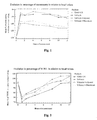
Figure 1 : Corneometry - Mean % of evolution in relation to baseline values in Example 2. -
Figure 2 : TEWL - Mean % of evolution in relation to baseline values in Example 2. -
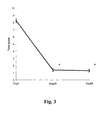
Figure 3 : Time-course severity score of uremic xerosis in the study population of Example 3 with Composition A applied twice daily for 56 days. * p<0.001 (intra-group analysis). -
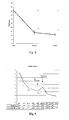
Figure 4 : Time-course severity score of uremic pruritus in the study population of Example 3 under treatment with Composition A applied twice daily for 56 days. *p<0.0001 (intra-group analysis). -
Figure 5 : Time-course severity score of uremic xerosis in the study population of Example 4 under treatment with Composition B (up to 133 days) and vehicle (up to day 28 only), applied once daily for 133 days. * p < 0.05, ** p < 0.005 (intergroup analysis) - Table 1: Demographic features and health status of the study population of Example 3 at baseline.
- Table 2: Comparison of the uremic xerosis severity on the lower legs between the two treatment groups after 7 days in the study population of Example 3.
-
- 15 g of glycerol,
- 8 g of white soft paraffin
- 2 g of liquid paraffin,
- and as excipients stearic acid, glycerol monostearate, polydimethylcyclosiloxane, polyethylene glycol (PEG) 600, methyl parahydroxybenzoate, propyl parahydroxybenzoate, dimethicone, trolamine, Amerchol L101®,
- water q.s. 100 g.
-
- 15 g of glycerol,
- 8 g of white soft paraffin
- 2 g of liquid paraffin,
- and as excipients stearic acid, glycerol monostearate, polydimethylcyclosiloxane, polyethylene glycol (PEG) 600, propyl parahydroxybenzoate, dimethicone, trolamine,
- water q.s. 100 g.
- A total of 55 healthy volunteers (age range: 18-40 years) with a common xerosis of mild to moderate severity (Kligman's score: 2 or 3) were enrolled in a comparative, randomised, double-blind study. Glycerol alone (15%), paraffin alone (10%), their combination (Composition A) and their vehicle were tested in each individual as a single skin application in a thin layer (1 finger tip unit, i.e. corresponding to about 1 gr of product) on their randomly allocated sites of the forearms (2 test treatments by forearm). Randomisation to test sites was performed using a Latin square procedure. Skin water content was measured by corneometry using the CM 825 apparatus (Courage and Khazaka) and skin barrier function was evaluated by TEWL, using evaporimetry (Courage and Khazaka), up to 12 hr after the test treatment application (baseline, 1 hr, 2 hr, 4 hr, 8 hr, 10 hr and 12 hr). Instrumental measurements were made in controlled environmental conditions (temperature: 22 ± 2°C; relative humidity: 50 ± 10%). The local tolerance of the test products was evaluated by a dermatologist at the end of the study (12 hr). The intended analysis plan was an analysis of variance in cross-over.
- Among the 55 randomised subjects, 4 subjects were not included in the statistical analysis for major protocol violations. Thus, the population studied for efficacy comprised 51 volunteers (all-patients-treated or APT population). After opening the randomisation code, two volunteers were found to have aberrant TEWL values, which were considered related to technical problems. Instead, differences between treatments were determined by the analysis of variance (ANOVA) with repeated measures, adjusted by the two following multiple pair wise comparison tests: the Bonferroni test and the Dunnett test. For completion, results in both APT populations (restricted APT population of 49 volunteers, full APT population of 51 patients) are presented below. Results on skin water content in the restricted APT population are illustrated in
Figure 1 . Comparison of baseline values showed no difference between treatment groups in both populations (restricted APT, full APT). In the restricted APT population analysis, treatment with vehicle alone resulted in an increase in SC hydration by about 40% after 1 hr, that progressively decreased up to 12 hr. Paraffin had a mild hydrating effect compared to vehicle, although significant (p<0.03). Conversely, glycerol induced a dramatic increase in water content by 65% compared to baseline, and this increase was maintained all over the observation period (12 hr). Difference between the glycerol treatment group and the vehicle group was statistically different (p<0.0001, Bonferroni test). Similarly, the combination glycerol and paraffin resulted in a high skin hydration that was comparable to glycerol alone (p<0.0001 compared to vehicle, Bonferroni test; confirmed by Dunnett test: p=0.0001). In the full APT population analysis, results and statistical data were similar to those obtained in the restricted APT population analysis, except for paraffin, which did not show significant hydrating effect compared to vehicle. Accordingly, the hydration capacity of the Composition A was mainly attributed to glycerol. - Results on TEWL in the restricted APT population are illustrated in
Figure 2 . TEWL values between treatment groups were similar at baseline in both APT populations. In the restricted APT population analysis, vehicle alone induced a decrease in TEWL up to 8 hr, that was maximum (15% reduction) after 1 hr. Glycerol alone did not significantly modify TEWL compared to vehicle. Paraffin alone was slightly but significantly more efficient than vehicle on TEWL reduction (p<0.02, Bonferroni test). Only the combination glycerol and paraffin resulted in a higher (about 20% reduction from baseline after 1 hr) and more lasting (up to 10 hr) decrease in TEWL, compared to vehicle (p<0.002, Bonferroni test; confirmed by Dunnett test: p=0.0009). In the full APT analysis, results and statistical data were comparable to the restricted APT population analysis, except that paraffin alone showed no significant effect compared to vehicle. - In conclusion, the occlusive capacity of Composition A was mainly exerted by the combination of glycerol and paraffin, whereas each active compound alone provided no (glycerol) or limited (paraffin) effects. Thus, the adjunction of glycerol to paraffin increases the occlusive effects of paraffin.
- It was concluded that the proposed medicinal product had both a significant hydrating effect and an occlusive effect.
- Glycerol alone showed a hydrating effect but no action on TEWL, and paraffin alone showed a limited effect on TEWL but no effect on skin hydration.
- Only the combination of the two compounds exerted at best both hydrating and occlusive effects, indicating a synergistic action between glycerol and paraffin.
- One hundred (100) patients were enrolled in 4 participating centres (25/centre) according to the following inclusion criteria. The study population was to include male and female patients of at least 10 years of age, undergoing MRD (haemodialysis or peritoneal dialysis) due to end-stage renal disease (ESRD). These patients presented with uremic xerosis related to their ESRD status. Uremic xerosis was moderate to severe, i.e. with a severity score of 2 to 4, and spread onto two symmetric areas of the lower legs of equal severity. Uremic xerosis was associated or not with uremic pruritus.
- Patients with a known allergy to one of the test ingredients, and those having an intercurrent condition which might have interfered with a good conduct of the study were excluded. Patients treated with any moisturizing or emollient topical preparation within 7 days prior to study entry, with an instable dosage schedule of antipruritics (e.g. antihistamines, cholestyramine, opioid inhibitors, charcoal) within 4 weeks prior to study entry, and patients with phototherapy within 8 weeks prior to study entry were also excluded.
- No paediatric patient was finally included, as the participating centres were referral centres for adults only. Upon request of the local ethics committee, children were excluded from the enrolled population in one centre (France).
- One randomised patient withdrew secondarily his consent the day after baseline (day 1) and never applied the test products. Accordingly, this patient was excluded from the analysis, and 99 randomised patients (53 males, 46 females, with a median age of 65 years) who received at least one application of the test products, were included in the intent-to-treat population.
- The demographic features (age and gender) of the ITT study population are presented in Table 1.
Table 1 - Demographic features and health status of the study population at baseline. Variables N = 99 Age (y, mean ± SEM) 63.16 ± 1.28 Gender (N, %): - Male 53 (54%) - Female 46 (46%) End Stage Renal Disease underlying disease (N, %): - Glomenular diseases 25 (25%) - Diabetic nephropathy 15 (15%) - Nephrosclerosis 15 (15%) - Polycystic kidney 14 (14%) - Congenital nephropathies 1 (1%) - Pyelonephritis 5 (5%) - Hypertensive nephropathy 7 (7%) - Others 9 (9%) - Unknown 10(10%) Type of MRD (N, %): - Haemodialysis 90 (91%) - Peritoneal dialysis 9 (9%) Duration of MRD (y, mean ± SEM) 7.91 ± 0.71 Duration of xerosis (y, mean ± SEM) 5.4 ± 0.53 Clinical severity of xerosis (N, %): - mild 2 (2%) - moderate 50 (51%) - severe to very severe 47 (47%) Total clinical score of xerosis (mean ± SEM) 8.3 ± 0.3 Association with pruritus (N, %): - Yes 74 (75%) - No 25 (25%) Severity of pruritus (mm VAS, mean ± SEM) 40.64 ± 3.36 Quality of life scores (mean ± SEM): - PCS 30.51 ± 1.21 - MCS 41.29 ± 1.24 - DLQI 5.61 ± 0.57 - The study was multicentric and organised into 2 subsequent phases. Phase I (baseline to day 7) was a comparative period evaluating the test product (Composition A, active product) versus its vehicle intra-individually (left lower leg vs. right lower leg comparison). The test-product vehicle was the excipiendiary formula of Composition A devoid of the active ingredients, which served as a comparative hydrating control. It matched in color and appearance with Composition A. This phase was randomised and double-blind. Phase II (
days 7 to 56) was a non-comparative open-labelled period evaluating the test product (Composition A) alone. - In phase I, patients applied twice daily each Composition A and the vehicle onto one randomly assigned lower leg for 7 days. The other xerotic areas of the body were asked not to be treated. In phase II, Composition A was applied twice daily onto all xerotic and pruritic areas of the body for 49 days. The amount of products to apply depended on the surface area of the lesions (1mg/cm2) and patients were informed about the dose to use for each treated areas in terms of finger tips, one finger tip corresponding approximately to 1 g of product. For optimising the amount of product to apply, a table recommending the number of finger tips of product on each body area was given to the patients.
- Study visits were performed at baseline,
day 7, day 28 and day 56. To minimise inter-observer variation in end-point measurements, each patient was evaluated by the same physician at all visits. - All the evaluations were blinded to treatment allocation. Response to treatment was defined as a decrease of at least 2 grades of the El Gammal' score on the lower leg at the end of Period I (day 7). In order to minimize variability between centers, a photograder illustrating each grade was provided. The other evaluation parameters of xerosis included a test-side preference made by the investigators on
day 7 using a 3-point categorical scale (0=right side comparable to left side; 1=right side better than left side; 2= left side better than right side), and the instrumental measurements of scaling on each lower leg at baseline andday 7 using the D-Squame® technique (SURFT parameter, which measures the extent and density of the scales; MOD, which measures the thickness of the scales). The time-course severity of uremic xerosis was assessed all over the study on 4 test sites (each lower leg, forearm without the arteriovenous shunt and the chest), and expressed as a total score. Patient-orientated evaluation comprised the autoascertainment of global pruritus at baseline, day 28 and day 56, using a 100-mm Visual Analogue Scale (VAS), and the assessment of their quality of life at baseline and day 56, using both the generic scale Short Form-12 (SF-12) questionnaire and the dermatology-specific Dermatology Life Quality Index (DLQI). Briefly, SF-12 is a multipurpose measure of general health status which dichomises a physical component (Physical Component Summary or PCS-12; PCS=50 in the overall population) and a mental component (Mental Component Summary or MCS-12; normal MCS=50), whereas DLQI measures the impact of dermatological diseases on patient life quality (DLQI < 0.5 in the population with healthy skin). Global tolerance by the investigators and product acceptability by the patients on efficacy, local tolerance and cosmetics were also assessed at study end. Adverse events were recorded all over the study. - Statistical analysis of the primary efficacy parameter was made with the McNemar's test. The secondary efficacy qualitative parameters were evaluated by the Wilcoxon signed rank test or the sign test for the test side preference, and the quantitative parameters by the non parametric Wilcoxon test. A descriptive analysis was given for tolerance and adverse events.
- Comparative data between treatment groups on
day 7 are summarized in Table 2. Treatment response was observed in 72 patients (73%) on the leg treated by the active product, and in 44 patients (44%) on the leg treated by the vehicle. Difference between treatment groups was statistically significant (p<0.0001). Similarly, test side preference by the investigators was in favour of the active treatment (60 patients, 61%), whereas the vehicle treatment was found to be better in 13 patients (13%) and comparable to active in 26 patients (26%; p<0.0001). Scaling measurements by D-Squame® onday 7 confirmed that the active product was efficient by reducing from baseline the extend and density of the scales (SURFT parameter) as well as their thickness (MOD parameter), in a statistically significant manner compared to vehicle (p< 0.0001).Table 2 - Comparison of the uremic xerosis severity on the lower legs between the two treatment groups after 7 days (Period I) in the study population. Study parameters Active (N = 99) Vehicle (N = 99) P-value Treatment response (N, %): - Yes 72 (73%) 44 (44%) < 0.0001 - No 27 (27%) 55 (56%) Instrumental severity of xerosis (arbitrary units, mean ± SEM): - SURFT Baseline 11.37 ± 0.64 10.25 ± 0.55 Day 73.19 ± 0.42 5.35 ± 0.57 < 0.0001 - MOD Baseline 19.20 ± 0.98 18.02 ± 0.76 Day 77.83 ± 0.60 11.56 ± 0.93 < 0.0001 Test side preference: - Clearly better 60 13 < 0.0001 - Comparable ← 26 → - The time course of the total clinical score on the 4 test areas showed a dramatic decrease on day 28 (mean ± SEM: 1.4 ± 0.2), that was maintained on day 56 (1.3 ± 0.2 ; p<0.001 at the two visits, intra-group analysis;
Figure 3 ). The overall pruritus as assessed by the patients (100-mm VAS) was also markedly amended on day 28 (mean ± SEM: 13.39 ± 2.19 mm) and day 56 (10.66 ± 2.14 mm; p<0.0001, intra-group analysis), i.e. by about 75% (Figure 4 ). On day 56, improvement of uremic xerosis and pruritus was associated with a marked improvement of the DLQI (mean ± SEM: 2.27 ± 0.46), and with a moderate improvement of the SF-12 (PCS: 33.89 ± 1.34; MCS: 46.72 ± 1.28). Difference between baseline scores and day 56 scores were statistically significant for all life quality scales (p<0.0001, intra-group analysis). - At study end (day 56), global tolerance of the test product by the investigators (N=93, missing data in 6 patients) was judged as very good in 82 patients (88%), good in 7 patients (8%), poor in 1 patient (1%) and very poor in 3 patients (3%). Product acceptability by the patients met high or very high satisfaction as regards to efficacy (82 out of 98 patients, 84%), local tolerance (84 out of 90 patients, 93%) and cosmetic acceptance (82 out of 88 patients, 93%). A total of twenty-one (21) adverse events were reported, among which 5 of them were considered to be related to the test product, occurring in 5 patients (5%). They all were local and included 2 exacerbations of pruritus, 2 local burning or hyperesthesia, and one irritative reaction (erythema). Four (4) adverse events were judged of mild intensity and 1 was severe. Finally, all but two were recorded to be resolved completely by discontinuating temporarily or definitely the product. One case was still unresolved at study end and another case had no follow-up record.
- This clinical study demonstrates that the topical Composition A, which combines glycerol and paraffin (solid and liquid form), is an effective treatment of uremic xerosis of moderate to severe intensity. Its main effect on xerotic lesions was achieved after 7 days, further improved after 28 days, and maintained at day 56. The Composition A effect was clinical, as observed by significant reduction of the clinical grading of the lesions, as well as instrumental (D-Squame®), as shown by the significant decrease of two parameters assessing the extension (SURFT) and the thickness (MOD) of scaling.
- Treatment of uremic xerosis by the Composition A was associated with a marked improvement of uremic pruritus. This demonstrates that Composition A is able to amend uremic pruritus. It was also associated with a significant improvement of the quality of life.
- The acceptability of Composition A by the patients as regards to efficacy, tolerance and ease of use was satisfactory to very satisfactory in the vast majority of patients. The local tolerance profile of the product was very good. Test-product related local AE included erythema (1%), pruritus (2%), local burning (1%) and algia (1%). No systemic AE was reported to be probably related to test product.
- In conclusion, Composition A showed a good efficacy and safety profile in patients with moderate to severe uremic xerosis, as well as in uremic pruritus.
- The objectives of the study were the following: 1°) to demonstrate the long-term efficacy of Composition B on uremic xerosis in the real life setting (initial treatment, maintenance treatment); 2°) to assess the long-term local tolerance and patient acceptability of Composition B after long-term use; and 3°) to determine the dosage regimen of Composition B at therapeutic doses in a long-term treatment course in uremic xerosis patients.
- Enrolled patients were patients with moderate to severe uremic xerosis, with the same inclusion and exclusion criteria as those enrolled in the study of Example 3. Patients with maintenance renal dialysis (MRD, haemodialysis, peritoneal dialysis) of both sexes, of at least 18 years of age, suffering from uremic xerosis with a severity score of at least 2, on at least one of the 5 tests areas (right lower leg, left lower leg, forearm with no arterio-venous shunt, chest, dorsum of the neck) were enrolled.
- Two hundred and forty (240) patients were planned; 237 were selected and 235 were finally randomized in the study, i.e. 118 patients in the active group (Composition B) and 117 patients in the vehicle group.
- The study comprised the 3 following periods:
- Period I when the study was randomised, vehicle-controlled, double-blind, two-parallel group, and comparative (initial treatment period).
- Period II, that was randomised, double blind, two-parallel group and comparative, with patients receiving no treatment (treatment-free follow-up).
- And Period III, that was open-labelled, non controlled, in which all patients applied the active product only, maintenance treatment period.
- The active product was Composition B of Example 1. The reference product was its vehicle (i.e. Composition B without glycerol, white soft paraffin and liquid paraffin) used as comparative hydrating control. During Period I, Composition B or its vehicle was applied once daily for the topical application of 2 to 4 finger tips (according to localisation of xerotic areas to treat). During Period III, Composition B only was applied ad libitum.
- The duration of treatment was:
- 28 days (from baseline to day 28) during Period I;
- Up to 21 days (from day 28 up to day 49) during Period II. Only patients with non persisting lesions (i.e. patients with all test areas having a severity score of less than 2) at the end of Period I (day 28) entered Period II (and if relapse occurred on
day 35 or on day 42, they entered Period III). Patients with persisting lesions (i.e. patients having at least one test area with a severity score of at least 2) on day 28 entered directly Period III. - At least 84 days (from day 49 or earlier if relapse during Period II occurred, to day 133) during Period III. - Evaluation parameters were performed on the Intent-To-Treat Population. The main efficacy parameters were as follows:
- Severity of xerosis: response rates in the two treatment groups were compared at the end of Period I (on day 28), using the Fisher exact test.
- Time to relapse between the two treatment groups were compared, using the Log-rank test
- The secondary parameters were the following:
- Time-course severity score ofuremic xerosis (Wilcoxon signed-rank test),
- Scaling measurements (D-squame®, Wilcoxon signed-rank test),
- Acceptability of the test product by the patients on efficacy, local tolerance and ease of use (descriptive analysis),
- Frequency of application and product consumption (descriptive analysis),
- Adverse events (descriptive analysis).
- This pivotal phase III trial investigating the long-term efficacy and safety of a combination of glycerol (15%) and paraffin (10%) in patients with moderate-to-severe xerosis confirmed the previous efficacy results of the more short-term study of Example 3. The clinically significant effect of the Composition B was here demonstrated using a once a day treatment regimen for 4 weeks (Period I), that was comparable to the clinical effect of Composition A used twice daily for 1 week. Indeed, treatment response was demonstrated in 72 patients treated with Composition B (60%) and in 48 patients treated with the vehicle (41%). Difference in favor of Composition B was statistically significant (p = 0.004).
- When active treatment was discontinued after initial therapy (Period II), a mild remanent effect of Composition B was observed, although not significant in comparison to the vehicle. This suggests that the active product has mainly a palliative effect that requires continuous therapy even when lesions remit.
- The time-course study of the clinical score of uremic xerosis confirmed the rapid and dramatic effect of Composition B, that was statistically significant from I week onwards, compared to vehicle (Period I;
Figure 5 ). Treatment discontinuation resulted in a progressive recurrence of the lesions after 3 weeks (Period II). Finally, the treatment of all patients by Composition B resulted again in lesional remission with an average frequency of once daily application regimen (Period III). Durability of the effect was very good, with very low recurrence rate of the disease under maintenance therapy (2% at the end of Period III). Like in Study of Example 3, the instrumental measurement of scaling using D-Squame® confirmed the clinical evaluation made by the investigators, with a statistically significant difference in the reduction of scales during Composition B treatment (p<0.001, intra-group analysis) and in comparison to vehicle (p<0.01, inter-group analysis). - Acceptability of Composition B by the patients was very high as regards to efficacy (satisfactory to very satisfactory in 92% of the patients) as well as ease-of-use (93%).
- This phase III pivotal study could also establish the dose regimen for the product in the indication moderate-to-severe uremic xerosis, according to the following schedule: a long-term and continuous therapy at the dosage of one application per day, with an amount of about 10 gr of cream per application on all over the xerotic areas.
- The good safety profile of Composition B after its long-term use in patients with uremic xerosis was demonstrated. As topical product containing non systemically absorbed active ingredients, administration of the product did not result in any systemic side-effect. Like in study of Example 3, product related adverse events were infrequent , reported in 12/235 patients (5%). These AE were all local and comprised irritation or erythema reaction at application site (5 patients, 2.1%), allergic dermatitis or local vesicles (3 patients, 1.3%), exacerbated pruritus (3 patients, 1.3%) and dishydrosis (1 patient, 0.4%). These data should be highlighted as very favorable results, in the context of the target population who are known to be particularly prone to develop irritation to topicals in general.
- Another demonstration of the excellent local tolerance profile was the patient acceptability of the product on local tolerance (good to very good tolerance in 96% of the patients), which was also in accordance with the results in Study of Example 3.
-
- 1. Ponticelli C and Bencini PL. Dermatology disorders in Oxford textbook of clinical nephrology. Oxford university press: 1995-2002, 1998 .
- 2. Southi P and Commens C. Pruritus in dialysis patients. Med J Austral. 146 : 397-398, 1987 .
- 3. Morton CA, Lafferty M, Hau C, Henderson I, Jones M, Lowe JG. Pruritus and skin hydration during dialysis. Nephrol. Dial. Transplant. 11: 2031-2036, 1996 .
- 4. Szepietowski JC, Reich A, Schwartz A. Uremic xerosis. Nephrol. Dial. Transplant. 19 : 1-4, 2004 .
- 5. Tsutsumi H, Utsugi, T, Hayashi S. Study on the occlusivity of oil films. J. Soc. Csmet. Chem. 30: 345-356, 1979
- 6. Marti-Mestres G, Passet J, Maillols H, Van Sam V, Guilhou J.J., Mestres J.P., Guillot B. Evaluation expérimentale de l'hydratation et du pouvoir occlusive in vivo et in vitro d'excipients lipophiles et de leurs émulsions phase huile continue. International Journal of Cosmetic Science 16 : 161-170, 1994 .
- 7. Bettinger J, Gloor M, Gehring W. Influence of a pretreatment with emulsions on the dehydration of the skin by surfactants. Int. J. Cosm. Sci. 16 : 53-60, 1994 .
- 8. Grunewald AM, Gloor M, Gehring W, Kleesz P. Barrier creams - commercially available creams versus urea - and glycerol- containing oil- in-water emulsions. Dermatosen 43: 69-74, 1995 .
- 9. Bettinger J, Gloor M, Peter C, Kleesz P, Fluhr J, Gehring W. Opposing effects of glycerol on the protective function of the horny layer against irritants and on the penetration of hexyl nicotinate. Dermatology 197: 18-24, 1998 .
- 10. Fluhr JW, Gloor M, Lehmann L, Lazzerini S, Distante F, Berardesca E. Glycerol accelerates recovery of barrier function in vivo*. Acta. Derm. Venereol. 79: 418-421, 1999 .
- 11. Sagiv ae, Dikstein s, Ingber A. The efficiency of humectants as skin moisturizers in the presence of oil. Skin Res. Tech. 7 : 32-35, 2001.
- 12. Barany E, Lindberg M, Loden M. Unexpected skin barrier influence from nonionic emulsifiers. Int. J. of Pharm. 195:189-195, 2000.
Claims (11)
- A pharmaceutical composition comprising a combination of glycerol, white soft paraffin and liquid paraffin as active ingredients for topical use to treat uremic pruritus.
- Composition for topical use to treat uremic pruritus according to claim 1, wherein said topical use has a once per day dosage regimen.
- Composition for topical use to treat uremic pruritus according to 2, wherein said once per day dosage regimen is for at least 2 weeks, preferably 4 weeks.
- Composition for topical use to treat uremic pruritus according to any of the preceding claims, comprising less than 15, preferably less than 10, components.
- Composition for topical use to treat uremic pruritus according to any of the preceding claims, the white soft paraffin having a dropping point comprised between 35 and 70°C (The dropping point is measured according to the process 2.2.17 described in «European Pharmacopeia», 6th edition).
- Composition for topical use to treat uremic pruritus according to claim 5, the white soft paraffin having a dropping point comprised between 51 and 57°C, preferably about 54°C (The dropping point is measured according to the process 2.2.17 described in «European Pharmacopeia», 6th edition).
- Composition for topical use to treat uremic pruritus according to any of the preceding claims, the white soft paraffin having a consistency comprised between 175 and 195 1/10 mm (cone penetration at 25°C), preferably of about 185 1/10 mm (cone penetration at 25°C).
- Composition for topical use to treat uremic pruritus according to any of the preceding claims, the white soft paraffin having a viscosity comprised between 4 and 5 cSt at 100°C preferably of about 4.8 cSt at 100°C.
- Composition for topical use to treat uremic pruritus according to any of the preceding claims comprising about 15% of glycerol, about 8% of white soft paraffin and about 2% of liquid paraffin.
- Composition for topical use to treat uremic pruritus according to any of the preceding claims comprising one or several excipients selected from the group consisting of stearic acid, glycerol monostcarate, polydimethylcyclosiloxane, dimethicone, polyethylene glycol 600, trolamine, propyl parahydroxybenzoate.
- Composition for topical use to treat uremic pruritus according to any of the preceding claims in the form of an oil-in-water (O/W) emulsion.
Priority Applications (1)
| Application Number | Priority Date | Filing Date | Title |
|---|---|---|---|
| EP10713974.3A EP2419176B1 (en) | 2009-04-16 | 2010-04-16 | Pharmaceutical composition comprising glycerol, white soft paraffin and liquid paraffin for use in the treatment of uremic pruritus |
Applications Claiming Priority (4)
| Application Number | Priority Date | Filing Date | Title |
|---|---|---|---|
| EP09305325A EP2241351A1 (en) | 2009-04-16 | 2009-04-16 | Pharmaceutical composition comprising glycerol, white soft paraffin and liquid paraffin for the treatment of uremic xerosis |
| US27220709P | 2009-09-01 | 2009-09-01 | |
| EP10713974.3A EP2419176B1 (en) | 2009-04-16 | 2010-04-16 | Pharmaceutical composition comprising glycerol, white soft paraffin and liquid paraffin for use in the treatment of uremic pruritus |
| PCT/EP2010/055066 WO2010119132A1 (en) | 2009-04-16 | 2010-04-16 | Pharmaceutical composition comprising glycerol, white soft paraffin and liquid paraffin for the treatment of uremic xerosis and/or pruritus |
Publications (2)
| Publication Number | Publication Date |
|---|---|
| EP2419176A1 EP2419176A1 (en) | 2012-02-22 |
| EP2419176B1 true EP2419176B1 (en) | 2014-05-14 |
Family
ID=40933172
Family Applications (2)
| Application Number | Title | Priority Date | Filing Date |
|---|---|---|---|
| EP09305325A Withdrawn EP2241351A1 (en) | 2009-04-16 | 2009-04-16 | Pharmaceutical composition comprising glycerol, white soft paraffin and liquid paraffin for the treatment of uremic xerosis |
| EP10713974.3A Revoked EP2419176B1 (en) | 2009-04-16 | 2010-04-16 | Pharmaceutical composition comprising glycerol, white soft paraffin and liquid paraffin for use in the treatment of uremic pruritus |
Family Applications Before (1)
| Application Number | Title | Priority Date | Filing Date |
|---|---|---|---|
| EP09305325A Withdrawn EP2241351A1 (en) | 2009-04-16 | 2009-04-16 | Pharmaceutical composition comprising glycerol, white soft paraffin and liquid paraffin for the treatment of uremic xerosis |
Country Status (7)
| Country | Link |
|---|---|
| US (1) | US20120035273A1 (en) |
| EP (2) | EP2241351A1 (en) |
| JP (1) | JP2012524045A (en) |
| KR (1) | KR20120005509A (en) |
| CA (1) | CA2758835A1 (en) |
| MX (1) | MX2011010850A (en) |
| WO (1) | WO2010119132A1 (en) |
Families Citing this family (2)
| Publication number | Priority date | Publication date | Assignee | Title |
|---|---|---|---|---|
| CA2904948A1 (en) | 2013-03-14 | 2014-10-02 | Mary Kay Inc. | Cosmetic compositions |
| WO2022115859A1 (en) * | 2020-11-25 | 2022-06-02 | Topix Pharmaceuticals, Inc. | Scar treatment composition |
Family Cites Families (3)
| Publication number | Priority date | Publication date | Assignee | Title |
|---|---|---|---|---|
| GB1475503A (en) * | 1973-12-19 | 1977-06-01 | Fisons Ltd | Topical compositions |
| US5576346A (en) * | 1995-04-03 | 1996-11-19 | Ascent Pharmaceuticals, Inc. | Process for treating uremic pruritus |
| FR2931073B1 (en) * | 2008-05-16 | 2010-08-20 | Fabre Pierre Dermo Cosmetique | EMOLLIENT COMPOSITION |
-
2009
- 2009-04-16 EP EP09305325A patent/EP2241351A1/en not_active Withdrawn
-
2010
- 2010-04-16 WO PCT/EP2010/055066 patent/WO2010119132A1/en not_active Ceased
- 2010-04-16 KR KR1020117026864A patent/KR20120005509A/en not_active Withdrawn
- 2010-04-16 US US13/264,653 patent/US20120035273A1/en not_active Abandoned
- 2010-04-16 MX MX2011010850A patent/MX2011010850A/en not_active Application Discontinuation
- 2010-04-16 CA CA2758835A patent/CA2758835A1/en not_active Abandoned
- 2010-04-16 JP JP2012505180A patent/JP2012524045A/en active Pending
- 2010-04-16 EP EP10713974.3A patent/EP2419176B1/en not_active Revoked
Also Published As
| Publication number | Publication date |
|---|---|
| CA2758835A1 (en) | 2010-10-21 |
| KR20120005509A (en) | 2012-01-16 |
| EP2241351A1 (en) | 2010-10-20 |
| MX2011010850A (en) | 2012-01-27 |
| WO2010119132A1 (en) | 2010-10-21 |
| EP2419176A1 (en) | 2012-02-22 |
| JP2012524045A (en) | 2012-10-11 |
| US20120035273A1 (en) | 2012-02-09 |
Similar Documents
| Publication | Publication Date | Title |
|---|---|---|
| C Szepietowski et al. | Efficacy and tolerance of the cream containing structured physiological lipids with endocannabinoids in the treatment of uremic pruritus: a preliminary study | |
| Levin et al. | A guide to the ingredients and potential benefits of over-the-counter cleansers and moisturizers for rosacea patients | |
| Proksch | The role of emollients in the management of diseases with chronic dry skin | |
| US11890294B2 (en) | Skin barrier composition | |
| CA2835874C (en) | A topical formulation for treatment of hyperkeratotic skin | |
| US8652491B2 (en) | Transdermal compositions for anticholinergic agents | |
| JP6512599B2 (en) | External use pharmaceutical composition | |
| JP2022545568A (en) | Topical treatment of vitiligo with JAK inhibitors | |
| US20050238597A1 (en) | Topical treatment of acne, seborrheic dermatitis, and oily skin with formulations containing histamine antagonists | |
| JP2011011993A (en) | Therapeutic agent for pimple | |
| TW201412324A (en) | Topical composition for treating psoriasis and seborrhea | |
| US20120035273A1 (en) | Pharmaceutical composition comprising glycerol, white soft paraffin and liquid paraffin for the treatment of uremic xerosis and/or pruritus | |
| Schölermann et al. | Efficacy and safety of Eucerin 10% urea lotion in the treatment of symptoms of aged skin | |
| Moglia et al. | Effects of topical treatment with fenretinide (4-HPR) and plasma vitamin A levels in patients with actinic keratoses | |
| RU2496476C1 (en) | External therapeutic agent for patients suffering atopic dermatitis | |
| WO2019113475A1 (en) | Topical ointment formulations and their use in treating skin conditions | |
| Lodén | Moisturizers: treatment of dry skin syndrome and barrier defects | |
| EP2588068A2 (en) | Moisturizing composition with spf 30 | |
| GB2411834A (en) | Composition for use in the treatment of dry skin conditions | |
| JPH09511769A (en) | Non-irritating anti-acne composition | |
| RU2857534C1 (en) | Cosmetic skin care lotion | |
| JP4883596B2 (en) | Dermatological composition or bath preparation | |
| JP2828185B2 (en) | Bath composition | |
| EP2745830A1 (en) | Method for reducing skin incomfort | |
| Dharmarajan et al. | Xerosis and Aging |
Legal Events
| Date | Code | Title | Description |
|---|---|---|---|
| PUAI | Public reference made under article 153(3) epc to a published international application that has entered the european phase |
Free format text: ORIGINAL CODE: 0009012 |
|
| 17P | Request for examination filed |
Effective date: 20111027 |
|
| AK | Designated contracting states |
Kind code of ref document: A1 Designated state(s): AT BE BG CH CY CZ DE DK EE ES FI FR GB GR HR HU IE IS IT LI LT LU LV MC MK MT NL NO PL PT RO SE SI SK SM TR |
|
| AX | Request for extension of the european patent |
Extension state: AL BA ME RS |
|
| 17Q | First examination report despatched |
Effective date: 20120725 |
|
| REG | Reference to a national code |
Ref country code: DE Ref legal event code: R079 Ref document number: 602010016074 Country of ref document: DE Free format text: PREVIOUS MAIN CLASS: A61P0017160000 Ipc: A61K0008310000 |
|
| GRAP | Despatch of communication of intention to grant a patent |
Free format text: ORIGINAL CODE: EPIDOSNIGR1 |
|
| RIC1 | Information provided on ipc code assigned before grant |
Ipc: A61K 9/107 20060101ALI20131122BHEP Ipc: A61K 9/10 20060101ALI20131122BHEP Ipc: A61P 17/16 20060101ALI20131122BHEP Ipc: A61K 8/34 20060101ALI20131122BHEP Ipc: A61K 8/31 20060101AFI20131122BHEP Ipc: A61K 47/06 20060101ALI20131122BHEP Ipc: A61K 31/047 20060101ALI20131122BHEP Ipc: A61K 31/01 20060101ALI20131122BHEP Ipc: A61K 47/10 20060101ALI20131122BHEP Ipc: A61K 9/06 20060101ALI20131122BHEP Ipc: A61K 45/06 20060101ALI20131122BHEP Ipc: A61Q 19/00 20060101ALI20131122BHEP |
|
| INTG | Intention to grant announced |
Effective date: 20131219 |
|
| GRAS | Grant fee paid |
Free format text: ORIGINAL CODE: EPIDOSNIGR3 |
|
| GRAA | (expected) grant |
Free format text: ORIGINAL CODE: 0009210 |
|
| AK | Designated contracting states |
Kind code of ref document: B1 Designated state(s): AT BE BG CH CY CZ DE DK EE ES FI FR GB GR HR HU IE IS IT LI LT LU LV MC MK MT NL NO PL PT RO SE SI SK SM TR |
|
| AX | Request for extension of the european patent |
Extension state: AL BA ME RS |
|
| REG | Reference to a national code |
Ref country code: GB Ref legal event code: FG4D |
|
| REG | Reference to a national code |
Ref country code: AT Ref legal event code: REF Ref document number: 667674 Country of ref document: AT Kind code of ref document: T Effective date: 20140615 |
|
| REG | Reference to a national code |
Ref country code: IE Ref legal event code: FG4D |
|
| REG | Reference to a national code |
Ref country code: DE Ref legal event code: R096 Ref document number: 602010016074 Country of ref document: DE Effective date: 20140626 |
|
| REG | Reference to a national code |
Ref country code: NL Ref legal event code: VDEP Effective date: 20140514 Ref country code: AT Ref legal event code: MK05 Ref document number: 667674 Country of ref document: AT Kind code of ref document: T Effective date: 20140514 |
|
| REG | Reference to a national code |
Ref country code: LT Ref legal event code: MG4D |
|
| PG25 | Lapsed in a contracting state [announced via postgrant information from national office to epo] |
Ref country code: IS Free format text: LAPSE BECAUSE OF FAILURE TO SUBMIT A TRANSLATION OF THE DESCRIPTION OR TO PAY THE FEE WITHIN THE PRESCRIBED TIME-LIMIT Effective date: 20140914 Ref country code: GR Free format text: LAPSE BECAUSE OF FAILURE TO SUBMIT A TRANSLATION OF THE DESCRIPTION OR TO PAY THE FEE WITHIN THE PRESCRIBED TIME-LIMIT Effective date: 20140815 Ref country code: LT Free format text: LAPSE BECAUSE OF FAILURE TO SUBMIT A TRANSLATION OF THE DESCRIPTION OR TO PAY THE FEE WITHIN THE PRESCRIBED TIME-LIMIT Effective date: 20140514 Ref country code: NO Free format text: LAPSE BECAUSE OF FAILURE TO SUBMIT A TRANSLATION OF THE DESCRIPTION OR TO PAY THE FEE WITHIN THE PRESCRIBED TIME-LIMIT Effective date: 20140814 Ref country code: CY Free format text: LAPSE BECAUSE OF FAILURE TO SUBMIT A TRANSLATION OF THE DESCRIPTION OR TO PAY THE FEE WITHIN THE PRESCRIBED TIME-LIMIT Effective date: 20140514 Ref country code: FI Free format text: LAPSE BECAUSE OF FAILURE TO SUBMIT A TRANSLATION OF THE DESCRIPTION OR TO PAY THE FEE WITHIN THE PRESCRIBED TIME-LIMIT Effective date: 20140514 |
|
| PG25 | Lapsed in a contracting state [announced via postgrant information from national office to epo] |
Ref country code: HR Free format text: LAPSE BECAUSE OF FAILURE TO SUBMIT A TRANSLATION OF THE DESCRIPTION OR TO PAY THE FEE WITHIN THE PRESCRIBED TIME-LIMIT Effective date: 20140514 Ref country code: AT Free format text: LAPSE BECAUSE OF FAILURE TO SUBMIT A TRANSLATION OF THE DESCRIPTION OR TO PAY THE FEE WITHIN THE PRESCRIBED TIME-LIMIT Effective date: 20140514 Ref country code: PL Free format text: LAPSE BECAUSE OF FAILURE TO SUBMIT A TRANSLATION OF THE DESCRIPTION OR TO PAY THE FEE WITHIN THE PRESCRIBED TIME-LIMIT Effective date: 20140514 Ref country code: SE Free format text: LAPSE BECAUSE OF FAILURE TO SUBMIT A TRANSLATION OF THE DESCRIPTION OR TO PAY THE FEE WITHIN THE PRESCRIBED TIME-LIMIT Effective date: 20140514 Ref country code: ES Free format text: LAPSE BECAUSE OF FAILURE TO SUBMIT A TRANSLATION OF THE DESCRIPTION OR TO PAY THE FEE WITHIN THE PRESCRIBED TIME-LIMIT Effective date: 20140514 Ref country code: LV Free format text: LAPSE BECAUSE OF FAILURE TO SUBMIT A TRANSLATION OF THE DESCRIPTION OR TO PAY THE FEE WITHIN THE PRESCRIBED TIME-LIMIT Effective date: 20140514 |
|
| PG25 | Lapsed in a contracting state [announced via postgrant information from national office to epo] |
Ref country code: PT Free format text: LAPSE BECAUSE OF FAILURE TO SUBMIT A TRANSLATION OF THE DESCRIPTION OR TO PAY THE FEE WITHIN THE PRESCRIBED TIME-LIMIT Effective date: 20140915 |
|
| PG25 | Lapsed in a contracting state [announced via postgrant information from national office to epo] |
Ref country code: BE Free format text: LAPSE BECAUSE OF FAILURE TO SUBMIT A TRANSLATION OF THE DESCRIPTION OR TO PAY THE FEE WITHIN THE PRESCRIBED TIME-LIMIT Effective date: 20140514 Ref country code: EE Free format text: LAPSE BECAUSE OF FAILURE TO SUBMIT A TRANSLATION OF THE DESCRIPTION OR TO PAY THE FEE WITHIN THE PRESCRIBED TIME-LIMIT Effective date: 20140514 Ref country code: DK Free format text: LAPSE BECAUSE OF FAILURE TO SUBMIT A TRANSLATION OF THE DESCRIPTION OR TO PAY THE FEE WITHIN THE PRESCRIBED TIME-LIMIT Effective date: 20140514 Ref country code: SK Free format text: LAPSE BECAUSE OF FAILURE TO SUBMIT A TRANSLATION OF THE DESCRIPTION OR TO PAY THE FEE WITHIN THE PRESCRIBED TIME-LIMIT Effective date: 20140514 Ref country code: CZ Free format text: LAPSE BECAUSE OF FAILURE TO SUBMIT A TRANSLATION OF THE DESCRIPTION OR TO PAY THE FEE WITHIN THE PRESCRIBED TIME-LIMIT Effective date: 20140514 Ref country code: RO Free format text: LAPSE BECAUSE OF FAILURE TO SUBMIT A TRANSLATION OF THE DESCRIPTION OR TO PAY THE FEE WITHIN THE PRESCRIBED TIME-LIMIT Effective date: 20140514 |
|
| REG | Reference to a national code |
Ref country code: DE Ref legal event code: R026 Ref document number: 602010016074 Country of ref document: DE |
|
| PLBI | Opposition filed |
Free format text: ORIGINAL CODE: 0009260 |
|
| PG25 | Lapsed in a contracting state [announced via postgrant information from national office to epo] |
Ref country code: NL Free format text: LAPSE BECAUSE OF FAILURE TO SUBMIT A TRANSLATION OF THE DESCRIPTION OR TO PAY THE FEE WITHIN THE PRESCRIBED TIME-LIMIT Effective date: 20140514 |
|
| PLAX | Notice of opposition and request to file observation + time limit sent |
Free format text: ORIGINAL CODE: EPIDOSNOBS2 |
|
| 26 | Opposition filed |
Opponent name: BEIERSDORF AG Effective date: 20150212 |
|
| PG25 | Lapsed in a contracting state [announced via postgrant information from national office to epo] |
Ref country code: IT Free format text: LAPSE BECAUSE OF FAILURE TO SUBMIT A TRANSLATION OF THE DESCRIPTION OR TO PAY THE FEE WITHIN THE PRESCRIBED TIME-LIMIT Effective date: 20140514 |
|
| REG | Reference to a national code |
Ref country code: DE Ref legal event code: R026 Ref document number: 602010016074 Country of ref document: DE Effective date: 20150212 |
|
| PG25 | Lapsed in a contracting state [announced via postgrant information from national office to epo] |
Ref country code: SI Free format text: LAPSE BECAUSE OF FAILURE TO SUBMIT A TRANSLATION OF THE DESCRIPTION OR TO PAY THE FEE WITHIN THE PRESCRIBED TIME-LIMIT Effective date: 20140514 |
|
| PLBB | Reply of patent proprietor to notice(s) of opposition received |
Free format text: ORIGINAL CODE: EPIDOSNOBS3 |
|
| RDAF | Communication despatched that patent is revoked |
Free format text: ORIGINAL CODE: EPIDOSNREV1 |
|
| REG | Reference to a national code |
Ref country code: DE Ref legal event code: R119 Ref document number: 602010016074 Country of ref document: DE |
|
| PG25 | Lapsed in a contracting state [announced via postgrant information from national office to epo] |
Ref country code: MC Free format text: LAPSE BECAUSE OF FAILURE TO SUBMIT A TRANSLATION OF THE DESCRIPTION OR TO PAY THE FEE WITHIN THE PRESCRIBED TIME-LIMIT Effective date: 20140514 Ref country code: LU Free format text: LAPSE BECAUSE OF FAILURE TO SUBMIT A TRANSLATION OF THE DESCRIPTION OR TO PAY THE FEE WITHIN THE PRESCRIBED TIME-LIMIT Effective date: 20150416 |
|
| REG | Reference to a national code |
Ref country code: CH Ref legal event code: PL |
|
| GBPC | Gb: european patent ceased through non-payment of renewal fee |
Effective date: 20150416 |
|
| REG | Reference to a national code |
Ref country code: IE Ref legal event code: MM4A |
|
| PG25 | Lapsed in a contracting state [announced via postgrant information from national office to epo] |
Ref country code: GB Free format text: LAPSE BECAUSE OF NON-PAYMENT OF DUE FEES Effective date: 20150416 Ref country code: CH Free format text: LAPSE BECAUSE OF NON-PAYMENT OF DUE FEES Effective date: 20150430 Ref country code: DE Free format text: LAPSE BECAUSE OF NON-PAYMENT OF DUE FEES Effective date: 20151103 Ref country code: LI Free format text: LAPSE BECAUSE OF NON-PAYMENT OF DUE FEES Effective date: 20150430 |
|
| REG | Reference to a national code |
Ref country code: FR Ref legal event code: ST Effective date: 20151231 |
|
| RDAG | Patent revoked |
Free format text: ORIGINAL CODE: 0009271 |
|
| STAA | Information on the status of an ep patent application or granted ep patent |
Free format text: STATUS: PATENT REVOKED |
|
| PG25 | Lapsed in a contracting state [announced via postgrant information from national office to epo] |
Ref country code: FR Free format text: LAPSE BECAUSE OF NON-PAYMENT OF DUE FEES Effective date: 20150430 |
|
| 27W | Patent revoked |
Effective date: 20151101 |
|
| PG25 | Lapsed in a contracting state [announced via postgrant information from national office to epo] |
Ref country code: HU Free format text: LAPSE BECAUSE OF FAILURE TO SUBMIT A TRANSLATION OF THE DESCRIPTION OR TO PAY THE FEE WITHIN THE PRESCRIBED TIME-LIMIT; INVALID AB INITIO Effective date: 20100416 |
|
| PG25 | Lapsed in a contracting state [announced via postgrant information from national office to epo] |
Ref country code: MT Free format text: LAPSE BECAUSE OF NON-PAYMENT OF DUE FEES Effective date: 20150416 |
|
| PG25 | Lapsed in a contracting state [announced via postgrant information from national office to epo] |
Ref country code: BG Free format text: LAPSE BECAUSE OF FAILURE TO SUBMIT A TRANSLATION OF THE DESCRIPTION OR TO PAY THE FEE WITHIN THE PRESCRIBED TIME-LIMIT Effective date: 20140514 |
|
| PG25 | Lapsed in a contracting state [announced via postgrant information from national office to epo] |
Ref country code: TR Free format text: LAPSE BECAUSE OF FAILURE TO SUBMIT A TRANSLATION OF THE DESCRIPTION OR TO PAY THE FEE WITHIN THE PRESCRIBED TIME-LIMIT Effective date: 20140514 |