EP2407455A1 - Molecular probe precursor for pancreatic islet imaging and use of same - Google Patents
Molecular probe precursor for pancreatic islet imaging and use of same Download PDFInfo
- Publication number
- EP2407455A1 EP2407455A1 EP10753521A EP10753521A EP2407455A1 EP 2407455 A1 EP2407455 A1 EP 2407455A1 EP 10753521 A EP10753521 A EP 10753521A EP 10753521 A EP10753521 A EP 10753521A EP 2407455 A1 EP2407455 A1 EP 2407455A1
- Authority
- EP
- European Patent Office
- Prior art keywords
- pancreatic islets
- imaging
- group
- molecular probe
- precursor
- Prior art date
- Legal status (The legal status is an assumption and is not a legal conclusion. Google has not performed a legal analysis and makes no representation as to the accuracy of the status listed.)
- Withdrawn
Links
- 0 *CCOc1ccc(CC(CC(N(C2)C[C@@]3[C@@]2CCCC3)=O)C(O)=O)cc1 Chemical compound *CCOc1ccc(CC(CC(N(C2)C[C@@]3[C@@]2CCCC3)=O)C(O)=O)cc1 0.000 description 1
Images

Classifications
-
- C—CHEMISTRY; METALLURGY
- C07—ORGANIC CHEMISTRY
- C07D—HETEROCYCLIC COMPOUNDS
- C07D209/00—Heterocyclic compounds containing five-membered rings, condensed with other rings, with one nitrogen atom as the only ring hetero atom
- C07D209/02—Heterocyclic compounds containing five-membered rings, condensed with other rings, with one nitrogen atom as the only ring hetero atom condensed with one carbocyclic ring
- C07D209/44—Iso-indoles; Hydrogenated iso-indoles
-
- A—HUMAN NECESSITIES
- A61—MEDICAL OR VETERINARY SCIENCE; HYGIENE
- A61K—PREPARATIONS FOR MEDICAL, DENTAL OR TOILETRY PURPOSES
- A61K51/00—Preparations containing radioactive substances for use in therapy or testing in vivo
- A61K51/02—Preparations containing radioactive substances for use in therapy or testing in vivo characterised by the carrier, i.e. characterised by the agent or material covalently linked or complexing the radioactive nucleus
- A61K51/04—Organic compounds
- A61K51/041—Heterocyclic compounds
- A61K51/044—Heterocyclic compounds having nitrogen as a ring hetero atom, e.g. guanethidine, rifamycins
- A61K51/0446—Heterocyclic compounds having nitrogen as a ring hetero atom, e.g. guanethidine, rifamycins having five-membered rings with one nitrogen as the only ring hetero atom, e.g. sulpiride, succinimide, tolmetin, buflomedil
-
- A—HUMAN NECESSITIES
- A61—MEDICAL OR VETERINARY SCIENCE; HYGIENE
- A61K—PREPARATIONS FOR MEDICAL, DENTAL OR TOILETRY PURPOSES
- A61K51/00—Preparations containing radioactive substances for use in therapy or testing in vivo
-
- A—HUMAN NECESSITIES
- A61—MEDICAL OR VETERINARY SCIENCE; HYGIENE
- A61P—SPECIFIC THERAPEUTIC ACTIVITY OF CHEMICAL COMPOUNDS OR MEDICINAL PREPARATIONS
- A61P3/00—Drugs for disorders of the metabolism
- A61P3/08—Drugs for disorders of the metabolism for glucose homeostasis
- A61P3/10—Drugs for disorders of the metabolism for glucose homeostasis for hyperglycaemia, e.g. antidiabetics
Definitions
- the present invention relates to a precursor of a molecular probe for imaging of pancreatic islets and the use of the same.
- pancreatic islets particularly the amount of pancreatic ⁇ cells
- pancreatic ⁇ cells The amount of pancreatic islets (particularly the amount of pancreatic ⁇ cells) is reduced prior to abnormal glucose tolerance during the development of diabetes. Therefore, the treatment of diabetes is already difficult when the dysfunction is detected and the patient is conscious of it.
- Various medications such as a rapid-acting insulin secretagogue and a sulfonylurea (SU) agent are commercially available as antidiabetic agents.
- nateglinide and mitiglinide there are two types of rapid-acting insulin secretagogues on the market: nateglinide and mitiglinide.
- Mitiglinide ((+)-monocalcium bis [(2S, 3a, 7a-cis)- ⁇ -benzylhexahydro- ⁇ -oxo-2-isoindolinebutyrate] dihydrate (molecular formula: C 38 H 48 CaN 2 O 2 ⁇ 2H 2 O, molecular weight: 704.91)) is a ligand of SUR1 (sulfonylurea receptor) constituting a part of a K channel of the pancreatic ⁇ cells.
- SUR1 sulfonylurea receptor
- a noninvasive technique for imaging of pancreatic islets in particular a noninvasive technique for imaging of pancreatic islets to measure the amount of pancreatic islets and/or pancreatic ⁇ cells is desired for the prevention and diagnosis of diabetes.
- a molecular probe capable of imaging the pancreatic islets, and preferably capable of imaging the pancreatic ⁇ cells is desired especially
- the present invention is directed to a precursor of a molecular probe for imaging of pancreatic islets.
- the precursor is expressed as the following formula (I): wherein -V-X represents a substituent on a benzene ring, V represents a bond, R 1 , or OR 0 , R 1 represents a C 1 -C 6 alkylene group, R 2 represents H (hydrogen atom), a C 1 -C 6 alkyl group, a C 7 -C 10 aralkyl group, or a protecting group, X represents a mesylate (OMs) group, a tosylate (OTs) group, a triflate (OTf) group, Br (bromine atom), or I (iodine atom), and carbon marked with * is an asymmetric carbon atom.
- the molecular probe is used for imaging of pancreatic islets.
- the precursor of a molecular probe for imaging of pancreatic islets of the present invention enables imaging of pancreatic islets, preferably three-dimensional imaging of pancreatic islets, and more preferably noninvasive imaging of pancreatic islets, e.g., by positron emission tomography (PET).
- PET positron emission tomography
- mitiglinide for SUR1 in vitro is about 100 times higher than that of nateglinide, which is the same type of rapid-acting insulin secretagogue. Moreover, mitiglinide is known to have high selectivity for the pancreatic ⁇ cells. However, it is unclear whether mitiglinide labeled with a positron-emitting nuclide behaves in the same way.
- the present invention preferably can perform three-dimensional noninvasive imaging of pancreatic islets. Moreover, the present invention preferably can perform quantitative imaging of pancreatic islets, and more preferably can achieve both quantitative imaging and three-dimensional noninvasive imaging of pancreatic islets, which have been difficult so far.
- the present invention can perform the three-dimensional imaging of pancreatic islets, and therefore preferably can measure the amount of pancreatic islets. Moreover, the present invention can perform the noninvasive imaging of pancreatic islets, and therefore preferably can be applied to the test and diagnosis in humans. Accordingly, the present invention preferably can provide the prevention, treatment, and diagnostic methods of diabetes based on the measurement of the amount of pancreatic islets.
- pancreatic islets As described above, it is known that the amount of pancreatic islets is reduced prior to abnormal glucose tolerance during the development of diabetes. Therefore, due to the imaging of pancreatic islets and/or the measurement of the amount of pancreatic islets, a minute change in pancreatic islets can be found, e.g., before the onset or in the early stage of diabetes. This makes it possible to detect and diagnose diabetes in the very early stage.
- the precursor of a molecular probe for imaging of pancreatic islets of the present invention is useful for early detection and diagnosis of diabetes, and preferably for very early detection and diagnosis of diabetes.
- the present invention is directed to the following:
- the imaging of pancreatic islets is defined as molecular imaging of pancreatic islets and includes imaging of a spatial and/or temporal distribution of pancreatic islets in vivo.
- preferred target molecules for the imaging of pancreatic islets are pancreatic ⁇ cells in view of the prevention, treatment, and diagnosis of diabetes.
- it is preferable that the imaging of pancreatic islets is three-dimensional noninvasive imaging in view of the quantification of the amount of pancreatic islets and the application to humans.
- the method for imaging is not particularly limited as long as it allows the pancreatic islets to be imaged noninvasively
- the imaging method include positron emission tomography (PET), single photon emission computed tomography (SPECT), magnetic resonance imaging (MRI), and a method using X-rays, visible light, fluorescence, near infrared light, ultrasonic waves, or the like.
- PET is preferred in view of using the molecular probe precursor of the present invention to quantify the amount of pancreatic islets.
- the molecular probe precursor of the present invention is a precursor of a molecular probe used for imaging of pancreatic islets and includes a compound expressed as the following formula (I).
- the molecular probe precursor of the present invention is a compound that can be bound to the pancreatic islets, preferably to the pancreatic ⁇ cells, and more preferably to SUR1 on the pancreatic ⁇ cells after labeling.
- V represents a bond, R 1 , or OR 1
- R 1 represents a C 1 -C 6 alkylene group.
- the "bond” means that X is bound directly to the benzene ring without the intervention of other atoms.
- the "C 1 -C 6 alkylene group” means an alkylene group having 1 to 6 carbon atoms and can be a linear or branched alkylene group such as a methylene group, an ethylene group, a propylene group, a butylene group, a pentylene group, a hexylene group, or the like.
- the ethylene group, the propylene group, or the butylene group is preferred, and the ethylene group or the propylene group is more preferred.
- V include the bond, -C 2 H 2 -, -C 3 H 6 -, -O-C 2 H 2 -, and -O-C 3 H 6 -.
- the molecular probe precursor of the present invention can be bound to the pancreatic islets, preferably can be bound to the pancreatic ⁇ cells in view of the quantification of the amount of pancreatic islets and the test and diagnostic applications, more preferably is specific to at least the pancreatic ⁇ cells in the pancreas, and further preferably is specific to the extent that the signals from the pancreatic ⁇ cells are not superimposed on those from the other organs and tissues at least inside the human body.
- R 2 represents H, a C 1 -C 6 alkyl group, a C 7 -C 10 aralkyl group, or a protecting group.
- the C 1 -C 6 alkyl group is as described above for R 1 .
- the "C 7 -C 10 axalkyl group” means an aralkyl group having 7 to 10 carbon atoms and can be a benzyl group, a phenethyl group, or the like.
- R 2 is preferably H, a methyl group, the benzyl group, or the protecting group, and more preferably H, the methyl group, or the protecting group.
- the protecting group can be a known protecting group of a carboxyl group.
- the protecting group can be tert-butyl ester, benzil (Bn), benzoyl (Bz), methyl ethyl ester, a silyl protecting group, or the like.
- silyl protecting group include trimethylsilyl (TMS), triethylsilyl (TES), tert-butyldiphenylsilyl (TBDPS), and tert-butyldimethylsilyl (TBDMS).
- -V-X represents a substituent on the benzene ring, preferably is in the ortho position, the meta position, or the para position, and more preferably is in the meta position or the para position in view of the affinity for a receptor.
- X represents the OMs group, the OTs group, the OTf group, Br, or I, and preferably the OTs group, Br, or I.
- examples of -V-X include the OMs group, the OTs group, the OTf group, Br, I, -C 2 H 2 -OMs, -C 2 H 2 -OTs, -C 2 H 2 -OTf, -O-C 2 H 2 -OMs, -O-C 2 H 2 -OTs, and -O-C 2 H 2 -OTf.
- carbon marked with * is an asymmetric carbon atom.
- the carbon marked with * may be either a carbon atom in R configuration or a carbon atom in S configuration. Therefore, the molecular probe precursor expressed as the formula (I) may be present as an R body, an S body, a racemic body, or a mixture of the R body and the S body.
- the following compounds may be used.
- the present invention is not limited to these compounds.
- V is -O-C 2 H 2 -, R 2 is H, and the substituent is in the para position of the benzene ring.
- V is -O-C 2 H 2 -, R 2 is H, and the substituent is in the meta position of the benzene ring.
- V is -O-C 2 H 2 -, R 2 is H, and the substituent is in the ortho position of the benzene ring.
- V is -O-C 2 H 2 -
- R 2 is H
- the substituent is in the para position of the benzene ring
- the carbon marked with * is a carbon atom in S configuration.
- the carboxyl group in each of the compounds 1 to 4 may be protected by a protecting group. That is, R 2 may be a protecting group, and preferably is a benzyl group.
- R 2 may be a protecting group, and preferably is a benzyl group.
- the above example shows the compounds in which R 2 is H and X is the OTs group. Needless to say, in the present invention, R 2 and X are not limited to H and the OTs group, respectively.
- the molecular probe precursor of the present invention is used for imaging of pancreatic islets, preferably for noninvasive imaging of pancreatic islets in view of the test and diagnostic applications for humans, and more preferably for imaging of pancreatic islets to quantify the amount of pancreatic islets in view of the same.
- the molecular probe precursor of the present invention is used preferably for imaging of pancreatic islets to prevent, treat, or diagnose diabetes. Such imaging of pancreatic islets may be performed by positron emission tomography (PET).
- the molecular probe of the present invention is a compound used for imaging of pancreatic islets and includes a compound expressed as the following formula (II).
- the molecular probe of the present invention is a compound that can be bound to the pancreatic islets, preferably to the pancreatic ⁇ cells, and more preferably to SUR1 on the pancreatic ⁇ cells.
- R 3 represents H, a C 1 -C 6 alkyl group, or a C 7 -C 10 aralkyl group.
- the C 1 -C 6 alkyl group and the C 7 -C 10 aralkyl group are as described above.
- R 3 is preferably H, a methyl group, or a benzyl group, and more preferably H or the methyl group.
- -V-Y represents a substituent on the benzene ring
- Y represents 11 C, 15 O, 18 F, 99m Tc, 111 In, or 123 I, any of which can be selected appropriately in accordance with the intended use of the molecular probe.
- the molecular probe of the present invention can be prepared by labeling the molecular probe precursor of the present invention in accordance with the imaging method.
- the molecular probe precursor may be labeled with positron-emitting nuclides such as 11 C, 15 O, and 18 F in the case of the PET or with single photon-emitting nuclides such as 99m Tc, 111 In, and 123 I in the case of the SPECT by a known method using, e.g., [ 18 F] KF, [ 123 I]NH 4 I, or the like.
- the labeling method of the present invention is not limited thereto.
- another aspect of the present invention relates to a method for producing a molecular probe that includes labeling the molecular probe precursor of the present invention.
- R 2 when R 2 is a protecting group, it is preferable to perform deprotecting after labeling.
- the deprotecting after labeling can be performed by a known method in accordance with the type of the protecting group. Therefore, the method for producing the molecular probe precursor of the present invention may include deprotecting of the protecting group.
- Yet another aspect of the present invention relates to a method for imaging the pancreatic islets.
- This method includes labeling the molecular probe precursor of the present invention.
- the imaging method of the present invention also may include imaging the pancreatic islets using the molecular probe of the present invention.
- the imaging method of the present invention preferably is a method for imaging the pancreatic ⁇ cells in view of the test and diagnostic applications.
- the imaging method of the present invention may include deprotecting of the protecting group after labeling. The labeling of the precursor and the deprotecting are as described above. Also, the imaging of pancreatic islets is as described above.
- the imaging method of the present invention may include the following: administering the molecular probe of the present invention, which is prepared in the manner as described above, to a subject; and measuring the subject by positron emission tomography (PET) or the like after a predetermined time has passed from the administration of the molecular probe.
- PET positron emission tomography
- the PET measurement includes, e.g., capturing an image and measuring the amount of pancreatic islets.
- the subject may include humans and/or mammals other than humans.
- the molecular probe may be administered to the subject either locally or systemically.
- the route of administration can be determined appropriately in accordance with the state of the subject or the like, and may be an intravenous, intraarterial, intradermal, or intraabdominal injection, infusion, or the like.
- the molecular probe of the present invention preferably is administered with a carrier.
- the molecular probe of the present invention preferably is administered with a pharmaceutical additive such as a carrier.
- the pharmaceutical additive means any compound that is approved by the Japanese Pharmacopoeia, the United States Pharmacopoeia, the European Pharmacopoeia, or the like.
- the carrier can be, e.g., an aqueous solvent or a nonaqueous solvent. Examples of the aqueous solvent include a potassium phosphate buffer, physiological saline, a Ringer's solution, and distilled water.
- nonaqueous solvent examples include polyethylene glycol, vegetable oils, ethanol, glycerol, dimethyl sulfoxide, and propylene glycol.
- a dose of the molecular probe of the present invention for imaging the pancreatic islets or measuring the amount of pancreatic islets may be, e.g., 1 ⁇ g or less.
- the period of time from the administration to the measurement can be determined appropriately in accordance with a binding time of the molecular probe to the pancreatic islets, the type of the molecular probe, a decomposition time of the molecular probe, or the like.
- Yet another aspect of the imaging method of the present invention relates to a method for imaging the pancreatic islets that includes detecting a signal of the molecular probe used for imaging of pancreatic islets of the present invention from a subject to which the molecular probe has been administered. That is, the imaging method of the present invention may include administering the molecular probe of the present invention to a subject and detecting a signal of the molecular probe from the subject after a predetermined time has passed from the administration of the molecular probe.
- the subject may include humans and/or mammals other than humans.
- the detection of the signal of the molecular probe includes, e.g., detecting a signal of the radionuclide that is used for labeling of the molecular probe.
- Yet another aspect of the present invention relates to a method for measuring the amount of pancreatic islets.
- This method includes preparing a molecular probe by labeling the molecular probe precursor of the present invention and calculating the amount of pancreatic islets from the result of the imaging of pancreatic islets using the molecular probe.
- the measuring method of the present invention also may include imaging the pancreatic islets using the molecular probe thus prepared.
- the measuring method of the present invention may include deprotecting after labeling the molecular probe precursor. The labeling and the deprotecting are as described above. Also, the imaging of pancreatic islets is as described above.
- the calculation of the amount of pancreatic islets from the result of the imaging of pancreatic islets using the molecular probe can be performed, e.g., by analyzing the images obtained from the imaging of pancreatic islets.
- a person skilled in the art easily can quantify the subject based on the imaging result, e.g., by using a calibration curve or other suitable programs.
- the measuring method of the present invention preferably is a method for measuring the amount of pancreatic ⁇ cells in view of the test and diagnostic applications.
- Yet another aspect of the present invention relates to a method for measuring the amount of pancreatic islets that includes the following: detecting a signal of the molecular probe used for imaging of pancreatic islets of the present invention from a subject to which the molecular probe has been administered; and calculating the amount of pancreatic islets from the detected signal of the molecular probe.
- yet another aspect of the present invention relates to a method for measuring the amount of pancreatic islets that includes the following: imaging the pancreatic islets using the molecular probe of the present invention; and calculating the amount of pancreatic islets from the result of the imaging of pancreatic islets.
- the measuring method of the present invention further may include presenting the calculated amount of pancreatic islets.
- the presentation of the calculated amount of pancreatic islets includes, e.g., storing or outputting the calculated amount of pancreatic islets.
- For outputting, e.g., the calculated amount of pancreatic islets may be displayed on a monitor, printed on paper, or the like.
- Yet another aspect of the present invention relates to the prevention, treatment, or diagnostic method of diabetes.
- the amount of pancreatic islets (particularly the amount of pancreatic ⁇ cells) is reduced prior to abnormal glucose tolerance during the development of diabetes, and the treatment of diabetes is already difficult when the dysfunction is detected and the patient is conscious of it.
- the imaging method and the measuring method of the amount of pancreatic islets using the molecular probe precursor of the present invention a reduction in the amount of pancreatic islets and/or pancreatic ⁇ cells can be found early, so that new prevention, treatment, and diagnostic methods of diabetes can be established.
- the subject of the prevention, treatment, and diagnosis of diabetes may include humans and/or mammals other than humans.
- the method for preventing diabetes of the present invention may include checking whether the amount of pancreatic islets tends to decrease by measuring the amount of pancreatic islets at regular intervals.
- the method for treating diabetes of the present invention may include evaluating the effects of treatment for the subject, including medication and alimentary therapy, while focusing on a change in the amount of pancreatic islets.
- the method for diagnosing diabetes of the present invention may include imaging the pancreatic islets or measuring the amount of pancreatic islets to compare the results with a reference size or amount or to determine the extent of diabetes.
- This ultra-early diagnosis method for diabetes may include imaging the pancreatic islets and/or measuring the amount of pancreatic islets according to the present invention in a thorough physical examination, a medical examination, etc. and determining the state of the pancreatic islets based on the resultant images of the pancreatic islets and/or the measured amount of pancreatic islets.
- the method for treating diabetes of the present invention may include imaging the pancreatic islets and/or measuring the amount of pancreatic islets according to the present invention and evaluating the functional recovery of the pancreatic islets based on the resultant images of the pancreatic islets and/or the measured amount of pancreatic islets.
- kits including the molecular probe precursor of the present invention relate to a kit including the molecular probe precursor of the present invention.
- a kit including the molecular probe of the present invention relate to a kit including the molecular probe of the present invention.
- Embodiments of the kit of the present invention include a kit for preparing the molecular probe of the present invention, a kit for performing the imaging method of the present invention, a kit for performing the measuring method of the amount of pancreatic islets of the present invention, and a kit for preventing, treating, or diagnosing diabetes of the present invention.
- the kit of the present invention further may include an instruction manual. It is preferable that the instruction manual supports each of the above embodiments.
- the kit of the present invention further may include components used to prepare the molecular probe such as a buffer and an osmoregulator and tools used to administer the molecular probe such as a syringe.
- a molecular probe precursor (C 35 H 41 NO 7 S, M. W. 619.77, a pale yellow oily substance) expressed as the following formula (5) was obtained.
- V was -O-C 2 H 2 -(oxyethylene group)
- R 2 was H
- X was the OTs group
- -O(CH 2 ) 2 OTs was a substituent in the para position, as shown in the following scheme.
- the carboxyl group was protected by a protecting group (Bn).
- the molecular probe precursor (compound (5)) was labeled.
- a labeling reagent including [ 18 F] KF and Kryptofix (registered trademark) 222 product name, manufactured by Merck Ltd., 4,7,13,16,21,24-Hexaoxa-1,10-diazabicyclo[8.8.8]hexacosane
- the labeling was performed according to the following scheme.
- the protecting group (Bn) was removed from the carboxyl group according to the following scheme, thus providing a compound expressed as the following formula (6) that served as a molecular probe.
- This molecular probe (compound (6)) had generally the same structure as mitiglinide (antidiabetic agent) except that the para position of the benzene ring was substituted with -O(CH 2 ) 2 18 F and the molecular probe (compound (6)) was not a calcium salt.
- FIG. 1 shows an example of the results.
- FIG. 1A is a graph showing changes in the accumulation of the molecular probe in the individual organs over time.
- FIG. 1B is an enlarged graph of FIG. 1A .
- a compound (7) (C 21 H 28 FNO 4 , M. W. 377.45, a colorless oily substance) was obtained.
- the compound (7) had the same structure as the compound (6) except that 19 F was used instead of 18 F.
- pancreatic islets isolated from the mice were dispersed into single cells to prepare 1.7 ⁇ 10 5 cells/sample.
- FIG. 2 shows the result.
- the horizontal axis indicates the concentration of the compound (7) and the vertical axis indicates the intensity of the radioactivity measured.
- the compound (7) inhibited the bond between the SU receptor and the [ 3 H]-glibenclamide in the concentration-dependent manner. Therefore, the molecular probe expressed as the formula (7) might have a SUR1 binding site. In this case, EC 50 was 2.35 ⁇ 10 -8 M.
- the molecular probe (compound (6)) was used to perform three-dimensional imaging of a mouse.
- the molecular probe (104 ⁇ Ci) was administered intravenously to a 6-week-old ddy mouse (which was male and weighted 25 g) under anesthesia. Then, the three-dimensional imaging was performed with the following PET apparatus and conditions.
- Imaging apparatus eXplore Vista (product name, manufactured by General Electric Company) Imaging method: Static Scan Reconstruction: 2DOSEM (Dynamic OS-EM)
- FIG. 3 shows the resultant image of the three-dimensional imaging.
- the image in FIG. 3 was taken 10 minutes after the administration of the molecular probe (integrating time: 10 minutes).
- the portion indicated by the white circle is near the pancreas.
- the approximate position of the pancreas could be distinguished noninvasively by using the molecular probe of the present invention expressed as the formula (6).
- the molecular probe precursor and/or the molecular probe of the present invention enabled the three-dimensional noninvasive imaging of pancreatic islets.
- the present invention is useful, e.g., in the fields of medical care, molecular imaging, and diabetes.
Landscapes
- Health & Medical Sciences (AREA)
- Chemical & Material Sciences (AREA)
- Life Sciences & Earth Sciences (AREA)
- Public Health (AREA)
- Veterinary Medicine (AREA)
- General Health & Medical Sciences (AREA)
- Medicinal Chemistry (AREA)
- Animal Behavior & Ethology (AREA)
- Organic Chemistry (AREA)
- Pharmacology & Pharmacy (AREA)
- Physics & Mathematics (AREA)
- Optics & Photonics (AREA)
- Epidemiology (AREA)
- Diabetes (AREA)
- Proteomics, Peptides & Aminoacids (AREA)
- Hematology (AREA)
- Nuclear Medicine, Radiotherapy & Molecular Imaging (AREA)
- General Chemical & Material Sciences (AREA)
- Chemical Kinetics & Catalysis (AREA)
- Obesity (AREA)
- Bioinformatics & Cheminformatics (AREA)
- Engineering & Computer Science (AREA)
- Endocrinology (AREA)
- Emergency Medicine (AREA)
- Medicines Containing Antibodies Or Antigens For Use As Internal Diagnostic Agents (AREA)
- Indole Compounds (AREA)
Abstract
Description
- The present invention relates to a precursor of a molecular probe for imaging of pancreatic islets and the use of the same.
- At present, approximately more than 8.2 million people suffer from
type 2 diabetes in Japan, and the number of diabetic patients is increasing steadily. To deal with this problem, an intervention based on a glucose tolerance test before the onset of diabetes has been carried out, but not been fully effective yet. This is because a pancreatic islets disorder has already progressed significantly by the time of the borderline stage in which the glucose tolerance test reveals a dysfunction, and thus the starting time of the intervention may be late. - The amount of pancreatic islets (particularly the amount of pancreatic β cells) is reduced prior to abnormal glucose tolerance during the development of diabetes. Therefore, the treatment of diabetes is already difficult when the dysfunction is detected and the patient is conscious of it. Various medications such as a rapid-acting insulin secretagogue and a sulfonylurea (SU) agent are commercially available as antidiabetic agents. For example, there are two types of rapid-acting insulin secretagogues on the market: nateglinide and mitiglinide. Mitiglinide ((+)-monocalcium bis [(2S, 3a,
7a-cis)-α-benzylhexahydro-γ-oxo-2-isoindolinebutyrate] dihydrate (molecular formula: C38H48CaN2O2·2H2O, molecular weight: 704.91)) is a ligand of SUR1 (sulfonylurea receptor) constituting a part of a K channel of the pancreatic β cells. The ingestion of mitiglinide closes the potassium channel regardless of ATP and has the effect of promoting insulin secretion. Therefore, mitiglinide has been used widely as an antidiabetic agent (Patent documents 1 and 2). - On the other hand, if a reduction in the amount of pancreatic islets and/or pancreatic β cells can be found early there is a possibility that diabetes is able to be prevented and treated. Thus, a noninvasive technique for imaging of pancreatic islets, in particular a noninvasive technique for imaging of pancreatic islets to measure the amount of pancreatic islets and/or pancreatic β cells is desired for the prevention and diagnosis of diabetes. Among others, a molecular probe capable of imaging the pancreatic islets, and preferably capable of imaging the pancreatic β cells is desired especially
-
- Patent document 1: Japanese Patent
2686863 B - Patent document 2: Japanese Patent
2686879 B - With the foregoing in mind, it is an object of the present invention to provide a molecular probe for imaging of pancreatic islets that enables three-dimensional noninvasive imaging of pancreatic islets.
- The present invention is directed to a precursor of a molecular probe for imaging of pancreatic islets. The precursor is expressed as the following formula (I):

- The precursor of a molecular probe for imaging of pancreatic islets of the present invention enables imaging of pancreatic islets, preferably three-dimensional imaging of pancreatic islets, and more preferably noninvasive imaging of pancreatic islets, e.g., by positron emission tomography (PET).
-
- [
FIG. 1] FIGS. 1A and 1B are graphs showing an example of the results of changes in biodistribution of a molecular probe of the present invention over time. - [
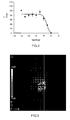
FIG. 2] FIG. 2 is a graph showing an example of the result of a receptor binding experiment in Example. - [
FIG. 3] FIG. 3 is a diagram showing an example of the result of imaging of pancreatic islets (PET) in Example. - It is known that the selectivity of mitiglinide for SUR1 in vitro is about 100 times higher than that of nateglinide, which is the same type of rapid-acting insulin secretagogue. Moreover, mitiglinide is known to have high selectivity for the pancreatic β cells. However, it is unclear whether mitiglinide labeled with a positron-emitting nuclide behaves in the same way.
- Actually, when X of the compound expressed as the formula (I) was labeled with the positron-emitting nuclide, and the biodistribution in a mouse was investigated, a satisfactory result was not obtained, as shown in
FIGS. 1A and 1B of the present specification. Also, the receptor binding experiment did not show a particularly excellent binding capacity, as shown inFIG. 2 of the present specification. In this case, although the availability of the molecular probe was not suggested, the present inventors captured images using the compound expressed as the formula (I) in which X was labeled with the positron-emitting nuclide, and surprisingly found that those images were extremely good. The present invention is based on the findings. That is, the present invention preferably can perform three-dimensional noninvasive imaging of pancreatic islets. Moreover, the present invention preferably can perform quantitative imaging of pancreatic islets, and more preferably can achieve both quantitative imaging and three-dimensional noninvasive imaging of pancreatic islets, which have been difficult so far. - The present invention can perform the three-dimensional imaging of pancreatic islets, and therefore preferably can measure the amount of pancreatic islets. Moreover, the present invention can perform the noninvasive imaging of pancreatic islets, and therefore preferably can be applied to the test and diagnosis in humans. Accordingly, the present invention preferably can provide the prevention, treatment, and diagnostic methods of diabetes based on the measurement of the amount of pancreatic islets.
- As described above, it is known that the amount of pancreatic islets is reduced prior to abnormal glucose tolerance during the development of diabetes. Therefore, due to the imaging of pancreatic islets and/or the measurement of the amount of pancreatic islets, a minute change in pancreatic islets can be found, e.g., before the onset or in the early stage of diabetes. This makes it possible to detect and diagnose diabetes in the very early stage. Thus, the precursor of a molecular probe for imaging of pancreatic islets of the present invention is useful for early detection and diagnosis of diabetes, and preferably for very early detection and diagnosis of diabetes.
- The present invention is directed to the following:
- [1] a precursor of a molecular probe for imaging of pancreatic islets (also referred to as a "molecular probe precursor of the present invention" in the following) that is expressed as the following formula (I):

wherein the molecular probe is used for imaging of pancreatic islets; - [2] the precursor according to [1], wherein in the formula (I), R1 represents an ethylene group, a propylene group, or a butylene group, R2 represents H, a methyl group, or a protecting group, and -V-X is in a meta position or a para position;
- [3] the precursor according to [1] or [2], wherein in the formula (I), the protecting group is a protecting group of a carboxyl group;
- [4] the precursor according to any one of [1] to [3], wherein the precursor is used for noninvasive imaging of pancreatic islets;
- [5] the precursor according to any one of [1] to [4], wherein the precursor is used for imaging of pancreatic islets to quantify an amount of pancreatic islets;
- [6] the precursor according to any one of [1] to [5], wherein the precursor is used for imaging of pancreatic islets to prevent, treat, or diagnose diabetes;
- [7] the precursor according to any one of [1] to [6], wherein the imaging of pancreatic islets is performed by positron emission tomography (PET);
- [8] a molecular probe for imaging of pancreatic islets that is used for imaging of pancreatic islets and expressed as the following formula (II):

- [9] the molecular probe according to [8], wherein the molecular probe is obtained by labeling the precursor according to any one of [1] to [7];
- [10] a method for imaging pancreatic islets including labeling the precursor according to any one of [1] to [7];
- [11] a method for measuring an amount of pancreatic islets including preparing a molecular probe for imaging of pancreatic islets by labeling the precursor according to any one of [1] to [7], and calculating the amount of pancreatic islets from a result of the imaging of pancreatic islets using the molecular probe;
- [12] a method for producing a molecular probe for imaging of pancreatic islets including labeling the precursor according to any one of [1] to [7]; and
- [13] a kit for preparing a molecular probe for imaging of pancreatic islets including the precursor according to any one of [1] to [7].
- In the present invention, the imaging of pancreatic islets is defined as molecular imaging of pancreatic islets and includes imaging of a spatial and/or temporal distribution of pancreatic islets in vivo. Moreover, in the present invention, preferred target molecules for the imaging of pancreatic islets are pancreatic β cells in view of the prevention, treatment, and diagnosis of diabetes. Further, in the present invention, it is preferable that the imaging of pancreatic islets is three-dimensional noninvasive imaging in view of the quantification of the amount of pancreatic islets and the application to humans. The method for imaging is not particularly limited as long as it allows the pancreatic islets to be imaged noninvasively Examples of the imaging method include positron emission tomography (PET), single photon emission computed tomography (SPECT), magnetic resonance imaging (MRI), and a method using X-rays, visible light, fluorescence, near infrared light, ultrasonic waves, or the like. Among them, the PET is preferred in view of using the molecular probe precursor of the present invention to quantify the amount of pancreatic islets.
- The molecular probe precursor of the present invention is a precursor of a molecular probe used for imaging of pancreatic islets and includes a compound expressed as the following formula (I). The molecular probe precursor of the present invention is a compound that can be bound to the pancreatic islets, preferably to the pancreatic β cells, and more preferably to SUR1 on the pancreatic β cells after labeling.

- In the formula (I), V represents a bond, R1, or OR1, and R1 represents a C1-C6 alkylene group. In the present invention, the "bond" means that X is bound directly to the benzene ring without the intervention of other atoms. In the present invention, the "C1-C6 alkylene group" means an alkylene group having 1 to 6 carbon atoms and can be a linear or branched alkylene group such as a methylene group, an ethylene group, a propylene group, a butylene group, a pentylene group, a hexylene group, or the like. In particular, the ethylene group, the propylene group, or the butylene group is preferred, and the ethylene group or the propylene group is more preferred. Examples of V include the bond, -C2H2-, -C3H6-, -O-C2H2-, and -O-C3H6-. The molecular probe precursor of the present invention can be bound to the pancreatic islets, preferably can be bound to the pancreatic β cells in view of the quantification of the amount of pancreatic islets and the test and diagnostic applications, more preferably is specific to at least the pancreatic β cells in the pancreas, and further preferably is specific to the extent that the signals from the pancreatic β cells are not superimposed on those from the other organs and tissues at least inside the human body.
- In the formula (I), R2 represents H, a C1-C6 alkyl group, a C7-C10 aralkyl group, or a protecting group. The C1-C6 alkyl group is as described above for R1. In the present invention, the "C7-C10 axalkyl group" means an aralkyl group having 7 to 10 carbon atoms and can be a benzyl group, a phenethyl group, or the like. R2 is preferably H, a methyl group, the benzyl group, or the protecting group, and more preferably H, the methyl group, or the protecting group. The protecting group can be a known protecting group of a carboxyl group. For example, the protecting group can be tert-butyl ester, benzil (Bn), benzoyl (Bz), methyl ethyl ester, a silyl protecting group, or the like. Examples of the silyl protecting group include trimethylsilyl (TMS), triethylsilyl (TES), tert-butyldiphenylsilyl (TBDPS), and tert-butyldimethylsilyl (TBDMS).
- In the formula (I), -V-X represents a substituent on the benzene ring, preferably is in the ortho position, the meta position, or the para position, and more preferably is in the meta position or the para position in view of the affinity for a receptor. In the formula (I), X represents the OMs group, the OTs group, the OTf group, Br, or I, and preferably the OTs group, Br, or I. In the formula (I), examples of -V-X include the OMs group, the OTs group, the OTf group, Br, I, -C2H2-OMs, -C2H2-OTs, -C2H2-OTf, -O-C2H2-OMs, -O-C2H2-OTs, and -O-C2H2-OTf.
- In the formula (I), carbon marked with * is an asymmetric carbon atom. In the molecular probe precursor of the present invention, the carbon marked with * may be either a carbon atom in R configuration or a carbon atom in S configuration. Therefore, the molecular probe precursor expressed as the formula (I) may be present as an R body, an S body, a racemic body, or a mixture of the R body and the S body.
- As an example of a preferred embodiment of the molecular probe precursor of the present invention, the following compounds may be used. However, the present invention is not limited to these compounds.
-


- Comparing the
compound 1 with the formula (I), V is -O-C2H2-, R2 is H, and the substituent is in the para position of the benzene ring. Comparing thecompound 2 with the formula (I), V is -O-C2H2-, R2 is H, and the substituent is in the meta position of the benzene ring. Comparing thecompound 3 with the formula (I), V is -O-C2H2-, R2 is H, and the substituent is in the ortho position of the benzene ring. Comparing thecompound 4 with the formula (I), V is -O-C2H2-, R2 is H, the substituent is in the para position of the benzene ring, and the carbon marked with * is a carbon atom in S configuration. The carboxyl group in each of thecompounds 1 to 4 may be protected by a protecting group. That is, R2 may be a protecting group, and preferably is a benzyl group. The above example shows the compounds in which R2 is H and X is the OTs group. Needless to say, in the present invention, R2 and X are not limited to H and the OTs group, respectively. - As described above, the molecular probe precursor of the present invention is used for imaging of pancreatic islets, preferably for noninvasive imaging of pancreatic islets in view of the test and diagnostic applications for humans, and more preferably for imaging of pancreatic islets to quantify the amount of pancreatic islets in view of the same. Moreover, the molecular probe precursor of the present invention is used preferably for imaging of pancreatic islets to prevent, treat, or diagnose diabetes. Such imaging of pancreatic islets may be performed by positron emission tomography (PET).
- A person skilled in the art could synthesize the molecular probe precursor of the present invention expressed as the formula (I), e.g., based on the schemes in Example, which will be described later, and the descriptions of Japanese Patent
2686863 B 2686879 B 98-32736 A1 JP 2001-261644 A - The molecular probe of the present invention is a compound used for imaging of pancreatic islets and includes a compound expressed as the following formula (II). The molecular probe of the present invention is a compound that can be bound to the pancreatic islets, preferably to the pancreatic β cells, and more preferably to SUR1 on the pancreatic β cells.
-

- In the formula (II), V and R1 are the same as those in the formula (I). In the formula (II), R3 represents H, a C1-C6 alkyl group, or a C7-C10 aralkyl group. The C1-C6 alkyl group and the C7-C10 aralkyl group are as described above. R3 is preferably H, a methyl group, or a benzyl group, and more preferably H or the methyl group.
- In the formula (II), -V-Y represents a substituent on the benzene ring, and Y represents 11C, 15O, 18F, 99mTc, 111In, or 123I, any of which can be selected appropriately in accordance with the intended use of the molecular probe.
- The molecular probe of the present invention can be prepared by labeling the molecular probe precursor of the present invention in accordance with the imaging method. For example, the molecular probe precursor may be labeled with positron-emitting nuclides such as 11C, 15O, and 18F in the case of the PET or with single photon-emitting nuclides such as 99mTc, 111In, and 123I in the case of the SPECT by a known method using, e.g., [18F] KF, [123I]NH4I, or the like. If the compound expressed as the formula (I) is labeled by this method, the portion indicated by X is labeled with the above nuclides. However, the labeling method of the present invention is not limited thereto. Thus, another aspect of the present invention relates to a method for producing a molecular probe that includes labeling the molecular probe precursor of the present invention.
- In the formula (I), when R2 is a protecting group, it is preferable to perform deprotecting after labeling. The deprotecting after labeling can be performed by a known method in accordance with the type of the protecting group. Therefore, the method for producing the molecular probe precursor of the present invention may include deprotecting of the protecting group.
- Yet another aspect of the present invention relates to a method for imaging the pancreatic islets. This method includes labeling the molecular probe precursor of the present invention. The imaging method of the present invention also may include imaging the pancreatic islets using the molecular probe of the present invention. The imaging method of the present invention preferably is a method for imaging the pancreatic β cells in view of the test and diagnostic applications. Moreover, the imaging method of the present invention may include deprotecting of the protecting group after labeling. The labeling of the precursor and the deprotecting are as described above. Also, the imaging of pancreatic islets is as described above.
- The imaging method of the present invention may include the following: administering the molecular probe of the present invention, which is prepared in the manner as described above, to a subject; and measuring the subject by positron emission tomography (PET) or the like after a predetermined time has passed from the administration of the molecular probe. The PET measurement includes, e.g., capturing an image and measuring the amount of pancreatic islets. The subject may include humans and/or mammals other than humans. The molecular probe may be administered to the subject either locally or systemically. The route of administration can be determined appropriately in accordance with the state of the subject or the like, and may be an intravenous, intraarterial, intradermal, or intraabdominal injection, infusion, or the like. The molecular probe of the present invention preferably is administered with a carrier. Moreover, the molecular probe of the present invention preferably is administered with a pharmaceutical additive such as a carrier. In the present specification, the pharmaceutical additive means any compound that is approved by the Japanese Pharmacopoeia, the United States Pharmacopoeia, the European Pharmacopoeia, or the like. The carrier can be, e.g., an aqueous solvent or a nonaqueous solvent. Examples of the aqueous solvent include a potassium phosphate buffer, physiological saline, a Ringer's solution, and distilled water. Examples of the nonaqueous solvent include polyethylene glycol, vegetable oils, ethanol, glycerol, dimethyl sulfoxide, and propylene glycol. A dose of the molecular probe of the present invention for imaging the pancreatic islets or measuring the amount of pancreatic islets may be, e.g., 1 µg or less. The period of time from the administration to the measurement can be determined appropriately in accordance with a binding time of the molecular probe to the pancreatic islets, the type of the molecular probe, a decomposition time of the molecular probe, or the like.
- Yet another aspect of the imaging method of the present invention relates to a method for imaging the pancreatic islets that includes detecting a signal of the molecular probe used for imaging of pancreatic islets of the present invention from a subject to which the molecular probe has been administered. That is, the imaging method of the present invention may include administering the molecular probe of the present invention to a subject and detecting a signal of the molecular probe from the subject after a predetermined time has passed from the administration of the molecular probe. The subject may include humans and/or mammals other than humans. The detection of the signal of the molecular probe includes, e.g., detecting a signal of the radionuclide that is used for labeling of the molecular probe.
- Yet another aspect of the present invention relates to a method for measuring the amount of pancreatic islets. This method includes preparing a molecular probe by labeling the molecular probe precursor of the present invention and calculating the amount of pancreatic islets from the result of the imaging of pancreatic islets using the molecular probe. The measuring method of the present invention also may include imaging the pancreatic islets using the molecular probe thus prepared. Moreover, the measuring method of the present invention may include deprotecting after labeling the molecular probe precursor. The labeling and the deprotecting are as described above. Also, the imaging of pancreatic islets is as described above. The calculation of the amount of pancreatic islets from the result of the imaging of pancreatic islets using the molecular probe can be performed, e.g., by analyzing the images obtained from the imaging of pancreatic islets. A person skilled in the art easily can quantify the subject based on the imaging result, e.g., by using a calibration curve or other suitable programs. The measuring method of the present invention preferably is a method for measuring the amount of pancreatic β cells in view of the test and diagnostic applications.
- Yet another aspect of the present invention relates to a method for measuring the amount of pancreatic islets that includes the following: detecting a signal of the molecular probe used for imaging of pancreatic islets of the present invention from a subject to which the molecular probe has been administered; and calculating the amount of pancreatic islets from the detected signal of the molecular probe. Moreover, yet another aspect of the present invention relates to a method for measuring the amount of pancreatic islets that includes the following: imaging the pancreatic islets using the molecular probe of the present invention; and calculating the amount of pancreatic islets from the result of the imaging of pancreatic islets.
- The measuring method of the present invention further may include presenting the calculated amount of pancreatic islets. The presentation of the calculated amount of pancreatic islets includes, e.g., storing or outputting the calculated amount of pancreatic islets. For outputting, e.g., the calculated amount of pancreatic islets may be displayed on a monitor, printed on paper, or the like.
- Yet another aspect of the present invention relates to the prevention, treatment, or diagnostic method of diabetes. As described above, the amount of pancreatic islets (particularly the amount of pancreatic β cells) is reduced prior to abnormal glucose tolerance during the development of diabetes, and the treatment of diabetes is already difficult when the dysfunction is detected and the patient is conscious of it. However, with the imaging method and the measuring method of the amount of pancreatic islets using the molecular probe precursor of the present invention, a reduction in the amount of pancreatic islets and/or pancreatic β cells can be found early, so that new prevention, treatment, and diagnostic methods of diabetes can be established. The subject of the prevention, treatment, and diagnosis of diabetes may include humans and/or mammals other than humans. For example, the method for preventing diabetes of the present invention may include checking whether the amount of pancreatic islets tends to decrease by measuring the amount of pancreatic islets at regular intervals. The method for treating diabetes of the present invention may include evaluating the effects of treatment for the subject, including medication and alimentary therapy, while focusing on a change in the amount of pancreatic islets. Moreover, the method for diagnosing diabetes of the present invention may include imaging the pancreatic islets or measuring the amount of pancreatic islets to compare the results with a reference size or amount or to determine the extent of diabetes.
- Another preferred aspect of the present invention relates to a method for diagnosing diabetes in the very early stage. This ultra-early diagnosis method for diabetes may include imaging the pancreatic islets and/or measuring the amount of pancreatic islets according to the present invention in a thorough physical examination, a medical examination, etc. and determining the state of the pancreatic islets based on the resultant images of the pancreatic islets and/or the measured amount of pancreatic islets. The method for treating diabetes of the present invention may include imaging the pancreatic islets and/or measuring the amount of pancreatic islets according to the present invention and evaluating the functional recovery of the pancreatic islets based on the resultant images of the pancreatic islets and/or the measured amount of pancreatic islets.
- Yet another aspect of the present invention relates to a kit including the molecular probe precursor of the present invention. Moreover, yet another aspect of the present invention relates to a kit including the molecular probe of the present invention. Embodiments of the kit of the present invention include a kit for preparing the molecular probe of the present invention, a kit for performing the imaging method of the present invention, a kit for performing the measuring method of the amount of pancreatic islets of the present invention, and a kit for preventing, treating, or diagnosing diabetes of the present invention. The kit of the present invention further may include an instruction manual. It is preferable that the instruction manual supports each of the above embodiments.
- The kit of the present invention further may include components used to prepare the molecular probe such as a buffer and an osmoregulator and tools used to administer the molecular probe such as a syringe.
- Hereinafter, the present invention will be described in more detail by way of examples. However, the present invention is not limited to the following examples.
- First, according to the following scheme, a molecular probe precursor (C35H41NO7S, M. W. 619.77, a pale yellow oily substance) expressed as the following formula (5) was obtained. Comparing the molecular probe precursor, i.e., the compound (5) (S configuration) with the above formula (I), V was -O-C2H2-(oxyethylene group), R2 was H, X was the OTs group, and -O(CH2)2OTs was a substituent in the para position, as shown in the following scheme. In the compound (5), the carboxyl group was protected by a protecting group (Bn).
-

- The following is the data of the molecular probe precursor (compound (5)).
- IR: 3031, 2927, 2856, 1731, 1639, 1511, 1450, 1359, 1297, 1247, 1176, cm-1
1H-NMR (400 MHz, CDCl3): δ7.81 (d, 2H), 7.34 (d, 2H), 7.31-7.22 (m, 5H), 7.00 (d, 2H), 6.65 (d, 2H), 5.16-5.03 (m, 2H), 4.34 (t, 2H), 4.09 (t, 2H), 3.42-3.20 (m, 5H), 2.96-2.91 (m, 1H), 2.80-2.74 (m, 1H), 2.65-2.60 (m, 1H), 2.45 (s, 3H), 2.30-2.20 (m, 2H), 2.19-2.12(m, 1H), 1.55-1.25 (m, 8H)
LC/MS (APCI(+), 40V): 620 (M + H+) - Next, the molecular probe precursor (compound (5)) was labeled. Using a labeling reagent including [18F] KF and Kryptofix (registered trademark) 222 (product name, manufactured by Merck Ltd.,
4,7,13,16,21,24-Hexaoxa-1,10-diazabicyclo[8.8.8]hexacosane), the labeling was performed according to the following scheme. After the labeling, the protecting group (Bn) was removed from the carboxyl group according to the following scheme, thus providing a compound expressed as the following formula (6) that served as a molecular probe. This molecular probe (compound (6)) had generally the same structure as mitiglinide (antidiabetic agent) except that the para position of the benzene ring was substituted with -O(CH2)2 18F and the molecular probe (compound (6)) was not a calcium salt. -

- The biodistribution of mice was measured with the molecular probe (compound (6)) prepared in the manner as described above. First, the molecular probe (102 µCi) was administered intravenously to 6-week-old ddy mice (each of which was male and weighed 25 g) under anesthesia. Then, the organs were extracted 5 minutes, 15 minutes, 35 minutes, 60 minutes, and 120 minutes after the administration, respectively (n = 5). The weight and radioactivity of each of the organs were measured, and the accumulation (% dose/g) of the molecular probe was calculated from the radioactivity per unit weight.
FIG. 1 shows an example of the results.FIG. 1A is a graph showing changes in the accumulation of the molecular probe in the individual organs over time.FIG. 1B is an enlarged graph ofFIG. 1A . - The accumulation of the molecular probe of this example in the pancreas and the other organs was as shown in
FIG. 1 . - First, according to the following scheme, a compound (7) (C21H28FNO4, M. W. 377.45, a colorless oily substance) was obtained. The compound (7) had the same structure as the compound (6) except that 19F was used instead of 18F.
-

- The following is the data of the compound (7).
- IR: 2929, 2856, 1727, 1639, 1610, 1511, 1450, 1336, 1299, 1249, 1180, 1112, 1076,1051 cm-1
1H-NMR (400 MHz, CDCl3): δ7.11 (d, 2H), 6.87 (d, 2H), 4.75 (dt, 2H), 4.19 (dt, 2H), 3.44-3.36 (m, 2H), 3.35-2.91 (m, 4H), 2.74-2.71 (m, 1H), 2.50-2.43 (m, 2H), 2.22-2.20 (m, 2H), 1.57-1.25 (m, 8H)
LC/MS (APCI(+), 40V): 378 (M + H+) - Next, the pancreatic islets isolated from the mice were dispersed into single cells to prepare 1.7 × 10⁵ cells/sample. A solution containing [3H]-glibenclamide, which was obtained by labeling glibenclamide
(4-[2-(5-Chloro-2-methoxybenzoylamino)ethyl]-N-(cyclohexylcarbamoyl)benzenesulfon amide, serving as an SU agent) with 3H, was added to these cells so that the final concentration of the [3H]-glibenclamide was 1.85 pmol/L. Subsequently, a reagent containing the compound (7) was added (final concentration of the compound (7): 1 × 10⁻⁴ to 1 × 10-12 M), and incubation was performed at room temperature for 1 hour. The reaction was stopped by filtration, and the radioactivity was measured with a liquid scintillation analyzer.FIG. 2 shows the result. InFIG. 2 , the horizontal axis indicates the concentration of the compound (7) and the vertical axis indicates the intensity of the radioactivity measured. - As shown in
FIG. 2 , the compound (7) inhibited the bond between the SU receptor and the [3H]-glibenclamide in the concentration-dependent manner. Therefore, the molecular probe expressed as the formula (7) might have a SUR1 binding site. In this case, EC50 was 2.35 × 10⁻⁸ M. - The molecular probe (compound (6)) was used to perform three-dimensional imaging of a mouse. The molecular probe (104 µCi) was administered intravenously to a 6-week-old ddy mouse (which was male and weighted 25 g) under anesthesia. Then, the three-dimensional imaging was performed with the following PET apparatus and conditions.
Imaging apparatus: eXplore Vista (product name, manufactured by General Electric Company)
Imaging method: Static Scan
Reconstruction: 2DOSEM (Dynamic OS-EM) -
FIG. 3 shows the resultant image of the three-dimensional imaging. The image inFIG. 3 was taken 10 minutes after the administration of the molecular probe (integrating time: 10 minutes). InFIG. 3 , the portion indicated by the white circle is near the pancreas. - As shown in
FIG. 3 , the approximate position of the pancreas could be distinguished noninvasively by using the molecular probe of the present invention expressed as the formula (6). This suggested that the molecular probe precursor and/or the molecular probe of the present invention enabled the three-dimensional noninvasive imaging of pancreatic islets. - As described above, the present invention is useful, e.g., in the fields of medical care, molecular imaging, and diabetes.
Claims (13)
- A precursor of a molecular probe for imaging of pancreatic islets that is expressed as the following formula (I):

wherein the molecular probe is used for imaging of pancreatic islets. - The precursor according to claim 1, wherein in the formula (I), R1 represents an ethylene group, a propylene group, or a butylene group, R2 represents H, a methyl group, or a protecting group, and -V-X is in a meta position or a para position.
- The precursor according to claim 1 or 2, wherein in the formula (I), the protecting group is a protecting group of a carboxyl group.
- The precursor according to any one of claims 1 to 3, wherein the precursor is used for noninvasive imaging of pancreatic islets.
- The precursor according to any one of claims 1 to 4, wherein the precursor is used for imaging of pancreatic islets to quantify an amount of pancreatic islets.
- The precursor according to any one of claims 1 to 5, wherein the precursor is used for imaging of pancreatic islets to prevent, treat, or diagnose diabetes.
- The precursor according to any one of claims 1 to 6, wherein the imaging of pancreatic islets is performed by positron emission tomography (PET).
- A molecular probe for imaging of pancreatic islets that is used for imaging of pancreatic islets and expressed as the following formula (II):

- The molecular probe according to claim 8, wherein the molecular probe is obtained by labeling the precursor according to any one of claims 1 to 7.
- A method for imaging pancreatic islets comprising:labeling the precursor according to any one of claims 1 to 7.
- A method for measuring an amount of pancreatic islets comprising:preparing a molecular probe for imaging of pancreatic islets by labeling the precursor according to any one of claims 1 to 7; andcalculating the amount of pancreatic islets from a result of the imaging of pancreatic islets using the molecular probe.
- A method for producing a molecular probe for imaging of pancreatic islets comprising:labeling the precursor according to any one of claims 1 to 7.
- A kit for preparing a molecular probe for imaging of pancreatic islets comprising:the precursor according to any one of claims 1 to 7.
Applications Claiming Priority (3)
| Application Number | Priority Date | Filing Date | Title |
|---|---|---|---|
| JP2009068837 | 2009-03-19 | ||
| US27202409P | 2009-08-07 | 2009-08-07 | |
| PCT/JP2010/054449 WO2010107029A1 (en) | 2009-03-19 | 2010-03-16 | Molecular probe precursor for pancreatic islet imaging and use of same |
Publications (2)
| Publication Number | Publication Date |
|---|---|
| EP2407455A1 true EP2407455A1 (en) | 2012-01-18 |
| EP2407455A4 EP2407455A4 (en) | 2014-04-02 |
Family
ID=42739689
Family Applications (1)
| Application Number | Title | Priority Date | Filing Date |
|---|---|---|---|
| EP10753521.3A Withdrawn EP2407455A4 (en) | 2009-03-19 | 2010-03-16 | MOLECULAR PROBE PRECURSOR FOR THE IMAGING OF PANCREATIC ISLANDS AND USE THEREOF |
Country Status (6)
| Country | Link |
|---|---|
| US (1) | US20120107239A1 (en) |
| EP (1) | EP2407455A4 (en) |
| JP (1) | JP5273571B2 (en) |
| KR (1) | KR20110074614A (en) |
| CN (1) | CN102307858B (en) |
| WO (1) | WO2010107029A1 (en) |
Families Citing this family (2)
| Publication number | Priority date | Publication date | Assignee | Title |
|---|---|---|---|---|
| GB2481425A (en) | 2010-06-23 | 2011-12-28 | Iti Scotland Ltd | Method and device for assembling polynucleic acid sequences |
| JP5669765B2 (en) * | 2010-10-08 | 2015-02-18 | 国立大学法人京都大学 | Peptide derivatives and uses thereof |
Family Cites Families (9)
| Publication number | Priority date | Publication date | Assignee | Title |
|---|---|---|---|---|
| US5349063A (en) * | 1991-03-21 | 1994-09-20 | Alberta Cancer Board | Pancreatic imaging agents |
| JP2686863B2 (en) | 1991-04-25 | 1997-12-08 | キッセイ薬品工業株式会社 | Novel benzyl succinic acid derivative |
| AU654331B2 (en) * | 1991-03-30 | 1994-11-03 | Kissei Pharmaceutical Co. Ltd. | Succinic acid compounds |
| JP2686879B2 (en) | 1991-12-27 | 1997-12-08 | キッセイ薬品工業株式会社 | Novel itaconic acid derivative |
| JP2686876B2 (en) * | 1992-04-17 | 1997-12-08 | キッセイ薬品工業株式会社 | Novel succinic acid derivative |
| EP0967204A4 (en) * | 1997-01-29 | 2000-11-29 | Kissei Pharmaceutical | Process for producing benzylsuccinic acid derivatives |
| JP4568398B2 (en) | 2000-03-22 | 2010-10-27 | キッセイ薬品工業株式会社 | Hexahydroisoindoline acid addition salt and method of use thereof |
| GB0420365D0 (en) * | 2004-09-14 | 2004-10-13 | Hammersmith Imanet Ltd | Radiolabelled insulin |
| ES2525932T3 (en) * | 2006-05-02 | 2015-01-02 | The Trustees Of The University Of Pennsylvania | Radiolabeled dihydrotetrabenazine derivatives and their use as imaging agents |
-
2010
- 2010-03-16 KR KR1020117011544A patent/KR20110074614A/en not_active Ceased
- 2010-03-16 JP JP2010535148A patent/JP5273571B2/en not_active Expired - Fee Related
- 2010-03-16 CN CN201080006526.0A patent/CN102307858B/en not_active Expired - Fee Related
- 2010-03-16 EP EP10753521.3A patent/EP2407455A4/en not_active Withdrawn
- 2010-03-16 US US13/148,303 patent/US20120107239A1/en not_active Abandoned
- 2010-03-16 WO PCT/JP2010/054449 patent/WO2010107029A1/en not_active Ceased
Also Published As
| Publication number | Publication date |
|---|---|
| JP5273571B2 (en) | 2013-08-28 |
| US20120107239A1 (en) | 2012-05-03 |
| EP2407455A4 (en) | 2014-04-02 |
| KR20110074614A (en) | 2011-06-30 |
| WO2010107029A1 (en) | 2010-09-23 |
| CN102307858A (en) | 2012-01-04 |
| CN102307858B (en) | 2015-01-21 |
| JPWO2010107029A1 (en) | 2012-09-20 |
Similar Documents
| Publication | Publication Date | Title |
|---|---|---|
| Yao et al. | Infection imaging with 18F-FDS and first-in-human evaluation | |
| TWI664169B (en) | Methods and apparatus for synthesizing imaging agents, and intermediates thereof | |
| Brunner et al. | Microdialysis versus other techniques for the clinical assessment of in vivo tissue drug distribution | |
| Liu et al. | Biodistribution, pharmacokinetics and PET imaging of [18F] FMISO,[18F] FDG and [18F] FAc in a sarcoma-and inflammation-bearing mouse model | |
| US10259781B2 (en) | Imaging agents | |
| WO2015058106A1 (en) | Imaging histone deacetylases with a radiotracer using positron emission tomography | |
| Nishii et al. | Pharmacokinetics, metabolism, biodistribution, radiation dosimetry, and toxicology of 18F-fluoroacetate (18F-FACE) in non-human primates | |
| Rizzo-Padoin et al. | [18F] MEL050 as a melanin-targeted PET tracer: fully automated radiosynthesis and comparison to 18F-FDG for the detection of pigmented melanoma in mice primary subcutaneous tumors and pulmonary metastases | |
| US20120107239A1 (en) | Precursor of Molecular Probe for Pancreatic Islet Imaging and Use of the Same | |
| Zeng et al. | Synthesis and evaluation of [18F]-fluoromethyl triphenylphosphonium cation as a novel mitochondria-specific positron emission tomography tracer | |
| Lin et al. | Brain SPECT imaging and whole-body biodistribution with [123I] ADAM—a serotonin transporter radiotracer in healthy human subjects | |
| US20110300073A1 (en) | 18f-labelled three-and four-carbon acids for pet imaging | |
| CA2898246C (en) | Radiopharmaceutical products for diagnosis and therapy of adrenal carcinoma | |
| Varrone et al. | Simplified quantification and whole-body distribution of [18F] FE-PE2I in nonhuman primates: prediction for human studies | |
| Ginsberg et al. | 11C-Iodoantipyrine for the measurement of regional cerebral blood flow by positron emission tomography. Validation studies. | |
| Motaleb et al. | Radio-iodination and biological evaluation of pentoxifylline as a novel probe for diagnosis of intermittent claudication | |
| US20230256120A1 (en) | Diagnostic agent for pancreatic function | |
| JP2010529173A (en) | Measurement of nerve activity | |
| US20220040335A1 (en) | Radiolabeled paba and derivatives thereof for use as functional renal imaging agents | |
| JP7688339B2 (en) | New compounds and their uses | |
| US9133208B2 (en) | Radiolabelled rotenone derivatives and their use in SPECT imaging | |
| Yang et al. | 4 Radiopharmaceuticals | |
| KR101677207B1 (en) | PET contrast agent for diagnosing inflammation | |
| Patel | Development of Radiotracers for Neuroimaging | |
| WO2014065874A1 (en) | 18f labeled bodipy dye and its derivatives for pet imaging of heart perfusion and others |
Legal Events
| Date | Code | Title | Description |
|---|---|---|---|
| PUAI | Public reference made under article 153(3) epc to a published international application that has entered the european phase |
Free format text: ORIGINAL CODE: 0009012 |
|
| 17P | Request for examination filed |
Effective date: 20110525 |
|
| AK | Designated contracting states |
Kind code of ref document: A1 Designated state(s): AT BE BG CH CY CZ DE DK EE ES FI FR GB GR HR HU IE IS IT LI LT LU LV MC MK MT NL NO PL PT RO SE SI SK SM TR |
|
| DAX | Request for extension of the european patent (deleted) | ||
| A4 | Supplementary search report drawn up and despatched |
Effective date: 20140303 |
|
| RIC1 | Information provided on ipc code assigned before grant |
Ipc: A61K 51/00 20060101ALI20140225BHEP Ipc: C07D 209/44 20060101AFI20140225BHEP |
|
| 17Q | First examination report despatched |
Effective date: 20141117 |
|
| STAA | Information on the status of an ep patent application or granted ep patent |
Free format text: STATUS: THE APPLICATION IS DEEMED TO BE WITHDRAWN |
|
| RAP1 | Party data changed (applicant data changed or rights of an application transferred) |
Owner name: KYOTO UNIVERSITY Owner name: ARKRAY, INC. |
|
| 18D | Application deemed to be withdrawn |
Effective date: 20150328 |