EP2406277B1 - Neuer salmonella enterica s. typhimurium stamm, dessen verwendung sowie ein verfahren zur herstellung eines therapeutischen vektor-impfstoffes - Google Patents
Neuer salmonella enterica s. typhimurium stamm, dessen verwendung sowie ein verfahren zur herstellung eines therapeutischen vektor-impfstoffes Download PDFInfo
- Publication number
- EP2406277B1 EP2406277B1 EP10713040.3A EP10713040A EP2406277B1 EP 2406277 B1 EP2406277 B1 EP 2406277B1 EP 10713040 A EP10713040 A EP 10713040A EP 2406277 B1 EP2406277 B1 EP 2406277B1
- Authority
- EP
- European Patent Office
- Prior art keywords
- sipb
- gene
- psifb
- strain
- vnp20009
- Prior art date
- Legal status (The legal status is an assumption and is not a legal conclusion. Google has not performed a legal analysis and makes no representation as to the accuracy of the status listed.)
- Not-in-force
Links
Images





Classifications
-
- A—HUMAN NECESSITIES
- A61—MEDICAL OR VETERINARY SCIENCE; HYGIENE
- A61K—PREPARATIONS FOR MEDICAL, DENTAL OR TOILETRY PURPOSES
- A61K39/00—Medicinal preparations containing antigens or antibodies
- A61K39/02—Bacterial antigens
- A61K39/025—Enterobacteriales, e.g. Enterobacter
- A61K39/0275—Salmonella
-
- A—HUMAN NECESSITIES
- A61—MEDICAL OR VETERINARY SCIENCE; HYGIENE
- A61P—SPECIFIC THERAPEUTIC ACTIVITY OF CHEMICAL COMPOUNDS OR MEDICINAL PREPARATIONS
- A61P35/00—Antineoplastic agents
-
- A—HUMAN NECESSITIES
- A61—MEDICAL OR VETERINARY SCIENCE; HYGIENE
- A61K—PREPARATIONS FOR MEDICAL, DENTAL OR TOILETRY PURPOSES
- A61K39/00—Medicinal preparations containing antigens or antibodies
- A61K2039/51—Medicinal preparations containing antigens or antibodies comprising whole cells, viruses or DNA/RNA
- A61K2039/52—Bacterial cells; Fungal cells; Protozoal cells
- A61K2039/522—Bacterial cells; Fungal cells; Protozoal cells avirulent or attenuated
-
- A—HUMAN NECESSITIES
- A61—MEDICAL OR VETERINARY SCIENCE; HYGIENE
- A61K—PREPARATIONS FOR MEDICAL, DENTAL OR TOILETRY PURPOSES
- A61K39/00—Medicinal preparations containing antigens or antibodies
- A61K2039/51—Medicinal preparations containing antigens or antibodies comprising whole cells, viruses or DNA/RNA
- A61K2039/52—Bacterial cells; Fungal cells; Protozoal cells
- A61K2039/523—Bacterial cells; Fungal cells; Protozoal cells expressing foreign proteins
-
- A—HUMAN NECESSITIES
- A61—MEDICAL OR VETERINARY SCIENCE; HYGIENE
- A61K—PREPARATIONS FOR MEDICAL, DENTAL OR TOILETRY PURPOSES
- A61K38/00—Medicinal preparations containing peptides
-
- Y—GENERAL TAGGING OF NEW TECHNOLOGICAL DEVELOPMENTS; GENERAL TAGGING OF CROSS-SECTIONAL TECHNOLOGIES SPANNING OVER SEVERAL SECTIONS OF THE IPC; TECHNICAL SUBJECTS COVERED BY FORMER USPC CROSS-REFERENCE ART COLLECTIONS [XRACs] AND DIGESTS
- Y02—TECHNOLOGIES OR APPLICATIONS FOR MITIGATION OR ADAPTATION AGAINST CLIMATE CHANGE
- Y02A—TECHNOLOGIES FOR ADAPTATION TO CLIMATE CHANGE
- Y02A50/00—TECHNOLOGIES FOR ADAPTATION TO CLIMATE CHANGE in human health protection, e.g. against extreme weather
- Y02A50/30—Against vector-borne diseases, e.g. mosquito-borne, fly-borne, tick-borne or waterborne diseases whose impact is exacerbated by climate change
Definitions
- the present invention relates to the field of pharmacy, particularly the preparation of vaccines, especially of anti-cancer bacterial therapeutic vaccines.
- Bacteria belonging to the genus Salmonella are Gram-negative bacteria from the Enterobacteriaceae family which are disease-causing in humans and animals, and represent a serious medical and veterinary problem.
- Attenuated strains of Salmonella were obtained by introducing specific irreversible mutations into certain genes in the chromosome of Salmonella, such as: aroA (1), aroC (2), surA (3), htrA (4), rpoS (5), and galE (6).
- the strain CVD908 has clearly defined mutations in the genes aroC and aroD , but causes fever and other adverse reactions in volunteers vaccinated with high doses. Further attenuation of this strain by the deletion of htrA gene, which encodes a serine protease essential for bacterial survival in macrophages, led to strain CVD908-htrA, which is well tolerated even at high doses and shows high immunogenicity (9).
- Mutants of Salmonella enterica serovar Typhimurium lacking the transcription regulator RfaH effectively prevent salmonellosis when used to vaccinate mice. Lack of RfaH affects the expression of genes involved in the synthesis of lipopolysaccharide core and O-antigen. Such mutants do not differ in their ability to proliferate, but show increased susceptibility to antibacterial peptides (10).
- preventive vaccines Due to the specificity of preventive vaccines, aiming to elicit immune memory after administration, their activity may be based on the ability of attenuated bacteria to stimulate a humoral immune response (production of neutralising antibodies). The generation of an effective humoral response does not require the ability to invade host cells by Samonella sp. vaccines. This means that even relatively large deletions in the chromosome of Salmonella sp. may be tolerated in vaccinting material prepared for use as a preventive vaccine. However, the relative ease of attenuation does not always coincide with the retention of the original (effective) immunogenicity.
- a therapeutic vaccine vector should be highly attenuated and possibly poorly immunogenic to provide effectiveness of repeated administration into a patient.
- the vector In the case of conjugated heterogeneous (allo- or xenogenic) antigens (epitopes), the vector should demonstrate adjuvant properties (while maintaining its low immunogenicity).
- a therapeutic vector should be capable of stimulating a specific type of immune response, that is to induce a humoral (Th2) or cellular (Th1) response as needed.
- the VNP20009 strain was developed as a vaccine vector whose task was to deliver non-toxic cytostatic drug precursors (prodrugs) to tumour tissue (9, 10). Deletions within the genes purI and msbB result in auxotrophism of the strain with a reduced capacity to stimulate TNF in the infected organism. Preliminary studies have shown the ability of preferential accumulation of VNP20009 within tumours in mice (11). VNP20009 was also found to have an inhibitory effect on tumour development. Phase I clinical studies have not confirmed the effects observed in small mammals. So far, there are no studies on the immunogenicity of VNP20009 in mice nor humans (12).
- variable fragment of a CEA-specific antibody improved the ability of selective accumulation of bacteria in malignant tumours (13).
- the stress caused by overexpression of the fusion protein OmpA-scFv (CEA-specific) substantially (100-fold) reduced the invasiveness of transformed VNP20009 (designated VNP/scFv).
- VNP/scFv a fusion protein of transformed VNP20009
- an increase in therapeutic effects was observed for VNP/scFv versus VNP20009 in murine models of transplantable tumours stably transfected with the human CEA gene (MC38CEA and CT26CEA adenocarcinomas).
- VNP/scFv Another reason for the reduced effectiveness of VNP/scFv is probably genetic instability of the strain involving the loss of the plasmid (and hence the loss of ability to express OmpA-scFv) in the absence of antibiotic selection pressure. Reversion to wild type VNP20009 in the patient would not promote the targeting of the bacteria towards CEA-rich sites (tumour tissue).
- the purpose of this invention is to provide an effective vaccine vector, particularly effective for the treatment of cancer.
- the aim of the present invention is therefore to obtain the appropriate strain of Salmonella sp., pursuant to demand in the field of therapeutic vaccines as a vector for delivery of therapeutic material to target cells, particularly cancer cells, cells infected with a virus, etc., with immunogenicity resulting from the physiological intracellular location of bacteria.
- the subject of the present invention is a strain of Samonella enterica serovar Typhimurium VNP20009 deposited in the Polish Collection of Microorganisms under access no. B/00024.
- Another subject of the present invention is the use of the strain of Samonella enterica serovar Typhimurium VNP20009 deposited in the Polish Collection of Microorganisms under access no. B/00024 to produce a vaccine, especially anti-cancer vaccine.
- Another subject of the present invention is a method of obtaining a therapeutic vaccine vector, characterized in that a genetic modification is introduced into the vector strain Salmonella enterica serovar Typhimurium VNP20009 specific to cancer cells, resulting in a delayed overexpression of a gene encoding a protein responsible for the invasive features of this strain, wherein an expression cassette is obtained, containing sipB gene under the control of PsifB promoter that controls its delayed overexpression, and then the cassette is integrated into the bacterial chromosome.
- the expression cassette is integrated into the bacterial chromosome is the cassette PsifB-sipB according to SEQ ID 1 or the cassette ushA -5' -PsifB-sipB-ushA -3' according to SEQ ID 2.
- the method includes an additional final step of removing a gene for antibiotic resistance from the bacterial genome.
- VNP/sipB vector was obtained with the full retention of invasive ability ( Fig. 10 ).
- the prepared vaccine vector utilised the natural ability of Salmonella sp. to infect host cells.
- the invasiveness of Salmonella sp. is a multifactorial process, which involves components of both the bacterial cells and the host cells (14).
- Adhesion of bacteria to a host cell causes the activation of Type III Secretion Systems genes (TTSS) grouped into the " Salmonella Pathogenicity Island-1" (SPI-1). Products of those genes, including the SipB protein, allow bacteria to penetrate the cell (15).
- TTSS Type III Secretion Systems genes
- SPI-1 Salmonella Pathogenicity Island-1
- Products of those genes, including the SipB protein allow bacteria to penetrate the cell (15).
- Expression of another set of genes is activated inside the host cell. Those genes are located within the SPI-2 and their products facilitate the proliferation of the bacteria within the cytoplasm.
- the expression of SPI-2 genes is regulated by interaction of endoplasmatic factors with the SPI-2 promoters.
- the promoter of the sifB gene is
- Proliferation of the bacteria in the cytoplasm leads to apoptosis of the host cell, which in turn allows the bacteria to escape and subsequently infect other cells.
- One of the factors that induce apoptosis is the already mentioned SipB protein (14).
- the result produced by such a vaccine vector will be the eradication of tumours through the concerted action of the bacteria and the immune system.
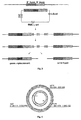
- the sequence of the SipB gene (1782 bp) ( Fig. 1A ) was obtained from the genomic DNA of a reference strain S . typhimurium SL5319 using a PCR technique with the following primers:
- Example 2 Isolation of sifB gene promoter and construction of sipB gene controlled by PsifB
- the coding sequence of the promoter region of sifB gene was obtained through PCR on genomic DNA of Salmonella typhimurium VNP20009, using the following primers: "forward" CCCAAGCTTGGGCCTTAGCCATTCTGACTG with a Hind III restriction site and "reverse” GA AGATCT TCACTTCATTACTGGAATAGGTGGT with a Bgl II restriction site.
- a sequence encoding GFP was obtained from the pGFPuv plasmid (Clontech) using PCR and the following primers: "forward" GA AGATCT TCTCACACAGGAAACAGCTATGAC with a Bgl II restriction site and "reverse” GAAGATCTTCGCGCTCAGTTGGAATTCA, also with a Bgl II restriction site.
- PCR products were cloned into the plasmid pGEM-TEasy (Promega) and propagated in Escherichia coli DH5 ⁇ .
- the gfp gene was cloned into the BglII restriction site of the pGEM-TEasy- PsifB plasmid, which had been previously obtained from plasmid pGEM-TEasy- gfp .
- Intracellular induction of the PsifB promoter was confiirmed in vitro by infection of the RAW264.7 macrophage cell line with VNP20009 bacteria containing the pGEM-TEasy- PsijB - gfp plasmid, with the gfp sequence cloned in forward or reverse orientation to the promoter.
- sipB coding sequence with the RBS and 6His sequences was obtained from the pQE- sipB plasmid using PCR and the following primers: "forward" GGA AGATCT TCCAGAGGAGAAATTAACTATGAGA, "reverse” GA AGATCT TCGGAGTCCAAGCTCAGCTA (both primers with a Bgl II restriction site).
- the PCR product was cloned into the pGEM-TEasy- PsifB plasmid into the BglII site.
- PsifB-sipB cassette was excised from pGEM-TEasy- PsifB - sipB plasmid with the restrictase Not I and after filling the sticky ends, it was cloned into a low-copy pBR322 plasmid (in Eco RV- Nru I cloning site) and into pMoPac2- lpp-ompA-scFv plasmid.
- Figure 2 presents the results of sifB gene promoter isolation and functional tests of PsifB-GFP construct.
- Figure 2A shows an electrophoretic image of PCR product separation in 1.2% agarose gel in the presence of ethidium bromide.
- the coding sequence of the promoter region of sifB gene (603 bp) was obtained using PCR from the genomic DNA of Salmonella typhimurium. The identity of the sequence was confirmed with the sequence obtained from GenBank ( Salmonella typhimurium LT2, 1 691 572 - 1 692 152 bp).
- GenBank Salmonella typhimurium LT2, 1 691 572 - 1 692 152 bp.
- a transcriptional fusion protein PsifB -GFP was produced ( gfp sequence amplified from the pGFPuv plasmid (Clontech) using PCR).
- the RBS-RGS-6His-sipB sequence was obtained from plasmid pQE30- sipB via PCR.
- Figure 2B shows a microscopic image obtained of the RAW264.7 macrophage cell line infected with VNP20009 transformed with the pBR322- PsifB - gfp plasmid. Induction of the PsifB promoter in intracellular bacteria was evaluated microscopically. VNP20009 transformed with low-copy plasmid (pBR322) or high-copy plasmid (pGEM-TEasy), both including the PsifB-gfp cassette, did not demonstrate any microscopically detectable GFP expression when grown in TB medium.
- pBR322 low-copy plasmid
- pGEM-TEasy high-copy plasmid
- Figure 2C presents the results of cytofluorimetric analysis performed on the bacterial culture.
- VNP20009/ PsifB-sipB-gfp (but not E. coli DH5 ⁇ / PsifB-sipB-gfp ), cultured for 12 hours at 30°C with shaking (180 RPM) in eukaryotic cell culture medium OPTIMEM (Invitrogen), showed the induced expression of the fusion protein SipB-GFP (right panel).
- the same bacteria cultured in TB were GFP-negative (left panel).
- plasmid constructs are limited in vivo due to the frequent loss of plasmids from bacteria in the absence of selection pressure (antibiotics). Yet genetic stability is one of the fundamental features of bacteria that allows their use as vaccine material.
- a method of obtaining genetically stable bacterial strains is the integration of functional cassettes (promoter-gene) into the bacterial chromosome.
- the PsifB-sipB expression cassette was integrated into VNP20009 genome. Integration was performed by the homologous recombination method, based on the natural recombination and repair system of the bacteria (Rec-A protein activity) and using a conditionally replicating plasmid as a vector for delivering a mutant allele into genomic DNA (17).
- clones which integrated the plasmid (as a result of recombination with wild and mutant copies of the gene) and acquired chromosomal resistance are selected in the presence of an antibiotic.
- homologous regions of the modified gene are duplicated in the genome.
- an exchange occurs between the duplicated sequences, stimulated by cleavage of DNA sequences within the plasmid sequence present in the genome. The result is a return to the wild allele form or replacement into the mutated form, with simultaneous excision of the antibiotic resistance gene.
- a diagram of gene exchange by recombination of homologous segments stimulated by DNA cleavage is shown in Figure 3 .
- the region of the ushA gene (STM0494) was chosen as the target site for integration, as it has a high homology with the ushA gene of Escherichia coli, but very low expression and low activity of the encoded enzyme in Salmonella typhimurium (UDP-glucose hydrolase with a point mutation, "silent gene”).
- the ushA gene has been inactivated in strains of S . typhimurium and its active functional homologue is ushB.
- the DNA sequences of these genes do not show a significant homology (18, 19).
- Considerable distance between ushA and sequences PsifB and sipB in S. typhimurium genome should reduce the genomic instability of the modified strain, associated with the introduction of additional copies of those sequences, which may be a substrate for homologous recombination.
- the PsifB-sipB sequence was cloned into the plasmid, flanked with regions of homology, i.e. segments of sequence identical to the target sequence of integration within the bacterial chromosome (5' -ushA and 3' -ushA ); chloramphenicol resistance gene for selection of clones, in which crossing-over occurred; ori R6K ⁇ and an extremely rare restriction site for endonuclease I -Sce I ( Fig. 4 ).
- Plasmid pSG76C-ushA-PsifB-sipB can be built into the genome by a single crossing-over involving a region of homology and the corresponding chromosomal region.
- a temperature preventing the replication of the plasmid pPIR-A 37-42°C
- plasmid pSG76C in the presence of the antibiotic, there is a selection of clones with the plasmid sequence integrated into the genome.
- flanking regions of homology are duplicated in the genome.
- I-SceI meganuclease is induced from the pSTKST auxiliary plasmid.
- the cleavage of both DNA strands within the integrated plasmid sequence stimulates the Rec-A-dependent intramolecular recombination (double strand break-stimulated gene replacement) - a repair of the DNA break occurs, with the use of adjacent flanking regions of homology. Single crossing-over could happen with the participation of the regions of 5' -ushA or 3' -ushA.
- the region of integration returns to the wild form (restoration of the ushA gene sequence integrity); in the second case, a productive re-arrangement occurs, with simultaneous removal of the antibiotic resistance gene.
- a modified bacterial strain is obtained as a result, without any selection marker in the form of antibiotic resistance gene or any other exogenous sequence.
- Complementary DNA for ushA was obtained from the genomic DNA of VNP20009 using PCR and the following primers:
- the PsifB-sipB sequence is flanked with a 1091 bp fragment of ushA at 5'-end and a 732 bp fragment at 3'-end. Then, the ushA- 5' -PsifBsipB-ushA- 3' cassette was cut out with Kpu I enzyme and cloned into pSG76-C in Kpn I site, yielding pSG76C-USS ( Fig. 5 ).
- the plasmid was amplified in Escherichia coli DH5 ⁇ .pir (with the genomic copy of pir gene, encoding n protein) and transformed into the VNP20009 strain (by electroporation), which had been previously transformed with the pPIR-A plasmid. Then, the VNP20009 bacteria were cultured on solid medium as follows: 40 hours at 30°C with ampicillin and chloramphenicol, 5 hours at 30°C with chloramphenicol, 17 hours at 42°C with chloramphenicol and 7 hours at 37°C with chloramphenicol, for the selection of clones that have acquired the chromosomal antibiotic resistance.
- FIG. 6 a diagram of genomic sequence generated by recombination between ush A gene and homology region 5'- ush A of the plasmid in shown Figure 6 .
- the position of the primers used for the analysis of chloramphenicol-resistant clones is also indicated.
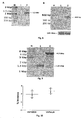
- Figure 7 shows an electrophoretic image of the separation of PCR in a 1% agarose gel in the presence of ethidium bromide.
- DNA of the mutated clone was amplified using the following primers: 1 - A and B (2350 bp) 2 - A and G (3755 bp) 3 - A and F (4560 bp) 4 - A and D, 5 - C and D (2411 bp).
- RNA was isolated from wild-type VNP20009 bacteria and a clone positive for the integration, cultured in conditions that induced the PsifB promoter activity.
- a RT-PCR with primer specific for the sipB copy newly introduced into the genome (complementary to the sequence including the synthetic RBS sequence) performed on a template derived from the mutant clone, a product was obtained with molecular mass corresponding to 1222 bp ( Fig. 8 ).
- Figure 8 shows the images obtained by electrophoretic separation of RT-PCR products in 1% agarose gel in the presence of ethidium bromide.
- RNA was isolated from bacteria cultured under PsifB promoter-inducing conditions.
- A Product of cDNA amplification with primers specific for PsifB-sipB (1222 bp): 1 - VNP20009, 2 - modified VNP20009;
- B product of cDNA amplification with primers specific for sipB (389 bp): 1 - VNP20009, 2 - modified VNP20009 and product of cDNA amplification for 16S rRNA (350 bp).
- the clones were cultured on solid medium with kanamycin at 30°C. Then, individual colonies were transferred into liquid LB medium with kanamycin (20 ⁇ g/ml) and autoclaved chlortetracycline (cTc, 30 ⁇ g/ml, induces the expression of I -Sce I by inactivating the tetracycline repressor) and incubated for 24 hours at 30°C. The culture was diluted 1:10 6 , transferred to solid medium with kanamycin and cTc and cultured at 30°C for 20 hours.
- PCR was performed using the primers A and D and a programme as follows: 94°C 2 min, 94°C 30 s, 58°C 30 s, 70°C 4 min, 10 cycles; 94°C 30 s, 58°C 30 s, 70°C 4 min + 10 sec/cycle, 20 cycles.
- the resulting product was longer than 4500 bp and corresponded to the length of the ushA sequence with the integrated PsifB-sipB cassette ( Fig. 9 , path 2).
- Figure 9 shows the image of electrophoretic separation of the PCR product with primer sequences complementary to sequences flanking, the ushA gene performed on the genomic DNA of a clone obtained with the procedure of PsifB-sipB integration into the VNP20009 chromosome. Amplification products were obtained with primers E and D (1526 bp) and with primers A and D (4709 bp).
- Example 7A Comparison of the invasive ability of VNP20009 and VNP/sipB bacteria
- the invasiveness VNP20009 and VNP/sipB strains was tested on RAW264.7 cells. No statistically significant differences in the invasiveness were found between "wild" and recombinant strains of VNP.
- RAW264.7 macrophage cell line was cultured on 48-well plates at the density of 2.5 x 10 4 in DMEM medium with 10% serum for 24 hours. The cells were infected with VNP20009 and VNP/sipB in 100 ⁇ l of OPTIMEM medium (Invitrogen) without serum at MOI 5, determined by measuring optical density at 600 nm.
- the number of CFU per well of the start of infection was determined, based on the amount of bacterial colonies after 24-hour culturing on LB/agar plates, obtained from an appropriately diluted bacterial suspension used for the infection. Invasiveness of the bacteria was defined as the fraction of intracellular bacteria from the number of bacteria used for the infection ( Fig. 10 ).
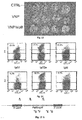
- Figure 11 (upper row) shows lungs of the control mice isolated on day 15 after the intravenous administration of 5 x 10 5 CT26CEA cells. White spots visible on the dark background are small tumour foci and their number (> 300 per lung) and randomly assessed volume illustrate the effectiveness of metastasis.
- the bottom row shows lungs taken from mice, which were administered Salmonella typhimurium VNP/sipB bacteria intranasally in the amount of 2 x 10 7 CFU/mouse 48 hours after the injection of cancer cells. In those lungs, an average of ⁇ 20 tumours/lung were found. In the group of mice that were vaccinated with VNP/sipB, no detectable tumours were found in 50% of the examined lungs.
- Figure 12 (upper row) shows lungs of the control mice isolated on day 15 after intravenous administration of 5 x 10 5 CT26CEA cells. White spots visible on the dark background are small tumour foci and their number (> 300 per lung) and randomly assessed volume illustrate the effectiveness of metastasis.
- the bottom row shows lungs taken from mice, which were administered various modifications of Salmonella typhimurium bacteria intranasally in the amount of 2 x 10 7 CFU/mouse 96 hours after the injection of cancer cells.
- Figure 13 (upper row) shows lungs of the control mice isolated on day 28 after intravenous administration of 5 x 10 5 B16F10 cells. Tumours are shown as dark dots and their number and randomly assessed size illustrate the effectiveness of metastasis.
- the middle and lower rows shows lungs isolated from mice, which were administered VNP (middle row) or VNP/sipB (bottom row) bacteria intranasally in the amount of 2 x 10 7 CFU/mouse 96 hours after the injection of cancer cells. In these lungs, less than 2 tumours/lung were found on average. In the group of mice that were vaccinated with VNP/sipB, no detectable tumours were found in 75% of the examined lungs.
- Example 7E Selective stimulation of Th1-type response by VNP/sipB
- Example 7F Apoptosis of VNP/sipB infected MC38CEA cells
- Apoptosis induction in MC38CEA adenocarcinoma cells infected with VNP20009 or VNP/sipB was analyzed by flow cytometry of annexin V-stained cells.
- Bacteria transformed with the pDsRed2 plasmid encoding RFP (Red Fluorescent Protein) were used for the infection.
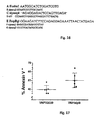
- Fig. 17 shows the percentage of annexin V binding cells gated on an RFP-positive, bacteria-infected population. There was around 10% more annexin V positive MC38CEA cells following infection with VNP/sipB than VNP20009.
- Example 8 Sequencing of the recombinant fragment of genomic DNA of the modified Salmonella enterica s. Typhimurium VNP20009 strain
- Upper strand shows the sequence obtained from the VNP/sipB.
- the PsifB sequence in the genome of Salmonella typhimurium LT2 is located in the position 1 691 578 - 1 692 147 bp.
- the sipB sequence in the genome of Salmonella typhimurium LT2 is located in the position of 3 029 114-3 030 895 bp.
- LT2 is located in the position 553 634 - 555 286 bp.
- Oligonucleotides used for sequencing of genomic DNA are listed in Figure 16 .
- the schematic location of the primers is indicated in Figure 15 within the flanking, sequences and the integrated construct.
Landscapes
- Health & Medical Sciences (AREA)
- Life Sciences & Earth Sciences (AREA)
- Animal Behavior & Ethology (AREA)
- Chemical & Material Sciences (AREA)
- Veterinary Medicine (AREA)
- Medicinal Chemistry (AREA)
- Public Health (AREA)
- General Health & Medical Sciences (AREA)
- Pharmacology & Pharmacy (AREA)
- Mycology (AREA)
- Immunology (AREA)
- Microbiology (AREA)
- Epidemiology (AREA)
- Organic Chemistry (AREA)
- Nuclear Medicine, Radiotherapy & Molecular Imaging (AREA)
- General Chemical & Material Sciences (AREA)
- Chemical Kinetics & Catalysis (AREA)
- Micro-Organisms Or Cultivation Processes Thereof (AREA)
- Medicines Containing Antibodies Or Antigens For Use As Internal Diagnostic Agents (AREA)
- Oncology (AREA)
Claims (5)
- Salmonella enterica serovar Typhimurium VNP/sipB-Stamm, der in der Polnischen Sammlung für Mikroorganismen unter der Hinterlegungsnummer B/00024 hinterlegt ist.
- Verwendung des Salmonella enterica serovar Typhimurium VNP/sipB-Stamms, der in der Polnischen Sammlung für Mikroorganismen unter der Hinterlegungsnummer B/00024 hinterlegt ist, um einen Impfstoff, insbesondere einen Anti-Krebs-Impfstoff, zu erhalten.
- Verfahren zum Erhalt eines therapeutischen Impfstoff-Vektors, dadurch gekennzeichnet, dass eine genetische Modifikation in den Salmonella enterica serovar Typhimurium VNP20009-Vektor-Stamm, der spezifisch für Krebszellen ist, eingeführt wird, die zu einer verzögerten Überexpression eines Gens führt, welches ein Protein kodiert, das für die invasive Fähigkeit des Stamms verantwortlich ist, wobei eine Expressionskassette erhalten wird, die das sipB-Gen unter Kontrolle des PsifB-Promoters, der dessen verzögerte Überexpression kontrolliert, umfasst, und dann die Kassette in das bakterielle Chromosom integriert wird.
- Verfahren nach Patentanspruch 3, dadurch gekennzeichnet, dass die Expressionskassette, die in das bakterielle Chromosom integriert ist, die PsifB-sipB-Kassette gemäß SEQ ID NO: 1 oder die ushA-5'-PsifB-sipB-ushA-3'-Kassette gemäß SEQ ID NO: 2 ist.
- Verfahren nach Patentanspruch 4, dadurch gekennzeichnet, dass das Verfahren einen zusätzlichen finalen Schritt umfasst, der darin besteht, ein Gen für Antibiotikaresistenz aus dem bakteriellen Genom zu entfernen.
Applications Claiming Priority (2)
| Application Number | Priority Date | Filing Date | Title |
|---|---|---|---|
| PL387319A PL213066B1 (pl) | 2009-02-23 | 2009-02-23 | Nowy szczep bakterii Salmonella enterica s. Typhimurium, jego zastosowanie i sposób otrzymywania terapeutycznego wektora szczepionkowego |
| PCT/PL2010/050005 WO2010095966A1 (en) | 2009-02-23 | 2010-02-23 | New strain of salmonella enterica s. typhimurium, its use and a method to obtain a therapeutic vaccine vector |
Publications (2)
| Publication Number | Publication Date |
|---|---|
| EP2406277A1 EP2406277A1 (de) | 2012-01-18 |
| EP2406277B1 true EP2406277B1 (de) | 2013-06-26 |
Family
ID=42236362
Family Applications (1)
| Application Number | Title | Priority Date | Filing Date |
|---|---|---|---|
| EP10713040.3A Not-in-force EP2406277B1 (de) | 2009-02-23 | 2010-02-23 | Neuer salmonella enterica s. typhimurium stamm, dessen verwendung sowie ein verfahren zur herstellung eines therapeutischen vektor-impfstoffes |
Country Status (5)
| Country | Link |
|---|---|
| US (1) | US8916372B2 (de) |
| EP (1) | EP2406277B1 (de) |
| ES (1) | ES2430861T3 (de) |
| PL (1) | PL213066B1 (de) |
| WO (1) | WO2010095966A1 (de) |
Families Citing this family (16)
| Publication number | Priority date | Publication date | Assignee | Title |
|---|---|---|---|---|
| US8771669B1 (en) | 2010-02-09 | 2014-07-08 | David Gordon Bermudes | Immunization and/or treatment of parasites and infectious agents by live bacteria |
| US8524220B1 (en) | 2010-02-09 | 2013-09-03 | David Gordon Bermudes | Protease inhibitor: protease sensitivity expression system composition and methods improving the therapeutic activity and specificity of proteins delivered by bacteria |
| US9597379B1 (en) | 2010-02-09 | 2017-03-21 | David Gordon Bermudes | Protease inhibitor combination with therapeutic proteins including antibodies |
| CN102477440A (zh) * | 2010-11-29 | 2012-05-30 | 南京大学 | 治疗基因在厌氧组织靶向递送和选择性稳定表达方法及应用 |
| US10987432B2 (en) * | 2013-09-05 | 2021-04-27 | The University Of Hong Kong | Therapeutic delivery and expression system, methods and uses thereof |
| US9737592B1 (en) | 2014-02-14 | 2017-08-22 | David Gordon Bermudes | Topical and orally administered protease inhibitors and bacterial vectors for the treatment of disorders and methods of treatment |
| US9616114B1 (en) | 2014-09-18 | 2017-04-11 | David Gordon Bermudes | Modified bacteria having improved pharmacokinetics and tumor colonization enhancing antitumor activity |
| US10676723B2 (en) | 2015-05-11 | 2020-06-09 | David Gordon Bermudes | Chimeric protein toxins for expression by therapeutic bacteria |
| US11129906B1 (en) | 2016-12-07 | 2021-09-28 | David Gordon Bermudes | Chimeric protein toxins for expression by therapeutic bacteria |
| US11180535B1 (en) | 2016-12-07 | 2021-11-23 | David Gordon Bermudes | Saccharide binding, tumor penetration, and cytotoxic antitumor chimeric peptides from therapeutic bacteria |
| US11471497B1 (en) | 2019-03-13 | 2022-10-18 | David Gordon Bermudes | Copper chelation therapeutics |
| US12285437B2 (en) | 2019-10-30 | 2025-04-29 | The Research Foundation For The State University Of New York | Reversing the undesirable pH-profile of doxorubicin via activation of a disubstituted maleamic acid prodrug at tumor acidity |
| US10973908B1 (en) | 2020-05-14 | 2021-04-13 | David Gordon Bermudes | Expression of SARS-CoV-2 spike protein receptor binding domain in attenuated salmonella as a vaccine |
| US12537071B1 (en) | 2020-07-22 | 2026-01-27 | David Gordon Bermudes | Bacteria having boolean control pathways expressing therapeutic proteins including immunotherapeutic cytotoxins |
| WO2022040365A1 (en) * | 2020-08-18 | 2022-02-24 | Curators Of The University Of Missouri | Compositions and methods of treatment comprising tumor-targeting bacteria and chemotherapy or immunotherapy agent |
| CN114480462A (zh) * | 2020-10-26 | 2022-05-13 | 南京吉芮康生物科技研究院有限公司 | 一种减毒沙门氏菌分泌表达ntd结构域蛋白的新型冠状病毒疫苗抗原递呈系统及其应用 |
-
2009
- 2009-02-23 PL PL387319A patent/PL213066B1/pl unknown
-
2010
- 2010-02-23 EP EP10713040.3A patent/EP2406277B1/de not_active Not-in-force
- 2010-02-23 ES ES10713040T patent/ES2430861T3/es active Active
- 2010-02-23 US US13/148,139 patent/US8916372B2/en not_active Expired - Fee Related
- 2010-02-23 WO PCT/PL2010/050005 patent/WO2010095966A1/en not_active Ceased
Also Published As
| Publication number | Publication date |
|---|---|
| US8916372B2 (en) | 2014-12-23 |
| EP2406277A1 (de) | 2012-01-18 |
| PL213066B1 (pl) | 2013-01-31 |
| ES2430861T3 (es) | 2013-11-22 |
| WO2010095966A1 (en) | 2010-08-26 |
| US20120164687A1 (en) | 2012-06-28 |
| PL387319A1 (pl) | 2010-08-30 |
Similar Documents
| Publication | Publication Date | Title |
|---|---|---|
| US8916372B2 (en) | Strain of Salmonella enterica s. typhimurium, its use and a method to obtain a therapeutic vaccine vector | |
| US9598697B2 (en) | Recombinant bacterium to decrease tumor growth | |
| Hegazy et al. | Salmonella enterica as a vaccine carrier | |
| US9198950B2 (en) | Recombinant bacterium comprising a toxin/antitoxin system | |
| Silva et al. | Live bacterial vaccine vectors: an overview | |
| Moreno et al. | Salmonella as live trojan horse for vaccine development and cancer gene therapy | |
| ES2543079T3 (es) | Métodos para construir vacunas sin resistencia antibiótica | |
| Chorobik et al. | Salmonella and cancer: from pathogens to therapeutics | |
| Roland et al. | Recent advances in the development of live, attenuated bacterial vectors | |
| EP2081593A2 (de) | Bakterielle lebendimpfstoffe zur prophylaxe oder behandlung von virusinfektionen | |
| CN102037135A (zh) | 增强对有鞭毛的细菌的免疫反应的组合物和方法 | |
| EP2152883A2 (de) | Rekombinante bakterien mit vektoren zur expression von nukleinsäuresequenzencodierenden antigenen | |
| AU2013341242A1 (en) | Facultatively attenuated bacterial species and methods of preparation and use thereof | |
| WO2014074635A1 (en) | Facultatively attenuated bacterial species and methods of preparation and use thereof | |
| Chabalgoity et al. | Live bacteria as the basis for immunotherapies against cancer | |
| US11969468B2 (en) | Live self-destructing bacterial adjuvants to enhance induction of immunity | |
| ES2370885T3 (es) | Electroporación de mycobacterium y sobreexpresión de antígenos en micobacterias. | |
| US11975061B2 (en) | Protective immunity enhanced Salmonella vaccine (PIESV) against Brucella spp | |
| Kumar | Live-attenuated bacterial vectors for delivery of mucosal vaccines, DNA vaccines, and cancer immunotherapy | |
| CA2395382A1 (en) | Attenuated microorganisms for the treatment of infection | |
| US12629417B2 (en) | Live self-destructing bacterial adjuvants to enhance induction of immunity | |
| US20230165955A1 (en) | Live self-destructing bacterial adjuvants to enhance induction of immunity | |
| Endmann | Novel Salmonella vectors with in vivo amplifiable plasmids for vaccination and tumor therapy | |
| Titball et al. | Attenuated bacterial vaccines | |
| Strain | Construction of VNP20009 |
Legal Events
| Date | Code | Title | Description |
|---|---|---|---|
| PUAI | Public reference made under article 153(3) epc to a published international application that has entered the european phase |
Free format text: ORIGINAL CODE: 0009012 |
|
| 17P | Request for examination filed |
Effective date: 20110923 |
|
| AK | Designated contracting states |
Kind code of ref document: A1 Designated state(s): AT BE BG CH CY CZ DE DK EE ES FI FR GB GR HR HU IE IS IT LI LT LU LV MC MK MT NL NO PL PT RO SE SI SK SM TR |
|
| DAX | Request for extension of the european patent (deleted) | ||
| RIC1 | Information provided on ipc code assigned before grant |
Ipc: C12R 1/42 20060101ALN20121112BHEP Ipc: C07K 14/255 20060101AFI20121112BHEP Ipc: A61K 39/00 20060101ALI20121112BHEP Ipc: C12N 1/21 20060101ALI20121112BHEP Ipc: C12N 15/74 20060101ALI20121112BHEP Ipc: A61K 39/02 20060101ALI20121112BHEP Ipc: A61K 38/00 20060101ALI20121112BHEP |
|
| RIC1 | Information provided on ipc code assigned before grant |
Ipc: C12N 15/74 20060101ALI20121129BHEP Ipc: A61K 38/00 20060101ALI20121129BHEP Ipc: C12R 1/42 20060101ALN20121129BHEP Ipc: A61K 39/00 20060101ALI20121129BHEP Ipc: C07K 14/255 20060101AFI20121129BHEP Ipc: A61K 39/02 20060101ALI20121129BHEP Ipc: C12N 1/21 20060101ALI20121129BHEP |
|
| GRAP | Despatch of communication of intention to grant a patent |
Free format text: ORIGINAL CODE: EPIDOSNIGR1 |
|
| GRAS | Grant fee paid |
Free format text: ORIGINAL CODE: EPIDOSNIGR3 |
|
| RIN1 | Information on inventor provided before grant (corrected) |
Inventor name: BERETA , MICHAL Inventor name: CHOROBIK, PAULINA |
|
| RIN1 | Information on inventor provided before grant (corrected) |
Inventor name: BERETA , MICHAL Inventor name: CHOROBIK, PAULINA |
|
| GRAA | (expected) grant |
Free format text: ORIGINAL CODE: 0009210 |
|
| AK | Designated contracting states |
Kind code of ref document: B1 Designated state(s): AT BE BG CH CY CZ DE DK EE ES FI FR GB GR HR HU IE IS IT LI LT LU LV MC MK MT NL NO PL PT RO SE SI SK SM TR |
|
| REG | Reference to a national code |
Ref country code: GB Ref legal event code: FG4D |
|
| REG | Reference to a national code |
Ref country code: CH Ref legal event code: EP |
|
| REG | Reference to a national code |
Ref country code: AT Ref legal event code: REF Ref document number: 618663 Country of ref document: AT Kind code of ref document: T Effective date: 20130715 |
|
| REG | Reference to a national code |
Ref country code: IE Ref legal event code: FG4D |
|
| REG | Reference to a national code |
Ref country code: DE Ref legal event code: R096 Ref document number: 602010008057 Country of ref document: DE Effective date: 20130822 |
|
| PG25 | Lapsed in a contracting state [announced via postgrant information from national office to epo] |
Ref country code: NO Free format text: LAPSE BECAUSE OF FAILURE TO SUBMIT A TRANSLATION OF THE DESCRIPTION OR TO PAY THE FEE WITHIN THE PRESCRIBED TIME-LIMIT Effective date: 20130926 Ref country code: SI Free format text: LAPSE BECAUSE OF FAILURE TO SUBMIT A TRANSLATION OF THE DESCRIPTION OR TO PAY THE FEE WITHIN THE PRESCRIBED TIME-LIMIT Effective date: 20130626 Ref country code: GR Free format text: LAPSE BECAUSE OF FAILURE TO SUBMIT A TRANSLATION OF THE DESCRIPTION OR TO PAY THE FEE WITHIN THE PRESCRIBED TIME-LIMIT Effective date: 20130927 Ref country code: FI Free format text: LAPSE BECAUSE OF FAILURE TO SUBMIT A TRANSLATION OF THE DESCRIPTION OR TO PAY THE FEE WITHIN THE PRESCRIBED TIME-LIMIT Effective date: 20130626 Ref country code: LT Free format text: LAPSE BECAUSE OF FAILURE TO SUBMIT A TRANSLATION OF THE DESCRIPTION OR TO PAY THE FEE WITHIN THE PRESCRIBED TIME-LIMIT Effective date: 20130626 Ref country code: SE Free format text: LAPSE BECAUSE OF FAILURE TO SUBMIT A TRANSLATION OF THE DESCRIPTION OR TO PAY THE FEE WITHIN THE PRESCRIBED TIME-LIMIT Effective date: 20130626 |
|
| REG | Reference to a national code |
Ref country code: AT Ref legal event code: MK05 Ref document number: 618663 Country of ref document: AT Kind code of ref document: T Effective date: 20130626 |
|
| REG | Reference to a national code |
Ref country code: ES Ref legal event code: FG2A Ref document number: 2430861 Country of ref document: ES Kind code of ref document: T3 Effective date: 20131122 |
|
| REG | Reference to a national code |
Ref country code: LT Ref legal event code: MG4D |
|
| PG25 | Lapsed in a contracting state [announced via postgrant information from national office to epo] |
Ref country code: BG Free format text: LAPSE BECAUSE OF FAILURE TO SUBMIT A TRANSLATION OF THE DESCRIPTION OR TO PAY THE FEE WITHIN THE PRESCRIBED TIME-LIMIT Effective date: 20130926 Ref country code: HR Free format text: LAPSE BECAUSE OF FAILURE TO SUBMIT A TRANSLATION OF THE DESCRIPTION OR TO PAY THE FEE WITHIN THE PRESCRIBED TIME-LIMIT Effective date: 20130626 |
|
| REG | Reference to a national code |
Ref country code: NL Ref legal event code: VDEP Effective date: 20130626 |
|
| PG25 | Lapsed in a contracting state [announced via postgrant information from national office to epo] |
Ref country code: LV Free format text: LAPSE BECAUSE OF FAILURE TO SUBMIT A TRANSLATION OF THE DESCRIPTION OR TO PAY THE FEE WITHIN THE PRESCRIBED TIME-LIMIT Effective date: 20130626 |
|
| PG25 | Lapsed in a contracting state [announced via postgrant information from national office to epo] |
Ref country code: CZ Free format text: LAPSE BECAUSE OF FAILURE TO SUBMIT A TRANSLATION OF THE DESCRIPTION OR TO PAY THE FEE WITHIN THE PRESCRIBED TIME-LIMIT Effective date: 20130626 Ref country code: PT Free format text: LAPSE BECAUSE OF FAILURE TO SUBMIT A TRANSLATION OF THE DESCRIPTION OR TO PAY THE FEE WITHIN THE PRESCRIBED TIME-LIMIT Effective date: 20131028 Ref country code: CY Free format text: LAPSE BECAUSE OF FAILURE TO SUBMIT A TRANSLATION OF THE DESCRIPTION OR TO PAY THE FEE WITHIN THE PRESCRIBED TIME-LIMIT Effective date: 20130807 Ref country code: IS Free format text: LAPSE BECAUSE OF FAILURE TO SUBMIT A TRANSLATION OF THE DESCRIPTION OR TO PAY THE FEE WITHIN THE PRESCRIBED TIME-LIMIT Effective date: 20131026 Ref country code: BE Free format text: LAPSE BECAUSE OF FAILURE TO SUBMIT A TRANSLATION OF THE DESCRIPTION OR TO PAY THE FEE WITHIN THE PRESCRIBED TIME-LIMIT Effective date: 20130626 Ref country code: SK Free format text: LAPSE BECAUSE OF FAILURE TO SUBMIT A TRANSLATION OF THE DESCRIPTION OR TO PAY THE FEE WITHIN THE PRESCRIBED TIME-LIMIT Effective date: 20130626 Ref country code: EE Free format text: LAPSE BECAUSE OF FAILURE TO SUBMIT A TRANSLATION OF THE DESCRIPTION OR TO PAY THE FEE WITHIN THE PRESCRIBED TIME-LIMIT Effective date: 20130626 Ref country code: AT Free format text: LAPSE BECAUSE OF FAILURE TO SUBMIT A TRANSLATION OF THE DESCRIPTION OR TO PAY THE FEE WITHIN THE PRESCRIBED TIME-LIMIT Effective date: 20130626 |
|
| REG | Reference to a national code |
Ref country code: CH Ref legal event code: NV Representative=s name: ISLER AND PEDRAZZINI AG, CH |
|
| PG25 | Lapsed in a contracting state [announced via postgrant information from national office to epo] |
Ref country code: PL Free format text: LAPSE BECAUSE OF FAILURE TO SUBMIT A TRANSLATION OF THE DESCRIPTION OR TO PAY THE FEE WITHIN THE PRESCRIBED TIME-LIMIT Effective date: 20130626 Ref country code: RO Free format text: LAPSE BECAUSE OF FAILURE TO SUBMIT A TRANSLATION OF THE DESCRIPTION OR TO PAY THE FEE WITHIN THE PRESCRIBED TIME-LIMIT Effective date: 20130626 Ref country code: NL Free format text: LAPSE BECAUSE OF FAILURE TO SUBMIT A TRANSLATION OF THE DESCRIPTION OR TO PAY THE FEE WITHIN THE PRESCRIBED TIME-LIMIT Effective date: 20130626 |
|
| PG25 | Lapsed in a contracting state [announced via postgrant information from national office to epo] |
Ref country code: CY Free format text: LAPSE BECAUSE OF FAILURE TO SUBMIT A TRANSLATION OF THE DESCRIPTION OR TO PAY THE FEE WITHIN THE PRESCRIBED TIME-LIMIT Effective date: 20130626 |
|
| PG25 | Lapsed in a contracting state [announced via postgrant information from national office to epo] |
Ref country code: DK Free format text: LAPSE BECAUSE OF FAILURE TO SUBMIT A TRANSLATION OF THE DESCRIPTION OR TO PAY THE FEE WITHIN THE PRESCRIBED TIME-LIMIT Effective date: 20130626 |
|
| PLBE | No opposition filed within time limit |
Free format text: ORIGINAL CODE: 0009261 |
|
| STAA | Information on the status of an ep patent application or granted ep patent |
Free format text: STATUS: NO OPPOSITION FILED WITHIN TIME LIMIT |
|
| 26N | No opposition filed |
Effective date: 20140327 |
|
| REG | Reference to a national code |
Ref country code: DE Ref legal event code: R097 Ref document number: 602010008057 Country of ref document: DE Effective date: 20140327 |
|
| PG25 | Lapsed in a contracting state [announced via postgrant information from national office to epo] |
Ref country code: MC Free format text: LAPSE BECAUSE OF FAILURE TO SUBMIT A TRANSLATION OF THE DESCRIPTION OR TO PAY THE FEE WITHIN THE PRESCRIBED TIME-LIMIT Effective date: 20130626 Ref country code: LU Free format text: LAPSE BECAUSE OF FAILURE TO SUBMIT A TRANSLATION OF THE DESCRIPTION OR TO PAY THE FEE WITHIN THE PRESCRIBED TIME-LIMIT Effective date: 20140223 |
|
| REG | Reference to a national code |
Ref country code: IE Ref legal event code: MM4A |
|
| PG25 | Lapsed in a contracting state [announced via postgrant information from national office to epo] |
Ref country code: IE Free format text: LAPSE BECAUSE OF NON-PAYMENT OF DUE FEES Effective date: 20140223 |
|
| REG | Reference to a national code |
Ref country code: FR Ref legal event code: PLFP Year of fee payment: 6 |
|
| PGFP | Annual fee paid to national office [announced via postgrant information from national office to epo] |
Ref country code: ES Payment date: 20150202 Year of fee payment: 6 Ref country code: CH Payment date: 20150211 Year of fee payment: 6 Ref country code: IT Payment date: 20150213 Year of fee payment: 6 |
|
| PGFP | Annual fee paid to national office [announced via postgrant information from national office to epo] |
Ref country code: GB Payment date: 20150129 Year of fee payment: 6 Ref country code: FR Payment date: 20150213 Year of fee payment: 6 |
|
| PG25 | Lapsed in a contracting state [announced via postgrant information from national office to epo] |
Ref country code: MT Free format text: LAPSE BECAUSE OF FAILURE TO SUBMIT A TRANSLATION OF THE DESCRIPTION OR TO PAY THE FEE WITHIN THE PRESCRIBED TIME-LIMIT Effective date: 20130626 |
|
| PG25 | Lapsed in a contracting state [announced via postgrant information from national office to epo] |
Ref country code: SM Free format text: LAPSE BECAUSE OF FAILURE TO SUBMIT A TRANSLATION OF THE DESCRIPTION OR TO PAY THE FEE WITHIN THE PRESCRIBED TIME-LIMIT Effective date: 20130626 |
|
| PG25 | Lapsed in a contracting state [announced via postgrant information from national office to epo] |
Ref country code: TR Free format text: LAPSE BECAUSE OF FAILURE TO SUBMIT A TRANSLATION OF THE DESCRIPTION OR TO PAY THE FEE WITHIN THE PRESCRIBED TIME-LIMIT Effective date: 20130626 Ref country code: HU Free format text: LAPSE BECAUSE OF FAILURE TO SUBMIT A TRANSLATION OF THE DESCRIPTION OR TO PAY THE FEE WITHIN THE PRESCRIBED TIME-LIMIT; INVALID AB INITIO Effective date: 20100223 |
|
| REG | Reference to a national code |
Ref country code: CH Ref legal event code: PL |
|
| GBPC | Gb: european patent ceased through non-payment of renewal fee |
Effective date: 20160223 |
|
| PG25 | Lapsed in a contracting state [announced via postgrant information from national office to epo] |
Ref country code: CH Free format text: LAPSE BECAUSE OF NON-PAYMENT OF DUE FEES Effective date: 20160229 Ref country code: LI Free format text: LAPSE BECAUSE OF NON-PAYMENT OF DUE FEES Effective date: 20160229 |
|
| REG | Reference to a national code |
Ref country code: FR Ref legal event code: ST Effective date: 20161028 |
|
| PG25 | Lapsed in a contracting state [announced via postgrant information from national office to epo] |
Ref country code: IT Free format text: LAPSE BECAUSE OF NON-PAYMENT OF DUE FEES Effective date: 20160223 |
|
| PG25 | Lapsed in a contracting state [announced via postgrant information from national office to epo] |
Ref country code: FR Free format text: LAPSE BECAUSE OF NON-PAYMENT OF DUE FEES Effective date: 20160229 Ref country code: GB Free format text: LAPSE BECAUSE OF NON-PAYMENT OF DUE FEES Effective date: 20160223 |
|
| PG25 | Lapsed in a contracting state [announced via postgrant information from national office to epo] |
Ref country code: ES Free format text: LAPSE BECAUSE OF NON-PAYMENT OF DUE FEES Effective date: 20160224 |
|
| PG25 | Lapsed in a contracting state [announced via postgrant information from national office to epo] |
Ref country code: MK Free format text: LAPSE BECAUSE OF FAILURE TO SUBMIT A TRANSLATION OF THE DESCRIPTION OR TO PAY THE FEE WITHIN THE PRESCRIBED TIME-LIMIT Effective date: 20130626 |
|
| PGFP | Annual fee paid to national office [announced via postgrant information from national office to epo] |
Ref country code: DE Payment date: 20190214 Year of fee payment: 10 |
|
| REG | Reference to a national code |
Ref country code: DE Ref legal event code: R082 Ref document number: 602010008057 Country of ref document: DE Representative=s name: ZWICKER SCHNAPPAUF & PARTNER PATENTANWAELTE PA, DE |
|
| REG | Reference to a national code |
Ref country code: DE Ref legal event code: R119 Ref document number: 602010008057 Country of ref document: DE |
|
| PG25 | Lapsed in a contracting state [announced via postgrant information from national office to epo] |
Ref country code: DE Free format text: LAPSE BECAUSE OF NON-PAYMENT OF DUE FEES Effective date: 20200901 |