EP2393787B1 - Cadherin-11-inhibitoren und verfahren zu deren anwendung - Google Patents
Cadherin-11-inhibitoren und verfahren zu deren anwendung Download PDFInfo
- Publication number
- EP2393787B1 EP2393787B1 EP10739256.5A EP10739256A EP2393787B1 EP 2393787 B1 EP2393787 B1 EP 2393787B1 EP 10739256 A EP10739256 A EP 10739256A EP 2393787 B1 EP2393787 B1 EP 2393787B1
- Authority
- EP
- European Patent Office
- Prior art keywords
- cadherin
- unsubstituted
- substituted
- cells
- compound
- Prior art date
- Legal status (The legal status is an assumption and is not a legal conclusion. Google has not performed a legal analysis and makes no representation as to the accuracy of the status listed.)
- Not-in-force
Links
- 0 *c1ccc(c(*)c(*)c(*)c2*)c2c1 Chemical compound *c1ccc(c(*)c(*)c(*)c2*)c2c1 0.000 description 1
- VYZMRDGGVIOWCY-UHFFFAOYSA-N O=C(c1c2[o]c3ccc(cccc4)c4c13)c1ccccc1C2=O Chemical compound O=C(c1c2[o]c3ccc(cccc4)c4c13)c1ccccc1C2=O VYZMRDGGVIOWCY-UHFFFAOYSA-N 0.000 description 1
- VYEUJEAFNLIZNN-UHFFFAOYSA-N Oc(cc1)cc2c1c1cccnc1c1ccccc21 Chemical compound Oc(cc1)cc2c1c1cccnc1c1ccccc21 VYEUJEAFNLIZNN-UHFFFAOYSA-N 0.000 description 1
- HJYGWMWOOHZDCP-UHFFFAOYSA-N Oc(cc1)ccc1-c1nc(cccc2O)c2nc1-c1cc(Cl)ccc1 Chemical compound Oc(cc1)ccc1-c1nc(cccc2O)c2nc1-c1cc(Cl)ccc1 HJYGWMWOOHZDCP-UHFFFAOYSA-N 0.000 description 1
Images







Classifications
-
- A—HUMAN NECESSITIES
- A61—MEDICAL OR VETERINARY SCIENCE; HYGIENE
- A61K—PREPARATIONS FOR MEDICAL, DENTAL OR TOILETRY PURPOSES
- A61K31/00—Medicinal preparations containing organic active ingredients
- A61K31/33—Heterocyclic compounds
- A61K31/395—Heterocyclic compounds having nitrogen as a ring hetero atom, e.g. guanethidine or rifamycins
- A61K31/495—Heterocyclic compounds having nitrogen as a ring hetero atom, e.g. guanethidine or rifamycins having six-membered rings with two or more nitrogen atoms as the only ring heteroatoms, e.g. piperazine or tetrazines
- A61K31/498—Pyrazines or piperazines ortho- and peri-condensed with carbocyclic ring systems, e.g. quinoxaline, phenazine
-
- A—HUMAN NECESSITIES
- A61—MEDICAL OR VETERINARY SCIENCE; HYGIENE
- A61K—PREPARATIONS FOR MEDICAL, DENTAL OR TOILETRY PURPOSES
- A61K31/00—Medicinal preparations containing organic active ingredients
- A61K31/33—Heterocyclic compounds
- A61K31/335—Heterocyclic compounds having oxygen as the only ring hetero atom, e.g. fungichromin
- A61K31/34—Heterocyclic compounds having oxygen as the only ring hetero atom, e.g. fungichromin having five-membered rings with one oxygen as the only ring hetero atom, e.g. isosorbide
- A61K31/343—Heterocyclic compounds having oxygen as the only ring hetero atom, e.g. fungichromin having five-membered rings with one oxygen as the only ring hetero atom, e.g. isosorbide condensed with a carbocyclic ring, e.g. coumaran, bufuralol, befunolol, clobenfurol, amiodarone
-
- A—HUMAN NECESSITIES
- A61—MEDICAL OR VETERINARY SCIENCE; HYGIENE
- A61K—PREPARATIONS FOR MEDICAL, DENTAL OR TOILETRY PURPOSES
- A61K31/00—Medicinal preparations containing organic active ingredients
- A61K31/33—Heterocyclic compounds
- A61K31/395—Heterocyclic compounds having nitrogen as a ring hetero atom, e.g. guanethidine or rifamycins
- A61K31/435—Heterocyclic compounds having nitrogen as a ring hetero atom, e.g. guanethidine or rifamycins having six-membered rings with one nitrogen as the only ring hetero atom
- A61K31/44—Non condensed pyridines; Hydrogenated derivatives thereof
-
- A—HUMAN NECESSITIES
- A61—MEDICAL OR VETERINARY SCIENCE; HYGIENE
- A61K—PREPARATIONS FOR MEDICAL, DENTAL OR TOILETRY PURPOSES
- A61K31/00—Medicinal preparations containing organic active ingredients
- A61K31/33—Heterocyclic compounds
- A61K31/395—Heterocyclic compounds having nitrogen as a ring hetero atom, e.g. guanethidine or rifamycins
- A61K31/435—Heterocyclic compounds having nitrogen as a ring hetero atom, e.g. guanethidine or rifamycins having six-membered rings with one nitrogen as the only ring hetero atom
- A61K31/47—Quinolines; Isoquinolines
- A61K31/473—Quinolines; Isoquinolines ortho- or peri-condensed with carbocyclic ring systems, e.g. acridines, phenanthridines
-
- A—HUMAN NECESSITIES
- A61—MEDICAL OR VETERINARY SCIENCE; HYGIENE
- A61K—PREPARATIONS FOR MEDICAL, DENTAL OR TOILETRY PURPOSES
- A61K45/00—Medicinal preparations containing active ingredients not provided for in groups A61K31/00 - A61K41/00
- A61K45/06—Mixtures of active ingredients without chemical characterisation, e.g. antiphlogistics and cardiaca
-
- A—HUMAN NECESSITIES
- A61—MEDICAL OR VETERINARY SCIENCE; HYGIENE
- A61P—SPECIFIC THERAPEUTIC ACTIVITY OF CHEMICAL COMPOUNDS OR MEDICINAL PREPARATIONS
- A61P19/00—Drugs for skeletal disorders
- A61P19/02—Drugs for skeletal disorders for joint disorders, e.g. arthritis, arthrosis
-
- A—HUMAN NECESSITIES
- A61—MEDICAL OR VETERINARY SCIENCE; HYGIENE
- A61P—SPECIFIC THERAPEUTIC ACTIVITY OF CHEMICAL COMPOUNDS OR MEDICINAL PREPARATIONS
- A61P29/00—Non-central analgesic, antipyretic or antiinflammatory agents, e.g. antirheumatic agents; Non-steroidal antiinflammatory drugs [NSAID]
-
- A—HUMAN NECESSITIES
- A61—MEDICAL OR VETERINARY SCIENCE; HYGIENE
- A61P—SPECIFIC THERAPEUTIC ACTIVITY OF CHEMICAL COMPOUNDS OR MEDICINAL PREPARATIONS
- A61P35/00—Antineoplastic agents
-
- A—HUMAN NECESSITIES
- A61—MEDICAL OR VETERINARY SCIENCE; HYGIENE
- A61P—SPECIFIC THERAPEUTIC ACTIVITY OF CHEMICAL COMPOUNDS OR MEDICINAL PREPARATIONS
- A61P35/00—Antineoplastic agents
- A61P35/02—Antineoplastic agents specific for leukemia
-
- A—HUMAN NECESSITIES
- A61—MEDICAL OR VETERINARY SCIENCE; HYGIENE
- A61P—SPECIFIC THERAPEUTIC ACTIVITY OF CHEMICAL COMPOUNDS OR MEDICINAL PREPARATIONS
- A61P35/00—Antineoplastic agents
- A61P35/04—Antineoplastic agents specific for metastasis
-
- C—CHEMISTRY; METALLURGY
- C07—ORGANIC CHEMISTRY
- C07D—HETEROCYCLIC COMPOUNDS
- C07D213/00—Heterocyclic compounds containing six-membered rings, not condensed with other rings, with one nitrogen atom as the only ring hetero atom and three or more double bonds between ring members or between ring members and non-ring members
- C07D213/02—Heterocyclic compounds containing six-membered rings, not condensed with other rings, with one nitrogen atom as the only ring hetero atom and three or more double bonds between ring members or between ring members and non-ring members having three double bonds between ring members or between ring members and non-ring members
- C07D213/04—Heterocyclic compounds containing six-membered rings, not condensed with other rings, with one nitrogen atom as the only ring hetero atom and three or more double bonds between ring members or between ring members and non-ring members having three double bonds between ring members or between ring members and non-ring members having no bond between the ring nitrogen atom and a non-ring member or having only hydrogen or carbon atoms directly attached to the ring nitrogen atom
- C07D213/24—Heterocyclic compounds containing six-membered rings, not condensed with other rings, with one nitrogen atom as the only ring hetero atom and three or more double bonds between ring members or between ring members and non-ring members having three double bonds between ring members or between ring members and non-ring members having no bond between the ring nitrogen atom and a non-ring member or having only hydrogen or carbon atoms directly attached to the ring nitrogen atom with substituted hydrocarbon radicals attached to ring carbon atoms
- C07D213/28—Radicals substituted by singly-bound oxygen or sulphur atoms
- C07D213/30—Oxygen atoms
-
- C—CHEMISTRY; METALLURGY
- C07—ORGANIC CHEMISTRY
- C07D—HETEROCYCLIC COMPOUNDS
- C07D215/00—Heterocyclic compounds containing quinoline or hydrogenated quinoline ring systems
- C07D215/02—Heterocyclic compounds containing quinoline or hydrogenated quinoline ring systems having no bond between the ring nitrogen atom and a non-ring member or having only hydrogen atoms or carbon atoms directly attached to the ring nitrogen atom
- C07D215/12—Heterocyclic compounds containing quinoline or hydrogenated quinoline ring systems having no bond between the ring nitrogen atom and a non-ring member or having only hydrogen atoms or carbon atoms directly attached to the ring nitrogen atom with substituted hydrocarbon radicals attached to ring carbon atoms
- C07D215/14—Radicals substituted by oxygen atoms
-
- C—CHEMISTRY; METALLURGY
- C07—ORGANIC CHEMISTRY
- C07D—HETEROCYCLIC COMPOUNDS
- C07D241/00—Heterocyclic compounds containing 1,4-diazine or hydrogenated 1,4-diazine rings
- C07D241/36—Heterocyclic compounds containing 1,4-diazine or hydrogenated 1,4-diazine rings condensed with carbocyclic rings or ring systems
- C07D241/38—Heterocyclic compounds containing 1,4-diazine or hydrogenated 1,4-diazine rings condensed with carbocyclic rings or ring systems with only hydrogen or carbon atoms directly attached to the ring nitrogen atoms
- C07D241/40—Benzopyrazines
- C07D241/42—Benzopyrazines with only hydrogen atoms, hydrocarbon or substituted hydrocarbon radicals, directly attached to carbon atoms of the hetero ring
-
- C—CHEMISTRY; METALLURGY
- C07—ORGANIC CHEMISTRY
- C07D—HETEROCYCLIC COMPOUNDS
- C07D307/00—Heterocyclic compounds containing five-membered rings having one oxygen atom as the only ring hetero atom
- C07D307/77—Heterocyclic compounds containing five-membered rings having one oxygen atom as the only ring hetero atom ortho- or peri-condensed with carbocyclic rings or ring systems
-
- C—CHEMISTRY; METALLURGY
- C07—ORGANIC CHEMISTRY
- C07K—PEPTIDES
- C07K16/00—Immunoglobulins [IG], e.g. monoclonal or polyclonal antibodies
- C07K16/18—Immunoglobulins [IG], e.g. monoclonal or polyclonal antibodies against material from animals or humans
Definitions
- Advanced epithelial cancers such as those of the prostate and breast, often exhibit morphologic and molecular changes characteristic of mesenchymal tissue.
- Breast cancer progression to an invasive metastatic state is hypothesized to represent a form of epithelial-mesenchymal transition (EMT), a process of profound importance during embryogenesis.
- EMT epithelial-mesenchymal transition
- a process referred to as "cadherin-switching” involves an increased expression of mesenchymal cadherins (often N-cadherin or cadherin-11) in conjunction with down-regulation of epithelial markers (E-cadherin), and is associated with both EMT and tumor progression.
- Cadherin-11 not normally expressed in normal epithelium, is found in prostate and breast cancer lymph node and bone metastases and its expression directly correlates to disease progression.
- a class of compounds for use in the methods described herein includes compounds of the following formula: and pharmaceutically acceptable salts and prodrugs thereof.
- R 4 , R 5 , R 6 , R 9 , R 10 , and R 11 are each independently selected from hydrogen, halogen, hydroxyl, substituted or unsubstituted alkoxy, substituted or unsubstituted amido, substituted or unsubstituted amino, substituted or unsubstituted carbonyl, substituted or unsubstituted alkyl, unsubstituted or unsubstituted alkenyl, substituted or unsubstituted alkynyl, unsubstituted heteroalkyl, unsubstituted or unsubstituted heteroalkenyl, substituted or unsubstituted heteroalkynyl, substituted or unsubstituted cycloalkyl, unsubstituted or unsubstituted cycloalkenyl, substituted or unsubstituted cycloalkynyl, substituted or unsubstituted heterocycloalkyl, unsubstit
- compositions including a compound as described above and a pharmaceutically acceptable carrier.
- Kits including a compound or composition as described herein, are also provided.
- cadherin-11 related diseases include rheumatoid arthritis and cancer (e.g., breast cancer (including basal-like cancer), prostate cancer, glioma, glioblastoma, myeloma, leukemia, poor prognosis/invasive cancer, mesenchymal-like cancer, and metastatic cancer).
- a method of preventing or treating a cadherin-11 related disease in a subject includes administering to the subject an effective amount of a compound of the following formula: or a pharmaceutically acceptable salt or prodrug thereof.
- R 1 , R 2 , R 3 , R 4 , R 5 , R 6 , R 7 , R 8 , R 9 , R 10 , R 11 , and R 12 are each independently selected from hydrogen, halogen, hydroxyl, substituted or unsubstituted alkoxy, substituted or unsubstituted amido, substituted or unsubstituted amino, substituted or unsubstituted carbonyl, substituted or unsubstituted alkyl, substituted or unsubstituted alkenyl, substituted or unsubstituted alkynyl, unsubstituted heteroalkyl, substituted or unsubstituted heteroalkenyl, substituted or unsubstituted heteroalkynyl, substituted or unsubstituted cycloalkyl, substituted or unsubstituted cycloalkenyl, substituted or unsubstituted cycloalkynyl, substituted or unsubstitute
- R 1 and R 2 are combined to form a substituted or unsubstituted aryl, substituted or unsubstituted heteroaryl, substituted or unsubstituted cycloalkyl, substituted or unsubstituted cycloalkenyl, substituted or unsubstituted cycloalkynyl, substituted or unsubstituted heterocycloalkyl, substituted or unsubstituted heterocycloalkenyl, or substituted or unsubstituted heterocycloalkynyl.
- a method of preventing or treating a cadherin-11 related disease in a subject includes administering to the subject an effective amount of a compound of the following formula: or a pharmaceutically acceptable salt or prodrug thereof.
- R 5 and R 10 are each independently selected from hydrogen, halogen, hydroxyl, substituted or unsubstituted alkoxy, substituted or unsubstituted amido, substituted or unsubstituted amino, substituted or unsubstituted carbonyl, substituted or unsubstituted alkyl, unsubstituted or unsubstituted alkenyl, substituted or unsubstituted alkynyl, unsubstituted heteroalkyl, substituted or unsubstituted heteroalkenyl, substituted or unsubstituted heteroalkynyl, substituted or unsubstituted cycloalkyl, substituted or unsubstituted cycloalkyl, substituted or unsubstituted cyclo
- compounds for use in preventing or treating a cadherin-11 related cancer or rheumatoid arthritis in a subject comprising administering to the subject an effective amount of a compound as defined in claim 3: or a pharmaceutically acceptable salt thereof, wherein R 4 , R 5 , R 6 , R 9 , R 10 , and R 11 are each independently selected from hydrogen, halogen, and hydroxyl; and R 13 is hydrogen, hydroxyl, halogen, or carboxyl; wherein at least one of R 5 and R 10 is hydroxyl.
- R 4 , R 5 , R 6 , R 9 , R 10 , and R 11 are each independently selected from hydrogen, halogen, and hydroxyl
- R 13 is hydrogen, hydroxyl, halogen, or carboxyl
- at least one of R 5 and R 10 is hydroxyl.
- the compounds for use in these methods include: or pharmaceutically acceptable salts or prodrugs thereof.
- a method of preventing or treating a cadherin-11 related disease in a subject includes administering to the subject an effective amount of a compound of the following formula: or a pharmaceutically acceptable salt or prodrug thereof.
- R 1 , R 2 , R 3 , R 4 , and R 5 are each independently selected from hydrogen, halogen, hydroxyl, substituted or unsubstituted alkoxy, substituted or unsubstituted amido, substituted or unsubstituted amino, substituted or unsubstituted carbonyl, substituted or unsubstituted alkyl, substituted or unsubstituted alkenyl, substituted or unsubstituted alkynyl, unsubstituted heteroalkyl, substituted or unsubstituted heteroalkenyl, substituted or unsubstituted heteroalkynyl, substituted or unsubstituted cycloalkyl, substituted or unsubstituted cycloalkyl, substituted
- R 1 and R 2 , R 2 and R 3 , or R 3 and R 4 are combined to form a substituted or unsubstituted aryl, substituted or unsubstituted heteroaryl, substituted or unsubstituted cycloalkyl, substituted or unsubstituted cycloalkenyl, substituted or unsubstituted cycloalkynyl, substituted or unsubstituted heterocycloalkyl, substituted or unsubstituted heterocycloalkenyl, or substituted or unsubstituted heterocycloalkynyl.
- Examples of compounds for use in these methods include: or pharmaceutically acceptable salts or prodrugs thereof.
- the methods of preventing or treating a cadherin-11 related disease in a subject as described herein can further include administering a second therapeutic agent to the subject.
- second therapeutic agents include chemotherapeutic agents and anti-inflammatory agents.
- kits for preventing or treating cancer in a subject including selecting a subject with a poor prognosis/invasive cancer and administering to the subject a cadherin-11 inhibitor.
- Methods of inhibiting tumor growth, invasion, or metastasis in a subject comprising administering to the subject a cadherin-11 inhibitor are also included.
- the cadherin-11 inhibitor can be, for example, an antibody.
- Epithelial-to-mesenchymal transition occurs in malignant transformation and progression. Aggressive cancer cell lines of epithelial origin often appear morphologically similar to mesenchymal cells and generally express various mesenchymal markers. Cadherin-11 expression in breast and prostate cancers represents a form of EMT that the cells utilize to progress and metastasize. Cadherin switching, a phenomenon characterized by down-regulation of the normally-expressed epithelial cadherin concomitant with upregulation of a mesenchymal cadherin, has been observed in various epithelial malignancies, including breast and prostate cancers.
- cadherin-11 in cancer may be indicative of a more aggressive, basal-like cancer that would require specific therapeutics.
- the cadherin-11 inhibitors described herein block the proliferative and invasive functions of cadherin-11 in aggressive cancer cells.
- cadherin-11-specific EC1 domain inhibitors the EC1 domain of cadherin-11 and N-cadherin were compared.
- cadherin-11 has a larger hydrophobic cleft than N-cadherin, and two Trp residues in cadherins-11, rather than one in N-cadherin, anchor the EC1 homodimer interface.
- the cadherin-11 accessible surface area is also larger than that of N-cadherin, indicating that there may be more opportunity for targeting than in the type 1 cadherins.
- the compounds described herein are readily soluble in DMSO, surpassing the hurdle of hydrophobicity, and are exceptionally potent at nanomolar concentrations, which may indicate solid potential for a targeted therapy that displays inherent low toxicity in patients.
- depletion of cadherin-11 in PC-3 prostate cancer cells results in a greatly reduced ability to adhere to cadherin-11 in vitro and form skeletal metastases in vivo.
- primary tumor growth could be prevented upon virtual deletion of cadherin-11 in aggressive MDA-MB-231 breast cancer cells, demonstrating the critical role cadherin-11 plays in tumorigenesis of breast and prostate cancers that express it.
- the examples described herein show that the reduction of cadherin-11 significantly inhibits proliferation, migration, and invasion of epithelial cancer cells. Further, the examples illustrate that cadherin-11 depletion eliminates tumorigenic potential in vivo. Validation of this result was shown by re-expression of cadherin-11 in the cells, which reverses all observed phenotypes.
- Described herein are compounds for use as cadherin-11 inhibitors and methods for the prevention and treatment of cadherin-11 related diseases, including cancer and rheumatoid arthritis.
- cancer types include, but are not limited to, renal cell cancer, prostate cancer, breast cancer, glioma, glioblastoma, myeloma, and leukemia.
- the cancer exhibits morphologic and molecular changes characteristic of mesenchymal tissue (i.e., mesenchymal-like cancer) or has a basal-like phenotype (i.e., a basal-like cancer).
- the cancer is metastatic or has a poor prognosis.
- the method of preventing or treating a cadherin-11 related disease as described herein includes administering to a subject a cadherin-11 inhibitor. Such inhibitors are administered in an effective amount to prevent or treat one or more symptoms of the cadherin-11 related disease.
- a class of cadherin-11 inhibitors includes compounds represented by Formula I: or a pharmaceutically acceptable salt or prodrug thereof.
- R 1 , R 2 , R 3 , R 4 , R 5 , R 6 , R 7 , R 8 , R 9 , R 10 , R 11 , and R 12 are each independently selected from hydrogen, halogen, hydroxyl, substituted or unsubstituted alkoxy, substituted or unsubstituted amido, substituted or unsubstituted amino, substituted or unsubstituted carbonyl, substituted or unsubstituted alkyl, unsubstituted or unsubstituted alkenyl, substituted or unsubstituted alkynyl, unsubstituted heteroalkyl, unsubstituted or unsubstituted heteroalkenyl, substituted or unsubstituted heteroalkynyl, substituted or unsubstituted cycloalkyl, unsubstituted or unsubstituted cycloalkenyl, substituted or unsubstituted cycloalky
- X 1 and X 2 are each independently selected from CH or N.
- R 1 and R 2 are optionally combined to form a substituted or unsubstituted aryl, substituted or unsubstituted heteroaryl, substituted or unsubstituted cycloalkyl, substituted or unsubstituted cycloalkenyl, substituted or unsubstituted cycloalkynyl, substituted or unsubstituted heterocycloalkyl, substituted or unsubstituted heterocycloalkenyl, or substituted or unsubstituted heterocycloalkynyl.
- Formula I examples include compounds represented by Formula I-A: and pharmaceutically acceptable salts and prodrugs thereof.
- R 5 and R 10 are each independently selected from hydrogen, halogen, hydroxyl, substituted or unsubstituted alkoxy, substituted or unsubstituted amido, substituted or unsubstituted amino, substituted or unsubstituted carbonyl, substituted or unsubstituted alkyl, unsubstituted or unsubstituted alkenyl, substituted or unsubstituted alkynyl, unsubstituted heteroalkyl, unsubstituted or unsubstituted heteroalkenyl, substituted or unsubstituted heteroalkynyl, substituted or unsubstituted cycloalkyl, unsubstituted or unsubstituted cycloalkenyl, substituted or unsubstituted cycloalkynyl, substituted or unsubstituted heterocycloalkyl, unsubstituted heterocycloalkyl, unsubstituted or unsub
- X is selected from CH or N.
- An example of Formula I-A includes the following Compound 1.
- Formula I also includes compounds represented by Formula I-B: or a pharmaceutically acceptable salt or prodrug thereof.
- R 4 , R 5 , R 6 , R 9 , R 10 , R 11 , and R 13 are each independently selected from hydrogen, halogen, hydroxyl, substituted or unsubstituted alkoxy, substituted or unsubstituted amido, substituted or unsubstituted amino, substituted or unsubstituted carbonyl, substituted or unsubstituted alkyl, unsubstituted or unsubstituted alkenyl, substituted or unsubstituted alkynyl, unsubstituted heteroalkyl, unsubstituted or unsubstituted heteroalkenyl, substituted or unsubstituted heteroalkynyl, substituted or unsubstituted cycloalkyl, unsubstituted or unsubstituted cycloalkenyl, substituted or unsubstituted cycloalkynyl, substituted or unsubstituted heterocycl
- R 5 is optionally hydroxyl.
- R 6 is optionally chloro.
- R 10 is optionally hydroxyl.
- R 13 is optionally hydroxyl, chloro, or carboxyl. In Formula I-B, R 13 is optionally not hydroxyl.
- Examples of Formula I-B include, but are not limited to, the following compounds:
- a class of cadherin-11 inhibitors useful in the methods described herein is represented by Formula II: or a pharmaceutically acceptable salt or prodrug thereof.
- R 1 , R 2 , R 3 , R 4 , and R 5 are each independently selected from hydrogen, halogen, hydroxyl, substituted or unsubstituted alkoxy, substituted or unsubstituted amido, substituted or unsubstituted amino, substituted or unsubstituted carbonyl, substituted or unsubstituted alkyl, substituted or unsubstituted alkenyl, substituted or unsubstituted alkynyl, unsubstituted heteroalkyl, substituted or unsubstituted heteroalkenyl, substituted or unsubstituted heteroalkynyl, substituted or unsubstituted cycloalkyl, substituted or unsubstituted cycloalkenyl, substituted or unsubstituted cycloalkynyl, substituted or unsubstituted heterocycloalkyl, substituted or unsubstituted heterocycloalkenyl,
- adjacent R groups on the phenyl ring i.e., R 1 , R 2 , R 3 , and R 4
- R 1 , R 2 , R 3 , and R 4 can be combined to form substituted or unsubstituted aryl, substituted or unsubstituted heteroaryl, substituted or unsubstituted cycloalkyl, substituted or unsubstituted cycloalkenyl, substituted or unsubstituted cycloalkynyl, substituted or unsubstituted heterocycloalkyl, substituted or unsubstituted heterocycloalkenyl, or substituted or unsubstituted heterocycloalkynyl groups.
- R can be an ethylene group and R 2 can be a methanimine group that combine to form a C 6 heteroaryl.
- Other adjacent R groups include the combinations of R 2 and R 3 , and R 3 and R 4 .
- Formula II examples include, but are not limited to:
- cadherin-11 inhibitors useful in the methods described herein have also been identified that may not be represented by Formula I or Formula II.
- the structures of these cadherin-11 inhibitors are as follows:
- alkyl, alkenyl, and alkynyl include straight- and branched-chain monovalent substituents. Examples include methyl, ethyl, isobutyl, 3-butynyl, and the like. Ranges of these groups useful with the compounds and methods described herein include C 1 -C 20 alkyl, C 2 -C 20 alkenyl, and C 2 -C 20 alkynyl.
- Additional ranges of these groups useful with the compounds and methods described herein include C 1 -C 12 alkyl, C 2 -C 12 alkenyl, C 2 -C 12 alkynyl, C 1 -C 6 alkyl, C 2 -C 6 alkenyl, C 2 -C 6 alkynyl, C 1 -C 4 alkyl, C 2 -C 4 alkenyl, and C 2 -C 4 alkynyl.
- Heteroalkyl, heteroalkenyl, and heteroalkynyl are defined similarly as alkyl, alkenyl, and alkynyl, but can contain O, S, or N heteroatoms or combinations thereof within the backbone. Ranges of these groups useful with the compounds and methods described herein include C 1 -C 20 heteroalkyl, C 2 -C 20 heteroalkenyl, and C 2 -C 20 heteroalkynyl.
- Additional ranges of these groups useful with the compounds and methods described herein include C 1 -C 12 heteroalkyl, C 2 -C 12 heteroalkenyl, C 2 -C 12 heteroalkynyl, C 1 -C 6 heteroalkyl, C 2 -C 6 heteroalkenyl, C 2 -C 6 heteroalkynyl, C 1 -C 4 heteroalkyl, C 2 -C 4 heteroalkenyl, and C 2 -C 4 heteroalkynyl.
- cycloalkyl, cycloalkenyl, and cycloalkynyl include cyclic alkyl groups having a single cyclic ring or multiple condensed rings. Examples include cyclohexyl, cyclopentylethyl, and adamantanyl. Ranges of these groups useful with the compounds and methods described herein include C 3 -C 20 cycloalkyl, C 3 -C 20 cycloalkenyl, and C 3 -C 20 cycloalkynyl.
- Additional ranges of these groups useful with the compounds and methods described herein include C 5 -C 12 cycloalkyl, C 5 -C 12 cycloalkenyl, C 5 -C 12 cycloalkynyl, C 5 -C 6 cycloalkyl, C 5 -C 6 cycloalkenyl, and C 5 -C 6 cycloalkynyl.
- heterocycloalkyl, heterocycloalkenyl, and heterocycloalkynyl are defined similarly as cycloalkyl, cycloalkenyl, and cycloalkynyl, but can contain O, S, or N heteroatoms or combinations thereof within the cyclic backbone. Ranges of these groups useful with the compounds and methods described herein include C 3 -C 20 heterocycloalkyl, C 3 -C 20 heterocycloalkenyl, and C 3 -C 20 heterocycloalkynyl.
- Additional ranges of these groups useful with the compounds and methods described herein include C 5 -C 12 heterocycloalkyl, C 5 -C 12 heterocycloalkenyl, C 5 -C 12 heterocycloalkynyl, C 5 -C 6 heterocycloalkyl, C 5 -C 6 heterocycloalkenyl, and C 5 -C 6 heterocycloalkynyl.
- Aryl molecules include, for example, cyclic hydrocarbons that incorporate one or more planar sets of, typically, six carbon atoms that are connected by delocalized electrons numbering the same as if they consisted of alternating single and double covalent bonds.
- An example of an aryl molecule is benzene.
- Heteroaryl molecules include substitutions along their main cyclic chain of atoms such as O, N, or S. When heteroatoms are introduced, a set of five atoms, e.g., four carbon and a heteroatom, can create an aromatic system. Examples of heteroaryl molecules include furan, pyrrole, thiophene, imadazole, oxazole, pyridine, and pyrazine.
- Aryl and heteroaryl molecules can also include additional fused rings, for example, benzofuran, indole, benzothiophene, naphthalene, anthracene, and quinoline.
- alkyl, alkenyl, alkynyl, aryl, heteroalkyl, heteroalkenyl, heteroalkynyl, heteroaryl, cycloalkyl, cycloalkenyl, cycloalkynyl, heterocycloalkyl, heterocycloalkenyl, or heterocycloalkynyl molecules used herein can be substituted or unsubstituted.
- the term substituted includes the addition of an alkyl, alkenyl, alkynyl, aryl, heteroalkyl, heteroalkenyl, heteroalkynyl, heteroaryl, cycloalkyl, cycloalkenyl, cycloalkynyl, heterocycloalkyl, heterocycloalkenyl, or heterocycloalkynyl group to a position attached to the main chain of the alkyl, alkenyl, alkynyl, aryl, heteroalkyl, heteroalkenyl, heteroalkynyl, heteroaryl, cycloalkyl, cycloalkenyl, cycloalkynyl, heterocycloalkyl, heterocycloalkenyl, or heterocycloalkynyl, e.g., the replacement of a hydrogen by one of these molecules.
- substitution groups include, but are not limited to, hydroxyl, halogen (e.g., F, Br. Cl, or I), and carboxyl groups.
- the term unsubstituted indicates the alkyl, alkenyl, alkynyl, aryl, heteroalkyl, heteroalkenyl, heteroalkynyl, heteroaryl, cycloalkyl, cycloalkenyl, cycloalkynyl, heterocycloalkyl, heterocycloalkenyl, or heterocycloalkynyl has a full complement of hydrogens, i.e., commensurate with its saturation level, with no substitutions, e.g., linear decane (-(CH 2 ) 9 -CH 3 ).
- the compounds described herein can be prepared in a variety of ways.
- the compounds can be synthesized using various synthetic methods. At least some of these methods are known in the art of synthetic organic chemistry.
- the compounds described herein can be prepared from readily available starting materials. Optimum reaction conditions can vary with the particular reactants or solvent used, but such conditions can be determined by one skilled in the art by routine optimization procedures.
- Variations on Formula I, Formula II, and the additional cadherin-11 inhibitors described above include the addition, subtraction, or movement of the various constituents as described for each compound. Similarly, when one or more chiral centers are present in a molecule, the chirality of the molecule can be changed. Additionally, compound synthesis can involve the protection and deprotection of various chemical groups. The use of protection and deprotection, and the selection of appropriate protecting groups can be determined by one skilled in the art. The chemistry of protecting groups can be found, for example, in Greene, et al., Protective Groups in Organic Synthesis, 2d. Ed., Wiley & Sons, 1991 .
- Reactions to produce the compounds described herein can be carried out in solvents, which can be selected by one of skill in the art of organic synthesis. Solvents can be substantially nonreactive with the starting materials (reactants), the intermediates, or products under the conditions at which the reactions are carried out, i.e., temperature and pressure. Reactions can be carried out in one solvent or a mixture of more than one solvent. Product or intermediate formation can be monitored according to any suitable method known in the art.
- product formation can be monitored by spectroscopic means, such as nuclear magnetic resonance spectroscopy (e.g., 1 H or 13 C) infrared spectroscopy, spectrophotometry (e.g., UV-visible), or mass spectrometry, or by chromatography such as high performance liquid chromatography (HPLC) or thin layer chromatography.
- spectroscopic means such as nuclear magnetic resonance spectroscopy (e.g., 1 H or 13 C) infrared spectroscopy, spectrophotometry (e.g., UV-visible), or mass spectrometry
- chromatography such as high performance liquid chromatography (HPLC) or thin layer chromatography.
- the cadherins-11 inhibitor is an antibody.
- Such antibodies are described, for example, in Valencia et al., J. Exp. Med., 200(12):1673-1679 (2004 ) and Kiener et al., Arthritis & Rheumatism, 60(5):1305-1310 (2009 ).
- Such antibodies include, but are not limited to, cadherin-11-2G4, cadherin-11-3H10, and cadherin-11-5H6.
- These antibodies can be modified as described in more detail below. For example, these antibodies can be modified to produce fragments or chimeric or humanized versions of the antibodies.
- a method of preventing or treating a cadherin-11 related disease in a subject comprising administering to the subject an antibody to cadherin-11.
- the cadherin-11 related disease is cancer.
- Methods of inhibiting tumor growth, invasion, or metastasis in a subject comprising administering a cadherin-11 inhibitor (e.g., an antibody) is also provided.
- antibody encompasses, but is not limited to, whole immunoglobulin (i.e., an intact antibody) of any class.
- antibody or fragments thereof can also encompass chimeric antibodies and hybrid antibodies, with dual or multiple antigen or epitope specificities, and fragments, such as F(ab')2, Fab', Fab and the like, including hybrid fragments.
- fragments of the antibodies that retain the ability to bind their specific antigens are provided.
- fragments of antibodies that bind cadherin-11 are included within the meaning of the term antibody or fragment thereof.
- Such antibodies and fragments can be made by techniques known in the art and can be screened for specificity and activity according to the methods set forth in the Examples and in general methods for producing antibodies and screening antibodies for specificity and activity (See Harlow and Lane. Antibodies, A Laboratory Manual. Cold Spring Harbor Publications, New York, (1988 )).
- antibody or fragments thereof conjugates of antibody fragments and antigen binding proteins (single chain antibodies) as described, for example, in U.S. Pat. No. 4,704,692 .
- the antibody is a monoclonal antibody.
- monoclonal antibody refers to an antibody obtained from a substantially homogeneous population of antibodies, i.e., the individual antibodies comprising the population are identical except for possible naturally occurring mutations that may be present in minor amounts.
- the monoclonal antibodies herein specifically include chimeric antibodies in which a portion of the heavy and/or light chain is identical with or homologous to corresponding sequences in antibodies derived from a particular species or belonging to a particular antibody class or subclass, while the remainder of the chain(s) is identical with or homologous to corresponding sequences in antibodies derived from another species or belonging to another antibody class or subclass, as well as fragments of such antibodies, so long as they exhibit the desired activity (See, U.S. Pat. No. 4,816,567 and Morrison et al., PNAS, 81:6851-6855 (1984 )).
- Monoclonal antibodies may be prepared using hybridoma methods, such as those described by Kohler and Milstein, Nature, 256:495 (1975 ) or Harlow and Lane, Antibodies, A Laboratory Manual. Cold Spring Harbor Publications, New York, (1988 ).
- a hybridoma method a mouse or other appropriate host animal, is typically immunized with an immunizing agent to elicit lymphocytes that produce or are capable of producing antibodies that will specifically bind to the immunizing agent.
- the lymphocytes may be immunized in vitro.
- the immunizing agent can be a cadherins-11 or a fragment thereof.
- the monoclonal antibodies may also be made by recombinant DNA methods, such as those described in U.S. Pat. No. 4,816,567 .
- DNA encoding the monoclonal antibodies can be readily isolated and sequenced using conventional procedures (e.g., by using oligonucleotide probes that are capable of binding specifically to genes encoding the heavy and light chains of murine antibodies).
- the hybridoma cells can serve as a preferred source of such DNA.
- the DNA may be placed into expression vectors, which are then transfected into host cells such as simian COS cells, Chinese hamster ovary (CHO) cells, plasmacytoma cells, or myeloma cells that do not otherwise produce immunoglobulin protein, to obtain the synthesis of monoclonal antibodies in the recombinant host cells.
- host cells such as simian COS cells, Chinese hamster ovary (CHO) cells, plasmacytoma cells, or myeloma cells that do not otherwise produce immunoglobulin protein, to obtain the synthesis of monoclonal antibodies in the recombinant host cells.
- the DNA also may be modified, for example, by substituting the coding sequence for human heavy and light chain constant domains in place of the homologous murine sequences ( U.S. Pat. No. 4,816,567 ) or by covalently joining to the immunoglobulin coding sequence all or part of the coding sequence for a non-immunoglobulin polypeptide.
- non-immunoglobulin polypeptide can be substituted for the constant domains of an antibody provided herein, or can be substituted for the variable domains of one antigen-combining site of an antibody to create a chimeric bivalent antibody comprising one antigen-combining site having specificity for cadherin-11 and another antigen-combining site having specificity for a different antigen (e.g., a different cancer antigen).
- the antibody activates or inhibits cadherin-11.
- the humanized or human antibody can comprise at least one residue of the framework region of the monoclonal antibody.
- Humanized and human antibodies can be made using methods known to a skilled artesian; for example, the human antibody can be produced using a germ-line mutant animal or by a phage display library.
- Antibodies can also be generated in other species and humanized for administration to humans.
- fully human antibodies can also be made by immunizing a mouse or other species capable of making a fully human antibody (e.g., mice generically modified to produce human antibodies) and screening clones that bind cadherin-11. See, e.g., Lonberg and Huszar (1995) Human antibodies from transgenic mice, Int. Rev. Immunol. 13:65-93 .
- the term humanized and human in relation to antibodies relate to any antibody which is expected to elicit a therapeutically tolerable weak immunogenic response in a human subject.
- the terms include fully humanized or fully human as well as partially humanized or partially human. If reference is made herein to use of a humanized antibody, a human antibody can be substituted or vice versa.
- Humanized forms of non-human (e.g., murine) antibodies are chimeric immunoglobulins, immunoglobulin chains or fragments thereof (such as Fv, Fab, Fab', F(ab')2, or other antigen-binding subsequences of antibodies) which contain minimal sequence derived from non-human immunoglobulin.
- Humanized antibodies include human immunoglobulins (recipient antibody) in which residues from a complementary determining region (CDR) of the recipient are replaced by residues from a CDR of a non-human species (donor antibody) such as mouse, rat or rabbit having the desired specificity, affinity and capacity.
- CDR complementary determining region
- donor antibody such as mouse, rat or rabbit having the desired specificity, affinity and capacity.
- Fv framework residues of the human immunoglobulin are replaced by corresponding non-human residues.
- Humanized antibodies may also comprise residues that are found neither in the recipient antibody nor in the imported CDR or framework sequences.
- the humanized antibody will comprise substantially all or at least one, and typically two, variable domains, in which all or substantially all of the CDR regions correspond to those of a non-human immunoglobulin and all or substantially all of the FR regions are those of a human immunoglobulin consensus sequence.
- the humanized antibody optimally also will comprise at least a portion of an immunoglobulin constant region (Fc), typically that of a human immunoglobulin ( Jones et al., Nature, 321:522-525 (1986 ); Riechmann et al., Nature, 332:323-327 (1988 ); and Presta, Curr. Op. Struct. Biol., 2:593-596 (1992 )).
- Fc immunoglobulin constant region
- a humanized antibody has one or more amino acid residues introduced into it from a source that is non-human. These non-human amino acid residues are often referred to as import residues, which are typically taken from an import variable domain. Humanization can be essentially performed following the methods described in Jones et al., Nature, 321:522-525 (1986 ); Riechmann et al., Nature, 332:323-327 (1988 ); or Verhoeyen et al., Science, 239:1534-1536 (1988 )), by substituting rodent CDRs or CDR sequences for the corresponding sequences of a human antibody. Accordingly, such humanized antibodies are chimeric antibodies ( U.S. Pat. No.
- humanized antibodies are typically human antibodies in which some CDR residues and possibly some FR residues are substituted by residues from analogous sites in rodent antibodies.
- the provided antibody or fragment can be labeled or fused with another polypeptide or fragment thereof.
- the provided antibodies or fragments thereof can be fused with a therapeutic agent.
- an antibody or fragment thereof that binds to cadherin-11 may be linked to a therapeutic agent.
- the linkage can be covalent or noncovalent (e.g., ionic).
- Therapeutic agents include but are not limited to toxins, including but not limited to plant and bacterial toxins, small molecules, peptides, polypeptides and proteins. Genetically engineered fusion proteins, in which genes encoding for an antibody or fragments thereof, including the Fv region, can be fused to the genes encoding a toxin to deliver a toxin to the target cell are also provided.
- a target cell or target cells are cadherin-11 positive cells, including for example, cancer cells.
- the antibodies taught herein can also be directly or indirectly labeled and used, for example, in diagnostic methods to detect cadherin-11.
- compositions can be provided in a pharmaceutical composition.
- the pharmaceutical composition can be formulated in accordance with its use.
- the compositions will include a therapeutically effective amount of one or more of the compounds described herein or derivatives thereof in combination with a pharmaceutically acceptable carrier and, in addition, can include other agents, including other therapeutic agents.
- These compositions can be prepared in any manner available in the art, and can be administered in a number of ways depending on whether local or systemic treatment is desired, and on the area to be treated.
- compositions can be administered, for example, orally, parenterally (e.g., intravenously), intraventricularly, intramuscularly, intraperitoneally, transdermally, extracorporeally, or topically.
- parenterally e.g., intravenously
- intraventricularly e.g., intravenously
- intramuscularly e.g., intramuscularly
- intraperitoneally e.g., transdermally
- extracorporeally e.g., transdermally, extracorporeally, or topically.
- compositions can be administered locally (e.g., into a tumor).
- pharmaceutically acceptable is meant a material that is not biologically or otherwise undesirable, which can be administered to an individual along with the selected compound without causing unacceptable biological effects or interacting in a deleterious manner with the other components of the pharmaceutical composition in which it is contained.
- the term carrier encompasses any excipient, diluent, filler, salt, buffer, stabilizer, solubilizer, lipid, stabilizer, or other material well known in the art for use in pharmaceutical formulations.
- a carrier for use in a composition will depend upon the intended route of administration for the composition.
- the preparation of pharmaceutically acceptable carriers and formulations containing these materials is described in, e.g., Remington's Pharmaceutical Sciences, 21st Edition, ed. University of the Sciences in Philadelphia, Lippincott, Williams & Wilkins, Philadelphia Pa., 2005 .
- physiologically acceptable carriers include buffers such as phosphate buffers, citrate buffer, and buffers with other organic acids; antioxidants including ascorbic acid; low molecular weight (less than about 10 residues) polypeptides; proteins, such as serum albumin, gelatin, or immunoglobulins; hydrophilic polymers such as polyvinylpyrrolidone; amino acids such as glycine, glutamine, asparagine, arginine or lysine; monosaccharides, disaccharides, and other carbohydrates including glucose, mannose, or dextrins; chelating agents such as EDTA; sugar alcohols such as mannitol or sorbitol; salt-forming counterions such as sodium; and/or nonionic surfactants such as TWEEN® (ICI, Inc.; Bridgewater, New Jersey), polyethylene glycol (PEG), and PLURONICSTM (BASF; Florham Park, New Jersey).
- buffers such as phosphate buffers, citrate buffer, and buffers with other organic acids
- compositions containing the compound described herein or pharmaceutically acceptable salts or prodrugs thereof suitable for parenteral injection can comprise physiologically acceptable sterile aqueous or nonaqueous solutions, dispersions, suspensions or emulsions, and sterile powders for reconstitution into sterile injectable solutions or dispersions.
- suitable aqueous and nonaqueous carriers, diluents, solvents or vehicles include water, ethanol, polyols (propyleneglycol, polyethyleneglycol, glycerol, and the like), suitable mixtures thereof, vegetable oils (such as olive oil) and injectable organic esters such as ethyl oleate.
- Proper fluidity can be maintained, for example, by the use of a coating such as lecithin, by the maintenance of the required particle size in the case of dispersions and by the use of surfactants.
- compositions can also contain adjuvants such as preserving, wetting, emulsifying, and dispensing agents.
- adjuvants such as preserving, wetting, emulsifying, and dispensing agents.
- Prevention of the action of microorganisms can be promoted by various antibacterial and antifungal agents, for example, parabens, chlorobutanol, phenol, sorbic acid, and the like.
- Isotonic agents for example, sugars, sodium chloride, and the like can also be included.
- Prolonged absorption of the injectable pharmaceutical form can be brought about by the use of agents delaying absorption, for example, aluminum monostearate and gelatin.
- Solid dosage forms for oral administration of the compounds described herein or pharmaceutically acceptable salts or prodrugs thereof include capsules, tablets, pills, powders, and granules.
- the compounds described herein or derivatives thereof is admixed with at least one inert customary excipient (or carrier) such as sodium citrate or dicalcium phosphate or
- fillers or extenders as for example, starches, lactose, sucrose, glucose, mannitol, and silicic acid
- binders as for example, carboxymethylcellulose, alignates, gelatin, polyvinylpyrrolidone, sucrose, and acacia
- humectants as for example, glycerol
- disintegrating agents as for example, agar-agar, calcium carbonate, potato or tapioca starch, alginic acid, certain complex silicates, and sodium carbonate
- solution retarders as for example, paraffin
- compositions of a similar type can also be employed as fillers in soft and hard-filled gelatin capsules using such excipients as lactose or milk sugar as well as high molecular weight polyethyleneglycols, and the like.
- Solid dosage forms such as tablets, dragees, capsules, pills, and granules can be prepared with coatings and shells, such as enteric coatings and others known in the art. They can contain opacifying agents and can also be of such composition that they release the active compound or compounds in a certain part of the intestinal tract in a delayed manner. Examples of embedding compositions that can be used are polymeric substances and waxes. The active compounds can also be in micro-encapsulated form, if appropriate, with one or more of the above-mentioned excipients.
- Liquid dosage forms for oral administration of the compounds described herein or pharmaceutically acceptable salts or prodrugs thereof include pharmaceutically acceptable emulsions, solutions, suspensions, syrups, and elixirs.
- the liquid dosage forms can contain inert diluents commonly used in the art, such as water or other solvents, solubilizing agents, and emulsifiers, as for example, ethyl alcohol, isopropyl alcohol, ethyl carbonate, ethyl acetate, benzyl alcohol, benzyl benzoate, propyleneglycol, 1,3-butyleneglycol, dimethylformamide, oils, in particular, cottonseed oil, groundnut oil, corn germ oil, olive oil, castor oil, sesame oil, glycerol, tetrahydrofurfuryl alcohol, polyethyleneglycols, and fatty acid esters of sorbitan, or mixtures of these substances, and the like.
- composition can also include additional agents, such as wetting, emulsifying, suspending, sweetening, flavoring, or perfuming agents.
- additional agents such as wetting, emulsifying, suspending, sweetening, flavoring, or perfuming agents.
- Suspensions in addition to the active compounds, can contain additional agents, as for example, ethoxylated isostearyl alcohols, polyoxyethylene sorbitol and sorbitan esters, microcrystalline cellulose, aluminum metahydroxide, bentonite, agar-agar and tragacanth, or mixtures of these substances, and the like.
- additional agents as for example, ethoxylated isostearyl alcohols, polyoxyethylene sorbitol and sorbitan esters, microcrystalline cellulose, aluminum metahydroxide, bentonite, agar-agar and tragacanth, or mixtures of these substances, and the like.
- compositions of the compounds described herein or pharmaceutically acceptable salts or prodrugs thereof for rectal administrations are optionally suppositories, which can be prepared by mixing the compounds with suitable nonirritating excipients or carriers such as cocoa butter, polyethyleneglycol or a suppository wax, which are solid at ordinary temperatures but liquid at body temperature and therefore, melt in the rectum or vaginal cavity and release the active component.
- suitable nonirritating excipients or carriers such as cocoa butter, polyethyleneglycol or a suppository wax, which are solid at ordinary temperatures but liquid at body temperature and therefore, melt in the rectum or vaginal cavity and release the active component.
- Dosage forms for topical administration of the compounds described herein or pharmaceutically acceptable salts or prodrugs thereof include ointments, powders, sprays, and inhalants.
- the compounds described herein or pharmaceutically salts or prodrugs thereof are admixed under sterile conditions with a physiologically acceptable carrier and any preservatives, buffers, or propellants as can be required.
- Ophthalmic formulations, ointments, powders, and solutions are also contemplated as being within the scope of the compositions.
- salts refers to those salts of the compound described herein or derivatives thereof that are, within the scope of sound medical judgment, suitable for use in contact with the tissues of subjects without undue toxicity, irritation, allergic response, and the like, commensurate with a reasonable benefit/risk ratio, and effective for their intended use, as well as the zwitterionic forms, where possible, of the compounds described herein.
- salts refers to the relatively non-toxic, inorganic and organic acid addition salts of the compounds described herein. These salts can be prepared in situ during the isolation and purification of the compounds or by separately reacting the purified compound in its free base form with a suitable organic or inorganic acid and isolating the salt thus formed.
- Representative salts include the hydrobromide, hydrochloride, sulfate, bisulfate, nitrate, acetate, oxalate, valerate, oleate, palmitate, stearate, laurate, borate, benzoate, lactate, phosphate, tosylate, citrate, maleate, fumarate, succinate, tartrate, naphthylate mesylate, glucoheptonate, lactobionate, methane sulphonate, and laurylsulphonate salts, and the like.
- alkali and alkaline earth metals such as sodium, lithium, potassium, calcium, magnesium, and the like
- non-toxic ammonium, quaternary ammonium, and amine cations including, but not limited to ammonium, tetramethylammonium, tetraethylammonium, methylamine, dimethylamine, trimethylamine, triethylamine, ethylamine, and the like.
- the compounds and derivatives thereof described herein are useful in treating cadherin-11 related diseases and conditions in humans (e.g., including pediatric and geriatric populations) and animals (e.g., veterinary applications).
- the methods described herein comprise administering to a subject a therapeutically effective amount of the compounds described herein or a pharmaceutically acceptable salt or prodrug thereof.
- cadherin-11 related diseases include rheumatoid arthritis and cancer (e.g., breast cancer, prostate cancer, glioma, glioblastoma, myeloma, leukemia, osteosarcomas, oral squamous cell cancer, renal cell cancer, colon cancer, and gastric cancer).
- a therapeutically effective amount of the compounds described herein or derivatives thereof are administered to a subject prior to onset (e.g., before obvious signs of a cadherin-11 related disease), during early onset (e.g., upon initial signs and symptoms of a cadherin-11 related disease), or during an established cadherin-11 related disease.
- Prophylactic administration can occur for several days to years prior to the manifestation of symptoms of the cadherin-11 related disease.
- Prophylactic administration can be used, for example, in the preventative treatment of subjects diagnosed with a genetic cadherins-11 related disease.
- Therapeutic treatment involves administering to a subject a therapeutically effective amount of the compounds described herein or derivatives thereof after a cadherin-11 related disease is diagnosed.
- Administration of compounds described herein or pharmaceutically acceptable salts or prodrugs thereof can be carried out using therapeutically effective amounts of the compounds described herein or pharmaceutically acceptable salts or prodrugs thereof for periods of time effective to treat the cadherin-11 related disease or disorder.
- the effective amount of the compounds described herein or pharmaceutically acceptable salts or prodrugs thereof can be determined by one of ordinary skill in the art and includes exemplary dosage amounts for a mammal of from about 0.5 to about 200mg/kg of body weight of active compound per day, which can be administered in a single dose or in the form of individual divided doses, such as from 1 to 4 times per day.
- the dosage amount can be from about 0.5 to about 150mg/kg of body weight of active compound per day, about 0.5 to 100mg/kg of body weight of active compound per day, about 0.5 to about 75mg/kg of body weight of active compound per day, about 0.5 to about 50mg/kg of body weight of active compound per day, about 0.5 to about 25mg/kg of body weight of active compound per day, about 1 to about 20mg/kg of body weight of active compound per day, about 1 to about 10mg/kg of body weight of active compound per day, about 20mg/kg of body weight of active compound per day, about 10mg/kg of body weight of active compound per day, or about 5mg/kg of body weight of active compound per day.
- compositions and methods can include one or more additional agents.
- the one or more additional agents and the compounds described herein or pharmaceutically acceptable salts or prodrugs thereof can be administered in any order, including simultaneous administration, as well as temporally spaced order of up to several days apart.
- the methods can also include more than a single administration of the one or more additional agents and/or the compounds described herein or pharmaceutically acceptable salts or prodrugs thereof.
- the administration of the one or more additional agents and the compounds described herein or pharmaceutically acceptable salts or prodrugs thereof can be by the same or different routes and concurrently or sequentially.
- Therapeutic agents include but are not limited to chemotherapeutic agents, antibodies, antivirals, steroidal and non-steroidal anti-inflammatories, conventional immunotherapeutic agents, cytokines, chemokines, and/or growth factors.
- the therapeutic agent can, for example, be a chemotherapeutic agent.
- a chemotherapeutic agent is a compound or composition effective in inhibiting or arresting the growth of an abnormally growing cell.
- such an agent may be used therapeutically to treat cancer as well as other diseases marked by abnormal cell growth.
- anti-cancer compounds include, but are not limited to, bexarotene, gefitinib, erlotinib, gemcitabine, paclitaxel, docetaxel, topotecan, irinotecan, vinorelbine, capecitabine, leucovorin, oxaliplatin, bevacizumab, cetuximab, panitumumab, bortezomib, oblimersen, hexamethylmelamine, ifosfamide, CPT-11, deflunomide, cycloheximide, dicarbazine, asparaginase, mitotant, vinblastine sulfate, carboplatin, colchicine, etoposide, melphalan, 6-mercaptopurine, teniposide, vinblastine, antibiotic derivatives (e.g.
- anthracyclines such as doxorubicin, liposomal doxorubicin, and diethylstilbestrol doxorubicin, bleomycin, daunorubicin, and dactinomycin
- antiestrogens e.g., tamoxifen
- antimetabolites e.g., fluorouracil (FU), 5-FU, methotrexate, floxuridine, interferon alpha-2B, glutamic acid, plicamycin, mercaptopurine, and 6-thioguanine
- cytotoxic agents e.g., carmustine, BCNU, lomustine, CCNU, cytosine arabinoside, cyclophosphamide, estramustine, hydroxyurea, procarbazine, mitomycin, busulfan, cisplatin, vincristine and vincristine sulfate
- hormones e.g., medroxyprogesterone, estram
- any of the aforementioned therapeutic agents can be used in any combination with the compositions described herein.
- Combinations are administered either concomitantly (e.g., as an admixture), separately but simultaneously (e.g., via separate intravenous lines into the same subject), or sequentially (e.g., one of the compounds or agents is given first followed by the second).
- the term combination is used to refer to concomitant, simultaneous, or sequential administration of two or more agents.
- kits for preventing or treating a cadherin-11 disease in a subject can include any of the compounds or compositions described herein.
- a kit can include a compound of Formula I, Formula II, the additional cadherin-11 inhibitors described herein, or combinations thereof.
- a kit can further include one or more anti-inflammatory agents.
- a kit can also include one or more chemotherapeutic agents.
- a kit can include an oral formulation of any of the compounds or compositions described herein.
- a kit can additionally include directions for use of the kit (e.g., instructions for treating a subject).
- a kit can include a means of administering the compound or composition or a vessel for containing the compound or composition.
- the cancer is renal cell cancer, prostate cancer, breast cancer, glioma, glioblastoma, myeloma, or leukemia.
- the cancer exhibits morphologic and molecular changes characteristic of mesenchymal tissue (i.e., mesenchymal-like cancer) or has a basal-like phenotype (i.e., a basal-like cancer).
- the cancer is metastatic or has a poor prognosis or is invasive.
- An increased or higher level in expression or activity of cadherin-11 as compared to a control means that the level of expression or activity of cadherin-11 is higher in the biological sample from a subject being tested than in a control sample.
- higher or increase as compared to a control refer to increases above a control.
- control refers to a reference standard from, for example, an untreated sample or subject, from a subject without cancer, an untreated subject with cancer.
- a control level can be the level of expression or activity in a control sample in the absence of a stimulus.
- a control level can be the level of expression or activity in a control sample from a subject or group of subjects without cancer.
- An increased or high level is optionally statistically higher than a selected control using at least one acceptable statistical analysis method.
- a biological sample which is subjected to testing is a sample derived from a subject and includes, but is not limited to, any cell, tissue or biological fluid.
- the sample can be, but is not limited to, peripheral blood, plasma, urine, saliva, gastric secretion, feces, bone marrow specimens, primary or metastatic tumor biopsy, embedded tissue sections, frozen tissue sections, cell preparations, cytological preparations, exfoliate samples (e.g., sputum), fine needle aspirations, amnion cells, fresh tissue, dry tissue, and cultured cells or tissue.
- the biological sample can also be whole cells or cell organelles (e.g., nuclei).
- a biological sample can also include a partially purified sample, cell culture, or a cell line.
- Assay techniques that can be used to determine levels of expression in a sample are well-known to those of skill in the art. Such assay methods include radioimmunoassays, reverse transcriptase PCR (RT-PCR) assays, immunohistochemistry assays, in situ hybridization assays, competitive-binding assays, Western blot analyses, ELISA assays and proteomic approaches, two-dimensional gel electrophoresis (2D electrophoresis) and non-gel based approaches such as mass spectrometry or protein interaction profiling.
- RT-PCR reverse transcriptase PCR
- immunohistochemistry assays immunohistochemistry assays
- in situ hybridization assays in situ hybridization assays
- competitive-binding assays Western blot analyses
- ELISA assays and proteomic approaches two-dimensional gel electrophoresis (2D electrophoresis) and non-gel based approaches such as mass spectrometry or protein interaction profiling.
- Assays also include, but are not limited to, competitive and non-competitive assay systems using techniques such as radioimmunoassays, enzyme immunoassays (EIA), enzyme linked immunosorbent assay (ELISA), sandwich immunoassays, precipitin reactions, gel diffusion reactions, immunodiffusion assays, agglutination assays, complement-fixation assays, immunoradiometric assays, fluorescent immunoassays, protein A immunoassays, and immunoelectrophoresis assays.
- EIA enzyme immunoassays
- ELISA enzyme linked immunosorbent assay
- sandwich immunoassays precipitin reactions
- gel diffusion reactions immunodiffusion assays
- immunodiffusion assays agglutination assays
- complement-fixation assays immunoradiometric assays
- fluorescent immunoassays protein A immunoassays
- immunoelectrophoresis assays see U.S. Patent No. 4,845,026 and U
- an antigen binding partner for example, an antibody
- an antibody can be labeled with a detectable moiety and used to detect the antigen in a sample.
- the antibody can be directly labeled or indirectly labeled (e.g., by a secondary or tertiary antibody that is labeled with a detectable moiety).
- Numerous labels are available including, but not limited to radioisotopes, fluorescent labels, and enzyme-substrate labels. Radioisotopes include, for example, 35 S, 14 C, 125 I, 3 H, and 131 I.
- Fluorescent labels include, for example, rare earth chelates (europium chelates), fluorescein and its derivatives, rhodamine and its derivatives, dansyl, Lissamine, phycoerythrin and Texas Red.
- the labels can be conjugated to the antigen binding partner using the techniques disclosed in Current Protocols in Immunology, Volumes 1 and 2, Coligen et al., Ed., Wiley-Interscience, New York, N.Y., Pubs., (1991 ), for example.
- the enzyme When using enzyme-substrate labels, the enzyme preferably catalyses a chemical alteration of the chromogenic substrate which can be measured using various techniques. For example, the enzyme may catalyze a color change in a substrate, which can be measured spectrophotometrically. Alternatively, the enzyme may alter the fluorescence or chemiluminescence of the substrate. The chemiluminescent substrate becomes electronically excited by a chemical reaction and may then emit light which can be measured (using a chemiluminometer, for example) or donates energy to a fluorescent acceptor.
- enzymatic labels include luciferases (e.g., firefly luciferase and bacterial luciferase), luciferin, 2,3-dihydrophthalazinediones, malate dehydrogenase, urease, peroxidase such as horseradish peroxidase (HRPO), alkaline phosphatase, ⁇ -galactosidase, glucoamylase, lysozyme, saccharide oxidases (e.g., glucose oxidase, galactose oxidase, and glucose-6-phosphate dehydrogenase), heterocyclic oxidases (such as uricase and xanthine oxidase), lactoperoxidase, microperoxidase, and the like.
- luciferases e.g., firefly luciferase and bacterial luciferase
- luciferin 2,3-dihydr
- enzyme-substrate combinations include, for example, horseradish peroxidase (HRPO) with hydrogen peroxidase as a substrate, alkaline phosphatase (AP) with para-Nitrophenyl phosphate as chromogenic substrate, and ⁇ -D-galactosidase ( ⁇ -D-Gal) with a chromogenic substrate (e.g. p-nitrophenyl- ⁇ -D-galactosidase) or fluorogenic substrate 4-methylumbelliferyl- ⁇ -D-galactosidase.
- HRPO horseradish peroxidase
- AP alkaline phosphatase
- ⁇ -D-galactosidase ⁇ -D-Gal
- a chromogenic substrate e.g. p-nitrophenyl- ⁇ -D-galactosidase
- fluorogenic substrate 4-methylumbelliferyl- ⁇ -D-galactosidase
- an antibody is prepared, if not readily available from a commercial source, specific to an antigen.
- a reporter antibody generally is prepared which binds specifically to the antigen.
- the reporter antibody is attached to a detectable reagent such as a radioactive, fluorescent or enzymatic reagent, for example horseradish peroxidase enzyme or alkaline phosphatase.
- a detectable reagent such as a radioactive, fluorescent or enzymatic reagent, for example horseradish peroxidase enzyme or alkaline phosphatase.
- the sample to be analyzed is incubated in the dish, during which time the antigen binds to the specific antibody attached to the polystyrene dish. Unbound sample is washed out with buffer.
- a reporter antibody specifically directed to the antigen and linked to a detectable reagent such as horseradish peroxidase is placed in the dish resulting in binding of the reporter antibody to any antibody bound to the antigen. Unattached reporter antibody is then washed out.
- Reagents for peroxidase activity, including a colorimetric substrate are then added to the dish. Immobilized peroxidase, linked to antibodies, produces a colored reaction product. The amount of color developed in a given time period is proportional to the amount of antigen present in the sample. Quantitative results typically are obtained by reference to a standard curve.
- a competition assay can also be employed wherein antibodies specific to antigen are attached to a solid support and labeled antigen and a sample derived from the subject or control are passed over the solid support. The amount of label detected which is attached to the solid support can be correlated to a quantity of antigen in the sample.
- 2D electrophoresis is a technique well known to those in the art. Isolation of individual proteins from a sample such as serum is accomplished using sequential separation of proteins by different characteristics usually on polyacrylamide gels. First, proteins are separated by size using an electric current. The current acts uniformly on all proteins, so smaller proteins move farther on the gel than larger proteins. The second dimension applies a current perpendicular to the first and separates proteins not on the basis of size but on the specific electric charge carried by each protein. Since no two proteins with different sequences are identical on the basis of both size and charge, the result of a 2D separation is a square gel in which each protein occupies a unique spot. Analysis of the spots with chemical or antibody probes, or subsequent protein microsequencing can reveal the relative abundance of a given protein and the identity of the proteins in the sample.
- a genetic sample from the biological sample can be obtained.
- the genetic sample comprises a nucleic acid, preferably RNA and/or DNA.
- RNA and/or DNA a nucleic acid
- mRNA can be obtained from the biological sample, and the mRNA may be reverse transcribed into cDNA for further analysis.
- the mRNA itself is used in determining the expression of genes.
- a genetic sample may be obtained from the biological sample using any techniques known in the art ( Ausubel et al. Current Protocols in Molecular Biology (John Wiley & Sons, Inc., New York, 1999 ); Molecular Cloning: A Laboratory Manual, 2nd Ed., ed. by Sambrook, Fritsch, and Maniatis (Cold Spring Harbor Laboratory Press: 1989 ); Nucleic Acid Hybridization (B. D. Hames & S. J. Higgins eds. 1984 )).
- the nucleic acid may be purified from whole cells using DNA or RNA purification techniques.
- the genetic sample may also be amplified using PCR or in vivo techniques requiring subcloning.
- the genetic sample can be obtained by isolating mRNA from the cells of the biological sample and reverse transcribing the RNA into DNA in order to create cDNA ( Khan et al. Biochem. Biophys. Acta 1423:17 28, 1999 ).
- a genetic sample Once a genetic sample has been obtained, it can be analyzed for the presence or absence of one or more particular genes encoding, for example, cadherin-11.
- the analysis may be performed using any techniques known in the art including, but not limited to, sequencing, PCR, RT-PCR, quantitative PCR, restriction fragment length polymorphism, hybridization techniques, Northern blot, microarray technology, DNA microarray technology, and the like.
- the level of expression may be normalized by comparison to the expression of another gene such as a well known, well characterized gene or a housekeeping gene.
- RT-PCR reverse-transcriptase PCR
- cDNA complementary DNA
- RT-PCR can thus reveal by amplification the presence of a single species of mRNA.
- Hybridization to clones or oligonucleotides arrayed on a solid support can be used to both detect the expression of and quantitate the level of expression of that gene.
- a cDNA encoding an antigen is fixed to a substrate.
- the substrate may be of any suitable type including but not limited to glass, nitrocellulose, nylon, or plastic.
- At least a portion of the DNA encoding the antigen is attached to the substrate and then incubated with the analyte, which may be RNA or a complementary DNA (cDNA) copy of the RNA, isolated from the sample of interest.
- Hybridization between the substrate bound DNA and the analyte can be detected and quantitated by several means including but not limited to radioactive labeling or fluorescence labeling of the analyte or a secondary molecule designed to detect the hybrid. Quantitation of the level of gene expression can be done by comparison of the intensity of the signal from the analyte compared with that determined from known standards. The standards can be obtained by in vitro transcription of the target gene, quantitating the yield, and then using that material to generate a standard curve.
- subject can be a vertebrate, more specifically a mammal (e.g., a human, horse, cat, dog, cow, pig, sheep, goat, mouse, rabbit, rat, and guinea pig), birds, reptiles, amphibians, fish, and any other animal.
- a mammal e.g., a human, horse, cat, dog, cow, pig, sheep, goat, mouse, rabbit, rat, and guinea pig
- the term does not denote a particular age or sex. Thus, adult and newborn subjects, whether male or female, are intended to be covered.
- patient or subject may be used interchangeably and can refer to a subject with a disease or disorder (e.g., cancer).
- patient or subject includes human and veterinary subjects.
- treatment refers to a method of reducing the effects of a disease or condition or symptom of the disease or condition.
- treatment can refer to a 10%, 20%, 30%, 40%, 50%, 60%, 70%, 80%, 90%, or 100% reduction in the severity of an established disease or condition or one or more symptoms of the disease or condition.
- a method for treating a disease is considered to be a treatment if there is a 10% reduction in one or more symptoms or signs (e.g., size of the tumor or rate of tumor growth) of the disease in a subject as compared to a control.
- the reduction can be a 10%, 20%, 30%, 40%, 50%, 60%, 70%, 80%, 90%, 100%, or any percent reduction in between 10% and 100% as compared to native or control levels. It is understood that treatment does not necessarily refer to a cure or complete ablation of the disease, condition, or symptoms of the disease or condition.
- the terms prevent, preventing, and prevention of a disease or disorder refers to an action, for example, administration of a composition or therapeutic agent, that occurs before or at about the same time a subject begins to show one or more symptoms of the disease or disorder, which inhibits or delays onset or severity of one or more symptoms of the disease or disorder.
- references to decreasing, reducing, or inhibiting include a change of 10%, 20%, 30%, 40%, 50%, 60%, 70%, 80%, 90% or greater as compared to a control level. Such terms can include but do not necessarily include complete elimination.
- RNA interference to knockdown endogenous cadherin-11 expression in aggressive breast and prostate cancer cells was employed.
- MDA-MB-231 breast cancer cells were used for stable transfection of siRNA or infection of shRNA, along with PC-3 prostate cancer cells, targeting the wild type isoform of cadherin-11 via its intracellular domain.
- the siRNA target sequence was designed using a database, placed into a commercial vector, and further transfected into MDA-MB-231 cells. Transient expression of the siRNA was determined by examination of cadherin-11 protein for ample knockdown.
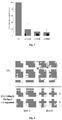
- the siRNA vector was cotransfected with a second vector, one allowing for stable selection of RNAi-containing cells, and MDA-MB-231 breast cancer cells. Selected clones were pooled, and the entire process was repeated in triplicate to obtain more homogenous pools of stable cells ( Figure 2 ).
- lentiviral particles containing two separate shRNA sequences targeting the same region of cadherin-11 were used to infect MDA-MB-231 cells, as well as PC-3 prostate cancer cells for validation in alternate cancers.
- single-cell cloning was employed to obtain a more pure population of testable cells.
- Cadherin-11 expression was determined in the resulting stable cell lines at both the RNA level by quantitative RT-PCR and protein by Western blot.
- siRNA pooled stables were created using siRNA templates containing T7 promoter sequences at the 3' end of the sequence and an AA 5' overhang (Integrated DNA Technologies, Inc.; Coralville, IA), using anti-sense sequence 5' -AACAGCGTGGATGTCGATGACCCTG TCTC -3' (SEQ ID NO:1) and sense sequence 5'-AAGTCATCGACATCCACGCT GCCTGTCTC-3' (SEQ ID NO:2) to target cadherin-11 wt isoform.
- Double-stranded siRNA vectors were synthesized using the SilencerTM siRNA Construction Kit (Ambion; Foster City, CA) and co-transfected with hygromycin B-resistant vector or vector alone into MDA-MB-231 using Fugene (Roche Diagnostics; Indianapolis, IN). Stable cell clones were selected using 1mg/mL Hygromycin B and maintained using 0.5mg/mL of antibiotic. The entire transfection process was repeated three times consecutively, with stable cell clones being selected in each instance. Following final selection, five clones were selected at random and pooled to create stable cell lines for further analysis.
- shRNA Lentiviral stable cells were created using MISSION® shRNA lentiviral transduction particles (Sigma-Aldrich; St.
- Confluent cells from 6-cm tissue culture dishes were isolated via scraping in RIPA lysis buffer solution consisting of RIPA, NaF, NaV, and a protease inhibitor on ice.
- the lysates were homogenized using a 25-gauge needle, rotated for 15 min at 4°C, and then centrifuged at 15,000 rpm for 15 min to remove insoluble material.
- the protein in the supernatant was quantified using a Bio-Rad DC protein assay according to supplied protocol.
- the protein samples were prepared in 1x LDS sample buffer and 1x DTT reducing agent and then boiled for 10 min.
- cadherin-11 Small molecule inhibitors were tested for potential use in targeted cancer therapies.
- a computer-based model of structural modeling was used to predict small molecules capable of binding to specific hydrophobic pockets in the cadherin-11 extracellular domain, EC1.
- cadherin-11 is found at regions of cell-extracellular matrix contact in addition to cell-cell contact sites. Consistent with this, cadherin-11 possesses a site in EC1 similar to the matrix-interacting site of integrins, and the cadherin-11 splice variant is sequestered in the extracellular matrix.
- the crystal structure of cadherin-11 was recently solved and confirmed that the region targeted by the first generation blockers is not involved in cell-cell interactions and revealed two other potential sites for interference of cell-cell adhesion. This structure was used as a basis for docking molecular simulations and the production of pharmacophores designed to block one or both of the two adjacent regions (P1 and P2), which are necessary for cadherin-11 function in cell-cell adhesion.
- Cadherin-11 localization in the cell was also observed for each cell line using immunofluorescence.
- Cells were grown on 18-mm coverslips, fixed and permeabilized using cold methanol at -20°C for 15 min, and blocked in 6% goat serum for 1 h at room temperature.
- Coverslips were incubated with primary antibody (5B2H5: cadherin-11 monoconal antibody, and SHB7: beta-catenin polyclonal antibody) overnight at 4°C.
- Coverslips were washed and incubated with Fluorescein (Kirkegaard and Perry Laboratories, Inc.; Gaithersburg, MD) or Texas Red-conjugated (Jackson ImmunoResearch Laboratories, Inc.; West Grove, PA) secondary antibody for 1 h at room temperature.
- Coverslips were washed and mounted using Vectashield fluorescence mounting medium and visualized with a Nikon 6000 fluorescent microscope.
- Cadherin-11 is a transmembrane glycoprotein that works through the formation of adherens junctions, and thus logically resides at the cell membrane. It was found that cadherin-11 expression was significantly reduced in the cell lines containing RNAi with cadherin-11 targeted sequences, as compared to those possessing RNAi with a scrambled sequence or empty vector. Furthermore, cadherin-11 was localized at the cell membrane in the stable lines albeit minimally in RNAi-targeted cells. Also examined were p120 and beta-catenin levels in the stable cell lines. Beta-catenin expression remained relatively constant among all cell lines, and its location was retained at the cell membrane. Morphology of the stable cell lines closely mimicked that of parental MDA-MB-231 cells.
- crystal violet assays cells were plated in triplicate in 96-well tissue culture dishes at 4 separate densities. Cells were grown in DMEM supplemented with 5% fetal bovine serum for a period of 5 days. Dishes representing growth were stained with crystal violet on Days 1, 3 and 5 after plating, by removing growth medium, staining with 50 ⁇ l of crystal violet stain for 10 min, then gently washing in dH 2 O and allowing to dry overnight. Stained cells were solubilized in 100 ⁇ L 50/50 (v/v) 0.1M sodium citrate and ethanol for 15 min, and absorbance was read at 630 ⁇ .
- the cells were plated in triplicate in 24-well white-walled tissue culture dishes (Wallac; Waltham, MA) and grown in DMEM supplemented with 5% fetal bovine serum for 5 days. On the fifth day, the cells were resuspended in an equal volume of Cell-Titer-Glo Luminescence Reagent (Promega; Madison, WI), which measures ATP, and incubated for 20 min at room temperature. The assay was measured using luminescence.
- Cell-Titer-Glo Luminescence Reagent Promega; Madison, WI
- Cadherin-11 knockdown yielded significant decreases in the ability of the cells to proliferate on plastic, as measured by crystal violet and a fluorescent growth reagent.
- the assays were statistically repeatable and show that cadherin-11 may play a role in breast cancer growth.
- the cells were plated in triplicate in 24-well white-walled tissue culture dishes (Wallac; Waltham, MA) as described above. On the final day, cells were resuspended in an equal volume of Cell-Titer-Glo Luminescence Reagent (Promega; Madison, WI), which measures ATP, and incubated for 20 min at room temperature. The assay was measured using luminescence.
- Cell-Titer-Glo Luminescence Reagent Promega; Madison, WI
- Colony growth was observed and quantitated using a colony counter and confirmed using a fluorescent growth reagent.
- growth differences in soft agar exist among MDA-MB-231 cells and PC-3 upon stable reduction of cadherin-11.
- Breast cancer cells expressing little to no cadherin-11 exhibited diminished colony formation in soft agar, which indicated an overall decrease in tumorigenic capability of the breast cancer cells.
- the assays were repeatable in PC-3 prostate cancer cells, which demonstrates the dominance of cadherin-11 among alternate cadherins expressed in these cells.
- cadherins are expressed to direct cell specific differentiation.
- Cadherin expression in a given tissue dictates its fate, a phenomenon dually observed in cancer.
- Cadherins specifically regulate migration of developing cells, and knocking down cadherin-11 in mature smooth muscle cells or cranial neural crest cells inhibits their migratory ability. It is thought that malignant cells enhance or repress expression of certain cadherins as to promote tumorigenicity as well as metastatic potential of the tumor, for which invasive ability is essential.
- non-metastatic SKBR3 breast cancer cells demonstrated a significant increase in migratory potential and invasion.
- wound healing assays were performed to observe migration propensity of MDA-MB-231 breast cancer cells and PC-3 prostate cancer cells with depleted cadherin-11 expression.
- the cells were plated in triplicate in 24-well tissue culture dishes and grown to confluency in DMEM supplemented with 5% fetal bovine serum.
- the cells were washed with 1x PBS, vertical wounds were made in each well using a 10 ⁇ L pipette tip, then growth medium was replaced. Images were recorded using an Eclipse TE-300 inverted microscope (Nikon; Tokyo, JP) equipped with motorized stage, heated and CO 2 - regulated incubator. Phase contrast images were taken every 1 h overnight. The migration distances were calculated by manually scaling of the wound width.
- cadherin-11 aids cancer cells' ability to migrate.
- the cells were plated in duplicate in a 12-well glass-bottom dish (MatTek; Ashland, MA) coated with 150 ⁇ L of Matrigel (BD Biosciences; San Jose, CA). The cells (5,000 cells/100 ⁇ l medium) were gently plated on top of the Matrigel layer directly and incubated 30 min at 37°C. Growth medium (1mL) was gently added to each well, and growth was visualized using a 5x objective on an AH2 Vanox inverted microscope (Olympus; Tokyo, JP) equipped with a CCD camera.
- AH2 Vanox inverted microscope Olympus; Tokyo, JP
- MDA-MB-231 breast cancer cells form branched networks when cultured on a Matrigel basement membrane-like matrix. It was observed that control stable cells, either empty vector or scrambled target sequence, grew in a branched pattern through Matrigel mimicking their parental cell line. Stable cells with decreased cadherin-11 expression also spread in a pattern similar to control and parental cell lines, however their rate of growth was greatly delayed. Control cells form branched networks approximately 50% faster than their knockdown counterparts. These data show that while cadherin-11 is not necessary for invasion of MDA-MB-231 breast cancer cells, it is necessary for proper malignant growth.
- MDA-MB-231 cells are an aggressive line and readily form tumors in nude mice. After observing significant growth differences among stable cell lines in various assays in vitro, the translational continuity of these observations in xenografts was investigated. To that end, the stable cells were subcutaneously injected into athymic nude mice at four ventral sites such that each mouse contained at least one control cell line and two knockdowns in each representative position. Tumor growth was assessed twice weekly with calipers for a minimum period of 6 weeks. The pooled stable cells containing the siRNA target sequence against cadherin-11 failed to form tumors completely in nude mice, whereas the empty vector controls formed subcutaneous tumors as expected. This result was repeatable and sustainable for more than four months.
- mice female athymic mice used prior to 20 weeks of age
- mice were maintained at the Department of Comparative Medicine Animal Facility of Georgetown University Medical Center (Washington, DC).
- Experimental procedures and handling were performed in a laminar flow hood for nude mice.
- 1-2x10 6 siRNA pooled or shRNA lentiviral stable cells previously described, were injected s.c. into one of four mammary fat pads such that control and RNAi-expressing cells were present in the same animal.
- Tumors were detected by palpation and measured twice weekly with calipers, and tumor volume was deduced using the formula DlxD2xD3, where D1 is the length, D2 is the width, and D3 is the depth of the tumor. Experiments were repeated three times for all cell lines.
- Microarray analysis has become a tool for determining potential genetic signatures of various disease profiles.
- microarray has been used to analyze genetic differences regarding hormone status, cellular subtype, metastasis and recurrence, patient prognosis, and treatment response among a multitude of malignancies, tumor cells and cellular manipulations. Much of this data is available for further interpretation, leading to additional scientific conclusions from the same data sets. As such, microarray analysis was performed using the siRNA pooled stable cells to determine which genes are significantly altered upon depletion of cadherin-11 in aggressive breast cancer cells.
- Cadherin-11 was significantly upregulated in Basal B cancer cells, poor prognosis breast and brain carcinomas and breast tumor stroma as compared with normal mammary stroma.
- Compound 9 (Sd-Cad11-037) and Compound 10 (Sd-Cad11-073) were found to functionally block cadherin-11 at doses of nanomolar range. These two pharmacophores were further refined and screened again to maximize solubility and then retested using various in vitro assays.
- Compound 1 (Sd-Cad11-133, also referred to as sd-133) significantly blocked cadherin-11 function regarding proliferation, colony growth, and invasion at 100 nanomolar range ( Figs. 3-8 and 9B ).
- the inhibitor appears to be specific for cadherins-11, as it fails to block proliferation and invasion in MDA-MB-435 melanoma cells or MCF7 breast cancer cells at 1 and 10 ⁇ M concentrations.
- the data also implies that growth phenotypes in PC-3 prostate cancer cells may also be partially inhibited, further confirming that cadherin-11 is being successfully targeted by the agent.
- the compound was not cytotoxic up to a 100 ⁇ M dosage in vitro, as well as a pilot study in nude mice.
- MDA-MB-231 breast cancer cell lines, PC-3 prostate cancer cell lines, and LN229 glioblastoma cell lines were acquired from Lombardi Comprehensive Cancer Center Tissue Culture Shared Resource (Washington, DC), and generated stable cell lines were maintained in DMEM (Invitrogen; Carlsbad, CA) supplemented with 5% fetal bovine serum (FBS) as described in Example 1.
- siRNA vectors were synthesized using the SilencerTM siRNA Construction Kit (Ambion; Foster City, CA) and co-transfected with hygromycin B-resistant vector or vector alone into MDA-MB-231 using Fugene (Roche Diagnostics; Indianapolis, IN).
- siRNA stable lines were created using anti-sense (5' -AACAGCGTGGATGTCGATGACCCTGTCT C -3') (SEQ ID NO: 1) and sense (5' -AAGTCATCGACATCCACGCTGCCTGTCTC -3') (SEQ ID NO: 2) sequences to target cadherin-11 (CDR11) wt.
- Clones were selected using 1mg/mL hygromycin B and maintained using 0.5mg/mL. The entire transfection process was repeated three times consecutively. Following final selection, five clones were randomly selected and pooled to create stable cell lines.
- shRNA stable cell lines were created using MISSION® shRNA lentiviral transduction particles (Sigma-Aldrich; St. Louis, MO) directed against human cadherin-11 (CDR11). Two separate shRNA sequences targeting the same cadherin-11 (CH11) region were used to infect MDA-MB-231 breast cancer cells, PC-3 prostate cancer cells, and LN229 glioblastoma cells. Clones were selected with 15 ⁇ g/mL puromycin and maintained in 10 ⁇ g/mL. Stable cell lines studied were selected based upon cadherin-11 (CDR11) protein expression as measured by Western blot analysis.
- Western blot and immunocytochemistry Western blot and immunocytochemistry.
- Western blots and immunocytochemistry were performed as described in Examples 2 and 4 using monoclonal antibodies to cadherin-11 (CDH11) (5B2H5: Zymed) and GAPDH (Research Diagnostics; Concord, MA), polyclonal ⁇ -catenin, and peroxidase, fluorescein (Kirkegaard and Perry Laboratories, Inc.; Gaithersburg, MD) or Texas Red-conjugated (Jackson ImmunoResearch Laboratories, Inc.,; West Grove, PA) secondary antibodies.
- CDH11 cadherin-11
- GAPDH Research Diagnostics; Concord, MA
- fluorescein Kirkegaard and Perry Laboratories, Inc.; Gaithersburg, MD
- Texas Red-conjugated Jackson ImmunoResearch Laboratories, Inc.,; West Grove, PA
- Crystal violet assays Cells were plated in triplicate at four separate densities and grown in DMEM with 5% FBS for five days. Cells were stained with crystal violet on days 1, 3, and 5 after plating, as described in Example 5. Absorbance was read at 630 ⁇ using a BioRad Ultramark Microplate Imaging System with Microplate Manager 5.1 software.
- Luminescence Cells were plated in triplicate in white-walled dishes (Wallac; Waltham, MA) and grown in DMEM with 5% FBS for five days. At day 5, cells and a blank were resuspended in Cell-Titer-Glo Luminescence Reagent (Promega; Madison, WI), incubated for 20 minutes at room temperature, and measured using a Wallac Victor 2, 1420 Multilabel counter.
- Matrigel Outgrowth assays Cells (5,000 cells/100 ⁇ l medium) were plated atop 150 ⁇ L layer of Matrigel (BD Biosciences; San Jose, CA) in duplicate in 12-well glass-bottom dishes (MatTek; Ashland, MA) and incubated for 30 minutes at 37°C. Growth medium (1 mL) was gently added to each well. Growth was visualized using a 5x objective on AH2 Vanox inverted microscope (Olympus; Tokyo, JP).
- Probe set-based gene expression measurements were generated from quantified Affymetrix image files (.CEL) using the RMA algorithm from BioConductor in BRB-Array Tools (NCI; Bethesda, MD). Probe sets were annotated (Unigene; Fairfield, NJ), gene expression values centered, and data organized using hierarchical clustering for similarity/difference in gene expression across samples. Analyses were restricted to genes differentially expressed in pair-wise comparisons between treated and untreated samples (p ⁇ 0.01), resulting in 236 probe sets corresponding to 187 unigenes. Agglomerative clustering with complete linkage was applied to probe sets and samples (uncentered Pearson's correlation), and clusters visualized with Java TreeView.
- 3D-pharmacophore models were developed using the UNITY module of Sybyl 8.0 (Tripos Inc.; St. Louis, MO). For the generation of flexible receptor conformations, molecular dynamics (MD) simulations were carried out at one nanosecond intervals, and several instantaneous low and high energy conformations were selected. These conformations were then clustered, and five representative conformations selected. In the pharmacophore strategy, several models were developed within the tryptophan binding site of the cadherin-11 EC1 domain. The representative structures obtained from the ensembles were used to develop dynamic pharmacophore models, in which the relative positions of the donor, acceptor, hydrophobic, and negative/positive centers of the residues were defined with various macro, spatial and distance constraints features with excluded volume spheres.
- MD molecular dynamics
- MM-PBSA free energy method was used to predict the absolute binding affinities. Three separate simulations were carried out for ligand alone, receptor alone, and the complex.
- ⁇ G bind ⁇ ⁇ G complex > ⁇ ⁇ ⁇ G protein > ⁇ ⁇ ⁇ G ligand > ;
- ⁇ G bind ⁇ ⁇ E MM > + ⁇ ⁇ G PB > + ⁇ ⁇ G SA > ⁇ ⁇ T ⁇ S >
- ⁇ G PB polar solvation energy in continuum solvent computed using a finite-difference Poisson-Boltzmann (PB) model
- ⁇ G SA nonpolar solvation energy, obtained from the solvent-accessible surface area (SASA).
- FIG. 9A is a schematic of the small molecule screening strategy used herein. Specifically, a total of 7,073 compounds were obtained upon screening of five pharmacophore models with an in-house database of over 30 million compounds (collected from more than 150 chemical companies, and literature resources). Subsequently, 16 subsets of compounds were selected using Physical Chemical Filtering by Rule of Five, drug likeness, and commercial availability. For the small molecule docking simulations, some 157,217 pre-selected compounds (filtered for drug-likeness and commercial availability) were screened against five representative flexible conformations, including the rigid x-ray structure, and a large window of 4,546 compounds were selected based on ranking with an arbitrary energy cut-off of 25kcal/mol.
- Optimal Reference Interaction The principle idea of the ORI maintains that ligands that interact with the same binding site residues as the reference molecule (in this case the tryptophan-containing pocket amino acids) are more likely to be active.
- the nature of the interactions and their interacting residue motifs were given as input to the ORI algorithms, and yielded 138 compounds that perfectly matched the criteria.
- Cadherin-11 expression is inversely related to relapse and survival in several cancers. Published expression array datasets examining a variety of tumor types were compared ( Figure 10 ). It was found that high cadherin-11 expression was significantly associated with poor outcome in breast and prostate cancer, papillary renal cell carcinoma, multiple myeloma and glioblastoma. In breast cancer cell lines, cadherin-11 expression was almost completely restricted to basal-B type cells.
- Cadherin-11 regulates proliferation and anchorage-independent growth of breast and prostate cancer cells. These analyses show cadherin-11 as a useful diagnostic marker. Endogenous cadherin-11 expression in MDA-MB-231 breast and PC-3 prostate cancer cells was knocked down by stable transfection of siRNA or infection of shRNA (see Materials and Methods). Cadherin-11 expression was determined in resulting stable cell lines by quantitative RT-PCR and Western blot ( Figure 11A ). Two pooled siRNA-targeted lines and one clonal line from each of two shRNA-targets (54333 and 54334) were selected.
- Cadherin-11 knockdown significantly decreased proliferation in MDA-MB-231 and PC-3 cancer cells ( Figures 11B , 17B , and 17C ).
- Anchorage-independent growth of basal-B type MDA-MB-231 breast and PC-3 prostate cancer cells was also significantly reduced following cadherin-11 knockdown ( Figure 11 C) .
- Cadherin-11 alters migratory and invasive potential of breast and prostate cancer cells. Reduction of cadherin-11 in MDA-MB-231 breast and PC-3 prostate cancer cells significantly decreased their migration in wound healing assays ( Figure 12A ). The phenotype of cadherin-11 knockdown cells in a 3-dimensional matrix was next examined. MDA-MB-231 breast and PC-3 prostate cancer cells cultured on Matrigel basement membrane-like matrix form branched networks within one week. It was observed that control cells containing either empty vector or scrambled target sequence also form networks throughout Matrigel within 7 days ( Figure 12B ). Cadherin-11 depleted cells failed to form networks their first week in culture, however, over the ensuing week, the cells formed networks that were indistinguishable from controls. Prostate cancer cells displayed a similar delayed network formation phenomenon ( Figure 12B ).
- Cadherin-11 is required for subcutaneous tumor growth in vivo.
- MDA-MB-231 cells readily form tumors in nude mice.
- Stable control or knockdown cells were subcutaneously injected into athymic nude mice and tumor growth assessed twice weekly with calipers for 6 weeks.
- Cells containing siRNA targeting cadherin-11 completely failed to form tumors in nude mice, whereas the empty vector controls formed subcutaneous tumors ( Figure 13 ). This experiment was repeated several times and none of the 26 cadherin-11 knockdown cell injections resulted in a significant tumor.
- stable cell lines containing shRNA-targeted sequences displayed significant delay to onset of tumor growth compared to empty vector or scrambled sequence controls.
- Cadherin-11 knockdown alters the expression of genes associated with poor prognosis malignancies.
- Microarray analysis was performed using Affymetrix U133-A arrays to determine genes significantly altered upon depletion of cadherin-11 in aggressive breast cancer cells (see Materials and Methods).
- Empty vector controls RNAi 1B
- RNAi 4A and 6A two different stable knockdown cell lines
- An inter-sample comparison was performed separately among the controls and then the four cadherin-11 (CDR11) depleted samples, and outlying genes differing greater than 1.5 fold among respective groups were excluded from further analyses ( Figure 14A ).
- COL5A1 , ITGB3, and THBS1 Multiple cellular adhesion genes ( COL5A1 , ITGB3, and THBS1 ) are affected by cadherin-11 depletion in breast cancer, along with reduction of known EMT markers ( SMAD6 and SNAI2 ) and metalloproteinase family genes ( ADAM8 and TIMP3 ) associated with aggressive cancers and metastasis. Additionally, cadherin-11 reduction significantly increases putative tumor suppressor genes NOL7 and PRSS3. Together these data indicate that cadherin-11 regulates expression of genes important in basal-B breast cancer cells, along with poor prognosis malignancies of the breast, prostate, brain, plasma cell, and kidney.
- cadherin-11 inhibitors specifically inhibit cadherin-11 function in vitro.
- Cadherin-11 association with certain poor prognosis cancers, proliferation of basal-type breast cancer cells, and tumorigenesis in mice make it a viable therapeutic target for these malignancies.
- the crystal structure of cadherin-11 reveals unique binding pockets as potential sites for interference of cell-cell adhesion ( Figure 1B ).
- a computer-based method of structural modeling was used to predict conformations capable of binding these specific hydrophobic pockets.
- the ectodomain1 (EC1) dimer adhesive interface is formed by exchange of N-terminal ⁇ strands between two cadherin-11 molecules.
- the dimer interface has a large hydrophobic region (unique to type II cadherins) with two conserved tryptophan residues. It was reasoned that a small molecule blocking cadherin-11 EC1 dimer formation would potentially inhibit cadherin-11 function.
- This structure was used to base molecular simulations and produce pharmacophores designed to block one or both of the two adjacent regions (P1 and P2) predicted necessary for cadherin-11 function in cell-cell adhesion.
- Three in-silico strategies were implemented: 1) generation of flexible receptor conformations, 2) receptor-based dynamic pharmacophore screening and 3) small molecule docking simulations.
- Compound 1 significantly inhibited MDA-MB-231 cell proliferation, colony growth, and invasion at 100nM ( Figure 15A-C ).
- the inhibitor failed to alter proliferation or invasion in MDA-MB-435 melanoma cells (expressing N-cadherin) and MCF7 breast cancer cells (expressing E and P-cadherin) at 1 ⁇ M and 10 ⁇ M concentrations, indicating specificity for cadherin-11-expressing cells ( Figure 15A-C ).
- the potency of Compound 1 likely stems from its shape and moderate structural flexibility, enabling it to accommodate to and bind tightly within the tryptophan binding pocket. Though this pocket is largely hydrophobic, a network of hydrogen bonds between Compound 1 and R23, H25, P88, S90 confers specificity and rigid binding.
- Hydrophobic interaction of Compound 1 with F7, L24, S26, Y37, A75, A77, E87, S90, and F92 may also contribute to its action. Furthermore, the mobility of the water molecule located near S90 allows possible adjustment of its position to form hydrogen bonds with the inhibitors.
- Two other potent inhibitors, Compound 9 and 10 have similar interactions with the tryptophan pocket. The water mediated H-bond is observed with all three inhibitors after 500 picosecond MD simulations run to include induced fit effects. All three inhibitors compete for tryptophan binding and interact with the same residues including the water molecule formed by the two tryptophans.
- Cell aggregation assays were performed on L-cells with stably-transfected empty vector or cadherin-11. The cells were seeded and grown overnight, trypsinized with additional EDTA, resuspended in DMEM with 20% FBS, and counted.
- the cells were spun down and resuspended in DMEM containing no treatment, 0.5mM EDTA, 0.25 mM EDTA, 0.1 mM EDTA, or cadherin-11 inhibitors including 1 ⁇ M of Compound 1 (Sd-133), 1 ⁇ M of Compound 2 (Sd-133A), 1 ⁇ M of Compound 3 (Sd-133B), 1 ⁇ M of Compound 11 (Sd-12), 1 ⁇ M of Compound 12 (Sd-48), 1 ⁇ M of Compound 17 (Sd-20), 1 ⁇ M of Compound 18 (Sd-51), 1 ⁇ M of Compound 19 (Sd-22), or 1 ⁇ M of Compound 20 (Sd-23).
- the cells were allowed to recover for one hour and were then put into uncoated 12 well plates and shaken for one hour at 100 rpm at 2.25x10⁵ cells/mL. The cells were then counted using Microsizer Coulter Counter (Beckman Coulter, Inc; Brea, CA). Counts over 20uM in length were considered aggregates, while counts below 20 uM were considered as single cells. The counts were confirmed by manual counting. As shown in Figures 16A and 16B , under these conditions, the cadherin-11 cells treated with at least Compounds 2 and 3 showed a decrease in aggregate formation, while the empty vector transfected cells remained stable.
- mice Female Balb/c mice, 8-12 weeks old, were obtained from the National Cancer Institute (Bethesda, MD). A stock solution of 200 mg/ml of Compound 1 was prepared with a 1:1 ratio of DMSO and PEG. The working solution was diluted with PEG. Compound 1 (Sd-133) was administered at a constant volume (0.01 ml / 1 g body weight) over the range of doses to be tested by varying the concentration of the dosing preparation according to the OECD Acute Toxicity-Up-and Down Procedure. A test dose was administered to one animal by IP injection and the animal was observed for 14 days. Observations included toxicity onset time, symptoms, duration and the time elapsed for recovery or death. Based on the study, the LD50 of Compound 1 was estimated at 2000 mg/kg.
- Example 15 Cadherin-11 is required for the growth and invasion of glioblastoma cell line LN229
- Cadherin-11 or N-cadherin was knocked down in LN229 cells using shRNA according to methods described in Example 12.
- a significant reduction in cadherin-11 and N-cadherin protein 48 hours after infection with lentivirus containing shRNA was shown ( Figure 18A ).
- Knockdown of cadherin-11 reduces in vitro invasion ( Figure 18B ) and growth of LN229 cells ( Figure 18C ).
- FIG 18A Knockdown of cadherin-11 reduces in vitro invasion
- Figure 18C Figure 18C .
- mice bearing MDA-231, LN229, or PC3 xenografted tumors will be injected IP with 50 ⁇ g/kg of a cadherin-11 antibody or control IgG at weekly intervals for 60 days. Tumor growth will be monitored and the effects of the cadherin-11 antibody will be compared to animals bearing MDA435 cell xenografts expressing N-cadherin.
Landscapes
- Health & Medical Sciences (AREA)
- Chemical & Material Sciences (AREA)
- Organic Chemistry (AREA)
- General Health & Medical Sciences (AREA)
- Life Sciences & Earth Sciences (AREA)
- Medicinal Chemistry (AREA)
- Animal Behavior & Ethology (AREA)
- Pharmacology & Pharmacy (AREA)
- Public Health (AREA)
- Veterinary Medicine (AREA)
- Epidemiology (AREA)
- General Chemical & Material Sciences (AREA)
- Chemical Kinetics & Catalysis (AREA)
- Nuclear Medicine, Radiotherapy & Molecular Imaging (AREA)
- Immunology (AREA)
- Rheumatology (AREA)
- Oncology (AREA)
- Biochemistry (AREA)
- Proteomics, Peptides & Aminoacids (AREA)
- Molecular Biology (AREA)
- Genetics & Genomics (AREA)
- Biophysics (AREA)
- Hematology (AREA)
- Physical Education & Sports Medicine (AREA)
- Bioinformatics & Cheminformatics (AREA)
- Engineering & Computer Science (AREA)
- Orthopedic Medicine & Surgery (AREA)
- Pain & Pain Management (AREA)
- Pharmaceuticals Containing Other Organic And Inorganic Compounds (AREA)
Claims (6)
- Verbindung nach einer der folgenden Formeln:


- Zusammensetzung, die eine Verbindung nach Anspruch 1 und einen pharmazeutisch verträglichen Träger aufweist.
- Verbindung der folgenden Formel:
 R4, R5, R6, R9, R10, und R11 unabhängig ausgewählt sind aus Wasserstoff, Halogen und Hydroxyl; undR13 Wasserstoff, Halogen, Hydroxyl oder Carboxyl ist;wobei mindestens eines von R5 und R10 Hydroxyl ist.
 - Verbindung zur Verwendung nach Anspruch 3, wobei R6 Chlor ist, und/oder wobei R13 Hydroxyl, Chlor oder Carboxyl ist, oder
wobei die Verbindung

- Verbindung zur Verwendung nach einem der Ansprüche 3 bis 4, wobei die mit Cadherin-11 in Beziehung stehende Krankheit rheumatoide Arthritis oder Brustkrebs, Prostatakrebs, Gliom, Glioblastom, Myelom, Leukämie, Krebs mit schlechter Prognose oder invasiver Krebs, ein basalartiger Krebs, ein mesenchymalartiger Krebs, oder metastatischer Krebs ist.
- Verbindung zur Verwendung nach einem der Ansprüche 3 bis 5, wobei die Prävention oder Behandlung ferner Verabreichung eines zweiten therapeutischen Mittels an das Wesen umfasst, wobei gegebenenfalls das zweite therapeutische Mittel ein chemotherapeutisches Mittel oder ein entzündungshemmendes Mittel ist.
Priority Applications (1)
| Application Number | Priority Date | Filing Date | Title |
|---|---|---|---|
| EP18152160.0A EP3372591B1 (de) | 2009-02-09 | 2010-02-09 | Cadherin-11-hemmer und verfahren zur verwendung |
Applications Claiming Priority (2)
| Application Number | Priority Date | Filing Date | Title |
|---|---|---|---|
| US15103809P | 2009-02-09 | 2009-02-09 | |
| PCT/US2010/023556 WO2010091384A2 (en) | 2009-02-09 | 2010-02-09 | Cadherin-11 inhibitors and methods of use thereof |
Related Child Applications (1)
| Application Number | Title | Priority Date | Filing Date |
|---|---|---|---|
| EP18152160.0A Division EP3372591B1 (de) | 2009-02-09 | 2010-02-09 | Cadherin-11-hemmer und verfahren zur verwendung |
Publications (3)
| Publication Number | Publication Date |
|---|---|
| EP2393787A2 EP2393787A2 (de) | 2011-12-14 |
| EP2393787A4 EP2393787A4 (de) | 2012-11-28 |
| EP2393787B1 true EP2393787B1 (de) | 2018-01-24 |
Family
ID=42542683
Family Applications (2)
| Application Number | Title | Priority Date | Filing Date |
|---|---|---|---|
| EP10739256.5A Not-in-force EP2393787B1 (de) | 2009-02-09 | 2010-02-09 | Cadherin-11-inhibitoren und verfahren zu deren anwendung |
| EP18152160.0A Active EP3372591B1 (de) | 2009-02-09 | 2010-02-09 | Cadherin-11-hemmer und verfahren zur verwendung |
Family Applications After (1)
| Application Number | Title | Priority Date | Filing Date |
|---|---|---|---|
| EP18152160.0A Active EP3372591B1 (de) | 2009-02-09 | 2010-02-09 | Cadherin-11-hemmer und verfahren zur verwendung |
Country Status (3)
| Country | Link |
|---|---|
| US (3) | US8802687B2 (de) |
| EP (2) | EP2393787B1 (de) |
| WO (1) | WO2010091384A2 (de) |
Families Citing this family (12)
| Publication number | Priority date | Publication date | Assignee | Title |
|---|---|---|---|---|
| AU2011261323A1 (en) * | 2010-06-04 | 2013-01-24 | The Brigham And Women's Hospital, Inc. | Treatment of inflammatory disorders |
| KR20130142025A (ko) * | 2012-06-18 | 2013-12-27 | 한국생명공학연구원 | 카드헤린―11 단백질의 발현 또는 활성 억제제를 포함하는 대장암 치료 또는 전이 억제용 약학적 조성물 |
| AU2014214326B2 (en) * | 2013-02-07 | 2018-07-05 | Prexton Therapeutics Sa | Substituted quinoxaline derivatives and their use as positive allosteric modulators of mGluR4 |
| EP3060680B1 (de) * | 2013-10-21 | 2019-02-27 | The General Hospital Corporation | Verfahren im zusammenhang mit zirkulierenden tumorzellclustern und krebsbehandlung |
| US10017475B2 (en) * | 2014-03-31 | 2018-07-10 | Xavier University Of Lousiana | Anti-vasculature and anti-tubulin combretastatin analogs for treatment of cancer |
| WO2016100301A1 (en) | 2014-12-15 | 2016-06-23 | The Brigham And Women's Hospital, Inc. | Use of cadherin-11 antagonists to treat obesity-associated conditions and other metabolic disorders |
| KR101654526B1 (ko) * | 2015-10-19 | 2016-09-06 | 한국생명공학연구원 | 카드헤린―11 단백질의 발현 또는 활성 억제제를 포함하는 대장암 치료 또는 전이 억제용 약학적 조성물 |
| MD3762368T2 (ro) | 2018-03-08 | 2022-07-31 | Incyte Corp | Compuși diol aminopirazină ca inhibitori ai PI3K-Y |
| US11046658B2 (en) | 2018-07-02 | 2021-06-29 | Incyte Corporation | Aminopyrazine derivatives as PI3K-γ inhibitors |
| US20230210849A1 (en) * | 2020-06-05 | 2023-07-06 | Georgetown University | Cadherin-11 inhibitor formulation and its uses in immunotherapy |
| WO2022271771A2 (en) * | 2021-06-22 | 2022-12-29 | The General Hospital Corporation | Therapeutic targeting of cadherin 11 in cancer |
| US20240100189A1 (en) | 2021-09-10 | 2024-03-28 | Twister Biotech, Inc | Using minivectors to treat idiopathic pulmonary fibrosis |
Family Cites Families (11)
| Publication number | Priority date | Publication date | Assignee | Title |
|---|---|---|---|---|
| US4816567A (en) | 1983-04-08 | 1989-03-28 | Genentech, Inc. | Recombinant immunoglobin preparations |
| US4845026A (en) | 1985-12-03 | 1989-07-04 | T Cell Sciences, Inc. | Assay systems for detecting cell-free T cell antigen receptor related molecules and the clinical utilities of the assays |
| US5006459A (en) | 1986-03-31 | 1991-04-09 | T Cell Sciences, Inc. | Therapeutic and diagnostic methods using soluble T cell surface molecules |
| US4704692A (en) | 1986-09-02 | 1987-11-03 | Ladner Robert C | Computer based system and method for determining and displaying possible chemical structures for converting double- or multiple-chain polypeptides to single-chain polypeptides |
| AU2998399A (en) | 1998-04-13 | 1999-11-01 | Eli Lilly And Company | Anticancer agents |
| US6787136B1 (en) | 1999-09-03 | 2004-09-07 | The Brigham And Women's Hospital, Inc. | Methods and compositions for treatment of inflammatory disease using cadherin-11 modulating agents |
| WO2003007959A1 (en) * | 2001-07-16 | 2003-01-30 | Fujisawa Pharmaceutical Co., Ltd. | Quinoxaline derivatives which have parp inhibitory action |
| CA2479744A1 (en) | 2002-03-28 | 2003-10-09 | Paul E. Finke | Substituted 2,3-diphenyl pyridines |
| WO2003086394A1 (en) * | 2002-04-08 | 2003-10-23 | Merck & Co., Inc. | Inhibitors of akt activity |
| EP1713101B1 (de) | 2004-02-06 | 2012-10-31 | Yamaguchi University | Elektrode für eine energiespeichereinrichtung und herstellungsprozess dafür |
| JP2005225978A (ja) | 2004-02-13 | 2005-08-25 | Toyo Ink Mfg Co Ltd | 有機電界発光素子用材料およびそれを用いた有機電界発光素子 |
-
2010
- 2010-02-09 EP EP10739256.5A patent/EP2393787B1/de not_active Not-in-force
- 2010-02-09 EP EP18152160.0A patent/EP3372591B1/de active Active
- 2010-02-09 US US13/148,579 patent/US8802687B2/en active Active
- 2010-02-09 WO PCT/US2010/023556 patent/WO2010091384A2/en not_active Ceased
-
2014
- 2014-07-03 US US14/323,374 patent/US9284368B2/en active Active
-
2016
- 2016-02-05 US US15/017,040 patent/US9889131B2/en active Active
Non-Patent Citations (1)
| Title |
|---|
| None * |
Also Published As
| Publication number | Publication date |
|---|---|
| US8802687B2 (en) | 2014-08-12 |
| WO2010091384A3 (en) | 2011-03-24 |
| EP3372591B1 (de) | 2021-05-26 |
| US9889131B2 (en) | 2018-02-13 |
| US20120128693A1 (en) | 2012-05-24 |
| US9284368B2 (en) | 2016-03-15 |
| EP3372591A1 (de) | 2018-09-12 |
| US20150064168A1 (en) | 2015-03-05 |
| EP2393787A2 (de) | 2011-12-14 |
| WO2010091384A2 (en) | 2010-08-12 |
| EP2393787A4 (de) | 2012-11-28 |
| US20160151363A1 (en) | 2016-06-02 |
Similar Documents
| Publication | Publication Date | Title |
|---|---|---|
| EP3372591B1 (de) | Cadherin-11-hemmer und verfahren zur verwendung | |
| CA3144859C (en) | Quinazolin-4-one derivatives useful for the treatment of braf-associated diseases and disorders | |
| ES2761951T3 (es) | Inhibidores de glutaminasa y métodos de uso | |
| CN102215872B (zh) | 用于治疗癌症的方法和组合物 | |
| IL229988A (en) | 4,4,4-trifluoro-n-[(1s)-2[[(7s)-5-(2-hydroxyethyl)-6-oxo-7h-pyrido[2,3-d] [3]benzazepine-7-yl]amino]-1-methyl-2-oxo-ethyl]butanamide, its use in the manufacture of medicaments for treating cancer and crystalline hydrates thereof | |
| Arumugam et al. | Designing and developing S100P inhibitor 5-methyl cromolyn for pancreatic cancer therapy | |
| US11013733B2 (en) | Inhibiting mutant isocitrate dehydrogenase 1 (mlDH-1) | |
| US10472677B2 (en) | Translational dysfunction based therapeutics | |
| WO2010044686A1 (en) | Akr1c3 as a biomarker, methods of selecting and treating patients based upon an akr1c3 profile and compounds for use therein | |
| JP2020019807A (ja) | 化合物及びそれらの使用の方法 | |
| US20180002371A1 (en) | Bufalin phosphate prodrugs and methods of use thereof | |
| Kang et al. | Synthesis and biological evaluation of 4-(4-aminophenyl)-6-methylisoxazolo [3, 4-b] pyridin-3-amine covalent inhibitors as potential agents for the treatment of acute myeloid leukemia | |
| US11427543B2 (en) | Compounds for targeting cancer stem cells | |
| EP2067034A2 (de) | Auf eif4e-regulon basierende diagnostik | |
| JP2023553247A (ja) | がん診断のための組成物および方法 | |
| KR102049090B1 (ko) | Egfr 저해제 저항성 암 치료제 | |
| CA2633715A1 (en) | Translational dysfunction based therapeutics | |
| US20210244727A1 (en) | INHIBITING MUTANT ISOCITRATE DEHYDROGENASE 1 (mIDH-1) | |
| Smith | The Epidermal Growth Factor Receptor: A target for the treatment of non-small cell lung cancer | |
| Luan et al. | Design, synthesis and in vitro evaluation of indole derivatives bearing amide with 1, 3, 4-thiadiazole moiety as potential anticancer agents | |
| NZ727108B2 (en) | Ezh2 inhibitors for treating lymphoma |
Legal Events
| Date | Code | Title | Description |
|---|---|---|---|
| PUAI | Public reference made under article 153(3) epc to a published international application that has entered the european phase |
Free format text: ORIGINAL CODE: 0009012 |
|
| 17P | Request for examination filed |
Effective date: 20110906 |
|
| AK | Designated contracting states |
Kind code of ref document: A2 Designated state(s): AT BE BG CH CY CZ DE DK EE ES FI FR GB GR HR HU IE IS IT LI LT LU LV MC MK MT NL NO PL PT RO SE SI SK SM TR |
|
| DAX | Request for extension of the european patent (deleted) | ||
| A4 | Supplementary search report drawn up and despatched |
Effective date: 20121025 |
|
| RIC1 | Information provided on ipc code assigned before grant |
Ipc: C07D 241/44 20060101AFI20121019BHEP Ipc: C07D 307/77 20060101ALI20121019BHEP Ipc: A61K 31/498 20060101ALI20121019BHEP Ipc: A61P 29/00 20060101ALI20121019BHEP Ipc: A61P 35/00 20060101ALI20121019BHEP Ipc: C07D 213/06 20060101ALI20121019BHEP Ipc: C07D 221/18 20060101ALI20121019BHEP |
|
| 17Q | First examination report despatched |
Effective date: 20150306 |
|
| GRAP | Despatch of communication of intention to grant a patent |
Free format text: ORIGINAL CODE: EPIDOSNIGR1 |
|
| INTG | Intention to grant announced |
Effective date: 20160808 |
|
| GRAJ | Information related to disapproval of communication of intention to grant by the applicant or resumption of examination proceedings by the epo deleted |
Free format text: ORIGINAL CODE: EPIDOSDIGR1 |
|
| STAA | Information on the status of an ep patent application or granted ep patent |
Free format text: STATUS: EXAMINATION IS IN PROGRESS |
|
| GRAP | Despatch of communication of intention to grant a patent |
Free format text: ORIGINAL CODE: EPIDOSNIGR1 |
|
| STAA | Information on the status of an ep patent application or granted ep patent |
Free format text: STATUS: GRANT OF PATENT IS INTENDED |
|
| INTC | Intention to grant announced (deleted) | ||
| INTG | Intention to grant announced |
Effective date: 20170221 |
|
| GRAJ | Information related to disapproval of communication of intention to grant by the applicant or resumption of examination proceedings by the epo deleted |
Free format text: ORIGINAL CODE: EPIDOSDIGR1 |
|
| STAA | Information on the status of an ep patent application or granted ep patent |
Free format text: STATUS: EXAMINATION IS IN PROGRESS |
|
| GRAP | Despatch of communication of intention to grant a patent |
Free format text: ORIGINAL CODE: EPIDOSNIGR1 |
|
| STAA | Information on the status of an ep patent application or granted ep patent |
Free format text: STATUS: GRANT OF PATENT IS INTENDED |
|
| INTC | Intention to grant announced (deleted) | ||
| INTG | Intention to grant announced |
Effective date: 20170801 |
|
| GRAS | Grant fee paid |
Free format text: ORIGINAL CODE: EPIDOSNIGR3 |
|
| GRAA | (expected) grant |
Free format text: ORIGINAL CODE: 0009210 |
|
| STAA | Information on the status of an ep patent application or granted ep patent |
Free format text: STATUS: THE PATENT HAS BEEN GRANTED |
|
| AK | Designated contracting states |
Kind code of ref document: B1 Designated state(s): AT BE BG CH CY CZ DE DK EE ES FI FR GB GR HR HU IE IS IT LI LT LU LV MC MK MT NL NO PL PT RO SE SI SK SM TR |
|
| REG | Reference to a national code |
Ref country code: GB Ref legal event code: FG4D |
|
| REG | Reference to a national code |
Ref country code: CH Ref legal event code: EP |
|
| REG | Reference to a national code |
Ref country code: AT Ref legal event code: REF Ref document number: 965681 Country of ref document: AT Kind code of ref document: T Effective date: 20180215 |
|
| REG | Reference to a national code |
Ref country code: IE Ref legal event code: FG4D |
|
| REG | Reference to a national code |
Ref country code: FR Ref legal event code: PLFP Year of fee payment: 9 |
|
| REG | Reference to a national code |
Ref country code: DE Ref legal event code: R096 Ref document number: 602010048232 Country of ref document: DE |
|
| REG | Reference to a national code |
Ref country code: NL Ref legal event code: MP Effective date: 20180124 |
|
| REG | Reference to a national code |
Ref country code: LT Ref legal event code: MG4D |
|
| REG | Reference to a national code |
Ref country code: AT Ref legal event code: MK05 Ref document number: 965681 Country of ref document: AT Kind code of ref document: T Effective date: 20180124 |
|
| PG25 | Lapsed in a contracting state [announced via postgrant information from national office to epo] |
Ref country code: NL Free format text: LAPSE BECAUSE OF FAILURE TO SUBMIT A TRANSLATION OF THE DESCRIPTION OR TO PAY THE FEE WITHIN THE PRESCRIBED TIME-LIMIT Effective date: 20180124 |
|
| PG25 | Lapsed in a contracting state [announced via postgrant information from national office to epo] |
Ref country code: ES Free format text: LAPSE BECAUSE OF FAILURE TO SUBMIT A TRANSLATION OF THE DESCRIPTION OR TO PAY THE FEE WITHIN THE PRESCRIBED TIME-LIMIT Effective date: 20180124 Ref country code: LT Free format text: LAPSE BECAUSE OF FAILURE TO SUBMIT A TRANSLATION OF THE DESCRIPTION OR TO PAY THE FEE WITHIN THE PRESCRIBED TIME-LIMIT Effective date: 20180124 Ref country code: HR Free format text: LAPSE BECAUSE OF FAILURE TO SUBMIT A TRANSLATION OF THE DESCRIPTION OR TO PAY THE FEE WITHIN THE PRESCRIBED TIME-LIMIT Effective date: 20180124 Ref country code: NO Free format text: LAPSE BECAUSE OF FAILURE TO SUBMIT A TRANSLATION OF THE DESCRIPTION OR TO PAY THE FEE WITHIN THE PRESCRIBED TIME-LIMIT Effective date: 20180424 Ref country code: FI Free format text: LAPSE BECAUSE OF FAILURE TO SUBMIT A TRANSLATION OF THE DESCRIPTION OR TO PAY THE FEE WITHIN THE PRESCRIBED TIME-LIMIT Effective date: 20180124 Ref country code: CY Free format text: LAPSE BECAUSE OF FAILURE TO SUBMIT A TRANSLATION OF THE DESCRIPTION OR TO PAY THE FEE WITHIN THE PRESCRIBED TIME-LIMIT Effective date: 20180124 |
|
| PG25 | Lapsed in a contracting state [announced via postgrant information from national office to epo] |
Ref country code: PL Free format text: LAPSE BECAUSE OF FAILURE TO SUBMIT A TRANSLATION OF THE DESCRIPTION OR TO PAY THE FEE WITHIN THE PRESCRIBED TIME-LIMIT Effective date: 20180124 Ref country code: IS Free format text: LAPSE BECAUSE OF FAILURE TO SUBMIT A TRANSLATION OF THE DESCRIPTION OR TO PAY THE FEE WITHIN THE PRESCRIBED TIME-LIMIT Effective date: 20180524 Ref country code: SE Free format text: LAPSE BECAUSE OF FAILURE TO SUBMIT A TRANSLATION OF THE DESCRIPTION OR TO PAY THE FEE WITHIN THE PRESCRIBED TIME-LIMIT Effective date: 20180124 Ref country code: GR Free format text: LAPSE BECAUSE OF FAILURE TO SUBMIT A TRANSLATION OF THE DESCRIPTION OR TO PAY THE FEE WITHIN THE PRESCRIBED TIME-LIMIT Effective date: 20180425 Ref country code: LV Free format text: LAPSE BECAUSE OF FAILURE TO SUBMIT A TRANSLATION OF THE DESCRIPTION OR TO PAY THE FEE WITHIN THE PRESCRIBED TIME-LIMIT Effective date: 20180124 Ref country code: BG Free format text: LAPSE BECAUSE OF FAILURE TO SUBMIT A TRANSLATION OF THE DESCRIPTION OR TO PAY THE FEE WITHIN THE PRESCRIBED TIME-LIMIT Effective date: 20180424 Ref country code: AT Free format text: LAPSE BECAUSE OF FAILURE TO SUBMIT A TRANSLATION OF THE DESCRIPTION OR TO PAY THE FEE WITHIN THE PRESCRIBED TIME-LIMIT Effective date: 20180124 |
|
| REG | Reference to a national code |
Ref country code: CH Ref legal event code: PL |
|
| REG | Reference to a national code |
Ref country code: DE Ref legal event code: R097 Ref document number: 602010048232 Country of ref document: DE |
|
| PG25 | Lapsed in a contracting state [announced via postgrant information from national office to epo] |
Ref country code: MC Free format text: LAPSE BECAUSE OF FAILURE TO SUBMIT A TRANSLATION OF THE DESCRIPTION OR TO PAY THE FEE WITHIN THE PRESCRIBED TIME-LIMIT Effective date: 20180124 Ref country code: EE Free format text: LAPSE BECAUSE OF FAILURE TO SUBMIT A TRANSLATION OF THE DESCRIPTION OR TO PAY THE FEE WITHIN THE PRESCRIBED TIME-LIMIT Effective date: 20180124 Ref country code: RO Free format text: LAPSE BECAUSE OF FAILURE TO SUBMIT A TRANSLATION OF THE DESCRIPTION OR TO PAY THE FEE WITHIN THE PRESCRIBED TIME-LIMIT Effective date: 20180124 |
|
| REG | Reference to a national code |
Ref country code: IE Ref legal event code: MM4A |
|
| REG | Reference to a national code |
Ref country code: BE Ref legal event code: MM Effective date: 20180228 |
|
| PG25 | Lapsed in a contracting state [announced via postgrant information from national office to epo] |
Ref country code: SM Free format text: LAPSE BECAUSE OF FAILURE TO SUBMIT A TRANSLATION OF THE DESCRIPTION OR TO PAY THE FEE WITHIN THE PRESCRIBED TIME-LIMIT Effective date: 20180124 Ref country code: SK Free format text: LAPSE BECAUSE OF FAILURE TO SUBMIT A TRANSLATION OF THE DESCRIPTION OR TO PAY THE FEE WITHIN THE PRESCRIBED TIME-LIMIT Effective date: 20180124 Ref country code: LI Free format text: LAPSE BECAUSE OF NON-PAYMENT OF DUE FEES Effective date: 20180228 Ref country code: CZ Free format text: LAPSE BECAUSE OF FAILURE TO SUBMIT A TRANSLATION OF THE DESCRIPTION OR TO PAY THE FEE WITHIN THE PRESCRIBED TIME-LIMIT Effective date: 20180124 Ref country code: LU Free format text: LAPSE BECAUSE OF NON-PAYMENT OF DUE FEES Effective date: 20180209 Ref country code: CH Free format text: LAPSE BECAUSE OF NON-PAYMENT OF DUE FEES Effective date: 20180228 Ref country code: DK Free format text: LAPSE BECAUSE OF FAILURE TO SUBMIT A TRANSLATION OF THE DESCRIPTION OR TO PAY THE FEE WITHIN THE PRESCRIBED TIME-LIMIT Effective date: 20180124 |
|
| PLBE | No opposition filed within time limit |
Free format text: ORIGINAL CODE: 0009261 |
|
| STAA | Information on the status of an ep patent application or granted ep patent |
Free format text: STATUS: NO OPPOSITION FILED WITHIN TIME LIMIT |
|
| 26N | No opposition filed |
Effective date: 20181025 |
|
| PG25 | Lapsed in a contracting state [announced via postgrant information from national office to epo] |
Ref country code: IE Free format text: LAPSE BECAUSE OF NON-PAYMENT OF DUE FEES Effective date: 20180209 |
|
| PG25 | Lapsed in a contracting state [announced via postgrant information from national office to epo] |
Ref country code: BE Free format text: LAPSE BECAUSE OF NON-PAYMENT OF DUE FEES Effective date: 20180228 Ref country code: SI Free format text: LAPSE BECAUSE OF FAILURE TO SUBMIT A TRANSLATION OF THE DESCRIPTION OR TO PAY THE FEE WITHIN THE PRESCRIBED TIME-LIMIT Effective date: 20180124 |
|
| PG25 | Lapsed in a contracting state [announced via postgrant information from national office to epo] |
Ref country code: MT Free format text: LAPSE BECAUSE OF NON-PAYMENT OF DUE FEES Effective date: 20180209 |
|
| PG25 | Lapsed in a contracting state [announced via postgrant information from national office to epo] |
Ref country code: TR Free format text: LAPSE BECAUSE OF FAILURE TO SUBMIT A TRANSLATION OF THE DESCRIPTION OR TO PAY THE FEE WITHIN THE PRESCRIBED TIME-LIMIT Effective date: 20180124 |
|
| PG25 | Lapsed in a contracting state [announced via postgrant information from national office to epo] |
Ref country code: PT Free format text: LAPSE BECAUSE OF FAILURE TO SUBMIT A TRANSLATION OF THE DESCRIPTION OR TO PAY THE FEE WITHIN THE PRESCRIBED TIME-LIMIT Effective date: 20180124 Ref country code: HU Free format text: LAPSE BECAUSE OF FAILURE TO SUBMIT A TRANSLATION OF THE DESCRIPTION OR TO PAY THE FEE WITHIN THE PRESCRIBED TIME-LIMIT; INVALID AB INITIO Effective date: 20100209 |
|
| PG25 | Lapsed in a contracting state [announced via postgrant information from national office to epo] |
Ref country code: MK Free format text: LAPSE BECAUSE OF NON-PAYMENT OF DUE FEES Effective date: 20180124 |
|
| PGFP | Annual fee paid to national office [announced via postgrant information from national office to epo] |
Ref country code: FR Payment date: 20210223 Year of fee payment: 12 Ref country code: IT Payment date: 20210219 Year of fee payment: 12 |
|
| PGFP | Annual fee paid to national office [announced via postgrant information from national office to epo] |
Ref country code: GB Payment date: 20210225 Year of fee payment: 12 Ref country code: DE Payment date: 20210225 Year of fee payment: 12 |
|
| REG | Reference to a national code |
Ref country code: DE Ref legal event code: R119 Ref document number: 602010048232 Country of ref document: DE |
|
| GBPC | Gb: european patent ceased through non-payment of renewal fee |
Effective date: 20220209 |
|
| PG25 | Lapsed in a contracting state [announced via postgrant information from national office to epo] |
Ref country code: FR Free format text: LAPSE BECAUSE OF NON-PAYMENT OF DUE FEES Effective date: 20220228 |
|
| PG25 | Lapsed in a contracting state [announced via postgrant information from national office to epo] |
Ref country code: GB Free format text: LAPSE BECAUSE OF NON-PAYMENT OF DUE FEES Effective date: 20220209 Ref country code: DE Free format text: LAPSE BECAUSE OF NON-PAYMENT OF DUE FEES Effective date: 20220901 |
|
| PG25 | Lapsed in a contracting state [announced via postgrant information from national office to epo] |
Ref country code: IT Free format text: LAPSE BECAUSE OF NON-PAYMENT OF DUE FEES Effective date: 20220209 |