EP2392338A1 - Prophylactic or therapeutic agent for diseases associated with abnormal bone metabolism - Google Patents
Prophylactic or therapeutic agent for diseases associated with abnormal bone metabolism Download PDFInfo
- Publication number
- EP2392338A1 EP2392338A1 EP10735971A EP10735971A EP2392338A1 EP 2392338 A1 EP2392338 A1 EP 2392338A1 EP 10735971 A EP10735971 A EP 10735971A EP 10735971 A EP10735971 A EP 10735971A EP 2392338 A1 EP2392338 A1 EP 2392338A1
- Authority
- EP
- European Patent Office
- Prior art keywords
- hydroxy
- benzamidine
- thiazol
- phenoxy
- pentoxy
- Prior art date
- Legal status (The legal status is an assumption and is not a legal conclusion. Google has not performed a legal analysis and makes no representation as to the accuracy of the status listed.)
- Withdrawn
Links
- 0 CN(C)CCc1c(-c(cc2)ccc2OCCCCCOc(cc2)ccc2C(*)=NO)nc(C2CCCCC2)[s]1 Chemical compound CN(C)CCc1c(-c(cc2)ccc2OCCCCCOc(cc2)ccc2C(*)=NO)nc(C2CCCCC2)[s]1 0.000 description 1
Images

Classifications
-
- A—HUMAN NECESSITIES
- A61—MEDICAL OR VETERINARY SCIENCE; HYGIENE
- A61K—PREPARATIONS FOR MEDICAL, DENTAL OR TOILETRY PURPOSES
- A61K31/00—Medicinal preparations containing organic active ingredients
- A61K31/33—Heterocyclic compounds
- A61K31/395—Heterocyclic compounds having nitrogen as a ring hetero atom, e.g. guanethidine or rifamycins
- A61K31/41—Heterocyclic compounds having nitrogen as a ring hetero atom, e.g. guanethidine or rifamycins having five-membered rings with two or more ring hetero atoms, at least one of which being nitrogen, e.g. tetrazole
- A61K31/425—Thiazoles
- A61K31/426—1,3-Thiazoles
-
- A—HUMAN NECESSITIES
- A61—MEDICAL OR VETERINARY SCIENCE; HYGIENE
- A61K—PREPARATIONS FOR MEDICAL, DENTAL OR TOILETRY PURPOSES
- A61K31/00—Medicinal preparations containing organic active ingredients
- A61K31/59—Compounds containing 9, 10- seco- cyclopenta[a]hydrophenanthrene ring systems
- A61K31/593—9,10-Secocholestane derivatives, e.g. cholecalciferol, i.e. vitamin D3
-
- A—HUMAN NECESSITIES
- A61—MEDICAL OR VETERINARY SCIENCE; HYGIENE
- A61P—SPECIFIC THERAPEUTIC ACTIVITY OF CHEMICAL COMPOUNDS OR MEDICINAL PREPARATIONS
- A61P1/00—Drugs for disorders of the alimentary tract or the digestive system
- A61P1/02—Stomatological preparations, e.g. drugs for caries, aphtae, periodontitis
-
- A—HUMAN NECESSITIES
- A61—MEDICAL OR VETERINARY SCIENCE; HYGIENE
- A61P—SPECIFIC THERAPEUTIC ACTIVITY OF CHEMICAL COMPOUNDS OR MEDICINAL PREPARATIONS
- A61P19/00—Drugs for skeletal disorders
-
- A—HUMAN NECESSITIES
- A61—MEDICAL OR VETERINARY SCIENCE; HYGIENE
- A61P—SPECIFIC THERAPEUTIC ACTIVITY OF CHEMICAL COMPOUNDS OR MEDICINAL PREPARATIONS
- A61P19/00—Drugs for skeletal disorders
- A61P19/02—Drugs for skeletal disorders for joint disorders, e.g. arthritis, arthrosis
-
- A—HUMAN NECESSITIES
- A61—MEDICAL OR VETERINARY SCIENCE; HYGIENE
- A61P—SPECIFIC THERAPEUTIC ACTIVITY OF CHEMICAL COMPOUNDS OR MEDICINAL PREPARATIONS
- A61P19/00—Drugs for skeletal disorders
- A61P19/08—Drugs for skeletal disorders for bone diseases, e.g. rachitism, Paget's disease
-
- A—HUMAN NECESSITIES
- A61—MEDICAL OR VETERINARY SCIENCE; HYGIENE
- A61P—SPECIFIC THERAPEUTIC ACTIVITY OF CHEMICAL COMPOUNDS OR MEDICINAL PREPARATIONS
- A61P19/00—Drugs for skeletal disorders
- A61P19/08—Drugs for skeletal disorders for bone diseases, e.g. rachitism, Paget's disease
- A61P19/10—Drugs for skeletal disorders for bone diseases, e.g. rachitism, Paget's disease for osteoporosis
-
- A—HUMAN NECESSITIES
- A61—MEDICAL OR VETERINARY SCIENCE; HYGIENE
- A61P—SPECIFIC THERAPEUTIC ACTIVITY OF CHEMICAL COMPOUNDS OR MEDICINAL PREPARATIONS
- A61P29/00—Non-central analgesic, antipyretic or antiinflammatory agents, e.g. antirheumatic agents; Non-steroidal antiinflammatory drugs [NSAID]
-
- A—HUMAN NECESSITIES
- A61—MEDICAL OR VETERINARY SCIENCE; HYGIENE
- A61P—SPECIFIC THERAPEUTIC ACTIVITY OF CHEMICAL COMPOUNDS OR MEDICINAL PREPARATIONS
- A61P3/00—Drugs for disorders of the metabolism
- A61P3/12—Drugs for disorders of the metabolism for electrolyte homeostasis
- A61P3/14—Drugs for disorders of the metabolism for electrolyte homeostasis for calcium homeostasis
-
- A—HUMAN NECESSITIES
- A61—MEDICAL OR VETERINARY SCIENCE; HYGIENE
- A61P—SPECIFIC THERAPEUTIC ACTIVITY OF CHEMICAL COMPOUNDS OR MEDICINAL PREPARATIONS
- A61P35/00—Antineoplastic agents
-
- A—HUMAN NECESSITIES
- A61—MEDICAL OR VETERINARY SCIENCE; HYGIENE
- A61P—SPECIFIC THERAPEUTIC ACTIVITY OF CHEMICAL COMPOUNDS OR MEDICINAL PREPARATIONS
- A61P35/00—Antineoplastic agents
- A61P35/04—Antineoplastic agents specific for metastasis
-
- A—HUMAN NECESSITIES
- A61—MEDICAL OR VETERINARY SCIENCE; HYGIENE
- A61P—SPECIFIC THERAPEUTIC ACTIVITY OF CHEMICAL COMPOUNDS OR MEDICINAL PREPARATIONS
- A61P43/00—Drugs for specific purposes, not provided for in groups A61P1/00-A61P41/00
Definitions
- the present invention relates to a therapeutic agent or a prophylactic agent for a disease resulting from an abnormal bone metabolism, especially a prophylactic agent or a therapeutic agent for osteoporosis, more specifically a therapeutic agent or a prophylactic agent for a disease resulting from an abnormal bone metabolism, especially osteoporosis comprising an N-hydroxybenzamidine derivative represented by Formula (I) or a salt thereof, and an activated vitamin D or a prodrug thereof as active ingredients.
- N-hydroxybenzamidine derivatives represented by Formula (I) or salts thereof have a bone resorption preventing effect and an osteogenesis promoting effect, and are expected to be therapeutic agents or prophylactic agents for osteoporosis.
- the N-hydroxybenzamidine derivatives represented by Formula (I) or salts thereof are disclosed in Patent Publications 1, 2, 3 or 4.
- N-hydroxy-4- ⁇ 5-[4-(5-isopropyl-2-methyl-1,3-thiazol-4-yl)phenoxy]pentoxy ⁇ -benzamidine represented by Formula (II) which is one of the N-hydroxybenzamidine derivatives represented by Formula (I) or a salt thereof has a bone resorption preventing effect and an osteogenesis promoting effect, and is expected to be a therapeutic agent or a prophylactic agent for osteoporosis.
- An activated vitamin D or a prodrug thereof regulates the bone metabolism as a bone activating agent, and is used as a therapeutic agent for a disease associated with an abnormal calcium metabolism including osteoporosis (Non-patent Literature Publication 2).
- the object of the present invention is to provide a therapeutic agent or a prophylactic agent for a disease resulting from an abnormal bone metabolism, especially osteoporosis which exhibits a higher effect, compared with conventional medicaments. Further, the object of the present invention is to provide a therapeutic method or a prophylactic method for a disease resulting from the abnormal bone metabolism, especially osteoporosis which exhibits a higher effect, compared with conventional therapeutic methods or prophylactic methods.
- the inventors of the present application keenly studied active ingredients as therapeutic agents or prophylactic agents for a disease resulting from the abnormal bone metabolism, especially osteoporosis, and as a result, found that a remarkably excellent medicinal effect, compared with the use of each medicament alone can be obtained by the combination of specified medicaments which may be used alone.
- the present invention relates to a therapeutic method or a prophylactic method for a disease resulting from an abnormal bone metabolism, especially osteoporosis comprising administering an agent comprising the above (a) and (b) as active ingredients.
- the present invention relates to a therapeutic agent or a prophylactic agent for a disease resulting from an abnormal bone metabolism, especially osteoporosis comprising both an N-hydroxybenzamidine derivative represented by Formula (I) or a salt thereof, and an activated vitamin D or a prodrug thereof as active ingredients. Further, the present invention relates to a therapeutic method or a prophylactic method for a disease resulting from an abnormal bone metabolism, especially osteoporosis comprising administering these agents. Compared with a case where the N-hydroxybenzamidine derivative represented by Formula (I) or a salt thereof, or the activated vitamin D or a prodrug thereof is used alone, remarkably significant therapeutic effect or prophylactic effect can be obtained by administering both the active ingredients in combination.
- the N-hydroxybenzamidine derivative represented by Formula (I) or a salt thereof used in the present invention has excellent bone resorption preventing effect and osteogenesis promoting effect, and is expected to be a therapeutic agent or a prophylactic agent for a disease resulting from an abnormal bone metabolism, especially osteoporosis.
- N-hydroxybenzamidine derivative represented by Formula (I) is described in Patent Publication 1, 2 or 3 and Non-patent Literature Publication 1, and can be produced by referring to the descriptions of these patent publications.
- N-hydroxybenzamidine derivative represented by Formula (I) in the present invention is a compound below. [In the above Formula (I),
- R 1 is preferably hydrogen; methyl; ethyl; propyl; isopropyl; cyclohexyl; phenyl; 3-pyridinyl; or NR 5 R 6 , more preferably, methyl; ethyl; isopropyl; cyclohexyl; 3- pyridinyl; or NR 5 R 6 .
- R 2 is preferably hydrogen; methyl; ethyl; propyl; isopropyl; butyl; vinyl; cyclopentyl; amino; dimethylamino; methyl or ethyl substituted by chlorine, pentyl, phenyl, 1-imidazolyl, 4-thiomorpholinyl, 4-morpholinyl, or NR 5 R 6 ; or methyl or ethyl substituted by N-methylcarbamoyl, more preferably, methyl; ethyl; isopropyl; butyl; vinyl; cyclopentyl; dimethylamino; methyl or ethyl substituted by chlorine, pentyl, phenyl, 1-imidazolyl, 4-thiomorpholinyl, 4-morpholnyl, or NR 5 R 6 , or methyl or ethyl substituted by N-methylcarbamoyl.
- R 3 is preferably hydrogen.
- R 4 is preferably hydrogen; or fluorine.
- R 5 is preferably hydrogen; methyl; ethyl; propyl; or isopropyl, more preferably hydrogen; methyl; ethyl; or propyl.
- R 6 is preferably hydrogen; methyl; ethyl; propyl; isopropyl; or methyl or ethyl substituted by hydroxy, phenyl, 3-pyridinyl or 4-morpholinyl, more preferably hydrogen; methyl; ethyl; propyl; or methyl or ethyl substituted by hydroxy, phenyl, 3-pyridinyl or 4-morpholinyl.
- R 7 is preferably hydrogen; methyl; ethyl; or cyclopropyl.
- R 8 is preferably hydrogen; methyl; ethyl; isopropyl; 3-isopropyloxypropyl; or 4-pyridinoyl.
- X 1 is -O-; X 2 is butylene; pentylene; x 3 is preferably -O-; -NH-; or N(CH 3 )-;.
- X 1 -X 2 -X 3 is or
- N-hydroxybenzamidine derivatives represented by Formula (I) are preferable as the N-hydroxybenzamidine derivatives represented by Formula (I).
- N-hydroxy-4-5-[4-(5-isopropyl-2-methyl-1,3-thiazol-4-yl) phenoxy]pentoxy-benzamidine of Compound No. 1 is especially preferable.
- Benzamidine derivatives which are dehydroxy compounds of N-hydroxybenzamidine derivatives represented by Formula (I) or salts thereof, or salts thereof exhibit excellent bone resorption preventing effect and osteogenesis promoting effect, are expected to be therapeutic agents or a prophylactic agents for a disease resulting from the abnormal bone metabolism, especially osteoporosis, and may be used with an activated vitamin D or a prodrug thereof.
- An agent comprising both compounds as active ingredients is effective as a therapeutic agent or a prophylactic agent for a disease resulting from the abnormal bone metabolism, especially osteoporosis.
- salts using inorganic acids (hydrochloric acid, bromic acid, sulfuric acid, and phosphoric acid), and organic acids (citric acid, acetic acid, lactic acid, tartaric acid, fumaric acid, formic acid, propionic acid, oxalic acid, trifluoroacetic acid, methane sulfonic acid, ethane sulfonic acid, benzoic acid, maleic acid, gluconic acid, glycolic acid, succinic acid, 4-toluenesulfonic acid, galacturonic acid, embonic acid, glutamic acid or aspartic acid) are exemplified as salts of the N-hydroxybenzamidine derivatives represented by Formula (I).
- hydrochloric acid is preferably used as the inorganic acid
- methane sulfonic acid or ethane sulfonic acid is preferably used as the organic acid.
- the dosage of the N-hydroxybenzamidine derivative represented by Formula (I) or a salt thereof is an amount effective to prevent or treat a disease resulting from the abnormal bone metabolism, especially osteoporosis.
- the dosage cannot be generally selected because it is selected, depending on the age or weight of a patient, the type of combination therapy, frequency of the treatment, the type of desired effect, an administration method or the like. However, when it is used as a general therapeutic agent or prophylactic agent, the dosage thereof may be a normally administered amount.
- the activated vitamin D or a prodrug thereof used in the present invention has affinity with a vitamin D receptor, and may be any compound which exhibits a physiological action resulting from the affinity.
- the activated vitamin D include 1 ⁇ ,25-dihydroxyvitamin D 3 (calcitriol), 1 ⁇ , 24R-dihydroxyvitamin D 3 (tacalcitol), 2 ⁇ -(3-hydroxypropoxy)- 1 ⁇ ,25-dihydroxyvitamih D3 (eldecalcitol, ED-71), 1 ⁇ , 25-dihydroxy-2-methylen-19-norvitamin D 3 (2MD), 1 ⁇ ,25-dihydroxy-22-oxavitamin D 3 (maxacalcitol, OCT), 1 ⁇ , 24S-dihydroxy-22,23:26,27-tetradehydro-vitamin D 3 (calcipotriol, MC903), 1 ⁇ ,25-dihydroxy-26,26,26,27,27,27-hexafluorovitamin D 3 (farecalcitriol),
- Alphacalcidol is preferable as the activated vitamin D or a prodrug thereof in the present invention.
- one type of each compound or two or more types of each compound may be mixed in an optional ratio to be used. It is preferable that one type of each compound selected from the above compounds is used in combination.
- Prodrug used in the specification of the present application means any compounds which are subjected to hydrolysis, being metabolized, derivatization or the like in vivo to be formed into active compounds which exhibit desired activity.
- these prodrugs may be those which are converted into active compounds under physiological conditions.
- vitamin D as observed in 1 ⁇ -hydroxyvitamin D 3 (alphacalcidol), it is known that position 25 of a vitamin D is subjected to hydroxylation in vivo, especially in the liver, and the compound is converted into 1 ⁇ ,25-dihydroxyvitamin D 3 of an active compound which exhibits an action on the bone metabolism as an activated vitamin D.
- the prodrug includes compounds before being subjected to hydroxylation such as 1 ⁇ -hydroxyvitamin D 3 (published in 1990, “Development of Pharmaceutical Products", Vol. 7, “Molecular Design”, p185-186, Hirokawa Shoten, 1990 ).
- Certain types of the activated vitamin D or prodrugs thereof form salts.
- Pharmaceutically acceptable salts using inorganic acids hydroochloric acid, bromic acid, sulfuric acid, and phosphoric acid
- organic acids citric acid, acetic acid, lactic acid, tartaric acid, fumaric acid, formic acid, propionic acid, oxalic acid, trifluoroacetic acid, methane sulfonic acid, benzoic acid, maleic acid, gluconic acid, glycolic acid, succinic acid, 4-toluenesulfonic acid, galacturonic acid, embonic acid, glutamic acid or asparagic acid), or inorganic bases (salts of alkaline metals such as sodium, potassium and the like, salts of alkaline earth metals such as magnesium, calcium and the like, salts of metals such as aluminum, zinc and the like) or organic bases (ammonia, triethylamine, diethylamine, ethylenediamine, propanedi
- an agent having a higher effect to increase the bone density and/or bone strength than therapeutic agents for a disease resulting from the abnormal bone metabolism, especially osteoporosis can be provided by the combination of the two active ingredients, i.e., the activated vitamin D or a prodrug thereof and the N-hydroxybenzamidine derivative represented by Formula (I) or a salt thereof.
- the agent of the present invention has less toxicity, and is excellent in stability. The amount of each active ingredient can be reduced by the combination thereof, compared with a case where said each active ingredient is administered alone.
- the dosage of the activated vitamin D or a prodrug thereof is an amount effective to treat or prevent a disease resulting from the abnormal bone metabolism, especially osteoporosis.
- the dosage cannot be generally selected because it is selected, depending on the age or weight of a patient, the type of combination therapy, frequency of the treatment, the type of desired effect, an administration method or the like.
- the dosage thereof may be a normally administered amount.
- the therapeutic agent or the prophylactic agent, or the therapeutic method or the prophylactic method for a disease resulting from the abnormal bone metabolism, especially osteoporosis of the present invention may any agent or method which includes the N-hydroxybenzamidine derivative represented by Formula (I) or a salt thereof, and the activated vitamin D or a prodrug thereof as active ingredients.
- Both the active ingredients had been mixed, and may be concomitantly administered, or each active ingredient may be separately administered at the same time, consecutively or intermittently. If administration does not occur at the same time, both the active ingredients may be alternatively administered, or after one active ingredient is continuously administered, the other active ingredient may be administered.
- the agent of the present invention may be any agent comprising the N-hydroxybenzamidine derivative represented by Formula (I) or a salt thereof, and the activated vitamin D or a prodrug thereof as active ingredients, and may have any form.
- a drug combination comprising both the active ingredients may be formulated, or each active ingredient may be formulated into a single agent.
- the drug combination means here those in which two or more active ingredients are contained in one formulation.
- the single agent means those in which one active ingredient is contained in one formulation. If the agent has a single-agent form, and a plurality of compounds of the activated vitamin D or prodrugs thereof are used, each compound may be used in the form of a single agent or a drug combination. However, the mode using each compound in the form of a single agent is preferable.
- the therapeutic agent or the prophylactic agent, or the therapeutic method or the prophylactic method in the case where both the active agents are in the form of a single agent in the present invention means an agent or a method in which a single agent which may be used alone is combined to be used. Therefore, agents comprising each active ingredient may have a different dosage form.
- the forms of both the agents may be solid or liquid, or solid and liquid. The forms are not particularly limited.
- the dosage form may be a kit which is a set of both the agents.
- Blister package in which both the agents to be administered for a specific period of time predetermined, based on a series of an administration schedule (for example, a period of one week or longer) are wrapped in one sheet is exemplified as a representative kit form.
- Other dosage forms are prepared by packing both the agents in the same package by PTP or the like at the end of the production process of the agents, or both the agents may be put in the same bag when dispensed at hospital, pharmacy or the like, and are not particularly limited.
- each active ingredient in an appropriate amount with which the effect of said each active ingredient can be exhibited is combined to produce dosage forms such as tablets, capsules, liquid and the like.
- the timing at which both the active ingredients are combined to prepare a drug combination may be in the production process of the dosage form of a drug combination or immediately before administration of the dosage form.
- an appropriate amount of each active ingredient may be mixed to be formulated or packed.
- a formulation method includes, for example, mixing of each agent or laminating thereof, and is not particularly limited.
- each active ingredient is stored in an independent state until administration, and agents in liquid form are mixed at the time of administration, a solid agent such as a tablet, a pill, a granule, a powder, a capsule or the like is dissolved in a liquid agent, or solid agents such as granules, a powder and the like are mixed to each other.
- the method for mixing the agents immediately before administration may be performed by hands, or using a package or the like by which both the agents are easily mixed by cutting, pulling, splitting or withdrawing the package.
- the forms of the drug combination include tablets, pills, granules, powders, liquid, suspension, syrup, capsules and the like.
- the therapeutic agent or the prophylactic agent for a disease resulting from the abnormal bone metabolism, especially osteoporosis may be administered on consecutive days or in an intermittent manner.
- the number of administrations per day may be one or two to three times.
- the number of administrations when both the active ingredients are in the form of a single agent is such that the number of administration of each single agent may be the same or different.
- a general number of administrations of each agent may be combined. As described above, when the number of administrations of each of both the agents is selected to be different, it is expected that it would be more convenient if a form of a kit such as a blister package or the like is selected.
- the active ingredients per se i.e., the N-hydroxybenzamidine derivative represented by Formula (I) or a salt thereof, and the activated vitamin D or a prodrug thereof or those with appropriate additives explained below can be formulated by a conventional method.
- Specific dosage form thereof include oral preparations such as soft capsules, hard capsules, tablets, syrup and the like, injections and external preparations.
- the formulation comprising the active ingredients of the present invention is prepared using additives generally used in formulation processes.
- the additives for solid formulations include excipients such as lactose, sucrose, glucose, corn starch, potato starch, crystalline cellulose, light anhydrous silicic acid, synthetic aluminum silicate, magnesium aluminometasilicate, calcium hydrogen phosphate and the like; binders such as crystalline cellulose, carboxymethylcellulose, hydroxypropylcellulose, carboxymethylcellulose sodium, polyvinyl pyrrolidone and the like; disintegrating agents such as starch, carboxymethylcellulose sodium, carboxymethylcellulose calcium, croscarmellose sodium, carboxymethyl starch sodium and the like; lubricants such as talc, stearic acid and the like; coating agents such as hydroxymethylpropylcellulose, hydroxypropylmethylcellulose phthalate, ethylcellulose and the like; and colorants; additives for semi-solid formulations include bases such as white vaseline and the like, and additives
- the disease resulting from the abnormal bone metabolism in the present invention is not limited to osteoporosis, but includes diseases resulting from abnormal bone resorption and diseases resulting from the reduction of osteogenesis in the bone metabolism.
- Osteogenesis imperfect, rickets, osteomalacia, diabetic osteoporosis and glucocorticoid-induced osteoporosis and the like which are categorized into secondary osteoporosis are exemplified as the diseases resulting from the reduction of osteogenesis.
- diseases in which a significant therapeutic effect or prophylactic effect can be obtained by promoting osteogenesis include bone fracture including delayed union of fractures (intractable fracture and pseudarthrosis).
- the diseases resulting from the abnormal bone resorption include rheumatoid arthritis, Paget's disease of bone, hypercalcemia, lost of periodontal bone, renal osteodystrophy, osteolytic tumor, bone metastatic tumor and the like. Osteoporosis is particularly appropriate as the disease resulting from the abnormal bone metabolism.
- ROS17/2.8 cells were inoculated to a 96-well plate at a density of 2 X 10 4 cells/well.
- An ⁇ MEM medium to which 10% fetal calf serum had been added (referred to as the 10% FCS- ⁇ MEM, hereinafter) was used as a medium. After culture of the cells overnight, the medium was removed from each well, and an ⁇ MEM medium to which 0.5% fetal calf serum had been added (referred to as the 0.5% FCS- ⁇ MEM, hereinafter) was added.
- Solution 1 a 10% FCS- ⁇ MEM comprising DMSO and ethanol
- Solution 2 a Compound 1 solution and ethanol
- Solution 3 a 1 ⁇ ,25-dihydroxyvitamin D 3 solution and DMSO
- Solution 4 the Compound 1 solution and the 1 ⁇ ,25-dihydroxyvitamin D 3 solution
- the 10% FCS- ⁇ MEM comprising Solution 1 was prepared by diluting DMSO and ethanol by 1000 fold with the 10% FCS- ⁇ MEM.
- the 10% FCS- ⁇ MEM comprising Solution 2 was prepared by diluting a 10 -5 M Compound 1 solution and ethanol by 1000 fold with the 10% FCS- ⁇ MEM.
- the 10% FCS- ⁇ MEM comprising Solution 3 was prepared by diluting a 10 -4 M 1 ⁇ ,25-dihydroxyvitamin D 3 solution and DMSO by 1000 fold with the 10% FCS- ⁇ MEM.
- the 10% FCS- ⁇ MEM comprising Solution 4 was prepared by diluting the 10 -5 M Compound 1 solution and the 10 -4 M 1 ⁇ ,25-dihydroxyvitamin D 3 solution by 1000 fold with the 10% FCS- ⁇ MEM.
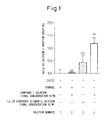
- the results thereof were shown in FIG. 1 .
- the BrdU uptake amount in each solution addition group was obtained in terms of a percentage to the average value of the BrdU uptake amount in four wells in a Solution 1 addition group.
- the graph was made using the average value ⁇ standard error of the four wells of each solution addition group.
- the cell growth of the ROS17/2.8 cells cultured in the presence of the 10% FCS- ⁇ MEM comprising Solution 2 was not significantly different, compared with the cell growth of the ROS17/2.8 cells cultured in the presence of the 10% FCS- ⁇ MEM comprising Solution 1 (n.s., Dunnett multiple comparison test).
- the cell growth of the ROS17/2.8 cells cultured in the presence of the 10% FCS- ⁇ MEM comprising Solution 3 was not significantly different, compared with the cell growth of the ROS17/2.8 cells cultured in the presence of the 10% FCS- ⁇ MEM comprising Solution 1 (n.s., Dunnett multiple comparison test).
- the cell growth of the ROS17/2.8 cells cultured in the presence of the 10% FCS- ⁇ MEM comprising Solution 4 was significantly increased, compared with the cell growth of the ROS17/2.8 cells cultured in the presence of the 10% FCS- ⁇ MEM comprising Solution 1 (**: p ⁇ 0.01, Dunnett multiple comparison test). Namely, it became clear that stimulation only by the combination of Compound 1 with 1 ⁇ ,25-dihydroxyvitamin D 3 increased the cell growth of the ROS17/2.8 cells.
- the relative index of the BrudU uptake amount in each solution addition group was calculated, considering the BrdU uptake amount obtained when Solution 1 was added to be 1.000.
- the relative index (1.596) of a group for which Compound 1 and 1 ⁇ ,25-dihydroxyvitamin D 3 were added in combination was larger than the product (1.233) of relative indices of the single agent addition group, and the synergetic effect resulting from the drug combination was recognized.
- ROS17/2.8 cells were inoculated to a 96-well plate at a density of 5 X 10 3 cells/well.
- the 10% FCS- ⁇ MEM was used as a medium. After culture of the cells overnight, the medium was removed from each well, and the 0.5% FCS- ⁇ MEM was added.
- Solution 1 the 10% FCS- ⁇ MEM comprising DMSO and ethanol
- Solution 5 a Compound 11 solution and ethanol
- Solution 3 the 1 ⁇ ,25-dihydroxyvitamin D 3 solution and DMSO
- Solution 6 the Compound 11 solution and the 1 ⁇ ,25-dihydroxyvitamin D 3 solution
- the 10% FCS- ⁇ MEM comprising Solution 1 was prepared by diluting DMSO and ethanol by 1000 fold with the 10% FCS- ⁇ MEM.
- the 10% FCS- ⁇ MEM comprising Solution 5 was prepared by diluting a 10 -5 M Compound 11 solution and ethanol by 1000 fold with the 10% FCS- ⁇ MEM.
- the 10% FCS- ⁇ MEM comprising Solution 3 was prepared by diluting a 10 -4 M 1 ⁇ ,25-dihydroxyvitamin D 3 solution and DMSO by 1000 fold with the 10% FCS- ⁇ MEM.
- the 10% FCS- ⁇ MEM comprising Solution 6 was prepared by diluting the 10 -5 M Compound 11 solution and the 10 -4 M 1 ⁇ ,25-dihydroxyvitamin D 3 solution by 1000 fold with the 10% FCS- ⁇ MEM. After culture of the cells for about 24 hours, the effect of Compound 11 and 1 ⁇ ,25-dihydroxyvitamin D 3 on the cell growth of the ROS17/2.8 cells was evaluated using Amersham Cell Proliferation Biotrak ELISA system, version 2 (manufactured by GE healthcare bioscience K.K., Code No. RPN250).
- the results thereof were shown in FIG. 2 .
- the BrdU uptake amount in each solution addition group was obtained in terms of a percentage to the average value of the BrdU uptake amount in four wells in a Solution 1 addition group.
- the graph was made using the average value ⁇ standard error of the four wells of each solution addition group.
- the cell growth of the ROS17/2.8 cells cultured in the presence of the 10% FCS- ⁇ MEM comprising Solution 5 was not significantly different, compared with the cell growth of the ROS17/2.8 cells cultured in the presence of the 10% FCS- ⁇ MEM comprising Solution 1 (n.s., Dunnett multiple comparison test).
- the cell growth of the ROS17/2.8 cells cultured in the presence of the 10% FCS- ⁇ MEM comprising Solution 3 was not significantly different, compared with the cell growth of the ROS17/2.8 cells cultured in the presence of the 10% FCS- ⁇ MEM comprising Solution 1 (n.s., Dunnett multiple comparison test).
- a 10% FCS- ⁇ MEM comprising either DMSO and ethanol (referred to as Solution 7, hereinafter), a Test Compound solution and ethanol (referred to as Solution 8, hereinafter), a 1 ⁇ ,25-dihydroxyvitamin D 3 solution and DMSO (referred to as Solution 9, hereinafter) or a Test Compound solution and the 1 ⁇ ,25-dihydroxyvitamin D 3 solution (referred to as Solution 10, hereinafter) was dispensed.
- the ROS17/2.8 cells were inoculated to a medium at a density of 5 x 10 3 cells/100 ⁇ L/well.
- the effect of Test Compound and 1 ⁇ ,25-dihydroxyvitamin D 3 on the cell growth of the ROS17/2.8 cells was evaluated using the MTT method. Namely, after culture of the cells for about 44 hours, an MTT solution (3-[4,5-dimethylthiazol-2-yl]-2,5-diphenyltetrazolium bromide 2 mg/mL) was added in an amount of 25 ⁇ L/well, and the cells were further cultured for four hours. After the medium was removed, DMSO was added in an amount of 100 ⁇ L/well so as to dissolve the formed formazan. The amount of the formed formazan was determined by measuring the absorbance (at 560 nm) of the solution by a microplate reader.
- the 10% FCS- ⁇ MEM comprising Solution 7 was prepared by diluting DMSO by 1000 fold with the 10% FCS- ⁇ MEM, and diluting ethanol by 10000 fold with the 10% FCS- ⁇ MEM.
- the 10% FCS- ⁇ MEM comprising Solution 8 was prepared by diluting a 2 x 10 -5 M Test Compound solution by 1000 fold with the 10% FCS- ⁇ MEM, and diluting ethanol by 10000 fold with the 10% FCS- ⁇ MEM.
- the 10% FCS- ⁇ MEM comprising Solution 9 was prepared by diluting 2 x 10 -3 M 1 ⁇ ,25-dihydroxyvitamin D 3 solution by 10000 fold with the 10% FCS- ⁇ MEM, and diluting DMSO by 1000 fold with the 10% FCS- ⁇ MEM.
- the 10% FCS- ⁇ MEM comprising Solution 10 was prepared by diluting a 2 x 10 -5 M Test Compound solution by 1000 fold with the 10% FCS- ⁇ MEM, and diluting 2 x 10 -3 M 1 ⁇ ,25-dihydroxyvitamin D 3 solution by 10000 fold with the 10% FCS- ⁇ MEM.
- Solution 7 (Solvent control)
- Solution 8 (Test Compound alone)
- Solution 9 (1 ⁇ ,25-dihydroxyvitamin D 3 alone)
- Solution 10 (a group of a drug combination)
- Control 100 ⁇ 3.0 105 ⁇ 3.1 2 103 ⁇ 3.1 117 ⁇ 2.6*,# 3 105 ⁇ 3.1 112 ⁇ 2.7 *,# 4 105 ⁇ 1.9 112 ⁇ 1.6*,# 5 100 ⁇ 3.7 110 ⁇ 2.4*,# 6 103 ⁇ 2.5 113 ⁇ 1.7 **,## 7 109 ⁇ 3.2 120 ⁇ 2.3**,## 8 102 ⁇ 4.9 115 ⁇ 2.3**,## 9 108 ⁇ 2.3 120 ⁇ 2.1 **,## 10 99 ⁇ 2.5 111 ⁇ 1.3 **,# 11 103 ⁇ 2.4 115 ⁇ 4.4**,# 12 105 ⁇ 3.0 115 ⁇ 4.3 *,# 13 103 ⁇ 5.2 113 ⁇ 2.1 *,# 14 103 ⁇ 2.5 113 ⁇ 1.3 *,# 15 103 ⁇ 3.0 115 ⁇ 0.8**,## 16 107 ⁇ 1.3 118 ⁇ 3.7**,# 17 97 ⁇ 1.3 113 ⁇ 1.7**,# 18 106 ⁇
- Relative index of Solution 7 (Solvent control) Relative index of Solution 8 (Test Compound alone) Relative index of Solution 9 (1 ⁇ ,25-dihydroxyvitamin D 3 alone Product of relative indices of single agent addition group Relative index of Solution 10 (a group of a drug combination) Control 1.00 1.05 2 1.03 1.08 1.17 3 1.05 1.10 1.12 4 1.05 1.10 1.12 5 1.00 1.05 1.10 6 1.03 1.08 1.13 7 1.09 1.14 1.20 8 1.02 1.07 1.15 9 1.08 1.13 1.20 10 0.99 1.04 1.11 11 1.03 1.08 1.15 12 1.05 1.10 1.15 13 1.03 1.08 1.13 14 1.03 1.08 1.13 15 1.03 1.08 1.15 16 1.07 1.12 1.18 17 0.97 1.02 1.13 18 1.06 1.11 1.15 19 1.08 1.13 1.19 20 1.06 1.11 1.13 21 1.05 1.10 1.11 22 1.10 1.16 1.22 23 1.07 1.12 1.23 24 1.10 1.16 1.18 25 1.01 1.06 1.12 26 1.02 1.07 1.13
- New bone constantly replaces existing bone by osteoblast involved in osteogenesis and osteoclast involved in bone destruction to maintain the normal levels of bone quality and mass. It is a known fact that the bone mass is increased when the balance of the amount or function level of osteoblast and osteoclast is such that osteogenesis is relatively increased ( Written and edited by Tatsuo SUDA, Hidehiro OZAWA, Hideaki TAKAHASHI, Sakae TANAKA, Hiroaki NAKAMURA, and Satoshi MORI, "Science of Bone", Ishiyaku Shuppan K.K., 2007 ). In particular, it is presumed that an increase in osteoblast amount and function is directly linked to promotion of osteogenesis.
- the ROS17/2.8 cells used in Examples of the specification of the present application are osteoblast-like cells derived from osteosarcoma, and thus it can be said that an increase in the cells would promote the osteogenesis action. Consequently, these results suggested that a combination of an N-hydroxybenzamidine derivative represented by Formula (I) or a salt thereof with the activated vitamin D or a prodrug thereof exhibits a strong osteogenesis promoting action, compared with the use of each compound alone.
- a combination of the N-hydroxybenzamidine derivative represented by Formula (I) or a salt thereof with the activated vitamin D or a prodrug thereof of the present invention can be used as a therapeutic agent or a prophylactic agent, or a therapeutic method or a prophylactic method for a disease resulting from an abnormal bone metabolism, especially osteoporosis.
Landscapes
- Health & Medical Sciences (AREA)
- General Health & Medical Sciences (AREA)
- Public Health (AREA)
- Chemical & Material Sciences (AREA)
- Medicinal Chemistry (AREA)
- Pharmacology & Pharmacy (AREA)
- Life Sciences & Earth Sciences (AREA)
- Animal Behavior & Ethology (AREA)
- Veterinary Medicine (AREA)
- Chemical Kinetics & Catalysis (AREA)
- General Chemical & Material Sciences (AREA)
- Nuclear Medicine, Radiotherapy & Molecular Imaging (AREA)
- Organic Chemistry (AREA)
- Physical Education & Sports Medicine (AREA)
- Bioinformatics & Cheminformatics (AREA)
- Engineering & Computer Science (AREA)
- Rheumatology (AREA)
- Epidemiology (AREA)
- Orthopedic Medicine & Surgery (AREA)
- Pain & Pain Management (AREA)
- Endocrinology (AREA)
- Oncology (AREA)
- Hematology (AREA)
- Obesity (AREA)
- Diabetes (AREA)
- Immunology (AREA)
- Pharmaceuticals Containing Other Organic And Inorganic Compounds (AREA)
Abstract
Description
- The present invention relates to a therapeutic agent or a prophylactic agent for a disease resulting from an abnormal bone metabolism, especially a prophylactic agent or a therapeutic agent for osteoporosis, more specifically a therapeutic agent or a prophylactic agent for a disease resulting from an abnormal bone metabolism, especially osteoporosis comprising an N-hydroxybenzamidine derivative represented by Formula (I) or a salt thereof, and an activated vitamin D or a prodrug thereof as active ingredients.
- N-hydroxybenzamidine derivatives represented by Formula (I) or salts thereof have a bone resorption preventing effect and an osteogenesis promoting effect, and are expected to be therapeutic agents or prophylactic agents for osteoporosis. The N-hydroxybenzamidine derivatives represented by Formula (I) or salts thereof are disclosed in
Patent Publications - N-hydroxy-4-{5-[4-(5-isopropyl-2-methyl-1,3-thiazol-4-yl)phenoxy]pentoxy}-benzamidine represented by Formula (II) which is one of the N-hydroxybenzamidine derivatives represented by Formula (I) or a salt thereof has a bone resorption preventing effect and an osteogenesis promoting effect, and is expected to be a therapeutic agent or a prophylactic agent for osteoporosis.
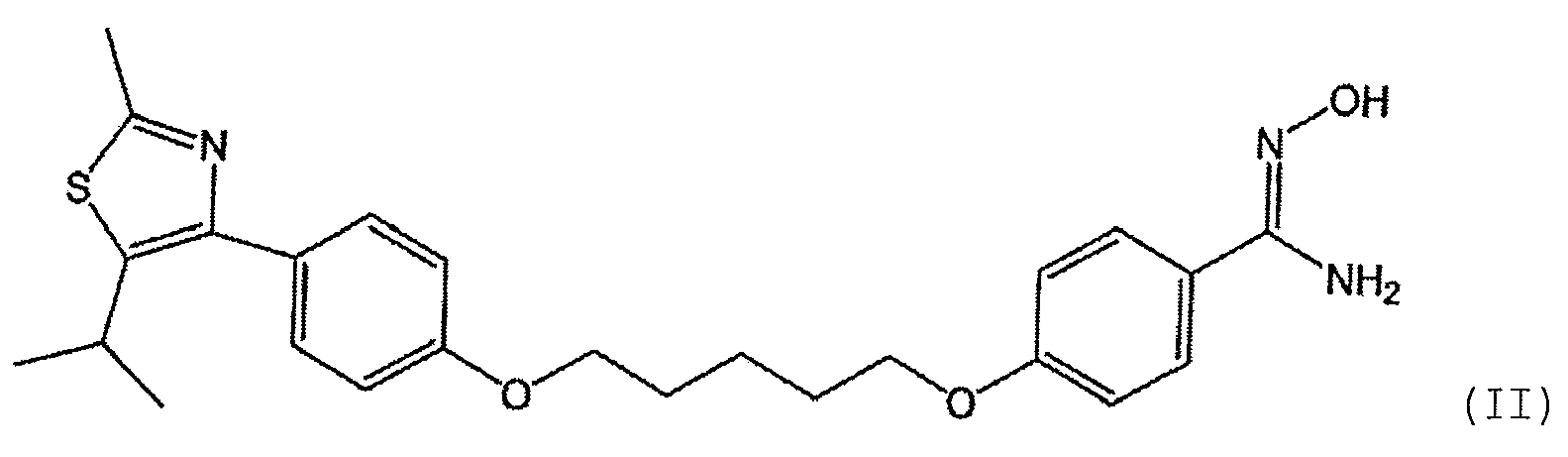
- N-hydroxy-4-{5-[4-(5-isopropyl-2-methyl-1,3-thiazol-4-yl)phenoxy]pentoxy}-benzamidine or a salt thereof is disclosed in
Patent Publication 4 andNon-patent Literature Publication 1. - An activated vitamin D or a prodrug thereof regulates the bone metabolism as a bone activating agent, and is used as a therapeutic agent for a disease associated with an abnormal calcium metabolism including osteoporosis (Non-patent Literature Publication 2).
- There are a large number of available therapeutic agents for osteoporosis. However, the therapeutic effects of these agents in combination are not the same. For example, it is known that effects of PTH (Parathyroid Hormone) and a certain type of a bisphosphonic acid are balanced out in the combination thereof. They are representative osteoporosis therapeutic agents. However, results of a preclinical test and a clinical test that when they were administered in combination, the therapeutic effect thereof was decreased, compared with a case where each agent was administered alone were reported (Non-patent Literature
Publications 3 and 4). In addition, regarding the activated vitamin D or a prodrug thereof, in the same manner as the above case of PTH with the bisphosphonic acid, a clinical test result on the combination of the activated vitamin D or a prodrug thereof with vitamin K having a calcium deposition action on the bone that when they were administered in combination, the therapeutic effect thereof was decreased, compared with a case where each agent was administered alone was reported (Non-patent Literature Publication 5). - As is presumed from the above examples, a therapeutic method or a prophylactic method exhibiting a higher effect using conventional or novel osteoporosis therapeutic agents cannot be easily found.
-
Patent Publication 1 Kohyo (Jpn. Unexamined Patent Publication) No.2008-509134 -
Patent Publication 2 Kohyo No.2009-525321 -
Patent Publication 3WO 2009/017346 Pamphlet -
Patent Publication 4 Kohyo No.2004-537549 - Non-patent Literature
Publication 1 Lee, Sung-Eun, Synthesis and Biological Activity of Natural Products and Designed New Hybrid Compounds for the Treatment of LTB4 Related Disease, the doctoral thesis, the Graduate School, Busan National University, 1999 August - Non-patent Literature
Publication 2 Edited by Toshitaka NAKAMURA, Toshio MATSUMOTO, Shigeaki KATO, "Bone Metabolism and Activated Vitamin D -Past and Now, and Future-", Life Science Publishing Co., Ltd., published on September 25, 2006 - Non-patent Literature Publication 3 R Samadfam et al, Endocrinology, Vol. 148, No. 6, 2007
- Non-patent
Literature Publication 4 DM Black et al, The New England Journal of Medicine, Vol. 349, No. 13, 2003 - Non-patent Literature
Publication 5, Seneki KOBAYASHI, Masataka SHIRAKI, Kunio TAKAOKA, "Problems in Vitamin K Combination Therapy in Osteoporosis Treatment", CLINICAL CALCIUM, Vol. 17, No. 11, 2007 - The object of the present invention is to provide a therapeutic agent or a prophylactic agent for a disease resulting from an abnormal bone metabolism, especially osteoporosis which exhibits a higher effect, compared with conventional medicaments. Further, the object of the present invention is to provide a therapeutic method or a prophylactic method for a disease resulting from the abnormal bone metabolism, especially osteoporosis which exhibits a higher effect, compared with conventional therapeutic methods or prophylactic methods.
- The inventors of the present application keenly studied active ingredients as therapeutic agents or prophylactic agents for a disease resulting from the abnormal bone metabolism, especially osteoporosis, and as a result, found that a remarkably excellent medicinal effect, compared with the use of each medicament alone can be obtained by the combination of specified medicaments which may be used alone.
- Namely, the present invention is described as below.
- (1) A therapeutic agent or a prophylactic agent for a disease resulting from the abnormal bone metabolism comprising the following (a) and (b) as active ingredients.
- (a) An N-hydroxybenzamidine derivative represented by the following Formula (I) or a salt thereof.
- (b) An activated vitamin D or a prodrug thereof.

- R1 is hydrogen; C1-C6 alkyl; C3-C6 cycloalkyl; C6-C12 aryl, 5- to 12-membered heteroaryl ring containing 1 to 3 heteroatoms selected from N, O and S; or NR5R6;
- R2 is hydrogen; C1-C6 alkyl; C2-C6 alkenyl; C3-C6 cycloalkyl; amino; C1-3 dialkylamino; C1-3 alkyl substituted by halogen, C3-C6 cycloalkyl, C6-C12 aryl, 5-to 12-membered heteroaryl ring containing 1 to 3 heteroatoms selected from N, O and S, C3-6 heterocycloalkyl containing 1 to 3 heteroatoms selected from N, O and S; C1-3 alkyl substituted by NR7R8; or N-methylcarbamoyl;
- R3 and R4 independently are hydrogen; halogen; hydroxy; C1-6 alkyl which is unsubstituted or is substituted by a halogen; C3-6 cycloalkylamino; C1-6 alkoxy; C1-6 alkanoyloxy; C2-6 alkenyloxy; phenyl-C1-6 alkoxy; phenoxy; C2-6 alkenoyloxy; phenyl-C1-6 alkanoyloxy; C3-6 cycloalkyloxy substituted by carboxy, esterified carboxy or amidated carboxy; or aminooxy;
- R5 is hydrogen or C1-C6 alkyl;
- R6 is hydrogen; C1-C6 alkyl; C1-3 alkyl substituted by hydroxy, C6-C12 aryl, 5- to 12-membered heteroaryl ring containing 1 to 3 heteroatoms selected from N, O and S, or C3-6 heterocycloalkyl containing 1 to 3 heteroatoms selected from N, O and S;
- R7 is hydrogen; C1-C6 alkyl; or C3-C6 cycloalkyl;
- R8 is hydrogen; C1-C4 alkyl; C1-3 alkyl substituted by C1-3 alkoxy; or 4-pyridinoyl;
- X1 is -O-; -S-; -NH-; or -N(C1-6 alkyl)-;
- X2 is C3-7 alkylene; C3-7 alkylenecarbonyl; or C1-3 alkylene-phenylene-C1-3 alkylene;
- X3 is -O-; -S-; -NH-; or -N(C1-6 alkyl)-;].
- (2) The therapeutic agent or the prophylactic agent for a disease resulting from the abnormal bone metabolism as described in (1), wherein
- 1) when R1 is C1-C6 alkyl,
R2 is C1-C6 alkyl; C2-C6 alkenyl; C3-C6 cycloalkyl; amino; C1-3 dialkylamino; C1-3 alkyl substituted by halogen, C3-C6 cycloalkyl, C6-C12 aryl, 5- to 12-membered heteroaryl ring containing 1 to 3 heteroatoms selected from N, O and S, or C3-6 heterocycloalkyl containing 1 to 3 heteroatoms selected from N, O and S; or C1-3 alkyl substituted by NR7R8; - 2) when R1 is C3-C6 cycloalkyl,
R2 is C1-C6 alkyl; or C1-3 alkyl substituted by NR7R8; - 3) when R1 is C6-C12 aryl or 5- to 12-membered heteroaryl ring containing 1 to 3 heteroatoms selected from N, O and S,
R2 is C1-C3 alkyl substituted by halogen, C3-C6 cycloalkyl, C6-C12 aryl, 5- to 12-membered heteroaryl ring containing 1 to 3 heteroatoms selected from N, O and S, or C3-6 heterocycloalkyl containing 1 to 3 heteroatoms selected from N, O and S; - 4) when R1 is NR5R6,
R2 is C1-C6 alkyl; C3-6 cycloalkyl; C1-C3 alkyl substituted by halogen, C3-C6 cycloalkyl, C6-C12 aryl, 5-to 12-membered heteroaryl ring containing 1 to 3 heteroatoms selected from N, O and S, or C3-6 heterocycloalkyl containing 1 to 3 heteroatoms selected from N, O and S; or N-methylcarbamoyl.
- 1) when R1 is C1-C6 alkyl,
- (3) The therapeutic agent or the prophylactic agent for a disease resulting from the abnormal bone metabolism as described in (1) or (2), wherein
- 1) when R5 is hydrogen,
R6 is hydrogen; or C1-C6 alkyl; - 2) when R5 is C1-C6 alkyl,
R6 is C1-C6 alkyl; C1-3 alkyl substituted by a group selected from hydroxy, C6-C12 aryl, 5- to 12-membered heteroaryl ring containing 1 to 3 heteroatoms selected from N, O and S, and C3-6 heterocycloalkyl containing 1 to 3 heteroatoms selected from N, O and S.
- 1) when R5 is hydrogen,
- (4) The therapeutic agent or the prophylactic agent for a disease resulting from the abnormal bone metabolism as described in any one of (1) to (3), wherein
- 1) when R7 is hydrogen,
R8 is C1-C4 alkyl; C1-3 alkyl substituted by C1-3 alkoxy or C3-6 heterocycloakyl; - 2) when R7 is C1-C6 alkyl,
R8 is C1-C4 alkyl; - 3) when R7 is C3-C6 cycloalkyl,
R8 is 4-pyridinoyl.
- 1) when R7 is hydrogen,
- (5) The therapeutic agent or the prophylactic agent for a disease resulting from the abnormal bone metabolism as described in any one of (1) to (4), wherein R1 is hydrogen; methyl; ethyl; propyl; isopropyl; cyclohexyl; phenyl; 3-pyridinyl; or NR5R6.
- (6) The therapeutic agent or the prophylactic agent for a disease resulting from the abnormal bone metabolism as described in any one of (1) to (5), wherein
R2 is hydrogen; methyl; ethyl; propyl; isopropyl; butyl; vinyl; cyclopentyl; amino; dimethylamino; methyl or ethyl substituted by chlorine, pentyl, phenyl, 1-imidazolyl, 4-thiomorpholinyl, 4-morpholinyl, or NR7R8; or methyl or ethyl substituted by N-methylcarbamoyl. - (7) The therapeutic agent or the prophylactic agent for a disease resulting from the abnormal bone metabolism as described in any one of (1) to (6), wherein R3 is hydrogen.
- (8) The therapeutic agent or the prophylactic agent for a disease resulting from the abnormal bone metabolism as described in any one of (1) to (7), wherein R4 is hydrogen; or fluorine.
- (9) The therapeutic agent or the prophylactic agent for a disease resulting from the abnormal bone metabolism as described in any one of (1) to (8), wherein R5 is hydrogen; methyl; ethyl; propyl; or isopropyl.
- (10) The therapeutic agent or the prophylactic agent for a disease resulting from the abnormal bone metabolism as described in any one of (1) to (9), wherein R6 is hydrogen; methyl; ethyl; propyl; isopropyl; or methyl or ethyl substituted by hydroxy, phenyl, 3-pyridinyl or 4-morpholinyl.
- (11) The therapeutic agent or the prophylactic agent for a disease resulting from the abnormal bone metabolism as described in any one of (1) to (10), wherein R7 is hydrogen; methyl; ethyl or cyclopropyl.
- (12) The therapeutic agent or the prophylactic agent for a disease resulting from the abnormal bone metabolism as described in any one of (1) to (11), wherein R8 is hydrogen; methyl; ethyl; isopropyl; 3-isopropyloxypropyl; or 4-pyridinoyl.
- (13) The therapeutic agent or the prophylactic agent for a disease resulting from the abnormal bone metabolism as described in any one of (1) to (12), wherein
- X1 is -O-;
- x2 is butylene; pentylene;

- x3 is -O-; -NH-; or -N(CH3)- ;.
- (14) The therapeutic agent or the prophylactic agent for a disease resulting from the abnormal bone metabolism as described in any one of (1) to (13), wherein
X1-X2-X3 is


- (15) The therapeutic agent or the prophylactic agent for a disease resulting from the abnormal bone metabolism as described in (1), wherein the N-hydroxybenzamidine derivative represented by Formula (I) is any one of the following compounds:
- 1) N-hydroxy-4-{5-[4-(5-isopropyl-2-methyl-1,3-thiazol-4-yl)phenoxy]pentoxy}benzamidine
- 2) N-hydroxy-4-{5-[4-(5-benzyl-2-(pyridin-3-yl)-1,3-thiazol-4-yl]phenoxy]pentoxy}benzamidine
- 3) N-hydroxy-4-{5-[4-(5-(2-chloroethyl)-2-methyl-1,3-thiazol-4-yl)phenoxy]pentoxy}benzamidine
- 4) N-hydroxy-4-{5-[4-(5-cyclopentylmethyl-2-ethyl-1,3-thiazol-4-yl)phenoxy]pentoxy}benzamidine
- 5) N-hydroxy-4-{5-[4-(5-vinyl-2-methyl-1,3-thiazol-4-yl)phenoxy]pentoxy}benzamidine
- 6) N-hydroxy-4-{5-[4-(5-cyclopentylmethyl-2-methylamino-1,3-thiazol-4-yl)phenoxy]pentoxy}benzamidine
- 7) N-hydroxy-4-{5-[4-(2-(2-hydroxyethyl)methylamino-5-methyl-1,3-thiazol-4-yl)phenoxy]pentoxy}benzamidine
- 8) N-hydroxy-4-{5-[4-(2-benzylmethylamino-5-methyl-1,3-thiazol-4-yl)phenoxy]pentoxy}benzamidine
- 9) N-hydroxy-4-{5-[4-(5-methyl-2-(methyl(pyridin-3-ylmethyl)amino)-1,3-thiazol-4-yl)phenoxy]pentoxy}benzamidine
- 10) N-hydroxy-4-{5-[4-(2-benzylmethylamino-5-ethyl-1,3-thiazol-4-yl)phenoxy]pentoxy}benzamidine
- 11) N-hydroxy-4-{5-[4-(2-dipropylamino-5-ethyl-1,3-thiazol-4-yl)phenoxy]pentoxy}benzamidine
- 12) N-hydroxy-4-{5-[4-(5-isopropyl-2-(methyl(pyridin-3-yl-methyl)amino)-1,3-thiazol-4-yl)phenoxy]pentoxy}benzamidine
- 13) N-hydroxy-4-{5-[4-(5-butyl-2-(methyl(2-(4-morpholino)ethyl)amino)-1,3-thiazol-4-yl)phenoxy]pentoxy}benzamidine
- 14) N-hydroxy-4-{5-[4-(5-cyclopentylmethyl-2-dipropylamino-1,3-thiazol-4-yl)phenoxy]pentoxy}benzamidine
- 15) N-hydroxy-4-{5-[4-(5-cyclopentyl-2-(methyl(2-(4-morpholino)ethyl)amino)-1,3-thiazol-4-yl)phenoxy]pentoxy}benzamidine
- 16) N-hydroxy-4-{5-[4-(5-isopropyl-2-dipropylamino-1,3-thiazol-4-yl)phenoxy]pentoxy}benzamidine
- 17) N-hydroxy-4-{5-[4-(5-isopropyl-2-dimethylamino-1,3-thiazol-4-yl)phenoxy]pentoxy}benzamidine
- 18) N-hydroxy-4-{5-[4-(5-isopropyl-2-methyl-1,3-thiazol-4-yl)phenoxy]pentanoylamino}benzamidine
- 19) N-hydroxy-4-{5-[4-(5-isopropyl-2-methyl-1,3-thiazol-4-yl)phenoxy]pentylmethylamino}benzamidine
- 20) N-hydroxy-2-fluoro-4-{5-[4-(5-isopropyl-2-methyl-1,3-thiazol-4-yl)phenoxy]pentoxy}benzamidine
- 21) N-hydroxy-4-{4-[4-(2-cyclohexyl-5-ethyl-1,3-thiazol-4-yl)phenoxy]butoxy}benzamidine
- 22) N-hydroxy-4-{3-[4-(5-isopropyl-2-methyl-1,3-thiazol-4-yl)phenoxymethyl]benzyloxy}benzamidine
- 23) N-hydroxy-4-{5-[4-(5-(2-(imidazol-1-yl)ethyl)-2-methyl-1,3-thiazol-4-yl)phenoxy]pentoxy}benzamidine
- 24) N-hydroxy-4-{5-[4-(5-(2-(isopropylamino)ethyl)-2-methyl-1,3-thiazol-4-yl)phenoxy]pentoxy}benzamidine
- 25) N-hydroxy-4-{5-[4-(5-(2-(3-(isopropoxy)propylamino)ethyl)-2-methyl-1,3-thiazol-4-yl)phenoxy]pentoxy}benzamidine
- 26) N-hydroxy-4-{5-[4-(5-(2-diethylaminoethyl)-2-methyl-1,3-thiazol-4-yl)phenoxy]pentoxy}benzamidine
- 27) N-hydroxy-4-{5-[4-(2-isopropyl-5-(2-(thiomorpholin-4-yl)ethyl)-1,3-thiazol-4-yl)phenoxy]pentoxy}benzamidine
- 28) N-hydroxy-4-{5-[4-(2-cyclohexyl-5-(2-(dimethylamino)ethyl)-1,3-thiazol-4-yl)phenoxy]pentoxy}benzamidine
- 29) N-hydroxy-4-{5-[4-(2-dimethylamino-5-(2-(morpholin-4-yl)ethyl)-1,3-thiazol-4-yl)phenoxy]pentoxy}benzamidine
- 30) N-hydroxy-4-{5-[4-(5-(2-(cyclopropyl(pyridin-4-carbonyl)amino)ethyl)-2-isopropyl-1,3-thiazol-4-yl)phenoxy]pentoxy}benzamidine
- 31) N-hydroxy-4-{5-[4-(2-amino-5-(N-methylcarbamoyl)-1,3-thiazol-4-yl)phenoxy]pentoxy}benzamidine
- 32) N-hydroxy-4-{5-[4-(5-(imidazol-1-ylmethyl)-2-methyl-1,3-thiazol-4-yl)phenoxy]pentoxy}benzamidine
- 33) N-hydroxy-4-{5-[4-(2-ethylmethylamino-5-(morpholin-4-ylmethyl)-1,3-thiazol-4-yl)phenoxy]pentoxy}benzamidine
- 34) N-hydroxy-4-{5-[4-(2-(methyl(2-morpholin-4-yl)ethyl)amino)-5-(thiomorpholin-4-yl)-1,3-thiazol-4-yl)phenoxy]pentoxy}benzamidine
- 35) N-hydroxy-4-{5-[4-(5-dimethylamino-2-methyl-1,3-thiazol-4-yl)phenoxy]pentoxy}benzamidine.
- (16) The therapeutic agent or the prophylactic agent for a disease resulting from the abnormal bone metabolism as described in (1), wherein the N-hydroxybenzamidine derivative represented by Formula (I) is N-hydroxy-4-{5-[4-(5-isopropyl-2-methyl-1,3-thiazol-4-yl) phenoxy]pentoxy}benzamidine.
- (17) The therapeutic agent or the prophylactic agent for a disease resulting from the abnormal bone metabolism as described in any one of (1) to (16), wherein the disease resulting from the abnormal bone metabolism is a disease resulting from abnormal bone resorption.
- (18) The therapeutic agent or the prophylactic agent for a disease resulting from the abnormal bone metabolism as described in any one of (1) to (16), wherein the disease resulting from the abnormal bone metabolism is osteodystrophy.
- (19) The therapeutic agent or the prophylactic agent for a disease resulting from the abnormal bone metabolism as described in any one of (1) to (16), wherein the disease resulting from the abnormal bone metabolism is osteoporosis.
- (20) The therapeutic agent or the prophylactic agent for a disease resulting from the abnormal bone metabolism as described in any one of (1) to (19), wherein (b) is 1α,25-dihydroxyvitamin D3, 1α,24R-dihydroxyvitamin D3, or 1α-hydroxyvitamin D3.
- (21) The therapeutic agent or the prophylactic agent for a disease resulting from the abnormal bone metabolism as described in any one of (1) to (19), wherein (b) is 1α,25-dihydroxyvitamin D3 or 1α-hydroxyvitamin D3.
- (22) The therapeutic agent or the prophylactic agent for a disease resulting from the abnormal bone metabolism as described in any one of (1) to (21), wherein (a) and (b) form a drug.combination.
- (23) The therapeutic agent or the prophylactic agent for a disease resulting from the abnormal bone metabolism as described in any one of (1) to (21), wherein (a) and (b) each is an independent single agent.
- (24) The therapeutic agent or the prophylactic agent for a disease resulting from the abnormal bone metabolism as described in any one of (1) to (21), which is a kit comprising (a) and (b).
- Further, the present invention relates to a therapeutic method or a prophylactic method for a disease resulting from an abnormal bone metabolism, especially osteoporosis comprising administering an agent comprising the above (a) and (b) as active ingredients.
- The present invention relates to a therapeutic agent or a prophylactic agent for a disease resulting from an abnormal bone metabolism, especially osteoporosis comprising both an N-hydroxybenzamidine derivative represented by Formula (I) or a salt thereof, and an activated vitamin D or a prodrug thereof as active ingredients. Further, the present invention relates to a therapeutic method or a prophylactic method for a disease resulting from an abnormal bone metabolism, especially osteoporosis comprising administering these agents. Compared with a case where the N-hydroxybenzamidine derivative represented by Formula (I) or a salt thereof, or the activated vitamin D or a prodrug thereof is used alone, remarkably significant therapeutic effect or prophylactic effect can be obtained by administering both the active ingredients in combination.
-
-
FIG 1 : A graph showing a cell growth-promoting effect of the combination of two of an N-hydroxy-4-{5-[4-(5-isopropyl-2-methyl-1,3-thiazol-4-yl) phenoxy]pentoxy}-benzamidine (referred to asCompound 1, hereinafter) solution, a 1α,25-dihydroxyvitamin D3 solution, dimethylsulfoxide (referred to as DMSO, hereinafter) (a solvent used to prepare aCompound 1 solution), and ethanol (a solvent used to prepare a 1α,25-dihydroxyvitamin D3 solution) on a rat osteosarcoma cell strain (ROS17/2.8 cells) stimulated by the combination. -
FIG 2 : A graph showing a cell growth-promoting effect of the combination of two of an N-hydroxy-4-5-[4-(2-dipropylamino-5-ethyl-1,3-thiazol-4-yl)phenoxy]pentoxy}benzamidine (referred to as Compound 11, hereinafter) solution, a 1α,25-dihydroxyvitamin D3 solution, dimethylsulfoxide (referred to as DMSO, hereinafter) (a solvent used to prepare a Compound 11 solution), and ethanol (a solvent used to prepare a 1α,25-dihydroxyvitamin D3 solution) on a rat osteosarcoma cell strain (ROS17/2.8 cells) stimulated by the combination. - The N-hydroxybenzamidine derivative represented by Formula (I) or a salt thereof used in the present invention has excellent bone resorption preventing effect and osteogenesis promoting effect, and is expected to be a therapeutic agent or a prophylactic agent for a disease resulting from an abnormal bone metabolism, especially osteoporosis.
- The N-hydroxybenzamidine derivative represented by Formula (I) is described in
Patent Publication Non-patent Literature Publication 1, and can be produced by referring to the descriptions of these patent publications. - The N-hydroxybenzamidine derivative represented by Formula (I) in the present invention is a compound below.

- R1 is hydrogen; C1-C6 alkyl; C3-C6 cycloalkyl; C6-C12 aryl; 5- to 12-membered heteroaryl ring containing 1 to 3 heteroatoms selected from N, O and S; or NR5R6;
- R2 is hydrogen; C1-C6 alkyl; C2-C6 alkenyl; C3-C6 cycloalkyl; amino; C1-3 dialkylamino; C1-3 alkyl substituted by halogen, C3-C6 cycloalkyl, C6-C12 aryl, 5-to 12-membered heteroaryl ring containing 1 to 3 heteroatoms selected from N, O and S, C3-6 heterocycloalkyl containing 1 to 3 heteroatoms selected from N, O and S; C1-3 alkyl substituted by NR7R8; or N-methylcarbamoyl;
- R3 and R4 independently are hydrogen; halogen; hydroxy; C1-6 alkyl which is unsubstituted or is substituted by a halogen; C3-6 cycloalkylamino; C1-6 alkoxy; C1-6 alkanoyloxy; C2-6 alkenyloxy; phenyl-C1-6 alkoxy; phenoxy; C2-6 alkenoyloxy; phenyl-C1-6 alkanoyloxy; C3-6 cycloalkyloxy substituted by carboxy, esterified carboxy or amidated carboxy; or aminooxy;
- R5 is hydrogen or C1-C6 alkyl;
- R6 is hydrogen; C1-C6 alkyl; C1-3 alkyl substituted by hydroxy, C6-C12 aryl, 5- to 12-membered heteroaryl ring containing 1 to 3 heteroatoms selected from N, O and S, or C3-6 heterocycloalkyl containing 1 to 3 heteroatoms selected from N, O and S;
- R7 is hydrogen; C1-C6 alkyl; or C3-C6 cycloalkyl;
- R8 is hydrogen; C1-C4 alkyl; C1-3 alkyl substituted by C1-3 alkoxy; or 4-pyridinoyl;
- X1 is -O-; -S-; -NH-; or -N(C1-6 alkyl)-;
- X2 is C3-7 alkylene; C3-7 alkylenecarbonyl; or C1-3 alkylene-phenylene-C1-3 alkylene;
- X3 is -O-; -S-; -NH-; or -N(C1-6 alkyl)-].
- In addition, R1 is preferably hydrogen; methyl; ethyl; propyl; isopropyl; cyclohexyl; phenyl; 3-pyridinyl; or NR5R6, more preferably, methyl; ethyl; isopropyl; cyclohexyl; 3- pyridinyl; or NR5R6.
- R2 is preferably hydrogen; methyl; ethyl; propyl; isopropyl; butyl; vinyl; cyclopentyl; amino; dimethylamino; methyl or ethyl substituted by chlorine, pentyl, phenyl, 1-imidazolyl, 4-thiomorpholinyl, 4-morpholinyl, or NR5R6; or methyl or ethyl substituted by N-methylcarbamoyl, more preferably, methyl; ethyl; isopropyl; butyl; vinyl; cyclopentyl; dimethylamino; methyl or ethyl substituted by chlorine, pentyl, phenyl, 1-imidazolyl, 4-thiomorpholinyl, 4-morpholnyl, or NR5R6, or methyl or ethyl substituted by N-methylcarbamoyl.
- R3 is preferably hydrogen.
- R4 is preferably hydrogen; or fluorine.
- R5 is preferably hydrogen; methyl; ethyl; propyl; or isopropyl, more preferably hydrogen; methyl; ethyl; or propyl.
- R6 is preferably hydrogen; methyl; ethyl; propyl; isopropyl; or methyl or ethyl substituted by hydroxy, phenyl, 3-pyridinyl or 4-morpholinyl, more preferably hydrogen; methyl; ethyl; propyl; or methyl or ethyl substituted by hydroxy, phenyl, 3-pyridinyl or 4-morpholinyl.
- R7 is preferably hydrogen; methyl; ethyl; or cyclopropyl.
- R8 is preferably hydrogen; methyl; ethyl; isopropyl; 3-isopropyloxypropyl; or 4-pyridinoyl.
- It is preferable that X1 is -O-;
X2 is butylene; pentylene;
- Further, X1-X2-X3 is

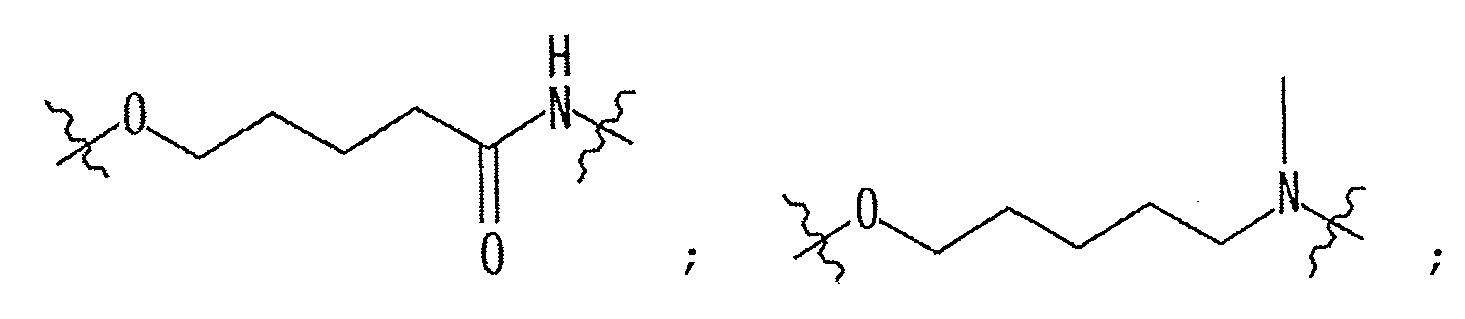
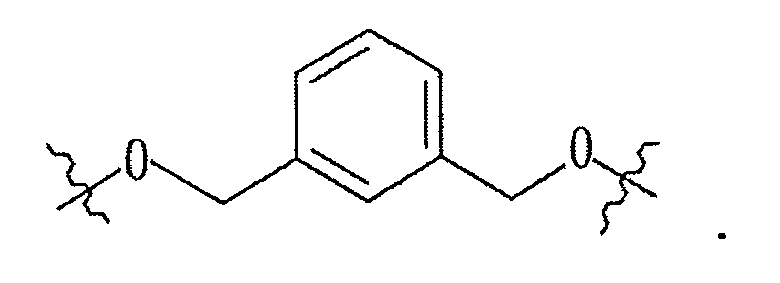
- In particular, the derivatives described in Table 1 or salts thereof are preferable as the N-hydroxybenzamidine derivatives represented by Formula (I). Among them, N-hydroxy-4-5-[4-(5-isopropyl-2-methyl-1,3-thiazol-4-yl)
phenoxy]pentoxy-benzamidine of Compound No. 1 is especially preferable. - These have excellent bone resorption preventing effect and osteogenesis promoting effect, and are expected to be therapeutic agents or prophylactic agents for a disease resulting from the abnormal bone metabolism, especially osteoporosis, and can be used in combination with the activated vitamin D or a prodrug thereof. An agent comprising both compounds as active ingredients is effective as a therapeutic agent or prophylactic agent for a disease resulting from the abnormal bone metabolism, especially osteoporosi.
Table 1 Compounc No. Structure Compound Name 1 
N-hydroxy-4-{5-[4-(5-isopropyl-2-methyl-1,3-thiazol-4-yl)phenoxy] pentoxy}benzamidine 2 
N-hydroxy-4-{5-[4-(5-benzyl-2-(pyridin-3-yl)-1,3-thiazol-4-yl]phenoxy]pentoxy}benzamidine 3 
N-hydroxy-4-{5-[4-(5-(2-chloroethyl)-2-methyl-1,3-thiazol-4-yl) phenoxy]pentoxy} benzamidine 4 
N-hydroxy-4-{5-[4-(5-cyclopentylmethyl-2-ethyl-1,3-thiazol-4-yl)phenoxy]pentoxy} benzamidine 5 
N-hydroxy-4-{5-[4-(5-vinyl-2-methyl-1,3-thiazol-4-yl) phenoxy]pentoxy}benzamidine 6 
N-hydroxy-4-{5-[4-(5-cyclopentylmethyl-2-methylamino-1,3-thiazol-4-yl) phenoxy]pentoxy}benzamidine 7 
N-hydroxy-4-{5-[4-(2-(2-hydroxyethyl)methylamino-5-methyl-1,3-thiazol-4-yl) phenoxy]pentoxy}benzamidine 8 
N-hydroxy-4-{5-[4-(2-benzylmethylamino-5-methyl-1,3-thiazol-4-yl)phenoxy] pentoxy}benzamidine 9 
N-hydroxy-4-{5-[4-(5-methyl-2-(methyl(pyridin-3-ylmethyl) amino)-1,3-thiazol-4-yl) phenoxy]pentoxy}benzamidine 10 
N-hydroxy-4-{5-[4-(2-benzylmethylamino-5-ethyl-1,3-thiazol-4-yl)phenoxy]pentoxy} benzamidine 11 
N-hydroxy-4-{5-[4-(2-dipropylamino-5-ethyl-1,3-thiazol-4-yl)phenoxy]pentoxy} benzamidine 12 
N-hydroxy-4-{5-[4-(5-isopropyl-2-(methyl(pyridin-3-yl-methyl)amino)-1,3-thiazol-4-yl)phenoxy]pentoxy} benzamidine 13 
N-hydroxy-4-{5-[4-(5-butyl-2-(methyl(2-(4-morpholino)ethyl) amino)-1,3-thiazol-4-yl) phenoxy]pentoxy}benzamidine 14 
N-hydroxy-4-{5-[4-(5-cyclopentylmethyl-2-dipropylamino-1,3-thiazol-4-yl)phenoxy]pentoxy}benzamidine 15 
N-hydroxy-4-{5-[4-(5-cyclopentyl-2-(methyl(2-(4-morpholino)ethyl)amino)-1,3-thiazol-4-yl)phenoxy] pentoxy}benzamidine 16 
N-hydroxy-4-{5-[4-(5-isopropyl-2-dipropylamino-1,3-thiazol-4-yl)phenoxy]pentoxy} benzamidine 17 
N-hydroxy-4-{5-[4-(5-isopropyl -2-dimethylamino-1,3-thiazol-4-yl)phenoxy]pentoxy} benzamidine 18 
N-hydroxy-4-{5-[4-(5-isopropyl-2-methyl-1,3-thiazol-4-yl)phenoxy] pentanoylamino}benzamidine 19 
N-hydroxy-4-{5-[4-(5-isopropyl-2-methyl-1,3-thiazol-4-yl)phenoxy] pentylmethylamino}benzamidine 20 
N-hydroxy-2-fluoro-4-{5-[4-(5-isopropyl-2-methyl-1,3-thiazol-4-yl)phenoxy] pentoxy}benzamidine 21 
N-hydroxy-4-{4-[4-(2-cyclohexyl-5-ethyl-1,3-thiazol-4-yl)phenoxy] butoxy}benzamidine 22 
N-hydroxy-4-{3-[4-(5-isopropyl-2-methyl-1,3-thiazol-4-yl)phenoxymethyl] benzyloxy}benzamidine 23 
N-hydroxy-4-{5-[4-(5-(2-(imidazol-1-yl)ethyl)-2-methyl-1,3-thiazol-4-yl) phenoxy]pentoxy}benzamidine 24 
N-hydroxy-4-{5-[4-(5-(2-(isopropylamino)ethyl)-2-methyl-1,3-thiazol-4-yl) phenoxy]pentoxy}benzamidine 25 
N-hydroxy-4-{5-[4-(5-(2-(3-(isopropoxy)propylamino)ethyl) -2-methyl-1,3-thiazol-4-yl) phenoxy]pentoxy}benzamidine 26 
N-hydroxy-4-{5-[4-(5-(2-diethylaminoethyl)-2-methyl-1,3-thiazol-4-yl)phenoxy] pentoxy}benzamidine 27 
N-hydroxy-4-{5-[4-(2-isopropyl-5-(2-(thiomorpholin-4-yl)ethyl)-1,3-thiazol-4-yl) phenoxy]pentoxy}benzamidine 28 
N-hydroxy-4-{5-[4-(2-cyclohexyl-5-(2-(dimethylamino)ethyl)-1,3-thiazol-4-yl)phenoxy]pentoxy} benzamidine 29 
N-hydroxy-4-{5-[4-(2-dimethylamino-5-(2-(morpholin-4-yl)ethyl)-1,3-thiazol-4-yl) phenoxy]pentoxy}benzamidine 30 
N-hydroxy-4-{5-[4-(5-(2-(cyclopropyl(pyridin-4-carbonyl)amino) ethyl}-2-isopropyl-1,3-thiazol-4-yl)phenoxy]pentoxy} benzamidine 31 
N-hydroxy-4-{5-[4-(2-amino-5-(N-methylcarbamoyl)-1,3-thiazol-4-yl)phenoxy]pentoxy} benzamidine 32 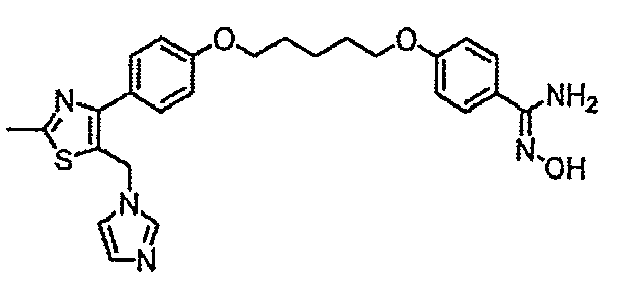
N-hydroxy-4-{5-[4-(5-(imidazol-1-ylmethyl)-2-methyl-1,3-thiazol-4-yl] phenoxy}pentoxy}benzamidine 33 
N-hydroxy-4-{5-[4-(2-ethylmethylamino-5-(morpholin-4-ylmethyl)-1,3-thiazol-4-yl) phenoxy]pentoxy}benzamidine 34 
N-hydroxy-4-{5-{4-(2-(methyl(2-(morpholin-4-yl) ethyl)amino)-5-(thiomorpholin-4-yl)-1,3-thiazol-4-yl)phenoxy]pentoxy} benzamidine 35 
N-hydroxy-4-{5-[4-(5-dimethylamino-2-methyl-1,3-thiazol-4-yl)phenoxy]pentoxy} benzamidine - Benzamidine derivatives which are dehydroxy compounds of N-hydroxybenzamidine derivatives represented by Formula (I) or salts thereof, or salts thereof exhibit excellent bone resorption preventing effect and osteogenesis promoting effect, are expected to be therapeutic agents or a prophylactic agents for a disease resulting from the abnormal bone metabolism, especially osteoporosis, and may be used with an activated vitamin D or a prodrug thereof. An agent comprising both compounds as active ingredients is effective as a therapeutic agent or a prophylactic agent for a disease resulting from the abnormal bone metabolism, especially osteoporosis.
- Pharmaceutically acceptable salts using inorganic acids (hydrochloric acid, bromic acid, sulfuric acid, and phosphoric acid), and organic acids (citric acid, acetic acid, lactic acid, tartaric acid, fumaric acid, formic acid, propionic acid, oxalic acid, trifluoroacetic acid, methane sulfonic acid, ethane sulfonic acid, benzoic acid, maleic acid, gluconic acid, glycolic acid, succinic acid, 4-toluenesulfonic acid, galacturonic acid, embonic acid, glutamic acid or aspartic acid) are exemplified as salts of the N-hydroxybenzamidine derivatives represented by Formula (I). In the present invention, hydrochloric acid is preferably used as the inorganic acid, and methane sulfonic acid or ethane sulfonic acid is preferably used as the organic acid.
- The dosage of the N-hydroxybenzamidine derivative represented by Formula (I) or a salt thereof is an amount effective to prevent or treat a disease resulting from the abnormal bone metabolism, especially osteoporosis. The dosage cannot be generally selected because it is selected, depending on the age or weight of a patient, the type of combination therapy, frequency of the treatment, the type of desired effect, an administration method or the like. However, when it is used as a general therapeutic agent or prophylactic agent, the dosage thereof may be a normally administered amount.
- The activated vitamin D or a prodrug thereof used in the present invention has affinity with a vitamin D receptor, and may be any compound which exhibits a physiological action resulting from the affinity. Examples of the activated vitamin D include 1α,25-dihydroxyvitamin D3 (calcitriol), 1α, 24R-dihydroxyvitamin D3 (tacalcitol), 2β-(3-hydroxypropoxy)- 1α,25-dihydroxyvitamih D3 (eldecalcitol, ED-71), 1α, 25-dihydroxy-2-methylen-19-norvitamin D3 (2MD), 1α,25-dihydroxy-22-oxavitamin D3 (maxacalcitol, OCT), 1α, 24S-dihydroxy-22,23:26,27-tetradehydro-vitamin D3 (calcipotriol, MC903), 1α,25-dihydroxy-26,26,26,27,27,27-hexafluorovitamin D3 (farecalcitriol), (23E)-1α-fluroro-25-hydroxy-16,17,23,24-tetrahydro-26,27-bishomo-20-epivitamin D3 (elocalcitol, BXL-628), 19-nor-1α,25-dihydroxyvitamin D2 (paricalcitol) and the like. Examples of the prodrug of the activated vitamin D include 1α-hydroxyvitamin D3 (alphacalcidol), 1α-hydroxyvitamin D2 (doxacalciferol) and the like.
- Alphacalcidol is preferable as the activated vitamin D or a prodrug thereof in the present invention.
- In the combination of the N-hydroxybenzamidine derivative represented by Formula (I) or a salt thereof with the activated vitamin D or a prodrug thereof in the present invention, one type of each compound or two or more types of each compound may be mixed in an optional ratio to be used. It is preferable that one type of each compound selected from the above compounds is used in combination.
- "Prodrug" used in the specification of the present application means any compounds which are subjected to hydrolysis, being metabolized, derivatization or the like in vivo to be formed into active compounds which exhibit desired activity. In addition, these prodrugs may be those which are converted into active compounds under physiological conditions. Further, regarding vitamin D, as observed in 1α-hydroxyvitamin D3 (alphacalcidol), it is known that
position 25 of a vitamin D is subjected to hydroxylation in vivo, especially in the liver, and the compound is converted into 1α,25-dihydroxyvitamin D3 of an active compound which exhibits an action on the bone metabolism as an activated vitamin D. The prodrug includes compounds before being subjected to hydroxylation such as 1α-hydroxyvitamin D3 (published in 1990, "Development of Pharmaceutical Products", Vol. 7, "Molecular Design", p185-186, Hirokawa Shoten, 1990). - Certain types of the activated vitamin D or prodrugs thereof form salts. Pharmaceutically acceptable salts using inorganic acids (hydrochloric acid, bromic acid, sulfuric acid, and phosphoric acid), organic acids (citric acid, acetic acid, lactic acid, tartaric acid, fumaric acid, formic acid, propionic acid, oxalic acid, trifluoroacetic acid, methane sulfonic acid, benzoic acid, maleic acid, gluconic acid, glycolic acid, succinic acid, 4-toluenesulfonic acid, galacturonic acid, embonic acid, glutamic acid or asparagic acid), or inorganic bases (salts of alkaline metals such as sodium, potassium and the like, salts of alkaline earth metals such as magnesium, calcium and the like, salts of metals such as aluminum, zinc and the like) or organic bases (ammonia, triethylamine, diethylamine, ethylenediamine, propanediamine, pyrrolidine, piperidine, piperazine, pyridine, lysine, choline, ethanolamine, diethanolamine, N,N-dimethylethanolamine, 4-hydroxypiperidine, glucosamine, N-methylglucamine and the like) are exemplified as salts of the activated vitamin D or a prodrug thereof.
- Regarding the therapeutic agent or the prophylactic agent for osteoporosis of the present invention, an agent having a higher effect to increase the bone density and/or bone strength than therapeutic agents for a disease resulting from the abnormal bone metabolism, especially osteoporosis can be provided by the combination of the two active ingredients, i.e., the activated vitamin D or a prodrug thereof and the N-hydroxybenzamidine derivative represented by Formula (I) or a salt thereof. Further, the agent of the present invention has less toxicity, and is excellent in stability. The amount of each active ingredient can be reduced by the combination thereof, compared with a case where said each active ingredient is administered alone.
- The dosage of the activated vitamin D or a prodrug thereof is an amount effective to treat or prevent a disease resulting from the abnormal bone metabolism, especially osteoporosis. The dosage cannot be generally selected because it is selected, depending on the age or weight of a patient, the type of combination therapy, frequency of the treatment, the type of desired effect, an administration method or the like. However, when it is used as a general therapeutic agent or prophylactic agent, the dosage thereof may be a normally administered amount.
- The therapeutic agent or the prophylactic agent, or the therapeutic method or the prophylactic method for a disease resulting from the abnormal bone metabolism, especially osteoporosis of the present invention may any agent or method which includes the N-hydroxybenzamidine derivative represented by Formula (I) or a salt thereof, and the activated vitamin D or a prodrug thereof as active ingredients. Both the active ingredients had been mixed, and may be concomitantly administered, or each active ingredient may be separately administered at the same time, consecutively or intermittently. If administration does not occur at the same time, both the active ingredients may be alternatively administered, or after one active ingredient is continuously administered, the other active ingredient may be administered.
- The agent of the present invention may be any agent comprising the N-hydroxybenzamidine derivative represented by Formula (I) or a salt thereof, and the activated vitamin D or a prodrug thereof as active ingredients, and may have any form. For example, a drug combination comprising both the active ingredients may be formulated, or each active ingredient may be formulated into a single agent. The drug combination means here those in which two or more active ingredients are contained in one formulation. The single agent means those in which one active ingredient is contained in one formulation. If the agent has a single-agent form, and a plurality of compounds of the activated vitamin D or prodrugs thereof are used, each compound may be used in the form of a single agent or a drug combination. However, the mode using each compound in the form of a single agent is preferable.
- The therapeutic agent or the prophylactic agent, or the therapeutic method or the prophylactic method in the case where both the active agents are in the form of a single agent in the present invention means an agent or a method in which a single agent which may be used alone is combined to be used. Therefore, agents comprising each active ingredient may have a different dosage form. For example, the forms of both the agents may be solid or liquid, or solid and liquid. The forms are not particularly limited. When both the active ingredients are a single agent, the dosage form may be a kit which is a set of both the agents. Blister package in which both the agents to be administered for a specific period of time predetermined, based on a series of an administration schedule (for example, a period of one week or longer) are wrapped in one sheet is exemplified as a representative kit form. Other dosage forms are prepared by packing both the agents in the same package by PTP or the like at the end of the production process of the agents, or both the agents may be put in the same bag when dispensed at hospital, pharmacy or the like, and are not particularly limited.
- Regarding a drug combination, for example, each active ingredient in an appropriate amount with which the effect of said each active ingredient can be exhibited is combined to produce dosage forms such as tablets, capsules, liquid and the like. The timing at which both the active ingredients are combined to prepare a drug combination may be in the production process of the dosage form of a drug combination or immediately before administration of the dosage form. When the drug combination is prepared in the production process, for example, an appropriate amount of each active ingredient may be mixed to be formulated or packed. A formulation method includes, for example, mixing of each agent or laminating thereof, and is not particularly limited. When a drug combination is prepared immediately before administration, for example, each active ingredient is stored in an independent state until administration, and agents in liquid form are mixed at the time of administration, a solid agent such as a tablet, a pill, a granule, a powder, a capsule or the like is dissolved in a liquid agent, or solid agents such as granules, a powder and the like are mixed to each other. The method for mixing the agents immediately before administration may be performed by hands, or using a package or the like by which both the agents are easily mixed by cutting, pulling, splitting or withdrawing the package. The forms of the drug combination include tablets, pills, granules, powders, liquid, suspension, syrup, capsules and the like.
- In addition, the therapeutic agent or the prophylactic agent for a disease resulting from the abnormal bone metabolism, especially osteoporosis may be administered on consecutive days or in an intermittent manner. The number of administrations per day may be one or two to three times. The number of administrations when both the active ingredients are in the form of a single agent is such that the number of administration of each single agent may be the same or different. Further, when both the agents are in the form of a single agent, a general number of administrations of each agent may be combined. As described above, when the number of administrations of each of both the agents is selected to be different, it is expected that it would be more convenient if a form of a kit such as a blister package or the like is selected.
- The active ingredients per se, i.e., the N-hydroxybenzamidine derivative represented by Formula (I) or a salt thereof, and the activated vitamin D or a prodrug thereof or those with appropriate additives explained below can be formulated by a conventional method. Specific dosage form thereof include oral preparations such as soft capsules, hard capsules, tablets, syrup and the like, injections and external preparations.
- The formulation comprising the active ingredients of the present invention is prepared using additives generally used in formulation processes. The additives for solid formulations include excipients such as lactose, sucrose, glucose, corn starch, potato starch, crystalline cellulose, light anhydrous silicic acid, synthetic aluminum silicate, magnesium aluminometasilicate, calcium hydrogen phosphate and the like; binders such as crystalline cellulose, carboxymethylcellulose, hydroxypropylcellulose, carboxymethylcellulose sodium, polyvinyl pyrrolidone and the like; disintegrating agents such as starch, carboxymethylcellulose sodium, carboxymethylcellulose calcium, croscarmellose sodium, carboxymethyl starch sodium and the like; lubricants such as talc, stearic acid and the like; coating agents such as hydroxymethylpropylcellulose, hydroxypropylmethylcellulose phthalate, ethylcellulose and the like; and colorants; additives for semi-solid formulations include bases such as white vaseline and the like, and additives for liquid formulations include solvents such as ethanol and the like, solubilizing agents such as ethanol and the like, preservatives such as paraoxybenzoic acid esters and the like, tonicity agents such as glucose and the like, buffering agents such as citric acid and the like, antioxidants such as L-ascorbic acid and the like, chelating agents such as EDTA and the like, and suspending agents and emulsifying agents such as polysorbate 80 and the like.
- The disease resulting from the abnormal bone metabolism in the present invention is not limited to osteoporosis, but includes diseases resulting from abnormal bone resorption and diseases resulting from the reduction of osteogenesis in the bone metabolism. Osteogenesis imperfect, rickets, osteomalacia, diabetic osteoporosis and glucocorticoid-induced osteoporosis and the like which are categorized into secondary osteoporosis are exemplified as the diseases resulting from the reduction of osteogenesis. In addition, diseases in which a significant therapeutic effect or prophylactic effect can be obtained by promoting osteogenesis include bone fracture including delayed union of fractures (intractable fracture and pseudarthrosis). The diseases resulting from the abnormal bone resorption include rheumatoid arthritis, Paget's disease of bone, hypercalcemia, lost of periodontal bone, renal osteodystrophy, osteolytic tumor, bone metastatic tumor and the like. Osteoporosis is particularly appropriate as the disease resulting from the abnormal bone metabolism.
- ROS17/2.8 cells were inoculated to a 96-well plate at a density of 2 X 10⁴ cells/well. An αMEM medium to which 10% fetal calf serum had been added (referred to as the 10% FCS-αMEM, hereinafter) was used as a medium. After culture of the cells overnight, the medium was removed from each well, and an αMEM medium to which 0.5% fetal calf serum had been added (referred to as the 0.5% FCS-αMEM, hereinafter) was added. After culture of the cells for about six hours, the medium was removed from each well, and a 10% FCS-αMEM comprising DMSO and ethanol (referred to as
Solution 1, hereinafter), aCompound 1 solution and ethanol (referred to asSolution 2, hereinafter), a 1α,25-dihydroxyvitamin D3 solution and DMSO (referred to asSolution 3, hereinafter) or theCompound 1 solution and the 1α,25-dihydroxyvitamin D3 solution (referred to asSolution 4, hereinafter) was added. The 10% FCS-αMEM comprising Solution 1 was prepared by diluting DMSO and ethanol by 1000 fold with the 10% FCS-αMEM. The 10% FCS-αMEM comprising Solution 2 was prepared by diluting a 10-5M Compound 1 solution and ethanol by 1000 fold with the 10% FCS-αMEM. The 10% FCS-αMEM comprising Solution 3 was prepared by diluting a 10-4M 1α,25-dihydroxyvitamin D3 solution and DMSO by 1000 fold with the 10% FCS-αMEM. The 10% FCS-αMEM comprising Solution 4 was prepared by diluting the 10-5M Compound 1 solution and the 10-4M 1α,25-dihydroxyvitamin D3 solution by 1000 fold with the 10% FCS-αMEM. After culture of the cells for about 24 hours, the effect ofCompound 1 and 1α,25-dihydroxyvitamin D3 on the cell growth of the ROS17/2.8 cells was evaluated using Amersham Cell Proliferation Biotrak ELISA system, version 2 (manufactured by GE healthcare bioscience K.K., Code No. RPN250). Namely, growing cells were made take 5-bromo-2'-deoxyuridine (BrdU) into the cells, and the cells were detected by ELISA using peroxidase-labeled anti-BrdU antibodies. The amount of BrdU taken into the cells was determined by measuring absorbance (450 nm) of the solution by a microplate reader. - The results thereof were shown in
FIG. 1 . The BrdU uptake amount in each solution addition group was obtained in terms of a percentage to the average value of the BrdU uptake amount in four wells in aSolution 1 addition group. The graph was made using the average value ± standard error of the four wells of each solution addition group. The cell growth of the ROS17/2.8 cells cultured in the presence of the 10% FCS-αMEM comprising Solution 2 was not significantly different, compared with the cell growth of the ROS17/2.8 cells cultured in the presence of the 10% FCS-αMEM comprising Solution 1 (n.s., Dunnett multiple comparison test). In addition, the cell growth of the ROS17/2.8 cells cultured in the presence of the 10% FCS-αMEM comprising Solution 3 was not significantly different, compared with the cell growth of the ROS17/2.8 cells cultured in the presence of the 10% FCS-αMEM comprising Solution 1 (n.s., Dunnett multiple comparison test). On the other hand, the cell growth of the ROS17/2.8 cells cultured in the presence of the 10% FCS-αMEM comprising Solution 4 was significantly increased, compared with the cell growth of the ROS17/2.8 cells cultured in the presence of the 10% FCS-αMEM comprising Solution 1 (**: p<0.01, Dunnett multiple comparison test). Namely, it became clear that stimulation only by the combination ofCompound 1 with 1α,25-dihydroxyvitamin D3 increased the cell growth of the ROS17/2.8 cells. - The results of the study on the synergetic action of
Compound 1 and 1α,25-dihydroxyvitamin D3 on the ROS17/2.8 cell growth by the Bürgi's method (edited by Masajiro TAKAGI, and Hikari OZAWA, "pharmacognosy", p.18-19, Nanzando, 1987) were shown in Table 2. In the Bürgi's method, the value of a standard group is subtracted from the values of each treated group to obtain a relative index. If the value of the combination treatment group is more excellent in comparison of the product of the relative indices in a group treated with a single agent with the relative index of a group treated with the drug combination, it is determined that there is a synergetic action. If they are the same, it is determined that there is an added action. In contrast, if the value of the combination treatment group is poor, it is determined that there is an antagonistic action.Table 2 Solution 1Solution 2
(Compound 1 alone)Solution 3
(1α,25-dihydroxyvitamin D3 alone)Product of single agent addition group Solution 4
(Combination group)Relative index 1.000 1.011 1.220 1.233 1.596 - The relative index of the BrudU uptake amount in each solution addition group was calculated, considering the BrdU uptake amount obtained when
Solution 1 was added to be 1.000. The relative index (1.596) of a group for whichCompound 1 and 1α,25-dihydroxyvitamin D3 were added in combination was larger than the product (1.233) of relative indices of the single agent addition group, and the synergetic effect resulting from the drug combination was recognized. - ROS17/2.8 cells were inoculated to a 96-well plate at a density of 5 X 10³ cells/well. The 10% FCS-αMEM was used as a medium. After culture of the cells overnight, the medium was removed from each well, and the 0.5% FCS-αMEM was added. After culture of the cells for about six hours, the medium was removed from each well, and the 10% FCS-αMEM comprising DMSO and ethanol (referred to as
Solution 1, hereinafter), a Compound 11 solution and ethanol (referred to asSolution 5, hereinafter), the 1α,25-dihydroxyvitamin D3 solution and DMSO (referred to asSolution 3, hereinafter) or the Compound 11 solution and the 1α,25-dihydroxyvitamin D3 solution (referred to asSolution 6, hereinafter) was added. The 10% FCS-αMEM comprising Solution 1 was prepared by diluting DMSO and ethanol by 1000 fold with the 10% FCS-αMEM. The 10% FCS-αMEM comprising Solution 5 was prepared by diluting a 10-5M Compound 11 solution and ethanol by 1000 fold with the 10% FCS-αMEM. The 10% FCS-αMEM comprising Solution 3 was prepared by diluting a 10-4M 1α,25-dihydroxyvitamin D3 solution and DMSO by 1000 fold with the 10% FCS-αMEM. - The 10% FCS-
αMEM comprising Solution 6 was prepared by diluting the 10-5M Compound 11 solution and the 10-4M 1α,25-dihydroxyvitamin D3 solution by 1000 fold with the 10% FCS-αMEM. After culture of the cells for about 24 hours, the effect of Compound 11 and 1α,25-dihydroxyvitamin D3 on the cell growth of the ROS17/2.8 cells was evaluated using Amersham Cell Proliferation Biotrak ELISA system, version 2 (manufactured by GE healthcare bioscience K.K., Code No. RPN250). Namely, growing cells were made take 5-bromo-2'-deoxyuridine (BrdU) into the cells, and the cells were detected by ELISA using peroxidase-labeled anti-BrdU antibodies. The amount of BrdU taken into the cells was determined by measuring absorbance (450 nm) of the solution by a microplate reader. - The results thereof were shown in
FIG. 2 . The BrdU uptake amount in each solution addition group was obtained in terms of a percentage to the average value of the BrdU uptake amount in four wells in aSolution 1 addition group. The graph was made using the average value ± standard error of the four wells of each solution addition group. The cell growth of the ROS17/2.8 cells cultured in the presence of the 10% FCS-αMEM comprising Solution 5 was not significantly different, compared with the cell growth of the ROS17/2.8 cells cultured in the presence of the 10% FCS-αMEM comprising Solution 1 (n.s., Dunnett multiple comparison test). In addition, the cell growth of the ROS17/2.8 cells cultured in the presence of the 10% FCS-αMEM comprising Solution 3 was not significantly different, compared with the cell growth of the ROS17/2.8 cells cultured in the presence of the 10% FCS-αMEM comprising Solution 1 (n.s., Dunnett multiple comparison test). On the other hand, the cell growth of the ROS17/2.8 cells cultured in the presence of the 10% FCS-αMEM comprising Solution 6 was not significantly different, compared with the cell growth of the ROS17/2.8 cells cultured in the presence of the 10% FCS-αMEM comprising Solution 1, but a tendency of clear induction of cell growth was recognized (p=0.066, Dunnett multiple comparison test). - The results of the study on the synergetic action of Compound 11 and 1α,25-dihydroxyvitamin D3 on the ROS17/2.8 cell growth by the Bürgi's method were shown in Table 3. The relative index of the BrdU uptake amount of each solution addition group was calculated, considering the BrdU uptake amount obtained when
Solution 1 was added to be 1.000. The relative index (1.444) of the group for which Compound 11 and 1α,25-dihydroxyvitamin D3 were added in combination was larger than the product (1.223) of the relative indices of each single agent addition group, and a synergetic effect by the drug combination was recognized.Table 3 Solution 1Solution 5
(Compound 11 alone)Solution 3
(1α, 25-dihydroxyvitamin Singe D3 alone)Product of relative indices of agent addition group Solution 6
(Combination group)Relative index 1.000 1.023 1.195 1.223 1.444 - 100 µL of a 10% FCS-αMEM comprising either DMSO and ethanol (referred to as Solution 7, hereinafter), a Test Compound solution and ethanol (referred to as Solution 8, hereinafter), a 1α,25-dihydroxyvitamin D3 solution and DMSO (referred to as Solution 9, hereinafter) or a Test Compound solution and the 1α,25-dihydroxyvitamin D3 solution (referred to as Solution 10, hereinafter) was dispensed. The ROS17/2.8 cells were inoculated to a medium at a density of 5 x 10³ cells/100 µL/well. After culture of the cells for about 48 hours, the effect of Test Compound and 1α,25-dihydroxyvitamin D3 on the cell growth of the ROS17/2.8 cells was evaluated using the MTT method. Namely, after culture of the cells for about 44 hours, an MTT solution (3-[4,5-dimethylthiazol-2-yl]-2,5-
diphenyltetrazolium bromide 2 mg/mL) was added in an amount of 25 µL/well, and the cells were further cultured for four hours. After the medium was removed, DMSO was added in an amount of 100 µL/well so as to dissolve the formed formazan. The amount of the formed formazan was determined by measuring the absorbance (at 560 nm) of the solution by a microplate reader. - The 10% FCS-αMEM comprising Solution 7 was prepared by diluting DMSO by 1000 fold with the 10% FCS-αMEM, and diluting ethanol by 10000 fold with the 10% FCS-αMEM. The 10% FCS-αMEM comprising Solution 8 was prepared by diluting a 2 x 10⁻⁵M Test Compound solution by 1000 fold with the 10% FCS-αMEM, and diluting ethanol by 10000 fold with the 10% FCS-αMEM. The 10% FCS-αMEM comprising Solution 9 was prepared by diluting 2 x 10⁻³M 1α,25-dihydroxyvitamin D3 solution by 10000 fold with the 10% FCS-αMEM, and diluting DMSO by 1000 fold with the 10% FCS-αMEM. The 10% FCS-αMEM comprising Solution 10 was prepared by diluting a 2 x 10⁻⁵M Test Compound solution by 1000 fold with the 10% FCS-αMEM, and diluting 2 x 10⁻³M 1α,25-dihydroxyvitamin D3 solution by 10000 fold with the 10% FCS-αMEM.
- The results thereof were shown in Table 4. The amount of the formed formazan in each solution addition group was obtained in terms of a percentage to the average value of the amounts of formed formazan in four wells in a Solution 7 addition group. All the determined values were shown in terms of the average value ± standard deviation of the four wells of each solution addition group. It was recognized that the cell growth of the ROS17/2.8 cells cultured in the presence of the 10% FCS-αMEM comprising Solution 10 which comprises both the agents was significantly different, compared with the cell growth of the ROS17/2.8 cells cultured in the presence of the 10% FCS-αMEM comprising either Solution 8 or Solution 9 (*; p<0.05, **; p<0.01 vs. a single Test Compound addition group, Student's t test, #; p<0.05, ##; p<0.01 vs. a single 1α,25-dihydroxyvitamin D3 addition group, Student's t test).
Table 4 Compound No. Solution 7
(Solvent control)Solution 8
(Test Compound alone)Solution 9
(1α,25-dihydroxyvitamin D3 alone)Solution 10
(a group of a drug combination)Control 100±3.0 105±3.1 2 103±3.1 117±2.6*,# 3 105±3.1 112±2.7 *,# 4 105±1.9 112±1.6*,# 5 100±3.7 110±2.4*,# 6 103±2.5 113±1.7 **,## 7 109±3.2 120±2.3**,## 8 102±4.9 115±2.3**,## 9 108±2.3 120±2.1 **,## 10 99±2.5 111±1.3 **,# 11 103±2.4 115±4.4**,# 12 105±3.0 115±4.3 *,# 13 103±5.2 113±2.1 *,# 14 103±2.5 113±1.3 *,# 15 103±3.0 115±0.8**,## 16 107±1.3 118±3.7**,# 17 97±1.3 113±1.7**,# 18 106±5.0 115±3.0 *,## 19 108±2.7 119±4.8*,# 20 106±3.1 113±1.0*,## 21 105±2.5 111±1.7 *,# 22 110±4.1 122±2.1**,## 23 107±5.5 123±10.2*,# 24 110±4.4 118±2.9*,## 25 101±3.2 112±1.5 *,# 26 102±2.6 113±2.7 *,# 27 98±1.9 112±0.9 **,## 28 99±3.5 111±2.0 *,# 29 102±5.6 114±2.6 *,## 30 99±5.3 113±1.2 *,## 31 101±2.9 110±0.4 *,# 32 97±3.3 110±2.4 **,# 33 106±1.7 113±1.9 **,## 34 105±3.6 112±3.7 *,# 35 101±2.3 112±3.0*,## - The results of the study on the synergetic action of Test Compound and 1α,25-dihydroxyvitamin D3 on the ROS17/2.8 cell growth were shown in Table 5. The relative index of the amount of formed formazan in each solution addition group was calculated, considering the amount of the formed formazan obtained when Solution 7 was added to be 1.00. The relative index of the group for which Test Compound and 1α,25-dihydroxyvitamin D3 were administered in combination was larger than the product of relative indices of the single agent addition group, and the synergetic effect was recognized in all the combination of Test Compound with 1α,25-dihydroxyvitamin D3.
Table 5 Compound No. Relative index of Solution 7
(Solvent control)Relative index of Solution 8
(Test Compound alone)Relative index of Solution 9
(1α,25-dihydroxyvitamin D3 aloneProduct of relative indices of single agent addition group Relative index of Solution 10
(a group of a drug combination)Control 1.00 1.05 2 1.03 1.08 1.17 3 1.05 1.10 1.12 4 1.05 1.10 1.12 5 1.00 1.05 1.10 6 1.03 1.08 1.13 7 1.09 1.14 1.20 8 1.02 1.07 1.15 9 1.08 1.13 1.20 10 0.99 1.04 1.11 11 1.03 1.08 1.15 12 1.05 1.10 1.15 13 1.03 1.08 1.13 14 1.03 1.08 1.13 15 1.03 1.08 1.15 16 1.07 1.12 1.18 17 0.97 1.02 1.13 18 1.06 1.11 1.15 19 1.08 1.13 1.19 20 1.06 1.11 1.13 21 1.05 1.10 1.11 22 1.10 1.16 1.22 23 1.07 1.12 1.23 24 1.10 1.16 1.18 25 1.01 1.06 1.12 26 1.02 1.07 1.13 27 0.98 1.03 1.12 28 0.99 1.04 1.11 29 1.02 1.07 1.14 30 0.99 1.04 1.13 31 1.01 1.06 1.10 32 0.97 1.02 1.10 33 1.06 1.11 1.13 34 1.05 1.10 1.12 35 1.01 1.06 1.12 - New bone constantly replaces existing bone by osteoblast involved in osteogenesis and osteoclast involved in bone destruction to maintain the normal levels of bone quality and mass. It is a known fact that the bone mass is increased when the balance of the amount or function level of osteoblast and osteoclast is such that osteogenesis is relatively increased (Written and edited by Tatsuo SUDA, Hidehiro OZAWA, Hideaki TAKAHASHI, Sakae TANAKA, Hiroaki NAKAMURA, and Satoshi MORI, "Science of Bone", Ishiyaku Shuppan K.K., 2007). In particular, it is presumed that an increase in osteoblast amount and function is directly linked to promotion of osteogenesis. The ROS17/2.8 cells used in Examples of the specification of the present application are osteoblast-like cells derived from osteosarcoma, and thus it can be said that an increase in the cells would promote the osteogenesis action. Consequently, these results suggested that a combination of an N-hydroxybenzamidine derivative represented by Formula (I) or a salt thereof with the activated vitamin D or a prodrug thereof exhibits a strong osteogenesis promoting action, compared with the use of each compound alone.
- A combination of the N-hydroxybenzamidine derivative represented by Formula (I) or a salt thereof with the activated vitamin D or a prodrug thereof of the present invention can be used as a therapeutic agent or a prophylactic agent, or a therapeutic method or a prophylactic method for a disease resulting from an abnormal bone metabolism, especially osteoporosis.
Claims (24)
- A therapeutic agent or a prophylactic agent for a disease resulting from an abnormal bone metabolism comprising the following (a) and (b) as active ingredients:(a) an N-hydroxybenzamidine derivative represented by the following Formula (I) or a salt thereof; and(b) an activated vitamin D or a prodrug thereof:
 R1 is hydrogen; C1-C6 alkyl; C3-C6 cycloalkyl; C6-C12 aryl, 5- to 12-membered heteroaryl ring containing 1 to 3 heteroatoms selected from N, O and S; or NR5R6;R2 is hydrogen; C1-C6 alkyl; C2-C6 alkenyl; C3-C6 cycloalkyl; amino; C1-3 dialkylamino; C1-3 alkyl substituted by halogen, C3-C6 cycloalkyl, C6-C12 aryl, 5-to 12-membered heteroaryl ring containing 1 to 3 heteroatoms selected from N, O and S, or C3-6 heterocycloalkyl containing 1 to 3 heteroatoms selected from N, O and S; C1-3 alkyl substituted by NR7R8; or N-methylcarbamoyl;R3 and R4 independently are hydrogen; halogen; hydroxy; C1-6 alkyl which is unsubstituted or is substituted by a halogen; C3-6 cycloalkylamino; C1-6 alkoxy; C1-6 alkanoyloxy; C2-6 alkenyloxy; phenyl-C1-6 alkoxy; phenoxy; C2-6 alkenoyloxy; phenyl-C1-6 alkanoyloxy; C3-6 cycloalkyloxy substituted by carboxy, esterified carboxy or amidated carboxy; or aminooxy;R5 is hydrogen or C1-C6 alkyl;R6 is hydrogen; C1-C6 alkyl; C1-3 alkyl substituted by hydroxy, C6-C12 aryl, 5- to 12-membered heteroaryl ring containing 1 to 3 heteroatoms selected from N, O and S, or C3-6 heterocycloalkyl containing 1 to 3 heteroatoms selected from N, O and S;R7 is hydrogen; C1-C6 alkyl; or C3-C6 cycloalkyl;R8 is hydrogen; C1-C4 alkyl; C1-3 alkyl substituted by C1-3 alkoxy; or 4-pyridinoyl;X1 is -O-; -S-; -NH-; or -N(C1-6 alkyl)-;x2 is C3-7 alkylene; C3-7 alkylenecarbonyl; or C1-3 alkylene-phenylene-C1-3 alkylene;X3 is -O -S-; -NH-; or -N(C1-6 alkyl)-;].
 - The therapeutic agent or the prophylactic agent for a disease resulting from the abnormal bone metabolism as described in claim 1, wherein1) when R1 is C1-C6 alkyl,
R2 is C1-C6 alkyl; C2-C6 alkenyl; C3-C6 cycloalkyl; amino; C1-3 dialkylamino; C1-3 alkyl substituted by halogen, C3-C6 cycloalkyl, C6-C12 aryl, 5- to 12-membered heteroaryl ring containing 1 to 3 heteroatoms selected from N, O and S, or C3-6 heterocycloalkyl containing 1 to 3 heteroatoms selected from N, O and S; or C1-3 alkyl substituted by NR7R8;2) when R1 is C3-C6 cycloalkyl,
R2 is C1-C6 alkyl; or C1-3 alkyl substituted by NR7R8;3) when R1 is C6-C12 aryl or 5- to 12-membered heteroaryl ring containing 1 to 3 heteroatoms selected from N, O and S,
R2 is C1-C3 alkyl substituted by halogen, C3-C6 cycloalkyl, C6-C12 aryl, 5- to 12-membered heteroaryl ring containing 1 to 3 heteroatoms selected from N, 0 and S, or C3-6 heterocycloalkyl containing 1 to 3 heteroatoms selected from N, O and S;4) when R1 is NR5R6,
R2 is C1-C6 alkyl; C3-6 cycloalkyl; C1-C3 alkyl substituted by halogen, C3-C6 cycloalkyl, C6-C12 aryl, 5-to 12-membered heteroaryl ring containing 1 to 3 heteroatoms selected from N, O and S, or C3-6 heterocycloalkyl containing 1 to 3 heteroatoms selected from N, O and S; or N-methylcarbamoyl. - The therapeutic agent or the prophylactic agent for a disease resulting from the abnormal bone metabolism as described in claim 1 or 2, wherein1) when R5 is hydrogen,
R6 is hydrogen; or C1-C6 alkyl;2) when R5 is C1-C6 alkyl,
R6 is C1-C6 alkyl; C1-3 alkyl substituted by a group selected from hydroxy, C6-C12 aryl, 5- to 12-membered heteroaryl ring containing 1 to 3 heteroatoms selected from N, O and S, and C3-6 heterocycloalkyl containing 1 to 3 heteroatoms selected from N, O and S. - The therapeutic agent or the prophylactic agent for a disease resulting from the abnormal bone metabolism as described in any one of claims 1 to 3, wherein1) when R7 is hydrogen,
R8 is C1-C4 alkyl; or C1-3 alkyl substituted by C1-3 alkoxy or C3-6 heterocycloakyl;2) when R7 is C1-C6 alkyl,
R8 is C1-C4 alkyl;3) when R7 is C3-C6 cycloalkyl,
R8 is 4-pyridinoyl. - The therapeutic agent or the prophylactic agent for a disease resulting from the abnormal bone metabolism as described in any one of claims 1 to 4, wherein R1 is hydrogen; methyl; ethyl; propyl; isopropyl; cyclohexyl; phenyl; 3-pyridinyl; or NR5R6.
- The therapeutic agent or the prophylactic agent for a disease resulting from the abnormal bone metabolism as described in any one of claims 1 to 5, wherein
R2 is hydrogen; methyl; ethyl; propyl; isopropyl; butyl; vinyl; cyclopentyl; amino; dimethylamino; methyl or ethyl substituted by chlorine, pentyl, phenyl, 1-imidazolyl, 4-thiomorpholinyl, 4-morpholinyl, or NR7R8; or methyl or ethyl substituted by N-methylcarbamoyl. - The therapeutic agent or the prophylactic agent for a disease resulting from the abnormal bone metabolism as described in any one of claim 1 to 6, wherein R3 is hydrogen.
- The therapeutic agent or the prophylactic agent for a disease resulting from the abnormal bone metabolism as described in any one of claims 1 to 7, wherein R4 is hydrogen; or fluorine.
- The therapeutic agent or the prophylactic agent for a disease resulting from the abnormal bone metabolism as described in any one of claims 1 to 8, wherein R5 is hydrogen; methyl; ethyl; propyl; or isopropyl.
- The therapeutic agent or the prophylactic agent for a disease resulting from the abnormal bone metabolism as described in any one of claims 1 to 9, wherein R6 is hydrogen; methyl; ethyl; propyl; isopropyl; or methyl or ethyl substituted by hydroxy, phenyl, 3-pyridinyl or 4-morpholinyl.
- The therapeutic agent or the prophylactic agent for a disease resulting from the abnormal bone metabolism as described in any one of claims 1 to 10, wherein R7 is hydrogen; methyl; ethyl or cyclopropyl.
- The therapeutic agent or the prophylactic agent for a disease resulting from the abnormal bone metabolism as described in any one of claims 1 to 11, wherein R8 is hydrogen; methyl; ethyl; isopropyl; 3-isopropyloxypropyl; or 4-pyridinoyl.
- The therapeutic agent or the prophylactic agent for a disease resulting from the abnormal bone metabolism as described in any one of claims 1 to 12, whereinX1 is O;X2 is butylene; pentylene;
 X3 is -O-; -NH-; or -N(CH3)-.
 - The therapeutic agent or the prophylactic agent for a disease resulting from the abnormal bone metabolism as described in any one of claims 1 to 13, wherein
X1-X2-X3 is

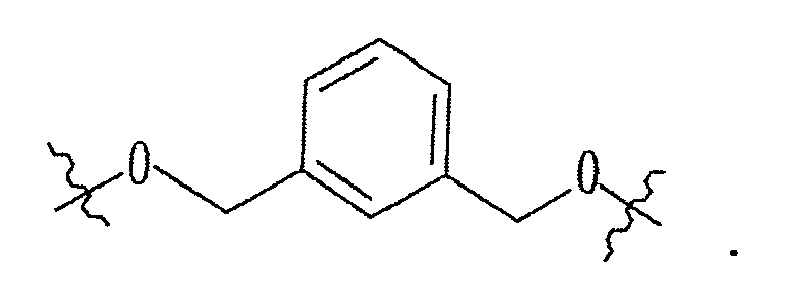
- The therapeutic agent or the prophylactic agent for a disease resulting from the abnormal bone metabolism as described in claim 1, wherein the N-hydroxybenzamidine derivative represented by Formula (I) is any one of the following compounds:1) N-hydroxy-4-{5-[4-(5-isopropyl-2-methyl-1,3-thiazol-4-yl)phenoxy]pentoxy}benzamidine2) N-hydroxy-4-{5-[4-(5-benzyl-2-(pyridin-3-yl)-1,3-thiazol-4-yl]phenoxy]pentoxy}benzamidine3) N-hydroxy-4-{5-[4-(5-(2-chloroethyl)-2-methyl-1,3-thiazol-4-yl)phenoxy]pentoxy}benzamidine4) N-hydroxy-4-{5-[4-(5-cyclopentylmethyl-2-ethyl-1,3-thiazol-4-yl)phenoxy]pentoxy}benzamidine5) N-hydroxy-4-{5-[4-(5-vinyl-2-methyl-1,3-thiazol-4-yl)phenoxy]pentoxy}benzamidine6) N-hydroxy-4-{5-[4-(5-cyclopentylmethyl-2-methylamino-1,3-thiazol-4-yl)phenoxy]pentoxy}benzamidine7) N-hydroxy-4-{5-[4-(2-(2-hydroxyethyl)methylamino-5-methyl-1,3-thiazol-4-yl)phenoxy]pentoxy}benzamidine8) N-hydroxy-4-{5-[4-(2-benzylmethylamino-5-methyl-1,3-thiazol-4-yl)phenoxy]pentoxy}benzamidine9) N-hydroxy-4-{5-[4-(5-methyl-2-(methyl(pyridin-3-ylmethyl)amino)-1,3-thiazol-4-yl)phenoxy]pentoxy}benzamidine10) N-hydroxy-4-{5-[4-(2-benzylmethylamino-5-ethyl-1,3-thiazol-4-yl)phenoxy]pentoxy}benzamidine11) N-hydroxy-4-{5-[4-(2-dipropylamino-5-ethyl-1,3-thiazol-4-yl)phenoxy]pentoxy}benzamidine12) N-hydroxy-4-{5-[4-(5-isopropyl-2-(methyl(pyridin-3-yl-methyl)amino)-1,3-thiazol-4-yl)phenoxy]pentoxy}benzamidine13) N-hydroxy-4-{5-[4-(5-butyl-2-(methyl(2-(4-morpholino)ethyl)amino)-1,3-thiazol-4-yl)phenoxy]pentoxy}benzamidine14) N-hydroxy-4-{5-[4-(5-cyclopentylmethyl-2-dipropylamino-1,3-thiazol-4-yl)phenoxy]pentoxy}benzamidine15) N-hydroxy-4-{5-[4-(5-cyclopentyl-2-(methyl(2-(4-morpholino)ethyl)amino)-1,3-thiazol-4-yl)phenoxy]pentoxy}benzamidine16) N-hydroxy-4-{5-[4-(5-isopropyl-2-dipropylamino-1,3-thiazol-4-yl)phenoxy]pentoxy}benzamidine17) N-hydroxy-4-{5-[4-(5-isopropyl-2-dimethylamino-1,3-thiazol-4-yl)phenoxy]pentoxy}benzamidine18) N-hydroxy-4-{5-[4-(5-isopropyl-2-methyl-1,3-thiazol-4-yl)phenoxy]pentanoylamino}benzamidine19) N-hydroxy-4-{5-[4-(5-isopropyl-2-methyl-1,3-thiazol-4-yl)phenoxy]pentylmethylamino}benzamidine20) N-hydroxy-2-fluoro-4-{5-[4-(5-isopropyl-2-methyl-1,3-thiazol-4-yl)phenoxy]pentoxy}benzamidine21) N-hydroxy-4-{4-[4-(2-cyclohexyl-5-ethyl-1,3-thiazol-4-yl)phenoxy]butoxy}benzamidine22) N-hydroxy-4-{3-[4-(5-isopropyl-2-methyl-1,3-thiazol-4-yl)phenoxymethyl]benzyloxy}benzamidine23) N-hydroxy-4-{5-[4-(5-(2-(imidazol-1-yl)ethyl)-2-methyl-1,3-thiazol-4-yl)phenoxy]pentoxy}benzamidine24) N-hydroxy-4-{5-[4-(5-(2-(isopropylamino)ethyl)-2-methyl-1,3-thiazol-4-yl)phenoxy]pentoxy}benzamidine25) N-hydroxy-4-{5-[4-(5-(2-(3-(isopropoxy)propylamino)ethyl)-2-methyl-1,3-thiazol-4-yl)phenoxy]pentoxy}benzamidine26) N-hydroxy-4-{5-[4-(5-(2-diethylaminoethyl)-2-methyl-1,3-thiazol-4-yl)phenoxy]pentoxy}benzamidine27) N-hydroxy-4-{5-[4-(2-isopropyl-5-(2-(thiomorpholin-4-yl)ethyl)-1,3-thiazol-4-yl)phenoxy]pentoxy}benzamidine28) N-hydroxy-4-{5-[4-(2-cyclohexyl-5-(2-(dimethylamino)ethyl)-1,3-thiazol-4-yl)phenoxy]pentoxy}benzamidine29) N-hydroxy-4-{5-[4-(2-dimethylamino-5-(2-(morpholin-4-yl)ethyl)-1,3-thiazol-4-yl)phenoxy]pentoxy}benzamidine30) N-hydroxy-4-{5-[4-(5-(2-(cyclopropyl(pyridin-4-carbonyl)amino)ethyl)-2-isopropyl-1,3-thiazol-4-yl)phenoxy]pentoxy}benzamidine31) N-hydroxy-4-{5-[4-(2-amino-5-(N-methylcarbamoyl)-1,3-thiazol-4-yl)phenoxy]pentoxy}benzamidine32) N-hydroxy-4-{5-[4-(5-(imidazol-1-ylmethyl)-2-methyl-1,3-thiazol-4-yl)phenoxy]pentoxy}benzamidine33) N-hydroxy-4-{5-[4-(2-ethylmethylamino-5-(morpholin-4-ylmethyl)-1,3-thiazol-4-yl)phenoxy]pentoxy}benzamidine34) N-hydroxy-4-{5-{4-(2-(methyl(2-morpholin-4-yl)ethyl)amino)-5-(thiomorpholin-4-yl)-1,3-thiazol-4-yl)phenoxy]pentoxy}benzamidine35) N-hydroxy-4-{5-[4-(5-dimethylamino-2-methyl-1,3-thiazol-4-yl)phenoxy]pentoxy}benzamidine.
- The therapeutic agent or the prophylactic agent for a disease resulting from the abnormal bone metabolism as described in claim 1, wherein the N-hydroxybenzamidine derivative represented by Formula (I) is N-hydroxy-4-{5-[4-(5-isopropyl-2-methyl-1,3-thiazol-4-yl)phenoxy]pentoxy}benzamidine.
- The therapeutic agent or the prophylactic agent for a disease resulting from the abnormal bone metabolism as described in any one of claims 1 to 16, wherein the disease resulting from the abnormal bone metabolism is a disease resulting from abnormal bone resorption.
- The therapeutic agent or the prophylactic agent for a disease resulting from the abnormal bone metabolism as described in any one of claims 1 to 16, wherein the disease resulting from the abnormal bone metabolism is disease resulting from abnormal bone formation.
- The therapeutic agent or the prophylactic agent for a disease resulting from the abnormal bone metabolism as described in any one of claims 1 to 16, wherein the disease resulting from the abnormal bone metabolism is osteoporosis.
- The therapeutic agent or the prophylactic agent for a disease resulting from the abnormal bone metabolism as described in any one of claims 1 to 19, wherein (b) is 1α,25-dihydroxyvitamin D3, 1α,24R-dihydroxyvitamin D3, or 1α-hydroxyvitamin D3.
- The therapeutic agent or the prophylactic agent for a disease resulting from the abnormal bone metabolism as described in any one of claims 1 to 19, wherein (b) is 1α,25-dihydroxyvitamin D3 or 1α-hydroxyvitamin D3.
- The therapeutic agent or the prophylactic agent for a disease resulting from the abnormal bone metabolism as described in any one of claims 1 to 21, wherein (a) and (b) form a drug combination.
- The therapeutic agent or the prophylactic agent for a disease resulting from the abnormal bone metabolism as described in any one of claims 1 to 21, wherein (a) and (b) each is an independent single agent.
- The therapeutic agent or the prophylactic agent for a disease resulting from the abnormal bone metabolism as described in any one of claims 1 to 21, which is a kit comprising (a) and (b).
Applications Claiming Priority (2)
| Application Number | Priority Date | Filing Date | Title |
|---|---|---|---|
| JP2009019644 | 2009-01-30 | ||
| PCT/JP2010/051654 WO2010087517A1 (en) | 2009-01-30 | 2010-01-29 | Prophylactic or therapeutic agent for diseases associated with abnormal bone metabolism |
Publications (2)
| Publication Number | Publication Date |
|---|---|
| EP2392338A1 true EP2392338A1 (en) | 2011-12-07 |
| EP2392338A4 EP2392338A4 (en) | 2012-11-07 |
Family
ID=42395762
Family Applications (1)
| Application Number | Title | Priority Date | Filing Date |
|---|---|---|---|
| EP10735971A Withdrawn EP2392338A4 (en) | 2009-01-30 | 2010-01-29 | PROPHYLACTIC OR THERAPEUTIC AGENT FOR DISEASES ASSOCIATED WITH ABNORMAL BONE METABOLISM |
Country Status (7)
| Country | Link |
|---|---|
| US (1) | US20110306580A1 (en) |
| EP (1) | EP2392338A4 (en) |
| JP (1) | JPWO2010087517A1 (en) |
| KR (1) | KR20110120277A (en) |
| CN (1) | CN102387804A (en) |
| CA (1) | CA2751041A1 (en) |
| WO (1) | WO2010087517A1 (en) |
Families Citing this family (2)
| Publication number | Priority date | Publication date | Assignee | Title |
|---|---|---|---|---|
| KR20060017929A (en) * | 2004-08-04 | 2006-02-28 | 동화약품공업주식회사 | Novel benzamidine derivatives substituted with thiazole derivatives, preparation methods thereof, and pharmaceutical compositions comprising the same |
| JP7479709B2 (en) * | 2019-06-19 | 2024-05-09 | 学校法人東邦大学 | Anti-infective agent that reduces the bone formation inhibitory effect of vancomycin |
Family Cites Families (5)
| Publication number | Priority date | Publication date | Assignee | Title |
|---|---|---|---|---|
| KR100454767B1 (en) * | 2001-07-19 | 2004-11-03 | 동화약품공업주식회사 | Use of 4-[(4-thiazolyl)phenoxy]alkoxy-benzamidine derivatives for treatment of osteoporosis |
| KR20060017929A (en) | 2004-08-04 | 2006-02-28 | 동화약품공업주식회사 | Novel benzamidine derivatives substituted with thiazole derivatives, preparation methods thereof, and pharmaceutical compositions comprising the same |
| GB0513984D0 (en) * | 2005-07-07 | 2005-08-17 | Teva Pharma | Dosage form |
| ATE513820T1 (en) | 2006-01-31 | 2011-07-15 | Dong Wha Pharm Co Ltd | NEW BENZAMIDINE DERIVATIVES, METHOD FOR THE PRODUCTION THEREOF AND PHARMACEUTICAL COMPOSITION CONTAINING SAME |
| CN101801967A (en) | 2007-07-27 | 2010-08-11 | 同和药品株式会社 | Novel benzamidine derivatives, process for the preparation thereof and pharmaceutical composition for preventing or treating osteoporosis comprising the same |
-
2010
- 2010-01-29 CN CN2010800158392A patent/CN102387804A/en active Pending
- 2010-01-29 CA CA2751041A patent/CA2751041A1/en not_active Abandoned
- 2010-01-29 EP EP10735971A patent/EP2392338A4/en not_active Withdrawn
- 2010-01-29 WO PCT/JP2010/051654 patent/WO2010087517A1/en not_active Ceased
- 2010-01-29 US US13/147,133 patent/US20110306580A1/en not_active Abandoned
- 2010-01-29 KR KR1020117017757A patent/KR20110120277A/en not_active Withdrawn
- 2010-01-29 JP JP2010548590A patent/JPWO2010087517A1/en not_active Withdrawn
Also Published As
| Publication number | Publication date |
|---|---|
| JPWO2010087517A1 (en) | 2012-08-02 |
| EP2392338A4 (en) | 2012-11-07 |
| KR20110120277A (en) | 2011-11-03 |
| WO2010087517A1 (en) | 2010-08-05 |
| CN102387804A (en) | 2012-03-21 |
| CA2751041A1 (en) | 2010-08-05 |
| US20110306580A1 (en) | 2011-12-15 |
Similar Documents
| Publication | Publication Date | Title |
|---|---|---|
| US20030195171A1 (en) | Method for inhibiting bone resorption with an alendronate and vitamin D formulation | |
| US6015801A (en) | Method for inhibiting bone resorption | |
| US6333316B1 (en) | Method for inhibiting bone resorption | |
| US20010036936A1 (en) | Compositions and methods for treating osteoporosis | |
| KR20070012783A (en) | Pharmaceutical Formulations of Bisphosphonates | |
| EP0573604B1 (en) | Methods for the treatment of osteoporosis | |
| US6432932B1 (en) | Method for inhibiting bone resorption | |
| BG66282B1 (en) | USE OF ALENDRONATE FOR TREATMENT OF OSTEOPOROSIS | |
| WO2004058235A2 (en) | Method of increasing bioavailability of alendronate or other bis-phosphonate by predose administration of vitamin d derivative | |
| US20110306580A1 (en) | Prophylactic agent or therapeutic agent for disease resulting from abnormal bone metabolism | |
| US4097601A (en) | Bone deposition by 2-descarboxy-2-(tetrazol-5-yl)-11-dexosy-16-aryl prostaglandins | |
| HK1164170A (en) | Prophylactic or therapeutic agent for diseases associated with abnormal bone metabolism | |
| US20100216747A1 (en) | Preventive agent or therapeutic agent for disease caused by abnormal bone metabolism | |
| US7964584B2 (en) | Method of treating or preventing osteoporosis comprising administering to a patient in need thereof an effective amount of pharmaceutical composition comprising benzamidine derivatives or their salts, and alendronic acid or its salt | |
| US20100056483A1 (en) | Methods and compositions for the treatment and prevention of bone loss | |
| RU2326674C2 (en) | Derivatives of 2-alkyliden-19-nor-vitamin d for treatment of weakness, muscular involvement or sarcopeny | |
| KR20050110814A (en) | Compositions and methods for inhibiting bone resorption | |
| CN102149380B (en) | A pharmaceutical composition for preventing or treating osteoporosis comprising benzamidine derivatives or their salts, and alendronic acid or its salt | |
| HK1143329A (en) | Preventive agent or therapeutic agent for disease caused by abnormal bone metabolism | |
| KR20070011329A (en) | Diabetes Therapeutics Containing Insulin Resistance Enhancers | |
| EA051150B1 (en) | A METHOD FOR THE TREATMENT OF NONSENSE MUTATION-MEDIATED DUCHENNE MUSCLE DYSTROPHY IN PEDIATRIC PATIENTS | |
| MXPA01001699A (en) | Compositions and methods for treating osteoporosis | |
| UA67748C2 (en) | Active ingredient for pharmaceutical compositions intended for inhibiting bone resorption (variants) |
Legal Events
| Date | Code | Title | Description |
|---|---|---|---|
| PUAI | Public reference made under article 153(3) epc to a published international application that has entered the european phase |
Free format text: ORIGINAL CODE: 0009012 |
|
| 17P | Request for examination filed |
Effective date: 20110811 |
|
| AK | Designated contracting states |
Kind code of ref document: A1 Designated state(s): AT BE BG CH CY CZ DE DK EE ES FI FR GB GR HR HU IE IS IT LI LT LU LV MC MK MT NL NO PL PT RO SE SI SK SM TR |
|
| DAX | Request for extension of the european patent (deleted) | ||
| RIC1 | Information provided on ipc code assigned before grant |
Ipc: A61P 35/04 20060101ALI20120925BHEP Ipc: A61K 31/593 20060101AFI20120925BHEP Ipc: A61P 3/14 20060101ALI20120925BHEP Ipc: A61P 19/00 20060101ALI20120925BHEP Ipc: A61K 31/426 20060101ALI20120925BHEP Ipc: A61P 19/02 20060101ALI20120925BHEP Ipc: A61P 29/00 20060101ALI20120925BHEP Ipc: A61P 35/00 20060101ALI20120925BHEP Ipc: A61P 1/02 20060101ALI20120925BHEP Ipc: A61P 19/08 20060101ALI20120925BHEP Ipc: A61P 19/10 20060101ALI20120925BHEP |
|
| A4 | Supplementary search report drawn up and despatched |
Effective date: 20121005 |
|
| STAA | Information on the status of an ep patent application or granted ep patent |
Free format text: STATUS: THE APPLICATION IS DEEMED TO BE WITHDRAWN |
|
| 18D | Application deemed to be withdrawn |
Effective date: 20130503 |