EP2390344B1 - Bacterial cellulose film and preparation thereof - Google Patents
Bacterial cellulose film and preparation thereof Download PDFInfo
- Publication number
- EP2390344B1 EP2390344B1 EP11167341.4A EP11167341A EP2390344B1 EP 2390344 B1 EP2390344 B1 EP 2390344B1 EP 11167341 A EP11167341 A EP 11167341A EP 2390344 B1 EP2390344 B1 EP 2390344B1
- Authority
- EP
- European Patent Office
- Prior art keywords
- bacterial cellulose
- cellulose film
- film
- skin
- bacterial
- Prior art date
- Legal status (The legal status is an assumption and is not a legal conclusion. Google has not performed a legal analysis and makes no representation as to the accuracy of the status listed.)
- Not-in-force
Links
- 229920002749 Bacterial cellulose Polymers 0.000 title claims description 129
- 239000005016 bacterial cellulose Substances 0.000 title claims description 129
- 210000003491 skin Anatomy 0.000 claims description 78
- XLYOFNOQVPJJNP-UHFFFAOYSA-N water Substances O XLYOFNOQVPJJNP-UHFFFAOYSA-N 0.000 claims description 48
- 239000000835 fiber Substances 0.000 claims description 36
- 230000000813 microbial effect Effects 0.000 claims description 23
- 210000002374 sebum Anatomy 0.000 claims description 20
- 238000000034 method Methods 0.000 claims description 9
- 238000000855 fermentation Methods 0.000 claims description 8
- 230000004151 fermentation Effects 0.000 claims description 8
- 206010052428 Wound Diseases 0.000 claims description 7
- 208000027418 Wounds and injury Diseases 0.000 claims description 7
- 238000004519 manufacturing process Methods 0.000 claims description 6
- 239000002537 cosmetic Substances 0.000 claims description 5
- 239000003814 drug Substances 0.000 claims description 5
- 229940079593 drug Drugs 0.000 claims description 5
- 239000000463 material Substances 0.000 claims description 5
- 241000032681 Gluconacetobacter Species 0.000 claims description 4
- 230000007423 decrease Effects 0.000 claims description 4
- 230000003247 decreasing effect Effects 0.000 claims description 4
- 230000002708 enhancing effect Effects 0.000 claims description 3
- 239000003906 humectant Substances 0.000 claims description 3
- 102000004190 Enzymes Human genes 0.000 claims description 2
- 108090000790 Enzymes Proteins 0.000 claims description 2
- 229940035674 anesthetics Drugs 0.000 claims description 2
- 239000003242 anti bacterial agent Substances 0.000 claims description 2
- 229940124599 anti-inflammatory drug Drugs 0.000 claims description 2
- 229940088710 antibiotic agent Drugs 0.000 claims description 2
- 229940030225 antihemorrhagics Drugs 0.000 claims description 2
- 239000004599 antimicrobial Substances 0.000 claims description 2
- 239000003443 antiviral agent Substances 0.000 claims description 2
- 229940121357 antivirals Drugs 0.000 claims description 2
- 210000004207 dermis Anatomy 0.000 claims description 2
- 210000002615 epidermis Anatomy 0.000 claims description 2
- 239000003193 general anesthetic agent Substances 0.000 claims description 2
- 210000004907 gland Anatomy 0.000 claims description 2
- 239000003102 growth factor Substances 0.000 claims description 2
- 210000004209 hair Anatomy 0.000 claims description 2
- 230000035876 healing Effects 0.000 claims description 2
- 239000002874 hemostatic agent Substances 0.000 claims description 2
- 230000002439 hemostatic effect Effects 0.000 claims description 2
- 210000000282 nail Anatomy 0.000 claims description 2
- 206010033675 panniculitis Diseases 0.000 claims description 2
- 210000004304 subcutaneous tissue Anatomy 0.000 claims description 2
- 238000002560 therapeutic procedure Methods 0.000 claims description 2
- 230000002087 whitening effect Effects 0.000 claims 1
- 229920002678 cellulose Polymers 0.000 description 30
- 235000010980 cellulose Nutrition 0.000 description 30
- 239000001913 cellulose Substances 0.000 description 28
- PEDCQBHIVMGVHV-UHFFFAOYSA-N Glycerine Chemical compound OCC(O)CO PEDCQBHIVMGVHV-UHFFFAOYSA-N 0.000 description 27
- 229920001340 Microbial cellulose Polymers 0.000 description 20
- 239000002609 medium Substances 0.000 description 14
- 241001465754 Metazoa Species 0.000 description 10
- 230000015572 biosynthetic process Effects 0.000 description 7
- 244000005700 microbiome Species 0.000 description 7
- 239000001963 growth medium Substances 0.000 description 6
- 241000894006 Bacteria Species 0.000 description 5
- 230000028327 secretion Effects 0.000 description 5
- WQZGKKKJIJFFOK-GASJEMHNSA-N Glucose Natural products OC[C@H]1OC(O)[C@H](O)[C@@H](O)[C@@H]1O WQZGKKKJIJFFOK-GASJEMHNSA-N 0.000 description 4
- 239000008103 glucose Substances 0.000 description 4
- 239000000843 powder Substances 0.000 description 4
- 239000000243 solution Substances 0.000 description 4
- HEMHJVSKTPXQMS-UHFFFAOYSA-M Sodium hydroxide Chemical compound [OH-].[Na+] HEMHJVSKTPXQMS-UHFFFAOYSA-M 0.000 description 3
- 229940041514 candida albicans extract Drugs 0.000 description 3
- KRKNYBCHXYNGOX-UHFFFAOYSA-N citric acid Chemical compound OC(=O)CC(O)(C(O)=O)CC(O)=O KRKNYBCHXYNGOX-UHFFFAOYSA-N 0.000 description 3
- 238000012258 culturing Methods 0.000 description 3
- 230000000694 effects Effects 0.000 description 3
- 235000013305 food Nutrition 0.000 description 3
- 210000001061 forehead Anatomy 0.000 description 3
- 239000007788 liquid Substances 0.000 description 3
- 239000011148 porous material Substances 0.000 description 3
- 238000011218 seed culture Methods 0.000 description 3
- 230000003068 static effect Effects 0.000 description 3
- 230000037317 transdermal delivery Effects 0.000 description 3
- 239000012138 yeast extract Substances 0.000 description 3
- 244000235858 Acetobacter xylinum Species 0.000 description 2
- CIWBSHSKHKDKBQ-JLAZNSOCSA-N Ascorbic acid Chemical compound OC[C@H](O)[C@H]1OC(=O)C(O)=C1O CIWBSHSKHKDKBQ-JLAZNSOCSA-N 0.000 description 2
- IJGRMHOSHXDMSA-UHFFFAOYSA-N Atomic nitrogen Chemical compound N#N IJGRMHOSHXDMSA-UHFFFAOYSA-N 0.000 description 2
- KRKNYBCHXYNGOX-UHFFFAOYSA-K Citrate Chemical compound [O-]C(=O)CC(O)(CC([O-])=O)C([O-])=O KRKNYBCHXYNGOX-UHFFFAOYSA-K 0.000 description 2
- 239000002253 acid Substances 0.000 description 2
- 239000007864 aqueous solution Substances 0.000 description 2
- 230000010261 cell growth Effects 0.000 description 2
- BNIILDVGGAEEIG-UHFFFAOYSA-L disodium hydrogen phosphate Chemical compound [Na+].[Na+].OP([O-])([O-])=O BNIILDVGGAEEIG-UHFFFAOYSA-L 0.000 description 2
- 229910000397 disodium phosphate Inorganic materials 0.000 description 2
- BJRNKVDFDLYUGJ-RMPHRYRLSA-N hydroquinone O-beta-D-glucopyranoside Chemical compound O[C@@H]1[C@@H](O)[C@H](O)[C@@H](CO)O[C@H]1OC1=CC=C(O)C=C1 BJRNKVDFDLYUGJ-RMPHRYRLSA-N 0.000 description 2
- 238000011534 incubation Methods 0.000 description 2
- 239000002121 nanofiber Substances 0.000 description 2
- 230000000704 physical effect Effects 0.000 description 2
- 230000036548 skin texture Effects 0.000 description 2
- 230000017423 tissue regeneration Effects 0.000 description 2
- KIUKXJAPPMFGSW-DNGZLQJQSA-N (2S,3S,4S,5R,6R)-6-[(2S,3R,4R,5S,6R)-3-Acetamido-2-[(2S,3S,4R,5R,6R)-6-[(2R,3R,4R,5S,6R)-3-acetamido-2,5-dihydroxy-6-(hydroxymethyl)oxan-4-yl]oxy-2-carboxy-4,5-dihydroxyoxan-3-yl]oxy-5-hydroxy-6-(hydroxymethyl)oxan-4-yl]oxy-3,4,5-trihydroxyoxane-2-carboxylic acid Chemical compound CC(=O)N[C@H]1[C@H](O)O[C@H](CO)[C@@H](O)[C@@H]1O[C@H]1[C@H](O)[C@@H](O)[C@H](O[C@H]2[C@@H]([C@@H](O[C@H]3[C@@H]([C@@H](O)[C@H](O)[C@H](O3)C(O)=O)O)[C@H](O)[C@@H](CO)O2)NC(C)=O)[C@@H](C(O)=O)O1 KIUKXJAPPMFGSW-DNGZLQJQSA-N 0.000 description 1
- 235000002837 Acetobacter xylinum Nutrition 0.000 description 1
- 241000233866 Fungi Species 0.000 description 1
- 208000028990 Skin injury Diseases 0.000 description 1
- GUGOEEXESWIERI-UHFFFAOYSA-N Terfenadine Chemical compound C1=CC(C(C)(C)C)=CC=C1C(O)CCCN1CCC(C(O)(C=2C=CC=CC=2)C=2C=CC=CC=2)CC1 GUGOEEXESWIERI-UHFFFAOYSA-N 0.000 description 1
- 239000000853 adhesive Substances 0.000 description 1
- 230000001070 adhesive effect Effects 0.000 description 1
- PYMYPHUHKUWMLA-VPENINKCSA-N aldehydo-D-xylose Chemical compound OC[C@@H](O)[C@H](O)[C@@H](O)C=O PYMYPHUHKUWMLA-VPENINKCSA-N 0.000 description 1
- 230000001387 anti-histamine Effects 0.000 description 1
- 239000000739 antihistaminic agent Substances 0.000 description 1
- 229960000271 arbutin Drugs 0.000 description 1
- 229960005070 ascorbic acid Drugs 0.000 description 1
- 235000010323 ascorbic acid Nutrition 0.000 description 1
- 239000011668 ascorbic acid Substances 0.000 description 1
- QVGXLLKOCUKJST-UHFFFAOYSA-N atomic oxygen Chemical compound [O] QVGXLLKOCUKJST-UHFFFAOYSA-N 0.000 description 1
- 150000001720 carbohydrates Chemical class 0.000 description 1
- 125000004432 carbon atom Chemical group C* 0.000 description 1
- 230000001684 chronic effect Effects 0.000 description 1
- 238000007796 conventional method Methods 0.000 description 1
- 238000004090 dissolution Methods 0.000 description 1
- 239000012776 electronic material Substances 0.000 description 1
- 210000003128 head Anatomy 0.000 description 1
- 229920002674 hyaluronan Polymers 0.000 description 1
- 229960003160 hyaluronic acid Drugs 0.000 description 1
- 239000001257 hydrogen Substances 0.000 description 1
- 229910052739 hydrogen Inorganic materials 0.000 description 1
- 125000002887 hydroxy group Chemical group [H]O* 0.000 description 1
- BEJNERDRQOWKJM-UHFFFAOYSA-N kojic acid Chemical compound OCC1=CC(=O)C(O)=CO1 BEJNERDRQOWKJM-UHFFFAOYSA-N 0.000 description 1
- 229960004705 kojic acid Drugs 0.000 description 1
- WZNJWVWKTVETCG-UHFFFAOYSA-N kojic acid Natural products OC(=O)C(N)CN1C=CC(=O)C(O)=C1 WZNJWVWKTVETCG-UHFFFAOYSA-N 0.000 description 1
- 238000011031 large-scale manufacturing process Methods 0.000 description 1
- 230000005923 long-lasting effect Effects 0.000 description 1
- 239000006210 lotion Substances 0.000 description 1
- 238000012423 maintenance Methods 0.000 description 1
- 239000012528 membrane Substances 0.000 description 1
- 229910052757 nitrogen Inorganic materials 0.000 description 1
- 239000002773 nucleotide Substances 0.000 description 1
- 125000003729 nucleotide group Chemical group 0.000 description 1
- 239000001301 oxygen Substances 0.000 description 1
- 229910052760 oxygen Inorganic materials 0.000 description 1
- BJRNKVDFDLYUGJ-UHFFFAOYSA-N p-hydroxyphenyl beta-D-alloside Natural products OC1C(O)C(O)C(CO)OC1OC1=CC=C(O)C=C1 BJRNKVDFDLYUGJ-UHFFFAOYSA-N 0.000 description 1
- 239000002304 perfume Substances 0.000 description 1
- 230000002062 proliferating effect Effects 0.000 description 1
- 102000004169 proteins and genes Human genes 0.000 description 1
- 108090000623 proteins and genes Proteins 0.000 description 1
- 238000011084 recovery Methods 0.000 description 1
- 238000011069 regeneration method Methods 0.000 description 1
- 229920006395 saturated elastomer Polymers 0.000 description 1
- 241000894007 species Species 0.000 description 1
- 150000003431 steroids Chemical class 0.000 description 1
- 238000003756 stirring Methods 0.000 description 1
- 239000000126 substance Substances 0.000 description 1
- 210000001519 tissue Anatomy 0.000 description 1
- 238000013271 transdermal drug delivery Methods 0.000 description 1
Images




Classifications
-
- C—CHEMISTRY; METALLURGY
- C12—BIOCHEMISTRY; BEER; SPIRITS; WINE; VINEGAR; MICROBIOLOGY; ENZYMOLOGY; MUTATION OR GENETIC ENGINEERING
- C12P—FERMENTATION OR ENZYME-USING PROCESSES TO SYNTHESISE A DESIRED CHEMICAL COMPOUND OR COMPOSITION OR TO SEPARATE OPTICAL ISOMERS FROM A RACEMIC MIXTURE
- C12P19/00—Preparation of compounds containing saccharide radicals
- C12P19/04—Polysaccharides, i.e. compounds containing more than five saccharide radicals attached to each other by glycosidic bonds
-
- A—HUMAN NECESSITIES
- A61—MEDICAL OR VETERINARY SCIENCE; HYGIENE
- A61P—SPECIFIC THERAPEUTIC ACTIVITY OF CHEMICAL COMPOUNDS OR MEDICINAL PREPARATIONS
- A61P17/00—Drugs for dermatological disorders
Definitions
- the present invention relates to a bacterial cellulose film, and in particular relates to a bacterial cellulose film with a density gradient in the direction of the film thickness.
- Bacterial cellulose also named microbial cellulose, refers to cellulose produced by microorganisms. Bacterial cellulose is formed by a linkage of ⁇ -1,4 glucosidic bonds between carbon atoms and shows properties of high purity and water content, and excellent ductility and mechanical strength.
- the strain for producing bacterial cellulose includes Acetobacter xylinum.
- the obtained cellulose generally forms fibers which constitute a non-woven film in a reticular structure on the surface of a culture medium.
- the fiber in general has a diameter of approximately 2 ⁇ 100nm, which is about 1/100th fiber diameter of the plant.
- the fiber of bacterial cellulose has a chemical structure identical to the plant fiber.
- bacterial cellulose is applicable in several fields, such as biomedical materials (EP 1,438,975 , EP 0,396,344 or WO 01-61026 ), electronic materials ( US 2008/220333 ), acoustics ( EP 0,457,474 , US 5,274,199 or JP 6-284495 ) and special papers and cosmetics ( JP 10-077302 , JP9-838803 or FR 2,924,342 ) etc.
- the bacterial cellulose film has been considered one of the best substitutes for skin, providing effects of alleviating pain, absorbing secretions from wounds, providing wounds with water and enhancing and improving the wound recovery.
- the bacterial cellulose film also shows excellent biocompatibility and biosafety.
- WO 86/02095 discloses a method for producing a bacterial cellulose film with a thickness of about 0.2-3mm by culturing A. xylinum in a medium containing Tea Sinesis as nitrogen sources and glucose as carbohydrate sources under 26 ⁇ 96 hours of stirring at a temperature of 28°C. A film produced by the method has been sold as a trademark BIOFILL® for treatment of skin injuries like artificial skin substitutes.
- US 2005/0019380A1 provides a use for bacterial cellulose film to treat chronic wounds.
- WO2005/018435A2 and US2007/0286884A1 discloses an implantable microbial cellulose material for hard tissue repair and regeneration.
- EP1849463A2 provides a microbial cellulose material for use in transdermal drug delivery systems.
- FR 2924340 discloses a use of fingers maintenance and cosmetics.
- FR2924342 provides a use for lip care and cosmetics.
- JP2009-051829 discloses a combination of microbial cellulose films and cosmetic powders.
- FR2916948 discloses a long-lasting perfume primarily constituted of microbial cellulose films.
- FR2916971 provides a microbial cellulose paste for puffy eyes.
- the bacterial cellulose film has been prospected for broad uses. Study for new applications and novel properties of the bacterial cellulose film are already flourishing in the field.
- the invention provides a bacterial cellulose film that comprises microbial fibers consisting of bacterial cellulose, in which the microbial fibers are arranged in a density gradient in a direction of the bacterial cellulose film thickness.
- the bacterial cellulose film is produced by fermentation with a low initial cell concentration of Gluconacetobacter in the range of 10 2 -10 5 /ml in a two-step culture condition comprising a temperature of 25-28°C at the first step and a temperature of 29-30°C at the second step.
- the invention provides a non-therapeutic method for using the bacterial cellulose film by applying the bacterial cellulose film onto a skin surface, wherein the surface of the bacterial cellulose film in contact with the skin surface has a lower density of microbial fibers than the other surface of the bacterial cellulose film.
- the invention provides a method for producing the bacterial cellulose film of the invention as defined in appended claim 12.
- the bacterial cellulose film consists of cellulose produced by culturing the bacteria, Gluconacetobacter xylinum , in a liquid medium.
- the diameter of microbial fibers for bacterial cellulose films is about 30 ⁇ 100nm. After static fermentation, the microbial fibers constitute a non-woven reticular structure on the surface of the culture medium and form a semi-transparent bacterial cellulose film. In the embodiment, one bacterial cellulose film is produced at one time.
- the formation of bacterial cellulose film with a density gradient of microbial fibers in a direction of the bacterial cellulose film thickness can be achieved by manipulating inoculates concentration and culture conditions.
- the dissolution of oxygen in the medium is critical for cell growth and biocellulose formation.
- the formation biocellulose films are happened at the air/liquid medium interface for static cultures.
- low cell concentration and/or low cell growth rate can result in loose and softer microbial fibers.
- the amount of bacteria increases and/or culture conditions are changed to speed up biocellulose formation.
- the reticular structure of biocellulose becomes tight and the density of the microbial fibers increases.
- bacterial cellulose films are formed at the air/liquid medium interface, the new cellulose is formed at the top of existing cellulose.
- the formation of bacterial cellulose film is from the top down so that each bacterial cellulose film in the medium has an upper surface contacting with the air and formed by later produced cellulose.
- the other surface of the bacterial cellulose film, the lower surface, is close to the bottom of the medium.
- the bacterial cellulose film according to the invention has an upper surface shows a tight reticular structure and has higher density of microbial fibers.
- the other surface of the bacterial cellulose film, the lower surface is close to the bottom of the medium.
- the lower surface consisting of earlier produced celluloses and the reticular structure is more loose and softer. As such, the lower surface has a lower density of microbial fibers than the upper surface.
- the difference between the upper and lower surface of the bacterial cellulose film can be observed under a scanning electron microscope (SEM). According to the cross section view in a direction of the film thickness, the upper surface shows a more dense structure while the lower surface shows several exposed microbial fibers ( Fig. 1B ). The difference can also be sensed by hand touch.
- the lower surface is smoother than the upper surface. In other words, the bacterial cellulose film shows a density gradient in the direction of the film thickness and the density decreases gradually from the upper surface to the lower surface when the film is formed in the medium.
- the bacterial cellulose film of the present invention can be obtained from an incubation of microorganisms.
- the microorganism comprises bacteria or fungi capable of producing celluloses. More specifically, the microorganism includes Glyconacetobacter , and Glyconacetobacter xylinum is preferable.
- the method, for producing the bacterial cellulose film comprises a fermentation step with a low initial cell concentration in the range of 10 2 -10 5 /ml. Specifically, a low initial cell number of Glyconacetobacter in a suitable medium at the beginning of the culture. The low number of the microorganism comprises 10 2 -10 5 cells/ml.
- the medium consists of glucose, yeast extract powders, Na 2 HPO 4 and citrate acid.
- the components of the media can be adjusted depending on the species of the cultured microorganism and the characteristics thereof following the culture techniques in the art.
- the fermentation herein includes a two-step culture condition in addition to the known culture conditions, for slowing down the formation of the cellulose in the beginning of cultivation and following the high speed cellulose formation condition for a cellulose-producing microorganism.
- the two-step culture condition comprises a two-step culture temperature in which the first step is incubated under room temperature and the second step is incubated under a temperature higher than room temperature. More specifically, the first step is under 25 ⁇ 28°C and the second step is under 29 ⁇ 30°C.
- the two-step incubation is static in one embodiment. However, the two-step culture condition may be appropriately altered depending on the desired film thickness, the water content, or the like.
- the "direction of the film thickness” and “direction of the bacterial cellulose film thickness” refer to a direction that the microbial fiber accumulates to form a thickness during the production of the bacterial cellulose film.
- the direction of the thickness is vertical to the surface of the film.
- the "density gradient” refers to a density change that gradually increases or decreases from one surface to another of the bacterial cellulose film. For example, when the bacterial cellulose film is formed in the medium and not moved, the cellulose density gradually decreases in a direction from the upper surface (away from the medium plate) to the lower surface (close to the medium plate).
- microbial cellulose has been developed in China and South-East Asia by conventional methods.
- the conventional microbial cellulose is produced by artificially incubating mixed cultures in an open environment to form a bulk of cellulose.
- the bulk of cellulose is then sliced to obtain a cellulose sheet. Therefore, both surfaces of the cellulose sheet show identical density of the cellulose.
- the cellulose sheet lacks a density gradient in the direction of the thickness.
- slicing makes the cellulose sheet thicker and heavier than the film produced by culturing bacteria in sheets. As such, when in contact with human or animal skin, the cellulose sheet is unable to closely fit with the surface of skin and easily falls off because it is thick and heavy.
- microbial cellulose has a property to absorb water or solution more than 50 to 100 times that of its weight. According to the thickness, conventional biocellulose sheets need a lot of essence to rich a state of saturation which is good for active components efficiently delivered into the skin.
- the bacterial cellulose film according to the invention provides a density gradient in the direction of film thickness.
- the surface with a lower density of the microbial fibers forms a tight fit to the surface of skin. With the saturation of water content or moisture content, water or active components contained in the film can be efficiently delivered to the skin resulting in effective transdermal delivery.
- the invention provides a method for using the bacterial cellulose film by applying the film onto the surface of human or animal skin. Specifically, the method makes the surface of the film with a lower density of microbial fibers have contact with the surface of human or animal skin in order to obtain excellent fit for the skin and effective transdermal delivery.
- skin herein refers to human or animal tissues including epidermis, dermis, subcutaneous tissues, nails, hairs, glands, or the like.
- the inventors realize that the density gradient in the direction of film thickness leads the bacterial cellulose film to show excellent fitness for the skin when applying the surface with a lower density of the microbial fibers onto human or animal skin.
- the reason may be that the surface with a lower density of microbial fibers exposes more microbial nano-fibers and form a larger contact area with the skin.
- the microbial fibers contain a large number of hydroxyl groups (-OH) that easily form hydrogen bonds with the surface of human or animal skin.
- the bacterial cellulose film is able to nicely fit the skin.
- the bacterial cellulose film is applied onto the surface of human or animal skin for about 15 to 30 minutes.
- the bacteria cellulose film is applied on human or animal nails.
- the bacterial cellulose film is applied on an elbow of a human arm. In this embodiment, even if the arm severely moves, the bacterial cellulose film is still closely fit onto the surface of skin.
- the bacterial cellulose film is applied on the face like a masque. In the embodiment, the user is free to move and the film does not fall off, decreasing the inconvenience of keeping a fixed head posture when conventionally using masques.
- the dry weight of the bacterial cellulose film can be controlled by culture conditions, such as culture periods, concentration and volume of the culture medium, or the like. According to the invention, the dry weight of the bacterial cellulose film is controlled in a range of 5 ⁇ 20g/m 2 . Comparing the weight of the conventional cellulose sheet (which is more than 30g/m 2 ), the bacterial cellulose film is at least 33.3% lighter. Because the bacterial cellulose film is softer than conventional ones and is able to be pressed to a thickness of 0.1mm ⁇ 0.5mm, fitness to skin is greatly elevated. The biocellulose film can be easily become saturated after soaked in water or a solution containing active components, because the film is lighter and fibers of each film are less. The saturation of water content in the bacterial cellulose film can enhance the efficiency of the transdermal delivery of water and/or active components
- the "saturation" in the content refers to a water content of the bacterial cellulose film that is the maxima the bacterial cellulose film can absorb under room temperature and atmospheric pressure.
- the water content of the bacterial cellulose film according to the invention is 90% ⁇ 99% by weight based on the total weight of the film.
- the bacterial cellulose film absorbs water only.
- the bacterial cellulose film contains water and other active components.
- the active component is not specifically limited, such as antibiotics, antimicrobials, antivirals, hemostatics, anesthetics, anti-inflammatory drugs, drugs for enhancing the healing of wounds, steroids, antihistamine, cell proliferating drugs, growth factors, proteins, nucleotides, enzymes, humectants, hyaluronic acid, ascorbic acid, kojic acid, arbutin, or the like, or a combination thereof.
- a person skilled in the art can follow the market demand to add appropriate amounts of the active components in the film.
- the bacterial cellulose film is applied on the skin for sebum removal. Because the bacterial cellulose film nicely fits the skin, the microbial nano-fibers of the film are able to contact with the sebum in the skin pore. When the water of the film is absorbed by the skin or volatized to dry, the sebum in the skin pore is adhesive to the film due to a siphoning effect and is removed out (see Fig. 7A and 7B ). Therefore, the bacterial cellulose film of the invention is able to remove excessive sebum not only from the surface of skin but also inside skin pores. In one embodiment, the sebum amount on the skin surface is decreased 50% ⁇ 100% after the bacterial cellulose film is applied for 15-60 minutes thereto compared to an untreated surface of skin.
- the bacterial cellulose film of the invention is not limited in its uses and is able to be applied to any part of the surface of human or animal skin.
- the bacterial cellulose film is applied on the surface of human or animal skin for about 15 ⁇ 60 minutes.
- the film is applied on the surface of skin until the film became thin, dried or transparent and subsequently removed from the surface of the skin.
- the film on the surface of skin is rinsed to remove.
- the "rinse" in the content refers to making the bacterial cellulose film moist and softened by water, lotion or solutions in order to be easily removed from the surface of the skin.
- Example 1 Production of the bacterial cellulose film with a density gradient in the direction of the film thickness. 10 ⁇ 30g/L of glucose and 5 ⁇ 10g/L of a yeast extract powder were used for the seed culture medium. Glyconacetobacter xylinus was implanted and cultured in this sterilized seed culture medium at 30°C and aerated for 3 ⁇ 7 days (see Fig. 2 , S1). A culture medium with 10 ⁇ 30g/L of glucose, 5 ⁇ 10g/L of a yeast extract powder, 2 ⁇ 10g/L of Na 2 HPO 4 and 1 ⁇ 5g/L of citrate acid (sterilized under 121°C for 30 minutes) were inoculated with 1 ⁇ 10% (v/v) seed cultures.
- the initial cell number should be set in the range of 10 2 -10 5 /ml.
- the strain was statically fermented in A4-sized plates at 25 ⁇ 28°C for 2 ⁇ 4 days. (see Fig. 2 , S2). After that, the culture temperature was increased up to 29 ⁇ 32°C for another 3 ⁇ 10days. Following fermentation, the bacterial cellulose film was moved out from the plate. Subsequently, the film was washed by 0.1% ⁇ 5% of a NaOH aqueous solution and soaked in the solution for overnight. The film was further washed with water for 3 ⁇ 4 times and then neutralized with citric acid (see Fig. 2 , S3). The obtained film was stored for the next steps.
- the bacterial cellulose film obtained from Example 1 and a commercially available cellulose sheet were individually cut into 5 cm-diameter circles.
- the circular films and sheet were separately immerged in a 10% glycerol aqueous solution (glycerol was one of the humectants) and applied onto the surface of a human skin for 30 minutes, in which the film surface in contact with the skin comprised the upper surface of the bacterial cellulose film in saturation with glycerol (B), the lower surface of the bacterial cellulose film in saturation with glycerol (C), the upper surface of the bacterial cellulose film in un-saturation with glycerol (D) and the surface of the commercially available cellulose sheet (E).
- glycerol was one of the humectants
- the test result is shown in Fig. 3 .
- the water content of the skin surface before treatment was set as 0%. Compared to the 0%, the water loss decreased 36.1% after the surface of skin was applied the upper surface of the bacterial cellulose film in saturation with glycerol (B) for 30 minutes.
- the treatment with the lower surface of the bacterial cellulose film in saturation with glycerol (C) also showed a negative water loss rate.
- the result revealed that the bacterial cellulose film in a state of saturation, no mater whether the upper or lower surface was applied to the skin, was able to deliver glycerol to the skin and reduced the water loss of the skin surface.
- the bacterial cellulose film obtained from Example 1 and a commercially available cellulose sheet (ChiaMeei Food Industrial Corp., Taichung, Taiwan) were individually cut into 5 cm-diameter circles.
- the circular films and sheet were separately applied to a prewashed or unwashed surface of the skin of a human forehead. After about 15-40 minutes, the bacterial cellulose film was completely dried and became transparent. The commercially available cellulose sheet was still wet.
- the circular film and sheet were separately rinsed by water and removed from the surface of skin. After 5 minutes, the treated skin surfaces were tested for the amount of sebum secretion by a CK Electronic Multiprobe Adapter System MPA580® (Custometer) (COURAGE+KHAZAKA electronic GmbH, Germany).
- Fig. 4 shows the test result for the circular film and sheet applied to the unwashed skin surface of the human forehead. Compared to the sebum secretion before applying the film or sheet (as 100%), the treatment of the bacterial cellulose film reduced approximately 92% of the sebum from the surface of the skin, while the treatment of the commercially available sheet reduced about 30% of the sebum.
- Fig. 5 shows the test result for the circular film and sheet applied to the prewashed surface of skin of the human forehead.
- the treatment of the bacterial cellulose film reduced approximately 100% of the sebum secretion from the surface of the skin, while the treatment of the commercially available sheet reduced about 62% of the sebum.
- the bacterial cellulose film obtained from Example 1 and a commercially available cellulose sheet (ChiaMeei Food Industrial Corp., Taichung, Taiwan) were individually cut into 5 cm-diameter circles and weighted (W1). Then, the circular film and sheet were dried in an oven at 50°C and weighted (W2). According to W1 and W2, the water content, water content per unit area, the weight of fibers per unit area and the amount of water per fiber were calculated according to the following formula. The result is shown in Table 1.
- Weight of fibers per unit area (W3) W2 ⁇ 25cm 2
- the amount of water per fiber (W1-W2) ⁇ W3 [Table 1] The water content and dry weight of the bacterial cellulose film and commercially available sheet Water content (%) Water content per unit area (g/m 2 ) Weight of fibers per unit area (g/m 2 ) The amount of water per fiber (g/g) Bacterial cellulose film in a state of saturation 97.4 ⁇ 0.4% 410.6 ⁇ 78.8 10.9 ⁇ 1.3 37.6 ⁇ 5.4 Bacterial cellulose film in a state of unsaturation 95.1 ⁇ 0.8% 232.8 ⁇ 19.5 12.1 ⁇ 2.3 19.8 ⁇ 3.3 Commercially available cellulose sheet 96.7 ⁇ 0.2% 921.2 ⁇ 49.0 31.4 ⁇ 2.9 29.4 ⁇ 1.7
- the bacterial cellulose film was clearly different when compared to the commercially available sheet in the weight of fibers per unit area.
- the weight of fibers per unit area for the commercially available sheet was more than 2 times than that for the bacterial cellulose film.
- the water content per unit area and the amount of water per fiber also showed differences between the commercially available sheet and the bacterial cellulose film. The result reveals that, the bacterial cellulose film absorbs less water to reach a state of saturation. This is the reason that the bacterial cellulose film of the invention is lighter and fit better to the skin when compared with the commercially available sheet.
Landscapes
- Organic Chemistry (AREA)
- Chemical & Material Sciences (AREA)
- Engineering & Computer Science (AREA)
- Life Sciences & Earth Sciences (AREA)
- Health & Medical Sciences (AREA)
- Zoology (AREA)
- Wood Science & Technology (AREA)
- General Chemical & Material Sciences (AREA)
- Chemical Kinetics & Catalysis (AREA)
- Bioinformatics & Cheminformatics (AREA)
- General Health & Medical Sciences (AREA)
- Biochemistry (AREA)
- Biotechnology (AREA)
- Genetics & Genomics (AREA)
- General Engineering & Computer Science (AREA)
- Microbiology (AREA)
- Veterinary Medicine (AREA)
- Animal Behavior & Ethology (AREA)
- Dermatology (AREA)
- Medicinal Chemistry (AREA)
- Nuclear Medicine, Radiotherapy & Molecular Imaging (AREA)
- Public Health (AREA)
- Pharmacology & Pharmacy (AREA)
- Cosmetics (AREA)
- Materials For Medical Uses (AREA)
- Medicinal Preparation (AREA)
- Preparation Of Compounds By Using Micro-Organisms (AREA)
Description
- The present invention relates to a bacterial cellulose film, and in particular relates to a bacterial cellulose film with a density gradient in the direction of the film thickness.
- Bacterial cellulose (BC), also named microbial cellulose, refers to cellulose produced by microorganisms. Bacterial cellulose is formed by a linkage ofβ-1,4 glucosidic bonds between carbon atoms and shows properties of high purity and water content, and excellent ductility and mechanical strength. The strain for producing bacterial cellulose includes Acetobacter xylinum. The obtained cellulose generally forms fibers which constitute a non-woven film in a reticular structure on the surface of a culture medium. The fiber in general has a diameter of approximately 2∼100nm, which is about 1/100th fiber diameter of the plant. However, the fiber of bacterial cellulose has a chemical structure identical to the plant fiber. Because of the unique physical properties, bacterial cellulose is applicable in several fields, such as biomedical materials (
EP 1,438,975 ,EP 0,396,344 orWO 01-61026 US 2008/220333 ), acoustics (EP 0,457,474 ,US 5,274,199 orJP 6-284495 JP 10-077302 JP9-838803 FR 2,924,342 - N.N "Hydro-Velour", COSMOPROF ASIA 2009, page 1 at www.hydro-velour.com/news-ndetail-1-2.litru shows a series of pictures of the 14th Edition of the COSMOPROF ASIA 2009.
- In the field of biomedicine, the bacterial cellulose film has been considered one of the best substitutes for skin, providing effects of alleviating pain, absorbing secretions from wounds, providing wounds with water and enhancing and improving the wound recovery. The bacterial cellulose film also shows excellent biocompatibility and biosafety.
- Johnson and Johnson Product Inc. has provided a dressing for bum wounds by using bacterial cellulose films with or without medicines (
US 4,588,400 ).WO 86/02095 - The Xylos Corporation filed several patent applications for bacterial cellulose films. For example,
US 2005/0019380A1 provides a use for bacterial cellulose film to treat chronic wounds.WO2005/018435A2 andUS2007/0286884A1 discloses an implantable microbial cellulose material for hard tissue repair and regeneration.EP1849463A2 provides a microbial cellulose material for use in transdermal drug delivery systems. - L'Oreal Sociétié Anonyme, FR, has also filed several patent applications relating to microbial cellulose. For example,
FR 2924340 FR2924342 JP2009-051829 FR2916948 FR2916971 - Tang et al, World J Microbiol Biotechnol (2010) 26 : 125-131 discuss the influence of fermentation conditions and post-treatment on porosity of bacterial cellulose membrane.
- Regarding the unique physical property, the bacterial cellulose film has been prospected for broad uses. Study for new applications and novel properties of the bacterial cellulose film are already flourishing in the field.
- A detailed description is given in the following embodiments with reference to the accompanying drawings.
- In one aspect, the invention provides a bacterial cellulose film that comprises microbial fibers consisting of bacterial cellulose, in which the microbial fibers are arranged in a density gradient in a direction of the bacterial cellulose film thickness. The bacterial cellulose film is produced by fermentation with a low initial cell concentration of Gluconacetobacter in the range of 102-105/ml in a two-step culture condition comprising a temperature of 25-28°C at the first step and a temperature of 29-30°C at the second step.
- In another aspect, the invention provides a non-therapeutic method for using the bacterial cellulose film by applying the bacterial cellulose film onto a skin surface, wherein the surface of the bacterial cellulose film in contact with the skin surface has a lower density of microbial fibers than the other surface of the bacterial cellulose film.
- In a further aspect, the invention provides a method for producing the bacterial cellulose film of the invention as defined in appended claim 12.
- The present invention can be more fully understood by reading the subsequent detailed description and examples with references made to the accompanying drawings and attachments, wherein:
-
Fig. 1A shows a scanning electronic microscope (SEM) photograph showing the surface of the bacterial cellulose film in one embodiment; -
Fig. 1B is a SEM photograph showing the cross section of the bacterial cellulose film in the direction of the film thickness in one embodiment; -
Fig. 2 is a schematic view showing the production of the bacterial cellulose film in one embodiment; -
Fig. 3 shows the relative percent difference of the water loss rate for the skin surface by treatment of the bacterial cellulose film in one embodiment and a commercially available microbial cellulose sheet, in which column A refers to the relative percent difference of the water loss rate for the skin surface without being applied any material thereon (untreated skin), column B refers to the relative percent difference of the water loss rate for the skin surface treated with the upper surface of the bacterial cellulose film in a state of saturation, column C refers to the relative percent difference of the water loss rate for the skin surface treated with the lower surface of the bacterial cellulose film in a state of saturation, column D refers to the relative percent difference of the water loss rate for the skin surface treated with the upper surface of the bacterial cellulose film in a state of unsaturation, column E refers to the water loss rate of the skin surface with a treatment of a commercially available microbial cellulose sheet, and the Y-axis shows the relative percent difference of the water loss rate for the skin surface before and after treatment; -
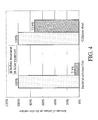
Fig. 4 shows the change of the amount of sebum on the unwashed skin surface by treatment of the bacterial cellulose film in one embodiment and a commercially available microbial cellulose sheet; and the amount of sebum on the unwashed skin surface before treatment is defined 100%; -
Fig. 5 shows the change of the amount of sebum on the prewashed skin surface by treatment of the bacterial cellulose film in one embodiment and the commercially available microbial cellulose sheet, and the amount of sebum on the prewashed skin surface before treatment is defined 100%; -
Fig. 6A shows a bacterial cellulose film in one of the embodiment before use; -
Fig 6B shows the bacterial cellulose film ofFig. 6A after being applied to the surface of the skin, wherein the film appears the skin texture of the applied skin; and -
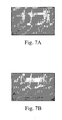
Figs. 7A and 7B show a bacterial cellulose film in one of the embodiment after being applied to the surface of the skin, wherein the film appears the sebum of the applied skin surface. - In one embodiment, the bacterial cellulose film consists of cellulose produced by culturing the bacteria, Gluconacetobacter xylinum, in a liquid medium. The diameter of microbial fibers for bacterial cellulose films is about 30∼100nm. After static fermentation, the microbial fibers constitute a non-woven reticular structure on the surface of the culture medium and form a semi-transparent bacterial cellulose film. In the embodiment, one bacterial cellulose film is produced at one time.
- The formation of bacterial cellulose film with a density gradient of microbial fibers in a direction of the bacterial cellulose film thickness can be achieved by manipulating inoculates concentration and culture conditions. The dissolution of oxygen in the medium is critical for cell growth and biocellulose formation. Thus, the formation biocellulose films are happened at the air/liquid medium interface for static cultures. At the beginning of the cultivation, low cell concentration and/or low cell growth rate can result in loose and softer microbial fibers. Along with the culture time, the amount of bacteria increases and/or culture conditions are changed to speed up biocellulose formation. The reticular structure of biocellulose becomes tight and the density of the microbial fibers increases. In addition, bacterial cellulose films are formed at the air/liquid medium interface, the new cellulose is formed at the top of existing cellulose. The formation of bacterial cellulose film is from the top down so that each bacterial cellulose film in the medium has an upper surface contacting with the air and formed by later produced cellulose. The other surface of the bacterial cellulose film, the lower surface, is close to the bottom of the medium.
- The bacterial cellulose film according to the invention has an upper surface shows a tight reticular structure and has higher density of microbial fibers. The other surface of the bacterial cellulose film, the lower surface, is close to the bottom of the medium. The lower surface consisting of earlier produced celluloses and the reticular structure is more loose and softer. As such, the lower surface has a lower density of microbial fibers than the upper surface.
- The difference between the upper and lower surface of the bacterial cellulose film can be observed under a scanning electron microscope (SEM). According to the cross section view in a direction of the film thickness, the upper surface shows a more dense structure while the lower surface shows several exposed microbial fibers (
Fig. 1B ). The difference can also be sensed by hand touch. The lower surface is smoother than the upper surface. In other words, the bacterial cellulose film shows a density gradient in the direction of the film thickness and the density decreases gradually from the upper surface to the lower surface when the film is formed in the medium. - The bacterial cellulose film of the present invention can be obtained from an incubation of microorganisms. The microorganism comprises bacteria or fungi capable of producing celluloses. More specifically, the microorganism includes Glyconacetobacter, and Glyconacetobacter xylinum is preferable. According to the present invention, the method, for producing the bacterial cellulose film, comprises a fermentation step with a low initial cell concentration in the range of 102-105/ml. Specifically, a low initial cell number of Glyconacetobacter in a suitable medium at the beginning of the culture. The low number of the microorganism comprises 102-105 cells/ml. In one embodiment, the medium consists of glucose, yeast extract powders, Na2HPO4 and citrate acid. However, the components of the media can be adjusted depending on the species of the cultured microorganism and the characteristics thereof following the culture techniques in the art.
- The fermentation herein includes a two-step culture condition in addition to the known culture conditions, for slowing down the formation of the cellulose in the beginning of cultivation and following the high speed cellulose formation condition for a cellulose-producing microorganism. The two-step culture condition comprises a two-step culture temperature in which the first step is incubated under room temperature and the second step is incubated under a temperature higher than room temperature. More specifically, the first step is under 25∼28°C and the second step is under 29∼30°C. The two-step incubation is static in one embodiment. However, the two-step culture condition may be appropriately altered depending on the desired film thickness, the water content, or the like.
- In the context, the "direction of the film thickness" and "direction of the bacterial cellulose film thickness" refer to a direction that the microbial fiber accumulates to form a thickness during the production of the bacterial cellulose film. The direction of the thickness is vertical to the surface of the film.
- In the context, the "density gradient" refers to a density change that gradually increases or decreases from one surface to another of the bacterial cellulose film. For example, when the bacterial cellulose film is formed in the medium and not moved, the cellulose density gradually decreases in a direction from the upper surface (away from the medium plate) to the lower surface (close to the medium plate).
- Currently, large-scale production of microbial cellulose has been developed in China and South-East Asia by conventional methods. The conventional microbial cellulose is produced by artificially incubating mixed cultures in an open environment to form a bulk of cellulose. The bulk of cellulose is then sliced to obtain a cellulose sheet. Therefore, both surfaces of the cellulose sheet show identical density of the cellulose. In other words, the cellulose sheet lacks a density gradient in the direction of the thickness. Furthermore, slicing makes the cellulose sheet thicker and heavier than the film produced by culturing bacteria in sheets. As such, when in contact with human or animal skin, the cellulose sheet is unable to closely fit with the surface of skin and easily falls off because it is thick and heavy. Furthermore, microbial cellulose has a property to absorb water or solution more than 50 to 100 times that of its weight. According to the thickness, conventional biocellulose sheets need a lot of essence to rich a state of saturation which is good for active components efficiently delivered into the skin.
- The bacterial cellulose film according to the invention provides a density gradient in the direction of film thickness. The surface with a lower density of the microbial fibers forms a tight fit to the surface of skin. With the saturation of water content or moisture content, water or active components contained in the film can be efficiently delivered to the skin resulting in effective transdermal delivery. In a further aspect, the invention provides a method for using the bacterial cellulose film by applying the film onto the surface of human or animal skin. Specifically, the method makes the surface of the film with a lower density of microbial fibers have contact with the surface of human or animal skin in order to obtain excellent fit for the skin and effective transdermal delivery. The term "skin" herein refers to human or animal tissues including epidermis, dermis, subcutaneous tissues, nails, hairs, glands, or the like.
- The inventors realize that the density gradient in the direction of film thickness leads the bacterial cellulose film to show excellent fitness for the skin when applying the surface with a lower density of the microbial fibers onto human or animal skin. The reason may be that the surface with a lower density of microbial fibers exposes more microbial nano-fibers and form a larger contact area with the skin. In addition, the microbial fibers contain a large number of hydroxyl groups (-OH) that easily form hydrogen bonds with the surface of human or animal skin. As such, the bacterial cellulose film is able to nicely fit the skin. In one embodiment, the bacterial cellulose film is applied onto the surface of human or animal skin for about 15 to 30 minutes. When the film was removed, the skin texture of the treated surface was clearly revealed on the film (see
Fig. 6A and 6B ). In one embodiment, the bacteria cellulose film is applied on human or animal nails. In another embodiment, the bacterial cellulose film is applied on an elbow of a human arm. In this embodiment, even if the arm severely moves, the bacterial cellulose film is still closely fit onto the surface of skin. In a further embodiment, the bacterial cellulose film is applied on the face like a masque. In the embodiment, the user is free to move and the film does not fall off, decreasing the inconvenience of keeping a fixed head posture when conventionally using masques. - The dry weight of the bacterial cellulose film can be controlled by culture conditions, such as culture periods, concentration and volume of the culture medium, or the like. According to the invention, the dry weight of the bacterial cellulose film is controlled in a range of 5∼20g/m2. Comparing the weight of the conventional cellulose sheet (which is more than 30g/m2), the bacterial cellulose film is at least 33.3% lighter. Because the bacterial cellulose film is softer than conventional ones and is able to be pressed to a thickness of 0.1mm∼0.5mm, fitness to skin is greatly elevated. The biocellulose film can be easily become saturated after soaked in water or a solution containing active components, because the film is lighter and fibers of each film are less. The saturation of water content in the bacterial cellulose film can enhance the efficiency of the transdermal delivery of water and/or active components
- The "saturation" in the content refers to a water content of the bacterial cellulose film that is the maxima the bacterial cellulose film can absorb under room temperature and atmospheric pressure. The water content of the bacterial cellulose film according to the invention is 90%∼99% by weight based on the total weight of the film.
- In one embodiment, the bacterial cellulose film absorbs water only. In another embodiment, the bacterial cellulose film contains water and other active components. The active component is not specifically limited, such as antibiotics, antimicrobials, antivirals, hemostatics, anesthetics, anti-inflammatory drugs, drugs for enhancing the healing of wounds, steroids, antihistamine, cell proliferating drugs, growth factors, proteins, nucleotides, enzymes, humectants, hyaluronic acid, ascorbic acid, kojic acid, arbutin, or the like, or a combination thereof. A person skilled in the art can follow the market demand to add appropriate amounts of the active components in the film.
- In another embodiment, the bacterial cellulose film is applied on the skin for sebum removal. Because the bacterial cellulose film nicely fits the skin, the microbial nano-fibers of the film are able to contact with the sebum in the skin pore. When the water of the film is absorbed by the skin or volatized to dry, the sebum in the skin pore is adhesive to the film due to a siphoning effect and is removed out (see
Fig. 7A and 7B ). Therefore, the bacterial cellulose film of the invention is able to remove excessive sebum not only from the surface of skin but also inside skin pores. In one embodiment, the sebum amount on the skin surface is decreased 50%∼100% after the bacterial cellulose film is applied for 15-60 minutes thereto compared to an untreated surface of skin. - The bacterial cellulose film of the invention is not limited in its uses and is able to be applied to any part of the surface of human or animal skin. In one embodiment, the bacterial cellulose film is applied on the surface of human or animal skin for about 15∼60 minutes. In another embodiment, the film is applied on the surface of skin until the film became thin, dried or transparent and subsequently removed from the surface of the skin. In one embodiment, the film on the surface of skin is rinsed to remove. The "rinse" in the content refers to making the bacterial cellulose film moist and softened by water, lotion or solutions in order to be easily removed from the surface of the skin.
- The following examples are used for describing preferred embodiments of the invention. However, the scope of the application is not limited to the examples.
- [Example 1] Production of the bacterial cellulose film with a density gradient in the direction of the film thickness. 10∼30g/L of glucose and 5∼10g/L of a yeast extract powder were used for the seed culture medium. Glyconacetobacter xylinus was implanted and cultured in this sterilized seed culture medium at 30°C and aerated for 3∼7 days (see
Fig. 2 , S1). A culture medium with 10∼30g/L of glucose, 5∼10g/L of a yeast extract powder, 2∼10g/L of Na2HPO4 and 1∼5g/L of citrate acid (sterilized under 121°C for 30 minutes) were inoculated with 1∼10% (v/v) seed cultures. The initial cell number should be set in the range of 102-105/ml. The strain was statically fermented in A4-sized plates at 25∼28°C for 2~4 days. (seeFig. 2 , S2). After that, the culture temperature was increased up to 29~32°C for another 3∼10days. Following fermentation, the bacterial cellulose film was moved out from the plate. Subsequently, the film was washed by 0.1%∼5% of a NaOH aqueous solution and soaked in the solution for overnight. The film was further washed with water for 3∼4 times and then neutralized with citric acid (seeFig. 2 , S3). The obtained film was stored for the next steps. - The bacterial cellulose film obtained from Example 1 and a commercially available cellulose sheet (ChiaMeei Food Industrial Corp., Taichung, Taiwan) were individually cut into 5 cm-diameter circles. The circular films and sheet were separately immerged in a 10% glycerol aqueous solution (glycerol was one of the humectants) and applied onto the surface of a human skin for 30 minutes, in which the film surface in contact with the skin comprised the upper surface of the bacterial cellulose film in saturation with glycerol (B), the lower surface of the bacterial cellulose film in saturation with glycerol (C), the upper surface of the bacterial cellulose film in un-saturation with glycerol (D) and the surface of the commercially available cellulose sheet (E). After that, the circular films and sheet were taken off from the skin. After 15 minutes, the treated skin surfaces were tested for water loss by a CK Electronic Multiprobe Adapter System MPA580® (Custometer) (COURAGE+KHAZAKA electronic GmbH, Germany). The untreated surface of skin
- The test result is shown in
Fig. 3 . The water content of the skin surface before treatment was set as 0%. Compared to the 0%, the water loss decreased 36.1% after the surface of skin was applied the upper surface of the bacterial cellulose film in saturation with glycerol (B) for 30 minutes. The treatment with the lower surface of the bacterial cellulose film in saturation with glycerol (C) also showed a negative water loss rate. The result revealed that the bacterial cellulose film in a state of saturation, no mater whether the upper or lower surface was applied to the skin, was able to deliver glycerol to the skin and reduced the water loss of the skin surface. The treatment with the bacterial cellulose film in a state of unsaturation (D) and the commercially available cellulose sheet (E) showed water loss rate +14.9% and +9.4%, respectively. The result revealed that the bacterial cellulose film in a state of unsaturation and a commercially available cellulose sheet had poor effects to deliver glycerol to the skin and thus failed to effectively reduce the water loss of the skin surface. - The bacterial cellulose film obtained from Example 1 and a commercially available cellulose sheet (ChiaMeei Food Industrial Corp., Taichung, Taiwan) were individually cut into 5 cm-diameter circles. The circular films and sheet were separately applied to a prewashed or unwashed surface of the skin of a human forehead. After about 15-40 minutes, the bacterial cellulose film was completely dried and became transparent. The commercially available cellulose sheet was still wet. The circular film and sheet were separately rinsed by water and removed from the surface of skin. After 5 minutes, the treated skin surfaces were tested for the amount of sebum secretion by a CK Electronic Multiprobe Adapter System MPA580® (Custometer) (COURAGE+KHAZAKA electronic GmbH, Germany).
-
Fig. 4 shows the test result for the circular film and sheet applied to the unwashed skin surface of the human forehead. Compared to the sebum secretion before applying the film or sheet (as 100%), the treatment of the bacterial cellulose film reduced approximately 92% of the sebum from the surface of the skin, while the treatment of the commercially available sheet reduced about 30% of the sebum. -
Fig. 5 shows the test result for the circular film and sheet applied to the prewashed surface of skin of the human forehead. Compared to the sebum secretion before applying the film or sheet (as 100%), the treatment of the bacterial cellulose film reduced approximately 100% of the sebum secretion from the surface of the skin, while the treatment of the commercially available sheet reduced about 62% of the sebum. - The bacterial cellulose film obtained from Example 1 and a commercially available cellulose sheet (ChiaMeei Food Industrial Corp., Taichung, Taiwan) were individually cut into 5 cm-diameter circles and weighted (W1). Then, the circular film and sheet were dried in an oven at 50°C and weighted (W2). According to W1 and W2, the water content, water content per unit area, the weight of fibers per unit area and the amount of water per fiber were calculated according to the following formula. The result is shown in Table 1.
- Water content = (W1-W2) ÷ W2
- Water content per unit area = [(W1-W2) ÷ W2] ÷25cm2
- Weight of fibers per unit area (W3) = W2÷25cm2
- The amount of water per fiber =(W1-W2) ÷W3
[Table 1] The water content and dry weight of the bacterial cellulose film and commercially available sheet Water content (%) Water content per unit area (g/m2) Weight of fibers per unit area (g/m2) The amount of water per fiber (g/g) Bacterial cellulose film in a state of saturation 97.4±0.4% 410.6±78.8 10.9±1.3 37.6±5.4 Bacterial cellulose film in a state of unsaturation 95.1±0.8% 232.8±19.5 12.1±2.3 19.8±3.3 Commercially available cellulose sheet 96.7±0.2% 921.2±49.0 31.4±2.9 29.4±1.7 - According to Table 1, the bacterial cellulose film was clearly different when compared to the commercially available sheet in the weight of fibers per unit area. The weight of fibers per unit area for the commercially available sheet was more than 2 times than that for the bacterial cellulose film. The water content per unit area and the amount of water per fiber also showed differences between the commercially available sheet and the bacterial cellulose film. The result reveals that, the bacterial cellulose film absorbs less water to reach a state of saturation. This is the reason that the bacterial cellulose film of the invention is lighter and fit better to the skin when compared with the commercially available sheet.
Claims (12)
- A bacterial cellulose film, comprising microbial fibers arranged in a density gradient in a direction of the bacterial cellulose film thickness, wherein the bacterial cellulose film is produced by fermentation with a low initial concentration of Gluconacetobacter in the range of 102-105/ml in a two-step culture condition comprising a temperature of 25-28°C at the first step and a temperature of 29-30°C at the second step.
- The bacterial cellulose film as claimed in claim 1, wherein the bacterial cellulose film weight is 5-20g/m2 of dry weight.
- The bacterial cellulose film as claimed in claim 1, further comprising water.
- The bacterial cellulose film as claimed in claim 3, further comprising an active component including cosmetic materials, humectants, whitening components, anti-wrinkling components, cuticle-removing components, growth factors, enzymes or a combination thereof.
- The bacterial cellulose film as claimed in claim 3, further comprising an active component including drugs, antibiotics, antimicrobials, antivirals, anti-inflammatory drugs, hemostatics, anesthetics, drugs for enhancing healing of wounds, or a combination thereof.
- The bacterial cellulose film as claimed in claim 3, wherein the water content is 90-99% by weight based on the total weight of the bacterial cellulose film.
- The bacterial cellulose film as claimed in claim 3, wherein the bacterial cellulose film thickness is 0.1mm-0.5mm.
- A non-therapeutic method for using the bacterial cellulose film as claimed in claim 1, comprising applying the bacterial cellulose film onto a skin surface, wherein the surface of the bacterial cellulose film in contact with the skin surface has a lower density of microbial fibers than the other surface of the bacterial cellulose film.
- The method as claimed in claim 8, wherein the skin comprises epidermis, dermis, subcutaneous tissues, nails, hairs or glands.
- The method as claimed in claim 8, for decreasing sebum on a skin surface.
- The method as claimed in claim 10, wherein the sebum on the skin surface decreases 50%-100% compared to that before the bacterial cellulose film was applied thereto.
- A method for producing a bacterial cellulose film, comprises a fermentation step with a low initial concentration of Gluconacetobacter in the range of 102-105/ml in a two-step culture condition comprising a temperature of 25-28°C at the first step and a temperature of 29-30°C at the second step, wherein the bacterial cellulose film comprises microbial fibers consisting of bacterial cellulose and the microbial fibers are arranged in a density gradient in a direction of the bacterial cellulose film thickness.
Applications Claiming Priority (1)
| Application Number | Priority Date | Filing Date | Title |
|---|---|---|---|
| TW99116470 | 2010-05-24 |
Publications (2)
| Publication Number | Publication Date |
|---|---|
| EP2390344A1 EP2390344A1 (en) | 2011-11-30 |
| EP2390344B1 true EP2390344B1 (en) | 2015-06-03 |
Family
ID=44454057
Family Applications (1)
| Application Number | Title | Priority Date | Filing Date |
|---|---|---|---|
| EP11167341.4A Not-in-force EP2390344B1 (en) | 2010-05-24 | 2011-05-24 | Bacterial cellulose film and preparation thereof |
Country Status (3)
| Country | Link |
|---|---|
| US (1) | US8772003B2 (en) |
| EP (1) | EP2390344B1 (en) |
| TW (1) | TWI408232B (en) |
Families Citing this family (19)
| Publication number | Priority date | Publication date | Assignee | Title |
|---|---|---|---|---|
| TW201323021A (en) * | 2011-12-12 | 2013-06-16 | Chia Meei Food Ind Corp | A biocellulose dressing, and the preparation process and uses thereof |
| CN102991037B (en) * | 2012-12-26 | 2015-02-18 | 东华大学 | Bacteria cellulose controlled-release carrier material of sandwich structure and preparation method thereof |
| CN103083136B (en) * | 2012-12-26 | 2014-06-04 | 东华大学 | Bacterial cellulose liquid absorbing material of sandwich structure and preparation method of bacterial cellulose liquid absorbing material |
| CN103211715B (en) * | 2013-04-22 | 2015-04-08 | 东华大学 | Bacterial cellulose facial mask with gradient structure and preparation method of facial mask |
| CN103222932B (en) * | 2013-04-22 | 2015-10-21 | 东华大学 | A kind of laser treatment postoperative repair mask and preparation method thereof |
| TWI586373B (en) * | 2014-02-06 | 2017-06-11 | 奈菲兒生醫股份有限公司 | Cosmetic composition containing biocellulose film fragments and method for manufacturing thereof |
| US10682257B2 (en) * | 2015-07-29 | 2020-06-16 | Evophancie Biotech Ltd | Biological fiber composite dressing |
| US20170028100A1 (en) * | 2015-07-29 | 2017-02-02 | Harvest Belle Biotech | Biological fiber membrane and method for preparing the same |
| KR102788815B1 (en) | 2015-11-25 | 2025-03-28 | 예나첼 게엠베하 | Cellulose-containing articles manufactured using biotechnology for dermatological purposes |
| CN105754125B (en) * | 2016-03-02 | 2017-07-04 | 山东纳美德生物科技有限公司 | A kind of bacteria cellulose dry film and preparation method thereof, application |
| US11180627B2 (en) | 2017-01-11 | 2021-11-23 | The Regents Of The University Of Colorado, A Body Corporate | Cellulose enabled orientationally ordered flexible gels |
| CN107281000A (en) * | 2017-06-23 | 2017-10-24 | 南京理工大学 | A kind of application method of bacterial cellulose facial mask |
| JP6694856B2 (en) * | 2017-07-25 | 2020-05-20 | 王子ホールディングス株式会社 | Fibrous cellulose-containing composition, method for producing the same, and membrane |
| CN108395563B (en) * | 2018-05-30 | 2021-03-09 | 陕西科技大学 | Preparation method of bacterial cellulose powder |
| EP3807349A4 (en) * | 2018-06-13 | 2022-03-23 | The Regents Of The University Of Colorado | BACTERIAL CELLULOSE GELS, METHOD OF PRODUCTION AND METHODS OF USE |
| KR20200035899A (en) * | 2018-09-27 | 2020-04-06 | 주식회사 엘지화학 | A biocellulose sheet and a method for preparing thereof |
| BR102019009242A2 (en) * | 2019-05-06 | 2020-11-17 | Biocelltis Biotecnologia S/A | 3d nanocellulose matrix for human and animal cell culture in vitro |
| CN114159981B (en) * | 2021-11-20 | 2023-08-22 | 宁波大学 | Method for modifying hydrophobic polymer micro-filtration membrane by functionalized cellulose |
| WO2023242352A1 (en) * | 2022-06-17 | 2023-12-21 | Consejo Superior De Investigaciones Científicas (Csic) | Articles based on cellulose gels with improved barrier properties |
Citations (1)
| Publication number | Priority date | Publication date | Assignee | Title |
|---|---|---|---|---|
| CN101314788A (en) * | 2008-07-11 | 2008-12-03 | 天津实发中科百奥工业生物技术有限公司 | Method for bacteria cellulose high yield bacterial strain cultivation sifting motion |
Family Cites Families (20)
| Publication number | Priority date | Publication date | Assignee | Title |
|---|---|---|---|---|
| US4588400A (en) * | 1982-12-16 | 1986-05-13 | Johnson & Johnson Products, Inc. | Liquid loaded pad for medical applications |
| BR8404937A (en) | 1984-10-01 | 1986-05-06 | Bio Fill Ind E Comercio De Pro | PROCESS FOR PREPARING CELLULOSE FILM, CELLULOSE FILM OBTAINED BY THE SAME, ARTIFICIAL SKIN IMPLANT, INJURY TREATMENT PROCESS USING THE REFERRED CELLULOSE FILM AND USE |
| EP0396344A3 (en) | 1989-04-28 | 1991-04-03 | Ajinomoto Co., Inc. | Hollow microbial cellulose, process for preparation thereof, and artificial blood vessel formed of said cellulose |
| US5274199A (en) | 1990-05-18 | 1993-12-28 | Sony Corporation | Acoustic diaphragm and method for producing same |
| JP2953743B2 (en) | 1990-05-18 | 1999-09-27 | ソニー株式会社 | Acoustic diaphragm and manufacturing method thereof |
| JPH06284495A (en) | 1993-01-29 | 1994-10-07 | Sony Corp | Acoustic diaphragm and its production |
| JPH1077302A (en) | 1996-08-30 | 1998-03-24 | Bio Polymer Res:Kk | Solubilized substance of bacterial ceelulose |
| WO2001061026A1 (en) | 2000-02-17 | 2001-08-23 | Sura Chemicals Gmbh | Method and device for producing shaped microbial cellulose for use as biomaterial, especially for microsurgery |
| US20050019380A1 (en) | 2002-04-26 | 2005-01-27 | Xylos Corporation | Microbial cellulose wound dressing for treating chronic wounds |
| DE60302326T2 (en) | 2003-01-16 | 2006-07-27 | Xylos Corp. | Wound dressing with amorphous hydrogel based on microbially modified cellulose |
| US8198261B2 (en) | 2003-08-22 | 2012-06-12 | Xylos Corporation | Thermally modified microbial-derived cellulose for in vivo implantation |
| EP1798802A4 (en) | 2004-08-30 | 2009-05-27 | Univ Nihon | LITHIUM-ION CONDUCTIVE MATERIAL USING BACTERIAL CELLULOSE ORGANOGEL, LITHIUM ION BATTERY INCLUDING THIS MATERIAL AND BACTERIAL CELLULOSE AEROGEL |
| US20060240084A1 (en) | 2005-04-20 | 2006-10-26 | Xylos Corporation | Microbial cellulose materials for use in transdermal drug delivery systems, method of manufacture and use |
| US20070286884A1 (en) | 2006-06-13 | 2007-12-13 | Xylos Corporation | Implantable microbial cellulose materials for hard tissue repair and regeneration |
| FR2916971B1 (en) | 2007-06-06 | 2009-08-21 | Oreal | SLIMMING ASSEMBLY. |
| FR2916948B1 (en) | 2007-06-06 | 2010-10-15 | Oreal | ARTICLE AND DEVICE FOR DIFFUSING A FRAGRANCE. |
| FR2918275B1 (en) | 2007-07-02 | 2009-11-20 | Oreal | ASSEMBLY COMPRISING A SUBSTRATE HAVING BIOCELLULOSE AND A COSMETIC COMPOSITION PULVERULENT TO CONTACT WITH THE SUBSTRATE |
| FR2924340B1 (en) | 2007-12-03 | 2010-01-08 | Oreal | METHOD FOR MAKING NAILS. |
| FR2924342B1 (en) | 2007-12-03 | 2010-01-08 | Oreal | MAKE-UP AND / OR CARE PRODUCT. |
| CN101365264A (en) * | 2008-08-22 | 2009-02-11 | 许春元 | Loudspeaker diaphragm of bacteria cellulose |
-
2011
- 2011-05-23 US US13/114,014 patent/US8772003B2/en active Active
- 2011-05-23 TW TW100117901A patent/TWI408232B/en not_active IP Right Cessation
- 2011-05-24 EP EP11167341.4A patent/EP2390344B1/en not_active Not-in-force
Patent Citations (1)
| Publication number | Priority date | Publication date | Assignee | Title |
|---|---|---|---|---|
| CN101314788A (en) * | 2008-07-11 | 2008-12-03 | 天津实发中科百奥工业生物技术有限公司 | Method for bacteria cellulose high yield bacterial strain cultivation sifting motion |
Also Published As
| Publication number | Publication date |
|---|---|
| TWI408232B (en) | 2013-09-11 |
| US20110286948A1 (en) | 2011-11-24 |
| US8772003B2 (en) | 2014-07-08 |
| TW201142033A (en) | 2011-12-01 |
| EP2390344A1 (en) | 2011-11-30 |
Similar Documents
| Publication | Publication Date | Title |
|---|---|---|
| US8772003B2 (en) | Bacterial cellulose film and uses thereof | |
| Jayakumar et al. | Biomaterials based on chitin and chitosan in wound dressing applications | |
| CN102212208B (en) | Preparation method of bacteria cellulose/hyaluronic acid composite | |
| EP3730623A1 (en) | Small-molecule hyaluronic acid or salt thereof, and preparation method therefor | |
| WO2015085633A1 (en) | Hydrogel based on γ-polyglutamic acid and ε-polylysine crosslinked polymer, and preparation method therefor | |
| EP1660670A1 (en) | A method for the production of bacterial cellulose | |
| CN108635249B (en) | Hydrogel-based basal facial mask composition and preparation method thereof | |
| CN113663051A (en) | Composition of skipjack elastin peptide and collagen oligopeptide and preparation method thereof | |
| US20180216148A1 (en) | Composite cellulose hydrogels and methods of making and use thereof | |
| KR101805171B1 (en) | Biocellulose paper and manufacturing method thereof | |
| KR101834169B1 (en) | Manifacturing method of dried bio-cellulose for mask pack sheet | |
| WO2014133249A1 (en) | Method for preparing microbial cellulose gel | |
| CN111135154A (en) | Anti-aging bacterial cellulose membrane and preparation method thereof | |
| WO2012003640A1 (en) | Membrane of biological fibers, and use thereof | |
| CN119286943A (en) | A method for fermenting mulberry leaves with composite probiotics, mulberry leaf fermentation products and applications | |
| CN112791100A (en) | Composite antibacterial microsphere with efficient active oxygen scavenging function and preparation method thereof | |
| US20210140100A1 (en) | Bio-cellulose sheet and preparation method thereof | |
| CN203694184U (en) | Biofiber Composite Dressing | |
| KR101802930B1 (en) | Gluconobacter uchimurae GFC-cellul15 and Biocellulose Produced from the Same | |
| CN106214499A (en) | A kind of preparation method of face mask substrate material | |
| KR102084943B1 (en) | The method for manufacturing biocellulose mask pack by using maturing propolis, and a mask pack manufactured by the method | |
| CN112826983A (en) | A cardiac acellular matrix modified biomimetic membrane and its preparation and application | |
| KR20180119282A (en) | Biocellulose comprising solid original ingredient, composition of culture medium for manufacturing the same, and method of manufacturing the same | |
| CN112323494B (en) | A kind of efficient preparation method of bacterial cellulose/non-woven fiber composite mask base cloth | |
| BODEA et al. | Bacterial biofilms as wound healing dressing-a review. |
Legal Events
| Date | Code | Title | Description |
|---|---|---|---|
| AK | Designated contracting states |
Kind code of ref document: A1 Designated state(s): AL AT BE BG CH CY CZ DE DK EE ES FI FR GB GR HR HU IE IS IT LI LT LU LV MC MK MT NL NO PL PT RO RS SE SI SK SM TR |
|
| AX | Request for extension of the european patent |
Extension state: BA ME |
|
| PUAI | Public reference made under article 153(3) epc to a published international application that has entered the european phase |
Free format text: ORIGINAL CODE: 0009012 |
|
| 17P | Request for examination filed |
Effective date: 20120321 |
|
| 17Q | First examination report despatched |
Effective date: 20120726 |
|
| GRAP | Despatch of communication of intention to grant a patent |
Free format text: ORIGINAL CODE: EPIDOSNIGR1 |
|
| INTG | Intention to grant announced |
Effective date: 20141028 |
|
| GRAS | Grant fee paid |
Free format text: ORIGINAL CODE: EPIDOSNIGR3 |
|
| RIN1 | Information on inventor provided before grant (corrected) |
Inventor name: WEY, YUH-CHYUN Inventor name: LIN, YI-CHUAN Inventor name: LEE, MEI-LING |
|
| RAP1 | Party data changed (applicant data changed or rights of an application transferred) |
Owner name: NYMPHEAS INTERNATIONAL CORPORATION |
|
| GRAA | (expected) grant |
Free format text: ORIGINAL CODE: 0009210 |
|
| RAP1 | Party data changed (applicant data changed or rights of an application transferred) |
Owner name: NYMPHEAS INTERNATIONAL CORPORATION |
|
| AK | Designated contracting states |
Kind code of ref document: B1 Designated state(s): AL AT BE BG CH CY CZ DE DK EE ES FI FR GB GR HR HU IE IS IT LI LT LU LV MC MK MT NL NO PL PT RO RS SE SI SK SM TR |
|
| REG | Reference to a national code |
Ref country code: GB Ref legal event code: FG4D |
|
| REG | Reference to a national code |
Ref country code: CH Ref legal event code: EP |
|
| REG | Reference to a national code |
Ref country code: AT Ref legal event code: REF Ref document number: 729959 Country of ref document: AT Kind code of ref document: T Effective date: 20150715 Ref country code: IE Ref legal event code: FG4D |
|
| REG | Reference to a national code |
Ref country code: DE Ref legal event code: R096 Ref document number: 602011016878 Country of ref document: DE |
|
| REG | Reference to a national code |
Ref country code: AT Ref legal event code: MK05 Ref document number: 729959 Country of ref document: AT Kind code of ref document: T Effective date: 20150603 |
|
| PG25 | Lapsed in a contracting state [announced via postgrant information from national office to epo] |
Ref country code: NO Free format text: LAPSE BECAUSE OF FAILURE TO SUBMIT A TRANSLATION OF THE DESCRIPTION OR TO PAY THE FEE WITHIN THE PRESCRIBED TIME-LIMIT Effective date: 20150903 Ref country code: ES Free format text: LAPSE BECAUSE OF FAILURE TO SUBMIT A TRANSLATION OF THE DESCRIPTION OR TO PAY THE FEE WITHIN THE PRESCRIBED TIME-LIMIT Effective date: 20150603 Ref country code: HR Free format text: LAPSE BECAUSE OF FAILURE TO SUBMIT A TRANSLATION OF THE DESCRIPTION OR TO PAY THE FEE WITHIN THE PRESCRIBED TIME-LIMIT Effective date: 20150603 Ref country code: LT Free format text: LAPSE BECAUSE OF FAILURE TO SUBMIT A TRANSLATION OF THE DESCRIPTION OR TO PAY THE FEE WITHIN THE PRESCRIBED TIME-LIMIT Effective date: 20150603 Ref country code: FI Free format text: LAPSE BECAUSE OF FAILURE TO SUBMIT A TRANSLATION OF THE DESCRIPTION OR TO PAY THE FEE WITHIN THE PRESCRIBED TIME-LIMIT Effective date: 20150603 |
|
| REG | Reference to a national code |
Ref country code: NL Ref legal event code: MP Effective date: 20150603 |
|
| REG | Reference to a national code |
Ref country code: LT Ref legal event code: MG4D |
|
| PG25 | Lapsed in a contracting state [announced via postgrant information from national office to epo] |
Ref country code: LV Free format text: LAPSE BECAUSE OF FAILURE TO SUBMIT A TRANSLATION OF THE DESCRIPTION OR TO PAY THE FEE WITHIN THE PRESCRIBED TIME-LIMIT Effective date: 20150603 Ref country code: RS Free format text: LAPSE BECAUSE OF FAILURE TO SUBMIT A TRANSLATION OF THE DESCRIPTION OR TO PAY THE FEE WITHIN THE PRESCRIBED TIME-LIMIT Effective date: 20150603 Ref country code: GR Free format text: LAPSE BECAUSE OF FAILURE TO SUBMIT A TRANSLATION OF THE DESCRIPTION OR TO PAY THE FEE WITHIN THE PRESCRIBED TIME-LIMIT Effective date: 20150904 Ref country code: AT Free format text: LAPSE BECAUSE OF FAILURE TO SUBMIT A TRANSLATION OF THE DESCRIPTION OR TO PAY THE FEE WITHIN THE PRESCRIBED TIME-LIMIT Effective date: 20150603 Ref country code: BG Free format text: LAPSE BECAUSE OF FAILURE TO SUBMIT A TRANSLATION OF THE DESCRIPTION OR TO PAY THE FEE WITHIN THE PRESCRIBED TIME-LIMIT Effective date: 20150903 |
|
| PG25 | Lapsed in a contracting state [announced via postgrant information from national office to epo] |
Ref country code: EE Free format text: LAPSE BECAUSE OF FAILURE TO SUBMIT A TRANSLATION OF THE DESCRIPTION OR TO PAY THE FEE WITHIN THE PRESCRIBED TIME-LIMIT Effective date: 20150603 |
|
| PG25 | Lapsed in a contracting state [announced via postgrant information from national office to epo] |
Ref country code: SK Free format text: LAPSE BECAUSE OF FAILURE TO SUBMIT A TRANSLATION OF THE DESCRIPTION OR TO PAY THE FEE WITHIN THE PRESCRIBED TIME-LIMIT Effective date: 20150603 Ref country code: PL Free format text: LAPSE BECAUSE OF FAILURE TO SUBMIT A TRANSLATION OF THE DESCRIPTION OR TO PAY THE FEE WITHIN THE PRESCRIBED TIME-LIMIT Effective date: 20150603 Ref country code: PT Free format text: LAPSE BECAUSE OF FAILURE TO SUBMIT A TRANSLATION OF THE DESCRIPTION OR TO PAY THE FEE WITHIN THE PRESCRIBED TIME-LIMIT Effective date: 20151006 Ref country code: IS Free format text: LAPSE BECAUSE OF FAILURE TO SUBMIT A TRANSLATION OF THE DESCRIPTION OR TO PAY THE FEE WITHIN THE PRESCRIBED TIME-LIMIT Effective date: 20151003 Ref country code: CZ Free format text: LAPSE BECAUSE OF FAILURE TO SUBMIT A TRANSLATION OF THE DESCRIPTION OR TO PAY THE FEE WITHIN THE PRESCRIBED TIME-LIMIT Effective date: 20150603 Ref country code: RO Free format text: LAPSE BECAUSE OF NON-PAYMENT OF DUE FEES Effective date: 20150603 |
|
| REG | Reference to a national code |
Ref country code: DE Ref legal event code: R097 Ref document number: 602011016878 Country of ref document: DE |
|
| PLBE | No opposition filed within time limit |
Free format text: ORIGINAL CODE: 0009261 |
|
| STAA | Information on the status of an ep patent application or granted ep patent |
Free format text: STATUS: NO OPPOSITION FILED WITHIN TIME LIMIT |
|
| PG25 | Lapsed in a contracting state [announced via postgrant information from national office to epo] |
Ref country code: IT Free format text: LAPSE BECAUSE OF FAILURE TO SUBMIT A TRANSLATION OF THE DESCRIPTION OR TO PAY THE FEE WITHIN THE PRESCRIBED TIME-LIMIT Effective date: 20150603 Ref country code: DK Free format text: LAPSE BECAUSE OF FAILURE TO SUBMIT A TRANSLATION OF THE DESCRIPTION OR TO PAY THE FEE WITHIN THE PRESCRIBED TIME-LIMIT Effective date: 20150603 |
|
| 26N | No opposition filed |
Effective date: 20160304 |
|
| REG | Reference to a national code |
Ref country code: FR Ref legal event code: PLFP Year of fee payment: 6 |
|
| PG25 | Lapsed in a contracting state [announced via postgrant information from national office to epo] |
Ref country code: SI Free format text: LAPSE BECAUSE OF FAILURE TO SUBMIT A TRANSLATION OF THE DESCRIPTION OR TO PAY THE FEE WITHIN THE PRESCRIBED TIME-LIMIT Effective date: 20150603 |
|
| PG25 | Lapsed in a contracting state [announced via postgrant information from national office to epo] |
Ref country code: BE Free format text: LAPSE BECAUSE OF NON-PAYMENT OF DUE FEES Effective date: 20160531 |
|
| PG25 | Lapsed in a contracting state [announced via postgrant information from national office to epo] |
Ref country code: LU Free format text: LAPSE BECAUSE OF FAILURE TO SUBMIT A TRANSLATION OF THE DESCRIPTION OR TO PAY THE FEE WITHIN THE PRESCRIBED TIME-LIMIT Effective date: 20160524 Ref country code: BE Free format text: LAPSE BECAUSE OF FAILURE TO SUBMIT A TRANSLATION OF THE DESCRIPTION OR TO PAY THE FEE WITHIN THE PRESCRIBED TIME-LIMIT Effective date: 20150603 |
|
| REG | Reference to a national code |
Ref country code: CH Ref legal event code: PL |
|
| GBPC | Gb: european patent ceased through non-payment of renewal fee |
Effective date: 20160524 |
|
| PG25 | Lapsed in a contracting state [announced via postgrant information from national office to epo] |
Ref country code: LI Free format text: LAPSE BECAUSE OF NON-PAYMENT OF DUE FEES Effective date: 20160531 Ref country code: CH Free format text: LAPSE BECAUSE OF NON-PAYMENT OF DUE FEES Effective date: 20160531 |
|
| REG | Reference to a national code |
Ref country code: IE Ref legal event code: MM4A |
|
| REG | Reference to a national code |
Ref country code: FR Ref legal event code: PLFP Year of fee payment: 7 |
|
| PG25 | Lapsed in a contracting state [announced via postgrant information from national office to epo] |
Ref country code: GB Free format text: LAPSE BECAUSE OF NON-PAYMENT OF DUE FEES Effective date: 20160524 Ref country code: IE Free format text: LAPSE BECAUSE OF NON-PAYMENT OF DUE FEES Effective date: 20160524 |
|
| PG25 | Lapsed in a contracting state [announced via postgrant information from national office to epo] |
Ref country code: NL Free format text: LAPSE BECAUSE OF FAILURE TO SUBMIT A TRANSLATION OF THE DESCRIPTION OR TO PAY THE FEE WITHIN THE PRESCRIBED TIME-LIMIT Effective date: 20150603 Ref country code: SE Free format text: LAPSE BECAUSE OF FAILURE TO SUBMIT A TRANSLATION OF THE DESCRIPTION OR TO PAY THE FEE WITHIN THE PRESCRIBED TIME-LIMIT Effective date: 20150603 |
|
| PG25 | Lapsed in a contracting state [announced via postgrant information from national office to epo] |
Ref country code: CY Free format text: LAPSE BECAUSE OF FAILURE TO SUBMIT A TRANSLATION OF THE DESCRIPTION OR TO PAY THE FEE WITHIN THE PRESCRIBED TIME-LIMIT Effective date: 20150603 Ref country code: HU Free format text: LAPSE BECAUSE OF FAILURE TO SUBMIT A TRANSLATION OF THE DESCRIPTION OR TO PAY THE FEE WITHIN THE PRESCRIBED TIME-LIMIT; INVALID AB INITIO Effective date: 20110524 Ref country code: SM Free format text: LAPSE BECAUSE OF FAILURE TO SUBMIT A TRANSLATION OF THE DESCRIPTION OR TO PAY THE FEE WITHIN THE PRESCRIBED TIME-LIMIT Effective date: 20150603 |
|
| REG | Reference to a national code |
Ref country code: FR Ref legal event code: PLFP Year of fee payment: 8 |
|
| PG25 | Lapsed in a contracting state [announced via postgrant information from national office to epo] |
Ref country code: MK Free format text: LAPSE BECAUSE OF FAILURE TO SUBMIT A TRANSLATION OF THE DESCRIPTION OR TO PAY THE FEE WITHIN THE PRESCRIBED TIME-LIMIT Effective date: 20150603 Ref country code: TR Free format text: LAPSE BECAUSE OF FAILURE TO SUBMIT A TRANSLATION OF THE DESCRIPTION OR TO PAY THE FEE WITHIN THE PRESCRIBED TIME-LIMIT Effective date: 20150603 Ref country code: MC Free format text: LAPSE BECAUSE OF FAILURE TO SUBMIT A TRANSLATION OF THE DESCRIPTION OR TO PAY THE FEE WITHIN THE PRESCRIBED TIME-LIMIT Effective date: 20150603 Ref country code: MT Free format text: LAPSE BECAUSE OF NON-PAYMENT OF DUE FEES Effective date: 20160531 |
|
| PGFP | Annual fee paid to national office [announced via postgrant information from national office to epo] |
Ref country code: FR Payment date: 20180531 Year of fee payment: 8 |
|
| PG25 | Lapsed in a contracting state [announced via postgrant information from national office to epo] |
Ref country code: AL Free format text: LAPSE BECAUSE OF FAILURE TO SUBMIT A TRANSLATION OF THE DESCRIPTION OR TO PAY THE FEE WITHIN THE PRESCRIBED TIME-LIMIT Effective date: 20150603 |
|
| PGFP | Annual fee paid to national office [announced via postgrant information from national office to epo] |
Ref country code: DE Payment date: 20180731 Year of fee payment: 8 |
|
| REG | Reference to a national code |
Ref country code: DE Ref legal event code: R119 Ref document number: 602011016878 Country of ref document: DE |
|
| PG25 | Lapsed in a contracting state [announced via postgrant information from national office to epo] |
Ref country code: DE Free format text: LAPSE BECAUSE OF NON-PAYMENT OF DUE FEES Effective date: 20191203 |
|
| PG25 | Lapsed in a contracting state [announced via postgrant information from national office to epo] |
Ref country code: FR Free format text: LAPSE BECAUSE OF NON-PAYMENT OF DUE FEES Effective date: 20190531 |