EP2387331B1 - Nutritional composition for infants - Google Patents
Nutritional composition for infants Download PDFInfo
- Publication number
- EP2387331B1 EP2387331B1 EP09796696.4A EP09796696A EP2387331B1 EP 2387331 B1 EP2387331 B1 EP 2387331B1 EP 09796696 A EP09796696 A EP 09796696A EP 2387331 B1 EP2387331 B1 EP 2387331B1
- Authority
- EP
- European Patent Office
- Prior art keywords
- ala
- life
- acid
- day
- risk
- Prior art date
- Legal status (The legal status is an assumption and is not a legal conclusion. Google has not performed a legal analysis and makes no representation as to the accuracy of the status listed.)
- Active
Links
Images

Classifications
-
- A—HUMAN NECESSITIES
- A23—FOODS OR FOODSTUFFS; TREATMENT THEREOF, NOT COVERED BY OTHER CLASSES
- A23L—FOODS, FOODSTUFFS OR NON-ALCOHOLIC BEVERAGES, NOT OTHERWISE PROVIDED FOR; PREPARATION OR TREATMENT THEREOF
- A23L33/00—Modifying nutritive qualities of foods; Dietetic products; Preparation or treatment thereof
- A23L33/10—Modifying nutritive qualities of foods; Dietetic products; Preparation or treatment thereof using additives
- A23L33/115—Fatty acids or derivatives thereof; Fats or oils
- A23L33/12—Fatty acids or derivatives thereof
-
- A—HUMAN NECESSITIES
- A23—FOODS OR FOODSTUFFS; TREATMENT THEREOF, NOT COVERED BY OTHER CLASSES
- A23L—FOODS, FOODSTUFFS OR NON-ALCOHOLIC BEVERAGES, NOT OTHERWISE PROVIDED FOR; PREPARATION OR TREATMENT THEREOF
- A23L33/00—Modifying nutritive qualities of foods; Dietetic products; Preparation or treatment thereof
- A23L33/40—Complete food formulations for specific consumer groups or specific purposes, e.g. infant formula
-
- A—HUMAN NECESSITIES
- A61—MEDICAL OR VETERINARY SCIENCE; HYGIENE
- A61P—SPECIFIC THERAPEUTIC ACTIVITY OF CHEMICAL COMPOUNDS OR MEDICINAL PREPARATIONS
- A61P3/00—Drugs for disorders of the metabolism
- A61P3/02—Nutrients, e.g. vitamins, minerals
-
- A—HUMAN NECESSITIES
- A61—MEDICAL OR VETERINARY SCIENCE; HYGIENE
- A61P—SPECIFIC THERAPEUTIC ACTIVITY OF CHEMICAL COMPOUNDS OR MEDICINAL PREPARATIONS
- A61P3/00—Drugs for disorders of the metabolism
- A61P3/04—Anorexiants; Antiobesity agents
-
- A—HUMAN NECESSITIES
- A23—FOODS OR FOODSTUFFS; TREATMENT THEREOF, NOT COVERED BY OTHER CLASSES
- A23V—INDEXING SCHEME RELATING TO FOODS, FOODSTUFFS OR NON-ALCOHOLIC BEVERAGES AND LACTIC OR PROPIONIC ACID BACTERIA USED IN FOODSTUFFS OR FOOD PREPARATION
- A23V2002/00—Food compositions, function of food ingredients or processes for food or foodstuffs
Definitions
- This invention relates to the use of linoleic acid and ⁇ -linoleic acid in the manufacture of a nutritional composition, more specifically to a nutritional composition for infants which may help to reduce the risk of development of obesity later in life.
- WO2008/054192 it is claimed that the whole adipose tissue mass of infants is not a good predictor to determine the risks of diseases later in life and that it is rather the accumulation of visceral fat mass in early infancy that should be considered. It has been demonstrated that visceral adipocyte count is primarily determined during infancy and the inventors of WO2008/054192 believe that it would be useful to be able to control visceral adipogenesis during this period.
- the solution proposed in WO2008/054192 is to reduce the amount of LA fed to infants such that the LA/ALA ratio is between 2 and 6 whilst at the same time ensuring that LA amounts to less than 14.5% by weight of total fatty acids.
- MASSIERA FLORENCE ET AL raises the issue of the high content of linoleic acid of formula milk and infant foods in relation to the epidemic of childhood obesity ( MASSIERA FLORENCE ET AL: "Arachidonic acid and prostacyclin signaling promote adipose tissue development: A human health concern?",JOURNAL OF LIPID RESEARCH, vol. 44, no. 2, February 2003 (2003-02), pages 271-279, XP002528921,ISSN: 0022-2275 ).
- WO2007/004878A discloses infant nutrition comprising hydrolysed proteins for use in a method for treating and/or preventing childhood obesity.
- the present inventors have surprisingly found that feeding a composition relatively rich in ⁇ -linolenic acid during infancy reduces accumulation of total fat mass later in life.
- the present invention relates to the use of linoleic acid and ⁇ -linolenic acid in the manufacture of a nutritional composition for reducing the risk of development of obesity later in life, when administered to an infant in the first six months of life of the infant, wherein the composition includes 18-25 wt% linoleic acid and 6-11 wt% ⁇ -linolenic acid expressed as a percentage of total fatty acid content of the composition in each case and in amounts such that the ratio of linoleic acid: ⁇ -linolenic acid is in the range from 1 to 10.
- the present inventors believe on the basis of their experimental observations that feeding a diet rich in ⁇ -linolenic acid during infancy may in some way reduce either or both of adipogenesis and increase in size of adipocytes and that these beneficial effects may persist in later life, thus reducing the risk of development of obesity later in life. Further, obesity is known to be associated with increased risk of conditions such as insulin resistance and glucose intolerance which may lead to development of Type 2 diabetes.
- the nutritional composition comprises 18-25% LA of total fatty acids.
- the ALA content is 6-11wt% of total fatty acids.
- the LA:ALA ratio is preferably in the range from 2 to 6.
- the nutritional composition has a protein content of less than 1.85 g/100 kcal.
- the detailed make-up of the protein source is not believed to be critical to the present invention provided that the minimum requirements for essential amino acid content are met and satisfactory growth is ensured.
- protein sources based on cows' milk proteins such as whey, casein and mixtures thereof may be used as well as protein sources based on soy.
- mixtures of whey and casein proteins are preferred.
- the casein:whey ratio may lie in the range from 70:30 to 30:70 but is preferably 30:70.
- the protein(s) in the protein source may be intact or partially hydrolysed or a mixture of intact and hydrolysed proteins may be used.
- the protein source may additionally be supplemented with free amino acids if this is necessary to meet the minimum requirements for essential amino acid content. These requirements are published for example in EC Directive 2006/141/EC.
- the preferred protein source is a mixture of casein and whey proteins.
- the whey protein may be a whey protein isolate, acid whey, sweet whey or sweet whey from which the caseino-glycomacropeptide has been removed (modified sweet whey).
- the whey protein is modified sweet whey.
- Sweet whey is a readily available by-product of cheese making and is frequently used in the manufacture of nutritional compositions based on cows' milk.
- sweet whey includes a component which is undesirably rich in threonine and poor in tryptophan called caseino-glycomacropeptide (CGMP). Removal of the CGMP from sweet whey results in a protein with a threonine content closer to that of human milk.
- a process for removing CGMP from sweet whey is described in EP 880902 .
- modified sweet whey is used as the whey protein in a mixture of 70% whey and 30% casein
- the protein source may be supplemented by free histidine in an amount between 0.1 and 0.3% of total protein content.
- the nutritional composition contains a source of carbohydrates.
- the preferred source of carbohydrates is lactose although other carbohydrates such as saccharose, maltodextrin, and starch may also be added.
- the carbohydrate content of the nutritional composition is between 9 and 14 g/100 kcal.
- the nutritional composition contains a source of lipids.
- the lipid source may include any lipid or fat which is suitable for use in nutritional compositions to be fed to infants.
- Preferred fat sources include coconut oil, low erucic rapeseed oil (canola oil), soy lecithin, palm olein, and sunflower oil.
- the lipid source may also include small amounts of preformed long chain polyunsaturated fatty acids arachidonic acid (C20:4n-6) and docosahexaenoic acid (C22:6n-3).
- Fish oils are a suitable source of docosahexaenoic acid, alternatively single cell microbial oils are suitable sources of both arachidonic acid and docosahexaenoic acid.
- the lipid content may be between 4.4 and 6 g/100 kcal.
- the ratio of arachidonic acid:docosahexaenoic acid in the lipid source is preferably between 2:1 and 1:1.
- the nutritional composition may also contain all vitamins and minerals understood to be essential in the daily diet in nutritionally significant amounts. Minimum requirements have been established for certain vitamins and minerals. Examples of minerals, vitamins and other nutrients optionally present in the nutritional composition include vitamin A, vitamin B 1 , vitamin B 2 , vitamin B 6 , vitamin B 12 , vitamin E, vitamin K, vitamin C, vitamin D, folic acid, inositol, niacin, biotin, pantothenic acid, choline, calcium, phosphorous, iodine, iron, magnesium, copper, zinc, manganese, chloride, potassium, sodium, selenium, chromium, molybdenum, taurine, and L-carnitine. Minerals are usually added in salt form.
- the nutritional composition may contain emulsifiers and stabilisers such as soy lecithin, citric acid esters of mono- and di-glycerides, and the like. This is especially the case if the composition is provided in liquid form.
- the nutritional composition may optionally contain other substances which may have a beneficial effect such as probiotic bacteria, fibres, lactoferrin, nucleotides, nucleosides, and the like in the amounts customarily found in nutritional compositions to be fed to infants.
- the nutritional composition may be prepared in any suitable manner.
- a nutritional composition may be prepared by blending together the protein source, the carbohydrate source, and the lipid source in appropriate proportions.
- emulsifiers may be included in the blend at this stage.
- the vitamins and minerals may be added at this point but are usually added later to avoid thermal degradation. Any lipophilic vitamins, emulsifiers and the like may be dissolved into the fat source prior to blending. Water, preferably water which has been subjected to reverse osmosis, may then be mixed in to form a liquid mixture.
- the liquid mixture may then be thermally treated to reduce bacterial loads.
- the liquid mixture may be rapidly heated to a temperature in the range of about 80°C to about 110°C for about 5 seconds to about 5 minutes. This may be carried out by steam injection or by heat exchanger; for example a plate heat exchanger.
- the liquid mixture may then be cooled to about 60°C to about 85°C; for example by flash cooling.
- the liquid mixture may then be homogenised; for example in two stages at about 7 MPa to about 40 MPa in the first stage and about 2 MPa to about 14 MPa in the second stage.
- the homogenised mixture may then be further cooled and any heat sensitive components; such as vitamins and minerals may be added.
- the pH and solids content of the homogenised mixture is conveniently standardised at this point.
- the homogenised mixture is transferred to a suitable drying apparatus such as a spray drier or freeze drier and converted to powder.
- a suitable drying apparatus such as a spray drier or freeze drier and converted to powder.
- the powder should have a moisture content of less than about 5% by weight.
- the homogenised mixture is filled into suitable containers; preferably aseptically.
- the liquid composition may also be retorted in the container. Suitable apparatus for carrying out filling of this nature is commercially available.
- the liquid composition may be in the form of a ready to feed composition having a solids content of about 10 to about 14% by weight or may be in the form of a concentrate; usually of solids content of about 20 to about 26% by weight.
- composition of a nutritional composition is given below:- Nutrient per 100kcal per litre Energy (kcal) 100 630 Protein (g) (skimmed milk powder, modified sweet whey) 1.5 9.45 free histidine (mg) 2.5 15.8 casein:whey ratio 40:60 40:60 Fat (g) 5.3 33.4 Linoleic acid (g) 1.0 6.6 ⁇ -Linolenic acid (g) 0.5 3.3 DHA (mg) 11.5 72.5 ARA (mg) 11.5 72.5 Linoleic acid: ⁇ -Linolenic acid 2 2 Lactose (g) 11.6 73.1 Minerals and Electrolytes Na (mg) 25 158 K (mg) 89 561 Cl (mg) 64 403 Ca (mg) 64 403 P (mg) 32 202 Ca/P 2.0 2.0 Mg (mg) 6.9 43.5 Mn ( ⁇ g) 8.0 50.4 Vitamins and Trace Elements Vitamin A (IU) 350 2205 Vitamin D (IU) 60 378
- a nutritional composition according to the invention may be fed to an infant as the sole source of nutrition from birth to the age of four to six months and subsequently as part of a mixed diet during the introduction of solid foods until weaning is complete at about the age of 12 months.
- This example investigates the effect of feeding diets containing different amounts of LA and ALA to newborn guinea pig pups on the development of total fat mass of the pups in the post-weaning period.
- the infant guinea pig is considered to be a good animal model to study to predict the development fat mass in human infants because, like newborn human infants, newborn guinea pig pups are born with an appreciable amount of body fat whilst newborn rat pups are very lean.
- Newborn male guinea pigs were divided into three groups with 20 animals in each group. Each group was fed a suckling/weaning diet in which 44% of the energy was supplied by fat for 21 days.
- the different diets were isocaloric and differed only in their ALA contents.
- the high ALA diet contained 10%ALA based on total fatty acids
- the medium ALA diet contained 2.4%ALA based on total fatty acids
- the low diet contained 0.85% ALA based on total fatty acids.
- the levels of LA were kept relatively constant between diets such that the LA:ALA ratios were about 2, 10 and 30 respectively. Further details of the fatty acid composition of the three diets are given in Table 1.
- the High ALA group had a smaller number of adipocytes in the larger diameter range (from 30 to 50 ⁇ m) (Table 5).
- Table 5 Total cell number (x 10 6 ) per diameter range and per g of retroperitoneal adipose tissue at d21. Mean ⁇ SEM. Cell diameter 10%ALA 2.4% ALA 0.8%ALA 15-19 1.27 ⁇ 0.2 1.19 ⁇ 0.2 0.91 ⁇ 0.2 19-29 3.82 ⁇ 0.6 3.70 ⁇ 0.5 3.68 ⁇ 0.8 30-39 2.18 ⁇ 0.4 3.54 ⁇ 0.2 4.43 ⁇ 0.8 40-49 0.37 ⁇ 0.1 1.47 ⁇ 0.2 1.85 ⁇ 0.7 50-60 0.07 ⁇ 0.02 0.34 ⁇ 0.04 0.49 ⁇ 0.3
- This example investigates the effect of feeding diets containing different amounts of LA and ALA to newborn guinea pig pups on the proliferation rates of adipose tissue cells (AT-cells) and on de novo lipogenesis (DNL) using the D 2 O method.
- the High ALA group and the Low ALA group from Example 2 were investigated.
- Ten pups in each group received D 2 O for 5 days prior sacrifice at day 21.
- the other 10 pups received D 2 O for 5 days prior sacrifice at day 136.
- the deuterated water was administered intraperitoneally (sterilized 0.9% NaCl, 99% D 2 O at 35 mg/g of body weight) in the morning of the first day.
- the pups drank deuterated water (8% enriched in deuterium) ad libitum for the remainder of the 5 days. They were then sacrificed by exsanguination under isoflurane anesthesia. The blood was collected from the aorta in heparinized vials (minimum of 200 ⁇ L). The retroperitoneal, epididymal and subcutaneous adipose tissues and the liver were collected and as well as the bone marrow from the rear-limb and kept at -80°C until analysis.
- DNL or "fractional synthesis rate of palmitate” (FSRpalmitate in % new palmitate/ 5 days) in TG was calculated from the label deuterium incorporation from water into TG-palmitate using mass isotopomer distribution analysis (MIDA).
- MIDA mass isotopomer distribution analysis
- the present maximum deuterium enrichment reachable in palmitate was calculated based upon the measured body water enrichment (calculations are detailed in Hellerstein MK and Neese RA "Mass isotopomer distribution analysis at eight years: theoretical, analytic, and experimental considerations" Am J Physiol 1999; 276: E1146-E1170 ).
- the effect of early diet treatment on the fractional synthesis rate (FSR or fractional proliferation rate) of cells in adipose depot is summarized in Table 7.
- the AT-cells include all type of cells such as the adipocytes and the stroma-vascular cells (pre-adipocytes, enterocytes, macrophages, etc.) of the whole adipose tissue.
- This example 3 shows that a low ALA intake during the suckling/weaning periods increases the rate of hepatic DNL in 21 days-old guinea pigs and increases the cell proliferation rate in the subcutaneous adipose tissue in adult guinea pigs.
Landscapes
- Health & Medical Sciences (AREA)
- Life Sciences & Earth Sciences (AREA)
- Chemical & Material Sciences (AREA)
- Engineering & Computer Science (AREA)
- Nutrition Science (AREA)
- Polymers & Plastics (AREA)
- Food Science & Technology (AREA)
- Mycology (AREA)
- General Chemical & Material Sciences (AREA)
- Public Health (AREA)
- Medicinal Chemistry (AREA)
- Nuclear Medicine, Radiotherapy & Molecular Imaging (AREA)
- Organic Chemistry (AREA)
- Pharmacology & Pharmacy (AREA)
- Bioinformatics & Cheminformatics (AREA)
- Pediatric Medicine (AREA)
- Oil, Petroleum & Natural Gas (AREA)
- Chemical Kinetics & Catalysis (AREA)
- Veterinary Medicine (AREA)
- Animal Behavior & Ethology (AREA)
- General Health & Medical Sciences (AREA)
- Obesity (AREA)
- Hematology (AREA)
- Diabetes (AREA)
- Child & Adolescent Psychology (AREA)
- Acyclic And Carbocyclic Compounds In Medicinal Compositions (AREA)
- Coloring Foods And Improving Nutritive Qualities (AREA)
- Medicines That Contain Protein Lipid Enzymes And Other Medicines (AREA)
Description
- This invention relates to the use of linoleic acid and α-linoleic acid in the manufacture of a nutritional composition, more specifically to a nutritional composition for infants which may help to reduce the risk of development of obesity later in life.
- Mother's milk is recommended for all infants. However, in some cases breast feeding is inadequate or unsuccessful or inadvisable for medical reasons or the mother chooses not to breast feed either at all or for a period of more than a few weeks. Infant formulas have been developed for these situations.
- The prevalence of obesity and overweight in adults, children and adolescents has increased rapidly over the past 30 years in the United States and globally and continues to rise. Childhood overweight and obesity currently affects 18 million children under
age 5 worldwide. Almost 30% of US children and adolescents and between 10 and 30% of European children are overweight or obese. - Increasingly it is believed that the first 6 months of life represent one of the most important postnatal periods for human fat mass development and consequently may be a critical window for programming excess of adiposity later in life. Moreover, human epidemiological data and animal studies evidence that elevated body weight at birth or during infancy are associated with a risk for development of diseases such as metabolic syndrome,
Type 2 diabetes and cardiovascular problems later in life. - Korotkova et al. investigated the influence of the ratio of linoleic acid (LA) to α-linolenic acid (ALA) in the maternal diet on serum leptin levels in their suckling pups and found that feeding dams a diet rich in ALA (LA/ALA ratio 0.42) decreased serum leptin levels in the suckling pups compared with pups whose mothers were fed a diet containing both LA and ALA (LA/ALA ratio 9.0). Mean serum leptin levels of a third group of pups whose mothers had been fed a diet rich in LA (LA/ALA ratio 216) were between the levels in the other two groups but not significantly different from either. The authors chose to study serum leptin levels in the pups as a number of earlier studies already suggest that circulating leptin levels during the perinatal period could be important for normal development and health. On the basis of their findings, they go on to predict that it could be the balance between LA and ALA in the maternal diet rather than the amount of LA or ALA per se that is important for adipose tissue growth (Korotkova et al, "Leptin levels in rat offspring are modified by the ratio of linoleic to α-linolenic acid in the maternal diet", Journal of Lipid Research, Vol 43, 2002, pages 1743 - 1749).
- In
WO2008/054192 , it is claimed that the whole adipose tissue mass of infants is not a good predictor to determine the risks of diseases later in life and that it is rather the accumulation of visceral fat mass in early infancy that should be considered. It has been demonstrated that visceral adipocyte count is primarily determined during infancy and the inventors ofWO2008/054192 believe that it would be useful to be able to control visceral adipogenesis during this period. The solution proposed inWO2008/054192 is to reduce the amount of LA fed to infants such that the LA/ALA ratio is between 2 and 6 whilst at the same time ensuring that LA amounts to less than 14.5% by weight of total fatty acids. - However, this approach may have practical limitations as regards nutrition of human infants given that both LA and ALA are essential fatty acids, that is, fatty acids which cannot be synthesized by the body. MASSIERA FLORENCE ET AL. raises the issue of the high content of linoleic acid of formula milk and infant foods in relation to the epidemic of childhood obesity (MASSIERA FLORENCE ET AL: "Arachidonic acid and prostacyclin signaling promote adipose tissue development: A human health concern?",JOURNAL OF LIPID RESEARCH, vol. 44, no. 2, February 2003 (2003-02), pages 271-279, XP002528921,ISSN: 0022-2275).
-
WO2007/004878A discloses infant nutrition comprising hydrolysed proteins for use in a method for treating and/or preventing childhood obesity. - There is, therefore, clearly a need for alternative nutritional approaches aimed at reducing accumulation of fat mass during childhood and thus reducing risk of developing obesity later in life as well as the risk of developing diseases associated with such obesity.
- The present inventors have surprisingly found that feeding a composition relatively rich in α-linolenic acid during infancy reduces accumulation of total fat mass later in life.
- The present invention relates to the use of linoleic acid and α-linolenic acid in the manufacture of a nutritional composition for reducing the risk of development of obesity later in life, when administered to an infant in the first six months of life of the infant, wherein the composition includes 18-25 wt% linoleic acid and 6-11 wt% α-linolenic acid expressed as a percentage of total fatty acid content of the composition in each case and in amounts such that the ratio of linoleic acid: α-linolenic acid is in the range from 1 to 10.
- Without wishing to be bound by theory, the present inventors believe on the basis of their experimental observations that feeding a diet rich in α-linolenic acid during infancy may in some way reduce either or both of adipogenesis and increase in size of adipocytes and that these beneficial effects may persist in later life, thus reducing the risk of development of obesity later in life. Further, obesity is known to be associated with increased risk of conditions such as insulin resistance and glucose intolerance which may lead to development of
Type 2 diabetes. -
-
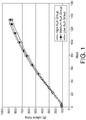
Figure 1 shows the evolution of body weight of three groups of guinea pig pups fed different diets over the first 136 days of life. -
Figure 2 shows the median body weight gain of pups in the three groups between day 21 and day 79. -
Figure 3 shows the number of large adipocytes plotted as a function of ALA intake. -
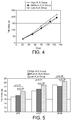
Figure 4 shows the evolution of fat mass in the three groups expressed in grams from day 21 to day 128. -
Figure 5 shows the evolution of fat mass in the three groups expressed as a percentage of total body weight at day 79, day 107 and day 128. -
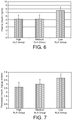
Figure 6 shows the mean plasma insulin levels of the three groups at day 136. -
Figure 7 shows the pancreatic insulin contents of the three groups at day 136. - In this specification, the following expressions have the meanings assigned to them below:-
- "ALA" means α-linolenic acid (C18:3n-3);
- "infant" means a child under the age of 12 months and "infancy" shall be construed accordingly; For the purpose of the present document the term "infant" comprises young baby animals, such as young pets, young dogs, young horses or young cats.
- "LA" means linoleic acid (C18:2n-6);
- "later in life" means, in the context of an infant, any point in life after completion of infancy. One example of such a point would be at the age of the adiposity rebound which, in human infants, typically occurs between the ages of five and six years.
- All percentages and ratios are by weight unless otherwise specified. The nutritional composition comprises 18-25% LA of total fatty acids. The ALA content is 6-11wt% of total fatty acids. The LA:ALA ratio is preferably in the range from 2 to 6.
- Preferably, the nutritional composition has a protein content of less than 1.85 g/100 kcal. The detailed make-up of the protein source is not believed to be critical to the present invention provided that the minimum requirements for essential amino acid content are met and satisfactory growth is ensured. Thus, protein sources based on cows' milk proteins such as whey, casein and mixtures thereof may be used as well as protein sources based on soy. However, mixtures of whey and casein proteins are preferred. The casein:whey ratio may lie in the range from 70:30 to 30:70 but is preferably 30:70.
- The protein(s) in the protein source may be intact or partially hydrolysed or a mixture of intact and hydrolysed proteins may be used. The protein source may additionally be supplemented with free amino acids if this is necessary to meet the minimum requirements for essential amino acid content. These requirements are published for example in EC Directive 2006/141/EC.
- As noted above, the preferred protein source is a mixture of casein and whey proteins. The whey protein may be a whey protein isolate, acid whey, sweet whey or sweet whey from which the caseino-glycomacropeptide has been removed (modified sweet whey). Preferably, however, the whey protein is modified sweet whey. Sweet whey is a readily available by-product of cheese making and is frequently used in the manufacture of nutritional compositions based on cows' milk. However, sweet whey includes a component which is undesirably rich in threonine and poor in tryptophan called caseino-glycomacropeptide (CGMP). Removal of the CGMP from sweet whey results in a protein with a threonine content closer to that of human milk. A process for removing CGMP from sweet whey is described in
EP 880902 - If modified sweet whey is used as the whey protein in a mixture of 70% whey and 30% casein, the protein source may be supplemented by free histidine in an amount between 0.1 and 0.3% of total protein content.
- The nutritional composition contains a source of carbohydrates. The preferred source of carbohydrates is lactose although other carbohydrates such as saccharose, maltodextrin, and starch may also be added. Preferably, the carbohydrate content of the nutritional composition is between 9 and 14 g/100 kcal.
- The nutritional composition contains a source of lipids. In addition to LA and ALA, the lipid source may include any lipid or fat which is suitable for use in nutritional compositions to be fed to infants. Preferred fat sources include coconut oil, low erucic rapeseed oil (canola oil), soy lecithin, palm olein, and sunflower oil. The lipid source may also include small amounts of preformed long chain polyunsaturated fatty acids arachidonic acid (C20:4n-6) and docosahexaenoic acid (C22:6n-3). Fish oils are a suitable source of docosahexaenoic acid, alternatively single cell microbial oils are suitable sources of both arachidonic acid and docosahexaenoic acid. In total, the lipid content may be between 4.4 and 6 g/100 kcal. The ratio of arachidonic acid:docosahexaenoic acid in the lipid source is preferably between 2:1 and 1:1.
- The nutritional composition may also contain all vitamins and minerals understood to be essential in the daily diet in nutritionally significant amounts. Minimum requirements have been established for certain vitamins and minerals. Examples of minerals, vitamins and other nutrients optionally present in the nutritional composition include vitamin A, vitamin B1, vitamin B2, vitamin B6, vitamin B12, vitamin E, vitamin K, vitamin C, vitamin D, folic acid, inositol, niacin, biotin, pantothenic acid, choline, calcium, phosphorous, iodine, iron, magnesium, copper, zinc, manganese, chloride, potassium, sodium, selenium, chromium, molybdenum, taurine, and L-carnitine. Minerals are usually added in salt form.
- If necessary, the nutritional composition may contain emulsifiers and stabilisers such as soy lecithin, citric acid esters of mono- and di-glycerides, and the like. This is especially the case if the composition is provided in liquid form.
- The nutritional composition may optionally contain other substances which may have a beneficial effect such as probiotic bacteria, fibres, lactoferrin, nucleotides, nucleosides, and the like in the amounts customarily found in nutritional compositions to be fed to infants.
- The nutritional composition may be prepared in any suitable manner. For example, a nutritional composition may be prepared by blending together the protein source, the carbohydrate source, and the lipid source in appropriate proportions. If used, emulsifiers may be included in the blend at this stage. The vitamins and minerals may be added at this point but are usually added later to avoid thermal degradation. Any lipophilic vitamins, emulsifiers and the like may be dissolved into the fat source prior to blending. Water, preferably water which has been subjected to reverse osmosis, may then be mixed in to form a liquid mixture.
- The liquid mixture may then be thermally treated to reduce bacterial loads. For example, the liquid mixture may be rapidly heated to a temperature in the range of about 80°C to about 110°C for about 5 seconds to about 5 minutes. This may be carried out by steam injection or by heat exchanger; for example a plate heat exchanger.
- The liquid mixture may then be cooled to about 60°C to about 85°C; for example by flash cooling. The liquid mixture may then be homogenised; for example in two stages at about 7 MPa to about 40 MPa in the first stage and about 2 MPa to about 14 MPa in the second stage. The homogenised mixture may then be further cooled and any heat sensitive components; such as vitamins and minerals may be added. The pH and solids content of the homogenised mixture is conveniently standardised at this point.
- If it is desired to produce a powdered composition, the homogenised mixture is transferred to a suitable drying apparatus such as a spray drier or freeze drier and converted to powder. The powder should have a moisture content of less than about 5% by weight.
- If it is desired to produce a liquid composition, the homogenised mixture is filled into suitable containers; preferably aseptically. However, the liquid composition may also be retorted in the container. Suitable apparatus for carrying out filling of this nature is commercially available. The liquid composition may be in the form of a ready to feed composition having a solids content of about 10 to about 14% by weight or may be in the form of a concentrate; usually of solids content of about 20 to about 26% by weight. The invention will now be further illustrated by reference to the following examples.
- An example of the composition of a nutritional composition is given below:-
Nutrient per 100kcal per litre Energy (kcal) 100 630 Protein (g) (skimmed milk powder, modified sweet whey) 1.5 9.45 free histidine (mg) 2.5 15.8 casein:whey ratio 40:60 40:60 Fat (g) 5.3 33.4 Linoleic acid (g) 1.0 6.6 α-Linolenic acid (g) 0.5 3.3 DHA (mg) 11.5 72.5 ARA (mg) 11.5 72.5 Linoleic acid: α-Linolenic acid 2 2 Lactose (g) 11.6 73.1 Minerals and Electrolytes Na (mg) 25 158 K (mg) 89 561 Cl (mg) 64 403 Ca (mg) 64 403 P (mg) 32 202 Ca/P 2.0 2.0 Mg (mg) 6.9 43.5 Mn (µg) 8.0 50.4 Vitamins and Trace Elements Vitamin A (IU) 350 2205 Vitamin D (IU) 60 378 Vitamin E (IU) 1.2 7.6 Vitamin K1 (µg) 8.0 50.4 Vitamin C (mg) 10 63 Vitamin B1 (mg) 0.07 0.44 Vitamin B2 (mg) 0.15 0.95 Niacin (mg) 1.0 6.3 Vitamin B6 (mg) 0.075 0.47 Folic acid (µg) 12 75.6 Pantothenic acid (mg) 0.45 2.83 Vitamin B 12 (µg) 0.3 1.89 Biotin (µg) 2.2 13.9 Choline (mg) 10 63 Inositol (mg) 5.0 31.5 Taurine (mg) 7.0 44.1 Carnitine (mg) 1.6 10.1 Fe (mg) 1.2 7.56 I (µg) 15 94.5 Cu (mg) 0.07 0.44 Se (µg) 2.0 12.6 Zn (mg) 0.75 4.72 Nucleotides CMP (mg) 2.3 14.5 UMP (mg) 1.5 9.5 AMP (mg) 0.7 4.4 GMP (mg) 0.3 1.9 - A nutritional composition according to the invention may be fed to an infant as the sole source of nutrition from birth to the age of four to six months and subsequently as part of a mixed diet during the introduction of solid foods until weaning is complete at about the age of 12 months.
- This example investigates the effect of feeding diets containing different amounts of LA and ALA to newborn guinea pig pups on the development of total fat mass of the pups in the post-weaning period. The infant guinea pig is considered to be a good animal model to study to predict the development fat mass in human infants because, like newborn human infants, newborn guinea pig pups are born with an appreciable amount of body fat whilst newborn rat pups are very lean.
- Newborn male guinea pigs were divided into three groups with 20 animals in each group. Each group was fed a suckling/weaning diet in which 44% of the energy was supplied by fat for 21 days. The different diets were isocaloric and differed only in their ALA contents. The high ALA diet contained 10%ALA based on total fatty acids, the medium ALA diet contained 2.4%ALA based on total fatty acids and the low diet contained 0.85% ALA based on total fatty acids. The levels of LA were kept relatively constant between diets such that the LA:ALA ratios were about 2, 10 and 30 respectively. Further details of the fatty acid composition of the three diets are given in Table 1.
Table 1:Fatty acid composition of the suckling/weaning diets: % of total fatty acids 10%ALA 2.4%ALA 0.8%ALA C12:0 7.1 8.2 7.9 C14:0 3.4 3.9 3.7 C16:0 22.7 22.0 21.8 C16:1 0.2 0.1 0.1 C18:0 3.0 3.2 3.0 C18:1 33.5 33.0 33.3 C18:2n-6 (LA) 20.2 26.2 28.5 C18:3n-3 (ALA) 9.9 2.4 0.8 C20:0 0.0 0.0 0.0 C20:1 0.0 0.0 0.0 C20:4n-6 0.0 0.0 0.0 C20:5n-3 0.0 0.0 0.0 C22:0 0.0 0.0 0.0 C22:5n-3 0.0 0.0 0.0 C22:6n-3 0.0 0.0 0.0 LA/ALA 2.0 10.7 33.6 - At the end of the suckling/weaning period (day 21), all groups were fed a diet with a moderately high fat content (35% of energy from fat) containing 2% ALA and 26% LA until day 136. Body weight and fat mass were recorded at days 21, 51, 79, 107, 128 and 136 and retroperitoneal adipose tissue cellularity, plasma fatty acid composition, and insulin were recorded at day 21 and day 136.
- As expected, at the end of the suckling/weaning period (day 21) the concentrations of ALA, in plasma phospholipid (Table 2) and triglyceride (Table 3) fractions, were higher in the 10%ALA group than in the other groups.
Table 2:Fatty acid (µg/ml) composition in plasma phospholipids at d21. Mean ± SEM High ALA Medium ALA Low ALA C10:0 0.1 ± 0.02 0.1 ± 0.03 0.1 ± 0.07 C12:0 0.2 ± 0.03 0.2 ± 0.02 0.3 ± 0.13 C14:0 0.8 ± 0.23 1.0 ± 0.10 1.1 ± 0.17 C16:0 35.9 ± 9.1 49.3 ± 8.9 40.2 ± 3.6 C17:0 1.2 ± 0.38 1.9 ± 0.41 1.2 ± 0.10 C18:0 70.1 ± 23.6 98.6 ± 28.1 68.6 ± 4.2 C18:1 n-9 cis + trans 23.4 ± 7.6 30.8 ± 7.3 23.2 ± 1.9 C18:1 n-7 cis + trans 3.1 ± 0.8 6.2 ± 1.4 5.2 ± 0.9 C18:2 n-6 (LA) 67.5 ± 22.2 99.0 ± 26.3 77.0 ± 7.5 C18:3n-6 (GLA) 0.1 ± 0.06 0.1 ± 0.09 0.2 ± 0.13 C18:3n-3 (ALA) 2.9 ± 1.8 0.9 ± 0.2 0.6 ± 0.2 C20:0 1.2 ± 0.5 1.5 ± 0.2 0.9 ± 0.03 C20:1n-9 0.5 ± 0.2 0.7 ± 0.08 0.6 ± 0.1 C20:2n-6 0.8 ± 0.1 1.2 ± 0.1 1.3 ± 0.2 C20:3n-6 0.9 ± 0.2 1.1 ± 0.25 1.0 ± 0.07 C20:4n-6 (AA) 11.4 ± 3.6 14.8 ± 3.0 11.7 ± 1.1 C20:3n-3 0.3 ± 0.08 0.2 ± 0.06 0.1 ± 0.03 C22:0 1.9 ± 0.9 2.1 ± 0.4 1.1 ± 0.2 C22:1n-9 0.4 ± 0.2 0.4 ± 0.1 1.5 ± 1.0 C20:5n-3 (EPA) 0.2 ± 0.1 0.1 ± 0.03 0.1 ± 0.03 C22:2n-6 1.1 ± 0.5 1.5 ± 0.2 0.8 ± 0.1 C22:4n-6 1.2 ± 0.5 1.8 ± 0.3 1.2 ± 0.2 C24:0 2.6 ± 1.2 3.4 ± 0.6 1.9 ± 0.4 C24:1n-9 2.4 ± 0.8 2.8 ± 0.3 2.0 ± 0.5 C22:5n-3 (DPA) 2.1 ± 0.8 1.7 ± 0.3 0.9 ± 0.1 C22:6n-3 (DHA) 1.1 ± 0.4 1.3 ± 0.3 0.7 ± 0.1 Table 3: FA (µg/ml) composition in plasma triglycerides at d21. Mean ± SEM High ALA Medium ALA Low ALA C10:0 0.2 ± 0.1 0.1 ± 0.04 0.2 ± 0.01 C12:0 0.9 ± 0.2 1.0 ± 0.1 0.8 ± 0.3 C14:0 4.0 ± 1.1 4.6 ± 0.7 4.0 ± 2.4 C16:0 49.1 ± 10.7 52.8 ± 5.7 42.2 ± 18 C17:0 0.9 ± 0.2 1.1 ± 0.2 0.7 ± 0.09 C18:0 15.7 ± 3.3 14.4 ± 2.3 10.5 ± 3.5 C18:1n-9 cis 85.0 ± 17.8 85.4 ± 6.0 63.2 ± 18 C18:1n-7 cis 2.6 ± 0.5 2.8 ± 0.3 2.0 ± 0.6 C18:2 n-6 (LA) 72.8 ± 13.7 85.4 ± 6.0 71.1 ± 27.9 C18:3n-6 (GLA) 0.2 ± 0.2 0.6 ± 0.05 0.5 ± 0.1 C18:3n-3 (ALA) 11.1 ± 2.5a 5.1 ± 0.7b 2.7 ± 0.2b C20:0 0.5 ± 0.2 0.7 ± 0.1 0.2 ± 0.1 C20:1n-9 1.2 ± 0.1 1.3 ± 0.1 1.1 ± 0.5 C20:2n-6 1.4 ± 0.2 1.5 ± 0.2 1.6 ± 0.8 C20:3n-6 0.8 ± 0.1 0.7 ± 0.09 0.6 ± 0.09 C20:4n-6 (AA) 3.7 ± 0.4 3.5 ± 0.3 3.7 ± 0.3 C20:3n-3 0.4 ± 0.1 0.2 ± 0.05 0.1 ± 0.09 C22:0 0.4 ± 0.04 0.4 ± 0.05 0.3 ± 0.02 C22:1n-9 0.3 ± 0.08 0.2 ± 0.02 0.2 ± 0.03 C20:5n-3 (EPA) 0.3 ± 0.04 0.1 ± 0.04 0.1 ± 0.08 C22:2n-6 0.3 ± 0.04 0.3 ± 0.06 0.2 ± 0.08 C22:4n-6 0.9 ± 0.1 0.9 ± 0.1 0.9 ± 0.2 C24:0 0.7 ± 0.1 0.8 ± 0.1 0.6 ± 0.1 C22:5n-3 (DPA) 0.8 ± 0.1 0.6 ± 0.1 0.4 ± 0.01 C22:6n-3 (DHA) 0.3 ± 0.1 0.3 ± 0.06 0.2 ± 0.05 Different letters indicate statistical significance at P < 0.05, ND; not detectable - As may be seen from
Figure 1 , mean body weight did not differ significantly between the three groups during the course of the experiment. However,Figure 2 shows that between day 21 and day 78 the high ALA group tended to gain less body weight than the other groups. - At the end of the suckling/weaning period (day 21), total fat mass measured by NMR did not differ between the groups. Nevertheless, on average, the diameter of adipocyte cells from retroperitoneal adipose tissue of the high ALA group tended to be smaller than in the other groups (Table 4).
Table 4: Adipocyte diameter. Mean ± SEM Groups Cell diameter (µm) High ALA 27.5 ± 0.8 Medium ALA 31.1 ± 1.5 Low ALA 31.9 ± 1.7 - The High ALA group had a smaller number of adipocytes in the larger diameter range (from 30 to 50 µm) (Table 5).
Table 5: Total cell number (x 106) per diameter range and per g of retroperitoneal adipose tissue at d21. Mean ± SEM. Cell diameter 10%ALA 2.4% ALA 0.8%ALA 15-19 1.27 ± 0.2 1.19 ± 0.2 0.91 ± 0.2 19-29 3.82 ± 0.6 3.70 ± 0.5 3.68 ± 0.8 30-39 2.18 ± 0.4 3.54 ± 0.2 4.43 ± 0.8 40-49 0.37 ± 0.1 1.47 ± 0.2 1.85 ± 0.7 50-60 0.07 ± 0.02 0.34 ± 0.04 0.49 ± 0.3 - Interestingly, a dose response relationship was observed between the number of large adipocytes (>40 µm) and the percentage of ALA in the diet. As may be seen from
Figure 3 , the higher was the ALA intake, the lower was the number of large adipocytes. - Surprisingly and as may be seen from
Figures 4 and 5 , the Low ALA group had higher fat mass values in both gram and percentage values than the High ALA group at day 79 (p<0.01), day 107 (p<0.01) and day 128 (p=0.08). - Plasma insulin levels were not different between groups at day 21. However, as shown in
Figure 6 , at the end of the experiment, the Low ALA group showed about a 1.5-fold higher concentrations of plasma insulin compared to the other two groups.Figure 7 shows that similar results were observed regarding the pancreatic insulin content. The Low ALA group showed about a 1.4-fold increase in the pancreatic insulin content when compared to the High ALA group (p=0.08). - This example clearly demonstrates that feeding a diet rich in ALA during infancy plays an important role in programming or imprinting the adipose tissue in such a way as to reduce its susceptibility to excessive development later in life. Specifically, the results indicate that a low ALA intake with high LA:ALA ratio during the suckling/weaning period leads to increased adiposity and a tendency to hyperinsulinemia later in life.
- This example investigates the effect of feeding diets containing different amounts of LA and ALA to newborn guinea pig pups on the proliferation rates of adipose tissue cells (AT-cells) and on de novo lipogenesis (DNL) using the D2O method. The High ALA group and the Low ALA group from Example 2 were investigated. Ten pups in each group received D2O for 5 days prior sacrifice at day 21. The other 10 pups received D2O for 5 days prior sacrifice at day 136. The deuterated water was administered intraperitoneally (sterilized 0.9% NaCl, 99% D2O at 35 mg/g of body weight) in the morning of the first day. Thereafter, the pups drank deuterated water (8% enriched in deuterium) ad libitum for the remainder of the 5 days. They were then sacrificed by exsanguination under isoflurane anesthesia. The blood was collected from the aorta in heparinized vials (minimum of 200 µL). The retroperitoneal, epididymal and subcutaneous adipose tissues and the liver were collected and as well as the bone marrow from the rear-limb and kept at -80°C until analysis.
- The analytical procedure has been previously detailed (Neese RA, Siler SQ, Cesar D, Antelo F, Lee D, Misell L, Patel K, Tehrani S, Shah P, Hellerstein MK, "Advances in the stable isotope mass spectrometric measurement of DNA synthesis and cell proliferation" Analy Biochem 2001; 298: 189-195). Briefly, the genomic DNA of AT-cells and the triglycerides (TG) were extracted from the adipose tissues (about 50 mg). Deuterium enrichment in DNA and palmitate from TG were determined by mass-spectrometry hyphenated with gas-chromatography (GC/MS, Hewlett-Packard, Palo Alto, CA).
- Use of D2O incorporation for the calculation of DNA replication (cell proliferation) and DNL is based on the precursor-product relationship (Hellerstein MK, Neese R. "Mass isotopomer data analysis: a technique for measuring biosynthesis and turnover of polymers" Am J Physiol 1992; 263: E988-E1001). In this method the cell divisions that occurred during the labeling period are counted by quantifying the proportion of labeled DNA strands present. The fractional proliferation rate of adipose tissue cells (FSRcell in % new cell/ 5 days) was calculated as the EM1 (isotopic enrichment in excess) in adipose DNA divided (normalized) by EM1 in bone marrow DNA. Bone marrow enrichment was used to approximate maximum DNA enrichment achievable within each animal.
- DNL or "fractional synthesis rate of palmitate" (FSRpalmitate in % new palmitate/ 5 days) in TG was calculated from the label deuterium incorporation from water into TG-palmitate using mass isotopomer distribution analysis (MIDA). The present maximum deuterium enrichment reachable in palmitate was calculated based upon the measured body water enrichment (calculations are detailed in Hellerstein MK and Neese RA "Mass isotopomer distribution analysis at eight years: theoretical, analytic, and experimental considerations" Am J Physiol 1999; 276: E1146-E1170).
- The adipose tissue and liver weights are summarized in Table 6.
Table 6: Adipose tissue (AT) and liver weights (in g) at day 21 and day 136. Groups Liver Epididymal AT* Retroperitoneal AT d21 High ALA 8.57 ± 0.54 0.15 ± 0.02 0.56 ± 0.14 Low ALA 7.09 ± 0.40 0.09 ± 0.01 0.38 ± 0.06 d136 High ALA 29.73 ± 2.15 8.09 ± 1.55a 9.36 ± 1.21 Low ALA 30.10 ± 1.11 10.94 ± 0.58b 10.98 ± 0.54 Different letters indicate statistical significance at P < 0.05.
* At d136, P=0.020 between High ALA/Low - The effect of early diet treatment on the fractional synthesis rate (FSR or fractional proliferation rate) of cells in adipose depot is summarized in Table 7. The AT-cells include all type of cells such as the adipocytes and the stroma-vascular cells (pre-adipocytes, enterocytes, macrophages, etc.) of the whole adipose tissue.
Table 7: FSR (in % new cells / 5 days) at d21 and d136 Groups Subcutaneous AT* Epididymal AT Retroperitoneal AT d21 High ALA 8.9 ± 8.7 13.5 ± 2.0 5.3 ± 2.3 Low ALA 18.7 ± 13.7 15.0 ± 4.1 3.3 ± 0.7 d136 High ALA 8.6 ± 1.7a 7.7 ± 1.3 4.0 ± 0.6 Low ALA 15.2 ± 1.3b 7.8 ± 2.6 7.9 ± 2.3 Different letters indicate statistical significance at P < 0.05.
*: At d136, P=0.021 between High ALA/Low ALA - These results show a higher (doubled) cell proliferation rate in the subcutaneous adipose tissue at day 136 (P=0.021) and a higher cell proliferation (but not significant) in the retroperitoneal and an unchanged cell proliferation in the epididymal adipose tissues in the Low ALA group compared with High ALA group. Since the subcutaneous adipose tissue is the major fat depot in the whole body of adult guinea-pigs, the increase of cell proliferation in this adipose tissue may explain the increased fat mass composition observed after a low ALA intake (results obtained in Example 2). Mechanistically, the results suggest that the increase in body fat mass in the Low ALA group involves an increase in the adipose tissue cell proliferation rate (a hyperplasia) in the guinea-pigs at the later adult period.
- A low ALA intake did not induce changes in de novo lipogenesis (DNL) in the fat deposits but a higher hepatic DNL (P<0.001) was observed in the low ALA group as compared to the high ALA group at day 21 (Table 8).
Table 8: DNL (in % new palmitate / 5 days) at day 21 and day 136 Groups Liver Subcutaneous AT Epididymal AT Retroperitoneal AT d21 High ALA 8.8 ± 2.6a 9.3 ± 6.6 14.9 ± 2.8 13.8 ± 5.4 Low ALA 17.4 ± 3.7b 2.2 ± 1.8 17.1 ± 2.5 12.9 ± 2.3 d136 High ALA 5.7 ± 0.6 1.87 ± 0.26 1.18 ± 0.16 1.40 ± 0.39 Low ALA 5.6 ± 0.4 1.29 ± 0.18 0.92 ± 0.12 1.06 ± 0.07 Different letters indicate statistical significance at P < 0.001. - This example 3 shows that a low ALA intake during the suckling/weaning periods increases the rate of hepatic DNL in 21 days-old guinea pigs and increases the cell proliferation rate in the subcutaneous adipose tissue in adult guinea pigs.
Claims (4)
- Use of linoleic acid and α-linolenic acid in the manufacture of a nutritional composition for reducing the risk of development of obesity later in life, when administered to an infant in the first six months of life of the infant, wherein said nutritional composition comprises a protein source, a lipid source and a carbohydrate source wherein the lipid source includes from 18 to 25% linoleic acid and from 6-11 wt% α-linolenic acid expressed as a percentage of total fatty acid content in each case and in amounts such that the ratio of linoleic acid: α-linolenic acid is in the range from 1 to 10.
- The use of claim 1 wherein said infant is a young baby pet, such as a dog or a cat.
- The use of any of claims 1 or 2 wherein said reduction of risk of development of obesity later in life is characterized by a statistically significant decrease of fat mass compared to a control population not receiving said composition.
- The use of any of claims 1 or 3 wherein said reduction of risk of development of obesity later in life is characterized by such reduction of risk being apparent at the age of adiposity rebound, such as after 5 years old in human infants.
Priority Applications (1)
| Application Number | Priority Date | Filing Date | Title |
|---|---|---|---|
| EP09796696.4A EP2387331B8 (en) | 2009-01-19 | 2009-12-16 | Nutritional composition for infants |
Applications Claiming Priority (3)
| Application Number | Priority Date | Filing Date | Title |
|---|---|---|---|
| EP09150858 | 2009-01-19 | ||
| EP09796696.4A EP2387331B8 (en) | 2009-01-19 | 2009-12-16 | Nutritional composition for infants |
| PCT/EP2009/067297 WO2010081604A1 (en) | 2009-01-19 | 2009-12-16 | Nutritional composition for infants |
Publications (3)
| Publication Number | Publication Date |
|---|---|
| EP2387331A1 EP2387331A1 (en) | 2011-11-23 |
| EP2387331B1 true EP2387331B1 (en) | 2018-02-07 |
| EP2387331B8 EP2387331B8 (en) | 2018-11-28 |
Family
ID=40636107
Family Applications (1)
| Application Number | Title | Priority Date | Filing Date |
|---|---|---|---|
| EP09796696.4A Active EP2387331B8 (en) | 2009-01-19 | 2009-12-16 | Nutritional composition for infants |
Country Status (15)
| Country | Link |
|---|---|
| US (2) | US8586077B2 (en) |
| EP (1) | EP2387331B8 (en) |
| CN (1) | CN102271534B (en) |
| AU (1) | AU2009337747B2 (en) |
| BR (1) | BRPI0924051A2 (en) |
| CA (1) | CA2749254A1 (en) |
| CL (1) | CL2011001734A1 (en) |
| ES (1) | ES2663195T3 (en) |
| MX (2) | MX357863B (en) |
| MY (1) | MY159390A (en) |
| RU (1) | RU2540538C2 (en) |
| SG (1) | SG172774A1 (en) |
| TW (1) | TW201032734A (en) |
| WO (1) | WO2010081604A1 (en) |
| ZA (1) | ZA201106084B (en) |
Families Citing this family (6)
| Publication number | Priority date | Publication date | Assignee | Title |
|---|---|---|---|---|
| ES2663195T3 (en) | 2009-01-19 | 2018-04-11 | Nestec S.A. | Infant Nutritional Composition |
| EP2514435A1 (en) * | 2011-04-19 | 2012-10-24 | Nestec S.A. | Infant formula for use in the prevention of cardiovascular diseases |
| PT2734049T (en) | 2011-06-20 | 2018-07-24 | Heinz Co Brands H J Llc | PROBIOTIC COMPOSITIONS AND METHODS |
| EP3079501B1 (en) * | 2013-12-12 | 2019-08-14 | Société des Produits Nestlé S.A. | Synthetic nutritional compositions especially adapted for male and female infants and young children |
| US20160309768A1 (en) * | 2013-12-12 | 2016-10-27 | Nestec S.A. | Synthetic milk compositions for optimal growth and development and prevention of obesity in male and female infant and children |
| EP3079770B2 (en) | 2013-12-12 | 2025-10-15 | Société des Produits Nestlé S.A. | Synthetic milk compositions for infants less than three months old and for infants and children more than three months for ensuring optimal growth and preventing obesity |
Citations (1)
| Publication number | Priority date | Publication date | Assignee | Title |
|---|---|---|---|---|
| EP1634599A1 (en) * | 2004-08-20 | 2006-03-15 | N.V. Nutricia | Iimmune stimulatory infant nutrition |
Family Cites Families (9)
| Publication number | Priority date | Publication date | Assignee | Title |
|---|---|---|---|---|
| EP0880902A1 (en) | 1997-05-27 | 1998-12-02 | Nestlé Produkte AG | Process for treating a raw whey material |
| US6596302B2 (en) * | 2000-04-13 | 2003-07-22 | Abbott Laboratories | Infant formulas containing long-chain polyunsaturated fatty acids and uses thereof |
| EP1811867A2 (en) * | 2004-11-12 | 2007-08-01 | N.V. Nutricia | Food composition comprising a protein- and a lipid fraction for rapidly attenuating inflammatory responses |
| EP1811865B1 (en) * | 2004-11-26 | 2008-07-16 | N.V. Nutricia | Infant nutrition with protease inhibitor |
| CA2610213C (en) * | 2005-07-01 | 2015-11-03 | N.V. Nutricia | Infant nutrition with hydrolised proteins |
| WO2008054192A1 (en) | 2006-11-02 | 2008-05-08 | N.V. Nutricia | Use of nutritional compositions for preventing disorders |
| BRPI0620465A2 (en) * | 2005-12-23 | 2011-11-16 | Nutricia Nv | use of a composition |
| EP1932437A1 (en) * | 2006-12-15 | 2008-06-18 | Nestec S.A. | Infant formula |
| ES2663195T3 (en) | 2009-01-19 | 2018-04-11 | Nestec S.A. | Infant Nutritional Composition |
-
2009
- 2009-12-16 ES ES09796696.4T patent/ES2663195T3/en active Active
- 2009-12-16 BR BRPI0924051-9A patent/BRPI0924051A2/en active Search and Examination
- 2009-12-16 AU AU2009337747A patent/AU2009337747B2/en not_active Ceased
- 2009-12-16 WO PCT/EP2009/067297 patent/WO2010081604A1/en not_active Ceased
- 2009-12-16 MY MYPI2011002882A patent/MY159390A/en unknown
- 2009-12-16 EP EP09796696.4A patent/EP2387331B8/en active Active
- 2009-12-16 CA CA2749254A patent/CA2749254A1/en not_active Abandoned
- 2009-12-16 SG SG2011045382A patent/SG172774A1/en unknown
- 2009-12-16 MX MX2014010037A patent/MX357863B/en unknown
- 2009-12-16 CN CN200980154101.1A patent/CN102271534B/en not_active Expired - Fee Related
- 2009-12-16 MX MX2011007222A patent/MX2011007222A/en active IP Right Grant
- 2009-12-16 US US13/145,042 patent/US8586077B2/en not_active Expired - Fee Related
- 2009-12-16 RU RU2011134675/13A patent/RU2540538C2/en active
- 2009-12-31 TW TW098146464A patent/TW201032734A/en unknown
-
2011
- 2011-07-15 CL CL2011001734A patent/CL2011001734A1/en unknown
- 2011-08-18 ZA ZA2011/06084A patent/ZA201106084B/en unknown
-
2013
- 2013-03-06 US US13/787,170 patent/US8999926B2/en active Active
Patent Citations (1)
| Publication number | Priority date | Publication date | Assignee | Title |
|---|---|---|---|---|
| EP1634599A1 (en) * | 2004-08-20 | 2006-03-15 | N.V. Nutricia | Iimmune stimulatory infant nutrition |
Also Published As
| Publication number | Publication date |
|---|---|
| ES2663195T3 (en) | 2018-04-11 |
| MX357863B (en) | 2018-07-26 |
| US20120004163A1 (en) | 2012-01-05 |
| CN102271534B (en) | 2014-07-09 |
| AU2009337747B2 (en) | 2014-01-09 |
| EP2387331B8 (en) | 2018-11-28 |
| RU2011134675A (en) | 2013-02-27 |
| ZA201106084B (en) | 2016-07-27 |
| TW201032734A (en) | 2010-09-16 |
| MX2011007222A (en) | 2011-08-08 |
| WO2010081604A1 (en) | 2010-07-22 |
| US20130177667A1 (en) | 2013-07-11 |
| CA2749254A1 (en) | 2010-07-22 |
| MY159390A (en) | 2016-12-30 |
| BRPI0924051A2 (en) | 2015-07-21 |
| CL2011001734A1 (en) | 2012-02-10 |
| EP2387331A1 (en) | 2011-11-23 |
| RU2540538C2 (en) | 2015-02-10 |
| US8999926B2 (en) | 2015-04-07 |
| US8586077B2 (en) | 2013-11-19 |
| SG172774A1 (en) | 2011-08-29 |
| AU2009337747A1 (en) | 2011-07-21 |
| CN102271534A (en) | 2011-12-07 |
Similar Documents
| Publication | Publication Date | Title |
|---|---|---|
| EP2413718B1 (en) | Use of arachidonic acid for the reduction of the risk of insulin resistance later in life | |
| EP2096941B1 (en) | Nutritional composition for infants | |
| AU2009306497B2 (en) | Nutritional composition with anti-regurgitation properties | |
| US8999926B2 (en) | Nutritional composition for infants | |
| WO2006069918A1 (en) | Use of infant formula with reduced protein content | |
| EP3232819B1 (en) | Infant nutrition with hydrolysed protein and palmitic acid | |
| JP4034370B2 (en) | Brain function improving agent and nutritional composition | |
| HK1122700A (en) | Infant formula |
Legal Events
| Date | Code | Title | Description |
|---|---|---|---|
| PUAI | Public reference made under article 153(3) epc to a published international application that has entered the european phase |
Free format text: ORIGINAL CODE: 0009012 |
|
| 17P | Request for examination filed |
Effective date: 20110819 |
|
| AK | Designated contracting states |
Kind code of ref document: A1 Designated state(s): AT BE BG CH CY CZ DE DK EE ES FI FR GB GR HR HU IE IS IT LI LT LU LV MC MK MT NL NO PL PT RO SE SI SK SM TR |
|
| DAX | Request for extension of the european patent (deleted) | ||
| 17Q | First examination report despatched |
Effective date: 20160314 |
|
| REG | Reference to a national code |
Ref country code: DE Ref legal event code: R079 Ref document number: 602009050690 Country of ref document: DE Free format text: PREVIOUS MAIN CLASS: A23L0001290000 Ipc: A23L0033000000 |
|
| GRAP | Despatch of communication of intention to grant a patent |
Free format text: ORIGINAL CODE: EPIDOSNIGR1 |
|
| RIC1 | Information provided on ipc code assigned before grant |
Ipc: A23L 33/12 20160101ALI20170907BHEP Ipc: A23L 33/00 20160101AFI20170907BHEP |
|
| INTG | Intention to grant announced |
Effective date: 20171009 |
|
| GRAS | Grant fee paid |
Free format text: ORIGINAL CODE: EPIDOSNIGR3 |
|
| GRAA | (expected) grant |
Free format text: ORIGINAL CODE: 0009210 |
|
| AK | Designated contracting states |
Kind code of ref document: B1 Designated state(s): AT BE BG CH CY CZ DE DK EE ES FI FR GB GR HR HU IE IS IT LI LT LU LV MC MK MT NL NO PL PT RO SE SI SK SM TR |
|
| REG | Reference to a national code |
Ref country code: GB Ref legal event code: FG4D |
|
| REG | Reference to a national code |
Ref country code: AT Ref legal event code: REF Ref document number: 968452 Country of ref document: AT Kind code of ref document: T Effective date: 20180215 Ref country code: CH Ref legal event code: EP |
|
| REG | Reference to a national code |
Ref country code: IE Ref legal event code: FG4D |
|
| REG | Reference to a national code |
Ref country code: DE Ref legal event code: R096 Ref document number: 602009050690 Country of ref document: DE |
|
| REG | Reference to a national code |
Ref country code: NL Ref legal event code: FP |
|
| REG | Reference to a national code |
Ref country code: ES Ref legal event code: FG2A Ref document number: 2663195 Country of ref document: ES Kind code of ref document: T3 Effective date: 20180411 |
|
| REG | Reference to a national code |
Ref country code: AT Ref legal event code: MK05 Ref document number: 968452 Country of ref document: AT Kind code of ref document: T Effective date: 20180207 |
|
| PG25 | Lapsed in a contracting state [announced via postgrant information from national office to epo] |
Ref country code: CY Free format text: LAPSE BECAUSE OF FAILURE TO SUBMIT A TRANSLATION OF THE DESCRIPTION OR TO PAY THE FEE WITHIN THE PRESCRIBED TIME-LIMIT Effective date: 20180207 Ref country code: NO Free format text: LAPSE BECAUSE OF FAILURE TO SUBMIT A TRANSLATION OF THE DESCRIPTION OR TO PAY THE FEE WITHIN THE PRESCRIBED TIME-LIMIT Effective date: 20180507 Ref country code: FI Free format text: LAPSE BECAUSE OF FAILURE TO SUBMIT A TRANSLATION OF THE DESCRIPTION OR TO PAY THE FEE WITHIN THE PRESCRIBED TIME-LIMIT Effective date: 20180207 Ref country code: LT Free format text: LAPSE BECAUSE OF FAILURE TO SUBMIT A TRANSLATION OF THE DESCRIPTION OR TO PAY THE FEE WITHIN THE PRESCRIBED TIME-LIMIT Effective date: 20180207 Ref country code: HR Free format text: LAPSE BECAUSE OF FAILURE TO SUBMIT A TRANSLATION OF THE DESCRIPTION OR TO PAY THE FEE WITHIN THE PRESCRIBED TIME-LIMIT Effective date: 20180207 |
|
| PG25 | Lapsed in a contracting state [announced via postgrant information from national office to epo] |
Ref country code: AT Free format text: LAPSE BECAUSE OF FAILURE TO SUBMIT A TRANSLATION OF THE DESCRIPTION OR TO PAY THE FEE WITHIN THE PRESCRIBED TIME-LIMIT Effective date: 20180207 Ref country code: GR Free format text: LAPSE BECAUSE OF FAILURE TO SUBMIT A TRANSLATION OF THE DESCRIPTION OR TO PAY THE FEE WITHIN THE PRESCRIBED TIME-LIMIT Effective date: 20180508 Ref country code: BG Free format text: LAPSE BECAUSE OF FAILURE TO SUBMIT A TRANSLATION OF THE DESCRIPTION OR TO PAY THE FEE WITHIN THE PRESCRIBED TIME-LIMIT Effective date: 20180507 Ref country code: IS Free format text: LAPSE BECAUSE OF FAILURE TO SUBMIT A TRANSLATION OF THE DESCRIPTION OR TO PAY THE FEE WITHIN THE PRESCRIBED TIME-LIMIT Effective date: 20180607 Ref country code: SE Free format text: LAPSE BECAUSE OF FAILURE TO SUBMIT A TRANSLATION OF THE DESCRIPTION OR TO PAY THE FEE WITHIN THE PRESCRIBED TIME-LIMIT Effective date: 20180207 Ref country code: LV Free format text: LAPSE BECAUSE OF FAILURE TO SUBMIT A TRANSLATION OF THE DESCRIPTION OR TO PAY THE FEE WITHIN THE PRESCRIBED TIME-LIMIT Effective date: 20180207 Ref country code: PL Free format text: LAPSE BECAUSE OF FAILURE TO SUBMIT A TRANSLATION OF THE DESCRIPTION OR TO PAY THE FEE WITHIN THE PRESCRIBED TIME-LIMIT Effective date: 20180207 |
|
| PG25 | Lapsed in a contracting state [announced via postgrant information from national office to epo] |
Ref country code: IT Free format text: LAPSE BECAUSE OF FAILURE TO SUBMIT A TRANSLATION OF THE DESCRIPTION OR TO PAY THE FEE WITHIN THE PRESCRIBED TIME-LIMIT Effective date: 20180207 Ref country code: RO Free format text: LAPSE BECAUSE OF FAILURE TO SUBMIT A TRANSLATION OF THE DESCRIPTION OR TO PAY THE FEE WITHIN THE PRESCRIBED TIME-LIMIT Effective date: 20180207 Ref country code: EE Free format text: LAPSE BECAUSE OF FAILURE TO SUBMIT A TRANSLATION OF THE DESCRIPTION OR TO PAY THE FEE WITHIN THE PRESCRIBED TIME-LIMIT Effective date: 20180207 |
|
| REG | Reference to a national code |
Ref country code: CH Ref legal event code: PK Free format text: BERICHTIGUNG B8 |
|
| REG | Reference to a national code |
Ref country code: DE Ref legal event code: R097 Ref document number: 602009050690 Country of ref document: DE |
|
| PG25 | Lapsed in a contracting state [announced via postgrant information from national office to epo] |
Ref country code: SM Free format text: LAPSE BECAUSE OF FAILURE TO SUBMIT A TRANSLATION OF THE DESCRIPTION OR TO PAY THE FEE WITHIN THE PRESCRIBED TIME-LIMIT Effective date: 20180207 Ref country code: SK Free format text: LAPSE BECAUSE OF FAILURE TO SUBMIT A TRANSLATION OF THE DESCRIPTION OR TO PAY THE FEE WITHIN THE PRESCRIBED TIME-LIMIT Effective date: 20180207 Ref country code: DK Free format text: LAPSE BECAUSE OF FAILURE TO SUBMIT A TRANSLATION OF THE DESCRIPTION OR TO PAY THE FEE WITHIN THE PRESCRIBED TIME-LIMIT Effective date: 20180207 Ref country code: CZ Free format text: LAPSE BECAUSE OF FAILURE TO SUBMIT A TRANSLATION OF THE DESCRIPTION OR TO PAY THE FEE WITHIN THE PRESCRIBED TIME-LIMIT Effective date: 20180207 |
|
| PLBE | No opposition filed within time limit |
Free format text: ORIGINAL CODE: 0009261 |
|
| STAA | Information on the status of an ep patent application or granted ep patent |
Free format text: STATUS: NO OPPOSITION FILED WITHIN TIME LIMIT |
|
| 26N | No opposition filed |
Effective date: 20181108 |
|
| PG25 | Lapsed in a contracting state [announced via postgrant information from national office to epo] |
Ref country code: SI Free format text: LAPSE BECAUSE OF FAILURE TO SUBMIT A TRANSLATION OF THE DESCRIPTION OR TO PAY THE FEE WITHIN THE PRESCRIBED TIME-LIMIT Effective date: 20180207 |
|
| REG | Reference to a national code |
Ref country code: NL Ref legal event code: PD Owner name: SOCIETE DES PRODUITS NESTLE S.A.; CH Free format text: DETAILS ASSIGNMENT: CHANGE OF OWNER(S), MERGE Effective date: 20190620 |
|
| REG | Reference to a national code |
Ref country code: CH Ref legal event code: PFUS Owner name: SOCIETE DES PRODUITS NESTLE S.A., CH Free format text: FORMER OWNER: NESTEC S.A., CH |
|
| REG | Reference to a national code |
Ref country code: GB Ref legal event code: 732E Free format text: REGISTERED BETWEEN 20190801 AND 20190807 |
|
| PG25 | Lapsed in a contracting state [announced via postgrant information from national office to epo] |
Ref country code: MC Free format text: LAPSE BECAUSE OF FAILURE TO SUBMIT A TRANSLATION OF THE DESCRIPTION OR TO PAY THE FEE WITHIN THE PRESCRIBED TIME-LIMIT Effective date: 20180207 Ref country code: LU Free format text: LAPSE BECAUSE OF NON-PAYMENT OF DUE FEES Effective date: 20181216 |
|
| REG | Reference to a national code |
Ref country code: IE Ref legal event code: MM4A |
|
| REG | Reference to a national code |
Ref country code: BE Ref legal event code: MM Effective date: 20181231 |
|
| PG25 | Lapsed in a contracting state [announced via postgrant information from national office to epo] |
Ref country code: IE Free format text: LAPSE BECAUSE OF NON-PAYMENT OF DUE FEES Effective date: 20181216 |
|
| PG25 | Lapsed in a contracting state [announced via postgrant information from national office to epo] |
Ref country code: BE Free format text: LAPSE BECAUSE OF NON-PAYMENT OF DUE FEES Effective date: 20181231 |
|
| PG25 | Lapsed in a contracting state [announced via postgrant information from national office to epo] |
Ref country code: MT Free format text: LAPSE BECAUSE OF NON-PAYMENT OF DUE FEES Effective date: 20181216 |
|
| REG | Reference to a national code |
Ref country code: DE Ref legal event code: R082 Ref document number: 602009050690 Country of ref document: DE Representative=s name: MITSCHERLICH, PATENT- UND RECHTSANWAELTE PARTM, DE Ref country code: DE Ref legal event code: R081 Ref document number: 602009050690 Country of ref document: DE Owner name: SOCIETE DES PRODUITS NESTLE S.A., CH Free format text: FORMER OWNER: NESTEC S.A., VEVEY, CH |
|
| REG | Reference to a national code |
Ref country code: ES Ref legal event code: PC2A Owner name: SOCIETE DES PRODUITS NESTLE S.A. Effective date: 20200130 |
|
| PG25 | Lapsed in a contracting state [announced via postgrant information from national office to epo] |
Ref country code: TR Free format text: LAPSE BECAUSE OF FAILURE TO SUBMIT A TRANSLATION OF THE DESCRIPTION OR TO PAY THE FEE WITHIN THE PRESCRIBED TIME-LIMIT Effective date: 20180207 |
|
| PG25 | Lapsed in a contracting state [announced via postgrant information from national office to epo] |
Ref country code: PT Free format text: LAPSE BECAUSE OF FAILURE TO SUBMIT A TRANSLATION OF THE DESCRIPTION OR TO PAY THE FEE WITHIN THE PRESCRIBED TIME-LIMIT Effective date: 20180207 |
|
| PG25 | Lapsed in a contracting state [announced via postgrant information from national office to epo] |
Ref country code: HU Free format text: LAPSE BECAUSE OF FAILURE TO SUBMIT A TRANSLATION OF THE DESCRIPTION OR TO PAY THE FEE WITHIN THE PRESCRIBED TIME-LIMIT; INVALID AB INITIO Effective date: 20091216 Ref country code: MK Free format text: LAPSE BECAUSE OF NON-PAYMENT OF DUE FEES Effective date: 20180207 |
|
| PGFP | Annual fee paid to national office [announced via postgrant information from national office to epo] |
Ref country code: NL Payment date: 20221019 Year of fee payment: 14 Ref country code: FR Payment date: 20221010 Year of fee payment: 14 |
|
| PGFP | Annual fee paid to national office [announced via postgrant information from national office to epo] |
Ref country code: GB Payment date: 20221027 Year of fee payment: 14 Ref country code: DE Payment date: 20220622 Year of fee payment: 14 |
|
| PGFP | Annual fee paid to national office [announced via postgrant information from national office to epo] |
Ref country code: ES Payment date: 20230112 Year of fee payment: 14 Ref country code: CH Payment date: 20230101 Year of fee payment: 14 |
|
| P01 | Opt-out of the competence of the unified patent court (upc) registered |
Effective date: 20230527 |
|
| REG | Reference to a national code |
Ref country code: DE Ref legal event code: R119 Ref document number: 602009050690 Country of ref document: DE |
|
| REG | Reference to a national code |
Ref country code: CH Ref legal event code: PL |
|
| REG | Reference to a national code |
Ref country code: NL Ref legal event code: MM Effective date: 20240101 |
|
| GBPC | Gb: european patent ceased through non-payment of renewal fee |
Effective date: 20231216 |
|
| PG25 | Lapsed in a contracting state [announced via postgrant information from national office to epo] |
Ref country code: NL Free format text: LAPSE BECAUSE OF NON-PAYMENT OF DUE FEES Effective date: 20240101 |
|
| PG25 | Lapsed in a contracting state [announced via postgrant information from national office to epo] |
Ref country code: NL Free format text: LAPSE BECAUSE OF NON-PAYMENT OF DUE FEES Effective date: 20240101 |
|
| PG25 | Lapsed in a contracting state [announced via postgrant information from national office to epo] |
Ref country code: DE Free format text: LAPSE BECAUSE OF NON-PAYMENT OF DUE FEES Effective date: 20240702 |
|
| PG25 | Lapsed in a contracting state [announced via postgrant information from national office to epo] |
Ref country code: GB Free format text: LAPSE BECAUSE OF NON-PAYMENT OF DUE FEES Effective date: 20231216 |
|
| PG25 | Lapsed in a contracting state [announced via postgrant information from national office to epo] |
Ref country code: FR Free format text: LAPSE BECAUSE OF NON-PAYMENT OF DUE FEES Effective date: 20231231 |
|
| PG25 | Lapsed in a contracting state [announced via postgrant information from national office to epo] |
Ref country code: CH Free format text: LAPSE BECAUSE OF NON-PAYMENT OF DUE FEES Effective date: 20231231 |
|
| PG25 | Lapsed in a contracting state [announced via postgrant information from national office to epo] |
Ref country code: GB Free format text: LAPSE BECAUSE OF NON-PAYMENT OF DUE FEES Effective date: 20231216 Ref country code: FR Free format text: LAPSE BECAUSE OF NON-PAYMENT OF DUE FEES Effective date: 20231231 Ref country code: DE Free format text: LAPSE BECAUSE OF NON-PAYMENT OF DUE FEES Effective date: 20240702 Ref country code: CH Free format text: LAPSE BECAUSE OF NON-PAYMENT OF DUE FEES Effective date: 20231231 |
|
| REG | Reference to a national code |
Ref country code: ES Ref legal event code: FD2A Effective date: 20250131 |
|
| PG25 | Lapsed in a contracting state [announced via postgrant information from national office to epo] |
Ref country code: ES Free format text: LAPSE BECAUSE OF NON-PAYMENT OF DUE FEES Effective date: 20231217 |