EP2385145A2 - Zusammensetzungen und Verfahren zur Bestimmung der Resistenz gegen Vireneintrittshemmer mit rekombinanten Virenassays - Google Patents
Zusammensetzungen und Verfahren zur Bestimmung der Resistenz gegen Vireneintrittshemmer mit rekombinanten Virenassays Download PDFInfo
- Publication number
- EP2385145A2 EP2385145A2 EP11161793A EP11161793A EP2385145A2 EP 2385145 A2 EP2385145 A2 EP 2385145A2 EP 11161793 A EP11161793 A EP 11161793A EP 11161793 A EP11161793 A EP 11161793A EP 2385145 A2 EP2385145 A2 EP 2385145A2
- Authority
- EP
- European Patent Office
- Prior art keywords
- hiv
- cell
- entry inhibitor
- virus
- certain embodiments
- Prior art date
- Legal status (The legal status is an assumption and is not a legal conclusion. Google has not performed a legal analysis and makes no representation as to the accuracy of the status listed.)
- Granted
Links
Images


Classifications
-
- C—CHEMISTRY; METALLURGY
- C12—BIOCHEMISTRY; BEER; SPIRITS; WINE; VINEGAR; MICROBIOLOGY; ENZYMOLOGY; MUTATION OR GENETIC ENGINEERING
- C12Q—MEASURING OR TESTING PROCESSES INVOLVING ENZYMES, NUCLEIC ACIDS OR MICROORGANISMS; COMPOSITIONS OR TEST PAPERS THEREFOR; PROCESSES OF PREPARING SUCH COMPOSITIONS; CONDITION-RESPONSIVE CONTROL IN MICROBIOLOGICAL OR ENZYMOLOGICAL PROCESSES
- C12Q1/00—Measuring or testing processes involving enzymes, nucleic acids or microorganisms; Compositions therefor; Processes of preparing such compositions
- C12Q1/70—Measuring or testing processes involving enzymes, nucleic acids or microorganisms; Compositions therefor; Processes of preparing such compositions involving virus or bacteriophage
- C12Q1/701—Specific hybridization probes
- C12Q1/702—Specific hybridization probes for retroviruses
- C12Q1/703—Viruses associated with AIDS
-
- C—CHEMISTRY; METALLURGY
- C07—ORGANIC CHEMISTRY
- C07K—PEPTIDES
- C07K14/00—Peptides having more than 20 amino acids; Gastrins; Somatostatins; Melanotropins; Derivatives thereof
- C07K14/005—Peptides having more than 20 amino acids; Gastrins; Somatostatins; Melanotropins; Derivatives thereof from viruses
-
- C—CHEMISTRY; METALLURGY
- C12—BIOCHEMISTRY; BEER; SPIRITS; WINE; VINEGAR; MICROBIOLOGY; ENZYMOLOGY; MUTATION OR GENETIC ENGINEERING
- C12N—MICROORGANISMS OR ENZYMES; COMPOSITIONS THEREOF; PROPAGATING, PRESERVING, OR MAINTAINING MICROORGANISMS; MUTATION OR GENETIC ENGINEERING; CULTURE MEDIA
- C12N7/00—Viruses; Bacteriophages; Compositions thereof; Preparation or purification thereof
-
- C—CHEMISTRY; METALLURGY
- C12—BIOCHEMISTRY; BEER; SPIRITS; WINE; VINEGAR; MICROBIOLOGY; ENZYMOLOGY; MUTATION OR GENETIC ENGINEERING
- C12Q—MEASURING OR TESTING PROCESSES INVOLVING ENZYMES, NUCLEIC ACIDS OR MICROORGANISMS; COMPOSITIONS OR TEST PAPERS THEREFOR; PROCESSES OF PREPARING SUCH COMPOSITIONS; CONDITION-RESPONSIVE CONTROL IN MICROBIOLOGICAL OR ENZYMOLOGICAL PROCESSES
- C12Q1/00—Measuring or testing processes involving enzymes, nucleic acids or microorganisms; Compositions therefor; Processes of preparing such compositions
- C12Q1/02—Measuring or testing processes involving enzymes, nucleic acids or microorganisms; Compositions therefor; Processes of preparing such compositions involving viable microorganisms
- C12Q1/04—Determining presence or kind of microorganism; Use of selective media for testing antibiotics or bacteriocides; Compositions containing a chemical indicator therefor
-
- C—CHEMISTRY; METALLURGY
- C12—BIOCHEMISTRY; BEER; SPIRITS; WINE; VINEGAR; MICROBIOLOGY; ENZYMOLOGY; MUTATION OR GENETIC ENGINEERING
- C12Q—MEASURING OR TESTING PROCESSES INVOLVING ENZYMES, NUCLEIC ACIDS OR MICROORGANISMS; COMPOSITIONS OR TEST PAPERS THEREFOR; PROCESSES OF PREPARING SUCH COMPOSITIONS; CONDITION-RESPONSIVE CONTROL IN MICROBIOLOGICAL OR ENZYMOLOGICAL PROCESSES
- C12Q1/00—Measuring or testing processes involving enzymes, nucleic acids or microorganisms; Compositions therefor; Processes of preparing such compositions
- C12Q1/66—Measuring or testing processes involving enzymes, nucleic acids or microorganisms; Compositions therefor; Processes of preparing such compositions involving luciferase
-
- C—CHEMISTRY; METALLURGY
- C12—BIOCHEMISTRY; BEER; SPIRITS; WINE; VINEGAR; MICROBIOLOGY; ENZYMOLOGY; MUTATION OR GENETIC ENGINEERING
- C12Q—MEASURING OR TESTING PROCESSES INVOLVING ENZYMES, NUCLEIC ACIDS OR MICROORGANISMS; COMPOSITIONS OR TEST PAPERS THEREFOR; PROCESSES OF PREPARING SUCH COMPOSITIONS; CONDITION-RESPONSIVE CONTROL IN MICROBIOLOGICAL OR ENZYMOLOGICAL PROCESSES
- C12Q1/00—Measuring or testing processes involving enzymes, nucleic acids or microorganisms; Compositions therefor; Processes of preparing such compositions
- C12Q1/70—Measuring or testing processes involving enzymes, nucleic acids or microorganisms; Compositions therefor; Processes of preparing such compositions involving virus or bacteriophage
-
- G—PHYSICS
- G01—MEASURING; TESTING
- G01N—INVESTIGATING OR ANALYSING MATERIALS BY DETERMINING THEIR CHEMICAL OR PHYSICAL PROPERTIES
- G01N33/00—Investigating or analysing materials by specific methods not covered by groups G01N1/00 - G01N31/00
- G01N33/48—Biological material, e.g. blood, urine; Haemocytometers
- G01N33/50—Chemical analysis of biological material, e.g. blood, urine; Testing involving biospecific ligand binding methods; Immunological testing
- G01N33/5005—Chemical analysis of biological material, e.g. blood, urine; Testing involving biospecific ligand binding methods; Immunological testing involving human or animal cells
- G01N33/5008—Chemical analysis of biological material, e.g. blood, urine; Testing involving biospecific ligand binding methods; Immunological testing involving human or animal cells for testing or evaluating the effect of chemical or biological compounds, e.g. drugs, cosmetics
-
- C—CHEMISTRY; METALLURGY
- C12—BIOCHEMISTRY; BEER; SPIRITS; WINE; VINEGAR; MICROBIOLOGY; ENZYMOLOGY; MUTATION OR GENETIC ENGINEERING
- C12N—MICROORGANISMS OR ENZYMES; COMPOSITIONS THEREOF; PROPAGATING, PRESERVING, OR MAINTAINING MICROORGANISMS; MUTATION OR GENETIC ENGINEERING; CULTURE MEDIA
- C12N2740/00—Reverse transcribing RNA viruses
- C12N2740/00011—Details
- C12N2740/10011—Retroviridae
- C12N2740/16011—Human Immunodeficiency Virus, HIV
- C12N2740/16021—Viruses as such, e.g. new isolates, mutants or their genomic sequences
-
- C—CHEMISTRY; METALLURGY
- C12—BIOCHEMISTRY; BEER; SPIRITS; WINE; VINEGAR; MICROBIOLOGY; ENZYMOLOGY; MUTATION OR GENETIC ENGINEERING
- C12N—MICROORGANISMS OR ENZYMES; COMPOSITIONS THEREOF; PROPAGATING, PRESERVING, OR MAINTAINING MICROORGANISMS; MUTATION OR GENETIC ENGINEERING; CULTURE MEDIA
- C12N2740/00—Reverse transcribing RNA viruses
- C12N2740/00011—Details
- C12N2740/10011—Retroviridae
- C12N2740/16011—Human Immunodeficiency Virus, HIV
- C12N2740/16061—Methods of inactivation or attenuation
- C12N2740/16062—Methods of inactivation or attenuation by genetic engineering
-
- C—CHEMISTRY; METALLURGY
- C12—BIOCHEMISTRY; BEER; SPIRITS; WINE; VINEGAR; MICROBIOLOGY; ENZYMOLOGY; MUTATION OR GENETIC ENGINEERING
- C12N—MICROORGANISMS OR ENZYMES; COMPOSITIONS THEREOF; PROPAGATING, PRESERVING, OR MAINTAINING MICROORGANISMS; MUTATION OR GENETIC ENGINEERING; CULTURE MEDIA
- C12N2740/00—Reverse transcribing RNA viruses
- C12N2740/00011—Details
- C12N2740/10011—Retroviridae
- C12N2740/16011—Human Immunodeficiency Virus, HIV
- C12N2740/16111—Human Immunodeficiency Virus, HIV concerning HIV env
- C12N2740/16122—New viral proteins or individual genes, new structural or functional aspects of known viral proteins or genes
-
- C—CHEMISTRY; METALLURGY
- C12—BIOCHEMISTRY; BEER; SPIRITS; WINE; VINEGAR; MICROBIOLOGY; ENZYMOLOGY; MUTATION OR GENETIC ENGINEERING
- C12N—MICROORGANISMS OR ENZYMES; COMPOSITIONS THEREOF; PROPAGATING, PRESERVING, OR MAINTAINING MICROORGANISMS; MUTATION OR GENETIC ENGINEERING; CULTURE MEDIA
- C12N2770/00—MICROORGANISMS OR ENZYMES; COMPOSITIONS THEREOF; PROPAGATING, PRESERVING, OR MAINTAINING MICROORGANISMS; MUTATION OR GENETIC ENGINEERING; CULTURE MEDIA ssRNA viruses positive-sense
- C12N2770/00011—Details
- C12N2770/20011—Coronaviridae
- C12N2770/20021—Viruses as such, e.g. new isolates, mutants or their genomic sequences
-
- C—CHEMISTRY; METALLURGY
- C12—BIOCHEMISTRY; BEER; SPIRITS; WINE; VINEGAR; MICROBIOLOGY; ENZYMOLOGY; MUTATION OR GENETIC ENGINEERING
- C12N—MICROORGANISMS OR ENZYMES; COMPOSITIONS THEREOF; PROPAGATING, PRESERVING, OR MAINTAINING MICROORGANISMS; MUTATION OR GENETIC ENGINEERING; CULTURE MEDIA
- C12N2800/00—Nucleic acids vectors
- C12N2800/10—Plasmid DNA
- C12N2800/106—Plasmid DNA for vertebrates
- C12N2800/107—Plasmid DNA for vertebrates for mammalian
-
- C—CHEMISTRY; METALLURGY
- C12—BIOCHEMISTRY; BEER; SPIRITS; WINE; VINEGAR; MICROBIOLOGY; ENZYMOLOGY; MUTATION OR GENETIC ENGINEERING
- C12N—MICROORGANISMS OR ENZYMES; COMPOSITIONS THEREOF; PROPAGATING, PRESERVING, OR MAINTAINING MICROORGANISMS; MUTATION OR GENETIC ENGINEERING; CULTURE MEDIA
- C12N2800/00—Nucleic acids vectors
- C12N2800/40—Systems of functionally co-operating vectors
-
- G—PHYSICS
- G01—MEASURING; TESTING
- G01N—INVESTIGATING OR ANALYSING MATERIALS BY DETERMINING THEIR CHEMICAL OR PHYSICAL PROPERTIES
- G01N2333/00—Assays involving biological materials from specific organisms or of a specific nature
- G01N2333/005—Assays involving biological materials from specific organisms or of a specific nature from viruses
- G01N2333/08—RNA viruses
- G01N2333/15—Retroviridae, e.g. bovine leukaemia virus, feline leukaemia virus, feline leukaemia virus, human T-cell leukaemia-lymphoma virus
- G01N2333/155—Lentiviridae, e.g. visna-maedi virus, equine infectious virus, FIV, SIV
- G01N2333/16—HIV-1, HIV-2
-
- G—PHYSICS
- G01—MEASURING; TESTING
- G01N—INVESTIGATING OR ANALYSING MATERIALS BY DETERMINING THEIR CHEMICAL OR PHYSICAL PROPERTIES
- G01N2333/00—Assays involving biological materials from specific organisms or of a specific nature
- G01N2333/005—Assays involving biological materials from specific organisms or of a specific nature from viruses
- G01N2333/08—RNA viruses
- G01N2333/15—Retroviridae, e.g. bovine leukaemia virus, feline leukaemia virus, feline leukaemia virus, human T-cell leukaemia-lymphoma virus
- G01N2333/155—Lentiviridae, e.g. visna-maedi virus, equine infectious virus, FIV, SIV
- G01N2333/16—HIV-1, HIV-2
- G01N2333/162—HIV-1, HIV-2 env, e.g. gp160, gp110/120, gp41, V3, peptid T, DC4-Binding site
Definitions
- Enveloped animal viruses attach to and enter the host cell via the interaction of viral proteins in the virion membrane (envelope proteins) and cell surface proteins (virus receptors). Receptor recognition and binding are mediated by the surface envelope protein.
- Virus entry is an attractive target for anti-viral treatment; numerous drugs that are designed to block virus attachment or membrane fusion have been or are currently being evaluated in preclinical or clinical studies (Richman, 1998; PhRMA, 1999; Stephenson, 1999).
- the attachment inhibitor SCH-D which blocks the interaction between viral membrane proteins and CCR5 is currently being evaluated in clinical studies for its effectiveness as an anti-viral treatment (Shurman, 2004).
- entry inhibitors currently under investigation include UK-427857 (Pfizer), TNX-355 (Tanox Inc.), AMD-070 (AnorMED), Pro 140 (Progenics), FP-21399 (EMD Lexigen), BMS-488043 (Bristol-Myers Squibb), and GSK-873,140 (GlaxoSmithKline).
- T-20 Roche/Trimeris
- T-20 has been approved to treat HIV infection.
- the invention provides a method for determining whether an human immunodeficiency virus (“HIV”) is resistant to an HIV entry inhibitor.
- the invention provides a method for determining whether an human immunodeficiency virus (“HIV") is resistant to an HIV entry inhibitor that comprises generating a log-sigmoid inhibition curve comprising data points that measure entry of the HIV into a cell in the presence of varying concentrations of the HIV entry inhibitor; and comparing the inhibition curve of step (a) to a log-sigmoid inhibition curve for a reference HIV.
- the curve for the reference virus at or near the same time as the log-sigmoid curve of the HIV.
- the curve for the reference virus can be a known, standard curve for the reference virus.
- a decrease in the maximum inhibition percentage observed for the HIV relative to that observed for the reference HIV indicates that the HIV is resistant to the HIV entry inhibitor.
- the entry inhibitor is selected from the group consisting of SCH-C, SCH-D, UK-427857, and TNX-355.
- the reference HIV is HXB2, NL4-3, or SF2.
- the HIV is from a subject infected with HIV.
- the data points that measure entry of the HIV into the cell are determined by contacting an HIV viral particle with the cell in the presence of the HIV entry inhibitor, wherein the cell expresses a cell surface receptor to which the viral particle binds, and wherein the viral particle comprises: (i) a viral expression vector that lacks a nucleic acid encoding a functional viral envelope protein, but which comprises an indicator nucleic acid that produces a detectable signal when introduced into the cell, and (ii) a viral envelope protein encoded by a nucleic acid of the HIV; and measuring the amount of the detectable signal produced by the cell.
- the detectable signal is a fluorescent signal.
- the indicator nucleic acid encodes luciferase.
- the viral particle is produced by co-transfecting into a cell (i) a nucleic acid encoding a viral envelope protein of the HIV, and (ii) a viral expression vector lacking a nucleic acid encoding an envelope protein, wherein the vector comprises an indicator nucleic acid that produces a detectable signal.
- the cell surface receptor is CD4.
- the cell also expresses a chemokine receptor.
- the chemokine receptor is CXCR4 or CCR5.
- the HIV nucleic acid encodes gp160, gp 120, and/or gp41.
- the invention provides a method for determining whether an HIV population is resistant to an HIV entry inhibitor, wherein the method comprises generating a log-sigmoid inhibition curve comprising data points that measure entry of the HIV population into a cell in the presence of varying concentrations of the HIV entry inhibitor; and comparing the inhibition curve of step (a) to a log-sigmoid inhibition curve for a reference HIV population.
- a decrease in the maximum inhibition percentage observed for the HIV population relative to that observed for the reference HIV population indicates that the HIV is resistant to the HIV entry inhibitor.
- the invention provides a method for determining whether an HIV is resistant to an HIV entry inhibitor that comprises determining a log-sigmoid inhibition curve comprising data points for entry of the HIV in the presence of varying concentrations of the HIV entry inhibitor, wherein if the entry of the HIV cannot be completely inhibited by the HIV entry inhibitor, the HIV is resistant to the HIV entry inhibitor.
- the invention provides a method for determining whether an HIV population is resistant to an HIV entry inhibitor, comprising determining a log-sigmoid inhibition curve comprising data points for entry of the HIV population in the presence of varying concentrations of the HIV entry inhibitor, wherein if the entry of the HIV population cannot be completely inhibited by the HIV entry inhibitor, the HIV population is resistant to the HIV entry inhibitor.
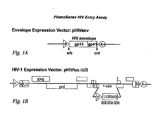
- Figure 1A Structure of envelope expression and viral expression vectors.
- the HIV envelope expression vector (pHIVenv) is modified to accept envelope sequences that have been amplified from subject plasma samples.
- the designations a/b and c/d refer to restriction endonuclease sites positioned at the 5' and 3' end of the HIV-1 envelope polyprotein (gp160).
- the HIV expression vector (pHIVluc ⁇ U3) encodes all HIV proteins except the envelope polyprotein.
- a portion of the envelope gene has been deleted to accommodate a indicator gene cassette, in this case, firefly luciferase that is used to monitor the ability of the virus to replicate in the presence or absence of anti-viral drugs.
- the 3' U3 region has been partially deleted to prevent transcription from the 5' LTR in infected cells. Virus produced in this system is limited to a single round of replication.
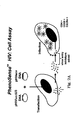
- Drug susceptibility, co-receptor tropism and virus neutralization testing are performed by co-transfecting a host cell with pHIVenv and pHIVluc ⁇ U3.
- the host cell produces HIV particles that are pseudo-typed with HIV envelope sequences derived from the test virus or subject sample.
- Virus particles are collected ( ⁇ 48 h) after transfection and are used to infect target cells that express HIV receptors (e.g. CD4) and co-receptors (e.g. CXCR4, CCR5). After infection ⁇ 72 h) the target cells are lysed and luciferase activity is measured. HIV must complete one round of replication to successfully infect the target host cell and produce luciferase activity. If the virus is unable to enter the target cell, luciferase activity is diminished.
- This system can be used to evaluate susceptibility to entry inhibitors, receptor and co-receptor tropism, and virus neutralization.
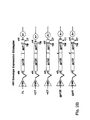
- Figure 2 HIV envelope expression vectors.
- HIV envelope sequences are amplified from subject samples and inserted into expression vectors using restriction endonuclease sites (5' a/b and 3'c/d). Envelope transcription is driven by the immediate early gene promoter of human cytomegalovirus (CMV). Envelope RNA is polyadenylated using an simian virus 40 (SV40) polyadenylation signal sequence (A+). An intron located between the CMV promoter and the HIV envelope sequences is designed to increase envelope mRNA levels in transfected cells.
- CMV human cytomegalovirus
- SV40 simian virus 40
- A+ polyadenylation signal sequence
- FL- express full-length envelope proteins gp120, gp41
- ⁇ CT- express envelope proteins gp120, gp41
- +CT- express envelope proteins gp120, gp41
- gp120- express gp120 proteins derived from the subject together with a constant pre-defined gp41
- gp41-express a constant pre-defined gp120 together with gp41 proteins derived from the subject
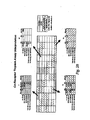
- FIG. 3A Co-receptor Tropism Screening Assay.
- the assay is performed using two cell lines.
- One cell line expresses CD4 and CCR5 (top six panels).
- the other cell line expresses CD4 and CXCR4 (bottom six panels).
- the assay is performed by infecting cells with a large number of recombinant virus stocks derived from cells transfected with pHIVenv and pHIVlu ⁇ U3 vectors.
- the example shown represents the analysis of 96 viruses formatted in a 96 well plate. Infections are performed in the absence of drug (no drug), or in the presence of a drug that preferentially inhibits either R5 tropic (CCR inhibitor) or X4 tropic (CXCR4 inhibitor) viruses.
- Co-receptor tropism is assessed by comparing the amount of luciferase activity produced in each cell type, both in the presence and absence of drug (see Figure 3B for interpretation of assay results).
- Figure 3B Determining co-receptor tropism.
- results of the assay are interpreted by comparing the ability of each sample virus to infect (produce luciferase activity) cells expressing CD4/CCR5 (R5 cells) or cells expressing CD4/CXCR4 (X4 cells).
- the ability of a CCR5 or CXCR4 inhibitor to specifically block infection (inhibit luciferase activity) is also evaluated.
- X4 tropic viruses green panels
- X4 tropic viruses blue panels
- infect R5 cells but not X4 cells.
- Infection ofR5 cells is blocked by the CCR5 inhibitor.
- Dual tropic or X4/R5 mixtures (yellow panels)infect X4 and R5 cells. Infection of R5 cells is blocked by the CCR5 inhibitor and infection of X4 cells is blocked by the CXCR4 inhibitor. Non-viable viruses (red panels) - do not replicate in either X4 or R5 cells.
- Figure 4A Measuring Entry Inhibitor susceptibility: Fusion Inhibitor.
- Viruses with lower IC 50 values are more susceptible to T-20 than viruses with higher IC 50 values.
- NL4-3 well-characterized X4 tropic strain
- JRCSF well-characterized R5 tropic strain
- 91US005.11 R5 tropic isolate obtained from the NIH AIDS Research and Reference Reagent Program (ARRRP)
- 92HT593.1 Dual tropic (X4R5) isolate obtained from the NIH ARRRP
- 92HT599.24 X4 tropic isolate obtained from the NIH ARRRP.
- Figure 4B Measuring Entry Inhibitor susceptibility: Drug Resistance Mutations.
- Drug susceptibility is quantified by determining the concentration of T-20 required to inhibit 50% of viral replication (IC 50 , shown as vertical dashed lines). Viruses with lower IC 50 values are more susceptible to T-20 than viruses with higher IC 50 values. No mutation (wildtype sequence): GIV; Single mutations: DIV, DIM, SIV; Double mutations: DIM, SIM, DTV.
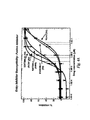
- Figure 5 Competitive entry inhibitor resistance.
- Figure 5 demonstrates log-sigmoid curves for viruses resistant to AMD-3100 and T20, indicating that resistance to these entry inhibitors manifests as an increased IC 50 and that entry can be completely inhibited with high concentrations of inhibitor.
- Figure 6 demonstrates log-sigmoid curves for viruses resistant to SCH-C and TNX-355, indicating that resistance to these entry inhibitors manifests as a reduced maximum percentage of inhibition.
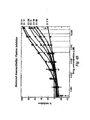
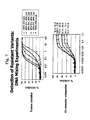
- Figure 7 Mixed susceptible and resistant viral envelope proteins.
- Figure 7 presents the results of DNA mixing experiments that demonstrate log-sigmoid curves for mixed resistant and sensitive envelope proteins. Briefly, the proportion of resistant and sensitive envelope proteins were varied as presented in the legend of the figures and the percentage inhibition observed was plotted against log10 of inhibitor concentration. The results indicate that susceptibility or resistance of mixed populations of viruses to entry inhibitors can also be assessed according to the present invention.
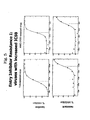
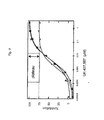
- Figure 8 Noncompetitive entry inhibitor resistance.
- Figure 8 demonstrates log-sigmoid curves for viruses resistant to UK-427,857, indicating that resistance to this entry inhibitor manifests as a reduced maximum percentage of inhibition.
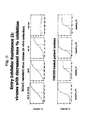
- Figure 9 shows the reproducibility of the maximum percentage of inhibition observed for a representative noncompetitive entry inhibitor, UK-427,857. As show in Figure 9 , multiple measurements of the maximum percentage of inhibition cluster reproducibly.
- a "phenotypic assay” is a test that measures a phenotype of a particular virus, such as, for example, HIV, or a population of viruses, such as, for example, the population of HIV infecting a subject.
- the phenotypes that can be measured include, but are not limited to, the resistance or susceptibility of a virus, or of a population of viruses, to a specific anti-viral agent or that measures the replication capacity of a virus.
- a “genotypic assay” is an assay that determines a genotype of an organism, a part of an organism, a population of organisms, a gene, a part of a gene, or a population of genes.
- a genotypic assay involves determination of the nucleic acid sequence of the relevant gene or genes. Such assays are frequently performed in HIV to establish, for example, whether certain mutations are associated with drug resistance or resistance or altered replication capacity are present.
- Genotypes are routinely described as the derived protein sequence encoded by the gene or genes of interest.
- % sequence identity is used interchangeably herein with the term “% identity” and refers to the level of amino acid sequence identity between two or more peptide sequences or the level of nucleotide sequence identity between two or more nucleotide sequences, when aligned using a sequence alignment program.
- 80% identity means the same thing as 80% sequence identity determined by a defined algorithm, and means that a given sequence is at least 80% identical to another length of another sequence.
- Exemplary levels of sequence identity include, but are not limited to, 60, 70, 80, 85, 90, 95, 98% or more sequence identity to a given sequence.
- % sequence homology is used interchangeably herein with the term “% homology” and refers to the level of amino acid sequence homology between two or more peptide sequences or the level of nucleotide sequence homology between two or more nucleotide sequences, when aligned using a sequence alignment program.
- 80% homology means the same thing as 80% sequence homology determined by a defined algorithm, and accordingly a homologue of a given sequence has greater than 80% sequence homology over a length of the given sequence.
- Exemplary levels of sequence homology include, but are not limited to, 60, 70, 80, 85, 90, 95, 98% or more sequence homology to a given sequence.
- the BLASTX program is preferred for searching nucleic acid sequences that have been translated in all reading frames against amino acid sequences in the GenBank Protein Sequences and other public databases. Both BLASTP and BLASTX are run using default parameters of an open gap penalty of 11.0, and an extended gap penalty of 1.0, and utilize the BLOSUM-62 matrix. See id.
- a preferred alignment of selected sequences in order to determine "% identity" between two or more sequences is performed using for example, the CLUSTAL-X program, operated with default parameters, including an open gap penalty of 10.0, an extended gap penalty of 0.1, and a BLOSUM 30 similarity matrix.
- Poly Amino Acid refers to a hydrophilic amino acid having a side chain that is uncharged at physiological pH, but which has at least one bond in which the pair of electrons shared in common by two atoms is held more closely by one of the atoms.
- Genetically encoded polar amino acids include Asn (N), Gln (Q) Ser (S) and Thr (T).
- Nonpolar Amino Acid refers to a hydrophobic amino acid having a side chain that is uncharged at physiological pH and which has bonds in which the pair of electrons shared in common by two atoms is generally held equally by each of the two atoms ( i.e. , the side chain is not polar).
- Genetically encoded nonpolar amino acids include Ala (A), Gly (G), Ile (I), Leu (L), Met (M) and Val (V) .
- Hydrophilic Amino Acid refers to an amino acid exhibiting a hydrophobicity of less than zero according to the normalized consensus hydrophobicity scale of Eisenberg et al., 1984, J. Mol. Biol. 179:125-142 .
- Genetically encoded hydrophilic amino acids include Arg (R), Asn (N), Asp (D), Glu (E), Gln (Q), His (H), Lys (K), Ser (S) and Thr (T).
- Hydrophobic Amino Acid refers to an amino acid exhibiting a hydrophobicity of greater than zero according to the normalized consensus hydrophobicity scale of Eisenberg et al., 1984, J. Mol. Biol. 179:125-142 .
- Genetically encoded hydrophobic amino acids include Ala (A), Gly (G), Ile (I), Leu (L), Met (M), Phe (F), Pro (P), Trp (W), Tyr (Y) and Val (V).
- Acidic Amino Acid refers to a hydrophilic amino acid having a side chain pK value of less than 7. Acidic amino acids typically have negatively charged side chains at physiological pH due to loss of a hydrogen ion. Genetically encoded acidic amino acids include Asp (D) and Glu (E).
- Basic Amino Acid refers to a hydrophilic amino acid having a side chain pK value of greater than 7.
- Basic amino acids typically have positively charged side chains at physiological pH due to association with a hydrogen ion.
- Genetically encoded basic amino acids include Arg (R), His (H) and Lys (K).
- a “mutation” is a change in a nucleic acid sequence or in a corresponding amino acid sequence relative to a reference nucleic acid or polypeptide.
- the reference nucleic acid encoding protease or reverse transcriptase is the protease or reverse transcriptase coding sequence, respectively, present in NL4-3 HIV (GenBank Accession No. AF324493).
- the reference protease or reverse transcriptase polypeptide is that encoded by the NL4-3 HIV sequence.
- amino acid sequence of a peptide can be determined directly by, for example, Edman degradation or mass spectroscopy, more typically, the amino sequence of a peptide is inferred from the nucleotide sequence of a nucleic acid that encodes the peptide.
- Any method for determining the sequence of a nucleic acid known in the art can be used, for example, Maxam-Gilbert sequencing ( Maxam et al., 1980, Methods in Enzymology 65:499 ), dideoxy sequencing ( Sanger et al., 1977, Proc. Natl. Acad. Sci. USA 74:5463 ) or hybridization-based approaches ( see e.g.
- a “mutant” is a virus, gene or protein having a sequence that has one or more changes relative to a reference virus, gene or protein.
- wild-type refers to a viral genotype that does not comprise a mutation known to be associated with drug resistance.
- polynucleotide oligonucleotide
- nucleic acid oligonucleotide
- the invention provides a method for determining whether an HIV is resistant to an HIV entry inhibitor.
- the methods are useful, for example, to guide therapeutic decisions in treatment subjects infected with HIV, whether newly infected or in treatment, including failing treatment, and for screening compounds to identify compounds that will inhibit viruses resistant to other entry inhibitors. Other uses of such methods will be apparent to those of skill in the art.
- the invention provides a method for determining whether an HIV is resistant to an HIV entry inhibitor.
- the methods generally comprise determining phenotypic drug susceptibility of an HIV or an HIV population using, for example, the phenotypic drug susceptibility assays presented in Example 1, and determining whether the HIV or HIV population is resistant to an entry inhibitor as described hereinafter.
- any such susceptibility assay known by one of skill in the art can in principle be used in the methods for determining phenotypic drug susceptibility.
- Drug susceptibility can be plotted, for example, as percent inhibition versus log 10 drug concentration and defined based on, for example, the IC 50 and percent inhibition at the highest drug concentration. Such percent inhibition observed at the highest drug concentration for a reference HIV, such as, for example, HXB2, NL4-3, or SF2, is the maximum percent inhibition (max % inhibition).
- the methods can be used to identify resistance to entry inhibitors that exhibit competitive kinetics, i.e. , compete with viral proteins for access to viral or cellular components that mediate virus entry.
- entry inhibitors include, but are not limited to, T-20 and AMD-3100, discussed above.
- Viruses that are resistant to such entry inhibitors exhibit an increased IC 50 relative to susceptible viruses.
- the methods can be used to identify resistance to entry inhibitors that exhibit non-competitive kinetics, i.e. , do not directly compete with viral proteins for access to viral or cellular components that mediate entry, but instead alter the conformation of the cellular component and/or viral protein in a manner that disrupts the interaction between such proteins and components.
- non-competitive inhibitors include, but are not limited to, entry inhibitors such as SCH-C, TNX-355, UK-427,857, SCH-D, GW-873,140, and TAK-220.
- entry inhibitors such as SCH-C, TNX-355, UK-427,857, SCH-D, GW-873,140, and TAK-220.
- Viruses resistant to such non-competitive entry inhibitors manifest such resistance in at least two different ways.
- viruses resistant to non-competitive entry inhibitors cannot be completely inhibited. That is, there is no concentration of entry inhibitor that can completely inhibit the envelope protein-cell surface receptor interaction.
- the curve plateaus at less than 100% inhibition.
- a log-sigmoid curve generated as described herein indicates that no matter how much entry inhibitor is added to the assay mixture, the virus remains able to enter the cell at a detectable level, the virus is resistant to the entry inhibitor.
- viruses exhibit reduced maximum percentages of inhibition relative to susceptible viruses.
- the reference virus or viral population can be a virus or viral population obtained from a subject or other source prior to therapy with or exposure to an entry inhibitor.
- the reference virus or viral population can be a reference strain, such as, for example, SF2, HXB2, or NL4-3.
- the maximum percentage of inhibition observed for the reference virus or viral population can be an average maximum percentage of inhibition derived from a number of viruses or viral populations.
- the invention provides a method for determining whether an HIV is resistant to an HIV entry inhibitor that comprises generating a log-sigmoid inhibition curve comprising data points that measure entry of the HIV into a cell in the presence of varying concentrations of the HIV entry inhibitor; and comparing the inhibition curve of step (a) to a log-sigmoid inhibition curve for a reference HIV.
- a decrease in the maximum inhibition percentage observed for the HIV relative to that observed for the reference HIV indicates that the HIV is resistant to the HIV entry inhibitor.
- the entry inhibitor is selected from the group consisting of BMS-488,403 (Bristol-Meyers Squibb; New York, NY), Pro-542 (Progenics Pharmaceuticals, Inc.; Tarrytown, NY), mAb B4 (United BioMedical, Inc.; Hauppauge, NY), TNX-355 (Tanox Inc.; Houston, TX), UK-427,857 (Pfizer Inc.; New York, NY), SCH-D (Schering-Plough; Kenilworth, N.J.), GW-873,140 (GlaxoSmithKline; Research Triangle, NC), AMD-11070 (AnorMED Inc.; Langley, Canada), TAK-220 (Takeda Chemical Industries, Ltd.; Osaka, Japan), Pro-140 (Progenics Pharmaceuticals, Inc.; Tarrytown, NY), and mAb004 (Human Genome Sciences Inc.; Rockville, Md).
- BMS-488,403 Bristol-Meyers Squib
- the entry inhibitor is selected from the group consisting of TNX-355, UK-427,857, SCH-D, GW-873,140, AMD-11070, and TAK-220. In certain embodiments, the entry inhibitor is selected from the group consisting of TNX-355, UK-427,857, SCH-D, GW-873,140, and TAK-220. In certain embodiments, the entry inhibitor is selected from the group consisting of SCH-C, SCH-D, UK-427857, and TNX-355. In certain embodiments, the entry inhibitor is BMS-488,403. In certain embodiments, the entry inhibitor is Pro-542. In certain embodiments, the entry inhibitor is mAb B4.
- the entry inhibitor is TNX-355. In certain embodiments, the entry inhibitor is UK-427,857. In certain embodiments, the entry inhibitor is SCH-D. In certain embodiments, the entry inhibitor is GW-873,140. In certain embodiments, the entry inhibitor is AMD-11070. In certain embodiments, the entry inhibitor is TAK-220. In certain embodiments, the entry inhibitor is Pro-140. In certain embodiments, the entry inhibitor is mAb004. In certain embodiments, the reference HIV is HXB2, NL4-3, or SF2. In certain embodiments, the HIV is from a subject infected with HIV.
- the data points that measure entry of the HIV into the cell are determined by contacting an HIV viral particle with the cell in the presence of the HIV entry inhibitor, wherein the cell expresses a cell surface receptor to which the viral particle binds, and wherein the viral particle comprises: (i) a viral expression vector that lacks a nucleic acid encoding a viral envelope protein, but which comprises an indicator nucleic acid that produces a detectable signal when introduced into the cell, and (ii) a viral envelope protein encoded by a nucleic acid of the HIV; and measuring the amount of the detectable signal produced by the cell.
- the detectable signal is a fluorescent signal.
- the indicator nucleic acid encodes luciferase.
- the viral particle is produced by co-transfecting into a cell (i) a nucleic acid encoding a viral envelope protein of the HIV, and (ii) a viral expression vector lacking a nucleic acid encoding an envelope protein, wherein the vector comprises an indicator nucleic acid that produces a detectable signal.
- the cell surface receptor is CD4.
- the cell also expresses a chemokine receptor.
- the chemokine receptor is CXCR4 or CCR5.
- the HIV nucleic acid encodes gp160, gp120, or gp41.
- the invention provides a method for determining whether an HIV population is resistant to an HIV entry inhibitor that comprises generating a log-sigmoid inhibition curve comprising data points that measure entry of the HIV population into a cell in the presence of varying concentrations of the HIV entry inhibitor; and comparing the inhibition curve of step (a) to a log-sigmoid inhibition curve for a reference HIV population.
- a decrease in the maximum inhibition percentage observed for the HIV population relative to that observed for the reference HIV population indicates that the HIV is resistant to the HIV entry inhibitor.
- the entry inhibitor is selected from the group consisting of SCH-C, SCH-D, UK-427857, and TNX-355. In certain embodiments, the entry inhibitor is selected from the group consisting of BMS-488,403, Pro-542, mAb B4, TNX-355, UK-427,857, SCH-D, GW-873,140, AMD-11070, TAK-220, Pro-140, and mAb004. In certain embodiments, the entry inhibitor is selected from the group consisting of TNX-355, UK-427,857, SCH-D, GW-873,140, AMD-11070, and TAK-220.
- the entry inhibitor is selected from the group consisting of TNX-355, UK-427,857, SCH-D, GW-873,140, and TAK-220. In certain embodiments, the entry inhibitor is BMS-488,403. In certain embodiments, the entry inhibitor is Pro-542. In certain embodiments, the entry inhibitor is mAb B4. In certain embodiments, the entry inhibitor is TNX-355. In certain embodiments, the entry inhibitor is UK-427,857. In certain embodiments, the entry inhibitor is SCH-D. In certain embodiments, the entry inhibitor is GW-873,140. In certain embodiments, the entry inhibitor is AMD-11070. In certain embodiments, the entry inhibitor is TAK-220. In certain embodiments, the entry inhibitor is Pro-140. In certain embodiments, the entry inhibitor is mAb004. In certain embodiments, the reference HIV population is an HXB2, NL4-3, or SF2 population. In certain embodiments, the HIV population is from a subject infected with HIV.
- the data points that measure entry of the HIV population into the cell are determined by contacting a plurality of HIV viral particles with the cell in the presence of the HIV entry inhibitor, wherein the cell expresses a cell surface receptor to which the viral particles bind, and wherein each of the plurality of viral particles comprises: (i) a viral expression vector that lacks a nucleic acid encoding a viral envelope protein, but which comprises an indicator nucleic acid that produces a detectable signal when introduced into the cell, and (ii) a viral envelope protein encoded by a nucleic acid of the HIV population; and measuring the amount of the detectable signal produced by the cell.
- the detectable signal is a fluorescent signal.
- the indicator nucleic acid encodes luciferase.
- each of the plurality of HIV viral particles comprises the same viral envelope protein.
- the plurality of viral particles are produced by co-transfecting into a cell (i) a plurality of nucleic acids each encoding a viral envelope protein of the HIV population, and (ii) a viral expression vector lacking a nucleic acid encoding an envelope protein, wherein the vector comprises an indicator nucleic acid that produces a detectable signal.
- the cell surface receptor is CD4.
- the cell also expresses a chemokine receptor.
- the chemokine receptor is CXCR4 or CCR5.
- the HIV nucleic acid encodes gp160, gp120, or gp41.
- the invention provides a method for determining whether an HIV is resistant to an HIV entry inhibitor that comprises determining a log-sigmoid inhibition curve comprising data points for entry of the HIV in the presence of varying concentrations of the HIV entry inhibitor, wherein if the entry of the HIV cannot be completely inhibited by the HIV entry inhibitor, the HIV is resistant to the HIV entry inhibitor.
- the entry inhibitor is selected from the group consisting of SCH-C, SCH-D, UK-427857, and TNX-355. In certain embodiments, the entry inhibitor is selected from the group consisting of BMS-488,403, Pro-542, mAb B4, TNX-355, UK-427,857, SCH-D, GW-873,140, AMD-11070, TAK-220, Pro-140, and mAb004. In certain embodiments, the entry inhibitor is selected from the group consisting of TNX-355, UK-427,857, SCH-D, GW-873,140, AMD-11070, and TAK-220.
- the entry inhibitor is selected from the group consisting of TNX-355, UK-427,857, SCH-D, GW-873,140, and TAK-220. In certain embodiments, the entry inhibitor is BMS-488,403. In certain embodiments, the entry inhibitor is Pro-542. In certain embodiments, the entry inhibitor is mAb B4. In certain embodiments, the entry inhibitor is TNX-355. In certain embodiments, the entry inhibitor is UK-427,857. In certain embodiments, the entry inhibitor is SCH-D. In certain embodiments, the entry inhibitor is GW-873,140. In certain embodiments, the entry inhibitor is AMD-11070. In certain embodiments, the entry inhibitor is TAK-220. In certain embodiments, the entry inhibitor is Pro-140. In certain embodiments, the entry inhibitor is mAb004. In certain embodiments, the HIV is from a subject infected with HIV.
- the data points that measure entry of the HIV into the cell are determined by: contacting an HIV viral particle with the cell in the presence of the HIV entry inhibitor, wherein the cell expresses a cell surface receptor to which the viral particle binds, and wherein the viral particle comprises: (i) a viral expression vector that lacks a nucleic acid encoding a viral envelope protein, but which comprises an indicator nucleic acid that produces a detectable signal when introduced into the cell, and (ii) a viral envelope protein encoded by a nucleic acid of the HIV; and measuring the amount of the detectable signal produced by the cell.
- the detectable signal is a fluorescent signal.
- the indicator nucleic acid encodes luciferase.
- the viral particle is produced by co-transfecting into a cell (i) a nucleic acid encoding a viral envelope protein of the HIV, and (ii) a viral expression vector lacking a nucleic acid encoding an envelope protein, wherein the vector comprises an indicator nucleic acid that produces a detectable signal.
- the cell surface receptor is CD4.
- the cell also expresses a chemokine receptor.
- the chemokine receptor is CXCR4 or CCR5.
- the HIV nucleic acid encodes gp160, gp120, or gp41.
- the invention provides a method for determining whether an HIV population is resistant to an HIV entry inhibitor, comprising determining a log-sigmoid inhibition curve comprising data points for entry of the HIV population in the presence of varying concentrations of the HIV entry inhibitor, wherein if the entry of the HIV population cannot be completely inhibited by the HIV entry inhibitor, the HIV population is resistant to the HIV entry inhibitor.
- the entry inhibitor is selected from the group consisting of SCH-C, SCH-D, UK-427857, and TNX-355. In certain embodiments, the entry inhibitor is selected from the group consisting of BMS-488,403, Pro-542, mAb B4, TNX-355, UK-427,857, SCH-D, GW-873,140, AMD-11070, TAK-220, Pro-140, and mAb004. In certain embodiments, the entry inhibitor is selected from the group consisting of TNX-355, UK-427,857, SCH-D, GW-873,140, AMD-11070, and TAK-220.
- the entry inhibitor is selected from the group consisting of TNX-355, UK-427,857, SCH-D, GW-873,140, and TAK-220. In certain embodiments, the entry inhibitor is BMS-488,403. In certain embodiments, the entry inhibitor is Pro-542. In certain embodiments, the entry inhibitor is mAb B4. In certain embodiments, the entry inhibitor is TNX-355. In certain embodiments, the entry inhibitor is UK-427,857. In certain embodiments, the entry inhibitor is SCH-D. In certain embodiments, the entry inhibitor is GW-873,140. In certain embodiments, the entry inhibitor is AMD-11070. In certain embodiments, the entry inhibitor is TAK-220. In certain embodiments, the entry inhibitor is Pro-140. In certain embodiments, the entry inhibitor is mAb004. In certain embodiments, the HIV population is from a subject infected with HIV.
- the data points that measure entry of the HIV population into the cell are determined by contacting a plurality of HIV viral particles with the cell in the presence of the HIV entry inhibitor, wherein the cell expresses a cell surface receptor to which the viral particles bind, and wherein each of the plurality of viral particles comprises: (i) a viral expression vector that lacks a nucleic acid encoding a viral envelope protein, but which comprises an indicator nucleic acid that produces a detectable signal when introduced into the cell, and (ii) a viral envelope protein encoded by a nucleic acid of the HIV population; and measuring the amount of the detectable signal produced by the cell.
- the detectable signal is a fluorescent signal.
- the indicator nucleic acid encodes luciferase.
- each of the plurality of HIV viral particles comprises the same viral envelope protein.
- the plurality of viral particles are produced by co-transfecting into a cell (i) a plurality of nucleic acids each encoding a viral envelope protein of the HIV population, and (ii) a viral expression vector lacking a nucleic acid encoding an envelope protein, wherein the vector comprises an indicator nucleic acid that produces a detectable signal.
- the cell surface receptor is CD4.
- the cell also expresses a chemokine receptor.
- the chemokine receptor is CXCR4 or CCR5.
- the HIV nucleic acid encodes gp160, gp120, or gp41.
- the HIV population can be a heterogeneous population.
- the HIV population can be a homogenous population.
- the HIV population corresponds to the population of HIV infecting a subject. For example, by determining the log-sigmoid inhibition curve of many, e.g. , 50, 100, or more, individual env isolates from the subject, the resistance or susceptibility of the HIV population infecting the subject can be determined.
- the indicator nucleic acid comprises an indicator gene.
- the indicator gene is a luciferase gene.
- the cell surface receptor is CD4. In certain embodiments, the cell surface receptor is a chemokine receptor. In certain embodiments, the cell surface receptor is CXCR4 or CCR5. In certain embodiments, the cell surface receptor is both CXCR4 and CCR5.
- the subject is infected with the HIV-1 virus, a hepatitis virus (such as the HCV or HBV virus), or any other virus.
- a hepatitis virus such as the HCV or HBV virus
- the nucleic acid comprises DNA encoding gp160, gp120, and/or gp41.
- the viral expression vector comprises HIV nucleic acid.
- the viral expression vector comprises an HIV gag-pol gene.
- the viral expression vector comprises DNA encoding vif, vpr, tat, rev, vpu, and nef.
- the cell is a mammalian cell. In certain embodiments, the mammalian cell is a human cell. In certain embodiments, the human cell is a human embryonic kidney cell. In certain embodiments, the human embryonic kidney cell is a 293 cell. In certain embodiments, the cell is a human T cell. In certain embodiments, the cell is a human T cell leukemia cell line. In certain embodiments, the cell is a peripheral blood mononuclear cell. In certain embodiments, the cell is an astroglioma cell. In certain embodiments, the astroglioma cell is a U87 cell. In certain embodiments, the cell is a human osteosarcoma cell.
- the human osteosarcoma cell is an HT4 cell.
- the cell is a cell that does not naturally express CD4, CXCR4, and/or CCR5, but has been engineered to express one or more of these receptors.
- the cell has been engineered to express CD4.
- the cell has been engineered to express CXCR4.
- the cell has been engineered to express CCR5.
- the HIV entry inhibitor binds to the cell surface receptor.
- the compound is a ligand of the cell surface receptor.
- the compound comprises an antibody, or an antigen-binding fragment thereof.
- the compound inhibits membrane fusion.
- the compound is a peptide, a peptidomimetic, an organic molecule, or a synthetic compound.
- the compound binds the viral envelope protein.
- the invention provides a method for determining susceptibility of a virus to a compound which inhibits viral cell entry which comprises: (a) obtaining nucleic acid encoding a viral envelope protein from a subject infected by the virus; (b) co-transfecting into a first cell (i) the nucleic acid of step (a), and (ii) a viral expression vector which lacks a nucleic acid encoding an envelope protein, and which comprises an indicator nucleic acid which produces a detectable signal, such that the first cell produces viral particles comprising the envelope protein encoded by the nucleic acid obtained from the subject; (c) contacting the viral particles produced in step (b) with a second cell in the presence of the compound, wherein the second cell expresses a cell surface receptor to which the virus binds; (d) measuring the amount of signal produced by the second cell in order to determine the infectivity of the viral particles; and (e) comparing the amount of signal measured in step (d) with the amount of signal produced in the absence of
- the invention provides a method for determining whether a virus has developed resistance to an entry inhibitor which comprises: (a) determining whether a virus is resistant to an entry inhibitor according a method of the invention, wherein a nucleic acid encoding a viral envelope protein is obtained from a subject at a first time; (b) determining whether a virus is resistant to an entry inhibitor according a method of the invention, wherein the nucleic acid encoding the viral envelope protein is obtained from the subject at a later second time; and (c) comparing the susceptibilities determined in steps (a) and (b), wherein a decrease in susceptibility at the later second time indicates that the virus has developed reduced susceptibility or resistance to the entry inhibitor.
- the invention provides for a method for identifying a mutation in a virus that confers resistance to a compound that inhibits viral entry into a cell which comprises: (a) determining the nucleic acid sequence or the amino acid sequence of the virus prior to any treatment of the virus with the compound; (b) obtaining a virus resistant to the compound; (c) determining the nucleic acid sequence or the amino acid sequence of the resistant virus from step (b); and (d) comparing the nucleic acid sequence or the amino acid sequences of steps (a) and (c), respectively, so as to identify the mutation in the virus that confers resistance to the compound.
- the virus obtained in step (b) is the virus of step (a) grown in the presence of the compound until resistance is developed.
- the virus obtained in step (b) is isolated from a subject which has been undergoing treatment with the compound.
- this invention further provides a means and method for discovering, optimizing and characterizing novel or new drugs that target various defined and as yet undefined steps in the virus attachment and entry process.
- this invention further provides a means and method for discovering, optimizing and characterizing HIV-1 vaccines (either preventative or therapeutic) that target various defined and as yet undefined steps in the virus attachment and entry process.
- this invention provides a means and method for identifying amino acid substitutions/mutations in HIV-1 envelope proteins (gp41 and/or gp120) that alter susceptibility to inhibitors of virus entry.
- this invention further provides a means and method for determining HIV-1 envelope amino acid substitutions/mutations that are frequently observed, either alone or in combination, in viruses that exhibit altered susceptibility to virus entry inhibitors.
- this invention further provides a means and method for using virus entry inhibitor susceptibility to guide the treatment of subjects failing antiretroviral drug treatment.
- this invention further provides the means and methods for using virus entry inhibitor susceptibility to guide the treatment of subjects newly infected with HIV-1.
- the methods comprise determining that a subject is infected with an HIV that is resistant to an HIV entry inhibitor according to a method of the invention, then advising a medical professional of the treatment option of administering to the subject a therapeutic regimen that does not include the HIV entry inhibitor.
- the HIV entry inhibitor is SCH-C, SCH-D, UK-427857, or TNX-355.
- the entry inhibitor is selected from the group consisting of BMS-488,403, Pro-542, mAb B4, TNX-355, UK-427,857, SCH-D, GW-873,140, AMD-11070, TAK-220, Pro-140, and mAb004.
- the entry inhibitor is selected from the group consisting of TNX-355, UK-427,857, SCH-D, GW-873,140, AMD-11070, and TAK-220. In certain embodiments, the entry inhibitor is selected from the group consisting of TNX-355, UK-427,857, SCH-D, GW-873,140, and TAK-220. In certain embodiments, the entry inhibitor is BMS-488,403. In certain embodiments, the entry inhibitor is Pro-542. In certain embodiments, the entry inhibitor is mAb B4. In certain embodiments, the entry inhibitor is TNX-355. In certain embodiments, the entry inhibitor is UK-427,857. In certain embodiments, the entry inhibitor is SCH-D.
- the entry inhibitor is GW-873,140. In certain embodiments, the entry inhibitor is AMD-11070. In certain embodiments, the entry inhibitor is TAK-220. In certain embodiments, the entry inhibitor is Pro-140. In certain embodiments, the entry inhibitor is mAb004.
- the methods comprise determining that a subject is infected with an HIV that is resistant to an HIV entry inhibitor according to a method of the invention, then advising a medical professional not to treat the subject with the HIV entry inhibitor.
- the HIV entry inhibitor is SCH-C, SCH-D, UK-427857, or TNX-355.
- the entry inhibitor is selected from the group consisting of BMS-488,403, Pro-542, mAb B4, TNX-355, UK-427,857, SCH-D, GW-873,140, AMD-11070, TAK-220, Pro-140, and mAb004.
- the entry inhibitor is selected from the group consisting of TNX-355, UK-427,857, SCH-D, GW-873,140, AMD-11070, and TAK-220. In certain embodiments, the entry inhibitor is selected from the group consisting of TNX-355, UK-427,857, SCH-D, GW-873,140, and TAK-220. In certain embodiments, the entry inhibitor is BMS-488,403. In certain embodiments, the entry inhibitor is Pro-542. In certain embodiments, the entry inhibitor is mAb B4. In certain embodiments, the entry inhibitor is TNX-355. In certain embodiments, the entry inhibitor is UK-427,857. In certain embodiments, the entry inhibitor is SCH-D.
- the entry inhibitor is GW-873,140. In certain embodiments, the entry inhibitor is AMD-11070. In certain embodiments, the entry inhibitor is TAK-220. In certain embodiments, the entry inhibitor is Pro-140. In certain embodiments, the entry inhibitor is mAb004.
- the methods comprise determining that a subject is infected with an HIV that is resistant to an HIV entry inhibitor according to a method of the invention, and administering to the subject a combination of anti-HIV agents that does not comprise the HIV entry inhibitor.
- the HIV entry inhibitor is SCH-C, SCH-D, UK-427857, or TNX-355.
- the entry inhibitor is selected from the group consisting of BMS-488,403, Pro-542, mAb B4, TNX-355, UK-427,857, SCH-D, GW-873,140, AMD-11070, TAK-220, Pro-140, and mAb004.
- the entry inhibitor is selected from the group consisting of TNX-355, UK-427,857, SCH-D, GW-873,140, AMD-11070, and TAK-220. In certain embodiments, the entry inhibitor is selected from the group consisting of TNX-355, UK-427,857, SCH-D, GW-873,140, and TAK-220. In certain embodiments, the entry inhibitor is BMS-488,403. In certain embodiments, the entry inhibitor is Pro-542. In certain embodiments, the entry inhibitor is mAb B4. In certain embodiments, the entry inhibitor is TNX-355. In certain embodiments, the entry inhibitor is UK-427,857. In certain embodiments, the entry inhibitor is SCH-D.
- the entry inhibitor is GW-873,140. In certain embodiments, the entry inhibitor is AMD-11070. In certain embodiments, the entry inhibitor is TAK-220. In certain embodiments, the entry inhibitor is Pro-140. In certain embodiments, the entry inhibitor is mAb004.
- the methods comprise determining that a subject is infected with an HIV that is hypersusceptible to an HIV entry inhibitor according to a method of the invention, then advising a medical professional of the treatment option of administering to the subject a combination of anti-HIV agents that does not comprise an effective amount of the HIV entry inhibitor.
- the HIV entry inhibitor is SCH-C, SCH-D, UK-427857, or TNX-355.
- the entry inhibitor is selected from the group consisting of BMS-488,403, Pro-542, mAb B4, TNX-355, UK-427,857, SCH-D, GW-873,140, AMD-11070, TAK-220, Pro-140, and mAb004.
- the entry inhibitor is selected from the group consisting of TNX-355, UK-427,857, SCH-D, GW-873,140, AMD-11070, and TAK-220. In certain embodiments, the entry inhibitor is selected from the group consisting ofTNX-355, UK-427,857, SCH-D, GW-873,140, and TAK-220. In certain embodiments, the entry inhibitor is BMS-488,403. In certain embodiments, the entry inhibitor is Pro-542. In certain embodiments, the entry inhibitor is mAb B4. In certain embodiments, the entry inhibitor is TNX-355. In certain embodiments, the entry inhibitor is UK-427,857. In certain embodiments, the entry inhibitor is SCH-D.
- the entry inhibitor is GW-873,140. In certain embodiments, the entry inhibitor is AMD-11070. In certain embodiments, the entry inhibitor is TAK-220. In certain embodiments, the entry inhibitor is Pro-140. In certain embodiments, the entry inhibitor is mAb004.
- the methods comprise determining whether a subject is infected with an HIV that is resistant to an HIV entry inhibitor according to a method of the invention at a first time, then determining whether the subject remains infected with an HIV that is resistant to an HIV entry inhibitor according to a method of the invention at a later second time. In other embodiments, the methods comprise determining whether a subject is infected with an HIV that is resistant to an HIV entry inhibitor according to a method of the invention at a first time, then determining whether the subject is infected with an HIV that is no longer resistant to an HIV entry inhibitor according to a method of the invention at a later second time.
- an envelope expression vector capable of expressing HIV-1 envelope proteins in transfected cells was constructed.
- a related expression vectors have been described, including a plasmid (pAmphoEnv) constructed to express amphotropic murine leukemia virus (A-MLV) envelope protein as described in U.S. Patent No. 5,837,464 and (Petropoulos et al., 2000).
- the pAmphoEnv vector uses the immediate early gene promoter of human cytomegalovirus (CMV) and the SV40 polyadenlyation signal sequence to produce A-MLV envelope mRNA in transfected cells.
- CMV human cytomegalovirus
- the pAmphoEnv plasmid is modified by deleting the A-MLV envelope gene and introducing restriction enzyme cleavage sites that can enable the insertion of viral envelope fragments derived from a variety of isolates, such as HIV-1.
- HIV-1 the envelope open reading frame spans approximately 2,600 nucleotides and encodes the envelope polyprotein, gp160.
- HIV-1 envelope expression vectors can be constructed in stages as follows:
- the A-MLV envelope nucleic acid sequences can be deleted from the pAmphoEnv vector by restriction enzyme digestion.
- the digested vector can be re-circularized by ligation to a duplex oligonucleotide polylinker containing four unique internal restriction sites (a, b, c, d) for insertion of envelope sequences.
- the ligation reaction can be used to transform Escherichia Coli and molecular clones containing the correct polylinker sequence can be identified and confirmed by restriction mapping and DNA sequencing, respectively.
- the introduction of multiple unique cloning sites into the vector can facilitate the insertion of HIV-1 envelope sequences.
- Restriction sites within the polylinker can be chosen based on their infrequent occurrence in HIV-1 envelope sequences (LANL HIV-1 database).
- This vector can be referred to as pCX.
- the functionality of the pCX vector can be demonstrated by inserting a reporter gene or indicator nucleic acid, such as firefly luciferase, into the pCX multiple cloning site and measuring a signal from the indicator nucleic acid or reporter gene activity in transfected cells.
- indicator nucleic acid refers to a nucleic acid encoding a protein, DNA or RNA structure that either directly or through a reaction gives rise to a measurable or noticeable signal, e.g. color or light of measurable wavelength, or generation of a specific DNA or RNA structure used as an indicator which could be amplified using any one of a number of quantitative amplification assays.
- viral envelope fragments are generated that contain two unique restriction sites (a, b and c, d, respectively) adjacent to the initiation and termination codons of, for example, the HIV-1 envelope open reading frame.
- Two unique restriction sites at each end of the envelope open reading frame can improve chances of cloning HIV-1 envelope fragments harboring internal restriction sites for any one of the enzymes found in the multiple cloning site of the pCX vector.
- HIV-1 two well-characterized molecular clones of HIV-1 with known differences in the envelope gene, NL4-3 (a syncytium-inducing, T-cell tropic, laboratory strain) and JR-CSF (a non-syncytium-inducing, macrophage-tropic, primary isolate) can be used as-template for PCR amplification.
- the -2,600 nucleotide amplification products can be digested with two restriction enzymes (each enzyme cleaving at one end of the fragment; e.g. a and c or b and d) and subsequently inserted into the pCX vector by ligation and transformation of Escherichia Coli.
- plasmids pHIVenv (NL4-3) and pHIVenv (JR-CSF)
- the resulting plasmids, pHIVenv (NL4-3) and pHIVenv (JR-CSF) can be used to express HIV-1 envelope proteins in transfected cells ( Figure 1A ).
- the functionality of the envelope expression vectors, such as the pHIVenv vectors can be demonstrated by measuring viral envelope synthesis in transfected cells (Western Blot), and by their ability to pseudotype envelope deficient retrovirus vectors. High titer virus stocks using the human embryonic kidney 293 cell line has been demonstrated (Petropoulos et al., 2000), however the present invention is not restricted to those cell lines.
- Suitable cell lines used as a first cell for transfection of nucleic acid obtained from the subject encoding a viral envelope protein include, by way an example and not as limitation to the present invention, 5.25; HOX; U87; MT2; PM1; CEM; etc.
- the cell line optimally will be engineered to express one or more co-receptors.
- the pCX expression vector can be modified by inserting a bacterial killer gene cassette (e.g. control of c ell d eath b gene (ccdB) or a member of the hok-killer gene family) under the control of the Escherichia Coli lac promoter into the multiple cloning site (the et al., 1990; Bernard and Couturier, 1992; Bernard et al., 1993).
- This modified vector is referred to as pCXccdB. Transcription of the ccdB killer gene is repressed in bacterial strains that express the lac i repressor, such as JM109.
- This or an equivalent strain can be used to propagate plasmids carrying the ccdB killer gene that are under the control of the lac promoter.
- bacterial strains that do not over express the lac i q repressor, such as DH5 ⁇ and Top10 cannot maintain plasmids that express the ccdB gene.
- Transformants can be killed due to the ccdB activity.
- DH5a and Top10 cells can be purchased from several vendors (Life Technologies or Invitrogen). Using this selective cloning approach, the parental expression vector is propagated in a lac i q bacterial strain.
- the vector is digested with two restriction enzymes that both remove the ccdB gene cassette, and, in the case ofHIV-1, are compatible with the insertion of HIV-1 envelope sequences (a, b, c, d).
- a strain of bacteria lacking laciq is transformed.
- bacteria-containing plasmids in which the viral envelope inserts have replaced the ccdB killer gene can grow.
- Bacteria containing plasmids that retain or reconstitute the ccdB killer gene can not survive. In this way, the population of transformed bacteria is enriched for plasmids that contain viral envelope inserts, but is lacking in the parental vector containing the ccdB gene.
- the construction of the pCXccdB vector is not essential to practice the present invention, but it is expected to significantly improve the efficiency of cloning HIV-1 envelope sequences derived from subject samples; thus, the probability of maintaining the heterogeneity of viral sequences can be improved.
- the structure of the pCXccdB vector can be confirmed by restriction mapping and DNA sequencing.
- the functionality of the pCXccdB vector can be evaluated by setting up ligation reactions containing viral envelope sequences and incompletely digested pCXccdB vector DNA. Following bacterial transformation, plasmid DNA can be prepared from individual bacterial clones and analyzed by restriction digestion for the presence of viral envelope fragments and the absence of ccdB sequences.
- HIV-1 clones pCRII-91US005.11, pCRII-91006.10, pCRII-92US657.1, pCRII-92US711.14, pCRII91US712.4, pCRII-92US714.1, pCRII-91HT652.11, pCRII-92BR020.4, pCRII-91HT651.1A, pCRII-92HT593.1, pCRII-92HT594.10, pCRII92HT596.4, pCRII-92HT599.24), obtainable through the AIDS research reagent reference program (ARRRP), Rockville, Maryland.
- ARRRP AIDS research reagent reference program
- Each fragment can be inserted into pCXccdB and the structure of the resulting pHIVenv expression vectors can be confirmed by restriction mapping and/or DNA sequencing.
- the functionality of each pHIVenv vector can be demonstrated by measuring HIV-1 envelope protein synthesis in transfected cells (Western Blot), and by their ability to pseudotype envelope-deficient retrovirus vectors.
- a bio-safe viral vector is constructed to evaluate inhibitors of viral entry according to similar means and methods as described in U.S. Patent No. 5,837,464 and Petropoulos et al., 2000 used to evaluate inhibitors of PR and RT.
- the viral expression vector of the present invention can be co-transfected into cells together with the envelope expression vectors (described above) to produce high titer virus stocks. Such virus stocks can be evaluated for susceptibility to inhibitors of virus entry, including antiviral drugs and neutralizing antibodies.
- the viral expression vector can be generated from NL4-3, a well-characterized infectious molecular clone of HIV-1.
- the 5' long terminal repeat (LTR) which controls viral gene expression can be modified so that transcription of the viral genes in transfected cells is driven by the CMV immediate early promoter (Naviaux et al., 1996).
- Most of the envelope gene can be deleted, but important control elements such as the rev responsive element (RRE) and accessory protein coding regions, (rev, tat) are retained.
- RRE rev responsive element
- rev, tat accessory protein coding regions
- an indicator nucleic acid such as a firefly luciferase reporter gene cassette that is under the control of CMV promoter-enhancer sequences ( Figures 1B and 3 ) is inserted. Virus infection can be monitored by measuring luciferase activity in infected cells.
- proviruses lack the strong promoter element in the U3 region of the 5' LTR and thus are unable to produce retroviral RNA in infected cells.
- This self-inactivating (SIN) strategy has been used successfully for several retroviral vector systems, including HIV-1 (Hwang et al., 1997; Miyoshi et al, 1998).
- viral gene expression is not required in infected cells because virus infection is measured by a detectable signal produced by the indicator nucleic acid, such as the production of luciferase activity, driven by its own separate promoter ( Figure 1B ).
- Deletion of envelope sequences and the transcriptional enhancer region (U3) can be accomplished by standard molecular cloning procedures, and each deletion can be verified by DNA sequence analysis.
- Virus particles can be harvested from the culture supernatants and analyzed by Western-blotting. Virus titers can be quantitated by routine applications of either p24 ELISA, quantitative PCR or TaqMan assays.
- the assay can be performed by (a) co-transfecting a first cell with pHIVenv and pHIVluc ⁇ U3, (b) harvesting virus after transfection, (c) using this virus to infect a second cell, both in the presence and absence of virus entry inhibitors, and (d) measuring luciferase production in infected cells.
- Table 1 lists representative examples of such cell lines evaluated for HIV-1 infection, including the cell line and its associated receptor/co-receptor. Several of these cell lines can be obtained from public cell repositories.
- Viral particles harvested from transfected 293 cell cultures can be used to infect a variety of different cell lines.
- the pHIVluc ⁇ U3 vector contains deletions in the envelope gene and the U3 promoter-enhancer as described above, therefore infection of a permissive cell line with virus particles produced by this vector is restricted to a single round of replication. This includes (a) virus attachment and entry, mediated by the viral envelope proteins, produced in trans by the pHIVenv vector as described, (b) the conversion of single stranded viral RNA into double stranded DNA by RT, and (c) integration of viral DNA into the host cell genome (provirus formation).
- RNA polymerase II that normally occurs in infected cells following proviral integration
- the active transcription of viral genes by RNA polymerase II that normally occurs in infected cells following proviral integration can be restricted by deleting essential viral promoter-enhancer sequences in the pHIVluc ⁇ U3 vector.
- this restriction can not interfere with luciferase gene expression in infected cells since this gene is driven independently of viral gene expression using an internal CMV promoter ( Figure 1B ) .
- the amount of luciferase activity produced following infection can be used as a measure of viral infectivity.
- HIV-1 attachment and entry into host cells requires interaction with a primary receptor (CD4) and one of several co-receptors, most often CCR5 or CXCR4.
- CD4 primary receptor
- CCR5 co-receptors
- Cell lines can be screened that are known to express various combinations of CD4, CCR5 and CXCR4. Specifically, cell lines listed in Table 1 that express (a) CD4 plus CCR5, (b) CD4 plus CXCR4, and (c) CD4 plus CCR5 plus CXCR4 are evaluated.
- Cell lines that express the CD4 receptor alone, or either the CCR5 or CXCR4 co-receptor alone may serve as useful controls and can be used to evaluate HIV-1 isolates that do not require CD4 binding or that use co-receptors other than CCR5 and CXCR4.
- the principal criterion for judging cell line suitability can be infectivity as measured by luciferase production (10 4 -10 6 relative light units).
- cell lines can be evaluated based on growth rates, viability, stability and other parameters as deemed necessary.
- Cell lines can be selected that are easy to maintain and for example, produce large amounts of luciferase activity following infection, which can be infected by different envelope receptor tropisms, e.g. CD4/CXCR4 and CD4/CCR5.
- Additional well-characterized cell lines that support, for example, HIV replication and express the HIV-1 receptor and co-receptors e.g. CEM-NKr-CCR5; release category a
- CEM-NKr-CCR5 release category a
- cell lines can be enhanced using standard procedures, such as promoting infection by the addition of polybrene to cells (Porter et al., 1998).
- polybrene polybrene to cells
- other potential cell lines can be identified for use with the present invention by infection with HN-1 laboratory strains and comparing the recombinant virus infectivity titers to those obtained with infectious HIV-1, or by transfecting cells directly with the viral expression plasmids described herein, and scoring for virus production. Accumulation of viral transcripts can be checked by using a quantitative RT-PCR assay.
- Cell lines suitable for other viruses can be identified in a similar manner.
- the present invention can optimize assay conditions and allow for high-throughput testing of subject samples using automation.
- Sample preparation methods can be optimized to efficiently capture viral genomic and envelope RNAs.
- RT-PCR conditions can be optimized to enable amplification of patient-derived viral envelope sequences, such as HIV-1 envelope sequences ( ⁇ 2,600 base pairs) at low viral loads ( ⁇ 500 copies per ml).
- the utility of the assay of the present invention is demonstrated by the results achieved from: (1) testing for dose-dependent inhibition of viral entry in the presence of well-characterized inhibitors; and the (2) testing for dose-dependent inhibition of infection in the presence of well-characterized HIV-1 neutralizing antibodies.
- the assay can be performed by (a) co-transfecting a first cell with pHIVenv and pHIVluc ⁇ U3 vectors, (b) harvesting virus approximately 48 h after transfection, (c) using this virus to infect a second cell, both in the presence and absence of virus entry inhibitors and (d) measuring luciferase production approximately 48-72 hr. after infection.
- Dose-dependent inhibition of HIV-1 replication can be evaluated against a wide range of virus entry inhibitor concentrations using a 96-well format. The appropriate concentration range can be determined empirically for each inhibitor.
- the data can be plotted as the percent inhibition of luciferase activity vs. drug concentration (log 10 ). Data analysis can be performed using computer software. Inhibition curves can be used to determine 50% inhibitory concentrations (IC 50 ) for specific drugs or antibodies.
- Envelope proteins derived from a variety of well-characterized HIV-1 isolates are evaluated using pHIVenv vectors constructed as described above.
- To define envelope co-receptor tropism in the case of His-1, infection using cells expressing CD4 plus CXCR4 and CD4 plus CCR5 is evaluated as described above.
- a wide variety of compounds that are known to inhibit HIV-1 entry (Table 2), including non-specific agents such as sulfonated polyanions (dextran sulfate and heparin) can be used with the assay of the present invention.
- Chemokines such as Rantes and SDF-1, the natural ligands for the CCR5 and CXCR4 chemokine receptors, respectively (see Alkhatib et al., 1996; Bleul et al., 1996) are also suitable for use with the present invention. Further, virus entry inhibitors such as T-20 and T1249 (Trimeris, Inc.), PRO 542 (Progenics), TNX 355 (Tanox) were used to evaluate utility of the assay of the present invention.
- Drug toxicity in target cells are evaluated using standard viability or cytotoxicity assays (e.g. dye exclusion, MTS, ATP).
- standard viability or cytotoxicity assays e.g. dye exclusion, MTS, ATP.
- HIV-1 mutants exhibiting reduced susceptibility to the fusion inhibitor T20 (Rimsky et al., 1998) and the genetic determinants (mutations) that enable these viruses to replicate in the presence of drug map within the envelope protein (gp41-TM) have been described.
- the assay of the present invention is capable of measuring changes in drug susceptibility (i.e. resistance)
- pHIVenv vectors are generated that carry these mutant envelope genes
- first cells are co-transfected using these vectors and the pHIVluc ⁇ U3 vector
- viruses bearing these mutant envelope proteins are harvested, and (d) the viruses are tested for infectivity in the presence of T20.
- Reduced drug susceptibility to T20 is evaluated by comparing the IC 50 of viruses bearing mutant enveloped proteins to those that lack the defined drug resistance mutations.
- Viruses bearing envelope proteins with drug resistance mutations can exhibit higher IC 50 values than viruses bearing envelope proteins that lack drug resistance mutations, i.e. inhibition can require a higher drug concentration.
- Drug resistance mutations can be introduced into envelope expression vectors (pHIVenv) using standard site directed mutagenesis techniques according to standard protocols (Petropoulos et al" 2000; Ziermann et al., 2000)
- the assay of the present invention can (a) generate pHIVenv vectors that express a variety of well-characterized envelope proteins, (b) co-transfect a first cell using these vectors and the pHIVluc ⁇ U3 vector, (c) harvest viruses and incubate with serial dilutions of antibody preparations or vaccine serum (d) test these viruses for infectivity in a second cell. Data analysis and IC 50 determinations can be performed as described previously and in the literature.
- viruses can be selected to represent different HIV-1 genetic backgrounds (e.g, clade A, B, C, D, E, F), different cell and co-receptor tropisms (macrophage/CCR5, T-cell/CXCR4), and different envelope properties (syncytium and non-syncytium inducing, laboratory adapted growth or primary isolate) (Table 2). It can be beneficial to prepare stocks of a defined titer from each virus to optimize assay sensitivity and reproducibility by using a virus input of approximately 20-100 TCID 50 /well and making adjustments as necessary.
- Antibody preparations can be selected based on previously documented neutralization properties, either functional, such as their ability to neutralize primary isolates, or physical, such as their ability to bind specific gp120 or gp41 epitopes (Table 2).
- the performance of the assay of the present invention can be judged against the activity of these well-characterized antibody reagents in conventional virus neutralization assays as described in the scientific literature.
- Serum from a broadly representative group of HIV-1 infected individuals can be used to establish an appropriate range of serum dilutions that can maximize assay sensitivity, yet minimize cytotoxicity. Cytoxicity can be evaluated using standard viability or cytotoxicity assays (e.g. dye exclusion, MTS, ATP).
- the present invention provides computer-implemented methods for determining whether an HIV is resistant to an entry inhibitor.
- the methods of the invention are adapted to take advantage of the processing power of modern computers.
- One of skill in the art can readily adapt the methods in such a manner.
- the invention provides a computer-implemented method for determining whether an HIV is resistant to an entry inhibitor comprising inputting phenotypic information into a memory system of a computer, wherein the phenotypic information comprises data points representing the ability of the HIV to enter a cell in the presence of varying concentrations of the HIV entry inhibitor; inputting a correlation between the inability of the HIV entry inhibitor to completely inhibit entry by the HIV and resistance of the HIV to the HIV entry inhibitor, and determining whether the HIV is resistant to the entry inhibitor.
- the computer-implemented method for determining whether an HIV is resistant to an entry inhibitor comprises inputting phenotypic information into a memory system of a computer, wherein the phenotypic information comprises log-sigmoid inhibition curve comprising data points that measure entry of the HIV into a cell in the presence of varying concentrations of the HIV entry inhibitor; inputting a log-sigmoid inhibition curve for a reference HIV; and comparing the log-sigmoid curve of step (a) to the log-sigmoid curve of the reference HIV, thereby determining whether the HIV is resistant to the entry inhibitor.
- a decrease in the maximum inhibition percentage observed for the HIV relative to that observed for the reference HIV indicates that the HIV is resistant to the HIV entry inhibitor.
- the invention provides a computer-implemented method for determining whether an HIV population is resistant to an entry inhibitor that comprises inputting phenotypic information into a memory system of a computer, wherein the phenotypic information comprises data points representing the ability of the HIV population to enter a cell in the presence of varying concentrations of the HIV entry inhibitor; inputting a correlation between the inability of the HIV entry inhibitor to completely inhibit entry by the HIV population and resistance of the HIV population to the HIV entry inhibitor, and determining whether the HIV population is resistant to the entry inhibitor.
- the computer-implemented method for determining whether an HIV population is resistant to an entry inhibitor comprises inputting phenotypic information into a memory system of a computer, wherein the phenotypic information comprises log-sigmoid inhibition curve comprising data points that measure entry of the HIV population into a cell in the presence of varying concentrations of the HIV entry inhibitor; inputting a log-sigmoid inhibition curve for a reference HIV population; and comparing the log-sigmoid curve of step (a) to the log-sigmoid curve of the reference HIV population, thereby determining whether the HIV population is resistant to the entry inhibitor.
- a decrease in the maximum inhibition percentage observed for the HIV population relative to that observed for the reference HIV population indicates that the HIV population is resistant to the HIV entry inhibitor.
- the methods further comprise displaying whether the HIV is resistant to an entry inhibitor on a display of the computer. In certain embodiments, the methods further comprise printing whether the HIV is resistant to an entry inhibitor.
- the invention provides a tangible medium indicating whether an HIV is resistant to an entry inhibitor produced according to a method of the invention.
- the tangible medium is a paper document.
- the tangible medium is a computer-readable medium.
- the paper document is a printed document, e.g., a computer print-out.
- the invention provides a computer-readable medium comprising data indicating whether an HIV is resistant to an entry inhibitor produced according to a method of the invention.
- the invention provides a computer-readable medium that comprises data indicating whether an HIV is resistant to an entry inhibitor produced according a method of the invention.
- the computer-readable medium is a random-access memory.
- the computer-readable medium is a fixed disk.
- the computer-readable medium is a floppy disk.
- the computer-readable medium is a portable memory device, such as, e.g. , a USB key or an iPodTM.
- the invention provides an article of manufacture that comprises computer-readable instructions for performing a method of the invention.
- the article of manufacture is a random-access memory.
- the article of manufacture is a fixed disk.
- the article of manufacture is a floppy disk.
- the article of manufacture is a portable memory device, such as, e.g. , a USB key or an iPodTM.
- the invention provides a computer-readable medium that comprises data indicating whether an HIV is resistant to an entry inhibitor and computer-readable instructions for performing a method of the invention.
- the computer-readable medium is a random-access memory.
- the computer-readable medium is a fixed disk.
- the computer-readable medium is a floppy disk.
- the computer-readable medium is a portable memory device, such as, e.g. , a USB key or an iPodTM.
- the invention provides a computer system that is configured to perform a method of the invention.
- This example provides a means and method for accurately and reproducibly measuring susceptibility to inhibitors of HIV-1 attachment and entry (heretofore collectively referred to as entry).
- the means and method for measuring susceptibility to inhibitors of HIV-1 entry can be adapted to other viruses, including, but not limited to other lentiviruses (e.g. HIV-2), other retroviruses (e.g. HTLV-1 and 2), hepadnaviruses (human hepatitis B virus), flaviviruses (human hepatitis C virus) and herpesviruses human cytomegalovirus).
- This example further provides a means and method for measuring alterations (increases and decreases) in susceptibility to entry inhibitors.
- Measurements of entry inhibitor susceptibility are carried out using adaptations of the means and methods for phenotypic drug susceptibility and resistance tests described in US Patent Number 5,837,464 (International Publication Number WO 97/27319 ) which is hereby incorporated by reference.
- One vector an example of the envelope expression vector, (pHIVenv) is designed to express the envelope polyprotein (gp160) encoded by subject derived HIV envelope sequences ( Figure 1 ) .
- Gp160 is subsequently cleaved by a cellular protease to generate the surface (gp120SU) and transmembrane (gp41TM) subunits that comprise the envelope protein on the surface of HIV-1 virus particles.
- a second vector, an example of the viral expression vector, is designed to express genomic and subgenomic viral RNAs and all HIV proteins except the envelope polyprotein ( Figures 1A-1B ) .
- patient-derived segment(s) correspond to the coding region ( ⁇ 2,600 nucleotides) of the HIV-1 envelope polyprotein (gp160) and represent either (a) envelope sequences amplified by the reverse transcription-polymerase chain reaction method (RT-PCR) using viral RNA isolated from virus derived from HIV-infected individuals, or (b) envelope sequences derived from molecular clones of HIV-1 that contain specific mutations introduced by site directed mutagenesis of a parental molecular clone (typically NL4-3).
- RT-PCR reverse transcription-polymerase chain reaction method
- RNAgents Total RNA Isolation System Promega, Madison WI or RNAzol, Tel-Test, Friendswood, TX.
- the RT-PCR protocol was divided into two steps.
- a retroviral reverse transcriptase e.g. Superscript II (Invitrogen, Life Technologies) Moloney MuLV reverse transcriptase (Roche Molecular Systems, Inc., Branchburg, NJ), or avian myeloblastosis virus (AMV) reverse transcriptase, (Boehringer Mannheim, Indianapolis, IN)
- a retroviral reverse transcriptase e.g. Superscript II (Invitrogen, Life Technologies) Moloney MuLV reverse transcriptase (Roche Molecular Systems, Inc., Branchburg, NJ), or avian myeloblastosis virus (AMV) reverse transcriptase, (Boehringer Mannheim, Indianapolis, IN)
- AMV avian myeloblastosis virus
- thermostable polymerases as described for the performance of "long PCR” ( Barnes, W.M., (1994) Proc. Natl. Acad. Sci, USA 91, 2216-2220 ) [e.g. Expand High Fidelity PCR System (Taq + Pwo), (Boehringer Mannheim. Indianapolis, IN) OR GeneAmp XL PCR kit (Tth + Vent), (Roche Molecular Systems, Inc., Branchburg, NJ), Advantage-2, (CloneTech).
- Oligo-dT was used for reverse transcription of viral RNA into first strand cDNA.
- Envelope PCR primers, forward primer Xho/Pin and reverse primer Mlu/Xba (Table 3) were used to amplify the patient-derived segments. These primers are designed to amplify the ⁇ 2,600 nucleotide envelope gene encoding the gp160 envelope polyprotein, while introducing Xho I and Pin AI recognition sites at the 5' end of the PCR amplification product, and Mlu I and Xba I sites at the 3' end of the PCR amplification product.
- Subject derived segments (2.5 kB envelope sequence amplification product) were inserted into HIV-1 envelope expression vectors using restriction endonuclease digestion, DNA ligation and bacterial transformation methods as described in US Patent Number 5,837,464 (International Publication Number WO 97/27319 ), with minor adaptations.
- the ⁇ 2,600 nucleotide amplification product was digested with either Xho I or Pin AI at the 5' end and either Mlu I or Xba I at the 3' end.
- the resulting digestion products were ligated, using DNA ligase, into the 5' Xho I/Pin AI and 3' Mlu I/Xba I sites of modified pCXAS or pCXAT expression vectors.
- Modified pCXAS and pCXAT vectors contain a Pin AI restriction site in addition to the Xho I, MluI and Xba I restriction sites that exist in pCXAS and pCXAT.
- the Pin AI site was introduced between the Xho I and Mlu I sites by site directed mutagenesis, such that the four sites are located 5' to 3' in the following order; Xho I, Pin AI, Mlu I and Xba I.
- the ⁇ 2,600 nucleotide amplification products were digested with Pin AI and Mlu I and ligated into the 5' Pin AI site and the 3' Mlu I site of the modified pCXAS expression vector. Ligation reaction products were used to transform E. coli. Following a 24-36 h incubation period at 30-37° C, the expression vector plasmid DNA was purified from the E. coli cultures. To ensure that expression vector preparations adequately represents the HIV quasi-species present in the serum of a given subject, many (>100) independent E. coli transformants were pooled and used for the preparations of pHIVenv plasmid DNA. Vectors that are assembled in this manner for the purposes of expressing subject virus derived envelope proteins are collectively referred to as pHIVenv ( Figures 1 and 3 ) .
- the genomic HIV expression vectors pHIVluc and pHIVluc ⁇ U3 are designed to transcribe HIV genomic RNA and subgenomic mRNAs and to express all HIV proteins except the envelope polyprotein ( Figure 1B ) .
- a portion of the envelope gene has been deleted to accommodate a functional indicator gene cassette, in this case, "Firefly Luciferase” that is used to monitor the ability of the virus to replicate in the presence or absence of anti-viral drugs.
- pHIVluc ⁇ U3 a portion of the 3' U3 region has been deleted to prevent transcription of viral RNAs from the 5' LTR in infected cells.
- Susceptibility assays for HIV-1 entry inhibitors were performed using packaging host cells consisting of the human embryonic kidney cell line 293 (Cell Culture Facility, UC San Francisco, SF, CA) and target host cells consisting of a human osteosarcoma (HOS) cell line expressing CD4 (HT4) plus CCR5, and CXCR4, or astrocytoma (U-87) cell lines expressing either CD4 and CCR5 or CD4 and CXCR4.
- packaging host cells consisting of the human embryonic kidney cell line 293 (Cell Culture Facility, UC San Francisco, SF, CA) and target host cells consisting of a human osteosarcoma (HOS) cell line expressing CD4 (HT4) plus CCR5, and CXCR4, or astrocytoma (U-87) cell lines expressing either CD4 and CCR5 or CD4 and CXCR4.
- HOS human osteosarcoma
- U-87 astrocytoma
- Drug susceptibility testing was performed using pHIVenv and pHIVluc or pHIVluc ⁇ U3.
- Pseudotyped HIV particles containing envelope proteins encoded by the subject derived segment were produced by transfecting a packaging host cell (HEK 293) with resistance test vector DNA.
- Virus particles were collected about 48 h after transfection and were used to infect target cells (HT4/CCR5/CXCR4, or U-87/CD4/CXCR4, or U-87/CD4/CCR5) that express the HIV receptor (i.e. CD4) and co-receptors (i.e. CXCR4, CCR5).
- the target cells After infection ( ⁇ 72 h) the target cells are lysed and luciferase activity is measured.
- HIV must complete one round of replication to successfully infect the target host cell and produce luciferase activity.
- the amount of luciferase activity detected in the infected cells is used as a direct measure of "infectivity" ( Figure 1 and 2 ) . If for any reason (e.g. lack of the appropriate receptor or co-receptor, inhibitory drug activity, neutralizing antibody binding), the virus is unable to enter the target cell, luciferase activity is diminished.
- Drug susceptibility is assessed by comparing the infectivity in the absence of drug to infectivity in the presence of drug.
- Relative drug susceptibility can be quantified by comparing the susceptibility of the "test" virus to the susceptibility of a well-characterized reference virus (wildtype) derived from a molecular clone of HIV-1, for example NL4-3 or HXB2.
- Packaging host cells were seeded in 10-cm-diameter dishes and were transfected one day after plating with pHIVenv and pHIVluc or pHIVluc ⁇ U3. Transfections were performed using a calcium-phosphate co-precipitation procedure. The cell culture media containing the DNA precipitate was replaced with fresh medium, from one to 24 hours, after transfection. Cell culture media containing viral particles was typically harvested 2 days after transfection and was passed through a 0.45-mm filter. Before infection, target cells were plated in cell culture media. Entry inhibitor drugs were typically added to target cells at the time of infection (one day prior to infection on occasion). Typically, 3 days after infection target cells were assayed for luciferase activity using the Steady-Glo reagent (Promega) and a luminometer.
- Steady-Glo reagent Promega
- This example provides a means and method for identifying mutations in HIV-1 envelope that confer reduced susceptibility/resistance to virus entry inhibitors. This example also provides a means and method for quantifying the degree of reduced susceptibility to entry inhibitors conferred by specific envelope mutations.
- Envelope sequences derived from subject samples, or individual clones derived from subject samples, or envelope sequences engineered by site directed mutagenesis to contain specific mutations, are tested in the entry assay to quantify drug susceptibility based on a well-characterized reference standard (e.g. NL4-3, HXB2).
- a well-characterized reference standard e.g. NL4-3, HXB2.
- susceptibility to longitudinal subject samples is evaluated.
- susceptibility to entry inhibitors is measured prior to initiating therapy, before or after changes in drug treatment, or before or after changes in virologic (RNA copy number), immunologic (CD4 + T-cell counts), or clinical (opportunistic infection) markers of disease progression.
- Envelope sequences representing subject sample pools, or clones derived from subject pools can be analyzed by any broadly available DNA sequencing methods.
- subject HIV sample sequences are determined using viral RNA purification, RT/PCR and dideoxynucleotide chain terminator sequencing chemistry and capillary gel electrophoresis (Applied Biosystems, Foster City, CA).
- Envelope sequences of subject virus pools or clones are compared to reference sequences, other subject samples, or to a sample obtained from the same subject prior to initiation of therapy, if available. The genotype is examined for sequences that are different from the reference or pre-treatment sequence and correlated to differences in entry inhibitor susceptibility.
- Genotypic changes that correlate with changes in fitness are evaluated by constructing envelope expression vectors (pHIVenv) containing the specific mutation on a defined, drug susceptible, genetic background (e.g. NL4-3 reference strain). Mutations may be incorporated alone and/or in combination with other mutations that are thought to modulate the entry inhibitor susceptibility.
- Envelope mutations are introduced into pHIVenv vectors using any of the broadly available methods for site-directed mutagenesis. In certain embodiments the mega-primer PCR method for site-directed mutagenesis is used (Sarkar, G. and Summer, S.S., 1990).
- a pHIVenv vector containing a specific envelope mutation or group of mutations are tested using the virus entry assay described in Example 1.
- Drug susceptibility of the virus containing envelope mutations is compared to the drug susceptibility of a genetically defined drug susceptible virus that lacks the specific mutations under evaluation. Observed changes in entry inhibitor susceptibility are attributed to the specific mutations introduced into the pHIVenv vector.
- This example provides a means and method for using virus entry inhibitor susceptibility to guide the treatment of HIV-1.
- This example further provides a means and method for using virus entry inhibitor susceptibility to guide the treatment of subjects that have received previous antiretroviral treatment with a virus entry inhibitor.
- This invention further provides the means and methods for using virus entry inhibitor susceptibility to guide the treatment of subjects that have not received previous treatment with a virus entry inhibitor.
- the susceptibility of subject's viruses to virus entry inhibitors is used to guide the treatment of subjects failing antiretroviral regimens that include one or more virus entry inhibitors.
- Treatment failure also referred to as virologic failure
- Guidance may include, but is not limited to, (a) clarification of available drug treatment options, (b) selection of more active treatment regimens, (c) clarification of the etiology of rising viral load in treated subjects (i.e. poor adherence, drug resistance), and (d) reduction in the use of inactive and potentially toxic drugs.
- resistance test vectors are derived from a subject virus samples and tested for susceptibility to various virus entry inhibitors using the phenotypic virus entry assay.
- Virus entry inhibitors may include, but are not limited to, fusion inhibitors (e.g. T-20, T-1249), co-receptors antagonists (AMD3100, AMD8664, TAK779, PR0542, and peperidin-lyl butane compounds) and CD4 antagonists (MAb 5A8). Appropriate treatment decisions are based on the results of the virus entry assay (e.g. see Figure 4B ) and additional relevant laboratory test results and clinical information.
- the susceptibility of subject's viruses to virus entry inhibitors is used to guide the treatment of subjects that have not been previously treated with antiretroviral regimens that include one or more virus entry inhibitors.
- Guidance may include, but is not limited to, (a) clarification of available drug treatment options, (b) selection of more active treatment regimens, (c) clarification of the baseline susceptibility to virus entry inhibitors, and (d) reduction in the use of inactive and potentially toxic drugs. Determining baseline susceptibility of virus entry inhibitors in treatment naive subjects is important for two reasons. First, the natural susceptibility of viruses to entry inhibitors can vary widely (e.g. see Figure 4A ) .
- resistance test vectors are derived from a subject virus samples and tested for susceptibility to various virus entry inhibitors using the phenotypic virus entry assay.
- Virus entry inhibitors may include, but are not limited to, fusion inhibitors (e.g. T-20, T-1249), co-receptors antagonist (e.g. AMD3100, AMD8664, TAK-355, PR0542, and peperidin-lyl butane compounds) and CD4 antagonists (MAb 5A8). Appropriate treatment decisions are based on the results of the virus entry assay and additional relevant laboratory test results and clinical information.
- This example provides means and methods for determining whether a particular HIV or population of HIV is resistant or susceptible to an entry inhibitor. These means and methods are useful, for example, to guide therapeutic decisions in treatment subjects infected with HIV, whether newly infected or failing treatment, and for screening compounds to identify compounds that will affect viruses resistant to other entry inhibitors. Other uses of such methods will be apparent to those of skill in the art.
- the methods generally rely on determining phenotypic drug susceptibility of an HIV or an HIV population using, for example, the phenotypic drug susceptibility assays presented in Example 1.
- any such susceptibility assay known by one of skill in the art can in principle be used in the methods for determining phenotypic drug susceptibility.
- Drug susceptibility can be plotted, for example, as percent inhibition versus log 10 drug concentration and defined based on, for example, the IC 50 and percent inhibition at the highest drug concentration. Such percent inhibition observed at the highest drug concentration for a reference HIV, such as, for example, SF2, is the maximum percent inhibition (max % inhibition).
- the phenotypic drug susceptibility assay of Example 1 was used to determine a log-sigmoid curve showing the resistance of mutant HIV to SCH-C, TNX-355, T-20, and AMD-3100.
- Resistance to certain of these entry inhibitors manifests with competitive kinetics, i.e. , the inhibitors compete with viral proteins for access to viral or cellular components that mediate virus entry.
- entry inhibitors include, but are not limited to, T-20 and AMD-3100, discussed above.
- Viruses that are resistant to such entry inhibitors exhibit an increased IC 50 relative to susceptible viruses. See Figure 5 , demonstrating that T-20- and AMD-3100-resistant HIV exhibit increased IC 50 for inhibition of entry by these compounds relative to a sensitive reference virus, and Figure 7 , that such increased IC 50 relative to sensitive viruses can be observed in mixed populations of viruses.
- Resistance to certain of these entry inhibitors manifests with non-competitive kinetics, i.e. , the inhibitors do not directly compete with viral proteins for access to viral or cellular components that mediate entry, but instead alter the conformation of the cellular component and/or viral protein in a manner that disrupts the interaction between such proteins and components.
- entry inhibitors include, but are not limited to, UK-427857, SCH-C, SCH-D, UK-427857, and TNX-355. Viruses that are resistant to such non-competitive entry inhibitors exhibit reduced maximum percentages of inhibition relative to susceptible viruses.
- Figure 9 shows the maximum percentage of inhibition determined as described above for particular viral isolates repeated 9 times. As shown in Figure 9 , the maximum percentage of inhibition observed for a particular isolate clustered well, indicating that the assays for determining the maximum percentage inhibition are reproducible.
- CC CKR5 A Rantes, MIP-1alpha, MIP-1 Beta Receptor as a Fusion Cofactor for Macrophage-tropic HIV-1. Science 272:1955-8 .
- DHHS Department of Health and Human Services. Henry Kaiser Family Foundation: Guidelines for the Use of Antiretrovirals Agents in HIV-infected Adults and Adolescents. (Jan 28, 2000).
- Phrma (Pharmaceutical Research and Manufacturers of America). New Medicines in Development for Aids 1999 .
Landscapes
- Health & Medical Sciences (AREA)
- Life Sciences & Earth Sciences (AREA)
- Chemical & Material Sciences (AREA)
- Organic Chemistry (AREA)
- Engineering & Computer Science (AREA)
- Immunology (AREA)
- Wood Science & Technology (AREA)
- Zoology (AREA)
- Proteomics, Peptides & Aminoacids (AREA)
- Virology (AREA)
- Genetics & Genomics (AREA)
- General Health & Medical Sciences (AREA)
- Bioinformatics & Cheminformatics (AREA)
- Molecular Biology (AREA)
- Biochemistry (AREA)
- Biotechnology (AREA)
- Microbiology (AREA)
- Biomedical Technology (AREA)
- Biophysics (AREA)
- Analytical Chemistry (AREA)
- Physics & Mathematics (AREA)
- General Engineering & Computer Science (AREA)
- Medicinal Chemistry (AREA)
- Hematology (AREA)
- Urology & Nephrology (AREA)
- Toxicology (AREA)
- AIDS & HIV (AREA)
- Cell Biology (AREA)
- Tropical Medicine & Parasitology (AREA)
- Food Science & Technology (AREA)
- General Physics & Mathematics (AREA)
- Pathology (AREA)
- Gastroenterology & Hepatology (AREA)
- Measuring Or Testing Involving Enzymes Or Micro-Organisms (AREA)
- Micro-Organisms Or Cultivation Processes Thereof (AREA)
Priority Applications (1)
| Application Number | Priority Date | Filing Date | Title |
|---|---|---|---|
| EP18199100.1A EP3483289B1 (de) | 2004-06-07 | 2005-06-07 | Zusammensetzungen und verfahren zur bestimmung der resistenz gegen vireneintrittshemmer mit rekombinanten virenassays |
Applications Claiming Priority (3)
| Application Number | Priority Date | Filing Date | Title |
|---|---|---|---|
| US57785104P | 2004-06-07 | 2004-06-07 | |
| EP05791148A EP1774049B1 (de) | 2004-06-07 | 2005-06-07 | Zusammensetzungen und verfahren zur festlegung des widerstands des vireneingangs gegenüber inhibitoren durch rekombinante virus-asseys |
| PCT/US2005/020240 WO2006009622A1 (en) | 2004-06-07 | 2005-06-07 | Compositions and methods for determining resistance to inhibitors of virus entry using recombinant virus assays |
Related Parent Applications (2)
| Application Number | Title | Priority Date | Filing Date |
|---|---|---|---|
| EP05791148A Division EP1774049B1 (de) | 2004-06-07 | 2005-06-07 | Zusammensetzungen und verfahren zur festlegung des widerstands des vireneingangs gegenüber inhibitoren durch rekombinante virus-asseys |
| EP05791148.9 Division | 2005-06-07 |
Related Child Applications (1)
| Application Number | Title | Priority Date | Filing Date |
|---|---|---|---|
| EP18199100.1A Division EP3483289B1 (de) | 2004-06-07 | 2005-06-07 | Zusammensetzungen und verfahren zur bestimmung der resistenz gegen vireneintrittshemmer mit rekombinanten virenassays |
Publications (3)
| Publication Number | Publication Date |
|---|---|
| EP2385145A2 true EP2385145A2 (de) | 2011-11-09 |
| EP2385145A3 EP2385145A3 (de) | 2015-11-25 |
| EP2385145B1 EP2385145B1 (de) | 2018-10-10 |
Family
ID=35785543
Family Applications (3)
| Application Number | Title | Priority Date | Filing Date |
|---|---|---|---|
| EP11161793.2A Expired - Lifetime EP2385145B1 (de) | 2004-06-07 | 2005-06-07 | Zusammensetzungen und Verfahren zur Bestimmung der Resistenz gegen Vireneintrittshemmer mit rekombinanten Virenassays |
| EP18199100.1A Expired - Lifetime EP3483289B1 (de) | 2004-06-07 | 2005-06-07 | Zusammensetzungen und verfahren zur bestimmung der resistenz gegen vireneintrittshemmer mit rekombinanten virenassays |
| EP05791148A Expired - Lifetime EP1774049B1 (de) | 2004-06-07 | 2005-06-07 | Zusammensetzungen und verfahren zur festlegung des widerstands des vireneingangs gegenüber inhibitoren durch rekombinante virus-asseys |
Family Applications After (2)
| Application Number | Title | Priority Date | Filing Date |
|---|---|---|---|
| EP18199100.1A Expired - Lifetime EP3483289B1 (de) | 2004-06-07 | 2005-06-07 | Zusammensetzungen und verfahren zur bestimmung der resistenz gegen vireneintrittshemmer mit rekombinanten virenassays |
| EP05791148A Expired - Lifetime EP1774049B1 (de) | 2004-06-07 | 2005-06-07 | Zusammensetzungen und verfahren zur festlegung des widerstands des vireneingangs gegenüber inhibitoren durch rekombinante virus-asseys |
Country Status (7)
| Country | Link |
|---|---|
| US (4) | US8603736B2 (de) |
| EP (3) | EP2385145B1 (de) |
| AT (1) | ATE552265T1 (de) |
| AU (1) | AU2005264884A1 (de) |
| CA (1) | CA2570975A1 (de) |
| ES (1) | ES2385960T3 (de) |
| WO (1) | WO2006009622A1 (de) |
Cited By (1)
| Publication number | Priority date | Publication date | Assignee | Title |
|---|---|---|---|---|
| US10550441B2 (en) | 2004-06-07 | 2020-02-04 | Monogram Biosciences, Inc. | Compositions and methods for determining resistance to inhibitors of virus entry using recombinant virus assays |
Families Citing this family (7)
| Publication number | Priority date | Publication date | Assignee | Title |
|---|---|---|---|---|
| US20030108857A1 (en) * | 2001-06-04 | 2003-06-12 | Parkin Neil T. | Means and methods for monitoring protease inhibitor antiretroviral therapy and guiding therapeutic decisions in the treatment of HIV/AIDS |
| US7247439B1 (en) * | 2001-06-04 | 2007-07-24 | Monogram Biosciences, Inc. | Method of evaluating a patient antibody response to envelope proteins of a virus |
| WO2010096831A1 (en) * | 2009-02-23 | 2010-08-26 | Candace Pert | Rapid infectious virus assay |
| US20130302782A1 (en) * | 2011-12-02 | 2013-11-14 | Laboratory Corporation Of America Holdings | Methods for the Phenotypic Detection of HCV Inhibitor Resistant Subpopulations |
| JP2016515378A (ja) * | 2013-03-15 | 2016-05-30 | ラボラトリー コーポレイション オブ アメリカ ホールディングス | ウイルス阻害剤に対するウイルス感受性を決定するための方法 |
| US10073426B1 (en) | 2014-08-11 | 2018-09-11 | Energybill.Com, Llc | System, apparatus and method for energy management, for usage by consumers of energy from electric utility service providers, and monitoring and management of same |
| CA3153528A1 (en) * | 2019-09-16 | 2021-03-25 | Dalu CHEN | Methods of blocking asfv infection through interruption of cellular receptors |
Citations (3)
| Publication number | Priority date | Publication date | Assignee | Title |
|---|---|---|---|---|
| WO1997027319A1 (en) | 1996-01-29 | 1997-07-31 | Virologic, Inc. | Compositions and methods for determining anti-viral drug susceptibility and resistance and anti-viral drug screening |
| US5837464A (en) | 1996-01-29 | 1998-11-17 | Virologic, Inc. | Compositions and methods for determining anti-viral drug susceptibility and resistance and anti-viral drug screening |
| US7702702B2 (en) | 2005-04-21 | 2010-04-20 | Daihen Corporation | Signal processing device for computing phase difference between alternating current signals |
Family Cites Families (13)
| Publication number | Priority date | Publication date | Assignee | Title |
|---|---|---|---|---|
| CA2094713A1 (en) * | 1990-10-26 | 1992-04-27 | Shermaine A. Tilley | Neutralizing human monoclonal antibodies specific for the v3 loop and cd-4 binding site of hiv-1 gp120 |
| US6242187B1 (en) * | 1996-01-29 | 2001-06-05 | Virologic, Inc. | Compositions and methods for determining anti-viral drug susceptibility and resistance and anti-viral drug screening |
| US5939320A (en) * | 1996-05-20 | 1999-08-17 | New York University | G-coupled receptors associated with macrophage-trophic HIV, and diagnostic and therapeutic uses thereof |
| US6103462A (en) * | 1998-05-29 | 2000-08-15 | Institut Pasteur | Rapid single-cycle assay for human immunodeficiency virus type-1 drug resistance |
| US6406911B1 (en) * | 1999-01-25 | 2002-06-18 | Musc Foundation For Research Development | Compositions and methods for sensitive detection of HIV infection and monitoring of drug resistance |
| US6410013B1 (en) | 1999-01-25 | 2002-06-25 | Musc Foundation For Research Development | Viral vectors for use in monitoring HIV drug resistance |
| US6653081B2 (en) * | 2000-06-12 | 2003-11-25 | Virologic, Inc. | Methods for monitoring antiretroviral therapy and guiding therapeutic decision in the treatment of HIV/AIDS |
| US20040110125A1 (en) * | 2001-06-04 | 2004-06-10 | Petropoulos Christos J. | Compositions and methods for evaluating viral receptor/co-receptor usage and inhibitors of virus entry using recombinant virus assays |
| US7247439B1 (en) * | 2001-06-04 | 2007-07-24 | Monogram Biosciences, Inc. | Method of evaluating a patient antibody response to envelope proteins of a virus |
| US7097970B2 (en) * | 2001-06-04 | 2006-08-29 | Monogram Biosciences, Inc. | Methods of evaluating viral entry inhibitors using patient derived envelope protein constructs |
| WO2003022879A2 (en) * | 2001-09-07 | 2003-03-20 | Polymun Scientific Immunbiologische Forschung Gmbh | Peptides mimicking a cryptic epitope of gp41 hiv-1 and antibodies directed against them |
| CA2474671A1 (en) * | 2002-02-22 | 2003-08-28 | Tibotec Bvba | Methods for determining the influence of protein binding on antiretroviral activity |
| US8603736B2 (en) | 2004-06-07 | 2013-12-10 | Monogram Biosciences, Inc. | Compositions and methods for determining resistance to inhibitors of virus entry using recombinant virus assays |
-
2005
- 2005-06-06 US US11/146,879 patent/US8603736B2/en not_active Expired - Fee Related
- 2005-06-07 EP EP11161793.2A patent/EP2385145B1/de not_active Expired - Lifetime
- 2005-06-07 EP EP18199100.1A patent/EP3483289B1/de not_active Expired - Lifetime
- 2005-06-07 ES ES05791148T patent/ES2385960T3/es not_active Expired - Lifetime
- 2005-06-07 AU AU2005264884A patent/AU2005264884A1/en not_active Abandoned
- 2005-06-07 EP EP05791148A patent/EP1774049B1/de not_active Expired - Lifetime
- 2005-06-07 AT AT05791148T patent/ATE552265T1/de active
- 2005-06-07 CA CA002570975A patent/CA2570975A1/en not_active Abandoned
- 2005-06-07 WO PCT/US2005/020240 patent/WO2006009622A1/en not_active Ceased
-
2013
- 2013-12-09 US US14/100,467 patent/US10550441B2/en active Active
-
2020
- 2020-02-03 US US16/780,426 patent/US11459624B2/en not_active Expired - Lifetime
-
2022
- 2022-10-03 US US17/959,168 patent/US20230313327A1/en not_active Abandoned
Patent Citations (3)
| Publication number | Priority date | Publication date | Assignee | Title |
|---|---|---|---|---|
| WO1997027319A1 (en) | 1996-01-29 | 1997-07-31 | Virologic, Inc. | Compositions and methods for determining anti-viral drug susceptibility and resistance and anti-viral drug screening |
| US5837464A (en) | 1996-01-29 | 1998-11-17 | Virologic, Inc. | Compositions and methods for determining anti-viral drug susceptibility and resistance and anti-viral drug screening |
| US7702702B2 (en) | 2005-04-21 | 2010-04-20 | Daihen Corporation | Signal processing device for computing phase difference between alternating current signals |
Non-Patent Citations (48)
| Title |
|---|
| "Henry Kaiser Family Foundation: Guidelines for the Use of Antiretrovirals Agents in HIV-infected Adults and Adolescents", 28 January 2000, DHHS |
| "HIV/AIDS Surveillance Report", vol. 11, 1999, CDC |
| "New Medicines in Development for Aids", 1999, PHRMA |
| "Report: Aids Epidemic Update", December 1999, WHO |
| "Retroviruses", 1997, COLD SPRING HARBOR LABORATORY PRESS |
| ADACHI, A., H. E. GENDELMAN, S. KOENIG, T. FOLKS, R. CANEY, A. RABSON, M. A. MARTIN: "Production of Acquired Immunodeficiency Syndrome-associated Retrovirus in Human and Nonhuman Cells Transfected with an Infectious Molecular Clone", J. VIROL., vol. 59, 1986, pages 284 - 291 |
| ALKHATIB, G., C. COMBADIERE, C.C. BRODER, Y. FENG, P.E. KENNEDY, P.M. MURPHY, E.A. BERGER: "CC CKR5: A Rantes, MBP-lalpha, MIP-1 Beta Receptor as a Fusion Cofactor for Macrophage-tropic HIV-1", SCIENCE, vol. 272, 1996, pages 1955 - 8 |
| ALLAWAY G.P., RYDER A.M., BEAUDRY G.A., MADDON P.J.: "Synergistic Inhibition of HIV-1 Envelope- Mediated Cell Fusion by CD4-based Molecules in Combination with Antibodies to Gp120 or Gp41", AIDS RES. HUM. RETROVIRUSES, vol. 9, 1993, pages 581 - 7, XP002927935 |
| ALTSCHUL ET AL., J. MOL. BIOL., vol. 215, 1990, pages 403 - 10 |
| ALTSCHUL ET AL., NUCLEIC ACIDS RES., vol. 25, 1997, pages 3389 - 3402 |
| AUSUBEL: "Current Protocols in Molecular Biology", 1989, GREENE PUBLISHING ASSOCIATES AND WILEY INTERSCIENCE |
| BABA, M., O. NISHIMURA, N. KANZAKI, M. OKAMOTO, H. SAWADA, Y. IIZAWA, M. SHIRAISHI, Y. ARAMAKI, K. OKONOGI, Y. OGAWA: "A Small- molecule, Nonpeptide CCR5 Antagonist with Highly Potent and Selective Anti-hiv-1 Activity", PROC. NATL. ACAD. SCI. USA, vol. 96, 1999, pages 5698 - 703, XP000890061, DOI: doi:10.1073/pnas.96.10.5698 |
| BARNES, W.M., PROC. NATL. ACAD. SCI, USA, vol. 91, 1994, pages 2216 - 2220 |
| BAXTER, J., D. MAYERS, D. WENTWORTH, J. NEATON, T. MERIGAN: "A Pilot Study of the Short-term Effects of Antiretroviral Management Based on Plasma Genotypic Antiretroviral Resistance Testing (Gart) in Subjects Failing Antiretroviral Therapy", 6TH CONFERENCE ON RETROVIRUSES AND OPPORTUNISTIC INFECTIONS, 1999 |
| BERNARD P., KEZDY KE., VAN MELDEREN L., STEYAERT J., WYNS L., PATO M.L., HIGGINS P.N., COUTURIER M.: "The F Plasmid CcdB protein Induces Efficient ATP- dependent Dna Cleavage by Gyrase", J MOL. BIOL., vol. 23, 1993, pages 534 - 41, XP024008700, DOI: doi:10.1006/jmbi.1993.1609 |
| BERNARD, P., COUTURIER, M.: "Cell Killing by the F Plasmid Ccdb protein Involves Poisoning of DNAtopoisomerase II Complexes", J. MOL. BIO., vol. 226, 1992, pages 735 - 45, XP024015338, DOI: doi:10.1016/0022-2836(92)90629-X |
| BLEUL, C.C., M. FARZAN, H. CHOE, C. PAROLIN, I. CLARK-LEWIS, J. SODROSKI, T.A. SPRINGER: "The Lymphocyte Chemoattractant Sdf-1 Is a Ligand for Lestr/fusin and Blocks Hiv-1 Entry", NATURE, vol. 382, 1996, pages 829 - 33, XP002915916, DOI: doi:10.1038/382829a0 |
| BRIDGER G.J, SKERLJ R.T., PADMANABHAN S., MARTELLUCCI S.A., HENSON G.W., STRUYF S., WITVROUW M., SCHOLS D., DE CLERCQ E.: "Synthesis and Structure-activity Relationships of Phenylenebis(methylene)-linked Bis-azamacrocycles That Inhibit HIV-1 and HIV-2 Replication by Antagonism of the Chemokine Receptor CXCR4", J. MED. CHEM., vol. 42, 1999, pages 3971 - 81, XP055113935, DOI: doi:10.1021/jm990211i |
| CARPENTER, C.J., COOPER D.A., FISCHL, M.A., GATELL J.M., GAZZARD B.G., HAMMER S.M., HIRSCH M.S., JACOBSEN D.M., KATZENSTEIN D.A.,: "Antiretroviral Therapy in Adults", JAMA, vol. 283, 2000, pages 381 - 89 |
| COFFIN, J.M.: "HIV Population Dynamics in Vivo: Implications for Genetic Variation, Pathogenesis, and Therapy", SCIENCE, vol. 267, 1995, pages 483 - 489 |
| EISENBERG ET AL., J MOL. BIOL., vol. 179, 1984, pages 125 - 142 |
| EISENBERG ET AL., J. MOL. BIOL., vol. 179, 1984, pages 125 - 142 |
| GERDES, K., L.K. POULSEN, T. THISTED, A.K. NIELSON, J. MARTINUSSEN, P.H. ANDREASEN: "The Hok Killer Gene Family in Gram-negative Bacteria", THE NEW BIOLOGIST, vol. 2, 1990, pages 946 - 956, XP009031568 |
| HERTOGS, K., M.P. DE BETHUNE, V. MILLER, T. IVENS, P. SCHEL, A. V. CAUWENBERGE, C. VAN DEN EYNDE, V. VAN GERWEN, H. AZIJN, M. VAN: "A Rapid Method for Simultaneous Detection of Phenotypic Resistance to Inhibitors of protease and Reverse Transcriptase in Recombinant Human Immunodeficiency Virus Type 1 Isolates from Subjects Treated with Antiretroviral Drugs", ANTIMICROB. AGENTS CHEMOTHER, vol. 42, 1998, pages 269 - 276 |
| HWANG, J.-J., L. LI, W.F. ANDERSON: "A Conditional Self-inactivating Retrovirus Vector That Uses a Tetracycline-responsive Expression System", J. VIROL., vol. 71, 1997, pages 7128 - 7131 |
| JAPOUR, A. J., D. L. MAYERS, V. A. JOHNSON, D. R. KURITZKES, L. A. BECKETT, J. M. ARDUINO, J. LANE, B. R.J., P.S. REICHELDERFER, R: "Standardized Peripheral Blood Mononuclear Cell Culture Assay for Determination of Drug Susceptibilities of Clinical Human Immunodefiency Virus Type 1 Isolates", ANTIMICROB. AGENTS CHEMOTHER, vol. 37, 1993, pages 1095 - 1101 |
| JUDICE J.K., TOM J.Y., HUANG W., WRIN T., VENNARI J., PETROPOULOS C.J., MCDOWELL R.S.: "Inhibition HIV Type 1 Infectivity by Constrained Alphahelical Peptides: Implications for the Viral Fusion Mechanism", PROC. NATL. ACAD. SCI. USA, vol. 94, 1997, pages 13426 - 30, XP002126803, DOI: doi:10.1073/pnas.94.25.13426 |
| KILBY JM, HOPKINS S, VENETTA TM, DIMASSIMO B, CLOUD GA, LEE JY, ALLDRDGE L, HUNTER E, LAMBERT D, BOLOGNESI D: "Potent Suppression ofHIV-1 I Replication in Humans by T-20, a Peptide Inhibitor of Gp41-mediated Virus Entry", NAT MED., vol. 4, 1998, pages 1302 - 7, XP000909990, DOI: doi:10.1038/3293 |
| MASCOLA, J.R., G. STIEGLER, T.C. VANCOTT, H. KATINGER, C.B. CARPENTER, C.E. HANSON, H. BEARY, D. HAYES, S.S. FRANKEL, D.L. BIRX: "Protection of Macaques Against Vaginal Transmission of a Pathogenic HIV-1/siv Chimeric Virus by Passive Infusion of Neutralizing Antibodies", NATURE MED., vol. 6, 2000, pages 207 - 210, XP002615883, DOI: doi:10.1038/72318 |
| MAXAM ET AL., METHODS IN ENZYMOLOGY, vol. 65, 1980, pages 499 |
| MIYOSHI, H., B. ULRIKE, M. TAKAHASHI, F.H. GAGE, LM. VERMA: "Development of a Self-inactivating Lentivirus Vector", J. VIROL., vol. 72, 1998, pages 8150 - 5157 |
| NAVIAUX, R.K., E. COSTANZI, M. HAAS, LM. VERMA: "The Pcl Vector System: Rapid production of Helper-free, High-titer, Recombinant Retroviruses", J. VIROL., vol. 70, 1996, pages 5701 - 5705 |
| PETROPOULOS, C.J., N.T. PARKIN, K.L. LIMOLI, Y.S. LIE, T. WRIN, W. HUANG, H. TIAN, D. SMITH, G.A. WINSLOW, D. CAPON: "A Novel Phenotypic Drug Susceptibility Assay for HIV-1", ANTIMICROB. AGENTS & CHEM., vol. 44, 2000, pages 920 - 928, XP002962272, DOI: doi:10.1128/AAC.44.4.920-928.2000 |
| PIKETTY, C., E. RACE, P. CASTIEL, L. BELEC, G. PEYTAVIN, A. SI-MOHAMED, G. GONZALEZ-CANALI, L. WEISS, F. CLAVEL, M. KAZATCHKINE: "Efficacy of a Five-drug Combination Including Ritonavir, Saquinavir and Efavirenz in Subjects Who Failed on a Conventional Triple-drug Regimen: Phenotypic Resistance to protease Inhibitors predicts Outcome of Therapy", AIDS, vol. 13, 1999, pages F71 - F77 |
| PORTER, C.C., K.V. LUKACS, G. BOX, Y. TAKEUCHI, M.K.L. COLLINS: "Cationic Liposomes Enhance the Rate of Transduction by a Recombinant Retroviral Vector in Vitro and in Vivo", J. VIROL., vol. 72, 1998, pages 4832 - 4840 |
| REIMANN K.A., CATE R.L., WU Y., PALMER L., OLSON D., WAITE B.C., LETVIN N.L., BURKLY L.C.: "In Vivo Administration of CD4-specific Monoclonal Antibody: Effect on provirus Load in Rhesus Monkeys Chronically Infected with the Simian Immunodeficiency Virus of Macaques", AIDS RES. HUM. RETROVIRUSES, vol. 11, 1995, pages 517 - 25 |
| RICHMAN, D.: "Nailing down Another HIV Target", NATURE MED., vol. 4, 1998, pages 1232 - 1233 |
| RIMSKY, L.T., D.C. SHUGARS, T.J. MATTHEWS: "Determinants of Human Immunodeficiency Virus Type 1 Resistance to Gp41-derived Inhibitory Peptides", J. VIROL., vol. 72, 1998, pages 986 - 993, XP000909961 |
| RODRIGUEZ-ROSADO, R., BRIONES, C., SORIANO, V.: "Introduction of HIV Drug-resistance Testing in Clinical Practice", AIDS, vol. 13, 1999, pages 1007 - 1014 |
| SAMBROOK ET AL.: "Molecular Cloning: A Laboratory Manual", 2001, COLD SPRING HARBOR LABORATORY |
| SANGER ET AL., PROC. NATL. ACAD SCI. USA, vol. 74, 1977, pages 5463 |
| SCHINAZI, R.F., LARDER, B.A., MELLORS, J.W.: "Mutations in Retroviral Genes Associated with Drug Resistance", INTL. ANTIVIRAL NEWS, vol. 7, 1999, pages 46 - 49 |
| SCHURMANN D ET AL.: "SCH D: antiviral activity of a CCR5 receptor antagonist", ELEVENTH CONFERENCE ON RETROVIRUSES AND OPPORTUNISTIC INFECTIONS, 2004 |
| SHI C., J.W. MELLORS: "A Recombinant Retroviral System for Rapid in Vivo Analysis of Human Immunodefiency Virus Type 1 Susceptibility to Reverse Transcriptase Inhibitors", ANTIMICROB. AGENTS CHEMOTHER, vol. 41, 1997, pages 2781 - 2785, XP002924447 |
| STEPHENSON, J.: "New Class of Anti-HIV Drugs", JAMA, vol. 282, 1994 |
| WILD, C., T. OAK, C. MCDANAL, D. BOLOGNESI, T. MATTHEWS: "A Synthetic Peptide Inhibitor ofHIV Replication: Correlation Between Solution Structure and Viral Inhibition", PROC. NATL. ACAD. SCI. USA, vol. 89, 1992, pages 10537 - 10541, XP000608915, DOI: doi:10.1073/pnas.89.21.10537 |
| ZENNOU, V., F. MAMMAMO, S. PAULOUS, D. MATHEZ, F. CALVEL: "Loss of Viral Fitness Associated with Multiple Gag and Gag-pol processing Defects in Human Immunodefiency Virus Type 1 Variants Selected for Resistance to Protease Inhibitors in vivo", J. VIROL, vol. 72, 1998, pages 3300 - 06, XP002232098 |
| ZIERMANN, R., K. LIMOLI, K. DAS, E. ARNOLD, C.J. PETROPOULOS, N.T. PARKIN: "A Mutation in HIV-1 Protease, N88s, That Causes in Vitro Hypersensitivity to Amprenavir", J. VIROL., vol. 74, 2000, pages 4414 - 4419, XP002908352, DOI: doi:10.1128/JVI.74.9.4414-4419.2000 |
Cited By (2)
| Publication number | Priority date | Publication date | Assignee | Title |
|---|---|---|---|---|
| US10550441B2 (en) | 2004-06-07 | 2020-02-04 | Monogram Biosciences, Inc. | Compositions and methods for determining resistance to inhibitors of virus entry using recombinant virus assays |
| US11459624B2 (en) | 2004-06-07 | 2022-10-04 | Monogram Biosciences, Inc. | Compositions and methods for determining resistance to inhibitors of virus entry using recombinant virus assays |
Also Published As
| Publication number | Publication date |
|---|---|
| EP2385145B1 (de) | 2018-10-10 |
| ES2385960T3 (es) | 2012-08-06 |
| EP2385145A3 (de) | 2015-11-25 |
| US20200332373A1 (en) | 2020-10-22 |
| US20060003319A1 (en) | 2006-01-05 |
| AU2005264884A1 (en) | 2006-01-26 |
| EP1774049A4 (de) | 2009-01-21 |
| EP3483289B1 (de) | 2025-06-11 |
| US8603736B2 (en) | 2013-12-10 |
| US11459624B2 (en) | 2022-10-04 |
| ATE552265T1 (de) | 2012-04-15 |
| US10550441B2 (en) | 2020-02-04 |
| CA2570975A1 (en) | 2006-01-26 |
| WO2006009622A1 (en) | 2006-01-26 |
| EP1774049B1 (de) | 2012-04-04 |
| US20230313327A1 (en) | 2023-10-05 |
| EP1774049A1 (de) | 2007-04-18 |
| EP3483289A1 (de) | 2019-05-15 |
| US20140272930A1 (en) | 2014-09-18 |
Similar Documents
| Publication | Publication Date | Title |
|---|---|---|
| US20230313327A1 (en) | Compositions and Methods for Determining Resistance to Inhibitors of Virus Enter Using Recombinant Virus Assays | |
| US9175355B2 (en) | Methods for determining the presence of antibodies blocking viral infection | |
| US7097970B2 (en) | Methods of evaluating viral entry inhibitors using patient derived envelope protein constructs | |
| US7235356B2 (en) | Methods of evaluating cell surface receptor binding of a patient derived population of viral envelope protein constructs | |
| US10358683B2 (en) | Compositions and methods for determining whether a subject would benefit from co-receptor inhibitor therapy | |
| US11499200B2 (en) | Methods for determining resistance or susceptibility to HIV entry inhibitors | |
| EP1402076B1 (de) | Verfahren zur beurteilung einer patientenbehandlung mit inhibitoren des viruseintritts mittels rekombinanter virus-assays | |
| HK1073486B (en) | Compositions and methods for evaluating viral receptor/co-receptor usage and inhibitors of virus entry using recombinant virus assays |
Legal Events
| Date | Code | Title | Description |
|---|---|---|---|
| AC | Divisional application: reference to earlier application |
Ref document number: 1774049 Country of ref document: EP Kind code of ref document: P |
|
| AK | Designated contracting states |
Kind code of ref document: A2 Designated state(s): AT BE BG CH CY CZ DE DK EE ES FI FR GB GR HU IE IS IT LI LT LU MC NL PL PT RO SE SI SK TR |
|
| AX | Request for extension of the european patent |
Extension state: AL BA HR LV MK YU |
|
| PUAI | Public reference made under article 153(3) epc to a published international application that has entered the european phase |
Free format text: ORIGINAL CODE: 0009012 |
|
| RIN1 | Information on inventor provided before grant (corrected) |
Inventor name: PETROPOULOS, CHRISTOS |
|
| RIC1 | Information provided on ipc code assigned before grant |
Ipc: C12Q 1/66 20060101ALI20150217BHEP Ipc: C12N 7/00 20060101ALI20150217BHEP Ipc: C12Q 1/70 20060101AFI20150217BHEP Ipc: C07K 14/005 20060101ALI20150217BHEP Ipc: G01N 33/50 20060101ALI20150217BHEP |
|
| PUAL | Search report despatched |
Free format text: ORIGINAL CODE: 0009013 |
|
| AK | Designated contracting states |
Kind code of ref document: A3 Designated state(s): AT BE BG CH CY CZ DE DK EE ES FI FR GB GR HU IE IS IT LI LT LU MC NL PL PT RO SE SI SK TR |
|
| AX | Request for extension of the european patent |
Extension state: AL BA HR LV MK YU |
|
| RIC1 | Information provided on ipc code assigned before grant |
Ipc: C12Q 1/04 20060101ALI20151019BHEP Ipc: C12N 7/00 20060101ALI20151019BHEP Ipc: C07K 14/005 20060101ALI20151019BHEP Ipc: G01N 33/50 20060101ALI20151019BHEP Ipc: C12Q 1/66 20060101ALI20151019BHEP Ipc: C12Q 1/70 20060101AFI20151019BHEP |
|
| 17P | Request for examination filed |
Effective date: 20160525 |
|
| RAX | Requested extension states of the european patent have changed |
Extension state: MK Payment date: 20160525 Extension state: YU Payment date: 20160525 Extension state: LV Payment date: 20160525 Extension state: HR Payment date: 20160525 Extension state: BA Payment date: 20160525 Extension state: AL Payment date: 20160525 |
|
| RBV | Designated contracting states (corrected) |
Designated state(s): AT BE BG CH CY CZ DE DK EE ES FI FR GB GR HU IE IS IT LI LT LU MC NL PL PT RO SE SI SK TR |
|
| STAA | Information on the status of an ep patent application or granted ep patent |
Free format text: STATUS: EXAMINATION IS IN PROGRESS |
|
| 17Q | First examination report despatched |
Effective date: 20170222 |
|
| GRAP | Despatch of communication of intention to grant a patent |
Free format text: ORIGINAL CODE: EPIDOSNIGR1 |
|
| STAA | Information on the status of an ep patent application or granted ep patent |
Free format text: STATUS: GRANT OF PATENT IS INTENDED |
|
| INTG | Intention to grant announced |
Effective date: 20180531 |
|
| GRAS | Grant fee paid |
Free format text: ORIGINAL CODE: EPIDOSNIGR3 |
|
| GRAA | (expected) grant |
Free format text: ORIGINAL CODE: 0009210 |
|
| STAA | Information on the status of an ep patent application or granted ep patent |
Free format text: STATUS: THE PATENT HAS BEEN GRANTED |
|
| AC | Divisional application: reference to earlier application |
Ref document number: 1774049 Country of ref document: EP Kind code of ref document: P |
|
| AK | Designated contracting states |
Kind code of ref document: B1 Designated state(s): AT BE BG CH CY CZ DE DK EE ES FI FR GB GR HU IE IS IT LI LT LU MC NL PL PT RO SE SI SK TR |
|
| AX | Request for extension of the european patent |
Extension state: AL BA HR LV MK YU |
|
| REG | Reference to a national code |
Ref country code: GB Ref legal event code: FG4D |
|
| REG | Reference to a national code |
Ref country code: CH Ref legal event code: EP Ref country code: AT Ref legal event code: REF Ref document number: 1051302 Country of ref document: AT Kind code of ref document: T Effective date: 20181015 |
|
| REG | Reference to a national code |
Ref country code: DE Ref legal event code: R096 Ref document number: 602005054784 Country of ref document: DE Ref country code: IE Ref legal event code: FG4D |
|
| REG | Reference to a national code |
Ref country code: NL Ref legal event code: MP Effective date: 20181010 |
|
| REG | Reference to a national code |
Ref country code: LT Ref legal event code: MG4D |
|
| REG | Reference to a national code |
Ref country code: AT Ref legal event code: MK05 Ref document number: 1051302 Country of ref document: AT Kind code of ref document: T Effective date: 20181010 |
|
| PG25 | Lapsed in a contracting state [announced via postgrant information from national office to epo] |
Ref country code: NL Free format text: LAPSE BECAUSE OF FAILURE TO SUBMIT A TRANSLATION OF THE DESCRIPTION OR TO PAY THE FEE WITHIN THE PRESCRIBED TIME-LIMIT Effective date: 20181010 |
|
| PG25 | Lapsed in a contracting state [announced via postgrant information from national office to epo] |
Ref country code: ES Free format text: LAPSE BECAUSE OF FAILURE TO SUBMIT A TRANSLATION OF THE DESCRIPTION OR TO PAY THE FEE WITHIN THE PRESCRIBED TIME-LIMIT Effective date: 20181010 Ref country code: AT Free format text: LAPSE BECAUSE OF FAILURE TO SUBMIT A TRANSLATION OF THE DESCRIPTION OR TO PAY THE FEE WITHIN THE PRESCRIBED TIME-LIMIT Effective date: 20181010 Ref country code: BG Free format text: LAPSE BECAUSE OF FAILURE TO SUBMIT A TRANSLATION OF THE DESCRIPTION OR TO PAY THE FEE WITHIN THE PRESCRIBED TIME-LIMIT Effective date: 20190110 Ref country code: IS Free format text: LAPSE BECAUSE OF FAILURE TO SUBMIT A TRANSLATION OF THE DESCRIPTION OR TO PAY THE FEE WITHIN THE PRESCRIBED TIME-LIMIT Effective date: 20190210 Ref country code: FI Free format text: LAPSE BECAUSE OF FAILURE TO SUBMIT A TRANSLATION OF THE DESCRIPTION OR TO PAY THE FEE WITHIN THE PRESCRIBED TIME-LIMIT Effective date: 20181010 Ref country code: LT Free format text: LAPSE BECAUSE OF FAILURE TO SUBMIT A TRANSLATION OF THE DESCRIPTION OR TO PAY THE FEE WITHIN THE PRESCRIBED TIME-LIMIT Effective date: 20181010 Ref country code: PL Free format text: LAPSE BECAUSE OF FAILURE TO SUBMIT A TRANSLATION OF THE DESCRIPTION OR TO PAY THE FEE WITHIN THE PRESCRIBED TIME-LIMIT Effective date: 20181010 |
|
| PG25 | Lapsed in a contracting state [announced via postgrant information from national office to epo] |
Ref country code: SE Free format text: LAPSE BECAUSE OF FAILURE TO SUBMIT A TRANSLATION OF THE DESCRIPTION OR TO PAY THE FEE WITHIN THE PRESCRIBED TIME-LIMIT Effective date: 20181010 Ref country code: PT Free format text: LAPSE BECAUSE OF FAILURE TO SUBMIT A TRANSLATION OF THE DESCRIPTION OR TO PAY THE FEE WITHIN THE PRESCRIBED TIME-LIMIT Effective date: 20190210 Ref country code: GR Free format text: LAPSE BECAUSE OF FAILURE TO SUBMIT A TRANSLATION OF THE DESCRIPTION OR TO PAY THE FEE WITHIN THE PRESCRIBED TIME-LIMIT Effective date: 20190111 |
|
| REG | Reference to a national code |
Ref country code: DE Ref legal event code: R097 Ref document number: 602005054784 Country of ref document: DE |
|
| PG25 | Lapsed in a contracting state [announced via postgrant information from national office to epo] |
Ref country code: CZ Free format text: LAPSE BECAUSE OF FAILURE TO SUBMIT A TRANSLATION OF THE DESCRIPTION OR TO PAY THE FEE WITHIN THE PRESCRIBED TIME-LIMIT Effective date: 20181010 Ref country code: DK Free format text: LAPSE BECAUSE OF FAILURE TO SUBMIT A TRANSLATION OF THE DESCRIPTION OR TO PAY THE FEE WITHIN THE PRESCRIBED TIME-LIMIT Effective date: 20181010 Ref country code: IT Free format text: LAPSE BECAUSE OF FAILURE TO SUBMIT A TRANSLATION OF THE DESCRIPTION OR TO PAY THE FEE WITHIN THE PRESCRIBED TIME-LIMIT Effective date: 20181010 |
|
| PLBE | No opposition filed within time limit |
Free format text: ORIGINAL CODE: 0009261 |
|
| STAA | Information on the status of an ep patent application or granted ep patent |
Free format text: STATUS: NO OPPOSITION FILED WITHIN TIME LIMIT |
|
| PG25 | Lapsed in a contracting state [announced via postgrant information from national office to epo] |
Ref country code: SK Free format text: LAPSE BECAUSE OF FAILURE TO SUBMIT A TRANSLATION OF THE DESCRIPTION OR TO PAY THE FEE WITHIN THE PRESCRIBED TIME-LIMIT Effective date: 20181010 Ref country code: RO Free format text: LAPSE BECAUSE OF FAILURE TO SUBMIT A TRANSLATION OF THE DESCRIPTION OR TO PAY THE FEE WITHIN THE PRESCRIBED TIME-LIMIT Effective date: 20181010 Ref country code: EE Free format text: LAPSE BECAUSE OF FAILURE TO SUBMIT A TRANSLATION OF THE DESCRIPTION OR TO PAY THE FEE WITHIN THE PRESCRIBED TIME-LIMIT Effective date: 20181010 |
|
| 26N | No opposition filed |
Effective date: 20190711 |
|
| PG25 | Lapsed in a contracting state [announced via postgrant information from national office to epo] |
Ref country code: SI Free format text: LAPSE BECAUSE OF FAILURE TO SUBMIT A TRANSLATION OF THE DESCRIPTION OR TO PAY THE FEE WITHIN THE PRESCRIBED TIME-LIMIT Effective date: 20181010 |
|
| PG25 | Lapsed in a contracting state [announced via postgrant information from national office to epo] |
Ref country code: MC Free format text: LAPSE BECAUSE OF FAILURE TO SUBMIT A TRANSLATION OF THE DESCRIPTION OR TO PAY THE FEE WITHIN THE PRESCRIBED TIME-LIMIT Effective date: 20181010 |
|
| REG | Reference to a national code |
Ref country code: CH Ref legal event code: PL |
|
| PG25 | Lapsed in a contracting state [announced via postgrant information from national office to epo] |
Ref country code: TR Free format text: LAPSE BECAUSE OF FAILURE TO SUBMIT A TRANSLATION OF THE DESCRIPTION OR TO PAY THE FEE WITHIN THE PRESCRIBED TIME-LIMIT Effective date: 20181010 |
|
| PG25 | Lapsed in a contracting state [announced via postgrant information from national office to epo] |
Ref country code: IE Free format text: LAPSE BECAUSE OF NON-PAYMENT OF DUE FEES Effective date: 20190607 |
|
| PG25 | Lapsed in a contracting state [announced via postgrant information from national office to epo] |
Ref country code: LI Free format text: LAPSE BECAUSE OF NON-PAYMENT OF DUE FEES Effective date: 20190630 Ref country code: LU Free format text: LAPSE BECAUSE OF NON-PAYMENT OF DUE FEES Effective date: 20190607 Ref country code: CH Free format text: LAPSE BECAUSE OF NON-PAYMENT OF DUE FEES Effective date: 20190630 |
|
| PG25 | Lapsed in a contracting state [announced via postgrant information from national office to epo] |
Ref country code: CY Free format text: LAPSE BECAUSE OF FAILURE TO SUBMIT A TRANSLATION OF THE DESCRIPTION OR TO PAY THE FEE WITHIN THE PRESCRIBED TIME-LIMIT Effective date: 20181010 |
|
| PG25 | Lapsed in a contracting state [announced via postgrant information from national office to epo] |
Ref country code: HU Free format text: LAPSE BECAUSE OF FAILURE TO SUBMIT A TRANSLATION OF THE DESCRIPTION OR TO PAY THE FEE WITHIN THE PRESCRIBED TIME-LIMIT; INVALID AB INITIO Effective date: 20050607 |
|
| P01 | Opt-out of the competence of the unified patent court (upc) registered |
Effective date: 20230613 |
|
| PGFP | Annual fee paid to national office [announced via postgrant information from national office to epo] |
Ref country code: GB Payment date: 20240502 Year of fee payment: 20 |
|
| PGFP | Annual fee paid to national office [announced via postgrant information from national office to epo] |
Ref country code: DE Payment date: 20240502 Year of fee payment: 20 |
|
| PGFP | Annual fee paid to national office [announced via postgrant information from national office to epo] |
Ref country code: FR Payment date: 20240509 Year of fee payment: 20 |
|
| PGFP | Annual fee paid to national office [announced via postgrant information from national office to epo] |
Ref country code: BE Payment date: 20240515 Year of fee payment: 20 |
|
| REG | Reference to a national code |
Ref country code: DE Ref legal event code: R071 Ref document number: 602005054784 Country of ref document: DE |
|
| REG | Reference to a national code |
Ref country code: GB Ref legal event code: PE20 Expiry date: 20250606 |
|
| PG25 | Lapsed in a contracting state [announced via postgrant information from national office to epo] |
Ref country code: GB Free format text: LAPSE BECAUSE OF EXPIRATION OF PROTECTION Effective date: 20250606 |
|
| REG | Reference to a national code |
Ref country code: BE Ref legal event code: MK Effective date: 20250607 |