EP2381935B1 - Synergistic combinations of carotenoids and polyphenols - Google Patents
Synergistic combinations of carotenoids and polyphenols Download PDFInfo
- Publication number
- EP2381935B1 EP2381935B1 EP10731120.1A EP10731120A EP2381935B1 EP 2381935 B1 EP2381935 B1 EP 2381935B1 EP 10731120 A EP10731120 A EP 10731120A EP 2381935 B1 EP2381935 B1 EP 2381935B1
- Authority
- EP
- European Patent Office
- Prior art keywords
- carnosic acid
- lycopene
- lutein
- carotene
- beta
- Prior art date
- Legal status (The legal status is an assumption and is not a legal conclusion. Google has not performed a legal analysis and makes no representation as to the accuracy of the status listed.)
- Not-in-force
Links
Images





Classifications
-
- A—HUMAN NECESSITIES
- A61—MEDICAL OR VETERINARY SCIENCE; HYGIENE
- A61K—PREPARATIONS FOR MEDICAL, DENTAL OR TOILETRY PURPOSES
- A61K31/00—Medicinal preparations containing organic active ingredients
- A61K31/185—Acids; Anhydrides, halides or salts thereof, e.g. sulfur acids, imidic, hydrazonic or hydroximic acids
- A61K31/19—Carboxylic acids, e.g. valproic acid
- A61K31/192—Carboxylic acids, e.g. valproic acid having aromatic groups, e.g. sulindac, 2-aryl-propionic acids, ethacrynic acid
-
- A—HUMAN NECESSITIES
- A23—FOODS OR FOODSTUFFS; TREATMENT THEREOF, NOT COVERED BY OTHER CLASSES
- A23L—FOODS, FOODSTUFFS OR NON-ALCOHOLIC BEVERAGES, NOT OTHERWISE PROVIDED FOR; PREPARATION OR TREATMENT THEREOF
- A23L33/00—Modifying nutritive qualities of foods; Dietetic products; Preparation or treatment thereof
- A23L33/10—Modifying nutritive qualities of foods; Dietetic products; Preparation or treatment thereof using additives
-
- A—HUMAN NECESSITIES
- A61—MEDICAL OR VETERINARY SCIENCE; HYGIENE
- A61K—PREPARATIONS FOR MEDICAL, DENTAL OR TOILETRY PURPOSES
- A61K31/00—Medicinal preparations containing organic active ingredients
- A61K31/01—Hydrocarbons
-
- A—HUMAN NECESSITIES
- A61—MEDICAL OR VETERINARY SCIENCE; HYGIENE
- A61K—PREPARATIONS FOR MEDICAL, DENTAL OR TOILETRY PURPOSES
- A61K31/00—Medicinal preparations containing organic active ingredients
- A61K31/01—Hydrocarbons
- A61K31/015—Hydrocarbons carbocyclic
-
- A—HUMAN NECESSITIES
- A61—MEDICAL OR VETERINARY SCIENCE; HYGIENE
- A61K—PREPARATIONS FOR MEDICAL, DENTAL OR TOILETRY PURPOSES
- A61K31/00—Medicinal preparations containing organic active ingredients
- A61K31/045—Hydroxy compounds, e.g. alcohols; Salts thereof, e.g. alcoholates
- A61K31/047—Hydroxy compounds, e.g. alcohols; Salts thereof, e.g. alcoholates having two or more hydroxy groups, e.g. sorbitol
-
- A—HUMAN NECESSITIES
- A61—MEDICAL OR VETERINARY SCIENCE; HYGIENE
- A61K—PREPARATIONS FOR MEDICAL, DENTAL OR TOILETRY PURPOSES
- A61K31/00—Medicinal preparations containing organic active ingredients
- A61K31/045—Hydroxy compounds, e.g. alcohols; Salts thereof, e.g. alcoholates
- A61K31/05—Phenols
-
- A—HUMAN NECESSITIES
- A61—MEDICAL OR VETERINARY SCIENCE; HYGIENE
- A61K—PREPARATIONS FOR MEDICAL, DENTAL OR TOILETRY PURPOSES
- A61K31/00—Medicinal preparations containing organic active ingredients
- A61K31/045—Hydroxy compounds, e.g. alcohols; Salts thereof, e.g. alcoholates
- A61K31/07—Retinol compounds, e.g. vitamin A
-
- A—HUMAN NECESSITIES
- A61—MEDICAL OR VETERINARY SCIENCE; HYGIENE
- A61K—PREPARATIONS FOR MEDICAL, DENTAL OR TOILETRY PURPOSES
- A61K31/00—Medicinal preparations containing organic active ingredients
- A61K31/12—Ketones
-
- A—HUMAN NECESSITIES
- A61—MEDICAL OR VETERINARY SCIENCE; HYGIENE
- A61K—PREPARATIONS FOR MEDICAL, DENTAL OR TOILETRY PURPOSES
- A61K31/00—Medicinal preparations containing organic active ingredients
- A61K31/21—Esters, e.g. nitroglycerine, selenocyanates
- A61K31/215—Esters, e.g. nitroglycerine, selenocyanates of carboxylic acids
- A61K31/22—Esters, e.g. nitroglycerine, selenocyanates of carboxylic acids of acyclic acids, e.g. pravastatin
- A61K31/225—Polycarboxylic acids
-
- A—HUMAN NECESSITIES
- A61—MEDICAL OR VETERINARY SCIENCE; HYGIENE
- A61K—PREPARATIONS FOR MEDICAL, DENTAL OR TOILETRY PURPOSES
- A61K31/00—Medicinal preparations containing organic active ingredients
- A61K31/33—Heterocyclic compounds
- A61K31/335—Heterocyclic compounds having oxygen as the only ring hetero atom, e.g. fungichromin
- A61K31/35—Heterocyclic compounds having oxygen as the only ring hetero atom, e.g. fungichromin having six-membered rings with one oxygen as the only ring hetero atom
- A61K31/352—Heterocyclic compounds having oxygen as the only ring hetero atom, e.g. fungichromin having six-membered rings with one oxygen as the only ring hetero atom condensed with carbocyclic rings, e.g. methantheline
-
- A—HUMAN NECESSITIES
- A61—MEDICAL OR VETERINARY SCIENCE; HYGIENE
- A61K—PREPARATIONS FOR MEDICAL, DENTAL OR TOILETRY PURPOSES
- A61K45/00—Medicinal preparations containing active ingredients not provided for in groups A61K31/00 - A61K41/00
- A61K45/06—Mixtures of active ingredients without chemical characterisation, e.g. antiphlogistics and cardiaca
-
- A—HUMAN NECESSITIES
- A61—MEDICAL OR VETERINARY SCIENCE; HYGIENE
- A61P—SPECIFIC THERAPEUTIC ACTIVITY OF CHEMICAL COMPOUNDS OR MEDICINAL PREPARATIONS
- A61P1/00—Drugs for disorders of the alimentary tract or the digestive system
-
- A—HUMAN NECESSITIES
- A61—MEDICAL OR VETERINARY SCIENCE; HYGIENE
- A61P—SPECIFIC THERAPEUTIC ACTIVITY OF CHEMICAL COMPOUNDS OR MEDICINAL PREPARATIONS
- A61P1/00—Drugs for disorders of the alimentary tract or the digestive system
- A61P1/02—Stomatological preparations, e.g. drugs for caries, aphtae, periodontitis
-
- A—HUMAN NECESSITIES
- A61—MEDICAL OR VETERINARY SCIENCE; HYGIENE
- A61P—SPECIFIC THERAPEUTIC ACTIVITY OF CHEMICAL COMPOUNDS OR MEDICINAL PREPARATIONS
- A61P1/00—Drugs for disorders of the alimentary tract or the digestive system
- A61P1/04—Drugs for disorders of the alimentary tract or the digestive system for ulcers, gastritis or reflux esophagitis, e.g. antacids, inhibitors of acid secretion, mucosal protectants
-
- A—HUMAN NECESSITIES
- A61—MEDICAL OR VETERINARY SCIENCE; HYGIENE
- A61P—SPECIFIC THERAPEUTIC ACTIVITY OF CHEMICAL COMPOUNDS OR MEDICINAL PREPARATIONS
- A61P1/00—Drugs for disorders of the alimentary tract or the digestive system
- A61P1/16—Drugs for disorders of the alimentary tract or the digestive system for liver or gallbladder disorders, e.g. hepatoprotective agents, cholagogues, litholytics
-
- A—HUMAN NECESSITIES
- A61—MEDICAL OR VETERINARY SCIENCE; HYGIENE
- A61P—SPECIFIC THERAPEUTIC ACTIVITY OF CHEMICAL COMPOUNDS OR MEDICINAL PREPARATIONS
- A61P11/00—Drugs for disorders of the respiratory system
-
- A—HUMAN NECESSITIES
- A61—MEDICAL OR VETERINARY SCIENCE; HYGIENE
- A61P—SPECIFIC THERAPEUTIC ACTIVITY OF CHEMICAL COMPOUNDS OR MEDICINAL PREPARATIONS
- A61P11/00—Drugs for disorders of the respiratory system
- A61P11/02—Nasal agents, e.g. decongestants
-
- A—HUMAN NECESSITIES
- A61—MEDICAL OR VETERINARY SCIENCE; HYGIENE
- A61P—SPECIFIC THERAPEUTIC ACTIVITY OF CHEMICAL COMPOUNDS OR MEDICINAL PREPARATIONS
- A61P11/00—Drugs for disorders of the respiratory system
- A61P11/06—Antiasthmatics
-
- A—HUMAN NECESSITIES
- A61—MEDICAL OR VETERINARY SCIENCE; HYGIENE
- A61P—SPECIFIC THERAPEUTIC ACTIVITY OF CHEMICAL COMPOUNDS OR MEDICINAL PREPARATIONS
- A61P17/00—Drugs for dermatological disorders
- A61P17/02—Drugs for dermatological disorders for treating wounds, ulcers, burns, scars, keloids, or the like
-
- A—HUMAN NECESSITIES
- A61—MEDICAL OR VETERINARY SCIENCE; HYGIENE
- A61P—SPECIFIC THERAPEUTIC ACTIVITY OF CHEMICAL COMPOUNDS OR MEDICINAL PREPARATIONS
- A61P17/00—Drugs for dermatological disorders
- A61P17/06—Antipsoriatics
-
- A—HUMAN NECESSITIES
- A61—MEDICAL OR VETERINARY SCIENCE; HYGIENE
- A61P—SPECIFIC THERAPEUTIC ACTIVITY OF CHEMICAL COMPOUNDS OR MEDICINAL PREPARATIONS
- A61P19/00—Drugs for skeletal disorders
- A61P19/02—Drugs for skeletal disorders for joint disorders, e.g. arthritis, arthrosis
-
- A—HUMAN NECESSITIES
- A61—MEDICAL OR VETERINARY SCIENCE; HYGIENE
- A61P—SPECIFIC THERAPEUTIC ACTIVITY OF CHEMICAL COMPOUNDS OR MEDICINAL PREPARATIONS
- A61P25/00—Drugs for disorders of the nervous system
-
- A—HUMAN NECESSITIES
- A61—MEDICAL OR VETERINARY SCIENCE; HYGIENE
- A61P—SPECIFIC THERAPEUTIC ACTIVITY OF CHEMICAL COMPOUNDS OR MEDICINAL PREPARATIONS
- A61P25/00—Drugs for disorders of the nervous system
- A61P25/28—Drugs for disorders of the nervous system for treating neurodegenerative disorders of the central nervous system, e.g. nootropic agents, cognition enhancers, drugs for treating Alzheimer's disease or other forms of dementia
-
- A—HUMAN NECESSITIES
- A61—MEDICAL OR VETERINARY SCIENCE; HYGIENE
- A61P—SPECIFIC THERAPEUTIC ACTIVITY OF CHEMICAL COMPOUNDS OR MEDICINAL PREPARATIONS
- A61P27/00—Drugs for disorders of the senses
- A61P27/02—Ophthalmic agents
-
- A—HUMAN NECESSITIES
- A61—MEDICAL OR VETERINARY SCIENCE; HYGIENE
- A61P—SPECIFIC THERAPEUTIC ACTIVITY OF CHEMICAL COMPOUNDS OR MEDICINAL PREPARATIONS
- A61P29/00—Non-central analgesic, antipyretic or antiinflammatory agents, e.g. antirheumatic agents; Non-steroidal antiinflammatory drugs [NSAID]
-
- A—HUMAN NECESSITIES
- A61—MEDICAL OR VETERINARY SCIENCE; HYGIENE
- A61P—SPECIFIC THERAPEUTIC ACTIVITY OF CHEMICAL COMPOUNDS OR MEDICINAL PREPARATIONS
- A61P3/00—Drugs for disorders of the metabolism
- A61P3/08—Drugs for disorders of the metabolism for glucose homeostasis
- A61P3/10—Drugs for disorders of the metabolism for glucose homeostasis for hyperglycaemia, e.g. antidiabetics
-
- A—HUMAN NECESSITIES
- A61—MEDICAL OR VETERINARY SCIENCE; HYGIENE
- A61P—SPECIFIC THERAPEUTIC ACTIVITY OF CHEMICAL COMPOUNDS OR MEDICINAL PREPARATIONS
- A61P31/00—Antiinfectives, i.e. antibiotics, antiseptics, chemotherapeutics
- A61P31/04—Antibacterial agents
-
- A—HUMAN NECESSITIES
- A61—MEDICAL OR VETERINARY SCIENCE; HYGIENE
- A61P—SPECIFIC THERAPEUTIC ACTIVITY OF CHEMICAL COMPOUNDS OR MEDICINAL PREPARATIONS
- A61P37/00—Drugs for immunological or allergic disorders
-
- A—HUMAN NECESSITIES
- A61—MEDICAL OR VETERINARY SCIENCE; HYGIENE
- A61P—SPECIFIC THERAPEUTIC ACTIVITY OF CHEMICAL COMPOUNDS OR MEDICINAL PREPARATIONS
- A61P43/00—Drugs for specific purposes, not provided for in groups A61P1/00-A61P41/00
-
- A—HUMAN NECESSITIES
- A61—MEDICAL OR VETERINARY SCIENCE; HYGIENE
- A61P—SPECIFIC THERAPEUTIC ACTIVITY OF CHEMICAL COMPOUNDS OR MEDICINAL PREPARATIONS
- A61P9/00—Drugs for disorders of the cardiovascular system
-
- A—HUMAN NECESSITIES
- A61—MEDICAL OR VETERINARY SCIENCE; HYGIENE
- A61P—SPECIFIC THERAPEUTIC ACTIVITY OF CHEMICAL COMPOUNDS OR MEDICINAL PREPARATIONS
- A61P9/00—Drugs for disorders of the cardiovascular system
- A61P9/10—Drugs for disorders of the cardiovascular system for treating ischaemic or atherosclerotic diseases, e.g. antianginal drugs, coronary vasodilators, drugs for myocardial infarction, retinopathy, cerebrovascula insufficiency, renal arteriosclerosis
-
- A—HUMAN NECESSITIES
- A23—FOODS OR FOODSTUFFS; TREATMENT THEREOF, NOT COVERED BY OTHER CLASSES
- A23V—INDEXING SCHEME RELATING TO FOODS, FOODSTUFFS OR NON-ALCOHOLIC BEVERAGES AND LACTIC OR PROPIONIC ACID BACTERIA USED IN FOODSTUFFS OR FOOD PREPARATION
- A23V2002/00—Food compositions, function of food ingredients or processes for food or foodstuffs
Definitions
- the present invention relates to a composition comprising synergistic combinations of polyphenols and carotenoids. More specifically, the present invention provides a composition. comprising a synergistic combination of the aforementioned compounds, which may be used inter alia to inhibit the production of various inflammatory mediators.
- the inflammatory process which forms an important part of the non-specific immune system, is characterized by a complex set of chemical and cellular changes that are essential for host defense in the face of microbial agents and other potentially harmful environmental factors.
- inflammation may be triggered inappropriately, and/or may persist to a degree which becomes harmful to the host.
- there may be a need to inhibit or prevent the development of one or more aspects of the inflammatory process, in particular, in cases of non-infectious inflammatory diseases.
- NO nitric oxide
- a variety of acute and chronic inflammatory disorders including various types of arthritis, gastrointestinal diseases, inflammatory conditions of the central nervous system and certain forms of asthma. Consequently, it has been proposed that inhibition of NO production could provide a useful therapeutic mechanism for the treatment and/or management of these inflammatory disorders.
- inhibition of NO. synthesis has also been shown to be useful in some conditions or states that are not primarily inflammatory in nature. Thus, for example, inhibition of NO synthesis has been found to reduce glucose uptake into limb tissue in individuals with Type 2 diabetes during exercise.
- NOS citric oxide synthase
- I-NOS inducible-nitric oxide synthase
- LPS lipopolysaccharide
- IL-1 interleukin 1
- L-N G -monomethyl Arginine citrate L-NMMA
- lutein Rafi M.M. et al. Mol Nutr Food Res. 2007 Mar;51(3) :333-40
- Choi J.S. Nutrition. 2006 Jun;22(6):668-71
- lycopene Rafi, M.M. et al. J Food Sci. 2007 Jan;72(1):S069-74
- efficacy and potency of many of the natural product NO inhibitors have proven to be not particularly high. A need therefore exists for improved NO production-inhibiting compositions of natural origin.
- TNF-alpha tumor necrosis factor-alpha
- TNF-alpha is a cytokine produced by a variety of cell types including macrophages, neutrophils and lymphocytes.
- TNF-alpha occupies a key position in the early stage of the inflammatory process and is responsible for stimulating the production of other factors such as nuclear factor- ⁇ B which in turn causes activation of a wide range of pro-inflammatory genes.
- nuclear factor- ⁇ B nuclear factor- ⁇ B which in turn causes activation of a wide range of pro-inflammatory genes.
- TNF-alpha is clearly an important potential therapeutic target for anti-inflammatory agents.
- PGE 2 prostaglandin E 2
- a third key inflammatory mediator is prostaglandin E 2 (PGE 2 ), a member of the eicosanoid family of regulatory molecules.
- PGE 2 is produced in significant amounts at inflammatory sites, where it acts as a vasodilator, and also (together with other mediators such as histamine and bradykinin) causes an increase in vascular permeability, thereby contributing to most of the classical signs of inflammation.
- superoxide ion another pro-inflammatory mediator that is released by inflammatory cells such as macrophages and neutrophils.
- superoxide ions are highly effective in killing microbial invaders, in other (particularly non-infective) inflammatory conditions, these ions may cause extensive host tissue damage.
- the production of superoxide ions is therefore a potentially useful therapeutic target when considering new means for controlling inflammatory states. It is a purpose of the present invention to provide a composition that may be used to inhibit the production of one or more key inflammatory mediators, such as superoxide ions, NO, TNF-alpha and/or PGE 2 , as a means for treating or managing pathological states and processes in which said mediators are implicated.
- polyphenol compounds may synergistically interact with carotenoids in the inhibition several pro-inflammatory pathways.
- the polyphenol compound carnosic acid causes synergistic enhancement of the inhibitory effect of certain carotenoids such as lycopene, lutein and beta-carotene on the production of the inflammatory mediators NO, TNF-alpha and PGE.
- this synergistic effect is seen in binary combinations of carnosic acid together with lycopene, beta-carotene or lutein, the synergism is significantly greater when carnosic acid is combined with two of the aforementioned carotenoids.
- the aforementioned synergistic anti-inflammatory effect is also seen when the carotenoids are present in combination with other polyphenols such as quercetin, resveratrol and gallic acid.
- the present invention is therefore primarily directed to a therapeutic composition for use in treating inflammatory conditions in which, superoxide ions, NO, TNF-alpha and/or PGE 2 acts as a modulator or mediator of said condition by inhibiting or reducing the production of superoxide ions, NO, TNF-alpha and/or PGE 2 in a human subject, wherein the condition to be treated is selected from the group consisting of rheumatoid arthritis, adult respiratory distresss syndrome (ARDS), asthma, rhinitis, idiopathic pulmonary fibrosis, peritonitis, cardiovascular inflammation, myocardial ischemia, reperfusion injury, atherosclerosis, sepsis, trauma, diabetes type II, retinopathy, psoriasis, gastrointestinal inflammation, cirrhosis, peritonitis and inflammatory bowel disease, and neurodegenerative diseases, including Alzheimer's disease; said therapeutic composition comprising carnosic acid and two or more carotenoids selected from the group consisting of lutein,
- Polyphenols used in compositions also disclosed herein may be selected from the group consisting of quercetin, resveratrol, gallic acid, chicoric acid, gingerol and curcumin.
- the aforementioned therapeutic composition comprises carnosic acid, lycopene and lutein.
- the composition comprises carnosic acid, lutein and beta-carotene.
- the composition comprises lycopene, beta carotene and carnosic acid.
- the composition consists essentially of lycopene, lutein and carnosic acid.
- the composition consists essentially of lutein, beta-carotene and carnosic acid.
- the composition consists essentially of lycopene, beta-carotene and carnosic acid.
- composition of the present invention may comprise, in addition to the named elements (i.e. carnosic acid together with lycopene and/or lutein), other compounds, substances and agents which do not materially affect the basic and novel characteristics of the present invention.
- compositions of the above-disclosed preferred embodiments may further comprise one or more additional carotenoids.
- additional carotenoids are selected from the group consisting of phytoene and phytofluene.
- compositions i.e. polyphenol(s) and carotenoids
- lutein as used in the present disclosure should be understood to include all lutein esters within its scope.
- lutein may also be taken to include within its scope a mixture of lutein and zeaxanthin, since the last-mentioned carotenoid is often present together with lutein (sometimes constituting 0.1% - 15%, and more Often 4%-6% of the lutein content).
- Also disclosed is a method for inhibiting or reducing the production of superoxide ions, NO, TNF-alpha and/or PGE 2 in a mammalian subject comprising administering to said subject any of the therapeutic compositions disclosed hereinabove.
- the condition to be treated may be selected from the group consisting of acute inflammatory conditions, chronic inflammatory conditions, rheumatoid arthritis, adult respiratory distress syndrome (ARDS), asthma, rhinitis, idiopathic pulmonary fibrosis, peritonitis, cardiovascular inflammation, myocardial ischemia, reperfusion injury, atherosclerosis, sepsis, trauma, diabetes type II, retinopathy, psoriasis, gastrointestinal inflammation, cirrhosis, peritonitis and inflammatory bowel disease, and neurodegenerative diseases, such as for example Alzheimer's disease (AD).
- AD Alzheimer's disease
- the mammalian subject is a human subject.
- the therapeutic composition may be administered by any convenient means, in one preferred embodiment said composition is administered in a pharmaceutical dosage form. In another preferred embodiment, however, the therapeutic composition is incorporated into a foodstuff or beverage.
- Polyphenols disclosed herein include carnosic acid, quercetin, resveratrol, gallic acid, chicoric acid, gingerol and curcumin.
- the polyphenol is carnosic acid.
- the condition to be treated is an inflammatory condition.
- the condition to be treated is selected from the group consisting Of acute inflammatory conditions, chronic inflammatory conditions, rheumatoid arthritis, adult respiratory distress syndrome (ARDS), asthma, rhinitis, idiopathic pulmonary fibrosis, peritonitis, cardiovascular inflammation, myocardial ischemia, reperfusion injury, atherosclerosis, sepsis, trauma, diabetes type II, retinopathy, psoriasis, gastrointestinal inflammation, cirrhosis, peritonitis and inflammatory bowel disease, and neurodegenerative diseases, such as for example Alzheimer's disease (AD).
- AD Alzheimer's disease
- carnosic acid is used in combination with both lycopene and lutein.
- carnosic acid is used in combination with both lycopene and beta-carotene.
- carnosic acid is used in combination with both lutein and beta-carotene.
- compositions disclosed herein comprise combinations of one or more polyphenols with one or more carotenoids.
- the compositions comprise carnosic acid as the sole polyphenol and one or more carotenoids selected from the group consisting of lycopene (either purified or contained within a tomato extract), lutein and beta-carotene.
- the sole polyphenol component is selected from the group consisting of quercetin, resveratrol and gallic acid.
- compositions that are administered to subjects in need of such administration are as follows:
- the amount of each of the various active components are selected such that the weight ratios therebetween fall within the following broad range:
- the active components may combined in the following ratio:
- the active components may be combined in the following ratio:
- the active components may be combined in the following ratio:
- compositions prepared in accordance with the preceding examples of preferred weight ratios do not require the obligatory presence of all four components listed. Rather, it is sufficient for the composition to comprise carnosic acid (or another polyphenol) together with at least two of the indicated carotenoids, wherein the relative amount of each of these components is as indicated by the figures provided immediately hereinabove.
- the active components may be combined in the following weight ratio ranges: Lycopene : Lutein : Beta-carotene : Carnosic acid 0.1-1.0 : 0.1-5.0 : 0.1-1.0 : 0.1-1.0
- the various active components may be formulated for either system or topical use.
- the polyphenol(s) and carotenoid(s) may be incorporated into oral dosage forms such as tablets, caplets, capsules, syrups, elixirs, liquids etc.
- composition of the present invention may be administered topically, for example on the skin or mucous membranes (e.g. as creams, lotions, ointments etc.).
- suitable methods of incorporating the polyphenol and carotenoid-containing compositions of the present invention into the various different dosage forms may be obtained from any standard reference work known to the skilled artisan, including, for example, Remington's Pharmaceutical Sciences, Mack publishing Co, Easton, Pa, USA (1980 ).
- composition of the present invention is prepared as a food additive that is suitable for direct incorporation into a foodstuff or a beverage.
- the carnosic acid used to prepare the compositions of the present invention may be obtained commercially from several different suppliers including Alexis Biochemicals, Lausen, Switzerland.
- the carotenoids were obtained from several different. supplies including LycoRed Ltd., Be'er Sheva, Israel.
- lycopene may' be incorporated into said composition in the form of a lycopene-rich tomato extract.
- a lycopene-rich tomato extract is commercially available (e.g. in capsule form) from LycoRed Ltd., Beer Sheva, Israel under the trade name "Lyc-O-MatoO". Suitable processes for preparing this extract and similar extracts are described in US 5,837,311 . However, it is to be recognized that many other types of preparatory procedures may be used to obtain the carotenoid-containing composition from a variety of plant sources. In addition, the composition may also be prepared from one or more synthetic carotenoids.
- Macrophage isolation and cell culture - Peritoneal macrophages were collected from the peritoneal cavity of 6-8 week old male ICR mice (Harlan, Israel) that had been given an intraperitoneal injection of 1.5 ml of thioglycollate broth (4%) 4 days before harvest. Peritoneal macrophages were washed three times with PBS and, if needed, a hypotonic lysis of erythrocytes was performed, yielding 90-95% purity. The macrophages were identified by FACS analysis using FITC-conjugated rat anti-mouse F4/80 (MCA497F) (Serotec, Oxford, England) by flow microfluorimetry on FACS (Becton Dickinson, Mountain View, CA).
- Peritoneal macrophages and murine macrophage cell line RAW264.7 were cultured RPMI 1640 medium containing 10% FCS, 2 mM L-glutamine; 100 U/ml penicillin; 100 ⁇ g/ml streptomycin (Beit-Haemek, Israel) in 96-well plates (1 ⁇ 10 6 cells/well) at 37°C in 5% CO 2 atmosphere.
- LPS 0.1- 1 ⁇ g/ml
- carnosic acid purified lycopene
- lycopene-rich tomato extract LycoRed Ltd., Be'er Sheva, Israel
- lutein beta-Carotene
- the carnosic acid and the various carotenoids were dissolved in DMSO (to a final concentration of 5mM).
- the mixture was vortexed and incubated in a water bath at 37°C (with shaking) for 10 min and then sonicated in a sonicator bath three times for 15 seconds each time.
- the desired concentrations were prepared by the addition of appropriate volumes thereof to warm culture medium.
- the concentration of lycopene in the solution was determined after extraction as follows: 0.5 ml isopropanol + 1.5 hexane /dichloromethane (1:5 V/V) containing 0.025% BHT were added to 1 ml of lycopene solution freshly prepared at a concentration of 20uM in preheated medium,. The solution was vortexed and the phases were separated by centrifugation 3000 rpm for 10 min.
- NO production assay - NO levels in supernatants of cell cultures were determined by assaying nitrite levels using Griess reagent and sodium nitrite as a standard as described in Green, L. C., Wagner, D. A., Glogowski, J., Skipper, P. L., Wishnok, J. S., and Tannenbaum, S. R. (1982) Anal Biochem. 126: 131-138 .
- PGE 2 measurement Supernatants of resting and stimulated cells were collected and immediately stored at -70°C. PGE 2 levels were determined by utilizing a dextran coated charcoal radioimmunoassay protocol as previously described ( Dror N, Tveria L, Meniv I, Ben-Shmuel S, Filipovich T, Fleisher-Berkovich S., Regul Pept. 2008 150: 21-5 ).
- TNF-alpha production assay Concentrations of TNF-alpha were quantified using ELISA kits (Biolegend Inc., San Diego, CA).
- Fig. 1 The results presented in Fig. 1 are the means+SEM of 10 independent experiments each in duplicates.
- Combination of lycopene or Lycomato with carnosic acid i.e. a combination of a carotenoid with a polyphenol
- a combination of a carotenoid with a polyphenol is more effective than the combination of two cartenoids.
- TNF-alpha production in the same set of experiments as in Figure 2 was less sensitive than NO production as none of these agents caused any detectable inhibition of TNF-alpha production when used alone (i.e. not in combination with other agents).
- Combinations of lycopene with carnosic acid or with beta-carotene caused a low-level synergistic inhibition of TNF-alpha. production: 10% and 8%, respectively.
- TNF-alpha production was inhibited (10%) in the presence of Lycomato (in contrast to the lack of detectable inhibition in the presence of lycopene).
- Combinations of Lycomato with each of the other carotenoids caused a synergistic inhibition that was higher in the presence of carnosic acid.
- Lycomato were more effective in inhibiting TNF-alpha production than those that incorporated purified Lycopene.
- a low level synergistic inhibition could be detected with a combination of Lycomato with lutein and carnosic acid only, while a combination with carnosic acid and beta-carotene caused only an additive effect.
- a combination with lutein and beta-carotene caused an additive inhibition of PGE2 production.
- Fig. 5a upper panel shows that carnosic acid or beta-Carotene (each used separately) caused high-level inhibition of PGE2 production (around 20% inhibition by each). Combinations of lycopene with lutein, carnosic acid or beta-carotene caused a synergistic inhibition of PGE2 production.
- a low-level synergistic inhibition could be detected in the case of a combination of lycopene with lutein and carnosic acid only, while a combination with carnosic acid and beta-Carotene caused only an additive effect.
- a combination containing lutein and beta-carotene caused additive inhibition of PGE2 production. Consequently, lower concentrations were studied (as shown in Fig. 5a lower panel, discussed below).
- a combination of all four active agents did not improve the combination of the carnosic acid with two carotenoids.
- the upper panel shows that the effect of Lycomato on inhibition of PGE2 production is similar to that of pure Lycopene and the similar combinations resulted with similar effect as shown for lycopene ( Fig. 5a upper panel).
- a combination of all four active agents did not improve the combination of the carnosic acid with two carotenoids.
- the upper two graphs (A and B) illustrate the synergistic interaction between the three components of the tested composition on NO production, wherein the final concentration of beta-carotene was 0.5 ⁇ M.
- compositions containing a higher concentration of beta-carotene (1.0 ⁇ M; graphs C and D) also caused inhibition of NO production in a synergistic manner.
- the horizontal line in the bar corresponding to the three-component composition indicates the level of NO inhibition that would be expected if the effect of each of said components were additive.
- the greatly increased level of inhibition seen indicated that the three components of the composition acted synergistically.
- the upper two graphs (A and B) illustrate the synergistic interaction between the three components of the tested composition on TNF ⁇ production, wherein the final concentration of beta-carotene was 0.5 ⁇ M.
- compositions containing a higher concentration of beta-carotene (1.0 ⁇ M; graphs C and D) also caused inhibition of TNF ⁇ production in a synergistic manner.
- the horizontal line in the bar corresponding to the three-component' composition indicates the level of TNF ⁇ inhibition that would be expected if the effect of each of said components were additive.
- the greatly increased level of inhibition seen indicated that the three components of the composition acted synergistically.
- Macrophage isolation and cell culture - Peritoneal macrophages were collected and cultured as described in Example 1, hereinabove.
- test agents - Lycopene and Lutein were dissolved in DMSO (the volume of DMSO in the test solution did not exceed 0.04%).
- the mixture was vortexed and shaken at 37°C for 10 min and sonicated in a sonicator bath for 15 sec X 3 times. From this stock solution the desired concentrations were reached by addition of appropriate volumes to warm culture medium.
- the concentration in the solution was calculated to 1 ml of the highest final concentration 0.5 ml isopropanol+ 1.5 ml hexane /dichloromethane (1:5 V/V) containing 0.025% BHT.
- the solution was vortexed and the phases were separated by centrifugation at 3000 rpm for 10 min.
- a spectrum analysis was conducted to detect the level of nutrients.
- Carnosic acid, Resveratrol, Gallic acid or Quercetin were dissolved in ethanol (the volume of ethanol in the test solution did not exceed 0.0025%).
- NO production assay - NO levels in supernatants of cell cultures were determined by assaying nitrite levels using Griess reagent and sodium nitrite as described hereinabove in Example 1.
- Macrophages were incubated with 1 ⁇ M Lycopene, 1 ⁇ M Lutein and either 2 ⁇ M Carnosic acid, 2 ⁇ M Resveratrol, 2 ⁇ M Gallic acid or 2 ⁇ M Quercetin and their combinations for 1 h before addition of LPS for 16h at 37°C. NO production was measured and the % of inhibition was calculated. In each experiment the effect of three different concentrations of LPS is analyzed, as the sensitivity of the cells may change in different experiments.
- Macrophages were treated as in A, but the experiments were conducted using Lyc-O-Mato instead of Lycopene.
- Lyc-O-Mato by itself caused a similar inhibition of NO production as that caused by Lycopene, combinations with Lyc-O-Mato were more effective and resulted in higher synergism of about four fold compared with the additive effect.
- Fig. 8 The results shown in Fig. 8 are shown as the means ⁇ SEM of three different experiments each done in triplicate.
- Macrophage isolation Peritoneal macrophages were isolated and treated as described hereinabove in Example 1.
- Superoxide production The production of superoxide anion (O 2 - ) by macrophages was measured as the superoxide dismutase-inhibitable reduction of ferricytochrome c by the microtiter plate technique, as known in the prior art. An aliquot of radiolabelled macrophages (5 ⁇ 10 5 cells/well) used for the adherence assay was taken and suspended in 100 ⁇ l incubation medium containing ferricytochrome c (150 mM). Stimulation was induced with PMA (50 ng/ml).
- Combinations of lycopene with carnosic acid or with beta-carotene caused a low-level inhibition of superoxide production that was not significantly different from the effect of beta-carotene.
- Lower graph (B) Inhibition of superoxide production by different combinations of optimal low concentrations of Lyc-O-Mato with carnosic acid, lutein or beta-carotene.
- NF ⁇ B transcription factor nuclear factor-kappa B
- IKK I ⁇ B kinase
- NF ⁇ B The liberated NF ⁇ B translocates into nuclei and binds to motifs in the promoters of pro-inflammatory genes such as inducible nitric oxide synthase (iNOS) and of cyclooxygenase 2 (COX2) TNF- ⁇ , and IL-1 ⁇ , leading to the induction of their mRNA expression.
- pro-inflammatory genes such as inducible nitric oxide synthase (iNOS) and of cyclooxygenase 2 (COX2) TNF- ⁇ , and IL-1 ⁇ .
- iNOS inducible nitric oxide synthase
- COX2 cyclooxygenase 2
- p65 NF ⁇ B RelA can be phosphorylated by PKA on Ser-276 or by a redox-sensitive mechanism on Ser-536. It has been shown that reactive oxygen species (ROS) plays an important role in NF- ⁇ B activation and inflammatory gene expression.
- ROS reactive oxygen species
- the aim of this study was to investigate whether low concentrations of the combinations of Lycopene/Lyc-O-Mato + Lutein + carnosic acid can cause a synergistic inhibition of NF ⁇ B activation.
- NF ⁇ B activation was analyzed by its two phosphorylated forms: PKA dependent Ser-276 and redox-sensitive Ser-536.
- Macrophage isolation Peritoneal macrophages were isolated and treated as described hereinabove in Example 1.
- Total Cell lysates were prepared using 1% Triton X-100, 50 mM HEPES (pH 7.5), 150 mM NaCl, 1 mM EDTA, 1 mM EGTA, 10% glycerol, 25 mM NaF, 10 ⁇ M ZnCl2, 1mM PMSF, and 100 ⁇ M leupeptin.
- lysate proteins 35-50 ⁇ g were separated by electrophoresis on 7.5% polyacrylamide SDS gels. The resolved proteins were electrophoretically transferred to nitrocellulose, which was stained with Ponsue red to detect protein banding, and then blocked in 5% milk in TBS (10 mM Tris,135 mM NaCl, pH 7.4).
- Immunoblot determination was done as described before (17) using primary antibodies p-P65, COX-2 and iNOS (Cell Signaling Technology, Beverly, MA) for overnight incubation at 4°C and second antibody, peroxidase conjugated goat antirabbit or antimouse (Amersham Biosciences, Buckinghamshire, United Kingdom) for 1 hour at room temperature and developed using the enhanced chemiluminescence (ECL) detection system (Amersham Biosciences).
- ECL enhanced chemiluminescence
Landscapes
- Health & Medical Sciences (AREA)
- Life Sciences & Earth Sciences (AREA)
- Chemical & Material Sciences (AREA)
- Medicinal Chemistry (AREA)
- Veterinary Medicine (AREA)
- Public Health (AREA)
- General Health & Medical Sciences (AREA)
- Animal Behavior & Ethology (AREA)
- Pharmacology & Pharmacy (AREA)
- Engineering & Computer Science (AREA)
- Bioinformatics & Cheminformatics (AREA)
- General Chemical & Material Sciences (AREA)
- Nuclear Medicine, Radiotherapy & Molecular Imaging (AREA)
- Organic Chemistry (AREA)
- Chemical Kinetics & Catalysis (AREA)
- Epidemiology (AREA)
- Pulmonology (AREA)
- Emergency Medicine (AREA)
- Neurosurgery (AREA)
- Diabetes (AREA)
- Neurology (AREA)
- Biomedical Technology (AREA)
- Immunology (AREA)
- Heart & Thoracic Surgery (AREA)
- Cardiology (AREA)
- Rheumatology (AREA)
- Dermatology (AREA)
- Polymers & Plastics (AREA)
- Food Science & Technology (AREA)
- Nutrition Science (AREA)
- Mycology (AREA)
- Gastroenterology & Hepatology (AREA)
- Hematology (AREA)
- Psychiatry (AREA)
- Ophthalmology & Optometry (AREA)
- Communicable Diseases (AREA)
- Hospice & Palliative Care (AREA)
- Orthopedic Medicine & Surgery (AREA)
- Physical Education & Sports Medicine (AREA)
- Otolaryngology (AREA)
Description
- The present invention relates to a composition comprising synergistic combinations of polyphenols and carotenoids. More specifically, the present invention provides a composition. comprising a synergistic combination of the aforementioned compounds, which may be used inter alia to inhibit the production of various inflammatory mediators.
- The inflammatory process, which forms an important part of the non-specific immune system, is characterized by a complex set of chemical and cellular changes that are essential for host defense in the face of microbial agents and other potentially harmful environmental factors. However, in many cases, inflammation may be triggered inappropriately, and/or may persist to a degree which becomes harmful to the host. In such cases, there may be a need to inhibit or prevent the development of one or more aspects of the inflammatory process, in particular, in cases of non-infectious inflammatory diseases.
- A very large number of different chemical mediators have been shown to be involved in the development and control of the inflammatory process. Recent studies by a number of different laboratories have implicated nitric oxide (NO) as an important modulator of a variety of acute and chronic inflammatory disorders, including various types of arthritis, gastrointestinal diseases, inflammatory conditions of the central nervous system and certain forms of asthma. Consequently, it has been proposed that inhibition of NO production could provide a useful therapeutic mechanism for the treatment and/or management of these inflammatory disorders. Furthermore, inhibition of NO. synthesis has also been shown to be useful in some conditions or states that are not primarily inflammatory in nature. Thus, for example, inhibition of NO synthesis has been found to reduce glucose uptake into limb tissue in individuals with
Type 2 diabetes during exercise. - The in vivo production of NO is mediated by a' family of citric oxide synthase (NOS) enzymes, including inducible-nitric oxide synthase (I-NOS), which is activated by many different immunological stimuli including lipopolysaccharide (LPS), interferon gamma and interleukin 1 (IL-1).
- Inhibition of NOS may be achieved both in vitro and in vivo by the use of L-NG-monomethyl Arginine citrate (L-NMMA). In addition, several other compounds, including a number of natural products, have also been shown to inhibit NO production. The latter group includes compounds such as lutein [ Rafi M.M. et al. Mol Nutr Food Res. 2007 Mar;51(3) :333-40 ; Choi, J.S. Nutrition. 2006 Jun;22(6):668-71 ] and lycopene [ Rafi, M.M. et al. J Food Sci. 2007 Jan;72(1):S069-74 ]. However, the efficacy and potency of many of the natural product NO inhibitors have proven to be not particularly high. A need therefore exists for improved NO production-inhibiting compositions of natural origin.
- Another highly important inflammatory mediator is the tumor necrosis factor-alpha (TNF-alpha), which is a cytokine produced by a variety of cell types including macrophages, neutrophils and lymphocytes. TNF-alpha occupies a key position in the early stage of the inflammatory process and is responsible for stimulating the production of other factors such as nuclear factor- κB which in turn causes activation of a wide range of pro-inflammatory genes. Thus, in view of its key pro-inflammatory role, TNF-alpha is clearly an important potential therapeutic target for anti-inflammatory agents.
- A third key inflammatory mediator is prostaglandin E2 (PGE2), a member of the eicosanoid family of regulatory molecules. Thus, PGE2 is produced in significant amounts at inflammatory sites, where it acts as a vasodilator, and also (together with other mediators such as histamine and bradykinin) causes an increase in vascular permeability, thereby contributing to most of the classical signs of inflammation.
- Finally, another pro-inflammatory mediator that is released by inflammatory cells such as macrophages and neutrophils is the superoxide ion. While superoxide ions are highly effective in killing microbial invaders, in other (particularly non-infective) inflammatory conditions, these ions may cause extensive host tissue damage. The production of superoxide ions is therefore a potentially useful therapeutic target when considering new means for controlling inflammatory states.
It is a purpose of the present invention to provide a composition that may be used to inhibit the production of one or more key inflammatory mediators, such as superoxide ions, NO, TNF-alpha and/or PGE2, as a means for treating or managing pathological states and processes in which said mediators are implicated. - It is another purpose of the invention to provide a composition that is able to inhibit the production of the aforesaid inflammatory mediators with greater efficacy and/or potency than the compounds and compositions reported in the prior art.
- It has now been unexpectedly found by the present inventors that polyphenol compounds may synergistically interact with carotenoids in the inhibition several pro-inflammatory pathways. In particular, it has now been found that the polyphenol compound carnosic acid causes synergistic enhancement of the inhibitory effect of certain carotenoids such as lycopene, lutein and beta-carotene on the production of the inflammatory mediators NO, TNF-alpha and PGE. Furthermore, while this synergistic effect is seen in binary combinations of carnosic acid together with lycopene, beta-carotene or lutein, the synergism is significantly greater when carnosic acid is combined with two of the aforementioned carotenoids. The aforementioned synergistic anti-inflammatory effect is also seen when the carotenoids are present in combination with other polyphenols such as quercetin, resveratrol and gallic acid.
- The present invention is therefore primarily directed to a therapeutic composition for use in treating inflammatory conditions in which, superoxide ions, NO, TNF-alpha and/or PGE2 acts as a modulator or mediator of said condition by inhibiting or reducing the production of superoxide ions, NO, TNF-alpha and/or PGE2 in a human subject, wherein the condition to be treated is selected from the group consisting of rheumatoid arthritis, adult respiratory distresss syndrome (ARDS), asthma, rhinitis, idiopathic pulmonary fibrosis, peritonitis, cardiovascular inflammation, myocardial ischemia, reperfusion injury, atherosclerosis, sepsis, trauma, diabetes type II, retinopathy, psoriasis, gastrointestinal inflammation, cirrhosis, peritonitis and inflammatory bowel disease, and neurodegenerative diseases, including Alzheimer's disease; said therapeutic composition comprising carnosic acid and two or more carotenoids selected from the group consisting of lutein, lycopene and beta-carotene, wherein zeaxanthin comprises up to 15% of the lutein content, and wherein said components are present in the following weight ranges:
- lycopene : lutein : beta-carotene : carnosic acid
- 0.1-1.0 : 0.1-1.0 : 0.1-1.0 : 0.1-1.0 and
- wherein each of the active agents in said therapeutic composition is to be administered in a daily amount in the range of 1 to 5 mg.
- Polyphenols used in compositions also disclosed herein may be selected from the group consisting of quercetin, resveratrol, gallic acid, chicoric acid, gingerol and curcumin.
- In one embodiment, the aforementioned therapeutic composition comprises carnosic acid, lycopene and lutein.
- In another preferred embodiment, the composition comprises carnosic acid, lutein and beta-carotene.
- In a still further preferred embodiment, the composition comprises lycopene, beta carotene and carnosic acid.
- In another embodiment, the composition consists essentially of lycopene, lutein and carnosic acid.
- In a further preferred embodiment, the composition consists essentially of lutein, beta-carotene and carnosic acid.
- In a still further preferred embodiment, the composition consists essentially of lycopene, beta-carotene and carnosic acid.
- It is to be noted that the term "consists essentially of", as used throughout this disclosure and appended claims refers to the situation wherein the composition of the present invention may comprise, in addition to the named elements (i.e. carnosic acid together with lycopene and/or lutein), other compounds, substances and agents which do not materially affect the basic and novel characteristics of the present invention.
- In other preferred embodiments, the compositions of the above-disclosed preferred embodiments may further comprise one or more additional carotenoids. In one particularly preferred embodiment, the additional carotenoids are selected from the group consisting of phytoene and phytofluene.
- The active components of the above-disclosed compositions (i.e. polyphenol(s) and carotenoids) may be purified compounds, synthetic compounds or may be present in mixture with other components, for example in plant extracts such as rosemary. extract (in the case of carnosic acid), marigold extract (in the case of lutein) or a tomato extract (such as Lycomato - which is commercially available from LycoRed, Re'er Sheva, Israel - in the case of lycopene and other carotenoids).
- It should be noted that the term "lutein" as used in the present disclosure should be understood to include all lutein esters within its scope. In addition, the term "lutein" may also be taken to include within its scope a mixture of lutein and zeaxanthin, since the last-mentioned carotenoid is often present together with lutein (sometimes constituting 0.1% - 15%, and more Often 4%-6% of the lutein content).
- Also disclosed is a method for inhibiting or reducing the production of superoxide ions, NO, TNF-alpha and/or PGE2 in a mammalian subject comprising administering to said subject any of the therapeutic compositions disclosed hereinabove.
- Also disclosed is a method of treatment of pathological conditions in which superoxide ions, NO, TNF-alpha and/or PGE2 acts as a modulator or mediator of said condition in a mammalian subject in need of such treatment, wherein said method comprises administering to said subject any of the therapeutic compositions disclosed hereinabove. The condition to be treated may be selected from the group consisting of acute inflammatory conditions, chronic inflammatory conditions, rheumatoid arthritis, adult respiratory distress syndrome (ARDS), asthma, rhinitis, idiopathic pulmonary fibrosis, peritonitis, cardiovascular inflammation, myocardial ischemia, reperfusion injury, atherosclerosis, sepsis, trauma, diabetes type II, retinopathy, psoriasis, gastrointestinal inflammation, cirrhosis, peritonitis and inflammatory bowel disease, and neurodegenerative diseases, such as for example Alzheimer's disease (AD).
- In the methods described hereinabove, the mammalian subject is a human subject.
- While in the above-disclosed methods, the therapeutic composition may be administered by any convenient means, in one preferred embodiment said composition is administered in a pharmaceutical dosage form. In another preferred embodiment, however, the therapeutic composition is incorporated into a foodstuff or beverage.
- Also disclosed is the use of a combination, of one or more polyphenols and two or more carotenoids selected from the group consisting of lycopene, beta-carotene and lutein in the manufacture of a medicament for the treatment of conditions responsive to inhibition of NO, TNF-alpha and/or PGE2 production.
- Polyphenols disclosed herein include carnosic acid, quercetin, resveratrol, gallic acid, chicoric acid, gingerol and curcumin.
- In accordance with the present invention, the polyphenol is carnosic acid.
- The condition to be treated is an inflammatory condition.
- The condition to be treated is selected from the group consisting Of acute inflammatory conditions, chronic inflammatory conditions, rheumatoid arthritis, adult respiratory distress syndrome (ARDS), asthma, rhinitis, idiopathic pulmonary fibrosis, peritonitis, cardiovascular inflammation, myocardial ischemia, reperfusion injury, atherosclerosis, sepsis, trauma, diabetes type II, retinopathy, psoriasis, gastrointestinal inflammation, cirrhosis, peritonitis and inflammatory bowel disease, and neurodegenerative diseases, such as for example Alzheimer's disease (AD).
- In one particularly preferred embodiment of this aspect of the invention, carnosic acid is used in combination with both lycopene and lutein.
- In another particularly preferred embodiment of this aspect of the invention, carnosic acid is used in combination with both lycopene and beta-carotene.
- In a still further preferred embodiment of this aspect of the invention, carnosic acid is used in combination with both lutein and beta-carotene.
- All the above and other characteristics and advantages of the present invention will be further understood from the following illustrative examples of preferred embodiments thereof.
-
-
Fig. 1 graphically depicts the synergistic interaction of carnosic acid and lycopene in the inhibition of NO production by peritoneal macrophages. The upper panel shows the results obtained with purified lycopene, while the lower panel presents the results obtained with a lycopene-rich tomato extract. -
Fig. 2a graphically illustrates the synergistic interaction between carnosic acid and purified lycopene (upper graphs) and between carnosic acid and a lycopene-rich tomato extract (lower graph) in the inhibition of NO production by peritoneal macrophages. -
Fig. 2b graphically illustrates the synergistic interactions between lycopene and various combinations of lutien, carnosic acid and beta-carotene in the inhibition of NO production by peritoneal macrophages. The upper graph shows the results obtained with purified lycopene, while the lower graph presents the results obtained with a lycopene-rich tomato extract. -
Fig. 2c further illustrates the synergistic interactions between lycopene and various combinations of lutein, carnosic acid and beta-carotene in the inhibition of NO production by peritoneal macrophages. The upper graph shows the results obtained with purified lycopene, while the lower graph presents the results obtained with a lycopene-rich tomato extract. -
Fig. 3 graphically illustrates the synergistic interactions between lycopene and various combinations of lutein, carnosic acid and beta-carotene in the inhibition of TNF-alpha production by peritoneal macrophages. The upper graph shows the results obtained with purified lycopene, while the lower graph presents the results obtained with a lycopene-rich tomato extract. -
Fig. 4 graphically illustrates the synergistic interactions between lycopene and various combinations of lutein, carnosic acid and beta-carotene in the inhibition of PGE2 production by peritoneal macrophages, in comparison to the non synergistic effect of combinations excluding lycopene. -
Fig. 5a graphically illustrates the synergistic interactions between purified lycopene and various combinations of different mixtures of lutein, carnosic acid and beta-carotene in the inhibition of PGE2 production by peritoneal macrophages. -
Fig. 5b graphically illustrates the synergistic interactions between a lycopene-rich tomato extract and various combinations of different mixtures of lutein, carnosic acid and beta-carotene in the inhibition of PGE2 production by peritoneal macrophages. -
Fig. 6 graphically illustrates the synergistic interactions between lutein, beta-carotene and carnosic acid in the inhibition of LPS-stimulated NO production by peritoneal macrophages. -
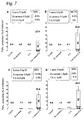
Fig. 7 graphically illustrates the synergistic interactions between lutein, beta-carotene and carnosic acid in the inhibition of LPS-stimulated TNFα production by peritoneal macrophages. -
Fig. 8 graphically illustrates the synergistic interaction between lycopene, lutein and various polyphenols in the inhibition of LPS-stimulated NO production by peritoneal macrophages. Panel A presents the results using purified lycopene, while panel B presents the results obtained using a lycopene-containing tomato extract (Lyc-O-Mato). -
Fig. 9 graphically illustrates the synergistic interaction between lycopene, lutein, beta-carotene and carnosic acid on the inhibition of macrophage superoxide production. Panel A presents the results using purified lycopene, while panel B presents the results obtained using a lycopene-containing tomato extract (Lyc-O-Mato) -
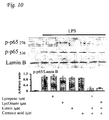
Fig. 10 demonstrates the synergistic interaction between lycopene or Lyc-O-Mato with lutein and carnosic acid on the inhibition of p65-NFkB phosphorylation on Serine 536 in cell nuclear lysates, following a 10 minute preincubation with LPS. The upper portion of the figure presents the immunoblot results from which the graphical data were derived. -
Fig. 11 graphically illustrates the synergistic interaction between lycopene or Lyc-O-Mato with lutein and carnosic acid on the inhibition of LPS-inducible nitric oxide synthase (iNOS) and of cyclooxygenase 2 (COX2) protein expression in total cell lysates. - Compositions disclosed herein comprise combinations of one or more polyphenols with one or more carotenoids. In the present invention, the compositions comprise carnosic acid as the sole polyphenol and one or more carotenoids selected from the group consisting of lycopene (either purified or contained within a tomato extract), lutein and beta-carotene. In other compositions disclosed herein, the sole polyphenol component is selected from the group consisting of quercetin, resveratrol and gallic acid.
- The daily amount of each of the active agents present in the compositions that are administered to subjects in need of such administration are as follows:
- Carnosic acid: 1 to 5 mg
- Lycopene: 1 to 5 mg
- Lutein: 1 to 5 mg
- Beta-carotene: 1 to 5 mg
- The amount of each of the various active components are selected such that the weight ratios therebetween fall within the following broad range:
- Lycopene Lutein : Beta-carotene : Carnosic acid
- 0.1-1.0 : 0.1-1.0 : 0.1-1.0 : 0.1-1.0
- In one preferred embodiment, the active components may combined in the following ratio:
- Lycopene Lutein : Beta-carotene : Carnosic acid
- 1.0 : 1.0 1.0 0.5
- In another preferred embodiment, the active components may be combined in the following ratio:
- Lycopene : Lutein : Beta-carotene Carnosic acid
- 1.0 0.3 0.3 0.4
- In a still further preferred embodiment, the active components may be combined in the following ratio:
- Lycopene : Lutein : Beta-carotene : Carnosic acid
- 1.0 : 1.0 1.0 1.0
- It is to be noted that the compositions prepared in accordance with the preceding examples of preferred weight ratios do not require the obligatory presence of all four components listed. Rather, it is sufficient for the composition to comprise carnosic acid (or another polyphenol) together with at least two of the indicated carotenoids, wherein the relative amount of each of these components is as indicated by the figures provided immediately hereinabove.
- In other compositions disclosed herein, the active components may be combined in the following weight ratio ranges:
Lycopene : Lutein : Beta-carotene : Carnosic acid 0.1-1.0 : 0.1-5.0 : 0.1-1.0 : 0.1-1.0 - Or in the following weight ratio ranges:
Lycopene : Lutein : Beta-carotene : Carnosic acid 0.1-1.0 : 1.0-4.0 : 0.1-1.0 : 0.1-1.0 Lycopene : Lutein : Carnosic acid 0.1 : 1.73 : 0.13 Lycopene : Lutein : Carnosic acid 0.1 : 1.8 : 0.26 B-carotene : Lutein : Carnosic acid 0.29 : 1.29 : 0.1 B-carotene : Lutein : Carnosic acid 0.39 : 1.29 : 0.1 B-carotene : Lutein : Carnosic acid 0.32 : 3.42 : 0.1 B-carotene : Lutein : Carnosic acid 0.16 : 1.71 : 0.1 B-carotene : Lutein : Carnosic acid 0.29 : 1.29 : 0.1 B-carotene : Lutein : Carnosic acid 0.39 : 1.29 : 0.1 - The various active components may be formulated for either system or topical use. In the case of systemic administration, the polyphenol(s) and carotenoid(s) may be incorporated into oral dosage forms such as tablets, caplets, capsules, syrups, elixirs, liquids etc.
- In other preferred embodiments, the composition of the present invention may be administered topically, for example on the skin or mucous membranes (e.g. as creams, lotions, ointments etc.). Further details of suitable methods of incorporating the polyphenol and carotenoid-containing compositions of the present invention into the various different dosage forms may be obtained from any standard reference work known to the skilled artisan, including, for example, Remington's Pharmaceutical Sciences, Mack publishing Co, Easton, Pa, USA (1980).
- In other preferred embodiments, the composition of the present invention is prepared as a food additive that is suitable for direct incorporation into a foodstuff or a beverage.
- The carnosic acid used to prepare the compositions of the present invention may be obtained commercially from several different suppliers including Alexis Biochemicals, Lausen, Switzerland. The carotenoids were obtained from several different. supplies including LycoRed Ltd., Be'er Sheva, Israel.
- Alternatively, some of the components of the composition, such as lycopene may' be incorporated into said composition in the form of a lycopene-rich tomato extract. One such tomato extract is commercially available (e.g. in capsule form) from LycoRed Ltd., Beer Sheva, Israel under the trade name "Lyc-O-MatoO". Suitable processes for preparing this extract and similar extracts are described in
US 5,837,311 . However, it is to be recognized that many other types of preparatory procedures may be used to obtain the carotenoid-containing composition from a variety of plant sources. In addition, the composition may also be prepared from one or more synthetic carotenoids. - The following examples are provided for illustrative purposes and in order to more particularly explain and describe the present invention. The present invention, however, is not limited to the particular embodiments disclosed in these examples.
- Macrophage isolation and cell culture - Peritoneal macrophages were collected from the peritoneal cavity of 6-8 week old male ICR mice (Harlan, Israel) that had been given an intraperitoneal injection of 1.5 ml of thioglycollate broth (4%) 4 days before harvest. Peritoneal macrophages were washed three times with PBS and, if needed, a hypotonic lysis of erythrocytes was performed, yielding 90-95% purity. The macrophages were identified by FACS analysis using FITC-conjugated rat anti-mouse F4/80 (MCA497F) (Serotec, Oxford, England) by flow microfluorimetry on FACS (Becton Dickinson, Mountain View, CA). For each sample, 10,000. light scatter-gated viable cells were analyzed. Peritoneal macrophages and murine macrophage cell line RAW264.7 were cultured RPMI 1640 medium containing 10% FCS, 2 mM L-glutamine; 100 U/ml penicillin; 100 µg/ml streptomycin (Beit-Haemek, Israel) in 96-well plates (1 × 10⁶ cells/well) at 37°C in 5% CO2 atmosphere. Cells were stimulated with LPS (0.1- 1 µg/ml) in the presence or absence of carnosic acid and/or one or more of the following carotenoids: carnosic acid, purified lycopene, lycopene-rich tomato extract (Lyc-O-Mato®; LycoRed Ltd., Be'er Sheva, Israel), lutein and beta-Carotene.
- The carnosic acid and the various carotenoids were dissolved in DMSO (to a final concentration of 5mM). The mixture was vortexed and incubated in a water bath at 37°C (with shaking) for 10 min and then sonicated in a sonicator bath three times for 15 seconds each time. Using this stock solution the desired concentrations were prepared by the addition of appropriate volumes thereof to warm culture medium.
- The concentration of lycopene in the solution was determined after extraction as follows: 0.5 ml isopropanol + 1.5 hexane /dichloromethane (1:5 V/V) containing 0.025% BHT were added to 1 ml of lycopene solution freshly prepared at a concentration of 20uM in preheated medium,. The solution was vortexed and the phases were separated by centrifugation 3000 rpm for 10 min.
- A spectrum analysis is conducted to measure the content of lycopene (absorption peak at 471 nm.)
- Appropriate volumes of DMSO (0.1-0.2%) were added to the controls and the percent inhibition in each test tube was calculated in relation to its control.
- NO production assay - NO levels in supernatants of cell cultures were determined by assaying nitrite levels using Griess reagent and sodium nitrite as a standard as described in Green, L. C., Wagner, D. A., Glogowski, J., Skipper, P. L., Wishnok, J. S., and Tannenbaum, S. R. (1982) Anal Biochem. 126: 131-138.
- PGE2 measurement - Supernatants of resting and stimulated cells were collected and immediately stored at -70°C. PGE2 levels were determined by utilizing a dextran coated charcoal radioimmunoassay protocol as previously described (Dror N, Tveria L, Meniv I, Ben-Shmuel S, Filipovich T, Fleisher-Berkovich S., Regul Pept. 2008 150: 21-5).
- Briefly, 100 µl sample or PGE2 standard (Sigma Israel, Rehovot, Israel) were incubated in the presence of 500 µl anti-PGE2 antiserum (Sigma Israel, Rehovot, Israel) for 30 min. [3H]PGE2 (Amersham Biosciences, NJ, USA) was added next for 24 h at 4°C. 24 h later, 200 µl cold dextran coated charcoal suspension was added to each tube and incubated for 10 min on ice. The tubes were centrifuged at 3500 RPM for 15 min at 4°C. 500µl of supernatants containing [3H]PGE2-anti-PGE2 complexes were counted (Packard Spectrometry 1900CA) and the amount of PGE2 was calculated.
- TNF-alpha production assay - Concentrations of TNF-alpha were quantified using ELISA kits (Biolegend Inc., San Diego, CA).
- Statistical analysis - Data are presented as the mean ± SEM. Statistical significance for comparisons between groups was determined using Student's paired two-tailed t test.
- The results obtained using carnosic or individual carotenoids alone are as follows: Lycopene or Lycomato in the range of 1-5 µM caused low level inhibition of NO production. Carnosic acid (1 and 2 µM) caused 12% and 18% inhibition of NO production, respectively.
- The addition of carnosic acid to lycopene or Lycomato caused a synergistic inhibition of NO production which was dose dependent. Combination of Carnosic acid with Lycomato is more effective than with purified lycopene.
- The results presented in
Fig. 1 are the means+SEM of 10 independent experiments each in duplicates. - Combination of 1µM lycopene or Lycomato with 2 µM Carnosic acid caused significant synergistic inhibition of NO production, which was more effective in the presence of Lycomato compared with lycopene.
- Combination of 1µM lycopene or Lycomato with 1 µM lutein or with 2 µM beta-carotene caused an additive or non significant synergistic inhibition of NO production, respectively.
- Combination of lycopene or Lycomato with carnosic acid (i.e. a combination of a carotenoid with a polyphenol) is more effective than the combination of two cartenoids.
- Combination of lycopene or Lycomato with carnosic acid and lutein or with carnosic acid and beta-Carotene (concentrations the same as used to generate the results shown in
Fig. 2a ) caused a significant and similar synergistic inhibition of NO production, while a combination excluding carnosic acid caused only an additive effect (marked with a dashed ellipse). - Combination of the four components (i.e. lycopene or Lycomato together with carnosic acid, lutein and beta-carotene did not improve upon the combination of the three components.
- Combination of either lutein or beta-Carotene with carnosic acid caused a significant and similar synergistic inhibition of NO production (which is similar to the combination of lycopene and carnosic acid but lower than that seen with the combination of Lycomato and carnosic acid). Combination of lutein and beta-Carotene caused additive (or lower) effect.
- These results further support that both cartenoid(s) and polyphenol(s) are required in order to obtain the optimal synergistic effect.
- The results are the means±SEM of 3 independent experiments, each produced in duplicate.
- TNF-alpha production in the same set of experiments as in
Figure 2 was less sensitive than NO production as none of these agents caused any detectable inhibition of TNF-alpha production when used alone (i.e. not in combination with other agents). - Combinations of lycopene with carnosic acid or with beta-carotene caused a low-level synergistic inhibition of TNF-alpha. production: 10% and 8%, respectively.
- Similar to the effect on NO production, combinations of lycopene with either carnosic acid and lutein or with carnosic acid and beta-carotene caused a significant and similar synergistic inhibition of TNF-alpha production, which was higher than the synergistic inhibition caused by combination excluding carnosic acid.
- Combination of carnosic acid with all three carotenoids did not improve upon the synergistic result obtained with the aforementioned combination of carnosic acid with two carotenoids.
- Lower graph: Inhibition of TNF-alpha production by different combinations of optimal low concentrations of Lycomato with carnosic acid, lutein and beta-carotene.
- TNF-alpha production was inhibited (10%) in the presence of Lycomato (in contrast to the lack of detectable inhibition in the presence of lycopene). Combinations of Lycomato with each of the other carotenoids caused a synergistic inhibition that was higher in the presence of carnosic acid.
- Similar to the effect on NO production, combinations of Lycomato with carnosic acid and lutein or with carnosic acid and beta-Carotene caused a significant and similar synergistic inhibition of TNF-alpha production, while a combination excluding carnosic acid caused a lesser synergistic effect.
- As in the case of purified lycopene, a combination of carnosic acid with all three carotenoids did not improve upon the synergistic result obtained with the aforementioned combination of carnosic acid with two carotenoids.
- The results are the means±SEM of 3 independent experiments, each performed in duplicate.
- It is to be noted that combinations that included Lycomato were more effective in inhibiting TNF-alpha production than those that incorporated purified Lycopene.
- PGE2 production in the same set of experiments as reported'in
Fig. 2 was more sensitive than NO production to carnosic acid or beta-Carotene when used alone (around 20% inhibition by each). Combinations of lycopene with lutein, carnosic acid or beta-Carotene caused a synergistic inhibition of PGE2 production. - A low level synergistic inhibition could be detected with a combination of Lycomato with lutein and carnosic acid only, while a combination with carnosic acid and beta-carotene caused only an additive effect. A combination with lutein and beta-carotene caused an additive inhibition of PGE2 production.
- It will also be seen from
Fig. 4 that, once more, a combination of four agents (carnosic acid plus three carotenoids) did not improve the combination of carnosic acid with two carotenoids. - As already shown in
Fig. 4 ,Fig. 5a upper panel shows that carnosic acid or beta-Carotene (each used separately) caused high-level inhibition of PGE2 production (around 20% inhibition by each). Combinations of lycopene with lutein, carnosic acid or beta-carotene caused a synergistic inhibition of PGE2 production. - A low-level synergistic inhibition could be detected in the case of a combination of lycopene with lutein and carnosic acid only, while a combination with carnosic acid and beta-Carotene caused only an additive effect. A combination containing lutein and beta-carotene caused additive inhibition of PGE2 production. Consequently, lower concentrations were studied (as shown in
Fig. 5a lower panel, discussed below). - A combination of all four active agents (i.e. carnosic acid plus three carotenoids) did not improve the combination of the carnosic acid with two carotenoids.
- Neither lutein (0.5 µM) nor beta-Carotene (1 µM) alone affected PGE2 production, while carnosic acid (1 µM) caused 10% inhibition. In these conditions combinations of lycopene 1mM with lower concentrations of either of two other components caused synergistic inhibition.
- The combination of all four active agents did not improve the combination of the three.
- The upper panel shows that the effect of Lycomato on inhibition of PGE2 production is similar to that of pure Lycopene and the similar combinations resulted with similar effect as shown for lycopene (
Fig. 5a upper panel). - As in
Fig 5a , neither lutein (0.5 µM) nor beta-Carotene (1 µM) alone affected PGE2 production, while carnosic acid (1 µM) caused 10% inhibition. The combination with beta-carotene was additive, while the combination with lutein or with carnosic acids were synergistic and much higher than that obtained with purified lycopene (Fig. 5a ). The combination of Lycomato with carnosic acid and lutein or with carnosic acid and beta-Carotene caused a significant and similar synergistic inhibition of PGE2 production. A combination of lutein and beta-Carotene (excluding carnosic acid) caused a lower level of synergistic inhibition. At these concentrations, a combination of Lycomato with lutein and carnosic acid caused a synergistic effect which was much higher than that resulted from the use of combinations with purified lycopene. - A combination of all four active agents (i.e. carnosic acid plus three carotenoids) did not improve the combination of the carnosic acid with two carotenoids.
- The upper two graphs (A and B) illustrate the synergistic interaction between the three components of the tested composition on NO production, wherein the final concentration of beta-carotene was 0.5 µM. Similarly, compositions containing a higher concentration of beta-carotene (1.0 µM; graphs C and D) also caused inhibition of NO production in a synergistic manner.
- In each of the graphs presented in
Fig. 6 , the horizontal line in the bar corresponding to the three-component composition indicates the level of NO inhibition that would be expected if the effect of each of said components were additive. The greatly increased level of inhibition seen (the area of the bar above the horizontal line marked with an 'S') indicated that the three components of the composition acted synergistically. - The upper two graphs (A and B) illustrate the synergistic interaction between the three components of the tested composition on TNFα production, wherein the final concentration of beta-carotene was 0.5 µM. Similarly, compositions containing a higher concentration of beta-carotene (1.0 µM; graphs C and D) also caused inhibition of TNFα production in a synergistic manner.
- In each of the graphs presented in
Fig. 7 , the horizontal line in the bar corresponding to the three-component' composition indicates the level of TNFα inhibition that would be expected if the effect of each of said components were additive. The greatly increased level of inhibition seen (the area of the bar above the horizontal line marked with an 'S') indicated that the three components of the composition acted synergistically. - Macrophage isolation and cell culture - Peritoneal macrophages were collected and cultured as described in Example 1, hereinabove.
- Preparation of test agents - Lycopene and Lutein were dissolved in DMSO (the volume of DMSO in the test solution did not exceed 0.04%). The mixture was vortexed and shaken at 37°C for 10 min and sonicated in a sonicator bath for 15
sec X 3 times. From this stock solution the desired concentrations were reached by addition of appropriate volumes to warm culture medium. The concentration in the solution was calculated to 1 ml of the highest final concentration 0.5 ml isopropanol+ 1.5 ml hexane /dichloromethane (1:5 V/V) containing 0.025% BHT. The solution was vortexed and the phases were separated by centrifugation at 3000 rpm for 10 min. A spectrum analysis was conducted to detect the level of nutrients. Carnosic acid, Resveratrol, Gallic acid or Quercetin were dissolved in ethanol (the volume of ethanol in the test solution did not exceed 0.0025%). - Appropriate volumes of DMSO and/or ethanol were added to the controls and the percent inhibition of each test tube was calculated in relation to its control tube.
- NO production assay - NO levels in supernatants of cell cultures were determined by assaying nitrite levels using Griess reagent and sodium nitrite as described hereinabove in Example 1.
- Statistical analysis - Data are presented as the mean ± SEM. Statistical significance for comparisons between groups was determined using Student's paired two-tailed t test.
- Macrophages were incubated with 1µM Lycopene, 1µM Lutein and either 2 µM Carnosic acid, 2 µM Resveratrol, 2 µM Gallic acid or 2 µM Quercetin and their combinations for 1 h before addition of LPS for 16h at 37°C. NO production was measured and the % of inhibition was calculated. In each experiment the effect of three different concentrations of LPS is analyzed, as the sensitivity of the cells may change in different experiments.
- Combinations of 1µM Lycopene, 1µM Lutein and 2 µM of either Carnosic acid Resveratrol, Gallic acid or Quercetin, caused a significant synergistic inhibition of NO production (indicated by the letter "S" in the graph, wherein the horizontal line crossing each of the bars representing the synergistic combinations indicates the results to be expected if the interaction were additive and not synergistic) There were no significant differences between each of these various combinations. As shown in the Figure, the effect of each of the carotenoid or polyphenol tested at the given concentration was very low. As shown by the horizontal line in each graph, the synergistic effect was around three fold higher than that of the additive effect.
- Macrophages were treated as in A, but the experiments were conducted using Lyc-O-Mato instead of Lycopene.
- Although Lyc-O-Mato by itself caused a similar inhibition of NO production as that caused by Lycopene, combinations with Lyc-O-Mato were more effective and resulted in higher synergism of about four fold compared with the additive effect.
- The results shown in
Fig. 8 are shown as the means±SEM of three different experiments each done in triplicate. - Superoxide production: The production of superoxide anion (O2 -) by macrophages was measured as the superoxide dismutase-inhibitable reduction of ferricytochrome c by the microtiter plate technique, as known in the prior art. An aliquot of radiolabelled macrophages (5 × 10⁵ cells/well) used for the adherence assay was taken and suspended in 100 µl incubation medium containing ferricytochrome c (150 mM). Stimulation was induced with PMA (50 ng/ml). The reduction of ferricytochrome c was followed by a change of absorbance at 550 nm at 2 min intervals for 30 min on a Thermomax Microplate Reader (Molecular Devices, Melno Park, Calif., USA). The maximal rates of superoxide generation were determined and expressed as nanomoles O2 -/106 cells/ 10 min using the extinction coefficient E550 = 21 mM -1 cm-1.
- Superoxide production was inhibited in the presence of 2µM beta-carotene (10%).
- Combinations of lycopene with carnosic acid or with beta-carotene caused a low-level inhibition of superoxide production that was not significantly different from the effect of beta-carotene.
- Similar to the effect on NO production (see Example 1, hereinabove), combinations of lycopene with either carnosic acid and lutein, or with carnosic acid and beta-carotene caused a significant and similar synergistic inhibition of superoxide production, which was higher than the synergistic inhibition caused by a combination excluding carnosic acid.
- Combination of carnosic acid with all three carotenoids did not improve upon the synergistic result obtained with the aforementioned combination of carnosic acid with two carotenoids.
- Superoxide production was inhibited (7%) in the presence of Lyc-O-Mato (in contrast to the lack of detectable inhibition in the presence of lycopene). Combinations of Lyc-O-Mato with each of the other carotenoids caused a caused a low-level inhibition of superoxide production that was not significantly different from the effect of beta-carotene or Lyc-O-Mato.
- Similar to the effect on NO production (see Example 1, hereinabove), combinations of Lyc-O-Mato with carnosic acid and lutein or with carnosic acid and beta-Carotene caused a significant and similar synergistic inhibition of superoxide production, while a combination excluding carnosic acid caused a lesser synergistic effect.
- As in the case of purified lycopene, a combination of carnosic acid with all three carotenoids did not improve upon the synergistic result obtained with the aforementioned combination of carnosic acid with two carotenoids.
- The results are the means±SEM of 3 independent experiments, each performed in duplicate.
- Expression of inflammatory cytokines as well enzyme protein expression can be regulated by the activation of the transcription factor nuclear factor-kappa B (NFκB), which is critically involved in several aspects of the pathogenesis chronic inflammatory diseases. NFκB is activated as a consequence of phosphorylation, ubiquitination, and subsequent proteolytic degradation of the IκB protein through activation of IκB kinase (IKK). The liberated NFκB translocates into nuclei and binds to motifs in the promoters of pro-inflammatory genes such as inducible nitric oxide synthase (iNOS) and of cyclooxygenase 2 (COX2) TNF-α, and IL-1β, leading to the induction of their mRNA expression. Most of the anti-inflammatory drugs have been shown to suppress the expression of these genes by inhibiting the NFκB activation pathway. Thus, an NFκB inhibitor may be useful as a potential therapeutic drug in clinical applications for regulating the inflammation associated human diseases.
- p65 NFκB RelA can be phosphorylated by PKA on Ser-276 or by a redox-sensitive mechanism on Ser-536. It has been shown that reactive oxygen species (ROS) plays an important role in NF-κB activation and inflammatory gene expression.
- The aim of this study was to investigate whether low concentrations of the combinations of Lycopene/Lyc-O-Mato + Lutein + carnosic acid can cause a synergistic inhibition of NFκB activation.
- NFκB activation was analyzed by its two phosphorylated forms: PKA dependent Ser-276 and redox-sensitive Ser-536.
- Macrophage isolation: Peritoneal macrophages were isolated and treated as described hereinabove in Example 1.
- For detection of NF-kB activation the cell were treated with LPS for 10 min.
- Preparation of nuclear protein extract - 2 × 10⁶ cells were suspended in 600 µl of ice-cold NP-40 lysis buffer (0.1% NP-40, 10 mM Tris-HCl, pH 7.4, 10 mM NaCl, 3 mM MgCl2, 1 mM EDTA, 10 µg/ml leupeptin, 10 µg/ml aprotonin, and 1 mM PMSF). The cells were vortexed for 15 s, kept on ice for 5 min, and centrifuged at 300 g for 10 min at 4°C. The resulting pellets (the nuclei containing fractions) were then immediately solubilized in electrophoresis sample buffer Nuclear integrity was verified directly by light microscopy, which also revealed that intact cells were rarely observed in nuclei-containing fraction (<2%).
- Total Cell lysates: were prepared using 1% Triton X-100, 50 mM HEPES (pH 7.5), 150 mM NaCl, 1 mM EDTA, 1 mM EGTA, 10% glycerol, 25 mM NaF, 10 µM ZnCl2, 1mM PMSF, and 100 µM leupeptin.
- Immunoblot analysis: lysate proteins (35-50 µg) were separated by electrophoresis on 7.5% polyacrylamide SDS gels. The resolved proteins were electrophoretically transferred to nitrocellulose, which was stained with Ponsue red to detect protein banding, and then blocked in 5% milk in TBS (10 mM Tris,135 mM NaCl, pH 7.4). Immunoblot determination was done as described before (17) using primary antibodies p-P65, COX-2 and iNOS (Cell Signaling Technology, Beverly, MA) for overnight incubation at 4°C and second antibody, peroxidase conjugated goat antirabbit or antimouse (Amersham Biosciences, Buckinghamshire, United Kingdom) for 1 hour at room temperature and developed using the enhanced chemiluminescence (ECL) detection system (Amersham Biosciences).
- For immunoblot detection of P-65 the nuclei fractions of 2 × 10⁶ cells were immediately solubilized in electrophoresis sample buffer and processed for separation on 8% SDS polyacrylamide gel electrophoresis (SDS-PAGE).
- As shown in
Fig. 10 , in the representative immunoblot analysis, addition of combination of 1 µM lycopene or 1 µM Lyc-O-Mato with 1 µM lutein and 2 µM carnosic acid to peritoneal macrophages for 1 h before addition of LPS for 10 min caused a significant synergistic inhibition (of about 80%) of p65-NFκB phophorylation on Serine 536 in cell nuclear lysates, while each nutrient alone had no effect at all. The intensity of each phospho p-65-NFκB band was divided by the intensity of each lamin band after quantitation by densitometry, and expressed as arbitrary units. Shown are the means±SEM of three independent experiments. - As shown in the immunoblot, there was no phosphorylation of p65 NFκB on
Serine 276. - These results demonstrate that the carotenoid-polyphenol composition tested causes significant synergistic inhibition of NFκB activation mediated by phophorylation Ser-536 that is mediated by a redox-sensitive mechanism.
- Under the same conditions, addition of the nutrient combinations (in concentrations detailed above) 1 h prior to addition of LPS for 24 h, caused a significant inhibition of iNOS and of COX2 protein expression in total cell lysates (
Fig. 11 ). Each nutrient alone did not cause inhibition of the induction of either iNOS or COX2. - The intensity of each protein band (iNOS or COX2) was divided by the intensity of each β-actin band after quantitation by densitometry, and expressed as arbitrary units. Shown are the means±SEM of three independent experiments.
- These results demonstrate a synergistic inhibition of the induction of both inflammatory enzymes at levels of around 80 and around 60% for iNOS and COX-2, respectively, and provide both support for the inhibition of NO production and PGE release reported hereinabove, as well as a molecular explanation therefor.
Claims (8)
- A therapeutic composition for use in treating inflammatory conditions in which, superoxide ions, NO, TNF-alpha and/or PGE2 acts as a modulator or mediator of said condition by inhibiting or reducing the production of superoxide ions, NO, TNF-alpha and/or PGE2 in a human subject, wherein the condition to be treated is selected from the group consisting of rheumatoid arthritis, adult respiratory distress syndrome (ARDS), asthma, rhinitis, idiopathic pulmonary fibrosis, peritonitis, cardiovascular inflammation, myocardial ischemia, reperfusion injury, atherosclerosis, sepsis, trauma, diabetes type II, retinopathy, psoriasis, gastrointestinal inflammation, cirrhosis, peritonitis and inflammatory bowel disease, and neurodegenerative diseases, including Alzheimer's disease;
said therapeutic composition comprising carnosic acid and two or more carotenoids selected from the group consisting of lutein, lycopene and beta-carotene, wherein zeaxanthin comprises up to 15% of the lutein content, and wherein said components are present in the following weight ranges:lycopene : lutein : beta-carotene : carnosic acid0.1-1.0 : 0.1-1.0 : 0.1-1.0 : 0.1-1.0 andwherein each of the active agents in said therapeutic composition is to be administered in a daily amount in the range of 1 to 5 mg. - The therapeutic composition for use according to claim 1, wherein said therapeutic composition comprises lycopene, lutein and carnosic acid.
- The therapeutic composition for use according to claim 1, wherein said therapeutic composition comprises lutein, beta-carotene and carnosic acid.
- The therapeutic composition for use according to claim 1, wherein said therapeutic composition comprises lycopene, beta-carotene and carnosic acid.
- The therapeutic composition for use according to any of claims 1 to 4, wherein said therapeutic composition further comprises phytoene, phytofluene, or phytoene and phytofluene.
- The therapeutic composition for use according to any preceding claim, wherein the therapeutic composition is administered in a pharmaceutical dosage form.
- The therapeutic composition for use according to any preceding claim, wherein the therapeutic composition is incorporated into a foodstuff or beverage.
- The therapeutic composition for use according to any preceding claim, wherein carnosic acid is used in combination with lycopene and lutein, carnosic acid is used in combination with lycopene and beta-carotene, or carnosic acid is used in combination with lutein and beta-carotene.
Priority Applications (1)
| Application Number | Priority Date | Filing Date | Title |
|---|---|---|---|
| EP16172113.9A EP3085365A3 (en) | 2009-01-19 | 2010-01-19 | Synergistic combinations of carotenoids and polyphenols |
Applications Claiming Priority (3)
| Application Number | Priority Date | Filing Date | Title |
|---|---|---|---|
| US14559309P | 2009-01-19 | 2009-01-19 | |
| US26651709P | 2009-12-04 | 2009-12-04 | |
| PCT/IL2010/000045 WO2010082205A1 (en) | 2009-01-19 | 2010-01-19 | Synergistic combinations of carotenoids and polyphenols |
Related Child Applications (1)
| Application Number | Title | Priority Date | Filing Date |
|---|---|---|---|
| EP16172113.9A Division EP3085365A3 (en) | 2009-01-19 | 2010-01-19 | Synergistic combinations of carotenoids and polyphenols |
Publications (3)
| Publication Number | Publication Date |
|---|---|
| EP2381935A1 EP2381935A1 (en) | 2011-11-02 |
| EP2381935A4 EP2381935A4 (en) | 2013-03-13 |
| EP2381935B1 true EP2381935B1 (en) | 2016-06-01 |
Family
ID=42339496
Family Applications (2)
| Application Number | Title | Priority Date | Filing Date |
|---|---|---|---|
| EP10731120.1A Not-in-force EP2381935B1 (en) | 2009-01-19 | 2010-01-19 | Synergistic combinations of carotenoids and polyphenols |
| EP16172113.9A Withdrawn EP3085365A3 (en) | 2009-01-19 | 2010-01-19 | Synergistic combinations of carotenoids and polyphenols |
Family Applications After (1)
| Application Number | Title | Priority Date | Filing Date |
|---|---|---|---|
| EP16172113.9A Withdrawn EP3085365A3 (en) | 2009-01-19 | 2010-01-19 | Synergistic combinations of carotenoids and polyphenols |
Country Status (11)
| Country | Link |
|---|---|
| US (3) | US20120071550A1 (en) |
| EP (2) | EP2381935B1 (en) |
| JP (2) | JP5778584B2 (en) |
| CN (2) | CN102355894B (en) |
| AU (1) | AU2010205367B2 (en) |
| BR (1) | BRPI1005154A2 (en) |
| CA (1) | CA2749202C (en) |
| ES (1) | ES2580173T3 (en) |
| PL (1) | PL2381935T3 (en) |
| RU (1) | RU2563991C2 (en) |
| WO (1) | WO2010082205A1 (en) |
Cited By (1)
| Publication number | Priority date | Publication date | Assignee | Title |
|---|---|---|---|---|
| US12409116B2 (en) | 2018-07-23 | 2025-09-09 | Lycored Ltd. | Lycopene compositions and methods for protecting skin against ultraviolet radiation |
Families Citing this family (36)
| Publication number | Priority date | Publication date | Assignee | Title |
|---|---|---|---|---|
| IL146496A0 (en) | 2001-11-14 | 2002-07-25 | Lycored Natural Prod Ind Ltd | Carotenoid composition and method for protecting skin |
| JP5778584B2 (en) * | 2009-01-19 | 2015-09-16 | ライコード・リミテツド | Synergistic combination of carotenoids and polyphenols |
| SG166688A1 (en) * | 2009-05-14 | 2010-12-29 | Hsiehs Biotech Singapore Pte Ltd | Lycopene and resveratrol dietary supplement |
| US9072919B2 (en) | 2012-10-12 | 2015-07-07 | L'oreal S.A. | Synergistic antioxidant cosmetic compositions containing at least one of baicalin and taxifolin, at least one of caffeine and nicotinamide, at least one of vitamin C and resveratrol and ferulic acid |
| US9018177B2 (en) | 2012-10-12 | 2015-04-28 | L'oreal S.A. | Cosmetic compositions for increasing bioavailability of the active compounds baicalin and/or vitamin C |
| US9107853B2 (en) | 2012-10-12 | 2015-08-18 | L'oreal S.A. | Compositions containing phenolic compounds and hydrotropes for cosmetic use |
| US9023826B2 (en) | 2012-10-12 | 2015-05-05 | L'oreal S.A. | Compositions containing adenosine and the hydrotropes caffeine and nicotinamide for cosmetic use |
| TWI660680B (en) | 2012-11-26 | 2019-06-01 | 美商通路實業集團國際公司 | Antioxidant dietary supplement and related method |
| EP2948005B1 (en) | 2013-01-22 | 2020-07-15 | Lycored Ltd. | Compositions comprising heat-treated clear tomato concentrate |
| EP2976070B1 (en) * | 2013-03-19 | 2021-05-12 | Lycored Ltd. | Anti-inflammatory synergistic combinations of astaxanthin with lycopene and carnosic acid |
| US9901562B2 (en) | 2013-04-04 | 2018-02-27 | Lycored Ltd. | Anti-inflammatory omega-3 synergistic combinations |
| US9669242B2 (en) | 2013-07-01 | 2017-06-06 | L'oreal | Compositions containing at least two phenolic compounds, a lipid-soluble antioxidant and at least one hydrotrope for cosmetic use |
| CN104543983A (en) * | 2013-10-15 | 2015-04-29 | 泰运生技有限公司 | health food composition |
| CN104083345A (en) * | 2014-06-13 | 2014-10-08 | 华中科技大学 | Application of lycopene in preparation of medicine for prevention and treatment senile dementia |
| WO2016086128A1 (en) | 2014-11-25 | 2016-06-02 | Abbott Laboratories | Method of improving visual processing, visual acuity, or both by administering compositions comprising rrr-alpha-tocopherol and carotenoid to infants |
| AU2015351930B2 (en) * | 2014-11-25 | 2021-08-12 | Lycored Ltd. | Biologically-active tomato composition having reduced amount of lycopene |
| KR101632839B1 (en) * | 2015-07-10 | 2016-06-23 | 아주대학교산학협력단 | Pharmaceutical compositions for preventing or treating liver cirrhosis or fibrosis comprising resveratrol derivative |
| EP3120842A1 (en) * | 2015-07-20 | 2017-01-25 | Opterion Health AG | Peritoneal therapeutic fluid |
| CN105476982A (en) * | 2016-02-02 | 2016-04-13 | 张干 | New application of gallic acid |
| CN105616439A (en) * | 2016-03-11 | 2016-06-01 | 王巧玲 | Capsules for treating alcoholic cardiomyopathy and preparing method of capsules |
| US11707493B2 (en) | 2016-05-23 | 2023-07-25 | California Institute Of Technology | Regulate gut microbiota to treat neurodegenerative disorders |
| WO2018213204A1 (en) | 2017-05-15 | 2018-11-22 | Axial Biotherapeutics, Inc. | Inhibitors of microbially induced amyloid |
| US20190070244A1 (en) * | 2017-06-30 | 2019-03-07 | The New Zealand Institute For Plant And Food Research Limited | Boysenberry compositions and methods of preparation and use thereof |
| EP3664826A4 (en) | 2017-08-08 | 2021-04-28 | Odette M. Shaw | COMPOSITION BASED ON BOYSEN BLACKBERRY, APPLE AND BLACKCURRANT AND ITS PREPARATION AND USE PROCESSES |
| WO2019087189A1 (en) * | 2017-11-01 | 2019-05-09 | Lycored Ltd. | A method for improving ocular blood flow |
| CN107823196A (en) * | 2017-11-24 | 2018-03-23 | 广西医科大学 | Application of the carnosic acid in terms for the treatment of medicine for treating rheumatoid arthritis is prepared |
| JP7432244B2 (en) * | 2018-04-13 | 2024-02-16 | ヒョン ユ、スン | Identification of granin as a pathogenic factor in Alzheimer's disease and compositions and methods for inhibiting granin aggregation and treating Alzheimer's disease |
| JP7492222B2 (en) * | 2018-04-18 | 2024-05-29 | 国立大学法人京都大学 | Adiponectin receptor agonist and use thereof, and food composition for activating adiponectin receptor and use thereof |
| JP2022500487A (en) * | 2018-04-19 | 2022-01-04 | エフエフエフ バイオワークス エルエルピー | Synergistic liver protection composition |
| CN110200956B (en) * | 2019-07-17 | 2021-07-27 | 吴广森 | Ophthalmic external medicine composition |
| CN111588716A (en) * | 2020-06-11 | 2020-08-28 | 中国医学科学院肿瘤医院 | A kind of pharmaceutical composition and its application in preparing and treating prostatitis product |
| JP7005043B2 (en) * | 2020-07-08 | 2022-02-10 | 株式会社東洋新薬 | Retinal protection composition |
| WO2022128052A1 (en) | 2020-12-14 | 2022-06-23 | Symrise Ag | Medicament for fighting inflammatory conditions of human skin |
| EP4362707A4 (en) * | 2021-06-28 | 2024-11-20 | Dailycolors Health Inc. | Compositions and methods to counteract processes associated with inflammation and senescence and to support cellular energy and/or metabolism |
| CN118717733B (en) * | 2024-07-31 | 2025-12-05 | 北京大学 | An antitumor composition, a drug for the prevention and/or treatment of tumors, and its application. |
| CN119101567A (en) * | 2024-09-05 | 2024-12-10 | 浙江大学 | A method for improving the oxidation stability of vegetable oils and fats |
Family Cites Families (25)
| Publication number | Priority date | Publication date | Assignee | Title |
|---|---|---|---|---|
| DE69012566T2 (en) * | 1990-10-06 | 1995-02-02 | Nestle Sa | Process for the extraction of carnic acid. |
| US5837311A (en) | 1993-12-13 | 1998-11-17 | Makhteshim Chemical Works Ltd. | Industrial processing of tomatoes and product thereof |
| EP1283713B1 (en) * | 2000-05-12 | 2006-03-15 | Bengt Krister Olson | Combined cartilage and plant extract compositions |
| JP2004515508A (en) * | 2000-12-16 | 2004-05-27 | アベンティス・ファーマ・ドイチユラント・ゲゼルシャフト・ミット・ベシュレンクテル・ハフツング | COMPOUND HEALTH PROMOTING COMPOSITION |
| IL141039A (en) * | 2001-01-23 | 2006-10-31 | Lycored Natural Prod Ind Ltd | Anti-atherosclerosis composition containing carotenoids and use in the preparation of medicaments for inhibiting ldl oxidation |
| WO2002100329A2 (en) * | 2001-06-08 | 2002-12-19 | Peninsula International, Llc | Methods and compositions for helping the body resist the effects of the aging process |
| US8142819B2 (en) * | 2002-10-21 | 2012-03-27 | Metaproteomics, Llc | Synergistic compositions that treat or inhibit pathological conditions associated with inflammatory response |
| IL146449A0 (en) * | 2001-11-12 | 2002-07-25 | Lycored Natural Prod Ind Ltd | Method and pharmaceutical preparations for reducing the activity of cells |
| US20060127505A1 (en) * | 2002-01-16 | 2006-06-15 | David Haines | Anti-inflammatory formulations |
| KR20040078543A (en) * | 2002-01-31 | 2004-09-10 | 간사이 티.엘.오 가부시키가이샤 | Compositions for preventing human cancer and method of preventing human cancer |
| AU2003205737A1 (en) * | 2002-02-15 | 2003-09-04 | Humboldt Universitaet | Compositions comprising lycopene for the treatment and prevention of angiogenesis associated pathologies |
| JP2004035550A (en) * | 2002-05-07 | 2004-02-05 | Access Business Group Internatl Llc | Nutrition supplement of plant nutrient |
| US20040001817A1 (en) * | 2002-05-14 | 2004-01-01 | Giampapa Vincent C. | Anti-aging nutritional supplement |
| KR100739531B1 (en) * | 2004-05-07 | 2007-07-13 | 주식회사 이오텍 | Compositions Comprising Lycopene and Phytoestrogen |
| US9579298B2 (en) * | 2004-12-02 | 2017-02-28 | Piotr Chomczynski | Antioxidant dietary supplement compositions and methods for maintaining healthy skin |
| US20070065396A1 (en) * | 2005-09-21 | 2007-03-22 | Tracie Martyn International, Llc | Topical macqui berry formulation |
| MX2008004981A (en) * | 2005-10-16 | 2008-10-17 | Lycored Ltd | Compositions for treatment of eye diseases. |
| CA2633868A1 (en) * | 2005-12-20 | 2007-07-05 | Alcon Research, Ltd. | Composition and methods for inhibiting the progression macular degeneration and promoting healthy vision |
| CA2641950A1 (en) * | 2006-02-10 | 2007-08-23 | Mannatech, Inc. | All natural multivitamin and multimineral dietary supplement formulations for enhanced absorption and biological utilization |
| IL173971A (en) * | 2006-02-27 | 2012-07-31 | Lycored Ltd | Compositions for treating age-related macular degeneration |
| JP2007254427A (en) * | 2006-03-24 | 2007-10-04 | Shimane Pref Gov | Antioxidants and their uses |
| CN101516364B (en) * | 2006-07-14 | 2011-12-28 | 帝斯曼知识产权资产管理有限公司 | Compositions and their use for the treatment, co-treatment or prevention of inflammatory disorders |
| IL184575A0 (en) * | 2007-07-12 | 2008-01-20 | Lycored Ltd | Synergistic combinations for treating hypertension |
| ITMI20080003A1 (en) * | 2008-01-02 | 2009-07-03 | Alfredo Pulpito | COMPOSITIONS FOR OPHTHALMIC USE |
| JP5778584B2 (en) * | 2009-01-19 | 2015-09-16 | ライコード・リミテツド | Synergistic combination of carotenoids and polyphenols |
-
2010
- 2010-01-19 JP JP2011545840A patent/JP5778584B2/en not_active Expired - Fee Related
- 2010-01-19 EP EP10731120.1A patent/EP2381935B1/en not_active Not-in-force
- 2010-01-19 CN CN201080012356.7A patent/CN102355894B/en not_active Expired - Fee Related
- 2010-01-19 PL PL10731120.1T patent/PL2381935T3/en unknown
- 2010-01-19 CA CA2749202A patent/CA2749202C/en active Active
- 2010-01-19 AU AU2010205367A patent/AU2010205367B2/en not_active Ceased
- 2010-01-19 EP EP16172113.9A patent/EP3085365A3/en not_active Withdrawn
- 2010-01-19 BR BRPI1005154-6A patent/BRPI1005154A2/en not_active Application Discontinuation
- 2010-01-19 CN CN201510486515.1A patent/CN105193777B/en active Active
- 2010-01-19 RU RU2011134652/15A patent/RU2563991C2/en active
- 2010-01-19 ES ES10731120.1T patent/ES2580173T3/en active Active
- 2010-01-19 WO PCT/IL2010/000045 patent/WO2010082205A1/en not_active Ceased
-
2011
- 2011-07-18 US US13/137,061 patent/US20120071550A1/en not_active Abandoned
-
2015
- 2015-05-12 JP JP2015097204A patent/JP2015205882A/en active Pending
-
2016
- 2016-10-21 US US15/299,634 patent/US20170035713A1/en not_active Abandoned
-
2021
- 2021-11-23 US US17/533,637 patent/US20220079901A1/en not_active Abandoned
Cited By (1)
| Publication number | Priority date | Publication date | Assignee | Title |
|---|---|---|---|---|
| US12409116B2 (en) | 2018-07-23 | 2025-09-09 | Lycored Ltd. | Lycopene compositions and methods for protecting skin against ultraviolet radiation |
Also Published As
| Publication number | Publication date |
|---|---|
| JP5778584B2 (en) | 2015-09-16 |
| BRPI1005154A2 (en) | 2018-02-06 |
| CN102355894B (en) | 2016-06-15 |
| RU2011134652A (en) | 2013-02-27 |
| RU2563991C2 (en) | 2015-09-27 |
| CN102355894A (en) | 2012-02-15 |
| EP3085365A3 (en) | 2017-01-04 |
| AU2010205367A1 (en) | 2011-08-11 |
| CA2749202A1 (en) | 2010-07-22 |
| EP3085365A2 (en) | 2016-10-26 |
| CN105193777B (en) | 2019-06-28 |
| ES2580173T3 (en) | 2016-08-19 |
| PL2381935T3 (en) | 2016-11-30 |
| US20220079901A1 (en) | 2022-03-17 |
| AU2010205367B2 (en) | 2015-06-18 |
| EP2381935A1 (en) | 2011-11-02 |
| CA2749202C (en) | 2019-11-26 |
| US20120071550A1 (en) | 2012-03-22 |
| JP2015205882A (en) | 2015-11-19 |
| CN105193777A (en) | 2015-12-30 |
| US20170035713A1 (en) | 2017-02-09 |
| EP2381935A4 (en) | 2013-03-13 |
| JP2012515198A (en) | 2012-07-05 |
| WO2010082205A1 (en) | 2010-07-22 |
Similar Documents
| Publication | Publication Date | Title |
|---|---|---|
| US20220079901A1 (en) | Synergistic combinations of carotenoids and polyphenols | |
| Zhou et al. | Anti-atherosclerosis of oligomeric proanthocyanidins from Rhodiola rosea on rat model via hypolipemic, antioxidant, anti-inflammatory activities together with regulation of endothelial function | |
| Smith et al. | Aspalathus linearis (Rooibos)–a functional food targeting cardiovascular disease | |
| JP5031156B2 (en) | Anti-obesity agent | |
| Li et al. | Chemical composition and anti-hyperglycaemic effects of triterpenoid enriched Eugenia jambolana Lam. berry extract | |
| JP7606526B2 (en) | Dietary Supplement Compositions and Methods | |
| US10285970B2 (en) | Method of treating endothelial dysfunction with oenothein B and proanthocyanidins | |
| EP3220934B1 (en) | Biologically-active tomato composition having reduced amount of lycopene | |
| WO2018165780A1 (en) | Antioxidant, anti-inflammatory compositions and uses thereof | |
| US20260034137A1 (en) | Compositions and Methods for Cellular Ageing, Stress Resilience, Autophagy, Inflammation and Longevity | |
| CN111565580A (en) | Composition for inhibiting generation of active oxygen | |
| EP4279068A1 (en) | Composition comprising a combination of capsaicin and/or phenylcapsaicin and astaxanthin for the prevention and treatment of inflammatory-based skin diseases, in particular associated with skin aging | |
| US11571438B1 (en) | Nutraceutical compositions to up-regulate SIRT1 and methods of use | |
| EP2948005B1 (en) | Compositions comprising heat-treated clear tomato concentrate | |
| Landrier et al. | Tomatoes and lycopene: inflammatory modulator effects | |
| US11033596B2 (en) | Antioxidant, anti-inflammatory compositions and uses thereof | |
| CN110545831A (en) | Use of extract of Withania SOMNIFERA for protecting against air pollution related diseases | |
| HK40083402A (en) | Compositions and methods for nutritional supplements | |
| GB2560710A (en) | Antioxidant, anti-inflammatory compositions and uses thereof |
Legal Events
| Date | Code | Title | Description |
|---|---|---|---|
| PUAI | Public reference made under article 153(3) epc to a published international application that has entered the european phase |
Free format text: ORIGINAL CODE: 0009012 |
|
| 17P | Request for examination filed |
Effective date: 20110729 |
|
| AK | Designated contracting states |
Kind code of ref document: A1 Designated state(s): AT BE BG CH CY CZ DE DK EE ES FI FR GB GR HR HU IE IS IT LI LT LU LV MC MK MT NL NO PL PT RO SE SI SK SM TR |
|
| RIN1 | Information on inventor provided before grant (corrected) |
Inventor name: ZELKHA, MORRIS Inventor name: PARAN, ESTHER Inventor name: LEVY, JOSEPH Inventor name: SHARONI, YOAV Inventor name: LEVY, RACHEL |
|
| DAX | Request for extension of the european patent (deleted) | ||
| A4 | Supplementary search report drawn up and despatched |
Effective date: 20130212 |
|
| RIC1 | Information provided on ipc code assigned before grant |
Ipc: A61K 31/01 20060101ALI20130206BHEP Ipc: A61K 31/12 20060101ALI20130206BHEP Ipc: A61K 31/352 20060101ALI20130206BHEP Ipc: A61K 31/225 20060101ALI20130206BHEP Ipc: A61K 31/07 20060101ALI20130206BHEP Ipc: A61K 31/05 20060101ALI20130206BHEP Ipc: A61K 31/192 20060101ALI20130206BHEP Ipc: A61K 45/06 20060101ALI20130206BHEP Ipc: A61K 31/015 20060101AFI20130206BHEP |
|
| 17Q | First examination report despatched |
Effective date: 20140314 |
|
| GRAP | Despatch of communication of intention to grant a patent |
Free format text: ORIGINAL CODE: EPIDOSNIGR1 |
|
| INTG | Intention to grant announced |
Effective date: 20151203 |
|
| GRAS | Grant fee paid |
Free format text: ORIGINAL CODE: EPIDOSNIGR3 |
|
| GRAA | (expected) grant |
Free format text: ORIGINAL CODE: 0009210 |
|
| AK | Designated contracting states |
Kind code of ref document: B1 Designated state(s): AT BE BG CH CY CZ DE DK EE ES FI FR GB GR HR HU IE IS IT LI LT LU LV MC MK MT NL NO PL PT RO SE SI SK SM TR |
|
| REG | Reference to a national code |
Ref country code: GB Ref legal event code: FG4D |
|
| REG | Reference to a national code |
Ref country code: CH Ref legal event code: EP Ref country code: AT Ref legal event code: REF Ref document number: 803419 Country of ref document: AT Kind code of ref document: T Effective date: 20160615 |
|
| REG | Reference to a national code |
Ref country code: IE Ref legal event code: FG4D |
|
| REG | Reference to a national code |
Ref country code: DE Ref legal event code: R096 Ref document number: 602010033771 Country of ref document: DE |
|
| REG | Reference to a national code |
Ref country code: CH Ref legal event code: NV Representative=s name: KIRKER AND CIE S.A., CH |
|
| REG | Reference to a national code |
Ref country code: NL Ref legal event code: FP |
|
| REG | Reference to a national code |
Ref country code: ES Ref legal event code: FG2A Ref document number: 2580173 Country of ref document: ES Kind code of ref document: T3 Effective date: 20160819 |
|
| REG | Reference to a national code |
Ref country code: LT Ref legal event code: MG4D |
|
| PG25 | Lapsed in a contracting state [announced via postgrant information from national office to epo] |
Ref country code: FI Free format text: LAPSE BECAUSE OF FAILURE TO SUBMIT A TRANSLATION OF THE DESCRIPTION OR TO PAY THE FEE WITHIN THE PRESCRIBED TIME-LIMIT Effective date: 20160601 Ref country code: NO Free format text: LAPSE BECAUSE OF FAILURE TO SUBMIT A TRANSLATION OF THE DESCRIPTION OR TO PAY THE FEE WITHIN THE PRESCRIBED TIME-LIMIT Effective date: 20160901 Ref country code: LT Free format text: LAPSE BECAUSE OF FAILURE TO SUBMIT A TRANSLATION OF THE DESCRIPTION OR TO PAY THE FEE WITHIN THE PRESCRIBED TIME-LIMIT Effective date: 20160601 |
|
| REG | Reference to a national code |
Ref country code: AT Ref legal event code: MK05 Ref document number: 803419 Country of ref document: AT Kind code of ref document: T Effective date: 20160601 |
|
| PG25 | Lapsed in a contracting state [announced via postgrant information from national office to epo] |
Ref country code: LV Free format text: LAPSE BECAUSE OF FAILURE TO SUBMIT A TRANSLATION OF THE DESCRIPTION OR TO PAY THE FEE WITHIN THE PRESCRIBED TIME-LIMIT Effective date: 20160601 Ref country code: SE Free format text: LAPSE BECAUSE OF FAILURE TO SUBMIT A TRANSLATION OF THE DESCRIPTION OR TO PAY THE FEE WITHIN THE PRESCRIBED TIME-LIMIT Effective date: 20160601 Ref country code: HR Free format text: LAPSE BECAUSE OF FAILURE TO SUBMIT A TRANSLATION OF THE DESCRIPTION OR TO PAY THE FEE WITHIN THE PRESCRIBED TIME-LIMIT Effective date: 20160601 Ref country code: GR Free format text: LAPSE BECAUSE OF FAILURE TO SUBMIT A TRANSLATION OF THE DESCRIPTION OR TO PAY THE FEE WITHIN THE PRESCRIBED TIME-LIMIT Effective date: 20160902 |
|
| REG | Reference to a national code |
Ref country code: FR Ref legal event code: PLFP Year of fee payment: 8 |
|
| PG25 | Lapsed in a contracting state [announced via postgrant information from national office to epo] |
Ref country code: CZ Free format text: LAPSE BECAUSE OF FAILURE TO SUBMIT A TRANSLATION OF THE DESCRIPTION OR TO PAY THE FEE WITHIN THE PRESCRIBED TIME-LIMIT Effective date: 20160601 Ref country code: EE Free format text: LAPSE BECAUSE OF FAILURE TO SUBMIT A TRANSLATION OF THE DESCRIPTION OR TO PAY THE FEE WITHIN THE PRESCRIBED TIME-LIMIT Effective date: 20160601 Ref country code: RO Free format text: LAPSE BECAUSE OF FAILURE TO SUBMIT A TRANSLATION OF THE DESCRIPTION OR TO PAY THE FEE WITHIN THE PRESCRIBED TIME-LIMIT Effective date: 20160601 Ref country code: SK Free format text: LAPSE BECAUSE OF FAILURE TO SUBMIT A TRANSLATION OF THE DESCRIPTION OR TO PAY THE FEE WITHIN THE PRESCRIBED TIME-LIMIT Effective date: 20160601 Ref country code: IS Free format text: LAPSE BECAUSE OF FAILURE TO SUBMIT A TRANSLATION OF THE DESCRIPTION OR TO PAY THE FEE WITHIN THE PRESCRIBED TIME-LIMIT Effective date: 20161001 |
|
| PG25 | Lapsed in a contracting state [announced via postgrant information from national office to epo] |
Ref country code: BE Free format text: LAPSE BECAUSE OF FAILURE TO SUBMIT A TRANSLATION OF THE DESCRIPTION OR TO PAY THE FEE WITHIN THE PRESCRIBED TIME-LIMIT Effective date: 20160601 Ref country code: PT Free format text: LAPSE BECAUSE OF FAILURE TO SUBMIT A TRANSLATION OF THE DESCRIPTION OR TO PAY THE FEE WITHIN THE PRESCRIBED TIME-LIMIT Effective date: 20161003 Ref country code: AT Free format text: LAPSE BECAUSE OF FAILURE TO SUBMIT A TRANSLATION OF THE DESCRIPTION OR TO PAY THE FEE WITHIN THE PRESCRIBED TIME-LIMIT Effective date: 20160601 Ref country code: SM Free format text: LAPSE BECAUSE OF FAILURE TO SUBMIT A TRANSLATION OF THE DESCRIPTION OR TO PAY THE FEE WITHIN THE PRESCRIBED TIME-LIMIT Effective date: 20160601 |
|
| REG | Reference to a national code |
Ref country code: DE Ref legal event code: R097 Ref document number: 602010033771 Country of ref document: DE |
|
| PLBE | No opposition filed within time limit |
Free format text: ORIGINAL CODE: 0009261 |
|
| STAA | Information on the status of an ep patent application or granted ep patent |
Free format text: STATUS: NO OPPOSITION FILED WITHIN TIME LIMIT |
|
| 26N | No opposition filed |
Effective date: 20170302 |
|
| PG25 | Lapsed in a contracting state [announced via postgrant information from national office to epo] |
Ref country code: SI Free format text: LAPSE BECAUSE OF FAILURE TO SUBMIT A TRANSLATION OF THE DESCRIPTION OR TO PAY THE FEE WITHIN THE PRESCRIBED TIME-LIMIT Effective date: 20160601 Ref country code: DK Free format text: LAPSE BECAUSE OF FAILURE TO SUBMIT A TRANSLATION OF THE DESCRIPTION OR TO PAY THE FEE WITHIN THE PRESCRIBED TIME-LIMIT Effective date: 20160601 |
|
| PG25 | Lapsed in a contracting state [announced via postgrant information from national office to epo] |
Ref country code: MC Free format text: LAPSE BECAUSE OF FAILURE TO SUBMIT A TRANSLATION OF THE DESCRIPTION OR TO PAY THE FEE WITHIN THE PRESCRIBED TIME-LIMIT Effective date: 20160601 |
|
| REG | Reference to a national code |
Ref country code: IE Ref legal event code: MM4A |
|
| PG25 | Lapsed in a contracting state [announced via postgrant information from national office to epo] |
Ref country code: LU Free format text: LAPSE BECAUSE OF NON-PAYMENT OF DUE FEES Effective date: 20170119 |
|
| REG | Reference to a national code |
Ref country code: FR Ref legal event code: PLFP Year of fee payment: 9 |
|
| PG25 | Lapsed in a contracting state [announced via postgrant information from national office to epo] |
Ref country code: IE Free format text: LAPSE BECAUSE OF NON-PAYMENT OF DUE FEES Effective date: 20170119 |
|
| PG25 | Lapsed in a contracting state [announced via postgrant information from national office to epo] |
Ref country code: MT Free format text: LAPSE BECAUSE OF NON-PAYMENT OF DUE FEES Effective date: 20170119 |
|
| PG25 | Lapsed in a contracting state [announced via postgrant information from national office to epo] |
Ref country code: HU Free format text: LAPSE BECAUSE OF FAILURE TO SUBMIT A TRANSLATION OF THE DESCRIPTION OR TO PAY THE FEE WITHIN THE PRESCRIBED TIME-LIMIT; INVALID AB INITIO Effective date: 20100119 |
|
| PG25 | Lapsed in a contracting state [announced via postgrant information from national office to epo] |
Ref country code: BG Free format text: LAPSE BECAUSE OF FAILURE TO SUBMIT A TRANSLATION OF THE DESCRIPTION OR TO PAY THE FEE WITHIN THE PRESCRIBED TIME-LIMIT Effective date: 20160601 |
|
| PG25 | Lapsed in a contracting state [announced via postgrant information from national office to epo] |
Ref country code: CY Free format text: LAPSE BECAUSE OF NON-PAYMENT OF DUE FEES Effective date: 20160601 |
|
| PG25 | Lapsed in a contracting state [announced via postgrant information from national office to epo] |
Ref country code: MK Free format text: LAPSE BECAUSE OF FAILURE TO SUBMIT A TRANSLATION OF THE DESCRIPTION OR TO PAY THE FEE WITHIN THE PRESCRIBED TIME-LIMIT Effective date: 20160601 |
|
| PG25 | Lapsed in a contracting state [announced via postgrant information from national office to epo] |
Ref country code: TR Free format text: LAPSE BECAUSE OF FAILURE TO SUBMIT A TRANSLATION OF THE DESCRIPTION OR TO PAY THE FEE WITHIN THE PRESCRIBED TIME-LIMIT Effective date: 20160601 |
|
| PGFP | Annual fee paid to national office [announced via postgrant information from national office to epo] |
Ref country code: PL Payment date: 20200117 Year of fee payment: 11 Ref country code: ES Payment date: 20200221 Year of fee payment: 11 Ref country code: NL Payment date: 20200121 Year of fee payment: 11 |
|
| PGFP | Annual fee paid to national office [announced via postgrant information from national office to epo] |
Ref country code: CH Payment date: 20200121 Year of fee payment: 11 |
|
| REG | Reference to a national code |
Ref country code: CH Ref legal event code: PL |
|
| REG | Reference to a national code |
Ref country code: NL Ref legal event code: MM Effective date: 20210201 |
|
| PG25 | Lapsed in a contracting state [announced via postgrant information from national office to epo] |
Ref country code: NL Free format text: LAPSE BECAUSE OF NON-PAYMENT OF DUE FEES Effective date: 20210201 |
|
| PG25 | Lapsed in a contracting state [announced via postgrant information from national office to epo] |
Ref country code: LI Free format text: LAPSE BECAUSE OF NON-PAYMENT OF DUE FEES Effective date: 20210131 Ref country code: CH Free format text: LAPSE BECAUSE OF NON-PAYMENT OF DUE FEES Effective date: 20210131 |
|
| REG | Reference to a national code |
Ref country code: ES Ref legal event code: FD2A Effective date: 20220427 |
|
| PG25 | Lapsed in a contracting state [announced via postgrant information from national office to epo] |
Ref country code: ES Free format text: LAPSE BECAUSE OF NON-PAYMENT OF DUE FEES Effective date: 20210120 |
|
| PG25 | Lapsed in a contracting state [announced via postgrant information from national office to epo] |
Ref country code: PL Free format text: LAPSE BECAUSE OF NON-PAYMENT OF DUE FEES Effective date: 20210119 |
|
| P01 | Opt-out of the competence of the unified patent court (upc) registered |
Effective date: 20230529 |
|
| PGFP | Annual fee paid to national office [announced via postgrant information from national office to epo] |
Ref country code: DE Payment date: 20240119 Year of fee payment: 15 Ref country code: GB Payment date: 20240119 Year of fee payment: 15 |
|
| PGFP | Annual fee paid to national office [announced via postgrant information from national office to epo] |
Ref country code: IT Payment date: 20240129 Year of fee payment: 15 Ref country code: FR Payment date: 20240124 Year of fee payment: 15 |
|
| REG | Reference to a national code |
Ref country code: DE Ref legal event code: R119 Ref document number: 602010033771 Country of ref document: DE |
|
| GBPC | Gb: european patent ceased through non-payment of renewal fee |
Effective date: 20250119 |
|
| PG25 | Lapsed in a contracting state [announced via postgrant information from national office to epo] |
Ref country code: DE Free format text: LAPSE BECAUSE OF NON-PAYMENT OF DUE FEES Effective date: 20250801 |
|
| PG25 | Lapsed in a contracting state [announced via postgrant information from national office to epo] |
Ref country code: GB Free format text: LAPSE BECAUSE OF NON-PAYMENT OF DUE FEES Effective date: 20250119 |
|
| PG25 | Lapsed in a contracting state [announced via postgrant information from national office to epo] |
Ref country code: FR Free format text: LAPSE BECAUSE OF NON-PAYMENT OF DUE FEES Effective date: 20250131 |
|
| PG25 | Lapsed in a contracting state [announced via postgrant information from national office to epo] |
Ref country code: IT Free format text: LAPSE BECAUSE OF NON-PAYMENT OF DUE FEES Effective date: 20250119 |