EP2370072B1 - Phytoestrogenic compositions for preventing or treating symptoms associated with menopause - Google Patents
Phytoestrogenic compositions for preventing or treating symptoms associated with menopause Download PDFInfo
- Publication number
- EP2370072B1 EP2370072B1 EP08879216.3A EP08879216A EP2370072B1 EP 2370072 B1 EP2370072 B1 EP 2370072B1 EP 08879216 A EP08879216 A EP 08879216A EP 2370072 B1 EP2370072 B1 EP 2370072B1
- Authority
- EP
- European Patent Office
- Prior art keywords
- estrogen
- cinnamic acid
- composition
- shanzhiside methylester
- menopause
- Prior art date
- Legal status (The legal status is an assumption and is not a legal conclusion. Google has not performed a legal analysis and makes no representation as to the accuracy of the status listed.)
- Active
Links
Images

Classifications
-
- A—HUMAN NECESSITIES
- A61—MEDICAL OR VETERINARY SCIENCE; HYGIENE
- A61K—PREPARATIONS FOR MEDICAL, DENTAL OR TOILETRY PURPOSES
- A61K31/00—Medicinal preparations containing organic active ingredients
- A61K31/185—Acids; Anhydrides, halides or salts thereof, e.g. sulfur acids, imidic, hydrazonic or hydroximic acids
-
- A—HUMAN NECESSITIES
- A23—FOODS OR FOODSTUFFS; TREATMENT THEREOF, NOT COVERED BY OTHER CLASSES
- A23L—FOODS, FOODSTUFFS OR NON-ALCOHOLIC BEVERAGES, NOT OTHERWISE PROVIDED FOR; PREPARATION OR TREATMENT THEREOF
- A23L33/00—Modifying nutritive qualities of foods; Dietetic products; Preparation or treatment thereof
- A23L33/10—Modifying nutritive qualities of foods; Dietetic products; Preparation or treatment thereof using additives
-
- A—HUMAN NECESSITIES
- A61—MEDICAL OR VETERINARY SCIENCE; HYGIENE
- A61K—PREPARATIONS FOR MEDICAL, DENTAL OR TOILETRY PURPOSES
- A61K31/00—Medicinal preparations containing organic active ingredients
- A61K31/185—Acids; Anhydrides, halides or salts thereof, e.g. sulfur acids, imidic, hydrazonic or hydroximic acids
- A61K31/19—Carboxylic acids, e.g. valproic acid
- A61K31/192—Carboxylic acids, e.g. valproic acid having aromatic groups, e.g. sulindac, 2-aryl-propionic acids, ethacrynic acid
-
- A—HUMAN NECESSITIES
- A61—MEDICAL OR VETERINARY SCIENCE; HYGIENE
- A61K—PREPARATIONS FOR MEDICAL, DENTAL OR TOILETRY PURPOSES
- A61K31/00—Medicinal preparations containing organic active ingredients
- A61K31/185—Acids; Anhydrides, halides or salts thereof, e.g. sulfur acids, imidic, hydrazonic or hydroximic acids
- A61K31/19—Carboxylic acids, e.g. valproic acid
- A61K31/195—Carboxylic acids, e.g. valproic acid having an amino group
-
- A—HUMAN NECESSITIES
- A61—MEDICAL OR VETERINARY SCIENCE; HYGIENE
- A61K—PREPARATIONS FOR MEDICAL, DENTAL OR TOILETRY PURPOSES
- A61K31/00—Medicinal preparations containing organic active ingredients
- A61K31/70—Carbohydrates; Sugars; Derivatives thereof
- A61K31/7042—Compounds having saccharide radicals and heterocyclic rings
- A61K31/7048—Compounds having saccharide radicals and heterocyclic rings having oxygen as a ring hetero atom, e.g. leucoglucosan, hesperidin, erythromycin, nystatin, digitoxin or digoxin
-
- A—HUMAN NECESSITIES
- A61—MEDICAL OR VETERINARY SCIENCE; HYGIENE
- A61P—SPECIFIC THERAPEUTIC ACTIVITY OF CHEMICAL COMPOUNDS OR MEDICINAL PREPARATIONS
- A61P15/00—Drugs for genital or sexual disorders; Contraceptives
- A61P15/12—Drugs for genital or sexual disorders; Contraceptives for climacteric disorders
-
- A—HUMAN NECESSITIES
- A61—MEDICAL OR VETERINARY SCIENCE; HYGIENE
- A61P—SPECIFIC THERAPEUTIC ACTIVITY OF CHEMICAL COMPOUNDS OR MEDICINAL PREPARATIONS
- A61P5/00—Drugs for disorders of the endocrine system
- A61P5/24—Drugs for disorders of the endocrine system of the sex hormones
-
- A—HUMAN NECESSITIES
- A61—MEDICAL OR VETERINARY SCIENCE; HYGIENE
- A61P—SPECIFIC THERAPEUTIC ACTIVITY OF CHEMICAL COMPOUNDS OR MEDICINAL PREPARATIONS
- A61P5/00—Drugs for disorders of the endocrine system
- A61P5/24—Drugs for disorders of the endocrine system of the sex hormones
- A61P5/36—Antigestagens
Definitions
- the present invention relates to a phytoestrogenic composition for preventing or treating symptoms associated with menopause.
- estrogen A hormone secreted from follicles in ovaries, estrogen, develops sexual organs and makes them functional to exhibit the secondary sexual character and accelerate the development of uterus, the growth of endometrium, the development of mammary gland and regular menstruation.
- estrogen is secreted from placenta, adrenal cortex and testis in a small amount.
- Three types of steroids, estrone, estradiol and estriol found in body are known.
- Estrogen is produced from androgenic precursors through an enzymatic process, aromatization.
- 17 beta-estradiol (E2) the most potent estrogen, which exists predominantly in premenopausal women is synthesized during the formation of ovarian follicles, is secreted into blood stream and bound to sex hormone binding globulin in a portion, and then circulates to cells in the body.
- the main metabolic pathway of estradiol is to be oxidized reversibly to estrone (E1), a weaker estrogen and finally converted to estriol (E3).
- Estrone is also produced by aromatization of androstenedione, a precursor of androgen, in the peripheral tissue.
- estradiol and estrone are 200-400 pg/ml and 170-200 pg/ml in late follicular phase and decrease to the minimum concentration of 40-60 pg/ml in common during the early follicular phase.
- the ratio of estradiol to estrone before menopause is generally lager than 1 ( Odonnell MB. Pharmacokinetic and pharmacologic variation between different estrogen products. J Clin Pharmacol 35 (suppl): 18S-24S (1995 )). After menopause, estrone produced by conversion of adrenal androstenedione becomes the predominant estrogen.
- the metabolic pathway including 2-hydroxyation is more complicated and results in the formation of catecholesterogens. This pathway is more important in the central nervous system such as brain than in the peripheral tissue.
- Estrogen exhibits its effects by modifying catecholamine metabolism ( Lievertz RW. Pharmacology and pharmacokinetics of estrogen. Am J Obstet Gynecol 156: 1289-1293 (1987 )). Since catecholamine interacts with dophamin (a precursor of adrenalin) receptor, alpha 1-adrenalin receptor and serotonin receptor, it is considered to be important.
- dophamin a precursor of adrenalin
- alpha 1-adrenalin receptor alpha 1-adrenalin receptor
- serotonin receptor it is considered to be important.
- the hydroxy derivatives of estrogen play other roles. For example, 4-hydroxy estrogen has estrogenic activity while 2-hydoxy estrogen does not.
- estradiol has not only estrogenic but also catecholaminergic activity ( Lievertz RW. Pharmacology and pharmacokinetics of estrogen. Am J Obstet Gynecol 156: 1289-1293 (1987 )). This accounts partially for the mechanism by which estrogens have an effect on the central nervous system.
- Estrogen stimulates the growth of endometrium, myometrium, vagina and urethral epithelium.
- estrogen enhances vascular flow in the genital tract, increases secretion of cervical gland, and induces the expression of progesterone and luteinzing hormone receptors.
- Estrogen has an effect on the growth and development of backbone, fat distribution in women in addition to developing the female reproductive organs and secondary sex characteristics at puberty. Estrogen plays roles in skin, collagen tissue, neuron and cardiovascular system.
- Estrogen deficiency brings up the symptoms such as hot flashes caused by vasomotor instability and in the long term, urogenital atrophy, osteoporosis, tooth loss, arteriosclerosis and coronary heart disease, and potentially, increases the risk of dementia ( Maddox RW, Carson DS, Barnes CL. Estrogens and postmenopausal women. U S Pharmacist 23: 141-150 (1998 ); and Guyton AC, Hall JE. Textbook of Medical Physiology. 9th ed. Philadelphia: W.B. Saunders, 1996 ).
- estrogen deficiency After menopause, when ovarian function declines, women experience a state of estrogen deficiency causing various menopausal symptoms such as facial flushing, depression, etc. Hormone replacement therapy is recommended for some women to alleviate menopausal symptoms of estrogen deficiency and to minimize the potential long-term health consequences of estrogen deficiency.
- the known estrogen-replacing agents are artificially synthesized or available from natural source.
- Premarin is made from pregnant horse's urine with the increased concentration of estradiol and estrone up to that in secretion phase ( Stumpf PG. Pharmacokinetics of estrogen. Obstet Gynecol 75 (suppl): 9S-14S (1990 )).
- Stumpf PG Pharmacokinetics of estrogen. Obstet Gynecol 75 (suppl): 9S-14S (1990 )
- a multi-center randomized double-blind clinical test (Women's Health Initiative (WHI)) would be planned with some 16,000 postmenopausal women for 8 years, but was terminated earlier in 5 years due to serious adverse events.
- WHI World Health Initiative
- HRT increased the number of cases with breast cancer by 26%, heart disease by 29%, and stroke by 44%. Blood clot rates were more than twice as high as in those getting HRT ( Journal of the American Medical Association, July 2002 ).
- NAMS North America Menopause Society strongly recommends that "the use of hormone combination therapy has to be prohibited for primary or secondary prophylaxis of cardiovascular diseases" and "it is not desirable to use the only estrogen therapy unless firm research data are deduced".
- phytoestrogen originated from these plant functions as agonists and/or antagonist ( Barrett J. Phytoestrogens: friends or foes? Environ Health Perspect 104: 478-482 (1996 )).
- US2005/0019438 discloses a hop extract comprising prenylflavonoids having estrogenic properties and used to treat disorders linked to menopause. Additionally, 17 beta-estradiol, estrone, estrogen sulfate are the exmples of chemically modified estrogen. Such synthesized estrogen is used generally as an oral contraceptive, but hardly in hormone replacement therapy.
- the amount of estrogen secreted decreases with aging and the pattern of estrogen secretion is directly related to the advancement of aging. It has been recognized in the art that the administration of hormone replacement therapy allows to improve the usual symptoms of menopause, while the conventional hormone replacement therapy gives rise to severe adverse effects.
- the present inventors have made intensive studies to develop a novel phytoestrogenic compound as an active ingredient by analyzing an estrogenic activity of various natural compounds. As results, we have discovered that cinnamic acid and shanzhiside methylester have a phytoestrogenic activity capable of effectively inducing estrogen-specific ALP (alkaline phosphatase) compared with other natural compounds.
- estrogen-specific ALP alkaline phosphatase
- object of this invention is to provide a pharmaceutical composition for preventing or treating a menopausal symptom.
- a pharmaceutical composition for preventing or treating a menopausal symptom comprising: (a) a therapeutically effective amount of shanzhiside methylester or a mixture of cinnamic acid and shanzhiside methylester; and (b) a pharmaceutically acceptable carrier.
- a food composition for preventing or treating a menopausal symptom comprising shanzhiside methylester or a mixture of cinnamic acid and shanzhiside methylester as an active ingredient.
- compositions for use in method for preventing or treating a menopausal symptom comprising administrating to a subject the pharmaceutical composition of the present invention.
- compositions for use in for preventing or treating a menopausal symptom comprising administrating to a subject the food composition of the present invention.
- the present inventors have made intensive studies to develop a novel phytoestrogenic compound as an active ingredient by analyzing an estrogenic activity of various natural compounds. As results, we have discovered that cinnamic acid and shanzhiside methylester have a phytoestrogenic activity capable of effectively inducing estrogen-specific ALP (alkaline phosphatase) compared with other natural compounds.
- estrogen-specific ALP alkaline phosphatase
- Cinnamic acid screened as a therapeutic agent of menopausal symptoms by the present inventors may be represented by the following formula I:
- Cinnamic acid is a white crystalline acid, and has a melting point of 133°C and a boiling point of 300°C. According to the conventional techniques known to those ordinarily skilled in the art, cinnamic acid has been used in flavours, synthetic indigo, and certain pharmaceuticals.
- cinnamic acid may be obtained from chemically synthetic products or natural substances.
- cinnamic acid may be applied to the present invention by isolation from natural substances such as cinnamon oil, balsam, Shea butter and Cynanchum wilfordii.
- cinnamic acid may be biosynthetically produced by action of the enzyme phenylalanine ammonia-lyase (PAL) on phenylalanine.
- PAL phenylalanine ammonia-lyase
- Shanzhiside methylester as another active ingredient of the present invention may be represented by the following formula II:
- Shanzhiside methylester is a natural compound in the class of iridoid glycosides, and is known to treat mammals for hepatotoxicity, stress and immunodeficiency ( WO 2003/080087 ).
- shanzhiside methylester may be obtained from chemically synthetic products or natural materials.
- shanzhiside methylester may be applied to the present invention by isolation from natural substances such as Mussaenda pubescens, Phlomis spinidens, Lamium purpureum, Phlomis umbrosa and Scoparia ericacea.
- Cinnamic acid and shanzhiside methylester used as the active ingredient in the present invention exhibit more excellent estrogenic activity than the conventional estrogen-replacing agents.
- the composition includes the mixture of cinnamic acid and shanzhiside methylester.
- the mixture of cinnamic acid and shanzhiside methylester have synergistic estrogenic activities compared with individual substances.
- the composition of this invention may be provided as a pharmaceutical composition.
- the pharmaceutical composition of this invention includes a pharmaceutically acceptable carrier besides the active ingredient compound.
- the pharmaceutically acceptable carrier contained in the pharmaceutical composition of the present invention which is commonly used in pharmaceutical formulations, but not limited to, includes lactose, dextrose, sucrose, sorbitol, mannitol, starch, rubber arable, potassium phosphate, arginate, gelatin, potassium silicate, microcrystalline cellulose, polyvinylpyrrolidone, cellulose, water, syrups, methylcellulose, methylhydroxy benzoate, propylhydroxy benzoate, talc, magnesium stearate, and mineral oils.
- the pharmaceutical composition according to the present invention may further include a lubricant, a humectant, a sweetener, a flavoring agent, an emulsifier, a suspending agent, and a preservative.
- a lubricant e.g., talc, kaolin, kaolin, kaolin, kaolin, kaolin, kaolin, kaolin, kaolin, kaolin, kaolin, kaolin, kaolin, sorbitol, sorbitol, sorbitol, sorbitol, sorbitol, sorbitol, sorbitol, sorbitol, sorbitol, sorbitol, sorbitol, sorbitol, mannitol, mannitol, mannitol, mannitol, mannitol, mannitol, mannitol, mannitol, mannitol, mannito
- composition according to the present invention may be administered orally or parenterally, and preferably, administered orally.
- a suitable dosage amount of the pharmaceutical composition of the present invention may vary depending on pharmaceutical formulation methods, administration methods, the patient's age, body weight, sex, pathogenic state, diet, administration time, administration route, an excretion rate and sensitivity for a used pharmaceutical composition.
- cinnamic acid and shanzhiside methylester contained as the active ingredient in the pharmaceutical composition of the present invention may be administered with a daily dosage of 0.001-10000 mg/kg (body weight).
- the pharmaceutical composition according to the present invention may be formulated with pharmaceutically acceptable carrier and/or vehicle as described above, finally providing several forms including a unit dose form and a multi-dose form.
- the formulations include, but not limited to, a solution, a suspension or an emulsion in oil or aqueous medium, an elixir, a powder, a granule, a tablet and a capsule, and may further comprise a dispersion agent or a stabilizer.
- the composition of the present invention may be provided as a food composition.
- the food composition of the present invention may be formulated in a wide variety of forms, for example, including proteins, carbohydrates, fatty acids, nutrients, seasoning agents and flavoring agents.
- natural carbohydrate may include conventional sugars such as monosaccharides (e . g., glucose, fructose, etc .); disaccharides ( e.g., maltose, sucrose, oligosaccharides, etc. ); and polysaccharides ( e.g., dextrin, cyclodextrin, etc.
- flavoring agent may use natural flavoring agents [thaumatin, stevia extract ( e.g., rebaudioside A, glycyrrhizin), etc. ] and synthetic flavoring agents (e.g., saccharine, aspartame, etc. ) .
- the food composition may further include citric acid, liquid fructose, sugar, sucrose, nitric acid, malic acid, fruit juice, ulmoides extract, jujube extract, licorice extract, and so forth.
- composition of the present invention including one or more compounds of cinnamic acid and shanzhiside methylester may be highly effective in alleviation of diverse symptoms associated with menopause.
- symptoms associated with menopause refers to all symptoms induced by estrogen deficiency during perimenopause, menopause and postmenopause.
- the perimenopause is a period before practical menopause begins. During perimenopause, the production of estrogen is irregular, and the pregnancy of women is greatly diminished. The perimenopause may persist in several months or years. In addition, climacteric symptoms may be appeared in perimenopause.
- the menopausal symptoms include climacteric symptoms such as sexual pain disorder, vaginal dryness, sleep disorder, mental awareness problem, arthralgia, musculoskeletal disease, indigestion, urinary incontinence, fatigue, hot flashes caused from vasomotor instability, facial flushing, night sweats, palpitations, depression, anxiety and irritability.
- climacteric symptoms such as sexual pain disorder, vaginal dryness, sleep disorder, mental awareness problem, arthralgia, musculoskeletal disease, indigestion, urinary incontinence, fatigue, hot flashes caused from vasomotor instability, facial flushing, night sweats, palpitations, depression, anxiety and irritability.
- serious disorders or conditions caused by insufficiency of estrogen may include osteoporosis, diseases of the genitourinary system, cardiovascular diseases, tooth loss and skin collagen loss.
- Fig. 1 represents a histogram which analyzes estrogen-specific ALP-inducing activity.
- Control, E2 and C+S represent a negative control, a group treated with 17 ⁇ -estradiol and a group treated with the mixture of cinnamic acid and shanzhiside methylester with a weight ratio of 1:1, respectively.
- Cinnamic acid was purchased from Sigma-Aldrich (USA), and shanzhiside methylester was obtained from Chemos GmbH (Germany).
- Each experimental group 1, group 2 and group 3 represents cinnamic acid, shanzhiside methylester and the mixture of cinnamic acid and shanzhiside with a weight ratio of 1:1.
- the estrogenic activity of the compounds of the experimental groups as described above in the Example 1 was analyzed using SaOS-2 cells in this study.
- SaOS-2 cell line was purchased from Korean Type Culture Collection (KTCC). Using DMEM-high glucose/F12 supplement medium (Gibco, Carlsbad, USA) supplemented with 10% FBS (fetal bovine serum) and 1% penicillin-streptomycin, SaOS-2 cells were cultured in T-75 cm 2 cell flask at 37°C under 5% CO 2 and 95% air condition. To determine the extent that estrogen-specific ALP is induced, SaOS-2 cells were seeded into 96-well plate at a density of 3 x 10 4 cells/well, and cultured for 24 hrs.
- KTCC Korean Type Culture Collection
- the medium without phenol red was changed with a fresh medium supplemented with 1% penicillin-streptomycin, 1% sodium pyruvate, 1% NEAA (non-essential amino acids, Hyclone, USA) and 10% chachol-dextran stript FBS (CDFBS, Hyclone, USA), and cultured for 48 hrs after treatment with 1 nM 17 ⁇ -estradiol (E2, Sigma-Aldrich, USA) and cinnamic acid, Shanzhiside methylester and the mixture thereof with different concentrations (5 ⁇ mol, 20 ⁇ mol, 50 ⁇ mol and 100 ⁇ mol), respectively.
- E2 Sigma-Aldrich, USA
- cell lysis buffer 100 mM Tris, 100 mM NaCl, 1 mM EDTA
- 150 ⁇ l of 30 mM p-nitrophenyl phosphate was thoroughly mixed with shaking, followed by measuring the absorbance at 405 nm for 10 min at an interval of 50 sec.
- FIG. 1 The induction effect of ALP in SaOS-2 cells by cinnamic acid, shanzhiside methylester and the mixture thereof is represented in Figure 1 .
- control is negative control
- individual bars in substance-treated graph represent the samples with concentrations of 5 ⁇ mol, 20 ⁇ mol, 50 ⁇ mol and 100 ⁇ mol from the left-side bar, respectively.
Landscapes
- Health & Medical Sciences (AREA)
- Life Sciences & Earth Sciences (AREA)
- Chemical & Material Sciences (AREA)
- Pharmacology & Pharmacy (AREA)
- Veterinary Medicine (AREA)
- Public Health (AREA)
- General Health & Medical Sciences (AREA)
- Animal Behavior & Ethology (AREA)
- Medicinal Chemistry (AREA)
- Epidemiology (AREA)
- Engineering & Computer Science (AREA)
- Nuclear Medicine, Radiotherapy & Molecular Imaging (AREA)
- General Chemical & Material Sciences (AREA)
- Chemical Kinetics & Catalysis (AREA)
- Endocrinology (AREA)
- Organic Chemistry (AREA)
- Bioinformatics & Cheminformatics (AREA)
- Molecular Biology (AREA)
- Nutrition Science (AREA)
- Food Science & Technology (AREA)
- Polymers & Plastics (AREA)
- Mycology (AREA)
- Diabetes (AREA)
- Reproductive Health (AREA)
- Pharmaceuticals Containing Other Organic And Inorganic Compounds (AREA)
- Acyclic And Carbocyclic Compounds In Medicinal Compositions (AREA)
- Steroid Compounds (AREA)
- Coloring Foods And Improving Nutritive Qualities (AREA)
Description
- The present invention relates to a phytoestrogenic composition for preventing or treating symptoms associated with menopause.
- A hormone secreted from follicles in ovaries, estrogen, develops sexual organs and makes them functional to exhibit the secondary sexual character and accelerate the development of uterus, the growth of endometrium, the development of mammary gland and regular menstruation. In addition to ovaries, estrogen is secreted from placenta, adrenal cortex and testis in a small amount. Three types of steroids, estrone, estradiol and estriol found in body are known.
- Estrogen is produced from androgenic precursors through an enzymatic process, aromatization. 17 beta-estradiol (E2), the most potent estrogen, which exists predominantly in premenopausal women is synthesized during the formation of ovarian follicles, is secreted into blood stream and bound to sex hormone binding globulin in a portion, and then circulates to cells in the body. The main metabolic pathway of estradiol is to be oxidized reversibly to estrone (E1), a weaker estrogen and finally converted to estriol (E3). Estrone is also produced by aromatization of androstenedione, a precursor of androgen, in the peripheral tissue. The above compounds are metabolized to form sulfate and glucuronide and excreted (Lievertz RW. Pharmacology and pharmacokinetics of estrogen. Am J Obstet Gynecol 156: 1289-1293 (1987)). As aromatization occurs in adipose tissue, those who have many adipose tissues have more estrogen. Estradiol and estrone may be metabolized in liver to estriol, very weak estrogen (Anderson F. Kinetics and pharmacology of estrogens in pre- and postmenopausal women. Int J Fertil 38 (suppl 1): 53-64 (1993)). Other estrogen metabolites as well as estradiol and estrone could function like estrogen. Therefore, it could be understood that the systematic estrogen effects in women depends on both estrogen and its metabolites.
- The peak concentrations of estradiol and estrone are 200-400 pg/ml and 170-200 pg/ml in late follicular phase and decrease to the minimum concentration of 40-60 pg/ml in common during the early follicular phase.
- The ratio of estradiol to estrone before menopause is generally lager than 1 (Odonnell MB. Pharmacokinetic and pharmacologic variation between different estrogen products. J Clin Pharmacol 35 (suppl): 18S-24S (1995)). After menopause, estrone produced by conversion of adrenal androstenedione becomes the predominant estrogen.
- The metabolic pathway including 2-hydroxyation is more complicated and results in the formation of catecholesterogens. This pathway is more important in the central nervous system such as brain than in the peripheral tissue. Estrogen exhibits its effects by modifying catecholamine metabolism (Lievertz RW. Pharmacology and pharmacokinetics of estrogen. Am J Obstet Gynecol 156: 1289-1293 (1987)). Since catecholamine interacts with dophamin (a precursor of adrenalin) receptor, alpha 1-adrenalin receptor and serotonin receptor, it is considered to be important. Furthermore, the hydroxy derivatives of estrogen play other roles. For example, 4-hydroxy estrogen has estrogenic activity while 2-hydoxy estrogen does not. However, the 2-hydroxy derivatives of estradiol have not only estrogenic but also catecholaminergic activity (Lievertz RW. Pharmacology and pharmacokinetics of estrogen. Am J Obstet Gynecol 156: 1289-1293 (1987)). This accounts partially for the mechanism by which estrogens have an effect on the central nervous system.
- The main physiological function of estrogen is to regulate the growth, differentiation and function of many reproductive tissues including mammary gland, uterus and ovary (Kuiper GGJM, Carlsson B, Grandien K, et al. Comparison of the ligand binding specificity and transcript tissue distribution of estrogen receptors alpha and beta. Endocrinology 138: 863-870 (1997)). Estrogen stimulates the growth of endometrium, myometrium, vagina and urethral epithelium. In addition, estrogen enhances vascular flow in the genital tract, increases secretion of cervical gland, and induces the expression of progesterone and luteinzing hormone receptors. Estrogen has an effect on the growth and development of backbone, fat distribution in women in addition to developing the female reproductive organs and secondary sex characteristics at puberty. Estrogen plays roles in skin, collagen tissue, neuron and cardiovascular system.
- Estrogen deficiency brings up the symptoms such as hot flashes caused by vasomotor instability and in the long term, urogenital atrophy, osteoporosis, tooth loss, arteriosclerosis and coronary heart disease, and potentially, increases the risk of dementia (Maddox RW, Carson DS, Barnes CL. Estrogens and postmenopausal women. U S Pharmacist 23: 141-150 (1998); and Guyton AC, Hall JE. Textbook of Medical Physiology. 9th ed. Philadelphia: W.B. Saunders, 1996).
- After menopause, when ovarian function declines, women experience a state of estrogen deficiency causing various menopausal symptoms such as facial flushing, depression, etc. Hormone replacement therapy is recommended for some women to alleviate menopausal symptoms of estrogen deficiency and to minimize the potential long-term health consequences of estrogen deficiency.
- Administering estrogen into postmenopausal women improves vasomotion and urogenital diseases, protects and controls osteoporosis and reduces the risk of coronary heart disease (Maddox RW, Carson DS, Barnes CL. Estrogens and postmenopausal women. USPharmacist 23: 141-150 (1998)).
- However, the problem is that such a hormone replacement therapy may increase the activity of cancer-inducing gene, leading to increased incidence rate of cancers such as breast cancer and endometrial cancer.
- The known estrogen-replacing agents are artificially synthesized or available from natural source. For example, Premarin is made from pregnant horse's urine with the increased concentration of estradiol and estrone up to that in secretion phase (Stumpf PG. Pharmacokinetics of estrogen. Obstet Gynecol 75 (suppl): 9S-14S (1990)). However, it has been reported during several decades that the estrogen replacement therapy results in serious side effects. A multi-center randomized double-blind clinical test (Women's Health Initiative (WHI)) would be planned with some 16,000 postmenopausal women for 8 years, but was terminated earlier in 5 years due to serious adverse events. In result, FDA forced all the HRT products to have black warning label in 2003. According to WHI, HRT increased the number of cases with breast cancer by 26%, heart disease by 29%, and stroke by 44%. Blood clot rates were more than twice as high as in those getting HRT (Journal of the American Medical Association, July 2002). NAMS (North America Menopause Society) strongly recommends that "the use of hormone combination therapy has to be prohibited for primary or secondary prophylaxis of cardiovascular diseases" and "it is not desirable to use the only estrogen therapy unless firm research data are deduced".
- On the other hand, such plants as soy bean, date palm and pomegranate contain non-steroid plant compounds, phytoestrogen. Natural phytoestrogen originated from these plant functions as agonists and/or antagonist (Barrett J. Phytoestrogens: friends or foes? Environ Health Perspect 104: 478-482 (1996)).
US2005/0019438 discloses a hop extract comprising prenylflavonoids having estrogenic properties and used to treat disorders linked to menopause. Additionally, 17 beta-estradiol, estrone, estrogen sulfate are the exmples of chemically modified estrogen. Such synthesized estrogen is used generally as an oral contraceptive, but hardly in hormone replacement therapy. - In short, the amount of estrogen secreted decreases with aging and the pattern of estrogen secretion is directly related to the advancement of aging. It has been recognized in the art that the administration of hormone replacement therapy allows to improve the usual symptoms of menopause, while the conventional hormone replacement therapy gives rise to severe adverse effects.
- The present inventors have made intensive studies to develop a novel phytoestrogenic compound as an active ingredient by analyzing an estrogenic activity of various natural compounds. As results, we have discovered that cinnamic acid and shanzhiside methylester have a phytoestrogenic activity capable of effectively inducing estrogen-specific ALP (alkaline phosphatase) compared with other natural compounds.
- Accordingly, object of this invention is to provide a pharmaceutical composition for preventing or treating a menopausal symptom.
- It is another object of this invention to provide a food composition for preventing or treating a menopausal symptom.
- Other objects and advantages of the present invention will become apparent from the following detailed description together with the appended claims and drawings.
- In one aspect of this invention, there is provided a pharmaceutical composition for preventing or treating a menopausal symptom, comprising: (a) a therapeutically effective amount of shanzhiside methylester or a mixture of cinnamic acid and shanzhiside methylester; and (b) a pharmaceutically acceptable carrier.
- In another aspect of this invention, there is provided a food composition for preventing or treating a menopausal symptom, comprising shanzhiside methylester or a mixture of cinnamic acid and shanzhiside methylester as an active ingredient.
- In still another aspect of this invention, there is provided a composition for use in method for preventing or treating a menopausal symptom, comprising administrating to a subject the pharmaceutical composition of the present invention.
- In still another aspect of this invention, there is provided a composition for use in for preventing or treating a menopausal symptom, comprising administrating to a subject the food composition of the present invention.
- The present inventors have made intensive studies to develop a novel phytoestrogenic compound as an active ingredient by analyzing an estrogenic activity of various natural compounds. As results, we have discovered that cinnamic acid and shanzhiside methylester have a phytoestrogenic activity capable of effectively inducing estrogen-specific ALP (alkaline phosphatase) compared with other natural compounds.
- Cinnamic acid screened as a therapeutic agent of menopausal symptoms by the present inventors may be represented by the following formula I:
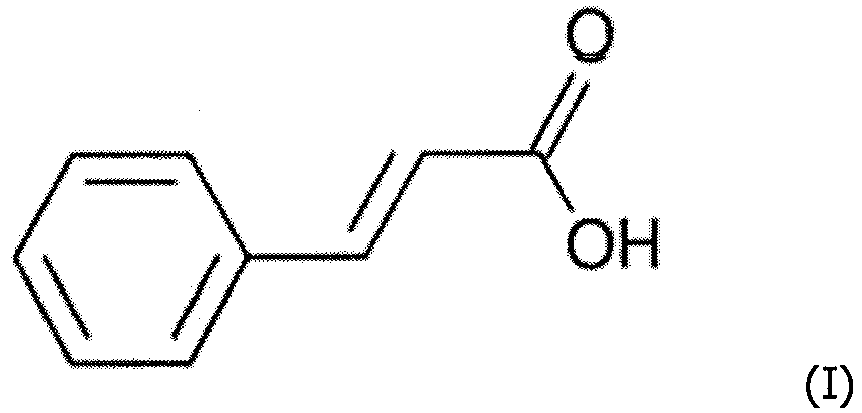
- Cinnamic acid is a white crystalline acid, and has a melting point of 133°C and a boiling point of 300°C. According to the conventional techniques known to those ordinarily skilled in the art, cinnamic acid has been used in flavours, synthetic indigo, and certain pharmaceuticals.
- According to the present invention, cinnamic acid may be obtained from chemically synthetic products or natural substances. For example, cinnamic acid may be applied to the present invention by isolation from natural substances such as cinnamon oil, balsam, Shea butter and Cynanchum wilfordii.
- In addition, cinnamic acid may be biosynthetically produced by action of the enzyme phenylalanine ammonia-lyase (PAL) on phenylalanine.
- Shanzhiside methylester as another active ingredient of the present invention may be represented by the following formula II:

- Shanzhiside methylester is a natural compound in the class of iridoid glycosides, and is known to treat mammals for hepatotoxicity, stress and immunodeficiency (
WO 2003/080087 ). - According to the present invention, shanzhiside methylester may be obtained from chemically synthetic products or natural materials. For example, shanzhiside methylester may be applied to the present invention by isolation from natural substances such as Mussaenda pubescens, Phlomis spinidens, Lamium purpureum, Phlomis umbrosa and Scoparia ericacea.
- Cinnamic acid and shanzhiside methylester used as the active ingredient in the present invention exhibit more excellent estrogenic activity than the conventional estrogen-replacing agents.
- According to a preferable embodiment, the composition includes the mixture of cinnamic acid and shanzhiside methylester. As demonstrated in the below Examples, the mixture of cinnamic acid and shanzhiside methylester have synergistic estrogenic activities compared with individual substances.
- The composition of this invention may be provided as a pharmaceutical composition. The pharmaceutical composition of this invention includes a pharmaceutically acceptable carrier besides the active ingredient compound. The pharmaceutically acceptable carrier contained in the pharmaceutical composition of the present invention, which is commonly used in pharmaceutical formulations, but not limited to, includes lactose, dextrose, sucrose, sorbitol, mannitol, starch, rubber arable, potassium phosphate, arginate, gelatin, potassium silicate, microcrystalline cellulose, polyvinylpyrrolidone, cellulose, water, syrups, methylcellulose, methylhydroxy benzoate, propylhydroxy benzoate, talc, magnesium stearate, and mineral oils. The pharmaceutical composition according to the present invention may further include a lubricant, a humectant, a sweetener, a flavoring agent, an emulsifier, a suspending agent, and a preservative. Details of suitable pharmaceutically acceptable carriers and formulations can be found in Remington's Pharmaceutical Sciences (19th ed., 1995).
- The pharmaceutical composition according to the present invention may be administered orally or parenterally, and preferably, administered orally.
- A suitable dosage amount of the pharmaceutical composition of the present invention may vary depending on pharmaceutical formulation methods, administration methods, the patient's age, body weight, sex, pathogenic state, diet, administration time, administration route, an excretion rate and sensitivity for a used pharmaceutical composition.
- The term "pharmaceutically effective amount" refers to an amount enough to show and accomplish efficacies and activities of the compound of this invention as described above. Preferably, cinnamic acid and shanzhiside methylester contained as the active ingredient in the pharmaceutical composition of the present invention may be administered with a daily dosage of 0.001-10000 mg/kg (body weight).
- According to the conventional techniques known to those skilled in the art, the pharmaceutical composition according to the present invention may be formulated with pharmaceutically acceptable carrier and/or vehicle as described above, finally providing several forms including a unit dose form and a multi-dose form. Non-limiting examples of the formulations include, but not limited to, a solution, a suspension or an emulsion in oil or aqueous medium, an elixir, a powder, a granule, a tablet and a capsule, and may further comprise a dispersion agent or a stabilizer.
- The composition of the present invention may be provided as a food composition. In addition to cinnamic acid and shanzhiside methylester as active ingredients, the food composition of the present invention may be formulated in a wide variety of forms, for example, including proteins, carbohydrates, fatty acids, nutrients, seasoning agents and flavoring agents. For instance, natural carbohydrate may include conventional sugars such as monosaccharides (e.g., glucose, fructose, etc.); disaccharides (e.g., maltose, sucrose, oligosaccharides, etc.); and polysaccharides (e.g., dextrin, cyclodextrin, etc.); and sugar alcohols (e.g., xylitol, sorbitol, erythritol, etc.). The formulation of flavoring agent may use natural flavoring agents [thaumatin, stevia extract (e.g., rebaudioside A, glycyrrhizin), etc.] and synthetic flavoring agents (e.g., saccharine, aspartame, etc.).
- Where the food composition is in the form of drinking agent, it may further include citric acid, liquid fructose, sugar, sucrose, nitric acid, malic acid, fruit juice, ulmoides extract, jujube extract, licorice extract, and so forth.
- The composition of the present invention including one or more compounds of cinnamic acid and shanzhiside methylester may be highly effective in alleviation of diverse symptoms associated with menopause. The term "symptoms associated with menopause" refers to all symptoms induced by estrogen deficiency during perimenopause, menopause and postmenopause. The perimenopause is a period before practical menopause begins. During perimenopause, the production of estrogen is irregular, and the pregnancy of women is greatly diminished. The perimenopause may persist in several months or years. In addition, climacteric symptoms may be appeared in perimenopause.
- The menopausal symptoms include climacteric symptoms such as sexual pain disorder, vaginal dryness, sleep disorder, mental awareness problem, arthralgia, musculoskeletal disease, indigestion, urinary incontinence, fatigue, hot flashes caused from vasomotor instability, facial flushing, night sweats, palpitations, depression, anxiety and irritability. Furthermore, serious disorders or conditions caused by insufficiency of estrogen may include osteoporosis, diseases of the genitourinary system, cardiovascular diseases, tooth loss and skin collagen loss.
- The features and advantages of the present invention will be summarized as follows:
- (a) The composition of the present invention includes natural substance-derived compounds, shanzhiside methylester or a mixture of cinnamic acid and shanzhiside methylester, as an active ingredient, and exhibits an excellent estrogenic activity.
- (b) The composition of the present invention may be effectively utilized for treating or preventing diverse menopausal symptoms during perimenopause, menopause, and postmenopause.
-
Fig. 1 represents a histogram which analyzes estrogen-specific ALP-inducing activity. Control, E2 and C+S represent a negative control, a group treated with 17 β-estradiol and a group treated with the mixture of cinnamic acid and shanzhiside methylester with a weight ratio of 1:1, respectively. - The present invention will now be described in further detail by examples.
- Cinnamic acid was purchased from Sigma-Aldrich (USA), and shanzhiside methylester was obtained from Chemos GmbH (Germany). Each experimental group 1, group 2 and group 3 represents cinnamic acid, shanzhiside methylester and the mixture of cinnamic acid and shanzhiside with a weight ratio of 1:1.
- To verify the effect of the compound of the present invention, non-reproductive tract target tissue response was carried out for measuring estrogenecity. In more detail, it was known that the induction of ALP (alkaline phosphatase) is increased and decreased in osteoblast cell, SaOS-2, by estrogen and anti-estrogen (Nasu, M., Sugimoto, T., Kaji, H. and Chihara, K. (2000) Estrogen modulates osteoblast proliferation and function regulated by parathyroid hormone in osteoblastic SaOS-2 cells: role of insulin-like growth factor (IGF)-1 and IGF-binding protein-5. J. Endocrinol. 167, 305-313), and in particular, the formation of mineralized bone nodules is enhanced by intermittent estrogen treatment (Rao, L.G., Liu, L.J., Murray, T.M., McDemott, E. and Zhang,X. (2003) Estrogen added intermittently, but not continuously, stimulates differentiation and bone formation in SaOS-2 cells. Biol. Pharm. Bull. 26(7), 936-945).
- In this regard, the estrogenic activity of the compounds of the experimental groups as described above in the Example 1 was analyzed using SaOS-2 cells in this study.
- For experiments, SaOS-2 cell line was purchased from Korean Type Culture Collection (KTCC). Using DMEM-high glucose/F12 supplement medium (Gibco, Carlsbad, USA) supplemented with 10% FBS (fetal bovine serum) and 1% penicillin-streptomycin, SaOS-2 cells were cultured in T-75 cm2 cell flask at 37°C under 5% CO2 and 95% air condition. To determine the extent that estrogen-specific ALP is induced, SaOS-2 cells were seeded into 96-well plate at a density of 3 x 10⁴ cells/well, and cultured for 24 hrs. Afterwards, the medium without phenol red was changed with a fresh medium supplemented with 1% penicillin-streptomycin, 1% sodium pyruvate, 1% NEAA (non-essential amino acids, Hyclone, USA) and 10% chachol-dextran stript FBS (CDFBS, Hyclone, USA), and cultured for 48 hrs after treatment with 1 nM 17 β-estradiol (E2, Sigma-Aldrich, USA) and cinnamic acid, Shanzhiside methylester and the mixture thereof with different concentrations (5 µmol, 20 µmol, 50 µmol and 100 µmol), respectively. Thereafter, 50 µl of cell lysis buffer (100 mM Tris, 100 mM NaCl, 1 mM EDTA) was added to the culture media of each well and then, 150 µl of 30 mM p-nitrophenyl phosphate (Merk, Germany) was thoroughly mixed with shaking, followed by measuring the absorbance at 405 nm for 10 min at an interval of 50 sec. ALP induction was calculated as follows:
% induction = [(Slopesample)/(Slope17 β-estradiol)] x 100. - The induction effect of ALP in SaOS-2 cells by cinnamic acid, shanzhiside methylester and the mixture thereof is represented in
Figure 1 . InFig. 1 , control is negative control, and individual bars in substance-treated graph represent the samples with concentrations of 5 µmol, 20 µmol, 50 µmol and 100 µmol from the left-side bar, respectively. - Each substance exhibits ALP-inducing effects, and the mixture of cinnamic acid and shanzhiside methylester had more excellent effect on the induction of ALP than individual substances. Taken together, it could be appreciated that cinnamic acid and shanzhiside methylester represent remarkable estrogenic activity, and furthermore the mixture thereof exhibits a synergistic effect compared with
-
- Belchetz PE. Hormonal treatment of postmenopausal women. N Engl J Med, 14:1062-1071(1994).
- Greendale GA, Lee NP, Arriola ER. The menopause. Lancet, 353(9152): 571-80(1999).
- Bungay GT, Vessey MP, McPherson CK. Study of symptoms in middle life with special reference to the menopause. Br Med J, 19: 181-3(1980).
- Herrington DM, Reboussin DM, Brosnihan KB, Sharp PC,, Shumaker SS, Snyder TE, et al. Effects of estrogen replacement on the progression of coronary artery atherosclerosis. N Engl J Med, 343: 522-529(2000).
- Lien LL, Lien EJ. Hormone therapy and phytoestrogen. J Clin Pharm Ther, 21: 101-11(1996).
- Brzezinski A, Alercreutz H, Shaoul R. Short term effects of phytoestrogen-rich diet on postmenopausal women. Menopause, 4: 89-94(1997).
- Elfituri A, Sherif F, Elmahaishi M, Chrystyn H. Two hormone replacement therapy (HRT) regimens for middle-eastern postmenopausal women. Maturitas., In press, 2005.
- Edgar D, Staren O, Shuab O. Hormone replacement therapy in postmenopausal women. The American Journal of Surgery, 188: 136-49(2004).
Claims (4)
- Pharmaceutical composition comprising (a) shanzhiside methylester or a mixture of cinnamic acid and shanzhiside methylester; and (b) a pharmaceutically acceptable carrier for use in therapeutically preventing or treating a menopausal disorder, wherein the menopausal disorder is musculoskeletal disease, depression, irritability, diseases of the genitourinary system, cardiovascular diseases or dementia.
- Use of a composition comprising, shanzhiside methylester or a mixture of cinnamic acid and shanzhiside methylester as an active ingredient for manufacturing a food composition for therapeutically improving a menopausal disorder, wherein the menopausal disorder is vaginal dryness, sleep disorder, mental awareness problem, arthralgia, musculoskeletal disease, indigestion, urinary incontinence, fatigue, hot flashes caused from vasomotor instability, facial flushing, night sweat, palpitations, depression, irritability, diseases of the genitourinary system, cardiovascular diseases, dementia or tooth loss.
- A pharmaceutical composition for use according to claim 1 or the use according to claim 2, wherein the composition has a phytoestrogenic activity.
- A pharmaceutical composition for use according to claim 1 or the use according to claim 2, wherein the composition comprises the mixture of cinnamic acid and shanzhiside methylester.
Priority Applications (1)
| Application Number | Priority Date | Filing Date | Title |
|---|---|---|---|
| PL08879216T PL2370072T3 (en) | 2008-12-26 | 2008-12-26 | Phytoestrogenic compositions for preventing or treating symptoms associated with menopause |
Applications Claiming Priority (1)
| Application Number | Priority Date | Filing Date | Title |
|---|---|---|---|
| PCT/KR2008/007697 WO2010074361A1 (en) | 2008-12-26 | 2008-12-26 | Phytoestrogenic compositions for preventing or treating symptoms associated with menopause |
Publications (3)
| Publication Number | Publication Date |
|---|---|
| EP2370072A1 EP2370072A1 (en) | 2011-10-05 |
| EP2370072A4 EP2370072A4 (en) | 2012-09-05 |
| EP2370072B1 true EP2370072B1 (en) | 2017-06-28 |
Family
ID=42287937
Family Applications (1)
| Application Number | Title | Priority Date | Filing Date |
|---|---|---|---|
| EP08879216.3A Active EP2370072B1 (en) | 2008-12-26 | 2008-12-26 | Phytoestrogenic compositions for preventing or treating symptoms associated with menopause |
Country Status (12)
| Country | Link |
|---|---|
| US (1) | US9433595B2 (en) |
| EP (1) | EP2370072B1 (en) |
| CN (1) | CN102264362B (en) |
| AU (1) | AU2008365666B2 (en) |
| BR (1) | BRPI0823391B8 (en) |
| CA (1) | CA2745020C (en) |
| ES (1) | ES2641291T3 (en) |
| MX (1) | MX2011005835A (en) |
| MY (1) | MY184493A (en) |
| PL (1) | PL2370072T3 (en) |
| RU (1) | RU2491926C2 (en) |
| WO (1) | WO2010074361A1 (en) |
Families Citing this family (4)
| Publication number | Priority date | Publication date | Assignee | Title |
|---|---|---|---|---|
| KR101698051B1 (en) * | 2016-01-13 | 2017-01-20 | 아주대학교산학협력단 | Composition for preventing, improving or treating female menopause symptoms comprising Loganin or its derivatives |
| RU2736997C1 (en) * | 2019-07-30 | 2020-11-23 | Общество С Ограниченной Ответственностью "Парафарм" | Agent for treating hot flashes and recuperating menstrual cycle during perimenopause and method of using it |
| US12578322B2 (en) | 2020-12-07 | 2026-03-17 | Kimberly-Clark Worldwide, Inc. | Methods and consumer products for detecting a metabolite |
| CN115671217B (en) * | 2022-11-25 | 2023-08-01 | 长春中医药大学 | Traditional Chinese medicine formula for treating various symptoms before and after menopause |
Family Cites Families (10)
| Publication number | Priority date | Publication date | Assignee | Title |
|---|---|---|---|---|
| US6261565B1 (en) * | 1996-03-13 | 2001-07-17 | Archer Daniels Midland Company | Method of preparing and using isoflavones |
| US5874084A (en) * | 1996-07-19 | 1999-02-23 | Yng-Wong; Quing Non | Using complex herbal formulations to treat hot flashes |
| US6660283B2 (en) * | 1997-12-19 | 2003-12-09 | Societe L'oreal S.A. | Use of cinnamic acid, or of at least one of its derivatives in a cosmetic composition |
| FR2772612B1 (en) * | 1997-12-19 | 2003-01-10 | Oreal | USE OF CINNAMIC ACID OR DERIVATIVES THEREOF IN A FIRMING COSMETIC COMPOSITION |
| CN1303671A (en) * | 1999-11-26 | 2001-07-18 | 深圳市御康实业有限公司湖南省分公司 | Application of cinnamic acid in preparation of medicine for curing diabetes |
| AU2000272667A1 (en) * | 2000-09-13 | 2002-04-29 | Jiangsu Kanion Pharmaceutical Co. | Pharmaceutical composition treating gynecological blood stasis diseases, cardio and cerebral vascular diseases, respiratory diseases and the like |
| FR2823672B1 (en) * | 2001-04-23 | 2004-03-12 | Berkem Sa | HOP EXTRACTS AND THEIR USE IN THE PREPARATION OF A MEDICINAL PRODUCT HAVING ESTROGENIC PROPERTIES |
| US6664236B2 (en) * | 2002-03-19 | 2003-12-16 | Council Of Scientific And Industrial Research | Synergistic composition of bioactive fraction isolated from barleria prionitis linn and a method of treatment for hepatotoxicity, immuno-deficiency and fatigue and a process thereof |
| KR100740566B1 (en) * | 2006-03-13 | 2007-07-18 | 경희대학교 산학협력단 | Composition showing anti-anxiety and memory improvement effect comprising phenyl propanoid compound |
| KR20080093203A (en) * | 2007-04-16 | 2008-10-21 | 경희대학교 산학협력단 | Composition for the prevention and treatment of fracture diseases, containing as an active ingredient a compound selected from arginine, cinnamic acid, dydazine, puerarin, palmatin, berberine or beta-di-glucopyranoside |
-
2008
- 2008-12-26 RU RU2011130246/15A patent/RU2491926C2/en active
- 2008-12-26 PL PL08879216T patent/PL2370072T3/en unknown
- 2008-12-26 MX MX2011005835A patent/MX2011005835A/en active IP Right Grant
- 2008-12-26 US US13/139,674 patent/US9433595B2/en active Active
- 2008-12-26 EP EP08879216.3A patent/EP2370072B1/en active Active
- 2008-12-26 AU AU2008365666A patent/AU2008365666B2/en active Active
- 2008-12-26 ES ES08879216.3T patent/ES2641291T3/en active Active
- 2008-12-26 CA CA2745020A patent/CA2745020C/en active Active
- 2008-12-26 CN CN2008801325060A patent/CN102264362B/en active Active
- 2008-12-26 WO PCT/KR2008/007697 patent/WO2010074361A1/en not_active Ceased
- 2008-12-26 MY MYPI2011002681A patent/MY184493A/en unknown
- 2008-12-26 BR BRPI0823391A patent/BRPI0823391B8/en active IP Right Grant
Non-Patent Citations (1)
| Title |
|---|
| None * |
Also Published As
| Publication number | Publication date |
|---|---|
| MY184493A (en) | 2021-04-01 |
| CA2745020A1 (en) | 2010-07-01 |
| RU2011130246A (en) | 2013-02-10 |
| WO2010074361A1 (en) | 2010-07-01 |
| US20110251145A1 (en) | 2011-10-13 |
| ES2641291T3 (en) | 2017-11-08 |
| CN102264362A (en) | 2011-11-30 |
| CN102264362B (en) | 2013-10-23 |
| CA2745020C (en) | 2013-10-15 |
| EP2370072A1 (en) | 2011-10-05 |
| AU2008365666A1 (en) | 2011-07-07 |
| MX2011005835A (en) | 2011-07-04 |
| BRPI0823391A2 (en) | 2015-06-16 |
| BRPI0823391B8 (en) | 2021-05-25 |
| AU2008365666B2 (en) | 2013-05-23 |
| BRPI0823391B1 (en) | 2019-06-18 |
| RU2491926C2 (en) | 2013-09-10 |
| US9433595B2 (en) | 2016-09-06 |
| PL2370072T3 (en) | 2017-12-29 |
| EP2370072A4 (en) | 2012-09-05 |
Similar Documents
| Publication | Publication Date | Title |
|---|---|---|
| KR102362968B1 (en) | Composition for Preventing, Relieving or Treating Climacteric Disorders Comprising Lactic Acid Bacteria and Prebiotics | |
| US7763284B2 (en) | Method for treating or preventing symptoms associated with menopause | |
| WO2020262325A1 (en) | Anti-aging agent for females | |
| KR101141194B1 (en) | Phytoestrogenic Compositions for Preventing or Treating Symptoms Associated with Menopause | |
| CA2745020C (en) | Phytoestrogenic compositions for preventing or treating symptoms associated with menopause | |
| CN106999503A (en) | The prevention of the symptom caused by disorder balanced as sex hormone or improver | |
| EP3403656B1 (en) | Composition, containing loganin or a derivative thereof as an active ingredient for preventing, remedying, or treating female climacteric syndrome | |
| Sakamoto et al. | Preventive effects of a herbal medicine on bone loss in rats treated with a GnRH agonist | |
| KR101653678B1 (en) | Food composition with Vitis vinifera seed extract, Valeriana officinalis extract, Carthamus tinctorius extract for prevention and relieving of menopausal symptoms | |
| JP7154616B2 (en) | Pharmaceutical composition for prevention or treatment of bone-related diseases | |
| CN115282176B (en) | Composition for delaying ovarian aging and improving polycystic ovarian syndrome and preparation method thereof | |
| CN113144068A (en) | Traditional Chinese medicine composition for treating kidney deficiency type hypomenorrhea and application thereof | |
| KR20150037208A (en) | Composition for treating postmenopausal syndrome | |
| KR102225792B1 (en) | Pharmaceutical composition for the treatment or prevention of postmenopausal syndrome containing Echinochrome A | |
| KR102030495B1 (en) | Composition for preventing, improving or treating woman menopause-related disease | |
| CN113082059A (en) | Composition for preventing and treating osteoporosis and preparation method and application thereof | |
| KR20150037101A (en) | Composition for treating or preventing postmenopausal syndrome | |
| KR101756405B1 (en) | Composition for preventing or improving postmenopausal osteoporosis comprising Scopolin |
Legal Events
| Date | Code | Title | Description |
|---|---|---|---|
| PUAI | Public reference made under article 153(3) epc to a published international application that has entered the european phase |
Free format text: ORIGINAL CODE: 0009012 |
|
| 17P | Request for examination filed |
Effective date: 20110531 |
|
| AK | Designated contracting states |
Kind code of ref document: A1 Designated state(s): AT BE BG CH CY CZ DE DK EE ES FI FR GB GR HR HU IE IS IT LI LT LU LV MC MT NL NO PL PT RO SE SI SK TR |
|
| DAX | Request for extension of the european patent (deleted) | ||
| RIC1 | Information provided on ipc code assigned before grant |
Ipc: A61P 15/12 20060101ALI20120726BHEP Ipc: A23L 1/00 20060101ALI20120726BHEP Ipc: A61K 31/195 20060101ALI20120726BHEP Ipc: A61K 31/192 20060101ALI20120726BHEP Ipc: A61P 5/24 20060101ALI20120726BHEP Ipc: A61K 31/7048 20060101ALI20120726BHEP Ipc: A61K 31/185 20060101AFI20120726BHEP |
|
| A4 | Supplementary search report drawn up and despatched |
Effective date: 20120802 |
|
| GRAP | Despatch of communication of intention to grant a patent |
Free format text: ORIGINAL CODE: EPIDOSNIGR1 |
|
| RIC1 | Information provided on ipc code assigned before grant |
Ipc: A61P 5/36 20060101ALI20170125BHEP Ipc: A23L 33/10 20160101ALI20170125BHEP Ipc: A61P 15/12 20060101ALI20170125BHEP Ipc: A61K 31/185 20060101AFI20170125BHEP Ipc: A61K 31/195 20060101ALI20170125BHEP Ipc: A61K 31/192 20060101ALI20170125BHEP Ipc: A61K 31/7048 20060101ALI20170125BHEP Ipc: A61P 5/24 20060101ALI20170125BHEP |
|
| INTG | Intention to grant announced |
Effective date: 20170208 |
|
| GRAS | Grant fee paid |
Free format text: ORIGINAL CODE: EPIDOSNIGR3 |
|
| GRAA | (expected) grant |
Free format text: ORIGINAL CODE: 0009210 |
|
| AK | Designated contracting states |
Kind code of ref document: B1 Designated state(s): AT BE BG CH CY CZ DE DK EE ES FI FR GB GR HR HU IE IS IT LI LT LU LV MC MT NL NO PL PT RO SE SI SK TR |
|
| REG | Reference to a national code |
Ref country code: GB Ref legal event code: FG4D |
|
| REG | Reference to a national code |
Ref country code: CH Ref legal event code: EP |
|
| REG | Reference to a national code |
Ref country code: AT Ref legal event code: REF Ref document number: 904261 Country of ref document: AT Kind code of ref document: T Effective date: 20170715 |
|
| REG | Reference to a national code |
Ref country code: IE Ref legal event code: FG4D |
|
| REG | Reference to a national code |
Ref country code: DE Ref legal event code: R096 Ref document number: 602008050914 Country of ref document: DE |
|
| PG25 | Lapsed in a contracting state [announced via postgrant information from national office to epo] |
Ref country code: FI Free format text: LAPSE BECAUSE OF FAILURE TO SUBMIT A TRANSLATION OF THE DESCRIPTION OR TO PAY THE FEE WITHIN THE PRESCRIBED TIME-LIMIT Effective date: 20170628 Ref country code: LT Free format text: LAPSE BECAUSE OF FAILURE TO SUBMIT A TRANSLATION OF THE DESCRIPTION OR TO PAY THE FEE WITHIN THE PRESCRIBED TIME-LIMIT Effective date: 20170628 Ref country code: GR Free format text: LAPSE BECAUSE OF FAILURE TO SUBMIT A TRANSLATION OF THE DESCRIPTION OR TO PAY THE FEE WITHIN THE PRESCRIBED TIME-LIMIT Effective date: 20170929 Ref country code: HR Free format text: LAPSE BECAUSE OF FAILURE TO SUBMIT A TRANSLATION OF THE DESCRIPTION OR TO PAY THE FEE WITHIN THE PRESCRIBED TIME-LIMIT Effective date: 20170628 Ref country code: NO Free format text: LAPSE BECAUSE OF FAILURE TO SUBMIT A TRANSLATION OF THE DESCRIPTION OR TO PAY THE FEE WITHIN THE PRESCRIBED TIME-LIMIT Effective date: 20170928 |
|
| REG | Reference to a national code |
Ref country code: NL Ref legal event code: MP Effective date: 20170628 |
|
| REG | Reference to a national code |
Ref country code: ES Ref legal event code: FG2A Ref document number: 2641291 Country of ref document: ES Kind code of ref document: T3 Effective date: 20171108 |
|
| REG | Reference to a national code |
Ref country code: LT Ref legal event code: MG4D |
|
| REG | Reference to a national code |
Ref country code: AT Ref legal event code: MK05 Ref document number: 904261 Country of ref document: AT Kind code of ref document: T Effective date: 20170628 |
|
| PG25 | Lapsed in a contracting state [announced via postgrant information from national office to epo] |
Ref country code: SE Free format text: LAPSE BECAUSE OF FAILURE TO SUBMIT A TRANSLATION OF THE DESCRIPTION OR TO PAY THE FEE WITHIN THE PRESCRIBED TIME-LIMIT Effective date: 20170628 Ref country code: BG Free format text: LAPSE BECAUSE OF FAILURE TO SUBMIT A TRANSLATION OF THE DESCRIPTION OR TO PAY THE FEE WITHIN THE PRESCRIBED TIME-LIMIT Effective date: 20170928 Ref country code: LV Free format text: LAPSE BECAUSE OF FAILURE TO SUBMIT A TRANSLATION OF THE DESCRIPTION OR TO PAY THE FEE WITHIN THE PRESCRIBED TIME-LIMIT Effective date: 20170628 Ref country code: NL Free format text: LAPSE BECAUSE OF FAILURE TO SUBMIT A TRANSLATION OF THE DESCRIPTION OR TO PAY THE FEE WITHIN THE PRESCRIBED TIME-LIMIT Effective date: 20170628 |
|
| REG | Reference to a national code |
Ref country code: FR Ref legal event code: PLFP Year of fee payment: 10 |
|
| PG25 | Lapsed in a contracting state [announced via postgrant information from national office to epo] |
Ref country code: AT Free format text: LAPSE BECAUSE OF FAILURE TO SUBMIT A TRANSLATION OF THE DESCRIPTION OR TO PAY THE FEE WITHIN THE PRESCRIBED TIME-LIMIT Effective date: 20170628 Ref country code: CZ Free format text: LAPSE BECAUSE OF FAILURE TO SUBMIT A TRANSLATION OF THE DESCRIPTION OR TO PAY THE FEE WITHIN THE PRESCRIBED TIME-LIMIT Effective date: 20170628 Ref country code: EE Free format text: LAPSE BECAUSE OF FAILURE TO SUBMIT A TRANSLATION OF THE DESCRIPTION OR TO PAY THE FEE WITHIN THE PRESCRIBED TIME-LIMIT Effective date: 20170628 Ref country code: SK Free format text: LAPSE BECAUSE OF FAILURE TO SUBMIT A TRANSLATION OF THE DESCRIPTION OR TO PAY THE FEE WITHIN THE PRESCRIBED TIME-LIMIT Effective date: 20170628 Ref country code: RO Free format text: LAPSE BECAUSE OF FAILURE TO SUBMIT A TRANSLATION OF THE DESCRIPTION OR TO PAY THE FEE WITHIN THE PRESCRIBED TIME-LIMIT Effective date: 20170628 |
|
| PG25 | Lapsed in a contracting state [announced via postgrant information from national office to epo] |
Ref country code: IS Free format text: LAPSE BECAUSE OF FAILURE TO SUBMIT A TRANSLATION OF THE DESCRIPTION OR TO PAY THE FEE WITHIN THE PRESCRIBED TIME-LIMIT Effective date: 20171028 |
|
| REG | Reference to a national code |
Ref country code: DE Ref legal event code: R097 Ref document number: 602008050914 Country of ref document: DE |
|
| PG25 | Lapsed in a contracting state [announced via postgrant information from national office to epo] |
Ref country code: DK Free format text: LAPSE BECAUSE OF FAILURE TO SUBMIT A TRANSLATION OF THE DESCRIPTION OR TO PAY THE FEE WITHIN THE PRESCRIBED TIME-LIMIT Effective date: 20170628 |
|
| PLBE | No opposition filed within time limit |
Free format text: ORIGINAL CODE: 0009261 |
|
| STAA | Information on the status of an ep patent application or granted ep patent |
Free format text: STATUS: NO OPPOSITION FILED WITHIN TIME LIMIT |
|
| 26N | No opposition filed |
Effective date: 20180329 |
|
| REG | Reference to a national code |
Ref country code: CH Ref legal event code: PL |
|
| PG25 | Lapsed in a contracting state [announced via postgrant information from national office to epo] |
Ref country code: SI Free format text: LAPSE BECAUSE OF FAILURE TO SUBMIT A TRANSLATION OF THE DESCRIPTION OR TO PAY THE FEE WITHIN THE PRESCRIBED TIME-LIMIT Effective date: 20170628 |
|
| REG | Reference to a national code |
Ref country code: IE Ref legal event code: MM4A |
|
| PG25 | Lapsed in a contracting state [announced via postgrant information from national office to epo] |
Ref country code: LU Free format text: LAPSE BECAUSE OF NON-PAYMENT OF DUE FEES Effective date: 20171226 Ref country code: MT Free format text: LAPSE BECAUSE OF NON-PAYMENT OF DUE FEES Effective date: 20171226 |
|
| REG | Reference to a national code |
Ref country code: BE Ref legal event code: MM Effective date: 20171231 |
|
| PG25 | Lapsed in a contracting state [announced via postgrant information from national office to epo] |
Ref country code: IE Free format text: LAPSE BECAUSE OF NON-PAYMENT OF DUE FEES Effective date: 20171226 |
|
| PG25 | Lapsed in a contracting state [announced via postgrant information from national office to epo] |
Ref country code: BE Free format text: LAPSE BECAUSE OF NON-PAYMENT OF DUE FEES Effective date: 20171231 Ref country code: LI Free format text: LAPSE BECAUSE OF NON-PAYMENT OF DUE FEES Effective date: 20171231 Ref country code: CH Free format text: LAPSE BECAUSE OF NON-PAYMENT OF DUE FEES Effective date: 20171231 |
|
| PG25 | Lapsed in a contracting state [announced via postgrant information from national office to epo] |
Ref country code: HU Free format text: LAPSE BECAUSE OF FAILURE TO SUBMIT A TRANSLATION OF THE DESCRIPTION OR TO PAY THE FEE WITHIN THE PRESCRIBED TIME-LIMIT; INVALID AB INITIO Effective date: 20081226 Ref country code: MC Free format text: LAPSE BECAUSE OF FAILURE TO SUBMIT A TRANSLATION OF THE DESCRIPTION OR TO PAY THE FEE WITHIN THE PRESCRIBED TIME-LIMIT Effective date: 20170628 |
|
| PG25 | Lapsed in a contracting state [announced via postgrant information from national office to epo] |
Ref country code: CY Free format text: LAPSE BECAUSE OF NON-PAYMENT OF DUE FEES Effective date: 20170628 |
|
| PG25 | Lapsed in a contracting state [announced via postgrant information from national office to epo] |
Ref country code: TR Free format text: LAPSE BECAUSE OF FAILURE TO SUBMIT A TRANSLATION OF THE DESCRIPTION OR TO PAY THE FEE WITHIN THE PRESCRIBED TIME-LIMIT Effective date: 20170628 |
|
| PG25 | Lapsed in a contracting state [announced via postgrant information from national office to epo] |
Ref country code: PT Free format text: LAPSE BECAUSE OF FAILURE TO SUBMIT A TRANSLATION OF THE DESCRIPTION OR TO PAY THE FEE WITHIN THE PRESCRIBED TIME-LIMIT Effective date: 20170628 |
|
| PGFP | Annual fee paid to national office [announced via postgrant information from national office to epo] |
Ref country code: DE Payment date: 20250930 Year of fee payment: 18 |
|
| PGFP | Annual fee paid to national office [announced via postgrant information from national office to epo] |
Ref country code: GB Payment date: 20251001 Year of fee payment: 18 |
|
| PGFP | Annual fee paid to national office [announced via postgrant information from national office to epo] |
Ref country code: IT Payment date: 20251121 Year of fee payment: 18 |
|
| PGFP | Annual fee paid to national office [announced via postgrant information from national office to epo] |
Ref country code: FR Payment date: 20251110 Year of fee payment: 18 |
|
| PGFP | Annual fee paid to national office [announced via postgrant information from national office to epo] |
Ref country code: PL Payment date: 20251014 Year of fee payment: 18 |
|
| PGFP | Annual fee paid to national office [announced via postgrant information from national office to epo] |
Ref country code: ES Payment date: 20260113 Year of fee payment: 18 |