EP2358684B1 - Low molecular weight thyroid stimulating hormone receptor (tshr) agonists - Google Patents
Low molecular weight thyroid stimulating hormone receptor (tshr) agonists Download PDFInfo
- Publication number
- EP2358684B1 EP2358684B1 EP08876356.0A EP08876356A EP2358684B1 EP 2358684 B1 EP2358684 B1 EP 2358684B1 EP 08876356 A EP08876356 A EP 08876356A EP 2358684 B1 EP2358684 B1 EP 2358684B1
- Authority
- EP
- European Patent Office
- Prior art keywords
- compound
- inactive
- formula
- compounds
- group
- Prior art date
- Legal status (The legal status is an assumption and is not a legal conclusion. Google has not performed a legal analysis and makes no representation as to the accuracy of the status listed.)
- Active
Links
- 0 *C(Nc1ccccc11)N(*)C1=O Chemical compound *C(Nc1ccccc11)N(*)C1=O 0.000 description 24
- YGBBRCWORXYFJA-UHFFFAOYSA-N CC(Nc(cc1)ccc1OCc(cc(cc1)C(N2Cc3ccc[o]3)=Nc(cccc3)c3C2=O)c1OC)=O Chemical compound CC(Nc(cc1)ccc1OCc(cc(cc1)C(N2Cc3ccc[o]3)=Nc(cccc3)c3C2=O)c1OC)=O YGBBRCWORXYFJA-UHFFFAOYSA-N 0.000 description 1
- FCODNQBHPMFXSM-UHFFFAOYSA-N Nc1cccc(O)c1C(NCc1ccccc1)=O Chemical compound Nc1cccc(O)c1C(NCc1ccccc1)=O FCODNQBHPMFXSM-UHFFFAOYSA-N 0.000 description 1
Images


Classifications
-
- C—CHEMISTRY; METALLURGY
- C07—ORGANIC CHEMISTRY
- C07D—HETEROCYCLIC COMPOUNDS
- C07D405/00—Heterocyclic compounds containing both one or more hetero rings having oxygen atoms as the only ring hetero atoms, and one or more rings having nitrogen as the only ring hetero atom
- C07D405/02—Heterocyclic compounds containing both one or more hetero rings having oxygen atoms as the only ring hetero atoms, and one or more rings having nitrogen as the only ring hetero atom containing two hetero rings
- C07D405/06—Heterocyclic compounds containing both one or more hetero rings having oxygen atoms as the only ring hetero atoms, and one or more rings having nitrogen as the only ring hetero atom containing two hetero rings linked by a carbon chain containing only aliphatic carbon atoms
-
- A—HUMAN NECESSITIES
- A61—MEDICAL OR VETERINARY SCIENCE; HYGIENE
- A61K—PREPARATIONS FOR MEDICAL, DENTAL OR TOILETRY PURPOSES
- A61K31/00—Medicinal preparations containing organic active ingredients
- A61K31/33—Heterocyclic compounds
- A61K31/395—Heterocyclic compounds having nitrogen as a ring hetero atom, e.g. guanethidine or rifamycins
- A61K31/495—Heterocyclic compounds having nitrogen as a ring hetero atom, e.g. guanethidine or rifamycins having six-membered rings with two or more nitrogen atoms as the only ring heteroatoms, e.g. piperazine or tetrazines
- A61K31/505—Pyrimidines; Hydrogenated pyrimidines, e.g. trimethoprim
- A61K31/517—Pyrimidines; Hydrogenated pyrimidines, e.g. trimethoprim ortho- or peri-condensed with carbocyclic ring systems, e.g. quinazoline, perimidine
-
- A—HUMAN NECESSITIES
- A61—MEDICAL OR VETERINARY SCIENCE; HYGIENE
- A61K—PREPARATIONS FOR MEDICAL, DENTAL OR TOILETRY PURPOSES
- A61K49/00—Preparations for testing in vivo
- A61K49/0004—Screening or testing of compounds for diagnosis of disorders, assessment of conditions, e.g. renal clearance, gastric emptying, testing for diabetes, allergy, rheuma, pancreas functions
-
- A—HUMAN NECESSITIES
- A61—MEDICAL OR VETERINARY SCIENCE; HYGIENE
- A61K—PREPARATIONS FOR MEDICAL, DENTAL OR TOILETRY PURPOSES
- A61K51/00—Preparations containing radioactive substances for use in therapy or testing in vivo
-
- A—HUMAN NECESSITIES
- A61—MEDICAL OR VETERINARY SCIENCE; HYGIENE
- A61P—SPECIFIC THERAPEUTIC ACTIVITY OF CHEMICAL COMPOUNDS OR MEDICINAL PREPARATIONS
- A61P19/00—Drugs for skeletal disorders
-
- A—HUMAN NECESSITIES
- A61—MEDICAL OR VETERINARY SCIENCE; HYGIENE
- A61P—SPECIFIC THERAPEUTIC ACTIVITY OF CHEMICAL COMPOUNDS OR MEDICINAL PREPARATIONS
- A61P35/00—Antineoplastic agents
-
- C—CHEMISTRY; METALLURGY
- C07—ORGANIC CHEMISTRY
- C07D—HETEROCYCLIC COMPOUNDS
- C07D239/00—Heterocyclic compounds containing 1,3-diazine or hydrogenated 1,3-diazine rings
- C07D239/70—Heterocyclic compounds containing 1,3-diazine or hydrogenated 1,3-diazine rings condensed with carbocyclic rings or ring systems
- C07D239/72—Quinazolines; Hydrogenated quinazolines
- C07D239/86—Quinazolines; Hydrogenated quinazolines with hetero atoms directly attached in position 4
- C07D239/88—Oxygen atoms
- C07D239/91—Oxygen atoms with aryl or aralkyl radicals attached in position 2 or 3
-
- C—CHEMISTRY; METALLURGY
- C07—ORGANIC CHEMISTRY
- C07D—HETEROCYCLIC COMPOUNDS
- C07D401/00—Heterocyclic compounds containing two or more hetero rings, having nitrogen atoms as the only ring hetero atoms, at least one ring being a six-membered ring with only one nitrogen atom
- C07D401/02—Heterocyclic compounds containing two or more hetero rings, having nitrogen atoms as the only ring hetero atoms, at least one ring being a six-membered ring with only one nitrogen atom containing two hetero rings
- C07D401/06—Heterocyclic compounds containing two or more hetero rings, having nitrogen atoms as the only ring hetero atoms, at least one ring being a six-membered ring with only one nitrogen atom containing two hetero rings linked by a carbon chain containing only aliphatic carbon atoms
-
- C—CHEMISTRY; METALLURGY
- C07—ORGANIC CHEMISTRY
- C07D—HETEROCYCLIC COMPOUNDS
- C07D405/00—Heterocyclic compounds containing both one or more hetero rings having oxygen atoms as the only ring hetero atoms, and one or more rings having nitrogen as the only ring hetero atom
- C07D405/14—Heterocyclic compounds containing both one or more hetero rings having oxygen atoms as the only ring hetero atoms, and one or more rings having nitrogen as the only ring hetero atom containing three or more hetero rings
-
- C—CHEMISTRY; METALLURGY
- C07—ORGANIC CHEMISTRY
- C07D—HETEROCYCLIC COMPOUNDS
- C07D487/00—Heterocyclic compounds containing nitrogen atoms as the only ring hetero atoms in the condensed system, not provided for by groups C07D451/00 - C07D477/00
- C07D487/02—Heterocyclic compounds containing nitrogen atoms as the only ring hetero atoms in the condensed system, not provided for by groups C07D451/00 - C07D477/00 in which the condensed system contains two hetero rings
- C07D487/04—Ortho-condensed systems
Definitions
- TSHR thyroid stimulating hormone receptor
- TSH thyroid-stimulating hormone
- TSHR TSH receptor
- TSHR TSH receptor
- TSHR TSH receptor
- TSHR is the major regulator of thyroid gland (and most thyroid cancer) function and is expressed in bone and adipocytes (fat) precursor cells.
- Activation of TSHR by its endogenous hormone TSH is required for normal thyroid homeostasis but may also regulate bone and fat biology.
- the thyroid gland is, as is well known, one site of metabolic control within the body. Cancer of the thyroid gland is not particularly common, but the high rate of disease re-occurrence necessitates long term surveillance. Usually, during treatment for cancer of the thyroid, the majority of the thyroid tumor is removed, but a small amount often remains that must be treated by radioactive iodide therapy. Indeed, thyroid cancer is characterized by a high likelihood of relapses in up to 30% of patient, even after successful therapy. Therefore, follow-up screening is necessary.
- thyroid hormone As the patient will no longer produce this.
- One role of the thyroid gland is to take up iodine from the body. Hence, it should be possible to treat any remaining tumor cells with radioactive iodide.
- radioactive iodide Unfortunately, though, thyroid cancer cells do not take up iodine well. So, in order for the radioactive iodine to work, the patient has to either be treated with recombinant TSH or have thyroid hormone treatment withdrawn in order to elevate natural TSH levels, to stimulate iodide uptake. Withdrawal of thyroid hormone has quite unpleasant side effects for the patient, particularly fatigue, muscle cramps, puffiness and constipation.
- rhTSH recombinant human TSH
- Thyrogen® Genzyme
- rhTSH is a dimeric glycoprotein molecule that is made by genetic engineering in human cells. It is difficult to produce, requires stringent quality control and must be administered parenterally.
- R 20 is aryl or heteroaryl
- R 21 is aryl or heteroaryl
- R 22 is R 15 of formula II as shown in claim in claim 1, heteroaryl, or aryl.
- Also disclosed herein is a method for detecting thyroid cancer in a subject, comprising administering to the subject a diagnostically effective amount of at least one compound of formula I: or a pharmaceutically acceptable salt thereof, wherein:
- a further embodiment disclosed herein involves a method for treating or preventing a bone degenerative disorder comprising administering a therapeutically effective amount of at least one compound of formula I or at least one compound of formula VI.
- Also disclosed herein is a method for treating thyroid cancer in a subject, comprising administering to the subject a therapeutically effective amount of at least one compound of formula I or at least one compound of formula VI.
- An additional embodiment disclosed herein involves a method for activating a thyroid stimulating hormone receptor in an assay, comprising contacting the thyroid stimulating hormone receptor with at least one compound of formula I or at least one compound of formula VI.
- compositions comprising a pharmaceutically acceptable carrier and at least one compound of formula I or at least one compound of formula VI.
- administering should be understood to mean providing a compound, a prodrug of a compound, or a pharmaceutical composition as described herein.
- the compound or composition can be administered by another person to the subject (e.g., intravenously) or it can be self-administered by the subject (e.g., tablets).
- Derivative refers to a compound or portion of a compound that is derived from or is theoretically derivable from a parent compound.
- subject includes both human and veterinary subjects.
- Treatment refers to a therapeutic intervention that ameliorates a sign or symptom of a disease or pathological condition after it has begun to develop.
- the term “ameliorating,” with reference to a disease or pathological condition refers to any observable beneficial effect of the treatment.
- the beneficial effect can be evidenced, for example, by a delayed onset of clinical symptoms of the disease in a susceptible subject, a reduction in severity of some or all clinical symptoms of the disease, a slower progression of the disease, an improvement in the overall health or well-being of the subject, or by other parameters well known in the art that are specific to the particular disease.
- treating a disease refers to inhibiting the full development of a disease or condition, for example, in a subject who is at risk for a disease such as a hormone receptor mediated disorder, particularly a thyroid disorder, such as a hyperthyroid or hypothyroid disorder.
- a "prophylactic” treatment is a treatment administered to a subject who does not exhibit signs of a disease or exhibits only early signs for the purpose of decreasing the risk of developing pathology.
- coadminister is meant that each of at least two compounds be administered during a time frame wherein the respective periods of biological activity overlap. Thus, the term includes sequential as well as coextensive administration of two or more drug compounds.
- pharmaceutically acceptable salt refers to salts prepared by conventional means that include basic salts of inorganic and organic acids, including but not limited to hydrochloric acid, hydrobromic acid, sulfuric acid, phosphoric acid, methanesulfonic acid, ethanesulfonic acid, malic acid, acetic acid, oxalic acid, tartaric acid, citric acid, lactic acid, fumaric acid, succinic acid, maleic acid, salicylic acid, benzoic acid, phenylacetic acid, mandelic acid and the like.
- “Pharmaceutically acceptable salts” of the presently disclosed compounds also include those formed from cations such as sodium, potassium, aluminum, calcium, lithium, magnesium, zinc, and from bases such as ammonia, ethylenediamine, N-methyl-glutamine, lysine, arginine, ornithine, choline, N,N'-dibenzylethylenediamine, chloroprocaine, diethanolamine, procaine, N-benzylphenethylamine, diethylamine, piperazine, tris(hydroxymethyl)aminomethane, and tetramethylammonium hydroxide.
- bases such as ammonia, ethylenediamine, N-methyl-glutamine, lysine, arginine, ornithine, choline, N,N'-dibenzylethylenediamine, chloroprocaine, diethanolamine, procaine, N-benzylphenethylamine, diethylamine, piperazine, tri
- any chemical compound recited in this specification may alternatively be administered as a pharmaceutically acceptable salt thereof.
- “Pharmaceutically acceptable salts” are also inclusive of the free acid, base, and zwitterionic forms. Descriptions of suitable pharmaceutically acceptable salts can be found in Handbook of Pharmaceutical Salts, Properties, Selection and Use, Wiley VCH (2002 ). When compounds disclosed herein include an acidic function such as a carboxy group, then suitable pharmaceutically acceptable cation pairs for the carboxy group are well known to those skilled in the art and include alkaline, alkaline earth, ammonium, quaternary ammonium cations and the like. Such salts are known to those of skill in the art. For additional examples of "pharmacologically acceptable salts,” see Berge et al., J. Pharm. Sci. 66:1 (1977 ).
- “Saturated or unsaturated” includes substituents saturated with hydrogens, substituents completely unsaturated with hydrogens and substituents partially saturated with hydrogens.
- acyl refers group of the formula RC(O)- wherein R is an organic group.
- alkyl refers to a branched or unbranched saturated hydrocarbon group of 1 to 24 carbon atoms, such as methyl, ethyl, n -propyl, isopropyl, n -butyl, isobutyl, t -butyl, pentyl, hexyl, heptyl, octyl, decyl, tetradecyl, hexadecyl, eicosyl, tetracosyl and the like.
- a "lower alkyl” group is a saturated branched or unbranched hydrocarbon having from 1 to 10 carbon atoms. Preferred alkyl groups have 1 to 4 carbon atoms.
- Alkyl groups may be "substituted alkyls" wherein one or more hydrogen atoms are substituted with a substituent such as halogen, cycloalkyl, alkoxy, amino, hydroxyl, aryl, or carboxyl.
- alkenyl refers to a hydrocarbon group of 2 to 24 carbon atoms and structural formula containing at least one carbon-carbon double bond.
- alkynyl refers to a hydrocarbon group of 2 to 24 carbon atoms and a structural formula containing at least one carbon-carbon triple bond.
- halogenated alkyl or “haloalkyl group” refer to an alkyl group as defined above with one or more hydrogen atoms present on these groups substituted with a halogen (F, Cl, Br, I).
- cycloalkyl refers to a non-aromatic carbon-based ring composed of at least three carbon atoms.
- examples of cycloalkyl groups include, but are not limited to, cyclopropyl, cyclobutyl, cyclopentyl, cyclohexyl, and the like.
- heterocycloalkyl group is a cycloalkyl group as defined above where at least one of the carbon atoms of the ring is substituted with a heteroatom such as, but not limited to, nitrogen, oxygen, sulfur, or phosphorous.
- aliphatic is defined as including alkyl, alkenyl, alkynyl, halogenated alkyl and cycloalkyl groups as described above.
- a "lower aliphatic” group is a branched or unbranched aliphatic group having from 1 to 10 carbon atoms.
- alkoxy refers to a straight, branched or cyclic hydrocarbon configuration and combinations thereof, including from 1 to 20 carbon atoms, preferably from 1 to 8 carbon atoms, more preferably from 1 to 4 carbon atoms, that include an oxygen atom at the point of attachment.
- An example of an “alkoxy group” is represented by the formula -OR, where R can be an alkyl group, optionally substituted with an alkenyl, alkynyl, aryl, aralkyl, cycloalkyl, halogenated alkyl, or heterocycloalkyl group as described above.
- Suitable alkoxy groups include methoxy, ethoxy, n-propoxy, i-propoxy, n-butoxy, i-butoxy, sec-butoxy, tert-butoxy cclopropoxy, cyclohexyloxy, and the like.
- Alkoxycarbonyl refers to an alkoxy substituted carbonyl radical, -C(O)OR, wherein R represents an optionally substituted alkyl, aryl, aralkyl, cycloalkyl, cycloalkylalkyl or similar moiety.
- alkyl amino refers to alkyl groups as defined above where at least one hydrogen atom is replaced with an amino group.
- Aminocarbonyl alone or in combination, means an amino substituted carbonyl (carbamoyl) radical, wherein the amino radical may optionally be mono- or di-substituted, such as with alkyl, aryl, aralkyl, cycloalkyl, cycloalkylalkyl, alkanoyl, alkoxycarbonyl, aralkoxycarbonyl and the like.
- An aminocarbonyl group may be -N(R)-C(O)-R (wherein R is a substituted group or H) or -C(O)-N(R).
- An "aminocarbonyl” is inclusive of an amido group.
- a suitable aminocarbonyl group is acetamido.
- aryl refers to any carbon-based aromatic group including, but not limited to, benzene, naphthalene, etc.
- aromatic also includes "heteroaryl group,” which is defined as an aromatic group that has at least one heteroatom incorporated within the ring of the aromatic group. Examples of heteroatoms include, but are not limited to, nitrogen, oxygen, sulfur, and phosphorous.
- the aryl group can be substituted with one or more groups including, but not limited to, alkyl, alkynyl, alkenyl, aryl, halide, nitro, amino, ester, ketone, aldehyde, hydroxy, carboxylic acid, or alkoxy, or the aryl group can be unsubstituted.
- Carboxyl refers to a -COOH radical. Substituted carboxyl refers to -COOR where R is aliphatic, heteroaliphatic, alkyl, heteroalkyl, or a carboxylic acid or ester.
- hydroxyl is represented by the formula -OH.
- hydroxyalkyl refers to an alkyl group that has at least one hydrogen atom substituted with a hydroxyl group.
- alkoxyalkyl group is defined as an alkyl group that has at least one hydrogen atom substituted with an alkoxy group described above.
- amine refers to a group of the formula -NRR', where R and R' can be, independently, hydrogen or an alkyl, alkenyl, alkynyl, aryl, aralkyl, cycloalkyl, halogenated alkyl, or heterocycloalkyl group described above.
- amide or “amido” is represented by the formula -C(O)NRR', where R and R' independently can be a hydrogen, alkyl, alkenyl, alkynyl, aryl, aralkyl, cycloalkyl, halogenated alkyl, or heterocycloalkyl group described above.
- R and R' independently can be a hydrogen, alkyl, alkenyl, alkynyl, aryl, aralkyl, cycloalkyl, halogenated alkyl, or heterocycloalkyl group described above.
- a suitable amido group is acetamido.
- aralkyl refers to an aryl group having an alkyl group, as defined above, attached to the aryl group, as defined above.
- An example of an aralkyl group is a benzyl group.
- Optionally substituted groups refers to groups, such as an alkyl group, that when substituted, have from 1-5 substituents, typically 1, 2 or 3 substituents, selected from alkoxy, optionally substituted alkoxy, acyl, acylamino, acyloxy, amino, aminoacyl, aminoacyloxy, aryl, carboxyalkyl, optionally substituted cycloalkyl, optionally substituted cycloalkenyl, halogen, optionally substituted heteroaryl, optionally substituted heterocyclyl, hydroxy, sulfonyl, thiol and thioalkoxy.
- optionally substituted alkyl groups include, by way of example, haloalkyl groups, such as fluoroalkyl groups, including, without limitation, trifluoromethyl groups.
- a “therapeutically effective amount” or “diagnostically effective amount” refers to a quantity of a specified agent sufficient to achieve a desired effect in a subject being treated with that agent. For example, this may be the amount of a compound disclosed herein useful in detecting or treating thyroid cancer in a subject. Ideally, a therapeutically effective amount or diagnostically effective amount of an agent is an amount sufficient to inhibit or treat the disease without causing a substantial cytotoxic effect in the subject. The therapeutically effective amount or diagnostically effective amount of an agent will be dependent on the subject being treated, the severity of the affliction, and the manner of administration of the therapeutic composition.
- Prodrugs of the disclosed compounds also are contemplated herein.
- a prodrug is an active or inactive compound that is modified chemically through in vivo physiological action, such as hydrolysis, metabolism and the like, into an active compound following administration of the prodrug to a subject.
- the suitability and techniques involved in making and using prodrugs are well known by those skilled in the art.
- For a general discussion of prodrugs involving esters see Svensson and Tunek Drug Metabolism Reviews 165 (1988 ) and Bundgaard Design of Prodrugs, Elsevier (1985 ).
- prodrugs refer to compounds that are metabolized, for example, hydrolyzed or oxidized, in the subject to form an antiviral compound of the present disclosure.
- Typical examples ofprodrugs include compounds that have one or more biologically labile protecting groups on or otherwise blocking a functional moiety of the active compound.
- Prodrugs include compounds that can be oxidized, reduced, aminated, deaminated, hydroxylated, dehydroxylated, hydrolyzed, dehydrolyzed, alkylated, dealkylated, acylated, deacylated, phosphorylated, dephosphorylated to produce the active compound.
- the prodrug compounds disclosed herein possess hormone receptor modulating activity and/or are metabolized or otherwise processed in vivo to form a compound that exhibits such activity.
- prodrug also is intended to include any covalently bonded carriers that release an active parent drug of the present invention in vivo when the prodrug is administered to a subject. Since prodrugs often have enhanced properties relative to the active agent pharmaceutical, such as, solubility and bioavailability, the compounds disclosed herein can be delivered in prodrug form. Thus, also contemplated are prodrugs of the presently disclosed compounds, methods of delivering prodrugs and compositions containing such prodrugs. Prodrugs of the disclosed compounds typically are prepared by modifying one or more functional groups present in the compound in such a way that the modifications are cleaved, either in routine manipulation or in vivo , to yield the parent compound.
- Prodrugs include compounds having a phosphonate and/or amino group functionalized with any group that is cleaved in vivo to yield the corresponding amino and/or phosphonate group, respectively.
- Examples of prodrugs include, without limitation, compounds having an acylated amino group and/or a phosphonate ester or phosphonate amide group.
- a prodrug is a lower alkyl phosphonate ester, such as an isopropyl phosphonate ester.
- Protected derivatives of the disclosed compound also are contemplated.
- a variety of suitable protecting groups for use with the disclosed compounds are disclosed in Greene and Wuts Protective Groups in Organic Synthesis; 3rd Ed.; John Wiley & Sons, New York, 1999 .
- protecting groups are removed under conditions which will not affect the remaining portion of the molecule. These methods are well known in the art and include acid hydrolysis, hydrogenolysis and the like.
- One preferred method involves the removal of an ester, such as cleavage of a phosphonate ester using Lewis acidic conditions, such as in TMS-Br mediated ester cleavage to yield the free phosphonate.
- a second preferred method involves removal of a protecting group, such as removal of a benzyl group by hydrogenolysis utilizing palladium on carbon in a suitable solvent system such as an alcohol, acetic acid, and the like or mixtures thereof.
- a t-butoxy-based group, including t-butoxy carbonyl protecting groups can be removed utilizing an inorganic or organic acid, such as HCl or trifluoroacetic acid, in a suitable solvent system, such as water, dioxane and/or methylene chloride.
- a suitable solvent system such as water, dioxane and/or methylene chloride.
- Another exemplary protecting group, suitable for protecting amino and hydroxy functions amino is trityl.
- Other conventional protecting groups are known and suitable protecting groups can be selected by those of skill in the art in consultation with Greene and Wuts Protective Groups in Organic Synthesis; 3rd Ed.; John Wiley & Sons, New York, 1999 .
- an acid moiety such as a phosphonic acid moiety is unveiled, the compound may be isolated as the acid compound or as a salt thereof.
- compounds and compositions may be provided as individual pure enantiomers or as stereoisomeric mixtures, including racemic mixtures.
- the compounds disclosed herein are synthesized in or are purified to be in substantially enantiopure form, such as in a 90% enantiomeric excess, a 95% enantiomeric excess, a 97% enantiomeric excess or even in greater than a 99% enantiomeric excess, such as in enantiopure form.
- low molecular weight compounds that activate TSHR. These compounds may be orally administered. Data is presented below demonstrating the efficacy of the compounds in cells expressing human TSHRs in culture. Certain compounds disclosed herein are selective agonists for TSHR (i.e, the compounds do not activate or modulate other hormone receptors, particularly LHCGR and FSHR). The compounds also may be full agonists for TSHR.
- the TSHR agonists disclosed herein enhance or activate a TSH signaling pathway.
- the TSHR agonists may stimulate the TSHR-mediated signaling by themselves, or stimulate TSHR-mediated signaling by enhancing the biological activity of endogenous TSH or another administered (i.e., exogenous) TSHR agonist.
- the TSHR agonists disclosed herein specifically bind TSHR (in particular, the transmembrane domain of TSHR) which then transduces TSHR-mediated intracellular signaling in thyrotrophs or other cells naturally expressing TSHR or cells modified to express TSHR.
- the term "specific binding" and its cognates refer to an interaction with an affinity constant K A of less than 100 micromolar, particular 100 nanomolar, and preferably less than 50 nanomolar.
- a compound having a structure of is not included in formula I.
- R 1 -R 4 are each independently H, hydroxyl or acetamido. According to preferred examples, each of R 1 -R 4 is H; one of R 1 -R 4 is acetamido (preferably R 3 ) and the remaining R 1 -R 4 are each H; or one of R 1 -R 4 is hydroxyl (preferably R 4 ) and the remaining R 1 -R 4 are each H.
- R 5 is an aralkyl such as -C 1 -C 4 alkyl - Ar (wherein Ar is a 6-member or 5-member ring).
- R 5 is -CH 2 -Ph (wherein Ph is a phenyl or substituted phenyl group); or -CH 2 -heteroAr (wherein heteroAr is an aryl ring that includes at least one heteroatom such as O, N or S (e.g., a furyl group).
- A represents -NH-CH(R 15 )- (wherein a bond at the left end bonds to the benzene ring of formula I above and a bond at the right end bonds to the nitrogen heteroatom of formula I above) resulting in a structure of formula V; (although not shown in formula V, R 1 -R 4 are also present as shown in formula I).
- R 6 -R 8 are each H and R 9 is alkoxy (particularly methoxy).
- R 10 , R 11 , R 13 , and R 14 are each H and R 12 is acetamido.
- R 15 is represented by formula III: wherein X is O or S, preferably O.
- Illustrative compounds include:
- examples of the additional TSHR agonists are represented by formula VI: wherein R 20 is aryl or heteroaryl; R 21 is aryl or heteroaryl; R 22 is R 15 of formula II, heteroaryl, or aryl. According to a preferred embodiment, R 21 is benzyl and R 22 is R 15 of formula II (particularly formula III).
- 2-aminobenzamides (1) were prepared by either amide couplings (step i) of 2-aminobenzoic acids with different amines or reactions of isatoic anhydrides with amines (step ii).
- steps ii reactions of benzyl chlorides 2 with different phenols or thiophenols under microwave irradiation (step i) generated aldehydes 3.
- Condensations of aldehydes 3 with 2-aminobenzamides 1 yielded 2,3-dihydroquinazolin-4-ones 4.
- the 2,3-dihydroquinazolin-4-ones 4 were rapidly oxidized by DDQ at room temperature to produce quinazolin-4-ones 5.
- the compounds disclosed herein may be useful for thyroid cancer screening, treating thyroid cancer, treating nodular goiter, TSH stimulation to enhance PET scanning and chemotherapy treatment, differential diagnosis of congenital hypothyroidism, treating osteoporosis (e.g., inhibiting bone loss) and treating overweight or obesity (e.g, increase metabolic rate of fat tissue).
- TSH stimulation to enhance PET scanning and chemotherapy treatment
- differential diagnosis of congenital hypothyroidism treating osteoporosis (e.g., inhibiting bone loss) and treating overweight or obesity (e.g, increase metabolic rate of fat tissue.
- the compounds disclosed herein are useful for thyroid cancer screening. Radioiodine is used for detection of thyroid cancer cells and to increase test sensitivity the uptake of radioiodine must be enhanced.
- Administration of a TSHR agonist disclosed herein can increase the iodine uptake of thyroid cells.
- the TSHR agonists disclosed herein could replace recombinant human TSH (rhTSH, Thyrogen®, Genzyme) for clinically screening for residual or recurring thyroid cancer after surgery (e.g., thyroidectomy) in patients with well-differentiated thyroid cancer.
- the TSHR agonists disclosed herein also can be used as an adjunct diagnostic for serum thyroglobulin (TG) testing.
- TG serum thyroglobulin
- Also disclosed are methods for treating or preventing bone degenerative disorders that include administering a therapeutically effective amount of at least one TSHR agonist compound disclosed herein.
- the disorders treated or prevented include, for example, osteopenia, osteomalacia, osteoporosis, osteomyeloma, osteodystrophy, Paget's disease, osteogenesis imperfecta, bone sclerosis, aplastic bone disorder, humoral hypercalcemic myeloma, multiple myeloma and bone thinning following metastasis.
- the disorders treated or prevented further include bone degenerative disorders associated with hypercalcemia, chronic renal disease (including end-stage renal disease), kidney dialysis, primary or secondary hyperparathyroidism, and long-term use of corticosteroids.
- compositions include therapeutic, diagnostic and prophylactic formulations), typically combined together with one or more pharmaceutically acceptable vehicles or carriers and, optionally, other therapeutic or diagnostic ingredients (for example, a radioiodine).
- pharmaceutical compositions can be administered to subjects by a variety ofmucosal administration modes, including by oral, rectal, intranasal, intrapulmonary, or transdermal delivery, or by topical delivery to other surfaces.
- the compositions can be administered by non-mucosal routes, including by intramuscular, subcutaneous, intravenous, intra-arterial, intra-articular, intraperitoneal, intrathecal, intracerebroventricular, or parenteral routes.
- the compound can be administered ex vivo by direct exposure to cells, tissues or organs originating from a subject.
- the compound can be combined with various pharmaceutically acceptable additives, as well as a base or vehicle for dispersion of the compound.
- Desired additives include, but are not limited to, pH control agents, such as arginine, sodium hydroxide, glycine, hydrochloric acid, citric acid, and the like.
- local anesthetics for example, benzyl alcohol
- isotonizing agents for example, sodium chloride, mannitol, sorbitol
- adsorption inhibitors for example, Tween 80
- solubility enhancing agents for example, cyclodextrins and derivatives thereof
- stabilizers for example, serum albumin
- reducing agents for example, glutathione
- Adjuvants such as aluminum hydroxide (for example, Amphogel, Wyeth Laboratories, Madison, NJ), Freund's adjuvant, MPL TM (3-O-deacylated monophosphoryl lipid A; Corixa, Hamilton, IN) and IL-12 (Genetics Institute, Cambridge, MA), among many other suitable adjuvants well known in the art, can be included in the compositions.
- the tonicity of the formulation as measured with reference to the tonicity of 0.9% (w/v) physiological saline solution taken as unity, is typically adjusted to a value at which no substantial, irreversible tissue damage will be induced at the site of administration.
- the tonicity of the solution is adjusted to a value of about 0.3 to about 3.0, such as about 0.5 to about 2.0, or about 0,8 to about 1.7.
- the compound can be dispersed in a base or vehicle, which can include a hydrophilic compound having a capacity to disperse the compound, and any desired additives.
- the base can be selected from a wide range of suitable compounds, including but not limited to, copolymers of polycarboxylic acids or salts thereof, carboxylic anhydrides (for example, maleic anhydride) with other monomers (for example, methyl (meth)acrylate, acrylic acid and the like), hydrophilic vinyl polymers, such as polyvinyl acetate, polyvinyl alcohol, polyvinylpyrrolidone, cellulose derivatives, such as hydroxymethylcellulose, hydroxypropylcellulose and the like, and natural polymers, such as chitosan, collagen, sodium alginate, gelatin, hyaluronic acid, and nontoxic metal salts thereof.
- a biodegradable polymer is selected as a base or vehicle, for example, polylactic acid, poly(lactic acid-glycolic acid) copolymer, polyhydroxybutyric acid, poly(hydroxybutyric acid-glycolic acid) copolymer and mixtures thereof.
- synthetic fatty acid esters such as polyglycerin fatty acid esters, sucrose fatty acid esters and the like can be employed as vehicles.
- Hydrophilic polymers and other vehicles can be used alone or in combination, and enhanced structural integrity can be imparted to the vehicle by partial crystallization, ionic bonding, cross-linking and the like.
- the vehicle can be provided in a variety of forms, including fluid or viscous solutions, gels, pastes, powders, microspheres and films for direct application to a mucosal surface.
- the compound can be combined with the base or vehicle according to a variety of methods, and release of the compound can be by diffusion, disintegration of the vehicle, or associated formation of water channels.
- the compound is dispersed in microcapsules (microspheres) or nanocapsules (nanospheres) prepared from a suitable polymer, for example, isobutyl 2-cyanoacrylate (see, for example, Michael et al., J. Pharmacy Pharmacol. 43:1-5, 1991 ), and dispersed in a biocompatible dispersing medium, which yields sustained delivery and biological activity over a protracted time.
- compositions of the disclosure can alternatively contain as pharmaceutically acceptable vehicles substances as required to approximate physiological conditions, such as pH adjusting and buffering agents, tonicity adjusting agents, wetting agents and the like, for example, sodium acetate, sodium lactate, sodium chloride, potassium chloride, calcium chloride, sorbitan monolaurate, and triethanolamine oleate.
- pharmaceutically acceptable vehicles for example, pharmaceutical grades of mannitol, lactose, starch, magnesium stearate, sodium saccharin, talcum, cellulose, glucose, sucrose, magnesium carbonate, and the like.
- compositions for administering the compound can also be formulated as a solution, microemulsion, or other ordered structure suitable for high concentration of active ingredients.
- the vehicle can be a solvent or dispersion medium containing, for example, water, ethanol, polyol (for example, glycerol, propylene glycol, liquid polyethylene glycol, and the like), and suitable mixtures thereof.
- polyol for example, glycerol, propylene glycol, liquid polyethylene glycol, and the like
- suitable mixtures thereof for example, water, ethanol, polyol (for example, glycerol, propylene glycol, liquid polyethylene glycol, and the like), and suitable mixtures thereof.
- Proper fluidity for solutions can be maintained, for example, by the use of a coating such as lecithin, by the maintenance of a desired particle size in the case of dispersible formulations, and by the use of surfactants.
- isotonic agents for example, sugars, polyalcohols, such as mannitol and sorbitol, or sodium chloride in the composition.
- Prolonged absorption of the compound can be brought about by including in the composition an agent which delays absorption, for example, monostearate salts and gelatin.
- the compound can be administered in a time release formulation, for example in a composition which includes a slow release polymer.
- a composition which includes a slow release polymer can be prepared with vehicles that will protect against rapid release, for example a controlled release vehicle such as a polymer, microencapsulated delivery system or bioadhesive gel. Prolonged delivery in various compositions of the disclosure can be brought about by including in the composition agents that delay absorption, for example, aluminum monostearate hydrogels and gelatin.
- controlled release binders suitable for use in accordance with the disclosure include any biocompatible controlled release material which is inert to the active agent and which is capable of incorporating the compound and/or other biologically active agent. Numerous such materials are known in the art.
- Useful controlled-release binders are materials that are metabolized slowly under physiological conditions following their delivery (for example, at a mucosal surface, or in the presence of bodily fluids).
- Appropriate binders include, but are not limited to, biocompatible polymers and copolymers well known in the art for use in sustained release formulations.
- biocompatible compounds are non-toxic and inert to surrounding tissues, and do not trigger significant adverse side effects, such as nasal irritation, immune response, inflammation, or the like. They are metabolized into metabolic products that are also biocompatible and easily eliminated from the body.
- Exemplary polymeric materials for use in the present disclosure include, but are not limited to, polymeric matrices derived from copolymeric and homopolymeric polyesters having hydrolyzable ester linkages. A number of these are known in the art to be biodegradable and to lead to degradation products having no or low toxicity.
- Exemplary polymers include polyglycolic acids and polylactic acids, poly(DL-lactic acid-co-glycolic acid), poly(D-lactic acid-co-glycolic acid), and poly(L-lactic acid-co-glycolic acid).
- biodegradable or bioerodable polymers include, but are not limited to, such polymers as poly(epsilon-caprolactone), poly(epsilon-aprolactone-CO-lactic acid), poly(epsilon.-aprolactone-CO-glycolic acid), poly(beta-hydroxy butyric acid), poly(alkyl-2-cyanoacrilate), hydrogels, such as poly(hydroxyethyl methacrylate), polyamides, poly(amino acids) (for example, L-leucine, glutamic acid, L-aspartic acid and the like), poly(ester urea), poly(2-hydroxyethyl DL-aspartamide), polyacetal polymers, polyorthoesters, polycarbonate, polymaleamides, polysaccharides, and copolymers thereof.
- polymers such as polymers as poly(epsilon-caprolactone), poly(epsilon-aprolactone-CO-lactic acid
- compositions of the disclosure typically are sterile and stable under conditions of manufacture, storage and use.
- Sterile solutions can be prepared by incorporating the compound in the required amount in an appropriate solvent with one or a combination of ingredients enumerated herein, as required, followed by filtered sterilization.
- dispersions are prepared by incorporating the compound and/or other biologically active agent into a sterile vehicle that contains a basic dispersion medium and the required other ingredients from those enumerated herein.
- methods of preparation include vacuum drying and freeze-drying which yields a powder of the compound plus any additional desired ingredient from a previously sterile-filtered solution thereof.
- the prevention of the action of microorganisms can be accomplished by various antibacterial and antifungal agents, for example, parabens, chlorobutanol, phenol, sorbic acid, thimerosal, and the like.
- the compound can be delivered to a subject in a manner consistent with conventional methodologies associated with management of the disorder for which treatment or prevention is sought.
- a prophylactically or therapeutically effective amount of the compound and/or other biologically active agent is administered to a subject in need of such treatment for a time and under conditions sufficient to prevent, inhibit, and/or ameliorate a selected disease or condition or one or more symptom(s) thereof.
- the administration of the compound of the disclosure can be for either prophylactic or therapeutic purpose.
- the compound When provided prophylactically, the compound is provided in advance of any symptom.
- the prophylactic administration of the compound serves to prevent or ameliorate any subsequent disease process.
- the compound When provided therapeutically, the compound is provided at (or shortly after) the onset of a symptom of disease or infection.
- the compound can be administered to the subject in a single bolus delivery, via continuous delivery (for example, continuous transdermal, mucosal or intravenous delivery) over an extended time period, or in a repeated administration protocol (for example, by an hourly, daily or weekly, repeated administration protocol).
- the therapeutically effective dosage of the compound can be provided as repeated doses within a prolonged prophylaxis or treatment regimen that will yield clinically significant results to alleviate one or more symptoms or detectable conditions associated with a targeted disease or condition as set forth herein. Determination of effective dosages in this context is typically based on animal model studies followed up by human clinical trials and is guided by administration protocols that significantly reduce the occurrence or severity of targeted disease symptoms or conditions in the subject.
- Suitable models in this regard include, for example, murine, rat, porcine, feline, non-human primate, and other accepted animal model subjects known in the art.
- effective dosages can be determined using in vitro models (for example, immunologic and histopathologic assays). Using such models, only ordinary calculations and adjustments are required to determine an appropriate concentration and dose to administer a therapeutically effective amount of the compound (for example, amounts that are effective to elicit a desired immune response or alleviate one or more symptoms of a targeted disease).
- an effective amount or effective dose of the compound may simply inhibit or enhance one or more selected biological activities correlated with a disease or condition, as set forth herein, for either therapeutic or diagnostic purposes.
- the actual dosage of the compound will vary according to factors such as the disease indication and particular status of the subject (for example, the subject's age, size, fitness, extent of symptoms, susceptibility factors, and the like), time and route of administration, other drugs or treatments being administered concurrently, as well as the specific pharmacology of the compound for eliciting the desired activity or biological response in the subject. Dosage regimens can be adjusted to provide an optimum prophylactic or therapeutic response. A therapeutically effective amount is also one in which any toxic or detrimental side effects of the compound and/or other biologically active agent is outweighed in clinical terms by therapeutically beneficial effects.
- a non-limiting range for a therapeutically effective amount of a compound and/or other biologically active agent within the methods and formulations of the disclosure is about 0.01 mg/kg body weight to about 10 mg/kg body weight, such as about 0.05 mg/kg to about 5 mg/kg body weight, or about 0.2 mg/kg to about 2 mg/kg body weight.
- Dosage can be varied by the attending clinician to maintain a desired concentration at a target site (for example, the lungs or systemic circulation). Higher or lower concentrations can be selected based on the mode of delivery, for example, trans-epidermal, rectal, oral, pulmonary, or intranasal delivery versus intravenous or subcutaneous delivery. Dosage can also be adjusted based on the release rate of the administered formulation, for example, of an intrapulmonary spray versus powder, sustained release oral versus injected particulate or transdermal delivery formulations, and so forth. To achieve the same serum concentration level, for example, slow-release particles with a release rate of 5 nanomoles (under standard conditions) would be administered at about twice the dosage of particles with a release rate of 10 nanomoles.
- kits, packages and multi-container units containing the herein described pharmaceutical compositions, active ingredients, and/or means for administering the same for use in the prevention and treatment of diseases and other conditions in mammalian subjects.
- Kits for diagnostic use are also provided.
- these kits include a container or formulation that contains one or more of the conjugates described herein.
- this component is formulated in a pharmaceutical preparation for delivery to a subject.
- the conjugate is optionally contained in a bulk dispensing container or unit or multi-unit dosage form.
- Optional dispensing means can be provided, for example a pulmonary or intranasal spray applicator.
- Packaging materials optionally include a label or instruction indicating for what treatment purposes and/or in what manner the pharmaceutical agent packaged therewith can be used.
- cDNA for human TSHR was amplified by PCR from hTSHR-pSVL (1) and inserted into the pcDNA3.1(-)/hygromycin vector using restriction sites XhoI and BamHI.
- cDNA for human LHCGR was amplified by PCR from hLHR-pGS5 (2) and was inserted into the pcDNA3.1(+)/hygromycin vector using restriction sites BamHI and XhoI.
- the FSHR cDNA in pcDNA3.1 was obtained from the Missouri S&T cDNA Resource Center (www.cDNA.org) and was subcloned into the pcDNA3.1(-)/ hygromycin vector. Constructs were confirmed by sequencing (MWG Biotech). HEK-EM 293 cells were transfected with the cDNA of TSHR, LHCGR or FSHR using FuGENE 6 Transfection reagent (Roche Diagnostics) according to the manufacturer's protocol.
- DMEM Dulbecco's modified Eagle's Medium
- fetal bovine serum 100 units/ml penicillin and 10 ⁇ g/ml streptomycin (Life Technologies Inc.) and with hygromycin (250 ⁇ g/ml) as a selection marker.
- hygromycin-resistant clones were selected, and after a few days of further growth submitted for a cAMP assay to identify clones that stably express the appropriate receptor.
- Cell Culture Cells stably expressing TSHR, LHCGR or FSHR and parental HEK 293 cells were maintained in DMEM medium containing 10% FBS, 100 units/ml Penicillin, 100 ⁇ g/ml Streptomycin, at 37°C in 5% CO 2 .
- DMEM medium containing 10% FBS, 100 units/ml Penicillin, 100 ⁇ g/ml Streptomycin, at 37°C in 5% CO 2 .
- additional 250 ⁇ g/ml Hygromycin was added during the cell culture.
- the cells were seeded at a density of 3 to 4 million cells in a T175 flask containing 35 ml of media and were allowed to grow for 3 days to reach 80 - 90% confluence.
- a flask of HEK 293 cells at this density generally yielded 30 million cells total.
- HTRF Homogeneous Time Resolved Fluorescence
- Compound preparation Compounds were serially diluted 1:5 or 1: 2.236 in DMSO in 384-well plates to yield seven or fifteen concentrations (minimally 10 mM, 2 mM, 0.4 mM, 80 ⁇ M, 16 ⁇ M, 3.2 ⁇ M and 0.64 ⁇ M) and formatted into 1,536-well plates at 7 ⁇ l/well. Final compound concentrations during cell incubation ranged from 1.60 nM to 25.0 ⁇ M. Data analysis. The maximal response (100% activity) was determined by the response of 30 mU/ml TSH and the basal response (0% activity) was measured by the DMSO control in the TSH screen. The EC 50 values of compounds were calculated from the concentration-response curves by nonlinear regression analysis using Prism software (GraphPad Software, San Diego, CA).
- 50,000 cells/well were plated in complete media (DMEM containing 10% FCS) in 96 well plates.
- Cells were cultured for 24 h before incubation for 1 h in serum-free DMEM containing 1 mM 3-isobutyl-1-methylxanthine (IBMX) (SIGMA) and bovine TSH (1.8 ⁇ M) or human LH or FSH (1000 ng/ml) or compounds (0.01 ⁇ M - 100 ⁇ M) in a humidified 5% CO 2 incubator at 37 C.
- IBMX 3-isobutyl-1-methylxanthine
- bovine TSH 1.8 ⁇ M
- human LH or FSH 1000 ng/ml
- compounds (0.01 ⁇ M - 100 ⁇ M) in a humidified 5% CO 2 incubator at 37 C.
- cells were lysed using lysis buffer of the cAMP-Screen DirectTM System (Applied Biosystems, Cat # CSD200).
- inactive 203 inactive 204. inactive 205. inactive 206. inactive 207. inactive 208. inactive 209. inactive 210. inactive 211. inactive 212. inactive 213. inactive 214. inactive 215. 5.62 -5.25 20.00 216. inactive 217. inactive 218. 39.81 -4.40 38.00 219. inactive 220. 17.78 -4.75 32.00 221. inactive 222. inactive 223. inactive 224. inactive 225. inactive 226. inactive 227. inactive 228. inactive 229. 8.91 -5.05 23.50 230. inactive 231. 3.55 -5.45 16.00 232. inactive 233. inactive 234.
- FIG. 1 shows that the compounds disclosed herein are TSHR-selective agonists since they exhibit no agonist activity against LHCGR or FSHR.
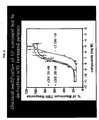
- FIG. 2 is a graph depicting data in HEK EM 293 cells stably expressing the TSHR demonstrating the potency of several compounds disclosed herein.
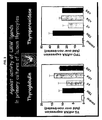
- FIG. 3 is a graph of data for the agonist activity of several compounds disclosed herein in primary cultures of human thyrocytes.
- Thyroid tissue samples were obtained through the National Institutes of Health Clinical Center during surgery for unrelated reasons. Patients provided informed consent on an IRB approved protocol and materials were received anonymously via approval of research activity through the Office of Human Subjects Research. The specimens were maintained in HBSS on ice and isolation of cells was initiated within 4 h after surgery. All preparations were performed under sterile conditions. Tissue samples were minced into small pieces by fine surgical forceps and scissors in a 10 cm dish with a small volume of HBSS. Tissue pieces were transferred to a 15 ml tube (Falcon) and washed at least 3 times with HBSS. Afterwards, tissue pieces were incubated with HBSS containing 3 mg/ml Collagenase Type IV (Gibco).
- Enzymatic digestion proceeded for 30 min or longer with constant shaking in a water bath at 37°C until a suspension of isolated cells was obtained. After centrifugation for 5 min at 1000 rpm, the supernatant was removed and cells were resuspended in 10 ml DMEM with 10% FBS. Cells were plated in 10 cm tissue culture dishes and incubated at 37°C in a humidified 5% CO 2 incubator. After 24 h, the supernatant containing non-adherent cells was removed. The primary cultures of thyroid cells formed a confluent monolayer within 5-7 days. For determination of thyroglobulin and thyroperoxidase mRNA expression, thyrocytes were seeded into 24-well plates at a density of 6x10 4 cells/well 24 h before the experiment.
- FIG. 4 is a graph of data of in vivo activity of a compound disclosed herein in mice
- mice TSHR mice TSHR with similar potency and efficacy as human TSHR. Because the known physiology of TSHRs is similar in mice and humans, in vivo studies in mice offer an ideal preclinical model for assessing possible clinical applications for these compound disclosed herein.
- the experimental endpoint was total thyroxine (T4) measurement in serum obtained from terminal retroorbital bleeds from anesthetized mice 2 hours after administration of the compound or TSH. Total T4 levels did rise after injection of TSH and of the compound disclosed herein.
Landscapes
- Chemical & Material Sciences (AREA)
- Organic Chemistry (AREA)
- Health & Medical Sciences (AREA)
- Animal Behavior & Ethology (AREA)
- Life Sciences & Earth Sciences (AREA)
- General Health & Medical Sciences (AREA)
- Public Health (AREA)
- Veterinary Medicine (AREA)
- Epidemiology (AREA)
- Medicinal Chemistry (AREA)
- Pharmacology & Pharmacy (AREA)
- Engineering & Computer Science (AREA)
- Optics & Photonics (AREA)
- Physics & Mathematics (AREA)
- Diabetes (AREA)
- Biomedical Technology (AREA)
- Endocrinology (AREA)
- Gastroenterology & Hepatology (AREA)
- Pathology (AREA)
- Rheumatology (AREA)
- Toxicology (AREA)
- Urology & Nephrology (AREA)
- Nuclear Medicine, Radiotherapy & Molecular Imaging (AREA)
- General Chemical & Material Sciences (AREA)
- Chemical Kinetics & Catalysis (AREA)
- Bioinformatics & Cheminformatics (AREA)
- Physical Education & Sports Medicine (AREA)
- Pharmaceuticals Containing Other Organic And Inorganic Compounds (AREA)
- Medicines That Contain Protein Lipid Enzymes And Other Medicines (AREA)
- Investigating Or Analysing Biological Materials (AREA)
- Nitrogen Condensed Heterocyclic Rings (AREA)
- Organic Low-Molecular-Weight Compounds And Preparation Thereof (AREA)
- Heterocyclic Compounds Containing Sulfur Atoms (AREA)
- Furan Compounds (AREA)
- Pyridine Compounds (AREA)
- Heterocyclic Carbon Compounds Containing A Hetero Ring Having Nitrogen And Oxygen As The Only Ring Hetero Atoms (AREA)
- Plural Heterocyclic Compounds (AREA)
- Heterocyclic Carbon Compounds Containing A Hetero Ring Having Oxygen Or Sulfur (AREA)
- Acyclic And Carbocyclic Compounds In Medicinal Compositions (AREA)
Description
- Disclosed herein are compounds that are thyroid stimulating hormone receptor (TSHR) agonists for diagnostic, analytical and therapeutic purposes.
- Thyroid-stimulating hormone (TSH) is a heterodimeric glycoprotein hormone that regulates thyroid homeostasis. TSH is involved in the growth and function of thyroid follicular cells. Cellular responses to TSH are mediated via the TSH receptor (TSHR) which is a distinct seven transmembrane-spanning receptor. TSHR is the major regulator of thyroid gland (and most thyroid cancer) function and is expressed in bone and adipocytes (fat) precursor cells. Activation of TSHR by its endogenous hormone TSH is required for normal thyroid homeostasis but may also regulate bone and fat biology.
- The thyroid gland is, as is well known, one site of metabolic control within the body. Cancer of the thyroid gland is not particularly common, but the high rate of disease re-occurrence necessitates long term surveillance. Usually, during treatment for cancer of the thyroid, the majority of the thyroid tumor is removed, but a small amount often remains that must be treated by radioactive iodide therapy. Indeed, thyroid cancer is characterized by a high likelihood of relapses in up to 30% of patient, even after successful therapy. Therefore, follow-up screening is necessary.
- Following surgery, it is necessary to treat the patient with thyroid hormone, as the patient will no longer produce this. One role of the thyroid gland is to take up iodine from the body. Hence, it should be possible to treat any remaining tumor cells with radioactive iodide. Unfortunately, though, thyroid cancer cells do not take up iodine well. So, in order for the radioactive iodine to work, the patient has to either be treated with recombinant TSH or have thyroid hormone treatment withdrawn in order to elevate natural TSH levels, to stimulate iodide uptake. Withdrawal of thyroid hormone has quite unpleasant side effects for the patient, particularly fatigue, muscle cramps, puffiness and constipation. Thus, at the present time, recombinant human TSH (rhTSH, Thyrogen®, Genzyme) is used clinically for screening after surgery in patients with well-differentiated thyroid cancer. However, rhTSH is a dimeric glycoprotein molecule that is made by genetic engineering in human cells. It is difficult to produce, requires stringent quality control and must be administered parenterally.
- Disclosed herein are compounds having formula I:

- R1-R4 are each independently H, hydroxyl, alkyl, alkoxy, aminocarbonyl, or halogen;
- R5 is H, alkyl, aryl, aralkyl, or aminocarbonyl;
- A represents -N=C(R15)- (wherein a bond at the left end bonds to the benzene ring of formula I above and a bond at the right end bonds to the nitrogen heteroatom of formula I above) or -NH-CH(R15)- (wherein a bond at the left end bonds to the benzene ring of formula I above and a bond at the right end bonds to the nitrogen heteroatom of formula I above);
- R15 is represented by formula II:

- R6-R9 are each independently H, hydroxyl, alkyl, or alkoxy;
- R10-R14 are each independently H, hydroxyl, alkyl, alkoxy, or aminocarbonyl; and
- X is O, S or N(H);
- Also disclosed are additional Compounds of formula VI:
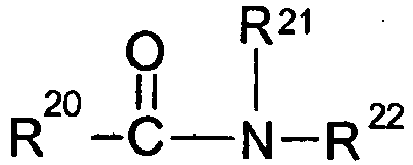
- Also disclosed herein is a method for detecting thyroid cancer in a subject, comprising administering to the subject a diagnostically effective amount of at least one compound of formula I:

- R1-R4 are each independently H, hydroxyl, alkyl, alkoxy, aminocarbonyl, or halogen;
- R5 is H, alkyl, aryl, aralkyl, or aminocarbonyl;
- A represents -N=C(R15)- (wherein a bond at the left end bonds to the benzene ring of formula I above and a bond at the right end bonds to the nitrogen heteroatom of formula I above) or -NH-CH(R15)- (wherein a bond at the left end bonds to the benzene ring of formula I above and a bond at the right end bonds to the nitrogen heteroatom of formula I above);
- R15 is represented by formula II:

- R6-R9 are each independently H, hydroxyl, alkyl, or alkoxy;
- R10-R14 are each independently H, hydroxyl, alkyl, alkoxy, or aminocarbonyl; and
- X is O, S or N(H);
- A further embodiment disclosed herein involves a method for treating or preventing a bone degenerative disorder comprising administering a therapeutically effective amount of at least one compound of formula I or at least one compound of formula VI.
- Also disclosed herein is a method for treating thyroid cancer in a subject, comprising administering to the subject a therapeutically effective amount of at least one compound of formula I or at least one compound of formula VI.
- An additional embodiment disclosed herein involves a method for activating a thyroid stimulating hormone receptor in an assay, comprising contacting the thyroid stimulating hormone receptor with at least one compound of formula I or at least one compound of formula VI.
- Also disclosed herein are pharmaceutical compositions comprising a pharmaceutically acceptable carrier and at least one compound of formula I or at least one compound of formula VI.
- The foregoing and other objects, features, and advantages will become more apparent from the following detailed description, which proceeds with reference to the accompanying figures.
-
-
FIG. 1 is graph depicting data showing that a compound disclosed herein is a full and selective agonist. -
FIG. 2 is a graph depicting data demonstrating the potency of several compounds disclosed herein. -
FIG. 3 is a graph of data for the agonist activity of several compounds disclosed herein in primary cultures of human thyrocytes. -
FIG. 4 is a graph of data of in vivo activity of a compound disclosed herein in a mouse model. - The following explanations of terms and methods are provided to better describe the present compounds, compositions and methods, and to guide those of ordinary skill in the art in the practice of the present disclosure. It is also to be understood that the terminology used in the disclosure is for the purpose of describing particular embodiments and examples only and is not intended to be limiting.
- As used herein, the singular terms "a," "an," and "the" include plural referents unless context clearly indicates otherwise. Similarly, the word "or" is intended to include "and" unless the context clearly indicates otherwise. Also, as used herein, the term "comprises" means "includes." Hence "comprising A or B" means including A, B, or A and B.
- Variables such as R1, R2,R3,R4, R5, R6, R7, R8, R9, n, X and Y, used throughout the disclosure are the same variables as previously defined unless stated to the contrary.
- "Administration of" and "administering a" compound should be understood to mean providing a compound, a prodrug of a compound, or a pharmaceutical composition as described herein. The compound or composition can be administered by another person to the subject (e.g., intravenously) or it can be self-administered by the subject (e.g., tablets).
- "Optional" or "optionally" means that the subsequently described event or circumstance can but does not need to occur, and that the description includes instances where said event or circumstance occurs and instances where it does not.
- "Derivative" refers to a compound or portion of a compound that is derived from or is theoretically derivable from a parent compound.
- The term "subject" includes both human and veterinary subjects.
- "Treatment" refers to a therapeutic intervention that ameliorates a sign or symptom of a disease or pathological condition after it has begun to develop. As used herein, the term "ameliorating," with reference to a disease or pathological condition, refers to any observable beneficial effect of the treatment. The beneficial effect can be evidenced, for example, by a delayed onset of clinical symptoms of the disease in a susceptible subject, a reduction in severity of some or all clinical symptoms of the disease, a slower progression of the disease, an improvement in the overall health or well-being of the subject, or by other parameters well known in the art that are specific to the particular disease. The phrase "treating a disease" refers to inhibiting the full development of a disease or condition, for example, in a subject who is at risk for a disease such as a hormone receptor mediated disorder, particularly a thyroid disorder, such as a hyperthyroid or hypothyroid disorder. A "prophylactic" treatment is a treatment administered to a subject who does not exhibit signs of a disease or exhibits only early signs for the purpose of decreasing the risk of developing pathology. By the term "coadminister" is meant that each of at least two compounds be administered during a time frame wherein the respective periods of biological activity overlap. Thus, the term includes sequential as well as coextensive administration of two or more drug compounds.
- The terms "pharmaceutically acceptable salt" or "pharmacologically acceptable salt" refers to salts prepared by conventional means that include basic salts of inorganic and organic acids, including but not limited to hydrochloric acid, hydrobromic acid, sulfuric acid, phosphoric acid, methanesulfonic acid, ethanesulfonic acid, malic acid, acetic acid, oxalic acid, tartaric acid, citric acid, lactic acid, fumaric acid, succinic acid, maleic acid, salicylic acid, benzoic acid, phenylacetic acid, mandelic acid and the like. "Pharmaceutically acceptable salts" of the presently disclosed compounds also include those formed from cations such as sodium, potassium, aluminum, calcium, lithium, magnesium, zinc, and from bases such as ammonia, ethylenediamine, N-methyl-glutamine, lysine, arginine, ornithine, choline, N,N'-dibenzylethylenediamine, chloroprocaine, diethanolamine, procaine, N-benzylphenethylamine, diethylamine, piperazine, tris(hydroxymethyl)aminomethane, and tetramethylammonium hydroxide. These salts may be prepared by standard procedures, for example by reacting the free acid with a suitable organic or inorganic base. Any chemical compound recited in this specification may alternatively be administered as a pharmaceutically acceptable salt thereof. "Pharmaceutically acceptable salts" are also inclusive of the free acid, base, and zwitterionic forms. Descriptions of suitable pharmaceutically acceptable salts can be found in Handbook of Pharmaceutical Salts, Properties, Selection and Use, Wiley VCH (2002). When compounds disclosed herein include an acidic function such as a carboxy group, then suitable pharmaceutically acceptable cation pairs for the carboxy group are well known to those skilled in the art and include alkaline, alkaline earth, ammonium, quaternary ammonium cations and the like. Such salts are known to those of skill in the art. For additional examples of "pharmacologically acceptable salts," see Berge et al., J. Pharm. Sci. 66:1 (1977).
- "Saturated or unsaturated" includes substituents saturated with hydrogens, substituents completely unsaturated with hydrogens and substituents partially saturated with hydrogens.
- The term "acyl" refers group of the formula RC(O)- wherein R is an organic group.
- The term "alkyl" refers to a branched or unbranched saturated hydrocarbon group of 1 to 24 carbon atoms, such as methyl, ethyl, n-propyl, isopropyl, n-butyl, isobutyl, t-butyl, pentyl, hexyl, heptyl, octyl, decyl, tetradecyl, hexadecyl, eicosyl, tetracosyl and the like. A "lower alkyl" group is a saturated branched or unbranched hydrocarbon having from 1 to 10 carbon atoms. Preferred alkyl groups have 1 to 4 carbon atoms. Alkyl groups may be "substituted alkyls" wherein one or more hydrogen atoms are substituted with a substituent such as halogen, cycloalkyl, alkoxy, amino, hydroxyl, aryl, or carboxyl.
- The term "alkenyl" refers to a hydrocarbon group of 2 to 24 carbon atoms and structural formula containing at least one carbon-carbon double bond.
- The term "alkynyl" refers to a hydrocarbon group of 2 to 24 carbon atoms and a structural formula containing at least one carbon-carbon triple bond.
- The terms "halogenated alkyl" or "haloalkyl group" refer to an alkyl group as defined above with one or more hydrogen atoms present on these groups substituted with a halogen (F, Cl, Br, I).
- The term "cycloalkyl" refers to a non-aromatic carbon-based ring composed of at least three carbon atoms. Examples of cycloalkyl groups include, but are not limited to, cyclopropyl, cyclobutyl, cyclopentyl, cyclohexyl, and the like. The term "heterocycloalkyl group" is a cycloalkyl group as defined above where at least one of the carbon atoms of the ring is substituted with a heteroatom such as, but not limited to, nitrogen, oxygen, sulfur, or phosphorous.
- The term "aliphatic" is defined as including alkyl, alkenyl, alkynyl, halogenated alkyl and cycloalkyl groups as described above. A "lower aliphatic" group is a branched or unbranched aliphatic group having from 1 to 10 carbon atoms.
- The term "alkoxy" refers to a straight, branched or cyclic hydrocarbon configuration and combinations thereof, including from 1 to 20 carbon atoms, preferably from 1 to 8 carbon atoms, more preferably from 1 to 4 carbon atoms, that include an oxygen atom at the point of attachment. An example of an "alkoxy group" is represented by the formula -OR, where R can be an alkyl group, optionally substituted with an alkenyl, alkynyl, aryl, aralkyl, cycloalkyl, halogenated alkyl, or heterocycloalkyl group as described above. Suitable alkoxy groups include methoxy, ethoxy, n-propoxy, i-propoxy, n-butoxy, i-butoxy, sec-butoxy, tert-butoxy cclopropoxy, cyclohexyloxy, and the like.
- "Alkoxycarbonyl" refers to an alkoxy substituted carbonyl radical, -C(O)OR, wherein R represents an optionally substituted alkyl, aryl, aralkyl, cycloalkyl, cycloalkylalkyl or similar moiety.
- The term "alkyl amino" refers to alkyl groups as defined above where at least one hydrogen atom is replaced with an amino group.
- "Aminocarbonyl" alone or in combination, means an amino substituted carbonyl (carbamoyl) radical, wherein the amino radical may optionally be mono- or di-substituted, such as with alkyl, aryl, aralkyl, cycloalkyl, cycloalkylalkyl, alkanoyl, alkoxycarbonyl, aralkoxycarbonyl and the like. An aminocarbonyl group may be -N(R)-C(O)-R (wherein R is a substituted group or H) or -C(O)-N(R). An "aminocarbonyl" is inclusive of an amido group. A suitable aminocarbonyl group is acetamido.
- The term "aryl" refers to any carbon-based aromatic group including, but not limited to, benzene, naphthalene, etc. The term "aromatic" also includes "heteroaryl group," which is defined as an aromatic group that has at least one heteroatom incorporated within the ring of the aromatic group. Examples of heteroatoms include, but are not limited to, nitrogen, oxygen, sulfur, and phosphorous. The aryl group can be substituted with one or more groups including, but not limited to, alkyl, alkynyl, alkenyl, aryl, halide, nitro, amino, ester, ketone, aldehyde, hydroxy, carboxylic acid, or alkoxy, or the aryl group can be unsubstituted.
- "Carbonyl" refers to a radical of the formula -C(O)-. Carbonyl-containing groups include any substituent containing a carbon-oxygen double bond (C=O), including acyl groups, amides, carboxy groups, esters, ureas, carbamates, carbonates and ketones and aldehydes, such as substituents based on -COR or -RCHO where R is an aliphatic, heteroaliphatic, alkyl, heteroalkyl, hydroxyl, or a secondary, tertiary, or quaternary amine.
- "Carboxyl" refers to a -COOH radical. Substituted carboxyl refers to -COOR where R is aliphatic, heteroaliphatic, alkyl, heteroalkyl, or a carboxylic acid or ester.
- The term "hydroxyl" is represented by the formula -OH.
- The term "hydroxyalkyl" refers to an alkyl group that has at least one hydrogen atom substituted with a hydroxyl group. The term "alkoxyalkyl group" is defined as an alkyl group that has at least one hydrogen atom substituted with an alkoxy group described above.
- The term "amine" or "amino" refers to a group of the formula -NRR', where R and R' can be, independently, hydrogen or an alkyl, alkenyl, alkynyl, aryl, aralkyl, cycloalkyl, halogenated alkyl, or heterocycloalkyl group described above.
- The term "amide" or "amido" is represented by the formula -C(O)NRR', where R and R' independently can be a hydrogen, alkyl, alkenyl, alkynyl, aryl, aralkyl, cycloalkyl, halogenated alkyl, or heterocycloalkyl group described above. A suitable amido group is acetamido.
- The term "aralkyl" refers to an aryl group having an alkyl group, as defined above, attached to the aryl group, as defined above. An example of an aralkyl group is a benzyl group.
- Optionally substituted groups, such as "optionally substituted alkyl," refers to groups, such as an alkyl group, that when substituted, have from 1-5 substituents, typically 1, 2 or 3 substituents, selected from alkoxy, optionally substituted alkoxy, acyl, acylamino, acyloxy, amino, aminoacyl, aminoacyloxy, aryl, carboxyalkyl, optionally substituted cycloalkyl, optionally substituted cycloalkenyl, halogen, optionally substituted heteroaryl, optionally substituted heterocyclyl, hydroxy, sulfonyl, thiol and thioalkoxy. In particular, optionally substituted alkyl groups include, by way of example, haloalkyl groups, such as fluoroalkyl groups, including, without limitation, trifluoromethyl groups.
- A "therapeutically effective amount" or "diagnostically effective amount" refers to a quantity of a specified agent sufficient to achieve a desired effect in a subject being treated with that agent. For example, this may be the amount of a compound disclosed herein useful in detecting or treating thyroid cancer in a subject. Ideally, a therapeutically effective amount or diagnostically effective amount of an agent is an amount sufficient to inhibit or treat the disease without causing a substantial cytotoxic effect in the subject. The therapeutically effective amount or diagnostically effective amount of an agent will be dependent on the subject being treated, the severity of the affliction, and the manner of administration of the therapeutic composition.
- Prodrugs of the disclosed compounds also are contemplated herein. A prodrug is an active or inactive compound that is modified chemically through in vivo physiological action, such as hydrolysis, metabolism and the like, into an active compound following administration of the prodrug to a subject. The suitability and techniques involved in making and using prodrugs are well known by those skilled in the art. For a general discussion of prodrugs involving esters see Svensson and Tunek Drug Metabolism Reviews 165 (1988) and Bundgaard Design of Prodrugs, Elsevier (1985).
- Pharmaceutically acceptable prodrugs refer to compounds that are metabolized, for example, hydrolyzed or oxidized, in the subject to form an antiviral compound of the present disclosure. Typical examples ofprodrugs include compounds that have one or more biologically labile protecting groups on or otherwise blocking a functional moiety of the active compound. Prodrugs include compounds that can be oxidized, reduced, aminated, deaminated, hydroxylated, dehydroxylated, hydrolyzed, dehydrolyzed, alkylated, dealkylated, acylated, deacylated, phosphorylated, dephosphorylated to produce the active compound. In general the prodrug compounds disclosed herein possess hormone receptor modulating activity and/or are metabolized or otherwise processed in vivo to form a compound that exhibits such activity.
- The term "prodrug" also is intended to include any covalently bonded carriers that release an active parent drug of the present invention in vivo when the prodrug is administered to a subject. Since prodrugs often have enhanced properties relative to the active agent pharmaceutical, such as, solubility and bioavailability, the compounds disclosed herein can be delivered in prodrug form. Thus, also contemplated are prodrugs of the presently disclosed compounds, methods of delivering prodrugs and compositions containing such prodrugs. Prodrugs of the disclosed compounds typically are prepared by modifying one or more functional groups present in the compound in such a way that the modifications are cleaved, either in routine manipulation or in vivo, to yield the parent compound. Prodrugs include compounds having a phosphonate and/or amino group functionalized with any group that is cleaved in vivo to yield the corresponding amino and/or phosphonate group, respectively. Examples of prodrugs include, without limitation, compounds having an acylated amino group and/or a phosphonate ester or phosphonate amide group. In particular examples, a prodrug is a lower alkyl phosphonate ester, such as an isopropyl phosphonate ester.
- Protected derivatives of the disclosed compound also are contemplated. A variety of suitable protecting groups for use with the disclosed compounds are disclosed in Greene and Wuts Protective Groups in Organic Synthesis; 3rd Ed.; John Wiley & Sons, New York, 1999.
- In general, protecting groups are removed under conditions which will not affect the remaining portion of the molecule. These methods are well known in the art and include acid hydrolysis, hydrogenolysis and the like. One preferred method involves the removal of an ester, such as cleavage of a phosphonate ester using Lewis acidic conditions, such as in TMS-Br mediated ester cleavage to yield the free phosphonate. A second preferred method involves removal of a protecting group, such as removal of a benzyl group by hydrogenolysis utilizing palladium on carbon in a suitable solvent system such as an alcohol, acetic acid, and the like or mixtures thereof. A t-butoxy-based group, including t-butoxy carbonyl protecting groups can be removed utilizing an inorganic or organic acid, such as HCl or trifluoroacetic acid, in a suitable solvent system, such as water, dioxane and/or methylene chloride. Another exemplary protecting group, suitable for protecting amino and hydroxy functions amino is trityl. Other conventional protecting groups are known and suitable protecting groups can be selected by those of skill in the art in consultation with Greene and Wuts Protective Groups in Organic Synthesis; 3rd Ed.; John Wiley & Sons, New York, 1999.
When an amine is deprotected, the resulting salt can readily be neutralized to yield the free amine. Similarly, when an acid moiety, such as a phosphonic acid moiety is unveiled, the compound may be isolated as the acid compound or as a salt thereof. - Particular examples of the presently disclosed compounds include one or more asymmetric centers; thus these compounds can exist in different stereoisomeric forms. Accordingly, compounds and compositions may be provided as individual pure enantiomers or as stereoisomeric mixtures, including racemic mixtures. In certain embodiments the compounds disclosed herein are synthesized in or are purified to be in substantially enantiopure form, such as in a 90% enantiomeric excess, a 95% enantiomeric excess, a 97% enantiomeric excess or even in greater than a 99% enantiomeric excess, such as in enantiopure form.
- It is understood that substituents and substitution patterns of the compounds described herein can be selected by one of ordinary skill in the art to provide compounds that are chemically stable and that can be readily synthesized by techniques known in the art and further by the methods set forth in this disclosure. Reference will now be made in detail to the presently preferred compounds.
- Disclosed herein are low molecular weight (for example, less than 1000 daltons) compounds that activate TSHR. These compounds may be orally administered. Data is presented below demonstrating the efficacy of the compounds in cells expressing human TSHRs in culture. Certain compounds disclosed herein are selective agonists for TSHR (i.e, the compounds do not activate or modulate other hormone receptors, particularly LHCGR and FSHR). The compounds also may be full agonists for TSHR.
- The TSHR agonists disclosed herein enhance or activate a TSH signaling pathway. The TSHR agonists may stimulate the TSHR-mediated signaling by themselves, or stimulate TSHR-mediated signaling by enhancing the biological activity of endogenous TSH or another administered (i.e., exogenous) TSHR agonist. Although not bound by any theory, it is believed that in certain embodiments the TSHR agonists disclosed herein specifically bind TSHR (in particular, the transmembrane domain of TSHR) which then transduces TSHR-mediated intracellular signaling in thyrotrophs or other cells naturally expressing TSHR or cells modified to express TSHR. The term "specific binding" and its cognates refer to an interaction with an affinity constant KA of less than 100 micromolar, particular 100 nanomolar, and preferably less than 50 nanomolar.
- Examples of the compounds are represented by formula I:

- R1-R4 are each independently H, hydroxyl, alkyl, alkoxy, aminocarbonyl, or halogen;
- R5 is H, alkyl, aryl, aralkyl, or aminocarbonyl;
- A represents -N=C(R15)- (wherein a bond at the left end bonds to the benzene ring of formula I above and a bond at the right end bonds to the nitrogen heteroatom of formula I above) or -NH-CH(R15)- (wherein a bond at the left end bonds to the benzene ring of formula I above and a bond at the right end bonds to the nitrogen heteroatom of formula I above);
- R15 is represented by formula II:

- R6-R9 are each independently H, hydroxyl, alkyl, or alkoxy;
- R10-R14 are each independently H, hydroxyl, alkyl, alkoxy, or aminocarbonyl; and
- X is O, S, or N(H).
- In certain embodiments, a compound having a structure of

- In certain embodiments, R1-R4 are each independently H, hydroxyl or acetamido. According to preferred examples, each of R1-R4 is H; one of R1-R4 is acetamido (preferably R3) and the remaining R1-R4 are each H; or one of R1-R4 is hydroxyl (preferably R4) and the remaining R1-R4 are each H.
- In certain embodiments, R5 is an aralkyl such as -C1-C4 alkyl - Ar (wherein Ar is a 6-member or 5-member ring). According to preferred examples, R5 is -CH2-Ph (wherein Ph is a phenyl or substituted phenyl group); or -CH2-heteroAr (wherein heteroAr is an aryl ring that includes at least one heteroatom such as O, N or S (e.g., a furyl group).
- In certain embodiments, A represents -N=C(R15)- (wherein a bond at the left end bonds to the benzene ring of formula I above and a bond at the right end bonds to the nitrogen heteroatom of formula I above) resulting in a structure of formula IV:

- In other embodiments, A represents -NH-CH(R15)- (wherein a bond at the left end bonds to the benzene ring of formula I above and a bond at the right end bonds to the nitrogen heteroatom of formula I above) resulting in a structure of formula V;


- Illustrative compounds include:


- According to another embodiment, examples of the additional TSHR agonists are represented by formula VI:

- The compounds disclosed herein may be generally synthesized as described below. With reference to Scheme 1, 2-aminobenzamides (1) were prepared by either amide couplings (step i) of 2-aminobenzoic acids with different amines or reactions of isatoic anhydrides with amines (step ii).

Scheme 2, reactions ofbenzyl chlorides 2 with different phenols or thiophenols under microwave irradiation (step i) generatedaldehydes 3. Condensations ofaldehydes 3 with 2-aminobenzamides 1 yielded 2,3-dihydroquinazolin-4-ones 4. The 2,3-dihydroquinazolin-4-ones 4 were rapidly oxidized by DDQ at room temperature to produce quinazolin-4-ones 5.
- The compounds disclosed herein may be useful for thyroid cancer screening, treating thyroid cancer, treating nodular goiter, TSH stimulation to enhance PET scanning and chemotherapy treatment, differential diagnosis of congenital hypothyroidism, treating osteoporosis (e.g., inhibiting bone loss) and treating overweight or obesity (e.g, increase metabolic rate of fat tissue). Illustrative uses of the compounds disclosed herein include:
- agonist thyroglobulin (Tg) testing may be used in patients with an undetectable Tg on thyroid suppression therapy to exclude the diagnosis of residual or recurrent thyroid cancer;
- agonist treatment may be used in combination with radioiodine (131I) to ablate thyroid remnants following near-total thyroidectomym in patients without evidence of metastatic disease;
- agonist testing may be used in patients requiring serum Tg testing and radioiodine imaging who are unwilling to undergo thyroid hormone withdrawal testing and whose treating physician believes that use of a less sensitive test is justified; or
- agonist treatment and testing may be used in patients who are either unable to mount an adequate endogenous TSH response to thyroid hormone withdrawal or in whom withdrawal is medially contraindicated.
- According to one embodiment the compounds disclosed herein (including Compound 1) are useful for thyroid cancer screening. Radioiodine is used for detection of thyroid cancer cells and to increase test sensitivity the uptake of radioiodine must be enhanced. Administration of a TSHR agonist disclosed herein can increase the iodine uptake of thyroid cells. For example, the TSHR agonists disclosed herein could replace recombinant human TSH (rhTSH, Thyrogen®, Genzyme) for clinically screening for residual or recurring thyroid cancer after surgery (e.g., thyroidectomy) in patients with well-differentiated thyroid cancer. The TSHR agonists disclosed herein also can be used as an adjunct diagnostic for serum thyroglobulin (TG) testing.
- Also disclosed are methods for treating or preventing bone degenerative disorders that include administering a therapeutically effective amount of at least one TSHR agonist compound disclosed herein. The disorders treated or prevented include, for example, osteopenia, osteomalacia, osteoporosis, osteomyeloma, osteodystrophy, Paget's disease, osteogenesis imperfecta, bone sclerosis, aplastic bone disorder, humoral hypercalcemic myeloma, multiple myeloma and bone thinning following metastasis. The disorders treated or prevented further include bone degenerative disorders associated with hypercalcemia, chronic renal disease (including end-stage renal disease), kidney dialysis, primary or secondary hyperparathyroidism, and long-term use of corticosteroids.
- The compounds disclosed herein may be included in pharmaceutical compositions (pharmaceutical compositions include therapeutic, diagnostic and prophylactic formulations), typically combined together with one or more pharmaceutically acceptable vehicles or carriers and, optionally, other therapeutic or diagnostic ingredients (for example, a radioiodine). Such pharmaceutical compositions can be administered to subjects by a variety ofmucosal administration modes, including by oral, rectal, intranasal, intrapulmonary, or transdermal delivery, or by topical delivery to other surfaces. Optionally, the compositions can be administered by non-mucosal routes, including by intramuscular, subcutaneous, intravenous, intra-arterial, intra-articular, intraperitoneal, intrathecal, intracerebroventricular, or parenteral routes. In other alternative embodiments, the compound can be administered ex vivo by direct exposure to cells, tissues or organs originating from a subject.
- To formulate the pharmaceutical compositions, the compound can be combined with various pharmaceutically acceptable additives, as well as a base or vehicle for dispersion of the compound. Desired additives include, but are not limited to, pH control agents, such as arginine, sodium hydroxide, glycine, hydrochloric acid, citric acid, and the like. In addition, local anesthetics (for example, benzyl alcohol), isotonizing agents (for example, sodium chloride, mannitol, sorbitol), adsorption inhibitors (for example, Tween 80), solubility enhancing agents (for example, cyclodextrins and derivatives thereof), stabilizers (for example, serum albumin), and reducing agents (for example, glutathione) can be included. Adjuvants, such as aluminum hydroxide (for example, Amphogel, Wyeth Laboratories, Madison, NJ), Freund's adjuvant, MPLTM (3-O-deacylated monophosphoryl lipid A; Corixa, Hamilton, IN) and IL-12 (Genetics Institute, Cambridge, MA), among many other suitable adjuvants well known in the art, can be included in the compositions. When the composition is a liquid, the tonicity of the formulation, as measured with reference to the tonicity of 0.9% (w/v) physiological saline solution taken as unity, is typically adjusted to a value at which no substantial, irreversible tissue damage will be induced at the site of administration. Generally, the tonicity of the solution is adjusted to a value of about 0.3 to about 3.0, such as about 0.5 to about 2.0, or about 0,8 to about 1.7.
- The compound can be dispersed in a base or vehicle, which can include a hydrophilic compound having a capacity to disperse the compound, and any desired additives. The base can be selected from a wide range of suitable compounds, including but not limited to, copolymers of polycarboxylic acids or salts thereof, carboxylic anhydrides (for example, maleic anhydride) with other monomers (for example, methyl (meth)acrylate, acrylic acid and the like), hydrophilic vinyl polymers, such as polyvinyl acetate, polyvinyl alcohol, polyvinylpyrrolidone, cellulose derivatives, such as hydroxymethylcellulose, hydroxypropylcellulose and the like, and natural polymers, such as chitosan, collagen, sodium alginate, gelatin, hyaluronic acid, and nontoxic metal salts thereof. Often, a biodegradable polymer is selected as a base or vehicle, for example, polylactic acid, poly(lactic acid-glycolic acid) copolymer, polyhydroxybutyric acid, poly(hydroxybutyric acid-glycolic acid) copolymer and mixtures thereof. Alternatively or additionally, synthetic fatty acid esters such as polyglycerin fatty acid esters, sucrose fatty acid esters and the like can be employed as vehicles. Hydrophilic polymers and other vehicles can be used alone or in combination, and enhanced structural integrity can be imparted to the vehicle by partial crystallization, ionic bonding, cross-linking and the like. The vehicle can be provided in a variety of forms, including fluid or viscous solutions, gels, pastes, powders, microspheres and films for direct application to a mucosal surface.
- The compound can be combined with the base or vehicle according to a variety of methods, and release of the compound can be by diffusion, disintegration of the vehicle, or associated formation of water channels. In some circumstances, the compound is dispersed in microcapsules (microspheres) or nanocapsules (nanospheres) prepared from a suitable polymer, for example, isobutyl 2-cyanoacrylate (see, for example, Michael et al., J. Pharmacy Pharmacol. 43:1-5, 1991), and dispersed in a biocompatible dispersing medium, which yields sustained delivery and biological activity over a protracted time.
- The compositions of the disclosure can alternatively contain as pharmaceutically acceptable vehicles substances as required to approximate physiological conditions, such as pH adjusting and buffering agents, tonicity adjusting agents, wetting agents and the like, for example, sodium acetate, sodium lactate, sodium chloride, potassium chloride, calcium chloride, sorbitan monolaurate, and triethanolamine oleate. For solid compositions, conventional nontoxic pharmaceutically acceptable vehicles can be used which include, for example, pharmaceutical grades of mannitol, lactose, starch, magnesium stearate, sodium saccharin, talcum, cellulose, glucose, sucrose, magnesium carbonate, and the like.
- Pharmaceutical compositions for administering the compound can also be formulated as a solution, microemulsion, or other ordered structure suitable for high concentration of active ingredients. The vehicle can be a solvent or dispersion medium containing, for example, water, ethanol, polyol (for example, glycerol, propylene glycol, liquid polyethylene glycol, and the like), and suitable mixtures thereof. Proper fluidity for solutions can be maintained, for example, by the use of a coating such as lecithin, by the maintenance of a desired particle size in the case of dispersible formulations, and by the use of surfactants. In many cases, it will be desirable to include isotonic agents, for example, sugars, polyalcohols, such as mannitol and sorbitol, or sodium chloride in the composition. Prolonged absorption of the compound can be brought about by including in the composition an agent which delays absorption, for example, monostearate salts and gelatin.
- In certain embodiments, the compound can be administered in a time release formulation, for example in a composition which includes a slow release polymer. These compositions can be prepared with vehicles that will protect against rapid release, for example a controlled release vehicle such as a polymer, microencapsulated delivery system or bioadhesive gel. Prolonged delivery in various compositions of the disclosure can be brought about by including in the composition agents that delay absorption, for example, aluminum monostearate hydrogels and gelatin. When controlled release formulations are desired, controlled release binders suitable for use in accordance with the disclosure include any biocompatible controlled release material which is inert to the active agent and which is capable of incorporating the compound and/or other biologically active agent. Numerous such materials are known in the art. Useful controlled-release binders are materials that are metabolized slowly under physiological conditions following their delivery (for example, at a mucosal surface, or in the presence of bodily fluids). Appropriate binders include, but are not limited to, biocompatible polymers and copolymers well known in the art for use in sustained release formulations. Such biocompatible compounds are non-toxic and inert to surrounding tissues, and do not trigger significant adverse side effects, such as nasal irritation, immune response, inflammation, or the like. They are metabolized into metabolic products that are also biocompatible and easily eliminated from the body.
- Exemplary polymeric materials for use in the present disclosure include, but are not limited to, polymeric matrices derived from copolymeric and homopolymeric polyesters having hydrolyzable ester linkages. A number of these are known in the art to be biodegradable and to lead to degradation products having no or low toxicity. Exemplary polymers include polyglycolic acids and polylactic acids, poly(DL-lactic acid-co-glycolic acid), poly(D-lactic acid-co-glycolic acid), and poly(L-lactic acid-co-glycolic acid). Other useful biodegradable or bioerodable polymers include, but are not limited to, such polymers as poly(epsilon-caprolactone), poly(epsilon-aprolactone-CO-lactic acid), poly(epsilon.-aprolactone-CO-glycolic acid), poly(beta-hydroxy butyric acid), poly(alkyl-2-cyanoacrilate), hydrogels, such as poly(hydroxyethyl methacrylate), polyamides, poly(amino acids) (for example, L-leucine, glutamic acid, L-aspartic acid and the like), poly(ester urea), poly(2-hydroxyethyl DL-aspartamide), polyacetal polymers, polyorthoesters, polycarbonate, polymaleamides, polysaccharides, and copolymers thereof. Many methods for preparing such formulations are well known to those skilled in the art (see, for example, Sustained and Controlled Release Drug Delivery Systems, J. R. Robinson, ed., Marcel Dekker, Inc., New York, 1978). Other useful formulations include controlled-release microcapsules (
U.S. Patent Nos. 4,652,441 and4,917,893 ), lactic acid-glycolic acid copolymers useful in making microcapsules and other formulations (U.S. Patent Nos. 4,677,191 and4,728,721 ) and sustained-release compositions for water-soluble peptides (U.S. Patent No. 4,675,189 ). - The pharmaceutical compositions of the disclosure typically are sterile and stable under conditions of manufacture, storage and use. Sterile solutions can be prepared by incorporating the compound in the required amount in an appropriate solvent with one or a combination of ingredients enumerated herein, as required, followed by filtered sterilization. Generally, dispersions are prepared by incorporating the compound and/or other biologically active agent into a sterile vehicle that contains a basic dispersion medium and the required other ingredients from those enumerated herein. In the case of sterile powders, methods of preparation include vacuum drying and freeze-drying which yields a powder of the compound plus any additional desired ingredient from a previously sterile-filtered solution thereof. The prevention of the action of microorganisms can be accomplished by various antibacterial and antifungal agents, for example, parabens, chlorobutanol, phenol, sorbic acid, thimerosal, and the like.
- In accordance with the various treatment methods of the disclosure, the compound can be delivered to a subject in a manner consistent with conventional methodologies associated with management of the disorder for which treatment or prevention is sought. In accordance with the disclosure herein, a prophylactically or therapeutically effective amount of the compound and/or other biologically active agent is administered to a subject in need of such treatment for a time and under conditions sufficient to prevent, inhibit, and/or ameliorate a selected disease or condition or one or more symptom(s) thereof.
- The administration of the compound of the disclosure can be for either prophylactic or therapeutic purpose. When provided prophylactically, the compound is provided in advance of any symptom. The prophylactic administration of the compound serves to prevent or ameliorate any subsequent disease process. When provided therapeutically, the compound is provided at (or shortly after) the onset of a symptom of disease or infection.
- For prophylactic and therapeutic purposes, the compound can be administered to the subject in a single bolus delivery, via continuous delivery (for example, continuous transdermal, mucosal or intravenous delivery) over an extended time period, or in a repeated administration protocol (for example, by an hourly, daily or weekly, repeated administration protocol). The therapeutically effective dosage of the compound can be provided as repeated doses within a prolonged prophylaxis or treatment regimen that will yield clinically significant results to alleviate one or more symptoms or detectable conditions associated with a targeted disease or condition as set forth herein. Determination of effective dosages in this context is typically based on animal model studies followed up by human clinical trials and is guided by administration protocols that significantly reduce the occurrence or severity of targeted disease symptoms or conditions in the subject. Suitable models in this regard include, for example, murine, rat, porcine, feline, non-human primate, and other accepted animal model subjects known in the art. Alternatively, effective dosages can be determined using in vitro models (for example, immunologic and histopathologic assays). Using such models, only ordinary calculations and adjustments are required to determine an appropriate concentration and dose to administer a therapeutically effective amount of the compound (for example, amounts that are effective to elicit a desired immune response or alleviate one or more symptoms of a targeted disease). In alternative embodiments, an effective amount or effective dose of the compound may simply inhibit or enhance one or more selected biological activities correlated with a disease or condition, as set forth herein, for either therapeutic or diagnostic purposes.
- The actual dosage of the compound will vary according to factors such as the disease indication and particular status of the subject (for example, the subject's age, size, fitness, extent of symptoms, susceptibility factors, and the like), time and route of administration, other drugs or treatments being administered concurrently, as well as the specific pharmacology of the compound for eliciting the desired activity or biological response in the subject. Dosage regimens can be adjusted to provide an optimum prophylactic or therapeutic response. A therapeutically effective amount is also one in which any toxic or detrimental side effects of the compound and/or other biologically active agent is outweighed in clinical terms by therapeutically beneficial effects. A non-limiting range for a therapeutically effective amount of a compound and/or other biologically active agent within the methods and formulations of the disclosure is about 0.01 mg/kg body weight to about 10 mg/kg body weight, such as about 0.05 mg/kg to about 5 mg/kg body weight, or about 0.2 mg/kg to about 2 mg/kg body weight.
- Dosage can be varied by the attending clinician to maintain a desired concentration at a target site (for example, the lungs or systemic circulation). Higher or lower concentrations can be selected based on the mode of delivery, for example, trans-epidermal, rectal, oral, pulmonary, or intranasal delivery versus intravenous or subcutaneous delivery. Dosage can also be adjusted based on the release rate of the administered formulation, for example, of an intrapulmonary spray versus powder, sustained release oral versus injected particulate or transdermal delivery formulations, and so forth. To achieve the same serum concentration level, for example, slow-release particles with a release rate of 5 nanomoles (under standard conditions) would be administered at about twice the dosage of particles with a release rate of 10 nanomoles.
- The instant disclosure also includes kits, packages and multi-container units containing the herein described pharmaceutical compositions, active ingredients, and/or means for administering the same for use in the prevention and treatment of diseases and other conditions in mammalian subjects. Kits for diagnostic use are also provided. In one embodiment, these kits include a container or formulation that contains one or more of the conjugates described herein. In one example, this component is formulated in a pharmaceutical preparation for delivery to a subject. The conjugate is optionally contained in a bulk dispensing container or unit or multi-unit dosage form. Optional dispensing means can be provided, for example a pulmonary or intranasal spray applicator. Packaging materials optionally include a label or instruction indicating for what treatment purposes and/or in what manner the pharmaceutical agent packaged therewith can be used.
- General Materials and Methods: All commercially available reagents and solvents were purchased and used without further purification. All microwave reactions were carried out in a sealed microwave vial equipped with a magnetic stir bar and heated in a Biotage Initiator Microwave Synthesizer. All compounds for biological testing were purified using a Waters semi-preparative HPLC equipped with a Phenomenex Luna® C18 reverse phase (5 micron, 30 x 75 mm) column having a flow rate of 45 mL/min. The mobile phase was a mixture of acetonitrile and H2O each containing 0.1% trifluoroacetic acid. During purification, a gradient of 30% to 80% acetonitrile over 8 minutes was used with fraction collection triggered by UV detection (220 nM). Pure fractions passed through PL-HCO3 MP SPE (Varian) to remove trifluoroacetic acid and concentrated under vacuum on a lyophilizer. 1H spectra were recorded using an Inova 400 (100) MHz spectrometer (Varian). Chemical shifts are reported in δ (ppm) units using 1H (residual) from CDCl3 (7.27) as internal standard. Data are reported as follows: chemical shift, multiplicity (s = singlet, d = doublet, t = triplet, q = quartet, m = multiplet, br = broad), coupling constant, and integration. Samples were analyzed for purity on an Agilent 1200 series LC/MS equipped with a Zorbax™ Eclipse XDB-C18 reverse phase (5 micron, 4.6 x 150 mm) column having a flow rate of 1.1 mL/min. The mobile phase was a mixture of acetonitrile and H2O each containing 0.05% trifluoroacetic acid. A gradient of 5% to 100% acetonitrile over 8 minutes was used during analytical analysis. High-resolution mass spectroscopy measurements were performed on a Agilent 6210 Electrospray TOF mass spectrometer.
- The following general procedures were used to synthesize compounds having different but analogous structures. One of skill in the art will recognize how to modify these general procedures if necessary to accomplish the desired transformations.
- To a solution of isatoic anhydride (0.163 g, 1.0 mmol, 1.0 equiv) in 10 mL of anhydrous acetonitrile was added amines (1.05 mmol, 1.05 equiv) at room temperature. The resulting mixture was stirred at room temperature for 2 hours and heated at 50 °C for 4 hours. Then, it was concentrated in vacuo yielded the products as solids in 90-99% yields
-

- 1H NMR (400 MHz, CHLOROFORM-d) δ 4.61 (s, 1 H), 4.63 (s, 1 H), 5.58 (br. s., 2 H), 6.33 (br. s., 1 H), 6.62-6.66 (m, 1 H), 6.69-6.71 (m, 1 H), 7.19-7.25 (m, 1 H), 7.28 - 7.43 (m, 6 H); LCMS: (electrospray +ve), m/z 227.1 (MH)+; HPLC: tR = 4.38 min,UV254 = 96%.
-

- 1H NMR (400 MHz, CHLOROFORM-d) δ 4.60 (s, 1 H), 4.61 (s, 1 H), 5.57 (br. s., 2 H), 6.24-6.42 (m, 3 H), 6.59 - 6.74 (m, 2 H), 7.16 - 7.25 (m, 1 H), 7.33-7.39 (m, 2 H); LCMS: (electrospray +ve), m/z 217.1 (MH)+; HPLC: tR = 3.77 min,UV254 = 98%.
-

- To a solution of 2-amino-6-methoxybenzoic acid (0.841 g, 5.0 mmol, 1.0 equiv), benzylamine (0.643 g, 6.0 mmol, 1.2 equiv), and diisopropylethylamine (1.935 g, 15.0 mmol, 3.0 equiv) in 50 mL of dichloromethane was added 2-chloro-1,3-dimethylimidazolinium chloride (1.099 g, 6.5 mmol, 1.3 equiv) at room temperature. The mixture was stirred at room temperature for 6 hours, poured into water, and extracted with dichloromethane. The organic solution was successively washed with aqueous saturated NaHCO3 and water. The organic layer was dried over MgSO4 and the solvent was removed by rotary evaporator. The residue was purified by column chromatography (silica gel, 2% 2.0 M ammonia MeOH solution in CH2Cl2) to give 2-Amino-N-benzyl-6-methoxybenzamide (0.593 g, 46%) as a solid. 1H NMR (400 MHz, CHLOROFORM-d) δ 3.81 (s, 3 H), 4.62 (s, 1 H), 4.63 (s, 1 H), 6.07 (vb.s, 2 H), 6.19 (d, J=8.2 Hz, 1 H), 6.32 (d, J=8.2 Hz, 1 H), 7.07 (t, J=8.2 Hz, 1 H), 7.14 - 7.54 (m, 5 H), 8.05 (br. s., 1 H); HPLC: tR = 4.72 min,UV254 = 99%; HRMS (ESI): m/z calcd for C15H16N2O2 [M+1]+ 257.1296, found 257.1294.
-

- To a solution of 2-amino-N-benzyl-6-methoxybenzamide (0.228 g, 0.89 mmol, 1.0 equiv) in 3 mL of anhydrous DMF was added 1-dodecanethiol (0.360 g, 1.78 mmol, 2.0 equiv), followed by adding NaOMe (0.385 g of 25% solution in MeOH, 1.78, 2.0 equiv). The mixture was heated in a microwave at 150°C for 10 min. The mixture passed through a silica gel plug, which was washed with an ethyl acetate-methanol mixture (1:1). The crude product was purified by PL-SO3H MP SPE (Varian) to give 2-Amino-N-benzyl-6-hydroxybenzamide (0.176 g, 82%) as thick oil. 1H NMR (400 MHz, CHLOROFORM-d) δ 3.55 - 4.20 (vb.s., 2 H), 4.60 (s, 1 H), 4.61 (s, 1 H), 6.25 (d, J=7.8 Hz, 1 H), 6.50 (d, J=8.2 Hz, 1 H), 7.09 (t, J=8.0 Hz, 1 H), 7.16 - 7.52 (m, 5 H), 8.58 (br. s., 1 H),12.05 (br. s., 1 H); HPLC: tR = 3.97 min, UV254 = 98%; HRMS (ESI): m/z calcd for C14H14N2O2 [M+1]+ 243.1140, found 243.1134.
- To a solution of 3-(chloromethyl)-4-methoxybenzaldehyde (300 umol, 1.0 equiv) and the appropriately substituted phenol or thiolphenol (360 umol, 1.2 equiv) in 1.5 mL of anhydrous DMA was added K2CO3 (1.5 mmol, 5 equiv). The mixture was heated in a microwave at 150 °C for 10 min. The solid was filtered. To the clear solution was added 2-aminobenzamides (1.2 equiv), followed by Ytterbium trifluoromethanesulfonate (150 umol, 0.5 equiv). The mixture was heated in a microwave at 200 °C for 10 min giving the desired 2,3-dihydroquinazolin-4-ones. Adding a DDQ (300 umol, 1.5 M in acetonitrile, 1.0 equiv) solution to the reaction mixture containing 2,3-dihydroquinazolin-4-ones and stirring the resulted mixture for 1 hour gave quinazolin-4-ones. All crude products were purified by HPLC. PL- HCO3 MP SPE was used to remove TFA. The final products were obtained as solids in 20-50% yields.
-

- 1H NMR (400 MHz, CHLOROFORM-d) δ 2.11 (s, 3 H), 3.72 (d, J=15.6 Hz, 1 H), 3.83 (s, 3 H), 4.25 (v.b.s, 1H), 5.01 (s, 2 H), 5.26 (d, J=15.6 Hz, 1 H), 5.71 (s, 1 H), 6.03 - 6.29 (m, 2 H), 6.48 (d, J=7.8 Hz, 1 H), 6.83 (dd, J=18.2, 8.8 Hz, 3 H), 7.10 - 7.61 (m, 7 H), 7.92 (d, J=7.0 Hz, 1 H); HPLC: tR = 5.40 min,UV254 = 91%; HRMS (ESI): m/z calcd for C29H27N3O3 [M+1]+ 498.2029, found 498.2025.
-

- 1H NMR (400 MHz, CHLOROFORM-d) δ 2.12 (s, 3 H), 3.66 (d, J=15.3 Hz, 1 H), 3.83 (s, 3 H), 5.00 (s, 2 H), 5.48 (d, J=15.3 Hz, 1 H), 5.57 (s, 1 H), 6.49 (d, J=7.8 Hz, 1 H), 6.67 - 7.00 (m, 4 H), 7.05 - 7.57 (m, 11 H), 7.99 (d, J=7.8 Hz, 1 H); HPLC: tR = 5.69 min,UV254 = 98%; HRMS (ESI): m/z calcd for C31H29N3O4 [M+1]+ 508.2242, found 508.2233.
-

- 1H NMR (400 MHz, CHLOROFORM-d) δ 2.14 (s, 3 H), 3.50 (d, J=15.4 Hz, 1 H), 3.83 (s, 3 H), 3.88 (d, J=13.1 Hz, 1 H), 4.00 (d, J=13.1 Hz, 1 H), 5.42 (d, J=15.3 Hz, 1 H), 5.45 (s, 1 H), 6.52 (d, J=8.2 Hz, 1 H), 6.74 (d, J=8.6 Hz, 1 H), 6.79 (d, J=2.0 Hz, 1 H), 6.84 (t, J=7.4 Hz, 1 H), 7.06 (dd, J=8.4, 2.2 Hz, 1 H), 7.10 - 7.33 (m, 9 H), 7.37 (d, J=8.6 Hz, 2 H), 7.68 (br. s., 1 H), 7.96 (d, J=6.6 Hz, 1 H); HPLC: tR = 5.97 min,UV254 = 98%; HRMS (ESI): m/z calcd for C31H29N3O3S [M+1]+ 524.2002, found 524.2002.
-

- 1H NMR (400 MHz, CHLOROFORM-d) δ 2.16 (s, 3 H), 3.67 (d, J=15.5 Hz, 1 H), 3.87 (s, 3 H), 4.38 (bs, I H), 5.05 (s, 2 H), 5.37 (d, J=15.2 Hz, 1 H), 5.58 (d, J=1.6 Hz, 1H), 5.95 (dd, J=8.0, 1.0 Hz, 1H), 6.35 (dd, J=8.4, 0.9 Hz, 1H), 6.80 - 6.92 (m, 3H), 7.09 - 7.40 (m, 10H), 12.34 (s., 1H); HPLC: tR = 6.11 min, UV254 = 96%; HRMS (ESI): m/z calcd for C31H29N3O5 [M+1]+ 524.2185, found 524.2184.
-
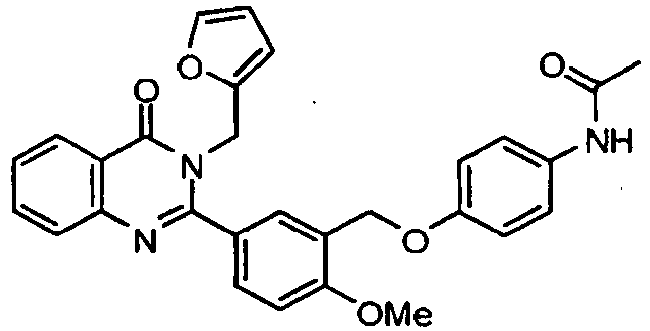
- 1H NMR (400 MHz, CHLOROFORM-d) δ 2.15 (s, 3 H), 3.95 (s, 3 H), 5.12 (s, 2 H), 5.19 (s, 2 H), 6.12 (d, J=2.7 Hz, 1 H), 6.22 - 6.28 (m, 1 H), 6.93 (d, J=9.0 Hz, 2 H), 7.00 (d, J=8.6 Hz, 1 H), 7.12 (br. s., 1 H), 7.24 (s, 1 H), 7.39 (d, J=9.0 Hz, 2 H), 7.46 - 7.56 (m, 2 H), 7.64 - 7.82 (m, 3 H), 8.33 (d, J=8.2 Hz, 1 H); HPLC: tR = 5.49 min,UV254 = 95%; HRMS (ESI): m/z calcd for C29H25N3O5 [M+1]+ 496.1872, found 496.1873.
-

- 1H NMR (400 MHz, CHLOROFORM-d) δ 2.13 (s, 3 H), 3.91 (s, 3 H), 5.04 (s, 2 H), 5.26 (s, 2 H), 6.81 - 7.04 (m, 5 H), 7.11 - 7.26 (m, 4 H), 7.38 (d, J=9.0 Hz, 2 H), 7.46 - 7.58 (m, 2 H), 7.71 - 7.83 (m, 2 H), 8.36 (d, J=7.8 Hz, 1 H); HPLC: tR = 5.73 min,UV254 = 98%; HRMS (ESI): m/z calcd for C31H27N3O4 [M+1]+ 506.2086, found 506.2082.
- Generation of stable cell-lines expressing TSHR, LHCGR or FSHR. cDNA for human TSHR was amplified by PCR from hTSHR-pSVL (1) and inserted into the pcDNA3.1(-)/hygromycin vector using restriction sites XhoI and BamHI. cDNA for human LHCGR was amplified by PCR from hLHR-pGS5 (2) and was inserted into the pcDNA3.1(+)/hygromycin vector using restriction sites BamHI and XhoI. The FSHR cDNA in pcDNA3.1 was obtained from the Missouri S&T cDNA Resource Center (www.cDNA.org) and was subcloned into the pcDNA3.1(-)/ hygromycin vector. Constructs were confirmed by sequencing (MWG Biotech). HEK-EM 293 cells were transfected with the cDNA of TSHR, LHCGR or
FSHR using FuGENE 6 Transfection reagent (Roche Diagnostics) according to the manufacturer's protocol. Two days after transfection cells were passaged and grown in Dulbecco's modified Eagle's Medium (DMEM) supplemented with 10% fetal bovine serum, 100 units/ml penicillin and 10 µg/ml streptomycin (Life Technologies Inc.) and with hygromycin (250 µg/ml) as a selection marker. After 7 to 10 days hygromycin-resistant clones were selected, and after a few days of further growth submitted for a cAMP assay to identify clones that stably express the appropriate receptor. - Cell Culture. Cells stably expressing TSHR, LHCGR or FSHR and parental HEK 293 cells were maintained in DMEM medium containing 10% FBS, 100 units/ml Penicillin, 100 µg/ml Streptomycin, at 37°C in 5% CO2. For the cells lines stably expressing TSHR, LHCGR or FSHR, additional 250 µg/ml Hygromycin was added during the cell culture. The cells were seeded at a density of 3 to 4 million cells in a T175 flask containing 35 ml of media and were allowed to grow for 3 days to reach 80 - 90% confluence. A flask of HEK 293 cells at this density generally yielded 30 million cells total.
- Homogeneous Time Resolved Fluorescence (HTRF) cAMP Assay. Compounds were assayed using a HTRF cAMP detection kit (Cisbio, Bedford, MA) on both TSHR cell line and parental cell line. Briefly, 750 cells were plated in 2.5 µl/well of complete media (DMEM containing 10% FCS) in 1536 well solid bottom white plates and 20 nl/well compound in DMSO solution or controls was added. Following 30 minute incubation at room temperature, 2.5 µl/well of labeled d2 cAMP and 2.5 µl/well of anti-cAMP antibody (both diluted 1:20 in lysis buffer) were added to each well using a flying reagent dispenser (Aurora Discovery, San Diego). Plates were measured using the Envision plate reader (PerkinElmer, Boston, MA) with excitation at 330 nm and emissions of 615 nm and 660 nm.
- Compound preparation. Compounds were serially diluted 1:5 or 1: 2.236 in DMSO in 384-well plates to yield seven or fifteen concentrations (minimally 10 mM, 2 mM, 0.4 mM, 80 µM, 16 µM, 3.2 µM and 0.64 µM) and formatted into 1,536-well plates at 7 µl/well. Final compound concentrations during cell incubation ranged from 1.60 nM to 25.0 µM. Data analysis. The maximal response (100% activity) was determined by the response of 30 mU/ml TSH and the basal response (0% activity) was measured by the DMSO control in the TSH screen. The EC50 values of compounds were calculated from the concentration-response curves by nonlinear regression analysis using Prism software (GraphPad Software, San Diego, CA).
- 50,000 cells/well were plated in complete media (DMEM containing 10% FCS) in 96 well plates. Cells were cultured for 24 h before incubation for 1 h in serum-free DMEM containing 1 mM 3-isobutyl-1-methylxanthine (IBMX) (SIGMA) and bovine TSH (1.8 µM) or human LH or FSH (1000 ng/ml) or compounds (0.01 µM - 100 µM) in a humidified 5% CO2 incubator at 37 C. Following aspiration of the medium after incubation with compounds, cells were lysed using lysis buffer of the cAMP-Screen Direct™ System (Applied Biosystems, Cat # CSD200). The cAMP content of the cell lysate was determined using the manufacturer's protocol. The potency (EC50) was obtained from dose response curves (0 - 100 µM compound) by data analysis with
GraphPad Prism 4 for Windows. - Below is a list of compounds that were assayed via the Homogeneous Time Resolved
-
Structure AC50(µM) Log AC50 Maximum Activity compared to TSH 1. 
12.59 -4.90 159.24 2. 
11.22 -4.95 217.29 3. 
4.47 -5.35 93.95 4. 
7.08 -5.15 171.91 5. 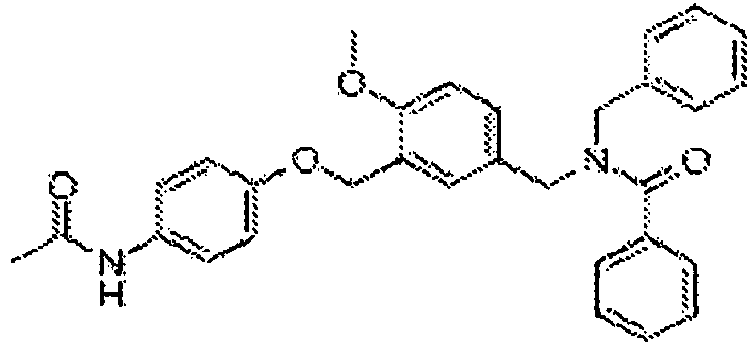
15.85 -4.80 174.77 6. 
17.78 -4.75 180.81 7. 
8.91 -5.05 152.47 8. 
14.13 -4.85 115.96 9. 
17.78 -4.75 115.62 10. 
7.94 -5.10 122.44 11. 
3.16 -5.50 113.94 12. 
3.98 -5.40 91.43 13. 
2.24 -5.65 103.29 14. 
11.22 -4.95 104.66 15. 
12.59 -4.90 123.21 16. 
19.95 -4.70 97.95 17. 
10.00 -5.00 93.46 18. 
6.31 -5.20 215.89 19. 
15.85 -4.80 142.18 20. 
14.13 -4.85 156.28 21. 
25.12 -4.60 236.35 22. 
7.94 -5.10 463.89 23. 
15.85 -4.80 165.50 24. 
7.08 -5.15 159.76 25. 
8.91 -5.05 207.56 26. 
10.00 -5.00 217.05 27. 
4.47 -5.35 123.52 28. 
10.00 -5.00 405.10 29. 
17.78 -4.75 138.99 30. 
3.16 -5.50 63.65 31. 
11.22 -4.95 153.40 32. 
15.85 -4.80 137.62 33. 
17.78 -4.75 168.66 34. 
15.85 -4.80 122.30 35. 
12.59 -4.90 115.01 36. 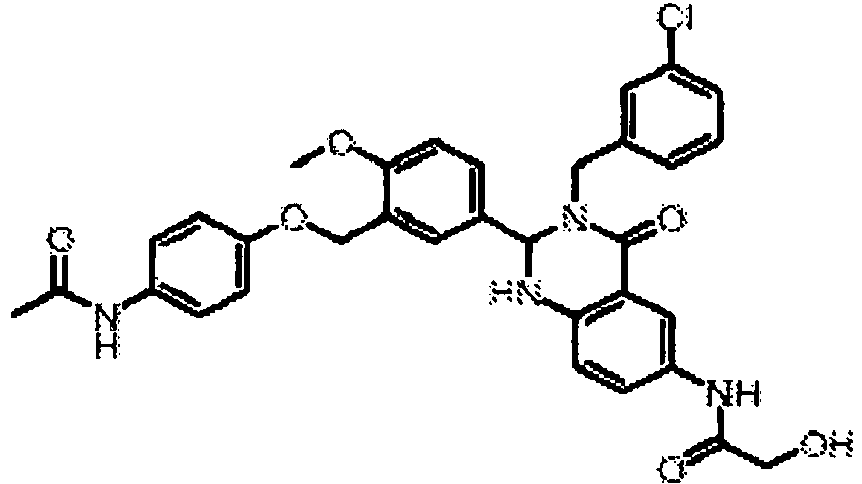
5.62 -5.25 115.47 37. 
8.91 -5.05 104.22 38. 
7.08 -5.15 573.36 39. 
19.95 -4.70 123.60 40. 
11.22 -4.95 128.80 41. 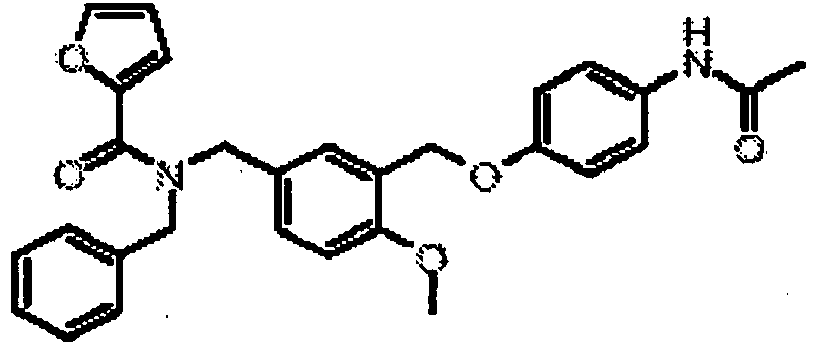
15.85 -4.80 122.50 42. 
14.13 -4.85 131.51 43. 
10.00 -5.00 128.45 44. 
7.08 -5.15 105.58 45. 
14.13 -4.85 141.85 46. 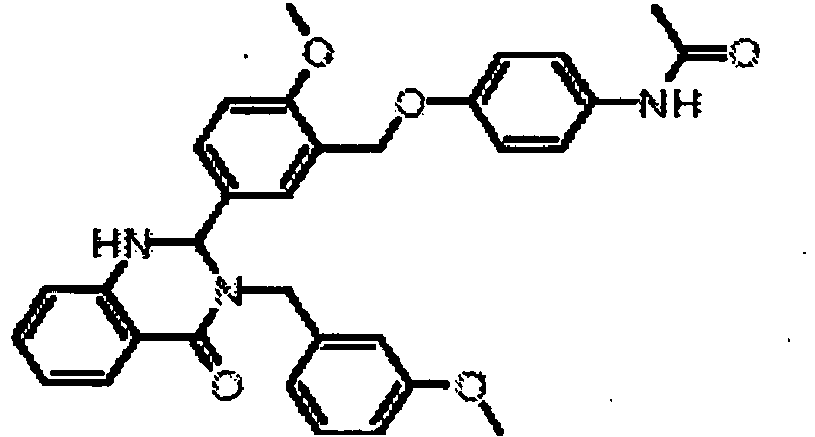
7.94 -5.10 182.52 47. 
25.12 -4.60 165.16 48. 
8.91 -5.05 106.48 49. 
3.55 -5.45 134.24 50. 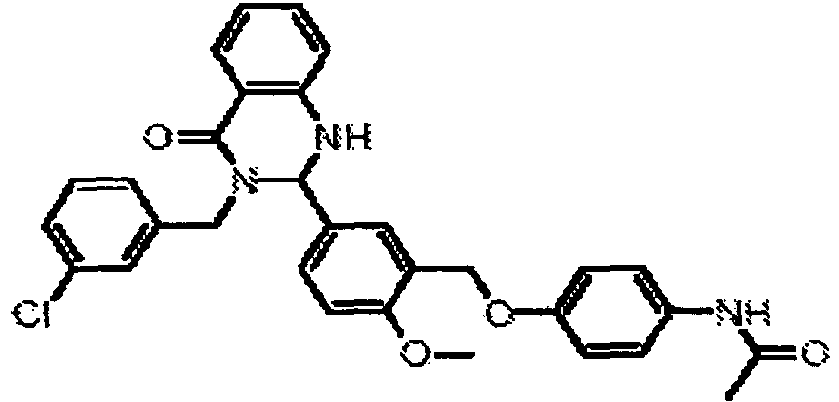
2.82 -5.55 70.37 51. 
15.85 -4.80 174.87 52. 
8.91 -5.05 104.78 53. 
12.59 -4.90 141.76 54. 
10.00 -5.00 115.69 55. 
7.94 -5.10 194.91 56. 
11.22 -4.95 110.90 57. 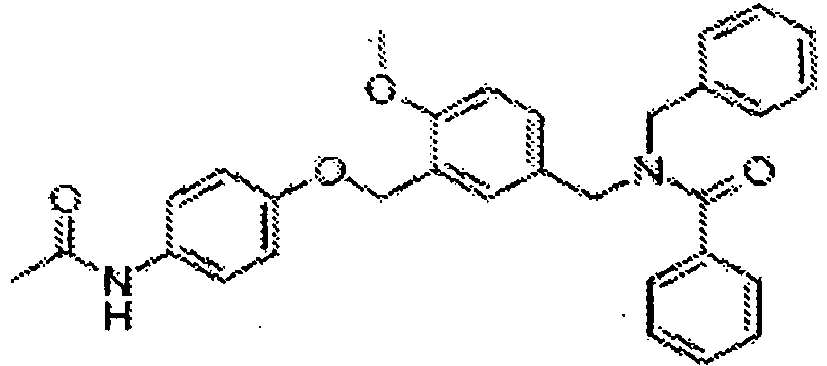
14.13 -4.85 100.67 58. 
8.91 -5.05 93.09 59. 
17.78 -4.75 226.43 60. 
6.31 -5.20 189.97 61. 
7.94 -5.10 302.11 62. 
7.08 -5.15 241.92 63. 
5.01 -5.30 166.46 64. 
7.94 -5.10 70.53 65. 
14.13 -4.85 51.63 66. 
8.91 -5.05 64.52 67. 
7.94 -5.10 82.36 68. 
22.39 -4.65 74.79 69. 
25.12 -4.60 44.83 70. 
10.00 -5.00 53.96 71. 
7.94 -5.10 44.19 72. 
3.98 -5.40 55.25 73. 
28.18 -4.55 75.04 74. 
2.82 -5.55 36.00 75. 
19.95 -4.70 70.09 76. 
6.31 -5.20 64.77 77. 
3.16 -5.50 68.63 78. 
8.91 -5.05 66.16 79. 
1.78 -5.75 61.52 80. 
22.39 -4.65 40.00 81. 
15.85 -4.80 76.98 82. 
25.12 -4.60 58.96 83. 
7.08 -5.15 79.03 84. 
7.94 -5.10 47.53 85. 
12.59 -4.90 54.95 86. 
6.31 -5.20 51.11 87. 
3.98 -5.40 38.00 88. 
5.62 -5.25 30.50 89. 
25.12 -4.60 129.12 90. 
44.67 -4.35 110.89 91. 
15.85 -4.80 88.07 92. 
31.62 -4.50 133.48 93. 
28.18 -4.55 111.66 94. 
25.12 -4.60 160.25 95. 
12.59 -4.90 138.18 96. 
14.13 -4.85 124.86 97. 
15.85 -4.80 132.18 98. 
14.13 -4.85 140.53 99. 
35.48 -4.45 104.15 100. 
35.48 -4.45 190.35 101. 
28.18 -4.55 128.51 102. 
15.85 -4.80 88.66 103. 
15.85 -4.80 106.72 104. 
39.81 -4.40 122.31 105. 
17.78 -4.75 125.72 106. 
17.78 -4.75 45.41 107. 
31.62 -4.50 63.73 108. 
15.85 -4.80 63.12 109. 
17.78 -4.75 47.53 110. 
22.39 -4.65 48.00 111. 
35.48 -4.45 98.46 112. 
15.85 -4.80 60.92 113. 
39.81 -4.40 63.82 114. 
25.12 -4.60 51.15 115. 
39.81 -4.40 66.81 116. 
35.48 -4.45 54.57 117. 
44.67 -4.35 87.19 118. 
28.18 -4.55 96.91 119. 
14.13 -4.85 56.31 120. 
15.85 -4.80 40.50 121. 
39.81 -4.40 38.00 122. 
50.12 -4.30 61.90 123. 
14.13 -4.85 83.18 124. 
31.62 -4.50 62.73 125. 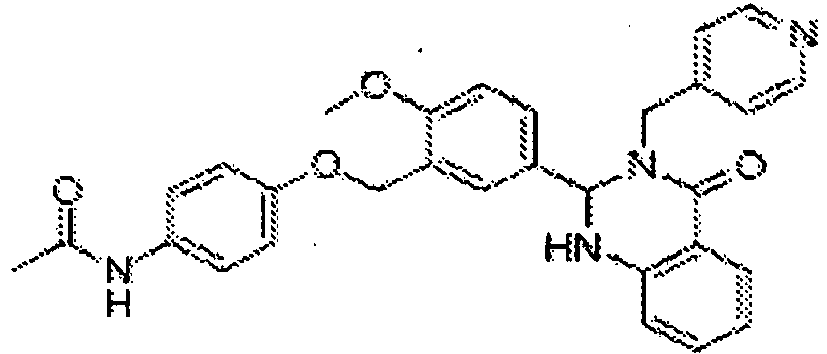
39.81 -4.40 56.43 126. 
17.78 -4.75 36.00 127. 
14.13 -4.85 38.00 128. 
39.81 -4.40 69.13 129. 
28.18 -4.55 51.77 130. 
50.12 -4.30 53.70 131. 
35.48 -4.45 99.01 132. 
31.62 -4.50 44.00 133. 
31.62 -4.50 55.28 134. 
8.91 -5.05 30.50 135. 
44.67 -4.35 48.07 136. 
28.18 -4.55 37.00 137. 
inactive 138. 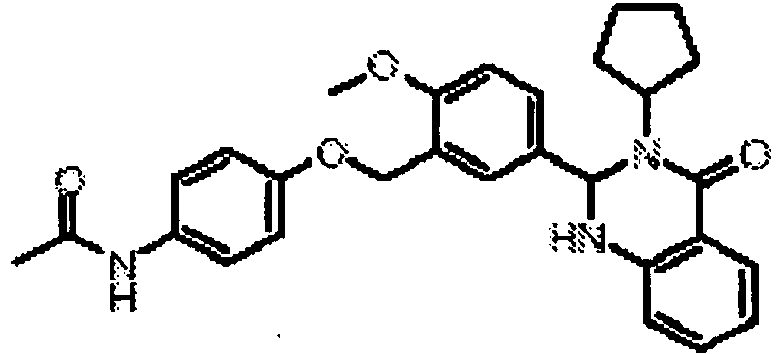
19.95 -4.70 31.50 139. 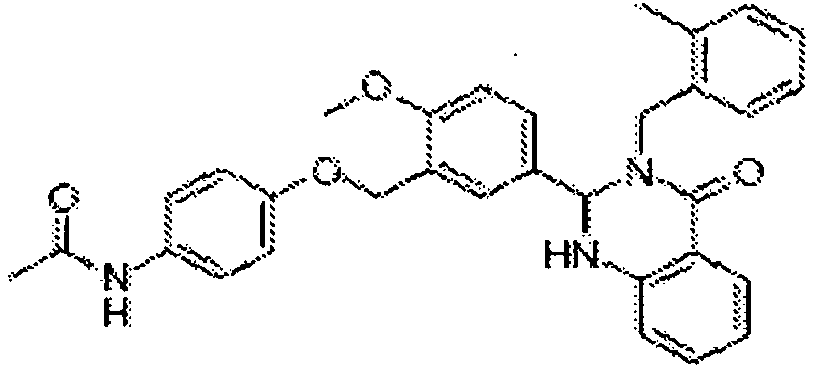
inactive 140. 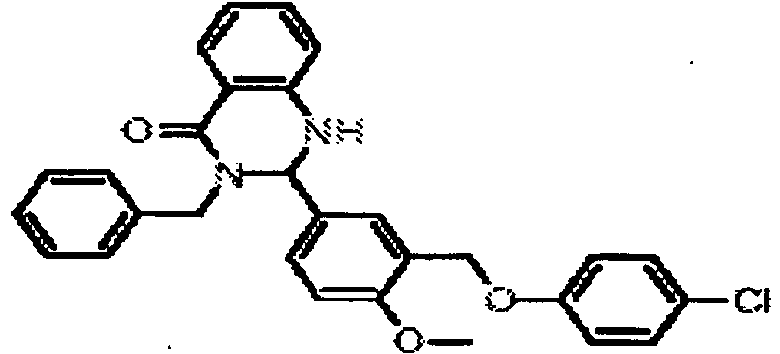
inactive 141. 
inactive 142. 
19.95 -4.70 34.00 143. 
inactive 144. 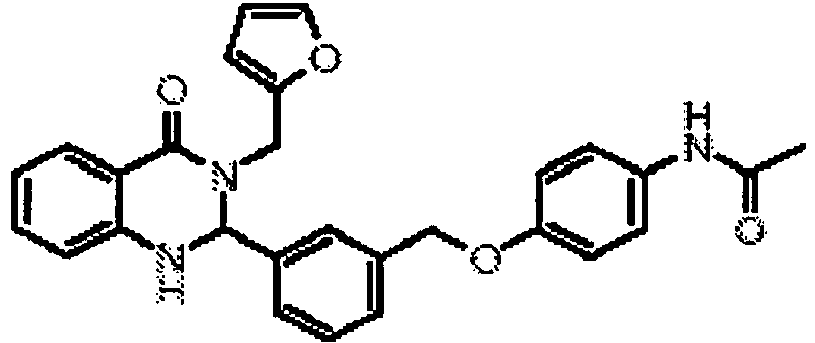
inactive 145. 
inactive 146. 
inactive 147. 
inactive 148. 
inactive 149. 
inactive 150. 
inactive 151. 
inactive 152. 
inactive 153. 
inactive 154. 
inactive 155. 
12.59 -4.90 25.50 156. 
inactive 157. 
inactive 158. 
inactive 159. 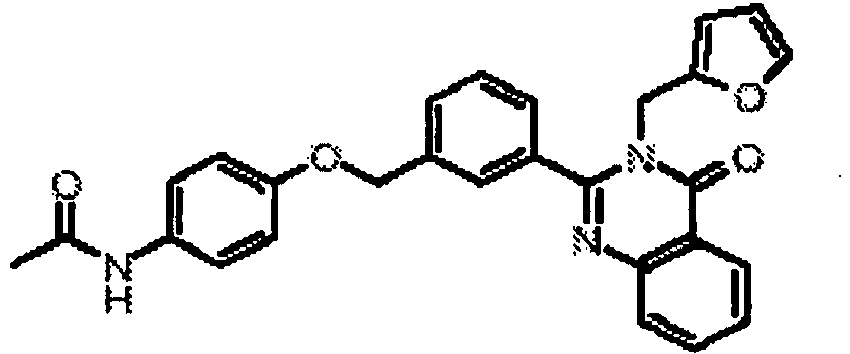
inactive 160. 
50.12 -4.30 28.00 161. 
inactive 162. 
inactive 163. 
inactive 164. 
inactive 165. 
inactive 166. 
inactive 167. 
14.18 -4.85 24.50 168. 
inactive 169. 
50.12 -4.30 34.00 170. 
inactive 171. 
inactive 172. 
inactive 173. 
15.85 -4.80 30.00 174. 
inactive 175. 
inactive 176. 
inactive 177. 
5.62 -5.25 29.00 178. 
inactive 179. 
inactive 180. 
inactive 181. 
3.98 -5.40 22.50 182. 
inactive 183. 
inactive 184. 
inactive 185. 
inactive 186. 
inactive 187. 
inactive 188. 
inactive 189. 
22.39 -4.65 24.00 190. 
inactive 191. 
inactive 192. 
inactive 193. 
inactive 194. 
31.62 -4.50 27.50 195. 
inactive 196. 
inactive 197. 
2.82 -5.55 17.00 198. 
19.95 -4.70 18.00 199. 
inactive 200. 
28.18 -4.55 38.00 201. 
inactive 202. 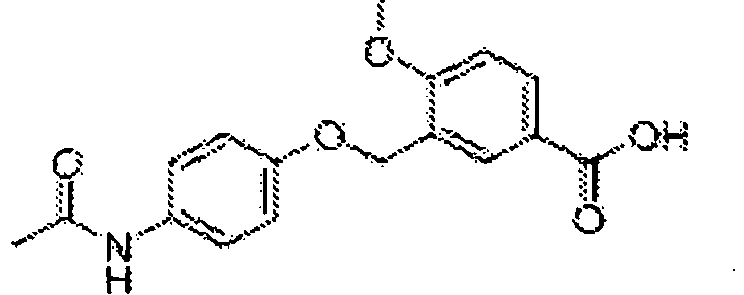
inactive 203. 
inactive 204. 
inactive 205. 
inactive 206. 
inactive 207. 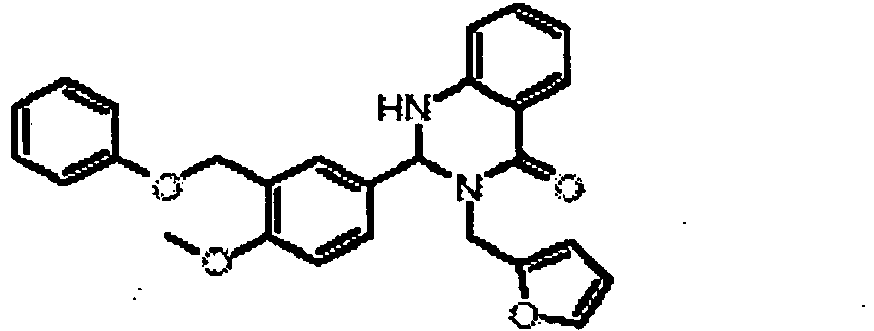
inactive 208. 
inactive 209. 
inactive 210. 
inactive 211. 
inactive 212. 
inactive 213. 
inactive 214. 
inactive 215. 
5.62 -5.25 20.00 216. 
inactive 217. 
inactive 218. 
39.81 -4.40 38.00 219. 
inactive 220. 
17.78 -4.75 32.00 221. 
inactive 222. 
inactive 223. 
inactive 224. 
inactive 225. 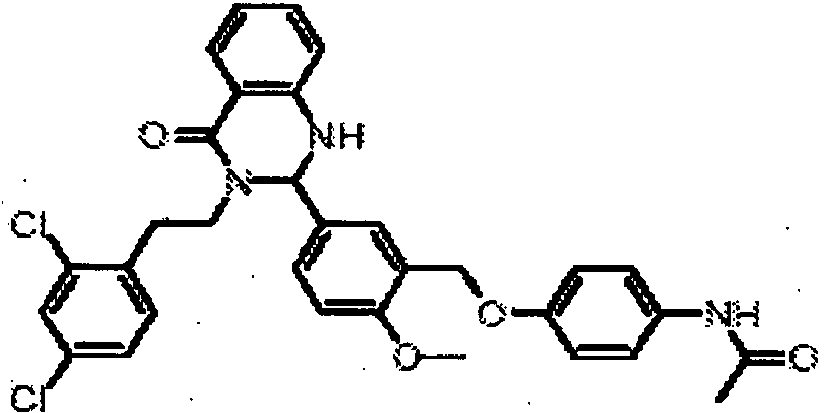
inactive 226. 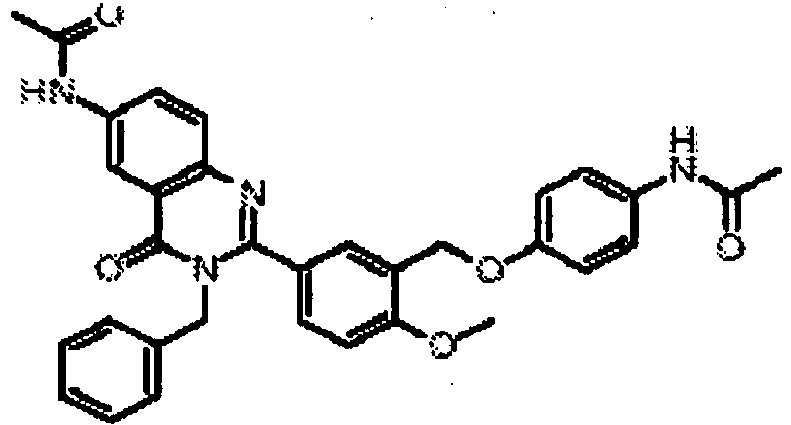
inactive 227. 
inactive 228. 
inactive 229. 
8.91 -5.05 23.50 230. 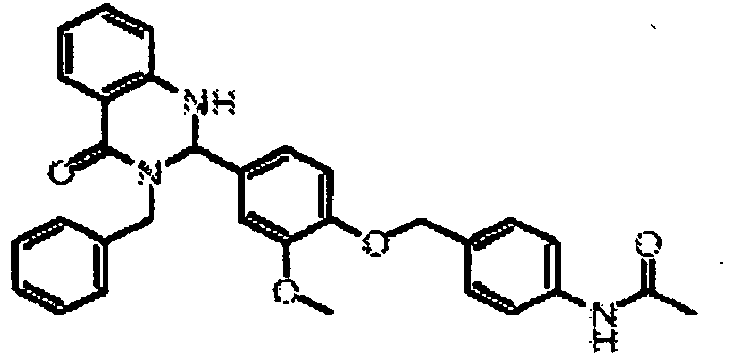
inactive 231. 
3.55 -5.45 16.00 232. 
inactive 233. 
inactive 234. 
8.91 -5.05 18.00 235. 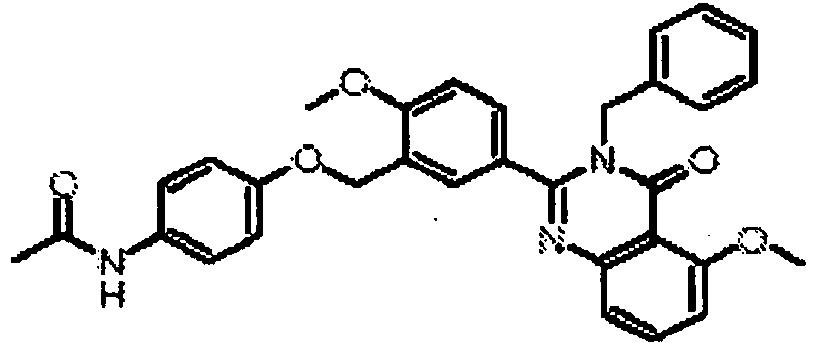
inactive 236. 
35.48 -4.45 32.00 237. 
inactive 238. 
inactive 239. 
17.78 -4.75 30.00 240. 
inactive 241. 
inactive 242. 
inactive 243. 
inactive 244. 
inactive 245. 
inactive 246. 
inactive 247. 
inactive 248. 
70.79 -4.15 32.00 249. 
50.12 -4.30 38.00 250. 
inactive 251. 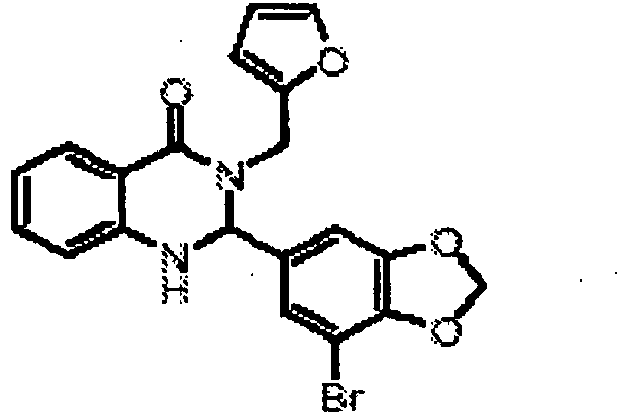
inactive 252. 
inactive 253. 
inactive 254. 
inactive 255. 
inactive 256. 
5.01 -5.30 24.00 257. 
19.95 -4.70 20.00 258. 
28.18 -4.55 21.50 259. 
inactive 260. 
inactive 261. 
inactive 262. 
inactive 263. 
inactive 264. 
inactive 265. 
6.31 -5.20 24.00 266. 
inactive 267. 
7.94 -5.10 24.50 268. 
inactive 269. 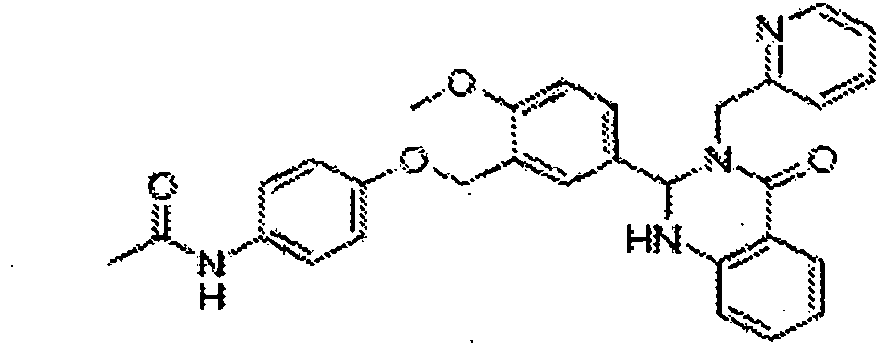
25.12 -4.60 28.00 270. 
inactive 271. 
inactive 272. 
inactive 273. 
2.51 -5.60 11.00 274. 
19.95 -4.70 28.00 275. 
7.94 -5.10 23.50 276. 
25.12 -4.60 32.00 277. 
inactive 278. 
inactive 279. 
4.47 -5.35 20.50 280. 
17.78 -4.75 24.00 281. 
5.62 -5.25 22.00 282. 
inactive 283. 
inactive 284. 
inactive 285. 
inactive 286. 
inactive 287. 
22.39 -4.65 30.00 288. 
2.24 -5.65 20.50 289. 
inactive 290. 
inactive 291. 
35.48 -4.45 38.00 292. 
inactive 293. 
inactive 294. 
inactive - The EC 50 values determined via the confirmatory cAMP assay for several compounds were:
Compound 3590 nM Compound 3/4 25 nM Compound 3/5 38 nM Compound 3/1 100 nM Compound 3/2 541 nM -
FIG. 1 shows that the compounds disclosed herein are TSHR-selective agonists since they exhibit no agonist activity against LHCGR or FSHR. -
FIG. 2 is a graph depicting data in HEK EM 293 cells stably expressing the TSHR demonstrating the potency of several compounds disclosed herein. -
FIG. 3 is a graph of data for the agonist activity of several compounds disclosed herein in primary cultures of human thyrocytes. - Because we identified the compounds disclosed herein using HEK EM 293 cells stably expressing TSHR, we sought to confirm their activities in primary cultures of human thyrocytes. Since TSH up-regulates expression of thyroid specific genes, we tested compounds disclosed herein on expression of mRNAs for thyroglobulin (TG) and thyroperoxidase (TP0). After 24 h, treatment of thyrocytes with 30 uM compounds disclosed herein increased TG mRNA expression to a level similar to TSH whereas TSHR small agonists increased TPO mRNA expression but to lower levels than bTSH. This demonstrates that these ligands are active in primary cultures of human thyrocytes that express TSHR at physiological levels.
- Thyroid tissue samples were obtained through the National Institutes of Health Clinical Center during surgery for unrelated reasons. Patients provided informed consent on an IRB approved protocol and materials were received anonymously via approval of research activity through the Office of Human Subjects Research. The specimens were maintained in HBSS on ice and isolation of cells was initiated within 4 h after surgery. All preparations were performed under sterile conditions. Tissue samples were minced into small pieces by fine surgical forceps and scissors in a 10 cm dish with a small volume of HBSS. Tissue pieces were transferred to a 15 ml tube (Falcon) and washed at least 3 times with HBSS. Afterwards, tissue pieces were incubated with HBSS containing 3 mg/ml Collagenase Type IV (Gibco). Enzymatic digestion proceeded for 30 min or longer with constant shaking in a water bath at 37°C until a suspension of isolated cells was obtained. After centrifugation for 5 min at 1000 rpm, the supernatant was removed and cells were resuspended in 10 ml DMEM with 10% FBS. Cells were plated in 10 cm tissue culture dishes and incubated at 37°C in a humidified 5% CO2 incubator. After 24 h, the supernatant containing non-adherent cells was removed. The primary cultures of thyroid cells formed a confluent monolayer within 5-7 days. For determination of thyroglobulin and thyroperoxidase mRNA expression, thyrocytes were seeded into 24-well plates at a density of 6x10⁴ cells/well 24 h before the experiment.
- Total RNA was purified using RNeasy Micro kits (Qiagen). First strand cDNA was prepared using a High Capacity cDNA Archive Kit (Applied Biosystems). RT-PCR was performed in 25 µl reactions using cDNA prepared from 100 ng of total RNA and Universal PCR Master Mix (Applied Biosystems). Primers and probes for thyroglobulin and thyroperoxidase were Assay-on-Demand (Applied Biosystems). Quantitative RT-PCR results were normalized to GAPDH to correct for differences in RNA input.
-
FIG. 4 is a graph of data of in vivo activity of a compound disclosed herein in mice - We have shown in vitro using transfected cells that compounds disclosed herein activate the mouse TSHR with similar potency and efficacy as human TSHR. Because the known physiology of TSHRs is similar in mice and humans, in vivo studies in mice offer an ideal preclinical model for assessing possible clinical applications for these compound disclosed herein. We determined if one compound disclosed herein can activate TSHR when administered by intraperitoneal injection. 20 ug of the compound disclosed herein and 30 ug TSH in PBS containing 2% DMSO were administered to unanesthetized C57 BL/6 mice. The experimental endpoint was total thyroxine (T4) measurement in serum obtained from terminal retroorbital bleeds from anesthetized
mice 2 hours after administration of the compound or TSH. Total T4 levels did rise after injection of TSH and of the compound disclosed herein. - In view of the many possible embodiments to which the principles of the disclosed compounds, compositions and methods may be applied, it should be recognized that the illustrated embodiments are only preferred examples and should not be taken as limiting the scope of the invention. Rather, the scope of the invention is defined by the following claims.

Claims (15)
- A compound having formula I:
 R1-R4 are each independently H, hydroxyl, alkyl, alkoxy, aminocarbonyl, or halogen;R5 is CH2Ph wherein Ph is phenyl or substituted phenyl group;A represents -N=C(R15)- (wherein a bond at the left end bonds to the benzene ring of formula I above and a bond at the right end bonds to the nitrogen heteroatom of formula I above) or -NH-CH(R15)- (wherein a bond at the left end bonds to the benzene ring of formula I above and a bond at the right end bonds to the nitrogen heteroatom of formula I above);R15 is represented by formula II:
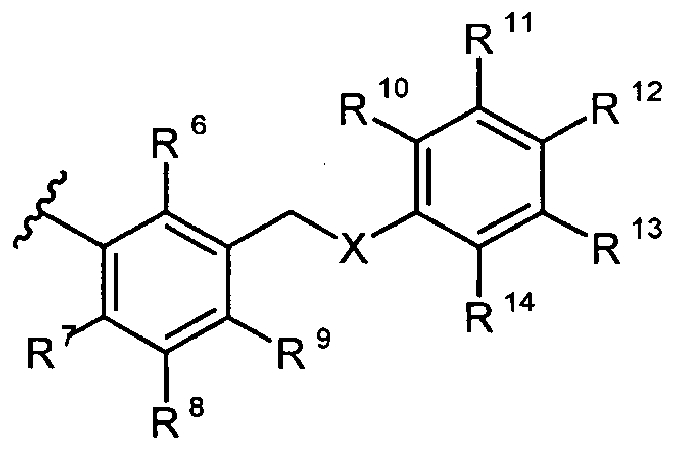 R6-R9 are each independently H, hydroxyl, alkyl, or alkoxy;R10, R11, R13 and R14 are each H and R12 is acetamido; andX is O, S or N(H);with the proviso that the compound of formula I is not

- The compound of claim 1, wherein:R1-R4 are each independently H, hydroxyl, or acetamido;R6, R7 and R8 are each H;R9 is alkoxy;
andX is O or S. - The compound of claim 1 or 2, wherein R5 is:

- The compound of any one of claims 1 to 3, wherein R9 is C1-C4 alkoxy.
- The compound of any one of claims 1 to 4, wherein X is O.
- The compound of any one of claims 1 to 5, wherein R1-R4 are each independently H.
- The compound of claim 1, wherein R15 is represented by formula III:

- The compound of claim 1, wherein the compound is selected from:


- A compound having formula VI:
 wherein R20 is aryl or heteroaryl; R21 is aryl or heteroaryl; R22 is represented by formula II:
 R6-R9 are each independently H, hydroxyl, alkyl, or alkoxy;R10, R11, R13 and R14 are each H and R12 is acetamido; andX is O, S or N(H);wherein the term "aryl" is benzene or naphthalene; and wherein the term "heteroaryl" is an aryl group that has at least one heteroatom selected from the group consisting of nitrogen, oxygen, sulfur, and phosphorous incorporated within the ring.
 - The compound of claim 9, wherein R21 is benzyl.
- A compound having a structure selected from the group consisting of:


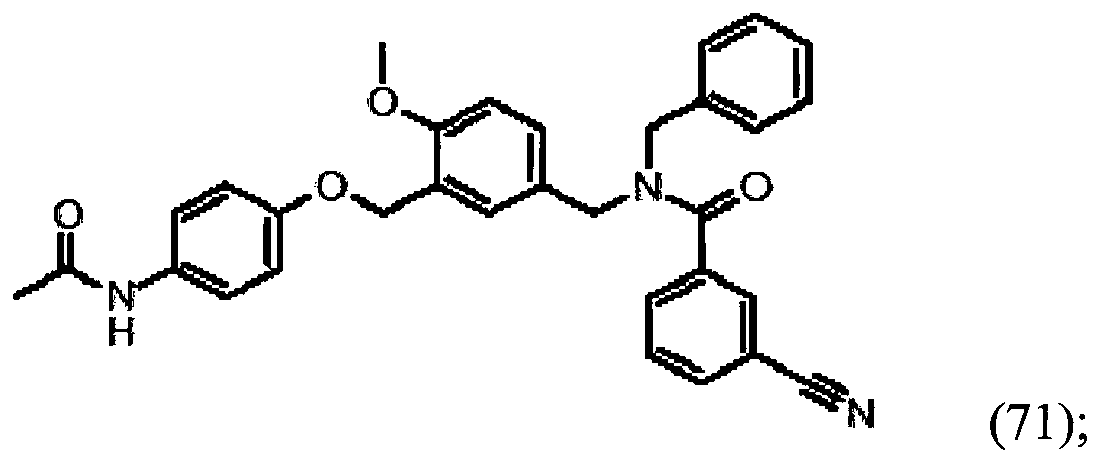


- A compound for medical use selected from the compounds of any of claims 1-8 when ignoring the proviso of claim 1, and from claim 9, 10 or 11 and from compound A:

- A compound for use in treating or preventing a bone degenerative disorder or for treating thyroid cancer, wherein the compound is selected from the compounds of any of claims 1-8 when ignoring the proviso of claim 1, and from claim 9, 10 or 11 and from compound A:

- A pharmaceutical composition comprising at least one compound of any one of claims 1 to 8 when disregarding the proviso of claim 1 and of any of claims 9 to 13, and a pharmaceutically acceptable carrier.
- The composition of claim 14, further comprising other therapeutic or diagnostic ingredients.
Applications Claiming Priority (1)
| Application Number | Priority Date | Filing Date | Title |
|---|---|---|---|
| PCT/US2008/011958 WO2010047674A1 (en) | 2008-10-20 | 2008-10-20 | Low molecular weight thyroid stimulating hormone receptor (tshr) agonists |
Publications (3)
| Publication Number | Publication Date |
|---|---|
| EP2358684A1 EP2358684A1 (en) | 2011-08-24 |
| EP2358684B1 true EP2358684B1 (en) | 2014-08-06 |
| EP2358684B8 EP2358684B8 (en) | 2014-10-22 |
Family
ID=40846012
Family Applications (1)
| Application Number | Title | Priority Date | Filing Date |
|---|---|---|---|
| EP08876356.0A Active EP2358684B8 (en) | 2008-10-20 | 2008-10-20 | Low molecular weight thyroid stimulating hormone receptor (tshr) agonists |
Country Status (6)
| Country | Link |
|---|---|
| US (4) | US8741259B2 (en) |
| EP (1) | EP2358684B8 (en) |
| JP (1) | JP5718233B2 (en) |
| AU (1) | AU2008363295B2 (en) |
| CA (1) | CA2741030A1 (en) |
| WO (1) | WO2010047674A1 (en) |
Cited By (1)
| Publication number | Priority date | Publication date | Assignee | Title |
|---|---|---|---|---|
| CN111848528A (en) * | 2019-04-29 | 2020-10-30 | 北京嘉林药业股份有限公司 | Compound for preventing and/or treating cancer and preparation method and application thereof |
Families Citing this family (9)
| Publication number | Priority date | Publication date | Assignee | Title |
|---|---|---|---|---|
| US8741259B2 (en) | 2008-10-20 | 2014-06-03 | Marvin C. Gershengorn | Low molecular weight thyroid stimulating hormone receptor (TSHR) agonists |
| EP2563777A4 (en) * | 2010-04-08 | 2013-09-04 | Us Health | INVERSE AGONISTS AND NEUTRAL ANTAGONISTS FOR TSH RECEPTOR |
| EP2683684B1 (en) * | 2011-03-08 | 2018-01-03 | GE Healthcare Limited | Preparation of a 1-amino-3-hydroxy-cyclobutane-1-carboxylic acid derivative |
| WO2013139799A1 (en) * | 2012-03-20 | 2013-09-26 | Basf Se | Isoindolo[2,1-a]quinazoline derivatives for stabilization of organic materials |
| JP2022525151A (en) * | 2019-03-11 | 2022-05-11 | フダン ユニバーシティ | Compounds for treating neurodegenerative diseases |
| CN119343332A (en) * | 2022-06-30 | 2025-01-21 | 橘生药品工业株式会社 | 3,4-Dihydroquinolin-2(1H)-one compounds |
| CN117447408B (en) * | 2023-10-07 | 2025-05-16 | 江西师范大学 | N- (2-organic seleno) acrolein quinazolinone and preparation method thereof |
| WO2025141891A1 (en) * | 2023-12-29 | 2025-07-03 | キッセイ薬品工業株式会社 | Biaryl compound |
| CN121108047A (en) * | 2024-06-12 | 2025-12-12 | 长春金赛药业有限责任公司 | TSHR antagonist compounds, pharmaceutical compositions, their preparation methods and applications |
Family Cites Families (24)
| Publication number | Priority date | Publication date | Assignee | Title |
|---|---|---|---|---|
| US4675189A (en) | 1980-11-18 | 1987-06-23 | Syntex (U.S.A.) Inc. | Microencapsulation of water soluble active polypeptides |
| JPS60100516A (en) | 1983-11-04 | 1985-06-04 | Takeda Chem Ind Ltd | Preparation of sustained release microcapsule |
| CA1256638A (en) | 1984-07-06 | 1989-06-27 | Motoaki Tanaka | Polymer and its production |
| JP2551756B2 (en) | 1985-05-07 | 1996-11-06 | 武田薬品工業株式会社 | Polyoxycarboxylic acid ester and method for producing the same |
| JP4345230B2 (en) | 1998-03-10 | 2009-10-14 | 小野薬品工業株式会社 | Carboxylic acid derivatives and drugs containing the derivatives as active ingredients |
| PL207755B1 (en) | 2000-09-22 | 2011-01-31 | N V Organon | Bicyclic heteroaromatic compounds |
| NZ526687A (en) | 2000-12-25 | 2004-08-27 | Ono Pharmaceutical Co | Dihydronaphthalene derivative compounds and drugs containing these compounds as the active ingredient |
| DE60226441D1 (en) | 2001-06-18 | 2008-06-19 | Ono Pharmaceutical Co | TETRAHYDROCHINOLINE DERIVATIVE COMPOUND AND THE COMPOUND OF AN ACTIVE MEDICAMENT CONTAINING ACTIVE SUBSTANCE |
| NZ531375A (en) | 2001-09-04 | 2005-06-24 | Akzo Nobel Nv | Glycine-substituted thieno [2,3-d]pyrimidines with combined LH and FSH agonistic activity may be used to treat fertility disorders |
| TWI228508B (en) | 2001-09-04 | 2005-03-01 | Akzo Nobel Nv | Thieno[2,3-d]pyrimidines with combined LH and FSH agonistic activity |
| DE60333937D1 (en) | 2002-05-23 | 2010-10-07 | Novartis Vaccines & Diagnostic | SUBSTITUTED QUINAZOLINONE COMPOUNDS |
| JP4395073B2 (en) | 2002-10-03 | 2010-01-06 | 株式会社医薬分子設計研究所 | Quinazolin-4-one derivatives |
| JP2007501821A (en) | 2003-08-12 | 2007-02-01 | エフ.ホフマン−ラ ロシュ アーゲー | Tetrahydroquinazoline derivatives as CFR antagonists |
| NZ551775A (en) | 2004-06-01 | 2010-12-24 | Univ Virginia | Dual small molecule inhibitors of cancer and angiogenesis |
| US7375102B2 (en) | 2004-06-28 | 2008-05-20 | Amgen Sf, Llc | Tetrahydroquinazolin-4(3H)-one-related and tetrahydropyrido[2,3-D]pyrimidin-4(3H)-one-related compounds, compositions and methods for their use |
| MX2007000555A (en) | 2004-07-15 | 2007-03-07 | Amgen Inc | 1,2,3,4-tetrahydropyrazin-2-yl acetamides and their use as bradykinin antagonists for the treatment of inflammation related disorders. |
| EP1781320A2 (en) | 2004-07-27 | 2007-05-09 | Genzyme Corporation | Use of thyrotropin for regeneration of bone |
| US7745452B2 (en) | 2005-03-09 | 2010-06-29 | Merck Sharp & Dohme Corp. | Quinazolinone T-type calcium channel antagonists |
| DK1971361T3 (en) | 2005-12-23 | 2014-09-08 | James D Kelly | Enhanced glycoforms of thyroid stimulating hormone receptor polypeptide agonist for the treatment of metabolic syndrome |
| EP2018384A2 (en) | 2006-05-17 | 2009-01-28 | The Government of the United States of America as represented by the Secretary of the Department of Health and Human Services | Pyrimidine low molecular weight ligands for modulating hormone receptors |
| CN101225083A (en) | 2007-01-16 | 2008-07-23 | 北京摩力克科技有限公司 | Tetrahydroquinazolone compounds and their use in the preparation of medicines for treating and preventing viral diseases |
| US20080293699A1 (en) * | 2007-05-25 | 2008-11-27 | Burnham Institute For Medical Research | Inhibitors of thapsigargin-induced cell death |
| US8741259B2 (en) | 2008-10-20 | 2014-06-03 | Marvin C. Gershengorn | Low molecular weight thyroid stimulating hormone receptor (TSHR) agonists |
| EP2563777A4 (en) | 2010-04-08 | 2013-09-04 | Us Health | INVERSE AGONISTS AND NEUTRAL ANTAGONISTS FOR TSH RECEPTOR |
-
2008
- 2008-10-20 US US13/125,045 patent/US8741259B2/en active Active
- 2008-10-20 CA CA2741030A patent/CA2741030A1/en not_active Abandoned
- 2008-10-20 EP EP08876356.0A patent/EP2358684B8/en active Active
- 2008-10-20 AU AU2008363295A patent/AU2008363295B2/en active Active
- 2008-10-20 WO PCT/US2008/011958 patent/WO2010047674A1/en not_active Ceased
- 2008-10-20 JP JP2011532048A patent/JP5718233B2/en active Active
-
2013
- 2013-05-17 US US13/897,330 patent/US9187457B2/en active Active
-
2014
- 2014-04-02 US US14/243,821 patent/US9296729B2/en active Active
-
2015
- 2015-09-29 US US14/869,318 patent/US9458141B2/en active Active
Cited By (2)
| Publication number | Priority date | Publication date | Assignee | Title |
|---|---|---|---|---|
| CN111848528A (en) * | 2019-04-29 | 2020-10-30 | 北京嘉林药业股份有限公司 | Compound for preventing and/or treating cancer and preparation method and application thereof |
| CN111848528B (en) * | 2019-04-29 | 2022-03-11 | 北京嘉林药业股份有限公司 | Compound for preventing and/or treating cancer and preparation method and application thereof |
Also Published As
| Publication number | Publication date |
|---|---|
| EP2358684B8 (en) | 2014-10-22 |
| JP2012506841A (en) | 2012-03-22 |
| US9458141B2 (en) | 2016-10-04 |
| US9187457B2 (en) | 2015-11-17 |
| AU2008363295A1 (en) | 2010-04-29 |
| US20160024023A1 (en) | 2016-01-28 |
| US9296729B2 (en) | 2016-03-29 |
| AU2008363295B2 (en) | 2015-05-07 |
| US20110195018A1 (en) | 2011-08-11 |
| US20140301944A1 (en) | 2014-10-09 |
| US8741259B2 (en) | 2014-06-03 |
| EP2358684A1 (en) | 2011-08-24 |
| US20130251631A1 (en) | 2013-09-26 |
| WO2010047674A1 (en) | 2010-04-29 |
| JP5718233B2 (en) | 2015-05-13 |
| CA2741030A1 (en) | 2010-04-29 |
Similar Documents
| Publication | Publication Date | Title |
|---|---|---|
| US9458141B2 (en) | Low molecular weight thyroid stimulating hormone receptor (TSHR) agonists | |
| US10562883B2 (en) | Heterocycles capable of modulating T-cell responses, and methods of using same | |
| CN101619043B (en) | Quinazoline derivant and medical application thereof | |
| JP5965387B2 (en) | Inverse agonists and neutral antagonists for the TSH receptor | |
| US20050171123A1 (en) | Quinazoline derivatives as medicaments | |
| TW200413331A (en) | Small molecule PI 3-kinase inhibitors and methods of their use | |
| US20050085493A1 (en) | Quinazolinone derivatives and their use as cb agonists | |
| JP7021356B2 (en) | Pyrimidine derivative kinase inhibitors | |
| CN106660968A (en) | Pyrazole derivatives and their use as cannabinoid receptor mediators | |
| JP2001519813A (en) | Calcium soluble compounds | |
| AU2016204845B2 (en) | Low molecular weight thyroid stimulating hormone receptor (tshr) agonists | |
| US8653086B2 (en) | Naphthamides as anticancer agents | |
| AU2015204281B2 (en) | Low molecular weight thyroid stimulating hormone receptor (tshr) agonists | |
| CN111205244A (en) | Thiazolo ring compound, its preparation method, intermediate and application | |
| JP6038212B2 (en) | Thyroid-stimulating hormone receptor (TSHR) low molecular weight agonist | |
| JP2009537551A (en) | Pyrimidine low molecular weight ligands for modulating hormone receptors | |
| WO2025139868A1 (en) | Trpv3 inhibitor, and preparation therefor and use thereof |
Legal Events
| Date | Code | Title | Description |
|---|---|---|---|
| PUAI | Public reference made under article 153(3) epc to a published international application that has entered the european phase |
Free format text: ORIGINAL CODE: 0009012 |
|
| 17P | Request for examination filed |
Effective date: 20110520 |
|
| AK | Designated contracting states |
Kind code of ref document: A1 Designated state(s): AT BE BG CH CY CZ DE DK EE ES FI FR GB GR HR HU IE IS IT LI LT LU LV MC MT NL NO PL PT RO SE SI SK TR |
|
| RIN1 | Information on inventor provided before grant (corrected) |
Inventor name: GERSHENGORN, MARVIN, C. Inventor name: INGLESE, JAMES Inventor name: SOUTHALL, NOEL, T. Inventor name: KLEINAU, GUNNAR Inventor name: RAAKA, BRUCE, M. Inventor name: THOMAS, CRAIG, J. Inventor name: KRAUSE, GERD Inventor name: ZHENG, WEI Inventor name: TITUS, STEVEN Inventor name: NEUMANN, SUSANNE Inventor name: HUANG, WENWEI |
|
| DAX | Request for extension of the european patent (deleted) | ||
| 17Q | First examination report despatched |
Effective date: 20130523 |
|
| REG | Reference to a national code |
Ref country code: DE Ref legal event code: R079 Ref document number: 602008033766 Country of ref document: DE Free format text: PREVIOUS MAIN CLASS: C07D0235180000 Ipc: C07D0401060000 |
|
| GRAP | Despatch of communication of intention to grant a patent |
Free format text: ORIGINAL CODE: EPIDOSNIGR1 |
|
| RIC1 | Information provided on ipc code assigned before grant |
Ipc: C07D 405/06 20060101ALI20131206BHEP Ipc: C07D 401/06 20060101AFI20131206BHEP Ipc: C07D 239/91 20060101ALI20131206BHEP Ipc: C07D 487/04 20060101ALI20131206BHEP |
|
| INTG | Intention to grant announced |
Effective date: 20140109 |
|
| GRAP | Despatch of communication of intention to grant a patent |
Free format text: ORIGINAL CODE: EPIDOSNIGR1 |
|
| GRAS | Grant fee paid |
Free format text: ORIGINAL CODE: EPIDOSNIGR3 |
|
| GRAA | (expected) grant |
Free format text: ORIGINAL CODE: 0009210 |
|
| INTG | Intention to grant announced |
Effective date: 20140616 |
|
| AK | Designated contracting states |
Kind code of ref document: B1 Designated state(s): AT BE BG CH CY CZ DE DK EE ES FI FR GB GR HR HU IE IS IT LI LT LU LV MC MT NL NO PL PT RO SE SI SK TR |
|
| REG | Reference to a national code |
Ref country code: GB Ref legal event code: FG4D |
|
| REG | Reference to a national code |
Ref country code: CH Ref legal event code: EP Ref country code: AT Ref legal event code: REF Ref document number: 680999 Country of ref document: AT Kind code of ref document: T Effective date: 20140815 |
|
| RAP2 | Party data changed (patent owner data changed or rights of a patent transferred) |
Owner name: THE GOVERNMENT OF THE UNITED STATES OF AMERICA AS Owner name: FORSCHUNGSVERBUND BERLIN E.V. |
|
| REG | Reference to a national code |
Ref country code: IE Ref legal event code: FG4D |
|
| REG | Reference to a national code |
Ref country code: DE Ref legal event code: R096 Ref document number: 602008033766 Country of ref document: DE Effective date: 20140918 |
|
| REG | Reference to a national code |
Ref country code: AT Ref legal event code: MK05 Ref document number: 680999 Country of ref document: AT Kind code of ref document: T Effective date: 20140806 |
|
| REG | Reference to a national code |
Ref country code: NL Ref legal event code: VDEP Effective date: 20140806 |
|
| REG | Reference to a national code |
Ref country code: LT Ref legal event code: MG4D |
|
| PG25 | Lapsed in a contracting state [announced via postgrant information from national office to epo] |
Ref country code: BG Free format text: LAPSE BECAUSE OF FAILURE TO SUBMIT A TRANSLATION OF THE DESCRIPTION OR TO PAY THE FEE WITHIN THE PRESCRIBED TIME-LIMIT Effective date: 20141106 Ref country code: PT Free format text: LAPSE BECAUSE OF FAILURE TO SUBMIT A TRANSLATION OF THE DESCRIPTION OR TO PAY THE FEE WITHIN THE PRESCRIBED TIME-LIMIT Effective date: 20141209 Ref country code: ES Free format text: LAPSE BECAUSE OF FAILURE TO SUBMIT A TRANSLATION OF THE DESCRIPTION OR TO PAY THE FEE WITHIN THE PRESCRIBED TIME-LIMIT Effective date: 20140806 Ref country code: LT Free format text: LAPSE BECAUSE OF FAILURE TO SUBMIT A TRANSLATION OF THE DESCRIPTION OR TO PAY THE FEE WITHIN THE PRESCRIBED TIME-LIMIT Effective date: 20140806 Ref country code: NO Free format text: LAPSE BECAUSE OF FAILURE TO SUBMIT A TRANSLATION OF THE DESCRIPTION OR TO PAY THE FEE WITHIN THE PRESCRIBED TIME-LIMIT Effective date: 20141106 Ref country code: GR Free format text: LAPSE BECAUSE OF FAILURE TO SUBMIT A TRANSLATION OF THE DESCRIPTION OR TO PAY THE FEE WITHIN THE PRESCRIBED TIME-LIMIT Effective date: 20141107 Ref country code: FI Free format text: LAPSE BECAUSE OF FAILURE TO SUBMIT A TRANSLATION OF THE DESCRIPTION OR TO PAY THE FEE WITHIN THE PRESCRIBED TIME-LIMIT Effective date: 20140806 Ref country code: SE Free format text: LAPSE BECAUSE OF FAILURE TO SUBMIT A TRANSLATION OF THE DESCRIPTION OR TO PAY THE FEE WITHIN THE PRESCRIBED TIME-LIMIT Effective date: 20140806 |
|
| PG25 | Lapsed in a contracting state [announced via postgrant information from national office to epo] |
Ref country code: LV Free format text: LAPSE BECAUSE OF FAILURE TO SUBMIT A TRANSLATION OF THE DESCRIPTION OR TO PAY THE FEE WITHIN THE PRESCRIBED TIME-LIMIT Effective date: 20140806 Ref country code: HR Free format text: LAPSE BECAUSE OF FAILURE TO SUBMIT A TRANSLATION OF THE DESCRIPTION OR TO PAY THE FEE WITHIN THE PRESCRIBED TIME-LIMIT Effective date: 20140806 Ref country code: PL Free format text: LAPSE BECAUSE OF FAILURE TO SUBMIT A TRANSLATION OF THE DESCRIPTION OR TO PAY THE FEE WITHIN THE PRESCRIBED TIME-LIMIT Effective date: 20140806 Ref country code: CY Free format text: LAPSE BECAUSE OF FAILURE TO SUBMIT A TRANSLATION OF THE DESCRIPTION OR TO PAY THE FEE WITHIN THE PRESCRIBED TIME-LIMIT Effective date: 20140806 Ref country code: NL Free format text: LAPSE BECAUSE OF FAILURE TO SUBMIT A TRANSLATION OF THE DESCRIPTION OR TO PAY THE FEE WITHIN THE PRESCRIBED TIME-LIMIT Effective date: 20140806 Ref country code: AT Free format text: LAPSE BECAUSE OF FAILURE TO SUBMIT A TRANSLATION OF THE DESCRIPTION OR TO PAY THE FEE WITHIN THE PRESCRIBED TIME-LIMIT Effective date: 20140806 Ref country code: IS Free format text: LAPSE BECAUSE OF FAILURE TO SUBMIT A TRANSLATION OF THE DESCRIPTION OR TO PAY THE FEE WITHIN THE PRESCRIBED TIME-LIMIT Effective date: 20141206 |
|
| PG25 | Lapsed in a contracting state [announced via postgrant information from national office to epo] |
Ref country code: RO Free format text: LAPSE BECAUSE OF FAILURE TO SUBMIT A TRANSLATION OF THE DESCRIPTION OR TO PAY THE FEE WITHIN THE PRESCRIBED TIME-LIMIT Effective date: 20140806 Ref country code: SK Free format text: LAPSE BECAUSE OF FAILURE TO SUBMIT A TRANSLATION OF THE DESCRIPTION OR TO PAY THE FEE WITHIN THE PRESCRIBED TIME-LIMIT Effective date: 20140806 Ref country code: EE Free format text: LAPSE BECAUSE OF FAILURE TO SUBMIT A TRANSLATION OF THE DESCRIPTION OR TO PAY THE FEE WITHIN THE PRESCRIBED TIME-LIMIT Effective date: 20140806 Ref country code: IT Free format text: LAPSE BECAUSE OF FAILURE TO SUBMIT A TRANSLATION OF THE DESCRIPTION OR TO PAY THE FEE WITHIN THE PRESCRIBED TIME-LIMIT Effective date: 20140806 Ref country code: DK Free format text: LAPSE BECAUSE OF FAILURE TO SUBMIT A TRANSLATION OF THE DESCRIPTION OR TO PAY THE FEE WITHIN THE PRESCRIBED TIME-LIMIT Effective date: 20140806 Ref country code: CZ Free format text: LAPSE BECAUSE OF FAILURE TO SUBMIT A TRANSLATION OF THE DESCRIPTION OR TO PAY THE FEE WITHIN THE PRESCRIBED TIME-LIMIT Effective date: 20140806 |
|
| REG | Reference to a national code |
Ref country code: DE Ref legal event code: R097 Ref document number: 602008033766 Country of ref document: DE |
|
| PG25 | Lapsed in a contracting state [announced via postgrant information from national office to epo] |
Ref country code: LU Free format text: LAPSE BECAUSE OF FAILURE TO SUBMIT A TRANSLATION OF THE DESCRIPTION OR TO PAY THE FEE WITHIN THE PRESCRIBED TIME-LIMIT Effective date: 20141020 Ref country code: MC Free format text: LAPSE BECAUSE OF FAILURE TO SUBMIT A TRANSLATION OF THE DESCRIPTION OR TO PAY THE FEE WITHIN THE PRESCRIBED TIME-LIMIT Effective date: 20140806 |
|
| REG | Reference to a national code |
Ref country code: CH Ref legal event code: PL |
|
| PLBE | No opposition filed within time limit |
Free format text: ORIGINAL CODE: 0009261 |
|
| STAA | Information on the status of an ep patent application or granted ep patent |
Free format text: STATUS: NO OPPOSITION FILED WITHIN TIME LIMIT |
|
| PG25 | Lapsed in a contracting state [announced via postgrant information from national office to epo] |
Ref country code: BE Free format text: LAPSE BECAUSE OF NON-PAYMENT OF DUE FEES Effective date: 20141031 |
|
| 26N | No opposition filed |
Effective date: 20150507 |
|
| REG | Reference to a national code |
Ref country code: IE Ref legal event code: MM4A |
|
| PG25 | Lapsed in a contracting state [announced via postgrant information from national office to epo] |
Ref country code: LI Free format text: LAPSE BECAUSE OF NON-PAYMENT OF DUE FEES Effective date: 20141031 Ref country code: CH Free format text: LAPSE BECAUSE OF NON-PAYMENT OF DUE FEES Effective date: 20141031 |
|
| REG | Reference to a national code |
Ref country code: FR Ref legal event code: PLFP Year of fee payment: 8 |
|
| PG25 | Lapsed in a contracting state [announced via postgrant information from national office to epo] |
Ref country code: IE Free format text: LAPSE BECAUSE OF NON-PAYMENT OF DUE FEES Effective date: 20141020 |
|
| PG25 | Lapsed in a contracting state [announced via postgrant information from national office to epo] |
Ref country code: SI Free format text: LAPSE BECAUSE OF FAILURE TO SUBMIT A TRANSLATION OF THE DESCRIPTION OR TO PAY THE FEE WITHIN THE PRESCRIBED TIME-LIMIT Effective date: 20140806 |
|
| REG | Reference to a national code |
Ref country code: DE Ref legal event code: R082 Ref document number: 602008033766 Country of ref document: DE Representative=s name: HERNANDEZ, YORCK, DIPL.-ING., DE |
|
| PG25 | Lapsed in a contracting state [announced via postgrant information from national office to epo] |
Ref country code: TR Free format text: LAPSE BECAUSE OF FAILURE TO SUBMIT A TRANSLATION OF THE DESCRIPTION OR TO PAY THE FEE WITHIN THE PRESCRIBED TIME-LIMIT Effective date: 20140806 Ref country code: HU Free format text: LAPSE BECAUSE OF FAILURE TO SUBMIT A TRANSLATION OF THE DESCRIPTION OR TO PAY THE FEE WITHIN THE PRESCRIBED TIME-LIMIT; INVALID AB INITIO Effective date: 20081020 Ref country code: MT Free format text: LAPSE BECAUSE OF FAILURE TO SUBMIT A TRANSLATION OF THE DESCRIPTION OR TO PAY THE FEE WITHIN THE PRESCRIBED TIME-LIMIT Effective date: 20140806 Ref country code: BE Free format text: LAPSE BECAUSE OF FAILURE TO SUBMIT A TRANSLATION OF THE DESCRIPTION OR TO PAY THE FEE WITHIN THE PRESCRIBED TIME-LIMIT Effective date: 20140806 |
|
| REG | Reference to a national code |
Ref country code: FR Ref legal event code: PLFP Year of fee payment: 9 |
|
| REG | Reference to a national code |
Ref country code: FR Ref legal event code: PLFP Year of fee payment: 10 |
|
| REG | Reference to a national code |
Ref country code: FR Ref legal event code: PLFP Year of fee payment: 11 |
|
| PGFP | Annual fee paid to national office [announced via postgrant information from national office to epo] |
Ref country code: DE Payment date: 20251029 Year of fee payment: 18 |
|
| PGFP | Annual fee paid to national office [announced via postgrant information from national office to epo] |
Ref country code: GB Payment date: 20251027 Year of fee payment: 18 |
|
| PGFP | Annual fee paid to national office [announced via postgrant information from national office to epo] |
Ref country code: FR Payment date: 20251027 Year of fee payment: 18 |