EP2350100B1 - Host material for light-emitting diodes - Google Patents
Host material for light-emitting diodes Download PDFInfo
- Publication number
- EP2350100B1 EP2350100B1 EP09784038.3A EP09784038A EP2350100B1 EP 2350100 B1 EP2350100 B1 EP 2350100B1 EP 09784038 A EP09784038 A EP 09784038A EP 2350100 B1 EP2350100 B1 EP 2350100B1
- Authority
- EP
- European Patent Office
- Prior art keywords
- compound
- group
- carbazole
- following formula
- formula
- Prior art date
- Legal status (The legal status is an assumption and is not a legal conclusion. Google has not performed a legal analysis and makes no representation as to the accuracy of the status listed.)
- Not-in-force
Links
- 0 *(c1ccccc1)c1c(cccc2)c2ccc1 Chemical compound *(c1ccccc1)c1c(cccc2)c2ccc1 0.000 description 3
Images


Classifications
-
- C—CHEMISTRY; METALLURGY
- C09—DYES; PAINTS; POLISHES; NATURAL RESINS; ADHESIVES; COMPOSITIONS NOT OTHERWISE PROVIDED FOR; APPLICATIONS OF MATERIALS NOT OTHERWISE PROVIDED FOR
- C09K—MATERIALS FOR MISCELLANEOUS APPLICATIONS, NOT PROVIDED FOR ELSEWHERE
- C09K11/00—Luminescent materials, e.g. electroluminescent or chemiluminescent
- C09K11/06—Luminescent materials, e.g. electroluminescent or chemiluminescent containing organic luminescent materials
-
- C—CHEMISTRY; METALLURGY
- C07—ORGANIC CHEMISTRY
- C07D—HETEROCYCLIC COMPOUNDS
- C07D209/00—Heterocyclic compounds containing five-membered rings, condensed with other rings, with one nitrogen atom as the only ring hetero atom
- C07D209/56—Ring systems containing three or more rings
- C07D209/80—[b, c]- or [b, d]-condensed
- C07D209/82—Carbazoles; Hydrogenated carbazoles
- C07D209/88—Carbazoles; Hydrogenated carbazoles with hetero atoms or with carbon atoms having three bonds to hetero atoms with at the most one bond to halogen, e.g. ester or nitrile radicals, directly attached to carbon atoms of the ring system
-
- C—CHEMISTRY; METALLURGY
- C07—ORGANIC CHEMISTRY
- C07F—ACYCLIC, CARBOCYCLIC OR HETEROCYCLIC COMPOUNDS CONTAINING ELEMENTS OTHER THAN CARBON, HYDROGEN, HALOGEN, OXYGEN, NITROGEN, SULFUR, SELENIUM OR TELLURIUM
- C07F7/00—Compounds containing elements of Groups 4 or 14 of the Periodic Table
- C07F7/02—Silicon compounds
- C07F7/08—Compounds having one or more C—Si linkages
- C07F7/0803—Compounds with Si-C or Si-Si linkages
- C07F7/081—Compounds with Si-C or Si-Si linkages comprising at least one atom selected from the elements N, O, halogen, S, Se or Te
- C07F7/0812—Compounds with Si-C or Si-Si linkages comprising at least one atom selected from the elements N, O, halogen, S, Se or Te comprising a heterocyclic ring
- C07F7/0814—Compounds with Si-C or Si-Si linkages comprising at least one atom selected from the elements N, O, halogen, S, Se or Te comprising a heterocyclic ring said ring is substituted at a C ring atom by Si
-
- H—ELECTRICITY
- H10—SEMICONDUCTOR DEVICES; ELECTRIC SOLID-STATE DEVICES NOT OTHERWISE PROVIDED FOR
- H10K—ORGANIC ELECTRIC SOLID-STATE DEVICES
- H10K50/00—Organic light-emitting devices
- H10K50/10—OLEDs or polymer light-emitting diodes [PLED]
- H10K50/11—OLEDs or polymer light-emitting diodes [PLED] characterised by the electroluminescent [EL] layers
- H10K50/12—OLEDs or polymer light-emitting diodes [PLED] characterised by the electroluminescent [EL] layers comprising dopants
Definitions
- the present invention relates to a host material for light-emitting diodes, to the use of such host material.
- the luminescence from a symmetry-disallowed process is known as phosphorescence. Characteristically, phosphorescence may persist up to several seconds after excitation due to the low probability of the transition, in contrast to fluorescence which shows rapid decay.
- the use of phosphorescent materials has been a major breakthrough in boosting electroluminescence efficiency because they allow for the simultaneous harvesting of both singlet and triplet excitons. Selecting a suitable host material for the phosphorophore dopants remains one of the critical issues in phosphorescence-based OLEDs. The host material is important because efficient exothermic energy transfer from the host material to the dopant phosphorophore depends on whether the triplet-state energy of the host is greater than that of the dopant.
- Well known host materials for guest-host systems include hole-transporting 4,4'-N,N'-dicarbazol-biphenyl (CBP) and electron-transporting aluminum 8-hydroxyquinoline (AlQ 3 ), which have both been used in OLEDs.
- CBP hole-transporting 4,4'-N,N'-dicarbazol-biphenyl
- AlQ 3 electron-transporting aluminum 8-hydroxyquinoline
- the known host materials are not suitable for all phosphorescent guests.
- the host compound for phosphorescent emitters must fulfil an important condition that the triplet energy of the host shall be higher than that of the phosphorescent emitter. In order to provide efficient phosphorescence from the phosphorescent emitter, the lowest excited triplet state of the host has to be higher in energy than the lowest emitting state of the phosphorescent emitter.
- U.S. Patent Application Publication No. US 2003/205696 assigned to Canon KK discloses guest-host emissive systems suitable for use with organic light emitting devices in which the host material comprises a compound having a carbazole core with an electron-donating species bonded to nitrogen, aromatic amine groups or carbazole groups bonded to one or more of the carbon atoms, a large band gap potential, and high-energy triplet excited states.
- the host material comprises a compound having a carbazole core with an electron-donating species bonded to nitrogen, aromatic amine groups or carbazole groups bonded to one or more of the carbon atoms, a large band gap potential, and high-energy triplet excited states.
- Such materials permit short-wavelength phosphorescent emission by an associated guest material, and the combination of said materials with emissive phosphorescent organometallic compounds such as platinum complexes is useful in the fabrication of organic light emitting devices.
- Novel fluorene/carbazole hybrids with tert -butyl substitutions namely 9,9-bis[4-(3,6-di-tert-butylcarbazol-9-yl)phenyl]fluorene (TBCPF) and 9,9-bis[4-(carbazol-9-yl)phenyl]-2,7-di-tert-butylfluorene (CPTBF)
- TCPF 9,9-bis[4-(3,6-di-tert-butylcarbazol-9-yl)phenyl]fluorene
- CPTBF 9,9-bis[4-(carbazol-9-yl)phenyl]-2,7-di-tert-butylfluorene
- Tg glass transition temperature
- JP 2008/109103 discloses organic electroluminiscent elements including at least one organic layer having a luminiscent layer between a pair of electrodes and at least a kind of compound having a specific carbazole structure wherein two carbazole units are linked through their nitrogen atoms via a substituted or unsubstituted phenyl ring.
- JP 2004/311411 discloses compounds comprising two carbazolyl units linked through their nitrogen atoms via substituted or unsubstituted phenyl or biphenyl units.
- One aspect of the present invention relates to a host material comprising a carbazole-based compound as described below.
- Another aspect of the present invention relates to the use of the host material for the emissive layer.
- the present invention provides a host material which comprises the compound of Formula I: where:
- A is a divalent radical selected from the group consisting of naphthyl, anthryl, phenanthryl, benzamidazolyl, carbazolyl, fluorenyl, pyridanzinyl, quinolinyl, isoquinolinyl, quinoxalinyl, benzothiophenyl, phthalazinyl, quinazolinyl, benzimidazolyl, benzoxazolyl, and phenanthridinyl.
- A is a divalent radical of Formula II:
- A is a divalent radical of Formula III: where R 11 is an tert-alkyl, fluorinated alkyl, trityl, alkoxy, or halogen group.
- each of R 1 , R 2 , R 3 , and R 4 is -SiR 8 R 9 R 10 , where R 8 , R 9 , and R 10 are the same or different at each occurrence and independently selected from the group consisting of alkyl groups and aryl groups.
- each of R 8 , R 9 , and R 10 is an isopropyl group and each of I, m, p, and q is 1.
- some embodiments of the present invention include the following compounds represented by Formulae (IV) to (XI):
- the compound of Formula I can be prepared by the following reaction scheme, i.e., via a Ullman C-N coupling reaction of a dihalogenated organic compound with the corresponding carbazole derivative.
- copper/18-crown-6 is used as a catalyst and potassium carbonate as a base.
- any method known in the art can be used.
- a free imide nitrogen of dibrominated carbazole is initially protected by benzyl halide and further reacted with trialkylsilyltriflate in the presence of n -butyllithium, followed by deprotection, to give trialkylsilyl-substituted carbazole derivatives.
- the present invention is also directed to the use of the above compounds as host material in an emissive layer, where they function with an emissive material in an emissive layer in an organic light emitting device.
- Suitable guest emissive (dopant) materials can be selected from those known in the art and hereafter developed including, without limitation, bis(2-phenylpyridine)iridium complexes, which exhibit a phosphorescent emission in the blue region of the spectrum.
- the guest exhibits a phosphorescent emission in the pure blue region of the spectrum.
- the emissive material is used as a dopant in a host layer comprising the compound of the present invention, it is generally used in an amount of at least 1% wt, specifically at least 3% wt, and more specifically at least 5% wt, with respect to the total weight of the host and the dopant. Further, it is generally used in an amount of at most 25% wt, specifically at most 20% wt, and more specifically at most 15% wt.
- the present invention is also directed to an organic light emitting device (OLED) comprising an emissive layer, where the emissive layer comprises the host material described above.
- OLED organic light emitting device
- the OLED can also comprise an emissive material (where the light emitting material is present as a dopant), where the emissive material is adapted to luminesce when voltage is applied across the device.
- the OLED generally comprises:
- an exciton blocking layer notably a hole blocking layer (HBL)
- HBL hole blocking layer
- EBL electron blocking layer
- the emissive layer is formed with a host material comprising the compound of the present invention where the light emitting material exists as a guest.
- the emissive layer may further comprise an electron-transporting material selected from the group consisting of metal quinoxolates (e.g., aluminium quinolate (Alq 3 ), lithium quinolate (Liq)), oxadiazoles, and triazoles.
- metal quinoxolates e.g., aluminium quinolate (Alq 3 ), lithium quinolate (Liq)
- oxadiazoles e.g., oxadiazoles
- triazoles e.g., 1,4'-N,N'-dicarbazole-biphenyl ["CBP"
- the emissive layer may also contain a polarization molecule that is present as a dopant in the host material and has a dipole moment which generally affects the wavelength of the light emitted when the light emitting material used as a dopant luminesces.
- the layer formed from the electron transporting material is used to transport electrons into the emissive layer comprising the light emitting material and the optional host material.
- the electron transporting material may be an electron-transporting matrix selected from the group consisting of metal quinoxolates (e.g., Alq 3 and Liq), oxadiazoles, and triazoles.
- metal quinoxolates e.g., Alq 3 and Liq
- oxadiazoles e.g., oxadiazoles
- triazoles e.g., triazoles.
- a suitable example of the electron transporting material is, without limitation, tris-(8-hydroxyquinoline)aluminum of formula ["Alq 3 "] :
- the layer formed from the hole transporting material is used to transport holes into the emissive layer comprising the light emitting material and the optional host material.
- a suitable example of the hole transporting material is 4,4'-bis[N-(1-naphthyl)-N-phenylamino]biphenyl [" ⁇ -NPD"] of the following formula:
- the exciton blocking layer (barrier layer) to confine excitons within the luminescent layer ("luminescent zone") is advantageous.
- the blocking layer may be placed between the emissive layer and the electron transport layer.
- a suitable example of the material for the barrier layer is 2,9-dimethyl-4,7-diphenyl-1,10-phenanthroline (also referred to as bathocuproine or "BCP"), which has the following formula :
- the OLED according to the present invention has a multilayer structure where: 1 is a glass substrate; 2 is an ITO layer; 3 is an HTL layer comprising ⁇ -NPD; 4 is an EML comprising host material and the light emitting material as dopant in an amount of about 8% wt with respect to the total weight of the host plus dopant; 5 is an HBL comprising BCP; 6 is an ETL comprising Alq 3 ; and 7 is an Al layer cathode.
- Thin layer chromatography was carried out using 2.5 x 7.5cm Merck 60 F-254 plates, and the elution solvents were hexane, EtOAc/hexane, and hexane/dichloromethane mixtures.
- the TLC plates were visualized by UV, iodine, and a 20% ethanol solution of phosphomolybdic acid, followed by heating on a hot plate. All experiments were carried out under a nitrogen or argon atmosphere.
- the reaction was quenched with ice water (150 mL) and extracted with ethyl acetate (3x50 ml). The combined organic extracts were washed with water (100 ml), brine (30 ml), and dried over Na 2 SO 4 . After concentration on a rotary evaporator, a total of 2.9 g of yellow oil was obtained.
- the resulting yellow solution was further stirred at 0°C for 30 minutes.
- This solution was transferred to a jacketed addition funnel with a jacket filled with ice in order to maintain the prepared diazonium salt at a temperature of 0°C.
- a solution of this salt was slowly added to a solution of KI (48.3 g, 0.291 mol, 4 eq.) in 250 ml of water at ⁇ 10°C under vigorous stirring. After completing the addition, the resulting dark mixture was maintained at a temperature of 60°C and stirred for 6 hours.
- the mixture was maintained at a temperature of 178°C and stirred until the reaction was completed.
- the UV-visible absorption spectra were recorded on a SHIMADZU UV-3101 PC double beam spectrophotometer.
- the photoluminescence studies were conducted with a HORIBA JOBIN YVON Fluoromax-4 P spectrofluorimeter on 10 -5 M solutions of the different hosts ( ⁇ exc .: 300 nm).
- the emission measurements at 77 °K were performed using the FL-2013 Dewar liquid nitrogen assembly from HORIBA JOBIN YVON. Toluene and dichloromethane (DCM) were spectrometric grade and 2-methyltetrahydrofuran was ⁇ 99.0 % (anhydrous).
- the carbazole-based compounds of the present invention have a triplet-energy-gap which is below that of phosphorescent blue emitters (i.e., approximately 455 nm).
- Cyclic voltammetry experiments were performed using a METROHM VA Trace Analyzer 746 in conjunction with a VA Stand 747 measuring unit. All measurements were carried out at room temperature under inert atmosphere with a conventional three-electrode configuration, where the solution was degassed before use with a stream of argon for 5-10 min.
- the working electrode was a glassy carbon disk, while the counter electrode was a Pt wire.
- the reference electrode was an Ag/AgCl reference electrode filled with a KCI saturated solution in methanol or a pseudo-reference Pt wire.
- the solvent in all of the experiments was anhydrous dichloromethane and the supporting electrolyte was 0.1 M tetrabutylammonium hexafluorophophate. Host concentrations were 0.5-2 mM. The scan rate was fixed to 100 or 500 mv/s. Ferrocene was used as an internal reference to determine the oxidation potential of the hosts.
- the energy of the lowest excited triplet state of the carbazole-based compounds of the present invention should be higher in energy than the lowest emitting state of the phosphorescent emitter.
- the triplet energy of the carbazole-based compounds of the present invention may be at least 2.725 eV so that the compounds can host blue phosphorescent emitters, allowing the host to be used with phosphorescent emitters emitting blue light of 455 nm (2.725 eV).
- all of compounds IV, V, and VI have triplet energies of more than 2.725 eV, making them promising compounds as host materials for blue emission.
- the carbazole-based compound IV of the present invention has a reversible first oxidation wave and compound IX has a non-reversible first oxidation wave (arrow pointed).
- the carbazole-based compounds VII and VIII of the present invention have a reversible first oxidation wave and a non-reversible second oxidation wave (arrow pointed) and the compounds VI and V have two reversible oxidation waves.
- figures 5-7 show that the more the substituted carbazole compounds of the invention are bearing trialkylsilyl substituents, the more electrochemical stable they are. Compd.
- a Creaphys tube-based Vacuum Sublimation Unit DSU05-v was used for sublimation.
- An external oven with 3 independent heating zones creates a temperature gradient inside the glass tube that is intended for the deposition of the compounds.
- the sublimation unit provides the ability to purify organic volatile compounds by vacuum sublimation, both for sublimable compounds and liquid phase compounds.
- Tg glass transition temperature
- the compounds IV has a notable higher Tg value than the comparative example CPF and the compound V has a notable higher Tg value than the compound VIII.
- the trialkylsilyl substituted carbazoles compounds of this invention are all the more thermically stable as they are bearing more trialkylsilyl substituents. Tg (°C) IV 211 CPF 165 * VIII 174 V 215 * litterature value
- solubility tests were carried out at 20°C by adding 1 ml of solvent to the suitable amount of compound powder in a sampling vial and under magnetic stirring.
- the carbazole-based compounds having suitable substituents have been found to be promising for large-scale light emitting diodes since they allow for solvent-processing techniques, such as spin-coating, (ink-jet) printing processes, high concentration demanding printing processes (roll to roll, flexography, etc), etc., while maintaining the other necessary properties for OLED devices.
- a general structure as shown in figure 8 was used to fabricate OLED devices having an emissive layer (EML) containing the carbazole based host materials VIII and V of the present invention.
- EML emissive layer
- HIL based on polyethylenedioxythiophene:polystyrene sulphonate (CH8000 form HC Stack) was deposited by spin coating on indium tin oxide (ITO) coated glass substrates to a thickness of 60 nm. The obtained film was dried on a hot plate at 200°C for 10 min.
- ITO indium tin oxide
- the emissive layer was obtained by spincoating a Host: OXD7 : Firpic formulation in toluene. The total solid content was 1.5 wt%.
- Such formulation was deposited on top of the HIL to a thickness of 70 nm and subsequently dried on a hot plate at 80°C for 10 min.
- ETL namely 2,2',2"-(1,3,5-benzinetriyl)-tris(1-phenyl-1-H-benzimidazole) (TPBi, purchased from Lumtec) was deposited by vacuum deposition onto the EML at a rate of 2 ⁇ /s. Finally cathode layers comprising 1 nm of LiF and 100nm of Al were deposited by thermal evaporation at a rate of 0.1 and 2 ⁇ /s respectively.
- TPBi 2,2',2"-(1,3,5-benzinetriyl)-tris(1-phenyl-1-H-benzimidazole)
- Figure 9 shows IVL characteristics of the two OLED devices containing compounds VIII and V which have higher current density and luminance than the PVK reference device. This can be attributed to better hole injection and/or transport with VIII and V versus PVK. This better performance can be attributed to the higher content of inert trialkylsilyl groups.
- the devices involving the compounds VIII, V and the PVK have similar luminous efficiency in the range of 11 cd/A at 1000 cd/m 2 whereas V has lower efficiency around 9 cd/A at 1000 cd/m 2 .
- the fact that voltage is lower for VIII compared to PVK results in an improvement of the power efficiency up to 4.8 Im/W.
Landscapes
- Chemical & Material Sciences (AREA)
- Organic Chemistry (AREA)
- Engineering & Computer Science (AREA)
- Materials Engineering (AREA)
- Physics & Mathematics (AREA)
- Optics & Photonics (AREA)
- Indole Compounds (AREA)
- Electroluminescent Light Sources (AREA)
- Plural Heterocyclic Compounds (AREA)
Description
- This application claims priority to
US provisional application 61/105838 filed on October 16, 2008 08170151.8 filed on November 27, 2008 - The present invention relates to a host material for light-emitting diodes, to the use of such host material.
- Recently, various display and lighting devices have been under active study and development, particularly those based on electroluminescence (EL) from organic materials.
- Many organic materials exhibit fluorescence (i.e., luminescence from a symmetry-allowed process) from singlet excitons. Since this process occurs between states of equal symmetry, it may be very efficient. On the contrary, if the symmetry of an exciton is different from that of the ground state, then the radioactive relaxation of the exciton is disallowed and luminescence will be slow and inefficient. Because the ground state is usually anti-symmetric, the decay from a triplet breaks the symmetry. The process is thus disallowed and the efficiency of EL is very low. Therefore, the energy contained in the triplet state is mostly wasted.
- The luminescence from a symmetry-disallowed process is known as phosphorescence. Characteristically, phosphorescence may persist up to several seconds after excitation due to the low probability of the transition, in contrast to fluorescence which shows rapid decay. The use of phosphorescent materials has been a major breakthrough in boosting electroluminescence efficiency because they allow for the simultaneous harvesting of both singlet and triplet excitons. Selecting a suitable host material for the phosphorophore dopants remains one of the critical issues in phosphorescence-based OLEDs. The host material is important because efficient exothermic energy transfer from the host material to the dopant phosphorophore depends on whether the triplet-state energy of the host is greater than that of the dopant.
- Well known host materials for guest-host systems include hole-transporting 4,4'-N,N'-dicarbazol-biphenyl (CBP) and electron-transporting aluminum 8-hydroxyquinoline (AlQ3), which have both been used in OLEDs. However, the known host materials are not suitable for all phosphorescent guests. For example, the host compound for phosphorescent emitters must fulfil an important condition that the triplet energy of the host shall be higher than that of the phosphorescent emitter. In order to provide efficient phosphorescence from the phosphorescent emitter, the lowest excited triplet state of the host has to be higher in energy than the lowest emitting state of the phosphorescent emitter. Since emission from the phosphorescent emitter is desired, the lowest excited state has to be from the phosphorescent emitter, not the host compound. As such, there continues to be a need in the art for suitable host materials for guests which have short emission wavelengths in the light spectrum, e.g., in the blue region of the spectrum.
- Several host materials for better phosphorescent emission have been reported. Due to their charge conducting ability, photophysical and redox properties, sufficiently large triplet energies and carrier-transport properties, carbazole-based compounds have been actively studied.
- For example, U.S. Patent Application Publication No.
US 2003/205696 assigned to Canon KK discloses guest-host emissive systems suitable for use with organic light emitting devices in which the host material comprises a compound having a carbazole core with an electron-donating species bonded to nitrogen, aromatic amine groups or carbazole groups bonded to one or more of the carbon atoms, a large band gap potential, and high-energy triplet excited states. Such materials permit short-wavelength phosphorescent emission by an associated guest material, and the combination of said materials with emissive phosphorescent organometallic compounds such as platinum complexes is useful in the fabrication of organic light emitting devices. - Li et al., "Novel fluorene/carbazole hybrids with steric bulk as host materials for blue organic electrophosphorescent devices," Tetrahedron, 63(41):10161-10168 (2007) discloses the use of sterically hindered spacers in phosphorescent dopants to prevent or reduce the problem of self-quenching in organic electrophosphorescence devices. Novel fluorene/carbazole hybrids with tert-butyl substitutions, namely 9,9-bis[4-(3,6-di-tert-butylcarbazol-9-yl)phenyl]fluorene (TBCPF) and 9,9-bis[4-(carbazol-9-yl)phenyl]-2,7-di-tert-butylfluorene (CPTBF), reportedly exhibit not only high triplet energy (>2.8 eV) but also high glass transition temperature (Tg) (>160°C) and thermal stability.
- Further, Wu et al., "The Quest for High-Performance Host Materials for Electrophosphorescent Blue Dopants," Adv. Funct. Mater., 17: 1887-1895 (2007) discloses 3,5-di(N-carbazolyl)tetraphenylsilane (SimCP) and N,N'-dicarbazolyl-3,5-benzene (mCP) as host materials for phosphorescent blue dopants, while Thoms et al., "Improved host material design for phosphorescent guest-host systems," Thin Solid Films 436: 264-268 (2003) discloses a series of carbazole-based compounds as host materials in an iridium phosphor-based guest-host organic light emitting diode and the results of semi-empirical calculations.
-
JP 2008/109103 -
JP 2004/311411 - However, none of the above-disclosed materials meet all the requirements necessary for OLED application, e.g., suitable energy level, charge transport ability, processibility from a solution with uniform film formation, ability to form an amorphous phase, ability for good dopant dispersion, morphological stability (high Tg), thermal and electrochemical stabilities under operational conditions of the device. Therefore, there has been a need to develop new host materials which are capable of satisfying all of the requirements indicated above.
-
-
Fig. 1 shows a cross-sectional view of a display device containing the organic light emitting device of the present invention. -
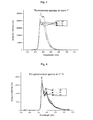
Fig. 2 shows the UV-vis absorption spectra of compounds represented by Formulae VI, VII, and VIII. -
Fig. 3 shows the fluorescence spectra of compounds represented by Formulae VI, VII, and VIII. -
Fig. 4 shows the emission spectra of compounds represented by Formulae VI, VII, and VIII. -
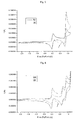
Fig 5 shows cyclic voltametry curves of compounds represented by Formulae IV and IX. -
Fig 6 shows cyclic voltametry curves of compounds represented by Formulae VI and VII. -
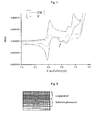
Fig 7 shows cyclic voltametry curves of compounds represented by Formulae VIII and V. -
Fig 8 describes the general structure used to fabricate OLED devices for host molecules testing. -
Fig 9 shows the Intensity-Voltage-Luminance (IVL) curves of three OLED devices containing the compounds represented by formulae VIII and V versus reference material PVK (poly vinyl carbazole). -
Fig 10 shows the luminance efficiency curve of three OLED devices containing the compounds represented by formulae VIII and V versus reference material PVK (poly vinyl carbazole). - One aspect of the present invention relates to a host material comprising a carbazole-based compound as described below.
- Another aspect of the present invention relates to the use of the host material for the emissive layer.
- The present invention provides a host material which comprises the compound of Formula I:

- A is an organic divalent radical selected from the group consisting of naphthyl, anthryl, phenanthryl, benzamidazolyl, carbazolyl, fluorenyl, pyridanzinyl, quinolinyl, isoquinolinyl, quinoxalinyl, benzothiophenyl, phthalazinyl, quinazolinyl, benzimidazolyl, benzoxazolyl, and
- phenanthridinyl, divalent radicals of Formula II:


- where R11 is an tert-alkyl, fluorinated alkyl, trityl, alkoxy, or halogen group, R1, R2, R3, and R4 are non-conjugate substituents, the same or different at each occurrence and selected from the group consisting of:
- trityl
- halogen;
- nitro;
- cyano;
- -COOR5;
- alkoxy or dialkylamino group having from 1 to 20 carbon atoms where one or more nonadjacent -CH2- groups may be replaced by -O-, -S-, -NR6-,-CONR7-, or -COO-, and where at least one hydrogen atom may be replaced by halogen; and
- -SiR8R9R10;
and
I, m, p, and q are the same or different at each occurrence and represent an integer from 0 to 4 where I+m+p+q > 0. - In some embodiments of the present invention, A is a divalent radical selected from the group consisting of naphthyl, anthryl, phenanthryl, benzamidazolyl, carbazolyl, fluorenyl, pyridanzinyl, quinolinyl, isoquinolinyl, quinoxalinyl, benzothiophenyl, phthalazinyl, quinazolinyl, benzimidazolyl, benzoxazolyl, and phenanthridinyl.
- Surprisingly, it has been found that, when an appropriate substituent such as a trialkylsilyl group is introduced to the carbazole structure of the compound of the present invention, its solubility and processibility can be improved without any adverse effects on the other properties, such as color, efficiency, etc.
- In another embodiment of the present invention, A is a divalent radical of Formula II:

- In another embodiment of the present invention, A is a divalent radical of Formula III:

- In some embodiments of the present invention, each of R1, R2, R3, and R4 is -SiR8R9R10, where R8, R9, and R10 are the same or different at each occurrence and independently selected from the group consisting of alkyl groups and aryl groups.
- In another embodiment of the present invention, each of R8, R9, and R10 is an isopropyl group and each of I, m, p, and q is 1.
- Specifically, some embodiments of the present invention include the following compounds represented by Formulae (IV) to (XI):


- Generally, according to the embodiments of the present invention, the compound of Formula I can be prepared by the following reaction scheme, i.e., via a Ullman C-N coupling reaction of a dihalogenated organic compound with the corresponding carbazole derivative.

- In order to introduce substituents R1 to R4 to carbazole rings, any method known in the art can be used. in some embodiments of the present invention, a free imide nitrogen of dibrominated carbazole is initially protected by benzyl halide and further reacted with trialkylsilyltriflate in the presence of n-butyllithium, followed by deprotection, to give trialkylsilyl-substituted carbazole derivatives.
- The present invention is also directed to the use of the above compounds as host material in an emissive layer, where they function with an emissive material in an emissive layer in an organic light emitting device.
- Suitable guest emissive (dopant) materials can be selected from those known in the art and hereafter developed including, without limitation, bis(2-phenylpyridine)iridium complexes, which exhibit a phosphorescent emission in the blue region of the spectrum. In specific embodiments, the guest exhibits a phosphorescent emission in the pure blue region of the spectrum.
- If the emissive material is used as a dopant in a host layer comprising the compound of the present invention, it is generally used in an amount of at least 1% wt, specifically at least 3% wt, and more specifically at least 5% wt, with respect to the total weight of the host and the dopant. Further, it is generally used in an amount of at most 25% wt, specifically at most 20% wt, and more specifically at most 15% wt.
- The present invention is also directed to an organic light emitting device (OLED) comprising an emissive layer, where the emissive layer comprises the host material described above. The OLED can also comprise an emissive material (where the light emitting material is present as a dopant), where the emissive material is adapted to luminesce when voltage is applied across the device.
- The OLED generally comprises:
- a glass substrate;
- a generally transparent anode, such as an indium-tin oxide (ITO) anode;
- a hole transporting layer (HTL);
- an emissive layer (EML);
- an electron transporting layer (ETL); and
- a generally metallic cathode such as an Al layer.
- For the hole conducting emissive layer, an exciton blocking layer, notably a hole blocking layer (HBL), may be present between the emissive layer and the electron transporting layer. For the electron conducting emissive layer, an exciton blocking layer, notably an electron blocking layer (EBL), may be present between the emissive layer and the hole transporting layer.
- The emissive layer is formed with a host material comprising the compound of the present invention where the light emitting material exists as a guest. The emissive layer may further comprise an electron-transporting material selected from the group consisting of metal quinoxolates (e.g., aluminium quinolate (Alq3), lithium quinolate (Liq)), oxadiazoles, and triazoles. A suitable example of the host material, without limitation, is 4,4'-N,N'-dicarbazole-biphenyl ["CBP"], which can be represented by the following formula:

- Optionally, the emissive layer may also contain a polarization molecule that is present as a dopant in the host material and has a dipole moment which generally affects the wavelength of the light emitted when the light emitting material used as a dopant luminesces.
- The layer formed from the electron transporting material is used to transport electrons into the emissive layer comprising the light emitting material and the optional host material. The electron transporting material may be an electron-transporting matrix selected from the group consisting of metal quinoxolates (e.g., Alq3 and Liq), oxadiazoles, and triazoles. A suitable example of the electron transporting material is, without limitation, tris-(8-hydroxyquinoline)aluminum of formula ["Alq3"] :

- The layer formed from the hole transporting material is used to transport holes into the emissive layer comprising the light emitting material and the optional host material. A suitable example of the hole transporting material, without limitation, is 4,4'-bis[N-(1-naphthyl)-N-phenylamino]biphenyl ["α-NPD"] of the following formula:

- The use of the exciton blocking layer ("barrier layer") to confine excitons within the luminescent layer ("luminescent zone") is advantageous. For a hole-transporting host, the blocking layer may be placed between the emissive layer and the electron transport layer. A suitable example of the material for the barrier layer, without limitation, is 2,9-dimethyl-4,7-diphenyl-1,10-phenanthroline (also referred to as bathocuproine or "BCP"), which has the following formula :

- As depicted in
Figure 1 , in some embodiments, the OLED according to the present invention has a multilayer structure where: 1 is a glass substrate; 2 is an ITO layer; 3 is an HTL layer comprising α-NPD; 4 is an EML comprising host material and the light emitting material as dopant in an amount of about 8% wt with respect to the total weight of the host plus dopant; 5 is an HBL comprising BCP; 6 is an ETL comprising Alq3; and 7 is an Al layer cathode. - Hereinafter, the present invention will be explained in detail with reference to examples and comparative examples. These examples, however, should not in any sense be interpreted as limiting the scope of the present invention. Further, units are expressed by weight unless otherwise described.
- All raw materials were purchased from Aldrich (U.S.A.), AlfaAesar (U.S.A.) or TCI (Japan). Drum solvents (e.g., EtOAc, hexane, THF, acetonitrile, DMF, dichloromethane) were used herein and were purchased from Mallinckrodt (U.S.A.) and Tedia. Freshly distilled tetrahydrofurane (over LiAlH4) was used as the solvent for metalation reactions. All reagents were weighed and mixed in a glove box under nitrogen.
- All 1H, 13C, and 19F NMR spectra were recorded on a
Bruker Avance III 400 NMR spectrometer at 400MHz, 100MHz, and 376 MHz, respectively, for solutions in COCl3 or DMSO-d6.. All in-process HPLC analyses were performed using a Hitachi Elite LaChrome machine. The reference wavelengths used were 245 nm and 220 nm. The LC/MS data were recorded on a Varian 1200L LC/MS, while the GC/MS data were recorded on an Agilent 6890 GC system. A CombiFlash Companion was used for the isolation and purification of the intermediates and final compounds. Thin layer chromatography was carried out using 2.5 x 7.5cm Merck 60 F-254 plates, and the elution solvents were hexane, EtOAc/hexane, and hexane/dichloromethane mixtures. The TLC plates were visualized by UV, iodine, and a 20% ethanol solution of phosphomolybdic acid, followed by heating on a hot plate. All experiments were carried out under a nitrogen or argon atmosphere. -
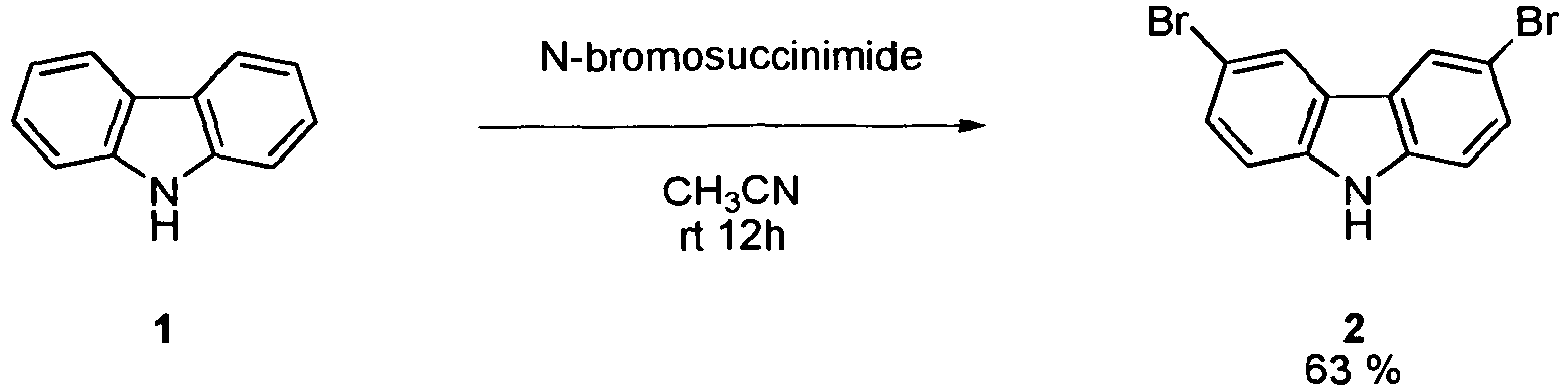
- A 2 L dry round bottom flask was charged with carbazole 1 (90.7 g, 0.543 mol) and 1 L dry acetonitrile and stirred for one hour at room temperature under nitrogen, where most of the carbazole dissolved. N-bromosuccinimide (193.1 g, 1.084 mol) was added to the suspension neat in portions, where the reaction was exothermic. The mixture was immediately cooled in an ice-water bath following the addition. The mixture was left to be stirred overnight at room temperature. The resulting white precipitate was filtered, washed with acetonitrile, and dried to yield 112.0 g (63%) 3,6-
dibromocarbazole 2.
- 3,6-Dibromocarbazole 2 (112.0 g, 0.344 mol), benzyl bromide (41 ml, 0.344 mol), and nBu4NHSO4 were mixed in 200 ml of acetone and stirred at room temperature under nitrogen until dissolved. KOH (19.3 g, 0.344 mol) was then added to the above transparent solution and the resultant mixture was refluxed for 4 hours, where a white precipitate was observed. The hot mixture was concentrated to remove the majority of acetone. Upon cooling, additional white precipitate appeared. The precipitate was filtered, dissolved in methyl-t-butyl ether, washed with water, dried over Na2SO4, and concentrated to yield a major amount of pure N-benzyl-3,6-
dibromocarbazole 3. The filtrate was also washed with water and extracted with methyl-t-butyl ether, dried over Na2SO4, concentrated, and purified over 120g SiO2 with hexane and hexane:ethylacetate (95:5) eluents to yield a minor amount of pure N-benzyl-3,6-dibromocarbazole 3. The combined yield from crystallization and chromatography was 49 g (35%) of N-benzyl-3,6-dibromocarbazole 3.
- A 2 L dry round bottom flask was charged with N-benzyl-3,6-dibromocarbazole 3 (49 g, 0.118 mol) and 1 L of dry THF was added. The mixture was stirred until N-benzyl-3,6-
dibromocarbazole 3 was dissolved. The mixture was then cooled to -78°C and 2.5 M n-BuLi in hexanes (104 ml, 0.26 mol) was added dropwise. The mixture was stirred at -78°C for 15 min and triisopropylsilyl-trifluoromethyl sulfonate (66 ml, 0.26 mol) was added. The mixture was left to warm up to room temperature overnight. The mixture was then quenched with sat. NH4Cl, extracted with methyl-t-butyl ether, dried over Na2SO4, filtered, concentrated, and purified over a 330 g SiO2 column to yield 9-benzyl-3,6-bis-triisopropylsilanyl-9H-carbazole 4 23.0 g (35%) as a transparent oil.
- A 500 ml dry round bottom flask was charged with 9-benzyl-3,6-bis-triisopropylsilanyl-9H-carbazole 4 (23.0 g, 0.04 mol) and the oil was suspended in 100 ml DMSO. The suspension was cooled in an ice water bath (∼15°C) and 1 M KOBu-t in THF (240 ml, 0.24 mol) was added via a syringe under nitrogen. Oxygen started to bubble in the mixture and the nitrogen line was suppressed. While the oxygen bubbling was taking place, the mixture was left to warm up to ∼20°C and cooling continued with only water. The oxygen bubbling continued until the starting material (TLC) disappeared, i.e., after ~30 min. Water was added to the mixture and the mixture was extracted with 5X200 ml ethylacetate. To remove the benzoic acid organic layer, the mixture was washed with sat. NaHCO3, followed by brine washing. The organic layer was then dried over Na2SO4, filtered, concentrated, and purified over a 330g SiO2 column with hexane and hexane:ethylacetate (95:5) eluents. Appropriate fractions were collected to yield a white solid of 3,6-bis-triisopropylsilanyl-
carbazole 5 10.0 g (54%).
- A mixture of 3,6-bis-triisopropylsilanyl-carbazole 5 (5.0 g, 0.011 mol), 3,6-diiodo-9-(4-methoxy-phenyl)-9H-carbazole 6 (2.6 g, 0.005 mol), K2CO3 (2.9 g, 0.021 mol), Cu nano powder (0.6 g, 0.011 mol), and 18-crown-6 (2.7 g, 0.011 mol) in 50
ml 1,2-dichlorobenzene was degassed with argon while stirring. The reaction mixture was then refluxed under argon for 12 hours at 178°C. The crude mixture was filtered and the residue was washed with CH2Cl2. The combined filtrates were concentrated and the residue was purified by chromatography on a 120 g SiO2 column once and five times on a 160 g Al2O3 column with a cyclohexane eluent at a flow rate of 20 ml/min. Appropriate pure fractions were collected to yield 1.8 g of (30%) white powder of 9'-(4-methoxy-phenyl)-3,6,3",6"-tetrakis-triisopropylsilanyl-9'H-[9,3';6',9"]tercarbazole 7. -

- A mixture of 3,6-bis-triisopropylsilanyl-carbazole 5 (10.0 g, 0.021 mol), 3,6-diiodo-9-(4-fluoro-phenyl)-9H-carbazole 8 (4.7 g, 0.01 mol), K2CO3 (5.8 g, 0.042 mol), Cu nano powder (1.3 g, 0.021 mol), and 18-crown-6 (5.5 g, 0.021 mol) in 1,2-dichlorobenzene was degassed with argon while stirring. The reaction mixture was then refluxed under argon for 12 hours at 178°C. The crude mixture was filtered and the residue was washed with CH2Cl2. The combined filtrates were concentrated and the residue was purified by chromatography on a 120g SiO2 column five times with a cyclohexane eluent. Appropriate pure fractions were collected to yield 3.0 g (25%) of white powder of 9'-(4-fluoro-phenyl)-3,6,3",6"-tetrakis-triisopropylsilanyl-9'H-[9,3';6',9"]tercarbazole 9.
-

- A mixture of 3,6-bis-triisopropylsilanyl-carbazole 5 (5.0 g, 0.011 mol), 9,9-bis-(4-iodo-phenyl)-9H-fluorene 10 (2.8 g, 0.005 mol), K2CO3(5.8 g, 0.021 mol), Cu nano powder (0.65 g, 0.021 mol), and 18-crown-6 (2.7 g, 0.011 mol) in 50
ml 1,2-dichlorobenzene was degassed with argon while stirring. The reaction mixture was then refluxed under argon for 12 hours at 178°C. The crude mixture was filtered and the residue was washed with CH2Cl2. The combined filtrates were concentrated and residue was purified by chromatography on a 120g SiO2 column five times with a cyclohexane eluent at a flow rate of 20 ml/min to yield 1.9 g (30%) of white powder of 9,9-bis-(4-phenyl-3,6,3",6"-tetrakis-triisopropylsilanyl-9'H-carbazole)-9H-fluorene 11. -

- To a suspension of 9.153 g (54.7 mmol) of carbazole in 100 ml of HPLC grade acetonitrile at 0°C was slowly added 10.433 g (58.6 mmol) of N-bromosuccinimide (NBS) under vigorous stirring. After the NBS was added, the contents of the flask's were slowly brought to room temperature and stirred overnight. A bulky white precipitate was filtered, washed with cold acetonitrile (2x30 ml) and hexane (2x50 ml), and dried under vacuum to constant weight to yield 7.95 g (59% yield) of 3-bromocarbazole 4 as a fluffy white solid. Additional product can be isolated from the filtrate (Rf = 0.26 for carbazole and Rf = 0.16 for 3-bromocarbazole 4 in EtOAc/hexane = 85:15).
- To a solution of 34.6 g (0.141 mol) of 3-bromocarbazole 4 in 350 ml of anhydrous DMF was added 34.4 g (0.248 mol, 1.77 eq.) of powdered anhydrous potassium carbonate (K2CO3) followed by an addition of 2.05 g (7.75 mmol, ∼5.5 mol%) of 18-crown-6 and 18.96g (0.149 mol) of benzyl chloride at room temperature. The temperature of the mixture was maintained at 100°C, and the mixture was stirred for 23 hours. The mixture was removed from the heat, cooled to ambient temperature, and then the solvent was removed from the mixture on a rotary evaporator under high vacuum. About 1L of cold water was added to the residue, and the products were extracted with dichloromethane (2x0.5 L). The organic extract was washed with 1 L of water, dried over Na2SO4, and concentrated on a rotary evaporator to yield 50g of white solid. The crude product containing some unreacted 3-bromocarbazole 4 (Rf = 0.44 for 5 and Rf = 0.16 for 4 in CH2Cl2/hexane = 2:8) was purified on CombiFlash (2 runs, 330 g column, hexane/dichloromethane) to give 39.4 g (83% yield) of pure 9-N-benzyl-3-
bromocarbazole 5 as a white solid. - A solution of 3.854 g (11.46 mmol) of 9-N-benzyl-3-
bromocarbazole 5 in 70 ml of anhydrous THF was cooled to -78°C, and 5.0 ml of n-BuLi (2.5 M/hexane, 12.5 mmol, 1.1 eq.) was slowly added using a syringe at a suitable rate for maintaining a temperature below -74°C. The resulting yellow solution was stirred at -78°C for 40 minutes, and then neat triisopropylsilyl triflate (TIPS-triflate) was added dropwise to the reaction mixture using a syringe. The reaction mixture was stirred for 30 minutes and was then slowly allowed to warm up to room temperature for a period of two hours. The reaction mixture was quenched with ice water, extracted with ethyl acetate (3x50 ml), and the organic phase was dried over Na2SO4. After concentration on a rotary evaporator, a colorless oil was purified on CombiFlash (120 g column, hexane) to afford 2.55 g of clear oil. Although this material produces one spot on TLC (Rf = 0.67 in EtOAc/hexane = 1:9), a second spot related to the reducedmaterial 7 can be seen in hexane (Rf = 0.27 for 6 and Rf = 0.19 for 7). The HPLC results indicated that the oil contained about 60% of the product 9-N-benzyl-3-triisopropylsilyl-carbazole 6. This material was used for the following deprotection step. Only a trace amount (0.115 g) of the pure 9-N-benzyl-3-triisopropylsilyl-carbazole 6 was isolated to confirm the product's structure. - To the suspension of 0.1135 g (0.274 mmol) of pure 9-N-benzyl-3-triisopropylsilyl-
carbazole 6 in 4 ml of DMSO was added 2 ml (2 mmol) of a 1M/ THF solution of KOBu-t at room temperature, resulting in the formation of a clear solution. Oxygen was bubbled through the reaction mixture at ∼18°C for 5 minutes, after which the oxygen flow was stopped. The reaction was quenched with ice water (50 ml), extracted with dichloromethane (2x30 ml), and the organic layer was separated and dried over Na2SO4. The extract was concentrated on a rotary evaporator to give 0.12 g of a yellow solid, which was purified on CombiFlash (4 g column, hexane) to afford 0.08g (95% yield) of pure 3-triisopropylsilyl-carbazole 8 as a white solid. - A total of 1.19 g of crude 6 (∼60% content by HPLC, 0.7 g pure 6, 1.72 mmol) from the above reaction of synthesis of 6 was suspended in 2 ml of DMSO. A total of 30 ml (30 mmol) of 1M/ THF solution of KOBu-t was added, and oxygen was bubbled through the solution at ambient temperature until the starting material disappeared, indicated by TLC (at this stage the color of the reaction usually turns orange). As mentioned above, the
crude 6 produces only one spot on TLC (Rf = 0.67 in EtOAc/hexane = 1:9). After deprotection, the TLC indicates the presence of four compounds with a major one corresponding to theproduct 8 and the following Rf values: trace amounts of unreacted 6 with Rf = 0.67, the major spot of theproduct 8 with Rf = 0.37, and two minor spots with Rf = 0.26 and 0.18 corresponding to carbazole and an unidentified impurity, respectively. The reaction was quenched with ice water (150 mL) and extracted with ethyl acetate (3x50 ml). The combined organic extracts were washed with water (100 ml), brine (30 ml), and dried over Na2SO4. After concentration on a rotary evaporator, a total of 2.9 g of yellow oil was obtained. This crude product was purified on CombiFlash (80 g column, hexane/dichloromethane as eluent) to give 0.634 g (89% yield based on 6) of puredeprotected compound 8 as a white solid. - A total of 25.5 g (73.18 mmol) of 9,9-bis(4-aminophenyl)fluorene from TCI (Japan) was dissolved in a mixture of 250 ml of water and 45 ml (0.456 mol, 6 eq.) of concentrated HCl. This mixture was placed in a 1 L three-neck round bottom flask equipped with an overhead stirrer, a thermocouple, an addition funnel, and a cooling ice/methanol bath. The flask's contents were cooled to 0°C, and a cold solution of NaNO2 (10.6 g, 153.6 mmol, 2 eq.) in 40 ml of water was added dropwise to the solution under vigorous stirring. The resulting yellow solution was further stirred at 0°C for 30 minutes. This solution was transferred to a jacketed addition funnel with a jacket filled with ice in order to maintain the prepared diazonium salt at a temperature of 0°C. A solution of this salt was slowly added to a solution of KI (48.3 g, 0.291 mol, 4 eq.) in 250 ml of water at ∼10°C under vigorous stirring. After completing the addition, the resulting dark mixture was maintained at a temperature of 60°C and stirred for 6 hours. The mixture was cooled to room temperature, and the organic material was extracted with dichloromethane (3x0.5 L), washed with water (1 L), dried over Na2SO4, and concentrated on a rotary evaporator to give 45 g of black foam. This crude material was purified on CombiFlash (330g column, hexane) to give 24.7 g (59% yield) of 9,9-bis-(4-iodophenyl)-
fluorene 10 as a white solid with Rf = 0.33 (in hexane). - A mixture of 1.7585 g (3.08 mmol) of 10, 2.1678g (6.699 mmol, 2.17 eq.) of 8, 2.9422 g (21.28 mmol, 3.18 eq. based on 8) of anhydrous K2CO3, 0.3220 g (1.21 mmol, 18 mol% based on 8) of 18-crown-6, and 0.9715 g (15.2 mmol, 2.26 eq. based on 8) of nano-powdered copper in 110 ml of anhydrous o-dichlorobenzene was charged under an argon blanket into a 0.5 L flask, equipped with a magnetic stirrer, thermocouple, condenser, heating mantle, and argon-filled balloon. The mixture was maintained at a temperature of 177°C and stirred for 40 hours. The reaction was monitored by TLC and HPLC. After about two days when the reaction was complete, the mixture was cooled to room temperature and quenched with water (0.5 L). The organic products were extracted with dichloromethane (2x100 ml), dried over Na2SO4, and concentrated on a rotary evaporator. o-Dichlorobenzene from the residue was removed under high vacuum to give 5.2 g of viscous brown oil. This material was purified on CombiFlash (120 g, hexane/dichloromethane), and 1.72 g (47% yield) of 9,9-bis-[4-(3-triisopropylsilylcarbazol)-phenyl]-
fluorene 1 was isolated as a white foam. Concentration of the mixed fractions afforded 1.12 g of impure product contaminated with 8. The pure material (1.72 g) was dissolved in a minimum amount of warm dichloromethane (∼15 ml), diluted with warm hexane (∼80 ml), and slowly concentrated on a rotary evaporator at room temperature until the volume of the reaction mixture was about one-third of the original volume. Upon the cooling of the residue in an ice bath,product 1 slowly crystallized. The precipitate was filtered, washed quickly with cold hexane (2x20 ml), and dried under vacuum until constant weight to give 1.35 g of 1 as a white solid (lot A352-79-1). Calculated for C67H72N2Si2 0.5 mol hexane: C 83.69; H 7.93; N 2.79. Found: C 83.94; H 7.97; N 2.81. HPLC purity 99.7%. -

- As depicted in
Scheme 2 above, compounds VII and VIII were synthesized similarly to compound IX. - The coupling of carbazole with commercially available 4-fluoro-iodobenzene 13 and 4-methoxy-iodobenzene 14 smoothly occured in the presence of nano-copper under conditions described in
Scheme 1 for the synthesis of compound IX (1) from 10. The iodination of 15 and 16 using N-iodosuccinimide (NIS) under acidic conditions (Maruyama et al., "Synthesis of novel carbazolylacetylene-derived macrocycles". Synthesis, 12: 1794-1799 (2001)) resulted in the formation of 3,6-diiodosubstituted carbazoles 17 and 18 in good yield. A copper-mediated coupling of diiodides 17 and 18 with triisopropylsilyl(TIPS)-carbazole 8 easily providestarget compounds 2 and 3 (compounds VIII and VII). - A mixture of 10.41g of 95% carbazole (9.89 g, 59.1 mmol), 15.44g (69.5 mmol, 1.17 eq.) of 4-iodofluorobenzene (Aldrich), 13.13 g (95 mmol, 1.6 eq.) of anhydrous K2CO3, 3.11g (11.76 mmol, ∼20 mol%) of 18-crown-6, and 4.22g (66.41 mmol, 1.1 eq.) of nano-powdered copper in 120 ml of anhydrous o-dichlorobenzene was charged under an argon blanket into a 0.5 L flask, equipped with a magnetic stirrer, a thermocouple, a condenser, a heating mantle, and an argon-filled balloon. The mixture was maintained at a temperature of 177°C and stirred until the reaction was completed. The reaction was monitored by TLC. After the reaction was complete (i.e., after about 6 hours), the mixture was cooled to room temperature and quenched with 1 L of water. In order to improve the separation of the organic layer, the fluffy black copper residue was optionally removed via filtration through cotton. The organic products were extracted with dichloromethane (2x100 ml), dried over Na2SO4, and concentrated on a rotary evaporator, following the removal of o-dichlorobenzene under high vacuum. A total of 22 g of brown solid was obtained. This crude material was purified on CombiFlash (330g column, hexane/dichloromethane, two runs), resulting in the isolation of 14.13 g (87% yield) of pure 9-N-(4-fluorophenyl)-
carbazole 15 as a white solid. - A mixture of 8.76 g of 95% carbazole (8.32 g, 49.7 mmol), 12.91g (55.1 mmol, 1.1 eq.) of 4-iodoanisole (Aldrich), 10.54g (76.26 mmol, 1.53 eq.) of anhydrous K2CO3, 2.04 g (7.71 mmol, ∼15 mol%) of 18-crown-6, and 6.45 g (101.5 mmol, 2.0 eq.) of nano-powdered copper in 100 ml of anhydrous o-dichlorobenzene was charged under an argon blanket into a 0.5 L flask, equipped with a magnetic stirrer, a thermocouple, a condenser, a heating mantle, and a balloon filled with argon. The mixture was maintained at a temperature of 178°C and stirred until the reaction was completed. The reaction was monitored by TLC. After the reaction was complete (i.e., after about 4 hours) by TLC (Rf = 0.22 for carbazole, Rf = 0.49 for 4-iodoiniasole and 0.4 for 16 in EtOAc/hexane = 1:9), the mixture was cooled to room temperature and quenched with 1 L of water. In order to improve the separation of the organic layer, the fluffy black copper residue was removed via filtration through cotton. The organic products were extracted with dichloromethane (2x100 ml), dried over Na2SO4, and concentrated on a rotary evaporator, following the removal of o-dichlorobenzene under high vacuum. A total of 23.4 g of brown solid was obtained. This crude material was purified on CombiFlash (330g column, hexane/dichloromethane), resulting in the isolation of 10.2 g of a white solid. This material was dissolved in ∼30 ml of dichloromethane, diluted with hexane (∼100 ml), and slowly concentrated on a rotary evaporator at room temperature until about 20% of the original volume was left in the flask. A white solid began to precipitate from the residue upon cooling in ice. The precipitate was filtered, washed with cold hexane (2x30 ml), and dried under vacuum to constant weight to give 9.93 g (70% yield) of pure 9-N-(4-methoxyrophenyl)-carbazole 16 as a white solid.
- A solution of 5.634 g (21.54 mmol) of 15 in a mixture of 130 ml of dichloromethane and 45 ml of glacial acetic acid was placed in a 0.5 L flask, equipped with a magnetic stirrer, a thermocouple, a condenser, an ice bath, and a balloon filled with argon. The mixture was cooled to 10°C, and 10.861 g of 95% solid N-iodosuccinimide (NIS, 10.317 g, 45.85 mmol, 2.1 eq.) was slowly added portion wise to the solution within 10 minutes. After the addition was complete, the reaction was allowed to warm to room temperature and stirred for an additional 6 hours. The solvents (CH2Cl2 and AcOH) were removed under reduced pressure on a rotary evaporator, 300 ml of dichloromethane was then added to the residue, and the reaction mixture was washed with 10% aqueous KOH (3x200 ml). The products were extracted with dichloromethane, and the organic layer was washed with water (300 ml) and dried over Na2SO4. The resulting clear yellow solution was concentrated on a rotary evaporator, and the residue was dissolved in ∼100 ml of hot dichloromethane. About 300 ml of hexane was added quickly to the solution of product in dichloromethane, and upon cooling the product crystallized. The precipitated solid was filtered, washed with cold hexane (2x30 ml), and dried until constant weight to give 8.84 g (80% yield) of pure 9-N-(4-fluorophenyl)-3,6-diiodocarbazole 17 as a white solid.
- A solution of 3.95 g (14.45 mmol) of 16 in a mixture of 100 ml of dichloromethane and 35 ml of glacial acetic acid was placed in a 0.5 L flask, equipped with a magnetic stirrer, a thermocouple, a condenser, an ice bath, and a balloon filled with argon. The mixture was cooled to 10°C, and 7.29 g of 95% solid N-iodosuccinimide (NIS, 6.92 g, 30.78 mmol, 2.1 eq.) was slowly added portion wise to the solution within 10 minutes. After the addition was complete, the reaction was allowed to warm to room temperature and was stirred for an additional 6 hours. The solvents (CH2Cl2 and AcOH) were removed under reduced pressure on a rotary evaporator, 200 ml of dichloromethane was then added to the residue, and the reaction mixture was washed with 10% aqueous KOH (3x100 ml). The products were extracted with dichloromethane, and the organic layer was washed with water (200 ml) and dried over Na2SO4. The clear yellow solution was concentrated on a rotary evaporator, and the resulting off-white solid residue was dissolved in ∼40 ml of hot dichloromethane. About 800 ml of hexane was quickly added to the solution, and the product slowly crystallized overnight upon cooling in the refrigerator. The precipitated solid was filtered, washed with cold hexane (2x30 ml), and dried until constant weight to give 6.34g (84% yield) of pure 9-N-(4-methoxyphenyl)-3,6-diiodocarbazole 18 as a white solid.
- A mixture of 2.2013 g (4.29 mmol) of 17, 2.7620g (8.53 mmol, 1.99 eq.) of 8 (from Example 4), 3.995 g (28.9 mmol, 3.39 eq. based on 8) of anhydrous K2CO3, 0.4950 g (1.87 mmol, 22 mol% based on 8) of 18-crown-6, and 1.1920 g (18.75 mmol, 2 eq. based on 8) of nano-powdered copper in 100 ml of anhydrous o-dichlorobenzene was charged under an argon blanket into a 0.5 L flask, equipped with a magnetic stirrer, a thermocouple, a condenser, a heating mantle, and a balloon filled with argon. The mixture was maintained at a temperature of 177°C and stirred for 40 hours. The reaction was monitored by TLC and HPLC. After about two days, when the reaction was complete, the mixture was cooled to room temperature and quenched with water (0.5 L). The organic products were extracted with dichloromethane (2x100 ml), filtered through loose cotton in order to remove the fluffy copper residue, and dried over Na2SO4. Concentration of the reaction mixture on a rotary evaporator and the following removal of o-dichlorobenzene under high vacuum provided 6.1 g of brown oil. This material was purified on CombiFlash (330g, hexane/dichloromethane), resulting in a white solid. This material was dissolved in a minimum amount of warm dichloromethane (∼15 ml), diluted with warm hexane (∼150 ml), and slowly concentrated on a rotary evaporator at room temperature until crystallization occurred. The obtained suspension was cooled on an ice bath, filtered, and the filter cake was then washed with cold hexane (2x20 ml). The solid product was dried under vacuum to constant weight to yield 2.21 g (57% yield) of pure compound VIII as a white solid (lot A352-105-2) with
HPLC purity 100%. Calculated for C60H66FN3Si2 · 0.2 mol H2O: C 79.37; H 7.37; N 4.63. Found: C 79.36; H 7.54; N 4.61. - A mixture of 1.6183 g (3.08 mmol) of 18, 2.0492 g (6.33 mmol, 2 eq.) of 8, 2.9110g (21.06 mmol, 3.3 eq. based on 8) of anhydrous K2CO3, 0.486 g (1.83 mmol, 29 mol% based on 8) of 18-crown-6, and 1.189 g (18.71 mmol, 2.95 eq. based on 8) of nano-powdered copper in 100 ml of anhydrous o-dichlorobenzene were charged under an argon blanket into a 0.5 L flask, equipped with a magnetic stirrer, a thermocouple, a condenser, a heating mantle, and a balloon filled with argon. The mixture was maintained at a temperature of 177°C and stirred for 40 hours. The reaction was monitored by TLC and HPLC. After about two days, when reaction was complete, the mixture was cooled to room temperature and quenched with water (0.5 L). The organic products were extracted with dichloromethane (2x100 ml), filtered through loose cotton in order to remove fluffy copper residue and dried over Na2SO4. Concentration of the reaction mixture on a rotary evaporator and the following removal of o-dichlorobenzene under high vacuum provided 6.2 g of dark oil. This material was purified on CombiFlash (330g, hexane/dichloromethane), resulting in 3.2 g of yellow oil. This material was re-purified one more time on CombiFlash (120 g column, hexane/dichloromethane) to provide 2.3 g of clear yellow oil by TLC. This oil was dissolved in hexane (∼20 ml) and left in the refrigerator overnight. The precipitated fluffy solid was filtered using a 0.45 PTFE membrane filter, quickly washed with cold hexane (2x15 ml), and dried over nitrogen first, followed by drying under high vacuum until constant weight. Compound VII was obtained as a light-sensitive white solid (1.61 g, 57% yield) which must be kept in the dark (lot A352-107-2) with HPLC purity 99%+. Calculated for C61H69NsOSi2 0.2 mol H2O: C 79.64; H 7.60; N 4.57. Found: C 79.70; H 7.85; N 4.58.
- The UV-visible absorption spectra were recorded on a SHIMADZU UV-3101 PC double beam spectrophotometer. The photoluminescence studies were conducted with a HORIBA JOBIN YVON Fluoromax-4 P spectrofluorimeter on 10-5 M solutions of the different hosts (λexc.: 300 nm). The emission measurements at 77 °K were performed using the FL-2013 Dewar liquid nitrogen assembly from HORIBA JOBIN YVON. Toluene and dichloromethane (DCM) were spectrometric grade and 2-methyltetrahydrofuran was ≥ 99.0 % (anhydrous).
- As shown in
Figs. 2-4 , the carbazole-based compounds of the present invention have a triplet-energy-gap which is below that of phosphorescent blue emitters (i.e., approximately 455 nm). - Cyclic voltammetry experiments were performed using a METROHM VA Trace Analyzer 746 in conjunction with a VA Stand 747 measuring unit. All measurements were carried out at room temperature under inert atmosphere with a conventional three-electrode configuration, where the solution was degassed before use with a stream of argon for 5-10 min. The working electrode was a glassy carbon disk, while the counter electrode was a Pt wire. The reference electrode was an Ag/AgCl reference electrode filled with a KCI saturated solution in methanol or a pseudo-reference Pt wire.
- The solvent in all of the experiments was anhydrous dichloromethane and the supporting electrolyte was 0.1 M tetrabutylammonium hexafluorophophate. Host concentrations were 0.5-2 mM. The scan rate was fixed to 100 or 500 mv/s. Ferrocene was used as an internal reference to determine the oxidation potential of the hosts.
- As described above, the energy of the lowest excited triplet state of the carbazole-based compounds of the present invention should be higher in energy than the lowest emitting state of the phosphorescent emitter. In some embodiments, the triplet energy of the carbazole-based compounds of the present invention may be at least 2.725 eV so that the compounds can host blue phosphorescent emitters, allowing the host to be used with phosphorescent emitters emitting blue light of 455 nm (2.725 eV). As shown in the table below, all of compounds IV, V, and VI have triplet energies of more than 2.725 eV, making them promising compounds as host materials for blue emission.
- As shown in
figure 5 the carbazole-based compound IV of the present invention has a reversible first oxidation wave and compound IX has a non-reversible first oxidation wave (arrow pointed). - As shown in
figures 6 and7 the carbazole-based compounds VII and VIII of the present invention have a reversible first oxidation wave and a non-reversible second oxidation wave (arrow pointed) and the compounds VI and V have two reversible oxidation waves. - Since reversible oxidation waves in cyclic voltammetry are an indication of improved electrochemical stability,
figures 5-7 show that the more the substituted carbazole compounds of the invention are bearing trialkylsilyl substituents, the more electrochemical stable they are.Compd. Solvent Absorption Fluorescence Phosphorescence ET (ev) λ max (nm) λ onset (nm) Eg (eV) T° λ (nm) λ (nm) IX DCM 266 289 296 310 328 342 RT 349 365 383 2-methylTHF 266 289 296 310 328 342 353 3.51 RT 349 365 380 429 436 452 462 471 487 497 527 2,89 IV 2-methylTHF 270 289 299 310 328 342 353 3.51 RT 349 365 380 430 437 453 462 471 487 497 527 2,88 VII 2-methylTHF 268 287(sh) 296 314(sh) 328 343 381 3.25 RT 384 402 + phospho 423 448 477(sh) 2,93 77°K 377 398 VI 2-methylTHF 271 288(sh) 298 315(sh) 328 343 381 3.25 RT 384 402 422 446 477(sh) 2,94 77°K 376 397 phospho VIII 2-methylTHF 267 288(sh) 296 314(sh) 328 343 381 3.25 RT 382 399 + phospho 420 445 477(sh) 2,95 77°K 374 394 V 2-methylTHF 271 289(sh) 299 327 343 381 3.25 RT 382 399 + phospho 420 443 475(sh) 2,95 77°K 373 392 - For sublimation, a Creaphys tube-based Vacuum Sublimation Unit DSU05-v was used. An external oven with 3 independent heating zones creates a temperature gradient inside the glass tube that is intended for the deposition of the compounds.
- The sublimation unit provides the ability to purify organic volatile compounds by vacuum sublimation, both for sublimable compounds and liquid phase compounds.
- The collected fractions were analyzed on HPLC or NMR to determine their purity. After sublimation, the compounds were stored away from air and light.
Structure Mass Time Yield* Purity mg Min % % 
558 1200 81 98% NMR 
353 1100 Degradation 
330 1335 78 99,7 % HPLC 
4235 750 75 99,7 % HPLC 
4670 362 82 -** * : yield of recovered good product, ** : insoluble - For glass transition temperature (Tg) determinations, measurements were performed on a TA 2920 (TA Instruments) or a DSC 823 (Mettler-Toledo). The typical specimen weight ranges were between 10 mg to 20 mg, depending on sample characteristics. The temperature program included two heating and one cooling steps, at 20 K/min. The choice of the upper temperature depended on sample characteristics, mainly thermal stability and degree of crystallinity. The glass transition was characterized by Tg : intersection with the median line between the two extrapolated baselines. Measurements were repeated at least twice, depending on the amount of available material.
- As show in the table below, the compounds IV has a notable higher Tg value than the comparative example CPF and the compound V has a notable higher Tg value than the compound VIII. Surprisingly, the trialkylsilyl substituted carbazoles compounds of this invention are all the more thermically stable as they are bearing more trialkylsilyl substituents.
Tg (°C) IV 211 CPF 165 * VIII 174 V 215 * litterature value - The solubility tests were carried out at 20°C by adding 1 ml of solvent to the suitable amount of compound powder in a sampling vial and under magnetic stirring.
- As shown in the solubility measurement results in the table below, the compounds of Formulae IV to IX have good solubilities toward chlorobenzene and toluene, while the control compound (CPF) lacks solubility for most organic solvents.
Chlorobenzene Comparative example(CPF) 1.24 mg/ml < S < 2.96 mg/ml (1.9 mmol/l < S < 4.6 mmol/l) Formula IX S > 57 mg/ml (59 mmol/l) Formula IV S > 54 mg/ml (42 mmol/l) Formula VII S > 56 mg/ml (62 mmol/l) Formula VI S > 55 mg/ml (45 mmol/l) Formula VIII S > 51 mg/ml (57 mmol/l) Toluene Formula IX S > 47 (mg/ml) (49 mmol/l) Formula IV S > 39 (mg/ml) (31 mmol/l) - The carbazole-based compounds having suitable substituents, in particular, the triisopropylsilyl group of the present invention, have been found to be promising for large-scale light emitting diodes since they allow for solvent-processing techniques, such as spin-coating, (ink-jet) printing processes, high concentration demanding printing processes (roll to roll, flexography, etc), etc., while maintaining the other necessary properties for OLED devices.
- A general structure as shown in
figure 8 was used to fabricate OLED devices having an emissive layer (EML) containing the carbazole based host materials VIII and V of the present invention. - A reference OLED device based on PVK as a host was fabricated to benchmark the performance of the carbazole based compounds of the present invention. Keeping the OLED structure identical, devices based on VIII and V were fabricated to compare performance with PVK. Apart from the host, the EML comprises an electron transporter (OXD7) to achieve charge balance and Flrpic as a blue phosphorescent emitter. The EML composition was identical in all three devices: Host / OXD7 / Flrpic = 60:30:10 in weight.
- Device fabrication was done as below: a HIL based on polyethylenedioxythiophene:polystyrene sulphonate (CH8000 form HC Stack) was deposited by spin coating on indium tin oxide (ITO) coated glass substrates to a thickness of 60 nm. The obtained film was dried on a hot plate at 200°C for 10 min. The emissive layer was obtained by spincoating a Host: OXD7 : Firpic formulation in toluene. The total solid content was 1.5 wt%. Such formulation was deposited on top of the HIL to a thickness of 70 nm and subsequently dried on a hot plate at 80°C for 10 min. An 30 nm thick ETL, namely 2,2',2"-(1,3,5-benzinetriyl)-tris(1-phenyl-1-H-benzimidazole) (TPBi, purchased from Lumtec) was deposited by vacuum deposition onto the EML at a rate of 2 Å/s. Finally cathode layers comprising 1 nm of LiF and 100nm of Al were deposited by thermal evaporation at a rate of 0.1 and 2 Å/s respectively.
- Electronic and photometric characterizations were done with a Hamamatsu C9920-12 measurement system coupled to a Keithley 2400 source measure unit. All device fabrication and characterization steps after PEDOT spinning were carried out in an inert atmosphere.
-
Figure 9 shows IVL characteristics of the two OLED devices containing compounds VIII and V which have higher current density and luminance than the PVK reference device. This can be attributed to better hole injection and/or transport with VIII and V versus PVK. This better performance can be attributed to the higher content of inert trialkylsilyl groups. - As shown in the
figure 10 and in the table bellow, the devices involving the compounds VIII, V and the PVK have similar luminous efficiency in the range of 11 cd/A at 1000 cd/m2 whereas V has lower efficiency around 9 cd/A at 1000 cd/m2. The fact that voltage is lower for VIII compared to PVK results in an improvement of the power efficiency up to 4.8 Im/W. This clearly demonstrates the possibility to use the new hosts OLEDs containing solution processed EML with similar or even improved performance over PVK. The possibility to sublime those hosts materials which is not possible with PVK, could in principle enable improved lifetimes of OLED devices.
at 1000 cd/m2Device V EQE Lm/W Cd/A x y PVK 11,0 4,7 3,3 11,4 0,19 0,42 VIII 8,5 5,4 4,8 11,7 0,16 0,38 V 9,7 4,3 3,1 9,5 0,17 0,38
Claims (14)
- A compound of Formula I:
 A is a divalent radical selected from the group consisting of naphthyl, anthryl, phenanthryl, benzamidazolyl, carbazolyl, fluorenyl, pyridanzinyl, quinolinyl, isoquinolinyl, quinoxalinyl, benzothiophenyl, phthalazinyl, quinazolinyl, benzimidazolyl, benzoxazolyl, and phenanthridinyl, divalent radicals of formula II
 or divalent radicals of formula III
 where R11 is an tert-alkyl, fluorinated alkyl, trityl, alkoxy, or halogen group, R1, R2, R3 and R4 are non-conjugate substituents, the same or different at each occurrence and selected from the group consisting of:tritylhalogen;nitro;cyano;-COOR5;alkoxy or dialkylamino group having from 1 to 20 carbon atoms wherein one or more nonadjacent -CH2- groups may be replaced by -O-, -S-, -NR6-, -CONR7- or -COO- and wherein at least one hydrogen atom may be replaced by halogen; and-SiR8R9R10;wherein R5, R6, R7, R8, R9, and R10 are the same or different at each occurrence and independently selected from the group consisting of -H, halogen, nitro,- cyano, straight or branched C1-20-alkyl, C1-20-cyclic alkyl, straight or branched C1-20-alkoxy, C1-20-dialkylamino, C4-14-aryl, C4-14 - aryloxy and C4-14-heteroaryl, which may be substituted by one or more non aromatic radicals, wherein a plurality of R1, R2, R3, R4, R8, R9, and R10 may in turn together form a mono- or polycyclic ring, optionally aromatic; and I, m, p and q are the same or different at each occurrence and represent an integer from 0 to 4, wherein l+m+p+q > 0.
 - The compound of Claim 1 wherein A is a divalent radical of Formula II:

- The compound of Claim 1 wherein A is a divalent radical of Formula III:

- The compound of any one of Claims 1 to 3, wherein each of R1, R2, R3 and R4 is -SiR8R9R10 and R8, R9, and R10 are the same or different at each occurrence and independently selected from the group consisting of an alkyl group and an aryl group.
- The compound of Claim 4, wherein each of R8, R9, and R10 is an isopropyl group and each of l, m, p and q is 1.
- The compound of Claim 5, wherein the compound has the following formula:

- The compound of Claim 5, wherein the compound has the following formula:

- The compound of Claim 5, wherein the compound has the following formula:

- The compound of claim 4, wherein the compound has the following formula:

- The compound of claim 4, wherein the compound has the following formula:

- The compound of claim 5, wherein the compound has the following formula:

- The compound of Claim 4, wherein the compound has the following formula:

- The compound of claim 4, wherein the compound has the following formula:

- Use of a compound according to any one of Claims 1 to 13 in a blue emissive layer of an organic light emitting device.
Priority Applications (1)
| Application Number | Priority Date | Filing Date | Title |
|---|---|---|---|
| EP09784038.3A EP2350100B1 (en) | 2008-10-16 | 2009-10-15 | Host material for light-emitting diodes |
Applications Claiming Priority (4)
| Application Number | Priority Date | Filing Date | Title |
|---|---|---|---|
| US10583808P | 2008-10-16 | 2008-10-16 | |
| EP08170151A EP2206716A1 (en) | 2008-11-27 | 2008-11-27 | Host material for light-emitting diodes |
| PCT/EP2009/063519 WO2010043693A1 (en) | 2008-10-16 | 2009-10-15 | Host material for light-emitting diodes |
| EP09784038.3A EP2350100B1 (en) | 2008-10-16 | 2009-10-15 | Host material for light-emitting diodes |
Publications (2)
| Publication Number | Publication Date |
|---|---|
| EP2350100A1 EP2350100A1 (en) | 2011-08-03 |
| EP2350100B1 true EP2350100B1 (en) | 2014-09-17 |
Family
ID=40510610
Family Applications (2)
| Application Number | Title | Priority Date | Filing Date |
|---|---|---|---|
| EP08170151A Withdrawn EP2206716A1 (en) | 2008-10-16 | 2008-11-27 | Host material for light-emitting diodes |
| EP09784038.3A Not-in-force EP2350100B1 (en) | 2008-10-16 | 2009-10-15 | Host material for light-emitting diodes |
Family Applications Before (1)
| Application Number | Title | Priority Date | Filing Date |
|---|---|---|---|
| EP08170151A Withdrawn EP2206716A1 (en) | 2008-10-16 | 2008-11-27 | Host material for light-emitting diodes |
Country Status (7)
| Country | Link |
|---|---|
| US (1) | US8586973B2 (en) |
| EP (2) | EP2206716A1 (en) |
| JP (1) | JP5631884B2 (en) |
| KR (1) | KR20110086043A (en) |
| CN (1) | CN102186859B (en) |
| TW (1) | TWI468492B (en) |
| WO (1) | WO2010043693A1 (en) |
Families Citing this family (19)
| Publication number | Priority date | Publication date | Assignee | Title |
|---|---|---|---|---|
| TWI549942B (en) * | 2010-08-26 | 2016-09-21 | 首威公司 | N-phenyl triscarbazole |
| EP2433928A1 (en) * | 2010-08-26 | 2012-03-28 | Solvay SA | N-phenyl triscarbazole |
| WO2012048821A1 (en) * | 2010-10-11 | 2012-04-19 | Solvay Societe Anonyme | N-cycloalkylalkyl triscarbazoles |
| KR101789162B1 (en) * | 2010-12-01 | 2017-10-23 | 엘지디스플레이 주식회사 | Blue phosphorescent material for Organic electroluminescent device and Organic electroluminescent device including the same |
| US8694152B2 (en) | 2010-12-15 | 2014-04-08 | Symbotic, LLC | Maintenance access zones for storage and retrieval systems |
| CN102827065B (en) * | 2011-06-13 | 2016-01-20 | 上海引盛生物科技有限公司 | The preparation method of N-phenyl-3-bromine carbazole |
| KR101701246B1 (en) * | 2011-08-05 | 2017-02-03 | 삼성디스플레이 주식회사 | A carbazole-based compound and an organic light emitting diode comprising the same |
| TWI425076B (en) * | 2011-11-01 | 2014-02-01 | Ind Tech Res Inst | Carbazole derivative and organic light-emitting diode containing the same |
| KR102198635B1 (en) | 2012-04-20 | 2021-01-05 | 가부시키가이샤 한도오따이 에네루기 켄큐쇼 | Organic compound, light-emitting element, light-emitting device, electronic device, and lighting device |
| KR102265424B1 (en) | 2013-03-15 | 2021-06-15 | 심보틱 엘엘씨 | Automated storage and retrieval system with integral secured personnel access zones and remote rover shutdown |
| GB201320881D0 (en) * | 2013-11-26 | 2014-01-08 | Cambridge Display Tech Ltd | Organic light-emitting device and method |
| GB2535476A (en) * | 2015-02-16 | 2016-08-24 | Cambridge Display Tech Ltd | Compound, composition and organic light-emitting device |
| US10968229B2 (en) | 2016-04-12 | 2021-04-06 | Idemitsu Kosan Co., Ltd. | Seven-membered ring compounds |
| CN107868037A (en) * | 2016-09-28 | 2018-04-03 | 江苏三月光电科技有限公司 | A kind of organic compound containing fluorenes and its application |
| CN107868030B (en) * | 2016-09-28 | 2020-08-21 | 中节能万润股份有限公司 | Organic compound containing fluorene and application thereof in organic electroluminescent device |
| CN110386923B (en) * | 2018-04-19 | 2022-05-27 | 北京鼎材科技有限公司 | Carbazole compound, application thereof and organic electroluminescent device |
| CN110396081B (en) * | 2018-04-24 | 2021-12-31 | 北京鼎材科技有限公司 | Heterocyclic compound based on carbazole and fluorene, application thereof and organic electroluminescent device |
| KR102471152B1 (en) | 2019-01-10 | 2022-11-24 | 삼성에스디아이 주식회사 | Compound for organic optoelectronic device, composition for organic optoelectronic device and organic optoelectronic device and display device |
| CN116554154B (en) * | 2023-05-25 | 2025-03-07 | 中国科学院长春应用化学研究所 | Thermal-induction delayed fluorescence compound, preparation method thereof and organic electroluminescent device |
Family Cites Families (22)
| Publication number | Priority date | Publication date | Assignee | Title |
|---|---|---|---|---|
| WO2003077609A1 (en) * | 2002-03-08 | 2003-09-18 | Canon Kabushiki Kaisha | Organic light-emitting device |
| US20030205696A1 (en) | 2002-04-25 | 2003-11-06 | Canon Kabushiki Kaisha | Carbazole-based materials for guest-host electroluminescent systems |
| JP4336483B2 (en) * | 2002-09-04 | 2009-09-30 | キヤノン株式会社 | Diazafluorene compound and organic light-emitting device using the same |
| JP4261855B2 (en) * | 2002-09-19 | 2009-04-30 | キヤノン株式会社 | Phenanthroline compound and organic light emitting device using the same |
| JP4427947B2 (en) * | 2002-11-18 | 2010-03-10 | コニカミノルタホールディングス株式会社 | Organic electroluminescence element and display device |
| JP4707082B2 (en) * | 2002-11-26 | 2011-06-22 | コニカミノルタホールディングス株式会社 | Organic electroluminescence element and display device |
| JP4506086B2 (en) * | 2003-03-19 | 2010-07-21 | コニカミノルタホールディングス株式会社 | Organic electroluminescence device |
| JP2004311411A (en) * | 2003-03-26 | 2004-11-04 | Konica Minolta Holdings Inc | Organic electroluminescence element, lighting device and display device |
| CN100335462C (en) * | 2003-09-05 | 2007-09-05 | 清华大学 | Carbazole derivative and its application in electroluminescent device |
| JP4682503B2 (en) * | 2003-09-16 | 2011-05-11 | 東洋インキ製造株式会社 | Material for organic electroluminescence device and organic electroluminescence device using the same |
| JP4552436B2 (en) * | 2003-12-24 | 2010-09-29 | コニカミノルタホールディングス株式会社 | Organic electroluminescence element, display device and lighting device |
| JP5361193B2 (en) * | 2005-03-04 | 2013-12-04 | 住友化学株式会社 | Dicarbazole aromatic amine polymer and electronic device |
| US20070173657A1 (en) * | 2006-01-26 | 2007-07-26 | Academia Sinica | Tetraphenylsilane-carbazole compound, its preparation method and its use as host material for dopants of organic light emitting diode |
| JP5556012B2 (en) * | 2006-03-17 | 2014-07-23 | コニカミノルタ株式会社 | Organic electroluminescence element, display device and lighting device |
| US20070262704A1 (en) * | 2006-05-15 | 2007-11-15 | Ken-Tsung Wong | Carbazole-based Compounds and Their Application |
| US7714145B2 (en) * | 2006-05-15 | 2010-05-11 | Ken-Tsung Wong | 2-2′-disubstituted 9,9′-spirobifluorene-base triaryldiamines and their application |
| KR101328973B1 (en) * | 2006-05-24 | 2013-11-13 | 삼성디스플레이 주식회사 | Diarylethene derivatives, organic electroluminescence device manufactured hereby and the preparation method of the organic electroluminescence device |
| JP5049711B2 (en) * | 2006-09-27 | 2012-10-17 | 富士フイルム株式会社 | Organic electroluminescence device |
| JP5804703B2 (en) * | 2007-07-05 | 2015-11-04 | ビーエーエスエフ ソシエタス・ヨーロピアBasf Se | Organic light emitting diode comprising at least one disilyl compound selected from disilylcarbazole, disilyldibenzofuran, disilyldibenzothiophene, disilyldibenzophosphole, disilyldibenzothiophene S-oxide and disilyldibenzothiophene S, S-dioxide |
| KR20100103837A (en) | 2007-12-20 | 2010-09-28 | 조지아 테크 리서치 코포레이션 | Carbazole-based hole transport and /or electron blocking materials and /or host polymer materials |
| JP2009161464A (en) * | 2007-12-28 | 2009-07-23 | Idemitsu Kosan Co Ltd | Carbazole derivative and organic electroluminescence device using the same |
| CN102186860A (en) | 2008-10-16 | 2011-09-14 | 索尔维公司 | N-phenyl carbazole-based host material for light-emitting diodes |
-
2008
- 2008-11-27 EP EP08170151A patent/EP2206716A1/en not_active Withdrawn
-
2009
- 2009-10-15 EP EP09784038.3A patent/EP2350100B1/en not_active Not-in-force
- 2009-10-15 KR KR1020117010902A patent/KR20110086043A/en not_active Abandoned
- 2009-10-15 WO PCT/EP2009/063519 patent/WO2010043693A1/en not_active Ceased
- 2009-10-15 CN CN200980141096.0A patent/CN102186859B/en not_active Expired - Fee Related
- 2009-10-15 JP JP2011531496A patent/JP5631884B2/en not_active Expired - Fee Related
- 2009-10-15 US US13/124,209 patent/US8586973B2/en not_active Expired - Fee Related
- 2009-10-16 TW TW98135087A patent/TWI468492B/en not_active IP Right Cessation
Also Published As
| Publication number | Publication date |
|---|---|
| CN102186859A (en) | 2011-09-14 |
| JP2012505861A (en) | 2012-03-08 |
| KR20110086043A (en) | 2011-07-27 |
| US8586973B2 (en) | 2013-11-19 |
| WO2010043693A1 (en) | 2010-04-22 |
| TW201022404A (en) | 2010-06-16 |
| TWI468492B (en) | 2015-01-11 |
| EP2350100A1 (en) | 2011-08-03 |
| EP2206716A1 (en) | 2010-07-14 |
| CN102186859B (en) | 2015-04-29 |
| JP5631884B2 (en) | 2014-11-26 |
| US20110198579A1 (en) | 2011-08-18 |
Similar Documents
| Publication | Publication Date | Title |
|---|---|---|
| US8586973B2 (en) | Host material for light-emitting diodes | |
| EP3564249B1 (en) | Novel compound and organic light emitting device using same | |
| KR102139423B1 (en) | Compound and organic light emitting device comprising the same | |
| KR100522697B1 (en) | 4,4'-Bis(carbazol-9-yl)-biphenyl based silicone compound and organic electroluminescence display device | |
| EP4238969A1 (en) | Heterocyclic compound, organic light-emitting device comprising same, composition for organic layer of organic light-emitting device, and method for manufacturing organic light-emitting device | |
| US20030205696A1 (en) | Carbazole-based materials for guest-host electroluminescent systems | |
| CN102598344B (en) | Organic electroluminescent element | |
| EP2609080B1 (en) | N-phenyl triscarbazole | |
| EP2351760A1 (en) | Compound having triphenylsilyl group and triarylamine structure and organic electroluminescent element | |
| US20110260149A1 (en) | N-Phenyl carbazole-based host material for light-emitting diodes | |
| EP2617712A1 (en) | Nitrogen-containing aromatic heterocyclic derivative and organic electroluminescence device using same | |
| CN104066739A (en) | Novel organic electroluminescent compounds and organic electroluminescent device using the same | |
| EP2380888A1 (en) | Compound having triazole ring structure with pyridyl group attached thereto, and organic electroluminescent element | |
| WO2012001969A1 (en) | Aromatic amine derivative, and organic electroluminescent element comprising same | |
| EP1961741A1 (en) | m-CARBAZOLYLPHENYL COMPOUNDS | |
| Girase et al. | Unipolar 1-phenylimidazo [1, 5-a] pyridine: a new class of ultra-bright sky-blue emitters for solution-processed organic light emitting diodes | |
| KR20220107769A (en) | Compound and organic light emitting device comprising the same | |
| EP3133665A1 (en) | Organic electroluminescent device | |
| EP2627633B1 (en) | N-cycloalkylalkyl triscarbazoles | |
| KR20140009260A (en) | Organic light emitting device and materials for use in same | |
| KR102629455B1 (en) | Novel compound and organic light emitting device comprising the same | |
| EP4144816A1 (en) | Material for organic electroluminescent element, and organic electroluminescent element | |
| EP2282358A1 (en) | Host material for light-emitting devices | |
| EP2433928A1 (en) | N-phenyl triscarbazole | |
| KR20200089721A (en) | Compound and organic electroluminescent device using same |
Legal Events
| Date | Code | Title | Description |
|---|---|---|---|
| PUAI | Public reference made under article 153(3) epc to a published international application that has entered the european phase |
Free format text: ORIGINAL CODE: 0009012 |
|
| 17P | Request for examination filed |
Effective date: 20110516 |
|
| AK | Designated contracting states |
Kind code of ref document: A1 Designated state(s): AT BE BG CH CY CZ DE DK EE ES FI FR GB GR HR HU IE IS IT LI LT LU LV MC MK MT NL NO PL PT RO SE SI SK SM TR |
|
| DAX | Request for extension of the european patent (deleted) | ||
| 17Q | First examination report despatched |
Effective date: 20120518 |
|
| RAP1 | Party data changed (applicant data changed or rights of an application transferred) |
Owner name: SOLVAY SA |
|
| GRAP | Despatch of communication of intention to grant a patent |
Free format text: ORIGINAL CODE: EPIDOSNIGR1 |
|
| INTG | Intention to grant announced |
Effective date: 20140409 |
|
| GRAS | Grant fee paid |
Free format text: ORIGINAL CODE: EPIDOSNIGR3 |
|
| GRAA | (expected) grant |
Free format text: ORIGINAL CODE: 0009210 |
|
| AK | Designated contracting states |
Kind code of ref document: B1 Designated state(s): AT BE BG CH CY CZ DE DK EE ES FI FR GB GR HR HU IE IS IT LI LT LU LV MC MK MT NL NO PL PT RO SE SI SK SM TR |
|
| REG | Reference to a national code |
Ref country code: GB Ref legal event code: FG4D |
|
| REG | Reference to a national code |
Ref country code: CH Ref legal event code: EP |
|
| REG | Reference to a national code |
Ref country code: IE Ref legal event code: FG4D |
|
| REG | Reference to a national code |
Ref country code: AT Ref legal event code: REF Ref document number: 687663 Country of ref document: AT Kind code of ref document: T Effective date: 20141015 |
|
| REG | Reference to a national code |
Ref country code: DE Ref legal event code: R096 Ref document number: 602009026755 Country of ref document: DE Effective date: 20141030 |
|
| REG | Reference to a national code |
Ref country code: NL Ref legal event code: T3 |
|
| PG25 | Lapsed in a contracting state [announced via postgrant information from national office to epo] |
Ref country code: NO Free format text: LAPSE BECAUSE OF FAILURE TO SUBMIT A TRANSLATION OF THE DESCRIPTION OR TO PAY THE FEE WITHIN THE PRESCRIBED TIME-LIMIT Effective date: 20141217 Ref country code: SE Free format text: LAPSE BECAUSE OF FAILURE TO SUBMIT A TRANSLATION OF THE DESCRIPTION OR TO PAY THE FEE WITHIN THE PRESCRIBED TIME-LIMIT Effective date: 20140917 Ref country code: FI Free format text: LAPSE BECAUSE OF FAILURE TO SUBMIT A TRANSLATION OF THE DESCRIPTION OR TO PAY THE FEE WITHIN THE PRESCRIBED TIME-LIMIT Effective date: 20140917 Ref country code: LT Free format text: LAPSE BECAUSE OF FAILURE TO SUBMIT A TRANSLATION OF THE DESCRIPTION OR TO PAY THE FEE WITHIN THE PRESCRIBED TIME-LIMIT Effective date: 20140917 Ref country code: GR Free format text: LAPSE BECAUSE OF FAILURE TO SUBMIT A TRANSLATION OF THE DESCRIPTION OR TO PAY THE FEE WITHIN THE PRESCRIBED TIME-LIMIT Effective date: 20141218 |
|
| REG | Reference to a national code |
Ref country code: LT Ref legal event code: MG4D |
|
| PG25 | Lapsed in a contracting state [announced via postgrant information from national office to epo] |
Ref country code: CY Free format text: LAPSE BECAUSE OF FAILURE TO SUBMIT A TRANSLATION OF THE DESCRIPTION OR TO PAY THE FEE WITHIN THE PRESCRIBED TIME-LIMIT Effective date: 20140917 Ref country code: HR Free format text: LAPSE BECAUSE OF FAILURE TO SUBMIT A TRANSLATION OF THE DESCRIPTION OR TO PAY THE FEE WITHIN THE PRESCRIBED TIME-LIMIT Effective date: 20140917 Ref country code: LV Free format text: LAPSE BECAUSE OF FAILURE TO SUBMIT A TRANSLATION OF THE DESCRIPTION OR TO PAY THE FEE WITHIN THE PRESCRIBED TIME-LIMIT Effective date: 20140917 |
|
| REG | Reference to a national code |
Ref country code: AT Ref legal event code: MK05 Ref document number: 687663 Country of ref document: AT Kind code of ref document: T Effective date: 20140917 |
|
| PG25 | Lapsed in a contracting state [announced via postgrant information from national office to epo] |
Ref country code: RO Free format text: LAPSE BECAUSE OF FAILURE TO SUBMIT A TRANSLATION OF THE DESCRIPTION OR TO PAY THE FEE WITHIN THE PRESCRIBED TIME-LIMIT Effective date: 20140917 Ref country code: IS Free format text: LAPSE BECAUSE OF FAILURE TO SUBMIT A TRANSLATION OF THE DESCRIPTION OR TO PAY THE FEE WITHIN THE PRESCRIBED TIME-LIMIT Effective date: 20150117 Ref country code: PT Free format text: LAPSE BECAUSE OF FAILURE TO SUBMIT A TRANSLATION OF THE DESCRIPTION OR TO PAY THE FEE WITHIN THE PRESCRIBED TIME-LIMIT Effective date: 20150119 Ref country code: ES Free format text: LAPSE BECAUSE OF FAILURE TO SUBMIT A TRANSLATION OF THE DESCRIPTION OR TO PAY THE FEE WITHIN THE PRESCRIBED TIME-LIMIT Effective date: 20140917 Ref country code: EE Free format text: LAPSE BECAUSE OF FAILURE TO SUBMIT A TRANSLATION OF THE DESCRIPTION OR TO PAY THE FEE WITHIN THE PRESCRIBED TIME-LIMIT Effective date: 20140917 Ref country code: CZ Free format text: LAPSE BECAUSE OF FAILURE TO SUBMIT A TRANSLATION OF THE DESCRIPTION OR TO PAY THE FEE WITHIN THE PRESCRIBED TIME-LIMIT Effective date: 20140917 Ref country code: SK Free format text: LAPSE BECAUSE OF FAILURE TO SUBMIT A TRANSLATION OF THE DESCRIPTION OR TO PAY THE FEE WITHIN THE PRESCRIBED TIME-LIMIT Effective date: 20140917 |
|
| PG25 | Lapsed in a contracting state [announced via postgrant information from national office to epo] |
Ref country code: AT Free format text: LAPSE BECAUSE OF FAILURE TO SUBMIT A TRANSLATION OF THE DESCRIPTION OR TO PAY THE FEE WITHIN THE PRESCRIBED TIME-LIMIT Effective date: 20140917 Ref country code: PL Free format text: LAPSE BECAUSE OF FAILURE TO SUBMIT A TRANSLATION OF THE DESCRIPTION OR TO PAY THE FEE WITHIN THE PRESCRIBED TIME-LIMIT Effective date: 20140917 |
|
| REG | Reference to a national code |
Ref country code: CH Ref legal event code: PL |
|
| REG | Reference to a national code |
Ref country code: DE Ref legal event code: R097 Ref document number: 602009026755 Country of ref document: DE |
|
| PG25 | Lapsed in a contracting state [announced via postgrant information from national office to epo] |
Ref country code: MC Free format text: LAPSE BECAUSE OF FAILURE TO SUBMIT A TRANSLATION OF THE DESCRIPTION OR TO PAY THE FEE WITHIN THE PRESCRIBED TIME-LIMIT Effective date: 20140917 Ref country code: BE Free format text: LAPSE BECAUSE OF NON-PAYMENT OF DUE FEES Effective date: 20141031 |
|
| PLBE | No opposition filed within time limit |
Free format text: ORIGINAL CODE: 0009261 |
|
| STAA | Information on the status of an ep patent application or granted ep patent |
Free format text: STATUS: NO OPPOSITION FILED WITHIN TIME LIMIT |
|
| REG | Reference to a national code |
Ref country code: IE Ref legal event code: MM4A |
|
| PG25 | Lapsed in a contracting state [announced via postgrant information from national office to epo] |
Ref country code: CH Free format text: LAPSE BECAUSE OF NON-PAYMENT OF DUE FEES Effective date: 20141031 Ref country code: LI Free format text: LAPSE BECAUSE OF NON-PAYMENT OF DUE FEES Effective date: 20141031 Ref country code: DK Free format text: LAPSE BECAUSE OF FAILURE TO SUBMIT A TRANSLATION OF THE DESCRIPTION OR TO PAY THE FEE WITHIN THE PRESCRIBED TIME-LIMIT Effective date: 20140917 |
|
| 26N | No opposition filed |
Effective date: 20150618 |
|
| PG25 | Lapsed in a contracting state [announced via postgrant information from national office to epo] |
Ref country code: IT Free format text: LAPSE BECAUSE OF FAILURE TO SUBMIT A TRANSLATION OF THE DESCRIPTION OR TO PAY THE FEE WITHIN THE PRESCRIBED TIME-LIMIT Effective date: 20140917 |
|
| REG | Reference to a national code |
Ref country code: FR Ref legal event code: PLFP Year of fee payment: 7 |
|
| PG25 | Lapsed in a contracting state [announced via postgrant information from national office to epo] |
Ref country code: IE Free format text: LAPSE BECAUSE OF NON-PAYMENT OF DUE FEES Effective date: 20141015 |
|
| PG25 | Lapsed in a contracting state [announced via postgrant information from national office to epo] |
Ref country code: SI Free format text: LAPSE BECAUSE OF FAILURE TO SUBMIT A TRANSLATION OF THE DESCRIPTION OR TO PAY THE FEE WITHIN THE PRESCRIBED TIME-LIMIT Effective date: 20140917 |
|
| PG25 | Lapsed in a contracting state [announced via postgrant information from national office to epo] |
Ref country code: SM Free format text: LAPSE BECAUSE OF FAILURE TO SUBMIT A TRANSLATION OF THE DESCRIPTION OR TO PAY THE FEE WITHIN THE PRESCRIBED TIME-LIMIT Effective date: 20140917 |
|
| PG25 | Lapsed in a contracting state [announced via postgrant information from national office to epo] |
Ref country code: BG Free format text: LAPSE BECAUSE OF FAILURE TO SUBMIT A TRANSLATION OF THE DESCRIPTION OR TO PAY THE FEE WITHIN THE PRESCRIBED TIME-LIMIT Effective date: 20140917 |
|
| PG25 | Lapsed in a contracting state [announced via postgrant information from national office to epo] |
Ref country code: TR Free format text: LAPSE BECAUSE OF FAILURE TO SUBMIT A TRANSLATION OF THE DESCRIPTION OR TO PAY THE FEE WITHIN THE PRESCRIBED TIME-LIMIT Effective date: 20140917 Ref country code: HU Free format text: LAPSE BECAUSE OF FAILURE TO SUBMIT A TRANSLATION OF THE DESCRIPTION OR TO PAY THE FEE WITHIN THE PRESCRIBED TIME-LIMIT; INVALID AB INITIO Effective date: 20091015 Ref country code: MT Free format text: LAPSE BECAUSE OF FAILURE TO SUBMIT A TRANSLATION OF THE DESCRIPTION OR TO PAY THE FEE WITHIN THE PRESCRIBED TIME-LIMIT Effective date: 20140917 Ref country code: LU Free format text: LAPSE BECAUSE OF NON-PAYMENT OF DUE FEES Effective date: 20141015 |
|
| REG | Reference to a national code |
Ref country code: FR Ref legal event code: PLFP Year of fee payment: 8 |
|
| PGFP | Annual fee paid to national office [announced via postgrant information from national office to epo] |
Ref country code: NL Payment date: 20160913 Year of fee payment: 8 |
|
| PGFP | Annual fee paid to national office [announced via postgrant information from national office to epo] |
Ref country code: FR Payment date: 20160919 Year of fee payment: 8 |
|
| PGFP | Annual fee paid to national office [announced via postgrant information from national office to epo] |
Ref country code: GB Payment date: 20161012 Year of fee payment: 8 Ref country code: DE Payment date: 20161011 Year of fee payment: 8 |
|
| REG | Reference to a national code |
Ref country code: DE Ref legal event code: R119 Ref document number: 602009026755 Country of ref document: DE |
|
| REG | Reference to a national code |
Ref country code: NL Ref legal event code: MM Effective date: 20171101 |
|
| GBPC | Gb: european patent ceased through non-payment of renewal fee |
Effective date: 20171015 |
|
| PG25 | Lapsed in a contracting state [announced via postgrant information from national office to epo] |
Ref country code: MK Free format text: LAPSE BECAUSE OF FAILURE TO SUBMIT A TRANSLATION OF THE DESCRIPTION OR TO PAY THE FEE WITHIN THE PRESCRIBED TIME-LIMIT Effective date: 20140917 |
|
| REG | Reference to a national code |
Ref country code: FR Ref legal event code: ST Effective date: 20180629 |
|
| PG25 | Lapsed in a contracting state [announced via postgrant information from national office to epo] |
Ref country code: GB Free format text: LAPSE BECAUSE OF NON-PAYMENT OF DUE FEES Effective date: 20171015 Ref country code: DE Free format text: LAPSE BECAUSE OF NON-PAYMENT OF DUE FEES Effective date: 20180501 Ref country code: NL Free format text: LAPSE BECAUSE OF NON-PAYMENT OF DUE FEES Effective date: 20171101 |
|
| PG25 | Lapsed in a contracting state [announced via postgrant information from national office to epo] |
Ref country code: FR Free format text: LAPSE BECAUSE OF NON-PAYMENT OF DUE FEES Effective date: 20171031 |