EP2331697B1 - Methods concerning ppar delta and antagonists thereof - Google Patents
Methods concerning ppar delta and antagonists thereof Download PDFInfo
- Publication number
- EP2331697B1 EP2331697B1 EP09785438.4A EP09785438A EP2331697B1 EP 2331697 B1 EP2331697 B1 EP 2331697B1 EP 09785438 A EP09785438 A EP 09785438A EP 2331697 B1 EP2331697 B1 EP 2331697B1
- Authority
- EP
- European Patent Office
- Prior art keywords
- pparδ
- rodent
- skin
- changes
- psoriasis
- Prior art date
- Legal status (The legal status is an assumption and is not a legal conclusion. Google has not performed a legal analysis and makes no representation as to the accuracy of the status listed.)
- Not-in-force
Links
- 238000000034 method Methods 0.000 title claims description 24
- 239000005557 antagonist Substances 0.000 title description 10
- 101150014691 PPARA gene Proteins 0.000 title 1
- 108010015181 PPAR delta Proteins 0.000 claims description 127
- 210000003491 skin Anatomy 0.000 claims description 112
- 201000004681 Psoriasis Diseases 0.000 claims description 78
- 241000283984 Rodentia Species 0.000 claims description 60
- 230000014509 gene expression Effects 0.000 claims description 52
- 230000001939 inductive effect Effects 0.000 claims description 44
- 230000002757 inflammatory effect Effects 0.000 claims description 40
- 210000004027 cell Anatomy 0.000 claims description 39
- 208000024891 symptom Diseases 0.000 claims description 39
- 230000009261 transgenic effect Effects 0.000 claims description 36
- 210000002510 keratinocyte Anatomy 0.000 claims description 35
- 239000000126 substance Substances 0.000 claims description 33
- 230000002500 effect on skin Effects 0.000 claims description 32
- 238000012360 testing method Methods 0.000 claims description 29
- 102000004127 Cytokines Human genes 0.000 claims description 28
- 108090000695 Cytokines Proteins 0.000 claims description 28
- 230000008595 infiltration Effects 0.000 claims description 27
- 238000001764 infiltration Methods 0.000 claims description 27
- 210000004207 dermis Anatomy 0.000 claims description 25
- 210000002615 epidermis Anatomy 0.000 claims description 24
- 229940122054 Peroxisome proliferator-activated receptor delta agonist Drugs 0.000 claims description 23
- 210000001519 tissue Anatomy 0.000 claims description 22
- 238000010171 animal model Methods 0.000 claims description 20
- 230000004069 differentiation Effects 0.000 claims description 19
- 210000001744 T-lymphocyte Anatomy 0.000 claims description 18
- 210000004443 dendritic cell Anatomy 0.000 claims description 17
- 238000011282 treatment Methods 0.000 claims description 16
- 230000010339 dilation Effects 0.000 claims description 15
- 206010020649 Hyperkeratosis Diseases 0.000 claims description 14
- 208000005775 Parakeratosis Diseases 0.000 claims description 14
- 230000033115 angiogenesis Effects 0.000 claims description 14
- 210000003630 histaminocyte Anatomy 0.000 claims description 14
- 206010000349 Acanthosis Diseases 0.000 claims description 13
- 102100022297 Integrin alpha-X Human genes 0.000 claims description 13
- 230000015572 biosynthetic process Effects 0.000 claims description 13
- 210000004204 blood vessel Anatomy 0.000 claims description 13
- 210000000440 neutrophil Anatomy 0.000 claims description 13
- 101000741797 Homo sapiens Peroxisome proliferator-activated receptor delta Proteins 0.000 claims description 10
- 210000001732 sebaceous gland Anatomy 0.000 claims description 10
- 230000002018 overexpression Effects 0.000 claims description 9
- 206010048649 Koebner phenomenon Diseases 0.000 claims description 5
- 238000011808 rodent model Methods 0.000 claims description 3
- IVYPNXXAYMYVSP-UHFFFAOYSA-N indole-3-methanol Chemical compound C1=CC=C2C(CO)=CNC2=C1 IVYPNXXAYMYVSP-UHFFFAOYSA-N 0.000 description 34
- YDBLKRPLXZNVNB-UHFFFAOYSA-N GW 501516 Chemical compound CC=1N=C(C=2C=CC(=CC=2)C(F)(F)F)SC=1CSC1=CC=C(OCC(O)=O)C(C)=C1 YDBLKRPLXZNVNB-UHFFFAOYSA-N 0.000 description 31
- 230000004913 activation Effects 0.000 description 26
- 241000699670 Mus sp. Species 0.000 description 25
- 108010017324 STAT3 Transcription Factor Proteins 0.000 description 24
- 102100024040 Signal transducer and activator of transcription 3 Human genes 0.000 description 24
- 108090000623 proteins and genes Proteins 0.000 description 19
- 238000011830 transgenic mouse model Methods 0.000 description 19
- 241000699660 Mus musculus Species 0.000 description 17
- 208000037265 diseases, disorders, signs and symptoms Diseases 0.000 description 14
- 235000002279 indole-3-carbinol Nutrition 0.000 description 14
- 230000001185 psoriatic effect Effects 0.000 description 14
- 102000003728 Peroxisome Proliferator-Activated Receptors Human genes 0.000 description 13
- 108090000029 Peroxisome Proliferator-Activated Receptors Proteins 0.000 description 13
- 102100036011 T-cell surface glycoprotein CD4 Human genes 0.000 description 13
- 201000010099 disease Diseases 0.000 description 13
- 241000699666 Mus <mouse, genus> Species 0.000 description 12
- 230000000694 effects Effects 0.000 description 11
- 230000026731 phosphorylation Effects 0.000 description 11
- 238000006366 phosphorylation reaction Methods 0.000 description 11
- 230000006698 induction Effects 0.000 description 10
- 239000003446 ligand Substances 0.000 description 10
- 241001465754 Metazoa Species 0.000 description 9
- 238000001727 in vivo Methods 0.000 description 9
- 101000855355 Ovis aries Cytochrome P450 1A1 Proteins 0.000 description 8
- 230000001404 mediated effect Effects 0.000 description 7
- 230000002265 prevention Effects 0.000 description 7
- 230000011664 signaling Effects 0.000 description 7
- 101000998146 Homo sapiens Interleukin-17A Proteins 0.000 description 6
- 102100033461 Interleukin-17A Human genes 0.000 description 6
- 239000003814 drug Substances 0.000 description 6
- 238000002474 experimental method Methods 0.000 description 6
- 238000013518 transcription Methods 0.000 description 6
- 230000035897 transcription Effects 0.000 description 6
- NDFKBGWLUHKMFY-UHFFFAOYSA-N 3-[(4-anilino-2-methoxyphenyl)sulfamoyl]-2-thiophenecarboxylic acid methyl ester Chemical compound S1C=CC(S(=O)(=O)NC=2C(=CC(NC=3C=CC=CC=3)=CC=2)OC)=C1C(=O)OC NDFKBGWLUHKMFY-UHFFFAOYSA-N 0.000 description 5
- 102000009524 Vascular Endothelial Growth Factor A Human genes 0.000 description 5
- 239000013612 plasmid Substances 0.000 description 5
- 102000004169 proteins and genes Human genes 0.000 description 5
- 238000011160 research Methods 0.000 description 5
- 230000000699 topical effect Effects 0.000 description 5
- 201000004624 Dermatitis Diseases 0.000 description 4
- 108010065805 Interleukin-12 Proteins 0.000 description 4
- 102000013462 Interleukin-12 Human genes 0.000 description 4
- 108010073929 Vascular Endothelial Growth Factor A Proteins 0.000 description 4
- 238000011161 development Methods 0.000 description 4
- 230000018109 developmental process Effects 0.000 description 4
- 238000003364 immunohistochemistry Methods 0.000 description 4
- 229940117681 interleukin-12 Drugs 0.000 description 4
- 238000010172 mouse model Methods 0.000 description 4
- 230000001105 regulatory effect Effects 0.000 description 4
- 238000002054 transplantation Methods 0.000 description 4
- 102000003984 Aryl Hydrocarbon Receptors Human genes 0.000 description 3
- 108090000448 Aryl Hydrocarbon Receptors Proteins 0.000 description 3
- 210000000068 Th17 cell Anatomy 0.000 description 3
- 108060008682 Tumor Necrosis Factor Proteins 0.000 description 3
- 102000000852 Tumor Necrosis Factor-alpha Human genes 0.000 description 3
- 108010019530 Vascular Endothelial Growth Factors Proteins 0.000 description 3
- 230000003187 abdominal effect Effects 0.000 description 3
- 230000004075 alteration Effects 0.000 description 3
- 230000008901 benefit Effects 0.000 description 3
- 230000033228 biological regulation Effects 0.000 description 3
- 239000000090 biomarker Substances 0.000 description 3
- 101150055214 cyp1a1 gene Proteins 0.000 description 3
- 239000000411 inducer Substances 0.000 description 3
- 230000005764 inhibitory process Effects 0.000 description 3
- 239000007924 injection Substances 0.000 description 3
- 238000002347 injection Methods 0.000 description 3
- 238000004519 manufacturing process Methods 0.000 description 3
- 125000002496 methyl group Chemical group [H]C([H])([H])* 0.000 description 3
- 210000000056 organ Anatomy 0.000 description 3
- 108091008765 peroxisome proliferator-activated receptors β/δ Proteins 0.000 description 3
- 125000002924 primary amino group Chemical group [H]N([H])* 0.000 description 3
- 230000004044 response Effects 0.000 description 3
- 238000012216 screening Methods 0.000 description 3
- 208000017520 skin disease Diseases 0.000 description 3
- 210000000952 spleen Anatomy 0.000 description 3
- 201000004384 Alopecia Diseases 0.000 description 2
- 206010015150 Erythema Diseases 0.000 description 2
- 101000840275 Homo sapiens Interferon alpha-inducible protein 27, mitochondrial Proteins 0.000 description 2
- 102100029604 Interferon alpha-inducible protein 27, mitochondrial Human genes 0.000 description 2
- 102000000589 Interleukin-1 Human genes 0.000 description 2
- 108010002352 Interleukin-1 Proteins 0.000 description 2
- 108010065637 Interleukin-23 Proteins 0.000 description 2
- 102000013264 Interleukin-23 Human genes 0.000 description 2
- 102100025756 Keratin, type II cytoskeletal 5 Human genes 0.000 description 2
- 108010070553 Keratin-5 Proteins 0.000 description 2
- 206010028980 Neoplasm Diseases 0.000 description 2
- 102100038824 Peroxisome proliferator-activated receptor delta Human genes 0.000 description 2
- 101000855354 Rattus norvegicus Cytochrome P450 1A1 Proteins 0.000 description 2
- 101150099493 STAT3 gene Proteins 0.000 description 2
- 206010040867 Skin hypertrophy Diseases 0.000 description 2
- 101800004564 Transforming growth factor alpha Proteins 0.000 description 2
- 108700019146 Transgenes Proteins 0.000 description 2
- 239000012190 activator Substances 0.000 description 2
- 230000003110 anti-inflammatory effect Effects 0.000 description 2
- 201000011510 cancer Diseases 0.000 description 2
- 230000001684 chronic effect Effects 0.000 description 2
- 238000010367 cloning Methods 0.000 description 2
- 230000003828 downregulation Effects 0.000 description 2
- 239000003623 enhancer Substances 0.000 description 2
- 230000007613 environmental effect Effects 0.000 description 2
- 231100000321 erythema Toxicity 0.000 description 2
- 238000000684 flow cytometry Methods 0.000 description 2
- 230000006870 function Effects 0.000 description 2
- 230000002068 genetic effect Effects 0.000 description 2
- 208000024963 hair loss Diseases 0.000 description 2
- 230000003676 hair loss Effects 0.000 description 2
- 230000003118 histopathologic effect Effects 0.000 description 2
- 230000001976 improved effect Effects 0.000 description 2
- 238000000338 in vitro Methods 0.000 description 2
- 230000004968 inflammatory condition Effects 0.000 description 2
- 230000000977 initiatory effect Effects 0.000 description 2
- 208000014674 injury Diseases 0.000 description 2
- 229940124829 interleukin-23 Drugs 0.000 description 2
- 239000007928 intraperitoneal injection Substances 0.000 description 2
- 238000011835 investigation Methods 0.000 description 2
- 230000003902 lesion Effects 0.000 description 2
- 210000004185 liver Anatomy 0.000 description 2
- 210000002540 macrophage Anatomy 0.000 description 2
- 230000007246 mechanism Effects 0.000 description 2
- 210000004940 nucleus Anatomy 0.000 description 2
- 230000007170 pathology Effects 0.000 description 2
- 230000029279 positive regulation of transcription, DNA-dependent Effects 0.000 description 2
- 108090000765 processed proteins & peptides Proteins 0.000 description 2
- 210000004378 sebocyte Anatomy 0.000 description 2
- 210000002374 sebum Anatomy 0.000 description 2
- 238000012163 sequencing technique Methods 0.000 description 2
- 230000007781 signaling event Effects 0.000 description 2
- 238000010186 staining Methods 0.000 description 2
- 229940124597 therapeutic agent Drugs 0.000 description 2
- 230000002103 transcriptional effect Effects 0.000 description 2
- 230000008733 trauma Effects 0.000 description 2
- 230000001960 triggered effect Effects 0.000 description 2
- 230000003827 upregulation Effects 0.000 description 2
- 238000001262 western blot Methods 0.000 description 2
- 230000029663 wound healing Effects 0.000 description 2
- NMWKYTGJWUAZPZ-WWHBDHEGSA-N (4S)-4-[[(4R,7S,10S,16S,19S,25S,28S,31R)-31-[[(2S)-2-[[(1R,6R,9S,12S,18S,21S,24S,27S,30S,33S,36S,39S,42R,47R,53S,56S,59S,62S,65S,68S,71S,76S,79S,85S)-47-[[(2S)-2-[[(2S)-4-amino-2-[[(2S)-2-[[(2S)-2-[[(2S)-2-[[(2S)-2-[[(2S)-2-amino-3-methylbutanoyl]amino]-3-methylbutanoyl]amino]-3-hydroxypropanoyl]amino]-3-(1H-imidazol-4-yl)propanoyl]amino]-3-phenylpropanoyl]amino]-4-oxobutanoyl]amino]-3-carboxypropanoyl]amino]-18-(4-aminobutyl)-27,68-bis(3-amino-3-oxopropyl)-36,71,76-tribenzyl-39-(3-carbamimidamidopropyl)-24-(2-carboxyethyl)-21,56-bis(carboxymethyl)-65,85-bis[(1R)-1-hydroxyethyl]-59-(hydroxymethyl)-62,79-bis(1H-imidazol-4-ylmethyl)-9-methyl-33-(2-methylpropyl)-8,11,17,20,23,26,29,32,35,38,41,48,54,57,60,63,66,69,72,74,77,80,83,86-tetracosaoxo-30-propan-2-yl-3,4,44,45-tetrathia-7,10,16,19,22,25,28,31,34,37,40,49,55,58,61,64,67,70,73,75,78,81,84,87-tetracosazatetracyclo[40.31.14.012,16.049,53]heptaoctacontane-6-carbonyl]amino]-3-methylbutanoyl]amino]-7-(3-carbamimidamidopropyl)-25-(hydroxymethyl)-19-[(4-hydroxyphenyl)methyl]-28-(1H-imidazol-4-ylmethyl)-10-methyl-6,9,12,15,18,21,24,27,30-nonaoxo-16-propan-2-yl-1,2-dithia-5,8,11,14,17,20,23,26,29-nonazacyclodotriacontane-4-carbonyl]amino]-5-[[(2S)-1-[[(2S)-1-[[(2S)-3-carboxy-1-[[(2S)-1-[[(2S)-1-[[(1S)-1-carboxyethyl]amino]-4-methyl-1-oxopentan-2-yl]amino]-4-methyl-1-oxopentan-2-yl]amino]-1-oxopropan-2-yl]amino]-1-oxopropan-2-yl]amino]-3-(1H-imidazol-4-yl)-1-oxopropan-2-yl]amino]-5-oxopentanoic acid Chemical compound CC(C)C[C@H](NC(=O)[C@H](CC(C)C)NC(=O)[C@H](CC(O)=O)NC(=O)[C@H](C)NC(=O)[C@H](Cc1c[nH]cn1)NC(=O)[C@H](CCC(O)=O)NC(=O)[C@@H]1CSSC[C@H](NC(=O)[C@@H](NC(=O)[C@@H]2CSSC[C@@H]3NC(=O)[C@H](Cc4ccccc4)NC(=O)[C@H](CCC(N)=O)NC(=O)[C@@H](NC(=O)[C@H](Cc4c[nH]cn4)NC(=O)[C@H](CO)NC(=O)[C@H](CC(O)=O)NC(=O)[C@@H]4CCCN4C(=O)[C@H](CSSC[C@H](NC(=O)[C@@H](NC(=O)CNC(=O)[C@H](Cc4c[nH]cn4)NC(=O)[C@H](Cc4ccccc4)NC3=O)[C@@H](C)O)C(=O)N[C@@H](CCCNC(N)=N)C(=O)N[C@@H](Cc3ccccc3)C(=O)N[C@@H](CC(C)C)C(=O)N[C@@H](C(C)C)C(=O)N[C@@H](CCC(N)=O)C(=O)N[C@@H](CCC(O)=O)C(=O)N[C@@H](CC(O)=O)C(=O)N[C@@H](CCCCN)C(=O)N3CCC[C@H]3C(=O)N[C@@H](C)C(=O)N2)NC(=O)[C@H](CC(O)=O)NC(=O)[C@H](CC(N)=O)NC(=O)[C@H](Cc2ccccc2)NC(=O)[C@H](Cc2c[nH]cn2)NC(=O)[C@H](CO)NC(=O)[C@@H](NC(=O)[C@@H](N)C(C)C)C(C)C)[C@@H](C)O)C(C)C)C(=O)N[C@@H](Cc2c[nH]cn2)C(=O)N[C@@H](CO)C(=O)NCC(=O)N[C@@H](Cc2ccc(O)cc2)C(=O)N[C@@H](C(C)C)C(=O)NCC(=O)N[C@@H](C)C(=O)N[C@@H](CCCNC(N)=N)C(=O)N1)C(=O)N[C@@H](C)C(O)=O NMWKYTGJWUAZPZ-WWHBDHEGSA-N 0.000 description 1
- HGUFODBRKLSHSI-UHFFFAOYSA-N 2,3,7,8-tetrachloro-dibenzo-p-dioxin Chemical compound O1C2=CC(Cl)=C(Cl)C=C2OC2=C1C=C(Cl)C(Cl)=C2 HGUFODBRKLSHSI-UHFFFAOYSA-N 0.000 description 1
- KDDXOGDIPZSCTM-UHFFFAOYSA-N 2-[1H-indol-3-yl(oxo)methyl]-4-thiazolecarboxylic acid methyl ester Chemical compound COC(=O)C1=CSC(C(=O)C=2C3=CC=CC=C3NC=2)=N1 KDDXOGDIPZSCTM-UHFFFAOYSA-N 0.000 description 1
- FWBHETKCLVMNFS-UHFFFAOYSA-N 4',6-Diamino-2-phenylindol Chemical compound C1=CC(C(=N)N)=CC=C1C1=CC2=CC=C(C(N)=N)C=C2N1 FWBHETKCLVMNFS-UHFFFAOYSA-N 0.000 description 1
- VPXVODYVPILPRC-LTKCOYKYSA-N 5,6-DiHETE Chemical compound CC\C=C/C\C=C/C\C=C/C\C=C/CC(O)C(O)CCCC(O)=O VPXVODYVPILPRC-LTKCOYKYSA-N 0.000 description 1
- -1 Aryl hydrocarbon Chemical class 0.000 description 1
- 239000004215 Carbon black (E152) Substances 0.000 description 1
- 0 Cc1cc(*)c(C)cc1 Chemical compound Cc1cc(*)c(C)cc1 0.000 description 1
- YXFVVABEGXRONW-UHFFFAOYSA-N Cc1ccccc1 Chemical compound Cc1ccccc1 YXFVVABEGXRONW-UHFFFAOYSA-N 0.000 description 1
- 108091062157 Cis-regulatory element Proteins 0.000 description 1
- 206010010356 Congenital anomaly Diseases 0.000 description 1
- 229930105110 Cyclosporin A Natural products 0.000 description 1
- PMATZTZNYRCHOR-CGLBZJNRSA-N Cyclosporin A Chemical compound CC[C@@H]1NC(=O)[C@H]([C@H](O)[C@H](C)C\C=C\C)N(C)C(=O)[C@H](C(C)C)N(C)C(=O)[C@H](CC(C)C)N(C)C(=O)[C@H](CC(C)C)N(C)C(=O)[C@@H](C)NC(=O)[C@H](C)NC(=O)[C@H](CC(C)C)N(C)C(=O)[C@H](C(C)C)NC(=O)[C@H](CC(C)C)N(C)C(=O)CN(C)C1=O PMATZTZNYRCHOR-CGLBZJNRSA-N 0.000 description 1
- 108010036949 Cyclosporine Proteins 0.000 description 1
- 108020004414 DNA Proteins 0.000 description 1
- 206010058314 Dysplasia Diseases 0.000 description 1
- 102100025137 Early activation antigen CD69 Human genes 0.000 description 1
- 208000019028 Epidermal thickening Diseases 0.000 description 1
- 108700028146 Genetic Enhancer Elements Proteins 0.000 description 1
- 241000282412 Homo Species 0.000 description 1
- 101000941690 Homo sapiens Cytochrome P450 1A1 Proteins 0.000 description 1
- 101000934374 Homo sapiens Early activation antigen CD69 Proteins 0.000 description 1
- 101001057504 Homo sapiens Interferon-stimulated gene 20 kDa protein Proteins 0.000 description 1
- 101001055144 Homo sapiens Interleukin-2 receptor subunit alpha Proteins 0.000 description 1
- 101001056473 Homo sapiens Keratin, type II cytoskeletal 5 Proteins 0.000 description 1
- 102000008394 Immunoglobulin Fragments Human genes 0.000 description 1
- 108010021625 Immunoglobulin Fragments Proteins 0.000 description 1
- 102100027268 Interferon-stimulated gene 20 kDa protein Human genes 0.000 description 1
- 102100030703 Interleukin-22 Human genes 0.000 description 1
- 102100040445 Keratin, type I cytoskeletal 14 Human genes 0.000 description 1
- 108010066321 Keratin-14 Proteins 0.000 description 1
- 229930184725 Lipoxin Natural products 0.000 description 1
- 241001529936 Murinae Species 0.000 description 1
- 102000034570 NR1 subfamily Human genes 0.000 description 1
- 108020001305 NR1 subfamily Proteins 0.000 description 1
- 208000007256 Nevus Diseases 0.000 description 1
- 108020005497 Nuclear hormone receptor Proteins 0.000 description 1
- 108700020796 Oncogene Proteins 0.000 description 1
- 101150044441 PECAM1 gene Proteins 0.000 description 1
- 102000023984 PPAR alpha Human genes 0.000 description 1
- 108010016731 PPAR gamma Proteins 0.000 description 1
- 108010044210 PPAR-beta Proteins 0.000 description 1
- 102100038825 Peroxisome proliferator-activated receptor gamma Human genes 0.000 description 1
- 102100024616 Platelet endothelial cell adhesion molecule Human genes 0.000 description 1
- 238000011529 RT qPCR Methods 0.000 description 1
- 229940124639 Selective inhibitor Drugs 0.000 description 1
- 108091081024 Start codon Proteins 0.000 description 1
- 102100024784 Suppressor of cytokine signaling 2 Human genes 0.000 description 1
- 101710137422 Suppressor of cytokine signaling 2 Proteins 0.000 description 1
- 208000002847 Surgical Wound Diseases 0.000 description 1
- 102100034922 T-cell surface glycoprotein CD8 alpha chain Human genes 0.000 description 1
- 210000000662 T-lymphocyte subset Anatomy 0.000 description 1
- 102000040945 Transcription factor Human genes 0.000 description 1
- 108091023040 Transcription factor Proteins 0.000 description 1
- 102000006747 Transforming Growth Factor alpha Human genes 0.000 description 1
- 102400001320 Transforming growth factor alpha Human genes 0.000 description 1
- 102100039037 Vascular endothelial growth factor A Human genes 0.000 description 1
- 210000001015 abdomen Anatomy 0.000 description 1
- 238000009825 accumulation Methods 0.000 description 1
- 230000003213 activating effect Effects 0.000 description 1
- 230000011759 adipose tissue development Effects 0.000 description 1
- 238000004458 analytical method Methods 0.000 description 1
- 239000000427 antigen Substances 0.000 description 1
- 230000000890 antigenic effect Effects 0.000 description 1
- 108091007433 antigens Proteins 0.000 description 1
- 102000036639 antigens Human genes 0.000 description 1
- 208000010668 atopic eczema Diseases 0.000 description 1
- 230000001363 autoimmune Effects 0.000 description 1
- 210000003719 b-lymphocyte Anatomy 0.000 description 1
- 229960000074 biopharmaceutical Drugs 0.000 description 1
- 210000004369 blood Anatomy 0.000 description 1
- 239000008280 blood Substances 0.000 description 1
- 210000000746 body region Anatomy 0.000 description 1
- 210000004970 cd4 cell Anatomy 0.000 description 1
- 210000003855 cell nucleus Anatomy 0.000 description 1
- 230000003822 cell turnover Effects 0.000 description 1
- 230000001413 cellular effect Effects 0.000 description 1
- 230000008859 change Effects 0.000 description 1
- 238000012512 characterization method Methods 0.000 description 1
- 150000005829 chemical entities Chemical class 0.000 description 1
- 238000006243 chemical reaction Methods 0.000 description 1
- 239000003795 chemical substances by application Substances 0.000 description 1
- 229960001265 ciclosporin Drugs 0.000 description 1
- 229940121657 clinical drug Drugs 0.000 description 1
- 235000020940 control diet Nutrition 0.000 description 1
- 230000002596 correlated effect Effects 0.000 description 1
- 230000000875 corresponding effect Effects 0.000 description 1
- 238000009109 curative therapy Methods 0.000 description 1
- 230000001934 delay Effects 0.000 description 1
- 230000001419 dependent effect Effects 0.000 description 1
- 238000010586 diagram Methods 0.000 description 1
- 239000003085 diluting agent Substances 0.000 description 1
- 230000009266 disease activity Effects 0.000 description 1
- 238000002224 dissection Methods 0.000 description 1
- 230000009429 distress Effects 0.000 description 1
- 229940079593 drug Drugs 0.000 description 1
- 238000003255 drug test Methods 0.000 description 1
- 230000004064 dysfunction Effects 0.000 description 1
- 235000013601 eggs Nutrition 0.000 description 1
- 239000006279 endogenous AhR ligand Substances 0.000 description 1
- 239000006274 endogenous ligand Substances 0.000 description 1
- 210000002889 endothelial cell Anatomy 0.000 description 1
- 108010048367 enhanced green fluorescent protein Proteins 0.000 description 1
- 210000001339 epidermal cell Anatomy 0.000 description 1
- 210000005175 epidermal keratinocyte Anatomy 0.000 description 1
- 210000002950 fibroblast Anatomy 0.000 description 1
- 239000012634 fragment Substances 0.000 description 1
- 238000003304 gavage Methods 0.000 description 1
- 230000004153 glucose metabolism Effects 0.000 description 1
- 230000002650 habitual effect Effects 0.000 description 1
- 238000013537 high throughput screening Methods 0.000 description 1
- 102000052268 human CYP1A1 Human genes 0.000 description 1
- 238000011577 humanized mouse model Methods 0.000 description 1
- 229930195733 hydrocarbon Natural products 0.000 description 1
- 230000001329 hyperkeratotic effect Effects 0.000 description 1
- 230000003463 hyperproliferative effect Effects 0.000 description 1
- 230000005934 immune activation Effects 0.000 description 1
- 210000000987 immune system Anatomy 0.000 description 1
- 238000010166 immunofluorescence Methods 0.000 description 1
- 238000012744 immunostaining Methods 0.000 description 1
- 239000007943 implant Substances 0.000 description 1
- 238000002513 implantation Methods 0.000 description 1
- 210000004969 inflammatory cell Anatomy 0.000 description 1
- 230000004054 inflammatory process Effects 0.000 description 1
- 230000028709 inflammatory response Effects 0.000 description 1
- 230000003993 interaction Effects 0.000 description 1
- 230000010468 interferon response Effects 0.000 description 1
- 108010074109 interleukin-22 Proteins 0.000 description 1
- 238000001361 intraarterial administration Methods 0.000 description 1
- 230000003834 intracellular effect Effects 0.000 description 1
- 238000007912 intraperitoneal administration Methods 0.000 description 1
- 238000010253 intravenous injection Methods 0.000 description 1
- UFPQIRYSPUYQHK-WAQVJNLQSA-N leukotriene A4 Chemical class CCCCC\C=C/C\C=C/C=C/C=C/[C@@H]1O[C@H]1CCCC(O)=O UFPQIRYSPUYQHK-WAQVJNLQSA-N 0.000 description 1
- 201000011486 lichen planus Diseases 0.000 description 1
- IXAQOQZEOGMIQS-SSQFXEBMSA-N lipoxin A4 Chemical compound CCCCC[C@H](O)\C=C\C=C/C=C/C=C/[C@@H](O)[C@@H](O)CCCC(O)=O IXAQOQZEOGMIQS-SSQFXEBMSA-N 0.000 description 1
- IXAQOQZEOGMIQS-SSQFXEBMSA-M lipoxin A4(1-) Chemical compound CCCCC[C@H](O)\C=C\C=C/C=C/C=C/[C@@H](O)[C@@H](O)CCCC([O-])=O IXAQOQZEOGMIQS-SSQFXEBMSA-M 0.000 description 1
- 150000002639 lipoxins Chemical class 0.000 description 1
- 210000002751 lymph Anatomy 0.000 description 1
- 210000004698 lymphocyte Anatomy 0.000 description 1
- 230000000527 lymphocytic effect Effects 0.000 description 1
- 238000012423 maintenance Methods 0.000 description 1
- 230000002503 metabolic effect Effects 0.000 description 1
- 238000000520 microinjection Methods 0.000 description 1
- 230000003278 mimic effect Effects 0.000 description 1
- 230000004048 modification Effects 0.000 description 1
- 238000012986 modification Methods 0.000 description 1
- 238000012544 monitoring process Methods 0.000 description 1
- 210000000822 natural killer cell Anatomy 0.000 description 1
- 230000031990 negative regulation of inflammatory response Effects 0.000 description 1
- 102000006255 nuclear receptors Human genes 0.000 description 1
- 108020004017 nuclear receptors Proteins 0.000 description 1
- 102000039446 nucleic acids Human genes 0.000 description 1
- 108020004707 nucleic acids Proteins 0.000 description 1
- 150000007523 nucleic acids Chemical class 0.000 description 1
- 230000030648 nucleus localization Effects 0.000 description 1
- 208000003154 papilloma Diseases 0.000 description 1
- 206010033898 parapsoriasis Diseases 0.000 description 1
- 230000008506 pathogenesis Effects 0.000 description 1
- 230000001575 pathological effect Effects 0.000 description 1
- 230000037361 pathway Effects 0.000 description 1
- 239000000816 peptidomimetic Substances 0.000 description 1
- 108091008725 peroxisome proliferator-activated receptors alpha Proteins 0.000 description 1
- 230000006461 physiological response Effects 0.000 description 1
- 206010035116 pityriasis rubra pilaris Diseases 0.000 description 1
- 102000004196 processed proteins & peptides Human genes 0.000 description 1
- 230000002035 prolonged effect Effects 0.000 description 1
- 102000005962 receptors Human genes 0.000 description 1
- 108020003175 receptors Proteins 0.000 description 1
- 230000009467 reduction Effects 0.000 description 1
- 230000001172 regenerating effect Effects 0.000 description 1
- 210000003289 regulatory T cell Anatomy 0.000 description 1
- 230000008439 repair process Effects 0.000 description 1
- 230000003362 replicative effect Effects 0.000 description 1
- 108091008146 restriction endonucleases Proteins 0.000 description 1
- 150000003839 salts Chemical class 0.000 description 1
- 230000028327 secretion Effects 0.000 description 1
- 230000019491 signal transduction Effects 0.000 description 1
- 230000022379 skeletal muscle tissue development Effects 0.000 description 1
- 210000004927 skin cell Anatomy 0.000 description 1
- 230000004215 skin function Effects 0.000 description 1
- 230000036559 skin health Effects 0.000 description 1
- 206010040882 skin lesion Diseases 0.000 description 1
- 231100000444 skin lesion Toxicity 0.000 description 1
- 150000003384 small molecules Chemical class 0.000 description 1
- 210000000434 stratum corneum Anatomy 0.000 description 1
- 238000010254 subcutaneous injection Methods 0.000 description 1
- 239000007929 subcutaneous injection Substances 0.000 description 1
- 230000004083 survival effect Effects 0.000 description 1
- 230000001225 therapeutic effect Effects 0.000 description 1
- 230000008719 thickening Effects 0.000 description 1
- 238000011200 topical administration Methods 0.000 description 1
- 231100000331 toxic Toxicity 0.000 description 1
- 230000002588 toxic effect Effects 0.000 description 1
- 238000011179 visual inspection Methods 0.000 description 1
Images



Classifications
-
- A—HUMAN NECESSITIES
- A01—AGRICULTURE; FORESTRY; ANIMAL HUSBANDRY; HUNTING; TRAPPING; FISHING
- A01K—ANIMAL HUSBANDRY; AVICULTURE; APICULTURE; PISCICULTURE; FISHING; REARING OR BREEDING ANIMALS, NOT OTHERWISE PROVIDED FOR; NEW BREEDS OF ANIMALS
- A01K67/00—Rearing or breeding animals, not otherwise provided for; New or modified breeds of animals
- A01K67/027—New or modified breeds of vertebrates
- A01K67/0275—Genetically modified vertebrates, e.g. transgenic
-
- A—HUMAN NECESSITIES
- A61—MEDICAL OR VETERINARY SCIENCE; HYGIENE
- A61P—SPECIFIC THERAPEUTIC ACTIVITY OF CHEMICAL COMPOUNDS OR MEDICINAL PREPARATIONS
- A61P17/00—Drugs for dermatological disorders
- A61P17/06—Antipsoriatics
-
- C—CHEMISTRY; METALLURGY
- C07—ORGANIC CHEMISTRY
- C07K—PEPTIDES
- C07K14/00—Peptides having more than 20 amino acids; Gastrins; Somatostatins; Melanotropins; Derivatives thereof
- C07K14/435—Peptides having more than 20 amino acids; Gastrins; Somatostatins; Melanotropins; Derivatives thereof from animals; from humans
- C07K14/46—Peptides having more than 20 amino acids; Gastrins; Somatostatins; Melanotropins; Derivatives thereof from animals; from humans from vertebrates
- C07K14/47—Peptides having more than 20 amino acids; Gastrins; Somatostatins; Melanotropins; Derivatives thereof from animals; from humans from vertebrates from mammals
- C07K14/4701—Peptides having more than 20 amino acids; Gastrins; Somatostatins; Melanotropins; Derivatives thereof from animals; from humans from vertebrates from mammals not used
- C07K14/4702—Regulators; Modulating activity
-
- C—CHEMISTRY; METALLURGY
- C12—BIOCHEMISTRY; BEER; SPIRITS; WINE; VINEGAR; MICROBIOLOGY; ENZYMOLOGY; MUTATION OR GENETIC ENGINEERING
- C12N—MICROORGANISMS OR ENZYMES; COMPOSITIONS THEREOF; PROPAGATING, PRESERVING, OR MAINTAINING MICROORGANISMS; MUTATION OR GENETIC ENGINEERING; CULTURE MEDIA
- C12N15/00—Mutation or genetic engineering; DNA or RNA concerning genetic engineering, vectors, e.g. plasmids, or their isolation, preparation or purification; Use of hosts therefor
- C12N15/09—Recombinant DNA-technology
- C12N15/63—Introduction of foreign genetic material using vectors; Vectors; Use of hosts therefor; Regulation of expression
- C12N15/79—Vectors or expression systems specially adapted for eukaryotic hosts
- C12N15/85—Vectors or expression systems specially adapted for eukaryotic hosts for animal cells
- C12N15/8509—Vectors or expression systems specially adapted for eukaryotic hosts for animal cells for producing genetically modified animals, e.g. transgenic
-
- A—HUMAN NECESSITIES
- A01—AGRICULTURE; FORESTRY; ANIMAL HUSBANDRY; HUNTING; TRAPPING; FISHING
- A01K—ANIMAL HUSBANDRY; AVICULTURE; APICULTURE; PISCICULTURE; FISHING; REARING OR BREEDING ANIMALS, NOT OTHERWISE PROVIDED FOR; NEW BREEDS OF ANIMALS
- A01K2207/00—Modified animals
- A01K2207/15—Humanized animals
-
- A—HUMAN NECESSITIES
- A01—AGRICULTURE; FORESTRY; ANIMAL HUSBANDRY; HUNTING; TRAPPING; FISHING
- A01K—ANIMAL HUSBANDRY; AVICULTURE; APICULTURE; PISCICULTURE; FISHING; REARING OR BREEDING ANIMALS, NOT OTHERWISE PROVIDED FOR; NEW BREEDS OF ANIMALS
- A01K2207/00—Modified animals
- A01K2207/20—Animals treated with compounds which are neither proteins nor nucleic acids
-
- A—HUMAN NECESSITIES
- A01—AGRICULTURE; FORESTRY; ANIMAL HUSBANDRY; HUNTING; TRAPPING; FISHING
- A01K—ANIMAL HUSBANDRY; AVICULTURE; APICULTURE; PISCICULTURE; FISHING; REARING OR BREEDING ANIMALS, NOT OTHERWISE PROVIDED FOR; NEW BREEDS OF ANIMALS
- A01K2217/00—Genetically modified animals
-
- A—HUMAN NECESSITIES
- A01—AGRICULTURE; FORESTRY; ANIMAL HUSBANDRY; HUNTING; TRAPPING; FISHING
- A01K—ANIMAL HUSBANDRY; AVICULTURE; APICULTURE; PISCICULTURE; FISHING; REARING OR BREEDING ANIMALS, NOT OTHERWISE PROVIDED FOR; NEW BREEDS OF ANIMALS
- A01K2217/00—Genetically modified animals
- A01K2217/05—Animals comprising random inserted nucleic acids (transgenic)
- A01K2217/052—Animals comprising random inserted nucleic acids (transgenic) inducing gain of function
-
- A—HUMAN NECESSITIES
- A01—AGRICULTURE; FORESTRY; ANIMAL HUSBANDRY; HUNTING; TRAPPING; FISHING
- A01K—ANIMAL HUSBANDRY; AVICULTURE; APICULTURE; PISCICULTURE; FISHING; REARING OR BREEDING ANIMALS, NOT OTHERWISE PROVIDED FOR; NEW BREEDS OF ANIMALS
- A01K2217/00—Genetically modified animals
- A01K2217/20—Animal model comprising regulated expression system
- A01K2217/203—Animal model comprising inducible/conditional expression system, e.g. hormones, tet
-
- A—HUMAN NECESSITIES
- A01—AGRICULTURE; FORESTRY; ANIMAL HUSBANDRY; HUNTING; TRAPPING; FISHING
- A01K—ANIMAL HUSBANDRY; AVICULTURE; APICULTURE; PISCICULTURE; FISHING; REARING OR BREEDING ANIMALS, NOT OTHERWISE PROVIDED FOR; NEW BREEDS OF ANIMALS
- A01K2227/00—Animals characterised by species
- A01K2227/10—Mammal
- A01K2227/105—Murine
-
- A—HUMAN NECESSITIES
- A01—AGRICULTURE; FORESTRY; ANIMAL HUSBANDRY; HUNTING; TRAPPING; FISHING
- A01K—ANIMAL HUSBANDRY; AVICULTURE; APICULTURE; PISCICULTURE; FISHING; REARING OR BREEDING ANIMALS, NOT OTHERWISE PROVIDED FOR; NEW BREEDS OF ANIMALS
- A01K2267/00—Animals characterised by purpose
- A01K2267/03—Animal model, e.g. for test or diseases
- A01K2267/035—Animal model for multifactorial diseases
- A01K2267/0368—Animal model for inflammation
-
- C—CHEMISTRY; METALLURGY
- C12—BIOCHEMISTRY; BEER; SPIRITS; WINE; VINEGAR; MICROBIOLOGY; ENZYMOLOGY; MUTATION OR GENETIC ENGINEERING
- C12N—MICROORGANISMS OR ENZYMES; COMPOSITIONS THEREOF; PROPAGATING, PRESERVING, OR MAINTAINING MICROORGANISMS; MUTATION OR GENETIC ENGINEERING; CULTURE MEDIA
- C12N2830/00—Vector systems having a special element relevant for transcription
- C12N2830/008—Vector systems having a special element relevant for transcription cell type or tissue specific enhancer/promoter combination
-
- C—CHEMISTRY; METALLURGY
- C12—BIOCHEMISTRY; BEER; SPIRITS; WINE; VINEGAR; MICROBIOLOGY; ENZYMOLOGY; MUTATION OR GENETIC ENGINEERING
- C12N—MICROORGANISMS OR ENZYMES; COMPOSITIONS THEREOF; PROPAGATING, PRESERVING, OR MAINTAINING MICROORGANISMS; MUTATION OR GENETIC ENGINEERING; CULTURE MEDIA
- C12N2840/00—Vectors comprising a special translation-regulating system
- C12N2840/002—Vectors comprising a special translation-regulating system controllable or inducible
Definitions
- the present invention relates to a rodent which overexpresses or is inducible to overexpress peroxisome proliferator-activated receptor delta (PPAR ⁇ ) or expresses or is inducible to express transgenic PPAR ⁇ , in sufficient amount to display symptoms characteristic of an inflammatory skin condition, such as psoriasis, in the presence of a PPAR ⁇ agonist.
- the invention also relates to the use of such an animal as a model for an inflammatory skin condition, such as psoriasis, and methods of using such an animal model for identifying a substance for use in the treatment of psoriasis or another inflammatory skin condition.
- the invention also relates to the use of PPAR ⁇ antagonists, such as methyl 3-( ⁇ [2-(methoxy)-4-phenyl]amino ⁇ sulfonyl)-2-thiophenecarboxylate, for the treatment or prevention of an inflammatory skin condition, such as psoriasis.
- PPAR ⁇ antagonists such as methyl 3-( ⁇ [2-(methoxy)-4-phenyl]amino ⁇ sulfonyl)-2-thiophenecarboxylate
- Psoriasis is one of the most common skin diseases, affecting 2-4 % of the Caucasian population worldwide. Due to its chronic nature, its often severely disfiguring aspect, and the lack of curative therapies, the disease causes considerable distress to individual patients and presents a significant cost burden to healthcare providers.
- This complex disease is characterized by alterations in a variety of different cells.
- alterations include epidermal keratinocyte hyperproliferation and altered differentiation indicated by focal parakeratosis (cell nuclei in stratum corneum). Endothelial cells are also hyperproliferative resulting in angiogenesis and dilation, and express increased levels of adhesion molecules.
- a mixed leukocytic infiltrate is observed which is composed of activated T-lymphocytes, that produce inflammatory cytokines, as well as an increased number of dermal mast cells.
- activated dendritic cells are present which synthesize TNF ⁇ and IFN ⁇ , that are central to the disease. Intracutaneous secretion of cytokines is thought to mediate some or all of the tissue alterations which are observed in psoriasis.
- cytokines include tumor necrosis factor- ⁇ (TNF ⁇ ) and interleukin-1 (IL-1), vascular endothelial growth factor/vascular permeability factor (VEGF/VPF) and transforming growth factor- ⁇ (TGF ⁇ ). Also of particular importance is the induction of interleukin-12 (IL12), interleukin 22, and interleukin-23 (IL23).
- Another known animal model uses human psoriatic skin transplanted onto the skin of a scid mouse.
- the transplanted skin grafts reportedly implant with greater than 85% graft survival and continue to exhibit psoriatic features for at least six weeks after transplantation.
- this animal model is difficult to utilize as a screening method for therapeutic agents as it requires human skin for transplantation to generate the model.
- Any such model should reproduce the clinical and histopathological phenotype of human psoriasis to as large an extent as possible.
- the model should be useful for research and for screening test substances which may be useful for the treatment of psoriasis.
- the invention aims to provide such a model and also extends to animal models which are relevant to other inflammatory skin conditions.
- a method of preparing a rodent for an inflammatory skin condition comprising providing a rodent which overexpresses or is inducible to overexpress PPAR ⁇ , or expresses or is inducible to express transgenic PPAR ⁇ , and administering to the rodent a dose of PPAR ⁇ agonist which is sufficient that the rodent develops at least the majority, preferably at least eight, and more preferably at least nine or at least ten of the following symptoms: erythematous skin with loose whitish scales; acanthosis, hyperkeratosis and focal parakeratosis; keratinocyte hyperproliferation; changes in keratinocyte differentiation; dermal angiogenesis; infiltration of CD4+ and CD8+ T lymphocytes; dilation of blood vessels; increased number of dermal mast cells; infiltration of the dermis with neutrophils; formation of microabscesses within the epidermis; increased numbers of CD11c+ den
- Peroxisome proliferator-activated receptor delta PPAR ⁇ (also known as PPAR ⁇ ), is a nuclear receptor protein which functions as a transcription factor and contributes to the regulation of adipogenesis, glucose metabolism, myogenesis, and macrophage function. PPAR ⁇ acts as a regulator of gene transcription upon binding of activating ligands.
- PPAR ⁇ acts as a regulator of gene transcription upon binding of activating ligands.
- the model of the present invention can mimic the clinical and histopathologic characteristics, and signalling events of human psoriasis. Rather than representing a phenocopy of an inflammatory condition, such as psoriasis, essential elements of human psoriatic signalling are re-created in vivo. Further benefits, advantages and applications of the rodent model are discussed below.
- the inflammatory skin condition may be psoriasis.
- the rodent is useful as model for a wider range of inflammatory skin conditions.
- the inflammatory skin condition may be an inflammatory skin disease involving immune disregulation and/or altered epidermal cell turnover, for example, psoriasis, a parapsoriasis disease, lichen planus, epidermal congenital nevi, pityriasis rubra pilaris, or eczema.
- the inflammatory skin condition may be an inflammatory skin condition involving genetic lesions located in signalling pathways related to PPAR signalling.
- the inflammatory skin condition may be an inflammatory skin condition involving chronic regenerative epidermal reactions, for example, wound healing, epidermal dysplasias, or papilloma-associated epidermal hyperproliferation.
- the rodent may be a mouse. In contrast with humans, rodents do not normally express PPAR ⁇ in their adult interfollicular skin. The rodent may overexpress native PPAR ⁇ , for example under the influence of an introduced promoter. However, the rodent may express transgenic PPAR ⁇ . Typically, the rodent expresses transgenic humanized PPAR ⁇ , such as human PPAR ⁇ . In this case, the amount of transgenic PPAR ⁇ which is expressed in use typically exceeds the amount of PPAR ⁇ which is expressed in the corresponding wild type animal, in at least some tissues, such as the sebaceous glands.
- the method may therefore include the step of inducing transcription by administering an agent which has the effect of inducing an inducible promoter.
- the inducible promoter may, for example, be the CYP1A promoter in which case overexpression of PPAR ⁇ , or the expression of transgenic PPAR ⁇ , may be induced by feeding Indole-3-Carbinol (I3C) to the rodent.
- sufficient transgenic (typically human) PPAR ⁇ to mediate at least some symptoms characteristic of psoriasis, when activated by a sufficient dose of PPAR ⁇ agonist, may be expressed even without induction, in relevant tissues including the sebaceous glands.
- a PPAR ⁇ agonist such as the ligand PPAR ⁇ activator, GW-501516k, (2-Methyl-4-((4-methyl-2-(4-trifluoromethylphenyl)-1,3-thiazol-5-yl)-methylsulfanyl)phenoxy-acetic acid).
- the PPAR ⁇ agonist may be administered topically.
- the rodent may display the symptoms characteristic of psoriasis responsive to administration of both an inducer and a PPAR ⁇ agonist.
- a rodent may be provided which displays the symptoms characteristic of psoriasis responsive to administration of a PPAR ⁇ agonist without a requirement for an additional inducer.
- the rodent displays no or few of the symptoms characteristic of the inflammatory skin condition in the absence of at least the PPAR ⁇ agonist or, in some embodiments, both an inducer and a PPAR ⁇ agonist.
- the rodent displays a Koebner phenomenon, that is to say, symptoms characteristic of the inflammatory skin condition are most pronounced on body regions subjected to mechanical trauma.
- the rodent should preferably overexpress PPAR ⁇ , or express transgenic PPAR ⁇ , in one or more types of cell, including at least keratinocytes, to thereby display symptoms characteristic of psoriasis or another inflammatory skin condition.
- the rodent overexpresses PPAR ⁇ , or expresses transgenic PPAR ⁇ , in its sebaceous glands.
- the rodent is overexpresses or is inducible to overexpress PPAR ⁇ , or expresses or is inducible to overexpress transgenic PPAR ⁇ , in at least some types of T-cell.
- rodent overexpresses or is inducible to overexpress PPAR ⁇ or expresses or is inducible to overexpress transgenic PPAR ⁇ , in both the skin (e.g. keratinocytes) and the spleen simultaneously. Strong symptoms characteristic of psoriasis may be obtained in such animals. It may be that the rodent overexpresses or is inducible to overexpress PPAR ⁇ , or expresses or is inducible to express transgenic PPAR ⁇ , in a wide range of types of cell.
- a method of identifying a substance for use in the treatment of an inflammatory skin condition comprising providing a rodent which overexpresses or is inducible to overexpress PPAR ⁇ , or expresses or is inducible to express transgenic PPAR ⁇ , administering a dose of PPAR ⁇ agonist sufficient that the rodent develops at least a majority of the following symptoms: erythematous skin with loose whitish scales; acanthosis, hyperkeratosis and focal parakeratosis; keratinocyte hyperproliferation; changes in keratinocyte differentiation; dermal angiogenesis; infiltration of CD4+ and CD8+ T lymphocytes; dilation of blood vessels; increased number of dermal mast cells; infiltration of the dermis with neutrophils; formation of microabscesses within the epidermis; increased numbers of CD11c+ dendritic cells in the dermis, changes in cytokine and/or gene
- the rodent, or tissues and/or cells derived therefrom would display symptoms characteristic of the inflammatory skin condition. If, in the presence of the test substance, some or all of the symptoms which would be displayed in the absence of test substance, were reduced or absent compared to a control animal to which test substance has not been administered, this would be indicative that the test substance, or a derivative or analogue thereof, would be a candidate for use in the prevention or treatment of the inflammatory skin condition.
- the inflammatory skin condition may be psoriasis.
- the method may comprise the step of measuring STAT3 phosphorylation (typically Tyr-705 phosphorylation in the case of murine STAT3), or a biological indicator regulated by STAT3 phosphorlyation.
- STAT3 phosphorylation is regulated by PPAR ⁇ . Therefore, the potential of a test substance to be a candidate for use in the prevention or treatment of the inflammatory skin condition might be investigated by monitoring the relationship between STAT3 phosphorylation, or a biological indicator regulated by STAT3 phosphorylation, and the amount or presence of the test substance administered to the rodent, or tissues and/or cells derived therefrom.
- the invention extends in a third aspect to the use of a rodent which overexpresses or is inducible to overexpresses PPAR ⁇ , or expresses or is inducible to express transgenic PPAR ⁇ , in sufficient amount that the rodent develops at least a majority of the following symptoms: erythematous skin with loose whitish scales; acanthosis, hyperkeratosis and focal parakeratosis; keratinocyte hyperproliferation; changes in keratinocyte differentiation; dermal angiogenesis; infiltration of CD4+ and CD8+ T lymphocytes; dilation of blood vessels; increased number of dermal mast cells; infiltration of the dermis with neutrophils; formation of microabscesses within the epidermis; increased numbers of CD11c+ dendritic cells in the dermis, changes in cytokine and/or gene expression patterns which correspond to changes in cytokine and/or gene expression patterns which are observed in the skin of human patients with psoriasis
- a rodent in which at least some types of cell, including at least keratinocytes, overexpress or are inducible to overexpress PPAR ⁇ , or express or are inducible to express transgenic PPAR ⁇ , in sufficient amount that the rodent develops at least a majority of the following symptoms: erythematous skin with loose whitish scales; acanthosis, hyperkeratosis and focal parakeratosis; keratinocyte hyperproliferation; changes in keratinocyte differentiation; dermal angiogenesis; infiltration of CD4+ and CD8+ T lymphocytes; dilation of blood vessels; increased number of dermal mast cells; infiltration of the dermis with neutrophils; formation of microabscesses within the epidermis; increased numbers of CD11c+ dendritic cells in the dermis, changes in cytokine and/or gene expression patterns which correspond to changes in cytokine and/or gene expression patterns which are observed in
- a rodent in which at least cells within the sebaceous glands of the rodent overexpress or are inducible to overexpress PPAR ⁇ , or express or are inducible to express transgenic PPAR ⁇ , in sufficient amount that the rodent develops at least a majority of the following symptoms: erythematous skin with loose whitish scales; acanthosis, hyperkeratosis and focal parakeratosis; keratinocyte hyperproliferation; changes in keratinocyte differentiation; dermal angiogenesis; infiltration of CD4+ and CD8+ T lymphocytes; dilation of blood vessels; increased number of dermal mast cells; infiltration of the dermis with neutrophils; formation of microabscesses within the epidermis; increased numbers of CD11c+ dendritic cells in the dermis, changes in cytokine and/or gene expression patterns which correspond to changes in cytokine and/or gene expression patterns which are observed in the skin
- the overexpression of PPAR ⁇ , or the expression of transgenic PPAR ⁇ is inducible, and the rodent does not display the symptoms of psoriasis except when a PPAR ⁇ agonist is present and, if necessary, the overexpression of PPAR ⁇ is induced.
- the rodent displays symptoms of psoriasis in the presence of a PPAR ⁇ agonist.
- the rodent displays at least eight and more preferably at least nine or at least ten of the following symptoms in the presence of a PPAR ⁇ agonist: erythematous skin with loose whitish scales; acanthosis, hyperkeratosis and focal parakeratosis; keratinocyte hyperproliferation; changes in keratinocyte differentiation; dermal angiogenesis; infiltration of CD4+ and CD8+ T lymphocytes; dilation of blood vessels; increased number of dermal mast cells; infiltration of the dermis with neutrophils; formation of microabscesses within the epidermis; increased numbers of CD11c+ dendritic cells in the dermis, and changes in cytokine and/or gene expression patterns which correspond to changes in cytokine and/or gene expression patterns which are observed in the skin of human patients with psoriasis
- the rodent In the presence of a PPAR ⁇ agonist the rodent preferably displays increased phosphorylation of STAT3.
- rodents correspond to those discussed above in relation to the rodents used in the first and second aspects of the invention.
- the invention extends in a sixth aspect to the use of a PPAR ⁇ antagonist for the treatment or prevention of an inflammatory skin condition, for example psoriasis.
- the invention also extends to the use of a PPAR ⁇ antagonist for the manufacture of a medicament for the treatment of an inflammatory skin condition, for example psoriasis.
- the medicament may comprise a therapeutically effective amount of the PPAR ⁇ antagonist and a pharmaceutically acceptable diluent.
- the PPAR ⁇ antagonist is applied topically in a therapeutically effective amount.
- the medicament is typically suitable for topical application.
- the PPAR ⁇ antagonist preferably does not significant antagonise PPAR ⁇ or PPAR ⁇ .
- the PPAR ⁇ antagonist is preferably methyl 3-( ⁇ [2-(methoxy)-4-phenyl]amino ⁇ sulfonyl)-2-thiophenecarboxylate, or a pharmaceutically acceptable derivative thereof.
- mice were generated which are inducible to overexpress human PPAR ⁇ in the skin and a wide range of other tissues and organs, including the spleen, under the control of the CYP1A1 promoter.
- the CYP1A1 dioxin-responsive promoter was initially chosen because it is known to be transactivated by the aryl hydrocarbon receptor (AHR) upon binding of specific AHR agonist ligands.
- AHR aryl hydrocarbon receptor
- mice were generated by cloning full-length human PPAR ⁇ downstream of the human CYP1A1 promoter. Plasmids encoding human PPAR ⁇ were prepared by the following protocol. The coding sequences of PPAR ⁇ , were amplified using primers PRMG15 (5'-CTAG TCTAGA ATG GAGCAGCCACAGGAGGAAGC-3') and PRMG3 (5'-CTAG TCTAGA TTAGTACATGTCCTTGTAGATCTCCTG-3'), respectively ( Xba I-sites underlined, ATG start codon in bold). The PCR products were cleaved with Xba I and cloned in plasmid pUHD10-3 (M.
- indole-3-carbinole introduced into the chow at a final concentration of 0.5% (w/w), for one week, was used to induce expression of PPAR ⁇ .
- the resulting translated protein was conformationally activated by the specific PPAR ⁇ ligand GW-501516 (2-Methyl-4-((4-methyl-2-(4-trifluoromethylphenyl)-1,3-thiazol-5-yl)-methylsulfanyl)phenoxy-acetic acid), added in powdered form to the chow at a concentration of 0.003 % (w/w) for an additional 16 days.
- This activation mechanism is illustrated in Figure 1 .
- PPAR ⁇ can be transcriptionally activated and conformationally activated by concurrent feeding with I3C and GW-501516.
- mice were prepared for the purposes of studies concerning a wide range of cancer phenotypes and liver fat accumulation.
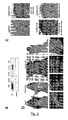
- PPAR ⁇ was induced upon feeding of I3C, strong induction of PPAR ⁇ expression was noted both in the skin and in lymph notes ( Figure 2a ).
- PPAR ⁇ agonist ligand GW-501516 When we activated the overexpressed PPAR ⁇ by additional administration of the specific PPAR ⁇ agonist ligand GW-501516, a dramatic skin phenotype was observed after 25 days, including widespread scaling, skin thickening, and inflammation ( Figure 2a , bottom and Figure 2b ).
- the skin of mice harbouring activated PPAR ⁇ showed greatly expanded epidermal layers, as well as dermal infiltration of inflammatory cells ( Figure 2c ).
- This phenotype is similar to that seen in human psoriasis.
- Rodents such as mice, do not normally express PPAR ⁇ in their skin and in control experiments in which GW-501516 was administered to unmodified mice, no psoriatic symptoms were observed.
- the symptoms displayed by the transgenic mice included the following clinical and histopathological features which are also characteristic of human psoriasis: dermal and epidermal infiltration of T lymphocytes in association with erythematous skin with loose whitish scales; acanthosis, hyperkeratosis and focal parakeratosis; keratinocyte hyperproliferation; changes in epidermal differentiation markers; increased numbers of CD11c+dendritic cells; prominent dermal angiogenesis and dilation of blood vessels; increased number of dermal mast cells, and infiltration of neutrophils.
- the skin phenotype is typically visible within a week and full blown within around twenty days in all mice, thus making it feasible to study its response to a variety of manipulations, or to employ the mice in high throughput screens for candidate therapeutic entities.
- K5 4.2-5' This element, termed K5 4.2-5', directs AhR-independent, highly specific constitutive expression in sebaceous glands ( Kaufman et al. (2002), "Dissection of a complex enhancer element: maintenance of keratinocyte specificity but loss of differentiations specificity. Molecular and Cellular Biology., 22, 4293-4308 .)
- the rat CYP1A1 promoter also drives Ahr-independent sebaceous gland-specific expression of an EGFP reporter in mice ( Rowe et al. (2008), “Illuminating role of CYP1A in skin function", The Journal of Investigative Dermatology, 128, 110-124 .
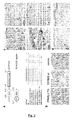
- K5 4.2-5' element as a universal "sebaceous box" present in the promoters of genes belonging to the top 10% of all expressed genes in sebaceous glands ( Figure 3a , bottom). Accordingly, cloning human PPAR ⁇ downstream of the same promoter efficiently conferred high constitutive sebaceous-specific expression of PPAR ⁇ ( Figure 3b ).
- the model of the present invention mimics the clinical and histopathologic characteristics of inflammatory skin conditions, such as human psoriasis, within seven days, offers a highly controllable and rapid disease onset by dose-controlled administration of specific transgene activators, and occurs in virtually all experimental animals.
- the disease occurs as a result of forced upregulation of a protein as it occurs in human psoriasis patients, irrespective of their individual genetic risk profile, thus replicating a pathological signalling event operative in the human disease. Therefore, the model does not merely represent a phenocopy of psoriasis, but re-creates elements of human psoriatic signalling in vivo.
- the model shows the same dynamic plasticity to environmental factors as human psoriasis, for example, a classical Koebner phenomenon is observed leading to highly aggravated disease activity at areas of mechanical friction. Accordingly, the model disclosed herein is useful for studying the immunopathogenesis of human psoriasis, and for evaluating therapeutic agents for ameliorating or preventing inflammatory skin conditions, such as psoriasis. In particular, the model is useful for studying the properties of the epidermis and dermis as a metabolic organ, which have not been well studied to date.
- test substances such as small chemical entities or biologics
- a test substance can be administered to the mouse by an appropriate method, such as feeding, gavage, intravenous injection, retro-orbital injection, intra-arterial injection, intra-peritoneal injection or subcutaneous injection.
- the test substance may be administered to the mouse after transcriptional and conformational activation of PPAR ⁇ to investigate the effects of the test substance on psoriatic symptoms which have already developed, after transcription activation but before conformational activation, or before either transcriptional or conformational activation to investigate whether and how the test substance affects or prevents the development of psoriatic symptoms.
- erythematous skin with loose whitish scales erythematous skin with loose whitish scales
- acanthosis hyperkeratosis and focal parakeratosis
- keratinocyte hyperproliferation changes in keratinocyte differentiation
- dermal angiogenesis infiltration of CD4+ and CD8+ T lymphocytes
- dilation of blood vessels increased number of dermal mast cells
- infiltration of the dermis with neutrophils formation of microabscesses within the epidermis
- increased numbers of CD11c+ dendritic cells in the dermis and changes in cytokine and/or gene expression patterns which correspond to changes in cytokine and/or gene expression patterns which are observed in the skin of human patients with psoriasis.
- test substance may be considered to be efficacious if it prevents or reduces the extent of one or more of the above symptoms or, in experiments where the test substance is administered before psoriatic symptoms have developed, a test substance may be considered to be efficacious if it delays the onset of one or more of the above symptoms.
- the efficacy of a test substance may be established by visual inspection of symptoms or by measuring the amount, activation or properties of cells which are potentially implicated in the response to PPAR ⁇ activation, for example, the amount and activation of regulatory T-cells, dendritic cells, natural killer cells, B-cells, and macrophages.
- it may be relevant to measure the amount of antigens such as CD4, CD25, Foxp3, IL17, CD69, B220, DX5, F4/08 and to quantify the production of cells such as CD8 and CD4 cells, or to measure keratinocyte hyperproliferation.
- STAT3 signal transducer and activator of transcription 3
- STAT3 is hyperphosphorylated in psoriasis and is sufficient to induce a psoriasis-like phenotype in vivo.
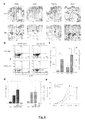
- Tyr-705 phosphorylation of STAT3 was markedly increased in lesional skin of PPAR ⁇ transgenic mice ( Figure 6a ) and localized to the nuclei of suprabasal cells in the epidermis ( Figure 6b ). Inhibition of STAT3 effectively prevented the onset of disease, demonstrating the central role of this pathway ( Figure 6c,d ).
- the efficacy of a test substance may be assessed by assaying STAT3 phosphorylation, or another biological indicator known to be affected by STAT3 phosphorylation status. This may enable a more rapid initial screen to be carried out than would be the case if it was necessary to wait for a wide range of psoriatic symptoms to be expressed.
- STAT3 phosphorylation may be assayed using, for example, an antibody which has an affinity for STAT3 which depends on Tyr-705 phosphorylation status.
- test substances include PPAR ⁇ antagonists, such as cyclosporin A or CTLA4-IG, as well as libraries of small molecules, peptides, peptidomimetics, antibodies and antibody fragments.
- GSK 0660 methyl 3-( ⁇ [2-(methoxy)-4-phenyl]amino ⁇ sulfonyl)-2-thiophenecarboxylate, known as GSK 0660, or a pharmaceutically acceptable derivative or salt thereof.
- GSK 0660 is described in Shearer B. G. et al.,(2008), "Identification and Characterization of a Selective Peroxisome Proliferator-Activated Receptor ⁇ / ⁇ (NR1 C2) Antagonist", Molecular Endocrinology, 22(2): 523-529 , the contents of which are incorporated herein by virtue of this reference.
- GSK 0660 is available from Sigma-Aldrich (St. Louis, USA), CAS No. 1014691-01-2. GSK 0660 is a highly selective inhibitor of PPAR ⁇ . Although GSK 0660 lacks in vivo bioavailability, it may be applied topically for the treatment of psoriasis, or other inflammatory skin conditions. Indeed, the poor in vivo bioavailability may be advantageous as effects will be confined to the skin, reducing or avoiding side effects in other organs.
- Tissue or cells from the mouse model may also be useful in research.
- Tissue or cells may be removed from the mouse model after the induction of psoriatic symptoms.
- Tissue or cells may be removed before transcriptional activation and then PPAR ⁇ within the tissue or cells can be transcriptionally and then conformationally activated.
- Tissue or cells may be removed after transcriptional activation but before conformational activation and then PPAR ⁇ within the tissue or cells can be conformationally activated.
- the difference between the physiological response of isolated tissue or cells types to transcription and/or conformational activation, and their response in vivo can be compared to investigate components of the immune system which are relevant to induction of the skin pathology.
- Tissue or cells from the mouse model may be investigated in vitro, or transplanted to a host organism, such as a scid mouse.
- the model can also be employed to study the effect of PPAR ⁇ activation in specific cell subsets.
- Specific cell types such as subsets of dendritic cells or T lymphocyte subsets, for example generated by in vitro generation, can be transferred to non-transgenic congenic recipient mice in order to evaluate the contribution of PPAR ⁇ activation exclusively in the transferred cell subset on the development of an inflammatory skin condition, such as psoriasis, in vivo.
- the same can also, for example, be performed by grafting skin from PPAR ⁇ transgenic animals onto non-transgenic recipient skin.
- the overexpression of PPAR ⁇ , or the expression of transgenic PPAR ⁇ may be effected using alternative promoters which control expression in relevant tissues. Constitutive and inducible promoters can each be considered.
- a keratinocyte specific promoter for example, Keratin 5 or Keratin 14 promoter
- a Th-17 specific promoter for example, the IL23-R promoter
- Cell types which may be important or essential for the displayed phenotype include regulator T-cells, so-called Th17 cells, dendritic cells, and natural killer (NK) cells.
- the promoter should preferably be selected to avoid strong constitutive expression in tissues where the transgene may have substantial toxic effects, e.g. the liver.
- mice which cause autoimmune activity in human psoriasis have been found to be upregulated in the mice and a subsequent downregulation of these cells has been found to be correlated with a reduction in symptoms, indicating their importance.
- the invention provides an animal model useful for research into inflammatory skin conditions, including psoriasis, based upon the recognition that over activation of PPAR ⁇ in the skin of animals such as rodents induces an inflammatory skin condition that closely resembles human psoriasis.
- the animal model of the invention represents the first in vivo experimental system which has induced the expression of a gene known to be expressed in human psoriatic skin but is not expressed in mouse skin (humanized mouse model), can be induced in virtually all experimental animals within four weeks, and does not require the use of human skin or cross implantation of lymphocytes for model generation.
- the animal model disclosed herein is not a disease-affected skin transplantation animal model or a T cell transplantation model of an inflammatory skin disease and has significant advantages over these known models.
Landscapes
- Health & Medical Sciences (AREA)
- Life Sciences & Earth Sciences (AREA)
- Chemical & Material Sciences (AREA)
- Genetics & Genomics (AREA)
- Engineering & Computer Science (AREA)
- Organic Chemistry (AREA)
- Zoology (AREA)
- General Health & Medical Sciences (AREA)
- Biotechnology (AREA)
- Bioinformatics & Cheminformatics (AREA)
- Veterinary Medicine (AREA)
- Environmental Sciences (AREA)
- General Engineering & Computer Science (AREA)
- Biochemistry (AREA)
- Biomedical Technology (AREA)
- Molecular Biology (AREA)
- Wood Science & Technology (AREA)
- Biophysics (AREA)
- Medicinal Chemistry (AREA)
- Animal Behavior & Ethology (AREA)
- Biodiversity & Conservation Biology (AREA)
- Physics & Mathematics (AREA)
- Gastroenterology & Hepatology (AREA)
- Animal Husbandry (AREA)
- Microbiology (AREA)
- Toxicology (AREA)
- Plant Pathology (AREA)
- Proteomics, Peptides & Aminoacids (AREA)
- Nuclear Medicine, Radiotherapy & Molecular Imaging (AREA)
- Chemical Kinetics & Catalysis (AREA)
- Dermatology (AREA)
- General Chemical & Material Sciences (AREA)
- Pharmacology & Pharmacy (AREA)
- Public Health (AREA)
- Medicines That Contain Protein Lipid Enzymes And Other Medicines (AREA)
- Measuring Or Testing Involving Enzymes Or Micro-Organisms (AREA)
- Pharmaceuticals Containing Other Organic And Inorganic Compounds (AREA)
Description
- The present invention relates to a rodent which overexpresses or is inducible to overexpress peroxisome proliferator-activated receptor delta (PPARδ) or expresses or is inducible to express transgenic PPARδ, in sufficient amount to display symptoms characteristic of an inflammatory skin condition, such as psoriasis, in the presence of a PPARδ agonist. The invention also relates to the use of such an animal as a model for an inflammatory skin condition, such as psoriasis, and methods of using such an animal model for identifying a substance for use in the treatment of psoriasis or another inflammatory skin condition. The invention also relates to the use of PPARδ antagonists, such as methyl 3-({[2-(methoxy)-4-phenyl]amino}sulfonyl)-2-thiophenecarboxylate, for the treatment or prevention of an inflammatory skin condition, such as psoriasis.
- Psoriasis is one of the most common skin diseases, affecting 2-4 % of the Caucasian population worldwide. Due to its chronic nature, its often severely disfiguring aspect, and the lack of curative therapies, the disease causes considerable distress to individual patients and presents a significant cost burden to healthcare providers.
- This complex disease is characterized by alterations in a variety of different cells.
- These alterations include epidermal keratinocyte hyperproliferation and altered differentiation indicated by focal parakeratosis (cell nuclei in stratum corneum). Endothelial cells are also hyperproliferative resulting in angiogenesis and dilation, and express increased levels of adhesion molecules. A mixed leukocytic infiltrate is observed which is composed of activated T-lymphocytes, that produce inflammatory cytokines, as well as an increased number of dermal mast cells. In addition, activated dendritic cells are present which synthesize TNFα and IFNα, that are central to the disease. Intracutaneous secretion of cytokines is thought to mediate some or all of the tissue alterations which are observed in psoriasis. These cytokines include tumor necrosis factor-α (TNFα) and interleukin-1 (IL-1), vascular endothelial growth factor/vascular permeability factor (VEGF/VPF) and transforming growth factor-α (TGFα). Also of particular importance is the induction of interleukin-12 (IL12), interleukin 22, and interleukin-23 (IL23).
- Research into the pathogenesis of psoriatic skin lesions, and the development of potential treatments for psoriasis, have been severely hampered by the lack of appropriate animal models. Several investigators have produced transgenic animals in which the increased expression of cytokines, adhesion molecules, signalling molecules, or other proteins in the skin results in epithelial hyperproliferation, inflammatory responses of the epidermis, or altered differentiation. For example, mouse models which overexpress VEGF-A or STAT3 in the epidermis harbour the most psoriasis-like phenotype known to date (Sano et al. (2005), "Stat3 links activated keratinocytes and immunocytes required for development of psoriasis in a novel transgenic mouse model", Nat. Med., 11, 43-39; and Xia et al. (2003) "Transgenic delivery of VEGF to mouse skin leads to an inflammatory condition resembling human psoriasis", Blood, 102, 161-168). However, none of these models is based on the modelling of up- or down-regulated molecules, as they occur in psoriatic lesional skin, and therefore may only represent "phenocopies" mimicking psoriasis. Therefore, using these models to explore novel strategies of interventions may not be relevant for the human disease and, accordingly, these models have not been widely used for pre-clinical drug testing. Moreover, none of these existing models yield a 100% disease penetrance with a rapid onset of disease, further limiting their use in high throughput screening. Finally, human psoriasis flare-ups are commonly triggered by environmental factors. One of the most important "classical" triggers of psoriasis is the so-called Koebner phenomenon which refers to the elicitation of skin pathology by mechanical trauma such as habitual friction on exposed joints, minor cuts, or surgical wounds. None of the existing animal models have been shown to exhibit a Koebner phenomenon.
- Another known animal model uses human psoriatic skin transplanted onto the skin of a scid mouse. In these animal models, the transplanted skin grafts reportedly implant with greater than 85% graft survival and continue to exhibit psoriatic features for at least six weeks after transplantation. However, this animal model is difficult to utilize as a screening method for therapeutic agents as it requires human skin for transplantation to generate the model. Thus, there are no prior models of psoriasis in which the clinical and histopathological phenotype are known to develop as the result of recreating the overexpression of a gene which is known to be overexpressed in lesional psoriatic skin.
- There is, therefore, an unmet need for an animal model which is suitable for investigations into psoriasis. Any such model should reproduce the clinical and histopathological phenotype of human psoriasis to as large an extent as possible. The model should be useful for research and for screening test substances which may be useful for the treatment of psoriasis. The invention aims to provide such a model and also extends to animal models which are relevant to other inflammatory skin conditions.
- According to a first aspect of the present invention there is provided a method of preparing a rodent for an inflammatory skin condition, the method comprising providing a rodent which overexpresses or is inducible to overexpress PPARδ, or expresses or is inducible to express transgenic PPARδ, and administering to the rodent a dose of PPARδ agonist which is sufficient that the rodent develops at least the majority, preferably at least eight, and more preferably at least nine or at least ten of the following symptoms: erythematous skin with loose whitish scales; acanthosis, hyperkeratosis and focal parakeratosis; keratinocyte hyperproliferation; changes in keratinocyte differentiation; dermal angiogenesis; infiltration of CD4+ and CD8+ T lymphocytes; dilation of blood vessels; increased number of dermal mast cells; infiltration of the dermis with neutrophils; formation of microabscesses within the epidermis; increased numbers of CD11c+ dendritic cells in the dermis, and changes in cytokine and/or gene expression patterns which correspond to changes in cytokine and/or gene expression patterns which are observed in the skin of human patients with psoriasis.
- Peroxisome proliferator-activated receptor delta, PPARδ (also known as PPARβ), is a nuclear receptor protein which functions as a transcription factor and contributes to the regulation of adipogenesis, glucose metabolism, myogenesis, and macrophage function. PPARδ acts as a regulator of gene transcription upon binding of activating ligands. We have found that a rodent which overexpresses human PPARδ, or which expresses transgenic PPARδ, provides an improved model of inflammatory skin conditions, such as psoriasis, when PPARδ is expressed and a PPARδ agonist is provided. Unlike the models of the prior art, the model of the present invention can mimic the clinical and histopathologic characteristics, and signalling events of human psoriasis. Rather than representing a phenocopy of an inflammatory condition, such as psoriasis, essential elements of human psoriatic signalling are re-created in vivo. Further benefits, advantages and applications of the rodent model are discussed below.
- The inflammatory skin condition may be psoriasis. However, the rodent is useful as model for a wider range of inflammatory skin conditions. For example, the inflammatory skin condition may be an inflammatory skin disease involving immune disregulation and/or altered epidermal cell turnover, for example, psoriasis, a parapsoriasis disease, lichen planus, epidermal congenital nevi, pityriasis rubra pilaris, or eczema. The inflammatory skin condition may be an inflammatory skin condition involving genetic lesions located in signalling pathways related to PPAR signalling. The inflammatory skin condition may be an inflammatory skin condition involving chronic regenerative epidermal reactions, for example, wound healing, epidermal dysplasias, or papilloma-associated epidermal hyperproliferation.
- The rodent may be a mouse. In contrast with humans, rodents do not normally express PPARδ in their adult interfollicular skin. The rodent may overexpress native PPARδ, for example under the influence of an introduced promoter. However, the rodent may express transgenic PPARδ. Typically, the rodent expresses transgenic humanized PPARδ, such as human PPARδ. In this case, the amount of transgenic PPARδ which is expressed in use typically exceeds the amount of PPARδ which is expressed in the corresponding wild type animal, in at least some tissues, such as the sebaceous glands.
- We include the option that the overexpression of PPARδ, or the expression of transgenic PPARδ, is inducible, for example, because the overexpression of PPARδ, or the expression of transgenic PPARδ, are under the control of an inducible promoter. In this case, expression does not occur, or occurs only at a significantly lower level when transcription is not induced. The method may therefore include the step of inducing transcription by administering an agent which has the effect of inducing an inducible promoter. The inducible promoter may, for example, be the CYP1A promoter in which case overexpression of PPARδ, or the expression of transgenic PPARδ, may be induced by feeding Indole-3-Carbinol (I3C) to the rodent. Nevertheless, with this promoter, sufficient transgenic (typically human) PPARδ to mediate at least some symptoms characteristic of psoriasis, when activated by a sufficient dose of PPARδ agonist, may be expressed even without induction, in relevant tissues including the sebaceous glands.
- Typically, in order to display symptoms characteristic of the inflammatory skin condition, it is necessary to administer a PPARδ agonist, such as the ligand PPARδ activator, GW-501516k, (2-Methyl-4-((4-methyl-2-(4-trifluoromethylphenyl)-1,3-thiazol-5-yl)-methylsulfanyl)phenoxy-acetic acid). The PPARδ agonist may be administered topically.
- Thus, the rodent may display the symptoms characteristic of psoriasis responsive to administration of both an inducer and a PPARδ agonist. Alternatively, a rodent may be provided which displays the symptoms characteristic of psoriasis responsive to administration of a PPARδ agonist without a requirement for an additional inducer. Preferably, the rodent displays no or few of the symptoms characteristic of the inflammatory skin condition in the absence of at least the PPARδ agonist or, in some embodiments, both an inducer and a PPARδ agonist.
- Preferably, the rodent displays a Koebner phenomenon, that is to say, symptoms characteristic of the inflammatory skin condition are most pronounced on body regions subjected to mechanical trauma.
- The rodent should preferably overexpress PPARδ, or express transgenic PPARδ, in one or more types of cell, including at least keratinocytes, to thereby display symptoms characteristic of psoriasis or another inflammatory skin condition. Preferably, the rodent overexpresses PPARδ, or expresses transgenic PPARδ, in its sebaceous glands. Typically, the rodent is overexpresses or is inducible to overexpress PPARδ, or expresses or is inducible to overexpress transgenic PPARδ, in at least some types of T-cell. It may be that the rodent overexpresses or is inducible to overexpress PPARδ, or expresses or is inducible to overexpress transgenic PPARδ, in both the skin (e.g. keratinocytes) and the spleen simultaneously. Strong symptoms characteristic of psoriasis may be obtained in such animals. It may be that the rodent overexpresses or is inducible to overexpress PPARδ, or expresses or is inducible to express transgenic PPARδ, in a wide range of types of cell.
- According to a second aspect of the present invention, there is provided a method of identifying a substance for use in the treatment of an inflammatory skin condition, the method comprising providing a rodent which overexpresses or is inducible to overexpress PPARδ, or expresses or is inducible to express transgenic PPARδ, administering a dose of PPARδ agonist sufficient that the rodent develops at least a majority of the following symptoms: erythematous skin with loose whitish scales; acanthosis, hyperkeratosis and focal parakeratosis; keratinocyte hyperproliferation; changes in keratinocyte differentiation; dermal angiogenesis; infiltration of CD4+ and CD8+ T lymphocytes; dilation of blood vessels; increased number of dermal mast cells; infiltration of the dermis with neutrophils; formation of microabscesses within the epidermis; increased numbers of CD11c+ dendritic cells in the dermis, changes in cytokine and/or gene expression patterns which correspond to changes in cytokine and/or gene expression patterns which are observed in the skin of human patients with psoriasis in the absence of test substance to the rodent, or tissues and/or cells derived therefrom, and administering a test substance to the rodent, or tissues and/or cells derived therefrom.
- Thus, in the absence of test substance, the rodent, or tissues and/or cells derived therefrom, would display symptoms characteristic of the inflammatory skin condition. If, in the presence of the test substance, some or all of the symptoms which would be displayed in the absence of test substance, were reduced or absent compared to a control animal to which test substance has not been administered, this would be indicative that the test substance, or a derivative or analogue thereof, would be a candidate for use in the prevention or treatment of the inflammatory skin condition.
- The inflammatory skin condition may be psoriasis.
- The method may comprise the step of measuring STAT3 phosphorylation (typically Tyr-705 phosphorylation in the case of murine STAT3), or a biological indicator regulated by STAT3 phosphorlyation. We have found that STAT3 phosphorylation is regulated by PPARδ. Therefore, the potential of a test substance to be a candidate for use in the prevention or treatment of the inflammatory skin condition might be investigated by monitoring the relationship between STAT3 phosphorylation, or a biological indicator regulated by STAT3 phosphorylation, and the amount or presence of the test substance administered to the rodent, or tissues and/or cells derived therefrom.
- Further preferred and optional features of the second aspect of the invention correspond to those discussed above in relation to the first aspect of the invention.
- The invention extends in a third aspect to the use of a rodent which overexpresses or is inducible to overexpresses PPARδ, or expresses or is inducible to express transgenic PPARδ, in sufficient amount that the rodent develops at least a majority of the following symptoms: erythematous skin with loose whitish scales; acanthosis, hyperkeratosis and focal parakeratosis; keratinocyte hyperproliferation; changes in keratinocyte differentiation; dermal angiogenesis; infiltration of CD4+ and CD8+ T lymphocytes; dilation of blood vessels; increased number of dermal mast cells; infiltration of the dermis with neutrophils; formation of microabscesses within the epidermis; increased numbers of CD11c+ dendritic cells in the dermis, changes in cytokine and/or gene expression patterns which correspond to changes in cytokine and/or gene expression patterns which are observed in the skin of human patients with psoriasis in the presence of a PPARδ agonist, as an animal model for an inflammatory skin condition. The inflammatory skin condition may be psoriasis.
- According to a fourth aspect of the present invention, there is provided a rodent, in which at least some types of cell, including at least keratinocytes, overexpress or are inducible to overexpress PPARδ, or express or are inducible to express transgenic PPARδ, in sufficient amount that the rodent develops at least a majority of the following symptoms: erythematous skin with loose whitish scales; acanthosis, hyperkeratosis and focal parakeratosis; keratinocyte hyperproliferation; changes in keratinocyte differentiation; dermal angiogenesis; infiltration of CD4+ and CD8+ T lymphocytes; dilation of blood vessels; increased number of dermal mast cells; infiltration of the dermis with neutrophils; formation of microabscesses within the epidermis; increased numbers of CD11c+ dendritic cells in the dermis, changes in cytokine and/or gene expression patterns which correspond to changes in cytokine and/or gene expression patterns which are observed in the skin of human patients with psoriasis in the presence of a PPARδ agonist.
- According to a fifth aspect of the present invention, there is provided a rodent, in which at least cells within the sebaceous glands of the rodent overexpress or are inducible to overexpress PPARδ, or express or are inducible to express transgenic PPARδ, in sufficient amount that the rodent develops at least a majority of the following symptoms: erythematous skin with loose whitish scales; acanthosis, hyperkeratosis and focal parakeratosis; keratinocyte hyperproliferation; changes in keratinocyte differentiation; dermal angiogenesis; infiltration of CD4+ and CD8+ T lymphocytes; dilation of blood vessels; increased number of dermal mast cells; infiltration of the dermis with neutrophils; formation of microabscesses within the epidermis; increased numbers of CD11c+ dendritic cells in the dermis, changes in cytokine and/or gene expression patterns which correspond to changes in cytokine and/or gene expression patterns which are observed in the skin of human patients with psoriasis in the presence of a PPARδ agonist.
- Preferably, the overexpression of PPARδ, or the expression of transgenic PPARδ is inducible, and the rodent does not display the symptoms of psoriasis except when a PPARδ agonist is present and, if necessary, the overexpression of PPARδ is induced.
- Preferably, the rodent displays symptoms of psoriasis in the presence of a PPARδ agonist.
- Preferably, the rodent displays at least eight and more preferably at least nine or at least ten of the following symptoms in the presence of a PPARδ agonist: erythematous skin with loose whitish scales; acanthosis, hyperkeratosis and focal parakeratosis; keratinocyte hyperproliferation; changes in keratinocyte differentiation; dermal angiogenesis; infiltration of CD4+ and CD8+ T lymphocytes; dilation of blood vessels; increased number of dermal mast cells; infiltration of the dermis with neutrophils; formation of microabscesses within the epidermis; increased numbers of CD11c+ dendritic cells in the dermis, and changes in cytokine and/or gene expression patterns which correspond to changes in cytokine and/or gene expression patterns which are observed in the skin of human patients with psoriasis
- In the presence of a PPARδ agonist the rodent preferably displays increased phosphorylation of STAT3.
- Preferred and optional features of the rodent correspond to those discussed above in relation to the rodents used in the first and second aspects of the invention.
- The invention extends in a sixth aspect to the use of a PPARδ antagonist for the treatment or prevention of an inflammatory skin condition, for example psoriasis. The invention also extends to the use of a PPARδ antagonist for the manufacture of a medicament for the treatment of an inflammatory skin condition, for example psoriasis. The medicament may comprise a therapeutically effective amount of the PPARδ antagonist and a pharmaceutically acceptable diluent. Typically, the PPARδ antagonist is applied topically in a therapeutically effective amount. The medicament is typically suitable for topical application.
- The PPARδ antagonist preferably does not significant antagonise PPARα or PPARγ.
- The PPARδ antagonist is preferably methyl 3-({[2-(methoxy)-4-phenyl]amino}sulfonyl)-2-thiophenecarboxylate, or a pharmaceutically acceptable derivative thereof.
- An example embodiment of the invention will now be illustrated with reference to the following Figures:
-
Figure 1 is a schematic diagram of the system employed for inducible expression and activation of PPARδ in vivo; -
Figure 2(a) illustrates Western blot analyses of 10 µg of total protein extract of transgenic mice fed I3C or control diet in an experiment in which PPARδ expression was induced in mice harbouring CYP1A1-controlled PPARδ by oral administration of indole-3-carbinol (I3C) for seven days (top); and an experiment in which PPARδ was expressed by feeding of I3C and activated by additional administration of the specific PPARδ ligand GW-501516 (GW) for 25 days (bottom);Figure 2(b) is a close-up photograph of the macroscopic phenotype of mice receiving both I3C and GW-501516 administration;Figure 2(c) is a photograph of standard H&E histology stains prepared from abdominal skin of the animals shown inFigure 2(a) ; -
Figure 3 illustrates experimental results from arising from the inducible expression of PPARδ in mouse epidermis.Figure 3(a) Cis-regulatory elements in the rat CYP1A1 promoter used to drive inducible expression of human PPARδ. Upper panel: Map of the sebaceous - specific G/C-box element and the AHR - responsive DXE/XRE cluster in the cyp1A1 promoter as well as the human human K5 promoter. Bottom panel: ClustalW alignment of promoters identified by a BLAST search using the 20bp G/C element of the Cyp1A1 promoter. All of the genes shown were found in the top 10% percentile of all transcripts expressed in human sebaceous glands (GDS3215 at the NCBI GEO website www.ncbi.nlm.nih.gov/geo/).Figure 3(b) illustrates immunohistochemistry using anti-PPARδ of mice transgenic for human PPARδ driven by the rat CYP1A promoter (PPARδ TG), as well as wild type mice. Magnification 200x;Figure 3(c) illustrates immunohistochemistry of abdominal skin samples from PPARδ transgenic mice taken at the indicated times after initiation of PPARδ activation mediated by administration of the synthetic ligand GW501516 in the chow;Figure 3(d) illustratesPPARδ immunohistochemistry 48h after topical application of indole-3-carbinole (I3C) to the skin of PPARδ transgenic mice at 200x (left) and 400x (right) magnification; -
Figure 4 illustrates immune activation in PPAR(-mediated skin disease. (a) immunohistochemistry for CD4, CD8, CD11c, and CD31 (Pecam 31) of skin from PPAR(-transgenic mice maintained in the absence (top) or presence of GW501516. Magnification 200x, (b) flow cytometry analysis showing intracellular FACS-staining for IFN( and IL17 of skin cells (gated for CD4) from wild type and PPAR( transgenic mice maintained in the presence or absence of GW501516, respectively. Numbers in quadrants indicate frequency of positive cells, (c) frequency of CD4+IL17+ of IL17+ cells (expressed as percent of all CD4+ gated cells) in PPAR( transgenic and C57B1/6 wild type mice maintained in the presence or absence of GW501516 (n = 4 per group), as determined by flow cytometry. * p < 0.01; ** p < 0.001, (d) frequency of CD4+IL17+ Th17 cells (left y-axis, black columns) and ratio of IL17+ and IFN(+ cell frequencies (right y-axis, grey columns) in the skin of PPAR( mice maintained in the absence or presence of GW501516 with or without i.p. injection of anti-TNF(, or (IL12/23p40 (n = 4, see Methods), (e) disease severity, expressed as mean ± s.d., assessed by the degree of erythema, thickening, scaling, and hair loss (see Methods, representative photographs of mice on day 19 post induction are shown in figure S6) in PPAR( transgenic mice GW501516 - containing chow with or without additional intraperitoneal injection of anti-TNF( or (IL12/23p40 (anti-IL12). * p < 0.01, ** p < 0.001 (treatment vs. control); -
Figure 5 . Skin phenotype in PPARδ transgenic mice twenty days after beginning of GW501516 (GW) administration. (Figures 5a - 5c ) Gross morphology, (Figures 5d - 5e ) H&E histology of control mice not treated with GW (5d), or fourteen days after induction (5e - 5g). Magnification 200x (5d,5e) or 400x (5f). (5g) Immunostaining for Ki67 of skin from PPARδ transgenic mice maintained in the absence (left) or presence (right) of GW. Magnification 200x. (5h) Induction of skin disease by topical application of either 0.3 % of indole-3-carbinole (I3C, left) or I3C plus 0.3 % GW501516 once daily to shaved abdominal skin. Gross macroscopic phenotype (top) and H&E histology of treated skin (bottom) was documented 10 days after beginning of treatment; and -
Figure 6 . Activation of STAT3 by PPARδ, (a) Western blot of whole skin samples from two GW501516-treated (GW) and two control PPARδ transgenic mice, respectively, probed with anti phospho-STAT3 (top) and anti-STAT3 (bottom) along with anti-GAPDH loading controls (top-band of the STAT3 doublet represents STAT3α, bottom-band STAT3β, respectively), (b) immunofluorescence with anti phospho-STAT3 of skin from GW-treated and control PPARδ mouse in the absence (left) or presence (right) of competition with antigenic peptide. White dashed line marks dermo-epidermal boundary (not marked in control samples where epidermis is only two cell layer-thick), all samples at 400x magnification. The inset in the upper left panel (1000x) shows counter-stain with DAPI to verify nuclear localization of phospho-STAT3. (c) gross appearance of GW-fed PPARδ mouse (left) or mouse concurrently IP-injected with WP1066 (right), as detailed in Methods, (d) H&E histology of skin samples from mice shown in (d) at 200x magnification, (e) fold change of genes repressed by activated STAT3 (dark grey columns, data taken from (Dauer et al. (2005), "Stat3 regulates genes common to both wound healing and cancer." Oncogene, 24, 3397-3408.) in GW501516-fed vs. control PPAR( transgenic mice (white), lesional vs. non-lesional skin from psoriasis patients in the GSE14905 (black), and the GAIN (light grey) datasets, respectively. * denotes genes that did not meet a p-value < 0.01 and are thus were formally excluded from cluster IV (table S2), (f) Taqman-based qPCR of IFI27 from whole skin of untreated, GW-fed, and GW-fed + WP1066-injected PPAR( mice, respectively. * p < 0.05. - Mice were generated which are inducible to overexpress human PPARδ in the skin and a wide range of other tissues and organs, including the spleen, under the control of the CYP1A1 promoter. The CYP1A1 dioxin-responsive promoter was initially chosen because it is known to be transactivated by the aryl hydrocarbon receptor (AHR) upon binding of specific AHR agonist ligands. (Campbell et al., Regulation of the CYP1A1 promoter in transgenic mice: an exquisitely sensitive on-off system for cell specific gene regulation, J. Cell Science, 1996, 109 (Pt. 11), 2619-2625).
- The mice were generated by cloning full-length human PPARδ downstream of the human CYP1A1 promoter. Plasmids encoding human PPARδ were prepared by the following protocol. The coding sequences of PPARδ, were amplified using primers PRMG15 (5'-CTAGTCTAGA ATGGAGCAGCCACAGGAGGAAGC-3') and PRMG3 (5'-CTAGTCTAGATTAGTACATGTCCTTGTAGATCTCCTG-3'), respectively (XbaI-sites underlined, ATG start codon in bold). The PCR products were cleaved with XbaI and cloned in plasmid pUHD10-3 (M. Gossen, unpublished, Genbank accession number U89931) creating pMGD7 (PPARδ). The integrity of the inserts were confirmed by sequencing and cleaved out using BamHI and ligated into plasmid pAHIR1-β-gal (Campbell, 1996} cleaved with BglII, resulting in the plasmid pMGD72 (PPARδ). The proper orientations of the inserts were confirmed by restriction endonuclease analysis and sequencing. Transgenic mice were generated by microinjection of the expression unit (NotI fragment) of the plasmid pMGD72 into pro-nuclei of C57BL/J6 x CBA F1 fertilized eggs. Mice were maintained under standard animal house conditions.
- In a first study, indole-3-carbinole (I3C) introduced into the chow at a final concentration of 0.5% (w/w), for one week, was used to induce expression of PPARδ. The resulting translated protein was conformationally activated by the specific PPARδ ligand GW-501516 (2-Methyl-4-((4-methyl-2-(4-trifluoromethylphenyl)-1,3-thiazol-5-yl)-methylsulfanyl)phenoxy-acetic acid), added in powdered form to the chow at a concentration of 0.003 % (w/w) for an additional 16 days. This activation mechanism is illustrated in
Figure 1 . Thus, PPARδ can be transcriptionally activated and conformationally activated by concurrent feeding with I3C and GW-501516. - The mice were prepared for the purposes of studies concerning a wide range of cancer phenotypes and liver fat accumulation. When PPARδ was induced upon feeding of I3C, strong induction of PPARδ expression was noted both in the skin and in lymph notes (
Figure 2a ). When we activated the overexpressed PPARδ by additional administration of the specific PPARδ agonist ligand GW-501516, a dramatic skin phenotype was observed after 25 days, including widespread scaling, skin thickening, and inflammation (Figure 2a , bottom andFigure 2b ). Histologically, the skin of mice harbouring activated PPARδ showed greatly expanded epidermal layers, as well as dermal infiltration of inflammatory cells (Figure 2c ). This phenotype is similar to that seen in human psoriasis. Rodents, such as mice, do not normally express PPARδ in their skin and in control experiments in which GW-501516 was administered to unmodified mice, no psoriatic symptoms were observed. - Although upregulation of PPARδ was known to be associated with psoriasis, the expression and/or activation of many proteins is known to be upregulated in psoriasis. The striking similarity of the resulting phenotype to human psoriasis indicates that the transgenic mice are suitable as animal models for investigations into psoriasis. The symptoms displayed by the transgenic mice included the following clinical and histopathological features which are also characteristic of human psoriasis: dermal and epidermal infiltration of T lymphocytes in association with erythematous skin with loose whitish scales; acanthosis, hyperkeratosis and focal parakeratosis; keratinocyte hyperproliferation; changes in epidermal differentiation markers; increased numbers of CD11c+dendritic cells; prominent dermal angiogenesis and dilation of blood vessels; increased number of dermal mast cells, and infiltration of neutrophils. The skin phenotype is typically visible within a week and full blown within around twenty days in all mice, thus making it feasible to study its response to a variety of manipulations, or to employ the mice in high throughput screens for candidate therapeutic entities.
- It was discovered that induction with I3C was not required for the symptoms of psoriasis to be displayed. In addition to a well-documented DXE/XRE cluster conferring responsivity to AhR activation (Robertson et al. (1994) "Aryl hydrocarbon-induced interactions at multiple DNA elements of diverse sequence-a multicomponent mechanism for activation of cytochrome P4501A1 (CYP1A1) gene transcription", Nucleic acids research, 22, 1741-1749). the Cyp1A1 enhancer contains a cis-acting element conserved in the keratin 5 promoter (
Figure 3a , upper panel). This element, termed K5 4.2-5', directs AhR-independent, highly specific constitutive expression in sebaceous glands (Kaufman et al. (2002), "Dissection of a complex enhancer element: maintenance of keratinocyte specificity but loss of differentiations specificity. Molecular and Cellular Biology., 22, 4293-4308.) Thus, the rat CYP1A1 promoter also drives Ahr-independent sebaceous gland-specific expression of an EGFP reporter in mice (Rowe et al. (2008), "Illuminating role of CYP1A in skin function", The Journal of Investigative Dermatology, 128, 110-124. We identified the K5 4.2-5' element as a universal "sebaceous box" present in the promoters of genes belonging to the top 10% of all expressed genes in sebaceous glands (Figure 3a , bottom). Accordingly, cloning human PPARδ downstream of the same promoter efficiently conferred high constitutive sebaceous-specific expression of PPARδ (Figure 3b ). We hypothesized that activation of PPARδ in the sebaceous glands should elicit secondary expression of PPARδ in the upper epidermis via the DXE/XRE cluster in the CYP1A1 enhancer since PPARδ stimulates sebocyte differentiation (Michalik and Wahli (2007), "Peroxisome proliferator-activated receptors (PPARs) in skin health, repair and disease. Biochimica et biophysica acta, 1771, 991-998; Rosenfield et al. (1999), "Rat preputial sebocyte differentiation involves peroxisome proliferator-activated receptors", J. Invest. Dermatol., 112, 226-232) and delivery of sebum to the skin (Trivedi et al. (2006), "Peroxisome proliferator-activated receptors increase human sebum production", The Journal of Investigative Dermatology, 126, 2002-2009) which, in turn, triggers epidermal delivery of lipoxygenase-products serving as endogenous AhR ligands such as LXA4 or 5,6-DiHETE (Chiaro et al. (2008), "Leukotriene A4 metabolites are endogenous ligands for the Ah receptor", Biochemistry 47, 8445-8455; Machado et al. (2006), "Anti-inflammatory actions of lipoxin A4 and aspirin-trigerred lipoxin are SOCS-2 dependent", Nature Medicine, 12, 330-334). - Indeed, in a second study, upon activation of PPARδ using the selective ligand GW501516, without I3C, we observed strong expression of PPARδ in the epidermis within 48h (
Figure 3c ). At later time points, PPARδ was strongly expressed in cells of the spinous layer PPARδ expression was epidermis-specific and did not occur in dermal fibroblasts, endothelia, or skin - associated T cells (see below). PPARδ expression was also inducible by topical application of the AhR ligand indole-3-carbinole to the skin (I3C,Figure. 3d ), thereby confirming that epidermal induction is triggered by the AhR-responsive element in the Cyp1A1 promoter. The net effect is a tightly controlled inducible expression of PPARδ in suprabasal mouse epidermis which is comparable to that observed in human psoriasis lesions. - As early as seven days after initiation of PPARδ - activation by GW501516 (GW), scaling, erythema formation, and skin thickening was notable in all PPARδ transgenic mice (
Figure 4a-c ). Hyperkeratosis and concomitant hair loss was maximal in regions subjected to mechanical friction, such as abdomen (Fig. 4b , S3), the paws (Fig. 4a ), or the chin (Fig. S2). While hyperkeratotic plaques were also noted on the back in some mice (Fig. 4c ) changes on the dorsal skin were mostly limited to scaling (Fig. S2). Thus, the extent of clinical changes displayed a pronounced mechanical trigger effect similar to the isomorphic trigger effect seen in psoriasis. Histology showed epidermal thickening (Fig. 4e ), dilation of dermal vessels, and a lymphocytic dermal infiltrate. Of note, in contrast to psoriasis, the granular layer was prominent (Fig. 4f), consistent with the known effect of PPARδ on epidermal differentiation. Moreover, K67 staining demonstrated massive hyperproliferation in the basal layer of the epidermis (Fig. 4g). Importantly, these changes were mediated solely by ligand-mediated activation of PPARδ, but not by AhR activation since prolonged administration of a chow containing a very high I3C concentration (0.5 % w/w) caused no skin changes in the absence of PPARδ activation (not shown). Likewise, topical administration of I3C to the skin was unable to elicit a phenotype but was effectively replicated by additional topical addition of GW501516 (Fig. 4h). Thus, the skin phenotype in PPARδ transgenic mice is mediated by activation of PPARδ in suprabasal keratinocytes. - In contrast to known animal models, the model of the present invention mimics the clinical and histopathologic characteristics of inflammatory skin conditions, such as human psoriasis, within seven days, offers a highly controllable and rapid disease onset by dose-controlled administration of specific transgene activators, and occurs in virtually all experimental animals. Moreover, the disease occurs as a result of forced upregulation of a protein as it occurs in human psoriasis patients, irrespective of their individual genetic risk profile, thus replicating a pathological signalling event operative in the human disease. Therefore, the model does not merely represent a phenocopy of psoriasis, but re-creates elements of human psoriatic signalling in vivo. Experiments indicate that the model shows the same dynamic plasticity to environmental factors as human psoriasis, for example, a classical Koebner phenomenon is observed leading to highly aggravated disease activity at areas of mechanical friction. Accordingly, the model disclosed herein is useful for studying the immunopathogenesis of human psoriasis, and for evaluating therapeutic agents for ameliorating or preventing inflammatory skin conditions, such as psoriasis. In particular, the model is useful for studying the properties of the epidermis and dermis as a metabolic organ, which have not been well studied to date.
- The model is useful for studying the direct or indirect effects of test substances, or screening test substances (such as small chemical entities or biologics) to identify substances which may be useful for the treatment or prevention of psoriasis or other inflammatory skin conditions. A test substance can be administered to the mouse by an appropriate method, such as feeding, gavage, intravenous injection, retro-orbital injection, intra-arterial injection, intra-peritoneal injection or subcutaneous injection. The test substance may be administered to the mouse after transcriptional and conformational activation of PPARδ to investigate the effects of the test substance on psoriatic symptoms which have already developed, after transcription activation but before conformational activation, or before either transcriptional or conformational activation to investigate whether and how the test substance affects or prevents the development of psoriatic symptoms.
- In order to determine the efficacy of a test substance as a candidate for the prevention or treatment of psoriasis, or another inflammatory skin condition, the presence of some or all of the following symptoms can be measured on a quantitative or qualitative basis and compared with a suitable control: erythematous skin with loose whitish scales; acanthosis, hyperkeratosis and focal parakeratosis; keratinocyte hyperproliferation; changes in keratinocyte differentiation; dermal angiogenesis; infiltration of CD4+ and CD8+ T lymphocytes; dilation of blood vessels; increased number of dermal mast cells; infiltration of the dermis with neutrophils; formation of microabscesses within the epidermis; increased numbers of CD11c+ dendritic cells in the dermis, and changes in cytokine and/or gene expression patterns which correspond to changes in cytokine and/or gene expression patterns which are observed in the skin of human patients with psoriasis.
- A test substance may be considered to be efficacious if it prevents or reduces the extent of one or more of the above symptoms or, in experiments where the test substance is administered before psoriatic symptoms have developed, a test substance may be considered to be efficacious if it delays the onset of one or more of the above symptoms.
- The efficacy of a test substance may be established by visual inspection of symptoms or by measuring the amount, activation or properties of cells which are potentially implicated in the response to PPARδ activation, for example, the amount and activation of regulatory T-cells, dendritic cells, natural killer cells, B-cells, and macrophages. In order to assess the efficacy of a test substance, it may be relevant to measure the amount of antigens such as CD4, CD25, Foxp3, IL17, CD69, B220, DX5, F4/08 and to quantify the production of cells such as CD8 and CD4 cells, or to measure keratinocyte hyperproliferation.
- Furthermore, we have found that PPARδ regulates phosphorylayion of signal transducer and activator of transcription 3 (STAT3). STAT3 is hyperphosphorylated in psoriasis and is sufficient to induce a psoriasis-like phenotype in vivo. We found that Tyr-705 phosphorylation of STAT3 was markedly increased in lesional skin of PPARδ transgenic mice (
Figure 6a ) and localized to the nuclei of suprabasal cells in the epidermis (Figure 6b ). Inhibition of STAT3 effectively prevented the onset of disease, demonstrating the central role of this pathway (Figure 6c,d ). Strikingly, the single group of genes upregulated in psoriasis while downregulated in PPARδ mice, the interferon response genes have previously been shown to be repressed by STAT3 (Fig. 6e , dark shaded columns), as part of what has been termed the "anti-inflammatory response" (Murray, P.J. (2006), "STAT3-mediated anti-inflammatory signaling." Biochemical society transactions, 34, 1028-1031. Indeed, inhibition of STAT3 signalling partially reversed the down-regulation of one of the most repressed transcripts, IFI27 (Fig. 6f ), indicating that the inhibition of IFN signalling in PPARδ transgenic mice is mediated in part by STAT3. - Accordingly, the efficacy of a test substance may be assessed by assaying STAT3 phosphorylation, or another biological indicator known to be affected by STAT3 phosphorylation status. This may enable a more rapid initial screen to be carried out than would be the case if it was necessary to wait for a wide range of psoriatic symptoms to be expressed. STAT3 phosphorylation may be assayed using, for example, an antibody which has an affinity for STAT3 which depends on Tyr-705 phosphorylation status.
- Examples of suitable test substances include PPARδ antagonists, such as cyclosporin A or CTLA4-IG, as well as libraries of small molecules, peptides, peptidomimetics, antibodies and antibody fragments.
- One test substance which may be employed for the prevention or treatment of psoriasis, or another inflammatory skin condition, is methyl 3-({[2-(methoxy)-4-phenyl]amino}sulfonyl)-2-thiophenecarboxylate, known as GSK 0660, or a pharmaceutically acceptable derivative or salt thereof. GSK 0660 is described in Shearer B. G. et al.,(2008), "Identification and Characterization of a Selective Peroxisome Proliferator-Activated Receptor β/δ (NR1 C2) Antagonist", Molecular Endocrinology, 22(2): 523-529, the contents of which are incorporated herein by virtue of this reference. GSK 0660 is available from Sigma-Aldrich (St. Louis, USA), CAS No. 1014691-01-2. GSK 0660 is a highly selective inhibitor of PPARδ. Although GSK 0660 lacks in vivo bioavailability, it may be applied topically for the treatment of psoriasis, or other inflammatory skin conditions. Indeed, the poor in vivo bioavailability may be advantageous as effects will be confined to the skin, reducing or avoiding side effects in other organs.

- Tissue or cells from the mouse model may also be useful in research. Tissue or cells may be removed from the mouse model after the induction of psoriatic symptoms. Tissue or cells may be removed before transcriptional activation and then PPARδ within the tissue or cells can be transcriptionally and then conformationally activated. Tissue or cells may be removed after transcriptional activation but before conformational activation and then PPARδ within the tissue or cells can be conformationally activated. The difference between the physiological response of isolated tissue or cells types to transcription and/or conformational activation, and their response in vivo can be compared to investigate components of the immune system which are relevant to induction of the skin pathology. Tissue or cells from the mouse model may be investigated in vitro, or transplanted to a host organism, such as a scid mouse.
- The model can also be employed to study the effect of PPARδ activation in specific cell subsets. Specific cell types such as subsets of dendritic cells or T lymphocyte subsets, for example generated by in vitro generation, can be transferred to non-transgenic congenic recipient mice in order to evaluate the contribution of PPARδ activation exclusively in the transferred cell subset on the development of an inflammatory skin condition, such as psoriasis, in vivo. The same can also, for example, be performed by grafting skin from PPARδ transgenic animals onto non-transgenic recipient skin.
- Instead of employing the CYP1A1 promoter, the overexpression of PPARδ, or the expression of transgenic PPARδ, may be effected using alternative promoters which control expression in relevant tissues. Constitutive and inducible promoters can each be considered. A keratinocyte specific promoter (for example, Keratin 5 or Keratin 14 promoter) may be employed to cause PPARδ to be expressed specifically in keratinocytes. A Th-17 specific promoter (for example, the IL23-R promoter) might also be employed. These may lead to an improved model. Alternatively, it may be essential for PPARδ to be expressed at a sufficiently high level in a range of tissues including, for example, the spleen, in order for symptoms to be displayed. Cell types which may be important or essential for the displayed phenotype include regulator T-cells, so-called Th17 cells, dendritic cells, and natural killer (NK) cells. The promoter should preferably be selected to avoid strong constitutive expression in tissues where the transgene may have substantial toxic effects, e.g. the liver.
- Indeed, experiments with an animal model according to the example embodiment have demonstrated strong similarities in gene dysfunction between these mice and human psoriasis. Th17 cells, which cause autoimmune activity in human psoriasis have been found to be upregulated in the mice and a subsequent downregulation of these cells has been found to be correlated with a reduction in symptoms, indicating their importance.
- Thus, in summary, the invention provides an animal model useful for research into inflammatory skin conditions, including psoriasis, based upon the recognition that over activation of PPARδ in the skin of animals such as rodents induces an inflammatory skin condition that closely resembles human psoriasis. Although other animal models have been reported for human psoriasis and other inflammatory skin conditions, the animal model of the invention represents the first in vivo experimental system which has induced the expression of a gene known to be expressed in human psoriatic skin but is not expressed in mouse skin (humanized mouse model), can be induced in virtually all experimental animals within four weeks, and does not require the use of human skin or cross implantation of lymphocytes for model generation. Thus, the animal model disclosed herein is not a disease-affected skin transplantation animal model or a T cell transplantation model of an inflammatory skin disease and has significant advantages over these known models.
- Further variations and modifications may be made within the scope of the invention herein disclosed.
Claims (10)
- A method of preparing a rodent model for an inflammatory skin condition, the method comprising providing a rodent which overexpresses or is inducible to overexpress PPARδ, or expresses or is inducible to express transgenic PPARδ, and administering to the rodent a dose of PPARδ agonist which is sufficient that the rodent develops at least a majority of the following symptoms: erythematous skin with loose whitish scales; acanthosis, hyperkeratosis and focal parakeratosis; keratinocyte hyperproliferation; changes in keratinocyte differentiation; dermal angiogenesis; infiltration of CD4+ and CD8+ T lymphocytes; dilation of blood vessels; increased number of dermal mast cells; infiltration of the dermis with neutrophils; formation of microabscesses within the epidermis; increased numbers of CD11c+ dendritic cells in the dermis, changes in cytokine and/or gene expression patterns which correspond to changes in cytokine and/or gene expression patterns which are observed in the skin of human patients with psoriasis.
- A method as claimed in Claim 1, wherein the rodent expresses or is inducible to express transgenic human PPARδ.
- A method as claimed in any one preceding Claim, wherein the overexpression of PPARδ, or the expression of transgenic PPARδ, is inducible and the method comprises the step of inducing the overexpression of PPARδ, or the expression of transgenic PPARδ, respectively.
- A method as claimed in any one preceding Claim for preparing a rodent model for psoriasis, wherein the rodent develops symptoms characteristic of psoriasis responsive to administration of the dose of PPARδ agonist.
- A method of identifying a substance for use in the treatment of an inflammatory skin condition, the method comprising providing a rodent which overexpresses or is inducible to overexpress PPARδ, or expresses or is inducible to express transgenic PPARδ, administering a dose of PPARδ agonist which would be sufficient that the rodent develops at least a majority of the following symptoms: erythematous skin with loose whitish scales; acanthosis, hyperkeratosis and focal parakeratosis; keratinocyte hyperproliferation; changes in keratinocyte differentiation; dermal angiogenesis; infiltration of CD4+ and CD8+ T lymphocytes; dilation of blood vessels; increased number of dermal mast cells; infiltration of the dermis with neutrophils; formation of microabscesses within the epidermis; increased numbers of CD11c+ dendritic cells in the dermis, changes in cytokine and/or gene expression patterns which correspond to changes in cytokine and/or gene expression patterns which are observed in the skin of human patients with psoriasis in the absence of test substance to the rodent, or tissues and/or cells derived therefrom, and administering a test substance to the rodent, or tissues and/or cells derived therefrom.
- A method as claimed in Claim 5, wherein the rodent expresses or is inducible to express transgenic human PPARδ.
- A method as claimed in any one of Claims 5 or 6, wherein, in the absence of test substance, the rodent, or the rodent from which the said tissue and/or cells are derived, would develop at least eight of the following symptoms: erythematous skin with loose whitish scales; acanthosis, hyperkeratosis and focal parakeratosis; keratinocyte hyperproliferation; changes in keratinocyte differentiation; dermal angiogenesis; infiltration of CD4+ and CD8+ T lymphocytes; dilation of blood vessels; increased number of dermal mast cells; infiltration of the dermis with neutrophils; formation of microabscesses within the epidermis; increased numbers of CD11c+ dendritic cells in the dermis, and changes in cytokine and/or gene expression patterns which correspond to changes in cytokine and/or gene expression patterns which are observed in the skin of human patients with psoriasis.
- A method as claimed in any one of Claims 5 to 7, wherein, in the absence of test substance, the rodent displays a Koebner phenomenon.
- Use of a rodent which overexpresses or is inducible to overexpress PPARδ, or expresses or is inducible to express transgenic PPARδ, in sufficient amount that the rodent develops at least a majority of the following symptoms: erythematous skin with loose whitish scales; acanthosis, hyperkeratosis and focal parakeratosis; keratinocyte hyperproliferation; changes in keratinocyte differentiation; dermal angiogenesis; infiltration of CD4+ and CD8+ T lymphocytes; dilation of blood vessels; increased number of dermal mast cells; infiltration of the dermis with neutrophils; formation of microabscesses within the epidermis; increased numbers of CD11c+ dendritic cells in the dermis, changes in cytokine and/or gene expression patterns which correspond to changes in cytokine and/or gene expression patterns which are observed in the skin of human patients with psoriasis, as an animal model for psoriasis.
- A rodent, in which at least some types of cell, including at least keratinocytes, or at least cells within the sebaceous glands, overexpress or are inducible to overexpress PPARδ, or express or are inducible to express transgenic PPARδ, in sufficient amount that the rodent develops at least a majority of the following symptoms: erythematous skin with loose whitish scales; acanthosis, hyperkeratosis and focal parakeratosis; keratinocyte hyperproliferation; changes in keratinocyte differentiation; dermal angiogenesis; infiltration of CD4+ and CD8+ T lymphocytes; dilation of blood vessels; increased number of dermal mast cells; infiltration of the dermis with neutrophils; formation of microabscesses within the epidermis; increased numbers of CD11 c+ dendritic cells in the dermis, changes in cytokine and/or gene expression patterns which correspond to changes in cytokine and/or gene expression patterns which are observed in the skin of human patients with psoriasis, in the presence of a PPARδ agonist.
Applications Claiming Priority (3)
| Application Number | Priority Date | Filing Date | Title |
|---|---|---|---|
| GB0814094A GB0814094D0 (en) | 2008-08-01 | 2008-08-01 | Anomal models, uses and method |
| GB0822240A GB0822240D0 (en) | 2008-12-05 | 2008-12-05 | Animal modes, uses and methods |
| PCT/GB2009/050967 WO2010013071A2 (en) | 2008-08-01 | 2009-07-31 | Methods concerning ppar delta and antagonists thereof |
Publications (2)
| Publication Number | Publication Date |
|---|---|
| EP2331697A2 EP2331697A2 (en) | 2011-06-15 |
| EP2331697B1 true EP2331697B1 (en) | 2015-03-25 |
Family
ID=41381579
Family Applications (1)
| Application Number | Title | Priority Date | Filing Date |
|---|---|---|---|
| EP09785438.4A Not-in-force EP2331697B1 (en) | 2008-08-01 | 2009-07-31 | Methods concerning ppar delta and antagonists thereof |
Country Status (3)
| Country | Link |
|---|---|
| US (1) | US9155289B2 (en) |
| EP (1) | EP2331697B1 (en) |
| WO (1) | WO2010013071A2 (en) |
Families Citing this family (5)
| Publication number | Priority date | Publication date | Assignee | Title |
|---|---|---|---|---|
| JP2013525368A (en) * | 2010-04-23 | 2013-06-20 | キネタ・インコーポレイテツド | Antiviral compounds |
| DE102011104267A1 (en) | 2011-06-06 | 2012-12-06 | Philipps-Universität Marburg | Compounds as PPAR beta / delta inhibitors for the treatment of PPAR beta / delta-mediated diseases |
| DE102011118606A1 (en) | 2011-11-15 | 2013-05-16 | Philipps-Universität Marburg | Stilbene compounds as PPAR beta / delta inhibitors for the treatment of PPAR beta / delta-mediated diseases |
| KR102033215B1 (en) * | 2016-07-05 | 2019-10-16 | 성균관대학교산학협력단 | Animal model inducing psoriasis and use thereof |
| AU2024212873A1 (en) * | 2023-01-29 | 2025-08-07 | Cymabay Therapeutics, Inc. | Treatment of chronic pruritic dermatoses |
Family Cites Families (1)
| Publication number | Priority date | Publication date | Assignee | Title |
|---|---|---|---|---|
| US5945576A (en) | 1996-04-05 | 1999-08-31 | Brigham & Women's Hospital, Inc. | Mouse model of psoriasis |
-
2009
- 2009-07-31 EP EP09785438.4A patent/EP2331697B1/en not_active Not-in-force
- 2009-07-31 WO PCT/GB2009/050967 patent/WO2010013071A2/en not_active Ceased
- 2009-07-31 US US13/057,113 patent/US9155289B2/en not_active Expired - Fee Related
Also Published As
| Publication number | Publication date |
|---|---|
| WO2010013071A2 (en) | 2010-02-04 |
| US20110263691A1 (en) | 2011-10-27 |
| EP2331697A2 (en) | 2011-06-15 |
| WO2010013071A3 (en) | 2010-03-25 |
| US9155289B2 (en) | 2015-10-13 |
Similar Documents
| Publication | Publication Date | Title |
|---|---|---|
| Shen et al. | Essential role of STAT3 in postnatal survival and growth revealed by mice lacking STAT3 serine 727 phosphorylation | |
| Lopez‐Molina et al. | The DBP gene is expressed according to a circadian rhythm in the suprachiasmatic nucleus and influences circadian behavior | |
| Kurebayashi et al. | Retinoid-related orphan receptor γ (RORγ) is essential for lymphoid organogenesis and controls apoptosis during thymopoiesis | |
| Kubota et al. | PPARγ mediates high-fat diet–induced adipocyte hypertrophy and insulin resistance | |
| Tsujikawa et al. | Hypertension and dysregulated proinflammatory cytokine production in receptor activity-modifying protein 1-deficient mice | |
| List et al. | Matriptase/MT-SP1 is required for postnatal survival, epidermal barrier function, hair follicle development, and thymic homeostasis | |
| Šošić et al. | Twist regulates cytokine gene expression through a negative feedback loop that represses NF-κB activity | |
| Ito et al. | Involvement of the TRAP220 component of the TRAP/SMCC coactivator complex in embryonic development and thyroid hormone action | |
| Shibusawa et al. | Thyroid hormone action in the absence of thyroid hormone receptor DNA-binding in vivo | |
| Gimeno et al. | Targeted deletion of fatty acid transport protein-4 results in early embryonic lethality | |
| US6677299B2 (en) | Method to increase cerebral blood flow in amyloid angiopathy | |
| Nguyen et al. | Essential role of Pten in body size determination and pancreatic β-cell homeostasis in vivo | |
| Marchlik et al. | Mice lacking Tbk1 activity exhibit immune cell infiltrates in multiple tissues and increased susceptibility to LPS-induced lethality | |
| Iskandar et al. | PDK-1/FoxO1 pathway in POMC neurons regulates Pomc expression and food intake | |
| US9155289B2 (en) | Methods concerning PPAR delta and antagonists thereof | |
| Burns et al. | Cyclin D2 and p27 are tissue-specific regulators of tumorigenesis in inhibin α knockout mice | |
| Kwon et al. | Lethal cutaneous disease in transgenic mice conditionally expressing type I human T cell leukemia virus Tax | |
| Chen et al. | An unexpected role for keratin 10 end domains in susceptibility to skin cancer | |
| Tsou et al. | Important roles of ring finger protein 112 in embryonic vascular development and brain functions | |
| Collier et al. | Pancreatic, but not myeloid-cell, expression of interleukin-1alpha is required for maintenance of insulin secretion and whole body glucose homeostasis | |
| CN1371243A (en) | Corticotropin releasing factor receptor 2 deficient mice and uses thereof | |
| Martin et al. | Deficiency in IL-1 receptor type 2 aggravates K/BxN serum transfer-induced arthritis in mice but has no impact on systemic inflammatory responses | |
| US8124829B2 (en) | Transgenic mice over-expressing receptor for advanced glycation endproduct (RAGE) in brain and uses thereof | |
| Andersson et al. | Mice carrying a conditional Serca2flox allele for the generation of Ca2+ handling-deficient mouse models | |
| Zhu et al. | Genomic interval engineering of mice identifies a novel modulator of triglyceride production |
Legal Events
| Date | Code | Title | Description |
|---|---|---|---|
| PUAI | Public reference made under article 153(3) epc to a published international application that has entered the european phase |
Free format text: ORIGINAL CODE: 0009012 |
|
| 17P | Request for examination filed |
Effective date: 20110228 |
|
| AK | Designated contracting states |
Kind code of ref document: A2 Designated state(s): AT BE BG CH CY CZ DE DK EE ES FI FR GB GR HR HU IE IS IT LI LT LU LV MC MK MT NL NO PL PT RO SE SI SK SM TR |
|
| AX | Request for extension of the european patent |
Extension state: AL BA RS |
|
| DAX | Request for extension of the european patent (deleted) | ||
| 17Q | First examination report despatched |
Effective date: 20111202 |
|
| GRAP | Despatch of communication of intention to grant a patent |
Free format text: ORIGINAL CODE: EPIDOSNIGR1 |
|
| INTG | Intention to grant announced |
Effective date: 20141016 |
|
| GRAS | Grant fee paid |
Free format text: ORIGINAL CODE: EPIDOSNIGR3 |
|
| GRAA | (expected) grant |
Free format text: ORIGINAL CODE: 0009210 |
|
| AK | Designated contracting states |
Kind code of ref document: B1 Designated state(s): AT BE BG CH CY CZ DE DK EE ES FI FR GB GR HR HU IE IS IT LI LT LU LV MC MK MT NL NO PL PT RO SE SI SK SM TR |
|
| REG | Reference to a national code |
Ref country code: GB Ref legal event code: FG4D |
|
| REG | Reference to a national code |
Ref country code: CH Ref legal event code: EP |
|
| REG | Reference to a national code |
Ref country code: IE Ref legal event code: FG4D |
|
| REG | Reference to a national code |
Ref country code: DE Ref legal event code: R096 Ref document number: 602009030224 Country of ref document: DE Effective date: 20150507 |
|
| REG | Reference to a national code |
Ref country code: AT Ref legal event code: REF Ref document number: 717914 Country of ref document: AT Kind code of ref document: T Effective date: 20150515 |
|
| REG | Reference to a national code |
Ref country code: FR Ref legal event code: PLFP Year of fee payment: 7 |
|
| PG25 | Lapsed in a contracting state [announced via postgrant information from national office to epo] |
Ref country code: NO Free format text: LAPSE BECAUSE OF FAILURE TO SUBMIT A TRANSLATION OF THE DESCRIPTION OR TO PAY THE FEE WITHIN THE PRESCRIBED TIME-LIMIT Effective date: 20150625 Ref country code: SE Free format text: LAPSE BECAUSE OF FAILURE TO SUBMIT A TRANSLATION OF THE DESCRIPTION OR TO PAY THE FEE WITHIN THE PRESCRIBED TIME-LIMIT Effective date: 20150325 Ref country code: FI Free format text: LAPSE BECAUSE OF FAILURE TO SUBMIT A TRANSLATION OF THE DESCRIPTION OR TO PAY THE FEE WITHIN THE PRESCRIBED TIME-LIMIT Effective date: 20150325 Ref country code: HR Free format text: LAPSE BECAUSE OF FAILURE TO SUBMIT A TRANSLATION OF THE DESCRIPTION OR TO PAY THE FEE WITHIN THE PRESCRIBED TIME-LIMIT Effective date: 20150325 Ref country code: LT Free format text: LAPSE BECAUSE OF FAILURE TO SUBMIT A TRANSLATION OF THE DESCRIPTION OR TO PAY THE FEE WITHIN THE PRESCRIBED TIME-LIMIT Effective date: 20150325 |
|
| REG | Reference to a national code |
Ref country code: AT Ref legal event code: MK05 Ref document number: 717914 Country of ref document: AT Kind code of ref document: T Effective date: 20150325 |
|
| REG | Reference to a national code |
Ref country code: LT Ref legal event code: MG4D |
|
| PG25 | Lapsed in a contracting state [announced via postgrant information from national office to epo] |
Ref country code: LV Free format text: LAPSE BECAUSE OF FAILURE TO SUBMIT A TRANSLATION OF THE DESCRIPTION OR TO PAY THE FEE WITHIN THE PRESCRIBED TIME-LIMIT Effective date: 20150325 Ref country code: GR Free format text: LAPSE BECAUSE OF FAILURE TO SUBMIT A TRANSLATION OF THE DESCRIPTION OR TO PAY THE FEE WITHIN THE PRESCRIBED TIME-LIMIT Effective date: 20150626 |
|
| PG25 | Lapsed in a contracting state [announced via postgrant information from national office to epo] |
Ref country code: NL Free format text: LAPSE BECAUSE OF FAILURE TO SUBMIT A TRANSLATION OF THE DESCRIPTION OR TO PAY THE FEE WITHIN THE PRESCRIBED TIME-LIMIT Effective date: 20150325 |
|
| PG25 | Lapsed in a contracting state [announced via postgrant information from national office to epo] |
Ref country code: CZ Free format text: LAPSE BECAUSE OF FAILURE TO SUBMIT A TRANSLATION OF THE DESCRIPTION OR TO PAY THE FEE WITHIN THE PRESCRIBED TIME-LIMIT Effective date: 20150325 Ref country code: PT Free format text: LAPSE BECAUSE OF FAILURE TO SUBMIT A TRANSLATION OF THE DESCRIPTION OR TO PAY THE FEE WITHIN THE PRESCRIBED TIME-LIMIT Effective date: 20150727 Ref country code: RO Free format text: LAPSE BECAUSE OF FAILURE TO SUBMIT A TRANSLATION OF THE DESCRIPTION OR TO PAY THE FEE WITHIN THE PRESCRIBED TIME-LIMIT Effective date: 20150325 Ref country code: EE Free format text: LAPSE BECAUSE OF FAILURE TO SUBMIT A TRANSLATION OF THE DESCRIPTION OR TO PAY THE FEE WITHIN THE PRESCRIBED TIME-LIMIT Effective date: 20150325 Ref country code: ES Free format text: LAPSE BECAUSE OF FAILURE TO SUBMIT A TRANSLATION OF THE DESCRIPTION OR TO PAY THE FEE WITHIN THE PRESCRIBED TIME-LIMIT Effective date: 20150325 Ref country code: SK Free format text: LAPSE BECAUSE OF FAILURE TO SUBMIT A TRANSLATION OF THE DESCRIPTION OR TO PAY THE FEE WITHIN THE PRESCRIBED TIME-LIMIT Effective date: 20150325 |
|
| PG25 | Lapsed in a contracting state [announced via postgrant information from national office to epo] |
Ref country code: AT Free format text: LAPSE BECAUSE OF FAILURE TO SUBMIT A TRANSLATION OF THE DESCRIPTION OR TO PAY THE FEE WITHIN THE PRESCRIBED TIME-LIMIT Effective date: 20150325 Ref country code: IS Free format text: LAPSE BECAUSE OF FAILURE TO SUBMIT A TRANSLATION OF THE DESCRIPTION OR TO PAY THE FEE WITHIN THE PRESCRIBED TIME-LIMIT Effective date: 20150725 Ref country code: PL Free format text: LAPSE BECAUSE OF FAILURE TO SUBMIT A TRANSLATION OF THE DESCRIPTION OR TO PAY THE FEE WITHIN THE PRESCRIBED TIME-LIMIT Effective date: 20150325 |
|
| REG | Reference to a national code |
Ref country code: DE Ref legal event code: R097 Ref document number: 602009030224 Country of ref document: DE |
|
| PG25 | Lapsed in a contracting state [announced via postgrant information from national office to epo] |
Ref country code: DK Free format text: LAPSE BECAUSE OF FAILURE TO SUBMIT A TRANSLATION OF THE DESCRIPTION OR TO PAY THE FEE WITHIN THE PRESCRIBED TIME-LIMIT Effective date: 20150325 |
|
| PLBE | No opposition filed within time limit |
Free format text: ORIGINAL CODE: 0009261 |
|
| STAA | Information on the status of an ep patent application or granted ep patent |
Free format text: STATUS: NO OPPOSITION FILED WITHIN TIME LIMIT |
|
| PG25 | Lapsed in a contracting state [announced via postgrant information from national office to epo] |
Ref country code: MC Free format text: LAPSE BECAUSE OF FAILURE TO SUBMIT A TRANSLATION OF THE DESCRIPTION OR TO PAY THE FEE WITHIN THE PRESCRIBED TIME-LIMIT Effective date: 20150325 |
|
| REG | Reference to a national code |
Ref country code: CH Ref legal event code: PL |
|
| 26N | No opposition filed |
Effective date: 20160105 |
|
| PG25 | Lapsed in a contracting state [announced via postgrant information from national office to epo] |
Ref country code: LU Free format text: LAPSE BECAUSE OF FAILURE TO SUBMIT A TRANSLATION OF THE DESCRIPTION OR TO PAY THE FEE WITHIN THE PRESCRIBED TIME-LIMIT Effective date: 20150731 |
|
| PG25 | Lapsed in a contracting state [announced via postgrant information from national office to epo] |
Ref country code: LI Free format text: LAPSE BECAUSE OF NON-PAYMENT OF DUE FEES Effective date: 20150731 Ref country code: IT Free format text: LAPSE BECAUSE OF FAILURE TO SUBMIT A TRANSLATION OF THE DESCRIPTION OR TO PAY THE FEE WITHIN THE PRESCRIBED TIME-LIMIT Effective date: 20150325 Ref country code: CH Free format text: LAPSE BECAUSE OF NON-PAYMENT OF DUE FEES Effective date: 20150731 |
|
| REG | Reference to a national code |
Ref country code: IE Ref legal event code: MM4A |
|
| PG25 | Lapsed in a contracting state [announced via postgrant information from national office to epo] |
Ref country code: SI Free format text: LAPSE BECAUSE OF FAILURE TO SUBMIT A TRANSLATION OF THE DESCRIPTION OR TO PAY THE FEE WITHIN THE PRESCRIBED TIME-LIMIT Effective date: 20150325 |
|
| REG | Reference to a national code |
Ref country code: FR Ref legal event code: PLFP Year of fee payment: 8 |
|
| PG25 | Lapsed in a contracting state [announced via postgrant information from national office to epo] |
Ref country code: IE Free format text: LAPSE BECAUSE OF NON-PAYMENT OF DUE FEES Effective date: 20150731 |
|
| PG25 | Lapsed in a contracting state [announced via postgrant information from national office to epo] |
Ref country code: BE Free format text: LAPSE BECAUSE OF FAILURE TO SUBMIT A TRANSLATION OF THE DESCRIPTION OR TO PAY THE FEE WITHIN THE PRESCRIBED TIME-LIMIT Effective date: 20150325 |
|
| PGFP | Annual fee paid to national office [announced via postgrant information from national office to epo] |
Ref country code: GB Payment date: 20160719 Year of fee payment: 8 Ref country code: DE Payment date: 20160722 Year of fee payment: 8 |
|
| PGFP | Annual fee paid to national office [announced via postgrant information from national office to epo] |
Ref country code: FR Payment date: 20160727 Year of fee payment: 8 |
|
| PG25 | Lapsed in a contracting state [announced via postgrant information from national office to epo] |
Ref country code: MT Free format text: LAPSE BECAUSE OF FAILURE TO SUBMIT A TRANSLATION OF THE DESCRIPTION OR TO PAY THE FEE WITHIN THE PRESCRIBED TIME-LIMIT Effective date: 20150325 |
|
| PG25 | Lapsed in a contracting state [announced via postgrant information from national office to epo] |
Ref country code: BG Free format text: LAPSE BECAUSE OF FAILURE TO SUBMIT A TRANSLATION OF THE DESCRIPTION OR TO PAY THE FEE WITHIN THE PRESCRIBED TIME-LIMIT Effective date: 20150325 Ref country code: SM Free format text: LAPSE BECAUSE OF FAILURE TO SUBMIT A TRANSLATION OF THE DESCRIPTION OR TO PAY THE FEE WITHIN THE PRESCRIBED TIME-LIMIT Effective date: 20150325 Ref country code: HU Free format text: LAPSE BECAUSE OF FAILURE TO SUBMIT A TRANSLATION OF THE DESCRIPTION OR TO PAY THE FEE WITHIN THE PRESCRIBED TIME-LIMIT; INVALID AB INITIO Effective date: 20090731 |
|
| PG25 | Lapsed in a contracting state [announced via postgrant information from national office to epo] |
Ref country code: CY Free format text: LAPSE BECAUSE OF FAILURE TO SUBMIT A TRANSLATION OF THE DESCRIPTION OR TO PAY THE FEE WITHIN THE PRESCRIBED TIME-LIMIT Effective date: 20150325 |
|
| PG25 | Lapsed in a contracting state [announced via postgrant information from national office to epo] |
Ref country code: TR Free format text: LAPSE BECAUSE OF FAILURE TO SUBMIT A TRANSLATION OF THE DESCRIPTION OR TO PAY THE FEE WITHIN THE PRESCRIBED TIME-LIMIT Effective date: 20150325 |
|
| REG | Reference to a national code |
Ref country code: DE Ref legal event code: R119 Ref document number: 602009030224 Country of ref document: DE |
|
| GBPC | Gb: european patent ceased through non-payment of renewal fee |
Effective date: 20170731 |
|
| REG | Reference to a national code |
Ref country code: FR Ref legal event code: ST Effective date: 20180330 |
|
| PG25 | Lapsed in a contracting state [announced via postgrant information from national office to epo] |
Ref country code: GB Free format text: LAPSE BECAUSE OF NON-PAYMENT OF DUE FEES Effective date: 20170731 Ref country code: DE Free format text: LAPSE BECAUSE OF NON-PAYMENT OF DUE FEES Effective date: 20180201 |
|
| PG25 | Lapsed in a contracting state [announced via postgrant information from national office to epo] |
Ref country code: FR Free format text: LAPSE BECAUSE OF NON-PAYMENT OF DUE FEES Effective date: 20170731 |
|
| PG25 | Lapsed in a contracting state [announced via postgrant information from national office to epo] |
Ref country code: MK Free format text: LAPSE BECAUSE OF FAILURE TO SUBMIT A TRANSLATION OF THE DESCRIPTION OR TO PAY THE FEE WITHIN THE PRESCRIBED TIME-LIMIT Effective date: 20150325 |