EP2327769B1 - Hyperphotosynthetic organisms - Google Patents
Hyperphotosynthetic organisms Download PDFInfo
- Publication number
- EP2327769B1 EP2327769B1 EP10007946A EP10007946A EP2327769B1 EP 2327769 B1 EP2327769 B1 EP 2327769B1 EP 10007946 A EP10007946 A EP 10007946A EP 10007946 A EP10007946 A EP 10007946A EP 2327769 B1 EP2327769 B1 EP 2327769B1
- Authority
- EP
- European Patent Office
- Prior art keywords
- cell
- nucleic acid
- locus
- gene
- protein
- Prior art date
- Legal status (The legal status is an assumption and is not a legal conclusion. Google has not performed a legal analysis and makes no representation as to the accuracy of the status listed.)
- Not-in-force
Links
- 238000000034 method Methods 0.000 claims abstract description 48
- OKTJSMMVPCPJKN-UHFFFAOYSA-N Carbon Chemical compound [C] OKTJSMMVPCPJKN-UHFFFAOYSA-N 0.000 claims abstract description 31
- 229910052799 carbon Inorganic materials 0.000 claims abstract description 28
- 102000039446 nucleic acids Human genes 0.000 claims description 96
- 108020004707 nucleic acids Proteins 0.000 claims description 96
- 150000007523 nucleic acids Chemical class 0.000 claims description 94
- 239000000047 product Substances 0.000 claims description 64
- FDJOLVPMNUYSCM-WZHZPDAFSA-L cobalt(3+);[(2r,3s,4r,5s)-5-(5,6-dimethylbenzimidazol-1-yl)-4-hydroxy-2-(hydroxymethyl)oxolan-3-yl] [(2r)-1-[3-[(1r,2r,3r,4z,7s,9z,12s,13s,14z,17s,18s,19r)-2,13,18-tris(2-amino-2-oxoethyl)-7,12,17-tris(3-amino-3-oxopropyl)-3,5,8,8,13,15,18,19-octamethyl-2 Chemical compound [Co+3].N#[C-].N([C@@H]([C@]1(C)[N-]\C([C@H]([C@@]1(CC(N)=O)C)CCC(N)=O)=C(\C)/C1=N/C([C@H]([C@@]1(CC(N)=O)C)CCC(N)=O)=C\C1=N\C([C@H](C1(C)C)CCC(N)=O)=C/1C)[C@@H]2CC(N)=O)=C\1[C@]2(C)CCC(=O)NC[C@@H](C)OP([O-])(=O)O[C@H]1[C@@H](O)[C@@H](N2C3=CC(C)=C(C)C=C3N=C2)O[C@@H]1CO FDJOLVPMNUYSCM-WZHZPDAFSA-L 0.000 claims description 27
- 239000011715 vitamin B12 Substances 0.000 claims description 25
- 229930003779 Vitamin B12 Natural products 0.000 claims description 20
- 235000019163 vitamin B12 Nutrition 0.000 claims description 20
- 241000192560 Synechococcus sp. Species 0.000 claims description 18
- 241000192707 Synechococcus Species 0.000 claims description 12
- 101710119938 5-methyltetrahydropteroyltriglutamate-homocysteine methyltransferase Proteins 0.000 claims description 9
- 150000001413 amino acids Chemical group 0.000 claims description 9
- 239000012577 media supplement Substances 0.000 claims description 3
- 238000012258 culturing Methods 0.000 claims description 2
- CURLTUGMZLYLDI-UHFFFAOYSA-N Carbon dioxide Chemical compound O=C=O CURLTUGMZLYLDI-UHFFFAOYSA-N 0.000 abstract description 46
- 229910002092 carbon dioxide Inorganic materials 0.000 abstract description 26
- 238000004519 manufacturing process Methods 0.000 abstract description 25
- 230000037361 pathway Effects 0.000 abstract description 25
- 239000001569 carbon dioxide Substances 0.000 abstract description 19
- 235000015097 nutrients Nutrition 0.000 abstract description 14
- UGFAIRIUMAVXCW-UHFFFAOYSA-N Carbon monoxide Chemical compound [O+]#[C-] UGFAIRIUMAVXCW-UHFFFAOYSA-N 0.000 abstract description 13
- 239000003546 flue gas Substances 0.000 abstract description 13
- 229930027945 nicotinamide-adenine dinucleotide Natural products 0.000 abstract description 11
- XJLXINKUBYWONI-DQQFMEOOSA-N [[(2r,3r,4r,5r)-5-(6-aminopurin-9-yl)-3-hydroxy-4-phosphonooxyoxolan-2-yl]methoxy-hydroxyphosphoryl] [(2s,3r,4s,5s)-5-(3-carbamoylpyridin-1-ium-1-yl)-3,4-dihydroxyoxolan-2-yl]methyl phosphate Chemical compound NC(=O)C1=CC=C[N+]([C@@H]2[C@H]([C@@H](O)[C@H](COP([O-])(=O)OP(O)(=O)OC[C@@H]3[C@H]([C@@H](OP(O)(O)=O)[C@@H](O3)N3C4=NC=NC(N)=C4N=C3)O)O2)O)=C1 XJLXINKUBYWONI-DQQFMEOOSA-N 0.000 abstract description 9
- 230000015784 hyperosmotic salinity response Effects 0.000 abstract description 7
- 239000002028 Biomass Substances 0.000 abstract description 5
- 230000001976 improved effect Effects 0.000 abstract description 5
- BOPGDPNILDQYTO-NNYOXOHSSA-N nicotinamide-adenine dinucleotide Chemical compound C1=CCC(C(=O)N)=CN1[C@H]1[C@H](O)[C@H](O)[C@@H](COP(O)(=O)OP(O)(=O)OC[C@@H]2[C@H]([C@@H](O)[C@@H](O2)N2C3=NC=NC(N)=C3N=C2)O)O1 BOPGDPNILDQYTO-NNYOXOHSSA-N 0.000 abstract description 4
- 230000007246 mechanism Effects 0.000 abstract description 3
- 238000002835 absorbance Methods 0.000 abstract 1
- 239000008177 pharmaceutical agent Substances 0.000 abstract 1
- 108090000623 proteins and genes Proteins 0.000 description 156
- 210000004027 cell Anatomy 0.000 description 116
- 230000014509 gene expression Effects 0.000 description 54
- 102000004169 proteins and genes Human genes 0.000 description 54
- 235000018102 proteins Nutrition 0.000 description 51
- 230000000694 effects Effects 0.000 description 35
- 238000012360 testing method Methods 0.000 description 30
- 241000588724 Escherichia coli Species 0.000 description 27
- 239000013612 plasmid Substances 0.000 description 27
- 150000002430 hydrocarbons Chemical class 0.000 description 26
- 229930195733 hydrocarbon Natural products 0.000 description 24
- XSQUKJJJFZCRTK-UHFFFAOYSA-N Urea Chemical compound NC(N)=O XSQUKJJJFZCRTK-UHFFFAOYSA-N 0.000 description 22
- IJGRMHOSHXDMSA-UHFFFAOYSA-N Atomic nitrogen Chemical compound N#N IJGRMHOSHXDMSA-UHFFFAOYSA-N 0.000 description 18
- 230000015572 biosynthetic process Effects 0.000 description 18
- 239000004215 Carbon black (E152) Substances 0.000 description 17
- 229920002678 cellulose Polymers 0.000 description 17
- 239000001913 cellulose Substances 0.000 description 17
- 230000014616 translation Effects 0.000 description 17
- 230000012010 growth Effects 0.000 description 16
- 230000009466 transformation Effects 0.000 description 16
- 108020004414 DNA Proteins 0.000 description 15
- 108090000301 Membrane transport proteins Proteins 0.000 description 15
- 102000003939 Membrane transport proteins Human genes 0.000 description 15
- 238000013519 translation Methods 0.000 description 15
- IOVCWXUNBOPUCH-UHFFFAOYSA-M Nitrite anion Chemical compound [O-]N=O IOVCWXUNBOPUCH-UHFFFAOYSA-M 0.000 description 14
- ZSLZBFCDCINBPY-ZSJPKINUSA-N acetyl-CoA Chemical compound O[C@@H]1[C@H](OP(O)(O)=O)[C@@H](COP(O)(=O)OP(O)(=O)OCC(C)(C)[C@@H](O)C(=O)NCCC(=O)NCCSC(=O)C)O[C@H]1N1C2=NC=NC(N)=C2N=C1 ZSLZBFCDCINBPY-ZSJPKINUSA-N 0.000 description 14
- 238000003556 assay Methods 0.000 description 14
- 238000001514 detection method Methods 0.000 description 14
- 102000004190 Enzymes Human genes 0.000 description 13
- 108090000790 Enzymes Proteins 0.000 description 13
- LFQSCWFLJHTTHZ-UHFFFAOYSA-N Ethanol Chemical compound CCO LFQSCWFLJHTTHZ-UHFFFAOYSA-N 0.000 description 13
- 108010046334 Urease Proteins 0.000 description 13
- 150000001875 compounds Chemical class 0.000 description 13
- 230000002018 overexpression Effects 0.000 description 13
- -1 polysaccharide carbohydrate Chemical class 0.000 description 13
- 230000002829 reductive effect Effects 0.000 description 13
- 241000192700 Cyanobacteria Species 0.000 description 12
- 238000006243 chemical reaction Methods 0.000 description 12
- 230000004907 flux Effects 0.000 description 12
- 230000001939 inductive effect Effects 0.000 description 12
- 229910001868 water Inorganic materials 0.000 description 12
- 241000196324 Embryophyta Species 0.000 description 11
- 239000004202 carbamide Substances 0.000 description 11
- 230000003828 downregulation Effects 0.000 description 11
- 230000002503 metabolic effect Effects 0.000 description 11
- 244000059219 photoautotrophic organism Species 0.000 description 11
- 230000001105 regulatory effect Effects 0.000 description 11
- 230000006696 biosynthetic metabolic pathway Effects 0.000 description 10
- 108020004999 messenger RNA Proteins 0.000 description 10
- 239000002773 nucleotide Substances 0.000 description 10
- 125000003729 nucleotide group Chemical group 0.000 description 10
- 108091028043 Nucleic acid sequence Proteins 0.000 description 9
- 238000004458 analytical method Methods 0.000 description 9
- 229910052757 nitrogen Inorganic materials 0.000 description 9
- 108090000765 processed proteins & peptides Proteins 0.000 description 9
- 239000000126 substance Substances 0.000 description 9
- XLYOFNOQVPJJNP-UHFFFAOYSA-N water Substances O XLYOFNOQVPJJNP-UHFFFAOYSA-N 0.000 description 9
- 108020004705 Codon Proteins 0.000 description 8
- 230000001419 dependent effect Effects 0.000 description 8
- 238000000855 fermentation Methods 0.000 description 8
- 230000004151 fermentation Effects 0.000 description 8
- 238000003306 harvesting Methods 0.000 description 8
- 238000005457 optimization Methods 0.000 description 8
- 239000000523 sample Substances 0.000 description 8
- 238000013518 transcription Methods 0.000 description 8
- 230000035897 transcription Effects 0.000 description 8
- RTZKZFJDLAIYFH-UHFFFAOYSA-N Diethyl ether Chemical compound CCOCC RTZKZFJDLAIYFH-UHFFFAOYSA-N 0.000 description 7
- 108060004795 Methyltransferase Proteins 0.000 description 7
- 102000016397 Methyltransferase Human genes 0.000 description 7
- 108010038629 Molybdoferredoxin Proteins 0.000 description 7
- 241001504076 Thermosynechococcus elongatus BP-1 Species 0.000 description 7
- 229930002863 chlorophyll d Natural products 0.000 description 7
- 239000007789 gas Substances 0.000 description 7
- 230000005764 inhibitory process Effects 0.000 description 7
- 239000002609 medium Substances 0.000 description 7
- 239000000203 mixture Substances 0.000 description 7
- 230000008569 process Effects 0.000 description 7
- 230000010076 replication Effects 0.000 description 7
- 239000004094 surface-active agent Substances 0.000 description 7
- 238000003786 synthesis reaction Methods 0.000 description 7
- QGZKDVFQNNGYKY-UHFFFAOYSA-N Ammonia Chemical compound N QGZKDVFQNNGYKY-UHFFFAOYSA-N 0.000 description 6
- QGZKDVFQNNGYKY-UHFFFAOYSA-O Ammonium Chemical compound [NH4+] QGZKDVFQNNGYKY-UHFFFAOYSA-O 0.000 description 6
- 101100130094 Bacillus subtilis (strain 168) metK gene Proteins 0.000 description 6
- 241001464430 Cyanobacterium Species 0.000 description 6
- CSNNHWWHGAXBCP-UHFFFAOYSA-L Magnesium sulfate Chemical compound [Mg+2].[O-][S+2]([O-])([O-])[O-] CSNNHWWHGAXBCP-UHFFFAOYSA-L 0.000 description 6
- LRHPLDYGYMQRHN-UHFFFAOYSA-N N-Butanol Chemical compound CCCCO LRHPLDYGYMQRHN-UHFFFAOYSA-N 0.000 description 6
- 229910002651 NO3 Inorganic materials 0.000 description 6
- NHNBFGGVMKEFGY-UHFFFAOYSA-N Nitrate Chemical compound [O-][N+]([O-])=O NHNBFGGVMKEFGY-UHFFFAOYSA-N 0.000 description 6
- FAPWRFPIFSIZLT-UHFFFAOYSA-M Sodium chloride Chemical compound [Na+].[Cl-] FAPWRFPIFSIZLT-UHFFFAOYSA-M 0.000 description 6
- 238000007792 addition Methods 0.000 description 6
- 238000010364 biochemical engineering Methods 0.000 description 6
- 239000002551 biofuel Substances 0.000 description 6
- 239000012634 fragment Substances 0.000 description 6
- 239000000463 material Substances 0.000 description 6
- 101150108178 metE gene Proteins 0.000 description 6
- 230000004060 metabolic process Effects 0.000 description 6
- 244000005700 microbiome Species 0.000 description 6
- VLKZOEOYAKHREP-UHFFFAOYSA-N n-Hexane Chemical compound CCCCCC VLKZOEOYAKHREP-UHFFFAOYSA-N 0.000 description 6
- 102000004196 processed proteins & peptides Human genes 0.000 description 6
- VWDWKYIASSYTQR-UHFFFAOYSA-N sodium nitrate Chemical compound [Na+].[O-][N+]([O-])=O VWDWKYIASSYTQR-UHFFFAOYSA-N 0.000 description 6
- 239000007787 solid Substances 0.000 description 6
- UNFWWIHTNXNPBV-WXKVUWSESA-N spectinomycin Chemical compound O([C@@H]1[C@@H](NC)[C@@H](O)[C@H]([C@@H]([C@H]1O1)O)NC)[C@]2(O)[C@H]1O[C@H](C)CC2=O UNFWWIHTNXNPBV-WXKVUWSESA-N 0.000 description 6
- 229960000268 spectinomycin Drugs 0.000 description 6
- 235000000346 sugar Nutrition 0.000 description 6
- 108091032973 (ribonucleotides)n+m Proteins 0.000 description 5
- 241000894006 Bacteria Species 0.000 description 5
- 108010078791 Carrier Proteins Proteins 0.000 description 5
- 108010020943 Nitrogenase Proteins 0.000 description 5
- 108700008625 Reporter Genes Proteins 0.000 description 5
- 150000001298 alcohols Chemical class 0.000 description 5
- 235000001014 amino acid Nutrition 0.000 description 5
- 238000013459 approach Methods 0.000 description 5
- 230000001580 bacterial effect Effects 0.000 description 5
- 229910017052 cobalt Inorganic materials 0.000 description 5
- 239000010941 cobalt Substances 0.000 description 5
- GUTLYIVDDKVIGB-UHFFFAOYSA-N cobalt atom Chemical compound [Co] GUTLYIVDDKVIGB-UHFFFAOYSA-N 0.000 description 5
- 239000003636 conditioned culture medium Substances 0.000 description 5
- 238000010276 construction Methods 0.000 description 5
- 230000001186 cumulative effect Effects 0.000 description 5
- 239000000543 intermediate Substances 0.000 description 5
- 238000012269 metabolic engineering Methods 0.000 description 5
- 230000037353 metabolic pathway Effects 0.000 description 5
- 230000000243 photosynthetic effect Effects 0.000 description 5
- 241000894007 species Species 0.000 description 5
- 238000012546 transfer Methods 0.000 description 5
- KBPLFHHGFOOTCA-UHFFFAOYSA-N 1-Octanol Chemical compound CCCCCCCCO KBPLFHHGFOOTCA-UHFFFAOYSA-N 0.000 description 4
- BBMCTIGTTCKYKF-UHFFFAOYSA-N 1-heptanol Chemical compound CCCCCCCO BBMCTIGTTCKYKF-UHFFFAOYSA-N 0.000 description 4
- ALRHLSYJTWAHJZ-UHFFFAOYSA-N 3-hydroxypropionic acid Chemical compound OCCC(O)=O ALRHLSYJTWAHJZ-UHFFFAOYSA-N 0.000 description 4
- 241000195493 Cryptophyta Species 0.000 description 4
- 108010074122 Ferredoxins Proteins 0.000 description 4
- 229920002488 Hemicellulose Polymers 0.000 description 4
- UFHFLCQGNIYNRP-UHFFFAOYSA-N Hydrogen Chemical compound [H][H] UFHFLCQGNIYNRP-UHFFFAOYSA-N 0.000 description 4
- 108700002232 Immediate-Early Genes Proteins 0.000 description 4
- BAVYZALUXZFZLV-UHFFFAOYSA-O Methylammonium ion Chemical compound [NH3+]C BAVYZALUXZFZLV-UHFFFAOYSA-O 0.000 description 4
- AMQJEAYHLZJPGS-UHFFFAOYSA-N N-Pentanol Chemical compound CCCCCO AMQJEAYHLZJPGS-UHFFFAOYSA-N 0.000 description 4
- BAWFJGJZGIEFAR-NNYOXOHSSA-O NAD(+) Chemical compound NC(=O)C1=CC=C[N+]([C@H]2[C@@H]([C@H](O)[C@@H](COP(O)(=O)OP(O)(=O)OC[C@@H]3[C@H]([C@@H](O)[C@@H](O3)N3C4=NC=NC(N)=C4N=C3)O)O2)O)=C1 BAWFJGJZGIEFAR-NNYOXOHSSA-O 0.000 description 4
- PXHVJJICTQNCMI-UHFFFAOYSA-N Nickel Chemical compound [Ni] PXHVJJICTQNCMI-UHFFFAOYSA-N 0.000 description 4
- 229910019142 PO4 Inorganic materials 0.000 description 4
- ATUOYWHBWRKTHZ-UHFFFAOYSA-N Propane Chemical compound CCC ATUOYWHBWRKTHZ-UHFFFAOYSA-N 0.000 description 4
- 241000135402 Synechococcus elongatus PCC 6301 Species 0.000 description 4
- 239000004098 Tetracycline Substances 0.000 description 4
- WYURNTSHIVDZCO-UHFFFAOYSA-N Tetrahydrofuran Chemical compound C1CCOC1 WYURNTSHIVDZCO-UHFFFAOYSA-N 0.000 description 4
- 239000002253 acid Substances 0.000 description 4
- QVGXLLKOCUKJST-UHFFFAOYSA-N atomic oxygen Chemical compound [O] QVGXLLKOCUKJST-UHFFFAOYSA-N 0.000 description 4
- 239000002585 base Substances 0.000 description 4
- WQZGKKKJIJFFOK-VFUOTHLCSA-N beta-D-glucose Chemical compound OC[C@H]1O[C@@H](O)[C@H](O)[C@@H](O)[C@@H]1O WQZGKKKJIJFFOK-VFUOTHLCSA-N 0.000 description 4
- 230000003115 biocidal effect Effects 0.000 description 4
- 239000013592 cell lysate Substances 0.000 description 4
- 230000008859 change Effects 0.000 description 4
- 239000003795 chemical substances by application Substances 0.000 description 4
- 239000003245 coal Substances 0.000 description 4
- MWKFXSUHUHTGQN-UHFFFAOYSA-N decan-1-ol Chemical compound CCCCCCCCCCO MWKFXSUHUHTGQN-UHFFFAOYSA-N 0.000 description 4
- DIOQZVSQGTUSAI-UHFFFAOYSA-N decane Chemical compound CCCCCCCCCC DIOQZVSQGTUSAI-UHFFFAOYSA-N 0.000 description 4
- 230000007423 decrease Effects 0.000 description 4
- 230000002950 deficient Effects 0.000 description 4
- SNRUBQQJIBEYMU-UHFFFAOYSA-N dodecane Chemical compound CCCCCCCCCCCC SNRUBQQJIBEYMU-UHFFFAOYSA-N 0.000 description 4
- 239000013604 expression vector Substances 0.000 description 4
- 239000000284 extract Substances 0.000 description 4
- 230000002068 genetic effect Effects 0.000 description 4
- DCAYPVUWAIABOU-UHFFFAOYSA-N hexadecane Chemical compound CCCCCCCCCCCCCCCC DCAYPVUWAIABOU-UHFFFAOYSA-N 0.000 description 4
- ZSIAUFGUXNUGDI-UHFFFAOYSA-N hexan-1-ol Chemical compound CCCCCCO ZSIAUFGUXNUGDI-UHFFFAOYSA-N 0.000 description 4
- 229910052739 hydrogen Inorganic materials 0.000 description 4
- 238000010348 incorporation Methods 0.000 description 4
- 230000001965 increasing effect Effects 0.000 description 4
- 229930027917 kanamycin Natural products 0.000 description 4
- 229960000318 kanamycin Drugs 0.000 description 4
- SBUJHOSQTJFQJX-NOAMYHISSA-N kanamycin Chemical compound O[C@@H]1[C@@H](O)[C@H](O)[C@@H](CN)O[C@@H]1O[C@H]1[C@H](O)[C@@H](O[C@@H]2[C@@H]([C@@H](N)[C@H](O)[C@@H](CO)O2)O)[C@H](N)C[C@@H]1N SBUJHOSQTJFQJX-NOAMYHISSA-N 0.000 description 4
- 229930182823 kanamycin A Natural products 0.000 description 4
- 239000002207 metabolite Substances 0.000 description 4
- VNWKTOKETHGBQD-UHFFFAOYSA-N methane Chemical compound C VNWKTOKETHGBQD-UHFFFAOYSA-N 0.000 description 4
- ZWRUINPWMLAQRD-UHFFFAOYSA-N nonan-1-ol Chemical compound CCCCCCCCCO ZWRUINPWMLAQRD-UHFFFAOYSA-N 0.000 description 4
- 239000001301 oxygen Substances 0.000 description 4
- 229910052760 oxygen Inorganic materials 0.000 description 4
- 229920000642 polymer Polymers 0.000 description 4
- 229920001184 polypeptide Chemical group 0.000 description 4
- 230000022532 regulation of transcription, DNA-dependent Effects 0.000 description 4
- 239000013605 shuttle vector Substances 0.000 description 4
- 238000010561 standard procedure Methods 0.000 description 4
- 150000008163 sugars Chemical class 0.000 description 4
- 235000019364 tetracycline Nutrition 0.000 description 4
- 150000003522 tetracyclines Chemical class 0.000 description 4
- BGHCVCJVXZWKCC-UHFFFAOYSA-N tetradecane Chemical compound CCCCCCCCCCCCCC BGHCVCJVXZWKCC-UHFFFAOYSA-N 0.000 description 4
- 229930003231 vitamin Natural products 0.000 description 4
- 235000013343 vitamin Nutrition 0.000 description 4
- 239000011782 vitamin Substances 0.000 description 4
- 229940088594 vitamin Drugs 0.000 description 4
- 108010075604 5-Methyltetrahydrofolate-Homocysteine S-Methyltransferase Proteins 0.000 description 3
- 102000011848 5-Methyltetrahydrofolate-Homocysteine S-Methyltransferase Human genes 0.000 description 3
- QTBSBXVTEAMEQO-UHFFFAOYSA-N Acetic acid Chemical compound CC(O)=O QTBSBXVTEAMEQO-UHFFFAOYSA-N 0.000 description 3
- CSCPPACGZOOCGX-UHFFFAOYSA-N Acetone Chemical compound CC(C)=O CSCPPACGZOOCGX-UHFFFAOYSA-N 0.000 description 3
- WEVYAHXRMPXWCK-UHFFFAOYSA-N Acetonitrile Chemical compound CC#N WEVYAHXRMPXWCK-UHFFFAOYSA-N 0.000 description 3
- 229920001817 Agar Polymers 0.000 description 3
- UHOVQNZJYSORNB-UHFFFAOYSA-N Benzene Chemical compound C1=CC=CC=C1 UHOVQNZJYSORNB-UHFFFAOYSA-N 0.000 description 3
- 241000701489 Cauliflower mosaic virus Species 0.000 description 3
- 241000195585 Chlamydomonas Species 0.000 description 3
- 241000195597 Chlamydomonas reinhardtii Species 0.000 description 3
- YMWUJEATGCHHMB-UHFFFAOYSA-N Dichloromethane Chemical compound ClCCl YMWUJEATGCHHMB-UHFFFAOYSA-N 0.000 description 3
- XEKOWRVHYACXOJ-UHFFFAOYSA-N Ethyl acetate Chemical compound CCOC(C)=O XEKOWRVHYACXOJ-UHFFFAOYSA-N 0.000 description 3
- LYCAIKOWRPUZTN-UHFFFAOYSA-N Ethylene glycol Chemical compound OCCO LYCAIKOWRPUZTN-UHFFFAOYSA-N 0.000 description 3
- 108091029865 Exogenous DNA Proteins 0.000 description 3
- 102000018697 Membrane Proteins Human genes 0.000 description 3
- 108010052285 Membrane Proteins Proteins 0.000 description 3
- 108700026244 Open Reading Frames Proteins 0.000 description 3
- DNIAPMSPPWPWGF-UHFFFAOYSA-N Propylene glycol Chemical compound CC(O)CO DNIAPMSPPWPWGF-UHFFFAOYSA-N 0.000 description 3
- 238000010240 RT-PCR analysis Methods 0.000 description 3
- HEMHJVSKTPXQMS-UHFFFAOYSA-M Sodium hydroxide Chemical compound [OH-].[Na+] HEMHJVSKTPXQMS-UHFFFAOYSA-M 0.000 description 3
- 108091081024 Start codon Proteins 0.000 description 3
- 241000192584 Synechocystis Species 0.000 description 3
- 241000192581 Synechocystis sp. Species 0.000 description 3
- 239000004164 Wax ester Substances 0.000 description 3
- 239000008272 agar Substances 0.000 description 3
- 150000001335 aliphatic alkanes Chemical class 0.000 description 3
- 230000004075 alteration Effects 0.000 description 3
- 229910021529 ammonia Inorganic materials 0.000 description 3
- PYMYPHUHKUWMLA-UHFFFAOYSA-N arabinose Natural products OCC(O)C(O)C(O)C=O PYMYPHUHKUWMLA-UHFFFAOYSA-N 0.000 description 3
- SRBFZHDQGSBBOR-UHFFFAOYSA-N beta-D-Pyranose-Lyxose Natural products OC1COC(O)C(O)C1O SRBFZHDQGSBBOR-UHFFFAOYSA-N 0.000 description 3
- 239000006227 byproduct Substances 0.000 description 3
- 238000005251 capillar electrophoresis Methods 0.000 description 3
- 210000002421 cell wall Anatomy 0.000 description 3
- 230000001413 cellular effect Effects 0.000 description 3
- 239000004568 cement Substances 0.000 description 3
- 229960005091 chloramphenicol Drugs 0.000 description 3
- WIIZWVCIJKGZOK-RKDXNWHRSA-N chloramphenicol Chemical compound ClC(Cl)C(=O)N[C@H](CO)[C@H](O)C1=CC=C([N+]([O-])=O)C=C1 WIIZWVCIJKGZOK-RKDXNWHRSA-N 0.000 description 3
- QXWRYZIMSXOOPY-SKHCYZARSA-M chlorophyll d Chemical compound C1([C@H](C2=O)C(=O)OC)=C(N3[Mg]N45)C2=C(C)\C3=C\C(=N2)C(CC)=C(C)\C2=C\C4=C(C=O)C(C)=C5\C=C/2[C@@H](C)[C@H](CCC(=O)OC\C=C(/C)CCC[C@H](C)CCC[C@H](C)CCCC(C)C)C1=N\2 QXWRYZIMSXOOPY-SKHCYZARSA-M 0.000 description 3
- KRKNYBCHXYNGOX-UHFFFAOYSA-N citric acid Chemical compound OC(=O)CC(O)(C(O)=O)CC(O)=O KRKNYBCHXYNGOX-UHFFFAOYSA-N 0.000 description 3
- 238000010367 cloning Methods 0.000 description 3
- FDJOLVPMNUYSCM-UVKKECPRSA-L cobalt(3+);[(2r,3s,4r,5s)-5-(5,6-dimethylbenzimidazol-1-yl)-4-hydroxy-2-(hydroxymethyl)oxolan-3-yl] [(2r)-1-[3-[(2r,3r,4z,7s,9z,12s,13s,14z,17s,18s,19r)-2,13,18-tris(2-amino-2-oxoethyl)-7,12,17-tris(3-amino-3-oxopropyl)-3,5,8,8,13,15,18,19-octamethyl-2,7, Chemical compound [Co+3].N#[C-].C1([C@H](CC(N)=O)[C@@]2(C)CCC(=O)NC[C@@H](C)OP([O-])(=O)O[C@H]3[C@H]([C@H](O[C@@H]3CO)N3C4=CC(C)=C(C)C=C4N=C3)O)[N-]\C2=C(C)/C([C@H](C\2(C)C)CCC(N)=O)=N/C/2=C\C([C@H]([C@@]/2(CC(N)=O)C)CCC(N)=O)=N\C\2=C(C)/C2=N[C@]1(C)[C@@](C)(CC(N)=O)[C@@H]2CCC(N)=O FDJOLVPMNUYSCM-UVKKECPRSA-L 0.000 description 3
- 230000021615 conjugation Effects 0.000 description 3
- 238000012217 deletion Methods 0.000 description 3
- 230000037430 deletion Effects 0.000 description 3
- 238000011161 development Methods 0.000 description 3
- 230000018109 developmental process Effects 0.000 description 3
- 235000014113 dietary fatty acids Nutrition 0.000 description 3
- 239000003814 drug Substances 0.000 description 3
- 238000009294 enhanced biological phosphorus removal Methods 0.000 description 3
- 238000002474 experimental method Methods 0.000 description 3
- 229930195729 fatty acid Natural products 0.000 description 3
- 239000000194 fatty acid Substances 0.000 description 3
- 150000004665 fatty acids Chemical class 0.000 description 3
- 238000005194 fractionation Methods 0.000 description 3
- 239000000446 fuel Substances 0.000 description 3
- 238000002290 gas chromatography-mass spectrometry Methods 0.000 description 3
- 239000001963 growth medium Substances 0.000 description 3
- 238000004128 high performance liquid chromatography Methods 0.000 description 3
- 239000001257 hydrogen Substances 0.000 description 3
- 230000006872 improvement Effects 0.000 description 3
- 238000011534 incubation Methods 0.000 description 3
- 230000006698 induction Effects 0.000 description 3
- 239000003112 inhibitor Substances 0.000 description 3
- 230000003993 interaction Effects 0.000 description 3
- 230000003834 intracellular effect Effects 0.000 description 3
- 239000003446 ligand Substances 0.000 description 3
- 150000002632 lipids Chemical class 0.000 description 3
- 239000007788 liquid Substances 0.000 description 3
- 229910052943 magnesium sulfate Inorganic materials 0.000 description 3
- 238000001840 matrix-assisted laser desorption--ionisation time-of-flight mass spectrometry Methods 0.000 description 3
- 239000012528 membrane Substances 0.000 description 3
- OFBQJSOFQDEBGM-UHFFFAOYSA-N n-pentane Natural products CCCCC OFBQJSOFQDEBGM-UHFFFAOYSA-N 0.000 description 3
- 239000012071 phase Substances 0.000 description 3
- 235000021317 phosphate Nutrition 0.000 description 3
- 239000010452 phosphate Substances 0.000 description 3
- 229930001119 polyketide Natural products 0.000 description 3
- 229920001282 polysaccharide Polymers 0.000 description 3
- 239000005017 polysaccharide Substances 0.000 description 3
- 230000003389 potentiating effect Effects 0.000 description 3
- 108020004418 ribosomal RNA Proteins 0.000 description 3
- 238000000926 separation method Methods 0.000 description 3
- 239000011780 sodium chloride Substances 0.000 description 3
- 238000002415 sodium dodecyl sulfate polyacrylamide gel electrophoresis Methods 0.000 description 3
- 239000000758 substrate Substances 0.000 description 3
- 229960002180 tetracycline Drugs 0.000 description 3
- 229930101283 tetracycline Natural products 0.000 description 3
- 230000002103 transcriptional effect Effects 0.000 description 3
- 239000013598 vector Substances 0.000 description 3
- 229940045999 vitamin b 12 Drugs 0.000 description 3
- 235000019386 wax ester Nutrition 0.000 description 3
- YBJHBAHKTGYVGT-ZKWXMUAHSA-N (+)-Biotin Chemical compound N1C(=O)N[C@@H]2[C@H](CCCCC(=O)O)SC[C@@H]21 YBJHBAHKTGYVGT-ZKWXMUAHSA-N 0.000 description 2
- 102000021527 ATP binding proteins Human genes 0.000 description 2
- 108091011108 ATP binding proteins Proteins 0.000 description 2
- 108030004723 Adenosylcobinamide-phosphate synthases Proteins 0.000 description 2
- 229920000936 Agarose Polymers 0.000 description 2
- 102000002260 Alkaline Phosphatase Human genes 0.000 description 2
- 108020004774 Alkaline Phosphatase Proteins 0.000 description 2
- 235000005338 Allium tuberosum Nutrition 0.000 description 2
- 244000003377 Allium tuberosum Species 0.000 description 2
- 241000192542 Anabaena Species 0.000 description 2
- FERIUCNNQQJTOY-UHFFFAOYSA-N Butyric acid Chemical compound CCCC(O)=O FERIUCNNQQJTOY-UHFFFAOYSA-N 0.000 description 2
- UXVMQQNJUSDDNG-UHFFFAOYSA-L Calcium chloride Chemical compound [Cl-].[Cl-].[Ca+2] UXVMQQNJUSDDNG-UHFFFAOYSA-L 0.000 description 2
- BVKZGUZCCUSVTD-UHFFFAOYSA-L Carbonate Chemical compound [O-]C([O-])=O BVKZGUZCCUSVTD-UHFFFAOYSA-L 0.000 description 2
- 108090000489 Carboxy-Lyases Proteins 0.000 description 2
- 102000004031 Carboxy-Lyases Human genes 0.000 description 2
- 108010035563 Chloramphenicol O-acetyltransferase Proteins 0.000 description 2
- 241000701248 Chlorella virus Species 0.000 description 2
- HEDRZPFGACZZDS-UHFFFAOYSA-N Chloroform Chemical compound ClC(Cl)Cl HEDRZPFGACZZDS-UHFFFAOYSA-N 0.000 description 2
- 241000195628 Chlorophyta Species 0.000 description 2
- 108700010070 Codon Usage Proteins 0.000 description 2
- 108091035707 Consensus sequence Proteins 0.000 description 2
- 229920000742 Cotton Polymers 0.000 description 2
- 102100035406 Cysteine desulfurase, mitochondrial Human genes 0.000 description 2
- 108050005744 Cytochrome c, class IC Proteins 0.000 description 2
- SHZGCJCMOBCMKK-UHFFFAOYSA-N D-mannomethylose Natural products CC1OC(O)C(O)C(O)C1O SHZGCJCMOBCMKK-UHFFFAOYSA-N 0.000 description 2
- SRBFZHDQGSBBOR-IOVATXLUSA-N D-xylopyranose Chemical compound O[C@@H]1COC(O)[C@H](O)[C@H]1O SRBFZHDQGSBBOR-IOVATXLUSA-N 0.000 description 2
- 108090000204 Dipeptidase 1 Proteins 0.000 description 2
- 108700036518 EC 2.1.1.132 Proteins 0.000 description 2
- 241001646716 Escherichia coli K-12 Species 0.000 description 2
- PLUBXMRUUVWRLT-UHFFFAOYSA-N Ethyl methanesulfonate Chemical compound CCOS(C)(=O)=O PLUBXMRUUVWRLT-UHFFFAOYSA-N 0.000 description 2
- 229930091371 Fructose Natural products 0.000 description 2
- RFSUNEUAIZKAJO-ARQDHWQXSA-N Fructose Chemical compound OC[C@H]1O[C@](O)(CO)[C@@H](O)[C@@H]1O RFSUNEUAIZKAJO-ARQDHWQXSA-N 0.000 description 2
- 239000005715 Fructose Substances 0.000 description 2
- 241000233866 Fungi Species 0.000 description 2
- WQZGKKKJIJFFOK-GASJEMHNSA-N Glucose Natural products OC[C@H]1OC(O)[C@H](O)[C@@H](O)[C@@H]1O WQZGKKKJIJFFOK-GASJEMHNSA-N 0.000 description 2
- 229920002527 Glycogen Polymers 0.000 description 2
- MHAJPDPJQMAIIY-UHFFFAOYSA-N Hydrogen peroxide Chemical compound OO MHAJPDPJQMAIIY-UHFFFAOYSA-N 0.000 description 2
- XUJNEKJLAYXESH-REOHCLBHSA-N L-Cysteine Chemical compound SC[C@H](N)C(O)=O XUJNEKJLAYXESH-REOHCLBHSA-N 0.000 description 2
- SHZGCJCMOBCMKK-JFNONXLTSA-N L-rhamnopyranose Chemical compound C[C@@H]1OC(O)[C@H](O)[C@H](O)[C@H]1O SHZGCJCMOBCMKK-JFNONXLTSA-N 0.000 description 2
- PNNNRSAQSRJVSB-UHFFFAOYSA-N L-rhamnose Natural products CC(O)C(O)C(O)C(O)C=O PNNNRSAQSRJVSB-UHFFFAOYSA-N 0.000 description 2
- OFOBLEOULBTSOW-UHFFFAOYSA-N Malonic acid Chemical compound OC(=O)CC(O)=O OFOBLEOULBTSOW-UHFFFAOYSA-N 0.000 description 2
- 229910021380 Manganese Chloride Inorganic materials 0.000 description 2
- GLFNIEUTAYBVOC-UHFFFAOYSA-L Manganese chloride Chemical compound Cl[Mn]Cl GLFNIEUTAYBVOC-UHFFFAOYSA-L 0.000 description 2
- IMNFDUFMRHMDMM-UHFFFAOYSA-N N-Heptane Chemical compound CCCCCCC IMNFDUFMRHMDMM-UHFFFAOYSA-N 0.000 description 2
- 108090000836 Nitrate Transporters Proteins 0.000 description 2
- 241000192656 Nostoc Species 0.000 description 2
- 239000004793 Polystyrene Substances 0.000 description 2
- 108030000308 Precorrin-6A reductases Proteins 0.000 description 2
- 102000007568 Proto-Oncogene Proteins c-fos Human genes 0.000 description 2
- 108010071563 Proto-Oncogene Proteins c-fos Proteins 0.000 description 2
- 108010031852 Pyruvate Synthase Proteins 0.000 description 2
- 108020004511 Recombinant DNA Proteins 0.000 description 2
- 241000293869 Salmonella enterica subsp. enterica serovar Typhimurium Species 0.000 description 2
- 108030001507 Sirohydrochlorin cobaltochelatases Proteins 0.000 description 2
- CDBYLPFSWZWCQE-UHFFFAOYSA-L Sodium Carbonate Chemical compound [Na+].[Na+].[O-]C([O-])=O CDBYLPFSWZWCQE-UHFFFAOYSA-L 0.000 description 2
- UIIMBOGNXHQVGW-UHFFFAOYSA-M Sodium bicarbonate Chemical compound [Na+].OC([O-])=O UIIMBOGNXHQVGW-UHFFFAOYSA-M 0.000 description 2
- 229920002472 Starch Polymers 0.000 description 2
- 102000019197 Superoxide Dismutase Human genes 0.000 description 2
- 108010012715 Superoxide dismutase Proteins 0.000 description 2
- 102000005488 Thioesterase Human genes 0.000 description 2
- 108700029229 Transcriptional Regulatory Elements Proteins 0.000 description 2
- 108020004566 Transfer RNA Proteins 0.000 description 2
- 241000195615 Volvox Species 0.000 description 2
- 150000001299 aldehydes Chemical class 0.000 description 2
- 239000003242 anti bacterial agent Substances 0.000 description 2
- PYMYPHUHKUWMLA-WDCZJNDASA-N arabinose Chemical compound OC[C@@H](O)[C@@H](O)[C@H](O)C=O PYMYPHUHKUWMLA-WDCZJNDASA-N 0.000 description 2
- 238000005842 biochemical reaction Methods 0.000 description 2
- 230000031018 biological processes and functions Effects 0.000 description 2
- 230000033228 biological regulation Effects 0.000 description 2
- KGBXLFKZBHKPEV-UHFFFAOYSA-N boric acid Chemical compound OB(O)O KGBXLFKZBHKPEV-UHFFFAOYSA-N 0.000 description 2
- 239000001110 calcium chloride Substances 0.000 description 2
- 229910001628 calcium chloride Inorganic materials 0.000 description 2
- 150000001720 carbohydrates Chemical class 0.000 description 2
- 235000014633 carbohydrates Nutrition 0.000 description 2
- 125000004432 carbon atom Chemical group C* 0.000 description 2
- 150000001735 carboxylic acids Chemical class 0.000 description 2
- 230000010261 cell growth Effects 0.000 description 2
- 210000004671 cell-free system Anatomy 0.000 description 2
- 238000004587 chromatography analysis Methods 0.000 description 2
- 238000004140 cleaning Methods 0.000 description 2
- UFMZWBIQTDUYBN-UHFFFAOYSA-N cobalt dinitrate Chemical compound [Co+2].[O-][N+]([O-])=O.[O-][N+]([O-])=O UFMZWBIQTDUYBN-UHFFFAOYSA-N 0.000 description 2
- 108010046862 cobinamide phosphate guanylyltransferase Proteins 0.000 description 2
- 108010013014 cobyrinic acid a,c-diamide synthase Proteins 0.000 description 2
- 239000002299 complementary DNA Substances 0.000 description 2
- 239000000470 constituent Substances 0.000 description 2
- ARUVKPQLZAKDPS-UHFFFAOYSA-L copper(II) sulfate Chemical compound [Cu+2].[O-][S+2]([O-])([O-])[O-] ARUVKPQLZAKDPS-UHFFFAOYSA-L 0.000 description 2
- 229910000366 copper(II) sulfate Inorganic materials 0.000 description 2
- OPTASPLRGRRNAP-UHFFFAOYSA-N cytosine Chemical compound NC=1C=CNC(=O)N=1 OPTASPLRGRRNAP-UHFFFAOYSA-N 0.000 description 2
- 239000010432 diamond Substances 0.000 description 2
- DENRZWYUOJLTMF-UHFFFAOYSA-N diethyl sulfate Chemical compound CCOS(=O)(=O)OCC DENRZWYUOJLTMF-UHFFFAOYSA-N 0.000 description 2
- 229940008406 diethyl sulfate Drugs 0.000 description 2
- 238000004821 distillation Methods 0.000 description 2
- LQZZUXJYWNFBMV-UHFFFAOYSA-N dodecan-1-ol Chemical compound CCCCCCCCCCCCO LQZZUXJYWNFBMV-UHFFFAOYSA-N 0.000 description 2
- 239000012636 effector Substances 0.000 description 2
- 238000004520 electroporation Methods 0.000 description 2
- 230000002708 enhancing effect Effects 0.000 description 2
- 230000002255 enzymatic effect Effects 0.000 description 2
- 150000002148 esters Chemical class 0.000 description 2
- 150000002170 ethers Chemical class 0.000 description 2
- 210000003527 eukaryotic cell Anatomy 0.000 description 2
- 239000000835 fiber Substances 0.000 description 2
- 239000012467 final product Substances 0.000 description 2
- 150000004676 glycans Chemical class 0.000 description 2
- 229940096919 glycogen Drugs 0.000 description 2
- UYTPUPDQBNUYGX-UHFFFAOYSA-N guanine Chemical compound O=C1NC(N)=NC2=C1N=CN2 UYTPUPDQBNUYGX-UHFFFAOYSA-N 0.000 description 2
- GOQYKNQRPGWPLP-UHFFFAOYSA-N heptadecan-1-ol Chemical compound CCCCCCCCCCCCCCCCCO GOQYKNQRPGWPLP-UHFFFAOYSA-N 0.000 description 2
- NDJKXXJCMXVBJW-UHFFFAOYSA-N heptadecane Chemical compound CCCCCCCCCCCCCCCCC NDJKXXJCMXVBJW-UHFFFAOYSA-N 0.000 description 2
- 244000059217 heterotrophic organism Species 0.000 description 2
- 108010082612 homocitrate synthase Proteins 0.000 description 2
- 238000005286 illumination Methods 0.000 description 2
- 238000000338 in vitro Methods 0.000 description 2
- 230000002401 inhibitory effect Effects 0.000 description 2
- 238000003780 insertion Methods 0.000 description 2
- 230000037431 insertion Effects 0.000 description 2
- 238000002955 isolation Methods 0.000 description 2
- 229920005610 lignin Polymers 0.000 description 2
- 230000000670 limiting effect Effects 0.000 description 2
- 239000011565 manganese chloride Substances 0.000 description 2
- 239000003550 marker Substances 0.000 description 2
- 239000011159 matrix material Substances 0.000 description 2
- 238000005259 measurement Methods 0.000 description 2
- 238000006241 metabolic reaction Methods 0.000 description 2
- 238000002705 metabolomic analysis Methods 0.000 description 2
- 230000001431 metabolomic effect Effects 0.000 description 2
- MBABOKRGFJTBAE-UHFFFAOYSA-N methyl methanesulfonate Chemical compound COS(C)(=O)=O MBABOKRGFJTBAE-UHFFFAOYSA-N 0.000 description 2
- JKQOBWVOAYFWKG-UHFFFAOYSA-N molybdenum trioxide Chemical compound O=[Mo](=O)=O JKQOBWVOAYFWKG-UHFFFAOYSA-N 0.000 description 2
- 238000002703 mutagenesis Methods 0.000 description 2
- 231100000350 mutagenesis Toxicity 0.000 description 2
- 239000003345 natural gas Substances 0.000 description 2
- 229930014626 natural product Natural products 0.000 description 2
- 229910052759 nickel Inorganic materials 0.000 description 2
- 101150098915 nirA gene Proteins 0.000 description 2
- GLDOVTGHNKAZLK-UHFFFAOYSA-N octadecan-1-ol Chemical compound CCCCCCCCCCCCCCCCCCO GLDOVTGHNKAZLK-UHFFFAOYSA-N 0.000 description 2
- RZJRJXONCZWCBN-UHFFFAOYSA-N octadecane Chemical compound CCCCCCCCCCCCCCCCCC RZJRJXONCZWCBN-UHFFFAOYSA-N 0.000 description 2
- TVMXDCGIABBOFY-UHFFFAOYSA-N octane Chemical compound CCCCCCCC TVMXDCGIABBOFY-UHFFFAOYSA-N 0.000 description 2
- 239000000123 paper Substances 0.000 description 2
- 239000002245 particle Substances 0.000 description 2
- REIUXOLGHVXAEO-UHFFFAOYSA-N pentadecan-1-ol Chemical compound CCCCCCCCCCCCCCCO REIUXOLGHVXAEO-UHFFFAOYSA-N 0.000 description 2
- YCOZIPAWZNQLMR-UHFFFAOYSA-N pentadecane Chemical compound CCCCCCCCCCCCCCC YCOZIPAWZNQLMR-UHFFFAOYSA-N 0.000 description 2
- 101150031287 petH gene Proteins 0.000 description 2
- 239000003208 petroleum Substances 0.000 description 2
- 239000013600 plasmid vector Substances 0.000 description 2
- 239000005014 poly(hydroxyalkanoate) Substances 0.000 description 2
- 229920000747 poly(lactic acid) Polymers 0.000 description 2
- 229920001610 polycaprolactone Polymers 0.000 description 2
- 239000004632 polycaprolactone Substances 0.000 description 2
- 229920000903 polyhydroxyalkanoate Polymers 0.000 description 2
- 125000000830 polyketide group Chemical group 0.000 description 2
- 238000003752 polymerase chain reaction Methods 0.000 description 2
- 238000010248 power generation Methods 0.000 description 2
- 239000002244 precipitate Substances 0.000 description 2
- NWRSYSRVTYBWJV-WFECKALKSA-N precorrin-6Y Chemical compound C([C@@]1(N\C(=C/C2=N[C@H]([C@@H]([C@]2(CCC(O)=O)C)CC(O)=O)[C@@]2(N\C([C@H]([C@@]2(CC(O)=O)C)CCC(O)=O)=C/2)C)C(CCC(O)=O)=C1CC(O)=O)C)C1=C(CCC(O)=O)[C@](C)(CC(O)=O)C\2=N1 NWRSYSRVTYBWJV-WFECKALKSA-N 0.000 description 2
- 238000002360 preparation method Methods 0.000 description 2
- 230000019525 primary metabolic process Effects 0.000 description 2
- 230000000644 propagated effect Effects 0.000 description 2
- BDERNNFJNOPAEC-UHFFFAOYSA-N propan-1-ol Chemical compound CCCO BDERNNFJNOPAEC-UHFFFAOYSA-N 0.000 description 2
- 239000001294 propane Substances 0.000 description 2
- 238000001243 protein synthesis Methods 0.000 description 2
- 101150075980 psbA gene Proteins 0.000 description 2
- 238000000746 purification Methods 0.000 description 2
- 230000006798 recombination Effects 0.000 description 2
- 238000005215 recombination Methods 0.000 description 2
- 238000011160 research Methods 0.000 description 2
- 108091008146 restriction endonucleases Proteins 0.000 description 2
- 238000012216 screening Methods 0.000 description 2
- 238000007086 side reaction Methods 0.000 description 2
- 101150006137 sir gene Proteins 0.000 description 2
- 239000004055 small Interfering RNA Substances 0.000 description 2
- 239000008107 starch Substances 0.000 description 2
- 235000019698 starch Nutrition 0.000 description 2
- UCSJYZPVAKXKNQ-HZYVHMACSA-N streptomycin Chemical compound CN[C@H]1[C@H](O)[C@@H](O)[C@H](CO)O[C@H]1O[C@@H]1[C@](C=O)(O)[C@H](C)O[C@H]1O[C@@H]1[C@@H](NC(N)=N)[C@H](O)[C@@H](NC(N)=N)[C@H](O)[C@H]1O UCSJYZPVAKXKNQ-HZYVHMACSA-N 0.000 description 2
- 238000006467 substitution reaction Methods 0.000 description 2
- 239000013589 supplement Substances 0.000 description 2
- 230000008685 targeting Effects 0.000 description 2
- HLZKNKRTKFSKGZ-UHFFFAOYSA-N tetradecan-1-ol Chemical compound CCCCCCCCCCCCCCO HLZKNKRTKFSKGZ-UHFFFAOYSA-N 0.000 description 2
- YLQBMQCUIZJEEH-UHFFFAOYSA-N tetrahydrofuran Natural products C=1C=COC=1 YLQBMQCUIZJEEH-UHFFFAOYSA-N 0.000 description 2
- 108020002982 thioesterase Proteins 0.000 description 2
- RWQNBRDOKXIBIV-UHFFFAOYSA-N thymine Chemical compound CC1=CNC(=O)NC1=O RWQNBRDOKXIBIV-UHFFFAOYSA-N 0.000 description 2
- 231100000331 toxic Toxicity 0.000 description 2
- 230000002588 toxic effect Effects 0.000 description 2
- 230000014621 translational initiation Effects 0.000 description 2
- 230000011637 translesion synthesis Effects 0.000 description 2
- 238000011282 treatment Methods 0.000 description 2
- IIYFAKIEWZDVMP-UHFFFAOYSA-N tridecane Chemical compound CCCCCCCCCCCCC IIYFAKIEWZDVMP-UHFFFAOYSA-N 0.000 description 2
- RSJKGSCJYJTIGS-UHFFFAOYSA-N undecane Chemical compound CCCCCCCCCCC RSJKGSCJYJTIGS-UHFFFAOYSA-N 0.000 description 2
- 102000006030 urea transporter Human genes 0.000 description 2
- 108020003234 urea transporter Proteins 0.000 description 2
- 238000011179 visual inspection Methods 0.000 description 2
- DNIAPMSPPWPWGF-VKHMYHEASA-N (+)-propylene glycol Chemical compound C[C@H](O)CO DNIAPMSPPWPWGF-VKHMYHEASA-N 0.000 description 1
- OMDQUFIYNPYJFM-XKDAHURESA-N (2r,3r,4s,5r,6s)-2-(hydroxymethyl)-6-[[(2r,3s,4r,5s,6r)-4,5,6-trihydroxy-3-[(2s,3s,4s,5s,6r)-3,4,5-trihydroxy-6-(hydroxymethyl)oxan-2-yl]oxyoxan-2-yl]methoxy]oxane-3,4,5-triol Chemical compound O[C@@H]1[C@@H](O)[C@@H](O)[C@@H](CO)O[C@@H]1OC[C@@H]1[C@@H](O[C@H]2[C@H]([C@@H](O)[C@H](O)[C@@H](CO)O2)O)[C@H](O)[C@H](O)[C@H](O)O1 OMDQUFIYNPYJFM-XKDAHURESA-N 0.000 description 1
- LUEWUZLMQUOBSB-FSKGGBMCSA-N (2s,3s,4s,5s,6r)-2-[(2r,3s,4r,5r,6s)-6-[(2r,3s,4r,5s,6s)-4,5-dihydroxy-2-(hydroxymethyl)-6-[(2r,4r,5s,6r)-4,5,6-trihydroxy-2-(hydroxymethyl)oxan-3-yl]oxyoxan-3-yl]oxy-4,5-dihydroxy-2-(hydroxymethyl)oxan-3-yl]oxy-6-(hydroxymethyl)oxane-3,4,5-triol Chemical compound O[C@H]1[C@@H](O)[C@H](O)[C@@H](CO)O[C@H]1O[C@@H]1[C@@H](CO)O[C@@H](O[C@@H]2[C@H](O[C@@H](OC3[C@H](O[C@@H](O)[C@@H](O)[C@H]3O)CO)[C@@H](O)[C@H]2O)CO)[C@H](O)[C@H]1O LUEWUZLMQUOBSB-FSKGGBMCSA-N 0.000 description 1
- 102000040650 (ribonucleotides)n+m Human genes 0.000 description 1
- YPFDHNVEDLHUCE-UHFFFAOYSA-N 1,3-propanediol Substances OCCCO YPFDHNVEDLHUCE-UHFFFAOYSA-N 0.000 description 1
- XFRVVPUIAFSTFO-UHFFFAOYSA-N 1-Tridecanol Chemical compound CCCCCCCCCCCCCO XFRVVPUIAFSTFO-UHFFFAOYSA-N 0.000 description 1
- OWEGMIWEEQEYGQ-UHFFFAOYSA-N 100676-05-9 Natural products OC1C(O)C(O)C(CO)OC1OCC1C(O)C(O)C(O)C(OC2C(OC(O)C(O)C2O)CO)O1 OWEGMIWEEQEYGQ-UHFFFAOYSA-N 0.000 description 1
- NCYCYZXNIZJOKI-IOUUIBBYSA-N 11-cis-retinal Chemical compound O=C/C=C(\C)/C=C\C=C(/C)\C=C\C1=C(C)CCCC1(C)C NCYCYZXNIZJOKI-IOUUIBBYSA-N 0.000 description 1
- SMZOUWXMTYCWNB-UHFFFAOYSA-N 2-(2-methoxy-5-methylphenyl)ethanamine Chemical compound COC1=CC=C(C)C=C1CCN SMZOUWXMTYCWNB-UHFFFAOYSA-N 0.000 description 1
- IZXIZTKNFFYFOF-UHFFFAOYSA-N 2-Oxazolidone Chemical class O=C1NCCO1 IZXIZTKNFFYFOF-UHFFFAOYSA-N 0.000 description 1
- NIXOWILDQLNWCW-UHFFFAOYSA-N 2-Propenoic acid Natural products OC(=O)C=C NIXOWILDQLNWCW-UHFFFAOYSA-N 0.000 description 1
- ASJSAQIRZKANQN-CRCLSJGQSA-N 2-deoxy-D-ribose Chemical group OC[C@@H](O)[C@@H](O)CC=O ASJSAQIRZKANQN-CRCLSJGQSA-N 0.000 description 1
- FUBFWTUFPGFHOJ-UHFFFAOYSA-N 2-nitrofuran Chemical class [O-][N+](=O)C1=CC=CO1 FUBFWTUFPGFHOJ-UHFFFAOYSA-N 0.000 description 1
- WTLKTXIHIHFSGU-UHFFFAOYSA-N 2-nitrosoguanidine Chemical compound NC(N)=NN=O WTLKTXIHIHFSGU-UHFFFAOYSA-N 0.000 description 1
- SATHPVQTSSUFFW-UHFFFAOYSA-N 4-[6-[(3,5-dihydroxy-4-methoxyoxan-2-yl)oxymethyl]-3,5-dihydroxy-4-methoxyoxan-2-yl]oxy-2-(hydroxymethyl)-6-methyloxane-3,5-diol Chemical compound OC1C(OC)C(O)COC1OCC1C(O)C(OC)C(O)C(OC2C(C(CO)OC(C)C2O)O)O1 SATHPVQTSSUFFW-UHFFFAOYSA-N 0.000 description 1
- LQLQRFGHAALLLE-UHFFFAOYSA-N 5-bromouracil Chemical compound BrC1=CNC(=O)NC1=O LQLQRFGHAALLLE-UHFFFAOYSA-N 0.000 description 1
- 108010002610 5-methyltetrahydropteroyltriglutamate-homocysteine S-methyltransferase Proteins 0.000 description 1
- LRFVTYWOQMYALW-UHFFFAOYSA-N 9H-xanthine Chemical class O=C1NC(=O)NC2=C1NC=N2 LRFVTYWOQMYALW-UHFFFAOYSA-N 0.000 description 1
- 241001532786 Acanthoceras Species 0.000 description 1
- 241000178217 Acanthococcus Species 0.000 description 1
- 241000007909 Acaryochloris Species 0.000 description 1
- 241001607836 Achnanthes Species 0.000 description 1
- 241000091645 Achnanthidium Species 0.000 description 1
- 241000542937 Actinastrum Species 0.000 description 1
- 241000971563 Actinochloris Species 0.000 description 1
- 241000050560 Actinocyclus <sea slug> Species 0.000 description 1
- 241001085823 Actinotaenium Species 0.000 description 1
- 108010001058 Acyl-CoA Dehydrogenase Proteins 0.000 description 1
- 102000002735 Acyl-CoA Dehydrogenase Human genes 0.000 description 1
- 229930024421 Adenine Natural products 0.000 description 1
- GFFGJBXGBJISGV-UHFFFAOYSA-N Adenine Chemical compound NC1=NC=NC2=C1N=CN2 GFFGJBXGBJISGV-UHFFFAOYSA-N 0.000 description 1
- 108030002555 Adenosylcobinamide-phosphate guanylyltransferases Proteins 0.000 description 1
- 101000889837 Aeropyrum pernix (strain ATCC 700893 / DSM 11879 / JCM 9820 / NBRC 100138 / K1) Protein CysO Proteins 0.000 description 1
- 108010021809 Alcohol dehydrogenase Proteins 0.000 description 1
- GUBGYTABKSRVRQ-XLOQQCSPSA-N Alpha-Lactose Chemical compound O[C@@H]1[C@@H](O)[C@@H](O)[C@@H](CO)O[C@H]1O[C@@H]1[C@@H](CO)O[C@H](O)[C@H](O)[C@H]1O GUBGYTABKSRVRQ-XLOQQCSPSA-N 0.000 description 1
- 241000200158 Amphidinium Species 0.000 description 1
- 241000513952 Amphikrikos Species 0.000 description 1
- 241000083752 Amphipleura Species 0.000 description 1
- 241000091673 Amphiprora Species 0.000 description 1
- 241000611184 Amphora Species 0.000 description 1
- 241000192531 Anabaena sp. Species 0.000 description 1
- 241000149144 Anabaenopsis Species 0.000 description 1
- 241000196169 Ankistrodesmus Species 0.000 description 1
- 241000511264 Ankyra Species 0.000 description 1
- 241001607821 Anomoeoneis Species 0.000 description 1
- 102000003669 Antiporters Human genes 0.000 description 1
- 108090000084 Antiporters Proteins 0.000 description 1
- 108020000948 Antisense Oligonucleotides Proteins 0.000 description 1
- 241000832614 Apatococcus Species 0.000 description 1
- 241000192660 Aphanizomenon Species 0.000 description 1
- 241000192698 Aphanocapsa Species 0.000 description 1
- 241001491231 Aphanochaete Species 0.000 description 1
- 241000192705 Aphanothece Species 0.000 description 1
- 229920000189 Arabinogalactan Polymers 0.000 description 1
- 239000001904 Arabinogalactan Substances 0.000 description 1
- 241000688154 Arthrodesmus Species 0.000 description 1
- 235000016425 Arthrospira platensis Nutrition 0.000 description 1
- 240000002900 Arthrospira platensis Species 0.000 description 1
- 102000009133 Arylsulfatases Human genes 0.000 description 1
- 241000488546 Ascochloris Species 0.000 description 1
- 241001491696 Asterionella Species 0.000 description 1
- 241001450642 Asterococcus <scale insect> Species 0.000 description 1
- 241001442168 Audouinella Species 0.000 description 1
- 241000227744 Aulacoseira Species 0.000 description 1
- 241000195520 Bacillaria Species 0.000 description 1
- 108090000363 Bacterial Luciferases Proteins 0.000 description 1
- 108010082845 Bacteriorhodopsins Proteins 0.000 description 1
- 241000156986 Balbiania Species 0.000 description 1
- 241001085838 Bambusina Species 0.000 description 1
- 241001442195 Bangia Species 0.000 description 1
- 241000218490 Basichlamys Species 0.000 description 1
- 241000206649 Batrachospermum Species 0.000 description 1
- 102100026189 Beta-galactosidase Human genes 0.000 description 1
- 241000893961 Blidingia Species 0.000 description 1
- 241000283690 Bos taurus Species 0.000 description 1
- 241000180102 Botrydium Species 0.000 description 1
- 241001536324 Botryococcus Species 0.000 description 1
- 241000192550 Botryosphaerella Species 0.000 description 1
- 241000809324 Brachiomonas Species 0.000 description 1
- 241000357879 Brachysira Species 0.000 description 1
- 241000937743 Brebissonia Species 0.000 description 1
- 241000546114 Bulbochaete Species 0.000 description 1
- 241000966233 Bumilleria Species 0.000 description 1
- 241000206763 Bumilleriopsis Species 0.000 description 1
- 101150075799 CPX1 gene Proteins 0.000 description 1
- 101100001642 Caenorhabditis elegans amt-1 gene Proteins 0.000 description 1
- 101100055523 Caenorhabditis elegans amt-2 gene Proteins 0.000 description 1
- 101100055533 Caenorhabditis elegans amt-3 gene Proteins 0.000 description 1
- 101100294139 Caenorhabditis elegans aph-2 gene Proteins 0.000 description 1
- OYPRJOBELJOOCE-UHFFFAOYSA-N Calcium Chemical compound [Ca] OYPRJOBELJOOCE-UHFFFAOYSA-N 0.000 description 1
- 241000023782 Caloneis Species 0.000 description 1
- 241000192685 Calothrix Species 0.000 description 1
- 241001607768 Campylodiscus Species 0.000 description 1
- 241001200840 Capsosiphon Species 0.000 description 1
- 102000014914 Carrier Proteins Human genes 0.000 description 1
- 241000218459 Carteria Species 0.000 description 1
- 102100035882 Catalase Human genes 0.000 description 1
- 108010053835 Catalase Proteins 0.000 description 1
- 108090000994 Catalytic RNA Proteins 0.000 description 1
- 102000053642 Catalytic RNA Human genes 0.000 description 1
- 241001167556 Catena Species 0.000 description 1
- 102100025064 Cellular tumor antigen p53 Human genes 0.000 description 1
- 241001529972 Centronella Species 0.000 description 1
- 229930186147 Cephalosporin Natural products 0.000 description 1
- 241000200138 Ceratium Species 0.000 description 1
- 241000227752 Chaetoceros Species 0.000 description 1
- 241000196298 Chaetomorpha Species 0.000 description 1
- 241000718334 Chaetonema Species 0.000 description 1
- 241000565393 Chaetopeltis Species 0.000 description 1
- 241000499536 Chaetophora <green alga> Species 0.000 description 1
- 241000382419 Chaetosphaeridium Species 0.000 description 1
- 241001611009 Chamaesiphon Species 0.000 description 1
- 241000736839 Chara Species 0.000 description 1
- 241000412430 Characiochloris Species 0.000 description 1
- 241001454319 Characiopsis Species 0.000 description 1
- 241000195641 Characium Species 0.000 description 1
- 241001195790 Charales Species 0.000 description 1
- 241000199906 Chilomonas Species 0.000 description 1
- 241000977954 Chlainomonas Species 0.000 description 1
- 241001134016 Chlamydocapsa Species 0.000 description 1
- 241001655287 Chlamydomyxa Species 0.000 description 1
- 241000195649 Chlorella <Chlorellales> Species 0.000 description 1
- 241001454308 Chlorobotrys Species 0.000 description 1
- 241000086006 Chlorochytrium Species 0.000 description 1
- 241000180279 Chlorococcum Species 0.000 description 1
- 241001353638 Chlorogloea Species 0.000 description 1
- 241000508318 Chlorogonium Species 0.000 description 1
- 241000908325 Chlorolobion Species 0.000 description 1
- 241000500710 Chloromonas Species 0.000 description 1
- 241000357245 Chlorosarcina Species 0.000 description 1
- 241000131978 Choricystis Species 0.000 description 1
- 241000391100 Chromophyton Species 0.000 description 1
- 241000199485 Chromulina Species 0.000 description 1
- 241000531074 Chroococcidiopsis Species 0.000 description 1
- 241001219477 Chroococcus Species 0.000 description 1
- 241001460448 Chroodactylon Species 0.000 description 1
- 241000195492 Chroomonas Species 0.000 description 1
- 241001414754 Chroothece Species 0.000 description 1
- 241000391085 Chrysamoeba Species 0.000 description 1
- 241000384556 Chrysocapsa Species 0.000 description 1
- 241000391098 Chrysochaete Species 0.000 description 1
- 241001491656 Chrysochromulina Species 0.000 description 1
- 241000908498 Chrysolepidomonas Species 0.000 description 1
- 241001306464 Chrysonebula Species 0.000 description 1
- 241000206751 Chrysophyceae Species 0.000 description 1
- 241001247786 Chrysosaccus Species 0.000 description 1
- KRKNYBCHXYNGOX-UHFFFAOYSA-K Citrate Chemical compound [O-]C(=O)CC(O)(CC([O-])=O)C([O-])=O KRKNYBCHXYNGOX-UHFFFAOYSA-K 0.000 description 1
- 241001633062 Closteriopsis Species 0.000 description 1
- 241001478806 Closterium Species 0.000 description 1
- RGJOEKWQDUBAIZ-IBOSZNHHSA-N CoASH Chemical compound O[C@@H]1[C@H](OP(O)(O)=O)[C@@H](COP(O)(=O)OP(O)(=O)OCC(C)(C)[C@@H](O)C(=O)NCCC(=O)NCCS)O[C@H]1N1C2=NC=NC(N)=C2N=C1 RGJOEKWQDUBAIZ-IBOSZNHHSA-N 0.000 description 1
- 229910021580 Cobalt(II) chloride Inorganic materials 0.000 description 1
- 241000134090 Coccomyxa <Trebouxiophyceae> Species 0.000 description 1
- 241001608005 Cocconeis Species 0.000 description 1
- 108091026890 Coding region Proteins 0.000 description 1
- 241001293172 Coelastrella Species 0.000 description 1
- 241000542911 Coelastrum Species 0.000 description 1
- 241001470365 Coelosphaerium Species 0.000 description 1
- 241000680729 Coenochloris Species 0.000 description 1
- 241001633026 Coenocystis Species 0.000 description 1
- 241001472322 Colacium Species 0.000 description 1
- 241000196257 Coleochaete Species 0.000 description 1
- 241001408563 Collodictyon Species 0.000 description 1
- 241001442162 Compsopogon Species 0.000 description 1
- RYGMFSIKBFXOCR-UHFFFAOYSA-N Copper Chemical compound [Cu] RYGMFSIKBFXOCR-UHFFFAOYSA-N 0.000 description 1
- 241001430862 Coronastrum Species 0.000 description 1
- 241001465364 Cosmarium Species 0.000 description 1
- 241001495677 Cosmocladium Species 0.000 description 1
- 241000023818 Craticula Species 0.000 description 1
- 241000973888 Crinalium Species 0.000 description 1
- 241000163983 Crucigenia Species 0.000 description 1
- 241001167735 Crucigeniella Species 0.000 description 1
- 241000195618 Cryptomonas Species 0.000 description 1
- 241000700108 Ctenophora <comb jellyfish phylum> Species 0.000 description 1
- 241001559589 Cullen Species 0.000 description 1
- 241000410565 Cyanodictyon Species 0.000 description 1
- 241000206574 Cyanophora Species 0.000 description 1
- 241000159506 Cyanothece Species 0.000 description 1
- XDTMQSROBMDMFD-UHFFFAOYSA-N Cyclohexane Chemical compound C1CCCCC1 XDTMQSROBMDMFD-UHFFFAOYSA-N 0.000 description 1
- 241000391115 Cyclonexis Species 0.000 description 1
- 241000491670 Cyclostephanos Species 0.000 description 1
- 241001147476 Cyclotella Species 0.000 description 1
- 241000511240 Cylindrocapsa Species 0.000 description 1
- 241001503574 Cylindrocystis Species 0.000 description 1
- 241000565779 Cylindrospermum Species 0.000 description 1
- 241000206743 Cylindrotheca Species 0.000 description 1
- 241000904935 Cymatopleura Species 0.000 description 1
- 241001607798 Cymbella Species 0.000 description 1
- 241001140828 Cymbellonitzschia Species 0.000 description 1
- 241001368744 Cystodinium Species 0.000 description 1
- 102100030497 Cytochrome c Human genes 0.000 description 1
- 108010075031 Cytochromes c Proteins 0.000 description 1
- YAHZABJORDUQGO-NQXXGFSBSA-N D-ribulose 1,5-bisphosphate Chemical compound OP(=O)(O)OC[C@@H](O)[C@@H](O)C(=O)COP(O)(O)=O YAHZABJORDUQGO-NQXXGFSBSA-N 0.000 description 1
- 102000053602 DNA Human genes 0.000 description 1
- 230000012746 DNA damage checkpoint Effects 0.000 description 1
- 239000012625 DNA intercalator Substances 0.000 description 1
- 108010014303 DNA-directed DNA polymerase Proteins 0.000 description 1
- 102000016928 DNA-directed DNA polymerase Human genes 0.000 description 1
- 108090000626 DNA-directed RNA polymerases Proteins 0.000 description 1
- 102000004163 DNA-directed RNA polymerases Human genes 0.000 description 1
- 241000721041 Dactylococcopsis Species 0.000 description 1
- 101710088194 Dehydrogenase Proteins 0.000 description 1
- 241001529961 Denticula Species 0.000 description 1
- 241000530784 Dermocarpella Species 0.000 description 1
- 241000879539 Desmidium Species 0.000 description 1
- 241001117195 Desmococcus Species 0.000 description 1
- 241000681122 Desmonema Species 0.000 description 1
- 241001035767 Diacanthos Species 0.000 description 1
- 241001221643 Diacronema Species 0.000 description 1
- 241000904838 Diadesmis Species 0.000 description 1
- 241000199908 Diatoma Species 0.000 description 1
- 241001055981 Dichothrix Species 0.000 description 1
- 241000042508 Dicranochaete Species 0.000 description 1
- 241000790227 Dictyochloris Species 0.000 description 1
- 241000790338 Dictyococcus Species 0.000 description 1
- 241001035792 Dictyosphaerium Species 0.000 description 1
- 241000304513 Didymocystis <green alga> Species 0.000 description 1
- 241001035788 Didymogenes Species 0.000 description 1
- 241001636067 Didymosphenia Species 0.000 description 1
- 241000894358 Dilabifilum Species 0.000 description 1
- 241001075862 Dimorphococcus Species 0.000 description 1
- 241000391095 Dinobryon Species 0.000 description 1
- 241000199914 Dinophyceae Species 0.000 description 1
- 241001529750 Diploneis Species 0.000 description 1
- 241000569885 Docidium Species 0.000 description 1
- 241001464842 Draparnaldia Species 0.000 description 1
- 101100054986 Drosophila melanogaster Fdx1 gene Proteins 0.000 description 1
- 241000196133 Dryopteris Species 0.000 description 1
- 241000195634 Dunaliella Species 0.000 description 1
- 241000512267 Dysmorphococcus Species 0.000 description 1
- KCXVZYZYPLLWCC-UHFFFAOYSA-N EDTA Chemical compound OC(=O)CN(CC(O)=O)CCN(CC(O)=O)CC(O)=O KCXVZYZYPLLWCC-UHFFFAOYSA-N 0.000 description 1
- ZGTMUACCHSMWAC-UHFFFAOYSA-L EDTA disodium salt (anhydrous) Chemical compound [Na+].[Na+].OC(=O)CN(CC([O-])=O)CCN(CC(O)=O)CC([O-])=O ZGTMUACCHSMWAC-UHFFFAOYSA-L 0.000 description 1
- 241001271037 Ecballocystis Species 0.000 description 1
- 241001264087 Elakatothrix Species 0.000 description 1
- 241000863079 Ellerbeckia Species 0.000 description 1
- 101000891925 Emericella nidulans (strain FGSC A4 / ATCC 38163 / CBS 112.46 / NRRL 194 / M139) Nitrate transporter Proteins 0.000 description 1
- 241001607801 Encyonema Species 0.000 description 1
- 241001058905 Entocladia Species 0.000 description 1
- 241001104969 Entomoneis Species 0.000 description 1
- 241000908495 Epipyxis Species 0.000 description 1
- 241001306932 Epithemia Species 0.000 description 1
- 241000354295 Eremosphaera Species 0.000 description 1
- 101000686777 Escherichia phage T7 T7 RNA polymerase Proteins 0.000 description 1
- 241000701959 Escherichia virus Lambda Species 0.000 description 1
- OTMSDBZUPAUEDD-UHFFFAOYSA-N Ethane Chemical compound CC OTMSDBZUPAUEDD-UHFFFAOYSA-N 0.000 description 1
- VGGSQFUCUMXWEO-UHFFFAOYSA-N Ethene Chemical compound C=C VGGSQFUCUMXWEO-UHFFFAOYSA-N 0.000 description 1
- 239000005977 Ethylene Substances 0.000 description 1
- 241000879485 Euastrum Species 0.000 description 1
- 241000761680 Eucapsis Species 0.000 description 1
- 241000306697 Eucocconeis Species 0.000 description 1
- 241001478804 Eudorina Species 0.000 description 1
- 241000195620 Euglena Species 0.000 description 1
- 241000195623 Euglenida Species 0.000 description 1
- 241001485688 Eunotia Species 0.000 description 1
- 241000224472 Eustigmatophyceae Species 0.000 description 1
- 241000385215 Eutreptia Species 0.000 description 1
- 241000053969 Fallacia Species 0.000 description 1
- 108090000331 Firefly luciferases Proteins 0.000 description 1
- 241000192601 Fischerella Species 0.000 description 1
- 108090000698 Formate Dehydrogenases Proteins 0.000 description 1
- 241001466505 Fragilaria Species 0.000 description 1
- 241001607504 Fragilariforma Species 0.000 description 1
- 241000923853 Franceia Species 0.000 description 1
- 241000023844 Frustulia Species 0.000 description 1
- 229920000926 Galactomannan Polymers 0.000 description 1
- 241000354290 Geminella Species 0.000 description 1
- 108700028146 Genetic Enhancer Elements Proteins 0.000 description 1
- 241001442224 Genicularia Species 0.000 description 1
- 241001517283 Glaucocystis Species 0.000 description 1
- 241001517276 Glaucocystophyceae Species 0.000 description 1
- 241000321067 Glenodiniopsis Species 0.000 description 1
- 241000924360 Glenodinium Species 0.000 description 1
- 241001464427 Gloeocapsa Species 0.000 description 1
- 241001517234 Gloeochaete Species 0.000 description 1
- 241000546152 Gloeococcus Species 0.000 description 1
- 241001392001 Gloeocystis Species 0.000 description 1
- 241001005880 Gloeodendron Species 0.000 description 1
- 241001556868 Gloeomonas Species 0.000 description 1
- 241001134702 Gloeothece Species 0.000 description 1
- 241000972204 Gloeotila Species 0.000 description 1
- 241000320398 Gloeotrichia Species 0.000 description 1
- 229920002581 Glucomannan Polymers 0.000 description 1
- 229920001706 Glucuronoxylan Polymers 0.000 description 1
- 108091022930 Glutamate decarboxylase Proteins 0.000 description 1
- 102000008214 Glutamate decarboxylase Human genes 0.000 description 1
- 108010041921 Glycerolphosphate Dehydrogenase Proteins 0.000 description 1
- 102000000587 Glycerolphosphate Dehydrogenase Human genes 0.000 description 1
- 241001194596 Golenkinia Species 0.000 description 1
- 241000974867 Gomontia Species 0.000 description 1
- 241000393470 Gomphonema Species 0.000 description 1
- 241000761673 Gomphosphaeria Species 0.000 description 1
- 241000193665 Gonatozygon Species 0.000 description 1
- 241001503492 Gongrosira Species 0.000 description 1
- 241001501499 Goniochloris Species 0.000 description 1
- 241001464827 Gonium Species 0.000 description 1
- 241000160543 Gonyostomum Species 0.000 description 1
- 241000029168 Granulocystopsis Species 0.000 description 1
- 241000879545 Groenbladia Species 0.000 description 1
- 241000200287 Gymnodinium Species 0.000 description 1
- 241001499732 Gyrosigma Species 0.000 description 1
- 241000168525 Haematococcus Species 0.000 description 1
- 241000499473 Hafniomonas Species 0.000 description 1
- 241001105006 Hantzschia Species 0.000 description 1
- 241000350665 Hapalosiphon Species 0.000 description 1
- 241001086060 Haplotaenium Species 0.000 description 1
- 241000206759 Haptophyceae Species 0.000 description 1
- 241000947581 Haslea Species 0.000 description 1
- 241000036220 Hemidinium Species 0.000 description 1
- 241001389452 Hemitoma Species 0.000 description 1
- 241001026014 Heribaudiella Species 0.000 description 1
- 241000053425 Heteromastix Species 0.000 description 1
- 241000169078 Heterothrix Species 0.000 description 1
- SQUHHTBVTRBESD-UHFFFAOYSA-N Hexa-Ac-myo-Inositol Natural products CC(=O)OC1C(OC(C)=O)C(OC(C)=O)C(OC(C)=O)C(OC(C)=O)C1OC(C)=O SQUHHTBVTRBESD-UHFFFAOYSA-N 0.000 description 1
- 241000199483 Hibberdia Species 0.000 description 1
- 241001428192 Hildenbrandia Species 0.000 description 1
- 241001302615 Holopedium Species 0.000 description 1
- 241000282412 Homo Species 0.000 description 1
- 101001023837 Homo sapiens Cysteine desulfurase, mitochondrial Proteins 0.000 description 1
- 101001111288 Homo sapiens NFU1 iron-sulfur cluster scaffold homolog, mitochondrial Proteins 0.000 description 1
- 101000713310 Homo sapiens Sodium bicarbonate cotransporter 3 Proteins 0.000 description 1
- 241000565399 Hormotila Species 0.000 description 1
- 108090000144 Human Proteins Proteins 0.000 description 1
- 102000003839 Human Proteins Human genes 0.000 description 1
- 241000091553 Hyalodiscus <Bacillariophyta> Species 0.000 description 1
- 241000879511 Hyalotheca Species 0.000 description 1
- 241001443163 Hydrococcus <sea snail> Species 0.000 description 1
- 241000568637 Hydrocoleum Species 0.000 description 1
- 241000545338 Hydrocoryne <hydrozoan> Species 0.000 description 1
- 241000196173 Hydrodictyon Species 0.000 description 1
- 241000359213 Hydrosera Species 0.000 description 1
- 241000199479 Hydrurus Species 0.000 description 1
- 241000659220 Hyella Species 0.000 description 1
- 241001037825 Hymenomonas Species 0.000 description 1
- 102000008394 Immunoglobulin Fragments Human genes 0.000 description 1
- 108010021625 Immunoglobulin Fragments Proteins 0.000 description 1
- 102000004310 Ion Channels Human genes 0.000 description 1
- 229910021578 Iron(III) chloride Inorganic materials 0.000 description 1
- 102000012011 Isocitrate Dehydrogenase Human genes 0.000 description 1
- 108010075869 Isocitrate Dehydrogenase Proteins 0.000 description 1
- RRHGJUQNOFWUDK-UHFFFAOYSA-N Isoprene Chemical class CC(=C)C=C RRHGJUQNOFWUDK-UHFFFAOYSA-N 0.000 description 1
- 241000051648 Johannesbaptistia Species 0.000 description 1
- 239000007836 KH2PO4 Substances 0.000 description 1
- 241000549394 Karayevia Species 0.000 description 1
- 241000415370 Katablepharis Species 0.000 description 1
- 241000130959 Katodinium Species 0.000 description 1
- 241000764295 Kephyrion Species 0.000 description 1
- 241000512263 Keratococcus Species 0.000 description 1
- 241000542984 Kirchneriella Species 0.000 description 1
- 241000196289 Klebsormidium Species 0.000 description 1
- 241000431886 Kolbesia Species 0.000 description 1
- 241000997134 Koliella Species 0.000 description 1
- 239000004201 L-cysteine Substances 0.000 description 1
- 235000013878 L-cysteine Nutrition 0.000 description 1
- 102000003855 L-lactate dehydrogenase Human genes 0.000 description 1
- 108700023483 L-lactate dehydrogenases Proteins 0.000 description 1
- GUBGYTABKSRVRQ-QKKXKWKRSA-N Lactose Natural products OC[C@H]1O[C@@H](O[C@H]2[C@H](O)[C@@H](O)C(O)O[C@@H]2CO)[C@H](O)[C@@H](O)[C@H]1O GUBGYTABKSRVRQ-QKKXKWKRSA-N 0.000 description 1
- 241001167739 Lagerheimia Species 0.000 description 1
- 241000391110 Lagynion Species 0.000 description 1
- 241001503408 Lamprothamnium Species 0.000 description 1
- 241000948916 Lemanea Species 0.000 description 1
- 241000936931 Lepocinclis Species 0.000 description 1
- 241001503405 Leptosira Species 0.000 description 1
- 241000606397 Lobomonas Species 0.000 description 1
- 108060001084 Luciferase Proteins 0.000 description 1
- 239000005089 Luciferase Substances 0.000 description 1
- 241000023860 Luticola Species 0.000 description 1
- 241001134698 Lyngbya Species 0.000 description 1
- 102000013460 Malate Dehydrogenase Human genes 0.000 description 1
- 108010026217 Malate Dehydrogenase Proteins 0.000 description 1
- 241000199476 Mallomonas Species 0.000 description 1
- GUBGYTABKSRVRQ-PICCSMPSSA-N Maltose Natural products O[C@@H]1[C@@H](O)[C@H](O)[C@@H](CO)O[C@@H]1O[C@@H]1[C@@H](CO)OC(O)[C@H](O)[C@H]1O GUBGYTABKSRVRQ-PICCSMPSSA-N 0.000 description 1
- 241000736252 Mantoniella Species 0.000 description 1
- 241001402923 Marssoniella Species 0.000 description 1
- 241000823568 Mastigocoleus Species 0.000 description 1
- 241001491711 Melosira Species 0.000 description 1
- 241000520876 Merismopedia Species 0.000 description 1
- 241000134068 Mesostigma Species 0.000 description 1
- 241001442139 Mesotaenium Species 0.000 description 1
- 241001465754 Metazoa Species 0.000 description 1
- 102100031551 Methionine synthase Human genes 0.000 description 1
- 108030006431 Methionine synthases Proteins 0.000 description 1
- 108010085747 Methylmalonyl-CoA Decarboxylase Proteins 0.000 description 1
- 241000586743 Micractinium Species 0.000 description 1
- 241000879504 Micrasterias Species 0.000 description 1
- 108700011259 MicroRNAs Proteins 0.000 description 1
- 241001139348 Microchaete Species 0.000 description 1
- 241000179980 Microcoleus Species 0.000 description 1
- 241000192701 Microcystis Species 0.000 description 1
- 241000192710 Microcystis aeruginosa Species 0.000 description 1
- 241000417364 Microglena Species 0.000 description 1
- 241001536503 Micromonas Species 0.000 description 1
- 241000243190 Microsporidia Species 0.000 description 1
- 241001478808 Microthamnion Species 0.000 description 1
- 241000544586 Mischococcus Species 0.000 description 1
- 102000005431 Molecular Chaperones Human genes 0.000 description 1
- 108010006519 Molecular Chaperones Proteins 0.000 description 1
- 241000013738 Monochrysis Species 0.000 description 1
- 241000180113 Monodus Species 0.000 description 1
- 241001250715 Monomastix Species 0.000 description 1
- 241001478792 Monoraphidium Species 0.000 description 1
- 241000893951 Monostroma Species 0.000 description 1
- 241000721605 Mougeotia Species 0.000 description 1
- 102000043368 Multicopper oxidase Human genes 0.000 description 1
- 241001529936 Murinae Species 0.000 description 1
- 241000305078 Mychonastes Species 0.000 description 1
- 241000511380 Myxosarcina Species 0.000 description 1
- ACFIXJIJDZMPPO-NNYOXOHSSA-J NADPH(4-) Chemical compound C1=CCC(C(=O)N)=CN1[C@H]1[C@H](O)[C@H](O)[C@@H](COP([O-])(=O)OP([O-])(=O)OC[C@@H]2[C@H]([C@@H](OP([O-])([O-])=O)[C@@H](O2)N2C3=NC=NC(N)=C3N=C2)O)O1 ACFIXJIJDZMPPO-NNYOXOHSSA-J 0.000 description 1
- 102100024011 NFU1 iron-sulfur cluster scaffold homolog, mitochondrial Human genes 0.000 description 1
- 101150062830 NIFK gene Proteins 0.000 description 1
- 229910004619 Na2MoO4 Inorganic materials 0.000 description 1
- 241001306407 Naegeliella Species 0.000 description 1
- 241000196305 Nannochloris Species 0.000 description 1
- 241001469138 Nautococcus Species 0.000 description 1
- 241000502321 Navicula Species 0.000 description 1
- 241000761110 Neglectella Species 0.000 description 1
- 241000038602 Neidium Species 0.000 description 1
- 241000300408 Nephrocytium Species 0.000 description 1
- 241001442227 Nephroselmis Species 0.000 description 1
- 241000159606 Netrium Species 0.000 description 1
- 102100026379 Neurofibromin Human genes 0.000 description 1
- 108010085793 Neurofibromin 1 Proteins 0.000 description 1
- 108700040177 Nicotinate-nucleotide-dimethylbenzimidazole phosphoribosyltransferases Proteins 0.000 description 1
- 241000196239 Nitella Species 0.000 description 1
- 241000124865 Nitellopsis Species 0.000 description 1
- 239000000020 Nitrocellulose Substances 0.000 description 1
- 241000605121 Nitrosomonas europaea Species 0.000 description 1
- 241000319465 Nitrosomonas europaea ATCC 19718 Species 0.000 description 1
- IOVCWXUNBOPUCH-UHFFFAOYSA-N Nitrous acid Chemical compound ON=O IOVCWXUNBOPUCH-UHFFFAOYSA-N 0.000 description 1
- 241000180701 Nitzschia <flatworm> Species 0.000 description 1
- 241000059630 Nodularia <Cyanobacteria> Species 0.000 description 1
- 241000192673 Nostoc sp. Species 0.000 description 1
- 108091005461 Nucleic proteins Proteins 0.000 description 1
- 241000199478 Ochromonas Species 0.000 description 1
- 241000546131 Oedogonium Species 0.000 description 1
- 241000879540 Onychonema Species 0.000 description 1
- 241000514008 Oocystis Species 0.000 description 1
- 241000714271 Opephora Species 0.000 description 1
- 241001245640 Ophiocytium Species 0.000 description 1
- 241000192497 Oscillatoria Species 0.000 description 1
- 102000004316 Oxidoreductases Human genes 0.000 description 1
- 108090000854 Oxidoreductases Proteins 0.000 description 1
- 108090000417 Oxygenases Proteins 0.000 description 1
- 102000004020 Oxygenases Human genes 0.000 description 1
- 241000016406 Pachycladella Species 0.000 description 1
- 229930012538 Paclitaxel Natural products 0.000 description 1
- 241001111421 Pannus Species 0.000 description 1
- 108010021592 Pantothenate kinase Proteins 0.000 description 1
- 102100024122 Pantothenate kinase 1 Human genes 0.000 description 1
- 241001606327 Paralia Species 0.000 description 1
- 241000081677 Pascherina Species 0.000 description 1
- 241000565377 Paulschulzia Species 0.000 description 1
- 241000196152 Pediastrum Species 0.000 description 1
- 241001141586 Pedinella Species 0.000 description 1
- 241000196311 Pedinomonas Species 0.000 description 1
- 229930182555 Penicillin Natural products 0.000 description 1
- 241001464933 Penium Species 0.000 description 1
- 241001365547 Peridiniopsis Species 0.000 description 1
- 241000199911 Peridinium Species 0.000 description 1
- 241000289317 Peronia Species 0.000 description 1
- 241000827182 Petroneis Species 0.000 description 1
- 241000508171 Phacotus Species 0.000 description 1
- 241000384537 Phacus Species 0.000 description 1
- 241000199919 Phaeophyceae Species 0.000 description 1
- 241001299725 Phaeothamnion Species 0.000 description 1
- 241000192608 Phormidium Species 0.000 description 1
- 102000015439 Phospholipases Human genes 0.000 description 1
- 108010064785 Phospholipases Proteins 0.000 description 1
- 108090001050 Phosphoric Diester Hydrolases Proteins 0.000 description 1
- 102000004861 Phosphoric Diester Hydrolases Human genes 0.000 description 1
- 108090000608 Phosphoric Monoester Hydrolases Proteins 0.000 description 1
- 102000004160 Phosphoric Monoester Hydrolases Human genes 0.000 description 1
- 241000719322 Phycopeltis Species 0.000 description 1
- 241001607823 Pinnularia Species 0.000 description 1
- 241000827163 Placoneis Species 0.000 description 1
- 241000354317 Planctonema Species 0.000 description 1
- 241000680730 Planktosphaeria Species 0.000 description 1
- 241001607864 Planothidium Species 0.000 description 1
- 241000192665 Plectonema Species 0.000 description 1
- 241000215422 Pleodorina Species 0.000 description 1
- 241001478797 Pleurastrum Species 0.000 description 1
- 241000179979 Pleurocapsa Species 0.000 description 1
- 241001025962 Pleurocladia Species 0.000 description 1
- 241001499701 Pleurosigma Species 0.000 description 1
- 241001535149 Pleurosira Species 0.000 description 1
- 241000879515 Pleurotaenium Species 0.000 description 1
- 241001655089 Polyblepharides Species 0.000 description 1
- 241000351424 Polyedriopsis Species 0.000 description 1
- 239000004698 Polyethylene Substances 0.000 description 1
- 239000002202 Polyethylene glycol Substances 0.000 description 1
- 239000004743 Polypropylene Substances 0.000 description 1
- 241000775680 Polytaenia Species 0.000 description 1
- 241000123781 Polytoma Species 0.000 description 1
- 241000195630 Polytomella Species 0.000 description 1
- 241000206618 Porphyridium Species 0.000 description 1
- 241000196315 Prasinocladus Species 0.000 description 1
- 241000951280 Prasiola Species 0.000 description 1
- 108030006921 Precorrin-2 C(20)-methyltransferases Proteins 0.000 description 1
- 108030006914 Precorrin-3B C(17)-methyltransferases Proteins 0.000 description 1
- 108030006916 Precorrin-4 C(11)-methyltransferases Proteins 0.000 description 1
- 108030005343 Precorrin-8X methylmutases Proteins 0.000 description 1
- 241000192138 Prochlorococcus Species 0.000 description 1
- 241000192144 Prochlorothrix Species 0.000 description 1
- XBDQKXXYIPTUBI-UHFFFAOYSA-M Propionate Chemical compound CCC([O-])=O XBDQKXXYIPTUBI-UHFFFAOYSA-M 0.000 description 1
- 102000001253 Protein Kinase Human genes 0.000 description 1
- 108010076504 Protein Sorting Signals Proteins 0.000 description 1
- 108090000431 Proteorhodopsin Proteins 0.000 description 1
- 241000520585 Protoderma Species 0.000 description 1
- 108010083204 Proton Pumps Proteins 0.000 description 1
- 102000006270 Proton Pumps Human genes 0.000 description 1
- 241000180182 Protosiphon Species 0.000 description 1
- 241001491792 Prymnesium Species 0.000 description 1
- 241000091602 Psammodictyon Species 0.000 description 1
- 241000582923 Psammothidium Species 0.000 description 1
- 241000192511 Pseudanabaena Species 0.000 description 1
- 241000601975 Pseudocharacium Species 0.000 description 1
- 241001140502 Pseudococcomyxa Species 0.000 description 1
- 241001369990 Pseudostaurastrum Species 0.000 description 1
- 241000489163 Pseudostaurosira Species 0.000 description 1
- 241000512262 Pteromonas Species 0.000 description 1
- 241001509341 Pyramimonas Species 0.000 description 1
- 101100328743 Pyrococcus abyssi (strain GE5 / Orsay) cobD gene Proteins 0.000 description 1
- LCTONWCANYUPML-UHFFFAOYSA-M Pyruvate Chemical compound CC(=O)C([O-])=O LCTONWCANYUPML-UHFFFAOYSA-M 0.000 description 1
- 241000404547 Quadricoccus Species 0.000 description 1
- 241001633564 Quadrigula Species 0.000 description 1
- 108091030071 RNAI Proteins 0.000 description 1
- 241001022644 Radiococcus Species 0.000 description 1
- 241000354346 Radiofilum Species 0.000 description 1
- 241001011851 Raphidiopsis Species 0.000 description 1
- 241000952492 Raphidocelis Species 0.000 description 1
- 241001464838 Raphidonema Species 0.000 description 1
- 241001518925 Raphidophyceae Species 0.000 description 1
- 102000007056 Recombinant Fusion Proteins Human genes 0.000 description 1
- 108010008281 Recombinant Fusion Proteins Proteins 0.000 description 1
- 108020005091 Replication Origin Proteins 0.000 description 1
- 108091027981 Response element Proteins 0.000 description 1
- 241000051643 Rhabdoderma Species 0.000 description 1
- 241000238858 Rhabdomonas Species 0.000 description 1
- 241000342028 Rhizoclonium Species 0.000 description 1
- 241001501882 Rhodomonas Species 0.000 description 1
- 241000206572 Rhodophyta Species 0.000 description 1
- 102100040756 Rhodopsin Human genes 0.000 description 1
- 108090000820 Rhodopsin Proteins 0.000 description 1
- 241000974086 Rhoicosphenia Species 0.000 description 1
- 241001024538 Rhopalodia Species 0.000 description 1
- 108010041388 Ribonucleotide Reductases Proteins 0.000 description 1
- 102000000505 Ribonucleotide Reductases Human genes 0.000 description 1
- 108010000605 Ribosomal Proteins Proteins 0.000 description 1
- 102000002278 Ribosomal Proteins Human genes 0.000 description 1
- 241001575211 Rivularia <snail> Species 0.000 description 1
- 241000951282 Rosenvingiella Species 0.000 description 1
- 241001034931 Rossithidium Species 0.000 description 1
- 241000159610 Roya <green alga> Species 0.000 description 1
- 241000195663 Scenedesmus Species 0.000 description 1
- 241000196303 Scherffelia Species 0.000 description 1
- 241000680878 Schizochlamydella Species 0.000 description 1
- 241001221087 Schizochlamys Species 0.000 description 1
- 241001491238 Schizomeris Species 0.000 description 1
- 241000970913 Schizothrix Species 0.000 description 1
- 241000905909 Schroederia Species 0.000 description 1
- 241001293157 Scotiellopsis Species 0.000 description 1
- 241000353062 Scourfieldia Species 0.000 description 1
- 241000192120 Scytonema Species 0.000 description 1
- 241001535061 Selenastrum Species 0.000 description 1
- 241001607804 Sellaphora Species 0.000 description 1
- 241000736692 Sirogonium Species 0.000 description 1
- 241000206733 Skeletonema Species 0.000 description 1
- 108091027967 Small hairpin RNA Proteins 0.000 description 1
- 108020004459 Small interfering RNA Proteins 0.000 description 1
- 102100036911 Sodium bicarbonate cotransporter 3 Human genes 0.000 description 1
- 108050007763 Soluble pyridine nucleotide transhydrogenases Proteins 0.000 description 1
- 241000420652 Sorastrum Species 0.000 description 1
- 241000196326 Spermatozopsis Species 0.000 description 1
- 241000798634 Sphaerodinium Species 0.000 description 1
- 241000511249 Sphaeroplea Species 0.000 description 1
- 241001495679 Sphaerozosma Species 0.000 description 1
- 241000196294 Spirogyra Species 0.000 description 1
- 241000159621 Spirotaenia Species 0.000 description 1
- 241000879542 Spondylosium Species 0.000 description 1
- 241000028617 Spumella Species 0.000 description 1
- 241001464990 Stanieria Species 0.000 description 1
- 241001442222 Staurastrum Species 0.000 description 1
- 241000091598 Stauroneis Species 0.000 description 1
- 241001535139 Staurosira Species 0.000 description 1
- 241000489223 Staurosirella Species 0.000 description 1
- 241001531293 Stenopterobia Species 0.000 description 1
- 241001147471 Stephanodiscus Species 0.000 description 1
- 241000500736 Stephanosphaera Species 0.000 description 1
- 241001148696 Stichococcus Species 0.000 description 1
- 241001633038 Stichogloea Species 0.000 description 1
- 241000546140 Stigeoclonium Species 0.000 description 1
- 241000243446 Stigonema Species 0.000 description 1
- 108010034396 Streptogramins Proteins 0.000 description 1
- 241001476371 Strombomonas Species 0.000 description 1
- 241001669899 Stylodinium Species 0.000 description 1
- NINIDFKCEFEMDL-UHFFFAOYSA-N Sulfur Chemical compound [S] NINIDFKCEFEMDL-UHFFFAOYSA-N 0.000 description 1
- 241001607780 Surirella Species 0.000 description 1
- 241001512067 Symploca Species 0.000 description 1
- 241001453296 Synechococcus elongatus Species 0.000 description 1
- 241000192589 Synechococcus elongatus PCC 7942 Species 0.000 description 1
- 101001108444 Synechococcus sp. (strain ATCC 27264 / PCC 7002 / PR-6) Nitrate/nitrite transporter NrtP Proteins 0.000 description 1
- 241001453313 Synechococcus sp. PCC 7002 Species 0.000 description 1
- 241001426193 Synedra Species 0.000 description 1
- 241000199481 Synura Species 0.000 description 1
- 101710137500 T7 RNA polymerase Proteins 0.000 description 1
- 241001379115 Tabellaria Species 0.000 description 1
- 241000618308 Tabularia Species 0.000 description 1
- 241001370938 Teilingia Species 0.000 description 1
- 241001086137 Tetmemorus Species 0.000 description 1
- 241000513961 Tetrachlorella Species 0.000 description 1
- 241000863054 Tetracyclus Species 0.000 description 1
- 241000304537 Tetradesmus Species 0.000 description 1
- 241000593219 Tetraedriella Species 0.000 description 1
- 241000891463 Tetraedron Species 0.000 description 1
- 241000196321 Tetraselmis Species 0.000 description 1
- 241001344092 Tetraspora <Myxozoa> Species 0.000 description 1
- 241000163966 Tetrastrum Species 0.000 description 1
- 241001491691 Thalassiosira Species 0.000 description 1
- 241001313699 Thermosynechococcus elongatus Species 0.000 description 1
- 241000204666 Thermotoga maritima Species 0.000 description 1
- 241000949391 Thorea Species 0.000 description 1
- 108030003554 Threonine-phosphate decarboxylases Proteins 0.000 description 1
- 241001524160 Tolypella Species 0.000 description 1
- 241000157473 Tolypothrix Species 0.000 description 1
- 241000383524 Trachelomonas Species 0.000 description 1
- 241000960433 Trachydiscus Species 0.000 description 1
- 102000004357 Transferases Human genes 0.000 description 1
- 108090000992 Transferases Proteins 0.000 description 1
- 241000736687 Trebouxia Species 0.000 description 1
- 241000511255 Treubaria Species 0.000 description 1
- 241000199474 Tribonema Species 0.000 description 1
- 241000192118 Trichodesmium Species 0.000 description 1
- 241000905502 Trochiscia Species 0.000 description 1
- 241001179808 Tryblionella Species 0.000 description 1
- 241000159614 Ulothrix Species 0.000 description 1
- 241000196252 Ulva Species 0.000 description 1
- 241000391106 Uroglena Species 0.000 description 1
- 241001491247 Uronema <chlorophycean alga> Species 0.000 description 1
- 108030006858 Uroporphyrinogen-III C-methyltransferases Proteins 0.000 description 1
- 241001531494 Urosolenia Species 0.000 description 1
- 241000981775 Urospora <green alga> Species 0.000 description 1
- 241000180047 Vacuolaria Species 0.000 description 1
- 241000200212 Vaucheria Species 0.000 description 1
- 241000700605 Viruses Species 0.000 description 1
- 241001310885 Vitreochlamys Species 0.000 description 1
- 241000195614 Volvox carteri Species 0.000 description 1
- 241000218467 Volvulina Species 0.000 description 1
- 241001386273 Westella Species 0.000 description 1
- 241000200152 Woloszynskia Species 0.000 description 1
- 241000879509 Xanthidium Species 0.000 description 1
- 241000206764 Xanthophyceae Species 0.000 description 1
- 241000511385 Xenococcus Species 0.000 description 1
- 229920002000 Xyloglucan Polymers 0.000 description 1
- 241001532060 Yucca elata Species 0.000 description 1
- 108010084455 Zeocin Proteins 0.000 description 1
- 241000159633 Zygnema Species 0.000 description 1
- 241001495681 Zygnemopsis Species 0.000 description 1
- 241000588902 Zymomonas mobilis Species 0.000 description 1
- INAPMGSXUVUWAF-GCVPSNMTSA-N [(2r,3s,5r,6r)-2,3,4,5,6-pentahydroxycyclohexyl] dihydrogen phosphate Chemical compound OC1[C@H](O)[C@@H](O)C(OP(O)(O)=O)[C@H](O)[C@@H]1O INAPMGSXUVUWAF-GCVPSNMTSA-N 0.000 description 1
- UGXQOOQUZRUVSS-ZZXKWVIFSA-N [5-[3,5-dihydroxy-2-(1,3,4-trihydroxy-5-oxopentan-2-yl)oxyoxan-4-yl]oxy-3,4-dihydroxyoxolan-2-yl]methyl (e)-3-(4-hydroxyphenyl)prop-2-enoate Chemical compound OC1C(OC(CO)C(O)C(O)C=O)OCC(O)C1OC1C(O)C(O)C(COC(=O)\C=C\C=2C=CC(O)=CC=2)O1 UGXQOOQUZRUVSS-ZZXKWVIFSA-N 0.000 description 1
- 101150067314 aadA gene Proteins 0.000 description 1
- 238000009825 accumulation Methods 0.000 description 1
- 229940100228 acetyl coenzyme a Drugs 0.000 description 1
- 150000007513 acids Chemical class 0.000 description 1
- 239000012190 activator Substances 0.000 description 1
- 229960000643 adenine Drugs 0.000 description 1
- 102000030621 adenylate cyclase Human genes 0.000 description 1
- 108060000200 adenylate cyclase Proteins 0.000 description 1
- 239000003513 alkali Substances 0.000 description 1
- 229930013930 alkaloid Natural products 0.000 description 1
- 150000001336 alkenes Chemical class 0.000 description 1
- 150000001345 alkine derivatives Chemical class 0.000 description 1
- 239000002168 alkylating agent Substances 0.000 description 1
- 230000008848 allosteric regulation Effects 0.000 description 1
- WQZGKKKJIJFFOK-PHYPRBDBSA-N alpha-D-galactose Chemical compound OC[C@H]1O[C@H](O)[C@H](O)[C@@H](O)[C@H]1O WQZGKKKJIJFFOK-PHYPRBDBSA-N 0.000 description 1
- ZMRGXEJKZPRBPJ-SYQHCUMBSA-N alpha-ribazole 5'-phosphate Chemical compound C1=2C=C(C)C(C)=CC=2N=CN1[C@H]1O[C@H](COP(O)(O)=O)[C@@H](O)[C@H]1O ZMRGXEJKZPRBPJ-SYQHCUMBSA-N 0.000 description 1
- 125000000539 amino acid group Chemical group 0.000 description 1
- 229940126575 aminoglycoside Drugs 0.000 description 1
- 239000002280 amphoteric surfactant Substances 0.000 description 1
- AVKUERGKIZMTKX-NJBDSQKTSA-N ampicillin Chemical compound C1([C@@H](N)C(=O)N[C@H]2[C@H]3SC([C@@H](N3C2=O)C(O)=O)(C)C)=CC=CC=C1 AVKUERGKIZMTKX-NJBDSQKTSA-N 0.000 description 1
- 229960000723 ampicillin Drugs 0.000 description 1
- 230000001195 anabolic effect Effects 0.000 description 1
- 239000003945 anionic surfactant Substances 0.000 description 1
- 230000003466 anti-cipated effect Effects 0.000 description 1
- 230000000692 anti-sense effect Effects 0.000 description 1
- 229940088710 antibiotic agent Drugs 0.000 description 1
- 239000000074 antisense oligonucleotide Substances 0.000 description 1
- 238000012230 antisense oligonucleotides Methods 0.000 description 1
- 239000008346 aqueous phase Substances 0.000 description 1
- 235000019312 arabinogalactan Nutrition 0.000 description 1
- 229920000617 arabinoxylan Polymers 0.000 description 1
- 150000004945 aromatic hydrocarbons Chemical class 0.000 description 1
- BLUAFEHZUWYNDE-NNWCWBAJSA-N artemisinin Chemical compound C([C@](OO1)(C)O2)C[C@H]3[C@H](C)CC[C@@H]4[C@@]31[C@@H]2OC(=O)[C@@H]4C BLUAFEHZUWYNDE-NNWCWBAJSA-N 0.000 description 1
- 229960004191 artemisinin Drugs 0.000 description 1
- 229930101531 artemisinin Natural products 0.000 description 1
- 125000003118 aryl group Chemical group 0.000 description 1
- 239000012298 atmosphere Substances 0.000 description 1
- 125000004429 atom Chemical group 0.000 description 1
- 230000003190 augmentative effect Effects 0.000 description 1
- 230000003305 autocrine Effects 0.000 description 1
- 230000001651 autotrophic effect Effects 0.000 description 1
- 244000062766 autotrophic organism Species 0.000 description 1
- 239000003899 bactericide agent Substances 0.000 description 1
- 238000011021 bench scale process Methods 0.000 description 1
- 230000008901 benefit Effects 0.000 description 1
- 101150113996 bet gene Proteins 0.000 description 1
- 108010005774 beta-Galactosidase Proteins 0.000 description 1
- 102000006635 beta-lactamase Human genes 0.000 description 1
- GUBGYTABKSRVRQ-QUYVBRFLSA-N beta-maltose Chemical compound OC[C@H]1O[C@H](O[C@H]2[C@H](O)[C@@H](O)[C@H](O)O[C@@H]2CO)[C@H](O)[C@@H](O)[C@@H]1O GUBGYTABKSRVRQ-QUYVBRFLSA-N 0.000 description 1
- 230000001588 bifunctional effect Effects 0.000 description 1
- 108091008324 binding proteins Proteins 0.000 description 1
- 238000004166 bioassay Methods 0.000 description 1
- 239000011942 biocatalyst Substances 0.000 description 1
- 238000012742 biochemical analysis Methods 0.000 description 1
- 230000008238 biochemical pathway Effects 0.000 description 1
- 238000006065 biodegradation reaction Methods 0.000 description 1
- 239000003225 biodiesel Substances 0.000 description 1
- 239000003124 biologic agent Substances 0.000 description 1
- 230000001851 biosynthetic effect Effects 0.000 description 1
- 229960002685 biotin Drugs 0.000 description 1
- 235000020958 biotin Nutrition 0.000 description 1
- 239000011616 biotin Substances 0.000 description 1
- 230000000903 blocking effect Effects 0.000 description 1
- 210000000481 breast Anatomy 0.000 description 1
- 239000001273 butane Substances 0.000 description 1
- 239000011575 calcium Substances 0.000 description 1
- 229910052791 calcium Inorganic materials 0.000 description 1
- 229940041011 carbapenems Drugs 0.000 description 1
- 150000001721 carbon Chemical group 0.000 description 1
- 239000006229 carbon black Substances 0.000 description 1
- 229910021393 carbon nanotube Inorganic materials 0.000 description 1
- 239000002041 carbon nanotube Substances 0.000 description 1
- BVKZGUZCCUSVTD-UHFFFAOYSA-N carbonic acid Chemical class OC(O)=O BVKZGUZCCUSVTD-UHFFFAOYSA-N 0.000 description 1
- 235000021466 carotenoid Nutrition 0.000 description 1
- 150000001747 carotenoids Chemical class 0.000 description 1
- 150000001749 carotenones Chemical class 0.000 description 1
- 235000005472 carotenones Nutrition 0.000 description 1
- 230000001925 catabolic effect Effects 0.000 description 1
- 230000006652 catabolic pathway Effects 0.000 description 1
- 230000015556 catabolic process Effects 0.000 description 1
- 239000003093 cationic surfactant Substances 0.000 description 1
- 238000003187 cell based assay format Methods 0.000 description 1
- 239000006143 cell culture medium Substances 0.000 description 1
- 230000003915 cell function Effects 0.000 description 1
- 210000000170 cell membrane Anatomy 0.000 description 1
- 230000006790 cellular biosynthetic process Effects 0.000 description 1
- 230000019522 cellular metabolic process Effects 0.000 description 1
- 230000007541 cellular toxicity Effects 0.000 description 1
- 238000005119 centrifugation Methods 0.000 description 1
- 229940124587 cephalosporin Drugs 0.000 description 1
- 150000001780 cephalosporins Chemical class 0.000 description 1
- 238000012512 characterization method Methods 0.000 description 1
- 239000002738 chelating agent Substances 0.000 description 1
- 238000001311 chemical methods and process Methods 0.000 description 1
- 238000007385 chemical modification Methods 0.000 description 1
- 239000013626 chemical specie Substances 0.000 description 1
- 229930002875 chlorophyll Natural products 0.000 description 1
- 235000019804 chlorophyll Nutrition 0.000 description 1
- ATNHDLDRLWWWCB-AENOIHSZSA-M chlorophyll a Chemical compound C1([C@@H](C(=O)OC)C(=O)C2=C3C)=C2N2C3=CC(C(CC)=C3C)=[N+]4C3=CC3=C(C=C)C(C)=C5N3[Mg-2]42[N+]2=C1[C@@H](CCC(=O)OC\C=C(/C)CCC[C@H](C)CCC[C@H](C)CCCC(C)C)[C@H](C)C2=C5 ATNHDLDRLWWWCB-AENOIHSZSA-M 0.000 description 1
- NSMUHPMZFPKNMZ-VBYMZDBQSA-M chlorophyll b Chemical compound C1([C@@H](C(=O)OC)C(=O)C2=C3C)=C2N2C3=CC(C(CC)=C3C=O)=[N+]4C3=CC3=C(C=C)C(C)=C5N3[Mg-2]42[N+]2=C1[C@@H](CCC(=O)OC\C=C(/C)CCC[C@H](C)CCC[C@H](C)CCCC(C)C)[C@H](C)C2=C5 NSMUHPMZFPKNMZ-VBYMZDBQSA-M 0.000 description 1
- 229930002869 chlorophyll b Natural products 0.000 description 1
- 210000003763 chloroplast Anatomy 0.000 description 1
- 238000013375 chromatographic separation Methods 0.000 description 1
- 230000002759 chromosomal effect Effects 0.000 description 1
- 210000000349 chromosome Anatomy 0.000 description 1
- 238000003776 cleavage reaction Methods 0.000 description 1
- 239000013599 cloning vector Substances 0.000 description 1
- 230000004186 co-expression Effects 0.000 description 1
- NKLHEMWEQJCPPF-OKJGWHJPSA-M cob(I)yrinic acid a,c diamide Chemical compound N([C@@]([C@@]([C@@H]1CCC(O)=O)(C)CC(N)=O)(C)[C@@H]2N([Co])/C([C@]([C@H]2CC(O)=O)(C)CCC(O)=O)=C(/C)\C2=N\C(C([C@@H]2CCC(O)=O)(C)C)=C/2)=C1C(/C)=C\1[C@](CC(N)=O)(C)[C@H](CCC(O)=O)C\2=N/1 NKLHEMWEQJCPPF-OKJGWHJPSA-M 0.000 description 1
- RGJOEKWQDUBAIZ-UHFFFAOYSA-N coenzime A Natural products OC1C(OP(O)(O)=O)C(COP(O)(=O)OP(O)(=O)OCC(C)(C)C(O)C(=O)NCCC(=O)NCCS)OC1N1C2=NC=NC(N)=C2N=C1 RGJOEKWQDUBAIZ-UHFFFAOYSA-N 0.000 description 1
- 239000005516 coenzyme A Substances 0.000 description 1
- 229940093530 coenzyme a Drugs 0.000 description 1
- 230000000295 complement effect Effects 0.000 description 1
- 238000010924 continuous production Methods 0.000 description 1
- 229910052802 copper Inorganic materials 0.000 description 1
- 239000010949 copper Substances 0.000 description 1
- 239000002537 cosmetic Substances 0.000 description 1
- 239000010779 crude oil Substances 0.000 description 1
- 108091000099 cysteine desulfurase Proteins 0.000 description 1
- 230000009089 cytolysis Effects 0.000 description 1
- 229940104302 cytosine Drugs 0.000 description 1
- 230000001085 cytostatic effect Effects 0.000 description 1
- 231100000433 cytotoxic Toxicity 0.000 description 1
- 230000001472 cytotoxic effect Effects 0.000 description 1
- GVJHHUAWPYXKBD-UHFFFAOYSA-N d-alpha-tocopherol Natural products OC1=C(C)C(C)=C2OC(CCCC(C)CCCC(C)CCCC(C)C)(C)CCC2=C1C GVJHHUAWPYXKBD-UHFFFAOYSA-N 0.000 description 1
- 230000003247 decreasing effect Effects 0.000 description 1
- 238000006731 degradation reaction Methods 0.000 description 1
- 230000002939 deleterious effect Effects 0.000 description 1
- KDTSHFARGAKYJN-UHFFFAOYSA-N dephosphocoenzyme A Natural products OC1C(O)C(COP(O)(=O)OP(O)(=O)OCC(C)(C)C(O)C(=O)NCCC(=O)NCCS)OC1N1C2=NC=NC(N)=C2N=C1 KDTSHFARGAKYJN-UHFFFAOYSA-N 0.000 description 1
- 239000003599 detergent Substances 0.000 description 1
- 239000008121 dextrose Substances 0.000 description 1
- 229910003460 diamond Inorganic materials 0.000 description 1
- 150000001993 dienes Chemical class 0.000 description 1
- 238000010790 dilution Methods 0.000 description 1
- 239000012895 dilution Substances 0.000 description 1
- ORXJMBXYSGGCHG-UHFFFAOYSA-N dimethyl 2-methoxypropanedioate Chemical compound COC(=O)C(OC)C(=O)OC ORXJMBXYSGGCHG-UHFFFAOYSA-N 0.000 description 1
- ZPWVASYFFYYZEW-UHFFFAOYSA-L dipotassium hydrogen phosphate Chemical compound [K+].[K+].OP([O-])([O-])=O ZPWVASYFFYYZEW-UHFFFAOYSA-L 0.000 description 1
- 229910000396 dipotassium phosphate Inorganic materials 0.000 description 1
- 238000009826 distribution Methods 0.000 description 1
- 231100000673 dose–response relationship Toxicity 0.000 description 1
- 230000007783 downstream signaling Effects 0.000 description 1
- 230000008030 elimination Effects 0.000 description 1
- 238000003379 elimination reaction Methods 0.000 description 1
- 239000000839 emulsion Substances 0.000 description 1
- 239000003623 enhancer Substances 0.000 description 1
- 230000007613 environmental effect Effects 0.000 description 1
- 230000006353 environmental stress Effects 0.000 description 1
- ZYBWTEQKHIADDQ-UHFFFAOYSA-N ethanol;methanol Chemical compound OC.CCO ZYBWTEQKHIADDQ-UHFFFAOYSA-N 0.000 description 1
- ZMMJGEGLRURXTF-UHFFFAOYSA-N ethidium bromide Chemical compound [Br-].C12=CC(N)=CC=C2C2=CC=C(N)C=C2[N+](CC)=C1C1=CC=CC=C1 ZMMJGEGLRURXTF-UHFFFAOYSA-N 0.000 description 1
- 229960005542 ethidium bromide Drugs 0.000 description 1
- 239000013613 expression plasmid Substances 0.000 description 1
- 238000000605 extraction Methods 0.000 description 1
- 239000002979 fabric softener Substances 0.000 description 1
- 210000003608 fece Anatomy 0.000 description 1
- 229960004642 ferric ammonium citrate Drugs 0.000 description 1
- 238000001914 filtration Methods 0.000 description 1
- 239000007850 fluorescent dye Substances 0.000 description 1
- 235000013305 food Nutrition 0.000 description 1
- 230000006870 function Effects 0.000 description 1
- 230000002538 fungal effect Effects 0.000 description 1
- 230000000855 fungicidal effect Effects 0.000 description 1
- 239000000417 fungicide Substances 0.000 description 1
- 230000004927 fusion Effects 0.000 description 1
- 230000000799 fusogenic effect Effects 0.000 description 1
- 229930182830 galactose Natural products 0.000 description 1
- 239000000499 gel Substances 0.000 description 1
- 238000012239 gene modification Methods 0.000 description 1
- 230000009368 gene silencing by RNA Effects 0.000 description 1
- 238000012252 genetic analysis Methods 0.000 description 1
- 238000010353 genetic engineering Methods 0.000 description 1
- 230000005017 genetic modification Effects 0.000 description 1
- 230000007614 genetic variation Effects 0.000 description 1
- 235000013617 genetically modified food Nutrition 0.000 description 1
- 229940046240 glucomannan Drugs 0.000 description 1
- 239000008103 glucose Substances 0.000 description 1
- 230000013595 glycosylation Effects 0.000 description 1
- 238000006206 glycosylation reaction Methods 0.000 description 1
- 229910021389 graphene Inorganic materials 0.000 description 1
- 229910002804 graphite Inorganic materials 0.000 description 1
- 239000010439 graphite Substances 0.000 description 1
- 229910052736 halogen Inorganic materials 0.000 description 1
- 150000002367 halogens Chemical class 0.000 description 1
- 229910001385 heavy metal Inorganic materials 0.000 description 1
- 229920000140 heteropolymer Polymers 0.000 description 1
- BXWNKGSJHAJOGX-UHFFFAOYSA-N hexadecan-1-ol Chemical compound CCCCCCCCCCCCCCCCO BXWNKGSJHAJOGX-UHFFFAOYSA-N 0.000 description 1
- 230000006801 homologous recombination Effects 0.000 description 1
- 238000002744 homologous recombination Methods 0.000 description 1
- 239000005556 hormone Substances 0.000 description 1
- 229940088597 hormone Drugs 0.000 description 1
- 210000005260 human cell Anatomy 0.000 description 1
- 230000007062 hydrolysis Effects 0.000 description 1
- 238000006460 hydrolysis reaction Methods 0.000 description 1
- 230000002209 hydrophobic effect Effects 0.000 description 1
- 238000003018 immunoassay Methods 0.000 description 1
- 230000008676 import Effects 0.000 description 1
- 238000001727 in vivo Methods 0.000 description 1
- 230000000977 initiatory effect Effects 0.000 description 1
- 150000002484 inorganic compounds Chemical class 0.000 description 1
- 229910010272 inorganic material Inorganic materials 0.000 description 1
- 229960000367 inositol Drugs 0.000 description 1
- 230000037041 intracellular level Effects 0.000 description 1
- 150000002500 ions Chemical class 0.000 description 1
- 239000004313 iron ammonium citrate Substances 0.000 description 1
- 235000000011 iron ammonium citrate Nutrition 0.000 description 1
- RBTARNINKXHZNM-UHFFFAOYSA-K iron trichloride Chemical compound Cl[Fe](Cl)Cl RBTARNINKXHZNM-UHFFFAOYSA-K 0.000 description 1
- 230000000155 isotopic effect Effects 0.000 description 1
- 150000002576 ketones Chemical class 0.000 description 1
- 230000008463 key metabolic pathway Effects 0.000 description 1
- 238000002372 labelling Methods 0.000 description 1
- 239000008101 lactose Substances 0.000 description 1
- 239000010985 leather Substances 0.000 description 1
- 230000003902 lesion Effects 0.000 description 1
- 238000004895 liquid chromatography mass spectrometry Methods 0.000 description 1
- 239000010871 livestock manure Substances 0.000 description 1
- 239000006166 lysate Substances 0.000 description 1
- 230000002934 lysing effect Effects 0.000 description 1
- 239000003120 macrolide antibiotic agent Substances 0.000 description 1
- 229940041033 macrolides Drugs 0.000 description 1
- 229920002521 macromolecule Polymers 0.000 description 1
- 238000012423 maintenance Methods 0.000 description 1
- 238000004949 mass spectrometry Methods 0.000 description 1
- 238000001466 metabolic labeling Methods 0.000 description 1
- 230000037323 metabolic rate Effects 0.000 description 1
- VUZPPFZMUPKLLV-UHFFFAOYSA-N methane;hydrate Chemical compound C.O VUZPPFZMUPKLLV-UHFFFAOYSA-N 0.000 description 1
- 230000011987 methylation Effects 0.000 description 1
- 238000007069 methylation reaction Methods 0.000 description 1
- 210000001724 microfibril Anatomy 0.000 description 1
- 238000002156 mixing Methods 0.000 description 1
- 238000010369 molecular cloning Methods 0.000 description 1
- 239000000178 monomer Substances 0.000 description 1
- 229910000402 monopotassium phosphate Inorganic materials 0.000 description 1
- 108700020788 multicopper oxidase Proteins 0.000 description 1
- 239000003471 mutagenic agent Substances 0.000 description 1
- 231100000707 mutagenic chemical Toxicity 0.000 description 1
- IJDNQMDRQITEOD-UHFFFAOYSA-N n-butane Chemical compound CCCC IJDNQMDRQITEOD-UHFFFAOYSA-N 0.000 description 1
- 210000002569 neuron Anatomy 0.000 description 1
- JOUIQRNQJGXQDC-ZYUZMQFOSA-L nicotinate D-ribonucleotide(2-) Chemical compound O1[C@H](COP([O-])([O-])=O)[C@@H](O)[C@@H](O)[C@@H]1[N+]1=CC=CC(C([O-])=O)=C1 JOUIQRNQJGXQDC-ZYUZMQFOSA-L 0.000 description 1
- 101150004639 nirK gene Proteins 0.000 description 1
- 150000002823 nitrates Chemical class 0.000 description 1
- 229920001220 nitrocellulos Polymers 0.000 description 1
- 108010015857 nitrogenase reductase Proteins 0.000 description 1
- ZCYXXKJEDCHMGH-UHFFFAOYSA-N nonane Chemical compound CCCC[CH]CCCC ZCYXXKJEDCHMGH-UHFFFAOYSA-N 0.000 description 1
- 239000002736 nonionic surfactant Substances 0.000 description 1
- BKIMMITUMNQMOS-UHFFFAOYSA-N normal nonane Natural products CCCCCCCCC BKIMMITUMNQMOS-UHFFFAOYSA-N 0.000 description 1
- 239000002777 nucleoside Substances 0.000 description 1
- 125000003835 nucleoside group Chemical group 0.000 description 1
- 229940038384 octadecane Drugs 0.000 description 1
- 229920001542 oligosaccharide Polymers 0.000 description 1
- 150000002482 oligosaccharides Chemical class 0.000 description 1
- 210000000056 organ Anatomy 0.000 description 1
- 150000002894 organic compounds Chemical class 0.000 description 1
- 229960003752 oseltamivir Drugs 0.000 description 1
- NENPYTRHICXVCS-YNEHKIRRSA-N oseltamivir acid Chemical compound CCC(CC)O[C@@H]1C=C(C(O)=O)C[C@H](N)[C@H]1NC(C)=O NENPYTRHICXVCS-YNEHKIRRSA-N 0.000 description 1
- 238000012261 overproduction Methods 0.000 description 1
- 125000004430 oxygen atom Chemical group O* 0.000 description 1
- 230000020477 pH reduction Effects 0.000 description 1
- 229960001592 paclitaxel Drugs 0.000 description 1
- 239000011049 pearl Substances 0.000 description 1
- 239000001814 pectin Substances 0.000 description 1
- 229920001277 pectin Polymers 0.000 description 1
- 235000010987 pectin Nutrition 0.000 description 1
- 150000002960 penicillins Chemical class 0.000 description 1
- 108010083127 phage repressor proteins Proteins 0.000 description 1
- 238000005191 phase separation Methods 0.000 description 1
- 150000002988 phenazines Chemical class 0.000 description 1
- CWCMIVBLVUHDHK-ZSNHEYEWSA-N phleomycin D1 Chemical compound N([C@H](C(=O)N[C@H](C)[C@@H](O)[C@H](C)C(=O)N[C@@H]([C@H](O)C)C(=O)NCCC=1SC[C@@H](N=1)C=1SC=C(N=1)C(=O)NCCCCNC(N)=N)[C@@H](O[C@H]1[C@H]([C@@H](O)[C@H](O)[C@H](CO)O1)O[C@@H]1[C@H]([C@@H](OC(N)=O)[C@H](O)[C@@H](CO)O1)O)C=1N=CNC=1)C(=O)C1=NC([C@H](CC(N)=O)NC[C@H](N)C(N)=O)=NC(N)=C1C CWCMIVBLVUHDHK-ZSNHEYEWSA-N 0.000 description 1
- NBIIXXVUZAFLBC-UHFFFAOYSA-K phosphate Chemical compound [O-]P([O-])([O-])=O NBIIXXVUZAFLBC-UHFFFAOYSA-K 0.000 description 1
- 125000002467 phosphate group Chemical group [H]OP(=O)(O[H])O[*] 0.000 description 1
- 230000026731 phosphorylation Effects 0.000 description 1
- 238000006366 phosphorylation reaction Methods 0.000 description 1
- 230000029553 photosynthesis Effects 0.000 description 1
- 238000010672 photosynthesis Methods 0.000 description 1
- 230000003169 placental effect Effects 0.000 description 1
- 230000037039 plant physiology Effects 0.000 description 1
- 150000004291 polyenes Chemical class 0.000 description 1
- 229920000728 polyester Polymers 0.000 description 1
- 229920000570 polyether Polymers 0.000 description 1
- 229920000573 polyethylene Polymers 0.000 description 1
- 229920001223 polyethylene glycol Polymers 0.000 description 1
- 150000003881 polyketide derivatives Chemical class 0.000 description 1
- 229920001155 polypropylene Polymers 0.000 description 1
- 229920002223 polystyrene Polymers 0.000 description 1
- 229920000166 polytrimethylene carbonate Polymers 0.000 description 1
- 230000004481 post-translational protein modification Effects 0.000 description 1
- GNSKLFRGEWLPPA-UHFFFAOYSA-M potassium dihydrogen phosphate Chemical compound [K+].OP(O)([O-])=O GNSKLFRGEWLPPA-UHFFFAOYSA-M 0.000 description 1
- 241000196307 prasinophytes Species 0.000 description 1
- OQIIYZQTTMKFAU-ZNLOQLQNSA-N precorrin-2 Chemical compound N1C2=C(CCC(O)=O)C(CC(O)=O)=C1/C=C(N/1)/[C@@H](CCC(O)=O)[C@](C)(CC(O)=O)C\1=C\C([C@@H](CCC(O)=O)[C@]1(C)CC(O)=O)=N\C1=C/C(N1)=C(CC(O)=O)C(CCC(O)=O)=C1C2 OQIIYZQTTMKFAU-ZNLOQLQNSA-N 0.000 description 1
- KJHZYYJBHKAUHS-NXWQJPGNSA-N precorrin-3B Chemical compound N1C(CC2=C(C(CC(O)=O)=C(N2)[C@](C)(O)[C@]23[C@@]([C@H](CCC(O)=O)C(=C/4)/N2)(C)CC(=O)O3)CCC(O)=O)=C(CCC(O)=O)C(CC(O)=O)=C1/C=C1/[C@@H](CCC(O)=O)[C@](C)(CC(O)=O)C\4=N1 KJHZYYJBHKAUHS-NXWQJPGNSA-N 0.000 description 1
- IOBDBIPWYQGVMM-VLMJWMIZSA-N precorrin-4 Chemical compound C1C(=C(C=2CCC(O)=O)CC(O)=O)NC=2CC([C@](C=2CC(O)=O)(C)CCC(O)=O)=NC=2C(C(=O)C)([C@@]([C@@H]2CCC(O)=O)(C)CC(O)=O)N\C2=C/C2=NC1=C(CCC(O)=O)[C@]2(C)CC(O)=O IOBDBIPWYQGVMM-VLMJWMIZSA-N 0.000 description 1
- 239000002243 precursor Substances 0.000 description 1
- 230000013823 prenylation Effects 0.000 description 1
- 229940127293 prostanoid Drugs 0.000 description 1
- 150000003814 prostanoids Chemical class 0.000 description 1
- 108060006633 protein kinase Proteins 0.000 description 1
- 230000004850 protein–protein interaction Effects 0.000 description 1
- 101150010007 psbD gene Proteins 0.000 description 1
- 108010005284 pyruvate-flavodoxin oxidoreductase Proteins 0.000 description 1
- 238000011002 quantification Methods 0.000 description 1
- 150000007660 quinolones Chemical class 0.000 description 1
- 230000018612 quorum sensing Effects 0.000 description 1
- 230000005855 radiation Effects 0.000 description 1
- 150000003254 radicals Chemical class 0.000 description 1
- 238000010188 recombinant method Methods 0.000 description 1
- 230000009467 reduction Effects 0.000 description 1
- 230000010666 regulation of catalytic activity Effects 0.000 description 1
- 102000037983 regulatory factors Human genes 0.000 description 1
- 108091008025 regulatory factors Proteins 0.000 description 1
- 230000004044 response Effects 0.000 description 1
- 230000002441 reversible effect Effects 0.000 description 1
- 108010033826 ribosomal protein S1 Proteins 0.000 description 1
- 210000003705 ribosome Anatomy 0.000 description 1
- 108091092562 ribozyme Proteins 0.000 description 1
- 229920002477 rna polymer Polymers 0.000 description 1
- 150000003839 salts Chemical class 0.000 description 1
- 229920006395 saturated elastomer Polymers 0.000 description 1
- 229930195734 saturated hydrocarbon Natural products 0.000 description 1
- 230000007017 scission Effects 0.000 description 1
- CDAISMWEOUEBRE-UHFFFAOYSA-N scyllo-inosotol Natural products OC1C(O)C(O)C(O)C(O)C1O CDAISMWEOUEBRE-UHFFFAOYSA-N 0.000 description 1
- 239000013535 sea water Substances 0.000 description 1
- 230000035945 sensitivity Effects 0.000 description 1
- 239000002453 shampoo Substances 0.000 description 1
- 108091006024 signal transducing proteins Proteins 0.000 description 1
- 102000034285 signal transducing proteins Human genes 0.000 description 1
- 238000004088 simulation Methods 0.000 description 1
- 150000003384 small molecules Chemical class 0.000 description 1
- 239000011734 sodium Substances 0.000 description 1
- 235000017557 sodium bicarbonate Nutrition 0.000 description 1
- 229910000030 sodium bicarbonate Inorganic materials 0.000 description 1
- 229910000029 sodium carbonate Inorganic materials 0.000 description 1
- 239000011684 sodium molybdate Substances 0.000 description 1
- TVXXNOYZHKPKGW-UHFFFAOYSA-N sodium molybdate (anhydrous) Chemical compound [Na+].[Na+].[O-][Mo]([O-])(=O)=O TVXXNOYZHKPKGW-UHFFFAOYSA-N 0.000 description 1
- 239000000243 solution Substances 0.000 description 1
- 239000002904 solvent Substances 0.000 description 1
- 125000006850 spacer group Chemical group 0.000 description 1
- 238000001228 spectrum Methods 0.000 description 1
- 229940082787 spirulina Drugs 0.000 description 1
- 230000000087 stabilizing effect Effects 0.000 description 1
- 150000003431 steroids Chemical class 0.000 description 1
- 229940041030 streptogramins Drugs 0.000 description 1
- 229960005322 streptomycin Drugs 0.000 description 1
- 108060007951 sulfatase Proteins 0.000 description 1
- 229940124530 sulfonamide Drugs 0.000 description 1
- 150000003456 sulfonamides Chemical class 0.000 description 1
- 229910052717 sulfur Inorganic materials 0.000 description 1
- 239000011593 sulfur Substances 0.000 description 1
- 229920001059 synthetic polymer Polymers 0.000 description 1
- 229940065721 systemic for obstructive airway disease xanthines Drugs 0.000 description 1
- RCINICONZNJXQF-MZXODVADSA-N taxol Chemical compound O([C@@H]1[C@@]2(C[C@@H](C(C)=C(C2(C)C)[C@H](C([C@]2(C)[C@@H](O)C[C@H]3OC[C@]3([C@H]21)OC(C)=O)=O)OC(=O)C)OC(=O)[C@H](O)[C@@H](NC(=O)C=1C=CC=CC=1)C=1C=CC=CC=1)O)C(=O)C1=CC=CC=C1 RCINICONZNJXQF-MZXODVADSA-N 0.000 description 1
- 150000003505 terpenes Chemical class 0.000 description 1
- 229940040944 tetracyclines Drugs 0.000 description 1
- 239000004753 textile Substances 0.000 description 1
- 238000012932 thermodynamic analysis Methods 0.000 description 1
- 229940113082 thymine Drugs 0.000 description 1
- 229960001295 tocopherol Drugs 0.000 description 1
- 229930003799 tocopherol Natural products 0.000 description 1
- 235000010384 tocopherol Nutrition 0.000 description 1
- 239000011732 tocopherol Substances 0.000 description 1
- 231100001234 toxic pollutant Toxicity 0.000 description 1
- 231100000419 toxicity Toxicity 0.000 description 1
- 230000001988 toxicity Effects 0.000 description 1
- 238000010361 transduction Methods 0.000 description 1
- 230000026683 transduction Effects 0.000 description 1
- 230000009261 transgenic effect Effects 0.000 description 1
- 230000001052 transient effect Effects 0.000 description 1
- AUALKMYBYGCYNY-UHFFFAOYSA-E triazanium;2-hydroxypropane-1,2,3-tricarboxylate;iron(3+) Chemical compound [NH4+].[NH4+].[NH4+].[Fe+3].[Fe+3].[Fe+3].[O-]C(=O)CC(O)(CC([O-])=O)C([O-])=O.[O-]C(=O)CC(O)(CC([O-])=O)C([O-])=O.[O-]C(=O)CC(O)(CC([O-])=O)C([O-])=O.[O-]C(=O)CC(O)(CC([O-])=O)C([O-])=O AUALKMYBYGCYNY-UHFFFAOYSA-E 0.000 description 1
- LENZDBCJOHFCAS-UHFFFAOYSA-N tris Chemical compound OCC(N)(CO)CO LENZDBCJOHFCAS-UHFFFAOYSA-N 0.000 description 1
- 101150046028 umuD gene Proteins 0.000 description 1
- KJIOQYGWTQBHNH-UHFFFAOYSA-N undecanol Chemical compound CCCCCCCCCCCO KJIOQYGWTQBHNH-UHFFFAOYSA-N 0.000 description 1
- 229930195735 unsaturated hydrocarbon Natural products 0.000 description 1
- 238000011144 upstream manufacturing Methods 0.000 description 1
- 108010063664 uroporphyrin-III C-methyltransferase Proteins 0.000 description 1
- 238000010200 validation analysis Methods 0.000 description 1
- 238000012795 verification Methods 0.000 description 1
- 230000035899 viability Effects 0.000 description 1
- 230000003612 virological effect Effects 0.000 description 1
- 150000003722 vitamin derivatives Chemical class 0.000 description 1
- 238000004065 wastewater treatment Methods 0.000 description 1
- NWONKYPBYAMBJT-UHFFFAOYSA-L zinc sulfate Chemical compound [Zn+2].[O-]S([O-])(=O)=O NWONKYPBYAMBJT-UHFFFAOYSA-L 0.000 description 1
- 229910000368 zinc sulfate Inorganic materials 0.000 description 1
- 239000011686 zinc sulphate Substances 0.000 description 1
- GVJHHUAWPYXKBD-IEOSBIPESA-N α-tocopherol Chemical compound OC1=C(C)C(C)=C2O[C@@](CCC[C@H](C)CCC[C@H](C)CCCC(C)C)(C)CCC2=C1C GVJHHUAWPYXKBD-IEOSBIPESA-N 0.000 description 1
- 150000003952 β-lactams Chemical class 0.000 description 1
Images


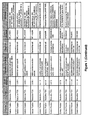
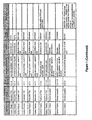


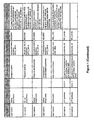


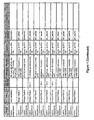







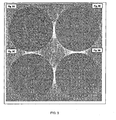
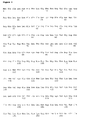

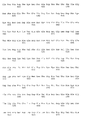

Classifications
-
- C—CHEMISTRY; METALLURGY
- C12—BIOCHEMISTRY; BEER; SPIRITS; WINE; VINEGAR; MICROBIOLOGY; ENZYMOLOGY; MUTATION OR GENETIC ENGINEERING
- C12N—MICROORGANISMS OR ENZYMES; COMPOSITIONS THEREOF; PROPAGATING, PRESERVING, OR MAINTAINING MICROORGANISMS; MUTATION OR GENETIC ENGINEERING; CULTURE MEDIA
- C12N15/00—Mutation or genetic engineering; DNA or RNA concerning genetic engineering, vectors, e.g. plasmids, or their isolation, preparation or purification; Use of hosts therefor
- C12N15/09—Recombinant DNA-technology
- C12N15/63—Introduction of foreign genetic material using vectors; Vectors; Use of hosts therefor; Regulation of expression
- C12N15/74—Vectors or expression systems specially adapted for prokaryotic hosts other than E. coli, e.g. Lactobacillus, Micromonospora
-
- C—CHEMISTRY; METALLURGY
- C12—BIOCHEMISTRY; BEER; SPIRITS; WINE; VINEGAR; MICROBIOLOGY; ENZYMOLOGY; MUTATION OR GENETIC ENGINEERING
- C12N—MICROORGANISMS OR ENZYMES; COMPOSITIONS THEREOF; PROPAGATING, PRESERVING, OR MAINTAINING MICROORGANISMS; MUTATION OR GENETIC ENGINEERING; CULTURE MEDIA
- C12N9/00—Enzymes; Proenzymes; Compositions thereof; Processes for preparing, activating, inhibiting, separating or purifying enzymes
- C12N9/10—Transferases (2.)
- C12N9/1003—Transferases (2.) transferring one-carbon groups (2.1)
- C12N9/1007—Methyltransferases (general) (2.1.1.)
-
- C—CHEMISTRY; METALLURGY
- C12—BIOCHEMISTRY; BEER; SPIRITS; WINE; VINEGAR; MICROBIOLOGY; ENZYMOLOGY; MUTATION OR GENETIC ENGINEERING
- C12N—MICROORGANISMS OR ENZYMES; COMPOSITIONS THEREOF; PROPAGATING, PRESERVING, OR MAINTAINING MICROORGANISMS; MUTATION OR GENETIC ENGINEERING; CULTURE MEDIA
- C12N15/00—Mutation or genetic engineering; DNA or RNA concerning genetic engineering, vectors, e.g. plasmids, or their isolation, preparation or purification; Use of hosts therefor
- C12N15/09—Recombinant DNA-technology
- C12N15/11—DNA or RNA fragments; Modified forms thereof; Non-coding nucleic acids having a biological activity
- C12N15/52—Genes encoding for enzymes or proenzymes
-
- C—CHEMISTRY; METALLURGY
- C12—BIOCHEMISTRY; BEER; SPIRITS; WINE; VINEGAR; MICROBIOLOGY; ENZYMOLOGY; MUTATION OR GENETIC ENGINEERING
- C12P—FERMENTATION OR ENZYME-USING PROCESSES TO SYNTHESISE A DESIRED CHEMICAL COMPOUND OR COMPOSITION OR TO SEPARATE OPTICAL ISOMERS FROM A RACEMIC MIXTURE
- C12P7/00—Preparation of oxygen-containing organic compounds
- C12P7/64—Fats; Fatty oils; Ester-type waxes; Higher fatty acids, i.e. having at least seven carbon atoms in an unbroken chain bound to a carboxyl group; Oxidised oils or fats
- C12P7/6409—Fatty acids
-
- C—CHEMISTRY; METALLURGY
- C12—BIOCHEMISTRY; BEER; SPIRITS; WINE; VINEGAR; MICROBIOLOGY; ENZYMOLOGY; MUTATION OR GENETIC ENGINEERING
- C12P—FERMENTATION OR ENZYME-USING PROCESSES TO SYNTHESISE A DESIRED CHEMICAL COMPOUND OR COMPOSITION OR TO SEPARATE OPTICAL ISOMERS FROM A RACEMIC MIXTURE
- C12P7/00—Preparation of oxygen-containing organic compounds
- C12P7/64—Fats; Fatty oils; Ester-type waxes; Higher fatty acids, i.e. having at least seven carbon atoms in an unbroken chain bound to a carboxyl group; Oxidised oils or fats
- C12P7/6436—Fatty acid esters
- C12P7/6445—Glycerides
- C12P7/6463—Glycerides obtained from glyceride producing microorganisms, e.g. single cell oil
-
- C—CHEMISTRY; METALLURGY
- C12—BIOCHEMISTRY; BEER; SPIRITS; WINE; VINEGAR; MICROBIOLOGY; ENZYMOLOGY; MUTATION OR GENETIC ENGINEERING
- C12Y—ENZYMES
- C12Y111/00—Oxidoreductases acting on a peroxide as acceptor (1.11)
- C12Y111/01—Peroxidases (1.11.1)
- C12Y111/01006—Catalase (1.11.1.6)
-
- Y—GENERAL TAGGING OF NEW TECHNOLOGICAL DEVELOPMENTS; GENERAL TAGGING OF CROSS-SECTIONAL TECHNOLOGIES SPANNING OVER SEVERAL SECTIONS OF THE IPC; TECHNICAL SUBJECTS COVERED BY FORMER USPC CROSS-REFERENCE ART COLLECTIONS [XRACs] AND DIGESTS
- Y02—TECHNOLOGIES OR APPLICATIONS FOR MITIGATION OR ADAPTATION AGAINST CLIMATE CHANGE
- Y02E—REDUCTION OF GREENHOUSE GAS [GHG] EMISSIONS, RELATED TO ENERGY GENERATION, TRANSMISSION OR DISTRIBUTION
- Y02E50/00—Technologies for the production of fuel of non-fossil origin
- Y02E50/10—Biofuels, e.g. bio-diesel
-
- Y—GENERAL TAGGING OF NEW TECHNOLOGICAL DEVELOPMENTS; GENERAL TAGGING OF CROSS-SECTIONAL TECHNOLOGIES SPANNING OVER SEVERAL SECTIONS OF THE IPC; TECHNICAL SUBJECTS COVERED BY FORMER USPC CROSS-REFERENCE ART COLLECTIONS [XRACs] AND DIGESTS
- Y02—TECHNOLOGIES OR APPLICATIONS FOR MITIGATION OR ADAPTATION AGAINST CLIMATE CHANGE
- Y02P—CLIMATE CHANGE MITIGATION TECHNOLOGIES IN THE PRODUCTION OR PROCESSING OF GOODS
- Y02P60/00—Technologies relating to agriculture, livestock or agroalimentary industries
- Y02P60/20—Reduction of greenhouse gas [GHG] emissions in agriculture, e.g. CO2
Definitions
- the present invention relates to the field of synthetic biology, and more particularly to industrialized photoautotrophic organisms designed to efficiently convert carbon dioxide and light into biomass and carbon-based products of interest.
- Photosynthesis is a process by which biological entities utilize sunlight and CO 2 to produce sugars for energy.
- Existing photoautotrophic organisms i.e., plants, algae, and photosynthetic bacteria
- Photoautotrophic organisms are poorly suited for industrial bioprocessing.
- most organisms have slow doubling times (10-72 hrs) compared to industrialized heterotrophic organisms such as Escherichia coli (20 minutes).
- photoautotrophic organisms are often susceptible to moderate variations in common environmental stresses including pH, temperature and salt tolerance. Such susceptibilities make industrial applications of photoautotrophs inefficient.
- increasingly toxic environmental factors for example, toxic pollutants including heavy metals, nitrogen and sulfer based industrial by-products
- Desirable products which can potentially be produced in microorganisms for example ethanol and other branched chain higher alcohols produced in engineered E. coli ( Atsumi, et al. Nature (2008) vol451:86-90 ) have been found difficult to process in photoautotrophs because of incompatible or inefficient metabolic pathways of production or the complete absence of necessary cell based biocatalysts.
- the present invention provides an engineered cyanobacterial cell comprising an engineered nucleic acid encoding a Vitamin B 12 -independent 5-methyltetrahydropteroyltriglutamate-homocysteine methyltransferase (metE) protein comprising a sequence that is at least 95% identical to the sequence shown in Figure 4 .
- This sequence is the sequence of the metE protein from Escherichia coli K12 (accession number NP_418273.1).
- the present invention also provides use of a Vitamin B12-independent 5-methyltetrahydropteroyltriglutamate-homocysteine methyltransferase protein comprising a sequence that is at least 95% identical to the sequence shown in Figure 4 to produce a Vitamin B12-independent cyanobacterial cell.
- the present invention also provides a method to produce a carbon-based product of interest, comprising culturing an engineered cyanobacterial cell as described above in the presence of CO 2 and light under conditions suitable to produce the carbon-based product of interest.
- Fig. 1 provides Table 1 which identifies genes that can be expressed or upregulated.
- Fig. 2 provides Table 2 which identifies genes that can be downregulated or knocked out.
- Fig. 3 depicts viability of wild-type and genetically engineered Synechococcus sp. PCC 7002 on A + media agarose plates without B12.
- Fig. 4 shows the sequence of the metE protein from Escherichia coli K12 (accession number NP_418273.1).
- accession numbers throughout this description correspond to those found in the following databases: NCBI (National Center for Biotechnology Information), TIGR (The Institute for Genomic Research), and KEGG (Kyoto Encyclopedia of Genes and Genomes). The accession numbers are as provided in the databases on November 10, 2007.
- Enzyme Classification Numbers The EC numbers provided throughout this description are derived from the KEGG Ligand database, maintained by the Kyoto Encyclopedia of Genes and Genomics, sponsored in part by the University of Tokyo. The EC numbers are as provided in the database on November 10, 2007.
- DNA Deoxyribonucleic acid.
- DNA is a long chain polymer which includes the genetic material of most living organisms (some viruses have genes including ribonucleic acid, RNA).
- the repeating units in DNA polymers are four different nucleotides, each of which includes one of the four bases, adenine, guanine, cytosine and thymine bound to a deoxyribose sugar to which a phosphate group is attached.
- Codon Triplets of nucleotides, referred to as codons, in DNA molecules code for amino acids in a peptide.
- the term codon is also used for the corresponding (and complementary) sequences of three nucleotides in the mRNA into which the DNA sequence is transcribed.
- Endogenous As used herein with reference to a nucleic acid molecule and a particular cell or microorganism refers to a nucleic acid sequence or peptide that is in the cell and was not introduced into the cell using recombinant engineering techniques. For example, a gene that was present in the cell when the cell was originally isolated from nature is considered to be endogenous. A gene is still considered endogenous if the control sequences, such as a promoter or enhancer sequences that activate transcription or translation have been altered through recombinant techniques.
- nucleic acid molecule and a particular cell or microorganism refers to a nucleic acid sequence or peptide that was not present in the cell when the cell was originally isolated from nature.
- a nucleic acid that originated in a different microorganism and was engineered into an alternate cell using recombinant DNA techniques or other methods for delivering said nucleic acid is considered to be exogenous.
- Expression The process by which a gene's coded information is converted into the molecules that support the structures and functions of a cell, such as a protein, transfer RNA, or ribosomal RNA.
- Expressed genes include those that are transcribed into mRNA and then translated into protein and those that are transcribed into RNA but not translated into protein (for example, transfer and ribosomal RNAs).
- Overexpression refers to any state in which a gene is caused to be transcribed at an elevated rate as compared to the endogenous transcription rate for that gene.
- overexpression additionally includes an elevated rate of translation of the gene compared to the endogenous translation rate for that gene.
- Methods of testing for overexpression are well known in the art, for example transcribed RNA levels can be assessed using reverse transcriptase polymerase chain reaction (RT-PCR) and protein levels can be assessed using sodium dodecyl sulfate polyacrylamide gel electrophoresis (SDS-PAGE) analysis.
- RT-PCR reverse transcriptase polymerase chain reaction
- SDS-PAGE sodium dodecyl sulfate polyacrylamide gel electrophoresis
- a gene is considered to be overexpressed when it exhibits elevated activity compared to its endogenous activity, which may occur, for example, through reduction in concentration or activity of its inhibitor, or via expression of mutant version with elevated activity.
- the host cell encodes an endogenous gene with a desired biochemical activity, it is useful to overexpress an exogenous gene, which allows for more explicit regulatory control in the bioprocessing and a means to potentially mitigate the effects of central metabolism regulation, which is focused around the native genes explicitly.
- Downregulation refers to any state in which a gene is caused to be transcribed at a reduced rate compared to the endogenous gene transcription rate for that gene.
- gene expression is downregulated via expression of nucleic acids, such as antisense oligonucleotides, double-stranded RNA, small interfering RNA, small hairpin RNA, microRNAs, ribozymes, and the like.
- downregulation additionally includes a reduced level of translation of the gene compared to the endogenous translation rate for that gene.
- a gene is considered to be downregulated when it exhibits decreased activity compared to its endogenous activity, which may occur, for example, through an increase in concentration or activity of its inhibitor, or via expression of mutant version with reduced activity. Methods of testing for downregulation are well known to those in the art, for example the transcribed RNA levels can be assessed using RT-PCR and proteins levels can be assessed using SDS-PAGE analysis.
- Knock-out A gene whose level of expression or activity has been reduced to zero.
- a gene is knocked-out via deletion or replacement of some or all of its coding sequence.
- a gene is knocked-out via introduction or removal of one or more nucleotides into its open-reading frame, which results in translation of a non-sense or otherwise non-functional protein product.
- Autotrophs are organisms that produce complex organic compounds from simple inorganic molecules and an external source of energy, such as light (photoautotroph) or chemical reactions of inorganic compounds.
- Heterotrophs are organisms that, unlike autotrophs, cannot derive energy directly from light or from inorganic chemicals, and so must feed on organic carbon substrates. They obtain chemical energy by breaking down the organic molecules they consume. Heterotrophs include animals, fungi, and numerous types of bacteria.
- Hyperphotosynthetic a cell or organism expressing photosynthetic proteins that through recombinant DNA techniques has been specifically engineered to express endogenous and/or exogenous nucleic acids that result in one or more functional improvements related to industrial bioprocessing and the conversion of carbon dioxide and light into reduced carbon products or cell mass.
- a Hyperphotosynthetic cell also encompasses a cell or organism engineered as described above that has been evolved or mutagenized to achieve one or more functional improvements.
- Hydrocarbon generally refers to a chemical compound that consists of the elements carbon (C), optionally oxygen (O), and hydrogen (H).
- Biosynthetic pathway also referred to as "metabolic pathway,” refers to a set of anabolic or catabolic biochemical reactions for converting (transmuting) one chemical species into another.
- a hydrocarbon biosynthetic pathway refers to the set of biochemical reactions that convert inputs and/or metabolites to hydrocarbon product-like intermediates and then to hydrocarbons or hydrocarbon products.
- Anabolic pathways involve constructing a larger molecule from smaller molecules, a process requiring energy.
- Catabolic pathways involve breaking down of larger: molecules, often releasing energy.
- Cellulose [(C 6 H 10 O 5 ) n ] is a long-chain polymer polysaccharide carbohydrate, of beta-glucose. It forms the primary structural component of plants and is not digestible by humans. Cellulose is a common material in plant cell walls and was first noted as such in 1838. It occurs naturally in almost pure form only in cotton fiber; in combination with lignin and any hemicellulose, it is found in all plant material.
- Surfactants are substances capable of reducing the surface tension of a liquid in which they are dissolved. They are typically composed of a water-soluble head and a hydrocarbon chain or tail.
- the water soluble group is hydrophilic and can be either ionic or nonionic, and the hydrocarbon chain is hydrophobic.
- Biofuel A biofuel is any fuel that derives from a biological source.
- Engineered nucleic acid is a nucleic acid molecule that includes at least one difference from a naturally-occurring nucleic acid molecule.
- An engineered nucleic acid includes all exogenous modified and unmodified heterologous sequences (i.e., sequences derived from an organism or cell other than that harboring the engineered nucleic acid) as well as endogenous genes, operons, coding sequences, or non-coding sequences, that have been modified, mutated, or that include deletions or insertions as compared to a naturally-occuring sequence.
- Engineered nucleic acids also include all sequences, regardless of origin, that are linked to an inducible promoter or to another control sequence with which they are not naturally associated.
- Engineered nucleic acids further include all sequences that can be used to down-regulate or knock out expression of an endogenous gene. These include anti-sense molecules, RNAi molecules, constructs for producing homologous recombination, cre-lox constructs, and the like.
- Light capture nucleic acid refers to a nucleic acid that alone or in combination with another nucleic acid encodes one or more proteins that convert light energy (i.e., photons) into chemical energy such as a proton gradient, reducing power, or a molecule containing at least one high-energy phosphate bond such as ATP or GTP.
- Exemplary light capture nucleic acids include those encoding light-activated proton pumps such as rhodopsin, xanthorhodopsin, proteorhodopsin and bacteriorhodopsin, as well as nucleic acids encoding proteins that directly (light harvesting complexes, LHC I and LHC II) or indirectly (truncated light harvesting antenna, tl ⁇ 1) modulate light harvesting capture efficiencies.
- a light capture nucleic acids further includes a nucleic acid used to reduce the expression of or knock out one or more endogenous genes whose expression reduces light capture.
- Carbon dioxide fixation pathway nucleic acid refers to a nucleic acid that alone or in combination with another nucleic acid encodes a protein that enables autotrophic carbon fixation.
- a carbon dioxide fixation pathway nucleic acid also includes nucleic acids that direct carbon flux to key cellular intermediates required for efficient growth or carbon-based product formation, such as acetyl-CoA.
- Exemplary carbon dioxide fixation pathway nucleic acids includes those encoding propionyl-CoA carboxylase, pyruvate synthase, formate dehydrogenase, and ribulose-1,5-bisphosphate carboxylase/oxygenase (RuBisCO).
- a carbon dioxide fixation pathway nucleic acids further includes a nucleic acid used to reduce the expression of or knock out one or more endogenous genes whose expression reduces carbon dioxide fixation.
- NADH pathway nucleic acid refers to a nucleic acid that alone or in combination with another nucleic acid encodes a protein to maintain an appropriately balanced supply of reduced NAD for carrying out carbon fixation.
- exemplary NADH pathway nucleic acids include those encoding an NAD + -dependent isocitrate dehydrogenase and malate dehydrogenase.
- a NADH pathway nucleic acid further includes a nucleic acid used to reduce the expression of or knock out one or more endogenous genes whose expression detracts from maintaining an appropriately balanced supply of reduced NAD for carrying out carbon fixation and other necessary biological processes.
- NADPH pathway nucleic acid refers to a nucleic acid that alone or in combination with another nucleic acid encodes a protein to maintain an appropriately balanced supply of reduced NADPH for carrying out carbon fixation.
- Exemplary NADPH pathway nucleic acids include those encoding phosphogluconolactonase and soluble pyridine nucleotide transhydrogenase.
- a NADPH pathway nucleic acid further includes a nucleic acid used to reduce the expression of or knock out one or more endogenous genes whose expression detracts from maintaining an appropriately balanced supply of reduced NADP for carrying out carbon fixation and other necessary biological processes.
- thermotolerance nucleic acid refers to a nucleic acid that alone or in combination with another nucleic acid encodes a protein whose overexpression, downregulation, or inhibition results in an increase in thermotolerance.
- exemplary thermotolerance nucleic acids include those encoding ClpC/Hsp100, groESL1, HspA, and PsbU.
- a thermotolerance nucleic acid further includes a nucleic acid used to reduce the expression of or knock out one or more endogenous genes whose expression impairs thermotolerance
- pH tolerance nucleic acid refers to a nucleic acid that alone or in combination with another nucleic acid encodes a protein whose overexpression, downregulation, or inhibition enables growth at an elevated or reduced pH.
- Exemplary pH tolerance nucleic acids include those encoding glutamate decarboxylase and superoxide dismutase.
- a pH tolerance nucleic acid further includes a nucleic acid used to reduce the expression of or knock out one or more endogenous genes whose expression impairs pH tolerance.
- Flue gas tolerance nucleic acid refers to a nucleic acid that alone or in combination with another nucleic acid encodes a protein whose overexpression, downregulation, or inhibition enables growth in the presence flue gas components including carbon dioxide, SO x , NO x , and N 2 .
- Exemplary flue gas tolerance nucleic acids include those encoding superoxide dismutase, catalase, cysteine synthase, and NirK.
- a flue gas tolerance nucleic acid further includes a nucleic acid used to reduce the expression of or knock out one or more endogenous genes whose expression impairs flue gas tolerance.
- Nutrient independence nucleic acid refers to a nucleic acid that alone or in combination with another nucleic acid encodes a protein whose overexpression, downregulation, or inhibition enables propagation in the absence of, or under reduced concentrations of, an exogenous nutrient.
- Exemplary nutrient independence nucleic acids include those encoding MetE and NrdB.
- a nutrient independence gene further includes a nucleic acid used to reduce the expression of or knock out one or more endogenous genes whose expression impairs propagation in the absence of, or under reduced concentrations of, an exogenous nutrient.
- Salt-tolerance nucleic acid refers to a nucleic acid that alone or in combination with another nucleic acid encodes a protein whose overexpression, downregulation, or inhibition enables propagation under conditions of elevated salinity, such as sea water
- salt tolerance nucleic acids include those encoding Na+/H+ antiporter, and breast basic conserved.
- Acetyl-CoA flux nucleic acid refers to a nucleic acid that alone or in combination with another nucleic acid encodes a protein whose overexpression, downregulation, or inhibition results in an increase in acetyl-CoA produced over a unit of time.
- Example nucleic acids that may be overexpressed include pantothenate kinase and pyruvate dehydrogenase.
- Nucleic acids that may be downregulated, inhibited, or knocked-out include acyl coenzyme A dehydrogenase, biosynthetic glycerol 3-phosphate dehydrogenase, and lactate dehydrogenase.
- Chlorophyll d nucleic acid refers to a nucleic acid that alone or in combination with another nucleic acid encodes a protein whose overexpression, downregulation, or inhibition results in the biosynthesis of chlorophyll d and its incorporation in reaction centers, photosystem (PS)I and PSII.
- a chlorophyll d nucleic acid enables propagation under, e.g., conditions in which the photosynthetically available radiation is likely completely used by organisms that absorb light using chlorophyll ⁇ and/or chlorophyll b such that the environment has low visible light intensity but high near infrared intensity where no other photosynthetic organisms absorb strongly so that an organism that uses chlorophyll d for light capture can thrive.
- a chlorophyll d nucleic acid enables propagation under conditions in which the wavelength of artificial light used for illumination is selected to allow propagation of an organism that uses chlorophyll d for light capture.
- sequence identity in the context of two or more nucleic acids or polypeptide sequences, refer to two or more sequences or subsequences that are the same or have a specified percentage of amino acid residues or nucleotides that are the same (i.e., about 60% identity, preferably 65%, 70%, 75%, 80%, 85%, 90%, 91%, 92%, 93%, 94%, 95%, 96%, 97%, 98%, 99%, or higher identity over a specified region, when compared and aligned for maximum correspondence over a comparison window or designated region) as measured using a BLAST or BLAST 2.0 sequence comparison algorithms with default parameters described below, or by manual alignment and visual inspection (see, e.g., NCBI web site or the like).
- sequences are then said to be “substantially identical.”
- This definition also refers to, or may be applied to, the compliment of a test sequence.
- the definition also includes sequences that have deletions and/or additions, as well as those that have substitutions.
- the preferred algorithms can account for gaps and the like.
- identity exists over a region that is at least about 25 amino acids or nucleotides in length, or more preferably over a region that is 50-100 amino acids or nucleotides in length.
- sequence comparison typically one sequence acts as a reference sequence, to which test sequences are compared.
- test and reference sequences are entered into a computer, subsequence coordinates are designated, if necessary, and sequence algorithm program parameters are designated.
- sequence algorithm program parameters Preferably, default program parameters can be used, or alternative parameters can be designated.
- sequence comparison algorithm then calculates the percent sequence identities for the test sequences relative to the reference sequence, based on the program parameters.
- Comparison window includes reference to a segment of any one of the number of contiguous positions selected from the group consisting of from 20 to 600, usually about 50 to about 200, more usually about 100 to about 150 in which a sequence may be compared to a reference sequence of the same number of contiguous positions after the two sequences are optimally aligned.
- Methods of alignment of sequences for comparison are well-known in the art.
- Optimal alignment of sequences for comparison can be conducted, e.g., by the local homology algorithm of Smith & Waterman, Adv. Appl. Math. 2:482 (1981 ), by the homology alignment algorithm of Needleman & Wunsch, J. Mol. Biol.
- BLAST and BLAST 2.0 are used, with the parameters described herein, to determine percent sequence identity for the nucleic acids and proteins of the invention.
- Software for performing BLAST analyses is publicly available through the National Center for Biotechnology Information website.
- This algorithm involves first identifying high scoring sequence pairs (HSPs) by identifying short words of length W in the query sequence, which either match or satisfy some positive-valued threshold score T when aligned with a word of the same length in a database sequence.
- T is referred to as the neighborhood word score threshold (Altschul et al., supra).
- a scoring matrix is used to calculate the cumulative score. Extension of the word hits in each direction are halted when: the cumulative alignment score falls off by the quantity X from its maximum achieved value; the cumulative score goes to zero or below, due to the accumulation of one or more negative-scoring residue alignments; or the end of either sequence is reached.
- the BLAST algorithm parameters W, T, and X determine the sensitivity and speed of the alignment.
- the instant invention enables conversion of a photoautotrophic cyanobacterium into a Hyperphotosynthetic organism.
- Algae and cyanobacteria include but are not limited to the following genera: Acanthoceras, Acanthococcus, Acaryochloris, Achnanthes, Achnanthidium, Actinastrum, Actinochloris, Actinocyclus, Actinotaenium, Amphichrysis, Amphidinium, Amphikrikos, Amphipleura, Amphiprora, Amphithrix, Amphora, Anabaena, Anabaenopsis, Aneumastus, Ankistrodesmus, Ankyra, Anomoeoneis, Apatococcus, Aphanizomenon, Aphanocapsa, Aphanochaete, Aphanothece, Apiocystis, Apistonema, Arthrodesmus, Artherospira, Ascochloris, Asterionella, Asterococcus, Audouinella, Aulacoseira, Bacillaria, Balbiania, Bambusina, Bangia
- HyperPhotosynthetic conversion requires extensive genetic modification (Tables 1 and 2); thus, the parental photoautotrophic organism is transformed with exogenous DNA.
- Preferred organisms for Hyper Photosynthetic conversion include Synechococcus sp PCC 7002 and, Synechococcus sp. PCC 7942; Synechocystis sp. PCC 6803, and Thermosynechococcus elongatus BP-1 (cyanobacteria).
- PCC 7002 cells (available from the Pasteur Culture Collection of Cyanobacteria) are cultured in BG-11 medium (17.65 mM NaNO 3 , 0.18 mM K 2 HPO 4 , 0.3 mM MgSO 4 , 0.25 mM CaCl 2 , 0.03 mM citric acid, 0.03 mM ferric ammonium citrate, 0.003 mM EDTA, 0.19 mM Na 2 CO 3 , 2.86 mg/L H 3 BO 3 , 1.81 mg/L MnCl 2 , 0.222 mg/L ZnSO 4 , 0.390 mg/L Na 2 MoO 4 , 0.079 mg/L CuSO 4 , and 0.049 mg/L Co(NO 3 ) 2 , pH 7.4) supplemented with 16 ⁇ g/L biotin, 20 mM MgSO 4 , 8 mM KCI, and 300 mM NaCl ( see, e.g., website associated with the Institute Pasteur, and Price GD
- Thermosynechococcus elongatus BP-1 (available from the Kazusa DNA Research Institute, Japan) is propagated in BG11 medium supplemented with 20 mM TES-KOH (pH 8.2) as described [ Iwai M, Katoh H, Katayama M, Ikeuchi M. "Improved genetic transformation of the thermophilic cyanobacterium, Thermosynechococcus elongatus BP-1.” Plant Cell Physiol (2004). 45(2):171-175 )]. Typically, cultures are maintained at 50°C and bubbled continuously with 5% CO 2 under a light intensity of 38 ⁇ mol photons/m 2 /s.
- incubations are performed using alternate media or gas compositions, alternate temperatures (5-75 °C), and/or light fluxes (0-5500 ⁇ mol photons/m 2 /s).
- Light is delivered through a variety of mechanisms, including natural illumination (sunlight), standard incandescent, fluorescent, or halogen bulbs, or via propagation in specially-designed illuminated growth chambers (for example Model LI15 Illuminated Growth Chamber (Sheldon Manufacturing, Inc. Cornelius, OR). For experiments requiring specific wavelengths and/or intensities, light is distributed via light emitting diodes (LEDs), in which wavelength spectra and intensity can be carefully controlled (Philips).
- LEDs light emitting diodes
- Carbon dioxide is supplied via inclusion of solid media supplements (i.e., sodium bicarbonate) or as a gas via its distribution into the growth incubator or media.
- solid media supplements i.e., sodium bicarbonate
- Most experiments are performed using concentrated carbon dioxide gas, at concentrations between 1 and 30%, which is directly bubbled into the growth media at velocities sufficient to provide mixing for the organisms.
- concentrated carbon dioxide gas the gas originates in pure form from commercially-available cylinders, or preferentially from concentrated sources including off-gas or flue gas from coal plants, refineries, cement production facilities, natural gas facilities, breweries, and the like.
- Plasmids relevant to genetic engineering typically include at least two functional elements 1) an origin of replication enabling propagation of the DNA sequence in the host organism, and 2) a selective marker (for example an antibiotic resistance marker conferring resistance to ampicillin, kanamycin, zeocin, chloramphenicol, tetracycline, spectinomycin, and the like). Plasmids are often referred to as "cloning vectors" when their primary purpose is to enable propagation of a desired heterologous DNA insert.
- Plasmids can also include cis-acting regulatory sequences to direct transcription and translation of heterologous DNA inserts (for example, promoters, transcription terminators, ribosome binding sites); such plasmids are frequently referred to as "expression vectors.” When plasmids contain functional elements that allow for propagation in more than one species, such plasmids are referred to as “shuttle vectors.” Shuttle vectors are well known to those in the art. For example, pSE4 is a shuttle vector that allows propagation in E . coli and Synechococcus [ Maeda S, Kawaguchi Y, Ohy T, and Omata T. J. Bacteriol. (1998). 180:4080-4088 ]. Shuttle vectors are particularly useful in the present invention to allow for facile manipulation of genes and regulatory sequences in E . coli prior to transformation into the photoautotrophic organism of interest.
- transformation techniques include direct incubation in the presence of exogenous DNA, transformation by heat-shock, transformation by electroporation, transformation by biolistic particle bombardment, transformation via addition of lipids or fusogenic agents (i.e., polyethylene glycol), conjugation with a heterologous microorganism, or transduction via viral particles.
- Synechococcus sp. PCC 7002 cells are transformed according to the optimized protocol previously described [ Essich ES, Stevens Jr E, Porter RD "Chromosomal Transformation in the Cyanobacterium Agmenellum quadruplicatum”. J Bacteriol (1990). 172(4):1916-1922 ].
- Cells are grown in Medium A (18 g/L NaCl, 5 g/L MgSO 4 7 H 2 0, 30 mg/L Na 2 EDTA, 600 mg/L KCI, 370 mg/L CaCl 2 ⁇ 2 H 2 O, 1 g/L NaNO 3 , 50 mg/L KH 2 PO 4 , 1 g/L Trizma base pH 8.2, 4 ⁇ g/L Vitamin B 12, 3.89 mg/L FeCl 3 ⁇ 6 H 2 0, 34.3 mg/L H 3 BO 3 , 4.3 mg/L MnCl 2 ⁇ 4 H 2 0, 315 ⁇ g/L ZinCl 2 , 30 ⁇ g/L MoO 3 , 3 ⁇ g/L CuSO 4 ⁇ 5H 2 0, 12.2 ⁇ g/L CoCl 2 ⁇ 6 H 2 0) [ Stevens SE, Patterson COP, and Myers J.
- Cells are challenged with antibiotic by under-laying 2.0 mL of 0.6% medium A agar containing appropriate concentration of antibiotic with a sterile Pasteur pipette. Transformants are picked 3-4 days later. Selections are typically performed using 200 ⁇ g/ml kanamycin, 8 ⁇ g/ml chloramphenicol, 10 ⁇ g/ml spectinomycin on solid media, whereas 150 ⁇ g/ml kanamycin, 7 ⁇ g/ml chloramphenicol, and 5 ⁇ g/ml spectinomycin are employed in liquid media.
- Thermosynechococcus elongatus BP-1 cells are transformed according to the optimized protocol previously described [ Iwai M, Katoh H, Katayama M, and Ikeuchi M. "Improved genetic transformation of the thermophilic cyanobacterium Thermosynechococcus elongatus BP-1. Plant Cell Physiol (2004). 45(2):171-175 ].
- Mid-exponential phase cultures are incubated with exogenous DNA (typically 3-20 ⁇ g) and electroporated at a field strength of 10 kV/cm using a BioRad Gene Pulsur Xcell (Bio-Rad Laboratories, Hercules, CA).
- BG11 medium containing the appropriate antibiotic or optionally pre-mixed with BG11 medium containing 0.35% (w/v) melted agar (Difco, USA).
- Transformation typically involves incubation of recipient cells with purified plasmid DNA isolated from E. coli.
- bacterial conjugation provides an alternate means to directly transfer DNA from one bacterial species to another.
- techniques enabling conjugation between E . coli and cyanobacteria including Synechocystic PCC 6803 and PCC 6714 and Synechococcus PCC 7942 and PCC 6301, as well as thermophilic Synechococcus elongatus have been described [ Marraccini P, Bulteau S, Cassier-Chauvat C, Mermet-Bouvier P, and Chauvat F.
- Tables 1 and 2 define preferred genes to convey HyperPhotosynthetic properties to an existing photoautotrophic organism.
- Table 1 lists genes which are overexpressed to enhance carbon fixation rates, thermotolerance, pH tolerance, flue gas tolerance, salt tolerance, light harvesting efficiencies, reducing power generation, and nutrient independence, together with information on associated pathways, Enzyme Commission (EC) Numbers, exemplary gene names, source organism, GenBank accession numbers, and homologs from alternate sources.
- EC Enzyme Commission
- Table 1 lists genes which are overexpressed to enhance carbon fixation rates, thermotolerance, pH tolerance, flue gas tolerance, salt tolerance, light harvesting efficiencies, reducing power generation, and nutrient independence, together with information on associated pathways, Enzyme Commission (EC) Numbers, exemplary gene names, source organism, GenBank accession numbers, and homologs from alternate sources.
- EC Enzyme Commission
- nucleotide sequences for the indicated genes are assembled by Codon Devices Inc (Cambridge, MA). Alternate providers including DNA2.0 (Menlo Park, CA), Blue Heron Biotechnology (Bothell, WA), and Geneart (Regensburg, Germany), are used as noted. Sequences untenable by commercial sources may be prepared using polymerase chain reaction (PCR) from DNA or cDNA samples, or cDNA/BAC libraries.
- PCR polymerase chain reaction
- Inserts are initially propagated and sequenced in a cloning vector, such as pUC 19.
- a cloning vector such as pUC 19.
- primary synthesis and sequence verification of each gene of interest in pUC19 provides flexibility to transfer each unit in various combinations to alternate destination vectors to drive transcription and translation of the desired enzymes.
- Specific and/or unique cloning sites are included at the 5' and 3' ends of the open reading frames (ORFs) to facilitate molecular transfers.
- the required metabolic pathways are initially encoded in expression cassettes driven by constitutive promoters which are always "on.”
- promoters are known, for example the spc ribosomal protein operon (P spc ), the beta-lactamase gene promoter of pBR322 (P bla ), the bacteriophage lambda P L promoter, the replication control promoters of plasmid pBR322 (P RNAI or P RNAII ), or the P1 or P2 promoters of the rrnB ribosomal RNA operon [ Liang ST, Bipatnath M, Xu YC, Chen SL, Dennis P, Ehrenber M, Bremer H.
- the strength of constitutive promoters are "tuned” to increase or decrease levels of transcription to optimize a network, for example, by modifying the conserved -35 and -10 elements or the spacing between these elements [ Alper H, Fischer C, Nevoigt E, Stephanopoulus G. "Tuning genetic control through promoter engineering.” PNAS (2005). 102(36):12678-12783 ; Jensen PR and Hammer K. "The sequence of spacers between the consensus sequences modulates the strength of prokaryotic promoters.” Appl Environ Microbiol (1998). 64(I):82-87 ; Mijakovic I, Petranovic D, Jensen PR. Tunable promoters in system biology.
- inducible promoters When constitutive expression proves non-optimal (i.e., has deleterious effects, is out of sync with the network, etc.) inducible promoters are used. Inducible promoters are "off" (not transcribed) prior to addition of an inducing agent, frequently a small molecule or metabolite. Examples of suitable inducible promoter systems include the arabinose inducible P bad [ Khlebnikov A, Datsenko KA, Skaug T, Wanner BL, Keasling JD. "Homogeneous expression of the P(BAD) promoter in Escherichia coli by constitutive expression of the low-affinity high-capacity AraE transporter.” Microbiology (2001).
- Alternate origins of replication are selected to provide additional layers of expression control.
- the number of copies per cell contributes to the "gene dosage effect."
- the high copy pMB1 or colE1 origins are used to generate 300-1000 copies of each plasmid per cell, which contributes to a high level of gene expression.
- plasmids encoding low copy origins such as pSC101 or p15A, are leveraged to restrict copy number to about 1-20 copies per cell.
- Techniques and sequences to further modulate plasmid copy number are known ( see, e.g., U.S. Patent No. 5,565,333 , Plasmid replication origin increasing the copy number of plasmid containing said origin; U.S. Patent No.
- a Shine-Dalgarno (SD) sequence [ Shine J and Dalgarno L. Nature (1975) "Determination of cistron specificity in bacterial ribosomes.” 254(5495):34-8 ] is a consensus sequence that directs the ribosome to the mRNA and facilitates translation initiation by aligning the ribosome with the start codon. Modulation of the SD sequence is used to increase or decrease translation efficiency as appropriate [ de Boer HA, Comstock LJ, Hui A, Wong E, Vasser M. Gene Amplif Anal (1983).
- each gene of interest is expressed on a unique plasmid.
- the desired biosynthetic pathways are encoded on multi-cistronic plasmid vectors.
- Useful expression vectors are designed internally and synthesized by external gene synthesis providers.
- Non-limiting optimizations include promoter swapping and tuning, ribosome binding site manipulation, alteration of gene order (e.g., gene ABC versus BAC, CBA, CAB, BCA ), co-expression of molecular chaperones, random or targeted mutagenesis of gene sequences to increase or decrease activity, folding, or allosteric regulation, expression of gene sequences from alternate species, codon manipulation, addition or removal of intracellular targeting sequences such as signal sequences, and the like.
- Each gene or module is optimized individually, or alternately, in parallel. Functional promoter and gene sequences are subsequently integrated into the photoautotrophic host's chromosome to enable stable propagation in the absence of selective pressure (i.e., inclusion of antibiotics) using standard techniques known to those skilled in the art.
- Table 2 lists genes which may be downregulated or knocked-out to enhance carbon fixation rates, thermotolerance, pH tolerance, flue gas tolerance, salt tolerance, light harvesting efficiencies, reducing power generation, and nutrient independence, together with information on associated pathways, Enzyme Commission (EC) Numbers, exemplary gene names, source organism, and GenBank accession numbers (not invention).
- EC Enzyme Commission
- Selective pressure provides a valuable means for testing and optimizing the HyperPhotosynthetic organisms.
- the ability to survive and replicate in media lacking Vitamin B 12 as a media supplement confirms the successful implementation of the Vitamin B 12 module.
- additional genetic variation can be introduced prior to selective pressure by treatment with mutagens, such as ultra-violet light, alkylators [e.g., ethyl methanesulfonate (EMS), methyl methane sulfonate (MMS), diethylsulfate (DES), and nitrosoguanidine (NTG, NG, MMG)], DNA intercalators (e.g., ethidium bromide), nitrous acid, base analogs, bromouracil, transposons, and the like.
- mutagens such as ultra-violet light, alkylators [e.g., ethyl methanesulfonate (EMS), methyl methane sulfonate (MMS), diethylsulfate (DES), and nitrosoguanidine (NTG, NG, MMG)]
- DNA intercalators e.g., ethidium bromide
- pathway activity can be monitored following growth under permissive (i.e., non-selective) conditions by measuring specific product output via various metabolic labeling studies (including radioactivity), biochemical analyses (Michaelis-Menten), gas chromatography-mass spectrometry (GC/MS), mass spectrometry, matrix assisted laser desorption ionization time-of-flight mass spectrometry (MALDI-TOF), capillary electrophoresis (CE), and high pressure liquid chromatography (HPLC).
- permissive i.e., non-selective
- GC/MS gas chromatography-mass spectrometry
- MALDI-TOF matrix assisted laser desorption ionization time-of-flight mass spectrometry
- CE capillary electrophoresis
- HPLC high pressure liquid chromatography
- the production and isolation of products from HyperPhotosynthetic organisms can be enhanced by employing specific fermentation techniques.
- An essential element to maximizing production while reducing costs is increasing the percentage of the carbon source that is converted to such products.
- Genes that can be activated to stop cell replication and growth in E . coli include umuDC genes, the overexpression of which stops the progression from exponential phase to stationary growth ( Murli, S., Opperman, T., Smith, B.T., and Walker, G.C. 2000 Journal of Bacteriology 182: 1127 .).
- UmuC is a DNA polymerase that can carry out translesion synthesis over non-coding lesions - the mechanistic basis of most UV and chemical mutagenesis.
- the umuDC gene products are required for the process of translesion synthesis and also serve as a DNA damage checkpoint.
- UmuDC gene products include UmuC, UmuD, umuD', UmuD' 2 C, UmuD' 2 and UmuD 2 . Simultaneously, the product synthesis genes are activated, thus minimizing the need for critical replication and maintenance pathways to be used while the product is being made.
- cell growth and product production can be achieved simultaneously.
- cells are grown in bioreactors with a continuous supply of inputs and continuous removal of product.
- Batch, fed-batch, and continuous fermentations are common and well known in the art and examples can be found in Thomas D. Brock in Biotechnology: A Textbook of Industrial Microbiology, Second Edition (1989) Sinauer Associates, Inc., Sunderland, Mass ., or Deshpande, Mukund V., Appl. Biochem. Biotechnol (1992), 36:227 .
- inputs include carbon dioxide, water, and light.
- the carbon dioxide can be from the atmosphere or from concentrated sources including offgas or flue gas from coal plants, refineries, cement production facilities, natural gas facilities, breweries, and the like.
- Water can be no-salt, low-salt, marine, or high salt.
- Light can be solar or from artificial sources including incandescent lights, LEDs, fiber optics, and fluorescent lights.
- Light-harvesting organisms are limited in their productivity to times when the solar irradiance is sufficient to activate their photosystems.
- cells are enabled to grow and produce product with light as the energetic driver. When there is a lack of sufficient light, cells can be induced to minimize their central metabolic rate. To this end, the inducible promoters specific to product production can be heavily stimulated to drive the cell to process its energetic stores in the product of choice. With sufficient induction force, the cell will minimize its growth efforts, and use its reserves from light harvest specifically for product production. Nonetheless, net productivity is expected to be minimal during periods when sufficient light is lacking as no to few photons are net captured.
- the cell is engineered such that the final product is released from the cell.
- a continuous process can be employed.
- a reactor with organisms producing desirable products can be assembled in multiple ways.
- the reactor is operated in bulk continuously, with a portion of media removed and held in a less agitated environment such that an aqueous product will self-separate out with the product removed and the remainder returned to the fermentation chamber.
- media is removed and appropriate separation techniques (e.g., chromatography, distillation, etc.) are employed.
- the product is not secreted by the cells.
- a batch-fed fermentation approach is employed.
- cells are grown under continued exposure to inputs (light, water, and carbon dioxide) as specified above until the reaction chamber is saturated with cells and product.
- inputs light, water, and carbon dioxide
- a significant portion to the entirety of the culture is removed, the cells are lysed, and the products are isolated by appropriate separation techniques (e.g., chromatography, distillation, filtration, centrifugation, etc.).
- the fermentation chamber will enclose a fermentation that is undergoing a continuous reductive fermentation.
- a stable reductive environment is created.
- the electron balance is maintained by the release of carbon dioxide (in gaseous form). Augmenting the NAD/H and NADP/H balance, as described above, also can be helpful for stabilizing the electron balance.
- any of the standard analytical methods such as gas chromatography-mass spectrometry, and liquid chromatography-mass spectrometry, HPLC, capillary electrophoresis, Matrix-Assisted Laser Desorption Ionization time of flight-mass spectrometry, etc., can be used to analyze the levels and the identity of the product produced by the modified organisms of the present invention.
- the ability to detect formation of a new, functional biochemical pathway in the HyperPhotosynthetic cell is important to the practice of the subject methods.
- the assays are carried out to detect heterologous biochemical transformation reactions of the host cell that produce, for example, small organic molecules and the like as part of a de novo synthesis pathway, or by chemical modification of molecules ectopically provided in the host cell's environment.
- the generation of such molecules by the host cell can be detected in "test extracts," which can be conditioned media, cell lysates, cell membranes, or semi-purified or purified fractionation products thereof.
- the latter can be, as described above, prepared by classical fractionation/purification techniques, including phase separation, chromatographic separation, or solvent fractionation (e.g., methanol ethanol, acetone, ethyl acetate, tetrahydrofuran (THF), acetonitrile, benzene, ether, bicarbonate salts, dichloromethane, chloroform, petroleum ether, hexane, cyclohexane, diethyl ether and the like).
- solvent fractionation e.g., methanol ethanol, acetone, ethyl acetate, tetrahydrofuran (THF), acetonitrile, benzene, ether, bicarbonate salts, dichloromethane, chloroform, petroleum ether, hexane, cyclohexane, diethyl ether and the like).
- the assay is set up with a responder cell to test the effect of an activity produced by the host cell on a whole cell rather than a cell fragment
- the host cell and test cell can be co-cultured together (optionally separated by a culture insert, e.g. Collaborative Biomedical Products, Bedford, MA, Catalog #40446).
- the assay is set up to directly detect, by chemical or photometric techniques, a molecular species which is produced (or destroyed) by a biosynthetic pathway of the recombinant host cell. Such a molecular species' production or degradation must be dependent, at least in part, on expression of the heterologous genomic DNA.
- the detection step of the subject method involves characterization of fractionated media/cell lysates (the test extract), or application of the test extract to a biochemical or biological detection system.
- the assay indirectly detects the formation of products of a heterologous pathway by observing a phenotypic change in the host cell, e.g. in an autocrine fashion, which is dependent on the establishment of a heterologous biosynthetic pathway in the host cell.
- analogs related to a known class of compounds are sought, as for example analogs of alkaloids, aminoglycosides, ansamacrolides, beta-lactams (including penicillins and cephalosporins), carbapenems, terpinoids, prostanoid hormones, sugars, fatty acids, lincosaminides, macrolides, nitrofurans, nucleosides, oligosaccharides, oxazolidinones, peptides and polypeptides, phenazines, polyenes, polyethers, quinolones, tetracyclines, streptogramins, sulfonamides, steroids, vitamins and xanthines.
- the detection step of the subject method can be as straightforward as directly detecting analogs of interest in the cell culture media or preparation of the cell. For instance, chromatographic or other biochemical separation of a test extract may be carried out, and the presence or absence of an analog detected, e.g., spectrophotometrically, in the fraction in which the known compounds would occur under similar conditions.
- an analog detected e.g., spectrophotometrically
- such compounds can have a characteristic fluorescence or phosphorescence which can be detected without any need to fractionate the media and/or recombinant cell.
- whole or fractionated culture media or lysate from a recombinant host cell can be assayed by contacting the test sample with a heterologous cell ("test cell") or components thereof.
- test cell a heterologous cell
- a test cell which can be prokaryotic or eukaryotic, is contacted with conditioned media (whole or fractionated) from a recombinant host cell, and the ability of the conditioned media to induce a biological or biochemical response from the test cell is assessed.
- the assay can detect a phenotypic change in the test cell, as for example a change in: the transcriptional or translational rate or splicing pattern of a gene; the stability of a protein; the phosphorylation, prenylation, methylation, glycosylation or other post translational modification of a protein, nucleic acid or lipid; the production of 2nd messengers, such as cAMP, inositol phosphates and the like.
- Such effects can be measured directly, e.g., by isolating and studying a particular component of the cell, or indirectly such as by reporter gene expression, detection of phenotypic markers, and cytotoxic or cytostatic activity on the test cell.
- intracellular second messenger generation can be measured directly.
- a variety of intracellular effectors have been identified.
- the level of second messenger production can be detected from downstream signaling proteins, such as adenylyl cyclase, phosphodiesterases, phosphoinositidases, phosphoinositol kinases, and phospholipases, as can the intracellular levels of a variety of ions.
- the detectable signal can be produced by use of enzymes or chromogenic/fluorescent probes whose activities are dependent on the concentration of a second messenger, e.g., such as calcium, hydrolysis products of inositol phosphate, cAMP, etc.
- a second messenger e.g., such as calcium, hydrolysis products of inositol phosphate, cAMP, etc.
- reporter genes and transcriptional regulatory elements are known to those of skill in the art and others may be identified or synthesized by methods known to those of skill in the art.
- reporter genes include, but are not limited to CAT (chloramphenicol acetyl transferase) ( Alton and Vapnek (1979), Nature 282: 864-869 ) luciferase, and other enzyme detection systems, such as beta-galactosidase; firefly luciferase ( de W et et al. (1987), Mol. Cell. Biol. 7:725-737 ); bacterial luciferase ( Engebrecht and Silverman (1984), PNAS 1: 4154-4158 ; Baldwin et al.
- CAT chloramphenicol acetyl transferase
- Transcriptional control elements for use in the reporter gene constructs, or for modifying the genomic locus of an indicator gene include, but are not limited to, promoters, enhancers, and repressor and activator binding sites.
- Suitable transcriptional regulatory elements may be derived from the transcriptional regulatory regions of genes whose expression is rapidly induced, generally within minutes, of contact between the cell surface protein and the effector protein that modulates the activity of the cell surface protein. Examples of such genes include, but are not limited to, the immediate early genes ( see, Sheng et al. (1990) Neuron 4: 477-485 ), such as c-fos.
- Immediate early genes are genes that are rapidly induced upon binding of a ligand to a cell surface protein.
- the transcriptional control elements that are preferred for use in the gene constructs include transcriptional control elements from immediate early genes, elements derived from other genes that exhibit some or all of the characteristics of the immediate early genes, or synthetic elements that are constructed such that genes in operative linkage therewith exhibit such characteristics.
- the characteristics of preferred genes from which the transcriptional control elements are derived include, but are not limited to, low or undetectable expression in quiescent cells, rapid induction at the transcriptional level within minutes of extracellular simulation, induction that is transient and independent of new protein synthesis, subsequent shut-off of transcription requires new protein synthesis, and mRNAs transcribed from these genes have a short half-life. It is not necessary for all of these properties to be present.
- the detection step is provided in the form of a cell-free system, e.g., a cell-lysate or purified or semi-purified protein or nucleic acid preparation.
- a cell-free system e.g., a cell-lysate or purified or semi-purified protein or nucleic acid preparation.
- the samples obtained from the recombinant host cells can be tested for such activities as inhibiting or potentiating such pairwise complexes (the "target complex") as involving protein-protein interactions, protein-nucleic acid interactions, protein-ligand interactions, nucleic acid-nucleic acid interactions, and the like.
- the assay can detect the gain or loss of the target complexes, e.g. by endogenous or heterologous activities associated with one or both molecules of the complex.
- Assays that are performed in cell-free systems are often preferred as "primary" screens in that they can be generated to permit rapid development and relatively easy detection of an alteration in a molecular target when contacted with a test sample.
- the effects of cellular toxicity and/or bioavailability of the test sample can be generally ignored in the in vitro system, the assay instead being focused primarily on the effect of the sample on the molecular target as may be manifest in an alteration of binding affinity with other molecules or changes in enzymatic properties (if applicable) of the molecular target.
- Detection and quantification of the pairwise complexes provides a means for determining the test samples efficacy at inhibiting (or potentiating) formation of complexes.
- the efficacy of the compound can be assessed by generating dose response curves from data obtained using various concentrations of the test sample.
- a control assay can also be performed to provide a baseline for comparison. For instance, in the control assay conditioned media from untransformed host cells can be added.
- the amount of target complex may be detected by a variety of techniques. For instance, modulation in the formation of complexes can be quantitated using, for example, detectably labeled proteins or the like (e.g., radiolabeled, fluorescently labeled, or enzymatically labeled), by immunoassay, or by chromatographic detection.
- detectably labeled proteins or the like e.g., radiolabeled, fluorescently labeled, or enzymatically labeled
- immunoassay e.g., immunoassay, or by chromatographic detection.
- a purified or semi-purified enzyme can be used to assay the test samples.
- the ability of a test sample to inhibit or potentiate the activity of the enzyme can be conveniently detected by following the rate of conversion of a substrate for the enzyme.
- the detection step can be designed to detect a phenotypic change in the host cell which is induced by products of the expression of the heterologous genomic sequences.
- Many of the above-mentioned cell-based assay formats can also be used in the host cell, e.g., in an autocrine-like fashion.
- the detection step can also be used to identify genomic clones which include genes encoding biosynthetic pathways of interest. Moreover, by iterative and/or combinatorial sub-cloning methods relying on such detection steps, the individual genes which confer the detected pathway can be cloned from the larger genomic fragment.
- the subject screening methods can be carried in a differential format, e.g. comparing the efficacy of a test sample in a detection assay derived with human components with those derived from, e.g., fungal or bacterial components.
- selectivity as a bacteriocide or fungicide can be a criterion in the selection protocol.
- the host strain need not produce high levels of the novel compounds for the method to be successful.
- Expression of the genes may not be optimal, global regulatory factors may not be present, or metabolite pools may not support maximum production of the product.
- the ability to detect the metabolite will often not require maximal levels of production, particularly when the bioassay is sensitive to small amounts of natural products. Thus initial submaximal production of compounds need not be a limitation to the success of the subject method.
- test sample can be derived from, for example, conditioned media or cell lysates. With regard to the latter, it is anticipated that in certain instances there may be heterologously-expressed compounds that may not be properly exported from the host cell.
- lysing cells There are a variety of techniques available in the art for lysing cells. A preferred approach is the use of a host cell-specific lysis agent. For instance phage (e.g., P1, ⁇ , ⁇ 80) can be used to selectively lyse E coli. Similarly, cyanophages can be used to selectively lyse cyanobacteria, such as Synechococcus and Prochlorococcus.
- Addition of such phage to grown cultures of host cells can maximize access to the heterologous products of new biosynthetic pathways in the cell. Moreover, such agents do not interfere with the growth of a tester organism, e.g., a human cell, that may be co-cultured with the host cell library.
- steps to eliminate undesirable side reactions, if any, that may consume carbon and energy but do not produce useful products are provided. These steps may be helpful in that they can help to improve yields of the desired products.
- Such approaches include, for example, metabolomics (which may be used to identify undesirable products and metabolic intermediates that accumulate inside the cell), metabolic modeling and isotopic labeling (for determining the flux through metabolic reactions contributing to hydrocarbon production), and conventional genetic techniques (for eliminating or substantially disabling unwanted metabolic reactions).
- metabolic modeling provides a means to quantify fluxes through the cell's metabolic pathways and determine the effect of elimination of key metabolic steps.
- metabolomics and metabolic modeling enable better understanding of the effect of eliminating key metabolic steps on production of desired products.
- Such types of models have been applied, for example, to analyze metabolic fluxes in organisms responsible for enhanced biological phosphorus removal in wastewater treatment reactors and in filamentous fungi producing polyketides. See, for example, Pramanik, et al., "A stoichiometric model of Escherichia coli metabolism: incorporation of growth-rate dependent biomass composition and mechanistic energy requirements.” Biotechnol. Bioeng. 56, 398-421, 1997 ; Pramanik, et al., "Effect of carbon source and growth rate on biomass composition and metabolic flux predictions of a stoichiometric model.” Biotechnol. Bioeng.
- the HyperPhotosynthetic organisms in the present invention may be engineered to yield product categories, including but not limited to, biological sugars, hydrocarbon products, solid forms, and pharmaceuticals.
- Bio sugars include but are not limited to glucose, starch, cellulose, hemicellulose, glycogen, xylose, dextrose, fructose, lactose, fructose, galactose, uronic acid, maltose, and polyketides.
- the biological sugar may be glycogen, starch, or cellulose.
- Cellulose is the most abundant form of living terrestrial biomass ( Crawford, R. L. 1981. Lignin biodegradation and transformation, John Wiley and Sons, New York .). Cellulose, especially cotton linters, is used in the manufacture of nitrocellulose. Cellulose is also the major constituent of paper. Cellulose monomers (beta-glucose) are linked together through 1,4 glycosidic bonds. Cellulose is a straight chain (no coiling occurs). In microfibrils, the multiple hydroxide groups hydrogen-bond with each other, holding the chains firmly together and contributing to their high tensile strength.
- Hemicellulose is a class of plant cell-wall polysaccharide that can be any of several heteropolymers. These include xylane, xyloglucan, arabinoxylan, arabinogalactan, glucuronoxylan, glucomannan, and galactomannan. This class of polysaccharides is found in almost all cell walls along with cellulose. Hemicellulose is lower in weight than cellulose, and cannot be extracted by hot water or chelating agents, but can be extracted by aqueous alkali. Polymeric chains bind pectin and cellulose, forming a network of cross-linked fibers.
- hydrocarbon product may be further defined as a chemical compound that consists of C, H, and optionally O, with a carbon backbone and atoms of hydrogen and oxygen, attached to it. Oxygen may be singly or double bonded to the backbone and may be bound by hydrogen. In the case of ethers and esters, oxygen may be incorporated into the backbone, and linked by two single bonds, to carbon chains. A single carbon atom may be attached to one or more oxygen atoms.
- Hydrocarbon products may also include the above compounds attached to biological agents including proteins, coenzyme A and acetyl coenzyme A.
- Hydrocarbon products include, but are not limited to, hydrocarbons, alcohols, aldehydes, carboxylic acids, ethers, esters, carotenoids, and ketones.
- Hydrocarbon products also include alkanes, alkenes, alkynes, dienes, isoprenes, alcohols, aldehydes, carboxylic acids, surfactants, wax esters, polymeric chemicals [polyphthalate carbonate (PPC), polyester carbonate (PEC), polyethylene, polypropylene, polystyrene, polyhydroxyalkanoates (PHAs), poly-beta-hydroxybutryate (PHB), polylactide (PLA), and polycaprolactone (PCL)], monomeric chemicals [propylene glycol, ethylene glycol, and 1,3-propanediol, ethylene, acetic acid, butyric acid, 3-hydroxypropanoic acid (3-HPA), acrylic acid, and malonic acid], and combinations thereof.
- PPC polyphthalate carbonate
- PEC polyester carbonate
- PHAs polypropylene
- PHBs polystyrene
- PHAs polyhydroxyalkanoates
- PB poly-beta-hydroxybutryate
- the hydrocarbon products are alkanes, alcohols, surfactants, wax esters and combinations thereof.
- Other hydrocarbon products include fatty acids, acetyl-CoA bound hydrocarbons, acetyl-CoA bound carbohydrates, and polyketide intermediates.
- Recombinant organisms can be engineered to produce hydrocarbon products and intermediates over a large range of sizes.
- Specific alkanes that can be produced include, for example, ethane, propane, butane, pentane, hexane, heptane, octane, nonane, decane, undecane, dodecane, tridecane, tetradecane, pentadecane, hexadecane, heptadecane, and octadecane.
- the hydrocarbon products are octane, decane, dodecane, tetradecane, and hexadecane.
- Hydrocarbon precursors such as alcohols that can be produced include, for example, ethanol, propanol, butanol, pentanol, hexanol, heptanol, octanol, nonanol, decanol, undecanol, dodecanol, tridecanol, tetradecanol, pentadecanol, hexadecanol, heptadecanol, and octadecanol.
- the alcohol is selected from ethanol, propanol, butanol, pentanol, hexanol, heptanol, octanol, nonanol, and decanol.
- Surfactants are used in a variety of products, including detergents and cleaners, and are also used as auxiliaries for textiles, leather and paper, in chemical processes, in cosmetics and pharmaceuticals, in the food industry and in agriculture. In addition, they may be used to aid in the extraction and isolation of crude oils which are found hard to access environments or as water emulsions.
- Anionic surfactants have detergent-like activity and are generally used for cleaning applications.
- Cationic surfactants contain long chain hydrocarbons and are often used to treat proteins and synthetic polymers or are components of fabric softeners and hair conditioners.
- Amphoteric surfactants also contain long chain hydrocarbons and are typically used in shampoos.
- Non-ionic surfactants are generally used in cleaning products.
- Hydrocarbons can additionally be produced as biofuels.
- a biofuel is any fuel that derives from a biological source - recently living organisms or their metabolic byproducts, such as manure from cows.
- a biofuel may be further defined as a fuel derived from a metabolic product of a living organism.
- Preferred biofuels include, but are not limited to, biodiesel, biocrude, ethanol, "renewable petroleum,” butanol, and propane.
- Solid forms of carbon including, for example, coal, graphite, graphene, cement, carbon nanotubes, carbon black, diamonds, and pearls. Pure carbon solids such as coal and diamond are the preferred solid forms.
- Pharmaceuticals can be produced including, for example, isoprenoid-based taxol and artemisinin, or oseltamivir.
- the pJB5 base plasmid was designed as an empty expression vector for recombination into Synechococcus sp. PCC 7002.
- Two regions of homology, the Upstream Homology Region (UHR) and the Downstream Homology Region (DHR) were designed to flank the cloned gene(s) of interest. These 500bp regions of homology correspond to positions 3301-3800 and 3801-4300 on the natural plasmid pAQ1 (Genbank Accession NC_005025) for UHR and DHR respectively.
- the aadA promoter, gene sequence, and terminator were designed to confer spectinomycin and streptomycin resistance to the integrated construct.
- pJB5 was designed with the aph2 kanamycin resistance cassette promoter and ribosome binding site (RBS). Downstream of this promoter and RBS, we designed and inserted the restriction endonuclease recognition site for NdeI and EcoRI, as well as the sites for XhoI, BamHI, SpeI and PacI. Following the EcoRI site, the natural terminator from the alcohol dehydrogenase gene from Zymomonas mobilis (adhII) terminator was included. Convenient XbaI restriction sites flank the UHR and the DHR allowing cleavage of the DNA intended for recombination from the rest of the vector.
- pJB5, pJB6 and pJB7 were constructed by DNA2.0 (Menlo Park, CA).
- photoautotrophic organisms In addition to CO2 and light, photoautotrophic organisms typically require inorganic nutrient sources and vitamins. Required nutrients are generally supplemented to the growth media during bench-scale propagation of such organisms. However, such nutrients are prohibitively expensive in the context of industrial scale bioprocessing.
- Nitrogen is a key constituent of a variety of cellular macromolecules, including amino acids and nucleotides. Engineering photoautotrophs to efficiently utilize inexpensive sources provides significant economic and practical advantages.
- Photoautotrophs may be engineered to fix N 2 , which is found present in concentrations of nearly 80% (v/v) in air and flue gas.
- genes required for nitrogen fixation are overexpressed, in addition to genes required for synthesis of required cofactors and accessory protein [ Herrero A, Muro-Pastor AM, Flores E. J Bacteriol (2001) "Nitrogen Control in Cyanobacteria”. 183(2): 411-425 ].
- FeMo cofactor biosynthesis protein (NifB), locus NP_485557; [4Fe-4S] ferredoxin (FdxN), locus BAB77882; L-Cysteine desulfurase (NifS), EC 2.8.1.7, locus NP_485499; Fe cluster accessory protein (NifU), locus NP_485498; Nitrogenase - Fe subunit (NifH), EC 1.18.6.1, locus NP_485497; Nitrogenase - alpha subunit (NifD), EC 1.18.6.1, locus NP_485484; Nitrogenase - beta subunit (NifK), EC 1.18.6.1, locus NP_485483; FeMo cofactor biosynthesis protein (NifE), locus NP_485481; FeMo cofactor biosynthesis protein (NifN), locus NP_485483; FeMo cofactor biosynthesis protein (NifE), locus NP_
- photoautotrophs are engineered to assimilate nitrite, which is a trace component of flue gas.
- Cells must be engineered to express a nitrite/nitrate transporter and be conveyed with the ability to convert nitrite into ammonia.
- Exemplary gene sequences encoding active nitrate/nitrate transporters are found Synechococcus sp. PCC 6301 [ Herrero A, Muro-Pastor AM, Flores E. J Bacteriol (2001) "Nitrogen Control in Cyanobacteria”.
- nitrates and nitrite for example: ABC-type nitrate/nitrite transport system substrate-binding protein (NrtA), locus YP_171021; ABC-type nitrate/nitrite transport system permease protein (NrtB), locus YP_171022; ABC-type nitrate/nitrite transport system ATP-binding protein (NrtC), locus YP_171023; ABC-type nitrate/nitrite transport system ATP-binding protein (NrtD), locus YP_171024).
- NrtA ABC-type nitrate/nitrite transport system substrate-binding protein
- NrtB ABC-type nitrate/nitrite transport system permease protein
- NrtC ABC-type nitrate/nitrite transport system ATP-binding protein
- NrtD ABC-type nitrate/nitrite transport system ATP-binding protein
- Nitrate/Nitrite transporter (NrtP) gene from Synechococcus sp. PCC 7002 is overexpressed [ Sakamoto T, Inoue-Sakamoto K, Bryant DA. J Bacteriol (1999). "A Novel Nitrate/Nitrite Permease in the Marine Cyanobacterium Synechococcus sp. Strain PCC 7002.” 181(23):7363-7372 ], Nitrite/Nitrate permease (NrtP), locus AAD45941.
- nitrite is toxic to most cells.
- photoautotrophic cells are engineered to overexpress genes within the nitrite tolerance operon found in Nitrosomonas europaea ATCC 19718 [ Beaumont HJE, Lens SI, Westerhoff HV, van Spanning RJM. "Novel nirK Cluster Genes in Nitrosomonas europaea Are Required for NirK-Dependent Tolerance to Nitrite.” J Bacteriol (2005).
- Multicopper oxidase type 1 (NirK), locus NP_840998; Cytochrome c, class IC (NcgA), locus NP_841001; Cytochrome c, class I (NcgB), locus NP_841000; Cytochrome c, class IC (NcgC), locus NP_840999.
- photoautotrophic cells are engineered to assimilate ammonia.
- cells are engineered to overexpress an ammonium permease.
- An exemplary ammonium permease found in Synechocystis sp. PCC 6803 [ Montesinos ML, Muro-Pastor AM, Herrero A, Flores E. "Ammonium/Methylammonium Permeases of a Cyanobacterium. Identification and analysis of three nitrogen-regulated amt genes in Synechocystis sp. PCC 6803." J Biol Chem (1998).
- photoautotrophic cells are engineered to assimilate urea.
- cells must be engineered to overexpress a urea transporter to enable efficient uptake of urea into the cell.
- An exemplary urea transporter found in Nostoc sp. PCC 7120 [ Valladares A, Montesinos ML, Herrero A, Flores E. "An ABC-type, high-affinity urea permease identified in cyanobacteria.” Molecular Microbiology (2002).
- ABC-type transporter for high affinity urea uptake for example ABC-type, high-affinity urea permease, periplasmic domain (UrtA), locus CAB70948.1; ABC-type, high-affinity urea permease, membrane domain (UrtB), locus CAB70949.1; ABC-type, high-affinity urea permease, membrane domain (UrtC), locus CAB70950.1; ABC-type, high-affinity urea permease, ATP binding domain (UrtD), locus CAB70951.1 and ABC-type, high-affinity urea permease, ATP binding domain (UrtE), locus CAB70952.1.
- urea amidohydrolase (EC 3.5.1.5) (“urease") and its associated accessory proteins are overexpressed, which catalyze conversion of urea to ammonia and carbon dioxide.
- An exemplary urease found in Synechococcus sp. WH 7805 [ Collier J, Brahamsha B, Palenik B. "The marine cyanobacterium Synechococcus sp. WH7805 requires urease to utilize urea as a nitrogen source: molecular-genetic and biochemical analysis of the enzyme" Microbiology (1999).
- Vitamin B 12 is a vitamin cofactor that facilitates radical-based reaction catalyzation. Many organisms, including at least half of all microalgae surveyed, such as Synechococcus sp. PCC 7002, require external sources of Vitamin B12 for growth, which is prohibitively expensive in large-scale industrial bioprocessing [ Croft MT, Warren MJ, Smith AG. "Algae Need Their Vitamins", Eukaryotic Cell (2006) 5(8):1175-1183 ]. The need for Vitamin B12 may be obviated by engineering photoautotrophic cells to express the Vitamin B12 biosynthesis pathway.
- An exemplary biosynthesis pathway found in Salmonella typhimurium is overexpressed (not invention), including but not limited to the following 20 genes: Uroporphyrin-III C-methyltransferase (CysG), EC 2.1.1.107, locus NP_462380; Sirohydrochlorin cobaltochelatase (CbiK), EC 4.99.1.3, locus NP_460970; Precorrin-2 C20-methyltransferase (CbiL), EC 2.1.1.130, locus NP_460969; Precorrin-3B methylase (CbiH), EC 2.1.1.131, locus NP_460972; Bifunctional CbiG/precorrin methyltransferase (CbiG), locus NP_460973; Precorrin-4 C11-methyltransferase (CbiF), EC 2.1.1.133, locus NP_460974; Cobalamin biosynthesis protein (Cb
- the genes encoding the cobalt transporter are overexpressed.
- the exemplary cobalt transporter protein found in Salmonella typhimurium is overexpressed ABC-type Co2+ transport system, permease component (CbiM), locus NP_460968; ABC-type cobalt transport system, periplasmic component (CbiN), locus NP_460967; and ABC-type cobalt transport system, permease component (CbiQ), locus NP_461989).
- photoautotrophic organisms are engineered to overexpress Vitamin B12-independent enzyme to obviate the need for this cofactor entirely.
- methionine synthase EC 2.1.1.13
- class II ribonucleotide reductases require Vitamin B12.
- An exemplary Vitamin B12-independent methionine synthase (EC 2.1.1.14) from Thermotoga maritima is therefore overexpressed: 5-methyltetrahydropteroyltriglutamate-homocysteine methyltransferase (MetE), locus NP_229090 (not the invention).
- nutrient independence e.g., Vitamin B12
- various proteins encoding 5-methyltetrahydropteroyltriglutamate-homocysteine methyltransferase (metE) comprising sequences that are at least 95%, 96%, 97%, 98%, 99% or 100% identical to metE.
- metE 5-methyltetrahydropteroyltriglutamate-homocysteine methyltransferase
- the expression plasmid, pJB5, contains two 500bp regions of DNA homologous to sequences on the natural pAQ1 plasmid of Synechococcus sp. PCC 7002. Between the two regions of homology is a promoter and ribosome binding site, sites for DNA sequence insertion, and a resistance cassette, aadA1, that confers resistance to spectinomycin.
- the metE genes from E . coli (NP_418273) and Thermosynechococcus elongatus BP-1 (NP_681881) were encoded on pJB6 and pJB7 respectively.
- All the plasmids were digested with NdeI (New England Biolabs) and EcoRI (New England Biolabs), and the ⁇ 1kb fragment from pJB6 and pJB7, and the large fragment from pJB5, were gel isolated and purified using standard techniques (Qiagen). The fragments from pJB6 and pJB7 were ligated and transformed into pJB5 using standard techniques to form pJB5-6 and pJB5-7.
- Synechococcus sp. PCC 7002 was transformed with pJB5-6 and pJB5-7 as follows. pJB5-6 and pJB5-7 were digested and inactivated with SbfI (New England Biolabs) for 1 hour and heat inactivated. DNA was incubated with fresh cells at OD730 of 1 for 4 hours in a dark incubator at 37°C in A + . Cells were then allowed diluted in 20mL fresh A + media with moderate light and bubbled with air with 1% CO 2 for 24 hours. Cells were then diluted 1 in 20 into fresh A + media containing 10 ug/mL spectinomycin and allowed to grow for 5 days under the same conditions. Cells were again diluted again 1 in 20 in 25mL A + media lacking Vitamin B12, and this was repeated a second time after the cells grew to high density. After the second outgrowth cells were plated onto A + plates lacking Vitamin B12.
- Figs. 3A-D show wild-type Synechococcus sp. PCC 7002 and cells transgenically expressing E . coli MetE and Thermosynechococcus elongatus BP-1 MetE diluted and grown overnight in A + media lacking Vitamin B12. Cells were diluted, then plated and allowed to grow 1 week at 37°C in a lighted incubator on both Vitamin B12 sufficent and deficient plates.
- Fig. 3A illustrates wild-type Synechococcus on B 12 sufficient plate whereas Fig. 3B shows B12 deficient plate.
- Fig. 3C represents a transgenic Synechococcus strain with the E . coli MetE on Vitamin B 12 deficient plate and
- Fig. 3D shows a Thermosynechococcus elongatus MetE on Vitamin B12 deficient plate. The results show the ability of transgenically expressed methionine synthase to rescue the Vitamin B12 requirements of cyanobacteria.
Landscapes
- Chemical & Material Sciences (AREA)
- Life Sciences & Earth Sciences (AREA)
- Health & Medical Sciences (AREA)
- Organic Chemistry (AREA)
- Engineering & Computer Science (AREA)
- Genetics & Genomics (AREA)
- Wood Science & Technology (AREA)
- Zoology (AREA)
- Bioinformatics & Cheminformatics (AREA)
- General Engineering & Computer Science (AREA)
- Biotechnology (AREA)
- General Health & Medical Sciences (AREA)
- Biochemistry (AREA)
- Biomedical Technology (AREA)
- Microbiology (AREA)
- Molecular Biology (AREA)
- Chemical Kinetics & Catalysis (AREA)
- General Chemical & Material Sciences (AREA)
- Oil, Petroleum & Natural Gas (AREA)
- Plant Pathology (AREA)
- Physics & Mathematics (AREA)
- Biophysics (AREA)
- Cell Biology (AREA)
- Medicinal Chemistry (AREA)
- Micro-Organisms Or Cultivation Processes Thereof (AREA)
- Preparation Of Compounds By Using Micro-Organisms (AREA)
- Pharmaceuticals Containing Other Organic And Inorganic Compounds (AREA)
- Acyclic And Carbocyclic Compounds In Medicinal Compositions (AREA)
Abstract
Description
- This application claims priority from
U.S. Provisional Applications 60/987,046, filed on November 10, 200761/032,169 filed on February 28, 2008 61/090,933, filed on August 22, 2008 - The present invention relates to the field of synthetic biology, and more particularly to industrialized photoautotrophic organisms designed to efficiently convert carbon dioxide and light into biomass and carbon-based products of interest.
- Photosynthesis is a process by which biological entities utilize sunlight and CO2 to produce sugars for energy. Existing photoautotrophic organisms (i.e., plants, algae, and photosynthetic bacteria) are poorly suited for industrial bioprocessing. In particular, most organisms have slow doubling times (10-72 hrs) compared to industrialized heterotrophic organisms such as Escherichia coli (20 minutes). Additionally, photoautotrophic organisms are often susceptible to moderate variations in common environmental stresses including pH, temperature and salt tolerance. Such susceptibilities make industrial applications of photoautotrophs inefficient. Moreover, increasingly toxic environmental factors (for example, toxic pollutants including heavy metals, nitrogen and sulfer based industrial by-products) can further limit applications of photoautotrophs to particular industrial uses.
- Desirable products which can potentially be produced in microorganisms (for example ethanol and other branched chain higher alcohols produced in engineered E. coli (Atsumi, et al. Nature (2008) vol451:86-90)) have been found difficult to process in photoautotrophs because of incompatible or inefficient metabolic pathways of production or the complete absence of necessary cell based biocatalysts.
- Thus, there is need in the art for improved photoautotrophic organisms that are better suited for industrial bioprocessing.
- Nomura et al. (1995) Plant Physiology: 107; 703-708 discloses transformation of Synechococcus sp. PCC7942 with a shuttle plasmid encoding a 9-kb fragment encoding the E.coli bet gene cluster.
- The UniProt database entry with Accession No. P25665 and Gonzalez et al (1992) Biochemistry: 31; 6045-6056 disclose 5-methyltetrahydropteroyltriglutamate - homocysteine methyltransferase (Met E).
- Herein described are methods and compositions for engineering pathways that stably utilize photosynthetic organisms by, e.g., genetically improving their light capture and carbon fixation efficiencies and by optimizing their growth properties for propagation in photobioreactors. Also described are the resulting engineered "HyperPhotosynthetic" cells and organisms that enable efficient conversion of carbon dioxide and light into carbon-based products of interest.
- The present invention provides an engineered cyanobacterial cell comprising an engineered nucleic acid encoding a Vitamin B12 -independent 5-methyltetrahydropteroyltriglutamate-homocysteine methyltransferase (metE) protein comprising a sequence that is at least 95% identical to the sequence shown in
Figure 4 . This sequence is the sequence of the metE protein from Escherichia coli K12 (accession number NP_418273.1). - The present invention also provides use of a Vitamin B12-independent 5-methyltetrahydropteroyltriglutamate-homocysteine methyltransferase protein comprising a sequence that is at least 95% identical to the sequence shown in
Figure 4 to produce a Vitamin B12-independent cyanobacterial cell. - The present invention also provides a method to produce a carbon-based product of interest, comprising culturing an engineered cyanobacterial cell as described above in the presence of CO2 and light under conditions suitable to produce the carbon-based product of interest.
-
Fig. 1 provides Table 1 which identifies genes that can be expressed or upregulated. -
Fig. 2 provides Table 2 which identifies genes that can be downregulated or knocked out. -
Fig. 3 depicts viability of wild-type and genetically engineered Synechococcus sp. PCC 7002 on A+ media agarose plates without B12. -
Fig. 4 shows the sequence of the metE protein from Escherichia coli K12 (accession number NP_418273.1). - The following explanations of terms and methods are provided to better describe the present disclosure and to guide those of ordinary skill in the art in the practice of the present disclosure. As used herein, "comprising" means "including" and the singular forms "a" or "an" or "the" include plural references unless the context clearly dictates otherwise. For example, reference to "comprising a cell" includes one or a plurality of such cells, and reference to "comprising a thioesterase" includes reference to one or more thioesterase peptides and equivalents thereof known to those of ordinary skill in the art, and so forth. The term "or" refers to a single element of stated alternative elements or a combination of two or more elements, unless the context clearly indicates otherwise.
- Unless explained otherwise, all technical and scientific terms used herein have the same meaning as commonly understood to one of ordinary skill in the art to which this disclosure belongs. Although methods and materials similar or equivalent to those described herein can be used in the practice or testing of the present disclosure, suitable methods and materials are described below. The materials, methods, and examples are illustrative only and not intended to be limiting. Other features of the disclosure are apparent from the following detailed description and the claims.
- Accession Numbers: The accession numbers throughout this description correspond to those found in the following databases: NCBI (National Center for Biotechnology Information), TIGR (The Institute for Genomic Research), and KEGG (Kyoto Encyclopedia of Genes and Genomes). The accession numbers are as provided in the databases on November 10, 2007.
- Enzyme Classification Numbers (EC): The EC numbers provided throughout this description are derived from the KEGG Ligand database, maintained by the Kyoto Encyclopedia of Genes and Genomics, sponsored in part by the University of Tokyo. The EC numbers are as provided in the database on November 10, 2007.
- DNA: Deoxyribonucleic acid. DNA is a long chain polymer which includes the genetic material of most living organisms (some viruses have genes including ribonucleic acid, RNA). The repeating units in DNA polymers are four different nucleotides, each of which includes one of the four bases, adenine, guanine, cytosine and thymine bound to a deoxyribose sugar to which a phosphate group is attached.
- Codon: Triplets of nucleotides, referred to as codons, in DNA molecules code for amino acids in a peptide. The term codon is also used for the corresponding (and complementary) sequences of three nucleotides in the mRNA into which the DNA sequence is transcribed.
- Endogenous: As used herein with reference to a nucleic acid molecule and a particular cell or microorganism refers to a nucleic acid sequence or peptide that is in the cell and was not introduced into the cell using recombinant engineering techniques. For example, a gene that was present in the cell when the cell was originally isolated from nature is considered to be endogenous. A gene is still considered endogenous if the control sequences, such as a promoter or enhancer sequences that activate transcription or translation have been altered through recombinant techniques.
- Exogenous: As used herein with reference to a nucleic acid molecule and a particular cell or microorganism refers to a nucleic acid sequence or peptide that was not present in the cell when the cell was originally isolated from nature. For example, a nucleic acid that originated in a different microorganism and was engineered into an alternate cell using recombinant DNA techniques or other methods for delivering said nucleic acid is considered to be exogenous.
- Expression: The process by which a gene's coded information is converted into the molecules that support the structures and functions of a cell, such as a protein, transfer RNA, or ribosomal RNA. Expressed genes include those that are transcribed into mRNA and then translated into protein and those that are transcribed into RNA but not translated into protein (for example, transfer and ribosomal RNAs).
- Overexpression: Overexpression refers to any state in which a gene is caused to be transcribed at an elevated rate as compared to the endogenous transcription rate for that gene. In some examples, overexpression additionally includes an elevated rate of translation of the gene compared to the endogenous translation rate for that gene. Methods of testing for overexpression are well known in the art, for example transcribed RNA levels can be assessed using reverse transcriptase polymerase chain reaction (RT-PCR) and protein levels can be assessed using sodium dodecyl sulfate polyacrylamide gel electrophoresis (SDS-PAGE) analysis. Furthermore, a gene is considered to be overexpressed when it exhibits elevated activity compared to its endogenous activity, which may occur, for example, through reduction in concentration or activity of its inhibitor, or via expression of mutant version with elevated activity. In preferred embodiments, when the host cell encodes an endogenous gene with a desired biochemical activity, it is useful to overexpress an exogenous gene, which allows for more explicit regulatory control in the bioprocessing and a means to potentially mitigate the effects of central metabolism regulation, which is focused around the native genes explicitly.
- Downregulation: Downregulation refers to any state in which a gene is caused to be transcribed at a reduced rate compared to the endogenous gene transcription rate for that gene. In certain embodiments, gene expression is downregulated via expression of nucleic acids, such as antisense oligonucleotides, double-stranded RNA, small interfering RNA, small hairpin RNA, microRNAs, ribozymes, and the like. In some examples, downregulation additionally includes a reduced level of translation of the gene compared to the endogenous translation rate for that gene. Furthermore, a gene is considered to be downregulated when it exhibits decreased activity compared to its endogenous activity, which may occur, for example, through an increase in concentration or activity of its inhibitor, or via expression of mutant version with reduced activity. Methods of testing for downregulation are well known to those in the art, for example the transcribed RNA levels can be assessed using RT-PCR and proteins levels can be assessed using SDS-PAGE analysis.
- Knock-out: A gene whose level of expression or activity has been reduced to zero. In some examples, a gene is knocked-out via deletion or replacement of some or all of its coding sequence. In other examples, a gene is knocked-out via introduction or removal of one or more nucleotides into its open-reading frame, which results in translation of a non-sense or otherwise non-functional protein product.
- Autotroph: Autotrophs (or autotrophic organisms) are organisms that produce complex organic compounds from simple inorganic molecules and an external source of energy, such as light (photoautotroph) or chemical reactions of inorganic compounds.
- Heterotroph: Heterotrophs (or heterotrophic organisms) are organisms that, unlike autotrophs, cannot derive energy directly from light or from inorganic chemicals, and so must feed on organic carbon substrates. They obtain chemical energy by breaking down the organic molecules they consume. Heterotrophs include animals, fungi, and numerous types of bacteria.
- Hyperphotosynthetic: a cell or organism expressing photosynthetic proteins that through recombinant DNA techniques has been specifically engineered to express endogenous and/or exogenous nucleic acids that result in one or more functional improvements related to industrial bioprocessing and the conversion of carbon dioxide and light into reduced carbon products or cell mass. A Hyperphotosynthetic cell also encompasses a cell or organism engineered as described above that has been evolved or mutagenized to achieve one or more functional improvements.
- Hydrocarbon: generally refers to a chemical compound that consists of the elements carbon (C), optionally oxygen (O), and hydrogen (H).
- Biosynthetic pathway: Also referred to as "metabolic pathway," refers to a set of anabolic or catabolic biochemical reactions for converting (transmuting) one chemical species into another. For example, a hydrocarbon biosynthetic pathway refers to the set of biochemical reactions that convert inputs and/or metabolites to hydrocarbon product-like intermediates and then to hydrocarbons or hydrocarbon products. Anabolic pathways involve constructing a larger molecule from smaller molecules, a process requiring energy. Catabolic pathways involve breaking down of larger: molecules, often releasing energy.
- Cellulose: Cellulose [(C6H10O5)n] is a long-chain polymer polysaccharide carbohydrate, of beta-glucose. It forms the primary structural component of plants and is not digestible by humans. Cellulose is a common material in plant cell walls and was first noted as such in 1838. It occurs naturally in almost pure form only in cotton fiber; in combination with lignin and any hemicellulose, it is found in all plant material.
- Surfactants: Surfactants are substances capable of reducing the surface tension of a liquid in which they are dissolved. They are typically composed of a water-soluble head and a hydrocarbon chain or tail. The water soluble group is hydrophilic and can be either ionic or nonionic, and the hydrocarbon chain is hydrophobic.
- Biofuel: A biofuel is any fuel that derives from a biological source.
- Engineered nucleic acid: An "engineered nucleic acid" is a nucleic acid molecule that includes at least one difference from a naturally-occurring nucleic acid molecule. An engineered nucleic acid includes all exogenous modified and unmodified heterologous sequences (i.e., sequences derived from an organism or cell other than that harboring the engineered nucleic acid) as well as endogenous genes, operons, coding sequences, or non-coding sequences, that have been modified, mutated, or that include deletions or insertions as compared to a naturally-occuring sequence. Engineered nucleic acids also include all sequences, regardless of origin, that are linked to an inducible promoter or to another control sequence with which they are not naturally associated. Engineered nucleic acids further include all sequences that can be used to down-regulate or knock out expression of an endogenous gene. These include anti-sense molecules, RNAi molecules, constructs for producing homologous recombination, cre-lox constructs, and the like.
- Light capture nucleic acid: A "light capture nucleic acid" refers to a nucleic acid that alone or in combination with another nucleic acid encodes one or more proteins that convert light energy (i.e., photons) into chemical energy such as a proton gradient, reducing power, or a molecule containing at least one high-energy phosphate bond such as ATP or GTP. Exemplary light capture nucleic acids include those encoding light-activated proton pumps such as rhodopsin, xanthorhodopsin, proteorhodopsin and bacteriorhodopsin, as well as nucleic acids encoding proteins that directly (light harvesting complexes, LHC I and LHC II) or indirectly (truncated light harvesting antenna, tlα1) modulate light harvesting capture efficiencies. A light capture nucleic acids further includes a nucleic acid used to reduce the expression of or knock out one or more endogenous genes whose expression reduces light capture.
- Carbon dioxide fixation pathway nucleic acid: A "carbon dioxide fixation pathway nucleic acid" refers to a nucleic acid that alone or in combination with another nucleic acid encodes a protein that enables autotrophic carbon fixation. A carbon dioxide fixation pathway nucleic acid also includes nucleic acids that direct carbon flux to key cellular intermediates required for efficient growth or carbon-based product formation, such as acetyl-CoA. Exemplary carbon dioxide fixation pathway nucleic acids includes those encoding propionyl-CoA carboxylase, pyruvate synthase, formate dehydrogenase, and ribulose-1,5-bisphosphate carboxylase/oxygenase (RuBisCO). A carbon dioxide fixation pathway nucleic acids further includes a nucleic acid used to reduce the expression of or knock out one or more endogenous genes whose expression reduces carbon dioxide fixation.
- NADH pathway nucleic acid: A "NADH pathway nucleic acid" refers to a nucleic acid that alone or in combination with another nucleic acid encodes a protein to maintain an appropriately balanced supply of reduced NAD for carrying out carbon fixation. Exemplary NADH pathway nucleic acids include those encoding an NAD+-dependent isocitrate dehydrogenase and malate dehydrogenase. A NADH pathway nucleic acid further includes a nucleic acid used to reduce the expression of or knock out one or more endogenous genes whose expression detracts from maintaining an appropriately balanced supply of reduced NAD for carrying out carbon fixation and other necessary biological processes.
- NADPH pathway nucleic acid: A "NADPH pathway nucleic acid" refers to a nucleic acid that alone or in combination with another nucleic acid encodes a protein to maintain an appropriately balanced supply of reduced NADPH for carrying out carbon fixation. Exemplary NADPH pathway nucleic acids include those encoding phosphogluconolactonase and soluble pyridine nucleotide transhydrogenase. A NADPH pathway nucleic acid further includes a nucleic acid used to reduce the expression of or knock out one or more endogenous genes whose expression detracts from maintaining an appropriately balanced supply of reduced NADP for carrying out carbon fixation and other necessary biological processes.
- Thermotolerance nucleic acid: A "thermotolerance nucleic acid" refers to a nucleic acid that alone or in combination with another nucleic acid encodes a protein whose overexpression, downregulation, or inhibition results in an increase in thermotolerance. Exemplary thermotolerance nucleic acids include those encoding ClpC/Hsp100, groESL1, HspA, and PsbU. A thermotolerance nucleic acid further includes a nucleic acid used to reduce the expression of or knock out one or more endogenous genes whose expression impairs thermotolerance
- pH tolerance nucleic acid: A "pH tolerance nucleic acid" refers to a nucleic acid that alone or in combination with another nucleic acid encodes a protein whose overexpression, downregulation, or inhibition enables growth at an elevated or reduced pH.. Exemplary pH tolerance nucleic acids include those encoding glutamate decarboxylase and superoxide dismutase. A pH tolerance nucleic acid further includes a nucleic acid used to reduce the expression of or knock out one or more endogenous genes whose expression impairs pH tolerance.
- Flue gas tolerance: A "Flue gas tolerance nucleic acid" refers to a nucleic acid that alone or in combination with another nucleic acid encodes a protein whose overexpression, downregulation, or inhibition enables growth in the presence flue gas components including carbon dioxide, SOx, NOx, and N2. Exemplary flue gas tolerance nucleic acids include those encoding superoxide dismutase, catalase, cysteine synthase, and NirK. A flue gas tolerance nucleic acid further includes a nucleic acid used to reduce the expression of or knock out one or more endogenous genes whose expression impairs flue gas tolerance.
- Nutrient independence nucleic acid: A "nutrient independence nucleic acid" refers to a nucleic acid that alone or in combination with another nucleic acid encodes a protein whose overexpression, downregulation, or inhibition enables propagation in the absence of, or under reduced concentrations of, an exogenous nutrient. Exemplary nutrient independence nucleic acids include those encoding MetE and NrdB. A nutrient independence gene further includes a nucleic acid used to reduce the expression of or knock out one or more endogenous genes whose expression impairs propagation in the absence of, or under reduced concentrations of, an exogenous nutrient.
- Salt-tolerance nucleic acid: A "salt tolerance nucleic acid" refers to a nucleic acid that alone or in combination with another nucleic acid encodes a protein whose overexpression, downregulation, or inhibition enables propagation under conditions of elevated salinity, such as sea water Exemplary salt tolerance nucleic acids include those encoding Na+/H+ antiporter, and breast basic conserved.
- Acetyl-CoA flux nucleic acid: An "acetyl-CoA flux nucleic acid" refers to a nucleic acid that alone or in combination with another nucleic acid encodes a protein whose overexpression, downregulation, or inhibition results in an increase in acetyl-CoA produced over a unit of time. Example nucleic acids that may be overexpressed include pantothenate kinase and pyruvate dehydrogenase. Nucleic acids that may be downregulated, inhibited, or knocked-out include acyl coenzyme A dehydrogenase, biosynthetic glycerol 3-phosphate dehydrogenase, and lactate dehydrogenase.
- Chlorophyll d nucleic acid: A "chlorophyll d nucleic acid" refers to a nucleic acid that alone or in combination with another nucleic acid encodes a protein whose overexpression, downregulation, or inhibition results in the biosynthesis of chlorophyll d and its incorporation in reaction centers, photosystem (PS)I and PSII. A chlorophyll d nucleic acid enables propagation under, e.g., conditions in which the photosynthetically available radiation is likely completely used by organisms that absorb light using chlorophyll α and/or chlorophyll b such that the environment has low visible light intensity but high near infrared intensity where no other photosynthetic organisms absorb strongly so that an organism that uses chlorophyll d for light capture can thrive. Alternatively, a chlorophyll d nucleic acid enables propagation under conditions in which the wavelength of artificial light used for illumination is selected to allow propagation of an organism that uses chlorophyll d for light capture.
- Sequence identity: The terms "identical" or percent "identity," in the context of two or more nucleic acids or polypeptide sequences, refer to two or more sequences or subsequences that are the same or have a specified percentage of amino acid residues or nucleotides that are the same (i.e., about 60% identity, preferably 65%, 70%, 75%, 80%, 85%, 90%, 91%, 92%, 93%, 94%, 95%, 96%, 97%, 98%, 99%, or higher identity over a specified region, when compared and aligned for maximum correspondence over a comparison window or designated region) as measured using a BLAST or BLAST 2.0 sequence comparison algorithms with default parameters described below, or by manual alignment and visual inspection (see, e.g., NCBI web site or the like). Such sequences are then said to be "substantially identical." This definition also refers to, or may be applied to, the compliment of a test sequence. The definition also includes sequences that have deletions and/or additions, as well as those that have substitutions. As described below, the preferred algorithms can account for gaps and the like. Preferably, identity exists over a region that is at least about 25 amino acids or nucleotides in length, or more preferably over a region that is 50-100 amino acids or nucleotides in length.
- For sequence comparison, typically one sequence acts as a reference sequence, to which test sequences are compared. When using a sequence comparison algorithm, test and reference sequences are entered into a computer, subsequence coordinates are designated, if necessary, and sequence algorithm program parameters are designated. Preferably, default program parameters can be used, or alternative parameters can be designated. The sequence comparison algorithm then calculates the percent sequence identities for the test sequences relative to the reference sequence, based on the program parameters.
- Comparison window: A "comparison window," as used herein, includes reference to a segment of any one of the number of contiguous positions selected from the group consisting of from 20 to 600, usually about 50 to about 200, more usually about 100 to about 150 in which a sequence may be compared to a reference sequence of the same number of contiguous positions after the two sequences are optimally aligned. Methods of alignment of sequences for comparison are well-known in the art. Optimal alignment of sequences for comparison can be conducted, e.g., by the local homology algorithm of Smith & Waterman, Adv. Appl. Math. 2:482 (1981), by the homology alignment algorithm of Needleman & Wunsch, J. Mol. Biol. 48:443 (1970), by the search for similarity method of Pearson & Lipman, Proc. Nat'1. Acad. Sci. USA 85:2444 (1988), by computerized implementations of these algorithms (GAP, BESTFIT, FASTA, and TFASTA in the Wisconsin Genetics Software Package, Genetics Computer Group, 575 Science Dr., Madison, Wis.), or by manual alignment and visual inspection (see, e.g., Current Protocols in Molecular Biology (Ausubel et al., eds. 1995 supplement)).
- A preferred example of algorithm that is suitable for determining percent sequence identity and sequence similarity are the BLAST and BLAST 2.0 algorithms, which are described in Altschul et al., Nuc. Acids Res. 25:3389-3402 (1977) and Altschul et al., J. Mol. Biol. 215:403-410 (1990), respectively. BLAST and BLAST 2.0 are used, with the parameters described herein, to determine percent sequence identity for the nucleic acids and proteins of the invention. Software for performing BLAST analyses is publicly available through the National Center for Biotechnology Information website. This algorithm involves first identifying high scoring sequence pairs (HSPs) by identifying short words of length W in the query sequence, which either match or satisfy some positive-valued threshold score T when aligned with a word of the same length in a database sequence. T is referred to as the neighborhood word score threshold (Altschul et al., supra). These initial neighborhood word hits act as seeds for initiating searches to find longer HSPs containing them. The word hits are extended in both directions along each sequence for as far as the cumulative alignment score can be increased. Cumulative scores are calculated using, for nucleotide sequences, the parameters M (reward score for a pair of matching residues; always >0) and N (penalty score for mismatching residues; always <0). For amino acid sequences, a scoring matrix is used to calculate the cumulative score. Extension of the word hits in each direction are halted when: the cumulative alignment score falls off by the quantity X from its maximum achieved value; the cumulative score goes to zero or below, due to the accumulation of one or more negative-scoring residue alignments; or the end of either sequence is reached. The BLAST algorithm parameters W, T, and X determine the sensitivity and speed of the alignment. The BLASTN program (for nucleotide sequences) uses as defaults a wordlength (W) of 11, an expectation (E) of 10, M=5, N=-4 and a comparison of both strands. For amino acid sequences, the BLASTP program uses as defaults a wordlength of 3, and expectation (E) of 10, and the BLOSUM62 scoring matrix (see Henikoff & Henikoff, Proc. Natl. Acad. Sci. USA 89:10915 (1989)) alignments (B) of 50, expectation (E) of 10, M=5, N=-4, and a comparison of both strands.
- The instant invention enables conversion of a photoautotrophic cyanobacterium into a Hyperphotosynthetic organism.
- Algae and cyanobacteria include but are not limited to the following genera: Acanthoceras, Acanthococcus, Acaryochloris, Achnanthes, Achnanthidium, Actinastrum, Actinochloris, Actinocyclus, Actinotaenium, Amphichrysis, Amphidinium, Amphikrikos, Amphipleura, Amphiprora, Amphithrix, Amphora, Anabaena, Anabaenopsis, Aneumastus, Ankistrodesmus, Ankyra, Anomoeoneis, Apatococcus, Aphanizomenon, Aphanocapsa, Aphanochaete, Aphanothece, Apiocystis, Apistonema, Arthrodesmus, Artherospira, Ascochloris, Asterionella, Asterococcus, Audouinella, Aulacoseira, Bacillaria, Balbiania, Bambusina, Bangia, Basichlamys, Batrachospermum, Binuclearia, Bitrichia, Blidingia, Botrdiopsis, Botrydium, Botryococcus, Botryosphaerella, Brachiomonas, Brachysira, Brachytrichia, Brebissonia, Bulbochaete, Bumilleria, Bumilleriopsis, Caloneis, Calothrix, Campylodiscus, Capsosiphon, Carteria, Catena, Cavinula, Centritractus, Centronella, Ceratium, Chaetoceros, Chaetochloris, Chaetomorpha, Chaetonella, Chaetonema, Chaetopeltis, Chaetophora, Chaetosphaeridium, Chamaesiphon, Chara, Characiochloris, Characiopsis, Characium, Charales, Chilomonas, Chlainomonas, Chlamydoblepharis, Chlamydocapsa, Chlamydomonas, Chlamydomonopsis, Chlamydomyxa, Chlamydonephris, Chlorangiella, Chlorangiopsis, Chlorella, Chlorobotrys, Chlorobrachis, Chlorochytrium, Chlorococcum, Chlorogloea, Chlorogonium, Chlorolobion, Chloromonas, Chlorophysema, Chlorophyta, Chlorosaccus, Chlorosarcina, Choricystis, Chromophyton, Chromulina, Chroococcidiopsis, Chroococcus, Chroodactylon, Chroomonas, Chroothece, Chrysamoeba, Chrysapsis, Chrysidiastrum, Chrysocapsa, Chrysocapsella, Chrysochaete, Chrysochromulina, Chrysococcus, Chrysocrinus, Chrysolepidomonas, Chrysolykos, Chrysonebula, Chrysophyta, Chrysopyxis, Chrysosaccus, Chrysophaerella, Chrysostephanosphaera, Clodophora, Clastidium, Closteriopsis, Closterium, Coccomyxa, Cocconeis, Coelastrella, Coelastrum, Coelosphaerium, Coenochloris, Coenococcus, Coenocystis, Colacium, Coleochaete, Collodictyon, Compsogonopsis, Compsopogon, Conjugatophyta, Conochaete, Coronastrum, Cosmarium, Cosmioneis, Cosmocladium, Crateriportula, Craticula, Crinalium, Crucigenia, Crucigeniella, Cryptoaulax, Cryptomonas, Cryptophyta, Ctenophora, Cyanodictyon, Cyanonephron, Cyanophora, Cyanophyta, Cyanothece, Cyanothomonas, Cyclonexis, Cyclostephanos, Cyclotella, Cylindrocapsa, Cylindrocystis, Cylindrospermum, Cylindrotheca, Cymatopleura, Cymbella, Cymbellonitzschia, Cystodinium Dactylococcopsis, Debarya, Denticula, Dermatochrysis, Dermocarpa, Dermocarpella, Desmatractum, Desmidium, Desmococcus, Desmonema, Desmosiphon, Diacanthos, Diacronema, Diadesmis, Diatoma, Diatomella, Dicellula, Dichothrix, Dichotomococcus, Dicranochaete, Dictyochloris, Dictyococcus, Dictyosphaerium, Didymocystis, Didymogenes, Didymosphenia, Dilabifilum, Dimorphococcus, Dinobryon, Dinococcus, Diplochloris, Diploneis, Diplostauron, Distrionella, Docidium, Draparnaldia, Dunaliella, Dysmorphococcus, Ecballocystis, Elakatothrix, Ellerbeckia, Encyonema, Enteromorpha, Entocladia, Entomoneis, Entophysalis, Epichrysis, Epipyxis, Epithemia, Eremosphaera, Euastropsis, Euastrum, Eucapsis, Eucocconeis, Eudorina, Euglena, Euglenophyta, Eunotia, Eustigmatophyta, Eutreptia, Fallacia, Fischerella, Fragilaria, Fragilariforma, Franceia, Frustulia, Curcilla, Geminella, Genicularia, Glaucocystis, Glaucophyta, Glenodiniopsis, Glenodinium, Gloeocapsa, Gloeochaete, Gloeochrysis, Gloeococcus, Gloeocystis, Gloeodendron, Gloeomonas, Gloeoplax, Gloeothece, Gloeotila, Gloeotrichia, Gloiodictyon, Golenkinia, Golenkiniopsis, Gomontia, Gomphocymbella, Gomphonema, Gomphosphaeria, Gonatozygon, Gongrosia, Gongrosira, Goniochloris, Gonium, Gonyostomum, Granulochloris, Granulocystopsis, Groenbladia, Gymnodinium, Gymnozyga, Gyrosigma, Haematococcus, Hafniomonas, Hallassia, Hammatoidea, Hannaea, Hantzschia, Hapalosiphon, Haplotaenium, Haptophyta, Haslea, Hemidinium, Hemitoma, Heribaudiella, Heteromastix, Heterothrix, Hibberdia, Hildenbrandia, Hillea, Holopedium, Homoeothrix, Hormanthonema, Hormotila, Hyalobrachion, Hyalocardium, Hyalodiscus, Hyalogonium, Hyalotheca, Hydrianum, Hydrococcus, Hydrocoleum, Hydrocoryne, Hydrodictyon, Hydrosera, Hydrurus, Hyella, Hymenomonas, Isthmochloron, Johannesbaptistia, Juranyiella, Karayevia, Kathablepharis, Katodinium, Kephyrion, Keratococcus, Kirchneriella, Klebsormidium, Kolbesia, Koliella, Komarekia, Korshikoviella, Kraskella, Lagerheimia, Lagynion, Lamprothamnium, Lemanea, Lepocinclis, Leptosira, Lobococcus, Lobocystis, Lobomonas, Luticola, Lyngbya, Malleochloris, Mallomonas, Mantoniella, Marssoniella, Martyana, Mastigocoleus, Gastogloia, Melosira, Merismopedia, Mesostigma, Mesotaenium, Micractinium, Micrasterias, Microchaete, Microcoleus, Microcystis, Microglena, Micromonas, Microspora, Microthamnion, Mischococcus, Monochrysis, Monodus, Monomastix, Monoraphidium, Monostroma, Mougeotia, Mougeotiopsis, Myochloris, Myromecia, Myxosarcina, Naegeliella, Nannochloris, Nautococcus, Navicula, Neglectella, Neidium, Nephroclamys, Nephrocytium, Nephrodiella, Nephroselmis, Netrium, Nitella, Nitellopsis, Nitzschia, Nodularia, Nostoc, Ochromonas, Oedogonium, Oligochaetophora, Onychonema, Oocardium, Oocystis, Opephora, Ophiocytium, Orthoseira, Oscillatoria, Oxyneis, Pachycladella, Palmella, Palmodictyon, Pnadorina, Pannus, Paralia, Pascherina, Paulschulzia, Pediastrum, Pedinella, Pedinomonas, Pedinopera, Pelagodictyon, Penium, Peranema, Peridiniopsis, Peridinium, Peronia, Petroneis, Phacotus, Phacus, Phaeaster, Phaeodermatium, Phaeophyta, Phaeosphaera, Phaeothamnion, Phormidium, Phycopeltis, Phyllariochloris, Phyllocardium, Phyllomitas, Pinnularia, Pitophora, Placoneis, Planctonema, Planktosphaeria, Planothidium, Plectonema, Pleodorina, Pleurastrum, Pleurocapsa, Pleurocladia, Pleurodiscus, Pleurosigma, Pleurosira, Pleurotaenium, Pocillomonas, Podohedra, Polyblepharides, Polychaetophora, Polyedriella, Polyedriopsis, Polygoniochloris, Polyepidomonas, Polytaenia, Polytoma, Polytomella, Porphyridium, Posteriochromonas, Prasinochloris, Prasinocladus, Prasinophyta, Prasiola, Prochlorphyta, Prochlorothrix, Protoderma, Protosiphon, Provasoliella, Prymnesium, Psammodictyon, Psammothidium, Pseudanabaena, Pseudenoclonium, Psuedocarteria, Pseudochate, Pseudocharacium, Pseudococcomyxa, Pseudodictyosphaerium, Pseudokephyrion, Pseudoncobyrsa, Pseudoquadrigula, Pseudosphaerocystis, Pseudostaurastrum, Pseudostaurosira, Pseudotetrastrum, Pteromonas, Punctastruata, Pyramichlamys, Pyramimonas, Pyrrophyta, Quadrichloris, Quadricoccus, Quadrigula, Radiococcus, Radiofilum, Raphidiopsis, Raphidocelis, Raphidonema, Raphidophyta, Peimeria, Rhabdoderma, Rhabdomonas, Rhizoclonium, Rhodomonas, Rhodophyta, Rhoicosphenia, Rhopalodia, Rivularia, Rosenvingiella, Rossithidium, Roya, Scenedesmus, Scherffelia, Schizochlamydella, Schizochlamys, Schizomeris, Schizothrix, Schroederia, Scolioneis, Scotiella, Scotiellopsis, Scourfieldia, Scytonema, Selenastrum, Selenochloris, Sellaphora, Semiorbis, Siderocelis, Diderocystopsis, Dimonsenia, Siphononema, Sirocladium, Sirogonium, Skeletonema, Sorastrum, Spermatozopsis, Sphaerellocystis, Sphaerellopsis, Sphaerodinium, Sphaeroplea, Sphaerozosma, Spiniferomonas, Spirogyra, Spirotaenia, Spirulina, Spondylomorum, Spondylosium, Sporotetras, Spumella, Staurastrum, Stauerodesmus, Stauroneis, Staurosira, Staurosirella, Stenopterobia, Stephanocostis, Stephanodiscus, Stephanoporos, Stephanosphaera, Stichococcus, Stichogloea, Stigeoclonium, Stigonema, Stipitococcus, Stokesiella, Strombomonas, Stylochrysalis, Stylodinium, Styloyxis, Stylosphaeridium, Surirella, Sykidion, Symploca, Synechococcus, Synechocystis, Synedra, Synochromonas, Synura, Tabellaria, Tabularia, Teilingia, Temnogametum, Tetmemorus, Tetrachlorella, Tetracyclus, Tetradesmus, Tetraedriella, Tetraedron, Tetraselmis, Tetraspora, Tetrastrum, Thalassiosira, Thamniochaete, Thorakochloris, Thorea, Tolypella, Tolypothrix, Trachelomonas, Trachydiscus, Trebouxia, Trentepholia, Treubaria, Tribonema, Trichodesmium, Trichodiscus, Trochiscia, Tryblionella, Ulothrix, Uroglena, Uronema, Urosolenia, Urospora, Uva, Vacuolaria, Vaucheria, Volvox, Volvulina, Westella, Woloszynskia, Xanthidium, Xanthophyta, Xenococcus, Zygnema, Zygnemopsis, and Zygonium.
- HyperPhotosynthetic conversion requires extensive genetic modification (Tables 1 and 2); thus, the parental photoautotrophic organism is transformed with exogenous DNA.
- Preferred organisms for HyperPhotosynthetic conversion include
Synechococcus sp PCC 7002 and, Synechococcus sp.PCC 7942; Synechocystis sp.PCC 6803, and Thermosynechococcus elongatus BP-1 (cyanobacteria). - Propagation
- Methods for cultivation of photosynthetic organisms in liquid media and on agarose-containing plates are well known to those skilled in the art (see, e.g., websites associated with ATCC, and with the Institute Pasteur). For example, Synechococcus sp.
PCC 7002 cells (available from the Pasteur Culture Collection of Cyanobacteria) are cultured in BG-11 medium (17.65 mM NaNO3, 0.18 mM K2HPO4, 0.3 mM MgSO4, 0.25 mM CaCl2, 0.03 mM citric acid, 0.03 mM ferric ammonium citrate, 0.003 mM EDTA, 0.19 mM Na2CO3, 2.86 mg/L H3BO3, 1.81 mg/L MnCl2, 0.222 mg/L ZnSO4, 0.390 mg/L Na2MoO4, 0.079 mg/L CuSO4, and 0.049 mg/L Co(NO3)2, pH 7.4) supplemented with 16 µg/L biotin, 20 mM MgSO4, 8 mM KCI, and 300 mM NaCl (see, e.g., website associated with the Institute Pasteur, and Price GD, Woodger FJ, Badger MR, Howitt SM, Tucker L. "Identification of a SulP-type bicarbonate transporter in marine cyanobacteria. Proc Natl. Acad. Sci USA (2004). 101(52):18228-33). Typically, cultures are maintained at 28°C and bubbled continuously with 5% CO2 under a light intensity of 120 µmol photons/m2/s. - Thermosynechococcus elongatus BP-1 (available from the Kazusa DNA Research Institute, Japan) is propagated in BG11 medium supplemented with 20 mM TES-KOH (pH 8.2) as described [Iwai M, Katoh H, Katayama M, Ikeuchi M. "Improved genetic transformation of the thermophilic cyanobacterium, Thermosynechococcus elongatus BP-1." Plant Cell Physiol (2004). 45(2):171-175)]. Typically, cultures are maintained at 50°C and bubbled continuously with 5% CO2 under a light intensity of 38 µmol photons/m2/s.
- The above define typical propagation conditions. As appropriate, incubations are performed using alternate media or gas compositions, alternate temperatures (5-75 °C), and/or light fluxes (0-5500 µmol photons/m2/s).
- Light is delivered through a variety of mechanisms, including natural illumination (sunlight), standard incandescent, fluorescent, or halogen bulbs, or via propagation in specially-designed illuminated growth chambers (for example Model LI15 Illuminated Growth Chamber (Sheldon Manufacturing, Inc. Cornelius, OR). For experiments requiring specific wavelengths and/or intensities, light is distributed via light emitting diodes (LEDs), in which wavelength spectra and intensity can be carefully controlled (Philips).
- Carbon dioxide is supplied via inclusion of solid media supplements (i.e., sodium bicarbonate) or as a gas via its distribution into the growth incubator or media. Most experiments are performed using concentrated carbon dioxide gas, at concentrations between 1 and 30%, which is directly bubbled into the growth media at velocities sufficient to provide mixing for the organisms. When concentrated carbon dioxide gas is utilized, the gas originates in pure form from commercially-available cylinders, or preferentially from concentrated sources including off-gas or flue gas from coal plants, refineries, cement production facilities, natural gas facilities, breweries, and the like.
- Plasmids relevant to genetic engineering typically include at least two functional elements 1) an origin of replication enabling propagation of the DNA sequence in the host organism, and 2) a selective marker (for example an antibiotic resistance marker conferring resistance to ampicillin, kanamycin, zeocin, chloramphenicol, tetracycline, spectinomycin, and the like). Plasmids are often referred to as "cloning vectors" when their primary purpose is to enable propagation of a desired heterologous DNA insert. Plasmids can also include cis-acting regulatory sequences to direct transcription and translation of heterologous DNA inserts (for example, promoters, transcription terminators, ribosome binding sites); such plasmids are frequently referred to as "expression vectors." When plasmids contain functional elements that allow for propagation in more than one species, such plasmids are referred to as "shuttle vectors." Shuttle vectors are well known to those in the art. For example, pSE4 is a shuttle vector that allows propagation in E. coli and Synechococcus [Maeda S, Kawaguchi Y, Ohy T, and Omata T. J. Bacteriol. (1998). 180:4080-4088]. Shuttle vectors are particularly useful in the present invention to allow for facile manipulation of genes and regulatory sequences in E. coli prior to transformation into the photoautotrophic organism of interest.
- Transformation techniques
- Standard methods for transformation of prokaryotes are well known to those skilled in the art [Berger and Kimmel, Guide to Molecular Cloning Techniques, Methods in Enzymology volume 152 Academic Press, Inc., San Diego, Calif.; Sambrook et al. (1989) Molecular Cloning--A Laboratory Manual (2nd ed.) Vol. 1-3, Cold Spring Harbor Laboratory, Cold Spring Harbor Press, N.Y.; and Current Protocols in Molecular Biology, F. M. Ausubel et al., eds., Current Protocols, a joint venture between Greene Publishing Associates, Inc. and John Wiley & Sons, Inc., (through and including the 1997 Supplement)].
- Many prokaryotic organisms are naturally competent; others can be rendered competent by chemical treatments. Non-limiting examples of transformation techniques include direct incubation in the presence of exogenous DNA, transformation by heat-shock, transformation by electroporation, transformation by biolistic particle bombardment, transformation via addition of lipids or fusogenic agents (i.e., polyethylene glycol), conjugation with a heterologous microorganism, or transduction via viral particles.
- Synechococcus sp.
PCC 7002 cells are transformed according to the optimized protocol previously described [Essich ES, Stevens Jr E, Porter RD "Chromosomal Transformation in the Cyanobacterium Agmenellum quadruplicatum". J Bacteriol (1990). 172(4):1916-1922]. Cells are grown in Medium A (18 g/L NaCl, 5 g/L MgSO4 7 H20, 30 mg/L Na2EDTA, 600 mg/L KCI, 370 mg/L CaCl2· 2 H2O, 1 g/L NaNO3, 50 mg/L KH2PO4, 1 g/L Trizma base pH 8.2, 4 µg/L Vitamin B 12, 3.89 mg/L FeCl3· 6 H20, 34.3 mg/L H3BO3, 4.3 mg/L MnCl2· 4H 20, 315 µg/L ZinCl2, 30 µg/L MoO3, 3 µg/L CuSO4· 5H20, 12.2 µg/L CoCl2· 6 H20) [Stevens SE, Patterson COP, and Myers J. "The production of hydrogen peroxide by green algae: a survey." J. Phycology (1973). 9:427-430] plus 5g/L of NaNO3 to approximately 108 cells/ mL. Nine volumes of cells are mixed with 1 volume of 1-10 µg/mL DNA in 0.15 M NaCl/0.015 M Na3 citrate and incubated at 27-30°C for 3 hours before addition of 1 volume of DNaseI to a final concentration of 10 µg/mL. The cells are plated in 2.5mL of 0.6% medium A overlay agar that was tempered at 45 °C and incubated. Cells are challenged with antibiotic by under-laying 2.0 mL of 0.6% medium A agar containing appropriate concentration of antibiotic with a sterile Pasteur pipette. Transformants are picked 3-4 days later. Selections are typically performed using 200 µg/ml kanamycin, 8 µg/ml chloramphenicol, 10 µg/ml spectinomycin on solid media, whereas 150 µg/ml kanamycin, 7 µg/ml chloramphenicol, and 5 µg/ml spectinomycin are employed in liquid media. - Thermosynechococcus elongatus BP-1 cells are transformed according to the optimized protocol previously described [Iwai M, Katoh H, Katayama M, and Ikeuchi M. "Improved genetic transformation of the thermophilic cyanobacterium Thermosynechococcus elongatus BP-1. Plant Cell Physiol (2004). 45(2):171-175]. Mid-exponential phase cultures are incubated with exogenous DNA (typically 3-20 µg) and electroporated at a field strength of 10 kV/cm using a BioRad Gene Pulsur Xcell (Bio-Rad Laboratories, Hercules, CA). Following electroporation, the cells are recovered in 1 ml BG11 medium for 24-hrs at 45 °C. Cells are plated directly on BG11 plates containing the appropriate antibiotic or optionally pre-mixed with BG11 medium containing 0.35% (w/v) melted agar (Difco, USA).
- Transformation typically involves incubation of recipient cells with purified plasmid DNA isolated from E. coli. In contrast, bacterial conjugation provides an alternate means to directly transfer DNA from one bacterial species to another. For example, techniques enabling conjugation between E. coli and cyanobacteria including
Synechocystic PCC 6803 and PCC 6714 andSynechococcus PCC 7942 andPCC 6301, as well as thermophilic Synechococcus elongatus have been described [Marraccini P, Bulteau S, Cassier-Chauvat C, Mermet-Bouvier P, and Chauvat F. "A conjugative plasmid vector for promoter analysis in several cyanobacteria of the genera Synechococcus and Synechocystis." Plant Molecular Biology (1993). 23(4):905-909; Muhlenhoff U and Chauvat; "Gene transfer and manipulation in the thermophilic cyanobacterium Synechococcus elongatus." Molecular and General Genetics MGG (1996). 252(1-2):93-100 - Tables 1 and 2 define preferred genes to convey HyperPhotosynthetic properties to an existing photoautotrophic organism.
- Table 1 lists genes which are overexpressed to enhance carbon fixation rates, thermotolerance, pH tolerance, flue gas tolerance, salt tolerance, light harvesting efficiencies, reducing power generation, and nutrient independence, together with information on associated pathways, Enzyme Commission (EC) Numbers, exemplary gene names, source organism, GenBank accession numbers, and homologs from alternate sources. When the parental organism encodes a gene with the indicated enzymatic activity, it is nevertheless useful to overexpress these components to improve CO2 fixation. In some circumstances the native enzyme sequence may be overexpressed. In other circumstances, it is useful to overexpress an exogenous gene, which allows for more explicit regulatory control in the bioprocess and a means to potentially mitigate the effects of central metabolism regulation, which is focused around the native genes explicitly.
- The nucleotide sequences for the indicated genes (or DNA sequences that encode the identical or homologous polypeptides, but encompassing nucleotide substitutions to 1) alter expression levels based on the host organism's codon usage table; 2) add or remove secondary structure; 3) add or remove restriction endonuclease recognition sequences; and/or 4) facilitate gene synthesis and assembly) are assembled by Codon Devices Inc (Cambridge, MA). Alternate providers including DNA2.0 (Menlo Park, CA), Blue Heron Biotechnology (Bothell, WA), and Geneart (Regensburg, Germany), are used as noted. Sequences untenable by commercial sources may be prepared using polymerase chain reaction (PCR) from DNA or cDNA samples, or cDNA/BAC libraries. Inserts are initially propagated and sequenced in a cloning vector, such as pUC 19. Importantly, primary synthesis and sequence verification of each gene of interest in pUC19 provides flexibility to transfer each unit in various combinations to alternate destination vectors to drive transcription and translation of the desired enzymes. Specific and/or unique cloning sites are included at the 5' and 3' ends of the open reading frames (ORFs) to facilitate molecular transfers.
- The required metabolic pathways are initially encoded in expression cassettes driven by constitutive promoters which are always "on." Many such promoters are known, for example the spc ribosomal protein operon (Pspc), the beta-lactamase gene promoter of pBR322 (Pbla), the bacteriophage lambda PL promoter, the replication control promoters of plasmid pBR322 (PRNAI or PRNAII), or the P1 or P2 promoters of the rrnB ribosomal RNA operon [Liang ST, Bipatnath M, Xu YC, Chen SL, Dennis P, Ehrenber M, Bremer H. Activities of Constitutive Promoters in Escherichia coli. J. Mol Biol (1999). Vol 292, ], the Chlorella virus promoters described in
US Patent 5,846,744 ["Chlorella virus promoters"], the cauliflower mosaic virus 35S promoter [Zheng X, Deng W, Luo K, Duan H, Chen Y, McAvoy R, Song S, Pei Y, Li Y. "The cauliflower mosaic virus (CaMV) 35S promoter sequence alters the level and patterns of activity of adjacent tissue-and organ-specific gene promoters." Plant Cell Rep (2007). 26(8):11195-1203], the constitutive petH promoter of Anabaena [Valladares A, Muro-Pastor AM, Fillat MF, Herrero A, Flores E. "Constitutive and nitrogen-regulated promoters of the petH gene encoding ferredoxin:NADP+ reductase in the heterocyst-forming cyanobacterium Anabaena sp." FEBS Lett (1999). 449(2-3):159-64], the RbcS2 promoter of Chlamydomonas [Leon R, Couso I, Fernandez E. "Metabolic engineering of ketocarotenoids biosynthesis in the unicellular microalgae Chlamydomonas reinhardtii." J Biotechnol (2007). 130(2):143-152], and the core promoter sequence of psbA from Microcystis aeruginosa K-81 [Shibato J, Asayama M, Shirai M. "Specific recognition of the cyanobacterial psbA promoter by RNA polymerases containing principal sigma factors." Biochim. Biophys Acta (1998). 1442(2-3):296-303]. - As necessary, after designing and testing pathways, the strength of constitutive promoters are "tuned" to increase or decrease levels of transcription to optimize a network, for example, by modifying the conserved -35 and -10 elements or the spacing between these elements [Alper H, Fischer C, Nevoigt E, Stephanopoulus G. "Tuning genetic control through promoter engineering." PNAS (2005). 102(36):12678-12783; Jensen PR and Hammer K. "The sequence of spacers between the consensus sequences modulates the strength of prokaryotic promoters." Appl Environ Microbiol (1998). 64(I):82-87; Mijakovic I, Petranovic D, Jensen PR. Tunable promoters in system biology. Curr Opin Biotechnol (2005). 16:329-335; De Mey M, Maertens J, Lequeux GJ, Soetaert WK, Vandamme EJ. "Construction and model-based analysis of a promoter library from E. coli: an indispensable tool for metabolic engineering." BMC Biotechnology (2007) 7:34].
- When constitutive expression proves non-optimal (i.e., has deleterious effects, is out of sync with the network, etc.) inducible promoters are used. Inducible promoters are "off" (not transcribed) prior to addition of an inducing agent, frequently a small molecule or metabolite. Examples of suitable inducible promoter systems include the arabinose inducible Pbad [Khlebnikov A, Datsenko KA, Skaug T, Wanner BL, Keasling JD. "Homogeneous expression of the P(BAD) promoter in Escherichia coli by constitutive expression of the low-affinity high-capacity AraE transporter." Microbiology (2001). 147 (Pt 12): 3241-7], the rhamnose inducible rhaPBAD promoter [Haldimann A, Daniels L, Wanner B. J Bacteriol (1998). "Use of new methods for construction of tightly regulated arabinose and rhamnose promoter fusions in studies of the Escherichia coli phosphate regulon." 180:1277-1286], the propionate inducible pPRO [Lee SK and Keasling JD. "A propionate-inducible expression system for enteric bacteria." Appl Environ Microbiol (2005). 71(11):6856-62)], the IPTG-inducible lac promoter [Gronenborn. Mol Gen Genet (1976). "Overproduction of phage lambda repressor under control of the lac promoter of Escherichia coli." 148:243-250], the synthetic tac promoter [De Boer HA, Comstock LJ, Vasser M. "The tac promoter: a functional hybrid derived from the trp and lac promoters." PNAS (1983). 80:21-25], the synthetic trc promoter [Brosius J, Erfle M, Storella J. "Spacing of the -10 and -35 regions in the tac promoter. Effect on its in vivo activity." J Biol Chem (1985). 260:3539-3541], or the T7 RNA polymerase system [Studier FW and Moffatt BA. "Use of bacteriophage T7 RNA polymerase to direct selective high-level expression of cloned genes." J Mol Biol (1986]. 189:113-130, the tetracycline or anhydrotetracycline-inducible tetA promoter/operator system [Skerra A. "Use of the tetracycline promoter for the tightly regulated production of a murine antibody fragment in Escherichia coli" Gene (1994). 151:131-135], the nickel inducible Cpx1 and Cyc6 promoters of Chlamydomonas reinhardtii [Quinn JM, Kropat J, Merchant S. "Copper response element and Crr1-dependent nickel-responsive promoter for induced, reversible gene expression in Chlamydomonas reinhardtii." Eukaryotic Cell (2003). 2(5):995-1002], the nitrite-inducible nirA promoter of Synechococcus [Qi Q, Hao M, Ng W, Slater SC, Baszis SR, Weiss JD, and Valentin HE. "Application of the Synechococcus nirA promoter to establish an inducible expression system for engineering the Synechocystis tocopherol pathway." Appl. Environ. Microb (2005) 71(10):5678-5684], the sulfur-responsive arylsulfatase promoter of Volvox [Hallman A and Sumper M. "Reporter genes and highly regulated promoters as tools for transformation experiments in Volvox carteri." Proc Natl Acad Sci (1994). 91(24):11562-11566]. These and other naturally-occurring or synthetically-derived inducible promoters are employed (see, e.g.,
U.S. Patent No. 7,235,385 ; Methods for enhancing expression of recombinant proteins). - Alternate origins of replication are selected to provide additional layers of expression control. The number of copies per cell contributes to the "gene dosage effect." For example, the high copy pMB1 or colE1 origins are used to generate 300-1000 copies of each plasmid per cell, which contributes to a high level of gene expression. In contrast, plasmids encoding low copy origins, such as pSC101 or p15A, are leveraged to restrict copy number to about 1-20 copies per cell. Techniques and sequences to further modulate plasmid copy number are known (see, e.g.,
U.S. Patent No. 5,565,333 , Plasmid replication origin increasing the copy number of plasmid containing said origin;U.S. Patent No. 6,806,066 , Expression vectors with modified ColE1 origin of replication for control of plasmid copy number). Certain organisms, including Synechococcus sp.PCC 7002, encode endogenous plasmids with varying copy numbers [Yano S, Kawata Y, Kojima H. "Salinity-dependent copy number changes of endogenous plasmids in Synechococcus sp. PCC 7002]; thus, gene dosage can be modified by targeting expression cassettes to distinct endogenous plasmids. - Expression levels are also optimized by modulation of translation efficiency. In E. coli, a Shine-Dalgarno (SD) sequence [Shine J and Dalgarno L. Nature (1975) "Determination of cistron specificity in bacterial ribosomes." 254(5495):34-8] is a consensus sequence that directs the ribosome to the mRNA and facilitates translation initiation by aligning the ribosome with the start codon. Modulation of the SD sequence is used to increase or decrease translation efficiency as appropriate [de Boer HA, Comstock LJ, Hui A, Wong E, Vasser M. Gene Amplif Anal (1983). "Portable Shine-Dalgarno regions; nucleotides between the Shine-Dalgarno sequence and the start codon effect the translation efficiency". 3: 103-16; Mattanovich D, Weik R, Thim S, Kramer W, Bayer K, Katinger H. Ann NY Acad Sci (1996). "Optimization of recombinant gene expression in Escherichia coli." 782:182-90.]. Of note, a high level of translation can be observed in certain contexts in the absence of an SD sequence [Mutsuda M and Sugiura M. "Translation initiation of cyanobacterial rbcS mRNAs requires the 38-kDa ribosomal protein S1 but not the Shine-Dalgarno sequence." J Biol Chem (2006). 281(50):38314-38321; Xu J, Mironova R, Ivanov IG, Abouhaidar MG. J Basic Microbiol (1999). "A polylinker-derived sequence, PL, highly increased translation efficiency in Escherichia coli." 39(1):51-60]. Secondary mRNA structure is engineered in or out of the genes of interest to modulate expression levels [Klinkert B, Elles I, Nickelsen J. "Translation of chloroplast psbD mRNA in Chlamydomonas is controlled by a secondary structure blocking the AUG start codon." Nucleic Acids Res (2006). 34(1):384-94; Cebe R and Geiser M. Protein Expr Purif (2006). "Rapid and easy thermodynamic optimization of 5'-end of mRNA dramatically increases the level of wild type protein expression in Escherichia coli." 45(2):374-80; Zhang W, Xiao W, Wei H, Zhang J, Tian Z. Biochem Biophys Res Commun (2006). "mRNA secondary structure at start AUG codon is a key limiting factor for human protein expression in Escherichia coli." 349(1):69-78; Voges D, Watzele M, Nemetz C, Wizemann S, Buchberger B. Biochem Biophys Res Commun (2004). "Analyzing and enhancing mRNA translational efficiency in an Escherichia coli in vitro expression system." 318(2):601-14]. Codon usage is also manipulated to increase or decrease levels of translation [Deng T. FEBS Lett (1997). "Bacterial expression and purification of biologically active mouse c-Fos proteins by selective codon optimization." 409(2):269-72; Hale RS and Thompson G. Protein Expr Purif (1998). "Codon optimization of the gene encoding a domain from ].
- In some embodiments, each gene of interest is expressed on a unique plasmid. In preferred embodiments, the desired biosynthetic pathways are encoded on multi-cistronic plasmid vectors. Useful expression vectors are designed internally and synthesized by external gene synthesis providers.
- The below biosynthetic pathways and modules are first tested and optimized using episomal plasmids described above. Non-limiting optimizations include promoter swapping and tuning, ribosome binding site manipulation, alteration of gene order (e.g., gene ABC versus BAC, CBA, CAB, BCA), co-expression of molecular chaperones, random or targeted mutagenesis of gene sequences to increase or decrease activity, folding, or allosteric regulation, expression of gene sequences from alternate species, codon manipulation, addition or removal of intracellular targeting sequences such as signal sequences, and the like.
- Each gene or module is optimized individually, or alternately, in parallel. Functional promoter and gene sequences are subsequently integrated into the photoautotrophic host's chromosome to enable stable propagation in the absence of selective pressure (i.e., inclusion of antibiotics) using standard techniques known to those skilled in the art.
- Table 2 lists genes which may be downregulated or knocked-out to enhance carbon fixation rates, thermotolerance, pH tolerance, flue gas tolerance, salt tolerance, light harvesting efficiencies, reducing power generation, and nutrient independence, together with information on associated pathways, Enzyme Commission (EC) Numbers, exemplary gene names, source organism, and GenBank accession numbers (not invention).
- Selective pressure provides a valuable means for testing and optimizing the HyperPhotosynthetic organisms. The ability to survive and replicate in media lacking Vitamin B12 as a media supplement confirms the successful implementation of the Vitamin B12 module.
- If desired, additional genetic variation can be introduced prior to selective pressure by treatment with mutagens, such as ultra-violet light, alkylators [e.g., ethyl methanesulfonate (EMS), methyl methane sulfonate (MMS), diethylsulfate (DES), and nitrosoguanidine (NTG, NG, MMG)], DNA intercalators (e.g., ethidium bromide), nitrous acid, base analogs, bromouracil, transposons, and the like.
- Alternately or in addition to selective pressure, pathway activity can be monitored following growth under permissive (i.e., non-selective) conditions by measuring specific product output via various metabolic labeling studies (including radioactivity), biochemical analyses (Michaelis-Menten), gas chromatography-mass spectrometry (GC/MS), mass spectrometry, matrix assisted laser desorption ionization time-of-flight mass spectrometry (MALDI-TOF), capillary electrophoresis (CE), and high pressure liquid chromatography (HPLC).
- The production and isolation of products from HyperPhotosynthetic organisms can be enhanced by employing specific fermentation techniques. An essential element to maximizing production while reducing costs is increasing the percentage of the carbon source that is converted to such products. Carbon atoms, during normal cellular lifecycles, go to cellular functions including producing lipids, saccharides, proteins, and nucleic acids. Reducing the amount of carbon necessary for non-product related activities can increase the efficiency of output production. This is achieved by first growing microorganisms to a desired density. A preferred density would be that achieved at the peak of the log phase of growth. At such a point, replication checkpoint genes can be harnessed to stop the growth of cells. Specifically, quorum sensing mechanisms (reviewed in Camilli, A. and Bassler, B.L Science 311:1113; Venturi, V. FEMS Microbio Rev 30: 274; and Reading, N.C. and Sperandio, V. FEMS Microbiol Lett 254:1) can be used to activate genes such as p53, p21, or other checkpoint genes. Genes that can be activated to stop cell replication and growth in E. coli include umuDC genes, the overexpression of which stops the progression from exponential phase to stationary growth (Murli, S., Opperman, T., Smith, B.T., and Walker, G.C. 2000 Journal of Bacteriology 182: 1127.). UmuC is a DNA polymerase that can carry out translesion synthesis over non-coding lesions - the mechanistic basis of most UV and chemical mutagenesis. The umuDC gene products are required for the process of translesion synthesis and also serve as a DNA damage checkpoint. UmuDC gene products include UmuC, UmuD, umuD', UmuD'2C, UmuD'2 and UmuD2. Simultaneously, the product synthesis genes are activated, thus minimizing the need for critical replication and maintenance pathways to be used while the product is being made.
- Alternatively, cell growth and product production can be achieved simultaneously. In this method, cells are grown in bioreactors with a continuous supply of inputs and continuous removal of product. Batch, fed-batch, and continuous fermentations are common and well known in the art and examples can be found in Thomas D. Brock in Biotechnology: A Textbook of Industrial Microbiology, Second Edition (1989) Sinauer Associates, Inc., Sunderland, Mass., or Deshpande, Mukund V., Appl. Biochem. Biotechnol (1992), 36:227.
- In all production methods, inputs include carbon dioxide, water, and light. The carbon dioxide can be from the atmosphere or from concentrated sources including offgas or flue gas from coal plants, refineries, cement production facilities, natural gas facilities, breweries, and the like. Water can be no-salt, low-salt, marine, or high salt. Light can be solar or from artificial sources including incandescent lights, LEDs, fiber optics, and fluorescent lights.
- Light-harvesting organisms are limited in their productivity to times when the solar irradiance is sufficient to activate their photosystems. In a preferred light-harvesting organism bioprocess, cells are enabled to grow and produce product with light as the energetic driver. When there is a lack of sufficient light, cells can be induced to minimize their central metabolic rate. To this end, the inducible promoters specific to product production can be heavily stimulated to drive the cell to process its energetic stores in the product of choice. With sufficient induction force, the cell will minimize its growth efforts, and use its reserves from light harvest specifically for product production. Nonetheless, net productivity is expected to be minimal during periods when sufficient light is lacking as no to few photons are net captured.
- In a preferred embodiment, the cell is engineered such that the final product is released from the cell. In embodiments where the final product is released from the cell, a continuous process can be employed. In this approach, a reactor with organisms producing desirable products can be assembled in multiple ways. In one embodiment, the reactor is operated in bulk continuously, with a portion of media removed and held in a less agitated environment such that an aqueous product will self-separate out with the product removed and the remainder returned to the fermentation chamber. In embodiments where the product does not separate into an aqueous phase, media is removed and appropriate separation techniques (e.g., chromatography, distillation, etc.) are employed.
- In an alternate embodiment, the product is not secreted by the cells. In this embodiment, a batch-fed fermentation approach is employed. In such cases, cells are grown under continued exposure to inputs (light, water, and carbon dioxide) as specified above until the reaction chamber is saturated with cells and product. A significant portion to the entirety of the culture is removed, the cells are lysed, and the products are isolated by appropriate separation techniques (e.g., chromatography, distillation, filtration, centrifugation, etc.).
- In a preferred embodiment, the fermentation chamber will enclose a fermentation that is undergoing a continuous reductive fermentation. In this instance, a stable reductive environment is created. The electron balance is maintained by the release of carbon dioxide (in gaseous form). Augmenting the NAD/H and NADP/H balance, as described above, also can be helpful for stabilizing the electron balance.
- Any of the standard analytical methods, such as gas chromatography-mass spectrometry, and liquid chromatography-mass spectrometry, HPLC, capillary electrophoresis, Matrix-Assisted Laser Desorption Ionization time of flight-mass spectrometry, etc., can be used to analyze the levels and the identity of the product produced by the modified organisms of the present invention.
- The ability to detect formation of a new, functional biochemical pathway in the HyperPhotosynthetic cell is important to the practice of the subject methods. In general, the assays are carried out to detect heterologous biochemical transformation reactions of the host cell that produce, for example, small organic molecules and the like as part of a de novo synthesis pathway, or by chemical modification of molecules ectopically provided in the host cell's environment. The generation of such molecules by the host cell can be detected in "test extracts," which can be conditioned media, cell lysates, cell membranes, or semi-purified or purified fractionation products thereof. The latter can be, as described above, prepared by classical fractionation/purification techniques, including phase separation, chromatographic separation, or solvent fractionation (e.g., methanol ethanol, acetone, ethyl acetate, tetrahydrofuran (THF), acetonitrile, benzene, ether, bicarbonate salts, dichloromethane, chloroform, petroleum ether, hexane, cyclohexane, diethyl ether and the like). Where the assay is set up with a responder cell to test the effect of an activity produced by the host cell on a whole cell rather than a cell fragment, the host cell and test cell can be co-cultured together (optionally separated by a culture insert, e.g. Collaborative Biomedical Products, Bedford, MA, Catalog #40446).
- In certain embodiments, the assay is set up to directly detect, by chemical or photometric techniques, a molecular species which is produced (or destroyed) by a biosynthetic pathway of the recombinant host cell. Such a molecular species' production or degradation must be dependent, at least in part, on expression of the heterologous genomic DNA. In other embodiments, the detection step of the subject method involves characterization of fractionated media/cell lysates (the test extract), or application of the test extract to a biochemical or biological detection system. In other embodiments, the assay indirectly detects the formation of products of a heterologous pathway by observing a phenotypic change in the host cell, e.g. in an autocrine fashion, which is dependent on the establishment of a heterologous biosynthetic pathway in the host cell.
- In certain embodiments, analogs related to a known class of compounds are sought, as for example analogs of alkaloids, aminoglycosides, ansamacrolides, beta-lactams (including penicillins and cephalosporins), carbapenems, terpinoids, prostanoid hormones, sugars, fatty acids, lincosaminides, macrolides, nitrofurans, nucleosides, oligosaccharides, oxazolidinones, peptides and polypeptides, phenazines, polyenes, polyethers, quinolones, tetracyclines, streptogramins, sulfonamides, steroids, vitamins and xanthines. In such embodiments, if there is an available assay for directly identifying and/or isolating the natural product, and it is expected that the analogs would behave similarly under those conditions, the detection step of the subject method can be as straightforward as directly detecting analogs of interest in the cell culture media or preparation of the cell. For instance, chromatographic or other biochemical separation of a test extract may be carried out, and the presence or absence of an analog detected, e.g., spectrophotometrically, in the fraction in which the known compounds would occur under similar conditions. In certain embodiments, such compounds can have a characteristic fluorescence or phosphorescence which can be detected without any need to fractionate the media and/or recombinant cell.
- In related embodiments, whole or fractionated culture media or lysate from a recombinant host cell can be assayed by contacting the test sample with a heterologous cell ("test cell") or components thereof. For instance, a test cell, which can be prokaryotic or eukaryotic, is contacted with conditioned media (whole or fractionated) from a recombinant host cell, and the ability of the conditioned media to induce a biological or biochemical response from the test cell is assessed. For instance, the assay can detect a phenotypic change in the test cell, as for example a change in: the transcriptional or translational rate or splicing pattern of a gene; the stability of a protein; the phosphorylation, prenylation, methylation, glycosylation or other post translational modification of a protein, nucleic acid or lipid; the production of 2nd messengers, such as cAMP, inositol phosphates and the like. Such effects can be measured directly, e.g., by isolating and studying a particular component of the cell, or indirectly such as by reporter gene expression, detection of phenotypic markers, and cytotoxic or cytostatic activity on the test cell.
- When screening for bioactivity of test compounds produced by the recombinant host cells, intracellular second messenger generation can be measured directly. A variety of intracellular effectors have been identified. For instance, for screens intended to isolate compounds, or the genes which encode the compounds, as being inhibitors or potentiators of receptor- or ion channel-regulated events, the level of second messenger production can be detected from downstream signaling proteins, such as adenylyl cyclase, phosphodiesterases, phosphoinositidases, phosphoinositol kinases, and phospholipases, as can the intracellular levels of a variety of ions.
- In still other embodiments, the detectable signal can be produced by use of enzymes or chromogenic/fluorescent probes whose activities are dependent on the concentration of a second messenger, e.g., such as calcium, hydrolysis products of inositol phosphate, cAMP, etc.
- Many reporter genes and transcriptional regulatory elements are known to those of skill in the art and others may be identified or synthesized by methods known to those of skill in the art. Examples of reporter genes include, but are not limited to CAT (chloramphenicol acetyl transferase) (Alton and Vapnek (1979), Nature 282: 864-869) luciferase, and other enzyme detection systems, such as beta-galactosidase; firefly luciferase (de W et et al. (1987), Mol. Cell. Biol. 7:725-737); bacterial luciferase (Engebrecht and Silverman (1984), PNAS 1: 4154-4158; Baldwin et al. (1984), Biochemistry 23: 3663-3667); alkaline phosphatase (Toh et al. (1989) Eur. J. Biochem. 182: 231-238, Hall et al. (1983) J. Mol. Appl. Gen. 2: 101), human placental secreted alkaline phosphatase (Cullen and Malim (1992) Methods in Enzymol. 216:362-368); β-lactamase or GST.
- Transcriptional control elements for use in the reporter gene constructs, or for modifying the genomic locus of an indicator gene include, but are not limited to, promoters, enhancers, and repressor and activator binding sites. Suitable transcriptional regulatory elements may be derived from the transcriptional regulatory regions of genes whose expression is rapidly induced, generally within minutes, of contact between the cell surface protein and the effector protein that modulates the activity of the cell surface protein. Examples of such genes include, but are not limited to, the immediate early genes (see, Sheng et al. (1990) Neuron 4: 477-485), such as c-fos. Immediate early genes are genes that are rapidly induced upon binding of a ligand to a cell surface protein. The transcriptional control elements that are preferred for use in the gene constructs include transcriptional control elements from immediate early genes, elements derived from other genes that exhibit some or all of the characteristics of the immediate early genes, or synthetic elements that are constructed such that genes in operative linkage therewith exhibit such characteristics. The characteristics of preferred genes from which the transcriptional control elements are derived include, but are not limited to, low or undetectable expression in quiescent cells, rapid induction at the transcriptional level within minutes of extracellular simulation, induction that is transient and independent of new protein synthesis, subsequent shut-off of transcription requires new protein synthesis, and mRNAs transcribed from these genes have a short half-life. It is not necessary for all of these properties to be present.
- In still other embodiments, the detection step is provided in the form of a cell-free system, e.g., a cell-lysate or purified or semi-purified protein or nucleic acid preparation. The samples obtained from the recombinant host cells can be tested for such activities as inhibiting or potentiating such pairwise complexes (the "target complex") as involving protein-protein interactions, protein-nucleic acid interactions, protein-ligand interactions, nucleic acid-nucleic acid interactions, and the like. The assay can detect the gain or loss of the target complexes, e.g. by endogenous or heterologous activities associated with one or both molecules of the complex.
- Assays that are performed in cell-free systems, such as may be derived with purified or semi-purified proteins, are often preferred as "primary" screens in that they can be generated to permit rapid development and relatively easy detection of an alteration in a molecular target when contacted with a test sample. Moreover, the effects of cellular toxicity and/or bioavailability of the test sample can be generally ignored in the in vitro system, the assay instead being focused primarily on the effect of the sample on the molecular target as may be manifest in an alteration of binding affinity with other molecules or changes in enzymatic properties (if applicable) of the molecular target. Detection and quantification of the pairwise complexes provides a means for determining the test samples efficacy at inhibiting (or potentiating) formation of complexes. The efficacy of the compound can be assessed by generating dose response curves from data obtained using various concentrations of the test sample. Moreover, a control assay can also be performed to provide a baseline for comparison. For instance, in the control assay conditioned media from untransformed host cells can be added.
- The amount of target complex may be detected by a variety of techniques. For instance, modulation in the formation of complexes can be quantitated using, for example, detectably labeled proteins or the like (e.g., radiolabeled, fluorescently labeled, or enzymatically labeled), by immunoassay, or by chromatographic detection.
- In still other embodiments, a purified or semi-purified enzyme can be used to assay the test samples. The ability of a test sample to inhibit or potentiate the activity of the enzyme can be conveniently detected by following the rate of conversion of a substrate for the enzyme.
- In yet other embodiments, the detection step can be designed to detect a phenotypic change in the host cell which is induced by products of the expression of the heterologous genomic sequences. Many of the above-mentioned cell-based assay formats can also be used in the host cell, e.g., in an autocrine-like fashion.
- In addition to providing a basis for isolating biologically-active molecules produced by the recombinant host cells, the detection step can also be used to identify genomic clones which include genes encoding biosynthetic pathways of interest. Moreover, by iterative and/or combinatorial sub-cloning methods relying on such detection steps, the individual genes which confer the detected pathway can be cloned from the larger genomic fragment.
- The subject screening methods can be carried in a differential format, e.g. comparing the efficacy of a test sample in a detection assay derived with human components with those derived from, e.g., fungal or bacterial components. Thus, selectivity as a bacteriocide or fungicide can be a criterion in the selection protocol.
- The host strain need not produce high levels of the novel compounds for the method to be successful. Expression of the genes may not be optimal, global regulatory factors may not be present, or metabolite pools may not support maximum production of the product. The ability to detect the metabolite will often not require maximal levels of production, particularly when the bioassay is sensitive to small amounts of natural products. Thus initial submaximal production of compounds need not be a limitation to the success of the subject method.
- Finally, as indicated above, the test sample can be derived from, for example, conditioned media or cell lysates. With regard to the latter, it is anticipated that in certain instances there may be heterologously-expressed compounds that may not be properly exported from the host cell. There are a variety of techniques available in the art for lysing cells. A preferred approach is the use of a host cell-specific lysis agent. For instance phage (e.g., P1, λ, ϕ80) can be used to selectively lyse E coli. Similarly, cyanophages can be used to selectively lyse cyanobacteria, such as Synechococcus and Prochlorococcus. Addition of such phage to grown cultures of host cells can maximize access to the heterologous products of new biosynthetic pathways in the cell. Moreover, such agents do not interfere with the growth of a tester organism, e.g., a human cell, that may be co-cultured with the host cell library.
- As part of the optimization process, steps to eliminate undesirable side reactions, if any, that may consume carbon and energy but do not produce useful products (such as hydrocarbons, wax esters, surfactants and other hydrocarbon products) are provided. These steps may be helpful in that they can help to improve yields of the desired products.
- A combination of different approaches may be used. Such approaches include, for example, metabolomics (which may be used to identify undesirable products and metabolic intermediates that accumulate inside the cell), metabolic modeling and isotopic labeling (for determining the flux through metabolic reactions contributing to hydrocarbon production), and conventional genetic techniques (for eliminating or substantially disabling unwanted metabolic reactions). For example, metabolic modeling provides a means to quantify fluxes through the cell's metabolic pathways and determine the effect of elimination of key metabolic steps. In addition, metabolomics and metabolic modeling enable better understanding of the effect of eliminating key metabolic steps on production of desired products.
- To predict how a particular manipulation of metabolism affects cellular metabolism and synthesis of the desired product, a theoretical framework was developed to describe the molar fluxes through all of the known metabolic pathways of the cell. Several important aspects of this theoretical framework include: (i) a relatively complete database of known pathways, (ii) incorporation of the growth-rate dependence of cell composition and energy requirements, (iii) experimental measurements of the amino acid composition of proteins and the fatty acid composition of membranes at different growth rates and dilution rates and (iv) experimental measurements of side reactions which are known to occur as a result of metabolism manipulation. These new developments allow significantly more accurate prediction of fluxes in key metabolic pathways and regulation of enzyme activity. (Keasling, J. D. et al., "New tools for metabolic engineering of Escherichia coli," In Metabolic Engineering, Publisher Marcel Dekker, New York, Nym 1999; Keasling, J.D, "Gene-expression tools for the metabolic engineering of bacteria," Trends in Biotechnology, 17, 452-460, 1999; Martin, V. J. J., et al., "Redesigning cells for production of complex organic molecules," ASM News 68, 336-343 2002; Henry, C. S., et al., "Genome-Scale Thermodynamic Analysis of Escherichia coli Metabolism," Biophys. J., 90, 1453-1461, 2006.)
- Such types of models have been applied, for example, to analyze metabolic fluxes in organisms responsible for enhanced biological phosphorus removal in wastewater treatment reactors and in filamentous fungi producing polyketides. See, for example, Pramanik, et al., "A stoichiometric model of Escherichia coli metabolism: incorporation of growth-rate dependent biomass composition and mechanistic energy requirements." Biotechnol. Bioeng. 56, 398-421, 1997; Pramanik, et al., "Effect of carbon source and growth rate on biomass composition and metabolic flux predictions of a stoichiometric model." Biotechnol. Bioeng. 60, 230-238, 1998; Pramanik et al., "A flux-based stoichiometric model of enhanced biological phosphorus removal metabolism." Wat. Sci. Tech. 37, 609-613, 1998; Pramanik et al., "Development and validation of a flux-based stoichiometric model for enhanced biological phosphorus removal metabolism." Water Res. 33, 462-476, 1998.
- The HyperPhotosynthetic organisms in the present invention may be engineered to yield product categories, including but not limited to, biological sugars, hydrocarbon products, solid forms, and pharmaceuticals.
- Biological sugars include but are not limited to glucose, starch, cellulose, hemicellulose, glycogen, xylose, dextrose, fructose, lactose, fructose, galactose, uronic acid, maltose, and polyketides. In preferred embodiments, the biological sugar may be glycogen, starch, or cellulose.
- Cellulose is the most abundant form of living terrestrial biomass (Crawford, R. L. 1981. Lignin biodegradation and transformation, John Wiley and Sons, New York.). Cellulose, especially cotton linters, is used in the manufacture of nitrocellulose. Cellulose is also the major constituent of paper. Cellulose monomers (beta-glucose) are linked together through 1,4 glycosidic bonds. Cellulose is a straight chain (no coiling occurs). In microfibrils, the multiple hydroxide groups hydrogen-bond with each other, holding the chains firmly together and contributing to their high tensile strength. Given a cellulose material, the portion that does not dissolve in a 17.5% solution of sodium hydroxide at 20°C is Alpha cellulose, which is true cellulose; the portion that dissolves and then precipitates upon acidification is Beta cellulose, and the proportion that dissolves but does not precipitate is Gamma cellulose. Hemicellulose is a class of plant cell-wall polysaccharide that can be any of several heteropolymers. These include xylane, xyloglucan, arabinoxylan, arabinogalactan, glucuronoxylan, glucomannan, and galactomannan. This class of polysaccharides is found in almost all cell walls along with cellulose. Hemicellulose is lower in weight than cellulose, and cannot be extracted by hot water or chelating agents, but can be extracted by aqueous alkali. Polymeric chains bind pectin and cellulose, forming a network of cross-linked fibers.
- There are essentially three types of hydrocarbon products: (1) aromatic hydrocarbon products, which have at least one aromatic ring; (2) saturated hydrocarbon products, which lack double, triple or aromatic bonds; and (3) unsaturated hydrocarbon products, which have one or more double or triple bonds between carbon atoms. A "hydrocarbon product" may be further defined as a chemical compound that consists of C, H, and optionally O, with a carbon backbone and atoms of hydrogen and oxygen, attached to it. Oxygen may be singly or double bonded to the backbone and may be bound by hydrogen. In the case of ethers and esters, oxygen may be incorporated into the backbone, and linked by two single bonds, to carbon chains. A single carbon atom may be attached to one or more oxygen atoms. Hydrocarbon products may also include the above compounds attached to biological agents including proteins, coenzyme A and acetyl coenzyme A. Hydrocarbon products include, but are not limited to, hydrocarbons, alcohols, aldehydes, carboxylic acids, ethers, esters, carotenoids, and ketones.
- Hydrocarbon products also include alkanes, alkenes, alkynes, dienes, isoprenes, alcohols, aldehydes, carboxylic acids, surfactants, wax esters, polymeric chemicals [polyphthalate carbonate (PPC), polyester carbonate (PEC), polyethylene, polypropylene, polystyrene, polyhydroxyalkanoates (PHAs), poly-beta-hydroxybutryate (PHB), polylactide (PLA), and polycaprolactone (PCL)], monomeric chemicals [propylene glycol, ethylene glycol, and 1,3-propanediol, ethylene, acetic acid, butyric acid, 3-hydroxypropanoic acid (3-HPA), acrylic acid, and malonic acid], and combinations thereof. In some preferred embodiments, the hydrocarbon products are alkanes, alcohols, surfactants, wax esters and combinations thereof. Other hydrocarbon products include fatty acids, acetyl-CoA bound hydrocarbons, acetyl-CoA bound carbohydrates, and polyketide intermediates.
- Recombinant organisms can be engineered to produce hydrocarbon products and intermediates over a large range of sizes. Specific alkanes that can be produced include, for example, ethane, propane, butane, pentane, hexane, heptane, octane, nonane, decane, undecane, dodecane, tridecane, tetradecane, pentadecane, hexadecane, heptadecane, and octadecane. In preferred embodiments, the hydrocarbon products are octane, decane, dodecane, tetradecane, and hexadecane. Hydrocarbon precursors such as alcohols that can be produced include, for example, ethanol, propanol, butanol, pentanol, hexanol, heptanol, octanol, nonanol, decanol, undecanol, dodecanol, tridecanol, tetradecanol, pentadecanol, hexadecanol, heptadecanol, and octadecanol. In more preferred embodiments, the alcohol is selected from ethanol, propanol, butanol, pentanol, hexanol, heptanol, octanol, nonanol, and decanol.
- Surfactants are used in a variety of products, including detergents and cleaners, and are also used as auxiliaries for textiles, leather and paper, in chemical processes, in cosmetics and pharmaceuticals, in the food industry and in agriculture. In addition, they may be used to aid in the extraction and isolation of crude oils which are found hard to access environments or as water emulsions. There are four types of surfactants characterized by varying uses. Anionic surfactants have detergent-like activity and are generally used for cleaning applications. Cationic surfactants contain long chain hydrocarbons and are often used to treat proteins and synthetic polymers or are components of fabric softeners and hair conditioners. Amphoteric surfactants also contain long chain hydrocarbons and are typically used in shampoos. Non-ionic surfactants are generally used in cleaning products.
- Hydrocarbons can additionally be produced as biofuels. A biofuel is any fuel that derives from a biological source - recently living organisms or their metabolic byproducts, such as manure from cows. A biofuel may be further defined as a fuel derived from a metabolic product of a living organism. Preferred biofuels include, but are not limited to, biodiesel, biocrude, ethanol, "renewable petroleum," butanol, and propane.
- Solid forms of carbon including, for example, coal, graphite, graphene, cement, carbon nanotubes, carbon black, diamonds, and pearls. Pure carbon solids such as coal and diamond are the preferred solid forms.
- Pharmaceuticals can be produced including, for example, isoprenoid-based taxol and artemisinin, or oseltamivir.
- Construction of pJB5 base plasmid
- The pJB5 base plasmid was designed as an empty expression vector for recombination into Synechococcus sp.
PCC 7002. Two regions of homology, the Upstream Homology Region (UHR) and the Downstream Homology Region (DHR) were designed to flank the cloned gene(s) of interest. These 500bp regions of homology correspond to positions 3301-3800 and 3801-4300 on the natural plasmid pAQ1 (Genbank Accession NC_005025) for UHR and DHR respectively. The aadA promoter, gene sequence, and terminator were designed to confer spectinomycin and streptomycin resistance to the integrated construct. For expression, pJB5 was designed with the aph2 kanamycin resistance cassette promoter and ribosome binding site (RBS). Downstream of this promoter and RBS, we designed and inserted the restriction endonuclease recognition site for NdeI and EcoRI, as well as the sites for XhoI, BamHI, SpeI and PacI. Following the EcoRI site, the natural terminator from the alcohol dehydrogenase gene from Zymomonas mobilis (adhII) terminator was included. Convenient XbaI restriction sites flank the UHR and the DHR allowing cleavage of the DNA intended for recombination from the rest of the vector. pJB5, pJB6 and pJB7 were constructed by DNA2.0 (Menlo Park, CA). - In addition to CO2 and light, photoautotrophic organisms typically require inorganic nutrient sources and vitamins. Required nutrients are generally supplemented to the growth media during bench-scale propagation of such organisms. However, such nutrients are prohibitively expensive in the context of industrial scale bioprocessing.
- Nitrogen is a key constituent of a variety of cellular macromolecules, including amino acids and nucleotides. Engineering photoautotrophs to efficiently utilize inexpensive sources provides significant economic and practical advantages.
- Photoautotrophs may be engineered to fix N2, which is found present in concentrations of nearly 80% (v/v) in air and flue gas. In this scenario, genes required for nitrogen fixation are overexpressed, in addition to genes required for synthesis of required cofactors and accessory protein [Herrero A, Muro-Pastor AM, Flores E. J Bacteriol (2001) "Nitrogen Control in Cyanobacteria". 183(2): 411-425]. Eighteen such exemplary genes are found in Nostoc sp PCC 7120: FeMo cofactor biosynthesis protein (NifB), locus NP_485557; [4Fe-4S] ferredoxin (FdxN), locus BAB77882; L-Cysteine desulfurase (NifS), EC 2.8.1.7, locus NP_485499; Fe cluster accessory protein (NifU), locus NP_485498; Nitrogenase - Fe subunit (NifH), EC 1.18.6.1, locus NP_485497; Nitrogenase - alpha subunit (NifD), EC 1.18.6.1, locus NP_485484; Nitrogenase - beta subunit (NifK), EC 1.18.6.1, locus NP_485483; FeMo cofactor biosynthesis protein (NifE), locus NP_485481; FeMo cofactor biosynthesis protein (NifN), locus NP_485480; FeS cluster accessory protein (NifX), locus NP_485479; FeMo cofactor accessory protein (NifW), locus NP_485476; FeMo cofactor accessory protein (HesA), locus NP_485475; FeS cofactor accessory protein (HesB), locus NP_485474; Nitrogen-fixation specific ferredoxin (FdxH), locus NP_485473; Pyruvate-flavodoxin oxidoreductase (NifJ), EC 1.2.7.1, locus NP_486843; homocitrate synthase (NifV), EC 2.3.3.14, locus NP_485450; FeMo cofactor accessory protein (NifZ), locus NP_485451; and FeMo cofactor accessory protein (NifT), locus NP_485452). Overexpression of the above genes enables photoautotrophic organisms to grow with N2 gas as the sole source of nitrogen.
- In addition or as an alternative, photoautotrophs are engineered to assimilate nitrite, which is a trace component of flue gas. Cells must be engineered to express a nitrite/nitrate transporter and be conveyed with the ability to convert nitrite into ammonia. Exemplary gene sequences encoding active nitrate/nitrate transporters are found Synechococcus sp. PCC 6301 [Herrero A, Muro-Pastor AM, Flores E. J Bacteriol (2001) "Nitrogen Control in Cyanobacteria". 183(2): 411-425] and are overexpressed in cells to allow import of nitrates and nitrite, for example: ABC-type nitrate/nitrite transport system substrate-binding protein (NrtA), locus YP_171021; ABC-type nitrate/nitrite transport system permease protein (NrtB), locus YP_171022; ABC-type nitrate/nitrite transport system ATP-binding protein (NrtC), locus YP_171023; ABC-type nitrate/nitrite transport system ATP-binding protein (NrtD), locus YP_171024). As an alternative, the single polypeptide Nitrate/Nitrite transporter (NrtP) gene from Synechococcus sp.
PCC 7002 is overexpressed [Sakamoto T, Inoue-Sakamoto K, Bryant DA. J Bacteriol (1999). "A Novel Nitrate/Nitrite Permease in the Marine Cyanobacterium Synechococcus sp. ], Nitrite/Nitrate permease (NrtP), locus AAD45941. - At elevated concentrations, nitrite is toxic to most cells. To alleviate nitrite toxicity, photoautotrophic cells are engineered to overexpress genes within the nitrite tolerance operon found in Nitrosomonas europaea ATCC 19718 [Beaumont HJE, Lens SI, Westerhoff HV, van Spanning RJM. "Novel nirK Cluster Genes in Nitrosomonas europaea Are Required for NirK-Dependent Tolerance to Nitrite." J Bacteriol (2005). 187(19):6849-6851], Multicopper oxidase type 1 (NirK), locus NP_840998; Cytochrome c, class IC (NcgA), locus NP_841001; Cytochrome c, class I (NcgB), locus NP_841000; Cytochrome c, class IC (NcgC), locus NP_840999.
- In addition or as an alternative, photoautotrophic cells are engineered to assimilate ammonia. In this scenario, cells are engineered to overexpress an ammonium permease. An exemplary ammonium permease found in Synechocystis sp. PCC 6803 [Montesinos ML, Muro-Pastor AM, Herrero A, Flores E. "Ammonium/Methylammonium Permeases of a Cyanobacterium. Identification and analysis of three nitrogen-regulated amt genes in Synechocystis sp. ] is overexpressed High affinity ammonium/methylammonium permease (Amt1), locus NP_442561; Ammonium/methylammonium permease (Amt2), locus NP_440272; Ammonium/methylammonium permease (Amt3), locus NP_442793.
- In addition or as an alternative, photoautotrophic cells are engineered to assimilate urea. In this scenario, cells must be engineered to overexpress a urea transporter to enable efficient uptake of urea into the cell. An exemplary urea transporter found in Nostoc sp. PCC 7120 [Valladares A, Montesinos ML, Herrero A, Flores E. "An ABC-type, high-affinity urea permease identified in cyanobacteria." Molecular Microbiology (2002). 43(3):703-715] is overexpressed comprising the five gene ABC-type transporter for high affinity urea uptake for example ABC-type, high-affinity urea permease, periplasmic domain (UrtA), locus CAB70948.1; ABC-type, high-affinity urea permease, membrane domain (UrtB), locus CAB70949.1; ABC-type, high-affinity urea permease, membrane domain (UrtC), locus CAB70950.1; ABC-type, high-affinity urea permease, ATP binding domain (UrtD), locus CAB70951.1 and ABC-type, high-affinity urea permease, ATP binding domain (UrtE), locus CAB70952.1.
- In addition, urea amidohydrolase (EC 3.5.1.5) ("urease") and its associated accessory proteins are overexpressed, which catalyze conversion of urea to ammonia and carbon dioxide. An exemplary urease found in Synechococcus sp. WH 7805 [Collier J, Brahamsha B, Palenik B. "The marine cyanobacterium Synechococcus sp. WH7805 requires urease to utilize urea as a nitrogen source: molecular-genetic and biochemical analysis of the enzyme" Microbiology (1999). 145(2):447-459] is overexpressed comprising the ureABC urease genes: Urea amidohydrolase, gamma subunit (UreA), locus AAC61500; Urea amidohydrolase, beta subunit (UreB), locus AAC61501; Urea amidohydrolase, alpha subunit (UreC), locus AAC61502; and the ureDEFG genes encoding the accessory proteins Urease accessory protein (UreD), locus AAC61499; Urease accessory protein (UreE), locus AAC61498; Urease accessory protein (UreF), locus AAC61497; and Urease accessory protein (UreG), locus AAC61496.
-
Vitamin B 12 is a vitamin cofactor that facilitates radical-based reaction catalyzation. Many organisms, including at least half of all microalgae surveyed, such as Synechococcus sp.PCC 7002, require external sources of Vitamin B12 for growth, which is prohibitively expensive in large-scale industrial bioprocessing [Croft MT, Warren MJ, Smith AG. "Algae Need Their Vitamins", Eukaryotic Cell (2006) 5(8):1175-1183]. The need for Vitamin B12 may be obviated by engineering photoautotrophic cells to express the Vitamin B12 biosynthesis pathway. An exemplary biosynthesis pathway found in Salmonella typhimurium is overexpressed (not invention), including but not limited to the following 20 genes: Uroporphyrin-III C-methyltransferase (CysG), EC 2.1.1.107, locus NP_462380; Sirohydrochlorin cobaltochelatase (CbiK), EC 4.99.1.3, locus NP_460970; Precorrin-2 C20-methyltransferase (CbiL), EC 2.1.1.130, locus NP_460969; Precorrin-3B methylase (CbiH), EC 2.1.1.131, locus NP_460972; Bifunctional CbiG/precorrin methyltransferase (CbiG), locus NP_460973; Precorrin-4 C11-methyltransferase (CbiF), EC 2.1.1.133, locus NP_460974; Cobalamin biosynthesis protein (CbiD), locus NP_460977; NADPH-dependent precorrin-6A reductase (CbiJ), EC 1.3.1.54, locus NP_460971; Precorrin-6B C5,15-methyltransferase (CbiE), EC 2.1.1.132, locus NP_460976; Precorrin-6B C12 decarboxylase (CbiT), EC 2.1.1.132, locus NP_460975; Precorrin-8X-methylmutase (CbiC), EC 5.4.1.2, locus NP_460978; Cobyrinic acid A,C-diamide synthase (CbiA), EC 6.3.1.-, locus NP_460980; Cob(I)yrinic acid a,c-diamide adenosyltransferase (BtuR), EC 2.5.1.17, locus NP_460677; Cobyrinic acid synthase (CbiP), EC 6.3.5.10, locus NP_460964; Cobyric acid decarboxylase (CobD), EC 4.1.1.81, locus NP_459636; Adenosylcobinamide-phosphate synthase (CbiB), EC 6.3.1.10, locus NP_460979; Alpha ribazole-5'-P phosphatase (CobC), EC 3.1.3.73, locus NP_459635; Cobalamin(5'-phosphate) synthase (CobS), EC 2.7.8.26, locus NP_460962; Cobinamide phosphate guanylyl transferase (CobU), EC 2.7.7.62, locus NP_460963; and Nicotinate-nucleotide dimethylbenzimidazole-P phophoribosyl transferase (CobT), EC 2.4.2.21, locus NP_460961). - In addition, to allow for cobalt uptake and incorporation into Vitamin B12, the genes encoding the cobalt transporter are overexpressed. The exemplary cobalt transporter protein found in Salmonella typhimurium is overexpressed ABC-type Co2+ transport system, permease component (CbiM), locus NP_460968; ABC-type cobalt transport system, periplasmic component (CbiN), locus NP_460967; and ABC-type cobalt transport system, permease component (CbiQ), locus NP_461989).
- In the invention, photoautotrophic organisms are engineered to overexpress Vitamin B12-independent enzyme to obviate the need for this cofactor entirely. In most photoautotrophic organisms, only methionine synthase (EC 2.1.1.13) and class II ribonucleotide reductases require Vitamin B12. An exemplary Vitamin B12-independent methionine synthase (EC 2.1.1.14) from Thermotoga maritima is therefore overexpressed: 5-methyltetrahydropteroyltriglutamate-homocysteine methyltransferase (MetE), locus NP_229090 (not the invention).
- It is furthermore contemplated that nutrient independence (e.g., Vitamin B12) of host cells can be accomplished by expression of various proteins encoding 5-methyltetrahydropteroyltriglutamate-homocysteine methyltransferase (metE) comprising sequences that are at least 95%, 96%, 97%, 98%, 99% or 100% identical to metE.
- The expression plasmid, pJB5, contains two 500bp regions of DNA homologous to sequences on the natural pAQ1 plasmid of Synechococcus sp.
PCC 7002. Between the two regions of homology is a promoter and ribosome binding site, sites for DNA sequence insertion, and a resistance cassette, aadA1, that confers resistance to spectinomycin. The metE genes from E. coli (NP_418273) and Thermosynechococcus elongatus BP-1 (NP_681881) were encoded on pJB6 and pJB7 respectively. All the plasmids were digested with NdeI (New England Biolabs) and EcoRI (New England Biolabs), and the ~1kb fragment from pJB6 and pJB7, and the large fragment from pJB5, were gel isolated and purified using standard techniques (Qiagen). The fragments from pJB6 and pJB7 were ligated and transformed into pJB5 using standard techniques to form pJB5-6 and pJB5-7. - Synechococcus sp.
PCC 7002 was transformed with pJB5-6 and pJB5-7 as follows. pJB5-6 and pJB5-7 were digested and inactivated with SbfI (New England Biolabs) for 1 hour and heat inactivated. DNA was incubated with fresh cells at OD730 of 1 for 4 hours in a dark incubator at 37°C in A+. Cells were then allowed diluted in 20mL fresh A+ media with moderate light and bubbled with air with 1% CO2 for 24 hours. Cells were then diluted 1 in 20 into fresh A+ media containing 10 ug/mL spectinomycin and allowed to grow for 5 days under the same conditions. Cells were again diluted again 1 in 20 in 25mL A+ media lacking Vitamin B12, and this was repeated a second time after the cells grew to high density. After the second outgrowth cells were plated onto A+ plates lacking Vitamin B12. -
Figs. 3A-D show wild-type Synechococcus sp.PCC 7002 and cells transgenically expressing E. coli MetE and Thermosynechococcus elongatus BP-1 MetE diluted and grown overnight in A+ media lacking Vitamin B12. Cells were diluted, then plated and allowed to grow 1 week at 37°C in a lighted incubator on both Vitamin B12 sufficent and deficient plates.Fig. 3A illustrates wild-type Synechococcus onB 12 sufficient plate whereasFig. 3B shows B12 deficient plate.Fig. 3C represents a transgenic Synechococcus strain with the E. coli MetE onVitamin B 12 deficient plate andFig. 3D shows a Thermosynechococcus elongatus MetE on Vitamin B12 deficient plate. The results show the ability of transgenically expressed methionine synthase to rescue the Vitamin B12 requirements of cyanobacteria.
Claims (10)
- An engineered cyanobacterial cell comprising an engineered nucleic acid encoding a Vitamin B12-independent 5-methyltetrahydropteroyltriglutamate-homocysteine methyltransferase protein comprising a sequence that is at least 95% identical to the sequence shown in Figure 4.
- The engineered cyanobacterial cell claim 1, wherein said Vitamin B12-independent 5-methyltetrahydropteroyltriglutamate-homocysteine methyltransferase protein has an amino acid sequence identical to that shown in Figure 4.
- The engineered cyanobacterial cell of any one of claims 1 or 2, wherein said cyanobacterial cell is a Synechococcus species.
- The engineered cyanobacterial cell of claim 3, wherein said Synechococcus species is Synechococcus sp. PCC 7002.
- Use of a Vitamin B12-independent 5-methyltetrahydropteroyltriglutamate-homocysteine methyltransferase protein comprising a sequence that is at least 95% identical to the sequence shown in Figure 4 to produce a Vitamin B12-independent cyanobacterial cell.
- The use of claim 5, wherein said Vitamin B12-independent 5-methyltetrahydropteroyltriglutamate-homocysteine methyltransferase protein has an amino acid sequence identical to the sequence shown in Figure 4.
- The use of claim 5 or 6, wherein said cyanobacterial cell is a Synechococcus species.
- The use of claim 7, wherein said Synechococcus species is Synechococcus sp. PCC 7002.
- The use of any one of claims 5 to 8, wherein an ability to survive and replicate in media lacking Vitamin B12 as a media supplement confirms the successful implementation of Vitamin B12 independence.
- A method to produce a carbon-based product of interest, comprising culturing an engineered cyanobacterial cell of any one of claims 1 to 4 in the presence of CO2 and light under conditions suitable to produce the carbon-based product of interest.
Priority Applications (1)
| Application Number | Priority Date | Filing Date | Title |
|---|---|---|---|
| EP13156603.6A EP2615164A1 (en) | 2007-11-10 | 2008-11-10 | Hyperphotosynthetic organisms |
Applications Claiming Priority (4)
| Application Number | Priority Date | Filing Date | Title |
|---|---|---|---|
| US98704607P | 2007-11-10 | 2007-11-10 | |
| US3216908P | 2008-02-28 | 2008-02-28 | |
| US9093308P | 2008-08-22 | 2008-08-22 | |
| EP08847118A EP2217695A2 (en) | 2007-11-10 | 2008-11-10 | Hyperphotosynthetic organisms |
Related Parent Applications (1)
| Application Number | Title | Priority Date | Filing Date |
|---|---|---|---|
| EP08847118.0 Division | 2008-11-10 |
Publications (2)
| Publication Number | Publication Date |
|---|---|
| EP2327769A1 EP2327769A1 (en) | 2011-06-01 |
| EP2327769B1 true EP2327769B1 (en) | 2013-03-27 |
Family
ID=40433766
Family Applications (3)
| Application Number | Title | Priority Date | Filing Date |
|---|---|---|---|
| EP10007946A Not-in-force EP2327769B1 (en) | 2007-11-10 | 2008-11-10 | Hyperphotosynthetic organisms |
| EP08847118A Withdrawn EP2217695A2 (en) | 2007-11-10 | 2008-11-10 | Hyperphotosynthetic organisms |
| EP13156603.6A Withdrawn EP2615164A1 (en) | 2007-11-10 | 2008-11-10 | Hyperphotosynthetic organisms |
Family Applications After (2)
| Application Number | Title | Priority Date | Filing Date |
|---|---|---|---|
| EP08847118A Withdrawn EP2217695A2 (en) | 2007-11-10 | 2008-11-10 | Hyperphotosynthetic organisms |
| EP13156603.6A Withdrawn EP2615164A1 (en) | 2007-11-10 | 2008-11-10 | Hyperphotosynthetic organisms |
Country Status (8)
| Country | Link |
|---|---|
| US (3) | US7785861B2 (en) |
| EP (3) | EP2327769B1 (en) |
| JP (2) | JP2011516029A (en) |
| AU (1) | AU2008323673B8 (en) |
| CA (1) | CA2704227A1 (en) |
| ES (1) | ES2413482T3 (en) |
| MX (1) | MX2010005061A (en) |
| WO (1) | WO2009062190A2 (en) |
Families Citing this family (111)
| Publication number | Priority date | Publication date | Assignee | Title |
|---|---|---|---|---|
| US9057063B2 (en) * | 2007-04-20 | 2015-06-16 | Theresa O'Keefe | Genetically modified biological cells |
| CN101784653A (en) | 2007-05-01 | 2010-07-21 | 嗜酸细胞有限责任公司 | Direct conversion of carbon dioxide to hydrocarbons using metabolically engineered photosynthetic microorganisms |
| US8048624B1 (en) | 2007-12-04 | 2011-11-01 | Opx Biotechnologies, Inc. | Compositions and methods for 3-hydroxypropionate bio-production from biomass |
| US9650642B2 (en) * | 2008-02-08 | 2017-05-16 | Algenol Biotech LLC | Genetically modified cyanobacteria for the production of ethanol |
| WO2009105714A2 (en) * | 2008-02-22 | 2009-08-27 | James Weifu Lee | Designer oxyphotobacteria and greehouse distillation for photobiological ethanol phoduction from carbon dioxide and water |
| US9259662B2 (en) | 2008-02-22 | 2016-02-16 | James Weifu Lee | Photovoltaic panel-interfaced solar-greenhouse distillation systems |
| US10093552B2 (en) | 2008-02-22 | 2018-10-09 | James Weifu Lee | Photovoltaic panel-interfaced solar-greenhouse distillation systems |
| US8673119B2 (en) * | 2008-02-22 | 2014-03-18 | James Weifu Lee | Photovoltaic panel-interfaced solar-greenhouse distillation systems |
| US8986963B2 (en) * | 2008-02-23 | 2015-03-24 | James Weifu Lee | Designer calvin-cycle-channeled production of butanol and related higher alcohols |
| AU2009217293B2 (en) | 2008-02-23 | 2014-11-20 | James Weifu Lee | Designer organisms for photobiological butanol production from carbon dioxide and water |
| EP2285948B1 (en) | 2008-03-03 | 2014-01-08 | Joule Unlimited Technologies, Inc. | Engineered co2 fixing microorganisms producing carbon-based products of interest |
| US8048654B2 (en) | 2010-06-09 | 2011-11-01 | Joule Unlimited Technologies, Inc. | Methods and compositions for the recombinant biosynthesis of fatty acids and esters |
| US8647642B2 (en) | 2008-09-18 | 2014-02-11 | Aviex Technologies, Llc | Live bacterial vaccines resistant to carbon dioxide (CO2), acidic PH and/or osmolarity for viral infection prophylaxis or treatment |
| CN103725717A (en) | 2008-10-17 | 2014-04-16 | 焦耳无限科技公司 | Method of producing Microbiological ethyl alcohol |
| WO2010048568A1 (en) | 2008-10-23 | 2010-04-29 | Targeted Growth, Inc. | Modified photosynthetic microorganisms for producing triglycerides |
| US8445248B2 (en) * | 2008-11-17 | 2013-05-21 | Board Of Regents Of The Nevada System Of Higher Education On Behalf Of The University Of Nevada, Reno | Hydrocarbon-forming oxidative decarbonylase enzyme, hydrocarbons produced thereby, and method of use |
| US8835137B2 (en) | 2008-12-23 | 2014-09-16 | Matrix Genetics, Llc | Modified photosynthetic microorganisms with reduced glycogen and their use in producing carbon-based products |
| US20120094386A1 (en) * | 2009-03-11 | 2012-04-19 | Sapphire Energy, Inc. | Engineering salt tolerance in photosynthetic microorganisms |
| GB0905331D0 (en) * | 2009-03-27 | 2009-05-13 | Avecia Biolog Ltd | Expression process |
| WO2010144746A2 (en) * | 2009-06-10 | 2010-12-16 | Genomatica, Inc. | Microorganisms and methods for carbon-efficient biosynthesis of mek and 2-butanol |
| MX2012000170A (en) | 2009-06-22 | 2012-05-23 | Joule Unltd Technologies Inc | Biosynthesis of 1-alkenes in engineered microorganisms. |
| US7955820B1 (en) | 2009-07-09 | 2011-06-07 | Joule Unlimited, Inc. | Methods and compositions for the recombinant biosynthesis of n-alkanes |
| US7794969B1 (en) | 2009-07-09 | 2010-09-14 | Joule Unlimited, Inc. | Methods and compositions for the recombinant biosynthesis of n-alkanes |
| WO2011018116A1 (en) * | 2009-08-13 | 2011-02-17 | Algenol Biofuels Inc. | Metabolically enhanced photoautotrophic ethanol producing host cells, method for producing the host cells, constructs for the transformation of the host cells, and method of producing ethanol using the host cells |
| CA2775390C (en) * | 2009-09-27 | 2021-06-29 | Opx Biotechnologies, Inc. | Method for producing 3-hydroxypropionic acid and other products |
| US8809027B1 (en) | 2009-09-27 | 2014-08-19 | Opx Biotechnologies, Inc. | Genetically modified organisms for increased microbial production of 3-hydroxypropionic acid involving an oxaloacetate alpha-decarboxylase |
| WO2011059745A1 (en) * | 2009-10-28 | 2011-05-19 | The Arizona Board Of Regents For And On Behalf Of Arizona State University | Bacterium for production of fatty acids |
| US20110124063A1 (en) * | 2009-11-20 | 2011-05-26 | Opx Biotechnologies, Inc. | Methods, Systems, and Compositions for Microbial Bio-Production of Biomolecules Using Syngas Components, or Sugars, as Feedstocks |
| CA2783533A1 (en) * | 2009-12-07 | 2011-06-16 | Mascoma Corporation | Heterologous expression of urease in anaerobic, thermophilic hosts |
| WO2011099006A2 (en) | 2010-02-11 | 2011-08-18 | Yeda Research And Development Co. Ltd. | Enzymatic systems for carbon fixation and methods of generating same |
| US20110256605A1 (en) * | 2010-03-12 | 2011-10-20 | The Regents Of The University Of California, A California Corporation | Cells with non-natural physiologies derived by expressing light-powered proton pumps in one or more membranes |
| CN103189513A (en) * | 2010-03-31 | 2013-07-03 | 纳幕尔杜邦公司 | Pentose phosphate pathway upregulation to increase production of non-native products of interest in transgenic microorganisms |
| WO2011127069A1 (en) | 2010-04-06 | 2011-10-13 | Targeted Growth, Inc. | Modified photosynthetic microorganisms for producing lipids |
| US20130276162A1 (en) * | 2010-05-20 | 2013-10-17 | Robert Blankenship | Gene Constructs Comprising Nucleic Acids That Modulate Chlorophyll Biosynthesis And Uses Thereof |
| US9255283B2 (en) | 2010-07-02 | 2016-02-09 | The Arizona Board Of Regents For And On Behalf Of Arizona State University | Compositions and methods for bacterial lysis and neutral lipid production |
| US8372610B2 (en) * | 2010-09-15 | 2013-02-12 | Ls9, Inc. | Production of odd chain fatty acid derivatives in recombinant microbial cells |
| WO2012103261A2 (en) | 2011-01-25 | 2012-08-02 | Finley Kenneth R | Compositions and methods for succinate production |
| US8993303B2 (en) * | 2011-02-24 | 2015-03-31 | South Dakota State University | Genetically engineered cyanobacteria |
| US9029124B2 (en) | 2011-03-23 | 2015-05-12 | Joule Unlimited Technologies, Inc. | Photoalkanogens with increased productivity |
| AU2012273005A1 (en) * | 2011-06-22 | 2013-05-09 | Genomatica, Inc. | Microorganism for producing primary alcohols and related compounds and methods related thereto |
| BR112014001174A2 (en) * | 2011-07-20 | 2017-02-21 | Genomatica Inc | methods for increasing product yields |
| CN107365733B (en) * | 2011-09-14 | 2021-08-17 | 基因组股份公司 | Preparation of odd-chain fatty acid derivatives in recombinant microbial cells |
| WO2013052669A1 (en) * | 2011-10-06 | 2013-04-11 | University Of Wyoming | Genetically inducible hydrogen peroxide resistance and production |
| EP2794848A4 (en) * | 2011-12-23 | 2015-08-19 | Joule Unltd Technologies Inc | Reactive oxygen species-resistant microorganisms |
| EP2798056A1 (en) | 2011-12-30 | 2014-11-05 | Algenol Biofuels Inc. | Genetically enhanced cyanobacteria for the production of a first chemical compound harbouring zn2+, co2+ or ni2+ -inducible promoters |
| WO2013119340A1 (en) * | 2012-02-08 | 2013-08-15 | Glycos Biotechnologies, Inc. | Microorganism and process for isoprene production |
| CN103290008B (en) * | 2012-02-24 | 2016-09-14 | 中国科学院上海生命科学研究院 | A kind of Plant overground part specific promoter and application thereof |
| US9181568B2 (en) | 2012-04-23 | 2015-11-10 | Exxonmobil Research And Engineering Company | Cell systems and methods for improving fatty acid synthesis by expression of dehydrogenases |
| EP3901248A1 (en) | 2012-07-25 | 2021-10-27 | Cargill, Incorporated | Yeast cells having reductive tca pathway from pyruvate to succinate and overexpressing an exogenous nad(p)+ transhydrogenase enzyme |
| US10066246B2 (en) | 2012-07-25 | 2018-09-04 | Cargill, Incorporated | Yeast cells having NADP(H)-dependent reductive TCA pathway from pyruvate to succinate |
| WO2014018902A2 (en) * | 2012-07-26 | 2014-01-30 | Joule Unlimited Technologies, Inc. | Methods and compositions for the augmentation of pyruvate and acetyl-coa formation |
| EP2880155B1 (en) * | 2012-07-29 | 2019-04-17 | Yeda Research and Development Co., Ltd. | Use of the reductive glycine pathway for generating formatotrophic and autotrophic microorganisms |
| CN109182238A (en) | 2012-08-10 | 2019-01-11 | 嘉吉有限公司 | For producing microorganism and the method for fatty acid and fatty acid derivative products |
| US9587256B2 (en) | 2012-09-06 | 2017-03-07 | University Of Georgia Research Foundation, Inc. | Sequestration of carbon dioxide with hydrogen to useful products |
| WO2014058296A1 (en) * | 2012-10-10 | 2014-04-17 | Sime Darby Malaysia Berhad | Methods and kits for increasing or predicting oil yield |
| JP2016502409A (en) * | 2012-12-03 | 2016-01-28 | ザルツマン,アディ | Plant auto-nitrogen fixation by mimicking prokaryotic pathways |
| WO2014100798A1 (en) | 2012-12-21 | 2014-06-26 | Algenol Biofuels, Inc. | Novel shuttle vector capable of transforming multiple genera of cyanobacteria |
| EP2958986B1 (en) | 2013-02-22 | 2022-09-07 | DSM IP Assets B.V. | Recombinant micro-organism for use in method with increased product yield |
| WO2014145096A1 (en) | 2013-03-15 | 2014-09-18 | Cindy Hoppe | Flash evaporation for production purification and recovery |
| WO2014146026A1 (en) | 2013-03-15 | 2014-09-18 | Opx Biotechnologies, Inc. | Bioproduction of chemicals |
| US9499465B2 (en) | 2013-03-15 | 2016-11-22 | Board Of Trustees Of Michigan State University | Synthesis of biobased and substituted terephthalic acids and isophthalic acids |
| CN104178442B (en) | 2013-05-24 | 2017-10-31 | 中国科学院天津工业生物技术研究所 | The Escherichia coli of lpdA genes containing mutation and its application |
| CN104178443B (en) * | 2013-05-24 | 2017-04-12 | 中国科学院天津工业生物技术研究所 | Recombinant escherichia coli producing succinic acid and application thereof |
| US20160115558A1 (en) * | 2013-06-05 | 2016-04-28 | Greenlight Biosciences, Inc. | Control of metabolic flux in cell-free biosynthetic systems |
| US9127297B2 (en) | 2013-06-14 | 2015-09-08 | Algenol Biotech LLC | Metabolically enhanced cyanobacterial cell for the production of ethanol |
| US11408013B2 (en) | 2013-07-19 | 2022-08-09 | Cargill, Incorporated | Microorganisms and methods for the production of fatty acids and fatty acid derived products |
| JP6603658B2 (en) | 2013-07-19 | 2019-11-06 | カーギル インコーポレイテッド | Microorganisms and methods for the production of fatty acids and fatty acid derivatives |
| WO2015021058A2 (en) | 2013-08-05 | 2015-02-12 | Greenlight Biosciences, Inc. | Engineered proteins with a protease cleavage site |
| WO2015077709A2 (en) * | 2013-11-22 | 2015-05-28 | World Biotechnology LLC | Method for harvesting organic compounds from genetically modified organisms |
| US20160326551A1 (en) * | 2013-12-31 | 2016-11-10 | Butamax Advanced Biofuels Llc | Isobutanol tolerance in yeast with an altered lipid profile |
| US20150191511A1 (en) * | 2014-01-08 | 2015-07-09 | World Biotechnology LLC | Genetically Modified Organisms to Produce Organic Compounds |
| US10059920B2 (en) * | 2014-01-16 | 2018-08-28 | University Of Delaware | Synthetic methylotrophy to liquid fuels and chemicals |
| EP3099784B1 (en) | 2014-01-30 | 2020-03-04 | Easel Biotechnologies LLC | Improved carbon dioxide fixation via bypassing feedback regulation |
| EP2993228B1 (en) | 2014-09-02 | 2019-10-09 | Cargill, Incorporated | Production of fatty acid esters |
| US20160097029A1 (en) | 2014-10-06 | 2016-04-07 | Morgan State University | Engineered cyanobacteria with enhanced salt tolerance |
| WO2016181205A2 (en) * | 2015-02-27 | 2016-11-17 | Joule Unlimited Technologies, Inc. | Controlled production of carbon-based products of interest |
| US10676723B2 (en) | 2015-05-11 | 2020-06-09 | David Gordon Bermudes | Chimeric protein toxins for expression by therapeutic bacteria |
| CN108138120A (en) * | 2015-07-10 | 2018-06-08 | 鲁门生物科学股份有限公司 | Microorganisms with expanded light-absorbing capacity and increased photosynthetic activity |
| US11104919B2 (en) | 2015-07-21 | 2021-08-31 | The Regents Of The University Of California | Cell-free metabolic pathway for glucose metabolism with a molecular purge valve |
| KR101819190B1 (en) * | 2015-10-14 | 2018-01-16 | 주식회사 큐얼스 | Composition for destructing microalgae |
| US10982226B2 (en) | 2016-06-20 | 2021-04-20 | Board Of Supervisors Of Louisiana State University And Agricultural And Mechanical College | Green alga bicarbonate transporter and uses thereof |
| US11180535B1 (en) | 2016-12-07 | 2021-11-23 | David Gordon Bermudes | Saccharide binding, tumor penetration, and cytotoxic antitumor chimeric peptides from therapeutic bacteria |
| US11129906B1 (en) | 2016-12-07 | 2021-09-28 | David Gordon Bermudes | Chimeric protein toxins for expression by therapeutic bacteria |
| KR102000755B1 (en) | 2016-12-27 | 2019-07-17 | 한국과학기술원 | A recombinant microorganism introduced exotic genes and a method for producing useful product from carbon dioxide and formic acid using the recombinant microorganism |
| WO2018144701A2 (en) | 2017-02-02 | 2018-08-09 | Cargill Incorporated | Genetically modified cells that produce c6-c10 fatty acid derivatives |
| US10793883B2 (en) * | 2017-09-07 | 2020-10-06 | Morgan State University | Engineered cyanobacteria with enhanced lipid production |
| CN111886344B (en) | 2018-01-22 | 2024-05-03 | 加拿大农业及农业食品部 | Biological nitrogen fixation in crops |
| EP3794017A4 (en) | 2018-05-17 | 2022-03-09 | Lumen Bioscience, Inc. | ARTHROSPIRA PLATENSIS ORAL VACCINE DELIVERY PLATFORM |
| BR112021000115A2 (en) * | 2018-07-13 | 2021-04-06 | Board Of Supervisors Of Louisiana State University And Agricultural And Mechanical College | BESTROFINA DAS ALGAS VERDES BICARBONATE CARRIERS |
| US12252513B2 (en) | 2018-07-16 | 2025-03-18 | Lumen Bioscience, Inc. | Thermostable phycobiliproteins produced from recombinant arthrospira |
| CN109468294A (en) * | 2018-11-06 | 2019-03-15 | 青岛古高生物科技有限公司 | A kind of ferroheme-GroEL complex and its preparation method and application |
| JP2022513702A (en) * | 2018-12-06 | 2022-02-09 | ファイザー・インク | Cells with reduced inhibitor production and how to use them |
| AU2020232699B2 (en) * | 2019-03-04 | 2026-02-19 | The Regents Of The University Of Colorado, A Body Corporate | Living structural material |
| CN110172432A (en) * | 2019-04-16 | 2019-08-27 | 深圳市奥极因科技有限公司 | A kind of 7002 engineering bacteria of Synechococcus PCC not depending on VB12 and its construction method and application |
| WO2020212628A1 (en) * | 2019-04-18 | 2020-10-22 | Fundació Institut De Ciències Fotòniques | Fluidic apparatus for optical interrogation of individual microorganisms |
| AU2020298626A1 (en) | 2019-07-03 | 2022-02-24 | Lumen Bioscience, Inc. | Arthrospira platensis non-parenteral therapeutic delivery platform |
| EP4051695A1 (en) * | 2019-10-31 | 2022-09-07 | Yeda Research and Development Co., Ltd. | Engineered autotrophic bacteria for co2 conversion to organic materials |
| EP4114846A4 (en) * | 2019-12-19 | 2024-06-05 | Auburn University | MICROBIAL ESTER PRODUCTION |
| CN111057133B (en) * | 2019-12-23 | 2021-09-28 | 中国科学院天津工业生物技术研究所 | Response regulator and its mutant and its application in preparing vitamin B12In (1) |
| CN111304138B (en) * | 2020-02-03 | 2021-12-24 | 天津大学 | Recombinant escherichia coli for producing beta-carotene and construction method and application thereof |
| KR102690858B1 (en) | 2020-07-14 | 2024-08-02 | 한국과학기술원 | A recombinant microorganism capable of growing solely on CO2 and formic acid and a method of producing useful materials using the same |
| JPWO2022044979A1 (en) * | 2020-08-24 | 2022-03-03 | ||
| GB202019175D0 (en) * | 2020-12-04 | 2021-01-20 | Univ Tartu | Biosynthesis method |
| WO2022170191A1 (en) * | 2021-02-08 | 2022-08-11 | Lanzatech, Inc. | Recombinant microorganisms and uses therefor |
| WO2022250074A1 (en) * | 2021-05-28 | 2022-12-01 | 国立大学法人 岡山大学 | Photosynthetic organism transformant and use thereof |
| CN113512567B (en) * | 2021-06-29 | 2023-05-23 | 安徽师范大学 | Method for improving oil yield of microalgae in heterotrophic system |
| CN113736814A (en) * | 2021-09-29 | 2021-12-03 | 上海交通大学 | Gene engineering strain for producing polylactic acid and method for producing polylactic acid |
| JP2023057064A (en) | 2021-10-08 | 2023-04-20 | 静岡県公立大学法人 | Novel rhodopsin mutants |
| CN115960798A (en) * | 2022-08-11 | 2023-04-14 | 南开大学 | Recombinant bacterium for producing cationic biological polysaccharide flocculant and application thereof |
| WO2024062253A2 (en) * | 2022-09-21 | 2024-03-28 | Oxford University Innovation Limited | Engineering of a photoautotrophic cell for co2 fixation |
| WO2024248871A1 (en) * | 2023-05-31 | 2024-12-05 | Ut-Battelle, Llc | Plants with enhanced photosynthetic efficiency and biomass yield |
Family Cites Families (27)
| Publication number | Priority date | Publication date | Assignee | Title |
|---|---|---|---|---|
| US5144021A (en) | 1985-10-18 | 1992-09-01 | Weyerhaeuser Company | Reticulated cellulose and methods and microorganisms for the production thereof |
| FR2678947B1 (en) | 1991-07-12 | 1993-11-05 | Institut Recherche Agronomique | ORIGIN OF PLASMIDIC REPLICATION INCREASING THE NUMBER OF COPIES OF THE PLASMID INCLUDING SAID ORIGIN. |
| US5846744A (en) | 1993-05-29 | 1998-12-08 | Cambridge Life Sciences Plc | Sensors based on polymer transformation |
| US7026527B2 (en) * | 1995-08-30 | 2006-04-11 | E. I. Du Pont De Nemours And Company | Plant methionine synthase gene and methods for increasing the methionine content of the seeds of plants |
| JP2955644B2 (en) * | 1995-09-26 | 1999-10-04 | 農林水産省農業生物資源研究所長 | Rice CatB gene promoter |
| US6027900A (en) | 1996-04-12 | 2000-02-22 | Carnegie Institution Of Washington | Methods and tools for transformation of eukaryotic algae |
| CA2281953C (en) | 1997-02-19 | 2012-11-27 | Enol Energy Inc. | Genetically modified cyanobacteria for the production of ethanol |
| WO2001007626A2 (en) | 1999-07-23 | 2001-02-01 | Archer-Daniels-Midland Company | Methods for producing l-amino acids by increasing cellular nadph |
| US7253268B2 (en) | 2000-05-03 | 2007-08-07 | Monterey Bay Aquarium Research Institute | Light-driven energy generation using proteorhodopsin |
| JP2001346585A (en) | 2000-06-07 | 2001-12-18 | Marine Biotechnol Inst Co Ltd | Photochemical protein capable of using chlorophyll d as a photoreceptor dye and gene encoding the same |
| EP1195436A1 (en) | 2000-10-04 | 2002-04-10 | BOEHRINGER INGELHEIM INTERNATIONAL GmbH | Expression vectors with modified ColE1 origin of replication for control of plasmid copy number |
| JP2002209596A (en) | 2001-01-19 | 2002-07-30 | Ajinomoto Co Inc | Method for producing l-amino acid |
| JP3845661B2 (en) * | 2001-06-29 | 2006-11-15 | 独立行政法人農業・食品産業技術総合研究機構 | Stress resistant plant |
| US7314974B2 (en) | 2002-02-21 | 2008-01-01 | Monsanto Technology, Llc | Expression of microbial proteins in plants for production of plants with improved properties |
| US7046527B2 (en) * | 2003-05-09 | 2006-05-16 | Distributed Power, Inc. | Power converter with ripple current cancellation using skewed switching techniques |
| US20050255568A1 (en) | 2003-05-30 | 2005-11-17 | Bailey Richard B | Methods and compositions for amino acid production |
| US7326557B2 (en) | 2003-11-14 | 2008-02-05 | Rice University | Increasing intracellular NADPH availability in E. coli |
| US7122350B2 (en) | 2003-12-12 | 2006-10-17 | Zymogenetics, Inc. | Methods for enhancing expression of recombinant proteins |
| JP4157494B2 (en) * | 2004-05-13 | 2008-10-01 | 財団法人地球環境産業技術研究機構 | Evaluation method of environmental stress tolerance ability in plants |
| US20080148432A1 (en) | 2005-12-21 | 2008-06-19 | Mark Scott Abad | Transgenic plants with enhanced agronomic traits |
| US7807427B2 (en) | 2005-09-15 | 2010-10-05 | The Regents Of The University Of California | Methods and compositions for production of methane gas |
| CN101395273A (en) | 2006-01-13 | 2009-03-25 | 夏威夷大学 | Methods and compositions for producing ethanol using cyanobacteria |
| EP2019868A2 (en) | 2006-05-24 | 2009-02-04 | Evonik Degussa GmbH | Process for the preparation of l-methionine |
| US7947478B2 (en) | 2006-06-29 | 2011-05-24 | The Regents Of The University Of California | Short chain volatile hydrocarbon production using genetically engineered microalgae, cyanobacteria or bacteria |
| US20080085341A1 (en) | 2006-08-31 | 2008-04-10 | Battelle Memorial Institute | Methods and microorganisms for forming fermentation products and fixing carbon dioxide |
| CN101784653A (en) | 2007-05-01 | 2010-07-21 | 嗜酸细胞有限责任公司 | Direct conversion of carbon dioxide to hydrocarbons using metabolically engineered photosynthetic microorganisms |
| EP2794848A4 (en) * | 2011-12-23 | 2015-08-19 | Joule Unltd Technologies Inc | Reactive oxygen species-resistant microorganisms |
-
2008
- 2008-11-10 MX MX2010005061A patent/MX2010005061A/en active IP Right Grant
- 2008-11-10 EP EP10007946A patent/EP2327769B1/en not_active Not-in-force
- 2008-11-10 JP JP2010533328A patent/JP2011516029A/en active Pending
- 2008-11-10 CA CA2704227A patent/CA2704227A1/en not_active Abandoned
- 2008-11-10 EP EP08847118A patent/EP2217695A2/en not_active Withdrawn
- 2008-11-10 AU AU2008323673A patent/AU2008323673B8/en not_active Ceased
- 2008-11-10 US US12/268,406 patent/US7785861B2/en not_active Expired - Fee Related
- 2008-11-10 ES ES10007946T patent/ES2413482T3/en active Active
- 2008-11-10 EP EP13156603.6A patent/EP2615164A1/en not_active Withdrawn
- 2008-11-10 WO PCT/US2008/083056 patent/WO2009062190A2/en not_active Ceased
-
2010
- 2010-08-20 US US12/860,799 patent/US20110124073A1/en not_active Abandoned
-
2013
- 2013-03-12 US US13/797,559 patent/US20130273613A1/en not_active Abandoned
- 2013-12-26 JP JP2013269377A patent/JP5905871B2/en not_active Expired - Fee Related
Also Published As
| Publication number | Publication date |
|---|---|
| JP5905871B2 (en) | 2016-04-20 |
| MX2010005061A (en) | 2010-09-09 |
| ES2413482T3 (en) | 2013-07-16 |
| EP2615164A1 (en) | 2013-07-17 |
| US20090203070A1 (en) | 2009-08-13 |
| AU2008323673B2 (en) | 2012-04-05 |
| US20110124073A1 (en) | 2011-05-26 |
| WO2009062190A2 (en) | 2009-05-14 |
| JP2011516029A (en) | 2011-05-26 |
| US7785861B2 (en) | 2010-08-31 |
| JP2014087360A (en) | 2014-05-15 |
| CA2704227A1 (en) | 2009-05-14 |
| US20130273613A1 (en) | 2013-10-17 |
| EP2327769A1 (en) | 2011-06-01 |
| EP2217695A2 (en) | 2010-08-18 |
| AU2008323673B8 (en) | 2012-08-09 |
| WO2009062190A3 (en) | 2009-09-17 |
| AU2008323673A1 (en) | 2009-05-14 |
Similar Documents
| Publication | Publication Date | Title |
|---|---|---|
| ES2413482T3 (en) | Hyperphotynthetic organisms | |
| EP2344652B1 (en) | Ethanol production by microorganisms | |
| ES2560281T3 (en) | Ethanol production by microorganisms | |
| CN102575265B (en) | The biosynthesizing of the 1-alkene in the microorganism of through engineering approaches | |
| ES2446565T3 (en) | CO2 fixing microorganisms obtained by genetic engineering that produce carbon-based products of interest | |
| CN104630279A (en) | Methods and compositions for the recombinant biosynthesis of N-alkanes | |
| US20110020867A1 (en) | Constructs And Methods For Efficient Transformation Of Micro-Organisms For Production Of Carbon-Based Products Of Interest | |
| US20120164705A1 (en) | Metabolic Switch | |
| US8580542B2 (en) | Methods and compositions for producing alkenes of various chain length | |
| EP2794848A1 (en) | Reactive oxygen species-resistant microorganisms | |
| US20140186877A1 (en) | Compositions and methods for the biosynthesis of 1-alkenes in engineered microorganisms | |
| US9005977B2 (en) | Methods and compositions for limiting viability of a modified host cell outside of designated process conditions | |
| AU2016201234A1 (en) | Hyperphotosynthetic organisms | |
| WO2011143592A1 (en) | Methods and compositions for the recombinant biosynthesis of propanol | |
| AU2012203334A1 (en) | Hyperphotosynthetic organisms | |
| WO2012178101A2 (en) | Compositions and methods to remove genetic markers using counter-selection | |
| WO2012135766A1 (en) | Methods to remove genetic markers |
Legal Events
| Date | Code | Title | Description |
|---|---|---|---|
| PUAI | Public reference made under article 153(3) epc to a published international application that has entered the european phase |
Free format text: ORIGINAL CODE: 0009012 |
|
| AC | Divisional application: reference to earlier application |
Ref document number: 2217695 Country of ref document: EP Kind code of ref document: P |
|
| AK | Designated contracting states |
Kind code of ref document: A1 Designated state(s): AT BE BG CH CY CZ DE DK EE ES FI FR GB GR HR HU IE IS IT LI LT LU LV MC MT NL NO PL PT RO SE SI SK TR |
|
| AX | Request for extension of the european patent |
Extension state: AL BA MK RS |
|
| RAP1 | Party data changed (applicant data changed or rights of an application transferred) |
Owner name: JOULE UNLIMITED TECHNOLOGIES, INC. |
|
| 17P | Request for examination filed |
Effective date: 20111111 |
|
| 17Q | First examination report despatched |
Effective date: 20111222 |
|
| RAP1 | Party data changed (applicant data changed or rights of an application transferred) |
Owner name: JOULE UNLIMITED TECHNOLOGIES, INC. |
|
| REG | Reference to a national code |
Ref country code: DE Ref legal event code: R079 Ref document number: 602008023373 Country of ref document: DE Free format text: PREVIOUS MAIN CLASS: C12N0009100000 Ipc: C12N0015540000 |
|
| RIC1 | Information provided on ipc code assigned before grant |
Ipc: C12N 1/21 20060101ALI20120607BHEP Ipc: C12N 9/10 20060101ALI20120607BHEP Ipc: C12P 7/64 20060101ALI20120607BHEP Ipc: C12N 15/54 20060101AFI20120607BHEP |
|
| GRAP | Despatch of communication of intention to grant a patent |
Free format text: ORIGINAL CODE: EPIDOSNIGR1 |
|
| GRAS | Grant fee paid |
Free format text: ORIGINAL CODE: EPIDOSNIGR3 |
|
| GRAA | (expected) grant |
Free format text: ORIGINAL CODE: 0009210 |
|
| AC | Divisional application: reference to earlier application |
Ref document number: 2217695 Country of ref document: EP Kind code of ref document: P |
|
| AK | Designated contracting states |
Kind code of ref document: B1 Designated state(s): AT BE BG CH CY CZ DE DK EE ES FI FR GB GR HR HU IE IS IT LI LT LU LV MC MT NL NO PL PT RO SE SI SK TR |
|
| REG | Reference to a national code |
Ref country code: GB Ref legal event code: FG4D |
|
| REG | Reference to a national code |
Ref country code: CH Ref legal event code: EP |
|
| REG | Reference to a national code |
Ref country code: AT Ref legal event code: REF Ref document number: 603452 Country of ref document: AT Kind code of ref document: T Effective date: 20130415 |
|
| REG | Reference to a national code |
Ref country code: IE Ref legal event code: FG4D |
|
| REG | Reference to a national code |
Ref country code: DE Ref legal event code: R096 Ref document number: 602008023373 Country of ref document: DE Effective date: 20130529 |
|
| REG | Reference to a national code |
Ref country code: NL Ref legal event code: T3 |
|
| REG | Reference to a national code |
Ref country code: ES Ref legal event code: FG2A Ref document number: 2413482 Country of ref document: ES Kind code of ref document: T3 Effective date: 20130716 |
|
| PG25 | Lapsed in a contracting state [announced via postgrant information from national office to epo] |
Ref country code: SE Free format text: LAPSE BECAUSE OF FAILURE TO SUBMIT A TRANSLATION OF THE DESCRIPTION OR TO PAY THE FEE WITHIN THE PRESCRIBED TIME-LIMIT Effective date: 20130327 Ref country code: LT Free format text: LAPSE BECAUSE OF FAILURE TO SUBMIT A TRANSLATION OF THE DESCRIPTION OR TO PAY THE FEE WITHIN THE PRESCRIBED TIME-LIMIT Effective date: 20130327 Ref country code: BG Free format text: LAPSE BECAUSE OF FAILURE TO SUBMIT A TRANSLATION OF THE DESCRIPTION OR TO PAY THE FEE WITHIN THE PRESCRIBED TIME-LIMIT Effective date: 20130627 Ref country code: NO Free format text: LAPSE BECAUSE OF FAILURE TO SUBMIT A TRANSLATION OF THE DESCRIPTION OR TO PAY THE FEE WITHIN THE PRESCRIBED TIME-LIMIT Effective date: 20130627 |
|
| REG | Reference to a national code |
Ref country code: AT Ref legal event code: MK05 Ref document number: 603452 Country of ref document: AT Kind code of ref document: T Effective date: 20130327 |
|
| REG | Reference to a national code |
Ref country code: LT Ref legal event code: MG4D |
|
| PG25 | Lapsed in a contracting state [announced via postgrant information from national office to epo] |
Ref country code: GR Free format text: LAPSE BECAUSE OF FAILURE TO SUBMIT A TRANSLATION OF THE DESCRIPTION OR TO PAY THE FEE WITHIN THE PRESCRIBED TIME-LIMIT Effective date: 20130628 Ref country code: FI Free format text: LAPSE BECAUSE OF FAILURE TO SUBMIT A TRANSLATION OF THE DESCRIPTION OR TO PAY THE FEE WITHIN THE PRESCRIBED TIME-LIMIT Effective date: 20130327 Ref country code: LV Free format text: LAPSE BECAUSE OF FAILURE TO SUBMIT A TRANSLATION OF THE DESCRIPTION OR TO PAY THE FEE WITHIN THE PRESCRIBED TIME-LIMIT Effective date: 20130327 Ref country code: SI Free format text: LAPSE BECAUSE OF FAILURE TO SUBMIT A TRANSLATION OF THE DESCRIPTION OR TO PAY THE FEE WITHIN THE PRESCRIBED TIME-LIMIT Effective date: 20130327 |
|
| PG25 | Lapsed in a contracting state [announced via postgrant information from national office to epo] |
Ref country code: HR Free format text: LAPSE BECAUSE OF FAILURE TO SUBMIT A TRANSLATION OF THE DESCRIPTION OR TO PAY THE FEE WITHIN THE PRESCRIBED TIME-LIMIT Effective date: 20130327 Ref country code: BE Free format text: LAPSE BECAUSE OF FAILURE TO SUBMIT A TRANSLATION OF THE DESCRIPTION OR TO PAY THE FEE WITHIN THE PRESCRIBED TIME-LIMIT Effective date: 20130327 |
|
| PG25 | Lapsed in a contracting state [announced via postgrant information from national office to epo] |
Ref country code: SK Free format text: LAPSE BECAUSE OF FAILURE TO SUBMIT A TRANSLATION OF THE DESCRIPTION OR TO PAY THE FEE WITHIN THE PRESCRIBED TIME-LIMIT Effective date: 20130327 Ref country code: CZ Free format text: LAPSE BECAUSE OF FAILURE TO SUBMIT A TRANSLATION OF THE DESCRIPTION OR TO PAY THE FEE WITHIN THE PRESCRIBED TIME-LIMIT Effective date: 20130327 Ref country code: RO Free format text: LAPSE BECAUSE OF FAILURE TO SUBMIT A TRANSLATION OF THE DESCRIPTION OR TO PAY THE FEE WITHIN THE PRESCRIBED TIME-LIMIT Effective date: 20130327 Ref country code: IS Free format text: LAPSE BECAUSE OF FAILURE TO SUBMIT A TRANSLATION OF THE DESCRIPTION OR TO PAY THE FEE WITHIN THE PRESCRIBED TIME-LIMIT Effective date: 20130727 Ref country code: AT Free format text: LAPSE BECAUSE OF FAILURE TO SUBMIT A TRANSLATION OF THE DESCRIPTION OR TO PAY THE FEE WITHIN THE PRESCRIBED TIME-LIMIT Effective date: 20130327 Ref country code: PT Free format text: LAPSE BECAUSE OF FAILURE TO SUBMIT A TRANSLATION OF THE DESCRIPTION OR TO PAY THE FEE WITHIN THE PRESCRIBED TIME-LIMIT Effective date: 20130729 Ref country code: EE Free format text: LAPSE BECAUSE OF FAILURE TO SUBMIT A TRANSLATION OF THE DESCRIPTION OR TO PAY THE FEE WITHIN THE PRESCRIBED TIME-LIMIT Effective date: 20130327 |
|
| PG25 | Lapsed in a contracting state [announced via postgrant information from national office to epo] |
Ref country code: PL Free format text: LAPSE BECAUSE OF FAILURE TO SUBMIT A TRANSLATION OF THE DESCRIPTION OR TO PAY THE FEE WITHIN THE PRESCRIBED TIME-LIMIT Effective date: 20130327 Ref country code: CY Free format text: LAPSE BECAUSE OF FAILURE TO SUBMIT A TRANSLATION OF THE DESCRIPTION OR TO PAY THE FEE WITHIN THE PRESCRIBED TIME-LIMIT Effective date: 20130327 |
|
| PG25 | Lapsed in a contracting state [announced via postgrant information from national office to epo] |
Ref country code: DK Free format text: LAPSE BECAUSE OF FAILURE TO SUBMIT A TRANSLATION OF THE DESCRIPTION OR TO PAY THE FEE WITHIN THE PRESCRIBED TIME-LIMIT Effective date: 20130327 |
|
| PLBE | No opposition filed within time limit |
Free format text: ORIGINAL CODE: 0009261 |
|
| STAA | Information on the status of an ep patent application or granted ep patent |
Free format text: STATUS: NO OPPOSITION FILED WITHIN TIME LIMIT |
|
| PG25 | Lapsed in a contracting state [announced via postgrant information from national office to epo] |
Ref country code: IT Free format text: LAPSE BECAUSE OF FAILURE TO SUBMIT A TRANSLATION OF THE DESCRIPTION OR TO PAY THE FEE WITHIN THE PRESCRIBED TIME-LIMIT Effective date: 20130327 |
|
| 26N | No opposition filed |
Effective date: 20140103 |
|
| REG | Reference to a national code |
Ref country code: DE Ref legal event code: R097 Ref document number: 602008023373 Country of ref document: DE Effective date: 20140103 |
|
| REG | Reference to a national code |
Ref country code: CH Ref legal event code: PL |
|
| PG25 | Lapsed in a contracting state [announced via postgrant information from national office to epo] |
Ref country code: LI Free format text: LAPSE BECAUSE OF NON-PAYMENT OF DUE FEES Effective date: 20131130 Ref country code: CH Free format text: LAPSE BECAUSE OF NON-PAYMENT OF DUE FEES Effective date: 20131130 Ref country code: MC Free format text: LAPSE BECAUSE OF FAILURE TO SUBMIT A TRANSLATION OF THE DESCRIPTION OR TO PAY THE FEE WITHIN THE PRESCRIBED TIME-LIMIT Effective date: 20130327 |
|
| REG | Reference to a national code |
Ref country code: IE Ref legal event code: MM4A |
|
| PG25 | Lapsed in a contracting state [announced via postgrant information from national office to epo] |
Ref country code: IE Free format text: LAPSE BECAUSE OF NON-PAYMENT OF DUE FEES Effective date: 20131110 |
|
| PG25 | Lapsed in a contracting state [announced via postgrant information from national office to epo] |
Ref country code: TR Free format text: LAPSE BECAUSE OF FAILURE TO SUBMIT A TRANSLATION OF THE DESCRIPTION OR TO PAY THE FEE WITHIN THE PRESCRIBED TIME-LIMIT Effective date: 20130327 |
|
| PG25 | Lapsed in a contracting state [announced via postgrant information from national office to epo] |
Ref country code: LU Free format text: LAPSE BECAUSE OF NON-PAYMENT OF DUE FEES Effective date: 20131110 Ref country code: HU Free format text: LAPSE BECAUSE OF FAILURE TO SUBMIT A TRANSLATION OF THE DESCRIPTION OR TO PAY THE FEE WITHIN THE PRESCRIBED TIME-LIMIT; INVALID AB INITIO Effective date: 20081110 |
|
| PG25 | Lapsed in a contracting state [announced via postgrant information from national office to epo] |
Ref country code: MT Free format text: LAPSE BECAUSE OF FAILURE TO SUBMIT A TRANSLATION OF THE DESCRIPTION OR TO PAY THE FEE WITHIN THE PRESCRIBED TIME-LIMIT Effective date: 20130327 |
|
| REG | Reference to a national code |
Ref country code: FR Ref legal event code: PLFP Year of fee payment: 8 |
|
| PGFP | Annual fee paid to national office [announced via postgrant information from national office to epo] |
Ref country code: DE Payment date: 20151127 Year of fee payment: 8 Ref country code: GB Payment date: 20151127 Year of fee payment: 8 |
|
| PGFP | Annual fee paid to national office [announced via postgrant information from national office to epo] |
Ref country code: FR Payment date: 20151117 Year of fee payment: 8 Ref country code: ES Payment date: 20151126 Year of fee payment: 8 Ref country code: NL Payment date: 20151126 Year of fee payment: 8 |
|
| REG | Reference to a national code |
Ref country code: DE Ref legal event code: R119 Ref document number: 602008023373 Country of ref document: DE |
|
| REG | Reference to a national code |
Ref country code: NL Ref legal event code: MM Effective date: 20161201 |
|
| GBPC | Gb: european patent ceased through non-payment of renewal fee |
Effective date: 20161110 |
|
| REG | Reference to a national code |
Ref country code: FR Ref legal event code: ST Effective date: 20170731 |
|
| PG25 | Lapsed in a contracting state [announced via postgrant information from national office to epo] |
Ref country code: NL Free format text: LAPSE BECAUSE OF NON-PAYMENT OF DUE FEES Effective date: 20161201 |
|
| PG25 | Lapsed in a contracting state [announced via postgrant information from national office to epo] |
Ref country code: FR Free format text: LAPSE BECAUSE OF NON-PAYMENT OF DUE FEES Effective date: 20161130 |
|
| PG25 | Lapsed in a contracting state [announced via postgrant information from national office to epo] |
Ref country code: GB Free format text: LAPSE BECAUSE OF NON-PAYMENT OF DUE FEES Effective date: 20161110 Ref country code: DE Free format text: LAPSE BECAUSE OF NON-PAYMENT OF DUE FEES Effective date: 20170601 |
|
| PG25 | Lapsed in a contracting state [announced via postgrant information from national office to epo] |
Ref country code: ES Free format text: LAPSE BECAUSE OF NON-PAYMENT OF DUE FEES Effective date: 20161111 |
|
| REG | Reference to a national code |
Ref country code: ES Ref legal event code: FD2A Effective date: 20181121 |