EP2323644B1 - N-substituted benzenepropanamide or benzenepropenamide derivatives for use in the treatment of pain - Google Patents
N-substituted benzenepropanamide or benzenepropenamide derivatives for use in the treatment of pain Download PDFInfo
- Publication number
- EP2323644B1 EP2323644B1 EP09717773.7A EP09717773A EP2323644B1 EP 2323644 B1 EP2323644 B1 EP 2323644B1 EP 09717773 A EP09717773 A EP 09717773A EP 2323644 B1 EP2323644 B1 EP 2323644B1
- Authority
- EP
- European Patent Office
- Prior art keywords
- compound
- compounds
- pain
- treatment
- mouse
- Prior art date
- Legal status (The legal status is an assumption and is not a legal conclusion. Google has not performed a legal analysis and makes no representation as to the accuracy of the status listed.)
- Not-in-force
Links
- 0 C*[C@@]1(C=CC)C(NCC=*=C=*=O)=CCC1(C)C Chemical compound C*[C@@]1(C=CC)C(NCC=*=C=*=O)=CCC1(C)C 0.000 description 1
Images


Classifications
-
- C—CHEMISTRY; METALLURGY
- C07—ORGANIC CHEMISTRY
- C07C—ACYCLIC OR CARBOCYCLIC COMPOUNDS
- C07C233/00—Carboxylic acid amides
- C07C233/90—Carboxylic acid amides having nitrogen atoms of carboxamide groups further acylated
- C07C233/91—Carboxylic acid amides having nitrogen atoms of carboxamide groups further acylated with carbon atoms of the carboxamide groups bound to acyclic carbon atoms
-
- A—HUMAN NECESSITIES
- A61—MEDICAL OR VETERINARY SCIENCE; HYGIENE
- A61K—PREPARATIONS FOR MEDICAL, DENTAL OR TOILETRY PURPOSES
- A61K31/00—Medicinal preparations containing organic active ingredients
- A61K31/16—Amides, e.g. hydroxamic acids
- A61K31/165—Amides, e.g. hydroxamic acids having aromatic rings, e.g. colchicine, atenolol, progabide
-
- A—HUMAN NECESSITIES
- A61—MEDICAL OR VETERINARY SCIENCE; HYGIENE
- A61P—SPECIFIC THERAPEUTIC ACTIVITY OF CHEMICAL COMPOUNDS OR MEDICINAL PREPARATIONS
- A61P29/00—Non-central analgesic, antipyretic or antiinflammatory agents, e.g. antirheumatic agents; Non-steroidal antiinflammatory drugs [NSAID]
-
- C—CHEMISTRY; METALLURGY
- C07—ORGANIC CHEMISTRY
- C07F—ACYCLIC, CARBOCYCLIC OR HETEROCYCLIC COMPOUNDS CONTAINING ELEMENTS OTHER THAN CARBON, HYDROGEN, HALOGEN, OXYGEN, NITROGEN, SULFUR, SELENIUM OR TELLURIUM
- C07F3/00—Compounds containing elements of Groups 2 or 12 of the Periodic Table
- C07F3/003—Compounds containing elements of Groups 2 or 12 of the Periodic Table without C-Metal linkages
Definitions
- the present invention relates to the treatment or prophylaxis of pain and provides a method of treating or preventing pain as well as the use of certain compounds in the manufacture of medicaments for the treatment or prophylaxis of pain in humans and non-human animals.
- Pain is a multifaceted or multidimensional, experiential response to a variety of stimulus conditions. Pain is defined by the International Association for the Study of Pain (IASP) as "an unpleasant sensory and emotional experience associated with actual or potential tissue damage, or described in terms of such damage”.
- IASP International Association for the Study of Pain
- Pain in animals is frequently the result of nociception, i.e ., activity in the nervous system that results from the stimulation of nociceptors.
- Neuropathic pain differs from nociceptive pain in that it involves damage to the nerve resulting in the sensation of pain.
- the pain In central pain, the pain is generated in the brain from some form of lesion. Occasionally pain may be psychogenic, i.e., caused by mental illness.
- Cutaneous pain is caused by injury to the skin or superficial tissues. Cutaneous nociceptors terminate just below the skin, and due to the high concentration of nerve endings, produce a well-defined, localised pain of short duration. Examples of injuries that produce cutaneous pain include paper cuts, minor cuts, minor (first-degree) bums and lacerations. Somatic pain originates from ligaments, tendons, bones, blood vessels and nerves. It is detected with somatic nociceptors. The scarcity of pain receptors in these areas produces a dull, poorly-localised pain of longer duration than cutaneous pain; examples include sprains and broken bones.
- Myofascial pain is usually caused by trigger points in muscles, tendons and fascia and may be local or referred.
- Visceral pain originates from the body's viscera or organs.
- Visceral nociceptors are located within body organs and internal cavities. The even greater scarcity of nociceptors in these areas produces pain that is usually more aching and for longer duration than somatic pain.
- Visceral pain is extremely difficult to localise, and several injuries to visceral tissue exhibit "referred" pain, where the sensation is localised to an area completely unrelated to the site of injury.
- Phantom limb pain a type of referred pain, is the sensation of pain from a limb that has been lost or for which a person no longer receives physical signals.
- Neuropathic pain may occur as a result of injury or disease to the nerve tissue itself. This can disrupt the ability of the sensory nerves to transmit correct information to the thalamus, and hence the brain interprets painful stimuli even though there is no obvious unknown psychological cause for the pain.
- Acute pain is usually treated simultaneously with pharmaceuticals or appropriate techniques for removing the cause and pharmaceuticals or appropriate techniques for controlling the pain sensation, commonly analgesics.
- opioids fall into three categories: opioid (narcotic) analgesics, non-opioid analgesics and adjuvant analgesics.
- Opioid analgesics are powerful analgesics that are chemically related to morphine.
- opioids have many side effects, which may be more likely to occur in people with certain disorders: kidney failure, a liver disorder, chronic obstructive pulmonary disease (COPD), dementia or another brain disorder. Drowsiness, constipation, nausea, vomiting and itching are common when opioids are started.
- opioid analgesics known at the time of writing include codeine, fentanyl, hydrocodone, hydromorphone, levorphanol, meperidine, methadone, oxycodone, oxymorphone, pentazocine and propoxyphene.
- non-opioid analgesics are also available at the time of writing. They are often effective for mild to moderate pain. Most non-opioid analgesics are classified as non-steroidal anti-inflammatory drugs (NSAIDs).
- NSAIDs non-steroidal anti-inflammatory drugs
- An example of an analgesic that is not an NSAID is acetaminophen, which is commonly known as paracetamol. Acetaminophen has substantially no anti-inflammatory properties.
- NSAIDs are used to treat mild to moderate pain and may be combined with opioids to treat moderate to severe pain. NSAIDs not only relieve pain, but they also reduce the inflammation that often accompanies and worsens pain. Although widely used, NSAIDs can also have side effects, sometimes serious ones, including problems in the digestive tract, bleeding problems, problems related to retaining fluids and increased risk of heart and blood vessel disorders.
- Current NSAIDs include aspirin, ibuprofen, ketoprofen, naproxen, cox-2 inhibitors such as celecoxib, choline magnesium trisalicylate, diflunisal, salsalate, diclofenac, etodolac, fenoprofen, flurbiprofen, indomethacin, ketorolac, meclofenamate, mefenamic acid, meloxicam, nabumetone, oxaprozin, piroxicam, sulindac and tolmetin.
- cox-2 inhibitors such as celecoxib, choline magnesium trisalicylate, diflunisal, salsalate, diclofenac, etodolac, fenoprofen, flurbiprofen, indomethacin, ketorolac, meclofenamate, mefenamic acid, meloxicam, nabumetone, oxaprozin,
- Adjuvant analgesics include antidepressants such, for example, as imipramine, amitriptyline, bupropion, desipramine, fluoxetine and venlafaxine; anticonvulsants (such as carbamazepine, gabapentin and pregabalin) and oral and topical local anaesthetics.
- the "Three-Step Analgesic Ladder" developed by the World Health Organization is often used.
- acetaminophen, aspirin or other NSAIDs may be employed.
- week opioids such as codeine and dihydrocodeine are employed in combination with acetaminophen, aspirin or other NSAIDs.
- strong opioids such as morphine, diamorphine, or fentanyl, hydromorphone, methadone, oxycodone or phenazocine may be administered in combination with acetaminophen, aspirin or other NSAIDs.
- An object to the present invention is to provide alternative compounds for the treatment or prophylaxis of pain.
- the compounds of the invention should have no or substantially no activity on the central nervous system.
- Another object of the present invention is to provide an alternative method for the treatment or prevention of pain.
- said compounds may be the S-enantiomers of the compounds represented by formula I above.
- the invention also comprehends the use of the respective pharmaceutically acceptable salts and hydrates of the compounds of formula I.
- the compounds of the present invention may be used for the treatment or prophylaxis of acute or chronic pain.
- the compounds may be used for the treatment of nociceptive pain such, for example, as cutaneous pain, somatic pain, myofascial pain, visceral pain, phantom limb pain or neuropathic pain.
- the compounds of the invention may also be used treatment of headaches or migraine.
- the compounds may be used alone or in combination with acetaminophen or another NSAID for the treatment of mild chronic pain or in conjunction with weak or strong opioids for the treatment of moderate or severe pain.
- the compounds of the invention may also be employed in the treatment or prophylaxis of neuropathic pain and may be used in conjunction with one or more antidepressants or antiepileptic medicaments such, for example, as gabapentin or pregabalin.
- one or more compounds for treating or preventing pain in a human or non-human animal patient which compounds are administered to said patient in need thereof in a therapeutic effective amount.
- a daily dose of 1.0 mg to 15 g of said one or more compounds in a pure, substantially pure or partially pure form as described in more detail below may suitably be administered.
- the compounds may be administered under the supervision of a medical practitioner in an amount sufficient to achieve effective pain management.
- the daily dose of said one or more compounds may be titrated to determine such effective amount.
- Said daily dose may comprise about 5.0 mg to 1 g, typically about 5 mg to 500 mg.
- said dose may comprise 10 mg to 100 mg per day of said one or more compounds.
- the compounds may be administered on a regimen of one to four times per day.
- Said one or more compounds may be administered parenterally, transdermally, intramuscularly, intravenously, intradermally, intranasally, subcutaneously, intraperitoneally, intraventricularly or rectally.
- the one or more compounds are administered orally.
- the one or more compounds of the present invention may be administered simultaneously, sequentially or separately with at least one opioid analgesic, an antidepressant or an antiepileptic medicament.
- the one or more compounds of the invention may be administered simultaneously, sequentially or separately with one or more other NSAIDs or acetaminophen.
- a medicament for use in the treatment or prophylaxis of pain.
- Said medicament may be manufactured for co-administration with one or more of acetaminophen, another NSAID, an opioid, an antiepileptic or an antidepressant.
- the compounds of the present invention are effective for reducing or preventing inflammation. It has also been found that the compounds of the invention have no or substantially no ( i.e ., within acceptable limits) deleterious effect on the central nervous system.
- X may be -CH 2 O-.
- the compounds of the invention may be represented by general formula II below:
- the compounds of the invention may therefore be represented by general formula III below:
- n may be an integer from 1-50, preferably 1-25.
- n may be 1, 2, 3, 4, 5, 6, 7, 8, 9, 10, 11, 12, 13, 14, 15, 16, 17, 18, 19, 20, 21, 22, 23, 24 or 25.
- n may be 5-9 or 6-8, e.g ., 7 or 1 to 3, e.g ., 1 or 2.
- the compounds of the invention may be the S -enantiomers of the compounds represented by general formulae IV, V, VI and VII below:
- said polyalkylene glycol polymer may be polyisopropylene glycol.
- the compounds of the invention may be synthesised as polyalkylene glycol (PAG) conjugates.
- Polymers that may be used for such conjugation include poly(ethylene glycol) (PEG), also known as or poly(ethylene oxide) (PEO) and polypropylene glycol (including poly isopropylene glycol).
- a polyalkylene glycol such as PEG, is a linear polymer terminated at each end with hydroxyl groups: HO-CH 2 CH 2 O-(CH 2 CH 2 O) p -CH 2 CH 2 -OH.
- the above polymer, ⁇ , ⁇ -dihydroxyl poly(ethylene glycol), can also be represented as HO-PEG-OH, where it is understood that the -PEG- symbol represents the following structural unit: -CH 2 CH 2 O-(CH 2 CH 2 O) p -CH 2 CH 2 -
- the PAG polymers may be linear or branched.
- compounds of the invention comprise a PAG moiety that may include a mixture of polymers which have a varying number of monomeric units.
- the synthesis of a PAG-conjugate compound may produce a population of molecules with a Poisson distribution of the number of monomeric units per polymer in the conjugate.
- the distribution of monomeric units in a given population can be determined, e.g . , by nuclear magnetic resonance (NMR) or by mass spectrometry (MS).
- compositions for use in the treatment or prophylaxis of pain comprising a pharmaceutically effective amount of one or more of the compounds of the invention.
- Said composition may further comprise one or more pharmaceutically acceptable excipients.
- said composition may also comprise acetaminophen, one or more other NSAIDs, one or more weak or strong opioids, an antidepressant or an antiepileptic agent.
- the pharmaceutical composition of the invention may comprise one or more of the compounds of the invention in a pure, substantially pure or partially pure form.
- said substantially pure form may comprise at least 95% wt. of said one or more compounds, e.g ., 96% wt., 97% wt., 98% wt. or more than 99% wt. of said compounds.
- Said substantially or partially pure form of said compound(s) may further comprise a proportion of free polyalkylene glycol such, for example, as polyethylene glycol (PEG) or polypropylene glycol (PPG). Such polyalkylene glycol may itself be biologically active.
- the chain length of the free polyalkylene glycol may range from 1-50, preferably 1-25.
- said polyalkylene glycol may have a chain length of 3, 7, 12 or 17 monomeric units.
- Said free polyalkylene glycol may comprise a mixture of different chain lengths.
- said form may comprise up to 5% wt.
- free polyalkylene glycol e.g ., up to 4% wt., 3% wt., 2% wt. or less than 1% wt., with the total amount in said form of said one or more compounds and said free polyalkylene glycol being 100% wt.
- Said partially pure form of said one or more compounds may comprise about 5-60% wt. of the one or more compounds according to the invention and about 95-40% wt. of free polyalkylene glycol, the total amount being 100% wt..
- said partially pure form may comprise about 45-55% wt. of said one or more compounds and about 55-45% wt. of said one or more polyalkylene glycols.
- said form may comprise about 80-95% wt. of said one or more compounds and about 20-5% wt. of said polyalkylene glycol(s).
- composition of the invention may be formulated as a unit dosage form.
- Each unit dosage form may comprise all or a predetermined fraction of the daily dose amount of the one or more compounds of the invention, e.g., one half or one quarter of the daily dose amount.
- the composition may be formulated as a tablet, a pill, a capsule, a powder, granules, a sterile parenteral solution or suspension, a metered aerosol or liquid spray, drops, an ampoule, an auto-injector device, a suppository, a cream or a gel.
- Said composition may be adapted for oral, enteral parenteral, intrathecal, intranasal, sublingual, rectal or topical administration, or for administration by inhalation or insufflation.
- Oral compositions such as tablets, pills, capsules or wafers are particularly preferred.
- said one or more compounds may be mixed with one or more pharmaceutical excipients, e.g. , conventional tabletting ingredients such as corn starch, lactose, sucrose, sorbitol, talc, stearic acid, magnesium stearate, dicalcium phosphate or gums, or other pharmaceutical diluents, e.g ., water, to form a solid pre-formulation composition containing a substantially homogeneous mixture of said one or more compounds, such that said one or more compounds are dispersed evenly throughout the composition, so that the composition may be readily subdivided into equally effective unit dosage forms such as tablets, pills and capsules.
- pharmaceutical excipients e.g. , conventional tabletting ingredients such as corn starch, lactose, sucrose, sorbitol, talc, stearic acid, magnesium stearate, dicalcium phosphate or gums, or other pharmaceutical diluents, e.g ., water
- Said solid pre-formulation composition is then subdivided into unit dosage forms of the kind mentioned above which may each contain from 0.1 to about 500 mg of the one or more compounds.
- Favoured unit dosage forms contain from 1 to 500 mg, e.g., 1, 5, 10, 25, 50, 100, 300 or 500 mg, of the compound(s).
- said tablet or pill When formulated as a tablet or pill, said tablet or pill may be coated or otherwise compounded to provide a dosage form affording the advantage of prolonged action.
- said tablet or pill can comprise an inner dosage and an outer dosage component, the latter being in the form of an envelope over the former.
- These two components may be separated by an enteric layer that serves to resist disintegration in the stomach and permits the inner component to pass intact into the duodenum or to be delayed in release.
- enteric layers or coatings such materials including a number of polymeric acids and mixtures of polymeric acids with such materials as shellac, cetyl alcohol and cellulose acetate.
- the pharmaceutical composition of the present invention may be formulated as a liquid dosage form for administration orally or by injection; for example an aqueous solution, a suitably flavoured syrup, an aqueous or oil suspension or a flavoured emulsion with edible oils such, for example, as cottonseed oil, sesame oil, coconut oil or peanut oil, as well as an elixir or a similar pharmaceutical vehicle.
- Suitable dispersing or suspending agents for an aqueous suspension include synthetic and natural gums, e.g ., tragacanth, acacia, alginate, dextran, sodium carboxymethylcellulose, methylcellulose, polyvinyl-pyrrolidone or gelatin.
- Polyalkylene glycol compounds were generally synthesised by preparation of the appropriate alcohol compound (e.g ., one of the compounds described in Synthesis 1 or a hydroxylated derivative thereof) followed by conjugation of the alcohol with a polyalkylene glycol (PAG) polymer (e.g ., polyethylene glycol (PEG) or polypropylene glycol (PPG)) of the desired length.
- PAG polyalkylene glycol
- PEG polyethylene glycol
- PPG polypropylene glycol
- Synthesis 4 Compound 4 0.66 g 4-hydroxy hydrocinnamic acid and 4 ml thionyl chloride in 30 ml cyclohexane were refluxed for 2 hours. After evaporation, a white solid was obtained, to which 0.65 g oil of Compound 1 (4.3 mM) in 30 ml dichloromethane and 0.4 ml triethyl amine were added. After stirring for 2 hours at room temperature, water and KOH were added in order to neutralize the pH. The reaction product was extracted with dichloromethane. Evaporation gave 0.8 g of Compound 4, light yellow viscous oil. Part of this product was triturated and recrystallized with ethanol to give a white solid. Mp-149.
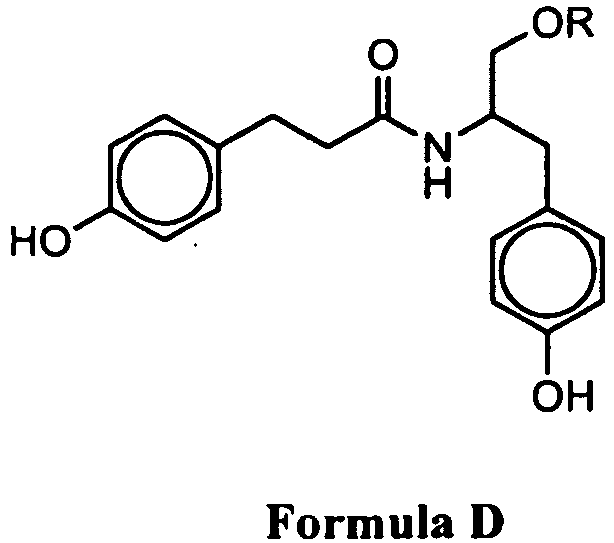
- This compound can also be represented as formula A, where R is a polypropylene glycol polymer and n is the total number of polypropylene monomers in the polymer:
- the reaction mixture was then evaporated, water (5 mL) introduced and the product was extracted with two 10 mL portions of ethyl acetate.
- the combined extracts were dried over anhydrous magnesium sulfate, paper-filtered and the solvent removed.
- the oily residue was triturated with a small amount of n-hexane and the solid formed recovered by vacuum filtration (yield 0.12g, 90.1%).
- the oily residue can be dissolved in an 1:1 mixture of ethyl acetate and hexane and the product recrystallised.
- Compound 12 was prepared as described in Synthesis 9 above for Compound 11 from 0.2 g Compound 10 to give a 0.3 g, 46% yield.
- A was dissolved in 5 mL of a potassium hydroxide-dried acetonitrile and the solution introduced into a round-bottom flask containing a magnetic stirrer.
- 5 mL of dried acetonitrile solution of B was introduced into the flask, followed by a catalytic amount (few crystals) of potassium iodide.
- a reflux condenser and a gas bubbler adjusted on top of it were connected to the reaction vessel and the reaction mixture was allowed to reflux under nitrogen atmosphere, while stirring, for 24 hrs. The reaction mixture was then paper-filtered and the solvent removed.
- Table 2 The results are set forth in Table 2 below and illustrated in FIG. 1 of the accompanying drawings. The numbers in the columns are time taken (in seconds) for the mice to react to the hot-plate.
- Compound 18 stock comprises 9.4 mg Compound 18 , 0.2 mL DMSO and 0.8 mL saline.
- Table 4 Group # mouse weight -60 0 60 120 180 240 300 360 1 24.3 19 16 19 32 30 31 32 25 2 23.5 12 8 18 23 25 29 34 27 A 3 21.5 17 15 21 41 49 54 42 36 0.5 mg/mouse/ p.o.
- Compound 18 thus showed analgesic activity, not only against negative control, but also against imipramine (p ⁇ 0.0000) as a positive control.
- Example 2 shows that Compound 18 manifested activity by the oral route at almost the same level of magnitude as via intraperitoneal injection.
- paw oedema was induced by injecting 200 ⁇ L of a 1% (60 mg + 6000 ⁇ L) solution of ⁇ -carrageenan in normal saline into the plantar surface of the left hind paw of the rats.
- the anti-inflammatory activity of the injected Compound 18 formulation was expressed as the amount of reduction relative to the control in the height and volume of the oedema, the volume being calculated as the product of the oedema measured height and area.
- Tables 6 to 9 The results are set forth in Tables 6 to 9 below and are illustrated graphically in Figs. 3 and 4 of the accompanying drawings.
- Table 6 gives the data for the measured oedema heights (in mm)
- Table 7 and FIG. 3 give the corresponding average figures for each group of rats.
- Table 8 gives the data for the measured oedema volumes (in mm 3 ) and Table 9 and FIG. 4 give the corresponding average figures for each group of rats.
- Table 7 Average Reduction in Oedema Height with Time 4h/ mm 24h/ mm 48h/ mm Control 2.6 3.5 2.6 0.1 ⁇ g/0.4 ml/rat 2.8 2.0 1.8 10 ⁇ g/0.4 ml/rat 4.4 3.6 4.0 1 mg/0.4 ml/rat 3.4 1.6 1.1
- Table 9 Average Reduction in Oedema Volume with Time 4h/ mm 3 24h/ mm 3 48h/ mm 3 Control 1366.2 1711.6 1249.2 0.1 ⁇ g/0.4 ml/rat 1334.4 1158.3 1154.9 10 ⁇ g/0.4 ml/rat 1527.0 1400.2 1451.3 1 mg/0.4 ml/rat 1371.7 1171.1 897.5
- Formalin-induced pain is biphasic; the amount of the paw-licking was determined during a first neurogenic phase (0-5 mins.) and subsequently during a second inflammatory phase (20-30 mins.) after formalin injection.
- the results are set forth in Table 11 below and illustrated graphically in FIGS. 5 and 6 of the drawings.
- Table 11 Group # mouse weight treatment formalin 5 min inflam.
- Table 12 Control 0.2 mL/mouse i.p. (20 ⁇ L DMSO + 980 ⁇ L saline) 2 0.1 mg/0.1 mL/mouse Compound 18 0.1 mL/mouse (0.111 mL Compound 18 stock solution + 0.889 mL saline) 3 0.5 mg/0.1 mL/mouse Compound 18 0.1 mL/mouse (0.555 mL (Compound 18 stock solution 9.0 mg + 0.2 mL DMSO + 0.80 mL saline) + 0.445 mL saline)
- mice were then subjected to an Open Field test for 60 minutes in four arenas , with the mice distributed as follows: Table 13 Arena 1 Arena 2 Arena 3 Arena 4 Treatment time OF start time OF finish time 1 Control 0.1 mg 0.5 mg Control 08:00 09:30 10:30 2 0.1 mg 0.5 mg Control 0.1 mg 09:05 10:35 11:35 3 0.5 mg Control 0.1 mg 0.5 mg 10:10 11:40 12:40 4 Control 0.1 mg 0.5 mg Control 11:15 12:45 13:45 5 0.1 mg 0.5 mg Control 0.1 mg 12:20 13:50 14:50 6 0.5 mg Control 0.1 mg 0.5 mg 13:25 14:55 15:55
- An Open Field test measures activity in a novel environment and can be used to assess a combination of locomotor activity, exploratory drive, neophobia, agoraphobia and other aspects of anxiety or fear in mice, as well as motor function.
- the apparatus consists of a Perspex arena (approximately 44 cm x 44 cm x 50 cm high).
Landscapes
- Chemical & Material Sciences (AREA)
- Organic Chemistry (AREA)
- Health & Medical Sciences (AREA)
- Life Sciences & Earth Sciences (AREA)
- Veterinary Medicine (AREA)
- Public Health (AREA)
- General Health & Medical Sciences (AREA)
- Medicinal Chemistry (AREA)
- Animal Behavior & Ethology (AREA)
- Pharmacology & Pharmacy (AREA)
- Epidemiology (AREA)
- Nuclear Medicine, Radiotherapy & Molecular Imaging (AREA)
- General Chemical & Material Sciences (AREA)
- Chemical Kinetics & Catalysis (AREA)
- Rheumatology (AREA)
- Pain & Pain Management (AREA)
- Pharmaceuticals Containing Other Organic And Inorganic Compounds (AREA)
- Acyclic And Carbocyclic Compounds In Medicinal Compositions (AREA)
- Organic Low-Molecular-Weight Compounds And Preparation Thereof (AREA)
- Polyethers (AREA)
Description
- The present invention relates to the treatment or prophylaxis of pain and provides a method of treating or preventing pain as well as the use of certain compounds in the manufacture of medicaments for the treatment or prophylaxis of pain in humans and non-human animals.
- Pain is a multifaceted or multidimensional, experiential response to a variety of stimulus conditions. Pain is defined by the International Association for the Study of Pain (IASP) as "an unpleasant sensory and emotional experience associated with actual or potential tissue damage, or described in terms of such damage".
- Pain in animals is frequently the result of nociception, i.e., activity in the nervous system that results from the stimulation of nociceptors. Neuropathic pain differs from nociceptive pain in that it involves damage to the nerve resulting in the sensation of pain. In central pain, the pain is generated in the brain from some form of lesion. Occasionally pain may be psychogenic, i.e., caused by mental illness.
- Pain can be acute or chronic. Acute pain is usually caused by soft tissue damage, infection and/or inflammation among other causes. Acute pain serves to alert after an injury or malfunction of the body. Chronic pain may have no apparent cause or may be caused by a developing illness or imbalance. Chronic pain is defined as the disease of pain; its origin, duration, intensity and specific symptoms may vary.
- The experience of physiological pain can be grouped according to the source and related nociceptors. Cutaneous pain is caused by injury to the skin or superficial tissues. Cutaneous nociceptors terminate just below the skin, and due to the high concentration of nerve endings, produce a well-defined, localised pain of short duration. Examples of injuries that produce cutaneous pain include paper cuts, minor cuts, minor (first-degree) bums and lacerations. Somatic pain originates from ligaments, tendons, bones, blood vessels and nerves. It is detected with somatic nociceptors. The scarcity of pain receptors in these areas produces a dull, poorly-localised pain of longer duration than cutaneous pain; examples include sprains and broken bones. Myofascial pain is usually caused by trigger points in muscles, tendons and fascia and may be local or referred. Visceral pain originates from the body's viscera or organs. Visceral nociceptors are located within body organs and internal cavities. The even greater scarcity of nociceptors in these areas produces pain that is usually more aching and for longer duration than somatic pain. Visceral pain is extremely difficult to localise, and several injuries to visceral tissue exhibit "referred" pain, where the sensation is localised to an area completely unrelated to the site of injury. Phantom limb pain, a type of referred pain, is the sensation of pain from a limb that has been lost or for which a person no longer receives physical signals. Neuropathic pain may occur as a result of injury or disease to the nerve tissue itself. This can disrupt the ability of the sensory nerves to transmit correct information to the thalamus, and hence the brain interprets painful stimuli even though there is no obvious unknown psychological cause for the pain.
- Acute pain is usually treated simultaneously with pharmaceuticals or appropriate techniques for removing the cause and pharmaceuticals or appropriate techniques for controlling the pain sensation, commonly analgesics.
- Analgesics fall into three categories: opioid (narcotic) analgesics, non-opioid analgesics and adjuvant analgesics. Opioid analgesics are powerful analgesics that are chemically related to morphine. However, opioids have many side effects, which may be more likely to occur in people with certain disorders: kidney failure, a liver disorder, chronic obstructive pulmonary disease (COPD), dementia or another brain disorder. Drowsiness, constipation, nausea, vomiting and itching are common when opioids are started. Apart from morphine, opioid analgesics known at the time of writing include codeine, fentanyl, hydrocodone, hydromorphone, levorphanol, meperidine, methadone, oxycodone, oxymorphone, pentazocine and propoxyphene.
- A variety of non-opioid analgesics are also available at the time of writing. They are often effective for mild to moderate pain. Most non-opioid analgesics are classified as non-steroidal anti-inflammatory drugs (NSAIDs). An example of an analgesic that is not an NSAID is acetaminophen, which is commonly known as paracetamol. Acetaminophen has substantially no anti-inflammatory properties.
- NSAIDs are used to treat mild to moderate pain and may be combined with opioids to treat moderate to severe pain. NSAIDs not only relieve pain, but they also reduce the inflammation that often accompanies and worsens pain. Although widely used, NSAIDs can also have side effects, sometimes serious ones, including problems in the digestive tract, bleeding problems, problems related to retaining fluids and increased risk of heart and blood vessel disorders. Current NSAIDs include aspirin, ibuprofen, ketoprofen, naproxen, cox-2 inhibitors such as celecoxib, choline magnesium trisalicylate, diflunisal, salsalate, diclofenac, etodolac, fenoprofen, flurbiprofen, indomethacin, ketorolac, meclofenamate, mefenamic acid, meloxicam, nabumetone, oxaprozin, piroxicam, sulindac and tolmetin.
- Adjuvant analgesics include antidepressants such, for example, as imipramine, amitriptyline, bupropion, desipramine, fluoxetine and venlafaxine; anticonvulsants (such as carbamazepine, gabapentin and pregabalin) and oral and topical local anaesthetics.
- In the treatment of chronic pain, the "Three-Step Analgesic Ladder" developed by the World Health Organization is often used. For mild pain, acetaminophen, aspirin or other NSAIDs may be employed. For mild to moderate pain, week opioids such as codeine and dihydrocodeine are employed in combination with acetaminophen, aspirin or other NSAIDs. In the case of moderate to severe pain, strong opioids such as morphine, diamorphine, or fentanyl, hydromorphone, methadone, oxycodone or phenazocine may be administered in combination with acetaminophen, aspirin or other NSAIDs.
- An object to the present invention is to provide alternative compounds for the treatment or prophylaxis of pain. In particular, it is object to the present invention to provide alternative NSAIDs for the treatment or prophylaxis of pain and to reduce inflammation. Desirably the compounds of the invention should have no or substantially no activity on the central nervous system.
- Another object of the present invention is to provide an alternative method for the treatment or prevention of pain.
- According to one aspect of the present invention therefore there are provided compounds for use in the treatment or prevention of pain, which compounds may be represented by general formula I below:

- the dotted line represents a single or a double bond; and R5 and R5' are independently -H, -OH or -OR6, where R6 is a linear or branched C1-C4 alkyl ;
- X is -O-, -CH2O-, -CH2CH2O-, -CH(CH3)CH2O- or -CH2CH(CH3)O-;
- Z is -CH2CH2O-,-CH(CH3)CH2O- or -CH2CH(CH3)O-; m is 1; and n is an integer of 1-50.
- Suitably, said compounds may be the S-enantiomers of the compounds represented by formula I above. The invention also comprehends the use of the respective pharmaceutically acceptable salts and hydrates of the compounds of formula I.
- The compounds of the present invention may be used for the treatment or prophylaxis of acute or chronic pain. For instance, the compounds may be used for the treatment of nociceptive pain such, for example, as cutaneous pain, somatic pain, myofascial pain, visceral pain, phantom limb pain or neuropathic pain. The compounds of the invention may also be used treatment of headaches or migraine. The compounds may be used alone or in combination with acetaminophen or another NSAID for the treatment of mild chronic pain or in conjunction with weak or strong opioids for the treatment of moderate or severe pain.
- The compounds of the invention may also be employed in the treatment or prophylaxis of neuropathic pain and may be used in conjunction with one or more antidepressants or antiepileptic medicaments such, for example, as gabapentin or pregabalin.
- According to another aspect of the present invention therefore there is provided one or more compounds for treating or preventing pain in a human or non-human animal patient, which compounds are administered to said patient in need thereof in a therapeutic effective amount.
- For a human patient, a daily dose of 1.0 mg to 15 g of said one or more compounds in a pure, substantially pure or partially pure form as described in more detail below may suitably be administered. The compounds may be administered under the supervision of a medical practitioner in an amount sufficient to achieve effective pain management. In some embodiments, the daily dose of said one or more compounds may be titrated to determine such effective amount. Said daily dose may comprise about 5.0 mg to 1 g, typically about 5 mg to 500 mg. In some embodiments, said dose may comprise 10 mg to 100 mg per day of said one or more compounds. The compounds may be administered on a regimen of one to four times per day.
- Said one or more compounds may be administered parenterally, transdermally, intramuscularly, intravenously, intradermally, intranasally, subcutaneously, intraperitoneally, intraventricularly or rectally. Preferably, the one or more compounds are administered orally.
- Optionally, the one or more compounds of the present invention may be administered simultaneously, sequentially or separately with at least one opioid analgesic, an antidepressant or an antiepileptic medicament. Alternatively, the one or more compounds of the invention may be administered simultaneously, sequentially or separately with one or more other NSAIDs or acetaminophen.
- In yet another aspect of the present invention there is provided the use of one or more of the compounds of the invention in the manufacture of a medicament for use in the treatment or prophylaxis of pain. Said medicament may be manufactured for co-administration with one or more of acetaminophen, another NSAID, an opioid, an antiepileptic or an antidepressant.
- Advantageously, it has been found that the compounds of the present invention are effective for reducing or preventing inflammation. It has also been found that the compounds of the invention have no or substantially no (i.e., within acceptable limits) deleterious effect on the central nervous system.
- In preferred embodiments, X may be -CH2O-.
- In some embodiments of the invention, the compounds of the invention may be represented by general formula II below:

- in which n, Z, R5 and R5' are as defined above.
- Z may be-CH(CH3)CH2O-.
- In some embodiments of the present invention, the compounds of the invention may therefore be represented by general formula III below:

- in which n, R5 and R5' are as defined above.
- R5 may be H. Alternatively, R5 may be OH.
- R5' may be H. Alternatively, R5' may be OH.
- Suitably, n may be an integer from 1-50, preferably 1-25. For example, n may be 1, 2, 3, 4, 5, 6, 7, 8, 9, 10, 11, 12, 13, 14, 15, 16, 17, 18, 19, 20, 21, 22, 23, 24 or 25. Advantageously, n may be 5-9 or 6-8, e.g., 7 or 1 to 3, e.g., 1 or 2.
- Alternatively, the compounds of the invention may be the S-enantiomers of the compounds represented by general formulae IV, V, VI and VII below:


- in which R is a polyalkylene glycol polymer having n units, wherein n is as defined above, particularly n=1-50, wherein the polyalkylene glycol polymer is a polymer of -CH2CH2O-, -CH(CH3)CH2O- or -CH2CH(CH3)O-.
- Suitably, said polyalkylene glycol polymer may be polyisopropylene glycol.
- Suitable synthetic methods for obtaining and purifying the compounds of the present invention are disclosed in detail below. However, it should be apparent to a person skilled in the art that the compounds may be prepared using any other feasible synthetic methods.
- The compounds of the invention may be synthesised as polyalkylene glycol (PAG) conjugates. Polymers that may be used for such conjugation include poly(ethylene glycol) (PEG), also known as or poly(ethylene oxide) (PEO) and polypropylene glycol (including poly isopropylene glycol).
- A polyalkylene glycol (PAG), such as PEG, is a linear polymer terminated at each end with hydroxyl groups:
HO-CH2CH2O-(CH2CH2O)p-CH2CH2-OH.
- The above polymer, α,ω-dihydroxyl poly(ethylene glycol), can also be represented as HO-PEG-OH, where it is understood that the -PEG- symbol represents the following structural unit:
-CH2CH2O-(CH2CH2O)p-CH2CH2-
- where p may range from 0 to about 48. PEG may be used as methoxy-PEG-OH, or mPEG, in which one terminus is the relatively inert methoxy group, while the other terminus is a hydroxyl group that is subject to ready chemical modification. Additionally, random or block copolymers of different alkylene oxides (e.g., ethylene oxide and propylene oxide) that are closely related to PEG in their chemistry may be substituted for PEG.
- The PAG polymers may be linear or branched.
- It is to be understood that compounds of the invention comprise a PAG moiety that may include a mixture of polymers which have a varying number of monomeric units. The synthesis of a PAG-conjugate compound may produce a population of molecules with a Poisson distribution of the number of monomeric units per polymer in the conjugate. Thus, a compound according to the invention that is described as having a polymer of n = 7 monomeric units refers not only to the actual polymers in that population being described as having n = 7 monomeric units, but also to a population of molecules with the peak of the distribution being 7 or close to 7. The distribution of monomeric units in a given population can be determined, e.g., by nuclear magnetic resonance (NMR) or by mass spectrometry (MS).
- In yet another aspect of the present invention there is provided a pharmaceutical composition for use in the treatment or prophylaxis of pain, said composition comprising a pharmaceutically effective amount of one or more of the compounds of the invention. Said composition may further comprise one or more pharmaceutically acceptable excipients. In some embodiments, said composition may also comprise acetaminophen, one or more other NSAIDs, one or more weak or strong opioids, an antidepressant or an antiepileptic agent.
- The pharmaceutical composition of the invention may comprise one or more of the compounds of the invention in a pure, substantially pure or partially pure form. In some embodiments, said substantially pure form may comprise at least 95% wt. of said one or more compounds, e.g., 96% wt., 97% wt., 98% wt. or more than 99% wt. of said compounds.
- Said substantially or partially pure form of said compound(s) may further comprise a proportion of free polyalkylene glycol such, for example, as polyethylene glycol (PEG) or polypropylene glycol (PPG). Such polyalkylene glycol may itself be biologically active. The chain length of the free polyalkylene glycol may range from 1-50, preferably 1-25. In some embodiments, said polyalkylene glycol may have a chain length of 3, 7, 12 or 17 monomeric units. Said free polyalkylene glycol may comprise a mixture of different chain lengths. Thus, for a substantially pure form of said one or more compounds, said form may comprise up to 5% wt. of free polyalkylene glycol, e.g., up to 4% wt., 3% wt., 2% wt. or less than 1% wt., with the total amount in said form of said one or more compounds and said free polyalkylene glycol being 100% wt.
- Said partially pure form of said one or more compounds may comprise about 5-60% wt. of the one or more compounds according to the invention and about 95-40% wt. of free polyalkylene glycol, the total amount being 100% wt.. Typically, said partially pure form may comprise about 45-55% wt. of said one or more compounds and about 55-45% wt. of said one or more polyalkylene glycols. Alternatively, said form may comprise about 80-95% wt. of said one or more compounds and about 20-5% wt. of said polyalkylene glycol(s).
- Suitably, the composition of the invention may be formulated as a unit dosage form. Each unit dosage form may comprise all or a predetermined fraction of the daily dose amount of the one or more compounds of the invention, e.g., one half or one quarter of the daily dose amount.
- Thus, the composition may be formulated as a tablet, a pill, a capsule, a powder, granules, a sterile parenteral solution or suspension, a metered aerosol or liquid spray, drops, an ampoule, an auto-injector device, a suppository, a cream or a gel. Said composition may be adapted for oral, enteral parenteral, intrathecal, intranasal, sublingual, rectal or topical administration, or for administration by inhalation or insufflation. Oral compositions such as tablets, pills, capsules or wafers are particularly preferred.
- For preparing a solid dosage form such as a tablet, said one or more compounds may be mixed with one or more pharmaceutical excipients, e.g., conventional tabletting ingredients such as corn starch, lactose, sucrose, sorbitol, talc, stearic acid, magnesium stearate, dicalcium phosphate or gums, or other pharmaceutical diluents, e.g., water, to form a solid pre-formulation composition containing a substantially homogeneous mixture of said one or more compounds, such that said one or more compounds are dispersed evenly throughout the composition, so that the composition may be readily subdivided into equally effective unit dosage forms such as tablets, pills and capsules.
- Said solid pre-formulation composition is then subdivided into unit dosage forms of the kind mentioned above which may each contain from 0.1 to about 500 mg of the one or more compounds. Favoured unit dosage forms contain from 1 to 500 mg, e.g., 1, 5, 10, 25, 50, 100, 300 or 500 mg, of the compound(s).
- When formulated as a tablet or pill, said tablet or pill may be coated or otherwise compounded to provide a dosage form affording the advantage of prolonged action. For instance, said tablet or pill can comprise an inner dosage and an outer dosage component, the latter being in the form of an envelope over the former. These two components may be separated by an enteric layer that serves to resist disintegration in the stomach and permits the inner component to pass intact into the duodenum or to be delayed in release. A variety of materials are known in the use in such enteric layers or coatings, such materials including a number of polymeric acids and mixtures of polymeric acids with such materials as shellac, cetyl alcohol and cellulose acetate.
- Alternatively, the pharmaceutical composition of the present invention may be formulated as a liquid dosage form for administration orally or by injection; for example an aqueous solution, a suitably flavoured syrup, an aqueous or oil suspension or a flavoured emulsion with edible oils such, for example, as cottonseed oil, sesame oil, coconut oil or peanut oil, as well as an elixir or a similar pharmaceutical vehicle. Suitable dispersing or suspending agents for an aqueous suspension include synthetic and natural gums, e.g., tragacanth, acacia, alginate, dextran, sodium carboxymethylcellulose, methylcellulose, polyvinyl-pyrrolidone or gelatin.
- Following is a description by way of example only with reference to the accompanying drawings of embodiments of the present invention.
- In the drawings:
-
FIG 1 is a graph showing the results of a Hot-Plate Test using Balb/c mice following administration of Compound 18 of the invention at 100 µg/mouse, 1 µg/mouse and 0.01 µg/mouse; -
FIG. 2 is a graph showing the results of a Hot-Plate Test using Balb/c mice following administration of Compound 18 of the invention or imipramine; -
FIG. 3 is a histogram showing the reduction in the height of carrageenan-induced oedemas in SD rats following administration of Compound 18 of the invention; -
FIG. 4 is a histogram showing the reduction in the volume of carrageenan-induced oedemas in SD rats following administration Compound 18 of the invention; -
FIG. 5 is a histogram showing the number of paw licks of Balb/c mice during a first neurogenic phase following intraplanar injection of 1% formalin ("Formalin test"); -
FIG. 6 is a histogram showing the number of paw licks of Balb/c mice during a second inflammation phase following intraplanar injection of 1% formalin; -
FIGS. 7A-N are a series of graphs respectively illustrating the following results of an Open Field Test after the administration of Compound 18 of the invention (0.1 mg/mouse, 0.5 mg/mouse; i.p., -60 min) to BALB/c mice:- A: distance moved (cm)
- B: mean velocity
- C: total duration of immobility
- D: total duration of strong mobility
- E: mean turn angle (degrees)
- F: angular velocity (degrees/s)
- G: total duration of movement (%)
- H: total duration of non-movement (%)
- I: in zone frequency (zone 3)
- J: rearing frequency
- K: in zone duration (zone 3)
- L: in zone frequency (
zones 2+3) - M: distance moved (cm)
- N: in zone duration (
zones 2+3)
- Polyalkylene glycol compounds were generally synthesised by preparation of the appropriate alcohol compound (e.g., one of the compounds described in
Synthesis 1 or a hydroxylated derivative thereof) followed by conjugation of the alcohol with a polyalkylene glycol (PAG) polymer (e.g., polyethylene glycol (PEG) or polypropylene glycol (PPG)) of the desired length. - 1.2 g, 32 mM, of LiAlH4 were added to 2.3 g, 10 mM, phenyl alanine ethyl ester HCl in 50 ml dry ether. After stirring for 2 hours at room temperature, water and KOH were added and the reaction product was extracted with ethyl acetate. After evaporation, 0.8 g of
Compound 1, a light yellow oil, was obtained.
-
Compound 1 crystallised on standing. Mp-70. - NMR CDCl3 7.30(5H,m), 3.64(1H,dd,J=10.5,3.8 Hz) 3.40(1H,dd,J=10.5,7.2 Hz) 3.12(1H,m), 2.81(1H,dd,J=13.2, 5.2 Hz), 2.52(1H, dd, J=13.2, 8.6 Hz)
- NMR acetone d6 7.30(5H, m), 3.76(1H, dt) 3.60(1H, m) 3.30 (1H, t),2.85(2H, m). Helv. Chim. Acta, 31, 1617(1948). Biels.-E3,Vol. 13,p 1757.
-

- To 3 g, 12 mM, L- tyrosine ethyl ester HCl in 50 ml dry ether was added 1.2 g 32 mM LiAlH4. After stirring 3 hours at room temperature, water and KOH were added and the reaction was extracted with ethyl acetate. Evaporation gave 1.1 g of a light yellow oil, 54% yield, which on standing crystallized. mp-85.
- NMR CDCl3 7.20(4H,AB q, J=8.6 Hz), 3.50(2H,m) 3.20(1H,m), 2.81(2H,m).
- NMR tyrosine ethyl ester free base CDCl3 7.0,6.56(4H, AB q, J=8.8 Hz), 4.20(2H, q, J=7, 0 Hz), 3.70, 3.0, 2.80(3H, 12 line ABXm), 1.28. (3H, t, J=7.0 Hz). JACS 71, 305(1949). Biels. -E3, Vol. 13, p 2263.
-
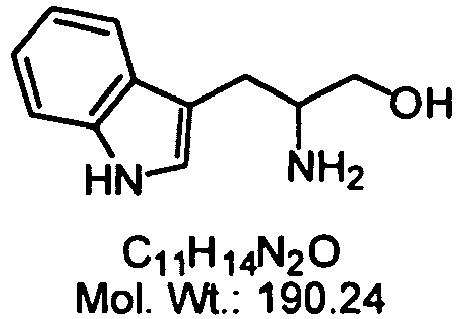
- To 3 g, 12.9 mM, L-tryptophan methyl ester HCl in 50 ml dry ether was added 1.2 g,32 mM LiAlH4.. After stirring 6 hours at room temperature water and KOH were added and the reaction extracted with ethyl acetate. Evaporation gave 1.23 g light yellow oil, 50% yield. On standing crystallized. Mp-65..
- NMR CDCl3 7.30(5H, m), 3.64(1H, dd, J=10.5, 3.8 Hz) 3.40(1H, dd, J=10.5, 7.2 Hz) 3.12 (1H, m), 2.81(1H, dd, J=13.2, 5.2 Hz), 2.52(1H, dd, J=13.2, 8.6 Hz) J. Het. Chem, 13, 777 (1976). Biels.-E5, 22, Vol. 12, .
- Synthesis 4: Compound 40.66 g 4-hydroxy hydrocinnamic acid and 4 ml thionyl chloride in 30 ml cyclohexane were refluxed for 2 hours. After evaporation, a white solid was obtained, to which 0.65 g oil of Compound 1 (4.3 mM) in 30 ml dichloromethane and 0.4 ml triethyl amine were added. After stirring for 2 hours at room temperature, water and KOH were added in order to neutralize the pH. The reaction product was extracted with dichloromethane. Evaporation gave 0.8 g of
Compound 4, light yellow viscous oil. Part of this product was triturated and recrystallized with ethanol to give a white solid. Mp-149. - NMR CDCl3 7.30-6.9(9H, m), 3.50(2H, m) 3.30(2H, t, J=7.2 Hz) 2.90 (3H, m), 2.60(2H, t, J=7.2 Hz).

-

- 0.75 g, 5mM, hydrocinnamic acid and 4 ml thionyl chloride in 30 ml cyclohexane were refluxed for 2 hours. Evaporation gave a white solid to which were added 0.83 g, 5.5 mM, phenyl alaninol in 30 ml dichloromethane and 0.5 ml triethyl amine. After stirring 3 hours at room temperature, water and KOH were added to neutral pH and the reaction was extracted with dichloromethane. Evaporation gave 0.57 g of a yellow viscous oil, 40% yield.
- NMR CDCl3 7.40-7.10(10H, m), 3.60(2H, m) 3.35(2H, t, J=7.2 Hz) 2.95 (3H, m), 2.50(2H, t, J=7.2 Hz).
-

- 0.66 g, 4mM, 4-hydroxy hydrocinnamic acid and 4 ml thionyl chloride in 30 ml cyclohexane were refluxed 3 hours. Evaporation gave a light yellow solid to which were added 0.72 g, 4.3 mM, tyrosinol in 30 ml dichloromethane and 0.5 ml triethyl amine. After stirring 3 hours at room temperature. water and KOH were added to neutral pH and the reaction was extracted with dichloromethane. Evaporation gave 0.53 g light yellow viscous oil, 42% yield.
- NMR CDCl3 7.30, 7.20 (8H, 2 ABq, J=8.6 Hz), 3.40(2H, m) 3.30(2H, t, J=7.2 Hz) 2.90 (3H, m), 2.60(2H, t, J=7.2 Hz).
-

- 0.45 g, 3mM, hydrocinnamic acid and 3 ml thionyl chloride in 30 ml cyclohexane were refluxed for 2 hours. Evaporation gave a light yellow solid to which were added 0.58 g, 3.5 mM, tyrosinol in 30 ml dichloromethane and 0.4 ml triethyl amine. After stirring for 2.5 hours at room temperature, water and KOH were added to attain neutral pH and the reaction was extracted with dichloromethane. Evaporation gave 0.57 g light yellow viscous oil, 63% yield.
- NMR CDCl3 7.40-7.10 (9H, m), 3.60(2H, m) 3.35 (2H, t, J=7.2 Hz) 2.95 (3H, m), 2.50 (2H, t, J=7.2 Hz).
- 0.3 g of
Compound 4, 0.8 g, triphenyl phosphine and 0.55 g ethyl diazo carboxylate were added to 1 g of poly(propylene glycol), (average molecular weight ca 1000), in 60 ml dichloromethane. Stirring for 2 hours at room temperature, evaporation and chromatography gave 0.65 g ofCompound 10 as a viscous oil.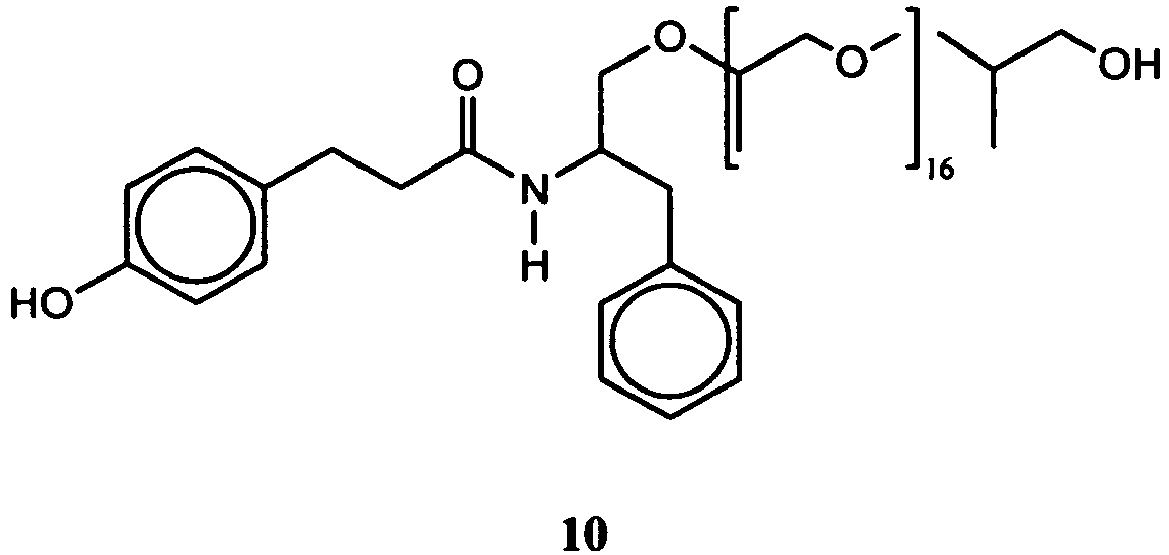
- These compounds include those represented by the structure of formula VIII:

- This compound can also be represented as formula A, where R is a polypropylene glycol polymer and n is the total number of polypropylene monomers in the polymer:

- 0.3 g Compound 4 (1mM), 0.8 g, 3 mM, triphenyl phosphine and 0.55 g 3.2 mM, ethyl diazo carboxylate were added to 1 g of poly (propylene glycol) (average mol. Weight 424 , n=7) in 60 ml dichloromethane. After stirring for 4 hours at room temperature, evaporation and chromatography gave 0.55 g viscous oil, a 73% yield. NMR CDCl3 7.30-6.9(9H, m), 4.1-3.0(m), 2.60(2H, t, J=7.2 Hz), 1.2-1.1(m). 0.1 g, 0.33 mmol of this product, potassium carbonate (0.069 g, 0.5 mmol, thinly crushed) and THF (3 mL, dried over KOH pellets) were put in a round-bottom flask equipped with a magnetic stirrer and a CaCl2 drying tube. The mixture was cooled over an ice-salt bath (-10° C.) and a pre-cooled solution of di-tert-butyldicarbonate (0.066 g, 0.30 mmole) in 2 mL THF (dried) was introduced dropwise. The mixture was allowed to stir at ice temperature for 1 hour and then for 2 days at room temperature. The reaction mixture was then evaporated, water (5 mL) introduced and the product was extracted with two 10 mL portions of ethyl acetate. The combined extracts were dried over anhydrous magnesium sulfate, paper-filtered and the solvent removed. The oily residue was triturated with a small amount of n-hexane and the solid formed recovered by vacuum filtration (yield 0.12g, 90.1%). Alternatively, the oily residue can be dissolved in an 1:1 mixture of ethyl acetate and hexane and the product recrystallised.
- Compound 12 was prepared as described in
Synthesis 9 above for Compound 11 from 0.2g Compound 10 to give a 0.3 g, 46% yield. - Compound 13 was prepared using the same procedure as described above in
Synthesis 9 for Compound 11, with the substitution of the PPG, n=7 for PPG, n=17. -

- Compound 14 was prepared as described above in
Synthesis 9 from 0.22g Compound 5 to give a 0.25 g, 47% yield. -
Compound 15 was prepared as above inSynthesis 9 from 0.2g Compound 5 to give 0.33 g, 33% yield. -
-
Compound 16 was prepared as described above inSynthesis 9 from 0.2g Compound 6 to give a 0.21 g, 46% yield. - Compound 17 was prepared as described above in
Synthesis 9 from 0.23g Compound 6 to give a 0.28 g, 29% yield. -

- 106 mg of PPG425 (0.25 mmol) was reacted with 90 mole-percent of mesyl chloride (26 mg, 2 drops) and 0.4 mmol pyridine (31.6 mg, 2 drops) to afford the mono-mesylated PPG (A). After combining PPG, mesyl chloride and pyridine, the mesylation reaction was carried out at 0° C. over 30 minutes while stirring, and then the reaction was continued for another 60 minutes at room temperature. During mixing, the reaction mixture turned from colorless to milky-white. The mixture was then dissolved in 5 mL methylene chloride and the organic phase was washed twice with 1M HCl solution, then twice with 1M NaOH solution and once with water. The organic phase was dried over anhydrous sodium sulfate, filtered and the solvent removed.
- 0.1g of the above product (0.25 mmol) was dissolved in 5 mL of absolute ethanol and then reacted with an equimolar amount of sodium ethoxide in absolute ethanol (previously prepared by reacting 0.25 mg-atom of sodium with an access of absolute ethanol). The ethanol of the combined solutions was evaporated to total dryness to yield the sodium salt (B).
- A was dissolved in 5 mL of a potassium hydroxide-dried acetonitrile and the solution introduced into a round-bottom flask containing a magnetic stirrer. 5 mL of dried acetonitrile solution of B was introduced into the flask, followed by a catalytic amount (few crystals) of potassium iodide. A reflux condenser and a gas bubbler adjusted on top of it were connected to the reaction vessel and the reaction mixture was allowed to reflux under nitrogen atmosphere, while stirring, for 24 hrs. The reaction mixture was then paper-filtered and the solvent removed. The residue was dissolved in 2 mL of ethyl acetate and then passed through a silica-gel column, using ethyl acetate for elution. The TLC (elution with ethyl acetate) UV-absorbing spot at Rf= 0.55 turned out to contain the desired product 3 (a mixture of molecules containing different PPG sub-unit lengths), however, containing also some unreacted PPG. Other fractions contained unreacted mesylated PPG and doubly-mesylated PPG.
- Compound 19 was prepared using the same procedure as described above in
Synthesis 16 for Compound 18, with the substitution of the PPG, n=7 for PPG, n=17. - The following experiments were conducted to demonstrate the utility of compounds of the invention in the treatment of pain.
- 21-week old male Balb/c mice (non-naive) were divided into four groups of approximately 7 or 8 mice per group and treated at t=0 minutes with Compound 18 intraperitoneally with 0.2 mL solution as detailed in Table 1 below:
Table 1 Group 1 Control 0.2 mL/mouse (20 µL DMSO + 1980 µm saline) 2 100 µg/mouse Compound 18 191 µL (10.5 mg Compound 18 + 200 µL DMSO + 1800 µL saline) + 1809 µL saline 3 1 µg/mouse Compound 18 20 µL (Compound 18 100 µg/mouse) + 1980 µL saline 4 0.01 µg/mouse Compound 18 20 µL (Compound 18 1 µg/mouse) + 1980 µL saline - The mice were tested using a hot-plate (J. P. Callaghan & S. G. Holtzman, "Quantification of the Analgesic Activity of Narcotic Antagonists by a Modified Hot-Plate Procedure", J. Pharmacol. Exp. Ther., 1975; 192(3): 497-505) at t= -60 mins., 0 mins., 60 mins., 120 mins., 180 mins., 240 mins. and 300 mins. The results are set forth in Table 2 below and illustrated in
FIG. 1 of the accompanying drawings. The numbers in the columns are time taken (in seconds) for the mice to react to the hot-plate. A licking of the fore or hind paws was used as the end-point for the determination of response latencies.Table 2 Group # mouse -60 0 60 120 180 240 300 1 25 18 27 28 24 20 24 2 25 22 23 35 25 22 32 3 33 20 31 24 24 23 20 Control 4 22 23 20 21 20 19 16 10% DMSO 5 21 22 21 25 24 28 23 6 27 25 22 22 21 24 23 7 26 24 23 22 15 20 24 8 22 25 21 22 21 17 14 Average 25.1 22.4 23.5 24.9 21.8 21.6 22.0 SD 3.8 2.4 3.7 4.7 3.3 3.4 5.5 SE 1.4 0.9 1.3 1.7 1.2 1.2 2.0 9 28 19 15 18 25 30 22 10 21 26 24 19 26 32 28 11 24 25 21 26 37 43 23 100 µg/mouse 12 23 22 24 24 29 41 35 13 22 21 18 31 37 26 34 14 21 15 23 30 41 36 29 15 31 28 29 28 28 56 33 Average 24.3 22.3 22.0 25.1 31.9 37.7 29.1 SD 3.8 4.5 4.5 5.1 6.3 10.0 5.2 SE 1.4 1.7 1.7 1.9 2.4 3.8 2.0 t-test vs. Control 0.6786 0.9634 0.5011 0.9178 0.0045 0.0046 0.0232 16 27 13 29 26 35 19 17 17 21 18 17 26 35 34 28 18 19 24 19 34 36 42 41 1 µg/mouse 19 26 19 22 30 31 35 40 20 22 22 19 33 38 42 24 21 33 35 29 64 86 44 37 22 22 24 21 27 28 47 18 Average 24.3 22.1 22.3 34.3 41.3 37.6 29.3 SD 4.8 6.9 4.9 13.5 20.0 9.4 10.2 SE 1.8 2.6 1.8 5.1 7.6 3.6 3.8 t-test vs. Control 0.7159 0.9346 0.6007 0.1212 0.0415 0.0034 0.1252 23 18 24 18 25 36 31 27 24 26 21 13 11 22 34 26 25 29 28 26 35 28 32 29 0.01 µg/mouse 26 19 22 34 36 24 22 24 27 33 16 16 34 37 20 22 28 24 35 26 21 36 27 17 29 21 15 20 24 22 24 25 Average 24.3 23.0 21.9 26.6 29.3 27.1 24.3 SD 5.5 6.9 7.2 9.1 6.9 5.4 3.9 SE 2.1 2.6 2.7 3.4 2.6 2.0 1.5 t-test vs. Control 0.7408 0.8269 0.6010 0.6677 0.0287 0.0417 0.3683 - As those skilled in the art will recognise, these data show that Compound 18 according to the invention shows analgesic activity in mice.
- 14-week old male Balb/c mice (non-naive) were divided into four groups of seven mice per group and treated at t=0 as detailed in Table 3 below:
Table 3 Group 1 Control i.p.: 0.3 mL/mouse (20 µL DMSO + 2680 µL saline) p.o.: 0.3 mL/mouse (20 µL DMSO + 2680 µL saline) 2 5 mg/kg Imipramine i.p.: 5 mg/kg (1.35 mg imipramine + 2.7 mL saline) p.o.: 0.3 mL/mouse (20 µL DMSO + 2680 µL saline) 3 0.5 mg/mouse Compound 18 (i.p.) i.p.: 0.3 mL/mouse (0.479 mL Compound 18 stock + 2.221 mL saline) p.o.: 0.3 mL/mouse (20 µL DMSO plus 2680 µL saline) 4 0.5 mg/mouse Compound 18 (p.o.) i.p.: 0.3 mL/mouse (20 µL DMSO plus 2680 µL saline) p.o.: 0.3 mL/mouse (0.479 mL Compound 18 stock + 2.221 mL saline) - Compound 18 stock comprises 9.4 mg Compound 18, 0.2 mL DMSO and 0.8 mL saline.
- As in Example 1 above, the response latencies of the mice in the respective groups were tested using a hot-plate at t= -60 mins., 0 mins., 60 mins., 120 mins., 180 mins., 240 mins., 300 mins. and 360 mins. The results are set forth in Table 4 below and are illustrated in
FIG. 2 of the drawings.Table 4 Group # mouse weight -60 0 60 120 180 240 300 360 1 24.3 19 16 19 32 30 31 32 25 2 23.5 12 8 18 23 25 29 34 27 A 3 21.5 17 15 21 41 49 54 42 36 0.5 mg/mouse/p.o. 4 20.9 19 7 20 26 40 42 38 35 5 21.2 16 14 22 38 37 47 56 47 6 25.6 25 18 22 42 44 37 41 50 n=7 7 25.6 17 17 18 29 56 55 44 32 Average 23.2 17.9 13.6 20.0 33.0 40.1 42.1 41.0 36.0 SD 2.0 3.9 4.4 1.7 7.5 10.7 10.4 7.9 9.5 SE 0.7 1.4 1.5 0.6 2.6 3.8 3.7 2.8 3.3 t-test vs. Control 0.3832 0.5115 0.0027 0.0011 0.0025 0.0014 0.0001 0.0072 8 24.3 20 18 10 14 18 22 24 25 Control 9 24.5 22 16 11 21 24 23 21 21 B 10 24.8 32 23 12 18 17 21 14 12 11 21.7 25 10 10 12 22 17 17 25 12 24 11 12 19 23 24 20 18 13 13 25 19 13 16 24 21 21 15 26 n=7 14 23.2 15 14 17 13 19 20 23 29 Average 23.9 20.6 15.1 13.6 17.9 20.7 20.6 18.9 21.6 SD 1.1 6.8 4.3 3.7 4.9 2.8 1.9 3.9 6.6 SE 0.4 2.6 1.6 1.4 1.9 1.1 0.7 1.5 2.5 15 25.5 21 13 14 19 20 21 22 25 16 24.1 15 14 16 16 18 16 25 18 C 17 23.5 26 16 16 12 14 19 21 16 18 22.6 24 15 16 10 19 16 25 30 Imipramine 5 mg/kg 19 22.9 19 12 20 20 22 31 21 18 20 21.5 17 14 10 14 24 22 21 20 n=7 21 22.9 13 12 12 11 28 35 27 16 Average 23.3 19.3 13.7 14.9 14.6 20.7 22.9 23.1 20.4 SD 1.3 4.7 1.5 3.2 3.9 4.5 7.4 2.5 5.2 SE 0.4 1.7 0.5 1.1 1.4 1.6 2.6 0.9 1.8 t-test vs. Control 0.6892 0.4357 0.5017 0.1945 1.0000 0.4543 0.0334 0.7267 22 21 28 14 21 33 35 38 37 34 0.5 mg/mouse/i.p. 23 23.2 19 15 26 29 56 70 57 38 24 23.9 9 11 21 37 38 37 28 33 D 25 24.2 14 8 28 44 67 44 58 38 26 23.2 16 12 23 43 52 44 40 35 27 22.5 23 16 27 33 49 48 41 51 n=7 28 26.5 12 10 25 36 45 43 36 40 Average 23.5 17.3 12.3 24.4 36.4 48.9 46.3 42.4 38.4 SD 1.7 6.6 2.9 2.8 5.5 10.9 11.1 11.1 6.1 SE 0.5 1.9 0.8 0.8 1.6 3.2 3.2 3.2 1.8 t-test vs. Control 0.3763 0.1756 0.0001 0.0000 0.0003 0.0008 0.0009 0.0003 - Compound 18 thus showed analgesic activity, not only against negative control, but also against imipramine (p<0.0000) as a positive control.
- Further, the results of Example 2 also show that Compound 18 manifested activity by the oral route at almost the same level of magnitude as via intraperitoneal injection.
- The ability of the compounds of the invention to treat inflammation was tested using the carrageenan-induced paw oedema test in rats (see, e.g., P. G. Winyard & D. A. Willoughby, "Inflammation Protocols", Methods in Molecular Biology, 2003; Vol. 225).
- 21-week-old male Sprague-Dawley (SD) rats (non-naive) were divided into four groups of seven rats per group untreated at t= -2 hr as detailed in Table 5 below:
Table 5 Group 1 Control 2 0.1 µg/0.4 mL/rat Compound 18 32 µL (Compound 18 10 µg/0.4 mL/rat) + 3168 µL saline 3 10 µg/0.4 mL/rat Compound 18 32 µL (Compound 18 1 mg/0.4 mL/rat) + 3168 µL saline 4 1 mg/0.4 mL/rat Compound 18 Compound 18 stock solution (8.9 mg + 178 µL DMSO + 712 µL saline = 8.9 mg/890 µL) - At t=0 (i.e., 2 hours after administration of the control/Compound 18 formulations) paw oedema was induced by injecting 200 µL of a 1% (60 mg + 6000 µL) solution of λ-carrageenan in normal saline into the plantar surface of the left hind paw of the rats. The area and the height of the induced oedema was measured at t= 4, 24 and 48 hours after injection using a caliper. The anti-inflammatory activity of the injected Compound 18 formulation was expressed as the amount of reduction relative to the control in the height and volume of the oedema, the volume being calculated as the product of the oedema measured height and area.
- The results are set forth in Tables 6 to 9 below and are illustrated graphically in
Figs. 3 and 4 of the accompanying drawings. Table 6 gives the data for the measured oedema heights (in mm), and Table 7 andFIG. 3 give the corresponding average figures for each group of rats. - Table 8 gives the data for the measured oedema volumes (in mm3) and Table 9 and
FIG. 4 give the corresponding average figures for each group of rats.Table 7: Average Reduction in Oedema Height with Time 4h/ mm 24h/ mm 48h/ mm Control 2.6 3.5 2.6 0.1 µg/0.4 ml/rat 2.8 2.0 1.8 10 µg/0.4 ml/rat 4.4 3.6 4.0 1 mg/0.4 ml/rat 3.4 1.6 1.1 Table 9: Average Reduction in Oedema Volume with Time 4h/ mm3 24h/ mm3 48h/ mm3 Control 1366.2 1711.6 1249.2 0.1 µg/0.4 ml/rat 1334.4 1158.3 1154.9 10 µg/0.4 ml/rat 1527.0 1400.2 1451.3 1 mg/0.4 ml/rat 1371.7 1171.1 897.5 - These data confirm the anti-inflammatory properties of Compound 18.
Table 6 Group # rat H 0h H 4h H 24h H 48h H 4h-H 0h H 24h-H 0h H 48h-H 0h 1 5.15 6.65 7.4 6.36 1.5 2.25 1.2 2 3.69 5.55 7.58 5.72 1.86 3.89 2.0 3 3.73 5.93 6.61 5.76 2.2 2.88 2.0 Control 4 3.4 6.85 7.77 8.05 3.45 4.37 4.7 5% DMSO 5 3.7 6.8 8.09 7.71 3.1 4.39 4.0 6 3.6 7.4 7.5 6.27 3.8 3.9 2.7 7 4.2 6.6 6.78 6.04 2.4 2.58 1.8 Average 3.9 6.5 7.4 6.6 2.6 3.5 2.6 SD 0.6 0.6 0.5 0.9 0.9 0.9 1.2 SE 0.2 0.2 0.2 0.4 0.3 0.3 0.5 8 4.4 6.05 6.02 6.1 1.65 1.62 1.7 9 5.5 9.03 8.18 6.57 3.53 2.68 1.1 10 5.56 6.6 6.57 4.81 1.04 1.01 -0.8 0.1 µg/0.4 ml/rat 11 4.6 7.5 5.86 5.87 2.9 1.26 1.3 12 4.5 8.3 7.35 9.98 3.8 2.85 5.5 13 3.6 6.4 6.13 5.48 2.8 2.53 1.9 14 4.9 8.5 7.19 7.1 3.6 2.29 2.2 Average 4.7 7.5 6.8 6.6 2.8 2.0 1.8 SD 0.7 1.2 0.9 1.7 1.0 0.7 1.9 SE 0.3 0.4 0.3 0.6 0.4 0.3 0.7 t-test vs. Control 0.0374 0.0899 0.1251 1.0000 0.7826 0.0065 0.3689 15 4.5 7.6 8.43 7.14 3.1 3.93 2.6 16 3.4 10.2 8.17 10.7 6.8 4.77 7.3 17 3.6 8.07 6.18 8.02 4.47 2.58 4.4 10 µg/0.4 ml/rat 18 3.68 8.26 7 7.4 4.58 3.32 3.7 19 4.63 7.42 7.26 7.66 2.79 2.63 3.0 20 3.98 8.9 7.59 7.49 4.92 3.61 3.5 21 3.99 8.04 8.2 7.56 4.05 4.21 3.6 Average 4.0 8.4 7.5 8.0 4.4 3.6 4.0 SD 0.5 0.9 0.8 1.2 1.3 0.8 1.5 SE 0.2 0.4 0.3 0.5 0.5 0.3 0.6 t-test vs. Control 0.8784 0.0015 0.6733 0.0308 0.0134 0.8068 0.0896 22 4.92 7.6 6.39 6.06 2.68 1.47 1.1 23 4.9 7.8 6.84 6 2.9 1.94 1.1 24 5.45 7.6 5.07 5.6 2.15 -0.38 0.1 1 mg/0.4 ml/rat 25 4.9 8.6 7.59 6.55 3.7 2.69 1.7 26 3.7 9.57 7.29 6.32 5.87 3.59 2.6 27 4.8 8.46 6.19 5.37 3.66 1.39 0.6 28 5.66 8.4 6.15 6.05 2.74 0.49 0.4 Average 4.9 8.3 6.5 6.0 3.4 1.6 1.1 SD 0.6 0.7 0.8 0.4 1.2 1.3 0.8 SE 0.2 0.3 0.3 0.2 0.5 0.5 0.3 t-test vs. Control 0.0108 0.0004 0.0388 0.1801 0.2007 0.0105 0.0209 Table 8 Group # rat V 4h V 24h V 48h V 24h-V 4h V48h-V4h 1 1277.2 2645.4 1316.2 1368.2 39.0 2 988.4 1776.3 1159.6 787.9 171.2 3 1229.7 1296.3 1104.6 66.6 -125.1 Control 4 1556.0 1790.4 1588.0 234.4 32.1 5% DMSO 5 1841.5 1816.8 1484.2 -24.8 -357.3 6 1627.4 1347.0 1017.5 -280.4 -609.9 7 1043.0 1309.2 1074.1 266.2 31.1 Average 1366.2 1711.6 1249.2 345.5 -117.0 SD 317.3 476.2 219.0 557.8 274.6 SE 119.9 180.0 82.8 210.8 103.8 8 1343.9 1064.9 968.3 -279.0 -375.6 9 1686.4 1263.4 979.1 -422.9 -707.3 10 985.4 1189.3 637.8 203.9 -347.7 0.1 µg/0.4 ml/rat 11 1212.5 927.6 820.7 -284.9 -391.8 12 1456.5 1354.7 2394.0 -101.8 937.5 13 1160.8 1029.1 810.8 -131.7 -350.0 14 1495.3 1279.2 1473.6 -216.1 -21.7 Average 1334.4 1158.3 1154.9 -176.1 -179.5 SD 235.1 154.8 605.6 198.7 531.0 SE 88.8 58.5 228.9 75.1 200.7 t-test vs. Control 0.8352 0.0214 0.7092 0.0502 0.7884 15 1113.1 1403.9 1157.6 290.8 44.5 16 1689.2 1450.0 2222.9 -239.2 533.7 17 1622.1 1117.3 1388.0 -504.8 -234.1 10 µg/0.4 ml/rat 18 1486.4 1355.2 1404.7 -131.2 -81.6 19 1396.5 1295.4 1391.4 -101.1 -5.1 20 1792.1 1493.4 1389.7 -298.7 -402.4 21 1589.9 1686.1 1205.0 96.2 -384.9 Average 1527.0 1400.2 1451.3 -126.9 -75.7 SD 223.4 176.1 354.9 261.4 321.0 SE 84.5 66.5 134.2 98.8 121.3 t-test vs. Control 0.2966 0.1452 0.2286 0.0749 0.8003 22 1369.9 1154.3 824.5 -215.6 -545.4 23 1241.3 1256.1 839.9 14.8 -401.4 24 1246.3 885.4 947.9 -360.9 -298.4 1 mg/0.4 ml/rat 25 1508.5 1408.3 962.3 -100.2 -546.2 26 1382.2 1411.4 971.2 29.2 -411.0 27 1523.3 1157.6 802.7 -365.8 -720.7 28 1330.6 924.5 934.3 -406.1 -396.2 Average 1371.7 1171.1 897.5 -200.6 -474.2 SD 112.7 209.8 72.1 184.7 139.8 SE 42.6 79.3 27.2 69.8 52.8 t-test vs. Control 0.9664 0.0244 0.0046 0.0422 0.0136 - 27-week old Balb/c mice (non-naive) were divided into four groups of 5 mice per group and treated at t=0 mins. with intraperitoneal control or Compound 18 solution as set forth in Table 10 below.
Table 10 Group 1 Control 0.2 mL/mouse i.p. (0.2 mL DMSO + 3.52 mL saline) 2 0.02 mg/0.2 mL/mouse Compound 18 0.04 mL (Compound 18 0.5 mg/0.2 mL/mouse) + 0.96 mL saline 3 0.1 mg/0.2 mL/mouse Compound 18 0.2 mL (Compound 18 0.5 mg/0.2 mL/mouse) + 0.8 mL saline 4 0.5 mg/0.2 mL/mouse Compound 18 Compound 18 9.3 mg + 0.2 mL DMSO + 3.5 mL saline - Following the method of S. Hunscaar & K. Hole, "The Formalin Test in Mice: Dissociation between Inflammatory and Non-Inflammatory Pain", Pain, 1987; 30:103-104, 20 µL of
formalin 1% was injected via the intraplantar route subcutaneously into the right hind paw of eachmouse 3 hours after administration of the control/Compound 18 solution. The mice were then returned to a glass chamber, and the formalin-induced flinching behaviour of the injected paw was counted. - Formalin-induced pain is biphasic; the amount of the paw-licking was determined during a first neurogenic phase (0-5 mins.) and subsequently during a second inflammatory phase (20-30 mins.) after formalin injection. The results are set forth in Table 11 below and illustrated graphically in
FIGS. 5 and 6 of the drawings.Table 11 Group # mouse weight treatment formalin 5 min inflam. 10 min 1 27.8 08:20 11:20 342 11:40 62 2 30.8 08:30 11:30 348 11:50 116 Control 3 25.5 08:40 11:40 346 12:00 119 4 27.8 08:50 11:50 363 12:10 229 5 mice 5 28 09:00 12:00 329 12:20 138 Average 28.0 345.6 132.8 SD 1.9 12.2 60.8 SE 0.8 5.5 27.2 6 27.3 09:10 12:10 161 12:30 87 7 26.6 09:20 12:20 189 12:40 120 0.02mg/0.2 ml/mouse 8 25.7 09:30 12:30 166 12:50 25 9 28.8 09:40 12:40 246 13:00 170 5 mice 10 28.2 09:50 12:50 214 13:10 67 Average 27.3 195.2 93.8 SD 1.2 35.3 54.8 SE 0.6 15.8 24.5 t-test vs. 0.3177 Control 0.533363 0.000301 55 11 26.9 10:50 13:50 86 14:10 64 12 29.2 11:00 14:00 117 14:20 13 0.1 mg/0.2ml/ mouse 13 28.5 11:10 14:10 146 14:30 59 14 29.3 11:20 14:20 115 14:40 116 5 mice 15 29.5 11:30 14:30 140 14:50 157 Average 28.7 120.8 81.8 SD 1.1 23.8 55.7 SE 0.5 10.6 24.9 t-test vs. Control 0.4950 0.0000 0.2040 16 28.5 11:40 14:40 99 15:00 101 17 30.7 11:50 14:50 131 15:10 55 0.5 mg/0.2ml/ mouse 18 28.8 12:00 15:00 116 15:20 93 19 26.3 12:10 15:10 84 15:30 12 5 mice 20 26.4 12:20 15:20 86 15:40 24 Average 28.1 103.2 57.0 SD 1.8 20.1 39.8 SE 0.8 9.0 17.8 t-test vs. Control 0.8952 0.0000 0.0529 - These data further confirm the anti-inflammatory properties of Compound 18.
- 24 six-week old male BALB/c mice were divided into three groups of 8 mice per group and were treated at t= -90 mins. as set forth in Table 12 below.
Table 12 Group 1 Control 0.2 mL/mouse i.p. (20 µL DMSO + 980 µL saline) 2 0.1 mg/0.1 mL/mouse Compound 18 0.1 mL/mouse (0.111 mL Compound 18 stock solution + 0.889 mL saline) 3 0.5 mg/0.1 mL/mouse Compound 18 0.1 mL/mouse (0.555 mL (Compound 18 stock solution 9.0 mg + 0.2 mL DMSO + 0.80 mL saline) + 0.445 mL saline) - The mice were then subjected to an Open Field test for 60 minutes in four arenas , with the mice distributed as follows:
Table 13 Arena 1Arena 2Arena 3Arena 4Treatment time OF start time OF finish time 1 Control 0.1 mg 0.5 mg Control 08:00 09:30 10:30 2 0.1 mg 0.5 mg Control 0.1 mg 09:05 10:35 11:35 3 0.5 mg Control 0.1 mg 0.5 mg 10:10 11:40 12:40 4 Control 0.1 mg 0.5 mg Control 11:15 12:45 13:45 5 0.1 mg 0.5 mg Control 0.1 mg 12:20 13:50 14:50 6 0.5 mg Control 0.1 mg 0.5 mg 13:25 14:55 15:55 - An Open Field test measures activity in a novel environment and can be used to assess a combination of locomotor activity, exploratory drive, neophobia, agoraphobia and other aspects of anxiety or fear in mice, as well as motor function. The apparatus consists of a Perspex arena (approximately 44 cm x 44 cm x 50 cm high).
- The activity of the mice was assessed by an EthoVision video track system (Noldus Ltd.) A centre zone ("
zone 3"; approximately 16% of the total area), a border area ("zone 1"; an 8 cm wide border around the edge of the arena) and an intermediate zone ("zone 2"; the remaining area) were defined. Quantitative parameters, such as the distance travelled and average speed, were recorded for the centre zone and the entire arena. - The distance moved, mean velocity, total duration of immobility, total duration of strong mobility, mean turn angle, angular velocity, total duration of moving, total duration of not moving, in zone frequency for "
zone 3", rearing frequency, in zone duration for "zone 3 ", in zone frequency for "zones 2+3", distance moved and in zone duration for "zones 2+3" are illustrated graphically inFIGS. 7A to 7N of the accompanying drawings respectively. - The results indicate that Compound 18 has no activity on the central nervous system.
Claims (15)
- A compound for use in the treatment or prophylaxis of pain, which compound is represented by formula I:
 the dotted line represents a single or a double bond; and R5 and R5' are independently -H, -OH or -OR6, where R6 is a linear or branched C1-C4 alkyl ; X is -O-, -CH2O- -CH2CH2O-, -CH(CH3)CH2O- or -CH2CH(CH3)O-; Z is -CH2CH2O-, -CH(CH3)CH2O- or -CH2CH(CH3)O-;m is 1; and n is an integer of 1-50; or a pharmaceutically acceptable salt or hydrate thereof.
 - A compound for the use as claimed in claim 1 for the treatment of acute or chronic pain or for the treatment of nociceptive pain or neuropathic pain.
- A compound for the use as claimed in any preceding claim, wherein X is -CH2O-.
- A compound for the use as claimed in claim 1, wherein said compound is represented by formula II:
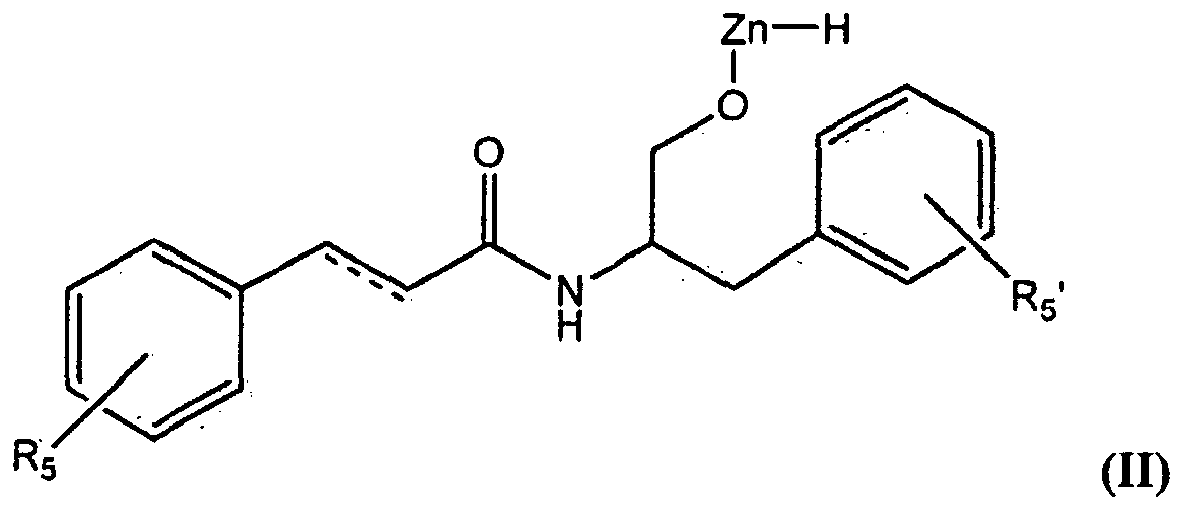 in which n, Z, R5 and R5' are as defined in claim 1.
 - A compound for the use as claimed in any preceding claim, wherein Z is - CH(CH3)CH2O-.
- A compound for the use as claimed in claim 1, wherein said compound is represented by formula III:
 in which n, R5 and R5' are as defined in claim 1.
 - A compound for the use as claimed in any preceding claim, wherein R5 is H or OH and/or wherein R5' is H or OH.
- A compound for the use as claimed in any preceding claim, wherein n is an integer of 1-25, preferably 5-9 or 15-19.
- A compound for the use as claimed in any preceding claim, wherein n is 1, 2 or 7.
- A compound for the use as claimed in claim 1, which compound is represented by formula IV, V, VI or VII:


 in which R is a polymer of -CH2CH2O-, -CH(CH3)CH2O- or -CH2CH(CH3)O- having n units, wherein n is an integer of 1-50, preferably wherein n is 1, 2 or 7.
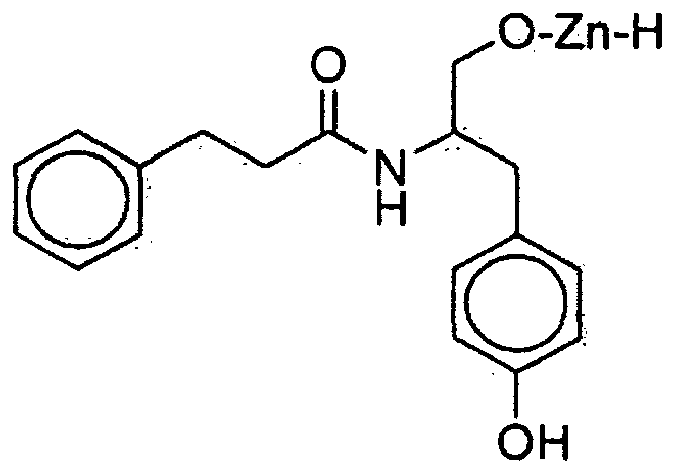
 - A compound for the use as claimed in claim 1, wherein said compound comprises
- A pharmaceutical composition for use in the treatment or prophylaxis of pain, said composition comprising a pharmaceutically effective amount of one or more of the compounds as claimed in any of claims 1-11, optionally together with one or more pharmaceutically acceptable excipients, preferably wherein said composition comprises:(i) said one or more compounds in substantially pure form, said substantially pure form consisting of at least 95% wt. of said one or more compounds and up to 5% wt. of free polyalkylene glycol, with the total amount in said form of said one or more compounds and said free polyalkylene glycol being 100% wt; or(ii) said one or more compounds in partially pure form, said partially pure form consisting of about 5-60% wt. of the one or more compounds and about 95-40% wt. of free polyalkylene glycol, the total amount being 100% wt..
- A pharmaceutical composition for the use as claimed in claim 12, wherein said composition is formulated as a unit dosage form, preferably comprising from 0.1 to about 500 mg of the one or more compounds.
- A pharmaceutical composition for the use as claimed in either of claims 12-13, which is formulated for oral administration.
- A pharmaceutical composition for the use as claimed in any of claims 12-14, which composition comprises a plurality of compounds as claimed in any of claims 1-11, said compounds having different respective values of m or n, preferably wherein the median value of n for said plurality of compounds is in the range n=1-2, 5-9 or 15-19.
Priority Applications (1)
| Application Number | Priority Date | Filing Date | Title |
|---|---|---|---|
| PL09717773T PL2323644T3 (en) | 2008-03-06 | 2009-03-06 | N-substituted benzenepropanamide or benzenepropenamide derivatives for use in the treatment of pain |
Applications Claiming Priority (2)
| Application Number | Priority Date | Filing Date | Title |
|---|---|---|---|
| GBGB0804213.7A GB0804213D0 (en) | 2008-03-06 | 2008-03-06 | A method of printing or preventing pain |
| PCT/IB2009/000448 WO2009109850A2 (en) | 2008-03-06 | 2009-03-06 | A method of treating or preventing pain |
Publications (2)
| Publication Number | Publication Date |
|---|---|
| EP2323644A2 EP2323644A2 (en) | 2011-05-25 |
| EP2323644B1 true EP2323644B1 (en) | 2014-04-23 |
Family
ID=39327664
Family Applications (1)
| Application Number | Title | Priority Date | Filing Date |
|---|---|---|---|
| EP09717773.7A Not-in-force EP2323644B1 (en) | 2008-03-06 | 2009-03-06 | N-substituted benzenepropanamide or benzenepropenamide derivatives for use in the treatment of pain |
Country Status (12)
| Country | Link |
|---|---|
| US (2) | US8883853B2 (en) |
| EP (1) | EP2323644B1 (en) |
| JP (1) | JP5657394B2 (en) |
| AU (1) | AU2009220931B2 (en) |
| CA (1) | CA2717692C (en) |
| DK (1) | DK2323644T3 (en) |
| ES (1) | ES2505325T3 (en) |
| GB (1) | GB0804213D0 (en) |
| IL (1) | IL207965A (en) |
| PL (1) | PL2323644T3 (en) |
| PT (1) | PT2323644E (en) |
| WO (1) | WO2009109850A2 (en) |
Families Citing this family (9)
| Publication number | Priority date | Publication date | Assignee | Title |
|---|---|---|---|---|
| CA2560922C (en) | 2004-03-26 | 2014-01-07 | New Era Biotech, Ltd. | Improvements in or relating to compounds for use in the treatment of aids and other viral diseases and hiv-related infections and compositions containing such compounds, methods of treating such diseases and infections and methods of making such compounds and compositions |
| GB0804213D0 (en) | 2008-03-06 | 2008-04-16 | New Era Biotech Ltd | A method of printing or preventing pain |
| PL2475361T3 (en) * | 2009-09-09 | 2020-07-13 | Novaremed Ltd. | N-substituted benzenepropanamides for use in the treatment of pain and inflammation |
| US8802734B2 (en) | 2009-09-09 | 2014-08-12 | Novaremed Limited | Method of treating or preventing pain |
| GB201116335D0 (en) * | 2011-09-21 | 2011-11-02 | Novaremed Ltd | A method of treating or preventing affective disorders |
| ES2763946T3 (en) * | 2011-12-08 | 2020-06-01 | Novaremed Ltd | Isolated stereoisomeric forms of (S) 2-N (3-O- (propane 2-ol) -1-propyl-4-hydroxybenzene) -3-phenylpropylamide |
| RS63270B1 (en) | 2019-01-23 | 2022-06-30 | Novaremed Ltd | COMPOUNDS FOR USE IN THE TREATMENT OR PROPHYLAXIS OF PAIN, INFLAMMATION AND/OR AUTOIMMUNITY |
| EP3939578A1 (en) | 2020-07-13 | 2022-01-19 | Novaremed Ltd. | Compounds for treatment or prevention of an infection resulting from a coronavirus and/or a coronavirus-induced disease |
| WO2026037478A1 (en) | 2023-08-11 | 2026-02-19 | Novaremed AG | (s,s)-(3-o-(propan-2-ol)-2-amino-prop-1-yl-4-hydroxybenzene and its analogues for the treatment of chronic pain |
Family Cites Families (24)
| Publication number | Priority date | Publication date | Assignee | Title |
|---|---|---|---|---|
| US2908691A (en) * | 1958-07-14 | 1959-10-13 | Searle & Co | Hydroxyphenalkylaminoalkylindoles and ethers corresponding thereto |
| GB1037655A (en) * | 1964-05-20 | 1966-08-03 | Koninklijke Pharma Fab Nv | Di(aralkyl)amines |
| ZA732136B (en) | 1972-04-12 | 1974-03-27 | Lilly Co Eli | Dopamine derivatives |
| JPS5236606A (en) | 1975-09-12 | 1977-03-22 | Tanabe Seiyaku Co Ltd | Process for preparation of amino compounds |
| US4766106A (en) * | 1985-06-26 | 1988-08-23 | Cetus Corporation | Solubilization of proteins for pharmaceutical compositions using polymer conjugation |
| US4908322A (en) * | 1985-09-06 | 1990-03-13 | The United States Of America As Represented By The Department Of Health And Human Services | Derivatization of amines for electrochemical detection |
| US5539122A (en) * | 1989-05-23 | 1996-07-23 | Abbott Laboratories | Retroviral protease inhibiting compounds |
| IS2334B (en) * | 1992-09-08 | 2008-02-15 | Vertex Pharmaceuticals Inc., (A Massachusetts Corporation) | Aspartyl protease inhibitor of a new class of sulfonamides |
| JP2848232B2 (en) | 1993-02-19 | 1999-01-20 | 武田薬品工業株式会社 | Aldehyde derivatives |
| AU1463997A (en) | 1995-12-22 | 1997-07-17 | Acea Pharmaceuticals, Inc. | Subtype-selective nmda receptor ligands and the use thereof |
| AU1618697A (en) | 1996-02-06 | 1997-08-28 | Japan Tobacco Inc. | Novel compounds and pharmaceutical use thereof |
| JP2941230B2 (en) * | 1997-05-06 | 1999-08-25 | コナミ株式会社 | Image display processing device, image display processing method, and machine-readable recording medium recording computer program |
| WO2002046176A1 (en) | 2000-12-05 | 2002-06-13 | Nippon Chemiphar Co., Ltd. | Ppar (peroxisome proliferator activated receptor) activators |
| WO2004031129A2 (en) * | 2002-10-03 | 2004-04-15 | New Era Biotech, Ltd. | Compounds for use in the treatment of autoimmune diseases, immuno-allergical diseases and organ or tissue transplantation rejection |
| AU2003294441A1 (en) * | 2002-11-22 | 2004-06-18 | Bristol-Myers Squibb Company | 1-aryl-2-hydroxyethyl amides as potassium channel openers |
| CA2560922C (en) * | 2004-03-26 | 2014-01-07 | New Era Biotech, Ltd. | Improvements in or relating to compounds for use in the treatment of aids and other viral diseases and hiv-related infections and compositions containing such compounds, methods of treating such diseases and infections and methods of making such compounds and compositions |
| DE102004039373A1 (en) * | 2004-08-12 | 2006-02-23 | Grünenthal GmbH | Para-alkyl-substituted N- (4-hydroxy-3-methoxy-benzyl) -cinnamic acid amides and their use for the preparation of medicaments |
| RU2309144C2 (en) * | 2005-03-25 | 2007-10-27 | Общество С Ограниченной Ответственностью "Фарминтерпрайсез" | Phenyl-containing n-acylamine derivatives, method for production thereof, pharmaceutical composition and uses thereof as anti-inflammatory and analgesic agents |
| AU2007246779B2 (en) * | 2006-05-09 | 2013-11-28 | Novaremed Ltd | Compounds for the treatment of cell proliferative disorders |
| AU2008302356A1 (en) | 2007-09-17 | 2009-03-26 | Academia Sinica | Compositions and methods for treating inflammation and inflammation-related disorders by Plectranthus Amboinicus extracts |
| GB0804213D0 (en) | 2008-03-06 | 2008-04-16 | New Era Biotech Ltd | A method of printing or preventing pain |
| CN101503370B (en) | 2009-03-02 | 2012-08-22 | 上海应用技术学院 | Method for synthesizing N-cyclopropyl-trans-2-cis-6-nonadienoic acid acidamide |
| CN101503373B (en) | 2009-03-13 | 2013-07-24 | 山东大学 | 2-amino-1-(4-nitro phenyl)-1-ethanol metalloid protease inhibitor, and preparation and use thereof |
| US8802734B2 (en) * | 2009-09-09 | 2014-08-12 | Novaremed Limited | Method of treating or preventing pain |
-
2008
- 2008-03-06 GB GBGB0804213.7A patent/GB0804213D0/en active Pending
-
2009
- 2009-03-06 EP EP09717773.7A patent/EP2323644B1/en not_active Not-in-force
- 2009-03-06 CA CA2717692A patent/CA2717692C/en not_active Expired - Fee Related
- 2009-03-06 ES ES09717773.7T patent/ES2505325T3/en active Active
- 2009-03-06 PL PL09717773T patent/PL2323644T3/en unknown
- 2009-03-06 AU AU2009220931A patent/AU2009220931B2/en not_active Ceased
- 2009-03-06 PT PT97177737T patent/PT2323644E/en unknown
- 2009-03-06 US US12/921,004 patent/US8883853B2/en not_active Expired - Fee Related
- 2009-03-06 WO PCT/IB2009/000448 patent/WO2009109850A2/en not_active Ceased
- 2009-03-06 DK DK09717773.7T patent/DK2323644T3/en active
- 2009-03-06 JP JP2010549209A patent/JP5657394B2/en not_active Expired - Fee Related
-
2010
- 2010-09-02 IL IL207965A patent/IL207965A/en active IP Right Grant
-
2014
- 2014-10-07 US US14/508,219 patent/US9199917B2/en not_active Expired - Fee Related
Also Published As
| Publication number | Publication date |
|---|---|
| WO2009109850A2 (en) | 2009-09-11 |
| AU2009220931B2 (en) | 2014-11-13 |
| PT2323644E (en) | 2014-07-25 |
| IL207965A (en) | 2015-10-29 |
| US20150080473A1 (en) | 2015-03-19 |
| JP5657394B2 (en) | 2015-01-21 |
| CA2717692A1 (en) | 2009-09-11 |
| US8883853B2 (en) | 2014-11-11 |
| GB0804213D0 (en) | 2008-04-16 |
| ES2505325T3 (en) | 2014-10-09 |
| WO2009109850A3 (en) | 2009-12-10 |
| US20110039936A1 (en) | 2011-02-17 |
| PL2323644T3 (en) | 2014-10-31 |
| DK2323644T3 (en) | 2014-07-21 |
| AU2009220931A1 (en) | 2009-09-11 |
| IL207965A0 (en) | 2010-12-30 |
| JP2011513377A (en) | 2011-04-28 |
| EP2323644A2 (en) | 2011-05-25 |
| US9199917B2 (en) | 2015-12-01 |
| CA2717692C (en) | 2016-06-07 |
Similar Documents
| Publication | Publication Date | Title |
|---|---|---|
| US9199917B2 (en) | N-substituted benzenepropanamide or benzenepropenamide derivatives for use in the treatment of pain and inflammation | |
| EP1244447B1 (en) | Novel methods and compositions involving opioids and antagonists thereof | |
| EP1399161B1 (en) | Sustained-release analgesic compounds | |
| KR101698028B1 (en) | Water-soluble acetaminophen analogs | |
| CA2903431C (en) | Bicyclopentane analgesic compounds | |
| EP2027854A1 (en) | Analgesic uses of norketamine and ketamine/norketamine prodrugs | |
| US20200368309A1 (en) | Use of kor agonist in combination with mor agonist in preparing drug for treating pain | |
| JP2013527124A (en) | Novel carbamate amino acid and peptide prodrugs of opioids and uses thereof | |
| US20160317479A1 (en) | Method of treating or preventing pain | |
| JP6016179B2 (en) | Pharmaceutical composition for treatment or prevention of pain | |
| EP4480484A1 (en) | Indole compound for treating interstitial cystitis | |
| EP3860582B1 (en) | Compounds for use in the treatment or prophylaxis of pain, inflammation and/or autoimmunity | |
| EP2322164A2 (en) | Carbonylamino derivatives useful for the treatment of inflammatory bowel disease | |
| CN1107333A (en) | Long-acting prodrug of nabufulin analgesic and preparation method thereof | |
| HK1179523B (en) | N-substituted benzenepropanamide or benzenepropenamide for use in the treatment of pain and inflammation | |
| RU2776842C2 (en) | Use of a kor agonist in combination with a mor agonist to obtain a drug for the treatment of pain | |
| WO2005016331A1 (en) | Therapeutic agent for neuropathic pain containing n-(benzoyl)amino acid derivative as active ingredient | |
| CN1411459A (en) | Compound and method for treatment of pain | |
| HK40061961B (en) | Compounds for use in the treatment or prophylaxis of pain, inflammation and/or autoimmunity | |
| HK40061961A (en) | Compounds for use in the treatment or prophylaxis of pain, inflammation and/or autoimmunity | |
| HK1140683A (en) | 1-[2-(2-4-dimethylphenylsulfanyl)-phenyl]piperazine as a compound with combined serotonin reuptake, 5-ht3 and 5-ht1a activity for the treatment of pain or residual symptoms in depression relating to sleep and cognition |
Legal Events
| Date | Code | Title | Description |
|---|---|---|---|
| PUAI | Public reference made under article 153(3) epc to a published international application that has entered the european phase |
Free format text: ORIGINAL CODE: 0009012 |
|
| 17P | Request for examination filed |
Effective date: 20101005 |
|
| AK | Designated contracting states |
Kind code of ref document: A2 Designated state(s): AT BE BG CH CY CZ DE DK EE ES FI FR GB GR HR HU IE IS IT LI LT LU LV MC MK MT NL NO PL PT RO SE SI SK TR |
|
| AX | Request for extension of the european patent |
Extension state: AL BA RS |
|
| DAX | Request for extension of the european patent (deleted) | ||
| 17Q | First examination report despatched |
Effective date: 20110725 |
|
| GRAP | Despatch of communication of intention to grant a patent |
Free format text: ORIGINAL CODE: EPIDOSNIGR1 |
|
| INTG | Intention to grant announced |
Effective date: 20131023 |
|
| GRAS | Grant fee paid |
Free format text: ORIGINAL CODE: EPIDOSNIGR3 |
|
| GRAA | (expected) grant |
Free format text: ORIGINAL CODE: 0009210 |
|
| AK | Designated contracting states |
Kind code of ref document: B1 Designated state(s): AT BE BG CH CY CZ DE DK EE ES FI FR GB GR HR HU IE IS IT LI LT LU LV MC MK MT NL NO PL PT RO SE SI SK TR |
|
| REG | Reference to a national code |
Ref country code: GB Ref legal event code: FG4D |
|
| REG | Reference to a national code |
Ref country code: CH Ref legal event code: EP |
|
| REG | Reference to a national code |
Ref country code: AT Ref legal event code: REF Ref document number: 663351 Country of ref document: AT Kind code of ref document: T Effective date: 20140515 |
|
| REG | Reference to a national code |
Ref country code: IE Ref legal event code: FG4D |
|
| REG | Reference to a national code |
Ref country code: DE Ref legal event code: R096 Ref document number: 602009023456 Country of ref document: DE Effective date: 20140605 |
|
| REG | Reference to a national code |
Ref country code: DK Ref legal event code: T3 Effective date: 20140716 |
|
| REG | Reference to a national code |
Ref country code: PT Ref legal event code: SC4A Free format text: AVAILABILITY OF NATIONAL TRANSLATION Effective date: 20140717 |
|
| REG | Reference to a national code |
Ref country code: CH Ref legal event code: NV Representative=s name: RENTSCH PARTNER AG, CH |
|
| REG | Reference to a national code |
Ref country code: SE Ref legal event code: TRGR |
|
| REG | Reference to a national code |
Ref country code: NL Ref legal event code: T3 |
|
| REG | Reference to a national code |
Ref country code: NO Ref legal event code: T2 Effective date: 20140423 |
|
| REG | Reference to a national code |
Ref country code: LT Ref legal event code: MG4D |
|
| REG | Reference to a national code |
Ref country code: ES Ref legal event code: FG2A Ref document number: 2505325 Country of ref document: ES Kind code of ref document: T3 Effective date: 20141009 |
|
| REG | Reference to a national code |
Ref country code: GR Ref legal event code: EP Ref document number: 20140401445 Country of ref document: GR Effective date: 20140901 |
|
| PG25 | Lapsed in a contracting state [announced via postgrant information from national office to epo] |
Ref country code: CY Free format text: LAPSE BECAUSE OF FAILURE TO SUBMIT A TRANSLATION OF THE DESCRIPTION OR TO PAY THE FEE WITHIN THE PRESCRIBED TIME-LIMIT Effective date: 20140423 Ref country code: LT Free format text: LAPSE BECAUSE OF FAILURE TO SUBMIT A TRANSLATION OF THE DESCRIPTION OR TO PAY THE FEE WITHIN THE PRESCRIBED TIME-LIMIT Effective date: 20140423 Ref country code: IS Free format text: LAPSE BECAUSE OF FAILURE TO SUBMIT A TRANSLATION OF THE DESCRIPTION OR TO PAY THE FEE WITHIN THE PRESCRIBED TIME-LIMIT Effective date: 20140823 Ref country code: FI Free format text: LAPSE BECAUSE OF FAILURE TO SUBMIT A TRANSLATION OF THE DESCRIPTION OR TO PAY THE FEE WITHIN THE PRESCRIBED TIME-LIMIT Effective date: 20140423 Ref country code: BG Free format text: LAPSE BECAUSE OF FAILURE TO SUBMIT A TRANSLATION OF THE DESCRIPTION OR TO PAY THE FEE WITHIN THE PRESCRIBED TIME-LIMIT Effective date: 20140723 |
|
| REG | Reference to a national code |
Ref country code: PL Ref legal event code: T3 |
|
| PG25 | Lapsed in a contracting state [announced via postgrant information from national office to epo] |
Ref country code: HR Free format text: LAPSE BECAUSE OF FAILURE TO SUBMIT A TRANSLATION OF THE DESCRIPTION OR TO PAY THE FEE WITHIN THE PRESCRIBED TIME-LIMIT Effective date: 20140423 Ref country code: LV Free format text: LAPSE BECAUSE OF FAILURE TO SUBMIT A TRANSLATION OF THE DESCRIPTION OR TO PAY THE FEE WITHIN THE PRESCRIBED TIME-LIMIT Effective date: 20140423 |
|
| REG | Reference to a national code |
Ref country code: DE Ref legal event code: R097 Ref document number: 602009023456 Country of ref document: DE |
|
| PG25 | Lapsed in a contracting state [announced via postgrant information from national office to epo] |
Ref country code: CZ Free format text: LAPSE BECAUSE OF FAILURE TO SUBMIT A TRANSLATION OF THE DESCRIPTION OR TO PAY THE FEE WITHIN THE PRESCRIBED TIME-LIMIT Effective date: 20140423 Ref country code: RO Free format text: LAPSE BECAUSE OF FAILURE TO SUBMIT A TRANSLATION OF THE DESCRIPTION OR TO PAY THE FEE WITHIN THE PRESCRIBED TIME-LIMIT Effective date: 20140423 Ref country code: EE Free format text: LAPSE BECAUSE OF FAILURE TO SUBMIT A TRANSLATION OF THE DESCRIPTION OR TO PAY THE FEE WITHIN THE PRESCRIBED TIME-LIMIT Effective date: 20140423 Ref country code: SK Free format text: LAPSE BECAUSE OF FAILURE TO SUBMIT A TRANSLATION OF THE DESCRIPTION OR TO PAY THE FEE WITHIN THE PRESCRIBED TIME-LIMIT Effective date: 20140423 |
|
| PLBE | No opposition filed within time limit |
Free format text: ORIGINAL CODE: 0009261 |
|
| STAA | Information on the status of an ep patent application or granted ep patent |
Free format text: STATUS: NO OPPOSITION FILED WITHIN TIME LIMIT |
|
| 26N | No opposition filed |
Effective date: 20150126 |
|
| REG | Reference to a national code |
Ref country code: DE Ref legal event code: R097 Ref document number: 602009023456 Country of ref document: DE Effective date: 20150126 |
|
| REG | Reference to a national code |
Ref country code: HU Ref legal event code: AG4A Ref document number: E023090 Country of ref document: HU |
|
| PG25 | Lapsed in a contracting state [announced via postgrant information from national office to epo] |
Ref country code: SI Free format text: LAPSE BECAUSE OF FAILURE TO SUBMIT A TRANSLATION OF THE DESCRIPTION OR TO PAY THE FEE WITHIN THE PRESCRIBED TIME-LIMIT Effective date: 20140423 |
|
| REG | Reference to a national code |
Ref country code: FR Ref legal event code: PLFP Year of fee payment: 8 |
|
| PG25 | Lapsed in a contracting state [announced via postgrant information from national office to epo] |
Ref country code: MT Free format text: LAPSE BECAUSE OF FAILURE TO SUBMIT A TRANSLATION OF THE DESCRIPTION OR TO PAY THE FEE WITHIN THE PRESCRIBED TIME-LIMIT Effective date: 20140423 |
|
| REG | Reference to a national code |
Ref country code: FR Ref legal event code: PLFP Year of fee payment: 9 |
|
| REG | Reference to a national code |
Ref country code: CH Ref legal event code: PCAR Free format text: NEW ADDRESS: BELLERIVESTRASSE 203 POSTFACH, 8034 ZUERICH (CH) |
|
| REG | Reference to a national code |
Ref country code: FR Ref legal event code: PLFP Year of fee payment: 10 |
|
| PG25 | Lapsed in a contracting state [announced via postgrant information from national office to epo] |
Ref country code: MK Free format text: LAPSE BECAUSE OF FAILURE TO SUBMIT A TRANSLATION OF THE DESCRIPTION OR TO PAY THE FEE WITHIN THE PRESCRIBED TIME-LIMIT Effective date: 20140423 |
|
| PGFP | Annual fee paid to national office [announced via postgrant information from national office to epo] |
Ref country code: IT Payment date: 20200319 Year of fee payment: 12 Ref country code: NO Payment date: 20200319 Year of fee payment: 12 Ref country code: DE Payment date: 20200319 Year of fee payment: 12 Ref country code: MC Payment date: 20200313 Year of fee payment: 12 Ref country code: AT Payment date: 20200319 Year of fee payment: 12 Ref country code: NL Payment date: 20200318 Year of fee payment: 12 Ref country code: DK Payment date: 20200317 Year of fee payment: 12 Ref country code: IE Payment date: 20200312 Year of fee payment: 12 Ref country code: SE Payment date: 20200317 Year of fee payment: 12 Ref country code: GB Payment date: 20200318 Year of fee payment: 12 Ref country code: GR Payment date: 20200319 Year of fee payment: 12 |
|
| PGFP | Annual fee paid to national office [announced via postgrant information from national office to epo] |
Ref country code: BE Payment date: 20200318 Year of fee payment: 12 Ref country code: CH Payment date: 20200319 Year of fee payment: 12 Ref country code: LU Payment date: 20200318 Year of fee payment: 12 |
|
| PGFP | Annual fee paid to national office [announced via postgrant information from national office to epo] |
Ref country code: FR Payment date: 20200313 Year of fee payment: 12 |
|
| PGFP | Annual fee paid to national office [announced via postgrant information from national office to epo] |
Ref country code: ES Payment date: 20200401 Year of fee payment: 12 |
|
| PGFP | Annual fee paid to national office [announced via postgrant information from national office to epo] |
Ref country code: PT Payment date: 20210217 Year of fee payment: 13 |
|
| PGFP | Annual fee paid to national office [announced via postgrant information from national office to epo] |
Ref country code: HU Payment date: 20210217 Year of fee payment: 13 Ref country code: PL Payment date: 20210215 Year of fee payment: 13 Ref country code: TR Payment date: 20210219 Year of fee payment: 13 |
|
| REG | Reference to a national code |
Ref country code: DE Ref legal event code: R119 Ref document number: 602009023456 Country of ref document: DE |
|
| REG | Reference to a national code |
Ref country code: NO Ref legal event code: MMEP |
|
| PG25 | Lapsed in a contracting state [announced via postgrant information from national office to epo] |
Ref country code: MC Free format text: LAPSE BECAUSE OF NON-PAYMENT OF DUE FEES Effective date: 20210331 |
|
| REG | Reference to a national code |
Ref country code: CH Ref legal event code: PL |
|
| REG | Reference to a national code |
Ref country code: DK Ref legal event code: EBP Effective date: 20210331 |
|
| REG | Reference to a national code |
Ref country code: NL Ref legal event code: MM Effective date: 20210401 |
|
| REG | Reference to a national code |
Ref country code: AT Ref legal event code: MM01 Ref document number: 663351 Country of ref document: AT Kind code of ref document: T Effective date: 20210306 |
|
| GBPC | Gb: european patent ceased through non-payment of renewal fee |
Effective date: 20210306 |
|
| REG | Reference to a national code |
Ref country code: BE Ref legal event code: MM Effective date: 20210331 |
|
| PG25 | Lapsed in a contracting state [announced via postgrant information from national office to epo] |
Ref country code: NO Free format text: LAPSE BECAUSE OF NON-PAYMENT OF DUE FEES Effective date: 20210331 Ref country code: NL Free format text: LAPSE BECAUSE OF NON-PAYMENT OF DUE FEES Effective date: 20210401 Ref country code: LU Free format text: LAPSE BECAUSE OF NON-PAYMENT OF DUE FEES Effective date: 20210306 Ref country code: LI Free format text: LAPSE BECAUSE OF NON-PAYMENT OF DUE FEES Effective date: 20210331 Ref country code: AT Free format text: LAPSE BECAUSE OF NON-PAYMENT OF DUE FEES Effective date: 20210306 Ref country code: CH Free format text: LAPSE BECAUSE OF NON-PAYMENT OF DUE FEES Effective date: 20210331 Ref country code: SE Free format text: LAPSE BECAUSE OF NON-PAYMENT OF DUE FEES Effective date: 20210307 Ref country code: DE Free format text: LAPSE BECAUSE OF NON-PAYMENT OF DUE FEES Effective date: 20211001 Ref country code: IE Free format text: LAPSE BECAUSE OF NON-PAYMENT OF DUE FEES Effective date: 20210306 Ref country code: GB Free format text: LAPSE BECAUSE OF NON-PAYMENT OF DUE FEES Effective date: 20210306 Ref country code: FR Free format text: LAPSE BECAUSE OF NON-PAYMENT OF DUE FEES Effective date: 20210331 |
|
| PG25 | Lapsed in a contracting state [announced via postgrant information from national office to epo] |
Ref country code: GR Free format text: LAPSE BECAUSE OF NON-PAYMENT OF DUE FEES Effective date: 20211008 |
|
| PG25 | Lapsed in a contracting state [announced via postgrant information from national office to epo] |
Ref country code: IT Free format text: LAPSE BECAUSE OF NON-PAYMENT OF DUE FEES Effective date: 20210306 Ref country code: DK Free format text: LAPSE BECAUSE OF NON-PAYMENT OF DUE FEES Effective date: 20210331 |
|
| REG | Reference to a national code |
Ref country code: ES Ref legal event code: FD2A Effective date: 20220523 |
|
| PG25 | Lapsed in a contracting state [announced via postgrant information from national office to epo] |
Ref country code: ES Free format text: LAPSE BECAUSE OF NON-PAYMENT OF DUE FEES Effective date: 20210307 Ref country code: BE Free format text: LAPSE BECAUSE OF NON-PAYMENT OF DUE FEES Effective date: 20210331 |
|
| PG25 | Lapsed in a contracting state [announced via postgrant information from national office to epo] |
Ref country code: PT Free format text: LAPSE BECAUSE OF NON-PAYMENT OF DUE FEES Effective date: 20220906 |
|
| PG25 | Lapsed in a contracting state [announced via postgrant information from national office to epo] |
Ref country code: HU Free format text: LAPSE BECAUSE OF NON-PAYMENT OF DUE FEES Effective date: 20220307 |
|
| PG25 | Lapsed in a contracting state [announced via postgrant information from national office to epo] |
Ref country code: PL Free format text: LAPSE BECAUSE OF NON-PAYMENT OF DUE FEES Effective date: 20220306 |
|
| PG25 | Lapsed in a contracting state [announced via postgrant information from national office to epo] |
Ref country code: TR Free format text: LAPSE BECAUSE OF NON-PAYMENT OF DUE FEES Effective date: 20220306 |