EP2322608B1 - Transfection agent - Google Patents
Transfection agent Download PDFInfo
- Publication number
- EP2322608B1 EP2322608B1 EP09809913.8A EP09809913A EP2322608B1 EP 2322608 B1 EP2322608 B1 EP 2322608B1 EP 09809913 A EP09809913 A EP 09809913A EP 2322608 B1 EP2322608 B1 EP 2322608B1
- Authority
- EP
- European Patent Office
- Prior art keywords
- sirna
- cells
- peptide
- peptide surfactant
- surfactant
- Prior art date
- Legal status (The legal status is an assumption and is not a legal conclusion. Google has not performed a legal analysis and makes no representation as to the accuracy of the status listed.)
- Active
Links
Images

Classifications
-
- C—CHEMISTRY; METALLURGY
- C12—BIOCHEMISTRY; BEER; SPIRITS; WINE; VINEGAR; MICROBIOLOGY; ENZYMOLOGY; MUTATION OR GENETIC ENGINEERING
- C12N—MICROORGANISMS OR ENZYMES; COMPOSITIONS THEREOF; PROPAGATING, PRESERVING, OR MAINTAINING MICROORGANISMS; MUTATION OR GENETIC ENGINEERING; CULTURE MEDIA
- C12N15/00—Mutation or genetic engineering; DNA or RNA concerning genetic engineering, vectors, e.g. plasmids, or their isolation, preparation or purification; Use of hosts therefor
- C12N15/09—Recombinant DNA-technology
- C12N15/87—Introduction of foreign genetic material using processes not otherwise provided for, e.g. co-transformation
-
- A—HUMAN NECESSITIES
- A61—MEDICAL OR VETERINARY SCIENCE; HYGIENE
- A61K—PREPARATIONS FOR MEDICAL, DENTAL OR TOILETRY PURPOSES
- A61K9/00—Medicinal preparations characterised by special physical form
- A61K9/20—Pills, tablets, discs, rods
-
- A—HUMAN NECESSITIES
- A61—MEDICAL OR VETERINARY SCIENCE; HYGIENE
- A61K—PREPARATIONS FOR MEDICAL, DENTAL OR TOILETRY PURPOSES
- A61K9/00—Medicinal preparations characterised by special physical form
- A61K9/48—Preparations in capsules, e.g. of gelatin, of chocolate
-
- A—HUMAN NECESSITIES
- A61—MEDICAL OR VETERINARY SCIENCE; HYGIENE
- A61P—SPECIFIC THERAPEUTIC ACTIVITY OF CHEMICAL COMPOUNDS OR MEDICINAL PREPARATIONS
- A61P35/00—Antineoplastic agents
-
- A—HUMAN NECESSITIES
- A61—MEDICAL OR VETERINARY SCIENCE; HYGIENE
- A61P—SPECIFIC THERAPEUTIC ACTIVITY OF CHEMICAL COMPOUNDS OR MEDICINAL PREPARATIONS
- A61P43/00—Drugs for specific purposes, not provided for in groups A61P1/00-A61P41/00
-
- B—PERFORMING OPERATIONS; TRANSPORTING
- B82—NANOTECHNOLOGY
- B82Y—SPECIFIC USES OR APPLICATIONS OF NANOSTRUCTURES; MEASUREMENT OR ANALYSIS OF NANOSTRUCTURES; MANUFACTURE OR TREATMENT OF NANOSTRUCTURES
- B82Y5/00—Nanobiotechnology or nanomedicine, e.g. protein engineering or drug delivery
-
- C—CHEMISTRY; METALLURGY
- C07—ORGANIC CHEMISTRY
- C07K—PEPTIDES
- C07K7/00—Peptides having 5 to 20 amino acids in a fully defined sequence; Derivatives thereof
- C07K7/04—Linear peptides containing only normal peptide links
- C07K7/06—Linear peptides containing only normal peptide links having 5 to 11 amino acids
-
- A—HUMAN NECESSITIES
- A61—MEDICAL OR VETERINARY SCIENCE; HYGIENE
- A61K—PREPARATIONS FOR MEDICAL, DENTAL OR TOILETRY PURPOSES
- A61K47/00—Medicinal preparations characterised by the non-active ingredients used, e.g. carriers or inert additives; Targeting or modifying agents chemically bound to the active ingredient
- A61K47/30—Macromolecular organic or inorganic compounds, e.g. inorganic polyphosphates
- A61K47/42—Proteins; Polypeptides; Degradation products thereof; Derivatives thereof, e.g. albumin, gelatin or zein
Definitions
- the present disclosure also relates to the following:
- the transfection agent of the present invention can be incorporated into pharmaceuticals with a desired nucleic acid.
- the pharmaceuticals of the present invention can be used for oral administration or parenteral administration.
- Decoy nucleic acid medicines, nucleic acid aptamers and ribozymes are nucleic acids that adopt a sophisticated, specific three-dimensional structure
- antisense RNA is a single-stranded RNA oligomer having a sequence on the side of the opposite strand of a portion of an mRNA sequence
- siRNA is a short double-stranded RNA that has the same sequence as a portion of the mRNA of a target gene.
- These nucleic acids can be produced artificially by chemical reactions using a nucleic acid synthesizer, or can be produced in cultured cells using a vector.
- glioblastoma which is a type of brain tumor
- siRNA pharmaceuticals are being developed for various diseases.
- Treatment of glioblastoma is one example of a disease for which the use of siRNA is expected to demonstrate therapeutic effects.
- apoptosis is induced in tumor cells by RNAi targeted at MMP-2, and is known to be effective in inhibiting tumor growth.
- the peptide surfactant demonstrated the lowest level of toxicity. LD50 values were 285.9 ⁇ g/ml for the peptide surfactant, 42.49 ⁇ g/ml for Lipofectamine 2000, and 25.3 ⁇ g/ml for siFECTOR. The peptide surfactant did not demonstrate cytotoxicity at concentrations of 25 ⁇ g/ml or less.
- siRNA/MMP-2 was labeled with Cy3 using the siRNA fluorescent labeling reagent in accordance with the Mirus protocol. 5000 of the cells were seeded into a chambered slide glass in accordance with the ATCC protocol and incubated for overnight. After removing the medium, siRNA to a final concentration of 50 nM and peptide surfactant to a final concentration of 20 ⁇ g/ml were added to 1 ml of medium followed by culturing for 8 hours. In a control group, only siRNA was cultured at a final concentration of 50 nM in 1 ml of medium. The cells were observed with an inverted fluorescence microscope by fluorescent observation with a Cy3 filter and by bright field observation.
- siRNA/MMP-2 was labeled with Cy3 using the siRNA fluorescent labeling reagent in accordance with the Mirus standard protocol. The labeled siRNA was then mixed with the peptide surfactant. siRNA to a final concentration of 50 nM and peptide surfactant to final concentrations of 0, 0.5, 1, 5, 10, 20 and 25 ⁇ g/ml were administered to 1 ⁇ 10 5 cells seeded in a 24-well plate containing medium at 1 ml/well, followed by culturing for 8 hours. After washing the wells with PBS, the cells were recovered and transferred to a 96-well plate where they were measured for optical absorbance.
Landscapes
- Health & Medical Sciences (AREA)
- Chemical & Material Sciences (AREA)
- Life Sciences & Earth Sciences (AREA)
- Engineering & Computer Science (AREA)
- Organic Chemistry (AREA)
- General Health & Medical Sciences (AREA)
- Genetics & Genomics (AREA)
- Medicinal Chemistry (AREA)
- Molecular Biology (AREA)
- Bioinformatics & Cheminformatics (AREA)
- Biophysics (AREA)
- Pharmacology & Pharmacy (AREA)
- Biotechnology (AREA)
- General Engineering & Computer Science (AREA)
- Biochemistry (AREA)
- Animal Behavior & Ethology (AREA)
- Veterinary Medicine (AREA)
- Public Health (AREA)
- Wood Science & Technology (AREA)
- Zoology (AREA)
- Biomedical Technology (AREA)
- Nanotechnology (AREA)
- Proteomics, Peptides & Aminoacids (AREA)
- Epidemiology (AREA)
- Plant Pathology (AREA)
- Physics & Mathematics (AREA)
- Microbiology (AREA)
- Medical Informatics (AREA)
- Crystallography & Structural Chemistry (AREA)
- Chemical Kinetics & Catalysis (AREA)
- General Chemical & Material Sciences (AREA)
- Nuclear Medicine, Radiotherapy & Molecular Imaging (AREA)
- Inorganic Chemistry (AREA)
- Medicines That Contain Protein Lipid Enzymes And Other Medicines (AREA)
- Pharmaceuticals Containing Other Organic And Inorganic Compounds (AREA)
- Peptides Or Proteins (AREA)
- Medicinal Preparation (AREA)
Description
- The present invention relates to the use of a peptide surfactant as claimed in claim 1, and to the medical use of a composition comprising siRNA and said peptide surfactant as claimed in
claim 2. - RNA interference (RNAi) is expected to be applied to the treatment of disease since it is able to inhibit the expression of specific genes. At the current level of technology, transfection agents used when transfecting cells with small interfering RNA (siRNA) consist mainly of cationic phospholipids that have been indicated to be toxic.
- However, when considering the application of siRNA and other nucleic acid pharmaceuticals in the clinical setting, transfection agents are desired to have as low toxicity as possible, and the development of a transfection agent having lower toxicity has been awaited.
- Peptide surfactants are known to have an action that stabilizes membrane proteins such as the G protein coupled receptor, bovine rhodopsin, and be capable of self-assembly (Non-Patent Documents 1 and 2). However, their application as transfection agents has heretofore been unknown.
- Non-Patent Document 1: Zhao, X. et al., PNAS, Vol. 103, No. 47, 17707-17712
- Non-Patent Document 2: Nagai, A., et al., J. Nanosci. Nanotechnol., Vol. 7, No.7, 1-7
- von Malzahn et al. (Langmuir, 19:10, p. 4332-4337) teaches that positively charged peptides can compact and encase nucleic acids, but does not mention the transfection of siRNA into cells.
- Zhao et al. (Macromol. Biosci., 7, p. 13-22) discloses A6D and its physical properties, but is silent on delivery of siRNA into cells.
- Yeh et al. (Biochemistry, 44, p. 16912-16919) discloses that A6D and A6K, as well as a mixture thereof, can stabilize certain enzymes, but does not mention delivery of siRNA into cells.
- Yaghmur et al, (PLOS One, 2, E479) discloses A6D and A6K and studies their influence on the monoolein/water mixture. It is disclosed that these peptides undergo self-assembly. Nucleic acids, let alone siRNA, are not mentioned in this context.
- Zhao et al. (Trends Biotech., 2004, vol. 22:9, pages 470-476) discloses A6D besides some other peptide surfactants, which all consist of a hydrophilic, charged head and a hydrophobic tail. The document also mentions unpublished tests; but there is no mentioning of A6D or A6K in the context of siRNA delivery into cells.
- Zang (Materials Today, 2003, 6, 20-27) discloses four distinct designed peptide construction units that are considered useful for molecular engineering; these include surfactant-like peptides which have seven or eight amino acid residues, the head is composed of negatively charged aspartic and glutamic acids or positively charged lysine or histidine, and the tail consists of amino acids such as alanine, valine or leucine. The document mentions merely the general idea that surfactant peptides are generally being developed as targeted delivery systems for e.g. RNAi, but the specific peptides A6D and A6K are not disclosed.
- An object of the present invention is to provide a transfection agent that has lower toxicity and can be applied in the clinical setting.
- As a result of conducting extensive studies to solve the aforementioned problems, the inventors of the present invention found that a peptide surfactant is useful as a transfection agent, thereby leading to completion of the present invention.
- The present invention relates to:
- 1. The use of a peptide surfactant consisting of the amino acid sequence AAAAAAK for the introduction of siRNA into cells, wherein said use is not a method for treatment of the human or animal body by surgery or therapy.
- 2. A composition comprising siRNA and a peptide surfactant consisting of the amino acid sequence of AAAAAAK for use as a medicament.
- 3. A composition comprising siRNA and a peptide surfactant consisting of the amino acid sequence of AAAAAAK for the use in the treatment of brain tumor, particularly glioblastoma.
- Thus, the present disclosure also relates to the following:
- 1. a transfection agent comprising a peptide surfactant;
- 2. the transfection agent described in 1 above, wherein the peptide surfactant consists of a head portion consisting of 4 to 10 hydrophilic amino acids and a tail portion consisting of 1 or 2 hydrophobic amino acids;
- 3. the transfection agent described in 1 above, wherein the peptide surfactant is AAAAAAD or AAAAAAK (wherein AAAAAAD is for reference); and,
- 4. a pharmaceutical comprising the transfection agent described in any of 1 to 3 above and nucleic acid.
-
-
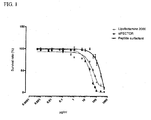
FIG. 1 is a graph indicating a comparison of cytotoxicity between a peptide surfactant and cationic liposome-mediated gene transfer agents (Lipofectamine 2000 and siFECTOR). -
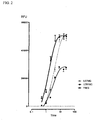
FIG. 2 is a graph indicating the results of an analysis of time-based changes in the amount of siRNA introduced into three types of cultured human malignant glioma cells using a peptide surfactant. -
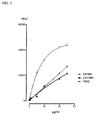
FIG. 3 is a graph indicating the results of an analysis of the relationship between peptide surfactant concentration and siRNA introduction efficiency. -
FIG. 4 is a graph indicating the results of confirming RNA interference effects by siRNA introduced into three types of cultured human malignant glioma cells by peptide surfactant. -
FIG. 5 is a graph indicating the results of confirming RNA interference effects by siRNA introduced into three types of cultured human malignant glioma cells by peptide surfactant. -
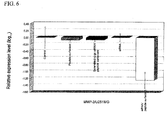
FIG. 6 is a graph indicating the results of confirming RNA interference effects by siRNA introduced into three types of cultured human malignant glioma cells by peptide surfactant. - In the present disclosure, a peptide surfactant refers to that which contains 6 to 10 amino acid residues, has a length of about 2 to 3 nm, and demonstrates properties similar to those of conventional surfactants such as n-dodecyl-β-D-maltoside (DM) or octyl-D-glucoside (OG).
- The peptide surfactant of the present invention is preferably consists of a head portion consisting of 4 to 10 hydrophilic amino acids and a tail portion consisting of 1 or 2 hydrophobic amino acids.
- More specifically, reference peptides disclosed herein include GGGGDD (G4D2), GGGGGGDD (G6D2), GGGGGGGGDD (G8D2), GGGGGGGGGGDD (G10D2), AAAAAAD (A6D), AAAAAADD (A6D2), AAAAAAKK (A6K2), VVVVVVD (V6D), VVVVVVDD (V6D2), VVVVVVK (V6K), VVVVVVKK (V6K2), LLLLLLD (L6D), LLLLLLDD (L6D2), LLLLLLK (L6K) and LLLLLLKK (L6K2), AAAAAAD (A6D) in particular AAAAAAK (A6K) is used in this invention as claimed.
- The peptide surfactant of the present invention can be produced using a conventionally known solid-phase synthesis method. In addition, peptides artificially synthesized in this manner can be used preferably since they do not contain substances of biological origin and are free of risk of infection.
- In the present disclosure, a transfection agent refers to a composition used for introducing a polynucleotide or gene such as siRNA into cells, that is capable of enhancing the transfection efficiency thereof
- The transfection agent of the present invention can be incorporated into pharmaceuticals with a desired nucleic acid. In addition, the pharmaceuticals of the present invention can be used for oral administration or parenteral administration.
- A nucleic acid used in the pharmaceutical of the present invention uses a portion of a gene base sequence targeted for use in treatment either as is or after modifying, is composed of RNA nucleic acid, and is able to regulate the function of a desired gene in the body. Such nucleic acids are typically referred to as nucleic acid medicines. As reference, DNA nucleic acid may be used.
- Examples of nucleic acid medicines disclosed herein include decoy nucleic acid medicines that inhibit gene expression by causing a transcription regulatory factor to bind to an oligonucleotide having the same sequence as a constant region (cis element) of intranuclear DNA bound by the transcription regulatory factor, nucleic acid aptamers capable of specifically binding with specific molecules, ribozymes having catalytic activity that cleaves RNA, antisense RNA that inhibits gene expression by complementarily binding to a specific region of a target gene mRNA, and siRNA that decomposes mRNA by binding to a specific region of mRNA of a target gene along with an RNA-induced silencing complex. Decoy nucleic acid medicines, nucleic acid aptamers and ribozymes are nucleic acids that adopt a sophisticated, specific three-dimensional structure, antisense RNA is a single-stranded RNA oligomer having a sequence on the side of the opposite strand of a portion of an mRNA sequence, and siRNA is a short double-stranded RNA that has the same sequence as a portion of the mRNA of a target gene. These nucleic acids can be produced artificially by chemical reactions using a nucleic acid synthesizer, or can be produced in cultured cells using a vector.
- Although previous pharmaceuticals were mainly of low molecular weight compounds, biopharmaceuticals composed of chemical substances present in the body are currently attracting attention due to their target specificity and biological safety. Nucleic acid medicines are included in these biopharmaceuticals, and are currently being developed by numerous research institutes and pharmaceutical corporations. Among these nucleic acid medicines, attention has recently been focused on the specific gene inhibitory effects of siRNA in particular, and siRNA pharmaceuticals are being developed for various diseases. Treatment of glioblastoma, which is a type of brain tumor, is one example of a disease for which the use of siRNA is expected to demonstrate therapeutic effects. In glioblastoma, apoptosis is induced in tumor cells by RNAi targeted at MMP-2, and is known to be effective in inhibiting tumor growth.
- Examples of pharmaceutical forms disclosed herein include tablets, capsules, granules and syrups. These pharmaceuticals can be produced by using additives ordinarily used in the production of pharmaceuticals.
- Although there are no particular limitations on the dosage of the pharmaceutical of the present invention, it is, for example, 0.001 to 10 mg/kg of body weight per day in the case of parenteral administration. This dosage can be administered once per day or divided among two to three administrations per day, and can be suitably adjusted according to age, pathology and symptoms.
- Specific examples of additives include lactose, dextrin, sucrose, mannitol, cornstarch, sorbitol, microcrystalline cellulose and polyvinyl pyrrolidone. These can be used alone or in a suitable combination thereof These pharmaceuticals can be produced using a method suitable for the form of each pharmaceutical in accordance with methods described in the Japanese Pharmacopeia. In addition, flavoring agents, colorants or sweeteners and the like can also be suitably used. The contents of these additives can be suitably selected by a person with ordinary skill in the art.
- Examples of the forms of quasi drugs disclosed herein include tablets capsules, granules, jellies and drinks. These quasi drugs can be produced using additives ordinarily used in the production of quasi drugs. Moreover, these quasi drugs can also contain other active ingredients such as vitamins. In addition, additives such as sweeteners, flavoring agents, colorants or antioxidants can be used alone or in a suitable combination thereof These quasi drugs can be produced using methods known among persons with ordinary skill in the art.
- Comparison of Cytotoxicity of Peptide Surfactant and Cationic Liposome-Mediated Gene Transfer Agents
- Cytotoxicity was evaluated using cultured human cells for a peptide surfactant and two types of currently widely used cationic liposome-mediated gene transfer agents.
-
- 1. Peptide surfactant (sequence: Ac-AAAAAAK-NH2, Celtek)
- 2. Lipofectamine 2000 (Invitrogen)
- 3. siFECTOR (B-Bridge International, Inc.)
- Cultured human malignant glioma cells (U87MG, acquired from ATCC)
- Cell Titer 96 Aqueous One Solution Cell Proliferation Assay Kit (Promega)
- The cells were seeded in a 96-well plate in accordance with the recommended ATCC protocol (cell density: 2 × 10⁴/well) followed by incubating overnight. The medium was replaced with fresh medium and the substances were added (final concentrations: 0.0005, 0.001, 0.005, 0.01, 0.05, 0.1, 0.5, 1, 5, 10, 25, 50, 75, 100, 250 and 500 µg/ml). The cells were cultured for 24 hours. After culturing, Cell Titer 96 Aqueous One Solution was added (20 µl/well) followed by measuring optical absorbance at 495 nm with a plate reader 4 hours later to quantify the number or viable cells.
- As is clear from
FIG. 1 , the peptide surfactant demonstrated the lowest level of toxicity. LD50 values were 285.9 µg/ml for the peptide surfactant, 42.49 µg/ml forLipofectamine 2000, and 25.3 µg/ml for siFECTOR. The peptide surfactant did not demonstrate cytotoxicity at concentrations of 25 µg/ml or less. - Confirmation of Introduction of siRNA into Cells by Peptide Surfactant
- The introduction of siRNA into cells by peptide surfactant was confirmed by microscopic observation of fluorescent-labeled siRNA.
- Sequence: Ac-AAAAAAK-NH2 (Celtek)
- siRNA/MMP-2 (Santa Cruz)
- Label IT Cy-3 Labeling Kit (Mirus)
- Three types of cultured human malignant glioma cells
- (U87MG, T98G, U251MG, each acquired from ATCC)
- siRNA/MMP-2 was labeled with Cy3 using the siRNA fluorescent labeling reagent in accordance with the Mirus protocol. 5000 of the cells were seeded into a chambered slide glass in accordance with the ATCC protocol and incubated for overnight. After removing the medium, siRNA to a final concentration of 50 nM and peptide surfactant to a final concentration of 20 µg/ml were added to 1 ml of medium followed by culturing for 8 hours. In a control group, only siRNA was cultured at a final concentration of 50 nM in 1 ml of medium. The cells were observed with an inverted fluorescence microscope by fluorescent observation with a Cy3 filter and by bright field observation.
- Uptake of the Cy3-labeled siRNA was confirmed in the test group to which both peptide surfactant and siRNA were added for all three types of cells. Uptake of labeled siRNA was not observed for any of the cells in the control group to which only siRNA was added.
- Analysis of Time-Based Changes in Amount of siRNA Introduced into Cells by Peptide Surfactant
- Time-based changes in the amounts of siRNA introduced into cells by peptide surfactant were examined by microscopic observation of fluorescent-labeled siRNA.
- Sequence: Ac-AAAAAAK-NH2 (Celtek)
- 0, 0.5, 1.0, 5.0, 10.0, 20.0, 25.0 µg/ml
- siRNA/MMP-2 (Santa Cruz)
- Label IT Cy-3 Labeling Kit (Mirus)
- Three types of cultured human malignant glioma cells
- siRNNMMP-2 was labeled with Cy3 using the siRNA fluorescent labeling reagent in accordance with the Mirus standard protocol. The labeled siRNA was then mixed with the peptide surfactant. siRNA to a final concentration of 50 nM and peptide surfactant to a final concentration of 20 µg/ml were administered to 1 × 10⁵ cells seeded in a 24-well plate containing medium at 1 ml/well, followed by incubating for 0.5, 1, 2, 4, 8, 16 and 24 hours. After washing the wells with PBS, the cells were recovered and transferred to a 96-well plate where they were measured for optical absorbance.
- The results are shown in
FIG. 2 . - * During culturing for 1 to 8 hours, relative fluorescence units (RFU) increased nearly proportionately, and siRNA was determined to be incorporated into the cells in proportion to time.
- * During culturing for longer than 8 hours, RFU levels essentially reached a plateau.
- Analysis of Relationship between Peptide Surfactant Concentration and siRNA Introduction Efficiency
- The manner in which the efficiency of introduction of siRNA into cells is dependent on concentration of peptide surfactant was examined by microscopic observation of fluorescent-labeled siRNA.
- Sequence: Ac-AAAAAAK-NH2 (Celtek)
- 0, 0. 5, 1.0, 5.0, 10.0, 20.0, 25.0 µg/ml
- siRNA/MMP-2 (Santa Cruz)
- Label IT Cy-3 Labeling Kit (Mirus)
- Three types of cultured human malignant glioma cells
- (U87MG, T98G, U251MG, acquired from ATCC)
- siRNA/MMP-2 was labeled with Cy3 using the siRNA fluorescent labeling reagent in accordance with the Mirus standard protocol. The labeled siRNA was then mixed with the peptide surfactant. siRNA to a final concentration of 50 nM and peptide surfactant to final concentrations of 0, 0.5, 1, 5, 10, 20 and 25 µg/ml were administered to 1 × 10⁵ cells seeded in a 24-well plate containing medium at 1 ml/well, followed by culturing for 8 hours. After washing the wells with PBS, the cells were recovered and transferred to a 96-well plate where they were measured for optical absorbance.
- The results are shown in
FIG. 3 . - * Although dose-dependent increases in RFU weakened at 10 µg/ml and above in the Y98G cells, increases in RFU in proportion to increases in concentration were observed for all three cell types, and introduction of siRNA into cells was clearly determined to be dependent on peptide surfactant concentration.
- * When considering together with the results of Example 3, exposing cells to peptide surfactant at a concentration of 20 µg/ml for 8 hours was clearly determined to adequately and significantly result in introduction of siRNA into cells.
- Confirmation of Effects of RNA Interference by siRNA Introduced into Cells Using Peptide Surfactant
- siRNA introduced into cells by peptide surfactant was confirmed to have RNA interference ability by RT-PCR.
- Sequence: Ac-AAAAAAK-NH2 (Celtek)
- Three types of cultured human malignant glioma cells
- (U87MG, T98G, U251MG, acquired from ATCC)
- 1 × 10⁵ cells were seeded into a 24-well plate and cultured overnight in accordance with the ATCC standard protocol. After removing the medium, the following solutions were added to the final concentrations indicated below followed by culturing for 8 hours under the same culturing conditions as previously described.
- (1) Blank control (medium only)
- (2) Random oligo siRNA (Dharmacon)/
peptide surfactant 20 µg/ml - (3)
siRNA 50 nM - (4)
Peptide surfactant 20 µg/ml - (5)
siRNA 50 nM/peptide surfactant 20 µg/ml - The siRNA was reverse-transcribed to cDNA using the Taqman Gene Expression Cell-to-Ct Kit (Applied Biosystems). Quantitative analysis was carried out using the Applied Biosystems 7500 Real-Time PCR System using MMP-2 for the target and beta-actin for the internal standard by Gene Expression Assay (Applied Biosystems).
- The results are shown in
FIGS. 4 to 6 . - * Expression of MMP-2 mRNA was significantly inhibited only in the case of administration of
siRNA 50 nM/peptide surfactant 20 µg/ml. - * Since effects on introduction into cells are not present in the case of siRNA only, siRNA is believed to be incorporated into cells due to an siRNA introduction effect of peptide surfactant, thereby resulting in RNA interference effects.
- * Since inhibition of MMP-2 gene was not observed in the case of mixing peptide surfactant with random oligo RNA, which is composed of a sequence for which homology is not observed in the human genome and which is not gene-specific, the reaction was considered as not being a non-specific reaction which is independent of the RNA sequence.
-
- <110> 3-D Matrix, Ltd.
- <120> Transfection agent
- <130> FP3220PCT
- <160> 16
- <170> PatentIn version 3.1
- <210> 1
<211> 6
<212> PRT
<213> Artificial - <220>
<223> synthesized peptide - <400> 1

- <210> 2
<211> 8
<212> PRT
<213> Artificial - <220>
<223> synthesized peptide - <400> 2

- <210> 3
<211> 10
<212> PRT
<213> Artificial - <220>
<223> synthesized peptide - <400> 3

- <210> 4
<211> 12
<212> PRT
<213> Artificial - <220>
<223> synthesized peptide - <400> 4

- <210> 5
<211> 7
<212> PRT
<213> Artificial - <220>
<223> synthesized peptide - <400> 5

- <210> 6
<211> 8
<212> PRT
<213> Artificial - <220>
<223> synthesized peptide - <400> 6

- <210> 7
<211> 7
<212> PRT
<213> Artificial - <220>
<223> synthesized peptide - <400> 7

- <210> 8
<211> 8
<212> PRT
<213> Artificial - <220>
<223> synthesized peptide - <400> 8

- <210> 9
<211> 7
<212> PRT
<213> Artificial - <220>
<223> synthesized peptide - <400> 9

- <210> 10
<211> 8
<212> PRT
<213> Artificial - <220>
<223> synthesized peptide - <400> 10

- <210> 11
<211> 7
<212> PRT
<213> Artificial - <220>
<223> synthesized peptide - <400> 11

- <210> 12
<211> 8
<212> PRT
<213> Artificial - <220>
<223> synthesized peptide - <400> 12

- <210> 13
<211> 7
<212> PRT
<213> Artificial - <220>
<223> synthesized peptide - <400> 13

- <210> 14
<211> 8
<212> PRT
<213> Artificial - <220>
<223> synthesized peptide - <400> 14

- <210> 15
<211> 7
<212> PRT
<213> Artificial - <220>
<223> synthesized peptide - <400> 15

- <210> 16
<211> 8
<212> PRT
<213> Artificial - <220>
<223> synthesized peptide - <400> 16

Claims (4)
- Use of a peptide surfactant consisting of the amino acid sequence of AAAAAAK for the introduction of siRNA into cells, wherein said use is not a method for treatment of the human or animal body by surgery or therapy.
- A composition comprising siRNA and a peptide surfactant consisting of the amino acid sequence of AAAAAAK for use as a medicament.
- A composition comprising siRNA and a peptide surfactant consisting of the amino acid sequence of AAAAAAK for the use in the treatment of brain tumor.
- The composition of claim 3 for the use of claim 3, wherein the brain tumor is glioblastoma.
Applications Claiming Priority (2)
| Application Number | Priority Date | Filing Date | Title |
|---|---|---|---|
| JP2008217958 | 2008-08-27 | ||
| PCT/JP2009/064814 WO2010024262A1 (en) | 2008-08-27 | 2009-08-26 | Transfection agent |
Publications (3)
| Publication Number | Publication Date |
|---|---|
| EP2322608A1 EP2322608A1 (en) | 2011-05-18 |
| EP2322608A4 EP2322608A4 (en) | 2012-03-21 |
| EP2322608B1 true EP2322608B1 (en) | 2014-05-21 |
Family
ID=41721429
Family Applications (1)
| Application Number | Title | Priority Date | Filing Date |
|---|---|---|---|
| EP09809913.8A Active EP2322608B1 (en) | 2008-08-27 | 2009-08-26 | Transfection agent |
Country Status (8)
| Country | Link |
|---|---|
| US (1) | US9133484B2 (en) |
| EP (1) | EP2322608B1 (en) |
| JP (1) | JP5606318B2 (en) |
| KR (1) | KR101647521B1 (en) |
| CN (1) | CN102131926A (en) |
| ES (1) | ES2491565T3 (en) |
| SG (1) | SG193822A1 (en) |
| WO (1) | WO2010024262A1 (en) |
Families Citing this family (5)
| Publication number | Priority date | Publication date | Assignee | Title |
|---|---|---|---|---|
| US20130236891A1 (en) | 2010-08-20 | 2013-09-12 | 3-D Matrix, Ltd. | Method and composition for the treatment, prevention, and diagnosis of cancer containing or derived from cancer stem cells |
| EP2854778A4 (en) * | 2012-05-31 | 2016-03-30 | Massachusetts Inst Technology | EXTENDED DELIVERY OF MOLECULES USING PEPTIDE SURFACTANTS AND USES THEREOF |
| CN110198740B (en) * | 2016-11-25 | 2022-03-04 | 株式会社粒子线医疗研究所 | Novel BSH complexes for boron neutron capture therapy |
| EP4265725A3 (en) | 2017-11-09 | 2023-12-27 | Purmx Therapeutics, Inc. | Pharmaceutical composition comprising mirna-3140 for use in treating cancer |
| EP3723726A1 (en) | 2017-12-15 | 2020-10-21 | 3-D Matrix, Ltd. | Surfactant peptide nanostructures and uses in drug delivery |
Family Cites Families (4)
| Publication number | Priority date | Publication date | Assignee | Title |
|---|---|---|---|---|
| EP0874910A4 (en) | 1995-06-07 | 1999-04-21 | Life Technologies Inc | PEPTIDES INCREASED CATIONIC LIPID TRANSFECTIONS |
| US6051429A (en) * | 1995-06-07 | 2000-04-18 | Life Technologies, Inc. | Peptide-enhanced cationic lipid transfections |
| US7179784B2 (en) * | 2001-07-10 | 2007-02-20 | Massachusetts Institute Of Technology | Surfactant peptide nanostructures, and uses thereof |
| WO2009018467A2 (en) * | 2007-07-31 | 2009-02-05 | Massachusetts Institute Of Technology | Bio-sensing nanodevice |
-
2009
- 2009-08-26 JP JP2010526725A patent/JP5606318B2/en active Active
- 2009-08-26 KR KR1020117006882A patent/KR101647521B1/en not_active Expired - Fee Related
- 2009-08-26 SG SG2013064449A patent/SG193822A1/en unknown
- 2009-08-26 CN CN2009801334914A patent/CN102131926A/en active Pending
- 2009-08-26 EP EP09809913.8A patent/EP2322608B1/en active Active
- 2009-08-26 US US13/058,880 patent/US9133484B2/en active Active
- 2009-08-26 ES ES09809913.8T patent/ES2491565T3/en active Active
- 2009-08-26 WO PCT/JP2009/064814 patent/WO2010024262A1/en not_active Ceased
Non-Patent Citations (2)
| Title |
|---|
| SHUGUANG ZHANG: "Building from the bottom up", MATERIALS TODAY, 1 May 2003 (2003-05-01), pages 20 - 27, XP055063929, Retrieved from the Internet <URL:http://web.mit.edu/lms/www/PDFpapers/Zhang_MaterialsToday3BEBE.pdf> [retrieved on 20130523] * |
| ZHAO X ET AL: "Fabrication of molecular materials using peptide construction motifs", TRENDS IN BIOTECHNOLOGY, ELSEVIER PUBLICATIONS, CAMBRIDGE, GB, vol. 22, no. 9, 1 September 2004 (2004-09-01), pages 470 - 476, XP004552612, ISSN: 0167-7799, DOI: 10.1016/J.TIBTECH.2004.07.011 * |
Also Published As
| Publication number | Publication date |
|---|---|
| US9133484B2 (en) | 2015-09-15 |
| CN102131926A (en) | 2011-07-20 |
| EP2322608A4 (en) | 2012-03-21 |
| KR101647521B1 (en) | 2016-08-10 |
| SG193822A1 (en) | 2013-10-30 |
| KR20110055693A (en) | 2011-05-25 |
| US20110152203A1 (en) | 2011-06-23 |
| ES2491565T3 (en) | 2014-09-08 |
| JP5606318B2 (en) | 2014-10-15 |
| EP2322608A1 (en) | 2011-05-18 |
| WO2010024262A1 (en) | 2010-03-04 |
| JPWO2010024262A1 (en) | 2012-01-26 |
Similar Documents
| Publication | Publication Date | Title |
|---|---|---|
| US12091661B2 (en) | Organic compositions to treat HSF1-related diseases | |
| RU2489167C2 (en) | Liipid modified double-stranded dna having effect of rna interference | |
| JP2019001813A (en) | Organic compositions to treat hsf1-related diseases | |
| EP3272868A1 (en) | Organic compositions to treat kras-related diseases | |
| CA2860676A1 (en) | Organic compositions to treat beta-catenin-related diseases | |
| US9133484B2 (en) | Transfection agent | |
| ES2753355T3 (en) | Small interference RNA (siRNA) for therapy of autosomal dominant osteopetrosis type 2 (ADO2) caused by mutation of the CLCN7 gene (ADO2 dependent on CLCN7) | |
| JP5789927B2 (en) | Nucleic acid introduction method using irradiated collagen-like peptide | |
| WO2024190328A1 (en) | Composition and use thereof | |
| WO2024190329A1 (en) | Composition and use thereof | |
| WO2026048718A1 (en) | Double-stranded rna targeting psap and use thereof | |
| WO2025110115A1 (en) | New double-stranded rna based on cxcl12 rna sequence and use thereof | |
| WO2025254047A1 (en) | Novel double-stranded rna based on androgen receptor rna sequence and use of same | |
| WO2026048822A1 (en) | New double-stranded rna based on mapt rna sequence, and use of same | |
| CN117069799A (en) | Cell-penetrating peptides and their applications | |
| TW202545542A (en) | Composition and method for preventing or treating influenza | |
| WO2025143000A1 (en) | Novel double-stranded rna based on c3 rna sequence and use thereof | |
| AU2014280918B2 (en) | Organic compositions to treat HSF1-related diseases | |
| WO2012020839A1 (en) | Pharmaceutical composition for cancer therapy | |
| CA2497335A1 (en) | Formulation for funnelling nucleic acids into eukaryotic cells |
Legal Events
| Date | Code | Title | Description |
|---|---|---|---|
| PUAI | Public reference made under article 153(3) epc to a published international application that has entered the european phase |
Free format text: ORIGINAL CODE: 0009012 |
|
| 17P | Request for examination filed |
Effective date: 20110222 |
|
| AK | Designated contracting states |
Kind code of ref document: A1 Designated state(s): AT BE BG CH CY CZ DE DK EE ES FI FR GB GR HR HU IE IS IT LI LT LU LV MC MK MT NL NO PL PT RO SE SI SK SM TR |
|
| AX | Request for extension of the european patent |
Extension state: AL BA RS |
|
| DAX | Request for extension of the european patent (deleted) | ||
| A4 | Supplementary search report drawn up and despatched |
Effective date: 20120222 |
|
| RIC1 | Information provided on ipc code assigned before grant |
Ipc: C07K 7/06 20060101ALI20120216BHEP Ipc: A61K 47/42 20060101ALI20120216BHEP Ipc: C12N 15/00 20060101AFI20120216BHEP Ipc: A61P 43/00 20060101ALI20120216BHEP Ipc: A61K 48/00 20060101ALI20120216BHEP Ipc: A61P 35/00 20060101ALI20120216BHEP |
|
| 17Q | First examination report despatched |
Effective date: 20130122 |
|
| GRAP | Despatch of communication of intention to grant a patent |
Free format text: ORIGINAL CODE: EPIDOSNIGR1 |
|
| INTG | Intention to grant announced |
Effective date: 20131219 |
|
| GRAS | Grant fee paid |
Free format text: ORIGINAL CODE: EPIDOSNIGR3 |
|
| GRAA | (expected) grant |
Free format text: ORIGINAL CODE: 0009210 |
|
| AK | Designated contracting states |
Kind code of ref document: B1 Designated state(s): AT BE BG CH CY CZ DE DK EE ES FI FR GB GR HR HU IE IS IT LI LT LU LV MC MK MT NL NO PL PT RO SE SI SK SM TR |
|
| REG | Reference to a national code |
Ref country code: GB Ref legal event code: FG4D |
|
| REG | Reference to a national code |
Ref country code: CH Ref legal event code: EP |
|
| REG | Reference to a national code |
Ref country code: AT Ref legal event code: REF Ref document number: 669627 Country of ref document: AT Kind code of ref document: T Effective date: 20140615 |
|
| REG | Reference to a national code |
Ref country code: IE Ref legal event code: FG4D |
|
| REG | Reference to a national code |
Ref country code: CH Ref legal event code: NV Representative=s name: E. BLUM AND CO. AG PATENT- UND MARKENANWAELTE , CH |
|
| REG | Reference to a national code |
Ref country code: DE Ref legal event code: R096 Ref document number: 602009024324 Country of ref document: DE Effective date: 20140710 |
|
| REG | Reference to a national code |
Ref country code: SE Ref legal event code: TRGR |
|
| REG | Reference to a national code |
Ref country code: NL Ref legal event code: T3 |
|
| REG | Reference to a national code |
Ref country code: ES Ref legal event code: FG2A Ref document number: 2491565 Country of ref document: ES Kind code of ref document: T3 Effective date: 20140908 |
|
| REG | Reference to a national code |
Ref country code: AT Ref legal event code: MK05 Ref document number: 669627 Country of ref document: AT Kind code of ref document: T Effective date: 20140521 |
|
| REG | Reference to a national code |
Ref country code: LT Ref legal event code: MG4D |
|
| PG25 | Lapsed in a contracting state [announced via postgrant information from national office to epo] |
Ref country code: FI Free format text: LAPSE BECAUSE OF FAILURE TO SUBMIT A TRANSLATION OF THE DESCRIPTION OR TO PAY THE FEE WITHIN THE PRESCRIBED TIME-LIMIT Effective date: 20140521 Ref country code: LT Free format text: LAPSE BECAUSE OF FAILURE TO SUBMIT A TRANSLATION OF THE DESCRIPTION OR TO PAY THE FEE WITHIN THE PRESCRIBED TIME-LIMIT Effective date: 20140521 Ref country code: NO Free format text: LAPSE BECAUSE OF FAILURE TO SUBMIT A TRANSLATION OF THE DESCRIPTION OR TO PAY THE FEE WITHIN THE PRESCRIBED TIME-LIMIT Effective date: 20140821 Ref country code: IS Free format text: LAPSE BECAUSE OF FAILURE TO SUBMIT A TRANSLATION OF THE DESCRIPTION OR TO PAY THE FEE WITHIN THE PRESCRIBED TIME-LIMIT Effective date: 20140921 Ref country code: GR Free format text: LAPSE BECAUSE OF FAILURE TO SUBMIT A TRANSLATION OF THE DESCRIPTION OR TO PAY THE FEE WITHIN THE PRESCRIBED TIME-LIMIT Effective date: 20140822 |
|
| PG25 | Lapsed in a contracting state [announced via postgrant information from national office to epo] |
Ref country code: PL Free format text: LAPSE BECAUSE OF FAILURE TO SUBMIT A TRANSLATION OF THE DESCRIPTION OR TO PAY THE FEE WITHIN THE PRESCRIBED TIME-LIMIT Effective date: 20140521 Ref country code: AT Free format text: LAPSE BECAUSE OF FAILURE TO SUBMIT A TRANSLATION OF THE DESCRIPTION OR TO PAY THE FEE WITHIN THE PRESCRIBED TIME-LIMIT Effective date: 20140521 Ref country code: HR Free format text: LAPSE BECAUSE OF FAILURE TO SUBMIT A TRANSLATION OF THE DESCRIPTION OR TO PAY THE FEE WITHIN THE PRESCRIBED TIME-LIMIT Effective date: 20140521 Ref country code: LV Free format text: LAPSE BECAUSE OF FAILURE TO SUBMIT A TRANSLATION OF THE DESCRIPTION OR TO PAY THE FEE WITHIN THE PRESCRIBED TIME-LIMIT Effective date: 20140521 |
|
| PG25 | Lapsed in a contracting state [announced via postgrant information from national office to epo] |
Ref country code: PT Free format text: LAPSE BECAUSE OF FAILURE TO SUBMIT A TRANSLATION OF THE DESCRIPTION OR TO PAY THE FEE WITHIN THE PRESCRIBED TIME-LIMIT Effective date: 20140922 |
|
| PG25 | Lapsed in a contracting state [announced via postgrant information from national office to epo] |
Ref country code: DK Free format text: LAPSE BECAUSE OF FAILURE TO SUBMIT A TRANSLATION OF THE DESCRIPTION OR TO PAY THE FEE WITHIN THE PRESCRIBED TIME-LIMIT Effective date: 20140521 Ref country code: RO Free format text: LAPSE BECAUSE OF FAILURE TO SUBMIT A TRANSLATION OF THE DESCRIPTION OR TO PAY THE FEE WITHIN THE PRESCRIBED TIME-LIMIT Effective date: 20140521 Ref country code: SK Free format text: LAPSE BECAUSE OF FAILURE TO SUBMIT A TRANSLATION OF THE DESCRIPTION OR TO PAY THE FEE WITHIN THE PRESCRIBED TIME-LIMIT Effective date: 20140521 Ref country code: EE Free format text: LAPSE BECAUSE OF FAILURE TO SUBMIT A TRANSLATION OF THE DESCRIPTION OR TO PAY THE FEE WITHIN THE PRESCRIBED TIME-LIMIT Effective date: 20140521 Ref country code: CZ Free format text: LAPSE BECAUSE OF FAILURE TO SUBMIT A TRANSLATION OF THE DESCRIPTION OR TO PAY THE FEE WITHIN THE PRESCRIBED TIME-LIMIT Effective date: 20140521 |
|
| REG | Reference to a national code |
Ref country code: DE Ref legal event code: R097 Ref document number: 602009024324 Country of ref document: DE |
|
| PLBE | No opposition filed within time limit |
Free format text: ORIGINAL CODE: 0009261 |
|
| STAA | Information on the status of an ep patent application or granted ep patent |
Free format text: STATUS: NO OPPOSITION FILED WITHIN TIME LIMIT |
|
| PG25 | Lapsed in a contracting state [announced via postgrant information from national office to epo] |
Ref country code: LU Free format text: LAPSE BECAUSE OF FAILURE TO SUBMIT A TRANSLATION OF THE DESCRIPTION OR TO PAY THE FEE WITHIN THE PRESCRIBED TIME-LIMIT Effective date: 20140826 Ref country code: MC Free format text: LAPSE BECAUSE OF FAILURE TO SUBMIT A TRANSLATION OF THE DESCRIPTION OR TO PAY THE FEE WITHIN THE PRESCRIBED TIME-LIMIT Effective date: 20140521 |
|
| 26N | No opposition filed |
Effective date: 20150224 |
|
| REG | Reference to a national code |
Ref country code: DE Ref legal event code: R097 Ref document number: 602009024324 Country of ref document: DE Effective date: 20150224 |
|
| PG25 | Lapsed in a contracting state [announced via postgrant information from national office to epo] |
Ref country code: SI Free format text: LAPSE BECAUSE OF FAILURE TO SUBMIT A TRANSLATION OF THE DESCRIPTION OR TO PAY THE FEE WITHIN THE PRESCRIBED TIME-LIMIT Effective date: 20140521 |
|
| REG | Reference to a national code |
Ref country code: FR Ref legal event code: PLFP Year of fee payment: 7 |
|
| PG25 | Lapsed in a contracting state [announced via postgrant information from national office to epo] |
Ref country code: SM Free format text: LAPSE BECAUSE OF FAILURE TO SUBMIT A TRANSLATION OF THE DESCRIPTION OR TO PAY THE FEE WITHIN THE PRESCRIBED TIME-LIMIT Effective date: 20140521 |
|
| PG25 | Lapsed in a contracting state [announced via postgrant information from national office to epo] |
Ref country code: BG Free format text: LAPSE BECAUSE OF FAILURE TO SUBMIT A TRANSLATION OF THE DESCRIPTION OR TO PAY THE FEE WITHIN THE PRESCRIBED TIME-LIMIT Effective date: 20140521 Ref country code: CY Free format text: LAPSE BECAUSE OF FAILURE TO SUBMIT A TRANSLATION OF THE DESCRIPTION OR TO PAY THE FEE WITHIN THE PRESCRIBED TIME-LIMIT Effective date: 20140521 Ref country code: MT Free format text: LAPSE BECAUSE OF FAILURE TO SUBMIT A TRANSLATION OF THE DESCRIPTION OR TO PAY THE FEE WITHIN THE PRESCRIBED TIME-LIMIT Effective date: 20140521 |
|
| PG25 | Lapsed in a contracting state [announced via postgrant information from national office to epo] |
Ref country code: HU Free format text: LAPSE BECAUSE OF FAILURE TO SUBMIT A TRANSLATION OF THE DESCRIPTION OR TO PAY THE FEE WITHIN THE PRESCRIBED TIME-LIMIT; INVALID AB INITIO Effective date: 20090826 Ref country code: TR Free format text: LAPSE BECAUSE OF FAILURE TO SUBMIT A TRANSLATION OF THE DESCRIPTION OR TO PAY THE FEE WITHIN THE PRESCRIBED TIME-LIMIT Effective date: 20140521 |
|
| REG | Reference to a national code |
Ref country code: FR Ref legal event code: PLFP Year of fee payment: 8 |
|
| REG | Reference to a national code |
Ref country code: FR Ref legal event code: PLFP Year of fee payment: 9 |
|
| PG25 | Lapsed in a contracting state [announced via postgrant information from national office to epo] |
Ref country code: MK Free format text: LAPSE BECAUSE OF FAILURE TO SUBMIT A TRANSLATION OF THE DESCRIPTION OR TO PAY THE FEE WITHIN THE PRESCRIBED TIME-LIMIT Effective date: 20140521 |
|
| REG | Reference to a national code |
Ref country code: FR Ref legal event code: PLFP Year of fee payment: 10 |
|
| PGFP | Annual fee paid to national office [announced via postgrant information from national office to epo] |
Ref country code: NL Payment date: 20200826 Year of fee payment: 12 |
|
| PGFP | Annual fee paid to national office [announced via postgrant information from national office to epo] |
Ref country code: IE Payment date: 20200827 Year of fee payment: 12 |
|
| PGFP | Annual fee paid to national office [announced via postgrant information from national office to epo] |
Ref country code: SE Payment date: 20200827 Year of fee payment: 12 Ref country code: BE Payment date: 20200827 Year of fee payment: 12 |
|
| REG | Reference to a national code |
Ref country code: SE Ref legal event code: EUG |
|
| REG | Reference to a national code |
Ref country code: NL Ref legal event code: MM Effective date: 20210901 |
|
| REG | Reference to a national code |
Ref country code: BE Ref legal event code: MM Effective date: 20210831 |
|
| PG25 | Lapsed in a contracting state [announced via postgrant information from national office to epo] |
Ref country code: SE Free format text: LAPSE BECAUSE OF NON-PAYMENT OF DUE FEES Effective date: 20210827 |
|
| PG25 | Lapsed in a contracting state [announced via postgrant information from national office to epo] |
Ref country code: NL Free format text: LAPSE BECAUSE OF NON-PAYMENT OF DUE FEES Effective date: 20210901 |
|
| PG25 | Lapsed in a contracting state [announced via postgrant information from national office to epo] |
Ref country code: IE Free format text: LAPSE BECAUSE OF NON-PAYMENT OF DUE FEES Effective date: 20210826 Ref country code: BE Free format text: LAPSE BECAUSE OF NON-PAYMENT OF DUE FEES Effective date: 20210831 |
|
| PGFP | Annual fee paid to national office [announced via postgrant information from national office to epo] |
Ref country code: IT Payment date: 20230822 Year of fee payment: 15 Ref country code: ES Payment date: 20230901 Year of fee payment: 15 Ref country code: CH Payment date: 20230903 Year of fee payment: 15 |
|
| REG | Reference to a national code |
Ref country code: CH Ref legal event code: PL |
|
| PG25 | Lapsed in a contracting state [announced via postgrant information from national office to epo] |
Ref country code: CH Free format text: LAPSE BECAUSE OF NON-PAYMENT OF DUE FEES Effective date: 20240831 |
|
| PG25 | Lapsed in a contracting state [announced via postgrant information from national office to epo] |
Ref country code: IT Free format text: LAPSE BECAUSE OF NON-PAYMENT OF DUE FEES Effective date: 20240826 |
|
| REG | Reference to a national code |
Ref country code: ES Ref legal event code: FD2A Effective date: 20250930 |
|
| PG25 | Lapsed in a contracting state [announced via postgrant information from national office to epo] |
Ref country code: ES Free format text: LAPSE BECAUSE OF NON-PAYMENT OF DUE FEES Effective date: 20240827 |
|
| PGFP | Annual fee paid to national office [announced via postgrant information from national office to epo] |
Ref country code: DE Payment date: 20250827 Year of fee payment: 17 |
|
| PGFP | Annual fee paid to national office [announced via postgrant information from national office to epo] |
Ref country code: GB Payment date: 20250827 Year of fee payment: 17 |
|
| PGFP | Annual fee paid to national office [announced via postgrant information from national office to epo] |
Ref country code: FR Payment date: 20250825 Year of fee payment: 17 |