EP2315149A1 - System and method for accessing private digital content - Google Patents
System and method for accessing private digital content Download PDFInfo
- Publication number
- EP2315149A1 EP2315149A1 EP09306010A EP09306010A EP2315149A1 EP 2315149 A1 EP2315149 A1 EP 2315149A1 EP 09306010 A EP09306010 A EP 09306010A EP 09306010 A EP09306010 A EP 09306010A EP 2315149 A1 EP2315149 A1 EP 2315149A1
- Authority
- EP
- European Patent Office
- Prior art keywords
- client
- content
- server
- predetermined information
- private
- Prior art date
- Legal status (The legal status is an assumption and is not a legal conclusion. Google has not performed a legal analysis and makes no representation as to the accuracy of the status listed.)
- Granted
Links
Images

Classifications
-
- H—ELECTRICITY
- H04—ELECTRIC COMMUNICATION TECHNIQUE
- H04L—TRANSMISSION OF DIGITAL INFORMATION, e.g. TELEGRAPHIC COMMUNICATION
- H04L9/00—Cryptographic mechanisms or cryptographic arrangements for secret or secure communications; Network security protocols
- H04L9/32—Cryptographic mechanisms or cryptographic arrangements for secret or secure communications; Network security protocols including means for verifying the identity or authority of a user of the system or for message authentication, e.g. authorization, entity authentication, data integrity or data verification, non-repudiation, key authentication or verification of credentials
-
- H—ELECTRICITY
- H04—ELECTRIC COMMUNICATION TECHNIQUE
- H04L—TRANSMISSION OF DIGITAL INFORMATION, e.g. TELEGRAPHIC COMMUNICATION
- H04L63/00—Network architectures or network communication protocols for network security
- H04L63/08—Network architectures or network communication protocols for network security for authentication of entities
- H04L63/0807—Network architectures or network communication protocols for network security for authentication of entities using tickets, e.g. Kerberos
-
- G—PHYSICS
- G06—COMPUTING OR CALCULATING; COUNTING
- G06F—ELECTRIC DIGITAL DATA PROCESSING
- G06F21/00—Security arrangements for protecting computers, components thereof, programs or data against unauthorised activity
-
- G—PHYSICS
- G06—COMPUTING OR CALCULATING; COUNTING
- G06F—ELECTRIC DIGITAL DATA PROCESSING
- G06F21/00—Security arrangements for protecting computers, components thereof, programs or data against unauthorised activity
- G06F21/30—Authentication, i.e. establishing the identity or authorisation of security principals
- G06F21/31—User authentication
-
- H—ELECTRICITY
- H04—ELECTRIC COMMUNICATION TECHNIQUE
- H04L—TRANSMISSION OF DIGITAL INFORMATION, e.g. TELEGRAPHIC COMMUNICATION
- H04L63/00—Network architectures or network communication protocols for network security
- H04L63/08—Network architectures or network communication protocols for network security for authentication of entities
- H04L63/0853—Network architectures or network communication protocols for network security for authentication of entities using an additional device, e.g. smartcard, SIM or a different communication terminal
-
- H—ELECTRICITY
- H04—ELECTRIC COMMUNICATION TECHNIQUE
- H04L—TRANSMISSION OF DIGITAL INFORMATION, e.g. TELEGRAPHIC COMMUNICATION
- H04L63/00—Network architectures or network communication protocols for network security
- H04L63/10—Network architectures or network communication protocols for network security for controlling access to devices or network resources
Definitions
- the present invention relates to a system and method for accessing private digital content.
- OAuth Open authentication
- 1.0 available at http://oauth.net/license/core/1.0
- token-based sharing solutions that enable content sharing between web entities similar to the before mentioned OAuth system. For instance, Facebook, Flickr, Google, Smugmug and Photobucket all use tokens for authentication.
- PeCMan is a web-tool that organizes a user's content (see http://www.pecman.net/).
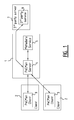
- a schematic view of the PeCMan architecture is depicted in Fig. 1 .
- Users can for example upload URLs in PeCMan, semantically tag the information with free-format tags and later find that information back by querying PeCMan with the same tags. Since multiple URLs can be tagged with the same tags, PeCMan enables a user to organize all objects that are kept on a plethora of storage providers (e.g. web servers, home stores or mail servers) through one logical location akin a "virtual drive".
- storage providers e.g. web servers, home stores or mail servers
- PeCMan recognizes three kinds of references: public, private non-shared and private shared content.
- Public content are URLs pointing at publicly available web sources. Accessing such content does not require user credentials, which implies that one can easily share such content with whomever is interested in that content.
- PeCMan When public information is shared between users, PeCMan simply sends the requested URLs directly to the requesting or secondary PeCMan client and the secondary PeCMan client retrieves the content through e.g. WebDAV or HTTP.
- Private content is typically content that can only be accessed through a secured location, typically a secured website (i.e. storage providers).
- a web client 3 To access secured storage providers 7, a web client 3 first establishes a secure connection e.g. through SSL/TLS, and then provides the user credentials (typically a user-ID and password) to authenticate the user. After a user is authenticated, a web client 3 can access privately stored content.
- a state is allocated that is associated with the communication channel. This state indicates to the web server 7 that the requesting web client 3 has authenticated itself.
- Some devices that can be used to render or play this privately stored content don't have the capability to request users for credentials and to set up a secure session with the media server.
- an improved method and system for sharing private content which is convenient for the owner of the private content and yet provides sufficient security.
- a token in the context of the present invention is a value generated upon verification of a number of credentials of the requester of the token. This value is typically a string of a number of characters generated at random by a content server.
- a method for providing access to private digital content, owned by an owner and installed on a content server, to a first client which is capable of rendering the digital content comprising
- a content server in the context of the present invention typically refers to a secure content server, and can for example be a secure Web-server.
- Other examples are a local disc with file sharing capabilities, any computer having installed thereon a server program so that the computer functions as a content server, etc.
- the predetermined information is dependent on first client specific information.
- the predetermined information is dependent on second client specific information.
- the method further comprises transferring the first client specific information from the first client device to the second client device.
- transferring the first client specific information is not necessary as this information may already be available to the the second client.
- the predetermined information comprises information to authenticate the first client to the content server.
- the predetermined information comprises owner specific information.
- generating predetermined information by a second client comprises one or more standard Open Authentication calls.
- generating predetermined information by a second client comprises interacting with a content management server, for instance a PeCMan server.
- a content management server in the context of the present invention has to be interpreted in the broad sense referring to any server capable of managing for example public and/or private shared and/or private unshared digital content of a plurality of users, such as pictures, video's, etc.
- the content itself can be stored locally or at a remote location.
- Examples of such a content management server are simple content management servers, such as used by content providers like Flickr, YouTube, etc, any type of content aggregators such as PeCMan, SecondBrain, iGoogle, any types of owner's proxies, proxies with selective proxy functionality, etc.
- a preferred embodiment of such a content management server will be adapted to allow tagging of the content.
- a system for accessing private digital content owned by an owner, comprising a content server comprising the private digital content; a first client which is capable of rendering the digital content; a second client owning the digital private content stored on the content server; wherein the second client is adapted for generating predetermined information required for gaining authorised access to the content server by the first client; wherein the second client is adapted for transferring the predetermined information to the first client; and wherein the first client is adapted for using receiving the predetermined information from the second client to get access to the private digital content.
- a computer program product comprising computer-executable instructions for performing a method according to any of the methods of the first aspect, when the program is run on a computer.
- PErsonal Content MANagement (PeCMan) server as the content management server, but the skilled person will understand that the invention is applicable to any type of content management server (including owner's proxies) as defined above.
- PeCMan to support private non-shared and shared content, PeCMan typically stores the user credentials with the URL that is being pointed at. If private content is being addressed, a secondary PeCMan client 3 sets up a communication channel to PeCMan 1, which then establishes a connection to the storage provider 7 on behalf of the secondary PeCMan client, i.e. the PeCMan server 4 acts as proxy for the secondary PeCMan client 3. This proxy maintains the secure connection to the web server 7 and is also the one that provides the user credentials to the storage provider 7. PeCMan does this for both shared and non-shared private content references.
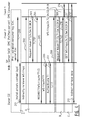
- OAuth is used to share private data between a private content provider and a third entity, so that the third entity can access the user's private data without having to know the user credentials, through a token-based authentication mechanism which is illustrated in figure 3 .
- a delegate token is obtained by a content management server, such as a PeCMan server, as illustrated by the call flow of figure 3 , showing an exemplary delegation procedure for authorizing a PeCMan server to speak for a content owner 0.
- the PeCMan server will function as a client of a private content server, here a secure Web-server WS.
- a private content server here a secure Web-server WS.
- the PeCMan server establishes a secure connection with the Web-server WS, wherein a consumer key Ck and a secret key Cs is established between them, see arrow 200.
- the owner O installs private content xyz directly on the Web-server WS, see arrow 201.
- the owner will log in the secure Web-server using a user name and password, whereupon he can install the private content xyz.
- the owner O informs the PeCMan server that it has installed private content xyz on the protected Web-server, see arrow 202.
- the PeCMan server will request a token and have this token authenticated by the owner in a stage A of the call flow.
- a token from the Web-server WS, see arrow 206.
- This can be a standard OAuth request call which contains the following parameters: the consumer key Ck (oauth_consumer_key), the signature method Sm (oauth_signature_method), a signature S1 (oauth_signature), a timestamp Ot (oauth_timestamp) and a nonce N (oauth_nonce).
- the signature S1 can for example be created using Cs.
- the client will first generate the timestamp and then a Nonce value is generated that is unique for each request.
- the Web-server WS then generates a token T1 (oauth_token) and a Token secret Ts1 (oauth_token_secret), and sends those to the PeCMan server, see arrow 204.
- the PeCMan server then sends a redirect message (arrow 205) to the owner for obtaining approval from the owner by directing the owner to the Web-server WS.
- This can be a standard OAuth request to the Web-server's user authorization URL "WS://auth?", including the token T1 and a call back URL C, which is a URL the Web-server will use to redirect the owner back to PeCMan server.
- the authorization request is then passed through to the Web-server (arrow 206) and the Web-server will authenticate the token T1, typically verifying the identity of the PeCMan server and asking the owner for consent (arrow 207).
- the Web-server will authenticate the token T1, typically verifying the identity of the PeCMan server and asking the owner for consent (arrow 207).
- a secure connection to the private content provider Web-server WS
- the PeCMan server is then notified by the owner O that the token T1 has been authorized using the call back URL (arrow 208), e.g. using a standard OAuth call.
- the PeCMan server requests a second token using his first token T1 (arrow 209).
- This can for example be done using a standard OAuth request for exchanging a request token for an access token with the following parameters: the consumer key Ck (oauth_consumer_key), the token obtained previously T1 (oauth_token), the signature method Sm (oauth_signature_method), a signature S2 (oauth_signature), a timestamp Ot (oauth_timestamp) and a nonce N (oauth_nonce).
- the signature S2 can for example be calculated on the basis of Cs and Ts1.
- a second token T2 and Token secret Ts2 are granted by the Web-server WS (arrow 210).
- This second token T2 can function as a delegate token for getting access to the owner's private content (211,212).
- the signature S3 can for example be calculated using Cs and Ts2.
- the above described flow or a similar flow can preferably be used, but is modified in that the second client, for instance the DMC, plays the role of the consumer (PeCMan-server), for generating the predetermined information necessary for gaining access to said content server by the first client.
- the second client for instance the DMC
- the consumer for instance the DMC
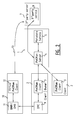
- This predetermined information is then transferred to the first client device (214), for instance the DMP (or DMR) by means of for instance DLNA, which can then directly access the private content on the content server (211', 212'). This is illustrated in Figures 2 and 4 .
- the second client can thus use his own credentials in order to get access to private content, rendered on a non-trusted device, without transferring his credentials itself to such device. But, according to other preferred embodiments of a second type, the second client can also use the credentials from the first client in order to get access to private content, wherein the credentials of the first client
- the first client 10 that wants to render or play the private content is for instance a television device (which can be considered a digital media renderer (DMR) or a digital media player (DMP), terminology which is used in the DLNA specification).
- the television device is not able to calculate the different authorization (e.g. OAuth) parameters and hands over his credentials to a device which has those capabilities, for instance an iPhone TM 2 that comprises functionalities of a digital media controller 9 (DMC, terminology which is used in the DLNA specification).
- the iPhone TM is able to construct the required authentication information, for instance a valid URL with OAuth-parameters.
- This information is then transferred to the television device and the television device can get the desired content directly from the service provider 13 via that URL, being a "virtual PeCMan client" 12 in a certain view.
- the exchange of information between the television device (DMR or DMP) and the iPhone TM preferably based on technology and methods based on the DLNA-specification.
- the flow can be similar to the flow of the embodiments of the first type according to the present invention, and can be as follows.
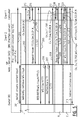
- a delegate token is obtained by a digital media renderer, such as a television device, as illustrated by the call flow of figure 5 , showing an example delegation procedure for authorizing the television device to speak for a content owner 0, getting the private content.
- the iPhone TM will function as a device able to calculate the authorization parameters.
- the television device establishes a secure connection with the Web-server WS, wherein a consumer key Ck and a secret key Cs is established between them, see arrow 200.
- the owner O installs private content xyz directly on the Web-server WS, see arrow 201.
- the owner will log in the secure Web-server using a user name and password, whereupon he can install the private content xyz.
- the owner O informs the PeCMan server that it has installed private content xyz on the protected Web-server, see arrow 202.
- the television device wants to request a token and have this token authenticated by the owner in a stage A of the call flow.
- the television device sends his credentials, the consumer key Ck and the consumer Secret Cs to the iPhone TM , see arrow 215.
- the iPhone TM can calculate the necessary parameters for an authentication request.
- This can be a standard OAuth request call which contains the following parameters: the consumer key Ck (oauth_consumer_key), the signature method Sm (oauth_signature_method), a signature S1 (oauth_signature), a timestamp Ot (oauth_timestamp) and a nonce N (oauth_nonce).
- the signature S1 can for example be created using Cs.
- the client will first generate the timestamp and then a Nonce value is generated that is unique for each request.
- the iPhone TM sends these parameters to the television device, see arrow 216.
- the television device requests a token from the web-server with those parameters, see arrow 203.
- the Web-server WS then generates a token T1 (oauth_token) and a Token secret Ts1 (oauth_token_secret), and sends those to the television device, see arrow 204.
- the PeCMan television device then sends a redirect message (arrow 205) to the owner for obtaining approval from the owner by directing the owner to the Web-server WS.
- the authorization request is then passed through to the Web-server (arrow 206) and the Web-server will authenticate the token T1, typically verifying the identity of the PeCMan server and asking the owner for consent (arrow 207).
- a secure connection to the private content provider (Web-server WS) is established, logging in by offering his private credentials for that web-server and associating the token with the secure connection.
- the television device is then notified by the owner O that the token T1 has been authorized using the call back URL (arrow 208), e.g. using a standard OAuth call.
- the television device sends his credentials, consumer key (Ck), consumer secret (Cs), token (T1) and token secret (TS1) to the iPhone TM , see arrow 217. Based on this credentials, the iPhone TM can calculate the necessary parameters for an authentication request. This can for example be done using a standard OAuth request for exchanging a request token for an access token with the following parameters: the consumer key Ck (oauth_consumer_key), the token obtained previously T1 (oauth_token), the signature method Sm (oauth_signature_method), a signature S2 (oauth_signature), a timestamp Ot (oauth_timestamp) and a nonce N (oauth_nonce).
- the signature S2 can for example be calculated on the basis of Cs and Ts1.
- the iPhone TM sends these parameters to the television device, see arrow 218.
- the television device then, see stage B, requests a second token using those parameters (arrow 209).
- a second token T2 and Token secret Ts2 are granted by the Web-server WS (arrow 210).
- This second token T2 can function as a delegate token for getting access to the owner's private content, by sending the right credentials to the iPhone TM for calculating the message (219,220,211',212').
- the second client device can be different from a DMC device, and the communication of predetermined information and exchange of information between the second and the first client device can be based on other mechanisms.
- proxy-servers can be used, which keep credentials of devices that cannot calculate the predetermined information (for instance the right URL).
- the first client device can ask the proxy to calculate the right parameters.
- the proxy then transfers the resulting URL to the device, enabling the device to access the private content on the content server (for instance the OAuth protected resources).
- the method according to embodiments of the present invention is not limited to first client devices which are not capable themselves of generation the predetermined information for accessing private content on the content server.
- the first client devices may for instance be mobile phone devices or PDA's which intrinsically comprise these capabilities, but for which, for instance because of security issues, the necessary credentials are not stored on the device.
- these credentials may be stored on a proxy, and, upon request from the first client device, the proxy may generate the predetermined information required for accessing said content server for the first client, and transfer it to the first client, after which the first client accesses the private content on the content server.
- program storage devices e.g., digital data storage media, which are machine or computer readable and encode machine-executable or computer-executable programs of instructions, wherein said instructions perform some or all of the steps of said above-described methods.
- the program storage devices may be, e.g., digital memories, magnetic storage media such as a magnetic disks and magnetic tapes, hard drives, or optically readable digital data storage media.
- the embodiments are also intended to cover computers programmed to perform said steps of the above-described methods.
Landscapes
- Engineering & Computer Science (AREA)
- Computer Security & Cryptography (AREA)
- Computer Hardware Design (AREA)
- General Engineering & Computer Science (AREA)
- Computer Networks & Wireless Communication (AREA)
- Signal Processing (AREA)
- Computing Systems (AREA)
- Theoretical Computer Science (AREA)
- Software Systems (AREA)
- Physics & Mathematics (AREA)
- General Physics & Mathematics (AREA)
- Information Transfer Between Computers (AREA)
Abstract
- generating predetermined information by a second client, required for gaining authorised access to said content server by said first client;
- transferring said predetermined information from said second client to said first client;
- using said predetermined information by said first client to get access to said private digital content.
Description
- The present invention relates to a system and method for accessing private digital content.
- There exists an Open authentication (OAuth) protocol (see OAuth Specification 1.0 available at
http://oauth.net/license/core/1.0) to handle user credentials between multiple parties on the web. Further, there exist a number of token-based sharing solutions that enable content sharing between web entities similar to the before mentioned OAuth system. For instance, Facebook, Flickr, Google, Smugmug and Photobucket all use tokens for authentication. - PeCMan is a web-tool that organizes a user's content (see http://www.pecman.net/). A schematic view of the PeCMan architecture is depicted in
Fig. 1 . Users can for example upload URLs in PeCMan, semantically tag the information with free-format tags and later find that information back by querying PeCMan with the same tags. Since multiple URLs can be tagged with the same tags, PeCMan enables a user to organize all objects that are kept on a plethora of storage providers (e.g. web servers, home stores or mail servers) through one logical location akin a "virtual drive". - PeCMan recognizes three kinds of references: public, private non-shared and private shared content. Public content are URLs pointing at publicly available web sources. Accessing such content does not require user credentials, which implies that one can easily share such content with whomever is interested in that content. When public information is shared between users, PeCMan simply sends the requested URLs directly to the requesting or secondary PeCMan client and the secondary PeCMan client retrieves the content through e.g. WebDAV or HTTP.
- Private content is typically content that can only be accessed through a secured location, typically a secured website (i.e. storage providers). To access secured
storage providers 7, a web client 3 first establishes a secure connection e.g. through SSL/TLS, and then provides the user credentials (typically a user-ID and password) to authenticate the user. After a user is authenticated, a web client 3 can access privately stored content. Typically inside the addressed web server 7 a state is allocated that is associated with the communication channel. This state indicates to theweb server 7 that the requesting web client 3 has authenticated itself. - Some devices that can be used to render or play this privately stored content don't have the capability to request users for credentials and to set up a secure session with the media server.
- According to embodiments of the invention there is provided an improved method and system for sharing private content which is convenient for the owner of the private content and yet provides sufficient security.
- A token in the context of the present invention is a value generated upon verification of a number of credentials of the requester of the token. This value is typically a string of a number of characters generated at random by a content server.
- According to an embodiment of the invention there is provided a method for providing access to private digital content, owned by an owner and installed on a content server, to a first client which is capable of rendering the digital content, comprising
- generating predetermined information by a second client, required for gaining authorised access to the content server by the first client;
- transferring the predetermined information from the second client to the first client;
- using the predetermined information by the first client to get access to the private digital content.
- A content server in the context of the present invention typically refers to a secure content server, and can for example be a secure Web-server. Other examples are a local disc with file sharing capabilities, any computer having installed thereon a server program so that the computer functions as a content server, etc.
- According to preferred embodiments, the predetermined information is dependent on first client specific information.
- According to preferred embodiments, the predetermined information is dependent on second client specific information.
- According to preferred embodiments, the method further comprises transferring the first client specific information from the first client device to the second client device. In other embodiments transferring the first client specific information is not necessary as this information may already be available to the the second client.
- According to preferred embodiments, the predetermined information comprises information to authenticate the first client to the content server.
- According to preferred embodiments, wherein the predetermined information comprises owner specific information.
- According to preferred embodiments, generating predetermined information by a second client comprises one or more standard Open Authentication calls.
- According to preferred embodiments, generating predetermined information by a second client comprises interacting with a content management server, for instance a PeCMan server.
- A content management server in the context of the present invention has to be interpreted in the broad sense referring to any server capable of managing for example public and/or private shared and/or private unshared digital content of a plurality of users, such as pictures, video's, etc. The content itself can be stored locally or at a remote location. Examples of such a content management server are simple content management servers, such as used by content providers like Flickr, YouTube, etc, any type of content aggregators such as PeCMan, SecondBrain, iGoogle, any types of owner's proxies, proxies with selective proxy functionality, etc.
- A preferred embodiment of such a content management server will be adapted to allow tagging of the content.
- According to a second aspect of the present invention, a system is disclosed for accessing private digital content owned by an owner, comprising a content server comprising the private digital content; a first client which is capable of rendering the digital content; a second client owning the digital private content stored on the content server; wherein the second client is adapted for generating predetermined information required for gaining authorised access to the content server by the first client; wherein the second client is adapted for transferring the predetermined information to the first client; and wherein the first client is adapted for using receiving the predetermined information from the second client to get access to the private digital content.
- Also a computer program product is disclosed comprising computer-executable instructions for performing a method according to any of the methods of the first aspect, when the program is run on a computer.
- The accompanying drawings are used to illustrate presently preferred non-limiting example embodiments of the present invention. The above and other advantages features and objects of the invention will become more apparent and the invention will be better understood from the following detailed description when read in conjunction with accompanying drawings in which:
-
Figure 1 is a schematic view of the PeCMan architecture;Figure 2 is a schematic view of the PeCMan architecture which has been extended according to embodiments of the present invention; -
Figure 3 illustrates a call flow according to a state of the art method for delegating a PeCMan server; -
Figures 4 and5 illustrate call flows according to embodiments of methods of the invention for retrieving private content by a client which does not comprise (e.g. PeCMan) authentication capabilities. - The invention will be illustrated below referring to a PErsonal Content MANagement (PeCMan) server as the content management server, but the skilled person will understand that the invention is applicable to any type of content management server (including owner's proxies) as defined above.
- According to a first type of prior art, to support private non-shared and shared content, PeCMan typically stores the user credentials with the URL that is being pointed at. If private content is being addressed, a secondary PeCMan client 3 sets up a communication channel to PeCMan 1, which then establishes a connection to the
storage provider 7 on behalf of the secondary PeCMan client, i.e. the PeCMan server 4 acts as proxy for the secondary PeCMan client 3. This proxy maintains the secure connection to theweb server 7 and is also the one that provides the user credentials to thestorage provider 7. PeCMan does this for both shared and non-shared private content references. - According to a second type of prior art, OAuth is used to share private data between a private content provider and a third entity, so that the third entity can access the user's private data without having to know the user credentials, through a token-based authentication mechanism which is illustrated in
figure 3 . - In a first stage of the second type of prior art, a delegate token is obtained by a content management server, such as a PeCMan server, as illustrated by the call flow of
figure 3 , showing an exemplary delegation procedure for authorizing a PeCMan server to speak for acontent owner 0. The PeCMan server will function as a client of a private content server, here a secure Web-server WS. In an initiation phase "I" the PeCMan server establishes a secure connection with the Web-server WS, wherein a consumer key Ck and a secret key Cs is established between them, seearrow 200. Also, the owner O installs private content xyz directly on the Web-server WS, seearrow 201. Typically the owner will log in the secure Web-server using a user name and password, whereupon he can install the private content xyz. Next the owner O informs the PeCMan server that it has installed private content xyz on the protected Web-server, seearrow 202. - Being informed about the installed private content, the PeCMan server will request a token and have this token authenticated by the owner in a stage A of the call flow. First the PeCMan server requests a token from the Web-server WS, see
arrow 206. This can be a standard OAuth request call which contains the following parameters: the consumer key Ck (oauth_consumer_key), the signature method Sm (oauth_signature_method), a signature S1 (oauth_signature), a timestamp Ot (oauth_timestamp) and a nonce N (oauth_nonce). The signature S1 can for example be created using Cs. Typically the client will first generate the timestamp and then a Nonce value is generated that is unique for each request. The Web-server WS then generates a token T1 (oauth_token) and a Token secret Ts1 (oauth_token_secret), and sends those to the PeCMan server, seearrow 204. The PeCMan server then sends a redirect message (arrow 205) to the owner for obtaining approval from the owner by directing the owner to the Web-server WS. This can be a standard OAuth request to the Web-server's user authorization URL "WS://auth?", including the token T1 and a call back URL C, which is a URL the Web-server will use to redirect the owner back to PeCMan server. The authorization request is then passed through to the Web-server (arrow 206) and the Web-server will authenticate the token T1, typically verifying the identity of the PeCMan server and asking the owner for consent (arrow 207). For example, a secure connection to the private content provider (Web-server WS) is established, logging in by offering the PeCMan's credentials and associating the token with the secure connection. The PeCMan server is then notified by the owner O that the token T1 has been authorized using the call back URL (arrow 208), e.g. using a standard OAuth call. - The PeCMan server then, see stage B, requests a second token using his first token T1 (arrow 209). This can for example be done using a standard OAuth request for exchanging a request token for an access token with the following parameters: the consumer key Ck (oauth_consumer_key), the token obtained previously T1 (oauth_token), the signature method Sm (oauth_signature_method), a signature S2 (oauth_signature), a timestamp Ot (oauth_timestamp) and a nonce N (oauth_nonce). The signature S2 can for example be calculated on the basis of Cs and Ts1. In reply a second token T2 and Token secret Ts2 are granted by the Web-server WS (arrow 210). This second token T2 can function as a delegate token for getting access to the owner's private content (211,212).
- This can be done using a standard access request containing for example the following parameters: the consumer key Ck (oauth_consumer_key), the token T2 (oauth_token), the signature method Sm (oauth_signature_method), a signature S3 (oauth_signature), a timestamp Ot (oauth_timestamp) and a nonce N (oauth_nonce). The signature S3 can for example be calculated using Cs and Ts2.
- These state of the art solutions do not allow a device/a client to retrieving private content if the device/client does not comprise (e.g. PeCMan) authentication capabilities towards the content server or towards the content management server (e.g. PeCMan server).
- In a first type of embodiments according to the present invention, the above described flow or a similar flow can preferably be used, but is modified in that the second client, for instance the DMC, plays the role of the consumer (PeCMan-server), for generating the predetermined information necessary for gaining access to said content server by the first client.
- This predetermined information is then transferred to the first client device (214), for instance the DMP (or DMR) by means of for instance DLNA, which can then directly access the private content on the content server (211', 212').
This is illustrated inFigures 2 and4 . - According to this first type of embodiments, the second client can thus use his own credentials in order to get access to private content, rendered on a non-trusted device, without transferring his credentials itself to such device. But, according to other preferred embodiments of a second type, the second client can also use the credentials from the first client in order to get access to private content, wherein the credentials of the first client
- a) were available to him;
- b) are provided to him.
- A second type of embodiments of the present invention is illustrated in
figures 2 and5 . The first client 10 that wants to render or play the private content is for instance a television device (which can be considered a digital media renderer (DMR) or a digital media player (DMP), terminology which is used in the DLNA specification). The television device is not able to calculate the different authorization (e.g. OAuth) parameters and hands over his credentials to a device which has those capabilities, for instance an iPhone™ 2 that comprises functionalities of a digital media controller 9 (DMC, terminology which is used in the DLNA specification). Based on the credentials of the TV, the iPhone™ is able to construct the required authentication information, for instance a valid URL with OAuth-parameters. This information is then transferred to the television device and the television device can get the desired content directly from theservice provider 13 via that URL, being a "virtual PeCMan client" 12 in a certain view. The exchange of information between the television device (DMR or DMP) and the iPhone™ preferably based on technology and methods based on the DLNA-specification. - The flow can be similar to the flow of the embodiments of the first type according to the present invention, and can be as follows.
- In a first stage of the second type of embodiments, a delegate token is obtained by a digital media renderer, such as a television device, as illustrated by the call flow of
figure 5 , showing an example delegation procedure for authorizing the television device to speak for acontent owner 0, getting the private content. The iPhone™ will function as a device able to calculate the authorization parameters. In an initiation phase "I" the television device establishes a secure connection with the Web-server WS, wherein a consumer key Ck and a secret key Cs is established between them, seearrow 200. Also, the owner O installs private content xyz directly on the Web-server WS, seearrow 201. Typically the owner will log in the secure Web-server using a user name and password, whereupon he can install the private content xyz. Next the owner O informs the PeCMan server that it has installed private content xyz on the protected Web-server, seearrow 202. - Being informed about the installed private content, the television device wants to request a token and have this token authenticated by the owner in a stage A of the call flow. First the television device sends his credentials, the consumer key Ck and the consumer Secret Cs to the iPhone™, see
arrow 215. Based on this credentials, the iPhone™ can calculate the necessary parameters for an authentication request. This can be a standard OAuth request call which contains the following parameters: the consumer key Ck (oauth_consumer_key), the signature method Sm (oauth_signature_method), a signature S1 (oauth_signature), a timestamp Ot (oauth_timestamp) and a nonce N (oauth_nonce). The signature S1 can for example be created using Cs. Typically the client will first generate the timestamp and then a Nonce value is generated that is unique for each request. The iPhone™ sends these parameters to the television device, seearrow 216. The television device requests a token from the web-server with those parameters, seearrow 203. The Web-server WS then generates a token T1 (oauth_token) and a Token secret Ts1 (oauth_token_secret), and sends those to the television device, seearrow 204. The PeCMan television device then sends a redirect message (arrow 205) to the owner for obtaining approval from the owner by directing the owner to the Web-server WS. This can be a standard OAuth request to the Web-server's user authorization URL "WS://auth?", including the token T1 and a call back URL C, which is a URL the Web-server will use to redirect the owner back to PeCMan server. The authorization request is then passed through to the Web-server (arrow 206) and the Web-server will authenticate the token T1, typically verifying the identity of the PeCMan server and asking the owner for consent (arrow 207). For example, a secure connection to the private content provider (Web-server WS) is established, logging in by offering his private credentials for that web-server and associating the token with the secure connection. The television device is then notified by the owner O that the token T1 has been authorized using the call back URL (arrow 208), e.g. using a standard OAuth call. - The television device sends his credentials, consumer key (Ck), consumer secret (Cs), token (T1) and token secret (TS1) to the iPhone™, see arrow 217. Based on this credentials, the iPhone™ can calculate the necessary parameters for an authentication request. This can for example be done using a standard OAuth request for exchanging a request token for an access token with the following parameters: the consumer key Ck (oauth_consumer_key), the token obtained previously T1 (oauth_token), the signature method Sm (oauth_signature_method), a signature S2 (oauth_signature), a timestamp Ot (oauth_timestamp) and a nonce N (oauth_nonce). The signature S2 can for example be calculated on the basis of Cs and Ts1. The iPhone™ sends these parameters to the television device, see
arrow 218. The television device then, see stage B, requests a second token using those parameters (arrow 209). In reply a second token T2 and Token secret Ts2 are granted by the Web-server WS (arrow 210). This second token T2 can function as a delegate token for getting access to the owner's private content, by sending the right credentials to the iPhone™ for calculating the message (219,220,211',212'). - According to further alternative embodiments the second client device can be different from a DMC device, and the communication of predetermined information and exchange of information between the second and the first client device can be based on other mechanisms. For instance, proxy-servers can be used, which keep credentials of devices that cannot calculate the predetermined information (for instance the right URL). The first client device can ask the proxy to calculate the right parameters. The proxy then transfers the resulting URL to the device, enabling the device to access the private content on the content server (for instance the OAuth protected resources).
- It is to be noted that the method according to embodiments of the present invention is not limited to first client devices which are not capable themselves of generation the predetermined information for accessing private content on the content server. The first client devices may for instance be mobile phone devices or PDA's which intrinsically comprise these capabilities, but for which, for instance because of security issues, the necessary credentials are not stored on the device. In that case these credentials may be stored on a proxy, and, upon request from the first client device, the proxy may generate the predetermined information required for accessing said content server for the first client, and transfer it to the first client, after which the first client accesses the private content on the content server. These scenario's thus provide security advantages.
- A person skilled in the art would readily recognize that steps of various above-described methods can be performed by programmed computers. Herein, some embodiments are also intended to cover program storage devices, e.g., digital data storage media, which are machine or computer readable and encode machine-executable or computer-executable programs of instructions, wherein said instructions perform some or all of the steps of said above-described methods. The program storage devices may be, e.g., digital memories, magnetic storage media such as a magnetic disks and magnetic tapes, hard drives, or optically readable digital data storage media. The embodiments are also intended to cover computers programmed to perform said steps of the above-described methods.
- While the principles of the invention have been set out above in connection with specific embodiments, it is to be clearly understood that this description is merely made by way of example and not as a limitation of the scope of protection which is determined by the appended claims.
Claims (10)
- Method for providing access to private digital content, owned by an owner and installed on a content server, to a first client which is capable of rendering said digital content, comprising- generating predetermined information by a second client, required for gaining authorised access to said content server by said first client;- transferring said predetermined information from said second client to said first client;- using said predetermined information by said first client to get access to said private digital content.
- Method according to claim 1, wherein said predetermined information is dependent on first client specific information.
- Method according to claim 1, wherein said predetermined information is dependent on second client specific information.
- Method according to claim 2 to 3, further comprising transferring said first client specific information from said first client device to said second client device.
- Method according to any of claims 1 to 4, wherein said predetermined information comprises information to authenticate the first client to the content server.
- Method according to any of the previous claims, wherein said predetermined information comprises owner specific information.
- Method according to any of the previous claims, wherein said generating predetermined information by a second client comprises one or more standard Open Authentication calls.
- Method according to any of the previous claims, wherein said generating predetermined information by a second client comprises interacting with a content management server such as a PeCMan server.
- A system for accessing private digital content owned by an owner, comprising
a content server comprising said private digital content;
a first client which is capable of rendering said digital content;
a second client owning said digital private content stored on said content server;
wherein said second client is adapted for generating predetermined information required for gaining authorised access to said content server by said first client;
wherein said second client is adapted for transferring said predetermined information to said first client; and wherein said first client is adapted for using receiving said predetermined information from said second client to get access to said private digital content. - A computer program product comprising computer-executable instructions for performing a method according to any of the claims 1-8, when the program is run on a computer.
Priority Applications (6)
| Application Number | Priority Date | Filing Date | Title |
|---|---|---|---|
| EP09306010.1A EP2315149B1 (en) | 2009-10-26 | 2009-10-26 | System and method for accessing private digital content |
| US13/502,187 US9071593B2 (en) | 2009-10-26 | 2010-10-15 | System and method for accessing private digital content |
| KR1020127010633A KR101412318B1 (en) | 2009-10-26 | 2010-10-15 | System and method for accessing private digital content |
| PCT/EP2010/065502 WO2011051110A1 (en) | 2009-10-26 | 2010-10-15 | System and method for accessing private digital content |
| CN201080048194.2A CN102598010B (en) | 2009-10-26 | 2010-10-15 | System and method for accessing private digital content |
| JP2012535731A JP2013509123A (en) | 2009-10-26 | 2010-10-15 | System and method for accessing private digital content |
Applications Claiming Priority (1)
| Application Number | Priority Date | Filing Date | Title |
|---|---|---|---|
| EP09306010.1A EP2315149B1 (en) | 2009-10-26 | 2009-10-26 | System and method for accessing private digital content |
Publications (2)
| Publication Number | Publication Date |
|---|---|
| EP2315149A1 true EP2315149A1 (en) | 2011-04-27 |
| EP2315149B1 EP2315149B1 (en) | 2019-11-20 |
Family
ID=41567188
Family Applications (1)
| Application Number | Title | Priority Date | Filing Date |
|---|---|---|---|
| EP09306010.1A Active EP2315149B1 (en) | 2009-10-26 | 2009-10-26 | System and method for accessing private digital content |
Country Status (6)
| Country | Link |
|---|---|
| US (1) | US9071593B2 (en) |
| EP (1) | EP2315149B1 (en) |
| JP (1) | JP2013509123A (en) |
| KR (1) | KR101412318B1 (en) |
| CN (1) | CN102598010B (en) |
| WO (1) | WO2011051110A1 (en) |
Cited By (1)
| Publication number | Priority date | Publication date | Assignee | Title |
|---|---|---|---|---|
| CN107154932A (en) * | 2017-04-07 | 2017-09-12 | 北京深思数盾科技股份有限公司 | The access control method and device of a kind of application |
Families Citing this family (17)
| Publication number | Priority date | Publication date | Assignee | Title |
|---|---|---|---|---|
| WO2012069263A2 (en) * | 2010-11-24 | 2012-05-31 | Telefonica, S.A. | Method for authorizing access to protected content |
| KR101729633B1 (en) * | 2011-03-03 | 2017-04-24 | 삼성전자주식회사 | Apparatus and method for sharing contents of social network service in communicatino system |
| EP2724280B1 (en) * | 2011-06-27 | 2020-05-20 | Google LLC | Persistent key access to a resources in a collection |
| US9166979B2 (en) * | 2012-10-01 | 2015-10-20 | International Business Machines Corporation | Protecting online meeting access using secure personal universal resource locators |
| JPWO2014077351A1 (en) | 2012-11-17 | 2017-01-05 | 三菱瓦斯化学株式会社 | Method for producing high molecular weight aromatic polycarbonate resin |
| JP6120650B2 (en) * | 2013-04-05 | 2017-04-26 | キヤノン株式会社 | Content management apparatus, content management method and program |
| JP6248422B2 (en) * | 2013-06-05 | 2017-12-20 | 富士通株式会社 | Information disclosure system, information disclosure program, and information disclosure method |
| US9397990B1 (en) * | 2013-11-08 | 2016-07-19 | Google Inc. | Methods and systems of generating and using authentication credentials for decentralized authorization in the cloud |
| JP6119709B2 (en) * | 2014-09-29 | 2017-04-26 | ブラザー工業株式会社 | Service provider apparatus, program, and service providing method |
| US9350556B1 (en) | 2015-04-20 | 2016-05-24 | Google Inc. | Security model for identification and authentication in encrypted communications using delegate certificate chain bound to third party key |
| US10044718B2 (en) | 2015-05-27 | 2018-08-07 | Google Llc | Authorization in a distributed system using access control lists and groups |
| US10320794B2 (en) | 2015-07-29 | 2019-06-11 | Microsoft Technology Licensing, Llc | System for sharing selectively ephemeral content |
| WO2017131892A1 (en) | 2016-01-29 | 2017-08-03 | Google Inc. | Device access revocation |
| JP6815744B2 (en) * | 2016-04-26 | 2021-01-20 | キヤノン株式会社 | Server equipment, systems, information processing methods and programs |
| JP6806543B2 (en) * | 2016-11-25 | 2021-01-06 | キヤノン株式会社 | Authority verification system and resource server, authentication server, authority verification method |
| WO2021046488A1 (en) * | 2019-09-05 | 2021-03-11 | Open Lens Project Ltd. | System and method for management of digital media content |
| US12021861B2 (en) * | 2021-01-04 | 2024-06-25 | Bank Of America Corporation | Identity verification through multisystem cooperation |
Citations (2)
| Publication number | Priority date | Publication date | Assignee | Title |
|---|---|---|---|---|
| EP1357458A2 (en) | 2002-04-16 | 2003-10-29 | Xerox Corporation | Ad hoc secure access to documents and services |
| US20040019801A1 (en) | 2002-05-17 | 2004-01-29 | Fredrik Lindholm | Secure content sharing in digital rights management |
Family Cites Families (11)
| Publication number | Priority date | Publication date | Assignee | Title |
|---|---|---|---|---|
| US20040128546A1 (en) * | 2002-12-31 | 2004-07-01 | International Business Machines Corporation | Method and system for attribute exchange in a heterogeneous federated environment |
| US20040133908A1 (en) * | 2003-01-03 | 2004-07-08 | Broadq, Llc | Digital media system and method therefor |
| JP2004334330A (en) * | 2003-04-30 | 2004-11-25 | Sony Corp | Terminal device, providing server, electronic information using method, electronic information providing method, terminal device program, providing server program, mediation program, and storage medium |
| GB0428084D0 (en) * | 2004-12-22 | 2005-01-26 | Nokia Corp | Method for producing authentication information |
| JP2008021297A (en) * | 2006-06-12 | 2008-01-31 | Sharp Corp | Content distribution system and portable terminal |
| JP2008071226A (en) * | 2006-09-15 | 2008-03-27 | Nec Corp | Credential conversion system and method, computer apparatus and program |
| WO2008146395A1 (en) * | 2007-05-31 | 2008-12-04 | Panasonic Corporation | Network relay device, communication terminal, and encryption communication method |
| US7954133B2 (en) * | 2007-10-22 | 2011-05-31 | Sony Ericsson Mobile Communications Ab | Digital living network alliance (DLNA) enabled portable electronic devices, DLNA management consoles and related methods of operating DLNA enabled portable electronic devices |
| JP2009104264A (en) * | 2007-10-22 | 2009-05-14 | Oki Electric Ind Co Ltd | Log-in authentication method, log-in authentication server, and log-in authentication program |
| JP4752884B2 (en) * | 2008-08-21 | 2011-08-17 | ソニー株式会社 | Information processing apparatus, data processing method, and program |
| US8869256B2 (en) * | 2008-10-21 | 2014-10-21 | Yahoo! Inc. | Network aggregator |
-
2009
- 2009-10-26 EP EP09306010.1A patent/EP2315149B1/en active Active
-
2010
- 2010-10-15 CN CN201080048194.2A patent/CN102598010B/en active Active
- 2010-10-15 KR KR1020127010633A patent/KR101412318B1/en active Active
- 2010-10-15 JP JP2012535731A patent/JP2013509123A/en active Pending
- 2010-10-15 US US13/502,187 patent/US9071593B2/en active Active
- 2010-10-15 WO PCT/EP2010/065502 patent/WO2011051110A1/en not_active Ceased
Patent Citations (2)
| Publication number | Priority date | Publication date | Assignee | Title |
|---|---|---|---|---|
| EP1357458A2 (en) | 2002-04-16 | 2003-10-29 | Xerox Corporation | Ad hoc secure access to documents and services |
| US20040019801A1 (en) | 2002-05-17 | 2004-01-29 | Fredrik Lindholm | Secure content sharing in digital rights management |
Non-Patent Citations (1)
| Title |
|---|
| VRANCKEN B ET ZELTSAN Z: "Using OAuth for Recursive Delegation; draft-vrancken-oauth-redelegation-00.txt", INTERNET DRAFT, INTERNET ENGINEERING TASK FORCE, IETF, 1 September 2009 (2009-09-01), XP015064118 * |
Cited By (1)
| Publication number | Priority date | Publication date | Assignee | Title |
|---|---|---|---|---|
| CN107154932A (en) * | 2017-04-07 | 2017-09-12 | 北京深思数盾科技股份有限公司 | The access control method and device of a kind of application |
Also Published As
| Publication number | Publication date |
|---|---|
| JP2013509123A (en) | 2013-03-07 |
| WO2011051110A1 (en) | 2011-05-05 |
| EP2315149B1 (en) | 2019-11-20 |
| CN102598010A (en) | 2012-07-18 |
| US20120210448A1 (en) | 2012-08-16 |
| KR101412318B1 (en) | 2014-06-25 |
| US9071593B2 (en) | 2015-06-30 |
| CN102598010B (en) | 2016-08-03 |
| KR20120089484A (en) | 2012-08-10 |
Similar Documents
| Publication | Publication Date | Title |
|---|---|---|
| EP2315149B1 (en) | System and method for accessing private digital content | |
| US9077707B2 (en) | System and method for accessing private digital content | |
| US10218678B2 (en) | Method and apparatus for accessing third-party resources | |
| US8719912B2 (en) | Enabling private data feed | |
| JP4884978B2 (en) | Secure multimedia transfer system | |
| EP3203709B1 (en) | Cloud service server and method for managing cloud service server | |
| JP6573044B1 (en) | Data management system | |
| US20100250704A1 (en) | Peer-to-peer content distribution with digital rights management | |
| US20100088364A1 (en) | Social networking architecture in which profile data hosting is provided by the profile owner | |
| US20100145859A1 (en) | Control device, reproducing device, permission server, method for controlling control device, method for controlling reproducing device, and method for controlling permission server | |
| US20100095122A1 (en) | System and method for collaboration over shared storage | |
| KR20130143263A (en) | Method for authentication users using open id based on trusted platform, apparatus and system for the same | |
| KR20080046253A (en) | Digital security for distributing media content to LAN | |
| KR20200046157A (en) | Data transmission security system of cloud service and a providing method thereof | |
| CN101310263A (en) | Data communication with remote network nodes | |
| JP2012003682A (en) | Access control system, access control method, authentication device and authentication system | |
| KR20090014945A (en) | Method and apparatus for providing / receiving a web-based service of a plurality of service providers | |
| JP5158601B2 (en) | File management device, file management system, and program | |
| US9357265B2 (en) | System and method for creating and managing individual users for personalized television on behalf of pre-existing video delivery platforms | |
| WO2011077305A1 (en) | Methods and apparatuses for providing content for user terminals | |
| CA2847433C (en) | System and method for creating and managing individual users for personalized television on behalf of pre-existing video delivery platforms | |
| JP2013228951A (en) | Authenticated web page url service device, web service providing system, operation method for authenticated web page url service device, and operation method for web service providing system |
Legal Events
| Date | Code | Title | Description |
|---|---|---|---|
| PUAI | Public reference made under article 153(3) epc to a published international application that has entered the european phase |
Free format text: ORIGINAL CODE: 0009012 |
|
| AK | Designated contracting states |
Kind code of ref document: A1 Designated state(s): AT BE BG CH CY CZ DE DK EE ES FI FR GB GR HR HU IE IS IT LI LT LU LV MC MK MT NL NO PL PT RO SE SI SK SM TR |
|
| 17P | Request for examination filed |
Effective date: 20111027 |
|
| 17Q | First examination report despatched |
Effective date: 20111215 |
|
| RAP1 | Party data changed (applicant data changed or rights of an application transferred) |
Owner name: ALCATEL LUCENT |
|
| 111Z | Information provided on other rights and legal means of execution |
Free format text: AT BE BG CH CY CZ DE DK EE ES FI FR GB GR HR HU IE IS IT LI LT LU LV MC MK MT NL NO PL PT RO SE SI SK SM TR Effective date: 20130410 |
|
| RAP1 | Party data changed (applicant data changed or rights of an application transferred) |
Owner name: ALCATEL LUCENT |
|
| D11X | Information provided on other rights and legal means of execution (deleted) | ||
| STAA | Information on the status of an ep patent application or granted ep patent |
Free format text: STATUS: EXAMINATION IS IN PROGRESS |
|
| RAP1 | Party data changed (applicant data changed or rights of an application transferred) |
Owner name: ALCATEL LUCENT |
|
| REG | Reference to a national code |
Ref country code: DE Ref legal event code: R079 Ref document number: 602009060475 Country of ref document: DE Free format text: PREVIOUS MAIN CLASS: G06F0021000000 Ipc: G06F0021310000 |
|
| GRAP | Despatch of communication of intention to grant a patent |
Free format text: ORIGINAL CODE: EPIDOSNIGR1 |
|
| STAA | Information on the status of an ep patent application or granted ep patent |
Free format text: STATUS: GRANT OF PATENT IS INTENDED |
|
| RIC1 | Information provided on ipc code assigned before grant |
Ipc: G06F 21/31 20130101AFI20190531BHEP Ipc: H04L 29/06 20060101ALI20190531BHEP |
|
| INTG | Intention to grant announced |
Effective date: 20190704 |
|
| GRAS | Grant fee paid |
Free format text: ORIGINAL CODE: EPIDOSNIGR3 |
|
| GRAA | (expected) grant |
Free format text: ORIGINAL CODE: 0009210 |
|
| STAA | Information on the status of an ep patent application or granted ep patent |
Free format text: STATUS: THE PATENT HAS BEEN GRANTED |
|
| AK | Designated contracting states |
Kind code of ref document: B1 Designated state(s): AT BE BG CH CY CZ DE DK EE ES FI FR GB GR HR HU IE IS IT LI LT LU LV MC MK MT NL NO PL PT RO SE SI SK SM TR |
|
| REG | Reference to a national code |
Ref country code: GB Ref legal event code: FG4D |
|
| REG | Reference to a national code |
Ref country code: CH Ref legal event code: EP |
|
| REG | Reference to a national code |
Ref country code: IE Ref legal event code: FG4D |
|
| REG | Reference to a national code |
Ref country code: DE Ref legal event code: R096 Ref document number: 602009060475 Country of ref document: DE |
|
| REG | Reference to a national code |
Ref country code: AT Ref legal event code: REF Ref document number: 1204976 Country of ref document: AT Kind code of ref document: T Effective date: 20191215 |
|
| REG | Reference to a national code |
Ref country code: NL Ref legal event code: MP Effective date: 20191120 |
|
| REG | Reference to a national code |
Ref country code: LT Ref legal event code: MG4D |
|
| PG25 | Lapsed in a contracting state [announced via postgrant information from national office to epo] |
Ref country code: NO Free format text: LAPSE BECAUSE OF FAILURE TO SUBMIT A TRANSLATION OF THE DESCRIPTION OR TO PAY THE FEE WITHIN THE PRESCRIBED TIME-LIMIT Effective date: 20200220 Ref country code: GR Free format text: LAPSE BECAUSE OF FAILURE TO SUBMIT A TRANSLATION OF THE DESCRIPTION OR TO PAY THE FEE WITHIN THE PRESCRIBED TIME-LIMIT Effective date: 20200221 Ref country code: BG Free format text: LAPSE BECAUSE OF FAILURE TO SUBMIT A TRANSLATION OF THE DESCRIPTION OR TO PAY THE FEE WITHIN THE PRESCRIBED TIME-LIMIT Effective date: 20200220 Ref country code: FI Free format text: LAPSE BECAUSE OF FAILURE TO SUBMIT A TRANSLATION OF THE DESCRIPTION OR TO PAY THE FEE WITHIN THE PRESCRIBED TIME-LIMIT Effective date: 20191120 Ref country code: LT Free format text: LAPSE BECAUSE OF FAILURE TO SUBMIT A TRANSLATION OF THE DESCRIPTION OR TO PAY THE FEE WITHIN THE PRESCRIBED TIME-LIMIT Effective date: 20191120 Ref country code: SE Free format text: LAPSE BECAUSE OF FAILURE TO SUBMIT A TRANSLATION OF THE DESCRIPTION OR TO PAY THE FEE WITHIN THE PRESCRIBED TIME-LIMIT Effective date: 20191120 Ref country code: LV Free format text: LAPSE BECAUSE OF FAILURE TO SUBMIT A TRANSLATION OF THE DESCRIPTION OR TO PAY THE FEE WITHIN THE PRESCRIBED TIME-LIMIT Effective date: 20191120 Ref country code: ES Free format text: LAPSE BECAUSE OF FAILURE TO SUBMIT A TRANSLATION OF THE DESCRIPTION OR TO PAY THE FEE WITHIN THE PRESCRIBED TIME-LIMIT Effective date: 20191120 Ref country code: NL Free format text: LAPSE BECAUSE OF FAILURE TO SUBMIT A TRANSLATION OF THE DESCRIPTION OR TO PAY THE FEE WITHIN THE PRESCRIBED TIME-LIMIT Effective date: 20191120 |
|
| PG25 | Lapsed in a contracting state [announced via postgrant information from national office to epo] |
Ref country code: IS Free format text: LAPSE BECAUSE OF FAILURE TO SUBMIT A TRANSLATION OF THE DESCRIPTION OR TO PAY THE FEE WITHIN THE PRESCRIBED TIME-LIMIT Effective date: 20200320 Ref country code: HR Free format text: LAPSE BECAUSE OF FAILURE TO SUBMIT A TRANSLATION OF THE DESCRIPTION OR TO PAY THE FEE WITHIN THE PRESCRIBED TIME-LIMIT Effective date: 20191120 |
|
| PG25 | Lapsed in a contracting state [announced via postgrant information from national office to epo] |
Ref country code: DK Free format text: LAPSE BECAUSE OF FAILURE TO SUBMIT A TRANSLATION OF THE DESCRIPTION OR TO PAY THE FEE WITHIN THE PRESCRIBED TIME-LIMIT Effective date: 20191120 Ref country code: PT Free format text: LAPSE BECAUSE OF FAILURE TO SUBMIT A TRANSLATION OF THE DESCRIPTION OR TO PAY THE FEE WITHIN THE PRESCRIBED TIME-LIMIT Effective date: 20200412 Ref country code: EE Free format text: LAPSE BECAUSE OF FAILURE TO SUBMIT A TRANSLATION OF THE DESCRIPTION OR TO PAY THE FEE WITHIN THE PRESCRIBED TIME-LIMIT Effective date: 20191120 Ref country code: RO Free format text: LAPSE BECAUSE OF FAILURE TO SUBMIT A TRANSLATION OF THE DESCRIPTION OR TO PAY THE FEE WITHIN THE PRESCRIBED TIME-LIMIT Effective date: 20191120 Ref country code: CZ Free format text: LAPSE BECAUSE OF FAILURE TO SUBMIT A TRANSLATION OF THE DESCRIPTION OR TO PAY THE FEE WITHIN THE PRESCRIBED TIME-LIMIT Effective date: 20191120 |
|
| REG | Reference to a national code |
Ref country code: AT Ref legal event code: MK05 Ref document number: 1204976 Country of ref document: AT Kind code of ref document: T Effective date: 20191120 |
|
| REG | Reference to a national code |
Ref country code: DE Ref legal event code: R097 Ref document number: 602009060475 Country of ref document: DE |
|
| PG25 | Lapsed in a contracting state [announced via postgrant information from national office to epo] |
Ref country code: SM Free format text: LAPSE BECAUSE OF FAILURE TO SUBMIT A TRANSLATION OF THE DESCRIPTION OR TO PAY THE FEE WITHIN THE PRESCRIBED TIME-LIMIT Effective date: 20191120 Ref country code: SK Free format text: LAPSE BECAUSE OF FAILURE TO SUBMIT A TRANSLATION OF THE DESCRIPTION OR TO PAY THE FEE WITHIN THE PRESCRIBED TIME-LIMIT Effective date: 20191120 |
|
| PLBE | No opposition filed within time limit |
Free format text: ORIGINAL CODE: 0009261 |
|
| STAA | Information on the status of an ep patent application or granted ep patent |
Free format text: STATUS: NO OPPOSITION FILED WITHIN TIME LIMIT |
|
| 26N | No opposition filed |
Effective date: 20200821 |
|
| PG25 | Lapsed in a contracting state [announced via postgrant information from national office to epo] |
Ref country code: AT Free format text: LAPSE BECAUSE OF FAILURE TO SUBMIT A TRANSLATION OF THE DESCRIPTION OR TO PAY THE FEE WITHIN THE PRESCRIBED TIME-LIMIT Effective date: 20191120 Ref country code: PL Free format text: LAPSE BECAUSE OF FAILURE TO SUBMIT A TRANSLATION OF THE DESCRIPTION OR TO PAY THE FEE WITHIN THE PRESCRIBED TIME-LIMIT Effective date: 20191120 Ref country code: SI Free format text: LAPSE BECAUSE OF FAILURE TO SUBMIT A TRANSLATION OF THE DESCRIPTION OR TO PAY THE FEE WITHIN THE PRESCRIBED TIME-LIMIT Effective date: 20191120 |
|
| PG25 | Lapsed in a contracting state [announced via postgrant information from national office to epo] |
Ref country code: IT Free format text: LAPSE BECAUSE OF FAILURE TO SUBMIT A TRANSLATION OF THE DESCRIPTION OR TO PAY THE FEE WITHIN THE PRESCRIBED TIME-LIMIT Effective date: 20191120 |
|
| REG | Reference to a national code |
Ref country code: CH Ref legal event code: PL |
|
| PG25 | Lapsed in a contracting state [announced via postgrant information from national office to epo] |
Ref country code: LU Free format text: LAPSE BECAUSE OF NON-PAYMENT OF DUE FEES Effective date: 20201026 Ref country code: MC Free format text: LAPSE BECAUSE OF FAILURE TO SUBMIT A TRANSLATION OF THE DESCRIPTION OR TO PAY THE FEE WITHIN THE PRESCRIBED TIME-LIMIT Effective date: 20191120 |
|
| REG | Reference to a national code |
Ref country code: BE Ref legal event code: MM Effective date: 20201031 |
|
| PG25 | Lapsed in a contracting state [announced via postgrant information from national office to epo] |
Ref country code: CH Free format text: LAPSE BECAUSE OF NON-PAYMENT OF DUE FEES Effective date: 20201031 Ref country code: BE Free format text: LAPSE BECAUSE OF NON-PAYMENT OF DUE FEES Effective date: 20201031 Ref country code: LI Free format text: LAPSE BECAUSE OF NON-PAYMENT OF DUE FEES Effective date: 20201031 |
|
| PG25 | Lapsed in a contracting state [announced via postgrant information from national office to epo] |
Ref country code: IE Free format text: LAPSE BECAUSE OF NON-PAYMENT OF DUE FEES Effective date: 20201026 |
|
| PG25 | Lapsed in a contracting state [announced via postgrant information from national office to epo] |
Ref country code: TR Free format text: LAPSE BECAUSE OF FAILURE TO SUBMIT A TRANSLATION OF THE DESCRIPTION OR TO PAY THE FEE WITHIN THE PRESCRIBED TIME-LIMIT Effective date: 20191120 Ref country code: MT Free format text: LAPSE BECAUSE OF FAILURE TO SUBMIT A TRANSLATION OF THE DESCRIPTION OR TO PAY THE FEE WITHIN THE PRESCRIBED TIME-LIMIT Effective date: 20191120 Ref country code: CY Free format text: LAPSE BECAUSE OF FAILURE TO SUBMIT A TRANSLATION OF THE DESCRIPTION OR TO PAY THE FEE WITHIN THE PRESCRIBED TIME-LIMIT Effective date: 20191120 |
|
| PG25 | Lapsed in a contracting state [announced via postgrant information from national office to epo] |
Ref country code: MK Free format text: LAPSE BECAUSE OF FAILURE TO SUBMIT A TRANSLATION OF THE DESCRIPTION OR TO PAY THE FEE WITHIN THE PRESCRIBED TIME-LIMIT Effective date: 20191120 |
|
| PGFP | Annual fee paid to national office [announced via postgrant information from national office to epo] |
Ref country code: GB Payment date: 20250904 Year of fee payment: 17 |
|
| PGFP | Annual fee paid to national office [announced via postgrant information from national office to epo] |
Ref country code: FR Payment date: 20250908 Year of fee payment: 17 |
|
| PGFP | Annual fee paid to national office [announced via postgrant information from national office to epo] |
Ref country code: DE Payment date: 20250902 Year of fee payment: 17 |