EP2310975B1 - Obtaining digital identities or tokens through independent endpoint resolution - Google Patents
Obtaining digital identities or tokens through independent endpoint resolution Download PDFInfo
- Publication number
- EP2310975B1 EP2310975B1 EP09767440.2A EP09767440A EP2310975B1 EP 2310975 B1 EP2310975 B1 EP 2310975B1 EP 09767440 A EP09767440 A EP 09767440A EP 2310975 B1 EP2310975 B1 EP 2310975B1
- Authority
- EP
- European Patent Office
- Prior art keywords
- identity
- client
- identity provider
- information
- relying party
- Prior art date
- Legal status (The legal status is an assumption and is not a legal conclusion. Google has not performed a legal analysis and makes no representation as to the accuracy of the status listed.)
- Not-in-force
Links
Images

Classifications
-
- H—ELECTRICITY
- H04—ELECTRIC COMMUNICATION TECHNIQUE
- H04L—TRANSMISSION OF DIGITAL INFORMATION, e.g. TELEGRAPHIC COMMUNICATION
- H04L63/00—Network architectures or network communication protocols for network security
- H04L63/08—Network architectures or network communication protocols for network security for authentication of entities
- H04L63/0807—Network architectures or network communication protocols for network security for authentication of entities using tickets, e.g. Kerberos
-
- G—PHYSICS
- G06—COMPUTING OR CALCULATING; COUNTING
- G06F—ELECTRIC DIGITAL DATA PROCESSING
- G06F21/00—Security arrangements for protecting computers, components thereof, programs or data against unauthorised activity
- G06F21/30—Authentication, i.e. establishing the identity or authorisation of security principals
- G06F21/31—User authentication
- G06F21/33—User authentication using certificates
Definitions
- relying parties also request that the end-user establish a trust relationship of some sort, often through requiring the user to provide some verifiable personal information (e.g., name, address, birthday, etc.)
- the relying party might also require the user to present other third-party verification information, such as credit card information, driver's license information, or social security card information.
- the relying party relies not only on the user's self-verification information, but also on verification by other parties (e.g., credit card company, or governmental entity) with which the relying party has already established a trust relationship.
- the relying party can thus require the user to present some or all of the personal and third-party information previously exchanged when the user subsequently accesses the relying party's services.
- federated identity verification systems Some conventional mechanisms attempt to mitigate some of these concerns by implementing "federated" identity verification systems.
- a separate identity provider maintains data that can be used to generate one or more security tokens for many of a user's different accounts at various relying parties.
- a "security token” is the means by which an identity provider asserts a user's identity to a relying party. So that the security tokens are portable across many different relying parties, this type of identity provider will need to establish a trust relationship with each of the different relying parties for which the user would like access.
- the user when the user desires access to a particular service at a relying party, the user can contact the identity provider, verify himself to the identity provider, and obtain a token from the identity provider. The user can then present the token from the identity provider, which contains some claims about the user and/or user's client system (and some information about the identity provider), to the relying party. Since the relying party trusts the identity provider and the user, the relying party can use the provided information to validate the token, and, if validated, provide the user with access to variously requested services or transactions.
- the user may also have established accounts with multiple different identity providers.
- the user maintains or stores one or more digital identity representations that can be used at each identity provider to obtain the security token.
- An identity selection service stored at the user's client computer system can manage and identify what identity representations should be used for any given identity provider.
- a user might need to use one digital identity representation with one particular identity provider to issue tokens for one particular relying party. The user might then use another digital identity representation at the same (or different) identity provider for still other tokens at the relying party (or at another relying party).
- the identity selection service thus provides the appropriate one or more digital identity representations to the appropriate identity provider(s).
- the above-described federation system tends to work well when the user already has an established trust relationship with the required identity providers. In some cases, however, the user may encounter a relying party who will accept tokens from an identity provider with which the user (or client system) has not established a trust relationship. Although the user can go through the process of establishing a relationship with a particular identity provider, the user still needs to be able to identify the name and location of the identity provider. Providing the information about the identity provider's name and location, however, can involve a number of security risks.
- the user could be at risk for a "phishing" attack.
- a malicious relying party that the user believes is legitimate may automatically direct the user to a malicious identity provider.
- the identity provider could simply steal the user's identity and take advantage of the user.
- the identity provider could even provide a token for access to the malicious relying party, and thus maintain appearances for an extended period of time.
- the information card interaction model for using digital identity in the form of security tokens consists of a service requester in the form of a client application running on a client system, a relying party in the form of a Web service (or Web site) that the user wishes to access through the client application, and one or more identity providers that can issue security tokens.
- the user interacting through the identity selector on the service requester, may have identities issued by one or more identity providers.
- Each such digital identity of the user is represented by an information card that the identity selector can process.
- An information card endows the identity selector with the ability to request and obtain security tokens from the corresponding identity provider when the user selects that digital identity for use in a given interaction context. It is the object of the present invention to provide a more secure method of obtaining digital identities or security tokens. This object is solved by the subject matter of the independent claims. Embodiments are defined by the dependent claims.
- Implementations of the present invention overcome one or more problems in the art with systems, methods, and computer program products configured to provide independent user/client verification of digital identity representation provisioning services before obtaining tokens for use with a relying party.
- a client in response to a request for services at a relying party, a client receives metadata about one or more identity providers trusted by the relying party. The client then independently resolves the metadata to identify a digital identity provisioning service offered by the identity provider, and to determine if the client can trust the provisioning service. If trusted, the client can then establish a digital identity representation with the corresponding identity provider through that provisioning service, and obtain one or more tokens for use with the relying party.
- a method from the perspective of a client computer system of obtaining digital identity representations and/or security tokens can involve contacting a relying party to access one or more services at the relying party.
- the method can also involve receiving one or more policy files from the relying party.
- the one or more policy files comprise information that identifies a generalized name corresponding to a set of one or more trusted identity providers.
- the method can involve automatically resolving the identified generalized name to obtain one or more network endpoints for one of the trusted identity providers.
- the method can involve, upon authenticating the one or more network endpoints, contacting the one resolved identity provider to obtain one or more digital identity representations for use in obtaining one or more security tokens.
- a method from the perspective of an identity provider providing one or more digital identity representations and/or one or more security tokens to a client can involve receiving at an identity provider one or more requests from a client for one or more digital identity representation provisioning services. The method can also involve providing to the client information that identifies one or more digital identity provisioning services offered by the identity provider. In addition, the method can involve authenticating one or more digital identity representations received from the client. In this case, the identity provider determines that the received one or more digital identity representations are valid. Furthermore, the method can involve providing one or more security tokens corresponding to the authenticated one or more digital identity representations.
- Implementations of the present invention extend to systems, methods, and computer program products configured to provide independent user/client verification of digital identity representation provisioning services before obtaining tokens for use with a relying party.
- a client in response to a request for services at a relying party, a client receives metadata about one or more identity providers trusted by the relying party. The client then independently resolves the metadata to identify a digital identity provisioning service offered by the identity provider, and to determine if the client can trust the provisioning service. If trusted, the client can then establish a digital identity representation with the corresponding identity provider through that provisioning service, and obtain one or more tokens for use with the relying party.
- implementations of the present invention provide one or more mechanisms by which an identity provider can publish the location of services that can issue digital identity representations (or DIR, also referred to as "information cards"). Implementations of the present invention also provide one or more mechanisms by which an identity provider can publish alternative information, which allows a user to establish a relationship with the identity provider before obtaining a DIR. In addition, implementations of the present invention provide one or more mechanisms by which an identity selector (e.g., a component or application on the client system) can find out if DIRs for a particular identity provider are available, and present the information to users to help them obtain their DIRs.
- an identity selector e.g., a component or application on the client system
- these and other aspects of the present invention can be accomplished in at least one implementation using metadata elements configured in accordance with the WS-FEDERATION specification.
- an identity provider and relying party can both direct users to various endpoints using various metadata elements that the user can use to independently verify the particular endpoints.
- certain metadata elements can describe the actual location of the DIR issuing service where a client needs to go to obtain the card.
- Certain metadata elements can also describe the security requirements for issuing a card.
- the metadata elements can indicate to a user where to go in case the user does not have a relationship with the issuer/identity provider in the case such a relationship is required before downloading a digital identity representation (i.e., DIR).
- DIR digital identity representation
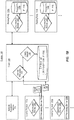
- FIG. 1A illustrates a federated identity provisioning system 100 in accordance with an implementation of the present invention.
- a federated identity provisioning system 100 comprises at least a client 105, and one or more relying parties 120(a, b, etc.) for which the client 105 (i.e., on behalf of a user) requests access to particular services.
- the relying party 120 is an online bank or an online store that provides various account or purchasing functions.
- Figure 1A also shows that each relying party 120(a, b, etc.) comprises a determination module 140(a, b, etc.) and a list 125(a, b, etc.) of trusted identity providers. Each of these modules and lists are discussed more fully below.
- Figure 1A shows that the federated identity provisioning system 100 comprises one or more identity providers 110(a, b, etc.), which each also have their own determination modules 145(a, b, etc.) and corresponding one or more digital identity provisioning services 150(a, b, etc.)
- the one or more identity providers 110 verify the identity of a user/client to a relying party with one or more "security tokens" (e.g., 210, Figure 2 ).
- a security token provides various claims about a user in a format/configuration that is mutually agreed upon by a relying party 120 and trusted identity provider 110.
- a relying party 120 in the form of a bank or online store requires independent verification of user/client 105 credentials before providing the requested services to the client 105; a trusted identity provider 110, in turn, provides this verification through one or more security tokens, which comprise expected data used to verify the user's credentials.
- the client 105 cannot, however, simply request a security token from an indicated identity provider 110. Rather, the client 105 will need to establish a relationship of trust with the identity provider 110. Furthermore, the client 105 cannot simply gain a relationship of trust with any given identity provider 110 for purposes of interacting with any particular relying party 120. Rather, the client 105 needs to obtain a relationship of trust with a particular identity provider 110 that is also trusted by the particular relying party 120 for which the client requests services. That is, not every relying party 120 will have a trust relationship with every identity provider 110, and vice versa.
- Figure 1A shows that relying party 120a maintains a list 125a of trusted identity providers 100, which includes in this case identity provider 110a, but not identity provider 110b.
- Figure 1A shows that relying party 120b maintains a list 125b of trusted identity providers 100, which includes in this case identity provider 110b, but not identity provider 110a.
- the client's (on behalf of the user) relationship of trust with a given identity provider is manifest in the aforementioned digital identity representation, or DIR (113).
- the client uses a particular DIR 113(a, b, etc.) in order to obtain a security token with a particular identity provider 110, ultimately for use with services at one or more relying parties that trust the particular identity provider.
- Figure 1A shows that client 105 maintains a DIR store 107, which includes in this case a DIR 113a for identity provider 110b, which is used for services with relying party 120b since only relying party 120b, and not relying party 120a, trusts identity provider 110a.
- any given DIR 113 may be used with multiple different relying parties 120.
- Figure 1A shows that client 105 only has a single DIR 113a for purposes of simplicity.
- the illustrated DIR 113a allows client 105 to obtain security tokens from identity provider 110b for use with relying party 120b.
- Figure 1A also illustrates that client 105 does not have a DIR corresponding to an identity provider 110a, and/or for use with services at relying party 120a.
- relying party 120a when client 105 attempts (e.g., message 155) to access services with relying party 120a, relying party 120a ultimately directs client 105 to an identity provider (i.e., 110a) for which the client 105 has not yet established a relationship (i.e., there is no DIR 113).
- an identity provider i.e., 110a
- Figure 1A shows that, in response to message 155, relying party 120a (e.g., via determination module 140a) determines that client 105 still needs to present a security token to access services.
- relying party 120a responds with one or more policies 160.
- relying party 120a can provide the one or more policies 160 any number of ways. For example, relying party 120a can publish one or more documents that contain the information about appropriate token issuers (i.e., identity providers). The client 105 can then review the published document for the relevant information. In additional or alternative implementations, the relying party 120a responds with the specific information regarding the name of the trusted identity providers 110.
- appropriate token issuers i.e., identity providers
- the information/policies 160 provided by relying party 120a can comprise any number or types of information.
- the policies 160 can comprise various metadata elements (e.g., in accordance with the WS-FEDERATION specification) regarding a network endpoint for a particular identity provider 110.
- the one or more metadata elements comprise or otherwise indicate one or more generalized domain names, which client 105 will need to resolve further in order to determine the appropriate endpoint.
- the one or more policies 160 can comprise information such as "use an identity provider from BANK.com". In such a case, client 105 would need to resolve BANK.com to identify one or more identity providers 110, and obtain a security token there from.
- Figure 1A shows that client 105 processes the information 160 about the appropriate identity provider(s) 110 via service requestor 130, which compares the received information 160 through an identity selector 135.
- service requestor 130 sends one or more messages 165 to identity selector 135 to inquire whether there is a DIR (i.e., in store 107) corresponding to identity provider 110a for relying party 120a.
- identity selector 135 responds with one or more messages 170 indicating that there is no such DIR, or otherwise indicating the need to establish a DIR for identity provider 110a.
- identity selector 135 further presents one or more interfaces to the user, and allows the user to select an appropriate DIR 113 for use with relying party 120a, or otherwise an option to go obtain a new DIR 113 if needed.
- Figure 1A shows that service requestor 130 is instructed to find (and communicate with) identity provider 110a to obtain an appropriate DIR 113.
- Figure 1A also shows that the information 160 regarding identity provider 110a needs further resolution, since it does not represent a precise network endpoint.
- Figure 1A shows that service requester 130 contacts one or more domain name resolution services 115 with one or more messages 175.
- service requestor 130 contacts one or more other agents or services, which, in turn, contact network resolution service 115 with message 175.
- Figure 1A shows that client 105 ultimately receives one or more messages 180 with the resolved information 180, which includes in this case, a specific network endpoint for identity provider 110a.
- network resolution service 115 could additionally or alternatively respond with one or more other domain names for other services or agents. Such a response could require service requestor 130 to still further contact other entities to obtain additional information/resolutions before obtaining an endpoint corresponding to identity provider 110a.
- response 180 could include a list of identity providers that could potentially correspond with the name for identity provider 110a.
- Service requester 130 could then contact any or all of the identified identity providers in the list on a continuing basis until identifying the appropriate and specific network endpoint for the identity provider 110a indicated by relying party 120a.
- client 105 e.g., on behalf of the user independently determines or resolves network endpoints without specific direction from relying party 120a.
- Figure 1A shows that service requester 130 sends one or more messages 185 to identity provider 110a (i.e., the resolved endpoint corresponding thereto) in order to obtain information about its DIR provisioning service.
- identity provider 110a i.e., the resolved endpoint corresponding thereto
- client 105 could then use that DIR (e.g., via message 200, Figure 2 ) to request an appropriate security token (210, Figure 2 ) for relying party 120a. Since, in this case, client 105 does not have a DIR for identity provider 110a, client 105 thus asks for the location of an appropriate DIR provisioning service.
- FIG. 1A shows that identity provider 110a sends one or more messages 190, which generally identify a digital identity representation provisioning service 150a (i.e., "DIR Provisioning Service").
- the one or more messages 190 can also comprise a published document comprising metadata elements having one or more specific network endpoints.
- the information in message 190 can comprise resolvable domain names, which service requestor 130 must resolve (e.g., via resolution service 115) in one or more additional steps to identify a network endpoint for the DIR provisioning service 150.
- client 105 upon identifying the correct network endpoints for the DIR provisioning service 150 (i.e., 150a), client 105 then attempts to obtain a DIR 113.
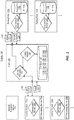
- Figure 1B shows that service requester 130 sends one or more messages 193 to the identified digital identity provisioning service 150a, requesting one or more DIRs 113 for use with a relying party, such as relying party 120a.
- this can include not only a general request to initiate/create a DIR 113, but also a series of requests and responses (i.e., multiple different messages) in order to establish and obtain the DIR 113.
- DIR provisioning service 150a may request personal information about a user (through client 105), and the user, via client 105 may need to provide several corresponding responses.
- DIR provisioning service 150a can then respond with an appropriate DIR 113.
- Figure 1B shows that DIR provisioning service 150a sends to client 105 one or more messages 195 regarding a newly created DIR 113b pertaining to identity provider 110a, which, in this case, client can use with relying party 120a.
- client 105 stores this new DIR 113b in its DIR store 107.
- client 105 can then use the new DIR 113b to obtain one or more security tokens 210 in order to access services with relying party 120a.
- client 105 i.e., via service requestor 130
- the one or more messages 200 include information corresponding to the newly created DIR 113b, as well as a request for one or more security tokens to access services at relying party 120a.
- determination module 150a at identity provider 110a then validates the provided DIR 113b. For example, determination module 145a at identity provider 110a determines that the new DIR 113b corresponds to (or was created by) a DIR provisioning service 150 that was based on the one or more metadata elements in messages 190. As such, since the DIR 113b has been authenticated or validated, Figure 2 shows that identity provider 110a responds with one or more corresponding security tokens 210. Specifically, Figure 2 shows that identity provider 110a sends the one or more security tokens 210 directly to client 105, whereupon client 105 provides the one or more security tokens 210 in one or more corresponding messages 220 to relying party 120a. Of course, one will appreciate that identity provider 110a may additionally or alternatively send the one or more security tokens 210 directly to relying party 120a.
- Figure 2 shows that relying party 120a processes the security token 210 received in the one or more messages 220 through determination module 140.
- determination module 140a processes the security token 210 to determine if it conforms to the one or more data elements of in the previously-provided information 160 ( Figure 1 ). In one implementation, this includes the relying party 120a determining that the received security token 210 is from a trusted identity provider (e.g., 110a), and that the security token 210 includes expected data for verifying the user that is requesting services.
- a trusted identity provider e.g., 110a
- relying party 120a can then grant access to the requested services.
- Figure 2 shows that relying party 120a sends one or more messages 230 back to client 105, which allow client 105 to access the requested services.
- Figures 1A through 2 provide one or more mechanisms for enabling a secure resolution of information by a client 105.
- Figures 1A through 2 and the corresponding text, provide a number of components and mechanisms for ensuring that a client 105 can safely and securely obtain a trust relationship with an identity provider.
- such components and mechanisms involve a level of independent resolution and action by a client, which can avoid a number of security breaches, such as those associated, for example, with conventional phishing attacks.
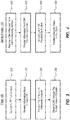
- Figure 3 illustrates a flow chart from the perspective of client 105 for resolving information from a relying party to obtain a digital identity representation from a trusted endpoint, such as identity provider 110.
- Figure 4 illustrates a flow chart from the perspective of an identity provider 110 for authenticating a digital identity representation and providing a corresponding security token to a client.
- the acts of Figures 3 and 4 are described more fully below with respect to the components and diagrams 1A, 1B and 2.
- Figure 3 illustrates that a method from the perspective of client 105 can comprise an act 300 of contacting a relying party (RP) for services.
- Act 300 includes contacting a relying party to access one or more services at the relying party.
- Figure 1A shows that client 105 sends one or more messages 155 to relying party 120a, which request access to one or more services at relying party 120a.
- Figure 3 also shows that the method from the perspective of client 105 can comprise an act 310 of receiving information about a trusted identity provider (IP).
- Act 310 includes receiving one or more policy files from the relying party, wherein the one or more policy files comprise information that identifies a generalized name corresponding to a set of one or more trusted identity providers.
- Figure 1A shows that, since client 105 does not have an established relationship with relying party 120, relying party sends one or more messages 160 back to client 105.
- the one or more messages 160 include information indicating generalized information about trusted identity provider 110a.
- such information 160 could include a specific network endpoint for identity provider 110a.
- such information 160 can also or alternatively include a generalized domain name of the identity provider 110a, or to yet another service 110a that can be contacted to identity the network address for identity provider 110a.
- Figure 3 illustrates that a method from the perspective of client 105 can comprise an act 320 of resolving the identity provider name to a trusted network endpoint.
- Act 320 includes automatically resolving the generalized name to obtain one or more network endpoints for one of the trusted identity providers.
- service requester 130 at client 105 automatically sends one or more messages 175 to a network resolution service 115 and requests resolution of a generalized domain name found in information 160.
- service requestor 130 receives one or more messages 180 that resolve the initially-provided generalized name corresponding to identity provider 110a to one or more particular network endpoints.
- service requestor 130 automatically contacts a specific network endpoint found in information 160, and asks the entity at the network endpoint to provide the location of an appropriate identity provider 110.
- Figure 3 shows that the method from the perspective of client 105 can comprise an act 330 of obtaining a digital identity representation through the trusted network endpoint.
- Act 330 includes, upon authenticating the one or more network endpoints, contacting the one resolved identity provider to obtain one or more digital identity representations for use in obtaining one or more security tokens.
- Figures 1A and 1B show that identity provider 110a sends one or more messages 190 back to client 105.
- the one or more messages 190 can comprise one or more metadata elements (e.g., in accordance with the WS-FEDERATION standard) that indicate one or more endpoints for the DIR provisioning service (e.g., 150a).
- the one or more messages 190 can comprise one or more metadata elements that need to be resolved further to one or more endpoints corresponding to the DIR provisioning service (e.g., 150a).
- service requester 130 uses that information in messages 190 to ultimately contact the appropriate DIR provisioning service (e.g., 150a), and obtain a digital identity representation (e.g., 113b).
- Figure 4 shows that a method from the perspective of an identity provider 110 can comprise an act 400 of receiving a client request for information about DIR provisioning services.
- Act 400 includes receiving at an identity provider one or more requests from a client for one or more DIR provisioning services that for establishing one or more DIRs that can be subsequently used to obtain one or more security tokens that can verify a user to a relying party.
- Figure 1A shows that identity provider 110a receives one or more requests 185 for DIR provisioning service information from client 105, as part of an effort to eventually obtain one or more security tokens.
- Figure 4 also illustrates that the method from the perspective of identity provider 110 can also comprise an act 410 of providing information for a digital identity representation provisioning service.
- Act 410 includes providing to the client information that identifies one or more digital identity provisioning services trusted by the identity provider.
- Figure 1A shows that, in response to a request 185, identity provider 110a provides information via one or more messages 190.
- the one or more messages 190 comprise a published security document, or at least a portion of the information contained therein.
- Such information can include domain names for the DIR provisioning service 150a (which may need further resolution via network resolution service 115), or simply the specific network endpoints for service 150a.
- Figure 4 shows that the method from the perspective of identity provider 110 comprises an act 420 of authenticating a digital identity representation provided by a client.
- Act 420 includes authenticating one or more digital identity representations received from the client, wherein the identity provider determines that the received one or more digital identity representations are valid.
- identity provider 110a e.g., via determination module 145a evaluates DIR 113b provided by client 105 in message 200. Specifically, identity provider 110a determines that DIR 113b was created and provided by the DIR provisioning service 150a previously referred to in the one or more messages 190. As such, identity provider 110a confirms that client 105 that provided DIR 113b via message 200 is the same client 105 that requested the DIR provisioning information via message 185.
- Figure 4 shows that the method from the perspective of identity provider 110 can comprise an act 430 of providing a security token to the client.
- Act 430 includes providing one or more security tokens corresponding to the authenticated one or more digital identity representations.
- Figure 2 shows that, upon validating the digital identity representation 113b in message 200, identity provider 110a sends one or more security tokens 210 back to client 105. Client 105 can then use the provided security tokens 210 to verify the requesting user's identity with relying party 120a.
- implementations of the present invention provide a number of different components and mechanisms for safely, securely, and efficiently providing clients with access to appropriate security tokens.
- such mechanisms can include means by which a client's identity selector to determine if DIRs for a particular identity provider are available, and, if not, a way to help the users obtain an appropriate DIR.
- identity providers can also enable identity providers to provide (e.g., via publications or otherwise) various metadata elements to the users, where the metadata elements indicate the location of DIR provisioning services that can issue appropriate DIRs.
- information e.g., in the form of metadata elements
- the embodiments of the present invention may comprise a special purpose or general-purpose computer including various computer hardware, as discussed in greater detail below.
- Embodiments within the scope of the present invention also include computer-readable media for carrying or having computer-executable instructions or data structures stored thereon.
- Such computer-readable media can be any available media that can be accessed by a general purpose or special purpose computer.
- such computer-readable media can comprise RAM, ROM, EEPROM, CD-ROM or other optical disk storage, magnetic disk storage or other magnetic storage devices, or any other medium which can be used to carry or store desired program code means in the form of computer-executable instructions or data structures and which can be accessed by a general purpose or special purpose computer.
- a network or another communications connection either hardwired, wireless, or a combination of hardwired or wireless
- the computer properly views the connection as a computer-readable medium.
- any such connection is properly termed a computer-readable medium.
- Computer-executable instructions comprise, for example, instructions and data which cause a general purpose computer, special purpose computer, or special purpose processing device to perform a certain function or group of functions.
Landscapes
- Engineering & Computer Science (AREA)
- Computer Security & Cryptography (AREA)
- Computer Hardware Design (AREA)
- Theoretical Computer Science (AREA)
- General Engineering & Computer Science (AREA)
- Signal Processing (AREA)
- Computer Networks & Wireless Communication (AREA)
- Software Systems (AREA)
- Physics & Mathematics (AREA)
- General Physics & Mathematics (AREA)
- Computing Systems (AREA)
- Storage Device Security (AREA)
- Information Transfer Between Computers (AREA)
- Computer And Data Communications (AREA)
Applications Claiming Priority (2)
| Application Number | Priority Date | Filing Date | Title |
|---|---|---|---|
| US12/141,515 US8074258B2 (en) | 2008-06-18 | 2008-06-18 | Obtaining digital identities or tokens through independent endpoint resolution |
| PCT/US2009/045989 WO2009155129A2 (en) | 2008-06-18 | 2009-06-02 | Obtaining digital identities or tokens through independent endpoint resolution |
Publications (3)
| Publication Number | Publication Date |
|---|---|
| EP2310975A2 EP2310975A2 (en) | 2011-04-20 |
| EP2310975A4 EP2310975A4 (en) | 2014-10-08 |
| EP2310975B1 true EP2310975B1 (en) | 2018-07-25 |
Family
ID=41432690
Family Applications (1)
| Application Number | Title | Priority Date | Filing Date |
|---|---|---|---|
| EP09767440.2A Not-in-force EP2310975B1 (en) | 2008-06-18 | 2009-06-02 | Obtaining digital identities or tokens through independent endpoint resolution |
Country Status (5)
| Country | Link |
|---|---|
| US (1) | US8074258B2 (enExample) |
| EP (1) | EP2310975B1 (enExample) |
| JP (1) | JP5086474B2 (enExample) |
| CN (1) | CN102067145B (enExample) |
| WO (1) | WO2009155129A2 (enExample) |
Families Citing this family (30)
| Publication number | Priority date | Publication date | Assignee | Title |
|---|---|---|---|---|
| US8087060B2 (en) | 2007-03-16 | 2011-12-27 | James Mark Norman | Chaining information card selectors |
| US8151324B2 (en) | 2007-03-16 | 2012-04-03 | Lloyd Leon Burch | Remotable information cards |
| US8079069B2 (en) | 2008-03-24 | 2011-12-13 | Oracle International Corporation | Cardspace history validator |
| US8083135B2 (en) | 2009-01-12 | 2011-12-27 | Novell, Inc. | Information card overlay |
| US8632003B2 (en) | 2009-01-27 | 2014-01-21 | Novell, Inc. | Multiple persona information cards |
| US8973099B2 (en) * | 2010-06-15 | 2015-03-03 | Microsoft Corporation | Integrating account selectors with passive authentication protocols |
| US9111079B2 (en) * | 2010-09-30 | 2015-08-18 | Microsoft Technology Licensing, Llc | Trustworthy device claims as a service |
| US8370914B2 (en) | 2010-12-15 | 2013-02-05 | Microsoft Corporation | Transition from WS-Federation passive profile to active profile |
| US8255687B1 (en) * | 2011-09-15 | 2012-08-28 | Google Inc. | Enabling users to select between secure service providers using a key escrow service |
| US8429409B1 (en) | 2012-04-06 | 2013-04-23 | Google Inc. | Secure reset of personal and service provider information on mobile devices |
| US20130275282A1 (en) * | 2012-04-17 | 2013-10-17 | Microsoft Corporation | Anonymous billing |
| US9690920B2 (en) * | 2012-08-30 | 2017-06-27 | International Business Machines Corporation | Secure configuration catalog of trusted identity providers |
| US9444817B2 (en) | 2012-09-27 | 2016-09-13 | Microsoft Technology Licensing, Llc | Facilitating claim use by service providers |
| US10243945B1 (en) * | 2013-10-28 | 2019-03-26 | Amazon Technologies, Inc. | Managed identity federation |
| US10341353B1 (en) * | 2015-06-04 | 2019-07-02 | Wymsical, Inc. | System and method for issuing, authenticating, storing, retrieving, and verifying documents |
| US11916916B2 (en) | 2015-06-04 | 2024-02-27 | Wymsical, Inc. | System and method for authenticating, storing, retrieving, and verifying documents |
| CN108780390B (zh) * | 2016-06-06 | 2022-09-27 | 金融与风险组织有限公司 | 用于提供身份评分的系统和方法 |
| US10397199B2 (en) * | 2016-12-09 | 2019-08-27 | Microsoft Technology Licensing, Llc | Integrated consent system |
| US10089801B1 (en) | 2017-05-15 | 2018-10-02 | Amazon Technologies, Inc. | Universal access control device |
| US10498538B2 (en) * | 2017-09-25 | 2019-12-03 | Amazon Technologies, Inc. | Time-bound secure access |
| US10783338B2 (en) | 2018-03-08 | 2020-09-22 | Amazon Technologies, Inc. | Integrated access control system |
| US10855669B2 (en) | 2018-05-03 | 2020-12-01 | Vmware, Inc. | Authentication service |
| US10855670B2 (en) * | 2018-05-03 | 2020-12-01 | Vmware, Inc. | Polling service |
| WO2020036660A1 (en) | 2018-08-17 | 2020-02-20 | Visa International Service Association | Secure data transfer system and method |
| JP7215342B2 (ja) | 2019-06-06 | 2023-01-31 | 富士通株式会社 | 通信プログラム、通信方法、および、通信装置 |
| JP7306170B2 (ja) | 2019-09-03 | 2023-07-11 | 富士通株式会社 | 通信プログラムおよび通信方法 |
| US11343139B2 (en) * | 2020-03-23 | 2022-05-24 | Microsoft Technology Licensing, Llc | Device provisioning using a supplemental cryptographic identity |
| CN111523147B (zh) * | 2020-07-03 | 2020-11-24 | 支付宝(杭州)信息技术有限公司 | 一种基于区块链的核身方法及相关硬件 |
| US12107957B2 (en) | 2022-12-07 | 2024-10-01 | Credence ID, LLC | Point-of-service digital identity verification device |
| US12013924B1 (en) | 2022-12-07 | 2024-06-18 | Credence ID, LLC | Non-repudiable proof of digital identity verification |
Family Cites Families (14)
| Publication number | Priority date | Publication date | Assignee | Title |
|---|---|---|---|---|
| US7290278B2 (en) * | 2003-10-02 | 2007-10-30 | Aol Llc, A Delaware Limited Liability Company | Identity based service system |
| JP4064914B2 (ja) * | 2003-12-02 | 2008-03-19 | インターナショナル・ビジネス・マシーンズ・コーポレーション | 情報処理装置、サーバ装置、情報処理装置のための方法、サーバ装置のための方法および装置実行可能なプログラム |
| US7607008B2 (en) * | 2004-04-01 | 2009-10-20 | Microsoft Corporation | Authentication broker service |
| US8499153B2 (en) * | 2004-06-24 | 2013-07-30 | Nokia Corporation | System and method of authenticating a user to a service provider |
| US20060048216A1 (en) * | 2004-07-21 | 2006-03-02 | International Business Machines Corporation | Method and system for enabling federated user lifecycle management |
| US7562382B2 (en) * | 2004-12-16 | 2009-07-14 | International Business Machines Corporation | Specializing support for a federation relationship |
| US7849020B2 (en) * | 2005-04-19 | 2010-12-07 | Microsoft Corporation | Method and apparatus for network transactions |
| WO2007076459A2 (en) * | 2005-12-21 | 2007-07-05 | Digimarc Corporation | Rules driven pan id metadata routing system and network |
| EP1811421A1 (en) * | 2005-12-29 | 2007-07-25 | AXSionics AG | Security token and method for authentication of a user with the security token |
| US8104074B2 (en) * | 2006-02-24 | 2012-01-24 | Microsoft Corporation | Identity providers in digital identity system |
| US8078880B2 (en) * | 2006-07-28 | 2011-12-13 | Microsoft Corporation | Portable personal identity information |
| US7523141B2 (en) * | 2006-07-31 | 2009-04-21 | Microsoft Corporation | Synchronization operations involving entity identifiers |
| US8689287B2 (en) * | 2006-08-17 | 2014-04-01 | Northrop Grumman Systems Corporation | Federated credentialing system and method |
| US7764677B2 (en) * | 2006-09-20 | 2010-07-27 | Nortel Networks Limited | Method and system for policy-based address allocation for secure unique local networks |
-
2008
- 2008-06-18 US US12/141,515 patent/US8074258B2/en active Active
-
2009
- 2009-06-02 EP EP09767440.2A patent/EP2310975B1/en not_active Not-in-force
- 2009-06-02 CN CN2009801234314A patent/CN102067145B/zh not_active Expired - Fee Related
- 2009-06-02 JP JP2011514676A patent/JP5086474B2/ja not_active Expired - Fee Related
- 2009-06-02 WO PCT/US2009/045989 patent/WO2009155129A2/en not_active Ceased
Non-Patent Citations (1)
| Title |
|---|
| None * |
Also Published As
| Publication number | Publication date |
|---|---|
| EP2310975A4 (en) | 2014-10-08 |
| JP5086474B2 (ja) | 2012-11-28 |
| CN102067145B (zh) | 2013-11-06 |
| US20090320095A1 (en) | 2009-12-24 |
| EP2310975A2 (en) | 2011-04-20 |
| WO2009155129A3 (en) | 2010-03-11 |
| WO2009155129A2 (en) | 2009-12-23 |
| JP2011525028A (ja) | 2011-09-08 |
| CN102067145A (zh) | 2011-05-18 |
| US8074258B2 (en) | 2011-12-06 |
Similar Documents
| Publication | Publication Date | Title |
|---|---|---|
| US8074258B2 (en) | Obtaining digital identities or tokens through independent endpoint resolution | |
| US10454918B1 (en) | Method for SSO service using PKI based on blockchain networks, and device and server using the same | |
| US10333941B2 (en) | Secure identity federation for non-federated systems | |
| CN109691014B (zh) | 物联网装置和应用程序之间的生物计量识别和验证 | |
| US10382427B2 (en) | Single sign on with multiple authentication factors | |
| US11277398B2 (en) | System and methods for performing distributed authentication using a bridge computer system | |
| US7698375B2 (en) | Method and system for pluggability of federation protocol runtimes for federated user lifecycle management | |
| US7631346B2 (en) | Method and system for a runtime user account creation operation within a single-sign-on process in a federated computing environment | |
| EP2258095B1 (en) | Identity management | |
| US8015301B2 (en) | Policy and attribute based access to a resource | |
| US20060021018A1 (en) | Method and system for enabling trust infrastructure support for federated user lifecycle management | |
| US20060048216A1 (en) | Method and system for enabling federated user lifecycle management | |
| US20060021017A1 (en) | Method and system for establishing federation relationships through imported configuration files | |
| US20060218628A1 (en) | Method and system for enhanced federated single logout | |
| US20040034770A1 (en) | Method and system for using a web service license | |
| EP1386243A1 (en) | Federated authentication service | |
| WO2018170341A1 (en) | Methods and systems for universal storage and access to user-owned credentials for trans-institutional digital authentication | |
| KR102957866B1 (ko) | 사용자로부터 권한을 위임받아 서비스를 대리 수행하는 방법 및 이를 이용한 ai 에이전트 | |
| Alghawli | Analysis of Authentication Methods and Secure Web Application Realization With an Integrated Authentication System | |
| CN117395005B (zh) | 基于区块链的身份认证系统、方法及计算机设备 | |
| US20080082626A1 (en) | Typed authorization data | |
| KR100992016B1 (ko) | 데이터 프로세싱 시스템 내에 연합 기능성을 제공하는 방법및 장치 | |
| Thomas et al. | Identity Assurance in Open Networks | |
| Cordova Morales et al. | Enhancing the Acme Protocol to Automate the Management of All X. 509 Web Certificates (Extended Version) | |
| HK40005394A (zh) | 物联网装置和应用程序之间的生物计量识别和验证 |
Legal Events
| Date | Code | Title | Description |
|---|---|---|---|
| PUAI | Public reference made under article 153(3) epc to a published international application that has entered the european phase |
Free format text: ORIGINAL CODE: 0009012 |
|
| 17P | Request for examination filed |
Effective date: 20110112 |
|
| AK | Designated contracting states |
Kind code of ref document: A2 Designated state(s): AT BE BG CH CY CZ DE DK EE ES FI FR GB GR HR HU IE IS IT LI LT LU LV MC MK MT NL NO PL PT RO SE SI SK TR |
|
| AX | Request for extension of the european patent |
Extension state: AL BA RS |
|
| DAX | Request for extension of the european patent (deleted) | ||
| REG | Reference to a national code |
Ref country code: DE Ref legal event code: R079 Ref document number: 602009053463 Country of ref document: DE Free format text: PREVIOUS MAIN CLASS: G06F0021000000 Ipc: G06F0021330000 |
|
| A4 | Supplementary search report drawn up and despatched |
Effective date: 20140905 |
|
| RIC1 | Information provided on ipc code assigned before grant |
Ipc: H04L 29/06 20060101ALI20140901BHEP Ipc: G06F 21/33 20130101AFI20140901BHEP |
|
| RAP1 | Party data changed (applicant data changed or rights of an application transferred) |
Owner name: MICROSOFT TECHNOLOGY LICENSING, LLC |
|
| GRAP | Despatch of communication of intention to grant a patent |
Free format text: ORIGINAL CODE: EPIDOSNIGR1 |
|
| STAA | Information on the status of an ep patent application or granted ep patent |
Free format text: STATUS: GRANT OF PATENT IS INTENDED |
|
| INTG | Intention to grant announced |
Effective date: 20180212 |
|
| GRAS | Grant fee paid |
Free format text: ORIGINAL CODE: EPIDOSNIGR3 |
|
| GRAA | (expected) grant |
Free format text: ORIGINAL CODE: 0009210 |
|
| STAA | Information on the status of an ep patent application or granted ep patent |
Free format text: STATUS: THE PATENT HAS BEEN GRANTED |
|
| AK | Designated contracting states |
Kind code of ref document: B1 Designated state(s): AT BE BG CH CY CZ DE DK EE ES FI FR GB GR HR HU IE IS IT LI LT LU LV MC MK MT NL NO PL PT RO SE SI SK TR |
|
| REG | Reference to a national code |
Ref country code: GB Ref legal event code: FG4D |
|
| REG | Reference to a national code |
Ref country code: CH Ref legal event code: EP |
|
| REG | Reference to a national code |
Ref country code: AT Ref legal event code: REF Ref document number: 1022533 Country of ref document: AT Kind code of ref document: T Effective date: 20180815 |
|
| REG | Reference to a national code |
Ref country code: IE Ref legal event code: FG4D |
|
| REG | Reference to a national code |
Ref country code: DE Ref legal event code: R096 Ref document number: 602009053463 Country of ref document: DE |
|
| REG | Reference to a national code |
Ref country code: NL Ref legal event code: FP |
|
| REG | Reference to a national code |
Ref country code: LT Ref legal event code: MG4D |
|
| REG | Reference to a national code |
Ref country code: CH Ref legal event code: PK Free format text: BERICHTIGUNGEN |
|
| RIC2 | Information provided on ipc code assigned after grant |
Ipc: H04L 29/06 20060101ALI20140901BHEP Ipc: G06F 21/33 20130101AFI20140901BHEP |
|
| REG | Reference to a national code |
Ref country code: AT Ref legal event code: MK05 Ref document number: 1022533 Country of ref document: AT Kind code of ref document: T Effective date: 20180725 |
|
| PG25 | Lapsed in a contracting state [announced via postgrant information from national office to epo] |
Ref country code: BG Free format text: LAPSE BECAUSE OF FAILURE TO SUBMIT A TRANSLATION OF THE DESCRIPTION OR TO PAY THE FEE WITHIN THE PRESCRIBED TIME-LIMIT Effective date: 20181025 Ref country code: PL Free format text: LAPSE BECAUSE OF FAILURE TO SUBMIT A TRANSLATION OF THE DESCRIPTION OR TO PAY THE FEE WITHIN THE PRESCRIBED TIME-LIMIT Effective date: 20180725 Ref country code: LT Free format text: LAPSE BECAUSE OF FAILURE TO SUBMIT A TRANSLATION OF THE DESCRIPTION OR TO PAY THE FEE WITHIN THE PRESCRIBED TIME-LIMIT Effective date: 20180725 Ref country code: AT Free format text: LAPSE BECAUSE OF FAILURE TO SUBMIT A TRANSLATION OF THE DESCRIPTION OR TO PAY THE FEE WITHIN THE PRESCRIBED TIME-LIMIT Effective date: 20180725 Ref country code: SE Free format text: LAPSE BECAUSE OF FAILURE TO SUBMIT A TRANSLATION OF THE DESCRIPTION OR TO PAY THE FEE WITHIN THE PRESCRIBED TIME-LIMIT Effective date: 20180725 Ref country code: IS Free format text: LAPSE BECAUSE OF FAILURE TO SUBMIT A TRANSLATION OF THE DESCRIPTION OR TO PAY THE FEE WITHIN THE PRESCRIBED TIME-LIMIT Effective date: 20181125 Ref country code: NO Free format text: LAPSE BECAUSE OF FAILURE TO SUBMIT A TRANSLATION OF THE DESCRIPTION OR TO PAY THE FEE WITHIN THE PRESCRIBED TIME-LIMIT Effective date: 20181025 Ref country code: FI Free format text: LAPSE BECAUSE OF FAILURE TO SUBMIT A TRANSLATION OF THE DESCRIPTION OR TO PAY THE FEE WITHIN THE PRESCRIBED TIME-LIMIT Effective date: 20180725 Ref country code: GR Free format text: LAPSE BECAUSE OF FAILURE TO SUBMIT A TRANSLATION OF THE DESCRIPTION OR TO PAY THE FEE WITHIN THE PRESCRIBED TIME-LIMIT Effective date: 20181026 |
|
| REG | Reference to a national code |
Ref country code: CH Ref legal event code: PK Free format text: BERICHTIGUNGEN |
|
| RIC2 | Information provided on ipc code assigned after grant |
Ipc: H04L 29/06 20060101ALI20140901BHEP Ipc: G06F 21/33 20130101AFI20140901BHEP |
|
| PG25 | Lapsed in a contracting state [announced via postgrant information from national office to epo] |
Ref country code: HR Free format text: LAPSE BECAUSE OF FAILURE TO SUBMIT A TRANSLATION OF THE DESCRIPTION OR TO PAY THE FEE WITHIN THE PRESCRIBED TIME-LIMIT Effective date: 20180725 Ref country code: ES Free format text: LAPSE BECAUSE OF FAILURE TO SUBMIT A TRANSLATION OF THE DESCRIPTION OR TO PAY THE FEE WITHIN THE PRESCRIBED TIME-LIMIT Effective date: 20180725 Ref country code: LV Free format text: LAPSE BECAUSE OF FAILURE TO SUBMIT A TRANSLATION OF THE DESCRIPTION OR TO PAY THE FEE WITHIN THE PRESCRIBED TIME-LIMIT Effective date: 20180725 |
|
| REG | Reference to a national code |
Ref country code: DE Ref legal event code: R097 Ref document number: 602009053463 Country of ref document: DE |
|
| PG25 | Lapsed in a contracting state [announced via postgrant information from national office to epo] |
Ref country code: CZ Free format text: LAPSE BECAUSE OF FAILURE TO SUBMIT A TRANSLATION OF THE DESCRIPTION OR TO PAY THE FEE WITHIN THE PRESCRIBED TIME-LIMIT Effective date: 20180725 Ref country code: RO Free format text: LAPSE BECAUSE OF FAILURE TO SUBMIT A TRANSLATION OF THE DESCRIPTION OR TO PAY THE FEE WITHIN THE PRESCRIBED TIME-LIMIT Effective date: 20180725 Ref country code: IT Free format text: LAPSE BECAUSE OF FAILURE TO SUBMIT A TRANSLATION OF THE DESCRIPTION OR TO PAY THE FEE WITHIN THE PRESCRIBED TIME-LIMIT Effective date: 20180725 Ref country code: EE Free format text: LAPSE BECAUSE OF FAILURE TO SUBMIT A TRANSLATION OF THE DESCRIPTION OR TO PAY THE FEE WITHIN THE PRESCRIBED TIME-LIMIT Effective date: 20180725 |
|
| PG25 | Lapsed in a contracting state [announced via postgrant information from national office to epo] |
Ref country code: SK Free format text: LAPSE BECAUSE OF FAILURE TO SUBMIT A TRANSLATION OF THE DESCRIPTION OR TO PAY THE FEE WITHIN THE PRESCRIBED TIME-LIMIT Effective date: 20180725 Ref country code: DK Free format text: LAPSE BECAUSE OF FAILURE TO SUBMIT A TRANSLATION OF THE DESCRIPTION OR TO PAY THE FEE WITHIN THE PRESCRIBED TIME-LIMIT Effective date: 20180725 |
|
| PLBE | No opposition filed within time limit |
Free format text: ORIGINAL CODE: 0009261 |
|
| STAA | Information on the status of an ep patent application or granted ep patent |
Free format text: STATUS: NO OPPOSITION FILED WITHIN TIME LIMIT |
|
| 26N | No opposition filed |
Effective date: 20190426 |
|
| PG25 | Lapsed in a contracting state [announced via postgrant information from national office to epo] |
Ref country code: SI Free format text: LAPSE BECAUSE OF FAILURE TO SUBMIT A TRANSLATION OF THE DESCRIPTION OR TO PAY THE FEE WITHIN THE PRESCRIBED TIME-LIMIT Effective date: 20180725 |
|
| PG25 | Lapsed in a contracting state [announced via postgrant information from national office to epo] |
Ref country code: MC Free format text: LAPSE BECAUSE OF FAILURE TO SUBMIT A TRANSLATION OF THE DESCRIPTION OR TO PAY THE FEE WITHIN THE PRESCRIBED TIME-LIMIT Effective date: 20180725 |
|
| REG | Reference to a national code |
Ref country code: CH Ref legal event code: PL |
|
| REG | Reference to a national code |
Ref country code: BE Ref legal event code: MM Effective date: 20190630 |
|
| PG25 | Lapsed in a contracting state [announced via postgrant information from national office to epo] |
Ref country code: TR Free format text: LAPSE BECAUSE OF FAILURE TO SUBMIT A TRANSLATION OF THE DESCRIPTION OR TO PAY THE FEE WITHIN THE PRESCRIBED TIME-LIMIT Effective date: 20180725 |
|
| PG25 | Lapsed in a contracting state [announced via postgrant information from national office to epo] |
Ref country code: IE Free format text: LAPSE BECAUSE OF NON-PAYMENT OF DUE FEES Effective date: 20190602 |
|
| PG25 | Lapsed in a contracting state [announced via postgrant information from national office to epo] |
Ref country code: LI Free format text: LAPSE BECAUSE OF NON-PAYMENT OF DUE FEES Effective date: 20190630 Ref country code: LU Free format text: LAPSE BECAUSE OF NON-PAYMENT OF DUE FEES Effective date: 20190602 Ref country code: CH Free format text: LAPSE BECAUSE OF NON-PAYMENT OF DUE FEES Effective date: 20190630 Ref country code: BE Free format text: LAPSE BECAUSE OF NON-PAYMENT OF DUE FEES Effective date: 20190630 |
|
| PG25 | Lapsed in a contracting state [announced via postgrant information from national office to epo] |
Ref country code: PT Free format text: LAPSE BECAUSE OF FAILURE TO SUBMIT A TRANSLATION OF THE DESCRIPTION OR TO PAY THE FEE WITHIN THE PRESCRIBED TIME-LIMIT Effective date: 20181125 |
|
| PG25 | Lapsed in a contracting state [announced via postgrant information from national office to epo] |
Ref country code: CY Free format text: LAPSE BECAUSE OF FAILURE TO SUBMIT A TRANSLATION OF THE DESCRIPTION OR TO PAY THE FEE WITHIN THE PRESCRIBED TIME-LIMIT Effective date: 20180725 |
|
| PG25 | Lapsed in a contracting state [announced via postgrant information from national office to epo] |
Ref country code: HU Free format text: LAPSE BECAUSE OF FAILURE TO SUBMIT A TRANSLATION OF THE DESCRIPTION OR TO PAY THE FEE WITHIN THE PRESCRIBED TIME-LIMIT; INVALID AB INITIO Effective date: 20090602 Ref country code: MT Free format text: LAPSE BECAUSE OF FAILURE TO SUBMIT A TRANSLATION OF THE DESCRIPTION OR TO PAY THE FEE WITHIN THE PRESCRIBED TIME-LIMIT Effective date: 20180725 |
|
| PG25 | Lapsed in a contracting state [announced via postgrant information from national office to epo] |
Ref country code: MK Free format text: LAPSE BECAUSE OF FAILURE TO SUBMIT A TRANSLATION OF THE DESCRIPTION OR TO PAY THE FEE WITHIN THE PRESCRIBED TIME-LIMIT Effective date: 20180725 |
|
| P01 | Opt-out of the competence of the unified patent court (upc) registered |
Effective date: 20230505 |
|
| PGFP | Annual fee paid to national office [announced via postgrant information from national office to epo] |
Ref country code: NL Payment date: 20230523 Year of fee payment: 15 Ref country code: FR Payment date: 20230523 Year of fee payment: 15 |
|
| PGFP | Annual fee paid to national office [announced via postgrant information from national office to epo] |
Ref country code: GB Payment date: 20230523 Year of fee payment: 15 |
|
| PGFP | Annual fee paid to national office [announced via postgrant information from national office to epo] |
Ref country code: DE Payment date: 20240521 Year of fee payment: 16 |
|
| REG | Reference to a national code |
Ref country code: NL Ref legal event code: MM Effective date: 20240701 |
|
| GBPC | Gb: european patent ceased through non-payment of renewal fee |
Effective date: 20240602 |
|
| PG25 | Lapsed in a contracting state [announced via postgrant information from national office to epo] |
Ref country code: NL Free format text: LAPSE BECAUSE OF NON-PAYMENT OF DUE FEES Effective date: 20240701 |
|
| PG25 | Lapsed in a contracting state [announced via postgrant information from national office to epo] |
Ref country code: NL Free format text: LAPSE BECAUSE OF NON-PAYMENT OF DUE FEES Effective date: 20240701 |
|
| PG25 | Lapsed in a contracting state [announced via postgrant information from national office to epo] |
Ref country code: FR Free format text: LAPSE BECAUSE OF NON-PAYMENT OF DUE FEES Effective date: 20240630 |
|
| PG25 | Lapsed in a contracting state [announced via postgrant information from national office to epo] |
Ref country code: GB Free format text: LAPSE BECAUSE OF NON-PAYMENT OF DUE FEES Effective date: 20240602 |
|
| REG | Reference to a national code |
Ref country code: DE Ref legal event code: R119 Ref document number: 602009053463 Country of ref document: DE |
|
| PG25 | Lapsed in a contracting state [announced via postgrant information from national office to epo] |
Ref country code: DE Free format text: LAPSE BECAUSE OF NON-PAYMENT OF DUE FEES Effective date: 20260101 |