EP2309808B1 - Providing service using relay node in 3rd generation partnership project (3gpp) long term evolution (lte)-advanced system - Google Patents
Providing service using relay node in 3rd generation partnership project (3gpp) long term evolution (lte)-advanced system Download PDFInfo
- Publication number
- EP2309808B1 EP2309808B1 EP10173790.6A EP10173790A EP2309808B1 EP 2309808 B1 EP2309808 B1 EP 2309808B1 EP 10173790 A EP10173790 A EP 10173790A EP 2309808 B1 EP2309808 B1 EP 2309808B1
- Authority
- EP
- European Patent Office
- Prior art keywords
- terminal
- service
- relay node
- cgmme
- registration request
- Prior art date
- Legal status (The legal status is an assumption and is not a legal conclusion. Google has not performed a legal analysis and makes no representation as to the accuracy of the status listed.)
- Not-in-force
Links
- 230000007774 longterm Effects 0.000 title description 2
- 238000004891 communication Methods 0.000 claims description 23
- 238000000034 method Methods 0.000 claims description 18
- 230000005540 biological transmission Effects 0.000 claims description 13
- 230000002776 aggregation Effects 0.000 claims description 7
- 238000004220 aggregation Methods 0.000 claims description 7
- 239000000969 carrier Substances 0.000 claims 2
- 238000010586 diagram Methods 0.000 description 4
- 101150014328 RAN2 gene Proteins 0.000 description 1
- 230000000694 effects Effects 0.000 description 1
- 238000010295 mobile communication Methods 0.000 description 1
- 238000005192 partition Methods 0.000 description 1
Images


Classifications
-
- H—ELECTRICITY
- H04—ELECTRIC COMMUNICATION TECHNIQUE
- H04W—WIRELESS COMMUNICATION NETWORKS
- H04W84/00—Network topologies
- H04W84/02—Hierarchically pre-organised networks, e.g. paging networks, cellular networks, WLAN [Wireless Local Area Network] or WLL [Wireless Local Loop]
- H04W84/04—Large scale networks; Deep hierarchical networks
- H04W84/042—Public Land Mobile systems, e.g. cellular systems
- H04W84/047—Public Land Mobile systems, e.g. cellular systems using dedicated repeater stations
-
- H—ELECTRICITY
- H04—ELECTRIC COMMUNICATION TECHNIQUE
- H04B—TRANSMISSION
- H04B7/00—Radio transmission systems, i.e. using radiation field
- H04B7/14—Relay systems
-
- H—ELECTRICITY
- H04—ELECTRIC COMMUNICATION TECHNIQUE
- H04W—WIRELESS COMMUNICATION NETWORKS
- H04W36/00—Hand-off or reselection arrangements
-
- H—ELECTRICITY
- H04—ELECTRIC COMMUNICATION TECHNIQUE
- H04B—TRANSMISSION
- H04B7/00—Radio transmission systems, i.e. using radiation field
- H04B7/24—Radio transmission systems, i.e. using radiation field for communication between two or more posts
- H04B7/26—Radio transmission systems, i.e. using radiation field for communication between two or more posts at least one of which is mobile
- H04B7/2603—Arrangements for wireless physical layer control
- H04B7/2606—Arrangements for base station coverage control, e.g. by using relays in tunnels
-
- H—ELECTRICITY
- H04—ELECTRIC COMMUNICATION TECHNIQUE
- H04W—WIRELESS COMMUNICATION NETWORKS
- H04W16/00—Network planning, e.g. coverage or traffic planning tools; Network deployment, e.g. resource partitioning or cells structures
- H04W16/24—Cell structures
- H04W16/26—Cell enhancers or enhancement, e.g. for tunnels, building shadow
-
- H—ELECTRICITY
- H04—ELECTRIC COMMUNICATION TECHNIQUE
- H04W—WIRELESS COMMUNICATION NETWORKS
- H04W36/00—Hand-off or reselection arrangements
- H04W36/06—Reselecting a communication resource in the serving access point
-
- H—ELECTRICITY
- H04—ELECTRIC COMMUNICATION TECHNIQUE
- H04W—WIRELESS COMMUNICATION NETWORKS
- H04W48/00—Access restriction; Network selection; Access point selection
- H04W48/20—Selecting an access point
-
- H—ELECTRICITY
- H04—ELECTRIC COMMUNICATION TECHNIQUE
- H04W—WIRELESS COMMUNICATION NETWORKS
- H04W60/00—Affiliation to network, e.g. registration; Terminating affiliation with the network, e.g. de-registration
- H04W60/04—Affiliation to network, e.g. registration; Terminating affiliation with the network, e.g. de-registration using triggered events
-
- H—ELECTRICITY
- H04—ELECTRIC COMMUNICATION TECHNIQUE
- H04W—WIRELESS COMMUNICATION NETWORKS
- H04W76/00—Connection management
- H04W76/10—Connection setup
Definitions
- Embodiments of the present invention relate to a method and system of providing a service using a relay node in a 3 rd Generation Partnership Project (3GPP) Long Term Evolution (LTE)-Advanced system, and more particularly, to a method and system of providing a service that is optimized with respect to a small cell managed by a relay node by adding a function of a base station to the relay node.
- 3GPP 3 rd Generation Partnership Project
- LTE Long Term Evolution
- a relay node In a mobile communication system, a relay node is installed in a shadow area that may not be covered by a base station, and is used to expand a service coverage when data is transmitted at a high rate, and to support a group mobility.
- a conventional relay node includes only a function of relaying an information transmission and reception between a base station and a terminal. Accordingly, a private network such as a wireless local area network (WLAN) is operated to provide a service optimized with respect to a corresponding area,
- WLAN wireless local area network
- the private network includes a narrow coverage, a plurality of access points may need to be installed, which may increase costs.
- CMCC Discussions on Functionality Partition of Relay in RAN2; R2-092407; 17-03-2009
- CMCC Discussions on Functionality Partition of Relay in RAN2; R2-092407; 17-03-2009
- CMCC Discussions on Functionality Partition of Relay in RAN2; R2-092407; 17-03-2009
- CAT L3 Anchor Carrier, R2-094322; 18-08-2009
- An example useful to understand the invention provides a method and system for providing a service using a relay node that enables a relay node to operate as a base station by adding a layer 3 (L3) protocol to the relay node.
- L3 layer 3
- Another example also provides a method and system for providing a service using a relay node that enables a relay node to connect a core network and a server of providing a service optimized with respect to a particular location or area, and thereby may provide a user with a separate service available only in an area managed by the relay node.
- Another example also provides a method and system for providing a service using a relay node that may perform a handover of a channel used by a base station from the base station to a relay node and thereby may decrease a number of targets connected by a terminal, when the terminal includes a carrier aggregation function and utilizes different services in the base station and the relay node.
- a system for providing a service using a relay node including the relay node including a layer 1 (L1) protocol and a layer 1 (L2) protocol to manage an information transmission and reception between a base station and a terminal in a particular area, and to relay the information transmission and reception between the base station and the terminal, and an L3 protocol to connect a control signal of a user transmitted from the terminal to a server without using the base station.
- L1 layer 1
- L2 layer 1
- a method of providing a service using a relay node including: verifying, by the relay node, context information associated with a terminal entering a particular area; transmitting, by the relay node, system information to the terminal when context information associated with the terminal does not exist; transmitting, by the relay node, a service registration request and location information of the terminal to a CGMME (Closed Group Mobility Management Entity) when the relay node receives the service registration request from the terminal as a response to the system information; and relaying, by the relay node, an information transmission between the CGMME and the terminal to provide the terminal with a service optimized with respect to the particular area that is performed by the CGMME, when the CGMME completes a radio access setup according to the service registration request.
- CGMME Click Group Mobility Management Entity
- a relay node it is possible to enable a relay node to operate as a base station by adding a layer 3 (L3) protocol to the relay node.
- L3 layer 3
- a relay node it is possible to enable a relay node to connect a CGMME and a server of providing a service optimized with respect to a particular location or area, and to thereby provide a user with a separate service available only in an area managed by the relay node.
- FIG. 1 is a diagram illustrating an example of a system for providing a service using a relay node 140.
- the service providing system using the relay node 140 may include a base station 110, terminal 120 and 150, a MME (Mobility Management Entity) 130 and the relay node 140.
- MME Mobility Management Entity
- the base station 110 may transmit and receive information to and from the MME 130 performing a communication service, and the terminal, 120 that is included in a donor cell 111 of a predetermined coverage.
- the base station 110 may provide the performed communication service to the terminal 120.
- the relay node 140 may relay an information transmission and reception between the base station 110 and the terminal 150 that is located in a particular area 141 where it is difficult for the base station 110 to directly provide the communication service, and thereby may provide the communication service to the terminal 150.
- the particular area 141 may be, for example, an outer area of the donor cell 111, a hot spot area, and a closed group that is an inside area of a building and a particular location at which it is difficult to receive a signal transmitted from the base station 110 due to a structure or a size of a surrounding building.
- FIG. 2 is a diagram illustrating an example of a system for providing a service using a relay node 240 according to an embodiment of the present invention.
- the service providing system may include a terminal 210, a base station 220, a MME 230, the relay node 240, a CGMME 250, and a service provider server 260.
- the relay node 240 may relay an information transmission and reception between the terminal 210 and the base station 220, and may access the CGMME 250 to provide the terminal 210 with a service that is optimized with respect to a particular area 241.
- the optimized service may be transmitted from the service provider server 260.
- the optimized service may include a broadcasting service for staff, a service of providing product information, price information and location information that are uniquely utilized in the department store or the supermarket, additional information according to a location of the terminal 210, and the like.
- the terminal 210 may select and access any one of the base station 210 providing a communication service and the relay node 240 providing the optimized service according to a manipulation of a user.
- the terminal 210 may access the relay node 240 to receive the optimized service, or may access the base station 220 via the relay node 240 to receive a communication service transmitted from the base station 220 via the relay node 240 according to the manipulation of the user.
- the terminal 210 may include a carrier aggregation function including a first carrier 211 and a second carrier 212, and may access the base station 220 using the first carrier 211 and access the relay node 240 using the second carrier 212.
- the terminal 210 may access the base station 210 using the first carrier 211 to receive the communication service, and may access the relay node 240 using the second carrier 212 to receive the optimized service.
- the terminal 210 may verify the received system information to detect that the terminal enters a coverage of the relay node 240, and may display, for the user, information associated with the coverage of the relay node 240 entered by the terminal 210, information associated with a service available from the CGMME 250, and a message of verifying whether to register the available service.
- the terminal 210 may transmit the service registration request to the relay node 240.
- the terminal 210 may set up a channel, for example, a multicast channel and a broadcast channel based on a type of the available service.
- the base station 220 may transmit and receive information to and from the MME 230 performing the communication service, and the terminal 210 that is included in the donor cell 221, and may provide the performed communication service to the terminal 210.
- the relay node 240 may manage an information transmission and reception between the terminal 210 and the base station 220 in the particular area 241 to thereby relay the information transmission and reception between the terminal 210 and the base station 220, and may also access the CGMME 250 to provide the terminal 210 with the optimized service that is transmitted from the service provider server 260. As described above, the optimized service is optimized with respect to the particular area 241.
- the relay node 240 may include a layer 1 (L1) protocol and a layer 2 (L2) protocol to manage the information transmission and reception between the terminal 210 and the base station 220, and a layer 3 (L3) protocol to connect a control signal of a user transmitted from the terminal 210 to another server without using the base station 220.
- L1 layer 1
- L2 layer 2
- L3 layer 3
- the relay node 240 may transmit system information to the unregistered terminal to report that the unregistered terminal enters the particular area 241.
- the relay node 240 may transmit the service registration request and location information of the unregistered terminal to the CGMME 250.
- the relay node 240 may relay an information transmission between the unregistered terminal and the CGMME 250 to provide the unregistered terminal with the optimized service transmitted from the CGMME 250.
- the relay node 240 may determine, as the unregistered terminal, a terminal of which context, information is not included in the CGMME 250,
- the relay node 240 may perform a handover to receive the communication service from the base station 220, and may provide the received communication service using the second carrier 212 and thereby unifying targets to communicate with the terminal 210.
- the CGMME 250 may manage information associated with the particular area 241, access the service provider server 260 of providing the optimized service based on information associated with the particular area 241, and may manage an information transmission and reception between the relay node 240 and the service provider server 260, The CGMME 250 may manage a mobility of a closed group in the particular area 241.
- Information associated with the particular area 241 may include location information of the particular area 24 and context information registered to the available service.
- the CGMME 250 may set up a connection with the service provider server 260 corresponding to the service registration request based on location information of the terminal 210, and transmit the service registration request to the service provider server 260.
- the service provider server 260 completes a higher setup of the radio connection according to the service registration request and transmits a response signal to the CGMME in response to the service registration request
- the CGMME. 250 receiving the response signal may transmit the received response signal to the terminal 210 via the relay node 240 and thereby complete the radio connection setup.
- FIG. 3 is a flowchart illustrating a method of providing a service using a relay node according to an embodiment of the present invention.
- a relay node may transmit system information to an unregistered terminal (hereinafter, referred to as a terminal) entering a particular area.
- the relay node may verify whether context information associated with the new terminal exists. When the context information does not exist, the relay node may transmit system information to the new terminal entering the particular area.
- the terminal may verify the received system information to detect that the terminal enters into a coverage of the relay node, and may display, for a user, information associated with the coverage of the relay node entered by the terminal, information associated with a service available from a CGMME, and a message of verifying whether to register the available service.
- the terminal may receive a service registration request from the user as a response to the message, and transmit the service registration request to the relay node.
- the terminal may set up a channel, for example, a multicast channel and a broadcast channel according to the service registration request. Specifically, the terminal may set up the channel, for example, the multicast channel and the broadcast channel based on a type of a service selected by the user from available services.
- the relay node may transmit the service registration request and location information of the terminal to the CGMME.
- the CGMME may set up a connection with a service provider server corresponding to the service registration request based on location information of the terminal, and may transmit, the service registration request to the service provider server.
- the service provider server may complete an upper or higher setup of a radio connection according to the service registration request.
- the service provider server may transmit, to the CGMME, a response signal containing the completed higher setup, and the CGMME may transmit the response signal to the terminal 210 via the relay node to thereby complete the radio connection setup.
- the service provider server may provide the terminal with a service optimized with respect to the particular area according to the completed radio connection.
- FIG. 4 is a flowchart illustrating a method of performing a handover of a communication service according to an embodiment of the present invention.
- a terminal may access, using a second carrier, a base station 220 included in a donor cell where the terminal is located, to receive a communication service from a MME.
- the terminal entering a coverage of the relay node may register a service using the relay node and complete a radio connection setup with a service provider server using a first carrier.
- Detailed process of operation 420 will be the same as operations 310 through 380 of FIG. 3 and thus further description will be omitted here.
- the relay node may perform a handover of a channel utilized to receive the communication in operation 410, from the base station to the relay node.
- the relay node may connect the handed over channel to the second carrier, and may provide the second carrier with the communication service that provided from the MME via the base station. Through this, it is possible to unify targets to communicate with the terminal.
- a service providing system using a relay node may enable the relay node to operate as a base station by adding an L3 protocol to the relay node.
- a relay node it is possible to enable a relay node to connect a core network and a server of providing a service optimized with respect to a particular location or area, and to thereby provide a user with a separate service available only in an area managed by the relay node.
Landscapes
- Engineering & Computer Science (AREA)
- Computer Networks & Wireless Communication (AREA)
- Signal Processing (AREA)
- Mobile Radio Communication Systems (AREA)
Description
- Embodiments of the present invention relate to a method and system of providing a service using a relay node in a 3rd Generation Partnership Project (3GPP) Long Term Evolution (LTE)-Advanced system, and more particularly, to a method and system of providing a service that is optimized with respect to a small cell managed by a relay node by adding a function of a base station to the relay node.
- In a mobile communication system, a relay node is installed in a shadow area that may not be covered by a base station, and is used to expand a service coverage when data is transmitted at a high rate, and to support a group mobility.
- However, a conventional relay node includes only a function of relaying an information transmission and reception between a base station and a terminal. Accordingly, a private network such as a wireless local area network (WLAN) is operated to provide a service optimized with respect to a corresponding area,
- Since the private network includes a narrow coverage, a plurality of access points may need to be installed, which may increase costs.
- Accordingly, there is a need for a method and system for providing a service optimized with respect to a small area using a relay node having an appropriate size of a coverage.
- Document "CMCC: Discussions on Functionality Partition of Relay in RAN2; R2-092407; 17-03-2009" discloses a Relay Node and how the functionality to be carried out is splitted between said node and an eNB. Document "CATT: L3 Anchor Carrier, R2-094322; 18-08-2009" teaches the use of carrier aggregation.
- The object of the invention is solved by the independent claims 1 and 4.
- An example useful to understand the invention provides a method and system for providing a service using a relay node that enables a relay node to operate as a base station by adding a layer 3 (L3) protocol to the relay node.
- Another example also provides a method and system for providing a service using a relay node that enables a relay node to connect a core network and a server of providing a service optimized with respect to a particular location or area, and thereby may provide a user with a separate service available only in an area managed by the relay node.
- Another example also provides a method and system for providing a service using a relay node that may perform a handover of a channel used by a base station from the base station to a relay node and thereby may decrease a number of targets connected by a terminal, when the terminal includes a carrier aggregation function and utilizes different services in the base station and the relay node.
- According to another example, there is provided a system for providing a service using a relay node, including the relay node including a layer 1 (L1) protocol and a layer 1 (L2) protocol to manage an information transmission and reception between a base station and a terminal in a particular area, and to relay the information transmission and reception between the base station and the terminal, and an L3 protocol to connect a control signal of a user transmitted from the terminal to a server without using the base station.
- According to another example, there is provided a method of providing a service using a relay node, the method including: verifying, by the relay node, context information associated with a terminal entering a particular area; transmitting, by the relay node, system information to the terminal when context information associated with the terminal does not exist; transmitting, by the relay node, a service registration request and location information of the terminal to a CGMME (Closed Group Mobility Management Entity) when the relay node receives the service registration request from the terminal as a response to the system information; and relaying, by the relay node, an information transmission between the CGMME and the terminal to provide the terminal with a service optimized with respect to the particular area that is performed by the CGMME, when the CGMME completes a radio access setup according to the service registration request.
- According to examples useful to understand the invention, it is possible to enable a relay node to operate as a base station by adding a layer 3 (L3) protocol to the relay node.
- Also, according to other example, it is possible to enable a relay node to connect a CGMME and a server of providing a service optimized with respect to a particular location or area, and to thereby provide a user with a separate service available only in an area managed by the relay node.
- Also, according to other example, it is possible to perform a handover of a channel used by a base station from the base station to a relay node and to thereby decrease a number of targets connected by a terminal, when the terminal includes a carrier aggregation function and utilizes different services in the base station and the relay node.
- These and/or other aspects, features, and advantages of the invention will become apparent and more readily appreciated from the following description of exemplary embodiments, taken in conjunction with the accompanying drawings of which:
-
FIG. 1 is a diagram illustrating an example of a system for providing a services using a relay node according to a related art; -
FIG. 2 is a diagram illustrating an example of a system for providing a service using a relay node according to an embodiment of the present invention; -
FIG. 3 is a flowchart illustrating a method of providing a service using a relay node according to an embodiment of the present invention; and -
FIG. 4 is a flowchart illustrating a method of performing a handover of a communication service according to an embodiment of the present invention. - Reference will now be made in detail to exemplary embodiments of the present invention, examples of which are illustrated in the accompanying drawings, wherein like reference numerals refer to the like elements throughout. Exemplary embodiments are described below to explain the present invention by referring to the figures.
-
FIG. 1 is a diagram illustrating an example of a system for providing a service using arelay node 140. - Referring to
FIG. 1 , the service providing system using therelay node 140 may include abase station 110,terminal relay node 140. - The
base station 110 may transmit and receive information to and from the MME 130 performing a communication service, and the terminal, 120 that is included in adonor cell 111 of a predetermined coverage. Thebase station 110 may provide the performed communication service to theterminal 120. - The
relay node 140 may relay an information transmission and reception between thebase station 110 and theterminal 150 that is located in aparticular area 141 where it is difficult for thebase station 110 to directly provide the communication service, and thereby may provide the communication service to theterminal 150. - The
particular area 141 may be, for example, an outer area of thedonor cell 111, a hot spot area, and a closed group that is an inside area of a building and a particular location at which it is difficult to receive a signal transmitted from thebase station 110 due to a structure or a size of a surrounding building. -
FIG. 2 is a diagram illustrating an example of a system for providing a service using arelay node 240 according to an embodiment of the present invention. - Referring to
FIG, 2 , the service providing system may include aterminal 210, abase station 220, a MME 230, therelay node 240, a CGMME 250, and aservice provider server 260. - In the service providing system, the
relay node 240 may relay an information transmission and reception between theterminal 210 and thebase station 220, and may access the CGMME 250 to provide theterminal 210 with a service that is optimized with respect to aparticular area 241. The optimized service may be transmitted from theservice provider server 260. - For example, when the
particular area 241 is a building such as with a company, a department store, and a supermarket, the optimized service may include a broadcasting service for staff, a service of providing product information, price information and location information that are uniquely utilized in the department store or the supermarket, additional information according to a location of theterminal 210, and the like. - When the
terminal 210 is located in an overlapping location between adonor cell 221 that is an area of thebase station 220 and theparticular area 241, theterminal 210 may select and access any one of thebase station 210 providing a communication service and therelay node 240 providing the optimized service according to a manipulation of a user. When theterminal 210 is located in theparticular area 241 excluded from thedonor cell 221, theterminal 210 may access therelay node 240 to receive the optimized service, or may access thebase station 220 via therelay node 240 to receive a communication service transmitted from thebase station 220 via therelay node 240 according to the manipulation of the user. - The
terminal 210 may include a carrier aggregation function including afirst carrier 211 and asecond carrier 212, and may access thebase station 220 using thefirst carrier 211 and access therelay node 240 using thesecond carrier 212. - For example, the
terminal 210 may access thebase station 210 using thefirst carrier 211 to receive the communication service, and may access therelay node 240 using thesecond carrier 212 to receive the optimized service. - When the
terminal 210 receives system information from therelay node 240, theterminal 210 may verify the received system information to detect that the terminal enters a coverage of therelay node 240, and may display, for the user, information associated with the coverage of therelay node 240 entered by theterminal 210, information associated with a service available from the CGMME 250, and a message of verifying whether to register the available service. When the service registration request is received from the user as a response to the message, theterminal 210 may transmit the service registration request to therelay node 240. Theterminal 210 may set up a channel, for example, a multicast channel and a broadcast channel based on a type of the available service. - The
base station 220 may transmit and receive information to and from the MME 230 performing the communication service, and theterminal 210 that is included in thedonor cell 221, and may provide the performed communication service to theterminal 210. - The
relay node 240 may manage an information transmission and reception between theterminal 210 and thebase station 220 in theparticular area 241 to thereby relay the information transmission and reception between theterminal 210 and thebase station 220, and may also access the CGMME 250 to provide theterminal 210 with the optimized service that is transmitted from theservice provider server 260. As described above, the optimized service is optimized with respect to theparticular area 241. - For example, the
relay node 240 may include a layer 1 (L1) protocol and a layer 2 (L2) protocol to manage the information transmission and reception between theterminal 210 and thebase station 220, and a layer 3 (L3) protocol to connect a control signal of a user transmitted from theterminal 210 to another server without using thebase station 220. - When an unregistered terminal enters the
particular area 241, therelay node 240 may transmit system information to the unregistered terminal to report that the unregistered terminal enters theparticular area 241. When a service registration request is received from the unregistered terminal, therelay node 240 may transmit the service registration request and location information of the unregistered terminal to the CGMME 250. When the CGMME 250 completes a radio connection setup according to the service registration request, therelay node 240 may relay an information transmission between the unregistered terminal and the CGMME 250 to provide the unregistered terminal with the optimized service transmitted from the CGMME 250. - The
relay node 240 may determine, as the unregistered terminal, a terminal of which context, information is not included in the CGMME 250, - In an embodiment where the
terminal 210 accesses thebase station 220 using thefirst carrier 211 to receive the communication service and accesses therelay node 240 using thesecond carrier 212 to receive the optimized service, when the CGMME 250 completes a radio connection setup according to the service registration request, therelay node 240 may perform a handover to receive the communication service from thebase station 220, and may provide the received communication service using thesecond carrier 212 and thereby unifying targets to communicate with theterminal 210. - The CGMME 250 may manage information associated with the
particular area 241, access theservice provider server 260 of providing the optimized service based on information associated with theparticular area 241, and may manage an information transmission and reception between therelay node 240 and theservice provider server 260, The CGMME 250 may manage a mobility of a closed group in theparticular area 241. - Information associated with the
particular area 241 may include location information of the particular area 24 and context information registered to the available service. - When the CGMME 250 receives the service registration request and location information of the
terminal 210 from therelay node 240, the CGMME 250 may set up a connection with theservice provider server 260 corresponding to the service registration request based on location information of theterminal 210, and transmit the service registration request to theservice provider server 260. When theservice provider server 260 completes a higher setup of the radio connection according to the service registration request and transmits a response signal to the CGMME in response to the service registration request, the CGMME. 250 receiving the response signal may transmit the received response signal to theterminal 210 via therelay node 240 and thereby complete the radio connection setup. -
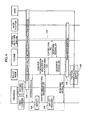
FIG. 3 is a flowchart illustrating a method of providing a service using a relay node according to an embodiment of the present invention. - In
operation 310, a relay node may transmit system information to an unregistered terminal (hereinafter, referred to as a terminal) entering a particular area. - Specifically, when the relay node detects an entrance of a new terminal into the particular area, the relay node may verify whether context information associated with the new terminal exists. When the context information does not exist, the relay node may transmit system information to the new terminal entering the particular area.
- In
operation 320, the terminal may verify the received system information to detect that the terminal enters into a coverage of the relay node, and may display, for a user, information associated with the coverage of the relay node entered by the terminal, information associated with a service available from a CGMME, and a message of verifying whether to register the available service. - In
operation 330, the terminal may receive a service registration request from the user as a response to the message, and transmit the service registration request to the relay node. - In
operation 340, the terminal may set up a channel, for example, a multicast channel and a broadcast channel according to the service registration request. Specifically, the terminal may set up the channel, for example, the multicast channel and the broadcast channel based on a type of a service selected by the user from available services. - In
operation 350, the relay node may transmit the service registration request and location information of the terminal to the CGMME. - In
operation 360, the CGMME may set up a connection with a service provider server corresponding to the service registration request based on location information of the terminal, and may transmit, the service registration request to the service provider server. - In
operation 370, the service provider server may complete an upper or higher setup of a radio connection according to the service registration request. - In
operation 380, the service provider server may transmit, to the CGMME, a response signal containing the completed higher setup, and the CGMME may transmit the response signal to the terminal 210 via the relay node to thereby complete the radio connection setup. - In
operation 390, the service provider server may provide the terminal with a service optimized with respect to the particular area according to the completed radio connection. -
FIG. 4 is a flowchart illustrating a method of performing a handover of a communication service according to an embodiment of the present invention. - In
operation 410, a terminal may access, using a second carrier, abase station 220 included in a donor cell where the terminal is located, to receive a communication service from a MME. - In
operation 420, the terminal entering a coverage of the relay node may register a service using the relay node and complete a radio connection setup with a service provider server using a first carrier. Detailed process ofoperation 420 will be the same asoperations 310 through 380 ofFIG. 3 and thus further description will be omitted here. - In
operation 430, the relay node may perform a handover of a channel utilized to receive the communication inoperation 410, from the base station to the relay node. - In
operation 440, the relay node may connect the handed over channel to the second carrier, and may provide the second carrier with the communication service that provided from the MME via the base station. Through this, it is possible to unify targets to communicate with the terminal. - According to examples useful to understand the invention, a service providing system using a relay node may enable the relay node to operate as a base station by adding an L3 protocol to the relay node.
- Also, according to other example, it is possible to enable a relay node to connect a core network and a server of providing a service optimized with respect to a particular location or area, and to thereby provide a user with a separate service available only in an area managed by the relay node.
- Also, according to another example, it is possible to perform a handover of a channel used by a base station from the base station to a relay node and to thereby decrease a number of targets connected by a terminal, when the terminal includes a carrier aggregation function and utilizes different services in the base station and the relay node.
- Although a few exemplary embodiments of the present invention have been shown and described, the present invention is not limited to the described exemplary embodiments. Instead, it would be appreciated by those skilled in the art that changes may be made to these exemplary embodiments without departing from the principles of the invention, the scope of which is defined by the claims.
Claims (6)
- A method of providing a service in a service providing system using a relay node (240), the method comprising:verifying, by the relay node (240), context information associated with a terminal (210) entering a particular area;transmifting (310), by the relay node (240), system information to the terminal (210) when context information associated with the terminal (210) does not exist;transmitting (350), by the relay node (240), a service registration request and location information of the terminal to a Closed Group Mobility Management Entity, CGMME (250), when the relay node (240) receives (330) the service registration request from the terminal (240) as a response to the system information (310); andrelaying, by the relay node (240), an information transmission between the CGMME (250) and the terminal (210) to provide the terminal (210) with a service optimized with respect to the particular area that is performed by the CGMME (250), when the CGMME (250) completes a radio access setup according to the service registration request,wherein the terminal (210) includes a carrier aggregation function including a plurality of carriers, andwherein in a case where the terminal (210) accesses a base station (220) using a first carrier to receive a communication service from a Mobility Management Entity, MME (230), and accesses the relay node (240) using a second carrier to receive the service optimized for the particular areal from the CGMME (250), the method further comprises:performing, by the relay node (240), a handover (430) of a channel used to receive the communication service, from the base station (220) to the relay node (240) and connecting the channel handed over to the second carrier; andtransmitting, by the relay node (240), the received communication service from the MME (230) using the second carrier.
- The method of claim 1, wherein the providing comprises:setting up, by the CGMME (250), a connection with a service provider server (260) corresponding to the service registration request based on location information of the terminal (210), when the service registration request and location information of the terminal (210) is received from the relay node (240).transmitting, by the CGMME (250) the service registration request to the service provider server (260); andtransmitting, by the CGMME (250), a response signal to the terminal (210) via the relay node (240) to complete the radio connection setup when the service provider server (260) completes a setup of a radio connection according to the service registration request and transmits a response signal to the CGMME (250) in response to the service registration request.
- The method of claim 1 or 2, further comprising:verifying, by the terminal (210), the received system information to detect that the terminal enters a coverage of the relay node (240);displaying, by the terminal (210) for the user, information associated with the coverage of the relay node (240) entered by the terminal (210), information associated with a service available from the CGMME (250), and a message of verifying whether to register the available service in order to utilize the available service;receiving, by the terminal (210), the service registration request from the user as a response to the message; andtransmitting, by the terminal (210), the service registration request to the relay node (240).
- A system for providing a service using a relay node (240), comprising:the relay node (240), a terminal (210), a Closed Group Mobility Management Entity, MME (230), and a service provider server (260), wherein the relay node (240) is adapted to verify context information associated with a terminal (210) entering a particular area, transmit system information to the terminal (210) when context information associated with the terminal (210) does not exist, transmit a service registration request and location information of the terminal to the CGMME, when the relay node (240) receives the service registration request from the terminal (210) as a response to the system information, and relay an information transmission between the CGMME (250) and the terminal (210) to provide the terminal with a service optimized with respect to the particular area that is performed by the CGMME (250), when the CGMME (250) completes a radio access setup according to the service registration request,the terminal (210) includes a carrier aggregation function including a plurality of carriers, andin a case where the terminal (210) accesses the base station (220) using a first carrier to receive a communication service from the Mobility Management Entity, MME (230), and accesses the relay node (240) using a second carrier to receive the optimized service for the particular area from the CGMME (250), the relay node (240) is further adapted to perform a handover of a channel used to receive the communication service, from the base station (220) to the relay node (240), connect the channel handed over to the second carrier, and transmit the communication service from the MME (230) using the second carrier.
- The system of claim 4, wherein:when the service registration request and location information of the terminal (210) is received from the relay node (240), the CGMME (250) is adapted to set up a connection with the service provider server (260) corresponding to the service registration request based on location information of the terminal (210),the CGMME (250) is adapted to transmit the service registration request to the service provider server (260), andwhen the service provider server (260) completes a setup of a radio connection according to the service registration request and transmits a response signal to the CGMME (250) in response to the service registration request, the CGMME (250) is adapted to transmit the response signal to the terminal (210) via the relay node (240) to complete the radio connection setup.
- The system of claim 4 or 5, wherein:the terminal (210) is adapted to verify the received system information to detect that the terminal (210) enters a coverage of the relay node (240),the terminal (210) is adapted to display, for the user, information associated with the coverage of the relay node (240) entered by the terminal (210), information associated with a service available from the CGMME (250), and a message of verifying whether to register the available service, andthe terminal (210) is adapted to receive the service registration request from the user as a response to the message, and the terminal (210) is adapted to transmit the service registration request to the relay node (240).
Applications Claiming Priority (1)
| Application Number | Priority Date | Filing Date | Title |
|---|---|---|---|
| KR1020090096562A KR101268658B1 (en) | 2009-10-12 | 2009-10-12 | Service providing method and system using relay node of 3gpp lte-advanced system |
Publications (3)
| Publication Number | Publication Date |
|---|---|
| EP2309808A2 EP2309808A2 (en) | 2011-04-13 |
| EP2309808A3 EP2309808A3 (en) | 2011-10-05 |
| EP2309808B1 true EP2309808B1 (en) | 2013-07-03 |
Family
ID=43466728
Family Applications (1)
| Application Number | Title | Priority Date | Filing Date |
|---|---|---|---|
| EP10173790.6A Not-in-force EP2309808B1 (en) | 2009-10-12 | 2010-08-24 | Providing service using relay node in 3rd generation partnership project (3gpp) long term evolution (lte)-advanced system |
Country Status (2)
| Country | Link |
|---|---|
| EP (1) | EP2309808B1 (en) |
| KR (1) | KR101268658B1 (en) |
Cited By (2)
| Publication number | Priority date | Publication date | Assignee | Title |
|---|---|---|---|---|
| US12063591B2 (en) | 2020-08-04 | 2024-08-13 | Electronics And Telecommunications Research Institute | Method and apparatus for relay utilizing sidelink in wireless communication system |
| US12096512B2 (en) | 2021-02-15 | 2024-09-17 | Electronics And Telecommunications Research Institute | Method and apparatus for relaying public signals in communication system |
Families Citing this family (4)
| Publication number | Priority date | Publication date | Assignee | Title |
|---|---|---|---|---|
| WO2015081553A1 (en) * | 2013-12-06 | 2015-06-11 | 华为技术有限公司 | Data transmission method, apparatus and system |
| US11234126B2 (en) | 2015-11-17 | 2022-01-25 | Qualcomm Incorporated | Methods and apparatus for wireless communication using a security model to support multiple connectivity and service contexts |
| US20170171752A1 (en) * | 2015-12-14 | 2017-06-15 | Qualcomm Incorporated | Securing signaling interface between radio access network and a service management entity to support service slicing |
| US10536211B2 (en) * | 2016-10-14 | 2020-01-14 | Huawei Technologies Co., Ltd. | Mobile device relay service for reliable internet of things |
Family Cites Families (2)
| Publication number | Priority date | Publication date | Assignee | Title |
|---|---|---|---|---|
| FI20075252A0 (en) * | 2007-04-13 | 2007-04-13 | Nokia Corp | Procedure, radio system, mobile terminal and base station |
| US8228853B2 (en) * | 2008-02-01 | 2012-07-24 | Qualcomm Incorporated | Serving base station selection in a wireless communication network |
-
2009
- 2009-10-12 KR KR1020090096562A patent/KR101268658B1/en not_active Expired - Fee Related
-
2010
- 2010-08-24 EP EP10173790.6A patent/EP2309808B1/en not_active Not-in-force
Cited By (2)
| Publication number | Priority date | Publication date | Assignee | Title |
|---|---|---|---|---|
| US12063591B2 (en) | 2020-08-04 | 2024-08-13 | Electronics And Telecommunications Research Institute | Method and apparatus for relay utilizing sidelink in wireless communication system |
| US12096512B2 (en) | 2021-02-15 | 2024-09-17 | Electronics And Telecommunications Research Institute | Method and apparatus for relaying public signals in communication system |
Also Published As
| Publication number | Publication date |
|---|---|
| EP2309808A2 (en) | 2011-04-13 |
| KR101268658B1 (en) | 2013-05-29 |
| EP2309808A3 (en) | 2011-10-05 |
| KR20110039630A (en) | 2011-04-20 |
Similar Documents
| Publication | Publication Date | Title |
|---|---|---|
| CN112237030B (en) | Network nodes, location servers, wireless devices and methods for sending and receiving positioning assistance data | |
| US20180115924A1 (en) | Dynamic Exchange Of Wireless Communication Services | |
| CN106059647B (en) | Relay station apparatus, mobile communication system, base station apparatus and the method for controlling relay station | |
| US20100105384A1 (en) | Location routing area update procedures for mobile communication systems | |
| US20110143802A1 (en) | Paging management method and system for home evolved base station | |
| US11641613B2 (en) | Method and apparatus for relay discovery | |
| EP2309808A2 (en) | Providing service using relay node in 3rd generation partnership project (3gpp) long term evolution (lte)-advanced system | |
| EP4178265A1 (en) | Terminal device access control method and apparatus | |
| CN112073996A (en) | Operator information updating method and device | |
| WO2021022538A1 (en) | System and method for providing configuration information | |
| EP3949526A1 (en) | Virtual wireless network | |
| US9042346B2 (en) | Mobile relay station and handover method thereof | |
| US20130201903A1 (en) | Connection method and radio base station | |
| CN104509201A (en) | Mobile station, small wireless base station, and communication control method | |
| US20130225160A1 (en) | Base station and information retrieval method of mobile communication system | |
| US9973350B2 (en) | Method for network sharing of multiple network operators and network sharing management proxy device using the same | |
| KR102058428B1 (en) | Access apparatus, terminal apparatus, and cell list registering method thereof | |
| US20260113103A1 (en) | Satellite communication method | |
| US12207326B2 (en) | Content transfer functionality beyond or within cellular networks | |
| WO2014117694A1 (en) | Method and base station for establishing x2 interface, information processing method and gateway | |
| WO2023275998A1 (en) | Terminal, network node, and communication method | |
| US9100882B2 (en) | Handover from serving base station to target base station | |
| US9320058B1 (en) | Use of special random access channel instances for access request interception and forwarding | |
| US20130109298A1 (en) | Terminal and method of communicating in the same | |
| US8583125B2 (en) | Radio routing agent, call processing apparatus, and communication method of terminal |
Legal Events
| Date | Code | Title | Description |
|---|---|---|---|
| PUAI | Public reference made under article 153(3) epc to a published international application that has entered the european phase |
Free format text: ORIGINAL CODE: 0009012 |
|
| AK | Designated contracting states |
Kind code of ref document: A2 Designated state(s): AL AT BE BG CH CY CZ DE DK EE ES FI FR GB GR HR HU IE IS IT LI LT LU LV MC MK MT NL NO PL PT RO SE SI SK SM TR |
|
| AX | Request for extension of the european patent |
Extension state: BA ME RS |
|
| RIC1 | Information provided on ipc code assigned before grant |
Ipc: H04W 84/04 20090101ALI20110328BHEP Ipc: H04W 60/00 20090101AFI20110124BHEP |
|
| PUAL | Search report despatched |
Free format text: ORIGINAL CODE: 0009013 |
|
| AK | Designated contracting states |
Kind code of ref document: A3 Designated state(s): AL AT BE BG CH CY CZ DE DK EE ES FI FR GB GR HR HU IE IS IT LI LT LU LV MC MK MT NL NO PL PT RO SE SI SK SM TR |
|
| AX | Request for extension of the european patent |
Extension state: BA ME RS |
|
| RIC1 | Information provided on ipc code assigned before grant |
Ipc: H04W 60/00 20090101AFI20110829BHEP Ipc: H04W 84/04 20090101ALI20110829BHEP |
|
| 17P | Request for examination filed |
Effective date: 20120405 |
|
| GRAP | Despatch of communication of intention to grant a patent |
Free format text: ORIGINAL CODE: EPIDOSNIGR1 |
|
| GRAS | Grant fee paid |
Free format text: ORIGINAL CODE: EPIDOSNIGR3 |
|
| GRAA | (expected) grant |
Free format text: ORIGINAL CODE: 0009210 |
|
| AK | Designated contracting states |
Kind code of ref document: B1 Designated state(s): AL AT BE BG CH CY CZ DE DK EE ES FI FR GB GR HR HU IE IS IT LI LT LU LV MC MK MT NL NO PL PT RO SE SI SK SM TR |
|
| REG | Reference to a national code |
Ref country code: GB Ref legal event code: FG4D |
|
| REG | Reference to a national code |
Ref country code: CH Ref legal event code: EP Ref country code: AT Ref legal event code: REF Ref document number: 620378 Country of ref document: AT Kind code of ref document: T Effective date: 20130715 |
|
| REG | Reference to a national code |
Ref country code: IE Ref legal event code: FG4D |
|
| REG | Reference to a national code |
Ref country code: DE Ref legal event code: R096 Ref document number: 602010008166 Country of ref document: DE Effective date: 20130829 |
|
| PG25 | Lapsed in a contracting state [announced via postgrant information from national office to epo] |
Ref country code: SI Free format text: LAPSE BECAUSE OF FAILURE TO SUBMIT A TRANSLATION OF THE DESCRIPTION OR TO PAY THE FEE WITHIN THE PRESCRIBED TIME-LIMIT Effective date: 20130703 |
|
| REG | Reference to a national code |
Ref country code: AT Ref legal event code: MK05 Ref document number: 620378 Country of ref document: AT Kind code of ref document: T Effective date: 20130703 |
|
| REG | Reference to a national code |
Ref country code: NL Ref legal event code: VDEP Effective date: 20130703 |
|
| REG | Reference to a national code |
Ref country code: LT Ref legal event code: MG4D |
|
| PG25 | Lapsed in a contracting state [announced via postgrant information from national office to epo] |
Ref country code: BE Free format text: LAPSE BECAUSE OF FAILURE TO SUBMIT A TRANSLATION OF THE DESCRIPTION OR TO PAY THE FEE WITHIN THE PRESCRIBED TIME-LIMIT Effective date: 20130703 Ref country code: IS Free format text: LAPSE BECAUSE OF FAILURE TO SUBMIT A TRANSLATION OF THE DESCRIPTION OR TO PAY THE FEE WITHIN THE PRESCRIBED TIME-LIMIT Effective date: 20131103 Ref country code: LT Free format text: LAPSE BECAUSE OF FAILURE TO SUBMIT A TRANSLATION OF THE DESCRIPTION OR TO PAY THE FEE WITHIN THE PRESCRIBED TIME-LIMIT Effective date: 20130703 Ref country code: AT Free format text: LAPSE BECAUSE OF FAILURE TO SUBMIT A TRANSLATION OF THE DESCRIPTION OR TO PAY THE FEE WITHIN THE PRESCRIBED TIME-LIMIT Effective date: 20130703 Ref country code: HR Free format text: LAPSE BECAUSE OF FAILURE TO SUBMIT A TRANSLATION OF THE DESCRIPTION OR TO PAY THE FEE WITHIN THE PRESCRIBED TIME-LIMIT Effective date: 20130703 Ref country code: SE Free format text: LAPSE BECAUSE OF FAILURE TO SUBMIT A TRANSLATION OF THE DESCRIPTION OR TO PAY THE FEE WITHIN THE PRESCRIBED TIME-LIMIT Effective date: 20130703 Ref country code: CY Free format text: LAPSE BECAUSE OF FAILURE TO SUBMIT A TRANSLATION OF THE DESCRIPTION OR TO PAY THE FEE WITHIN THE PRESCRIBED TIME-LIMIT Effective date: 20130717 Ref country code: NO Free format text: LAPSE BECAUSE OF FAILURE TO SUBMIT A TRANSLATION OF THE DESCRIPTION OR TO PAY THE FEE WITHIN THE PRESCRIBED TIME-LIMIT Effective date: 20131003 Ref country code: PT Free format text: LAPSE BECAUSE OF FAILURE TO SUBMIT A TRANSLATION OF THE DESCRIPTION OR TO PAY THE FEE WITHIN THE PRESCRIBED TIME-LIMIT Effective date: 20131104 |
|
| PGFP | Annual fee paid to national office [announced via postgrant information from national office to epo] |
Ref country code: DE Payment date: 20131031 Year of fee payment: 4 |
|
| PG25 | Lapsed in a contracting state [announced via postgrant information from national office to epo] |
Ref country code: ES Free format text: LAPSE BECAUSE OF FAILURE TO SUBMIT A TRANSLATION OF THE DESCRIPTION OR TO PAY THE FEE WITHIN THE PRESCRIBED TIME-LIMIT Effective date: 20131014 Ref country code: PL Free format text: LAPSE BECAUSE OF FAILURE TO SUBMIT A TRANSLATION OF THE DESCRIPTION OR TO PAY THE FEE WITHIN THE PRESCRIBED TIME-LIMIT Effective date: 20130703 Ref country code: FI Free format text: LAPSE BECAUSE OF FAILURE TO SUBMIT A TRANSLATION OF THE DESCRIPTION OR TO PAY THE FEE WITHIN THE PRESCRIBED TIME-LIMIT Effective date: 20130703 Ref country code: LV Free format text: LAPSE BECAUSE OF FAILURE TO SUBMIT A TRANSLATION OF THE DESCRIPTION OR TO PAY THE FEE WITHIN THE PRESCRIBED TIME-LIMIT Effective date: 20130703 Ref country code: NL Free format text: LAPSE BECAUSE OF FAILURE TO SUBMIT A TRANSLATION OF THE DESCRIPTION OR TO PAY THE FEE WITHIN THE PRESCRIBED TIME-LIMIT Effective date: 20130703 Ref country code: GR Free format text: LAPSE BECAUSE OF FAILURE TO SUBMIT A TRANSLATION OF THE DESCRIPTION OR TO PAY THE FEE WITHIN THE PRESCRIBED TIME-LIMIT Effective date: 20131004 |
|
| PG25 | Lapsed in a contracting state [announced via postgrant information from national office to epo] |
Ref country code: CY Free format text: LAPSE BECAUSE OF FAILURE TO SUBMIT A TRANSLATION OF THE DESCRIPTION OR TO PAY THE FEE WITHIN THE PRESCRIBED TIME-LIMIT Effective date: 20130703 |
|
| PG25 | Lapsed in a contracting state [announced via postgrant information from national office to epo] |
Ref country code: DK Free format text: LAPSE BECAUSE OF FAILURE TO SUBMIT A TRANSLATION OF THE DESCRIPTION OR TO PAY THE FEE WITHIN THE PRESCRIBED TIME-LIMIT Effective date: 20130703 Ref country code: SK Free format text: LAPSE BECAUSE OF FAILURE TO SUBMIT A TRANSLATION OF THE DESCRIPTION OR TO PAY THE FEE WITHIN THE PRESCRIBED TIME-LIMIT Effective date: 20130703 Ref country code: CZ Free format text: LAPSE BECAUSE OF FAILURE TO SUBMIT A TRANSLATION OF THE DESCRIPTION OR TO PAY THE FEE WITHIN THE PRESCRIBED TIME-LIMIT Effective date: 20130703 Ref country code: RO Free format text: LAPSE BECAUSE OF FAILURE TO SUBMIT A TRANSLATION OF THE DESCRIPTION OR TO PAY THE FEE WITHIN THE PRESCRIBED TIME-LIMIT Effective date: 20130703 Ref country code: MC Free format text: LAPSE BECAUSE OF FAILURE TO SUBMIT A TRANSLATION OF THE DESCRIPTION OR TO PAY THE FEE WITHIN THE PRESCRIBED TIME-LIMIT Effective date: 20130703 Ref country code: EE Free format text: LAPSE BECAUSE OF FAILURE TO SUBMIT A TRANSLATION OF THE DESCRIPTION OR TO PAY THE FEE WITHIN THE PRESCRIBED TIME-LIMIT Effective date: 20130703 |
|
| PLBE | No opposition filed within time limit |
Free format text: ORIGINAL CODE: 0009261 |
|
| STAA | Information on the status of an ep patent application or granted ep patent |
Free format text: STATUS: NO OPPOSITION FILED WITHIN TIME LIMIT |
|
| REG | Reference to a national code |
Ref country code: IE Ref legal event code: MM4A |
|
| REG | Reference to a national code |
Ref country code: FR Ref legal event code: ST Effective date: 20140430 |
|
| PG25 | Lapsed in a contracting state [announced via postgrant information from national office to epo] |
Ref country code: IT Free format text: LAPSE BECAUSE OF FAILURE TO SUBMIT A TRANSLATION OF THE DESCRIPTION OR TO PAY THE FEE WITHIN THE PRESCRIBED TIME-LIMIT Effective date: 20130703 |
|
| 26N | No opposition filed |
Effective date: 20140404 |
|
| REG | Reference to a national code |
Ref country code: DE Ref legal event code: R097 Ref document number: 602010008166 Country of ref document: DE Effective date: 20140404 |
|
| PG25 | Lapsed in a contracting state [announced via postgrant information from national office to epo] |
Ref country code: IE Free format text: LAPSE BECAUSE OF NON-PAYMENT OF DUE FEES Effective date: 20130824 |
|
| PG25 | Lapsed in a contracting state [announced via postgrant information from national office to epo] |
Ref country code: FR Free format text: LAPSE BECAUSE OF NON-PAYMENT OF DUE FEES Effective date: 20130903 |
|
| REG | Reference to a national code |
Ref country code: DE Ref legal event code: R119 Ref document number: 602010008166 Country of ref document: DE |
|
| REG | Reference to a national code |
Ref country code: CH Ref legal event code: PL |
|
| GBPC | Gb: european patent ceased through non-payment of renewal fee |
Effective date: 20140824 |
|
| PG25 | Lapsed in a contracting state [announced via postgrant information from national office to epo] |
Ref country code: CH Free format text: LAPSE BECAUSE OF NON-PAYMENT OF DUE FEES Effective date: 20140831 Ref country code: LI Free format text: LAPSE BECAUSE OF NON-PAYMENT OF DUE FEES Effective date: 20140831 |
|
| REG | Reference to a national code |
Ref country code: DE Ref legal event code: R119 Ref document number: 602010008166 Country of ref document: DE Effective date: 20150303 |
|
| PG25 | Lapsed in a contracting state [announced via postgrant information from national office to epo] |
Ref country code: SM Free format text: LAPSE BECAUSE OF FAILURE TO SUBMIT A TRANSLATION OF THE DESCRIPTION OR TO PAY THE FEE WITHIN THE PRESCRIBED TIME-LIMIT Effective date: 20130703 |
|
| PG25 | Lapsed in a contracting state [announced via postgrant information from national office to epo] |
Ref country code: TR Free format text: LAPSE BECAUSE OF FAILURE TO SUBMIT A TRANSLATION OF THE DESCRIPTION OR TO PAY THE FEE WITHIN THE PRESCRIBED TIME-LIMIT Effective date: 20130703 Ref country code: MT Free format text: LAPSE BECAUSE OF FAILURE TO SUBMIT A TRANSLATION OF THE DESCRIPTION OR TO PAY THE FEE WITHIN THE PRESCRIBED TIME-LIMIT Effective date: 20130703 |
|
| PG25 | Lapsed in a contracting state [announced via postgrant information from national office to epo] |
Ref country code: BG Free format text: LAPSE BECAUSE OF FAILURE TO SUBMIT A TRANSLATION OF THE DESCRIPTION OR TO PAY THE FEE WITHIN THE PRESCRIBED TIME-LIMIT Effective date: 20130703 Ref country code: MK Free format text: LAPSE BECAUSE OF FAILURE TO SUBMIT A TRANSLATION OF THE DESCRIPTION OR TO PAY THE FEE WITHIN THE PRESCRIBED TIME-LIMIT Effective date: 20130703 Ref country code: GB Free format text: LAPSE BECAUSE OF NON-PAYMENT OF DUE FEES Effective date: 20140824 Ref country code: DE Free format text: LAPSE BECAUSE OF NON-PAYMENT OF DUE FEES Effective date: 20150303 Ref country code: LU Free format text: LAPSE BECAUSE OF NON-PAYMENT OF DUE FEES Effective date: 20130824 Ref country code: HU Free format text: LAPSE BECAUSE OF FAILURE TO SUBMIT A TRANSLATION OF THE DESCRIPTION OR TO PAY THE FEE WITHIN THE PRESCRIBED TIME-LIMIT; INVALID AB INITIO Effective date: 20100824 |
|
| PG25 | Lapsed in a contracting state [announced via postgrant information from national office to epo] |
Ref country code: AL Free format text: LAPSE BECAUSE OF FAILURE TO SUBMIT A TRANSLATION OF THE DESCRIPTION OR TO PAY THE FEE WITHIN THE PRESCRIBED TIME-LIMIT Effective date: 20130703 |