EP2306243A1 - A sensitive liquid crystalline polymeric material suitable for reflective hologram recording and the preparing method thereof - Google Patents
A sensitive liquid crystalline polymeric material suitable for reflective hologram recording and the preparing method thereof Download PDFInfo
- Publication number
- EP2306243A1 EP2306243A1 EP08783781A EP08783781A EP2306243A1 EP 2306243 A1 EP2306243 A1 EP 2306243A1 EP 08783781 A EP08783781 A EP 08783781A EP 08783781 A EP08783781 A EP 08783781A EP 2306243 A1 EP2306243 A1 EP 2306243A1
- Authority
- EP
- European Patent Office
- Prior art keywords
- film
- photosensitive
- paint
- holographic
- reflection hologram
- Prior art date
- Legal status (The legal status is an assumption and is not a legal conclusion. Google has not performed a legal analysis and makes no representation as to the accuracy of the status listed.)
- Withdrawn
Links
Images
Classifications
-
- G—PHYSICS
- G03—PHOTOGRAPHY; CINEMATOGRAPHY; ANALOGOUS TECHNIQUES USING WAVES OTHER THAN OPTICAL WAVES; ELECTROGRAPHY; HOLOGRAPHY
- G03F—PHOTOMECHANICAL PRODUCTION OF TEXTURED OR PATTERNED SURFACES, e.g. FOR PRINTING, FOR PROCESSING OF SEMICONDUCTOR DEVICES; MATERIALS THEREFOR; ORIGINALS THEREFOR; APPARATUS SPECIALLY ADAPTED THEREFOR
- G03F7/00—Photomechanical, e.g. photolithographic, production of textured or patterned surfaces, e.g. printing surfaces; Materials therefor, e.g. comprising photoresists; Apparatus specially adapted therefor
- G03F7/0005—Production of optical devices or components in so far as characterised by the lithographic processes or materials used therefor
- G03F7/001—Phase modulating patterns, e.g. refractive index patterns
-
- G—PHYSICS
- G02—OPTICS
- G02B—OPTICAL ELEMENTS, SYSTEMS OR APPARATUS
- G02B5/00—Optical elements other than lenses
- G02B5/30—Polarising elements
- G02B5/3016—Polarising elements involving passive liquid crystal elements
-
- G—PHYSICS
- G02—OPTICS
- G02B—OPTICAL ELEMENTS, SYSTEMS OR APPARATUS
- G02B5/00—Optical elements other than lenses
- G02B5/32—Holograms used as optical elements
-
- G—PHYSICS
- G03—PHOTOGRAPHY; CINEMATOGRAPHY; ANALOGOUS TECHNIQUES USING WAVES OTHER THAN OPTICAL WAVES; ELECTROGRAPHY; HOLOGRAPHY
- G03F—PHOTOMECHANICAL PRODUCTION OF TEXTURED OR PATTERNED SURFACES, e.g. FOR PRINTING, FOR PROCESSING OF SEMICONDUCTOR DEVICES; MATERIALS THEREFOR; ORIGINALS THEREFOR; APPARATUS SPECIALLY ADAPTED THEREFOR
- G03F7/00—Photomechanical, e.g. photolithographic, production of textured or patterned surfaces, e.g. printing surfaces; Materials therefor, e.g. comprising photoresists; Apparatus specially adapted therefor
- G03F7/004—Photosensitive materials
- G03F7/027—Non-macromolecular photopolymerisable compounds having carbon-to-carbon double bonds, e.g. ethylenic compounds
- G03F7/032—Non-macromolecular photopolymerisable compounds having carbon-to-carbon double bonds, e.g. ethylenic compounds with binders
-
- G—PHYSICS
- G03—PHOTOGRAPHY; CINEMATOGRAPHY; ANALOGOUS TECHNIQUES USING WAVES OTHER THAN OPTICAL WAVES; ELECTROGRAPHY; HOLOGRAPHY
- G03H—HOLOGRAPHIC PROCESSES OR APPARATUS
- G03H1/00—Holographic processes or apparatus using light, infrared or ultraviolet waves for obtaining holograms or for obtaining an image from them; Details peculiar thereto
- G03H1/02—Details of features involved during the holographic process; Replication of holograms without interference recording
-
- G—PHYSICS
- G03—PHOTOGRAPHY; CINEMATOGRAPHY; ANALOGOUS TECHNIQUES USING WAVES OTHER THAN OPTICAL WAVES; ELECTROGRAPHY; HOLOGRAPHY
- G03H—HOLOGRAPHIC PROCESSES OR APPARATUS
- G03H1/00—Holographic processes or apparatus using light, infrared or ultraviolet waves for obtaining holograms or for obtaining an image from them; Details peculiar thereto
- G03H1/02—Details of features involved during the holographic process; Replication of holograms without interference recording
- G03H1/024—Hologram nature or properties
- G03H1/0248—Volume holograms
-
- G—PHYSICS
- G03—PHOTOGRAPHY; CINEMATOGRAPHY; ANALOGOUS TECHNIQUES USING WAVES OTHER THAN OPTICAL WAVES; ELECTROGRAPHY; HOLOGRAPHY
- G03H—HOLOGRAPHIC PROCESSES OR APPARATUS
- G03H1/00—Holographic processes or apparatus using light, infrared or ultraviolet waves for obtaining holograms or for obtaining an image from them; Details peculiar thereto
- G03H1/02—Details of features involved during the holographic process; Replication of holograms without interference recording
- G03H2001/026—Recording materials or recording processes
- G03H2001/0264—Organic recording material
-
- G—PHYSICS
- G03—PHOTOGRAPHY; CINEMATOGRAPHY; ANALOGOUS TECHNIQUES USING WAVES OTHER THAN OPTICAL WAVES; ELECTROGRAPHY; HOLOGRAPHY
- G03H—HOLOGRAPHIC PROCESSES OR APPARATUS
- G03H1/00—Holographic processes or apparatus using light, infrared or ultraviolet waves for obtaining holograms or for obtaining an image from them; Details peculiar thereto
- G03H1/04—Processes or apparatus for producing holograms
- G03H1/0402—Recording geometries or arrangements
- G03H2001/0415—Recording geometries or arrangements for recording reflection holograms
-
- G—PHYSICS
- G03—PHOTOGRAPHY; CINEMATOGRAPHY; ANALOGOUS TECHNIQUES USING WAVES OTHER THAN OPTICAL WAVES; ELECTROGRAPHY; HOLOGRAPHY
- G03H—HOLOGRAPHIC PROCESSES OR APPARATUS
- G03H1/00—Holographic processes or apparatus using light, infrared or ultraviolet waves for obtaining holograms or for obtaining an image from them; Details peculiar thereto
- G03H1/04—Processes or apparatus for producing holograms
- G03H1/0402—Recording geometries or arrangements
- G03H2001/0415—Recording geometries or arrangements for recording reflection holograms
- G03H2001/0417—Recording geometries or arrangements for recording reflection holograms for recording single beam Lippmann hologram wherein the object is illuminated by reference beam passing through the recording material
-
- G—PHYSICS
- G03—PHOTOGRAPHY; CINEMATOGRAPHY; ANALOGOUS TECHNIQUES USING WAVES OTHER THAN OPTICAL WAVES; ELECTROGRAPHY; HOLOGRAPHY
- G03H—HOLOGRAPHIC PROCESSES OR APPARATUS
- G03H2250/00—Laminate comprising a hologram layer
- G03H2250/38—Liquid crystal
-
- G—PHYSICS
- G03—PHOTOGRAPHY; CINEMATOGRAPHY; ANALOGOUS TECHNIQUES USING WAVES OTHER THAN OPTICAL WAVES; ELECTROGRAPHY; HOLOGRAPHY
- G03H—HOLOGRAPHIC PROCESSES OR APPARATUS
- G03H2260/00—Recording materials or recording processes
- G03H2260/12—Photopolymer
Definitions
- the present invention relates to a reflection hologram film and a method for preparing the same.
- the interference fringe of the reflection hologram is different from the rainbow hologram, a majority of which is parallel to the recording medium surface and thus the duplication of images cannot be achieved by the mechanical means, the duplication of images can be achieved only by the optical method.
- the exhibition of a holographic image is generally achieved by the contrast of the interference fringe.
- the material for recording the reflection hologram is various, but only fewer is ideal, even less for the scale production. Silver salt and dichromated gelatin as well as photopolymeric material disclosed in the patent US3,658,526 are mostly used.
- the silver salt has high sensitivity, its exhibition of interference fringe is achieved by the bright-dark contrast of the material after photo-sensitization, but the diffraction efficiency is low, it is only about 40% even if a method of dilution development is adopted.
- Dichromated gelatin is currently used as the common material for preparing the reflection hologram, the interference fringe thereof is achieved by the difference of the reflective index, the holographic image produced by dichromated gelatin has high diffraction efficiency as more than 85%, therefore many hologram elements are made of this material.
- this material needs wet processing after imaging, the holographic image is affected greatly by the environment and can be easily image-erased in the environment with high moisture.
- the photopolymeric material such as the photopolymer in the material disclosed in the patent US3,658,526
- the exhibition of the interference fringe is achieved by the different reflective indexes of two polymers.
- it can overcome the shortcomings of the silver salt and the dichromated gelatin, it only has the limited visual response to the visible light, which is affected by the resolution, therefore it is limited to be used for the transmission hologram, and, when being used for the reflection hologram, the reflection efficiency is very low.
- An object of the present invention is to disclose a reflection holographic film and a method of preparing the same to overcome the above defects existing in the prior art.
- Another object of the present invention is to provide a photosensitive polymeric film which can record the reflection hologram.
- Still another object of the present invention is to provide a holographic photosensitive paint for preparing the photosensitive polymeric film material.
- the holographic photosensitive paint of the present invention comprises photosensitive polymeric paint and solvent suitable for it, the photosensitive polymeric paint includes the following components in weight percent: film forming agent 20%-80% azobenzene liquid crystal polymer 5%-28% polymerizable monomer 10%-42% photoinitiator 0.5%-7% photosensitizer 0.05%-2%
- the solid content of the holographic photosensitive paint is 5%-50% by weight.
- the preferable percentages are as follows: film forming agent 30%-70% azobenzene liquid crystal polymer 6%-25% polymerizable monomer 12%-38% photoinitiator 2.0%-7.0% photosensitizer 0.5%-2.0%
- the film forming agent, the polymerizable monomer and the photoinitiator are the important components, which are used for fixing the structure of the system and coupling azobenzene liquid crystal polymer and the relevant auxiliary agents, and the film forming agent has the important effect on fixing the structure of the material forming the reflection hologram after exposure.
- the reflective index, the cohesion, the bond force, the flexibility, the miscibility and the like thereof are the important indexes of the materials selected.
- the film forming agent is selected from the group consisting of poly(methylmethacrylate), poly cellulose acetate butyrate, cellulose acetate butyrate-ethyl vinyl ether copolymer, a blend of polyvinyl butyral and cellulose acetate, polyvinylacetate-butyl acrylate-acrylic acid ternary copolymer, or polystyrene acrylonitrile and the like, or a blend of the above polymers and fluorine-containing polymers, wherein the fluorine-containing polymers are selected from the group consisting of trifluorochloroethylene-acetate vinyl ether copolymer or tetrafluoroethylene-ethyl vinyl ether copolymer.
- the polymerizable monomer is selected from the group consisting of acrylic acid, methyl methacrylate, butyl methacrylate, trimethylolpropane triacrylate, diacetone acrylamide, diacrylate of ethoxylated bisphenol A and the like, among which two or more monomers are selected as the polymerizable monomer system, the weight ratio is 1:0.4-0.9.
- the polymerizable monomer system is a blend of methyl methacrylate and trimethylolpropane triacrylate, the weight ratio is 1:0.5-0.8.
- the photoinitiator is to generate free radical for the polymerization crosslinking.
- the photoinitiator is selected from the group consisting of 2,4,6-triphenyl imidazolyl doublet, dibenzoyl, 2,2-dimethyl-2-phenyl acetophenone and the like, preferably is 2,4,6-triphenyl imidazolyl doublet.
- the azobenzene liquid crystal polymer is a kind of azo side-chain polymer. Specifically, azobenzene-methyl acrylate copolymer, or azobenzene-butyl acrylate copolymer. For example: p-aminoazobenzene poly(methyl acrylate) or p-aminoazobenzene poly(butyl acrylate) and the like. Its major function is to enable the molecular arrangement to generate the aberrance accompanying the trans-cis isomerous conversion of the azobenzene under the irradiation of laser light, which causes the change of the reflective index.
- the azobenzene liquid crystal polymer can be obtained from the side group reaction of (CAS no. 60-09-3) p-aminoazobenzene and poly(methyl acrylate) or poly(butyl acrylate).
- the photosensitizer is selected from the group consisting of Erythrosin B, diethylamino-benzylidene cyclopentanone, Michler's ketone or 1,3,3-trimethyl-2-[5-(1,3,3-trimethyl-2-indolidene)-1,3-Pentadiene] indole iodide and the like; its function is to make the sensitive wavelength of the azobenzene polymer to 514.5nm or longer by adding the photosensitizer because the azobenzene polymer is sensitive in the ultraviolet wave band; the photosensitizer is preferably diethylamino-benzylidene cyclopentanone.
- the solvent is a blended solvent of butanone/dichloromethane/methanol, the weight ratio is 4-6:0.5-1.5:0.5-1.5, preferably is 5:1:1.
- the photosensitive polymeric paint also includes a plasticizer of 0.5-3% and/or an UV absorber of 0.1-1% and/or non-ionic surfactant of 0.1-1% based on the total weight of the photosensitive polymeric paint.
- the plasticizer is selected from the group consisting of phthalates, alkyl dioic ester, polyethyleneglycol carboxylic ester or diethyl sebacate;
- the UV absorber is selected from the group consisting of 2-hydroxyl-4-methoxybenzophenone or 2-(2H-benzotriazole-2)-4,6-di(1-methyl-1-phenylethyl) phenol;
- the non-ionic surfactant is selected from the group consisting of polyethylene glycol, methoxy polyethylene glycol or fluoric surfactant Fluorad®FC-4430 (CAS No. 108-88-3) manufactured by 3M Corp. for adjusting the coating property.
- the photosensitive polymeric film for recording the reflection hologram as described in the present invention comprises a base film, a buffer layer coated on one side of the base film, a photosensitive polymer coating layer formed of the holographic photosensitive paint coated on the other side of the buffer layer and a surface protective film coated on the surface of the photosensitive polymer coating layer; the thickness of the dried photosensitive polymer coating layer is 3-50 ⁇ m;
- the base film is selected from the group consisting of PVC, PET or BOPP film with a thickness of 20-100 ⁇ m;
- the buffer layer is a link layer between the photosensitive polymer coating layer and the base film
- the buffer layer may be a photo-curing coating layer of vinyl acetate-acrylic ester copolymer, vinylidene chloride-styrene-vinyl acetate copolymer, or acrylic ester and so on.
- Its reflective index is close to the reflective index of the base film and it has a thickness of 1-2 ⁇ m.
- the surface protective film may be made of a base material that has a release coating, preferably PET film, BOPP film, PE or PVC film, the thickness of the surface protective film is 16-23 ⁇ m.
- PET film, BOPP film, PE or PVC film having a release coating are available in market, for example, PET film product manufactured by Japan's Toray Inc.
- the interference fringes of the holographic image or the double color-changing image are recorded on the photosensitive polymer coating layer of the photosensitive polymeric film which can record the reflection hologram;
- the preparation method of the reflection hologram film comprises the following steps:
- the wavelength of the red light should be greater than 600 nm, the purpose of the condition in the darkness or under the red light is to avoid exposure of the photosensitive paint A;
- the wavelength of the laser light source is 514.5 nm or 532 nm, the light intensity is 60-110mw/cm 2 , the exposure time is 0.1-1.0s, an argon ion laser (having a wavelength of 514 nm) or a semiconductor solid laser (having a wavelength of 532 nm) may be used as the laser light source;
- the laser recording method is a prior art method, for example: Lippmann recording method and Danisyuk method. Those skilled in the art can make reference to such a prior art method.
- the photosensitive polymeric film of the present invention is azobenzene liquid crystal polymer, whose molecules are arranged orderly under the action of magnetic field.
- the reference beam and the object beam of the coherent beam interfere from opposite sides (or same side) radiate into the recording medium.
- the irradiation of laser causes the arranged molecules to generate trans-cis isomerous conversion and thereby changes the local arrangement state, so that the reflective index of the polymer changes, the holographic image is formed and the holographic image with high diffraction efficiency is obtained.
- the sensitized film is UV-cured, so that the polymerisible monomer is subjected to the crosslinking polymerization to fix this changed structure and achieve the function of a permanent storage of the image.
- the present invention employs the optical interference principle to form the alternately bright and dark reflective fringes with a certain wavelength in said holographic photosensitive polymeric material by the above holographic photosensitive polymeric material.
- the liquid crystal molecules in bright fringe field generate the trans-cis isomerous conversion under the irradiation of laser, the local arrangement state is changed, so that the reflective index of the holographic photosensitive polymeric material changes; but no isomerous conversion occurs in the dark fringe field, and the reflective index of the holographic photosensitive polymeric material does not change.
- the holographic image is formed and the holographic image with high diffraction efficiency is obtained.
- the photoinitiator is radiated by the light with the certain energy and the specific wavelength to absorb photons and transits into the excited state to generate a free radical which initiates the monomer polymerization so as to fix the molecular structure of the isomerous arrangement to obtain the holographic image which permanently shows brightness.
- the holographic photosensitive film of the present invention has a high sensitivity, high reflection efficiency and high reflective index modulation, and presents a long storage life and is little affected by the environment.
- the obtained recording images can achieve the reflective image or the double color-changing image having a reflection efficiency of more than 95% only via the light curing and the thermal enhancement treatment, and is suitable for batch manufacturing process.
- the photosensitive polymeric film of the present invention comprises a base film 1 and a buffer layer 2 coated on one side of the base film 1, a photosensitive polymer coating layer 3 formed of the holographic photosensitive paint coated on the other side of the buffer layer 2 and a surface protective film 4 covered on the surface of the photosensitive polymer coating layer; the interference fringe of the holographic image or the double color-changing image can be recorded on the photosensitive polymer coating layer 3.
- a 50 ⁇ m PET film with the high-transparency was used as the base film 1.
- a solution containing vinylidene chloride-styrene-vinyl acetate copolymer in a concentration of 40wt% was formulated. The solution was coated on the base film 1 with 120 yarn mesh roller, then dried at 60°C to obtain a buffer layer 2 with a thickness of 1 ⁇ m;
- the gap between a scraper and a coating head was adjusted to 200 ⁇ m.
- the above photosensitive polymeric paint was coated on the 50 ⁇ m PET film on which the buffer layer 2 had been coated, then dried in a convection oven at 75°C.
- the resultant coating had a thickness of 10 ⁇ m, on which a PET film 4 with a release coating with a thickness of 23 ⁇ m was further covered.
- the resultant product was passed through a 1.0T magnetic field at a speed of 2m/min to obtain the photosensitive polymeric film for the hologram recording.
- FIG. 2 An "on-line" reflection hologram recording method was adopted. Specifically as shown in Fig. 2 , the photosensitive polymeric film for the hologram recording was cut into the sheets of 30*30mm. After the surface protective film (4) was uncovered, the photosensitive polymeric film was stuck on a reflective mirror 43. A light beam 300 of an argon-ion laser (514nm) passed through a beam expander 41 with a pin hole filter and an aspheric collimation lens 42 to form a parallel light beam 301 with the light intensity of 60mw/cm 2 , which then radiated onto the photosensitive polymeric film. The parallel light 301 was incident from the base film 1 and passed through the buffer layer 2 and photosensitive polymer coating layer 3 to reach the reflective mirror 43.
- an argon-ion laser 514nm
- the exposure time was 0.1 s, so that the holographic image was recorded in the photosensitive polymeric film for the hologram recording.
- the film was subjected to the sufficient exposure of the ultraviolet and visible light on a UV-curing machine, and then heated at 120°C for 2 minutes to obtain the reflection hologram film, which was visually visible as a hologram reflective mirror.
- This film was a solid transparent film with the certain flexibility.
- film forming agent which is a blend of polyvinyl butyral and cellulose acetate), 3g (25wt%) of p-aminoazobenzene poly(butyl acrylate), 2.9g (24.2wt%) of monomer butyl methacrylate, 1.82g (15.1wt%) of monomer diacrylate of ethoxylated bisphenol A, 0.79g (6.6wt%) of the photoinitiator benzoin isobutyl ether, 0.2g (1.7wt%) of photosensitizer Michler's ketone, 0.1g (0.88wt%) of UV-absorber 2-hydroxyl-4-methoxybenzophenone, 0.019g (0.16wt%) of nonionic surfactant methoxy polyethylene glycol, and 0.065g (0.54wt%) of plasticizer diethyl sebacate, were added into a blended solvent (butanone
- a 36 ⁇ m PET film with a high-transparency was selected as the base film 1.
- a solution containing vinyl acetate-butyl acrylate copolymer in a concentration of 30wt% was formulated. The solution was coated on the base film 1 with 100 yarn mesh roller, then dried in an oven at 50°C-70°C to obtain the base film with a buffer layer 2, the buffer layer with a thickness of 2 ⁇ m;
- the gap between a scraper and a coating head was adjusted to 180 ⁇ m.
- the above photosensitive paint was coated on the 30 ⁇ m PET film on which the buffer layer 2 had been coated, and then dried in a convection oven at 75°C.
- the resultant coating had a thickness of 8 ⁇ m, on which an aluminum-plated PET film with a thickness of 16 ⁇ m was further covered.
- the resultant product was passed through a 1.0T magnetic field for 3 seconds to obtain an orientated photosensitive polymeric film for the hologram recording.
- the reflection hologram recording method was adopted. Specifically as shown in Fig. 2 , the photosensitive polymeric film for the hologram recording was cut into the sheets of 30*30nm. After the surface protective film (4) was uncovered, the photosensitive polymeric film was stuck on a reflective mirror 43.
- a light source 300 generated by a semiconductor solid laser 532nm passed through a beam expander 41 with a pin hole filter and an aspheric collimation lens 42 to form a parallel light beam 301 with a light intensity of 100mw/cm 2 , and then radiated onto the photosensitive polymeric film for the hologram recording.
- the parallel light 301 was incident from the base film 1 and passed through the buffer layer 2 and photosensitive polymer coating layer 3 to reach the reflective mirror 43 or the aluminum-plated PET film, and was reflected back into the photosensitive layer, the two coherent beams recorded the holographic image in the photosensitive polymeric film for the hologram recording.
- the film was subjected to the sufficient exposure of the ultraviolet and visible light on a UV-curing machine, and then heated at 120°C for 2 minutes to obtain the reflection hologram film.
- the area of the reflective film was 50x50mm, the light intensity was 100mw/cm 2 .
- the reflective film was visually viewed as green at a certain angle. When the angle for observing was changed, it turned into blue.
- the reflection hologram film was evaluated. Specifically, referring to the method of Fig. 2 , a holographic-image recording was performed in the photosensitive polymeric film via the coherent light "on-line” recording technique.
- the photosensitive polymeric film for the hologram recording was cut into the sheets of 30*30nm. After the surface protective film (4) was uncovered, the photosensitive polymeric film was stuck evenly on a reflective mirror 43. A laser having a wavelength of 532nm was used as the light source.
- a light beam 300 passed through a beam expander 41 with a pin hole filter and an aspheric collimation lens 42 to form a parallel light beam 301, and then radiated onto the photosensitive polymeric film.
- the parallel light 301 was incident from the base film 1 and passed through the buffer layer 2 and photosensitive polymer coating layer 3 to reach the reflective mirror 43, and was reflected back into the photosensitive polymer coating layer 3 to form a grating.
- the diameter of the radiation was 15mm.
- the reflection gratings were recorded separately at the different recording time under the same light intensity.
- the recorded material was cured via a high-pressure mercury lamp, and then tested with a S-53 UV-visible spectrophotometer, on assumption that the transmittance of the field where no reflective grating had been found was I 0 .
- the minimum transmittance I of the reflective grating at each different exposure time and the wavelength ⁇ at this site were tested after the hologram recording.
- the wavelength obtained was 525nm.
- the test result showed that the reflection efficiency of the material reached 95%.
- such a dry treatment in which curing was achieved by optical fixing, could totally meet the requirement of the material.
- the treated materials were subjected to the acid-alkali treatment and the wetting treatment, respectively, and the images did not fade away.
Landscapes
- Physics & Mathematics (AREA)
- General Physics & Mathematics (AREA)
- Optics & Photonics (AREA)
- Spectroscopy & Molecular Physics (AREA)
- Chemical & Material Sciences (AREA)
- Crystallography & Structural Chemistry (AREA)
- Holo Graphy (AREA)
- Diffracting Gratings Or Hologram Optical Elements (AREA)
Abstract
Description
- The present invention relates to a reflection hologram film and a method for preparing the same.
- The interference fringe of the reflection hologram is different from the rainbow hologram, a majority of which is parallel to the recording medium surface and thus the duplication of images cannot be achieved by the mechanical means, the duplication of images can be achieved only by the optical method. The exhibition of a holographic image is generally achieved by the contrast of the interference fringe. The material for recording the reflection hologram is various, but only fewer is ideal, even less for the scale production. Silver salt and dichromated gelatin as well as photopolymeric material disclosed in the patent
US3,658,526 are mostly used. - The silver salt has high sensitivity, its exhibition of interference fringe is achieved by the bright-dark contrast of the material after photo-sensitization, but the diffraction efficiency is low, it is only about 40% even if a method of dilution development is adopted.
- Dichromated gelatin is currently used as the common material for preparing the reflection hologram, the interference fringe thereof is achieved by the difference of the reflective index, the holographic image produced by dichromated gelatin has high diffraction efficiency as more than 85%, therefore many hologram elements are made of this material. However, it has a lot of shortages, such as low photosensitivity, a short storage life, and photographic plate being currently manufactured for use; at the same time, this material needs wet processing after imaging, the holographic image is affected greatly by the environment and can be easily image-erased in the environment with high moisture.
- As to the photopolymeric material, such as the photopolymer in the material disclosed in the patent
US3,658,526 , the exhibition of the interference fringe is achieved by the different reflective indexes of two polymers. Although it can overcome the shortcomings of the silver salt and the dichromated gelatin, it only has the limited visual response to the visible light, which is affected by the resolution, therefore it is limited to be used for the transmission hologram, and, when being used for the reflection hologram, the reflection efficiency is very low. - An object of the present invention is to disclose a reflection holographic film and a method of preparing the same to overcome the above defects existing in the prior art.
- Another object of the present invention is to provide a photosensitive polymeric film which can record the reflection hologram.
- Still another object of the present invention is to provide a holographic photosensitive paint for preparing the photosensitive polymeric film material.
- The holographic photosensitive paint of the present invention comprises photosensitive polymeric paint and solvent suitable for it, the photosensitive polymeric paint includes the following components in weight percent:
film forming agent 20%-80% azobenzene liquid crystal polymer 5%-28% polymerizable monomer 10%-42% photoinitiator 0.5%-7% photosensitizer 0.05%-2% - The solid content of the holographic photosensitive paint is 5%-50% by weight.
- The preferable percentages are as follows:
film forming agent 30%-70% azobenzene liquid crystal polymer 6%-25% polymerizable monomer 12%-38% photoinitiator 2.0%-7.0% photosensitizer 0.5%-2.0% - The film forming agent, the polymerizable monomer and the photoinitiator are the important components, which are used for fixing the structure of the system and coupling azobenzene liquid crystal polymer and the relevant auxiliary agents, and the film forming agent has the important effect on fixing the structure of the material forming the reflection hologram after exposure. The reflective index, the cohesion, the bond force, the flexibility, the miscibility and the like thereof are the important indexes of the materials selected. The film forming agent is selected from the group consisting of poly(methylmethacrylate), poly cellulose acetate butyrate, cellulose acetate butyrate-ethyl vinyl ether copolymer, a blend of polyvinyl butyral and cellulose acetate, polyvinylacetate-butyl acrylate-acrylic acid ternary copolymer, or polystyrene acrylonitrile and the like, or a blend of the above polymers and fluorine-containing polymers, wherein the fluorine-containing polymers are selected from the group consisting of trifluorochloroethylene-acetate vinyl ether copolymer or tetrafluoroethylene-ethyl vinyl ether copolymer.
- The polymerizable monomer is selected from the group consisting of acrylic acid, methyl methacrylate, butyl methacrylate, trimethylolpropane triacrylate, diacetone acrylamide, diacrylate of ethoxylated bisphenol A and the like, among which two or more monomers are selected as the polymerizable monomer system, the weight ratio is 1:0.4-0.9.
- Preferably, the polymerizable monomer system is a blend of methyl methacrylate and trimethylolpropane triacrylate, the weight ratio is 1:0.5-0.8.
- Under irradiation of ultraviolet light, the photoinitiator is to generate free radical for the polymerization crosslinking. The photoinitiator is selected from the group consisting of 2,4,6-triphenyl imidazolyl doublet, dibenzoyl, 2,2-dimethyl-2-phenyl acetophenone and the like, preferably is 2,4,6-triphenyl imidazolyl doublet.
- The azobenzene liquid crystal polymer is a kind of azo side-chain polymer. Specifically, azobenzene-methyl acrylate copolymer, or azobenzene-butyl acrylate copolymer. For example: p-aminoazobenzene poly(methyl acrylate) or p-aminoazobenzene poly(butyl acrylate) and the like. Its major function is to enable the molecular arrangement to generate the aberrance accompanying the trans-cis isomerous conversion of the azobenzene under the irradiation of laser light, which causes the change of the reflective index. The azobenzene liquid crystal polymer can be obtained from the side group reaction of (CAS no. 60-09-3) p-aminoazobenzene and poly(methyl acrylate) or poly(butyl acrylate).
- The photosensitizer is selected from the group consisting of Erythrosin B, diethylamino-benzylidene cyclopentanone, Michler's ketone or 1,3,3-trimethyl-2-[5-(1,3,3-trimethyl-2-indolidene)-1,3-Pentadiene] indole iodide and the like; its function is to make the sensitive wavelength of the azobenzene polymer to 514.5nm or longer by adding the photosensitizer because the azobenzene polymer is sensitive in the ultraviolet wave band; the photosensitizer is preferably diethylamino-benzylidene cyclopentanone.
- The solvent is a blended solvent of butanone/dichloromethane/methanol, the weight ratio is 4-6:0.5-1.5:0.5-1.5, preferably is 5:1:1.
- Preferably, the photosensitive polymeric paint also includes a plasticizer of 0.5-3% and/or an UV absorber of 0.1-1% and/or non-ionic surfactant of 0.1-1% based on the total weight of the photosensitive polymeric paint.
- The plasticizer is selected from the group consisting of phthalates, alkyl dioic ester, polyethyleneglycol carboxylic ester or diethyl sebacate; the UV absorber is selected from the group consisting of 2-hydroxyl-4-methoxybenzophenone or 2-(2H-benzotriazole-2)-4,6-di(1-methyl-1-phenylethyl) phenol; the non-ionic surfactant is selected from the group consisting of polyethylene glycol, methoxy polyethylene glycol or fluoric surfactant Fluorad®FC-4430 (CAS No. 108-88-3) manufactured by 3M Corp. for adjusting the coating property.
- The photosensitive polymeric film for recording the reflection hologram as described in the present invention comprises a base film, a buffer layer coated on one side of the base film, a photosensitive polymer coating layer formed of the holographic photosensitive paint coated on the other side of the buffer layer and a surface protective film coated on the surface of the photosensitive polymer coating layer; the thickness of the dried photosensitive polymer coating layer is 3-50µm;
- The base film is selected from the group consisting of PVC, PET or BOPP film with a thickness of 20-100µm;
- The buffer layer is a link layer between the photosensitive polymer coating layer and the base film, the buffer layer may be a photo-curing coating layer of vinyl acetate-acrylic ester copolymer, vinylidene chloride-styrene-vinyl acetate copolymer, or acrylic ester and so on. Its reflective index is close to the reflective index of the base film and it has a thickness of 1-2µm.
- The surface protective film may be made of a base material that has a release coating, preferably PET film, BOPP film, PE or PVC film, the thickness of the surface protective film is 16-23µm. Such PET film, BOPP film, PE or PVC film having a release coating are available in market, for example, PET film product manufactured by Japan's Toray Inc.
- In the reflection hologram film of the present invention, the interference fringes of the holographic image or the double color-changing image are recorded on the photosensitive polymer coating layer of the photosensitive polymeric film which can record the reflection hologram;
- The preparation method of the reflection hologram film comprises the following steps:
- (1) Preparation of the coating material: adding film forming agent, azobenzene liquid crystal polymer, polymerizable monomer, photoinitiator and photosensitizer into a solvent in proportion in the darkness or under the red light, stirring for dissolution to obtain the photosensitive paint A, preferably, simultaneously adding plasticizer, UV absorber and/or surfactant and the like;
- (2) Preparation of the photosensitive polymeric film material: coating the buffer layer on the base film, then coating the photosensitive paint obtained in step (1) on the base film on which the buffer layer has been coated in the darkness or under the red light, drying at 65-75°C for 1-5 minutes, covering with the protective film after drying, then passing through a 0.5-5.0T magnetic field with a speed of 1-3m/min at room temperature for the orientation of azobenzene liquid crystal polymer, so as to obtain the photosensitive polymeric film material.
- (3) Preparation of the reflection hologram film: uncovering the protective film of the product obtained in step (2), recording a holographic image on the photosensitive polymeric film material B by adopting a reflection hologram recording method, totally subjecting the film to the exposure of the UV and visible light on a UV curing machine, then heating at 120°C for 2-50 minutes to obtain the reflection hologram film, which is a solid transparent photosensitive film material having a certain flexibility.
- The wavelength of the red light should be greater than 600 nm, the purpose of the condition in the darkness or under the red light is to avoid exposure of the photosensitive paint A;
- The wavelength of the laser light source is 514.5 nm or 532 nm, the light intensity is 60-110mw/cm2, the exposure time is 0.1-1.0s, an argon ion laser (having a wavelength of 514 nm) or a semiconductor solid laser (having a wavelength of 532 nm) may be used as the laser light source;
- The laser recording method is a prior art method, for example: Lippmann recording method and Danisyuk method. Those skilled in the art can make reference to such a prior art method.
- The photosensitive polymeric film of the present invention is azobenzene liquid crystal polymer, whose molecules are arranged orderly under the action of magnetic field. The reference beam and the object beam of the coherent beam interfere from opposite sides (or same side) radiate into the recording medium. The irradiation of laser causes the arranged molecules to generate trans-cis isomerous conversion and thereby changes the local arrangement state, so that the reflective index of the polymer changes, the holographic image is formed and the holographic image with high diffraction efficiency is obtained. At the same time, the sensitized film is UV-cured, so that the polymerisible monomer is subjected to the crosslinking polymerization to fix this changed structure and achieve the function of a permanent storage of the image.
- The present invention employs the optical interference principle to form the alternately bright and dark reflective fringes with a certain wavelength in said holographic photosensitive polymeric material by the above holographic photosensitive polymeric material. The liquid crystal molecules in bright fringe field generate the trans-cis isomerous conversion under the irradiation of laser, the local arrangement state is changed, so that the reflective index of the holographic photosensitive polymeric material changes; but no isomerous conversion occurs in the dark fringe field, and the reflective index of the holographic photosensitive polymeric material does not change. As a result, the holographic image is formed and the holographic image with high diffraction efficiency is obtained. Under the ultraviolet light, the photoinitiator is radiated by the light with the certain energy and the specific wavelength to absorb photons and transits into the excited state to generate a free radical which initiates the monomer polymerization so as to fix the molecular structure of the isomerous arrangement to obtain the holographic image which permanently shows brightness.
- As can be seen from the above disclosed technical solution, the holographic photosensitive film of the present invention has a high sensitivity, high reflection efficiency and high reflective index modulation, and presents a long storage life and is little affected by the environment. Different from the conventional wet process treatment method of the photosensitive material, the obtained recording images can achieve the reflective image or the double color-changing image having a reflection efficiency of more than 95% only via the light curing and the thermal enhancement treatment, and is suitable for batch manufacturing process.
-
-
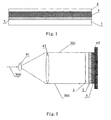
Figure 1 is a schematic diagram for the structure of the photosensitive polymeric film for hologram recording. -
Figure 2 is a schematic diagram for a laser recording and optical path test on the reflection hologram film. - See
Fig. 1 , the photosensitive polymeric film of the present invention comprises abase film 1 and abuffer layer 2 coated on one side of thebase film 1, a photosensitivepolymer coating layer 3 formed of the holographic photosensitive paint coated on the other side of thebuffer layer 2 and a surfaceprotective film 4 covered on the surface of the photosensitive polymer coating layer; the interference fringe of the holographic image or the double color-changing image can be recorded on the photosensitivepolymer coating layer 3. - The present invention is described through Examples as follows, but the Examples are only for the illustrative purpose, the present invention is not limited to them.
- Under the red safe-light with the wavelength of more than 600nm, 7.6g (76wt%) of film forming agent polyvinylacetate-butyl acrylate-acrylic acid ternary copolymer, 0.62g (6.2wt%) of p-aminoazobenzene poly(methyl acrylate), 0.73g (7.3wt%) of monomer methyl methacrylate, 0.5g (5wt%) of monomer trimethylolpropane triacrylate, 0.065g (0.65wt%) of
photoinitiator - A 50µm PET film with the high-transparency was used as the
base film 1. A solution containing vinylidene chloride-styrene-vinyl acetate copolymer in a concentration of 40wt% was formulated. The solution was coated on thebase film 1 with 120 yarn mesh roller, then dried at 60°C to obtain abuffer layer 2 with a thickness of 1 µm; - The gap between a scraper and a coating head was adjusted to 200µm. The above photosensitive polymeric paint was coated on the 50µm PET film on which the
buffer layer 2 had been coated, then dried in a convection oven at 75°C. The resultant coating had a thickness of 10µm, on which aPET film 4 with a release coating with a thickness of 23µm was further covered. The resultant product was passed through a 1.0T magnetic field at a speed of 2m/min to obtain the photosensitive polymeric film for the hologram recording. - An "on-line" reflection hologram recording method was adopted. Specifically as shown in
Fig. 2 , the photosensitive polymeric film for the hologram recording was cut into the sheets of 30*30mm. After the surface protective film (4) was uncovered, the photosensitive polymeric film was stuck on areflective mirror 43. Alight beam 300 of an argon-ion laser (514nm) passed through abeam expander 41 with a pin hole filter and anaspheric collimation lens 42 to form aparallel light beam 301 with the light intensity of 60mw/cm2, which then radiated onto the photosensitive polymeric film. Theparallel light 301 was incident from thebase film 1 and passed through thebuffer layer 2 and photosensitivepolymer coating layer 3 to reach thereflective mirror 43. The exposure time was 0.1 s, so that the holographic image was recorded in the photosensitive polymeric film for the hologram recording. After that, the film was subjected to the sufficient exposure of the ultraviolet and visible light on a UV-curing machine, and then heated at 120°C for 2 minutes to obtain the reflection hologram film, which was visually visible as a hologram reflective mirror. This film was a solid transparent film with the certain flexibility. - Under the red safe-light with the wavelength of more than 600nm, 3.12g (26.0wt%) of film forming agent (which is a blend of polyvinyl butyral and cellulose acetate), 3g (25wt%) of p-aminoazobenzene poly(butyl acrylate), 2.9g (24.2wt%) of monomer butyl methacrylate, 1.82g (15.1wt%) of monomer diacrylate of ethoxylated bisphenol A, 0.79g (6.6wt%) of the photoinitiator benzoin isobutyl ether, 0.2g (1.7wt%) of photosensitizer Michler's ketone, 0.1g (0.88wt%) of UV-absorber 2-hydroxyl-4-methoxybenzophenone, 0.019g (0.16wt%) of nonionic surfactant methoxy polyethylene glycol, and 0.065g (0.54wt%) of plasticizer diethyl sebacate, were added into a blended solvent (butanone:dichloromethane:methanol=5:1:1, in weight ratio), the solid content was 46.3% by weight. The resultant mixture was stirred at room temperature to dissolve, the viscosity as measured was 28.3cp (25°C), and the resultant product was filtrated to obtain the photosensitive paint for use;
- A 36µm PET film with a high-transparency was selected as the
base film 1. A solution containing vinyl acetate-butyl acrylate copolymer in a concentration of 30wt% was formulated. The solution was coated on thebase film 1 with 100 yarn mesh roller, then dried in an oven at 50°C-70°C to obtain the base film with abuffer layer 2, the buffer layer with a thickness of 2µm; - The gap between a scraper and a coating head was adjusted to 180µm. The above photosensitive paint was coated on the 30µm PET film on which the
buffer layer 2 had been coated, and then dried in a convection oven at 75°C. The resultant coating had a thickness of 8µm, on which an aluminum-plated PET film with a thickness of 16µm was further covered. The resultant product was passed through a 1.0T magnetic field for 3 seconds to obtain an orientated photosensitive polymeric film for the hologram recording. - The reflection hologram recording method was adopted. Specifically as shown in
Fig. 2 , the photosensitive polymeric film for the hologram recording was cut into the sheets of 30*30nm. After the surface protective film (4) was uncovered, the photosensitive polymeric film was stuck on areflective mirror 43. Alight source 300 generated by a semiconductor solid laser 532nm passed through abeam expander 41 with a pin hole filter and anaspheric collimation lens 42 to form aparallel light beam 301 with a light intensity of 100mw/cm2, and then radiated onto the photosensitive polymeric film for the hologram recording. Theparallel light 301 was incident from thebase film 1 and passed through thebuffer layer 2 and photosensitivepolymer coating layer 3 to reach thereflective mirror 43 or the aluminum-plated PET film, and was reflected back into the photosensitive layer, the two coherent beams recorded the holographic image in the photosensitive polymeric film for the hologram recording. After that, the film was subjected to the sufficient exposure of the ultraviolet and visible light on a UV-curing machine, and then heated at 120°C for 2 minutes to obtain the reflection hologram film. The area of the reflective film was 50x50mm, the light intensity was 100mw/cm2. The reflective film was visually viewed as green at a certain angle. When the angle for observing was changed, it turned into blue. - The reflection hologram film was evaluated. Specifically, referring to the method of
Fig. 2 , a holographic-image recording was performed in the photosensitive polymeric film via the coherent light "on-line" recording technique. - The photosensitive polymeric film for the hologram recording was cut into the sheets of 30*30nm. After the surface protective film (4) was uncovered, the photosensitive polymeric film was stuck evenly on a
reflective mirror 43. A laser having a wavelength of 532nm was used as the light source. Alight beam 300 passed through abeam expander 41 with a pin hole filter and anaspheric collimation lens 42 to form aparallel light beam 301, and then radiated onto the photosensitive polymeric film. Theparallel light 301 was incident from thebase film 1 and passed through thebuffer layer 2 and photosensitivepolymer coating layer 3 to reach thereflective mirror 43, and was reflected back into the photosensitivepolymer coating layer 3 to form a grating. The diameter of the radiation was 15mm. The reflection gratings were recorded separately at the different recording time under the same light intensity. The recorded material was cured via a high-pressure mercury lamp, and then tested with a S-53 UV-visible spectrophotometer, on assumption that the transmittance of the field where no reflective grating had been found was I0. The minimum transmittance I of the reflective grating at each different exposure time and the wavelength λ at this site were tested after the hologram recording. The wavelength obtained was 525nm. After that, by calculation formula η=1-I/I0, the maximum reflection efficiency was calculated as η=95%, and the refractive index modulation was calculated to be 0.0521. The test result showed that the reflection efficiency of the material reached 95%. As can be seen, such a dry treatment, in which curing was achieved by optical fixing, could totally meet the requirement of the material. The treated materials were subjected to the acid-alkali treatment and the wetting treatment, respectively, and the images did not fade away.
Claims (12)
- A holographic photosensitive paint, comprising a photosensitive polymeric paint and a solvent suitable for it, wherein the photosensitive polymeric paint comprises the following components in weight percent:
film forming agent 20%-80% azobenzene liquid crystal polymer 5%-28% polymerizable monomer 10%-42% photoinitiator 0.5%-7% photosensitizer 0.05%-2% - The holographic photosensitive paint of claim 1, characterized in that, the photosensitive polymeric paint comprises the following components:
film forming agent 30%-70% azobenzene liquid crystal polymer 6%-25% polymerizable monomer 12%-38% photoinitiator 2.0%-7.0% photosensitizer 0.5%-2.0% - The holographic photosensitive paint of claim 1, characterized in that, the film forming agent is selected from the group consisting of poly(methylmethacrylate), poly cellulose acetate butyrate, cellulose acetate butyrate-ethyl vinyl ether copolymer, a blend of polyvinyl butyral and cellulose acetate, polyvinylacetate-butyl acrylate-acrylic acid ternary copolymer or polystyrene acrylonitrile and the like, or a blend of the above polymers and fluorine-containing polymers, wherein the fluorine-containing polymers are selected from the group consisting of trifluorochloroethylene-acetate vinyl ether copolymer or tetrafluoroethylene-ethyl vinyl ether copolymer;
the polymerizable monomer is selected from the group consisting of acrylic acid, methyl methacrylate, butyl methacrylate, trimethylolpropane triacrylate, diacetone acrylamide, diacrylate of ethoxylated bisphenol A; wherein two or more monomers are selected as the polymerizable monomer system, the weight ratio of which is 1:0.4-0.9;
the photoinitiator is selected from the group consisting of 2,4,6-triphenyl imidazolyl doublet, dibenzoyl or 2,2-dimethyl-2-phenyl acetophenone;
the photosensitizer is selected from the group consisting of erythrosin B, diethylamino-benzylidene cyclopentanone, Michler's ketone or 1,3,3-trimethyl-2-[5-(1,3,3-trimethyl-2-indolidene)-1,3-pentadiene] indole iodide;
the solvent is a blended solvent of butanone/dichloromethane/methanol, the weight ratio of which is 4-6:0.5-1.5:0.5-1.5. - The holographic photosensitive paint of any one of claims 1-3, characterized in that the azobenzene liquid crystal polymer is selected from p-aminoazobenzene poly(methyl acrylate) or p-aminoazobenzene poly(butyl acrylate).
- The holographic photosensitive paint of claim 1, characterized in that the photosensitive polymeric paint further comprises a plasticizer of 0.5-3% and/or an UV absorber of 0.1-1% and/or non-ionic surfactant of 0.1-1% based on the total weight of the photosensitive polymeric paint;
the plasticizer is selected from the group consisting of phthalates, alkyl dioic ester, polyethyleneglycol carboxylic ester or diethyl sebacate;
the UV absorber is selected from the group consisting of 2-hydroxyl-4-methoxybenzophenone or 2-(2H-benzotriazole-2)-4,6-di(1-methyl-1-phenylethyl) phenol;
the non-ionic surfactant is selected from the group consisting of polyethylene glycol, methoxy polyethylene glycol or fluoric surfactant Fluorad®FC-4430 (CAS No. 108-88-3) manufactured by 3M Corp. - A photosensitive polymeric film capable of recording the reflection hologram, comprising a base film, a buffer layer coated on one side of the base film, a photosensitive polymer coating layer formed of the holographic photosensitive paint according to any one of claims 1-5 coated on the other side of the buffer layer, and a surface protective film covered on the surface of the photosensitive polymer coating layer.
- The photosensitive polymeric film capable of recording the reflection hologram of claim 6, characterized in that the photosensitive polymer coating layer, after being dried, has a thickness of 3-50µm.
- The photosensitive polymeric film capable of recording reflection hologram of claim 6, characterized in that, the base film is selected from the group consisting of PVC, PET or BOPP film with a thickness of 20-100µm;
the buffer layer is a link layer between the photosensitive polymer coating layer and the base film, the buffer layer may be a photo-curing coating layer of vinyl acetate-acrylic ester copolymer, vinylidene chloride-styrene-vinyl acetate copolymer, or acrylic ester and so on, with its reflective index close to that of the base film and its thickness of 1-2µm.
the surface protective film is made of a base material that has a release coating, the thickness of the surface protective film is 16-23µm. - A reflection hologram film, wherein an interference fringe of a holographic image or double color-changing image is recorded in the photosensitive polymer coating layer of the photosensitive polymeric film capable of recording the reflection hologram according to any one of claims 6-8.
- A method for preparation of the reflection hologram film of claim 9, characterized in comprising the following steps:(1) preparation of the coating material: adding film forming agent, azobenzene liquid crystal polymer, polymerizable monomer, photoinitiator and photosensitizer into a solvent in proportion in the darkness or under the red light, stirring for the dissolution to obtain the photosensitive paint;(2) preparation of the photosensitive polymeric film material: coating the buffer layer on the base film, then coating in dark or red light the photosensitive paint obtained in step (1) on the base film on which the buffer layer has been coated, drying at 65-75°C for 1-5 minutes, covering with the protective film after drying, then passing through a 0.5-5.0T magnetic field with a speed of 1-3m/min at room temperature for the orientation of azobenzene liquid crystal polymer, so as to obtain the photosensitive polymeric film material;(3) preparation of the reflection hologram film: uncovering the protective film of the product obtained in step (2), recording a holographic image on the photosensitive polymeric film material by adopting a reflection hologram recording method, totally subjecting the film to expose with the UV and visible light on a UV-curing machine, then heating at 120°C for 2-50 minutes to obtain the reflection hologram film.
- The method of claim 10, characterized in that, the wavelength of the red light is greater than 600 nm, the wavelength of the laser light source is 514.5 nm or 532 nm, the light intensity is 60-110mw/cm2, and the exposure time is 0.1-1.0s.
- The method of claim 10, characterized in simultaneously adding plasticizer and/or UV absorber and/or surfactant in step (1).
Applications Claiming Priority (2)
| Application Number | Priority Date | Filing Date | Title |
|---|---|---|---|
| CN2008100408053A CN101324752B (en) | 2008-07-21 | 2008-07-21 | Method for preparing polymer LCD photosensitive material capable of recording reflection holography |
| PCT/CN2008/071788 WO2010009592A1 (en) | 2008-07-21 | 2008-07-29 | A sensitive liquid crystalline polymeric material suitable for reflective hologram recording and the preparing method thereof |
Publications (2)
| Publication Number | Publication Date |
|---|---|
| EP2306243A1 true EP2306243A1 (en) | 2011-04-06 |
| EP2306243A4 EP2306243A4 (en) | 2012-01-25 |
Family
ID=40188337
Family Applications (1)
| Application Number | Title | Priority Date | Filing Date |
|---|---|---|---|
| EP08783781A Withdrawn EP2306243A4 (en) | 2008-07-21 | 2008-07-29 | A sensitive liquid crystalline polymeric material suitable for reflective hologram recording and the preparing method thereof |
Country Status (4)
| Country | Link |
|---|---|
| US (1) | US8334082B2 (en) |
| EP (1) | EP2306243A4 (en) |
| CN (1) | CN101324752B (en) |
| WO (1) | WO2010009592A1 (en) |
Families Citing this family (19)
| Publication number | Priority date | Publication date | Assignee | Title |
|---|---|---|---|---|
| CN101034257B (en) * | 2007-04-06 | 2010-09-08 | 上海复旦天臣新技术有限公司 | Photosensitive film used for holographic recording and manufacturing method |
| CN101324752B (en) | 2008-07-21 | 2012-07-25 | 上海天臣防伪技术股份有限公司 | Method for preparing polymer LCD photosensitive material capable of recording reflection holography |
| TWI399399B (en) * | 2010-03-30 | 2013-06-21 | Taiwan Textile Res Inst | Cellulose masterbatch with network structure, application thereof and method for preparing the same |
| CN103186091A (en) * | 2011-12-30 | 2013-07-03 | 北京理工大学 | Holographic three-dimensional digital image superposition displaying method |
| CN102848667B (en) * | 2012-08-31 | 2015-01-28 | 华中科技大学 | Anti-counterfeiting film with multiple anti-counterfeiting effects, and preparation method thereof |
| WO2014162219A2 (en) * | 2013-04-02 | 2014-10-09 | Empire Technology Development Llc | Photo-responsive hydrophilic coating |
| CN108859099A (en) * | 2018-05-31 | 2018-11-23 | 华南师范大学 | Three-Dimensional Dynamic surface and preparation method thereof based on photoresponse liquid crystal polymer material |
| CN113195684B (en) * | 2018-09-25 | 2024-10-29 | 默克专利股份有限公司 | Azo dyes |
| CN111352328B (en) * | 2018-12-21 | 2022-12-20 | 青岛海信激光显示股份有限公司 | Holographic display material, holographic display system and holographic display method thereof |
| DE102019110587A1 (en) * | 2019-04-24 | 2020-10-29 | HELLA GmbH & Co. KGaA | Device for producing a replica hologram, replica hologram and lighting device for a vehicle |
| US11733647B2 (en) * | 2019-05-08 | 2023-08-22 | Meta Platforms Technologies, Llc | Light-activated controlled radical polymerization |
| CN110737173B (en) * | 2019-11-06 | 2021-05-14 | 北京航空航天大学 | Water-insoluble photopolymerizable compositions, materials and applications |
| CN111171290B (en) * | 2020-01-16 | 2023-10-20 | 中山市东石材料科技有限公司 | Photosensitive heat insulation material and preparation method and application thereof |
| CN114479768B (en) * | 2021-11-18 | 2023-07-07 | 青岛科技大学 | A kind of gold-doped cellulose phase change material and preparation method thereof |
| CN114725619B (en) * | 2022-04-22 | 2024-05-14 | 广东工业大学 | A lithium battery modified diaphragm and preparation method thereof and lithium battery |
| CN118259511A (en) * | 2022-12-20 | 2024-06-28 | 中兴通讯股份有限公司 | Holographic metamaterial film, holographic metamaterial optical device preparation system and method |
| CN117666282B (en) * | 2023-11-27 | 2025-10-03 | 深圳幻臻技术有限公司 | Photopolymer and film thereof, film preparation method, and printing substrate |
| CN121271125A (en) * | 2024-07-04 | 2026-01-06 | 华为技术有限公司 | Polymer composition, polymer film material, holographic grating, preparation method of holographic grating, optical film material and display equipment |
| CN121405868A (en) * | 2025-12-29 | 2026-01-27 | 尼卡光学(天津)有限公司 | Photopolymer systems, chirped grating devices and their fabrication methods |
Family Cites Families (14)
| Publication number | Priority date | Publication date | Assignee | Title |
|---|---|---|---|---|
| BE755251A (en) | 1969-08-25 | 1971-02-25 | Du Pont | HOLOGRAPHIC RECORDING IN PHOTOPOLY-MERISABLE LAYERS |
| US4942112A (en) * | 1988-01-15 | 1990-07-17 | E. I. Du Pont De Nemours And Company | Photopolymerizable compositions and elements for refractive index imaging |
| DE68905610T2 (en) * | 1988-01-15 | 1993-10-07 | Du Pont | Process for the production of reflection holograms in photopolymerizable layers. |
| JP2001265199A (en) * | 2000-03-21 | 2001-09-28 | Rikogaku Shinkokai | Hologram recording medium |
| AU2001259755A1 (en) * | 2000-05-10 | 2001-11-20 | California Institute Of Technology | Phase contrast variation of a photo-induced refractive material |
| DE10027152A1 (en) * | 2000-05-31 | 2001-12-13 | Bayer Ag | Moschpolymers for optical data storage |
| JP4348446B2 (en) * | 2003-02-21 | 2009-10-21 | 国立大学法人東京工業大学 | Hologram recording medium |
| JP4199099B2 (en) * | 2003-12-09 | 2008-12-17 | パイオニア株式会社 | Hologram recording medium and recording / reproducing system |
| US20060057467A1 (en) * | 2004-09-16 | 2006-03-16 | Fuji Photo Film Co., Ltd. | Hologram recording material and hologram recording method |
| JP2007045949A (en) * | 2005-08-10 | 2007-02-22 | Nitto Denko Corp | Azobenzene monomer, polymer thereof and hologram optical recording medium using the same |
| JP2007131707A (en) * | 2005-11-09 | 2007-05-31 | Nitto Denko Corp | Copolymer containing azo functional group |
| JP2008020538A (en) * | 2006-07-11 | 2008-01-31 | Fuji Xerox Co Ltd | Hologram recording material, hologram recording medium and method therefor |
| CN101034257B (en) * | 2007-04-06 | 2010-09-08 | 上海复旦天臣新技术有限公司 | Photosensitive film used for holographic recording and manufacturing method |
| CN101324752B (en) | 2008-07-21 | 2012-07-25 | 上海天臣防伪技术股份有限公司 | Method for preparing polymer LCD photosensitive material capable of recording reflection holography |
-
2008
- 2008-07-21 CN CN2008100408053A patent/CN101324752B/en not_active Expired - Fee Related
- 2008-07-29 WO PCT/CN2008/071788 patent/WO2010009592A1/en not_active Ceased
- 2008-07-29 EP EP08783781A patent/EP2306243A4/en not_active Withdrawn
- 2008-07-29 US US13/055,139 patent/US8334082B2/en active Active
Also Published As
| Publication number | Publication date |
|---|---|
| EP2306243A4 (en) | 2012-01-25 |
| CN101324752A (en) | 2008-12-17 |
| US20110129764A1 (en) | 2011-06-02 |
| US8334082B2 (en) | 2012-12-18 |
| CN101324752B (en) | 2012-07-25 |
| WO2010009592A1 (en) | 2010-01-28 |
Similar Documents
| Publication | Publication Date | Title |
|---|---|---|
| US8334082B2 (en) | Sensitive liquid crystalline polymeric material suitable for reflective hologram recording and the preparing method thereof | |
| US20100167180A1 (en) | Photosensitive Film for Holographic Recording and Production Method Thereof | |
| CN101320208B (en) | Reflection holography thin film and preparation method thereof | |
| JP2849021B2 (en) | Photosensitive composition for volume hologram recording | |
| US4965152A (en) | Holographic notch filters | |
| KR940007967B1 (en) | Process for making volume hologram using modulated wavelength response | |
| JP3075090B2 (en) | Hologram photosensitive recording material, hologram photosensitive recording medium, and hologram manufacturing method using the same | |
| US20120183888A1 (en) | Photopolymer for volume holographic recording and its production process | |
| JPH0350588A (en) | Photopolymer composite for holography and refractive index imaging element | |
| AU613280B2 (en) | Photopolymer film for holography | |
| WO2025112355A1 (en) | Non-film-forming matrix, photopolymer, film, preparation method and substrate | |
| JP3532675B2 (en) | Photosensitive composition for volume hologram recording, recording medium using the same, and method for forming volume hologram | |
| JP3161230B2 (en) | Holographic photosensitive recording material and holographic photosensitive recording medium | |
| JP3075082B2 (en) | Hologram photosensitive recording material, hologram photosensitive recording medium, and hologram manufacturing method using the same | |
| JP2024511267A (en) | Optical element composition for photopolymerizable holograms | |
| JP3180566B2 (en) | Hologram photosensitive recording material, hologram photosensitive recording medium, and hologram manufacturing method using the same | |
| JP2010134259A (en) | Photosensitive composition for volume hologram recording | |
| JP3075081B2 (en) | Hologram photosensitive recording material, hologram photosensitive recording medium, and hologram manufacturing method using the same | |
| JP3389669B2 (en) | Hologram photosensitive recording material, hologram photosensitive recording medium, and hologram manufacturing method using the same | |
| JP3482256B2 (en) | Photosensitive composition for volume hologram recording, recording medium using the same, and method for forming volume hologram | |
| KR950000750B1 (en) | Holographic photopolymer composition | |
| JPH11161139A (en) | Hologram recording material | |
| JPH04116584A (en) | Composition for hologram recording and recording method | |
| JP2000075774A (en) | Hologram recording material | |
| JPH11161141A (en) | Hologram recording material |
Legal Events
| Date | Code | Title | Description |
|---|---|---|---|
| PUAI | Public reference made under article 153(3) epc to a published international application that has entered the european phase |
Free format text: ORIGINAL CODE: 0009012 |
|
| 17P | Request for examination filed |
Effective date: 20110207 |
|
| AK | Designated contracting states |
Kind code of ref document: A1 Designated state(s): AT BE BG CH CY CZ DE DK EE ES FI FR GB GR HR HU IE IS IT LI LT LU LV MC MT NL NO PL PT RO SE SI SK TR |
|
| AX | Request for extension of the european patent |
Extension state: AL BA MK RS |
|
| DAX | Request for extension of the european patent (deleted) | ||
| A4 | Supplementary search report drawn up and despatched |
Effective date: 20111223 |
|
| RIC1 | Information provided on ipc code assigned before grant |
Ipc: G03H 1/02 20060101ALI20111219BHEP Ipc: G02B 5/30 20060101ALI20111219BHEP Ipc: G02B 5/32 20060101ALI20111219BHEP Ipc: G03F 7/20 20060101ALI20111219BHEP Ipc: G03F 7/16 20060101ALI20111219BHEP Ipc: G03F 7/11 20060101ALI20111219BHEP Ipc: G03F 7/032 20060101ALI20111219BHEP Ipc: G03F 7/00 20060101AFI20111219BHEP |
|
| RAP1 | Party data changed (applicant data changed or rights of an application transferred) |
Owner name: SHANGHAI TECHSUN ANTI-COUNTERFEITING TECHNOLOGY HO |
|
| 17Q | First examination report despatched |
Effective date: 20151118 |
|
| STAA | Information on the status of an ep patent application or granted ep patent |
Free format text: STATUS: THE APPLICATION IS DEEMED TO BE WITHDRAWN |
|
| 18D | Application deemed to be withdrawn |
Effective date: 20160531 |