EP2301537A1 - Zonisamide for the treatment of obesity - Google Patents
Zonisamide for the treatment of obesity Download PDFInfo
- Publication number
- EP2301537A1 EP2301537A1 EP10185789A EP10185789A EP2301537A1 EP 2301537 A1 EP2301537 A1 EP 2301537A1 EP 10185789 A EP10185789 A EP 10185789A EP 10185789 A EP10185789 A EP 10185789A EP 2301537 A1 EP2301537 A1 EP 2301537A1
- Authority
- EP
- European Patent Office
- Prior art keywords
- zonisamide
- composition
- subjects
- bupropion
- treatment
- Prior art date
- Legal status (The legal status is an assumption and is not a legal conclusion. Google has not performed a legal analysis and makes no representation as to the accuracy of the status listed.)
- Ceased
Links
- UBQNRHZMVUUOMG-UHFFFAOYSA-N zonisamide Chemical compound C1=CC=C2C(CS(=O)(=O)N)=NOC2=C1 UBQNRHZMVUUOMG-UHFFFAOYSA-N 0.000 title claims abstract description 88
- 229960002911 zonisamide Drugs 0.000 title claims abstract description 73
- 208000008589 Obesity Diseases 0.000 title claims abstract description 25
- 235000020824 obesity Nutrition 0.000 title claims abstract description 25
- 238000011282 treatment Methods 0.000 title description 43
- SNPPWIUOZRMYNY-UHFFFAOYSA-N bupropion Chemical compound CC(C)(C)NC(C)C(=O)C1=CC=CC(Cl)=C1 SNPPWIUOZRMYNY-UHFFFAOYSA-N 0.000 claims abstract description 27
- 229960001058 bupropion Drugs 0.000 claims abstract description 26
- 230000002503 metabolic effect Effects 0.000 claims abstract description 6
- 239000000203 mixture Substances 0.000 claims description 25
- 150000003839 salts Chemical class 0.000 claims description 12
- 230000003247 decreasing effect Effects 0.000 claims description 9
- 206010020772 Hypertension Diseases 0.000 claims description 5
- 206010012601 diabetes mellitus Diseases 0.000 claims description 5
- 238000009472 formulation Methods 0.000 claims description 5
- 208000032928 Dyslipidaemia Diseases 0.000 claims description 2
- 238000013268 sustained release Methods 0.000 claims 4
- 239000012730 sustained-release form Substances 0.000 claims 4
- 230000004580 weight loss Effects 0.000 abstract description 37
- 230000000694 effects Effects 0.000 abstract description 28
- VYFYYTLLBUKUHU-UHFFFAOYSA-N dopamine Chemical compound NCCC1=CC=C(O)C(O)=C1 VYFYYTLLBUKUHU-UHFFFAOYSA-N 0.000 abstract description 14
- 238000000034 method Methods 0.000 abstract description 12
- 229960003965 antiepileptics Drugs 0.000 abstract description 11
- 239000001961 anticonvulsive agent Substances 0.000 abstract description 10
- SFLSHLFXELFNJZ-QMMMGPOBSA-N (-)-norepinephrine Chemical compound NC[C@H](O)C1=CC=C(O)C(O)=C1 SFLSHLFXELFNJZ-QMMMGPOBSA-N 0.000 abstract description 7
- 230000001773 anti-convulsant effect Effects 0.000 abstract description 7
- 150000001875 compounds Chemical class 0.000 abstract description 7
- 229960003638 dopamine Drugs 0.000 abstract description 7
- 229960002748 norepinephrine Drugs 0.000 abstract description 7
- SFLSHLFXELFNJZ-UHFFFAOYSA-N norepinephrine Natural products NCC(O)C1=CC=C(O)C(O)=C1 SFLSHLFXELFNJZ-UHFFFAOYSA-N 0.000 abstract description 7
- 230000005764 inhibitory process Effects 0.000 abstract description 6
- 230000007246 mechanism Effects 0.000 abstract description 6
- 230000001737 promoting effect Effects 0.000 abstract description 5
- 239000000902 placebo Substances 0.000 description 42
- 229940068196 placebo Drugs 0.000 description 42
- 208000016261 weight loss Diseases 0.000 description 38
- 239000002775 capsule Substances 0.000 description 15
- 230000008859 change Effects 0.000 description 15
- 229940079593 drug Drugs 0.000 description 15
- 239000003814 drug Substances 0.000 description 15
- KJADKKWYZYXHBB-XBWDGYHZSA-N Topiramic acid Chemical compound C1O[C@@]2(COS(N)(=O)=O)OC(C)(C)O[C@H]2[C@@H]2OC(C)(C)O[C@@H]21 KJADKKWYZYXHBB-XBWDGYHZSA-N 0.000 description 13
- 229960004394 topiramate Drugs 0.000 description 12
- 238000004458 analytical method Methods 0.000 description 11
- 230000002411 adverse Effects 0.000 description 10
- 235000013305 food Nutrition 0.000 description 9
- 230000001154 acute effect Effects 0.000 description 8
- DDRJAANPRJIHGJ-UHFFFAOYSA-N creatinine Chemical compound CN1CC(=O)NC1=N DDRJAANPRJIHGJ-UHFFFAOYSA-N 0.000 description 8
- 235000005911 diet Nutrition 0.000 description 8
- 230000037396 body weight Effects 0.000 description 7
- 238000002648 combination therapy Methods 0.000 description 7
- 210000002216 heart Anatomy 0.000 description 7
- 238000005259 measurement Methods 0.000 description 7
- 238000002560 therapeutic procedure Methods 0.000 description 7
- 230000003993 interaction Effects 0.000 description 6
- 206010010904 Convulsion Diseases 0.000 description 5
- 206010015037 epilepsy Diseases 0.000 description 5
- 238000012056 up-stream process Methods 0.000 description 5
- 238000000729 Fisher's exact test Methods 0.000 description 4
- 241001465754 Metazoa Species 0.000 description 4
- 239000013543 active substance Substances 0.000 description 4
- 210000000577 adipose tissue Anatomy 0.000 description 4
- 229940109239 creatinine Drugs 0.000 description 4
- 230000037213 diet Effects 0.000 description 4
- 230000000378 dietary effect Effects 0.000 description 4
- 230000036541 health Effects 0.000 description 4
- 230000009467 reduction Effects 0.000 description 4
- 208000000913 Kidney Calculi Diseases 0.000 description 3
- 206010029148 Nephrolithiasis Diseases 0.000 description 3
- 235000019789 appetite Nutrition 0.000 description 3
- 230000036528 appetite Effects 0.000 description 3
- 230000008901 benefit Effects 0.000 description 3
- 230000036772 blood pressure Effects 0.000 description 3
- 210000000988 bone and bone Anatomy 0.000 description 3
- 235000003642 hunger Nutrition 0.000 description 3
- 229910052500 inorganic mineral Inorganic materials 0.000 description 3
- 150000002632 lipids Chemical class 0.000 description 3
- 239000011707 mineral Substances 0.000 description 3
- 231100000957 no side effect Toxicity 0.000 description 3
- 239000008194 pharmaceutical composition Substances 0.000 description 3
- 230000004044 response Effects 0.000 description 3
- 210000002966 serum Anatomy 0.000 description 3
- 230000035488 systolic blood pressure Effects 0.000 description 3
- 208000028698 Cognitive impairment Diseases 0.000 description 2
- 206010020751 Hypersensitivity Diseases 0.000 description 2
- 206010033307 Overweight Diseases 0.000 description 2
- 208000032140 Sleepiness Diseases 0.000 description 2
- 206010041349 Somnolence Diseases 0.000 description 2
- 238000011360 adjunctive therapy Methods 0.000 description 2
- 230000001430 anti-depressive effect Effects 0.000 description 2
- 230000000903 blocking effect Effects 0.000 description 2
- 210000004369 blood Anatomy 0.000 description 2
- 239000008280 blood Substances 0.000 description 2
- 208000010877 cognitive disease Diseases 0.000 description 2
- 238000009223 counseling Methods 0.000 description 2
- 230000035487 diastolic blood pressure Effects 0.000 description 2
- 238000011156 evaluation Methods 0.000 description 2
- 239000003925 fat Substances 0.000 description 2
- 235000008216 herbs Nutrition 0.000 description 2
- 230000006872 improvement Effects 0.000 description 2
- 210000004072 lung Anatomy 0.000 description 2
- 238000002483 medication Methods 0.000 description 2
- 238000001050 pharmacotherapy Methods 0.000 description 2
- 230000037081 physical activity Effects 0.000 description 2
- 208000020016 psychiatric disease Diseases 0.000 description 2
- QZAYGJVTTNCVMB-UHFFFAOYSA-N serotonin Chemical compound C1=C(O)C=C2C(CCN)=CNC2=C1 QZAYGJVTTNCVMB-UHFFFAOYSA-N 0.000 description 2
- 229940124530 sulfonamide Drugs 0.000 description 2
- 238000012360 testing method Methods 0.000 description 2
- XLYOFNOQVPJJNP-UHFFFAOYSA-N water Substances O XLYOFNOQVPJJNP-UHFFFAOYSA-N 0.000 description 2
- 229940004662 zonisamide 100 mg Drugs 0.000 description 2
- 208000007848 Alcoholism Diseases 0.000 description 1
- 208000033001 Complex partial seizures Diseases 0.000 description 1
- 208000014311 Cushing syndrome Diseases 0.000 description 1
- 206010013654 Drug abuse Diseases 0.000 description 1
- 102000004190 Enzymes Human genes 0.000 description 1
- 108090000790 Enzymes Proteins 0.000 description 1
- 206010056465 Food craving Diseases 0.000 description 1
- WQZGKKKJIJFFOK-GASJEMHNSA-N Glucose Natural products OC[C@H]1OC(O)[C@H](O)[C@@H](O)[C@@H]1O WQZGKKKJIJFFOK-GASJEMHNSA-N 0.000 description 1
- 102000018899 Glutamate Receptors Human genes 0.000 description 1
- 108010027915 Glutamate Receptors Proteins 0.000 description 1
- 102000015779 HDL Lipoproteins Human genes 0.000 description 1
- 108010010234 HDL Lipoproteins Proteins 0.000 description 1
- DGAQECJNVWCQMB-PUAWFVPOSA-M Ilexoside XXIX Chemical compound C[C@@H]1CC[C@@]2(CC[C@@]3(C(=CC[C@H]4[C@]3(CC[C@@H]5[C@@]4(CC[C@@H](C5(C)C)OS(=O)(=O)[O-])C)C)[C@@H]2[C@]1(C)O)C)C(=O)O[C@H]6[C@@H]([C@H]([C@@H]([C@H](O6)CO)O)O)O.[Na+] DGAQECJNVWCQMB-PUAWFVPOSA-M 0.000 description 1
- VLSMHEGGTFMBBZ-OOZYFLPDSA-M Kainate Chemical compound CC(=C)[C@H]1C[NH2+][C@H](C([O-])=O)[C@H]1CC([O-])=O VLSMHEGGTFMBBZ-OOZYFLPDSA-M 0.000 description 1
- 102000007330 LDL Lipoproteins Human genes 0.000 description 1
- 108010007622 LDL Lipoproteins Proteins 0.000 description 1
- 206010067482 No adverse event Diseases 0.000 description 1
- 208000037158 Partial Epilepsies Diseases 0.000 description 1
- 208000001431 Psychomotor Agitation Diseases 0.000 description 1
- 206010037211 Psychomotor hyperactivity Diseases 0.000 description 1
- 206010040703 Simple partial seizures Diseases 0.000 description 1
- 208000013738 Sleep Initiation and Maintenance disease Diseases 0.000 description 1
- 108010052164 Sodium Channels Proteins 0.000 description 1
- 102000018674 Sodium Channels Human genes 0.000 description 1
- 238000000692 Student's t-test Methods 0.000 description 1
- 108090000030 T-Type Calcium Channels Proteins 0.000 description 1
- 208000024799 Thyroid disease Diseases 0.000 description 1
- 230000009471 action Effects 0.000 description 1
- 230000004913 activation Effects 0.000 description 1
- 206010001584 alcohol abuse Diseases 0.000 description 1
- 208000025746 alcohol use disease Diseases 0.000 description 1
- 208000026935 allergic disease Diseases 0.000 description 1
- 238000000540 analysis of variance Methods 0.000 description 1
- 239000000935 antidepressant agent Substances 0.000 description 1
- 229940005513 antidepressants Drugs 0.000 description 1
- 238000013459 approach Methods 0.000 description 1
- VHGCDTVCOLNTBX-QGZVFWFLSA-N atomoxetine Chemical compound O([C@H](CCNC)C=1C=CC=CC=1)C1=CC=CC=C1C VHGCDTVCOLNTBX-QGZVFWFLSA-N 0.000 description 1
- 229960002430 atomoxetine Drugs 0.000 description 1
- WQZGKKKJIJFFOK-VFUOTHLCSA-N beta-D-glucose Chemical compound OC[C@H]1O[C@@H](O)[C@H](O)[C@@H](O)[C@@H]1O WQZGKKKJIJFFOK-VFUOTHLCSA-N 0.000 description 1
- 235000013361 beverage Nutrition 0.000 description 1
- 230000002051 biphasic effect Effects 0.000 description 1
- 210000004556 brain Anatomy 0.000 description 1
- 235000008429 bread Nutrition 0.000 description 1
- 239000003795 chemical substances by application Substances 0.000 description 1
- 238000011284 combination treatment Methods 0.000 description 1
- 235000009508 confectionery Nutrition 0.000 description 1
- 208000029078 coronary artery disease Diseases 0.000 description 1
- 239000003405 delayed action preparation Substances 0.000 description 1
- 239000007933 dermal patch Substances 0.000 description 1
- 238000013461 design Methods 0.000 description 1
- 230000003205 diastolic effect Effects 0.000 description 1
- 235000018823 dietary intake Nutrition 0.000 description 1
- 235000015872 dietary supplement Nutrition 0.000 description 1
- 208000002173 dizziness Diseases 0.000 description 1
- 230000003291 dopaminomimetic effect Effects 0.000 description 1
- 231100000673 dose–response relationship Toxicity 0.000 description 1
- 230000035622 drinking Effects 0.000 description 1
- 239000003937 drug carrier Substances 0.000 description 1
- 230000009977 dual effect Effects 0.000 description 1
- 239000003792 electrolyte Substances 0.000 description 1
- 230000002124 endocrine Effects 0.000 description 1
- 230000001037 epileptic effect Effects 0.000 description 1
- 230000007717 exclusion Effects 0.000 description 1
- 235000019197 fats Nutrition 0.000 description 1
- 235000012055 fruits and vegetables Nutrition 0.000 description 1
- 239000008103 glucose Substances 0.000 description 1
- 239000008187 granular material Substances 0.000 description 1
- 230000002489 hematologic effect Effects 0.000 description 1
- 230000002440 hepatic effect Effects 0.000 description 1
- 230000009610 hypersensitivity Effects 0.000 description 1
- 230000001631 hypertensive effect Effects 0.000 description 1
- 208000003532 hypothyroidism Diseases 0.000 description 1
- 230000002989 hypothyroidism Effects 0.000 description 1
- 238000002347 injection Methods 0.000 description 1
- 239000007924 injection Substances 0.000 description 1
- 206010022437 insomnia Diseases 0.000 description 1
- 208000017169 kidney disease Diseases 0.000 description 1
- 208000019423 liver disease Diseases 0.000 description 1
- 238000007726 management method Methods 0.000 description 1
- 235000013372 meat Nutrition 0.000 description 1
- HNQIVZYLYMDVSB-UHFFFAOYSA-N methanesulfonimidic acid Chemical class CS(N)(=O)=O HNQIVZYLYMDVSB-UHFFFAOYSA-N 0.000 description 1
- 230000003228 microsomal effect Effects 0.000 description 1
- 150000002772 monosaccharides Chemical class 0.000 description 1
- 210000005036 nerve Anatomy 0.000 description 1
- 230000000144 pharmacologic effect Effects 0.000 description 1
- 238000011422 pharmacological therapy Methods 0.000 description 1
- 239000000843 powder Substances 0.000 description 1
- 230000002028 premature Effects 0.000 description 1
- 201000009395 primary hyperaldosteronism Diseases 0.000 description 1
- CBQGYUDMJHNJBX-RTBURBONSA-N reboxetine Chemical compound CCOC1=CC=CC=C1O[C@H](C=1C=CC=CC=1)[C@@H]1OCCNC1 CBQGYUDMJHNJBX-RTBURBONSA-N 0.000 description 1
- 229960003770 reboxetine Drugs 0.000 description 1
- 230000000862 serotonergic effect Effects 0.000 description 1
- 229940076279 serotonin Drugs 0.000 description 1
- 230000001568 sexual effect Effects 0.000 description 1
- 239000011734 sodium Substances 0.000 description 1
- 229910052708 sodium Inorganic materials 0.000 description 1
- 235000002639 sodium chloride Nutrition 0.000 description 1
- -1 somnolence Chemical compound 0.000 description 1
- 230000002269 spontaneous effect Effects 0.000 description 1
- 238000007619 statistical method Methods 0.000 description 1
- 238000013517 stratification Methods 0.000 description 1
- 208000011117 substance-related disease Diseases 0.000 description 1
- IIACRCGMVDHOTQ-UHFFFAOYSA-N sulfamic acid Chemical class NS(O)(=O)=O IIACRCGMVDHOTQ-UHFFFAOYSA-N 0.000 description 1
- 150000003456 sulfonamides Chemical class 0.000 description 1
- 239000013589 supplement Substances 0.000 description 1
- 239000000829 suppository Substances 0.000 description 1
- 238000001356 surgical procedure Methods 0.000 description 1
- 230000002459 sustained effect Effects 0.000 description 1
- 208000024891 symptom Diseases 0.000 description 1
- 239000006188 syrup Substances 0.000 description 1
- 235000020357 syrup Nutrition 0.000 description 1
- 208000021510 thyroid gland disease Diseases 0.000 description 1
- 229940035305 topamax Drugs 0.000 description 1
- 230000037317 transdermal delivery Effects 0.000 description 1
- 150000003626 triacylglycerols Chemical class 0.000 description 1
- 230000007306 turnover Effects 0.000 description 1
- 208000001072 type 2 diabetes mellitus Diseases 0.000 description 1
- 230000000007 visual effect Effects 0.000 description 1
- 230000004584 weight gain Effects 0.000 description 1
- 239000013585 weight reducing agent Substances 0.000 description 1
- 229940061639 zonegran Drugs 0.000 description 1
Images
Classifications
-
- A—HUMAN NECESSITIES
- A61—MEDICAL OR VETERINARY SCIENCE; HYGIENE
- A61K—PREPARATIONS FOR MEDICAL, DENTAL OR TOILETRY PURPOSES
- A61K45/00—Medicinal preparations containing active ingredients not provided for in groups A61K31/00 - A61K41/00
- A61K45/06—Mixtures of active ingredients without chemical characterisation, e.g. antiphlogistics and cardiaca
-
- A—HUMAN NECESSITIES
- A61—MEDICAL OR VETERINARY SCIENCE; HYGIENE
- A61K—PREPARATIONS FOR MEDICAL, DENTAL OR TOILETRY PURPOSES
- A61K31/00—Medicinal preparations containing organic active ingredients
- A61K31/13—Amines
- A61K31/135—Amines having aromatic rings, e.g. ketamine, nortriptyline
- A61K31/137—Arylalkylamines, e.g. amphetamine, epinephrine, salbutamol, ephedrine or methadone
-
- A—HUMAN NECESSITIES
- A61—MEDICAL OR VETERINARY SCIENCE; HYGIENE
- A61K—PREPARATIONS FOR MEDICAL, DENTAL OR TOILETRY PURPOSES
- A61K31/00—Medicinal preparations containing organic active ingredients
- A61K31/21—Esters, e.g. nitroglycerine, selenocyanates
- A61K31/255—Esters, e.g. nitroglycerine, selenocyanates of sulfoxy acids or sulfur analogues thereof
-
- A—HUMAN NECESSITIES
- A61—MEDICAL OR VETERINARY SCIENCE; HYGIENE
- A61K—PREPARATIONS FOR MEDICAL, DENTAL OR TOILETRY PURPOSES
- A61K31/00—Medicinal preparations containing organic active ingredients
- A61K31/33—Heterocyclic compounds
- A61K31/335—Heterocyclic compounds having oxygen as the only ring hetero atom, e.g. fungichromin
- A61K31/35—Heterocyclic compounds having oxygen as the only ring hetero atom, e.g. fungichromin having six-membered rings with one oxygen as the only ring hetero atom
-
- A—HUMAN NECESSITIES
- A61—MEDICAL OR VETERINARY SCIENCE; HYGIENE
- A61K—PREPARATIONS FOR MEDICAL, DENTAL OR TOILETRY PURPOSES
- A61K31/00—Medicinal preparations containing organic active ingredients
- A61K31/33—Heterocyclic compounds
- A61K31/335—Heterocyclic compounds having oxygen as the only ring hetero atom, e.g. fungichromin
- A61K31/357—Heterocyclic compounds having oxygen as the only ring hetero atom, e.g. fungichromin having two or more oxygen atoms in the same ring, e.g. crown ethers, guanadrel
-
- A—HUMAN NECESSITIES
- A61—MEDICAL OR VETERINARY SCIENCE; HYGIENE
- A61K—PREPARATIONS FOR MEDICAL, DENTAL OR TOILETRY PURPOSES
- A61K31/00—Medicinal preparations containing organic active ingredients
- A61K31/33—Heterocyclic compounds
- A61K31/395—Heterocyclic compounds having nitrogen as a ring hetero atom, e.g. guanethidine or rifamycins
- A61K31/41—Heterocyclic compounds having nitrogen as a ring hetero atom, e.g. guanethidine or rifamycins having five-membered rings with two or more ring hetero atoms, at least one of which being nitrogen, e.g. tetrazole
- A61K31/42—Oxazoles
-
- A—HUMAN NECESSITIES
- A61—MEDICAL OR VETERINARY SCIENCE; HYGIENE
- A61K—PREPARATIONS FOR MEDICAL, DENTAL OR TOILETRY PURPOSES
- A61K31/00—Medicinal preparations containing organic active ingredients
- A61K31/33—Heterocyclic compounds
- A61K31/395—Heterocyclic compounds having nitrogen as a ring hetero atom, e.g. guanethidine or rifamycins
- A61K31/41—Heterocyclic compounds having nitrogen as a ring hetero atom, e.g. guanethidine or rifamycins having five-membered rings with two or more ring hetero atoms, at least one of which being nitrogen, e.g. tetrazole
- A61K31/42—Oxazoles
- A61K31/423—Oxazoles condensed with carbocyclic rings
-
- A—HUMAN NECESSITIES
- A61—MEDICAL OR VETERINARY SCIENCE; HYGIENE
- A61K—PREPARATIONS FOR MEDICAL, DENTAL OR TOILETRY PURPOSES
- A61K31/00—Medicinal preparations containing organic active ingredients
- A61K31/70—Carbohydrates; Sugars; Derivatives thereof
- A61K31/7024—Esters of saccharides
-
- A—HUMAN NECESSITIES
- A61—MEDICAL OR VETERINARY SCIENCE; HYGIENE
- A61P—SPECIFIC THERAPEUTIC ACTIVITY OF CHEMICAL COMPOUNDS OR MEDICINAL PREPARATIONS
- A61P3/00—Drugs for disorders of the metabolism
- A61P3/04—Anorexiants; Antiobesity agents
-
- A—HUMAN NECESSITIES
- A61—MEDICAL OR VETERINARY SCIENCE; HYGIENE
- A61P—SPECIFIC THERAPEUTIC ACTIVITY OF CHEMICAL COMPOUNDS OR MEDICINAL PREPARATIONS
- A61P3/00—Drugs for disorders of the metabolism
- A61P3/06—Antihyperlipidemics
-
- A—HUMAN NECESSITIES
- A61—MEDICAL OR VETERINARY SCIENCE; HYGIENE
- A61P—SPECIFIC THERAPEUTIC ACTIVITY OF CHEMICAL COMPOUNDS OR MEDICINAL PREPARATIONS
- A61P3/00—Drugs for disorders of the metabolism
- A61P3/08—Drugs for disorders of the metabolism for glucose homeostasis
- A61P3/10—Drugs for disorders of the metabolism for glucose homeostasis for hyperglycaemia, e.g. antidiabetics
-
- A—HUMAN NECESSITIES
- A61—MEDICAL OR VETERINARY SCIENCE; HYGIENE
- A61P—SPECIFIC THERAPEUTIC ACTIVITY OF CHEMICAL COMPOUNDS OR MEDICINAL PREPARATIONS
- A61P31/00—Antiinfectives, i.e. antibiotics, antiseptics, chemotherapeutics
- A61P31/04—Antibacterial agents
-
- A—HUMAN NECESSITIES
- A61—MEDICAL OR VETERINARY SCIENCE; HYGIENE
- A61P—SPECIFIC THERAPEUTIC ACTIVITY OF CHEMICAL COMPOUNDS OR MEDICINAL PREPARATIONS
- A61P43/00—Drugs for specific purposes, not provided for in groups A61P1/00-A61P41/00
-
- A—HUMAN NECESSITIES
- A61—MEDICAL OR VETERINARY SCIENCE; HYGIENE
- A61P—SPECIFIC THERAPEUTIC ACTIVITY OF CHEMICAL COMPOUNDS OR MEDICINAL PREPARATIONS
- A61P9/00—Drugs for disorders of the cardiovascular system
- A61P9/12—Antihypertensives
Definitions
- the present invention relates, in general, to obesity, and, in particular, to a method of treating obesity and minimizing metabolic risk factors associated therewith using, for example, zonisamide or other weight-loss promoting anticonvulsant either alone or in combination with bupropion or other compound that enhances the activity of norepinephrine and/or dopamine via uptake inhibition or other mechanism.
- zonisamide or other weight-loss promoting anticonvulsant either alone or in combination with bupropion or other compound that enhances the activity of norepinephrine and/or dopamine via uptake inhibition or other mechanism.
- Zonisamide (ZONEGRAN®) is a marketed antiepileptic drug (AED).
- AED antiepileptic drug
- zonisamide is believed to be related to its sodium and calcium channel (T-type) channel blocking activity ( Oommen and Matthews, Clin. Neuropharmacol. 22:192-200 (1999 )).
- This drug is also known to exert dopaminergic ( Okada et al, Epilepsy Res. 22:193-205 (1995 )) as well as dose-dependent biphasic serotonergic activity ( Okada et al, Epilepsy Res. 34:187-197 (1999 )).
- Topiramate is an AED that has been demonstrated in clinical trials of human epilepsy to be effective as adjunctive therapy in treating simple and complex partial seizures and secondarily generalized seizures ( Faught et al, Epilepsia 36(S4):33 (1995 ); Sachdeo et al, Epilepsia 36(S4):33 (1995 )). It is currently marketed as adjunctive therapy for partial onset seizures or primary generalized tonic-clonic seizures.
- Bupropion marketed as an antidepressant, has a pharmacological action dissimilar to that of zonisamide or topiramate. Bupropion has been shown to cause significant weight loss in patients presenting with primary obesity ( Gadde et al, Obes. Res. 9(9):544 (2001 )).
- the present invention results, at least in part, from studies demonstrating that zonisamide is more effective than placebo for weight loss in obese subjects.
- zonisamide or other weight-loss promoting anticonvulsant
- bupropion or other compound that enhances monoamine (e.g., serotonin, norepinephrine and/or dopamine) turnover in the brain via uptake inhibition or other mechanism) provides an effective treatment for obesity with few side effects.
- the present invention relates generally to obesity. More specifically, the invention relates to a method of treating obesity and minimizing metabolic risk factors associated therewith using, for example, zonisamide or other weight loss-promoting anticonvulsant either alone or in combination with bupropion or other compound that enhances the activity of norepinephrine and/or dopamine via uptake inhibition or other mechanism.
- zonisamide or other weight loss-promoting anticonvulsant either alone or in combination with bupropion or other compound that enhances the activity of norepinephrine and/or dopamine via uptake inhibition or other mechanism.
- the present invention relates to a method of treating obesity in an animal.
- the invention further relates to a method of minimizing metabolic risk factors associated with obesity, such as hypertension, diabetes and dyslipidaemia.
- the methods comprise administering to an animal in need of such treatment an effective amount of zonisamide or other weight-loss promoting anticonvulsant.
- the methods comprise administering a combination of zonisamide or topiramate, or other weight-loss promoting anticonvulsant (including agents that block kainate/AMPA (D,L- ⁇ -amino-3-hydroxy-5-methyl-isoxazole propionic acid) subtype glutamate receptors), and bupropion, or other compound that enhances the activity of norepinephrine and/or dopamine via uptake inhibition or other mechanism, in effective amounts.
- zonisamide or topiramate or other weight-loss promoting anticonvulsant (including agents that block kainate/AMPA (D,L- ⁇ -amino-3-hydroxy-5-methyl-isoxazole propionic acid) subtype glutamate receptors)
- bupropion or other compound that enhances the activity of norepinephrine and/or dopamine via uptake inhibition or other mechanism, in effective amounts.
- Preferred active agents for use in the present invention include zonisamide or topiramate (and pharmaceutically acceptable salts thereof), however, other methane-sulfonamide derivatives, such as those described in USP 4,172,896 , or other sulfamates (including sulfamate-substituted monosaccharides), such as those described in USP 4,513,006 , can also be used. While the use of bupropion is also preferred, compounds disclosed in USP 3,819,706 and 3,885,046 can be used, as can other compounds that enhance the activity of norepinephrine and/or dopamine via uptake inhibition or other mechanism (e.g., Atomoxetine or Reboxetine).
- the term "obesity" includes both excess body weight and excess adipose tissue mass in an animal.
- An obese individual is one (e.g., 21-50 years old) having a body mass index of ⁇ 30 kg/m 2 . While the animal is typically a human, the invention encompasses the treatment of non-human mammals.
- the amount of active agent(s) can vary with the patient, the route of administration and the result sought. Optimum dosing regimens for particular patients can be readily determined by one skilled in the art.
- the dose can be from about 25mg to about 800mg per day, generally given once per day or divided (e.g., equally) into multiple doses.
- the dose is from about 100mg to about 600mg per day, more preferably, the dose is from about 200mg to about 400mg per day.
- the daily dose of, for example, zonisamide can be from about 25mg to about 800mg, preferably from about 100mg to about 600mg, more preferably from about 200mg to about 400mg.
- the daily dose of topiramate can be from about 25mg to about 1600mg, preferably from about 50mg to about 600mg, more preferably from about 100mg to about 400mg.
- the daily dose of bupropion used can be from about 25mg to about 600mg, preferably from about 50mg or about 150mg to about 450mg.
- the doses can be given once per day or divided (e.g., equally) into multiple doses. It may be necessary to use dosages outside these ranges.
- the ratio of zonisamide (or topiramate) to bupropion can range, for example, from about 2:1 to about 1:2.
- the individual components of the combination can be administered separately at different times during the course of therapy or concurrently in divided or single combination forms.
- the active agent(s) e.g., Zonisamide alone or in combination with bupropion
- the active agent(s) can be administered in any convenient manner, such as orally, sublingually, rectally, parentally (including subcutaneously, intrathecharly, intramuscularly and intravenously), or transdermally.
- the most preferred route of administration is the oral route.
- the active agents of the invention can be administered in the form of a pharmaceutical composition or compositions that contain one or both in an admixture with a pharmaceutical carrier.
- the pharmaceutical composition can be in dosage unit form such as tablet, capsule, sprinkle capsule, granule, powder, syrup, suppository, injection or the like. Sustained released formulations can also be used.
- the composition can also be present in a transdermal delivery system, e.g., a skin patch.
- the combination of, for example, zonisamide or topiramate and bupropion is an effective treatment for obesity and provides an effective means of minimizing metabolic risks associated with obesity.
- the combination can be more effective than, for example, zonisamide or topiramate treatment alone and with fewer side effects.
- zonisamide or topiramate can be offset by insomnia, activation, psychomotor agitation and antidepressant effects of, for example, bupropion.
- zonisamide or topiramate for example, can reduce the seizure risk associated with, for example, bupropion.
- Lower doses of both types of medication can be used in the combination treatment, thereby further reducing the overall side effect burden.
- Inclusion criteria were: male or female, aged 21-50 years, with body mass index (BMI) of ⁇ 30 kg/m 2 .
- Exclusion criteria were: obesity of a known endocrine origin, such as hypothyroidism and Cushing's syndrome; serious/unstable medical or psychiatric illness; current major psychiatric disorder; current drug or alcohol abuse; history of or current kidney disease or renal calculi; significant liver disease; uncontrolled hypertension; current diabetes mellitus (DM), type 1 or 2 DM receiving pharmacotherapy; untreated or uncontrolled thyroid disease; weight loss or gain greater than four kilograms in past three months; history of obesity surgery; current or recent use of any weight loss medications, herbs, or supplements; current or recent use of drugs, herbs, or dietary supplements known to significantly affect body weight; concomitant medications that significantly affect P450 3A4 hepatic microsomal enzymes; hypersensitivity to sulfonamides; women of childbearing age not adhering to an acceptable form of contraception; pregnant or breast-feeding women; and, subjects judged to be unable to follow instructions and study procedures.
- the subjects were randomized in a 1:1 ratio to receive zonisamide or placebo capsules.
- Study medication was dispensed under blinded conditions through computer-based randomization. The randomization was generated using a random number table with a block size of ten. There was no stratification by gender or other demographics.
- the study investigators were blind to the "blocking" method used by the pharmacy. The treatment assignment codes were not available to the investigators until all subjects completed the acute phase, the data were entered, and the database for this phase was locked, meaning that no further changes could be made to the data.
- the study medication was dispensed in the form of capsules. Each capsule contained either 100 milligrams zonisamide or placebo. The capsules were made to look identical. The dose escalation was as follows: one capsule (zonisamide 100 mg or placebo) every evening for the first 2 weeks; two capsules (zonisamide 200 mg or placebo) every evening during Weeks 3 and 4; three capsules (zonisamide 300 mg or placebo) every evening during Weeks 5 and 6; and, four capsules (zonisamide 400 mg or placebo) every evening from Week 7 onward. At Week 12, the dose could be increased further to six capsules (zonisamide 600 mg or placebo) every evening for subjects who had not lost at least 5% of their initial body weight.
- Subjects in both treatment groups were instructed to follow an individual diet that was 500 Kcal/day less than what they needed to maintain their weight.
- the prescribed diet based on eating a variety of foods from the Food Guide Pyramid, emphasized decreasing portions, eating more fruits and vegetables, and drinking 8 cups of water each day.
- Increased physical activity was also encouraged for subjects in both groups.
- Subjects were asked to record their dietary intake including portion sizes in food diaries, which were provided to them.
- a registered dietician reviewed food diaries and provided counseling to all subjects. Subjects were encouraged to make healthy changes in their diets and physical activity that could be maintained after the completion of the study.
- Subjects were seen at weeks 0, 2, 4, 8, 12, and 16 in the acute phase, and every four weeks in the extension phase. During each visit, the following assessments were performed: blood pressure, heart rate, weight, dietary compliance, medication accountability and tolerability, and adverse effects. Body weight was measured on a calibrated electronic scale to the nearest 0.1 kilogram. A registered dietitian reviewed food diaries and assessed dietary compliance. Adverse effects were gathered via spontaneous reporting by subjects as well as openended inquiries by the clinicians. Reportable adverse effects were new symptoms or illnesses that emerged during treatment or those that had an increase in severity compared with baseline.
- the IWQOL is a self-report measure with 74 items that assess the perceived effect of weight on quality of life in the following domains (subscales) - health, social/interpersonal life, work, mobility, self-esteem, sexual life, activities of daily living, and eating (comfort with food). Improvement with treatment is reflected by decreasing scores on all the subscales with the exception of the eating (comfort with food) subscale, which is expected to show less comfort around food with effective treatment.
- Body composition fat and lean masses
- BMD bone mineral density
- Body weight was the primary end point. Examined were the absolute change in weight, percent change in weight, and the number of subjects in each group that achieved weight losses of 5% and 10%. Secondary outcome measures included heart rate, blood pressure, frequency of adverse effects, fasting electrolytes and lipids, waist measurement, VAS-C, IWQOL, body composition and BMD.
- Weight change during the study was assessed in terms of actual weight change over the six study intervals using multivariable regression methodology, and as a dichotomous outcome of 'response,' i.e., 5% weight loss at Week 16, and 5% and 10% weight loss at Week 32.
- the proxy variables denoting response status were tested across treatment conditions again using Fisher's exact test.
- Three multivariable regression analyses were conducted. In the first, body weight at each time point was modeled using a random effects growth curve model. Heuristically, the model fits a regression line for each subject using available data points, thus maximizing use of actual data.
- body weights were regressed as above with missing observations carried forward from the last recorded weight based on an intent-to-treat approach (LOCF).
- LOCF intent-to-treat approach
- the final model was restricted to the subset of respondents with no missing data (completers). All models included covariates for gender and BMI as well as proxy variables denoting treatment condition, time, and a term for the interaction of treatment with time; age race, and percent body fat at baseline were not significantly associated with weight loss and, hence, excluded from the above models.
- the second general area of sampled quality of life indicators including activities of daily living, appetite, esteem, health, interpersonal relations, mobility, sex, and work using the IWQOL Scale; repeated measurements were taken at baseline, Week 8, and Week 15).
- the final set of secondary analyses sampled hunger and appetite using the Visual Analogue Scale for Hunger and Food Cravings. Categories sampled included sweets, breads, salts, fats, meats, sodas, and overall hunger. Measurements were sampled at baseline, Week 8, and Week 16.
- BMI body mass index
- the prescribed mean highest daily dose of zonisamide was 427 (29) mg, corresponding to 4.27 capsules, whereas the placebo group received 5.00 capsules (corresponding to 500 mg).
- the estimated regression coefficient associated with the interaction term predicted weight loss per week in excess of 0.3 kg over the course of the study; complimentary values for the other two models were 0.29 kg/wk using LOCF intent-to-treat imputation, and 0.21 kg/wk as estimated from the model based only on complete-data subjects.
- female gender was associated with significantly lower weight levels, while higher BMI scores were associated with increasing weight levels, again irrespective of model.
- Heart rate decreased by an average of approximately 2 beats/min in the overall sample (p ⁇ 0.0007) although there was no difference between the groups. Systolic and diastolic blood pressure readings did not change by four months.
- Diastolic blood pressure decreased with ZON treatment, but not with PBO (82.5 [1.8] mmHg to 79.7 [1.2] mmHg vs. 82.5 [1.8] mmHg to 82.2 [1.1] mmHg; time x treatment: F 1,34 1.99; p ⁇ 0.0403). Heart rate showed no significant change with either treatment,
- Bone mineral density at lumbar vertebrae did not change over time in either group.
- Total bone mineral density showed a small, but statistically significant (p ⁇ 0.017) increase in both groups although not clinically significant; there was no difference between the groups in this regard.
- Zonisamide was generally well tolerated. Fatigue was the only adverse effect that occurred at a higher frequency than with placebo treatment. Although not observed frequently in this study, the following adverse effects occurred frequently in the zonisamide epilepsy trials: dizziness, cognitive impairment, and somnolence. Zonisamide is a sulfonamide; there is a potential for hypersensitivity reactions. Serious hematologic events have also been reported. The risk of kidney stones also needs recognition. For the duration of treatment in this study (approximately 8 months), the rate of occurrence of kidney stones with zonisamide therapy is estimated to be 62.5 per 1000 patient-years of exposure. Consistent with data from epilepsy trials, an increase in serum creatinine was noted with zonisamide therapy, but not with placebo. Whereas the increase (approximately 16% increase) was significant, there was no further increase in the extension phase; no value exceeded the upper limit of normal range and there were no clinical events associated with the increase.
- a 35 y.o. obese female who failed to benefit from numerous weight loss interventions, was started on bupropion 150 mg/day and the dose was increased after 5 days to 150 mg twice a day. After one month of treatment, she lost 5 lbs, but regained 3.4 lbs during the second month - thus managing a net weight loss of 1.6 lbs after 2 months on bupropion. At this point, zonisamide was added to the regimen at 100 mg/day and the dose was increased after 2 weeks to 200 mg/day. After one month on the combination therapy, the patient had lost 11 lbs and reported no side effects. No further information is available as the patient has relocated.
- a 47 y.o. obese female (weight 246 lb, BMI 41.4 kg/m 2 ), who had not benefited from various treatments, was started on zonisamide 100 mg/day and the dose was increased gradually to 400 mg a day over the next 4 weeks. After one month of treatment, she lost 4.6 lbs, but there was no further weight loss during the second month. At this point, zonisamide dose was increased to 600 mg a day; the patient achieved an additional weight loss of 0.6 lb in the next month. Thus, after 3 months of zonisamide therapy, the total weight loss with zonisamide therapy was 5.2 Ib. Zonisamide was continued at the same dose and bupropion SR was started at 100 mg a day.
- the dose of bupropion was increased to 200 mg a day.
- the patient had lost 8.2 lbs and reported no side effects. She reported that she felt “full” after eating small portions of food, and had more energy. She had lost over 35 Ibs over ten months on the combination therapy with no side effects.
Landscapes
- Health & Medical Sciences (AREA)
- Life Sciences & Earth Sciences (AREA)
- Medicinal Chemistry (AREA)
- General Health & Medical Sciences (AREA)
- Animal Behavior & Ethology (AREA)
- Pharmacology & Pharmacy (AREA)
- Veterinary Medicine (AREA)
- Chemical & Material Sciences (AREA)
- Public Health (AREA)
- Epidemiology (AREA)
- Nuclear Medicine, Radiotherapy & Molecular Imaging (AREA)
- General Chemical & Material Sciences (AREA)
- Chemical Kinetics & Catalysis (AREA)
- Organic Chemistry (AREA)
- Bioinformatics & Cheminformatics (AREA)
- Engineering & Computer Science (AREA)
- Emergency Medicine (AREA)
- Diabetes (AREA)
- Obesity (AREA)
- Hematology (AREA)
- Molecular Biology (AREA)
- Cardiology (AREA)
- Heart & Thoracic Surgery (AREA)
- Communicable Diseases (AREA)
- Oncology (AREA)
- Child & Adolescent Psychology (AREA)
- Endocrinology (AREA)
- Acyclic And Carbocyclic Compounds In Medicinal Compositions (AREA)
- Pharmaceuticals Containing Other Organic And Inorganic Compounds (AREA)
- Medicines That Contain Protein Lipid Enzymes And Other Medicines (AREA)
Abstract
Description
- This application claims priority from Prov. Appln. No.
60/380,874, filed May 17, 2002 - The present invention relates, in general, to obesity, and, in particular, to a method of treating obesity and minimizing metabolic risk factors associated therewith using, for example, zonisamide or other weight-loss promoting anticonvulsant either alone or in combination with bupropion or other compound that enhances the activity of norepinephrine and/or dopamine via uptake inhibition or other mechanism.
- The prevalence of obesity has risen significantly in the past decade in the United States and many other developed countries, (Fiegal et al, Int. J. Obesity 22:39-47 (1998), Mokdad et al, JAMA 282:1519-1522 (1999)). Because obesity is associated with a significantly elevated risk for
type 2 diabetes, coronary heart disease, hypertension, and numerous other major illnesses, and overall mortality from all causes (Must et al, JAMA 282:1523-1529 (1999), Calle et al, N. Engl. J. Med. 341:1097-1105 (1999)), weight reduction is critical for the obese patient (Blackburn, Am. J. Clin. Nujtr. 69:347-349 (1999), Galuska et al, JAMA 282:1576 (1999)). There is good evidence that pharmacotherapy can enhance weight loss when combined with interventions aimed at changing life style (National Heart, Lung and Blood Institute, Clinical guidelines on the identification, evaluation, and treatment of overweight and obesity in adults: the evidence report, NIH Publication No. 98-4083, Sept. 1998). Yet, the available pharmacological therapies to facilitate weight loss fail to provide adequate benefit to many obese patients because of side effects, contraindications or lack of positive response (National Heart, Lung and Blood Institute, Clinical guidelines on the identification, evaluation, and treatment of overweight and obesity in adults: the evidence report, NIH Publication No. 98-4083, Sept. 1998). Hence, there is impetus for developing new and alternative treatments for management of obesity. - Zonisamide (ZONEGRAN®) is a marketed antiepileptic drug (AED). In short-term clinical trials of zonisamide in epileptic patients taking other concomitant AEDs, a small degree of weight loss was observed as an adverse effect in a small percent of patients (Oommen and Matthews, Clin. Neuropharmacol. 22:192-200 (1999)). The anticonvulsant activity of zonisamide is believed to be related to its sodium and calcium channel (T-type) channel blocking activity (Oommen and Matthews, Clin. Neuropharmacol. 22:192-200 (1999)). This drug is also known to exert dopaminergic (Okada et al, Epilepsy Res. 22:193-205 (1995)) as well as dose-dependent biphasic serotonergic activity (Okada et al, Epilepsy Res. 34:187-197 (1999)).
- Topiramate (TOPAMAX®) is an AED that has been demonstrated in clinical trials of human epilepsy to be effective as adjunctive therapy in treating simple and complex partial seizures and secondarily generalized seizures (Faught et al, Epilepsia 36(S4):33 (1995); Sachdeo et al, Epilepsia 36(S4):33 (1995)). It is currently marketed as adjunctive therapy for partial onset seizures or primary generalized tonic-clonic seizures.
- Bupropion, marketed as an antidepressant, has a pharmacological action dissimilar to that of zonisamide or topiramate. Bupropion has been shown to cause significant weight loss in patients presenting with primary obesity (Gadde et al, Obes. Res. 9(9):544 (2001)).
- The present invention results, at least in part, from studies demonstrating that zonisamide is more effective than placebo for weight loss in obese subjects. The use of zonisamide (or other weight-loss promoting anticonvulsant) and bupropion (or other compound that enhances monoamine (e.g., serotonin, norepinephrine and/or dopamine) turnover in the brain via uptake inhibition or other mechanism) provides an effective treatment for obesity with few side effects.
- The present invention relates generally to obesity. More specifically, the invention relates to a method of treating obesity and minimizing metabolic risk factors associated therewith using, for example, zonisamide or other weight loss-promoting anticonvulsant either alone or in combination with bupropion or other compound that enhances the activity of norepinephrine and/or dopamine via uptake inhibition or other mechanism.
- Objects and advantages of the present invention will be clear from the description that follows.
-
-
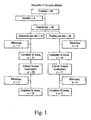
Figure 1 . Disposition of study subjects. -
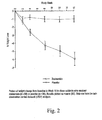
Figure 2 . Pattern of weight change from baseline toWeek 16 in obese subjects who received zonisamide (n=30) or placebo (n=30). Results plotted as means (SE). Data are from the last observation-carried-forward (LOCF) analysis. - The present invention relates to a method of treating obesity in an animal. The invention further relates to a method of minimizing metabolic risk factors associated with obesity, such as hypertension, diabetes and dyslipidaemia. In one embodiment, the methods comprise administering to an animal in need of such treatment an effective amount of zonisamide or other weight-loss promoting anticonvulsant. In an alternative embodiment, the methods comprise administering a combination of zonisamide or topiramate, or other weight-loss promoting anticonvulsant (including agents that block kainate/AMPA (D,L-α-amino-3-hydroxy-5-methyl-isoxazole propionic acid) subtype glutamate receptors), and bupropion, or other compound that enhances the activity of norepinephrine and/or dopamine via uptake inhibition or other mechanism, in effective amounts.
- Preferred active agents for use in the present invention include zonisamide or topiramate (and pharmaceutically acceptable salts thereof), however, other methane-sulfonamide derivatives, such as those described in
USP 4,172,896 , or other sulfamates (including sulfamate-substituted monosaccharides), such as those described inUSP 4,513,006 , can also be used. While the use of bupropion is also preferred, compounds disclosed inUSP 3,819,706 and3,885,046 can be used, as can other compounds that enhance the activity of norepinephrine and/or dopamine via uptake inhibition or other mechanism (e.g., Atomoxetine or Reboxetine). - As used herein, the term "obesity" includes both excess body weight and excess adipose tissue mass in an animal. An obese individual is one (e.g., 21-50 years old) having a body mass index of ≥ 30 kg/m2. While the animal is typically a human, the invention encompasses the treatment of non-human mammals.
- The amount of active agent(s) (e.g., zonisamide alone or in combination with, for example, bupropion) administered can vary with the patient, the route of administration and the result sought. Optimum dosing regimens for particular patients can be readily determined by one skilled in the art.
- When zonisamide is used alone, the dose can be from about 25mg to about 800mg per day, generally given once per day or divided (e.g., equally) into multiple doses. Preferably, the dose is from about 100mg to about 600mg per day, more preferably, the dose is from about 200mg to about 400mg per day. However, it may be necessary to use dosages outside these ranges.
- When the combination therapy is used, the daily dose of, for example, zonisamide can be from about 25mg to about 800mg, preferably from about 100mg to about 600mg, more preferably from about 200mg to about 400mg. When topiramate is used in combination therapy, the daily dose of topiramate can be from about 25mg to about 1600mg, preferably from about 50mg to about 600mg, more preferably from about 100mg to about 400mg. The daily dose of bupropion used can be from about 25mg to about 600mg, preferably from about 50mg or about 150mg to about 450mg. The doses can be given once per day or divided (e.g., equally) into multiple doses. It may be necessary to use dosages outside these ranges. When the combination therapy is used, the ratio of zonisamide (or topiramate) to bupropion can range, for example, from about 2:1 to about 1:2.
- When the combination therapy is used, the individual components of the combination can be administered separately at different times during the course of therapy or concurrently in divided or single combination forms.
- In accordance with the present invention, the active agent(s) (e.g., Zonisamide alone or in combination with bupropion) can be administered in any convenient manner, such as orally, sublingually, rectally, parentally (including subcutaneously, intrathecharly, intramuscularly and intravenously), or transdermally. The most preferred route of administration is the oral route.
- The active agents of the invention can be administered in the form of a pharmaceutical composition or compositions that contain one or both in an admixture with a pharmaceutical carrier. The pharmaceutical composition can be in dosage unit form such as tablet, capsule, sprinkle capsule, granule, powder, syrup, suppository, injection or the like. Sustained released formulations can also be used. The composition can also be present in a transdermal delivery system, e.g., a skin patch.
- Details of appropriate routes of administration and compositions suitable for same can be found in, for example, USPs 6,110,973, 5,763,493, 5,731,000, 5,541,231, 5,427,798, 5,358,970 and 4,172,896, as well as in patents cited therein.
- In accordance with the invention, the combination of, for example, zonisamide or topiramate and bupropion (including sustained release preparations) is an effective treatment for obesity and provides an effective means of minimizing metabolic risks associated with obesity. The combination can be more effective than, for example, zonisamide or topiramate treatment alone and with fewer side effects. Neuropharmacologically, all three major nerve transmitters that regulate appetite and weight, i.e., seratonin, norepinephrine and dopamine, are targeted with the combination of, for example, bupropion and zonisamide or topiramate. Side effects of, for example, zonisamide or topiramate (such as somnolence, psychomotor slowing, cognitive impairment, fatigue and depression) can be offset by insomnia, activation, psychomotor agitation and antidepressant effects of, for example, bupropion. On the other hand, zonisamide or topiramate, for example, can reduce the seizure risk associated with, for example, bupropion. Lower doses of both types of medication can be used in the combination treatment, thereby further reducing the overall side effect burden.
- Certain aspects of the invention are described in greater detail in the non-limiting Examples that follow and in Gadde et al, JAMA 289:1820 (2003). (See also
USPs 6,323,236 ,6,071,537 ,6,548,551 ,6,506,799 and6,131,117 .) - Sixty-eight subjects were screened for participation and 60 subjects were randomized.
- Inclusion criteria were: male or female, aged 21-50 years, with body mass index (BMI) of ≥30 kg/m2.
- Exclusion criteria were: obesity of a known endocrine origin, such as hypothyroidism and Cushing's syndrome; serious/unstable medical or psychiatric illness; current major psychiatric disorder; current drug or alcohol abuse; history of or current kidney disease or renal calculi; significant liver disease; uncontrolled hypertension; current diabetes mellitus (DM),
type - The study had two phases. The first was the acute phase - a 16-week, randomized, double blind, parallel-group comparison of zonisamide (ZON) and placebo (PBO). This was followed by an optional 16-week extension phase. At the end of the acute phase, subjects wishing to continue further received the same treatment for an additional 16 weeks in a single-blinded fashion.
- The subjects were randomized in a 1:1 ratio to receive zonisamide or placebo capsules. Study medication was dispensed under blinded conditions through computer-based randomization. The randomization was generated using a random number table with a block size of ten. There was no stratification by gender or other demographics. The study investigators were blind to the "blocking" method used by the pharmacy. The treatment assignment codes were not available to the investigators until all subjects completed the acute phase, the data were entered, and the database for this phase was locked, meaning that no further changes could be made to the data.
- The study medication was dispensed in the form of capsules. Each capsule contained either 100 milligrams zonisamide or placebo. The capsules were made to look identical. The dose escalation was as follows: one capsule (zonisamide 100 mg or placebo) every evening for the first 2 weeks; two capsules (zonisamide 200 mg or placebo) every evening during
Weeks Weeks - Subjects in both treatment groups were instructed to follow an individual diet that was 500 Kcal/day less than what they needed to maintain their weight. The prescribed diet, based on eating a variety of foods from the Food Guide Pyramid, emphasized decreasing portions, eating more fruits and vegetables, and drinking 8 cups of water each day. Increased physical activity was also encouraged for subjects in both groups. Subjects were asked to record their dietary intake including portion sizes in food diaries, which were provided to them. A registered dietician reviewed food diaries and provided counseling to all subjects. Subjects were encouraged to make healthy changes in their diets and physical activity that could be maintained after the completion of the study.
- Subjects were seen at
weeks - In addition to the above, the subjects completed the Impact of Weight on Quality of Life (IWQOL) (Kolotin et al, Obesity Res. 3:49-56 (1995)) at baseline,
Week 8, andWeek 16. The IWQOL is a self-report measure with 74 items that assess the perceived effect of weight on quality of life in the following domains (subscales) - health, social/interpersonal life, work, mobility, self-esteem, sexual life, activities of daily living, and eating (comfort with food). Improvement with treatment is reflected by decreasing scores on all the subscales with the exception of the eating (comfort with food) subscale, which is expected to show less comfort around food with effective treatment. Body composition (fat and lean masses) and bone mineral density (BMD) were determined, at baseline andWeek 32, by dual x-ray absorptiometry (DXA; Hologic 2000, Waltham, MA). All DXA measurements were gathered using the same equipment and techniques. Subjects were instructed to fast for 8 hours and not to drink water or other beverages for at least 4 hours prior to DXA measurement. - Body weight was the primary end point. Examined were the absolute change in weight, percent change in weight, and the number of subjects in each group that achieved weight losses of 5% and 10%. Secondary outcome measures included heart rate, blood pressure, frequency of adverse effects, fasting electrolytes and lipids, waist measurement, VAS-C, IWQOL, body composition and BMD.
- All randomized subjects were included in the primary analysis. Putative differences between subjects in the zonisamide group versus subjects in the placebo arm were tested using Student's t-test for continuous variables and Fisher's exact test for categorical covariates. A dichotomous proxy variable denoting attrition status was also tested between groups using Fisher's exact test. Two subjects that withdrew after completing only the baseline interview were excluded from subsequent analyses.
- Weight change during the study was assessed in terms of actual weight change over the six study intervals using multivariable regression methodology, and as a dichotomous outcome of 'response,' i.e., 5% weight loss at
Week Week 32. The proxy variables denoting response status were tested across treatment conditions again using Fisher's exact test. Three multivariable regression analyses were conducted. In the first, body weight at each time point was modeled using a random effects growth curve model. Heuristically, the model fits a regression line for each subject using available data points, thus maximizing use of actual data. For the second set of analyses, body weights were regressed as above with missing observations carried forward from the last recorded weight based on an intent-to-treat approach (LOCF). The final model was restricted to the subset of respondents with no missing data (completers). All models included covariates for gender and BMI as well as proxy variables denoting treatment condition, time, and a term for the interaction of treatment with time; age race, and percent body fat at baseline were not significantly associated with weight loss and, hence, excluded from the above models. - Secondary analyses were conducted over three general areas of interest. In each case, analyses were based on 2X2 repeated measures ANOVAs that included time, drug condition, and their interaction (time-by-drug). The primary interest in each instance was to determine if subjects in the zonisamide condition were differentially affected relative to controls as operationally determined by testing the significance of the estimated interaction term. Tests in first area of interest focused on clinical indicators including levels of creatinine, glucose, triglycerides, high and low density lipoproteins (all assessed at baseline and study conclusion), waist measurements (baseline,
Week 8 and Week 16), blood pressure (systolic and diastolic), and heart rate. The second general area of sampled quality of life indicators including activities of daily living, appetite, esteem, health, interpersonal relations, mobility, sex, and work using the IWQOL Scale; repeated measurements were taken at baseline,Week 8, and Week 15). The final set of secondary analyses sampled hunger and appetite using the Visual Analogue Scale for Hunger and Food Cravings. Categories sampled included sweets, breads, salts, fats, meats, sodas, and overall hunger. Measurements were sampled at baseline,Week 8, andWeek 16. - The frequency of occurrence of individual adverse effect was tested across drug conditions using Fisher's exact test.
- Of the 68 subjects screened for participation, 8 were ineligible (
Figure 1 ). Sixty subjects were randomized - 30 to receive zonisamide (ZON) and 30 placebo (PBO). Nine subjects - 6 in the PBO group and 3 in the ZON group - dropped out of the acute phase; thus, 51 of 60 subjects completed the first 16 weeks. The attributed reasons for premature discontinuation were: adverse events (ZON 1, PBO 2), lost to follow-up (ZON 1, PBO 2), consent withdrawn (ZON 0, PBO 2), and protocol violation (ZON 1, PBO 0). - With regard to characteristics of subjects at baseline (Table 1), there were no significant differences between the treatment groups with the following exceptions: with regard to gender distribution, there was a marginal difference (p=0.08) as all five men in the study were randomized to ZON. Baseline BMI was slighter lower (p=0.07) in the ZON group.
Table 1. Baseline Characteristics of the Subjects Characteristic Zonisamide
(n = 30)Placebo
(n = 30)Age, yrs 37.5 (1.3) 36.4 (1.6) Sex, No. Men 5 0 Women 25 30 Race, No. Black 12 17 White 18 13 Weight, kg 98.2 (2.5) 97.8 (2.6) BMI, kg/m2 35.4 (0.7) 37.2 (0.8) Body fat, % 40.8(0.9) 42.6 (0.8) Age, weight, BMI and body fat are presented as group means (SE).
BMI denotes body mass index, defined as weight in kilograms divided by the square of height in meters. - Presented first are the results of the acute phase (initial 16-week treatment), which was double-blind, and included all randomized subjects. Since the extension phase was optional and single-blind, all the important results from this phase are presented separately.
- The prescribed mean highest daily dose of zonisamide was 427 (29) mg, corresponding to 4.27 capsules, whereas the placebo group received 5.00 capsules (corresponding to 500 mg).
- The curves for weight change as a percent weight loss over the 16-week duration for zonisamide and placebo groups are shown in
Figure 2 for subjects in the intent-to-treat (ITT) analysis with LOCF. The mean (SE) estimated weight loss for the zonisamide group (n=30) was 5.98% (0.82%) compared with 1.02% (0.40%) for the placebo group (n=30); time x treatment interaction was significant (F1, 58 = 22.05; p<0.0001). For the ITT-LOCF population, the absolute weight changed for the zonisamide group from 98.17 (2.5) kg at baseline to 92.28 (2.47) kg atWeek 16 whereas for the placebo group, the corresponding change was 97.75 (2.63) kg to 96.86 (2.78) kg (time x treatment: F1, 58 = 24.65; p<0.0001). Results from random coefficient regression analyses supported differential weight loss for zonisamide-treated subjects. Regardless of imputation procedure, the drug-by-time interaction differed significantly from zero in all models. For the likelihood imputed model, the estimated regression coefficient associated with the interaction term predicted weight loss per week in excess of 0.3 kg over the course of the study; complimentary values for the other two models were 0.29 kg/wk using LOCF intent-to-treat imputation, and 0.21 kg/wk as estimated from the model based only on complete-data subjects. Among the remaining covariates, female gender was associated with significantly lower weight levels, while higher BMI scores were associated with increasing weight levels, again irrespective of model. - For the subset of subjects completing the 16-week acute phase, the difference between treatment groups in the achieved weight loss over time was again significant (F1,49 = 20.07; p<0.0001) with the ZON group losing 6.61% (0.81%) weight compared with the placebo group losing 1.30% (0.49%).
- In the ITT-LOCF population, 17 of 30 subjects (57%) in the ZON group and 3 of 30 subjects (10%) in the PBO group achieved weight loss of ≥ 5% weight loss at Week 16 (Fisher's Exact; p<0.0003); 7/30 ZON subjects and 0/30 PBO subjects achieved ≥ 10% weight loss at Week 16 (p<0.0053).
- Waist circumference decreased more in the zonisamide group over the 16 weeks (103.5 [1.6] cm to 97.2 [1.8] cm vs. 103.2 [1.9] cm to 100.5 [2.0] cm; time x treatment: F1,49 = 7.75; p<0.0008). Heart rate decreased by an average of approximately 2 beats/min in the overall sample (p<0.0007) although there was no difference between the groups. Systolic and diastolic blood pressure readings did not change by four months.
- Subjects assigned to ZON reported, on average, 2.1 adverse effects (AEs) over the study period compared with 1.6 AEs for PBO (t = -1.56; p<0.125). Of the individual AEs, 10 subjects in the ZON group and 1 in the PBO group reported fatigue (Fisher's Exact; p<0.006); there were no other AEs that were reported differently by the treatment groups. Serum creatinine increased from 0.79 (0.03) mg/dL at baseline to 0.92 (0.03) mg/dL with zonisamide treatment while the change for PBO was 0.76 (0.02) mg/dL to 0.79 (0.02) mg/dL (F1,49 = 14.82; p<0.0003).
- Of the 37 subjects (
ZON 20, PBO 17) who entered the extension phase, 36 completedWeek 32. One subject in the ZON group withdrew prematurely citing time constraints. Ten of 19 zonisamide subjects and none of the placebo subjects lost ≥10% weight at Week 32 (p<0.0004). Zonisamide subjects had a mean weight loss of 9.37% (1.64%) atWeek 32 compared with 1.82% (0.73% for placebo subjects (F1,34 = 13.02; p<0.0001). With regard to absolute weight in kilograms, the change over the 32 weeks for the ZON group was from 96.88 (3.01) kg to 87.64 (2.95) kg contrasting with change in the placebo group from 96.39 (2.95) kg to 94.85 (3.38) kg (time x treatment: F1,34 = 14.76; p<0.0001). - Waist circumference decreased more in the zonisamide group over the 32 weeks (103.5 [2.0] cm to 93.6 [2.2] cm vs. 103.8 [2.4] cm to 100.5 [2.5] cm; time x treatment: F1,34 = 8.38; p<0.0001). Both treatments led to decrease in systolic blood pressure; however, the decrease was greater in the ZON group (129.1 [2.5] mmHg to 122.3 [1.8] mmHg vs. 128.2 [1.8] mmHg to 126.8 [1.8] mmHg; time x treatment: F1,34 = 2.72; p<0.0047). Diastolic blood pressure decreased with ZON treatment, but not with PBO (82.5 [1.8] mmHg to 79.7 [1.2] mmHg vs. 82.5 [1.8] mmHg to 82.2 [1.1] mmHg; time x treatment: F1,34 = 1.99; p<0.0403). Heart rate showed no significant change with either treatment,
- Bone mineral density at lumbar vertebrae (L-BMD) did not change over time in either group. Total bone mineral density showed a small, but statistically significant (p<0.017) increase in both groups although not clinically significant; there was no difference between the groups in this regard.
- The following measures of the Impact of Weight on Quality of Life (IWQOL) scale improved more significantly in the zonisamide group over the placebo group at Week 32: Health (p<0.0030), Work (p<0.0051), Mobility (p<0.0019), and Activities of Daily Living (p<0.0005).
- Serum creatinine increased from 0.78 (0.03) mg/dL at baseline to 0.92 (0.03) mg/dL with zonisamide treatment while the change for PBO was 0.75 (0.02) mg/dL to 0.77 (0.02) mg/dL (F1,34 = 11.01; p<0.0001). No clinically significant changes in mean lipid values were observed with either treatment although significant reductions were observed for some subjects.
- This randomized study demonstrated that zonisamide produced a robust weight loss effect when used as an adjunct to a standard, but low-key dietary and lifestyle intervention. The drug's superior effect over placebo was demonstrated in the various analyses conducted for both the acute phase (first 16 weeks) as well as the extension phase. The difference in the weight loss efficacy between the active treatment and placebo was evident by 4 weeks and the gap widened as the study progressed. Given the low-key adjunctive dietary and lifestyle intervention provided in this study, weight loss of 9.4% at 32 weeks can be regarded a significant finding.
- Reductions in certain risk factors associated with obesity were also observed. Waist circumference decreased more significantly with zonisamide therapy compared with placebo treatment, likely related to greater degree of weight loss with active treatment. There was also a meaningful reduction in systolic blood pressure although the subjects were not hypertensive at study entry. Improvements were also noted in mobility, general health, occupational functioning, activities of daily living, reflecting an overall improved quality of life. No significant changes in mean lipid levels were observed although significant reductions were seen for some subjects.
- Zonisamide was generally well tolerated. Fatigue was the only adverse effect that occurred at a higher frequency than with placebo treatment. Although not observed frequently in this study, the following adverse effects occurred frequently in the zonisamide epilepsy trials: dizziness, cognitive impairment, and somnolence. Zonisamide is a sulfonamide; there is a potential for hypersensitivity reactions. Serious hematologic events have also been reported. The risk of kidney stones also needs recognition. For the duration of treatment in this study (approximately 8 months), the rate of occurrence of kidney stones with zonisamide therapy is estimated to be 62.5 per 1000 patient-years of exposure. Consistent with data from epilepsy trials, an increase in serum creatinine was noted with zonisamide therapy, but not with placebo. Whereas the increase (approximately 16% increase) was significant, there was no further increase in the extension phase; no value exceeded the upper limit of normal range and there were no clinical events associated with the increase.
- A 35 y.o. obese female (weight 271 lb, BMI 40 kg/m2), who failed to benefit from numerous weight loss interventions, was started on bupropion 150 mg/day and the dose was increased after 5 days to 150 mg twice a day. After one month of treatment, she lost 5 lbs, but regained 3.4 lbs during the second month - thus managing a net weight loss of 1.6 lbs after 2 months on bupropion. At this point, zonisamide was added to the regimen at 100 mg/day and the dose was increased after 2 weeks to 200 mg/day. After one month on the combination therapy, the patient had lost 11 lbs and reported no side effects. No further information is available as the patient has relocated.
- A 47 y.o. obese female (weight 246 lb, BMI 41.4 kg/m2), who had not benefited from various treatments, was started on zonisamide 100 mg/day and the dose was increased gradually to 400 mg a day over the next 4 weeks. After one month of treatment, she lost 4.6 lbs, but there was no further weight loss during the second month. At this point, zonisamide dose was increased to 600 mg a day; the patient achieved an additional weight loss of 0.6 lb in the next month. Thus, after 3 months of zonisamide therapy, the total weight loss with zonisamide therapy was 5.2 Ib. Zonisamide was continued at the same dose and bupropion SR was started at 100 mg a day. After 10 days, the dose of bupropion was increased to 200 mg a day. One month later, the patient had lost 8.2 lbs and reported no side effects. She reported that she felt "full" after eating small portions of food, and had more energy. She had lost over 35 Ibs over ten months on the combination therapy with no side effects.
- A 46 y.o. obese female received zonisamide in a clinical trial and achieved weight loss of 35.6 lb over 32 weeks. During the 5 weeks following discontinuation of zonisamide, she gained 7.7 Ib. Zonisamide was restarted, but this intervention was unsuccessful in offsetting the regained weight; after 16 weeks of therapy at doses up to 400 mg/d, the patient gained 1.2 Ib. At this point, bupropion was added at 150 mg/d. After 14 weeks of combined therapy, the patient lost 9.4 lb with no adverse effects.
- All documents cited above are hereby incorporated in their entirety by reference.
Claims (12)
Applications Claiming Priority (2)
| Application Number | Priority Date | Filing Date | Title |
|---|---|---|---|
| US38087402P | 2002-05-17 | 2002-05-17 | |
| EP03753096.1A EP1505967B1 (en) | 2002-05-17 | 2003-05-19 | Method for treating obesity |
Related Parent Applications (2)
| Application Number | Title | Priority Date | Filing Date |
|---|---|---|---|
| EP03753096.1A Division-Into EP1505967B1 (en) | 2002-05-17 | 2003-05-19 | Method for treating obesity |
| EP03753096.1 Division | 2003-05-19 |
Publications (1)
| Publication Number | Publication Date |
|---|---|
| EP2301537A1 true EP2301537A1 (en) | 2011-03-30 |
Family
ID=29550030
Family Applications (3)
| Application Number | Title | Priority Date | Filing Date |
|---|---|---|---|
| EP16178084.6A Withdrawn EP3173082A1 (en) | 2002-05-17 | 2003-05-19 | Method for treating obesity |
| EP10185789A Ceased EP2301537A1 (en) | 2002-05-17 | 2003-05-19 | Zonisamide for the treatment of obesity |
| EP03753096.1A Expired - Lifetime EP1505967B1 (en) | 2002-05-17 | 2003-05-19 | Method for treating obesity |
Family Applications Before (1)
| Application Number | Title | Priority Date | Filing Date |
|---|---|---|---|
| EP16178084.6A Withdrawn EP3173082A1 (en) | 2002-05-17 | 2003-05-19 | Method for treating obesity |
Family Applications After (1)
| Application Number | Title | Priority Date | Filing Date |
|---|---|---|---|
| EP03753096.1A Expired - Lifetime EP1505967B1 (en) | 2002-05-17 | 2003-05-19 | Method for treating obesity |
Country Status (10)
| Country | Link |
|---|---|
| US (7) | US7109198B2 (en) |
| EP (3) | EP3173082A1 (en) |
| JP (1) | JP4545584B2 (en) |
| KR (2) | KR101072885B1 (en) |
| CN (1) | CN1320886C (en) |
| AU (1) | AU2003231788B2 (en) |
| CA (1) | CA2483464C (en) |
| MX (1) | MXPA04011203A (en) |
| RU (1) | RU2341259C2 (en) |
| WO (1) | WO2003097046A1 (en) |
Cited By (1)
| Publication number | Priority date | Publication date | Assignee | Title |
|---|---|---|---|---|
| WO2019038584A1 (en) | 2017-08-19 | 2019-02-28 | Ftf Pharma Private Limited | ORAL PHARMACEUTICAL COMPOSITION COMPRISING ZONISAMIDE AND PREPARATION METHOD THEREOF |
Families Citing this family (60)
| Publication number | Priority date | Publication date | Assignee | Title |
|---|---|---|---|---|
| US20080103179A1 (en) * | 2006-10-27 | 2008-05-01 | Tam Peter Y | Combination Therapy |
| US7674776B2 (en) | 1999-06-14 | 2010-03-09 | Vivus, Inc. | Combination therapy for effecting weight loss and treating obesity |
| US20080255093A1 (en) * | 1999-06-14 | 2008-10-16 | Tam Peter Y | Compositions and methods for treating obesity and related disorders |
| US20040029941A1 (en) * | 2002-05-06 | 2004-02-12 | Jennings Julianne E. | Zonisamide use in obesity and eating disorders |
| US20190290618A1 (en) * | 2002-05-17 | 2019-09-26 | Duke University | Method for Treating Obesity |
| US20050215552A1 (en) * | 2002-05-17 | 2005-09-29 | Gadde Kishore M | Method for treating obesity |
| AU2003231788B2 (en) * | 2002-05-17 | 2008-09-11 | Duke University | Method for treating obesity |
| US20190262318A1 (en) * | 2002-05-17 | 2019-08-29 | Duke University | Method for Treating Obesity |
| US20050059718A1 (en) * | 2003-02-21 | 2005-03-17 | Hayato Miyachi | Methods of using zonisamide as an adjunctive therapy for partial seizures |
| KR101167579B1 (en) | 2003-04-29 | 2012-07-27 | 오렉시젠 세러퓨틱스 인크. | Compositions for affecting weight loss |
| US20050043704A1 (en) * | 2003-08-21 | 2005-02-24 | Eisai Co., Ltd | Methods of using zonisamide as an adjunctive therapy for partial seizures |
| US20050043773A1 (en) * | 2003-08-21 | 2005-02-24 | Ivan Lieberburg | Methods of improving the safety of zonisamide therapy |
| US20050154034A1 (en) * | 2004-01-08 | 2005-07-14 | Eisai Co., Ltd. | Methods of using zonisamide as an adjunctive therapy for partial seizures |
| US20050154032A1 (en) * | 2004-01-08 | 2005-07-14 | Eisai Co., Ltd | Methods of using zonisamide as an adjunctive therapy for partial seizures |
| US20050154033A1 (en) * | 2004-01-08 | 2005-07-14 | Eisai Co., Ltd | Methods of using zonisamide as an adjunctive therapy for partial seizures |
| US20050154036A1 (en) * | 2004-01-09 | 2005-07-14 | Eisai Co., Ltd. | Methods of using zonisamide as an adjunctive therapy for partial seizures |
| US20050154037A1 (en) * | 2004-01-09 | 2005-07-14 | Eisai Co., Ltd. | Methods of using zonisamide as an adjunctive therapy for partial seizures |
| BRPI0506829A (en) | 2004-01-13 | 2007-05-29 | Univ Duke | Anticonvulsant and antipsychotic drug compositions and methods for their use to affect weight loss |
| US7713959B2 (en) * | 2004-01-13 | 2010-05-11 | Duke University | Compositions of an anticonvulsant and mirtazapine to prevent weight gain |
| US20060160750A1 (en) * | 2004-01-13 | 2006-07-20 | Krishnan K R R | Compositions of an anticonvulsant and an antipsychotic drug and methods of using the same for affecting weight loss |
| SE0400378D0 (en) * | 2004-02-17 | 2004-02-17 | Jan Hedner | Methods to treat and diagnose respiratory disorders in sleep and agents to perform the procedure |
| US20060100205A1 (en) * | 2004-04-21 | 2006-05-11 | Eckard Weber | Compositions for affecting weight loss |
| MXPA06012685A (en) * | 2004-05-03 | 2007-01-16 | Univ Duke | Compositions for affecting weight loss. |
| US20060153934A1 (en) * | 2005-01-13 | 2006-07-13 | Navitas Pharma | Combination therapies of cicletanine and magnesium |
| EP1890700A2 (en) * | 2005-05-31 | 2008-02-27 | Orexigen Therapeutics, Inc. | Methods and compositions for managing psychotic disorders |
| US7241805B2 (en) | 2005-06-27 | 2007-07-10 | Biovail Laboratories, Inc. | Modified release formulations of a bupropion salt |
| RU2377980C2 (en) | 2005-08-17 | 2010-01-10 | Хилл`С Пет Ньютришн, Инк. | Methods and compounds for kidney diseases prophylactics and treatment |
| US20070077310A1 (en) * | 2005-10-03 | 2007-04-05 | University Of Tennessee Research Foundation | Methods of reducing the production of reactive oxygen species and methods of screening or identifying compounds and compositions that reduce the production of reactive oxygen species |
| WO2007047351A2 (en) * | 2005-10-13 | 2007-04-26 | Orexigen Therapeutics, Inc. | Methods for treating hypertension in overweight and obese individuals |
| PT2135603E (en) * | 2005-11-22 | 2013-04-03 | Orexigen Therapeutics Inc | COMPOSITIONS AND METHODS FOR INCREASING INSULIN SENSITIVITY |
| WO2007089318A2 (en) * | 2005-11-23 | 2007-08-09 | Orexigen Therapeutics, Inc. | Compositions and methods for reducing food cravings |
| PL1954241T3 (en) * | 2005-11-28 | 2013-03-29 | Orexigen Therapeutics Inc | Sustained-release formulation of zonisamide |
| US8916195B2 (en) | 2006-06-05 | 2014-12-23 | Orexigen Therapeutics, Inc. | Sustained release formulation of naltrexone |
| US8748419B2 (en) * | 2006-06-16 | 2014-06-10 | Theracos, Inc. | Treating obesity with muscarinic receptor M1 antagonists |
| DE602007005402D1 (en) * | 2006-11-09 | 2010-04-29 | Orexigen Therapeutics Inc | MULTILAYER PHARMACEUTICAL FORMULATIONS WITH A FAST RESOLVED INTERMEDIATE LAYER |
| WO2008060964A2 (en) * | 2006-11-09 | 2008-05-22 | Orexigen Therapeutics, Inc. | Unit dosage package and methods for administering weight loss medications |
| CA2725930A1 (en) | 2008-05-30 | 2009-12-30 | Orexigen Therapeutics, Inc. | Methods for treating visceral fat conditions |
| WO2009152152A1 (en) * | 2008-06-09 | 2009-12-17 | Amarillo Biosciences, Inc. | Treatment of obesity with an interferon |
| US8580298B2 (en) * | 2008-06-09 | 2013-11-12 | Vivus, Inc. | Low dose topiramate/phentermine composition and methods of use thereof |
| US20090304789A1 (en) * | 2008-06-09 | 2009-12-10 | Thomas Najarian | Novel topiramate compositions and an escalating dosing strategy for treating obesity and related disorders |
| US8114445B2 (en) * | 2008-11-07 | 2012-02-14 | Reliv International Inc. | Dietary supplement for promoting wellness and weight loss and methods of administering the same |
| EP2381796B1 (en) * | 2008-12-30 | 2019-02-20 | Hill's Pet Nutrition, Inc. | Compositions and methods for treating and preventing weight-related disorders in companion animals |
| WO2011084371A1 (en) * | 2009-12-21 | 2011-07-14 | Merck Sharp & Dohme Corp. | Aminobenzoquinazolinone m1 receptor positive allosteric modulators |
| ES2762113T3 (en) | 2010-01-11 | 2020-05-22 | Nalpropion Pharmaceuticals Inc | Methods of providing weight loss therapy in patients with major depression |
| WO2011163231A2 (en) | 2010-06-21 | 2011-12-29 | Theracos, Inc. | Combination therapy for the treatment of diabetes |
| US10576045B2 (en) | 2011-02-16 | 2020-03-03 | Nir Barak | Low dosage combinations of fluoxetine and reboxetine for treating obesity |
| MX2014000419A (en) | 2011-07-15 | 2014-09-22 | Nusirt Sciences Inc | COMPOSITIONS AND METHODS TO MODULATE METABOLIC TRAJECTORIES. |
| US9198454B2 (en) | 2012-03-08 | 2015-12-01 | Nusirt Sciences, Inc. | Compositions, methods, and kits for regulating energy metabolism |
| PL4104824T3 (en) | 2012-06-06 | 2025-11-12 | Nalpropion Pharmaceuticals Llc | Composition for use in a method of treating overweight and obesity in patients with high cardiovascular risk |
| BR112015010947A2 (en) | 2012-11-13 | 2018-06-05 | Nusirt Sciences, Inc. | compositions and methods for increasing energy metabolism. |
| JP2016505023A (en) | 2013-01-15 | 2016-02-18 | ニューサート サイエンシーズ, インコーポレイテッド | Treatment of lung conditions |
| US8652527B1 (en) | 2013-03-13 | 2014-02-18 | Upsher-Smith Laboratories, Inc | Extended-release topiramate capsules |
| SG11201507046UA (en) | 2013-03-15 | 2015-10-29 | Nusirt Sciences Inc | Leucine and nicotinic acid reduces lipid levels |
| US9101545B2 (en) | 2013-03-15 | 2015-08-11 | Upsher-Smith Laboratories, Inc. | Extended-release topiramate capsules |
| US8969371B1 (en) | 2013-12-06 | 2015-03-03 | Orexigen Therapeutics, Inc. | Compositions and methods for weight loss in at risk patient populations |
| CA2939833A1 (en) | 2014-02-27 | 2015-09-03 | Nusirt Sciences, Inc. | Compositions and methods for the reduction or prevention of hepatic steatosis |
| US10278948B1 (en) | 2015-09-03 | 2019-05-07 | Tian Xia | Method for transnasal delivery of anticonvulsant and therapeutic treatments |
| US20250073186A1 (en) * | 2021-05-11 | 2025-03-06 | Rose Research Center, Llc | Combination treatment methods |
| KR20250173977A (en) * | 2024-06-04 | 2025-12-11 | 주식회사 티에치팜 | Drug Loading Filament containing Topiramate and Pharmaceutical Formulation for Preventing or Treating Obesity Manufactured using the same |
| WO2026024754A1 (en) * | 2024-07-22 | 2026-01-29 | Rhythm Pharmaceuticals, Inc. | Compounds for the treatment of hypothalamic obesity |
Citations (10)
| Publication number | Priority date | Publication date | Assignee | Title |
|---|---|---|---|---|
| US3819706A (en) | 1969-12-04 | 1974-06-25 | Burroughs Wellcome Co | Meta chloro substituted-alpha-butylamino-propiophenones |
| US3885046A (en) | 1969-12-04 | 1975-05-20 | Burroughs Wellcome Co | Meta chloro or fluoro substituted alpha-T-butylaminopropionphenones in the treatment of depression |
| US4172896A (en) | 1978-06-05 | 1979-10-30 | Dainippon Pharmaceutical Co., Ltd. | Methane-sulfonamide derivatives, the preparation thereof and composition comprising the same |
| US4513006A (en) | 1983-09-26 | 1985-04-23 | Mcneil Lab., Inc. | Anticonvulsant sulfamate derivatives |
| US6071537A (en) | 1996-06-28 | 2000-06-06 | Ortho Pharmaceutical Corporation | Anticonvulsant derivatives useful in treating obesity |
| WO2000050020A2 (en) * | 1999-02-24 | 2000-08-31 | University Of Cincinnati | Use of sulfamate derivatives for treating impulse control disorders |
| US6191117B1 (en) | 2000-07-10 | 2001-02-20 | Walter E. Kozachuk | Methods of producing weight loss and treatment of obesity |
| WO2002009694A1 (en) * | 2000-08-02 | 2002-02-07 | Ortho-Mcneil Pharmaceutical, Inc. | Anticonvulsant derivatives useful for the treatment of depression |
| US6506799B1 (en) | 1999-04-01 | 2003-01-14 | Esperion Therapeutics, Inc. | Methods of treating cardiovascular diseases, dyslipidemia, dyslipoproteinemia, and hypertension with ether compounds |
| US6548551B2 (en) | 1999-10-04 | 2003-04-15 | Martin C. Hinz | Comprehensive pharmacologic therapy for treatment of obesity |
Family Cites Families (94)
| Publication number | Priority date | Publication date | Assignee | Title |
|---|---|---|---|---|
| US143322A (en) * | 1873-09-30 | blake | ||
| US137144A (en) * | 1873-03-25 | Improvement in stop-cocks | ||
| US2462A (en) * | 1842-02-21 | Worked buttons on the heads | ||
| US142290A (en) * | 1873-08-26 | Improvement in trimming attachments for sewing-machines | ||
| US55008A (en) * | 1866-05-22 | Improved clothes-sprinkler | ||
| US154002A (en) * | 1874-08-11 | Improvement in electric telegraphs | ||
| US58293A (en) * | 1866-09-25 | Improved lady s-saddle tree | ||
| US254208A (en) * | 1882-02-28 | Geoegb e | ||
| US33965A (en) * | 1861-12-17 | Improvement in rifle-sights | ||
| US277579A (en) * | 1883-05-15 | Axle-skein | ||
| US181070A (en) * | 1876-08-15 | Improvement in burglar-proof gratings | ||
| US106576A (en) * | 1870-08-23 | Improvement in washing-machines | ||
| US100205A (en) * | 1870-02-22 | Improvement in furnaces | ||
| US9514A (en) * | 1853-01-04 | Improvement in self-winding telegraphic registers | ||
| US79501A (en) * | 1868-06-30 | Jambs righey | ||
| US160750A (en) * | 1875-03-16 | Improvement in grain-separators | ||
| US215552A (en) * | 1879-05-20 | Improvement in gar-couplings | ||
| US122033A (en) * | 1871-12-19 | Improvement in rotary engines | ||
| US26986A (en) * | 1860-01-31 | Mortising-machine | ||
| US144174A (en) * | 1873-10-28 | Improvement in steam-engine valve-gears | ||
| US4089855A (en) | 1976-04-23 | 1978-05-16 | Cornell Research Foundation, Inc. | Process for the stereoselective reduction of 6- and 8-keto morphine and morphinan derivatives with formamidinesulfinic acid and compounds obtained thereby |
| US5266574A (en) | 1984-04-09 | 1993-11-30 | Ian S. Zagon | Growth regulation and related applications of opioid antagonists |
| US4689332A (en) | 1984-04-09 | 1987-08-25 | Research Corporation | Growth regulation and related applications of opioid antagonists |
| US4673679A (en) | 1986-05-14 | 1987-06-16 | E. I. Du Pont De Nemours And Company | Use of prodrugs of 3-hydroxymorphinans to prevent bitter taste upon buccal, nasal or sublingual administration |
| NL8800823A (en) | 1987-04-10 | 1988-11-01 | Sandoz Ag | METHOD FOR USING DOPAMINE RECEPTOR AGONISTS AND PHARMACEUTICAL PREPARATIONS CONTAINING THESE AGONISTS |
| US5719197A (en) * | 1988-03-04 | 1998-02-17 | Noven Pharmaceuticals, Inc. | Compositions and methods for topical administration of pharmaceutically active agents |
| WO1990013294A1 (en) | 1989-05-09 | 1990-11-15 | Whitby Research, Inc. | A method of reducing body weight and food intake using a dopamine d2 receptor agonist |
| FR2657350B1 (en) | 1990-01-19 | 1992-05-15 | Centre Nat Rech Scient | COMPOUNDS FOR ENCAPSULATION IN ERYTHROCYTES - NEW DERIVATIVES OF NALOXONE AND NALTREXONE. |
| US5486362A (en) | 1991-05-07 | 1996-01-23 | Dynagen, Inc. | Controlled, sustained release delivery system for treating drug dependency |
| US5403595A (en) | 1991-05-07 | 1995-04-04 | Dynagen, Inc. | Controlled, sustained release delivery system for smoking cessation |
| GB9217295D0 (en) | 1992-08-14 | 1992-09-30 | Wellcome Found | Controlled released tablets |
| US5312925A (en) | 1992-09-01 | 1994-05-17 | Pfizer Inc. | Monohydrate of 5-(2-(4-(1,2-benzisothiazol-3-yl)-1-piperazinyl)-ethyl)-6-chloro-1,3-dihydro-2H-indol-2-one-hydrochloride |
| US5512593A (en) | 1993-03-02 | 1996-04-30 | John S. Nagle | Composition and method of treating depression using natoxone or naltrexone in combination with a serotonin reuptake inhibitor |
| US5358970A (en) | 1993-08-12 | 1994-10-25 | Burroughs Wellcome Co. | Pharmaceutical composition containing bupropion hydrochloride and a stabilizer |
| GB9315856D0 (en) | 1993-07-30 | 1993-09-15 | Wellcome Found | Stabilized pharmaceutical |
| US5541231A (en) | 1993-07-30 | 1996-07-30 | Glaxo Wellcome Inc. | Stabilized Pharmaceutical |
| DK0782445T3 (en) | 1994-09-19 | 2002-05-06 | Bristol Myers Squibb Pharma Co | Combination of an opioid antagonist and a selective serotonin reuptake inhibitor to treat alcoholism and alcohol dependence |
| US5713488A (en) * | 1996-01-24 | 1998-02-03 | Farrugia; John V. | Condom dispenser |
| JPH11505547A (en) | 1996-03-13 | 1999-05-21 | エール ユニバーシティ | Smoking cessation treatment with naltrexone and related compounds |
| US20040024006A1 (en) | 1996-05-06 | 2004-02-05 | Simon David Lew | Opioid pharmaceutical compositions |
| FR2758723B1 (en) | 1997-01-28 | 1999-04-23 | Sanofi Sa | USE OF CENTRAL CANNABINOID RECEPTOR ANTAGONISTS FOR THE PREPARATION OF DRUGS |
| AU750808B2 (en) | 1997-10-03 | 2002-07-25 | Cary Medical Corporation | Compositon for the treatment of nicotine addiction containing a nicotine receptor antagonist and an anti-depressant or anti-anxiety drug |
| US6262049B1 (en) | 1997-10-28 | 2001-07-17 | Schering Corporation | Method of reducing nicotine and tobacco craving in mammals |
| IL127497A (en) | 1997-12-18 | 2002-07-25 | Pfizer Prod Inc | Pharmaceutical compositions containing piperazinyl-heterocyclic compounds for treating psychiatric disorders |
| ES2244103T3 (en) * | 1997-12-26 | 2005-12-01 | Dainippon Pharmaceutical Co., Ltd. | REMEDY FOR NEURODEGENERATIVE DISEASES. |
| BR9907203A (en) | 1998-01-21 | 2000-10-17 | Glaxo Group Ltd | "compound, pharmaceutical compositions, use of a compound, and, depression treatment process, attention deficit hyperactivity disorder (adhd), obesity, migraine, pain, sexual dysfunction, parkinson's disease, alzeheimer disease, or addiction to cocaine or nicotine-containing products (especially tobacco) in an animal or human individual. " |
| AU2483599A (en) | 1998-01-29 | 1999-08-16 | Sepracor, Inc. | Pharmaceutical uses of optically pure (-)-bupropion |
| US6048322A (en) * | 1998-04-15 | 2000-04-11 | Kushida; Clete | Morphometric measurement tool |
| US6150366A (en) | 1998-06-15 | 2000-11-21 | Pfizer Inc. | Ziprasidone formulations |
| US20030144174A1 (en) | 1998-12-09 | 2003-07-31 | Miles B. Brennan | Methods for identifying compounds useful for the regulation of body weight and associated conditions |
| US6210716B1 (en) | 1999-02-26 | 2001-04-03 | Andrx Pharmaceuticals, Inc. | Controlled release bupropion formulation |
| US6248363B1 (en) | 1999-11-23 | 2001-06-19 | Lipocine, Inc. | Solid carriers for improved delivery of active ingredients in pharmaceutical compositions |
| US8545880B2 (en) | 1999-02-26 | 2013-10-01 | Andrx Pharmaceuticals, Llc | Controlled release oral dosage form |
| US6342496B1 (en) * | 1999-03-01 | 2002-01-29 | Sepracor Inc. | Bupropion metabolites and methods of use |
| US6337328B1 (en) | 1999-03-01 | 2002-01-08 | Sepracor, Inc. | Bupropion metabolites and methods of use |
| US6267995B1 (en) | 1999-03-03 | 2001-07-31 | Pure World Botanicals, Inc. | Extract of Lepidium meyenii roots for pharmaceutical applications |
| CA2368083A1 (en) | 1999-04-06 | 2000-10-12 | Sepracor Inc. | Derivatives of venlafaxine and methods of preparing and using the same |
| US6420369B1 (en) | 1999-05-24 | 2002-07-16 | Ortho-Mcneil Pharmaceutical, Inc. | Anticonvulsant derivatives useful in treating dementia |
| WO2000076493A1 (en) | 1999-06-14 | 2000-12-21 | Thomas Najarian | Combination therapy for effecting weight loss and treating obesity |
| US7056890B2 (en) | 1999-06-14 | 2006-06-06 | Vivus, Inc. | Combination therapy for effecting weight loss and treating obesity |
| ATE305788T1 (en) * | 1999-07-01 | 2005-10-15 | Pharmacia & Upjohn Co Llc | (S,S)-REBOXETINE FOR THE TREATMENT OF INCONTINENCE |
| US6071918A (en) | 1999-07-21 | 2000-06-06 | Dupont Pharmaceuticals Company | Combination of an opioid antagonist and a selective serotonin reuptake inhibitor for treatment of alcoholism and alcohol dependence |
| GB2355191A (en) | 1999-10-12 | 2001-04-18 | Laxdale Ltd | Combination formulations for fatigue, head injury and strokes |
| AU7750100A (en) * | 1999-10-13 | 2001-04-23 | Glaxo Group Limited | Method for the treatment of obesity |
| KR20020081271A (en) | 2000-01-22 | 2002-10-26 | 알버트 슐만 | Methods for the treatment of substance abuse |
| US20020090615A1 (en) | 2000-01-31 | 2002-07-11 | Rosen Craig A. | Nucleic acids, proteins, and antibodies |
| AU4743601A (en) | 2000-03-15 | 2001-09-24 | Wolfgang Sadee | Neutral antagonists and use thereof in treating drug abuse |
| US6437147B1 (en) * | 2000-03-17 | 2002-08-20 | Novo Nordisk | Imidazole compounds |
| PT1326630E (en) | 2000-09-18 | 2008-09-02 | Sanos Bioscience As | Use of glp-2 peptides |
| DE60121988T2 (en) | 2000-10-30 | 2007-02-15 | Ortho-Mcneil Pharmaceutical, Inc. | COMBINATION THERAPY WITH ANTIDIBLE AND ANTICONVULSIVE AGENTS |
| US6569449B1 (en) | 2000-11-13 | 2003-05-27 | University Of Kentucky Research Foundation | Transdermal delivery of opioid antagonist prodrugs |
| US20030087896A1 (en) | 2001-08-09 | 2003-05-08 | Hillel Glover | Treatment of refractory depression with an opiate antagonist and an antidepressant |
| US6481031B1 (en) * | 2001-11-14 | 2002-11-19 | In Mo Hwang | Pillow oriented for comfort in varying sleeping positions |
| US20040029941A1 (en) | 2002-05-06 | 2004-02-12 | Jennings Julianne E. | Zonisamide use in obesity and eating disorders |
| AU2003231788B2 (en) | 2002-05-17 | 2008-09-11 | Duke University | Method for treating obesity |
| US20050215552A1 (en) | 2002-05-17 | 2005-09-29 | Gadde Kishore M | Method for treating obesity |
| AU2003253925A1 (en) | 2002-07-18 | 2004-02-09 | Banyu Pharmaceutical Co., Ltd. | Combination therapy for the treatment of obesity |
| US7273884B2 (en) | 2002-09-13 | 2007-09-25 | Eisai, Inc. | Method of treating tremors |
| US20040122033A1 (en) | 2002-12-10 | 2004-06-24 | Nargund Ravi P. | Combination therapy for the treatment of obesity |
| KR101167579B1 (en) | 2003-04-29 | 2012-07-27 | 오렉시젠 세러퓨틱스 인크. | Compositions for affecting weight loss |
| US20070099884A1 (en) | 2003-06-06 | 2007-05-03 | Erondu Ngozi E | Combination therapy for the treatment of diabetes |
| US20060148721A1 (en) | 2003-06-06 | 2006-07-06 | Erondu Ngozi E | Combination therapy for the treatment of dyslipidemia |
| US20060160834A1 (en) | 2003-06-06 | 2006-07-20 | Fong Tung M | Combination therapy for the treatment of hypertension |
| WO2005009377A2 (en) | 2003-07-23 | 2005-02-03 | University Of Kentucky Research Foundation | Novel oral bioavailable prodrugs |
| KR100965580B1 (en) * | 2003-08-21 | 2010-06-23 | 엘지디스플레이 주식회사 | LCD and its driving method |
| WO2005049043A1 (en) | 2003-11-18 | 2005-06-02 | Ortho-Mcneil Pharmaceutical, Inc. | Combination therapy comprising metformin and anticonvulsant agents |
| US20060160750A1 (en) | 2004-01-13 | 2006-07-20 | Krishnan K R R | Compositions of an anticonvulsant and an antipsychotic drug and methods of using the same for affecting weight loss |
| US7713959B2 (en) | 2004-01-13 | 2010-05-11 | Duke University | Compositions of an anticonvulsant and mirtazapine to prevent weight gain |
| BRPI0506829A (en) | 2004-01-13 | 2007-05-29 | Univ Duke | Anticonvulsant and antipsychotic drug compositions and methods for their use to affect weight loss |
| US20060100205A1 (en) | 2004-04-21 | 2006-05-11 | Eckard Weber | Compositions for affecting weight loss |
| MXPA06012685A (en) | 2004-05-03 | 2007-01-16 | Univ Duke | Compositions for affecting weight loss. |
| BRPI0514060A (en) | 2004-08-03 | 2008-05-27 | Orexigen Therapeutics Inc | combination of bupropion and a second weight loss compound |
| US20060122127A1 (en) * | 2004-11-17 | 2006-06-08 | Cypress Bioscience, Inc. | Methods for reducing the side effects associated with mirtzapine treatment |
| US7346233B2 (en) * | 2005-02-14 | 2008-03-18 | Corning Incorporated | Single mode (SM) fiber optical reader system and method for interrogating resonant waveguide-grating sensor(s) |
-
2003
- 2003-05-19 AU AU2003231788A patent/AU2003231788B2/en not_active Expired
- 2003-05-19 EP EP16178084.6A patent/EP3173082A1/en not_active Withdrawn
- 2003-05-19 CN CNB038112299A patent/CN1320886C/en not_active Expired - Lifetime
- 2003-05-19 EP EP10185789A patent/EP2301537A1/en not_active Ceased
- 2003-05-19 RU RU2004131636/14A patent/RU2341259C2/en active
- 2003-05-19 KR KR1020047018476A patent/KR101072885B1/en not_active Expired - Lifetime
- 2003-05-19 WO PCT/US2003/015703 patent/WO2003097046A1/en not_active Ceased
- 2003-05-19 KR KR1020117003379A patent/KR20110043664A/en not_active Ceased
- 2003-05-19 CA CA2483464A patent/CA2483464C/en not_active Expired - Lifetime
- 2003-05-19 MX MXPA04011203A patent/MXPA04011203A/en active IP Right Grant
- 2003-05-19 JP JP2004505045A patent/JP4545584B2/en not_active Expired - Fee Related
- 2003-05-19 US US10/440,404 patent/US7109198B2/en not_active Expired - Lifetime
- 2003-05-19 EP EP03753096.1A patent/EP1505967B1/en not_active Expired - Lifetime
-
2004
- 2004-04-23 US US10/830,071 patent/US7425571B2/en not_active Expired - Lifetime
-
2005
- 2005-02-15 US US11/059,027 patent/US20050143322A1/en not_active Abandoned
- 2005-02-15 US US11/058,981 patent/US20050137144A1/en not_active Abandoned
- 2005-09-07 US US11/222,135 patent/US20060009514A1/en not_active Abandoned
-
2006
- 2006-05-05 US US11/381,990 patent/US20080188476A1/en not_active Abandoned
-
2008
- 2008-09-05 US US12/205,769 patent/US7754748B2/en not_active Expired - Fee Related
Patent Citations (11)
| Publication number | Priority date | Publication date | Assignee | Title |
|---|---|---|---|---|
| US3819706A (en) | 1969-12-04 | 1974-06-25 | Burroughs Wellcome Co | Meta chloro substituted-alpha-butylamino-propiophenones |
| US3885046A (en) | 1969-12-04 | 1975-05-20 | Burroughs Wellcome Co | Meta chloro or fluoro substituted alpha-T-butylaminopropionphenones in the treatment of depression |
| US4172896A (en) | 1978-06-05 | 1979-10-30 | Dainippon Pharmaceutical Co., Ltd. | Methane-sulfonamide derivatives, the preparation thereof and composition comprising the same |
| US4513006A (en) | 1983-09-26 | 1985-04-23 | Mcneil Lab., Inc. | Anticonvulsant sulfamate derivatives |
| US6071537A (en) | 1996-06-28 | 2000-06-06 | Ortho Pharmaceutical Corporation | Anticonvulsant derivatives useful in treating obesity |
| WO2000050020A2 (en) * | 1999-02-24 | 2000-08-31 | University Of Cincinnati | Use of sulfamate derivatives for treating impulse control disorders |
| US6323236B2 (en) | 1999-02-24 | 2001-11-27 | University Of Cincinnati | Use of sulfamate derivatives for treating impulse control disorders |
| US6506799B1 (en) | 1999-04-01 | 2003-01-14 | Esperion Therapeutics, Inc. | Methods of treating cardiovascular diseases, dyslipidemia, dyslipoproteinemia, and hypertension with ether compounds |
| US6548551B2 (en) | 1999-10-04 | 2003-04-15 | Martin C. Hinz | Comprehensive pharmacologic therapy for treatment of obesity |
| US6191117B1 (en) | 2000-07-10 | 2001-02-20 | Walter E. Kozachuk | Methods of producing weight loss and treatment of obesity |
| WO2002009694A1 (en) * | 2000-08-02 | 2002-02-07 | Ortho-Mcneil Pharmaceutical, Inc. | Anticonvulsant derivatives useful for the treatment of depression |
Non-Patent Citations (22)
| Title |
|---|
| "National Heart, Lung and Blood Institute, Clinical guidelines on the identification, evaluation, and treatment of overweight and obesity in adults: the evidence report", September 1998, NIH PUBLICATION NO. 98-4083 |
| "NDA 20-789; ZONEGRAN (Zonisamide) Capsules 100mg", 27 March 2000 (2000-03-27), pages 1 - 24, XP055011658, Retrieved from the Internet <URL:http://www.accessdata.fda.gov/drugsatfda_docs/nda/2000/020789_Zonegran_prntlbl.pdf> [retrieved on 20111109] * |
| ASCONAPÉ JORGE J: "Some common issues in the use of antiepileptic drugs.", SEMINARS IN NEUROLOGY MAR 2002, vol. 22, no. 1, March 2002 (2002-03-01), pages 27 - 39, XP002967594, ISSN: 0271-8235 * |
| AYALA RICARDO: "Weight loss associated with the administration of zonisamide", EPILEPSIA, RAVEN PRESS LTD, NEW YORK, US, vol. 41, no. Suppl. 7, 1 July 2000 (2000-07-01), pages 99, XP009138363, ISSN: 0013-9580, [retrieved on 20050802] * |
| BLACKBURN, AM. J. CLIN. NUJTR., vol. 69, 1999, pages 347 - 349 |
| CALLE ET AL., N. ENGL. J. MED., vol. 341, 1999, pages 1097 - 1105 |
| ERFURTH ANDREAS ET AL: "Bupropion as add-on strategy in difficult-to-treat bipolar depressive patients", NEUROPSYCHOBIOLOGY, vol. 45, no. Supplement 1, March 2002 (2002-03-01), pages 33 - 36, XP008018529, ISSN: 0302-282X * |
| FAUGHT ET AL., EPILEPSIA, vol. 36, no. S4, 1995, pages 33 |
| FIEGAL ET AL., INT. J. OBESITY, vol. 22, 1998, pages 39 - 47 |
| GADDE ET AL., JAMA, vol. 289, 2003, pages 1820 |
| GADDE ET AL., OBES. RES., vol. 9, no. 9, 2001, pages 544 |
| GALUSKA ET AL., JAMA, vol. 282, 1999, pages 1576 |
| KOLOTIN ET AL., OBESITY RES., vol. 3, 1995, pages 49 - 56 |
| KUSHNER R F ET AL: "OBESITY PHARMACOLOGY: PAST, PRESENT, AND FUTURE", CURRENT OPINION IN GASTROENTEROLOGY, GOWER ACADEMIC JOURNALS, LONDON, GB, vol. 18, no. 2, 1 January 2002 (2002-01-01), pages 213 - 220, XP009001895, ISSN: 0267-1379, DOI: 10.1097/00001574-200203000-00011 * |
| KUSHNER ROBERT F ET AL: "Obesity pharmacology: past, present, and future.", CURRENT OPINION IN GASTROENTEROLOGY MAR 2002, vol. 18, no. 2, March 2002 (2002-03-01), pages 213 - 220, XP009001895, ISSN: 0267-1379 * |
| MOKDAD ET AL., JAMA, vol. 282, 1999, pages 1519 - 1522 |
| MUST ET AL., JAMA, vol. 282, 1999, pages 1523 - 1529 |
| OKADA ET AL., EPILEPSY RES., vol. 22, 1995, pages 193 - 205 |
| OKADA ET AL., EPILEPSY RES., vol. 34, 1999, pages 187 - 197 |
| OOMMEN; MATTHEWS, CLIN. NEUROPHARMACOL., vol. 22, 1999, pages 192 - 200 |
| PENN M ET AL: "Pharmacotherapy of obesity in the near term", CURRENT OPINION IN ENDOCRINOLOGY AND DIABETES 2003 UNITED STATES, vol. 10, no. 5, 2003, pages 311 - 316, XP009087347, ISSN: 1068-3097 * |
| SACHDEO ET AL., EPILEPSIA, vol. 36, no. S4, 1995, pages 33 |
Cited By (3)
| Publication number | Priority date | Publication date | Assignee | Title |
|---|---|---|---|---|
| WO2019038584A1 (en) | 2017-08-19 | 2019-02-28 | Ftf Pharma Private Limited | ORAL PHARMACEUTICAL COMPOSITION COMPRISING ZONISAMIDE AND PREPARATION METHOD THEREOF |
| US12491179B2 (en) | 2017-08-19 | 2025-12-09 | Azurity Pharmaceuticals, Inc. | Oral pharmaceutical composition comprising zonisamide and process of preparation thereof |
| US12685723B2 (en) | 2017-08-19 | 2026-07-21 | Azurity Pharmaceuticals, Inc. | Oral pharmaceutical composition comprising Zonisamide and process of preparation thereof |
Also Published As
| Publication number | Publication date |
|---|---|
| US20080188476A1 (en) | 2008-08-07 |
| KR101072885B1 (en) | 2011-10-17 |
| EP1505967A4 (en) | 2007-09-05 |
| US7754748B2 (en) | 2010-07-13 |
| CN1320886C (en) | 2007-06-13 |
| RU2341259C2 (en) | 2008-12-20 |
| RU2004131636A (en) | 2005-06-27 |
| US20080319036A1 (en) | 2008-12-25 |
| US7109198B2 (en) | 2006-09-19 |
| US20050137144A1 (en) | 2005-06-23 |
| US20040198668A1 (en) | 2004-10-07 |
| KR20050023265A (en) | 2005-03-09 |
| US20040033965A1 (en) | 2004-02-19 |
| EP1505967B1 (en) | 2016-07-13 |
| US7425571B2 (en) | 2008-09-16 |
| CA2483464C (en) | 2011-12-20 |
| CN1652778A (en) | 2005-08-10 |
| AU2003231788B2 (en) | 2008-09-11 |
| MXPA04011203A (en) | 2005-07-14 |
| EP1505967A1 (en) | 2005-02-16 |
| AU2003231788A1 (en) | 2003-12-02 |
| WO2003097046A1 (en) | 2003-11-27 |
| KR20110043664A (en) | 2011-04-27 |
| JP2005530782A (en) | 2005-10-13 |
| US20060009514A1 (en) | 2006-01-12 |
| EP3173082A1 (en) | 2017-05-31 |
| HK1074778A1 (en) | 2005-11-25 |
| US20050143322A1 (en) | 2005-06-30 |
| CA2483464A1 (en) | 2003-11-27 |
| JP4545584B2 (en) | 2010-09-15 |
Similar Documents
| Publication | Publication Date | Title |
|---|---|---|
| US7754748B2 (en) | Method for treating obesity | |
| US20150320726A1 (en) | Method for treating obesity | |
| US11033543B2 (en) | Methods of providing weight loss therapy in patients with major depression | |
| Fujioka | Safety and tolerability of medications approved for chronic weight management. | |
| US20190290618A1 (en) | Method for Treating Obesity | |
| US20190262318A1 (en) | Method for Treating Obesity | |
| HK1238160A1 (en) | Method for treating obesity | |
| HK1155963A (en) | Zonisamide for the treatment of obesity | |
| HK1074778B (en) | Method for treating obesity |
Legal Events
| Date | Code | Title | Description |
|---|---|---|---|
| PUAI | Public reference made under article 153(3) epc to a published international application that has entered the european phase |
Free format text: ORIGINAL CODE: 0009012 |
|
| AC | Divisional application: reference to earlier application |
Ref document number: 1505967 Country of ref document: EP Kind code of ref document: P |
|
| AK | Designated contracting states |
Kind code of ref document: A1 Designated state(s): AT BE BG CH CY CZ DE DK EE ES FI FR GB GR HU IE IT LI LU MC NL PT RO SE SI SK TR |
|
| 17P | Request for examination filed |
Effective date: 20110930 |
|
| 17Q | First examination report despatched |
Effective date: 20111122 |
|
| REG | Reference to a national code |
Ref country code: HK Ref legal event code: DE Ref document number: 1155963 Country of ref document: HK |
|
| STAA | Information on the status of an ep patent application or granted ep patent |
Free format text: STATUS: THE APPLICATION HAS BEEN REFUSED |
|
| 18R | Application refused |
Effective date: 20130715 |
|
| REG | Reference to a national code |
Ref country code: HK Ref legal event code: WD Ref document number: 1155963 Country of ref document: HK |