EP2294868B1 - Nahtlose ortsbewusste netzwerkkonnektivität - Google Patents
Nahtlose ortsbewusste netzwerkkonnektivität Download PDFInfo
- Publication number
- EP2294868B1 EP2294868B1 EP09770752.5A EP09770752A EP2294868B1 EP 2294868 B1 EP2294868 B1 EP 2294868B1 EP 09770752 A EP09770752 A EP 09770752A EP 2294868 B1 EP2294868 B1 EP 2294868B1
- Authority
- EP
- European Patent Office
- Prior art keywords
- connection
- connection method
- available
- connectivity
- network
- Prior art date
- Legal status (The legal status is an assumption and is not a legal conclusion. Google has not performed a legal analysis and makes no representation as to the accuracy of the status listed.)
- Active
Links
Images


Classifications
-
- H—ELECTRICITY
- H04—ELECTRIC COMMUNICATION TECHNIQUE
- H04L—TRANSMISSION OF DIGITAL INFORMATION, e.g. TELEGRAPHIC COMMUNICATION
- H04L47/00—Traffic control in data switching networks
- H04L47/70—Admission control; Resource allocation
-
- H—ELECTRICITY
- H04—ELECTRIC COMMUNICATION TECHNIQUE
- H04W—WIRELESS COMMUNICATION NETWORKS
- H04W76/00—Connection management
- H04W76/10—Connection setup
Definitions
- a corporation or the like wants to give its personnel access to its network, including direct (local) and remote access.
- direct (local) and remote access there are multiple considerations as to what type of access is allowed, depending on the location of the user, the user's identity, the security state (health) of the requesting device and so on.
- Such locations include locally (within the company), home, a friend's personal computer, an Internet kiosk in an airport or hotel, a branch office, another company (e.g., partner or vendor), a wireless hotspot, and so forth.
- each of these locations has a different access method associated with it, such as full tunnel IPSec or SSL-VPN, Web Publishing, Terminal Service Gateway, and so forth. This makes it complicated for end users to connect, as each user needs to consider which method to use from each scenario, and remember what steps are needed to gain access.
- Document US 7 069 433 B1 discloses a virtual single account system for allowing a mobile host to connect to one of a plurality of office networks.
- various aspects of the subject matter described herein are directed towards a technology by which a connection to a network (e.g., enterprise, corporate, public, home and so forth) is seamlessly made from the perspective of the user of a client device.
- a network e.g., enterprise, corporate, public, home and so forth
- location network reachability data corresponding to the client device location is determined, and used with policy information to obtain a list of available connection methods.
- An available connection method from the list is selected, and an attempt is made to establish a connection via that connection method. If the attempt fails, a different connection method is automatically selected for another attempt, and so on, until a connection method succeeds. Additional seamlessness is provided via a credentials vault, by which stored credentials are accessed and used in association with the access method.
- Various aspects of the technology described herein are generally directed towards allowing users to seamlessly access a network, through a process that automatically detects a user's desire to access a network location, and automatically attempts to use an access method that is appropriate given the user's current location.
- "seamless" and the like does not mean that the user only has to indicate the network destination and never do anything else to gain access. For example, sometimes a user may have to insert a smartcard, type in credentials, and so forth, although stored credentials may be retrieved and automatically applied on behalf of the user, and such retrieved credentials may often succeed without needing further user participation.
- a user indicates a desired destination, and transparent to the user, when the destination is a network location, an attempt to reach the destination occurs seamlessly.
- the mechanisms described herein may traverse the following connectivity methods, one by one, until reaching availability:
- the logic may bypass an actual connection attempt based upon existing knowledge; for example, if known that a user is not connected via the LAN, the other access methods may be attempted, in order. Further, as part of this logic, the proper authentication method is used with each of the access methods. For example, if a specific access method requires the use of smart card authentication, and the user is trying to access the network from a location where smart card is not available (e.g., an internet kiosk), then the mechanisms revert to an access method that uses a less strict authentication method at the expense of a reduced access level.
- FIG. 1 shows a number of example client / endpoint locations by which a user may attempt to access a network. These include (direct) access from a local location 102 via the LAN, or via the remote locations 103 1 -103 5 as exemplified in FIG. 1 over the Internet 104 or other intermediate network. Note that all of these remote locations 103 1 -103 5 may not be available to a given user, while other such remote locations may be available. Further, note that the access methods shown in FIG. 1 do not necessarily correspond to their location, e.g., a user at the home location 103 3 may connect via any access methods (2)-(5).
- FIG. 1 the network is exemplified through an Exchange (email) server 105, an IAS (Internet Authentication Service) server 106 and a domain controller 107. It is understood that many other servers and/or types of servers may be present, in many various configurations.
- Exchange electronic mail
- IAS Internet Authentication Service
- a unified access gateway server 110 is shown in this example network.
- the unified access gateway server 110 is able to check the health of client endpoints, and via granular access, may differentiate users based on each user's identity and a health statement regarding their current client endpoint device's state, such as whether patches, antivirus software and so on are properly installed and updated.
- FIG. 2 shows example steps that may be taken by a unified access gateway server 110, beginning at step 202 where the server 110 obtains the client's credentials.
- the server 110 obtains the client's credentials.
- the client user has valid credentials; invalid credentials may be handled in a known manner, e.g., some limited number of retry attempts are allowed and so forth.
- Step 204 represents determining providing the client with any needed software, such as an agent that is used for health inspection, and/or the client components that are used for seamless network connectivity, as described below with reference to FIG. 3 . Note that such components may be obtained in another manner. Further, if already present, these components may be verified and/or updated as well.
- any needed software such as an agent that is used for health inspection, and/or the client components that are used for seamless network connectivity, as described below with reference to FIG. 3 . Note that such components may be obtained in another manner. Further, if already present, these components may be verified and/or updated as well.
- Step 206 represents requesting that the client perform a health check, e.g., run the agent, to receive a report. If the health is not good as evaluated by step 210, then the client access attempt is limited (or rejected). In the example of FIG. 2 , the client is only able to see a web portal, and further, may obtain information as to why the health check failed (e.g., a security patch was not installed).
- a health check e.g., run the agent
- step 214 allows access based on network policy.
- the user's identity is one criterion that determines a level of access, and as described herein, an access level may be based on the access method in use, as some are more secure than others.
- FIG. 3 shows example components that a client endpoint 330 uses to provide seamless connectivity.
- a network location awareness mechanism 332 determines whether the device is located inside the LAN or outside of it.
- a communication interceptor mechanism 336 intercepts the communication and determines whether it is aimed towards an internal network resource. If so, and a connection is needed, the communication interceptor mechanism 336 communicates with a connectivity establisher mechanism 338 to direct that a connection be established.
- the connectivity establisher mechanism 338 invokes a policy advisor 340 that advises what connectivity methods are available, based on the policy factors in conjunction with the actual location. Based on the available methods returned (e.g., in a listed order), connectivity establisher mechanism 338 accesses a credentials vault 342 that stores one or more sets of credentials to be used for establishing the connection.
- the connectivity establisher obtains the appropriate credentials, and attempts to establish a connection to the network using one of the available and allowed methods.
- a connectivity gauge 344 indicates (e.g., via a user interface) the connectivity method in use and other available access methods.
- step 402 the communication interceptor mechanism 336 has just intercepted an outbound communication aimed toward the network.
- step 404 the communication interceptor mechanism 336 notifies the connectivity establisher mechanism 338 of this event.
- the connectivity establisher mechanism 338 consults with the network location awareness mechanism 332 in order to decide whether the endpoint is in the network or outside of it. Note that a further differentiation may be made between different remote endpoints, such as branch-office, home network, hotel, friend, kiosk and so forth. in any event, location-based reachability data is returned.
- the connectivity establisher mechanism 338 notifies the policy advisor 340 of the network address that the endpoint is trying to access, and also supplies the network location data.
- the policy advisor 340 returns with a list of allowed access methods, in order of precedence, as generally represented by step 410.
- the connectivity establisher mechanism 338 accesses the credentials vault 342 for the credentials that are required to establish a connection to the network. If such credentials do not exist (step 414), the user is prompted to enter credentials (step 416), which are also stored on the credentials vault 342 for future use. When obtained, the credentials are used in the access attempt at step 418.
- step 420 If access does not succeed at step 420, it may be because the credentials were wrong, e.g., typed incorrectly if manually entered, or changed in some other way relative to those in the vault, e.g., via a different computer. If so, step 418 returns to step 416 to get the credentials.
- step 418 returns to step 410 to get the next method on the list and attempt access with that method.
- the connectivity establisher mechanism 338 Once successful and the connectivity establisher mechanism 338 has verified a connection to the network, it indicates this state to the connectivity gauge 344, which in turn reflects the status to the user. This is represented via step 422.
- the connectivity establisher mechanism 338 checks the network location and policy compliance, and starts attempting to establish connectivity. Once challenged with an authentication request, the connectivity establisher mechanism 338 accesses the credentials vault and authenticates of the user's behalf.
- Seamless connectivity is thus achieved by making connectivity decisions based on the network location, the device's health and the security policy of the organization. Failure handling logic (built into step 420 of FIG. 4 ) reverts to the next possible connectivity method if the current method has failed.
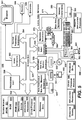
- FIGURE 5 illustrates an example of a suitable computing and networking environment 500 on which the examples and/or implementations of FIGS. 1-4 may be implemented.
- the computing system environment 500 is only one example of a suitable computing environment and is not intended to suggest any limitation as to the scope of use or functionality of the invention. Neither should the computing environment 500 be interpreted as having any dependency or requirement relating to any one or combination of components illustrated in the exemplary operating environment 500.
- the invention is operational with numerous other general purpose or special purpose computing system environments or configurations.
- Examples of well known computing systems, environments, and/or configurations that may be suitable for use with the invention include, but are not limited to: personal computers, server computers, hand-held or laptop devices, tablet devices, multiprocessor systems, microprocessor-based systems, set top boxes, embedded systems, programmable consumer electronics, network PCs, minicomputers, mainframe computers, distributed computing environments that include any of the above systems or devices, and the like.
- the invention may be described in the general context of computer-executable instructions, such as program modules, being executed by a computer.
- program modules include routines, programs, objects, components, data structures, and so forth, which perform particular tasks or implement particular abstract data types.
- the invention may also be practiced in distributed computing environments where tasks are performed by remote processing devices that are linked through a communications network.
- program modules may be located in local and/or remote computer storage media including memory storage devices.
- an exemplary system for implementing various aspects of the invention may include a general purpose computing device in the form of a computer 510.
- Components of the computer 510 may include, but are not limited to, a processing unit 520, a system memory 530, and a system bus 521 that couples various system components including the system memory to the processing unit 520.
- the system bus 521 may be any of several types of bus structures including a memory bus or memory controller, a peripheral bus, and a local bus using any of a variety of bus architectures.
- such architectures include Industry Standard Architecture (ISA) bus, Micro Channel Architecture (MCA) bus, Enhanced ISA (EISA) bus, Video Electronics Standards Association (VESA) local bus, and Peripheral Component Interconnect (PCI) bus also known as Mezzanine bus.
- ISA Industry Standard Architecture
- MCA Micro Channel Architecture
- EISA Enhanced ISA
- VESA Video Electronics Standards Association
- PCI Peripheral Component Interconnect
- the computer 510 typically includes a variety of computer-readable media.
- Computer-readable media can be any available media that can be accessed by the computer 510 and includes both volatile and nonvolatile media, and removable and non-removable media.
- Computer-readable media may comprise computer storage media and communication media.
- Computer storage media includes volatile and nonvolatile, removable and non-removable media implemented in any method or technology for storage of information such as computer-readable instructions, data structures, program modules or other data.
- Computer storage media includes, but is not limited to, RAM, ROM, EEPROM, flash memory or other memory technology, CD-ROM, digital versatile disks (DVD) or other optical disk storage, magnetic cassettes, magnetic tape, magnetic disk storage or other magnetic storage devices, or any other medium which can be used to store the desired information and which can accessed by the computer 510.
- Communication media typically embodies computer-readable instructions, data structures, program modules or other data in a modulated data signal such as a carrier wave or other transport mechanism and includes any information delivery media.
- modulated data signal means a signal that has one or more of its characteristics set or changed in such a manner as to encode information in the signal.
- communication media includes wired media such as a wired network or direct-wired connection, and wireless media such as acoustic, RF, infrared and other wireless media. Combinations of the any of the above may also be included within the scope of computer-readable media.
- the system memory 530 includes computer storage media in the form of volatile and/or nonvolatile memory such as read only memory (ROM) 531 and random access memory (RAM) 532.
- ROM read only memory
- RAM random access memory
- BIOS basic input/output system 533
- RAM 532 typically contains data and/or program modules that are immediately accessible to and/or presently being operated on by processing unit 520.
- FIG. 5 illustrates operating system 534, application programs 535, other program modules 536 and program data 537.
- the computer 510 may also include other removable/non-removable, volatile/nonvolatile computer storage media.
- FIG. 5 illustrates a hard disk drive 541 that reads from or writes to non-removable, nonvolatile magnetic media, a magnetic disk drive 551 that reads from or writes to a removable, nonvolatile magnetic disk 552, and an optical disk drive 555 that reads from or writes to a removable, nonvolatile optical disk 555 such as a CD ROM or other optical media.
- removable/non-removable, volatile/nonvolatile computer storage media that can be used in the exemplary operating environment include, but are not limited to, magnetic tape cassettes, flash memory cards, digital versatile disks, digital video tape, solid state RAM, solid state ROM, and the like.
- the hard disk drive 541 is typically connected to the system bus 521 through a non-removable memory interface such as interface 540, and magnetic disk drive 551 and optical disk drive 555 are typically connected to the system bus 521 by a removable memory interface, such as interface 550.
- the drives and their associated computer storage media provide storage of computer-readable instructions, data structures, program modules and other data for the computer 510.
- hard disk drive 541 is illustrated as storing operating system 544, application programs 545, other program modules 545 and program data 547. Note that these components can either be the same as or different from operating system 534, application programs 535, other program modules 535, and program data 537.
- Operating system 544, application programs 545, other program modules 545, and program data 547 are given different numbers herein to illustrate that, at a minimum, they are different copies.
- a user may enter commands and information into the computer 510 through input devices such as a tablet, or electronic digitizer, 554, a microphone 553, a keyboard 552 and pointing device 551, commonly referred to as mouse, trackball or touch pad.
- Other input devices not shown in FIG. 5 may include a joystick, game pad, satellite dish, scanner, or the like.
- These and other input devices are often connected to the processing unit 520 through a user input interface 550 that is coupled to the system bus, but may be connected by other interface and bus structures, such as a parallel port, game port or a universal serial bus (USB).
- a monitor 591 or other type of display device is also connected to the system bus 521 via an interface, such as a video interface 590.
- the monitor 591 may also be integrated with a touch-screen panel or the like. Note that the monitor and/or touch screen panel can be physically coupled to a housing in which the computing device 510 is incorporated, such as in a tablet-type personal computer. In addition, computers such as the computing device 510 may also include other peripheral output devices such as speakers 595 and printer 595, which may be connected through an output peripheral interface 594 or the like.
- the computer 510 may operate in a networked environment using logical connections to one or more remote computers, such as a remote computer 580.
- the remote computer 580 may be a personal computer, a server, a router, a network PC, a peer device or other common network node, and typically includes many or all of the elements described above relative to the computer 510, although only a memory storage device 581 has been illustrated in FIG. 5 .
- the logical connections depicted in FIG. 5 include one or more local area networks (LAN) 571 and one or more wide area networks (WAN) 573, but may also include other networks.
- LAN local area network
- WAN wide area network
- Such networking environments are commonplace in offices, -wide computer networks, intranets and the Internet.
- the computer 510 When used in a LAN networking environment, the computer 510 is connected to the LAN 571 through a network interface or adapter 570. When used in a WAN networking environment, the computer 510 typically includes a modem 572 or other means for establishing communications over the WAN 573, such as the Internet.
- the modem 572 which may be internal or external, may be connected to the system bus 521 via the user input interface 550 or other appropriate mechanism.
- a wireless networking component 574 such as comprising an interface and antenna may be coupled through a suitable device such as an access point or peer computer to a WAN or LAN.
- program modules depicted relative to the computer 510, or portions thereof, may be stored in the remote memory storage device.
- FIG. 5 illustrates remote application programs 585 as residing on memory device 581. It may be appreciated that the network connections shown are exemplary and other means of establishing a communications link between the computers may be used.
- An auxiliary subsystem 599 (e.g., for auxiliary display of content) may be connected via the user interface 550 to allow data such as program content, system status and event notifications to be provided to the user, even if the main portions of the computer system are in a low power state.
- the auxiliary subsystem 599 may be connected to the modem 572 and/or network interface 570 to allow communication between these systems while the main processing unit 520 is in a low power state.
Landscapes
- Engineering & Computer Science (AREA)
- Computer Networks & Wireless Communication (AREA)
- Signal Processing (AREA)
- Data Exchanges In Wide-Area Networks (AREA)
- Computer And Data Communications (AREA)
- Information Transfer Between Computers (AREA)
Claims (14)
- Verfahren in einer Rechenumgebung, wobei das Verfahren umfasst:(a) Erfassen (402), durch ein Gateway, dass ein Benutzer eine Zieladresse für eine Verbindung zu einem Netzwerk über eine Client-Einrichtung eingegeben hat;(b) Ermitteln (406), durch das Gateway, von Ortsdaten, die der Client-Einrichtung entsprechen;(c) Verwenden, durch das Gateway, der Ortsdaten und einer Regelinformation zum Erhalten (410) einer Liste verfügbarer Verbindungsverfahren in einer Prioritätsreihenfolge;(d) Auswählen, durch das Gateway, eines verfügbaren Verbindungsverfahrens aus der Liste als ausgewähltes Verbindungsverfahren;(e) Versuchen (418), durch das Gateway, eine Verbindung mittels des ausgewählten Verbindungsverfahrens herzustellen; und(f) Ermitteln (418) durch das Gateway, ob der Versuch erfolgreich war, wobei, wenn der Versuch nicht erfolgreich ist, ein anderes verfügbares Verbindungsverfahren aus der Liste als das ausgewählte Verbindungsverfahren ausgewählt wird und der Prozessablauf zum Schritt (e) zurückgeht, und wenn der Versuch erfolgreich ist, die Verbindung eingerichtet wird.
- Verfahren nach Anspruch 1, wobei Erhalten der Liste verfügbarer Verbindungsverfahren umfasst: Erhalten ortsbasierter Netzwerkerreichbarkeitsdaten und/oder Verbindungsregeldaten, um die List aus verfügbaren Verbindungsverfahren zu erhalten.
- Verfahren nach Anspruch 1, das ferner umfasst: Erhalten von Zugangsdaten aus einer Speicherstelle zur Verwendung im Zusammenhang mit dem ausgewählten Verbindungsverfahren.
- Verfahren nach Anspruch 1, das ferner umfasst: Anzeigen einer Verbindung, wenn die Verbindung eingerichtet wird, und/oder Anzeigen anderer verfügbarer Verbindungsverfahren, wenn die Verbindung eingerichtet wird.
- System in einer Rechenumgebung, wobei das System aufweist:einen Kommunikationsabfangmechanismus (336), der erfasst, wann eine Kommunikation an ein Netzwerkziel (334) gerichtet ist;einen Verbindungseinrichtungsmechanismus (338, der mit dem Kommunikationsabfangmechanismus verbunden ist zumEmpfangen einer Benachrichtigung bezüglich der Kommunikation, die an das Netzwerkziel gerichtet ist,Empfangen, von einer Regelberatungseinheit (340), einer List verfügbarer Verbindungsverfahren auf der Grundlage von Regelfaktoren in Verbindung mit dem tatsächlichen Ort und in Prioritätsreihenfolge; undAusführen eines Verbindungsversuches zu dem Netzwerkziel nach Auswählen eines verfügbaren Verbindungsverfahrens aus der Liste, Ermitteln (418), ob der Versuch erfolgreich war, wobei, wenn der Versuch nicht erfolgreich war, ein anderes verfügbares Verbindungsverfahren aus der Liste als das ausgewählte Verbindungsverfahren ausgewählt und ein neuer Verbindungsversuch ausgeführt wird, und wenn der Versuch erfolgreich ist, die Verbindung eingerichtet wird.
- System nach Anspruch 5, das ferner einen Netzwerkortserkennungsmechanismus (332) aufweist, der mit dem Verbindungseinrichtungsmechanismus (338) verbunden ist, wobei der Verbindungseinrichtungsmechanismus Ortsdaten aus dem Netzwerkortserkennungsmechanismus erhält und die Daten der Regelberatungseinheit (340) zur Verwendung bei der Bereitstellung der Liste verfügbarer Verbindungsverfahren zuführt.
- System nach Anspruch 5, das ferner einen Fehlererkennungsmechanismus aufweist, wobei der Verbindungseinrichtungsmechanismus die Verbindung einrichtet, indem ein erstes verfügbares Verbindungsverfahren ausgewählt wird, indem versucht wird, eine Verbindung mit diesem ersten verfügbaren Verbindungsverfahren einzurichten, und indem über den Fehlererkennungsmechanismus ermittelt wird, dass der Versuch fehlschlug, und indem ein zweites verfügbares Verbindungsverfahren ausgewählt wird, mit welchem eine Verbindung gelingt.
- System nach Anspruch 5, das ferner einen sicheren Zugangsdatenspeicher aufweist, der mit dem Verbindungseinrichtungsmechanismus verbunden ist, wobei der Verbindungseinrichtungsmechanismus auf den sichern Zugangsdatenspeicher zugreift, um Zugangsdaten, die mit dem ausgewählten Verbindungsverfahren im Zusammenhang stehen, zu erhalten.
- System nach Anspruch 5, das ferner eine Verbindungsanzeige aufweist, die eine Verbindung anzeigt, wenn die Verbindung eingerichtet ist, oder andere verfügbare Verbindungsverfahren anzeigt, wenn die Verbindung eingerichtet ist, oder sowohl die Verbindung als auch andere verfügbare Verbindungsverfahren anzeigt, wenn die Verbindung eingerichtet ist.
- System nach Anspruch 5, wobei die Verbindungsverfahren ein Verbindungsverfahren für ein lokales Netzwerk, ein Verbindungsverfahren für ein Netzwerk mit direkter Verbindung, ein Verbindungsverfahren für ein IPSec für ein virtuelles privates Netzwerk, VPN, ein Verbindungsverfahren für SSL VPN, ein Verbindungsverfahren für Endgerätdienste oder ein Verbindungsverfahren für Netzveröffentlichungen, oder eine Kombination aus einem Verbindungsverfahren für ein lokales Netzwerk, einem Verbindungsverfahren für ein Netzwerk mit direkter Verbindung, einem Verbindungsverfahren für IPSec VPN, einem Verbindungsverfahren für SSL VPN, einem Verbindungsverfahren für Endgerätedienste oder einem Verbindungsverfahren für Netzveröffentlichungen beinhalten.
- Ein oder mehrere computerlesbare Medien mit computerausführbaren Befehlen, die bei Ausführung Schritte ausführen, mit:(a) Erfassen (402), durch ein Gateway, dass ein Benutzer eine Zieladresse für eine Verbindung zu einem Netzwerk über eine Client-Einrichtung eingegeben hat;(b) Ermitteln (406), durch das Gateway, von Ortsdaten, die der Client-Einrichtung entsprechen;(c) Verwenden, durch das Gateway, der Ortsdaten und einer Regelinformation zum Erhalten (410) einer Liste verfügbarer Verbindungsverfahren in einer Prioritätsreihenfolge;(d) Auswählen, durch das Gateway, eines verfügbaren Verbindungsverfahrens aus der Liste als ausgewähltes Verbindungsverfahren;(e) Versuchen (418), durch das Gateway, eine Verbindung mittels des ausgewählten Verbindungsverfahrens herzustellen; und(f) Ermitteln (418) durch das Gateway, ob der Versuch erfolgreich war, und wenn nicht, Auswählen eines anderen verfügbaren Verbindungsverfahrens aus der Liste als das ausgewählte Verbindungsverfahren und Zurückgehen zum Schritt (e), bei Erfolg: Verwenden der Verbindung.
- Ein oder mehrere computerlesbare Medien nach Anspruch 11, das weitere computerausführbare Befehle aufweist mit:
Anzeigen einer Verbindung, wenn die Verbindung eingerichtet wird, oder Anzeigen anderer verfügbarer Verbindungsverfahren, wenn die Verbindung eingerichtet wird, oder sowohl Anzeigen der Verbindung als auch Anzeigen anderer verfügbarer Verbindungsverfahren, wenn die Verbindung eingerichtet wird. - Ein oder mehrere computerlesbare Medien nach Anspruch 11 mit weiteren computerausführbaren Befehlen, mit:Zugreifen auf gespeicherte Zugangsdaten zur Verwendung in Verbindung mit dem Schritt des Versuchens zum Einrichten einer Verbindung mittels des ausgewählten Verbindungsverfahrens; oderVersuchen eines Zugriffs auf gespeicherte Zugangsdaten zur Verwendung im Zusammenhang mit dem Schritt des Versuchens zum Einrichten einer Verbindung mit dem ausgewählten Verbindungsverfahren, und bei Nicht-Auffinden oder bei Unzulässigkeit, Bereitstellen einer Aufforderung, um Daten zu empfangen, die den Zugangsdaten entsprechen.
- Ein oder mehrere computerlesbare Medien nach Anspruch 11, wobei Ermitteln der Ortsdaten, die der Client-Einrichtung entsprechen, umfasst: Ermitteln, ob die Client-Einrichtung in einem lokalen Netzwerk (LAN) liegt.
Applications Claiming Priority (2)
| Application Number | Priority Date | Filing Date | Title |
|---|---|---|---|
| US12/163,046 US10116580B2 (en) | 2008-06-27 | 2008-06-27 | Seamless location aware network connectivity |
| PCT/US2009/047268 WO2009158218A2 (en) | 2008-06-27 | 2009-06-12 | Seamless location aware network connectivity |
Publications (3)
| Publication Number | Publication Date |
|---|---|
| EP2294868A2 EP2294868A2 (de) | 2011-03-16 |
| EP2294868A4 EP2294868A4 (de) | 2014-08-27 |
| EP2294868B1 true EP2294868B1 (de) | 2019-11-06 |
Family
ID=41445219
Family Applications (1)
| Application Number | Title | Priority Date | Filing Date |
|---|---|---|---|
| EP09770752.5A Active EP2294868B1 (de) | 2008-06-27 | 2009-06-12 | Nahtlose ortsbewusste netzwerkkonnektivität |
Country Status (5)
| Country | Link |
|---|---|
| US (1) | US10116580B2 (de) |
| EP (1) | EP2294868B1 (de) |
| JP (1) | JP2011526133A (de) |
| CN (1) | CN102077653A (de) |
| WO (1) | WO2009158218A2 (de) |
Families Citing this family (6)
| Publication number | Priority date | Publication date | Assignee | Title |
|---|---|---|---|---|
| CN102137458A (zh) * | 2010-01-25 | 2011-07-27 | 腾讯科技(北京)有限公司 | 无线网络接入方法及装置 |
| US9111079B2 (en) | 2010-09-30 | 2015-08-18 | Microsoft Technology Licensing, Llc | Trustworthy device claims as a service |
| US9641609B2 (en) * | 2012-02-28 | 2017-05-02 | Google Inc. | Integrated messaging |
| US11849450B2 (en) | 2018-02-19 | 2023-12-19 | Bombardier Inc. | Method and computer device for transmitting an information stream associated with a user device |
| US12581279B2 (en) * | 2020-10-30 | 2026-03-17 | Electrolux Consumer Products, Inc. | System for real time correction during network device provisioning |
| CN112511620A (zh) * | 2020-11-26 | 2021-03-16 | 小佩网络科技(上海)有限公司 | 一种网络通讯方法、装置、设备及存储介质 |
Family Cites Families (25)
| Publication number | Priority date | Publication date | Assignee | Title |
|---|---|---|---|---|
| US6359892B1 (en) | 1997-11-04 | 2002-03-19 | Inventions, Inc. | Remote access, emulation, and control of office equipment, devices and services |
| US6609148B1 (en) | 1999-11-10 | 2003-08-19 | Randy Salo | Clients remote access to enterprise networks employing enterprise gateway servers in a centralized data center converting plurality of data requests for messaging and collaboration into a single request |
| US6563800B1 (en) | 1999-11-10 | 2003-05-13 | Qualcomm, Inc. | Data center for providing subscriber access to data maintained on an enterprise network |
| US6895434B1 (en) | 2000-01-03 | 2005-05-17 | Cisco Technology, Inc. | Sharing of NAS information between PoPs |
| US7139822B2 (en) * | 2000-07-07 | 2006-11-21 | International Business Machines Corporation | Interception method and system for compensating disadvantageous characteristics of a communication protocol |
| US7124189B2 (en) | 2000-12-20 | 2006-10-17 | Intellisync Corporation | Spontaneous virtual private network between portable device and enterprise network |
| US7127742B2 (en) | 2001-01-24 | 2006-10-24 | Microsoft Corporation | Establishing a secure connection with a private corporate network over a public network |
| US7184764B2 (en) | 2001-02-08 | 2007-02-27 | Starhome Gmbh | Method and apparatus for supporting cellular data communication to roaming mobile telephony devices |
| US7069433B1 (en) | 2001-02-20 | 2006-06-27 | At&T Corp. | Mobile host using a virtual single account client and server system for network access and management |
| US7131141B1 (en) | 2001-07-27 | 2006-10-31 | At&T Corp. | Method and apparatus for securely connecting a plurality of trust-group networks, a protected resource network and an untrusted network |
| WO2003027878A1 (en) | 2001-09-28 | 2003-04-03 | Fiberlink Communications Corporation | Client-side network access polices and management applications |
| US7646737B2 (en) * | 2002-08-02 | 2010-01-12 | Qualcomm Incorporated | Multimode wireless device system provision validation and acquisition method and apparatus |
| JP4461677B2 (ja) | 2002-12-18 | 2010-05-12 | 富士ゼロックス株式会社 | 通信端末及び通信プログラム |
| US7480369B2 (en) * | 2003-01-31 | 2009-01-20 | Qwest Communications International, Inc. | Network interface device having virtual private network capability |
| WO2005020002A2 (en) | 2003-08-15 | 2005-03-03 | Fiberlink Communications Corporation | System, method, apparatus and computer program product for facilitating digital communications |
| KR20050030509A (ko) | 2003-09-26 | 2005-03-30 | 삼성전자주식회사 | 헤테로지니어스 시스템에서의 억세스 네트워크 선택 방법 |
| TW200527870A (en) | 2004-01-14 | 2005-08-16 | Nec Corp | Encrypted communication method, encrypted communication system, node device and program |
| CN1671240A (zh) * | 2004-03-19 | 2005-09-21 | 华为技术有限公司 | 一种实现移动网络接入限制的方法 |
| WO2005117466A2 (en) | 2004-05-24 | 2005-12-08 | Computer Associates Think, Inc. | Wireless manager and method for managing wireless devices |
| CN101199187A (zh) * | 2004-07-23 | 2008-06-11 | 茨特里克斯系统公司 | 用于网络节点之间通信最优化的系统和方法 |
| US9450959B2 (en) * | 2005-04-13 | 2016-09-20 | Loc-Aid Technologies, Inc. | Method and system for utilizing a location-based internetwork gateway |
| JP2006339847A (ja) | 2005-05-31 | 2006-12-14 | Brother Ind Ltd | ネットワーク通信システム、通信装置及びプログラム |
| US20070150946A1 (en) | 2005-12-23 | 2007-06-28 | Nortel Networks Limited | Method and apparatus for providing remote access to an enterprise network |
| US20070180088A1 (en) | 2006-01-27 | 2007-08-02 | Array Networks, Inc. | Seamless roaming across multiple data networks |
| EP1989827B3 (de) | 2006-03-02 | 2015-11-11 | Nokia Corporation | Unterstützung eines zugangs zu einem zielnetz über ein drahtloses zugangsnetz |
-
2008
- 2008-06-27 US US12/163,046 patent/US10116580B2/en active Active
-
2009
- 2009-06-12 EP EP09770752.5A patent/EP2294868B1/de active Active
- 2009-06-12 WO PCT/US2009/047268 patent/WO2009158218A2/en not_active Ceased
- 2009-06-12 JP JP2011516433A patent/JP2011526133A/ja active Pending
- 2009-06-12 CN CN2009801256262A patent/CN102077653A/zh active Pending
Non-Patent Citations (1)
| Title |
|---|
| None * |
Also Published As
| Publication number | Publication date |
|---|---|
| CN102077653A (zh) | 2011-05-25 |
| WO2009158218A3 (en) | 2010-05-06 |
| US20090327497A1 (en) | 2009-12-31 |
| EP2294868A2 (de) | 2011-03-16 |
| WO2009158218A2 (en) | 2009-12-30 |
| US10116580B2 (en) | 2018-10-30 |
| EP2294868A4 (de) | 2014-08-27 |
| JP2011526133A (ja) | 2011-09-29 |
Similar Documents
| Publication | Publication Date | Title |
|---|---|---|
| US20200304485A1 (en) | Controlling Access to Resources on a Network | |
| US8090827B2 (en) | Secure access to remote resources over a network | |
| US9769266B2 (en) | Controlling access to resources on a network | |
| JP4546382B2 (ja) | 機器検疫方法、および、機器検疫システム | |
| EP3286889B1 (de) | Erkennung eines sicheren bandinternen dienstes | |
| US7814531B2 (en) | Detection of network environment for network access control | |
| US20130036453A1 (en) | System, method and user interface for network status reporting | |
| US20060248525A1 (en) | System and method for detecting peer-to-peer network software | |
| EP2294868B1 (de) | Nahtlose ortsbewusste netzwerkkonnektivität | |
| CN111988292B (zh) | 一种内网终端访问互联网的方法、装置及系统 | |
| US7917638B1 (en) | Transparent reconnection | |
| US8087066B2 (en) | Method and system for securing a commercial grid network | |
| US9270471B2 (en) | Client-client-server authentication | |
| EP2748715B1 (de) | Verfahren zum zugreifen auf logische netzwerke über einen programmatischen dienstruf | |
| US8479262B2 (en) | Managing electronic devices using an electronic device as a root of trust | |
| CN108462670A (zh) | 用于tcp连接的鉴权方法、装置以及电子设备 | |
| US20260101192A1 (en) | Systems and methods for identifying and configuring unmanaged femtocells | |
| US20080104239A1 (en) | Method and system of managing accounts by a network server | |
| WO2006096875A1 (en) | Smart tunneling to resources in a remote network | |
| JP2007257264A (ja) | 画像形成システム、及び画像形成装置利用プログラム | |
| JP2009239331A (ja) | アクセス管理システム、アクセス管理方法、及びアクセス制御用プログラム |
Legal Events
| Date | Code | Title | Description |
|---|---|---|---|
| PUAI | Public reference made under article 153(3) epc to a published international application that has entered the european phase |
Free format text: ORIGINAL CODE: 0009012 |
|
| 17P | Request for examination filed |
Effective date: 20110119 |
|
| AK | Designated contracting states |
Kind code of ref document: A2 Designated state(s): AT BE BG CH CY CZ DE DK EE ES FI FR GB GR HR HU IE IS IT LI LT LU LV MC MK MT NL NO PL PT RO SE SI SK TR |
|
| AX | Request for extension of the european patent |
Extension state: AL BA RS |
|
| DAX | Request for extension of the european patent (deleted) | ||
| A4 | Supplementary search report drawn up and despatched |
Effective date: 20140730 |
|
| RIC1 | Information provided on ipc code assigned before grant |
Ipc: H04W 48/00 20090101AFI20140724BHEP Ipc: H04W 76/02 20090101ALI20140724BHEP |
|
| RAP1 | Party data changed (applicant data changed or rights of an application transferred) |
Owner name: MICROSOFT TECHNOLOGY LICENSING, LLC |
|
| REG | Reference to a national code |
Ref country code: DE Ref legal event code: R079 Ref document number: 602009060364 Country of ref document: DE Free format text: PREVIOUS MAIN CLASS: H04W0048080000 Ipc: H04L0012911000 |
|
| GRAP | Despatch of communication of intention to grant a patent |
Free format text: ORIGINAL CODE: EPIDOSNIGR1 |
|
| STAA | Information on the status of an ep patent application or granted ep patent |
Free format text: STATUS: GRANT OF PATENT IS INTENDED |
|
| RIC1 | Information provided on ipc code assigned before grant |
Ipc: H04L 12/911 20130101AFI20190513BHEP Ipc: H04W 76/10 20180101ALI20190513BHEP |
|
| INTG | Intention to grant announced |
Effective date: 20190605 |
|
| GRAS | Grant fee paid |
Free format text: ORIGINAL CODE: EPIDOSNIGR3 |
|
| GRAA | (expected) grant |
Free format text: ORIGINAL CODE: 0009210 |
|
| STAA | Information on the status of an ep patent application or granted ep patent |
Free format text: STATUS: THE PATENT HAS BEEN GRANTED |
|
| AK | Designated contracting states |
Kind code of ref document: B1 Designated state(s): AT BE BG CH CY CZ DE DK EE ES FI FR GB GR HR HU IE IS IT LI LT LU LV MC MK MT NL NO PL PT RO SE SI SK TR |
|
| REG | Reference to a national code |
Ref country code: GB Ref legal event code: FG4D |
|
| REG | Reference to a national code |
Ref country code: CH Ref legal event code: EP Ref country code: AT Ref legal event code: REF Ref document number: 1200349 Country of ref document: AT Kind code of ref document: T Effective date: 20191115 |
|
| REG | Reference to a national code |
Ref country code: IE Ref legal event code: FG4D |
|
| REG | Reference to a national code |
Ref country code: DE Ref legal event code: R096 Ref document number: 602009060364 Country of ref document: DE |
|
| REG | Reference to a national code |
Ref country code: NL Ref legal event code: MP Effective date: 20191106 |
|
| REG | Reference to a national code |
Ref country code: LT Ref legal event code: MG4D |
|
| PG25 | Lapsed in a contracting state [announced via postgrant information from national office to epo] |
Ref country code: BG Free format text: LAPSE BECAUSE OF FAILURE TO SUBMIT A TRANSLATION OF THE DESCRIPTION OR TO PAY THE FEE WITHIN THE PRESCRIBED TIME-LIMIT Effective date: 20200206 Ref country code: PT Free format text: LAPSE BECAUSE OF FAILURE TO SUBMIT A TRANSLATION OF THE DESCRIPTION OR TO PAY THE FEE WITHIN THE PRESCRIBED TIME-LIMIT Effective date: 20200306 Ref country code: NO Free format text: LAPSE BECAUSE OF FAILURE TO SUBMIT A TRANSLATION OF THE DESCRIPTION OR TO PAY THE FEE WITHIN THE PRESCRIBED TIME-LIMIT Effective date: 20200206 Ref country code: FI Free format text: LAPSE BECAUSE OF FAILURE TO SUBMIT A TRANSLATION OF THE DESCRIPTION OR TO PAY THE FEE WITHIN THE PRESCRIBED TIME-LIMIT Effective date: 20191106 Ref country code: LV Free format text: LAPSE BECAUSE OF FAILURE TO SUBMIT A TRANSLATION OF THE DESCRIPTION OR TO PAY THE FEE WITHIN THE PRESCRIBED TIME-LIMIT Effective date: 20191106 Ref country code: SE Free format text: LAPSE BECAUSE OF FAILURE TO SUBMIT A TRANSLATION OF THE DESCRIPTION OR TO PAY THE FEE WITHIN THE PRESCRIBED TIME-LIMIT Effective date: 20191106 Ref country code: NL Free format text: LAPSE BECAUSE OF FAILURE TO SUBMIT A TRANSLATION OF THE DESCRIPTION OR TO PAY THE FEE WITHIN THE PRESCRIBED TIME-LIMIT Effective date: 20191106 Ref country code: LT Free format text: LAPSE BECAUSE OF FAILURE TO SUBMIT A TRANSLATION OF THE DESCRIPTION OR TO PAY THE FEE WITHIN THE PRESCRIBED TIME-LIMIT Effective date: 20191106 Ref country code: GR Free format text: LAPSE BECAUSE OF FAILURE TO SUBMIT A TRANSLATION OF THE DESCRIPTION OR TO PAY THE FEE WITHIN THE PRESCRIBED TIME-LIMIT Effective date: 20200207 Ref country code: PL Free format text: LAPSE BECAUSE OF FAILURE TO SUBMIT A TRANSLATION OF THE DESCRIPTION OR TO PAY THE FEE WITHIN THE PRESCRIBED TIME-LIMIT Effective date: 20191106 Ref country code: ES Free format text: LAPSE BECAUSE OF FAILURE TO SUBMIT A TRANSLATION OF THE DESCRIPTION OR TO PAY THE FEE WITHIN THE PRESCRIBED TIME-LIMIT Effective date: 20191106 |
|
| PG25 | Lapsed in a contracting state [announced via postgrant information from national office to epo] |
Ref country code: HR Free format text: LAPSE BECAUSE OF FAILURE TO SUBMIT A TRANSLATION OF THE DESCRIPTION OR TO PAY THE FEE WITHIN THE PRESCRIBED TIME-LIMIT Effective date: 20191106 Ref country code: IS Free format text: LAPSE BECAUSE OF FAILURE TO SUBMIT A TRANSLATION OF THE DESCRIPTION OR TO PAY THE FEE WITHIN THE PRESCRIBED TIME-LIMIT Effective date: 20200306 |
|
| PG25 | Lapsed in a contracting state [announced via postgrant information from national office to epo] |
Ref country code: EE Free format text: LAPSE BECAUSE OF FAILURE TO SUBMIT A TRANSLATION OF THE DESCRIPTION OR TO PAY THE FEE WITHIN THE PRESCRIBED TIME-LIMIT Effective date: 20191106 Ref country code: DK Free format text: LAPSE BECAUSE OF FAILURE TO SUBMIT A TRANSLATION OF THE DESCRIPTION OR TO PAY THE FEE WITHIN THE PRESCRIBED TIME-LIMIT Effective date: 20191106 Ref country code: RO Free format text: LAPSE BECAUSE OF FAILURE TO SUBMIT A TRANSLATION OF THE DESCRIPTION OR TO PAY THE FEE WITHIN THE PRESCRIBED TIME-LIMIT Effective date: 20191106 Ref country code: CZ Free format text: LAPSE BECAUSE OF FAILURE TO SUBMIT A TRANSLATION OF THE DESCRIPTION OR TO PAY THE FEE WITHIN THE PRESCRIBED TIME-LIMIT Effective date: 20191106 |
|
| REG | Reference to a national code |
Ref country code: DE Ref legal event code: R097 Ref document number: 602009060364 Country of ref document: DE |
|
| REG | Reference to a national code |
Ref country code: AT Ref legal event code: MK05 Ref document number: 1200349 Country of ref document: AT Kind code of ref document: T Effective date: 20191106 |
|
| PG25 | Lapsed in a contracting state [announced via postgrant information from national office to epo] |
Ref country code: SK Free format text: LAPSE BECAUSE OF FAILURE TO SUBMIT A TRANSLATION OF THE DESCRIPTION OR TO PAY THE FEE WITHIN THE PRESCRIBED TIME-LIMIT Effective date: 20191106 |
|
| PLBE | No opposition filed within time limit |
Free format text: ORIGINAL CODE: 0009261 |
|
| STAA | Information on the status of an ep patent application or granted ep patent |
Free format text: STATUS: NO OPPOSITION FILED WITHIN TIME LIMIT |
|
| 26N | No opposition filed |
Effective date: 20200807 |
|
| PG25 | Lapsed in a contracting state [announced via postgrant information from national office to epo] |
Ref country code: AT Free format text: LAPSE BECAUSE OF FAILURE TO SUBMIT A TRANSLATION OF THE DESCRIPTION OR TO PAY THE FEE WITHIN THE PRESCRIBED TIME-LIMIT Effective date: 20191106 Ref country code: SI Free format text: LAPSE BECAUSE OF FAILURE TO SUBMIT A TRANSLATION OF THE DESCRIPTION OR TO PAY THE FEE WITHIN THE PRESCRIBED TIME-LIMIT Effective date: 20191106 |
|
| PG25 | Lapsed in a contracting state [announced via postgrant information from national office to epo] |
Ref country code: MC Free format text: LAPSE BECAUSE OF FAILURE TO SUBMIT A TRANSLATION OF THE DESCRIPTION OR TO PAY THE FEE WITHIN THE PRESCRIBED TIME-LIMIT Effective date: 20191106 Ref country code: IT Free format text: LAPSE BECAUSE OF FAILURE TO SUBMIT A TRANSLATION OF THE DESCRIPTION OR TO PAY THE FEE WITHIN THE PRESCRIBED TIME-LIMIT Effective date: 20191106 |
|
| REG | Reference to a national code |
Ref country code: CH Ref legal event code: PL |
|
| PG25 | Lapsed in a contracting state [announced via postgrant information from national office to epo] |
Ref country code: LU Free format text: LAPSE BECAUSE OF NON-PAYMENT OF DUE FEES Effective date: 20200612 |
|
| REG | Reference to a national code |
Ref country code: BE Ref legal event code: MM Effective date: 20200630 |
|
| PG25 | Lapsed in a contracting state [announced via postgrant information from national office to epo] |
Ref country code: IE Free format text: LAPSE BECAUSE OF NON-PAYMENT OF DUE FEES Effective date: 20200612 Ref country code: LI Free format text: LAPSE BECAUSE OF NON-PAYMENT OF DUE FEES Effective date: 20200630 Ref country code: CH Free format text: LAPSE BECAUSE OF NON-PAYMENT OF DUE FEES Effective date: 20200630 |
|
| PG25 | Lapsed in a contracting state [announced via postgrant information from national office to epo] |
Ref country code: BE Free format text: LAPSE BECAUSE OF NON-PAYMENT OF DUE FEES Effective date: 20200630 |
|
| REG | Reference to a national code |
Ref country code: DE Ref legal event code: R079 Ref document number: 602009060364 Country of ref document: DE Free format text: PREVIOUS MAIN CLASS: H04L0012911000 Ipc: H04L0047700000 |
|
| PG25 | Lapsed in a contracting state [announced via postgrant information from national office to epo] |
Ref country code: TR Free format text: LAPSE BECAUSE OF FAILURE TO SUBMIT A TRANSLATION OF THE DESCRIPTION OR TO PAY THE FEE WITHIN THE PRESCRIBED TIME-LIMIT Effective date: 20191106 Ref country code: MT Free format text: LAPSE BECAUSE OF FAILURE TO SUBMIT A TRANSLATION OF THE DESCRIPTION OR TO PAY THE FEE WITHIN THE PRESCRIBED TIME-LIMIT Effective date: 20191106 Ref country code: CY Free format text: LAPSE BECAUSE OF FAILURE TO SUBMIT A TRANSLATION OF THE DESCRIPTION OR TO PAY THE FEE WITHIN THE PRESCRIBED TIME-LIMIT Effective date: 20191106 |
|
| PG25 | Lapsed in a contracting state [announced via postgrant information from national office to epo] |
Ref country code: MK Free format text: LAPSE BECAUSE OF FAILURE TO SUBMIT A TRANSLATION OF THE DESCRIPTION OR TO PAY THE FEE WITHIN THE PRESCRIBED TIME-LIMIT Effective date: 20191106 |
|
| P01 | Opt-out of the competence of the unified patent court (upc) registered |
Effective date: 20230505 |
|
| PGFP | Annual fee paid to national office [announced via postgrant information from national office to epo] |
Ref country code: FR Payment date: 20230523 Year of fee payment: 15 |
|
| PGFP | Annual fee paid to national office [announced via postgrant information from national office to epo] |
Ref country code: GB Payment date: 20230523 Year of fee payment: 15 |
|
| PGFP | Annual fee paid to national office [announced via postgrant information from national office to epo] |
Ref country code: DE Payment date: 20240521 Year of fee payment: 16 |
|
| GBPC | Gb: european patent ceased through non-payment of renewal fee |
Effective date: 20240612 |
|
| PG25 | Lapsed in a contracting state [announced via postgrant information from national office to epo] |
Ref country code: FR Free format text: LAPSE BECAUSE OF NON-PAYMENT OF DUE FEES Effective date: 20240630 |
|
| PG25 | Lapsed in a contracting state [announced via postgrant information from national office to epo] |
Ref country code: GB Free format text: LAPSE BECAUSE OF NON-PAYMENT OF DUE FEES Effective date: 20240612 |
|
| REG | Reference to a national code |
Ref country code: DE Ref legal event code: R119 Ref document number: 602009060364 Country of ref document: DE |
|
| PG25 | Lapsed in a contracting state [announced via postgrant information from national office to epo] |
Ref country code: DE Free format text: LAPSE BECAUSE OF NON-PAYMENT OF DUE FEES Effective date: 20260101 |