EP2290233B1 - System und Verfahren zur Verwaltung von Windturbinen und verbesserte Diagnose - Google Patents
System und Verfahren zur Verwaltung von Windturbinen und verbesserte Diagnose Download PDFInfo
- Publication number
- EP2290233B1 EP2290233B1 EP10173284.0A EP10173284A EP2290233B1 EP 2290233 B1 EP2290233 B1 EP 2290233B1 EP 10173284 A EP10173284 A EP 10173284A EP 2290233 B1 EP2290233 B1 EP 2290233B1
- Authority
- EP
- European Patent Office
- Prior art keywords
- wind turbine
- operational information
- wind
- rules
- fault
- Prior art date
- Legal status (The legal status is an assumption and is not a legal conclusion. Google has not performed a legal analysis and makes no representation as to the accuracy of the status listed.)
- Revoked
Links
Images



Classifications
-
- F—MECHANICAL ENGINEERING; LIGHTING; HEATING; WEAPONS; BLASTING
- F03—MACHINES OR ENGINES FOR LIQUIDS; WIND, SPRING, OR WEIGHT MOTORS; PRODUCING MECHANICAL POWER OR A REACTIVE PROPULSIVE THRUST, NOT OTHERWISE PROVIDED FOR
- F03D—WIND MOTORS
- F03D7/00—Controlling wind motors
- F03D7/02—Controlling wind motors the wind motors having rotation axis substantially parallel to the air flow entering the rotor
- F03D7/04—Automatic control; Regulation
- F03D7/042—Automatic control; Regulation by means of an electrical or electronic controller
- F03D7/047—Automatic control; Regulation by means of an electrical or electronic controller characterised by the controller architecture, e.g. multiple processors or data communications
-
- F—MECHANICAL ENGINEERING; LIGHTING; HEATING; WEAPONS; BLASTING
- F03—MACHINES OR ENGINES FOR LIQUIDS; WIND, SPRING, OR WEIGHT MOTORS; PRODUCING MECHANICAL POWER OR A REACTIVE PROPULSIVE THRUST, NOT OTHERWISE PROVIDED FOR
- F03D—WIND MOTORS
- F03D17/00—Monitoring or testing of wind motors, e.g. diagnostics
-
- F—MECHANICAL ENGINEERING; LIGHTING; HEATING; WEAPONS; BLASTING
- F03—MACHINES OR ENGINES FOR LIQUIDS; WIND, SPRING, OR WEIGHT MOTORS; PRODUCING MECHANICAL POWER OR A REACTIVE PROPULSIVE THRUST, NOT OTHERWISE PROVIDED FOR
- F03D—WIND MOTORS
- F03D7/00—Controlling wind motors
- F03D7/02—Controlling wind motors the wind motors having rotation axis substantially parallel to the air flow entering the rotor
- F03D7/026—Controlling wind motors the wind motors having rotation axis substantially parallel to the air flow entering the rotor for starting-up
-
- F—MECHANICAL ENGINEERING; LIGHTING; HEATING; WEAPONS; BLASTING
- F03—MACHINES OR ENGINES FOR LIQUIDS; WIND, SPRING, OR WEIGHT MOTORS; PRODUCING MECHANICAL POWER OR A REACTIVE PROPULSIVE THRUST, NOT OTHERWISE PROVIDED FOR
- F03D—WIND MOTORS
- F03D7/00—Controlling wind motors
- F03D7/02—Controlling wind motors the wind motors having rotation axis substantially parallel to the air flow entering the rotor
- F03D7/04—Automatic control; Regulation
- F03D7/042—Automatic control; Regulation by means of an electrical or electronic controller
- F03D7/043—Automatic control; Regulation by means of an electrical or electronic controller characterised by the type of control logic
-
- G—PHYSICS
- G05—CONTROLLING; REGULATING
- G05B—CONTROL OR REGULATING SYSTEMS IN GENERAL; FUNCTIONAL ELEMENTS OF SUCH SYSTEMS; MONITORING OR TESTING ARRANGEMENTS FOR SUCH SYSTEMS OR ELEMENTS
- G05B23/00—Testing or monitoring of control systems or parts thereof
- G05B23/02—Electric testing or monitoring
- G05B23/0205—Electric testing or monitoring by means of a monitoring system capable of detecting and responding to faults
- G05B23/0208—Electric testing or monitoring by means of a monitoring system capable of detecting and responding to faults characterized by the configuration of the monitoring system
- G05B23/021—Electric testing or monitoring by means of a monitoring system capable of detecting and responding to faults characterized by the configuration of the monitoring system adopting a different treatment of each operating region or a different mode of the monitored system, e.g. transient modes; different operating configurations of monitored system
-
- G—PHYSICS
- G05—CONTROLLING; REGULATING
- G05B—CONTROL OR REGULATING SYSTEMS IN GENERAL; FUNCTIONAL ELEMENTS OF SUCH SYSTEMS; MONITORING OR TESTING ARRANGEMENTS FOR SUCH SYSTEMS OR ELEMENTS
- G05B23/00—Testing or monitoring of control systems or parts thereof
- G05B23/02—Electric testing or monitoring
- G05B23/0205—Electric testing or monitoring by means of a monitoring system capable of detecting and responding to faults
- G05B23/0218—Electric testing or monitoring by means of a monitoring system capable of detecting and responding to faults characterised by the fault detection method dealing with either existing or incipient faults
- G05B23/0224—Process history based detection method, e.g. whereby history implies the availability of large amounts of data
- G05B23/0227—Qualitative history assessment, whereby the type of data acted upon, e.g. waveforms, images or patterns, is not relevant, e.g. rule based assessment; if-then decisions
- G05B23/0229—Qualitative history assessment, whereby the type of data acted upon, e.g. waveforms, images or patterns, is not relevant, e.g. rule based assessment; if-then decisions knowledge based, e.g. expert systems; genetic algorithms
-
- G—PHYSICS
- G05—CONTROLLING; REGULATING
- G05B—CONTROL OR REGULATING SYSTEMS IN GENERAL; FUNCTIONAL ELEMENTS OF SUCH SYSTEMS; MONITORING OR TESTING ARRANGEMENTS FOR SUCH SYSTEMS OR ELEMENTS
- G05B23/00—Testing or monitoring of control systems or parts thereof
- G05B23/02—Electric testing or monitoring
- G05B23/0205—Electric testing or monitoring by means of a monitoring system capable of detecting and responding to faults
- G05B23/0259—Electric testing or monitoring by means of a monitoring system capable of detecting and responding to faults characterized by the response to fault detection
- G05B23/0297—Reconfiguration of monitoring system, e.g. use of virtual sensors; change monitoring method as a response to monitoring results
-
- F—MECHANICAL ENGINEERING; LIGHTING; HEATING; WEAPONS; BLASTING
- F05—INDEXING SCHEMES RELATING TO ENGINES OR PUMPS IN VARIOUS SUBCLASSES OF CLASSES F01-F04
- F05B—INDEXING SCHEME RELATING TO WIND, SPRING, WEIGHT, INERTIA OR LIKE MOTORS, TO MACHINES OR ENGINES FOR LIQUIDS COVERED BY SUBCLASSES F03B, F03D AND F03G
- F05B2240/00—Components
- F05B2240/90—Mounting on supporting structures or systems
- F05B2240/96—Mounting on supporting structures or systems as part of a wind turbine farm
-
- F—MECHANICAL ENGINEERING; LIGHTING; HEATING; WEAPONS; BLASTING
- F05—INDEXING SCHEMES RELATING TO ENGINES OR PUMPS IN VARIOUS SUBCLASSES OF CLASSES F01-F04
- F05B—INDEXING SCHEME RELATING TO WIND, SPRING, WEIGHT, INERTIA OR LIKE MOTORS, TO MACHINES OR ENGINES FOR LIQUIDS COVERED BY SUBCLASSES F03B, F03D AND F03G
- F05B2270/00—Control
- F05B2270/30—Control parameters, e.g. input parameters
- F05B2270/32—Wind speeds
-
- Y—GENERAL TAGGING OF NEW TECHNOLOGICAL DEVELOPMENTS; GENERAL TAGGING OF CROSS-SECTIONAL TECHNOLOGIES SPANNING OVER SEVERAL SECTIONS OF THE IPC; TECHNICAL SUBJECTS COVERED BY FORMER USPC CROSS-REFERENCE ART COLLECTIONS [XRACs] AND DIGESTS
- Y02—TECHNOLOGIES OR APPLICATIONS FOR MITIGATION OR ADAPTATION AGAINST CLIMATE CHANGE
- Y02E—REDUCTION OF GREENHOUSE GAS [GHG] EMISSIONS, RELATED TO ENERGY GENERATION, TRANSMISSION OR DISTRIBUTION
- Y02E10/00—Energy generation through renewable energy sources
- Y02E10/70—Wind energy
- Y02E10/72—Wind turbines with rotation axis in wind direction
Definitions
- the invention relates generally to wind turbine systems and, more particularly, to systems and methods for management of wind turbines.
- a wind turbine generally includes a wind rotor having turbine blades that transform wind energy into rotational motion of a drive shaft, which in turn is utilized to drive a rotor of an electrical generator to produce electrical power.
- wind turbine technology has been applied to large-scale power generation applications.
- Modem wind power generation systems typically take the form of a wind turbine farm (or wind-farm) having multiple such wind turbines that are operable to supply power to a transmission system providing power to a utility system.
- wind turbine performance Of the many challenges that exist in harnessing wind energy, one is maximizing wind turbine performance.
- One of the factors that affect the wind turbine performance is down time due to tripped wind turbines on account of a fault, or unsuitable operating conditions, such as environmental conditions among others. On detection of a fault or unsuitable conditions, the wind turbines are tripped to avoid damage to the wind turbines.
- human intervention is required to assess the causes for the wind turbine being tripped and then reset the wind turbine to start operating again. Consequently, long down times of the wind turbine are experienced to have trained personnel to assess, analyze and reset or restart the tripped wind turbine.
- service engineers review the turbine fault logs from a remote location and reset the turbine.
- a physical inspection or review of the wind turbine may be required to identify the cause of a fault, or to reset the wind turbine, in such cases field service engineers diagnose the faults, fix the root cause for problem and thereafter reset the turbine.
- the review and reset process for each individual wind turbine usually requires a substantial time from the service engineers.
- the review and reset process for each wind turbine that is tripped can be logistically challenging, and in certain cases, may require a substantial turn around time from the service engineers, during which time the wind turbines will be non-operational.
- the non-operational time of wind turbines may translate in to significant loss of productivity for the wind-farm. Maintaining a staff of multiple service engineers to handle an eventuality of multiple wind turbines requiring support on the wind-farms increases the costs of supporting the maintenance staff significantly.
- a wind turbine management system according to claim 5 is provided.
- the set of rules are configurable, and may be configured based on operational parameters or characteristics such as historical data, heuristic data, engineering data for the wind turbine, environmental factors, wind turbine configuration, among several others.
- the system further includes a network that operably couples the wind turbine and the management module. Further, a rule configuration module is accessible via the network.
- a method of wind turbine management includes receiving operational information on operational characteristics of a wind turbine.
- the operational information comprises operational data.
- the operational information is analyzed based on a set of rules, and a determination is made as to whether a fault of the wind turbine is resettable.
- a method of wind turbine management includes receiving and analyzing operational information on operational characteristics of a wind turbine.
- the operational information is analyzed based on a set of rules, and a determination is made as to whether advanced operational information is required.
- Advanced operational information is received and analyzed based on the set of rules, and a determination is made as to whether a fault of the wind turbine is resettable.
- Wind turbines are managed based on a number of operational parameters of the wind turbine and the environmental conditions. Due to certain operational faults, a wind turbine may be tripped for the safety of the wind turbine.
- Some non-limiting examples of the conditions that may cause trip of the wind turbine include wind gust conditions, temperatures in mechanical components such as gears, bearings and others, exceeding a threshold value, excess voltage or excess current faults, faults in converter and certain other hardware units, faults in generator and rotor speed sensors, tower vibrations, grid event fault. Wind turbines may trip due to several reasons, including faults induced by transient operating conditions, unsuitable environmental conditions, among other conditions.
- a soft fault may be due to a fault that is transient in nature, or in general, a fault causing a trip of the wind turbine after which the wind turbines may be safely reset within a short time interval.
- Some non-limiting examples of the operational conditions inducing soft faults include wind gust conditions, temperatures in mechanical components such as gears, bearings and others, exceeding a threshold value, excess voltage or excess current faults, faults in converter and certain other hardware units, faults in generator and rotor speed sensors, tower vibrations, grid event fault.
- the system includes a set of rules to analyze the nature of the fault, and determine whether the fault is resettable.
- a "hard fault” is a fault that causes trip of the wind turbine and requires an on-site intervention for the wind turbine.
- Systems and methods disclosed herein provide for, including other features, identifying and automatically resetting a tripped wind turbine in case of soft faults. Further, advanced diagnostic logs are generated for experts to study and reduce trip resolution time. In case of hard faults, in addition to a detailed diagnostic log, an error message is generated indicating that on-site maintenance for the wind turbine is required.
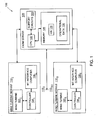
- FIG. 1 illustrates a block diagram representation of a wind farm 100 according to an embodiment of the present invention.
- the wind farm 100 comprises multiple wind turbine modules 110 1 , 110 2 ... 110 N , each of the multiple wind turbine modules 110 being communicably coupled to a farm server 120.
- Each of the wind turbine modules for example, the wind turbine module 110 1 comprises a wind turbine 102, a controller 104, and an interface computer 106.
- the controller 104 is configured to receive operational information associated with the wind turbine 102 and the wind turbine module 110.
- the controller 104 is also configured to control the operations of the wind turbine module 110 including tripping or resetting the wind turbine 102, among others.
- the interface computer 106 may be configured to receive data from the controller 104 and act as an interface between the controller 104 and the server 120. In some embodiments, the interface computer 106 is configured to accesses and processes additional or advanced operational information of the wind turbine 110.
- the interface computer 106 is further configured to store and retrieve the advanced or additional information of the wind turbine module
- the farm server 120 is configured to receive and process operational information for each of the wind turbine modules 110 1 ... 110 N .
- the wind turbine module 110 and the farm server 120 may be communicably coupled through a wire, cable, optical fiber and the like.
- a wireless link facilitated by various types of well-known network elements, such as hubs, switches, routers, and/or the like, would result in equally valid embodiments of the present invention.
- the wind turbine 102 is employed to harness wind energy and convert the wind energy into other useful forms, for example, electricity.
- the wind turbine 102 converts the wind energy to kinetic energy that is provided to a generator (not shown in the figures).
- the generator converts the kinetic energy to electricity, which may then be supplied to a power grid.
- the wind turbine 102 may further include various other components to support the functionality, monitoring, maintenance and other functions of the wind turbine 102.
- Other such components include, but are not limited to, components such as sensors, circuitry, converter, gears, bearing, rotors, and such components are not shown for the sake of simplicity.
- the controller 104 is configured to monitor and control all such components and the wind turbine 102 of the wind turbine module 110.
- the controller 104 is any type of programmable logic controller that comprises a Central Processing Unit (CPU), various support circuits and a memory.
- the CPU of the controller 104 may comprise one or more commercially available microprocessors or microcontrollers that facilitate data processing and storage, or may comprise an application specific processing circuit.
- Various support circuits facilitate operation of the CPU and may include clock circuits, buses, power supplies, input/output circuits and/or the like.
- the memory includes a Read Only Memory (ROM), Random Access Memory (RAM), disk drive storage, optical storage, removable storage, and the like for storing a control program or for storing data relating to status information.
- the controller 104 cooperates with the interface computer 106 to generate operational information 130, which may be resident on the interface computer 106, or the farm server 120, or both. In some embodiments, the controller 104 is configured to perform the functions of the interface computer 106.
- the interface computer 106 and the farm server 120 are examples of computers that are generally known in the art.
- the term 'computer' will be meant to include a central processing unit (CPU) configured to execute programmable instructions, a memory configured to store data including programmable instructions, support circuits that facilitate the operation of the CPU.
- the CPU may comprise one or more commercially available microprocessors or microcontrollers that facilitate data processing and storage.
- the memory includes a Read Only Memory, Random Access Memory, disk drive storage, optical storage, removable storage, and the like.
- Various support circuits facilitate operation of the CPU and may include clock circuits, buses, power supplies, input/output circuits and/or the like.
- the memory may further include data and software packages, such as an operating system (not shown), application software packages, and operational information, among others.
- the computers also include an input and output interface to interact with other computers or electronic devices.
- Computers may function as servers, clients to a server, interface computers, storage system, and may serve several other functions.
- various devices may be categorized as computers, and such devices include a laptop computer, a desktop computer, a Personal Digital Assistant (PDA) and the like.
- PDA Personal Digital Assistant
- the interface computer 106 stores the operational information 130 associated with the components of the wind turbine module 110, while the farm server 120 is configured to control the entire wind farm 100 comprising the individual wind turbine modules 110 1 ... 110 N .
- the farm server 120 is further configured to send operational information pertaining to the individual wind turbine modules 110, and receive operating instructions for the individual wind turbine modules 110.
- the farm server 120 may communicate with other devices, for example, over a communications network (not shown).
- the interface computer 106 aggregates all operational information from controller 104.
- the operational information comprises the operational information 130, which may be routinely communicated to the farm server 120 by the computer 106.
- the operational information 130 includes information of the wind turbine, such as, information on specific values of operational characteristics or parameters such as baseline control parameters, input messages, park or wind farm configuration, error status including error codes from trip time to shutdown time, error history for wind turbine modules or components therein, parametric data pertaining to various operational parameters of the wind turbine modules, wind turbine configuration, wind turbine status, condition/status flags, sensor data among several others.
- the operational parameters or characteristics may also include environmental configuration, wind turbine configuration among others.
- Other non limiting examples of operational information include data on parameters such as temperature profile, wind speed, wind speed profile, hardware faults in components such as converters, among others, voltage generated, current generated, accuracy of sensors such as rotor speed sensors, tower vibrations, grid event, among several other parameters associated with one or more components of the wind turbine module 110.
- Such operational information 130 is advantageously utilized, according to several techniques discussed herein, in automatically resetting the tripped wind turbine 102 and/or the tripped wind turbine module 110.
- the operational information 130 is routinely monitored for managing the wind turbines. Further, the operational information 130 is a subset of the operational information gathered and/or stored by the controller 104, the interface computer 106 and the farm server 120.
- FIG. 2 illustrates a block diagram representation of a system 200 for managing wind turbines according to an embodiment of the present invention.
- the system 200 includes a wind turbine farm 202, similar to the wind farm 100 as discussed above, the wind farm 202 comprising a farm server 210.
- the system 200 further comprises a control server 220 for managing the wind turbines, a monitor 230 for accessing the server 220, and rules 240 stored on a device 242.
- the farm server 210, the server 220, the monitor 230 and the device 242 are communicably coupled to each other through a network 250.
- the server 220, the monitor 230 and the device 242 are integrated in the farm server 210.
- Various components of the system 200 may be arranged and/or integrated in various feasible permutation and/or combination variations. All such variations will occur readily to those skilled in the art, and are included within the scope and spirit of the present invention.
- the farm server 210 includes operational information (for example, the operational information 130 of FIG. 1 ), and as such, the farm server 210 communicates the operational information for each of the wind turbine module on the wind farm 202 to the server 220, over the network 250.
- the farm server 210 is further configurable to receive and process operating instructions from the server 220, over the network 250, for each of the wind turbine modules 110 1 ... 110 N .
- the farm server 210 is configured to receive operational information from the interface computers 106, and is further configured to send the operational information to the control server 220.
- the farm server 210 is also configured to receive operating instructions from the control server 220.
- the control server 220 is a computer, such as those generally known in the art.
- the control server 220 includes a CPU 214, support circuits 216 and a memory 218.
- the memory 218 includes an operating system 222 and various software packages, such as a management module 224 configured to manage the wind turbines on the wind turbine farm 202, for example, providing monitoring output messages, auto-reset instructions, diagnostic recommendations, among other functions.
- the memory 218 further includes a rules engine 226 for configuring the rules 240, for example based on operating conditions of the wind turbine and/or analysis of wind turbine faults.
- the farm server 210 is a Supervisory Control And Data Acquisition (SCADA) module, running on, for example, Win NT, VisuPro, or Mark Series platforms, among several others known in the art.
- SCADA Supervisory Control And Data Acquisition
- the monitor 230 is a computer, such as those generally known in the art. Generally, the monitor 230 is utilizable to access, monitor or control the server 220, for example, by service personnel for the wind turbines. Service personnel may include site maintenance staff or wind turbine experts for supporting the operations at a wind farm or multiple wind farms.
- the service personnel may instruct to reset a particular wind turbine through the server 220 by sending reset instructions over the network 250, to a controller (e.g., the controller 104 of FIG. 1 ) of that particular wind turbine.
- the service personnel may advise physical maintenance activities and/or take other corrective actions in case of possible faults in the wind turbines.
- the management module 224 includes software code (e.g., processor executable instructions) that when executed, is configured to analyze operational information and determine the fault within the wind turbine.
- the management module 224 is configured to receive and process operational information, in order to determine if a tripped wind turbine may be automatically reset and further, providing instructions to reset a tripped wind turbine.
- the management module 224 is also configured to provide enhanced diagnostics on a tripped or a faulty wind turbine to the service personnel.
- the management module 224 is further configured to analyze the operational information with respect to the rules relating to the operation of the wind turbines, for example, the rules 240 that are accessible to the management module 224 over the network 250.
- the rules 240 are comprised in a device 242 communicably coupled to the network 250.
- the rules 240 may be maintained in the rules 240, such as maintaining the rules 240 on the control server 220, or any other device on the network 250 would result in equally valid embodiments of the present invention.
- the rules 240 are utilized by the management module 224 to analyze and determine the fault within the wind turbine.
- the rules 240 may specify a safe range of threshold value of temperatures of various wind turbine components or regions, frequency of occurrence of the errors according to which a tripped wind turbine may be made operational. More specifically, if the temperature of gear box crosses an upper threshold limit, the wind turbine 102 may get damaged or may cease to operate. Accordingly, the controller 104 is configured to trip the wind turbine 102. However, it has been advantageously determined that the wind turbine being tripped due to crossing the temperature thresholds in the gearbox and bearings may be safely reset once the temperature gets below the predetermined safety limit.
- the rules 240 specify such safety limits or temperature threshold values, and other knowledge on temperature thresholds and several other parameters pertaining to the operation of the wind turbines, the impact of operating conditions, among several other factors.
- the set of rules are configurable, and may be configured based on operational information such as historical data, heuristic data, engineering data for the wind turbine, environmental factors, wind turbine configuration, among several others.
- the rules are configurable to include the knowledge of various conditions to be met for auto-reset of the wind turbine, for generating diagnostic information related to component conditions, baseline parameter mismatching and warning messages (conveyed to service engineer in advance, e.g. days ahead of next maintenance cycle).
- the rules 240 may specify the lower and upper limit of electrical parameters such as voltage and current levels that are acceptable. Accordingly, if the wind turbine is tripped due to the voltage and/or the current levels in the wind turbine circuits crossing a particular threshold value, the management module 224 consults the rules 240 and monitors the wind turbine to ascertain if the voltage and/or the current levels have stabilized within the acceptable upper and lower thresholds. It has been advantageously observed that typically, the voltage and/or the current values stabilize within the upper and the lower thresholds within a short duration after a transient behavior.
- the management module 224 is configured to analyze the operational information of the wind turbine in light of the rules 240.
- the management module 224 is further configured to determine, after a time interval of a wind turbine being tripped, whether the operational parameters of the tripped wind turbine are within permissible ranges of threshold values. In case the operational parameters have stabilized within the corresponding threshold values, the management module 224 is configured to reset the wind turbine (e.g. the wind turbine 102) by instructing the controller 104.
- the time interval ranges from about a few seconds to about a few minutes, depending on the nature of the fault.
- the management module 224 may request for advanced operational information, from the wind turbine module (e.g., the wind turbine module 110 of FIG. 1 ).
- the advanced operational information is over and above the operational information routinely received by the management module 224.
- the farm server 210 communicates the request to a computer (e.g., the computer 106 of FIG. 1 ) of the wind turbine module.
- the computer 106 aggregates extensive operational information, from which routine operational information is communicated to the control server 220. Based on request for advanced operational information, the computer 106 is configured to communicate the advanced operational information to the control server 220.
- the computer 106 may, based on request by the management module 224, extract advanced operational information of the wind turbine module, such as current operating or environmental conditions, for example, current wind speed, wind gust data, and the like.
- advanced operational information provides the management module 224 to make an enhanced assessment of the conditions prevalent at the wind turbine module 110.
- the management module 224 may determine that a wind turbine was tripped because wind speed profile crossed a pre-defined threshold due to a gust of wind. The management module 224, in such conditions, may continue to monitor the current wind speed profile to ascertain the time at which the wind speed profile is within the acceptable thresholds. Additionally, the management module 224 may request for data that indicates if any damage was done to the wind turbine or other associated components by the wind gust that caused the trip of the wind turbine. Another example related to asymmetric generator current, in which the turbine is tripped if asymmetric current is found in any of the generator phases. In such cases, the management module 224 checks whether the threshold parameter that indicates the limit for asymmetric generator current, is set correctly in the turbine.
- the management module 224 gives a diagnostic message indicating that the asymmetric generator current threshold is set to an incorrect value, and instructs that the threshold be changed to the correct value.
- the management module 224 determines which phase is defective. Further, the management module 224 checks whether the fault occurred within a permissible number of times, limited by a pre-defined frequency limit. If the fault has occurred permissible number of times, the management module 224 sends an auto-reset command for the turbine to reset. If the fault occurred more than the permissible number, the management module 224 generates a service request for a service engineer.
- the management module 224 may determine that an electrical system tripped due to a surge in the voltage and/or the current in the circuits.
- the management module 224 may continue monitoring the operational information to identify when the voltage and/or current values have stabilized within the corresponding threshold limits. In case, it is identified that the voltage and/or the current values have not stabilized at expected ranges, or, in any case, are abnormal, the management module 224 may request advanced operational information to ascertain causes for the abnormality. For example, using additional information, the management module 224 ascertains, in conjunction with the rules 240 that certain circuit components may be malfunctioning, causing the abnormality. In such cases, the management module 224 communicates a warning and/or a detailed diagnostic log for the expert to perform corrective actions.
- an enhanced diagnosis of the wind turbine operational conditions allow for an automatic reset of the wind turbine 102 in cases for which an automatic reset that has not been feasible earlier.
- a detailed fault log is generated for the trained personnel, thereby considerably reducing the analysis time burden on the personnel, and consequently reducing the mean time to return to service for the wind turbines.
- a method for managing a wind turbine comprises receiving operational information of a wind turbine.
- the operational information is analyzed based on a set of rules.
- the analysis determines whether the trip of the wind turbine is resettable, that is, if the fault causing the trip is a soft fault or a hard fault.
- a method for managing a wind turbine comprises receiving operational information of a wind turbine.
- the operational information is analyzed based on a set of rules.
- it may be determined by analyzing the operational information received routinely that advanced operational information is required to analyze the wind turbine performance and/or faults therein.
- advanced operational information is retrieved from the wind turbine, based on the initial analysis of operational information received routinely.
- the advanced operational information is then received and used for conducting an enhanced diagnostic analysis of the wind turbine. This process of receiving advanced operational information may be iterated as required.
- the advanced operational information includes sensor data of the wind turbine up to the trip.
- the advanced operational information further includes sensor data after the wind turbine has tripped. The enhanced diagnostic analysis is helpful in determining whether the trip of the wind turbine is resettable.
- a resettable fault is determined, the wind turbine is reset. If, however, the fault is not resettable, a detailed diagnostic report is generated for further manual analysis, for example, by service personnel.
- the method 300 may be implemented by a management module (e.g., the management module 224 of FIG. 2 ) resident on the server 220.
- the management module 224 processes operational information (e.g., the operational information 130 of FIG. 1 ) of the wind turbine 102 to provide an automatic reset to the tripped wind turbine.
- operational information e.g., the operational information 130 of FIG. 1
- the method 300 starts at step 302 and proceeds to step 304 at which the operational information of the wind turbine is received.
- a control server e.g., the control server 220 of FIG. 2
- receives the operational information of the wind turbine from a farm server e.g., the farm server 120 of FIG. 1 and the farm server 210 of FIG. 2 ).
- a line voltage fault may occur within the wind turbine due to which the wind turbine is tripped.
- the line voltage fault may occur due to a defective relay output, grid voltage error and/or the like.
- the management module 224 receives the operational information such as, frequency of the occurrence of the fault, one or more consecutive voltages after the trip time of the wind turbine, among other operational information.
- the operational information is analyzed with respect to rules, for example, the rules 240 of FIG. 2 .
- the management module 224 analyzes the operational information 130 of the wind turbine modules 110 to determine if the fault that caused the wind turbine to be tripped is resettable. To accomplish whether the fault is resettable, the operational information is compared with respect to the rules.
- the rules are configured to define that for the wind turbine to be reset automatically after the trip, the frequency of occurrence of the line voltage fault should be less than ten instances over the last twenty-four hours and/or less than twenty instances over the last seven days.
- the configured rules define that the three consecutive voltages from the time since the wind turbine tripped should be in range of 200 Volts and 400Volts.
- the management module 224 analyzes the received operational information with the rules defined for a corresponding fault that caused the wind turbine to be tripped. In other words, the management module 224 analyzes whether the operational information of the tripped wind turbine lies within the threshold limits as defined in the rules corresponding to the fault that caused the wind turbine to be tripped. If the operational information indicates that the operational parameters lie within the threshold limits, the fault is identified as resettable. According to one embodiment, faults that have not occurred frequently, and the magnitude of such faults is within a predetermined tolerance limit are typically resettable. If, however, the operational information indicates that the operational parameters of the wind turbine breach the threshold limits corresponding to a particular fault or the frequency with which such faults have occurred, the wind turbine is not reset. According to certain embodiments, a request for changing the operational parameter to a correct value is sent to service team.
- step 308 a determination is made as to whether the fault is resettable. If, at the step 308, it is determined that the fault is not resettable (option "NO"), the method 300 proceeds to step 314. If at the step 308, it is determined that the fault is resettable (option "YES”), then the method 300 proceeds to step 310. At the step 310, safety conditions for the wind turbine to be operational are assessed. If the safety conditions are satisfied, the wind turbine is reset at step 312, such that the wind turbine becomes operational.
- the management module may provide an instruction to a controller (e.g., the microcontroller 106 of FIG. 1 ) of the wind turbine, to reset the wind turbine. The method 300 proceeds to step 314.
- a diagnostic fault analysis log is generated.
- the log is utilizable by an expert, or service personnel.
- a detailed diagnostic report on the wind turbine is generated, and the service personnel are alerted.
- the operational information is received for monitoring various faults due to which a wind turbine may be tripped. For example, for trips due to storm/gust of wind are generated once the slope of wind speed profile crosses a pre-defined threshold. The trips due to such can be reset once wind becomes steady and the average wind speed is below a predetermined safety threshold.
- the rules are configured to define the average wind speed threshold at 5 m/s. In other embodiments, the rules are configured to define the average wind speed threshold at 8 m/s. As discussed below, the rules are configurable based upon various operating configuration factors including the operational information, environmental conditions, wind farm configuration, turbine configuration, among others, the rules provide different threshold values for different operating configurations.
- wind turbine may be tripped due to temperature in the gearbox and bearings crossing the temperature thresholds and the turbine can be safely reset once the temperature is below the predetermined safety limit.
- Another instance of faults causing the wind turbine to be reset relate to converter and other similar hardware units of the wind turbine module.
- the wind turbine may be reset, for example, if the frequency of occurrence of such fault in given period (1 hour/ 1 day/ 1 week/ 1 month) does not exceed more than the pre-decided threshold value for that period. Faults in generator and rotor speed sensors may also cause the wind turbine to be tripped.
- the speed sensors are checked for allowable percentage error, and if the difference among the speed sensors falls below a pre-determined threshold value, the turbine may be reset. Further, the wind turbine may be tripped due to wind turbine tower vibrations. The wind turbine may also be tripped in case of a grid event, such as a fault in the grid, or the grid being tripped, among others. According to an embodiment, the wind turbine may be reset after the grid is restored, and sufficient time has elapsed.
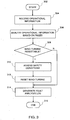
- FIG. 4 is a flow chart representing steps involved in a method for automatically resetting a wind turbine according to another embodiment of the present invention.
- the method 400 starts at step 402 and proceeds to step 404 at which operational information of the wind turbine is received.
- a control server e.g., the control server 220 of FIG. 2
- receives the operational information of the wind turbine from a farm server e.g., the farm server 104 of FIG. 1 or the farm server 210 of FIG. 2 ).
- the operational information is analyzed with respect to rules (e.g., the rules 240 of FIG. 2 ).
- the analysis of operational information may reveal whether the fault that caused the wind turbine to be tripped is a resettable fault.
- the analysis of operational information with respect to the rules may further determine whether advanced operational information of the wind turbine needs to be requested, for further analysis of the fault that caused the wind turbine to be tripped, and/or resetting the tripped wind turbine.
- step 408 a determination is made as to whether the fault is resettable. If it is determined that the fault is resettable (option "YES"), the method 400 proceeds to step 410. At the step 410, the safety conditions for making the wind turbine operational are assessed. If the safety conditions are satisfied, the wind turbine is reset to start operating at step 412. If, however, at the step 408, it is determined that the fault is not resettable (option "NO"), the method 400 proceeds to step 414.
- step 414 If at the step 414, it is determined that advanced operational information does not need to be requested (option "NO"), the method 400 proceeds to step 422.
- the fault that caused the wind turbine to be tripped is a fault that may not be reset without appropriate intervention by the service personnel.
- the method 400 generates an enhanced diagnostic fault analysis log at the step 422.
- the enhanced diagnostic fault analysis log is utilizable by the service personnel to identify the nature of the fault and plan an appropriate remedial action, advantageously, in a shorter response time.
- step 414 If, however, at the step 414, it is determined that advanced operational information needs to be requested (option "YES"), the method 400 proceeds to step 416, at which advanced operational information is received.
- step 418 the advanced operational information is analyzed based on the rules. The analysis at the step 418 determines whether the fault that caused the wind turbine to be tripped may be reset.
- the management module 224 analyzes the operational information of the wind turbine.
- a wind turbine the wind turbine 102
- the wind turbine 102 may be tripped due to a temperature fault in gearbox and/or bearings of the wind turbine.
- the temperature fault may occur if the temperature of the wind turbine 102 crosses a particular temperature threshold value.
- the management module analyzes the operational information 130 relating to the temperature of the gearbox and/or the bearings of the wind turbine 130 with respect to the rules.
- the operational information 130 may not be sufficient to determine as to whether the wind turbine can be reset.
- the management module 224 determines whether the operational information 130 received is sufficient to reset the tripped wind turbine 102. The determination whether the operational information is sufficient or advanced operational information is required is based on analysis of the fault that caused the wind turbine to be tripped, the operational information 130 received and the rules 240.
- the rules are configurable. As discussed, the rules are configured based various operating configuration factors, including, but not limited to operational information of the wind turbine, environmental conditions, farm configuration, wind turbine configuration, among others. The rules are configured to determine threshold values according to various operating configuration factors.
- FIG. 5 illustrates a method 500 for configuring rules based on operating configuration of the wind turbine.
- operating configuration of the wind turbine comprises several factors, including but not limited to, operational information of the wind turbine, trip and reset history of the wind turbine, engineering information of the wind turbine, farm configuration, wind turbine configuration, environmental conditions, and conditions or factors that affect the operational health of the wind turbine and/or the wind-farm.
- the method 500 starts at step 502, and proceeds to step 504 at which operating configuration information and/or fault analysis logs for a wind turbine are obtained.
- the rules are analyzed based on the fault analysis logs and the operating configuration information.
- the fault analysis logs and the operating configuration are compared to assess whether the rules (including threshold parameters) need to be reconfigured for the existing operating configuration of the wind turbine.
- the analysis may indicate that a particular error that causes the wind turbine to trip is occurring due to a threshold value that is low for the operating configuration of the wind turbine. For example, it may be determined that in some geographic regions the environment is particularly windy, and the frequency of a wind turbine tripping due to wind gusts is higher than in other geographical regions. In other cases, it may be determined that particular seasons are windier than other seasons for the same geographical region.
- the threshold for frequency of wind turbine trip within a particular time interval is configured according to comparatively less windy geographical region (less windy season)
- the wind turbine will trip more than the threshold frequency in case of windy geographic regions (or windy seasons). In such cases, therefore, the wind turbine will not be automatically reset, even though the conditions are favorable for reset and/or the fault may be resettable.
- the threshold frequency and other rules needs to be reconfigured according to the analysis of the fault analysis log and the operating configuration information for the wind turbine.
- a set of potential reconfigured rules may be defined in accordance with the analysis.
- the management module 224 may update the rules (e.g., the rules 240 of FIG. 2 ) of the wind turbine.
- the method 500 proceeds to step 514. At the step 514, a flag for service engineers is generated, and the flag may include an enhanced diagnostic fault log comprising details of the analysis at the step 506, and/or defining the rules according to the step 512.
- the rules are easily configurable to accommodate additional learning from the field, i.e. learning about operational information, environmental conditions, farm and turbine configurations, and the like. Accordingly, while some specific threshold values have been discussed as examples, those skilled in the art will readily appreciate that various embodiments as discussed, provide for application of rules that are configurable according to operating configuration, in order to determine if a turbine can be reset. Further, according to some embodiments, the service engineer/ team configures (or reconfigures) rules based on operational information for the wind turbine. The reconfigured rules may be deployed for a test period, updated, reconfigured, and then incorporated as defined existing rules in the wind turbine management system 200.
- Operating/operational characteristics or operating/operational parameters generally refer to characteristics/parameters of the wind turbine, wind turbine configuration, farm configuration, environmental conditions, among information on several other parameters pertinent to the operation of a wind farm.
- the terms "operational information” and “advanced (or additional) operational information” includes operational information of the various operating parameters/ operating characteristics of the wind turbine, and data on any other operational configuration pertinent to the operation of the wind turbine.
- the farm server 210 and the control server 220 may be a single computer.
- the rules 240 may reside on the control server 220.
- the monitor 230 may not be included, and service personnel may access the control server 220 directly.
- the management module 224 comprises the functionality of the rules engine 226.
- the rules engine 226 may reside on the device 242.
- the interface computer 106 may also provide the functionality of the monitor 230, and vice versa.
- network includes all communications network capable of communicating data to devices communicably coupled to the network.
- Non limiting examples of such communications network include Local Area Networks, application specific networks, storage networks, the Internet, networks on the communication channels including the PSTN, CDM, GSM networks, among others.
- the various embodiments disclosed herein offer several advantages in managing the wind turbine systems. According to an advantage, providing an automatic reset reduces the mean return time to service (MRTS) for the wind turbines, considerably improving the performance of a wind turbine farm. Further, creating detailed and enhanced (based on the nature of the fault) diagnostic logs may help service personnel identify and remedy the wind turbine faults in considerably less time. Further, generation of enhanced diagnostic logs reduces the number of personnel required for managing wind turbines.
- MRTS mean return time to service
Landscapes
- Engineering & Computer Science (AREA)
- Life Sciences & Earth Sciences (AREA)
- Sustainable Development (AREA)
- Sustainable Energy (AREA)
- Chemical & Material Sciences (AREA)
- Combustion & Propulsion (AREA)
- Mechanical Engineering (AREA)
- General Engineering & Computer Science (AREA)
- Physics & Mathematics (AREA)
- General Physics & Mathematics (AREA)
- Automation & Control Theory (AREA)
- Bioinformatics & Cheminformatics (AREA)
- Bioinformatics & Computational Biology (AREA)
- Evolutionary Biology (AREA)
- Wind Motors (AREA)
- Control Of Eletrric Generators (AREA)
Claims (7)
- Verfahren zum Verwalten einer Windenergieanlage (102) im Falle einer Abschaltung, wobei das Verfahren Folgendes umfasst:Empfangen von Betriebsdaten (130) zu Betriebsmerkmalen einer Windenergieanlage (102);Analysieren der Betriebsdaten (130) auf der Grundlage einer Gruppe von Regeln (240), um einen vorübergehenden Fehler festzustellen, der eine Abschaltung der Windenergieanlage verursacht hat, wobei die Gruppe von Regeln (240) konfigurierbar ist;Bestimmen, ob der Fehler in der Windenergieanlage (102) rückstellbar ist; undRückstellen der Windenergieanlage (102), falls der Fehler in der Windenergieanlage (102) rückstellbar ist; und ferner,falls nach dem Analysieren der Betriebsdaten (130) bestimmt wird, dass weitere Betriebsdaten (130) der Windenergieanlage (102) erforderlich sind;Empfangen von weiteren Betriebsdaten (130) der Windenergieanlage (102), wobei die weiteren Betriebsdaten (130) einen Verlauf der Betriebsdaten (130) in der jüngsten Vergangenheit umfassen, wobei die weiteren Betriebsdaten (130) Sensordaten der Windenergieanlage (102) bis zur Abschaltung und danach umfassen;Analysieren der weiteren Betriebsdaten (130) auf Grundlage der Gruppe von Regeln (240);Bestimmen, auf Grundlage der weiteren Daten, ob die Abschaltung der Windenergieanlage (102) rückstellbar ist; undRückstellen der Windenergieanlage (102), falls der Fehler in der Windenergieanlage (102) rückstellbar ist;wobei ein rückstellbarer Fehler dadurch identifiziert wird, dass nach einem Zeitraum nach der Abschaltung der Windenergieanlage bestimmt wird, ob die Betriebsparameter in einem zulässigen Bereich von Grenzwerten liegen.
- Verfahren nach Anspruch 1, wobei die Betriebsdaten (130) Daten zu mindestens einem aus Windgeschwindigkeit, Windgeschwindigkeitsprofil, Temperatur der Komponenten der Windenergieanlage (102), Spannung, Stromstärke, Wandler, Generator, Rotordrehzahlsensoren, Mastvibrationen, Hardwarebauteilen der Windenergieanlage (102) und/oder eines Netzereignisses umfasst, und wobei das Analysieren ferner weiteres Verarbeiten der Betriebsdaten (130) umfasst.
- Verfahren nach einem der vorhergehenden Ansprüche, wobei das Analysieren eine Bezugnahme auf die Gruppe von Regeln (240) bezogen auf die Betriebsdaten (130) der Windenergieanlage (102) umfasst, wobei die Gruppe von Regeln (240) Grenzwerte für die Betriebsmerkmale der Windenergieanlage (102) und Ableitungen von den Betriebsmerkmalen der Windenergieanlage (102) umfasst, und wobei die Gruppe von Regeln (240) Grenzwerte für mindestens einem aus Windgeschwindigkeit, Windgeschwindigkeitsprofil, Temperatur der Komponenten der Windenergieanlage (102), Spannungswerte, Stromstärkewerte, Wandlerfehler, Generatorfehler, Rotordrehzahlsensorfehler, Mastvibrationen, Fehler in Hardwarebauteilen der Windenergieanlage (102) und/oder ein Netzereignis umfasst.
- Verfahren nach einem vorhergehenden Anspruch, wobei die Gruppe von Regeln (240) auf Grundlage von Betriebsmerkmalen der Windenergieanlage (102) und von einer Fehleranalyse der Windenergieanlage (102) weiter konfiguriert ist.
- Windenergieanlagen-Verwaltungssystem, Folgendes umfassend:eine Windenergieanlage (102), funktionsfähig, um Elektrizität aus Windkraft zu erzeugen, wobei die Windenergieanlage (102) Betriebsmerkmale aufweist, die mit dem Betrieb der Windenergieanlage (102) im Zusammenhang stehen;einen Steuerserver (220), umfassend ein Verwaltungsmodul (224) der Windenergieanlage (102), konfiguriert, um das Verfahren nach Anspruch 1 oder 2 auszuführen; undein Netzwerk (250),wobei die Windenergieanlage (102) über das Netzwerk (250) kommunikationsfähig mit dem Verwaltungsmodul (224) gekoppelt ist, und wobei ein Regelkonfigurationsmodul über das Netzwerk (250) zugänglich ist.
- System nach Anspruch 5, wobei der Steuerserver (220) ferner ein Regelmodul (226) zum Konfigurieren der Regeln (240) auf Grundlage der Betriebsmerkmale der Windenergieanlage (102) und auf Grundlage der Fehleranalyse der Windenergieanlage (102) umfasst.
- System nach Anspruch 5 oder 6, wobei die Windenergieanlage (102) ferner Folgendes umfasst:eine Steuervorrichtung (104), konfiguriert, um die Betriebsdaten (130) der Windenergieanlage (102) zu empfangen und zu verarbeiten, wobei die Steuervorrichtung (104) ferner konfiguriert ist, den Betrieb der Windenergieanlage (102) zu steuern,einen Schnittstellencomputer (106), konfiguriert, um Betriebsdaten (130) der Windenergieanlage (102) von der Steuervorrichtung (104) zu empfangen, und die Betriebsdaten (130) der Windenergieanlage (102) über das Netzwerk (250) zu kommunizieren, wobei der Schnittstellencomputer (106) konfiguriert ist, Anweisungen zum Betreiben der Windenergieanlage (102) zu empfangen, und die Anweisungen zum Betreiben der Windenergieanlage (102) an die Steuervorrichtung (104) zu senden, undeinen Parkserver (120), funktionsfähig mit dem Schnittstellencomputer (106) und dem Netzwerk (250) verbunden, wobei der Parkserver (120) konfiguriert ist, um Betriebsdaten (130) der Windenergieanlage (102) zu empfangen und/oder zu speichern, wobei der Parkserver (120) konfiguriert ist, über das Netzwerk (250) Betriebsanweisungen für die Windenergieanlage (102) vom Steuerserver (220) zu empfangen, und ferner die Betriebsanweisungen an den Schnittstellencomputer (106) zu kommunizieren.
Applications Claiming Priority (1)
| Application Number | Priority Date | Filing Date | Title |
|---|---|---|---|
| US12/549,451 US7933744B2 (en) | 2009-08-28 | 2009-08-28 | System and method for managing wind turbines and enhanced diagnostics |
Publications (3)
| Publication Number | Publication Date |
|---|---|
| EP2290233A2 EP2290233A2 (de) | 2011-03-02 |
| EP2290233A3 EP2290233A3 (de) | 2014-03-12 |
| EP2290233B1 true EP2290233B1 (de) | 2015-03-25 |
Family
ID=42223598
Family Applications (1)
| Application Number | Title | Priority Date | Filing Date |
|---|---|---|---|
| EP10173284.0A Revoked EP2290233B1 (de) | 2009-08-28 | 2010-08-18 | System und Verfahren zur Verwaltung von Windturbinen und verbesserte Diagnose |
Country Status (5)
| Country | Link |
|---|---|
| US (1) | US7933744B2 (de) |
| EP (1) | EP2290233B1 (de) |
| CN (1) | CN102003336B (de) |
| DK (1) | DK2290233T3 (de) |
| ES (1) | ES2535316T3 (de) |
Cited By (1)
| Publication number | Priority date | Publication date | Assignee | Title |
|---|---|---|---|---|
| DE102015010491A1 (de) * | 2015-08-17 | 2017-02-23 | Senvion Gmbh | Verfahren zum Betrieb einer Windenergieanlage, Windenergieanlage und Computerprogrammprodukt |
Families Citing this family (53)
| Publication number | Priority date | Publication date | Assignee | Title |
|---|---|---|---|---|
| EP2057513B1 (de) * | 2006-09-01 | 2020-08-05 | Vestas Wind Systems A/S | Prioritätssystem zur kommunikation in einem system mindestens zweier verteilter windturbinen |
| BRPI0716012A2 (pt) * | 2006-09-01 | 2013-07-30 | Vestas Wind Sys As | controlador central, usina eàlica, mÉtodo para controlar uma turbina eàlica em uma usina eàlica, e turbina eàlica |
| US7804184B2 (en) * | 2009-01-23 | 2010-09-28 | General Electric Company | System and method for control of a grid connected power generating system |
| ES2577530T3 (es) * | 2009-05-25 | 2016-07-15 | Vestas Wind Systems A/S | Procedimiento y sistema para controlar el funcionamiento de una turbina eólica |
| US8162788B2 (en) * | 2009-08-27 | 2012-04-24 | General Electric Company | System, device and method for wind turbine control based on operating profiles |
| US20110054825A1 (en) * | 2009-08-28 | 2011-03-03 | General Electric Company | System and method for managing wind turbines |
| US7895016B2 (en) * | 2009-08-31 | 2011-02-22 | General Electric Company | System and method for wind turbine health management |
| US7948103B2 (en) * | 2009-09-03 | 2011-05-24 | General Electric Company | Method and system for verifying wind turbine operation |
| US8022565B2 (en) * | 2009-11-13 | 2011-09-20 | General Electric Company | Method and apparatus for controlling a wind turbine |
| EP2502174B1 (de) | 2009-11-16 | 2018-06-13 | Simmonds Precision Products, Inc. | Datenerfassungssystem für bedingungsbasierte pflege |
| WO2011072160A2 (en) | 2009-12-09 | 2011-06-16 | The Research Foundation Of State University Of New York | Inter-node communication method and system |
| US20120080881A1 (en) * | 2010-10-05 | 2012-04-05 | Vaibhav Srivastava | System, device, and method for automated monitoring and operation of wind turbines |
| US8805596B2 (en) | 2010-12-28 | 2014-08-12 | Inventus Holdings, Llc | Remote wind turbine reset system and method |
| US20120209539A1 (en) * | 2011-02-10 | 2012-08-16 | Honeywell International Inc. | Turbine fault analysis |
| CN102644545B (zh) * | 2011-02-18 | 2013-07-31 | 华锐风电科技(集团)股份有限公司 | 风电机组故障处理方法及系统 |
| US9109577B2 (en) * | 2011-03-02 | 2015-08-18 | General Electric Company | Method and system for operating a wind turbine |
| US8606418B1 (en) * | 2011-03-18 | 2013-12-10 | Rockwell Collins, Inc. | Wind prediction for wind farms through the use of weather radar |
| US8849737B1 (en) | 2011-03-18 | 2014-09-30 | Rockwell Collins, Inc. | Prediction method of predicting a future state of a system |
| US9002483B1 (en) | 2011-03-18 | 2015-04-07 | Rockwell Collins, Inc. | Diploid control of water heaters |
| US8583572B1 (en) | 2011-03-18 | 2013-11-12 | Rockwell Collins, Inc. | Explicit diploid evolutionary control |
| GB201110048D0 (en) * | 2011-06-15 | 2011-07-27 | Romax Technology Ltd | Vibration monitoring |
| DK2578879T3 (da) * | 2011-10-04 | 2014-10-27 | Siemens Ag | Køleanordning til en vindmølle |
| US20140304201A1 (en) | 2011-11-15 | 2014-10-09 | Kim Hyldgaard | System And Method For Identifying Suggestions To Remedy Wind Turbine Faults |
| CN104067011B (zh) | 2011-11-23 | 2017-07-28 | Skf公司 | 旋转系统状态监控装置与方法、计算机可读媒介和管理服务器 |
| CN104160145B (zh) * | 2012-03-08 | 2017-06-13 | Ntn株式会社 | 状态监视系统 |
| CN102619687B (zh) * | 2012-04-18 | 2015-01-14 | 北车风电有限公司 | 风力发电机组风速风向仪失效时应急控制方法 |
| US9018787B2 (en) | 2012-04-24 | 2015-04-28 | General Electric Company | System and method of wind turbine control using a torque setpoint |
| US9870236B2 (en) | 2012-06-04 | 2018-01-16 | Vestas Wind Systems A/S | Control system for a wind turbine |
| US8987929B2 (en) * | 2012-11-01 | 2015-03-24 | General Electric Company | System and method for operating wind farm |
| DE102012221345A1 (de) * | 2012-11-22 | 2014-05-22 | Senvion Se | Verfahren zum Betreiben einer Windenergieanlage und Windenergieanlage |
| US9581995B2 (en) | 2013-01-14 | 2017-02-28 | General Electric Company | Systems and methods for monitoring of equipment using a configurable rule base |
| CN104018986B (zh) | 2013-02-28 | 2017-03-29 | 国际商业机器公司 | 用于控制风机的方法和装置 |
| US20140288855A1 (en) * | 2013-03-20 | 2014-09-25 | United Technologies Corporation | Temporary Uprating of Wind Turbines to Maximize Power Output |
| CN103245912B (zh) * | 2013-03-23 | 2016-09-14 | 中国水利电力物资有限公司 | 一种风电机组运行状态分析诊断方法和系统 |
| US9551321B2 (en) * | 2013-06-26 | 2017-01-24 | General Electric Company | System and method for controlling a wind turbine |
| US20170016429A1 (en) * | 2014-03-11 | 2017-01-19 | Kazuki KOYAMACHI | Condition monitoring system and condition monitoring method |
| US10584681B2 (en) | 2014-12-19 | 2020-03-10 | Micro Focus Llc | Automative system management |
| US20170038276A1 (en) * | 2015-08-04 | 2017-02-09 | Solar Turbines Incorporated | Monitoring System for Turbomachinery |
| CN107420269B (zh) * | 2016-05-23 | 2019-12-13 | 远景能源(江苏)有限公司 | 识别转子平面上的风力分布模式的方法以及实现该方法的风力涡轮机 |
| JP6520962B2 (ja) * | 2017-01-18 | 2019-05-29 | トヨタ自動車株式会社 | 監視システム |
| CN107037305A (zh) * | 2017-03-15 | 2017-08-11 | 江苏大学 | 一种无轴承电机悬浮绕组故障检测方法 |
| CN109139388B (zh) * | 2017-06-15 | 2020-11-10 | 北京国电思达科技有限公司 | 一种风力发电机智能辅助监控系统 |
| ES2962895T3 (es) * | 2017-06-29 | 2024-03-21 | Vestas Wind Sys As | Proceso de validación de humo para aerogeneradores |
| CN110094295B (zh) * | 2019-01-11 | 2020-05-08 | 北京京运通科技股份有限公司 | 风电集中监控管理方法及装置 |
| US20200263669A1 (en) * | 2019-02-14 | 2020-08-20 | Mitsubishi Heavy Industries, Ltd. | Operating state evaluation method and operating state evaluation device |
| US11261844B2 (en) * | 2019-02-28 | 2022-03-01 | General Electric Company | System and method for predicting wind turbine shutdowns due to excessive vibration |
| US20220341393A1 (en) * | 2019-10-02 | 2022-10-27 | General Electric Company | System and method for fusing multiple analytics of a wind turbine for improved efficiency |
| US11567116B2 (en) * | 2020-10-30 | 2023-01-31 | General Electric Company | System and method for operating a power generating asset |
| EP4036401A1 (de) * | 2021-01-27 | 2022-08-03 | Vestas Wind Systems A/S | Verfahren zur datenübertragung von einem windpark zu einem datenzentrum |
| ES3057483T3 (en) * | 2021-09-17 | 2026-03-02 | Vestas Wind Sys As | Determining an action to allow resumption wind turbine operation after a stoppage |
| US12044213B2 (en) * | 2022-02-28 | 2024-07-23 | General Electric Renovables Espana, S.L. | System and method for controlling wind farm operation during a weak grid condition |
| CN119146010A (zh) * | 2023-06-14 | 2024-12-17 | 北京金风科创风电设备有限公司 | 故障监控方法、装置、系统及风力发电系统 |
| IT202300015774A1 (it) * | 2023-07-26 | 2025-01-26 | Enel Green Power Spa | Riavvio remoto di generatori di energia eolici e solari |
Citations (9)
| Publication number | Priority date | Publication date | Assignee | Title |
|---|---|---|---|---|
| US20020029097A1 (en) | 2000-04-07 | 2002-03-07 | Pionzio Dino J. | Wind farm control system |
| US20020183866A1 (en) | 1999-04-02 | 2002-12-05 | Dean Jason Arthur | Method and system for diagnosing machine malfunctions |
| US20050090937A1 (en) | 2003-10-22 | 2005-04-28 | Gary Moore | Wind turbine system control |
| US20050267702A1 (en) | 2004-05-28 | 2005-12-01 | General Electric Company | Method for developing a unified quality assessment and providing an automated fault diagnostic tool for turbine machine systems and the like |
| US20070101178A1 (en) | 2005-10-27 | 2007-05-03 | General Electric Company | Automatic remote monitoring and diagnostics system and communication method for communicating between a programmable logic controller and a central unit |
| WO2008009354A2 (de) | 2006-07-21 | 2008-01-24 | Repower Systems Ag | Verfahren zum betreiben einer windenergieanlage |
| US20090210200A1 (en) | 2008-02-14 | 2009-08-20 | Repower Systems Ag | Method for providing operating data of a wind farm |
| US20090299697A1 (en) | 2008-06-03 | 2009-12-03 | General Electric Company | System and method for trip event data acquisition and wind turbine incorporating same |
| WO2010037388A1 (en) | 2008-09-30 | 2010-04-08 | Vestas Wind System A/S | Logical scheme for severe fault detection |
Family Cites Families (7)
| Publication number | Priority date | Publication date | Assignee | Title |
|---|---|---|---|---|
| US6600240B2 (en) | 1997-08-08 | 2003-07-29 | General Electric Company | Variable speed wind turbine generator |
| US6925385B2 (en) * | 2003-05-16 | 2005-08-02 | Seawest Holdings, Inc. | Wind power management system and method |
| US20050271128A1 (en) | 2004-06-02 | 2005-12-08 | Williams Jeffery D | Distributed SCADA system for remote monitoring and control of access points utilizing an intelligent uninterruptible power supply system for a WISP network |
| DE102007036444A1 (de) * | 2007-08-02 | 2009-02-05 | Nordex Energy Gmbh | Windpark mit einer Vielzahl von Windenergieanlagen sowie Verfahren zum Betreiben des Windparks |
| DK2080903T4 (da) * | 2008-01-21 | 2020-04-20 | Siemens Gamesa Renewable Energy As | Driftssikkert system til styring af vindmøller |
| DE102008009585B4 (de) * | 2008-02-16 | 2017-06-22 | Nordex Energy Gmbh | Verfahren zum Betrieb einer Windenergieanlage |
| US7895016B2 (en) * | 2009-08-31 | 2011-02-22 | General Electric Company | System and method for wind turbine health management |
-
2009
- 2009-08-28 US US12/549,451 patent/US7933744B2/en active Active
-
2010
- 2010-08-18 EP EP10173284.0A patent/EP2290233B1/de not_active Revoked
- 2010-08-18 DK DK10173284T patent/DK2290233T3/en active
- 2010-08-18 ES ES10173284.0T patent/ES2535316T3/es active Active
- 2010-08-26 CN CN201010273612.XA patent/CN102003336B/zh active Active
Patent Citations (9)
| Publication number | Priority date | Publication date | Assignee | Title |
|---|---|---|---|---|
| US20020183866A1 (en) | 1999-04-02 | 2002-12-05 | Dean Jason Arthur | Method and system for diagnosing machine malfunctions |
| US20020029097A1 (en) | 2000-04-07 | 2002-03-07 | Pionzio Dino J. | Wind farm control system |
| US20050090937A1 (en) | 2003-10-22 | 2005-04-28 | Gary Moore | Wind turbine system control |
| US20050267702A1 (en) | 2004-05-28 | 2005-12-01 | General Electric Company | Method for developing a unified quality assessment and providing an automated fault diagnostic tool for turbine machine systems and the like |
| US20070101178A1 (en) | 2005-10-27 | 2007-05-03 | General Electric Company | Automatic remote monitoring and diagnostics system and communication method for communicating between a programmable logic controller and a central unit |
| WO2008009354A2 (de) | 2006-07-21 | 2008-01-24 | Repower Systems Ag | Verfahren zum betreiben einer windenergieanlage |
| US20090210200A1 (en) | 2008-02-14 | 2009-08-20 | Repower Systems Ag | Method for providing operating data of a wind farm |
| US20090299697A1 (en) | 2008-06-03 | 2009-12-03 | General Electric Company | System and method for trip event data acquisition and wind turbine incorporating same |
| WO2010037388A1 (en) | 2008-09-30 | 2010-04-08 | Vestas Wind System A/S | Logical scheme for severe fault detection |
Non-Patent Citations (2)
| Title |
|---|
| "Betriebsanleitung ENERCON E-66/20.70. Version 2", ENERCON, February 2004 (2004-02-01), XP055272767 |
| BETRIEBSANLEITUNG ENERCON E-26/E-30 |
Cited By (1)
| Publication number | Priority date | Publication date | Assignee | Title |
|---|---|---|---|---|
| DE102015010491A1 (de) * | 2015-08-17 | 2017-02-23 | Senvion Gmbh | Verfahren zum Betrieb einer Windenergieanlage, Windenergieanlage und Computerprogrammprodukt |
Also Published As
| Publication number | Publication date |
|---|---|
| US7933744B2 (en) | 2011-04-26 |
| DK2290233T3 (en) | 2015-04-27 |
| CN102003336B (zh) | 2014-07-16 |
| EP2290233A2 (de) | 2011-03-02 |
| ES2535316T3 (es) | 2015-05-08 |
| EP2290233A3 (de) | 2014-03-12 |
| US20100138182A1 (en) | 2010-06-03 |
| CN102003336A (zh) | 2011-04-06 |
Similar Documents
| Publication | Publication Date | Title |
|---|---|---|
| EP2290233B1 (de) | System und Verfahren zur Verwaltung von Windturbinen und verbesserte Diagnose | |
| EP2290489B1 (de) | System und Verfahren zur Verwaltung von Windturbinen | |
| US8230266B2 (en) | System and method for trip event data acquisition and wind turbine incorporating same | |
| EP2853731B1 (de) | Vorrichtung zur Simulation eines Windparks | |
| US10167851B2 (en) | System and method for monitoring and controlling wind turbines within a wind farm | |
| CN102200096B (zh) | 用于优化风力涡轮机操作的方法和装置 | |
| Park et al. | Development of a novel power curve monitoring method for wind turbines and its field tests | |
| US20120271593A1 (en) | Monitoring wind turbine performance | |
| CN111622898B (zh) | 用于预测由于过度振动造成风力涡轮停机的系统和方法 | |
| WO2014202079A1 (en) | A wind turbine control system | |
| Faulstich et al. | Suitable failure statistics as a key for improving availability | |
| CN108825449B (zh) | 风力发电机组飞车预警方法和装置 | |
| EP3844388B1 (de) | Auslöseverkürzungswerkzeug für ein windenergieanlagesystem | |
| Carvalho et al. | Maintenance costs of a pitch control device of a wind turbine | |
| US20210404441A1 (en) | Monitoring operation of a wind turbine | |
| CN116629096A (zh) | 油池温度异常识别方法、装置、介质及电子设备 | |
| Spring | Keep the blades turning: wind farm O&M covers turbines and the critical connection to the grid. Here, tips on how to improve operations and decrease costs |
Legal Events
| Date | Code | Title | Description |
|---|---|---|---|
| PUAI | Public reference made under article 153(3) epc to a published international application that has entered the european phase |
Free format text: ORIGINAL CODE: 0009012 |
|
| AK | Designated contracting states |
Kind code of ref document: A2 Designated state(s): AL AT BE BG CH CY CZ DE DK EE ES FI FR GB GR HR HU IE IS IT LI LT LU LV MC MK MT NL NO PL PT RO SE SI SK SM TR |
|
| AX | Request for extension of the european patent |
Extension state: BA ME RS |
|
| PUAL | Search report despatched |
Free format text: ORIGINAL CODE: 0009013 |
|
| AK | Designated contracting states |
Kind code of ref document: A3 Designated state(s): AL AT BE BG CH CY CZ DE DK EE ES FI FR GB GR HR HU IE IS IT LI LT LU LV MC MK MT NL NO PL PT RO SE SI SK SM TR |
|
| AX | Request for extension of the european patent |
Extension state: BA ME RS |
|
| RIC1 | Information provided on ipc code assigned before grant |
Ipc: F03D 7/04 20060101ALI20140206BHEP Ipc: G05B 23/02 20060101ALI20140206BHEP Ipc: F03D 11/00 20060101AFI20140206BHEP |
|
| REG | Reference to a national code |
Ref country code: DE Ref legal event code: R079 Ref document number: 602010023340 Country of ref document: DE Free format text: PREVIOUS MAIN CLASS: F03D0009000000 Ipc: F03D0011000000 |
|
| 17P | Request for examination filed |
Effective date: 20140912 |
|
| RBV | Designated contracting states (corrected) |
Designated state(s): AL AT BE BG CH CY CZ DE DK EE ES FI FR GB GR HR HU IE IS IT LI LT LU LV MC MK MT NL NO PL PT RO SE SI SK SM TR |
|
| RIC1 | Information provided on ipc code assigned before grant |
Ipc: F03D 7/04 20060101ALI20141002BHEP Ipc: F03D 11/00 20060101AFI20141002BHEP Ipc: F03D 7/02 20060101ALI20141002BHEP Ipc: G05B 23/02 20060101ALI20141002BHEP |
|
| GRAP | Despatch of communication of intention to grant a patent |
Free format text: ORIGINAL CODE: EPIDOSNIGR1 |
|
| INTG | Intention to grant announced |
Effective date: 20141120 |
|
| GRAS | Grant fee paid |
Free format text: ORIGINAL CODE: EPIDOSNIGR3 |
|
| GRAA | (expected) grant |
Free format text: ORIGINAL CODE: 0009210 |
|
| AK | Designated contracting states |
Kind code of ref document: B1 Designated state(s): AL AT BE BG CH CY CZ DE DK EE ES FI FR GB GR HR HU IE IS IT LI LT LU LV MC MK MT NL NO PL PT RO SE SI SK SM TR |
|
| REG | Reference to a national code |
Ref country code: GB Ref legal event code: FG4D |
|
| REG | Reference to a national code |
Ref country code: CH Ref legal event code: EP |
|
| REG | Reference to a national code |
Ref country code: IE Ref legal event code: FG4D |
|
| REG | Reference to a national code |
Ref country code: DK Ref legal event code: T3 Effective date: 20150423 |
|
| REG | Reference to a national code |
Ref country code: DE Ref legal event code: R096 Ref document number: 602010023340 Country of ref document: DE Effective date: 20150507 |
|
| REG | Reference to a national code |
Ref country code: ES Ref legal event code: FG2A Ref document number: 2535316 Country of ref document: ES Kind code of ref document: T3 Effective date: 20150508 |
|
| REG | Reference to a national code |
Ref country code: AT Ref legal event code: REF Ref document number: 718052 Country of ref document: AT Kind code of ref document: T Effective date: 20150515 |
|
| PG25 | Lapsed in a contracting state [announced via postgrant information from national office to epo] |
Ref country code: NO Free format text: LAPSE BECAUSE OF FAILURE TO SUBMIT A TRANSLATION OF THE DESCRIPTION OR TO PAY THE FEE WITHIN THE PRESCRIBED TIME-LIMIT Effective date: 20150625 Ref country code: FI Free format text: LAPSE BECAUSE OF FAILURE TO SUBMIT A TRANSLATION OF THE DESCRIPTION OR TO PAY THE FEE WITHIN THE PRESCRIBED TIME-LIMIT Effective date: 20150325 Ref country code: SE Free format text: LAPSE BECAUSE OF FAILURE TO SUBMIT A TRANSLATION OF THE DESCRIPTION OR TO PAY THE FEE WITHIN THE PRESCRIBED TIME-LIMIT Effective date: 20150325 Ref country code: LT Free format text: LAPSE BECAUSE OF FAILURE TO SUBMIT A TRANSLATION OF THE DESCRIPTION OR TO PAY THE FEE WITHIN THE PRESCRIBED TIME-LIMIT Effective date: 20150325 Ref country code: HR Free format text: LAPSE BECAUSE OF FAILURE TO SUBMIT A TRANSLATION OF THE DESCRIPTION OR TO PAY THE FEE WITHIN THE PRESCRIBED TIME-LIMIT Effective date: 20150325 |
|
| REG | Reference to a national code |
Ref country code: AT Ref legal event code: MK05 Ref document number: 718052 Country of ref document: AT Kind code of ref document: T Effective date: 20150325 |
|
| REG | Reference to a national code |
Ref country code: LT Ref legal event code: MG4D |
|
| PG25 | Lapsed in a contracting state [announced via postgrant information from national office to epo] |
Ref country code: GR Free format text: LAPSE BECAUSE OF FAILURE TO SUBMIT A TRANSLATION OF THE DESCRIPTION OR TO PAY THE FEE WITHIN THE PRESCRIBED TIME-LIMIT Effective date: 20150626 Ref country code: LV Free format text: LAPSE BECAUSE OF FAILURE TO SUBMIT A TRANSLATION OF THE DESCRIPTION OR TO PAY THE FEE WITHIN THE PRESCRIBED TIME-LIMIT Effective date: 20150325 |
|
| PG25 | Lapsed in a contracting state [announced via postgrant information from national office to epo] |
Ref country code: NL Free format text: LAPSE BECAUSE OF FAILURE TO SUBMIT A TRANSLATION OF THE DESCRIPTION OR TO PAY THE FEE WITHIN THE PRESCRIBED TIME-LIMIT Effective date: 20150325 |
|
| PG25 | Lapsed in a contracting state [announced via postgrant information from national office to epo] |
Ref country code: EE Free format text: LAPSE BECAUSE OF FAILURE TO SUBMIT A TRANSLATION OF THE DESCRIPTION OR TO PAY THE FEE WITHIN THE PRESCRIBED TIME-LIMIT Effective date: 20150325 Ref country code: PT Free format text: LAPSE BECAUSE OF FAILURE TO SUBMIT A TRANSLATION OF THE DESCRIPTION OR TO PAY THE FEE WITHIN THE PRESCRIBED TIME-LIMIT Effective date: 20150727 Ref country code: RO Free format text: LAPSE BECAUSE OF FAILURE TO SUBMIT A TRANSLATION OF THE DESCRIPTION OR TO PAY THE FEE WITHIN THE PRESCRIBED TIME-LIMIT Effective date: 20150325 Ref country code: CZ Free format text: LAPSE BECAUSE OF FAILURE TO SUBMIT A TRANSLATION OF THE DESCRIPTION OR TO PAY THE FEE WITHIN THE PRESCRIBED TIME-LIMIT Effective date: 20150325 Ref country code: SK Free format text: LAPSE BECAUSE OF FAILURE TO SUBMIT A TRANSLATION OF THE DESCRIPTION OR TO PAY THE FEE WITHIN THE PRESCRIBED TIME-LIMIT Effective date: 20150325 |
|
| PG25 | Lapsed in a contracting state [announced via postgrant information from national office to epo] |
Ref country code: AT Free format text: LAPSE BECAUSE OF FAILURE TO SUBMIT A TRANSLATION OF THE DESCRIPTION OR TO PAY THE FEE WITHIN THE PRESCRIBED TIME-LIMIT Effective date: 20150325 Ref country code: IS Free format text: LAPSE BECAUSE OF FAILURE TO SUBMIT A TRANSLATION OF THE DESCRIPTION OR TO PAY THE FEE WITHIN THE PRESCRIBED TIME-LIMIT Effective date: 20150725 Ref country code: PL Free format text: LAPSE BECAUSE OF FAILURE TO SUBMIT A TRANSLATION OF THE DESCRIPTION OR TO PAY THE FEE WITHIN THE PRESCRIBED TIME-LIMIT Effective date: 20150325 |
|
| REG | Reference to a national code |
Ref country code: DE Ref legal event code: R026 Ref document number: 602010023340 Country of ref document: DE |
|
| PLBI | Opposition filed |
Free format text: ORIGINAL CODE: 0009260 |
|
| PLBI | Opposition filed |
Free format text: ORIGINAL CODE: 0009260 |
|
| 26 | Opposition filed |
Opponent name: SIEMENS AKTIENGESELLSCHAFT Effective date: 20151207 |
|
| PLAX | Notice of opposition and request to file observation + time limit sent |
Free format text: ORIGINAL CODE: EPIDOSNOBS2 |
|
| 26 | Opposition filed |
Opponent name: ENERCON GMBH Effective date: 20151228 |
|
| PG25 | Lapsed in a contracting state [announced via postgrant information from national office to epo] |
Ref country code: LU Free format text: LAPSE BECAUSE OF FAILURE TO SUBMIT A TRANSLATION OF THE DESCRIPTION OR TO PAY THE FEE WITHIN THE PRESCRIBED TIME-LIMIT Effective date: 20150818 Ref country code: MC Free format text: LAPSE BECAUSE OF FAILURE TO SUBMIT A TRANSLATION OF THE DESCRIPTION OR TO PAY THE FEE WITHIN THE PRESCRIBED TIME-LIMIT Effective date: 20150325 |
|
| REG | Reference to a national code |
Ref country code: CH Ref legal event code: PL |
|
| GBPC | Gb: european patent ceased through non-payment of renewal fee |
Effective date: 20150818 |
|
| PG25 | Lapsed in a contracting state [announced via postgrant information from national office to epo] |
Ref country code: IT Free format text: LAPSE BECAUSE OF FAILURE TO SUBMIT A TRANSLATION OF THE DESCRIPTION OR TO PAY THE FEE WITHIN THE PRESCRIBED TIME-LIMIT Effective date: 20150325 Ref country code: LI Free format text: LAPSE BECAUSE OF NON-PAYMENT OF DUE FEES Effective date: 20150831 Ref country code: CH Free format text: LAPSE BECAUSE OF NON-PAYMENT OF DUE FEES Effective date: 20150831 |
|
| PG25 | Lapsed in a contracting state [announced via postgrant information from national office to epo] |
Ref country code: SI Free format text: LAPSE BECAUSE OF FAILURE TO SUBMIT A TRANSLATION OF THE DESCRIPTION OR TO PAY THE FEE WITHIN THE PRESCRIBED TIME-LIMIT Effective date: 20150325 |
|
| REG | Reference to a national code |
Ref country code: IE Ref legal event code: MM4A |
|
| REG | Reference to a national code |
Ref country code: FR Ref legal event code: ST Effective date: 20160429 |
|
| PLAF | Information modified related to communication of a notice of opposition and request to file observations + time limit |
Free format text: ORIGINAL CODE: EPIDOSCOBS2 |
|
| PG25 | Lapsed in a contracting state [announced via postgrant information from national office to epo] |
Ref country code: GB Free format text: LAPSE BECAUSE OF NON-PAYMENT OF DUE FEES Effective date: 20150818 Ref country code: IE Free format text: LAPSE BECAUSE OF NON-PAYMENT OF DUE FEES Effective date: 20150818 |
|
| PLBB | Reply of patent proprietor to notice(s) of opposition received |
Free format text: ORIGINAL CODE: EPIDOSNOBS3 |
|
| PG25 | Lapsed in a contracting state [announced via postgrant information from national office to epo] |
Ref country code: FR Free format text: LAPSE BECAUSE OF NON-PAYMENT OF DUE FEES Effective date: 20150831 Ref country code: BE Free format text: LAPSE BECAUSE OF FAILURE TO SUBMIT A TRANSLATION OF THE DESCRIPTION OR TO PAY THE FEE WITHIN THE PRESCRIBED TIME-LIMIT Effective date: 20150325 |
|
| PG25 | Lapsed in a contracting state [announced via postgrant information from national office to epo] |
Ref country code: MT Free format text: LAPSE BECAUSE OF FAILURE TO SUBMIT A TRANSLATION OF THE DESCRIPTION OR TO PAY THE FEE WITHIN THE PRESCRIBED TIME-LIMIT Effective date: 20150325 |
|
| PG25 | Lapsed in a contracting state [announced via postgrant information from national office to epo] |
Ref country code: HU Free format text: LAPSE BECAUSE OF FAILURE TO SUBMIT A TRANSLATION OF THE DESCRIPTION OR TO PAY THE FEE WITHIN THE PRESCRIBED TIME-LIMIT; INVALID AB INITIO Effective date: 20100818 Ref country code: SM Free format text: LAPSE BECAUSE OF FAILURE TO SUBMIT A TRANSLATION OF THE DESCRIPTION OR TO PAY THE FEE WITHIN THE PRESCRIBED TIME-LIMIT Effective date: 20150325 Ref country code: BG Free format text: LAPSE BECAUSE OF FAILURE TO SUBMIT A TRANSLATION OF THE DESCRIPTION OR TO PAY THE FEE WITHIN THE PRESCRIBED TIME-LIMIT Effective date: 20150325 |
|
| PG25 | Lapsed in a contracting state [announced via postgrant information from national office to epo] |
Ref country code: CY Free format text: LAPSE BECAUSE OF FAILURE TO SUBMIT A TRANSLATION OF THE DESCRIPTION OR TO PAY THE FEE WITHIN THE PRESCRIBED TIME-LIMIT Effective date: 20150325 |
|
| PG25 | Lapsed in a contracting state [announced via postgrant information from national office to epo] |
Ref country code: TR Free format text: LAPSE BECAUSE OF FAILURE TO SUBMIT A TRANSLATION OF THE DESCRIPTION OR TO PAY THE FEE WITHIN THE PRESCRIBED TIME-LIMIT Effective date: 20150325 |
|
| PLAB | Opposition data, opponent's data or that of the opponent's representative modified |
Free format text: ORIGINAL CODE: 0009299OPPO |
|
| R26 | Opposition filed (corrected) |
Opponent name: SIEMENS AKTIENGESELLSCHAFT Effective date: 20151207 |
|
| PG25 | Lapsed in a contracting state [announced via postgrant information from national office to epo] |
Ref country code: MK Free format text: LAPSE BECAUSE OF FAILURE TO SUBMIT A TRANSLATION OF THE DESCRIPTION OR TO PAY THE FEE WITHIN THE PRESCRIBED TIME-LIMIT Effective date: 20150325 |
|
| PLCK | Communication despatched that opposition was rejected |
Free format text: ORIGINAL CODE: EPIDOSNREJ1 |
|
| STAA | Information on the status of an ep patent application or granted ep patent |
Free format text: STATUS: THE PATENT HAS BEEN GRANTED |
|
| APAH | Appeal reference modified |
Free format text: ORIGINAL CODE: EPIDOSCREFNO |
|
| APBM | Appeal reference recorded |
Free format text: ORIGINAL CODE: EPIDOSNREFNO |
|
| APBP | Date of receipt of notice of appeal recorded |
Free format text: ORIGINAL CODE: EPIDOSNNOA2O |
|
| APBM | Appeal reference recorded |
Free format text: ORIGINAL CODE: EPIDOSNREFNO |
|
| APBP | Date of receipt of notice of appeal recorded |
Free format text: ORIGINAL CODE: EPIDOSNNOA2O |
|
| PG25 | Lapsed in a contracting state [announced via postgrant information from national office to epo] |
Ref country code: AL Free format text: LAPSE BECAUSE OF FAILURE TO SUBMIT A TRANSLATION OF THE DESCRIPTION OR TO PAY THE FEE WITHIN THE PRESCRIBED TIME-LIMIT Effective date: 20150325 |
|
| APBQ | Date of receipt of statement of grounds of appeal recorded |
Free format text: ORIGINAL CODE: EPIDOSNNOA3O |
|
| APBQ | Date of receipt of statement of grounds of appeal recorded |
Free format text: ORIGINAL CODE: EPIDOSNNOA3O |
|
| REG | Reference to a national code |
Ref country code: DE Ref legal event code: R103 Ref document number: 602010023340 Country of ref document: DE Ref country code: DE Ref legal event code: R064 Ref document number: 602010023340 Country of ref document: DE |
|
| APBU | Appeal procedure closed |
Free format text: ORIGINAL CODE: EPIDOSNNOA9O |
|
| PGFP | Annual fee paid to national office [announced via postgrant information from national office to epo] |
Ref country code: ES Payment date: 20210901 Year of fee payment: 12 Ref country code: DK Payment date: 20210722 Year of fee payment: 12 Ref country code: DE Payment date: 20210720 Year of fee payment: 12 |
|
| RDAF | Communication despatched that patent is revoked |
Free format text: ORIGINAL CODE: EPIDOSNREV1 |
|
| STAA | Information on the status of an ep patent application or granted ep patent |
Free format text: STATUS: PATENT REVOKED |
|
| RDAG | Patent revoked |
Free format text: ORIGINAL CODE: 0009271 |
|
| REG | Reference to a national code |
Ref country code: FI Ref legal event code: MGE |
|
| 27W | Patent revoked |
Effective date: 20210908 |
|
| P01 | Opt-out of the competence of the unified patent court (upc) registered |
Effective date: 20230530 |